SB 224: Elderly Parole Program.
- Session Year: 2015-2016
- House: Senate
Existing law requires the Board of Parole Hearings to meet with an inmate during the 6th year prior to the inmates minimum eligible parole release date to document the inmates activities and conduct pertinent to parole eligibility. Existing law, the Victims Bill of Rights Act of 2008: Marsys Law, as added by Proposition 9 at the November 4, 2008, statewide general election, requires the panel, or the board if sitting en banc, to set a release date at the meeting, unless it determines that consideration of the public and victims safety requires a more lengthy period of incarceration, and that a parole date cannot be fixed at the meeting. Existing law requires the board to schedule the next parole consideration hearing 15, 10, 7, 5, or 3 years after any hearing at which parole is denied. Existing law allows the board to advance a hearing set pursuant to these provisions to an earlier date when a change in circumstances or new information establishes a reasonable likelihood that consideration of the public and victims safety does not require an additional period of incarceration.
Existing law, as added by Proposition 184, adopted November 8, 1994, and amended by Proposition 36, adopted November 6, 2012, commonly known as the Three Strikes Law, imposes increased penalties for certain recidivist offenders. In particular, it requires that, in addition to any other enhancement or penalty provisions that may apply, if a defendant has 2 or more prior felony convictions, the term for the current felony conviction shall be an indeterminate term of imprisonment in the state prison for life with a minimum term of the greatest of 3 times the term otherwise provided as punishment for each current felony conviction subsequent to the 2 or more prior felony convictions, imprisonment in the state prison for 25 years, or the term determined by the court for the underlying conviction, including any applicable enhancement or punishment provisions. The initiative measure enacting the Three Strikes Law prohibits the Legislature from amending the act except by a statute passed by a 2/3 vote or by a statute that becomes effective only when approved by the electors.
This bill would establish the Elderly Parole Program, for prisoners who are 50 60 years of age or older and who have served 15 a minimum of 25 years of their sentence. When considering the release of an inmate who meets this criteria, the bill would require the board to consider whether age, time served, and diminished physical condition, if any, have reduced the elderly prisoners risk for future violence. The bill would also require the Board of Parole Hearings to consider whether a prisoner will qualify for the program when determining the prisoners next parole suitability hearing. If the prisoner is found suitable for parole under the Elderly Parole Program, the bill would require the board to release the individual on parole, as specified.
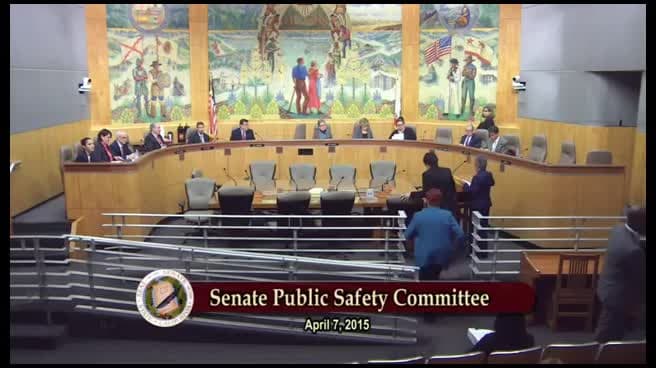
Discussed in Hearing
 15MIN
15MINAssembly Standing Committee on Judiciary
 23MIN
23MIN