AB 1025: Pupil health: multitiered and integrated interventions pilot program.
- Session Year: 2015-2016
- House: Assembly
- Latest Version Date: 2015-08-18
Existing law establishes a system of public elementary and secondary schools in this state, and provides for the establishment of school districts and other local educational agencies to operate these schools and provide instruction to pupils. Existing law requires the Superintendent of Public Instruction, among his or her other duties, to serve as the chief executive officer of the State Department of Education. Existing law makes a one-time appropriation from the General Fund to the Superintendent to apportion to a designated county office of education or designated county offices of education for the purposes of providing technical assistance and encouraging and assisting in the development of schoolwide, data-driven systems of learning and behavioral supports to meet the needs of Californias diverse learners.
This bill, until January 1, 2020, would require the State Department of Education the designated county office of education or county offices of education in the above-mentioned appropriation, in conjunction with the State Board of Education and a steering committee that the bill would require the department to establish, to establish a 3-year pilot program to encourage inclusive practices that integrate mental health, special education, and school climate interventions following a multitiered framework in school districts that apply to participate, as specified. The bill would require the State Department of Education the designated county office of education or designated county offices of education to select schools where at least 60% of the student body is eligible for a free or reduced-price meal program and whose applications provide an estimate for the amount of funding being requested for startup and evaluation evidence of a plan to serve their pupils with a combination of school funds and mental health funds and detail a model approach that targets the behavioral, emotional, and academic needs of pupils with multitiered and integrated mental health, special education, and school climate interventions. The bill, in accordance with the enactment of an appropriation for this purpose, the above-mentioned appropriation, would require the State Department of Education designated county office of education or county offices of education to provide startup and evaluation funding to each school participating in the pilot program, and would require the schools to provide certain information to the State Department of Education department, in accordance with a comprehensive evaluation plan developed by the State Department of Health Care Services, the Mental Health Services Oversight and Accountability Commission, and the State Department of Education steering committee, to assess the impact of the pilot program and disseminate best practices. The bill would require the State Department of Education to submit a report to the Legislature evaluating the success of the pilot program at the end of the 3-year period. The bill would require the Mental Health Services Oversight and Accountability Commission to revise its guidelines and regulations regarding prevention and early intervention programs in K12 schools, as specified.
Existing law establishes a system of public elementary and secondary schools in this state, and provides for the establishment of school districts and other local educational agencies to operate these schools and provide instruction to pupils. Existing law requires the Superintendent of Public Instruction, among his or her other duties, to serve as the chief executive officer of the State Department of Education.
This bill, until January 1, 2020, would require the State Department of Education to establish a 3-year pilot program to encourage inclusive practices that integrate mental health, special education, and school climate interventions following a multitiered framework in school districts that apply to participate, as specified. The bill would require the State Department of Education to select schools where at least 60% of the student body is eligible for a free or reduced-price meal program and whose applications provide an estimate for the amount of funding being requested for startup and evaluation and detail a model approach that targets the behavioral, emotional, and academic needs of pupils with multitiered and integrated mental health, special education, and school climate interventions. The bill, contingent on in accordance with the enactment of an appropriation for this purpose, would require the department State Department of Education to provide startup and evaluation funding to each school participating in the pilot program, and would require the schools to provide certain information to the State Department of Education in accordance with a comprehensive evaluation plan developed by the State Department of Health Care Services, the Mental Health Services Oversight and Accountability Commission, and the State Department of Education to assess the impact of the pilot program and disseminate best practices. The bill would require the State Department of Education to submit a report to the Legislature evaluating the success of the pilot program at the end of the 3-year period. The bill would require the Mental Health Services Oversight and Accountability Commission to revise its guidelines and regulations regarding prevention and early intervention programs in K12 schools, as specified.
Existing law establishes a system of public elementary and secondary schools in this state, and provides for the establishment of school districts and other local educational agencies to operate these schools and provide instruction to pupils. Existing law requires the Superintendent of Public Instruction, among his or her other duties, to serve as the chief executive officer of the State Department of Education.
This bill bill, until January 1, 2020, would require the State Department of Education to develop and implement federal Substance Abuse and Mental Health Services Administration Now is The Time funded pilot projects and to establish additional pilot programs a 3-year pilot program to encourage inclusive practices that integrate mental health, special education, and school climate interventions following a multitiered framework in school districts that apply to participate, as specified. The bill would require the State Department of Education to select schools where at least 60% of the student body is eligible for a free or reduced-price meal program and whose applications provide an estimate for the amount of funding being requested for start up startup and evaluation and detail a model approach that targets the behavioral, emotional, and academic needs of pupils with multitiered and integrated mental health, special education, and school climate interventions. The bill, contingent on the enactment of an appropriation for this purpose, would require the department to provide startup and evaluation funding to each school participating in the pilot program, and would require the schools to provide certain information to the State Department of Education in accordance with a comprehensive evaluation plan developed by the State Department of Health Care Services, the Mental Health Services Oversight and Accountability Commission, and the State Department of Education to assess the impact of the pilot program and disseminate best practices. The bill would require the State Department of Education to submit a report to the Legislature evaluating the success of the pilot program at the end of the 3-year period. The bill would require the Mental Health Services Oversight and Accountability Commission to revise its guidelines and regulations regarding prevention and early intervention programs in K12 schools, as specified.
Existing law establishes a system of public elementary and secondary schools in this state, and provides for the establishment of school districts and other local educational agencies to operate these schools and provide instruction to pupils. Existing law requires the Superintendent of Public Instruction, among his or her other duties, to serve as the chief executive officer of the State Department of Education.
This bill would require the State Department of Education to develop and implement federal Substance Abuse and Mental Health Services Administration Now is The Time funded pilot projects and to establish a 3-year pilot program additional pilot programs to encourage inclusive practices that integrate mental health, special education, and school climate interventions following a multitiered framework in 3 schools in 10 school districts, school districts that apply to participate, as specified. The bill would require the State Department of Education to select schools where at least 60% of the student body is eligible for a free or reduced-price meal program and whose applications provide an estimate for the amount of funding being requested for start up and evaluation and detail a model approach that targets the behavioral, emotional, and academic needs of pupils with multitiered and integrated mental health, special education, and school climate interventions. The bill, contingent on the enactment of an appropriation for this purpose, would require the department to provide startup and evaluation funding to each school participating in the pilot program, and would require the schools to provide certain information to the State Department of Education in accordance with a comprehensive evaluation plan developed by the State Department of Health Care Services, the Mental Health Services Oversight and Accountability Commission, and the State Department of Education to assess the impact of the pilot program and disseminate best practices. The bill would require the State Department of Education to submit a report to the Legislature evaluating the success of the pilot program at the end of the 3-year period. The bill would require the Mental Health Services Oversight and Accountability Commission to revise its guidelines and regulations regarding prevention and early intervention programs in K12 schools, as specified.
Existing law establishes a system of public elementary and secondary schools in this state, and provides for the establishment of school districts and other local educational agencies to operate these schools and provide instruction to pupils. Existing law requires the Superintendent of Public Instruction, among his or her other duties, to serve as the chief executive officer of the State Department of Education.
This bill would require the State Department of Education to establish a 3-year pilot program to encourage inclusive practices that integrate mental health, special education, and school climate interventions following a multitiered framework in 3 schools in 10 school districts, as specified. The bill would require the State Department of Education to select schools where at least 60% of the student body is eligible for a free or reduced-price meal program and whose applications provide an estimate for the amount of funding being requested for start up and evaluation and detail a model approach that targets the behavioral, emotional, and academic needs of pupils with multitiered and integrated mental health, special education, and school climate interventions. The bill, contingent on the enactment of an appropriation for this purpose, would require the department to provide startup and evaluation funding to each school participating in the pilot program, and would require the schools to provide certain information to the State Department of Education in accordance with a comprehensive evaluation plan developed by the State Department of Health Care Services and the State Department of Education to assess the impact of the pilot program and disseminate best practices. The bill would require the State Department of Education to submit a report to the Legislature evaluating the success of the pilot program at the end of the 3-year period.
(a)The Legislature finds and declares that pupils from all backgrounds and circumstances in California deserve adequate behavioral and academic support to achieve their full potential. The Legislature further finds and declares all of the following:
(1)Pupils in California face relational and environmental stressors that diminish their ability to achieve their full potential. Among these complex challenges may be poverty, frequent exposure to violence, placement in the foster care system, and other negative experiences that result in chronic stress and trauma. Nearly 700,000 pupils in California receive special education services, and nearly one-in-four youth are living in poverty. Nearly 60,000 youth are currently placed in foster care, and as many as 20 percent of youth are in need of mental health interventions.
(2)Pupils with these stressors are frequently failed by the current policies and systems in place, as measured by indicators for academic outcomes, social inclusion, emotional development, mental health support, and general pupil well-being.
(A)In California, more than 20 percent of special education pupils spend less than 40 percent of their day within their regular classroom, an indicator of inclusion, compared to 14 percent of special education pupils nationally and a federal target of less than 9 percent.
(B)Only 59 percent of special education pupils graduated from high school within four years in the 201011 fiscal year compared to 76 percent of all pupils.
(C)Statewide, a recent study found only 58 percent of foster youth in grade 12 graduated compared to 85 percent of all youth, with nearly 14 percent of foster youth in grade 12 dropping out of school.
(D)Far too often, youth with mental health challenges do not receive the services they need. For instance, one study found that nearly two-thirds of adolescents who experienced a major depressive disorder in the last year did not receive treatment.
(E)Even by grade 3, low-income pupils perform substantially below their higher income peers in areas of social and emotional skill, social and emotional development, engagement in school, and physical well-being.
(3)Current funding practices fail to adequately incentivize schools to invest in front-end preventative measures that would reduce overall cost of special education.
(4)Delivery of comprehensive community-based support and resources requires a high level of collaboration among schools, school districts, and county mental health agencies.
(5)Inclusive multitiered systems of behavioral and academic supports are essential to providing high-quality, cost-effective special education programs that benefit all pupils.
(6)The State Department of Education has recently received a grant from the federal Substance Abuse and Mental Health Services Administration to develop these special education programs and has selected the City of Santa Rosa, the City of Garden Grove, and the County of San Diego for pilot programs.
(7)Similar pilot programs are already established in the City of Oakland and in the County of San Bernardino.
(8)The programs in the City of Oakland and the County of San Bernardino are demonstrating that these programs generate savings that more than offset their costs.
(b)It is the intent of the Legislature that, upon demonstrated success of the pilot program established pursuant to Section 49440 of the Education Code, the evaluated models can be adopted by a large number of schools to increase the efficient and effective utilization of available community resources in order to promote the success of all pupils.
SEC. 2.Article 3 (commencing with Section 49440) is added to Chapter 9 of Part 27 of Division 4 of Title 2 of the Education Code, to read:3.Multitiered and Integrated Interventions Pilot Program49440.(a)As part of the plan to provide technical assistance and disseminate statewide resources that encourage and assist local educational agencies in establishing and aligning schoolwide, data-driven systems of learning and behavioral supports, pursuant to Section 57 of Chapter 13 of the Statutes of 2015, the department designated county office of education or county offices of education, in conjunction with the state board and the steering committee established pursuant to subdivision (d), shall establish a three-year pilot program in accordance with this article to encourage inclusive practices that integrate mental health, special education, and school climate interventions following a multitiered framework.
(b)In accordance with moneys appropriated in the annual Budget Act or another statute the funds specified in Section 57 of Chapter 13 of the Statutes of 2015 and other funds that may be appropriated for the purpose of implementing this article, the department designated county office of education or county offices of education shall establish the pilot program in three two schools in each of five school districts that apply to participate through the submission of detailed applications providing estimates for the amount of funding being requested for startup and evaluation of the program and specifying their intended models. The schools selected shall not include schools that received a federal Substance Abuse and Mental Health Services Administrations Now is The Time grant. The department designated county office of education or county offices of education shall select schools where at least 60 percent of the student body is eligible for a free or reduced-price meal program and whose applications provide evidence of a plan to serve their pupils with a combination of school funds and mental health funds and detail a model approach that targets the behavioral, emotional, and academic needs of pupils with multitiered and integrated mental health, special education, and school climate interventions. In addition to reflecting the schools specific culture and needs, a schools model shall include all of the following:
(1)Formalized collaboration with local mental health agencies to provide school-based mental health services that are integrated within a multitiered system of support.
(1)Entering into a partnership with the county in which the school is located, or implement another method, in order to demonstrate access to adequate funding to serve Medi-Cal eligible pupils who are not in special education programs.
(2)Leverage Leveraging of school and community resources to offer comprehensive multitiered interventions on a sustainable basis.
(3)An initial school climate assessment that includes information from multiple stakeholders, including school staff, pupils, and families, that is used to inform the selection of strategies and interventions that reflect the culture and goals of the school.
(4)A coordination of services team that considers referrals for services, oversees schoolwide efforts, and uses data-informed processes to identify struggling pupils who require early interventions.
(5)Whole school strategies that address school climate and universal pupil well-being, such as positive behavioral interventions and supports or the Olweus Bullying Prevention Program, as well as comprehensive professional development opportunities, that build the capacity of the entire school community to recognize and respond to the unique social-emotional, behavioral, and academic needs of pupils.
(6)Targeted interventions for pupils with identified social-emotional, behavioral, and academic needs, such as therapeutic group interventions, functional behavioral analysis and plan development, and targeted skill groups.
(7)Intensive services, such as wraparound, behavioral intervention, or one-on-one support, that can reduce the need for a pupils referral to special education or placement in more restrictive, isolated settings.
(8)Specific strategies and practices that ensure parent engagement with the school and provide parents with access to resources that support their childrens educational success.
(c)In accordance with an appropriation in the annual Budget Act or another statute the funds specified in Section 57 of Chapter 13 of the Statutes of 2015 and other funds that may be appropriated for the purpose of implementing this article, the department designated county office of education or county offices of education shall provide startup and evaluation funding to each school participating in the pilot program in the following amounts:
(1)Two hundred fifty thousand dollars ($250,000) in year one.
(2)Two hundred thousand dollars ($200,000) in year two.
(3)One hundred fifty thousand dollars ($150,000) in year three.
(d)(1)The State Department of Health Care Services, the Mental Health Services Oversight and Accountability Commission, and the department shall develop a comprehensive evaluation plan to assess the impact of the pilot program and disseminate best practices.
(d)(1)(A)The department shall establish a steering committee to provide advice and direction to the department to develop criteria for grant awards and to develop a comprehensive evaluation plan to assess the impact of the pilot program and disseminate best practices.
(B)The steering committee shall include representatives from the department, the State Department of Health Care Services, the Mental Health Services Oversight and Accountability Commission, and the state board, teachers, administrators, county behavioral health directors, behavioral health providers, and representatives of special education local plan areas.
(2)Outcomes and indicators to be reported pursuant to this subdivision by schools participating in the pilot program shall include, but need not be limited to, those already being collected by schools, as well as designated measures of pupil well-being, academic achievement, and school engagement and attendance.
(3)(A)The department, in compliance with Section 9795 of the Government Code, shall submit a report to the Legislature at the end of the three-year period evaluating the success of the program and making further recommendations. The department shall make the report available to the public, and shall post it on the departments Internet Web site.
(B)The requirement to submit a report to the Legislature imposed under subparagraph (A) is inoperative, pursuant to Section 10231.5 of the Government Code, four years after the report is due.
(e)The Mental Health Services Oversight and Accountability Commission shall revise its guidelines and regulations for Prevention and Early Intervention Programs of the Mental Health Services Act, pursuant to Section 5840 of the Welfare and Institutions Code, to require that these prevention and early intervention programs in K12 schools are designed to support the implementation or expansion of model programs in accordance with the criteria set forth in this section.
49441.This article shall remain in effect only until January 1, 2020, and as of that date is repealed, unless a later enacted statute, that is enacted before January 1, 2020, deletes or extends that date.
(a)The Legislature finds and declares that pupils from all backgrounds and circumstances in California deserve adequate behavioral and academic support to achieve their full potential. The Legislature further finds and declares all of the following:
(1)Pupils in California face relational and environmental stressors that diminish their ability to achieve their full potential. Among these complex challenges may be poverty, frequent exposure to violence, placement in the foster care system, and other negative experiences that result in chronic stress and trauma. Nearly 700,000 pupils in California receive special education services, and nearly one-in-four youth are living in poverty. Nearly 60,000 youth are currently placed in foster care, and as many as 20 percent of youth are in need of mental health interventions.
(2)Pupils with these stressors are frequently failed by the current policies and systems in place, as measured by indicators for academic outcomes, social inclusion, emotional development, mental health support, and general pupil well-being.
(A)In California, more than 20 percent of special education pupils spend less than 40 percent of their day within their regular classroom, an indicator of inclusion, compared to 14 percent of special education pupils nationally and a federal target of less than 9 percent.
(B)Only 59 percent of special education pupils graduated from high school within four years in the 201011 fiscal year compared to 76 percent of all pupils.
(C)Statewide, a recent study found only 58 percent of foster youth in grade 12 graduated compared to 85 percent of all youth, with nearly 14 percent of foster youth in grade 12 dropping out of school.
(D)Far too often, youth with mental health challenges do not receive the services they need. For instance, one study found that nearly two-thirds of adolescents who experienced a major depressive disorder in the last year did not receive treatment.
(E)Even by grade 3, low-income pupils perform substantially below their higher income peers in areas of social and emotional skill, social and emotional development, engagement in school, and physical well-being.
(3)Current funding practices fail to adequately incentivize schools to invest in front-end preventative measures that would reduce overall cost of special education.
(4)Delivery of comprehensive community-based support and resources requires a high level of collaboration among schools, school districts, and county mental health agencies.
(5)Inclusive multitiered systems of behavioral and academic supports are essential to providing high-quality, cost-effective special education programs that benefit all pupils.
(6)The State Department of Education has recently received a grant from the federal Substance Abuse and Mental Health Services Administration to develop these special education programs and has selected the City of Santa Rosa, the City of Garden Grove, and the County of San Diego for pilot programs.
(7)Similar pilot programs are already established in the City of Oakland and in the County of San Bernardino.
(8)The programs in the City of Oakland and the County of San Bernardino are demonstrating that these programs generate savings that more than offset their costs.
(b)It is the intent of the Legislature that, upon demonstrated success of the pilot program established pursuant to Section 124174.7 of the Health and Safety 49440 of the Education Code, the evaluated models can be adopted by a large number of schools to increase the efficient and effective utilization of available community resources in order to promote the success of all pupils.
SEC. 2.Article 5.5 (commencing with Section 48280) is added to Chapter 2 of Part 27 of Division 4 of Title 2 of the Education Code, to read:5.5.Multitiered and Integrated Interventions Pilot Program48280.(a)The department shall establish a three-year pilot program in accordance with this section to encourage inclusive practices that integrate mental health, special education, and school climate interventions following a multitiered framework.
(b)To the extent moneys are appropriated in the annual Budget Act, the department shall establish the pilot program in three schools in each of five school districts that apply to participate through the submission of detailed applications providing estimates for the amount of funding being requested for startup and evaluation of the program and specifying their intended models. The schools selected shall not include schools that received a federal Substance Abuse and Mental Health Services Administration Now is The Time grant. The department shall select schools where at least 60 percent of the student body is eligible for a free or reduced-price meal program and whose applications detail a model approach that targets the behavioral, emotional, and academic needs of pupils with multitiered and integrated mental health, special education, and school climate interventions. In addition to reflecting the schools specific culture and needs, a schools model shall include all of the following:
(1)Formalized collaboration with local mental health agencies to provide school-based mental health services that are integrated within a multitiered system of support.
(2)Leverage of school and community resources to offer comprehensive multitiered interventions on a sustainable basis.
(3)An initial school climate assessment that includes information from multiple stakeholders, including school staff, pupils, and families, that is used to inform the selection of strategies and interventions that reflect the culture and goals of the school.
(4)A coordination of services team that considers referrals for services, oversees schoolwide efforts, and utilizes data-informed processes to identify struggling pupils who require early interventions.
(5)Whole school strategies that address school climate and universal pupil well-being, such as positive behavioral interventions and supports or the Olweus Bullying Prevention Program, as well as comprehensive professional development opportunities, that build the capacity of the entire school community to recognize and respond to the unique social-emotional, behavioral, and academic needs of pupils.
(6)Targeted interventions for pupils with identified social-emotional, behavioral, and academic needs, such as therapeutic group interventions, functional behavioral analysis and plan development, and targeted skill groups.
(7)Intensive services, such as wraparound, behavioral intervention, or one-on-one support, that can reduce the need for a pupils referral to special education or placement in more restrictive, isolated settings.
(8)Specific strategies and practices that ensure parent engagement with the school and provide parents with access to resources that support their childrens educational success.
(c)Contingent on the enactment of an appropriation in the annual Budget Act for the purpose of implementing this section, the department shall provide startup and evaluation funding to each school participating in the pilot program in the following amounts:
(1)Two hundred fifty thousand dollars ($250,000) in year one.
(2)Two hundred thousand dollars ($200,000) in year two.
(3)One hundred fifty thousand dollars ($150,000) in year three.
(d)(1)The State Department of Health Care Services, the Mental Health Services Oversight and Accountability Commission, and the department shall develop a comprehensive evaluation plan to assess the impact of the pilot program and disseminate best practices.
(2)Outcomes and indicators to be reported pursuant to this subdivision by schools participating in the pilot program shall include, but need not be limited to, those already being collected by schools, as well as designated measures of pupil well-being, academic achievement, and school engagement and attendance.
(3)(A)The department, in compliance with Section 9795 of the Government Code, shall submit a report to the Legislature at the end of the three-year period evaluating the success of the program and making further recommendations. The department shall make the report available to the public, and shall post it on the departments Internet Web site.
(B)The requirement to submit a report to the Legislature imposed under subparagraph (A) is inoperative, pursuant to Section 10231.5 of the Government Code, four years after the report is due.
(e)The Mental Health Services Oversight and Accountability Commission shall revise its guidelines and regulations for Prevention and Early Intervention Programs of the Mental Health Services Act, pursuant to Section 5840 of the Welfare and Institutions Code, to require that these prevention and early intervention programs in K12 schools are designed to support the implementation or expansion of model programs in accordance with the criteria set forth in this section.
48281.This article shall remain in effect only until January 1, 2020, and as of that date is repealed, unless a later enacted statute, that is enacted before January 1, 2020, deletes or extends that date.
SEC. 2.Article 3 (commencing with Section 49440) is added to Chapter 9 of Part 27 of Division 4 of Title 2 of the Education Code, to read:3.Multitiered and Integrated Interventions Pilot Program49440.(a)As part of the plan to provide technical assistance and disseminate statewide resources that encourage and assist local educational agencies in establishing and aligning schoolwide, data-driven systems of learning and behavioral supports, the department shall establish a three-year pilot program in accordance with this article to encourage inclusive practices that integrate mental health, special education, and school climate interventions following a multitiered framework.
(b)In accordance with moneys appropriated in the annual Budget Act or another statute for the purpose of implementing this article, the department shall establish the pilot program in three schools in each of five school districts that apply to participate through the submission of detailed applications providing estimates for the amount of funding being requested for startup and evaluation of the program and specifying their intended models. The schools selected shall not include schools that received a federal Substance Abuse and Mental Health Services Administrations Now is The Time grant. The department shall select schools where at least 60 percent of the student body is eligible for a free or reduced-price meal program and whose applications detail a model approach that targets the behavioral, emotional, and academic needs of pupils with multitiered and integrated mental health, special education, and school climate interventions. In addition to reflecting the schools specific culture and needs, a schools model shall include all of the following:
(1)Formalized collaboration with local mental health agencies to provide school-based mental health services that are integrated within a multitiered system of support.
(2)Leverage of school and community resources to offer comprehensive multitiered interventions on a sustainable basis.
(3)An initial school climate assessment that includes information from multiple stakeholders, including school staff, pupils, and families, that is used to inform the selection of strategies and interventions that reflect the culture and goals of the school.
(4)A coordination of services team that considers referrals for services, oversees schoolwide efforts, and uses data-informed processes to identify struggling pupils who require early interventions.
(5)Whole school strategies that address school climate and universal pupil well-being, such as positive behavioral interventions and supports or the Olweus Bullying Prevention Program, as well as comprehensive professional development opportunities, that build the capacity of the entire school community to recognize and respond to the unique social-emotional, behavioral, and academic needs of pupils.
(6)Targeted interventions for pupils with identified social-emotional, behavioral, and academic needs, such as therapeutic group interventions, functional behavioral analysis and plan development, and targeted skill groups.
(7)Intensive services, such as wraparound, behavioral intervention, or one-on-one support, that can reduce the need for a pupils referral to special education or placement in more restrictive, isolated settings.
(8)Specific strategies and practices that ensure parent engagement with the school and provide parents with access to resources that support their childrens educational success.
(c)In accordance with an appropriation in the annual Budget Act or another statute for the purpose of implementing this article, the department shall provide startup and evaluation funding to each school participating in the pilot program in the following amounts:
(1)Two hundred fifty thousand dollars ($250,000) in year one.
(2)Two hundred thousand dollars ($200,000) in year two.
(3)One hundred fifty thousand dollars ($150,000) in year three.
(d)(1)The State Department of Health Care Services, the Mental Health Services Oversight and Accountability Commission, and the department shall develop a comprehensive evaluation plan to assess the impact of the pilot program and disseminate best practices.
(2)Outcomes and indicators to be reported pursuant to this subdivision by schools participating in the pilot program shall include, but need not be limited to, those already being collected by schools, as well as designated measures of pupil well-being, academic achievement, and school engagement and attendance.
(3)(A)The department, in compliance with Section 9795 of the Government Code, shall submit a report to the Legislature at the end of the three-year period evaluating the success of the program and making further recommendations. The department shall make the report available to the public, and shall post it on the departments Internet Web site.
(B)The requirement to submit a report to the Legislature imposed under subparagraph (A) is inoperative, pursuant to Section 10231.5 of the Government Code, four years after the report is due.
(e)The Mental Health Services Oversight and Accountability Commission shall revise its guidelines and regulations for Prevention and Early Intervention Programs of the Mental Health Services Act, pursuant to Section 5840 of the Welfare and Institutions Code, to require that these prevention and early intervention programs in K12 schools are designed to support the implementation or expansion of model programs in accordance with the criteria set forth in this section.
49441.This article shall remain in effect only until January 1, 2020, and as of that date is repealed, unless a later enacted statute, that is enacted before January 1, 2020, deletes or extends that date.
(a)The Legislature finds and declares that pupils from all backgrounds and circumstances in California deserve adequate behavioral and academic support to achieve their full potential. The Legislature further finds and declares all of the following:
(1)Pupils in California face relational and environmental stressors that diminish their ability to achieve their full potential. Among these complex challenges may be poverty, frequent exposure to violence, placement in the foster care system, and other negative experiences that result in chronic stress and trauma. Nearly 700,000 pupils in California receive special education services, and nearly one-in-four youth are living in poverty. Nearly 60,000 youth are currently placed in foster care, and as many as 20 percent of youth are in need of mental health interventions.
(2)Pupils with these stressors are frequently failed by the current policies and systems in place, as measured by indicators for academic outcomes, social inclusion, emotional development, mental health support, and general pupil well-being.
(A)In California, more than 20 percent of special education pupils spend less than 40 percent of their day within their regular classroom, an indicator of inclusion, compared to 14 percent of special education pupils nationally and a federal target of less than 9 percent.
(B)Only 59 percent of special education pupils graduated from high school within four years in the 201011 fiscal year compared to 76 percent of all pupils.
(C)Statewide, a recent study found only 58 percent of foster youth in grade 12 graduated compared to 85 percent of all youth, with nearly 14 percent of foster youth in grade 12 dropping out of school.
(D)Far too often, youth with mental health challenges do not receive the services they need. For instance, one study found that nearly two-thirds of adolescents who experienced a major depressive disorder in the last year did not receive treatment.
(E)Even by grade 3, low-income pupils perform substantially below their higher income peers in areas of social and emotional skill, social and emotional development, engagement in school, and physical well-being.
(3)Current funding practices fail to adequately incentivize schools to invest in front-end preventative measures that would reduce overall cost of special education.
(4)Delivery of comprehensive community-based support and resources requires a high level of collaboration among schools, school districts, and county mental health agencies.
(5)Inclusive multitiered systems of behavioral and academic supports are essential to providing high-quality, cost-effective special education programs that benefit all pupils.
(6)The State Department of Education has recently received a grant from the federal Substance Abuse and Mental Health Services Administration to develop these special education programs and has selected the City of Santa Rosa, the City of Garden Grove, and San Diego County the County of San Diego for pilot programs.
(7)Similar pilot programs are already established in the City of Oakland and in San Bernardino County. the County of San Bernardino.
(8)The programs in the City of Oakland and San Bernardino County the County of San Bernardino are demonstrating that these programs generate savings that more than offset their costs.
(b)It is the intent of the Legislature that, upon demonstrated success of the pilot program established pursuant to Section 124174.7 of the Health and Safety Code, the evaluated models can be adopted by a large number of schools to increase the efficient and effective utilization of available community resources in order to promote the success of all pupils.
SEC. 2.Section 124174.7 is added to the Health and Safety Code, to read:124174.7.(a)(1)The State Department of Education shall develop and implement federal Substance Abuse and Mental Health Services Administration Now is The Time funded pilot projects in accordance with this section and shall establish additional pilot programs in accordance with this section to encourage inclusive practices that integrate mental health, special education, and school climate interventions following a multitiered framework.
(2)For purposes of this section, department means the State Department of Education.
(b)To the extent that funds are appropriated in the annual Budget Act, the department shall establish the pilot program in three additional schools in each of five additional school districts that apply to participate through the submission of detailed applications providing estimates for the amount of funding being requested for startup and evaluation of the program and specifying their intended models. The department shall select schools where at least 60 percent of the student body is eligible for a free or reduced-price meal program and whose applications detail a model approach that targets the behavioral, emotional, and academic needs of pupils with multitiered and integrated mental health, special education, and school climate interventions. In addition to reflecting the schools specific culture and needs, a schools model shall include all of the following:
(1)Formalized collaboration with local mental health agencies to provide school-based mental health services that are integrated within a multitiered system of support.
(2)Leverage of school and community resources to offer comprehensive multitiered interventions on a sustainable basis.
(3)An initial school climate assessment that includes information from multiple stakeholders, including school staff, pupils, and families, that is used to inform the selection of strategies and interventions that reflect the culture and goals of the school.
(4)A coordination of services team that considers referrals for services, oversees schoolwide efforts, and utilizes data-informed processes to identify struggling pupils who require early interventions.
(5)Whole school strategies that address school climate and universal pupil well-being, such as positive behavioral interventions and supports or the Olweus Bullying Prevention Program, as well as comprehensive professional development opportunities, that build the capacity of the entire school community to recognize and respond to the unique social-emotional, behavioral, and academic needs of pupils.
(6)Targeted interventions for pupils with identified social-emotional, behavioral, and academic needs, such as therapeutic group interventions, functional behavioral analysis and plan development, and targeted skill groups.
(7)Intensive services, such as wraparound, behavioral intervention, or one-on-one support, that can reduce the need for a pupils referral to special education or placement in more restrictive, isolated settings.
(8)Specific strategies and practices that ensure parent engagement with the school, and provide parents with access to resources that support their childrens educational success.
(c)Contingent on the enactment of an appropriation in the annual Budget Act for the purpose of implementing this section, the department shall provide startup and evaluation funding to each school participating in the pilot program in the following amounts:
(1)Two hundred fifty thousand dollars ($250,000) in year one.
(2)Two hundred thousand dollars ($200,000) in year two.
(3)One hundred fifty thousand dollars ($150,000) in year three.
(d)(1)The State Department of Health Care Services, the Mental Health Services Oversight and Accountability Commission, and the department shall develop a comprehensive evaluation plan to assess the impact of the pilot program and disseminate best practices.
(2)Outcomes and indicators to be reported pursuant to this subdivision by schools participating in the pilot program shall include, but need not be limited to, those already being collected by schools, as well as designated measures of pupil well-being, academic achievement, and school engagement and attendance.
(3)(A)The department, in compliance with Section 9795 of the Government Code, shall submit a report to the Legislature at the end of the three-year period evaluating the success of the program and making further recommendations. The department shall make the report available to the public, and shall post it on the departments Internet Web site.
(B)The requirement to submit a report to the Legislature imposed under subparagraph (A) is inoperative, pursuant to Section 10231.5 of the Government Code, four years after the report is due.
(e)The Mental Health Services Oversight and Accountability Commission shall revise its guidelines and regulations for Prevention and Early Intervention Programs of the Mental Health Services Act, pursuant to Section 5840 of the Welfare and Institutions Code, to require that these prevention and early intervention programs in K12 schools are designed to support the implementation or expansion of model programs in accordance with the criteria set forth in this section.
SEC. 2.Article 5.5 (commencing with Section 48280) is added to Chapter 2 of Part 27 of Division 4 of Title 2 of the Education Code, to read:5.5.Multitiered and Integrated Interventions Pilot Program48280.(a)The department shall establish a three-year pilot program in accordance with this section to encourage inclusive practices that integrate mental health, special education, and school climate interventions following a multitiered framework.
(b)To the extent moneys are appropriated in the annual Budget Act, the department shall establish the pilot program in three schools in each of five school districts that apply to participate through the submission of detailed applications providing estimates for the amount of funding being requested for startup and evaluation of the program and specifying their intended models. The schools selected shall not include schools that received a federal Substance Abuse and Mental Health Services Administration Now is The Time grant. The department shall select schools where at least 60 percent of the student body is eligible for a free or reduced-price meal program and whose applications detail a model approach that targets the behavioral, emotional, and academic needs of pupils with multitiered and integrated mental health, special education, and school climate interventions. In addition to reflecting the schools specific culture and needs, a schools model shall include all of the following:
(1)Formalized collaboration with local mental health agencies to provide school-based mental health services that are integrated within a multitiered system of support.
(2)Leverage of school and community resources to offer comprehensive multitiered interventions on a sustainable basis.
(3)An initial school climate assessment that includes information from multiple stakeholders, including school staff, pupils, and families, that is used to inform the selection of strategies and interventions that reflect the culture and goals of the school.
(4)A coordination of services team that considers referrals for services, oversees schoolwide efforts, and utilizes data-informed processes to identify struggling pupils who require early interventions.
(5)Whole school strategies that address school climate and universal pupil well-being, such as positive behavioral interventions and supports or the Olweus Bullying Prevention Program, as well as comprehensive professional development opportunities, that build the capacity of the entire school community to recognize and respond to the unique social-emotional, behavioral, and academic needs of pupils.
(6)Targeted interventions for pupils with identified social-emotional, behavioral, and academic needs, such as therapeutic group interventions, functional behavioral analysis and plan development, and targeted skill groups.
(7)Intensive services, such as wraparound, behavioral intervention, or one-on-one support, that can reduce the need for a pupils referral to special education or placement in more restrictive, isolated settings.
(8)Specific strategies and practices that ensure parent engagement with the school and provide parents with access to resources that support their childrens educational success.
(c)Contingent on the enactment of an appropriation in the annual Budget Act for the purpose of implementing this section, the department shall provide startup and evaluation funding to each school participating in the pilot program in the following amounts:
(1)Two hundred fifty thousand dollars ($250,000) in year one.
(2)Two hundred thousand dollars ($200,000) in year two.
(3)One hundred fifty thousand dollars ($150,000) in year three.
(d)(1)The State Department of Health Care Services, the Mental Health Services Oversight and Accountability Commission, and the department shall develop a comprehensive evaluation plan to assess the impact of the pilot program and disseminate best practices.
(2)Outcomes and indicators to be reported pursuant to this subdivision by schools participating in the pilot program shall include, but need not be limited to, those already being collected by schools, as well as designated measures of pupil well-being, academic achievement, and school engagement and attendance.
(3)(A)The department, in compliance with Section 9795 of the Government Code, shall submit a report to the Legislature at the end of the three-year period evaluating the success of the program and making further recommendations. The department shall make the report available to the public, and shall post it on the departments Internet Web site.
(B)The requirement to submit a report to the Legislature imposed under subparagraph (A) is inoperative, pursuant to Section 10231.5 of the Government Code, four years after the report is due.
(e)The Mental Health Services Oversight and Accountability Commission shall revise its guidelines and regulations for Prevention and Early Intervention Programs of the Mental Health Services Act, pursuant to Section 5840 of the Welfare and Institutions Code, to require that these prevention and early intervention programs in K12 schools are designed to support the implementation or expansion of model programs in accordance with the criteria set forth in this section.
48281.This article shall remain in effect only until January 1, 2020, and as of that date is repealed, unless a later enacted statute, that is enacted before January 1, 2020, deletes or extends that date.
(a)The Legislature finds and declares that pupils from all backgrounds and circumstances in California deserve adequate behavioral and academic support to achieve their full potential. The Legislature further finds and declares all of the following:
(1)Pupils in California face relational and environmental stressors that diminish their ability to achieve their full potential. Among these complex challenges may be poverty, frequent exposure to violence, placement in the foster care system, and other negative experiences that result in chronic stress and trauma. Nearly 700,000 pupils in California receive special education services, and nearly one-in-four youth are living in poverty. Nearly 60,000 youth are currently placed in foster care, and as many as 20 percent of youth are in need of mental health interventions.
(2)Pupils with these stressors are frequently failed by the current policies and systems in place, as measured by indicators for academic outcomes, social inclusion, emotional development, mental health support, and general pupil well-being.
(A)In California, more than 20 percent of special education pupils spend less than 40 percent of their day within their regular classroom, an indicator of inclusion, compared to 14 percent of special education pupils nationally and a federal target of less than 9 percent.
(B)Only 59 percent of special education pupils graduated from high school within four years in the 201011 fiscal year compared to 76 percent of all pupils.
(C)Statewide, a recent study found only 58 percent of foster youth in grade 12 graduated compared to 85 percent of all youth, with nearly 14 percent of foster youth in grade 12 dropping out of school.
(D)Far too often, youth with mental health challenges do not receive the services they need. For instance, one study found that nearly two-thirds of adolescents who experienced a major depressive disorder in the last year did not receive treatment.
(E)Even by grade 3, low-income pupils perform substantially below their higher income peers in areas of social and emotional skill, social and emotional development, engagement in school, and physical well-being.
(3)Current funding practices fail to adequately incentivize schools to invest in front-end preventative measures that would reduce overall cost of special education.
(4)Delivery of comprehensive community-based support and resources requires a high level of collaboration among schools, school districts, and county mental health agencies.
(5)Inclusive multitiered systems of behavioral and academic supports are essential to providing high-quality, cost-effective special education programs that benefit all pupils.
(6)The State Department of Education has recently received a grant from the federal Substance Abuse and Mental Health Services Administration to develop these special education programs and has selected the City of Santa Rosa, the City of Garden Grove, and San Diego County for pilot programs.
(7)Similar pilot programs are already established in the City of Oakland and in San Bernardino County.
(8)The programs in the City of Oakland and San Bernardino County are demonstrating that these programs generate savings that more than offset their costs.
(b)It is the intent of the Legislature that, upon demonstrated success of the pilot program established pursuant to Section 124174.7 of the Health and Safety Code, the evaluated models can be adopted by a large number of schools to increase the efficient and effective utilization of available community resources in order to promote the success of all pupils.
SEC. 2.Section 124174.7 is added to the Health and Safety Code, to read:124174.7.(a)(1)The State Department of Education shall develop and implement federal Substance Abuse and Mental Health Services Administration Now is The Time funded pilot projects in accordance with this section and shall establish a three-year pilot program additional pilot programs in accordance with this section to encourage inclusive practices that integrate mental health, special education, and school climate interventions following a multitiered framework.
(2)For purposes of this section, department means the State Department of Education.
(b)The To the extent that funds are appropriated in the annual Budget Act, the department shall establish the pilot program in three additional schools in each of 10 five additional school districts that apply to participate through the submission of detailed applications providing estimates for the amount of funding being requested for start up startup and evaluation of the program and specifying their intended models. The department shall select schools where at least 60 percent of the student body is eligible for a free or reduced-price meal program and whose applications detail a model approach that targets the behavioral, emotional, and academic needs of pupils with multitiered and integrated mental health, special education, and school climate interventions. In addition to reflecting the schools specific culture and needs, a schools model shall include all of the following:
(1)Formalized collaboration with local mental health agencies to provide school-based mental health services that are integrated within a multitiered system of support.
(2)Leverage of school and community resources to offer comprehensive multitiered interventions on a sustainable basis.
(3)An initial school climate assessment that includes information from multiple stakeholders, including school staff, pupils, and families, that is used to inform the selection of strategies and interventions that reflect the culture and goals of the school.
(4)A coordination of services team that considers referrals for services, oversees schoolwide efforts, and utilizes data-informed processes to identify struggling pupils who require early interventions.
(5)Whole school strategies that address school climate and universal pupil well-being, such as positive behavioral interventions and supports or the Olweus Bullying Prevention Program, as well as comprehensive professional development opportunities, that build the capacity of the entire school community to recognize and respond to the unique social-emotional, behavioral, and academic needs of pupils.
(6)Targeted interventions for pupils with identified social-emotional, behavioral, and academic needs, such as therapeutic group interventions, functional behavioral analysis and plan development, and targeted skill groups.
(7)Intensive services, such as wraparound, behavioral intervention, or one-on-one support, that can reduce the need for a pupils referral to special education or placement in more restrictive, isolated settings.
(8)Specific strategies and practices that ensure parent engagement with the school, and provide parents with access to resources that support their childrens educational success.
(c)Contingent on the enactment of an appropriation in the annual Budget Act for the purpose of implementing this section, the department shall provide startup and evaluation funding to each school participating in the pilot program in the following amounts:
(1)Two hundred fifty thousand dollars ($250,000) in year one.
(2)Two hundred thousand dollars ($200,000) in year two.
(3)One hundred fifty thousand dollars ($150,000) in year three.
(d)(1)The State Department of Health Care Services, the Mental Health Services Oversight and Accountability Commission, and the department shall develop a comprehensive evaluation plan to assess the impact of the pilot program and disseminate best practices.
(2)Outcomes and indicators to be reported pursuant to this subdivision by schools participating in the pilot program shall include, but need not be limited to, those already being collected by schools, as well as designated measures of pupil well-being, academic achievement, and school engagement and attendance.
(3)(A)The department, in compliance with Section 9795 of the Government Code, shall submit a report to the Legislature at the end of the three-year period evaluating the success of the program and making further recommendations. The department shall make the report available to the public, and shall post it on the departments Internet Web site.
(B)The requirement to submit a report to the Legislature imposed under subparagraph (A) is inoperative, pursuant to Section 10231.5 of the Government Code, four years after the report is due.
(e)The Mental Health Services Oversight and Accountability Commission shall revise its guidelines and regulations for Prevention and Early Intervention Programs of the Mental Health Services Act, pursuant to Section 5840 of the Welfare and Institutions Code, to require that these prevention and early intervention programs in K12 schools are designed to support the implementation or expansion of model programs in accordance with the criteria set forth in this section.
(a)The Legislature finds and declares that pupils from all backgrounds and circumstances in California deserve adequate behavioral and academic support to achieve their full potential. The Legislature further finds and declares all of the following:
(1)Pupils in California face relational and environmental stressors that diminish their ability to achieve their full potential. Among these complex challenges may be poverty, frequent exposure to violence, placement in the foster care system, and other negative experiences that result in chronic stress and trauma. Nearly 700,000 pupils in California receive special education services, and nearly one-in-four youth are living in poverty. Nearly 60,000 youth are currently placed in foster care, and as many as 20 percent of youth are in need of mental health interventions.
(2)Pupils with these stressors are frequently failed by the current policies and systems in place, as measured by indicators for academic outcomes, social inclusion, emotional development, mental health support, and general pupil well-being.
(A)In California, more than 20 percent of special education pupils spend less than 40 percent of their day within their regular classroom, an indicator of inclusion, compared to 14 percent of special education pupils nationally and a federal target of less than 9 percent.
(B)Only 59 percent of special education pupils graduated from high school within four years in the 201011 fiscal year compared to 76 percent of all pupils.
(C)Statewide, a recent study found only 58 percent of foster youth in grade 12 graduated compared to 85 percent of all youth, with nearly 14 percent of foster youth in grade 12 dropping out of school.
(D)Far too often, youth with mental health challenges do not receive the services they need. For instance, one study found that nearly two-thirds of adolescents who experienced a major depressive disorder in the last year did not receive treatment.
(E)Even by grade 3, low-income pupils perform substantially below their higher income peers in areas of social and emotional skill, social and emotional development, engagement in school, and physical well-being.
(3)Current funding practices fail to adequately incentivize schools to invest in front-end preventative measures that would reduce overall cost of special education.
(4)Delivery of comprehensive community-based support and resources requires a high level of collaboration among schools, school districts, and county mental health agencies.
(5)Inclusive multitiered systems of behavioral and academic supports are essential to providing high-quality, cost-effective special education programs that benefit all pupils.
(b)It is the intent of the Legislature that, upon demonstrated success of the pilot program established pursuant to Section 124174.7 of the Health and Safety Code, the evaluated models can be adopted by a large number of schools to increase the efficient and effective utilization of available community resources in order to promote the success of all pupils.
SEC. 2.Section 124174.7 is added to the Health and Safety Code, to read:124174.7.(a)(1)The State Department of Education shall establish a three-year pilot program in accordance with this section to encourage inclusive practices that integrate mental health, special education, and school climate interventions following a multitiered framework.
(2)For purposes of this section, department means the State Department of Education.
(b)The department shall establish the pilot program in three schools in each of 10 school districts that apply to participate through the submission of detailed applications providing estimates for the amount of funding being requested for start up and evaluation of the program and specifying their intended models. The department shall select schools where at least 60 percent of the student body is eligible for a free or reduced-price meal program and whose applications detail a model approach that targets the behavioral, emotional, and academic needs of pupils with multitiered and integrated mental health, special education, and school climate interventions. In addition to reflecting the schools specific culture and needs, a schools model shall include all of the following:
(1)Formalized collaboration with local mental health agencies to provide school-based mental health services that are integrated within a multitiered system of support.
(2)Leverage of school and community resources to offer comprehensive multitiered interventions on a sustainable basis.
(3)An initial school climate assessment that includes information from multiple stakeholders, including school staff, pupils, and families, that is used to inform the selection of strategies and interventions that reflect the culture and goals of the school.
(4)A coordination of services team that considers referrals for services, oversees schoolwide efforts, and utilizes data-informed processes to identify struggling pupils who require early interventions.
(5)Whole school strategies that address school climate and universal pupil well-being, such as positive behavioral interventions and supports or the Olweus Bullying Prevention Program, as well as comprehensive professional development opportunities, that build the capacity of the entire school community to recognize and respond to the unique social-emotional, behavioral, and academic needs of pupils.
(6)Targeted interventions for pupils with identified social-emotional, behavioral, and academic needs, such as therapeutic group interventions, functional behavioral analysis and plan development, and targeted skill groups.
(7)Intensive services, such as wraparound, behavioral intervention, or one-on-one support, that can reduce the need for a pupils referral to special education or placement in more restrictive, isolated settings.
(c)Contingent on the enactment of an appropriation in the annual Budget Act for the purpose of implementing this section, the department shall provide startup and evaluation funding to each school participating in the pilot program in the following amounts:
(1)Two hundred fifty thousand dollars ($250,000) in year one.
(2)Two hundred thousand dollars ($200,000) in year two.
(3)One hundred fifty thousand dollars ($150,000) in year three.
(d)(1)The State Department of Health Care Services and the department shall develop a comprehensive evaluation plan to assess the impact of the pilot program and disseminate best practices.
(2)Outcomes and indicators to be reported pursuant to this subdivision by schools participating in the pilot program shall include, but need not be limited to, those already being collected by schools, as well as designated measures of pupil well-being, academic achievement, and school engagement and attendance.
(3)(A)The department, in compliance with Section 9795 of the Government Code, shall submit a report to the Legislature at the end of the three-year period evaluating the success of the program and making further recommendations. The department shall make the report available to the public, and shall post it on the departments Internet Web site.
(B)The requirement to submit a report to the Legislature imposed under subparagraph (A) is inoperative, pursuant to Section 10231.5 of the Government Code, four years after the report is due.
|
Date
|
Status
|
|---|---|
| Jun 2, 2015 | Read second time and amended. Ordered returned to second reading. |
| Aug 27, 2015 | In committee: Held under submission. |
| Aug 24, 2015 | In committee: Referred to APPR. suspense file. |
| Aug 18, 2015 | Read second time and amended. Re-referred to Com. on APPR. |
| Aug 17, 2015 | From committee: Amend, and do pass as amended and re-refer to Com. on APPR. (Ayes 9. Noes 0.) (July 15). |
| Jul 8, 2015 | From committee: Do pass and re-refer to Com. on HEALTH. (Ayes 8. Noes 1.) (July 8). Re-referred to Com. on HEALTH. |
| Jun 18, 2015 | Referred to Coms. on ED. and HEALTH. |
| Jun 4, 2015 | Read third time. Passed. Ordered to the Senate. (Ayes 69. Noes 9. Page 1919.) |
| Jun 4, 2015 | Read third time. Passed. Ordered to the Senate. |
| Jun 4, 2015 | In Senate. Read first time. To Com. on RLS. for assignment. |
| Jun 3, 2015 | Read second time. Ordered to third reading. |
| Feb 26, 2015 | Read first time. To print. |
| Jun 1, 2015 | From committee: Amend, and do pass as amended. (Ayes 11. Noes 4.) (May 28). |
| May 20, 2015 | In committee: Set, first hearing. Referred to APPR. suspense file. |
| May 20, 2015 | In committee: Set, first hearing. Referred to suspense file. |
| May 7, 2015 | Re-referred to Com. on APPR. |
| May 6, 2015 | Read second time and amended. |
| May 5, 2015 | From committee: Amend, and do pass as amended and re-refer to Com. on APPR. (Ayes 6. Noes 0.) (April 29). |
| Apr 7, 2015 | Re-referred to Com. on ED. |
| Apr 6, 2015 | From committee chair, with author's amendments: Amend, and re-refer to Com. on ED. Read second time and amended. |
| Mar 19, 2015 | Referred to Com. on ED. |
| Feb 27, 2015 | From printer. May be heard in committee March 29. |
|
Date
|
Description
|
Location
|
Votes
|
|
|---|---|---|---|---|
| Aug 24, 2015 | Placed on suspense file | Senate Standing Committee on Appropriations |
Passed |
|
| Jul 15, 2015 | Do pass as amended, but first amend, and re-refer to the Committee on [Appropriations] | Senate Standing Committee on Health |
Passed |
|
| Jul 8, 2015 | Do pass, but first be re-referred to the Committee on [Health] | Senate Standing Committee on Education |
Passed |
|
| Jun 4, 2015 | AB 1025 THURMOND Assembly Third Reading | Assembly Floor |
Passed |
|
| May 28, 2015 | Do pass as amended. | Assembly Standing Committee on Appropriations |
Passed |
|
| Apr 29, 2015 | Do pass as amended and be re-referred to the Committee on [Appropriations] | Assembly Standing Committee on Education |
Passed |
This list shows positions taken on this bill by organizations on the date displayed, which is linked to the original source.
Positions by individuals are not included.
|
Organization
|
Position
|
Date
|
|---|---|---|
| American Federation of State, County and Municipal Employees | ** Support | Jul 8, 2015 |
| Association Legislation Committee | * Against | Jul 8, 2015 |
| Association Of California School Administrators | ** Support | Jul 15, 2015 |
| Association Of Regional Center Agencies | ** Support | Jul 15, 2015 |
| California Alliance Of Child And Family Services | ** Support | Jul 15, 2015 |
| California Council Of Community Mental Health Agencies | ** Support | Jul 15, 2015 |
| California Pan-Ethnic Health Network | * Indeterminate | Jul 15, 2015 |
| California Pan-Ethnic Health Network | * Support | Jul 15, 2015 |
| California Psychological Association | ** Support | Jul 15, 2015 |
| California State PTA | ** Support | Jul 15, 2015 |
| Children Now | ** Support | Jul 15, 2015 |
| Common Sense Kids Action | ** Support | Jul 8, 2015 |
| Disability Rights California | ** Support | Jul 8, 2015 |
| Elk Grove School District | * Indeterminate | Apr 29, 2015 |
| Lincoln Child Center | * Support | Jul 8, 2015 |
| Mental Health America of California | ** Support | Jul 15, 2015 |
| Mental Health of America | * Indeterminate | Jul 15, 2015 |
| National Association Of Social Workers, California Chapter | ** Support | Jul 8, 2015 |
| Pacific Clinics | ** Support | Jul 15, 2015 |
| Sacramento County Office of Education | * Support | Jul 8, 2015 |
| Santa Clara County Office Of Education | * Support | Jul 8, 2015 |
| Solano Special Education Local Plan Area | * Against | Jul 8, 2015 |
| Special Education Local Plan Area Administrators of California | ** Against | Jul 15, 2015 |
| State Special Education Reform Task Force | * Against | Jul 8, 2015 |
| Steinberg Institute | ** Support | Jul 15, 2015 |
| u California Right to Life Committee | ** Against | Jul 8, 2015 |
AB 1025 (Thurmond) Page 2 of 2
SENATE COMMITTEE ON APPROPRIATIONS
Senator Ricardo Lara, Chair
2015 - 2016 Regular Session
AB 1025 (Thurmond) - Pupil health: multitiered and integrated interventions pilot program.
|
|
Version: August 18, 2015 |
Policy Vote: ED. 8 - 1, HEALTH 9 - 0 |
Urgency: No |
Mandate: No |
Hearing Date: August 24, 2015 |
Consultant: Jillian Kissee |
This bill meets the criteria for referral to the Suspense File.
Bill Summary:
This bill requires the California Department of Education (CDE) to establish a three-year pilot program in school districts to encourage inclusive practices that integrate mental health, special education, and school climate interventions following a multi-tiered framework.
Fiscal Impact:
Redirection of $6 million of a $10 million appropriation included in the Budget Act of 2015 for similar purposes. Grant awards of $600,000 would be provided to a total of 10 schools over a three-year period. (Proposition 98)
The CDE indicates that staff across two divisions and about $230,000 over a three-year period would be necessary to implement this bill. (General Fund)
Background:
AB
104 (Committee on Budget, Ch. 13, 2015) among other things,
appropriates $10 million to the Superintendent of Public Instruction
to be apportioned to a designated county office of education (COE) to
provide technical assistance and develop statewide resources to
assist local educational agencies to establish and align systems of
learning and behavioral supports. The language in AB 104 appears to
largely reflect recommendations of the Special Education Task Force,
components of SB 463 (Hancock, 2015), and this bill.
Multi-tiered interventions
Many schools voluntarily follow models of tiered interventions to address student needs prior to imposing discipline or making referrals to special education. Models include Schoolwide Positive Behavior Interventions and Supports, Response to Intervention and Positive Environments, Network of Trainers. Typically, the base tier is a schoolwide approach involving instruction, school climate, etc. The middle tier is targeted to students who did not respond to the schoolwide efforts and involves more intense interventions such as tutoring. The top tier focuses on a smaller group of students who continue to need support and may include very intense and frequent services such as counseling.
Proposed Law:
This bill requires the COE designated pursuant to AB 104 to establish a three-year pilot program to encourage inclusive practices that integrate mental health, special education, and school climate interventions following a multi-tiered framework. The bill’s provisions sunset on January 1, 2020.
The designated COE is required to establish the pilot program in two schools in five school districts that apply that have at least 60 percent of students eligible for a free or reduced-price meal program. In addition, the school districts must plan to use a combination of school funds and mental health funds and a model that targets the behavioral, emotional, and academic needs of the students with multi-tiered and integrated mental health, special education, and school climate interventions. School districts must include in their applications estimates for the amount of funding being requested for startup and evaluation of the program and their intended models which must include various elements.
In accordance with funds appropriated in AB 104 and other funds that may be appropriated, the designated COE is required to provide startup and evaluation funding to each of the 10 participating schools: $250,000 in the first year; $200,000 in the second year; and $150,000 in the third year.
This bill also requires the CDE to establish a steering committee to provide advice and direction to develop criteria for grant awards and an evaluation plan, as well as to disseminate best practices.
Finally, this bill requires the Mental Health Services Oversight and Accountability Commission to revise its guidelines and regulations to require that these prevention and early intervention programs in K-12 schools are designed to support the implementation or expansion of model programs.
Related Legislation:
SB 463 (Hancock, 2015) requires the CDE, to the extent that funding is available in the Budget Act of 2015, to designate a COE to be the fiduciary agent for the Safe and Supportive Schools Train the Trainer Program. SB 463 is pending in the Assembly Education Committee.
Staff Comments:
The CDE indicates that this bill would require substantial administrative workload. Activities would include: establishing a steering committee to assist the CDE in development of criteria for grant awards and evaluations; developing and release of a request for applications; the review and selection process of grantees; and administration of the program.
-- END --
AB 1025 (Thurmond) Page 8 of 8
SENATE COMMITTEE ON HEALTH
Senator Ed Hernandez, O.D., Chair
BILL NO: AB 1025
AUTHOR: |
Thurmond |
||
VERSION: |
June 2, 2015 |
||
HEARING DATE: |
July 15, 2015 |
|
|
CONSULTANT: |
Tim Valderrama |
||
SUBJECT: Pupil health: multitiered and integrated interventions pilot program.
SUMMARY:
Requires the Department of Education to establish a three-year pilot program in school districts to encourage inclusive practices that integrate mental health, special education, and school climate interventions following a multi-tiered framework.
Existing federal law:
Requires the provision of a free, appropriate public education to all disabled students in least restrictive environment, which:
Is provided at public expense, under public supervision and direction, and without charge;
Meets the standards of the state education agency;
Includes an appropriate preschool, elementary school, or secondary school in the state; and,
Is provided in conformity with the Individual Education Program established for the child.
Establishes the Early and Periodic Screening, Diagnosis, and Treatment (EPSDT) Program to provide physical and mental health services to Medicaid (Medi-Cal in California) beneficiaries under the age of 21, including current and former foster youth.
Existing state law:
Establishes Mental Health Services Act (MHSA) which provides for local mental health services, including prevention and early intervention, innovative projects, Full Service Partnerships, peer support services, housing, and other mental health treatment services. Establishes the Mental Health Services Fund in the state Treasury, continuously appropriated to and administered by the Department of Health Care Services (DHCS), to fund specified county mental health programs.
Encourages schools, as comprehensive school safety plans are reviewed and updated, to include in school safety plans clear guidelines for the roles and responsibilities of mental health professionals, community intervention professionals, school counselors, school resource officers, and police officers on school campus, if the school district uses these people. The guidelines may include primary strategies to create and maintain a positive school climate, promote school safety, and increase pupil achievement, and prioritize mental health and intervention services, restorative and transformative justice programs, and positive behavior interventions and support.
Requires the individualized education team for each student with exceptional needs consider the use of positive behavioral interventions and supports for students whose behavior impedes his or her learning.
This bill:
Requires the California Department of Education (CDE) to establish a three-year pilot program, as part of the plan to provide technical assistance and disseminate statewide resources that encourage and assist local educational agencies establish and align schoolwide, data-driven systems of learning, to encourage inclusive practices that integrate mental health, special education, and school climate interventions following a multitiered framework.
Requires the CDE to establish the pilot program in three schools in each of five school districts that submit applications that provide funding estimates for startup and evaluation of the program and specifying their intended models.
Prohibits the selection of participating schools from including those that received a federal Substance Abuse and Mental Health Services Administration’s “Now is The Time” grant.
Requires the California CDE to select schools that meet both of the following criteria:
At least 60% of the student body is eligible for free and reduced-price meals; and,
The application details a model approach that targets the behavioral, emotional, and academic needs of students with multi-tiered and integrated mental health, special education, and school climate interventions.
Requires an applicant’s model to include all of the following:
Formalized collaboration with local mental health agencies to provide school-based mental health services that are integrated within a multi-tiered system of support;
Leverage of school and community resources to offer comprehensive multi-tiered interventions on a sustainable basis;
An initial school climate assessment that includes information from multiple stakeholders, including school staff, students, and families, that is used to inform the selection of strategies and interventions that reflect the culture and goals of the school;
A coordination of services team that considers referrals for services, oversees schoolwide efforts, and uses data-informed processes to identify struggling students who require early interventions;
Whole school strategies that address school climate and universal student well-being, such as positive behavioral interventions and supports or the Olweus Bullying Prevention Program, as well as comprehensive professional development opportunities, that build the capacity of the entire school community to recognize and respond to the unique social-emotional, behavioral, and academic needs of students;
Targeted interventions for students with identified social-emotional, behavioral, and academic needs, such as a therapeutic group interventions, functional behavioral analysis and plan development, and targeted skills groups;
Intensive services, such as wraparound, behavioral intervention, or one-on-one support, that can reduce the need for a student’s referral to special education or placement in more restrictive, isolated settings; and,
Specific strategies and practices that ensure parent engagement with the school and provide parents with access to resources that support their children’s educational success.
Requires CDE, in accordance with an appropriation in the Budget Act or another statute, to provide startup and evaluation funds to each participating school in the following amounts:
$250,000 in year one;
$200,000 in year two; and,
$150,000 in year three.
Requires DHCS, the Mental Health Services Oversight and Accountability Commission, and the CDE to develop a comprehensive evaluation plan to assess the impact of the pilot program and disseminate best practices.
Requires outcomes and indicators to be reported by participating schools to include those already being collected by schools, as well as designated measures of student well-being, academic achievement, and school engagement and attendance.
Requires CDE to submit a report to the Legislature at the end of the three-year period evaluating the success of the program and making further recommendations
Requires the CDE to make the report to the Legislature available to the public and to post it on CDE's website.
Requires the Mental Health Services Oversight and Accountability Commission to revise its guidelines and regulations for Prevention and Early Intervention Programs of the Mental Health Services Act to require the prevention and early intervention programs in K–12 schools to be designed to support the implementation or expansion of model programs in accordance with the criteria set forth in this bill.
Sunsets the provisions of this bill on January 1, 2020.
Makes various legislative findings and declarations stating that all California’s pupils deserve adequate behavioral and academic support to achieve their full potential and declares legislative intent, upon demonstrated success of the pilot program, that evaluated models be adopted by a large number of schools.
FISCAL EFFECT:
According to the Assembly Appropriations Committee, in excess of $400,000 in administrative General Fund costs to CDE and $600,000, over three years, for startup and evaluation funding to each school participating in the program. As proposed to be amended, this bill establishes pilot programs in a total of 10 schools.
PRIOR VOTES:
Assembly Floor: |
69 - 9 |
Assembly Appropriations Committee: |
11 - 4 |
Assembly Education Committee: |
6 - 0 |
COMMENTS:
Author’s statement. According to the author, students in disadvantaged communities face relational and environmental stressors that, when left unaddressed, hinder their ability to achieve their full potential. Compounded traumatic stressors including poverty and exposure to violence have been found to negatively affect student academic achievement, learning and emotional development, and result in disproportionately high referral rates to special education services. Risk factors that are known to negatively impact the social-emotional well-being and academic achievement of students are widespread. Nearly one in four youth are living in poverty, almost 60,000 youth are currently placed in foster care and it is estimated that 20% of youth are in need of mental health intervention.
Unfortunately, the needs of students facing such challenges often go unrecognized or are misunderstood. Unaddressed student needs frequently result in more profound behavioral and academic challenges that can necessitate costly, restrictive interventions including entering into the juvenile justice system. The fragmentation of our education and mental health systems only makes the situation worse. The school setting presents an important opportunity to identify and respond to the comprehensive needs of youth, reducing barriers to access as well as the stigma that is often associated with seeking help. Working in partnership with mental health providers, the school community can be empowered with the skills and resources to promote the wellbeing and achievement of all students.
Mental health services in schools. According to the CDE, mental health services in schools include a broad range of services, settings, and strategies. Psychological and mental health services in schools apply learning theory for individuals and groups to improve instruction and coordinate and evaluate plans to meet unique individual needs for learning or behavior problems. School psychologists also use research to design prevention and intervention programs, and provide crisis intervention, suicide prevention, and other mental health strategies as part of a student support services team. Mental health services that are provided in schools may include academic counseling, brief interventions to address behavior problems, and assessments or referrals to other systems. However, most of the mental health services provided by schools are within the context of special education and meeting the requirements specified in a student’s individualized education program.
Individualized education programs (IEP). Pursuant to the Individuals with Disabilities Education Act (IDEA), each public school student who receives special education and related services must have an IEP. An IEP is a written document developed by a multi-disciplinary team that is designed for one student and must be truly individualized. Federal and state law require the instruction and related services detailed in an IEP to be provided to the student irrespective of the internal capacity of the school to provide the instruction and services. In order to meet the requirements set forth in an IEP, schools may employ qualified staff directly, partner with county mental health agencies or contract with private providers.
Prior to 2011, state law required a partnership between school districts and county mental health agencies to deliver mental health services to students with IEPs. AB 114 (Committee on Budget, Chapter 43, Statutes of 2011), repealed the state mandate on special education and county mental health agencies and eliminated related references to mental health services in California statute. As a result of this legislation, school districts are now solely responsible for ensuring that students with disabilities receive special education and related services to meet their needs pursuant to IDEA. Special education funding can only be used for instruction and related services specifically identified in IEPs and cannot be used for any other purpose, such as school-wide interventions.
Medi-Cal services. EPSDT is a Medi-Cal benefit for individuals under the age of 21 who have full-scope Medi-Cal. This benefit allows for periodic screenings to determine health care needs and includes all services covered by Medi-Cal, as well as other services that are determined to be medically necessary.
According to the DHCS, EPSDT mental health services are Medi-Cal services that correct or improve mental health problems that a doctor or other health care provider identifies, even if the health problem will not go away entirely. EPSDT mental health services must be approved and provided by county mental health departments. Some of the EPSDT mental health benefits available are individual or group therapy, family therapy, crisis counseling, case management, special day programs medication and Therapeutic Behavioral Services (TBS). TBS are an EPSDT specialty mental health service that are designed to help children and young adults who have severe emotional problems, live in or are at risk of a mental health placement, or have been or are at risk of being hospitalized for mental health problems. Schools are not authorized to directly seek reimbursement for EPSDT benefits but may be reimbursed with EPSDT funds if agreed to by the county mental health agency.
Student Mental Health Initiative (SMHI). The SMHI is a California Mental Health Services Authority prevention and early intervention program that identifies strategies to address student mental health needs across the K-12 and higher education systems. The program offers four year grants, funded by the MHSA, to institutions to develop a comprehensive system of campus-based mental health services and supports for students. The author indicates this bill has objectives similar to the SMHI but would be administered through CDE directly to schools rather than through the county mental health agency and would focus more on early intervention.
Recent budget action. AB 104 (Committee on Budget, Chapter 13, Statutes of 2015), among other things, appropriates $10 million in one-time funds to a county office of education (or two applying jointly) to provide technical assistance and to develop and disseminate statewide resources that encourage and assist local educational agencies and charter schools in establishing and aligning school-wide, data-driven systems of learning and behavioral supports for the purpose of meeting the needs of the state’s diverse learners in the most inclusive environments possible.
Double referral. This bill was heard in the Senate Education Committee on July 8, 2015 and passed with an 8-1 vote.
Related legislation. SB 463 (Hancock), would require the CDE, to the extent that funding is available in the Budget Act of 2015, to designate a county office of education to be the fiduciary agent for the Safe and Supportive Schools Train the Trainer Program. SB 463 is pending in the Assembly Education Committee.
AB 1133 (Achadjian), would have required the State Public Health Officer to establish a four-year pilot program to, among other things, provide free regional training and technical assistance in support services that include intervention and prevention services, use of trained staff to meet with students on a short-term weekly basis in a one-on-one setting, the potential for support services to help fulfill state priorities described by the local control funding formula and local goals described by local control and accountability plans, and state resources available to support student mental health and positive learning environments. AB 1133 was held in the Assembly Appropriations Committee.
AB 580 (O’Donnell), would require the CDE to develop model referral protocols for voluntary use by schools to address the appropriate and timely referral by school staff of students with mental health concerns. AB 580 is pending in the Senate Appropriations Committee.
AB 1018 (Cooper),would require the CDE and the DHCS to convene a task force to examine the delivery of mental health services through the Early and Periodic Screening, Diagnosis, and Treatment services. AB 1018 is pending in Senate Appropriations Committee.
SB 527 (Liu), would establish the Safe Neighborhoods and Schools Fund Grant Program, using Proposition 47 funds to reward school districts that have demonstrated a commitment to, and developed a comprehensive plan for, utilizing research-based strategies to increase attendance rates, to reduce school removals of all types and referrals to police, to address trauma, mental health needs and other social and emotional factors that impact pupil outcomes, to address and to remedy school push-out and dropout rates, coordinate pupil support programs with community and other public agencies at school sites and across the school district, and create a strong and supportive school culture that identifies and addresses the needs of pupils, including victims of crime, abuse, and neglect. SB 527 is scheduled to be heard by Senate Education Committee on July 15.
Prior legislation. SB 1396 (Hancock, 2014), would have required CDE, to the extent one-time funding is available in the 2014-15 Budget Act, to designate funds to a county office of education to establish professional development activities to support the development and expansion of multi-tiered intervention and support programs, including but not limited to, schoolwide positive behavior intervention and support. SB 1396 was held on the Assembly Appropriations Committee’s suspense file.
SB 596 (Yee, 2014) would have required the CDE to establish a three-year pilot program to encourage inclusive practices that integrate mental health, special education, and school climate interventions following a multi-tiered framework. SB 596 was held at the Assembly Desk.
Support. The Steinberg Institute argues that for many years, educators have recognized that signs of mental health issues emerge at an early age and that early intervention is key in preventing children afflicted with a mental illness from worsening symptoms, falling behind and dropping out of school, juvenile delinquency, and a future marked by a lower standard of living than their peers. They express hope that this bill will be a step in the right direction towards making early intervention programs more readily available in our public schools. The Association of California School Administrators state that youth with mental health challenges often fail to receive the services they need and our youngest learners, especially those from low income backgrounds, often will perform substantially below their higher income peers in areas of social and emotional skill, social and emotional development, engagement in school, and physical well-being. They believe this gap in performance is noticeable if mental health challenges are not identified by the third grade and that current funding practices do not invest in preventative measures that would reduce overall cost of special education. The California State PTA maintain that youth in economically depressed circumstances are particularly vulnerable to social, emotional and academic pressures and may not have access to services that can ease these pressures. Placing the pilot program in multiple schools and school districts that have at least 60% of the student body eligible for free and reduced price meal programs supports the needs of these children.
Opposition. The Special Education Local Plan Area Administrators of California opposes this bill and argues it would draw funding from a recent budget allocation intended for broader purposes as recommended by the Statewide Task Force on Special Education. They state that this bill would specifically link pilot programs that are narrowly targeted for mental health and only available in a small number of schools to a one-time $10 million dollar budget augmentation that was intended to assist students with learning disabilities, cognitive disabilities or behavioral needs statewide.
Author’s amendments. The author wishes to amend this bill as follows:
Require the designated county office of education to establish the pilot program, rather than requiring the California Department of Education (CDE) to establish the pilot program.
Reduce the number of pilot programs, from three to two, schools in each of the five school districts that apply to participate.
Require applications to provide evidence of a plan to serve students using a combination of school funds and mental health funds.
Modify the required components of an applicant school’s model approach to:
Delete reference to formalized collaboration with local mental health agencies.
Add reference to partnerships with the county and demonstrations of access to adequate funding to serve Medi-Cal eligible students who are not receiving special education or related services.
Delete the requirement that the State Department of Health Care Services, the Mental Health Services Oversight and Accountability Commission, and the CDE to develop a comprehensive evaluation plan to assess the impact of the pilot program and disseminate best practices.
SUPPORT AND OPPOSITION:
Support: Association of California School Administrators
Association of Regional Center Agencies
California Alliance of Child and Family Services
California Chapter of the National Association of Social Workers
California Council of Community Mental Health Agencies
California Pan-Ethnic Health Network
California Psychological Association
California State PTA
Children Now
Mental Health America of California
Pacific Clinics
Steinberg Institute
Oppose: Special Education Local Plan Area Administrators of California
-- END --
AB 1025 (Thurmond) Page 9 of 9
SENATE COMMITTEE ON EDUCATION
Senator Carol Liu, Chair
2015 - 2016 Regular
Bill No: AB 1025
Author: |
Thurmond |
||
Version: |
June 2, 2015 Hearing Date: July 8, 2015 |
||
Urgency: |
No |
Fiscal: |
Yes |
Consultant: |
Lynn Lorber |
||
Subject: Pupil health: multitiered and integrated interventions pilot program
NOTE: This bill has been referred to the Committee on Education and the Committee on Health. A "do pass" motion should include referral to the Committee on Health.
SUMMARY
This bill requires the California Department of Education to establish a three-year pilot program in school districts to encourage inclusive practices that integrate mental health, special education, and school climate interventions following a multi-tiered framework.
BACKGROUND
The federal Individuals with Disabilities Education Act provides that students with exceptional needs identified as having “emotional disturbance” may be eligible to receive mental health services. Mental health services are considered “related services” and include counseling, psychological services, parent counseling and training, and residential placement, among others. (United States Code, Title 20, § 1400, et seq. and Code of Federation Regulations, Title 34, § 300.34)
AB 114 (Committee on Budget, Chapter 43, Statutes of 2011) shifted responsibility for mental health services for students from counties to local educational agencies (LEAs). Any and all services identified in a student’s individualized education program (IEP) must be provided, whether directly by LEA employees or through contract with outside providers such as county mental health agencies. LEAs are required to ensure services are provided to students regardless of who provides or pays for those services. (Education Code § 56139)
AB 104 (Committee on Budget, Ch. 13, 2015) among other things, appropriates $10 million to the Superintendent of Public Instruction to provide technical assistance and develop statewide resources to assist local educational agencies to establish and align systems of learning and behavioral supports.
Multi-tiered interventions
Many schools voluntarily follow models of tiered interventions to address student needs prior to imposing discipline or making referrals to special education. Models include Schoolwide Positive Behavior Interventions and Supports, Response to Intervention and Positive Environments, Network of Trainers. Typically, the base tier is a schoolwide approach involving instruction, school climate, etc. The middle tier is targeted to students who did not respond to the schoolwide efforts and involved more intense interventions such as tutoring. The top tier focuses on a smaller group of students who continue to need support and may include very intense and frequent services such as counseling.
The Student Success Team, formerly Student Study Team, is a positive schoolwide early identification and intervention process. Working as a team, the student, parent, teacher and school administrator identify the student's strengths and assets upon which an improvement plan can be designed. As a regular school process, the team intervenes with school and community support and an improvement plan that all team members agree to follow. Follow-up meetings are planned to provide a continuous casework management strategy to ensure the needs of students are met.
Positive behavior interventions and supports
Existing law:
Encourages schools, as comprehensive school safety plans are reviewed and updated, to include in school safety plans clear guidelines for the roles and responsibilities of mental health professionals, community intervention professionals, school counselors, school resource officers, and police officers on school campus, if the school district uses these people. The guidelines may include primary strategies to create and maintain a positive school climate, promote school safety, and increase pupil achievement, and prioritize mental health and intervention services, restorative and transformative justice programs, and positive behavior interventions and support. (Education Code § 32282.1)
Provides that corrective action other than out-of-school suspension includes study teams, guidance teams, resource panel teams, or other intervention-related teams that assess the behavior, and develop and implement individualized plans to address the behavior in partnership with the pupil and his or her parents.
(EC §
48900.5)
Requires that the individualized education team for each student with exceptional needs consider the use of positive behavioral interventions and supports for students whose behavior impedes his or her learning. (EC § 56341.1)
ANALYSIS
This bill requires the California Department of Education (CDE) to establish a three-year pilot program in school districts to encourage inclusive practices that integrate mental health, special education, and school climate interventions following a multi-tiered framework. Specifically, this bill:
Requires the CDE to establish a three-year pilot program in three schools in each of five school districts that submit applications providing estimates for the amount of funding being requested for startup and evaluation of the program and specifying their intended models.
Requires the CDE to establish the pilot program as part of the plan to provide technical assistance and disseminate statewide resources that encourage and assist local educational agencies in establishing and aligning schoolwide, data-driven systems of learning and behavioral supports.
Prohibits the selection of participating schools from including those that received a federal Substance Abuse and Mental Health Services Administration’s “Now is The Time” grant.
Requires the California Department of Education (CDE) to select schools that meet both of the following criteria:
At least 60% of the student body is eligible for free and reduced-price meals.
The application details a model approach that targets the behavioral, emotional, and academic needs of students with multi-tiered and integrated mental health, special education, and school climate interventions.
Requires an applicant school’s model to include all of the following:
Formalized collaboration with local mental health agencies to provide school-based mental health services that are integrated within a multi-tiered system of support.
Leverage of school and community resources to offer comprehensive multi-tiered interventions on a sustainable basis.
An initial school climate assessment that includes information from multiple stakeholders, including school staff, students, and families, that is used to inform the selection of strategies and interventions that reflect the culture and goals of the school.
A coordination of services team that considers referrals for services, oversees schoolwide efforts, and uses data-informed processes to identify struggling students who require early interventions.
Whole school strategies that address school climate and universal student well-being, such as positive behavioral interventions and supports or the Olweus Bullying Prevention Program, as well as comprehensive professional development opportunities, that build the capacity of the entire school community to recognize and respond to the unique social-emotional, behavioral, and academic needs of students.
Targeted interventions for students with identified social-emotional, behavioral, and academic needs, such as a therapeutic group interventions, functional behavioral analysis and plan development, and targeted skills groups.
Intensive services, such as wraparound, behavioral intervention, or one-on-one support, that can reduce the need for a student’s referral to special education or placement in more restrictive, isolated settings.
Specific strategies and practices that ensure parent engagement with the school and provide parents with access to resources that support their children’s educational success.
Requires the California Department of Education (CDE), in accordance with an appropriation in the Budget Act or another statute, to provide startup and evaluation funds to each participating school in the following amounts:
$250,000 in year one.
$200,000 in year two.
$150,000 in year three.
Requires the State Department of Health Care Services, the Mental Health Services Oversight and Accountability Commission, and the CDE to develop a comprehensive evaluation plan to assess the impact of the pilot program and disseminate best practices.
Requires outcomes and indicators to be reported by participating schools to include those already being collected by schools, as well as designated measures of student well-being, academic achievement, and school engagement and attendance.
Requires the CDE to submit a report to the Legislature at the end of the three-year period evaluating the success of the program and making further recommendations. This bill requires the CDE to make the report available to the public and to post it on CDE's website.
Requires the Mental Health Services Oversight and Accountability Commission to revise its guidelines and regulations for Prevention and Early Intervention Programs of the Mental Health Services Act to require the prevention and early intervention programs in K–12 schools to be designed to support the implementation or expansion of model programs in accordance with the criteria set forth in this bill.
Sunsets the provisions of this bill on January 1, 2020.
STAFF
COMMENTS
Need for the bill. According to the author, “Too often, students in disadvantaged communities face relational and environmental stressors that when left unaddressed, hinder their ability to achieve their full potential. Unfortunately, the needs of students facing such challenges often go unrecognized or are misunderstood. Unaddressed student needs frequently result in more profound behavioral and academic challenges that can necessitate costly, restrictive interventions including entering into the juvenile justice system. The fragmentation of our education and mental health systems only makes the situation worse. The school setting presents an important opportunity to identify and respond to the comprehensive needs of youth, reducing barriers to access as well as the stigma that is often associated with seeking help.”
Author’s amendments. The author wishes to amend this bill as follows:
Requires the designated county office of education (pursuant to recently enacted Budget language, contained in AB 104; see Comment #3) to establish the pilot program, rather than requiring the California Department of Education (CDE) to establish the pilot program.
Reduce the number of pilot programs, from three to two, schools in each of the five school districts that apply to participate.
Delete the criteria that applicant schools have a student body where at least 60% of students are eligible for free and reduced-price meals.
Requires applications to provide evidence of a plan to serve students using a combination of school funds and mental health funds.
Modifies the required components of an applicant school’s model approach to:
Delete reference to formalized collaboration with local mental health agencies.
Add reference to partnerships with the county and demonstrations of access to adequate funding to serve Medi-Cal eligible students who are not receiving special education or related services.
Delete the requirement that the State Department of Health Care Services, the Mental Health Services Oversight and Accountability Commission, and the CDE to develop a comprehensive evaluation plan to assess the impact of the pilot program and disseminate best practices.
Consistent with the Budget? AB 104 (Committee on Budget, Ch. 13, 2015) among other things, appropriates $10 million to the Superintendent of Public Instruction (SPI) to provide technical assistance and develop statewide resources to assist local educational agencies to establish and align systems of learning and behavioral supports. AB 104 requires the SPI to designate a county office of education to:
Identify existing, and develop new, resources and professional development activities relative to multi-tiered, evidence-based, data-driven systems of support in academics and behavior.
Collect and disseminate best practices.
Develop train-the-trainer models and online training modules.
Offer regional conferences and workshops.
Provide technical assistance.
Develop a network of educators to provide coaching and training.
Provide stipends for school personnel to attend training.
Develop evaluation tools to measure the effectiveness of strategies.
Provide competitive startup grants.
Provide demonstration grants.
The language in AB 104 appears to largely reflect recommendations of
the Special Education Task Force and components of SB 463 (Hancock,
2015) and this bill.
The author believes this bill is
consistent with AB 104 and provides additional specificity for the
use of the $10 million appropriated in the Budget, via AB 104. The
Special Education Local Plan Area (SELPA) Administrators, who are
opposed to this bill, believe the language in AB 104 is based upon
the recommendations of the Special Education Task Force and that this
bill is inconsistent with AB 104. Opponents note the language in AB
104 and the Task Force recommendations have a statewide impact and
are broader in scope than the pilot program proposed by this bill
(covers many types of multi-tiered systems, in addition to positive
behavioral interventions and supports). The author believes that
this bill supports AB 104 and the Task Force’s recommendations, and
maintains that initially focusing on pilot programs and evaluating
their success is the most effective way to demonstrate how to best
blend mental health and education systems, as well as to provide best
practices for scaling statewide.
As proposed to be
amended, this bill establishes pilot programs in a total of 10
schools. This bill establishes grant amounts that total $600,000 per
school over a three-year period. This bill proposes to utilize $6
million of the $10 million that was allocated in the Budget pursuant
to AB 104.
This Committee was not involved in the development of the language
and associated appropriation in AB 104, and therefore does not have
sufficient information to understand whether the intent of the
language in AB 104 is to adhere to a statewide approach or whether
there were intentions to follow-up with legislation providing
additional specificity for the program.
Regulations. This bill requires the Mental Health Services Oversight and Accountability Commission (established by the Mental Health Services Act, Proposition 63) to revise its guidelines and regulations for Prevention and Early Intervention Programs of the Mental Health Services Act to require the prevention and early intervention programs in K–12 schools to be designed to support the implementation or expansion of model programs in accordance with the criteria set forth in this bill. This would result in a change in funding structures that would enable local educational agencies to receive funding for the Early and Periodic Screening, Diagnosis, and Treatment services (see AB 1018, Cooper, 2015).
Which school districts are eligible? This bill establishes criteria that must be met by an applicant school district, such as having a partnership with local mental health agencies, and requires the establishment of a three-year pilot program in three schools in each of five school districts that submit applications. It is not clear how many school districts will meet all the criteria for eligibility for funding; there are at
least two existing pilot projects (Bay Area and San Bernardino) that
appear to currently meet the requirements established by this bill.
Existing resources. The California Department of Education's (CDE) website includes an implementation and technical assistance guide for response to intervention, and information on multi-tiered systems of support. http://www.cde.ca.gov/be/pn/im/documents/memo-ilsb-plsd-oct13item02.doc The Positive Environments, Network of Trainers is a positive behavior initiative that disseminates through its website information and resources regarding the use of proactive positive strategies. http://www.pent.ca.gov/.
Fiscal impact. As proposed to be amended, this bill establishes pilot programs in a total of 10 schools, and grant amounts that total $600,000 per school over a three-year period. This bill proposes to utilize $6 million of the $10 million that was allocated pursuant to AB 104. (Committee on Budget, Ch. 13, 2015)
According to the Assembly Appropriations Committee, this bill, as is currently in print, would impose unknown General Fund administrative costs to CDE, likely in excess of $400,000. Administrative workload associated with this new program include application development, administering grant awards, coordinating with the Department of Health Care Services to develop a comprehensive evaluation plan to assess the benefits of the program, disseminating best practices, data collection and reporting requirements.
Related and prior legislation.
RELATED LEGISLATION
SB 463 (Hancock, 2015) requires the CDE, to the extent that funding is available in the Budget Act of 2015, to designate a county office of education to be the fiduciary agent for the Safe and Supportive Schools Train the Trainer Program. SB 463 is pending in the Assembly Education Committee.
AB 1133 (Achadjian, 2015) requires the State Public Health Officer to establish a four-year pilot program to, among other things, provide free regional training and technical assistance in support services that include intervention and prevention services, use of trained staff to meet with students on a short-term weekly basis in a one-on-one setting, the potential for support services to help fulfill state priorities described by the local control funding formula and local goals described by local control and accountability plans, and state resources available to support student mental health and positive learning environments. AB 1133 was held in the Assembly Appropriations Committee.
AB 580 (O’Donnell, 2015) requires the CDE to develop model
referral protocols for voluntary use by schools to address the
appropriate and timely referral by school staff of students with
mental health concerns. AB 580 is pending in the Senate
Appropriations Committee.
AB 1018 (Cooper, 2015) requires
the CDE and the Department of Health Care Services to convene a task
force to examine the delivery of mental health services through the
Early and Periodic Screening, Diagnosis, and Treatment services. AB
1018 is pending in the Senate Health Committee.
SB 527
(Liu, 2015) establishes the Safe Neighborhoods and Schools Fund Grant
Program, using Proposition 47 funds to reward school districts that
have demonstrated a commitment to, and developed a comprehensive plan
for, utilizing research-based strategies to increase attendance
rates, to reduce school removals of all types and referrals to
police, to address trauma, mental health needs and other social and
emotional factors that impact pupil outcomes, to address and to
remedy school push-out and dropout rates, coordinate pupil support
programs with community and other public agencies at schoolsites and
across the school district, and create a strong and supportive school
culture that identifies and addresses the needs of pupils, including
victims of crime, abuse, and neglect.
SB 527 is scheduled to be heard by this Committee on July
15.
PRIOR LEGISLATION
SB 1396 (Hancock,
2014) required the California Department of Education (CDE), to the
extent one-time funding is available in the 2014-15 Budget Act, to
designate funds to a county office of education to establish
professional development activities to support the development and
expansion of multi-tiered intervention and support programs,
including but not limited to, schoolwide positive behavior
intervention and support. SB 1396 was held on the Assembly
Appropriations Committee’s suspense file.
SB 596 (Yee,
2014) required the CDE to establish a
three-year pilot program to encourage inclusive practices that
integrate mental health, special education, and school climate
interventions following a multi-tiered framework. SB 596 was held in
the Assembly.
SUPPORT
American Federation of State, County and Municipal Employees
Association of California School Administrators
Association of Regional Center Agencies
California Alliance of Child and Family Services
California Council of Community Mental Health Agencies
California State PTA
Children Now
Common Sense Kids Action
Disability Rights California
Mental Health America of California
National Association of Social Workers, California Chapter
OPPOSITION
California Right to Life Committee
Special Education Local Plan Area (SELPA) Administrators of California
-- END --
AB 1025
Page 4
ASSEMBLY THIRD READING
AB 1025
(Thurmond)
As Amended June 2, 2015
Majority vote
Committee |
Votes |
Ayes |
Noes |
Education |
6-0 |
O'Donnell, Chávez, Kim, Santiago, Thurmond, Weber |
|
Appropriations |
11-4 |
Gomez, Bonta, Calderon, Daly, Eggman, Eduardo Garcia, Gordon, Holden, Quirk, Rendon, Wood |
Bigelow, Gallagher, Jones, Wagner |
SUMMARY: Establishes the Multitiered and Integrated Interventions Pilot Program to encourage inclusive practices that integrate mental health, special education, and school climate interventions following a multitiered framework. Specifically, this bill:
Requires the California Department of Education (CDE) to establish a three-year pilot program as part of the plan to provide technical assistance and disseminate statewide resources that encourage and assist local educational agencies (LEAs) in establishing and aligning schoolwide, data-driven systems of learning and behavioral supports.
Specifies that in accordance with moneys appropriated in the annual Budget Act or another statute for the purpose of implementing this bill, the CDE shall establish the pilot program in three schools in each of five school districts that apply to participate through the submission of detailed applications providing estimates for the amount of funding being requested for startup and evaluation of the program and specifying their intended models. Specifies that the schools selected shall not include the schools that received a federal Substance Abuse and Mental Health Services Administration's "Now is The Time" grant. Requires the CDE to select schools where at least 60% of the student body is eligible for a free or reduced-price meal program and whose applications detail a model approach that targets the behavioral, emotional, and academic needs of pupils with multitiered and integrated mental health, special education, and school climate interventions.
Specifies that in addition to reflecting the school's specific culture and needs, a school's model shall include all of the following:
Formalized collaboration with local mental health agencies to provide school-based mental health services that are integrated within a multitiered system of support.
Leverage of school and community resources to offer comprehensive multitiered interventions on a sustainable basis.
An initial school climate assessment that includes information from multiple stakeholders, including school staff, pupils, and families, that is used to inform the selection of strategies and interventions that reflect the culture and goals of the school.
A coordination of services team that considers referrals for services, oversees schoolwide efforts, and utilizes data-informed processes to identify struggling pupils who require early interventions.
Whole school strategies that address school climate and universal pupil well-being, such as positive behavioral interventions and supports or the Olweus Bullying Prevention Program, as well as comprehensive professional development opportunities, that build the capacity of the entire school community to recognize and respond to the unique social-emotional, behavioral, and academic needs of pupils.
Targeted interventions for pupils with identified social-emotional, behavioral, and academic needs, such as therapeutic group interventions, functional behavioral analysis and plan development, and targeted skill groups.
Intensive services, such as wraparound, behavioral intervention, or one-on-one support, that can reduce the need for a pupil’s referral to special education or placement in more restrictive, isolated settings.
Specific strategies and practices that ensure parent engagement with the school, and provide parents with access to resources that support their children’s educational success.
Specifies that in accordance with an appropriation in the annual Budget Act for the purpose of implementing this bill, the CDE shall provide startup and evaluation funding to each school participating in the pilot program in the following amounts:
$250,000 in year one;
$200,000 in year two; and,
$150,000 in year three.
Requires the State Department of Health Care Services, the Mental Health Services Oversight and Accountability Commission, and the CDE to develop a comprehensive evaluation plan to assess the impact of the pilot program and disseminate best practices.
Specifies that outcomes and indicators to be reported pursuant to this bill by schools participating in the pilot program shall include, but need not be limited to, those already being collected by schools, as well as designated measures of pupil well-being, academic achievement, and school engagement and attendance.
Requires the CDE to submit a report to the Legislature at the end of the three-year period evaluating the success of the program and making further recommendations. Requires the CDE to make the report available to the public, and to post it on the CDE's Internet Web site.
Specifies that the requirement to submit a report to the Legislature is inoperative four years after the report is due, consistent with Government Code requirements.
Requires the Mental Health Services Oversight and Accountability Commission to revise its guidelines and regulations for Prevention and Early Intervention Programs of the Mental Health Services Act (MHSA), pursuant to Welfare and Institutions Code Section 5840, to require that these prevention and early intervention programs in K–12 schools are designed to support the implementation or expansion of model programs in accordance with the criteria set forth in this bill.
Sunsets and repeals on January 1, 2020, unless a later enacted statute, that is enacted before January 1, 2020, deletes or extends that date.
FISCAL EFFECT: According to the Assembly Appropriations Committee, unknown General Fund administrative costs to CDE, likely in excess of $400,000. Administrative workload associated with this new program include application development, administering grant awards, coordinating with the Department of Health Care Services to develop a comprehensive evaluation plan to assess the benefits of the program, disseminating best practices, data collection and reporting requirements.
COMMENTS: Purpose of the bill. The author states,
Nearly one in four youth are living in poverty, almost 60,000 youth are currently placed in foster care and it is estimated that 20%of youth are in need of mental health intervention. Too often, students in disadvantaged communities face relational and environmental stressors that, when left unaddressed, hinder their ability to achieve their full potential. Compounded traumatic stressors including poverty and exposure to violence have been found to negatively affect student academic achievement, learning and emotional development, and result in disproportionately high referral rates to special education services. Risk factors that are known to negatively impact the social emotional wellbeing and academic achievement of students are widespread.
Unfortunately, the needs of students facing such challenges often go unrecognized or are misunderstood. Unaddressed student needs frequently result in more profound behavioral and academic challenges that can necessitate costly, restrictive interventions including entering into the juvenile justice system. The fragmentation of our education and mental health systems only makes the situation worse. The school setting presents an important opportunity to identify and respond to the comprehensive needs of youth, reducing barriers to access as well as the stigma that is often associated with seeking help. Working in partnership with mental health providers, the school community can be empowered with the skills and resources to promote the wellbeing and achievement of all students.
Mental health services in schools. According to the CDE, mental health services in schools include a broad range of services, settings, and strategies. Psychological and mental health services in schools apply learning theory for individuals and groups to improve instruction and coordinate and evaluate plans to meet unique individual needs for learning or behavior problems. School psychologists also use research to design prevention and intervention programs, and provide crisis intervention, suicide prevention, and other mental health strategies as part of a student support services team. Mental health services that are provided in schools may include academic counseling, brief interventions to address behavior problems, and assessments or referrals to other systems. However, most of the mental health services provided by schools are within the context of special education and meeting the requirements specified in a student’s individualized education program.
What does this bill do? This bill, in accordance with funds provided in the Budget Act, establishes a pilot program to encourage practices that integrate mental health, special education, and school climate interventions using a multitiered framework. This bill requires the CDE to select three schools enrolling at least 60% of students eligible for free and reduced-price meals in five school districts – that have not been selected for participation in a federal pilot project – for participation in the pilot. Applications submitted by schools must detail how it will target the behavioral, emotional, and academic needs of pupils with multitiered and integrated mental health, special education, and school climate interventions. The bill requires a school's plan to include specified components.
Multitiered interventions. This bill requires the pilot to use a multitiered approach. Over the last several years, schools have adopted less punitive disciplinary policies and implemented school-wide intervention-type proposals in an attempt to keep students in school. For example, schools throughout the state have implemented the Schoolwide Positive Behavior Intervention and Support program (SW-PBIS). SW-PBIS has roots in the Individuals with Disabilities Act of 1997, used to identify specific learning disabilities. The United States Department of Education encourages SW-PBIS strategies and has an Internet Web site with resources to provide technical assistance to school districts. SW-PBIS is a form of multitiered system of support. As indicative in the name, the strategies are based on a tiered system. At the first tier, belief systems and practices are implemented schoolwide. Students at risk of developing emotional or behavioral problems requiring a higher level of intervention may be referred to more focused attention, such as those in small group settings, in tier 2. At the highest level of intervention, tier 3, students may receive individualized attention, such as referral to counseling.
Substance Abuse and Mental Health Services "Now is the Time" pilot projects. Following the school shooting at Sandy Hook Elementary in Connecticut in December 2012 where 26 students and school staff were killed by a former student with mental health issues, President Obama established a grant program to increase students' access to mental health treatments. California received $9.7 million from the "Now is the Time Project Advancing Wellness and Resilience in Education" grant last fall. According to the CDE, the grant has two components. Three LEAs, Garden Grove Unified School District, Santa Rosa City Schools, and the San Diego County Office of Education, were selected to participate in the first component of the grant. The LEAs will establish a process for referring and connecting children to mental health services. If successful, the models developed by these LEAs can be shared statewide. The second component utilizes a training program called Youth Mental Health First Aid. The training teaches school staff how to help youth experiencing mental health or addictions challenges or are in crisis. This bill specifies that grants awarded pursuant to this bill shall not include LEAs that received "Now is the Time" funds.
MHSA. Proposition 63 was passed by voters in November 2004. The MHSA imposes a 1% income tax on personal income in excess of $1 million and provides funding for programs to address mental health needs, including Prevention and Early Intervention. The MHSA established the Mental Health Services Oversight and Accountability Commission, comprised of 15 members, including the SPI and a school district superintendent, to oversee the implementation of the MHSA. This bill requires the Commission to revise its guidelines and regulations to require Proposition 63 funds for prevention and early intervention programs to be designed to support the implementation or expansion of model programs in accordance with the criteria established by this bill.
Analysis Prepared by: Sophia Kwong Kim / ED. / (916) 319-2087 FN: 0000822
AB 1025
Page 3
Date of Hearing: May 20, 2015
ASSEMBLY COMMITTEE ON APPROPRIATIONS
Jimmy Gomez, Chair
AB 1025
(Thurmond) – As Amended May 6, 2015
Policy Committee: |
Education |
Vote: |
6 - 0 |
|
|
|
|
|
|
|
|
Urgency: No State Mandated Local Program: No Reimbursable: No
SUMMARY:
This bill requires the California Department of Education (CDE), to the extent moneys are appropriated in the annual budget act, to establish pilot programs to encourage inclusive practices that integrate mental health, special education, and school climate interventions following a multitiered framework. Sunsets the program January 1, 2020. Specifically, this bill:
Requires the CDE to develop and implement federal Substance Abuse and Mental Health Services Administration "Now is The Time" funded pilot projects in accordance with the provisions of this bill.
Requires the CDE, contingent upon an appropriation in the annual Budget Act, to establish a three-year pilot program in three schools in each of five school districts that apply to participate. Specifies these schools shall not be those that received a federal Substance Abuse and Mental Health Services Administration “Now is The Time” grant.
Requires the CDE to select schools where at least 60% of the student body is eligible for a free or reduced-price meal program and whose applications detail a model approach that targets the behavioral, emotional, and academic needs of pupils with multitiered and integrated mental health, special education, and school climate interventions and other specified criteria.
Requires the State Department of Health Care Services, the Mental Health Services Oversight and Accountability Commission, and the CDE to develop a comprehensive evaluation plan to assess the impact of the pilot program and disseminate best practices.
Requires pilot program participants to report program outcomes and indicators, designated measures of pupil well-being, academic achievement, and school engagement and attendance. Further, requires the CDE to evaluate the program and provide a report with recommendations.
Requires the Mental Health Services Oversight and Accountability Commission to revise its guidelines and regulations for Prevention and Early Intervention Programs of the Mental Health Services Act, to require that these prevention and early intervention programs in K–12 schools are designed to support the implementation or expansion of model program established pursuant to this bill.
FISCAL EFFECT:
Unknown General Fund administrative costs to CDE, likely in excess of $400,000. The bill does not provide a specific grant amount, beyond start up and evaluation funding the first three years and specifies the program is contingent upon an appropriation in the annual budget act. Costs to administer these new grants will depend upon the size and scope of the grants. For example, a grant program that awards $1 million dollars to 15 school districts will necessitate a different staffing level than a program that provides $10 million dollars to 150 school districts. Administrative workload associated with this new program include application development, administering grant awards, coordinating with the Department of Health Care Services to develop a comprehensive evaluation plan to assess the benefits of the program, disseminating best practices, data collection and reporting requirements.
Requires the CDE, contingent upon an appropriation in the annual Budget Act, to provide $250,000 in year one; $200,000 in year two; and $150,000 in year three for startup and evaluation funding to each school participating in the pilot program.
COMMENTS:
Purpose. According to the author, nearly one in four youth are living in poverty, almost 60,000 youth are currently placed in foster care and it is estimated that 20 percent of youth are in need of mental health intervention. Too often, students in disadvantaged communities face relational and environmental stressors that, when left unaddressed, hinder their ability to achieve their full potential. Working in partnership with mental health providers, the school community can be empowered with the skills and resources to promote the wellbeing and achievement of all students. This bill requires the SDE to establish pilot programs, to the extent funds are provided in the Budget Act, to encourage practices that integrate mental health, special education, and school climate interventions using a multi-tiered framework.
Background. Following the school shooting at Sandy Hook Elementary, President Obama established a grant program to increase students' access to mental health treatments. California received $9.7 million from the "Now is the Time Project Advancing Wellness and Resilience in Education" grant last fall. Garden Grove Unified School District, Santa Rosa City Schools, and the San Diego County Office of Education were selected to participate in the first component of the grant. These local education agencies (LEAs) will establish a process for referring and connecting children to mental health services. If successful, the models developed by these LEAs can be shared statewide. The grant also provides for a training program called Youth Mental Health First Aid. The training teaches schools' staff how to help youth experiencing mental health or addictions challenges or are in crisis.
Related legislation. AB 580 (O'Donnell), pending in this committee, requires each school to provide annual training to teachers and classified staff on the early identification of student mental health problems, including protocols for referrals.
AB 1133 (Achadjian), pending in this committee, establishes a four-year pilot program, the School-Based Early Mental Health Intervention and Prevention Services Support Program, to provide outreach, free regional training, and technical assistance for local educational agencies in providing mental health services at schoolsites.
Analysis Prepared by: Misty Feusahrens / APPR. / (916) 319-2081
AB 1025
Page 7
Date of Hearing: April 29, 2015
ASSEMBLY COMMITTEE ON EDUCATION
Patrick O'Donnell, Chair
AB 1025
(Thurmond) – As Amended April 6, 2015
SUBJECT: Pupil health: multitiered and integrated interventions pilot program
SUMMARY: Requires the California Department of Education (CDE) to establish additional pilot programs to encourage inclusive practices that integrate mental health, special education, and school climate interventions following a multitiered framework. Specifically, this bill:
Requires the CDE to develop and implement federal Substance Abuse and Mental Health Services Administration "Now is The Time" funded pilot projects in accordance with the provisions of this bill.
Specifies that to the extent that funds are appropriated in the annual Budget Act, the CDE shall establish the pilot program in three additional schools in each of five additional school districts that apply to participate through the submission of detailed applications providing estimates for the amount of funding being requested for startup and evaluation of the program and specifying their intended models. Requires the CDE to select schools where at least 60% of the student body is eligible for a free or reduced-price meal program and whose applications detail a model approach that targets the behavioral, emotional, and academic needs of pupils with multitiered and integrated mental health, special education, and school climate interventions.
Specifies that in addition to reflecting the school’s specific culture and needs, a school’s model shall include all of the following:
Formalized collaboration with local mental health agencies to provide school-based mental health services that are integrated within a multitiered system of support.
Leverage of school and community resources to offer comprehensive multitiered interventions on a sustainable basis.
An initial school climate assessment that includes information from multiple stakeholders, including school staff, pupils, and families, that is used to inform the selection of strategies and interventions that reflect the culture and goals of the school.
A coordination of services team that considers referrals for services, oversees schoolwide efforts, and utilizes data-informed processes to identify struggling pupils who require early interventions.
Whole school strategies that address school climate and universal pupil well-being, such as positive behavioral interventions and supports or the Olweus Bullying Prevention Program, as well as comprehensive professional development opportunities, that build the capacity of the entire school community to recognize and respond to the unique social-emotional, behavioral, and academic needs of pupils.
Targeted interventions for pupils with identified social-emotional, behavioral, and academic needs, such as therapeutic group interventions, functional behavioral analysis and plan development, and targeted skill groups.
Intensive services, such as wraparound, behavioral intervention, or one-on-one support, that can reduce the need for a pupil’s referral to special education or placement in more restrictive, isolated settings.
Specific strategies and practices that ensure parent engagement with the school, and provide parents with access to resources that support their children’s educational success.
Specifies that contingent on the enactment of an appropriation in the annual Budget Act for the purpose of implementing this bill, the CDE shall provide startup and evaluation funding to each school participating in the pilot program in the following amounts:
$250,000 in year one;
$200,000 in year two; and,
$150,000 in year three.
Requires the State Department of Health Care Services, the Mental Health Services Oversight and Accountability Commission, and the CDE to develop a comprehensive evaluation plan to assess the impact of the pilot program and disseminate best practices.
Specifies that outcomes and indicators to be reported pursuant to this bill by schools participating in the pilot program shall include, but need not be limited to, those already being collected by schools, as well as designated measures of pupil well-being, academic achievement, and school engagement and attendance.
Requires the CDE to submit a report to the Legislature at the end of the three-year period evaluating the success of the program and making further recommendations. Requires the CDE to make the report available to the public, and to post it on the CDE's Internet Web site.
Specifies that the requirement to submit a report to the Legislature is inoperative four years after the report is due, consistent with Government Code requirements.
Requires the Mental Health Services Oversight and Accountability Commission to revise its guidelines and regulations for Prevention and Early Intervention Programs of the Mental Health Services Act, pursuant to Section 5840 of the Welfare and Institutions Code, to require that these prevention and early intervention programs in K–12 schools are designed to support the implementation or expansion of model programs in accordance with the criteria set forth in this bill.
EXISTING LAW:
Expresses the intent of the Legislature that certificated personnel serving in the public schools have a responsible understanding of the nature and range of physical, mental and emotional disabilities of children and youth and of the major implications of such disabilities. County superintendents of schools are encouraged, in cooperation with school districts, community college districts and colleges and universities, to sponsor workshops or similar activities for certificated personnel to provide opportunities to gain or increase these understandings. (Education Code (EC) Section 1263)
Specifies, under federal law, that schools have the responsibility for educationally related mental health services. Requires local educational agencies (LEAs) to update the Individualized Education Plan of each child that will experience a change in services.
Requires, under federal law, the provision of a free, appropriate public education to all disabled students in the least restrictive environment, which:
Is provided at public expense, under public supervision and direction, and without charge;
Meets the standards of the state education agency;
Includes an appropriate preschool, elementary school, or secondary school in the state; and,
Is provided in conformity with the Individual Education Program established for the child.
Establishes the Mental Health Services Act (MHSA), enacted by voters in 2004 as Proposition 63, to provide funds to counties to expand services, develop innovative programs, and integrated service plans for mentally ill children, adults, and seniors through a 1% income tax on personal income above $1 million.
FISCAL EFFECT: Unknown
COMMENTS: Purpose of the bill. The author states, "Nearly one in four youth are living in poverty, almost 60,000 youth are currently placed in foster care and it is estimated that 20 percent of youth are in need of mental health intervention. Too often, students in disadvantaged communities face relational and environmental stressors that, when left unaddressed, hinder their ability to achieve their full potential. Compounded traumatic stressors including poverty and exposure to violence have been found to negatively affect student academic achievement, learning and emotional development, and result in disproportionately high referral rates to special education services. Risk factors that are known to negatively impact the social emotional wellbeing and academic achievement of students are widespread.
"Unfortunately, the needs of students facing such challenges often go unrecognized or are misunderstood. Unaddressed student needs frequently result in more profound behavioral and academic challenges that can necessitate costly, restrictive interventions including entering into the juvenile justice system. The fragmentation of our education and mental health systems only makes the situation worse. The school setting presents an important opportunity to identify and respond to the comprehensive needs of youth, reducing barriers to access as well as the stigma that is often associated with seeking help. Working in partnership with mental health providers, the school community can be empowered with the skills and resources to promote the wellbeing and achievement of all students."
Mental health services in schools. According to the CDE, mental health services in schools include a broad range of services, settings, and strategies. Psychological and mental health services in schools apply learning theory for individuals and groups to improve instruction and coordinate and evaluate plans to meet unique individual needs for learning or behavior problems. School psychologists also use research to design prevention and intervention programs, and provide crisis intervention, suicide prevention, and other mental health strategies as part of a student support services team. Mental health services that are provided in schools may include academic counseling, brief interventions to address behavior problems, and assessments or referrals to other systems. However, most of the mental health services provided by schools are within the context of special education and meeting the requirements specified in a student’s individualized education program. Other efforts include the following:
Student Mental Health Policy Workgroup. In 2012, the Superintendent of Public Instruction (SPI) and MHSA convened a Student Mental Health Policy Workgroup to develop policy recommendations that promote early identification, referral, coordination, and access to quality mental health services for students. The Workgroup is comprised of teachers, school counselors, school social workers, school psychologists, school nurses, and school administrators, as well as state and county mental health professionals. This year the Workgroup issued a recommendation calling for increased training of school personnel in order to promote the earlier identification and intervention to meet the needs of California’s students.
Regional K-12 Student Mental Health Initiative. Since 2011, the MHSA has funded a Student Mental Health Initiative through the California County Superintendents Educational Services Association. This project is designed to build capacity and cross-system collaboration to develop and sustain school-based mental health programs addressing prevention and early identification strategies.
This project has used a train-the-trainer model to provide educators with tools for the early identification and prevention of mental health problems. Two thousand trainings have been conducted, with over 140,000 participants. The estimated total reach of this project is two million students, or one third of the state’s school enrollment. The major program topics were school climate and culture, bullying prevention, mental health and wellness, and youth development. Participants included school staff, students, parents, mental health staff and providers, community organizations, and law enforcement. According to evaluation responses, these trainings have significantly increased educators’ awareness of mental health issues and knowledge of referral processes. Since 2014 this project has decreased significantly in size as a result of lower levels of funding.
What does this bill do? This bill, to the extent funds are provided in the Budget Act, establishes a pilot program to encourage practices that integrate mental health, special education, and school climate interventions using a multitiered framework. The bill requires the CDE to select three schools enrolling at least 60% of students eligible for free and reduced-price meals in five school districts – that have not been selected for participation in a federal pilot project – for participation in the pilot. Applications submitted by schools must detail how it will target the behavioral, emotional, and academic needs of pupils with multitiered and integrated mental health, special education, and school climate interventions. The bill requires a school's plan to include the following:
Formalized collaboration with local mental health agencies to provide school-based mental health services that are integrated within a multitiered system of support.
Leverage of school and community resources to offer comprehensive multitiered interventions on a sustainable basis.
An initial school climate assessment that includes information from multiple stakeholders, including school staff, pupils, and families, that is used to inform the selection of strategies and interventions that reflect the culture and goals of the school.
A coordination of services team that considers referrals for services, oversees schoolwide efforts, and utilizes data-informed processes to identify struggling pupils who require early interventions.
Whole school strategies that address school climate and universal pupil well-being, such as positive behavioral interventions and supports or the Olweus Bullying Prevention Program, as well as comprehensive professional development opportunities, that build the capacity of the entire school community to recognize and respond to the unique social-emotional, behavioral, and academic needs of pupils.
Targeted interventions for pupils with identified social-emotional, behavioral, and academic needs, such as therapeutic group interventions, functional behavioral analysis and plan development, and targeted skill groups.
Intensive services, such as wraparound, behavioral intervention, or one-on-one support, that can reduce the need for a pupil’s referral to special education or placement in more restrictive, isolated settings.
Specific strategies and practices that ensure parent engagement with the school, and provide parents with access to resources that support their children’s educational success
Multitiered interventions. This bill requires the pilot to use a multitiered approach. Over the last several years, schools have adopted less punitive disciplinary policies and implemented school-wide intervention-type proposals in an attempt to keep students in school. For example, schools throughout the state have implemented the Schoolwide Positive Behavior Intervention and Support program (SW-PBIS). SW-PBIS has roots in the Individuals with Disabilities Act of 1997, used to identify specific learning disabilities. The US Department of Education encourages SW-PBIS strategies and has an Internet Web site with resources to provide technical assistance to school districts. SW-PBIS is a form of multitiered system of support (MTSS). As indicative in the name, the strategies are based on a tiered system. At the first tier, belief systems and practices are implemented schoolwide. Students at risk of developing emotional or behavioral problems requiring a higher level of intervention may be referred to more focused attention, such as those in small group settings, in tier 2. At the highest level of intervention, tier 3, students may receive individualized attention, such as referral to counseling.
Substance Abuse and Mental Health Services (SAMHSA) "Now is the Time" pilot projects. Following the school shooting at Sandy Hook Elementary in Connecticut in December 2012 where 26 students and school staff were killed by a former student with mental health issues, President Obama established a grant program to increase students' access to mental health treatments. California received $9.7 million from the "Now is the Time Project Advancing Wellness and Resilience in Education" grant last fall. According to the CDE, the grant has two components. Three LEAs, Garden Grove Unified School District, Santa Rosa City Schools, and the San Diego County Office of Education, were selected to participate in the first component of the grant. The LEAs will establish a process for referring and connecting children to mental health services. If successful, the models developed by these LEAs can be shared statewide. The second component utilizes a training program called Youth Mental Health First Aid. The training teaches school staff how to help youth experiencing mental health or addictions challenges or are in crisis.
This bill directs the CDE to develop and implement the federal "Now is the Time" grant in accordance with the provisions in this bill. According to the CDE, the use of the federal grant funds is heavily directed by SAMHSA for mental health services referrals and training. While the purposes in the federal grant appear to be consistent with the pilot established by this bill, this bill goes beyond the parameters of the federal grant. Additionally, implementation of the federal grant has already begun, while this bill will not take effect until January 1, 2016, if enacted. Staff recommends striking this requirement.
MHSA. Proposition 63 was passed by voters in November 2004. The MHSA imposes a 1% income tax on personal income in excess of $1 million and provides funding for programs to address mental health needs, including Prevention and Early Intervention. The MHSA established the Mental Health Services Oversight and Accountability Commission, comprised of 15 members, including the SPI and a school district superintendent, to oversee the implementation of the MHSA. This bill requires the Commission to revise its guidelines and regulations to require Proposition 63 funds for prevention and early intervention programs to be designed to support the implementation or expansion of model programs in accordance with the criteria established by this bill. The Committee may wish to consider whether it is appropriate for this bill to require the Commission to change its already-established guidelines and funding parameters.
Sunset. The bill requires the CDE to submit a report to the Legislature at the end of the three-year period. However, the bill does not specify the term of the pilot. Staff recommends an amendment specifying the term of the project at three years and adding a sunset date of January 1, 2020.
New categorical program. This bill establishes a new categorical program. With the establishment of the Local Control Funding Formula (LCFF), nearly all categorical programs were eliminated and the funds previously dedicated for the programs were incorporated into the LCFF. The Committee may wish to consider whether the strategies proposed by this bill can be incorporated in a school district's Local Control and Accountability Plan (LCAP). LCFF can be used for any purpose in accordance with the LCAP, which is developed locally to meet the needs of each district.
Related legislation. AB 580 (O'Donnell), also scheduled for the April 29th, 2015 hearing, requires each school to provide annual training to teachers and classified staff on the early identification of student mental health problems, including protocols for referrals.
AB 1133 (Achadjian), pending in the Assembly Appropriations Committee, establishes a four-year pilot program, the School-Based Early Mental Health Intervention and Prevention Services Support Program, to provide outreach, free regional training, and technical assistance for local educational agencies in providing mental health services at schoolsites.
Prior related legislation. SB 596 (Yee), introduced in 2013, passed the Senate on a 34-0 vote. The bill was held in the Assembly.
AB 1178 (Bocanegra), held in the Assembly Appropriations Committee suspense file in 2014, would have established the California Promise Neighborhood Initiative to provide funding to schools that have formalized partnerships with local agencies and community organizations to provide a network of services to improve the health, safety, education, and economic development of a defined area.
AB
1367 (Mansoor), introduced in 2013, among other things, would have
expanded existing outreach about recognition of early signs of
potentially severe and disabling mental illness to include school
districts and county offices of education and charter schools,
including funding to provide training to
identify students with mental health issues that may result in a
threat to themselves or others in order to provide for timely
intervention.
SB 561
(Fuller), introduced in 2013, would have required a student who has
been expelled to undergo a mental health evaluation
conducted by a licensed clinical psychologist
prior to enrolling in a county community school, community day school
or juvenile court school.
AB 174 (Bonta), vetoed by the Governor in 2013, would have required the Department of Public Health to establish a pilot program in Alameda County, to the extent that funding is made available, to provide grants to eligible applicants for activities and services that directly address the mental health and related needs of students impacted by trauma.
REGISTERED SUPPORT / OPPOSITION:
Support
California Council of Community Mental Health Agencies (sponsor)
Alliance for Boys and Men of Color – Health Work Group
American Federation of State, County and Municipal Employees
California Alliance of Child and Family Services
California Pan-Ethnic Health Network
California Psychological Association
California State PTA
Mental Health America of California
National Association of Social Workers, California Chapter
Pacific Clinics
Steinberg Institute
Opposition
California Right to Life Committee, Inc.
Analysis Prepared by: Sophia Kwong Kim / ED. / (916) 319-2087
Discussed in Hearing
 13SEC
Senate Standing Committee on Appropriations
 5MIN
Senate Standing Committee on Health
 22MIN
Senate Standing Committee on Education
 1MIN
Assembly Floor
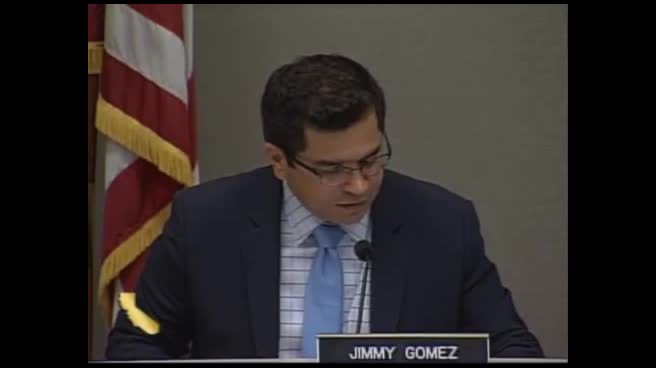 2MIN
Assembly Standing Committee on Appropriations
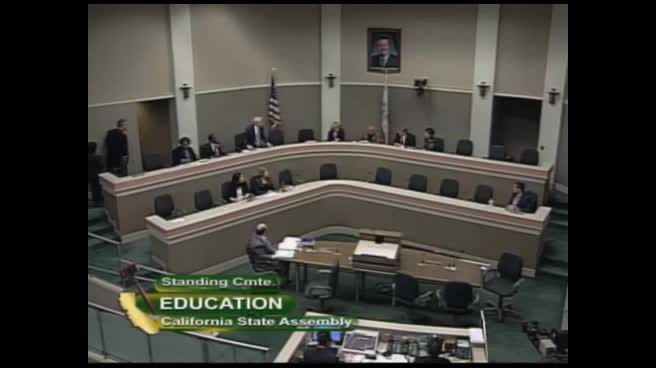 12MIN
Assembly Standing Committee on Education
Bill Author
Bill Co-Author(s):