AB 1144: California Renewables Portfolio Standard Program: renewable energy credits.
- Session Year: 2015-2016
- House: Assembly
- Latest Version Date: 2015-08-17
Under existing law, the Public Utilities Commission has regulatory authority over public utilities, including electrical corporations. The existing definition of an electrical corporation excludes from that definition a corporation or person employing landfill gas technology or digester gas technology for the generation of electricity for (1) its own use or the use of not more than 2 of its tenants located on the real property on which the electricity is generated, (2) the use of or sale to not more than 2 other corporations or persons solely for use on the real property on which the electricity is generated, or (3) the sale or transmission to an electrical corporation or state or local public agency, if the sale or transmission of the electricity service to a retail customer is provided through the transmission system of the existing local publicly owned electric utility or electrical corporation of that retail customer.
The California Renewables Portfolio Standard Program requires the Public Utilities Commission to establish a renewables portfolio standard requiring all retail sellers, as defined, to procure a minimum quantity of electricity products from eligible renewable energy resources, as defined, at specified percentages of the total kilowatthours sold to their retail end-customers during specified compliance periods. The program additionally requires each local publicly owned electric utility, as defined, to procure a minimum quantity of electricity products from eligible renewable energy resources to achieve the targets established by the program. The program, consistent with the goals of procuring the least-cost and best-fit eligible renewable energy resources that meet project viability principles, requires that all retail sellers procure a balanced portfolio of electricity products from eligible renewable energy resources, as specified, referred to as the portfolio content requirements.
Existing law requires every electrical corporation to file with the commission a standard tariff for electricity generated by an electric generation facility, as defined, that qualifies for the tariff, is owned and operated by a retail customer of the electrical corporation, and is located within the service territory of, and developed to sell electricity to, the electrical corporation. This tariff requirement is known as the renewable feed-in tariff program. The program additionally requires the commission, by June 1, 2013, to direct the electrical corporations to collectively procure at least 250 megawatts of cumulative rated generating capacity from developers of bioenergy projects that commence operation on or after June 1, 2013. Pursuant to this requirement, the commission has established the small-scale bioenergy feed-in tariff program.
This bill would provide that unbundled renewable energy credits may be used to meet the first category of the portfolio content requirements if (1) the credits are earned by electricity that is generated by an entity that, if it were a person or corporation, would be excluded from the definition of an electrical corporation by operation of the exclusions for a corporation or person employing landfill gas technology or digester gas technology, (2) the entity employing the landfill gas technology or digester gas technology has a first point of interconnection with a California balancing authority, a first point of interconnection with distribution facilities used to serve end users within a California balancing authority area, or are is scheduled from the eligible renewable energy resource into a California balancing authority without substituting electricity from another source, and (3) where the electricity generated that earned the credit is used at a wastewater treatment facility that is owned by a public entity and entity, (4) the generating capability, as specified, of the wastewater treatment facility that earned the renewable energy credit is first put into service on or after January 1, 2016. 2016, and (5) the wastewater treatment facility does not participate in the small-scale bioenergy feed-in tariff program. The bill would prohibit a public entity, selling renewable energy that is eligible to meet the first category of the portfolio content requirements pursuant to the bills provisions, from making any marketing or advertising claims regarding the renewable attributes of the electricity that earned the renewable energy credit. The bill would require that the electricity generated that earned the renewable energy credit that is sold by the public entity be added to the total retail sales of the retail seller or local publicly owned electric utility purchasing the renewable energy credit for purposes of determining their renewables portfolio standard procurement requirements.
Under existing law, the Public Utilities Commission has regulatory authority over public utilities, including electrical corporations. The existing definition of an electrical corporation excludes from that definition a corporation or person employing landfill gas technology or digester gas technology for the generation of electricity for (1) its own use or the use of not more than 2 of its tenants located on the real property on which the electricity is generated, (2) the use of or sale to not more than 2 other corporations or persons solely for use on the real property on which the electricity is generated, or (3) the sale or transmission to an electrical corporation or state or local public agency, if the sale or transmission of the electricity service to a retail customer is provided through the transmission system of the existing local publicly owned electric utility or electrical corporation of that retail customer.
The California Renewables Portfolio Standard Program requires the Public Utilities Commission to establish a renewables portfolio standard requiring all retail sellers, as defined, to procure a minimum quantity of electricity products from eligible renewable energy resources, as defined, at specified percentages of the total kilowatthours sold to their retail end-customers during specified compliance periods. The program additionally requires each local publicly owned electric utility, as defined, to procure a minimum quantity of electricity products from eligible renewable energy resources to achieve the targets established by the program. The program, consistent with the goals of procuring the least-cost and best-fit eligible renewable energy resources that meet project viability principles, requires that all retail sellers procure a balanced portfolio of electricity products from eligible renewable energy resources, as specified, referred to as the portfolio content requirements.
This bill would provide that unbundled renewable energy credits may be used to meet the first category of the portfolio content requirements if (1) the credits are earned by electricity that is generated by an entity that, if it were a person or corporation, would be excluded from the definition of an electrical corporation by operation of the exclusions for a corporation or person employing landfill gas technology or digester gas technology, (2) the entity employing the landfill gas technology or digester gas technology has a first point of interconnection with a California balancing authority, a first point of interconnection with distribution facilities used to serve end users within a California balancing authority area, or are scheduled from the eligible renewable energy resource into a California balancing authority without substituting electricity from another source, and (3) where the electricity generated that earned the credit is used at a wastewater treatment facility that is owned by a public entity. entity and first put into service on or after January 1, 2016.
Under existing law, the Public Utilities Commission has regulatory authority over public utilities, including electrical corporations. The existing definition of an electrical corporation excludes from that definition a corporation or person employing landfill gas technology or digester gas technology for the generation of electricity for (1) its own use or the use of not more than 2 of its tenants located on the real property on which the electricity is generated, (2) the use of or sale to not more than 2 other corporations or persons solely for use on the real property on which the electricity is generated, or (3) the sale or transmission to an electrical corporation or state or local public agency, if the sale or transmission of the electricity service to a retail customer is provided through the transmission system of the existing local publicly owned electric utility or electrical corporation of that retail customer.
The California Renewables Portfolio Standard Program requires the Public Utilities Commission to establish a renewables portfolio standard requiring all retail sellers, as defined, to procure a minimum quantity of electricity products from eligible renewable energy resources, as defined, at specified percentages of the total kilowatthours sold to their retail end-customers during specified compliance periods. The program additionally requires each local publicly owned electric utility, as defined, to procure a minimum quantity of electricity products from eligible renewable energy resources to achieve the targets established by the program. The program, consistent with the goals of procuring the least-cost and best-fit eligible renewable energy resources that meet project viability principles, requires that all retail sellers procure a balanced portfolio of electricity products from eligible renewable energy resources, as specified, referred to as the portfolio content requirements.
This bill would provide that unbundled renewable energy credits may be used to meet the first category of the portfolio content requirements if (1) the credits are earned by electricity that is generated by an entity that, if it were a person or corporation, would be excluded from the definition of an electrical corporation by operation of the exclusions for a corporation or person employing landfill gas technology or digester gas technology, (2) the entity employing the landfill gas technology or digester gas technology has a first point of interconnection with a California balancing authority, a first point of interconnection with distribution facilities used to serve end users within a California balancing authority area, or are scheduled from the eligible renewable energy resource into a California balancing authority without substituting electricity from another source, and (3) where the electricity generated that earned the credit is used at a facility owned by a public entity.
(a)Various electricity products from eligible renewable energy resources located within the WECC transmission network service area shall be eligible to comply with the renewables portfolio standard procurement requirements in Section 399.15. These electricity products may be differentiated by their impacts on the operation of the grid in supplying electricity, as well as, meeting the requirements of this article.
(b)Consistent with the goals of procuring the least-cost and best-fit electricity products from eligible renewable energy resources that meet project viability principles adopted by the commission pursuant to paragraph (4) of subdivision (a) of Section 399.13 and that provide the benefits set forth in Section 399.11, a balanced portfolio of eligible renewable energy resources shall be procured consisting of the following portfolio content categories:
(1)Eligible renewable energy resource electricity products that meet any of the following criteria:
(A)Have a first point of interconnection with a California balancing authority, have a first point of interconnection with distribution facilities used to serve end users within a California balancing authority area, or are scheduled from the eligible renewable energy resource into a California balancing authority without substituting electricity from another source. The use of another source to provide real-time ancillary services required to maintain an hourly or subhourly import schedule into a California balancing authority shall be permitted, but only the fraction of the schedule actually generated by the eligible renewable energy resource shall count toward this portfolio content category.
(B)Have an agreement to dynamically transfer electricity to a California balancing authority.
(C)Unbundled renewable Renewable energy credits that are earned by electricity that is generated by an entity that, if it were a person or corporation, would be excluded from the definition of an electrical corporation by operation of subdivision (c) or (d) of Section 218, that meets the criteria of subparagraph (A), and where the electricity generated that earned the credit is used at a wastewater treatment facility that is owned by a public entity and first put into service on or after January 1, 2016. consistent with the following requirements:
(i)The generating facility earning the renewable energy credit meets the criteria of subparagraph (A).
(ii)The electricity generated that earned the renewable energy credit is used at a wastewater treatment facility that is owned by a public entity.
(iii)The generating capability of the wastewater treatment facility that earned the renewable energy credit is first put into service on or after January 1, 2016. For these purposes, generating capability includes new or additional generation of electricity at a wastewater treatment facility that is the result of capital investment or operational changes made to the facility on or after January 1, 2016, that result in incremental increases in generation at the facility, as well as repowered wastewater facilities.
(iv)The wastewater treatment facility does not participate in the small-scale bioenergy feed-in tariff program established by the commission pursuant to Section 399.20.
(2)Firmed and shaped eligible renewable energy resource electricity products providing incremental electricity and scheduled into a California balancing authority.
(3)Eligible renewable energy resource electricity products, or any fraction of the electricity generated, including unbundled renewable energy credits, that do not qualify under the criteria of paragraph (1) or (2).
(c)In order to achieve a balanced portfolio, all retail sellers shall meet the following requirements for all procurement credited toward each compliance period:
(1)Not less than 50 percent for the compliance period ending December 31, 2013, 65 percent for the compliance period ending December 31, 2016, and 75 percent thereafter of the eligible renewable energy resource electricity products associated with contracts executed after June 1, 2010, shall meet the product content requirements of paragraph (1) of subdivision (b).
(2)Not more than 25 percent for the compliance period ending December 31, 2013, 15 percent for the compliance period ending December 31, 2016, and 10 percent thereafter of the eligible renewable energy resource electricity products associated with contracts executed after June 1, 2010, shall meet the product content requirements of paragraph (3) of subdivision (b).
(3)Any renewable energy resources contracts executed on or after June 1, 2010, not subject to the limitations of paragraph (1) or (2), shall meet the product content requirements of paragraph (2) of subdivision (b).
(4)For purposes of electric service providers only, the restrictions in this subdivision on crediting eligible renewable energy resource electricity products to each compliance period shall apply to contracts executed after January 13, 2011.
(d)Any contract or ownership agreement originally executed prior to June 1, 2010, shall count in full toward the procurement requirements established pursuant to this article, if all of the following conditions are met:
(1)The renewable energy resource was eligible under the rules in place as of the date when the contract was executed.
(2)For an electrical corporation, the contract has been approved by the commission, even if that approval occurs after June 1, 2010.
(3)Any contract amendments or modifications occurring after June 1, 2010, do not increase the nameplate capacity or expected quantities of annual generation, or substitute a different renewable energy resource. The duration of the contract may be extended if the original contract specified a procurement commitment of 15 or more years.
(e)A retail seller may apply to the commission for a reduction of a procurement content requirement of subdivision (c). The commission may reduce a procurement content requirement of subdivision (c) to the extent the retail seller demonstrates that it cannot comply with that subdivision because of conditions beyond the control of the retail seller as provided in paragraph (5) of subdivision (b) of Section 399.15. The commission shall not, under any circumstance, reduce the obligation specified in paragraph (1) of subdivision (c) below 65 percent for any compliance obligation after December 31, 2016.
(f)(1)A public entity selling renewable energy credits that are eligible for treatment pursuant to subparagraph (C) of paragraph (1) of subdivision (b) shall not make any marketing or advertising claims regarding the renewable attributes of the electricity that earned the renewable energy credit. All renewable attributes of the electricity that earned the renewable energy credit are transferred to the purchaser of the renewable energy credit.
(2)For purposes of calculating the renewables portfolio standard procurement obligations for a retail seller pursuant to Section 399.15, and for a local publicly owned electric utility pursuant to Section 399.30, the electricity generated that earned the renewable energy credit that is eligible for treatment pursuant to subparagraph (C) of paragraph (1) of subdivision (b) and is sold by the public entity shall be added to the total retail sales of the retail seller or local publicly owned electric utility that purchases the renewable energy credit.
(a)Various electricity products from eligible renewable energy resources located within the WECC transmission network service area shall be eligible to comply with the renewables portfolio standard procurement requirements in Section 399.15. These electricity products may be differentiated by their impacts on the operation of the grid in supplying electricity, as well as, meeting the requirements of this article.
(b)Consistent with the goals of procuring the least-cost and best-fit electricity products from eligible renewable energy resources that meet project viability principles adopted by the commission pursuant to paragraph (4) of subdivision (a) of Section 399.13 and that provide the benefits set forth in Section 399.11, a balanced portfolio of eligible renewable energy resources shall be procured consisting of the following portfolio content categories:
(1)Eligible renewable energy resource electricity products that meet any of the following criteria:
(A)Have a first point of interconnection with a California balancing authority, have a first point of interconnection with distribution facilities used to serve end users within a California balancing authority area, or are scheduled from the eligible renewable energy resource into a California balancing authority without substituting electricity from another source. The use of another source to provide real-time ancillary services required to maintain an hourly or subhourly import schedule into a California balancing authority shall be permitted, but only the fraction of the schedule actually generated by the eligible renewable energy resource shall count toward this portfolio content category.
(B)Have an agreement to dynamically transfer electricity to a California balancing authority.
(C)Unbundled renewable energy credits that are earned by electricity that is generated by an entity that, if it were a person or corporation, would be excluded from the definition of an electrical corporation by operation of subdivision (c) or (d) of Section 218, that meets the criteria of subparagraph (A), and where the electricity generated that earned the credit is used at a wastewater treatment facility that is owned by a public entity. entity and first put into service on or after January 1, 2016.
(2)Firmed and shaped eligible renewable energy resource electricity products providing incremental electricity and scheduled into a California balancing authority.
(3)Eligible renewable energy resource electricity products, or any fraction of the electricity generated, including unbundled renewable energy credits, that do not qualify under the criteria of paragraph (1) or (2).
(c)In order to achieve a balanced portfolio, all retail sellers shall meet the following requirements for all procurement credited toward each compliance period:
(1)Not less than 50 percent for the compliance period ending December 31, 2013, 65 percent for the compliance period ending December 31, 2016, and 75 percent thereafter of the eligible renewable energy resource electricity products associated with contracts executed after June 1, 2010, shall meet the product content requirements of paragraph (1) of subdivision (b).
(2)Not more than 25 percent for the compliance period ending December 31, 2013, 15 percent for the compliance period ending December 31, 2016, and 10 percent thereafter of the eligible renewable energy resource electricity products associated with contracts executed after June 1, 2010, shall meet the product content requirements of paragraph (3) of subdivision (b).
(3)Any renewable energy resources contracts executed on or after June 1, 2010, not subject to the limitations of paragraph (1) or (2), shall meet the product content requirements of paragraph (2) of subdivision (b).
(4)For purposes of electric service providers only, the restrictions in this subdivision on crediting eligible renewable energy resource electricity products to each compliance period shall apply to contracts executed after January 13, 2011.
(d)Any contract or ownership agreement originally executed prior to June 1, 2010, shall count in full toward the procurement requirements established pursuant to this article, if all of the following conditions are met:
(1)The renewable energy resource was eligible under the rules in place as of the date when the contract was executed.
(2)For an electrical corporation, the contract has been approved by the commission, even if that approval occurs after June 1, 2010.
(3)Any contract amendments or modifications occurring after June 1, 2010, do not increase the nameplate capacity or expected quantities of annual generation, or substitute a different renewable energy resource. The duration of the contract may be extended if the original contract specified a procurement commitment of 15 or more years.
(e)A retail seller may apply to the commission for a reduction of a procurement content requirement of subdivision (c). The commission may reduce a procurement content requirement of subdivision (c) to the extent the retail seller demonstrates that it cannot comply with that subdivision because of conditions beyond the control of the retail seller as provided in paragraph (5) of subdivision (b) of Section 399.15. The commission shall not, under any circumstance, reduce the obligation specified in paragraph (1) of subdivision (c) below 65 percent for any compliance obligation after December 31, 2016.
(a)Various electricity products from eligible renewable energy resources located within the WECC transmission network service area shall be eligible to comply with the renewables portfolio standard procurement requirements in Section 399.15. These electricity products may be differentiated by their impacts on the operation of the grid in supplying electricity, as well as, meeting the requirements of this article.
(b)Consistent with the goals of procuring the least-cost and best-fit electricity products from eligible renewable energy resources that meet project viability principles adopted by the commission pursuant to paragraph (4) of subdivision (a) of Section 399.13 and that provide the benefits set forth in Section 399.11, a balanced portfolio of eligible renewable energy resources shall be procured consisting of the following portfolio content categories:
(1)Eligible renewable energy resource electricity products that meet either any of the following criteria:
(A)Have a first point of interconnection with a California balancing authority, have a first point of interconnection with distribution facilities used to serve end users within a California balancing authority area, or are scheduled from the eligible renewable energy resource into a California balancing authority without substituting electricity from another source. The use of another source to provide real-time ancillary services required to maintain an hourly or subhourly import schedule into a California balancing authority shall be permitted, but only the fraction of the schedule actually generated by the eligible renewable energy resource shall count toward this portfolio content category.
(B)Have an agreement to dynamically transfer electricity to a California balancing authority.
(C)Unbundled renewable energy credits that are earned by electricity that is generated by an entity that, if it were a person or corporation, would be excluded from the definition of an electrical corporation by operation of subdivision (c) or (d) of Section 218, that meets the criteria of subparagraph (A), and where the electricity generated that earned the credit is used at a facility owned by a public entity.
(2)Firmed and shaped eligible renewable energy resource electricity products providing incremental electricity and scheduled into a California balancing authority.
(3)Eligible renewable energy resource electricity products, or any fraction of the electricity generated, including unbundled renewable energy credits, that do not qualify under the criteria of paragraph (1) or (2).
(c)In order to achieve a balanced portfolio, all retail sellers shall meet the following requirements for all procurement credited toward each compliance period:
(1)Not less than 50 percent for the compliance period ending December 31, 2013, 65 percent for the compliance period ending December 31, 2016, and 75 percent thereafter of the eligible renewable energy resource electricity products associated with contracts executed after June 1, 2010, shall meet the product content requirements of paragraph (1) of subdivision (b).
(2)Not more than 25 percent for the compliance period ending December 31, 2013, 15 percent for the compliance period ending December 31, 2016, and 10 percent thereafter of the eligible renewable energy resource electricity products associated with contracts executed after June 1, 2010, shall meet the product content requirements of paragraph (3) of subdivision (b).
(3)Any renewable energy resources contracts executed on or after June 1, 2010, not subject to the limitations of paragraph (1) or (2), shall meet the product content requirements of paragraph (2) of subdivision (b).
(4)For purposes of electric service providers only, the restrictions in this subdivision on crediting eligible renewable energy resource electricity products to each compliance period shall apply to contracts executed after January 13, 2011.
(d)Any contract or ownership agreement originally executed prior to June 1, 2010, shall count in full toward the procurement requirements established pursuant to this article, if all of the following conditions are met:
(1)The renewable energy resource was eligible under the rules in place as of the date when the contract was executed.
(2)For an electrical corporation, the contract has been approved by the commission, even if that approval occurs after June 1, 2010.
(3)Any contract amendments or modifications occurring after June 1, 2010, do not increase the nameplate capacity or expected quantities of annual generation, or substitute a different renewable energy resource. The duration of the contract may be extended if the original contract specified a procurement commitment of 15 or more years.
(e)A retail seller may apply to the commission for a reduction of a procurement content requirement of subdivision (c). The commission may reduce a procurement content requirement of subdivision (c) to the extent the retail seller demonstrates that it cannot comply with that subdivision because of conditions beyond the control of the retail seller as provided in paragraph (5) of subdivision (b) of Section 399.15. The commission shall not, under any circumstance, reduce the obligation specified in paragraph (1) of subdivision (c) below 65 percent for any compliance obligation after December 31, 2016.
|
Date
|
Status
|
|---|---|
| May 14, 2015 | Read second time. Ordered to third reading. |
| Aug 17, 2015 | In committee: Set, first hearing. Hearing canceled at the request of author. |
| Aug 17, 2015 | From committee chair, with author's amendments: Amend, and re-refer to committee. Read second time, amended, and re-referred to Com. on APPR. |
| Jul 7, 2015 | From committee: Do pass and re-refer to Com. on APPR. (Ayes 9. Noes 2.) (July 7). Re-referred to Com. on APPR. |
| Jun 25, 2015 | In committee: Hearing postponed by committee. |
| Jun 9, 2015 | In committee: Hearing postponed by committee. |
| Jun 4, 2015 | Referred to Com. on E., U., & C. |
| May 22, 2015 | Read third time. Passed. Ordered to the Senate. (Ayes 73. Noes 0. Page 1547.) |
| May 22, 2015 | Read third time. Passed. Ordered to the Senate. |
| May 22, 2015 | In Senate. Read first time. To Com. on RLS. for assignment. |
| Feb 27, 2015 | Introduced. To print. |
| May 13, 2015 | From committee: Do pass. (Ayes 17. Noes 0.) (May 13). |
| Apr 28, 2015 | From committee: Do pass and re-refer to Com. on APPR. (Ayes 9. Noes 0.) (April 27). Re-referred to Com. on APPR. |
| Apr 21, 2015 | From committee: Do pass and re-refer to Com. on NAT. RES. (Ayes 12. Noes 0.) (April 20). Re-referred to Com. on NAT. RES. |
| Apr 15, 2015 | Re-referred to Com. on U. & C. |
| Apr 14, 2015 | From committee chair, with author's amendments: Amend, and re-refer to Com. on U. & C. Read second time and amended. |
| Mar 19, 2015 | Referred to Coms. on U. & C. and NAT. RES. |
| Mar 2, 2015 | Read first time. |
| Mar 1, 2015 | From printer. May be heard in committee March 31. |
|
Date
|
Description
|
Location
|
Votes
|
|
|---|---|---|---|---|
| Jul 7, 2015 | Do pass, but first be re-referred to the Committee on [Appropriations] | Senate Standing Committee on Energy, Utilities and Communications |
Passed |
|
| May 22, 2015 | AB 1144 RENDON Assembly Third Reading | Assembly Floor |
Passed |
|
| May 13, 2015 | Do pass. | Assembly Standing Committee on Appropriations |
Passed |
|
| Apr 27, 2015 | Do pass and be re-referred to the Committee on [Appropriations] | Assembly Standing Committee on Natural Resources |
Passed |
|
| Apr 20, 2015 | Do pass and be re-referred to the Committee on [Natural Resources] | Assembly Standing Committee on Utilities and Commerce |
Passed |
This list shows positions taken on this bill by organizations on the date displayed, which is linked to the original source.
Positions by individuals are not included.
|
Organization
|
Position
|
Date
|
|---|---|---|
| Agricultural Energy Consumers Association | * Indeterminate | May 13, 2015 |
| California Association Of Sanitation Agencies | * Support | Jul 7, 2015 |
| California Association of Sanitation Districts | ** Support | Apr 20, 2015 |
| California Municipal Utilities Association | * For If Amend | Jul 7, 2015 |
| California Municipal Utilities Association, if amended | * Support | Jul 7, 2015 |
| California Wind Energy Association | * Against | Jul 7, 2015 |
| California Wind Energy Association, unless amended | ** Against | Jul 7, 2015 |
| Carpinteria Sanitary District | ** Support | Apr 27, 2015 |
| Central Marin Sanitation Agency | ** Support | Jul 7, 2015 |
| CONCERNS: | ** Support | Jul 7, 2015 |
| Delta Diablo | ** Support | Jul 7, 2015 |
| East Bay Municipal Utility District | * Support | Jul 7, 2015 |
| Goleta Sanitary District | ** Support | Jul 7, 2015 |
| Independent Energy Producers Association | * Against | Jul 7, 2015 |
| Las Gallinas Valley Sanitary District | ** Support | Jul 7, 2015 |
| Las Virgenes - Triunfo Joint Powers Authority | ** Support | Jul 7, 2015 |
| Las Virgenes Municipal Water District | ** Support | Apr 20, 2015 |
| Leucadia Wastewater District | ** Support | Jul 7, 2015 |
| Los Angles County Sanitation Districts | * Support | Apr 20, 2015 |
| Noble Americas Energy Solutions | ** Support | Apr 27, 2015 |
| Noble Americas Solutions LLC | ** Support | Jul 7, 2015 |
| Northern California Power Agency | * For If Amend | Jul 7, 2015 |
| Northern California Power Agency, if amended | ** Support | Jul 7, 2015 |
| Orange County Sanitation District | ** Support | Apr 20, 2015 |
| Ross Valley Sanitary District | ** Support | Apr 20, 2015 |
| Ross Valley Sanitary District No. 1 | ** Support | Jul 7, 2015 |
| Sanitation Districts of Los Angeles County | * Support | Jul 7, 2015 |
| Southern California Edison | * Support | Jul 7, 2015 |
| The Utility Reform Network | * Against | Jul 7, 2015 |
| Victor Valley Wastewater Reclamation Authority | ** Support | Jul 7, 2015 |
| West County Wastewater District | ** Support | Jul 7, 2015 |
AB 1144 (Rendon) Page 6 of 6
SENATE COMMITTEE ON ENERGY, UTILITIES AND COMMUNICATIONS
Senator Ben Hueso, Chair
2015 - 2016 Regular
Bill No: AB 1144 Hearing Date: 7/7/2015
Author: |
Rendon |
||
Version: |
4/14/2015 As Amended |
||
Urgency: |
No |
Fiscal: |
Yes |
Consultant: |
Jay Dickenson |
||
SUBJECT: California Renewables Portfolio Standard Program: unbundled renewable energy credits
DIGEST: This bill alters the Renewable Portfolio Standard by modifying the electricity product content categories so that unbundled renewable energy credits count in category one if the electricity is generated by an entity other than an electrical corporation and used by a wastewater treatment facility that is owned by a public entity and first put into service on or after January 1, 2016.
ANALYSIS:
Existing law:
Requires retail sellers of electricity – investor-owned utilities (IOU), community choice aggregators, and energy service providers – and publicly-owned utilities (POU) to increase purchases of renewable energy such that at least 33 percent of retail sales are procured from renewable energy resources by December 31, 2020. This is known as the Renewable Portfolio Standard (RPS). (Public Utilities Code §399.11 et seq.)
Requires all renewable electricity products to meet the requirements of a "loading order" that mandates minimum and maximum quantities of three product categories (or "buckets"), which includes (a) renewable resources directly connected to a California balancing authority or provided in real time without substitution from another energy source, (b) energy not connected or delivered in real time yet still delivering electricity, and (c) unbundled renewable energy credits (RECs). (Public Utilities Code §399.16.)
This bill modifies the RPS definitions so that the following counts as a “bucket one” electricity product category resource: unbundled RECs earned by electricity that is generated by an entity, other than an electrical corporation, and used at a wastewater treatment facility that is owned by a public entity and first put into service on or after January 1, 2016.
Background
RPS product categories: a different kind of bucket list. The RPS requires providers of retail electricity service to procure electricity products from renewable energy resources so that, by 2020, 33 percent of each seller’s retail sales come from renewable energy resources. The RPS distinguishes between three energy product categories, commonly referred to as “buckets.” The three buckets are defined, in statute, as follows:
Bucket One – renewable energy delivered directly into California.
Bucket Two – firmed and shaped energy scheduled in to a California balancing authority.
Bucket Three – renewable energy products, including unbundled renewable energy credits, that do not qualify under bucket one or bucket two.
In establishing the RPS energy product categories, the Legislature placed the most value on bucket-one products because such products provide the most direct economic and environmental benefits in California. Relatedly, the Legislature placed the least value on bucket-three products. This valuation is reflected in the schedule of compliance the Legislature adopted as part of the RPS:
Bucket One – at least 50 percent for the 2011-2013 compliance period; at least 65 percent for the 2014-2016 compliance period; and at least 75 percent thereafter.
Bucket Three – not more than 25 percent for the 2011-2013 compliance period; not more than 15 percent for the 2014-2016 compliance period; and not more than 10 percent thereafter.
In 2011, the California Public Utilities Commission (CPUC) issued a decision (D.11-12-052) to implement the energy product categories for the RPS. In this decision, the CPUC notes the 33 percent RPS statute did not define “unbundled RECS.” But the CPUC decision further comments that prior statute, program operation and industry practice have recognized the term to mean “the renewable and environmental attributes associated with the production of electricity from an eligible renewable energy resource,” that “ does not include any energy, capacity, reliability or other power attributes of the generation.” In keeping with this understanding, the CPUC reasoned that, once a REC is separated from the underlying renewable generation, the associated electricity is not RPS eligible. Therefore, the CPUC decided, a retail seller claiming RPS credit for unbundled RECs should receive credit for compliance with RPS bucket three. Soon after the CPUC adopted this decision, the California Energy Commission (CEC) adopted a parallel decision, applicable to publicly owned municipal utilities, that similarly relegates unbundled RECS to bucket three.
Wastewater treatment facilities produce unbundled RECs. Methane is a potent greenhouse gas (GHG). Wastewater treatment facilities, by their nature, produce methane gas. Generally, the facilities “flare” the methane gas they release, thereby destroying the methane through combustion and releasing relatively less-harmful carbon dioxide.
A higher and better use of the methane might be energy production, by which the wastewater treatment facility uses the heat produced by burning methane to generate electricity. Such electricity generation not only destroys the methane; it also uses a renewable resource to displace demand for electricity from the electric grid.
The California Association of Sanitation Agencies (CASA) report that many wastewater treatment facilities would like to install electricity generators to allow them to use the methane they generate to produce electricity for use on site. CASA notes, however, that such electricity generation infrastructure is expensive to develop and most wastewater facilities have limited ability to raise funds.
Under the regulatory agencies’ RPS rules, electricity generated at a wastewater treatment plant from biomethane produced by that wastewater treatment plant may be eligible for RPS credit. However, such electricity, if used onsite to meet the wastewater treatment facility’s electricity needs, would receive bucket-three RPS credit. This is because, as described above, the rules of the CEC and CPUC declare that onsite use of the electricity “unbundles” that electricity from its renewable and environmental attributes.
RPS bucket-three status creates a problem for wastewater treatment facilities – bucket-three energy products have considerably less market value than do energy products that qualify as bucket one. CASA contends that its members could afford to construct and operate onsite, methane-fired renewable electricity generation facilities, were the resulting unbundled RECS able to receive bucket-one credit. The result, CASA continues, would be additional GHG reductions and reduced RPS compliance costs.
The Danger of double counting. The RPS applies to the wholesale side of the ledger. To meet the requirements of the RPS, retail sellers of electricity must procure specified quantities of wholesale energy products so that a certain percentage of retail electricity sales is supplied with renewable energy resources.
In contrast, onsite generation and consumption of electricity affects the retail side of the ledger. The generator-customer uses onsite electricity to offset electricity that he or she would otherwise purchase from the retail seller of electricity.
This dynamic introduces the danger of double counting, should unbundled energy products receive bucket-one credit. This is because the electricity could be counted twice against a retail seller’s RPS obligations – once, as it reduces the retail-sale-based RPS obligation by an amount equal to the amount of electricity consumed onsite, and again as the REC representing that electricity reduces the RPS obligation of the retail seller that purchases the REC. The figure below illustrates how double counting may occur under the bill’s proposal to allow bucket-one RPS credit for unbundled RECs.
Danger of Double Counting
Under AB 1144, five megawatts (MW) of onsite electricity generation results in a 10MW reduction in a retail seller’s RPS obligation. |
||
|
Scenario 1: Current Law |
Scenario 2: AB 1144 |
|
||
Retail seller’s total retail electricity sales 1) |
1,000 |
1,000 |
Onsite generation |
5 |
5 |
Unbundled REC sold to retail seller |
-- |
5 |
RPS obligation |
995 |
990 |
1) All figures in megawatts.
|
||
Why not just bundle? A wastewater treatment facility that generates electricity onsite using its own methane could receive bucket-one RPS credit. To do so, the facility would need to sell a bundled REC – that is, a REC representing both the electricity and its underlying renewable and environmental attributes – to a retail seller. Such a scenario would encourage generation of renewable electricity at wastewater treatment facilities and displace grid electricity, all without disturbing the existing RPS program structure. However, such a facility would be unable to use the electricity onsite to offset electricity demand from the grid.
The bigger picture. The author has introduced AB 1144 into a complex, evolving policy environment. This bill creates an exception to the RPS program uniquely applicable to a very small corner of the electricity sector – renewable energy generated by newly developed publicly owned wastewater treatment facilities. However, the question of how to credit onsite renewable generation for RPS purposes is not unique to wastewater treatment facilities. The question is being debated and discussed in the context of proposals before the Legislature that would expand the RPS beyond 33 percent. It is not clear why the Legislature needs to create a one-off rule to a situation applicable to distributed electricity generation generally. (Bill proponents cite GHG reductions as one justification for this special treatment; however, flaring, too, destroys methane, and any displacement of electricity from the grid caused by onsite generation at new public wastewater treatment facilities would likely be minimal.) In addition, some parties caution against the technology-specific approach of this bill, warning that disparate treatment of similar renewable energy products exposes the entire RPS construct to legal challenge.
Prior/Related Legislation
AB 645 (Williams/Rendon, 2015) increases the RPS to 50 percent by 2031. The bill is currently under consideration by this committee.
SB 350 (De León, 2015) increases the RPS to 50 percent. The bill is scheduled to be heard in the Assembly Committee on Utilities and Commerce on July 6th.
SB 2 x1 (Simitian, Chapter 1, Statutes of 2011) requires retail sellers of electricity and POUs to procure at least 33 percent of their electricity from renewable resources by 2020.
FISCAL EFFECT: Appropriation: No Fiscal Com.: Yes Local: No
ASSEMBLY VOTES:
Assembly Floor (73-0)
Assembly Appropriations Committee (17-0)
Assembly Natural Resources Committee (9-0)
Assembly Utilities and Commerce Committee (12-0)
SUPPORT:
California Association of Sanitation Agencies (source)
California Municipal Utilities Association, if amended
Central Marin Sanitation Agency
Delta Diablo
East Bay Municipal Utility District
Goleta Sanitary District
Las Gallinas Valley Sanitary District
Las Virgenes – Triunfo Joint Powers Authority
Leucadia Wastewater District
Noble Americas Solutions LLC
Northern California Power Agency, if amended
Ross Valley Sanitary District No. 1
Sanitation Districts of Los Angeles County
Southern California Edison
Victor Valley Wastewater Reclamation Authority
West County Wastewater District
CONCERNS:
Pacific Gas and Electric Company
OPPOSITION:
California Wind Energy Association, unless amended
Independent Energy Producers Association
The Utility Reform Network
ARGUMENTS IN SUPPORT: Proponents contend AB 1144 would recognize the true value of renewable energy generated at wastewater facilities by appropriately valuing their credits as bucket one as opposed to bucket three, which will incentivize investment in bioenergy projects in California. The result, proponents continue, will be reduced GHG emissions, a new, valuable, procurement opportunity for energy providers to meet their RPS requirements, and decreased RPS compliance costs.
ARGUMENTS IN OPPOSITION: Opponents object that AB 1144 fundamentally changes the RPS program, threatening it with double counting by retail sellers of electricity and opening the program structure to legal challenge. Opponents argue there is no basis for treating electricity generated onsite by wastewater treatment facilities differently than renewable electricity generated onsite at other types of facilities and that any programmatic changes to the treatment of such renewable generation should apply comprehensively.
-- END --
AB 1144
Page 3
ASSEMBLY THIRD READING
AB 1144
(Rendon)
As Amended April 14, 2015
Majority vote
Committee |
Votes |
Ayes |
Noes |
Utilities |
12-0 |
Rendon, Achadjian, Bonilla, Burke, Dahle, Eggman, Cristina Garcia, Jones, Quirk, Santiago, Ting, Williams |
|
Natural Resources |
9-0 |
Williams, Dahle, Cristina Garcia, Hadley, Harper, McCarty, Rendon, Mark Stone, Wood |
|
Appropriations |
17-0 |
Gomez, Bigelow, Bloom, Bonta, Calderon, Chang, Daly, Eggman, Gallagher, Eduardo Garcia, Holden, Jones, Quirk, Rendon, Wagner, Weber, Wood |
|
SUMMARY: This bill provides that unbundled renewable energy credits produced by newly established wastewater treatment facilities may be used to meet the first category of the Renewable Portfolio Standard (RPS) content requirements. Specifically, this bill:
Permits public agencies that operate wastewater treatment facilities to sell their Renewable Energy Credits (RECs) produced by methane from wastewater treatment process in Category 1 under the Renewable Portfolio Standards.
Clarifies that wastewater treatment facilities put into service on or after January 2016 are the only facilities that are eligible for this qualification.
FISCAL EFFECT: According to the Appropriations Committee, the fiscal effects are minor and absorbable state costs.
COMMENTS:
Author’s Statement: "AB 1144 can help provide financing for wastewater energy infrastructure that will reduce methane air pollution by placing public wastewater agency Renewable Energy Credits in Category 1 of the Renewable Portfolio Standard system. Sales of the more valuable Category 1 credits can support critical private financing to build the infrastructure to capture and use the methane to generate renewable electricity. Public agencies suffer limits on their ability to finance infrastructure, as shown during 2014 discussion of the water bond.
"Financing use of wastewater methane helps improve air quality, especially in the South Coast Bain. The alternative to capture-and-use is flaring the methane, which reduces but does not eliminate the air quality impacts. AB 1144 will help public agencies use their methane, with the latest technology to minimize any potential impacts from generating electricity. "
What is biogas? Processes used by many agencies to treat wastewater produce useful byproducts such as biosolids, biogas, and methane that are and can increasingly be used as a steady and reliable source of fuel for renewable energy production. Wastewater agencies across the state are in the process of developing and implementing renewable energy projects, attempting to account for biogas in their planning process. Still, significant potential exists for the expansion of renewable generation at wastewater treatment plants across California. A recent report from the California Energy Commission estimated that there are about 90 megawatts of potential renewable generation that is currently being flared, or coming from smaller wastewater treatment plants that do not have the technology in place to produce and capture biogas.
Ambiguity of Categories and Definition: SB 2 X1 (Simitian), Chapter 1, Statutes of 2011-12 First Extraordinary Session, set up three different categories of renewable energy. Category 1, the largest category with the most demand and highest prices, includes renewable electricity produced in California. In contrast, Category 3, with the smallest demand and lowest prices "unbundles renewable energy credits" from the electricity and allows the REC to be sold separately from the electricity. When the entity that creates the renewable electricity uses its own electricity and wishes to sell the REC, they are selling an "unbundled REC."
During a recent California Public Utilities Commission (CPUC) rulemaking process, parties to the proceeding made comments suggesting that unbundled RECs from generators that meet the Category 1 criteria should qualify for Category 1. The CPUC ruled in December 2011 that all unbundled RECs belong in Category 3.
Air Quality and Methane Capture: Treating wastewater and organic material from sewers creates biogas, including methane, as a byproduct. The Air Resources Board and state law treat methane as a short-lived air and climate pollutant. Methane is known to be 25 times more potent than carbon dioxide (CO2) in trapping heat on Earth. According to the Global Methane Initiative, capturing methane will reduce GHG pollution and provides a source of energy that is produced and used locally.
Air quality regulators require wastewater agencies to minimize methane emissions from their plants. Some agencies "flare" their methane to reduce its harmful effects. Other wastewater agencies capture methane for use as fuel to create electricity, if they can afford the costs to build the infrastructure to create that energy. These agencies typically use the energy they create to operate their treatment facility. This bill attempts to create a financing mechanism for future smaller facilities to capture and use the methane they naturally produce.
Part of a larger dialogue: Water-Energy Nexus: The State of California has shown increasing interest in what is referred to as the Water-Energy Nexus, the infrastructural, financial, and environmental connection between water and energy. Transportation and treatment of water, treatment and disposal of wastewater, and the energy used to heat and consume water account for nearly 20% of the total electricity and 30% of non-power plant related natural gas consumed in California.
A recent rulemaking at the CPUC pushed for partnership between energy utilities and agencies and the water sector to co-fund programs that reduce energy consumption by the water sector (R.13-12-011). Wastewater treatment plants that convert a waste product into an energy and revenue source are a cost-effective example of that type of partnership. Treating wastewater naturally produces methane, and by capturing and processing methane, the plant is able to produce power to treat more water. Additionally, on-site production offsets purchased electricity, which contributes to the closed-loop cycle that this bill attempts to support.
This bill attempts to develop a more robust market that incentivizes biogas power. Given Governor Brown's new energy goals, this bill would allow California wastewater treatment plants to tap into this unmet potential, expand biogas-powered generation capacity, and potentially help California meet its RPS goals, as well as its goal of 50% diversion of organic waste from landfills by 2020.
Concerns and Opposition: In their opposition letter, the Utility Reform Network raised the concern that this bill will create an exception to the bundled product definition for electricity that is used at a facility owned by a public entity and will potentially result in "double counting" of generation, which will erode the overall RPS standard and statewide benefits of the program.
In addition, the California Municipal Utilities Association and the Northern California Power Agency both raised concerns that this bill sets a precedent that legislative action is required to make other unbundled RECs eligible for Bucket 1.
Analysis Prepared by: Allegra Roth / U. & C. / (916) 319-2083 FN: 0000418
AB 1144
Page 2
Date of Hearing: May 13, 2015
ASSEMBLY COMMITTEE ON APPROPRIATIONS
Jimmy Gomez, Chair
AB 1144
(Rendon) – As Amended April 14, 2015
Policy Committee: |
Utilities and Commerce |
Vote: |
12 - 0 |
|
Natural Resources |
|
9 - 0 |
|
|
|
|
Urgency: No State Mandated Local Program: No Reimbursable: No
SUMMARY:
This bill revises the Renewables Portfolio Standard (RPS) product content categories to provide that unbundled renewable energy credits (RECs) count in Category 1 if they are associated with electricity generated by a landfill or digester gas source and used at a publicly owned wastewater treatment facility put into service on or after January 1, 2016.
FISCAL EFFECT:
Minor, absorbable state costs.
COMMENTS:
Rationale. Wastewater utilities generate methane emissions from their operations. Air Quality regulators require wastewater agencies to minimize methane emissions. If the utility does not use the methane, then they generally are required to flare the methane to reduce air pollution.
According to the author, while some wastewater utilities already capture and use their methane to produce and use the electricity at their own facility, such energy-water infrastructure may not be affordable for others, particularly smaller facilities.
This bill allows public wastewater agencies to sell their RECs in category 1 to generate funding to pay for the infrastructure.
Background. The California Renewables Portfolio Standard program requires investor- owned utilities, local publicly-owned utilities, and energy service providers to increase purchases of renewable energy to at least 33% of retail sales by December 31, 2020.
The original RPS bill, SB 1078 (Sher), Chapter 516, Statutes of 2002, set a goal of 20 percent by 2017. SB 107 (Simitian), Chapter 464, Statutes of 2006, accelerated the deadline for 20 percent to 2010.
SBX1 2 (Simitian), Chapter 1, Statutes of 2011-12 First Extraordinary Session, codified the current 33 percent by 2020 RPS target and also established product content categories (or "buckets"), which place the highest value (Category 1) on renewable energy that is directly delivered into California because it has the greatest economic, environmental and reliability benefits. In contrast, Category 3 has the smallest demand and lowest prices. When an agency creates and uses its own renewable electricity and wishes to sell the REC, it is unbundled, and therefore Category 3.
REC Categories. RPS law establishes balanced portfolio requirements for procurement based on the following three categories of renewable energy products:
Category 1 – Renewable energy interconnected to the grid within, scheduled for direct delivery into, or dynamically transferred to, a California balancing authority (i.e., real renewable energy supplied to the California grid, located within or directly proximate to the state). Of the total renewable energy contracts executed after June 1, 2010, the following percentages must fall into this category:
At least 50 percent for the 2011-2013.
At least 65 percent for the 2014-2016.
At least 75 percent thereafter.
Category 2 – Renewable energy where substitute non-renewable energy is used to provide a reliable delivery schedule into a California balancing authority (i.e., firmed and shaped energy where substitute energy is used to compensate for delivery problems due to intermittent generation or inadequate transmission capacity from a remote renewable resource).
Category 3 – Renewable energy products not meeting either condition above, including unbundled renewable energy credits (RECs) (i.e., the original source of renewable energy must be located within the western grid, but otherwise need not have a physical connection to California). Of the total renewable energy contracts executed after June 1, 2010, the following percentages may fall into this category:
Not more than 25 percent for the 2011-2013.
Not more than 15 percent for the 2014-2016.
Not more than 10 percent thereafter.
Further Issues to Address. This bill addresses part of the larger issue regarding the manner in which RECs associated with renewable energy produced and used onsite should be counted towards meeting the requirements of RPS. The larger issue affects a variety of renewable sources produced onsite including distributed solar, geothermal as well as biogass from wastewater, dairy and landfill sources.
Resolving how REC categories are valued and counted will be part of the larger discussion on how to reach 50% RPS by 2030.
Analysis Prepared by: Jennifer Galehouse / APPR. / (916) 319-2081
AB 1144
Page 3
Date of Hearing: April 27, 2015
ASSEMBLY COMMITTEE ON NATURAL RESOURCES
Das Williams, Chair
AB 1144
(Rendon) – As Amended April 14, 2015
SUBJECT: California Renewables Portfolio Standard Program: unbundled renewable energy credits
SUMMARY: Revises the Renewables Portfolio Standard (RPS) product content categories to provide that unbundled renewable energy credits (RECs) count in category 1 if they are associated with electricity generated by a landfill or digester gas source and used at a publicly owned wastewater treatment facility put into service on or after January 1, 2016.
EXISTING LAW:
The RPS requires "retail sellers" of electricity [i.e., investor-owned utilities (IOUs), energy service providers (ESPs) and community choice aggregators (CCAs)], as well as publicly owned utilities (POUs), to procure eligible renewable energy resources to meet the following portfolio targets:
20 percent on average from January 1, 2011 to December 31, 2013.
25 percent by December 31, 2016.
33 percent by December 31, 2020 and each year thereafter.
Provides that eligible renewable generation facilities must use biomass, solar thermal, photovoltaic, wind, geothermal, renewable fuel cells, small hydroelectric, digester gas, limited non-combustion municipal solid waste conversion, landfill gas, ocean wave, ocean thermal or tidal current.
Establishes "balanced portfolio" requirements for procurement based on the following three categories (or "buckets") of renewable energy products:
Bucket 1 – Renewable energy interconnected to the grid within, scheduled for direct delivery into, or dynamically transferred to, a California balancing authority (i.e., real renewable energy supplied to the California grid, located within or directly proximate to the state). Of the total renewable energy contracts executed after June 1, 2010, the following percentages must fall into this category:
At least 50 percent for the 2011-2013 compliance period.
At least 65 percent for the 2014-2016 compliance period.
At least 75 percent thereafter.
Bucket 2 – Renewable energy where substitute non-renewable energy is used to provide a reliable delivery schedule into a California balancing authority (i.e., firmed and shaped energy where substitute energy is used to compensate for delivery problems due to intermittent generation or inadequate transmission capacity from a remote renewable resource).
Bucket 3 – Renewable energy products not meeting either condition above, including unbundled renewable energy credits (RECs) (i.e., the original source of renewable energy must be located within the western grid, but otherwise need not have a physical connection to California). Of the total renewable energy contracts executed after June 1, 2010, the following percentages may fall into this category:
Not more than 25 percent for the 2011-2013 compliance period.
Not more than 15 percent for the 2014-2016 compliance period.
Not more than 10 percent thereafter.
FISCAL EFFECT: Unknown
COMMENTS:
Background. The RPS is the centerpiece of California's effort to develop a clean energy system and reduce pollution and greenhouse gas emissions associated with electricity consumption. The original RPS bill, SB 1078 (Sher), Chapter 516, Statutes of 2002, set a goal of 20 percent by 2017. SB 107 (Simitian), Chapter 464, Statutes of 2006, accelerated the deadline for 20 percent to 2010. SBX1 2 (Simitian), Chapter 1, Statutes of 2011-12 First Extraordinary Session, codified the current 33 percent by 2020 RPS target and also established product content categories (or "buckets"), which place the highest value (Bucket 1) on renewable energy that is directly delivered into California because it has the greatest economic, environmental and reliability benefits. In its decision implementing the product content categories, the Public Utilities Commission determined that all unbundled RECs are categorized as Bucket 3, regardless of their source.
Author's statement:
Wastewater utilities generate methane emissions from their operations, which air quality regulation limits. If the utility does not use the methane, then they generally are required to “flare” the methane to reduce air pollution. While some wastewater utilities already capture and use their methane to produce and use the electricity at their own facility, such energy-water infrastructure may not be affordable for others, particularly smaller facilities. Allowing them to sell their Renewable Energy Credits in category 1 will help generate the funding to pay for the infrastructure. AB 1144 therefore reduces air pollution and helps finance the infrastructure – in California – to create renewable energy.
Bigger issues at play. The manner in which RECs associated with renewable energy produced and used onsite should be counted in the RPS has been the subject of intense debate for several years. In its 2011 decision implementing the product content categories established by SBX1 2, the Public Utilities Commission determined that all unbundled RECs are categorized as Bucket 3, regardless of their source. Because of the compliance limits on Bucket 3, as well as lack of energy value, unbundled RECs are worth significantly less than bundled renewable energy in Bucket 1. The issue affects a variety of renewable energy sources produced and used onsite, including distributed solar, geothermal, as well as biogas from wastewater, dairy, and landfill sources. While energy produced from these sources may meet the qualitative requirements of Bucket 1, the fact that the energy is used onsite makes it different, so simply declaring that it's Bucket 1 might not be an appropriate solution. One issue is that the energy used onsite reduces the utility's RPS obligation. In effect, the energy is partially counted as an offset to the RPS, so permitting the RECs to be sold and fully counted toward a retail seller's RPS obligation amounts to double counting the same unit of renewable energy. Another double counting issue arises if a customer generator which has sold its RECs to a retail seller for RPS compliance makes a claim for advertising or regulatory purposes that the customer is using renewable energy. In addition, an unbundled REC from customer generation should only be considered to have Bucket 1 value if it remains within the utility that serves the customer generator, because the REC would have no energy value if it sold to another utility. Finally, it is unclear what distinguishes RECs generated by publicly-owned wastewater treatment facilities from other sources of unbundled RECs for RPS purposes.
REGISTERED SUPPORT / OPPOSITION:
Support
California Association of Sanitation Agencies (sponsor)
Carpinteria Sanitary District
Goleta Sanitary District
Leucadia Wastewater District
Noble Americas Energy Solutions
Ross Valley Sanitary District No. 1
Sanitation Districts of Los Angeles County
Southern California Edison
Victor Valley Wastewater Reclamation Authority
West County Wastewater District
Opposition
The Utility Reform Network
Analysis Prepared by: Lawrence Lingbloom / NAT. RES. / (916) 319-2092
AB 1144
Page 4
Date of Hearing: April 20, 2015
ASSEMBLY COMMITTEE ON UTILITIES AND COMMERCE
Anthony Rendon, Chair
AB 1144
(Rendon) – As Introduced February 27, 2015
SUBJECT: California Renewables Portfolio Standard Program: unbundled renewable energy credits
SUMMARY: This bill provides that unbundled renewable energy credits produced by newly established wastewater treatment facilities may be used to meet the first category of the Renewable Portfolio Standard (RPS) content requirements. Specifically, this bill:
Permits public agencies that operate wastewater treatment facilities to sell their Renewable Energy Credits produced by methane from wastewater treatment process in Category 1 under the Renewable Portfolio Standards.
Clarifies that wastewater treatment facilities put into service on or after January 2016 are the only facilities that are eligible for this qualification.
EXISTING LAW:
Establishes the Renewable Portfolio Standard, which requires retail sellers of electricity - investor-owned utilities (IOU), community choice aggregators (CCAs), energy service providers (ESPs), and publicly-owned utilities (POU) - to increase purchases of renewable energy, so that at least 33 percent of sales are procured from renewable energy resources by December 31, 2020. (Public Utilities Code §399.11 et seq.)
Requires all renewable sources to meet the requirements of a "loading order" that mandates minimum and maximum quantities of three product categories (or "buckets"). These categories are:
Category 1: Renewable resources directly connected to a California balancing authority (CBA) or provided in real time without substitution from another energy source
Category 2: Firmed and shaped energy scheduled in to a California balancing authority, and
Category 3: Unbundled renewable energy credits (RECs). (Public Utilities Code, Section 399.16.)
Defines the following energy sources as RPS eligible: biomass, solar thermal, photovoltaic, wind, geothermal, fuel cells using renewable fuels, small hydroelectric generation of 30 megawatts (MWs) or less, digester gas, landfill gas, ocean wave, ocean thermal, tidal current, and municipal solid waste conversion that uses a non-combustion thermal process to convert solid waste to a clean-burning fuel. (Public Resources Code, §25741).
FISCAL EFFECT: Unknown.
COMMENTS:
Author’s Statement: “AB 1144 can help provide financing for wastewater energy infrastructure that will reduce methane air pollution by placing public wastewater agency Renewable Energy Credits in Category 1 of the Renewable Portfolio Standard system. Sales of the more valuable Category 1 credits can support critical private financing to build the infrastructure to capture and use the methane to generate renewable electricity. Public agencies suffer limits on their ability to finance infrastructure, as shown during 2014 discussion of the water bond.
“Financing use of wastewater methane helps improve air quality, especially in the South Coast Basin. The alternative to capture-and-use is flaring the methane, which reduces but does not eliminate the air quality impacts. AB 1144 will help public agencies use their methane, with the latest technology to minimize any potential impacts from generating electricity.”
What is biogas?: Processes used by many agencies to treat wastewater produce useful byproducts such as biosolids, biogas, and methane that are and can increasingly be used as a steady and reliable source of fuel for renewable energy production. Wastewater agencies across the state are in the process of developing and implementing renewable energy projects, attempting to account for biogas in their planning process. Still, significant potential exists for the expansion of renewable generation at wastewater treatment plants across California. A recent report from the CEC estimated that there are about 90 MW of potential renewable generation that is currently being flared, or coming from smaller wastewater treatment plants that do not have the technology in place to produce and capture biogas.
Ambiguity of Categories and Definition: SB 2 X1 (2011) set up three different categories of renewable energy. Category 1, the largest category with the most demand and highest prices, includes renewable electricity produced in California. In contrast, Category 3, with the smallest demand and lowest prices “unbundles renewable energy credits” from the electricity and allows the REC to be sold separately from the electricity. When the entity that creates the renewable electricity uses its own electricity and wishes to sell the REC, they are selling an “unbundled REC.”
During a recent California Public Utilities Commission (CPUC) rulemaking process, parties to the proceeding made comments suggesting that unbundled RECs from generators that meet the Category 1 criteria should qualify for Category 1. The CPUC ruled in December 2011 that all unbundled RECs belong in Category 3.
Air Quality and Methane Capture: Treating wastewater and organic material from sewers creates biogas, including methane, as a byproduct. The Air Resources Board and state law treat methane as a short-lived air and climate pollutant. Methane is known to be 25 times more potent than carbon dioxide (CO2) in trapping heat on Earth. According to the Global Methane Initiative, capturing methane will reduce GHG pollution and provides a source of energy that is produced and used locally.
Air quality regulators require wastewater agencies to minimize methane emissions from their plants. Some agencies “flare” their methane to reduce its harmful effects. Other wastewater agencies capture methane for use as fuel to create electricity, if they can afford the costs to build the infrastructure to create that energy. These agencies typically use the energy they create to operate their treatment facility. AB 1144 attempts to create a financing mechanism for future smaller facilities to capture and use the methane they naturally produce.
Part of a larger dialogue: Water-Energy Nexus: The state of California has shown increasing interest in what is referred to as the Water-Energy Nexus, the infrastructural, financial, and environmental connection between water and energy. Transportation and treatment of water, treatment and disposal of wastewater, and the energy used to heat and consume water account for nearly 20 percent of the total electricity and 30 percent of non-power plant related natural gas consumed in California.
A recent rulemaking at the CPUC pushed for partnership between energy utilities and agencies and the water sector to co-fund programs that reduce energy consumption by the water sector (R.13-12-011). Wastewater treatment plants that convert a waste product into an energy and revenue source are a cost-effective example of that type of partnership. Treating wastewater naturally produces methane, and by capturing and processing methane, the plant is able to produce power to treat more water. Additionally, on-site production offsets purchased electricity, which contributes to the closed-loop cycle that AB 1144 attempts to support.
AB 1144 attempts to develop a more robust market that incentivizes biogas power. Given Governor Brown’s new energy goals, this bill would allow California wastewater treatment plants to tap into this unmet potential, expand biogas-powered generation capacity, and potentially help California meet its RPS goals, as well as its goal of 50% diversion of organic waste from landfills by 2020.
Concerns and Opposition: In their opposition letter, the Utility Reform Network raised the concern that AB 1144 will create an exception to the bundled product definition for electricity that is used at a facility owned by a public entity, and will potentially result in “double counting” of generation, which will erode the overall RPS standard and statewide benefits of the program.
In addition, the California Municipal Utilities Association and the Northern California Power Agency both raised concerns that this bill sets a precedent that legislative action is required to make other unbundled RECs eligible for Bucket 1.
Double Referral: The bill has been double referred to the Committee on Natural Resources.
REGISTERED SUPPORT / OPPOSITION:
Support
California Association of Sanitation Districts (Sponsor)
West County Wastewater District
Noble Americas Energy Solutions LLC
Leucadia Wastewater District
Victor Valley Wastewater Reclamation District
Delta Diablo Water District
Las Virgenes Municipal Water District
Ross Valley Sanitary District
Las Gallinas Valley Sanitary District
Orange County Sanitation District
Opposition
The Utility Reform Network
Analysis Prepared by: Allegra Roth / U. & C. / (916) 319-2083
Discussed in Hearing
 15MIN
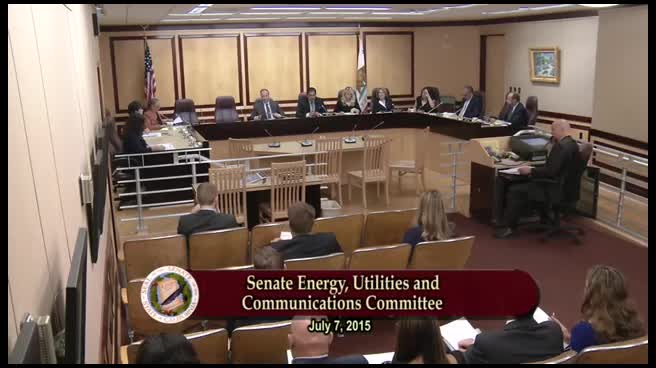
Senate Standing Committee on Energy, Utilities and Communications
 1MIN
Assembly Floor
 1MIN
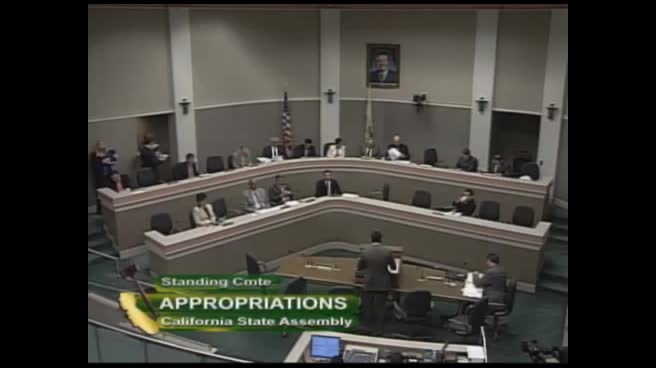
Assembly Standing Committee on Appropriations
 1MIN
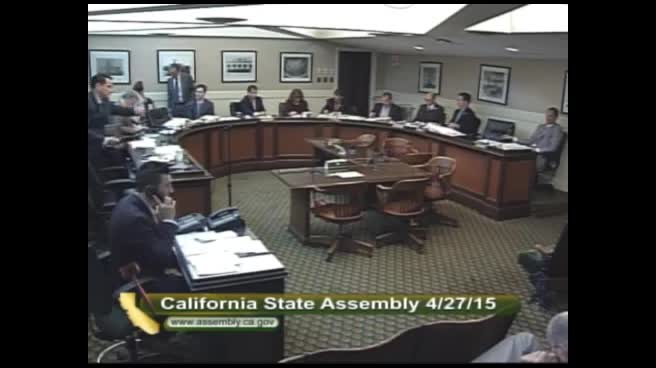
Assembly Standing Committee on Natural Resources
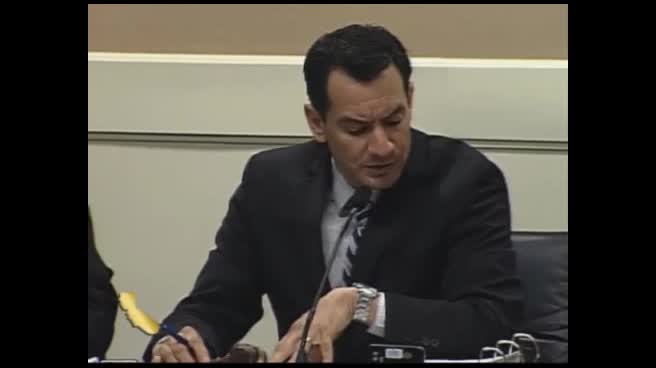 13MIN
Assembly Standing Committee on Utilities and Commerce
Bill Author

Bill Co-Author(s):