AB 1250: Vehicles: buses: axle weight.
- Session Year: 2015-2016
- House: Assembly
- Latest Version Date: 2015-10-04
Existing law, operative January 1, 2016, provides that the gross weight on any one axle of a bus shall not exceed 20,500 pounds. Existing law exempts from this limitation a transit bus procured through a solicitation process pursuant to which a solicitation was issued before January 1, 2013. A violation of this provision is a crime.
This bill would exempt from the weight limitation transit buses procured through a solicitation process pursuant to which a solicitation was issued before January 1, 2016. The bill would provide that the weight limitation would not apply to a bus purchased during an option period in a multiyear contract to purchase transit buses that is entered into before January 1, 2016, by a publicly owned or operated transit system, or an operator of a transit system under contract with a publicly owned or operated transit system, provided that the option period does not exceed 5 years from the date of the original contract, or extend beyond January 1, 2021, whichever is earlier. This bill would also establish certain weight limitations for transit buses procured through a solicitation process pursuant to which a solicitation was issued at a specified time. The bill would provide that these provisions do not authorize the operation of a transit bus on a bridge or certain other structures if the gross weight of the transit bus is greater than the maximum weight which the bridge or other structure can safely sustain. The bill would require, if the gross weight imposed upon the highway by the wheels on any one axle of a transit bus exceeds 20,000 pounds, the axle to be supported by 4 wheels bearing load upon the highway. Because a violation of these provisions would be a crime, this bill would impose a state-mandated local program.
The bill would require a transit operator operating an articulated bus to provide notice, by July 1, 2016, to all cities and counties in whose jurisdiction the bus will operate in the upcoming calendar year, of the approximate routes upon which the bus will operate. The bill would also require an annual notice by July 1 thereafter to all cities and counties under whose jurisdiction the bus will operate, identifying any changes to the service on those routes or any new routes upon which the bus is expected to be scheduled for the upcoming calendar year.
The California Constitution requires the state to reimburse local agencies and school districts for certain costs mandated by the state. Statutory provisions establish procedures for making that reimbursement.
This bill would provide that no reimbursement is required by this act for a specified reason.
Existing law, operative January 1, 2016, provides that the gross weight on any one axle of a bus shall not exceed 20,500 pounds. Existing law exempts from this limitation a transit bus procured through a solicitation process pursuant to which a solicitation was issued before January 1, 2013. A violation of this provision is a crime.
This bill would exempt from the weight limitation transit buses procured through a solicitation process pursuant to which a solicitation was issued before January 1, 2016. The bill would provide that the weight limitation would not apply to a bus purchased during an option period in a multiyear contract to purchase transit buses that is entered into before January 1, 2016, by a publicly owned or operated transit system, or an operator of a transit system under contract with a publicly owned or operated transit system, provided that the option period does not exceed 5 years from the date of the original contract, or extend beyond January 1, 2021, whichever is earlier. This bill would also establish certain weight limitations for transit buses procured through a solicitation process pursuant to which a solicitation was issued at a specified time. The bill would provide that these provisions do not authorize the operation of a transit bus on a bridge or certain other structures if the gross weight of the transit bus exceeds the single vehicle maximum weight limit to which that bridge was designed, except as specified. is greater than the maximum weight which the bridge or other structure can safely sustain. Because a violation of these provisions would be a crime, this bill would impose a state-mandated local program.
The bill would require a transit operator operating an articulated bus to provide notice, by July 1, 2016, to all cities and counties in whose jurisdiction the bus will operate in the upcoming calendar year, of the approximate routes upon which the bus will operate. The bill would also require an annual notice by July 1 thereafter to all cities and counties under whose jurisdiction the bus will operate, identifying any changes to the service on those routes or any new routes upon which the bus is expected to be scheduled for the upcoming calendar year.
The California Constitution requires the state to reimburse local agencies and school districts for certain costs mandated by the state. Statutory provisions establish procedures for making that reimbursement.
This bill would provide that no reimbursement is required by this act for a specified reason.
Existing law, operative January 1, 2016, provides that the gross weight on any one axle of a bus shall not exceed 20,500 pounds. Existing law exempts from this limitation a transit bus procured through a solicitation process pursuant to which a solicitation was issued before January 1, 2013. A violation of this provision is a crime.
This bill would exempt from the weight limitation transit buses procured through a solicitation process pursuant to which a solicitation was issued before January 1, 2016. This bill would also establish certain weight limitations for transit buses procured through a solicitation process pursuant to which a solicitation was issued at a specified time. The bill would provide that these provisions do not authorize the operation of a transit bus on a bridge if the gross weight of the bus exceeds the single vehicle maximum weight limit to which that bridge was designed, except as specified. Because a violation of these provisions would be a crime, this bill would impose a state-mandated local program.
The California Constitution requires the state to reimburse local agencies and school districts for certain costs mandated by the state. Statutory provisions establish procedures for making that reimbursement.
This bill would provide that no reimbursement is required by this act for a specified reason.
Existing law, operative January 1, 2016, and subject to exception for certain transit buses, provides that the gross weight on any one axle of a bus shall not exceed 20,500 pounds. Existing law exempts from this limitation a transit bus procured through a solicitation process pursuant to which a solicitation was issued before January 1, 2013. A violation of this provision is a crime.
This bill would make technical, nonsubstantive changes to those provisions.
This bill would exempt from the weight limitation transit buses procured through a solicitation process pursuant to which a solicitation was issued before January 1, 2016.
Existing law, operative January 1, 2016, and subject to exception for certain transit buses, provides that the gross weight on any one axle of a bus shall not exceed 20,500 pounds.
This bill would make technical, nonsubstantive changes to those provisions.
(a)(1)Notwithstanding Section 35550, the maximum gross weight on any one axle of a bus shall not exceed 20,500 pounds.
(2)This subdivision does not apply to a transit bus procured through a solicitation process pursuant to which a solicitation was issued before January 1, 2016. This subdivision does not apply to a bus purchased during an option period in a multiyear contract to purchase transit buses that is entered into before January 1, 2016, by a publicly owned or operated transit system, or an operator of a transit system under contract with a publicly owned or operated transit system, provided, however, that the option period does not exceed five years from the date of the original contract, or extend beyond January 1, 2021, whichever is earlier.
(b)A transit bus is not subject to Section 35550.
(c)Notwithstanding subdivision (a), the following provisions shall apply to a transit bus:
(1)The curb weight on any one axle of a transit bus procured through a solicitation process pursuant to which a solicitation was issued between January 1, 2016, and December 31, 2018, inclusive, shall not exceed 23,000 pounds.
(2)The curb weight on any one axle of a transit bus procured through a solicitation process pursuant to which a solicitation was issued on or after January 1, 2019, shall not exceed 22,000 pounds.
(d)Notwithstanding subdivisions (a) and (c), the following provisions shall apply to an articulated transit bus or zero-emission transit bus:
(1)The curb weight on any one axle of an articulated transit bus or zero-emission transit bus procured through a solicitation process pursuant to which a solicitation was issued between January 1, 2016, and December 31, 2017, inclusive, shall not exceed 25,000 pounds.
(2)The curb weight on any one axle of an articulated transit bus or zero-emission transit bus procured through a solicitation process pursuant to which a solicitation was issued between January 1, 2018, and December 31, 2019, inclusive, shall not exceed 24,000 pounds.
(3)The curb weight on any one axle of an articulated transit bus or zero-emission transit bus procured through a solicitation process pursuant to which a solicitation was issued between January 1, 2020, and December 31, 2021, inclusive, shall not exceed 23,000 pounds.
(4)The curb weight on any one axle of an articulated transit bus or zero-emission transit bus procured through a solicitation process pursuant to which a solicitation was issued on or after January 1, 2022, shall not exceed 22,000 pounds.
(e)Nothing in this article shall be construed to authorize a vehicle described in paragraph (2) of subdivision (a) or described in subdivision (c) or (d) to be operated in violation of Section 35753.
(f)A transit operator operating an articulated transit bus shall, by July 1, 2016, provide notice to all cities and counties in whose jurisdiction the bus will operate in the upcoming calendar year, identifying the approximate routes upon which the bus is expected to be scheduled for service, including the names of streets and roads upon which that service is likely to take place. Thereafter, a transit operator operating an articulated transit bus shall annually provide notice by July 1, to all cities and counties in whose jurisdiction the bus will operate in the upcoming calendar year, identifying any changes to the service on those routes and any new routes upon which the bus is expected to be scheduled for the upcoming year. The notice shall include data from information provided by the bus manufacturer to the transit operator, identifying the weight of the articulated bus.
(g)For purposes of this section, the term curb weight means the total weight of a fully loaded transit bus, including maximum fuel, oil, and coolant, and all equipment used in the normal operation of the bus, except without passengers or a driver.
(h)Notwithstanding subdivisions (a) to (g), inclusive, a transit bus shall not operate on the Dwight D. Eisenhower System of Interstate and Defense Highways in excess of the weight limitation for transit buses specified in federal law.
(i)If the gross weight imposed upon the highway by the wheels on any one axle of a transit bus exceeds 20,000 pounds, the axle shall be supported by four wheels bearing load upon the highway.
SEC. 2.No reimbursement is required by this act pursuant to Section 6 of Article XIIIB of the California Constitution because the only costs that may be incurred by a local agency or school district will be incurred because this act creates a new crime or infraction, eliminates a crime or infraction, or changes the penalty for a crime or infraction, within the meaning of Section 17556 of the Government Code, or changes the definition of a crime within the meaning of Section 6 of Article XIIIB of the California Constitution.
(a)(1)Notwithstanding Section 35550, the maximum gross weight on any one axle of a bus shall not exceed 20,500 pounds.
(2)This subdivision does not apply to a transit bus procured through a solicitation process pursuant to which a solicitation was issued before January 1, 2016. This subdivision does not apply to a bus purchased during an option period in a multiyear contract to purchase transit buses that is entered into before January 1, 2016, by a publicly owned or operated transit system, or an operator of a transit system under contract with a publicly owned or operated transit system, provided, however, that the option period does not exceed five years from the date of the original contract, or extend beyond January 1, 2021, whichever is earlier.
(b)A transit bus is not subject to Section 35550.
(c)Notwithstanding subdivision (a), the following provisions shall apply to a transit bus:
(1)The unladen curb weight on any one axle of a transit bus procured through a solicitation process pursuant to which a solicitation was issued between January 1, 2016, and December 31, 2017, 2018, inclusive, shall not exceed 25,000 23,000 pounds.
(2)The unladen weight on any one axle of a transit bus procured through a solicitation process pursuant to which a solicitation was issued between January 1, 2018, and December 31, 2019, shall not exceed 24,000 pounds.
(3)The unladen weight on any one axle of a transit bus procured through a solicitation process pursuant to which a solicitation was issued between January 1, 2020, and December 31, 2021, shall not exceed 23,000 pounds.
(4)
(2)The unladen curb weight on any one axle of a transit bus procured through a solicitation process pursuant to which a solicitation was issued on or after January 1, 2022, 2019, shall not exceed 22,000 pounds.
(d)Notwithstanding subdivisions (a) and (c), the following provisions shall apply to an articulated transit bus or zero-emission transit bus:
(1)The curb weight on any one axle of an articulated transit bus or zero-emission transit bus procured through a solicitation process pursuant to which a solicitation was issued between January 1, 2016, and December 31, 2017, inclusive, shall not exceed 25,000 pounds.
(2)The curb weight on any one axle of an articulated transit bus or zero-emission transit bus procured through a solicitation process pursuant to which a solicitation was issued between January 1, 2018, and December 31, 2019, inclusive, shall not exceed 24,000 pounds.
(3)The curb weight on any one axle of an articulated transit bus or zero-emission transit bus procured through a solicitation process pursuant to which a solicitation was issued between January 1, 2020, and December 31, 2021, inclusive, shall not exceed 23,000 pounds.
(4)The curb weight on any one axle of an articulated transit bus or zero-emission transit bus procured through a solicitation process pursuant to which a solicitation was issued on or after January 1, 2022, shall not exceed 22,000 pounds.
(d)
(e)Nothing in this article shall be construed to authorize a vehicle described in paragraph (2) of subdivision (a) or described in subdivision (c) or (d) to be operated in violation of Section 35753.
(e)
(f)A transit operator operating an articulated transit bus shall, by July 1, 2016, provide notice to all cities and counties in whose jurisdiction the bus will operate in the upcoming calendar year, identifying the approximate routes upon which the bus is expected to be scheduled for service, including the names of streets and roads upon which that service is likely to take place. Thereafter, a transit operator operating an articulated transit bus shall annually provide notice by July 1, to all cities and counties in whose jurisdiction the bus will operate in the upcoming calendar year, identifying any changes to the service on those routes and any new routes upon which the bus is expected to be scheduled for the upcoming year. The notice shall include data from information provided by the bus manufacturer to the transit operator, identifying the weight of the articulated bus.
(g)For purposes of this section, the term curb weight means the total weight of a fully loaded transit bus, including maximum fuel, oil, and coolant, and all equipment used in the normal operation of the bus, except without passengers or a driver.
(h)Notwithstanding subdivisions (a) to (g), inclusive, a transit bus shall not operate on the Dwight D. Eisenhower System of Interstate and Defense Highways in excess of the weight limitation for transit buses specified in federal law.
(i)If the gross weight imposed upon the highway by the wheels on any one axle of a transit bus exceeds 20,000 pounds, the axle shall be supported by four wheels bearing load upon the highway.
SEC. 2.No reimbursement is required by this act pursuant to Section 6 of Article XIIIB of the California Constitution because the only costs that may be incurred by a local agency or school district will be incurred because this act creates a new crime or infraction, eliminates a crime or infraction, or changes the penalty for a crime or infraction, within the meaning of Section 17556 of the Government Code, or changes the definition of a crime within the meaning of Section 6 of Article XIIIB of the California Constitution.
(a)(1)Notwithstanding Section 35550, the maximum gross weight on any one axle of a bus shall not exceed 20,500 pounds.
(2)This subdivision does not apply to a transit bus procured through a solicitation process pursuant to which a solicitation was issued before January 1, 2016. This subdivision does not apply to a bus purchased during an option period in a multiyear contract to purchase transit buses that is entered into before January 1, 2016, by a publicly owned or operated transit system, or an operator of a transit system under contract with a publicly owned or operated transit system, provided, however, that the option period does not exceed five years from the date of the original contract, or extend beyond January 1, 2021, whichever is earlier.
(b)A transit bus is not subject to Section 35550.
(c)Notwithstanding subdivision (a), the following provisions shall apply to a transit bus:
(1)The unladen weight on any one axle of a transit bus procured through a solicitation process pursuant to which a solicitation was issued between January 1, 2016, and December 31, 2017, shall not exceed 25,000 pounds.
(2)The unladen weight on any one axle of a transit bus procured through a solicitation process pursuant to which a solicitation was issued between January 1, 2018, and December 31, 2019, shall not exceed 24,000 pounds.
(3)The unladen weight on any one axle of a transit bus procured through a solicitation process pursuant to which a solicitation was issued between January 1, 2020, and December 31, 2021, shall not exceed 23,000 pounds.
(4)The unladen weight on any one axle of a transit bus procured through a solicitation process pursuant to which a solicitation was issued on or after January 1, 2022, shall not exceed 22,000 pounds.
(d)Nothing in this article shall be construed to authorize the operation of a transit bus on a bridge if the gross weight of the transit bus exceeds the single vehicle maximum weight limit to which that bridge was designed, unless the agency owning and operating the transit bus has obtained a permit from the agency owning the bridge to operate such a transit bus on that bridge. a vehicle described in paragraph (2) of subdivision (a) or described in subdivision (c) to be operated in violation of Section 35753.
(e)A transit operator operating an articulated transit bus shall, by July 1, 2016, provide notice to all cities and counties in whose jurisdiction the bus will operate in the upcoming calendar year, identifying the approximate routes upon which the bus is expected to be scheduled for service, including the names of streets and roads upon which that service is likely to take place. Thereafter, a transit operator operating an articulated transit bus shall annually provide notice by July 1, to all cities and counties in whose jurisdiction the bus will operate in the upcoming calendar year, identifying any changes to the service on those routes and any new routes upon which the bus is expected to be scheduled for the upcoming year. The notice shall include data from information provided by the bus manufacturer to the transit operator, identifying the weight of the articulated bus.
SEC. 2.No reimbursement is required by this act pursuant to Section 6 of Article XIIIB of the California Constitution because the only costs that may be incurred by a local agency or school district will be incurred because this act creates a new crime or infraction, eliminates a crime or infraction, or changes the penalty for a crime or infraction, within the meaning of Section 17556 of the Government Code, or changes the definition of a crime within the meaning of Section 6 of Article XIIIB of the California Constitution.
(a)(1)Notwithstanding Section 35550, the maximum gross weight on any one axle of a bus shall not exceed 20,500 pounds.
(2)This subdivision does not apply to a transit bus procured through a solicitation process pursuant to which a solicitation was issued before January 1, 2016.
(b)A transit bus is not subject to Section 35550.
(c)Notwithstanding subdivision (a), the following provisions shall apply to a transit bus:
(1)The unladen weight on any one axle of a transit bus procured through a solicitation process pursuant to which a solicitation was issued between January 1, 2016, and December 31, 2017, shall not exceed 25,000 pounds.
(2)The unladen weight on any one axle of a transit bus procured through a solicitation process pursuant to which a solicitation was issued between January 1, 2018, and December 31, 2019, shall not exceed 24,000 pounds.
(3)The unladen weight on any one axle of a transit bus procured through a solicitation process pursuant to which a solicitation was issued between January 1, 2020, and December 31, 2021, shall not exceed 23,000 pounds.
(4)The unladen weight on any one axle of a transit bus procured through a solicitation process pursuant to which a solicitation was issued on or after January 1, 2022, shall not exceed 22,000 pounds.
(d)Nothing in this article shall be construed to authorize the operation of a transit bus on a bridge if the gross weight of the transit bus exceeds the single vehicle maximum weight limit to which that bridge was designed, unless the agency owning and operating the transit bus has obtained a permit from the agency owning the bridge to operate such a transit bus on that bridge.
SEC. 2.No reimbursement is required by this act pursuant to Section 6 of Article XIIIB of the California Constitution because the only costs that may be incurred by a local agency or school district will be incurred because this act creates a new crime or infraction, eliminates a crime or infraction, or changes the penalty for a crime or infraction, within the meaning of Section 17556 of the Government Code, or changes the definition of a crime within the meaning of Section 6 of Article XIIIB of the California Constitution.
(a)(1)Notwithstanding Section 35550, the maximum gross weight on any one axle of a bus shall not exceed 20,500 pounds.
(2)This subdivision does not apply to a transit bus procured through a solicitation process pursuant to which a solicitation was issued before January 1, 2013. 2016.
(b)A transit bus is not subject to Section 35550.
(a)(1)Notwithstanding Section 35550, the maximum gross weight on any one axle of a bus shall not exceed 20,500 pounds.
(2)A This subdivision does not apply to a transit bus procured through a solicitation process pursuant to which a solicitation was issued before January 1, 2013, is not subject to this subdivision.
(b)A transit bus is not subject to Section 35550.
(c)This section shall become operative on January 1, 2016.
|
Date
|
Status
|
|---|---|
| Sep 11, 2015 | Joint Rule 62(a), file notice suspended. (Page 3169.) |
| Sep 8, 2015 | Read second time. Ordered to third reading. |
| Sep 9, 2015 | From committee chair, with author's amendments: Amend, and re-refer to committee. Read second time, amended, and re-referred to Com. on T. & H. |
| Sep 9, 2015 | Senate Rule 29.3(b) suspended. (Ayes 27. Noes 6. Page 2646.) |
| Sep 9, 2015 | Senate Rule 29.3(b) suspended. (Ayes 27. Noes 6.) |
| Sep 10, 2015 | From committee: Return to Senate floor for consideration. (Ayes 9. Noes 0.) (September 10). |
| Sep 11, 2015 | Assembly Rule 63 suspended. |
| Sep 11, 2015 | Assembly Rule 63 suspended. (Page 3198.) |
| Sep 11, 2015 | From committee: That the Senate amendments be concurred in. (Ayes 16. Noes 0.) (September 11). |
| Sep 11, 2015 | In Assembly. Concurrence in Senate amendments pending. |
| Sep 11, 2015 | Joint Rule 62(a), file notice suspended. |
| Sep 8, 2015 | Re-referred to Com. on T. & H. pursuant to Senate Rule 29.10 (b) . |
| Sep 11, 2015 | Re-referred to Com. on TRANS. pursuant to Assembly Rule 77.2. |
| Sep 11, 2015 | Read third time. Passed. Ordered to the Assembly. |
| Sep 11, 2015 | Read third time. Passed. Ordered to the Assembly. (Ayes 40. Noes 0. Page 2742.). |
| Sep 11, 2015 | Senate amendments concurred in. To Engrossing and Enrolling. |
| Sep 11, 2015 | Senate amendments concurred in. To Engrossing and Enrolling. (Ayes 79. Noes 0. Page 3201.). |
| Sep 11, 2015 | Senate amendments concurred in. To Engrossing and Enrolling. (Ayes 79. Noes 0.). |
| Sep 25, 2015 | Enrolled and presented to the Governor at 2 p.m. |
| Oct 4, 2015 | Approved by the Governor. |
| Oct 4, 2015 | Chaptered by Secretary of State - Chapter 484, Statutes of 2015. |
| Apr 20, 2015 | Read third time. Passed. Ordered to the Senate. (Ayes 80. Noes 0. Page 1016.) |
| Mar 1, 2015 | From printer. May be heard in committee March 31. |
| Mar 2, 2015 | Read first time. |
| Mar 19, 2015 | From committee chair, with author's amendments: Amend, and re-refer to Com. on TRANS. Read second time and amended. |
| Mar 19, 2015 | Referred to Com. on TRANS. |
| Mar 23, 2015 | Re-referred to Com. on TRANS. |
| Apr 14, 2015 | From committee: Do pass. Ordered to Consent Calendar. (Ayes 16. Noes 0.) (April 13). |
| Apr 14, 2015 | From committee: Do pass. To Consent Calendar. (Ayes 16. Noes 0.) (April 13). |
| Apr 15, 2015 | Read second time. Ordered to consent calendar. |
| Apr 20, 2015 | In Senate. Read first time. To Com. on RLS. for assignment. |
| Feb 27, 2015 | Introduced. To print. |
| May 7, 2015 | Referred to Com. on T. & H. |
| Jul 6, 2015 | From committee chair, with author's amendments: Amend, and re-refer to committee. Read second time, amended, and re-referred to Com. on T. & H. |
| Jul 15, 2015 | From committee: Do pass and re-refer to Com. on APPR. (Ayes 11. Noes 0.) (July 14). Re-referred to Com. on APPR. |
| Aug 18, 2015 | From committee: Do pass. (Ayes 7. Noes 0.) (August 17). |
| Aug 19, 2015 | Read second time. Ordered to third reading. |
| Sep 4, 2015 | Read third time and amended. Ordered to second reading. |
| Sep 8, 2015 | From committee: Be re-referred to Com. on T. & H. pursuant to Senate Rule 29.10(b). (Ayes 5. Noes 0.) Re-referred to Com. on T. & H. |
| Sep 8, 2015 | Re-referred to Com. on RLS. pursuant to Senate Rule 29.10 (b) . |
| Sep 8, 2015 | Re-referred to Com. on RLS. pursuant to Senate Rule 29.10(b) . |
|
Date
|
Description
|
Location
|
Votes
|
|
|---|---|---|---|---|
| Sep 11, 2015 | AB 1250 BLOOM Concurrence in Senate Amendments | Assembly Floor |
Passed |
|
| Sep 11, 2015 | Assembly 3rd Reading AB1250 Bloom By Beall | Senate Floor |
Passed |
|
| Sep 11, 2015 | With recommendation: That Senate amendments be concurred in. | Assembly Standing Committee on Transportation |
Passed |
|
| Sep 10, 2015 | That the measure be returned to Senate Floor for consideration. Ordered to third reading. | Senate Standing Committee on Transportation and Housing |
Passed |
|
| Aug 17, 2015 | Do pass | Senate Standing Committee on Appropriations |
Passed |
|
| Jul 14, 2015 | Do pass, but first be re-referred to the Committee on [Appropriations] | Senate Standing Committee on Transportation and Housing |
Passed |
|
| Apr 20, 2015 | AB 1250 BLOOM Consent Calendar Second Day Regular Session | Assembly Floor |
Passed |
|
| Apr 13, 2015 | Do pass. To Consent Calendar. | Assembly Standing Committee on Transportation |
Passed |
This list shows positions taken on this bill by organizations on the date displayed, which is linked to the original source.
Positions by individuals are not included.
|
Organization
|
Position
|
Date
|
|---|---|---|
| Alameda-Contra Costa Transit District | * Support | Sep 10, 2015 |
| Amalgamated Transit Union | * Support | Sep 10, 2015 |
| California Association for Coordinated Transportation | ** Support | Sep 10, 2015 |
| California Association For Coordinated Transportation (Calact) | * Support | Sep 10, 2015 |
| California Association of Coordinated Transportation | ** Support | Sep 10, 2015 |
| California Teamsters Public Affairs Council | * Support | Sep 10, 2015 |
| California Transit Association | * Support | Sep 10, 2015 |
| City of Arcata | ** Support | Sep 10, 2015 |
| City Of San Diego | * Support | Jul 14, 2015 |
| Gillig | * Support | Jul 14, 2015 |
| LA Metropolitan Transportation Authority | * Support | Sep 10, 2015 |
| League Of California Cities | * Support | Sep 10, 2015 |
| Napa County Transportation Planning Agency | ** Support | Jul 14, 2015 |
| Napa County Transportation Planning Association | * Support | Sep 10, 2015 |
| New Flyer of America | * Support | Jul 14, 2015 |
| North County Transit District | * Support | Sep 10, 2015 |
| Orange County Transportation Authority | * Support | Sep 10, 2015 |
| Sacramento Regional Transit District | * Support | Jul 14, 2015 |
| San Bernardino Associated Governments | * Support | Jul 14, 2015 |
| San Diego Metropolitan Transit System | * Support | Jul 14, 2015 |
| San Mateo County Transit District | * Support | Sep 10, 2015 |
| Santa Clara Valley Transportation Authority | * Support | Sep 10, 2015 |
| Santa Cruz Metropolitan Transit District | * Support | Sep 10, 2015 |
| Santa Monica, City Of | ** Support | Sep 10, 2015 |
| Solano County Transit | ** Support | Sep 10, 2015 |
| Teamsters | * Support | Sep 10, 2015 |
| Ventura County Transportation Commission | * Support | Sep 10, 2015 |
AB 1250
Page 4
(Without Reference to File)
CONCURRENCE IN SENATE AMENDMENTS
AB 1250
(Bloom)
As Amended September 9, 2015
Majority vote
ASSEMBLY: |
80-0 |
(April 20, 2015) |
SENATE: |
|
(September 11, 2015) |
(vote not available)
Original Committee Reference: TRANS.
SUMMARY: Exempts transit buses procured through a solicitation process that was issued before January 1, 2016, from the statutory weight limit of 20,500 pounds on any one axle of a transit bus. Further establishes a declining curb weight per axle requirements for transit buses, as specified.
The Senate amendments:
Establish a declining curb weight per axle, beginning at 23,000 pounds per axle, for buses procured through a solicitation issued between January 1, 2016, and December 31, 2018, and ending at 22,000 pounds for buses procured through a solicitation issued on or after January 1, 2019.
Exempt buses procured from solicitations issued prior to the January 1, 2016, option period in a multiyear contract that is entered into before January 1, 2016, as specified. Further specifies that the option period shall not exceed five years or extend beyond 2021, whichever is earlier.
Establish a declining curb weight per axle for an articulated transit bus or zero-emission transit bus, beginning at 25,000 pounds per axle, for buses procured through a solicitation issued between January 1, 2016, and December 31, 2017, and ending at ending at 22,000 pounds for buses procured through a solicitation issued on or after January 1, 2022.
Require a transit operator operating an articulated transit bus to, by July 1, 2016, and annually thereafter, provide cities and counties a notice providing a description of the approximate routes where the articulated transit bus is scheduled to provide service, as specified.
Define "curb weight," for purposes of this bill, as the total weight of a fully loaded transit bus, including maximum fuel, oil, and coolant, and all equipment used in the normal operation of the bus, not including passengers or a driver.
Prohibit a transit bus, in excess of federal weight limitations, from operating on the Federal Interstate System within the state, as specified.
Require a transit bus that is operating with an axle that exceeds 20,000 pounds on a highway to be supported by four wheels, as specified.
Provide technical clarifying changes.
EXISTING LAW:
Generally limits the gross weight on any one axle for vehicles that travel on public streets, roads, and highways (highways) to 20,000 pounds, but provides that buses of any type may impose a gross axle weight of up to 20,500 pounds.
Under federal law, prohibits California from enforcing a weight limit of under 24,000 pounds per axle for buses travelling on the federal Interstate highway system.
Exempts transit buses procured through a solicitation process that was issued before January 1, 2013, from existing statutory limits on bus weights.
Allows, until January 1, 2016, a publicly owned and operated transit system or an operator of a transit system under contract with a publicly owned and operated transit system to do the following:
Replace existing buses that exceed the current weight limits with a new model of the same or lower weight.
Procure and operate a new bus in excess of the current weight limits in order to incorporate a new fleet class into its inventory, if the governing board adopts a finding at a public hearing that the change is necessary to address a need to serve a new or existing market pursuant to its most recently adopted short-range transit plan, or to meet federal, state, or regional statutory or regulatory requirements.
Requires the governing board of a transit system, if it holds a public hearing to consider procurement of buses in excess of existing weight limits pursuant to the above provisions, to provide written notice of the public hearing to those cities and counties on whose roads the busses would travel, and place in the public record any comment or concerns it receives regarding the procurement.
Defines "fleet class" to mean a group of transit buses that have a combination of two or more of the following similar defining characteristics:
Length;
Seating capacity;
Number of axles;
Fuel or power system;
Width;
Structure; and
Equipment package.
Prohibits transit buses from operating on the Interstate highway system in excess of federal weight limitations.
Requires state agencies to take into account vehicle weight impacts and the ability of vehicle manufacturers and operators to comply with laws limiting the weight of vehicles when promulgating regulations.
FISCAL EFFECT: According to the Senate Appropriations Committee, unquantifiable minor to significant impact on pavement maintenance costs as a result of accelerated degradation by allowing the operation of overweight transit buses (State Highway Account, local funds). Due to the numerous factors that may result in pavement degradation, it is impossible to calculate the isolated impacts and costs associated with the operation of overweight transit buses on state highways and local streets and roads.
COMMENTS: Since 1975, state law has prohibited the gross weight on any single axle of a transit bus from exceeding 20,500 pounds. Due to numerous state and federal mandates, including Americans with Disability Act requirements and emissions reduction equipment, transit buses today often exceed that weight, especially when carrying a large number of passengers. According to the sponsor, the California Transit Association (CTA), as many as half of the transit buses in California operating at peak commute times may exceed the state weight limit of 20,500 pounds per axle. However, during non-peak times, this percentage drops significantly due to lower ridership loads.
Several years ago, some local police departments began citing transit buses for violating the weight limit. Merely relying on the current procedures in state law for overweight vehicles -paying fines resulting from citations or paying fees and administering thousands of annual overweight vehicle permits on a city-by-city basis – would be costly and time consuming for transit agencies and other local governments statewide. Moreover, such an approach would continue to ignore the underlying problem: the Vehicle Code limit was created more than 35 years ago and simply did not contemplate today's operating environments or legal and regulatory requirements. However, simply increasing the weight limit for transit buses is not as easy as it might sound because for cities and counties, more weight equals greater wear and tear on local streets and roads.
AB 1706 (Eng), Chapter 771, Statutes of 2012, offered a short-term solution to the bus axle weight issue by exempting all existing transit buses from the state weight limit. AB 1706 additionally allowed for procurement of new buses exceeding the weight limit if they were replacing existing overweight buses or if the transit operator was introducing a new fleet class. The procurement provisions in AB 1706 were scheduled to sunset at the end of 2014. AB 1720 (Bloom), Chapter 263, Statutes of 2014, extended the sunset on the procurement provisions to the end of 2015.
The temporary fix to the bus axle weight issue came about after stakeholders – including cities, counties, transit agencies, and representatives from various state departments and agencies – put considerable effort into finding a permanent solution to the issue without coming to agreement. Because the bus axle weight issue is a complicated one that has been a subject of concern not just in California but nationwide, the federal Transit Cooperative Research Program (TCRP), an arm of the Transportation Research Board backed by the National Academy of Sciences, commissioned a detailed national study on the bus axle weight issue. The study, which was released in November of 2014, provides the most comprehensive look at the issue to date but does not provide a clear long-term solution. Rather, it puts forth 23 different options for addressing the axle weight issue and concludes: "There is no single operational, design, technological or regulatory solution that resolves these issues without some undesirable consequences."
This bill was introduced with the intent to reach a resolve to the bus axle weight issue. Since this bill was heard in the Assembly, it has been amended and made more specific to reflect the continuing negotiations amongst stakeholders. This bill now represents the result of year-long negotiations between transit operators, local and state governments, and bus manufacturers. Thus, the current version of this bill represents the results of final negotiations.
Specifically, this bill exempts transit buses that were purchased under the terms of the temporary procurement provisions from the 20,500-pound per axle weight limit. This ensures that buses that were purchased under the terms of AB 1706 can continue to legally operate. Furthermore, establishes declining maximum curb weight per axle requirements for standard transit buses and articulated and zero-emission transit buses to allow the transit industry the opportunity to design and build buses that meet both environmental and vehicle weight requirements. Lastly, this bill requires a transit operator operating articulated buses to provide notice to cities and counties identifying the approximate routes an articulated transit bus is expected to provide service, including the names of streets and roads and any scheduled service changes.
This bill was substantially amended in the Senate. This bill, amended in the Senate, is inconsistent with Assembly actions and the provisions of this bill, as amended in the Senate, have not been heard in an Assembly policy committee.
Analysis Prepared by: Manny Leon / TRANS. / (916) 319-2093 FN: 0002423
AB 1250 (Bloom) Page 4 of 4
SENATE COMMITTEE ON TRANSPORTATION AND HOUSING
Senator Jim Beall, Chair
2015 - 2016 Regular
Bill No: AB 1250 Hearing Date: 9/10/2015
Author: |
Bloom |
||
Version: |
9/9/2015 |
||
Urgency: |
No |
Fiscal: |
Yes |
Consultant: |
Randy Chinn |
||
SUBJECT: Vehicles: buses: axle weight
DIGEST: This bill establishes a declining maximum curb weight per axle for buses.
ANALYSIS:
Existing law:
Limits the gross weight of buses to 20,500 pounds per axle.
Prohibits California from enforcing a weight limit of less than 24,000 pounds per axle for buses travelling on the federal interstate highway system, pursuant to federal law.
Allows, until January 1, 2016, a public transit system to procure a bus whose weight exceeds 20,500 pounds per axle if 1) the new bus weighs less per axle than the bus it is replacing, or 2) the new buses are part of a new fleet class, provided that the governing board of the public transit system makes a finding that the new fleet class is necessary to address a need in a new or existing market.
Prohibits driving a vehicle over a bridge or other structure that is part of a highway when that vehicle weighs more than the bridge or structure can safely support.
This bill:
Establishes a declining maximum curb weight per axle, beginning with procurement solicitations issued after January 1, 2016, for standard transit buses of 23,000 pounds, declining to 22,000 pounds by January 1, 2019. For articulated or zero-emission buses, the maximum curb weight per axle is 25,000 pounds, beginning with procurement solicitations issued after January 1, 2016, declining to 22,000 pounds for procurement solicitations issued after January 1, 2022.
Defines curb weight as the weight of the bus including fuel and all equipment used in normal operations but excluding the weight of the driver and passengers.
Exempts buses procured from solicitations issued prior to January 1, 2016 or during option periods in multi-year contracts not exceeding five years, or January 1, 2021, whichever is earlier, from the 20,500 pound-per-axle weight limitation and from the axle weight limitations established in this legislation.
Prohibits buses exceeding the federal 24,000 pound-per-axle weight limitation from operating on the interstate highway system.
Requires that if the gross weight of any axle exceeds 20,000 pounds, that axle shall have four wheels.
Requires operators employing articulated buses to provide notice to cities and counties in whose jurisdiction those buses are operating of the approximate routes of those buses.
COMMENTS:
Purpose. According to the author, transit buses play an integral role in California’s transportation infrastructure. While cities, planning agencies, transit agencies, and bus manufacturers do not all agree on the solution for overweight buses, it is essential that transit systems continue to operate, and transit agencies must be allowed to continue to procure transit vehicles if the need arises. Stakeholders convened with the goal of crafting a long-term solution that works for all parties.
Second time around. The committee heard this bill on July 15, 2015, and approved it 11-0. Since that hearing, the bill has been amended and made more specific to reflect the continuing negotiations between the parties. This bill represents the result of year-long negotiations between transit operators, local and state governments, and bus manufacturers. The current version of the bill represents the results of final negotiations. As a result, the League of California Cities is supporting the bill, the California State Association of Counties is neutral, and Caltrans has provided technical support.
Technology requirements are part of the problem. California’s air pollution and greenhouse gas emission reduction goals have resulted in alternatively fueled powertrains for buses, such as electric and compressed natural gas. Improving efficiency in transit operations often means using larger buses and optimizing routes so that buses run full. Both of these policies result in buses which are so heavy that they can damage streets and prematurely wear bridges and overpasses. As policymakers consider new technologies and efficiency improvements, they’d be wise to also consider the effects of their decisions on the state’s transportation infrastructure. Fixing the state’s deteriorating roads and bridges is expensive.
A different standard. The key metric for this bill is curb weight, which for the purposes of this bill is the total weight of a bus, including maximum fuel and all normal equipment, but excluding the weight of the driver and passengers. Supporters contend that this is a knowable, consistent, and clear measure. However, this is an unusual metric, as the much more common metric is gross, or actual, weight. This measures the actual force of the tires, though the gross weight for buses will vary throughout the day as passenger loads rise and fall. For comparison, a fully occupied bus is as much as one-third heavier than an empty bus.
29.10 hearing. This bill is being heard pursuant to Senate Rule 29.10(b) as it has substantially changed from the version heard earlier by the committee.
Related Legislation:
AB 1720 (Bloom, Chapter 263, Statutes of 2014) — provides a two-year exemption for existing transit buses to exceed the state weight limit, sunsetting at the end of 2016.
AB 1706 (Eng, Chapter 771, Statutes of 2012) — provides a two-year exemption for existing transit buses to exceed the state weight limit, sunsetting at the end of 2014.
FISCAL EFFECT: Appropriation: No Fiscal Com.: Yes Local: Yes
According to the Senate Appropriations Committee:
Unquantifiable minor to significant impact on pavement maintenance costs as a result of accelerated degradation by allowing the operation of overweight transit buses. (State Highway Account, local funds)
Due to the numerous factors that may result in pavement degradation, it is impossible to calculate the isolated impacts and costs associated with the operation of overweight transit buses on state highways and local streets and roads.
POSITIONS: (Communicated to the committee before noon on Wednesday,
September 9, 2015.)
SUPPORT:
California Association for Coordinated Transportation
California Teamsters Public Affairs Council
California Transit Association
City of Arcata
City of Santa Monica
Orange County Transportation Authority
Santa Clara Valley Transportation Authority
Santa Cruz Metropolitan Transit District
Solano County Transit
OPPOSITION:
None received
-- END --
AB 1250
Page 5
|
Office of Senate Floor Analyses (916) 651-1520 Fax: (916) 327-4478 |
THIRD READING
Bill No: AB 1250
Amended: 9/9/15 in Senate
SENATE TRANS. & HOUSING COMMITTEE: 11-0, 7/14/15
AYES: Beall, Cannella, Allen, Bates, Gaines, Galgiani, Leyva, McGuire, Mendoza, Roth, Wieckowski
SENATE APPROPRIATIONS COMMITTEE: 7-0, 8/17/15
AYES: Lara, Bates, Beall, Hill, Leyva, Mendoza, Nielsen
SENATE TRANS. & HOUSING COMMITTEE: 9-0, 9/10/15 (Pursuant to Senate Rule 29.10)
AYES: Beall, Cannella, Allen, Bates, Gaines, Galgiani, Leyva, Roth, Wieckowski
NO VOTE RECORDED: McGuire, Mendoza
ASSEMBLY FLOOR: 80-0, 4/20/15 (Consent) - See last page for vote
SUBJECT: Vehicles: buses: axle weight
SOURCE: California Transit Association
DIGEST: This bill establishes a declining maximum curb weight per axle for buses.
Existing law:
Limits the gross weight of buses to 20,500 pounds per axle.
Prohibits California from enforcing a weight limit of less than 24,000 pounds per axle for buses travelling on the federal interstate highway system.
Allows, until January 1, 2016, a public transit system to procure a bus whose weight exceeds 20,500 pounds per axle if 1) the new bus weighs less per axle than the bus it is replacing, or 2) the new buses are part of a new fleet class, provided that the governing board of the public transit system makes a finding that the new fleet class is necessary to address a need in a new or existing market.
Prohibits driving a vehicle over a bridge or other structure that is part of a highway when that vehicle weighs more than the bridge or structure can safely support.
This bill:
Establishes a declining maximum curb weight per axle, beginning with procurement solicitations issued after January 1, 2016, for standard transit buses of 23,000 pounds, declining to 22,000 pounds by January 1, 2019. For articulated or zero-emission buses, the maximum curb weight per axle is 25,000 pounds, beginning with procurement solicitations issued after January 1, 2016, declining to 22,000 pounds for procurement solicitations issued after January 1, 2022.
Defines curb weight as the weight of the bus including fuel and all equipment used in normal operations but excluding the weight of the driver and passengers.
Exempts buses procured from solicitations issued prior to January 1, 2016 or during option periods in multi-year contracts not exceeding five years, or January 1, 2021, whichever is earlier, from the 20,500 pound-per-axle weight limitation and from the axle weight limitations established in this legislation.
Prohibits buses exceeding the federal 24,000 pound-per-axle weight limitation from operating on the interstate highway system.
Requires that if the gross weight of any axle exceeds 20,000 pounds, that axle shall have four wheels.
Requires operators employing articulated buses to provide notice to cities and counties in whose jurisdiction those buses are operating of the approximate routes of those buses.
Comments
Purpose of bill. According to the author, transit buses play an integral role in California’s transportation infrastructure. While cities, planning agencies, transit agencies, and bus manufacturers do not all agree on the solution for overweight buses, it is essential that transit systems continue to operate, and transit agencies must be allowed to continue to procure transit vehicles if the need arises. Stakeholders convened with the goal of crafting a long-term solution that works for all parties.
The problem. Overweight vehicles damage roads and bridges, resulting in costly repair bills. The California Transit Association (CTA) estimates that during peak commute times, as many as half the transit buses exceed the 20,500 pound-per-axle weight limit. Several years ago some police departments began citing buses for exceeding weight limits. That practice was halted pursuant to legislation, but the problem persists.
An agreement. This bill represents the result of year-long negotiations between transit operators, local and state governments, and bus manufacturers. The current version of the bill is the final result of the negotiations. As a result, the League of California Cities has indicated its support for the bill, the California State Association of Counties is neutral, and Caltrans has provided technical support.
The time has come. There have been legislative attempts to deal with overweight buses since 2012, and each has resulted in stop-gap measures which deferred any solution. In the meantime, more heavy buses have joined the transit fleets, increasing the damage that will inevitably occur as these vehicles use our deteriorating roads and bridges for years to come. As the state grapples for solutions to funding road maintenance and repair, it makes little sense to ignore this longstanding problem.
Non-transportation policies contribute to the problem. California’s air pollution and greenhouse gas emission reduction goals have resulted in alternatively fueled powertrains for buses, such as electric and compressed natural gas. Improving efficiency in transit operations often means using larger buses and optimizing routes so that buses run full. Both of these policies result in buses which are so heavy that they can damage streets and prematurely wear bridges and overpasses. As policymakers consider new technologies and efficiency improvements, they’d be wise to also consider the effects of their decisions on the state’s transportation infrastructure. Fixing the state’s deteriorating roads and bridges is expensive.
A different standard. The key metric for this bill is curb weight, which for the purposes of this bill is the total weight of a bus, including maximum fuel and all normal equipment, but excluding the weight of the driver and passengers. Supporters contend that this is a knowable, consistent, and clear measure. However, this is an unusual metric, as the much more common metric is gross, or actual, weight. This measures the actual force of the tires, though the gross weight for buses will vary throughout the day as passenger loads rise and fall. For comparison, a fully occupied bus is as much as one-third heavier than an empty bus.
FISCAL EFFECT: Appropriation: No Fiscal Com.: Yes Local: Yes
According to the Senate Appropriations Committee:
Unquantifiable minor to significant impact on pavement maintenance costs as a result of accelerated degradation by allowing the operation of overweight transit buses. (State Highway Account, local funds)
Due to the numerous factors that may result in pavement degradation, it is impossible to calculate the isolated impacts and costs associated with the operation of overweight transit buses on state highways and local streets and roads.
California Transit Association (source)
California Association for Coordinated Transportation
California Teamsters Public Affairs Council
City of Arcata
City of Santa Monica
Orange County Transportation Authority
Santa Clara Valley Transportation Authority
Santa Cruz Metropolitan Transit District
Solano County Transit
None received
ASSEMBLY FLOOR: 80-0, 4/20/15
AYES: Achadjian, Alejo, Travis Allen, Baker, Bigelow, Bloom, Bonilla, Bonta, Brough, Brown, Burke, Calderon, Campos, Chang, Chau, Chávez, Chiu, Chu, Cooley, Cooper, Dababneh, Dahle, Daly, Dodd, Eggman, Frazier, Beth Gaines, Gallagher, Cristina Garcia, Eduardo Garcia, Gatto, Gipson, Gomez, Gonzalez, Gordon, Gray, Grove, Hadley, Harper, Roger Hernández, Holden, Irwin, Jones, Jones-Sawyer, Kim, Lackey, Levine, Linder, Lopez, Low, Maienschein, Mathis, Mayes, McCarty, Medina, Melendez, Mullin, Nazarian, Obernolte, O'Donnell, Olsen, Patterson, Perea, Quirk, Rendon, Ridley-Thomas, Rodriguez, Salas, Santiago, Steinorth, Mark Stone, Thurmond, Ting, Wagner, Waldron, Weber, Wilk, Williams, Wood, Atkins
Prepared by: Randy Chinn / T. & H. / (916) 651-4121, Randy Chinn / T. & H. / (916) 651-4121
9/10/15 23:17:25
**** END ****
AB 1250
Page 4
|
Office of Senate Floor Analyses (916) 651-1520 Fax: (916) 327-4478 |
THIRD READING
Bill No: AB 1250
Amended: 7/6/15 in Senate
SENATE TRANS. & HOUSING COMMITTEE: 11-0, 7/14/15
AYES: Beall, Cannella, Allen, Bates, Gaines, Galgiani, Leyva, McGuire, Mendoza, Roth, Wieckowski
SENATE APPROPRIATIONS COMMITTEE: 7-0, 8/17/15
AYES: Lara, Bates, Beall, Hill, Leyva, Mendoza, Nielsen
ASSEMBLY FLOOR: 80-0, 4/20/15 (Consent) - See last page for vote
SUBJECT: Vehicles: buses: axle weight
SOURCE: California Transit Association
DIGEST: This bill establishes a declining maximum unladen weight per axle for buses.
Existing law:
Limits the gross weight of buses to 20,500 pounds per axle.
Prohibits California from enforcing a weight limit of less than 24,000 pounds per axle for buses travelling on the federal interstate highway system.
Allows, until January 1, 2016, a public transit system to procure a bus whose weight exceeds 20,500 pounds per axle if 1) the new bus weighs less per axle than the bus it is replacing, or 2) the new buses are part of a new fleet class, provided that the governing board of the public transit system makes a finding that the new fleet class is necessary to address a need in a new or existing market.
This bill:
Exempts from the 20,500 pound weight limitation buses procured from a solicitation issued prior to January 1, 2016.
Establishes a declining maximum unladen weight per axle beginning at 25,000 pounds per axle for buses procured through a solicitation issued prior to January 1, 2018, and ending at 22,000 pounds for buses procured through a solicitation issued on or after January 1, 2022.
Comments
Purpose. According to the author, transit buses play an integral role in California’s transportation infrastructure. While cities, planning agencies, transit agencies, and bus manufacturers do not all agree on the solution for overweight buses, it is essential that transit systems continue to operate, and transit agencies must be allowed to continue to procure transit vehicles if the need arises. Stakeholders have convened with the goal of crafting a long-term solution that works for all parties. The hope is that some agreement will be reached this year that will settle the axle weight issue once and for all, an agreement that could eventually be amended into this bill.
The time has come. There have been legislative attempts to deal with overweight buses since 2012, and each has resulted in stop-gap measures which deferred any solution. In the meantime, more heavy buses have joined the transit fleets, increasing the damage that will inevitably occur as these vehicles use our deteriorating roads and bridges for years to come. As the state grapples for solutions to funding road maintenance and repair, it makes little sense to ignore this longstanding problem.
Technology requirements are part of the problem. California’s air pollution and greenhouse gas emission reduction goals have resulted in alternatively fueled powertrains for buses, such as electric and compressed natural gas. Improving efficiency in transit operations often means using larger buses and optimizing routes so that buses run full. Both of these policies result in buses which are so heavy that they can damage streets and prematurely wear bridges and overpasses. As policymakers consider new technologies and efficiency improvements, it would be wise to also consider the effects of the decisions on the state’s transportation infrastructure. Fixing the state’s deteriorating roads and bridges is expensive.
Status of negotiations. Negotiations between the transit agencies and state and local government continue. The two major concerns left to be resolved with local government are, 1) whether articulated buses should be subject to permitting because of the potential additional damage they cause, and 2) the cut-off date for buses to meet the declining weight limits. The specific concern with (2) is that the cut-off dates are tied to solicitations, not delivery dates, potentially making the deadline too open-ended. Negotiations between the transit agencies and state government are in the early stages so areas of agreement or disagreement aren’t yet known.
Two observations. One key metric for this bill is unladen, or empty, weight. Supporters contend that this is a knowable, consistent, and clear measure. However, this is an unusual metric, as the much more common metric is gross, or actual, weight. This measures the actual force of the tires, though the gross weight for buses will vary throughout the day as passenger loads rise and fall. For comparison, a fully loaded bus is as much as one-third heavier than an empty bus.
A second observation is that the bill permits a maximum allowable weight per axle of 25,000 pounds unladen for buses procured in 2016 and 2017. This is much higher than the weight of the heaviest axle of the heaviest bus: 22,700 pounds unladen.
One pocket or the other. Forcing transit agencies to prematurely remove their heaviest buses or to pay premium prices for lower weight buses will be costly to taxpayers and, to a lesser extent, riders. Forcing cities and the state Department of Transportation to pay for additional road repair due to overweight buses will also be costly to taxpayers. Unless the bus industry can develop a lower weight bus, it seems that there is no answer to the overweight bus problem that won’t be costly to taxpayers.
FISCAL EFFECT: Appropriation: No Fiscal Com.: Yes Local: Yes
According to the Senate Appropriations Committee, this bill will result in unquantifiable minor to significant impact on pavement maintenance costs as a result of accelerated degradation by allowing the operation of overweight transit buses (State Highway Account, local funds). Due to the numerous factors that may result in pavement degradation, it is impossible to calculate the isolated impacts and costs associated with the operation of overweight transit buses on state
highways and local streets and roads.
SUPPORT: (Verified 8/19/15)
California Association of Coordinated Transportation
California Transit Association
City of Arcata
City of Santa Monica
Orange County Transportation Authority
Santa Clara Valley Transportation Authority
Santa Cruz Metropolitan Transit District
Solano County Transit
OPPOSITION: (Verified 8/19/15)
None received
ASSEMBLY FLOOR: 80-0, 4/20/15
AYES: Achadjian, Alejo, Travis Allen, Baker, Bigelow, Bloom, Bonilla, Bonta, Brough, Brown, Burke, Calderon, Campos, Chang, Chau, Chávez, Chiu, Chu, Cooley, Cooper, Dababneh, Dahle, Daly, Dodd, Eggman, Frazier, Beth Gaines, Gallagher, Cristina Garcia, Eduardo Garcia, Gatto, Gipson, Gomez, Gonzalez, Gordon, Gray, Grove, Hadley, Harper, Roger Hernández, Holden, Irwin, Jones, Jones-Sawyer, Kim, Lackey, Levine, Linder, Lopez, Low, Maienschein, Mathis, Mayes, McCarty, Medina, Melendez, Mullin, Nazarian, Obernolte, O'Donnell, Olsen, Patterson, Perea, Quirk, Rendon, Ridley-Thomas, Rodriguez, Salas, Santiago, Steinorth, Mark Stone, Thurmond, Ting, Wagner, Waldron, Weber, Wilk, Williams, Wood, Atkins
Prepared by: Randy Chinn / T. & H. / (916) 651-4121
8/19/15 20:48:25
**** END ****
AB 1250 (Bloom) Page 3 of 3
SENATE COMMITTEE ON APPROPRIATIONS
Senator Ricardo Lara, Chair
2015 - 2016 Regular Session
AB 1250 (Bloom) - Vehicles: buses: axle weight
|
|
Version: July 6, 2015 |
Policy Vote: T. & H. 11 - 0 |
Urgency: No |
Mandate: Yes |
Hearing Date: August 17, 2015 |
Consultant: Mark McKenzie |
This bill may meet the criteria for referral to the Suspense File.
Bill Summary:
AB 1250 would permanently allow the operation of existing overweight transit buses and those that are in the process of procurement prior to January 1, 2016, regardless of statutory bus weight limits. Regardless of existing weight limits, the bill would also establish a declining maximum unladen weight per axle for future transit bus procurements.
Fiscal Impact:
Unquantifiable minor to significant impact on pavement maintenance costs as a result of accelerated degradation by allowing the operation of overweight transit buses (State Highway Account, local funds). Due to the numerous factors that may result in pavement degradation, it is impossible to calculate the isolated impacts and costs associated with the operation of overweight transit buses on state highways and local streets and roads.
Background:
Existing law imposes a general gross weight limit of 20,000 pounds on any one axle, or 10,500 pounds over any one wheel, of a vehicle operated on public streets, roads, and highways, as specified. Regardless of this general weight limit, existing law authorizes a bus of any kind to have a gross weight of up to 20,500 on any one axle. The bus weight limit has been in effect since 1975.
Existing law exempts transit buses procured through a solicitation issued prior to January 1, 2013 from existing statutory bus weight limits, and allows, until January 1, 2016, a public transit system to procure an overweight bus if the new bus weighs less per axle than the bus it is replacing, or if the new bus is part of a new fleet class that is required to address certain needs, as specified.
Existing federal law establishes a maximum axle weight limit of 20,000 pounds for buses operating on the Interstate Highway System, but this limit is currently suspended. Federal law currently prohibits specified states, including California, or any political subdivision of such states, from enforcing a transit vehicle weight limit of less than 24,000 pounds on the Interstate System.
Proposed Law:
AB 1250 would permanently exempt existing transit buses, and those for which a transit provider has initiated procurement by January 1, 2016, from the statutory vehicle and bus weight limits. Notwithstanding specified gross weight limits, the unladen weight over any one transit bus axle for future bus procurements would be subject to the following limits:
For a bus procured through a solicitation issued in 2016 or 2017, the maximum unladen weight on one axle shall not exceed 25,000 pounds.
For a bus procured through a solicitation issued in 2018 or 2019, the maximum unladen weight on one axle shall not exceed 24,000 pounds.
For a bus procured through a solicitation issued in 2020 or 2021, the maximum unladen weight on one axle shall not exceed 23,000 pounds.
For a bus procured through a solicitation issued on or after January 1, 2022, the maximum unladen weight on one axle shall not exceed 22,000 pounds.
Related Legislation:
AB 1706 (Eng), Ch. 771/2012, provided an exemption from statutory weight limits for buses procured through a solicitation issued prior to January 1, 2013, and allowed transit operators to purchase new overweight buses to replace heavier buses, or to incorporate new fleet classes under specified conditions, until 2015.
AB 1720 (Bloom), Ch. 263/2014, extended the sunset on provisions allowing transit operators to purchase overweight buses by one year, until 2016.
Staff Comments:
State law since 1975 has mandated that the weight on any single axle of a transit bus may not exceed 20,500 pounds. Due to numerous state and federal mandates, including Americans with Disability Act requirements and mandated emissions reduction equipment, transit buses today may often exceed that weight, especially when carrying a large number of passengers. After some local police departments began citing transit buses for violation of existing weight limits, the Legislature enacted several stop-gap measures to allow transit operators to continue to procure vehicles while working on a solution with stakeholders, which has proven elusive. Although discussions continue, this bill would establish new permanent unladen weight limits that appear to be more favorable to transit operators, and do not represent a consensus solution to the ongoing problem of overweight transit buses and bus weight limits.
Allowing the operation of overweight vehicles on the state’s highways and local streets and roads contributes to the problem of pavement degradation at a time when the roadways are in an ongoing state of disrepair. A recent needs assessment indicates that in order to fully fund necessary maintenance and preservation of local streets and roads, an additional $78 billion in funding is needed over the next ten years. In addition, the Governor noted in his 2015 inaugural address that the state faces a $59 billion shortfall over the same period to adequately maintain the existing state highway system. Since there are many factors that contribute to pavement degradation, it is impossible to quantify the isolated impacts that overweight transit buses may have on pavement lifespan and the costs associated with those impacts, although it is undeniable that they are a contributing factor. This bill establishes limits for unladen buses that exceed the current gross weight limits per axle, which will further accelerate pavement degradation and exacerbate the funding shortages.
-- END --
AB 1250 (Bloom) Page 4 of 4
SENATE COMMITTEE ON TRANSPORTATION AND HOUSING
Senator Jim Beall, Chair
2015 - 2016 Regular
Bill No: AB 1250 Hearing Date: 7/14/2015
Author: |
Bloom |
||
Version: |
7/6/2015 |
||
Urgency: |
No |
Fiscal: |
No |
Consultant: |
Randy Chinn |
||
SUBJECT: Vehicles: buses: gross axle weight
DIGEST: This bill establishes a declining maximum unladen weight per axle for buses.
ANALYSIS:
Existing law:
Limits the gross weight of buses to 20,500 pounds per axle.
Prohibits California from enforcing a weight limit of less than 24,000 pounds per axle for buses travelling on the federal interstate highway system.
Allows, until January 1, 2016, a public transit system to procure a bus whose weight exceeds 20,500 pounds per axle if 1) the new bus weighs less per axle than the bus it is replacing, or 2) the new buses are part of a new fleet class, provided that the governing board of the public transit system makes a finding that the new fleet class is necessary to address a need in a new or existing market.
This bill:
Exempts from the 20,500 pound weight limitation buses procured from a solicitation issued prior to January 1, 2016.
Establishes a declining maximum unladen weight per axle beginning at 25,000 pounds per axle for buses procured through a solicitation issued prior to January 1, 2018, and ending at 22,000 pounds for buses procured through a solicitation issued on or after January 1, 2022.
COMMENTS:
Purpose. According to the author, transit buses play an integral role in California’s Transportation infrastructure. While cities, planning agencies, transit agencies, and bus manufacturers do not all agree on the solution for overweight buses, it is essential that transit systems continue to operate, and transit agencies must be allowed to continue to procure transit vehicles if the need arises. Stakeholders have convened with the goal of crafting a long-term solution that works for all parties. The hope is that some agreement will be reached this year that will settle the axle weight issue once and for all, an agreement that could eventually be amended into this bill.
The time has come. There have been legislative attempts to deal with overweight buses since 2012, and each has resulted in stop-gap measures which deferred any solution. In the meantime, more heavy buses have joined the transit fleets, increasing the damage that will inevitably occur as these vehicles use our deteriorating roads and bridges for years to come. As the state grapples for solutions to funding road maintenance and repair, it makes little sense to ignore this longstanding problem.
Technology requirements are part of the problem. California’s air pollution and greenhouse gas emission reduction goals have resulted in alternatively fueled powertrains for buses, such as electric and compressed natural gas. Improving efficiency in transit operations often means using larger buses and optimizing routes so that buses run full. Both of these policies result in buses which are so heavy that they can damage streets and prematurely wear bridges and overpasses. As policymakers consider new technologies and efficiency improvements, they’d be wise to also consider the effects of their decisions on the state’s transportation infrastructure. Fixing the states deteriorating roads and bridges is expensive.
Status of negotiations. Negotiations between the transit agencies and state and local government continue. The two major concerns left to be resolved with local government are, 1) whether articulated buses should be subject to permitting because of the potential additional damage they cause, and 2) the cut-off date for buses to meet the declining weight limits. The specific concern with (2) is that the cut-off dates are tied to solicitations, not delivery dates, potentially making the deadline too open-ended. Negotiations between the transit agencies and state government are in the early stages so areas of agreement or disagreement aren’t yet known.
Two observations. One key metric for this bill is unladen, or empty, weight. Supporters contend that this is a knowable, consistent, and clear measure. However, this is an unusual metric, as the much more common metric is gross, or actual, weight. This measures the actual force of the tires, though the gross weight for buses will vary throughout the day as passenger loads rise and fall. For comparison, a fully loaded bus is as much as one-third heavier than an empty bus.
A second observation is that the bill permits a maximum allowable weight per axle of 25,000 pounds unladen for buses procured in 2016 and 2017. This is much higher than the weight of the heaviest axle of the heaviest bus: 22,700 pounds unladen. The committee may wish to question why the starting maximum weight is so high.
One pocket or the other. Forcing transit agencies to prematurely remove their heaviest buses or to pay premium prices for lower weight buses will be costly to taxpayers and, to a lesser extent, riders. Forcing cities and the state Department of Transportation to pay for additional road repair due to overweight buses will also be costly to taxpayers. Unless the bus industry can develop a lower weight bus, it seems that there is no answer to the overweight bus problem that won’t be costly to taxpayers.
Related Legislation:
AB 1720 (Bloom, Chapter 263, Statutes of 2014) — provides a two-year exemption for existing transit buses to exceed the state weight limit, sunsetting at the end of 2016.
AB 1706 (Eng, Chapter 771, Statutes of 2012) — provided a two-year exemption for existing transit buses to exceed the state weight limit, sunsetting at the end of 2014.
Assembly Votes:
Floor: 80-0
Trans: 16-0
FISCAL EFFECT: Appropriation: No Fiscal Com.: No Local: No
POSITIONS: (Communicated to the committee before noon on Wednesday,
July 8, 2015.)
SUPPORT:
California Transit Association (sponsor)
City of Santa Monica
Orange County Transportation Authority
Santa Cruz Metropolitan Transit District
OPPOSITION:
None received
-- END --
AB 1250
Page 3
Date of Hearing: April 13, 2015
ASSEMBLY COMMITTEE ON TRANSPORTATION
Jim Frazier, Chair
AB 1250
(Bloom) – As Amended March 19, 2015
SUBJECT: Vehicles: buses: gross axle weight
SUMMARY: Exempts transit buses procured through a solicitation process that was issued before January 1, 2016, from the statutory weight limit of 20,500 pounds on any one axle of a bus.
EXISTING LAW:
Generally limits the gross weight on any one axle for vehicles that travel on public streets, roads, and highways (highways) to 20,000 pounds, but provides that buses of any type may impose a gross axle weight of up to 20,500 pounds.
Under federal law, prohibits California from enforcing a weight limit of under 24,000 pounds per axle for buses travelling on the federal Interstate highway system.
Exempts transit buses procured through a solicitation process that was issued before January 1, 2013, from existing statutory limits on bus weights.
Allows, until January 1, 2016, a publicly owned and operated transit system or an operator of a transit system under contract with a publicly owned and operated transit system to do the following:
Replace existing buses that exceed the current weight limits with a new model of the same or lower weight.
Procure and operate a new bus in excess of the current weight limits in order to incorporate a new fleet class into its inventory, if the governing board adopts a finding at a public hearing that the change is necessary to address a need to serve a new or existing market pursuant to its most recently adopted short-range transit plan, or to meet federal, state, or regional statutory or regulatory requirements.
Requires the governing board of a transit system, if it holds a public hearing to consider procurement of buses in excess of existing weight limits pursuant to the above provisions, to provide written notice of the public hearing to those cities and counties on whose roads the busses would travel, and place in the public record any comment or concerns it receives regarding the procurement.
Defines “fleet class” to mean a group of transit buses that have a combination of two or more of the following similar defining characteristics:
Length;
Seating capacity;
Number of axles;
Fuel or power system;
Width;
Structure; and
Equipment package.
Prohibits transit buses from operating on the Interstate highway system in excess of federal weight limitations.
Requires state agencies to take into account vehicle weight impacts and the ability of vehicle manufacturers and operators to comply with laws limiting the weight of vehicles when promulgating regulations.
FISCAL EFFECT: None
COMMENTS: Since 1975, state law has prohibited the gross weight on any single axle of a transit bus from exceeding 20,500 pounds. Due to numerous state and federal mandates, including Americans with Disability Act requirements and emissions reduction equipment, transit buses today often exceed that weight, especially when carrying a large number of passengers. According to the sponsor, the California Transit Association (CTA), as many as half of the transit buses in California operating at peak commute times may exceed the state weight limit of 20,500 pounds per axle. However, during non-peak times, this percentage drops significantly due to lower ridership loads.
Several years ago, some local police departments began citing transit buses for violating the weight limit. Merely relying on the current procedures in state law for overweight vehicles -paying fines resulting from citations or paying fees and administering thousands of annual overweight vehicle permits on a city-by-city basis - would be costly and time consuming for transit agencies and other local governments statewide. Moreover, such an approach would continue to ignore the underlying problem: the Vehicle Code limit was created more than 35 years ago and simply did not contemplate today’s operating environments or legal and regulatory requirements. However, simply increasing the weight limit for transit buses is not as easy as it might sound because for cities and counties, more weight equals greater wear and tear on local streets and roads.
AB 1706 (Eng), Chapter 771, Statutes of 2012, offered a short-term solution to the bus axle weight issue by exempting all existing transit buses from the state weight limit. AB 1706 additionally allowed for procurement of new buses exceeding the weight limit if they were replacing existing overweight buses or if the transit operator was introducing a new fleet class. The procurement provisions in AB 1706 were scheduled to sunset at the end of 2014. AB 1720 (Bloom), Chapter 263, Statutes of 2014, extended the sunset on the procurement provisions to the end of 2015.
The temporary fix to the bus axle weight issue came about after stakeholders - including cities, counties, transit agencies, and representatives from various state departments and agencies - put considerable effort into finding a permanent solution to the issue without coming to agreement. Because the bus axle weight issue is a complicated one that has been a subject of concern not just in California but nationwide, the federal Transit Cooperative Research Program (TCRP), an arm of the Transportation Research Board backed by the National Academy of Sciences, commissioned a detailed national study on the bus axle weight issue. The study, which was released in November of 2014, provides the most comprehensive look at the issue to date but does not provide a clear long-term solution. Rather, it puts forth 23 different options for addressing the axle weight issue and concludes: "There is no single operational, design, technological or regulatory solution that resolves these issues without some undesirable consequences"
Now that the TCRP study has been released, California stakeholders have reconvened with the goal of crafting a long-term solution to the issue that works for all parties. The stakeholders are reviewing the 23 options laid out in the study and weighing the pros and cons of each. The hope is that some agreement will be reached this year that will settle the axle weight issue once and for all, an agreement that could eventually be amended into this bill.
In the meantime, this bill exempts transit busses that were purchased under the terms of the temporary procurement provisions from the 20,500-pound per axle weight limit. This ensures that busses that were purchased legally under the terms of AB 1706 can continue to operate legally should the old weight limits snap back into place in 2016 as scheduled under current law. While that was always the intent of both AB 1706 and AB 1720, that intent is not currently reflected in statute.
REGISTERED SUPPORT / OPPOSITION:
Support
California Transit Association (Sponsor)
Alameda-Contra Costa Transit District
California Association for Coordinated Transportation
Napa County Transportation Planning Agency
Opposition
None on file
Analysis Prepared by: Anya Lawler / TRANS. / (916) 319-2093
Discussed in Hearing
 6MIN
Assembly Floor
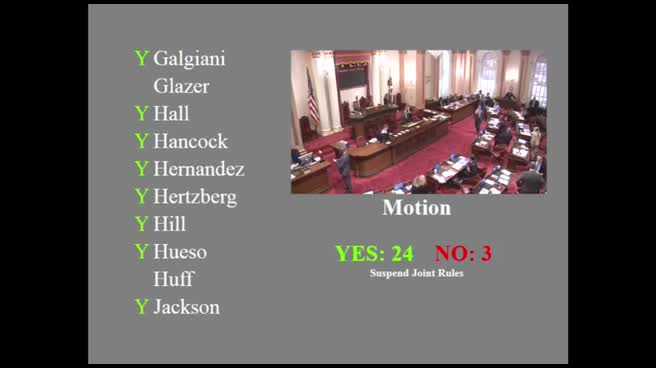 4MIN
Senate Floor
 9MIN
Senate Standing Committee on Transportation and Housing
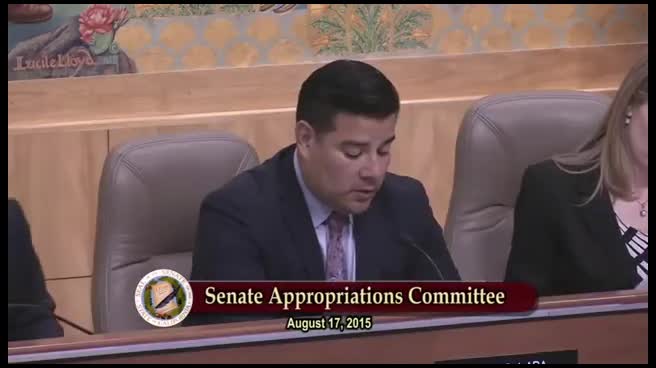 6MIN
Senate Standing Committee on Appropriations
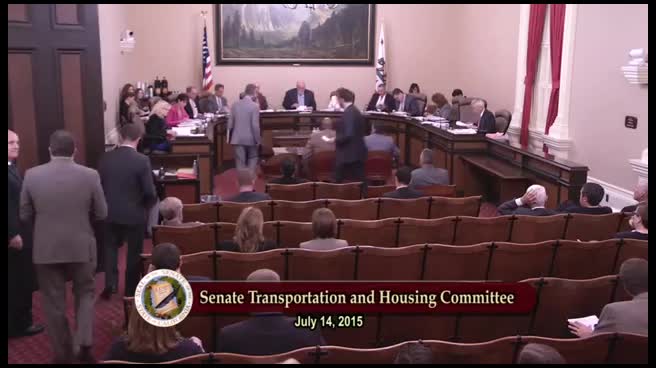 22MIN
Senate Standing Committee on Transportation and Housing
Bill Author

Bill Co-Author(s):