AB 1261: Community-based adult services: adult day health care centers.
- Session Year: 2015-2016
- House: Assembly
- Latest Version Date: 2015-09-16
Existing law establishes the Medi-Cal program, administered by the State Department of Health Care Services, under which health care services are provided to qualified, low-income persons. The Medi-Cal program is, in part, governed and funded by federal Medicaid Program provisions. Existing law provides, to the extent permitted by federal law, that adult day health care (ADHC) be excluded from coverage under the Medi-Cal program.
This bill would establish the Community-Based Adult Services (CBAS) program as a Medi-Cal benefit and would require CBAS to be available as a covered service in contracts with managed health care plans, as specified. The bill would specify eligibility requirements for participation in the CBAS program. The bill would require that CBAS providers be licensed as ADHC centers and certified by the California Department of Aging as CBAS providers. The bill would require CBAS providers to meet specified licensing requirements and to provide care in accordance with specified regulations. The bill would require that these provisions be implemented only if federal financial participation is available.
Existing law establishes the Medi-Cal program, administered by the State Department of Health Care Services, under which health care services are provided to qualified, low-income persons. The Medi-Cal program is, in part, governed and funded by federal Medicaid Program provisions. Existing law provides, to the extent permitted by federal law, that adult day health care (ADHC) be excluded from coverage under the Medi-Cal program.
This bill would establish the Community-Based Adult Services (CBAS) program as a Medi-Cal benefit in counties where CBAS existed on April 1, 2012, and as a Medi-Cal managed care benefit within a managed care plans service area in which CBAS was not available as of April 1, 2012, as specified. and would require CBAS to be available as a covered service in contracts with managed health care plans, as specified. The bill would specify eligibility requirements for participation in the CBAS program. The bill would require that CBAS providers be licensed as ADHC centers and certified by the California Department of Aging as CBAS providers. The bill would require CBAS providers to meet specified licensing requirements and to provide care in accordance with specified regulations. The bill would require that these provisions be implemented only if federal financial participation is available.
Existing law establishes the Medi-Cal program, administered by the State Department of Health Care Services, under which health care services are provided to qualified, low-income persons. The Medi-Cal program is, in part, governed and funded by federal Medicaid Program provisions. Existing law provides, to the extent permitted by federal law, that adult day health care (ADHC) be excluded from coverage under the Medi-Cal program.
This bill would establish the Community-Based Adult Services (CBAS) program as a Medi-Cal benefit and in counties where CBAS existed on April 1, 2012, and as a Medi-Cal managed care benefit within a managed care plans service area in which CBAS was not available as of April 1, 2012, as specified. The bill would specify eligibility requirements for participation in the CBAS program. The bill would require that CBAS providers be licensed as ADHC centers and certified by the California Department of Aging as CBAS providers. The bill would require CBAS providers to meet specified licensing requirements and to provide care in accordance with specified regulations. The bill would require that those these provisions be implemented only if federal financial participation is available.
Existing law establishes the Medi-Cal program, administered by the State Department of Health Care Services, under which health care services are provided to qualified, low-income persons. The Medi-Cal program is, in part, governed and funded by federal Medicaid Program provisions. Existing law provides, to the extent permitted by federal law, that adult day health care (ADHC) be excluded from coverage under the Medi-Cal program.
This bill would establish the Community-Based Adult Services (CBAS) program as a Medi-Cal benefit and would specify eligibility requirements for participation in the CBAS program. The bill would require that CBAS providers be licensed as ADHC centers and certified by the California Department of Aging as CBAS providers. The bill would require CBAS providers to meet specified licensing requirements and to provide care in accordance with specified regulations. The bill would require that those provisions be implemented only if federal financial participation is available.
The Legislature finds and declares all of the following:
(a)California supports the dignity, independence, and choice of seniors and persons with disabilities to live in the most integrated setting appropriate, in their own home or a community-based setting, and to be free from unnecessary institutionalization.
(b)The American population is swiftly aging. According to the federal Centers for Disease Control and Prevention, in 2007 individuals 65 years of age and over represented 12.6 percent of the American population; by 2030 it is estimated the older adult population will reach 20 percent of the whole, with 70 million adults over 65 years of age. Many of these adults will experience disability and chronic conditions. The Alzheimers Association reports that over five million Americans are living with Alzheimers disease and that number will grow to 16 million by 2050, with the cost of caring for those individuals growing from $203 billion in 2013 to $1.2 trillion by mid-century.
(c)According to the United States Census, Californias older adult population is the countrys largest, with over four million seniors currently residing in the state. The California Department of Aging reports that one in every five Californians is now 60 years of age or older and 40 percent of those individuals have a disability. The states population is also diverse: just under one-half million older adults in the state identify as Latino or Hispanic, 354,000 identify as Asian, over 182,000 as African American, and over 100,000 people as Native American, Pacific Islander, or multiracial.
(d)Adult Day Health Care (ADHC) was established in California in 1974 as a service designed to meet the needs of older adults and adults with disabilities in community settings rather than in institutional care. ADHC centers are licensed daytime health facilities that provide integrated services from a multidisciplinary team including nurses, social workers, occupational therapists, and other professionals.
(e)ADHC centers serve frail elders and other adults with disabilities, chronic conditions, and complex care needs, such as Alzheimers disease or other dementia, diabetes, high blood pressure, mental health diagnoses, traumatic brain injury, and people who have had a stroke or breathing problems or who cannot take medications properly.
(f)ADHC centers also offer caregiver support, addressing research findings that identify caregiver stress as a leading cause of placement in a nursing facility, as well as putting the aging or disabled adult at increased risk for abuse or neglect.
(g)ADHC services include health, therapeutic, and social services including transportation; skilled nursing care; physical, occupational, and speech therapy; medical social work services; therapeutic exercise activities; protective supervision; activities of daily living; brain-stimulating activities; and a nutritionally balanced hot meal. Services are provided in accordance with a person-centered care plan designed after a three-day interdisciplinary team assessment that includes a home visit and communication with the participants primary care physician.
(h)ADHC participants, who are at risk of institutionalization, receive services in the center and return to their own homes at night. According to a 2012 study by the California Medicaid Research Institute, the statewide weighted average annual per person nursing home cost for Medi-Cal/Medicare recipients in California is $83,364, while the average annual expenditure per person for ADHC for this population is $9,312.
(i)ADHC centers are licensed by the State Department of Public Health and overseen by the California Department of Aging and the State Department of Health Care Services.
(j)In 1977, Senator Henry Mello issued a report that identified the need for 600 ADHC centers statewide to meet the needs of Californias elder population. At its peak in 2004, approximately 360 ADHC centers provided care to over 40,000 medically fragile Californians. In December 2013, there were a total of 270 open ADHC centers in California, including 245 serving the Medi-Cal population, two centers serving private-pay clients, and 23 centers associated with Programs of All-Inclusive Care for the Elderly. Medi-Cal recipients receiving services at ADHC centers totaled 28,777 persons.
(k)In 2015, 32 California counties do not have an adult day health center, including Alpine, Amador, Calaveras, Colusa, Del Norte, El Dorado, Glenn, Inyo, Kings, Lake, Lassen, Madera, Mariposa, Mendocino, Modoc, Mono, Nevada, Placer, Plumas, San Benito, San Joaquin, San Luis Obispo, Sierra, Siskiyou, Sonoma, Stanislaus, Sutter, Tehama, Trinity, Tulare, Tuolumne, and Yuba.
(l)For many years, ADHC was a state plan optional benefit of the Medi-Cal program, offering an integrated medical and social services model of care that helped individuals continue to live outside of nursing homes or other institutions.
(m)Californias adult day services have experienced significant instability in recent years due to Californias fiscal crisis and subsequent budget reductions. The Budget Act of 2011 and the related trailer bill, Chapter 3 of the Statutes of 2011, eliminated ADHC as a Medi-Cal optional state plan benefit.
(n)A class action lawsuit, Esther Darling, et al. v. Toby Douglas, et al., challenged the elimination of ADHC as a violation of the Supreme Court decision in Olmstead v. L.C. The state settled the lawsuit, agreeing to replace ADHC services with a new program called Community-Based Adult Services (CBAS), effective April 1, 2012, to provide necessary medical and social services to individuals with intensive health care needs. CBAS is a managed care benefit, administered through Californias Medi-Cal Managed Care Organizations. For CBAS-eligible individuals who do not qualify for managed care enrollment and who have an approved medical exemption or who reside in a county where managed care is currently not available, CBAS services are provided as a Medi-Cal fee-for-service benefit.
(o)The State Department of Health Care Services amended the California Bridge to Reform Section 1115 Waiver to include the new CBAS program, which was approved by the Centers for Medicare and Medicaid Services on March 30, 2012, and renewed on November 28, 2014. CBAS is operational under the Section 1115 Bridge to Reform Waiver through October 31, 2015.
(p)Adult day services and CBAS programs remain a source of necessary skilled nursing, therapeutic services, personal care, supervision, health monitoring, and caregiver support. The states demographic forecast projects the continued growth of the aging population at least through the year 2050, thereby increasing the need and demand for integrated, community-based services.
(q)Continuation of a well-defined and well-regulated system of CBAS programs is essential in order to meet the rapidly changing needs of Californias diverse and aging population and the states goals for the Coordinated Care Initiative.
(r)Ensuring that the key elements of the CBAS program are codified in state law stabilizes the programs structure and eligibility framework in order to enable thousands of disabled and frail Californians who rely upon adult day health programs today, and those who will need this service in the future, to be able to continue to receive services that support them in remaining independent and free of institutionalization for as long as possible.
SEC. 2.Article 7 (commencing with Section 14590.10) is added to Chapter 8.7 of Part 3 of Division 9 of the Welfare and Institutions Code, to read:7.Community-Based Adult Services14590.10.(a)Notwithstanding the operational period of CBAS as specified in the Special Terms and Conditions of Californias Bridge to Reform Section 1115(a) Medicaid Demonstration (11-W-00193/9), CBAS shall be a Medi-Cal benefit and shall be available as a covered service in contracts with managed health care plans with the standards, eligibility criteria, and provisions that are described in the Special Terms and Conditions of Californias Bridge to Reform Section 1115(a) Medicaid Demonstration (11-W-00193/9) and any successor federal authorities.
(b)CBAS shall be available to beneficiaries who meet all of the following qualifications:
(1)The beneficiary is 18 years of age or older.
(2)The beneficiary derives his or her Medicaid eligibility from the state plan and is either aged, blind, or disabled, including those who are recipients of Medicare.
(3)The beneficiary is a Medi-Cal managed care plan member or is exempt from enrollment in Medi-Cal managed care.
(4)The beneficiary resides within a geographic service area in which the CBAS benefit was available as of April 1, 2012, as more fully described in Special Terms and Conditions 95(b), or is determined to be eligible for the CBAS benefit by a managed care plan that contracts with CBAS providers pursuant to Special Terms and Conditions 95(b) and Special Terms and Conditions 98(a)(ii).
(5)The beneficiary shall meet or exceed the medical necessity criteria established in Section 14526.1 and for whom one of the following criteria is present:
(A)The beneficiary meets or exceeds the Nursing Facility Level of Care A (NF-A) criteria as set forth in the California Code of Regulations.
(B)Both of the following apply to the beneficiary:
(i)The beneficiary has a diagnosed organic, acquired, or traumatic brain injury or a chronic mental disorder, or both. For the purpose of this clause, chronic mental disorder means that the beneficiary has one or more of the following diagnoses or their successor diagnoses included in the most recent version of the Diagnostic and Statistical Manual of Mental Disorders published by the American Psychiatric Association:
(I)A pervasive developmental disorder.
(II)An attention deficit and disruptive behavior disorder.
(III)A feeding and eating disorder of infancy, childhood, or adolescence.
(IV)An elimination disorder.
(V)A schizophrenia and other psychiatric disorder.
(VI)A mood disorder.
(VII)An anxiety disorder.
(VIII)A somatoform disorder.
(IX)A factitious disorder.
(X)A dissociative disorder.
(XI)Paraphilia.
(XII)An eating disorder.
(XIII)An impulse control disorder not elsewhere classified.
(XIV)An adjustment disorder.
(XV)A personality disorder.
(XVI)A medication-induced movement disorder.
(ii)The beneficiary needs assistance or supervision as described in subclause (I) or (II).
(I)The beneficiary needs assistance or supervision with at least two of the following:
(ia)Bathing.
(ib)Dressing.
(ic)Self-feeding.
(id)Toileting.
(ie)Ambulating.
(if)Transferring.
(ig)Medication management.
(ih)Hygiene.
(II)The beneficiary needs assistance or supervision with at least one of the activities identified in subclause (I) and needs assistance with at least one of the following:
(ia)Money management.
(ib)Accessing community and health resources.
(ic)Meal preparation.
(id)Transportation.
(C)The beneficiary has a moderate to severe cognitive disorder such as dementia, including dementia characterized by the descriptors of, or equivalent to, Stages 5, 6, or 7 of the Alzheimers type.
(D)The beneficiary has a mild cognitive disorder such as dementia, including dementia of the Alzheimers type, and needs assistance or supervision with at least two of the following activities:
(i)Bathing.
(ii)Dressing.
(iii)Self-feeding.
(iv)Toileting.
(v)Ambulating.
(vi)Transferring.
(vii)Medication management.
(viii)Hygiene.
(E)The beneficiary has a developmental disability. For the purpose of this subparagraph, developmental disability means a disability that originates before the individual attains 18 years of age, continues, or can be expected to continue, indefinitely, and constitutes a substantial disability for that individual as defined in Section 54001 of Title 17 of the California Code of Regulations.
(c)(1)CBAS providers shall be licensed as adult day health care centers and certified by the California Department of Aging as CBAS providers, and shall meet the standards specified in this chapter and Chapter 5 (commencing with Section 54001) of Division 3 of Title 22 of the California Code of Regulations.
(2)CBAS providers shall meet all applicable licensing and Medi-Cal standards, including, but not limited to, licensing provisions in Division 2 (commencing with Section 1200) of the Health and Safety Code, including Chapter 3.3 (commencing with Section 1570) of Division 2 of the Health and Safety Code, and shall provide services in accordance with Chapter 10 (commencing with Section 78001) of Division 5 of Title 22 of the California Code of Regulations.
(3)CBAS providers shall comply with the provisions of Californias Bridge to Reform Section 1115(a) Medicaid Demonstration (11-W-00193/9) and any successor federal authorities.
(d)In counties where the State Department of Health Care Services has implemented Medi-Cal managed care, CBAS shall be available as a Medi-Cal managed care benefit pursuant to Section 14186.3, except that for individuals who qualify for CBAS, but who are not qualified for, or who are exempt from, enrollment in Medi-Cal managed care, CBAS shall be provided as a fee-for-service Medi-Cal benefit.
(e)For purposes of this section, Community-Based Adult Services or CBAS means an outpatient, facility-based program, provided pursuant to a participants individualized plan of care, as developed by the centers multidisciplinary team, that delivers nutrition services, professional nursing care, therapeutic activities, facilitated participation in group or individual activities, social services, personal care services, and, when specified in the individual plan of care, physical therapy, occupational therapy, speech therapy, behavioral health services, registered dietician services, and transportation.
(f)This section shall be implemented only to the extent that any necessary federal approvals are obtained and federal financial participation is available and is not jeopardized.
The Legislature finds and declares all of the following:
(a)California supports the dignity, independence, and choice of seniors and persons with disabilities to live in the most integrated setting appropriate, in their own home or a community-based setting, and to be free from unnecessary institutionalization.
(b)The American population is swiftly aging. According to the federal Centers for Disease Control and Prevention, in 2007 individuals 65 years of age and over represented 12.6 percent of the American population; by 2030 it is estimated the older adult population will reach 20 percent of the whole, with 70 million adults over 65 years of age. Many of these adults will experience disability and chronic conditions. The Alzheimers Association reports that over five million Americans are living with Alzheimers disease and that number will grow to 16 million by 2050, with the cost of caring for those individuals growing from $203 billion in 2013 to $1.2 trillion by mid-century.
(c)According to the United States Census, Californias older adult population is the countrys largest, with over four million seniors currently residing in the state. The California Department of Aging reports that one in every five Californians is now 60 years of age or older and 40 percent of those individuals have a disability. The states population is also diverse: just under one-half million older adults in the state identify as Latino or Hispanic, 354,000 identify as Asian, over 182,000 as African American, and over 100,000 people as Native American, Pacific Islander, or multiracial.
(d)Adult Day Health Care (ADHC) was established in California in 1974 as a service designed to meet the needs of older adults and adults with disabilities in community settings rather than in institutional care. ADHC centers are licensed daytime health facilities that provide integrated services from a multidisciplinary team including nurses, social workers, occupational therapists, and other professionals.
(e)ADHC centers serve frail elders and other adults with disabilities, chronic conditions, and complex care needs, such as Alzheimers disease or other dementia, diabetes, high blood pressure, mental health diagnoses, traumatic brain injury, and people who have had a stroke or breathing problems or who cannot take medications properly.
(f)ADHC centers also offer caregiver support, addressing research findings that identify caregiver stress as a leading cause of placement in a nursing facility, as well as putting the aging or disabled adult at increased risk for abuse or neglect.
(g)ADHC services include health, therapeutic, and social services including transportation; skilled nursing care; physical, occupational, and speech therapy; medical social work services; therapeutic exercise activities; protective supervision; activities of daily living; brain-stimulating activities; and a nutritionally balanced hot meal. Services are provided in accordance with a person-centered care plan designed after a three-day interdisciplinary team assessment that includes a home visit and communication with the participants primary care physician.
(h)ADHC participants, who are at risk of institutionalization, receive services in the center and return to their own homes at night. According to a 2012 study by the California Medicaid Research Institute, the statewide weighted average annual per person nursing home cost for Medi-Cal/Medicare recipients in California is $83,364, while the average annual expenditure per person for ADHC for this population is $9,312.
(i)ADHC centers are licensed by the State Department of Public Health and overseen by the California Department of Aging and the State Department of Health Care Services.
(j)In 1977, Senator Henry Mello issued a report that identified the need for 600 ADHC centers statewide to meet the needs of Californias elder population. At its peak in 2004, approximately 360 ADHC centers provided care to over 40,000 medically fragile Californians. In December 2013, there were a total of 270 open ADHC centers in California, including 245 serving the Medi-Cal population, two centers serving private-pay clients, and 23 centers associated with Programs of All-Inclusive Care for the Elderly. Medi-Cal recipients receiving services at ADHC centers totaled 28,777 persons.
(k)In 2015, 32 California counties do not have an adult day health center, including Alpine, Amador, Calaveras, Colusa, Del Norte, El Dorado, Glenn, Inyo, Kings, Lake, Lassen, Madera, Mariposa, Mendocino, Modoc, Mono, Nevada, Placer, Plumas San Benito, San Joaquin, San Luis Obispo, Sierra, Siskiyou, Sonoma, Stanislaus, Sutter, Tehama, Trinity, Tulare, Tuolumne, and Yuba.
(l)For many years, ADHC was a state plan optional benefit of the Medi-Cal program, offering an integrated medical and social services model of care that helped individuals continue to live outside of nursing homes or other institutions.
(m)Californias adult day services have experienced significant instability in recent years due to Californias fiscal crisis and subsequent budget reductions. The Budget Act of 2011 and the related trailer bill, Chapter 3 of the Statutes of 2011, eliminated ADHC as a Medi-Cal optional state plan benefit.
(n)A class action lawsuit, Esther Darling, et al. v. Toby Douglas, et al., challenged the elimination of ADHC as a violation of the Supreme Court decision in Olmstead v. L.C. The state settled the lawsuit, agreeing to replace ADHC services with a new program called Community-Based Adult Services (CBAS), effective April 1, 2012, to provide necessary medical and social services to individuals with intensive health care needs. CBAS is a managed care benefit, administered through Californias Medi-Cal Managed Care Organizations. For CBAS-eligible individuals who do not qualify for managed care enrollment and who have an approved medical exemption or who reside in a county where managed care is currently not available, CBAS services are provided as a Medi-Cal fee-for-service benefit.
(o)The State Department of Health Care Services amended the California Bridge to Reform Section 1115 Waiver to include the new CBAS program, which was approved by the Centers for Medicare and Medicaid Services on March 30, 2012, and renewed on November 28, 2014. CBAS is operational under the Section 1115 Bridge to Reform Waiver through October 31, 2015.
(p)Adult day services and CBAS programs remain a source of necessary skilled nursing, therapeutic services, personal care, supervision, health monitoring, and caregiver support. The states demographic forecast projects the continued growth of the aging population at least through the year 2050, thereby increasing the need and demand for integrated, community-based services.
(q)Continuation of a well-defined and well-regulated system of CBAS programs is essential in order to meet the rapidly changing needs of Californias diverse and aging population and the states goals for the Coordinated Care Initiative.
(r)Ensuring that the key elements of the CBAS program are codified in state law stabilizes the programs structure and eligibility framework in order to enable thousands of disabled and frail Californians who rely upon adult day health programs today, and those who will need this service in the future, to be able to continue to receive services that support them in remaining independent and free of institutionalization for as long as possible.
SEC. 2.Article 7 (commencing with Section 14590.10) is added to Chapter 8.7 of Part 3 of Division 9 of the Welfare and Institutions Code, to read:7.Community-Based Adult Services14590.10.(a)Notwithstanding the operational period of CBAS as specified in the Special Terms and Conditions of Californias Bridge to Reform Section 1115(a) Medicaid Demonstration (11-W-00193/9), and notwithstanding the duration of the CBAS settlement agreement, Case No. C-09-03798 SBA, CBAS shall be a Medi-Cal benefit in counties where CBAS existed on April 1, 2012. To the extent that the provision of CBAS is determined by the State Department of Health Care Services to be both cost effective and necessary to prevent avoidable institutionalization of plan enrollees within a plans service area in which CBAS was not available as of April 1, 2012, CBAS may be a Medi-Cal managed care benefit, pursuant to Special Terms and Conditions 98(a)(ii), available to that plans enrollees at the discretion of the plan when it contracts with a CBAS provider that has been certified as such by the State Department of Health Care Services. CBAS shall have and shall be available as a covered service in contracts with managed health care plans with the standards, eligibility criteria, and provisions that are equivalent to those contained described in the Special Terms and Conditions of the demonstration on the date the act that added this section is chaptered. Californias Bridge to Reform Section 1115(a) Medicaid Demonstration (11-W-00193/9) and any successor federal authorities.
(b)CBAS shall be available to beneficiaries who meet all of the following qualifications:
(1)The beneficiary is 18 years of age or older.
(2)The beneficiary derives his or her Medicaid eligibility from the state plan and is either aged, blind, or disabled, including those who are recipients of Medicare.
(3)The beneficiary is a Medi-Cal managed care plan member or is exempt from enrollment in Medi-Cal managed care.
(4)The beneficiary resides within a geographic service area in which the CBAS benefit was available as of April 1, 2012, as more fully described in Special Terms and Conditions 95(b), or is determined to be eligible for the CBAS benefit by a managed care plan that contracts with CBAS providers pursuant to Special Terms and Conditions 95(b) and Special Terms and Conditions 98(a)(ii).
(4)
(5)The beneficiary shall meet or exceed the medical necessity criteria established in Section 14526.1 and for whom one of the following criteria is present:
(A)The beneficiary meets or exceeds the Nursing Facility Level of Care A (NF-A) criteria as set forth in the California Code of Regulations.
(B)Both of the following apply to the beneficiary:
(i)(I)The beneficiary has a diagnosed organic, acquired, or traumatic brain injury or a chronic mental disorder, or both.
(II)For both. For the purpose of this clause, chronic mental disorder means that the beneficiary has one or more of the following diagnoses or their successor diagnoses included in the most recent version of the Diagnostic and Statistical Manual of Mental Disorders published by the American Psychiatric Association:
(ia)
(I)A pervasive developmental disorder.
(ib)
(II)An attention deficit and disruptive behavior disorder.
(ic)
(III)A feeding and eating disorder of infancy, childhood, or adolescence.
(id)
(IV)An elimination disorder.
(ie)
(V)A schizophrenia and other psychiatric disorder.
(if)
(VI)A mood disorder.
(ig)
(VII)An anxiety disorder.
(ih)
(VIII)A somatoform disorder.
(ii)
(IX)A factitious disorder.
(ij)
(X)A dissociative disorder.
(ik)
(XI)Paraphilia.
(il)
(XII)An eating disorder.
(im)
(XIII)An impulse control disorder not elsewhere classified.
(in)
(XIV)An adjustment disorder.
(io)
(XV)A personality disorder.
(ip)
(XVI)A medication-induced movement disorder.
(ii)The beneficiary needs assistance or supervision as described in subclause (I) or (II).
(I)The beneficiary needs assistance or supervision with at least two of the following:
(ia)Bathing.
(ib)Dressing.
(ic)Feeding himself or herself. Self-feeding.
(id)Toileting.
(ie)Ambulating.
(if)Transferring himself or herself. Transferring.
(ig)Medication management.
(ih)Hygiene.
(II)The beneficiary needs assistance or supervision with at least one of the activities identified in subclause (I) and needs assistance with at least one of the following:
(ia)Money management.
(ib)Accessing community and health resources.
(ic)Meal preparation.
(id)Transportation.
(C)The beneficiary has a moderate to severe cognitive disorder such as dementia, including dementia characterized by the descriptors of, or equivalent to, Stages 5, 6, or 7 of the Alzheimers type.
(D)The beneficiary has a mild cognitive disorder such as dementia, including dementia of the Alzheimers type, and needs assistance or supervision with at least two of the activities described in subclause (I) of clause (ii) of subparagraph (B). following activities:
(i)Bathing.
(ii)Dressing.
(iii)Self-feeding.
(iv)Toileting.
(v)Ambulating.
(vi)Transferring.
(vii)Medication management.
(viii)Hygiene.
(E)(i)The beneficiary has a developmental disability.
(ii)For disability. For the purpose of this subparagraph, developmental disability means a disability that originates before the individual attains 18 years of age, continues, or can be expected to continue, indefinitely, and constitutes a substantial disability for that individual as defined in Section 54001 of Title 17 of the California Code of Regulations.
(c)(1)CBAS providers shall be licensed as adult day health care centers and certified by the California Department of Aging as CBAS providers, and shall meet the standards specified in this chapter and Chapter 5 (commencing with Section 54001) of Division 3 of Title 22 of the California Code of Regulations.
(2)CBAS providers shall meet all applicable licensing and Medi-Cal standards, including, but not limited to, licensing provisions in Division 2 (commencing with Section 1200) of the Health and Safety Code, including Chapter 3.3 (commencing with Section 1570) of Division 2 of the Health and Safety Code, and shall provide services in accordance with Chapter 10 (commencing with Section 78001) of Division 5 of Title 22 of the California Code of Regulations.
(3)CBAS providers shall comply with the provisions of Californias Bridge to Reform Section 1115(a) Medicaid Demonstration (11-W-00193/9) and any successor demonstration. federal authorities.
(d)(1)In counties where the State Department of Health Care Services has implemented Medi-Cal managed care, CBAS shall be available as a Medi-Cal managed care benefit pursuant to Section 14186.3, except that for individuals who qualify for CBAS, but who are not qualified for, or who are exempt from, enrollment in Medi-Cal managed care, CBAS shall be provided as a fee-for-service Medi-Cal benefit.
(2)For Medi-Cal CBAS services provided through managed care health plans, the plans shall reimburse contracted providers at rates that are not less than Medi-Cal fee-for service (FFS) rates, as published and revised by the State Department of Health Care Services, including retroactive payment of any rate increment based on State Department of Health Care Services retroactive rate adjustments, for equivalent services on the date the services were provided.
(e)For purposes of this section, Community-Based Adult Services or CBAS means an outpatient, facility-based program, provided pursuant to a participants individualized plan of care, as developed by the centers multidisciplinary team, that delivers nutrition services, professional nursing care, therapeutic activities, facilitated participation in group or individual activities, social services, personal care services, and, when specified in the individual plan of care, physical therapy, occupational therapy, speech therapy, behavioral health services, registered dietician services, and transportation.
(f)This section shall be implemented only if to the extent that any necessary federal approvals are obtained and federal financial participation is available. available and is not jeopardized.
The Legislature finds and declares all of the following:
(a)California supports the dignity, independence, and choice of seniors and persons with disabilities to live in the most integrated setting appropriate, in their own home or a community-based setting, and to be free from unnecessary institutionalization.
(b)The American population is swiftly aging. According to the federal Centers for Disease Control and Prevention, in 2007 individuals 65 years of age and over represented 12.6 percent of the American population; by 2030 it is estimated the older adult population will reach 20 percent of the whole, with 70 million adults over 65 years of age. Many of these adults will experience disability and chronic conditions. The Alzheimers Association reports that over five million Americans are living with Alzheimers disease and that number will grow to 16 million by 2050, with the cost of caring for those individuals growing from $203 billion in 2013 to $1.2 trillion by mid-century.
(c)According to the United States Census, Californias older adult population is the countrys largest, with over four million seniors currently residing in the state. The California Department of Aging reports that one in every five Californians is now 60 years of age or older and 40 percent of those individuals have a disability. The states population is also diverse: just under one-half million older adults in the state identify as Latino or Hispanic, 354,000 identify as Asian, over 182,000 as African American, and over 100,000 people as Native American, Pacific Islander, or multiracial.
(d)Adult Day Health Care (ADHC) was established in California in 1974 as a service designed to meet the needs of older adults and adults with disabilities in community settings rather than in institutional care. ADHC centers are licensed daytime health facilities that provide integrated services from a multidisciplinary team including nurses, social workers, occupational therapists, and other professionals.
(e)ADHC centers serve frail elders and other adults with disabilities, chronic conditions, and complex care needs, such as Alzheimers disease or other dementia, diabetes, high blood pressure, mental health diagnoses, traumatic brain injury, and people who have had a stroke or breathing problems or who cannot take medications properly.
(f)ADHC centers also offer caregiver support, addressing research findings that identify caregiver stress as a leading cause of placement in a nursing facility, as well as putting the aging or disabled adult at increased risk for abuse or neglect.
(g)ADHC services include health, therapeutic, and social services including transportation; skilled nursing care; physical, occupational, and speech therapy; medical social work services; therapeutic exercise activities; protective supervision; activities of daily living; brain-stimulating activities; and a nutritionally balanced hot meal. Services are provided in accordance with a person-centered care plan designed after a three-day interdisciplinary team assessment that includes a home visit and communication with the participants primary care physician.
(h)ADHC participants, who are at risk of institutionalization, receive services in the center and return to their own homes at night. According to a 2012 study by the California Medicaid Research Institute, the statewide weighted average annual per person nursing home cost for Medi-Cal/Medicare recipients in California is $83,364, while the average annual expenditure per person for ADHC for this population is $9,312.
(i)ADHC centers are licensed by the State Department of Public Health and overseen by the California Department of Aging and the State Department of Health Care Services.
(j)In 1977, Senator Henry Mello issued a report that identified the need for 600 ADHC centers statewide to meet the needs of Californias elder population. At its peak in 2004, approximately 360 ADHC centers provided care to over 40,000 medically fragile Californians. In December 2013, there were a total of 270 open ADHC centers in California, including 245 serving the Medi-Cal population, two centers serving private-pay clients, and 23 centers associated with Programs of All-Inclusive Care for the Elderly. Medi-Cal recipients receiving services at ADHC centers totaled 28,777 persons.
(k)In 2015, 32 California counties do not have an adult day health center, including Alpine, Amador, Calaveras, Colusa, Del Norte, El Dorado, Glenn, Inyo, Kings, Lake, Lassen, Madera, Mariposa, Mendocino, Modoc, Mono, Nevada, Placer, Plumas San Benito, San Joaquin, San Luis Obispo, Sierra, Siskiyou, Sonoma, Stanislaus, Sutter, Tehama, Trinity, Tulare, Tuolumne, and Yuba.
(l)For many years, ADHC was a state plan optional benefit of the Medi-Cal program, offering an integrated medical and social services model of care that helped individuals continue to live outside of nursing homes or other institutions.
(m)Californias adult day services have experienced significant instability in recent years due to Californias fiscal crisis and subsequent budget reductions. The Budget Act of 2011 and the related trailer bill, Chapter 3 of the Statutes of 2011, eliminated ADHC as a Medi-Cal optional State Plan state plan benefit.
(n)A class action lawsuit, Esther Darling, et al. v. Toby Douglas, et al., challenged the elimination of ADHC as a violation of the Supreme Court decision in Olmstead v. L.C. The state settled the lawsuit, agreeing to replace ADHC services with a new program called Community-Based Adult Services (CBAS), effective April 1, 2012, to provide necessary medical and social services to individuals with intensive health care needs. CBAS is a managed care benefit, administered through Californias Medi-Cal Managed Care Organizations. For CBAS-eligible individuals who do not qualify for managed care enrollment and who have an approved medical exemption or who reside in a county where managed care is currently not available, CBAS services are provided as a Medi-Cal fee-for-service benefit.
(o)The State Department of Health Care Services amended the California Bridge to Reform Section 1115 Waiver to include the new CBAS program, which was approved by the Centers for Medicare and Medicaid Services on March 30, 2012, and renewed on November 28, 2014. CBAS is operational under the Section 1115 Bridge to Reform Waiver through October 31, 2015.
(p)Adult day services and CBAS programs remain a source of necessary skilled nursing, therapeutic services, personal care, supervision, health monitoring, and caregiver support. The states demographic forecast projects the continued growth of the aging population at least through the year 2050, thereby increasing the need and demand for integrated, community-based services.
(q)Continuation of a well-defined and well-regulated system of CBAS programs is essential in order to meet the rapidly changing needs of Californias diverse and aging population and the states goals for the Coordinated Care Initiative.
(r)Ensuring that the key elements of the CBAS program are codified in state law stabilizes the programs structure and eligibility framework in order to enable thousands of disabled and frail Californians who rely upon adult day health programs today, and those who will need this service in the future, to be able to continue to receive services that support them in remaining independent and free of institutionalization for as long as possible.
SEC. 2.Article 7 (commencing with Section 14590.10) is added to Chapter 8.7 of Part 3 of Division 9 of the Welfare and Institutions Code, to read:7.Community-Based Adult Services14590.10.(a)Notwithstanding the operational period of CBAS as specified in the Special Terms and Conditions of Californias Bridge to Reform Section 1115(a) Medicaid Demonstration (11-W-00193/9), and notwithstanding the duration of the CBAS settlement agreement, Case No. C-09-03798 SBA, CBAS shall be a Medi-Cal benefit, and shall be included as a covered service in contracts with all managed health care plans, with benefit in counties where CBAS existed on April 1, 2012. To the extent that the provision of CBAS is determined by the State Department of Health Care Services to be both cost effective and necessary to prevent avoidable institutionalization of plan enrollees within a plans service area in which CBAS was not available as of April 1, 2012, CBAS may be a Medi-Cal managed care benefit, pursuant to Special Terms and Conditions 98(a)(ii), available to that plans enrollees at the discretion of the plan when it contracts with a CBAS provider that has been certified as such by the State Department of Health Care Services. CBAS shall have standards, eligibility criteria, and provisions that are at least equal equivalent to those contained in the Special Terms and Conditions of the demonstration on the date the act that added this section is chaptered. Any modifications to the CBAS program that differ from the Special Terms and Conditions of the demonstration shall be permitted only if they offer more protections or permit greater access to CBAS.
(b)CBAS shall be available to beneficiaries who who meet all of the following qualifications:
(1)The beneficiary is 18 years of age or older.
(2)The beneficiary derives his or her Medicaid eligibility from the state plan and is either aged, blind, or disabled, including those who are recipients of Medicare.
(3)The beneficiary is a Medi-Cal managed care plan member or is exempt from enrollment in Medi-Cal managed care.
(4)The beneficiary shall meet or exceed the medical necessity criteria established in Section 14526.1 and for whom one of the following criteria is present:
(1)
(A)The beneficiary meets or exceeds the Nursing Facility Level of Care A (NF-A) criteria as set forth in the California Code of Regulations.
(2)
(B)Both of the following apply to the beneficiary:
(A)(i)
(i)(I)The beneficiary has a diagnosed organic, acquired, or traumatic brain injury or a chronic mental disorder, or both.
(ii)
(II)For the purpose of this subparagraph, clause, chronic mental disorder means that the beneficiary has one or more of the following diagnoses or their successor diagnoses included in the most recent version of the Diagnostic and Statistical Manual of Mental Disorders published by the American Psychiatric Association:
(I)
(ia)A pervasive developmental disorder.
(II)
(ib)An attention deficit and disruptive behavior disorder.
(III)
(ic)A feeding and eating disorder of infancy, childhood, or adolescence.
(IV)
(id)An elimination disorder.
(V)
(ie)A schizophrenia and other psychiatric disorder.
(VI)
(if)A mood disorder.
(VII)
(ig)An anxiety disorder.
(VIII)
(ih)A somatoform disorder.
(IX)
(ii)A factitious disorder.
(X)
(ij)A dissociative disorder.
(XI)
(ik)Paraphilia.
(XII)
(il)An eating disorder.
(XIII)
(im)An impulse control disorder not elsewhere classified.
(XIV)
(in)An adjustment disorder.
(XV)
(io)A personality disorder.
(XVI)
(ip)A medication-induced movement disorder.
(B)
(ii)The beneficiary needs assistance or supervision as described in clause (i) or (ii). subclause (I) or (II).
(i)
(I)The beneficiary needs assistance or supervision with at least two of the following:
(I)
(ia)Bathing.
(II)
(ib)Dressing.
(III)
(ic)Feeding himself or herself.
(IV)
(id)Toileting.
(V)
(ie)Ambulating.
(VI)
(if)Transferring himself or herself.
(VII)
(ig)Medication management.
(VIII)
(ih)Hygiene.
(ii)
(II)The beneficiary needs assistance or supervision with at least one of the activities identified in clause (i) subclause (I) and needs assistance with at least one of the following:
(I)
(ia)Money management.
(II)
(ib)Accessing community and health resources.
(III)
(ic)Meal preparation.
(IV)
(id)Transportation.
(3)
(C)The beneficiary has a moderate to severe cognitive disorder such as dementia, including dementia characterized by the descriptors of, or equivalent to, Stages 5, 6, or 7 of the Alzheimers type.
(4)
(D)The beneficiary has a mild cognitive disorder such as dementia, including dementia of the Alzheimers type, and needs assistance or supervision with at least two of the activities described in clause (i) of subparagraph (B) of paragraph (2). subclause (I) of clause (ii) of subparagraph (B).
(5)(A)
(E)(i)The beneficiary has a developmental disability.
(B)
(ii)For the purpose of this paragraph, subparagraph, developmental disability means a disability that originates before the individual attains 18 years of age, continues, or can be expected to continue, indefinitely, and constitutes a substantial disability for that individual as defined in Section 54001 of Title 17 of the California Code of Regulations.
(c)(1)CBAS providers shall be licensed as adult day health care centers and certified by the California Department of Aging as CBAS providers, and shall meet the standards specified in this chapter and Chapter 5 (commencing with Section 54001) of Division 3 of Title 22 of the California Code of Regulations.
(2)CBAS providers shall meet all applicable licensing and Medi-Cal standards, including, but not limited to, licensing provisions in Division 2 (commencing with Section 1200) of the Health and Safety Code, including Chapter 3.3 (commencing with Section 1570) of Division 2 of the Health and Safety Code, and shall provide services in accordance with Chapter 10 (commencing with Section 78001) of Division 5 of Title 22 of the California Code of Regulations.
(3)CBAS providers shall comply with the provisions of Californias Bridge to Reform Section 1115(a) Medicaid Demonstration (11-W-00193/9) and any successor demonstration.
(d)(1)In counties where the State Department of Health Care Services has implemented Medi-Cal managed care, CBAS shall be available as a Medi-Cal managed care benefit pursuant to Section 14186.3, except that for individuals who qualify for CBAS, but who are not qualified for, or who are exempt from, enrollment in Medi-Cal managed care, CBAS shall be provided as a fee-for-service Medi-Cal benefit.
(2)For Medi-Cal CBAS services provided through managed care health plans, the plans shall reimburse contracted providers at rates that are not less than Medi-Cal fee-for service (FFS) rates, as published and revised by the State Department of Health Care Services, including retroactive payment of any rate increment based on State Department of Health Care Services retroactive rate adjustments, for equivalent services on the date the services were provided.
(e)For purposes of this section, Community-Based Adult Services or CBAS means an outpatient, facility-based program, provided pursuant to a participants individualized plan of care, as developed by the centers multidisciplinary team, that delivers nutrition services, professional nursing care, therapeutic activities, facilitated participation in group or individual activities, social services, personal care services, and, when specified in the individual plan of care, physical therapy, occupational therapy, speech therapy, behavioral health services, registered dietician services, and transportation.
(f)This section shall be implemented only if federal financial participation is available.
The Legislature finds and declares all of the following:
(a)California supports the dignity, independence, and choice of seniors and persons with disabilities to live in the most integrated setting appropriate, in their own home or a community-based setting, and to be free from unnecessary institutionalization.
(b)The American population is swiftly aging. According to the federal Centers for Disease Control and Prevention, in 2007 individuals 65 years of age and over represented 12.6 percent of the American population; by 2030 it is estimated the older adult population will reach 20 percent of the whole, with 70 million adults over 65 years of age. Many of these adults will experience disability and chronic conditions. The Alzheimers Association reports that over five million Americans are living with Alzheimers disease and that number will grow to 16 million by 2050, with the cost of caring for those individuals growing from $203 billion in 2013 to $1.2 trillion by mid-century.
(c)According to the United States Census, Californias older adult population is the countrys largest, with over four million seniors currently residing in the state. The California Department of Aging reports that one in every five Californians is now 60 years of age or older and 40 percent of those individuals have a disability. The states population is also diverse: just under one-half million older adults in the state identify as Latino or Hispanic, 354,000 identify as Asian, over 182,000 as African American, and over 100,000 people as Native American, Pacific Islander, or multiracial.
(d)Adult Day Health Care (ADHC) was established in California in 1974 as a service designed to meet the needs of older adults and adults with disabilities in community settings rather than in institutional care. ADHC centers are licensed daytime health facilities that provide integrated services from a multidisciplinary team including nurses, social workers, occupational therapists, and other professionals.
(e)ADHC centers serve frail elders and other adults with disabilities, chronic conditions, and complex care needs, such as Alzheimers disease or other dementia, diabetes, high blood pressure, mental health diagnoses, traumatic brain injury, and people who have had a stroke or breathing problems or who cannot take medications properly.
(f)ADHC centers also offer caregiver support, addressing research findings that identify caregiver stress as a leading cause of placement in a nursing facility, as well as putting the aging or disabled adult at increased risk for abuse or neglect.
(g)ADHC services include health, therapeutic, and social services including transportation; skilled nursing care; physical, occupational, and speech therapy; medical social work services; therapeutic exercise activities; protective supervision; activities of daily living; brain-stimulating activities; and a nutritionally balanced hot meal. Services are provided in accordance with a person-centered care plan designed after a three-day interdisciplinary team assessment that includes a home visit and communication with the participants primary care physician.
(h)ADHC participants, who are at risk of institutionalization, receive services in the center and return to their own homes at night. According to a 2012 study by the California Medicaid Research Institute, the statewide weighted average annual per person nursing home cost for Medi-Cal/Medicare recipients in California is $83,364, while the average annual expenditure per person for ADHC for this population is $9,312.
(i)ADHC centers are licensed by the State Department of Public Health and overseen by the California Department of Aging and the State Department of Health Care Services.
(j)In 1977, Senator Henry Mello issued a report that identified the need for 600 ADHC centers statewide to meet the needs of Californias elder population. At its peak in 2004, approximately 360 ADHC centers provided care to over 40,000 medically fragile Californians. In December 2013, there were a total of 270 open ADHC centers in California, including 245 serving the Medi-Cal population, two centers serving private-pay clients, and 23 centers associated with Programs of All-Inclusive Care for the Elderly. Medi-Cal recipients receiving services at ADHC centers totaled 28,777 persons.
(k)In 2015, 32 California counties do not have an adult day health center, including Alpine, Amador, Calaveras, Colusa, Del Norte, El Dorado, Glenn, Inyo, Kings, Lake, Lassen, Madera, Mariposa, Mendocino, Modoc, Mono, Nevada, Placer, Plumas San Benito, San Joaquin, San Luis Obispo, Sierra, Siskiyou, Sonoma, Stanislaus, Sutter, Tehama, Trinity, Tulare, Tuolumne, and Yuba.
(l)For many years, ADHC was a state plan optional benefit of the Medi-Cal program, offering an integrated medical and social services model of care that helped individuals continue to live outside of nursing homes or other institutions.
(m)Californias adult day services have experienced significant instability in recent years due to Californias fiscal crisis and subsequent budget reductions. The Budget Act of 2011 and the related trailer bill, Chapter 3 of the Statutes of 2011, eliminated ADHC as a Medi-Cal optional State Plan benefit.
(n)A class action lawsuit, Esther Darling, et al. v. Toby Douglas, et al., challenged the elimination of ADHC as a violation of the Supreme Court decision in Olmstead v. L.C. The state settled the lawsuit, agreeing to replace ADHC services with a new program called Community-Based Adult Services (CBAS), effective April 1, 2012, to provide necessary medical and social services to individuals with intensive health care needs. CBAS is a managed care benefit, administered through Californias Medi-Cal Managed Care Organizations. For CBAS-eligible individuals who do not qualify for managed care enrollment and who have an approved medical exemption or who reside in a county where managed care is currently not available, CBAS services are provided as a Medi-Cal fee-for-service benefit.
(o)The State Department of Health Care Services amended the California Bridge to Reform Section 1115 Waiver to include the new CBAS program, which was approved by the Centers for Medicare and Medicaid Services on March 30, 2012, and renewed on November 28, 2014. CBAS is operational under the Section 1115 Bridge to Reform Waiver through October 31, 2015.
(p)Adult day services and CBAS programs remain a source of necessary skilled nursing, therapeutic services, personal care, supervision, health monitoring, and caregiver support. The states demographic forecast projects the continued growth of the aging population at least through the year 2050, thereby increasing the need and demand for integrated, community-based services.
(q)Continuation of a well-defined and well-regulated system of CBAS programs is essential in order to meet the rapidly changing needs of Californias diverse and aging population and the states goals for the Coordinated Care Initiative.
(r)Ensuring that the key elements of the CBAS program are codified in state law stabilizes the programs structure and eligibility framework in order to enable thousands of disabled and frail Californians who rely upon adult day health programs today, and those who will need this service in the future, to be able continue to receive services that support them in remaining independent and free of institutionalization for as long as possible.
SEC. 2.Article 7 (commencing with Section 14590.10) is added to Chapter 8.7 of Part 3 of Division 9 of the Welfare and Institutions Code, to read:7.Community-Based Adult Services14590.10.(a)Notwithstanding the operational period of CBAS as specified in the Special Terms and Conditions of Californias Bridge to Reform Section 1115(a) Medicaid Demonstration (11-W-00193/9), and notwithstanding the duration of the CBAS settlement agreement, Case No. C-09-03798 SBA, CBAS shall be a Medi-Cal benefit, and shall be included as a covered service in contracts with all managed health care plans, with standards, eligibility criteria, and provisions that are at least equal to those contained in the Special Terms and Conditions of the demonstration on the date the act that added this section is chaptered. Any modifications to the CBAS program that differ from the Special Terms and Conditions of the demonstration shall be permitted only if they offer more protections or permit greater access to CBAS.
(b)CBAS shall be available to beneficiaries who meet or exceed the medical necessity criteria established in Section 14526.1 and for whom one of the following criteria is present:
(1)The beneficiary meets or exceeds the Nursing Facility Level of Care A (NF-A) criteria as set forth in the California Code of Regulations.
(2)Both of the following apply to the beneficiary:
(A)(i)The beneficiary has a diagnosed organic, acquired, or traumatic brain injury or a chronic mental disorder, or both.
(ii)For the purpose of this subparagraph, chronic mental disorder means that the beneficiary has one or more of the following diagnoses or their successor diagnoses included in the most recent version of the Diagnostic and Statistical Manual of Mental Disorders published by the American Psychiatric Association:
(I)A pervasive developmental disorder.
(II)An attention deficit and disruptive behavior disorder.
(III)A feeding and eating disorder of infancy, childhood, or adolescence.
(IV)An elimination disorder.
(V)A schizophrenia and other psychiatric disorder.
(VI)A mood disorder.
(VII)An anxiety disorder.
(VIII)A somatoform disorder.
(IX)A factitious disorder.
(X)A dissociative disorder.
(XI)Paraphilia.
(XII)An eating disorder.
(XIII)An impulse control disorder not elsewhere classified.
(XIV)An adjustment disorder.
(XV)A personality disorder.
(XVI)A medication-induced movement disorder.
(B)The beneficiary needs assistance or supervision as described in clause (i) or (ii).
(i)The beneficiary needs assistance or supervision with at least two of the following:
(I)Bathing.
(II)Dressing.
(III)Feeding himself or herself.
(IV)Toileting.
(V)Ambulating.
(VI)Transferring himself or herself.
(VII)Medication management.
(VIII)Hygiene.
(ii)The beneficiary needs assistance or supervision with at least one of the activities identified in clause (i) and needs assistance with at least one of the following:
(I)Money management.
(II)Accessing community and health resources.
(III)Meal preparation.
(IV)Transportation.
(3)The beneficiary has a moderate to severe cognitive disorder such as dementia, including dementia characterized by the descriptors of, or equivalent to, Stages 5, 6, or 7 of the Alzheimers type.
(4)The beneficiary has a mild cognitive disorder such as dementia, including dementia of the Alzheimers type, and needs assistance or supervision with at least two of the activities described in clause (i) of subparagraph (B) of paragraph (2).
(5)(A)The beneficiary has a developmental disability.
(B)For the purpose of this paragraph, developmental disability means a disability that originates before the individual attains 18 years of age, continues, or can be expected to continue, indefinitely, and constitutes a substantial disability for that individual as defined in Section 54001 of Title 17 of the California Code of Regulations.
(c)(1)CBAS providers shall be licensed as adult day health care centers and certified by the California Department of Aging as CBAS providers, and shall meet the standards specified in this chapter and Chapter 5 (commencing with Section 54001) of Division 3 of Title 22 of the California Code of Regulations.
(2)CBAS providers shall meet all applicable licensing and Medi-Cal standards, including, but not limited to, licensing provisions in Division 2 (commencing with Section 1200) of the Health and Safety Code, including Chapter 3.3 (commencing with Section 1570) of Division 2 of the Health and Safety Code, and shall provide services in accordance with Chapter 10 (commencing with Section 78001) of Division 5 of Title 22 of the California Code of Regulations.
(3)CBAS providers shall comply with the provisions of Californias Bridge to Reform Section 1115(a) Medicaid Demonstration (11-W-00193/9) and any successor demonstration.
(d)(1)In counties where the State Department of Health Care Services has implemented Medi-Cal managed care, CBAS shall be available as a Medi-Cal managed care benefit pursuant to Section 14186.3, except that for individuals who qualify for CBAS, but who are not qualified for, or who are exempt from, enrollment in Medi-Cal managed care, CBAS shall be provided as a fee-for-service Medi-Cal benefit.
(2)For Medi-Cal CBAS services provided through managed care health plans, the plans shall reimburse contracted providers at rates that are not less than Medi-Cal fee-for service (FFS) rates, as published and revised by the State Department of Health Care Services, including retroactive payment of any rate increment based on State Department of Health Care Services retroactive rate adjustments, for equivalent services on the date the services were provided.
(e)For purposes of this section, Community-Based Adult Services or CBAS means an outpatient, facility-based program, provided pursuant to a participants individualized plan of care, as developed by the centers multidisciplinary team, that delivers nutrition services, professional nursing care, therapeutic activities, facilitated participation in group or individual activities, social services, personal care services, and, when specified in the individual plan of care, physical therapy, occupational therapy, speech therapy, behavioral health services, registered dietician services, and transportation.
(f)This section shall be implemented only if federal financial participation is available.
|
Date
|
Status
|
|---|---|
| Jul 6, 2015 | In committee: Referred to APPR. suspense file. |
| Jan 15, 2016 | Consideration of Governor's veto stricken from file. |
| Oct 10, 2015 | Vetoed by Governor. |
| Sep 25, 2015 | Enrolled and presented to the Governor at 2 p.m. |
| Sep 11, 2015 | Senate amendments concurred in. To Engrossing and Enrolling. (Ayes 79. Noes 0.). |
| Sep 11, 2015 | Senate amendments concurred in. To Engrossing and Enrolling. (Ayes 79. Noes 0. Page 3150.). |
| Sep 11, 2015 | Senate amendments concurred in. To Engrossing and Enrolling. |
| Sep 10, 2015 | Read third time. Passed. Ordered to the Assembly. (Ayes 40. Noes 0. Page 2691.). |
| Sep 10, 2015 | Read third time. Passed. Ordered to the Assembly. |
| Sep 10, 2015 | In Assembly. Concurrence in Senate amendments pending. |
| Sep 8, 2015 | Read second time. Ordered to third reading. |
| Sep 4, 2015 | Read third time and amended. Ordered to second reading. |
| Aug 31, 2015 | Read second time and amended. Ordered to third reading. |
| Aug 27, 2015 | From committee: Amend, and do pass as amended. (Ayes 7. Noes 0.) (August 27). |
| Feb 27, 2015 | Introduced. To print. |
| Jun 18, 2015 | From committee: Do pass and re-refer to Com. on APPR. (Ayes 9. Noes 0.) (June 17). Re-referred to Com. on APPR. |
| Jun 11, 2015 | Referred to Com. on HEALTH. |
| Jun 2, 2015 | Read third time. Passed. Ordered to the Senate. (Ayes 79. Noes 0. Page 1773.) |
| Jun 2, 2015 | Read third time. Passed. Ordered to the Senate. |
| Jun 2, 2015 | In Senate. Read first time. To Com. on RLS. for assignment. |
| May 28, 2015 | Read second time. Ordered to third reading. |
| May 28, 2015 | From committee: Do pass. (Ayes 17. Noes 0.) (May 28). |
| Apr 29, 2015 | In committee: Set, first hearing. Referred to APPR. suspense file. |
| Apr 22, 2015 | From committee: Do pass and re-refer to Com. on APPR. with recommendation: To Consent Calendar. (Ayes 7. Noes 0.) (April 21). Re-referred to Com. on APPR. |
| Apr 15, 2015 | From committee: Do pass and re-refer to Com. on AGING & L.T.C. (Ayes 16. Noes 0.) (April 14). Re-referred to Com. on AGING & L.T.C. |
| Mar 23, 2015 | Referred to Coms. on HEALTH and AGING & L.T.C. |
| Mar 2, 2015 | Read first time. |
| Mar 1, 2015 | From printer. May be heard in committee March 31. |
|
Date
|
Description
|
Location
|
Votes
|
|
|---|---|---|---|---|
| Sep 11, 2015 | AB 1261 BURKE Concurrence in Senate Amendments | Assembly Floor |
Passed |
|
| Sep 10, 2015 | Assembly 3rd Reading AB1261 Burke By Allen | Senate Floor |
Passed |
|
| Aug 27, 2015 | Do pass as amended | Senate Standing Committee on Appropriations |
Passed |
|
| Jul 6, 2015 | Placed on suspense file | Senate Standing Committee on Appropriations |
Passed |
|
| Jun 17, 2015 | Do pass, but first be re-referred to the Committee on [Appropriations] | Senate Standing Committee on Health |
Passed |
|
| Jun 2, 2015 | AB 1261 BURKE Assembly Third Reading | Assembly Floor |
Passed |
|
| May 28, 2015 | Do pass. | Assembly Standing Committee on Appropriations |
Passed |
|
| Apr 21, 2015 | Do pass and be re-referred to the Committee on [Appropriations] with recommendation: To Consent Calendar | Assembly Standing Committee on Aging and Long-Term Care |
Passed |
|
| Apr 14, 2015 | Do pass and be re-referred to the Committee on [Aging and Long-Term Care] | Assembly Standing Committee on Health |
Passed |
This list shows positions taken on this bill by organizations on the date displayed, which is linked to the original source.
Positions by individuals are not included.
|
Organization
|
Position
|
Date
|
|---|---|---|
| AARP | ** Support | Sep 10, 2015 |
| Acacia Adult Day Services | ** Support | Sep 10, 2015 |
| Adult Day Health Care of Mad River | ** Support | Sep 10, 2015 |
| AFSCME Local 3930 | ** Support | Sep 10, 2015 |
| Alzheimer's Association California Council | ** Support | Sep 10, 2015 |
| Alzheimer's Services of the East Bay | * Indeterminate | Apr 14, 2015 |
| Ararat Adult Day Health Care Center | ** Support | Sep 10, 2015 |
| ASEB | * Support | Apr 14, 2015 |
| Association of California Healthcare Districts | ** Support | Sep 10, 2015 |
| Association Of California Healthcare Districts (Achd) | * Indeterminate | Jun 17, 2015 |
| Avenidas | ** Support | Sep 10, 2015 |
| Bay Area Community Services | ** Support | Sep 10, 2015 |
| California Association For Adult Day Services | ** Support | Sep 10, 2015 |
| California Association of Public Authorities | ** Support | Jun 2, 2015 |
| California Association Of Public Authorities For Ihss | ** Support | Sep 10, 2015 |
| California Commission on Aging | ** Support | Jun 2, 2015 |
| California Community Colleges Chancellors Office, | * Support | Jul 6, 2015 |
| California Medical Association, Inc. | ** Support | Jun 2, 2015 |
| California PACE Association | ** Support | Sep 10, 2015 |
| California Primary Care Association | * Indeterminate | Jun 17, 2015 |
| California State Council on Developmental Disabilities | ** Support | Sep 10, 2015 |
| Casa Pacifica Adult Day Health Care Center | ** Support | Sep 10, 2015 |
| Community Colleges of California | * Support | Jul 6, 2015 |
| Congress of California Seniors | ** Support | Sep 10, 2015 |
| Department Of Finance | ** Against | Sep 10, 2015 |
| Disability Rights California | ** Support | Sep 10, 2015 |
| Eskaton Adult Day Health Center | ** Support | Sep 10, 2015 |
| Eskaton Health Center | * Indeterminate | Jun 17, 2015 |
| Friends of Adult Day Health Care Centers | ** Support | Sep 10, 2015 |
| Get Together Adult Day Health Care Center | ** Support | Sep 10, 2015 |
| Guardian Adult Health Centers of California | ** Support | Sep 10, 2015 |
| Hichoice Health Care, Inc. | ** Support | Apr 14, 2015 |
| J GELT Corporation | ** Support | Sep 10, 2015 |
| Justice in Aging | ** Support | Sep 10, 2015 |
| LeadingAge California | ** Support | Sep 10, 2015 |
| Meals on Wheels | ** Support | Apr 14, 2015 |
| Meals-on-Wheels Greater San Diego, Inc. | ** Support | Sep 10, 2015 |
| Napa Valley Hospice Adult Day Services | ** Support | Sep 10, 2015 |
| National Association Of Social Workers, California Chapter | * Indeterminate | Jun 17, 2015 |
| New Life Adult Day Care Center | ** Support | Apr 14, 2015 |
| New Life Adult Day Health Care | ** Support | Sep 10, 2015 |
| On Lok Senior Health Services | ** Support | Sep 10, 2015 |
| Partners in Care Foundation | ** Support | Sep 10, 2015 |
| Rehabilitation Services of Northern California: Bedford Center | ** Support | Sep 10, 2015 |
| San Fernando Valley Adult Day Health Care, LLC | ** Support | Jun 2, 2015 |
| San Francisco Department of Aging and Adult Services | ** Support | Sep 10, 2015 |
| San Ysidro Health Center | ** Support | Sep 10, 2015 |
| Sunny Cal Adult Day Health Care Center, Inc. | ** Support | Sep 10, 2015 |
| Sunny Day Adult Community Based Adult Services | ** Support | Sep 10, 2015 |
| Tender Heart Adult Day Health Care Center | ** Support | Sep 10, 2015 |
| United Domestic Workers | ** Support | Sep 10, 2015 |
| United Way of Santa Barbara County | ** Support | Sep 10, 2015 |
| Western Adult Day Health Care | ** Support | Apr 14, 2015 |
GOVERNOR'S VETO
AB 1261
(Burke)
As Enrolled September 16, 2015
2/3 vote
ASSEMBLY: |
79-0 |
(June 2, 2015) |
SENATE: |
40-0 |
(September 10, 2015) |
ASSEMBLY: |
79-0 |
(September 11, 2015) |
|
|
|
Original Committee Reference: HEALTH
SUMMARY: Codifies the Community-Based Adult Services (CBAS) program and its requirements as a Medi-Cal benefit to be provided at licensed adult day health care (ADHC) centers. Specifically, this bill requires CBAS providers to meet all applicable licensing and Medi-Cal standards and requires CBAS to be included as a covered service in contracts with all Medi-Cal managed care (MCMC) plans, with standards, eligibility criteria, and provisions that are at least equal to those contained in the approved Section 1115(a) Medicaid demonstration project in effect at the time of this bill’s enactment. In addition, this bill requires CBAS to be provided and available at licensed ADHC centers that are certified by the California Department of Aging (CDA) as CBAS providers pursuant to a participant's individualized plan of care, as developed by the center's multidisciplinary team.
The Senate amendments limit the requirement to provide CBAS to counties in which it was offered on April 1, 2012, clarify beneficiary eligibility requirements, and requires CBAS to be a covered service in Medi-Cal managed care plans.
FISCAL EFFECT: According to the Senate Appropriations Committee, ongoing costs of about $330 million per year to continue to provide CBAS in the counties in which this program is currently operating; unknown cost savings if the Department of Health Care Services (DHCS) authorizes managed care plans to provide CBAS in counties where services are currently unavailable; and, ongoing costs of about $3.3 million per year to certify that CBAS providers are meeting Medi-Cal program criteria and requirements by the Department of Aging.
COMMENTS: The author argues this bill preserves access to the ADHC services that thousands of frail Californians and their families depend on through the CBAS program and gives providers a reliable rate structure to ensure program sustainability. This bill will align state law with the federal requirements for the CBAS benefit, consistent with the program specifications in the current waiver. This bill also requires MCMC plans to reimburse contracted providers at rates that are not less than Medi-Cal fee-for-service (FFS). The author argues this will allow for better program sustainability as well as legislative input and oversight. The author points to information provided by CDA showing that 53 ADHC facilities have closed in the last three years, about 20% of available facilities.
The CBAS Program is administered jointly by DHCS, CDA, and the Department of Public Health (DPH). DPH licenses ADHC centers and CDA certifies them for participation in the Medi-Cal program. CBAS offers services to eligible older adults and/or adults with disabilities to restore or maintain their optimal capacity for self-care and delay or prevent inappropriate or personally undesirable institutionalization. CBAS services include: an individual assessment; professional nursing services; physical, occupational, and speech therapies; mental health services; therapeutic activities; social services; personal care; meals; nutritional counseling; and, transportation to and from the participant’s residence and the CBAS center.
CBAS services are provided at licensed ADHC centers. ADHC is a licensed community-based day care program providing participants with daily registered nursing care, physical, occupational and speech language pathology therapies, therapeutic activities and social services in one setting. ADHC helps adults manage chronic disabling health conditions while living in their home and community. Each ADHC center has a multidisciplinary team of health professionals who conduct a comprehensive assessment of each participant in order to determine and plan the ADHC services needed to meet an individual’s specific health and social needs, pursuant to an individual plan of care.
Supporters argue this bill will help frail people continue to live in their own homes by effectively managing their care and providing needed services. The supporters note it also aligns state law with federal requirements for the CBAS benefits, consistent with the program specifications in the current Section 1115 waiver. The support argues that this bill also is important because it requires MCMC plans to reimburse contracted providers at rates that are not less than Medi-Cal FFS rates, a provision that existed in the waiver until November 2014 and is important to continue until CBAS is fully integrated into managed care. They conclude that as California implements health care reform and moves to managed, outcome-driven care, it is essential that integrated community-based programs such as CBAS are key partners in these changing systems and that they expand to meet the growing needs of California’s aging population and the goals of offering alternatives to institutional care.
This bill has no known opposition.
I am returning the following six bills without my signature;
Assembly Bill 50
Assembly Bill 858
Assembly Bill 1162
Assembly Bill 1231
Assembly Bill 1261
Senate Bill 610
These bills unnecessarily codify certain existing health care benefits or require the expansion or development of new benefits and procedures in the Medi-Cal program.
Taken together, these bills would require new spending at a time when there is considerable uncertainty in the funding of this program. Until the fiscal outlook for Medi-Cal is stabilized, I cannot support any of these measures.
Analysis Prepared by: Patty Rodgers / HEALTH / (916) 319-2097 FN: 0002497
AB 1261
Page 2
CONCURRENCE IN SENATE AMENDMENTS
AB 1261
(Burke)
As Amended September 4, 2015
Majority vote
ASSEMBLY: |
79-0 |
(June 2, 2015) |
SENATE: |
40-0 |
(September 10, 2015) |
Original Committee Reference: HEALTH
SUMMARY: Codifies the Community-Based Adult Services (CBAS) program and its requirements as a Medi-Cal benefit to be provided at licensed adult day health care (ADHC) centers. Specifically, this bill requires CBAS providers to meet all applicable licensing and Medi-Cal standards and requires CBAS to be included as a covered service in contracts with all Medi-Cal managed care (MCMC) plans, with standards, eligibility criteria, and provisions that are at least equal to those contained in the approved Section 1115(a) Medicaid demonstration project in effect at the time of this bill’s enactment. In addition, this bill requires CBAS to be provided and available at licensed ADHC centers that are certified by the California Department of Aging (CDA) as CBAS providers pursuant to a participant's individualized plan of care, as developed by the center's multidisciplinary team.
The Senate amendments limit the requirement to provide CBAS to counties in which it was offered on April 1, 2012, clarify beneficiary eligibility requirements, and requires CBAS to be a covered service in Medi-Cal managed care plans.
FISCAL EFFECT: According to the Senate Appropriations Committee, ongoing costs of about $330 million per year to continue to provide CBAS in the counties in which this program is currently operating; unknown cost savings if the Department of Health Care Services (DHCS) authorizes managed care plans to provide CBAS in counties where services are currently unavailable; and, ongoing costs of about $3.3 million per year to certify that CBAS providers are meeting Medi-Cal program criteria and requirements by the Department of Aging.
COMMENTS: The author argues this bill preserves access to the ADHC services that thousands of frail Californians and their families depend on through the CBAS program and gives providers a reliable rate structure to ensure program sustainability. This bill will align state law with the federal requirements for the CBAS benefit, consistent with the program specifications in the current waiver. This bill also requires MCMC plans to reimburse contracted providers at rates that are not less than Medi-Cal fee-for-service (FFS). The author argues this will allow for better program sustainability as well as legislative input and oversight. The author points to information provided by CDA showing that 53 ADHC facilities have closed in the last three years, about 20% of available facilities.
The CBAS Program is administered jointly by DHCS, CDA, and the Department of Public Health (DPH). DPH licenses ADHC centers and CDA certifies them for participation in the Medi-Cal program. CBAS offers services to eligible older adults and/or adults with disabilities to restore or maintain their optimal capacity for self-care and delay or prevent inappropriate or personally undesirable institutionalization. CBAS services include: an individual assessment; professional nursing services; physical, occupational, and speech therapies; mental health services; therapeutic activities; social services; personal care; meals; nutritional counseling; and, transportation to and from the participant’s residence and the CBAS center.
CBAS services are provided at licensed ADHC centers. ADHC is a licensed community-based day care program providing participants with daily registered nursing care, physical, occupational and speech language pathology therapies, therapeutic activities and social services in one setting. ADHC helps adults manage chronic disabling health conditions while living in their home and community. Each ADHC center has a multidisciplinary team of health professionals who conduct a comprehensive assessment of each participant in order to determine and plan the ADHC services needed to meet an individual’s specific health and social needs, pursuant to an individual plan of care.
Supporters argue this bill will help frail people continue to live in their own homes by effectively managing their care and providing needed services. The supporters note it also aligns state law with federal requirements for the CBAS benefits, consistent with the program specifications in the current Section 1115 waiver. The support argues that this bill also is important because it requires MCMC plans to reimburse contracted providers at rates that are not less than Medi-Cal FFS rates, a provision that existed in the waiver until November 2014 and is important to continue until CBAS is fully integrated into managed care. They conclude that as California implements health care reform and moves to managed, outcome-driven care, it is essential that integrated community-based programs such as CBAS are key partners in these changing systems and that they expand to meet the growing needs of California’s aging population and the goals of offering alternatives to institutional care.
This bill has no known opposition.
Analysis Prepared by: Roger Dunstan / HEALTH / (916) 319-2097 FN: 0002306
AB 1261
Page 8
|
Office of Senate Floor Analyses (916) 651-1520 Fax: (916) 327-4478 |
THIRD READING
Bill No: AB 1261
Amended: 9/4/15 in Senate
SENATE HEALTH COMMITTEE: 9-0, 6/17/15
AYES: Hernandez, Nguyen, Hall, Mitchell, Monning, Nielsen, Pan, Roth, Wolk
SENATE APPROPRIATIONS COMMITTEE: 7-0, 8/27/15
AYES: Lara, Bates, Beall, Hill, Leyva, Mendoza, Nielsen
ASSEMBLY FLOOR: 79-0, 6/2/15 - See last page for vote
SUBJECT: Community-based adult services: adult day health care centers
SOURCE: California Association for Adult Day Services
DIGEST: This bill requires Community-Based Adult Services (CBAS) to be a Medi-Cal benefit, and to be included as a covered service in contracts with all Medi-Cal managed health care plans, with standards, eligibility criteria, and provisions described in the Special Terms and Conditions of the state’s “Bridge to Reform” Section 1115 Medicaid Demonstration Waiver and any successor federal authorities.
Senate Floor Amendments of 9/4/15 make revisions to to the CBAS benefit and eligibility critiera and delete the Medi-Cal rate floor provisions in this bill.
Existing law:
Establishes the Medi-Cal program, administered by the Department of Health Care Services (DHCS), under which health care services are provided to qualified, low-income persons.
Excludes, to the extent permitted by federal law, adult day health care (ADHC) from coverage under the Medi-Cal program.
Requires DHCS, to the extent that federal financial participation is available, and pursuant to a demonstration project or waiver of federal law, to establish specified Medi-Cal pilot projects in up to eight counties, and requires long-term services and supports (LTSS) to be available to beneficiaries residing in counties participating in those pilot projects. Includes CBAS within the definition of LTSS. This demonstration project is known as the Coordinated Care Initiative (CCI).
Requires, as part of the CCI, all Medi-Cal LTSS to be services covered under Medi-Cal managed care health plan contracts and available only through plans to beneficiaries residing in counties participating in the demonstration, with specified exemptions.
This bill:
Requires, notwithstanding the operational period of CBAS as specified in the Special Terms and Conditions (STCs) of California’s Bridge to Reform Section 1115 Medicaid Waiver, CBAS to be a Medi-Cal benefit and available as a covered service in contracts with managed health care plans
Requires CBAS to have standards, eligibility criteria, and provisions described in the STCs of California’s Bridge to Reform Section 1115 Medicaid waiver and any successor federal authorities.
Defines “CBAS” as an outpatient, facility-based program, provided pursuant to a participant’s individualized plan of care, as developed by the center’s multidisciplinary team, that delivers nutrition services, professional nursing care, therapeutic activities, facilitated participation in group or individual activities, social services, personal care services, and, when specified in the individual plan of care, physical therapy, occupational therapy, speech therapy, behavioral health services, registered dietician services, and transportation.
Defines the eligibility criteria for CBAS services as a Medi-Cal beneficiary who is age 18 or older, who is Medi-Cal eligible based on being aged, blind or disabled or eligible for both Medicare and Medi-Cal, who is enrolled in a Medi-Cal managed care plan or is exempt from enrollment, the beneficiary resides within a geographic service area in which CBAS benefit was available on April 1, 2012 or is determined to be eligible by a plan that contracts with CBAS providers, and has one of five of the following:
Meet “Nursing Facility Level of Care A” (NF-A) criteria as set forth in regulation, or above NF-A Level of Care;
Have a diagnosed organic, acquired or traumatic brain injury, and the enrollee must need assistance or supervision with either:
Two of the following: bathing, dressing, self-feeding, toileting, ambulation, transferring, medication management, or hygiene; or,
One need from the above list and one of the following: money management, accessing community and health resources, meal preparation, or transportation.
Have a moderate to severe cognitive disorder such as dementia, including dementia characterized by the descriptors of, or equivalent to, Stages 5, 6, or 7 of the Alzheimer’s type;
Have a mild cognitive disorder such as dementia, including dementia of the Alzheimer’s Type, and needs assistance or supervision with two of the following: bathing, dressing, self-feeding, toileting, ambulation, transferring, medication management, or hygiene; or,
Have a developmental disability.
Requires CBAS providers to be licensed as ADHCs and certified by the California Department of Aging (CDA) as CBAS providers, and to meet the standards specified in existing law and regulation.
Requires CBAS providers to meet all applicable licensing and Medi-Cal standards, and to provide services in accordance with existing regulations.
Requires CBAS providers to comply with the provisions of California’s 2010 Bridge to Reform Section 1115 Medicaid Waiver and any successor demonstration.
Requires, in counties where DHCS has implemented Medi-Cal managed care, CBAS to be available as a Medi-Cal managed care benefit, except for individuals who are not qualified for, or who are exempt from, enrollment in Medi-Cal managed care. For these individuals, CBAS is required to be provided as a fee-for-service benefit.
Requires CBAS to be provided as a fee-for-service (FFS) Medi-Cal benefit to all eligible Medi-Cal beneficiaries who qualify for CBAS in counties that have not implemented Medi-Cal managed care.
Implements this bill only to the extent that federal financial participation is available and not jeopardized.
Comments
Author’s statement. According to the author, over 30,000 frail Californians and their families depend upon the ADHC services provided through the CBAS program. While the current federal waiver ensures that the program will continue for the next few years, the waiver did not include language to ensure that providers will be reimbursed at levels that are not less than current Medi-Cal FFS rates, and state law has not been updated to reflect the program requirements under the waiver and guarantee legislative oversight. This bill preserves access to the ADHC services and gives providers a reliable rate structure to ensure program sustainability.
Background on CBAS. The Governor’s May 2015-16 Budget estimated CBAS expenditures in 2015-16 of $194.4 million GF. Expenditures in CBAS have declined significantly from the prior ADHC program, which had expenditures of $212 million GF in 2009-10. CBAS providers are subject to the 10 percent Medi-Cal rate reduction, which was implemented for CBAS providers in December 2011, retroactive to June 2011. According to data from the CDA, the number of ADHC centers and ADHC/CBAS program Medi-Cal participants have declined since 2009-10. In 2009-10, there were 313 centers and 37,277 Medi-Cal participants. In March 2015, the number of ADHC centers was estimated to be 241, with 31,182 Medi-Cal participants. CBAS was added to the state’s current Section 1115 waiver in 2014, which expires on October 31, 2015, and the state is proposing to continue the program after that date.
FISCAL EFFECT: Appropriation: No Fiscal Com.: Yes Local: No
According to the Senate Appropriations Committee:
Ongoing costs of about $330 million per year to continue to provide CBAS in the counties in which this program is currently operating (General Fund and federal funds). CBAS is an optional benefit that states are not required to offer under federal law. In the absence of this bill, the state could elect to discontinue the program after at the conclusion of the state’s next Section 1115 waiver in 2020 (or sooner by an amendment to that waiver).
Unknown cost savings if DHCS authorizes managed care plans to provide CBAS in counties where services are currently unavailable (General Fund and federal funds). Prior to March 2012, CBAS were limited by the availability of providers. At that time, 26 counties had an ADHC provider (the predecessor to CBAS). The remaining 32 counties are generally rural counties with small populations. Given the low population densities of those counties, it is not clear whether the operation of an ADHC could be financially viable or whether there would be significant demand for those services, given long travel times to and from such a center. The amendments authorize DHCS to allow CBAS in additional counties to the extent that it is cost effective.
No additional costs are anticipated from the requirement that Medi-Cal managed care plans pay providers at rates that are not less than Medi-Cal fee-for service rates. Medi-Cal managed care plans currently pay providers at or above the FFS rate for CBAS and DHCS indicates that this will continue to be the case.
Potential cost savings due to reduced institutionalization and improved clinical outcomes for participating Medi-Cal beneficiaries (General Fund and federal funds). The intent of offering CBAS is to allow Medi-Cal beneficiaries who are at risk of being institutionalized (for example, placement in a skilled nursing facility) due to physical illness and cognitive impairment to remain in the community. To the extent that CBAS actually keeps a Medi-Cal beneficiary out of institutional care, this benefit will almost certainly reduce state spending. Whether or not the overall program reduces state spending will depend, in part, on whether the benefit is provided to beneficiaries who are likely to be institutionalized and the clinical success of the benefit in preventing institutionalization.
Unknown costs to the Department of Public Health for licensing of additional ADHC (Licensing and Certification Fund). To the extent that new ADHC open to provide CBAS, those facilities would be licensed by DHCS. All licensing and enforcement costs would be reimbursed by fees.
Ongoing costs of about $3.3 million per year to certify that CBAS providers are meeting Medi-Cal program criteria and requirements by the CDA (General Fund and federal funds). Under an interagency agreement with the DHCS, the CDA is responsible for certifying that providers meet all the applicable Medi-Cal program requirements.
California Association for Adult Day Services (source)
AARP
Acacia Adult Day Services
Adult Day Health Care of Mad River
Alzheimer’s Association California Council
Ararat Adult Day Health Care Center
Association of California Healthcare Districts
Avenidas
Bay Area Community Services
California Association of Public Authorities for IHSS
California Chapter of the National Association of Social Workers
California PACE Association
California State Council on Developmental Disabilities
Casa Pacifica Adult Day Health Care Center
Congress of California Seniors
Disability Rights California
Eskaton Adult Day Health Center
Friends of Adult Day Health Care Centers
Get Together Adult Day Health Care Center
Guardian Adult Health Centers of California
J GELT Corporation
Justice in Aging
LeadingAge California
Meals-on-Wheels Greater San Diego, Inc.
Napa Valley Hospice Adult Day Services
New Life Adult Day Health Care
On Lok Senior Health Services
Partners in Care Foundation
Rehabilitation Services of Northern California: Bedford Center
San Fernando Valley Adult Day Health Care, LLC.
San Francisco Department of Aging and Adult Services
San Ysidro Health Center
Sunny Cal Adult Day Health Care Center, Inc.
Sunny Day Adult Community Based Adult Services
Tender Heart Adult Day Health Care Center
United Domestic Workers/AFSCME Local 3930
United Way of Santa Barbara County
Department of Finance
ARGUMENTS IN SUPPORT: The California Association for Adult Day Services (CAADS) writes in support of this bill to extend the CBAS program beyond the expiration of its current waiver coverage, thus ensuring continuity of care to this vulnerable population. CAADS states CBAS serves over 28,000 low-income California seniors and persons with disabilities, chronic conditions and complex care needs such as Alzheimer’s disease or other dementia, diabetes, high blood pressure, mental health diagnoses, traumatic brain injury, people who have had a stroke or breathing problems or who cannot take medications properly. This bill will ensure that these vulnerable Medi-Cal eligible participants continue to have access to high-quality clinical, therapeutic, and support services that enable them to live in their own homes with dignity and independence despite having multiple chronic health conditions that put them at risk of high-cost institutional placement. CAADS concludes that, as California implements health care reform and moves to managed, outcome-driven care, it is essential that integrated community-based programs such as CBAS are key partners in the changing systems, and that they expand to meet the growing needs of California's aging population and the goals of offering alternatives to institutional care.
ARGUMENTS IN OPPOSITION: The Department of Finance (DOF) writes in opposition to the previous version of this bill, arguing it is unnecessary and results in potentially significant General Fund costs by expanding the program to all 58 counties and requiring managed care plans to reimburse providers at the FFS equivalent rate. DOF states that DHCS is currently applying to renew the Section 1115 waiver, which includes the extension of CBAS services as they currently exist, making this bill unnecessary and inconsistent with the Administration’s pending waiver renewal application.
ASSEMBLY FLOOR: 79-0, 6/2/15
AYES: Achadjian, Alejo, Travis Allen, Baker, Bigelow, Bloom, Bonilla, Bonta, Brough, Brown, Burke, Calderon, Campos, Chang, Chau, Chiu, Chu, Cooley, Cooper, Dababneh, Dahle, Daly, Dodd, Eggman, Frazier, Beth Gaines, Gallagher, Cristina Garcia, Eduardo Garcia, Gatto, Gipson, Gomez, Gonzalez, Gordon, Gray, Grove, Hadley, Harper, Roger Hernández, Holden, Irwin, Jones, Jones-Sawyer, Kim, Lackey, Levine, Linder, Lopez, Low, Maienschein, Mathis, Mayes, McCarty, Medina, Melendez, Mullin, Nazarian, Obernolte, O'Donnell, Olsen, Patterson, Perea, Quirk, Rendon, Ridley-Thomas, Rodriguez, Salas, Santiago, Steinorth, Mark Stone, Thurmond, Ting, Wagner, Waldron, Weber, Wilk, Williams, Wood, Atkins
NO VOTE RECORDED: Chávez
Prepared by: Scott Bain / HEALTH /
9/8/15 15:00:04
**** END ****
AB 1261
Page 8
|
Office of Senate Floor Analyses (916) 651-1520 Fax: (916) 327-4478 |
THIRD READING
Bill No: AB 1261
Amended: 9/4/15 in Senate
SENATE HEALTH COMMITTEE: 9-0, 6/17/15
AYES: Hernandez, Nguyen, Hall, Mitchell, Monning, Nielsen, Pan, Roth, Wolk
SENATE APPROPRIATIONS COMMITTEE: 7-0, 8/27/15
AYES: Lara, Bates, Beall, Hill, Leyva, Mendoza, Nielsen
ASSEMBLY FLOOR: 79-0, 6/2/15 - See last page for vote
SUBJECT: Community-based adult services: adult day health care centers
SOURCE: California Association for Adult Day Services
DIGEST: This bill requires Community-Based Adult Services (CBAS) to be a Medi-Cal benefit, and to be included as a covered service in contracts with all Medi-Cal managed health care plans, with standards, eligibility criteria, and provisions described in the Special Terms and Conditions of the state’s “Bridge to Reform” Section 1115 Medicaid Demonstration Waiver and any successor federal authorities.
Senate Floor Amendments of 9/4/15 make revisions to the CBAS benefit and eligibility criteria and delete the Medi-Cal rate floor provisions in this bill.
Existing law:
Establishes the Medi-Cal program, administered by the Department of Health Care Services (DHCS), under which health care services are provided to qualified, low-income persons.
Excludes, to the extent permitted by federal law, adult day health care (ADHC) from coverage under the Medi-Cal program.
Requires DHCS, to the extent that federal financial participation is available, and pursuant to a demonstration project or waiver of federal law, to establish specified Medi-Cal pilot projects in up to eight counties, and requires long-term services and supports (LTSS) to be available to beneficiaries residing in counties participating in those pilot projects. Includes CBAS within the definition of LTSS. This demonstration project is known as the Coordinated Care Initiative (CCI).
Requires, as part of the CCI, all Medi-Cal LTSS to be services covered under Medi-Cal managed care health plan contracts and available only through plans to beneficiaries residing in counties participating in the demonstration, with specified exemptions.
This bill:
Requires, notwithstanding the operational period of CBAS as specified in the Special Terms and Conditions (STCs) of California’s Bridge to Reform Section 1115 Medicaid Waiver, CBAS to be a Medi-Cal benefit and available as a covered service in contracts with managed health care plans
Requires CBAS to have standards, eligibility criteria, and provisions described in the STCs of California’s Bridge to Reform Section 1115 Medicaid waiver and any successor federal authorities.
Defines “CBAS” as an outpatient, facility-based program, provided pursuant to a participant’s individualized plan of care, as developed by the center’s multidisciplinary team, that delivers nutrition services, professional nursing care, therapeutic activities, facilitated participation in group or individual activities, social services, personal care services, and, when specified in the individual plan of care, physical therapy, occupational therapy, speech therapy, behavioral health services, registered dietician services, and transportation.
Defines the eligibility criteria for CBAS services as a Medi-Cal beneficiary who is age 18 or older, who is Medi-Cal eligible based on being aged, blind or disabled or eligible for both Medicare and Medi-Cal, who is enrolled in a Medi-Cal managed care plan or is exempt from enrollment, the beneficiary resides within a geographic service area in which CBAS benefit was available on April 1, 2012 or is determined to be eligible by a plan that contracts with CBAS providers, and has one of five of the following:
Meet “Nursing Facility Level of Care A” (NF-A) criteria as set forth in regulation, or above NF-A Level of Care;
Have a diagnosed organic, acquired or traumatic brain injury, and the enrollee must need assistance or supervision with either:
Two of the following: bathing, dressing, self-feeding, toileting, ambulation, transferring, medication management, or hygiene; or,
One need from the above list and one of the following: money management, accessing community and health resources, meal preparation, or transportation.
Have a moderate to severe cognitive disorder such as dementia, including dementia characterized by the descriptors of, or equivalent to, Stages 5, 6, or 7 of the Alzheimer’s type;
Have a mild cognitive disorder such as dementia, including dementia of the Alzheimer’s Type, and needs assistance or supervision with two of the following: bathing, dressing, self-feeding, toileting, ambulation, transferring, medication management, or hygiene; or,
Have a developmental disability.
Requires CBAS providers to be licensed as ADHCs and certified by the California Department of Aging (CDA) as CBAS providers, and to meet the standards specified in existing law and regulation.
Requires CBAS providers to meet all applicable licensing and Medi-Cal standards, and to provide services in accordance with existing regulations.
Requires CBAS providers to comply with the provisions of California’s 2010 Bridge to Reform Section 1115 Medicaid Waiver and any successor demonstration.
Requires, in counties where DHCS has implemented Medi-Cal managed care, CBAS to be available as a Medi-Cal managed care benefit, except for individuals who are not qualified for, or who are exempt from, enrollment in Medi-Cal managed care. For these individuals, CBAS is required to be provided as a fee-for-service benefit.
Requires CBAS to be provided as a fee-for-service (FFS) Medi-Cal benefit to all eligible Medi-Cal beneficiaries who qualify for CBAS in counties that have not implemented Medi-Cal managed care.
Implements this bill only to the extent that federal financial participation is available and not jeopardized.
Comments
Author’s statement. According to the author, over 30,000 frail Californians and their families depend upon the ADHC services provided through the CBAS program. While the current federal waiver ensures that the program will continue for the next few years, the waiver did not include language to ensure that providers will be reimbursed at levels that are not less than current Medi-Cal FFS rates, and state law has not been updated to reflect the program requirements under the waiver and guarantee legislative oversight. This bill preserves access to the ADHC services and gives providers a reliable rate structure to ensure program sustainability.
Background on CBAS. The Governor’s May 2015-16 Budget estimated CBAS expenditures in 2015-16 of $194.4 million GF. Expenditures in CBAS have declined significantly from the prior ADHC program, which had expenditures of $212 million GF in 2009-10. CBAS providers are subject to the 10 percent Medi-Cal rate reduction, which was implemented for CBAS providers in December 2011, retroactive to June 2011. According to data from the CDA, the number of ADHC centers and ADHC/CBAS program Medi-Cal participants have declined since 2009-10. In 2009-10, there were 313 centers and 37,277 Medi-Cal participants. In March 2015, the number of ADHC centers was estimated to be 241, with 31,182 Medi-Cal participants. CBAS was added to the state’s current Section 1115 waiver in 2014, which expires on October 31, 2015, and the state is proposing to continue the program after that date.
FISCAL EFFECT: Appropriation: No Fiscal Com.: Yes Local: No
According to the Senate Appropriations Committee:
Ongoing costs of about $330 million per year to continue to provide CBAS in the counties in which this program is currently operating (General Fund and federal funds). CBAS is an optional benefit that states are not required to offer under federal law. In the absence of this bill, the state could elect to discontinue the program after at the conclusion of the state’s next Section 1115 waiver in 2020 (or sooner by an amendment to that waiver).
Unknown cost savings if DHCS authorizes managed care plans to provide CBAS in counties where services are currently unavailable (General Fund and federal funds). Prior to March 2012, CBAS were limited by the availability of providers. At that time, 26 counties had an ADHC provider (the predecessor to CBAS). The remaining 32 counties are generally rural counties with small populations. Given the low population densities of those counties, it is not clear whether the operation of an ADHC could be financially viable or whether there would be significant demand for those services, given long travel times to and from such a center. The amendments authorize DHCS to allow CBAS in additional counties to the extent that it is cost effective.
No additional costs are anticipated from the requirement that Medi-Cal managed care plans pay providers at rates that are not less than Medi-Cal fee-for service rates. Medi-Cal managed care plans currently pay providers at or above the FFS rate for CBAS and DHCS indicates that this will continue to be the case.
Potential cost savings due to reduced institutionalization and improved clinical outcomes for participating Medi-Cal beneficiaries (General Fund and federal funds). The intent of offering CBAS is to allow Medi-Cal beneficiaries who are at risk of being institutionalized (for example, placement in a skilled nursing facility) due to physical illness and cognitive impairment to remain in the community. To the extent that CBAS actually keeps a Medi-Cal beneficiary out of institutional care, this benefit will almost certainly reduce state spending. Whether or not the overall program reduces state spending will depend, in part, on whether the benefit is provided to beneficiaries who are likely to be institutionalized and the clinical success of the benefit in preventing institutionalization.
Unknown costs to the Department of Public Health for licensing of additional ADHC (Licensing and Certification Fund). To the extent that new ADHC open to provide CBAS, those facilities would be licensed by DHCS. All licensing and enforcement costs would be reimbursed by fees.
Ongoing costs of about $3.3 million per year to certify that CBAS providers are meeting Medi-Cal program criteria and requirements by the CDA (General Fund and federal funds). Under an interagency agreement with the DHCS, the CDA is responsible for certifying that providers meet all the applicable Medi-Cal program requirements.
California Association for Adult Day Services (source)
AARP
Acacia Adult Day Services
Adult Day Health Care of Mad River
Alzheimer’s Association California Council
Ararat Adult Day Health Care Center
Association of California Healthcare Districts
Avenidas
Bay Area Community Services
California Association of Public Authorities for IHSS
California Chapter of the National Association of Social Workers
California PACE Association
California State Council on Developmental Disabilities
Casa Pacifica Adult Day Health Care Center
Congress of California Seniors
Disability Rights California
Eskaton Adult Day Health Center
Friends of Adult Day Health Care Centers
Get Together Adult Day Health Care Center
Guardian Adult Health Centers of California
J GELT Corporation
Justice in Aging
LeadingAge California
Meals-on-Wheels Greater San Diego, Inc.
Napa Valley Hospice Adult Day Services
New Life Adult Day Health Care
On Lok Senior Health Services
Partners in Care Foundation
Rehabilitation Services of Northern California: Bedford Center
San Fernando Valley Adult Day Health Care, LLC.
San Francisco Department of Aging and Adult Services
San Ysidro Health Center
Sunny Cal Adult Day Health Care Center, Inc.
Sunny Day Adult Community Based Adult Services
Tender Heart Adult Day Health Care Center
United Domestic Workers/AFSCME Local 3930
United Way of Santa Barbara County
Department of Finance
ARGUMENTS IN SUPPORT: The California Association for Adult Day Services (CAADS) writes in support of this bill to extend the CBAS program beyond the expiration of its current waiver coverage, thus ensuring continuity of care to this vulnerable population. CAADS states CBAS serves over 28,000 low-income California seniors and persons with disabilities, chronic conditions and complex care needs such as Alzheimer’s disease or other dementia, diabetes, high blood pressure, mental health diagnoses, traumatic brain injury, people who have had a stroke or breathing problems or who cannot take medications properly. This bill will ensure that these vulnerable Medi-Cal eligible participants continue to have access to high-quality clinical, therapeutic, and support services that enable them to live in their own homes with dignity and independence despite having multiple chronic health conditions that put them at risk of high-cost institutional placement. CAADS concludes that, as California implements health care reform and moves to managed, outcome-driven care, it is essential that integrated community-based programs such as CBAS are key partners in the changing systems, and that they expand to meet the growing needs of California's aging population and the goals of offering alternatives to institutional care.
ARGUMENTS IN OPPOSITION: The Department of Finance (DOF) writes in opposition to the previous version of this bill, arguing it is unnecessary and results in potentially significant General Fund costs by expanding the program to all 58 counties and requiring managed care plans to reimburse providers at the FFS equivalent rate. DOF states that DHCS is currently applying to renew the Section 1115 waiver, which includes the extension of CBAS services as they currently exist, making this bill unnecessary and inconsistent with the Administration’s pending waiver renewal application.
ASSEMBLY FLOOR: 79-0, 6/2/15
AYES: Achadjian, Alejo, Travis Allen, Baker, Bigelow, Bloom, Bonilla, Bonta, Brough, Brown, Burke, Calderon, Campos, Chang, Chau, Chiu, Chu, Cooley, Cooper, Dababneh, Dahle, Daly, Dodd, Eggman, Frazier, Beth Gaines, Gallagher, Cristina Garcia, Eduardo Garcia, Gatto, Gipson, Gomez, Gonzalez, Gordon, Gray, Grove, Hadley, Harper, Roger Hernández, Holden, Irwin, Jones, Jones-Sawyer, Kim, Lackey, Levine, Linder, Lopez, Low, Maienschein, Mathis, Mayes, McCarty, Medina, Melendez, Mullin, Nazarian, Obernolte, O'Donnell, Olsen, Patterson, Perea, Quirk, Rendon, Ridley-Thomas, Rodriguez, Salas, Santiago, Steinorth, Mark Stone, Thurmond, Ting, Wagner, Waldron, Weber, Wilk, Williams, Wood, Atkins
NO VOTE RECORDED: Chávez
Prepared by: Scott Bain / HEALTH /
9/8/15 23:38:00
**** END ****
AB 1261
Page 8
|
Office of Senate Floor Analyses (916) 651-1520 Fax: (916) 327-4478 |
THIRD READING
Bill No: AB 1261
Introduced: 8/31/15 in Senate
SENATE HEALTH COMMITTEE: 9-0, 6/17/15
AYES: Hernandez, Nguyen, Hall, Mitchell, Monning, Nielsen, Pan, Roth, Wolk
SENATE APPROPRIATIONS COMMITTEE: 7-0, 8/27/15
AYES: Lara, Bates, Beall, Hill, Leyva, Mendoza, Nielsen
ASSEMBLY FLOOR: 79-0, 6/2/15 - See last page for vote
SUBJECT: Community-based adult services: adult day health care centers.
SOURCE: California Association for Adult Day Services
DIGEST: This bill requires Community-Based Adult Services to be a Medi-Cal benefit, and to be included as a covered service in contracts with all Medi-Cal managed health care plans, with standards, eligibility criteria, and provisions that are at least equal to those contained in the Special Terms and Conditions of the state’s “Bridge to Reform” Section 1115 Medicaid Demonstration Waiver.
Existing law:
Establishes the Medi-Cal program, administered by the Department of Health Care Services (DHCS), under which health care services are provided to qualified, low-income persons.
Excludes, to the extent permitted by federal law, adult day health care (ADHC) from coverage under the Medi-Cal program.
Requires DHCS, to the extent that federal financial participation is available, and pursuant to a demonstration project or waiver of federal law, to establish specified Medi-Cal pilot projects in up to eight counties, and requires long-term services and supports (LTSS) to be available to beneficiaries residing in counties participating in those pilot projects. Includes Community Based Adult Services (CBAS) within the definition of LTSS. This demonstration project is known as the Coordinated Care Initiative (CCI).
Requires, as part of the CCI, all Medi-Cal LTSS to be services covered under Medi-Cal managed care health plan contracts and available only through plans to beneficiaries residing in counties participating in the demonstration, with specified exemptions.
This bill:
Requires, notwithstanding the operational period of CBAS as specified in the Special Terms and Conditions (STCs) of California’s Bridge to Reform Section 1115 Medicaid Waiver, and notwithstanding the duration of the CBAS settlement agreement, CBAS to be a Medi-Cal benefit in counties where CBAS existed on April 1, 2012.
Permits, to the extent provision of CBAS is determined by DHCS to be both cost effective and necessary to prevent avoidable institutionalization of plan enrollees within a plan’s service area in which CBAS was not available as of April 1, 2012, CBAS to be a Medi-Cal managed care benefit pursuant to the STCs at the discretion of the plan when it contracts with a CBAS provider that has been certified as such by DHCS.
Requires CBAS to have standards, eligibility criteria, and provisions that are equivalent to those contained in the STCs of the demonstration waiver on the date this bill is signed into law.
Defines “CBAS” as an outpatient, facility-based program, provided pursuant to a participant’s individualized plan of care, as developed by the center’s multidisciplinary team, that delivers nutrition services, professional nursing care, therapeutic activities, facilitated participation in group or individual activities, social services, personal care services, and, when specified in the individual plan of care, physical therapy, occupational therapy, speech therapy, behavioral health services, registered dietician services, and transportation.
Defines the eligibility criteria for CBAS services as a Medi-Cal beneficiary who is age 18 or older, who is Medi-Cal eligible based on being aged, blind or disabled or eligible for both Medicare and Medi-Cal, who is enrolled in a Medi-Cal managed care plan or is exempt from enrollment and has one of five of the following:
Meet “Nursing Facility Level of Care A” (NF-A) criteria as set forth in regulation, or above NF-A Level of Care;
Have a diagnosed organic, acquired or traumatic brain injury, and the enrollee must need assistance or supervision with either:
Two of the following: bathing, dressing, self-feeding, toileting, ambulation, transferring, medication management, or hygiene; or,
One need from the above list and one of the following: money management, accessing community and health resources, meal preparation, or transportation.
Have a moderate to severe cognitive disorder such as dementia, including dementia characterized by the descriptors of, or equivalent to, Stages 5, 6, or 7 of the Alzheimer’s type;
Have a mild cognitive disorder such as dementia, including dementia of the Alzheimer’s Type, and needs assistance or supervision with two of the following: bathing, dressing, self-feeding, toileting, ambulation, transferring, medication management, or hygiene; or,
Have a developmental disability.
Requires CBAS providers to be licensed as ADHCs and certified by the California Department of Aging (CDA) as CBAS providers, and to meet the standards specified in existing law and regulation.
Requires CBAS providers to meet all applicable licensing and Medi-Cal standards, and to provide services in accordance with existing regulations.
Requires CBAS providers to comply with the provisions of California’s 2010 Bridge to Reform Section 1115 Medicaid Waiver and any successor demonstration.
Requires, in counties where DHCS has implemented Medi-Cal managed care, CBAS to be available as a Medi-Cal managed care benefit, except for individuals who are not qualified for, or who are exempt from, enrollment in Medi-Cal managed care. For these individuals, CBAS is required to be provided as a fee-for-service benefit.
Requires CBAS to be provided as a fee-for-service (FFS) Medi-Cal benefit to all eligible Medi-Cal beneficiaries who qualify for CBAS in counties that have not implemented Medi-Cal managed care.
Requires Medi-Cal managed care plans to reimburse contracted providers at rates that are not less than Medi-Cal FFS rates, as published and revised by the DHCS, including retroactive payment of any rate increment based on DHCS retroactive rate adjustments, for equivalent services on the date the services were provided.
Implements this bill only to the extent that federal financial participation is available.
Comments
Author’s statement. According to the author, over 30,000 frail Californians and their families depend upon the ADHC services provided through the CBAS program. While the current federal waiver ensures that the program will continue for the next few years, the waiver did not include language to ensure that providers will be reimbursed at levels that are not less than current Medi-Cal FFS rates, and state law has not been updated to reflect the program requirements under the waiver and guarantee legislative oversight. This bill preserves access to the ADHC services and gives providers a reliable rate structure to ensure program sustainability.
Background on CBAS. The Governor’s May 2015-16 Budget estimated CBAS expenditures in 2015-16 of $194.4 million GF. Expenditures in CBAS have declined significantly from the prior ADHC program, which had expenditures of $212 million GF in 2009-10. CBAS providers are subject to the 10 percent Medi-Cal rate reduction, which was implemented for CBAS providers in December 2011, retroactive to June 2011. According to data from the CDA, the number of ADHC centers and ADHC/CBAS program Medi-Cal participants have declined since 2009-10. In 2009-10, there were 313 centers and 37,277 Medi-Cal participants. In March 2015, the number of ADHC centers was estimated to be 241, with 31,182 Medi-Cal participants. CBAS was added to the state’s current Section 1115 waiver in 2014, which expires on October 31, 2015, and the state is proposing to continue the program after that date.
FISCAL EFFECT: Appropriation: No Fiscal Com.: Yes Local: No
According to the
Senate Appropriations Committee:
Ongoing costs of about $330 million per year to continue to provide CBAS in the counties in which this program is currently operating (General Fund and federal funds). CBAS is an optional benefit that states are not required to offer under federal law. In the absence of this bill, the state could elect to discontinue the program after at the conclusion of the state’s next Section 1115 waiver in 2020 (or sooner by an amendment to that waiver).
Unknown cost savings if DHCS authorizes managed care plans to provide CBAS in counties where services are currently unavailable (General Fund and federal funds). Prior to March 2012, CBAS were limited by the availability of providers. At that time, 26 counties had an ADHC provider (the predecessor to CBAS). The remaining 32 counties are generally rural counties with small populations. Given the low population densities of those counties, it is not clear whether the operation of an ADHC could be financially viable or whether there would be significant demand for those services, given long travel times to and from such a center. The amendments authorize DHCS to allow CBAS in additional counties to the extent that it is cost effective.
No additional costs are anticipated from the requirement that Medi-Cal managed care plans pay providers at rates that are not less than Medi-Cal fee-for service rates. Medi-Cal managed care plans currently pay providers at or above the FFS rate for CBAS and DHCS indicates that this will continue to be the case.
Potential cost savings due to reduced institutionalization and improved clinical outcomes for participating Medi-Cal beneficiaries (General Fund and federal funds). The intent of offering CBAS is to allow Medi-Cal beneficiaries who are at risk of being institutionalized (for example, placement in a skilled nursing facility) due to physical illness and cognitive impairment to remain in the community. To the extent that CBAS actually keeps a Medi-Cal beneficiary out of institutional care, this benefit will almost certainly reduce state spending. Whether or not the overall program reduces state spending will depend, in part, on whether the benefit is provided to beneficiaries who are likely to be institutionalized and the clinical success of the benefit in preventing institutionalization.
Unknown costs to the Department of Public Health for licensing of additional ADHC (Licensing and Certification Fund). To the extent that new ADHC open to provide CBAS, those facilities would be licensed by DHCS. All licensing and enforcement costs would be reimbursed by fees.
Ongoing costs of about $3.3 million per year to certify that CBAS providers are meeting Medi-Cal program criteria and requirements by the CDA (General Fund and federal funds). Under an interagency agreement with the DHCS, the CDA is responsible for certifying that providers meet all the applicable Medi-Cal program requirements.
California Association for Adult Day Services (source)
AARP
Acacia Adult Day Services
Adult Day Health Care of Mad River
Alzheimer’s Association California Council
Ararat Adult Day Health Care Center
Association of California Healthcare Districts
Avenidas
Bay Area Community Services
California Association of Public Authorities for IHSS
California Chapter of the National Association of Social Workers
California PACE Association
California State Council on Developmental Disabilities
Casa Pacifica Adult Day Health Care Center
Congress of California Seniors
Disability Rights California
Eskaton Adult Day Health Center
Friends of Adult Day Health Care Centers
Get Together Adult Day Health Care Center
Guardian Adult Health Centers of California
J GELT Corporation
Justice in Aging
LeadingAge California
Meals-on-Wheels Greater San Diego, Inc.
Napa Valley Hospice Adult Day Services
New Life Adult Day Health Care
On Lok Senior Health Services
Partners in Care Foundation
Rehabilitation Services of Northern California: Bedford Center
San Fernando Valley Adult Day Health Care, LLC.
San Francisco Department of Aging and Adult Services
San Ysidro Health Center
Sunny Cal Adult Day Health Care Center, Inc.
Sunny Day Adult Community Based Adult Services
Tender Heart Adult Day Health Care Center
United Domestic Workers/AFSCME Local 3930
United Way of Santa Barbara County
OPPOSITION: (Verified 8/28/15)
Department of Finance
ARGUMENTS IN SUPPORT: The California Association for Adult Day Services (CAADS) writes in support of this bill to extend the CBAS program beyond the expiration of its current waiver coverage, thus ensuring continuity of care to this vulnerable population. CAADS states CBAS serves over 28,000 low-income California seniors and persons with disabilities, chronic conditions and complex care needs such as Alzheimer’s disease or other dementia, diabetes, high blood pressure, mental health diagnoses, traumatic brain injury, people who have had a stroke or breathing problems or who cannot take medications properly. This bill will ensure that these vulnerable Medi-Cal eligible participants continue to have access to high-quality clinical, therapeutic, and support services that enable them to live in their own homes with dignity and independence despite having multiple chronic health conditions that put them at risk of high-cost institutional placement. CAADS concludes that, as California implements health care reform and moves to managed, outcome-driven care, it is essential that integrated community-based programs such as CBAS are key partners in the changing systems, and that they expand to meet the growing needs of California's aging population and the goals of offering alternatives to institutional care.
ARGUMENTS IN OPPOSITION: The Department of Finance (DOF) writes in opposition to the previous version of this bill, arguing it is unnecessary and results in potentially significant General Fund costs by expanding the program to all 58 counties and requiring managed care plans to reimburse providers at the FFS equivalent rate. DOF states that DHCS is currently applying to renew the Section 1115 waiver, which includes the extension of CBAS services as they currently exist, making this bill unnecessary and inconsistent with the Administration’s pending waiver renewal application.
ASSEMBLY FLOOR: 79-0, 6/2/15
AYES: Achadjian, Alejo, Travis Allen, Baker, Bigelow, Bloom, Bonilla, Bonta, Brough, Brown, Burke, Calderon, Campos, Chang, Chau, Chiu, Chu, Cooley, Cooper, Dababneh, Dahle, Daly, Dodd, Eggman, Frazier, Beth Gaines, Gallagher, Cristina Garcia, Eduardo Garcia, Gatto, Gipson, Gomez, Gonzalez, Gordon, Gray, Grove, Hadley, Harper, Roger Hernández, Holden, Irwin, Jones, Jones-Sawyer, Kim, Lackey, Levine, Linder, Lopez, Low, Maienschein, Mathis, Mayes, McCarty, Medina, Melendez, Mullin, Nazarian, Obernolte, O'Donnell, Olsen, Patterson, Perea, Quirk, Rendon, Ridley-Thomas, Rodriguez, Salas, Santiago, Steinorth, Mark Stone, Thurmond, Ting, Wagner, Waldron, Weber, Wilk, Williams, Wood, Atkins
NO VOTE RECORDED: Chávez
Prepared by: Scott Bain / HEALTH /
8/31/15 11:43:29
**** END ****
AB 1261 (Burke) Page 2 of 2
SENATE COMMITTEE ON APPROPRIATIONS
Senator Ricardo Lara, Chair
2015 - 2016 Regular Session
AB 1261 (Burke) - Community-based adult services: adult day health care centers
|
|
Version: February 27, 2015 |
Policy Vote: HEALTH 9 - 0 |
Urgency: No |
Mandate: No |
Hearing Date: August 27, 2015 |
Consultant: Brendan McCarthy |
*********** ANALYSIS ADDENDUM – SUSPENSE FILE ***********
The following information is revised to reflect amendments
adopted by the committee on August 27, 2015
Bill Summary:
AB 1261 would require Community-Based Adult Services to be provided as a Medi-Cal benefit.
Fiscal Impact:
Ongoing costs of about $330 million per year to continue to provide Community-Based Adult Services in the counties in which this program is currently operating (General Fund and federal funds). Community-Based Adult Services is an optional benefit that states are not required to offer under federal law. In the absence of this bill, the state could elect to discontinue the program after at the conclusion of the state’s next Section 1115 waiver in 2020 (or sooner by an amendment to that waiver).
Unknown cost savings if the Department authorizes managed care plans to provide Community-Based Adult Services in counties where services are currently unavailable (General Fund and federal funds). Prior to March 2012, Community-Based Adult Services were limited by the availability of providers. At that time, 26 counties had an Adult Day Health Center provider (the predecessor to Community-Based Adult Services). The remaining 32 counties are generally rural counties with small populations. Given the low population densities of those counties, it is not clear whether the operation of an Adult Day Health Center could be financially viable or whether there would be significant demand for those services, given long travel times to and from such a center. The amendments authorize the Department to allow Community-Based Adult Services in additional counties to the extent that it is cost effective.
No additional costs are anticipated from the requirement that Medi-Cal managed care plans pay providers at rates that are not less than Medi-Cal fee-for service rates. Medi-Cal managed care plans currently pay providers at or above the fee-for-service rate for Community-Based Adult Services and the Department of Health Care Services indicates that this will continue to be the case.
Potential cost savings due to reduced institutionalization and improved clinical outcomes for participating Medi-Cal beneficiaries (General Fund and federal funds). The intent of offering Community-Based Adult Services is to allow Medi-Cal beneficiaries who are at risk of being institutionalized (for example, placement in a skilled nursing facility) due to physical illness and cognitive impairment to remain in the community. To the extent that Community-Based Adult Services actually keeps a Medi-Cal beneficiary out of institutional care, this benefit will almost certainly reduce state spending. Whether or not the overall program reduces state spending will depend, in part, on whether the benefit is provided to beneficiaries who are likely to be institutionalized and the clinical success of the benefit in preventing institutionalization.
Unknown costs to the Department of Public Health for licensing of additional Adult Day Health Centers (Licensing and Certification Fund). To the extent that new Adult Day Health Centers open to provide Community-Based Adult Services, those facilities would be licensed by the Department. All licensing and enforcement costs would be reimbursed by fees.
Ongoing costs of about $3.3 million per year to certify that Community-Based Adult Services providers are meeting Medi-Cal program criteria and requirements by the Department of Aging (General Fund and federal funds). Under an interagency agreement with the Department of Health Care Service, the Department of Aging is responsible for certifying that providers meet all the applicable Medi-Cal program requirements.
Author Amendments:
Limit the requirement to provide Community-Based Adult Services to counties in which it was offered on April 1, 2012. The bill authorizes those services to be provided in additional counties if the Department finds that doing so would be cost-effective.
-- END --
AB 1261 (Burke) Page 3 of 3
SENATE COMMITTEE ON APPROPRIATIONS
Senator Ricardo Lara, Chair
2015 - 2016 Regular Session
AB 1261 (Burke) - Community-based adult services: adult day health care centers
|
|
Version: February 27, 2015 |
Policy Vote: HEALTH 9 - 0 |
Urgency: No |
Mandate: No |
Hearing Date: July 6, 2015 |
Consultant: Brendan McCarthy |
This bill meets the criteria for referral to the Suspense File.
Bill Summary:
AB 1261 would require Community-Based Adult Services to be provided as a Medi-Cal benefit.
Fiscal Impact:
Ongoing costs of about $330 million per year to continue to provide Community-Based Adult Services in the counties in which this program is currently operating (General Fund and federal funds). Community-Based Adult Services is an optional benefit that states are not required to offer under federal law. In the absence of this bill, the state could elect to discontinue the program after at the conclusion of the state’s next Section 1115 waiver in 2020 (or sooner by an amendment to that waiver).
Unknown costs (or potentially cost savings) if the bill results in Medi-Cal managed care plans providing Community-Based Adult Services in counties where services are currently unavailable (General Fund and federal funds). Prior to March 2012, Community-Based Adult Services were limited by the availability of providers. At that time, 26 counties had an Adult Day Health Center provider (the predecessor to Community-Based Adult Services). The remaining 32 counties are generally rural counties with small populations. Given the low population densities of those counties, it is not clear whether the operation of an Adult Day Health Center could be financially viable or whether there would be significant demand for those services, given long travel times to and from such a center. To the extent that managed care plans do provide Community-Based Adult Services in those areas where it is not currently available, reduced reliance on institutional care could reduce overall costs.
No additional costs are anticipated from the requirement that Medi-Cal managed care plans pay providers at rates that are not less than Medi-Cal fee-for service rates. Medi-Cal managed care plans currently pay providers at or above the fee-for-service rate for Community-Based Adult Services and the Department of Health Care Services indicates that this will continue to be the case.
Potential cost savings due to reduced institutionalization and improved clinical outcomes for participating Medi-Cal beneficiaries (General Fund and federal funds). The intent of offering Community-Based Adult Services is to allow Medi-Cal beneficiaries who are at risk of being institutionalized (for example, placement in a skilled nursing facility) due to physical illness and cognitive impairment to remain in the community. To the extent that Community-Based Adult Services actually keeps a Medi-Cal beneficiary out of institutional care, this benefit will almost certainly reduce state spending. Whether or not the overall program reduces state spending will depend, in part, on whether the benefit is provided to beneficiaries who are likely to be institutionalized and the clinical success of the benefit in preventing institutionalization.
Unknown costs to the Department of Public Health for licensing of additional Adult Day Health Centers (Licensing and Certification Fund). To the extent that new Adult Day Health Centers open to provide Community-Based Adult Services, those facilities would be licensed by the Department. All licensing and enforcement costs would be reimbursed by fees.
Ongoing costs of about $3.3 million per year to certify that Community-Based Adult Services providers are meeting Medi-Cal program criteria and requirements by the Department of Aging (General Fund and federal funds). Under an interagency agreement with the Department of Health Care Service, the Department of Aging is responsible for certifying that providers meet all the applicable Medi-Cal program requirements.
Background:
The Medi-Cal program is a health care program for low-income individuals and families who meet defined eligibility requirements. Medi-Cal coordinates and directs the delivery of health care services to approximately 12 million qualified individuals, including low-income families, seniors and persons with disabilities, children in families with low-incomes or in foster care, pregnant women, low-income people with specific diseases, and, as of January 1, 2014, due to the Affordable Care Act, childless adults up to 138 percent of the federal poverty level.
With the exception of certain populations (for example, individuals eligible for limited scope Medi-Cal benefits or individuals dually eligible for Medi-Cal and Medicare in most counties), managed care is the primary system for providing Medi-Cal benefits. The Department estimates that in 2014-15, 7.5 million Medi-Cal beneficiaries (73 percent of total enrollment) will receive care through the managed care system.
Prior to March 2011, the state offered Adult Day Health Center services as an optional Medi-Cal benefit. Adult Day Health Center services included medical care, nursing care, meals, social and therapeutic activities, transportation, and other services designed to avoid institutionalization by medically frail individuals. In March 2011, the state eliminated Adult Day Health Center services as a Medi-Cal benefit as part of the Budget Act. The state was subsequently sued by Adult Day Health Center participants. Under a settlement agreement, the state created Community-Based Adult Services as a successor benefit, with somewhat tighter eligibility criteria. The settlement agreement was binding on the state until August 2014.
The Department of Health Care Services has added Community-Based Adult Services as an optional benefit under the state’s Bridge-to-Reform waiver, which is valid until October 2015. The Department anticipates that the Bridge-to-Reform waiver will be extended to October 2020 and that Community-Based Adult Services will continue be included as an optional benefit.
Proposed Law:
AB 1261 would require Community-Based Adult Services to be provided as a Medi-Cal benefit.
Specific provisions of the bill would:
Make Community-Based Adult Services a Medi-Cal benefit and require it to be covered by Medi-Cal managed care plan contracts;
Require the program standards and eligibility criteria to be equal to the Special Terms and Conditions (the agreement between the state and the federal government) that are in effect on the enactment date of this bill;
Specify the eligibility criteria for participation by Medi-Cal beneficiaries;
Require providers to be licensed by the Department of Public Health and meet all applicable Medi-Cal standards;
Require Community-Based Adult Services to be offered as a managed care benefit and as a fee-for-service benefit for Medi-Cal enrollees not in managed care;
Require Medi-Cal managed care plans to pay Community-Based Adult Services providers at rates that are not less than Medi-Cal fee-for-service rates;
Require implementation of the bill only if federal financial participation is available.
Related Legislation:
AB 1552 (Lowenthal, 2014) was substantially similar to this bill. That bill was vetoed by Governor Brown.
AB 518 (Yamada, 2013) would have established Community-Based Adult Services as a Medi-Cal benefit and require new Community-Based Adult Services to be non-profit entities. That bill was heard in the Senate Health Committee but no vote was taken.
AB 96 (Committee on Budget, 2013) would have created a different successor program to the terminated Adult Day Health Center Medi-Cal benefit. That bill was vetoed by Governor Brown.
AB 97 (Committee on Budget, Statutes of 2013) eliminated Adult Day Health Center services as a Medi-Cal benefit.
Staff Comments:
The state is no longer obligated under a court settlement to provide Community-Based Adult Services. The Department of Health Care Services has received permission from the federal government to continue to offer Community-Based Adult Services at least until October 2015 and is requesting permission to continue through the next Section 1115 waiver period (2015-2020). However, the Department is under no legal obligation to do so. By putting Community-Based Adult Services in statute as a Medi-Cal benefit, this bill would compel the Department to continue to provide that benefit (subject to federal approval).
-- END --
AB 1261 (Burke) Page 6 of 6
SENATE COMMITTEE ON HEALTH
Senator Ed Hernandez, O.D., Chair
BILL NO: AB 1261
AUTHOR: |
Burke |
||
VERSION: |
February 27, 2015 |
||
HEARING DATE: |
June 17, 2015 |
|
|
CONSULTANT: |
Scott Bain |
||
SUBJECT: Community-based adult services: adult day health care centers.
SUMMARY:
Requires Community-Based Adult Services to be a Medi-Cal benefit, and to be included as a covered service in contracts with all Medi-Cal managed health care plans, with standards, eligibility criteria, and provisions that are at least equal to those contained in the Special Terms and Conditions of the state’s “Bridge to Reform” Section 1115 Medicaid Demonstration Waiver.
Existing law:
Establishes the Medi-Cal program, administered by the Department of Health Care Services (DHCS), under which health care services are provided to qualified, low-income persons.
Excludes, to the extent permitted by federal law, adult day health care (ADHC) from coverage under the Medi-Cal program.
Authorizes DHCS to implement a one-year moratorium on the certification and enrollment into the Medi-Cal program of new ADHC centers on a statewide basis, or within a geographic area, with specified exemptions from the moratorium. Permits the director of DHCS to extend this moratorium, if necessary, to coincide with the implementation date of the ADHC centers waiver.
Requires DHCS, to the extent that federal financial participation is available, and pursuant to a demonstration project or waiver of federal law, to establish specified Medi-Cal pilot projects in up to eight counties, and requires long-term services and supports (LTSS) to be available to beneficiaries residing in counties participating in those pilot projects. Includes Community Based Adult Services (CBAS) within the definition of LTSS. This demonstration project is known as the Coordinated Care Initiative (CCI).
Requires, as part of the CCI, all Medi-Cal LTSS to be services covered under Medi-Cal managed care health plan contracts and available only through plans to beneficiaries residing in counties participating in the demonstration, with specified exemptions.
This bill:
Requires, notwithstanding the operational period of CBAS as specified in the Special Terms and Conditions (STCs) of California’s Bridge to Reform Section 1115 Medicaid Waiver, and notwithstanding the duration of the CBAS settlement agreement, CBAS to be a Medi-Cal benefit, and to be included as a covered service in contracts with all managed health care plans, with standards, eligibility criteria, and provisions that are at least equal to those contained in the STCs of the demonstration waiver on the date this bill is signed into law. Prohibits any modifications to the CBAS program that differ from the STCs of the demonstration to be permitted only if they offer more protections or permit greater access to CBAS.
Defines “CBAS” as an outpatient, facility-based program, provided pursuant to a participant’s individualized plan of care, as developed by the center’s multidisciplinary team, that delivers nutrition services, professional nursing care, therapeutic activities, facilitated participation in group or individual activities, social services, personal care services, and, when specified in the individual plan of care, physical therapy, occupational therapy, speech therapy, behavioral health services, registered dietician services, and transportation.
Defines the eligibility criteria for CBAS services for Medi-Cal beneficiaries, as one of five of the following:
Meet “Nursing Facility Level of Care A” (NF-A) criteria as set forth in regulation, or above NF-A Level of Care;
Have a diagnosed organic, acquired or traumatic brain injury, and the enrollee must need assistance or supervision with either:
Two of the following: bathing, dressing, self-feeding, toileting, ambulation, transferring, medication management, or hygiene; or,
One need from the above list and one of the following: money management, accessing community and health resources, meal preparation, or transportation.
Have a moderate to severe cognitive disorder such as dementia, including dementia characterized by the descriptors of, or equivalent to, Stages 5, 6, or 7 of the Alzheimer’s type;
Have a mild cognitive disorder such as dementia, including dementia of the Alzheimer’s Type, and needs assistance or supervision with two of the following: bathing, dressing, self-feeding, toileting, ambulation, transferring, medication management, or hygiene; or,
Have a developmental disability.
Requires CBAS providers to be licensed as ADHCs and certified by the California Department of Aging (CDA) as CBAS providers, and to meet the standards specified in existing law and regulation.
Requires CBAS providers to meet all applicable licensing and Medi-Cal standards, and to provide services in accordance with existing regulations.
Requires CBAS providers to comply with the provisions of California’s 2010 Bridge to Reform Section 1115 Medicaid Waiver and any successor demonstration.
Requires, in counties where DHCS has implemented Medi-Cal managed care, CBAS to be available as a Medi-Cal managed care benefit, except for individuals who are not qualified for, or who are exempt from, enrollment in Medi-Cal managed care. For these individuals, CBAS is required to be provided as a fee-for-service benefit.
Requires CBAS to be provided as a fee-for-service (FFS) Medi-Cal benefit to all eligible Medi-Cal beneficiaries who qualify for CBAS in counties that have not implemented Medi-Cal managed care.
Requires Medi-Cal managed care plans to reimburse contracted providers at rates that are not less than Medi-Cal FFS rates, as published and revised by the DHCS, including retroactive payment of any rate increment based on DHCS retroactive rate adjustments, for equivalent services on the date the services were provided.
Implements this bill only to the extent that federal financial participation is available.
Makes legislative findings regarding Californians support for living in their home or a community-based setting free from unnecessary institutionalization, the aging American population, the history and services provided by ADHC centers, the cost of ADHC services as compared to nursing home costs, the creation of CBAS, the need to continue CBAS and to codify CBAS so that disabled and frail Californians who rely on adult day health programs are able to remain independent and free of institutionalization as long as possible.
FISCAL EFFECT:
According to the Assembly Appropriations Committee:
Assuming federal approval is granted, annual costs to the DHCS for continuation of CBAS as a Medi-Cal benefit of approximately $300 million annually, and growing in future years (50% General Fund (GF)/50% federal funds). Since CBAS is already provided pursuant to the terms and conditions of a federal waiver until October 31, 2015, to 2016 costs for eight additional months of service are expected to be approximately $200 million (50 percent GF/50% federal funds).
Minor administrative costs (50% GF/50% federal funds) to DHCS to secure federal approval.
Costs to the Department of Public Health (DPH) associated with the licensure of ADHCs, and CDA associated with certifying facilities, will continue to be incurred. If not for the continuation of CBAS through this bill or another mechanism, there would likely be a reduction in the number of ADHC providers, reducing licensure workload for DPH and certification workload for CDA.
PRIOR VOTES:
Assembly Floor: |
79 - 0 |
Assembly Appropriations Committee: |
17 - 0 |
Assembly Health Committee: |
16 - 0 |
COMMENTS:
Author’s statement. According to the author, over 30,000 frail Californians and their families depend upon the adult day health care services provided through the CBAS program. While the current federal waiver ensures that the program will continue for the next few years, the waiver did not include language to ensure that providers will be reimbursed at levels that are not less than current Medi-Cal FFS rates, and state law has not been updated to reflect the program requirements under the waiver and guarantee legislative oversight. This bill preserves access to the adult day health care services and gives providers a reliable rate structure to ensure program sustainability.
Background on ADHC and CBAS. All state Medicaid programs have the option to provide and receive federal financial participation for optional services, in addition to those services required by federal law. ADHC was an optional community-based day program in FFS Medi-Cal for low-income elders and younger disabled adults who are at risk for being placed in a nursing home. ADHC services included physical therapy, occupational therapy, speech therapy and recipient transportation to and from the ADHC facility. Eligibility was based on an individual’s functional limitations, severity of chronic or post-acute health conditions, and risk for nursing home placement. ADHC services were provided at licensed ADHC centers, and included medical services, nursing care, meals, social and therapeutic activities, and transportation. ADHC centers could be both for-profit and not-for-profit.
Governors Schwarzenegger and
Brown both proposed the elimination of ADHC as an optional Medi-Cal
benefit. In March 2011, AB 97 (Committee on Budget, Chapter 3,
Statutes of 2011), eliminated ADHC as a benefit in Medi-Cal, subject
to approval by the federal Center for Medicare and Medicaid Services
(CMS), in order to achieve GF savings and because of concerns over
fraud in the program. In June 2011, the Legislature passed AB 96
(Committee on Budget), which authorized the creation of the Keeping
Adults Free from Institutions (KAFI) program to replace ADHC. In July
of 2011, Governor Brown vetoed AB 96, and instead proposed that his
Administration would develop an alternate plan to transition ADHC
participants to other services. In August 2011, DHCS presented its
plan for transitioning ADHC participants to other services, which
included the enrollment of ADHC participants in Medi-Cal managed
care. From mid-August through October of 2011, DHCS began
implementing the managed care portion of its transition plan.
In
June 2011, seven plaintiffs filed a class action lawsuit in the U.S.
District Court on behalf of ADHC participants. The lawsuit, Esther
Darling, et al. v. Toby Douglas, et al.,
was brought against DHCS to block the elimination of ADHC as an
optional Medi-Cal benefit, as the plaintiffs argued the changes would
place them at risk of unnecessary institutionalization, violated
their due process rights, and that the restrictive eligibility
criteria in a previous ADHC bill violated Medicaid requirements.
In
November 2011, DHCS announced that it had reached a settlement with
plaintiffs to resolve the lawsuit. Under the terms of the settlement,
ADHC will be eliminated and replaced by a new program called CBAS,
which would be included under the state’s Medicaid Demonstration
Waiver, known as California’s Bridge to Reform. CBAS was defined in
the settlement as an outpatient facility-based program that delivers
skilled nursing care, social services, therapies, personal care,
family/caregiver training and support, meals and transportation to
eligible beneficiaries. In January 2012, the Court granted final
approval of the settlement, which lasts for 30 months or until August
2014. Medi-Cal managed
care plans began covering CBAS in mid- to late 2012.
The
Governor’s May 2015-16 Budget estimated CBAS expenditures in
2015-16 of $194.4 million GF. Expenditures in CBAS have declined
significantly from the prior ADHC program, which had expenditures of
$212 million GF in 2009-10. CBAS providers are subject to the 10
percent Medi-Cal rate reduction, which was implemented for CBAS
providers in December 2011, retroactive to June 2011. According to
data from the Department of Aging, the number of ADHC centers and
ADHC/CBAS program Medi-Cal participants have declined since 2009-10.
In 2009-10, there were 313 centers and 37,277 Medi-Cal participants.
In March 2015, the number of ADHC centers was estimated to be 241,
with 31,182 Medi-Cal participants. CBAS was added to the state’s
current Section 1115 waiver in 2014, which expires on October 31,
2015, and the state is proposing to continue the program after that
date.
Prior legislation. AB 1552 (Lowenthal, 2014), was similar to this bill except it did not contain a FFS rate floor requiring Medi-Cal managed care plans to pay CBAS providers at least at Medi-Cal FFS rates. AB was vetoed by the Governor Brown. In his veto message, Governor Brown stated this benefit is authorized under an approved waiver by the federal government, and the terms of the waiver may change, pending federal review. Governor Brown indicated codifying this benefit is premature.
SB 1008 (Committee on Budget and
Fiscal Review, Chapter 33, Statutes of 2012) and SB 1036 (Committee
on Budget and Fiscal Review), Chapter 45, Statutes of 2012 authorize
the CCI as an eight-county pilot project to integrate Medi-Cal and
Medicare benefits under managed care for dual eligibles, and to
integrate LTSS under managed care for dual eligibles and
Medi-Cal-only seniors and persons with disabilities (SPDs).
AB 96 (Committee on Budget, 2011) would have established the KAFI program, and required DHCS to submit an application to CMS to implement the program. AB 96 was vetoed by Governor Brown.
AB 97 (Committee on Budget, Chapter 3, Statutes of 2011), health budget trailer bill, among other provisions, eliminated ADHC as a Medi-Cal benefit.
SB 208 (Steinberg, Chapter 714,
Statutes of 2010), contains the provisions implementing Medicaid
Demonstration.
AB 518 (Yamada, 2013), was similar to this measure except it also included a requirement that DHCS certify and enroll as new CBAS providers only those providers that are exempt from taxation under Section 501(c)(3) of the federal Internal Revenue Code, commencing July 1, 2015. AB 518 was heard on June 12, 2013 in Senate Health Committee, but no vote was taken on the measure.
Support. The California Association for Adult Day Services (CAADS) writes in support of this bill to extend the CBAS program beyond the expiration of its current waiver coverage, thus ensuring continuity of care to this vulnerable population. CAADS states CBAS serves over 28,000 low-income California seniors and persons with disabilities, chronic conditions and complex care needs such as Alzheimer’s disease or other dementia, diabetes, high blood pressure, mental health diagnoses, traumatic brain injury, people who have had a stroke or breathing problems or who cannot take medications properly. This bill will ensure that these vulnerable Medi-Cal eligible participants continue to have access to high-quality clinical, therapeutic, and support services that enable them to live in their own homes with dignity and independence despite having multiple chronic health conditions that put them at risk of high-cost institutional placement. CAADS concludes that, as California implements health care reform and moves to managed, outcome-driven care, it is essential that integrated community-based programs such as CBAS are key partners in the changing systems, and that they expand to meet the growing needs of California's aging population and the goals of offering alternatives to institutional care.
SUPPORT AND OPPOSITION:
Support: California Association for Adult Day Services (sponsor)
AARP
Acacia Adult Day Services
Adult Day Health Care of Mad River
Alzheimer’s Association California Council
Ararat Adult Day Health Care Center
Avenidas
Bay Area Community Services
California Association of Public Authorities for IHSS
California PACE Association
California State Council on Developmental Disabilities
Casa Pacifica Adult Day Health Care Center
Congress of California Seniors
Disability Rights California
Eskaton Adult Day Health Center
Friends of Adult Day Health Care Centers
Get Together Adult Day Health Care Center
Guardian Adult Health Centers of California
J GELT Corporation
Justice in Aging
LeadingAge California
Meals-on-Wheels Greater San Diego, Inc.
New Life Adult Day Health Care
Partners in Care Foundation
Rehabilitation Services of Northern California: Bedford Center
San Fernando Valley Adult Day Health Care, LLC.
San Francisco Department of Aging and Adult Services
San Ysidro Health Center
Sunny Cal Adult Day Health Care Center, Inc.
Sunny Day Adult Community Based Adult Services
Tender Heart Adult Day Health Care Center
United Domestic Workers/AFSCME Local 3930
United Way of Santa Barbara County
Numerous individuals
Oppose: None received
-- END --
AB 1261
Page 2
ASSEMBLY THIRD READING
AB 1261
(Burke)
As Introduced February 27, 2015
Majority vote
Committee |
Votes |
Ayes |
Noes |
Health |
16-0 |
Bonta, Maienschein, Burke, Chávez, Chiu, Gomez, Gonzalez, Lackey, Nazarian, Patterson, Ridley-Thomas, Rodriguez, Santiago, Thurmond, Waldron, Wood |
|
Aging |
7-0 |
Brown, Hadley, Gipson, Gray, Levine, Lopez, Mathis |
|
Appropriations |
17-0 |
Gomez, Bigelow, Bonta, Calderon, Chang, Daly, Eggman, Gallagher, Eduardo Garcia, Gordon, Holden, Jones, Quirk, Rendon, Wagner, Weber, Wood |
|
SUMMARY: Codifies the Community-Based Adult Services (CBAS) program and its requirements as the California Medical Assistance Program (Medi-Cal) benefit to be provided at licensed adult day health care (ADHC) centers. Specifically, this bill requires CBAS providers to meet all applicable licensing and Medi-Cal standards and requires CBAS to be included as a covered service in contracts with all Medi-Cal managed care (MCMC) plans, with standards, eligibility criteria, and provisions that are at least equal to those contained in the approved in the Medicaid demonstration project approved under Section 1115(a) of the Social Security Act in effect at the time of this bill's enactment. In addition, this bill requires CBAS to be provided and available at licensed ADHC centers that are certified by the California Department of Aging (CDA) as CBAS providers pursuant to a participant’s individualized plan of care, as developed by the center’s multidisciplinary team.
FISCAL EFFECT: According to the Assembly Appropriations Committee:
Assuming federal approval is granted, annual costs to the Department of Health Care Services (DHCS) for continuation of CBAS as a Medi-Cal benefit of approximately $300 million annually, and growing in future years (50% General Fund (GF)/50% federal funds). Since CBAS is already provided pursuant to the terms and conditions of a federal waiver until October 31, 2015, 2015 to 2016 costs for eight additional months of service are expected to be approximately $200 million (50% GF/50% federal funds).
Minor administrative costs (50% GF/50% federal funds) to DHCS to secure federal approval.
Costs to the Department of Public Health (DPH) associated with the licensure of ADHCs, and CDA associated with certifying facilities, will continue to be incurred. If not for the continuation of CBAS through this bill or another mechanism, there would likely be a reduction in the number of ADHC providers, reducing licensure workload for DPH and certification workload for CDA.
COMMENTS: The author argues this bill preserves access to the ADHC services that thousands of frail Californians and their families depend on through the CBAS program and gives providers a reliable rate structure to ensure program sustainability. This bill will align state law with the federal requirements for the CBAS benefit, consistent with the program specifications in the current waiver. This bill also requires MCMC plans to reimburse contracted providers at rates that are not less than Medi-Cal fee-for-service (FFS). The author argues this will allow for better program sustainability as well as legislative input and oversight. The author points to information provided by CDA showing that 53 ADHC facilities have closed in the last three years, about 20% of available facilities.
The CBAS Program is administered jointly by DHCS, CDA, and DPH. DPH licenses ADHC centers and CDA certifies them for participation in the Medi-Cal program. CBAS offers services to eligible older adults and/or adults with disabilities to restore or maintain their optimal capacity for self-care and delay or prevent inappropriate or personally undesirable institutionalization. CBAS services include: an individual assessment; professional nursing services; physical, occupational, and speech therapies; mental health services; therapeutic activities; social services; personal care; meals; nutritional counseling; and, transportation to and from the participant’s residence and the CBAS center.
CBAS services are provided at licensed ADHC centers. ADHC is a licensed community-based day care program providing participants with daily registered nursing care, physical, occupational and speech language pathology therapies, therapeutic activities and social services in one setting. ADHC helps adults manage chronic disabling health conditions while living in their home and community. Each ADHC center has a multidisciplinary team of health professionals who conduct a comprehensive assessment of each participant in order to determine and plan the ADHC services needed to meet an individual's specific health and social needs, pursuant to an individual plan of care.
Supporters argue this bill will help frail people continue to live in their own homes by effectively managing their care and providing needed services. The supporters note it also aligns state law with federal requirements for the CBAS benefits, consistent with the program specifications in the current Section 1115 waiver. The support argues that this bill also is important because it requires MCMC plans to reimburse contracted providers at rates that are not less than Medi-Cal FFS rates, a provision that existed in the waiver until November 2014 and is important to continue until CBAS is fully integrated into managed care. They conclude that as California implements health care reform and moves to managed, outcome-driven care, it is essential that integrated community-based programs such as CBAS are key partners in these changing systems and that they expand to meet the growing needs of California’s aging population and the goals of offering alternatives to institutional care.
There is no opposition on file.
Analysis Prepared by: Roger Dunstan / HEALTH / (916) 319-2097 FN: 0000769
AB 1261
Page 2
Date of Hearing: April 29, 2015
ASSEMBLY COMMITTEE ON APPROPRIATIONS
Jimmy Gomez, Chair
AB 1261
(Burke) – As Introduced February 27, 2015
Policy Committee: |
Health |
Vote: |
16 - 0 |
|
Aging and Long Term Care |
|
7 - 0 |
|
|
|
|
Urgency: No State Mandated Local Program: No Reimbursable: No
SUMMARY:
This bill continues the Community-Based Adult Services (CBAS) program as a Medi-Cal benefit, and codifies related requirements for CBAS consistent with current practice.
FISCAL EFFECT:
Assuming federal approval is granted, annual costs to DHCS for continuation of CBAS as a Medi-Cal benefit of approximately $300 million annually, and growing in future years (50% GF/50% federal). Since CBAS is already provided pursuant to the terms and conditions of a federal waiver until October 31, 2015, 2015-16 costs for 8 additional months of service are expected to be approximately $200 million (50% GF/50% federal).
Minor administrative costs (50% GF/50% federal) to DHCS to secure federal approval.
Costs to the Department of Public Health (DPH) associated with the licensure of Adult Day Health Centers (ADHCs), and California Department of Aging (CDA) associated with certifying facilities, will continue to be incurred. If not for the continuation of CBAS through this bill or another mechanism, there would likely be a reduction in the number of ADHC providers, reducing licensure workload for DPH and certification workload for CDA.
COMMENTS:
Purpose. The author indicates this bill will ensure the CBAS program continues beyond the current requirement that the program operate through October 31, 2015. Numerous advocates for seniors, in addition to CBAS providers, support this bill
Brief History of CBAS and ADHC. The provision of ADHC services is an optional Medi-Cal benefit. It includes medical, nursing care, meals, social and therapeutic activities, and transportation services provided at licensed ADHC centers to qualifying individuals. Along with other optional benefits, it was contemplated for elimination during the recent fiscal crisis, setting off a series of events as follows:
March 2011: A budget trailer bill eliminated ADHC as an optional Medi-Cal benefit, subject to federal approval.
June 2011: A class action lawsuit, Darling et al. v Douglas., was filed in U.S. District Court on behalf of 35,000 ADHC participants, seeking to block the elimination of ADHC as an optional Medi-Cal benefit, on grounds that eliminating ADHC without appropriate replacement services would violate the Americans With Disabilities Act by placing participants at risk of institutionalization, hospitalization, injury or death.
November 2011: DHCS announced a settlement agreement that created CBAS, a smaller, more targeted program to serve former ADHC clients most in need of medical and social services.
January 2012: The court granted final approval of the settlement.
Currently, no legislative statute authorizes CBAS. The program operated under authority of a court directive scheduled until August 2014, and is now operated under the state's "Section 1115" waiver of the Social Security Act, until October 31, 2015. Without legislative action, the future of the CBAS program is uncertain after the court directive.
Prior Legislation.
AB 1552 (Bonnie Lowenthal) was very similar to this bill, and was vetoed. In his veto message, the Governor states, "Currently, this benefit is authorized under an approved waiver by the federal government. The terms of the waiver may change, pending federal review. This important program will continue to help many thousands of frail adults remain independent. Codifying it now is premature."
AB 518 (Yamada) established CBAS as a Medi-Cal benefit and a covered service in managed care plan contracts, established eligibility criteria for CBAS and staffing standards for ADHC centers, and required new CBAS providers, as a condition of participation, to be nonprofit. AB 518 was held in the Senate Health Committee, where testimony was taken on June 12, 2013, but no vote was taken.
AB 96 (Blumenfield) would have established the Keeping Adults Free of Institutions (KAFI) program and required DHCS to submit an application to CMS to implement the program. AB 96 was vetoed by Governor Brown.
AB 97 (Committee on Budget), Chapter 3, Statutes of 2011, among other provisions, eliminated ADHC as a Medi-Cal benefit.
Analysis Prepared by: Lisa Murawski / APPR. / (916) 319-2081
AB 1261
Page 4
Date of Hearing: April 14, 2015
ASSEMBLY COMMITTEE ON HEALTH
Rob Bonta, Chair
AB 1261
(Burke) – As Introduced February 27, 2015
SUBJECT: Community-based adult services: adult day health care centers.
SUMMARY: Codifies the Community-Based Adult Services (CBAS) program and its requirements as a Medi-Cal benefit to be provided at licensed adult day health care (ADHC) centers. Specifically, this bill:
Requires CBAS providers to meet all applicable licensing and Medi-Cal standards.
Requires CBAS to be included as a covered service in contracts with all Medi-Cal managed care (MCMC) plans, with standards, eligibility criteria, and provisions that are at least equal to those contained in the approved Section 1115(a) Medicaid demonstration project in effect at the time of this bill’s enactment.
Requires rates for CBAS provided by MCMC plans to be at least equal to fee-for-service (FFS) Medi-Cal rates.
Requires CBAS to be provided and available at licensed ADHC centers that are certified by the California Department of Aging (CDA) as CBAS providers pursuant to a participant’s individualized plan of care, as developed by the center’s multidisciplinary team.
Requires CBAS providers to comply with the requirements in California’s Bridge to Reform Demonstration and any approved Section 1115(a) Medicaid demonstration project in effect at the time of this bill’s enactment.
Requires CBAS to be available as a MCMC benefit in counties where the California Department of Health Care Services (DHCS) has implemented MCMC.
Requires CBAS to be provided as a FFS Medi-Cal benefit in counties that have not implemented MCMC, and for individuals who are exempt from or ineligible for managed care enrollment.
Establishes eligibility requirements for CBAS, as specified.
EXISTING LAW:
Establishes the Medicaid program (Medi-Cal in California) as a joint federal-state program to provide health care services to low-income people and seniors, and persons with disabilities (SPDs).
Requires states, under federal law, to provide certain health care benefits such as hospital inpatient and outpatient care and allows states to provide certain optional benefits in their Medicaid programs.
Authorizes DHCS to enter into contracts with managed care plans to provide services to Medi-Cal enrollees.
Requires specified Medi-Cal recipients to enroll in a MCMC plan in specified counties.
Under federal law, establishes the Medicare program to provide health care coverage to eligible individuals who are disabled or over age 65.
Establishes the Coordinated Care Initiative (CCI), which requires DHCS to seek federal approval to establish demonstration sites in up to eight counties to provide coordinated Medi-Cal and Medicare benefits to persons eligible for Medi-Cal and Medicare (dual eligibles) and authorizes DHCS to require SPDs who are eligible for Medi-Cal only (not Medicare) to mandatorily enroll in managed care plans for long-term services and support (LTSS), which includes nursing facility care, in-home supportive services, Multipurpose Senior Services Program, and CBAS.
FISCAL EFFECT: This bill has not been analyzed by a fiscal committee.
COMMENTS:
PURPOSE OF THIS BILL. The author argues this bill will preserve access to the ADHC services that thousands of frail Californians and their families depend on through the CBAS program and gives providers a reliable rate structure to ensure program sustainability. This bill will align state law with the federal requirements for the CBAS benefit, consistent with the program specifications in the current waiver. This bill also requires MCMC plans to reimburse contracted providers at rates that are not less than Medi-Cal FFS. The author argues this will allow for better program sustainability as well as legislative input and oversight. The author points to information provided by CDA showing that 53 ADHC facilities have closed in the last three years, about 20% of available facilities.
BACKGROUND. The CBAS Program is administered jointly by DHCS, CDA, and the California Department of Public Health (DPH). DPH licenses ADHC centers and CDA certifies them for participation in the Medi-Cal program. CBAS offers services to eligible older adults and/or adults with disabilities to restore or maintain their optimal capacity for self-care and delay or prevent inappropriate or personally undesirable institutionalization. CBAS services include: an individual assessment; professional nursing services; physical, occupational, and speech therapies; mental health services; therapeutic activities; social services; personal care; meals; nutritional counseling; and, transportation to and from the participant’s residence and the CBAS center.
CBAS services are provided at licensed ADHC centers. ADHC is a licensed community-based day care program providing participants with daily registered nursing care, physical, occupational and speech language pathology therapies, therapeutic activities and social services in one setting. ADHC helps adults manage chronic disabling health conditions while living in their home and community. Each ADHC center has a multidisciplinary team of health professionals who conduct a comprehensive assessment of each participant in order to determine and plan the ADHC services needed to meet an individual’s specific health and social needs, pursuant to an individual plan of care.
Over the past several years, the status of ADHC/CBAS as a Medi-Cal benefit has been subject to numerous Legislative and Administrative actions. Governor Schwarzenegger unsuccessfully proposed the elimination of ADHC in 2009 and again in 2010. In the 2011-12 budget, Governor Brown also proposed the elimination of ADHC as a Medi-Cal benefit, and this time, elimination was adopted by the Legislature. In an attempt to offer an alternative to the Administration’s proposed elimination, the Legislature passed AB 96 (Committee on Budget) of 2011 to enact the Keeping Adults Free from Institutions (KAFI) program which replaced ADHC with a capped program, with enrollment limited to roughly one-half the enrollment of the ADHC program. AB 96 was vetoed by the Governor.
A subsequent class action lawsuit, Esther Darling, et al. v. Toby Douglas, et al., (No.C-09-03798) led to a settlement whereby the state agreed to replace ADHC services with a new program called CBAS effective April 1, 2012. DHCS amended the California Bridge to Reform Waiver to include the new CBAS program, which was approved by the Centers for Medicare and Medicaid Services.
SUPPORT. Supporters argue this bill will help frail people continue to live in their own homes by effectively managing their care and providing needed services. The supporters note it also aligns state law with federal requirements for the CBAS benefits, consistent with the program specifications in the current Section 1115 waiver. The support argues that this bill also is important because it requires MCMC plans to reimburse contracted providers at rates that are not less than Medi-Cal FFS rates, a provision that existed in the waiver until November 2014 and is important to continue until CBAS is fully integrated into managed care. They conclude that as California implements health care reform and moves to managed, outcome-driven care, it is essential that integrated community-based programs such as CBAS are key partners in these changing systems and that they expand to meet the growing needs of California’s aging population and the goals of offering alternatives to institutional care.
PREVIOUS LEGISLATION.
AB 1552 (Yamada) of 2014 was similar to this bill. AB 1552 was vetoed by Governor Brown who cited that codifying the program was premature since it was being offered subject to a federally approved waiver, which was subject to change.
AB 518 (Yamada) of 2013, established CBAS as a Medi-Cal benefit and a covered service in managed care plan contracts, establishes eligibility criteria for CBAS and staffing standards for ADHC centers, and requires new CBAS providers, as a condition of participation, to be nonprofit. AB 518 was held in the Senate Health Committee.
SB 1008 (Committee on Budget and Fiscal Review), Chapter 33, Statutes of 2012, and SB 1036 (Committee on Budget and Fiscal Review), Chapter 45, Statutes of 2012, authorize the CCI as an eight-county pilot project to: i) integrate Medi-Cal and Medicare benefits under managed care for dual eligibles; and, ii) integrate LTSS under managed care for dual eligibles and Medi-Cal-only SPDs.
AB 96 (Committee on Budget) would have established the KAFI program, and would have required DHCS to submit an application to the federal Centers for Medicare and Medicaid Services to implement the program. AB 96 was vetoed by Governor Brown.
AB 97 (Committee on Budget), Chapter 3, Statutes of 2011, among other provisions eliminated ADHC as a Medi-Cal benefit.
DOUBLE REFERRAL. This bill is double referred, upon passage in this Committee, this bill will be referred to the Assembly Committee on Aging and Long-Term Care.
REGISTERED SUPPORT / OPPOSITION:
Support
AARP
Adult Day Health Care of Mad River
Alzheimer’s Association
Avenidas
Bay Area Community Services
California Association for Adult Day Services
California Association of Public Authorities for IHSS
Congress of California Seniors
Disability Rights California
HIChoice Health Care, Inc.
J Gelt Corporation / Casa Pacifica Adult Day Health Care Center
Justice in Aging
Leading Age California
Meals on Wheels
New Life Adult Day Care Center
Partners in Care Foundation
Primary Care Association
San Fernando Valley Adult Day Health Care, LLC
San Francisco Department of Aging and Adult Services
San Ysidro Health Center
Sunny Cal Adult Day Health Care Center, Inc.
SunnyDay Adult Community Based Adult Services
United Domestic Workers of America, AFSCME Local 3930, AFL-CIO
Western Adult Day Health Care
1 individual
Opposition
None on file.
Analysis Prepared by: Roger Dunstan / HEALTH / (916) 319-2097
Discussed in Hearing
 58SEC
Assembly Floor
 1MIN
Senate Floor
 4MIN
Senate Standing Committee on Appropriations
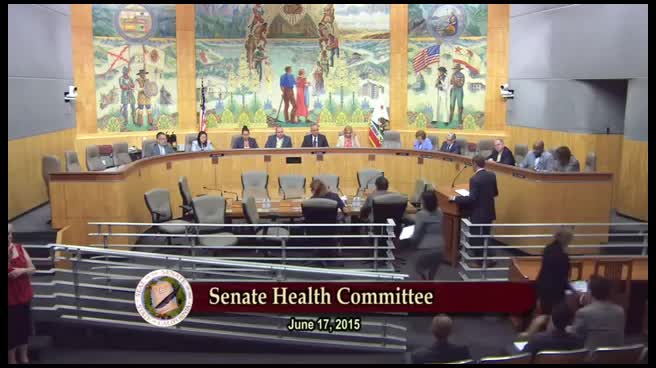 6MIN
Senate Standing Committee on Health
 2MIN
Assembly Floor
 4MIN
Assembly Standing Committee on Health
Bill Author
Bill Co-Author(s):