AB 1310: Disorderly conduct: unlawful distribution of image.
- Session Year: 2015-2016
- House: Assembly
- Latest Version Date: 2015-10-08
Existing law makes it a misdemeanor to look through a hole or opening, into, or to view, by means of any instrumentality, the interior of an area in which an occupant has a reasonable expectation of privacy with the intent to invade the privacy of that person. Existing law makes it a misdemeanor to record another person under or through the clothing worn by that person, without the consent or knowledge of the person, under circumstances in which the person has a reasonable expectation of privacy. Existing law makes it a misdemeanor to secretly record another person in a state of full or partial undress without the consent or knowledge of that person, in an area in which that person has a reasonable expectation of privacy. Existing law makes it a misdemeanor to intentionally distribute an image of the intimate body part or parts of another person, or an image of the person depicted engaging in specified sexual acts, under circumstances in which the persons agree or understand that the image remain private, the person distributing the image knows or should know that distribution of the image will cause serious emotional distress, and the person depicted suffers that distress.
Existing law establishes the proper jurisdictions of a criminal action for unauthorized use, retention, or transfer of personal identifying information to include the county where the theft occurred, the county in which the victim resided at the time of the offense, or the county where the information was used for an illegal purpose.
This bill would apply those jurisdictional provisions to the misdemeanors described above.
Existing law details procedures for a governmental entity to gather specified records from a provider of electronic communication service or a remote computing service by search warrant. Existing law specifies that no notice is required to be given to a subscriber or customer by a governmental entity receiving records pursuant to these procedures.
This bill would additionally authorize a governmental entity to use those procedures to gather the contents of communications between the subscriber and the service provider. The bill would require a search warrant used under those procedures to be limited to only that information necessary to achieve the objective of the warrant, as specified. The bill would require information obtained through the execution of a search warrant pursuant that is unrelated to the objective of the warrant to be sealed and not be subject to further review without an order from the court. The bill would require the governmental entity to provide a specified notice to the customer or subscriber upon receipt of the requested records. The bill would authorize a delay of that notice in 90-day increments if there is reason to believe notification would may have an adverse effect, as defined.
Discussed in Hearing
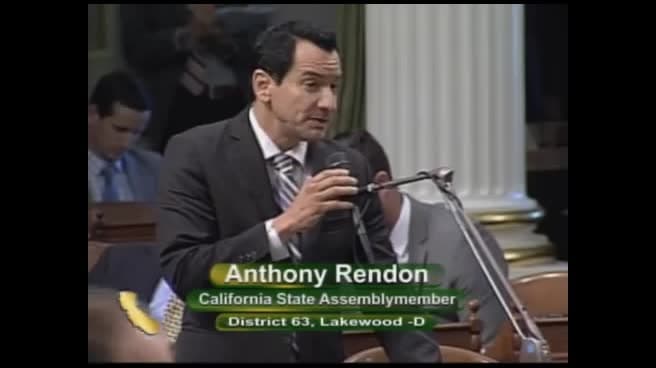 39SEC
39SECAssembly Floor
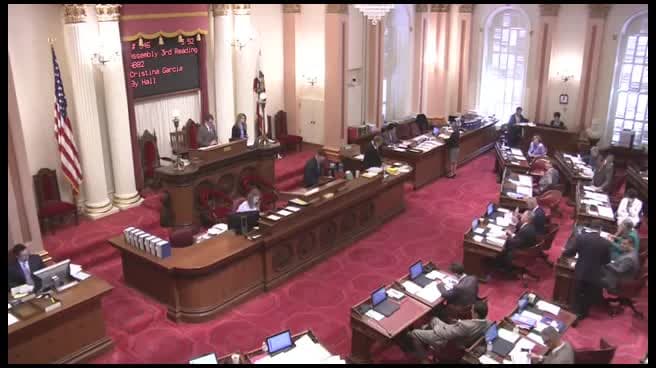 2MIN
2MINSenate Floor
 28SEC
28SECSenate Standing Committee on Appropriations
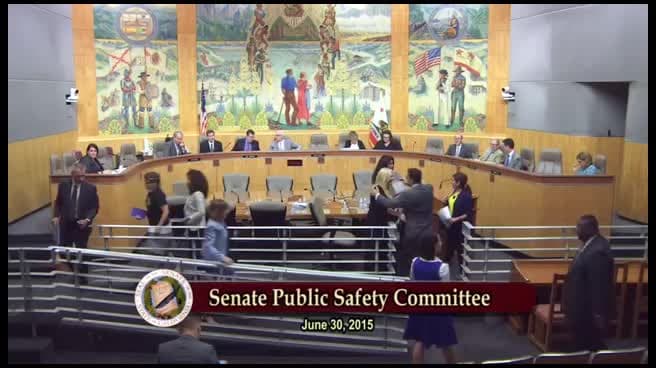 3MIN
3MINSenate Standing Committee on Public Safety
 1MIN
1MINAssembly Floor
 4MIN
4MIN