AB 1343: Criminal procedure: defense counsel.
- Session Year: 2015-2016
- House: Assembly
- Latest Version Date: 2015-10-09
Existing law requires the court in a noncapital case, if the defendant appears for arraignment without counsel, to inform the defendant that it is his or her right to have counsel before being arraigned and to ask the defendant if he or she desires the assistance of counsel. If the defendant desires and is unable to employ counsel, the court is required to assign counsel to defend him or her as provided. Existing law requires courts, prior to acceptance of a plea of guilty or nolo contendere by a defendant, to inform the defendant that a conviction of the offense charged may have the consequences of deportation, exclusion from admission to the United States, or denial of naturalization pursuant to the laws of the United States.
This bill would require defense counsel to provide accurate and affirmative advice about the immigration consequences of a proposed disposition, and when consistent with the goals of and with the informed consent of the defendant, and with professional standards, defend against those consequences. The bill would require the prosecution, in the interests of justice, to consider the avoidance of adverse immigration consequences in the plea negotiation process as one factor in an effort to reach a just resolution. By requiring an increased level of service, this bill would impose a state-mandated local program.
The California Constitution requires the state to reimburse local agencies and school districts for certain costs mandated by the state. Statutory provisions establish procedures for making that reimbursement.
This bill would provide that, if the Commission on State Mandates determines that the bill contains costs mandated by the state, reimbursement for those costs shall be made pursuant to these statutory provisions.
Existing law requires the court in a noncapital case, if the defendant appears for arraignment without counsel, to inform the defendant that it is his or her right to have counsel before being arraigned and to ask the defendant if he or she desires the assistance of counsel. If the defendant desires and is unable to employ counsel, the court is required to assign counsel to defend him or her as provided. Existing law requires courts, prior to acceptance of a plea of guilty or nolo contendere by a defendant, to inform the defendant that a conviction of the offense charged may have the consequences of deportation, exclusion from admission to the United States, or denial of naturalization pursuant to the laws of the United States.
This bill would require defense counsel to provide accurate and affirmative advice of the potential about the immigration consequences of a proposed disposition, and when consistent with the goals of and with the informed consent of the defendant, and with professional standards, to recommend and pursue available dispositions without avoidable adverse immigration consequences and attempt to standards, defend against those consequences. The bill would require the prosecution and defense counsel, prosecution, in the interests of justice, to contemplate considering consider the avoidance of adverse immigration consequences in the plea negotiation process. process as one factor in an effort to reach a just resolution. By requiring an increased level of service, this bill would impose a state-mandated local program.
The California Constitution requires the state to reimburse local agencies and school districts for certain costs mandated by the state. Statutory provisions establish procedures for making that reimbursement.
This bill would provide that, if the Commission on State Mandates determines that the bill contains costs mandated by the state, reimbursement for those costs shall be made pursuant to these statutory provisions.
Existing law requires the court in a noncapital case, if the defendant appears for arraignment without counsel, to inform the defendant that it is his or her right to have counsel before being arraigned and to ask the defendant if he or she desires the assistance of counsel. If the defendant desires and is unable to employ counsel, the court is required to assign counsel to defend him or her as provided. Existing law requires courts, prior to acceptance of a plea of guilty or nolo contendere by a defendant, to inform the defendant that a conviction of the offense charged may have the consequences of deportation, exclusion from admission to the United States, or denial of naturalization pursuant to the laws of the United States.
This bill would require defense counsel to provide accurate and affirmative advice of the potential immigration consequences of a proposed disposition disposition, and when consistent with the goals and with the informed consent of the defendant, and with professional standards, to recommend and pursue available dispositions without avoidable adverse immigration consequences and attempt to defend against those consequences. The bill would require the prosecution and defense counsel, in the interests of justice, to contemplate considering immigration consequences in the plea negotiation process. By requiring an increased level of service, this bill would impose a state-mandated local program.
The California Constitution requires the state to reimburse local agencies and school districts for certain costs mandated by the state. Statutory provisions establish procedures for making that reimbursement.
This bill would provide that, if the Commission on State Mandates determines that the bill contains costs mandated by the state, reimbursement for those costs shall be made pursuant to these statutory provisions.
Existing law requires the court in a noncapital case, if the defendant appears for arraignment without counsel, to inform the defendant that it is his or her right to have counsel before being arraigned and to ask the defendant if he or she desires the assistance of counsel. If the defendant desires and is unable to employ counsel, the court is required to assign counsel to defend him or her as provided. Existing law requires courts, prior to acceptance of a plea of guilty or nolo contendere by a defendant, to inform the defendant that a conviction of the offense charged may have the consequences of deportation, exclusion from admission to the United States, or denial of naturalization pursuant to the laws of the United States.
This bill would require defense counsel to provide accurate and affirmative advice of the potential immigration consequences of a proposed disposition and attempt to defend against those consequences. The bill would require the prosecution and defense counsel, in the interests of justice, to contemplate considering immigration consequences in the plea negotiation process. By requiring an increased level of service, this bill would impose a state-mandated local program.
The California Constitution requires the state to reimburse local agencies and school districts for certain costs mandated by the state. Statutory provisions establish procedures for making that reimbursement.
This bill would provide that, if the Commission on State Mandates determines that the bill contains costs mandated by the state, reimbursement for those costs shall be made pursuant to these statutory provisions.
Existing law requires the court in a noncapital case, if the defendant appears for arraignment without counsel, to inform the defendant that it is his or her right to have counsel before being arraigned and to ask the defendant if he or she desires the assistance of counsel. If the defendant desires and is unable to employ counsel, the court is required to assign counsel to defend him or her as provided. Existing law requires courts, prior to acceptance of a plea of guilty or nolo contendere by a defendant, to inform the defendant that a conviction of the offense charged may have the consequences of deportation, exclusion from admission to the United States, or denial of naturalization pursuant to the laws of the United States.
This bill would state the intent of the Legislature to enact legislation that requires defense counsel in California to comply with Padilla v. Kentucky (2010) 559 U.S. 356.
This bill would require defense counsel to provide accurate and affirmative advice of the potential immigration consequences of a proposed disposition and attempt to defend against those consequences. The bill would require the prosecution and defense counsel, in the interests of justice, to contemplate considering immigration consequences in the plea negotiation process. By requiring an increased level of service, this bill would impose a state-mandated local program.
The California Constitution requires the state to reimburse local agencies and school districts for certain costs mandated by the state. Statutory provisions establish procedures for making that reimbursement.
This bill would provide that, if the Commission on State Mandates determines that the bill contains costs mandated by the state, reimbursement for those costs shall be made pursuant to these statutory provisions.
Existing law requires the court in a noncapital case, if the defendant appears for arraignment without counsel, to inform the defendant that it is his or her right to have counsel before being arraigned and to ask the defendant if he or she desires the assistance of counsel. If the defendant desires and is unable to employ counsel, the court is required to assign counsel to defend him or her as provided.
This bill would state the intent of the Legislature to enact legislation that requires defense counsel in California to comply with Padilla v. Kentucky (2010) 559 U.S. 356.
The Legislature finds and declares all of the following:
(a)In Padilla v. Kentucky, 559 U.S. 356 (2010), the United States Supreme Court held that the Sixth Amendment requires defense counsel to provide affirmative and competent advice to noncitizen defendants regarding the potential immigration consequences of their criminal cases. California courts also have held that defense counsel must investigate and advise regarding the immigration consequences of the available dispositions, and should, when consistent with the goals of and informed consent of the defendant, and as consistent with professional standards, defend against adverse immigration consequences (People v. Soriano, 194 Cal.App.3d 1470 (1987), People v. Barocio, 216 Cal.App.3d 99 (1989), People v. Bautista, 115 Cal.App.4th 229 (2004)).
(b)In Padilla v. Kentucky, the United States Supreme Court sanctioned the consideration of immigration consequences by both parties in the plea negotiating process. The court stated that informed consideration of possible deportation can only benefit both the State and noncitizen defendants during the plea-bargaining process. By bringing deportation consequences into this process, the defense and prosecution may well be able to reach agreements that better satisfy the interests of both parties.
(c)In Padilla v. Kentucky, the United States Supreme Court found that for noncitizens, deportation is an integral part of the penalty imposed for criminal convictions. Deportation may result from serious offenses or a single minor offense. It may be by far the most serious penalty flowing from the conviction.
(d)With an accurate understanding of immigration consequences, many noncitizen defendants are able to plead to a conviction and sentence that satisfy the prosecution and court, but that have no, or fewer, adverse immigration consequences than the original charge.
(e)Defendants who are misadvised or not advised at all of the immigration consequences of criminal charges often suffer irreparable damage to their current or potential lawful immigration status, resulting in penalties such as mandatory detention, deportation, and permanent separation from close family. In some cases, these consequences could have been avoided had counsel provided informed advice and attempted to defend against such consequences.
(f)Once in removal proceedings, a noncitizen may be transferred to any of over 200 immigration detention facilities across the country. Many criminal offenses trigger mandatory detention, so that the person may not request bond. In immigration proceedings, there is no court-appointed right to counsel and as a result, the majority of detained immigrants go unrepresented. Immigration judges often lack the power to consider whether the person should remain in the United States in light of equitable factors such as serious hardship to United States citizen family members, length of time living in the United States, or rehabilitation.
(g)The immigration consequences of criminal convictions have a particularly strong impact in California. One out of every four persons living in the state is foreign-born. One out of every two children lives in a household headed by at least one foreign-born person. The majority of these children are United States citizens. It is estimated that 50,000 parents of California United States citizen children were deported in a little over two years. Once a person is deported, especially after a criminal conviction, it is extremely unlikely that he or she ever is permitted to return.
(h)It is the intent of the Legislature to codify Padilla v. Kentucky and related California case law and to encourage the growth of such case law in furtherance of justice and the findings and declarations of this section.
SEC. 2.Section 1016.3 is added to the Penal Code, to read:1016.3.(a)Defense counsel shall provide accurate and affirmative advice about the immigration consequences of a proposed disposition, and when consistent with the goals of and with the informed consent of the defendant, and consistent with professional standards, defend against those consequences.
(b)The prosecution, in the interests of justice, and in furtherance of the findings and declarations of Section 1016.2, shall consider the avoidance of adverse immigration consequences in the plea negotiation process as one factor in an effort to reach a just resolution.
(c)This code section shall not be interpreted to change the requirements of Section 1016.5, including the requirement that no defendant shall be required to disclose his or her immigration status to the court.
SEC. 3.If the Commission on State Mandates determines that this act contains costs mandated by the state, reimbursement to local agencies and school districts for those costs shall be made pursuant to Part 7 (commencing with Section 17500) of Division 4 of Title 2 of the Government Code.
The Legislature finds and declares all of the following:
(a)In Padilla v. Kentucky, 559 U.S. 356 (2010), the United States Supreme Court held that the Sixth Amendment requires defense counsel to provide affirmative and competent advice to noncitizen defendants regarding the potential immigration consequences of their criminal cases. California courts also have held that defense counsel must investigate, investigate and advise regarding, regarding the immigration consequences of the available dispositions, and should, when consistent with the goals of and informed consent of the defendant, and as consistent with professional standards, recommend and pursue available dispositions and defend against potential adverse immigration consequences of a proposed disposition consequences (People v. Soriano, 194 Cal.App.3d 1470 (1987), People v. Barocio, 216 Cal.App.3d 99 (1989), People v. Bautista, 115 Cal.App.4th 229 (2004)).
(b)In Padilla, Padilla v. Kentucky, the United States Supreme Court sanctioned the consideration of immigration consequences by both parties in the plea negotiating process. The court stated that informed consideration of possible deportation can only benefit both the State and noncitizen defendants during the plea-bargaining process. By bringing deportation consequences into this process, the defense and prosecution may well be able to reach agreements that better satisfy the interests of both parties.
(c)In Padilla, Padilla v. Kentucky, the United States Supreme Court found that for noncitizens, deportation is an integral part of the penalty imposed for criminal convictions. Deportation may result from serious offenses or a single minor offense. It may be by far the most serious penalty flowing from the conviction.
(d)With an accurate understanding of immigration consequences, many noncitizen defendants are able to plead to a conviction and sentence that satisfy the prosecution and court, but that have no, or fewer, adverse immigration consequences than the original charge.
(e)Defendants who are misadvised or not advised at all of the immigration consequences of criminal charges often suffer irreparable damage to their current or potential lawful immigration status, resulting in penalties such as mandatory detention, deportation, and permanent separation from close family. In some cases, these consequences could have been avoided had counsel provided informed advice and attempted to defend against such consequences.
(f)Once in removal proceedings, a noncitizen may be transferred to any of over 200 immigration detention facilities across the country. Many criminal offenses trigger mandatory detention, so that the person may not request bond. In immigration proceedings, there is no court-appointed right to counsel and as a result, the majority of detained immigrants go unrepresented. Immigration judges often lack the power to consider whether the person should remain in the United States in light of equitable factors such as serious hardship to United States citizen family members, length of time living in the United States, or rehabilitation.
(g)The immigration consequences of criminal convictions have a particularly strong impact in California. One out of every four persons living in the state is foreign-born. One out of every two children lives in a household headed by at least one foreign-born person. The majority of these children are United States citizens. It is estimated that 50,000 parents of California United States citizen children were deported in a little over two years. Once a person is deported, especially after a criminal conviction, it is extremely unlikely that he or she ever is permitted to return.
(h)It is the intent of the Legislature to codify Padilla v. Kentucky and related California case law and to encourage the growth of such case law in furtherance of justice and the findings and declarations of this section.
SEC. 2.Section 1016.3 is added to the Penal Code, to read:1016.3.(a)Defense counsel shall provide accurate and affirmative advice of the potential about the immigration consequences of a proposed disposition disposition, and when consistent with the goals of and with the informed consent of the defendant, and consistent with professional standards, recommend and pursue available dispositions without avoidable adverse immigration consequences, attempt to standards, defend against those consequences.
(b)The prosecution and defense counsel, prosecution, in the interests of justice, and in furtherance of the findings and declarations of Section 1016.2, shall contemplate considering consider the avoidance of adverse immigration consequences in the plea negotiation process as one factor in an effort to reach a just resolution.
(c)This code section shall not be interpreted to change the requirements of Section 1016.5, including the requirement that no defendant shall be required to disclose his or her immigration status to the court.
SEC. 3.If the Commission on State Mandates determines that this act contains costs mandated by the state, reimbursement to local agencies and school districts for those costs shall be made pursuant to Part 7 (commencing with Section 17500) of Division 4 of Title 2 of the Government Code.
The Legislature finds and declares all of the following:
(a)In Padilla v. Kentucky, 559 U.S. 356 (2010), the United States Supreme Court held that the Sixth Amendment requires defense counsel to provide affirmative and competent advice to noncitizen defendants regarding the potential immigration consequences of their criminal cases. California courts also have held that defense counsel must investigate, advise regarding, and attempt to defend against, potential adverse immigration consequences of a proposed disposition the immigration consequences of the available dispositions, and should, when consistent with the goals and informed consent of the defendant, and as consistent with professional standards, recommend and pursue available dispositions and defend against potential adverse immigration consequences of a proposed disposition (People v. Soriano, 194 Cal.App.3d 1470 (1987), People v. Barocio, 216 Cal.App.3d 99 (1989), People v. Bautista, 115 Cal.App.4th 229 (2004)).
(b)In Padilla, the United States Supreme Court sanctioned the consideration of immigration consequences by both parties in the plea negotiating process. The court stated that informed consideration of possible deportation can only benefit both the State and noncitizen defendants during the plea-bargaining process. By bringing deportation consequences into this process, the defense and prosecution may well be able to reach agreements that better satisfy the interests of both parties.
(c)In Padilla, the United States Supreme Court found that for noncitizens, deportation is an integral part of the penalty imposed for criminal convictions. Deportation may result from serious offenses or a single minor offense. It may be by far the most serious penalty flowing from the conviction.
(d)With an accurate understanding of immigration consequences, many noncitizen defendants are able to plead to a conviction and sentence that satisfy the prosecution and court, but that have no, or fewer, adverse immigration consequences than the original charge.
(e)Defendants who are misadvised or not advised at all of the immigration consequences of criminal charges often suffer irreparable damage to their current or potential lawful immigration status, resulting in penalties such as mandatory detention, deportation, and permanent separation from close family. In some cases, these consequences could have been avoided had counsel provided informed advice and attempted to defend against such consequences.
(f)Once in removal proceedings, a noncitizen may be transferred to any of over 200 immigration detention facilities across the country. Many criminal offenses trigger mandatory detention, so that the person may not request bond. In immigration proceedings, there is no court-appointed right to counsel and as a result, the majority of detained immigrants go unrepresented. Immigration judges often lack the power to consider whether the person should remain in the United States in light of equitable factors such as serious hardship to United States citizen family members, length of time living in the United States, or rehabilitation.
(g)The immigration consequences of criminal convictions have particularly strong impact in California. One out of every four persons living in the state is foreign-born. One out of every two children lives in a household headed by at least one foreign-born person. The majority of these children are United States citizens. It is estimated that 50,000 parents of California United States citizen children were deported in a little over two years. Once a person is deported, especially after a criminal conviction, it is extremely unlikely that he or she ever is permitted to return.
(h)It is the intent of the Legislature to codify Padilla v. Kentucky and related California case law. law and to encourage the growth of such case law in furtherance of justice and the findings and declarations of this section.
SEC. 2.Section 1016.3 is added to the Penal Code, to read:1016.3.(a)Defense counsel shall provide accurate and affirmative advice of the potential immigration consequences of a proposed disposition and when consistent with the goals and with the informed consent of the defendant, and consistent with professional standards, recommend and pursue available dispositions without avoidable adverse immigration consequences, attempt to defend against those consequences.
(b)The prosecution and defense counsel, in the interests of justice, and in furtherance of the findings and declarations of Section 1016.2, shall contemplate considering immigration consequences in the plea negotiation process in an effort to reach a just resolution.
(c)This code section shall not be interpreted to change the requirements of Section 1016.5, including the requirement that no defendant shall be required to disclose his or her immigration status to the court.
SEC. 3.If the Commission on State Mandates determines that this act contains costs mandated by the state, reimbursement to local agencies and school districts for those costs shall be made pursuant to Part 7 (commencing with Section 17500) of Division 4 of Title 2 of the Government Code.
The Legislature finds and declares all of the following:
(a)In Padilla v. Kentucky, 559 U.S. 356 (2010), the United States Supreme Court held that the Sixth Amendment requires defense counsel to provide affirmative and competent advice to noncitizen defendants regarding the potential immigration consequences of their criminal cases. California courts also have held that defense counsel must investigate, advise regarding, and attempt to defend against, potential adverse immigration consequences of a proposed disposition (People v. Soriano, 194 Cal.App.3d 1470 (1987), People v. Barocio, 216 Cal.App.3d 99 (1989), People v. Bautista, 115 Cal.App.4th 229 (2004)).
(b)In Padilla, the United States Supreme Court sanctioned the consideration of immigration consequences by both parties in the plea negotiating process. The court stated that informed consideration of possible deportation can only benefit both the State and noncitizen defendants during the plea-bargaining process. By bringing deportation consequences into this process, the defense and prosecution may well be able to reach agreements that better satisfy the interests of both parties.
(c)In Padilla, the United States Supreme Court found that for noncitizens, deportation is an integral part of the penalty imposed for criminal convictions. Deportation may result from serious offenses or a single minor conviction. offense. It may be by far the most serious penalty flowing from the conviction.
(d)With an accurate understanding of immigration consequences, many noncitizen defendants are able to plead to a conviction and sentence that satisfy the prosecution and court, but that have no, or fewer, adverse immigration consequences than the original charge.
(e)Defendants who are misadvised or not advised at all of the immigration consequences of criminal charges often suffer irreparable damage to their current or potential lawful immigration status, resulting in penalties such as mandatory detention, deportation, and permanent separation from close family. In many some cases, these consequences could have been avoided had counsel provided informed advice and defense. attempted to defend against such consequences.
(f)Once in removal proceedings, a noncitizen may be transferred to any of over 200 immigration detention facilities across the country. Many criminal offenses trigger mandatory detention, so that the person may not request bond. In immigration proceedings, there is no court-appointed right to counsel and as a result, the majority of detained immigrants go unrepresented. Immigration judges often lack the power to consider whether the person should remain in the United States in light of equitable factors such as serious hardship to United States citizen family members, length of time living in the United States, or rehabilitation.
(g)The immigration consequences of criminal convictions have particularly strong impact in California. One out of every four persons living in the state is foreign-born. One out of every two children lives in a household headed by at least one foreign-born person. The majority of these children are United States citizens. It is estimated that 50,000 parents of California United States citizen children were deported in a little over two years. Once a person is deported, especially after a criminal conviction, it is extremely unlikely that he or she ever is permitted to return.
(h)It is the intent of the Legislature to codify Padilla v. Kentucky and related California case law.
SEC. 2.Section 1016.3 is added to the Penal Code, to read:1016.3.(a)Defense counsel shall provide accurate and affirmative advice of the potential immigration consequences of a proposed disposition and attempt to defend against those consequences.
(b)The prosecution and defense counsel, in the interests of justice, shall contemplate considering immigration consequences in the plea negotiation process in an effort to reach a just resolution.
(c)This code section shall not be interpreted to change the requirements of Section 1016.5, including the requirement that no defendant shall be required to disclose his or her immigration status to the court.
SEC. 3.If the Commission on State Mandates determines that this act contains costs mandated by the state, reimbursement to local agencies and school districts for those costs shall be made pursuant to Part 7 (commencing with Section 17500) of Division 4 of Title 2 of the Government Code.
The Legislature finds and declares all of the following:
(a)In Padilla v. Kentucky, 559 U.S. 356 (2010), the United States Supreme Court held that the Sixth Amendment requires defense counsel to provide affirmative and competent advice to noncitizen defendants regarding the potential immigration consequences of their criminal cases. California courts also have held that defense counsel must investigate, advise regarding, and defend against, potential adverse immigration consequences of a proposed disposition (People v. Soriano, 194 Cal.App.3d 1470 (1987), People v. Barocio, 216 Cal.App.3d 99 (1989), People v. Bautista, 115 Cal.App.4th 229 (2004)).
(b)In Padilla, the United States Supreme Court sanctioned the consideration of immigration consequences by both parties in the plea negotiating process. The court stated that informed consideration of possible deportation can only benefit both the State and noncitizen defendants during the plea-bargaining process. By bringing deportation consequences into this process, the defense and prosecution may well be able to reach agreements that better satisfy the interests of both parties.
(c)In Padilla, the United States Supreme Court found that for noncitizens, deportation is an integral part of the penalty imposed for criminal convictions. Deportation may result from serious offenses or a single minor conviction. It may be by far the most serious penalty flowing from the conviction.
(d)With an accurate understanding of immigration consequences, many noncitizen defendants are able to plead to a conviction and sentence that satisfy the prosecution and court, but that have no, or fewer, adverse immigration consequences than the original charge.
(e)Defendants who are misadvised or not advised at all of the immigration consequences of criminal charges often suffer irreparable damage to their current or potential lawful immigration status, resulting in penalties such as mandatory detention, deportation, and permanent separation from close family. In many cases, these consequences could have been avoided had counsel provided informed advice and defense.
(f)Once in removal proceedings, a noncitizen may be transferred to any of over 200 immigration detention facilities across the country. Many criminal offenses trigger mandatory detention, so that the person may not request bond. In immigration proceedings, there is no court-appointed right to counsel and as a result, the majority of detained immigrants go unrepresented. Immigration judges often lack the power to consider whether the person should remain in the United States in light of equitable factors such as serious hardship to United States citizen family members, length of time living in the United States, or rehabilitation.
(g)The immigration consequences of criminal convictions have particularly strong impact in California. One out of every four persons living in the state is foreign-born. One out of every two children lives in a household headed by at least one foreign-born person. The majority of these children are United States citizens. It is estimated that 50,000 parents of California United States citizen children were deported in a little over two years. Once a person is deported, especially after a criminal conviction, it is extremely unlikely that he or she ever is permitted to return.
(h)It is the intent of the Legislature to codify Padilla v. Kentucky and California case law.
SEC. 2.Section 1016.3 is added to the Penal Code, to read:1016.3.(a)Defense counsel shall provide accurate and affirmative advice of the potential immigration consequences of a proposed disposition and attempt to defend against those consequences.
(b)The prosecution and defense counsel, in the interests of justice, shall contemplate considering immigration consequences in the plea negotiation process in an effort to reach a just resolution.
(c)This code section shall not be interpreted to change the requirements of Section 1016.5, including the requirement that no defendant shall be required to disclose his or her immigration status to the court.
SEC. 3.If the Commission on State Mandates determines that this act contains costs mandated by the state, reimbursement to local agencies and school districts for those costs shall be made pursuant to Part 7 (commencing with Section 17500) of Division 4 of Title 2 of the Government Code.
SECTION 1.It is the intent of the Legislature to enact legislation that requires defense counsel in California to comply with Padilla v. Kentucky (2010) 559 U.S. 356.
It is the intent of the Legislature to enact legislation that requires defense counsel in California to comply with Padilla v. Kentucky (2010) 559 U.S. 356.
|
Date
|
Status
|
|---|---|
| Sep 2, 2015 | Read third time. Passed. Ordered to the Assembly. |
| Jun 16, 2015 | In committee: Hearing postponed by committee. |
| Jun 18, 2015 | In committee: Hearing postponed by committee. |
| Jun 22, 2015 | From committee chair, with author's amendments: Amend, and re-refer to committee. Read second time, amended, and re-referred to Com. on PUB. S. |
| Jun 23, 2015 | In committee: Hearing postponed by committee. |
| Jul 7, 2015 | From committee: Do pass and re-refer to Com. on APPR. (Ayes 5. Noes 1.) (July 7). Re-referred to Com. on APPR. |
| Aug 17, 2015 | From committee: Be placed on second reading file pursuant to Senate Rule 28.8. |
| Aug 18, 2015 | Read second time. Ordered to third reading. |
| Sep 2, 2015 | In Assembly. Concurrence in Senate amendments pending. May be considered on or after September 4 pursuant to Assembly Rule 77. |
| Jun 15, 2015 | From committee chair, with author's amendments: Amend, and re-refer to committee. Read second time, amended, and re-referred to Com. on PUB. S. |
| Sep 2, 2015 | Read third time. Passed. Ordered to the Assembly. (Ayes 35. Noes 5. Page 2395.). |
| Sep 4, 2015 | Senate amendments concurred in. To Engrossing and Enrolling. |
| Sep 4, 2015 | Senate amendments concurred in. To Engrossing and Enrolling. (Ayes 78. Noes 0. Page 2914.). |
| Sep 4, 2015 | Senate amendments concurred in. To Engrossing and Enrolling. (Ayes 78. Noes 0.). |
| Sep 16, 2015 | Enrolled and presented to the Governor at 4 p.m. |
| Oct 9, 2015 | Approved by the Governor. |
| Oct 9, 2015 | Chaptered by Secretary of State - Chapter 705, Statutes of 2015. |
| Feb 27, 2015 | Introduced. To print. |
| Jun 8, 2015 | In committee: Hearing postponed by committee. |
| May 28, 2015 | Referred to Com. on PUB. S. |
| May 18, 2015 | Read third time. Passed. Ordered to the Senate. (Ayes 77. Noes 0. Page 1476.) |
| May 18, 2015 | Read third time. Passed. Ordered to the Senate. |
| May 18, 2015 | In Senate. Read first time. To Com. on RLS. for assignment. |
| Apr 30, 2015 | Read second time. Ordered to third reading. |
| Apr 29, 2015 | From committee: Do pass. (Ayes 17. Noes 0.) (April 29). |
| Apr 22, 2015 | From committee: Do pass and re-refer to Com. on APPR. (Ayes 7. Noes 0.) (April 21). Re-referred to Com. on APPR. |
| Apr 20, 2015 | Re-referred to Com. on PUB. S. |
| Apr 16, 2015 | From committee chair, with author's amendments: Amend, and re-refer to Com. on PUB. S. Read second time and amended. |
| Apr 6, 2015 | Re-referred to Com. on PUB. S. |
| Mar 26, 2015 | Referred to Com. on PUB. S. |
| Mar 26, 2015 | From committee chair, with author's amendments: Amend, and re-refer to Com. on PUB. S. Read second time and amended. |
| Mar 2, 2015 | Read first time. |
| Mar 1, 2015 | From printer. May be heard in committee March 31. |
|
Date
|
Description
|
Location
|
Votes
|
|
|---|---|---|---|---|
| Sep 4, 2015 | AB 1343 THURMOND Concurrence in Senate Amendments | Assembly Floor |
Passed |
|
| Sep 2, 2015 | Assembly 3rd Reading AB1343 Thurmond By Lara | Senate Floor |
Passed |
|
| Jul 7, 2015 | Do pass, but first be re-referred to the Committee on [Appropriations] | Senate Standing Committee on Public Safety |
Passed |
|
| May 18, 2015 | AB 1343 THURMOND Assembly Third Reading | Assembly Floor |
Passed |
|
| Apr 29, 2015 | Do pass. | Assembly Standing Committee on Appropriations |
Passed |
|
| Apr 21, 2015 | Do pass and be re-referred to the Committee on [Appropriations] | Assembly Standing Committee on Public Safety |
Passed |
This list shows positions taken on this bill by organizations on the date displayed, which is linked to the original source.
Positions by individuals are not included.
|
Organization
|
Position
|
Date
|
|---|---|---|
| ACLU of California | ** Support | Sep 2, 2015 |
| California Attorneys For Criminal Justice | ** Support | Sep 2, 2015 |
| California Immigrant Policy Center | ** Support | Sep 2, 2015 |
| California Public Defenders Association | ** Support | Sep 2, 2015 |
| Coalition for Humane Immigrant Rights of Los Angeles | ** Support | Apr 29, 2015 |
| Dolores Street Community Services | ** Support | Sep 2, 2015 |
| East Bay Community Law Center | ** Support | Sep 2, 2015 |
| Friends Committee on Legislation in California | * Support | Jul 7, 2015 |
| Immigrant Legal Resource Center | ** Support | Sep 2, 2015 |
| Legal Services for Prisoners with Children | * Support | Jul 7, 2015 |
| National Association of Social Workers | * Support | Jul 7, 2015 |
| Pangea Legal Services | ** Support | Apr 29, 2015 |
| United Farm Workers | ** Support | Sep 2, 2015 |
AB 1343
Page 4
CONCURRENCE IN SENATE AMENDMENTS
AB 1343
(Thurmond)
As Amended June 22, 2015
Majority vote
ASSEMBLY: |
77-0 |
(May 18, 2015) |
SENATE: |
35-5 |
(September 2, 2015) |
Original Committee Reference: PUB. S.
SUMMARY: Requires defense counsel to provide accurate advice on the potential immigration consequences of a proposed plea agreement and attempt to defend against those consequences, consistent with the goals of the defendant. Requires the prosecution and defense counsel to contemplate immigration consequences in the plea negotiation process.
The Senate amendments:
Add language to emphasize that defense counsel should pursue resolutions to criminal cases to insure that the defendant avoids adverse immigration consequences in a manner that is consistent with the overall goals of the defendant and the attorney's professional standards.
Add language directing prosecution and defense counsel to act in furtherance of the legislative findings when contemplating the immigration consequences in plea negotiations.
Make technical, non-substantive changes to the language of this bill.
EXISTING LAW:
Requires the court prior to acceptance of a plea of guilty or nolo contendere to any offense punishable as a crime under state law, except offenses designated as infractions under state law, to administer the following advisement on the record to the defendant:
"If you are not a citizen, you are hereby advised that conviction of the offense for which you have been charged may have the consequences of deportation, exclusion from admission to the United States [U.S.], or denial of naturalization pursuant to the laws of the U.S."
States that upon request, the court shall allow the defendant additional time to consider the appropriateness of the plea in light of the advisement as described in this section.
Requires the court the, on defendant's motion, to vacate the judgment and permit the defendant to withdraw the plea of guilty or nolo contendere, and enter a plea of not guilty, if court fails to advise the defendant as required by this section and the defendant shows that conviction of the offense to which defendant pleaded guilty or nolo contendere may have the consequences for the defendant of deportation, exclusion from admission to the United States (U.S.), or denial of naturalization pursuant to the laws of the U.S. Absent a record that the court provided the advisement required by this section, the defendant shall be presumed not to have received the required advisement.
AS PASSED BY THE ASSEMBLY:
Required defense counsel to provide accurate and affirmative advice of the potential immigration consequences of a proposed disposition and attempt to defend against those consequences.
Required prosecution and defense counsel, in the interests of justice, to contemplate and consider immigration consequences in the plea negotiation process in an effort to reach a just resolution.
Stated that this code section shall not be interpreted to change the requirements of Penal Code Section 1016.5, including the requirement that no defendant shall be required to disclose his or her immigration status to the court.
The Legislature makes the following findings:
In Padilla v. Kentucky (2010), 559 U.S. 356, the United States Supreme Court held that the Sixth Amendment requires defense counsel to provide affirmative and competent advice to noncitizen defendants regarding the potential immigration consequences of their criminal cases. California courts also have held that defense counsel must investigate, advise regarding, and defend against, potential adverse immigration consequences of a proposed disposition (People v. Soriano, 194 Cal.App.3d 1470 (1987), People v. Barocio, 216 Cal.App.3d 99 (1989), People v. Bautista, 115 Cal.App.4th 229 (2004));
In Padilla, the U.S. Supreme Court sanctioned the consideration of immigration consequences by both parties in the plea negotiating process. The court stated that "informed consideration of possible deportation can only benefit both the State and noncitizen defendants during the plea-bargaining process. By bringing deportation consequences into this process, the defense and prosecution may well be able to reach agreements that better satisfy the interests of both parties.";
In Padilla, the U.S. Supreme Court found that for noncitizens, deportation is an integral part of the penalty imposed for criminal convictions. Deportation may result from serious offenses or a single minor conviction. It may be by far the most serious penalty flowing from the conviction;
With an accurate understanding of immigration consequences, many noncitizen defendants are able to plead to a conviction and sentence that satisfy the prosecution and court, but that have no, or fewer, adverse immigration consequences than the original charge;
Defendants who are misadvised or not advised at all of the immigration consequences of criminal charges often suffer irreparable damage to their current or potential lawful immigration status, resulting in penalties such as mandatory detention, deportation, and permanent separation from close family. In many cases, these consequences could have been avoided had counsel provided informed advice and defense;
Once in removal proceedings, a noncitizen may be transferred to any of over 200 immigration detention facilities across the country. Many criminal offenses trigger mandatory detention, so that the person may not request bond. In immigration proceedings, there is no court-appointed right to counsel and as a result, the majority of detained immigrants go unrepresented. Immigration judges often lack the power to consider whether the person should remain in the U.S. in light of equitable factors such as serious hardship to U.S. citizen family members, length of time living in the U.S., or rehabilitation;
The immigration consequences of criminal convictions have particularly strong impact in California. One out of every four persons living in the state is foreign-born. One out of every two children lives in a household headed by at least one foreign-born person. The majority of these children are U.S. citizens. It is estimated that 50,000 parents of California U.S. citizen children were deported in a little over two years. Once a person is deported, especially after a criminal conviction, it is extremely unlikely that he or she is ever permitted to return; and,
It is the intent of the Legislature to codify Padilla and California case law.
FISCAL EFFECT: According to the Senate Appropriations Committee, pursuant to Senate Rule 28.8, negligible state costs.
COMMENTS: According to the author, "In Padilla v. Kentucky, (2010) 559 U.S. 356, the U.S. Supreme Court held that the Sixth Amendment requires defense counsel to provide affirmative and competent advice to noncitizen defendants regarding the potential immigration consequences of their criminal cases. California courts have long since held the same, including that defense counsel must investigate, advise regarding, and defend against, potential adverse immigration consequences of a proposed disposition.
"In order for the consideration of immigration consequences to result in meaningful change, it is important for both the prosecution and defense to consider immigration consequences in plea negotiations. The Supreme Court agreed, stating that 'informed consideration of possible deportation can only benefit both the State and noncitizen defendants during the plea-bargaining process. By bringing deportation consequences into this process, the defense and prosecution may well be able to reach agreements that better satisfy the interests of both parties.'
"The effects of even a minor criminal conviction on the life of an immigrant cannot be understated. Immigrants can suffer irreparable consequences including loss of legal status, loss of ability to obtain legal status, inability to apply for citizenship (temporary or permanent), mandatory detention in immigration proceedings (no bond), or permanent deportation, and subsequent family separation. Once in deportation proceedings, the injustice continues, where immigrants are often transferred to over 200 facilities across the country, often states away from friends or family, and without being provided an attorney. Offenses which can trigger these consequences can include possession of a controlled substance, petty thefts, and many more.
"In many cases, these consequences could have been avoided or mitigated had the immigration consequences been considered in the criminal case. The result is disproportionate punishment, where immigrants are essentially punished twice for the same offense, with the immigration consequences often being worse than the criminal punishment.
"These negative effects can be particularly felt in California, where one out of every four persons is foreign-born. One out of every two children lives in a household headed by at least one foreign-born person. When parents are deported, children may be left parentless and are thereafter more likely to enter the criminal justice system themselves. The majority of these children are U.S. citizens. It is estimated that 50,000 parents of California U.S. citizen children were deported in a little over two years. Once a person is deported, especially after a criminal conviction, it is extremely unlikely that he or she is ever permitted to return. Thus, countless California families are needlessly separated each year."
Analysis Prepared by: David Billingsley / PUB. S. / (916) 319-3744 FN: 0001421
AB 1343
Page 6
|
Office of Senate Floor Analyses (916) 651-1520 Fax: (916) 327-4478 |
THIRD READING
Bill No: AB 1343
Amended: 6/22/15 in Senate
SENATE PUBLIC SAFETY COMMITTEE: 5-1, 7/7/15
AYES: Hancock, Glazer, Leno, Liu, Monning
NOES: Stone
NO VOTE RECORDED: Anderson
SENATE APPROPRIATIONS COMMITTEE: Senate Rule 28.8
ASSEMBLY FLOOR: 77-0, 5/18/15 - See last page for vote
SUBJECT: Criminal procedure: defense counsel
SOURCE: Immigrant Legal Resource Center
DIGEST: This bill requires defense counsel to comply with Padilla v. Kentucky (2010) 559 U.S. 356 and to advise defendants about the immigration consequences of a proposed disposition.
Existing law:
Requires the court prior to acceptance of a plea of guilty or nolo contendere to any offense punishable as a crime under state law, except offenses designated as infractions under state law, to administer the following advisement on the record to the defendant:
“If you are not a citizen, you are hereby advised that conviction of the offense for which you have been charged may have the consequences of deportation, exclusion from admission to the United States, or denial of naturalization pursuant to the laws of the United States.” (Penal Code § 1016.5 (a).)
Provides that, upon request, the court shall allow the defendant additional time to consider the appropriateness of the plea in light of the advisement as described in this section. (Penal Code § 1016.5 (a).)
Requires the court, on the defendant’s motion, to vacate the judgment and permit the defendant to withdraw the plea of guilty or nolo contendere, and enter a plea of not guilty, if the court fails to advise the defendant as required by this section and the defendant shows that conviction of the offense to which the defendant pleaded guilty or nolo contendere may have the consequences for the defendant of deportation, exclusion from admission to the United States, or denial of naturalization pursuant to the laws of the United States. Absent a record that the court provided the advisement required by this section, the defendant shall be presumed not to have received the required advisement. (Penal Code § 1016.5 (a).)
This bill:
Requires defense counsel to provide accurate and affirmative advice about the immigration consequences of a proposed disposition, and when consistent with the goals of and with the informed consent of the defendant, and consistent with professional standards, defend against those consequences.
Requires the prosecution, in the interests of justice, and in furtherance of the findings and declarations of Penal Code Section 1016.2, to consider the avoidance of adverse immigration consequences in the plea negotiation process as one factor in an effort to reach a just resolution.
States that this code section shall not be interpreted to change the requirements of Penal Code Section 1016.5, including the requirement that no defendant shall be required to disclose his or her immigration status to the court.
Makes the following legislative findings:
In Padilla v. Kentucky (2010), 559 U.S. 356, the United States Supreme Court held that the Sixth Amendment requires defense counsel to provide affirmative and competent advice to noncitizen defendants regarding the potential immigration consequences of their criminal cases. California courts also have held that defense counsel must investigate and advise regarding the immigration consequences of the available dispositions, and should, when consistent with the goals of and informed consent of the defendant, and as consistent with professional standards, defend against adverse immigration consequences. (People v. Soriano, 194 Cal.App.3d 1470 (1987), People v. Barocio, 216 Cal.App.3d 99 (1989), People v. Bautista, 115 Cal.App.4th 229 (2004)).
In Padilla v. Kentucky, the United States Supreme Court sanctioned the consideration of immigration consequences by both parties in the plea negotiating process. The court stated that “informed consideration of possible deportation can only benefit both the State and noncitizen defendants during the plea-bargaining process. By bringing deportation consequences into this process, the defense and prosecution may well be able to reach agreements that better satisfy the interests of both parties.”
In Padilla v. Kentucky, the United States Supreme Court found that for noncitizens, deportation is an integral part of the penalty imposed for criminal convictions. Deportation may result from serious offenses or a single minor conviction. It may be by far the most serious penalty flowing from the conviction.
With an accurate understanding of immigration consequences, many noncitizen defendants are able to plead to a conviction and sentence that satisfy the prosecution and court, but that have no, or fewer, adverse immigration consequences than the original charge.
Defendants who are misadvised or not advised at all of the immigration consequences of criminal charges often suffer irreparable damage to their current or potential lawful immigration status, resulting in penalties such as mandatory detention, deportation, and permanent separation from close family. In some cases, these consequences could have been avoided had counsel provided informed advice and attempted to defend against such consequences.
Once in removal proceedings, a noncitizen may be transferred to any of over 200 immigration detention facilities across the country. Many criminal offenses trigger mandatory detention, so that the person may not request bond. In immigration proceedings, there is no court-appointed right to counsel and as a result, the majority of detained immigrants go unrepresented. Immigration judges often lack the power to consider whether the person should remain in the United States in light of equitable factors such as serious hardship to United States citizen family members, length of time living in the United States, or rehabilitation.
The immigration consequences of criminal convictions have a particularly strong impact in California. One out of every four persons living in the state is foreign-born. One out of every two children lives in a household headed by at least one foreign-born person. The majority of these children are United States citizens. It is estimated that 50,000 parents of California United States citizen children were deported in a little over two years. Once a person is deported, especially after a criminal conviction, it is extremely unlikely that he or she ever is permitted to return.
It is the intent of the Legislature to codify Padilla v. Kentucky and related California case law and to encourage the growth of such case law in furtherance of justice and the findings and declarations of this section.
FISCAL EFFECT: Appropriation: No Fiscal Com.: Yes Local: Yes
Immigrant Legal Resource Center (source)
ACLU of California
California Attorneys for Criminal Justice
California Immigrant Policy Center
California Public Defenders Association
Dolores Street Community Services
East Bay Community Law Center
The National Association of Social Workers, California Chapter
United Farm Workers
OPPOSITION: (Verified 8/17/15)
None received
ARGUMENTS IN SUPPORT:
According to the author:
In Padilla v. Kentucky, 559 U.S. 356 (2010), the U.S. Supreme Court held that the Sixth Amendment requires defense counsel to provide affirmative information and competent advice to noncitizen defendants regarding the potential immigration consequences of their criminal cases. California courts have long since held the same, including that defense counsel must investigate, advise regarding, and defend against, potential adverse immigration consequences of a proposed disposition.
In order for the consideration of immigration consequences to result in meaningful change, it is important for both the prosecution and defense to consider immigration consequences in plea negotiations. The Supreme Court agreed, stating that “informed consideration of possible deportation can only benefit both the State and noncitizen defendants during the plea-bargaining process. By bringing deportation consequences into this process, the defense and prosecution may well be able to reach agreements that better satisfy the interests of both parties.”
The effects of even a minor criminal conviction on the life of an immigrant cannot be understated. Immigrants can suffer irreparable consequences including loss of legal status, loss of ability to obtain legal status, inability to apply for citizenship (temporary or permanent), mandatory detention in immigration proceedings (no bond), or permanent deportation, and subsequent family separation. Once in deportation proceedings, the injustice continues, where immigrants are often transferred to over 200 facilities across the country, often states away from friends or family, and without being provided an attorney. Offenses which can trigger these consequences can include possession of a controlled substance, petty thefts, and many more.
In many cases, these consequences could have been avoided or mitigated had the immigration consequences been considered in the criminal case. The result is disproportionate punishment, where immigrants are essentially punished twice for the same offense, with the immigration consequences often being worse that the criminal punishment.
These negative effects can be particularly felt in California, where one out of every four persons is foreign-born. One out of every two children lives in a household headed by at least one foreign-born person. When parents are deported, children may be left parentless and are thereafter more likely to enter the criminal justice system themselves. The majority of these children are U.S. citizens. It is estimated that 50,000 parents of California U.S. citizen children were deported in a little over two years. Once a person is deported, especially after a criminal conviction, it is extremely unlikely that he or she is ever permitted to return. Thus, countless California families are needlessly separated each year.
ASSEMBLY FLOOR: 77-0, 5/18/15
AYES: Achadjian, Alejo, Travis Allen, Baker, Bigelow, Bloom, Bonilla, Bonta, Brough, Brown, Burke, Calderon, Campos, Chang, Chau, Chávez, Chiu, Chu, Cooley, Cooper, Dababneh, Dahle, Daly, Dodd, Eggman, Frazier, Beth Gaines, Gallagher, Cristina Garcia, Eduardo Garcia, Gatto, Gipson, Gomez, Gonzalez, Gordon, Gray, Grove, Hadley, Harper, Roger Hernández, Holden, Irwin, Jones, Jones-Sawyer, Lackey, Levine, Linder, Lopez, Low, Maienschein, Mayes, McCarty, Medina, Mullin, Nazarian, Obernolte, O'Donnell, Olsen, Patterson, Perea, Quirk, Rendon, Ridley-Thomas, Rodriguez, Salas, Santiago, Steinorth, Mark Stone, Thurmond, Ting, Wagner, Waldron, Weber, Wilk, Williams, Wood, Atkins
NO VOTE RECORDED: Kim, Mathis, Melendez
Prepared by: Linda Tenerowicz / PUB. S. /
8/18/15 17:03:12
AB 1343 (Thurmond ) Page 5 of 5
SENATE COMMITTEE ON PUBLIC SAFETY
Senator Loni Hancock, Chair
2015 - 2016 Regular
Bill No: AB 1343 Hearing Date: July 7, 2015
Author: |
Thurmond |
||
Version: |
June 22, 2015 |
||
Urgency: |
No |
Fiscal: |
Yes |
Consultant: |
LT |
||
Subject: Criminal Procedure: Defense Counsel
HISTORY
Source: Immigrant Legal Resource Center
Prior Legislation: AB 142 (Fuentes) – 2011, vetoed
AB 15 (Fuentes) – 2009, vetoed
AB 806 (Fuentes) – 2010, vetoed
Support: California Immigrant Policy Center; California Public Defenders Association; The National Association of Social Workers, California Chapter; Immigrant Legal Resource Center; Dolores Street Community Services; United Farm Workers; East Bay Community Law Center; American Civil Liberties Union of California
Opposition: None known
Assembly Floor Vote: 77 - 0
PURPOSE
The purpose of this bill is to require defense counsel to comply with Padilla v. Kentucky (2010) 559 U.S. 356. and to advise defendants of the potential immigration consequences of a proposed disposition.
Existing law requires the court prior to acceptance of a plea of guilty or nolo contendere to any offense punishable as a crime under state law, except offenses designated as infractions under state law, to administer the following advisement on the record to the defendant:
“If you are not a citizen, you are hereby advised that conviction of the offense for which you have been charged may have the consequences of deportation, exclusion from admission to the United States, or denial of naturalization pursuant to the laws of the United States.” (Penal Code § 1016.5 (a).)
Existing law provides that upon request, the court shall allow the defendant additional time to consider the appropriateness of the plea in light of the advisement as described in this section. (Penal Code § 1016.5 (a).)
Existing law requires the court, on the defendant’s motion, to vacate the judgment and permit the defendant to withdraw the plea of guilty or nolo contendere, and enter a plea of not guilty, if thr court fails to advise the defendant as required by this section and the defendant shows that conviction of the offense to which the defendant pleaded guilty or nolo contendere may have the consequences for the defendant of deportation, exclusion from admission to the United States, or denial of naturalization pursuant to the laws of the United States. Absent a record that the court provided the advisement required by this section, the defendant shall be presumed not to have received the required advisement. (Penal Code § 1016.5 (a).)
This bill requires defense counsel to provide accurate and affirmative advice about the immigration consequences of a proposed disposition, and when consistent with the goals of and with the informed consent of the defendant, and consistent with professional standards, defend against those consequences.
This bill requires the prosecution, in the interests of justice, and in furtherance of the findings and declarations of Section 1016.2, to consider the avoidance of adverse immigration consequences in the plea negotiation process as one factor in an effort to reach a just resolution.
This bill states that this code section shall not be interpreted to change the requirements of Section 1016.5, including the requirement that no defendant shall be required to disclose his or her immigration status to the court.
This bill makes the following legislative findings:
In Padilla v. Kentucky (2010), 559 U.S. 356, the United States Supreme Court held that the Sixth Amendment requires defense counsel to provide affirmative and competent advice to noncitizen defendants regarding the potential immigration consequences of their criminal cases. California courts also have held that defense counsel must investigate and advise regarding the immigration consequences of the available dispositions, and should, when consistent with the goals of and informed consent of the defendant, and as consistent with professional standards, defend against adverse immigration consequences. (People v. Soriano, 194 Cal.App.3d 1470 (1987), People v. Barocio, 216 Cal.App.3d 99 (1989), People v. Bautista, 115 Cal.App.4th 229 (2004)).
In Padilla v. Kentucky, the United States Supreme Court sanctioned the consideration of immigration consequences by both parties in the plea negotiating process. The court stated that “informed consideration of possible deportation can only benefit both the State and noncitizen defendants during the plea-bargaining process. By bringing deportation consequences into this process, the defense and prosecution may well be able to reach agreements that better satisfy the interests of both parties”.
In Padilla v. Kentucky, the United States Supreme Court found that for noncitizens, deportation is an integral part of the penalty imposed for criminal convictions. Deportation may result from serious offenses or a single minor conviction. It may be by far the most serious penalty flowing from the conviction.
With an accurate understanding of immigration consequences, many noncitizen defendants are able to plead to a conviction and sentence that satisfy the prosecution and court, but that have no, or fewer, adverse immigration consequences than the original charge.
Defendants who are misadvised or not advised at all of the immigration consequences of criminal charges often suffer irreparable damage to their current or potential lawful immigration status, resulting in penalties such as mandatory detention, deportation, and permanent separation from close family. In many cases, these consequences could have been avoided had counsel provided informed advice and attempted to defend against such consequences.
Once in removal proceedings, a noncitizen may be transferred to any of over 200 immigration detention facilities across the country. Many criminal offenses trigger mandatory detention, so that the person may not request bond. In immigration proceedings, there is no court-appointed right to counsel and as a result, the majority of detained immigrants go unrepresented. Immigration judges often lack the power to consider whether the person should remain in the United States in light of equitable factors such as serious hardship to United States citizen family members, length of time living in the United States, or rehabilitation.
The immigration consequences of criminal convictions have a particularly strong impact in California. One out of every four persons living in the state is foreign-born. One out of every two children lives in a household headed by at least one foreign-born person. The majority of these children are United States citizens. It is estimated that 50,000 parents of California United States citizen children were deported in a little over two years. Once a person is deported, especially after a criminal conviction, it is extremely unlikely that he or she ever is permitted to return.
It is the intent of the Legislature to codify Padilla v. Kentucky and California case law and to encourage the growth of such case law in furtherance of justice and the findings and declarations of this section.
RECEIVERSHIP/OVERCROWDING CRISIS AGGRAVATION
For the past eight years, this Committee has scrutinized legislation referred to its jurisdiction for any potential impact on prison overcrowding. Mindful of the United States Supreme Court ruling and federal court orders relating to the state’s ability to provide a constitutional level of health care to its inmate population and the related issue of prison overcrowding, this Committee has applied its “ROCA” policy as a content-neutral, provisional measure necessary to ensure that the Legislature does not erode progress in reducing prison overcrowding.
On February 10, 2014, the federal court ordered California to reduce its in-state adult institution population to 137.5% of design capacity by February 28, 2016, as follows:
143% of design bed capacity by June 30, 2014;
141.5% of design bed capacity by February 28, 2015; and,
137.5% of design bed capacity by February 28, 2016.
In February of this year the administration reported that as “of February 11, 2015, 112,993 inmates were housed in the State’s 34 adult institutions, which amounts to 136.6% of design bed capacity, and 8,828 inmates were housed in out-of-state facilities. This current population is now below the court-ordered reduction to 137.5% of design bed capacity.”( Defendants’ February 2015 Status Report In Response To February 10, 2014 Order, 2:90-cv-00520 KJM DAD PC, 3-Judge Court, Coleman v. Brown, Plata v. Brown (fn. omitted).
While significant gains have been made in reducing the prison population, the state now must stabilize these advances and demonstrate to the federal court that California has in place the “durable solution” to prison overcrowding “consistently demanded” by the court. (Opinion Re: Order Granting in Part and Denying in Part Defendants’ Request For Extension of December 31, 2013 Deadline, NO. 2:90-cv-0520 LKK DAD (PC), 3-Judge Court, Coleman v. Brown, Plata v. Brown (2-10-14). The Committee’s consideration of bills that may impact the prison population therefore will be informed by the following questions:
Whether a proposal erodes a measure which has contributed to reducing the prison population;
Whether a proposal addresses a major area of public safety or criminal activity for which there is no other reasonable, appropriate remedy;
Whether a proposal addresses a crime which is directly dangerous to the physical safety of others for which there is no other reasonably appropriate sanction;
Whether a proposal corrects a constitutional problem or legislative drafting error; and
Whether a proposal proposes penalties which are proportionate, and cannot be achieved through any other reasonably appropriate remedy.
COMMENTS
Need for This Legislation
According to the author:
In Padilla v. Kentucky, 559 U.S. 356 (2010), the U.S. Supreme Court held that the Sixth Amendment requires defense counsel to provide affirmative information and competent advice to noncitizen defendants regarding the potential immigration consequences of their criminal cases. California courts have long since held the same, including that defense counsel must investigate, advise regarding, and defend against, potential adverse immigration consequences of a proposed disposition.
In order for the consideration of immigration consequences to result in meaningful change, it is important for both the prosecution and defense to consider immigration consequences in plea negotiations. The Supreme Court agreed, stating that “informed consideration of possible deportation can only benefit both the State and noncitizen defendants during the plea-bargaining process. By bringing deportation consequences into this process, the defense and prosecution may well be able to reach agreements that better satisfy the interests of both parties.
The effects of even a minor criminal conviction on the life of an immigrant cannot be understated. Immigrants can suffer irreparable consequences including loss of legal status, loss of ability to obtain legal status, inability to apply for citizenship (temporary or permanent), mandatory detention in immigration proceedings (no bond), or permanent deportation, and subsequent family separation. Once in deportation proceedings, the injustice continues, where immigrants are often
transferred to over 200 facilities across the country, often states away from friends or family, and without being provided an attorney. Offenses which can trigger these consequences can include possession of a controlled substance, petty thefts, and many more.
In many cases, these consequences could have been avoided or mitigated had the immigration consequences been considered in the criminal case. The result is disproportionate punishment, where immigrants are essentially punished twice for the same offense, with the immigration consequences often being worse that the criminal punishment.
These negative effects can be particularly felt in California, where one out of every four persons is foreign-born. One out of every two children lives in a household headed by at least one foreign-born person. When parents are deported, children may be left parentless and are thereafter more likely to enter the criminal justice system themselves. The majority of these children are U.S. citizens. It is estimated that 50,000 parents of California U.S. citizen children were deported in a little over two years. Once a person is deported, especially after a criminal conviction, it is extremely unlikely that he or she is ever permitted to return. Thus, countless California families are needlessly separated each year. .
2. Effect of This Legislation
Existing law requires courts to advise defendants that if not a citizen, the defendant may face consequences including deportation, exclusion from admission to the United States, or denial of naturalization. This bill will require defense counsel to advise defendants about the immigration consequences associated with a felony conviction and defend against those consequences. This bill would also require the prosecution to consider the avoidance of adverse immigration consequences in the plea negotiating process as a factor in reaching a just resolution.
3. Related Bill
AB 267 (Jones-Sawyer), which was passed by this Committee (5-1) on June 16th, seeks to advise defendants of additional consequences associated with a felony conviction before a defendant decides to accept a plea of guilty or a plea deal. Existing law requires courts to advise defendants of potential consequences including deportation, exclusion from admission to the United States, or denial of naturalization if the defendant is not a citizen. AB 267 would expand existing law to include a larger scope of consequences some of which are, difficulty in obtaining employment, loss of voting rights while incarcerated, etcetera, which will potentially affect the defendant after being released.
-- END –
AB 1343
Page 4
ASSEMBLY THIRD READING
AB 1343
(Thurmond)
As Amended April 16, 2015
Majority vote
Committee |
Votes |
Ayes |
Noes |
Public Safety |
7-0 |
Quirk, Melendez, Jones-Sawyer, Lackey, Low, Santiago, Thurmond |
|
Appropriations |
17-0 |
Gomez, Bigelow, Bloom, Bonta, Calderon, Chang, Daly, Eggman, Gallagher, Eduardo Garcia, Holden, Jones, Quirk, Rendon, Wagner, Weber, Wood |
|
SUMMARY:
Requires defense counsel to provide accurate advice of the potential immigration consequences of a proposed disposition and attempt to defend against those consequences. Requires the prosecution and defense counsel contemplate immigration consequences in the plea negotiation process. Specifically, this bill:
Requires defense counsel to provide accurate and affirmative advice of the potential immigration consequences of a proposed disposition and attempt to defend against those consequences.
Requires prosecution and defense counsel, in the interests of justice, to contemplate and consider immigration consequences in the plea negotiation process in an effort to reach a just resolution.
States that this code section shall not be interpreted to change the requirements of Penal Code Section 1016.5, including the requirement that no defendant shall be required to disclose his or her immigration status to the court.
The Legislature makes the following findings:
In Padilla v. Kentucky (2010), 559 U.S. 356, the United States (U.S.) Supreme Court held that the Sixth Amendment requires defense counsel to provide affirmative and competent advice to noncitizen defendants regarding the potential immigration consequences of their criminal cases. California courts also have held that defense counsel must investigate, advise regarding, and defend against, potential adverse immigration consequences of a proposed disposition (People v. Soriano, 194 Cal.App.3d 1470 (1987), People v. Barocio, 216 Cal.App.3d 99 (1989), People v. Bautista, 115 Cal.App.4th 229 (2004));
In Padilla, the U.S. Supreme Court sanctioned the consideration of immigration consequences by both parties in the plea negotiating process. The court stated that "informed consideration of possible deportation can only benefit both the State and noncitizen defendants during the plea-bargaining process. By bringing deportation consequences into this process, the defense and prosecution may well be able to reach agreements that better satisfy the interests of both parties.";
In Padilla, the U.S. Supreme Court found that for noncitizens, deportation is an integral part of the penalty imposed for criminal convictions. Deportation may result from serious offenses or a single minor conviction. It may be by far the most serious penalty flowing from the conviction;
With an accurate understanding of immigration consequences, many noncitizen defendants are able to plead to a conviction and sentence that satisfy the prosecution and court, but that have no, or fewer, adverse immigration consequences than the original charge;
Defendants who are misadvised or not advised at all of the immigration consequences of criminal charges often suffer irreparable damage to their current or potential lawful immigration status, resulting in penalties such as mandatory detention, deportation, and permanent separation from close family. In many cases, these consequences could have been avoided had counsel provided informed advice and defense;
Once in removal proceedings, a noncitizen may be transferred to any of over 200 immigration detention facilities across the country. Many criminal offenses trigger mandatory detention, so that the person may not request bond. In immigration proceedings, there is no court-appointed right to counsel and as a result, the majority of detained immigrants go unrepresented. Immigration judges often lack the power to consider whether the person should remain in the U.S. in light of equitable factors such as serious hardship to U.S. citizen family members, length of time living in the U.S., or rehabilitation;
The immigration consequences of criminal convictions have particularly strong impact in California. One out of every four persons living in the state is foreign-born. One out of every two children lives in a household headed by at least one foreign-born person. The majority of these children are U.S. citizens. It is estimated that 50,000 parents of California U.S. citizen children were deported in a little over two years. Once a person is deported, especially after a criminal conviction, it is extremely unlikely that he or she is ever permitted to return; and,
It is the intent of the Legislature to codify Padilla and California case law.
EXISTING LAW:
Requires the court prior to acceptance of a plea of guilty or nolo contendere to any offense punishable as a crime under state law, except offenses designated as infractions under state law, to administer the following advisement on the record to the defendant:
"If you are not a citizen, you are hereby advised that conviction of the offense for which you have been charged may have the consequences of deportation, exclusion from admission to the United States, or denial of naturalization pursuant to the laws of the U.S."
States that upon request, the court shall allow the defendant additional time to consider the appropriateness of the plea in light of the advisement as described in this section.
Requires the court the, on defendant's motion, to vacate the judgment and permit the defendant to withdraw the plea of guilty or nolo contendere, and enter a plea of not guilty, if court fails to advise the defendant as required by this section and the defendant shows that conviction of the offense to which defendant pleaded guilty or nolo contendere may have the consequences for the defendant of deportation, exclusion from admission to the U.S., or denial of naturalization pursuant to the laws of the U.S. Absent a record that the court provided the advisement required by this section, the defendant shall be presumed not to have received the required advisement.
FISCAL EFFECT:
According to the Assembly Appropriations Committee, negligible local nonreimbursable costs as this bill codifies what has been established by the U.S. Supreme Court and the California courts regarding notification by defense attorneys.
Potential minor reimbursable costs by requiring the prosecution and defense to consider immigration consequences in the plea negotiation process.
COMMENTS:
According to the author, "In Padilla v. Kentucky, (2010) 559 U.S. 356, the U.S. Supreme Court held that the Sixth Amendment requires defense counsel to provide affirmative and competent advice to noncitizen defendants regarding the potential immigration consequences of their criminal cases. California courts have long since held the same, including that defense counsel must investigate, advise regarding, and defend against, potential adverse immigration consequences of a proposed disposition.
"In order for the consideration of immigration consequences to result in meaningful change, it is important for both the prosecution and defense to consider immigration consequences in plea negotiations. The Supreme Court agreed, stating that 'informed consideration of possible deportation can only benefit both the State and noncitizen defendants during the plea-bargaining process. By bringing deportation consequences into this process, the defense and prosecution may well be able to reach agreements that better satisfy the interests of both parties.'
"The effects of even a minor criminal conviction on the life of an immigrant cannot be understated. Immigrants can suffer irreparable consequences including loss of legal status, loss of ability to obtain legal status, inability to apply for citizenship (temporary or permanent), mandatory detention in immigration proceedings (no bond), or permanent deportation, and subsequent family separation. Once in deportation proceedings, the injustice continues, where immigrants are often transferred to over 200 facilities across the country, often states away from friends or family, and without being provided an attorney. Offenses which can trigger these consequences can include possession of a controlled substance, petty thefts, and many more.
"In many cases, these consequences could have been avoided or mitigated had the immigration consequences been considered in the criminal case. The result is disproportionate punishment, where immigrants are essentially punished twice for the same offense, with the immigration consequences often being worse than the criminal punishment.
"These negative effects can be particularly felt in California, where one out of every four persons is foreign-born. One out of every two children lives in a household headed by at least one foreign-born person. When parents are deported, children may be left parentless and are thereafter more likely to enter the criminal justice system themselves. The majority of these children are U.S. citizens. It is estimated that 50,000 parents of California U.S. citizen children were deported in a little over two years. Once a person is deported, especially after a criminal conviction, it is extremely unlikely that he or she is ever permitted to return. Thus, countless California families are needlessly separated each year."
Analysis Prepared by: David Billingsley / PUB. S. / (916) 319-3744 FN: 0000227
AB 1343
Page 2
Date of Hearing: April 29, 2015
ASSEMBLY COMMITTEE ON APPROPRIATIONS
Jimmy Gomez, Chair
AB 1343
(Thurmond) – As Amended April 16, 2015
Policy Committee: |
Public Safety |
Vote: |
7 - 0 |
|
|
|
|
|
|
|
|
Urgency: No State Mandated Local Program: Yes Reimbursable: Yes
SUMMARY:
This bill requires defense counsel to provide accurate advice of the potential immigration consequences of a proposed disposition and attempt to defend against those consequences. Also requires the prosecution and defense counsel to contemplate immigration consequences in the plea negotiation process.
FISCAL EFFECT:
Negligible local nonreimbursable costs as this bill codifies what has been established by the US Supreme Court and the California courts regarding notification by defense attorneys.
Potential minor reimbursable costs by requiring the prosecution and defense to consider immigration consequences in the plea negotiation process.
COMMENTS:
Purpose. According to the author, "In Padilla v. Kentucky, (2010) 559 U.S. 356, the U.S. Supreme Court held that the Sixth Amendment requires defense counsel to provide affirmative and competent advice to noncitizen defendants regarding the potential immigration consequences of their criminal cases. California courts have long since held the same, including that defense counsel must investigate, advise regarding, and defend against, potential adverse immigration consequences of a proposed disposition.
“In order for the consideration of immigration consequences to result in meaningful change, it is important for both the prosecution and defense to consider immigration consequences in plea negotiations. The Supreme Court agreed, stating that “informed consideration of possible deportation can only benefit both the State and noncitizen defendants during the plea-bargaining process. By bringing deportation consequences into this process, the defense and prosecution may well be able to reach agreements that better satisfy the interests of both parties.”
Background. Current law requires the court prior, to acceptance of a plea of guilty or nolo contendere to any offense punishable as a crime under state law, except offenses designated as infractions under state law, to administer the following advisement on the record to the defendant:
“If you are not a citizen, you are hereby advised that conviction of the offense for which you have been charged may have the consequences of deportation, exclusion from admission to the United States, or denial of naturalization pursuant to the laws of the United States.”
Also under current law, the court, on defendant's motion, is required to vacate the judgment and permit the defendant to withdraw the plea of guilty or nolo contendere, and enter a plea of not guilty, if court fails to advise the defendant as required by this section and the defendant shows that conviction of the offense to which defendant pleaded guilty or nolo contendere may have the consequences for the defendant of deportation, exclusion from admission to the United States, or denial of naturalization pursuant to the laws of the United States. Absent a record that the court provided the advisement required by this section, the defendant shall be presumed not to have received the required advisement.
Argument in Support: According to The Immigrant Legal Resource Center, “California has a legacy of statewide policies that support immigration reform. In the face of Congressional gridlock, this legislation continues our state’s legacy as a leader in responsive and effective immigration policy reform by ensuring that immigrants receive competent and effective legal assistance and fair treatment in our state system.”
Analysis Prepared by: Pedro R. Reyes / APPR. / (916) 319-2081
AB 1343
Page 5
Date of Hearing: April 21, 2015
Counsel: David Billingsley
ASSEMBLY COMMITTEE ON PUBLIC SAFETY
Bill Quirk, Chair
AB 1343
(Thurmond) – As Amended April 16, 2015
SUMMARY:
Requires defense counsel to provide accurate advice of the potential immigration consequences of a proposed disposition and attempt to defend against those consequences. Requires the prosecution and defense counsel contemplate immigration consequences in the plea negotiation process. Specifically, this bill:
Requires defense counsel to provide accurate and affirmative advice of the potential immigration consequences of a proposed disposition and attempt to defend against those consequences.
Requires that prosecution and defense counsel, in the interests of justice, to contemplate and consider immigration consequences in the plea negotiation process in an effort to reach a just resolution.
States that this code section shall not be interpreted to change the requirements of Section 1016.5, including the requirement that no defendant shall be required to disclose his or her immigration status to the court.
The Legislature makes the following findings:
In Padilla v. Kentucky (2010), 559 U.S. 356, the United States Supreme Court held that the Sixth Amendment requires defense counsel to provide affirmative and competent advice to noncitizen defendants regarding the potential immigration consequences of their criminal cases. California courts also have held that defense counsel must investigate, advise regarding, and defend against, potential adverse immigration consequences of a proposed disposition (People v. Soriano, 194 Cal.App.3d 1470 (1987), People v. Barocio, 216 Cal.App.3d 99 (1989), People v. Bautista, 115 Cal.App.4th 229 (2004));
In Padilla, the United States Supreme Court sanctioned the consideration of immigration consequences by both parties in the plea negotiating process. The court stated that “informed consideration of possible deportation can only benefit both the State and noncitizen defendants during the plea-bargaining process. By bringing deportation consequences into this process, the defense and prosecution may well be able to reach agreements that better satisfy the interests of both parties.”;
In Padilla, the United States Supreme Court found that for noncitizens, deportation is an integral part of the penalty imposed for criminal convictions. Deportation may result from serious offenses or a single minor conviction. It may be by far the most serious penalty flowing from the conviction;
With an accurate understanding of immigration consequences, many noncitizen defendants are able to plead to a conviction and sentence that satisfy the prosecution and court, but that have no, or fewer, adverse immigration consequences than the original charge;
Defendants who are misadvised or not advised at all of the immigration consequences of criminal charges often suffer irreparable damage to their current or potential lawful immigration status, resulting in penalties such as mandatory detention, deportation, and permanent separation from close family. In many cases, these consequences could have been avoided had counsel provided informed advice and defense;
Once in removal proceedings, a noncitizen may be transferred to any of over 200 immigration detention facilities across the country. Many criminal offenses trigger mandatory detention, so that the person may not request bond. In immigration proceedings, there is no court-appointed right to counsel and as a result, the majority of detained immigrants go unrepresented. Immigration judges often lack the power to consider whether the person should remain in the United States in light of equitable factors such as serious hardship to United States citizen family members, length of time living in the United States, or rehabilitation;
The immigration consequences of criminal convictions have particularly strong impact in California. One out of every four persons living in the state is foreign-born. One out of every two children lives in a household headed by at least one foreign-born person. The majority of these children are United States citizens. It is estimated that 50,000 parents of California United States citizen children were deported in a little over two years. Once a person is deported, especially after a criminal conviction, it is extremely unlikely that he or she ever is permitted to return; and,
It is the intent of the Legislature to codify Padilla v. Kentucky and California case law.
EXISTING LAW:
Requires the court prior to acceptance of a plea of guilty or nolo contendere to any offense punishable as a crime under state law, except offenses designated as infractions under state law, to administer the following advisement on the record to the defendant:
“If you are not a citizen, you are hereby advised that conviction of the offense for which you have been charged may have the consequences of deportation, exclusion from admission to the United States, or denial of naturalization pursuant to the laws of the United States.” (Pen. Code, § 1016.5, subd. (a).)
States that upon request, the court shall allow the defendant additional time to consider the appropriateness of the plea in light of the advisement as described in this section. (Pen. Code, § 1016.5, subd. (b).)
Requires the court the, on defendant's motion, to vacate the judgment and permit the defendant to withdraw the plea of guilty or nolo contendere, and enter a plea of not guilty, if court fails to advise the defendant as required by this section and the defendant shows that conviction of the offense to which defendant pleaded guilty or nolo contendere may have the consequences for the defendant of deportation, exclusion from admission to the United States, or denial of naturalization pursuant to the laws of the United States. Absent a record that the court provided the advisement required by this section, the defendant shall be presumed not to have received the required advisement. (Pen. Code, § 1016.5, subd. (b).)
FISCAL EFFECT:
Unknown
COMMENTS:
Author's Statement: According to the author, "In Padilla v. Kentucky, (2010) 559 U.S. 356, the U.S. Supreme Court held that the Sixth Amendment requires defense counsel to provide affirmative and competent advice to noncitizen defendants regarding the potential immigration consequences of their criminal cases. California courts have long since held the same, including that defense counsel must investigate, advise regarding, and defend against, potential adverse immigration consequences of a proposed disposition.
“In order for the consideration of immigration consequences to result in meaningful change, it is important for both the prosecution and defense to consider immigration consequences in plea negotiations. The Supreme Court agreed, stating that “informed consideration of possible deportation can only benefit both the State and noncitizen defendants during the plea-bargaining process. By bringing deportation consequences into this process, the defense and prosecution may well be able to reach agreements that better satisfy the interests of both parties.”
“The effects of even a minor criminal conviction on the life of an immigrant cannot be understated. Immigrants can suffer irreparable consequences including loss of legal status, loss of ability to obtain legal status, inability to apply for citizenship (temporary or permanent), mandatory detention in immigration proceedings (no bond), or permanent deportation, and subsequent family separation. Once in deportation proceedings, the injustice continues, where immigrants are often transferred to over 200 facilities across the country, often states away from friends or family, and without being provided an attorney. Offenses which can trigger these consequences can include possession of a controlled substance, petty thefts, and many more.
“In many cases, these consequences could have been avoided or mitigated had the immigration consequences been considered in the criminal case. The result is disproportionate punishment, where immigrants are essentially punished twice for the same offense, with the immigration consequences often being worse than the criminal punishment.
“These negative effects can be particularly felt in California, where one out of every four persons is foreign-born. One out of every two children lives in a household headed by at least one foreign-born person. When parents are deported, children may be left parentless and are thereafter more likely to enter the criminal justice system themselves. The majority of these children are U.S. citizens. It is estimated that 50,000 parents of California U.S. citizen children were deported in a little over two years. Once a person is deported, especially after a criminal conviction, it is extremely unlikely that he or she is ever permitted to return. Thus, countless California families are needlessly separated each year.”
Previous Legislative Findings Regarding Advisement of Immigration Consequences Arising From Criminal Proceedings: In 1977, the legislature enacted law requiring criminal defendants to be advised prior to the acceptance of a plea of guilty or no contest, that conviction may result in deportation, exclusion from admission, or denial of naturalization, if the defendant is not a citizen. At that time, the legislature found and declared:
“. . . that in many instances involving an individual who is not a citizen of the United States charged with an offense punishable as a crime under state law, a plea of guilty or nolo contendere is entered without the defendant knowing that a conviction of such offense is grounds for deportation, exclusion from admission to the United States, or denial of naturalization pursuant to the laws of the United States. Therefore, it is the intent of the Legislature in enacting this section to promote fairness to such accused individuals by requiring in such cases that acceptance of a guilty plea or plea of nolo contendere be preceded by an appropriate warning of the special consequences for such a defendant which may result from the plea. It is also the intent of the Legislature that the court in such cases shall grant the defendant a reasonable amount of time to negotiate with the prosecuting agency in the event the defendant or the defendant's counsel was unaware of the possibility of deportation, exclusion from admission to the United States, or denial of naturalization as a result of conviction. It is further the intent of the Legislature that at the time of the plea no defendant shall be required to disclose his or her legal status to the court.” (Pen. Code, § 1016.5, subd. (d).)
Argument in Support: According to The Immigrant Legal Resource Center, “In Padilla v. Kentucky (2010), 559 U.S. 356, the U.S. Supreme court held that the sixth Amendment requires defense counsel to provide affirmative and competent advice to noncitizen defendants regarding the potential immigration consequences of their criminal cases. This conforms with California court decisions, which have held that defense counsel must investigate, advice regarding, and defend against, potential adverse immigration consequences of a proposed disposition. In order for the consideration of immigration consequences to have meaning, it is important for both the prosecution and defense to consider immigration consequences in plea negotiations. The U.S. Supreme Court sanctioned this practice, stating that “informed consideration of possible deportation can only benefit both the State and noncitizen defendants during the plea-bargaining process.” Padilla, 559 U.S. at 373.
“The consequences are especially devastating to an immigrant-rich state like California, where one out of every four persons is foreign-born and mixed citizen/immigrant families are the norm. For example, one out of every two children in California lives in a household headed by a least one foreign-born person, and the great majority of these children are U.S. citizens.
“Thousands of California families are destroyed each year by deportations. In many cases, these consequences could have been avoided or mitigated had the immigration consequences been considered in the criminal case. The result is disproportionate punishment, where immigrants are essentially punished twice for the same offense, with the immigration consequences often being worse than the criminal punishment.
“California has a legacy of statewide policies that support immigration reform. In the face of Congressional gridlock, this legislation continues our state’s legacy as a leader in responsive and effective immigration policy reform by ensuring that immigrants receive competent and effective legal assistance and fair treatment in our state system.”
PriorLegislation:
AB 142 (Fuentes), of the 2011-12 Legislative Session, would have required that courts advise defendants that if they are deported from the United States and return illegally, they could be charged with a separate federal offense. AB 142 was vetoed by the Governor.
AB 806 (Fuentes),of the 2009-10 Legislative Session, would have required that courts advise defendants that if they are deported from the United States and return illegally, they could be charged with a separate federal offense. AB 806 was vetoed by the Governor.
AB 15 (Fuentes), of the 2009-10 Legislative Session, would have required that courts advise defendants that if they are deported from the United States and return illegally, they could be charged with a separate federal offense. AB 15 was vetoed by the Governor.
REGISTERED SUPPORT / OPPOSITION:
Support
Immigrant Legal Resource Center
American Civil Liberties Union of California
California Immigrant Policy Center
Coalition for Humane Immigrant Rights of Los Angeles
Dolores Street Community Services
Pangea Legal Services
Opposition
None
Analysis Prepared by:
David Billingsley / PUB. S. / (916) 319-3744
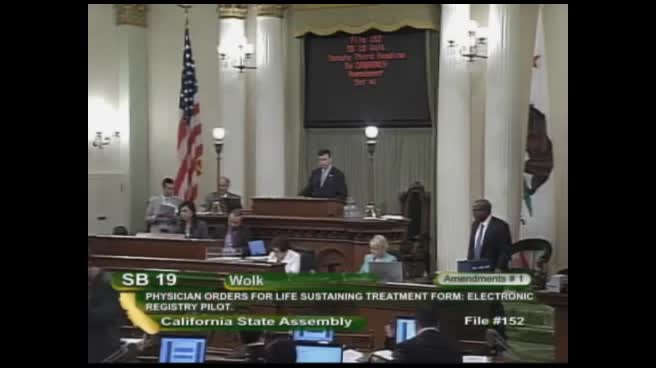
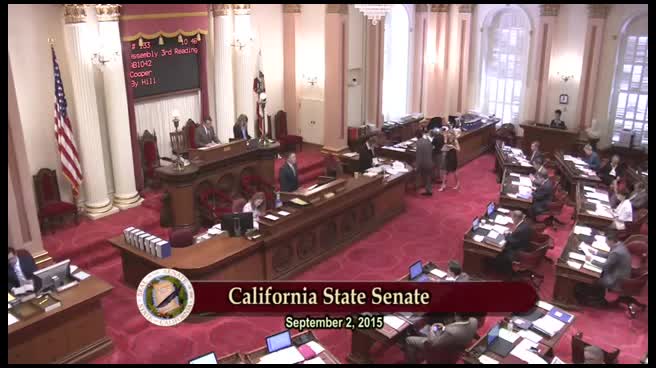
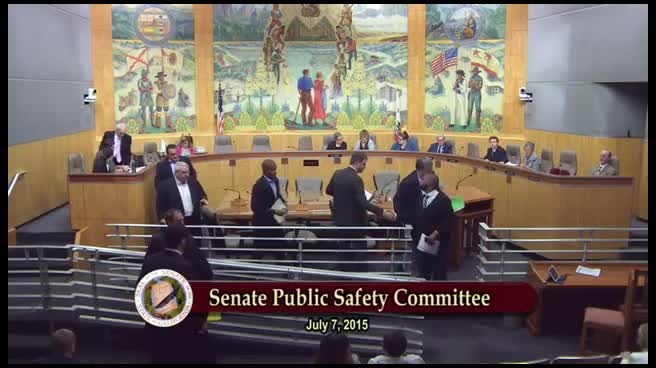

Bill Author

Bill Co-Author(s):