AB 1508: Workforce investment boards: funding.
- Session Year: 2015-2016
- House: Assembly
- Latest Version Date: 2016-08-18
The federal Workforce Innovation and Opportunity Act of 2014 provides for workforce investment activities, including activities in which states may participate. Existing law contains various programs for job training and employment investment, including work incentive programs, as specified, and establishes local workforce investment boards to perform duties related to the implementation and coordination of local workforce investment activities. Existing law requires local workforce investment boards to spend a minimum percentage of specified funds for adults and dislocated workers on federally identified workforce training programs and allows the boards to leverage specified funds to meet the funding requirements, as specified. Existing law authorizes a credit of up to 10% of that funding minimum for leveraged funds, which include Pell Grants and employment training panel grants.
This bill would expand the types of services to which leveraged funds may be applied to include supportive services and would expand the types of leveraged funds that may be applied to the 10% credit, described above, to include specified federal, local, state, and private funds.
This bill would declare that it is to take effect immediately as an urgency statute.
The federal Workforce Innovation and Opportunity Act of 2014 provides for workforce investment activities, including activities in which states may participate. Existing law contains various programs for job training and employment investment, including work incentive programs, as specified, and establishes local workforce investment boards to perform duties related to the implementation and coordination of local workforce investment activities. Existing law requires local workforce investment boards to spend a minimum percentage of specified funds for adults and dislocated workers on federally identified workforce training programs and allows the boards to leverage specified funds to meet the funding requirements, as specified. Existing law authorizes a credit of up to 10% of that funding minimum for leveraged funds, which include Pell Grants and employment training panel grants.
This bill would expand the types of services to which leveraged funds may be applied to include supportive services and would expand the types of leveraged funds that may be applied to the 10% credit, described above, to include specified federal, local, state, and private funds.
The Joint Enforcement Strike Force on the Underground Economy, created pursuant to executive order, includes the Employment Development Department, the Department of Consumer Affairs, the Department of Industrial Relations, the Department of Insurance, and the Office of Criminal Justice Planning. Existing law prescribes the duties of the strike force, which include facilitating and encourage the development and sharing of information by the participating agencies necessary to combat the underground economy.
This bill would require the Governor to designate an independent chief policy adviser for the underground economy. The bill would prescribe the advisers duties, which would include monitoring the states existing underground economy task forces and interagency partnerships to ensure that they are organized efficiently and evaluating whether any task forces and partnerships should be eliminated or restructured to improve effectiveness. The bill would require the adviser, on or before January 1, 2017, to submit a report to the Governor and the Legislature that summarizes the advisers findings and recommendations, with a focus on recommended administrative or legislative changes.
Existing law generally entitles employees to one days rest in 7 and prohibits an employer from causing his or her employees to work more than 6 days in 7. Existing law prescribes exceptions from these restrictions, including in a case of emergency and when work is performed in the protection of life or property from loss or destruction. Existing law also permits an accumulation of days of rest if the employment reasonably requires that the employee work 7 or more consecutive days.
This bill would make nonsubstantive changes to these provisions.
(a)(1)Beginning program year 2012, an amount equal to at least 25 percent of funds available under Title I of the federal Workforce Innovation and Opportunity Act of 2014 (Public Law 113-128) provided to local workforce investment boards for adults and dislocated workers shall be spent on workforce training programs. This minimum may be met either by spending 25 percent of those base formula funds on training or by combining a portion of those base formula funds with leveraged funds as specified in subdivision (b).
(2)Beginning program year 2016, an amount equal to at least 30 percent of funds available under Title I of the federal Workforce Innovation and Opportunity Act of 2014 (Public Law 113-128) provided to local workforce development boards for adults and dislocated workers shall be spent on workforce training programs. This minimum may be met either by spending 30 percent of those base formula funds on training or by combining a portion of those base formula funds with leveraged funds as specified in subdivision (b).
(3)Except as provided in subdivision (b), expenditures that shall count toward the minimum percentage of funds shall include only training services as defined in Section 3174(c)(3)(D) of Title 29 of the United States Code and the corresponding sections of the Code of Federal Regulations, including all of the following:
(A)Occupational skills training, including training for nontraditional employment.
(B)On-the-job training.
(C)Programs that combine workplace training with related instruction, which may include cooperative education programs.
(D)Training programs operated by the private sector.
(E)Skill Skills upgrading and retraining.
(F)Entrepreneurial training.
(G)Incumbent worker training in accordance with Section 3174(d)(4) of Title 29 of the United States Code.
(H)Transitional jobs in accordance with Section 3174(d)(5) of Title 29 of the United States Code.
(I)Job readiness training provided in combination with any of the services described in subparagraphs (A) to (H), inclusive.
(J)Adult education and literacy activities provided in combination with services described in any of subparagraphs (A) to (G), inclusive.
(K)Customized training conducted with a commitment by an employer or group of employers to employ an individual upon successful completion of the training.
(b)(1)Local workforce development boards may receive a credit of up to 10 percent of their adult and dislocated worker formula fund base allocations for public education and training funds and private resources from industry and from joint labor-management trusts that are leveraged by a local workforce development board for training services described in paragraph (3) of subdivision (a). This credit may be applied toward the minimum training requirements in paragraphs (1) and (2) of subdivision (a).
(A)Leveraged funds that may be applied toward the credit allowed by this subdivision shall include the following:
(i)Federal Pell Grants established under Title IV of the federal Higher Education Act of 1965 (20 U.S.C. Sec. 1070 et seq.).
(ii)Programs authorized by the federal Workforce Innovation and Opportunity Act of 2014 (Public Law 113-128).
(iii)Trade adjustment assistance.
(iv)Department of Labor National Emergency Grants.
(v)Match funds from employers, industry, and industry associations.
(vi)Match funds from joint labor-management trusts.
(vii)Employment training panel grants.
(viii)Supportive services as defined by the federal Workforce Innovation and Opportunity Act of 2014 (Public Law 113-128) and the corresponding sections of the Code of Federal Regulations, but only for those individuals enrolled in training services, as defined in Section 3174(c)(3)(D) of Title 29 of the United States Code and the corresponding sections of the Code of Federal Regulations.
(ix)Temporary Assistance for Needy Families (TANF) funds spent on supportive services, as defined by the federal Workforce Innovation and Opportunity Act of 2014 (Public Law 113-128) and the corresponding sections of the Code of Federal Regulations, for TANF enrolled individuals coenrolled in and receiving training services through the federal Workforce Innovation and Opportunity Act of 2014.
(x)Temporary Assistance for Needy Families (TANF) funds spent on transitional and subsidized employment for TANF enrolled individuals coenrolled in and receiving training services through the federal Workforce Innovation and Opportunity Act of 2014.
(xi)Any other local, state, or federal funds spent on training or supportive services for individuals enrolled in training provided the individuals receiving the training are enrolled in the federal Workforce Innovation and Opportunity Act of 2014 for performance reporting and tracking purposes.
(xii)With the approval of the state board, any other public or private funds source not identified in this subparagraph that is used to provide training or supportive services for individuals who are also enrolled in training provided the individuals receiving the relevant services are enrolled in the federal Workforce Innovation and Opportunity Act of 2014 for performance reporting and tracking purposes.
(B)Credit for leveraged funds shall only be given if the local workforce development board keeps records of all training and supportive services expenditures it chooses to apply to the credit. Training and supportive services expenditures may only be applied to the credit if the relevant costs can be independently verified by the Employment Development Department and, without exception, training participants must be coenrolled in the federal Workforce Innovation and Opportunity Act of 2014 performance monitoring system.
(2)The use of leveraged funds to partially meet the training requirements specified in paragraphs (1) and (2) of subdivision (a) is the prerogative of a local workforce development board. Costs arising from the recordkeeping required to demonstrate compliance with the leveraging requirements of this subdivision are the responsibility of the local board.
(c)Beginning program year 2012, the Employment Development Department shall calculate for each local workforce development board, within six months after the end of the second program year of the two-year period of availability for expenditure of federal Workforce Innovation and Opportunity Act of 2014 funds, whether the local workforce development board met the requirements of subdivision (a). The Employment Development Department shall provide to each local workforce development board its individual calculations with respect to the expenditure requirements of subdivision (a).
(d)A local workforce development area that does not meet the requirements of subdivision (a) shall submit a corrective action plan to the Employment Development Department that provides reasons for not meeting the requirements and describes actions taken to address the identified expenditure deficiencies. A local workforce development area shall provide a corrective action plan to the Employment Development Department pursuant to this section within 90 days of receiving the calculations described in subdivision (c).
(e)For the purpose of this section, program year has the same meaning as provided in Section 667.100 of Title 20 of the Code of Federal Regulations.
SEC. 2.This act is an urgency statute necessary for the immediate preservation of the public peace, health, or safety within the meaning of Article IV of the Constitution and shall go into immediate effect. The facts constituting the necessity are:
Making these changes to the training mandate immediately ensures that they are enacted before the local workforce development boards are required to submit their local and regional plans, due March 2017. Timely submission of these plans is critical to the provision of services that provide access to job, skill development, and business services vital to the social and economic well-being of communities in the state.
(a)(1)Beginning program year 2012, an amount equal to at least 25 percent of funds available under Title I of the federal Workforce Innovation and Opportunity Act of 2014 (Public Law 113-128) provided to local workforce investment boards for adults and dislocated workers shall be spent on workforce training programs. This minimum may be met either by spending 25 percent of those base formula funds on training or by combining a portion of those base formula funds with leveraged funds as specified in subdivision (b).
(2)Beginning program year 2016, an amount equal to at least 30 percent of funds available under Title I of the federal Workforce Innovation and Opportunity Act of 2014 (Public Law 113-128) provided to local workforce development boards for adults and dislocated workers shall be spent on workforce training programs. This minimum may be met either by spending 30 percent of those base formula funds on training or by combining a portion of those base formula funds with leveraged funds as specified in subdivision (b).
(3)Expenditures Except as provided in subdivision (b), expenditures that shall count toward the minimum percentage of funds shall include only training services as defined in Section 3174(c)(3)(D) of Title 29 of the United States Code and the corresponding sections of the Code of Federal Regulations, including all of the following:
(A)Occupational skills training, including training for nontraditional employment.
(B)On-the-job training.
(C)Programs that combine workplace training with related instruction, which may include cooperative education programs.
(D)Training programs operated by the private sector.
(E)Skill upgrading and retraining.
(F)Entrepreneurial training.
(G)Incumbent worker training in accordance with Section 3174(d)(4) of Title 29 of the United States Code.
(H)Transitional jobs in accordance with Section 3174(d)(5) of Title 29 of the United States Code.
(I)Job readiness training provided in combination with any of the services described in subparagraphs (A) to (H), inclusive.
(J)Adult education and literacy activities provided in combination with services described in any of subparagraphs (A) to (G), inclusive.
(K)Customized training conducted with a commitment by an employer or group of employers to employ an individual upon successful completion of the training.
(b)(1)Local workforce development boards may receive a credit of up to 10 percent of their adult and dislocated worker formula fund base allocations for public education and training funds and private resources from industry and from joint labor-management trusts that are leveraged by a local workforce development board for training services described in paragraph (3) of subdivision (a). This credit may be applied toward the minimum training requirements in paragraphs (1) and (2) of subdivision (a).
(A)Leveraged funds that may be applied toward the credit allowed by this subdivision shall only include the following:
(i)Federal Pell Grants established under Title IV of the federal Higher Education Act of 1965 (20 U.S.C. Sec. 1070 et seq.).
(ii)Programs authorized by the federal Workforce Innovation and Opportunity Act of 2014 (Public Law 113-128).
(iii)Trade adjustment assistance.
(iv)Department of Labor National Emergency Grants.
(v)Match funds from employers, industry, and industry associations.
(vi)Match funds from joint labor-management trusts.
(vii)Employment training panel grants.
(viii)Supportive services as defined by the federal Workforce Innovation and Opportunity Act of 2014 (Public Law 113-128) and the corresponding sections of the Code of Federal Regulations, but only for those individuals enrolled in training services, as defined in Section 3174(c)(3)(D) of Title 29 of the United States Code and the corresponding sections of the Code of Federal Regulations.
(ix)Temporary Assistance for Needy Families (TANF) funds spent on supportive services, as defined by the federal Workforce Innovation and Opportunity Act of 2014 (Public Law 113-128) and the corresponding sections of the Code of Federal Regulations, for TANF enrolled individuals coenrolled in and receiving training services through the federal Workforce Innovation and Opportunity Act of 2014.
(x)Temporary Assistance for Needy Families (TANF) funds spent on transitional and subsidized employment for TANF enrolled individuals coenrolled in and receiving training services through the federal Workforce Innovation and Opportunity Act of 2014.
(xi)Any other local, state, or federal funds spent on training or supportive services for individuals enrolled in training provided the individuals receiving the training are enrolled in the federal Workforce Innovation and Opportunity Act of 2014 for performance reporting and tracking purposes.
(xii)With the approval of the state board, any other public or private funds source not identified in this subparagraph that is used to provide training or supportive services for individuals who are also enrolled in training provided the individuals receiving the relevant services are enrolled in the federal Workforce Innovation and Opportunity Act of 2014 for performance reporting and tracking purposes.
(B)Credit for leveraged funds shall only be given if the local workforce development board keeps records of all training and supportive services expenditures it chooses to apply to the credit. Training and supportive services expenditures may only be applied to the credit if the relevant training costs can be independently verified by the Employment Development Department and and, without exception, training participants must be coenrolled in the federal Workforce Innovation and Opportunity Act of 2014 performance monitoring system.
(2)The use of leveraged funds to partially meet the training requirements specified in paragraphs (1) and (2) of subdivision (a) is the prerogative of a local workforce development board. Costs arising from the recordkeeping required to demonstrate compliance with the leveraging requirements of this subdivision are the responsibility of the local board.
(c)Beginning program year 2012, the Employment Development Department shall calculate for each local workforce development board, within six months after the end of the second program year of the two-year period of availability for expenditure of federal Workforce Innovation and Opportunity Act of 2014 funds, whether the local workforce development board met the requirements of subdivision (a). The Employment Development Department shall provide to each local workforce development board its individual calculations with respect to the expenditure requirements of subdivision (a).
(d)A local workforce development area that does not meet the requirements of subdivision (a) shall submit a corrective action plan to the Employment Development Department that provides reasons for not meeting the requirements and describes actions taken to address the identified expenditure deficiencies. A local workforce development area shall provide a corrective action plan to the Employment Development Department pursuant to this section within 90 days of receiving the calculations described in subdivision (c).
(e)For the purpose of this section, program year has the same meaning as provided in Section 667.100 of Title 20 of the Code of Federal Regulations.
SECTION 1.The heading of Article 3.5 (commencing with Section 12035) of Chapter 1 of Part 2 of Division 3 of Title 2 of the Government Code is repealed.SEC. 2.Article 3.5 (commencing with Section 12035) is added to Chapter 1 of Part 2 of Division 3 of Title 2 of the Government Code, to read:3.5.The Underground Economy12035.(a)The Governor shall designate an independent chief policy adviser for the underground economy.
(b)The advisers responsibilities shall include, but not be limited to, the following:
(1)Monitoring the states existing underground economy task forces and interagency partnerships to ensure that they are organized efficiently.
(2)Evaluating whether any task forces and partnerships should be eliminated or restructured to improve effectiveness.
(3)Evaluating whether existing task forces and partnerships have sufficient resources and whether gaps or overlaps exist in combating the underground economy.
(4)Reviewing enforcement staffing and funding levels and developing recommendations to adequately fund enforcement.
(5)Developing recommendations to eliminate barriers that prevent task forces and partnerships from being fully effective.
(6)Leading a strategic planning process to develop performance outcomes for combating the underground economy.
(c)(1)On or before than January 1, 2017, the adviser shall submit a report to the Governor and the Legislature that summarizes the advisers findings and recommendations, with a particular emphasis on any recommended administrative or legislative changes.
(2)The report to be submitted pursuant to paragraph (1) shall be submitted in compliance with Section 9795.
(a)The Governor shall designate an independent chief policy adviser for the underground economy.
(b)The advisers responsibilities shall include, but not be limited to, the following:
(1)Monitoring the states existing underground economy task forces and interagency partnerships to ensure that they are organized efficiently.
(2)Evaluating whether any task forces and partnerships should be eliminated or restructured to improve effectiveness.
(3)Evaluating whether existing task forces and partnerships have sufficient resources and whether gaps or overlaps exist in combating the underground economy.
(4)Reviewing enforcement staffing and funding levels and developing recommendations to adequately fund enforcement.
(5)Developing recommendations to eliminate barriers that prevent task forces and partnerships from being fully effective.
(6)Leading a strategic planning process to develop performance outcomes for combating the underground economy.
(c)(1)On or before than January 1, 2017, the adviser shall submit a report to the Governor and the Legislature that summarizes the advisers findings and recommendations, with a particular emphasis on any recommended administrative or legislative changes.
(2)The report to be submitted pursuant to paragraph (1) shall be submitted in compliance with Section 9795.
SECTION 1.Section 554 of the Labor Code is amended to read:554.(a)Sections 551 and 552 do not apply to a case of emergency nor to work performed in the protection of life or property from loss or destruction, nor to a common carrier engaged in, or connected with, the movement of trains. This chapter, with the exception of Section 558, does not apply to a person employed in an agricultural occupation, as defined in Order No. 14-80 (operative January 1, 1998) of the Industrial Welfare Commission. This chapter shall not be construed to prevent an accumulation of days of rest when the nature of the employment reasonably requires that the employee work seven or more consecutive days, if in each calendar month the employee receives days of rest equivalent to one days rest in seven. The requirement respecting the equivalent of one days rest in seven shall apply, notwithstanding the other provisions of this chapter relating to collective bargaining agreements, if the employer and a labor organization representing employees of the employer have entered into a valid collective bargaining agreement respecting the hours of work of the employees, unless the agreement expressly provides otherwise.
(b)In addition to the exceptions specified in subdivision (a), the Chief of the Division of Labor Standards Enforcement may, when in his or her judgment hardship will result, exempt an employer or employee from Sections 551 and 552.
(a)Sections 551 and 552 shall do not apply to any cases a case of emergency nor to work performed in the protection of life or property from loss or destruction, nor to any a common carrier engaged in, or connected with, the movement of trains. This chapter, with the exception of Section 558, shall does not apply to any a person employed in an agricultural occupation, as defined in Order No. 14-80 (operative January 1, 1998) of the Industrial Welfare Commission. Nothing in this This chapter shall not be construed to prevent an accumulation of days of rest when the nature of the employment reasonably requires that the employee work seven or more consecutive days, if in each calendar month the employee receives days of rest equivalent to one days rest in seven. The requirement respecting the equivalent of one days rest in seven shall apply, notwithstanding the other provisions of this chapter relating to collective bargaining agreements, where if the employer and a labor organization representing employees of the employer have entered into a valid collective bargaining agreement respecting the hours of work of the employees, unless the agreement expressly provides otherwise.
(b)In addition to the exceptions specified in subdivision (a), the Chief of the Division of Labor Standards Enforcement may, when in his or her judgment hardship will result, exempt any an employer or employees employee from the provisions of Sections 551 and 552.
|
Date
|
Status
|
|---|---|
| Jun 11, 2015 | Referred to Com. on B., P. & E.D. |
| Aug 18, 2016 | From committee chair, with author's amendments: Amend, and re-refer to committee. Read second time, amended, and re-referred to Com. on RLS. |
| Aug 11, 2016 | Read second time. Ordered to third reading. |
| Aug 11, 2016 | Re-referred to Com. on RLS. pursuant to Senate Rule 29.10(c). |
| Aug 10, 2016 | Read second time and amended. Ordered returned to second reading. |
| Aug 10, 2016 | Ordered to second reading. |
| Aug 10, 2016 | From inactive file. |
| Sep 10, 2015 | Ordered to inactive file pursuant to Senate Rule 29. |
| Aug 31, 2015 | Read second time. Ordered to third reading. |
| Aug 27, 2015 | From committee: Do pass. (Ayes 5. Noes 2.) (August 27). |
| Jul 13, 2015 | In committee: Referred to suspense file. |
| Jul 6, 2015 | In committee: Hearing postponed by committee. |
| Jun 22, 2015 | From committee: Do pass and re-refer to Com. on APPR. (Ayes 9. Noes 0.) (June 22). Re-referred to Com. on APPR. |
| Mar 4, 2015 | Read first time. To print. |
| Jun 1, 2015 | Read third time. Passed. Ordered to the Senate. (Ayes 77. Noes 2. Page 1733.) |
| Jun 1, 2015 | Read third time. Passed. Ordered to the Senate. |
| Jun 1, 2015 | In Senate. Read first time. To Com. on RLS. for assignment. |
| May 28, 2015 | Read second time. Ordered to third reading. |
| May 28, 2015 | From committee: Do pass. (Ayes 17. Noes 0.) (May 28). |
| May 6, 2015 | In committee: Set, first hearing. Referred to APPR. suspense file. |
| Apr 23, 2015 | From committee: Do pass and re-refer to Com. on APPR. with recommendation: To Consent Calendar. (Ayes 7. Noes 0.) (April 22). Re-referred to Com. on APPR. |
| Apr 6, 2015 | Re-referred to Com. on L. & E. |
| Mar 26, 2015 | Referred to Com. on L. & E. |
| Mar 26, 2015 | From committee chair, with author's amendments: Amend, and re-refer to Com. on L. & E. Read second time and amended. |
| Mar 5, 2015 | From printer. May be heard in committee April 4. |
|
Date
|
Description
|
Location
|
Votes
|
|
|---|---|---|---|---|
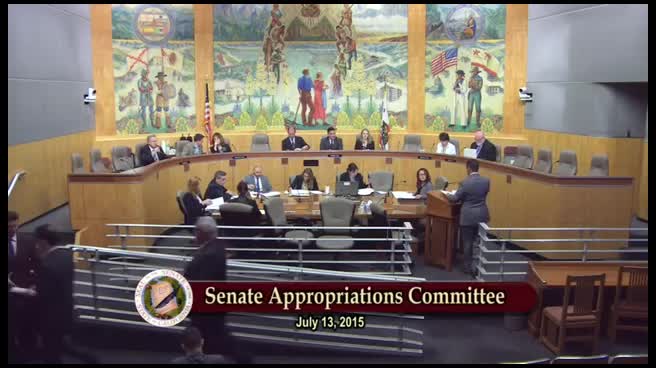
| Aug 27, 2015 | Do pass | Senate Standing Committee on Appropriations |
Passed |
|
| Jul 13, 2015 | Placed on suspense file | Senate Standing Committee on Appropriations |
Passed |
|
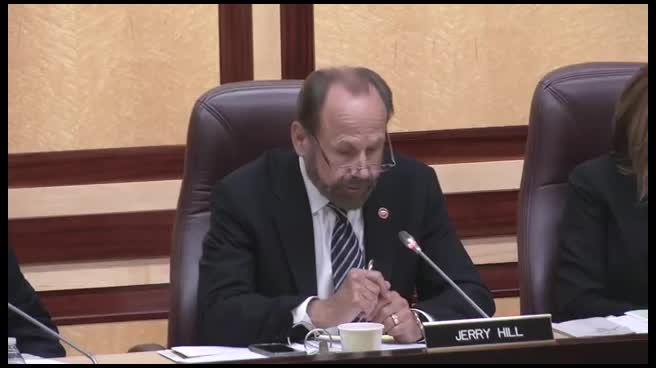
| Jun 22, 2015 | Do pass, but first be re-referred to the Committee on [Appropriations] | Senate Standing Committee on Business, Professions and Economic Development |
Passed |
|
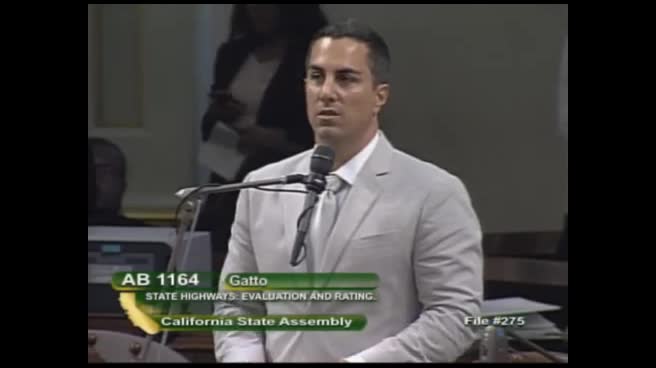
| Jun 1, 2015 | AB 1508 HERNÁNDEZ Assembly Third Reading | Assembly Floor |
Passed |
|
| May 28, 2015 | Do pass. | Assembly Standing Committee on Appropriations |
Passed |
|
| Apr 22, 2015 | Do pass and be re-referred to the Committee on [Appropriations] with recommendation: To Consent Calendar | Assembly Standing Committee on Labor and Employment |
Passed |
This list shows positions taken on this bill by organizations on the date displayed, which is linked to the original source.
Positions by individuals are not included.
|
Organization
|
Position
|
Date
|
|---|---|---|
| California Pool and Spa Association | ** Support | Jun 22, 2015 |
| California Professional Association Of Specialty Contractors | ** Support | Jun 22, 2015 |
| Little Hoover Commission | ** Support | Jun 1, 2015 |
| Pacific Association Of Building Service Contractors | ** Support | Jun 22, 2015 |
| Plumbing-Heating-Cooling Contractors Association of California | ** Support | Jun 22, 2015 |
| State Of California Auto Dismantlers Association | ** Support | Jun 22, 2015 |
AB 1508
Page 4
|
Office of Senate Floor Analyses (916) 651-1520 Fax: (916) 327-4478 |
THIRD READING
Bill No: AB 1508
Amended: 3/26/15 in Assembly
SENATE BUS, PROF. & ECON. DEV. COMMITTEE: 9-0, 6/22/15
AYES: Hill, Bates, Berryhill, Block, Galgiani, Hernandez, Jackson, Mendoza, Wieckowski
SENATE APPROPRIATIONS COMMITTEE: 5-2, 8/27/15
AYES: Lara, Beall, Hill, Leyva, Mendoza
NOES: Bates, Nielsen
ASSEMBLY FLOOR: 77-2, 6/1/15 - See last page for vote
SUBJECT: Underground economy: policy adviser
DIGEST: This bill requires the Governor to designate an independent policy adviser for the underground economy.
Existing law:
Establishes an enforcement division in the Contractors State License Board (CSLB) and requires the unit to rigorously enforce the Contractors Law prohibiting all forms of unlicensed activity. (Business and Professions Code (BPC) § 7011.4 (a))
Authorizes the CSLB enforcement division to have free access to all places of labor when participating in the enforcement activities of the Joint Enforcement Strike Force on the Underground Economy (JESF). (BPC § 7011.4 (c))
Authorizes an unlicensed contractor to advertise for construction work only if the advertisement states that he or she is not licensed. (BPC § 7027.2)
Makes it a misdemeanor for an unlicensed contractor to advertise for construction or work of improvements or act in the capacity of a contractor. Imposes specified civil penalties, including fines and imprisonment against the unlicensed contractor and authorizes CSLB to cite the unlicensed contractor. (BPC § 7028)
Establishes the JESF to coordinate efforts in targeting tax evasion and cash-pay violations, and authorizes the sharing of investigative and enforcement capabilities between JESF participants. (Unemployment Insurance Code § 329)
This
bill:
Requires the Governor to designate an independent chief policy adviser for the underground economy. Specifies that the adviser’s responsibilities shall include, but not be limited to, the following:
Monitoring the state’s existing underground economy task forces and interagency partnerships to ensure that they are organized efficiently.
Evaluating whether any task forces and partnerships should be eliminated or restructured to improve effectiveness.
Evaluating whether existing task forces and partnerships have sufficient resources and whether gaps or overlaps exist in combating the underground economy.
Reviewing enforcement staffing and funding levels and developing recommendations to adequately fund enforcement.
Developing recommendations to eliminate barriers that prevent task forces and partnerships from being fully effective.
Leading a strategic planning process to develop performance outcomes for combating the underground economy.
Requires the adviser, on or before than January 1, 2017, to submit a report to the Governor and the Legislature that summarizes the adviser’s findings and recommendations, with a particular emphasis on any recommended administrative or legislative changes.
Background
In March 2015, the Little Hoover Commission released a report entitled, "Level the Playing Field: Put California's Underground Economy Out of Business." That report made a number of findings and recommendations. Among these, the Commission found that although numerous government organizations focus on tackling the underground economy, no one is directly in charge. Hardworking government employees do their best to combat the problem, but often without adequate resources or the data or equipment to effectively do their jobs.
There are four major state task forces focused on the underground economy, but it is not clear, overall, what the outcomes have been. The Commission recommended the Governor appoint an independent leader, in consultation with state leaders who have jurisdiction over the underground economy, with clear authority to untangle any overlaps in responsibilities, bridge silos and move efficiently toward results. The Commission recommended that this leader should report back on administrative or legislative changes needed to overcome the obstacles.
This bill aims to implement the Commission’s recommendations.
FISCAL EFFECT: Appropriation: No Fiscal Com.: Yes Local: No
According to the Senate Appropriations Committee, this bill will result in General Fund costs, likely in the low hundreds of thousands of dollars annually, to establish a chief policy adviser, evaluate the various task forces and partnerships, and submit a report to the Legislature.
California Pool and Spa Association
California Professional Association of Specialty Contractors
Pacific Association of Building Service Contractors
Plumbing-Heating-Cooling Contractors Association of California
State of California Auto Dismantlers Association
The Little Hoover Commission
OPPOSITION: (Verified 8/29/15)
None received
ARGUMENTS IN SUPPORT: Supporters state that an unfair playing field undermines state laws that protects consumers and workers, harms law-abiding businesses, and defrauds the state of significant tax revenue.
ASSEMBLY FLOOR: 77-2, 6/1/15
AYES: Achadjian, Alejo, Travis Allen, Baker, Bigelow, Bloom, Bonilla, Bonta, Brough, Brown, Burke, Calderon, Campos, Chang, Chau, Chiu, Chu, Cooley, Cooper, Dababneh, Dahle, Daly, Dodd, Eggman, Frazier, Beth Gaines, Gallagher, Cristina Garcia, Eduardo Garcia, Gipson, Gomez, Gonzalez, Gray, Grove, Hadley, Harper, Roger Hernández, Holden, Irwin, Jones, Jones-Sawyer, Kim, Lackey, Levine, Linder, Lopez, Low, Maienschein, Mathis, Mayes, McCarty, Medina, Melendez, Mullin, Nazarian, Obernolte, O'Donnell, Olsen, Patterson, Perea, Quirk, Rendon, Ridley-Thomas, Rodriguez, Salas, Santiago, Steinorth, Mark Stone, Thurmond, Ting, Wagner, Waldron, Weber, Wilk, Williams, Wood, Atkins
NOES: Chávez, Gatto
NO VOTE RECORDED: Gordon
Prepared by: Mark Mendoza / B., P. & E.D. / (916) 651-4104
8/30/15 19:27:53
**** END ****
AB 1508 (Assembly Member Roger Hernández)
SENATE COMMITTEE ON APPROPRIATIONS
Senator Ricardo Lara, Chair
2015 - 2016 Regular Session
AB 1508 (Assembly Member Roger Hernández) - Underground economy: policy adviser
|
|
Version: March 26, 2015 |
Policy Vote: B., P. & E.D. 9 - 0 |
Urgency: No |
Mandate: No |
Hearing Date: July 13, 2015 |
Consultant: Robert Ingenito |
This bill meets the criteria for referral to the Suspense File.
Bill Summary:
AB 1508 would require the establishment of an independent policy advisor for the underground economy, as specified.
Fiscal Impact:
This bill would result in General Fund costs, likely in the low hundreds of thousands of dollars annually, to (1) establish a chief policy advisor, (2) evaluate the various task forces and partnerships, and (3) submit a report to the Legislature, as specified.
Background:
The underground economy encompasses any unlawful or “off the books” activities conducted by businesses or individuals that create an illegal and unfair business environment, put employees at a disadvantage or in harm’s way or reduce revenues relative to what would be owed under current law. Examples (1) include working without required permits or licenses, (2) not complying with regulated mandatory processes, and (3) evading taxes and operating without proper insurance. Others include underpaying employees, underreporting numbers of employees, inaccurately reporting employee hours or wages and allowing unsafe working conditions. The Board of Equalization’s Research and Statistics Section has estimated that state government loses $8.5 billion annually in tax revenue to the underground economy. The Franchise Tax Board estimates the annual revenue loss at approximately $10 billion.
The State currently has four major task forces focused on the underground economy, but their overall progress is unclear. The Labor Enforcement Task Force and the Joint Enforcement Strike Force primarily focus on labor violations. Two more recently established task forces, the Revenue Recovery and Collaborative Enforcement Team and the Tax Recovery and Criminal Enforcement Task Force, focus on identifying and prosecuting criminal tax evasion. In March 2015, the Little Hoover Commission released a report entitled, "Level the Playing Field: Put California's Underground Economy Out of Business," which made a number of findings and recommendations. One of these recommendations was the establishment of a chief policy advisor for the underground economy. Specifically, the Commission recommended the Governor appoint an independent leader, in consultation with state leaders who have jurisdiction over the underground economy, with clear authority to untangle any overlaps in responsibilities, bridge silos and move efficiently toward results. The Commission recommended that this leader should report back on administrative or legislative changes needed to better combat the underground economy.
Proposed Law:
This bill would require the Governor to designate an independent chief policy adviser for the underground economy. Specifically, this bill would do the following:
Specify the adviser’s responsibilities, including monitoring and evaluating the state’s existing underground economy task forces and interagency partnerships to ensure that they are organized efficiently and to determine whether they should be restructured or eliminated to improve effectiveness. Moreover, the bill would require the advisor to assess whether resources are sufficient; including review of enforcement staffing and funding levels.
Require the advisor, on or before than January 1, 2017, to submit a report to the Governor and the Legislature that summarizes the adviser’s findings and recommendations, with a particular emphasis on any recommended administrative or legislative changes.
Staff Comments: The bill as currently drafted does not give guidance concerning whether the policy advisor would be staffed to perform the required workload. Providing staff to the advisor would result in further increased General Fund costs of hundreds of thousands of dollars annually.
Given that (1) the bill would require the newly created position to report to the Legislature on January 1, 2017, but (2) the bill does not contain a sunset, it is unclear whether the intent of the bill is to continue the existence of the advisor past that point in time. Staff notes that, with respect to the evaluative work required of the policy advisor concerning recommended administrative or legislative changes to improve efforts to curtail the underground economy, this workload is likely one-time in nature.
-- END --
AB 1508 (Assembly Member Roger Hernández)
SENATE COMMITTEE ON APPROPRIATIONS
Senator Ricardo Lara, Chair
2015 - 2016 Regular Session
AB 1508 (Assembly Member Roger Hernández) - Underground economy: policy adviser
|
|
Version: March 26, 2015 |
Policy Vote: B., P. & E.D. 9 - 0 |
Urgency: No |
Mandate: No |
Hearing Date: July 6, 2015 |
Consultant: Robert Ingenito |
This bill meets the criteria for referral to the Suspense File.
Bill Summary:
AB 1508 would require the establishment of an independent policy advisor for the underground economy, as specified.
Fiscal Impact:
This bill would result in General Fund costs, likely in the low hundreds of thousands of dollars annually, to (1) establish a chief policy advisor, (2) evaluate the various task forces and partnerships, and (3) submit a report to the Legislature, as specified.
Background:
The underground economy encompasses any unlawful or “off the books” activities conducted by businesses or individuals that create an illegal and unfair business environment, put employees at a disadvantage or in harm’s way or reduce revenues relative to what would be owed under current law. Examples (1) include working without required permits or licenses, (2) not complying with regulated mandatory processes, and (3) evading taxes and operating without proper insurance. Others include underpaying employees, underreporting numbers of employees, inaccurately reporting employee hours or wages and allowing unsafe working conditions. The Board of Equalization’s Research and Statistics Section has estimated that state government loses $8.5 billion annually in tax revenue to the underground economy. The Franchise Tax Board estimates the annual revenue loss at approximately $10 billion.
The State currently has four major task forces focused on the underground economy, but their overall progress is unclear. The Labor Enforcement Task Force and the Joint Enforcement Strike Force primarily focus on labor violations. Two more recently established task forces, the Revenue Recovery and Collaborative Enforcement Team and the Tax Recovery and Criminal Enforcement Task Force, focus on identifying and prosecuting criminal tax evasion. In March 2015, the Little Hoover Commission released a report entitled, "Level the Playing Field: Put California's Underground Economy Out of Business," which made a number of findings and recommendations. One of these recommendations was the establishment of a chief policy advisor for the underground economy. Specifically, the Commission recommended the Governor appoint an independent leader, in consultation with state leaders who have jurisdiction over the underground economy, with clear authority to untangle any overlaps in responsibilities, bridge silos and move efficiently toward results. The Commission recommended that this leader should report back on administrative or legislative changes needed to better combat the underground economy.
Proposed Law:
This bill would require the Governor to designate an independent chief policy adviser for the underground economy. Specifically, this bill would do the following:
Specify the adviser’s responsibilities, including monitoring and evaluating the state’s existing underground economy task forces and interagency partnerships to ensure that they are organized efficiently and to determine whether they should be restructured or eliminated to improve effectiveness. Moreover, the bill would require the advisor to assess whether resources are sufficient; including review of enforcement staffing and funding levels.
Require the advisor, on or before than January 1, 2017, to submit a report to the Governor and the Legislature that summarizes the adviser’s findings and recommendations, with a particular emphasis on any recommended administrative or legislative changes.
Staff Comments: The bill as currently drafted does not give guidance concerning whether the policy advisor would be staffed to perform the required workload. Providing staff to the advisor would result in further increased General Fund costs of hundreds of thousands of dollars annually.
Given that (1) the bill would require the newly created position to report to the Legislature on January 1, 2017, but (2) the bill does not contain a sunset, it is unclear whether the intent of the bill is to continue the existence of the advisor past that point in time. Staff notes that, with respect to the evaluative work required of the policy advisor concerning recommended administrative or legislative changes to improve efforts to curtail the underground economy, this workload is likely one-time in nature.
-- END --
AB 1508 (Roger Hernández) Page 4 of 4
SENATE COMMITTEE ON
BUSINESS, PROFESSIONS AND ECONOMIC DEVELOPMENT
Senator Jerry Hill, Chair
2015 - 2016 Regular
Bill No: AB 1508 Hearing Date: June 22, 2015
Author: |
Assembly Member Roger Hernández |
||
Version: |
March 26, 2015 |
||
Urgency: |
No |
Fiscal: |
Yes |
Consultant: |
Mark Mendoza |
||
Subject: Underground economy: policy adviser.
SUMMARY:
Requires the establishment of an independent policy advisor for the underground economy, as specified.
Existing law:
Establishes an enforcement division in the CSLB and requires the unit to rigorously enforce the Contractors Law prohibiting all forms of unlicensed activity. (Business and Professions Code (BPC) § 7011.4 (a))
Provides that persons employed as enforcement representatives in the enforcement division and designated by the Director of DCA are not peace officers, are not entitled to safety member retirement benefits, and do not have the power of arrest. However, they may issue a written notice to appear in court for misdemeanor violations of the Contractors Law. (BPC § 7011.4 (b))
Authorizes CSLB enforcement division to have free access to all places of labor when participating in the enforcement activities of the Joint Enforcement Strike Force on the Underground Economy (JESF). (BPC § 7011.4 (c))
Authorizes an unlicensed contractor to advertise for construction work only if the advertisement states that he or she is not licensed. (BPC § 7027.2)
Makes it a misdemeanor for an unlicensed contractor to advertise for construction or work of improvements or act in the capacity of a contractor. Imposes specified civil penalties, including fines and imprisonment against the unlicensed contractor and authorizes CSLB to cite the unlicensed contractor. (BPC § 7028)
Provides that it is a misdemeanor for a person to engage in the business or act in the capacity of a contractor if he or she has a suspended license for failure to pay a civil penalty, to comply with an order of correction, or to resolve all outstanding liabilities, as specified. (BPC § 7028).
Exempts from licensure and regulation those who perform work with an aggregate contract price under $500, but does not exempt those who split work into multiple contracts to avoid the $500 limit. (BPC § 7048)
Requires CSLB to initiate a disciplinary action against a licensee within 180 days of receipt of a certified copy of the Labor Commissioner's finding of a willful or deliberate violation of the Labor Code by a licensee. (BPC § 7110.5)
Establishes the JESF to coordinate efforts in targeting tax evasion and cash-pay violations, and authorizes the sharing of investigative and enforcement capabilities between JESF participants. (Unemployment Insurance Code § 329)
This
bill:
Requires the Governor to designate an independent chief policy adviser for the underground economy.
Specifies that the adviser’s responsibilities shall include, but not be limited to, the following:
Monitoring the state’s existing underground economy task forces and interagency partnerships to ensure that they are organized efficiently.
Evaluating whether any task forces and partnerships should be eliminated or restructured to improve effectiveness.
Evaluating whether existing task forces and partnerships have sufficient resources and whether gaps or overlaps exist in combating the underground economy.
Reviewing enforcement staffing and funding levels and developing recommendations to adequately fund enforcement.
Developing recommendations to eliminate barriers that prevent task forces and partnerships from being fully effective.
Leading a strategic planning process to develop performance outcomes for combating the underground economy.
Requires the advisor, on or before than January 1, 2017, to submit a report to the Governor and the Legislature that summarizes the adviser’s findings and recommendations, with a particular emphasis on any recommended administrative or legislative changes.
FISCAL EFFECT:
This bill is keyed “fiscal” by Legislative Counsel. According to the Assembly Appropriations Committee, “General Fund costs in the range of $150,000 to $200,000 for the chief policy advisor to monitor and evaluate the taskforces and interagency partnerships as well as submit a report to the Legislature as specified.”
COMMENTS:
Purpose. The Author is the Sponsor of this bill. According to the Author, “AB 1508 requires the Governor to designate an independent chief policy advisor for the underground economy, consistent with the recommendation from the Little Hoover Commission report.”
The Underground Economy. According to a recent Little Hoover Commission report, the underground economy encompasses any unlawful or “off the books” activities conducted by businesses or individuals that create an illegal and unfair business environment, put employees at a disadvantage or in harm’s way or cheat government agencies out of taxes. Examples of these activities include working without required permits or licenses, not complying with regulated mandatory processes, evading taxes and operating without proper insurance. Others include underpaying employees, underreporting numbers of employees, inaccurately reporting employee hours or wages and allowing unsafe working conditions.
Underground economy operators, in short, gain a competitive advantage with a business model of cheating and cutting corners. With this advantage, they undercut prices of law-abiding business operators, gradually undermining them. Allowed to run unchecked, they feed a downward economic spiral in which licensed, legitimate businesses lose bids and customers, then downsize and lay off employees.
The University of California, Los Angeles, Labor Center estimates that state government loses $8.5 billion annually in tax revenue to the underground economy. The Franchise Tax Board estimates the annual revenue loss at approximately $10 billion. These billions of dollars represent revenue uncollected for law enforcement, higher education, freeway maintenance or lower tax rates for people and businesses.
California state government agencies have attempted for decades to limit the many dimensions of the underground economy. The state’s taxing and labor agencies occupy the front lines of this fight. But a wide range of other agencies also play key or supporting roles and often work collectively within underground economy enforcement task forces.
Because the underground economy is multifaceted, enforcement actions conducted through multi-agency partnerships are natural and effective.
Four major state-level task forces focus on the underground economy. The Labor Enforcement Task Force and the Joint Enforcement Strike Force primarily focus on labor violations. Two more recently established task forces, the Revenue Recovery and Collaborative Enforcement Team and the Tax Recovery and Criminal Enforcement Task Force focus on identifying and prosecuting criminal tax evasion.
Recent Little Hoover Commission Report. In March 2015, the Little Hoover Commission released a report entitled, "Level the Playing Field: Put California's Underground Economy Out of Business." That report made a number of findings and recommendations.
Among these, the Commission found that although numerous government organizations focus on tackling the underground economy, no one is directly in charge. Hardworking government employees do their best to combat the problem, but often without adequate resources or the data or equipment to effectively do their jobs.
There are four major state task forces focused on the underground economy, but it is not clear, overall, what the outcomes have been. The Commission recommended the Governor appoint an independent leader, in consultation with state leaders who have jurisdiction over the underground economy, with clear authority to untangle any overlaps in responsibilities, bridge silos and move efficiently toward results. The Commission recommended that this leader should report back on administrative or legislative changes needed to overcome the obstacles.
Arguments in Support. According to the California Pool and Spa Association, “the California Pool & Spa Association represents the thousands of employees from all segments of the industry that are required to sign and abide by a code of ethics before becoming members. An unfair playing field undermines state laws that protects consumers and workers, harms law-abiding businesses, and defrauds the state of significant tax revenue.”
SUPPORT AND OPPOSITION:
Support:
California Pool and Spa Association
California Professional Association of Specialty Contractors
Pacific Association of Building Service Contractors (PABSCO)
Plumbing-Heating-Cooling Contractors Association of California (CAPHCC)
State of California Auto Dismantlers Association (SCADA)
The Little Hoover Commission
Opposition:
None on file as of June 16, 2015.
-- END --
AB 1508
Page 2
ASSEMBLY THIRD READING
AB 1508
(Roger Hernández)
As Amended March 26, 2015
Majority vote
Committee |
Votes |
Ayes |
Noes |
Labor |
7-0 |
Roger Hernández, Harper, Chu, Low, McCarty, Patterson, Thurmond |
|
Appropriations |
17-0 |
Gomez, Bigelow, Bonta, Calderon, Chang, Daly, Eggman, Gallagher, Eduardo Garcia, Gordon, Holden, Jones, Quirk, Rendon, Wagner, Weber, Wood |
|
SUMMARY: Requires the establishment of an independent policy advisor for the underground economy, as specified. Specifically, this bill:
Requires the Governor to designate an independent chief policy adviser for the underground economy.
Specifies that the adviser’s responsibilities shall include, but not be limited to, the following:
Monitoring the state’s existing underground economy task forces and interagency partnerships to ensure that they are organized efficiently.
Evaluating whether any task forces and partnerships should be eliminated or restructured to improve effectiveness.
Evaluating whether existing task forces and partnerships have sufficient resources and whether gaps or overlaps exist in combating the underground economy.
Reviewing enforcement staffing and funding levels and developing recommendations to adequately fund enforcement.
Developing recommendations to eliminate barriers that prevent task forces and partnerships from being fully effective.
Leading a strategic planning process to develop performance outcomes for combating the underground economy.
Requires the advisor, on or before than January 1, 2017, to submit a report to the Governor and the Legislature that summarizes the adviser’s findings and recommendations, with a particular emphasis on any recommended administrative or legislative changes.
FISCAL EFFECT: According to the Assembly Appropriations Committee, General Fund costs in the range of $150,000 to $200,000 for the chief policy advisor to monitor and evaluate the taskforces and interagency partnerships as well as submit a report to the Legislature as specified.
COMMENTS: In March 2015, the Little Hoover Commission (Commission) released a report entitled, "Level the Playing Field: Put California's Underground Economy Out of Business." That report made a number of findings and recommendations. Among these, the Commission found that although numerous government organizations focus on tackling the underground economy, no one is directly in charge. Hardworking government employees do their best to combat the problem, but often without adequate resources or the data or equipment to effectively do their jobs.
There are four major state task forces focused on the underground economy, but it is not clear, overall, what the outcomes have been. The Commission recommended the Governor appoint an independent leader, in consultation with state leaders who have jurisdiction over the underground economy, with clear authority to untangle any overlaps in responsibilities, bridge silos and move efficiently toward results. The Commission recommended that this leader should report back on administrative or legislative changes needed to overcome the obstacles.
The California Pool & Spa Association supports this bill, stating that their members face a competitive disadvantage to the unlicensed or non-compliant contractors who perform work for a much cheaper cost as a result of skirting labor, insurance, and tax requirements. An unfair playing field undermines state laws that protect consumers and workers, harms tax-abiding businesses, and defrauds the state of significant tax revenue.
There is no opposition on file to this bill.
Analysis Prepared by: Ben Ebbink / L. & E. / (916) 319-2091 FN: 0000571
AB 1508
Page 2
Date of Hearing: May 6, 2015
ASSEMBLY COMMITTEE ON APPROPRIATIONS
Jimmy Gomez, Chair
AB 1508
(Roger Hernandez) – As Amended March 26, 2015
Policy Committee: |
Labor and Employment |
Vote: |
7 - 0 |
|
|
|
|
|
|
|
|
Urgency: No State Mandated Local Program: No Reimbursable: No
SUMMARY:
This bill requires the Governor to designate an independent chief policy adviser for the underground economy. Specifically, this bill:
Specifies the adviser’s responsibilities, including monitoring and evaluating the state’s existing underground economy task forces and interagency partnerships to ensure that they are organized efficiently and to determine whether they should be restructured or eliminated to improve effectiveness. Further, requires the advisor to assess whether resources are sufficient; including review of enforcement staffing and funding levels.
Requires the advisor, on or before than January 1, 2017, to submit a report to the Governor and the Legislature that summarizes the adviser’s findings and recommendations, with a particular emphasis on any recommended administrative or legislative changes.
FISCAL EFFECT:
General Fund costs in the range of $150,000 to $200,000 for the chief policy advisor to monitor and evaluate the taskforces and interagency partnerships as well as submit a report to the Legislature as specified.
COMMENTS:
Purpose. There are currently four major state-level task forces that focus on the underground economy. The Labor Enforcement Task Force and the Joint Enforcement Strike Force primarily focus on labor violations. Two more recently established task forces, the Revenue Recovery and Collaborative Enforcement Team and the Tax Recovery and Criminal Enforcement Task Force focus on identifying and prosecuting criminal tax evasion.
In March 2015, the Little Hoover Commission released a report entitled, "Level the Playing Field: Put California's Underground Economy Out of Business." That report made a number of findings and recommendations. Among these, the Commission found that although numerous government organizations focus on tackling the underground economy, no one is directly in charge.
According to the author, consistent with the Commission's recommendations, this bill requires the Governor to appoint an independent chief policy advisor for the underground economy. Further, the bill requires the advisor to submit a report to the Governor and the Legislature that summarizes findings and recommendations, with a particular emphasis on any recommended administrative or legislative changes.
Analysis Prepared by: Misty Feusahrens / APPR. / (916) 319-2081
AB 1508
Page 3
Date of Hearing: April 22, 2015
ASSEMBLY COMMITTEE ON LABOR AND EMPLOYMENT
Roger Hernández, Chair
AB 1508
(Assembly Member Roger Hernández) – As Amended March 26, 2015
SUBJECT: Underground economy: policy adviser
SUMMARY: Requires the establishment of an independent policy advisor for the underground economy, as specified. Specifically, this bill:
Requires the Governor to designate an independent chief policy adviser for the underground economy.
Specifies that the adviser’s responsibilities shall include, but not be limited to, the following:
Monitoring the state’s existing underground economy task forces and interagency partnerships to ensure that they are organized efficiently.
Evaluating whether any task forces and partnerships should be eliminated or restructured to improve effectiveness.
Evaluating whether existing task forces and partnerships have sufficient resources and whether gaps or overlaps exist in combating the underground economy.
Reviewing enforcement staffing and funding levels and developing recommendations to adequately fund enforcement.
Developing recommendations to eliminate barriers that prevent task forces and partnerships from being fully effective.
Leading a strategic planning process to develop performance outcomes for combating the underground economy.
Requires the advisor, on or before than January 1, 2017, to submit a report to the Governor and the Legislature that summarizes the adviser’s findings and recommendations, with a particular emphasis on any recommended administrative or legislative changes.
FISCAL EFFECT: Unknown
COMMENTS: According to a recent Little Hoover Commission report, the underground economy encompasses any unlawful or “off the books” activities conducted by businesses or individuals that create an illegal and unfair business environment, put employees at a disadvantage or in harm’s way or cheat government agencies out of taxes. Examples of these activities include working without required permits or licenses, not complying with regulated mandatory processes, evading taxes and operating without proper insurance. Others include underpaying employees, underreporting numbers of employees, inaccurately reporting employee hours or wages and allowing unsafe working conditions.
Underground economy operators, in short, gain a competitive advantage with a business model of cheating and cutting corners. With this advantage, they undercut prices of law-abiding business operators, gradually undermining them. Allowed to run unchecked, they feed a downward economic spiral in which licensed, legitimate businesses lose bids and customers, then downsize and lay off employees.
The University of California, Los Angeles, Labor Center estimates that state government loses $8.5 billion annually in tax revenue to the underground economy. The Franchise Tax Board estimates the annual revenue loss at approximately $10 billion. These billions of dollars represent revenue uncollected for law enforcement, higher education, freeway maintenance or lower tax rates for people and businesses.
California state government agencies have attempted for decades to limit the many dimensions of the underground economy. The state’s taxing and labor agencies occupy the front lines of this fight. But a wide range of other agencies also play key or supporting roles and often work collectively within underground economy enforcement task forces.
Because the underground economy is multifaceted, enforcement actions conducted through multi-agency partnerships are natural and effective.
Four major state-level task forces focus on the underground economy. The Labor Enforcement Task Force and the Joint Enforcement Strike Force primarily focus on labor violations. Two more recently established task forces, the Revenue Recovery and Collaborative Enforcement Team and the Tax Recovery and Criminal Enforcement Task Force focus on identifying and prosecuting criminal tax evasion.
Recent Little Hoover Commission Report
In March 2015, the Little Hoover Commission released a report entitled, "Level the Playing Field: Put California's Underground Economy Out of Business."
That report made a number of findings and recommendations.
Among these, the Commission found that although numerous government organizations focus on tackling the underground economy, no one is directly in charge. Hardworking government employees do their best to combat the problem, but often without adequate resources or the data or equipment to effectively do their jobs.
There are four major state task forces focused on the underground economy, but it is not clear, overall, what the outcomes have been. The Commission recommended the Governor appoint an independent leader, in consultation with state leaders who have jurisdiction over the underground economy, with clear authority to untangle any overlaps in responsibilities, bridge silos and move efficiently toward results. The Commission recommended that this leader should report back on administrative or legislative changes needed to overcome the obstacles.
Changes Proposed by this Bill
Consistent with the recommendation from the Little Hoover Commission report, this bill requires the Governor to designate an independent chief policy advisor for the underground economy.
The advisor's responsibilities shall include, but not be limited to, the following:
Monitoring the state's existing underground economy task forces and interagency partnerships to ensure that they are organized efficiently.
Evaluating whether any task forces and partnerships should be eliminated or restructured to improve effectiveness.
Evaluating whether existing task forces and partnerships have sufficient resources and whether there are no gaps or overlaps in enforcement of the underground economy.
Reviewing enforcement staffing and funding levels and developing recommendations to adequately fund enforcement.
Developing recommendations to eliminate barriers that prevent task forces and partnerships from being fully effective.
Leading a strategic planning process to develop performance outcomes for combating the underground economy.
This bill also requires the advisor, no later than January 1, 2017, to submit a report to the Governor and the Legislature that summarizes the advisor's findings and recommendations, with a particular emphasis on any recommended administrative or legislative changes.
ARGUMENTS IN SUPPORT
The Little Hoover Commission supports this bill, as it implements one of the Commission's key recommendations from the March 2015 report.
The California Pool & Spa Association supports this bill, stating that their members face a competitive disadvantage to the unlicensed or non-compliant contractors who perform work for a much cheaper cost as a result of skirting labor, insurance, and tax requirements. An unfair playing field undermines state laws that protect consumers and workers, harms tax-abiding businesses, and defrauds the state of significant tax revenue.
REGISTERED SUPPORT / OPPOSITION:
Support
California Professional Association of Specialty Contractors
Plumbing-Heating-Cooling Contractors Association of CA
Little Hoover Commission
California Pool & Spa Association
Opposition
None on file.
Analysis Prepared by: Benjamin Ebbink / L. & E. / (916) 319-2091
Discussed in Hearing
 36SEC
Senate Standing Committee on Appropriations
 3MIN
Senate Standing Committee on Business, Professions and Economic Development
 1MIN
Assembly Floor

Bill Co-Author(s):