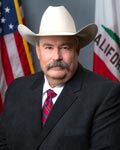
AB 1562: Sales and use taxes: exemptions: disaster preparedness products.
- Session Year: 2015-2016
- House: Assembly
- Latest Version Date: 2016-05-16
Existing sales and use tax laws impose taxes on retailers measured by the gross receipts from the sale of tangible personal property sold at retail in this state, or on the storage, use, or other consumption in this state of tangible personal property purchased from a retailer for storage, use, or other consumption in this state, and provides various exemptions from the taxes imposed by those laws. Under existing law, a sale or purchase of tangible personal property pursuant to a layaway agreement or raincheck, or under certain conditions, is considered a sale or purchase only when both payment and delivery are complete.
This bill would exempt from those taxes the gross receipts from the sale of, and the storage, use, or other consumption of, qualified disaster preparedness products sold or purchased during the 2-day 1-day period beginning at 12:01 a.m. on the 2nd Saturday in October 2017, and ending at 12:00 midnight the following Sunday, of that day, or for which a layaway agreement is entered into, a raincheck is issued, or other specified orders are placed, during this period, as specified. This bill would repeal these provisions as of January 1, 2018.
The Bradley-Burns Uniform Local Sales and Use Tax Law authorizes cities and counties to impose local sales and use taxes in conformity with the Sales and Use Tax Law, and existing laws authorize districts, as specified, to impose transactions and use taxes in accordance with the Transactions and Use Tax Law, which generally conforms to the Sales and Use Tax Law. Amendments to the Sales and Use Tax Law are automatically incorporated into the local tax laws.
Existing law requires the state to reimburse cities and counties for revenue losses caused by the enactment of sales and use tax exemptions.
This bill would provide that no appropriation is made and the state shall not reimburse cities and counties for sales and use tax revenues lost by them pursuant to this bill.
This bill would specify that this exemption does not apply to local sales and use taxes or transactions and use taxes.
This bill would take effect immediately as a tax levy.
Existing sales and use tax laws impose taxes on retailers measured by the gross receipts from the sale of tangible personal property sold at retail in this state, or on the storage, use, or other consumption in this state of tangible personal property purchased from a retailer for storage, use, or other consumption in this state, and provides various exemptions from the taxes imposed by those laws. Under existing law, a sale or purchase of tangible personal property pursuant to a layaway agreement or raincheck, or under certain conditions, is considered a sale or purchase only when both payment and delivery are complete.
This bill would exempt from those taxes the gross receipts from the sale of, and the storage, use, or other consumption of, qualified disaster preparedness products sold or purchased during the 2-day period beginning at 12:01 a.m. on the 2nd Saturday in October, October 2017, and ending at 12:00 midnight the following Sunday, or for which an order is placed, a layaway agreement is entered into, a rain check raincheck is issued issued, or other specified orders are placed, during this period, as specified. The bill would provide that this exemption does not apply to a specified state sales and use tax from which revenues are deposited into the Local Public Safety Fund. The bill would repeal these provisions on January 1, 2018.
The Bradley-Burns Uniform Local Sales and Use Tax Law authorizes counties and cities cities and counties to impose local sales and use taxes in conformity with the Sales and Use Tax Law, and existing laws authorize districts, as specified, to impose transactions and use taxes in accordance with the Transactions and Use Tax Law, which generally conforms to the Sales and Use Tax Law. Amendments to the Sales and Use Tax Law are automatically incorporated into the local tax laws.
Existing law requires the state to reimburse counties and cities cities and counties for revenue losses caused by the enactment of sales and use tax exemptions.
This bill would provide that no appropriation is made and the state shall not reimburse local agencies cities and counties for sales and use tax revenues lost by them pursuant to this bill.
This bill would take effect immediately as a tax levy.
Existing sales and use tax laws impose taxes on retailers measured by the gross receipts from the sale of tangible personal property sold at retail in this state, or on the storage, use, or other consumption in this state of tangible personal property purchased from a retailer for storage, use, or other consumption in this state, and provides various exemptions from the taxes imposed by those laws. Under existing law, a sale or purchase of tangible personal property pursuant to a layaway agreement or raincheck, or under certain conditions, is considered a sale or purchase only when both payment and delivery are complete.
This bill would exempt from those taxes the gross receipts from the sale of, and the storage, use, or other consumption of, qualified disaster preparedness products sold or purchased during 2-day period beginning at 12:01 a.m. on the 2nd Saturday in October, 2017, and ending at 12:00 midnight the following Sunday, or for which an order is placed, a layaway agreement is entered into, a rain check is issued or other specified orders are placed, during this period, as specified. The bill would provide that this exemption does not apply to a specified state sales and use tax from which revenues are deposited into the Local Public Safety Fund. The bill would repeal these provisions on January 1, 2018.
The Bradley-Burns Uniform Local Sales and Use Tax Law authorizes counties and cities to impose local sales and use taxes in conformity with the Sales and Use Tax Law, and existing laws authorize districts, as specified, to impose transactions and use taxes in accordance with the Transactions and Use Tax Law, which generally conforms to the Sales and Use Tax Law. Amendments to the Sales and Use Tax Law are automatically incorporated into the local tax laws.
Existing law requires the state to reimburse counties and cities for revenue losses caused by the enactment of sales and use tax exemptions.
This bill would provide that no appropriation is made and the state shall not reimburse local agencies for sales and use tax revenues lost by them pursuant to this bill.
This bill would take effect immediately as a tax levy.
The Legislature finds and declares all of the following:
(a)A tax break is a great way to make readiness supplies more affordable for families.
(b)A sales tax holiday is a good opportunity for retailers to help raise awareness of the need for California residents to be ready for emergencies and natural disasters such as storms or earthquakes.
(c)Californians should take the opportunity to create or restock disaster supply kits and develop emergency plans for their families and businesses.
(d)Preparing for emergencies and storms today can save lives and property in the event of a disaster.
SEC. 2.Section 6380.2 is added to the Revenue and Taxation Code, to read:6380.2.(a)There are exempted from the taxes imposed by this part, the gross receipts from the sale of, and the storage, use, or other consumption in this state of, a qualified disaster preparedness product that is any of the following:
(1)Sold or purchased during the qualified exemption period.
(2)Sold or purchased pursuant to a layaway agreement that is entered into, and for which the purchaser has made a deposit of at least 10 percent of the gross receipts from the sale or purchase, during the qualified exemption period.
(3)Sold or purchased pursuant to a raincheck issued for the product during the qualified exemption period. This paragraph does not require any retailer to issue rainchecks.
(4)Sold or purchased pursuant to an order placed by the purchaser, and paid for in full, during the qualified exemption period, for a product not already existing or identified, regardless of the time of identification or delivery of the product.
(b)For purposes of this section, the following terms have the following meanings:
(1)Layaway has the same meaning as defined in Section 1749.1 of the Civil Code.
(2)Qualified disaster preparedness product means any of the following tangible personal property:
(A)A portable self-powered light source, if the gross receipts or sales price from the sale or purchase of the product is thirty dollars ($30) or less.
(B)A portable self-powered radio, two-way radio, or weather-band radio, if the gross receipts or sales price from the sale or purchase of the product is sixty dollars ($60) or less.
(C)A preassembled first-aid kit, if the gross receipts or sales price from the sale or purchase of the product is thirty dollars ($30) or less.
(D)A gas or diesel fuel tank, if the gross receipts or sales price from the sale or purchase of the product is twenty-five dollars ($25) or less.
(E)A package of AA cell, C cell, D cell, 6 volt, or 9 volt batteries, but not automobile or boat batteries, if the gross receipts or sales price from the sale or purchase of the product is thirty dollars ($30) or less.
(F)A nonelectric food storage cooler, if the gross receipts or sales price from the sale or purchase of the product is thirty dollars ($30) or less.
(G)A portable generator that is used to provide light or communications or preserve food in the event of a power outage, if the gross receipts or sales price from the sale or purchase of the product is seven hundred fifty dollars ($750) or less.
(H)A water purification system, if the gross receipts or sales price from the sale or purchase of the product is forty dollars ($40) or less.
(I)A battery-operated emergency beacon, if the gross receipts or sales price from the sale or purchase of the product is fifty dollars ($50) or less.
(J)Emergency flares, if the gross receipts or sales price from the sale or purchase of the product is twenty dollars ($20) or less.
(3)Qualified exemption period means the two-day one-day period beginning at 12:01 a.m. on the second Saturday in October 2017, and ending at 12:00 midnight the following Sunday. of that day.
(4)Raincheck means a document issued to a customer when a product is out of stock that allows the customer to purchase the product at a later time at the products price at the time the document is issued.
(c)Notwithstanding any provision of the Bradley-Burns Uniform Local Sales and Use Tax Law (Part 1.5 (commencing with Section 7200)) or the Transactions and Use Tax Law (Part 1.6 (commencing with Section 7251)), the exemption established by this section shall not apply with respect to any tax levied by a county, city, or district pursuant to, or in accordance with, either of those laws.
(d)This section shall remain in effect only until January 1, 2018, and as of that date is repealed.
SEC. 3.Notwithstanding Section 2230 of the Revenue and Taxation Code, no appropriation is made by this act and the state shall not reimburse any local agency for any sales and use tax revenues lost by it under this act.
SEC. 4.SEC. 3.This act provides for a tax levy within the meaning of Article IV of the Constitution and shall go into immediate effect.
The Legislature finds and declares all of the following:
(a)A tax break is a great way to make readiness supplies more affordable for families.
(b)A sales tax holiday is a good opportunity for retailers to help raise awareness of the need for California residents to be ready for emergencies and natural disasters such as storms or earthquakes.
(c)Californians should take the opportunity to create or restock disaster supply kits and develop emergency plans for their families and businesses.
(d)Preparing for emergencies and storms today can save lives and property in the event of a disaster.
SEC. 2.Section 6380.2 is added to the Revenue and Taxation Code, to read:6380.2.(a)There are exempted from the taxes imposed by this part, the gross receipts from the sale of, and the storage, use, or other consumption in this state of, a qualified disaster preparedness product that is any of the following:
(1)Sold or purchased during the qualified exemption period.
(2)Sold or purchased pursuant to a layaway agreement that is entered into, and for which the purchaser has made a deposit of at least 10 percent of the gross receipts from the sale or purchase, during the qualified exemption period.
(3)Sold or purchased pursuant to a rain check raincheck issued for the product during the qualified exemption period. This paragraph does not require any retailer to issue rain checks. rainchecks.
(4)Sold or purchased pursuant to an order placed by the purchaser, and paid for in full, during the qualified exemption period, for a product not already existing or identified, regardless of the time of identification or delivery of the product.
(b)For purposes of this section, the following terms have the following meanings:
(1)Layaway has the same meaning as defined in Section 1749.1 of the Civil Code.
(2)Qualified disaster preparedness product means any of the following tangible personal property:
(A)A portable self-powered light source, if the gross receipts or sales price from the sale or purchase of the product is thirty dollars ($30) or less.
(B)A portable self-powered radio, two-way radio, or weather-band radio, if the gross receipts or sales price from the sale or purchase of the product is sixty dollars ($60) or less.
(C)A preassembled first-aid kit, if the gross receipts or sales price from the sale or purchase of the product is thirty dollars ($30) or less.
(D)A gas or diesel fuel tank, if the gross receipts or sales price from the sale or purchase of the product is twenty-five dollars ($25) or less.
(E)A package of AA cell, C cell, D cell, 6 volt, or 9 volt batteries, but not automobile or boat batteries, if the gross receipts or sales price from the sale or purchase of the product is thirty dollars ($30) or less.
(F)A nonelectric food storage cooler, if the gross receipts or sales price from the sale or purchase of the product is thirty dollars ($30) or less.
(G)A portable generator that is used to provide light or communications or preserve food in the event of a power outage, if the gross receipts or sales price from the sale or purchase of the product is seven hundred fifty dollars ($750) or less.
(H)A water purification system, if the gross receipts or sales price from the sale or purchase of the product is forty dollars ($40) or less.
(I)A battery-operated emergency beacon, if the gross receipts or sales price from the sale or purchase of the product is fifty dollars ($50) or less.
(J)Emergency flares, if the gross receipts or sales price from the sale or purchase of the product is twenty dollars ($20) or less.
(3)Qualified exemption period means the two-day period beginning at 12:01 a.m. on the second Saturday in October, October 2017, and ending at 12:00 midnight the following Sunday.
(4)Rain check Raincheck means a document issued to a customer when a product is out of stock that allows the customer to purchase the product at a later time at the products price at the time the document is issued.
(c)The exemption provided by this section does not apply with respect to any tax levied pursuant to Section 35 of Article XIII of the California Constitution.
(d)This section shall remain in effect only until January 1, 2018, and as of that date is repealed.
SEC. 3.Notwithstanding Section 2230 of the Revenue and Taxation Code, no appropriation is made by this act and the state shall not reimburse any local agency for any sales and use tax revenues lost by it under this act.
SEC. 4.This act provides for a tax levy within the meaning of Article IV of the Constitution and shall go into immediate effect.
The Legislature finds and declares all of the following:
(a)A tax break is a great way to make readiness supplies more affordable for families.
(b)A sales tax holiday is a good opportunity for retailers to help raise awareness of the need for California residents to be ready for emergencies and natural disasters such as storms or earthquakes.
(c)Californians should take the opportunity to create or restock disaster supply kits and develop emergency plans for their families and businesses.
(d)Preparing for emergencies and storms today can save lives and property in the event of a disaster.
SEC. 2.Section 6380.2 is added to the Revenue and Taxation Code, to read:6380.2.(a)There are exempted from the taxes imposed by this part, the gross receipts from the sale of, and the storage, use, or other consumption in this state of, a qualified disaster preparedness product that is any of the following:
(1)Sold or purchased during the qualified exemption period.
(2)Sold or purchased pursuant to a layaway agreement that is entered into, and for which the purchaser has made a deposit of at least 10 percent of the gross receipts from the sale or purchase, during the qualified exemption period.
(3)Sold or purchased pursuant to a rain check issued for the product during the qualified exemption period. This paragraph does not require any retailer to issue rain checks.
(4)Sold or purchased pursuant to an order placed by the purchaser, and paid for in full, during the qualified exemption period, for a product not already existing or identified, regardless of the time of identification or delivery of the product.
(b)For purposes of this section, the following terms have the following meanings:
(1)Layaway has the same meaning as defined in Section 1749.1 of the Civil Code.
(2)Qualified disaster preparedness product means any of the following tangible personal property:
(A)A portable self-powered light source, if the gross receipts or sales price from the sale or purchase of the product is thirty dollars ($30) or less.
(B)A portable self-powered radio, two-way radio, or weather-band radio, if the gross receipts or sales price from the sale or purchase of the product is sixty dollars ($60) or less.
(C)A preassembled first-aid kit, if the gross receipts or sales price from the sale or purchase of the product is thirty dollars ($30) or less.
(D)A gas or diesel fuel tank, if the gross receipts or sales price from the sale or purchase of the product is twenty-five dollars ($25) or less.
(E)A package of AA cell, C cell, D cell, 6 volt, or 9 volt batteries, but not automobile or boat batteries, if the gross receipts or sales price from the sale or purchase of the product is thirty dollars ($30) or less.
(F)A nonelectric food storage cooler, if the gross receipts or sales price from the sale or purchase of the product is thirty dollars ($30) or less.
(G)A portable generator that is used to provide light or communications or preserve food in the event of a power outage, if the gross receipts or sales price from the sale or purchase of the product is seven hundred fifty dollars ($750) or less.
(H)A water purification system, if the gross receipts or sales price from the sale or purchase of the product is forty dollars ($40) or less.
(I)A battery-operated emergency beacon, if the gross receipts or sales price from the sale or purchase of the product is fifty dollars ($50) or less.
(J)Emergency flares, if the gross receipts or sales price from the sale or purchase of the product is twenty dollars ($20) or less.
(3)Qualified exemption period means the two-day period beginning at 12:01 a.m. on the second Saturday in October, 2017, and ending at 12:00 midnight the following Sunday.
(4)Rain check means a document issued to a customer when a product is out of stock that allows the customer to purchase the product at a later time at the products price at the time the document is issued.
(c)The exemption provided by this section does not apply with respect to any tax levied pursuant to Section 35 of Article XIII of the California Constitution.
(d)This section shall remain in effect only until January 1, 2018, and as of that date is repealed.
SEC. 3.Notwithstanding Section 2230 of the Revenue and Taxation Code, no appropriation is made by this act and the state shall not reimburse any local agency for any sales and use tax revenues lost by it under this act.
SEC. 4.This act provides for a tax levy within the meaning of Article IV of the Constitution and shall go into immediate effect.
|
Date
|
Status
|
|---|---|
| Jan 4, 2016 | Read first time. To print. |
| Jan 5, 2016 | From printer. May be heard in committee February 4. |
| Feb 1, 2016 | Referred to Com. on REV. & TAX. |
| Mar 3, 2016 | From committee chair, with author's amendments: Amend, and re-refer to Com. on REV. & TAX. Read second time and amended. |
| Mar 7, 2016 | Re-referred to Com. on REV. & TAX. |
| Mar 10, 2016 | In committee: Hearing postponed by committee. |
| Apr 4, 2016 | In committee: Set, first hearing. Hearing canceled at the request of author. |
| Apr 11, 2016 | In committee: Set, second hearing. Referred to REV. & TAX. suspense file. |
| May 12, 2016 | From committee: Amend, and do pass as amended and re-refer to Com. on APPR. (Ayes 9. Noes 0.) (May 9). |
| May 16, 2016 | Read second time and amended. |
| May 17, 2016 | Re-referred to Com. on APPR. |
| May 25, 2016 | In committee: Set, first hearing. Referred to APPR. suspense file. |
| May 27, 2016 | In committee: Held under submission. |
| May 27, 2016 | Joint Rule 62(a), file notice suspended. |
| May 27, 2016 | Joint Rule 62(a), file notice suspended. (Page 4943.) |
|
Date
|
Description
|
Location
|
Votes
|
|
|---|---|---|---|---|
| May 9, 2016 | Do pass as amended and be re-referred to the Committee on [Appropriations] | Assembly Standing Committee on Revenue and Taxation |
Passed |
This list shows positions taken on this bill by organizations on the date displayed, which is linked to the original source.
Positions by individuals are not included.
Date of Hearing: May 25, 2016
ASSEMBLY COMMITTEE ON APPROPRIATIONS
Lorena Gonzalez, Chair
ABPCA Bill Id:AB 1562
Author:(Kim) – As Amended Ver:May 16, 2016
Policy Committee: | Revenue and Taxation | Vote: | 9 - 0 |
Urgency: No State Mandated Local Program: No Reimbursable: No
SUMMARY:
This bill establishes a one-day partial Sales and Use Tax (SUT) Law exemption for any "qualified disaster preparedness product" on October 14, 2017. Specifically, this bill:
- Establishes a SUT exemption for the state component of the SUT Law.
- Defines for the purposes of this partial exemption a "qualified disaster preparedness product,” which includes portable self-powered light source, a gas or diesel fuel tank, batteries, a portable self-powered radio, a nonelectric food storage cooler, a portable generator, a water purification system, a battery-operated emergency beacon, or emergency flares.
FISCAL EFFECT:
One-time revenue loss of $522,000, including approximately $340,000 General Fund.
COMMENTS:
- Purpose. According to the author, a sales tax holiday for disaster preparedness supplies will raise awareness of the need for California residents to be ready for emergencies, such as natural disasters, storms, or earthquakes. The author argues that AB 1562 will incentivize preparedness and will relieve families and homeowners from bearing the full burden in doing so.
- Background on sales tax holidays. Sales tax holidays are a commonly-used strategy to boost spending on certain categories of items. In 2015, at least 17 states held sales tax holidays. For example, Alabama has a 3-day sales tax holiday for hurricane preparedness supplies every year. Other items that are the subject of a sales tax holiday include clothing and school supplies or firearms, ammunitions, and hunting supplies.
- Opposition. The California Tax Reform Association opposes AB 1562, arguing that sales tax holidays merely change the timing of purchases. In the case of AB 1562, the sales tax holiday would encourage households to purchase items that they were already planning on purchasing.
- Prior legislation. AB 1120 (Tran), of 2007 and AB 2089 (Tran) of 2005 would have exempted from sales tax the sale of qualified disaster preparedness products. Both bills were held in the Assembly Committee on Revenue and Taxation.
Analysis Prepared by: Luke Reidenbach / APPR. / (916) 319-2081
Date of Hearing: May 9, 2016
ASSEMBLY COMMITTEE ON REVENUE AND TAXATION
Sebastian Ridley-Thomas, Chair
ABPCA Bill Id:AB 1562 (
Author:Kim) – As Amended Ver:March 3, 2016
SUSPENSE
Majority vote. Tax levy. Fiscal committee.
SUBJECT: Sales and use taxes: exemptions: disaster preparedness products
SUMMARY: Establishes a two-day exemption under the Sales and Use Tax (SUT) Law for any "qualified disaster preparedness product", as specified. Specifically, this bill:
- Contains the following findings and declarations:
- A tax break is a great way to make readiness supplies more affordable for families;
- A sales tax holiday is a good opportunity for retailers to help raise awareness of the need for California residents to be ready for emergencies and natural disasters such as storms or earthquakes;
- Californians should take the opportunity to create or restock disaster supply kits and develop emergency plans for their families and businesses; and,
- Preparing for emergencies and storms today can save lives and property in the event of a disaster.
- Establishes a SUT exemption for any "qualified disaster preparedness product" that is any of the following:
- Sold or purchased during the "qualified exemption period";
- Sold or purchased pursuant to a "layaway" agreement that is entered into, and for which the purchaser has made a deposit of at least 10% of the gross receipts from the sale or purchase, during the "qualified exemption period";
- Sold or purchased pursuant to a raincheck issued for the product during the "qualified exemption period"; or,
- Sold or purchased pursuant to an order placed by the purchaser, and paid for in full, during the "qualified exemption period", for a product not already existing or identified, regardless of the time of identification or delivery of the product.
- Defines a "qualified disaster preparedness product" as any of the following tangible personal property (TPP):
- A portable self-powered light source, if the gross receipts or sales price from the sale or purchase of the product is $30 or less;
- A portable self-powered radio, two-way radio, or weather-band radio, if the gross receipts or sales price from the sale or purchase of the product is $60 or less;
- A preassembled first-aid kit, if the gross receipts or sales price from the sale or purchase of the product is $30 or less;
- A gas or diesel fuel tank, if the gross receipts or sales price from the sale or purchase of the product is $25 or less;
- A package of AA cell, C cell, D cell, 6-volt, or 9-volt batteries, but not automobile or boat batteries, if the gross receipts or sales price from the sale or purchase of the product is $30 or less;
- A nonelectric food storage cooler, if the gross receipts or sales price from the sale or purchase of the product is $30 or less;
- A portable generator that is used to provide light or communications or preserve food in the event of a power outage, if the gross receipts or sales price from the sale or purchase of the product is $750 or less;
- A water purification system, if the gross receipts or sales price from the sale or purchase of the product is $40 or less;
- A battery-operated emergency beacon, if the gross receipts or sales price from the sale or purchase of the product is $50 or less; or,
- Emergency flares, if the gross receipts or sales price from the sale or purchase of the product is $20 or less.
- Defines a "qualified exemption period" as the two-day period beginning at 12:01 a.m. on the second Saturday in October 2017, and ending at 12:00 midnight the following Sunday.
- Defines a "layaway" by reference to Civil Code Section 1749.1.
- Defines a "raincheck" as a document issued to a customer when a product is out of stock that allows the customer to purchase the product at a later time at the product's price at the time the document is issued.
- Provides that, notwithstanding existing law, the state shall not reimburse any local agency for any SUT revenues lost by it as a result of this exemption.
- Takes immediate effect as a tax levy.
EXISTING LAW:
- Imposes a sales tax on retailers for the privilege of selling TPP, absent a specific exemption. The tax is based upon the retailer's gross receipts from TPP sales in this state.
- Imposes a complimentary use tax on the storage, use, or other consumption of TPP purchased out-of-state and brought into California. The use tax is imposed on the purchaser, and unless the purchaser pays the use tax to an out-of-state retailer registered to collect California's use tax, the purchaser remains liable for the tax. The use tax is set at the same rate as the state's sales tax and must generally be remitted to the State Board of Equalization (BOE).
FISCAL EFFECT: The BOE has estimated that this bill will reduce state and local revenues by $5.1 million.
COMMENTS:
- The author has provided the following statement in support of this bill:
Preparing for emergencies and storms today can save lives and property in the event of a disaster. A sales tax holiday for disaster preparedness supplies is a good opportunity to raise awareness of the need for California residents to be ready for emergencies, such as natural disasters, storms, or earthquakes. Not only will consumers be incentivized to accomplish safety goals, we can free up our first responders to handle more immediate dangers when disaster strikes. We must recognize the importance of disaster readiness and Californians need to make prudent steps to prepare for these emergencies and storms. AB 1562 will not only incentivize preparedness, but it will relieve families and homeowners from bearing the full burden in doing so. This strategy has been successful in other states where severe weather and natural disasters are common. California would benefit from this culture of preparedness.
- This bill is supported by The Home Depot, which notes the following:
Natural disasters can strike with little to no warning. Ensuring that disaster preparedness supplies are easily accessible and readily available combined with organizing a steadfast emergency plan, both help in facilitating the protection of yourself, your family, and your neighborhood. Employing this sales tax holiday will assist in raising awareness on disaster readiness in California. Moreover, it will alleviate Californians from having to shoulder the full burden in doing so.
- This bill is opposed by the California Tax Reform Association, which notes the following:
We appreciate the intent to stimulate disaster preparedness, but there is no evidence that tax holidays do more than change the timing of purchases rather than stimulating them. Thus, a significant amount of the revenue loss from this bill, if not all of it, would serve no public purpose. Further, many of these purchases are ordinarily made in any case, such as flashlights, batteries and coolers, and it is unlikely that a tax holiday will generate additional purchases but will only diminish state revenues.
- Committee Staff Comments
- What is a "tax expenditure"? Existing law provides various credits, deductions, exclusions, and exemptions for particular taxpayer groups. In the late 1960s, U.S. Treasury officials began arguing that these features of the tax law should be referred to as "expenditures" since they are generally enacted to accomplish some governmental purpose and there is a determinable cost associated with each (in the form of foregone revenues).
- How is a tax expenditure different from a direct expenditure? As the Department of Finance notes in its annual Tax Expenditure Report, there are several key differences between tax expenditures and direct expenditures. First, tax expenditures are reviewed less frequently than direct expenditures once they are put in place. While this affords taxpayers greater financial predictability, it can also result in tax expenditures remaining a part of the tax code without demonstrating any public benefit. Second, there is generally no control over the amount of revenue losses associated with any given tax expenditure. Finally, it should also be noted that, once enacted, it takes a two-thirds vote to rescind an existing tax expenditure absent a sunset date. This effectively results in a "one-way ratchet" whereby tax expenditures can be conferred by majority vote, but cannot be rescinded, irrespective of their efficacy or cost, without a supermajority vote.
- An overview of the SUT Law: California's SUT Law imposes a sales tax on retailers for the privilege of selling TPP, absent a specific exemption. The tax is based upon a retailer's gross receipts from TPP sales in California. The SUT Law also imposes a mirror "use tax" on the storage, use, or other consumption of TPP purchased out-of-state and brought into California. The use tax is imposed on the purchaser; and unless the purchaser pays the use tax to an out-of-state retailer registered to collect California's use tax, the purchaser remains liable for the tax. The use tax is set at the same rate as the state's sales tax and must generally be remitted to the BOE.
- What is a "tax expenditure"? Existing law provides various credits, deductions, exclusions, and exemptions for particular taxpayer groups. In the late 1960s, U.S. Treasury officials began arguing that these features of the tax law should be referred to as "expenditures" since they are generally enacted to accomplish some governmental purpose and there is a determinable cost associated with each (in the form of foregone revenues).
The SUT represents the state's second largest source of General Fund (GF) revenues. Nevertheless, the past 60 years have seen a dramatic reduction in the state's reliance on the SUT and a corresponding increase in its reliance on personal income tax revenues. In fiscal year (FY) 2014-15, SUT revenues were estimated to comprise 23% of the state's GF revenues, down from nearly 60% in FY 1950-51.
- What accounts for the state's reduced reliance on SUT revenues? The SUT Law was enacted in a very different era. In the 1930s, California's economy was largely dominated by manufacturing, and residents mostly bought and sold tangible goods. Thus, in establishing the base for a new consumption tax, it made sense to impose the tax on sales of TPP, defined as personal property that may be "seen, weighed, measured, felt, or touched." Over the past 80 years, however, California's economy has seen a dramatic growth in the service and information sectors, resulting in a significant erosion of the SUT base. For example, the Commission on the 21st Century Economy noted that spending on taxable goods represented 34.6% of personal income in 2008, down from 55.4% in 1980. As a result, tax experts and economists from across the political spectrum argue that California should expand its SUT base.
It could be argued that, while well-intentioned, additional SUT exemptions further erode an already shrinking SUT base. This, in turn, increases fiscal pressures to maintain or even increase California's relatively high SUT rate. High rates arguably promote non-compliance and encourage out-of-state purchases, placing California retailers at a competitive disadvantage. High rates also risk impacting consumer decision-making, which runs counter to widely accepted principles of sound tax policy.
- What would this bill do? This bill would establish a two-day SUT holiday for qualified disaster preparedness products sold on October 14 and 15, 2017.
- Incentive or reward? California currently exempts certain sales, either partially or completely, from the SUT. Each additional exemption further erodes the tax base and reduces governmental revenues. Because individual exemptions establish a precedent for future legislation, it is important to examine whether a particular tax expenditure actually changes behavior or simply subsidizes existing behavior. While a state SUT holiday may induce consumers to spend more on a particular day, it is unclear whether this exemption would increase the overall number of sales during the calendar year of disaster preparedness products. Put differently, the proposed exemption may incentivize consumers to buy things they would have bought anyway but on a different day.
- Legislative history:
- AB 1120 (Tran), of the 2007-08 Legislative Session, would have exempted from sales tax the sale of qualified disaster preparedness products. AB 1120 was held in this Committee.
- AB 2089 (Tran), of the 2005-06 Legislative Session, would have exempted from sales tax the sale of qualified disaster preparedness products. AB 2089 was held in this Committee.
REGISTERED SUPPORT / OPPOSITION:
Support
American Red Cross
California Hospital Association
California Retailers Association
The Home Depot
Opposition
California State Association of Counties
California Tax Reform Association
League of California Cities
Analysis Prepared by: M. David Ruff / REV. & TAX. / (916) 319-2098
Date of Hearing: April 11, 2016
ASSEMBLY COMMITTEE ON REVENUE AND TAXATION
Sebastian Ridley-Thomas, Chair
ABPCA Bill Id:AB 1562 (
Author:Kim) – As Amended Ver:March 3, 2016
Majority vote. Tax levy. Fiscal committee.
SUBJECT: Sales and use taxes: exemptions: disaster preparedness products
SUMMARY: Establishes a two-day exemption under the Sales and Use Tax (SUT) Law for any "qualified disaster preparedness product", as specified. Specifically, this bill:
- Contains the following findings and declarations:
- A tax break is a great way to make readiness supplies more affordable for families;
- A sales tax holiday is a good opportunity for retailers to help raise awareness of the need for California residents to be ready for emergencies and natural disasters such as storms or earthquakes;
- Californians should take the opportunity to create or restock disaster supply kits and develop emergency plans for their families and businesses; and,
- Preparing for emergencies and storms today can save lives and property in the event of a disaster.
- Establishes a SUT exemption for any "qualified disaster preparedness product" that is any of the following:
- Sold or purchased during the "qualified exemption period";
- Sold or purchased pursuant to a "layaway" agreement that is entered into, and for which the purchaser has made a deposit of at least 10% of the gross receipts from the sale or purchase, during the "qualified exemption period";
- Sold or purchased pursuant to a raincheck issued for the product during the "qualified exemption period"; or,
- Sold or purchased pursuant to an order placed by the purchaser, and paid for in full, during the "qualified exemption period", for a product not already existing or identified, regardless of the time of identification or delivery of the product.
- Defines a "qualified disaster preparedness product" as any of the following tangible personal property (TPP):
- A portable self-powered light source, if the gross receipts or sales price from the sale or purchase of the product is $30 or less;
- A portable self-powered radio, two-way radio, or weather-band radio, if the gross receipts or sales price from the sale or purchase of the product is $60 or less;
- A preassembled first-aid kit, if the gross receipts or sales price from the sale or purchase of the product is $30 or less;
- A gas or diesel fuel tank, if the gross receipts or sales price from the sale or purchase of the product is $25 or less;
- A package of AA cell, C cell, D cell, 6-volt, or 9-volt batteries, but not automobile or boat batteries, if the gross receipts or sales price from the sale or purchase of the product is $30 or less;
- A nonelectric food storage cooler, if the gross receipts or sales price from the sale or purchase of the product is $30 or less;
- A portable generator that is used to provide light or communications or preserve food in the event of a power outage, if the gross receipts or sales price from the sale or purchase of the product is $750 or less;
- A water purification system, if the gross receipts or sales price from the sale or purchase of the product is $40 or less;
- A battery-operated emergency beacon, if the gross receipts or sales price from the sale or purchase of the product is $50 or less; or,
- Emergency flares, if the gross receipts or sales price from the sale or purchase of the product is $20 or less.
- Defines a "qualified exemption period" as the two-day period beginning at 12:01 a.m. on the second Saturday in October 2017, and ending at 12:00 midnight the following Sunday.
- Defines a "layaway" by reference to Civil Code Section 1749.1.
- Defines a "raincheck" as a document issued to a customer when a product is out of stock that allows the customer to purchase the product at a later time at the product's price at the time the document is issued.
- Provides that, notwithstanding existing law, the state shall not reimburse any local agency for any SUT revenues lost by it as a result of this exemption.
- Takes immediate effect as a tax levy.
EXISTING LAW:
- Imposes a sales tax on retailers for the privilege of selling TPP, absent a specific exemption. The tax is based upon the retailer's gross receipts from TPP sales in this state.
- Imposes a complimentary use tax on the storage, use, or other consumption of TPP purchased out-of-state and brought into California. The use tax is imposed on the purchaser, and unless the purchaser pays the use tax to an out-of-state retailer registered to collect California's use tax, the purchaser remains liable for the tax. The use tax is set at the same rate as the state's sales tax and must generally be remitted to the State Board of Equalization (BOE).
FISCAL EFFECT: The BOE has preliminarily estimated that this bill will reduce General Fund revenues by $778,000.
COMMENTS:
- The author has provided the following statement in support of this bill:
Preparing for emergencies and storms today can save lives and property in the event of a disaster. A sales tax holiday for disaster preparedness supplies is a good opportunity to raise awareness of the need for California residents to be ready for emergencies, such as natural disasters, storms, or earthquakes. Not only will consumers be incentivized to accomplish safety goals, we can free up our first responders to handle more immediate dangers when disaster strikes. We must recognize the importance of disaster readiness and Californians need to make prudent steps to prepare for these emergencies and storms. AB 1562 will not only incentivize preparedness, but it will relieve families and homeowners from bearing the full burden in doing so. This strategy has been successful in other states where severe weather and natural disasters are common. California would benefit from this culture of preparedness.
- This bill is supported by The Home Depot, which notes the following:
Natural disasters can strike with little to no warning. Ensuring that disaster preparedness supplies are easily accessible and readily available combined with organizing a steadfast emergency plan, both help in facilitating the protection of yourself, your family, and your neighborhood. Employing this sales tax holiday will assist in raising awareness on disaster readiness in California. Moreover, it will alleviate Californians from having to shoulder the full burden in doing so.
- This bill is opposed by the California Tax Reform Association, which notes the following:
We appreciate the intent to stimulate disaster preparedness, but there is no evidence that tax holidays do more than change the timing of purchases rather than stimulating them. Thus, a significant amount of the revenue loss from this bill, if not all of it, would serve no public purpose. Further, many of these purchases are ordinarily made in any case, such as flashlights, batteries and coolers, and it is unlikely that a tax holiday will generate additional purchases but will only diminish state revenues.
- Committee Staff Comments
- What is a "tax expenditure"? Existing law provides various credits, deductions, exclusions, and exemptions for particular taxpayer groups. In the late 1960s, U.S. Treasury officials began arguing that these features of the tax law should be referred to as "expenditures" since they are generally enacted to accomplish some governmental purpose and there is a determinable cost associated with each (in the form of foregone revenues).
- How is a tax expenditure different from a direct expenditure? As the Department of Finance notes in its annual Tax Expenditure Report, there are several key differences between tax expenditures and direct expenditures. First, tax expenditures are reviewed less frequently than direct expenditures once they are put in place. While this affords taxpayers greater financial predictability, it can also result in tax expenditures remaining a part of the tax code without demonstrating any public benefit. Second, there is generally no control over the amount of revenue losses associated with any given tax expenditure. Finally, it should also be noted that, once enacted, it takes a two-thirds vote to rescind an existing tax expenditure absent a sunset date. This effectively results in a "one-way ratchet" whereby tax expenditures can be conferred by majority vote, but cannot be rescinded, irrespective of their efficacy or cost, without a supermajority vote.
- An overview of the SUT Law: California's SUT Law imposes a sales tax on retailers for the privilege of selling TPP, absent a specific exemption. The tax is based upon a retailer's gross receipts from TPP sales in California. The SUT Law also imposes a mirror "use tax" on the storage, use, or other consumption of TPP purchased out-of-state and brought into California. The use tax is imposed on the purchaser; and unless the purchaser pays the use tax to an out-of-state retailer registered to collect California's use tax, the purchaser remains liable for the tax. The use tax is set at the same rate as the state's sales tax and must generally be remitted to the BOE.
- What is a "tax expenditure"? Existing law provides various credits, deductions, exclusions, and exemptions for particular taxpayer groups. In the late 1960s, U.S. Treasury officials began arguing that these features of the tax law should be referred to as "expenditures" since they are generally enacted to accomplish some governmental purpose and there is a determinable cost associated with each (in the form of foregone revenues).
The SUT represents the state's second largest source of General Fund (GF) revenues. Nevertheless, the past 60 years have seen a dramatic reduction in the state's reliance on the SUT and a corresponding increase in its reliance on personal income tax revenues. In fiscal year (FY) 2014-15, SUT revenues were estimated to comprise 23% of the state's GF revenues, down from nearly 60% in FY 1950-51.
- What accounts for the state's reduced reliance on SUT revenues? The SUT Law was enacted in a very different era. In the 1930s, California's economy was largely dominated by manufacturing, and residents mostly bought and sold tangible goods. Thus, in establishing the base for a new consumption tax, it made sense to impose the tax on sales of TPP, defined as personal property that may be "seen, weighed, measured, felt, or touched." Over the past 80 years, however, California's economy has seen a dramatic growth in the service and information sectors, resulting in a significant erosion of the SUT base. For example, the Commission on the 21st Century Economy noted that spending on taxable goods represented 34.6% of personal income in 2008, down from 55.4% in 1980. As a result, tax experts and economists from across the political spectrum argue that California should expand its SUT base.
It could be argued that, while well-intentioned, additional SUT exemptions further erode an already shrinking SUT base. This, in turn, increases fiscal pressures to maintain or even increase California's relatively high SUT rate. High rates arguably promote non-compliance and encourage out-of-state purchases, placing California retailers at a competitive disadvantage. High rates also risk impacting consumer decision-making, which runs counter to widely accepted principles of sound tax policy.
- What would this bill do? This bill would establish a two-day SUT holiday for qualified disaster preparedness products sold on October 14 and 15, 2017.
- Incentive or reward? California currently exempts certain sales, either partially or completely, from the SUT. Each additional exemption further erodes the tax base and reduces governmental revenues. Because individual exemptions establish a precedent for future legislation, it is important to examine whether a particular tax expenditure actually changes behavior or simply subsidizes existing behavior. While a state SUT holiday may induce consumers to spend more on a particular day, it is unclear whether this exemption would increase the overall number of sales during the calendar year of disaster preparedness products. Put differently, the proposed exemption may incentivize consumers to buy things they would have bought anyway but on a different day.
- Legislative history:
- AB 1120 (Tran), of the 2007-08 Legislative Session, would have exempted from sales tax the sale of qualified disaster preparedness products. AB 1120 was held in this Committee.
- AB 2089 (Tran), of the 2005-06 Legislative Session, would have exempted from sales tax the sale of qualified disaster preparedness products. AB 2089 was held in this Committee.
REGISTERED SUPPORT / OPPOSITION:
Support
American Red Cross
California Hospital Association
California Retailers Association
The Home Depot
Opposition
California State Association of Counties
California Tax Reform Association
Analysis Prepared by: M. David Ruff / REV. & TAX. / (916) 319-2098
Date of Hearing: April 4, 2016
ASSEMBLY COMMITTEE ON REVENUE AND TAXATION
Sebastian Ridley-Thomas, Chair
ABPCA Bill Id:AB 1562 (
Author:Kim) – As Amended Ver:March 3, 2016
Majority vote. Tax levy. Fiscal committee.
SUBJECT: Sales and use taxes: exemptions: disaster preparedness products
SUMMARY: Establishes a two-day exemption under the Sales and Use Tax (SUT) Law for any "qualified disaster preparedness product", as specified. Specifically, this bill:
- Contains the following findings and declarations:
- A tax break is a great way to make readiness supplies more affordable for families;
- A sales tax holiday is a good opportunity for retailers to help raise awareness of the need for California residents to be ready for emergencies and natural disasters such as storms or earthquakes;
- Californians should take the opportunity to create or restock disaster supply kits and develop emergency plans for their families and businesses; and,
- Preparing for emergencies and storms today can save lives and property in the event of a disaster.
- Establishes a SUT exemption for any "qualified disaster preparedness product" that is any of the following:
- Sold or purchased during the "qualified exemption period";
- Sold or purchased pursuant to a "layaway" agreement that is entered into, and for which the purchaser has made a deposit of at least 10% of the gross receipts from the sale or purchase, during the "qualified exemption period";
- Sold or purchased pursuant to a raincheck issued for the product during the "qualified exemption period"; or,
- Sold or purchased pursuant to an order placed by the purchaser, and paid for in full, during the "qualified exemption period", for a product not already existing or identified, regardless of the time of identification or delivery of the product.
- Defines a "qualified disaster preparedness product" as any of the following tangible personal property (TPP):
- A portable self-powered light source, if the gross receipts or sales price from the sale or purchase of the product is $30 or less;
- A portable self-powered radio, two-way radio, or weather-band radio, if the gross receipts or sales price from the sale or purchase of the product is $60 or less;
- A preassembled first-aid kit, if the gross receipts or sales price from the sale or purchase of the product is $30 or less;
- A gas or diesel fuel tank, if the gross receipts or sales price from the sale or purchase of the product is $25 or less;
- A package of AA cell, C cell, D cell, 6-volt, or 9-volt batteries, but not automobile or boat batteries, if the gross receipts or sales price from the sale or purchase of the product is $30 or less;
- A nonelectric food storage cooler, if the gross receipts or sales price from the sale or purchase of the product is $30 or less;
- A portable generator that is used to provide light or communications or preserve food in the event of a power outage, if the gross receipts or sales price from the sale or purchase of the product is $750 or less;
- A water purification system, if the gross receipts or sales price from the sale or purchase of the product is $40 or less;
- A battery-operated emergency beacon, if the gross receipts or sales price from the sale or purchase of the product is $50 or less; or,
- Emergency flares, if the gross receipts or sales price from the sale or purchase of the product is $20 or less.
- Defines a "qualified exemption period" as the two-day period beginning at 12:01 a.m. on the second Saturday in October 2017, and ending at 12:00 midnight the following Sunday.
- Defines a "layaway" by reference to Civil Code Section 1749.1.
- Defines a "raincheck" as a document issued to a customer when a product is out of stock that allows the customer to purchase the product at a later time at the product's price at the time the document is issued.
- Provides that, notwithstanding existing law, the state shall not reimburse any local agency for any SUT revenues lost by it as a result of this exemption.
- Takes immediate effect as a tax levy.
EXISTING LAW:
- Imposes a sales tax on retailers for the privilege of selling TPP, absent a specific exemption. The tax is based upon the retailer's gross receipts from TPP sales in this state.
- Imposes a complimentary use tax on the storage, use, or other consumption of TPP purchased out-of-state and brought into California. The use tax is imposed on the purchaser, and unless the purchaser pays the use tax to an out-of-state retailer registered to collect California's use tax, the purchaser remains liable for the tax. The use tax is set at the same rate as the state's sales tax and must generally be remitted to the State Board of Equalization (BOE).
FISCAL EFFECT: The BOE has preliminarily estimated that this bill will reduce General Fund revenues by $778 million.
COMMENTS:
- The author has provided the following statement in support of this bill:
Preparing for emergencies and storms today can save lives and property in the event of a disaster. A sales tax holiday for disaster preparedness supplies is a good opportunity to raise awareness of the need for California residents to be ready for emergencies, such as natural disasters, storms, or earthquakes. Not only will consumers be incentivized to accomplish safety goals, we can free up our first responders to handle more immediate dangers when disaster strikes. We must recognize the importance of disaster readiness and Californians need to make prudent steps to prepare for these emergencies and storms. AB 1562 will not only incentivize preparedness, but it will relieve families and homeowners from bearing the full burden in doing so. This strategy has been successful in other states where severe weather and natural disasters are common. California would benefit from this culture of preparedness.
- This bill is supported by The Home Depot, which notes the following:
Natural disasters can strike with little to no warning. Ensuring that disaster preparedness supplies are easily accessible and readily available combined with organizing a steadfast emergency plan, both help in facilitating the protection of yourself, your family, and your neighborhood. Employing this sales tax holiday will assist in raising awareness on disaster readiness in California. Moreover, it will alleviate Californians from having to shoulder the full burden in doing so.
- This bill is opposed by the California Tax Reform Association, which notes the following:
We appreciate the intent to stimulate disaster preparedness, but there is no evidence that tax holidays do more than change the timing of purchases rather than stimulating them. Thus, a significant amount of the revenue loss from this bill, if not all of it, would serve no public purpose. Further, many of these purchases are ordinarily made in any case, such as flashlights, batteries and coolers, and it is unlikely that a tax holiday will generate additional purchases but will only diminish state revenues.
- Committee Staff Comments
- What is a "tax expenditure"? Existing law provides various credits, deductions, exclusions, and exemptions for particular taxpayer groups. In the late 1960s, U.S. Treasury officials began arguing that these features of the tax law should be referred to as "expenditures" since they are generally enacted to accomplish some governmental purpose and there is a determinable cost associated with each (in the form of foregone revenues).
- How is a tax expenditure different from a direct expenditure? As the Department of Finance notes in its annual Tax Expenditure Report, there are several key differences between tax expenditures and direct expenditures. First, tax expenditures are reviewed less frequently than direct expenditures once they are put in place. While this affords taxpayers greater financial predictability, it can also result in tax expenditures remaining a part of the tax code without demonstrating any public benefit. Second, there is generally no control over the amount of revenue losses associated with any given tax expenditure. Finally, it should also be noted that, once enacted, it takes a two-thirds vote to rescind an existing tax expenditure absent a sunset date. This effectively results in a "one-way ratchet" whereby tax expenditures can be conferred by majority vote, but cannot be rescinded, irrespective of their efficacy or cost, without a supermajority vote.
- An overview of the SUT Law: California's SUT Law imposes a sales tax on retailers for the privilege of selling TPP, absent a specific exemption. The tax is based upon a retailer's gross receipts from TPP sales in California. The SUT Law also imposes a mirror "use tax" on the storage, use, or other consumption of TPP purchased out-of-state and brought into California. The use tax is imposed on the purchaser; and unless the purchaser pays the use tax to an out-of-state retailer registered to collect California's use tax, the purchaser remains liable for the tax. The use tax is set at the same rate as the state's sales tax and must generally be remitted to the BOE.
- What is a "tax expenditure"? Existing law provides various credits, deductions, exclusions, and exemptions for particular taxpayer groups. In the late 1960s, U.S. Treasury officials began arguing that these features of the tax law should be referred to as "expenditures" since they are generally enacted to accomplish some governmental purpose and there is a determinable cost associated with each (in the form of foregone revenues).
The SUT represents the state's second largest source of General Fund (GF) revenues. Nevertheless, the past 60 years have seen a dramatic reduction in the state's reliance on the SUT and a corresponding increase in its reliance on personal income tax revenues. In fiscal year (FY) 2014-15, SUT revenues were estimated to comprise 23% of the state's GF revenues, down from nearly 60% in FY 1950-51.
- What accounts for the state's reduced reliance on SUT revenues? The SUT Law was enacted in a very different era. In the 1930s, California's economy was largely dominated by manufacturing, and residents mostly bought and sold tangible goods. Thus, in establishing the base for a new consumption tax, it made sense to impose the tax on sales of TPP, defined as personal property that may be "seen, weighed, measured, felt, or touched." Over the past 80 years, however, California's economy has seen a dramatic growth in the service and information sectors, resulting in a significant erosion of the SUT base. For example, the Commission on the 21st Century Economy noted that spending on taxable goods represented 34.6% of personal income in 2008, down from 55.4% in 1980. As a result, tax experts and economists from across the political spectrum argue that California should expand its SUT base.
It could be argued that, while well-intentioned, additional SUT exemptions further erode an already shrinking SUT base. This, in turn, increases fiscal pressures to maintain or even increase California's relatively high SUT rate. High rates arguably promote non-compliance and encourage out-of-state purchases, placing California retailers at a competitive disadvantage. High rates also risk impacting consumer decision-making, which runs counter to widely accepted principles of sound tax policy.
- What would this bill do? This bill would establish a two-day SUT holiday for qualified disaster preparedness products sold on October 14 and 15, 2017.
- Incentive or reward? California currently exempts certain sales, either partially or completely, from the SUT. Each additional exemption further erodes the tax base and reduces governmental revenues. Because individual exemptions establish a precedent for future legislation, it is important to examine whether a particular tax expenditure actually changes behavior or simply subsidizes existing behavior. While a state SUT holiday may induce consumers to spend more on a particular day, it is unclear whether this exemption would increase the overall number of sales during the calendar year of disaster preparedness products. Put differently, the proposed exemption may incentivize consumers to buy things they would have bought anyway but on a different day.
- Legislative history:
- AB 1120 (Tran), of the 2007-08 Legislative Session, would have exempted from sales tax the sale of qualified disaster preparedness products. AB 1120 was held in this Committee.
- AB 2089 (Tran), of the 2005-06 Legislative Session, would have exempted from sales tax the sale of qualified disaster preparedness products. AB 2089 was held in this Committee.
REGISTERED SUPPORT / OPPOSITION:
Support
American Red Cross
California Hospital Association
California Retailers Association
The Home Depot
Opposition
California State Association of Counties
California Tax Reform Association
Analysis Prepared by: M. David Ruff / REV. & TAX. / (916) 319-2098
Bill Author