AB 1770: Food assistance program: eligibility.
- Session Year: 2015-2016
- House: Assembly
- Latest Version Date: 2016-08-30
Existing law requires the State Department of Social Services to establish the Food Assistance Program for certain immigrants residing in this state, including, among others, a battered immigrant spouse or a Cuban or Haitian entrant, as described in specified provisions of federal law.
This bill would provide that a noncitizen is eligible for aid under the Food Assistance Program if he or she is lawfully present in the United States. To the extent this bill would expand eligibility for the Food Assistance Program, which is administered by the counties, this bill would impose a state-mandated local program.
The California Constitution requires the state to reimburse local agencies and school districts for certain costs mandated by the state. Statutory provisions establish procedures for making that reimbursement.
This bill would provide that, if the Commission on State Mandates determines that the bill contains costs mandated by the state, reimbursement for those costs shall be made pursuant to these statutory provisions.
Existing law requires the State Department of Social Services to establish the Food Assistance Program for certain immigrants residing in this state, including, among others, a battered immigrant spouse or a Cuban or Haitian entrant, as described in specified provisions of federal law.
This bill would make technical, nonsubstantive changes to these provisions. provide that a noncitizen is eligible for aid under the Food Assistance Program if he or she is lawfully present in the United States. To the extent this bill would expand eligibility for the Food Assistance Program, which is administered by the counties, this bill would impose a state-mandated local program.
The California Constitution requires the state to reimburse local agencies and school districts for certain costs mandated by the state. Statutory provisions establish procedures for making that reimbursement.
This bill would provide that, if the Commission on State Mandates determines that the bill contains costs mandated by the state, reimbursement for those costs shall be made pursuant to these statutory provisions.
Existing law requires the State Department of Social Services to establish the Food Assistance Program for certain immigrants residing in this state, including, among others, a battered immigrant spouse or a Cuban or Haitian entrant, as described in specified provisions of federal law.
This bill would make technical, nonsubstantive changes to these provisions.
(a)The State Department of Social Services shall establish a Food Assistance Program to provide assistance for those persons described in subdivision (b). The department shall enter into an agreement with the United States Department of Agriculture to use the existing federal Supplemental Nutrition Assistance Program coupons, to the extent allowed by federal law, for the purposes of administering this program. Persons who are members of a household receiving CalFresh benefits under this chapter or under Chapter 10 (commencing with Section 18900), and are receiving CalWORKs benefits under Chapter 2 (commencing with Section 11200) of Part 3 on September 1, 1998, shall have eligibility determined under this chapter without need for a new application no later than November 1, 1998, and the beginning date of assistance under this chapter for those persons shall be September 1, 1998.
(b)(1)Except as provided in paragraphs (2), (3), and (4) and Section 18930.5, a noncitizen of the United States is eligible for the program established pursuant to subdivision (a) if the persons immigration status meets the eligibility criteria of the federal Supplemental Nutrition Assistance Program in effect on August 21, 1996, but he or she is not eligible for federal Supplemental Nutrition Assistance Program benefits solely due to his or her immigration status under Public Law 104-193 and any subsequent amendments thereto.
(2)A noncitizen of the United States is eligible for the program established pursuant to subdivision (a) if the person is a battered immigrant spouse or child or the parent or child of the battered immigrant, as described in Section 1641(c) of Title 8 of the United States Code, as amended by Section 5571 of Public Law 105-33, if the person is a Cuban or Haitian entrant as described in Section 501(e) of the federal Refugee Education Assistance Act of 1980 (Public Law 96-422), or if the person is otherwise lawfully present in the United States.
(3)An applicant who is otherwise eligible for the program but who entered the United States on or after August 22, 1996, shall be eligible for aid under this chapter only if he or she is sponsored and one of the following apply:
(A)The sponsor has died.
(B)The sponsor is disabled as defined in subparagraph (A) of paragraph (3) of subdivision (b) of Section 11320.3.
(C)The applicant, after entry into the United States, is a victim of abuse by the sponsor or the spouse of the sponsor if the spouse is living with the sponsor.
(4)An applicant who is otherwise eligible for the program but who entered the United States on or after August 22, 1996, who does not meet one of the conditions of paragraph (3), is eligible for aid under this chapter beginning on October 1, 1999.
(5)The applicant shall be required to provide verification that one of the conditions of subparagraph (A), (B), or (C) of paragraph (3) has been met.
(6)For purposes of subparagraph (C) of paragraph (3), abuse shall be defined in the same manner as provided in Section 11495.1 and Section 11495.12. A sworn statement of abuse by a victim, or the representative of the victim if the victim is not able to competently swear, shall be sufficient to establish abuse if one or more additional items of evidence of abuse is also provided. Additional evidence may include, but is not limited to, the following:
(A)Police, government agency, or court records or files.
(B)Documentation from a domestic violence program, legal, clinical, medical, or other professional from whom the applicant or recipient has sought assistance in dealing with abuse.
(C)A statement from any other individual with knowledge of the circumstances that provided the basis for the claim.
(D)Physical evidence of abuse.
(7)If the victim cannot provide additional evidence of abuse, then the sworn statement shall be sufficient if the county makes a determination documented in writing in the case file that the applicant is credible.
(c)In counties approved for alternate benefit issuance systems, that same alternate benefit issuance system shall be approved for the program established by this chapter.
(d)(1)To the extent allowed by federal law, the income, resources, and deductible expenses of those persons described in subdivision (b) shall be excluded when calculating CalFresh benefits under Chapter 10 (commencing with Section 18900).
(2)A household shall not receive more CalFresh benefits under this section than it would if no household member was rendered ineligible pursuant to Title IV of Public Law 104-193 and any subsequent amendments thereto.
SEC. 2.If the Commission on State Mandates determines that this act contains costs mandated by the state, reimbursement to local agencies and school districts for those costs shall be made pursuant to Part 7 (commencing with Section 17500) of Division 4 of Title 2 of the Government Code.
(a)The State Department of Social Services shall establish a Food Assistance Program to provide assistance for those persons described in subdivision (b). The department shall enter into an agreement with the United States Department of Agriculture to use the existing federal Supplemental Nutrition Assistance Program coupons coupons, to the extent allowed by federal law, for the purposes of administering this program. Persons who are members of a household receiving CalFresh benefits under this chapter or under Chapter 10 (commencing with Section 18900), and are receiving CalWORKs benefits under Chapter 2 (commencing with Section 11200) of Part 3 on September 1, 1998, shall have eligibility determined under this chapter without need for a new application no later than November 1, 1998, and the beginning date of assistance under this chapter for those persons shall be September 1, 1998.
(b)(1)Except as provided in paragraphs (2), (3), and (4) and Section 18930.5, a noncitizen of the United States is eligible for the program established pursuant to subdivision (a) if the persons immigration status meets the eligibility criteria of the federal Supplemental Nutrition Assistance Program in effect on August 21, 1996, but he or she is not eligible for federal Supplemental Nutrition Assistance Program benefits solely due to his or her immigration status under Public Law 104-193 and any subsequent amendments thereto.
(2)A noncitizen of the United States is eligible for the program established pursuant to subdivision (a) if the person is a battered immigrant spouse or child or the parent or child of the battered immigrant, as described in Section 1641(c) of Title 8 of the United States Code, as amended by Section 5571 of Public Law 105-33, if the person is a Cuban or Haitian entrant as described in Section 501(e) of the federal Refugee Education Assistance Act of 1980 (Public Law 96-422), or if the person is otherwise lawfully present in the United States.
(3)An applicant who is otherwise eligible for the program but who entered the United States on or after August 22, 1996, shall be eligible for aid under this chapter only if he or she is sponsored and one of the following apply:
(A)The sponsor has died.
(B)The sponsor is disabled as defined in subparagraph (A) of paragraph (3) of subdivision (b) of Section 11320.3.
(C)The applicant, after entry into the United States, is a victim of abuse by the sponsor or the spouse of the sponsor if the spouse is living with the sponsor.
(4)An applicant who is otherwise eligible for the program but who entered the United States on or after August 22, 1996, who does not meet one of the conditions of paragraph (3), is eligible for aid under this chapter beginning on October 1, 1999.
(5)The applicant shall be required to provide verification that one of the conditions of subparagraph (A), (B), or (C) of paragraph (3) has been met.
(6)For purposes of subparagraph (C) of paragraph (3), abuse shall be defined in the same manner as provided in Section 11495.1 and Section 11495.12. A sworn statement of abuse by a victim, or the representative of the victim if the victim is not able to competently swear, shall be sufficient to establish abuse if one or more additional items of evidence of abuse is also provided. Additional evidence may include, but is not limited to, the following:
(A)Police, government agency, or court records or files.
(B)Documentation from a domestic violence program, legal, clinical, medical, or other professional from whom the applicant or recipient has sought assistance in dealing with abuse.
(C)A statement from any other individual with knowledge of the circumstances that provided the basis for the claim.
(D)Physical evidence of abuse.
(7)If the victim cannot provide additional evidence of abuse, then the sworn statement shall be sufficient if the county makes a determination documented in writing in the case file that the applicant is credible.
(c)In counties approved for alternate benefit issuance systems, that same alternate benefit issuance system shall be approved for the program established by this chapter.
(d)(1)To the extent allowed by federal law, the income, resources, and deductible expenses of those persons described in subdivision (b) shall be excluded when calculating CalFresh benefits under Chapter 10 (commencing with Section 18900).
(2)A household shall not receive more CalFresh benefits under this section than it would if no household member was rendered ineligible pursuant to Title IV of Public Law 104-193 and any subsequent amendments thereto.
SEC. 2.If the Commission on State Mandates determines that this act contains costs mandated by the state, reimbursement to local agencies and school districts for those costs shall be made pursuant to Part 7 (commencing with Section 17500) of Division 4 of Title 2 of the Government Code.
(a)The State Department of Social Services shall establish a Food Assistance Program to provide assistance for those persons described in subdivision (b). The department shall enter into an agreement with the United States Department of Agriculture to use the existing federal Supplemental Nutrition Assistance Program coupons for the purposes of administering this program. Persons who are members of a household receiving CalFresh benefits under this chapter or under Chapter 10 (commencing with Section 18900), and are receiving CalWORKs benefits under Chapter 2 (commencing with Section 11200) of Part 3 on September 1, 1998, shall have eligibility determined under this chapter without need for a new application no later than November 1, 1998, and the beginning date of assistance under this chapter for those persons shall be September 1, 1998.
(b)(1)Except as provided in paragraphs (2), (3), and (4) and Section 18930.5, noncitizens a noncitizen of the United States shall be is eligible for the program established pursuant to subdivision (a) if the persons immigration status meets the eligibility criteria of the federal Supplemental Nutrition Assistance Program in effect on August 21, 1996, but he or she is not eligible for federal Supplemental Nutrition Assistance Program benefits solely due to his or her immigration status under Public Law 104-193 and any subsequent amendments thereto.
(2)Noncitizens A noncitizen of the United States shall be is eligible for the program established pursuant to subdivision (a) if the person is a battered immigrant spouse or child or the parent or child of the battered immigrant, as described in Section 1641(c) of Title 8 of the United States Code, as amended by Section 5571 of Public Law 105-33, if the person is a Cuban or Haitian entrant as described in Section 501(e) of the federal Refugee Education Assistance Act of 1980 (Public Law 96-422), or if the person is otherwise lawfully present in the United States.
(3)An applicant who is otherwise eligible for the program but who entered the United States on or after August 22, 1996, shall be eligible for aid under this chapter only if he or she is sponsored and one of the following apply:
(A)The sponsor has died.
(B)The sponsor is disabled as defined in subparagraph (A) of paragraph (3) of subdivision (b) of Section 11320.3.
(C)The applicant, after entry into the United States, is a victim of abuse by the sponsor or the spouse of the sponsor if the spouse is living with the sponsor.
(4)An applicant who is otherwise eligible for the program but who entered the United States on or after August 22, 1996, who does not meet one of the conditions of paragraph (3), shall be is eligible for aid under this chapter beginning on October 1, 1999.
(5)The applicant shall be required to provide verification that one of the conditions of subparagraph (A), (B), or (C) of paragraph (3) has been met.
(6)For purposes of subparagraph (C) of paragraph (3), abuse shall be defined in the same manner as provided in Section 11495.1 and Section 11495.12. A sworn statement of abuse by a victim, or the representative of the victim if the victim is not able to competently swear, shall be sufficient to establish abuse if one or more additional items of evidence of abuse is also provided. Additional evidence may include, but is not limited to, the following:
(A)Police, government agency, or court records or files.
(B)Documentation from a domestic violence program, legal, clinical, medical, or other professional from whom the applicant or recipient has sought assistance in dealing with abuse.
(C)A statement from any other individual with knowledge of the circumstances that provided the basis for the claim.
(D)Physical evidence of abuse.
(7)If the victim cannot provide additional evidence of abuse, then the sworn statement shall be sufficient if the county makes a determination documented in writing in the case file that the applicant is credible.
(c)In counties approved for alternate benefit issuance systems, that same alternate benefit issuance system shall be approved for the program established by this chapter.
(d)(1)To the extent allowed by federal law, the income, resources, and deductible expenses of those persons described in subdivision (b) shall be excluded when calculating CalFresh benefits under Chapter 10 (commencing with Section 18900).
(2)A household shall not receive more CalFresh benefits under this section than it would if no household member was rendered ineligible pursuant to Title IV of Public Law 104-193 and any subsequent amendments thereto.
SEC. 2.If the Commission on State Mandates determines that this act contains costs mandated by the state, reimbursement to local agencies and school districts for those costs shall be made pursuant to Part 7 (commencing with Section 17500) of Division 4 of Title 2 of the Government Code.
(a)The State Department of Social Services shall establish a Food Assistance Program to provide assistance for those persons described in subdivision (b). The department shall enter into an agreement with the United States Department of Agriculture to use the existing federal Supplemental Nutrition Assistance Program coupons for the purposes of administering this program. Persons who are members of a household receiving CalFresh benefits under this chapter or under Chapter 10 (commencing with Section 18900), and are receiving CalWORKs benefits under Chapter 2 (commencing with Section 11200) of Part 3 on September 1, 1998, shall have eligibility determined under this chapter without need for a new application no later than November 1, 1998, and the beginning date of assistance under this chapter for those persons shall be September 1, 1998.
(b)(1)Except as provided in paragraphs (2), (3), and (4) and Section 18930.5, noncitizens of the United States shall be eligible for the program established pursuant to subdivision (a) if the persons immigration status meets the eligibility criteria of the federal Supplemental Nutrition Assistance Program in effect on August 21, 1996, but he or she is not eligible for federal Supplemental Nutrition Assistance Program benefits solely due to his or her immigration status under Public Law 104-193 and any subsequent amendments thereto.
(2)Noncitizens of the United States shall be eligible for the program established pursuant to subdivision (a) if the person is a battered immigrant spouse or child or the parent or child of the battered immigrant, as described in Section 1641(c) of Title 8 of the United States Code, as amended by Section 5571 of Public Law 105-33, or if the person is a Cuban or Haitian entrant as described in Section 501(e) of the federal Refugee Education Assistance Act of 1980 (Public Law 96-422). 96-422), or if the person is otherwise lawfully present in the United States.
(3)An applicant who is otherwise eligible for the program but who entered the United States on or after August 22, 1996, shall be eligible for aid under this chapter only if he or she is sponsored and one of the following apply:
(A)The sponsor has died.
(B)The sponsor is disabled as defined in subparagraph (A) of paragraph (3) of subdivision (b) of Section 11320.3.
(C)The applicant, after entry into the United States, is a victim of abuse by the sponsor or the spouse of the sponsor if the spouse is living with the sponsor.
(4)An applicant who is otherwise eligible for the program but who entered the United States on or after August 22, 1996, who does not meet one of the conditions of paragraph (3), shall be eligible for aid under this chapter beginning on October 1, 1999.
(5)The applicant shall be required to provide verification that one of the conditions of subparagraph (A), (B), or (C) of paragraph (3) has been met.
(6)For purposes of subparagraph (C) of paragraph (3), abuse shall be defined in the same manner as provided in Section 11495.1 and Section 11495.12. A sworn statement of abuse by a victim, or the representative of the victim if the victim is not able to competently swear, shall be sufficient to establish abuse if one or more additional items of evidence of abuse is also provided. Additional evidence may include, but is not limited to, the following:
(A)Police, government agency, or court records or files.
(B)Documentation from a domestic violence program, legal, clinical, medical, or other professional from whom the applicant or recipient has sought assistance in dealing with abuse.
(C)A statement from any other individual with knowledge of the circumstances that provided the basis for the claim.
(D)Physical evidence of abuse.
(7)If the victim cannot provide additional evidence of abuse, then the sworn statement shall be sufficient if the county makes a determination documented in writing in the case file that the applicant is credible.
(c)In counties approved for alternate benefit issuance systems, that same alternate benefit issuance system shall be approved for the program established by this chapter.
(d)(1)To the extent allowed by federal law, the income, resources, and deductible expenses of those persons described in subdivision (b) shall be excluded when calculating CalFresh benefits under Chapter 10 (commencing with Section 18900).
(2)A household shall not receive more CalFresh benefits under this section than it would if no household member was rendered ineligible pursuant to Title IV of Public Law 104-193 and any subsequent amendments thereto.
SEC. 2.If the Commission on State Mandates determines that this act contains costs mandated by the state, reimbursement to local agencies and school districts for those costs shall be made pursuant to Part 7 (commencing with Section 17500) of Division 4 of Title 2 of the Government Code.
(a)The State Department of Social Services shall establish a Food Assistance Program to provide assistance for those persons described in subdivision (b). The department shall enter into an agreement with the United States Department of Agriculture to use the existing federal Supplemental Nutrition Assistance Program coupons for the purposes of administering this program. Persons who are members of a household receiving CalFresh benefits under this chapter or under Chapter 10 (commencing with Section 18900), and are receiving CalWORKs benefits under Chapter 2 (commencing with Section 11200) of Part 3 on September 1, 1998, shall have eligibility determined under this chapter without need for a new application no later than November 1, 1998, and the beginning date of assistance under this chapter for those persons shall be September 1, 1998.
(b)(1)Except as provided in paragraphs (2), (3), and (4) and Section 18930.5, noncitizens of the United States shall be eligible for the program established pursuant to subdivision (a) if the persons immigration status meets the eligibility criteria of the federal Supplemental Nutrition Assistance Program in effect on August 21, 1996, but he or she is not eligible for federal Supplemental Nutrition Assistance Program benefits solely due to his or her immigration status under Public Law 104-193 and any subsequent amendments thereto.
(2)Noncitizens of the United States shall be eligible for the program established pursuant to subdivision (a) if the person is a battered immigrant spouse or child or the parent or child of the battered immigrant, as described in Section 1641(c) of Title 8 of the United States Code, as amended by Section 5571 of Public Law 105-33, or if the person is a Cuban or Haitian entrant as described in Section 501(e) of the federal Refugee Education Assistance Act of 1980 (Public Law 96-122). 96-422).
(3)An applicant who is otherwise eligible for the program but who entered the United States on or after August 22, 1996, shall be eligible for aid under this chapter only if he or she is sponsored and one of the following apply:
(A)The sponsor has died.
(B)The sponsor is disabled as defined in subparagraph (A) of paragraph (3) of subdivision (b) of Section 11320.3.
(C)The applicant, after entry into the United States, is a victim of abuse by the sponsor or the spouse of the sponsor if the spouse is living with the sponsor.
(4)An applicant who is otherwise eligible for the program but who entered the United States on or after August 22, 1996, who does not meet one of the conditions of paragraph (3), shall be eligible for aid under this chapter beginning on October 1, 1999.
(5)The applicant shall be required to provide verification that one of the conditions of subparagraph (A), (B), or (C) of paragraph (3) has been met.
(6)For purposes of subparagraph (C) of paragraph (2), (3), abuse shall be defined in the same manner as provided in Section 11495.1 and Section 11495.12. A sworn statement of abuse by a victim, or the representative of the victim if the victim is not able to competently swear, shall be sufficient to establish abuse if one or more additional items of evidence of abuse is also provided. Additional evidence may include, but is not limited to, the following:
(A)Police, government agency, or court records or files.
(B)Documentation from a domestic violence program, legal, clinical, medical, or other professional from whom the applicant or recipient has sought assistance in dealing with abuse.
(C)A statement from any other individual with knowledge of the circumstances that provided the basis for the claim.
(D)Physical evidence of abuse.
(7)If the victim cannot provide additional evidence of abuse, then the sworn statement shall be sufficient if the county makes a determination documented in writing in the case file that the applicant is credible.
(c)In counties approved for alternate benefit issuance systems, that same alternate benefit issuance system shall be approved for the program established by this chapter.
(d)(1)To the extent allowed by federal law, the income, resources, and deductible expenses of those persons described in subdivision (b) shall be excluded when calculating CalFresh benefits under Chapter 10 (commencing with Section 18900).
(2)No A household shall not receive more CalFresh benefits under this section than it would if no household member was rendered ineligible pursuant to Title IV of Public Law 104-193 and any subsequent amendments thereto.
(e)This section shall become operative on September 1, 1998.
|
Date
|
Status
|
|---|---|
| Jun 6, 2016 | In Senate. Read first time. To Com. on RLS. for assignment. |
| Sep 6, 2016 | Enrolled and presented to the Governor at 5:30 p.m. |
| Aug 29, 2016 | Senate amendments concurred in. To Engrossing and Enrolling. (Ayes 55. Noes 25. Page 6332.). |
| Aug 29, 2016 | Senate amendments concurred in. To Engrossing and Enrolling. |
| Aug 17, 2016 | Read third time. Passed. Ordered to the Assembly. (Ayes 29. Noes 7.). |
| Aug 17, 2016 | Read third time. Passed. Ordered to the Assembly. (Ayes 29. Noes 7. Page 5064.). |
| Aug 17, 2016 | Read third time. Passed. Ordered to the Assembly. |
| Aug 17, 2016 | In Assembly. Concurrence in Senate amendments pending. May be considered on or after August 19 pursuant to Assembly Rule 77. |
| Aug 16, 2016 | Read second time and amended. Ordered to third reading. |
| Aug 15, 2016 | From committee: Amend, and do pass as amended. (Ayes 5. Noes 2.) (August 11). |
| Aug 1, 2016 | In committee: Referred to APPR. suspense file. |
| Jun 29, 2016 | From committee: Do pass and re-refer to Com. on APPR. (Ayes 3. Noes 0.) (June 28). Re-referred to Com. on APPR. |
| Jun 9, 2016 | Referred to Com. on HUMAN S. |
| Feb 3, 2016 | Read first time. To print. |
| Jun 2, 2016 | Read third time. Passed. Ordered to the Senate. (Ayes 53. Noes 25.) |
| Jun 2, 2016 | Read third time. Passed. Ordered to the Senate. (Ayes 53. Noes 25. Page 5218.) |
| Jun 2, 2016 | Read third time. Passed. Ordered to the Senate. |
| Jun 1, 2016 | Read second time. Ordered to third reading. |
| May 31, 2016 | Read second time and amended. Ordered returned to second reading. |
| May 27, 2016 | From committee: Amend, and do pass as amended. (Ayes 14. Noes 6.) (May 27). |
| May 4, 2016 | In committee: Set, first hearing. Referred to APPR. suspense file. |
| Apr 13, 2016 | From committee: Do pass and re-refer to Com. on APPR. (Ayes 5. Noes 2.) (April 12). Re-referred to Com. on APPR. |
| Mar 28, 2016 | Re-referred to Com. on HUM. S. |
| Mar 18, 2016 | From committee chair, with author's amendments: Amend, and re-refer to Com. on HUM. S. Read second time and amended. |
| Mar 17, 2016 | Referred to Com. on HUM. S. |
| Feb 4, 2016 | From printer. May be heard in committee March 5. |
|
Date
|
Description
|
Location
|
Votes
|
|
|---|---|---|---|---|
| Aug 29, 2016 | AB 1770 ALEJO Concurrence in Senate Amendments | Assembly Floor |
Passed |
|
| Aug 17, 2016 | Assembly 3rd Reading AB1770 Alejo By Lara | Senate Floor |
Passed |
|
| Aug 11, 2016 | Do pass as amended | Senate Standing Committee on Appropriations |
Passed |
|
| Aug 1, 2016 | Placed on suspense file | Senate Standing Committee on Appropriations |
Passed |
|
| Jun 28, 2016 | Do pass, but first be re-referred to the Committee on [Appropriations] | Senate Standing Committee on Human Services |
Passed |
|
| Jun 2, 2016 | AB 1770 ALEJO Assembly Third Reading | Assembly Floor |
Passed |
|
| May 27, 2016 | Do pass as amended. | Assembly Standing Committee on Appropriations |
Passed |
|
| Apr 12, 2016 | Do pass and be re-referred to the Committee on [Appropriations] | Assembly Standing Committee on Human Services |
Passed |
This list shows positions taken on this bill by organizations on the date displayed, which is linked to the original source.
Positions by individuals are not included.
|
Organization
|
Position
|
Date
|
|---|---|---|
| Alameda County Community Food Bank | * Support | Jun 28, 2016 |
| American Civil Liberties Union of California | * Support | Jun 28, 2016 |
| Anti-Defamation League | ** Support | Aug 17, 2016 |
| Asian Americans Advancing Justice | ** Support | Aug 17, 2016 |
| California Association of County Treasurers and Tax Collectors | * Support | Jun 20, 2018 |
| California Association Of Food Banks | ** Support | Aug 17, 2016 |
| California Catholic Conference | ** Support | Apr 12, 2016 |
| California Food Policy Advocates | ** Support | Aug 17, 2016 |
| California Immigrant Policy Center | * Support | Jun 28, 2016 |
| California Pan-Ethnic Health Network | ** Support | Aug 17, 2016 |
| California State Council Of Service Employees E00789 | * Support | Jun 28, 2016 |
| Children'S Defense Fund | ** Support | Aug 17, 2016 |
| Coalition California Welfare Rights Organization | * Support | Jun 28, 2016 |
| Coalition for Human Immigrant Right of Los Angeles | ** Support | Aug 17, 2016 |
| County of San Bernardino | ** Support | Jun 20, 2018 |
| County Welfare Directors Association of California | ** Support | Aug 17, 2016 |
| Courage Campaign | ** Support | Aug 17, 2016 |
| Department Of Finance | ** Against | Aug 17, 2016 |
| Food Bank of Contra Costa and Solano | * Support | Apr 12, 2016 |
| Food for People | * Support | Jun 28, 2016 |
| Friends Committee on Legislation California | ** Support | Apr 12, 2016 |
| Hunger Action Los Angeles | ** Support | Aug 17, 2016 |
| MALDEF | ** Support | Aug 17, 2016 |
| San Diego Hunger Coalition | ** Support | Aug 17, 2016 |
| Senate Office of Research | * Neutral | Jun 28, 2016 |
| Services, Immigrant Rights & Education Network | ** Support | Aug 17, 2016 |
| Southeast Asia Resource Action Center | ** Support | Aug 17, 2016 |
| Street Level Health Project | ** Support | Apr 12, 2016 |
| Western Center On Law And Poverty Inc. | ** Support | Aug 17, 2016 |
GOVERNOR'S VETO
GV Bill Id:AB 1770
Author:(Alejo)
As Enrolled Ver:September 6, 2016
2/3 vote
ASSEMBLY: | 53-25 | (June 2, 2016) | SENATE: | 29-7 | (August 17, 2016) |
ASSEMBLY: | 55-25 | (August 29, 2016) |
|
|
Original Committee Reference: HUM. S.
SUMMARY: Extends eligibility for nutrition assistance under the California Food Assistance Program (CFAP) to all noncitizens who are lawfully present in the United States, provided they meet all other eligibility requirements.
The Senate amendments:
- Clarify that the use of Supplemental Nutrition Assistance (SNAP) coupons for the purpose of administering the CFAP program be allowed to the extent allowed by federal law.
EXISTING LAW:
- Establishes under federal law the Supplemental Nutrition Assistance Program (SNAP) pursuant to the Food Stamp Act of 1964 and establishes in California statute the CalFresh program to administer the provision of federal SNAP benefits to families and individuals meeting certain criteria, as specified. (Welfare and Institutions Code Section (WIC) 18900 et seq.)
- Establishes, under federal law, eligibility requirements for receipt of SNAP benefits, including income that is at or below 130% of the federal poverty level and is determined to be a substantial limiting factor in permitting a recipient to obtain a more nutritious diet, as specified. (7 Code of Federal Regulations Section (CFR) 273.9)
- Authorizes the provision of aid to eligible legal immigrants who have been lawfully admitted for permanent residence or are otherwise permanently residing in the United States under color of law, to the extent permitted by federal law. (WIC 11104)
- Establishes the California Food Assistance Program (CFAP) to provide state-funded nutrition assistance to legal permanent residents for whom the sole reason for ineligibility for federal SNAP benefits is the period of time they have resided in the United States. (WIC 18930 et seq.)
FISCAL EFFECT: According to the Senate Appropriations Committee on May 31, 2016, this bill may result in the following:
- One-time costs to the Department of Social Services (DSS) of approximately $13.8 million for fiscal year 2016-17 and ongoing costs of $46 million per year for providing benefits to recipients. (General Fund)
- Unknown, but likely significant costs to DSS for automation changes to the current benefits delivery system and for administering the program. (General Fund)
COMMENTS:
CalFresh: CalFresh benefits are funded entirely by the federal government through SNAP, and the United States Department of Agriculture (USDA) sets specific eligibility requirements for SNAP programs across the United States, including a gross and net income test, work requirements, and other documentation requirements. The maximum allowable gross income is typically 200% of the Federal Poverty Level (FPL). Households with elderly or disabled members are not subject to gross income criteria but must have a net monthly income at or below 100% of the FPL. Other households must meet both gross and net monthly income tests. CalFresh is administered locally by county human services agencies, and the federal, state, and county governments share in the cost of administration of the program.
Benefits are made available on a monthly basis for food purchase through an ATM-like electronic benefits transfer (EBT) card. However, unlike other types of benefits that may be accessed through an EBT card, CalFresh benefits cannot be withdrawn in cash at point-of-sale terminals or at an ATM. CalFresh benefits can only be used to purchase food items to be prepared and consumed at home, as well as seeds and plants that can be grown at home and produce food. The average monthly benefit for a CalFresh recipient is $144.35, or $4.81 per person per day.
California Food Assistance Program (CFAP): In 1996, Congress passed the Personal Responsibility and Work Opportunity Reconciliation Act (PRWORA), commonly known as federal "welfare reform." Welfare reform restricted SNAP benefits eligibility for immigrants who entered the United States after August 22, 1996. CFAP was established in 1997 to provide state-funded nutrition benefits to legally present immigrants who lost federal SNAP eligibility under PRWORA. State dollars are used to provide aid to families not eligible for federal funding solely due to residency requirements. Income and other eligibility requirements for CFAP are aligned with CalFresh requirements, as are benefit amounts. According to DSS, during the 2015-16 fiscal year, CFAP provided food assistance to approximately 20,700 households, which is a 6.7% increase from the previous year.
Need for this bill: According to the author's office, "California has the largest immigrant population in the country: approximately 10.5 million residents, comprising 27% of our state's population. One in four children in California experience hunger and nearly five million Californians suffer from food insecurity, frequently not knowing whether they will have food to put on the table for their families. Following the passage of federal welfare reform in 1996 California extended CalFresh benefits in 1997 to provide state-funded food assistance to legal immigrants who are not eligible for federal food assistance programs. Most immigrant Californians are eligible for food assistance under SNAP or under California's CalFresh. However, under current law, certain immigrant Californians are still ineligible for food assistance, including immigrants legally residing in California under immigration categories that did not exist in 1997, such as Deferred Action for Childhood Arrivals (DACA). Current law also excludes CalFresh eligibility to longtime residents who are applying for legal permanent residency status under certain programs. Expanding eligibility for CalFresh will reduce hunger, food insecurity, and poverty in California."
PRIOR LEGISLATION:
AB 2345 (Gonzalez) of 2014, would have expanded eligibility for noncitizens who are lawfully in the United States for aid under the CalWORKs program and for nutrition assistance under CFAP. This bill died in the Assembly Appropriations Committee.
AB 35 (Hernández,) Chapter 571, Statutes of 2013, among other provisions, extended consumer protections for youth applying for DACA policy and codified the requirement that DACA-approved individuals be eligible for unemployment insurance benefits.
SB 1569 (Kuehl,) Chapter 672, Statutes of 2006, provided temporary and immediate access to social services, including CalWORKs and CFAP, for non-citizen survivors of human trafficking, domestic violence, and other serious crimes.
I am returning the following five bills without my signature:
Assembly Bill 492
Assembly Bill 885
Assembly Bill 1584
Assembly Bill 1770
Assembly Bill 1838
Each of these bills make changes to a worthy program that results in increased funding, a few of which received increases in this year's budget. These bills are an end run of the budget process, and would commit us to spending an additional $240 million every year.
The budget process allows for all spending proposals to be weighed equally through public hearings, negotiations and, finally, approval of a balanced budget. This is the best way to evaluate and prioritize all new spending proposals, including those that increase the cost of existing programs. This process is even more important when the state's budget is precariously balanced.
The budget process begins again on January 10, 2017, which is the appropriate time to discuss these proposals.
Analysis Prepared by: Kelsy Castillo / HUM. S. / (916) 319-2089 FN: 0005101
CONCURRENCE IN SENATE AMENDMENTS
CSA1 Bill Id:AB 1770
Author:(Alejo)
As Amended Ver:August 16, 2016
Majority vote
ASSEMBLY: | 53-25 | (June 2, 2016) | SENATE: | 29-7 | (August 17, 2016) |
Original Committee Reference: HUM. S.
SUMMARY: Extends eligibility for nutrition assistance under the California Food Assistance Program (CFAP) to all noncitizens who are lawfully present in the United States, provided they meet all other eligibility requirements.
The Senate amendments:
- Clarify that the use of Supplemental Nutrition Assistance (SNAP) coupons for the purpose of administering the CFAP program be allowed to the extent allowed by federal law.
EXISTING LAW:
- Establishes under federal law the Supplemental Nutrition Assistance Program (SNAP) pursuant to the Food Stamp Act of 1964 and establishes in California statute the CalFresh program to administer the provision of federal SNAP benefits to families and individuals meeting certain criteria, as specified. (Welfare and Institutions Code Section (WIC) 18900 et seq.)
- Establishes, under federal law, eligibility requirements for receipt of SNAP benefits, including income that is at or below 130% of the federal poverty level and is determined to be a substantial limiting factor in permitting a recipient to obtain a more nutritious diet, as specified. (7 Code of Federal Regulations Section (CFR) 273.9)
- Authorizes the provision of aid to eligible legal immigrants who have been lawfully admitted for permanent residence or are otherwise permanently residing in the United States under color of law, to the extent permitted by federal law. (WIC 11104)
- Establishes the California Food Assistance Program (CFAP) to provide state-funded nutrition assistance to legal permanent residents for whom the sole reason for ineligibility for federal SNAP benefits is the period of time they have resided in the United States. (WIC 18930 et seq.)
FISCAL EFFECT: According to the Senate Appropriations Committee on May 31, 2016, this bill may result in the following:
- One-time costs to the Department of Social Services (DSS) of approximately $13.8 million for fiscal year 2016-17 and ongoing costs of $46 million per year for providing benefits to recipients. (General Fund)
- Unknown, but likely significant costs to DSS for automation changes to the current benefits delivery system and for administering the program. (General Fund)
COMMENTS:
CalFresh: CalFresh benefits are funded entirely by the federal government through SNAP, and the United States Department of Agriculture (USDA) sets specific eligibility requirements for SNAP programs across the United States, including a gross and net income test, work requirements, and other documentation requirements. The maximum allowable gross income is typically 200% of the Federal Poverty Level (FPL). Households with elderly or disabled members are not subject to gross income criteria but must have a net monthly income at or below 100% of the FPL. Other households must meet both gross and net monthly income tests. CalFresh is administered locally by county human services agencies, and the federal, state, and county governments share in the cost of administration of the program.
Benefits are made available on a monthly basis for food purchase through an ATM-like electronic benefits transfer (EBT) card. However, unlike other types of benefits that may be accessed through an EBT card, CalFresh benefits cannot be withdrawn in cash at point-of-sale terminals or at an ATM. CalFresh benefits can only be used to purchase food items to be prepared and consumed at home, as well as seeds and plants that can be grown at home and produce food. The average monthly benefit for a CalFresh recipient is $144.35, or $4.81 per person per day.
California Food Assistance Program (CFAP): In 1996, Congress passed the Personal Responsibility and Work Opportunity Reconciliation Act (PRWORA), commonly known as federal "welfare reform." Welfare reform restricted SNAP benefits eligibility for immigrants who entered the United States after August 22, 1996. CFAP was established in 1997 to provide state-funded nutrition benefits to legally present immigrants who lost federal SNAP eligibility under PRWORA. State dollars are used to provide aid to families not eligible for federal funding solely due to residency requirements. Income and other eligibility requirements for CFAP are aligned with CalFresh requirements, as are benefit amounts. According to DSS, during the 2015-16 fiscal year, CFAP provided food assistance to approximately 20,700 households, which is a 6.7% increase from the previous year.
Need for this bill: According to the author's office, "California has the largest immigrant population in the country: approximately 10.5 million residents, comprising 27% of our state's population. One in four children in California experience hunger and nearly five million Californians suffer from food insecurity, frequently not knowing whether they will have food to put on the table for their families. Following the passage of federal welfare reform in 1996 California extended CalFresh benefits in 1997 to provide state-funded food assistance to legal immigrants who are not eligible for federal food assistance programs. Most immigrant Californians are eligible for food assistance under SNAP or under California's CalFresh. However, under current law, certain immigrant Californians are still ineligible for food assistance, including immigrants legally residing in California under immigration categories that did not exist in 1997, such as Deferred Action for Childhood Arrivals (DACA). Current law also excludes CalFresh eligibility to longtime residents who are applying for legal permanent residency status under certain programs. Expanding eligibility for CalFresh will reduce hunger, food insecurity, and poverty in California."
PRIOR LEGISLATION:
AB 2345 (Gonzalez) of 2014, would have expanded eligibility for noncitizens who are lawfully in the United States for aid under the CalWORKs program and for nutrition assistance under CFAP. This bill died in the Assembly Appropriations Committee.
AB 35 (Hernández,) Chapter 571, Statutes of 2013, among other provisions, extended consumer protections for youth applying for DACA policy and codified the requirement that DACA-approved individuals be eligible for unemployment insurance benefits.
SB 1569 (Kuehl,) Chapter 672, Statutes of 2006, provided temporary and immediate access to social services, including CalWORKs and CFAP, for non-citizen survivors of human trafficking, domestic violence, and other serious crimes.
Analysis Prepared by: Kelsy Castillo / HUM. S. / (916) 319-2089 FN: 0004369
Office of Senate Floor Analyses (916) 651-1520 Fax: (916) 327-4478 | AB |
THIRD READING
Bill No: AB 1770
: in Senate
SENATE HUMAN SERVICES COMMITTEE: 3-0, 6/28/16
AYES: McGuire, Hancock, Liu
NO VOTE RECORDED: Berryhill, Nguyen
SENATE APPROPRIATIONS COMMITTEE: 5-2, 8/11/16
AYES: Lara, Beall, Hill, McGuire, Mendoza
NOES: Bates, Nielsen
ASSEMBLY FLOOR: 53-25, 6/2/16 - See last page for vote
SOURCE: Western Center on Law and Poverty
DIGEST: This bill extends eligibility for nutrition assistance under the California Food Assistance Program (CFAP) to a noncitizen who is lawfully present in the United States, provided he or she meets all remaining eligibility requirements.
Existing federal law:
- Establishes the Temporary Assistance to Needy Families (TANF) program and ties receipt of benefits to work. It also reduced or eliminated federal eligibility for legal immigrants during their first five years of U.S. residence.(H.R. 32734)
- Establishes the Supplemental Nutrition Assistance Program (SNAP) within the US Department of Agriculture (USDA) to promote the general welfare and to safeguard the health and wellbeing of the nation’s population by raising nutrition levels among low-income households. (7 CFR 271.1)
- Establishes income eligibility standards for SNAP benefits, including income that is at or below 130 percent of the federal poverty level and is determined to be a substantial limiting factor in permitting a recipient to obtain a more nutritious diet, as specified. (7 CFR 273.9)
Existing state law:
- Establishes in California statute the CalFresh program to administer the provisions of federal SNAP benefits to families and individuals meeting specified criteria. (WIC 18900 et seq.)
- Authorizes the provision of aid to noncitizens who have been lawfully admitted for permanent residence, or are otherwise permanently residing in the United States under color of law, to the extent permitted by federal law. (WIC 11104)
- Establishes the CFAP which provides state-funded nutrition assistance to certain legal immigrants who meet all other CalFresh benefit requirements, as specified. (WIC 18930 et seq.)
This bill extends eligibility for the CFAP to include noncitizens lawfully present in the United States, to the extent use of the existing electronic benefits transfer system to deliver the benefit is allowed by federal law.
Background
CalFresh
California provides nutritional benefits to approximately 4.4 million people through the CalFresh program. CalFresh benefits are funded entirely by the federal government through the USDA’s SNAP program, which provides food benefits to eligible households nationwide. USDA sets specific eligibility requirements for SNAP programs across the United States, including gross- and net-income asset tests for most recipients, work requirements and specific documentation requirements. The maximum gross income allowed to be eligible is 130 percent of the Federal Poverty Level. According to the USDA, the average monthly benefit for a CalFresh recipient in 2014 was $141.99 per month, or $4.73 per day.
CalFresh benefits are made available on a monthly basis through a debit-like EBT card. CalFresh benefits can be used to purchase food items for human consumption, as well as seeds and plants to be grown at home that produce food. Currently, the federal government does not permit the use of EBT cards to deliver benefits to the population that would be made eligible for aid by this bill.
California Food Assistance Program
Following the passing of the Personal Responsibility and Work Opportunity Reconciliation Act (PRWORA) in 1996, federal eligibility for aid to immigrant populations entering the U.S. was restricted. The following year, California established CFAP to provide state-funded nutritional aid to legally present immigrant populations who had lost SNAP benefits due to PRWORA. Under CFAP, state dollars are used to provide aid to families not eligible for federal SNAP benefits solely due to residency requirements. Income and other eligibility requirements for CFAP are aligned with CalFresh requirements; similarly, benefit amounts are aligned with CalFresh. According to the California Department of Social Services (CDSS), CFAP provided food assistance to approximately 20,700 households in Fiscal Year 2015-16, a 6.7 percent increase from the previous year.
California law identifies specific categories of lawfully present immigrants, such as Haitian or Cuban refugees, who are eligible for CFAP benefits. However, because immigration categories have expanded in recent years, certain immigrant populations are ineligible CFAP benefits. This group includes immigrants present under immigration categories that did not exist in 1997, when the CFAP program was created. For example, Deferred Action for Childhood Arrivals (DACA), Temporary Protected Status, Deferred Enforced Departure, and other long-time residents who are in the process of adjusting to legal permanent residency status are not eligible for state-funded food assistance.
FISCAL EFFECT: Appropriation: Fiscal Com.: Local:
According to the Senate Appropriations Committee:
- One-time costs to CDSS of approximately $13.8 million for fiscal year 2016-17 and ongoing costs of $46 million per year for providing benefits to recipients. (GF)
- Unknown, but likely significant costs to CDSS for automation changes to the current benefits delivery system and for administering the program. (GF)
Western Center on Law and Poverty (source)
Anti-Defamation League
Asian Americans Advancing Justice
California Association of Food Banks
California Food Policy Advocates
California Pan-Ethnic Health Network
Children’s Defense Fund
Coalition for Human Immigrant Right of Los Angeles
County Welfare Directors Association of California
Courage Campaign
Hunger Action Los Angeles
MALDEF
San Diego Hunger Coalition
Services, Immigrant Rights & Education Network
Southeast Asia Resource Action Center
The California Catholic Conference
The California Immigrant Policy Center
The Service Employees International Union
OPPOSITION: (Verified 8/15/16)
Department of Finance
ARGUMENTS IN SUPPORT: According to the author, under existing law the CalFresh program provides nutritional assistance to certain, but not all, legally eligible California immigrants who are ineligible for federal SNAP benefits. AB 1770 would expand CalFresh eligibility to all California immigrants who are lawfully present in the United States.
The author further states, California has the largest immigrant population in the country with approximately 10.5 million residents, which comprise 27 percent of the state’s population. Meanwhile, 1 in 4 children in California experiences hunger and nearly five million Californians suffer from food insecurity, per the author.
The author states that ending hunger among lawfully present immigrants is not only a moral imperative; it would help stimulate state and local economies. The author cites data that indicates every $5 in financial assistance generates $9 in economic activity. Additionally, the author reports that every $1 billion in SNAP benefits allows approximately 14,000 Americans to keep their jobs, according to the Economic Research Service.
ARGUMENTS IN OPPOSITION: The California Department of Finance writes that it opposes this bill because it expands eligibility for state-funded food stamp benefits, and that these significant costs are not included in the Administration’s current fiscal plan. Finance also notes that “although the author’s office specifies this bill would make Temporary Protected Status, Deferred Action for Childhood Arrivals and Other Longtime Residents newly eligible, this bill would actually establish eligibility for all individuals considered ‘lawfully present,’ which would include temporary status visitors such as workers, students and other visa-holders who are currently ineligible for CFAP benefits.”
ASSEMBLY FLOOR: 53-25, 6/2/16
AYES: Alejo, Arambula, Atkins, Bloom, Bonilla, Bonta, Brown, Burke, Calderon, Campos, Chau, Chiu, Chu, Cooley, Cooper, Dababneh, Daly, Dodd, Eggman, Frazier, Cristina Garcia, Eduardo Garcia, Gatto, Gipson, Gomez, Gonzalez, Gordon, Gray, Roger Hernández, Holden, Irwin, Jones-Sawyer, Levine, Linder, Lopez, Low, McCarty, Medina, Mullin, Nazarian, O'Donnell, Quirk, Ridley-Thomas, Rodriguez, Salas, Santiago, Mark Stone, Thurmond, Ting, Weber, Williams, Wood, Rendon
NOES: Achadjian, Travis Allen, Baker, Brough, Chang, Chávez, Dahle, Gallagher, Grove, Hadley, Harper, Jones, Kim, Lackey, Maienschein, Mathis, Mayes, Melendez, Obernolte, Olsen, Patterson, Steinorth, Wagner, Waldron, Wilk
NO VOTE RECORDED: Bigelow, Beth Gaines
8/16/16 17:33:29
**** END ****
SENATE COMMITTEE ON APPROPRIATIONS
Senator Ricardo Lara, Chair
2015 - 2016 Regular Session
AB 1770 (Alejo) - Food assistance program: eligibility
Version: May 31, 2016 | Policy Vote: HUMAN S. 3 - 0 |
Urgency: No | Mandate: Yes |
Hearing Date: August 11, 2016 | Consultant: Debra Cooper |
*********** ANALYSIS ADDENDUM – SUSPENSE FILE ***********
The following information is revised to reflect amendments
adopted by the committee on August 11, 2016
Bill Summary:
AB 1770 would extend eligibility for nutrition assistance under the California Food Assistance Program (CFAP) to a noncitizen who is lawfully present in the United States, provided he or she meets all remaining eligibility requirements.
Fiscal Impact:
- One-time costs to the Department of Social Services (DSS) of approximately $13.8 million for fiscal year 2016-17 and ongoing costs of $46 million per year for providing benefits to recipients. (GF)
- Unknown, but likely significant costs to DSS for automation changes to the current benefits delivery system and for administering the program. (GF)
Committee Amendments:
Requires that the delivery of CFAP benefits to a noncitizen who is legally present is contingent upon the federal government permitting the use of the existing electronic benefits transfer system to deliver the benefit.
-- END --
SENATE COMMITTEE ON
Senator Ricardo Lara, Chair
2015 - 2016 Regular Session
AB 1770 (Alejo) - Food assistance program: eligibility
Version: | Policy Vote: |
Urgency: | Mandate: |
Hearing Date: | Consultant: |
This bill meets the criteria for referral to the Suspense File.
Bill Summary:
AB 1770 would extend eligibility for nutrition assistance under the California Food Assistance Program (CFAP) to a noncitizen who is lawfully present in the United States, provided he or she meets all remaining eligibility requirements.
Fiscal Impact:
- One-time costs to the Department of Social Services (DSS) of approximately $13.8 million for fiscal year 2016-17 and ongoing costs of $46 million per year for providing benefits to recipients. (GF)
- Unknown, but likely significant costs to DSS for automation changes to the current benefits delivery system or to create a new delivery system if DSS is not permitted to use the existing electronic benefit transfer (EBT) system and for administering the program. (GF)
Background:
California provides nutritional benefits to approximately 4.4 million people through the CalFresh program. CalFresh benefits are funded entirely by the federal government through the USDA’s SNAP program, which provides food benefits to eligible households nationwide. The maximum gross income allowed to be eligible is 130% of the federal poverty level. The average monthly benefit for a CalFresh recipient in 2014 was $141.99 per month, or $4.73 per day, according to the USDA. CalFresh benefits are made available on a monthly basis through a debit-like EBT card. Currently, the federal government does not permit the use of EBT cards to deliver benefits to the population that would be made eligible for nutrition assistance by this bill.
In 1997, California established CFAP to provide state-funded nutritional aid to legally present immigrant populations who have lost SNAP benefits due to the federal Personal Responsibility and Work Opportunity Reconciliation Act (PRWORA) that was passed the previous year. Under CFAP, state dollars are used to provide aid to families not eligible for federal SNAP benefits solely due to residency requirements. According to DSS, in fiscal year 2015-16, CFAP provided food assistance to approximately 20,700 households, a 6.7% increase from the previous year. In 2015, the average monthly benefit cost for CFAP was $130.67 per individual.
California law identifies specific categories of lawfully present immigrants who are eligible for CFAP benefits. However, certain immigrant populations that did not exist in 1997, when CFAP was established, are now ineligible for CFAP benefits. For example Deferred Action for Childhood Arrivals (DACA), Temporary Protected Status, Deferred Enforced Departure, and other long-time residents who are in the process of adjusting to legal permanent residency status are not eligible for state-funded food assistance.
In November 2014, President Obama announced a series of executive actions to pertaining to immigration. Among the executive actions were to expand the DACA population to include people of any current age who entered the United States before the age of 16 and lived in the United States continuously since January 1, 2010, and creating the Deferred Action for Parents of Americans and Lawful Permanent Residents (DAPA) population of parents of U.S. citizens and lawful permanent residents who would be allowed to request deferred action and employment authorization for three years if they have lived in the United States continuously since January 1, 2010.
A coalition of 26 states disagreed and challenged the executive action, and the case was brought to the Supreme Court. In June 2016, the Supreme Court deadlocked, 4-4, in the case, meaning that the programs will remain blocked from going into effect, and the issue will return to a lower court.
Proposed Law:
This bill would extend the eligibility for the CFAP to include a noncitizen who is lawfully present in the United States.
Staff Comments:
Because of the Supreme Court’s ruling on DAPA and the extended DACA, these populations will not be considered lawfully present in the United States and will not be eligible under this bill. The existing DACA population, however, would still remain eligible to receive CFAP benefits under this bill. The DACA population is the largest population that is lawfully present in the United States that is currently exempt from receiving CFAP benefits. Estimates are based on this population and exclude other populations that would be made eligible for benefits. Based on data from the Migration Policy Institute an estimated 358,000 Californians are eligible for DACA. Of those, 47% applied for deferred action and 65% have incomes below 200% of the federal poverty level and are assumed to be eligible for food benefits.
-- END --
SENATE COMMITTEE ON HUMAN SERVICES
Senator McGuire, Chair
2015 - 2016 Regular
Bill No: AB 1770
Author: | Alejo | ||
Version: | May 31, 2016 | Hearing Date: | June 28, 2016 |
Urgency: | No | Fiscal: | Yes |
Consultant: | Debra Cooper | ||
Subject: Food assistance program: eligibility
SUMMARY
This bill extends eligibility for nutrition assistance under the California Food Assistance Program (CFAP) to a noncitizen who is lawfully present in the United States, provided he or she meets all remaining eligibility requirements.
ABSTRACT
Existing law:
- Establishes in federal law the Temporary Assistance to Needy Families (TANF) program and ties receipt of benefits to work. It also reduced or eliminated federal eligibility for legal immigrants during their first five years of U.S. residence.(H.R. 32734)
- Establishes under federal law the Supplemental Nutrition Assistance Program (SNAP) within the US Department of Agriculture (USDA) to promote the general welfare and to safeguard the health and wellbeing of the nation’s population by raising the levels of nutrition among low-income households. (7 CFR 271.1)
- Establishes, under federal law, income eligibility standards for SNAP benefits, including income that is at or below 130% of the federal poverty level and is determined to be a substantial limiting factor in permitting a recipient to obtain a more nutritious diet, as specified. (7 CFR 273.9)
- Establishes in California statute the CalFresh program to administer the provisions of federal SNAP benefits to families and individuals meeting specified criteria. (WIC 18900 et seq.)
- Authorizes the provision of aid to noncitizens who have been lawfully admitted for permanent residence, or are otherwise permanently residing in the United States under color of law, to the extent permitted by federal law. (WIC 11104)
- Establishes the California Food Assistance Program (CFAP) which provides state-funded nutrition assistance to certain legal immigrants who meet all other CalFresh benefit requirements, as specified. (WIC 18930 et seq.)
This bill:
- Extends eligibility for the CFAP to include noncitizens lawfully present in the United States.
BACKGROUND AND DISCUSSION
Purpose of the bill:
According to the author, under existing law, the CalFresh program provides nutritional assistance to certain, but not all, legally eligible California immigrants who are ineligible for federal SNAP benefits. AB 1770 would expand CalFresh eligibility to all California immigrants who are lawfully present in the United States.
The author further states, California has the largest immigrant population in the country with approximately 10.5 million residents, which comprise 27 percent of the state’s population. Meanwhile, 1 in 4 children in California experience hunger and nearly five million Californians suffer from food insecurity, per the author.
The author states that ending hunger among lawfully present immigrants is not only a moral imperative; it would help stimulate state and local economies. The author cites data that indicates every $5 in financial assistance generates $9 in economic activity. Additionally, the author reports that every $1 billion in SNAP benefits allows approximately 14,000 Americans to keep their jobs, according to the Economic Research Service.
CalFresh
California provides nutritional benefits to approximately 4.4 million people through the CalFresh program. CalFresh benefits are funded entirely by the federal government through the USDA’s SNAP program, which provides food benefits to eligible households nationwide. USDA sets specific eligibility requirements for SNAP programs across the United States, including gross- and net-income asset tests for most recipients, work requirements and specific documentation requirements. The maximum gross income allowed to be eligible is 130% of the Federal Poverty Level. According to the USDA, the average monthly benefit for a CalFresh recipient in 2014 was $141.99 per month, or $4.73 per day.
CalFresh benefits are made available on a monthly basis through a debit-like EBT card. CalFresh benefits can be used to purchase food items for human consumption, as well as seeds and plants to be grown at home and produce food. Currently, the federal government does not permit the use of EBT cards to deliver benefits to the population that would be made eligible for aid by this bill.
California Food Assistance Program
Following the passing of the Personal Responsibility and Work Opportunity Reconciliation Act (PRWORA) in 1996, federal eligibility for aid to immigrant populations entering the U.S. was restricted. The following year, California established CFAP to provide state-funded nutritional aid to legally present immigrant populations who had lost SNAP benefits due to PRWORA. Under CFAP, state dollars are used to provide aid to families not eligible for federal SNAP benefits solely due to residency requirements. Income and other eligibility requirements for CFAP are aligned with CalFresh requirements; similarly, benefit amounts are aligned with CalFresh. According to CDSS, CFAP provided food assistance to approximately 20,700 households in Fiscal Year 2015-16, a 6.7 percent increase from the previous year.
California law identifies specific categories of lawfully present immigrants, such as Hattian or Cuban refugees, who are eligible for CFAP benefits. However, because immigration categories have expanded in recent years, certain immigrant populations are ineligible CFAP benefits. This group includes immigrants present under immigration categories that did not exist in 1997, when the CFAP program was created. For example, Deferred Action for Childhood Arrivals (DACA), Temporary Protected Status, Deferred Enforced Departure, and other long-time residents who are in the process of adjusting to legal permanent residency status are not eligible for state-funded food assistance.
FISCAL IMPACT
According to an analysis by the Assembly Committee on Appropriations, General Fund costs are unknown, but likely in the hundreds of thousands of dollars to CDSS for automation and benefits. For example, if an additional 300 families became eligible, each receiving $125 in benefits per month, the ongoing annual cost for benefits from the General Fund would be $450,000. Costs to CDSS to create a delivery system other than EBT cards for the benefits are unknown but likely significant.
Related legislation:
AB 2345 (Gonzalez, 2014) would have expanded eligibility for aid under the CalWORKs program to noncitizen individuals who were lawfully present in the United States. It was held in the Assembly Appropriations Committee.
AB 35 (Hernández, Chapter 571, Statutes of 2013) among other provisions, extended consumer protections for youth applying for DACA status and codified the requirement that DACA-approved individuals be eligible for unemployment insurance benefits.
SB 1569 (Kuehl, Chapter 672, Statutes of 2006) extended eligibility for certain public social services, including CalWORKs and CFAP, to qualified noncitizen victims of trafficking, domestic violence, and other serious crimes.
COMMENTS
Qualified noncitizens, as defined by PRWORA, are able to receive CFAP benefits delivered through the EBT system. However, the population that this bill would affect is not covered under PRWORA, and therefore may not be eligible to have benefits delivered through the EBT system. If this population cannot be served through the EBT system, CDSS would need to create a delivery system separate from EBT to deliver benefits.
PRIOR VOTES
Assembly Floor: | 53 - 25 |
Assembly Appropriations Committee: | 14 - 6 |
Assembly Human Services Committee: | 5 - 2 |
POSITIONS
Support:
Western Center on Law and Poverty (Sponsor)
MALDEF
The Service Employees International Union (SEIU)
The California Immigrant Policy Center
The California Catholic Conference
Oppose:
None.
-- END --
ASSEMBLY THIRD READING
ATR Bill Id:AB 1770
Author:(Alejo)
As Amended Ver:May 31, 2016
Majority vote
Committee | Votes | Ayes | Noes |
Human Services | 5-2 | Bonilla, Calderon, Lopez, Mark Stone, Thurmond | Grove, Maienschein |
Appropriations | 14-6 | Gonzalez, Bloom, Bonilla, Bonta, Calderon, Daly, Eggman, Eduardo Garcia, Roger Hernández, Holden, Quirk, Santiago, Weber, Wood | Bigelow, Chang, Gallagher, Jones, Obernolte, Wagner |
SUMMARY: Extends eligibility for nutrition assistance under the California Food Assistance Program (CFAP) to all noncitizens who are lawfully present in the United States, provided they meet all other eligibility requirements.
EXISTING LAW:
- Establishes under federal law the Supplemental Nutrition Assistance Program (SNAP) pursuant to the Food Stamp Act of 1964 and establishes in California statute the CalFresh program to administer the provision of federal SNAP benefits to families and individuals meeting certain criteria, as specified. (Welfare and Institutions Code Section (WIC) 18900 et seq.)
- Establishes, under federal law, eligibility requirements for receipt of SNAP benefits, including income that is at or below 130% of the federal poverty level and is determined to be a substantial limiting factor in permitting a recipient to obtain a more nutritious diet, as specified. (7 Code of Federal Regulations Section (CFR) 273.9)
- Authorizes the provision of aid to eligible legal immigrants who have been lawfully admitted for permanent residence or are otherwise permanently residing in the United States under color of law, to the extent permitted by federal law. (WIC 11104)
- Establishes the California Food Assistance Program (CFAP) to provide state-funded nutrition assistance to legal permanent residents for whom the sole reason for ineligibility for federal SNAP benefits is the period of time they have resided in the United States. (WIC 18930 et seq.)
FISCAL EFFECT: According to the Assembly Appropriations Committee, this bill may result in the following costs:
- Unknown General Fund costs, likely in the hundreds of thousands of dollars to the Department of Social Services (DSS) for automation and benefits. For example, if 300 additional families received a $125 per month benefit, the on-going cost for benefits would be approximately $450,000 (General Fund).
- Unknown, but likely significant costs to DSS to create a delivery system for the benefits. DSS notes the federal government does not permit the use of Electronic Benefit Transfer (EBT) cards to deliver benefits to this population. DSS would need to create another card or an alternative delivery system for the benefits.
COMMENTS:
CalFresh: CalFresh benefits are funded entirely by the federal government through SNAP, and the United States Department of Agriculture (USDA) sets specific eligibility requirements for SNAP programs across the United States, including a gross and net income test, work requirements, and other documentation requirements. The maximum allowable gross income is typically 200% of the Federal Poverty Level (FPL). Households with elderly or disabled members are not subject to gross income criteria but must have a net monthly income at or below 100% of the FPL. Other households must meet both gross and net monthly income tests. CalFresh is administered locally by county human services agencies, and the federal, state, and county governments share in the cost of administration of the program.
Benefits are made available on a monthly basis for food purchase through an ATM-like electronic benefits transfer (EBT) card. However, unlike other types of benefits that may be accessed through an EBT card, CalFresh benefits cannot be withdrawn in cash at point-of-sale terminals or at ATM machines. CalFresh benefits can only be used to purchase food items to be prepared and consumed at home, as well as seeds and plants that can be grown at home and produce food. The average monthly benefit for a CalFresh recipient is $144.35, or $4.81 per person per day.
California Food Assistance Program (CFAP): In 1996, Congress passed the Personal Responsibility and Work Opportunity Reconciliation Act (PRWORA), commonly known as federal "welfare reform." Welfare reform restricted SNAP benefits eligibility for immigrants who entered the United States after August 22, 1996. CFAP was established in 1997 to provide state-funded nutrition benefits to legally present immigrants who lost federal SNAP eligibility under PRWORA. State dollars are used to provide aid to families not eligible for federal funding solely due to residency requirements. Income and other eligibility requirements for CFAP are aligned with CalFresh requirements, as are benefit amounts. According to DSS, during the 2015-16 fiscal year, CFAP provided food assistance to approximately 20,700 households, which is a 6.7% increase from the previous year.
Need for this bill: According to the author's office, "California has the largest immigrant population in the country: approximately 10.5 million residents, comprising 27% of our state's population. One in four children in California experience hunger and nearly five million Californians suffer from food insecurity, frequently not knowing whether they will have food to put on the table for their families. Following the passage of federal welfare reform in 1996 California extended CalFresh benefits in 1997 to provide state-funded food assistance to legal immigrants who are not eligible for federal food assistance programs. Most immigrant Californians are eligible for food assistance under SNAP or under California's CalFresh. However, under current law, certain immigrant Californians are still ineligible for food assistance, including immigrants legally residing in California under immigration categories that did not exist in 1997, such as Deferred Action for Childhood Arrivals (DACA). Current law also excludes CalFresh eligibility to longtime residents who are applying for legal permanent residency status under certain programs. Expanding eligibility for CalFresh will reduce hunger, food insecurity, and poverty in California."
PRIOR LEGISLATION:
AB 2345 (Gonzalez), 2014, would have expanded eligibility for noncitizens who are lawfully in the United States for aid under the CalWORKs program and for nutrition assistance under CFAP. This bill died in the Assembly Appropriations Committee.
AB 35 (Hernández) Chapter 571, Statutes of 2013, among other provisions, extended consumer protections for youth applying for DACA policy and codified the requirement that DACA-approved individuals be eligible for unemployment insurance benefits.
SB 1569 (Kuehl) Chapter 672, Statutes of 2006, provided temporary and immediate access to social services, including CalWORKs and CFAP, for non-citizen survivors of human trafficking, domestic violence, and other serious crimes.
Analysis Prepared by: Kelsy Castillo / HUM. S. / (916) 319-2089 FN: 0003395
Date of Hearing: May 4, 2016
ASSEMBLY COMMITTEE ON APPROPRIATIONS
Lorena Gonzalez, Chair
ABPCA Bill Id:AB 1770
Author:(Alejo) – As Amended Ver:March 18, 2016
Policy Committee: | Human Services | Vote: | 5 - 2 |
Urgency: No State Mandated Local Program: Yes Reimbursable: Yes
SUMMARY:
This bill extends eligibility for nutrition assistance under the California Food Assistance Program (CFAP) to all noncitizens who are lawfully present in the United States, provided they meet all other eligibility requirements.
FISCAL EFFECT:
- Unknown GF costs, likely in the hundreds of thousands of dollars to the Department of Social Services (DSS) for automation and benefits. For example, if 300 additional families received a $125 per month benefit, the on-going cost for benefits would be approximately $450,000 (GF).
- Unknown, but likely significant costs to DSS to create a delivery system for the benefits. DSS notes the federal government does not permit the use of Electronic Benefit Transfer (EBT) cards to deliver benefits to this population. DSS would need to create another card or an alternative delivery system for the benefits.
COMMENTS:
- Purpose. According to the author’s office, “Following the passage of federal welfare reform in 1996, California extended CalFresh benefits in 1997 to provide state-funded food assistance to legal immigrants who are not eligible for federal food assistance programs. Most immigrant Californians are eligible for food assistance under Supplemental Nutrition Assistance Program (SNAP) or under California’s CalFresh. However, under current law, certain immigrant Californians are still ineligible for food assistance, including immigrants legally residing in California under immigration categories that did not exist in 1997, such as Deferred Action for Childhood Arrivals (DACA). Expanding eligibility for CalFresh will reduce hunger, food insecurity, and poverty in California.”
According to the California Immigrant Policy Center, a sponsor of this bill, this bill will expand the program by including categories of legally present immigrants that did not exist in 1996, including Deferred Action for Childhood Arrivals (DACA), Temporary Protected Status (TPS), Deferred Enforced Departure, and other long-time residents who are in the process of adjusting to legal permanent residency status.
- California Food Assistance Program (CFAP): In 1996, federal welfare reform legislation restricted aid for immigrants entering the United States after August 22, 1996. In response, CFAP was established in 1997 to provide state-funded nutrition benefits to legally present immigrants who lost federal SNAP eligibility under federal welfare reform. State dollars are used to provide aid to families not eligible for federal funding solely due to residency requirements. Income and other eligibility requirements for CFAP are aligned with CalFresh requirements as are benefit amounts. The average monthly benefit for a CalFresh recipient is $144.35, made available on a monthly basis for food purchase through an ATM-like electronic benefits transfer (EBT) card. According to DSS, during the 2015-16 fiscal year, CFAP provided food assistance to approximately 20,700 households, which is a 6.7% increase from the previous year.
- Prior Legislation.
- AB 2345 (Gonzalez), 2014, would have expanded eligibility for noncitizens who are lawfully in the United States for aid under the CalWORKs program and for nutrition assistance under CFAP. This bill was held in this Committee.
- AB 35 (Hernández) Chapter 571, Statutes of 2013, among other provisions, extended consumer protections for youth applying for DACA and codified the requirement that DACA-approved individuals be eligible for unemployment insurance benefits.
- AB 1569 (Kuehl) Chapter 672, Statutes of 2006, provided temporary and immediate access to social services, including CalWORKs and CFAP, for non-citizen survivors of human trafficking, domestic violence, and other serious crimes.
Analysis Prepared by: Jennifer Swenson / APPR. / (916) 319-2081
Date of Hearing: April 12, 2016
ASSEMBLY COMMITTEE ON HUMAN SERVICES
Susan Bonilla, Chair
ABPCA Bill Id:AB 1770 (
Author:Alejo) – As Amended Ver:March 18, 2016
SUBJECT: Food assistance program: eligibility
SUMMARY: Extends eligibility for nutrition assistance under the California Food Assistance Program (CFAP) to all noncitizens who are lawfully present in the United States, provided they meet all other eligibility requirements.
EXISTING LAW:
- Establishes under federal law the Supplemental Nutrition Assistance Program (SNAP) pursuant to the Food Stamp Act of 1964 and establishes in California statute the CalFresh program to administer the provision of federal SNAP benefits to families and individuals meeting certain criteria, as specified. (WIC 18900 et seq.)
- Establishes, under federal law, eligibility requirements for receipt of SNAP benefits, including income that is at or below 130% of the federal poverty level and is determined to be a substantial limiting factor in permitting a recipient to obtain a more nutritious diet, as specified. (7 CFR 273.9)
- Authorizes the provision of aid to eligible legal immigrants who have been lawfully admitted for permanent residence or are otherwise permanently residing in the United States under color of law, to the extent permitted by federal law. (WIC 11104)
- Establishes the California Food Assistance Program (CFAP) to provide state-funded nutrition assistance to legal permanent residents for whom the sole reason for ineligibility for federal SNAP benefits is the period of time they have resided in the United States. (WIC 18930 et seq.)
FISCAL EFFECT: Unknown.
COMMENTS:
CalFresh: CalFresh benefits are funded entirely by the federal government through SNAP, and the United States Department of Agriculture (USDA) sets specific eligibility requirements for SNAP programs across the United States, including a gross and net income test, work requirements, and other documentation requirements. The maximum allowable gross income is typically 200% of the Federal Poverty Level (FPL). Households with elderly or disabled members are not subject to gross income criteria but must have a net monthly income at or below 100% of the FPL. Other households must meet both gross and net monthly income tests. CalFresh is administered locally by county human services agencies, and the federal, state, and county governments share in the cost of administration of the program.
Benefits are made available on a monthly basis for food purchase through an ATM-like electronic benefits transfer (EBT) card. However, unlike other types of benefits that may be accessed through an EBT card, CalFresh benefits cannot be withdrawn in cash at point-of-sale terminals or at ATM machines. CalFresh benefits can only be used to purchase food items to be prepared and consumed at home, as well as seeds and plants that can be grown at home and produce food. The average monthly benefit for a CalFresh recipient is $144.35, or $4.81 per person per day.
California Food Assistance Program (CFAP): In 1996, Congress passed the Personal Responsibility and Work Opportunity Reconciliation Act (PRWORA), commonly known as federal “welfare reform.” Welfare reform restricted SNAP benefits eligibility for immigrants who entered the United States after August 22, 1996. CFAP was established in 1997 to provide state-funded nutrition benefits to legally present immigrants who lost federal SNAP eligibility under PRWORA. State dollars are used to provide aid to families not eligible for federal funding solely due to residency requirements. Income and other eligibility requirements for CFAP are aligned with CalFresh requirements, as are benefit amounts. According to DSS, during the 2015-16 fiscal year, CFAP provided food assistance to approximately 20,700 households, which is a 6.7% increase from the previous year.
Need for this bill: According to the author’s office, “California has the largest immigrant population in the country: approximately 10.5 million residents, comprising 27% of our state’s population. One in four children in California experience hunger and nearly five million Californians suffer from food insecurity, frequently not knowing whether they will have food to put on the table for their families. Following the passage of federal welfare reform in 1996 California extended CalFresh benefits in 1997 to provide state-funded food assistance to legal immigrants who are not eligible for federal food assistance programs. Most immigrant Californians are eligible for food assistance under SNAP or under California’s CalFresh. However, under current law, certain immigrant Californians are still ineligible for food assistance, including immigrants legally residing in California under immigration categories that did not exist in 1997, such as Deferred Action for Childhood Arrivals (DACA). Current law also excludes CalFresh eligibility to longtime residents who are applying for legal permanent residency status under certain programs. Expanding eligibility for CalFresh will reduce hunger, food insecurity, and poverty in California.”
According to the California Immigrant Policy Center, a sponsor of this bill, this bill is a continuation of the work started by California with the creation of CFAP after the federal government passed PRWORA, and later in 2006 with the passage of SB 1569 (Kuehl), Chapter 672, Statutes of 2006, which extended state-funded public benefits to other non-qualified immigrants who are survivors of certain crimes or victims of trafficking. This bill will include categories of legally present immigrants that did not exist in 1996, including Deferred Action for Childhood Arrivals (DACA), Temporary Protected Status (TPS), Deferred Enforced Departure, and other long-time residents who are in the process of adjusting to legal permanent residency status.
PRIOR LEGISLATION:
AB 2345 (Gonzalez), 2014, would have expanded eligibility for noncitizens who are lawfully in the United States for aid under the CalWORKs program and for nutrition assistance under CFAP. This bill died in the Assembly Appropriations Committee.
AB 35 (Hernández) Chapter 571, Statutes of 2013, among other provisions, extended consumer protections for youth applying for DACA policy and codified the requirement that DACA-approved individuals be eligible for unemployment insurance benefits.
AB 1569 (Kuehl) Chapter 672, Statutes of 2006, provided temporary and immediate access to social services, including CalWORKs and CFAP, for non-citizen survivors of human trafficking, domestic violence, and other serious crimes.
REGISTERED SUPPORT / OPPOSITION:
Support
American Civil Liberties Union of CA
Anti-Defamation League (ADL)
Asian American Advancing Justice – CA
California Catholic Conference
California Immigrant Policy Center (CIPC)- sponsor
California Pan-Ethic Health Network (CPEHN)
Coalition for Humane Immigrant Rights of Los Angeles
Coalition of California Welfare Rights Organizations
Friends Committee on Legislation California
Services, Immigrant Rights, and Education Network (SIREN)
Street Level Health Project
Western Center on Law & Poverty
Opposition
None on file.
Analysis Prepared by: Kelsy Castillo / HUM. S. / (916) 319-2089
Discussed in Hearing
 7MIN
Senate Standing Committee on Governance and Finance
 2MIN
Assembly Floor
 2MIN
Senate Floor
 8MIN
Senate Standing Committee on Human Services
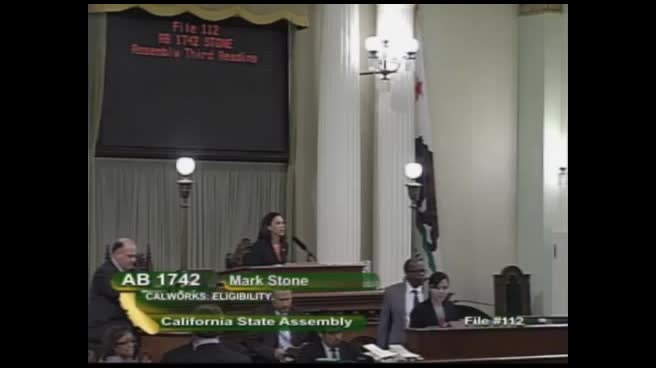 2MIN
Assembly Floor
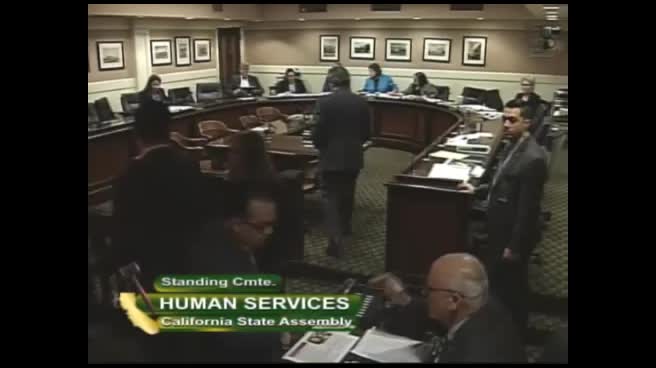 6MIN
Assembly Standing Committee on Human Services
Bill Author

Bill Co-Author(s):
