AB 2053: Primary care clinics.
- Session Year: 2015-2016
- House: Assembly
- Latest Version Date: 2016-09-26
Under existing law, the State Department of Public Health licenses and regulates primary care clinics, as defined. A violation of those provisions is a crime under existing law. Existing law authorizes a clinic corporation, on behalf of a primary care clinic that has held a valid, unrevoked, and unsuspended license for at least the immediately preceding 5 years, with no demonstrated history of repeated or uncorrected violations of specified provisions that pose immediate jeopardy to a patient, and that has no pending action to suspend or revoke its license, to file an affiliate clinic application to establish a primary care clinic at an additional site. Existing law provides that no application for licensure is required if a licensed primary care clinic adds a service that is not a special service, as defined, or remodels or modifies an existing primary care clinic site, but requires the clinic to notify the department of these events, as specified.
This bill would, among other things, expand that exception from licensure, and that notice requirement, to include a licensed primary care clinic or affiliate clinic that adds an additional physical plant maintained and operated on separate premises. The bill would require the department, upon written notification by a primary care clinic or affiliate clinic of its intent to add an additional physical plant maintained and operated on separate premises and upon payment of a licensing fee for each additional physical plant added, to review the information provided in the notification, and if the information submitted is in compliance with specified requirements, require the department to approve the additional physical plant within 30 days of all information being submitted, and to amend the primary care clinic or affiliate clinics license to include the additional physical plant as part of a single consolidated license. Because the bill would create a new crime, the bill would impose a state-mandated local program.
The California Constitution requires the state to reimburse local agencies and school districts for certain costs mandated by the state. Statutory provisions establish procedures for making that reimbursement.
This bill would provide that no reimbursement is required by this act for a specified reason.
Under existing law, the State Department of Public Health licenses and regulates primary care clinics, as defined. A violation of those provisions is a crime under existing law. Existing law authorizes a clinic corporation, on behalf of a primary care clinic that has held a valid, unrevoked, and unsuspended license for at least the immediately preceding 5 years, with no demonstrated history of repeated or uncorrected violations of specified provisions that pose immediate jeopardy to a patient, and that has no pending action to suspend or revoke its license, to file an affiliate clinic application to establish a primary care clinic at an additional site. Existing law provides that no application for licensure is required if a licensed primary care clinic adds a service that is not a special service, as defined, or remodels or modifies an existing primary care clinic site, but requires the clinic to notify the department of these events, as specified.
This bill would, among other things, expand that exception from licensure, and that notice requirement, to include a licensed primary care clinic or affiliate clinic that adds an additional physical plant maintained and operated on separate premises. The bill would require the department, upon written notification by a primary care clinic or affiliate clinic of its intent to add an additional physical plant maintained and operated on separate premises and upon payment of a licensing fee for each additional physical plant added, to review the information provided in the notification, and if the information submitted is in compliance with specified requirements, require the department to approve the additional physical plant within 30 days of all information being submitted, and to amend the primary care clinic or affiliate clinics license to include the additional physical plant as part of a single consolidated license. Because the bill would create a new crime, the bill would impose a state-mandated local program.
The California Constitution requires the state to reimburse local agencies and school districts for certain costs mandated by the state. Statutory provisions establish procedures for making that reimbursement.
This bill would provide that no reimbursement is required by this act for a specified reason.
Under existing law, the State Department of Public Health licenses and regulates primary care clinics, as defined. A violation of those provisions is a crime under existing law. Existing law authorizes a clinic corporation, on behalf of a primary care clinic that has held a valid, unrevoked, and unsuspended license for at least the immediately preceding 5 years, with no demonstrated history of repeated or uncorrected violations of specified provisions that pose immediate jeopardy to a patient, and that has no pending action to suspend or revoke its license, to file an affiliate clinic application to establish a primary care clinic at an additional site. Existing law provides that no application for licensure is required if a licensed primary care clinic adds a service that is not a special service, as defined, or remodels or modifies an existing primary care clinic site, but requires the clinic to notify the department of these events, as specified.
This bill would, among other things, expand that exception from licensure, and that notice requirement, to include a licensed primary care clinic or affiliate clinic that adds an additional physical plant maintained and operated on separate premises. The bill would require the department, upon written notification by a primary care clinic, to issue a single consolidated license to a primary care clinic that includes more than one physical plant maintained and operated on separate premises, as specified. clinic or affiliate clinic of its intent to add an additional physical plant maintained and operated on separate premises and upon payment of a licensing fee for each additional physical plant added, to review the information provided in the notification, and if the information submitted is in compliance with specified requirements, require the department to approve the additional physical plant within 30 days of all information being submitted, and to amend the primary care clinic or affiliate clinics license to include the additional physical plant as part of a single consolidated license. Because the bill would create a new crime, the bill would impose a state-mandated local program.
The California Constitution requires the state to reimburse local agencies and school districts for certain costs mandated by the state. Statutory provisions establish procedures for making that reimbursement.
This bill would provide that no reimbursement is required by this act for a specified reason.
Under existing law, the State Department of Public Health licenses and regulates primary care clinics, as defined. A violation of those provisions is a crime under existing law. Existing law provides that no application for licensure is required if a licensed primary care clinic adds a service that is not a special service, as defined, or remodels or modifies an existing primary care clinic site, but requires the clinic to notify the department of these events, as specified.
This bill would, among other things, expand that exception from licensure, and that notice requirement, to include a licensed primary care clinic that adds an additional physical plant maintained and operated on separate premises. The bill would require the department, upon written notification by a primary care clinic, to issue a single consolidated license to a primary care clinic that includes more than one physical plant maintained and operated on separate premises or that has multiple licenses for a single health facility on the same premises, as specified. Because the bill would create a new crime, the bill would impose a state-mandated local program.
The California Constitution requires the state to reimburse local agencies and school districts for certain costs mandated by the state. Statutory provisions establish procedures for making that reimbursement.
This bill would provide that no reimbursement is required by this act for a specified reason.
Under existing law, the State Department of Public Health licenses and regulates primary care clinics, as defined. A violation of those provisions is a crime under existing law. Existing law provides that no application for licensure is required if a licensed primary care clinic adds a service that is not a special service, as defined, or remodels or modifies an existing primary care clinic site, but requires the clinic to notify the department of these events, as specified.
This bill would, among other things, expand that exception from licensure, and that notice requirement, to include a licensed primary care clinic that adds an additional physical plant maintained and operated on separate premises. The bill would require the department, upon written notification by a primary care clinic, to issue a single consolidated license to a primary care clinic that includes more than one physical plant maintained and operated on separate premises or that has multiple licenses for a single health facility on the same premises, as specified. Because the bill would create a new crime, the bill would impose a state-mandated local program.
The California Constitution requires the state to reimburse local agencies and school districts for certain costs mandated by the state. Statutory provisions establish procedures for making that reimbursement.
This bill would provide that no reimbursement is required by this act for a specified reason.
(a)Any person, firm, association, partnership, or corporation desiring a license for a clinic or a special permit for special services under the provisions of this chapter, shall file with the department a verified application on forms prescribed and furnished by the department, containing the following:
(1)Evidence satisfactory to the department that the applicant is of reputable and responsible character. If the applicant is a firm, association, partnership, trust, corporation, or other artificial or legal entity, like evidence shall be submitted as to the members, partners, trustees or shareholders, directors, and officers thereof and as to the person who is to be the administrator of, and exercise control, management, and direction of the clinic for which application is made.
(2)If the applicant is a partnership, the name and principal business address of each partner, and, if any partner is a corporation, the name and principal business address of each officer and director of the corporation and name and business address of each stockholder owning 10 percent or more of the stock thereof.
(3)If the applicant is a corporation, the name and principal business address of each officer and director of the corporation, and if the applicant is a stock corporation, the name and principal business address of each stockholder holding 10 percent or more of the applicants stock and, if any stockholder is a corporation, the name and principal business address of each officer and director of the corporate stockholder.
(4)Evidence satisfactory to the department of the ability of the applicant to comply with the provisions of this chapter and rules and regulations promulgated under this chapter by the department.
(5)The name and address of the clinic, and if the applicant is a professional corporation, firm, partnership, or other form of organization, evidence that the applicant has complied with the requirements of the Business and Professions Code governing the use of fictitious names by practitioners of the healing arts.
(6)The name and address of the professional licentiate responsible for the professional activities of the clinic and the licentiates license number and professional experience.
(7)The class of clinic to be operated, the character and scope of advice and treatment to be provided, and a complete description of the building, its location, facilities, equipment, apparatus, and appliances to be furnished and used in the operation of the clinic.
(8)Sufficient operational data to allow the department to determine the class of clinic that the applicant proposes to operate and the initial license fee to be charged.
(9)Any other information as may be required by the department for the proper administration and enforcement of this chapter, including, but not limited to, evidence that the clinic has a written policy relating to the dissemination of the following information to patients:
(A)A summary of current state laws requiring child passenger restraint systems to be used when transporting children in motor vehicles.
(B)A listing of child passenger restraint system programs located within the county, as required by Section 27360 or 27362 of the Vehicle Code.
(C)Information describing the risks of death or serious injury associated with the failure to utilize a child passenger restraint system.
(b)(1)No application is required if a licensed primary care clinic adds a service that is not a special service, as defined in Section 1203, or any regulation adopted under that section, or remodels or modifies, or adds an additional physical plant maintained and operated on separate premises to, an existing primary care clinic site. However, the clinic shall notify the department, in writing, of the change in service or physical plant no less than 60 days prior to adding the service or remodeling or modifying, or adding an additional physical plant maintained and operated on a separate premises to, an existing primary care clinic site. Nothing in this subdivision shall be construed to limit the authority of the department to conduct an inspection at any time pursuant to Section 1227, in order to ensure compliance with, or to prevent a violation of, this chapter, or any regulation adopted under this chapter.
(2)If applicable city, county, or state law obligates the primary care clinic to obtain a building permit with respect to the remodeling or modification to be performed by the clinic, or the construction of a new physical plant, the primary care clinic shall provide a signed certification or statement as described in Section 1226.3 to the department within 60 days following completion of the remodeling, modification, or construction project covered by the building permit.
(c)In the course of fulfilling its obligations under Section 1221.09, the department shall ensure that any application form utilized by a primary care clinic, requiring information of the type specified in paragraph (1), (4), (8), or (9) of subdivision (a), is consistent with the requirements of Section 1225, including the requirement that rules and regulations for primary care clinics be separate and distinct from the rules and regulations for specialty clinics. Nothing in this section shall be construed to require the department to issue a separate application form for primary care clinics.
(d)(1)The department, upon written notification by a primary care clinic or an affiliate clinic of its intent to add an additional physical plant maintained and operated on separate premises, as described in paragraph (1) of subdivision (b) and upon payment of a licensing fee for each additional physical plant added, shall review the information provided in the notification, and if the information submitted is in compliance with the requirements specified in this subdivision, the department shall approve the additional physical plant within 30 days of all information being submitted and shall amend the primary care clinic or affiliate clinics license to include the additional physical plant as part of a single consolidated license. If the notification does not include the information required by this subdivision, the department shall notify the licensee of the need for additional information and shall not amend the license to add the additional physical plant until the additional information is received and reviewed by the department.
(2)Written notification shall include evidence that the primary care clinic or affiliate clinic is licensed in good standing and otherwise meets the criteria specified in this subdivision. In issuing the single consolidated license, the department shall specify the location of each physical plant.
(3)The written notification shall demonstrate compliance with all of the following criteria:
(A)There is a single governing body for all the facilities maintained and operated by the licensee.
(B)There is a single administration for all the facilities maintained and operated by the licensee.
(C)There is a single medical director for all the facilities maintained and operated by the licensee, with a single set of bylaws, rules, and regulations.
(D)The additional physical plant meets minimum construction standards of adequacy and safety for clinics found in the most recent version of the California Building Standards Code and prescribed by the Office of Statewide Health Planning and Development, as required in subdivision (b) of Section 1226. Compliance with the minimum construction standards of adequacy and safety may be established as specified in Section 1226.3.
(E)The additional physical plant meets fire clearance standards.
(4)The written notification required to be submitted pursuant to this subdivision shall include all of the following documentation:
(A)The name and address of the licensees corporation administrative office, including the name and contact information for the corporations chief executive officer or executive director.
(B)The name and address of, and the hours of operation and services provided by, the additional physical plant.
(C)A copy of any document confirming the corporations authority to control the additional physical plant. Examples of acceptable documentation include, but shall not be limited to, a lease or purchase agreement, grant deed, bill of sale, sublease, rental agreement, or memorandum of understanding between the owner of the property and the proposed licensee.
(5)A primary care clinic or an affiliate clinic may add additional physical plants pursuant to this section that are no more than one-half mile from the licensed clinic adding the additional physical plant under a consolidated license.
(6)Upon renewal of a consolidated license approved pursuant to this subdivision, a licensee fee shall be required for each additional physical plant approved on the license.
SEC. 2.No reimbursement is required by this act pursuant to Section 6 of Article XIIIB of the California Constitution because the only costs that may be incurred by a local agency or school district will be incurred because this act creates a new crime or infraction, eliminates a crime or infraction, or changes the penalty for a crime or infraction, within the meaning of Section 17556 of the Government Code, or changes the definition of a crime within the meaning of Section 6 of Article XIIIB of the California Constitution.
(a)Any person, firm, association, partnership, or corporation desiring a license for a clinic or a special permit for special services under the provisions of this chapter, shall file with the department a verified application on forms prescribed and furnished by the department, containing the following:
(1)Evidence satisfactory to the department that the applicant is of reputable and responsible character. If the applicant is a firm, association, partnership, trust, corporation, or other artificial or legal entity, like evidence shall be submitted as to the members, partners, trustees or shareholders, directors, and officers thereof and as to the person who is to be the administrator of, and exercise control, management, and direction of the clinic for which application is made.
(2)If the applicant is a partnership, the name and principal business address of each partner, and, if any partner is a corporation, the name and principal business address of each officer and director of the corporation and name and business address of each stockholder owning 10 percent or more of the stock thereof.
(3)If the applicant is a corporation, the name and principal business address of each officer and director of the corporation, and if the applicant is a stock corporation, the name and principal business address of each stockholder holding 10 percent or more of the applicants stock and, if any stockholder is a corporation, the name and principal business address of each officer and director of the corporate stockholder.
(4)Evidence satisfactory to the department of the ability of the applicant to comply with the provisions of this chapter and rules and regulations promulgated under this chapter by the department.
(5)The name and address of the clinic, and if the applicant is a professional corporation, firm, partnership, or other form of organization, evidence that the applicant has complied with the requirements of the Business and Professions Code governing the use of fictitious names by practitioners of the healing arts.
(6)The name and address of the professional licentiate responsible for the professional activities of the clinic and the licentiates license number and professional experience.
(7)The class of clinic to be operated, the character and scope of advice and treatment to be provided, and a complete description of the building, its location, facilities, equipment, apparatus, and appliances to be furnished and used in the operation of the clinic.
(8)Sufficient operational data to allow the department to determine the class of clinic that the applicant proposes to operate and the initial license fee to be charged.
(9)Any other information as may be required by the department for the proper administration and enforcement of this chapter, including, but not limited to, evidence that the clinic has a written policy relating to the dissemination of the following information to patients:
(A)A summary of current state laws requiring child passenger restraint systems to be used when transporting children in motor vehicles.
(B)A listing of child passenger restraint system programs located within the county, as required by Section 27360 or 27362 of the Vehicle Code.
(C)Information describing the risks of death or serious injury associated with the failure to utilize a child passenger restraint system.
(b)(1)No application is required if a licensed primary care clinic adds a service that is not a special service, as defined in Section 1203, or any regulation adopted under that section, or remodels or modifies, or adds an additional physical plant maintained and operated on separate premises to, an existing primary care clinic site. However, the clinic shall notify the department, in writing, of the change in service or physical plant no less than 60 days prior to adding the service or remodeling or modifying, or adding an additional physical plant maintained and operated on a separate premises to, an existing primary care clinic site. Nothing in this subdivision shall be construed to limit the authority of the department to conduct an inspection at any time pursuant to Section 1227, in order to ensure compliance with, or to prevent a violation of, this chapter, or any regulation adopted under this chapter.
(2)If applicable city, county, or state law obligates the primary care clinic to obtain a building permit with respect to the remodeling or modification to be performed by the clinic, or the construction of a new physical plant, the primary care clinic shall provide a signed certification or statement as described in Section 1226.3 to the department within 60 days following completion of the remodeling, modification, or construction project covered by the building permit.
(c)In the course of fulfilling its obligations under Section 1221.09, the department shall ensure that any application form utilized by a primary care clinic, requiring information of the type specified in paragraph (1), (4), (8), or (9) of subdivision (a), is consistent with the requirements of Section 1225, including the requirement that rules and regulations for primary care clinics be separate and distinct from the rules and regulations for specialty clinics. Nothing in this section shall be construed to require the department to issue a separate application form for primary care clinics.
(d)(1)The department, upon written notification by a primary care clinic or an affiliate clinic of its intent to add an additional physical plant maintained and operated on separate premises, as described in paragraph (1) of subdivision (b) and upon payment of a licensing fee for each additional physical plant added, shall review the information provided in the notification, and if the information submitted is in compliance with the requirements specified in this subdivision, the department shall approve the additional physical plant within 30 days of all information being submitted and shall amend the primary care clinic or affiliate clinics license to include the additional physical plant as part of a single consolidated license. If the notification does not include the information required by this subdivision, the department shall notify the licensee of the need for additional information and shall not amend the license to add the additional physical plant until the additional information is received and reviewed by the department.
(2)Written notification shall include evidence that the primary care clinic or affiliate clinic is licensed in good standing and otherwise meets the criteria specified in this subdivision. In issuing the single consolidated license, the department shall specify the location of each physical plant.
(3)The written notification shall demonstrate compliance with all of the following criteria:
(A)There is a single governing body for all the facilities maintained and operated by the licensee.
(B)There is a single administration for all the facilities maintained and operated by the licensee.
(C)There is a single medical director for all the facilities maintained and operated by the licensee, with a single set of bylaws, rules, and regulations.
(D)The additional physical plant meets minimum construction standards of adequacy and safety for clinics found in the most recent version of the California Building Standards Code and prescribed by the Office of Statewide Health Planning and Development, as required in subdivision (b) of Section 1226. Compliance with the minimum construction standards of adequacy and safety may be established as specified in Section 1226.3.
(E)The additional physical plant meets fire clearance standards.
(4)The written notification required to be submitted pursuant to this subdivision shall include all of the following documentation:
(A)The name and address of the licensees corporation administrative office, including the name and contact information for the corporations chief executive officer or executive director.
(B)The name and address of, and the hours of operation and services provided by, the additional physical plant.
(C)A copy of any document confirming the corporations authority to control the additional physical plant. Examples of acceptable documentation include, but shall not be limited to, a lease or purchase agreement, grant deed, bill of sale, sublease, rental agreement, or memorandum of understanding between the owner of the property and the proposed licensee.
(5)A primary care clinic or an affiliate clinic may add additional physical plants pursuant to this section that are no more than one-half mile from the licensed clinic adding the additional physical plant under a consolidated license.
(6)Upon renewal of a consolidated license approved pursuant to this subdivision, a licensee fee shall be required for each additional physical plant approved on the license.
SEC. 2.No reimbursement is required by this act pursuant to Section 6 of Article XIIIB of the California Constitution because the only costs that may be incurred by a local agency or school district will be incurred because this act creates a new crime or infraction, eliminates a crime or infraction, or changes the penalty for a crime or infraction, within the meaning of Section 17556 of the Government Code, or changes the definition of a crime within the meaning of Section 6 of Article XIIIB of the California Constitution.
(a)Any person, firm, association, partnership, or corporation desiring a license for a clinic or a special permit for special services under the provisions of this chapter, shall file with the department a verified application on forms prescribed and furnished by the department, containing the following:
(1)Evidence satisfactory to the department that the applicant is of reputable and responsible character. If the applicant is a firm, association, partnership, trust, corporation, or other artificial or legal entity, like evidence shall be submitted as to the members, partners, trustees or shareholders, directors, and officers thereof and as to the person who is to be the administrator of, and exercise control, management, and direction of the clinic for which application is made.
(2)If the applicant is a partnership, the name and principal business address of each partner, and, if any partner is a corporation, the name and principal business address of each officer and director of the corporation and name and business address of each stockholder owning 10 percent or more of the stock thereof.
(3)If the applicant is a corporation, the name and principal business address of each officer and director of the corporation, and if the applicant is a stock corporation, the name and principal business address of each stockholder holding 10 percent or more of the applicants stock and, if any stockholder is a corporation, the name and principal business address of each officer and director of the corporate stockholder.
(4)Evidence satisfactory to the department of the ability of the applicant to comply with the provisions of this chapter and rules and regulations promulgated under this chapter by the department.
(5)The name and address of the clinic, and if the applicant is a professional corporation, firm, partnership, or other form of organization, evidence that the applicant has complied with the requirements of the Business and Professions Code governing the use of fictitious names by practitioners of the healing arts.
(6)The name and address of the professional licentiate responsible for the professional activities of the clinic and the licentiates license number and professional experience.
(7)The class of clinic to be operated, the character and scope of advice and treatment to be provided, and a complete description of the building, its location, facilities, equipment, apparatus, and appliances to be furnished and used in the operation of the clinic.
(8)Sufficient operational data to allow the department to determine the class of clinic that the applicant proposes to operate and the initial license fee to be charged.
(9)Any other information as may be required by the department for the proper administration and enforcement of this chapter, including, but not limited to, evidence that the clinic has a written policy relating to the dissemination of the following information to patients:
(A)A summary of current state laws requiring child passenger restraint systems to be used when transporting children in motor vehicles.
(B)A listing of child passenger restraint system programs located within the county, as required by Section 27360 or 27362 of the Vehicle Code.
(C)Information describing the risks of death or serious injury associated with the failure to utilize a child passenger restraint system.
(b)(1)No application is required if a licensed primary care clinic adds a service that is not a special service, as defined in Section 1203, or any regulation adopted under that section, or remodels or modifies, or adds an additional physical plant maintained and operated on separate premises to, an existing primary care clinic site. However, the clinic shall notify the department, in writing, of the change in service or physical plant no less than 60 days prior to adding the service or remodeling or modifying, or adding an additional physical plant maintained and operated on a separate premises to, an existing primary care clinic site. Nothing in this subdivision shall be construed to limit the authority of the department to conduct an inspection at any time pursuant to Section 1227, in order to ensure compliance with, or to prevent a violation of, this chapter, or any regulation adopted under this chapter.
(2)If applicable city, county, or state law obligates the primary care clinic to obtain a building permit with respect to the remodeling or modification to be performed by the clinic, or the construction of a new physical plant, the primary care clinic shall provide a signed certification or statement as described in Section 1226.3 to the department within 60 days following completion of the remodeling, modification, or construction project covered by the building permit.
(c)In the course of fulfilling its obligations under Section 1221.09, the department shall ensure that any application form utilized by a primary care clinic, requiring information of the type specified in paragraph (1), (4), (8), or (9) of subdivision (a), is consistent with the requirements of Section 1225, including the requirement that rules and regulations for primary care clinics be separate and distinct from the rules and regulations for specialty clinics. Nothing in this section shall be construed to require the department to issue a separate application form for primary care clinics.
(d)(1)The department, upon written notification by a primary care clinic, shall issue a single consolidated license to a primary care clinic that includes more than one physical plant maintained and operated on separate premises. clinic or an affiliate clinic of its intent to add an additional physical plant maintained and operated on separate premises, as described in paragraph (1) of subdivision (b) and upon payment of a licensing fee for each additional physical plant added, shall review the information provided in the notification, and if the information submitted is in compliance with the requirements specified in this subdivision, the department shall approve the additional physical plant within 30 days of all information being submitted and shall amend the primary care clinic or affiliate clinics license to include the additional physical plant as part of a single consolidated license. If the notification does not include the information required by this subdivision, the department shall notify the licensee of the need for additional information and shall not amend the license to add the additional physical plant until the additional information is received and reviewed by the department.
(2)Written notification shall include evidence that the primary care clinic or affiliate clinic is licensed in good standing and otherwise meets the criteria specified in this subdivision. In issuing the single consolidated license, the department shall specify the location of each physical plant.
(2)A primary care clinic that is issued a single consolidated license pursuant to this subdivision may, at its option, operate under a single National Provider Identification number or separate National Provider Identification number for one or more of the facilities subject to the single consolidated license.
(3)The issuance of a single consolidated license shall be based on The written notification shall demonstrate compliance with all of the following criteria:
(A)There is a single governing body for all the facilities maintained and operated by the licensee.
(B)There is a single administration for all the facilities maintained and operated by the licensee.
(C)There is a single medical director for all the facilities maintained and operated by the licensee, with a single set of bylaws, rules, and regulations.
(D)Except as provided otherwise in this paragraph, the physical plants maintained and operated by the licensee that are to be covered by the single consolidated license are located not more than 15 miles apart.
(D)The additional physical plant meets minimum construction standards of adequacy and safety for clinics found in the most recent version of the California Building Standards Code and prescribed by the Office of Statewide Health Planning and Development, as required in subdivision (b) of Section 1226. Compliance with the minimum construction standards of adequacy and safety may be established as specified in Section 1226.3.
(E)The additional physical plant meets fire clearance standards.
(4)The written notification required to be submitted pursuant to this subdivision shall include all of the following documentation:
(A)The name and address of the licensees corporation administrative office, including the name and contact information for the corporations chief executive officer or executive director.
(B)The name and address of, and the hours of operation and services provided by, the additional physical plant.
(C)A copy of any document confirming the corporations authority to control the additional physical plant. Examples of acceptable documentation include, but shall not be limited to, a lease or purchase agreement, grant deed, bill of sale, sublease, rental agreement, or memorandum of understanding between the owner of the property and the proposed licensee.
(5)A primary care clinic or an affiliate clinic may add additional physical plants pursuant to this section that are no more than one-half mile from the licensed clinic adding the additional physical plant under a consolidated license.
(6)Upon renewal of a consolidated license approved pursuant to this subdivision, a licensee fee shall be required for each additional physical plant approved on the license.
SEC. 2.No reimbursement is required by this act pursuant to Section 6 of Article XIIIB of the California Constitution because the only costs that may be incurred by a local agency or school district will be incurred because this act creates a new crime or infraction, eliminates a crime or infraction, or changes the penalty for a crime or infraction, within the meaning of Section 17556 of the Government Code, or changes the definition of a crime within the meaning of Section 6 of Article XIIIB of the California Constitution.
(a)Any person, firm, association, partnership, or corporation desiring a license for a clinic or a special permit for special services under the provisions of this chapter, shall file with the department a verified application on forms prescribed and furnished by the department, containing the following:
(1)Evidence satisfactory to the department that the applicant is of reputable and responsible character. If the applicant is a firm, association, partnership, trust, corporation, or other artificial or legal entity, like evidence shall be submitted as to the members, partners, trustees or shareholders, directors, and officers thereof and as to the person who is to be the administrator of, and exercise control, management, and direction of the clinic for which application is made.
(2)If the applicant is a partnership, the name and principal business address of each partner, and, if any partner is a corporation, the name and principal business address of each officer and director of the corporation and name and business address of each stockholder owning 10 percent or more of the stock thereof.
(3)If the applicant is a corporation, the name and principal business address of each officer and director of the corporation, and if the applicant is a stock corporation, the name and principal business address of each stockholder holding 10 percent or more of the applicants stock and, if any stockholder is a corporation, the name and principal business address of each officer and director of the corporate stockholder.
(4)Evidence satisfactory to the department of the ability of the applicant to comply with the provisions of this chapter and rules and regulations promulgated under this chapter by the department.
(5)The name and address of the clinic, and if the applicant is a professional corporation, firm, partnership, or other form of organization, evidence that the applicant has complied with the requirements of the Business and Professions Code governing the use of fictitious names by practitioners of the healing arts.
(6)The name and address of the professional licentiate responsible for the professional activities of the clinic and the licentiates license number and professional experience.
(7)The class of clinic to be operated, the character and scope of advice and treatment to be provided, and a complete description of the building, its location, facilities, equipment, apparatus, and appliances to be furnished and used in the operation of the clinic.
(8)Sufficient operational data to allow the department to determine the class of clinic that the applicant proposes to operate and the initial license fee to be charged.
(9)Any other information as may be required by the department for the proper administration and enforcement of this chapter, including, but not limited to, evidence that the clinic has a written policy relating to the dissemination of the following information to patients:
(A)A summary of current state laws requiring child passenger restraint systems to be used when transporting children in motor vehicles.
(B)A listing of child passenger restraint system programs located within the county, as required by Section 27360 or 27362 of the Vehicle Code.
(C)Information describing the risks of death or serious injury associated with the failure to utilize a child passenger restraint system.
(b)(1)No application is required if a licensed primary care clinic adds a service that is not a special service, as defined in Section 1203, or any regulation adopted under that section, or remodels or modifies, or adds an additional physical plant maintained and operated on separate premises to, an existing primary care clinic site. However, the clinic shall notify the department, in writing, of the change in service or physical plant no less than 60 days prior to adding the service or remodeling or modifying, or adding an additional physical plant maintained and operated on a separate premises to, an existing primary care clinic site. Nothing in this subdivision shall be construed to limit the authority of the department to conduct an inspection at any time pursuant to Section 1227, in order to ensure compliance with, or to prevent a violation of, this chapter, or any regulation adopted under this chapter.
(2)If applicable city, county, or state law obligates the primary care clinic to obtain a building permit with respect to the remodeling or modification to be performed by the clinic, or the construction of a new physical plant, the primary care clinic shall provide a signed certification or statement as described in Section 1226.3 to the department within 60 days following completion of the remodeling, modification, or construction project covered by the building permit.
(c)In the course of fulfilling its obligations under Section 1221.09, the department shall ensure that any application form utilized by a primary care clinic, requiring information of the type specified in paragraph (1), (4), (8), or (9) of subdivision (a), is consistent with the requirements of Section 1225, including the requirement that rules and regulations for primary care clinics be separate and distinct from the rules and regulations for specialty clinics. Nothing in this section shall be construed to require the department to issue a separate application form for primary care clinics.
(d)(1)The department, upon written notification by a primary care clinic, shall issue a single consolidated license to a primary care clinic that includes more than one physical plant maintained and operated on separate premises or that has multiple licenses for a single health facility on the same premises. Written notification shall include evidence that the primary care clinic is licensed in good standing and otherwise meets the criteria specified in this subdivision. In issuing the single consolidated license, the department shall specify the location of each physical plant.
(2)A primary care clinic that is issued a single consolidated license pursuant to this subdivision may, at its option, operate under a single National Provider Identification number or separate National Provider Identification number for one or more of the facilities subject to the single consolidated license.
(3)The issuance of a single consolidated license shall be based on all of the following criteria:
(A)There is a single governing body for all the facilities maintained and operated by the licensee.
(B)There is a single administration for all the facilities maintained and operated by the licensee.
(C)There is a single medical director for all the facilities maintained and operated by the licensee, with a single set of bylaws, rules, and regulations.
(D)Except as provided otherwise in this paragraph, the physical plants maintained and operated by the licensee that are to be covered by the single consolidated license are located not more than 15 miles apart.
SEC. 2.No reimbursement is required by this act pursuant to Section 6 of Article XIIIB of the California Constitution because the only costs that may be incurred by a local agency or school district will be incurred because this act creates a new crime or infraction, eliminates a crime or infraction, or changes the penalty for a crime or infraction, within the meaning of Section 17556 of the Government Code, or changes the definition of a crime within the meaning of Section 6 of Article XIIIB of the California Constitution.
(a) Any person, firm, association, partnership, or corporation desiring a license for a clinic or a special permit for special services under the provisions of this chapter, shall file with the department a verified application on forms prescribed and furnished by the department, containing the following:
(1) Evidence satisfactory to the department that the applicant is of reputable and responsible character. If the applicant is a firm, association, partnership, trust, corporation, or other artificial or legal entity, like evidence shall be submitted as to the members, partners, trustees or shareholders, directors, and officers thereof and as to the person who is to be the administrator of, and exercise control, management, and direction of the clinic for which application is made.
(2) If the applicant is a partnership, the name and principal business address of each partner, and, if any partner is a corporation, the name and principal business address of each officer and director of the corporation and name and business address of each stockholder owning 10 percent or more of the stock thereof.
(3) If the applicant is a corporation, the name and principal business address of each officer and director of the corporation, and where if the applicant is a stock corporation, the name and principal business address of each stockholder holding 10 percent or more of the applicants stock and, where if any stockholder is a corporation, the name and principal business address of each officer and director of the corporate stockholder.
(4) Evidence satisfactory to the department of the ability of the applicant to comply with the provisions of this chapter and rules and regulations promulgated under this chapter by the department.
(5) The name and address of the clinic, and if the applicant is a professional corporation, firm, partnership, or other form of organization, evidence that the applicant has complied with the requirements of the Business and Professions Code governing the use of fictitious names by practitioners of the healing arts.
(6) The name and address of the professional licentiate responsible for the professional activities of the clinic and the licentiates license number and professional experience.
(7) The class of clinic to be operated, the character and scope of advice and treatment to be provided, and a complete description of the building, its location, facilities, equipment, apparatus, and appliances to be furnished and used in the operation of the clinic.
(8) Sufficient operational data to allow the department to determine the class of clinic that the applicant proposes to operate and the initial license fee to be charged.
(9) Any other information as may be required by the department for the proper administration and enforcement of this chapter, including, but not limited to, evidence that the clinic has a written policy relating to the dissemination of the following information to patients:
(A) A summary of current state laws requiring child passenger restraint systems to be used when transporting children in motor vehicles.
(B) A listing of child passenger restraint system programs located within the county, as required by Section 27360 or 27362 of the Vehicle Code.
(C) Information describing the risks of death or serious injury associated with the failure to utilize a child passenger restraint system.
(b) (1) No application is required where if a licensed primary care clinic adds a service that is not a special service, as defined in Section 1203, or any regulation adopted thereunder, under that section, or remodels or modifies modifies, or adds an additional physical plant maintained and operated on separate premises to, an existing primary care clinic site. However, the clinic shall notify the department, in writing, of the change in service or physical plant no less than 60 days prior to adding the service or remodeling or modifying modifying, or adding an additional physical plant maintained and operated on a separate premises to, an existing primary care clinic site. Nothing in this subdivision shall be construed to limit the authority of the department to conduct an inspection at any time pursuant to Section 1227, in order to ensure compliance with, or to prevent a violation of, this chapter, or any regulation adopted under this chapter.
(2) Where If applicable city, county, or state law obligates the primary care clinic to obtain a building permit with respect to the remodeling or modification to be performed by the clinic, or the construction of a new physical plant, the primary care clinic shall provide a signed certification or statement as described in Section 1226.3 to the department within 60 days following completion of the remodeling or modification remodeling, modification, or construction project covered by the building permit.
(c) In the course of fulfilling its obligations under Section 1221.09, the department shall ensure that any application form utilized by a primary care clinic, requiring information of the type specified in paragraph (1), (4), (8), or (9) of subdivision (a), is consistent with the requirements of Section 1225, including the requirement that rules and regulations for primary care clinics be separate and distinct from the rules and regulations for specialty clinics. Nothing in this section shall be construed to require the department to issue a separate application form for primary care clinics.
(d)(1)The department, upon written notification by a primary care clinic, shall issue a single consolidated license to a primary care clinic that includes more than one physical plant maintained and operated on separate premises or that has multiple licenses for a single health facility on the same premises. Written notification shall include evidence that the primary care clinic is licensed in good standing and otherwise meets the criteria specified in this subdivision. In issuing the single consolidated license, the department shall specify the location of each physical plant.
(2)A primary care clinic that is issued a single consolidated license pursuant to this subdivision may, at its option, operate under a single National Provider Identification number or separate National Provider Identification number for one or more of the facilities subject to the single consolidated license.
(3)The issuance of a single consolidated license shall be based on all of the following criteria:
(A)There is a single governing body for all the facilities maintained and operated by the licensee.
(B)There is a single administration for all the facilities maintained and operated by the licensee.
(C)There is a single medical director for all the facilities maintained and operated by the licensee, with a single set of bylaws, rules, and regulations.
(D)Except as provided otherwise in this paragraph, the physical plants maintained and operated by the licensee that are to be covered by the single consolidated license are located not more than 15 miles apart.
SEC. 2.No reimbursement is required by this act pursuant to Section 6 of Article XIIIB of the California Constitution because the only costs that may be incurred by a local agency or school district will be incurred because this act creates a new crime or infraction, eliminates a crime or infraction, or changes the penalty for a crime or infraction, within the meaning of Section 17556 of the Government Code, or changes the definition of a crime within the meaning of Section 6 of Article XIIIB of the California Constitution.
|
Date
|
Status
|
|---|---|
| Jun 15, 2016 | In committee: Set, first hearing. Hearing canceled at the request of author. |
| Sep 8, 2016 | Enrolled and presented to the Governor at 4 p.m. |
| Aug 30, 2016 | Senate amendments concurred in. To Engrossing and Enrolling. (Ayes 79. Noes 1. Page 6433.). |
| Aug 30, 2016 | Senate amendments concurred in. To Engrossing and Enrolling. |
| Aug 25, 2016 | In Assembly. Concurrence in Senate amendments pending. May be considered on or after August 28 pursuant to Assembly Rule 77. |
| Aug 23, 2016 | Read third time. Passed. Ordered to the Assembly. (Ayes 39. Noes 0. Page 5269.). |
| Aug 23, 2016 | Read third time. Passed. Ordered to the Assembly. |
| Aug 19, 2016 | Read second time. Ordered to third reading. |
| Aug 18, 2016 | Read third time and amended. Ordered to second reading. |
| Aug 3, 2016 | Read second time. Ordered to third reading. |
| Aug 2, 2016 | From committee: Do pass. (Ayes 7. Noes 0.) (August 1). |
| Jun 23, 2016 | From committee: Do pass and re-refer to Com. on APPR. with recommendation: To Consent Calendar. (Ayes 9. Noes 0.) (June 22). Re-referred to Com. on APPR. |
| Feb 17, 2016 | Read first time. To print. |
| May 5, 2016 | Referred to Com. on HEALTH. |
| Apr 21, 2016 | Read third time. Passed. Ordered to the Senate. (Ayes 79. Noes 0. Page 4463.) |
| Apr 21, 2016 | Read third time. Passed. Ordered to the Senate. |
| Apr 21, 2016 | In Senate. Read first time. To Com. on RLS. for assignment. |
| Apr 14, 2016 | Read second time. Ordered to Consent Calendar. |
| Apr 13, 2016 | From committee: Do pass. To Consent Calendar. (Ayes 20. Noes 0.) (April 13). |
| Apr 4, 2016 | Re-referred to Com. on APPR. |
| Mar 31, 2016 | Read second time and amended. |
| Mar 30, 2016 | From committee: Amend, and do pass as amended and re-refer to Com. on APPR. (Ayes 18. Noes 0.) (March 29). |
| Feb 29, 2016 | Referred to Com. on HEALTH. |
| Feb 18, 2016 | From printer. May be heard in committee March 19. |
|
Date
|
Description
|
Location
|
Votes
|
|
|---|---|---|---|---|
| Aug 30, 2016 | AB 2053 GONZALEZ Concurrence in Senate Amendments | Assembly Floor |
Passed |
|
| Aug 23, 2016 | Assembly 3rd Reading AB2053 Gonzalez By Hernandez | Senate Floor |
Passed |
|
| Aug 1, 2016 | Do pass | Senate Standing Committee on Appropriations |
Passed |
|
| Jun 22, 2016 | Do pass, but first be re-referred to the Committee on [Appropriations] with the recommendation: To Consent Calendar | Senate Standing Committee on Health |
Passed |
|
| Apr 21, 2016 | AB 2053 GONZALEZ Consent Calendar Second Day Regular Session | Assembly Floor |
Passed |
|
| Apr 13, 2016 | Do pass. To Consent Calendar. | Assembly Standing Committee on Appropriations |
Passed |
|
| Mar 29, 2016 | Do pass as amended and be re-referred to the Committee on [Appropriations] | Assembly Standing Committee on Health |
Passed |
This list shows positions taken on this bill by organizations on the date displayed, which is linked to the original source.
Positions by individuals are not included.
|
Organization
|
Position
|
Date
|
|---|---|---|
| AIDS Project Los Angeles Health & Wellness | ** Support | Mar 29, 2016 |
| Altamed Health Services Corporation | ** Support | Aug 23, 2016 |
| California Family Health Council Inc. | ** Support | Aug 23, 2016 |
| California Health + Advocates | ** Support | Aug 23, 2016 |
| California Primary Care Association | ** Support | Aug 1, 2016 |
| Capital Impact Partners | ** Support | Aug 23, 2016 |
| Community Clinic Association of Los Angeles County | ** Support | Aug 23, 2016 |
| Community Clinic Consortium | ** Support | Aug 1, 2016 |
| Community Clinic Consortium of Contra Costa & Solano | ** Support | Aug 23, 2016 |
| Community Health Partnership | ** Support | Aug 23, 2016 |
| East Cliff Family Health Center | ** Support | Aug 23, 2016 |
| Family Healthcare Network | ** Support | Aug 23, 2016 |
| Mendocino Coast Clinics | ** Support | Aug 23, 2016 |
| North Coast Clinics Network | ** Support | Aug 23, 2016 |
| Omni Family Health | ** Support | Aug 23, 2016 |
| Open Door Community Health Centers | ** Support | Aug 23, 2016 |
| Planned Parenthood Action Fund of the Pacific Southwest | ** Support | Aug 23, 2016 |
| Planned Parenthood Advocacy Project Los Angeles County | ** Support | Aug 23, 2016 |
| Planned Parenthood Advocates Pasadena and San Gabriel Valley | ** Support | Aug 23, 2016 |
| Planned Parenthood Affiliates Of California | ** Support | Aug 23, 2016 |
| Planned Parenthood Northern California Action Fund | ** Support | Aug 23, 2016 |
| Planned Parenthood of Mar Monte | ** Support | Aug 23, 2016 |
| Planned Parenthood Pasadena | ** Support | Aug 23, 2016 |
| Ravenswood Family Health Center | ** Support | Aug 23, 2016 |
| Redwoods Rural Health Center | ** Support | Aug 23, 2016 |
| Santa Cruz Community Health Centers | ** Support | Aug 23, 2016 |
CONCURRENCE IN SENATE AMENDMENTS
CSA1 Bill Id:AB 2053
Author:(Gonzalez and Gray)
As Amended Ver:August 18, 2016
Majority vote
ASSEMBLY: | 79-0 | (April 21, 2016) | SENATE: | 39-0 | (August 23, 2016) |
Original Committee Reference: HEALTH
SUMMARY: Requires the Department of Public Health (DPH), upon written notification by a licensed primary care clinic (PCC) or an affiliate clinic that it is adding an additional physical plant maintained and operated on separate premises, to issue a single consolidated license to the clinic. Specifically, this bill:
- Requires the written notification to be provided no less than 60 days prior to adding the additional physical plant, and to include evidence that the PCC or affiliate clinic is licensed in good standing and meets all necessary requirements.
- Requires DPH, when issuing the license to specify the location of each physical plant.
- Allows a PCC or an affiliate clinic that is issued a consolidated license to operate under a single National Provider Identification (NPI) number, or separate NPI's for one or more of the facilities subject to the consolidated license.
- Requires the issuance of a consolidated license to be based on all of the following criteria:
- There is a single governing body for all the facilities maintained and operated by the licensee;
- There is a single administration for all the facilities maintained and operated by the licensee;
- There is a single medical director for all the facilities maintained and operated by the licensee, with a single set of bylaws, rules, and regulations; and,
- Separate physical plants maintained and operated by the licensee covered by a single consolidated license are located not more than 15 miles apart.
- Applies existing notification and building permit requirements to a PCC or an affiliate clinic that modifies or adds an additional physical plant.
The Senate amendments expand the provisions of this bill to include affiliate clinics.
FISCAL EFFECT: According to the Senate Appropriations Committee one-time costs of $110,000 to adopt regulations by DPH (Licensing and Certification Fund).
COMMENTS: According to the author, the Patient Protection and Affordable Care Act and California's expansion of Medi-Cal provide a great opportunity for health coverage, but more work must be done to ensure access for communities of color and the working poor throughout our state. The author states this bill offers health centers a streamlined option to consolidate multiple facilities, or open new space near an existing facility, under one license. The author concludes this is a commonsense way to help health centers increase access, which is essential to the successful implementation of increased health coverage.
Community clinics and health centers are nonprofit, tax-exempt clinics that are licensed as community or free clinics, and provide services to patients on a sliding fee scale basis or, in the case of free clinics, at no charge to the patients. These include federally designated community health centers, migrant health centers, rural health centers, and frontier health centers. California is home to nearly 1,000 community clinics serving more than 5.6 million patients (or one in seven Californians) annually through over 17 million patient encounters. More than 50% of these patients are Hispanic and 43% speak a primary language other than English.
Under existing law, a licensed primary care clinic is permitted to operate an off-site clinic, for up to 30 hours per week, without obtaining a separate license for these off-site locations. While there are a little more than 1,000 licensed primary care clinics, because no license is required for these off-site locations, DPH has historically not tracked the number of intermittent clinics. There are no regulations specific to intermittent clinics, and under California statute, these clinics are only required to meet fire and life safety requirements of law, which are established by the State Fire Marshall. Primary care clinics use these satellite locations to offer services in communities that might not otherwise support a full-time licensed clinic, such as school-based health centers, or in rural or underserved communities.
In 2009, SB 442 (Ducheny), Chapter 502, Statutes of 2010, was introduced with provisions similar in concept to this bill to allow for a primary care clinic to be issued a consolidated license to operate facilities at separate locations. However, it was later amended to streamline provisions related to primary care clinic affiliate licensure. Under existing law, as amended by SB 442, a primary care clinic that has held a license for five years with no history of repeated or uncorrected violations can apply for an "affiliate clinic" license to establish a primary care clinic at an additional site. An affiliate license application does not require an initial onsite survey, and is a more simplified and streamlined process than applying for a new stand-alone license. Additionally, primary care clinics operating under a single corporation utilizing the affiliate licensing option are entitled to consolidate certain administrative functions such as billing and related financial functions, purchasing functions, and offsite storage and maintenance of certain patient and personnel records.
The California Primary Care Association (CPCA) is the sponsor of this bill, and writes that, today, if a licensed health center wants to expand the services it provides and decides to open an additional facility that is located next door, around the corner, or a few stops down the bus line, it is required to obtain a separate license to operate the additional facility. CPCA notes because the new facility is independently licensed, it must operate independently, creating challenges related to patient satisfaction, continuity of care, data analytics, billing, supply management, logistics, and more. CPCA states this bill will provide surety and guidance to DPH and its field offices by allowing for a streamlined and consistent process for both DPH and health centers to add facilities under the provisions of this bill.
There is no opposition to this bill.
Analysis Prepared by: Lara Flynn / HEALTH / (916) 319-2097 FN: 0004722
Office of Senate Floor Analyses (916) 651-1520 Fax: (916) 327-4478 | AB |
THIRD READING
Bill No: AB 2053
: Senate
SENATE HEALTH COMMITTEE: 9-0, 6/22/16
AYES: Hernandez, Nguyen, Hall, Mitchell, Monning, Nielsen, Pan, Roth, Wolk
SENATE APPROPRIATIONS COMMITTEE: 7-0, 8/1/16
AYES: Lara, Bates, Beall, Hill, McGuire, Mendoza, Nielsen
ASSEMBLY FLOOR: 79-0, 4/21/16 (Consent) - See last page for vote
SOURCE: California Health + Advocates
DIGEST: This bill requires the Department of Public Health to issue a single consolidated license to a primary care clinic that includes more than one physical plant operated on separate premises.
Senate Floor Amendments of 8/18/16 require primary care clinics adding an additional physical plant to pay a license fee for each physical plant added, and limit the addition of physical plants to only those within one-half of a mile of the licensed primary care clinic, rather than those within 15 miles, among other changes that are more clarifying and technical in nature.
Existing law:
- Licenses and regulates clinics, including primary care clinics and specialty clinics, by the Department of Public Health (DPH).
- Defines a primary care clinic as either a “community clinic,” which is required to be operated by a non-profit corporation and to use a sliding fee scale to charge patients based on their ability to pay, or a “free clinic,” which is also required to be operated by a non-profit but is not allowed to directly charge patients for services rendered or for any drugs, medicines, or apparatuses furnished.
- Exempts various types of clinics from licensure and regulation by DPH, including clinics operated by the United States or by a federally recognized Indian tribe on tribal land.
- Exempts from licensure by DPH an intermittent clinic that is operated by a licensed primary care community clinic on separate premises from the licensed clinic and is only open for limited services of no more than 30 hours each week. However, an intermittent clinic operated under this exemption is still required to meet all other requirements of law, including administrative regulations and requirements, pertaining to fire and life safety.
- Permits a primary care clinic that has held a license for at least five years with no history of repeated or uncorrected violations to file an affiliate clinic application to establish a primary care clinic at an additional site or a mobile health care unit. Requires DPH to approve the license for the affiliate clinic, without the necessity of first conducting an initial onsite survey, if certain conditions are met.
- Requires DPH to issue a single consolidated license to a general acute care hospital that includes more than one physical plant maintained and operated on separate premises or that has multiple licenses for a single health facility on the same premises if the general acute care hospital meets certain criteria and applicable requirements of licensure.
This bill:
- Requires DPH to amend a primary care clinic’s license to include a new physical plant as part of a single consolidated license, within 30 days of receiving written notification and certain specified information submitted by the primary care clinic, and upon receiving payment of a licensing fee for each additional physical plant added.
- Limits the ability of a primary care clinic or affiliate clinic to add additional physical plants pursuant to this bill to only those that are no more than one-half mile from the licensed clinic adding the additional physical plant.
- Requires the written notification to include evidence that the primary care clinic is licensed in good standing and otherwise meets the criteria for licensure.
- Requires the written notification to demonstrate compliance with having a single governing body, a single administration, and a single medical director, for all the facilities under the consolidated license.
- Requires the new physical plant to meet minimum construction standards for adequacy and safety, pursuant to the OSHPD 3 requirements, as specified, and to meet fire clearance standards.
- Requires the written notification submitted by the primary care clinic wishing to add a new physical plant to include specified documentation, including the hours of operation and services provided by the new physical plant, and a copy of any document confirming the corporation’s authority to control the new physical plant.
- Exempts a licensed primary care clinic from the requirement to file a license application with DPH when it adds an additional physical plant, maintained and operated on separate premises, to an existing primary care clinic site. Requires the primary care clinic, however, to notify DPH no less than 60 days prior to adding an additional physical plant maintained and operated on separate premises.
- Requires a license renewal for a consolidated license to include a licensing fee for each physical plant approved on the primary care clinic license.
Comments
- Author’s statement. According to the author, the Affordable Care Act and California’s expansion of Medi-Cal provide a great opportunity for health coverage, but more work must be done to ensure access for communities of color and the working poor throughout our state. AB 2053 offers health centers a streamlined option to consolidate multiple facilities or open new space near an existing facility under one license. This is a common-sense way to help health centers increase access, which is essential to the successful implementation of increased health coverage.
- Intermittent clinics. Under existing law, a licensed primary care clinic is permitted to operate an off-site clinic, for up to 30 hours per week, without obtaining a separate license for these off-site locations. While there are a little more than 1,000 licensed primary care clinics, because no license is required for these off-site locations, DPH has historically not tracked the number of intermittent clinics. There are no regulations specific to intermittent clinics, and under California statute, these clinics are only required to meet fire and life safety requirements of law, which are established by the State Fire Marshall. Primary care clinics use these satellite locations to offer services in communities that might not otherwise support a full-time licensed clinic, such as school-based health centers, or in rural or underserved communities.
- Affiliate licensing. In 2009, SB 442 (Ducheny, Chapter 502, Statutes of 2010), was introduced with provisions similar in concept to this bill to allow for a primary care clinic to be issued a consolidated license to operate facilities at separate locations. However, it was later amended to streamline provisions related to primary care clinic affiliate licensure. Under existing law, as amended by SB 442, a primary care clinic that has held a license for five years with no history of repeated or uncorrected violations can apply for an “affiliate clinic” license to establish a primary care clinic at an additional site. An affiliate license application does not require an initial onsite survey, and is a more simplified and streamlined process than applying for a new stand-alone license. Additionally, primary care clinics operating under a single corporation utilizing the affiliate licensing option are entitled to consolidate certain administrative functions such as billing and related financial functions, purchasing functions, and offsite storage and maintenance of certain patient and personnel records.
- Author-provided example of need for consolidated license. The author’s office provided an example in Fortuna, California, to demonstrate why a consolidated license is important as opposed to an affiliate license. In this example, two private practices were acquired in the same shopping center as an existing licensed primary care clinic in Fortuna. The existing primary care clinic remodeled the facilities to meet building requirements for a clinic and requested a consolidated license from DPH. The request for a consolidated license was denied, and according to the author, DPH stated that they needed to license each facility. According to the author, having three separate licenses for three buildings that function as one clinic presents problems, including having to credential all of their licensed staff with dozens of private insurance companies, Medi-Cal and Medicare at all three locations instead of one. Additionally, they would have to keep track of each medical supply and minute of staff time allocated to each building, and if a patient needed to have services in two different buildings, then two different bills would need to be sent to the insurance company.
Prior Legislation
AB 941 (Wood, Chapter 502, Statutes of 2015) expands the exemption from DPH licensure to certain clinics operated by a federally recognized tribe or tribal organization.
AB 1130 (Gray, Chapter 412, Statutes of 2015) extended the limit on the hours of operation for an intermittent primary care community or free clinic, from 20 hours a week to 30 hours a week. Additionally, AB 1130 required licensed clinics, as part of their biennial license renewal, to report to DPH as to whether they are currently operating any intermittent clinics, the location of these clinics, and the estimated hours of operation.
AB 1177 (Gomez, Chapter 704, Statutes of 2015) prohibited a primary care clinic, notwithstanding current regulations or any other law, from being required to enter into a written transfer agreement with a nearby hospital as a condition of licensure, and required DPH to repeal the regulation requiring primary care clinics to enter into transfer agreements, no later than July 1, 2016.
SB 442 (Ducheny, Chapter 502, Statutes of 2010) streamlined the administrative requirements for a clinic corporation to apply for licensure for an affiliate primary care clinic.
SB 937 (Ducheny, Chapter 602, Statutes of 2003) revised provisions relating to the licensure and operation of primary care clinics. Permitted a primary care clinic to add a service or remodel a site without first having to apply for a new license from DPH. Required DPH to issue an affiliate license to a primary care clinic to allow it to open a clinic at an additional site, under specified conditions.
FISCAL EFFECT: Appropriation: Fiscal Com.: Local:
According to the Senate Appropriations Committee, one-time costs of $110,000 to adopt regulations by DPH (Licensing and Certification Fund).
California Health + Advocates (source)
AltaMed Health Services Corporation
APLA – AIDS Project Los Angeles Health & Wellness
California Family Health Council
Capital Impact Partners
Community Clinic Association of Los Angeles County
Community Clinic Consortium of Contra Costa & Solano
Community Health Partnership
East Cliff Family Health Center
Family Healthcare Network
Mendocino Coast Clinics
North Coast Clinics Network
Omni Family Health
Open Door Community Health Centers
Planned Parenthood Action Fund of Santa Barbara, Ventura, & San Luis Obispo Counties
Planned Parenthood Action Fund of the Pacific Southwest
Planned Parenthood Advocacy Project Los Angeles County
Planned Parenthood Advocates Pasadena and San Gabriel Valley
Planned Parenthood Affiliates of California
Planned Parenthood Northern California Action Fund
Planned Parenthood of Mar Monte
Planned Parenthood Pasadena
Ravenswood Family Health Center
Redwoods Rural Health Center
Santa Cruz Community Health Centers
OPPOSITION: (Verified 8/19/16)
None received
ARGUMENTS IN SUPPORT: This bill is sponsored by the California Health + Advocates, which states that this bill is a simple, yet effective way to help health centers expand their ability to provide healthcare in California’s most vulnerable communities. California Health + Advocates states that that this bill does this by providing licensed health centers the option to add an additional facility to an existing license, so long as the new facility is maintain and operated by the same health center. According to California Health + Advocates, if a licensed health center wants to open an additional facility that is located next door, around the corner, or a few stops down the bus line, the licensed health center is required to obtain a separate license to operate the additional facility. Because the new facility is independently licensed, California Health + Advocates states that it must operate independently creating challenges related to patient satisfaction, continuity of care, data analytics, billing, supply management, logistics, and more. Planned Parenthood Affiliates of California states in support that this bill will help community health centers more easily adopt integrated care models by allowing multiple facilities within 15 miles of each other to operate in sync with a single consolidated license. Numerous clinics also support this bill, many of which state that in some limited circumstances, DPH has issued consolidated licenses for community health centers under their waiver authority, which has resulted in inconsistency and confusion, and that this bill will allow for a consistent process for health centers seeking to add facilities.
ASSEMBLY FLOOR: 79-0, 4/21/16
AYES: Achadjian, Alejo, Travis Allen, Arambula, Atkins, Baker, Bigelow, Bloom, Bonilla, Bonta, Brough, Brown, Burke, Calderon, Campos, Chang, Chau, Chávez, Chiu, Chu, Cooley, Cooper, Dababneh, Dahle, Daly, Dodd, Eggman, Frazier, Beth Gaines, Gallagher, Cristina Garcia, Eduardo Garcia, Gatto, Gipson, Gomez, Gonzalez, Gordon, Gray, Grove, Hadley, Harper, Roger Hernández, Holden, Irwin, Jones, Jones-Sawyer, Kim, Lackey, Levine, Linder, Lopez, Low, Maienschein, Mathis, Mayes, McCarty, Medina, Melendez, Mullin, Nazarian, Obernolte, O'Donnell, Olsen, Patterson, Quirk, Rodriguez, Salas, Santiago, Steinorth, Mark Stone, Thurmond, Ting, Wagner, Waldron, Weber, Wilk, Williams, Wood, Rendon
NO VOTE RECORDED: Ridley-Thomas
8/19/16 18:49:15
**** END ****
Office of Senate Floor Analyses (916) 651-1520 Fax: (916) 327-4478 | AB |
THIRD READING
Bill No: AB 2053
:
SENATE HEALTH COMMITTEE: 9-0, 6/22/16
AYES: Hernandez, Nguyen, Hall, Mitchell, Monning, Nielsen, Pan, Roth, Wolk
SENATE APPROPRIATIONS COMMITTEE: 7-0, 8/1/16
AYES: Lara, Bates, Beall, Hill, McGuire, Mendoza, Nielsen
ASSEMBLY FLOOR: 79-0, 4/21/16 (Consent) - See last page for vote
SOURCE: California Health + Advocates
DIGEST: This bill requires the Department of Public Health to issue a single consolidated license to a primary care clinic that includes more than one physical plant operated on separate premises.
Existing law:
- Licenses and regulates clinics, including primary care clinics and specialty clinics, by the Department of Public Health (DPH).
- Defines a primary care clinic as either a “community clinic,” which is required to be operated by a non-profit corporation and to use a sliding fee scale to charge patients based on their ability to pay, or a “free clinic,” which is also required to be operated by a non-profit but is not allowed to directly charge patients for services rendered or for any drugs, medicines, or apparatuses furnished.
- Exempts various types of clinics from licensure and regulation by DPH, including clinics operated by the United States or by a federally recognized Indian tribe on tribal land.
- Exempts from licensure by DPH an intermittent clinic that is operated by a licensed primary care community clinic on separate premises from the licensed clinic and is only open for limited services of no more than 30 hours each week. However, an intermittent clinic operated under this exemption is still required to meet all other requirements of law, including administrative regulations and requirements, pertaining to fire and life safety.
- Permits a primary care clinic that has held a license for at least five years with no history of repeated or uncorrected violations to file an affiliate clinic application to establish a primary care clinic at an additional site or a mobile health care unit. Requires DPH to approve the license for the affiliate clinic, without the necessity of first conducting an initial onsite survey, if certain conditions are met.
- Requires DPH to issue a single consolidated license to a general acute care hospital that includes more than one physical plant maintained and operated on separate premises or that has multiple licenses for a single health facility on the same premises if the general acute care hospital meets certain criteria and applicable requirements of licensure.
This bill:
- Requires DPH to issue a single consolidated license to a primary care clinic that includes more than one physical plant maintained and operated on separate premises, upon written notification by the primary care clinic that includes evidence that the primary care clinic is licensed in good standing and otherwise meets the criteria for licensure.
- Permits a primary care clinic that is issued a single consolidated license to operate, at its option, under a single National Provider Identification number or separate National Provider Identification numbers for one or more of the facilities subject to the single consolidated license.
- Requires the issuance of a single consolidated license to be based on there being a single governing body, a single administration, and a single medical director, for all the facilities under the consolidated license, and that the physical plants maintained and operated under the consolidated license are located no more than 15 miles apart.
- Exempts a licensed primary care clinic from the requirement to file a license application with DPH when it adds an additional physical plant, maintained and operated on separate premises, to an existing primary care clinic site. Requires the primary care clinic, however, to notify DPH no less than 60 days prior to adding an additional physical plant maintained and operated on separate premises.
Comments
- Author’s statement. According to the author, the Affordable Care Act and California’s expansion of Medi-Cal provide a great opportunity for health coverage, but more work must be done to ensure access for communities of color and the working poor throughout our state. AB 2053 offers health centers a streamlined option to consolidate multiple facilities or open new space near an existing facility under one license. This is a common-sense way to help health centers increase access, which is essential to the successful implementation of increased health coverage.
- Intermittent clinics. Under existing law, a licensed primary care clinic is permitted to operate an off-site clinic, for up to 30 hours per week, without obtaining a separate license for these off-site locations. While there are a little more than 1,000 licensed primary care clinics, because no license is required for these off-site locations, DPH has historically not tracked the number of intermittent clinics. There are no regulations specific to intermittent clinics, and under California statute, these clinics are only required to meet fire and life safety requirements of law, which are established by the State Fire Marshall. Primary care clinics use these satellite locations to offer services in communities that might not otherwise support a full-time licensed clinic, such as school-based health centers, or in rural or underserved communities.
- Affiliate licensing. In 2009, SB 442 (Ducheny, Chapter 502, Statutes of 2010), was introduced with provisions similar in concept to this bill to allow for a primary care clinic to be issued a consolidated license to operate facilities at separate locations. However, it was later amended to streamline provisions related to primary care clinic affiliate licensure. Under existing law, as amended by SB 442, a primary care clinic that has held a license for five years with no history of repeated or uncorrected violations can apply for an “affiliate clinic” license to establish a primary care clinic at an additional site. An affiliate license application does not require an initial onsite survey, and is a more simplified and streamlined process than applying for a new stand-alone license. Additionally, primary care clinics operating under a single corporation utilizing the affiliate licensing option are entitled to consolidate certain administrative functions such as billing and related financial functions, purchasing functions, and offsite storage and maintenance of certain patient and personnel records.
- Author-provided example of need for consolidated license. The author’s office provided an example in Fortuna, California, to demonstrate why a consolidated license is important as opposed to an affiliate license. In this example, two private practices were acquired in the same shopping center as an existing licensed primary care clinic in Fortuna. The existing primary care clinic remodeled the facilities to meet building requirements for a clinic and requested a consolidated license from DPH. The request for a consolidated license was denied, and according to the author, DPH stated that they needed to license each facility. According to the author, having three separate licenses for three buildings that function as one clinic presents problems, including having to credential all of their licensed staff with dozens of private insurance companies, Medi-Cal and Medicare at all three locations instead of one. Additionally, they would have to keep track of each medical supply and minute of staff time allocated to each building, and if a patient needed to have services in two different buildings, then two different bills would need to be sent to the insurance company.
Prior Legislation
AB 941 (Wood, Chapter 502, Statutes of 2015) expands the exemption from DPH licensure to certain clinics operated by a federally recognized tribe or tribal organization.
AB 1130 (Gray, Chapter 412, Statutes of 2015) extended the limit on the hours of operation for an intermittent primary care community or free clinic, from 20 hours a week to 30 hours a week. Additionally, AB 1130 required licensed clinics, as part of their biennial license renewal, to report to DPH as to whether they are currently operating any intermittent clinics, the location of these clinics, and the estimated hours of operation.
AB 1177 (Gomez, Chapter 704, Statutes of 2015) prohibited a primary care clinic, notwithstanding current regulations or any other law, from being required to enter into a written transfer agreement with a nearby hospital as a condition of licensure, and required DPH to repeal the regulation requiring primary care clinics to enter into transfer agreements, no later than July 1, 2016.
SB 442 (Ducheny, Chapter 502, Statutes of 2010) streamlined the administrative requirements for a clinic corporation to apply for licensure for an affiliate primary care clinic.
SB 937 (Ducheny, Chapter 602, Statutes of 2003) revised provisions relating to the licensure and operation of primary care clinics. Permitted a primary care clinic to add a service or remodel a site without first having to apply for a new license from DPH. Required DPH to issue an affiliate license to a primary care clinic to allow it to open a clinic at an additional site, under specified conditions.
FISCAL EFFECT: Appropriation: Fiscal Com.: Local:
According to the Senate Appropriations Committee, one-time costs of $110,000 to adopt regulations by DPH (Licensing and Certification Fund).
California Health + Advocates (source)
AltaMed Health Services Corporation
APLA – AIDS Project Los Angeles Health & Wellness
California Family Health Council
Capital Impact Partners
Community Clinic Association of Los Angeles County
Community Clinic Consortium of Contra Costa & Solano
Community Health Partnership
East Cliff Family Health Center
Family Healthcare Network
Mendocino Coast Clinics
North Coast Clinics Network
Omni Family Health
Open Door Community Health Centers
Planned Parenthood Action Fund of Santa Barbara, Ventura, & San Luis Obispo Counties
Planned Parenthood Action Fund of the Pacific Southwest
Planned Parenthood Advocacy Project Los Angeles County
Planned Parenthood Advocates Pasadena and San Gabriel Valley
Planned Parenthood Affiliates of California
Planned Parenthood Northern California Action Fund
Planned Parenthood of Mar Monte
Planned Parenthood Pasadena
Ravenswood Family Health Center
Redwoods Rural Health Center
Santa Cruz Community Health Centers
None received
ARGUMENTS IN SUPPORT: This bill is sponsored by the California Health + Advocates, which states that this bill is a simple, yet effective way to help health centers expand their ability to provide healthcare in California’s most vulnerable communities. California Health + Advocates states that that this bill does this by providing licensed health centers the option to add an additional facility to an existing license, so long as the new facility is maintain and operated by the same health center. According to California Health + Advocates, if a licensed health center wants to open an additional facility that is located next door, around the corner, or a few stops down the bus line, the licensed health center is required to obtain a separate license to operate the additional facility. Because the new facility is independently licensed, California Health + Advocates states that it must operate independently creating challenges related to patient satisfaction, continuity of care, data analytics, billing, supply management, logistics, and more. Planned Parenthood Affiliates of California states in support that this bill will help community health centers more easily adopt integrated care models by allowing multiple facilities within 15 miles of each other to operate in sync with a single consolidated license. Numerous clinics also support this bill, many of which state that in some limited circumstances, DPH has issued consolidated licenses for community health centers under their waiver authority, which has resulted in inconsistency and confusion, and that this bill will allow for a consistent process for health centers seeking to add facilities.
ASSEMBLY FLOOR: 79-0, 4/21/16
AYES: Achadjian, Alejo, Travis Allen, Arambula, Atkins, Baker, Bigelow, Bloom, Bonilla, Bonta, Brough, Brown, Burke, Calderon, Campos, Chang, Chau, Chávez, Chiu, Chu, Cooley, Cooper, Dababneh, Dahle, Daly, Dodd, Eggman, Frazier, Beth Gaines, Gallagher, Cristina Garcia, Eduardo Garcia, Gatto, Gipson, Gomez, Gonzalez, Gordon, Gray, Grove, Hadley, Harper, Roger Hernández, Holden, Irwin, Jones, Jones-Sawyer, Kim, Lackey, Levine, Linder, Lopez, Low, Maienschein, Mathis, Mayes, McCarty, Medina, Melendez, Mullin, Nazarian, Obernolte, O'Donnell, Olsen, Patterson, Quirk, Rodriguez, Salas, Santiago, Steinorth, Mark Stone, Thurmond, Ting, Wagner, Waldron, Weber, Wilk, Williams, Wood, Rendon
NO VOTE RECORDED: Ridley-Thomas
8/4/16 14:32:16
**** END ****
SENATE COMMITTEE ON APPROPRIATIONS
Senator Ricardo Lara, Chair
2015 - 2016 Regular Session
AB 2053 (Gonzalez) - Primary care clinics
Version: March 31, 2016 | Policy Vote: HEALTH 9 - 0 |
Urgency: No | Mandate: Yes |
Hearing Date: August 1, 2016 | Consultant: Brendan McCarthy |
This bill does not meet the criteria for referral to the Suspense File.
Bill Summary:
AB 2053 would require the Department of Public Health to issue a single, consolidated license to a primary care clinic that includes more than one physical plant.
Fiscal Impact:
One-time costs of $110,000 to adopt regulations by the Department of Public Health (Licensing and Certification Fund).
Background:
Under current law, the Department of Public Health licenses and regulates health facilities, including primary care clinics. Generally, primary care clinics are licensed by location. A clinic may have multiple locations and operate under as a single administrative entity, but under current law each physical location must be separately licensed.
Proposed Law:
AB 2053 would require the Department of Public Health to issue a consolidated license to a primary care clinic that includes more than one physical plant.
Specific provisions of the bill would:
- Require the Department to issue a single, consolidated license to a primary care clinic that operates more than one physical plant, upon written notification that the primary care clinic meets the criteria for licensure;
- Permit a primary care clinic that is issued a consolidated license to use a single National Provider Identification number for all the licensed physical plants or individual National Provider Identification numbers for each physical plant;
- Specify the criteria for a clinic to qualify for a consolidated license;
- Exempt a primary care clinic that adds an additional physical plant from the requirement to seek licensure for the additional physical plant, but requires notification to the Department.
Staff Comments:
Under current law, certain primary care clinics that provide services to Medi-Cal beneficiaries are reimbursed using the prospective payment system (PPS) which is a cost-based system for calculating reimbursement rates. Under current law, PPS rates are site specific. Therefore, whether a clinic seeks to consolidate more than one clinic under a consolidated license will not impact the rates that the Medi-Cal program pays for services.
The only costs that may be incurred by a local agency relate to crimes and infractions. Under the California Constitution, such costs are not reimbursable by the state.
-- END --
SENATE COMMITTEE ON HEALTH
Senator Ed Hernandez, O.D., Chair
BILL NO: AB 2053
AUTHOR: | Gonzalez | ||
VERSION: | March 31, 2016 | ||
HEARING DATE: | June 15, 2016 | ||
CONSULTANT: | Vince Marchand | ||
SUBJECT: Primary care clinics
SUMMARY:
Requires the Department of Public Health to issue a single consolidated license to a primary care clinic that includes more than one physical plant operated on separate premises.
Existing law:
- Licenses and regulates clinics, including primary care clinics and specialty clinics, by the Department of Public Health (DPH)
- Defines a primary care clinic as either a “community clinic,” which is required to be operated by a non-profit corporation and to use a sliding fee scale to charge patients based on their ability to pay, or a “free clinic,” which is also required to be operated by a non-profit but is not allowed to directly charge patients for services rendered or for any drugs, medicines, or apparatuses furnished.
- Exempts various types of clinics from licensure and regulation by DPH, including clinics operated by the United States or by a federally recognized Indian tribe on tribal land.
- Exempts from licensure by DPH an intermittent clinic that is operated by a licensed primary care community clinic on separate premises from the licensed clinic and is only open for limited services of no more than 30 hours each week. However, an intermittent clinic operated under this exemption is still required to meet all other requirements of law, including administrative regulations and requirements, pertaining to fire and life safety.
- Permits a primary care clinic that has held a license for at least five years with no history of repeated or uncorrected violations to file an affiliate clinic application to establish a primary care clinic at an additional site or a mobile health care unit. Requires DPH to approve the license for the affiliate clinic, without the necessity of first conducting an initial onsite survey, if certain conditions are met.
- Requires DPH to issue a single consolidated license to a general acute care hospital that includes more than one physical plant maintained and operated on separate premises or that has multiple licenses for a single health facility on the same premises if the general acute care hospital meets certain criteria and applicable requirements of licensure.
This bill:
- Requires DPH to issue a single consolidated license to a primary care clinic that includes more than one physical plant maintained and operated on separate premises, upon written notification by the primary care clinic that includes evidence that the primary care clinic is licensed in good standing and otherwise meets the criteria for licensure.
- Permits a primary care clinic that is issued a single consolidated license to operate, at its option, under a single National Provider Identification number or separate National Provider Identification numbers for one or more of the facilities subject to the single consolidated license.
- Requires the issuance of a single consolidated license to be based on there being a single governing body, a single administration, and a single medical director, for all the facilities under the consolidated license, and that the physical plants maintained and operated under the consolidated license are located no more than 15 miles apart.
- Exempts a licensed primary care clinic from the requirement to file a license application with DPH when it adds an additional physical plant, maintained and operated on separate premises, to an existing primary care clinic site. Requires the primary care clinic, however, to notify DPH no less than 60 days prior to adding an additional physical plant maintained and operated on separate premises.
FISCAL EFFECT:
According to the Assembly Appropriations Committee:
- Any costs to DPH to issue consolidated licenses are expected to be minor and absorbable (Licensing and Certification Fund).
- This bill is also expected to be cost-neutral to Medi-Cal, based on the assumption that if clinics who pursue a consolidated license experience an associated significant change in costs or service mix, the clinic seeks a recalculation of their facility-specific Medi-Cal prospective payment rate pursuant to existing law.
PRIOR VOTES:
Assembly Floor: | 79 - 0 |
Assembly Appropriations Committee: | 20 - 0 |
Assembly Health Committee: | 18 - 0 |
COMMENTS:
- Author’s statement. According to the author, the Affordable Care Act and California’s expansion of Medi-Cal provide a great opportunity for health coverage, but more work must be done to ensure access for communities of color and the working poor throughout our state. AB 2053 offers health centers a streamlined option to consolidate multiple facilities or open new space near an existing facility under one license. This is a common-sense way to help health centers increase access, which is essential to the successful implementation of increased health coverage.
- Intermittent clinics. Under existing law, a licensed primary care clinic is permitted to operate an off-site clinic, for up to 30 hours per week, without obtaining a separate license for these off-site locations. While there are a little more than 1,000 licensed primary care clinics, because no license is required for these off-site locations, DPH has historically not tracked the number of intermittent clinics. There are no regulations specific to intermittent clinics, and under California statute, these clinics are only required to meet fire and life safety requirements of law, which are established by the State Fire Marshall. Primary care clinics use these satellite locations to offer services in communities that might not otherwise support a full-time licensed clinic, such as school-based health centers, or in rural or underserved communities.
- Affiliate licensing. In 2009, SB 442 (Ducheny, Chapter 502, Statutes of 2010), was introduced with provisions similar in concept to this bill to allow for a primary care clinic to be issued a consolidated license to operate facilities at separate locations. However, it was later amended to streamline provisions related to primary care clinic affiliate licensure. Under existing law, as amended by SB 442, a primary care clinic that has held a license for five years with no history of repeated or uncorrected violations can apply for an “affiliate clinic” license to establish a primary care clinic at an additional site. An affiliate license application does not require an initial onsite survey, and is a more simplified and streamlined process than applying for a new stand-alone license. Additionally, primary care clinics operating under a single corporation utilizing the affiliate licensing option are entitled to consolidate certain administrative functions such as billing and related financial functions, purchasing functions, and offsite storage and maintenance of certain patient and personnel records.
- Author-provided example of need for consolidated license. The author’s office provided an example in Fortuna, CA, to demonstrate why a consolidated license is important as opposed to an affiliate license. In this example, two private practices were acquired in the same shopping center as an existing licensed primary care clinic in Fortuna. The existing primary care clinic remodeled the facilities to meet building requirements for a clinic and requested a consolidated license from DPH. The request for a consolidated license was denied, and according to the author, DPH stated that they needed to license each facility. According to the author, having three separate licenses for three buildings that function as one clinic presents problems, including having to credential all of their licensed staff with dozens of private insurance companies, Medi-Cal and Medicare at all three locations instead of one. Additionally, they would have to keep track of each medical supply and minute of staff time allocated to each building, and if a patient needed to have services in two different buildings, then two different bills would need to be sent to the insurance company.
- Related legislation. AB 1947 (Chiu), would require DPH to publish current checklists and instructions on how to complete an application for a new affiliate license, and how to report changes to an existing affiliate clinic, on the DPH website. AB 1947 is set for hearing on June 15, 2016 in this Committee.
- Prior legislation. AB 941 (Wood, Chapter 502, Statutes of 2015), expands the exemption from DPH licensure to certain clinics operated by a federally recognized tribe or tribal organization.
AB 1130 (Gray, Chapter 412, Statutes of 2015), extended the limit on the hours of operation for an intermittent primary care community or free clinic, from 20 hours a week to 30 hours a week. Additionally, AB 1130 required licensed clinics, as part of their biennial license renewal, to report to DPH as to whether they are currently operating any intermittent clinics, the location of these clinics, and the estimated hours of operation.
AB 1177 (Gomez, Chapter 704, Statutes of 2015), prohibited a primary care clinic, notwithstanding current regulations or any other law, from being required to enter into a written transfer agreement with a nearby hospital as a condition of licensure, and required DPH to repeal the regulation requiring primary care clinics to enter into transfer agreements, no later than July 1, 2016.
SB 442 (Ducheny, Chapter 502, Statutes of 2010), streamlined the administrative requirements for a clinic corporation to apply for licensure for an affiliate primary care clinic.
SB 937 (Ducheny, Chapter 602, Statutes of 2003), revised provisions relating to the licensure and operation of primary care clinics. Permitted a primary care clinic to add a service or remodel a site without first having to apply for a new license from DPH. Required DPH to issue an affiliate license to a primary care clinic to allow it to open a clinic at an additional site, under specified conditions. - Support. This bill is sponsored by the California Primary Care Association (CPCA), which states that this bill is a simple, yet effective way to help health centers expand their ability to provide healthcare in California’s most vulnerable communities. CPCA states that that this bill does this by providing licensed health centers the option to add an additional facility to an existing license, so long as the new facility is maintain and operated by the same health center. According to CPCA, if a licensed health center wants to open an additional facility that is located next door, around the corner, or a few stops down the bus line, the licensed health center is required to obtain a separate license to operate the additional facility. Because the new facility is independently licensed, CPCA states that it must operate independently creating challenges related to patient satisfaction, continuity of care, data analytics, billing, supply management, logistics, and more. Planned Parenthood Affiliates of California states in support that this bill will help community health centers more easily adopt integrated care models by allowing multiple facilities within 15 miles of each other to operate in sync with a single consolidated license. Numerous clinics also support this bill, many of which state that in some limited circumstances, DPH has issued consolidated licenses for community health centers under their waiver authority, which has resulted in inconsistency and confusion, and that this bill will allow for a consistent process for health centers seeking to add facilities.
SUPPORT AND OPPOSITION:
Support: California Primary Care Association (sponsor)
AltaMed Health Services Corporation
APLA – AIDS Project Los Angeles Health & Wellness
Capital Impact Partners
Community Clinic Association of Los Angeles County
Community Clinic Consortium
Family Healthcare Network
Mendocino Coast Clinics
North Coast Clinics Network
Omni Family Health
Open Door Community Health Centers
Planned Parenthood Action Fund of the Pacific Southwest
Planned Parenthood Action Fund of Santa Barbara, Ventura, & San Luis Obispo Counties
Planned Parenthood Advocacy Project LA County
Planned Parenthood Advocates Pasadena and San Gabriel Valley
Planned Parenthood Affiliates of California
Planned Parenthood Northern California Action Fund
Planned Parenthood of Mar Monte
Planned Parenthood Pasadena
Ravenswood Family Health Center
Redwoods Rural Health Center
Santa Cruz Community Health Centers
Oppose: None received
-- END --
Date of Hearing: April 13, 2016
ASSEMBLY COMMITTEE ON APPROPRIATIONS
Lorena Gonzalez, Chair
ABPCA Bill Id:AB 2053
Author:(Gonzalez) – As Amended Ver:March 31, 2016
Policy Committee: | Health | Vote: | 18 - 0 |
|
|
Urgency: No State Mandated Local Program: Yes Reimbursable: No
SUMMARY:
This bill requires the California Department of Public Health (CDPH), upon written notification by a licensed primary care clinic (clinic) that it is adding an additional physical plant maintained and operated on separate premises, to issue a single consolidated license to the clinic if certain criteria are met.
It also specifies a clinic issued a single consolidated license may, at its option, operate under a single National Provider Identification (NPI) number or separate number for one or more of the facilities subject to the single consolidated license.
FISCAL EFFECT:
- Any costs to CDPH to issue consolidated licenses are expected to be minor and absorbable (Licensing and Certification Fund).
- This bill is also expected to be cost-neutral to Medi-Cal, based on the assumption that if clinics who pursue a consolidated license experience an associated significant change in costs or service mix, the clinic seeks a recalculation of their facility-specific Medi-Cal prospective payment (PPS) rate pursuant to existing law.
COMMENTS:
- Purpose. According to the author, this bill offers health centers a streamlined option to consolidate multiple facilities or open new space near an existing facility, under one license. Examples have been cited whereby flexibility was granted for clinics to append additional nearby care sites under a clinic's license, but other similar requests were denied. This bill is intended to explicitly describe the circumstances in which consolidated licenses are allowed, as well as the process for requesting such a license.
- Background. Community clinics, which are licensed by CDPH, have traditionally been the only places to receive primary care services for high numbers of uninsured before the coverage expansions of the federal Affordable Care Act (ACA). In California, they have also grown in number and expanded capacity as a result of funding available through the ACA and state/federal reimbursement standards that recognize and compensate for their Medi-Cal costs. Allowing these clinics to expand capacity and consolidate operations offers the opportunity for economies of scale and administrative simplification.
Clinics are paid by Medi-Cal using a distinct, facility-specific prospective payment system (PPS) rate. Each clinic location applies for a NPI, which is used for enrolling the facility into Medi-Cal and Medicare, billing Medi-Cal and Medicare and for establishing the location’s PPS rate. This bill does not specifically address Medi-Cal payment, but certain changes a facility's costs or services could require a clinic with a consolidated license to apply for an updated PPS rate.
- Staff Comments. This bill accomplishes its main intent to allow clinics to append small additional service locations. It also appears to allow a group of several clinics to merge under a consolidated license, provided they meet the standards of a single governing body, administration, and medical director. Merging existing licensed, full-scale clinics into a group under a single license appears substantively different from making a small expansion to an existing clinic. If the bill's intent is indeed to allow both, the author may later wish to consider whether it is clearer to separately describe the process of expanding existing licensed clinics by appending additional, unlicensed space, versus consolidating one or more existing clinics under a single license.
Based on preliminary information from the Department of Health Care Services, it appears a facility attempting to append additional space may have to apply for a recalculation to its PPS rate in order to bill for services provided in the new space. Further clarification on this issue could help ensure the bill accomplishes its intent.
Analysis Prepared by: Lisa Murawski / APPR. / (916) 319-2081
Date of Hearing: March 29, 2016
ASSEMBLY COMMITTEE ON HEALTH
Jim Wood, Chair
ABPCA Bill Id:AB 2053
Author:(Gonzalez) – As Introduced Ver:February 17, 2016
SUBJECT: Primary care clinics.
SUMMARY: Requires the Department of Public Health (DPH), upon written notification by a licensed primary care clinic (PCC) that it is adding an additional physical plant maintained and operated on separate premises, to issue a single consolidated license to the PCC. Specifically, this bill:
- Requires DPH, upon written notification by a PCC, to issue a single consolidated license that includes more than one physical plant maintained and operated on separate premises.
- Requires the written notification to be provided no less than 60 days prior to adding the additional physical plant, and to include evidence that the PCC is licensed in good standing and meets all necessary requirements.
- Requires DPH, when issuing the license to specify the location of each physical plant.
- Allows a PCC that is issued a consolidated license to operate under a single National Provider Identification (NPI) number, or separate NPI's for one or more of the facilities subject to the consolidated license.
- Requires the issuance of a consolidated license to be based on all of the following criteria:
- There is a single governing body for all the facilities maintained and operated by the licensee;
- There is a single administration for all the facilities maintained and operated by the licensee;
- There is a single medical director for all the facilities maintained and operated by the licensee, with a single set of bylaws, rules, and regulations; and,
- Separate physical plants maintained and operated by the licensee covered by a single consolidated license are located not more than 15 miles apart.
- Exempts from existing application requirements a PCC that modifies or adds a physical plant maintained and operated on separate premises.
- Applies existing notification and building permit requirements to a PCC that modifies or adds an additional physical plant.
EXISTING LAW:
- Licenses and regulates clinics, including primary care clinics and specialty clinics, by DPH.
- Requires a person, firm, association, partnership, or corporation desiring a license for a clinic or a special permit for special services, to file an application with DPH on forms furnished by DPH which contain, among other things:
- Evidence satisfactory to DPH that the applicant is of reputable and responsible character, and has the ability to comply with rules and regulations promulgated by DPH;
- The class of clinic to be operated, the character and scope of advice and treatment to be provided, and a complete description of the building, its location, facilities, equipment, apparatus, and appliances to be furnished and used in the operation of the clinic;
- The name and address of the professional licentiate responsible for the professional activities of the clinic and the licentiate's license number and professional experience; and,
- The initial license fee to be charged and any other information DPH deems necessary, including, but not limited to, evidence that the clinic has a written policy relating to the dissemination of information to patients regarding current laws requiring child passenger restraint systems.
- Specifies that no application is required where a PCC adds a service that is not a special service, or remodels an existing PCC site. Requires a clinic to notify DPH in writing of a change in service or physical plant no less than 60 days prior to adding the service or remodeling an existing PCC site.
- Requires, when city, county or state law obligates a PCC to obtain a building permit with respect to remodeling or modification of a PCC, that the PCC must provide DPH a signed certificate or statement from a licensed architect or a written statement from a local building department that the applicable construction, remodeling, alteration, or modification of the physical plant is in compliance with required standards.
- Specifies that nothing in existing law limits DPH's authority to conduct an inspection at any time in order to ensure compliance with, or to prevent a violation of PCC licensing requirements.
- Requires all clinics to maintain compliance with licensing provisions, and also specifies that licensing requirements must not prohibit the use of alternate concepts, methods, procedures, techniques, space, equipment, personnel qualifications, or the conducting of pilot projects, provided these exceptions are carried out with provision for safe and adequate patient care and with prior written approval from DPH.
FISCAL EFFECT: This bill has not yet been analyzed by a fiscal committee.
- PURPOSE OF THIS BILL. According to the author, the Patient Protection and Affordable Care Act and California’s expansion of Medi-Cal provide a great opportunity for health coverage, but more work must be done to ensure access for communities of color and the working poor throughout our state. The author states this bill offers health centers a streamlined option to consolidate multiple facilities, or open new space near an existing facility, under one license. The author concludes, this is a commonsense way to help health centers increase access, which is essential to the successful implementation of increased health coverage.
- BACKGROUND.
- Community clinics. Community clinics and health centers are nonprofit, tax-exempt clinics that are licensed as community or free clinics, and provide services to patients on a sliding fee scale basis or, in the case of free clinics, at no charge to the patients. These include federally designated community health centers, migrant health centers, rural health centers, and frontier health centers. California is home to nearly 1,000 community clinics serving more than 5.6 million patients (or one in seven Californians) annually through over 17 million patient encounters. More than 50% of these patients are Hispanic and 43% speak a primary language other than English.
- Clinic licensing requirements. Clinic licensing requirements vary widely in California depending on the type of clinic and contain many exceptions. Examples of some of the types of clinics exempt from licensure by DPH include:
- Any establishment that is owned and operated as a clinic by one or more licensed health care practitioners and used as an office for the practice of their profession, with the exception of surgical clinics and specialty clinics;
- Clinics operated as outpatient departments of hospitals;
- A clinic operated by, or affiliated with, any institution of learning that teaches a recognized healing art and is approved by the state board or commission vested with responsibility for regulation of the practice of that healing art;
- An intermittent clinic that is open for no more than 20 hours per week, and that is operated by a licensed primary care clinic; and,
- Student health centers operated by public institutions of higher education.
- Any establishment that is owned and operated as a clinic by one or more licensed health care practitioners and used as an office for the practice of their profession, with the exception of surgical clinics and specialty clinics;
- Community clinics. Community clinics and health centers are nonprofit, tax-exempt clinics that are licensed as community or free clinics, and provide services to patients on a sliding fee scale basis or, in the case of free clinics, at no charge to the patients. These include federally designated community health centers, migrant health centers, rural health centers, and frontier health centers. California is home to nearly 1,000 community clinics serving more than 5.6 million patients (or one in seven Californians) annually through over 17 million patient encounters. More than 50% of these patients are Hispanic and 43% speak a primary language other than English.
Clinics exempt from licensure must comply with all local building and fire safety standards.
- DPH program flexibility. The DPH Licensing and Certification Program (L&C) has no authority to waive laws and regulations, regardless of whether or not they are outdated or obsolete as a result of changes in technology, or procedures. However, in order to serve patients in health care facilities, L&C has a statutorily authorized concept called Program Flexibility, which recognizes that regulations cannot keep pace with modern technology and that often new alternatives, approaches, and techniques which meet the intent of the regulation is preferable to strict compliance. Program flexibility allows DPH to provide an exception to regulation upon request and supportive documentation.
- Waivers granted and denied. The proponents of this bill have provided Committee staff with three examples of instances where DPH has approved clinics' requests for waivers similar to what would be allowed under this bill. For example, in 2008 Shasta Community Health Center in Redding was granted a waiver and allowed to operate in additional space across the street under one consolidated license. However, in 2015, Open Door clinic in Fortuna was denied a consolidated license for facilities that are housed in the same shopping center. The clinic was told that it could not have one license cover three separate buildings, and DPH did not suggest they apply for Program Flexibility.
- DPH program flexibility. The DPH Licensing and Certification Program (L&C) has no authority to waive laws and regulations, regardless of whether or not they are outdated or obsolete as a result of changes in technology, or procedures. However, in order to serve patients in health care facilities, L&C has a statutorily authorized concept called Program Flexibility, which recognizes that regulations cannot keep pace with modern technology and that often new alternatives, approaches, and techniques which meet the intent of the regulation is preferable to strict compliance. Program flexibility allows DPH to provide an exception to regulation upon request and supportive documentation.
It appears that there is no statewide policy on how to approach requests for Program Flexibility with regard to licensing clinics. In some regions, local DPH offices are allowing consolidated licenses with buildings on separate sites, and others are not. According to DPH, Program Flexibility requests are unique and considered on a case-by-case basis by each District Office.
- SUPPORT. The California Primary Care Association (CPCA) is the sponsor of this bill, and writes that, today, if a licensed health center wants to expand the services it provides and decides to open an additional facility that is located next door, around the corner, or a few stops down the bus line, it is required to obtain a separate license to operate the additional facility. CPCA notes because the new facility is independently licensed, it must operate independently, creating challenges related to patient satisfaction, continuity of care, data analytics, billing, supply management, logistics, and more. CPCA states this bill will provide surety and guidance to DPH and its field offices by allowing for a streamlined and consistent process for both DPH and health centers to add facilities under the provisions of this bill.
Planned Parenthood Affiliates of California supports this bill stating it will help community health centers expand primary care services and more easily adopt integrated care models by allowing multiple facilities to operate on a single consolidated license. - RELATED LEGISLATION. AB 1947 (Chiu) requires the centralized application unit of L&C to publish current checklists and instructions on how to complete an application for a new affiliate clinic license, and how to report changes to an existing affiliate clinic, on the DPH Website. AB 1947 is set to be heard in this Committee on March 29, 2016.
- PREVIOUS LEGISLATION.
- AB 941 (Wood), Chapter 502, Statutes of 2015, expands the exemption from DPH licensure to certain clinics operated by a federally recognized tribe or tribal organization.
- AB 1130 (Gray) Chapter 412, Statutes of 2015, extends the limit on the hours of operation for an intermittent primary care community or free clinic, from 20 hours a week to 30 hours a week; requires licensed clinics, as part of their biennial license renewal, to report to DPH as to whether they are currently operating any intermittent clinics, the location of these clinics, and the estimated hours of operation.
- AB 1177 (Gomez), Chapter 704, Statutes of 2015, prohibits a primary care clinic, notwithstanding current regulations or any other law, from being required to enter into a written transfer agreement with a nearby hospital as a condition of licensure, and requires DPH to repeal the regulation requiring primary care clinics to enter into transfer agreements, no later than July 1, 2016.
- SB 937 (Ducheny), Chapter 602, Statutes of 2003, revises provisions relating to the licensure and operation of primary care clinics. Permits a primary care clinic to add a service or remodel a site without first having to apply for a new license from DPH. Authorizes a primary care clinic with more than one site to consolidate certain administrative functions. Requires DPH to issue a license to a primary care clinic to allow it to open a clinic at an additional site, under specified conditions.
- AB 941 (Wood), Chapter 502, Statutes of 2015, expands the exemption from DPH licensure to certain clinics operated by a federally recognized tribe or tribal organization.
- TECHNICAL AMENDMENT. In order to correct a drafting error, the bill should be amended as follows:
On page 4, line 26, strike "or that has multiple licenses for a single health facility on the same premises"
REGISTERED SUPPORT / OPPOSITION:
Support
AIDS Project Los Angeles Health & Wellness
AltaMed Health Services Corporation
California Primary Care Association (CPCA)
Capital Impact Partners
Community Clinic Association of Los Angeles County
Community Clinic Consortium
Family Healthcare Network
Mendocino Coast Clinics
North Coast Clinics Network
Omni Family Health
Open Door Community Health Centers
Planned Parenthood Action Fund of the Pacific Southwest
Planned Parenthood Advocacy Project Los Angeles County
Planned Parenthood Affiliates of California
Planned Parenthood Northern California Action Fund
Planned Parenthood of Mar Monte
Ravenswood Family Health Center
Redwoods Rural Health Center
Santa Cruz Community Health Centers
Opposition
None on file.
Analysis Prepared by: Lara Flynn / HEALTH / (916) 319-2097
Discussed in Hearing
 50SEC
Assembly Floor
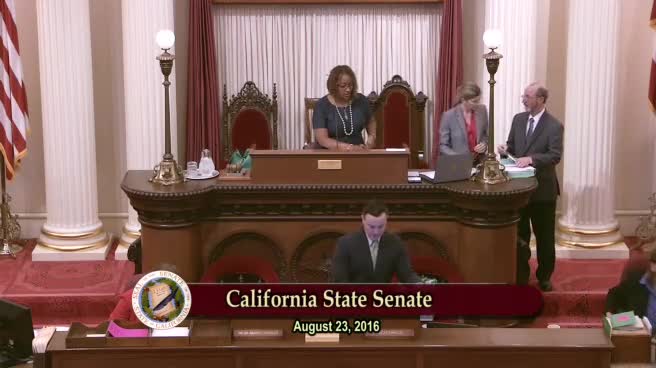 54SEC
Senate Floor
 2MIN
Senate Standing Committee on Appropriations
 6MIN
Assembly Standing Committee on Health


Bill Co-Author(s):
