AB 2181: Public contracts: contract specifications.
- Session Year: 2015-2016
- House: Assembly
- Latest Version Date: 2016-04-11
The State Contract Act requires an awarding department, before entering into any contract for a project, to prepare full, complete, and accurate plans and specifications and estimates of cost. That act prohibits, except in specified circumstances, a state agency responsible for letting public works contracts from drafting bid specifications in a manner that limits the bidding to any one concern or product, except under certain circumstances.
Other existing law establishes specific requirements for competitive bidding for building and improvement projects by the Regents of the University of California, including the manner and type of specifications.
The California State University Contract Law governs contracting for building and improvement projects by the California State University and imposes specific competitive bidding requirements for the Trustees of the California State University, including the preparation of specifications for a project.
This bill would require an awarding department, on or before January 1, 2018, to prepare and submit to the Legislature and the Governor a report on the greenhouse gas emissions that are associated with energy-intensive products emissions-intensive products, as defined, in projects within the jurisdiction of the department. The bill would require the emissions total shall to take into account the greenhouse gas emissions that are produced when the energy-intensive emissions-intensive product is manufactured or produced and the greenhouse gas emissions associated with the transportation of the energy-intensive emissions-intensive product from the site of its manufacture to the project site. The bill would require the department, as of January, 1 January 1, 2018, to incorporate the greenhouse gas emissions information into its procurement processes, including bid specifications, to procure energy-intensive emissions-intensive products with the lowest greenhouse gas emissions profile that meet standards imposed by a state agency for quality or safety purposes.
The bill would impose similar requirements on the Regents of the University of California and the Trustees of the California State University.
The State Contract Act requires an awarding department, before entering into any contract for a project, to prepare full, complete, and accurate plans and specifications and estimates of cost. That act prohibits, except in specified circumstances, a state agency responsible for letting public works contracts from drafting bid specifications in a manner that limits the bidding to any one concern or product, except under certain circumstances.
Other existing law establishes specific requirements for competitive bidding for building and improvement projects by the Regents of the University of California, including the manner and type of specifications.
The California State University Contract Law governs contracting for building and improvement projects by the California State University and imposes specific competitive bidding requirements for the Trustees of the California State University, including the preparation of specifications for a project.
This bill would require an awarding department, on or before January 1, 2018, to prepare and submit to the Legislature and the Governor a report on the greenhouse gas emissions that are associated with energy-intensive products in projects within the jurisdiction of the department. The emissions total shall take into account the greenhouse gas emissions that are produced when the energy-intensive product is manufactured or produced and the greenhouse gas emissions associated with the transportation of the energy-intensive product from the site of its manufacture to the project site. The bill would require the department, as of January, 1 2018, to incorporate the greenhouse gas emissions information into its procurement processes, including bid specifications, to procure energy-intensive products with the lowest greenhouse gas emissions profile that meet standards imposed by a state agency for quality or safety purposes.
The bill would impose similar requirements on the Regents of the University of California and the Trustees of the California State University.
(a)It is the intent of the Legislature to create a green infrastructure program that would encourage state agencies to account for and reduce the greenhouse gas emissions associated with energy-intensive emissions-intensive products that are used in major infrastructure projects and funded in whole or in part with state funds. This program would reduce the greenhouse gas emissions associated with energy-intensive emissions-intensive products by providing a market for high-quality goods with the lowest overall greenhouse gas emissions.
(b)If energy-intensive emissions-intensive products are sourced from facilities that do not comply with Californias climate energy goals or if a product is transported a long distance to the job site, it creates a large amount of greenhouse gas emissions that is part of the emissions total California is seeking to reduce by 2020. By ignoring these emissions, California is shifting the burden of emissions reductions to other portions of the economy and this places additional burden on Californias businesses and consumers. It would be better for consumers if the state acknowledges the emissions associated with large infrastructure projects and crafts a procurement process to procure a green product, a product that lowers greenhouse gas emissions while still meeting quality standards.
(c)Executive Order B-30-15 issued by Governor Edmund G. Brown Jr. stipulates that State agencies shall take climate change into account in their planning and investment decisions and employ full life-cycle cost accounting to evaluate and compare infrastructure investments and alternatives. It also notes that state agencies planning investments shall be guided by principles that build climate preparedness and reduce greenhouse gas emissions.
SEC. 2.Section 10130 is added to the Public Contract Code, to read:10130.(a)As used in this section:
(1)Project means a project for infrastructure subject to this chapter that is estimated to cost one million dollars ($1,000,000) or more.
(2)Energy-intensive product Emissions-intensive product means a product that is produced by a company the following industry sectors, as identified by the cap-and-trade program of the State Air Resources Board as energy emissions intensive, trade exposed. exposed:
(A)Cement manufacturing.
(B)Flat glass manufacturing.
(C)Iron and steel mills.
(D)Rolled shape manufacturing.
(b)(1)On or before January 1, 2018, the department shall prepare and submit to the Legislature and the Governor a report on the greenhouse gas emissions that are associated with energy-intensive emissions-intensive products in projects within the jurisdiction of the department. The emissions total shall take into account the greenhouse gas emissions that are produced when the energy-intensive emissions-intensive product is manufactured or produced and the greenhouse gas emissions associated with the transportation of the energy-intensive emissions-intensive product from the site of its manufacture to the project site.
(2)A report submitted pursuant to paragraph (1) shall be submitted in accordance with Section 9795 of the Government Code.
(3)The requirement for submitting a report pursuant to this subdivision is inoperative on January 1, 2021, pursuant to Section 10231.5 of the Government Code.
(c)As of January 1, 2018, the department shall incorporate the greenhouse gas emissions information described in subdivision (b) into its procurement processes, including bid specifications, to procure energy-intensive emissions-intensive products with the lowest greenhouse gas emissions profile that meet standards imposed by a state agency for quality or safety purposes.
SEC. 3.Section 10503.5 is added to the Public Contract Code, to read:10503.5.(a)As used in this section:
(1)Project means a project for infrastructure subject to this chapter that is estimated to cost one million dollars ($1,000,000) or more.
(2)Energy-intensive product Emissions-intensive product means a product that is produced by a company the following industry sectors, as identified by the cap-and-trade program of the State Air Resources Board as energy emissions intensive, trade exposed. exposed:
(A)Cement manufacturing.
(B)Flat glass manufacturing.
(C)Iron and steel mills.
(D)Rolled shape manufacturing.
(b)(1)On or before January 1, 2018, the Regents of the University of California shall prepare and submit to the Legislature and the Governor a report on the greenhouse gas emissions that are associated with energy-intensive emissions-intensive products in projects within the jurisdiction of the Regents of the University of California. The emissions total shall take into account the greenhouse gas emissions that are produced when the energy-intensive emissions-intensive product is manufactured or produced and the greenhouse gas emissions associated with the transportation of the energy-intensive emissions-intensive product from the site of its manufacture to the project site.
(2)A report submitted pursuant to paragraph (1) shall be submitted in accordance with Section 9795 of the Government Code.
(3)The requirement for submitting a report pursuant to this subdivision is inoperative on January 1, 2021, pursuant to Section 10231.5 of the Government Code.
(c)As of January 1, 2018, the Regents of the University of California shall incorporate the greenhouse gas emissions information described in subdivision (b) into University of California procurement processes, including bid specifications, to procure energy-intensive emissions-intensive products with the lowest greenhouse gas emissions profile that meet standards imposed by a state agency for quality or safety purposes.
SEC. 4.Section 10727 is added to the Public Contract Code, to read:10727.(a)As used in this section:
(1)Project means a project for infrastructure subject to this chapter that is estimated to cost one million dollars ($1,000,000) or more.
(2)Energy-intensive product Emissions-intensive product means a product that is produced by a company the following industry sectors, as identified by the cap-and-trade program of the State Air Resources Board as energy emissions intensive, trade exposed. exposed:
(A)Cement manufacturing.
(B)Flat glass manufacturing.
(C)Iron and steel mills.
(D)Rolled shape manufacturing.
(b)(1)On or before January 1, 2018, the trustees shall prepare and submit to the Legislature and the Governor a report on the greenhouse gas emissions that are associated with energy-intensive emissions-intensive products in projects within the jurisdiction of the trustees. The emissions total shall take into account the greenhouse gas emissions that are produced when the energy-intensive emissions-intensive product is manufactured or produced and the greenhouse gas emissions associated with the transportation of the energy-intensive emissions-intensive product from the site of its manufacture to the project site.
(2)A report submitted pursuant to paragraph (1) shall be submitted in accordance with Section 9795 of the Government Code.
(3)The requirement for submitting a report pursuant to this subdivision is inoperative on January 1, 2021, pursuant to Section 10231.5 of the Government Code.
(c)As of January 1, 2018, the trustees shall incorporate the greenhouse gas emissions information described in subdivision (b) into California State University procurement processes, including bid specifications, to procure energy-intensive emissions-intensive products with the lowest greenhouse gas emissions profile that meet standards imposed by a state agency for quality or safety purposes.
(a)It is the intent of the Legislature to create a green infrastructure program that would encourage state agencies to account for and reduce the greenhouse gas emissions associated with energy-intensive products that are used in major infrastructure projects and funded in whole or in part with state funds. This program would reduce the greenhouse gas emissions associated with energy-intensive products by providing a market for high-quality goods with the lowest overall greenhouse gas emissions.
(b)If energy-intensive products are sourced from facilities that do not comply with Californias climate energy goals or if a product is transported a long distance to the job site, it creates a large amount of greenhouse gas emissions that is part of the emissions total California is seeking to reduce by 2020. By ignoring these emissions, California is shifting the burden of emissions reductions to other portions of the economy and this places additional burden on Californias businesses and consumers. It would be better for consumers if the state acknowledges the emissions associated with large infrastructure projects and crafts a procurement process to procure a green product, a product that lowers greenhouse gas emissions while still meeting quality standards.
(c)Executive Order B-30-15 issued by Governor Edmund G. Brown Jr. stipulates that State agencies shall take climate change into account in their planning and investment decisions and employ full life-cycle cost accounting to evaluate and compare infrastructure investments and alternatives. It also notes that state agencies planning investments shall be guided by principles that build climate preparedness and reduce greenhouse gas emissions.
SEC. 2.Section 10130 is added to the Public Contract Code, to read:10130.(a)As used in this section:
(1)Project means a project for infrastructure subject to this chapter that is estimated to cost one million dollars ($1,000,000) or more.
(2)Energy-intensive product means a product that is produced by a company identified by the cap-and-trade program of the State Air Resources Board as energy intensive, trade exposed.
(b)(1)On or before January 1, 2018, the department shall prepare and submit to the Legislature and the Governor a report on the greenhouse gas emissions that are associated with energy-intensive products in projects within the jurisdiction of the department. The emissions total shall take into account the greenhouse gas emissions that are produced when the energy-intensive product is manufactured or produced and the greenhouse gas emissions associated with the transportation of the energy-intensive product from the site of its manufacture to the project site.
(2)A report submitted pursuant to paragraph (1) shall be submitted in accordance with Section 9795 of the Government Code.
(3)The requirement for submitting a report pursuant to this subdivision is inoperative on January 1, 2021, pursuant to Section 10231.5 of the Government Code.
(c)As of January 1, 2018, the department shall incorporate the greenhouse gas emissions information described in subdivision (b) into its procurement processes, including bid specifications, to procure energy-intensive products with the lowest greenhouse gas emissions profile that meet standards imposed by a state agency for quality or safety purposes.
SEC. 3.Section 10503.5 is added to the Public Contract Code, to read:10503.5.(a)As used in this section:
(1)Project means a project for infrastructure subject to this chapter that is estimated to cost one million dollars ($1,000,000) or more.
(2)Energy-intensive product means a product that is produced by a company identified by the cap-and-trade program of the State Air Resources Board as energy intensive, trade exposed.
(b)(1)On or before January 1, 2018, the Regents of the University of California shall prepare and submit to the Legislature and the Governor a report on the greenhouse gas emissions that are associated with energy-intensive products in projects within the jurisdiction of the Regents of the University of California. The emissions total shall take into account the greenhouse gas emissions that are produced when the energy-intensive product is manufactured or produced and the greenhouse gas emissions associated with the transportation of the energy-intensive product from the site of its manufacture to the project site.
(2)A report submitted pursuant to paragraph (1) shall be submitted in accordance with Section 9795 of the Government Code.
(3)The requirement for submitting a report pursuant to this subdivision is inoperative on January 1, 2021, pursuant to Section 10231.5 of the Government Code.
(c)As of January 1, 2018, the Regents of the University of California shall incorporate the greenhouse gas emissions information described in subdivision (b) into University of California procurement processes, including bid specifications, to procure energy-intensive products with the lowest greenhouse gas emissions profile that meet standards imposed by a state agency for quality or safety purposes.
SEC. 4.Section 10727 is added to the Public Contract Code, to read:10727.(a)As used in this section:
(1)Project means a project for infrastructure subject to this chapter that is estimated to cost one million dollars ($1,000,000) or more.
(2)Energy-intensive product means a product that is produced by a company identified by the cap-and-trade program of the State Air Resources Board as energy intensive, trade exposed.
(b)(1)On or before January 1, 2018, the trustees shall prepare and submit to the Legislature and the Governor a report on the greenhouse gas emissions that are associated with energy-intensive products in projects within the jurisdiction of the trustees. The emissions total shall take into account the greenhouse gas emissions that are produced when the energy-intensive product is manufactured or produced and the greenhouse gas emissions associated with the transportation of the energy-intensive product from the site of its manufacture to the project site.
(2)A report submitted pursuant to paragraph (1) shall be submitted in accordance with Section 9795 of the Government Code.
(3)The requirement for submitting a report pursuant to this subdivision is inoperative on January 1, 2021, pursuant to Section 10231.5 of the Government Code.
(c)As of January 1, 2018, the trustees shall incorporate the greenhouse gas emissions information described in subdivision (b) into California State University procurement processes, including bid specifications, to procure energy-intensive products with the lowest greenhouse gas emissions profile that meet standards imposed by a state agency for quality or safety purposes.
|
Date
|
Status
|
|---|---|
| Feb 18, 2016 | Read first time. To print. |
| Feb 19, 2016 | From printer. May be heard in committee March 20. |
| Mar 3, 2016 | Referred to Coms. on NAT. RES. and A. & A.R. |
| Apr 7, 2016 | From committee: Amend, and do pass as amended and re-refer to Com. on A. & A.R. (Ayes 6. Noes 1.) (April 4). |
| Apr 11, 2016 | Joint Rule 62(a), file notice suspended. |
| Apr 11, 2016 | Joint Rule 62(a), file notice suspended. (Page 4255.) |
| Apr 11, 2016 | Re-referred to Com. on A. & A.R. |
| Apr 11, 2016 | Read second time and amended. |
| Apr 13, 2016 | From committee: Do pass and re-refer to Com. on APPR. (Ayes 8. Noes 0.) (April 13). Re-referred to Com. on APPR. |
| May 25, 2016 | In committee: Set, first hearing. Referred to APPR. suspense file. |
| May 27, 2016 | In committee: Held under submission. |
| May 27, 2016 | Joint Rule 62(a), file notice suspended. |
| May 27, 2016 | Joint Rule 62(a), file notice suspended. (Page 4943.) |
|
Date
|
Description
|
Location
|
Votes
|
|
|---|---|---|---|---|
| Apr 13, 2016 | Do pass and be re-referred to the Committee on [Appropriations] | Assembly Standing Committee on Accountability and Administrative Review |
Passed |
|
| Apr 4, 2016 | Do pass as amended and be re-referred to the Committee on [Accountability and Administrative Review] | Assembly Standing Committee on Natural Resources |
Passed |
This list shows positions taken on this bill by organizations on the date displayed, which is linked to the original source.
Positions by individuals are not included.
|
Organization
|
Position
|
Date
|
|---|---|---|
| Gerdau Steel | ** Support | May 25, 2016 |
| United Steelworkers, District 12 | ** Support | May 25, 2016 |
Date of Hearing: May 25, 2016
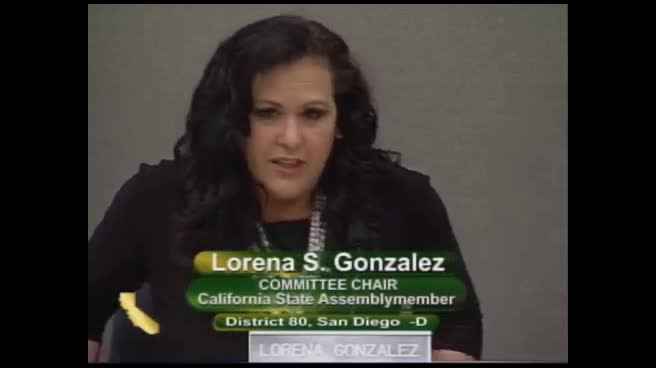
ASSEMBLY COMMITTEE ON APPROPRIATIONS
Lorena Gonzalez, Chair
ABPCA Bill Id:AB 2181
Author:(Brown) – As Amended Ver:April 11, 2016
Policy Committee: | Natural Resources | Vote: | 6 - 1 |
Accountability and Administrative Review | 8 - 0 |
Urgency: No State Mandated Local Program: No Reimbursable: No
SUMMARY:
This bill requires specified state departments, the University of California (UC), and the California State University (CSU) to evaluate the impact of greenhouse gas (GHG) emissions on certain infrastructure projects and incorporate GHG emissions considerations into their procurement processes. Specifically, this bill:
- Requires specified state departments, UC, and CSU to report to the Legislature by January 1, 2018, on GHG emissions associated with specific emission-intensive products for infrastructure projects costing $1 million or more.
- Defines the emissions-intensive products to be one produced by the following industries:
- cement manufacturing;
- flat glass manufacturing;
- iron and steel mills; and
- rolled steel shape manufacturing.
- Requires by January 1, 2018, specified state departments, UC, and CSU to incorporate GHG information into their procurement processes to procure emissions-intensive products with the lowest GHG impacts.
FISCAL EFFECT:
- The Department of Water Resources (DWR) anticipates a 3-5% increase in costs which translates to an additional $3 to $5 million increase on an annual construction budget of $100 million.
- The Department of Parks and Recreation (which now includes the Department of Boating and Waterways) estimates costs would be absorbable. However, this assumes the science exists to determine emissions of concrete development and transportation, but they note they will not be able to identify or report on this information unless it is provided by the concrete companies.
- The California Department of Corrections and Rehabilitation (CDCR) uses large amounts of the materials identified in this bill and anticipates unknown increased project costs if the costs of the materials increase. CDCR also notes their lack of ability to quantify or monetize GHG emissions across project lines will result in verification difficulties. This may require the need to contract out for such expertise which would also increase costs.
- UC estimates $2 million per year in reporting costs and unknown increases in material costs and potential project delays. UC also notes this bill contradicts existing state requirements for competitive bidding and selection of products at the lowest cost.
- CSU estimates increased costs of $560,000 to $840,000 to develop the data and tools necessary to integrate GHG as part of selection criteria developed over a 5 to 7 year period. Additionally, CSU estimates annual construction cost increases of $35 million for a $1 billion construction spending budget resulting from higher cost bidders receiving contracts.
- Unknown, potentially significant cost increases to the Department of Transportation, Military Department and Department of General Services.
COMMENTS:
- Purpose. This bill requires state departments, including the Department of Water Resources, Department of Transportation, Department of Boating and Waterways, Department of Corrections and Rehabilitation, Military Department, and Department of General Services, as well as the UC and CSU to report to the Legislature information about GHG emissions impacts of infrastructure projects that cost $1 million or more.
Additionally, the entities must incorporate this information into their procurement processes, including bid specifications, to purchase emission-intensive products with the lowest GHG emissions profile that meet state quality or safety standards. Instead, it requires state entities to consider GHG emissions as a factor in evaluating potential bidders under their procurement processes.
According to the author, this bill will "create a green infrastructure/sustainability policy that would reduce the GHG emissions associated with energy-intensive materials used in the construction of large infrastructure projects."
The author is focusing on specified industry sectors because products in those areas are considered emission intensive. This bill requires that the emission totals incorporated in procurement processes must account for both the GHG emissions that are produced when the product is manufactured or produced and those associated with transporting the product from where it is made to the job site.
- Background. The Air Resources Board (ARB), pursuant to the California Global Warming Solutions Act of 2006 (AB 32), is required to adopt a statewide GHG emissions limit equivalent to 1990 levels by 2020 and adopt regulations to achieve maximum technologically-feasible and cost-effective GHG emission reductions.
Governor's Executive Order B-30-15 directs state agencies to employ full life-cycle cost accounting to evaluate and compare infrastructure investments and alternatives. Considering GHG impacts beyond just the manufacturing impacts is in line with this executive order.
Analysis Prepared by: Jennifer Galehouse / APPR. / (916) 319-2081
Date of Hearing: April 13, 2016
ASSEMBLY COMMITTEE ON ACCOUNTABILITY AND ADMINISTRATIVE REVIEW
Cristina Garcia, Chair
ABPCA Bill Id:AB 2181 (
Author:Brown) – As Amended Ver:April 11, 2016
SUBJECT: Public contracts: contract specifications
SUMMARY: Requires specified state departments, the University of California (UC), and the California State University (CSU) to evaluate the impact of greenhouse gas (GHG) emissions on certain infrastructure projects and incorporate GHG emissions considerations into their procurement processes.
Specifically, this bill:
- Requires specified state departments, UC, and CSU to report to the Legislature by January 1, 2018, on GHG emissions associated with specific emission-intensive sectors for infrastructure projects that cost $1 million or more.
- Defines the industries to include cement manufacturing, flat glass manufacturing, iron and steel mills, and rolled steel shape manufacturing.
- Requires by January 1, 2018, specified state departments, UC, and CSU to incorporate GHG information into their procurement processes to procure emissions-intensive products with the lowest GHG impacts.
EXISTING LAW:
- Requires the Air Resources Board (ARB), pursuant to the California Global Warming Solutions Act of 2006 (AB 32), to adopt a statewide GHG emissions limit equivalent to 1990 levels by 2020 and adopt regulations to achieve maximum technologically-feasible and cost-effective GHG emission reductions.
- Requires state agencies, when purchasing specified products in 11 categories, to buy those at specified levels that contain minimum amounts of recycled-content material.
FISCAL EFFECT: Unknown
COMMENTS: This bill requires state departments, including the Department of Water Resources, Department of Transportation, Department of Boating and Waterways, Department of Corrections and Rehabilitation, Military Department, and Department of General Services, as well as the UC and CSU to report to the Legislature information about GHG emissions impacts of infrastructure projects that cost $1 million or more.
Additionally, the entities must incorporate this information into their procurement processes, including bid specifications, to purchase emission-intensive products with the lowest GHG emissions profile that meet state quality or safety standards.
Previous unsuccessful legislation would have given a specified bidding preference to companies that provide environmentally preferred purchasing. The approach of this bill is different, as it does not set a preference between conventional and environmentally-preferable alternatives. Instead, it requires state entities to consider GHG emissions as a factor in evaluating potential bidders under their procurement processes.
According to the author, this bill will "create a green infrastructure/sustainability policy that would reduce the GHG emissions associated with energy-intensive materials used in the construction of large infrastructure projects."
The author is focusing on specified industry sectors because products in those areas are considered emission intensive. This bill requires that the emission totals incorporated in procurement processes must account for both the GHG emissions that are produced when the product is manufactured or produced and those associated with transporting the product from where it is made to the job site.
Considering GHG impacts beyond just the manufacturing impacts is in line with the Governor's Executive Order B-30-15, which directs state agencies to "employ full life-cycle cost accounting to evaluate and compare infrastructure investments and alternatives."
PRIOR LEGISLATION: AB 963 (Levine) of 2013 would have given a preference for a bidder with a record of environmentally preferable purchasing. The bill died in the Assembly Appropriations Committee.
DOUBLE REFERRAL: This measure was previously heard in the Assembly Natural Resources Committee on April 4, 2016, with a vote of 6-1.
REGISTERED SUPPORT / OPPOSITION:
Support
Gerdau Steel
United Steelworkers, District 12
Opposition
None on file
Analysis Prepared by: Scott Herbstman / A. & A.R. / (916) 319-3600
Date of Hearing: April 4, 2016
ASSEMBLY COMMITTEE ON NATURAL RESOURCES
Das Williams, Chair
ABPCA Bill Id:AB 2181 (
Author:Brown) – As Introduced Ver:February 18, 2016
SUBJECT: Public contracts: contract specifications
SUMMARY: Requires specified state departments, the University of California, and the California State University to evaluate greenhouse gas (GHG) emissions impacts of their projects and incorporate GHG emissions considerations into their procurement processes.
EXISTING LAW:
- Requires the Air Resources Board (ARB), pursuant to California Global Warming Solutions Act of 2006 (AB 32), to adopt a statewide GHG emissions limit equivalent to 1990 levels by 2020 and adopt regulations to achieve maximum technologically feasible and cost-effective GHG emission reductions. AB 32 authorizes ARB to permit the use of market-based compliance mechanisms to comply with GHG reduction regulations, once specified conditions are met.
- Pursuant to AB 32, ARB has identified "covered entities" that are subject to the state's cap-and-trade program.
- Requires state agencies to do the following:
- Purchase products that contain specified minimum amounts of postconsumer recycled-content material in 11 reportable product categories: paper products; printing and writing paper; mulch, compost, and cocompost; glass products; lubricating oils; plastic products; paint; antifreeze; tires; tire-derived products; and, metal products.
- Ensure that at least 50% of the purchases in the product categories are for recycled-content products.
- Report annually to the California Department of Resources Recycling and Recovery (CalRecycle) dollars spent on recycled and non-recycled products purchased in the 11 categories.
- Beginning in 2020, increases the buy-recycled requirement to 75% of reportable purchases for all product categories except paint, antifreeze, and tires.
- Pursuant to the Public Contract Code, defines "the department" as any of the following for any project under their jurisdiction:
- Department of Water Resources;
- Department of Transportation;
- Department of Boating and Waterways;
- Department of Corrections and Rehabilitation;
- Military Department (e.g., California Army National Guard, California Air National Guard, California State Military Reserve, and California Youth and Community Programs); and,
- Department of General Services.
THIS BILL:
- On or before January 1, 2018, requires the department, the Regents of the University of California, and the trustees of California State University to report to the Governor and the Legislature on the GHG emissions that are associated with energy-intensive products in projects within their jurisdictions. Specifies that the emissions total take into account the GHG emissions that are produced when the energy-intensive product is manufactured or produced and the GHG emissions associated with the transportation of the energy-intensive product from the site of its manufacture to the project site.
- On and after January 1, 2018, requires the department, the Regents, and the trustees to incorporate the GHG emissions information into its procurement processes, including bid specifications, to procure energy-intensive products with the lowest GHG emissions profile that meet state quality and safety standards.
- Defines "project" as a project for infrastructure that is estimated to cost $1 million or more.
- Defines "energy-intensive product" as a product that is produced by a company identified by ARB as "energy intensive, trade exposed."
FISCAL EFFECT: Unknown
COMMENTS:
- Author statement:
Though California is committed to the reduction of GHG emissions and supporting the development of its green economy, the State has not fully addressed how it plans to help traditional businesses comply with new environmental regulations. Unfortunately, when new rules increase the costs of manufacturing, California companies are at a competitive disadvantage to businesses located in other state and countries that have lower environmental standards. Companies in our state that provide building materials produced and shipped in California should not be overlooked for infrastructure projects that will help us achieve our important "green" goals. The Governor has already issued two executive orders relating to the need for the state to procure green building materials that are manufactured in the state of California.
- High speed rail sustainability policy. The California High Speed Rail Authority is responsible for the development and implementation of intercity high-speed rail service. In 2013, the Authority adopted a sustainability policy that establishes "priorities and objectives" for the construction and implementation of the high-speed rail program, including: energy; station communities and ridership; sustainable infrastructure; natural resources; and, business and management. These broad categories include a wide range of goals and principals, including making energy efficiency a priority in design, using renewable energy, maximizing GHG emissions reductions, recycling steel and concrete, etc. On March 8th, the Authority's board of directors (board) approved a resolution to update the sustainability policy to:
- Revise specifications and contract provisions to improve materials life-cycle scores and other stated board objectives;
- Develop a means of scoring construction bids that demonstrate compliance with the Authority's sustainability policy;
- Develop a baseline of the materials currently being installed for the project to determine their environmental characteristics;
- Carry out information sessions with industry providers and contractors;
- Complete climate change vulnerability research and develop appropriate mitigation and adaptation strategies; and,
- Report to the board and the public on the overall impacts of implementing sustainable infrastructure principles in the high-speed rail program, and how such a program furthers the state's low carbon, natural resources, and community benefit goals.
According to the author, this bill is intended to require other state entities that oversee infrastructure projects to adopt a similar sustainability policy.
- Our emissions have sprung a leak. Leakage refers to GHG emissions reductions in state that are replaced by increased GHG emissions out of state. AB 32 requires ARB to design measures to minimize leakage. Industries for which production is highly emissions intensive, which results in high compliance costs, and industries facing strong competition from out-of-state producers are generally at highest risk of leakage. In order to minimize leakage risk, ARB provides free allocations to at-risk industries (identified by the North American Industry Classification System codes) into high, medium, or low risk for leakage. Over time, ARB will reduce the percentage of free allocations for medium and low risk industry sectors.
- Leak prevention. This bill attempts to minimize leakage by requiring departments that oversee infrastructure projects to consider leakage caused by the use of products purchased out of state and incorporate this information into its procurement processes. This bill refers to companies identified as "energy intensive, trade exposed" by ARB to capture industries that are at risk of leakage. However, ARB does not identify individual companies or products as "energy intensive, trade exposed;" instead, ARB has assigned all industrial sectors covered by the cap-and-trade program a leakage risk classification of low, medium, or high. The author's office has indicated that the bill is intended to cover cement, iron and steel mills, rolled steel shape manufacturing, and flat glass manufacturing. The committee may wish to amend the bill to specify that the bill is limited to these products, which are classified as high leakage risk by ARB.
- Double referral. This bill has also been referred to the Assembly Accountability and Administrative Review Committee.
REGISTERED SUPPORT / OPPOSITION:
Support
Gerdau Steel
United Steelworkers, District 12
Opposition
None on file
Analysis Prepared by: Elizabeth MacMillan / NAT. RES. / (916) 319-2092
Discussed in Hearing
 2MIN
Assembly Standing Committee on Appropriations
 12MIN
Assembly Standing Committee on Natural Resources
Bill Author

Bill Co-Author(s):