AB 2272: Occupational safety and health standards: plume.
- Session Year: 2015-2016
- House: Assembly
- Latest Version Date: 2016-08-31
Under existing law, the Occupational Safety and Health Standards Board within the Department of Industrial Relations promulgates and enforces occupational safety and health standards for the state, including standards dealing with toxic materials and harmful physical agents. Under existing law, the Division of Occupational Safety and Health is required to enforce all occupational safety and health standards, as specified. A violation of these standards and regulations under specific circumstances is a crime.
This bill would, by June 1, 2017, require the division to convene an advisory committee to develop a regulation that requires a health facility to evacuate or remove plume through the use of a plume scavenging system in all settings that employ techniques that involve the creation of plume and would authorize certain entities and people to be on the advisory committee, including, among others, practicing physicians and surgeons from affected specialties. The bill would require the division, in developing the regulation to do certain things, including evaluating the use of certain standards adopted by specified organizations as a benchmark. The bill would also require the division, when developing the proposed regulation, to take into consideration recommendations on the evacuation of plume from the federal Occupational Safety and Health Administration or National Institute for Occupational Safety and Health. The bill would, by June 1, 2018, require the division to submit to the board the proposed regulation. The bill would, by July 1, 2019, require the board to adopt the proposed regulation.
The bill would provide that compliance with general room ventilation standards or the use of surgical masks does not satisfy the requirements for protection from surgical plumes under these provisions. The bill would provide that the use of respirators does not satisfy the requirements for protection from surgical plumes under these provisions, except as specified. The bill would require the manufacturer of a plume scavenging system to provide evidence that the system meets specified minimum requirements when installed, operated, and maintained in accordance with the manufacturers instructions.
The bill would specify that these provisions do not limit the authority of the division to develop, or limit the authority of the board to adopt, a regulation with a broader scope or broader application than required by these provisions.
By expanding the definition of an existing crime, this bill would impose a state-mandated local program.
The California Constitution requires the state to reimburse local agencies and school districts for certain costs mandated by the state. Statutory provisions establish procedures for making that reimbursement.
This bill would provide that no reimbursement is required by this act for a specified reason.
Under existing law, the Occupational Safety and Health Standards Board within the Department of Industrial Relations promulgates and enforces occupational safety and health standards for the state, including standards dealing with toxic materials and harmful physical agents. Under existing law, the Division of Occupational Safety and Health is required to enforce all occupational safety and health standards, as specified. A violation of these standards and regulations under specific circumstances is a crime.
This bill would require the board, by June 1, 2018, to adopt standards to protect health care personnel and patients from plume, defined as noxious airborne contaminants generated as byproducts of the use of specific devices during surgical, diagnostic, or therapeutic procedures. would, by June 1, 2017, require the division to convene an advisory committee to develop a regulation that requires a health facility to evacuate or remove plume through the use of a plume scavenging system in all settings that employ techniques that involve the creation of plume and would authorize certain entities and people to be on the advisory committee, including, among others, practicing physicians and surgeons from affected specialties. The bill would require the board, division, in adopting these standards, developing the regulation to take into consideration and use as a benchmark do certain things, including evaluating the use of certain standards adopted by specified organizations. organizations as a benchmark. The bill would also require the board to use as the mandated requirement for plume scavenging systems recommendations of division, when developing the proposed regulation, to take into consideration recommendations on the evacuation of plume from the federal Occupational Safety and Health Administration or National Institute for Occupational Safety and Health, where the board determines those recommendations are more effective in the evacuation of plume and would be more protective of occupational health than the described standards. Health. The bill would, by June 1, 2018, require the division to submit to the board the proposed regulation. The bill would, by July 1, 2019, require the board to adopt the proposed regulation.
The bill would require the board, as part of the standards, to include a requirement that employers provide training to all health care workers involved in procedures that involve the creation of plume, as specified.
The bill would provide that compliance with general room ventilation standards or the use of surgical masks or respirators does not satisfy the requirements for protection from surgical plumes under these provisions. The bill would provide that the use of respirators does not satisfy the requirements for protection from surgical plumes under these provisions, except as specified. The bill would require the manufacturer of a plume scavenging system to provide evidence that the system meets specified minimum requirements when installed, operated, and maintained in accordance with the manufacturers instructions.
The bill would specify that these provisions do not limit the authority of the division to develop, or limit the authority of the board to adopt, a regulation with a broader scope or broader application than required by these provisions.
By expanding the definition of an existing crime, this bill would impose a state-mandated local program.
The California Constitution requires the state to reimburse local agencies and school districts for certain costs mandated by the state. Statutory provisions establish procedures for making that reimbursement.
This bill would provide that no reimbursement is required by this act for a specified reason.
Under existing law, the Occupational Safety and Health Standards Board within the Department of Industrial Relations promulgates and enforces occupational safety and health standards for the state, including standards dealing with toxic materials and harmful physical agents. A violation of these standards and regulations under specific circumstances is a crime.
This bill would require the board, by June 1, 2018, to adopt standards to protect health care personnel and patients from plume, defined as noxious airborne contaminants generated as byproducts of the use of specific devices during surgical, diagnostic, or therapeutic procedures. The bill would require the board, in adopting these standards, to take into consideration and use as a benchmark certain standards adopted by specified organizations. The bill would require the board to use as the mandated requirement for plume scavenging systems recommendations of the federal Occupational Safety and Health Administration or National Institute for Occupational Safety and Health, where the board determines those recommendations are more effective in the evacuation of plume and would be more protective of occupational health than the described standards.
The bill would require the board, as part of the standards, to include a requirement that employers provide training to all health care workers involved in procedures that involve the creation of plume, as specified.
The bill would provide that compliance with general room ventilation standards or the use of surgical masks or respirators does not satisfy the requirements for protection from surgical plumes under these provisions. The bill would require the manufacturer of a plume scavenging system to provide evidence that the system meets specified minimum requirements when installed, operated, and maintained in accordance with the manufacturers instructions.
By expanding the definition of an existing crime, this bill would impose a state-mandated local program.
The California Constitution requires the state to reimburse local agencies and school districts for certain costs mandated by the state. Statutory provisions establish procedures for making that reimbursement.
This bill would provide that no reimbursement is required by this act for a specified reason.
Under existing law, the Occupational Safety and Health Standards Board within the Department of Industrial Relations promulgates and enforces occupational safety and health standards for the state, including standards dealing with toxic materials and harmful physical agents. A violation of these standards and regulations under specific circumstances is a crime.
This bill would require the board board, by June 1, 2018, to adopt standards to protect health care personnel and patients from plume, defined as noxious airborne contaminants generated as byproducts of the use of specific devices during surgical, diagnostic, or therapeutic procedures. The bill would require the board, in adopting these standards, to take into consideration and use as a benchmark certain standards adopted by specified organizations. The bill would require the board to use as the mandated requirement for plume scavenging systems recommendations of the federal Occupational Safety and Health Administration or National Institute for Occupational Safety and Health, where the board determines those recommendations are more effective in the evacuation of plume and would be more protective of occupational health than the described standards.
The bill would require the board, as part of the standards, to include a requirement that employers provide training to all health care workers involved in procedures that involve the creation of plume, as specified.
The bill would provide that compliance with general room ventilation standards or the use of surgical masks or respirators does not satisfy the requirements for protection from surgical plumes under these provisions.
By expanding the definition of an existing crime, this bill would impose a state-mandated local program.
The California Constitution requires the state to reimburse local agencies and school districts for certain costs mandated by the state. Statutory provisions establish procedures for making that reimbursement.
This bill would provide that no reimbursement is required by this act for a specified reason.
Under existing law, the Occupational Safety and Health Standards Board within the Department of Industrial Relations promulgates and enforces occupational safety and health standards for the state, including standards dealing with toxic materials and harmful physical agents. A violation of these standards and regulations under specific circumstances is a crime.
This bill would require the board to adopt standards to protect health care personnel and patients from plume, defined as noxious airborne contaminants generated as byproducts of the use of specific devices during surgical, diagnostic, or therapeutic procedures. The bill would require the board, in adopting these standards, to take into consideration and use as a benchmark certain standards adopted by specified organizations. The bill would require the board to use as the mandated requirement for plume scavenging systems recommendations of the federal Occupational Safety and Health Administration or National Institute for Occupational Safety and Health, where the board determines those recommendations are more effective in the evacuation of plume and would be more protective of occupational health than the described standards.
The bill would provide that compliance with general room ventilation standards or the use of surgical masks or respirators does not satisfy the requirements for protection from surgical plumes under these provisions.
By expanding the definition of an existing crime, this bill would impose a state-mandated local program.
The California Constitution requires the state to reimburse local agencies and school districts for certain costs mandated by the state. Statutory provisions establish procedures for making that reimbursement.
This bill would provide that no reimbursement is required by this act for a specified reason.
(a)As used in this section:
(1)Division means the Division of Occupational Safety and Health.
(2)Electrocautery device means a device that is electrically heated to cut, ablate, or coagulate human tissue for therapeutic purposes.
(3)Electrosurgical device means a device that uses a radio frequency electric current passing through the patient to cut, ablate, or coagulate human tissue for therapeutic purposes.
(4)Energy-based device means a device that uses energy to ablate, cauterize, or mechanically manipulate target human tissue including lasers, electrosurgical generators, broadband light sources, ultrasonic instruments, plasma generators, bone saws, and drills.
(5)Health facility means a health facility as defined in subdivision (a) of Section 1250 of the Health and Safety Code.
(6)Plume means noxious airborne contaminants generated as byproducts of the use of energy-based devices, electrosurgical devices, electrocautery devices, or mechanical tools during surgical, diagnostic, or therapeutic procedures.
(7)Plume scavenging system means smoke evacuators, laser plume evacuators, plume scavengers, and local exhaust ventilators that capture and neutralize plume at the site of origin and before plume can make ocular contact or contact with the respiratory tract of employees.
(b)(1)The division, by June 1, 2017, shall convene an advisory committee to develop a regulation that requires a health facility to evacuate or remove plume through the use of a plume scavenging system in all settings that employ techniques that involve the creation of plume. The advisory committee may include health facilities, practicing physicians and surgeons from affected specialties, registered nurses and other affected health care personnel, labor and specialty organizations representing affected registered nurses, labor and specialty organizations representing other affected health care personnel, and other stakeholders.
(2)By June 1, 2018, the division shall submit to the board the proposed regulation requiring a health facility to evacuate or remove plume through the use of a plume scavenging system in all settings that employ techniques that involve the creation of plume.
(3)In developing the regulation, the division shall do all of the following:
(A)Evaluate using as a benchmark the standards titled Systems for evacuation of plume generated by medical devices (ISO 16571) adopted by the International Organization for Standardization and the standards titled Plume scavenging in surgical, diagnostic, therapeutic, and aesthetic settings (CSA Z305.13-13) adopted by the CSA Group.
(B)Take into consideration recommendations on the evacuation of plume from the federal Occupational Safety and Health Administration and National Institute for Occupational Safety and Health.
(C)Take into consideration the standards titled Systems for evacuation of plume generated by medical devices (ISO 16571) adopted by the International Organization for Standardization in developing a standard establishing how much plume shall be captured by a plume scavenging system.
(D)Include a requirement in the regulation for employers to provide training to all workers foreseeably participating in procedures that involve the creation of plume. The training shall include, but not be limited to, general education on the contents of plume, the circumstances in which it is generated, the associated health and safety hazards, and appropriate use of the plume scavenging equipment and systems utilized by the health facility. The training shall be designed to provide an opportunity for interactive questions and answers with a person knowledgeable about occupational exposure to plume and the specific equipment utilized to scavenge plume.
(c)The board shall, by July 1, 2019, adopt the proposed regulation of the division, except as specified in subdivision (f), requiring a health facility to evacuate or remove plume through the use of a plume scavenging system in all settings that employ techniques that involve the creation of plume.
(d)(1)Nothing in this section alters, amends, expands, or reduces existing general room ventilation standards or requirements. These plume scavenging standards are in addition to general room ventilation standards or requirements, and compliance with general room ventilation standards shall not satisfy the requirements of this section.
(2)Evidence that the plume scavenging system conforms to the minimum requirements of this section when installed, operated, and maintained in accordance with the manufacturers instructions, shall be provided by the manufacturer.
(e)The use of surgical masks shall not satisfy the requirements of this section. The use of respirators shall not satisfy the requirements of this section except when, due to medical necessity, the plume scavenging system is not able to be located where it effectively captures plume.
(f)This section shall not limit the authority of the division to develop a regulation, or the authority of the board to adopt a regulation, that is broader in scope or broader in application than required by this section.
SEC. 2.No reimbursement is required by this act pursuant to Section 6 of Article XIIIB of the California Constitution because the only costs that may be incurred by a local agency or school district will be incurred because this act creates a new crime or infraction, eliminates a crime or infraction, or changes the penalty for a crime or infraction, within the meaning of Section 17556 of the Government Code, or changes the definition of a crime within the meaning of Section 6 of Article XIIIB of the California Constitution.
(a)As used in this section:
(1)Division means the Division of Occupational Safety and Health.
(1)
(2)Electrocautery device means a device that is electrically heated to cut, ablate, or coagulate human tissue for therapeutic purposes.
(2)
(3)Electrosurgical device means a device that uses a radio frequency electric current passing through the patient to cut, ablate, or coagulate human tissue for therapeutic purposes.
(3)
(4)Energy-based device means a device that uses energy to ablate, cauterize, or mechanically manipulate target human tissue including lasers, electrosurgical generators, broadband light sources, ultrasonic instruments, plasma generators, bone saws, and drills.
(5)Health facility means a health facility as defined in subdivision (a) of Section 1250 of the Health and Safety Code.
(4)
(6)Plume means noxious airborne contaminants generated as byproducts of the use of energy-based devices, electrosurgical devices, electrocautery devices, or mechanical tools during surgical, diagnostic, or therapeutic procedures.
(5)
(7)Plume scavenging system means smoke evacuators, laser plume evacuators, plume scavengers, and local exhaust ventilators that, when used in accordance with the manufacturers instructions, conform to the general requirement of the 2014 ISO Standard 16571 to remove and neutralize at least 90 percent of plume at the site of origin and before plume can make ocular contact or contact with the respiratory tract of health care personnel or patients. that capture and neutralize plume at the site of origin and before plume can make ocular contact or contact with the respiratory tract of employees.
(b)(1)The board shall, by division, by June 1, 2017, shall convene an advisory committee to develop a regulation that requires a health facility to evacuate or remove plume through the use of a plume scavenging system in all settings that employ techniques that involve the creation of plume. The advisory committee may include health facilities, practicing physicians and surgeons from affected specialties, registered nurses and other affected health care personnel, labor and specialty organizations representing affected registered nurses, labor and specialty organizations representing other affected health care personnel, and other stakeholders.
(2)By June 1, 2018, adopt an occupational safety and health standard requiring a health facility, as defined in subdivision (a) of Section 1250 of the Health and Safety Code, to evacuate or remove plume through the use of a plume scavenging system in all settings that employ techniques that involve the creation of plume. In the division shall submit to the board the proposed regulation requiring a health facility to evacuate or remove plume through the use of a plume scavenging system in all settings that employ techniques that involve the creation of plume.
(3)In developing the standard, regulation, the board division shall take into consideration and use as a benchmark do all of the following:
(A)Evaluate using as a benchmark the standards titled Systems for evacuation of plume generated by medical devices (ISO 16571) adopted by the International Organization for Standardization and the standards titled Plume scavenging in surgical, diagnostic, therapeutic, and aesthetic settings (CSA Z305.13-13) adopted by the CSA Group. Where, in the determination of the board, recommendations of the
(B)Take into consideration recommendations on the evacuation of plume from the federal Occupational Safety and Health Administration or and National Institute for Occupational Safety and Health are more effective in the evacuation of plume and would be more protective of occupational health than the ISO or CSA standards, the board shall use those federal recommendations as the mandated requirement for plume scavenging systems. Health.
(2)As part of the standard, the board shall include
(C)Take into consideration the standards titled Systems for evacuation of plume generated by medical devices (ISO 16571) adopted by the International Organization for Standardization in developing a standard establishing how much plume shall be captured by a plume scavenging system.
(D)Include a requirement in the regulation for employers to provide training and education to all health care workers that will participate foreseeably participating in procedures that involve the creation of plume. The training shall include, but not be limited to, the appropriate use of the plume scavenging systems and equipment utilized by the facility, and general education on the contents of plume, the circumstances in which it is generated, and the associated health and safety hazards. hazards, and appropriate use of the plume scavenging equipment and systems utilized by the health facility. The training shall be designed to provide an opportunity for interactive questions and answers with a person knowledgeable about occupational exposure to plume and the specific equipment utilized. utilized to scavenge plume.
(3)In developing standards, the board may consider input from health facilities, practicing physicians from affected specialties, registered nurses and other affected health care personnel, labor and specialty organizations representing affected registered nurses, labor and specialty organizations representing other affected health care personnel, and other stakeholders.
(c)The board shall, by July 1, 2019, adopt the proposed regulation of the division, except as specified in subdivision (f), requiring a health facility to evacuate or remove plume through the use of a plume scavenging system in all settings that employ techniques that involve the creation of plume.
(c)
(d)(1)Nothing in this section alters, amends, expands, or reduces existing general room ventilation standards or requirements. These plume scavenging standards are in addition to general room ventilation standards or requirements, and compliance with general room ventilation standards shall not satisfy the requirements of this section.
(2)Evidence that the plume scavenging system conforms to the minimum requirements of this section when installed, operated, and maintained in accordance with the manufacturers instructions, shall be provided by the manufacturer.
(d)
(e)The use of surgical masks or respirators shall not satisfy the requirements of this section. The use of respirators shall not satisfy the requirements of this section except when, due to medical necessity, the plume scavenging system is not able to be located where it effectively captures plume.
(f)This section shall not limit the authority of the division to develop a regulation, or the authority of the board to adopt a regulation, that is broader in scope or broader in application than required by this section.
SEC. 2.No reimbursement is required by this act pursuant to Section 6 of Article XIIIB of the California Constitution because the only costs that may be incurred by a local agency or school district will be incurred because this act creates a new crime or infraction, eliminates a crime or infraction, or changes the penalty for a crime or infraction, within the meaning of Section 17556 of the Government Code, or changes the definition of a crime within the meaning of Section 6 of Article XIIIB of the California Constitution.
(a)As used in this section:
(1)Electrocautery device means a device that is electrically heated to cut, ablate, or coagulate human tissue for therapeutic purposes.
(2)Electrosurgical device means a device that uses a radio frequency electric current passing through the patient to cut, ablate, or coagulate human tissue for therapeutic purposes.
(3)Energy-based device means a device that uses energy to ablate, cauterize, or mechanically manipulate target human tissue including lasers, electrosurgical generators, broadband light sources, ultrasonic instruments, plasma generators, bone saws, and drills.
(4)Plume means noxious airborne contaminants generated as byproducts of the use of energy-based devices, electrosurgical devices, electrocautery devices, or mechanical tools during surgical, diagnostic, or therapeutic procedures.
(5)Plume scavenging system means smoke evacuators, laser plume evacuators, plume scavengers, and local exhaust ventilators that capture and neutralize at least 95 that, when used in accordance with the manufacturers instructions, conform to the general requirement of the 2014 ISO Standard 16571 to remove and neutralize at least 90 percent of plume at the site of origin and before plume can make ocular contact or contact with the respiratory tract of health care personnel or patients.
(b)(1)The board shall, by June 1, 2018, adopt an occupational safety and health standard requiring a health facility, as defined in subdivision (a) of Section 1250 of the Health and Safety Code, to evacuate or remove plume through the use of a plume scavenging system in all settings that employ techniques that involve the creation of plume. In developing the standard, the board shall take into consideration and use as a benchmark the standards titled Systems for evacuation of plume generated by medical devices (ISO 16571) adopted by the International Organization for Standardization and the standards titled Plume scavenging in surgical, diagnostic, therapeutic, and aesthetic settings (CSA Z305.13-13) adopted by the CSA Group. Where, in the determination of the board, recommendations of the federal Occupational Safety and Health Administration or National Institute for Occupational Safety and Health are more effective in the evacuation of plume and would be more protective of occupational health than the ISO or CSA standards, the board shall use those federal recommendations as the mandated requirement for plume scavenging systems.
(2)As part of the standard, the board shall include a requirement for employers to provide training and education to all health care workers that will participate in procedures that involve the creation of plume. The training shall include, but not be limited to, the appropriate use of the plume scavenging systems and equipment utilized by the facility, and general education on the contents of plume, the circumstances in which it is generated, and the associated health and safety hazards. The training shall be designed to provide an opportunity for interactive questions and answers with a person knowledgeable about occupational exposure to plume and the specific equipment utilized.
(3)In developing standards, the board may consider input from health facilities, practicing physicians from affected specialties, registered nurses and other affected health care personnel, labor and specialty organizations representing affected registered nurses, labor and specialty organizations representing other affected health care personnel, and other stakeholders.
(c)(1)Nothing in this section alters, amends, expands, or reduces existing general room ventilation standards or requirements. These plume scavenging standards are in addition to general room ventilation standards or requirements, and compliance with general room ventilation standards shall not satisfy the requirements of this section.
(2)Evidence that the plume scavenging system conforms to the minimum requirements of this section when installed, operated, and maintained in accordance with the manufacturers instructions, shall be provided by the manufacturer.
(d)The use of surgical masks or respirators shall not satisfy the requirements of this section.
SEC. 2.No reimbursement is required by this act pursuant to Section 6 of Article XIIIB of the California Constitution because the only costs that may be incurred by a local agency or school district will be incurred because this act creates a new crime or infraction, eliminates a crime or infraction, or changes the penalty for a crime or infraction, within the meaning of Section 17556 of the Government Code, or changes the definition of a crime within the meaning of Section 6 of Article XIIIB of the California Constitution.
(a)As used in this section:
(1)Electrocautery device means a device that is electrically heated to cut, ablate, or coagulate human tissue for therapeutic purposes.
(2)Electrosurgical device means a device that uses a radio frequency electric current passing through the patient to cut, ablate, or coagulate human tissue for therapeutic purposes.
(3)Energy-based device means a device that uses energy to ablate, cauterize cauterize, or mechanically manipulate target human tissue including lasers, electrosurgical generators, broadband light sources, ultrasonic instruments, plasma generators, bone saws, and drills.
(4)Plume means noxious airborne contaminants generated as byproducts of the use of energy-based devices, electrosurgical devices, electrocautery devices, or mechanical tools during surgical, diagnostic, or therapeutic procedures.
(5)Plume scavenging system means smoke evacuators, laser plume evacuators, plume scavengers, and local exhaust ventilators that capture and neutralize at least 95 percent of plume at the site of origin and before plume can make ocular contact or contact with the respiratory tract of health care personnel or patients.
(b)(1)The board shall, by June 1, 2018, adopt an occupational safety and health standard requiring a health facility, as defined in subdivision (a) of Section 1250 of the Health and Safety Code, to evacuate or remove plume through the use of a plume scavenging system in all settings that employ techniques that involve the creation of plume. In developing the standard, the board shall take into consideration and use as a benchmark the standards titled Systems for evacuation of plume generated by medical devices (ISO 16571) adopted by the International Organization for Standardization and the standards titled Plume scavenging in surgical, diagnostic, therapeutic, and aesthetic settings (CSA Z305.13-13) adopted by the CSA Group. Where, in the determination of the board, recommendations of the federal Occupational Safety and Health Administration or National Institute for Occupational Safety and Health are more effective in the evacuation of plume and would be more protective of occupational health than the ISO or CSA standards, the board shall use those federal recommendations as the mandated requirement for plume scavenging systems.
(2)As part of the standard, the board shall include a requirement for employers to provide training and education to all health care workers that will participate in procedures that involve the creation of plume. The training shall include, but not be limited to, the appropriate use of the plume scavenging systems and equipment utilized by the facility, and general education on the contents of plume, the circumstances in which it is generated, and the associated health and safety hazards. The training shall be designed to provide an opportunity for interactive questions and answers with a person knowledgeable about occupational exposure to plume and the specific equipment utilized.
(2)The
(3)In developing standards, the board may consider input from health facilities, practicing physicians from affected specialties, registered nurses and other affected health care personnel, labor and specialty organizations representing affected registered nurses, labor and specialty organizations representing other affected health care personnel, and other stakeholders.
(c)Nothing in this section alters, amends, expands, or reduces existing general room ventilation standards or requirements. These plume scavenging standards are in addition to general room ventilation standards or requirements, and compliance with general room ventilation standards shall not satisfy the requirements of this section.
(d)The use of surgical masks or respirators shall not satisfy the requirement requirements of this section.
SEC. 2.No reimbursement is required by this act pursuant to Section 6 of Article XIIIB of the California Constitution because the only costs that may be incurred by a local agency or school district will be incurred because this act creates a new crime or infraction, eliminates a crime or infraction, or changes the penalty for a crime or infraction, within the meaning of Section 17556 of the Government Code, or changes the definition of a crime within the meaning of Section 6 of Article XIIIB of the California Constitution.
(a)As used in this section:
(1)Electrocautery device means a device that is electrically heated to cut, ablate, or coagulate human tissue for therapeutic purposes.
(2)Electrosurgical device means a device that uses a radio frequency electric current passing through the patient to cut, ablate, or coagulate human tissue for therapeutic purposes.
(3)Energy-based device means a device that uses energy to ablate, cauterize or mechanically manipulate target human tissue including lasers, electrosurgical generators, broadband light sources, ultrasonic instruments, plasma generators, bone saws, and drills.
(4)Plume means noxious airborne contaminants generated as byproducts of the use of energy-based devices, electrosurgical devices, electrocautery devices, or mechanical tools during surgical, diagnostic, or therapeutic procedures.
(5)Plume scavenging system means smoke evacuators, laser plume evacuators, plume scavengers, and local exhaust ventilators that capture and neutralize at least 95 percent of plume at the site of origin and before plume can make ocular contact or contact with the respiratory tract of health care personnel or patients.
(b)(1)The board shall, by June 1, 2018, adopt an occupational safety and health standard requiring a health facility, as defined in subdivision (a) of Section 1250 of the Health and Safety Code, to evacuate or remove plume through the use of a plume scavenging system in all settings that employ techniques that involve the creation of plume. In developing the standard, the board shall take into consideration and use as a benchmark the standards titled Systems for evacuation of plume generated by medical devices (ISO 16571) adopted by the International Organization for Standardization and the standards titled Plume scavenging in surgical, diagnostic, therapeutic, and aesthetic settings (CSA Z305.13-13) adopted by the CSA Group. Where, in the determination of the board, recommendations of the federal Occupational Safety and Health Administration or National Institute for Occupational Safety and Health are more effective in the evacuation of plume and would be more protective of occupational health than the ISO or CSA standards, the board shall use those federal recommendations as the mandated requirement for plume scavenging systems.
(2)The board may consider input from health facilities, practicing physicians from affected specialties, labor and specialty organizations representing affected registered nurses, labor and specialty organizations representing other affected health care personnel, and other stakeholders.
(c)Nothing in this section alters, amends, expands, or reduces existing general room ventilation standards or requirements. These plume scavenging standards are in addition to general room ventilation standards or requirements, and compliance with general room ventilation standards shall not satisfy the requirements of this section.
(d)The use of surgical masks or respirators shall not satisfy the requirement of this section.
SEC. 2.No reimbursement is required by this act pursuant to Section 6 of Article XIIIB of the California Constitution because the only costs that may be incurred by a local agency or school district will be incurred because this act creates a new crime or infraction, eliminates a crime or infraction, or changes the penalty for a crime or infraction, within the meaning of Section 17556 of the Government Code, or changes the definition of a crime within the meaning of Section 6 of Article XIIIB of the California Constitution.
|
Date
|
Status
|
|---|---|
| Jun 14, 2016 | From committee chair, with author's amendments: Amend, and re-refer to committee. Read second time, amended, and re-referred to Com. on L. & I.R. |
| Sep 9, 2016 | Enrolled and presented to the Governor at 2:30 p.m. |
| Aug 30, 2016 | Senate amendments concurred in. To Engrossing and Enrolling. (Ayes 52. Noes 26. Page 6454.). |
| Aug 30, 2016 | Senate amendments concurred in. To Engrossing and Enrolling. |
| Aug 26, 2016 | In Assembly. Concurrence in Senate amendments pending. May be considered on or after August 28 pursuant to Assembly Rule 77. |
| Aug 24, 2016 | Read third time. Passed. Ordered to the Assembly. (Ayes 25. Noes 13. Page 5341.). |
| Aug 24, 2016 | Read third time. Passed. Ordered to the Assembly. |
| Aug 15, 2016 | Read second time and amended. Ordered to third reading. |
| Aug 11, 2016 | From committee: Amend, and do pass as amended. (Ayes 5. Noes 2.) (August 11). |
| Aug 1, 2016 | In committee: Referred to APPR. suspense file. |
| Aug 1, 2016 | From committee chair, with author's amendments: Amend, and re-refer to committee. Read second time, amended, and re-referred to Com. on APPR. |
| Jun 22, 2016 | From committee: Do pass and re-refer to Com. on APPR. (Ayes 4. Noes 1.) (June 22). Re-referred to Com. on APPR. |
| Feb 18, 2016 | Read first time. To print. |
| May 26, 2016 | Referred to Com. on L. & I.R. |
| May 19, 2016 | Read third time. Passed. Ordered to the Senate. (Ayes 49. Noes 23.) |
| May 19, 2016 | Read third time. Passed. Ordered to the Senate. (Ayes 49. Noes 23. Page 4858.) |
| May 19, 2016 | Read third time. Passed. Ordered to the Senate. |
| May 19, 2016 | In Senate. Read first time. To Com. on RLS. for assignment. |
| May 5, 2016 | Read second time. Ordered to third reading. |
| May 4, 2016 | From committee: Do pass. (Ayes 15. Noes 5.) (May 4). |
| Apr 21, 2016 | From committee: Do pass and re-refer to Com. on APPR. (Ayes 5. Noes 1.) (April 20). Re-referred to Com. on APPR. |
| Mar 3, 2016 | Referred to Com. on L. & E. |
| Feb 19, 2016 | From printer. May be heard in committee March 20. |
|
Date
|
Description
|
Location
|
Votes
|
|
|---|---|---|---|---|
| Aug 30, 2016 | AB 2272 THURMOND Concurrence in Senate Amendments | Assembly Floor |
Passed |
|
| Aug 24, 2016 | Assembly 3rd Reading AB2272 Thurmond By Leno | Senate Floor |
Passed |
|
| Aug 11, 2016 | Do pass as amended | Senate Standing Committee on Appropriations |
Passed |
|
| Aug 1, 2016 | Placed on suspense file | Senate Standing Committee on Appropriations |
Passed |
|
| Jun 22, 2016 | Do pass, but first be re-referred to the Committee on [Appropriations] | Senate Standing Committee on Labor and Industrial Relations |
Passed |
|
| May 19, 2016 | AB 2272 THURMOND Assembly Third Reading | Assembly Floor |
Passed |
|
| May 4, 2016 | Do pass. | Assembly Standing Committee on Appropriations |
Passed |
|
| Apr 20, 2016 | Do pass and be re-referred to the Committee on [Appropriations] | Assembly Standing Committee on Labor and Employment |
Passed |
This list shows positions taken on this bill by organizations on the date displayed, which is linked to the original source.
Positions by individuals are not included.
|
Organization
|
Position
|
Date
|
|---|---|---|
| American Lung Association in California | ** Support | Aug 24, 2016 |
| California Association Of Health Facilities | ** Against | Aug 24, 2016 |
| California Hospital Association | ** Against | Aug 24, 2016 |
| California Labor Federation, Afl-Cio | ** Support | Aug 24, 2016 |
| California Nurses Association | ** Support | Aug 24, 2016 |
| international council on surgical plume | * Support | Jun 22, 2016 |
| National Nurses United | ** Support | Aug 24, 2016 |
GOVERNOR'S VETO
GV Bill Id:AB 2272
Author:(Thurmond)
As Enrolled Ver:September 9, 2016
2/3 vote
ASSEMBLY: | 49-23 | (May 19, 2016) | SENATE: | 25-13 | (August 24, 2016) |
ASSEMBLY: | 52-26 | (August 30, 2016) |
Original Committee Reference: L. & E.
SUMMARY: Requires the Division of Occupational Safety and Health (DOSH) to convene an advisory committee to develop a regulation regarding the protection of health care personnel and patients from exposure to vaporized human tissue, defined in this bill as "plume," among other things. Specifically, this bill:
- Requires that by July 1, 2019, the Occupational Safety and Health Standards Board (Board) adopt the proposed regulations from the advisory committee.
- Allows the DOSH advisory committee to include health facilities, practicing physicians and surgeons from affected specialties, registered nurses and other affected health care personnel, labor and specialty organizations representing affected registered nurses and health care personnel, and other stakeholders.
- Mandates that in developing this regulation, the DOSH advisory committee consider, and evaluate as a benchmark, preexisting plume-related standards including those adopted at the federal Occupational Safety and Health Administration and the National Institute for Occupational Safety and Health, as well as other private groups such as the International Organization for Standardization.
- Stipulates that the use of surgical masks do not qualify as protection against plume.
- States that the use of respirators does not qualify as protection against plume except when, due to medical necessity, a plume scavenging system is not able to be located where it captures plume effectively.
- Defines "plume" noxious airborne contaminants generated as byproducts of the use of energy-based devices, electrosurgical devices, electrocautery devices or mechanical tools during surgical, diagnostic or therapeutic procedures.
- Defines "plume scavenging system" as smoke evacuators, laser plume evacuators, plume scavengers, and local exhaust ventilators that capture and neutralize plume before it can make ocular contact or contact with the respiratory tract of health care personnel or patients.
The Senate amendments:
- Require DOSH, by June 1, 2017 to form an advisory committee to develop and submit to the Board by June 1, 2018, a regulation to protect health care personnel and patients from plume exposure through the use of plume scavenging systems, as specified.
- Require that by July 1, 2019, Board consider and adopt the proposed regulations.
- State the proposed regulations/standards shall include a requirement that employers provide training to all health care personnel involved in procedures creating exposure to vaporized human tissue.
- Specify that the regulation shall not limit the authority of DOSH or the Board to develop or adopt regulations that are broader in scope or application than those established in the bill.
- Make clarifying changes.
EXISTING LAW establishes the Board within the Department of Industrial Relations (DIR) which promulgates and enforces occupational safety and health standards for the state including standards dealing with toxic materials and harmful physical agents.
FISCAL EFFECT: According to the Senate Appropriations Committee, the DIR indicates that costs associated with the Occupational Safety and Health Standards Board's development of standards requiring a health facility to evacuate or remove plume, as specified, would be within the scope of existing workload, and thus absorbable. However, DIR's DOSH would incur unknown enforcement costs once the standards have been developed
COMMENTS: According to the sponsors, the California Nurses Association/National Nurses United, a Nurses' Health Study found that operating room nurses, "were at significantly higher risk of severe persistent asthma" as a result of occupational exposure to the dangerous and infectious materials that can be found in surgical plume smoke.[1] By adopting standards to remove these infectious airborne contaminants before they are dispersed into the surgical suite and surrounding areas, California could be a leader in the reduction of hazardous exposure to surgical plume which could prove beneficial both to health care providers and their patients.
The Federal Occupational Safety and Health Administration (OSHA) can cite hospitals for not making an effort to control smoke emission in laser or electrosurgical procedures through a clause that covers all hazardous conditions. In Section 5(a)(1) of the Occupational Safety and Health Act, OSHA's General Duty Clause states:
Each employer shall furnish to each of his [sic] employees employment and a place of employment which are free from recognized hazards that are causing or are likely to cause death or serious physical harm to his [sic] employees.
However OSHA's limited ability to enforce elimination of unsafe practices involving such surgical procedures has led many to stress the need for a more concentrated campaign.
"This bill would require the Occupational Safety and Health Standards Board to adopt a regulation that requires a health facility to remove plume through the use of plume scavenging systems by July 1, 2019.
I agree with the author and sponsor that the potentially hazardous effects of plume merits thorough review. By specifically requiring the adoption of the regulation, however, the bill divests the Standards Board of its discretion to consider a proposed standard for adoption and instead mandates it to do so. This Board was created as an independent body and I believe that independence must be maintained in order for it to effectively perform its mission and protect all California workers."
Analysis Prepared by: Lorie Alvarez / L. & E. / (916) 319-2091 FN: 0005104
Nurses' Health Studies are among the largest ongoing investigations of factors that influence nurses' health. Started in 1976 and expanded in 1989, the information provided by 238,000 dedicated nurse participants has led to insights on health and disease. ↑
CONCURRENCE IN SENATE AMENDMENTS
CSA1 Bill Id:AB 2272
Author:(Thurmond)
As Amended Ver:August 15, 2016
Majority vote
ASSEMBLY: | 49-23 | (May 19, 2016) | SENATE: | 25-13 | (August 24, 2016) |
Original Committee Reference: L. & E.
SUMMARY: Requires the Division of Occupational Safety and Health (DOSH) to convene an advisory committee to develop a regulation regarding the protection of health care personnel and patients from exposure to vaporized human tissue, defined in this bill as "plume," among other things. Specifically, this bill:
- Requires that by July 1, 2019, the Occupational Safety and Health Standards Board (Board) adopt the proposed regulations from the advisory committee.
- Allows the DOSH advisory committee to include health facilities, practicing physicians and surgeons from affected specialties, registered nurses and other affected health care personnel, labor and specialty organizations representing affected registered nurses and health care personnel, and other stakeholders.
- Mandates that in developing this regulation, the DOSH advisory committee consider, and evaluate as a benchmark, preexisting plume-related standards including those adopted at the federal Occupational Safety and Health Administration and the National Institute for Occupational Safety and Health, as well as other private groups such as the International Organization for Standardization.
- Stipulates that the use of surgical masks do not qualify as protection against plume.
- States that the use of respirators does not qualify as protection against plume except when, due to medical necessity, a plume scavenging system is not able to be located where it captures plume effectively.
- Defines "plume" noxious airborne contaminants generated as byproducts of the use of energy-based devices, electrosurgical devices, electrocautery devices or mechanical tools during surgical, diagnostic or therapeutic procedures.
- Defines "plume scavenging system" as smoke evacuators, laser plume evacuators, plume scavengers, and local exhaust ventilators that capture and neutralize plume before it can make ocular contact or contact with the respiratory tract of health care personnel or patients.
The Senate amendments:
- Require DOSH, by June 1, 2017 to form an advisory committee to develop and submit to the Board by June 1, 2018, a regulation to protect health care personnel and patients from plume exposure through the use of plume scavenging systems, as specified.
- Require that by July 1, 2019, Board consider and adopt the proposed regulations.
- State the proposed regulations/standards shall include a requirement that employers provide training to all health care personnel involved in procedures creating exposure to vaporized human tissue.
- Specify that the regulation shall not limit the authority of DOSH or the Board to develop or adopt regulations that are broader in scope or application than those established in the bill.
- Make clarifying changes.
EXISTING LAW establishes the Board within the Department of Industrial Relations (DIR) which promulgates and enforces occupational safety and health standards for the state including standards dealing with toxic materials and harmful physical agents.
FISCAL EFFECT: According to the Senate Appropriations Committee, the DIR indicates that costs associated with the Occupational Safety and Health Standards Board's development of standards requiring a health facility to evacuate or remove plume, as specified, would be within the scope of existing workload, and thus absorbable. However, DIR's DOSH would incur unknown enforcement costs once the standards have been developed
COMMENTS: According to the sponsors, the California Nurses Association/National Nurses United, a Nurses' Health Study found that operating room nurses, "were at significantly higher risk of severe persistent asthma" as a result of occupational exposure to the dangerous and infectious materials that can be found in surgical plume smoke.[1] By adopting standards to remove these infectious airborne contaminants before they are dispersed into the surgical suite and surrounding areas, California could be a leader in the reduction of hazardous exposure to surgical plume which could prove beneficial both to health care providers and their patients.
Federal Occupational Safety and Health Administration (OSHA) can cite hospitals for not making an effort to control smoke emission in laser or electrosurgical procedures through a clause that covers all hazardous conditions. In Section 5(a)(1) of the Occupational Safety and Health Act, OSHA's General Duty Clause states:
Each employer shall furnish to each of his [sic] employees employment and a place of employment which are free from recognized hazards that are causing or are likely to cause death or serious physical harm to his [sic] employees.
However OSHA's limited ability to enforce elimination of unsafe practices involving such surgical procedures has led many to stress the need for a more concentrated campaign.
Analysis Prepared by: Lorie Alvarez / L. & E. / (916) 319-2091 FN: 0004407
Nurses' Health Studies are among the largest ongoing investigations of factors that influence nurses' health. Started in 1976 and expanded in 1989, the information provided by 238,000 dedicated nurse participants has led to insights on health and disease. ↑
Office of Senate Floor Analyses (916) 651-1520 Fax: (916) 327-4478 | AB |
THIRD READING
Bill No: AB 2272
:
SENATE LABOR & IND. REL. COMMITTEE: 4-1, 6/22/16
AYES: Mendoza, Jackson, Leno, Mitchell
NOES: Stone
SENATE APPROPRIATIONS COMMITTEE: 5-2, 8/11/16
AYES: Lara, Beall, Hill, McGuire, Mendoza
NOES: Bates, Nielsen
ASSEMBLY FLOOR: 49-23, 5/19/16 - See last page for vote
SOURCE: California Nurses Association/National Nurses United
DIGEST: This bill requires the Division of Occupational Safety and Health to convene an advisory committee to develop a regulation regarding the protection of health care personnel and patients from exposure to vaporized human tissue, defined in this bill as “plume.” Requires the regulation include a requirement for employers to provide training to employees that may be exposed to plume on its nature, risk, and methods to avoid exposure. Requires the proposed regulation be submitted to the Occupational Safety and Health Standards Board for consideration and subsequent adoption by July 1, 2019.
Existing law:
- Establishes the Occupational Safety and Health Standards Board (Board), within the Department of Industrial Relations, as the standards-setting agency for the Division of Occupational Safety and Health (Cal/OSHA). The Board promulgates and enforces occupational safety and health standards for the state including standards dealing with toxic materials and harmful physical agents (Labor Code §140, §142.3, and §144.6).
- Stipulates that in promulgating standards dealing with toxic materials or harmful physical agents, the Board shall adopt standards to prevent employees from suffering adverse health effects even if these employees have regular exposure to a regulated hazard (Labor Code §144.6).
This bill:
- Requires Cal/OSHA, by June 1, 2017 to form an advisory committee to develop and submit to the Board by June 1, 2018, a regulation to protect health care personnel and patients from plume (see below) exposure through the use of plume scavenging systems. This will be accomplished by requiring health facilities to use these plume scavenging systems in all settings that could create plume.
- Defines “plume” as vaporized human tissue or noxious airborne contaminants generated as byproducts of the use of energy-based devices, electrosurgical devices, electrocautery devices, or mechanical tools during surgical, diagnostic, or therapeutic procedures. These plume-generating devices are also defined.
- Defines “plume scavenging systems” as devices including smoke evacuators, laser plume evacuators, plume scavengers, and local exhaust ventilators that capture and neutralize plume at the site of origin and before plume can make ocular contact or contact with the respiratory tract of employees.
- Allows the Cal/OSHA advisory committee to include health facilities, practicing physicians and surgeons from affected specialties, registered nurses and other affected health care personnel, labor and specialty organizations representing affected registered nurses and health care personnel, and other stakeholders.
- Mandates that in developing this regulation, the Cal/OSHA advisory committee consider, and evaluate as a benchmark, preexisting plume-related standards including those adopted at the federal Occupational Safety and Health Administration and the National Institute for Occupational Safety and Health, as well as other private groups such as the International Organization for Standardization.
- Creates a plume, and plume exposure prevention training requirement, including the use of plume scavenging equipment and systems utilized by health facilities, to be provided by employers for all workers who may encounter plume.
- Requires that by July 1, 2019, the Board must adopt the proposed regulation.
- States that its provisions do not alter or affect general room ventilation standards in any way.
- Stipulates that the use of surgical masks do not qualify as protection against plume.
- States that the use of respirators does not qualify as protection against plume except when, due to medical necessity, a plume scavenging system is not able to be located where it captures plume effectively.
- Specifies that the regulation shall not limit the authority of Cal/OSHA or the Board to develop or adopt regulations that are broader in scope or application than those set down in the bill.
Comments
Background on Plume - The heat-generated (thermal) destruction of human tissue via cutting during therapeutic removal and burning (cauterization) is commonplace in a wide range of medical procedures. When human tissue is destroyed in this way, a smoke byproduct or “plume” is created. The plume can contain toxic gases and vapors such as benzene, hydrogen cyanide, and formaldehyde, biological aerosols (a suspension of living bacteria, viral particles or fungal spores), and viruses and blood fragments containing blood-borne pathogens, including multi-resistant strains. Surgical plume is also known to contain mutagenic (cancer producing) particles. At high concentrations, plume can also cause ocular and upper respiratory tract irritation in health care personnel.
Sources to Be Considered in Developing a Plume Regulation - This bill specifies that in developing the plume regulation, the Cal/OSHA advisory committee must consider the benchmarks developed or adopted by the International Organization for Standardization, the CSA Group, the federal Occupational Safety and Health Administration (OSHA) and the National Institute for Occupational Safety and Health (NIOSH). As such, a brief description of these entities follows below.
The International Organization for Standardization and CSA are independent, non-governmental organizations that give specifications for products, services and systems in the health care industry among others, to ensure quality, safety and efficiency. Both have developed standards for equipment designed to evacuate plume generated by medical devices. They offer guidance on the purchasing, installation, testing, use, servicing and regular maintenance of systems that collect and filter plume.
NIOSH is a part of the Centers for Disease Control that conducts research and makes recommendations for the prevention of work-related illnesses and injuries. NIOSH has conducted research that suggests airborne contaminants generated by these surgical devices can be effectively controlled through ventilation and specific work practices. NIOSH’s recommended ventilation techniques include a combination of general room and local or portable exhaust ventilation. In terms of work practices, health care personnel would follow established procedures and protocols when using these systems. Personnel would also use control measures or precautions required by the OSHA Blood-Borne Pathogen standard.
Currently OSHA has no specific standards for plume hazards, however they make recommendations that could aid in minimizing plume exposure. They include the use of smoke evacuators and the observance of the precautions mentioned above which include the appropriate disposal of all tubing, filters, and absorbers used during smoke-generating surgical procedures, like those involved in the creation of plume.
Need for this bill? The author believes that by adopting regulations to remove plume before it is dispersed into a surgical suite and surrounding areas, California could be a leader in the reduction of surgical site infections. The author contends that this bill is consistent with the Legislature’s occupational protection of health care workers in a number of areas including occupational exposure to blood-borne pathogens. The author states that the privately-run Joint Commission on Accreditation of Healthcare Organizations and the federal NIOSH have called for the reduction of plume exposure to health care workers and yet neither a state nor a federal legislative mandate exists. In developing a standard for California, the author believes that the state can limit the exposure of health care personnel to the pathogenic bacteria and live viruses that plume can contain.
FISCAL EFFECT: Appropriation: Fiscal Com.: Local:
According to the Senate Appropriations Committee, the Department of Industrial Relations indicates that costs associated with the Occupational Safety and Health Standards Board’s development of standards requiring a health facility to evacuate or remove plume, as specified, would be within the scope of existing workload, and thus absorbable. However, DIR’s Division of Occupational Safety and Health would incur unknown enforcement costs once the standards have been developed.
California Nurses Association/National Nurses United (source)
American Lung Association in California
California Labor Federation, AFL-CIO
Service Employees International Union
The International Council on Surgical Plume
OPPOSITION: (Verified 6/22/16)
California Hospital Association
California Association of Health Facilities
ARGUMENTS IN SUPPORT: Proponents state that surgical plume contains carbon, cellular debris, viral particulates, toxic gases such as carbon monoxide and benzene, and a number of carcinogenic and mutagenic substances. They also state that plume affects any person entering or working in the enclosed space of an operating room where these procedures are occurring. Health care workers who are exposed, often complain of burning, watery eyes, coughing, sore throat, asthma, allergy reactions, nausea, headaches, as well as more serious long-term health problems.
Furthermore proponents argue that, aside from their personal health hazards, if doctors and nurses are affected with these symptoms, they cannot care for patients in the operating room during their most vulnerable times. They state that a broad range of plume scavenging devices is available that are simple to obtain and use. They state that these plume scavenging devices yield great health benefits to everyone in the operating room. While there are a number of standards, guidelines, and recommended professional practices currently published relating to plume, proponents contend that they fail to have a meaningful impact on practice because these standards are not mandated by law. Accordingly, proponents believe that this bill is necessary to develop and codify these health and safety standards.
ARGUMENTS IN OPPOSITION: The California Hospital Association states that surgical plume is recognized to be a complex mixture of particulates, gases, and vapors. CHA has been unable to identify the source of the 95 percent benchmark required by the bill for capturing and neutralizing plume, and are unclear as to which of the plume components this 95 percent benchmark would apply. CHA is also unclear as to how a hospital would demonstrate achievement of any numeric benchmark. CHA is also concerned that directing Cal/OSHA to utilize specific guidance is too prescriptive, particularly where the guidance referenced is from a non-traditional source. Also CHA believes that the bill is too broad in that it does not distinguish between procedures where plume may be generated in a cavity, and thus there is minimal if any exposure, and where it is generated in the open.
CHA also states that the equipment at issue in this bill directly implicates patient care decisions. The hospital’s ability to impact decisions made by physicians in the operating room may be limited and could interfere with patient care. Finally, CHA believes that the punitive approach taken by this bill conflicts with the national trend in health care to improve safety through a “just culture” approach. A collaborative and educational approach is more consistent with the trend to support a blame-free “just culture” environment where employees are encouraged to raise patient and employee safety concerns.
ASSEMBLY FLOOR: 49-23, 5/19/16
AYES: Alejo, Arambula, Atkins, Bloom, Bonilla, Bonta, Brown, Burke, Calderon, Campos, Chau, Chiu, Chu, Cooley, Cooper, Dababneh, Dodd, Eggman, Frazier, Cristina Garcia, Eduardo Garcia, Gatto, Gipson, Gomez, Gonzalez, Gordon, Gray, Roger Hernández, Holden, Irwin, Jones-Sawyer, Levine, Lopez, Low, Medina, Mullin, Nazarian, O'Donnell, Quirk, Ridley-Thomas, Rodriguez, Salas, Santiago, Mark Stone, Thurmond, Ting, Weber, Wood, Rendon
NOES: Achadjian, Travis Allen, Baker, Bigelow, Brough, Chávez, Dahle, Beth Gaines, Gallagher, Grove, Harper, Jones, Kim, Lackey, Maienschein, Mayes, Melendez, Obernolte, Olsen, Patterson, Steinorth, Wagner, Wilk
NO VOTE RECORDED: Chang, Daly, Hadley, Linder, Mathis, McCarty, Waldron, Williams
8/15/16 19:39:46
**** END ****
SENATE COMMITTEE ON
Senator Ricardo Lara, Chair
2015 - 2016 Regular Session
AB 2272 (Thurmond) - Occupational safety and health standards: plume
Version: | Policy Vote: |
Urgency: | Mandate: |
Hearing Date: | Consultant: |
*********** ANALYSIS ADDENDUM – SUSPENSE FILE ***********
The following information is revised to reflect amendments
adopted by the committee on August 11, 2016
Bill Summary:
AB 2272 would require the Occupational Safety and Health Standards Board, by June 1, 2018, to adopt standards and require training and education to protect health care personnel and patients from exposure to vaporized human tissue.
Fiscal Impact:
The Department of Industrial Relations (DIR) indicates that costs associated with the Occupational Safety and Health Standards Board’s development of standards requiring a health facility to evacuate or remove plume, as specified, would be within the scope of existing workload, and thus absorbable. However, DIR’s Division of Occupational Safety and Health would incur unknown enforcement costs once the standards have been developed.
Author Amendments:
Make clarifying changes.
-- END --
SENATE COMMITTEE ON APPROPRIATIONS
Senator Ricardo Lara, Chair
2015 - 2016 Regular Session
AB 2272 (Thurmond) - Occupational safety and health standards: plume
Version: August 1, 2016 | Policy Vote: L. & I.R. 4 - 1 |
Urgency: No | Mandate: Yes |
Hearing Date: August 1, 2016 | Consultant: Robert Ingenito |
This bill meets the criteria for referral to the Suspense File.
Bill Summary:
AB 2272 would require the Occupational Safety and Health Standards Board, by June 1, 2018, to adopt standards and require training and education to protect health care personnel and patients from exposure to vaporized human tissue.
Fiscal Impact:
The Department of Industrial Relations (DIR) indicates that costs associated with the Occupational Safety and Health Standards Board’s development of standards requiring a health facility to evacuate or remove plume, as specified, would be within the scope of existing workload, and thus absorbable. However, DIR’s Division of Occupational Safety and Health would incur unknown enforcement costs once the standards have been developed.
Background:
Current law establishes the Occupational Safety and Health Standards Board (Board), within DIR, as the standards-setting agency for the Division of Occupational Safety and Health (DOSH). The Board promulgates and enforces occupational safety and health standards for the state including standards dealing with toxic materials and harmful physical agents. Additionally, current law stipulates that in promulgating standards dealing with toxic materials or harmful physical agents, the Board shall adopt standards to prevent employees from suffering adverse health effects even if these employees have regular exposure to a regulated hazard.
Proposed Law:
This bill would, among other things, do all of the following:
- Require the Board, by June 1, 2018, to adopt standards to protect health care personnel and patients from plume (see below) exposure through the use of plume scavenging systems.
- Mandate that in developing these standards, the Board will consider the most effective preexisting plume-related standards including those at the federal level. The Board may also consider input from health facilities, physicians, registered nurses, affected health care personnel, labor and specialty organizations representing affected registered nurses and health care personnel, and other stakeholders.
- Specify the Board to include as part of the standards a requirement for employers to provide training and education, as specified, to all health care workers that will participate in procedures that involve the creation of a plume.
- Define “plume” as vaporized human tissue or noxious airborne contaminants generated as byproducts of the use of energy-based devices, electrosurgical devices, electrocautery devices, or mechanical tools during surgical, diagnostic, or therapeutic procedures. These plume-generating devices are also defined.
- Define devices that remove plume from the air as “plume scavenging systems” that include smoke evacuators, laser plume evacuators, plume scavengers, and local exhaust ventilators that capture and neutralize at least 95 percent of plume at the site of origin before plume can make ocular contact or contact with the respiratory tract of health care personnel or patients.
Staff Comments:
The heat-generated (thermal) destruction of human tissue via cutting during therapeutic removal and burning (cauterization) is commonplace in a wide range of medical procedures. When human tissue is destroyed in this way, a smoke byproduct or “plume” is created. The plume can contain toxic gases and vapors such as benzene, hydrogen cyanide, and formaldehyde, biological aerosols (a suspension of living bacteria, viral particles or fungal spores), and viruses and blood fragments containing blood-borne pathogens, including multi-resistant strains. Surgical plume is also known to contain mutagenic (cancer producing) particles. At high concentrations, plume can also cause ocular and upper respiratory tract irritation in health care personnel. Under this bill, California would be the first state to create a standard related to plume exposure and removal.
Any local government costs resulting from the mandate in this measure are not state-reimbursable because the mandate only involves the definition of a crime or the penalty for conviction of a crime.
-- END --
SENATE COMMITTEE ON LABOR AND INDUSTRIAL RELATIONS
Senator Tony Mendoza, Chair
2015 - 2016 Regular
Bill No: AB 2272 Hearing Date: June 22, 2016
Author: | Thurmond | ||
Version: | June 14, 2016 | ||
Urgency: | No | Fiscal: | Yes |
Consultant: | Brandon Seto | ||
Subject: Occupational safety and health standards: plume
KEY ISSUE
Should the Legislature require the Occupational Safety and Health Standards Board to adopt standards and require training and education to protect health care personnel and patients from exposure to vaporized human tissue, defined in this bill as “plume”?
ANALYSIS
Existing law
- Establishes the Occupational Safety and Health Standards Board (Board), within the Department of Industrial Relations, as the standards-setting agency for the Division of Occupational Safety and Health (Cal/OSHA). The Board promulgates and enforces occupational safety and health standards for the state including standards dealing with toxic materials and harmful physical agents (Labor Code §140, §142.3, and §144.6).
- Stipulates that in promulgating standards dealing with toxic materials or harmful physical agents, the Board shall adopt standards to prevent employees from suffering adverse health effects even if these employees have regular exposure to a regulated hazard (Labor Code §144.6).
This Bill
- Requires the Board, by June 1, 2018, to adopt standards to protect health care personnel and patients from plume (see below) exposure through the use of plume scavenging systems.
- Mandates that in developing these standards, the Board will consider the most effective preexisting plume-related standards including those at the federal level. The Board may also consider input from health facilities, physicians, registered nurses, affected health care personnel, labor and specialty organizations representing affected registered nurses and health care personnel, and other stakeholders.
- Defines “plume” as vaporized human tissue or noxious airborne contaminants generated as byproducts of the use of energy-based devices, electrosurgical devices, electrocautery devices, or mechanical tools during surgical, diagnostic, or therapeutic procedures. These plume-generating devices are also defined.
- Defines devices that remove plume from the air as “plume scavenging systems” that include smoke evacuators, laser plume evacuators, plume scavengers, and local exhaust ventilators that capture and neutralize at least 95 percent of plume at the site of origin before plume can make ocular contact or contact with the respiratory tract of health care personnel or patients.
- Creates a plume, and plume exposure prevention education and training requirement to be provided by employers for health care workers who may encounter plume.
- States that its provisions do not alter or affect general room ventilation standards in any way.
- Stipulates that the use of surgical masks or respirators alone do not qualify as protection against plume.
COMMENTS
1. Background on Plume
The heat-generated (thermal) destruction of human tissue via cutting during therapeutic removal and burning (cauterization) is commonplace in a wide range of medical procedures. When human tissue is destroyed in this way, a smoke byproduct or “plume” is created. The plume can contain toxic gases and vapors such as benzene, hydrogen cyanide, and formaldehyde, biological aerosols (a suspension of living bacteria, viral particles or fungal spores), and viruses and blood fragments containing blood-borne pathogens, including multi-resistant strains. Surgical plume is also known to contain mutagenic (cancer producing) particles. At high concentrations, plume can also cause ocular and upper respiratory tract irritation in health care personnel.
2. Sources to Be Considered in Developing a Plume Prevention Standard
This bill specifically directs the Board to use the benchmarks set by the International Standards Organization (ISO) and the CSA Group, unless federal Occupational Safety and Health Administration (OSHA) or National Institute for Occupational Safety and Health (NIOSH) recommendations are more effective in the evacuation of plume.
ISO and CSA are independent, non-governmental organizations that give specifications for products, services and systems in the health care industry among others, to ensure quality, safety and efficiency. Both have developed standards for equipment designed to evacuate plume generated by medical devices. They offer guidance on the purchasing, installation, testing, use, servicing and regular maintenance of systems that collect and filter plume.
NIOSH is a part of the Centers for Disease Control that conducts research and makes recommendations for the prevention of work-related illnesses and injuries. NIOSH has conducted research that suggests airborne contaminants generated by these surgical devices can be effectively controlled through ventilation and specific work practices. NIOSH’s recommended ventilation techniques include a combination of general room and local or portable exhaust ventilation. In terms of work practices, health care personnel would follow established procedures and protocols when using these systems. Personnel would also use control measures or precautions required by the OSHA Blood-Borne Pathogen standard.
Currently OSHA has no specific standards for plume hazards, however they make recommendations that could aid in minimizing plume exposure. They include the use of smoke evacuators and the observance of the precautions mentioned above which include the appropriate disposal of all tubing, filters, and absorbers used during smoke-generating surgical procedures, like those involved in the creation of plume.
3. Need for this bill?
The author believes that by adopting regulations to remove plume before it is dispersed into a surgical suite and surrounding areas, California could be a leader in the reduction of surgical site infections. The author contends that this bill is consistent with the Legislature’s occupational protection of health care workers in a number of areas including occupational exposure to blood-borne pathogens. The author states that the privately-run Joint Commission on Accreditation of Healthcare Organizations and the federal NIOSH have called for the reduction of plume exposure to health care workers and yet neither a state nor a federal legislative mandate exists. In developing a standard for California, the author believes that the state can limit the exposure of health care personnel to the pathogenic bacteria and live viruses that plume can contain.
2. Proponent Arguments:
Proponents state that surgical plume contains carbon, cellular debris, viral particulates, toxic gases such as carbon monoxide and benzene, and a number of carcinogenic and mutagenic substances. They also state that plume affects any person entering or working in the enclosed space of an operating room where these procedures are occurring. Health care workers who are exposed, often complain of burning, watery eyes, coughing, sore throat, asthma, allergy reactions, nausea, headaches, as well as more serious long-term health problems.
Furthermore proponents argue that, aside from their personal health hazards, if doctors and nurses are affected with these symptoms, they cannot care for patients in the operating room during their most vulnerable times. They state that a broad range of plume scavenging devices is available that are simple to obtain and use. They state that these plume scavenging devices yield great health benefits to everyone in the operating room. While there are a number of standards, guidelines, and recommended professional practices currently published relating to plume, proponents contend that they fail to have a meaningful impact on practice because these standards are not mandated by law. Accordingly, proponents believe that this bill is necessary to develop and codify these health and safety standards.
3. Opponent Arguments:
The California Hospital Association states that surgical plume is recognized to be a complex mixture of particulates, gases, and vapors. CHA has been unable to identify the source of the 95 percent benchmark required by the bill for capturing and neutralizing plume, and are unclear as to which of the plume components this 95 percent benchmark would apply. CHA is also unclear as to how a hospital would demonstrate achievement of any numeric benchmark. CHA is also concerned that directing Cal/OSHA to utilize specific guidance is too prescriptive, particularly where the guidance referenced is from a non-traditional source. Also CHA believes that the bill is too broad in that it does not distinguish between procedures where plume may be generated in a cavity, and thus there is minimal if any exposure, and where it is generated in the open.
CHA also states that the equipment at issue in this bill directly implicates patient care decisions. The hospital’s ability to impact decisions made by physicians in the operating room may be limited and could interfere with patient care. Finally, CHA believes that the punitive approach taken by this bill conflicts with the national trend in health care to improve safety through a “just culture” approach. A collaborative and educational approach is more consistent with the trend to support a blame-free “just culture” environment where employees are encouraged to raise patient and employee safety concerns.
4. Prior Legislation:
None.
SUPPORT
California Nurses Association/National Nurses United (Sponsor)
American Lung Association in California
California Labor Federation, AFL-CIO
Service Employees International Union
The International Council on Surgical Plume
OPPOSITION
California Hospital Association
-- END --
ASSEMBLY THIRD READING
ATR Bill Id:AB 2272
Author:(Thurmond)
As Introduced Ver:February 18, 2016
Majority vote
Committee | Votes | Ayes | Noes |
Labor | 5-1 | Roger Hernández, Chu, McCarty, O'Donnell, Thurmond | Patterson |
Appropriations | 15-5 | Gonzalez, Bloom, Bonilla, Bonta, Calderon, Chang, Daly, Eggman, Eduardo Garcia, McCarty, Holden, Quirk, Santiago, Weber, Wood | Bigelow, Gallagher, Jones, Obernolte, Wagner |
SUMMARY: Requires the Occupational Safety and Health Standards Board (Board) to adopt standards to protect healthcare personnel and patients from noxious airborne contaminants "plume" generated during specified medical procedures. Specifically, this bill:
- Requires the Board by June 1, 2018 to adopt standards requiring a health facility to evacuate or remove plume in all settings that employ techniques which create plume.
- Directs the Board to consider and use as benchmarks standards established by the International Organization for Standardization (ISO) and the Canadian Standards Association (CSA) unless federal Occupational Safety and Health Administration (OSHA) or the National Institute for Occupational Safety and Health (NIOSH) recommendations are more effective in the evacuation of plume and would be more protective of occupational health.
- Defines "plume" as noxious airborne contaminants generated as byproducts of the use of energy-based devices, electrosurgical devices, electrocautery devices or mechanical tools during surgical, diagnostic or therapeutic procedures.
- Defines "plume scavenging system" as smoke evacuators, laser plume evacuators, plume scavengers, and local exhaust ventilators that capture and neutralize at least 95% of plume before plume can make contact with eyes or contact with the respiratory tract of healthcare personnel or patients.
- States the use of surgical masks or respirators do not satisfy the requirements under this bill.
EXISTING LAW establishes the Board within the Department of Industrial Relations (DIR) which promulgates and enforces occupational safety and health standards for the state including standards dealing with toxic materials and harmful physical agents.
FISCAL EFFECT: According to the Assembly Appropriations Committee, the Board indicates the costs associated with the development of a standard requiring a health facility to evacuate or remove plume, as specified, would be absorbable and within the scope of existing workload. The Board would rely on the recommended benchmarks developed by the CSA and ISO to guide their work.
Unknown enforcement costs to the Division of Occupational Safety and Health (DOSH) once the bill is implemented.
COMMENTS: According to the sponsors, the California Nurses Association/National Nurses United, a Nurses' Health Study found that operating room nurses, "were at significantly higher risk of severe persistent asthma" as a result of occupational exposure to the dangerous and infectious materials that can be found in surgical plume smoke.[1] By adopting standards to remove these infectious airborne contaminants before they are dispersed into the surgical suite and surrounding areas, California could be a leader in the reduction of hazardous exposure to surgical plume which could prove beneficial both to health care providers and their patients.
Federal OSHA can cite hospitals for not making an effort to control smoke emission in laser or electrosurgical procedures through a clause that covers all hazardous conditions. In Section 5(a)(1) of the Occupational Safety and Health Act, OSHA's General Duty Clause states:
Each employer shall furnish to each of his [sic] employees employment and a place of employment which are free from recognized hazards that are causing or are likely to cause death or serious physical harm to his [sic] employees.
However OSHA's limited ability to enforce elimination of unsafe practices involving such surgical procedures has led many to stress the need for a more concentrated campaign. "In many ways, this is an education issue rather than an enforcement issue," says Vangie Dennis, R.N., C.N.O.R., C.M.L.S.O., advanced technology manager, surgical services support, at Gwinnett Medical Center near Atlanta, Georgia. Ms. Dennis says "there are still operating room personnel who are unaware of the issue, who do not realize that they are breathing human body parts. There are surgeons using smoke evacuators for laser procedures but not electrosurgery, which is actually more dangerous because this procedure emits more particulates." In her role at Gwinnett, Ms Dennis, helped transform the way surgical smoke is dealt with at Gwinnett. "In the past, there was inconsistent use of smoke evacuators and no real understanding of the hazards of electrosurgical smoke," she says. "We now use smoke evacuators with any procedure that emits smoke. Getting to that point involved a proactive strategy to optimize workplace safety."[2]
Arguments in Support
The sponsors argue that the Joint Commission on Accreditation of Healthcare Organizations and NIOSH has called for a reduction of plume exposure to healthcare workers and yet a federal legislative mandate has not been forthcoming. California is one of many states that as an OSHA approved state plan that allows for the adoption of occupational standards without having to resort to the onerous federal process. Our state should take the lead on this important issue as it has in areas like occupational exposure to blood borne pathogens, Ebola virus, safe patient handling, and workplace violence standards.
Arguments in Opposition
The California Hospital Association, are opposed to this bill unless amended, stating "the equipment at issue in this bill directly implicates patient care decisions. The hospital together with physicians, select devices that may generate plume as well as devices that could minimize exposure to plume because of the patient care considerations. Once in the operating room, the physician is in charge. Because most hospitals do not employ their physicians (and most private hospitals are prohibited from doing so) the hospital’s ability to impact decisions made by physicians in the operating room may be limited and as noted above, could interfere with patient care."
They argue that directing the Board to utilize specific guidance is too prescriptive particularly where the guidance referenced is from a non-traditional source. Guidance can change over time, new guidance could be published before the Board begins its process and/or there may be more appropriate guidance available currently. Lastly, they state it is not operationally feasible to take guidance documents reflecting numerous options and convert those options into mandates.
Analysis Prepared by: Lorie Alvarez / L. & E. / (916) 319-2091 FN: 0002844
Nurses' Health Studies are among the largest ongoing investigations of factors that influence nurses' health. Started in 1976 and expanded in 1989, the information provided by 238,000 dedicated nurse participants has led to insights on health and disease. ↑
Environment of Care® News, September 2007, Volume 10, Issue 9- Joint Commission on Accreditation of Healthcare Organizations ↑
Date of Hearing: May 4, 2016
ASSEMBLY COMMITTEE ON APPROPRIATIONS
Lorena Gonzalez, Chair
ABPCA Bill Id:AB 2272
Author:(Thurmond) – As Introduced Ver:February 18, 2016
Policy Committee: | Labor and Employment | Vote: | 5 - 1 |
|
|
Urgency: No State Mandated Local Program: Yes Reimbursable: No
SUMMARY:
This bill requires the Occupational Safety and Health Standards Board (Board) to adopt standards to protect healthcare personnel and patients from noxious airborne contaminants "plume" generated during specified medical procedures. Specifically, this bill:
- Requires the Board to adopt by June 1, 2018, an occupational safety and health standard requiring a health facility, to evacuate or remove plume through the use of a plume scavenging system in all settings that employ techniques that involve the creation of plume.
- Requires the Board to take into consideration and use as a benchmark, specific standards adopted by the International Organization for Standardization (IOS) and the Canadian Standards Association (CSA). If the Board determines recommendations of the federal Occupational Safety and Health Administration or National Institute for Occupational Safety and Health are more effective in the evacuation of plume and would be more protective of occupational health than the ISO or CSA standards, the board must use those federal recommendations as the mandated requirement for plume scavenging systems.
- Authorizes the Board to consider input from health facilities, practicing physicians from affected specialties, labor and specialty organizations representing affected registered nurses, labor and specialty organizations representing other affected health care personnel, and other stakeholders.
- Specifies nothing in this bill alters amends, expands, or reduces existing general room ventilation standards or requirements. These plume scavenging standards are in addition to general room ventilation standards or requirements. Prohibits the use of surgical masks or respirators to satisfy the requirement of this bill.
- Defines the following for purposes of the bill:
- “Plume” to mean noxious airborne contaminants generated as byproducts of the use of energy-based devices, electrosurgical devices, electrocautery devices, or mechanical tools during surgical, diagnostic, or therapeutic procedures.
- “Plume scavenging system” to mean smoke evacuators, laser plume evacuators, plume scavengers, and local exhaust ventilators that capture and neutralize at least 95 percent of plume at the site of origin and before plume can make ocular contact or contact with the respiratory tract of health care personnel or patients
FISCAL EFFECT:
The Occupational Safety and Health Standards Board indicates the costs associated with the development of a standard requiring a health facility to evacuate or remove plume, as specified, would be absorbable and within the scope of existing workload. The Board would rely on the recommended benchmarks developed by the CSA and ISO to guide their work.
Unknown enforcement costs to the Division of Occupational Safety and Health (DOSH) once the bill is implemented.
COMMENTS:
- Purpose. According to the sponsors, the California Nurses Association/National Nurses United, operating room nurses are at significantly higher risk of severe persistent asthma as a result of occupational exposure to the dangerous and infectious materials that can be found in surgical plume smoke. Information from the sponsor states, for example, surgeons are using smoke evacuators for laser procedures but not electrosurgery, which is actually more dangerous because this procedure emits more particulates. Adopting standards to remove these infectious airborne contaminants before they are dispersed into the surgical suite and surrounding areas, could make California a leader in the reduction of hazardous exposure to surgical plume which could prove beneficial both to health care providers and their patients.
- Background. California would be the first state to create a standard related to plume exposure and removal if this bill were enacted. Both the privately run Joint Commission on Accreditation of Healthcare Organizations and federal NIOSH have called for the reduction of plume exposure to healthcare workers.
This bill recommends the Board consider recommendations made by the CSA and the ISO. The CSA is a nationally recognized testing laboratory involved in a wide range of testing and standards drafting in the areas such as construction, automotive, aerospace, and personal protective equipment. The ISO is an independent, non-governmental international organization that provides specifications for products, services and systems, to ensure quality, safety and efficiency. The ISO has published more than 19,000 International Standards and related documents, covering almost every industry, from technology, to food safety, to agriculture and healthcare.
- Opposition. The California Hospital Association, is opposed to this bill. It states the hospital, together with physicians, select devices that may generate plume as well as devices that could minimize exposure to plume because of the patient care considerations. The association is concerned that directing the Board to utilize specific guidance is too prescriptive.
Analysis Prepared by: Misty Feusahrens / APPR. / (916) 319-2081
Date of Hearing: April 20, 2016
ASSEMBLY COMMITTEE ON LABOR AND EMPLOYMENT
Roger Hernández, Chair
ABPCA Bill Id:AB 2272 (
Author:Thurmond) – As Introduced Ver:February 18, 2016
SUBJECT: Occupational safety and health standards: plume
SUMMARY: Requires the Occupational Safety and Health Standards Board (Board) to adopt standards to protect healthcare personnel and patients from noxious airborne contaminants "plume" generated during specified medical procedures. Specifically, this bill:
- Requires the Board by June 1, 2018 to adopt standards requiring a health facility to evacuate or remove plume in all settings that employ techniques which create plume.
- Directs the Board to consider and use as benchmarks standards established by the International Organization for Standardization (ISO) and the Canadian Standards Association (CSA) unless federal Occupational Safety and Health Administration (OSHA) or the National Institute for Occupational Safety and Health (NIOSH) recommendations are more effective in the evacuation of plume and would be more protective of occupational health.
- Defines "plume" as noxious airborne contaminants generated as byproducts of the use of energy-based devices, electrosurgical devices, electrocautery devices or mechanical tools during surgical, diagnostic or therapeutic procedures.
- Defines "plume scavenging system" as smoke evacuators, laser plume evacuators, plume scavengers, and local exhaust ventilators that capture and neutralize at least 95 percent of plume before plume can make contact with eyes or contact with the respiratory tract of healthcare personnel or patients.
- States the use of surgical masks or respirators do not satisfy the requirements under this bill.
EXISTING LAW: Establishes the Board within the Department of Industrial Relations (DIR) which promulgates and enforces occupational safety and health standards for the state including standards dealing with toxic materials and harmful physical agents.
FISCAL EFFECT: Unknown
COMMENTS: According to the sponsors, the California Nurses Association/National Nurses United, a Nurses' Health Study found that operating room nurses, "were at significantly higher risk of severe persistent asthma" as a result of occupational exposure to the dangerous and infectious materials that can be found in surgical plume smoke.[1] By adopting standards to remove these infectious airborne contaminants before they are dispersed into the surgical suite and surrounding areas, California could be a leader in the reduction of hazardous exposure to surgical plume which could prove beneficial both to health care providers and their patients.
Federal OSHA can cite hospitals for not making an effort to control smoke emission in laser or electrosurgical procedures through a clause that covers all hazardous conditions. In Section 5(a)(1) of the Occupational Safety and Health Act, OSHA’s General Duty Clause states:
Each employer shall furnish to each of his [sic] employees employment and a place of employment which are free from recognized hazards that are causing or are likely to cause death or serious physical harm to his [sic] employees.
However OSHA’s limited ability to enforce elimination of unsafe practices involving such surgical procedures has led many to stress the need for a more concentrated campaign. “In many ways, this is an education issue rather than an enforcement issue,” says Vangie Dennis, R.N., C.N.O.R., C.M.L.S.O., advanced technology manager, Surgical Services Support, at Gwinnett Medical Center near Atlanta. Ms. Dennis, says "there are still operating room personnel who are unaware of the issue, who do not realize that they are breathing human body parts. There are surgeons using smoke evacuators for laser procedures but not electrosurgery, which is actually more dangerous because this procedure emits more particulates.” In her role at Gwinnett, Ms Dennis, helped transform the way surgical smoke is dealt with at Gwinnett. “In the past, there was inconsistent use of smoke evacuators and no real understanding of the hazards of electrosurgical smoke,” she says. “We now use smoke evacuators with any procedure that emits smoke. Getting to that point involved a proactive strategy to optimize workplace safety.”[2]
ISO Standard on Systems for Evacuation of Plume Generated by Medical Devices
ISO is an independent, non-governmental international organization with a membership of 161 national standards bodies. According to their website international standards make things work. They give world-class specifications for products, services and systems, to ensure quality, safety and efficiency.
ISO has published more than 19000 International Standards and related documents, covering almost every industry, from technology, to food safety, to agriculture and healthcare. ISO International Standards impact everyone, everywhere.
ISO Standard 16571:2014 specifies requirements and guidelines for the design, manufacture, installation, function, performance, maintenance, servicing, documentation, testing, and commissioning of equipment for evacuation of plume generated by medical devices.
NIOSH Recommendations
As part of the Centers for Disease Control (CDC), NIOSH is responsible for conducting research and making recommendations for the prevention of work-related illnesses and injuries.
According to information published on their website, during surgical procedures using a laser or electrosurgical unit, the thermal destruction of tissue creates a smoke byproduct. Research studies have confirmed that this smoke plume can contain toxic gases and vapors such as benzene, hydrogen cyanide, and formaldehyde, bio-aerosols, dead and live cellular material (including blood fragments), and viruses. At high concentrations the smoke causes ocular and upper respiratory tract irritation in health care personnel, and creates visual problems for the surgeon. The smoke has unpleasant odors and has been shown to have mutagenic potential.
NIOSH research has shown airborne contaminants generated by these surgical devices can be effectively controlled. Two methods of control are recommended by NIOSH:
Ventilation
Recommended ventilation techniques include a combination of general room and local exhaust ventilation (LEV). General room ventilation is not by itself sufficient to capture contaminants generated at the source. The two major LEV approaches used to reduce surgical smoke levels for health care personnel are portable smoke evacuators and room suction systems.
Smoke evacuators contain a suction unit (vacuum pump), filter, hose, and an inlet nozzle. The smoke evacuator should have high efficiency in airborne particle reduction and should be used in accordance with the manufacturer's recommendations to achieve maximum efficiency. A capture velocity of about 100 to 150 feet per minute at the inlet nozzle is generally recommended. It is also important to choose a filter that is effective in collecting the contaminants. A High Efficiency Particulate Air (HEPA) filter or equivalent is recommended for trapping particulates. Various filtering and cleaning processes also exist which remove or inactivate airborne gases and vapors. The various filters and absorbers used in smoke evacuators require monitoring and replacement on a regular basis and are considered a possible biohazard requiring proper disposal.
Room suction systems can pull at a much lower rate and were designed primarily to capture liquids rather than particulate or gases. If these systems are used to capture generated smoke, users must install appropriate filters in the line ensure that the line is cleared, and that filters are disposed of properly. Generally speaking, the use of smoke evacuators is more effective than room suction systems to control the generated smoke from non-endoscopic laser/electric surgical procedures.
Work Practices
The smoke evacuator or room suction hose nozzle inlet must be kept within two inches of the surgical site to effectively capture airborne contaminants generated by these surgical devices. The smoke evacuator should be ON (activated) at all times when airborne particles are produced during all surgical or other procedures. At the completion of the procedure all tubing, filters, and absorbers must be considered infectious waste and be disposed appropriately. New filters and tubing should be installed on the smoke evacuator for each procedure. While there are many commercially available smoke evacuator systems to select from, all of these LEV systems must be regularly inspected and maintained to prevent possible leaks. Users shall also utilize control measures such as "universal precautions," as required by the OSHA Blood-Borne Pathogen standard.
Federal OSHA Recommendations
During surgical procedures that use a laser or electrosurgical unit, the thermal destruction of tissue creates a smoke byproduct. Each year, an estimated 500,000 workers, including surgeons, nurses, anesthesiologists, and surgical technologists, are exposed to laser or electrosurgical smoke. Surgical plumes have contents similar to other smoke plumes, including carbon monoxide, polyaromatic hydrocarbons, and a variety of trace toxic gases. As such, they can produce upper respiratory irritation, and have in-vitro mutagenic potential. Although there has been no documented transmission of infectious disease through surgical smoke, the potential for generating infectious viral fragments, particularly following treatment of venereal warts, exists. Local smoke evacuation systems have been recommended by consensus organizations, and may improve the quality of the operating field. Employers should be aware of this emerging problem and advise employees of the hazards of laser smoke.
There are currently no specific OSHA standards for laser/electrosurgery plume hazards however they make the following recommendations:
- Use portable smoke evacuators and room suction systems with inline filters.
- Keep the smoke evacuator or room suction hose nozzle inlet within two inches of the surgical site to effectively capture airborne contaminants.
- Have a smoke evacuator available for every operating room where plume is generated.
- Evacuate all smoke, no matter how much is generated.
- Keep smoke evacuator "ON" (activated) at all times when airborne particles are produced during all surgical or other procedures.
- Consider all tubing, filters, and absorbers as infectious waste and dispose of them appropriately. Use Universal Precautions as required by the OSHA Bloodborne Pathogens Standard when contaminated with blood or OPIM [29 CFR 1910.1030(d)(1)].
- Use new tubing before each procedure and replace the smoke evacuator filter as recommended by the manufacturer.
- Inspect smoke evacuator systems regularly to ensure proper functioning.
Arguments in Support
The sponsors argue that the Joint Commission on Accreditation of Healthcare Organizations and NIOSH has called for a reduction of plume exposure to healthcare workers and yet a federal legislative mandate has not been forthcoming. California is one of many states that as an OSHA approved state plan that allows for the adoption of occupational standards without having to resort to the onerous federal process. Our state should take the lead on this important issue as it has in areas like occupational exposure to blood borne pathogens, Ebola virus, safe patient handling, and workplace violence standards.
Arguments in Opposition
The California Hospital Association, are opposed to this bill unless amended, stating "the equipment at issue in this bill directly implicates patient care decisions. The hospital together with physicians, select devices that may generate plume as well as devices that could minimize exposure to plume because of the patient care considerations. Once in the operating room, the physician is in charge. Because most hospitals do not employ their physicians (and most private hospitals are prohibited from doing so) the hospital’s ability to impact decisions made by physicians in the operating room may be limited and as noted above, could interfere with patient care."
They argue that directing the Board to utilize specific guidance is too prescriptive particularly where the guidance referenced is from a non-traditional source. Guidance can change over time, new guidance could be published before the Board begins its process and/or there may be more appropriate guidance available currently. Lastly, they state it is not operationally feasible to take guidance documents reflecting numerous options and convert those options into mandates.
REGISTERED SUPPORT / OPPOSITION:
Support
California Nurses Association/National Nurses United (sponsor)
Opposition (Unless Amended)
California Hospital Association
Analysis Prepared by: Lorie Alvarez / L. & E. / (916) 319-2091
Nurses' Health Studies are among the largest ongoing investigations of factors that influence nurses' health. Started in 1976 and expanded in 1989, the information provided by 238,000 dedicated nurse participants has led to insights on health and disease. ↑
Environment of Care® News, September 2007, Volume 10, Issue 9- Joint Commission on Accreditation of Healthcare Organizations ↑
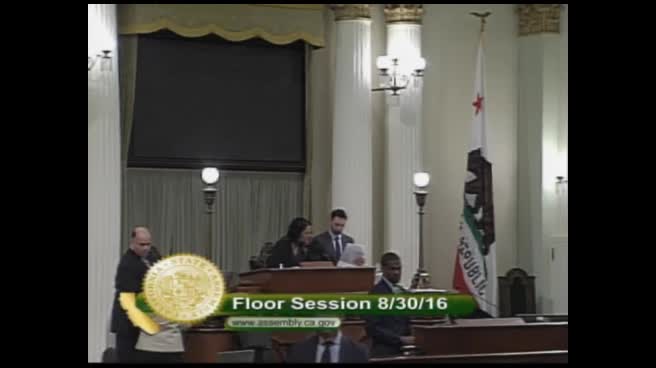
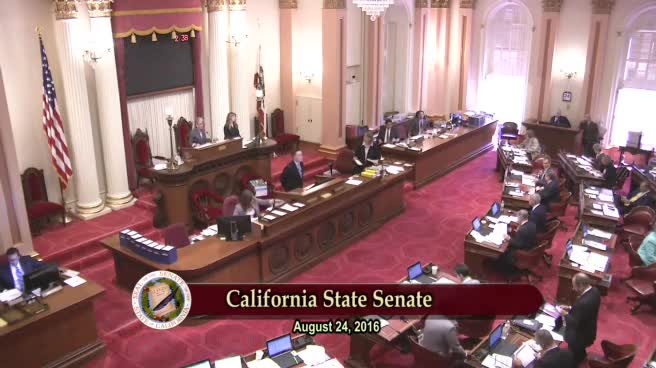
Bill Author

Bill Co-Author(s):