AB 2744: Healing arts: referrals.
- Session Year: 2015-2016
- House: Assembly
- Latest Version Date: 2016-09-14
Existing law provides for the licensure and regulation of various healing arts professions and vocations by boards within the Department of Consumer Affairs. Under existing law, it is unlawful for licensed healing arts practitioners, except as specified, to offer, deliver, receive, or accept any rebate, refund, commission, preference, patronage dividend, discount, or other consideration, in the form of money or otherwise, as compensation or inducement for referring patients, clients, or customers to any person. Existing law makes a violation of this provision a public offense punishable upon a first conviction by imprisonment, as specified, or a fine not exceeding $50,000, or by imprisonment and that fine.
This bill would provide that the payment or receipt of consideration for advertising, wherein a licensed healing arts practitioner offers or sells services through a third-party advertiser, does not constitute a referral of patients when the third-party advertiser does not itself recommend, endorse, or otherwise select a licensee. The bill would require that the fee paid to the third-party advertiser be commensurate with the service provided by the third-party advertiser. The bill would require the purchaser of the service to receive a refund of the full purchase price if the licensee determines, after consultation with the purchaser, that the service provided by the licensee is not appropriate for the purchaser, or if the purchaser elects not to receive the service for any reason and requests a refund, as specified. The bill would require that a licensee disclose in the advertisement that a consultation is required and that the purchaser will receive a refund if not eligible to receive the service. The bill would specify that these provisions do not apply to basic health care services or essential health benefits, as defined. The bill would also provide that the entity that provides advertising is required to be able to demonstrate that the licensee consented in writing to these provisions. The bill would require a third-party advertiser to make available to prospective purchasers advertisements for services of all licensees then advertising through the third-party advertiser in the applicable geographic region and to disclose, in any advertisement offering a discount price for a service, the regular, nondiscounted price for that service.
Existing law provides for the licensure and regulation of various healing arts professions and vocations by boards within the Department of Consumer Affairs. Under existing law, it is unlawful for licensed healing arts practitioners, except as specified, to offer, deliver, receive, or accept any rebate, refund, commission, preference, patronage dividend, discount, or other consideration, in the form of money or otherwise, as compensation or inducement for referring patients, clients, or customers to any person. Existing law makes a violation of this provision a public offense punishable upon a first conviction by imprisonment, as specified, or a fine not exceeding $50,000, or by imprisonment and that fine.
This bill would provide that the payment or receipt of consideration for advertising, wherein a licensed healing arts practitioner offers or sells services through a third-party advertiser advertiser, does not constitute a referral of patients when the third-party advertiser does not itself recommend, endorse, or otherwise select a licensee. The bill would require that the fee paid to the third-party advertiser be commensurate with the service provided by the third-party advertiser. The bill would require the purchaser of the service to receive a refund of the full purchase price if the licensee determines, after consultation with the purchaser, that the service provided by the licensee is not appropriate for the purchaser, or if the purchaser elects not to receive the service for any reason and requests a refund, as specified. The bill would require that a licensee disclose in the advertisement that a consultation is required and that the purchaser will receive a refund if not eligible to receive the service. The bill would specify that these provisions do not apply to basic health care services or essential health benefits, as defined. The bill would also provide that the entity that provides advertising is required to be able to demonstrate that the licensee consented in writing to these provisions. The bill would require a third-party advertiser to make available to prospective purchasers advertisements for services of all licensees then advertising through the third-party advertiser in the applicable geographic region. region and to disclose, in any advertisement offering a discount price for a service, the regular, nondiscounted price for that service.
Existing law provides for the licensure and regulation of various healing arts professions and vocations by boards within the Department of Consumer Affairs. Under existing law, it is unlawful for licensed healing arts practitioners, except as specified, to offer, deliver, receive, or accept any rebate, refund, commission, preference, patronage dividend, discount, or other consideration, in the form of money or otherwise, as compensation or inducement for referring patients, clients, or customers to any person. Existing law makes a violation of this provision a public offense punishable upon a first conviction by imprisonment, as specified, or a fine not exceeding $50,000, or by imprisonment and that fine.
This bill would provide that the payment or receipt of consideration for advertising, wherein a licensed healing arts practitioner offers or sells services through a third-party advertiser does not constitute a referral of patients when the third-party advertiser does not itself recommend, endorse, or otherwise select a licensee. The bill would require the purchaser of the service to receive a refund of the full purchase price if the licensee determines, after consultation with the purchaser, that the service is not appropriate for the purchaser. purchaser, as specified. The bill would specify that these provisions do not apply to basic health care services or essential health benefits, as defined. The bill would also provide that the entity that provides advertising is required to be able to demonstrate that the licensee consented in writing to these provisions. The bill would require a third-party advertiser to make available for purchase services advertised by all licensees to prospective purchasers advertisements for services of all licensees then advertising through the third-party advertiser in the applicable geographic region.
Existing law provides for the licensure and regulation of various healing arts professions and vocations by boards within the Department of Consumer Affairs. Under existing law, it is unlawful for licensed healing arts practitioners, except as specified, to offer, deliver, receive, or accept any rebate, refund, commission, preference, patronage dividend, discount, or other consideration, in the form of money or otherwise, as compensation or inducement for referring patients, clients, or customers to any person. Existing law makes a violation of this provision a public offense punishable upon a first conviction by imprisonment, as specified, or a fine not exceeding $50,000, or by imprisonment and that fine.
This bill would provide that the payment or receipt of consideration for advertising, wherein a licensed healing arts practitioner offers or sells services on an Internet platform, through a third-party advertiser does not constitute a referral of patients. patients when the third-party advertiser does not itself recommend, endorse, or otherwise select a licensee. The bill would require the purchaser of the service to receive a refund of the full purchase price if the licensee determines, after consultation with the purchaser, that the service is not appropriate for the purchaser. The bill would specify that these provisions do not apply to basic health care services or essential health benefits, as defined. The bill would also provide that the entity that provides advertising is required to be able to demonstrate that the licensee consented in writing to these provisions. The bill would require a third-party advertiser to make available for purchase services advertised by all licensees in the applicable geographic region.
Existing law provides for the licensure and regulation of various healing arts professions and vocations by boards within the Department of Consumer Affairs. Under existing law, it is unlawful for licensed healing arts practitioners, except as specified, to offer, deliver, receive, or accept any rebate, refund, commission, preference, patronage dividend, discount, or other consideration, in the form of money or otherwise, as compensation or inducement for referring patients, clients, or customers to any person. Existing law makes a violation of this provision a public offense punishable upon a first conviction by imprisonment, as specified, or a fine not exceeding $50,000, or by imprisonment and that fine.
This bill would provide that the payment or receipt of consideration for advertising, wherein a licensed healing arts practitioner offers or sells prepaid services, services on an Internet platform, does not constitute a referral of services. patients. The bill would require the purchaser of the service to receive a refund of the full purchase price if the licensee determines, after consultation with the purchaser, that the service is not appropriate for the purchaser. The bill would specify that these provisions do not apply to basic health care services or essential health benefits, as defined. The bill would also provide that the entity that provides advertising is required to be able to demonstrate that the licensee consented in writing to these provisions.
Existing law provides for the licensure and regulation of various healing arts professions and vocations by boards within the Department of Consumer Affairs. Under existing law, it is unlawful for licensed healing arts practitioners, except as specified, to offer, deliver, receive, or accept any rebate, refund, commission, preference, patronage dividend, discount, or other consideration, in the form of money or otherwise, as compensation or inducement for referring patients, clients, or customers to any person. Existing law makes a violation of this provision a public offense punishable upon a first conviction by imprisonment, as specified, or a fine not exceeding $50,000, or by imprisonment and that fine.
This bill would provide that the payment or receipt of consideration for advertising, wherein a licensed healing arts practitioner offers or sells prepaid services, does not constitute a referral of services.
(a)Except as provided in Chapter 2.3 (commencing with Section 1400) of Division 2 of the Health and Safety Code, the offer, delivery, receipt, or acceptance by any person licensed under this division or the Chiropractic Initiative Act of any rebate, refund, commission, preference, patronage dividend, discount, or other consideration, whether in the form of money or otherwise, as compensation or inducement for referring patients, clients, or customers to any person, irrespective of any membership, proprietary interest, or coownership in or with any person to whom these patients, clients, or customers are referred is unlawful.
(b)The payment or receipt of consideration for services other than the referral of patients which is based on a percentage of gross revenue or similar type of contractual arrangement shall not be unlawful if the consideration is commensurate with the value of the services furnished or with the fair rental value of any premises or equipment leased or provided by the recipient to the payer.
(c)The offer, delivery, receipt, or acceptance of any consideration between a federally qualified health center, as defined in Section 1396d(l)(2)(B) of Title 42 of the United States Code, and any individual or entity providing goods, items, services, donations, loans, or a combination thereof to the health center entity pursuant to a contract, lease, grant, loan, or other agreement, if that agreement contributes to the ability of the health center entity to maintain or increase the availability, or enhance the quality, of services provided to a medically underserved population served by the health center, shall be permitted only to the extent sanctioned or permitted by federal law.
(d)Except as provided in Chapter 2.3 (commencing with Section 1400) of Division 2 of the Health and Safety Code and in Sections 654.1 and 654.2 of this code, it shall not be unlawful for any person licensed under this division to refer a person to any laboratory, pharmacy, clinic (including entities exempt from licensure pursuant to Section 1206 of the Health and Safety Code), or health care facility solely because the licensee has a proprietary interest or coownership in the laboratory, pharmacy, clinic, or health care facility, provided, however, that the licensees return on investment for that proprietary interest or coownership shall be based upon the amount of the capital investment or proportional ownership of the licensee which ownership interest is not based on the number or value of any patients referred. Any referral excepted under this section shall be unlawful if the prosecutor proves that there was no valid medical need for the referral.
(e)Except as provided in Chapter 2.3 (commencing with Section 1400) of Division 2 of the Health and Safety Code and in Sections 654.1 and 654.2 of this code, it shall not be unlawful to provide nonmonetary remuneration, in the form of hardware, software, or information technology and training services, as described in subsections (x) and (y) of Section 1001.952 of Title 42 of the Code of Federal Regulations, as amended October 4, 2007, as published in the Federal Register (72 Fed. Reg. 56632 and 56644), and subsequently amended versions.
(f)Health care facility means a general acute care hospital, acute psychiatric hospital, skilled nursing facility, intermediate care facility, and any other health facility licensed by the State Department of Public Health under Chapter 2 (commencing with Section 1250) of Division 2 of the Health and Safety Code.
(g)Notwithstanding the other subdivisions of this section or any other provision of law, the payment or receipt of consideration for advertising, wherein a licensee offers or sells services through a third-party advertiser, shall not constitute a referral of patients when the third-party advertiser does not itself recommend, endorse, or otherwise select a licensee. The fee paid to the third-party advertiser shall be commensurate with the service provided by the third-party advertiser. If the licensee determines, after consultation with the purchaser of the service, that the service provided by the licensee is not appropriate for the purchaser or if the purchaser elects not to receive the service for any reason and requests a refund, the purchaser shall receive a refund of the full purchase price as determined by the terms of the advertising service agreement between the third-party advertiser and the licensee. The licensee shall disclose in the advertisement that a consultation is required and that the purchaser will receive a refund if not eligible to receive the service. This subdivision shall not apply to basic health care services, as defined in subdivision (b) of Section 1345 of the Health and Safety Code, or essential health benefits, as defined in Section 1367.005 of the Health and Safety Code and Section 10112.27 of the Insurance Code. The entity that provides the advertising shall be able to demonstrate that the licensee consented in writing to the requirements of this subdivision. A third-party advertiser shall make available to prospective purchasers advertisements for services of all licensees then advertising through the third-party advertiser in the applicable geographic region. In any advertisement offering a discount price for a service, the licensee shall also disclose the regular, nondiscounted price for that service.
(h)A violation of this section is a public offense and is punishable upon a first conviction by imprisonment in a county jail for not more than one year, or by imprisonment pursuant to subdivision (h) of Section 1170 of the Penal Code, or by a fine not exceeding fifty thousand dollars ($50,000), or by both that imprisonment and fine. A second or subsequent conviction is punishable by imprisonment pursuant to subdivision (h) of Section 1170 of the Penal Code, or by that imprisonment and a fine of fifty thousand dollars ($50,000).
(a)Except as provided in Chapter 2.3 (commencing with Section 1400) of Division 2 of the Health and Safety Code, the offer, delivery, receipt, or acceptance by any person licensed under this division or the Chiropractic Initiative Act of any rebate, refund, commission, preference, patronage dividend, discount, or other consideration, whether in the form of money or otherwise, as compensation or inducement for referring patients, clients, or customers to any person, irrespective of any membership, proprietary interest, or coownership in or with any person to whom these patients, clients, or customers are referred is unlawful.
(b)The payment or receipt of consideration for services other than the referral of patients which is based on a percentage of gross revenue or similar type of contractual arrangement shall not be unlawful if the consideration is commensurate with the value of the services furnished or with the fair rental value of any premises or equipment leased or provided by the recipient to the payer.
(c)The offer, delivery, receipt, or acceptance of any consideration between a federally qualified health center, as defined in Section 1396d(l)(2)(B) of Title 42 of the United States Code, and any individual or entity providing goods, items, services, donations, loans, or a combination thereof to the health center entity pursuant to a contract, lease, grant, loan, or other agreement, if that agreement contributes to the ability of the health center entity to maintain or increase the availability, or enhance the quality, of services provided to a medically underserved population served by the health center, shall be permitted only to the extent sanctioned or permitted by federal law.
(d)Except as provided in Chapter 2.3 (commencing with Section 1400) of Division 2 of the Health and Safety Code and in Sections 654.1 and 654.2 of this code, it shall not be unlawful for any person licensed under this division to refer a person to any laboratory, pharmacy, clinic (including entities exempt from licensure pursuant to Section 1206 of the Health and Safety Code), or health care facility solely because the licensee has a proprietary interest or coownership in the laboratory, pharmacy, clinic, or health care facility, provided, however, that the licensees return on investment for that proprietary interest or coownership shall be based upon the amount of the capital investment or proportional ownership of the licensee which ownership interest is not based on the number or value of any patients referred. Any referral excepted under this section shall be unlawful if the prosecutor proves that there was no valid medical need for the referral.
(e)Except as provided in Chapter 2.3 (commencing with Section 1400) of Division 2 of the Health and Safety Code and in Sections 654.1 and 654.2 of this code, it shall not be unlawful to provide nonmonetary remuneration, in the form of hardware, software, or information technology and training services, as described in subsections (x) and (y) of Section 1001.952 of Title 42 of the Code of Federal Regulations, as amended October 4, 2007, as published in the Federal Register (72 Fed. Reg. 56632 and 56644), and subsequently amended versions.
(f)Health care facility means a general acute care hospital, acute psychiatric hospital, skilled nursing facility, intermediate care facility, and any other health facility licensed by the State Department of Public Health under Chapter 2 (commencing with Section 1250) of Division 2 of the Health and Safety Code.
(g)The Notwithstanding the other subdivisions of this section or any other provision of law, the payment or receipt of consideration for advertising, wherein a licensee offers or sells services through a third-party advertiser, shall not constitute a referral of patients when the third-party advertiser does not itself recommend, endorse, or otherwise select a licensee. The fee paid to the third-party advertiser shall be commensurate with the service provided by the third-party advertiser. If the licensee determines, after consultation with the purchaser of the service, that the service provided by the licensee is not appropriate for the purchaser, purchaser or if the purchaser elects not to receive the service for any reason and requests a refund, the purchaser shall receive a refund of the full purchase price as determined by the terms of the advertising service agreement between the third-party advertiser and the licensee. The licensee shall disclose in the advertisement that a consultation is required and that the purchaser will receive a refund if not eligible to receive the service. This subdivision shall not apply to basic health care services, as defined in subdivision (b) of Section 1345 of the Health and Safety Code, or essential health benefits, as defined in Section 1367.005 of the Health and Safety Code and Section 10112.27 of the Insurance Code. The entity that provides the advertising shall be able to demonstrate that the licensee consented in writing to the requirements of this subdivision. A third-party advertiser shall make available to prospective purchasers advertisements for services of all licensees then advertising through the third-party advertiser in the applicable geographic region. In any advertisement offering a discount price for a service, the licensee shall also disclose the regular, nondiscounted price for that service.
(h)A violation of this section is a public offense and is punishable upon a first conviction by imprisonment in a county jail for not more than one year, or by imprisonment pursuant to subdivision (h) of Section 1170 of the Penal Code, or by a fine not exceeding fifty thousand dollars ($50,000), or by both that imprisonment and fine. A second or subsequent conviction is punishable by imprisonment pursuant to subdivision (h) of Section 1170 of the Penal Code, or by that imprisonment and a fine of fifty thousand dollars ($50,000).
(a)Except as provided in Chapter 2.3 (commencing with Section 1400) of Division 2 of the Health and Safety Code, the offer, delivery, receipt, or acceptance by any person licensed under this division or the Chiropractic Initiative Act of any rebate, refund, commission, preference, patronage dividend, discount, or other consideration, whether in the form of money or otherwise, as compensation or inducement for referring patients, clients, or customers to any person, irrespective of any membership, proprietary interest, or coownership in or with any person to whom these patients, clients, or customers are referred is unlawful.
(b)The payment or receipt of consideration for services other than the referral of patients which is based on a percentage of gross revenue or similar type of contractual arrangement shall not be unlawful if the consideration is commensurate with the value of the services furnished or with the fair rental value of any premises or equipment leased or provided by the recipient to the payer.
(c)The offer, delivery, receipt, or acceptance of any consideration between a federally qualified health center, as defined in Section 1396d(l)(2)(B) of Title 42 of the United States Code, and any individual or entity providing goods, items, services, donations, loans, or a combination thereof to the health center entity pursuant to a contract, lease, grant, loan, or other agreement, if that agreement contributes to the ability of the health center entity to maintain or increase the availability, or enhance the quality, of services provided to a medically underserved population served by the health center, shall be permitted only to the extent sanctioned or permitted by federal law.
(d)Except as provided in Chapter 2.3 (commencing with Section 1400) of Division 2 of the Health and Safety Code and in Sections 654.1 and 654.2 of this code, it shall not be unlawful for any person licensed under this division to refer a person to any laboratory, pharmacy, clinic (including entities exempt from licensure pursuant to Section 1206 of the Health and Safety Code), or health care facility solely because the licensee has a proprietary interest or coownership in the laboratory, pharmacy, clinic, or health care facility, provided, however, that the licensees return on investment for that proprietary interest or coownership shall be based upon the amount of the capital investment or proportional ownership of the licensee which ownership interest is not based on the number or value of any patients referred. Any referral excepted under this section shall be unlawful if the prosecutor proves that there was no valid medical need for the referral.
(e)Except as provided in Chapter 2.3 (commencing with Section 1400) of Division 2 of the Health and Safety Code and in Sections 654.1 and 654.2 of this code, it shall not be unlawful to provide nonmonetary remuneration, in the form of hardware, software, or information technology and training services, as described in subsections (x) and (y) of Section 1001.952 of Title 42 of the Code of Federal Regulations, as amended October 4, 2007, as published in the Federal Register (72 Fed. Reg. 56632 and 56644), and subsequently amended versions.
(f)Health care facility means a general acute care hospital, acute psychiatric hospital, skilled nursing facility, intermediate care facility, and any other health facility licensed by the State Department of Public Health under Chapter 2 (commencing with Section 1250) of Division 2 of the Health and Safety Code.
(g)The payment or receipt of consideration for advertising, wherein a licensee offers or sells services through a third-party advertiser, shall not constitute a referral of patients when the third-party advertiser does not itself recommend, endorse, or otherwise select a licensee. To the extent If the licensee determines, after consultation with the purchaser of the service, that the service is not appropriate for the purchaser, the purchaser shall receive a refund of the full purchase price. price as determined by the terms of the advertising service agreement between the third-party advertiser and the licensee. This subdivision shall not apply to basic health care services, as defined in subdivision (b) of Section 1345 of the Health and Safety Code, or essential health benefits, as defined in Section 1367.005 of the Health and Safety Code and Section 10112.27 of the Insurance Code. The entity that provides the advertising shall be able to demonstrate that the licensee consented in writing to the requirements of this subdivision. A third-party advertiser shall make available for purchase services advertised by all licensees to prospective purchasers advertisements for services of all licensees then advertising through the third-party advertiser in the applicable geographic region.
(h)A violation of this section is a public offense and is punishable upon a first conviction by imprisonment in a county jail for not more than one year, or by imprisonment pursuant to subdivision (h) of Section 1170 of the Penal Code, or by a fine not exceeding fifty thousand dollars ($50,000), or by both that imprisonment and fine. A second or subsequent conviction is punishable by imprisonment pursuant to subdivision (h) of Section 1170 of the Penal Code, or by that imprisonment and a fine of fifty thousand dollars ($50,000).
(a)Except as provided in Chapter 2.3 (commencing with Section 1400) of Division 2 of the Health and Safety Code, the offer, delivery, receipt, or acceptance by any person licensed under this division or the Chiropractic Initiative Act of any rebate, refund, commission, preference, patronage dividend, discount, or other consideration, whether in the form of money or otherwise, as compensation or inducement for referring patients, clients, or customers to any person, irrespective of any membership, proprietary interest, or coownership in or with any person to whom these patients, clients, or customers are referred is unlawful.
(b)The payment or receipt of consideration for services other than the referral of patients which is based on a percentage of gross revenue or similar type of contractual arrangement shall not be unlawful if the consideration is commensurate with the value of the services furnished or with the fair rental value of any premises or equipment leased or provided by the recipient to the payer.
(c)The offer, delivery, receipt, or acceptance of any consideration between a federally qualified health center, as defined in Section 1396d(l)(2)(B) of Title 42 of the United States Code, and any individual or entity providing goods, items, services, donations, loans, or a combination thereof to the health center entity pursuant to a contract, lease, grant, loan, or other agreement, if that agreement contributes to the ability of the health center entity to maintain or increase the availability, or enhance the quality, of services provided to a medically underserved population served by the health center, shall be permitted only to the extent sanctioned or permitted by federal law.
(d)Except as provided in Chapter 2.3 (commencing with Section 1400) of Division 2 of the Health and Safety Code and in Sections 654.1 and 654.2 of this code, it shall not be unlawful for any person licensed under this division to refer a person to any laboratory, pharmacy, clinic (including entities exempt from licensure pursuant to Section 1206 of the Health and Safety Code), or health care facility solely because the licensee has a proprietary interest or coownership in the laboratory, pharmacy, clinic, or health care facility, provided, however, that the licensees return on investment for that proprietary interest or coownership shall be based upon the amount of the capital investment or proportional ownership of the licensee which ownership interest is not based on the number or value of any patients referred. Any referral excepted under this section shall be unlawful if the prosecutor proves that there was no valid medical need for the referral.
(e)Except as provided in Chapter 2.3 (commencing with Section 1400) of Division 2 of the Health and Safety Code and in Sections 654.1 and 654.2 of this code, it shall not be unlawful to provide nonmonetary remuneration, in the form of hardware, software, or information technology and training services, as described in subsections (x) and (y) of Section 1001.952 of Title 42 of the Code of Federal Regulations, as amended October 4, 2007, as published in the Federal Register (72 Fed. Reg. 56632 and 56644), and subsequently amended versions.
(f)Health care facility means a general acute care hospital, acute psychiatric hospital, skilled nursing facility, intermediate care facility, and any other health facility licensed by the State Department of Public Health under Chapter 2 (commencing with Section 1250) of Division 2 of the Health and Safety Code.
(g)The payment or receipt of consideration for advertising, wherein a licensee offers or sells services on an Internet platform, through a third-party advertiser, shall not constitute a referral of patients. patients when the third-party advertiser does not itself recommend, endorse, or otherwise select a licensee. To the extent the licensee determines, after consultation with the purchaser of the service, that the service is not appropriate for the purchaser, the purchaser shall receive a refund of the full purchase price. This subdivision shall not apply to basic health care services, as defined in subdivision (b) of Section 1345 of the Health and Safety Code, or essential health benefits, as defined in Section 1367.005 of the Health and Safety Code and Section 10112.27 of the Insurance Code. The entity that provides the advertising shall be able to demonstrate that the licensee consented in writing to the requirements of this subdivision. A third-party advertiser shall make available for purchase services advertised by all licensees in the applicable geographic region.
(h)A violation of this section is a public offense and is punishable upon a first conviction by imprisonment in a county jail for not more than one year, or by imprisonment pursuant to subdivision (h) of Section 1170 of the Penal Code, or by a fine not exceeding fifty thousand dollars ($50,000), or by both that imprisonment and fine. A second or subsequent conviction is punishable by imprisonment pursuant to subdivision (h) of Section 1170 of the Penal Code, or by that imprisonment and a fine of fifty thousand dollars ($50,000).
(a)Except as provided in Chapter 2.3 (commencing with Section 1400) of Division 2 of the Health and Safety Code, the offer, delivery, receipt, or acceptance by any person licensed under this division or the Chiropractic Initiative Act of any rebate, refund, commission, preference, patronage dividend, discount, or other consideration, whether in the form of money or otherwise, as compensation or inducement for referring patients, clients, or customers to any person, irrespective of any membership, proprietary interest, or coownership in or with any person to whom these patients, clients, or customers are referred is unlawful.
(b)The payment or receipt of consideration for services other than the referral of patients which is based on a percentage of gross revenue or similar type of contractual arrangement shall not be unlawful if the consideration is commensurate with the value of the services furnished or with the fair rental value of any premises or equipment leased or provided by the recipient to the payer.
(c)The offer, delivery, receipt, or acceptance of any consideration between a federally qualified health center, as defined in Section 1396d(l)(2)(B) of Title 42 of the United States Code, and any individual or entity providing goods, items, services, donations, loans, or a combination thereof to the health center entity pursuant to a contract, lease, grant, loan, or other agreement, if that agreement contributes to the ability of the health center entity to maintain or increase the availability, or enhance the quality, of services provided to a medically underserved population served by the health center, shall be permitted only to the extent sanctioned or permitted by federal law.
(d)Except as provided in Chapter 2.3 (commencing with Section 1400) of Division 2 of the Health and Safety Code and in Sections 654.1 and 654.2 of this code, it shall not be unlawful for any person licensed under this division to refer a person to any laboratory, pharmacy, clinic (including entities exempt from licensure pursuant to Section 1206 of the Health and Safety Code), or health care facility solely because the licensee has a proprietary interest or coownership in the laboratory, pharmacy, clinic, or health care facility, provided, however, that the licensees return on investment for that proprietary interest or coownership shall be based upon the amount of the capital investment or proportional ownership of the licensee which ownership interest is not based on the number or value of any patients referred. Any referral excepted under this section shall be unlawful if the prosecutor proves that there was no valid medical need for the referral.
(e)Except as provided in Chapter 2.3 (commencing with Section 1400) of Division 2 of the Health and Safety Code and in Sections 654.1 and 654.2 of this code, it shall not be unlawful to provide nonmonetary remuneration, in the form of hardware, software, or information technology and training services, as described in subsections (x) and (y) of Section 1001.952 of Title 42 of the Code of Federal Regulations, as amended October 4, 2007, as published in the Federal Register (72 Fed. Reg. 56632 and 56644), and subsequently amended versions.
(f)Health care facility means a general acute care hospital, acute psychiatric hospital, skilled nursing facility, intermediate care facility, and any other health facility licensed by the State Department of Public Health under Chapter 2 (commencing with Section 1250) of Division 2 of the Health and Safety Code.
(g)The payment or receipt of consideration for advertising, wherein a licensee offers or sells prepaid services, services on an Internet platform, shall not constitute a referral of patients. To the extent the licensee determines, after consultation with the purchaser of the prepaid service, that a prepaid the service is not appropriate for the purchaser, the licensee shall provide the purchaser shall receive a refund of the full purchase price. This subdivision shall not apply to basic health care services, as defined in subdivision (b) of Section 1345 of the Health and Safety Code, or essential health benefits, as defined in Section 1367.005 of the Health and Safety Code and Section 10112.27 of the Insurance Code. The entity that provides the advertising shall be able to demonstrate that the licensee consented in writing to the requirements of this subdivision.
(h)A violation of this section is a public offense and is punishable upon a first conviction by imprisonment in a county jail for not more than one year, or by imprisonment pursuant to subdivision (h) of Section 1170 of the Penal Code, or by a fine not exceeding fifty thousand dollars ($50,000), or by both that imprisonment and fine. A second or subsequent conviction is punishable by imprisonment pursuant to subdivision (h) of Section 1170 of the Penal Code, or by that imprisonment and a fine of fifty thousand dollars ($50,000).
(a)Except as provided in Chapter 2.3 (commencing with Section 1400) of Division 2 of the Health and Safety Code, the offer, delivery, receipt, or acceptance by any person licensed under this division or the Chiropractic Initiative Act of any rebate, refund, commission, preference, patronage dividend, discount, or other consideration, whether in the form of money or otherwise, as compensation or inducement for referring patients, clients, or customers to any person, irrespective of any membership, proprietary interest, or coownership in or with any person to whom these patients, clients, or customers are referred is unlawful.
(b)The payment or receipt of consideration for services other than the referral of patients which is based on a percentage of gross revenue or similar type of contractual arrangement shall not be unlawful if the consideration is commensurate with the value of the services furnished or with the fair rental value of any premises or equipment leased or provided by the recipient to the payer.
(c)The offer, delivery, receipt, or acceptance of any consideration between a federally qualified health center, as defined in Section 1396d(l)(2)(B) of Title 42 of the United States Code, and any individual or entity providing goods, items, services, donations, loans, or a combination thereof to the health center entity pursuant to a contract, lease, grant, loan, or other agreement, if that agreement contributes to the ability of the health center entity to maintain or increase the availability, or enhance the quality, of services provided to a medically underserved population served by the health center, shall be permitted only to the extent sanctioned or permitted by federal law.
(d)Except as provided in Chapter 2.3 (commencing with Section 1400) of Division 2 of the Health and Safety Code and in Sections 654.1 and 654.2 of this code, it shall not be unlawful for any person licensed under this division to refer a person to any laboratory, pharmacy, clinic (including entities exempt from licensure pursuant to Section 1206 of the Health and Safety Code), or health care facility solely because the licensee has a proprietary interest or coownership in the laboratory, pharmacy, clinic, or health care facility, provided, however, that the licensees return on investment for that proprietary interest or coownership shall be based upon the amount of the capital investment or proportional ownership of the licensee which ownership interest is not based on the number or value of any patients referred. Any referral excepted under this section shall be unlawful if the prosecutor proves that there was no valid medical need for the referral.
(e)Except as provided in Chapter 2.3 (commencing with Section 1400) of Division 2 of the Health and Safety Code and in Sections 654.1 and 654.2 of this code, it shall not be unlawful to provide nonmonetary remuneration, in the form of hardware, software, or information technology and training services, as described in subsections (x) and (y) of Section 1001.952 of Title 42 of the Code of Federal Regulations, as amended October 4, 2007, as published in the Federal Register (72 Fed. Reg. 56632 and 56644), and subsequently amended versions.
(f)Health care facility means a general acute care hospital, acute psychiatric hospital, skilled nursing facility, intermediate care facility, and any other health facility licensed by the State Department of Public Health under Chapter 2 (commencing with Section 1250) of Division 2 of the Health and Safety Code.
(g)The payment or receipt of consideration for advertising, wherein a licensee offers or sells prepaid services, shall not constitute a referral of patients. To the extent the licensee determines, after consultation with the purchaser of the prepaid service, that a prepaid service is not appropriate for the purchaser, the licensee shall provide the purchaser a refund of the full purchase price.
(g)
(h)A violation of this section is a public offense and is punishable upon a first conviction by imprisonment in a county jail for not more than one year, or by imprisonment pursuant to subdivision (h) of Section 1170 of the Penal Code, or by a fine not exceeding fifty thousand dollars ($50,000), or by both that imprisonment and fine. A second or subsequent conviction is punishable by imprisonment pursuant to subdivision (h) of Section 1170 of the Penal Code, or by that imprisonment and a fine of fifty thousand dollars ($50,000).
|
Date
|
Status
|
|---|---|
| Jun 6, 2016 | From committee chair, with author's amendments: Amend, and re-refer to committee. Read second time, amended, and re-referred to Com. on B., P. & E.D. |
| Sep 14, 2016 | Chaptered by Secretary of State - Chapter 360, Statutes of 2016. |
| Sep 14, 2016 | Approved by the Governor. |
| Aug 31, 2016 | Enrolled and presented to the Governor at 4 p.m. |
| Aug 23, 2016 | Senate amendments concurred in. To Engrossing and Enrolling. (Ayes 80. Noes 0. Page 6120.). |
| Aug 23, 2016 | Senate amendments concurred in. To Engrossing and Enrolling. |
| Aug 16, 2016 | Read third time. Passed. Ordered to the Assembly. (Ayes 37. Noes 0.). |
| Aug 16, 2016 | Read third time. Passed. Ordered to the Assembly. (Ayes 37. Noes 0. Page 5022.). |
| Aug 16, 2016 | Read third time. Passed. Ordered to the Assembly. |
| Aug 16, 2016 | In Assembly. Concurrence in Senate amendments pending. May be considered on or after August 18 pursuant to Assembly Rule 77. |
| Aug 9, 2016 | Read second time. Ordered to third reading. |
| Aug 8, 2016 | Read third time and amended. Ordered to second reading. |
| Aug 2, 2016 | Read second time. Ordered to third reading. |
| Aug 1, 2016 | From committee: Be placed on second reading file pursuant to Senate Rule 28.8. |
| Jun 16, 2016 | Read second time and amended. Re-referred to Com. on APPR. |
| Jun 15, 2016 | From committee: Amend, and do pass as amended and re-refer to Com. on APPR. (Ayes 6. Noes 0.) (June 13). |
| Feb 19, 2016 | Introduced. To print. |
| May 31, 2016 | In committee: Set, first hearing. Hearing canceled at the request of author. |
| May 19, 2016 | Referred to Com. on B., P. & E.D. |
| May 12, 2016 | Read third time. Passed. Ordered to the Senate. (Ayes 78. Noes 0.) |
| May 12, 2016 | Read third time. Passed. Ordered to the Senate. (Ayes 78. Noes 0. Page 4789.) |
| May 12, 2016 | Read third time. Passed. Ordered to the Senate. |
| May 12, 2016 | In Senate. Read first time. To Com. on RLS. for assignment. |
| May 5, 2016 | Read second time. Ordered to Consent Calendar. |
| May 4, 2016 | From committee: Do pass. To Consent Calendar. (Ayes 20. Noes 0.) (May 4). |
| Apr 19, 2016 | From committee: Do pass and re-refer to Com. on APPR. (Ayes 16. Noes 0.) (April 19). Re-referred to Com. on APPR. |
| Apr 12, 2016 | Re-referred to Com. on B. & P. |
| Apr 12, 2016 | In committee: Set, first hearing. Hearing canceled at the request of author. |
| Apr 11, 2016 | From committee chair, with author's amendments: Amend, and re-refer to Com. on B. & P. Read second time and amended. |
| Mar 10, 2016 | Referred to Com. on B. & P. |
| Feb 22, 2016 | Read first time. |
| Feb 21, 2016 | From printer. May be heard in committee March 22. |
|
Date
|
Description
|
Location
|
Votes
|
|
|---|---|---|---|---|
| Aug 23, 2016 | AB 2744 GORDON Concurrence in Senate Amendments | Assembly Floor |
Passed |
|
| Aug 16, 2016 | Assembly 3rd Reading AB2744 Gordon By Hill | Senate Floor |
Passed |
|
| Jun 13, 2016 | Do pass as amended, but first amend, and re-refer to the Committee on [Appropriations] | Senate Standing Committee on Business, Professions and Economic Development |
Passed |
|
| May 12, 2016 | AB 2744 GORDON Consent Calendar Second Day Regular Session | Assembly Floor |
Passed |
|
| May 4, 2016 | Do pass. To Consent Calendar. | Assembly Standing Committee on Appropriations |
Passed |
|
| Apr 19, 2016 | Do pass and be re-referred to the Committee on [Appropriations] | Assembly Standing Committee on Business and Professions |
Passed |
This list shows positions taken on this bill by organizations on the date displayed, which is linked to the original source.
Positions by individuals are not included.
|
Organization
|
Position
|
Date
|
|---|---|---|
| California Medical Association, Inc. | ** Against | Aug 16, 2016 |
| California Society Of Plastic Surgeons | ** Against | Aug 16, 2016 |
| Groupon | ** Support | Aug 16, 2016 |
| The Internet Association | ** Support | Aug 16, 2016 |
CONCURRENCE IN SENATE AMENDMENTS
CSA1 Bill Id:AB 2744
Author:(Gordon)
As Amended Ver:August 8, 2016
Majority vote
ASSEMBLY: | 78-0 | (May 12, 2016) | SENATE: | 37-0 | (August 16, 2016) |
Original Committee Reference: B. & P.
SUMMARY: Clarifies that certain types of advertising do not constitute a referral when the third party advertiser does not recommend, endorse, or otherwise select a healing arts licensee to provide the service, as specified.
The Senate amendments:
- Clarify that the payment or receipt of consideration for advertising, wherein a licensee offers or sells services through a third-party advertiser does not constitute a referral of patients when the third-party advertiser does not itself recommend, endorse, or otherwise select a licensee.
- Specify that the fee paid to a third-party advertiser is commensurate with the service provided by the third-party advertiser.
- Clarify the refund policy.
- Require a licensee to disclose in the advertisement that a consultation is required and that the purchaser will receive a refund if not eligible to receive the service.
- Require a third-party advertiser to make available to prospective purchasers advertisements for services of all licensees then advertising through the third-party advertiser in the applicable geographic region.
- Specify that in any advertisement offering a discount price for a service, the licensee must also disclose the regular, non-discounted price for that service.
- Make other technical clarifying amendment.
FISCAL EFFECT: According to the Senate Appropriations Committee, pursuant to Senate Rule 28.8, this bill will result in negligible state costs.
COMMENTS:
Purpose. This bill seeks to clarify that the purchase of professional services from licensed healing arts professionals through an online advertising Web site does not constitute a referral for those services from the online advertisement originator when the third-party advertiser does not itself recommend, endorse, or otherwise select a licensee. This bill is sponsored by the Internet Association. According to the author, "in the past, if a healthcare professional wanted to advertise for his or her services, [he or she] could take out an advertisement in the yellow pages or a newspaper, purchase space on a billboard, or run a commercial on radio or television.
"In each of these instances, the advertisement could also include a coupon or special offer for readers/ listeners. Technology has now made it possible for a healthcare professional to advertise online and provide opportunities to purchase vouchers for services in online marketplaces such as Groupon, Living Social, and others.
"[This bill] would recognize that online advertising involving the purchase of vouchers for services offered by a healthcare professional is just another form of advertising and clarify that it is not an impermissible referral."
Background. Existing law specifies that a licensed healing arts professional may not accept any type of compensation for referring an individual to any other person for services. This prohibition on the payment of a healthcare provider for a referral of services was intended to protect patients and consumers from providers receiving payments or "kickbacks" for sending patients to certain providers. Anti-kickback laws were enacted to help ensure that healthcare decisions are made in the best interest of the consumer. In California, a violation of the no-referral laws by a licensee is unprofessional conduct and cause for disciplinary action.
Internet Platform Services. There are a variety of advertised healthcare-related services that individuals may purchase through an Internet platform including, laser toenail fungus removal, nonsurgical facelifts, spider vein treatments, counseling, and integrative manual therapy sessions. A great number of healthcare related services offered through an Internet platform include elective procedures. As currently drafted, this bill clarifies that only specified healthcare services that are purchased through an Internet platform will not be considered as a referral of those services. This bill specifies that "basic health care services" as defined under Health and Safety Code Section (HSC) 1345 and "essential health benefits" as defined in HSC Section 1367.005 and Insurance Code (INS) Section 10112.27 that are purchased through an Internet platform will still be subject to current Business and Professions Code (BPC) Section 650(a), which prohibits payment or any other consideration for a referral of services.
Essential health benefits and basic health care services. Basic health care services are specified under the Knox-Keene Health Care Service Plan Act of 1975, and essential health benefits are specified under the federal Patient Protection and Affordable Care Act. This bill seeks to clarify that those services considered essential health benefits and basic health care services are not applicable to the authorization provided by this bill.
BPC Section 650(b) specifies that the payment or receipt of consideration for services other than the referral of patients which is based on a percentage of gross revenue or similar type of contractual is not unlawful, unless specified conditions are met. It is the intent of the author that services offered through an Internet platform would permit those services.
Online Advertising and Sales of Service. This bill clarifies that a licensed healing arts professional, who utilizes an online service provider to offer prepaid services to the general public, does not constitute a "referral" of those services. Online sales and advertising forums will charge a fee to the service provider to display the sale of services, where an individual interested in those services will purchase those services directly from the online service provider. According to the author, "the following describes how online voucher advertising operates, the healthcare professional decides whether to advertise and what service to make available for purchase, the cost for the service, how many vouchers to offer, and for how long. The healthcare professional pays the online advertising network for making the offer available, generally a percentage of the price of the purchased service. Once a consumer purchases a voucher through this form of online advertising, the consumer contacts the healthcare professional to set an appointment, just as they would if responding to any other form of advertisement.
After purchasing, the consumer decides whether a particular service is right for him or herself only after consulting with the healthcare professional. If the consumer decides not to receive the service, or if the professional decides the service is not warranted, the consumer receives a full refund and incurs no financial penalty."
Pending Attorney General Opinion. Currently, the Attorney General's Opinion Unit is in the process of researching and drafting a formal opinion on the question of whether a healthcare professional may offer online discounts for their services through a third-party Internet marketer. The opinion request, 13-1203, is currently pending completion in the Attorney General's office. At this time, the completion date is unknown. This bill aims to clarify that those services offered via and Internet platform, does not constitute a referral of services in violation of BPC Section 650(a). This bill does not change the existing prohibition against licensed healthcare professionals receiving a payment or any other consideration, monetary or otherwise for referring an individual to another person for professional services.
Analysis Prepared by: Elissa Silva / B. & P. / (916) 319-3301 FN: 0003939
Office of Senate Floor Analyses (916) 651-1520 Fax: (916) 327-4478 | AB |
THIRD READING
Bill No: AB 2744
:
SENATE BUS., PROF. & ECON. DEV. COMMITTEE: 6-0, 6/13/16
AYES: Hill, Block, Gaines, Galgiani, Mendoza, Wieckowski
NO VOTE RECORDED: Bates, Hernandez, Jackson
SENATE APPROPRIATIONS COMMITTEE: Senate Rule 28.8
ASSEMBLY FLOOR: 78-0, 5/12/16 (Consent) - See last page for vote
SOURCE: The Internet Association
DIGEST: This bill clarifies that certain types of advertising do not constitute a referral when the third party advertiser does not recommend, endorse, or otherwise select a healing arts licensee, as specified.
Senate Floor Amendments of 8/8/16 clarify the conditions under which a licensee may advertise services through a third party advertiser and not have the solicitation be considered a referral.
Existing law:
- Declares it unlawful for any person, association, or corporation to establish, conduct or maintain a referral agency or to refer any person for remuneration to any extended care, skilled nursing home or intermediate care facility or a distinct part of a facility providing extended care, skilled nursing home care, or intermediate care, without first having obtained a written license from the State Director of Health Services or from an inspection service, as specified. (Health and Safety Code (HSC) Section 1400)
- Defines “referral agency” for purposes of the HSC to mean a private, profit or nonprofit agency engaged in the business of referring persons for remuneration to any extended care, skilled nursing home or intermediate care facility or a distinct part of a facility providing extended care, skilled nursing home care, or intermediate care. (HSC § 1401)
- Declares unlawful, except as allowed for referral agencies licensed under HSC, the offer, delivery, receipt, or acceptance by any healing arts licensee of any rebate, refund, commission, preference, patronage dividend, discount, or other consideration, whether in the form of money or otherwise, as compensation or inducement for referring patients, clients, or customers to any person, irrespective of any membership, proprietary interest, or coownership in or with any person to whom these patients, clients, or customers are referred. (Business and Professions Code (BPC) § 650 (a))
- States that the payment or receipt of consideration for services other than the referral of patients which is based on a percentage of gross revenue or similar type of contractual arrangement shall not be unlawful if the consideration is commensurate with the value of the services furnished or with the fair rental value of any premises or equipment leased or provided by the recipient to the payer. (BPC § 650 (b))
- Defines basic health care services as physician services, including consultation and referral; hospital inpatient services and ambulatory care services; diagnostic laboratory and diagnostic and therapeutic radiologic services; home health services; preventive health services; emergency health care services, including ambulance and ambulance transport services and out-of-area coverage; and hospice care. (HSC § 1345 (b))
This bill:
- Clarifies that, notwithstanding any other law, the payment or receipt of consideration for advertising in which a licensee offers or sells services through a third party advertiser, shall not constitute a referral of patients when the third party advertiser does not itself recommend, endorse, or otherwise select a licensee.
- Requires the fee paid to the third-party advertiser be commensurate with the service provided by the third-party advertiser.
- Requires the purchaser to receive a refund of the full purchase price, as determined by the terms of the advertising service agreement between the third-party advertiser and the licensee, if the licensee determines after consultation with the purchaser that:
- the service is not appropriate for the purchaser, or
- if the purchaser elects not to receive the service for any reason and requests a refund.
- Requires the licensee to disclose in the advertisement that a consultation is required and that the purchaser will receive a refund if not eligible to receive the service.
- States that this bill shall not apply to basic health care services, as specified, or essential health benefits, as specified.
- Requires the entity providing the advertising to be able to demonstrate that the licensee consented in writing to the requirements of this bill.
- Requires a third party advertiser to make available to prospective purchasers advertisements for services of all licensees then advertising through the third-party advertiser in the applicable geographic region.
- Requires the licensee to disclose the regular, nondiscounted price for the service in any advertisement offering a discount price for a service.
Background
Current law authorizes and establishes parameters for healing arts professionals to advertise their services and, in a separate provision of law, prohibits rebates for patient referrals. Current law does not appear to anticipate new forms of advertising which offer prepaid services in the form of vouchers. In this model, a healing arts licensee contracts with a third party advertiser to establish a voucher for the licensee’s services at a certain price and for a certain time period, which is then marketed by the advertiser. For each voucher sold, the third party advertiser takes a portion of the cost of the voucher as its advertising and marketing fee. The third party advertiser is not paid upon redemption, nor does it recommend, endorse, or otherwise select a licensee. Once a consumer purchases a voucher, the consumer contacts the licensee to set an appointment, just as they would if responding to any other form of advertisement.
Advertising vs. Referral. Critical to the inquiry as to the legality of voucher advertising services is the issue of “referral.” A 1994 Attorney General opinion (93-807) stated the following about the nature of referrals, in regards to a question about whether a for-profit podiatry telephone referral service may direct callers to podiatrists based on the amount a participating podiatrist pays:
The referral plan about which inquiry is made [a dental referral plan] fits squarely within the section's broad prohibition. The verb `refer' is defined as `to send or direct for treatment, aid, information, decision' (Webster's Third New Internat. Dict. (1971 ed.) at p. 1907, def. (2a)) and a `referral' as `the process of directing . . . a patient . . . to an appropriate specialist or agency for definitive treatment' (id., at p. 1908, def. (1b)). The phrase `referral of patients' used in section 650 may thus be thought of as the process whereby a third party independent entity who initially has contact with a person in need of health care first selects a professional to render the same and then in turn places the prospective patient in contact with that professional for the receipt of treatment. In other words it is the selection of a dentist to provide professional services for a patient by someone other than the patient or dentist (or their employees or agents on their behalf) that constitutes the `referring of patients' under section 650. … As we have seen section 650 was designed to ensure that that selection and subsequent reference would not be tainted by the receipt of a fee and that the patient would not pay more for the ultimate services he receives because of it. . . . Inasmuch as in the process described herein consideration is paid to obtain the advantage of being selected by the referral service to be the treating professional, a violation of section 650 occurs.
This bill specifies that a referral does not occur if a third party advertiser does not itself recommend, endorse, or otherwise select a licensee, and that the third party advertiser makes available all licensees advertising within an applicable geographic region.
Also significant to the distinction between referral services and advertising is the notion that consumers were being intentionally or unintentionally misled about the nature of referral services – that they were screening licensees and endorsing those recommended, or selected only certain practitioners over others for quality reasons, rather than because a licensee paid the service. To the extent that it is obvious that the voucher is a solicitation and the third party advertiser does not discriminate between licensees based on advertising fees paid within a reasonable geographic region, these forms of advertising should not trigger referral concerns.
FISCAL EFFECT: Appropriation: Fiscal Com.: Local:
The Internet Association (source)
Groupon
OPPOSITION: (Verified 8/10/16)
California Society of Plastic Surgeons
ARGUMENTS IN SUPPORT: The Internet Association writes, “Current law generally prohibits a licensed healing arts professional from paying or receiving compensation for the referral of a patient. This law was designed to prevent patient referrals based on financial motives – which were frequently undisclosed – rather than the patient’s best interests. Internet advertising is not a patient referral, any more than is traditional advertising, such as an ad in the Yellow Pages or Penny Saver. Nor does Internet advertising implicate the policy concerns underlying California’s prohibition on paid patient referrals.”
ARGUMENTS IN OPPOSITION: The California Society of Plastic Surgeons (CSPS) writes, “CSPS is opposed to the proliferation of medical offerings online which are touting significant discounts as a means to obtain patients via online websites.”
ASSEMBLY FLOOR: 78-0, 5/12/16
AYES: Achadjian, Alejo, Travis Allen, Arambula, Atkins, Baker, Bigelow, Bloom, Bonilla, Bonta, Brough, Brown, Calderon, Campos, Chang, Chau, Chávez, Chiu, Chu, Cooley, Cooper, Dababneh, Dahle, Daly, Dodd, Eggman, Frazier, Beth Gaines, Gallagher, Cristina Garcia, Eduardo Garcia, Gatto, Gipson, Gomez, Gonzalez, Gordon, Gray, Grove, Hadley, Harper, Roger Hernández, Holden, Irwin, Jones, Kim, Lackey, Levine, Linder, Lopez, Low, Maienschein, Mathis, Mayes, McCarty, Medina, Melendez, Mullin, Nazarian, Obernolte, O'Donnell, Olsen, Patterson, Quirk, Ridley-Thomas, Rodriguez, Salas, Santiago, Steinorth, Mark Stone, Thurmond, Ting, Wagner, Waldron, Weber, Wilk, Williams, Wood, Rendon
NO VOTE RECORDED: Burke, Jones-Sawyer
8/10/16 15:55:03
**** END ****
Office of Senate Floor Analyses (916) 651-1520 Fax: (916) 327-4478 | AB |
THIRD READING
Bill No: AB 2744
:
SENATE BUS., PROF. & ECON. DEV. COMMITTEE: 6-0, 6/13/16
AYES: Hill, Block, Gaines, Galgiani, Mendoza, Wieckowski
NO VOTE RECORDED: Bates, Hernandez, Jackson
SENATE APPROPRIATIONS COMMITTEE: Senate Rule 28.8
ASSEMBLY FLOOR: 78-0, 5/12/16 (Consent) - See last page for vote
SOURCE: The Internet Association
DIGEST: This bill clarifies that certain types of advertising do not constitute a referral when the third party advertiser does not recommend, endorse, or otherwise select a healing arts licensee, as specified.
Existing law:
- Declares it unlawful for any person, association, or corporation to establish, conduct or maintain a referral agency or to refer any person for remuneration to any extended care, skilled nursing home or intermediate care facility or a distinct part of a facility providing extended care, skilled nursing home care, or intermediate care, without first having obtained a written license from the State Director of Health Services or from an inspection service, as specified. (Health and Safety Code (HSC) Section 1400)
- Defines “referral agency” for purposes of the HSC to mean a private, profit or nonprofit agency engaged in the business of referring persons for remuneration to any extended care, skilled nursing home or intermediate care facility or a distinct part of a facility providing extended care, skilled nursing home care, or intermediate care. (HSC § 1401)
- Declares unlawful, except as allowed for referral agencies licensed under HSC, the offer, delivery, receipt, or acceptance by any healing arts licensee of any rebate, refund, commission, preference, patronage dividend, discount, or other consideration, whether in the form of money or otherwise, as compensation or inducement for referring patients, clients, or customers to any person, irrespective of any membership, proprietary interest, or coownership in or with any person to whom these patients, clients, or customers are referred. (Business and Professions Code (BPC) § 650 (a))
- States that the payment or receipt of consideration for services other than the referral of patients which is based on a percentage of gross revenue or similar type of contractual arrangement shall not be unlawful if the consideration is commensurate with the value of the services furnished or with the fair rental value of any premises or equipment leased or provided by the recipient to the payer. (BPC § 650 (b))
- Establishes parameters for group advertising and referral services for dentists, chiropractors, and marriage and family therapists, as specified. (BPC §§ 650.2, 650.3, 650.4)
- Declares it unlawful for any healing arts licensee disseminate or cause to be disseminated any form of public communication containing a false, fraudulent, misleading, or deceptive statement, claim, or image for the purpose of or likely to induce, directly or indirectly, the rendering of professional services or furnishing of products in connection with the professional practice or business for which he or she is licensed. A “public communication” as used in this section includes, but is not limited to, communication by means of mail, television, radio, motion picture, newspaper, book, list or directory of healing arts practitioners, Internet, or other electronic communication. (BPC § 651(a))
- Requires any price advertisement to be exact, without the use of phrases, including, but not limited to, “as low as,” “and up,” “lowest prices,” or words or phrases of similar import. Any advertisement that refers to services, or costs for services, and that uses words of comparison shall be based on verifiable data substantiating the comparison. Any person so advertising shall be prepared to provide information sufficient to establish the accuracy of that comparison. Price advertising shall not be fraudulent, deceitful, or misleading, including statements or advertisements of bait, discount, premiums, gifts, or any statements of a similar nature. In connection with price advertising, the price for each product or service shall be clearly identifiable. The price advertised for products shall include charges for any related professional services, including dispensing and fitting services, unless the advertisement specifically and clearly indicates otherwise. (BPC § 651 (c))
- Defines basic health care services as physician services, including consultation and referral; hospital inpatient services and ambulatory care services; diagnostic laboratory and diagnostic and therapeutic radiologic services; home health services; preventive health services; emergency health care services, including ambulance and ambulance transport services and out-of-area coverage; and hospice care. (HSC § 1345 (b))
This bill:
- Clarifies that the payment or receipt of consideration for advertising, wherein a licensee offers or sells services through a third party advertiser, shall not constitute a referral of patients when the third party advertiser does not itself recommend, endorse, or otherwise select a licensee.
- Requires the purchaser to receive a refund of the full purchase price, as determined by the terms of the advertising service agreement between the third-party advertiser and the licensee, if the licensee determines, after consultation with the purchaser of the service, that the service is not appropriate for the purchaser.
- States that this bill shall not apply to basic health care services, as specified, or essential health benefits, as specified.
- Requires the entity providing the advertising to be able to demonstrate that the licensee consented in writing to the requirements of this bill.
- Requires a third party advertiser to make available to prospective purchasers advertisements for services of all licensees then advertising through the third party advertiser in the applicable geographic region.
Background
According to the author’s office, “AB 2744 would recognize that online advertising involving the purchase of vouchers for services offered by a healthcare professional is just another form of advertising. Specifically, this bill would expressly provide that payment or receipt of consideration for advertising, wherein a healthcare professional offers or sells a voucher for services, is not a referral of patients.”
Current law authorizes and establishes parameters for healing arts professionals to advertise their services and, in a separate provision of law, prohibits rebates for patient referrals. Current law does not appear to anticipate new forms of advertising which offer prepaid services in the form of vouchers. In this model, a healing arts licensee contracts with a third party advertiser to establish a voucher for the licensee’s services at a certain price and for a certain time period, which is then marketed by the advertiser. For each voucher sold, the third party advertiser takes a portion of the cost of the voucher as its advertising and marketing fee. The third party advertiser is not paid upon redemption, nor does it recommend, endorse, or otherwise select a licensee. Once a consumer purchases a voucher, the consumer contacts the licensee to set an appointment, just as they would if responding to any other form of advertisement.
Advertising vs. Referral. Critical to the inquiry as to the legality of voucher advertising services is the issue of “referral.” A 1994 Attorney General opinion (93-807) stated the following about the nature of referrals, in regards to a question about whether a for-profit podiatry telephone referral service may direct callers to podiatrists based on the amount a participating podiatrist pays:
The referral plan about which inquiry is made [a dental referral plan] fits squarely within the section's broad prohibition. The verb `refer' is defined as `to send or direct for treatment, aid, information, decision' (Webster's Third New Internat. Dict. (1971 ed.) at p. 1907, def. (2a)) and a `referral' as `the process of directing . . . a patient . . . to an appropriate specialist or agency for definitive treatment' (id., at p. 1908, def. (1b)). The phrase `referral of patients' used in section 650 may thus be thought of as the process whereby a third party independent entity who initially has contact with a person in need of health care first selects a professional to render the same and then in turn places the prospective patient in contact with that professional for the receipt of treatment. In other words it is the selection of a dentist to provide professional services for a patient by someone other than the patient or dentist (or their employees or agents on their behalf) that constitutes the `referring of patients' under section 650. … As we have seen section 650 was designed to ensure that that selection and subsequent reference would not be tainted by the receipt of a fee and that the patient would not pay more for the ultimate services he receives because of it. . . . Inasmuch as in the process described herein consideration is paid to obtain the advantage of being selected by the referral service to be the treating professional, a violation of section 650 occurs.
This bill specifies that a referral does not occur if a third party advertiser does not itself recommend, endorse, or otherwise select a licensee, and that the third party advertiser makes available all licensees advertising within an applicable geographic region.
Also significant to the distinction between referral services and advertising is the notion that consumers were being intentionally or unintentionally misled about the nature of referral services – that third party advertisers were screening licensees and endorsing those recommended, or selected only certain practitioners over others for quality reasons, rather than because a licensee paid the service. To the extent that it is obvious that the voucher is a solicitation and the third party advertiser does not discriminate between licensees based on advertising fees paid within a reasonable geographic region, these forms of advertising should not trigger referral concerns.
FISCAL EFFECT: Appropriation: Fiscal Com.: Local:
The Internet Association (source)
Groupon
California Medical Association
California Society of Plastic Surgeons
ARGUMENTS IN SUPPORT: The Internet Association writes, “Current law generally prohibits a licensed healing arts professional from paying or receiving compensation for the referral of a patient. This law was designed to prevent patient referrals based on financial motives – which were frequently undisclosed – rather than the patient’s best interests. Internet advertising is not a patient referral, any more than is traditional advertising, such as an ad in the Yellow Pages or Penny Saver. Nor does Internet advertising implicate the policy concerns underlying California’s prohibition on paid patient referrals.”
ARGUMENTS IN OPPOSITION: The California Medical Association (CMA) writes, “In the last decade, new companies often referred to as ‘daily deal sites’ have been created that advertise discounted services on behalf of another. The arrangement is simply [that] a provider offers their services and a company like Groupon or LivingSocial handles the advertising and selling of those services. While this model is completely appropriate for the vast amounts of market activity, it is not appropriate to sell medical services in this manner. Physicians are prohibited from providing any form of consideration in return for the referral of patients. Because Groupon bases it business model by tying its advertising fee to the total number of services sold, CMA fears this model runs afoul of current fraud and abuse protections centered around self-referral and anti-kickback schemes.”
ASSEMBLY FLOOR: 78-0, 5/12/16
AYES: Achadjian, Alejo, Travis Allen, Arambula, Atkins, Baker, Bigelow, Bloom, Bonilla, Bonta, Brough, Brown, Calderon, Campos, Chang, Chau, Chávez, Chiu, Chu, Cooley, Cooper, Dababneh, Dahle, Daly, Dodd, Eggman, Frazier, Beth Gaines, Gallagher, Cristina Garcia, Eduardo Garcia, Gatto, Gipson, Gomez, Gonzalez, Gordon, Gray, Grove, Hadley, Harper, Roger Hernández, Holden, Irwin, Jones, Kim, Lackey, Levine, Linder, Lopez, Low, Maienschein, Mathis, Mayes, McCarty, Medina, Melendez, Mullin, Nazarian, Obernolte, O'Donnell, Olsen, Patterson, Quirk, Ridley-Thomas, Rodriguez, Salas, Santiago, Steinorth, Mark Stone, Thurmond, Ting, Wagner, Waldron, Weber, Wilk, Williams, Wood, Rendon
NO VOTE RECORDED: Burke, Jones-Sawyer
8/3/16 19:11:04
**** END ****
SENATE COMMITTEE ON
BUSINESS, PROFESSIONS AND ECONOMIC DEVELOPMENT
Senator Jerry Hill, Chair
2015 - 2016 Regular
Bill No: AB 2744 Hearing Date: June 13, 2016
Author: | Gordon | ||
Version: |
| ||
Urgency: | Fiscal: | ||
Consultant: | |||
Subject: Healing arts: referrals
SUMMARY:
Clarifies that certain types of advertising do not constitute a referral when the third party advertiser does not recommend, endorse, or otherwise select a healing arts licensee, as specified.
Existing law:
- Declares it unlawful for any person, association, or corporation to establish, conduct or maintain a referral agency or to refer any person for remuneration to any extended care, skilled nursing home or intermediate care facility or a distinct part of a facility providing extended care, skilled nursing home care, or intermediate care, without first having obtained a written license from the State Director of Health Services or from an inspection service as specified. (Health and Safety Code (HSC) Section 1400)
- Defines “referral agency” for purposes of the HSC to mean a private, profit or nonprofit agency engaged in the business of referring persons for remuneration to any extended care, skilled nursing home or intermediate care facility or a distinct part of a facility providing extended care, skilled nursing home care, or intermediate care. (HSC § 1401)
- Declares unlawful, except as allowed for referral agencies licensed under HSC, the offer, delivery, receipt, or acceptance by any healing arts licensee of any rebate, refund, commission, preference, patronage dividend, discount, or other consideration, whether in the form of money or otherwise, as compensation or inducement for referring patients, clients, or customers to any person, irrespective of any membership, proprietary interest, or coownership in or with any person to whom these patients, clients, or customers are referred. (Business and Professions Code (BPC) § 650 (a))
- States that the payment or receipt of consideration for services other than the referral of patients which is based on a percentage of gross revenue or similar type of contractual arrangement shall not be unlawful if the consideration is commensurate with the value of the services furnished or with the fair rental value of any premises or equipment leased or provided by the recipient to the payer. (BPC § 650 (b))
- Establishes parameters for group advertising and referral services for dentists, chiropractors, and marriage and family therapists, as specified. (BPC §§ 650.2, 650.3, 650.4)
- Declares it unlawful for any healing arts licensee disseminate or cause to be disseminated any form of public communication containing a false, fraudulent, misleading, or deceptive statement, claim, or image for the purpose of or likely to induce, directly or indirectly, the rendering of professional services or furnishing of products in connection with the professional practice or business for which he or she is licensed. A “public communication” as used in this section includes, but is not limited to, communication by means of mail, television, radio, motion picture, newspaper, book, list or directory of healing arts practitioners, Internet, or other electronic communication. (BPC § 651(a))
- Requires any price advertisement to be exact, without the use of phrases, including, but not limited to, “as low as,” “and up,” “lowest prices,” or words or phrases of similar import. Any advertisement that refers to services, or costs for services, and that uses words of comparison shall be based on verifiable data substantiating the comparison. Any person so advertising shall be prepared to provide information sufficient to establish the accuracy of that comparison. Price advertising shall not be fraudulent, deceitful, or misleading, including statements or advertisements of bait, discount, premiums, gifts, or any statements of a similar nature. In connection with price advertising, the price for each product or service shall be clearly identifiable. The price advertised for products shall include charges for any related professional services, including dispensing and fitting services, unless the advertisement specifically and clearly indicates otherwise. (BPC § 651 (c))
- Defines basic health care services as physician services, including consultation and referral; hospital inpatient services and ambulatory care services; diagnostic laboratory and diagnostic and therapeutic radiologic services; home health services; preventive health services; emergency health care services, including ambulance and ambulance transport services and out-of-area coverage; and hospice care. (HSC § 1345 (b))
This bill:
- Clarifies that the payment or receipt of consideration for advertising, wherein a licensee offers or sells services through a third party advertiser, shall not constitute a referral of patients when the third party advertiser does not itself recommend, endorse, or otherwise select a licensee.
- Requires the purchaser to receive a refund of the full purchase price to the extent that the licensee determines, after consultation with the purchaser of the service, that the service is not appropriate for the purchaser.
- States that this bill shall not apply to basic health care services, as specified, or essential health benefits, specified.
- Requires the entity providing the advertising to be able to demonstrate that the licensee consented in writing to the requirements of this bill.
- Requires a third party advertiser to make available to prospective purchasers advertisements for services of all licensees advertising through the third party advertiser in the applicable geographic region.
FISCAL EFFECT:
This bill is keyed “fiscal” by Legislative Counsel. According to the Assembly Committee on Appropriations analysis dated May 4, 2016, any costs to healing arts boards within the Department of Consumer Affairs are expected to be minor and absorbable.
COMMENTS:
- Purpose. This bill is sponsored by The Internet Association. According to the Author’s office, “AB 2744 would recognize that online advertising involving the purchase of vouchers for services offered by a healthcare professional is just another form of advertising. Specifically, this bill would expressly provide that payment or receipt of consideration for advertising, wherein a healthcare professional offers or sells a voucher for services, is not a referral of patients.”
- Background. Current law authorizes and establishes parameters for healing arts professionals to advertise their services and, in a separate provision of law, prohibits rebates for patient referrals. Current law does not appear to anticipate new forms of advertising which offer prepaid services in the form of vouchers. In this model, a healing arts licensee contracts with a third party advertiser to establish a voucher for the licensee’s services at a certain price and for a certain time period, which is then marketed by the advertiser. For each voucher sold, the third party advertiser takes a portion of the cost of the voucher as its advertising and marketing fee. The third party advertiser is not paid upon redemption, nor does it recommend, endorse, or otherwise select a licensee. Once a consumer purchases a voucher, the consumer contacts the licensee to set an appointment, just as they would if responding to any other form of advertisement.
- Advertising vs. Referral. Critical to the inquiry as to the legality of voucher advertising services is the issue of “referral.” A 1994 Attorney General opinion (93-807) stated the following about the nature of referrals, in regards to a question about whether a for-profit podiatry telephone referral service may direct callers to podiatrists based on the amount a participating podiatrist pays:
The referral plan about which inquiry is made [a dental referral plan] fits squarely within the section's broad prohibition. The verb `refer' is defined as `to send or direct for treatment, aid, information, decision' (Webster's Third New Internat. Dict. (1971 ed.) at p. 1907, def. (2a)) and a `referral' as `the process of directing . . . a patient . . . to an appropriate specialist or agency for definitive treatment' (id., at p. 1908, def. (1b)). The phrase `referral of patients' used in section 650 may thus be thought of as the process whereby a third party independent entity who initially has contact with a person in need of health care first selects a professional to render the same and then in turn places the prospective patient in contact with that professional for the receipt of treatment. In other words it is the selection of a dentist to provide professional services for a patient by someone other than the patient or dentist (or their employees or agents on their behalf) that constitutes the `referring of patients' under section 650. … As we have seen section 650 was designed to ensure that that selection and subsequent reference would not be tainted by the receipt of a fee and that the patient would not pay more for the ultimate services he receives because of it. . . . Inasmuch as in the process described herein consideration is paid to obtain the advantage of being selected by the referral service to be the treating professional, a violation of section 650 occurs.
This bill specifies that a referral does not occur if a third party advertiser does not itself recommend, endorse, or otherwise select a licensee, and that the third party advertiser makes available all licensees advertising within an applicable geographic region.
Also significant to the distinction between referral services and advertising is the notion that consumers were being intentionally or unintentionally misled about the nature of referral services – that they were screening licensees and endorsing those recommended, or selected only certain practitioners over others for quality reasons, rather than because a licensee paid the service. To the extent that it is obvious that the voucher is a solicitation and the third party advertiser does not discriminate between licensees based on advertising fees paid within a reasonable geographic region, these forms of advertising should not trigger referral concerns.
- Prior Legislation. SB 994 (Kelle, Chapter 648, Statutes of 1993) required dental referral services to disclose in advertisements that dentists have paid for referrals by the service.
- Arguments in Support. The Internet Association writes, “Current law generally prohibits a licensed healing arts professional from paying or receiving compensation for the referral of a patient. This law was designed to prevent patient referrals based on financial motives – which were frequently undisclosed – rather than the patient’s best interests. Internet advertising is not a patient referral, any more than is traditional advertising, such as an ad in the Yellow Pages or Penny Saver. Nor does Internet advertising implicate the policy concerns underlying California’s prohibition on paid patient referrals.”
Groupon writes, “This legislation is important to the many California healing arts professionals who use Internet platforms such as Groupon to advertise their services and expand their businesses. It is also important for California consumers for whom the Internet has become a valuable resource to comparison shop for elective/non-reimbursable health care services. On Groupon, for example, consumers can compare prices and services from dozens of providers in their communities for teeth whitening, braces, or laser skin resurfacing, to name a few. This offers consumers greater transparency about pricing for these types of healthcare services, which has historically been difficult to find.”
- Arguments in Opposition. The California Medical Association writes, “In the last decade, new companies often referred to as ‘daily deal sites’ have been created that advertise discounted services on behalf of another. The arrangement is simply [that] a provider offers their services and a company like Groupon or LivingSocial handles the advertising and selling of those services. While this model is completely appropriate for the vast amounts of market activity, it is not appropriate to sell medical services in this manner. Physicians are prohibited from providing any form of consideration in return for the referral of patients. Because Groupon bases it business model by tying its advertising fee to the total number of services sold, CMA fears this model runs afoul of current fraud and abuse protections centered around self-referral and anti-kickback schemes.”
The California Society of Plastic Surgeons (CSPS) writes, “CSPS is opposed to the proliferation of medical offerings online which are touting significant discounts as a means to obtain patients via online websites.” - Recommended Amendments. The Author may wish to consider clarifying how and under what circumstances a customer gets a refund. The bill states that “To the extent the licensee determines … that the service is not appropriate for the purchaser, the purchaser shall receive a refund of the full purchase price.” This language confuses whether a purchaser may only get a refund “to the extent that the licensee determines the service was inappropriate” or the actual, complete purchase price. The following would clarify that the consumer would get a full refund if the licensee determines the service is inappropriate:
On page 3, line 38, delete “To the extent” and add “If”
This bill language is also unclear who the purchaser receives the refund from, be it the licensee or the third party advertiser. The following will clarify how the terms of reimbursement will be determined:
On page 4, line 1, after “price” insert “as determined by the terms of the advertising service agreement between the third-party advertiser and the licensee”
The following restatement will clarify that the third party advertiser is required to offer advertising from all licensees who want to advertise with the third party advertiser in a certain geographic area:
On page 4, delete “for purchase services advertised by all licensees” and delete line 10. Insert “to prospective purchasers advertisements for services of all licensees then advertising through the third party advertiser in the applicable geographic region.”
SUPPORT AND OPPOSITION:
Support:
The Internet Association (Sponsor)
Groupon
Opposition:
California Medical Association
California Society of Plastic Surgeons
-- END --
Date of Hearing: May 4, 2016
ASSEMBLY COMMITTEE ON APPROPRIATIONS
Lorena Gonzalez, Chair
ABPCA Bill Id:AB 2744
Author:(Gordon) – As Amended Ver:April 11, 2016
Policy Committee: | Business and Professions | Vote: | 16 - 0 |
|
| ||
|
|
Urgency: No State Mandated Local Program: No Reimbursable: No
SUMMARY:
This bill provides that payment or receipt of consideration for advertising for prepaid services offered by a licensed healing arts practitioner, subject to certain exclusions, does not constitute a referral of those services, and specifies that if the prepaid service is not appropriate for the purchaser, the licensee must provide a full price refund to the purchaser, as specified.
FISCAL EFFECT:
Any costs to healing arts boards within the Department of Consumer Affairs are expected to be minor and absorbable.
COMMENTS:
- Purpose. This bill seeks to clarify that the purchase of professional services from licensed healing arts professionals through an online advertising website (like LivingSocial or Groupon) does not constitute an impermissible referral for those services from the online advertisement originator. This bill is sponsored by the Internet Association and has no opposition.
- Background. Under existing law, BPC Section 650(a), a licensed healing arts professional may not accept any type of compensation for referring an individual to any other person for services. This prohibition on the payment of a healthcare provider for a referral of services was intended to protect patients and consumers from providers receiving payments or "kickbacks" for sending patients to certain providers. Anti-kickback laws were enacted to help ensure that healthcare decisions are made in the best interest of the consumer. In California, a violation of the no-referral laws by a licensee is unprofessional conduct and cause for disciplinary action.
Examples of advertised healthcare-related services commonly purchased through an Internet platform include laser toenail fungus removal, nonsurgical facelifts, spider vein treatments, counseling, and integrative manual therapy sessions. There is a pending Attorney General (AG) opinion on the question of whether a healthcare professional may offer online discounts for their services through a third-party internet marketer. The opinion request, 13-1203, is currently pending completion in the AG’s office. This bill is intended to clarify the practice of offering services through third-party internet marketer is not a patient referral.
Analysis Prepared by: Lisa Murawski / APPR. / (916) 319-2081
Date of Hearing: April 19, 2016
ASSEMBLY COMMITTEE ON BUSINESS AND PROFESSIONS
Rudy Salas, Chair
ABPCA Bill Id:AB 2744
Author:(Gordon) – As Amended Ver:April 11, 2016
SUBJECT: Healing arts: referrals.
SUMMARY: Provides that payment or receipt of consideration for advertising for prepaid services, offered by a licensed healing arts practitioner, does not constitute a referral of those services and specifies that if the prepaid service is not appropriate for the purchaser, the licensee must provide a full price refund to the purchaser, as specified.
EXISTING LAW:
- States that the offer, delivery, receipt, or acceptance by any licensed healing arts practitioner, as specified, of any rebate, refund, commission, preference, patronage dividend, discount, or other consideration, whether in the form of money or otherwise, as compensation or inducement for referring patients, clients, or customers to any person, irrespective of any membership, proprietary interest, or coownership in or with any person to whom these patients, clients, or customers are referred is unlawful. (Business and Professions Code (BPC) Section 650(a))
- States that the payment or receipt of consideration for services other than the referral of patients which is based on a percentage of gross revenue or similar type of contractual arrangement is not unlawful if the consideration is commensurate with the value of any premises or equipment leased or provided by the recipient to the payer. (BPC Section 650(b))
- States that it is unlawful for a licensee to refer a person for laboratory, diagnostic nuclear medicine, radiation oncology, physical therapy, physical rehabilitation, psychometric testing, home infusion therapy, or diagnostic imaging goods or services if the licensee or his or her immediate family has a financial interest with the person or in the entity that receives the referral. (BPC Section 650.01(a))
THIS BILL:
- Specifies that the payment or receipt of consideration for advertising, wherein a licensee offers or sells services on an internet platform does not constitute a referral of patients.
- Specifies that to the extent that the licensee determines, after consultation with the purchaser of the service, that the service is not appropriate for the purchaser, the purchaser will receive a full refund of the purchase price.
- Specifies that 1 and 2 above do not apply to basic health care services under a health care service plan or essential health benefits under the Patient Protection and Affordable Care Act (PPACA), as specified.
- Requires the entity providing the advertising to be able to demonstrate that the licensee consented in writing to the provisions of this bill.
FISCAL EFFECT: Unknown. This bill is keyed fiscal by the Legislative Counsel.
COMMENTS:
Purpose. This bill seeks to clarify that the purchase of professional services from licensed healing arts professionals through an online advertising website does not constitute a referral for those services from the online advertisement originator. This bill is sponsored by the Internet Association. According to the author, "in the past, if a healthcare professional wanted to advertise for his or her services, [he or she] could take out an advertisement in the yellow pages or a newspaper, purchase space on a billboard, or run a commercial on radio or television.
In each of these instances, the advertisement could also include a coupon or special offer for readers/ listeners. Technology has now made it possible for a healthcare professional to advertise online and provide opportunities to purchase vouchers for services in online marketplaces such as Groupon, Living Social, and others.
[This bill] would recognize that online advertising involving the purchase of vouchers for services offered by a healthcare professional is just another form of advertising and clarify that it is not an impermissible referral."
Background. Under existing law, BPC Section 650(a), specifies that a licensed healing arts professional may not accept any type of compensation for referring an individual to any other person for services. This prohibition on the payment of a healthcare provider for a referral of services was intended to protect patients and consumers from providers receiving payments or "kickbacks" for sending patients to certain providers. Anti-kickback laws were enacted to help ensure that healthcare decisions are made in the best interest of the consumer. In California, a violation of the no-referral laws by a licensee is unprofessional conduct and cause for disciplinary action.
Internet Platform Services. There are a variety of advertised healthcare-related services that individuals may purchase through an Internet platform including, laser toenail fungus removal, nonsurgical facelifts, spider vein treatments, counseling, and integrative manual therapy sessions. A great number of healthcare related services offered through an Internet platform include elective procedures. As currently drafted, this bill clarifies that only specified healthcare services that are purchased through an internet platform will not be considered as a referral of those services. This bill specifies that “basic health care services” as defined under HSC Section 1345 and “essential health benefits” as defined in HSC Section 1367.005 and INS Section 10112.27 that are purchased through an internet platform will still be subject to current BPC Section 650(a), which prohibits payment or any other consideration for a referral of services.
Essential health benefits and basic health care services. Basic health care services are specified under the Knox-Keene Health Care Service Plan Act of 1975 (BPC § 1340), and EHBs are specified under the federal PPACA. This bill seeks to clarify that those services considered essential health benefits and basic health care services are not applicable to the authorization provided by this bill.
BPC Section 650(b) specifies that the payment or receipt of consideration for services other than the referral of patients which is based on a percentage of gross revenue or similar type of contractual is not unlawful, unless specified conditions are met. It is the intent of the author that services offered through an Internet platform would permit those services.
Online Advertising and Sales of Service. This bill clarifies that a licensed healing arts professional, who utilizes an online service provider to offer prepaid services to the general public, does not constitute a "referral" of those services. Online sales and advertising forums will charge a fee to the service provider to display the sale of services, where an individual interested in those services will purchase those services directly from the online service provider. According to the author, "the following describes how online voucher advertising operates, the healthcare professional decides whether to advertise and what service to make available for purchase, the cost for the service, how many vouchers to offer, and for how long. The healthcare professional pays the online advertising network for making the offer available, generally a percentage of the price of the purchased service. Once a consumer purchases a voucher through this form of online advertising, the consumer contacts the healthcare professional to set an appointment, just as they would if responding to any other form of advertisement.
After purchasing, the consumer decides whether a particular service is right for him or herself only after consulting with the healthcare professional. If the consumer decides not to receive the service, or if the professional decides the service is not warranted, the consumer receives a full refund and incurs no financial penalty."
Pending Attorney General Opinion. Currently, the Attorney General’s Opinion Unit is in the process of researching and drafting a formal opinion on the question of whether a healthcare professional may offer online discounts for their services through a third-party internet marketer. The opinion request, 13-1203, is currently pending completion in the AG’s office. At this time, the completion date is unknown. This bill aims to clarify that those services offered via and internet platform, does not constitute a referral of services in violation of BPC Section 650(a). This bill does not change the existing prohibition against licensed healthcare professionals receiving a payment or any other consideration, monetary or otherwise for referring an individual to another person for professional services.
ARGUMENTS IN SUPPORT:
The Internet Association writes in support, "The bill would clarify existing law to confirm that healing arts professionals may use Internet-based advertising platforms to market their services without running afoul of statutes designed to prohibit paid patient referrals. Current law generally prohibits a licensed healing arts professional from paying or receiving compensation for the referral of a patient. This law was designed to prevent patients referral based on financial motives—which were frequently undisclosed—rather than the patient's best interests. Internet advertising is not a patient referral, any more than traditional advertising, such as an ad in the Yellow Pages or Penny Save. Nor does internet advertising implicate the policy concerns underlying California's prohibition on paid patient referrals.
Nonetheless, questions have been raised about whether California's patient referral statute [BPC] Section 650, sweeps in Internet advertising. This potential ambiguity raises concerns for healing arts professionals, who may fear that online advertising platforms could subject them to professional discipline. [This bill] would remove this potential ambiguity and resulting uncertainty by clarifying that licensed health arts professionals may use Internet advertising services.”
ARGUMENTS IN OPPOSITION:
None on file.
POLICY ISSUES FOR CONSIDERATION:
This bill specifies that after a consultation with the purchaser of the service, if it is determined that the service is not appropriate, the purchaser will receive a full refund of the purchase price. As currently drafted, this bill does not specify who would be responsible for reimbursing the purchaser.
REGISTERED SUPPORT:
The Internet Association (sponsor)
Groupon
REGISTERED OPPOSITION:
None on file.
Analysis Prepared by: Elissa Silva / B. & P. / (916) 319-3301
Discussed in Hearing
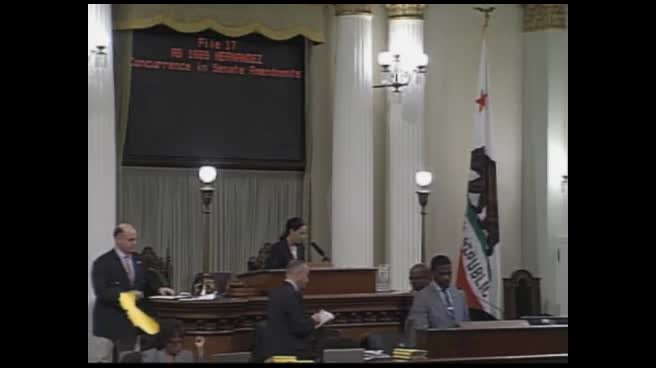 1MIN
Assembly Floor
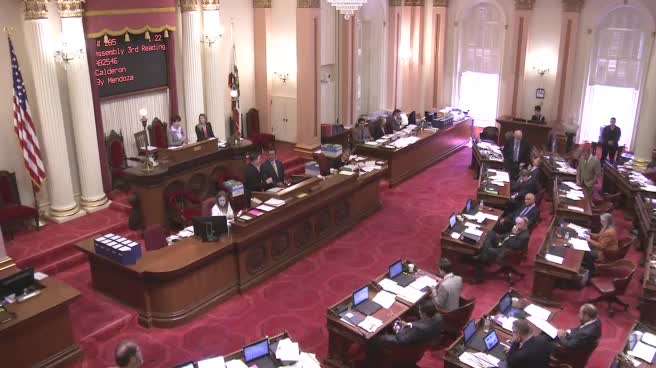 2MIN
Senate Floor
 6MIN
Assembly Standing Committee on Business and Professions
Bill Author

Bill Co-Author(s):
