AB 2752: Health care coverage: continuity of care.
- Session Year: 2015-2016
- House: Assembly
- Latest Version Date: 2016-04-26
Existing law, the Knox-Keene Health Care Service Plan Act of 1975, provides for the licensure and regulation of health care service plans by the Department of Managed Health Care and makes a willful violation of the act a crime. Existing law also provides for the regulation of health insurers by the Insurance Commissioner.
This bill would require a health care service plan or a health insurer, for a health care service plan contract or a health insurance policy that is issued, renewed, or amended on or after January 1, 2017, to notify an enrollee or insured in annual renewal materials that the enrollees or insureds enrollees or insureds in annual renewal materials that a prescription drug is no longer covered by the plan or policy or has changed tiers in the plans or insurers drug formulary, if that is the case. The bill would exempt a specialized health care service plan that covers dental or vision services from that requirement. The bill would also require a health care service plan or health insurer, for a health care service plan contract or a health insurance policy that is issued, renewed, or amended on or after January 1, 2017, to include in annual renewal materials information regarding the plans provider directory or directories. Because a willful violation of that requirement by a health care service plan would be a crime, the bill would impose a state-mandated local program.
The California Constitution requires the state to reimburse local agencies and school districts for certain costs mandated by the state. Statutory provisions establish procedures for making that reimbursement.
This bill would provide that no reimbursement is required by this act for a specified reason.
Existing law, the Knox-Keene Health Care Service Plan Act of 1975, provides for the licensure and regulation of health care service plans by the Department of Managed Health Care and makes a willful violation of the act a crime. Existing law also provides for the regulation of health insurers by the Insurance Commissioner.
Existing law requires certain nongrandfathered health care service plan contracts and health insurance policies to provide for a limit on annual out-of-pocket expenses for covered benefits, as specified. Existing law requires a health care service plan to furnish services in a manner providing continuity of care. Existing law requires a health insurer covering hospital, medical, and surgical expenses on a group basis and that contracts with providers for alternative rates to file a written policy with the Department of Insurance describing how the insurer will facilitate the continuity of care for new insureds receiving services during a current episode of care for an acute condition from a noncontracting provider.
This bill would declare the intent of the Legislature to enact legislation that would provide greater consumer protections regarding continuity of care for an enrollee or insured, and that would give relief to an enrollee or insured that would prevent an enrollee or insured from paying maximum out-of-pocket expenses twice in one year if the enrollee or insured involuntarily changes health plans or insurers.
Existing law requires plans and insurers to annually issue specified notices pertaining to health care coverage to enrollees and insureds.
This bill would require a health care service plan or a health insurer to annually, every October 1, insurer, for a health care service plan contract or a health insurance policy that is issued, renewed, or amended on or after January 1, 2017, to notify an enrollee or insured in annual renewal materials that the enrolleess enrollees or insureds prescription drug treatment is no longer covered by the plan or policy, policy or has changed tiers in the plans or insurers drug formulary, if that is the case, and that the enrollees or insureds provider is no longer part of the provider network, if that is the case. The bill would exempt a specialized health care service plan that covers dental or vision services from that requirement. The bill would also require a health care service plan or health insurer, for a health care service plan contract or a health insurance policy that is issued, renewed, or amended on or after January 1, 2017, to include in annual renewal materials information regarding the plans provider directory or directories. Because a willful violation of that requirement by a health care service plan would be a crime, the bill would impose a state-mandated local program.
The California Constitution requires the state to reimburse local agencies and school districts for certain costs mandated by the state. Statutory provisions establish procedures for making that reimbursement.
This bill would provide that no reimbursement is required by this act for a specified reason.
Existing law, the Knox-Keene Health Care Service Plan Act of 1975, provides for the licensure and regulation of health care service plans by the Department of Managed Health Care and makes a willful violation of the act a crime. Existing law also provides for the regulation of health insurers by the Insurance Commissioner.
Existing law requires certain nongrandfathered health care service plan contracts and health insurance policies to provide for a limit on annual out-of-pocket expenses for covered benefits, as specified. Existing law requires a health care service plan to furnish services in a manner providing continuity of care. Existing law requires a health insurer covering hospital, medical, and surgical expenses on a group basis and that contracts with providers for alternative rates to file a written policy with the Department of Insurance describing how the insurer will facilitate the continuity of care for new insureds receiving services during a current episode of care for an acute condition from a noncontracting provider.
This bill would declare the intent of the Legislature to enact legislation that would provide greater consumer protections regarding continuity of care for an enrollee or insured, and that would give relief to an enrollee or insured that would prevent an enrollee or insured from paying maximum out-of-pocket expenses twice in one year if the enrollee or insured involuntarily changes health plans or insurers.
Existing law requires plans and insurers to annually issue specified notices pertaining to health care coverage to enrollees and insureds.
This bill would require a health care service plan or a health insurer to annually, every October 1, notify an enrollee or insured that the enrolleess or insureds drug treatment is no longer covered by the plan or policy, if that is the case, and that the enrollees or insureds provider is no longer part of the provider network, if that is the case. Because a willful violation of that requirement by a health care service plan would be a crime, the bill would impose a state-mandated local program.
The California Constitution requires the state to reimburse local agencies and school districts for certain costs mandated by the state. Statutory provisions establish procedures for making that reimbursement.
This bill would provide that no reimbursement is required by this act for a specified reason.
(a)(1)A health care service plan, for a health care service plan contract that is issued, renewed, or amended on or after January 1, 2017, shall include in annual renewal materials a notice to an enrollee that the enrollees current enrollees that a prescription drug is no longer covered by the plan or has changed tiers in the plans drug formulary, if that is the case.
(2)This subdivision does not apply to a specialized health care service plan that covers dental or vision services.
(b)A health care service plan, for a health care service plan contract that is issued, renewed, or amended on or after January 1, 2017, shall include in annual renewal materials information regarding the health care service plans provider directory or directories.
SEC. 2.Section 10133.58 is added to the Insurance Code, to read:10133.58.(a)(1)A health insurer, for a health insurance policy that is issued, renewed, or amended on or after January 1, 2017, shall include in annual renewal materials a notice to an insured that the insureds current insureds that a prescription drug is no longer covered by the policy or has changed tiers in the insurers drug formulary, if that is the case.
(2)This subdivision does not apply to a specialized health insurance policy that covers dental or vision services.
(b)A health insurer, for a health insurance policy that is issued, renewed, or amended on or after January 1, 2017, shall include in annual renewal materials information regarding the health insurers provider directory or directories.
SEC. 3.No reimbursement is required by this act pursuant to Section 6 of Article XIIIB of the California Constitution because the only costs that may be incurred by a local agency or school district will be incurred because this act creates a new crime or infraction, eliminates a crime or infraction, or changes the penalty for a crime or infraction, within the meaning of Section 17556 of the Government Code, or changes the definition of a crime within the meaning of Section 6 of Article XIIIB of the California Constitution.
It is the intent of the Legislature to enact legislation that would provide greater consumer protections regarding continuity of care for an enrollee or insured, and that would give relief to an enrollee or insured that would prevent him or her from paying maximum out-of-pocket expense twice in one year if he or she involuntarily changes health plans or health insurers.
SEC. 2.SECTION 1.Section 1399.7 is added to the Health and Safety Code, to read:1399.7.(a)Annually every October 1, a (1)A health care service plan plan, for a health care service plan contract that is issued, renewed, or amended on or after January 1, 2017, shall include in annual renewal materials a notice to an enrollee that the enrollees current prescription drug treatment is no longer covered by the plan, plan or has changed tiers in the plans drug formulary, if that is the case.
(2)This subdivision does not apply to a specialized health care service plan that covers dental or vision services.
(b)Annually every October 1, a A health care service plan plan, for a health care service plan contract that is issued, renewed, or amended on or after January 1, 2017, shall include in annual renewal materials a notice to an enrollee that the enrollees current provider is no longer part of the health care service plans provider network, if that is the case. information regarding the health care service plans provider directory or directories.
SEC. 3.SEC. 2.Section 10133.58 is added to the Insurance Code, to read:10133.58.(a)Annually every October 1, a (1)A health insurer insurer, for a health insurance policy that is issued, renewed, or amended on or after January 1, 2017, shall include in annual renewal materials a notice to an insured that the insureds current prescription drug treatment is no longer covered by the policy, policy or has changed tiers in the insurers drug formulary, if that is the case.
(2)This subdivision does not apply to a specialized health insurance policy that covers dental or vision services.
(b)Annually every October 1, a A health insurer insurer, for a health insurance policy that is issued, renewed, or amended on or after January 1, 2017, shall include in annual renewal materials a notice to an insured that the insureds current provider is no longer part of the health benefit plans provider network, if that is the case. information regarding the health insurers provider directory or directories.
SEC. 4.SEC. 3.No reimbursement is required by this act pursuant to Section 6 of Article XIIIB of the California Constitution because the only costs that may be incurred by a local agency or school district will be incurred because this act creates a new crime or infraction, eliminates a crime or infraction, or changes the penalty for a crime or infraction, within the meaning of Section 17556 of the Government Code, or changes the definition of a crime within the meaning of Section 6 of Article XIIIB of the California Constitution.
It is the intent of the Legislature to enact legislation that would provide greater consumer protections regarding continuity of care for an enrollee or insured, and that would give relief to an enrollee or insured that would prevent him or her from paying maximum out-of-pocket expense twice in one year if he or she involuntarily changes health plans or health insurers.
SEC. 2.Section 1399.7 is added to the Health and Safety Code, to read:1399.7.(a)Annually every October 1, a health care service plan shall include in renewal materials a notice to an enrollee that the enrollees current drug treatment is no longer covered by the plan, if that is the case.
(b)Annually every October 1, a health care service plan shall include in renewal materials a notice to an enrollee that the enrollees current provider is no longer part of the health care service plans provider network, if that is the case.
SEC. 3.Section 10133.58 is added to the Insurance Code, to read:10133.58.(a)Annually every October 1, a health insurer shall include in renewal materials a notice to an insured that the insureds current drug treatment is no longer covered by the policy, if that is the case.
(b)Annually every October 1, a health insurer shall include in renewal materials a notice to an insured that the insureds current provider is no longer part of the health benefit plans provider network, if that is the case.
SEC. 4.No reimbursement is required by this act pursuant to Section 6 of Article XIIIB of the California Constitution because the only costs that may be incurred by a local agency or school district will be incurred because this act creates a new crime or infraction, eliminates a crime or infraction, or changes the penalty for a crime or infraction, within the meaning of Section 17556 of the Government Code, or changes the definition of a crime within the meaning of Section 6 of Article XIIIB of the California Constitution.
|
Date
|
Status
|
|---|---|
| Feb 19, 2016 | Introduced. To print. |
| Feb 21, 2016 | From printer. May be heard in committee March 22. |
| Feb 22, 2016 | Read first time. |
| Mar 10, 2016 | Referred to Com. on HEALTH. |
| Apr 12, 2016 | From committee chair, with author's amendments: Amend, and re-refer to Com. on HEALTH. Read second time and amended. |
| Apr 12, 2016 | In committee: Set, first hearing. Hearing canceled at the request of author. |
| Apr 13, 2016 | Re-referred to Com. on HEALTH. |
| Apr 25, 2016 | From committee: Amend, and do pass as amended and re-refer to Com. on APPR. (Ayes 14. Noes 3.) (April 19). |
| Apr 26, 2016 | Read second time and amended. |
| Apr 27, 2016 | Re-referred to Com. on APPR. |
| May 4, 2016 | In committee: Set, first hearing. Referred to APPR. suspense file. |
| May 27, 2016 | In committee: Held under submission. |
|
Date
|
Description
|
Location
|
Votes
|
|
|---|---|---|---|---|
| Apr 19, 2016 | Do pass as amended and be re-referred to the Committee on [Appropriations] | Assembly Standing Committee on Health |
Passed |
This list shows positions taken on this bill by organizations on the date displayed, which is linked to the original source.
Positions by individuals are not included.
|
Organization
|
Position
|
Date
|
|---|---|---|
| Arthritis Foundation | * Support | Apr 19, 2016 |
| Arthritis Foundation California Hepatitis C Task Force | ** Support | Apr 19, 2016 |
| Blue Shield Of California | ** Against | Apr 19, 2016 |
| California Association Of Health Plans | * Against | Apr 19, 2016 |
| California Chronic Care Coalition | * Support | Apr 19, 2016 |
| California Hepatitis C Task Force | * Indeterminate | Apr 19, 2016 |
| California Life Sciences Association | * Support | Apr 19, 2016 |
| California Pharmacist Association | * Support | Apr 19, 2016 |
| California Pharmacists Association | * Support | Apr 19, 2016 |
| California Primary Care Association | ** Support | Apr 19, 2016 |
| Neuropathy Action Foundation | ** Support | Apr 19, 2016 |
Date of Hearing: May 4, 2016
ASSEMBLY COMMITTEE ON APPROPRIATIONS
Lorena Gonzalez, Chair
ABPCA Bill Id:AB 2752
Author:(Nazarian) – As Amended Ver:April 26, 2016
Policy Committee: | Health | Vote: | 14 - 3 |
Urgency: No State Mandated Local Program: Yes Reimbursable: No
SUMMARY:
This bill requires health plans and insurers to include, in annual renewal materials, a notice to enrollees that a prescription drug is no longer covered by the plan or has changed tiers in the plan’s drug formulary, if that is the case. It also requires inclusion of information regarding a provider directory or directories.
FISCAL EFFECT:
Estimated costs to the Department of Managed Health Care of $65,000 for the first year to assess the plans’ processes, policies, and procedures for identifying providers, drugs, and impacted enrollees, and $390,000 in future years for enforcement (Managed Care Fund). Ongoing costs in any given year could be higher or lower depending on compliance and the level of enforcement activity.
COMMENTS:
- Purpose. The author of this bill states that for people with serious and chronic conditions, making sure that the health insurance plan they choose covers the prescription drugs they need is important. This bill also builds upon recent legislation relating to provider directories and requires the plan or insurer to provide information about the plan’s or insurer’s provider directories.
- Provider directories. Existing law imposes requirements related to provider directories. SB 137 (Hernandez), Chapter 649, Statutes of 2015, beginning July 1, 2016, requires DMHC and the California Department of Insurance to develop uniform provider directory standards. The bill also requires a health plan or insurer to ensure the accuracy of the information contained in the directory or directories, and requires the plan or insurer, at least annually, to review and update the entire provider directory or directories for each product offered. Finally, it requires a health plan or health insurer, at least weekly, to update its online provider directory or directories, and requires a plan or insurer, at least quarterly, to update its printed provider directory or directories.
- Prescription drugs. Existing law imposes requirements related to drug benefits, including transparency about what is covered. AB 339 (Gordon), Chapter 619, Statutes of 2015, standardizes prescription drug tiers and setting cost-sharing limits. Additionally, SB 1052 (Torres), Chapter 575, Statutes of 2014, requires health plans and insurers to use a standard drug formulary template to display their drug formularies and to post their formularies on their Web sites. This recent legislation is currently being implemented.
- Support. California Chronic Care Coalition (CCCC), the sponsor of this bill, states that this bill will fill a continuity of care gap by providing an important information tool for consumers to better understand health plan changes. CCCC additionally states that this bill takes the first step to ensure, at least at the point of plan or policy renewal, that an enrollee or insured is notified of formulary and network changes.
- Opposition. Blue Shield of California opposes this bill, citing lack of necessity and an increase in administrative activities that will not add value. They also state current law requires health plans to notify a member when a drug is moved from formulary to non-formulary.
Analysis Prepared by: Lisa Murawski / APPR. / (916) 319-2081
Date of Hearing: April 19, 2016
ASSEMBLY COMMITTEE ON HEALTH
Jim Wood, Chair
ABPCA Bill Id:AB 2752 (
Author:Nazarian) – As Amended Ver:April 12, 2016
SUBJECT: Health care coverage: continuity of care.
SUMMARY: Requires a health care service plan (health plan) or a health insurer to annually notify an enrollee or insured that the enrollees’s or insured’s drug treatment or provider is no longer covered by the plan or policy. Specifically, this bill:
- Requires a health plan or insurer, upon annual renewal of a health plan contract or insurance policy that is issued, renewed, or amended on or after January 1, 2017, to include in renewal materials:
- A notice to an enrollee or insured if that enrollee’s or insured’s current drug treatment is no longer covered by the plan or has changed tiers in the health plan’s or insurer’s formulary; and,
- Information regarding the health plan’s or health insurer’s provider directory or directories.
- Exempts specialized health plans and specialized health insurers that cover dental or vision services.
EXISTING LAW:
- Regulates health plans through the Department of Managed Health Care (DMHC) under the Knox-Keene Act and health insurance policies through the California Department of Insurance (CDI) under the Insurance Code.
- Requires health plans and insurers that provide prescription drug benefits and maintain drug formularies to post the formulary or formularies for each product offered by the plan or insurer on the plan's or insurer’s Website in a manner that is accessible and searchable by potential enrollees and insureds, enrollees, insureds and providers.
- Requires DMHC and CDI to develop a standard formulary template that contains specified information by January 1, 2017. Requires health plans and insurers to use the standard formulary template within six months of the date the template is developed by DMHC and CDI.
- Requires health plans and insurers to update their posted formularies with any change to those formularies on a monthly basis.
- Requires health plans, for certain contracts, to provide 60 days’ notice prior to the effective date of the contract renewal for any change in premium rate or coverage.
- Requires a health plan, and a health insurer that contracts with providers for alternative rates of payment, to publish and maintain a provider directory or directories with information on contracting providers that deliver health care services to the health plan’s enrollees or the health insurer’s insureds, and would require the health plan or health insurer to make an online provider directory or directories available on the health plan or health insurer’s Internet Web site, as specified.
FISCAL EFFECT: This bill has yet to be analyzed by a fiscal committee.
COMMENTS:
- PURPOSE OF THIS BILL. According to the author, this bill requires, at the time of renewal, a health care service plan or a health insurer to annually notify an enrollee or insured that the enrollee’s or insured’s prescription drug is no longer covered by the plan or policy or has changed tiers in the plan’s drug formulary, if that is the case. For people with serious and chronic conditions, making sure that the health insurance plan they choose covers the prescription drugs they need is important. Making sure that the health insurance plan with which they renew covers their prescription drug is equally as important. Typically, the health insurance plan was initially chosen because of the plan’s decision to cover his or her prescription drug. Often times, an enrollee assumes that if the plan or policy covered his or her drug before, then the plan will cover the drug for the new benefit year. This bill takes the first step to guarantee consumers are aware of formulary changes that affect their specific prescription drugs by ensuring that, at least at the point of plan/policy renewal, an enrollee or insured is notified of a change if one has taken place. This bill also builds upon recent legislation relating to provider directories and requires the plan or insurer to provide information about the plan’s or insurer’s provider directories.
- BACKGROUND.
- Prescription drug notices. Recent legislation and California’s Health Benefit Exchange (also known as Covered California) have made changes to prescription drug benefits, identifying prescription drug tiers and setting cost-sharing limits. For example, beginning in 2016, Covered California plans will be required to limit enrollee deductibles for prescription drugs to $250 for a 30-day supply of drugs in tier 4 ($500 for enrollees in a bronze plan). Covered California will also require formularies to include at least one drug in tiers 1, 2, or 3 if all Food and Drug Administration approved drugs in the same class would otherwise be included in the plan's tier 4 and at least three drugs in that class are available. Generally, a drug in tier 1 has the lowest cost sharing with tier 4 being the highest. Recent legislation defines the drugs tiers as follows:
Tier | Covered California | AB 339 (Gordon) |
1 | Most generic drugs and low cost preferred brands | Most generic drugs and low-cost preferred brand name drugs |
2 | Non-preferred generic drugs; or preferred brand name drugs or recommended by the plan’s pharmacy and therapeutics (P&T) committee based on drug safety, efficacy and cost. | Non-preferred generic drugs, preferred brand name drugs, and any other drugs recommended by the health care service plan’s P&T committee based on safety, efficacy, and cost. |
3 | Non-preferred brand name drugs; or recommended by the plan’s P&T committee based on drug safety, efficacy and cost; or generally have a preferred and often less costly therapeutic alternative at a lower tier. | Non-preferred brand name drugs or drugs that are recommended by the health care service plan’s P&T committee based on safety, efficacy, and cost, or that generally have a preferred and often less costly therapeutic alternative at a lower tier. |
4 | The Food and Drug Administration (FDA) or drug manufacturer limits distribution to specialty pharmacies; or self- administration requires training, clinical monitoring; or drug was manufactured using biotechnology or plan cost (net of rebates) is more than $600. | Drugs that are biologics, that the FDA or the manufacturer requires to be distributed through a specialty pharmacy, that require the enrollee to have special training or clinical monitoring for self-administration, or that cost the health plan more than six hundred dollars ($600) net of rebates for a one-month supply. |
Additionally, existing law requires the DMHC and CDI to jointly develop a standard formulary template by January 1, 2017, and requires plans and insurers to use that template to display formularies, as specified, and requires the standard formulary template to include specified information.
- Provider network notices. Recent legislation also addresses provider directories, specifically that the DMHC and CDI develop uniform provider directory standards in SB 137 (Hernandez), Chapter 649, Statutes of 2015, beginning July 1, 2016. SB 137 would also require a health plan or health insurer to take appropriate steps to ensure the accuracy of the information contained in the plan or health insurer’s directory or directories, and would require the plan or health insurer, at least annually, to review and update the entire provider directory or directories for each product offered, as specified. Additionally, SB 137 would require a health plan or health insurer, at least weekly, to update its online provider directory or directories, and would require a plan or insurer, at least quarterly, to update its printed provider directory or directories.
- SUPPORT. California Chronic Care Coalition (CCCC), the sponsor of this bill, states that this bill will fill a continuity of care gap by providing an important information tool for consumers to better understand health plan changes. CCCC additionally states that this bill takes the first step to ensure at least at the point of plan or policy renewal that an enrollee or insured is notified of formulary and network changes. Epilepsy California states that this bill will ensure that people with epilepsy will be informed of any formulary changes that affect their medications to avoid a delay in treatment. The California Pharmacists Association (CPhA) states that despite recent legislation to help consumers better understand their prescription drug costs and standardize provider directories, significant gaps in awareness and notification still exist. CPhA contents that as a result, consumers are left unaware of such changes until they pick up a prescription or make an appointment with their provider. Pharmacists see first‐hand the frustration of patients and understand the economic burden that this places on their patients especially with the rising costs of drugs. CPhA states that this bill sets fair practices to ensure that Californians are aware of any changes within their plan network, so that they can take action on getting the right health care coverage that they need. The California Primary Care Association states that this bill would provide greater consumer protections regarding continuity of care consistent with the intent of the Patient Protection and Affordable Care Act. The California Hepatitis C Task Force states that changes in coverage and networks during a course of curative treatments to resolve chronic disease in a hepatitis C infected patient population could have devastating consequences with a patient achieving the outcomes intended by medications now available, if interrupted or delayed, and therefore states that these reforms will help consumers better reach their wellness goals.
Additionally, the Neuropathy Action Foundation states that this bill takes the first step to ensure consumers are aware of formulary changes that affect their specific prescription drugs by ensuring that enrollees are notified of a change at least upon renewal and of provider network changes if their provider has moved out-of-network for the new benefit year. Arthritis Foundation notes that without notification of changes, patients assume that their provider and/or necessary prescription drugs will continue to be covered by their health insurer and could lead to patients going without proper care or treatment for extended periods of time by selecting the wrong plan.
- OPPOSITION. Blue Shield of California (BSC) states that this bill will cause confusion for consumers and add unnecessary administrative burdens that will increase the cost of premiums. BSC states that current law requires health plans to notify a member when a drug is moved from formulary to non-formulary. The Association of California Life and Health Companies is opposed to a prior version of this bill and indicates this bill is duplicative of current practice and would weaken existing consumer protections.
- RELATED LEGISLATION.
- SB 923 (Hernandez) prohibits, for grandfathered plan contracts and policies and nongrandfathered plan contracts and policies in the individual and small group markets, a health care service plan contract or health insurance policy that is issued, amended, or renewed on or after January 1, 2017, from changing any cost sharing requirements during the plan year or policy year, except when required by a change in state or federal law. SB 923 is currently pending in the Senate Appropriations Committee.
- SB 1135 (Monning) requires health plans and insurers to provide information to enrollees and insureds regarding the standards for timely access to health care services and other specified health care access information, including information related to receipt of interpreter services in a timely manner, no less than annually, and would make these provisions applicable to Medi-Cal managed care plans. Requires a health care service plan, including a Medi-Cal managed care plan, or health insurer to provide an enrollee or an insured with information regarding consumer assistance provided by the licensing agency, as specified. Requires a health care service plan or a health insurer to provide a contracting health care provider with specified information relating to the provision of referrals or health care services in a timely manner. SB 1135 is pending in the Senate Appropriations Committee.
- PREVIOUS LEGISLATION.
- AB 339 (Gordon), Chapter 619, Statutes of 2015, requires health plans and health insurers that provide coverage for outpatient prescription drugs to have formularies that do not discourage the enrollment of individuals with health conditions, and requires combination antiretrovirals drug treatment coverage of a single-tablet that is as effective as a multitablet regimen for treatment of Human immunodeficiency virus infection and acquired immune deficiency syndrome, as specified. AB 339 places in state law, federal requirements related to pharmacy and therapeutics committees, access to in-network retail pharmacies, standardized formulary requirements, formulary tier requirements similar to those required of health plans and insurers participating in Covered California and copayment caps of $250 and $500 for a supply of up to 30 days for an individual prescription, as specified.
- SB 137 (Hernandez), Chapter 649, Statutes of 2015, requires a health plan or insurer to make available a provider directory or directories that provide information on contracting providers, including those that accept new patients and prohibits a provider directory from including information on a provider that does not have a current contract with the plan or insurer.
- SB 1052 (Torres), Chapter 575, Statutes of 2014, requires health plans and insurers to use a standard drug formulary template to display their drug formularies and to post their formularies on their Web sites and requires Covered California to provide links to the formularies.
REGISTERED SUPPORT / OPPOSITION:
Support
California Chronic Care Coalition (sponsor)
Arthritis Foundation
California Hepatitis C Task Force
California Pharmacists Association
California Primary Care Association
Neuropathy Action Foundation
Opposition
Association of California Life and Health Insurance Companies (prior version)
Blue Shield of California
Analysis Prepared by: Kristene Mapile / HEALTH / (916) 319-2097
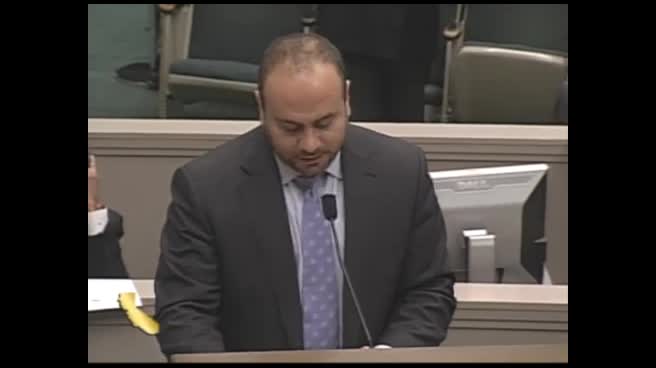
Bill Author

Bill Co-Author(s):