AB 2770: Cigarette and tobacco product licensing: fees and funding.
- Session Year: 2015-2016
- House: Assembly
- Latest Version Date: 2016-09-27
The Cigarette and Tobacco Products Licensing Act of 2003 requires the State Board of Equalization to administer a statewide program to license manufacturers, importers, distributors, wholesalers, and retailers of cigarettes and tobacco products, and imposes various licensing fees. That act requires a retailer to have a license to engage in the sale of cigarette and tobacco products, and requires a separate license for each retail location. Existing law imposes a fee for each license and provides that the license is valid for a 12-month period. On and after January 1, 2017, existing law requires a license to be renewed annually and imposes a renewal fee.
This bill would require a retailer that adds an additional retail location to renew the license for that location based on a 12-month period beginning in the month the retailer obtained its license for its first retail location. This bill would prohibit any license fee or renewal fee from being prorated.
The Cigarette and Tobacco Products Licensing Act of 2003 requires the moneys collected pursuant to the act to be deposited in the Cigarette and Tobacco Products Compliance Fund, which are available for expenditure, upon appropriation by the Legislature, solely for the purpose of implementing, enforcing, and administering the licensing program under the act. The act requires the board to report to the Legislature no later than January 1, 2019, regarding the adequacy of funding for the licensing program .
This bill would instead require the board to report to the Legislature, Governor, and Department of Finance on or before January 1, 2019, and on and before January 1 annually thereafter.
The Cigarette and Tobacco Products Tax Law imposes a tax on distributors of cigarettes and tobacco products, and authorizes the reimbursement of the State Board of Equalization for expenses incurred in the administration and collection of the tax.
This bill would prohibit, on or after July 1, 2019, the appropriation of revenues derived from the taxes imposed upon the distribution of cigarettes and tobacco products to the board for the purpose of implementing, enforcing, or administering the California Cigarette and Tobacco Products Licensing Act of 2003.
The Cigarette and Tobacco Products Licensing Act of 2003 requires the State Board of Equalization to administer a statewide program to license manufacturers, importers, distributors, wholesalers, and retailers of cigarettes and tobacco products, and imposes various licensing fees. That act requires a retailer to have a license to engage in the sale of cigarette and tobacco products, and requires a separate license for each retail location. Existing law imposes a fee for each license and provides that the license is valid for a 12-month period. On and after January 1, 2017, existing law requires a license to be renewed annually and imposes a renewal fee.
This bill would require a retailer that adds an additional retail location to renew the license for that location based on a 12-month period beginning in the month the retailer obtained its license for its first retail location. This bill would prohibit any license fee or renewal fee from being prorated.
The Cigarette and Tobacco Products Licensing Act of 2003 requires the moneys collected pursuant to the act to be deposited in the Cigarette and Tobacco Products Compliance Fund, which are available for expenditure, upon appropriation by the Legislature, solely for the purpose of implementing, enforcing, and administering the licensing program under the act. The act requires the board to report to the Legislature no later than January 1, 2019, regarding the adequacy of funding for the licensing program .
This bill would instead require the board to report to the Legislature, Governor, and Department of Finance on or before January 1, 2019, and on and before January 1 annually thereafter.
The Cigarette and Tobacco Products Tax Law imposes a tax on distributors of cigarettes and tobacco products, and authorizes the reimbursement of the State Board of Equalization for expenses incurred in the administration and collection of the tax.
This bill would prohibit, on or after July 1, 2019, the appropriation of revenues derived from the taxes imposed upon the distribution of cigarettes and tobacco products to the board for the purpose of implementing, enforcing, or administering the California Cigarette and Tobacco Products Licensing Act of 2003.
The Cigarette and Tobacco Products Licensing Act of 2003 requires the State Board of Equalization to administer a statewide program to license manufacturers, importers, distributors, wholesalers, and retailers of cigarettes and tobacco products, and imposes various licensing fees. That act requires a retailer to have a license to engage in the sale of cigarette and tobacco products, and requires a separate license for each retail location. Existing law imposes a fee for each license and provides that the license is valid for a 12-month period. On and after January 1, 2017, existing law requires a license to be renewed annually and imposes a renewal fee.
This bill would require a retailer that adds an additional retail location to renew the license for that location based on a 12-month period beginning in the month the retailer obtained its license for its first retail location. This bill would prohibit any license fee or renewal fee from being prorated.
The Cigarette and Tobacco Products Licensing Act of 2003 requires the State Board of Equalization to administer a statewide program to license manufacturers, importers, distributors, wholesalers, and retailers of cigarettes and tobacco products, and imposes various licensing fees. That act requires the moneys collected pursuant to the act to be deposited in the Cigarette and Tobacco Products Compliance Fund, which are available for expenditure, upon appropriation by the Legislature, solely for the purpose of implementing, enforcing, and administering the licensing program under the act. The act requires the board to report to the Legislature no later than January 1, 2019, regarding the adequacy of funding for the licensing program .
This bill would instead require the board to report to the Legislature Legislature, Governor, and Department of Finance on or before January 1, 2019, and on and before January 1 annually thereafter. The bill would also require the report to include information on the boards compliance with the State Auditors recommendation in the State Auditors March 2016 report to eliminate the excess fund balance in the Cigarette and Tobacco Tax Compliance Fund, which would be required until the excess fund balance is eliminated.
The Cigarette and Tobacco Products Tax Law imposes a tax on distributors of cigarettes and tobacco products, and authorizes the reimbursement of the State Board of Equalization for expenses incurred in the administration and collection of the tax.
This bill would prohibit, on or after January 1, 2017, July 1, 2019, the appropriation of revenues derived from the taxes imposed upon the distribution of cigarettes and tobacco products to the board for the purpose of implementing, enforcing, or administering the California Cigarette and Tobacco Products Licensing Act of 2003.
The Cigarette and Tobacco Products Licensing Act of 2003 requires the State Board of Equalization to administer a statewide program to license manufacturers, importers, distributors, wholesalers, and retailers of cigarettes and tobacco products, and imposes various licensing fees. That act requires the moneys collected to be deposited in the Cigarette and Tobacco Products Compliance Fund, which are available for expenditure, upon appropriation by the Legislature, solely for the purpose of implementing, enforcing, and administering the licensing program under the act. The act requires the board to report to the Legislature no later than January 1, 2019, regarding the adequacy of funding for the licensing program .
This bill would instead require the board to report to the Legislature on or before January 1, 2019, and on and before January 1 annually thereafter. The bill would also require the report to include information on the boards compliance with the State Auditors recommendation in the State Auditors March 2016 report to eliminate the excess fund balance in the Cigarette and Tobacco Tax Compliance Fund, which would be required until the excess fund balance is eliminated.
The Cigarette and Tobacco Products Tax Law imposes a tax on distributors of cigarettes and tobacco products, and authorizes the reimbursement of the State Board of Equalization for expenses incurred in the administration and collection of the tax.
This bill would prohibit, on or after January 1, 2017, the appropriation of revenues derived from the taxes imposed upon the distribution of cigarettes and tobacco products to the board for the purpose of implementing, enforcing, or administering the California Cigarette and Tobacco Products Licensing Act of 2003.
The Cigarette and Tobacco Products Licensing Act of 2003 requires the State Board of Equalization to administer a statewide program to license manufacturers, importers, distributors, wholesalers, and retailers of cigarettes and tobacco products. That act requires retailers of cigarettes and tobacco products to obtain a separate license for each retail location from the board, which is issued upon receipt of a completed application and payment of a one-time fee, unless specified conditions apply.
This bill would require a fee of $265 to be submitted with each license application, as described above. The bill would require, for calendar years beginning on and after January 1, 2017, a retailer to file an application for renewal of a retailers license accompanied with a fee of $265 per retail location, in the form and manner prescribed by the board.
The Cigarette and Tobacco Products Licensing Act of 2003 requires a wholesaler or distributor that commences business selling or distributing cigarettes or tobacco products, or that commences doing so at a new or different place of business in the state, to apply for a license accompanied by a required fee of $1,000 for each location. The act also requires a wholesaler or distributor to file an application for a license renewal accompanied by a required fee of $1,000 for each location where cigarettes and tobacco products are sold.
The bill would raise the fees described above to $1,200.
The bill would require the board to report to the Legislature no later than July 1, 2018, regarding the adequacy of funding for the Cigarette and Tobacco Licensing Act of 2003, as specified.
The Cigarette and Tobacco Products Licensing Act of 2003 requires the State Board of Equalization to administer a statewide program to license manufacturers, importers, distributors, wholesalers, and retailers of cigarettes and tobacco products. That act requires retailers of cigarettes and tobacco products to obtain a separate license for each retail location from the board, which is issued upon receipt of a completed application and payment of a one-time fee, unless specified conditions apply.
This bill would require a fee of $265 to be submitted with each license application, as described above. The bill would require, for calendar years beginning on and after January 1, 2017, a retailer to file an application for renewal of a retailers license accompanied with a fee of $265 per retail location, in the form and manner prescribed by the board.
The Cigarette and Tobacco Products Licensing Act of 2003 requires a wholesaler or distributor that commences business selling or distributing cigarettes or tobacco products, or that commences doing so at a new or different place of business in the state, to apply for a license accompanied by a required fee of $1,000 for each location. The act also requires a wholesaler or distributor to file an application for a license renewal accompanied by a required fee of $1,000 for each location where cigarettes and tobacco products are sold.
The bill would raise the fees described above to $1,200.
The bill would require the board to report to the Legislature no later than January 1, 2020, July 1, 2018, regarding the adequacy of funding for the Cigarette and Tobacco Licensing Act of 2003, as specified.
The Cigarette and Tobacco Products Licensing Act of 2003 requires the State Board of Equalization to administer a statewide program to license manufacturers, importers, distributors, wholesalers, and retailers of cigarettes and tobacco products. That act requires retailers of cigarettes and tobacco products to obtain a separate license for each retail location from the board, which is issued upon receipt of a completed application and payment of a one-time fee, unless specified conditions apply.
This bill would require a fee of $265 to be submitted with each license application, as described above. The bill would require, for calendar years beginning on and after January 1, 2017, a retailer to file an application for renewal of a retailers license accompanied with a fee of $265 per retail location, in the form and manner prescribed by the board.
The Cigarette and Tobacco Products Licensing Act of 2003 requires a wholesaler or distributor that commences business selling or distributing cigarettes or tobacco products, or that commences doing so at a new or different place of business in the state, to apply for a license accompanied by a required fee of $1,000 for each location. The act also requires a wholesaler or distributor to file an application for a license renewal accompanied by a required fee of $1,000 for each location where cigarettes and tobacco products are sold.
The bill would raise the fees described above to $1,200.
The bill would require the board to report to the Legislature no later than January 1, 2020, regarding the adequacy of funding for the Cigarette and Tobacco Licensing Act of 2003, as specified.
(a)Commencing June 30, 2004, a retailer shall have in place and maintain a license to engage in the sale of cigarettes or tobacco products. A retailer that owns or controls more than one retail location shall obtain a separate license for each retail location, but may submit a single application for those licenses.
(b)The retailer shall conspicuously display the license at each retail location in a manner visible to the public.
(c)A license is not assignable or transferable. A person who obtains a license as a retailer who ceases to do business as specified in the license, or who never commenced business, or whose license is suspended or revoked, shall immediately surrender the license to the board.
(d)A license shall be valid for a 12-month period, and shall be renewed annually. A retailer that adds an additional retail location shall renew the license for that location based on a 12-month period beginning in the month the retailer obtained its license for its first retail location.
SEC. 2.Section 22973 of the Business and Professions Code is amended to read:22973.(a)An application for a license shall be filed on or before April 15, 2004, on a form prescribed by the board and shall include the following:
(1)The name, address, and telephone number of the applicant.
(2)The business name, address, and telephone number of each retail location. For applicants who control more than one retail location, an address for receipt of correspondence or notices from the board, such as a headquarters or corporate office of the retailer, shall also be included on the application and listed on the license. Citations issued to licensees shall be forwarded to all addressees on the license.
(3)A statement by the applicant affirming that the applicant has not been convicted of a felony and has not violated and will not violate or cause or permit to be violated any of the provisions of this division or any rule of the board applicable to the applicant or pertaining to the manufacture, sale, or distribution of cigarettes or tobacco products. If the applicant is unable to affirm this statement, the application shall contain a statement by the applicant of the nature of any violation or the reasons that will prevent the applicant from complying with the requirements with respect to the statement.
(4)If any other licenses or permits have been issued by the board or the Department of Alcoholic Beverage Control to the applicant, the license or permit number of those licenses or permits then in effect.
(5)A statement by the applicant that the contents of the application are complete, true, and correct. Any person who signs a statement pursuant to this subdivision that asserts the truth of any material matter that he or she knows to be false is guilty of a misdemeanor punishable by imprisonment of up to one year in the county jail, or a fine of not more than one thousand dollars ($1,000), or both the imprisonment and the fine.
(6)The signature of the applicant.
(7)Any other information the board may require.
(b)The board may investigate to determine the truthfulness and completeness of the information provided in the application. The board may issue a license without further investigation to an applicant for a retail location if the applicant holds a valid license from the Department of Alcoholic Beverage Control for that same location.
(c)The board shall provide electronic means for applicants to download and submit applications.
(d)A fee of two hundred sixty-five dollars ($265) shall be submitted with each application. An applicant that owns or controls more than one retail location shall obtain a separate license for each retail location, but may submit a single application for those licenses with an application license fee of two hundred sixty-five dollars ($265) per location. The fee shall be for the period provided in subdivision (d) of Section 22972 and shall not be prorated.
(e)Beginning on and after January 1, 2017, every retailer shall file an application for renewal of the license prescribed in Section 22972, accompanied with a fee of two hundred sixty-five dollars ($265) per retail location, in the form and manner prescribed by the board.
SEC. 3.Section 22973.3 of the Business and Professions Code is amended to read:22973.3.(a)Notwithstanding any other law, an application for a license for the sale of a tobacco product, as defined in subdivision (d) of Section 22950.5, that is not subject to a tax imposed by the Cigarette and Tobacco Products Tax Law pursuant to Part 13 (commencing with Section 30001) of Division 2 of the Revenue and Taxation Code shall be filed on a form prescribed by the board and shall include the following:
(1)The name, address, and telephone number of the applicant.
(2)The business name, address, and telephone number of each retail location. For applicants who control more than one retail location, an address for receipt of correspondence or notices from the board, such as a headquarters or corporate office of the retailer, shall also be included on the application and listed on the license. Citations issued to licensees shall be forwarded to all addressees on the license.
(3)A statement by the applicant affirming that the applicant has not been convicted of a felony and has not violated and will not violate or cause or permit to be violated any of the provisions of this division or any rule of the board applicable to the applicant or pertaining to the manufacture, sale, or distribution of cigarettes or tobacco products. If the applicant is unable to affirm this statement, the application shall contain a statement by the applicant of the nature of any violation or the reasons that will prevent the applicant from complying with the requirements with respect to the statement.
(4)If any other licenses or permits have been issued by the board or the Department of Alcoholic Beverage Control to the applicant, the license or permit number of those licenses or permits then in effect.
(5)A statement by the applicant that the contents of the application are complete, true, and correct. Any person who signs a statement pursuant to this subdivision that asserts the truth of any material matter that he or she knows to be false is guilty of a misdemeanor punishable by imprisonment of up to one year in the county jail, or a fine of not more than one thousand dollars ($1,000), or both the imprisonment and the fine.
(6)The signature of the applicant.
(7)Any other information the board may require.
(b)The board may investigate to determine the truthfulness and completeness of the information provided in the application. The board may issue a license without further investigation to an applicant for a retail location if the applicant holds a valid license from the Department of Alcoholic Beverage Control for that same location.
(c)The board shall provide electronic means for applicants to download and submit applications.
(d)A fee of two hundred sixty-five dollars ($265) shall be submitted with each application. An applicant that owns or controls more than one retail location shall obtain a separate license for each retail location, but may submit a single application for those licenses with an application license fee of two hundred sixty-five dollars ($265) per location. The fee shall be for the period provided in subdivision (d) of Section 22972 and shall not be prorated.
(e)Every retailer shall file an application for renewal of its license, accompanied with a fee of two hundred sixty-five dollars ($265) per retail location in the form and manner prescribed by the board.
(f)(1)The board shall report back to the Legislature no later than January 1, 2019, regarding the adequacy of funding for the Cigarette and Tobacco Products Licensing Act of 2003 with regard to tobacco products for which a license is required by this section. The report shall include data and recommendations about whether the annual licensing fee funding levels are set at an appropriate level to maintain an effective enforcement program.
(2)The report required by paragraph (1) shall be submitted in compliance with Section 9795 of the Government Code.
(g)(1)This section shall apply to a retailer who sells a tobacco product, as defined in subdivision (d) of Section 22950.5, that is not subject to a tax imposed by the Cigarette and Tobacco Products Tax Law pursuant to Part 13 (commencing with Section 30001) of Division 2 of the Revenue and Taxation Code, and who does not already possess a valid license to sell cigarettes or tobacco products issued pursuant to Section 22972.
(2)A retailer that possesses a valid license to sell cigarettes and tobacco products issued pursuant to Section 22972 may also sell under that license a tobacco product, as defined in subdivision (d) of Section 22950.5, that is not subject to a tax imposed by the Cigarette and Tobacco Products Tax Law pursuant to Part 13 (commencing with Section 30001) of Division 2 of the Revenue and Taxation Code.
(h)This section shall become operative January 1, 2017.
SEC. 4.Section 22977.1 of the Business and Professions Code is amended to read:22977.1.(a)Every distributor and every wholesaler shall file an application, as prescribed in Section 22977, on or before April 15, 2004. Each application shall be accompanied by a fee of one thousand dollars ($1,000) for each location. The fee shall be for a calendar year and may not be prorated. Subject to meeting the requirements of this section and Section 22977.2, the board shall issue a license.
(b)Every distributor and every wholesaler who commences business after the last day of May 2004, or who commences selling or distributing cigarettes or tobacco products at a new or different place of business in this state after the last day of May 2004, shall file with the board an application as prescribed in Section 22977 at least 30 days prior to commencing such business or commencing such sales or distributions; and all distributors and all wholesalers that fail to timely file an application for a license under subdivision (a) shall file with the board an application as prescribed in Section 22977. Each application shall be accompanied by a fee of one thousand two hundred dollars ($1,200) for each location. The fee shall be for a calendar year and may not be prorated. Subject to Section 22977.2, the board, within 30 days after receipt of an application and payment of the proper fee shall issue a license.
(c)For calendar years beginning on and after January 1, 2005, and before January 1, 2017, every distributor and every wholesaler shall file an application for renewal of the license prescribed in Section 22977, accompanied with a fee of one thousand dollars ($1,000) for each location where cigarettes and tobacco products are sold, in the form and manner as prescribed by the board. For calendar years beginning on and after January 1, 2017, the fee accompanying an application for renewal of the license prescribed in Section 22977 shall be one thousand two hundred dollars ($1,200) for each location where cigarettes and tobacco products are sold.
SEC. 5.Section 22990.5 is added to the Business and Professions Code, to read:22990.5.Notwithstanding Sections 30124 and 30131.3 of the Revenue and Taxation Code or any other law, on or after July 1, 2019, no revenues derived from the taxes imposed upon the distribution of cigarettes and tobacco products by Article 1 (commencing with Section 30101), Article 2 (commencing with Sections 30121), and Article 3 (commencing with Section 30131) of Chapter 2 of Part 13 of Division 2 of the Revenue and Taxation Code shall be appropriated to the board for the purpose of implementing, enforcing, or administering the California Cigarette and Tobacco Products Licensing Act of 2003.
SEC. 6.Section 22990.7 is added to the Business and Professions Code, to read:22990.7.(a)The board shall report to the Legislature, Governor, and Department of Finance on or before January 1, 2019, and on and before January 1 annually thereafter, regarding the adequacy of funding for the Cigarette and Tobacco Products Licensing Act of 2003. The report shall include data and recommendations about whether the annual licensing fee funding levels are set at an appropriate level to maintain an effective enforcement program.
(b)The report to the Legislature required by subdivision (a) shall be submitted in compliance with Section 9795 of the Government Code.
(a)Commencing June 30, 2004, a retailer shall have in place and maintain a license to engage in the sale of cigarettes or tobacco products. A retailer that owns or controls more than one retail location shall obtain a separate license for each retail location, but may submit a single application for those licenses.
(b)The retailer shall conspicuously display the license at each retail location in a manner visible to the public.
(c)A license is not assignable or transferable. A person who obtains a license as a retailer who ceases to do business as specified in the license, or who never commenced business, or whose license is suspended or revoked, shall immediately surrender the license to the board.
(d)A license shall be valid for a 12-month period, and shall be renewed annually. A retailer that adds an additional retail location shall renew the license for that location based on a 12-month period beginning in the month the retailer obtained its license for its first retail location.
SEC. 2.Section 22973 of the Business and Professions Code is amended to read:22973.(a)An application for a license shall be filed on or before April 15, 2004, on a form prescribed by the board and shall include the following:
(1)The name, address, and telephone number of the applicant.
(2)The business name, address, and telephone number of each retail location. For applicants who control more than one retail location, an address for receipt of correspondence or notices from the board, such as a headquarters or corporate office of the retailer, shall also be included on the application and listed on the license. Citations issued to licensees shall be forwarded to all addressees on the license.
(3)A statement by the applicant affirming that the applicant has not been convicted of a felony and has not violated and will not violate or cause or permit to be violated any of the provisions of this division or any rule of the board applicable to the applicant or pertaining to the manufacture, sale, or distribution of cigarettes or tobacco products. If the applicant is unable to affirm this statement, the application shall contain a statement by the applicant of the nature of any violation or the reasons that will prevent the applicant from complying with the requirements with respect to the statement.
(4)If any other licenses or permits have been issued by the board or the Department of Alcoholic Beverage Control to the applicant, the license or permit number of those licenses or permits then in effect.
(5)A statement by the applicant that the contents of the application are complete, true, and correct. Any person who signs a statement pursuant to this subdivision that asserts the truth of any material matter that he or she knows to be false is guilty of a misdemeanor punishable by imprisonment of up to one year in the county jail, or a fine of not more than one thousand dollars ($1,000), or both the imprisonment and the fine.
(6)The signature of the applicant.
(7)Any other information the board may require.
(b)The board may investigate to determine the truthfulness and completeness of the information provided in the application. The board may issue a license without further investigation to an applicant for a retail location if the applicant holds a valid license from the Department of Alcoholic Beverage Control for that same location.
(c)The board shall provide electronic means for applicants to download and submit applications.
(d)A fee of two hundred sixty-five dollars ($265) shall be submitted with each application. An applicant that owns or controls more than one retail location shall obtain a separate license for each retail location, but may submit a single application for those licenses with an application license fee of two hundred sixty-five dollars ($265) per location. The fee shall be for the period provided in subdivision (d) of Section 22972 and shall not be prorated.
(e)Beginning on and after January 1, 2017, every retailer shall file an application for renewal of the license prescribed in Section 22972, accompanied with a fee of two hundred sixty-five dollars ($265) per retail location, in the form and manner prescribed by the board.
SEC. 3.Section 22973.3 of the Business and Professions Code is amended to read:22973.3.(a)Notwithstanding any other law, an application for a license for the sale of a tobacco product, as defined in subdivision (d) of Section 22950.5, that is not subject to a tax imposed by the Cigarette and Tobacco Products Tax Law pursuant to Part 13 (commencing with Section 30001) of Division 2 of the Revenue and Taxation Code shall be filed on a form prescribed by the board and shall include the following:
(1)The name, address, and telephone number of the applicant.
(2)The business name, address, and telephone number of each retail location. For applicants who control more than one retail location, an address for receipt of correspondence or notices from the board, such as a headquarters or corporate office of the retailer, shall also be included on the application and listed on the license. Citations issued to licensees shall be forwarded to all addressees on the license.
(3)A statement by the applicant affirming that the applicant has not been convicted of a felony and has not violated and will not violate or cause or permit to be violated any of the provisions of this division or any rule of the board applicable to the applicant or pertaining to the manufacture, sale, or distribution of cigarettes or tobacco products. If the applicant is unable to affirm this statement, the application shall contain a statement by the applicant of the nature of any violation or the reasons that will prevent the applicant from complying with the requirements with respect to the statement.
(4)If any other licenses or permits have been issued by the board or the Department of Alcoholic Beverage Control to the applicant, the license or permit number of those licenses or permits then in effect.
(5)A statement by the applicant that the contents of the application are complete, true, and correct. Any person who signs a statement pursuant to this subdivision that asserts the truth of any material matter that he or she knows to be false is guilty of a misdemeanor punishable by imprisonment of up to one year in the county jail, or a fine of not more than one thousand dollars ($1,000), or both the imprisonment and the fine.
(6)The signature of the applicant.
(7)Any other information the board may require.
(b)The board may investigate to determine the truthfulness and completeness of the information provided in the application. The board may issue a license without further investigation to an applicant for a retail location if the applicant holds a valid license from the Department of Alcoholic Beverage Control for that same location.
(c)The board shall provide electronic means for applicants to download and submit applications.
(d)A fee of two hundred sixty-five dollars ($265) shall be submitted with each application. An applicant that owns or controls more than one retail location shall obtain a separate license for each retail location, but may submit a single application for those licenses with an application license fee of two hundred sixty-five dollars ($265) per location. The fee shall be for the period provided in subdivision (d) of Section 22972 and shall not be prorated.
(e)Every retailer shall file an application for renewal of its license, accompanied with a fee of two hundred sixty-five dollars ($265) per retail location in the form and manner prescribed by the board.
(f)(1)The board shall report back to the Legislature no later than January 1, 2019, regarding the adequacy of funding for the Cigarette and Tobacco Products Licensing Act of 2003 with regard to tobacco products for which a license is required by this section. The report shall include data and recommendations about whether the annual licensing fee funding levels are set at an appropriate level to maintain an effective enforcement program.
(2)The report required by paragraph (1) shall be submitted in compliance with Section 9795 of the Government Code.
(g)(1)This section shall apply to a retailer who sells a tobacco product, as defined in subdivision (d) of Section 22950.5, that is not subject to a tax imposed by the Cigarette and Tobacco Products Tax Law pursuant to Part 13 (commencing with Section 30001) of Division 2 of the Revenue and Taxation Code, and who does not already possess a valid license to sell cigarettes or tobacco products issued pursuant to Section 22972.
(2)A retailer that possesses a valid license to sell cigarettes and tobacco products issued pursuant to Section 22972 may also sell under that license a tobacco product, as defined in subdivision (d) of Section 22950.5, that is not subject to a tax imposed by the Cigarette and Tobacco Products Tax Law pursuant to Part 13 (commencing with Section 30001) of Division 2 of the Revenue and Taxation Code.
(h)This section shall become operative January 1, 2017.
SEC. 4.Section 22977.1 of the Business and Professions Code is amended to read:22977.1.(a)Every distributor and every wholesaler shall file an application, as prescribed in Section 22977, on or before April 15, 2004. Each application shall be accompanied by a fee of one thousand dollars ($1,000) for each location. The fee shall be for a calendar year and may not be prorated. Subject to meeting the requirements of this section and Section 22977.2, the board shall issue a license.
(b)Every distributor and every wholesaler who commences business after the last day of May 2004, or who commences selling or distributing cigarettes or tobacco products at a new or different place of business in this state after the last day of May 2004, shall file with the board an application as prescribed in Section 22977 at least 30 days prior to commencing such business or commencing such sales or distributions; and all distributors and all wholesalers that fail to timely file an application for a license under subdivision (a) shall file with the board an application as prescribed in Section 22977. Each application shall be accompanied by a fee of one thousand two hundred dollars ($1,200) for each location. The fee shall be for a calendar year and may not be prorated. Subject to Section 22977.2, the board, within 30 days after receipt of an application and payment of the proper fee shall issue a license.
(c)For calendar years beginning on and after January 1, 2005, and before January 1, 2017, every distributor and every wholesaler shall file an application for renewal of the license prescribed in Section 22977, accompanied with a fee of one thousand dollars ($1,000) for each location where cigarettes and tobacco products are sold, in the form and manner as prescribed by the board. For calendar years beginning on and after January 1, 2017, the fee accompanying an application for renewal of the license prescribed in Section 22977 shall be one thousand two hundred dollars ($1,200) for each location where cigarettes and tobacco products are sold.
SEC. 5.Section 22990.5 is added to the Business and Professions Code, to read:22990.5.Notwithstanding Sections 30124 and 30131.3 of the Revenue and Taxation Code or any other law, on or after July 1, 2019, no revenues derived from the taxes imposed upon the distribution of cigarettes and tobacco products by Article 1 (commencing with Section 30101), Article 2 (commencing with Sections 30121), and Article 3 (commencing with Section 30131) of Chapter 2 of Part 13 of Division 2 of the Revenue and Taxation Code shall be appropriated to the board for the purpose of implementing, enforcing, or administering the California Cigarette and Tobacco Products Licensing Act of 2003.
SEC. 6.Section 22990.7 is added to the Business and Professions Code, to read:22990.7.(a)The board shall report to the Legislature, Governor, and Department of Finance on or before January 1, 2019, and on and before January 1 annually thereafter, regarding the adequacy of funding for the Cigarette and Tobacco Products Licensing Act of 2003. The report shall include data and recommendations about whether the annual licensing fee funding levels are set at an appropriate level to maintain an effective enforcement program.
(b)The report to the Legislature required by subdivision (a) shall be submitted in compliance with Section 9795 of the Government Code.
(a)Commencing June 30, 2004, a retailer shall have in place and maintain a license to engage in the sale of cigarettes or tobacco products. A retailer that owns or controls more than one retail location shall obtain a separate license for each retail location, but may submit a single application for those licenses.
(b)The retailer shall conspicuously display the license at each retail location in a manner visible to the public.
(c)A license is not assignable or transferable. A person who obtains a license as a retailer who ceases to do business as specified in the license, or who never commenced business, or whose license is suspended or revoked, shall immediately surrender the license to the board.
(d)A license shall be valid for a 12-month period, and shall be renewed annually. A retailer that adds an additional retail location shall renew the license for that location based on a 12-month period beginning in the month the retailer obtained its license for its first retail location.
SECTION 1.SEC. 2.Section 22973 of the Business and Professions Code is amended to read:22973.(a)An application for a license shall be filed on or before April 15, 2004, on a form prescribed by the board and shall include the following:
(1)The name, address, and telephone number of the applicant.
(2)The business name, address, and telephone number of each retail location. For applicants who control more than one retail location, an address for receipt of correspondence or notices from the board, such as a headquarters or corporate office of the retailer, shall also be included on the application and listed on the license. Citations issued to licensees shall be forwarded to all addressees on the license.
(3)A statement by the applicant affirming that the applicant has not been convicted of a felony and has not violated and will not violate or cause or permit to be violated any of the provisions of this division or any rule of the board applicable to the applicant or pertaining to the manufacture, sale, or distribution of cigarettes or tobacco products. If the applicant is unable to affirm this statement, the application shall contain a statement by the applicant of the nature of any violation or the reasons that will prevent the applicant from complying with the requirements with respect to the statement.
(4)If any other licenses or permits have been issued by the board or the Department of Alcoholic Beverage Control to the applicant, the license or permit number of those licenses or permits then in effect.
(5)A statement by the applicant that the contents of the application are complete, true, and correct. Any person who signs a statement pursuant to this subdivision that asserts the truth of any material matter that he or she knows to be false is guilty of a misdemeanor punishable by imprisonment of up to one year in the county jail, or a fine of not more than one thousand dollars ($1,000), or both the imprisonment and the fine.
(6)The signature of the applicant.
(7)Any other information the board may require.
(b)The board may investigate to determine the truthfulness and completeness of the information provided in the application. The board may issue a license without further investigation to an applicant for a retail location if the applicant holds a valid license from the Department of Alcoholic Beverage Control for that same location.
(c)The board shall provide electronic means for applicants to download and submit applications.
(d)A fee of two hundred sixty-five dollars ($265) shall be submitted with each application. An applicant that owns or controls more than one retail location shall obtain a separate license for each retail location, but may submit a single application for those licenses with an application license fee of two hundred sixty-five dollars ($265) per location. The fee shall be for the period provided in subdivision (d) of Section 22972 and shall not be prorated.
(e)For calendar years beginning Beginning on and after January 1, 2017, every retailer shall file an application for renewal of the license prescribed in Section 22972, accompanied with a fee of two hundred sixty-five dollars ($265) per retail location, in the form and manner prescribed by the board.
SEC. 3.Section 22973.3 of the Business and Professions Code is amended to read:22973.3.(a)Notwithstanding any other law, an application for a license for the sale of a tobacco product, as defined in subdivision (d) of Section 22950.5, that is not subject to a tax imposed by the Cigarette and Tobacco Products Tax Law pursuant to Part 13 (commencing with Section 30001) of Division 2 of the Revenue and Taxation Code shall be filed on a form prescribed by the board and shall include the following:
(1)The name, address, and telephone number of the applicant.
(2)The business name, address, and telephone number of each retail location. For applicants who control more than one retail location, an address for receipt of correspondence or notices from the board, such as a headquarters or corporate office of the retailer, shall also be included on the application and listed on the license. Citations issued to licensees shall be forwarded to all addressees on the license.
(3)A statement by the applicant affirming that the applicant has not been convicted of a felony and has not violated and will not violate or cause or permit to be violated any of the provisions of this division or any rule of the board applicable to the applicant or pertaining to the manufacture, sale, or distribution of cigarettes or tobacco products. If the applicant is unable to affirm this statement, the application shall contain a statement by the applicant of the nature of any violation or the reasons that will prevent the applicant from complying with the requirements with respect to the statement.
(4)If any other licenses or permits have been issued by the board or the Department of Alcoholic Beverage Control to the applicant, the license or permit number of those licenses or permits then in effect.
(5)A statement by the applicant that the contents of the application are complete, true, and correct. Any person who signs a statement pursuant to this subdivision that asserts the truth of any material matter that he or she knows to be false is guilty of a misdemeanor punishable by imprisonment of up to one year in the county jail, or a fine of not more than one thousand dollars ($1,000), or both the imprisonment and the fine.
(6)The signature of the applicant.
(7)Any other information the board may require.
(b)The board may investigate to determine the truthfulness and completeness of the information provided in the application. The board may issue a license without further investigation to an applicant for a retail location if the applicant holds a valid license from the Department of Alcoholic Beverage Control for that same location.
(c)The board shall provide electronic means for applicants to download and submit applications.
(d)A fee of two hundred sixty-five dollars ($265) shall be submitted with each application. An applicant that owns or controls more than one retail location shall obtain a separate license for each retail location, but may submit a single application for those licenses with an application license fee of two hundred sixty-five dollars ($265) per location. The fee shall be for the period provided in subdivision (d) of Section 22972 and shall not be prorated.
(e)Every retailer shall file an application for renewal of its license, accompanied with a fee of two hundred sixty-five dollars ($265) per retail location in the form and manner prescribed by the board.
(f)(1)The board shall report back to the Legislature no later than January 1, 2019, regarding the adequacy of funding for the Cigarette and Tobacco Products Licensing Act of 2003 with regard to tobacco products for which a license is required by this section. The report shall include data and recommendations about whether the annual licensing fee funding levels are set at an appropriate level to maintain an effective enforcement program.
(2)The report required by paragraph (1) shall be submitted in compliance with Section 9795 of the Government Code.
(g)(1)This section shall apply to a retailer who sells a tobacco product, as defined in subdivision (d) of Section 22950.5, that is not subject to a tax imposed by the Cigarette and Tobacco Products Tax Law pursuant to Part 13 (commencing with Section 30001) of Division 2 of the Revenue and Taxation Code, and who does not already possess a valid license to sell cigarettes or tobacco products issued pursuant to Section 22972.
(2)A retailer that possesses a valid license to sell cigarettes and tobacco products issued pursuant to Section 22972 may also sell under that license a tobacco product, as defined in subdivision (d) of Section 22950.5, that is not subject to a tax imposed by the Cigarette and Tobacco Products Tax Law pursuant to Part 13 (commencing with Section 30001) of Division 2 of the Revenue and Taxation Code.
(h)This section shall become operative January 1, 2017.
SEC. 2.SEC. 4.Section 22977.1 of the Business and Professions Code is amended to read:22977.1.(a)Every distributor and every wholesaler shall file an application, as prescribed in Section 22977, on or before April 15, 2004. Each application shall be accompanied by a fee of one thousand dollars ($1,000) for each location. The fee shall be for a calendar year and may not be prorated. Subject to meeting the requirements of this section and Section 22977.2, the board shall issue a license.
(b)Every distributor and every wholesaler who commences business after the last day of May 2004, or who commences selling or distributing cigarettes or tobacco products at a new or different place of business in this state after the last day of May 2004, shall file with the board an application as prescribed in Section 22977 at least 30 days prior to commencing such business or commencing such sales or distributions; and all distributors and all wholesalers that fail to timely file an application for a license under subdivision (a) shall file with the board an application as prescribed in Section 22977. Each application shall be accompanied by a fee of one thousand two hundred dollars ($1,200) for each location. The fee shall be for a calendar year and may not be prorated. Subject to Section 22977.2, the board, within 30 days after receipt of an application and payment of the proper fee shall issue a license.
(c)For calendar years beginning on and after January 1, 2005, and before January 1, 2017, every distributor and every wholesaler shall file an application for renewal of the license prescribed in Section 22977, accompanied with a fee of one thousand dollars ($1,000) for each location where cigarettes and tobacco products are sold, in the form and manner as prescribed by the board. For calendar years beginning on and after January 1, 2017, the fee accompanying an application for renewal of the license prescribed in Section 22977 shall be one thousand two hundred dollars ($1,200) for each location where cigarettes and tobacco products are sold.
SEC. 3.SEC. 5.Section 22990.5 is added to the Business and Professions Code, to read:22990.5.Notwithstanding Sections 30124 and 30131.3 of the Revenue and Taxation Code or any other law, on or after January 1, 2017, July 1, 2019, no revenues derived from the taxes imposed upon the distribution of cigarettes and tobacco products by Article 1 (commencing with Section 30101), Article 2 (commencing with Sections 30121), and Article 3 (commencing with Section 30131) of Chapter 2 of Part 13 of Division 2 of the Revenue and Taxation Code shall be appropriated to the State Board of Equalization board for the purpose of implementing, enforcing, or administering the California Cigarette and Tobacco Products Licensing Act of 2003.
SEC. 4.SEC. 6.Section 22990.7 is added to the Business and Professions Code, to read:22990.7.(a)The board shall report to the Legislature Legislature, Governor, and Department of Finance on or before January 1, 2019, and on and before January 1 annually thereafter, regarding the adequacy of funding for the Cigarette and Tobacco Products Licensing Act of 2003. The report shall include data and recommendations about whether the annual licensing fee funding levels are set at an appropriate level to maintain an effective enforcement program. The report shall also include information on the boards compliance with the State Auditors recommendation in the State Auditors March 2016 report to eliminate the excess fund balance in the Cigarette and Tobacco Tax Compliance Fund, which shall be required until the excess fund balance is eliminated.
(b)The report to the Legislature required by subdivision (a) shall be submitted in compliance with Section 9795 of the Government Code.
(a)An application for a license shall be filed on or before April 15, 2004, on a form prescribed by the board and shall include the following:
(1)The name, address, and telephone number of the applicant.
(2)The business name, address, and telephone number of each retail location. For applicants who control more than one retail location, an address for receipt of correspondence or notices from the board, such as a headquarters or corporate office of the retailer, shall also be included on the application and listed on the license. Citations issued to licensees shall be forwarded to all addressees on the license.
(3)A statement by the applicant affirming that the applicant has not been convicted of a felony and has not violated and will not violate or cause or permit to be violated any of the provisions of this division or any rule of the board applicable to the applicant or pertaining to the manufacture, sale, or distribution of cigarettes or tobacco products. If the applicant is unable to affirm this statement, the application shall contain a statement by the applicant of the nature of any violation or the reasons that will prevent the applicant from complying with the requirements with respect to the statement.
(4)If any other licenses or permits have been issued by the board or the Department of Alcoholic Beverage Control to the applicant, the license or permit number of those licenses or permits then in effect.
(5)A statement by the applicant that the contents of the application are complete, true, and correct. Any person who signs a statement pursuant to this subdivision that asserts the truth of any material matter that he or she knows to be false is guilty of a misdemeanor punishable by imprisonment of up to one year in the county jail, or a fine of not more than one thousand dollars ($1,000), or both the imprisonment and the fine.
(6)The signature of the applicant.
(7)Any other information the board may require.
(b)The board may investigate to determine the truthfulness and completeness of the information provided in the application. The board may issue a license without further investigation to an applicant for a retail location if the applicant holds a valid license from the Department of Alcoholic Beverage Control for that same location.
(c)The board shall provide electronic means for applicants to download and submit applications.
(d)A fee of two hundred sixty-five dollars ($265) shall be submitted with each application. An applicant that owns or controls more than one retail location shall obtain a separate license for each retail location, but may submit a single application for those licenses with an application license fee of two hundred sixty-five dollars ($265) per location.
(e)For calendar years beginning on and after January 1, 2017, every retailer shall file an application for renewal of the license prescribed in Section 22972, accompanied with a fee of two hundred sixty-five dollars ($265) per retail location, in the form and manner prescribed by the board.
(f)(1)The board shall report back to the Legislature no later than January 1, 2019, regarding the adequacy of funding for the Cigarette and Tobacco Products Licensing Act of 2003. The report shall include data and recommendations about whether the annual licensing fee funding levels are set at an appropriate level to maintain an effective enforcement program.
(2)The report required by paragraph (1) shall be submitted in compliance with Section 9795 of the Government Code.
SEC. 2.Section 22977.1 of the Business and Professions Code is amended to read:22977.1.(a)Every distributor and every wholesaler shall file an application, as prescribed in Section 22977, on or before April 15, 2004. Each application shall be accompanied by a fee of one thousand dollars ($1,000) for each location. The fee shall be for a calendar year and may not be prorated. Subject to meeting the requirements of this section and Section 22977.2, the board shall issue a license.
(b)Every distributor and every wholesaler who commences business after the last day of May 2004, or who commences selling or distributing cigarettes or tobacco products at a new or different place of business in this state after the last day of May 2004, shall file with the board an application as prescribed in Section 22977 at least 30 days prior to commencing such business or commencing such sales or distributions; and all distributors and all wholesalers that fail to timely file an application for a license under subdivision (a) shall file with the board an application as prescribed in Section 22977. Each application shall be accompanied by a fee of one thousand two hundred dollars ($1,200) for each location. The fee shall be for a calendar year and may not be prorated. Subject to Section 22977.2, the board, within 30 days after receipt of an application and payment of the proper fee shall issue a license.
(c)For calendar years beginning on and after January 1, 2005, and before January 1, 2017, every distributor and every wholesaler shall file an application for renewal of the license prescribed in Section 22977, accompanied with a fee of one thousand dollars ($1,000) for each location where cigarettes and tobacco products are sold, in the form and manner as prescribed by the board. For calendar years beginning on and after January 1, 2017, the fee accompanying an application for renewal of the license prescribed in Section 22977 shall be one thousand two hundred dollars ($1,200) for each location where cigarettes and tobacco products are sold.
(d)(1)The board shall report back to the Legislature no later than January 1, 2019, regarding the adequacy of funding for the Cigarette and Tobacco Products Licensing Act of 2003. The report shall include data and recommendations about whether the annual licensing fee funding levels are set at an appropriate level to maintain an effective enforcement program.
(2)The report required by paragraph (1) shall be submitted in compliance with Section 9795 of the Government Code.
SEC. 3.Section 22990.5 is added to the Business and Professions Code, to read:22990.5.Notwithstanding Sections 30124 and 30131.3 or any other law, on or after January 1, 2017, no revenues derived from the taxes imposed upon the distribution of cigarettes and tobacco products by Article 1 (commencing with Section 30101), Article 2 (commencing with Sections 30121), and Article 3 (commencing with Section 30131) of Chapter 2 of Part 13 of Division 2 of the Revenue and Taxation Code shall be appropriated to the State Board of Equalization for the purpose of implementing, enforcing, or administering the California Cigarette and Tobacco Products Licensing Act of 2003.
SEC. 4.Section 22990.7 is added to the Business and Professions Code, to read:22990.7.(a)The board shall report to the Legislature on or before January 1, 2019, and on and before January 1 annually thereafter, regarding the adequacy of funding for the Cigarette and Tobacco Products Licensing Act of 2003. The report shall include data and recommendations about whether the annual licensing fee funding levels are set at an appropriate level to maintain an effective enforcement program. The report shall also include information on the boards compliance with the State Auditors recommendation in the State Auditors March 2016 report to eliminate the excess fund balance in the Cigarette and Tobacco Tax Compliance Fund, which shall be required until the excess fund balance is eliminated.
(b)The report required by subdivision (a) shall be submitted in compliance with Section 9795 of the Government Code.
SECTION 1.Section 22973 of the Business and Professions Code is amended to read:22973.(a)An application for a license shall be filed on or before April 15, 2004, on a form prescribed by the board and shall include the following:
(1)The name, address, and telephone number of the applicant.
(2)The business name, address, and telephone number of each retail location. For applicants who control more than one retail location, an address for receipt of correspondence or notices from the board, such as a headquarters or corporate office of the retailer, shall also be included on the application and listed on the license. Citations issued to licensees shall be forwarded to all addressees on the license.
(3)A statement by the applicant affirming that the applicant has not been convicted of a felony and has not violated and will not violate or cause or permit to be violated any of the provisions of this division or any rule of the board applicable to the applicant or pertaining to the manufacture, sale, or distribution of cigarettes or tobacco products. If the applicant is unable to affirm this statement, the application shall contain a statement by the applicant of the nature of any violation or the reasons that will prevent the applicant from complying with the requirements with respect to the statement.
(4)If any other licenses or permits have been issued by the board or the Department of Alcoholic Beverage Control to the applicant, the license or permit number of those licenses or permits then in effect.
(5)A statement by the applicant that the contents of the application are complete, true, and correct. Any person who signs a statement pursuant to this subdivision that asserts the truth of any material matter that he or she knows to be false is guilty of a misdemeanor punishable by imprisonment of up to one year in the county jail, or a fine of not more than one thousand dollars ($1,000), or both the imprisonment and the fine.
(6)The signature of the applicant.
(7)Any other information the board may require.
(b)The board may investigate to determine the truthfulness and completeness of the information provided in the application. The board may issue a license without further investigation to an applicant for a retail location if the applicant holds a valid license from the Department of Alcoholic Beverage Control for that same location.
(c)The board shall provide electronic means for applicants to download and submit applications.
(d)A fee of two hundred sixty-five dollars ($265) shall be submitted with each application. An applicant that owns or controls more than one retail location shall obtain a separate license for each retail location, but may submit a single application for those licenses with an application license fee of two hundred sixty-five dollars ($265) per location.
(e)For calendar years beginning on and after January 1, 2017, every retailer shall file an application for renewal of the license prescribed in Section 22972, accompanied with a fee of two hundred sixty-five dollars ($265) per retail location, in the form and manner prescribed by the board.
(f)(1)The board shall report to the Legislature no later than July 1, 2018, regarding the adequacy of funding for the Cigarette and Tobacco Products Licensing Act of 2003. The report shall include data and recommendations about whether the annual licensing fee funding levels are set at an appropriate level to maintain an effective enforcement program. The report shall also include information on the boards compliance with the State Auditors recommendation in the State Auditors March 2016 report to eliminate the excess fund balance in the Cigarette and Tobacco Tax Compliance Fund.
(2)The report required by paragraph (1) shall be submitted in compliance with Section 9795 of the Government Code.
SEC. 2.Section 22977.1 of the Business and Professions Code is amended to read:22977.1.(a)Every distributor and every wholesaler shall file an application, as prescribed in Section 22977, on or before April 15, 2004. Each application shall be accompanied by a fee of one thousand dollars ($1,000) for each location. The fee shall be for a calendar year and may not be prorated. Subject to meeting the requirements of this section and Section 22977.2, the board shall issue a license.
(b)Every distributor and every wholesaler who commences business after the last day of May 2004, or who commences selling or distributing cigarettes or tobacco products at a new or different place of business in this state after the last day of May 2004, shall file with the board an application as prescribed in Section 22977 at least 30 days prior to commencing such business or commencing such sales or distributions; and all distributors and all wholesalers that fail to timely file an application for a license under subdivision (a) shall file with the board an application as prescribed in Section 22977. Each application shall be accompanied by a fee of one thousand two hundred dollars ($1,200) for each location. The fee shall be for a calendar year and may not be prorated. Subject to Section 22977.2, the board, within 30 days after receipt of an application and payment of the proper fee shall issue a license.
(c)For calendar years beginning on and after January 1, 2005, and before January 1, 2017, every distributor and every wholesaler shall file an application for renewal of the license prescribed in Section 22977, accompanied with a fee of one thousand dollars ($1,000) for each location where cigarettes and tobacco products are sold, in the form and manner as prescribed by the board. For calendar years beginning on and after January 1, 2017, the fee accompanying an application for renewal of the license prescribed in Section 22977 shall be one thousand two hundred dollars ($1,200) for each location where cigarettes and tobacco products are sold.
(d)(1)The board shall report to the Legislature no later than July 1, 2018, regarding the adequacy of funding for the Cigarette and Tobacco Products Licensing Act of 2003. The report shall include data and recommendations about whether the annual licensing fee funding levels are set at an appropriate level to maintain an effective enforcement program. The report shall also include information on the boards compliance with the State Auditors recommendation in the State Auditors March 2016 report to eliminate the excess fund balance in the Cigarette and Tobacco Tax Compliance Fund.
(2)The report required by paragraph (1) shall be submitted in compliance with Section 9795 of the Government Code.
(a)An application for a license shall be filed on or before April 15, 2004, on a form prescribed by the board and shall include the following:
(1)The name, address, and telephone number of the applicant.
(2)The business name, address, and telephone number of each retail location. For applicants who control more than one retail location, an address for receipt of correspondence or notices from the board, such as a headquarters or corporate office of the retailer, shall also be included on the application and listed on the license. Citations issued to licensees shall be forwarded to all addressees on the license.
(3)A statement by the applicant affirming that the applicant has not been convicted of a felony and has not violated and will not violate or cause or permit to be violated any of the provisions of this division or any rule of the board applicable to the applicant or pertaining to the manufacture, sale, or distribution of cigarettes or tobacco products. If the applicant is unable to affirm this statement, the application shall contain a statement by the applicant of the nature of any violation or the reasons that will prevent the applicant from complying with the requirements with respect to the statement.
(4)If any other licenses or permits have been issued by the board or the Department of Alcoholic Beverage Control to the applicant, the license or permit number of those licenses or permits then in effect.
(5)A statement by the applicant that the contents of the application are complete, true, and correct. Any person who signs a statement pursuant to this subdivision that asserts the truth of any material matter that he or she knows to be false is guilty of a misdemeanor punishable by imprisonment of up to one year in the county jail, or a fine of not more than one thousand dollars ($1,000), or both the imprisonment and the fine.
(6)The signature of the applicant.
(7)Any other information the board may require.
(b)The board may investigate to determine the truthfulness and completeness of the information provided in the application. The board may issue a license without further investigation to an applicant for a retail location if the applicant holds a valid license from the Department of Alcoholic Beverage Control for that same location.
(c)The board shall provide electronic means for applicants to download and submit applications.
(d)A fee of two hundred sixty-five dollars ($265) shall be submitted with each application. An applicant that owns or controls more than one retail location shall obtain a separate license for each retail location, but may submit a single application for those licenses with an application license fee of two hundred sixty-five dollars ($265) per location.
(e)For calendar years beginning on and after January 1, 2017, every retailer shall file an application for renewal of the license prescribed in Section 22972, accompanied with a fee of two hundred sixty-five dollars ($265) per retail location, in the form and manner prescribed by the board.
(f)(1)The board shall report to the Legislature no later than January 1, 2020, July 1, 2018, regarding the adequacy of funding for the Cigarette and Tobacco Products Licensing Act of 2003. The report shall include data and recommendations about whether the annual licensing fee funding levels are set at an appropriate level to maintain an effective enforcement program. The report shall also include information on the boards compliance with the State Auditors recommendation in the State Auditors March 2016 report to eliminate the excess fund balance in the Cigarette and Tobacco Tax Compliance Fund.
(2)The report required by paragraph (1) shall be submitted in compliance with Section 9795 of the Government Code.
SEC. 2.Section 22977.1 of the Business and Professions Code is amended to read:22977.1.(a)Every distributor and every wholesaler shall file an application, as prescribed in Section 22977, on or before April 15, 2004. Each application shall be accompanied by a fee of one thousand dollars ($1,000) for each location. The fee shall be for a calendar year and may not be prorated. Subject to meeting the requirements of this section and Section 22977.2, the board shall issue a license.
(b)Every distributor and every wholesaler who commences business after the last day of May 2004, or who commences selling or distributing cigarettes or tobacco products at a new or different place of business in this state after the last day of May 2004, shall file with the board an application as prescribed in Section 22977 at least 30 days prior to commencing such business or commencing such sales or distributions; and all distributors and all wholesalers that fail to timely file an application for a license under subdivision (a) shall file with the board an application as prescribed in Section 22977. Each application shall be accompanied by a fee of one thousand two hundred dollars ($1,200) for each location. The fee shall be for a calendar year and may not be prorated. Subject to Section 22977.2, the board, within 30 days after receipt of an application and payment of the proper fee shall issue a license.
(c)For calendar years beginning on and after January 1, 2005, and before January 1, 2017, every distributor and every wholesaler shall file an application for renewal of the license prescribed in Section 22977, accompanied with a fee of one thousand dollars ($1,000) for each location where cigarettes and tobacco products are sold, in the form and manner as prescribed by the board. For calendar years beginning on and after January 1, 2017, the fee accompanying an application for renewal of the license prescribed in Section 22977 shall be one thousand two hundred dollars ($1,200) for each location where cigarettes and tobacco products are sold.
(d)(1)The board shall report to the Legislature no later than January 1, 2020, July 1, 2018, regarding the adequacy of funding for the Cigarette and Tobacco Products Licensing Act of 2003. The report shall include data and recommendations about whether the annual licensing fee funding levels are set at an appropriate level to maintain an effective enforcement program. The report shall also include information on the boards compliance with the State Auditors recommendation in the State Auditors March 2016 report to eliminate the excess fund balance in the Cigarette and Tobacco Tax Compliance Fund.
(2)The report required by paragraph (1) shall be submitted in compliance with Section 9795 of the Government Code.
(a)An application for a license shall be filed on or before April 15, 2004, on a form prescribed by the board and shall include the following:
(1)The name, address, and telephone number of the applicant.
(2)The business name, address, and telephone number of each retail location. For applicants who control more than one retail location, an address for receipt of correspondence or notices from the board, such as a headquarters or corporate office of the retailer, shall also be included on the application and listed on the license. Citations issued to licensees shall be forwarded to all addressees on the license.
(3)A statement by the applicant affirming that the applicant has not been convicted of a felony and has not violated and will not violate or cause or permit to be violated any of the provisions of this division or any rule of the board applicable to the applicant or pertaining to the manufacture, sale, or distribution of cigarettes or tobacco products. If the applicant is unable to affirm this statement, the application shall contain a statement by the applicant of the nature of any violation or the reasons that will prevent the applicant from complying with the requirements with respect to the statement.
(4)If any other licenses or permits have been issued by the board or the Department of Alcoholic Beverage Control to the applicant, the license or permit number of those licenses or permits then in effect.
(5)A statement by the applicant that the contents of the application are complete, true, and correct. Any person who signs a statement pursuant to this subdivision that asserts the truth of any material matter that he or she knows to be false is guilty of a misdemeanor punishable by imprisonment of up to one year in the county jail, or a fine of not more than one thousand dollars ($1,000), or both the imprisonment and the fine.
(6)The signature of the applicant.
(7)Any other information the board may require.
(b)The board may investigate to determine the truthfulness and completeness of the information provided in the application. The board may issue a license without further investigation to an applicant for a retail location if the applicant holds a valid license from the Department of Alcoholic Beverage Control for that same location.
(c)The board shall provide electronic means for applicants to download and submit applications.
(d)(1)A one-time license fee of one hundred dollars ($100) two hundred sixty-five dollars ($265) shall be submitted with each application. An applicant that owns or controls more than one retail location shall obtain a separate license for each retail location, but may submit a single application for those licenses with a one-time an application license fee of one hundred dollars ($100) two hundred sixty-five dollars ($265) per location.
(2)The one-time fee required by this subdivision does not apply to an application for renewal of a license for a retail location for which the one-time license fee has already been paid. If a license is reinstated after its expiration, the retailer, as a condition precedent to its reinstatement, shall pay a reinstatement fee of one hundred dollars ($100).
(e)For calendar years beginning on and after January 1, 2017, every retailer shall file an application for renewal of the license prescribed in Section 22972, accompanied with a fee of two hundred sixty-five dollars ($265) per retail location, in the form and manner prescribed by the board.
(f)(1)The board shall report to the Legislature no later than January 1, 2020, regarding the adequacy of funding for the Cigarette and Tobacco Products Licensing Act of 2003. The report shall include data and recommendations about whether the annual licensing fee funding levels are set at an appropriate level to maintain an effective enforcement program.
(2)The report required by paragraph (1) shall be submitted in compliance with Section 9795 of the Government Code.
SEC. 2.Section 22977.1 of the Business and Professions Code is amended to read:22977.1.(a)Every distributor and every wholesaler shall file an application, as prescribed in Section 22977, on or before April 15, 2004. Each application shall be accompanied by a fee of one thousand dollars ($1,000) for each location. The fee shall be for a calendar year and may not be prorated. Subject to meeting the requirements of this section and Section 22977.2, the board shall issue a license.
(b)Every distributor and every wholesaler who commences business after the last day of May 2004, or who commences selling or distributing cigarettes or tobacco products at a new or different place of business in this state after the last day of May 2004, shall file with the board an application as prescribed in Section 22977 at least 30 days prior to commencing such business or commencing such sales or distributions; and all distributors and all wholesalers that fail to timely file an application for a license under subdivision (a) shall file with the board an application as prescribed in Section 22977. Each application shall be accompanied by a fee of one thousand two hundred dollars ($1,000) ($1,200) for each location. The fee shall be for a calendar year and may not be prorated. Subject to Section 22977.2, the board, within 30 days after receipt of an application and payment of the proper fee shall issue a license.
(c)For calendar years beginning on and after January 1, 2005, and before January 1, 2017, every distributor and every wholesaler shall file an application for renewal of the license prescribed in Section 22977, accompanied with a fee of one thousand dollars ($1,000) for each location where cigarettes and tobacco products are sold, in the form and manner as prescribed by the board. For calendar years beginning on and after January 1, 2017, the fee accompanying an application for renewal of the license prescribed in Section 22977 shall be one thousand two hundred dollars ($1,200) for each location where cigarettes and tobacco products are sold.
(d)(1)The board shall report to the Legislature no later than January 1, 2020, regarding the adequacy of funding for the Cigarette and Tobacco Products Licensing Act of 2003. The report shall include data and recommendations about whether the annual licensing fee funding levels are set at an appropriate level to maintain an effective enforcement program.
(2)The report required by paragraph (1) shall be submitted in compliance with Section 9795 of the Government Code.
|
Date
|
Status
|
|---|---|
| Jun 16, 2016 | From committee chair, with author's amendments: Amend, and re-refer to committee. Read second time, amended, and re-referred to Com. on B., P. & E.D. |
| Sep 12, 2016 | Enrolled and presented to the Governor at 11:30 a.m. |
| Aug 31, 2016 | Senate amendments concurred in. To Engrossing and Enrolling. |
| Aug 31, 2016 | From committee: That the Senate amendments be concurred in. (Ayes 11. Noes 6.) (August 30). |
| Aug 31, 2016 | Assembly Rule 63 suspended. |
| Aug 18, 2016 | Re-referred to Com. on G.O. pursuant to Assembly Rule 77.2. |
| Aug 17, 2016 | Read third time. Passed. Ordered to the Assembly. (Ayes 27. Noes 11.). |
| Aug 17, 2016 | Read third time. Passed. Ordered to the Assembly. (Ayes 27. Noes 11. Page 5048.). |
| Aug 17, 2016 | Read third time. Passed. Ordered to the Assembly. |
| Aug 17, 2016 | In Assembly. Concurrence in Senate amendments pending. May be considered on or after August 19 pursuant to Assembly Rule 77. |
| Aug 15, 2016 | Read second time and amended. Ordered to third reading. |
| Aug 11, 2016 | From committee: Amend, and do pass as amended. (Ayes 5. Noes 2.) (August 11). |
| Aug 1, 2016 | In committee: Referred to APPR. suspense file. |
| Jun 28, 2016 | From committee: Do pass and re-refer to Com. on APPR. (Ayes 8. Noes 0.) (June 27). Re-referred to Com. on APPR. |
| Feb 19, 2016 | Introduced. To print. |
| Jun 9, 2016 | Referred to Com. on B., P. & E.D. |
| May 27, 2016 | Read third time. Passed. Ordered to the Senate. (Ayes 44. Noes 26. Page 4955.) |
| May 27, 2016 | Read third time. Passed. Ordered to the Senate. |
| May 27, 2016 | In Senate. Read first time. To Com. on RLS. for assignment. |
| May 19, 2016 | Read second time. Ordered to third reading. |
| May 18, 2016 | From committee: Do pass. (Ayes 14. Noes 6.) (May 18). |
| May 16, 2016 | Re-referred to Com. on APPR. |
| May 12, 2016 | From committee chair, with author's amendments: Amend, and re-refer to Com. on APPR. Read second time and amended. |
| Apr 21, 2016 | From committee: Do pass and re-refer to Com. on APPR. (Ayes 12. Noes 8.) (April 20). Re-referred to Com. on APPR. |
| Mar 10, 2016 | Referred to Com. on G.O. |
| Feb 22, 2016 | Read first time. |
| Feb 21, 2016 | From printer. May be heard in committee March 22. |
|
Date
|
Description
|
Location
|
Votes
|
|
|---|---|---|---|---|
| Aug 31, 2016 | AB 2770 NAZARIAN Concurrence in Senate Amendments | Assembly Floor |
Passed |
|
| Aug 30, 2016 | With recommendation: That Senate amendments be concurred in. | Assembly Standing Committee on Governmental Organization |
Passed |
|
| Aug 17, 2016 | Assembly 3rd Reading AB2770 Nazarian By Beall | Senate Floor |
Passed |
|
| Aug 11, 2016 | Do pass as amended | Senate Standing Committee on Appropriations |
Passed |
|
| Aug 1, 2016 | Placed on suspense file | Senate Standing Committee on Appropriations |
Passed |
|
| Jun 27, 2016 | Do pass, but first be re-referred to the Committee on [Appropriations] | Senate Standing Committee on Business, Professions and Economic Development |
Passed |
|
| May 27, 2016 | AB 2770 NAZARIAN Assembly Third Reading | Assembly Floor |
Passed |
|
| May 18, 2016 | Do pass. | Assembly Standing Committee on Appropriations |
Passed |
|
| Apr 20, 2016 | Do pass and be re-referred to the Committee on [Appropriations] | Assembly Standing Committee on Governmental Organization |
Passed |
This list shows positions taken on this bill by organizations on the date displayed, which is linked to the original source.
Positions by individuals are not included.
|
Organization
|
Position
|
Date
|
|---|---|---|
| American Cancer Society Action Network (Acs Can) | * Support | Jun 27, 2016 |
| American Lung Association | * Support | Jun 27, 2016 |
| First 5 California | ** Support | Aug 17, 2016 |
(Without Reference to File)
CONCURRENCE IN SENATE AMENDMENTS
CSA2 Bill Id:AB 2770
Author:(Nazarian)
As Amended Ver:August 15, 2016
Majority vote
ASSEMBLY: | 44-26 | (May 27, 2016) | SENATE: | 27-11 | (August 17, 2016) |
COMMITTEE VOTE: | 11-6 | (August 30, 2016) | RECOMMENDATION: | concur |
(G.O.)
Original Committee Reference: G.O.
SUMMARY: Restates that the Board of Equalization (BOE) is required to report back to the Legislature no later than January 1, 2019, regarding the adequacy of funding for the Cigarette and Tobacco Products Licensing Act of 2003 (Licensing Act). Imposes restrictions on the use of revenues derived from the taxes imposed upon the distribution of cigarettes and tobacco products; makes additional changes to the Licensing Act. Specifically, this bill:
- Requires BOE to report back to the Legislature, Governor, and Department of Finance (DOF) no later than January 1, 2019, regarding the adequacy of funding for the Licensing Act. Requires the report to include data and recommendations about whether the annual licensing fee funding levels are set at an appropriate level to maintain an effective enforcement program.
- Prohibits revenues, on or after July 1, 2019, derived from the taxes imposed upon the distribution of cigarettes and tobacco products be appropriated to the BOE for the purpose of implementing, enforcing, or administering the Licensing Act.
- Requires a tobacco retailer that adds an additional retail location to renew the license for that location based on a 12-month period beginning in the month the retailer obtained its license for its first retail location.
- Prohibits any license fee or renewal fee from being prorated.
The Senate amendments:
- Prohibit revenues derived from the taxes imposed upon the distribution of cigarettes and tobacco products be appropriated to the BOE for the purpose of implementing, enforcing, or administering the Licensing Act.
- Require a tobacco retailer that adds an additional retail location to renew the license for that location based on a 12-month period beginning in the month the retailer obtained its license for its first retail location.
- Prohibit any license fee or renewal fee from being prorated.
- Add the Governor and DOF as entities who must receive report from BOE regarding the adequacy of funding for the Licensing Act.
- Strike requirement that the report shall also include information on the board's compliance with the State Auditor's recommendation in the State Auditor's March 2016 report to eliminate the excess fund balance in the Cigarette and Tobacco Tax Compliance Fund.
EXISTING LAW:
- The California Cigarette and Tobacco Products Licensing Act (Act) of 2003 (AB 71(Horton), Chapter 890, Statutes of 2003), created a comprehensive regulatory scheme governing the distribution and sale of cigarettes and tobacco products in this state, and requires the Board of Equalization (BOE) to license manufacturers, importers, distributors, wholesalers, and retailers of cigarettes and tobacco products.
- Requires retailers to maintain a license to engage in the sale of cigarettes and tobacco products that is valid for a 12-month period and must be renewed annually. A one-time fee of $265 is required for each new retail location.
- Requires retailers to file an application for license renewal accompanied with a $265 per location renewal fee, for calendar years beginning on and after January 1, 2017, in the form and manner prescribed by BOE.
- Requires that the wholesaler and distributor license be valid for a calendar year upon payment of a license fee of $1,200 for each new location where cigarettes and tobacco products are sold.
- Requires distributors and wholesalers to file an application for license renewal accompanied with a $1,200 fee beginning on and after January 1, 2017.
- Requires that all moneys collected pursuant to the Act (license fees, penalties and fines) be deposited into the Cigarette and Tobacco Products Compliance Fund, and are available for expenditure upon appropriation by the Legislature solely for administering the Act.
- Provides that all revenues and expenses generated by AB 71 with respect to the taxes imposed under the Cigarette and Tobacco Products Tax Law are to be allocated in the same manner as those revenues and expenses are allocated under existing law. This allows for the reimbursement of the BOE for expenses incurred in the administration and collection of tobacco taxes.
- Imposes an excise tax of $0.87 cents per pack of 20 cigarettes. An excise on other tobacco products is calculated by the BOE based on the wholesale price of cigarettes. Revenues from the tax on cigarettes and other tobacco products are distributed as follows: $0.10 cents to the General Fund (GF); $0.50 cents of the per pack tax and an equivalent rate levied on non-cigarette tobacco products to the California Children and Families First Trust Fund (Proposition 10); $0.25 of the per pack tax and an equivalent rate levied on non-cigarette tobacco products to the Cigarette and Tobacco Products Surtax Fund (Prop. 99); and $0.02 cents to the Breast Cancer Fund.
- Establishes the Stop Tobacco Access to Kids Enforcement (STAKE) Act, which charges the Department of Public Health (DPH) with developing a program to reduce the availability of tobacco products to persons less than 18 years of age and specifies that various agencies, including, but not limited to, DPH, the Attorney General, or local law enforcement agencies may enforce the STAKE Act. Requires DPH, after a third, fourth, or fifth violation, to notify the Board of Equalization (BOE) of the violation and for the BOE to then assess an additional civil penalty and to suspend or revoke the sellers' license for a specific amount of time, based on the number of violations in a given period.
FISCAL EFFECT: According to Senate Appropriations Committee the bill will result in unknown cost pressures to provide General Fund monies to support the Cigarette and Tobacco Products Licensing Program (Licensing Program).
In addition, Senate Appropriations Committee states, the licensing fee levels are set in statute. As the costs to implement the licensing program grow over time due to cost inflation, the BOE will not be able to raise the licensing fees to offset those cost increases. Under this bill, there would be cost pressure on the General Fund to offset cost increases or to raise licensing fees.
COMMENTS:
Purpose of the bill: According to the author: "Since 2003, BOE has administered the Tobacco Licensing Program, which oversees businesses that sell and distribute tobacco products in the State. The fee levied on tobacco retailers, wholesalers and distributors has not been sufficient to maintain the program. As a result, BOE required payments from First 5, tobacco education prevention programs, the breast cancer research fund and the general fund, which receive cigarette and tobacco excise tax proceeds, to cover the administration cost of the licensing program. It was evident that the lifetime retailor fee was not adequate to maintain a viable enforcement program; therefore the fee structure was modernized earlier this year. The additional revenue eliminates the need to divert tobacco excise taxes from their intended purposes. Therefore, AB 2770 prohibits funding from being diverted from special funds that receive cigarette and tobacco excise tax revenue to cover the administration of the tobacco licensing program. Additionally, the bill make technical changes to allow the BOE to implement ABx2-11 [(Nazarian), Chapter 6, Statutes of 2015-16 Second Extraordinary Session] effectively by allowing the tobacco licenses to be issued for a 12-month period, with renewal date set as when the original master account was opened."
Background: Master Settlement Agreement (MSA) is an accord reached in November 1998 between the state Attorneys General of forty-six states (including California), five United States territories, the District of Columbia and the five largest tobacco companies in America concerning the advertising, marketing and promotion of tobacco products. In addition to requiring the tobacco industry to pay the settling states approximately $10 billion annually for the indefinite future, the MSA also set standards for, and imposed restrictions on, the sale and marketing of cigarettes by participating cigarette manufacturers.
Under the MSA states must pass laws requiring non-participating manufacturers to make payments to the state based on their cigarette sales, and to diligently enforce the payments requirements by tracking all cigarettes sold in the state. To fulfill California's obligations under the MSA, the Legislature created new programs administered by the BOE and the Department of Justice, including BOE's cigarette and Tobacco Licensing Program.
BOE Licensing Act: In 2003, AB 71 (J. Horton, Chapter 890) enacted the Cigarette and Tobacco Products Licensing Act (Licensing Act), which established a statewide licensure program administered by BOE to help stem the tide of untaxed distributions and illegal sales of cigarettes and tobacco products. Prior to the bill, BOE's Investigations Division had been encountering a large number of cigarettes and tobacco product distributors who were unlicensed. The purpose for being unlicensed is to conceal the nature of their business and to evade the tax. These unlicensed distributors normally maintain minimal assets and are typically transient, which hinders BOE's ability to collect the taxes due and payable.
The Act requires every retailer, distributor, wholesaler, manufacturer and importer to obtain and maintain a license to engage in the sale of cigarettes or tobacco products. Currently, BOE has approximately 38,000 retailers and 1,000 distributors and wholesalers licensed to engage in the sale of cigarettes and tobacco products in California. A distributor and wholesaler license is valid for a calendar year upon payment of a fee of $1,000 per location, unless surrendered, suspended, or revoked prior to the end of the calendar year, and may be renewed each year upon payment of such fee.
Violations of the Act include, in part, the following: 1) Possession, storing, owning, or has made sales of an unstamped package of cigarettes bearing a counterfeit California tax stamp or tobacco products on which tax is due but has not been paid; 2) Sales of cigarettes or tobacco products to any distributor, wholesaler, importer, retailer, or any other person who is not licensed or whose license has been suspended or revoked; 3) Retailer and wholesaler purchases of cigarette or tobacco products from any person who is not licensed or whose license has been suspended or revoked; 4) Distributor purchases of cigarettes or tobacco products from any person who is required to be licensed pursuant to the Act but who is not licensed or whose license has been suspended or revoked; 5) Failure to maintain records or make such records available to BOE and law enforcement agency, as specified; 6) A person or entity that engages in the business of selling cigarettes or tobacco products in this state without a license or after a license has been suspended or revoked; and 7) Failure to allow an inspection.
Cigarette and Tobacco Products Taxes Revenues: The revenues from excise taxes on cigarettes and tobacco products are deposited into four funds. The allocation of funds is as follows: of the total $0.87 tax per package of 20 cigarettes, $0.10 is deposited into the Cigarette Tax Fund, and $0.02 goes into the Breast Cancer Fund. Twenty-five cents ($0.25) is deposited into the Cigarette and Tobacco Products Surtax Fund and may only be used for the following purposes:
- Tobacco-related health education programs and disease research.
- Medical and hospital care and treatment of patients who cannot afford those services, and for whom payment will not be made by any private coverage or federal program.
- Programs for fire prevention; environmental conservation; protection, restoration, enhancement, and maintenance of fish, waterfowl, and wildlife habitat areas; and enhancement of state and local parks and recreation.
Fifty cents ($0.50) is deposited into the California Children and Families Trust Fund and is used for programs that encourage proper childhood development, including the development of professional and parental education and training, informed selection of childcare, development and education of childcare providers, and research into the best practices and standards for all programs and services relating to early childhood development.
According to the BOE, in fiscal year 2014/2015, California received $835 million from taxes on cigarettes and other tobacco products. These funds were allocated as follows:
- Cigarette Tax Fund - $86 million
- Cigarette and Tobacco Products Surtax Fund - $268 million
- Breast Cancer Fund - $20 million
- California Children and Families Trust Fund - $461 million
State Auditor Report: In March 2016, the California State Auditor released a report concerning the costs of the Cigarette and Tobacco Products Tax Program (tax program) and the Cigarette and Tobacco Products Licensing Program (licensing program) administered by the BOE.
The report concludes that although the board's enforcement efforts are effective and properly funded, other funding options and cost saving measures exist for the licensing program. In 2004 the board implemented the licensing program and began licensing all entities involved in the sale of cigarette and tobacco products in California, with a goal to inspect annually 10,000 of these licensees. In 2005 the board's tax program put into use an encrypted cigarette tax stamp. According to the BOE's most recent estimate, in fiscal year 2012–13 the BOE's three-part approach to enforcing compliance with California's cigarette and tobacco products excise tax laws—licensing, inspections, and an encrypted cigarette tax stamp—prevented the loss of $91 million in tobacco tax revenue.
The report found since fiscal year 2006–07, license fees have not covered all of the licensing program's costs. For example, in fiscal year 2014–15 licensing fees contributed only $1.8 million of the $9.8 million needed to administer the program. To make up the program's $8.0 million shortfall, the board uses money from the four funds that receive cigarette and tobacco products taxes (see above). Although it is legally permissible to use excise taxes to fund the licensing program, the board has accumulated an excess amount of unspent license fees that it could use to offset the shortfall.
The report makes several recommendations for handling the $8.0 million shortfall, including, encouraging the Legislature to pass legislation to implement a funding model that will include a license fee increase or a combination of license fee increases, continued use of money from the Cigarette Tax Fund, and a cigarette tax increase.
BOE Report: In 2014, representatives from Proposition 10 programs expressed concern about the administrative costs and funding of BOE's Cigarette and Tobacco Program resulting in reduced funds for other special programs, and the Legislature required BOE to report back with other funding options. Some BOE's proposals include:
- Instituting a recurring fee at the retail level to increase the share of costs covered by the licensing fees;
- Increasing the taxes assessed on cigarettes and tobacco products by an unspecified amount;
- Tax electronic cigarettes, dissolvable tobacco, and other recently developed products by expanding the definition of tobacco product;
- Paying for the cigarette and tobacco products licensing program with funds from the GF; and,
- Reduce spending and cap administrative costs on the cigarette and tobacco products licensing program.
The LAO briefly notes that closing the funding gap through reduced spending would be risky because the Legislature created the licensing program to comply with the MSA requirement for diligent enforcement of tobacco laws, and states found not to be diligent have had their revenues reduced.
2015-2016 Special Session: On May 4, 2016, the Governor signed into law a package of special session bills related to tobacco, two of which were AB 11 X2 (Nazarian) and SB 5 X2 (Leno) Chapter 7, Statutes of 2015-16 Second Extraordinary Session).
AB 11 X2 changed the retail licensing fee from a one-time $100 fee to an annual $265 fee and raised the annual fee paid by distributors to $1,200. It is estimated that the ongoing annual revenue increases resulting from this fee increase will be $11.1 million. As mentioned above, the State Auditor report found that there was an $8 million shortfall in covering all of the BOE's licensing program's costs.
SB 5 X2 requires retailers of electronic cigarettes to be licensed by the BOE, amongst other requirements. That bill is likely to increase license fee revenues and licensing program expenditures, because there are electronic cigarette retailers not currently licensed by BOE that must now be licensed, which will further assist BOE in funding licensing programs moving forward. Changes for both bills go into effect on January 1, 2017.
Related/Prior Legislation: AB 11 X2 (Nazarian) Chapter 6, Statutes of 2015-16 Second Extraordinary Session. Revises the Cigarette and Tobacco Products Licensing Act of 2003 to change the retailer license fee from a $100 one-time fee to a $265 annual fee, and increase the distributor and wholesaler license fee from $1,000 to $1,200.
SB 5 X2 (Leno) Chapter 7, Statutes of 2015-16 Second Extraordinary Session. Expands the definition of tobacco products to include e-cigarettes and extends current restrictions and prohibitions against the use of tobacco products to e-cigarettes. The bill also establishes an annual e-cigarette retailer licensing fee of $265 per location.
AB 7 X2 (Stone) Chapter 4, Statutes of 2015-16 Second Extraordinary Session. Prohibits smoking in owner-operated businesses and removes some exemptions in existing law that allows tobacco smoking in certain workplaces: Hotel/motel lobbies, meeting & banquet rooms, warehouses, break rooms, businesses with 5 or less employees.
SB 7 X2 (Hernandez) Chapter 8, Statutes of 2015-16 Second Extraordinary Session. Increases the minimum legal age to purchase or consume tobacco from 18 to 21, conforms existing law regarding purchasing, selling, and enforcement of tobacco and tobacco products to reflect the new age limit, and deletes existing penalties applicable when a person under 18 years of age purchases tobacco.
AB 9 X2 (Thurmond) Chapter 5, Statutes of 2015-16 Second Extraordinary Session. Clarifies charter school eligibility for tobacco use prevention program (TUPE) funds; require the California State Department of Education to require all school districts, charter schools, and county offices of education receiving TUPE funds to adopt and enforce a tobacco-free campus policy; prohibit the use of tobacco and nicotine products in any county office of education, charter school, or school district-owned or leased building, on school or district property, and in school or district vehicles; and, require all schools, districts, and offices of education to post a sign reading "Tobacco use is prohibited" at all entrances.
AB 10 X2 (Bloom) of 2015-16 Second Extraordinary Session. Allows counties to impose a tax on the privilege of distributing cigarettes and tobacco products. (Vetoed by Governor)
AB 2496 (Nava), Chapter 265, Statutes of 2010. Amends the California Cigarette and Tobacco Products Licensing Act of 2003 in governing the financial and other obligations of non-participating tobacco manufacturers (NPMs) as part of its diligence obligation.
AB 2733 (Ruskin), Chapter 607, Statutes of 2010. Amends the Licensing Act to prohibit a licensee whose license has been suspended or revoked from giving cigarette and tobacco products away or displaying those products during the period of license suspension or revocation, as specified.
SB 625 (Padilla), Chapter 654, Statutes of 2007, establishes a $100 reinstatement fee upon retailers that engage in the sale of cigarettes and tobacco products in this state but fail to renew the necessary licenses.
AB 71 (Horton), Chapter 890, Statutes of 2003, enacts the Cigarette and Tobacco Products Licensing Act of 2003, which imposes licensing requirements on tobacco manufacturers, wholesalers, retailers and importers; requires manufacturers to pay a one-time fee; and, imposes additional civil and criminal penalties on individuals and businesses that violate tobacco-related, anti-contraband laws, and laws prohibiting tobacco-related sales to minors.
Analysis Prepared by: Kenton Stanhope / G.O. / (916) 319-2531 FN: 0005013
CONCURRENCE IN SENATE AMENDMENTS
CSA1 Bill Id:AB 2770
Author:(Nazarian)
As Amended Ver:August 15, 2016
Majority vote
ASSEMBLY: | 44-26 | (May 27, 2016) | SENATE: | 27-11 | (August 17, 2016) |
Original Committee Reference: G.O.
SUMMARY: Restates that the Board of Equalization (BOE) is required to report back to the Legislature no later than January 1, 2019, regarding the adequacy of funding for the Cigarette and Tobacco Products Licensing Act of 2003 (Licensing Act). Imposes restrictions on the use of revenues derived from the taxes imposed upon the distribution of cigarettes and tobacco products; makes additional changes to the Licensing Act. Specifically, this bill:
- Requires BOE to report back to the Legislature, Governor, and Department of Finance (DOF) no later than January 1, 2019, regarding the adequacy of funding for the Licensing Act. Requires the report to include data and recommendations about whether the annual licensing fee funding levels are set at an appropriate level to maintain an effective enforcement program.
- Prohibits revenues, on or after July 1, 2019, derived from the taxes imposed upon the distribution of cigarettes and tobacco products be appropriated to the BOE for the purpose of implementing, enforcing, or administering the Licensing Act.
- Requires a tobacco retailer that adds an additional retail location to renew the license for that location based on a 12-month period beginning in the month the retailer obtained its license for its first retail location.
- Prohibits any license fee or renewal fee from being prorated.
The Senate amendments:
- Prohibit revenues derived from the taxes imposed upon the distribution of cigarettes and tobacco products be appropriated to the BOE for the purpose of implementing, enforcing, or administering the Licensing Act.
- Require a tobacco retailer that adds an additional retail location to renew the license for that location based on a 12-month period beginning in the month the retailer obtained its license for its first retail location.
- Prohibit any license fee or renewal fee from being prorated.
- Add the Governor and DOF as entities who must receive report from BOE regarding the adequacy of funding for the Licensing Act.
- Strike requirement that the report shall also include information on the board's compliance with the State Auditor's recommendation in the State Auditor’s March 2016 report to eliminate the excess fund balance in the Cigarette and Tobacco Tax Compliance Fund.
EXISTING LAW:
- The California Cigarette and Tobacco Products Licensing Act (Act) of 2003 (AB 71 (Horton), Chapter 890, Statutes of 2003), created a comprehensive regulatory scheme governing the distribution and sale of cigarettes and tobacco products in this state, and requires the Board of Equalization (BOE) to license manufacturers, importers, distributors, wholesalers, and retailers of cigarettes and tobacco products.
- Requires retailers to maintain a license to engage in the sale of cigarettes and tobacco products that is valid for a 12-month period and must be renewed annually. A one-time fee of $265 is required for each new retail location.
- Requires retailers to file an application for license renewal accompanied with a $265 per location renewal fee, for calendar years beginning on and after January 1, 2017, in the form and manner prescribed by BOE.
- Requires that the wholesaler and distributor license be valid for a calendar year upon payment of a license fee of $1,200 for each new location where cigarettes and tobacco products are sold.
- Requires distributors and wholesalers to file an application for license renewal accompanied with a $1,200 fee beginning on and after January 1, 2017.
- Requires that all moneys collected pursuant to the Act (license fees, penalties and fines) be deposited into the Cigarette and Tobacco Products Compliance Fund, and are available for expenditure upon appropriation by the Legislature solely for administering the Act.
- Provides that all revenues and expenses generated by AB 71 with respect to the taxes imposed under the Cigarette and Tobacco Products Tax Law are to be allocated in the same manner as those revenues and expenses are allocated under existing law. This allows for the reimbursement of the BOE for expenses incurred in the administration and collection of tobacco taxes.
- Imposes an excise tax of $0.87 cents per pack of 20 cigarettes. An excise on other tobacco products is calculated by the BOE based on the wholesale price of cigarettes. Revenues from the tax on cigarettes and other tobacco products are distributed as follows: $0.10 cents to the General Fund (GF); $0.50 cents of the per pack tax and an equivalent rate levied on non-cigarette tobacco products to the California Children and Families First Trust Fund (Prop. 10); $0.25 of the per pack tax and an equivalent rate levied on non-cigarette tobacco products to the Cigarette and Tobacco Products Surtax Fund (Prop. 99); and $0.02 cents to the Breast Cancer Fund.
- Establishes the Stop Tobacco Access to Kids Enforcement (STAKE) Act, which charges the Department of Public Health (DPH) with developing a program to reduce the availability of tobacco products to persons less than 18 years of age and specifies that various agencies, including, but not limited to, DPH, the Attorney General, or local law enforcement agencies may enforce the STAKE Act. Requires DPH, after a third, fourth, or fifth violation, to notify the Board of Equalization (BOE) of the violation and for the BOE to then assess an additional civil penalty and to suspend or revoke the sellers' license for a specific amount of time, based on the number of violations in a given period.
FISCAL EFFECT: According to Senate Appropriations Committee the bill will result in unknown cost pressures to provide General Fund monies to support the Cigarette and Tobacco Products Licensing Program (Licensing Program). In recent years, the Licensing Program has been funded with a combination of licensing fees paid by tobacco retailers and distributors and revenues derived from taxes imposed on tobacco products. Recently, the licensing fees assessed on tobacco retailers and distributors were increased, with the intention of fully funding the Licensing Program with licensee fees. Those fee increases go into effect on January 1, 2017. The current year budget still provides some funding from tobacco tax revenues to support the Licensing Program, because the increased license fee revenues will only be in place for one-half of the current year. Under the bill, if projected fee revenues are not sufficient to fully fund the Licensing Program, there would be pressure to either augment the fee revenues with General Fund revenue or reduce program expenditures. Until full-year fee revenues have been collected, there is uncertainty about whether the fee revenues will be sufficient to fully fund the Licensing program.
In addition, Senate Appropriations Committee states, the licensing fee levels are set in statute. As the costs to implement the licensing program grow over time due to cost inflation, the BOE will not be able to raise the licensing fees to offset those cost increases. Under this bill, there would be cost pressure on the General Fund to offset cost increases or to raise licensing fees.
COMMENTS:
Purpose of the bill: According to the author, AB 71 was intended to reduce illegal sales of cigarette and other tobacco products within the State. However, the one-time licensing fee is not adequate to cover costs associated with maintaining a viable enforcement program. Inadequate funding of this program can lead to lack of field enforcement or a reduction in compliance staff, which leads to further decrease in funding. Field enforcement is crucial to help maintain Master Settlement Agreement (MSA) compliance and enforce the STAKE Act. This bill benefits businesses as it stops violators from circumventing the law and competing with legitimate businesses. The goal of the licensing program is to decrease untaxed tobacco distributions and reduce illegal sales of cigarettes and tobacco products. Furthermore, this bill protects the viability of tobacco health and education programs by ensuring that the licensing program is funded by the licensing fee revenue. This bill will eliminate the need to divert tobacco excise taxes, from their intended purpose, to instead pay for the deficit in the tobacco licensing program.
Background: MSA is an accord reached in November 1998 between the state Attorneys General of 46 states (including California), five United States territories, the District of Columbia and the five largest tobacco companies in America concerning the advertising, marketing and promotion of tobacco products. In addition to requiring the tobacco industry to pay the settling states approximately $10 billion annually for the indefinite future, the MSA also set standards for, and imposed restrictions on, the sale and marketing of cigarettes by participating cigarette manufacturers.
Under the MSA states must pass laws requiring non-participating manufacturers to make payments to the state based on their cigarette sales, and to diligently enforce the payments requirements by tracking all cigarettes sold in the state. To fulfill California's obligations under the MSA, the Legislature created new programs administered by the BOE and the Department of Justice, including BOE's cigarette and Tobacco Licensing Program.
BOE Licensing Act: In 2003, AB 71 enacted the Cigarette and Tobacco Products Licensing Act (Licensing Act), which established a statewide licensure program administered by BOE to help stem the tide of untaxed distributions and illegal sales of cigarettes and tobacco products. Prior to the bill, BOE's Investigations Division had been encountering a large number of cigarettes and tobacco product distributors who were unlicensed. The purpose for being unlicensed is to conceal the nature of their business and to evade the tax. These unlicensed distributors normally maintain minimal assets and are typically transient, which hinders BOE's ability to collect the taxes due and payable.
The Act requires every retailer, distributor, wholesaler, manufacturer and importer to obtain and maintain a license to engage in the sale of cigarettes or tobacco products. Currently, BOE has approximately 38,000 retailers and 1,000 distributors and wholesalers licensed to engage in the sale of cigarettes and tobacco products in California. A distributor and wholesaler license is valid for a calendar year upon payment of a fee of $1,000 per location, unless surrendered, suspended, or revoked prior to the end of the calendar year, and may be renewed each year upon payment of such fee.
Violations of the Act include, in part, the following: 1) Possession, storing, owning, or has made sales of an unstamped package of cigarettes bearing a counterfeit California tax stamp or tobacco products on which tax is due but has not been paid; 2) Sales of cigarettes or tobacco products to any distributor, wholesaler, importer, retailer, or any other person who is not licensed or whose license has been suspended or revoked; 3) Retailer and wholesaler purchases of cigarette or tobacco products from any person who is not licensed or whose license has been suspended or revoked; 4) Distributor purchases of cigarettes or tobacco products from any person who is required to be licensed pursuant to the Act but who is not licensed or whose license has been suspended or revoked; 5) Failure to maintain records or make such records available to BOE and law enforcement agency, as specified; 6) A person or entity that engages in the business of selling cigarettes or tobacco products in this state without a license or after a license has been suspended or revoked; and 7) Failure to allow an inspection.
Cigarette and Tobacco Products Taxes Revenues: The revenues from excise taxes on cigarettes and tobacco products are deposited into four funds. The allocation of funds is as follows: of the total $0.87 tax per package of 20 cigarettes, $0.10 is deposited into the Cigarette Tax Fund, and $0.02 goes into the Breast Cancer Fund. Twenty-five cents is deposited into the Cigarette and Tobacco Products Surtax Fund and may only be used for the following purposes:
- Tobacco-related health education programs and disease research.
- Medical and hospital care and treatment of patients who cannot afford those services, and for whom payment will not be made by any private coverage or federal program.
- Programs for fire prevention; environmental conservation; protection, restoration, enhancement, and maintenance of fish, waterfowl, and wildlife habitat areas; and enhancement of state and local parks and recreation.
Fifty cents is deposited into the California Children and Families Trust Fund and is used for programs that encourage proper childhood development, including the development of professional and parental education and training, informed selection of childcare, development and education of childcare providers, and research into the best practices and standards for all programs and services relating to early childhood development.
According to the BOE, in fiscal year 2014/2015, California received $835 million from taxes on cigarettes and other tobacco products. These funds were allocated as follows:
- Cigarette Tax Fund - $86 million
- Cigarette and Tobacco Products Surtax Fund - $268 million
- Breast Cancer Fund - $20 million
- California Children and Families Trust Fund - $461 million
State Auditor Report: In March 2016, the California State Auditor released a report concerning the costs of the Cigarette and Tobacco Products Tax Program (tax program) and the Cigarette and Tobacco Products Licensing Program (licensing program) administered by the BOE.
The report concludes that although the board's enforcement efforts are effective and properly funded, other funding options and cost saving measures exist for the licensing program. In 2004 the board implemented the licensing program and began licensing all entities involved in the sale of cigarette and tobacco products in California, with a goal to inspect annually 10,000 of these licensees. In 2005 the board's tax program put into use an encrypted cigarette tax stamp. According to the BOE's most recent estimate, in fiscal year 2012–13 the BOE's three-part approach to enforcing compliance with California's cigarette and tobacco products excise tax laws—licensing, inspections, and an encrypted cigarette tax stamp—prevented the loss of $91 million in tobacco tax revenue.
The report found since fiscal year 2006–07, license fees have not covered all of the licensing program's costs. For example, in fiscal year 2014–15 licensing fees contributed only $1.8 million of the $9.8 million needed to administer the program. To make up the program's $8.0 million shortfall, the board uses money from the four funds that receive cigarette and tobacco products taxes (see above). Although it is legally permissible to use excise taxes to fund the licensing program, the board has accumulated an excess amount of unspent license fees that it could use to offset the shortfall.
The report makes several recommendations for handling the $8.0 million shortfall, including, encouraging the Legislature to pass legislation to implement a funding model that will include a license fee increase or a combination of license fee increases, continued use of money from the Cigarette Tax Fund, and a cigarette tax increase.
BOE Report: In 2014 representatives from Proposition 10 programs expressed concern about the administrative costs and funding of BOE's Cigarette and Tobacco Program resulting in reduced funds for other special programs, and the Legislature required BOE to report back with other funding options. Some BOE's proposals include:
- Instituting a recurring fee at the retail level to increase the share of costs covered by the licensing fees;
- Increasing the taxes assessed on cigarettes and tobacco products by an unspecified amount;
- Tax electronic cigarettes, dissolvable tobacco, and other recently developed products by expanding the definition of tobacco product;
- Paying for the cigarette and tobacco products licensing program with funds from the GF; and,
- Reduce spending and cap administrative costs on the cigarette and tobacco products licensing program.
The LAO briefly notes that closing the funding gap through reduced spending would be risky because the Legislature created the licensing program to comply with the MSA requirement for diligent enforcement of tobacco laws, and states found not to be diligent have had their revenues reduced.
Related/Prior Legislation: AB 11 X2 (Nazarian), Chapter 6, Statutes of 2015-16 Second Extraordinary Session. Revises the Cigarette and Tobacco Products Licensing Act of 2003 to change the retailer license fee from a $100 one-time fee to a $265 annual fee, and increase the distributor and wholesaler license fee from $1,000 to $1,200.
SB 5 X2 (Leno), Chapter 7, Statutes of 2015-16 Second Extraordinary Session. Expands the definition of tobacco products to include e-cigarettes and extends current restrictions and prohibitions against the use of tobacco products to e-cigarettes. The bill also establishes an annual e-cigarette retailer licensing fee of $265 per location.
AB 7 X2 (Stone), Chapter 4, Statutes of 2015-16 Second Extraordinary Session. Prohibits smoking in owner-operated businesses and removes some exemptions in existing law that allows tobacco smoking in certain workplaces: Hotel/motel lobbies, meeting and banquet rooms, warehouses, break rooms, businesses with five or less employees.
SB 7 X2 (Hernandez), Chapter 8, Statutes of 2015-16 Second Extraordinary Session. Increases the minimum legal age to purchase or consume tobacco from 18 to 21, conforms existing law regarding purchasing, selling, and enforcement of tobacco and tobacco products to reflect the new age limit, and deletes existing penalties applicable when a person under 18 years of age purchases tobacco.
AB 9 X2 (Thurmond), Chapter 5, Statutes of 2015-16 Second Extraordinary Session. Clarifies charter school eligibility for tobacco use prevention program (TUPE) funds; require the California State Department of Education to require all school districts, charter schools, and county offices of education receiving TUPE funds to adopt and enforce a tobacco-free campus policy; prohibit the use of tobacco and nicotine products in any county office of education, charter school, or school district-owned or leased building, on school or district property, and in school or district vehicles; and, require all schools, districts, and offices of education to post a sign reading "Tobacco use is prohibited" at all entrances.
AB 10 X2 (Bloom) of 2015-16 Second Extraordinary Session. Allows counties to impose a tax on the privilege of distributing cigarettes and tobacco products. (Vetoed by Governor)
AB 2496 (Nava), Chapter 265, Statutes of 2010. Amended the California Cigarette and Tobacco Products Licensing Act of 2003 in governing the financial and other obligations of non-participating tobacco manufacturers (NPMs) as part of its diligence obligation.
AB 2733 (Ruskin), Chapter 607, Statutes of 2010. Amended the Licensing Act to prohibit a licensee whose license has been suspended or revoked from giving cigarette and tobacco products away or displaying those products during the period of license suspension or revocation, as specified.
SB 625 (Padilla), Chapter 654, Statutes of 2007, established a $100 reinstatement fee upon retailers that engage in the sale of cigarettes and tobacco products in this state but fail to renew the necessary licenses.
AB 71 (Horton), Chapter 890, Statutes of 2003, enacted the Cigarette and Tobacco Products Licensing Act of 2003, which imposed licensing requirements on tobacco manufacturers, wholesalers, retailers and importers; required manufacturers to pay a one-time fee; and, imposed additional civil and criminal penalties on individuals and businesses that violate tobacco-related, anti-contraband laws, and laws prohibiting tobacco-related sales to minors.
Analysis Prepared by: Kenton Stanhope / G.O. / (916) 319-2531 FN: 0004253
Office of Senate Floor Analyses (916) 651-1520 Fax: (916) 327-4478 | AB |
THIRD READING
Bill No: AB 2770
:
SENATE BUS., PROF. & ECON. DEV. COMMITTEE: 8-0, 6/27/16
AYES: Hill, Block, Gaines, Galgiani, Hernandez, Jackson, Mendoza, Wieckowski
NO VOTE RECORDED: Bates
SENATE APPROPRIATIONS COMMITTEE: 5-2, 8/11/16
AYES: Lara, Beall, Hill, McGuire, Mendoza
NOES: Bates, Nielsen
ASSEMBLY FLOOR: 44-26, 5/27/16 - See last page for vote
DIGEST: This bill prohibits revenues, on or after July 1, 2019, derived from the taxes imposed upon the distribution of cigarettes and tobacco products be appropriated to the State Board of Equalization (BOE) for the purpose of implementing, enforcing, or administering the California Cigarette and Tobacco Products Licensing Act of 2003 (Licensing Act); and requires BOE to report back to the Legislature, no later than January 1, 2019, regarding the funding adequacy of the Licensing Act.
Existing law:
- The Licensing Act (AB 71, Horton, Chapter 890, Statutes of 2003) creates a comprehensive regulatory scheme governing the distribution and sale of cigarettes and tobacco products in this state, and requires the BOE to license manufacturers, importers, distributors, wholesalers, and retailers of cigarettes and tobacco products. (Business and Professions Code (BPC) § 22970 et seq.)
- Requires a retailer to have a license to sell cigarettes and tobacco products in this state. Requires a retailer to obtain a separate license for each retail location that sells cigarettes and tobacco products. (BPC § 22972)
- Requires retailers to pay an annual fee of $265 for each new retail location, beginning June 9, 2016. (BPC § 22973 (d))
- Requires retailers to file an application for license renewal accompanied with a $265 per location renewal fee, for calendar years beginning on and after January 1, 2017, in the form and manner prescribed by BOE.
(BPC § 22973(e)) - Imposes an excise tax of $0.87 per pack of 20 cigarettes. Revenues from the tax on cigarettes and other tobacco products are distributed as follows:
- $0.10 to the General Fund (GF) (Revenue and Taxation Code (RTC) §§ 30101 and 30462);
- $0.50 of the per pack tax and an equivalent rate levied on non-cigarette tobacco products to the California Children and Families First Trust Fund (Prop. 10) (RTC §§ 30122 and 30123);
- $0.25 of the per pack tax and an equivalent rate levied on non-cigarette tobacco products to the Cigarette and Tobacco Products Surtax Fund
(Prop. 99) (RTC §§ 30122 and 30123); and - $0.02 to the Breast Cancer Fund (RTC §§ 30101 and 30461.6).
- Imposes a tax upon the distribution of tobacco products, based on the wholesale cost of these products at a tax rate that is equivalent to the combined rate of tax imposed on cigarettes. (RTC § 30123)
- Imposes an additional tobacco products tax at a rate equivalent to the $0.50 per pack cigarette tax. (RTC § 30131.2)
This bill:
- Requires a retailer that adds an additional retail location to renew the license for that location based on a 12-month period beginning in the month the retailer obtained its license for its first retail location.
- Requires that the $265 application fee for a retail location for the period provided, as specified, and not be prorated.
- Prohibits revenues, on or after July 1, 2019, derived from the taxes imposed upon the distribution of cigarettes and tobacco products be appropriated to the BOE for the purpose of implementing, enforcing, or administering the Licensing Act.
- Specifies what information is required to be provided, on a form, to the BOE when applying for a license for the sale of a tobacco product.
- Restates that BOE is required to report back to the Legislature, Governor, and Department of Finance no later than January 1, 2019, regarding the adequacy of funding for the Licensing Act. Requires the report to include data and recommendations about whether the annual licensing fee funding levels are set at an appropriate level to maintain an effective enforcement program.
Background
BOE Licensing Act Issues. As AB 71 was developed and made its way through the Legislature, it was determined that the licensure fees would not permanently sustain the Licensing Act program. Since the Licensing Act enforces the Cigarette and Tobacco Products Tax Law (Revenue and Taxation Code § 30001, et seq.), and directly benefits the funds established pursuant to that program, the funding for the Licensing Act would eventually shift to the cigarette and tobacco products tax funds: General Fund, Breast Cancer Fund, Cigarette and Tobacco Products Surtax Fund (Prop. 99) and California Children and Families Trust Fund (Prop. 10). However, there was concern about the Licensing Act program and the impact it would have on the cigarette and tobacco products tax funds if the Licensing Act expenses were more than the revenues generated. To address this concern, a sunset date of January 1, 2010, was incorporated into the Licensing Act to ensure it would not harm the cigarette and tobacco products tax funds. Furthermore, AB 71 included uncodified language to clarify that all revenues and expenses generated by the Licensing Act are to be allocated in the same manner as those revenues and expenses are allocated under the Cigarette and Tobacco Products Tax Law to make sure no one cigarette and tobacco product fund benefited or was burdened when the funding shift took place. In 2006, AB 1749 (J. Horton, Chapters 501, Statutes of 2006) repealed the sunset date for the Licensing Act due to the amount of additional excise tax revenues generated. The BOE has estimated that the Licensing Act and enhanced cigarette tax stamp generates an additional $66.8 million in cigarette excise tax annually. The Licensing Act generates an additional $24.5 million in additional tobacco products tax. The resulting additional sales and use tax revenue is estimated to be $44.4 million annually.
State Auditor Report. In March 2016, the California State Auditor released a report concerning the costs of the Cigarette and Tobacco Products Tax Program and the Cigarette and Tobacco Products Licensing Program administered by the BOE.
The report concludes that although the BOE’s enforcement efforts are effective and properly funded, other funding options and cost saving measures exist for the licensing program. In 2004, the BOE implemented the licensing program and began licensing all entities involved in the sale of cigarette and tobacco products in California, with a goal to inspect annually 10,000 of these licensees. In 2005, the BOE tax program put into use an encrypted cigarette tax stamp. According to the BOE's most recent estimate, in fiscal year 2012/13 the BOE's three-part approach to enforcing compliance with California's cigarette and tobacco products excise tax laws—licensing, inspections, and an encrypted cigarette tax stamp—prevented the loss of $91 million in tobacco tax revenue.
The report found since fiscal year 2006/07, license fees have not covered all of the licensing program's costs. For example, in fiscal year 2014/15 licensing fees contributed only $1.8 million of the $9.8 million needed to administer the program. To make up the program's $8.0 million shortfall, the BOE uses money from the four funds that receive cigarette and tobacco products taxes (see above). Although it is legally permissible to use excise taxes to fund the licensing program, the BOE has accumulated an excess amount of unspent license fees that it could use to offset the shortfall.
The report makes several recommendations for handling the $8.0 million shortfall, including, encouraging the Legislature to pass legislation to implement a funding model that will include a license fee increase or a combination of license fee increases, continued use of money from the Cigarette Tax Fund, and a cigarette tax increase.
FISCAL EFFECT: Appropriation: Fiscal Com.: Local:
According to the Senate Appropriations analysis dated August 11, 2016, this bill would incur unknown cost pressure to provide General Fund monies to support the Cigarette and Tobacco Products Licensing Program.
First 5 California
OPPOSITION: (Verified 8/11/16)
None received
ARGUMENTS IN SUPPORT: First 5 California offers its “strong support of AB 2770 (Nazarian), which would prohibit the taxes imposed upon the distribution of cigarettes and tobacco products to the Board of Equalization (BOE) for the purposes of implementing, enforcing, or administering the Cigarette and Tobacco Products Licensing Program. The bill also would require the BOE to report to the Legislature annually regarding the adequacy of funding for the licensing program.”
ASSEMBLY FLOOR: 44-26, 5/27/16
AYES: Alejo, Arambula, Atkins, Bloom, Bonilla, Bonta, Burke, Calderon, Campos, Chau, Chu, Cooley, Cooper, Dababneh, Daly, Frazier, Cristina Garcia, Eduardo Garcia, Gatto, Gipson, Gomez, Gonzalez, Gordon, Gray, Holden, Jones-Sawyer, Levine, Lopez, Low, McCarty, Medina, Mullin, Nazarian, Quirk, Ridley-Thomas, Rodriguez, Santiago, Mark Stone, Thurmond, Ting, Weber, Williams, Wood, Rendon
NOES: Achadjian, Travis Allen, Baker, Bigelow, Chang, Chávez, Dahle, Beth Gaines, Gallagher, Harper, Irwin, Jones, Kim, Lackey, Linder, Maienschein, Mathis, Mayes, Obernolte, Olsen, Patterson, Salas, Steinorth, Wagner, Waldron, Wilk
NO VOTE RECORDED: Brough, Brown, Chiu, Dodd, Eggman, Grove, Hadley, Roger Hernández, Melendez, O'Donnell
8/15/16 19:39:57
**** END ****
SENATE COMMITTEE ON
Senator Ricardo Lara, Chair
2015 - 2016 Regular Session
AB 2770 (Nazarian) - Cigarette and tobacco product licensing: fees and funding
Version: | Policy Vote: |
Urgency: | Mandate: |
Hearing Date: | Consultant: |
*********** ANALYSIS ADDENDUM – SUSPENSE FILE ***********
The following information is revised to reflect amendments
adopted by the committee on August 11, 2016
Bill Summary:
AB 2770 would prohibit tobacco tax revenues from being appropriated to the State Board of Equalization to support the Cigarette and Tobacco Products Licensing Program.
Fiscal Impact:
- Unknown cost pressure to provide General Fund monies to support the Cigarette and Tobacco Products Licensing Program (General Fund). In recent years, the Licensing Program has been funded with a combination of licensing fees paid by tobacco retailers and distributors and revenues derived from taxes imposed on tobacco products. Recently, the licensing fees assessed on tobacco retailers and distributors were increased, with the intention of fully funding the Licensing Program with licensee fees. Those fee increases go into effect on January 1, 2017. The current year budget still provides some funding from tobacco tax revenues to support the Licensing Program, because the increased license fee revenues will only be in place for one-half of the current year. Under the bill, if projected fee revenues are not sufficient to fully fund the Licensing Program, there would be pressure to either augment the fee revenues with General Fund revenue or reduce program expenditures. Until full-year fee revenues have been collected, there is uncertainty about whether the fee revenues will be sufficient to fully fund the Licensing program.
In addition, the licensing fee levels are set in statute. As the costs to implement the licensing program grow over time due to cost inflation, the Board of Equalization will not be able to raise the licensing fees to offset those cost increases. Under this bill, there would be cost pressure on the General Fund to offset cost increases or to raise licensing fees.
Author Amendments:
Delay the probation on using tobacco tax revenues for the licensing program until July 1, 2019 and make technical changes.
-- END --
SENATE COMMITTEE ON
Senator Ricardo Lara, Chair
2015 - 2016 Regular Session
AB 2770 (Nazarian) - Cigarette and tobacco product licensing: fees and funding
Version: | Policy Vote: |
Urgency: | Mandate: |
Hearing Date: | Consultant: |
This bill meets the criteria for referral to the Suspense File.
Bill Summary:
AB 2770 would prohibit tobacco tax revenues from being appropriated to the State Board of Equalization to support the Cigarette and Tobacco Products Licensing Program.
Fiscal Impact:
- Unknown cost pressure to provide General Fund monies to support the Cigarette and Tobacco Products Licensing Program (General Fund). In recent years, the Licensing Program has been funded with a combination of licensing fees paid by tobacco retailers and distributors and revenues derived from taxes imposed on tobacco products. Recently, the licensing fees assessed on tobacco retailers and distributors were increased, with the intention of fully funding the Licensing Program with licensee fees. Those fee increases go into effect on January 1, 2017. The current year budget still provides some funding from tobacco tax revenues to support the Licensing Program, because the increased license fee revenues will only be in place for one-half of the current year. Under the bill, if projected fee revenues are not sufficient to fully fund the Licensing Program, there would be pressure to either augment the fee revenues with General Fund revenue or reduce program expenditures. Until full-year fee revenues have been collected, there is uncertainty about whether the fee revenues will be sufficient to fully fund the Licensing program.
In addition, the licensing fee levels are set in statute. As the costs to implement the licensing program grow over time due to cost inflation, the Board of Equalization will not be able to raise the licensing fees to offset those cost increases. Under this bill, there would be cost pressure on the General Fund to offset cost increases or to raise licensing fees.
Background:
Current law requires the Board of Equalization to license tobacco wholesalers and retailers. The purpose of this licensing requirement is to facilitate the collection of state tobacco taxes and prevent tax evasion. Tobacco products are subject to both a specific excise tax on tobacco products as well as the general Sales and Use Tax. Prior to this year, retailers of tobacco products were required to pay a one-time, $100 fee to be licensed and distributors and wholesalers were required to pay an annual licensing fee of $1,000. In recent years, licensing fees generated about $1.8 million per year, whereas the Licensing Program cost the Board about $10 million per year. The difference has been made up with revenues generated by tobacco taxes.
AB X2 11 (Nazarian, Statutes of 2015) changed the retail licensing fee from a one-time $100 fee to an annual $265 fee and raised the annual fee paid by distributors to $1,200. Those changes go into effect on January 1, 2017. SB X2 5 (Leno, Statutes of 2015) would require retailers of electronic cigarettes to be licensed by the Board of Equalization, amongst other requirements. That bill is likely to increase license fee revenues and licensing program expenditures, because there are electronic cigarette retailers not currently licensed by the Board that must now be licensed.
Proposed Law:
AB 2770 would prohibit tobacco tax revenues from being appropriated to the State Board of Equalization to support the Cigarette and Tobacco Products Licensing Program.
The bill would revise an existing reporting requirement on the Board of Equalization regarding the funding for the Licensing Program, to require the report annually, and to require the report to address the existing fund balance in the Cigarette and Tobacco Tax Compliance Fund.
Staff Comments:
In enacted, this bill would go into effect on January 1, 2017. Since the Board of Equalization has already been appropriated funding from tobacco tax revenues for the current year (2016-17) this bill would arguably not impact Board operations in the current year. The Board of Equalization has indicated that it may change its internal financial processes to comply with the bill’s requirements, by using appropriated tobacco tax revenues as the first source of funding in the first part of the current year, rather than relying on licensing fee revenues first and backfilling any shortfall with appropriated tobacco tax funds later in the current year.
Recommended Amendments:
In order to simplify implementation for the Board, the bill should be amended to delay implementation until July 1, 2017
-- END --
SENATE COMMITTEE ON
BUSINESS, PROFESSIONS AND ECONOMIC DEVELOPMENT
Senator Jerry Hill, Chair
2015 - 2016 Regular
Bill No: Hearing Date: June 27, 2016
Author: | |||
Version: | June 16, 2016 | ||
Urgency: | No | Fiscal: | Yes |
Consultant: | Mark Mendoza | ||
Subject:
SUMMARY:
Prohibits revenues derived from the taxes imposed upon the distribution of cigarettes and tobacco products be appropriated to the State Board of Equalization (BOE) for the purpose of implementing, enforcing, or administering the California Cigarette and Tobacco Products Licensing Act of 2003 (Licensing Act); requires BOE to report back to the Legislature, no later than January 1, 2019, regarding the funding adequacy of the Licensing Act; requires the report to include information on the State Auditor’s recommendation to eliminate the excess fund balance in the Cigarette and Tobacco Products Compliance Fund (Compliance Fund).
Existing law:
- The Licensing Act creates a comprehensive regulatory scheme governing the distribution and sale of cigarettes and tobacco products in this state, and requires the BOE to license manufacturers, importers, distributors, wholesalers, and retailers of cigarettes and tobacco products. (Business and Professions Code (BPC) § 22970 et seq.)
- Requires a retailer to have a license to sell cigarettes and tobacco products in this state. Requires a retailer to obtain a separate license for each retail location that sells cigarettes and tobacco products. (BPC § 22972)
- Requires a retailer license be valid for a 12-month period and be renewed annually. (BPC § 22972(d))
- Requires retailers to pay an annual fee of $265 for each new retail location, beginning June 9, 2016. (BPC § 22973 (d))
- Requires retailers to file an application for license renewal accompanied with a $265 per location renewal fee, for calendar years beginning on and after January 1, 2017, in the form and manner prescribed by BOE. (BPC § 22973(e))
- Requires that the wholesaler and distributor license be valid for a calendar year upon payment of the license fee. (BPC § 22975(b)).
- Requires distributors and wholesalers to pay a $1,200 fee for each new location where cigarettes and tobacco products are sold, beginning June 9, 2016.
(BPC § 22977.1(b)) - Requires distributors and wholesalers to file an application for license renewal accompanied with a $1,200 fee beginning on and after January 1, 2017.
(BPC § 22977.1(c)) - Imposes an excise tax of $0.87 per pack of 20 cigarettes. Revenues from the tax on cigarettes and other tobacco products are distributed as follows:
- $0.10 to the General Fund (GF) (Revenue and Taxation Code (RTC) §§ 30101 and 30462);
- $0.50 of the per pack tax and an equivalent rate levied on non-cigarette tobacco products to the California Children and Families First Trust Fund (Prop. 10) (RTC §§ 30122 and 30123);
- $0.25 of the per pack tax and an equivalent rate levied on non-cigarette tobacco products to the Cigarette and Tobacco Products Surtax Fund
(Prop. 99) (RTC §§ 30122 and 30123); and - $0.02 to the Breast Cancer Fund (RTC §§ 30101 and 30461.6).
- Imposes a tax upon the distribution of tobacco products, based on the wholesale cost of these products at a tax rate that is equivalent to the combined rate of tax imposed on cigarettes. (RTC § 30123)
- Imposes an additional tobacco products tax at a rate equivalent to the $0.50 per pack cigarette tax. (RTC § 30131.2)
This bill:
- Prohibits revenues derived from the taxes imposed upon the distribution of cigarettes and tobacco products be appropriated to the BOE for the purpose of implementing, enforcing, or administering the Licensing Act.
- Restates that BOE is required to report back to the Legislature no later than January 1, 2019, regarding the adequacy of funding for the Licensing Act. Requires the report to include data and recommendations about whether the annual licensing fee funding levels are set at an appropriate level to maintain an effective enforcement program.
- Requires that the report mentioned in Item #2), above, include information on BOE's compliance with the State Auditor's recommendation in the State Auditor's March 2016 report to eliminate the excess fund balance in the Compliance Fund.
FISCAL EFFECT:
This bill has been keyed “fiscal” by Legislative Counsel. According to the Assembly Appropriations analysis dated on May 18, 2016, this bill would result in minor costs to provide a required report six months sooner than required under current law and to provide additional information.
COMMENTS:
- Purpose. The Author is the Sponsor of this bill. According to the Author, AB 71 (J. Horton, Chapter 890, Statutes of 2003) was intended to reduce illegal sales of cigarette and other tobacco products within the state. However, the one-time licensing fee is not adequate to cover costs associated with maintaining a viable enforcement program. Inadequate funding of this program can lead to lack of field enforcement or a reduction in compliance staff, which leads to further decrease in funding. Field enforcement is crucial to help maintain Master Settlement Agreement (MSA) compliance and enforce the Stop Tobacco Access to Kids Enforcement (STAKE) Act. This bill benefits businesses as it stops violators from circumventing the law and competing with legitimate businesses. The goal of the licensing program is to decrease untaxed tobacco distributions and reduce illegal sales of cigarettes and tobacco products. Furthermore, this bill protects the viability of tobacco health and education programs by ensuring that the licensing program is funded by the licensing fee revenue. This bill will eliminate the need to divert tobacco excise taxes, from their intended purpose, to instead pay for the deficit in the tobacco licensing program.
- California Entered Master Settlement Agreement. In the 1990s, many states sued tobacco companies for damages related to the effects of smoking. In 1998, 46 states—including California—and the four largest cigarette manufacturers settled these lawsuits with a MSA. The MSA imposes a variety of obligations on participating tobacco companies, including a requirement to make annual payments to each settling state. Annual MSA payments to California’s state and local governments total hundreds of millions of dollars.
- Licensing Program Supports Activities Related to MSA. Under the MSA, states must maintain accurate records of cigarette sales and must “diligently enforce” various payment requirements related to those sales, including the payment of state excise taxes. To fulfill California’s obligations under the MSA, the Legislature created new programs administered by BOE and Department of Justice, including a new Cigarette and Tobacco Products Licensing Program.
- BOE Licensing Act. In 2003, AB 71 enacted the Licensing Act, which established a statewide licensure program administered by BOE to help stem the tide of untaxed distributions and illegal sales of cigarettes and tobacco products. Prior to the bill, BOE's Investigations Division had been encountering a large number of cigarettes and tobacco product distributors who were unlicensed. The purpose for being unlicensed is to conceal the nature of their business and to evade the tax. These unlicensed distributors normally maintain minimal assets and are typically transient, which hinders BOE'`s ability to collect the taxes due and payable.
The Licensing Act requires every retailer, distributor, wholesaler, manufacturer and importer to obtain and maintain a license to engage in the sale of cigarettes or tobacco products. Once licensed, businesses are subject to recordkeeping and inspection requirements. Currently, BOE has approximately 38,000 retailers and 1,000 distributors and wholesalers licensed to engage in the sale of cigarettes and tobacco products in California.
Violations of the Licensing Act include, in part, the following: 1) Possession, storing, owning, or has made sales of an unstamped package of cigarettes bearing a counterfeit California tax stamp or tobacco products on which tax is due but has not been paid; 2) Sales of cigarettes or tobacco products to any distributor, wholesaler, importer, retailer, or any other person who is not licensed or whose license has been suspended or revoked; 3) Retailer and wholesaler purchases of cigarette or tobacco products from any person who is not licensed or whose license has been suspended or revoked; 4) Distributor purchases of cigarettes or tobacco products from any person who is required to be licensed pursuant to the Licensing Act but who is not licensed or whose license has been suspended or revoked; 5) Failure to maintain records or make such records available to BOE and law enforcement agency, as specified; 6) A person or entity that engages in the business of selling cigarettes or tobacco products in this state without a license or after a license has been suspended or revoked; and 7) Failure to allow an inspection.
- Cigarette and Tobacco Products Taxes Revenues. The revenues from excise taxes on cigarettes and tobacco products are deposited into four funds. The allocation of funds is as follows: of the total $0.87 tax per package of 20 cigarettes, ($0.10) is deposited into the Cigarette Tax Fund, and $0.02 goes into the Breast Cancer Fund. Twenty-five cents is deposited into the Cigarette and Tobacco Products Surtax Fund and may only be used for the following purposes:
- Tobacco-related health education programs and disease research.
- Medical and hospital care and treatment of patients who cannot afford those services, and for whom payment will not be made by any private coverage or federal program.
- Programs for fire prevention; environmental conservation; protection, restoration, enhancement, and maintenance of fish, waterfowl, and wildlife habitat areas; and enhancement of state and local parks and recreation.
Fifty cents is deposited into the California Children and Families Trust Fund and is used for programs that encourage proper childhood development, including the development of professional and parental education and training, informed selection of childcare, development and education of childcare providers, and research into the best practices and standards for all programs and services relating to early childhood development.
According to the BOE, in fiscal year 2014/2015, California received $835 million from taxes on cigarettes and other tobacco products. These funds were allocated as follows:
- Cigarette Tax Fund - $86 million;
- Cigarette and Tobacco Products Surtax Fund - $268 million;
- Breast Cancer Fund - $20 million; and
- California Children and Families Trust Fund - $461 million.
- BOE Licensing Act Issues. As AB 71 was developed and made its way through the Legislature, it was determined that the licensure fees would not permanently sustain the Licensing Act program. Since the Licensing Act enforces the Cigarette and Tobacco Products Tax Law (RTC § 30001, et seq.), and directly benefits the funds established pursuant to that program, the funding for the Licensing Act would eventually shift to the cigarette and tobacco products tax funds: General Fund, Breast Cancer Fund, Cigarette and Tobacco Products Surtax Fund (Prop. 99) and California Children and Families Trust Fund (Prop. 10). However, there was concern about the Licensing Act program and the impact it would have on the cigarette and tobacco products tax funds if the Licensing Act expenses were more than the revenues generated. To address this concern, a sunset date of January 1, 2010, was incorporated into the Licensing Act to ensure it would not harm the cigarette and tobacco products tax funds. Furthermore, AB 71 included uncodified language to clarify that all revenues and expenses generated by the Licensing Act are to be allocated in the same manner as those revenues and expenses are allocated under the Cigarette and Tobacco Products Tax Law to make sure no one cigarette and tobacco product fund benefited or was burdened when the funding shift took place. In 2006, AB 1749 (J. Horton, Chapters 501, Statutes of 2006) repealed the sunset date for the Licensing Act due to the amount of additional excise tax revenues generated. The BOE has estimated that the Licensing Act and enhanced cigarette tax stamp generates an additional $66.8 million in cigarette excise tax annually. The Licensing Act generates an additional $24.5 million in additional tobacco products tax. The resulting additional sales and use tax revenue is estimated to be $44.4 million annually.
- State Auditor Report. In March 2016, the California State Auditor released a report concerning the costs of the Cigarette and Tobacco Products Tax Program and the Cigarette and Tobacco Products Licensing Program administered by the BOE.
The report concludes that although the BOE’s enforcement efforts are effective and properly funded, other funding options and cost saving measures exist for the licensing program. In 2004, the BOE implemented the licensing program and began licensing all entities involved in the sale of cigarette and tobacco products in California, with a goal to inspect annually 10,000 of these licensees. In 2005, the BOE tax program put into use an encrypted cigarette tax stamp. According to the BOE's most recent estimate, in fiscal year 2012/13 the BOE's three-part approach to enforcing compliance with California's cigarette and tobacco products excise tax laws—licensing, inspections, and an encrypted cigarette tax stamp—prevented the loss of $91 million in tobacco tax revenue.
The report found since fiscal year 2006/07, license fees have not covered all of the licensing program's costs. For example, in fiscal year 2014/15 licensing fees contributed only $1.8 million of the $9.8 million needed to administer the program. To make up the program's $8.0 million shortfall, the BOE uses money from the four funds that receive cigarette and tobacco products taxes (see above). Although it is legally permissible to use excise taxes to fund the licensing program, the BOE has accumulated an excess amount of unspent license fees that it could use to offset the shortfall.
The report makes several recommendations for handling the $8.0 million shortfall, including, encouraging the Legislature to pass legislation to implement a funding model that will include a license fee increase or a combination of license fee increases, continued use of money from the Cigarette Tax Fund, and a cigarette tax increase.
- BOE Report. In 2014, representatives from Prop. 10 programs expressed concern about the administrative costs and funding of BOE's Cigarette and Tobacco Program resulting in reduced funds for other special programs, and the Legislature required BOE to report back with other funding options. Some of BOE's proposals include:
- Instituting a recurring fee at the retail level to increase the share of costs covered by the licensing fees;
- Increasing the taxes assessed on cigarettes and tobacco products by an unspecified amount;
- Tax electronic cigarettes, dissolvable tobacco, and other recently developed products by expanding the definition of tobacco product;
- Paying for the cigarette and tobacco products licensing program with funds from the GF; and,
- Reduce spending and cap administrative costs on the cigarette and tobacco products licensing program.
The Legislative Analyst's Office briefly notes that closing the funding gap through reduced spending would be risky because the Legislature created the licensing program to comply with the MSA requirement for diligent enforcement of tobacco laws, and states found not to be diligent have had their revenues reduced.
- Arguments in Support. First 5 California offers its “strong support of AB 2770 (Nazarian), which would prohibit the taxes imposed upon the distribution of cigarettes and tobacco products to the Board of Equalization (BOE) for the purposes of implementing, enforcing, or administering the Cigarette and Tobacco Products Licensing Program. The bill also would require the BOE to report to the Legislature annually regarding the adequacy of funding for the licensing program.”
SUPPORT AND OPPOSITION:
Support:
First 5 California
Opposition:
None on file as of June 21, 2016.
-- END --
ASSEMBLY THIRD READING
ATR Bill Id:AB 2770
Author:(Nazarian)
As Amended Ver:
Majority vote
Committee | Votes | Ayes | Noes |
Governmental Organization | 12-8 | Gray, Alejo, Bonta, Campos, Cooley, Cooper, Daly, Cristina Garcia, Eduardo Garcia, Gipson, Jones-Sawyer, Levine | Bigelow, Gallagher, Linder, Maienschein, Salas, Steinorth, Waldron, Wilk |
Appropriations | 14-6 | Gonzalez, Bloom, Bonilla, Bonta, Calderon, Daly, Eggman, Eduardo Garcia, Roger Hernández, Holden, Quirk, Santiago, Weber, Wood | Bigelow, Patterson, Gallagher, Jones, Obernolte, Wagner |
SUMMARY: Updates the Cigarette and Tobacco Products Licensing Program under the Board of Equalization (BOE) by increasing licensing, distributor, and wholesaler fees. Specifically, this bill:
- Increases, beginning January 1, 2017, the current one-time retailer license fee of $100 per location to $265 per location and imposes a $265 fee for the annual renewal of a tobacco retailer license.
- Increases, beginning January 1, 2017, the annual distributor and wholesaler licensing fee from $1,000 to $1,200.
- Requires BOE to report back to the Legislature no later than January 1, 2018, regarding the adequacy of funding for the Cigarette and Tobacco Products Licensing Act of 2003. Requires the report to include data and recommendations about whether the annual licensing fee funding levels are set at an appropriate level to maintain an effective enforcement program. The report shall also include information on BOE's compliance with the State Auditor's recommendation in the State Auditor's March 2016 report to eliminate the excess fund balance in the Cigarette and Tobacco Tax Compliance Fund.
EXISTING LAW:
- The California Cigarette and Tobacco Products Licensing Act (Act) of 2003 (AB 71 (Horton), Chapter 890, Statutes of 2003), created a comprehensive regulatory scheme governing the distribution and sale of cigarettes and tobacco products in this state, and requires the Board of Equalization (BOE) to license manufacturers, importers, distributors, wholesalers, and retailers of cigarettes and tobacco products.
- Requires retailers to maintain a license to engage in the sale of cigarettes and tobacco products that is valid for a 12-month period and must be renewed annually. A one-time fee of $100 is required for each retail location, along with a fee of the same amount if the licensee fails to renew the license and the license has to be reinstated.
- Requires distributors and wholesalers of cigarette and tobacco products to pay an annual license fee of $1,000. Cigarette manufacturers and importers are likewise required to obtain and maintain a license to engage in the sale of cigarettes, and were required to pay by AB 71 a one-time fee in the amount of $0.01 per package of cigarettes manufactured or imported by the manufacturer or the importer and shipped into this state during the 2001 calendar year, as was reported to BOE (manufacturers and importers that have operated in the state after January 1, 2004, are required to pay a one-time fee commensurate with their respective market share of cigarettes manufactured or imported, and sold in this state during the next calendar year as estimated by BOE). Manufacturers or importers of chewing tobacco or snuff were subsequently required to obtain and maintain a license under the Act to engage in the sale of tobacco products (AB 1749 (Horton), Chapter 501, Statutes of 2006), and required to pay a one-time license fee of $10,000. In addition, every manufacturer or importer of tobacco products, excluding chewing tobacco or snuff, are required to submit with each application a one-time license fee of $2,000. The one-time license fee for a manufacturer or importer of tobacco products is limited to $10,000.
- Requires that all moneys collected pursuant to the Act (license fees, penalties and fines) be deposited into the Cigarette and Tobacco Products Compliance Fund, and are available for expenditure upon appropriation by the Legislature solely for administering the Act.
- Provides that all revenues and expenses generated by AB 71 with respect to the taxes imposed under the Cigarette and Tobacco Products Tax Law are to be allocated in the same manner as those revenues and expenses are allocated under existing law. This allows for the reimbursement of the BOE for expenses incurred in the administration and collection of tobacco taxes.
- Imposes an excise tax of $0.87 per pack of 20 cigarettes. An excise on other tobacco products is calculated by the BOE based on the wholesale price of cigarettes. Revenues from the tax on cigarettes and other tobacco products are distributed as follows: $0.10 to the General Fund (GF); $0.50 of the per pack tax and an equivalent rate levied on non-cigarette tobacco products to the California Children and Families First Trust Fund (Prop. 10); $0.25 of the per pack tax and an equivalent rate levied on non-cigarette tobacco products to the Cigarette and Tobacco Products Surtax Fund (Prop. 99); and $0.02 to the Breast Cancer Fund.
- Establishes the Stop Tobacco Access to Kids Enforcement (STAKE) Act, which charges the Department of Public Health (DPH) with developing a program to reduce the availability of tobacco products to persons under 18 years of age and specifies that various agencies, including, but not limited to, DPH, the Attorney General, or local law enforcement agencies may enforce the STAKE Act. Requires DPH, after a third, fourth, or fifth violation, to notify the Board of Equalization (BOE) of the violation and for the BOE to then assess an additional civil penalty and to suspend or revoke the sellers' license for a specific amount of time, based on the number of violations in a given period.
FISCAL EFFECT: According to Assembly Appropriations Committee, this bill will have minor costs to provide a required report six months sooner than required under current law and to provide additional information.
COMMENTS:
Purpose of the bill: According to the author, AB 71 was intended to reduce illegal sales of cigarette and other tobacco products within the State. However, the one-time licensing fee is not adequate to cover costs associated with maintaining a viable enforcement program. Inadequate funding of this program can lead to lack of field enforcement or a reduction in compliance staff, which leads to further decrease in funding. Field enforcement is crucial to help maintain Master Settlement Agreement (MSA) compliance and enforce the STAKE Act. This bill benefits businesses as it stops violators from circumventing the law and competing with legitimate businesses. The goal of the licensing program is to decrease untaxed tobacco distributions and reduce illegal sales of cigarettes and tobacco products. Furthermore, this bill protects the viability of tobacco health and education programs by ensuring that the licensing program is funded by the licensing fee revenue. This bill will eliminate the need to divert tobacco excise taxes, from their intended purpose, to instead pay for the deficit in the tobacco licensing program.
Background: MSA is an accord reached in November 1998 between the state Attorneys General of forty-six states (including California), five U.S. territories, the District of Columbia and the five largest tobacco companies in America concerning the advertising, marketing and promotion of tobacco products. In addition to requiring the tobacco industry to pay the settling states approximately $10 billion annually for the indefinite future, the MSA also set standards for, and imposed restrictions on, the sale and marketing of cigarettes by participating cigarette manufacturers.
Under the MSA states must pass laws requiring non-participating manufacturers to make payments to the state based on their cigarette sales, and to diligently enforce the payments requirements by tracking all cigarettes sold in the state. To fulfill California's obligations under the MSA, the Legislature created new programs administered by the BOE and the Department of Justice, including BOE's cigarette and Tobacco Licensing Program.
BOE Licensing Act: In 2003, AB 71 enacted the Cigarette and Tobacco Products Licensing Act (Licensing Act), which established a statewide licensure program administered by BOE to help stem the tide of untaxed distributions and illegal sales of cigarettes and tobacco products. Prior to the bill, BOE's Investigations Division had been encountering a large number of cigarettes and tobacco product distributors who were unlicensed. The purpose for being unlicensed is to conceal the nature of their business and to evade the tax. These unlicensed distributors normally maintain minimal assets and are typically transient, which hinders BOE'`s ability to collect the taxes due and payable.
The Act requires every retailer, distributor, wholesaler, manufacturer and importer to obtain and maintain a license to engage in the sale of cigarettes or tobacco products. Currently, BOE has approximately 38,000 retailers and 1,000 distributors and wholesalers licensed to engage in the sale of cigarettes and tobacco products in California. A distributor and wholesaler license is valid for a calendar year upon payment of a fee of $1,000 per location, unless surrendered, suspended, or revoked prior to the end of the calendar year, and may be renewed each year upon payment of such fee.
Violations of the Act include, in part, the following: 1) Possession, storing, owning, or has made sales of an unstamped package of cigarettes bearing a counterfeit California tax stamp or tobacco products on which tax is due but has not been paid; 2) Sales of cigarettes or tobacco products to any distributor, wholesaler, importer, retailer, or any other person who is not licensed or whose license has been suspended or revoked; 3) Retailer and wholesaler purchases of cigarette or tobacco products from any person who is not licensed or whose license has been suspended or revoked; 4) Distributor purchases of cigarettes or tobacco products from any person who is required to be licensed pursuant to the Act but who is not licensed or whose license has been suspended or revoked; 5) Failure to maintain records or make such records available to BOE and law enforcement agency, as specified; 6) A person or entity that engages in the business of selling cigarettes or tobacco products in this state without a license or after a license has been suspended or revoked; and 7) Failure to allow an inspection.
Cigarette and Tobacco Products Taxes Revenues: The revenues from excise taxes on cigarettes and tobacco products are deposited into four funds. The allocation of funds is as follows: of the total $0.87 tax per package of 20 cigarettes, ($0.10) is deposited into the Cigarette Tax Fund, and $0.02 goes into the Breast Cancer Fund. Twenty-five cents is deposited into the Cigarette and Tobacco Products Surtax Fund and may only be used for the following purposes:
- Tobacco-related health education programs and disease research.
- Medical and hospital care and treatment of patients who cannot afford those services, and for whom payment will not be made by any private coverage or federal program.
- Programs for fire prevention; environmental conservation; protection, restoration, enhancement, and maintenance of fish, waterfowl, and wildlife habitat areas; and enhancement of state and local parks and recreation.
Fifty cents is deposited into the California Children and Families Trust Fund and is used for programs that encourage proper childhood development, including the development of professional and parental education and training, informed selection of childcare, development and education of childcare providers, and research into the best practices and standards for all programs and services relating to early childhood development.
According to the BOE, in fiscal year 2014/2015, California received $835 million from taxes on cigarettes and other tobacco products. These funds were allocated as follows:
- Cigarette Tax Fund - $86 million
- Cigarette and Tobacco Products Surtax Fund - $268 million
- Breast Cancer Fund - $20 million
- California Children and Families Trust Fund - $461 million
State Auditor Report: In March 2016, the California State Auditor released a report concerning the costs of the Cigarette and Tobacco Products Tax Program (tax program) and the Cigarette and Tobacco Products Licensing Program (licensing program) administered by the BOE.
The report concludes that although the board's enforcement efforts are effective and properly funded, other funding options and cost saving measures exist for the licensing program. In 2004 the board implemented the licensing program and began licensing all entities involved in the sale of cigarette and tobacco products in California, with a goal to inspect annually 10,000 of these licensees. In 2005 the board's tax program put into use an encrypted cigarette tax stamp. According to the BOE's most recent estimate, in fiscal year 2012–13 the BOE's three-part approach to enforcing compliance with California's cigarette and tobacco products excise tax laws—licensing, inspections, and an encrypted cigarette tax stamp—prevented the loss of $91 million in tobacco tax revenue.
The report found since fiscal year 2006–07, license fees have not covered all of the licensing program's costs. For example, in fiscal year 2014–15 licensing fees contributed only $1.8 million of the $9.8 million needed to administer the program. To make up the program's $8.0 million shortfall, the board uses money from the four funds that receive cigarette and tobacco products taxes (see above). Although it is legally permissible to use excise taxes to fund the licensing program, the board has accumulated an excess amount of unspent license fees that it could use to offset the shortfall.
The report makes several recommendations for handling the $8.0 million shortfall, including, encouraging the Legislature to pass legislation to implement a funding model that will include a license fee increase or a combination of license fee increases, continued use of money from the Cigarette Tax Fund, and a cigarette tax increase.
BOE Report: In 2014 representatives from Proposition 10 programs expressed concern about the administrative costs and funding of BOE's Cigarette and Tobacco Program resulting in reduced funds for other special programs, and the Legislature required BOE to report back with other funding options. Some BOE's proposals include:
- Instituting a recurring fee at the retail level to increase the share of costs covered by the licensing fees;
- Increasing the taxes assessed on cigarettes and tobacco products by an unspecified amount;
- Tax electronic cigarettes, dissolvable tobacco, and other recently developed products by expanding the definition of tobacco product;
- Paying for the cigarette and tobacco products licensing program with funds from the GF; and,
- Reduce spending and cap administrative costs on the cigarette and tobacco products licensing program.
The Legislative Analyst's Office (LAO) briefly notes that closing the funding gap through reduced spending would be risky because the Legislature created the licensing program to comply with the MSA requirement for diligent enforcement of tobacco laws, and states found not to be diligent have had their revenues reduced.
Identical Bill: AB 11 X2 (Nazarian), Chapter 6, Statutes of 2015-16 Second Extraordinary Session – identical bill to AB 2770 – was one of a package of tobacco reform bills that were introduced during the 2015/2016 Second Extraordinary Session. There were four other bills in the package (see Prior/Related Legislation) that were ultimately signed by the Governor on May 4, 2016. This action by the Governor has rendered all provisions, except one minor technical change, in AB 2770 redundant as it will already be placed in statute.
Staff Note: ABX2-11 requires the BOE to report back to the Legislature no later than January 1, 2019, regarding the adequacy of funding for their programs. This bill requires the BOE to report back by 2018 and to include additional information on BOE's compliance with the State Auditor's recommendation in the State Auditor's March 2016 report to eliminate the excess fund balance in the Cigarette and Tobacco Tax Compliance Fund – other than this minor difference, ABX2-11 is identical.
Related/Prior Legislation: AB 11 X2 (Nazarian), Chapter 6, Statutes of 2015-16 Second Extraordinary Session. Revises the Cigarette and Tobacco Products Licensing Act of 2003 to change the retailer license fee from a $100 one-time fee to a $265 annual fee, and increase the distributor and wholesaler license fee from $1,000 to $1,200.
SB 5 X2 (Leno), Chapter 7, Statutes of 2015-16 Second Extraordinary Session. Expands the definition of tobacco products to include e-cigarettes and extends current restrictions and prohibitions against the use of tobacco products to e-cigarettes. The bill also establishes an annual e-cigarette retailer licensing fee of $265 per location.
AB 7 X2 (Stone), Chapter 4, Statutes of 2015-16 Second Extraordinary Session. Prohibits smoking in owner-operated businesses and removes some exemptions in existing law that allows tobacco smoking in certain workplaces: Hotel/motel lobbies, meeting & banquet rooms, warehouses, break rooms, businesses with 5 or less employees.
SB 7 X2 (Hernandez), Chapter 8, Statutes of 2015-16 Second Extraordinary Session. Increases the minimum legal age to purchase or consume tobacco from 18 to 21, conforms existing law regarding purchasing, selling, and enforcement of tobacco and tobacco products to reflect the new age limit, and deletes existing penalties applicable when a person under 18 years of age purchases tobacco.
AB 9 X2 (Thurmond and Nazarian), Chapter 5, Statutes of 2015-16 Second Extraordinary Session. Clarifies charter school eligibility for tobacco use prevention program (TUPE) funds; require the California State Department of Education to require all school districts, charter schools, and county offices of education receiving TUPE funds to adopt and enforce a tobacco-free campus policy; prohibit the use of tobacco and nicotine products in any county office of education, charter school, or school district-owned or leased building, on school or district property, and in school or district vehicles; and, require all schools, districts, and offices of education to post a sign reading "Tobacco use is prohibited" at all entrances.
AB 10 X2 (Bloom) of Second Extraordinary Session of 2015-16. Allows counties to impose a tax on the privilege of distributing cigarettes and tobacco products. (Vetoed by Governor)
AB 2496 (Nava), Chapter 265, Statutes of 2010. Amends the California Cigarette and Tobacco Products Licensing Act of 2003 in governing the financial and other obligations of non-participating tobacco manufacturers (NPMs) as part of its diligence obligation.
AB 2733 (Ruskin), Chapter 607, Statutes of 2010. Amends the Licensing Act to prohibit a licensee whose license has been suspended or revoked from giving cigarette and tobacco products away or displaying those products during the period of license suspension or revocation, as specified.
SB 625 (Padilla), Chapter 654, Statutes of 2007, establishes a $100 reinstatement fee upon retailers that engage in the sale of cigarettes and tobacco products in this state but fail to renew the necessary licenses.
AB 71 (Horton), Chapter 890, Statutes of 2003, enacts the Cigarette and Tobacco Products Licensing Act of 2003, which imposes licensing requirements on tobacco manufacturers, wholesalers, retailers and importers; requires manufacturers to pay a one-time fee; and, imposes additional civil and criminal penalties on individuals and businesses who violate tobacco-related, anti-contraband laws, and laws prohibiting tobacco-related sales to minors.
Analysis Prepared by: Kenton Stanhope / G.O. / (916) 319-2531 FN: 0003024
Date of Hearing: May 18, 2016
ASSEMBLY COMMITTEE ON APPROPRIATIONS
Lorena Gonzalez, Chair
ABPCA Bill Id:AB 2770
Author:(Nazarian) – As Amended Ver:May 12, 2016
Policy Committee: | Governmental Organization | Vote: | 12 - 8 |
Urgency: No State Mandated Local Program: No Reimbursable: No
SUMMARY:
This bill changes the reporting date from January 1, 2019 to July 1, 2018, for a report by the Board of Equalization (BOE) regarding the adequacy of funding for the Cigarette and Tobacco Products Licensing Act of 2003, and requires the BOE include information regarding the excess fund balance in the Cigarette and Tobacco Tax Compliance Fund.
FISCAL EFFECT:
Minor costs to provide a required report six months sooner than required under current law and to provide additional information.
COMMENTS:
- Background. The California Cigarette and Tobacco Products Licensing Act (Act) of 2003 (AB 71, Horton, Statutes of 2003), created a comprehensive regulatory scheme governing the distribution and sale of cigarettes and tobacco products in this state, and requires the Board of Equalization (BOE) to license manufacturers, importers, distributors, wholesalers, and retailers of cigarettes and tobacco products.
- Purpose. This bill is a clean-up to ABX2-11, which increases various tobacco fees, was recently signed into law. This bill requires the BOE submit a required report six months sooner, and requires the report include information regarding a recommendation by a March 16 State Auditor’s report on the excess fund balance.
Analysis Prepared by: Luke Reidenbach / APPR. / (916) 319-2081
Date of Hearing: April 20, 2016
ASSEMBLY COMMITTEE ON GOVERNMENTAL ORGANIZATION
Adam Gray, Chair
ABPCA Bill Id:AB 2770 (
Author:Nazarian) – As Introduced Ver:February 19, 2016
SUBJECT: Cigarette and tobacco product licensing: fees and funding
SUMMARY: Updates the Cigarette and Tobacco Products Licensing Program under the Board of Equalization (BOE) by increasing licensing, distributor, and wholesaler fees. Specifically, this bill:
- Increases, beginning January 1, 2017, the current one-time retailer license fee of $100 per location to $265 per location and imposes a $265 fee for the annual renewal of a tobacco retailer license.
- Increases, beginning January 1, 2017, the annual distributor and wholesaler licensing fee from $1,000 to $1,200.
- Requires BOE to report back to the Legislature no later than January 1, 2020, regarding the adequacy of funding for the Cigarette and Tobacco Products Licensing Act of 2003. Requires the report to include data and recommendations about whether the annual licensing fee funding levels are set at an appropriate level to maintain an effective enforcement program.
EXISTING LAW:
1) The California Cigarette and Tobacco Products Licensing Act (Act) of 2003 (AB 71, Horton, Statutes of 2003), created a comprehensive regulatory scheme governing the distribution and sale of cigarettes and tobacco products in this state, and requires the Board of Equalization (BOE) to license manufacturers, importers, distributors, wholesalers, and retailers of cigarettes and tobacco products.
2) Requires retailers to maintain a license to engage in the sale of cigarettes and tobacco products that is valid for a 12-month period and must be renewed annually. A one-time fee of $100 is required for each retail location, along with a fee of the same amount if the licensee fails to renew the license and the license has to be reinstated.
3) Requires distributors and wholesalers of cigarette and tobacco products to pay an annual license fee of $1,000. Cigarette manufacturers and importers are likewise required to obtain and maintain a license to engage in the sale of cigarettes, and were required to pay by AB 71 a one-time fee in the amount of one cent ($0.01) per package of cigarettes manufactured or imported by the manufacturer or the importer and shipped into this state during the 2001 calendar year, as was reported to BOE (manufacturers and importers that have operated in the state after January 1, 2004, are required to pay a one-time fee commensurate with their respective market share of cigarettes manufactured or imported, and sold in this state during the next calendar year as estimated by BOE). Manufacturers or importers of chewing tobacco or snuff were subsequently required to obtain and maintain a license under the Act to engage in the sale of tobacco products (AB 1749, Horton, Statutes of 2006), and required to pay a one-time license fee of $10,000. In addition, every manufacturer or importer of tobacco products, excluding chewing tobacco or snuff, are required to submit with each application a one-time license fee of two thousand dollars ($2,000). The one-time license fee for a manufacturer or importer of tobacco products is limited to ten thousand dollars ($10,000).
4) Requires that all moneys collected pursuant to the Act (license fees, penalties and fines) be deposited into the Cigarette and Tobacco Products Compliance Fund, and are available for expenditure upon appropriation by the Legislature solely for administering the Act.
5) Provides that all revenues and expenses generated by AB 71 with respect to the taxes imposed under the Cigarette and Tobacco Products Tax Law are to be allocated in the same manner as those revenues and expenses are allocated under existing law. This allows for the reimbursement of the BOE for expenses incurred in the administration and collection of tobacco taxes.
6) Imposes an excise tax of $0.87 cents per pack of 20 cigarettes. An excise on other tobacco products is calculated by the BOE based on the wholesale price of cigarettes. Revenues from the tax on cigarettes and other tobacco products are distributed as follows: $0.10 cents to the General Fund (GF); $0.50 cents of the per pack tax and an equivalent rate levied on non-cigarette tobacco products to the California Children and Families First Trust Fund (Prop. 10); $0.25 of the per pack tax and an equivalent rate levied on non-cigarette tobacco products to the Cigarette and Tobacco Products Surtax Fund (Prop. 99); and $0.02 cents to the Breast Cancer Fund.
7) Establishes the Stop Tobacco Access to Kids Enforcement (STAKE) Act, which charges the Department of Public Health (DPH) with developing a program to reduce the availability of tobacco products to persons under 18 years of age and specifies that various agencies, including, but not limited to, DPH, the Attorney General, or local law enforcement agencies may enforce the STAKE Act. Requires DPH, after a third, fourth, or fifth violation, to notify the Board of Equalization (BOE) of the violation and for the BOE to then assess an additional civil penalty and to suspend or revoke the sellers' license for a specific amount of time, based on the number of violations in a given period.
FISCAL EFFECT: According to a Senate Appropriations analysis of ABX2-11 (Nazarian) (identical bill to AB 2770), the bills will have:
- Unknown administrative costs for the BOE to make required computer system changes and notify retailers. Previously, the BOE indicated a January 1, 2017 operative date would allow them to make the necessary changes within existing resources without delaying other projects.
- Ongoing annual revenue increases of $11.1 million per year from increased licensing fees on tobacco retailers and on distributors and wholesalers.
COMMENTS:
Purpose of the bill: According to the author, AB 71 was intended to reduce illegal sales of cigarette and other tobacco products within the State. However, the one-time licensing fee is not adequate to cover costs associated with maintaining a viable enforcement program. Inadequate funding of this program can lead to lack of field enforcement or a reduction in compliance staff, which leads to further decrease in funding. Field enforcement is crucial to help maintain MSA compliance and enforce the STAKE Act. AB 2770 benefits businesses as it stops violators from circumventing the law and competing with legitimate businesses. The goal of the licensing program is to decrease untaxed tobacco distributions and reduce illegal sales of cigarettes and tobacco products. Furthermore, AB 2770 protects the viability of tobacco health and education programs by ensuring that the licensing program is funded by the licensing fee revenue. AB 2770 will eliminate the need to divert tobacco excise taxes, from their intended purpose, to instead pay for the deficit in the tobacco licensing program.
Background: Master Settlement Agreement (MSA) is an accord reached in November 1998 between the state Attorneys General of forty-six states (including California), five U.S. territories, the District of Columbia and the five largest tobacco companies in America concerning the advertising, marketing and promotion of tobacco products. In addition to requiring the tobacco industry to pay the settling states approximately $10 billion annually for the indefinite future, the MSA also set standards for, and imposed restrictions on, the sale and marketing of cigarettes by participating cigarette manufacturers.
Under the MSA states must pass laws requiring non-participating manufacturers to make payments to the state based on their cigarette sales, and to diligently enforce the payments requirements by tracking all cigarettes sold in the state. To fulfill California's obligations under the MSA, the Legislature created new programs administered by the BOE and the Department of Justice, including BOE's cigarette and Tobacco Licensing Program.
BOE Licensing Act: In 2003, AB 71 (J. Horton, Chapter 890) enacted the Cigarette and Tobacco Products Licensing Act (Licensing Act), which established a statewide licensure program administered by BOE to help stem the tide of untaxed distributions and illegal sales of cigarettes and tobacco products. Prior to the bill, BOE's Investigations Division had been encountering a large number of cigarettes and tobacco product distributors who were unlicensed. The purpose for being unlicensed is to conceal the nature of their business and to evade the tax. These unlicensed distributors normally maintain minimal assets and are typically transient, which hinders BOE’s ability to collect the taxes due and payable.
The Act requires every retailer, distributor, wholesaler, manufacturer and importer to obtain and maintain a license to engage in the sale of cigarettes or tobacco products. Currently, BOE has approximately 38,000 retailers and 1,000 distributors and wholesalers licensed to engage in the sale of cigarettes and tobacco products in California. A distributor and wholesaler license is valid for a calendar year upon payment of a fee of $1,000 per location, unless surrendered, suspended, or revoked prior to the end of the calendar year, and may be renewed each year upon payment of such fee.
Violations of the Act include, in part, the following: 1) Possession, storing, owning, or has made sales of an unstamped package of cigarettes bearing a counterfeit California tax stamp or tobacco products on which tax is due but has not been paid; 2) Sales of cigarettes or tobacco products to any distributor, wholesaler, importer, retailer, or any other person who is not licensed or whose license has been suspended or revoked; 3) Retailer and wholesaler purchases of cigarette or tobacco products from any person who is not licensed or whose license has been suspended or revoked; 4) Distributor purchases of cigarettes or tobacco products from any person who is required to be licensed pursuant to the Act but who is not licensed or whose license has been suspended or revoked; 5) Failure to maintain records or make such records available to BOE and law enforcement agency, as specified; 6) A person or entity that engages in the business of selling cigarettes or tobacco products in this state without a license or after a license has been suspended or revoked; and 7) Failure to allow an inspection.
Cigarette and Tobacco Products Taxes Revenues: The revenues from excise taxes on cigarettes and tobacco products are deposited into four funds. The allocation of funds is as follows: of the total eighty-seven cents ($0.87) tax per package of twenty (20) cigarettes, ten cents ($0.10) is deposited into the Cigarette Tax Fund, and two cents ($0.02) goes into the Breast Cancer Fund. Twenty-five cents ($0.25) is deposited into the Cigarette and Tobacco Products Surtax Fund and may only be used for the following purposes:
- Tobacco-related health education programs and disease research.
- Medical and hospital care and treatment of patients who cannot afford those services, and for whom payment will not be made by any private coverage or federal program.
- Programs for fire prevention; environmental conservation; protection, restoration, enhancement, and maintenance of fish, waterfowl, and wildlife habitat areas; and enhancement of state and local parks and recreation.
Fifty cents ($0.50) is deposited into the California Children and Families Trust Fund and is used for programs that encourage proper childhood development, including the development of professional and parental education and training, informed selection of childcare, development and education of childcare providers, and research into the best practices and standards for all programs and services relating to early childhood development.
According to the BOE, in fiscal year 2014/2015, California received $835 million from taxes on cigarettes and other tobacco products. These funds were allocated as follows:
- Cigarette Tax Fund - $86 million
- Cigarette and Tobacco Products Surtax Fund - $268 million
- Breast Cancer Fund - $20 million
- California Children and Families Trust Fund - $461 million
State Auditor Report: In March 2016, the California State Auditor released a report concerning the costs of the Cigarette and Tobacco Products Tax Program (tax program) and the Cigarette and Tobacco Products Licensing Program (licensing program) administered by the BOE.
The report concludes that although the board’s enforcement efforts are effective and properly funded, other funding options and cost saving measures exist for the licensing program. In 2004 the board implemented the licensing program and began licensing all entities involved in the sale of cigarette and tobacco products in California, with a goal to inspect annually 10,000 of these licensees. In 2005 the board’s tax program put into use an encrypted cigarette tax stamp. According to the BOE’s most recent estimate, in fiscal year 2012–13 the BOE’s three-part approach to enforcing compliance with California’s cigarette and tobacco products excise tax laws—licensing, inspections, and an encrypted cigarette tax stamp—prevented the loss of $91 million in tobacco tax revenue.
The report found since fiscal year 2006–07, license fees have not covered all of the licensing program’s costs. For example, in fiscal year 2014–15 licensing fees contributed only $1.8 million of the $9.8 million needed to administer the program. To make up the program’s $8.0 million shortfall, the board uses money from the four funds that receive cigarette and tobacco products taxes (see above). Although it is legally permissible to use excise taxes to fund the licensing program, the board has accumulated an excess amount of unspent license fees that it could use to offset the shortfall.
The report makes several recommendations for handling the $8.0 million shortfall, including, encouraging the Legislature to pass legislation to implement a funding model that will include a license fee increase or a combination of license fee increases, continued use of money from the Cigarette Tax Fund, and a cigarette tax increase.
BOE Report: In 2014 representatives from Proposition 10 programs expressed concern about the administrative costs and funding of BOE's Cigarette and Tobacco Program resulting in reduced funds for other special programs, and the Legislature required BOE to report back with other funding options. Some BOE's proposals include:
- Instituting a recurring fee at the retail level to increase the share of costs covered by the licensing fees;
- Increasing the taxes assessed on cigarettes and tobacco products by an unspecified amount;
- Tax electronic cigarettes, dissolvable tobacco, and other recently developed products by expanding the definition of tobacco product;
- Paying for the cigarette and tobacco products licensing program with funds from the GF; and,
- Reduce spending and cap administrative costs on the cigarette and tobacco products licensing program.
The LAO brief notes that closing the funding gap through reduced spending would be risky because the Legislature created the licensing program to comply with the MSA requirement for diligent enforcement of tobacco laws, and states found not to be diligent have had their revenues reduced.
Policy consideration: ABX2-11 (Nazarian) – Identical bill to AB 2770 – was one of a package of tobacco reform bills that were introduced during the 2015/2016 Second Extraordinary Session. There were five other bills in the package (see Prior/Related Legislation) that ultimately passed both the Senate and the Assembly. ABX2-11 and the companion bills were ordered to engrossing and enrolling on March 10 and 16, 2016, and have not yet been sent to the Governor for signature. AB 2770 is a precaution in the event the Governor does not sign ABX2-11, and will continue to move should a veto occur. The committee may wish to consider whether AB 2770 is necessary, if yes, the Committee may further consider whether the same precautionary measures be taken for the other five Second Extraordinary Session bills.
Staff Note: ABX2-11 requires the BOE to report back to the Legislature no later than January 1, 2019, regarding the adequacy of funding for their programs. AB 2770 requires the BOE to report back by 2020 – other than this minor difference, ABX2-11 is identical.
Related/Prior Legislation: ABX2-11 (Nazarian) of 2015/2016 Second Extraordinary Session. Revises the Cigarette and Tobacco Products Licensing Act of 2003 to change the retailer license fee from a $100 one-time fee to a $265 annual fee, and increase the distributor and wholesaler license fee from $1,000 to $1,200. (3/16/16 – Ordered to Engrossing and Enrolling).
SBX2-5 (Leno) of 2015/2016 Second Extraordinary Session. Expands the definition of tobacco products to include e-cigarettes and extends current restrictions and prohibitions against the use of tobacco products to e-cigarettes. The bill also establishes an annual e-cigarette retailer licensing fee of $265 per location. (3/10/16 – Ordered to Engrossing and Enrolling).
ABX2-7 (Stone) of 2015/2016 Second Extraordinary Session. Prohibits smoking in owner-operated businesses and removes some exemptions in existing law that allows tobacco smoking in certain workplaces: Hotel/motel lobbies, meeting & banquet rooms, warehouses, break rooms, businesses with 5 or less employees. (3/16/16 – Ordered to Engrossing and Enrolling).
SBX2-7 (Hernandez) of 2015/2016 Second Extraordinary Session. Increases the minimum legal age to purchase or consume tobacco from 18 to 21, conforms existing law regarding purchasing, selling, and enforcement of tobacco and tobacco products to reflect the new age limit, and deletes existing penalties applicable when a person under 18 years of age purchases tobacco. (3/10/16 – Ordered to Engrossing and Enrolling).
ABX2-9 (Thurmond and Nazarian) of 2015/2016 Second Extraordinary Session. Clarifies charter school eligibility for tobacco use prevention program (TUPE) funds; require the California State Department of Education to require all school districts, charter schools, and county offices of education receiving TUPE funds to adopt and enforce a tobacco-free campus policy; prohibit the use of tobacco and nicotine products in any county office of education, charter school, or school district-owned or leased building, on school or district property, and in school or district vehicles; and, require all schools, districts, and offices of education to post a sign reading "Tobacco use is prohibited" at all entrances. (3/16/16 – Ordered to Engrossing and Enrolling).
ABX2-10 (Bloom) of 2015/2016 Second Extraordinary Session. Allows counties to impose a tax on the privilege of distributing cigarettes and tobacco products. (3/16/16 – Ordered to Engrossing and Enrolling).
AB 2496 (Nava), Chapter 265, Statutes of 2010. Amends the California Cigarette and Tobacco Products Licensing Act of 2003 in governing the financial and other obligations of non-participating tobacco manufacturers (NPMs) as part of its diligence obligation.
AB 2733 (Ruskin), Chapter 607, Statutes of 2010. Amends the Licensing Act to prohibit a licensee whose license has been suspended or revoked from giving cigarette and tobacco products away or displaying those products during the period of license suspension or revocation, as specified.
SB 625 (Padilla), Chapter 654, Statutes of 2007, establishes a $100 reinstatement fee upon retailers that engage in the sale of cigarettes and tobacco products in this state but fail to renew the necessary licenses.
AB 71 (Horton), Chapter 890, Statutes of 2003, enacts the Cigarette and Tobacco Products Licensing Act of 2003, which imposes licensing requirements on tobacco manufacturers, wholesalers, retailers and importers; requires manufacturers to pay a one-time fee; and, imposes additional civil and criminal penalties on individuals and businesses who violate tobacco-related, anti-contraband laws, and laws prohibiting tobacco-related sales to minors.
REGISTERED SUPPORT / OPPOSITION:
Support
First 5 California
Opposition
None on file
Analysis Prepared by: Kenton Stanhope / G.O. / (916) 319-2531
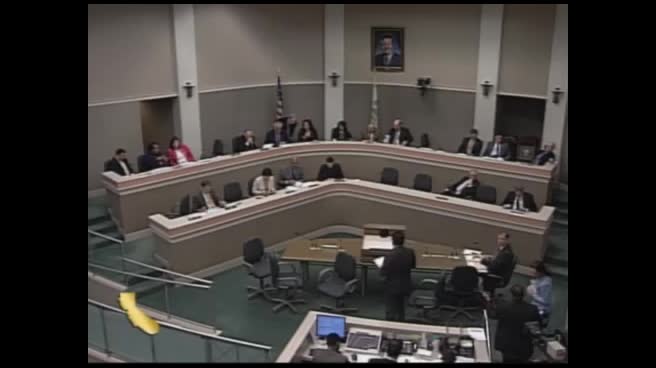
Bill Author
Bill Co-Author(s):