AB 2796: Active Transportation Program.
- Session Year: 2015-2016
- House: Assembly
- Latest Version Date: 2016-06-30
Existing law creates the Active Transportation Program in the Department of Transportation for the purpose of encouraging increased use of active modes of transportation, such as biking and walking, with specified available funds to be awarded to eligible projects by the California Transportation Commission and regional transportation agencies. Existing law requires the commission to award 50% and 10% of available funds to projects statewide and to projects in small urban and rural regions, respectively, with the remaining 40% of available funds to be awarded to projects by metropolitan planning organizations, with the funds available for distribution by each metropolitan planning organization based on its relative population. Existing law requires the California Transportation Commission to adopt the 2015 program of projects no later than January 31, 2016, with each subsequent program of projects to be adopted by April 1 of each odd-numbered year, and requires the commission to adopt guidelines for the program.
This bill would would, for a program cycle adopted on or after January 1, 2018, require a minimum of 5% of available funds in each of the 3 distribution categories to be awarded for planning and community engagement for active transportation in disadvantaged communities and a minimum of 10% of all available Active Transportation Program funds to be programmed for planning and noninfrastructure purposes, except as provided. provided, and would require at least 50 percent of that amount to be programmed for planning activities to develop comprehensive active transportation master plans. The bill would also require the guidelines adopted by the commission to authorize an implementing agency to expend its own funds in advance of an allocation of funds to the project by the commission and to subsequently be reimbursed for eligible expenditures if the agency, for a project programmed in a future fiscal year, receives commission approval in the form of a letter of no prejudice or the agency, for a project programmed in the current fiscal year, notifies the commission of its intent to expend its own funds in advance of an allocation, as prescribed.
Existing law creates the Active Transportation Program in the Department of Transportation for the purpose of encouraging increased use of active modes of transportation, such as biking and walking, with specified available funds to be awarded to eligible projects by the California Transportation Commission and regional transportation agencies. Existing law requires the commission to award 50% and 10% of available funds to projects statewide and to projects in small urban and rural regions, respectively, with the remaining 40% of available funds to be awarded to projects by metropolitan planning organizations, with the funds available for distribution by each metropolitan planning organization based on its relative population.
This bill would require a minimum of 5% of available funds in each of the 3 distribution categories to be awarded for planning and community engagement for active transportation in disadvantaged communities. The bill would also require communities and a minimum of 10% and a maximum of 30% of all available Active Transportation Program funds to be programmed for noninfrastructure purposes. purposes, except as provided.
Existing law creates the Active Transportation Program in the Department of Transportation for the purpose of encouraging increased use of active modes of transportation, such as biking and walking, with specified available funds to be awarded to eligible projects by the California Transportation Commission and regional transportation agencies. Existing law requires the commission to award 50% and 10% of available funds to projects statewide and to projects in small urban and rural regions, respectively, with the remaining 40% of available funds to be awarded to projects by metropolitan planning organizations, with the funds available for distribution by each metropolitan planning organization based on its relative population.
This bill would require a minimum of 5% of available funds in each of the 3 distribution categories to be awarded for planning and community engagement for active transportation in disadvantaged communities. The bill would also require a minimum of 10% and a maximum of 30% of all available Active Transportation Program funds to be programmed for noninfrastructure purposes.
The Legislature finds and declares all of the following:
(a)Achieving the Active Transportation Programs goal of encouraging increased use of active modes of transportation, such as biking and walking, requires a comprehensive approach that addresses nonmotorized infrastructure needs and that employs behavioral change strategies.
(b)Research supported by the Federal Highway Administration has shown that a comprehensive approach that includes, at a minimum, what is commonly referred to as the 5 Es results in the greatest mode shift to walking and biking. The 5 Es are:
(1)Engineering: Creating operational and physical improvements to a roadway that reduce speeds and potential conflicts with motor vehicle traffic and establish safer and fully accessible crossings, walkways, trails, and bikeways.
(2)Education: Teaching the public, especially children, about the broad range of transportation choices and instructing them in important lifelong bicycling and walking safety skills.
(3)Enforcement: Partnering with local law enforcement to ensure traffic laws related to the safety of people walking and biking are obeyed, including laws related to enforcement of speeds, yielding to pedestrians in crossings, and proper walking and bicycling behaviors, and initiating community enforcement, such as crossing guard programs.
(4)Encouragement: Using events and activities to promote walking and bicycling.
(5)Evaluation: Monitoring and documenting outcomes and trends through the collection of data, including the collection of data before and after an intervention.
SEC. 2.Section 2380 of the Streets and Highways Code is amended to read:2380.There is hereby established the Active Transportation Program in the department for the purpose of encouraging increased use of active modes of transportation, such as biking and walking. walking, through planning and construction of walking and biking infrastructure and implementation of behavioral change strategies. It is the intent of the Legislature that the program achieve all of the following goals:
(a)Increase the proportion of trips accomplished by biking and walking.
(b)Increase safety and mobility for nonmotorized users.
(c)Advance the active transportation efforts of regional agencies to achieve greenhouse gas reduction goals as established pursuant to Senate Bill 375 (Chapter 728, Statutes of 2008) and Senate Bill 391 (Chapter 585, Statutes of 2009).
(d)Enhance public health, including reduction of childhood obesity through the use of programs including, but not limited to, projects eligible for Safe Routes to School Program funding.
(e)Ensure that disadvantaged communities fully share in the benefits of the program.
(f)Provide a broad spectrum of projects to benefit many types of active transportation users.
SECTION 1.SEC. 3.Section 2381 of the Streets and Highways Code is amended to read:2381.(a)The Active Transportation Program shall be funded by state and federal funds from appropriations in the annual Budget Act. Funds for the program shall be appropriated to the department, for allocation by the commission. The amount to be appropriated shall include 100 percent of the federal Transportation Alternative Program funds, except for any federal Recreational Trails Program funds appropriated to the Department of Parks and Recreation; twenty-one million dollars ($21,000,000) of federal Highway Safety Improvement funds or other federal funds; and State Highway Account funds. Future funding may be augmented if state or federal funds increase, or if other funding sources are identified. Funds appropriated for the Active Transportation Program shall be distributed as follows:
(1)Forty percent to metropolitan planning organizations in urban areas with populations greater than 200,000, in proportion to their relative share of population. Funds allocated under this paragraph shall be obligated for eligible projects selected through a competitive process by the metropolitan planning organizations in consultation with the department and the commission and in accordance with guidelines established pursuant to this chapter.
(2)Ten percent to small urban and rural regions with populations of 200,000 or less, with projects competitively awarded by the commission to projects in those regions.
(3)Fifty percent to projects competitively awarded by the commission on a statewide basis.
(b)(1)For each of the funding distribution categories in paragraphs (1) to (3), inclusive, of subdivision (a), a minimum of 5 percent of available funds shall be awarded for planning and community engagement for active transportation in disadvantaged communities.
(2)
(b)(1)A minimum of 10 percent of the total funding available for distribution pursuant to subdivision (a) shall be programmed for planning and noninfrastructure activities, including activities relating to safe routes to school. Of this amount, a minimum of 50 percent shall be programmed for planning activities to develop comprehensive active transportation master plans, including community engagement activities related to the development of a master plan. If a project contains both infrastructure activities and planning and noninfrastructure activities, only the portion of funding used for planning and noninfrastructure activities shall contribute to meeting the minimum percentage required by this paragraph. Any funding programmed for the purposes of the Active Transportation Resource Center shall not contribute to meeting the minimum percentage required by this paragraph.
(3)
(2)If applications submitted in any funding cycle are not sufficient to exceed a minimum percentage required by paragraph (1) or (2), (1), the applicable funds that would otherwise be required to be used for the purpose described in paragraph (1) or (2) may be expended for other authorized purposes.
(3)This subdivision only applies to a program cycle adopted on or after January 1, 2018.
(c)For the purpose of paragraph (1) of subdivision (a), the following shall apply in the region served by the multicounty designated transportation planning agency described in Section 130004 of the Public Utilities Code:
(1)The multicounty designated transportation planning agency shall consult with the county transportation commissions created pursuant to Sections 130050, 130050.1, and 132800 of the Public Utilities Code, the commission, and the department in the development of competitive selection criteria to be adopted by the multicounty designated transportation planning agency, which should include consideration of geographic equity, consistent with program objectives.
(2)The multicounty designated transportation planning agency shall place priority on projects that are consistent with plans adopted by local and regional governments within the county where the project is located.
(3)The multicounty designated transportation planning agency shall obtain concurrence from the county transportation commissions, adopt the projects selected in a comprehensive program of projects, and make funds available to selected project recipients.
(d)The Legislature finds and declares that the program described in this chapter constitutes a highway purpose under Article XIX of the California Constitution and justifies the expenditure of highway funds therefor, and all expenditures of Article XIX funds under this program shall be consistent with Article XIX.
SEC. 4.Section 2382 of the Streets and Highways Code is amended to read:2382.(a)The California Transportation Commission shall develop guidelines and project selection criteria for the Active Transportation Program in consultation with the Active Transportation Program Workgroup, which shall be formed for purposes of providing guidance on matters including, but not limited to, development of and subsequent revisions to program guidelines, schedules and procedures, project selection criteria, performance measures, and program evaluation. The workgroup shall include, but not be limited to, representatives of government agencies and active transportation stakeholder organizations with expertise in pedestrian and bicycle issues, including Safe Routes to School programs.
(b)The guidelines shall be the complete and full statement of the policies and criteria that the commission intends to use in selecting projects to be included in the program. The guidelines shall address subjects that include, but are not limited to, project eligibility, application timelines, application rating and ranking criteria, project monitoring, reporting, and transparency, and project performance measurement.
(c)The guidelines shall include a process to ensure that no less than 25 percent of overall program funds benefit disadvantaged communities during each program cycle. The guidelines shall establish a program definition for disadvantaged communities that may include, but need not be limited to, the definition in Section 39711 of the Health and Safety Code and the definition of low-income schools in paragraph (7) of subdivision (b) of former Section 2333.5, as that section read on January 1, 2013. A project eligible under this subdivision shall clearly demonstrate a benefit to a disadvantaged community or be directly located in a disadvantaged community.
(d)The guidelines shall allow streamlining of project delivery by authorizing an implementing agency to do both of the following:
(1)Seek commission approval of a letter of no prejudice that will allow the agency to expend its own funds for a project programmed in a future year of the adopted program of projects, in advance of allocation of funds to the project by the commission, and to be reimbursed at a later time for eligible expenditures.
(2)Notify the commission of its intent to expend its own funds for a project programmed in the current fiscal year of the adopted program of projects in advance of an allocation of funds to the project by the commission upon transmittal of an allocation request and receipt of the request by the commission, and to be reimbursed upon approval of the allocation by the commission for eligible expenditures occurring after the commissions receipt of the request.
(d)
(e)The California Transportation Commission shall adopt the guidelines and selection criteria for, and define the types of projects eligible to be funded through, the program following at least two public hearings. Projects funded in this program shall be limited to active transportation projects. The guidelines shall ensure that eligible projects meet one or more of the goals set forth in Section 2380 and may give increased weight to projects meeting multiple goals.
(e)
(f)In developing the guidelines with regard to project eligibility, the commission shall include, but need not be limited to, the following project types:
(1)Development of new bikeways and walkways, or improvements to existing bikeways and walkways, that improve mobility, access, or safety for nonmotorized users.
(2)Secure bicycle parking at employment centers, park and ride lots, rail and transit stations, and ferry docks and landings.
(3)Bicycle-carrying facilities on public transit, including rail and ferries.
(4)Installation of traffic control devices to improve the safety of pedestrians and bicyclists.
(5)Elimination of hazardous conditions on existing bikeways and walkways.
(6)Maintenance of bikeways and walkways.
(7)Recreational trails and trailheads, park projects that facilitate trail linkages or connectivity to nonmotorized corridors, and conversion of abandoned railroad corridors to trails.
(8)Safe Routes to School projects that improve the safety of children walking and bicycling to school, in accordance with Section 1404 of Public Law 109-59. including noninfrastructure-related activities to encourage walking and bicycling to school. These noninfrastructure activities may include, but are not limited to, public awareness campaigns and outreach to press and community leaders, traffic education and enforcement in the vicinity of schools, student sessions on bicycle and pedestrian safety, health, and environment, and funding for training, volunteers, and managers of safe routes to school programs.
(9)Safe routes to transit projects, which will encourage transit by improving biking and walking routes to mass transportation facilities and schoolbus stops.
(10)Educational programs to increase biking and walking, and other noninfrastructure investments that demonstrate effectiveness in increasing active transportation.
(10)Noninfrastructure-related activities to encourage walking and bicycling, including, but not limited to, public awareness campaigns and outreach to press and community leaders, traffic education and enforcement, sessions on bicycle and pedestrian safety, health, and environment, and funding for training, volunteers, and managers of walking and bicycling encouragement and safety programs.
(f)
(g)In developing the guidelines with regard to project selection, the commission shall include, but need not be limited to, the following criteria:
(1)Demonstrated needs of the applicant.
(2)Potential for reducing pedestrian and bicyclist injuries and fatalities.
(3)Potential for encouraging increased walking and bicycling, especially among students.
(4)Identification of safety hazards for pedestrians and bicyclists.
(5)Identification of walking and bicycling routes to and from schools, transit facilities, and community centers.
(6)Identification of the local public participation process that culminated in the project proposal, which may include noticed public meetings and consultation with local stakeholders.
(7)Benefit to disadvantaged communities. In developing guidelines relative to this paragraph, the commission shall consider, but need not be limited to, the definition of disadvantaged communities as applied pursuant to subdivision (c).
(8)Cost-effectiveness, defined as maximizing the impact of the funds provided.
(9)The adoption by a city or county applicant of a bicycle transportation plan, pursuant to Section 891.2, a pedestrian plan, a safe routes to school plan, or an overall active transportation plan.
(10)Use of California Conservation Corps or qualified community conservation corps, as defined in Section 14507.5 of the Public Resources Code, as partners to undertake or construct applicable projects in accordance with Section 1524 of Public Law 112-141.
(11)Other factors, such as potential for reducing congestion, improving air quality, reducing greenhouse gas emissions, and increasing and improving connectivity and mobility of nonmotorized users.
(g)
(h)For the use of federal Transportation Alternative Program funds, or other federal funds, commission guidelines shall meet all applicable federal requirements.
(h)
(i)For the use of federal Highway Safety Improvement Program funds for active transportation projects specific to reducing fatalities and serious injuries, the criteria for the selection of projects shall be based on a data-driven process that is aligned with the states Strategic Highway Safety Plan.
(i)
(j)The guidelines may include incentives intended to maximize the potential for attracting funds other than program funds for eligible projects.
(j)
(k)In reviewing and selecting projects funded by federal funds in the Recreational Trails Program, the commission shall collaborate with the Department of Parks and Recreation to evaluate proposed projects, and to ensure federal requirements are met.
(k)
(l)To ensure that regional agencies charged with allocating funds to projects pursuant to paragraph (1) of subdivision (a) of Section 2381 have sufficient discretion to develop regional guidelines, the commission may adopt separate guidelines for the state and for the regional agencies relative to subdivision (f). (g).
(a)The Active Transportation Program shall be funded by state and federal funds from appropriations in the annual Budget Act. Funds for the program shall be appropriated to the department, for allocation by the commission. The amount to be appropriated shall include 100 percent of the federal Transportation Alternative Program funds, except for any federal Recreational Trails Program funds appropriated to the Department of Parks and Recreation; twenty-one million dollars ($21,000,000) of federal Highway Safety Improvement funds or other federal funds; and State Highway Account funds. Future funding may be augmented if state or federal funds increase, or if other funding sources are identified. Funds appropriated for the Active Transportation Program shall be distributed as follows:
(1)Forty percent to metropolitan planning organizations in urban areas with populations greater than 200,000, in proportion to their relative share of population. Funds allocated under this paragraph shall be obligated for eligible projects selected through a competitive process by the metropolitan planning organizations in consultation with the department and the commission and in accordance with guidelines established pursuant to this chapter.
(2)Ten percent to small urban and rural regions with populations of 200,000 or less, with projects competitively awarded by the commission to projects in those regions.
(3)Fifty percent to projects competitively awarded by the commission on a statewide basis.
(b)(1)For each of the funding distribution categories in paragraphs (1) to (3), inclusive, of subdivision (a), a minimum of 5 percent of available funds shall be awarded for planning and community engagement for active transportation in disadvantaged communities.
(2)A minimum of 10 percent and a maximum of 30 percent of the total funding available for distribution pursuant to subdivision (a) shall be programmed for noninfrastructure activities, including activities relating to safe routes to school. If a project contains both infrastructure and noninfrastructure activities, only the portion of funding used for noninfrastructure activities shall contribute to meeting the minimum percentage required by this paragraph.
(3)If applications submitted in any funding cycle are not sufficient to exceed a minimum percentage required by paragraph (1) or (2), the applicable funds that would otherwise be required to be used for the purpose described in paragraph (1) or (2) may be expended for other authorized purposes.
(c)For the purpose of paragraph (1) of subdivision (a), the following shall apply in the region served by the multicounty designated transportation planning agency described in Section 130004 of the Public Utilities Code:
(1)The multicounty designated transportation planning agency shall consult with the county transportation commissions created pursuant to Sections 130050, 130050.1, and 132800 of the Public Utilities Code, the commission, and the department in the development of competitive selection criteria to be adopted by the multicounty designated transportation planning agency, which should include consideration of geographic equity, consistent with program objectives.
(2)The multicounty designated transportation planning agency shall place priority on projects that are consistent with plans adopted by local and regional governments within the county where the project is located.
(3)The multicounty designated transportation planning agency shall obtain concurrence from the county transportation commissions, adopt the projects selected in a comprehensive program of projects, and make funds available to selected project recipients.
(d)The Legislature finds and declares that the program described in this chapter constitutes a highway purpose under Article XIX of the California Constitution and justifies the expenditure of highway funds therefor, and all expenditures of Article XIX funds under this program shall be consistent with Article XIX.
(a)The Active Transportation Program shall be funded by state and federal funds from appropriations in the annual Budget Act. Funds for the program shall be appropriated to the department, for allocation by the commission. The amount to be appropriated shall include 100 percent of the federal Transportation Alternative Program funds, except for any federal Recreational Trails Program funds appropriated to the Department of Parks and Recreation; twenty-one million dollars ($21,000,000) of federal Highway Safety Improvement funds or other federal funds; and State Highway Account funds. Future funding may be augmented if state or federal funds increase, or if other funding sources are identified. Funds appropriated for the Active Transportation Program shall be distributed as follows:
(1)Forty percent to metropolitan planning organizations in urban areas with populations greater than 200,000, in proportion to their relative share of population. Funds allocated under this paragraph shall be obligated for eligible projects selected through a competitive process by the metropolitan planning organizations in consultation with the department and the commission and in accordance with guidelines established pursuant to this chapter.
(2)Ten percent to small urban and rural regions with populations of 200,000 or less, with projects competitively awarded by the commission to projects in those regions.
(3)Fifty percent to projects competitively awarded by the commission on a statewide basis.
(b)(1)For each of the funding distribution categories in paragraphs (1) to (3), inclusive, of subdivision (a), a minimum of 5 percent of available funds shall be awarded for planning and community engagement for active transportation in disadvantaged communities.
(2)A minimum of 10 percent and a maximum of 30 percent of the total funding available for distribution pursuant to subdivision (a) shall be programmed for noninfrastructure activities, including activities relating to safe routes to school.
(b)
(c)For the purpose of paragraph (1) of subdivision (a), the following shall apply in the region served by the multicounty designated transportation planning agency described in Section 130004 of the Public Utilities Code:
(1)The multicounty designated transportation planning agency shall consult with the county transportation commissions created pursuant to Sections 130050, 130050.1, and 132800 of the Public Utilities Code, the commission, and the department in the development of competitive selection criteria to be adopted by the multicounty designated transportation planning agency, which should include consideration of geographic equity, consistent with program objectives.
(2)The multicounty designated transportation planning agency shall place priority on projects that are consistent with plans adopted by local and regional governments within the county where the project is located.
(3)The multicounty designated transportation planning agency shall obtain concurrence from the county transportation commissions, adopt the projects selected in a comprehensive program of projects, and make funds available to selected project recipients.
(c)
(d)The Legislature finds and declares that the program described in this chapter constitutes a highway purpose under Article XIX of the California Constitution and justifies the expenditure of highway funds therefor, and all expenditures of Article XIX funds under this program shall be consistent with Article XIX.
|
Date
|
Status
|
|---|---|
| May 31, 2016 | Read third time. Passed. Ordered to the Senate. |
| Aug 11, 2016 | In committee: Held under submission. |
| Aug 8, 2016 | Referred to APPR. suspense file. |
| Aug 1, 2016 | In committee: Hearing postponed by committee. |
| Jun 30, 2016 | Read second time and amended. Re-referred to Com. on APPR. |
| Jun 29, 2016 | From committee: Amend, and do pass as amended and re-refer to Com. on APPR. (Ayes 10. Noes 0.) (June 28). |
| Jun 9, 2016 | Referred to Com. on T. & H. |
| Jun 1, 2016 | In Senate. Read first time. To Com. on RLS. for assignment. |
| May 31, 2016 | Read third time. Passed. Ordered to the Senate. (Ayes 78. Noes 1.) |
| May 31, 2016 | Read third time. Passed. Ordered to the Senate. (Ayes 78. Noes 1. Page 5044.) |
| Feb 19, 2016 | Introduced. To print. |
| May 27, 2016 | Read second time. Ordered to third reading. |
| May 27, 2016 | From committee: Do pass. (Ayes 20. Noes 0.) (May 27). |
| Apr 27, 2016 | In committee: Set, first hearing. Referred to APPR. suspense file. |
| Apr 12, 2016 | From committee: Do pass and re-refer to Com. on APPR. (Ayes 16. Noes 0.) (April 11). Re-referred to Com. on APPR. |
| Apr 5, 2016 | Re-referred to Com. on TRANS. |
| Apr 4, 2016 | From committee chair, with author's amendments: Amend, and re-refer to Com. on TRANS. Read second time and amended. |
| Mar 10, 2016 | Referred to Com. on TRANS. |
| Feb 22, 2016 | Read first time. |
| Feb 21, 2016 | From printer. May be heard in committee March 22. |
|
Date
|
Description
|
Location
|
Votes
|
|
|---|---|---|---|---|
| Aug 8, 2016 | Placed on suspense file | Senate Standing Committee on Appropriations |
Passed |
|
| Jun 28, 2016 | Do pass as amended, but first amend, and re-refer to the Committee on [Appropriations] | Senate Standing Committee on Transportation and Housing |
Passed |
|
| May 31, 2016 | AB 2796 BLOOM Assembly Third Reading | Assembly Floor |
Passed |
|
| May 27, 2016 | Do pass. | Assembly Standing Committee on Appropriations |
Passed |
|
| Apr 11, 2016 | Do pass and be re-referred to the Committee on [Appropriations] | Assembly Standing Committee on Transportation |
Passed |
This list shows positions taken on this bill by organizations on the date displayed, which is linked to the original source.
Positions by individuals are not included.
|
Organization
|
Position
|
Date
|
|---|---|---|
| American Heart Association | ** Support | Jun 28, 2016 |
| American Lung Association in California | ** Support | Jun 28, 2016 |
| American Stroke Association | ** Support | Jun 28, 2016 |
| Amigos de los Rios | ** Support | Jun 28, 2016 |
| Bike East Bay | ** Support | Jun 28, 2016 |
| Bike San Gabriel Valley | ** Support | Apr 11, 2016 |
| Bike Santa Cruz County | ** Support | Jun 28, 2016 |
| Bike SLO County | ** Support | Jun 28, 2016 |
| Breathe California | ** Support | Jun 28, 2016 |
| California Bicycle Coalition | ** Support | Jun 28, 2016 |
| California League Of Conservation Voters | ** Support | Jun 28, 2016 |
| California of Bicycle Coalition | * Support | Jun 28, 2016 |
| California Pan-Ethnic Health Network | * Support | Jun 28, 2016 |
| California Releaf | ** Support | Jun 28, 2016 |
| California Transportation Commission | ** Against | Jun 28, 2016 |
| California Walks | * Support | Jun 28, 2016 |
| Californians for Disability Rights | * Support | Apr 11, 2016 |
| Catholic Charities, Diocese of Stockton | ** Support | Jun 28, 2016 |
| Center for Climate Change and Health | ** Support | Jun 28, 2016 |
| Chico Velo | ** Support | Jun 28, 2016 |
| Coalition For Clean Air | ** Support | Jun 28, 2016 |
| Comite Civico Del Valle | ** Support | Jun 28, 2016 |
| County Health Executives Association | * Support | Jun 28, 2016 |
| County Health Executives Association Of California | * Support | Jun 28, 2016 |
| Environmental Council of Sacramento | ** Support | Apr 11, 2016 |
| Gamaliel of California | ** Support | Jun 28, 2016 |
| Health Officers Association Of California | * Support | Jun 28, 2016 |
| Housing in California | * Support | Jun 28, 2016 |
| Inland Empire Biking Alliance | ** Support | Jun 28, 2016 |
| Leadership Counsel for Justice and Accountability | ** Support | Jun 28, 2016 |
| Livable Communities, Inc. | ** Support | Jun 28, 2016 |
| Los Angeles County Bicycle Coalition | ** Support | Jun 28, 2016 |
| Marin County Bicycle Coalition | ** Support | Jun 28, 2016 |
| Move LA | ** Support | Jun 28, 2016 |
| Napa County Bicycle Coalition | ** Support | Jun 28, 2016 |
| Non on file | ** Against | Apr 11, 2016 |
| PolicyLink | ** Support | Jun 28, 2016 |
| Public Advocates | ** Support | Jun 28, 2016 |
| Rails-to-Trails Conservancy | ** Support | Jun 28, 2016 |
| Safe Routes to School National Partnership | ** Support | Jun 28, 2016 |
| Safer Routes to Schools | * Support | Jun 28, 2016 |
| San Diego County Bicycle Coalition | ** Support | Jun 28, 2016 |
| San Francisco Bay Area Rapid Transit District | ** Support | Jun 28, 2016 |
| San Francisco Municipal Transportation | * Support | Jun 28, 2016 |
| San Fransisco Bay Area | * Support | Jun 28, 2016 |
| Santa Barbara Bicycle Coalition | ** Support | Jun 28, 2016 |
| Silicon Valley Bicycle Coalition | ** Support | Jun 28, 2016 |
| TRANS. | ** Against | Apr 11, 2016 |
| Transform | * Support | Jun 28, 2016 |
| Trust For Public Land, The | ** Support | Jun 28, 2016 |
| Walk San Francisco | ** Support | Jun 28, 2016 |
SENATE COMMITTEE ON
Senator Ricardo Lara, Chair
2015 - 2016 Regular Session
AB 2796 (Bloom) - Active Transportation Program
Version: | Policy Vote: |
Urgency: | Mandate: |
Hearing Date: | Consultant: |
This bill meets the criteria for referral to the Suspense File.
Bill Summary:
AB 2796 would require that a minimum of 10 percent of Active Transportation Program (ATP) funding be programmed for planning and non-infrastructure activities, as specified. The bill would also authorize a local agency to spend its own funds on a project programmed in a future year, and be reimbursed at a later time for eligible expenditures.
Fiscal Impact:
- Cost pressures in the millions annually (State Highway Account and federal funds). By establishing a 10 percent minimum requirement in statute for planning and non-infrastructure projects, the bill would reduce the amount of funding available for ATP infrastructure projects, thereby creating pressures on an oversubscribed program. Current ATP guidelines specify that 2 percent of funds are set aside for planning.
- Minor and absorbable California Transportation Commission (CTC) costs to update ATP guidelines to specify the minimum planning and non-infrastructure requirement, and to prescribe the process for an agency to prefund a project. (State Highway Account)
Background:
The ATP was established, pursuant to SB 99 (Budget and Fiscal Review Committee), Chap. 359/2013, to consolidate several existing federal and state programs and accounts that totaled approximately $130 million in annual funding, including the state Bicycle Transportation Account, the state and federal Safe Routes to Schools (SRTS) programs, the federal Transportation Alternatives Program, and the state Environmental Enhancement and Mitigation Program. The budget agreement directed funds to be awarded by the CTC through a competitive process to urban regions (40%), small urban and rural regions (10%), and for statewide allocation (50%). The allocations for the statewide and small urban/rural components are awarded by CTC on a competitive basis, while the CTC allocates funds for the urban component in proportion to the regions’ relative population, and the each region award grants on a competitive basis. Existing law requires the CTC program guidelines to include a process to ensure that at least 25 percent of overall ATP funding benefit disadvantaged communities during each program cycle.
The 2017 ATP guidelines adopted by the CTC earlier this year cover fiscal years 2019-20 and 2020-21; projects will be adopted early next year. The 2017 guidelines set aside a maximum of 2% of funds in the statewide component, and in the small urban and rural component, for active transportation plans in disadvantaged communities. A large metropolitan planning organization may set aside up to 2% of its funding for active transportation plans in disadvantaged communities. Both planning and non-infrastructure projects are eligible for funding through all three program components.
The CTC’s 2015 fund estimate provides approximately $120 million in available resources for the ATP each year over a four-year cycle, approximately $85.5 million of which is from federal resources, with the remainder coming from the State Highway Account. The four-year fund estimate is updated and adopted every other year.
Proposed Law:
AB 2796 would make the following changes to the ATP:
- Require at least 10 percent of total funding available for distribution to be programmed for planning and non-infrastructure activities, including activities related to safe routes to school. At least 50 percent of this amount must be programmed for planning activities to develop comprehensive active transportation master plans.
- Authorize planning and non-infrastructure funds to be spent for other authorized expenditures if applications in any funding cycle do not exceed that minimum percentage of funding.
- Specify that the planning and non-infrastructure minimum funding requirements only apply to a program cycle adopted after January 1, 2018.
- Require CTC guidelines to establish a “letter of no prejudice” process that allows an agency to spend its own funds for a project programmed in a future year, in advance of an allocation, and to be reimbursed in a future year for eligible expenditures.
- Specify that non-infrastructure activities include public awareness campaigns and outreach to press and community leaders, traffic education and enforcement, sessions on bicycle and pedestrian safety, health, and environment, and funding for training, volunteers, and managers of specified program components.
Staff Comments:
Staff notes that the ATP is oversubscribed; over 600 applications requesting over $1 billion in funding were submitted in the most recent funding cycle, and the CTC awarded a total of $359 million for 200 projects. Approximately 5 percent of the total funding was awarded for planning and non-infrastructure activities in the last funding cycle. This bill would require, beginning in the first cycle after January 1, 2018, that a minimum of ten percent of funding be allocated for those activities, thereby creating at least $6 million in cost pressures on the program. While fewer infrastructure projects would be funded, the dedication of more funding to the development of active transportation master plans is likely to result in more competitive applications for funding in the future. Since disadvantaged communities are less likely to have plans in place, the bill may help ensure that proper planning in those communities helps to maximize targeted ATP investments.
-- END --
SENATE COMMITTEE ON TRANSPORTATION AND HOUSING
Senator Jim Beall, Chair
2015 - 2016 Regular
Bill No: AB 2796 Hearing Date: 6/28/2016
Author: | Bloom | ||
Version: | 4/4/2016 | ||
Urgency: | No | Fiscal: | Yes |
Consultant: | Erin Riches | ||
SUBJECT: Active Transportation Program
DIGEST: This bill establishes a permanent set-aside in the Active Transportation Program (ATP) for planning and non-infrastructure projects.
ANALYSIS:
The ATP was established under the state Department of Transportation (Caltrans) pursuant to the 2013-14 budget agreement. The ATP consolidated part or all of several existing programs and accounts, including the state Bicycle Transportation Account, the state and federal Safe Routes to Schools (SRTS) programs, the federal Transportation Alternatives Program, and the state Environmental Enhancement and Mitigation Program. These programs and accounts totaled approximately $130 million per year. The budget agreement directed funds to be awarded by the California Transportation Commission (CTC) through a competitive process to urban regions (40%), small urban and rural regions (10%), and statewide (50%).
The budget agreement directed the CTC to develop program guidelines in consultation with a designated ATP working group. It directed that a minimum of 25% of overall ATP funds must benefit disadvantaged communities (DACs). It also guaranteed SRTS at least $24 million per year, for three years; of this amount, a minimum of $7.2 million was to be available for non-infrastructure program needs, including the continuation of technical assistance by the state.
The 2017 ATP guidelines adopted by the CTC earlier this year cover fiscal years 2019-20 and 2020-21; projects will be adopted early next year. The 2017 guidelines set aside a maximum of 2% of funds in the statewide component, and in the small urban and rural component, for active transportation plans in DACs. A large metropolitan planning organization may set aside up to 2% of its funding for active transportation plans in DACs.
This bill:
- Requires, for each category (urban, small urban and rural, and statewide), at least 5% of funds to be awarded for planning and community engagement for active transportation in DACs.
- Requires, for each category, at least 10% of funds to be programmed for non-infrastructure activities, including activities related to SRTS. If a project includes both infrastructure and non-infrastructure components, only the portion used for non-infrastructure shall count toward the 10%.
- Requires that if applications submitted in a funding cycle are not sufficient to exceed the minimum percentages required, the applicable funds may be spent for other authorized purposes.
COMMENTS:
- Purpose. The author states that this bill aims to address the competitive disadvantage of planning and non-infrastructure projects in the ATP grant process, which has discouraged under-resourced jurisdictions from applying for these grants. This bill seeks to create a funding ratio that more accurately reflects the proportion of applications for planning and non-infrastructure projects relative to infrastructure projects. Specifically, the author states that this bill enables planning and non-infrastructure projects to compete fairly in ATP by designating a set-aside for them.
- Background. This committee was closely involved in the negotiations to establish the ATP in the 2013-14 budget agreement. The working group conducted extensive discussions about how large a set-aside to create for SRTS and for planning and non-infrastructure projects. The compromise eventually reached was to set aside a minimum of $24 million for SRTS for three years, with a set-aside within SRTS of at least $7.2 million for non-infrastructure program needs. This bill establishes a permanent set-aside of 15% in each of the three categories, of which 10% is allocated to non-infrastructure activities (including SRTS) and 5% is allocated to planning activities.
- Where are we now? The author states that the CTC and Caltrans have put particular emphasis in the first two grant cycles on funding infrastructure grants, and that non-infrastructure and planning proposals have struggled to compete. The author states that in the first grant cycle, roughly 8% of overall funding went to planning and non-infrastructure grants, while in the second cycle, less than 5% of program funds went to grants of this type. The author states that planning is a huge need for active transportation, particularly in low-resourced communities. According to the author, non-infrastructure activities are critical to engage and excite residents to walk and bike more, as car-free street events like CicLAvia and programs like SRTS have demonstrated. However, the most recent guidelines adopted by the CTC reduce the non-infrastructure set-aside to 2%.
- What are planning and non-infrastructure activities? Planning funds assist communities to, for example, create a local bicycle or pedestrian plan, while non-infrastructure activities often comprise a component of an infrastructure project. One of the larger solely non-infrastructure allocations in the 2015 funding cycle was for $966,000 in 2016-17 to the San Mateo County Office of Sustainability for its Sustainable Transportation Encouragement Project (STEP). According to the application, STEP will be implemented by a partnership between the office and Redwood City 2020, a community collaborative which includes Redwood City School District. The application states a need for outside grant funding due to a 40% cut in funding to the SRTS program, which is forcing them to cut back “education and encouragement services.”
- A big piece of a small pot. The ATP is funded at approximately $120 million per year and programmed in four-year cycles. The bulk of program funding comes from the federal FAST Act. The ATP is extremely popular; in the second cycle, awarded in 2015, more than 600 applications were submitted, requesting over $1 billion in funds. Approximately 200 projects were awarded a total of $359 million. With demand exceeding supply by so great an amount, the question arises of whether a smaller set-aside might help focus limited funds on infrastructure projects.
- Making planning a priority. Writing in support of this bill, a coalition of bicycle and pedestrian organizations state that, “The vast majority of communities across the state lack walk, bike, or active transportation master plans, and rely on grants from the ATP to develop plans that help them identify and build community support for future projects.” According to the Office of Planning and Research’s 2013-14 Annual Planning Survey Results, less than 50% of responding cities and counties reported having adopted a Bicycle Master Plan and only about 13% of respondents reported a Pedestrian Master Plan. This dearth of master plans raises the question of whether a larger set-aside for planning may be appropriate.
- Opposition arguments. The CTC has taken an “oppose unless amended” position on this bill. The CTC writes that “while the Commission acknowledges the value in non-infrastructure active transportation projects, particularly those that are combined with infrastructure projects, it has had difficulty implementing grants awarded for those purposes.” The CTC states that statutory funding and program requirements and restrictions have led to frustration and time-consuming disputes between Caltrans and applicants regarding non-infrastructure projects. The CTC notes, however, that this difficulty might be mitigated through clearer legislative guidance on the types of non-infrastructure guidance eligible for ATP funds.
- Amendments. To address some of the concerns outlined in the comments above, the author will accept the following amendments in committee:
- Add legislative intent language relating to the goals of the ATP.
- Specify that planning and construction of walking and biking infrastructure and implementation of behavioral-change strategies are part of the mission of the ATP.
- Revise the planning and non-infrastructure set-aside to comprise 10% of total available ATP funds. Of the set-aside, at least 50% must be designated for planning activities to develop comprehensive active transportation master plans, including for community engagement activities to engage residents in relation to these plans. Funding programmed for the ATP Resource Center at Caltrans shall not count toward the 10%.
- Allow an applicant to seek CTC approval of a letter of no prejudice allowing the applicant to spend its own funds for a project programmed in a future year and to be reimbursed later by the CTC.
- More clearly define non-infrastructure activities.
Related Legislation:
SB 99 (Committee on Budget and Fiscal Review, Chapter 359, Statutes of 2013) and AB 101 (Committee on Budget and Fiscal Review, Chapter 354, Statues of 2013) — created and funded the ATP.
Assembly Votes:
Floor: 78-1
Appr: 20-0
Trans: 16-0
FISCAL EFFECT: Appropriation: Fiscal Com.: Local:
POSITIONS: (Communicated to the committee before noon on Wednesday,
June 22, 2016.)
SUPPORT:
California Bicycle Coalition (co-sponsor)
California Walks (co-sponsor)
Safe Routes to School National Partnership (co-sponsor)
American Heart Association/American Stroke Association
American Lung Association in California
Amigos de los Rios
Bike East Bay
Bike Santa Cruz County
Bike SLO County
Breathe California
California League of Conservation Voters
California Pan-Ethnic Health Network
California ReLeaf
Catholic Charities, Diocese of Stockton
Center for Climate Change and Health
Chico Velo
Coalition for Clean Air
Comite Civico del Valle
County Health Executives Association of California
Gamaliel of California
Health Officers Association of California
Inland Empire Biking Alliance
Leadership Counsel for Justice and Accountability
Livable Communities, Inc.
Los Angeles County Bicycle Coalition
Marin County Bicycle Coalition
Move LA
Napa County Bicycle Coalition
PolicyLink
Public Advocates, Inc.
Rails-to-Trails Conservancy
San Diego County Bicycle Coalition
San Francisco Bay Area Rapid Transit District
Santa Barbara Bicycle Coalition
Silicon Valley Bicycle Coalition
The Environmental Council of Sacramento
Trust for Public Land
Walk San Francisco
OPPOSITION:
California Transportation Commission
-- END --
ASSEMBLY THIRD READING
ATR Bill Id:AB 2796
Author:(Bloom and Low)
As Amended Ver:April 4, 2016
Majority vote
Committee | Votes | Ayes | Noes |
Transportation | 16-0 | Frazier, Linder, Baker, Bloom, Brown, Chu, Daly, Dodd, Eduardo Garcia, Gomez, Kim, Mathis, Medina, Melendez, Nazarian, O'Donnell | |
Appropriations | 20-0 | Gonzalez, Bigelow, Bloom, Bonilla, Bonta, Calderon, Chang, Daly, Eggman, Gallagher, Eduardo Garcia, Roger Hernández, Holden, Jones, Obernolte, Quirk, Santiago, Wagner, Weber, Wood |
|
SUMMARY: Requires a minimum amount of funding be set aside for planning and non- infrastructure activities within the Active Transportation Program (ATP). Specifically, this bill:
- Requires a minimum 5% of funding from the statewide, small urban and rural, and Metropolitan Planning Organization (MPO) programs within ATP be allocated for planning and community engagement for active transportation in disadvantaged communities.
- Requires a minimum 10% of the total funding available for ATP be programmed for non-infrastructure activities, including activities relating to Safe Routes to School.
- Clarifies that any portion of funding that supports non-infrastructure activities as part of a combined infrastructure and non-infrastructure project shall contribute to meeting the 10% minimum.
- Allows for any additional funds remaining if applications to the programs do not meet the minimums required be expended on other projects.
EXISTING LAW:
- Creates the ATP to be administered by the California Department of Transportation (Caltrans) and allocated by the California Transportation Commission (CTC) for the purpose of encouraging increased use of active modes of transportation, such as biking and walking.
- Funds the ATP from a combination of federal and state funds.
- Creates three programs within ATP for distribution of funds:
- 50% for statewide competitive program awarded by the CTC;
- 10% for projects in small urban and rural areas of the state awarded by the CTC; and,
- 40% for projects determined by MPO's over 200,000 in population. The 40% is distributed to MPOs based on their relative population.
- Requires that no less than 25% of programs funds benefit disadvantaged communities.
FISCAL EFFECT: According to the Assembly Appropriations Committee, based on current program funding levels, this bill earmarks in statute at least $6 million of total ATP funds for planning and community engagement and $12 million for non-infrastructure activities. (CTC's current program guidelines set aside 2% of funds for planning. Non-infrastructure projects are eligible for funding in the three component programs.)
COMMENTS: The ATP was created by SB 99 (Committee on Budget and Fiscal Review), Chapter 359, Statutes of 2013, and AB 101 (Committee on Budget and Fiscal Review), Chapter 354, Statues of 2013, by consolidating existing federal and state programs and funding, including the federal Transportation Alternatives Program, the state Bicycle Transportation Account, and the federal and state Safe Routes to School programs. The purpose of the ATP is to encourage the use of active transportation modes including biking and walking. Specifically, ATP has the goals of increasing the proportion of biking and walking trips; increasing safety for non-motorized users; increasing mobility for non-motorized users; advancing the efforts of regional agencies to achieve greenhouse gas reduction goals; enhancing public health, including the reduction of childhood obesity through the use of projects eligible for Safe Routes to Schools Program funding; ensuring disadvantaged communities fully share in program benefits; and providing a broad spectrum of projects to benefit many types of active transportation users.
ATP has a wide eligibility for infrastructure projects such as bikeways, bicycle facilities, sidewalks, trails and crossing safety improvements, and non-infrastructure projects, such as educational programs and enforcement activities. Additionally, ATP funds planning activities, including the development of local bicycle and pedestrian master plans.
According to the author, this bill would address the competitive disadvantage of planning and non-infrastructure projects relative to infrastructure projects in ATP and enable such projects to compete fairly in the grant process. He states that the importance of non-infrastructure and planning projects in educating and encouraging biking and walking has been overlooked. The author is attempting to reflect the volume of applications for these activities in the minimum percentage amounts for non-infrastructure and planning activities. Further, the author adds that by establishing a specific set-aside, more communities will be encouraged to apply for grants.
The ATP has become extremely popular in the state with high demand for both the statewide and the regional programs. In fact, in some areas regional agencies contribute other federal, state and local funds to their respective programs to try to meet the demand. ATP is funded at approximately $120 million per year, and programmed in four year cycles. The bulk of the funding comes from the federal government through a set-aside program authorized by the Fixing America's Surface Transportation (FAST) Act. For example, in the second cycle, awarded in 2015, 617 applications were submitted, requesting over $1 billion in funds. In the three program components approximately 207 projects were awarded totaling $359 million. Of that amount less than 5% was awarded to non-infrastructure and planning activities.
Please see the policy committee analysis for full discussion of this bill.
Analysis Prepared by: Melissa White / TRANS. / (916) 319-2093 FN: 0003165
Date of Hearing: April 27, 2016
ASSEMBLY COMMITTEE ON APPROPRIATIONS
Lorena Gonzalez, Chair
ABPCA Bill Id:AB 2796
Author:(Bloom) – As Amended Ver:April 4, 2016
Policy Committee: | Transportation | Vote: | 16 - 0 |
|
| ||
|
|
Urgency: No State Mandated Local Program: No Reimbursable: No
SUMMARY:
This bill requires, for the Active Transportation Program (ATP), that a minimum amount of funding be set aside for planning and non- infrastructure activities. Specifically, this bill:
- Requires a minimum 5% of funding from the statewide, small urban and rural, and Metropolitan Planning Organization (MPO) programs within ATP be allocated for planning and community engagement for active transportation in disadvantaged communities.
- Requires a minimum 10% of the total funding available for ATP be programmed for non-infrastructure activities, including activities relating to Safe Routes to School.
FISCAL EFFECT:
Based on current program funding levels, this bill earmarks in statute at least $6 million of total ATP funds for planning and community engagement and $12 million for non-infrastructure activities. (CTC's current program guidelines set aside 2% of funds for planning.)
COMMENTS:
- Background. The ATP was created by SB 99 (Committee on Budget and Fiscal Review), Chapter 359, Statutes of 2013, by consolidating existing federal and state programs and funding, including the federal Transportation Alternatives Program, the state Bicycle Transportation Account, and the federal and state Safe Routes to School programs. AB 101 (Assembly Budget Committee), Chapter 354, Statutes of 2013, amended the 2013 Budget Act to in part appropriate $129.4 million for the ATP.
There are three programs within the ATP for distribution of available funds:
- 50% for statewide competitive program awarded by the California Transportation Commission (CTC);
- 10% for projects in small urban and rural areas, awarded by the CTC; and,
- 40% for projects determined by MPOs with over 200,000 in population, and distributed to MPOs based on their relative population.
No less than 25% of programs funds are to benefit disadvantaged communities.
- Purpose. According to the author, AB 2796 is intended to address the competitive disadvantage within the ATP of planning and non-infrastructure projects relative to infrastructure projects. The author believes that the importance of non-infrastructure and planning projects in educating and encouraging biking and walking has been overlooked. The author is attempting to reflect the volume of applications for these activities in the minimum percentage amounts for non-infrastructure and planning activities. Further, the author adds that by establishing a specific set-aside, more communities will be encouraged to apply for grants.
Analysis Prepared by: Chuck Nicol / APPR. / (916) 319-2081
Date of Hearing: April 11, 2016
ASSEMBLY COMMITTEE ON TRANSPORTATION
Jim Frazier, Chair
ABPCA Bill Id:AB 2796 (
Author:Bloom and Low) – As Amended Ver:April 4, 2016
SUBJECT: Active Transportation Program
SUMMARY: Requires a minimum amount of funding be set aside for planning and non- infrastructure activities within the Active Transportation Program (ATP). Specifically, this bill:
- Requires a minimum 5% of funding from the statewide, small urban and rural, and Metropolitan Planning Organization (MPO) programs within ATP be allocated for planning and community engagement for active transportation in disadvantaged communities.
- Requires a minimum 10% of the total funding available for ATP be programmed for non-infrastructure activities, including activities relating to Safe Routes to School.
- Clarifies that any portion of funding that supports non-infrastructure activities as part of a combined infrastructure and non-infrastructure project shall contribute to meeting the 10% minimum.
- Allows for any additional funds remaining if applications to the programs do not meet the minimums required be expended on other projects.
EXISTING LAW:
- Creates the ATP to be administered by the California Department of Transportation (Caltrans) and allocated by the California Transportation Commission (CTC) for the purpose of encouraging increased use of active modes of transportation, such as biking and walking.
- Funds the ATP from a combination of federal and state funds.
- Creates three programs within ATP for distribution of funds:
- 50% for statewide competitive program awarded by the CTC;
- 10% for projects in small urban an rural areas of the state awarded by the CTC; and,
- 40% for projects determined by MPO’s over 200,000 in population. The 40% is distributed to MPOs based on their relative population.
- Requires that no less than 25% of programs funds benefit disadvantaged communities.
FISCAL EFFECT: Unknown
COMMENTS: The ATP was created by SB 99 (Committee on Budget and Fiscal Review), Chapter 359, Statutes of 2013, and AB 101 (Committee on Budget and Fiscal Review), Chapter 354, Statues of 2013, by consolidating existing federal and state programs and funding, including the federal Transportation Alternatives Program, the state Bicycle Transportation Account, and the federal and state Safe Routes to School programs. The purpose of the ATP is to encourage the use of active transportation modes including biking and walking. Specifically, ATP has the following goals:
- Increase the proportion of biking and walking trips.
- Increase safety for non-motorized users.
- Increase mobility for non-motorized users.
- Advance the efforts of regional agencies to achieve greenhouse gas reduction goals.
- Enhance public health, including the reduction of childhood obesity through the use of projects eligible for Safe Routes to Schools Program funding.
- Ensure disadvantaged communities fully share in program benefits.
- Provide a broad spectrum of projects to benefit many types of active transportation users.
ATP has a wide eligibility for infrastructure projects such as bikeways, bicycle facilities, sidewalks, trails and crossing safety improvements, and non-infrastructure projects, such as educational programs and enforcement activities. Additionally, ATP funds planning activities, including the development of local bicycle and pedestrian master plans.
According to author, AB 2796 would address the competitive disadvantage of planning and non-infrastructure projects relative to infrastructure projects in ATP and enable such projects to compete fairly in the grant process. He states that the importance of non-infrastructure and planning projects in educating and encouraging biking and walking has been overlooked. The author is attempting to reflect the volume of applications for these activities in the minimum percentage amounts for non-infrastructure and planning activities. Further, the author adds that by establishing a specific set-aside, more communities will be encouraged to apply for grants.
The ATP has become extremely popular in the state with high demand for both the statewide and the regional programs. In fact, in some areas regional agencies contribute other federal, state and local funds to their respective programs to try to meet the demand. ATP is funded at approximately $120 million per year, and programmed in four year cycles. The bulk of the funding comes from the federal government through a set-aside program authorized by the Fixing America’s Surface Transportation (FAST) Act. For example, in the second cycle, awarded in 2015, 617 applications were submitted, requesting over $1 billion in funds. In the three program components approximately 207 projects were awarded totaling $359 million. Of that amount less than 5% was awarded to non-infrastructure and planning activities.
The author notes that planning continues to be a huge need for active transportation, especially in low-resourced communities. According to the Office of Planning and Research's 2013-14 Annual Planning Survey, less than 50% of respondent cities and counties reported an adopted Bicycle Master Plan and roughly 13% of respondents reported an adopted Pedestrian Master Plan. Planning funds help communities develop a long term vision for active transportation in their areas and enable the development of meaningful projects. Planning also serves to engage the public in identifying community needs and priorities.
The author further explains that non-infrastructure activities are also critical to engage and encourage residents to walk and bike more, as car-free street events like CicLAvia, and programs like Safe Routes to Schools have demonstrated. Both planning and non-infrastructure are essential components of Safe Routes to School activities, which promote safe walking and bicycling to school in thousands of schools statewide. Projects that combine infrastructure improvements with a non-infrastructure component have been met with great success. The funding set aside in this bill could help encourage the development of these types of larger efforts.
In the recent adoption of the guidelines for ATP’s third grant cycle, CTC set aside 2% of funds from the three component programs for planning. Non-infrastructure projects are eligible for funding in the three component programs.
Related legislation: ABX1 23 (Garcia), requires projects in the State Transportation Improvement Program and the State Highway Operation and Protection Program to prioritize projects to provide benefits to disadvantaged communities. Appropriates annually $125 million for ATP from the State Highway Account
Previous legislation: SB 99 (Committee on Budget and Fiscal Review), Chapter 359, Statutes of 2013, and AB 101 (Committee on Budget and Fiscal Review), Chapter 354, Statues of 2013, created and funded the ATP.
REGISTERED SUPPORT / OPPOSITION:
Support
California Bicycle Coalition (Sponsor)
California Walks (Sponsor)
Safe Routes to School National Partnership (Sponsor)
American Lung Association in California
Amigos de los Rios
Bike East Bay
Bike San Gabriel Valley
Bike Santa Cruz County
Bike SLO County
Breathe California
California League of Conservation Voters
California Pan-Ethnic Health Network
California ReLeaf
Catholic Charities, Diocese of Stockton
Center for Climate Change and Health
Chico Velo
Coalition for Clean Air
Comite Civico del Valle
County Health Executives Association of California
Environmental Council of Sacramento
Gamaliel of California
Inland Empire Biking Alliance
Leadership Counsel for Justice and Accountability
Livable Communities, Inc.
Los Angeles County Bicycle Coalition
Marin County Bicycle Coalition
Move LA
Napa County Bicycle Coalition
PolicyLink
Public Advocates, Inc.
Rails-to-Trails Conservancy
San Diego County Bicycle Coalition
Santa Barbara Bicycle Coalition
Silicon Valley Bicycle Coalition
Trust for Public Land
Walk San Francisco
Opposition
Non on file
Analysis Prepared by: Melissa White / TRANS. / (916) 319-2093
Discussed in Hearing
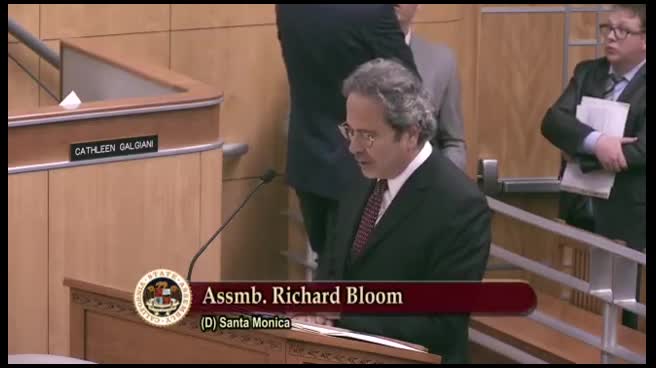 6MIN
Senate Standing Committee on Transportation and Housing
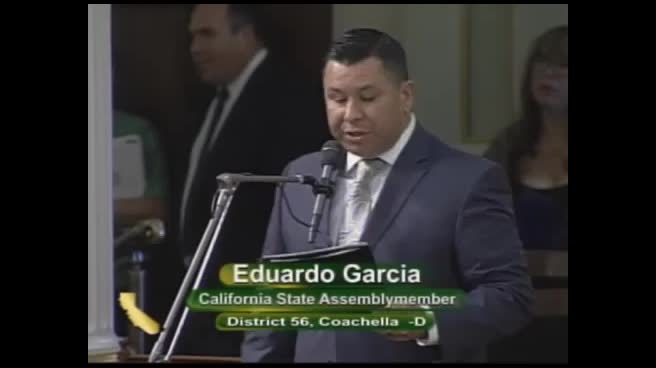 1MIN
Assembly Floor
 8MIN
Senate Standing Committee on Transportation and Housing


Bill Co-Author(s):