AB 2899: Minimum wage violations: challenges.
- Session Year: 2015-2016
- House: Assembly
- Latest Version Date: 2016-09-25
Under existing law, any employer or other person acting either individually or as an officer, agent, or employee of another person, who pays or causes to be paid to any employee a wage less than the minimum fixed by applicable state or local law or an order of the Industrial Welfare Commission, is subject to a civil penalty, restitution of wages, liquidated damages payable to the employee, and any applicable specified penalties, as provided. Existing law provides notice and hearing requirements under which a person against whom a citation has been issued can request a hearing to contest proposed assessment of a civil penalty, wages, liquidated damages, and any applicable penalties. Existing law further provides that after a hearing with the Labor Commissioner, a person contesting a citation may file a writ of mandate, within 45 days, with the appropriate superior court.
This bill would require a person seeking a writ of mandate contesting the Labor Commissioners ruling to post a bond with the Labor Commissioner, as specified, in an amount equal to the unpaid wages assessed under the citation, excluding penalties. The bill would require that the bond be issued in favor of the unpaid employees and ensure that the person seeking the writ makes prescribed payments pursuant to the proceedings. The bill would provide that the proceeds of the bond, sufficient to cover the amount owed, would be forfeited to the employee if the employer fails to pay the amounts owed within 10 days from the conclusion of the proceedings, as specified.
Under existing law, any employer or other person acting either individually or as an officer, agent, or employee of another person, who pays or causes to be paid to any employee a wage less than the minimum fixed by applicable state or local law or an order of the Industrial Welfare Commission, is subject to a civil penalty, restitution of wages, liquidated damages payable to the employee, and any applicable specified penalties, as provided. Existing law provides notice and hearing requirements under which a person against whom a citation has been issued, can request a hearing to contest proposed assessment of a civil penalty, wages, liquidated damages, and any applicable penalties. Existing law further provides that after a hearing with the Labor Commissioner, a person contesting a citation may file a writ of mandate, within 45 days, with the appropriate superior court.
This bill would require a person seeking a writ of mandate contesting the Labor Commissioners ruling, to post a bond with the Labor Commissioner as specified, in an amount equal to the unpaid wages assessed under the citation, excluding penalties. The bill would require that the bond be issued in favor of the unpaid employees, and ensure that the person seeking the writ makes prescribed payments pursuant to the proceedings. The bill would provide that the proceeds of the bond, sufficient to cover the amount owed, would be forfeited to the employee if the employer fails to pay the amounts owed within 10 days from the conclusion of the proceedings, as specified.
Under existing law, any employer or other person acting either individually or as an officer, agent, or employee of another person, who pays or causes to be paid to any employee a wage less than the minimum fixed by applicable state or local law or an order of the Industrial Welfare Commission, is subject to a civil penalty, restitution of wages, liquidated damages payable to the employee, and any applicable specified penalties, as provided. Existing law provides notice and hearing requirements under which a person against whom a citation has been issued, can request a hearing to contest proposed assessment of a civil penalty, wages, liquidated damages, and any applicable penalties. Existing law further provides that after a hearing with the Labor Commissioner, a person contesting a citation may file a writ of mandate, within 45 days, with the appropriate superior court.
This bill would require a person seeking a writ of mandate contesting the Labor Commissioners ruling, to post a bond with the Labor Commissioner as specified, in an amount equal to the unpaid wages assessed under the citation, excluding penalties. The bill would require that the bond be issued in favor of the unpaid employees, and ensure that the person seeking the writ makes prescribed payments pursuant to the proceedings.
Under existing law, any employer or other person acting either individually or as an officer, agent, or employee of another person, who pays or causes to be paid to any employee a wage less than the minimum fixed by applicable state or local law or an order of the Industrial Welfare Commission, is subject to a civil penalty, restitution of wages, liquidated damages payable to the employee, and any applicable specified penalties, as provided. Existing law provides notice and hearing requirements under which a person against whom a citation has been issued, can request a hearing to contest proposed assessment of a civil penalty, wages, liquidated damages, and any applicable penalties. Existing law further provides that after a hearing with the Labor Commissioner, a person contesting a citation may file a writ of mandate, within 45 days, with the appropriate superior court.
This bill would recharacterize the request for a hearing to contest the citation as a request for appeal and require a person appealing a citation seeking a writ of mandate contesting the Labor Commissioners ruling, to post a bond, bond with the Labor Commissioner as specified, in an amount equal to the unpaid wages assessed under the citation, excluding penalties. The bill would require that the bond be issued in favor of the unpaid employees, and ensure that the appellant person seeking the writ makes prescribed payments pursuant to the proceedings.
Under existing law, any employer or other person acting either individually or as an officer, agent, or employee of another person, who pays or causes to be paid to any employee a wage less than the minimum fixed by applicable state or local law or an order of the Industrial Welfare Commission, is subject to a civil penalty, restitution of wages, liquidated damages payable to the employee, and any applicable specified penalties, as provided. Existing law provides notice and hearing requirements under which a person against whom a citation has been issued, can request a hearing to contest proposed assessment of a civil penalty, wages, liquidated damages, and any applicable penalties. Existing law further provides that after a hearing with the Labor Commissioner, a person contesting a citation may file a writ of mandate, within 45 days, with the appropriate superior court.
This bill would recharacterize the request for a hearing to contest the citation as a request for appeal and require a person appealing a citation to post a bond, as specified, in an amount equal to the unpaid wages assessed under the citation, excluding penalties. The bill would require that the bond be issued in favor of the unpaid employees, and ensure that the appellant makes prescribed payments pursuant to the proceedings.
(a)Any employer or other person acting either individually or as an officer, agent, or employee of another person, who pays or causes to be paid to any employee a wage less than the minimum fixed by an applicable state or local law, or by an order of the commission shall be subject to a civil penalty, restitution of wages, liquidated damages payable to the employee, and any applicable penalties imposed pursuant to Section 203 as follows:
(1)For any initial violation that is intentionally committed, one hundred dollars ($100) for each underpaid employee for each pay period for which the employee is underpaid. This amount shall be in addition to an amount sufficient to recover underpaid wages, liquidated damages pursuant to Section 1194.2, and any applicable penalties imposed pursuant to Section 203.
(2)For each subsequent violation for the same specific offense, two hundred fifty dollars ($250) for each underpaid employee for each pay period for which the employee is underpaid regardless of whether the initial violation is intentionally committed. This amount shall be in addition to an amount sufficient to recover underpaid wages, liquidated damages pursuant to Section 1194.2, and any applicable penalties imposed pursuant to Section 203.
(3)Wages, liquidated damages, and any applicable penalties imposed pursuant to Section 203, recovered pursuant to this section shall be paid to the affected employee.
(b)If, upon inspection or investigation, the Labor Commissioner determines that a person has paid or caused to be paid a wage less than the minimum under applicable law, the Labor Commissioner may issue a citation to the person in violation. The citation may be served personally or by registered mail in accordance with subdivision (c) of Section 11505 of the Government Code. Each citation shall be in writing and shall describe the nature of the violation, including reference to the statutory provision alleged to have been violated. The Labor Commissioner shall promptly take all appropriate action, in accordance with this section, to enforce the citation and to recover the civil penalty assessed, wages, liquidated damages, and any applicable penalties imposed pursuant to Section 203 in connection with the citation.
(c)(1)If a person desires to contest a citation or the proposed assessment of a civil penalty, wages, liquidated damages, and any applicable penalties imposed pursuant to Section 203 therefor, the person shall, within 15 business days after service of the citation, notify the office of the Labor Commissioner that appears on the citation of his or her appeal by a request for an informal hearing. The Labor Commissioner or his or her deputy or agent shall, within 30 days, hold a hearing at the conclusion of which the citation or proposed assessment of a civil penalty, wages, liquidated damages, and any applicable penalties imposed pursuant to Section 203 shall be affirmed, modified, or dismissed.
(2)The decision of the Labor Commissioner shall consist of a notice of findings, findings, and an order, all of which shall be served on all parties to the hearing within 15 days after the hearing by regular first-class mail at the last known address of the party on file with the Labor Commissioner. Service shall be completed pursuant to Section 1013 of the Code of Civil Procedure. Any amount found due by the Labor Commissioner as a result of a hearing shall become due and payable 45 days after notice of the findings and written findings and order have been mailed to the party assessed. A writ of mandate may be taken from this finding to the appropriate superior court. The party shall pay any judgment and costs ultimately rendered by the court against the party for the assessment. The writ shall be taken within 45 days of service of the notice of findings, findings, and order thereon.
(3)As a condition to filing a petition for a writ of mandate, the petitioner seeking the writ shall first post a bond with the Labor Commissioner equal to the total amount of any minimum wages, liquidated damages, and overtime compensation that are due and owing as determined pursuant to subdivision (b) of Section 558, as specified in the citation being challenged. The bond amount shall not include amounts for penalties. The bond shall be issued by a surety duly authorized to do business in this state, shall be issued in favor of unpaid employees, and shall ensure that the petitioner makes payments as set forth in this paragraph. If a decision is entered which affirms or modifies the amounts for minimum wages, liquidated damages, or overtime compensation, the petitioner shall pay the amounts owed for the specified items included in a clerks judgment entered under subdivision (f) based on the decision, or pursuant to a court judgment in a writ of mandate proceeding under paragraph (2). If the request for a writ is withdrawn or dismissed without entry of judgment, the petitioner shall pay the amounts owed for the specified items pursuant to the citation, or the administrative decision if a pending writ of mandate is dismissed prior to a court decision, unless the parties have executed a settlement agreement for payment of some other amount. In the case of a settlement agreement, the petitioner shall pay the amount he or she is obligated to pay under the terms of the settlement.
(4)If the employer fails to pay the amount of minimum wages, liquidated damages, or overtime compensation owed within 10 days of the entry of judgment, dismissal or withdrawal of writ, or the execution of a settlement agreement, a portion of the undertaking, described in paragraph (3), equal to the amount owed, or the entire undertaking if the amount owed exceeds the undertaking, shall be forfeited to the employee.
(d)A person to whom a citation has been issued shall, in lieu of contesting a citation pursuant to this section, transmit to the office of the Labor Commissioner designated on the citation the amount specified for the violation within 15 business days after issuance of the citation.
(e)When no petition objecting to a citation or the proposed assessment of a civil penalty, wages, liquidated damages, and any applicable penalties imposed pursuant to Section 203 is filed, a certified copy of the citation or proposed civil penalty, wages, liquidated damages, and any applicable penalties imposed pursuant to Section 203 may be filed by the Labor Commissioner in the office of the clerk of the superior court in any county in which the person assessed has or had a place of business. The clerk, immediately upon the filing, shall enter judgment for the state against the person assessed in the amount shown on the citation or proposed assessment of a civil penalty, wages, liquidated damages, and any applicable penalties imposed pursuant to Section 203.
(f)When findings and the order thereon are made affirming or modifying a citation or proposed assessment of a civil penalty, wages, liquidated damages, and any applicable penalties imposed pursuant to Section 203 after hearing, a certified copy of these findings and the order entered thereon may be entered by the Labor Commissioner in the office of the clerk of the superior court in any county in which the person assessed has property or in which the person assessed has or had a place of business. The clerk, immediately upon the filing, shall enter judgment for the state against the person assessed in the amount shown on the certified order.
(g)A judgment entered pursuant to this section shall bear the same rate of interest and shall have the same effect as other judgments and be given the same preference allowed by the law on other judgments rendered for claims for taxes. The clerk shall make no charge for the service provided by this section to be performed by him or her.
(h)In a jurisdiction where a local entity has the legal authority to issue a citation against an employer for a violation of any applicable local minimum wage law, the Labor Commissioner, pursuant to a request from the local entity, may issue a citation against an employer for a violation of any applicable local minimum wage law if the local entity has not cited the employer for the same violation. If the Labor Commissioner issues a citation, the local entity shall not cite the employer for the same violation.
(i)The civil penalties provided for in this section are in addition to any other penalty provided by law.
(j)This section shall not apply to any order of the commission relating to household occupations.
(k)This section does not change the applicability of local minimum wage laws to any entity.
(a)Any employer or other person acting either individually or as an officer, agent, or employee of another person, who pays or causes to be paid to any employee a wage less than the minimum fixed by an applicable state or local law, or by an order of the commission shall be subject to a civil penalty, restitution of wages, liquidated damages payable to the employee, and any applicable penalties imposed pursuant to Section 203 as follows:
(1)For any initial violation that is intentionally committed, one hundred dollars ($100) for each underpaid employee for each pay period for which the employee is underpaid. This amount shall be in addition to an amount sufficient to recover underpaid wages, liquidated damages pursuant to Section 1194.2, and any applicable penalties imposed pursuant to Section 203.
(2)For each subsequent violation for the same specific offense, two hundred fifty dollars ($250) for each underpaid employee for each pay period for which the employee is underpaid regardless of whether the initial violation is intentionally committed. This amount shall be in addition to an amount sufficient to recover underpaid wages, liquidated damages pursuant to Section 1194.2, and any applicable penalties imposed pursuant to Section 203.
(3)Wages, liquidated damages, and any applicable penalties imposed pursuant to Section 203, recovered pursuant to this section shall be paid to the affected employee.
(b)If, upon inspection or investigation, the Labor Commissioner determines that a person has paid or caused to be paid a wage less than the minimum under applicable law, the Labor Commissioner may issue a citation to the person in violation. The citation may be served personally or by registered mail in accordance with subdivision (c) of Section 11505 of the Government Code. Each citation shall be in writing and shall describe the nature of the violation, including reference to the statutory provision alleged to have been violated. The Labor Commissioner promptly shall promptly take all appropriate action, in accordance with this section, to enforce the citation and to recover the civil penalty assessed, wages, liquidated damages, and any applicable penalties imposed pursuant to Section 203 in connection with the citation.
(c)(1)If a person desires to contest a citation or the proposed assessment of a civil penalty, wages, liquidated damages, and any applicable penalties imposed pursuant to Section 203 therefor, the person shall, within 15 business days after service of the citation, notify the office of the Labor Commissioner that appears on the citation of his or her appeal by a request for an informal hearing. The Labor Commissioner or his or her deputy or agent shall, within 30 days, hold a hearing at the conclusion of which the citation or proposed assessment of a civil penalty, wages, liquidated damages, and any applicable penalties imposed pursuant to Section 203 shall be affirmed, modified, or dismissed.
(2)The decision of the Labor Commissioner shall consist of a notice of findings, findings, and an order, all of which shall be served on all parties to the hearing within 15 days after the hearing by regular first-class mail at the last known address of the party on file with the Labor Commissioner. Service shall be completed pursuant to Section 1013 of the Code of Civil Procedure. Any amount found due by the Labor Commissioner as a result of a hearing shall become due and payable 45 days after notice of the findings and written findings and order have been mailed to the party assessed. A writ of mandate may be taken from this finding to the appropriate superior court. The party shall pay any judgment and costs ultimately rendered by the court against the party for the assessment. The writ shall be taken within 45 days of service of the notice of findings, findings, and order thereon.
(3)As a condition to filing a petition for a writ of mandate, the petitioner seeking the writ shall first post a bond with the Labor Commissioner equal to the total amount of any minimum wages, liquidated damages, and overtime compensation that are due and owing as determined pursuant to subdivision (b) of Section 558, as specified in the citation being challenged. The bond amount shall not include amounts for penalties. The bond shall be issued by a surety duly authorized to do business in this state, shall be issued in favor of unpaid employees, and shall ensure that the petitioner makes payments as set forth in this paragraph. If a decision is entered which affirms or modifies the amounts for minimum wages, liquidated damages, or overtime compensation, the petitioner shall pay the amounts owed for the specified items included in a clerks judgment entered under subdivision (f) based on the decision, or pursuant to a court judgment in a writ of mandate proceeding under paragraph (2). If the request for a writ is withdrawn or dismissed without entry of judgment, the petitioner shall pay the amounts owed for the specified items pursuant to the citation, or the administrative decision if a pending writ of mandate is dismissed prior to a court decision, unless the parties have executed a settlement agreement for payment of some other amount. In the case of a settlement agreement, the petitioner shall pay the amount he or she is obligated to pay under the terms of the settlement.
(d)A person to whom a citation has been issued shall, in lieu of contesting a citation pursuant to this section, transmit to the office of the Labor Commissioner designated on the citation the amount specified for the violation within 15 business days after issuance of the citation.
(e)When no petition objecting to a citation or the proposed assessment of a civil penalty, wages, liquidated damages, and any applicable penalties imposed pursuant to Section 203 is filed, a certified copy of the citation or proposed civil penalty, wages, liquidated damages, and any applicable penalties imposed pursuant to Section 203 may be filed by the Labor Commissioner in the office of the clerk of the superior court in any county in which the person assessed has or had a place of business. The clerk, immediately upon the filing, shall enter judgment for the state against the person assessed in the amount shown on the citation or proposed assessment of a civil penalty, wages, liquidated damages, and any applicable penalties imposed pursuant to Section 203.
(f)When findings and the order thereon are made affirming or modifying a citation or proposed assessment of a civil penalty, wages, liquidated damages, and any applicable penalties imposed pursuant to Section 203 after hearing, a certified copy of these findings and the order entered thereon may be entered by the Labor Commissioner in the office of the clerk of the superior court in any county in which the person assessed has property or in which the person assessed has or had a place of business. The clerk, immediately upon the filing, shall enter judgment for the state against the person assessed in the amount shown on the certified order.
(g)A judgment entered pursuant to this section shall bear the same rate of interest and shall have the same effect as other judgments and be given the same preference allowed by the law on other judgments rendered for claims for taxes. The clerk shall make no charge for the service provided by this section to be performed by him or her.
(h)In a jurisdiction where a local entity has the legal authority to issue a citation against an employer for a violation of any applicable local minimum wage law, the Labor Commissioner, pursuant to a request from the local entity, may issue a citation against an employer for a violation of any applicable local minimum wage law if the local entity has not cited the employer for the same violation. If the Labor Commissioner issues a citation, the local entity shall not cite the employer for the same violation.
(i)The civil penalties provided for in this section are in addition to any other penalty provided by law.
(j)This section shall not apply to any order of the commission relating to household occupations.
(k)This section does not change the applicability of local minimum wage laws to any entity.
(a)Any employer or other person acting either individually or as an officer, agent, or employee of another person, who pays or causes to be paid to any employee a wage less than the minimum fixed by an applicable state or local law, or by an order of the commission shall be subject to a civil penalty, restitution of wages, liquidated damages payable to the employee, and any applicable penalties imposed pursuant to Section 203 as follows:
(1)For any initial violation that is intentionally committed, one hundred dollars ($100) for each underpaid employee for each pay period for which the employee is underpaid. This amount shall be in addition to an amount sufficient to recover underpaid wages, liquidated damages pursuant to Section 1194.2, and any applicable penalties imposed pursuant to Section 203.
(2)For each subsequent violation for the same specific offense, two hundred fifty dollars ($250) for each underpaid employee for each pay period for which the employee is underpaid regardless of whether the initial violation is intentionally committed. This amount shall be in addition to an amount sufficient to recover underpaid wages, liquidated damages pursuant to Section 1194.2, and any applicable penalties imposed pursuant to Section 203.
(3)Wages, liquidated damages, and any applicable penalties imposed pursuant to Section 203, recovered pursuant to this section shall be paid to the affected employee.
(b)If, upon inspection or investigation, the Labor Commissioner determines that a person has paid or caused to be paid a wage less than the minimum under applicable law, the Labor Commissioner may issue a citation to the person in violation. The citation may be served personally or by registered mail in accordance with subdivision (c) of Section 11505 of the Government Code. Each citation shall be in writing and shall describe the nature of the violation, including reference to the statutory provision alleged to have been violated. The Labor Commissioner promptly shall take all appropriate action, in accordance with this section, to enforce the citation and to recover the civil penalty assessed, wages, liquidated damages, and any applicable penalties imposed pursuant to Section 203 in connection with the citation.
(c)(1)If a person desires to contest a citation or the proposed assessment of a civil penalty, wages, liquidated damages, and any applicable penalties imposed pursuant to Section 203 therefor, the person shall, within 15 business days after service of the citation, notify the office of the Labor Commissioner that appears on the citation of his or her appeal by a request for an informal hearing. The Labor Commissioner or his or her deputy or agent shall, within 30 days, hold a hearing at the conclusion of which the citation or proposed assessment of a civil penalty, wages, liquidated damages, and any applicable penalties imposed pursuant to Section 203 shall be affirmed, modified, or dismissed.
(2)As a condition to an appeal, the person appealing shall first post a bond with the Labor Commissioner equal to the total amount of any minimum wages, liquidated damages, and overtime compensation that are due and owing as determined pursuant to subdivision (b) of Section 558, as specified in the citation being appealed. The bond amount shall not include amounts for penalties. The bond shall be issued by a surety duly authorized to do business in this state, shall be issued in favor of unpaid employees, and shall ensure that the appellant makes payments as set forth in this paragraph. If a decision is entered which affirms or modifies the amounts for minimum wages, liquidated damages, or overtime compensation, the appellant shall pay the amounts owed for the specified items included in a clerks judgment entered under subdivision (f) based on the decision, or pursuant to a court judgment in a writ of mandate proceeding under paragraph (3). If the appeal is withdrawn or dismissed without entry of judgment, the appellant shall pay the amounts owed for the specified items pursuant to the citation, or the administrative decision if a pending writ of mandate is dismissed prior to a court decision, unless the parties have executed a settlement agreement for payment of some other amount. In the case of a settlement agreement, the appellant shall pay the amount he or she is obligated to pay under the terms of the settlement.
(3)
(2)The decision of the Labor Commissioner shall consist of a notice of findings, findings, and an order, all of which shall be served on all parties to the hearing within 15 days after the hearing by regular first-class mail at the last known address of the party on file with the Labor Commissioner. Service shall be completed pursuant to Section 1013 of the Code of Civil Procedure. Any amount found due by the Labor Commissioner as a result of a hearing shall become due and payable 45 days after notice of the findings and written findings and order have been mailed to the party assessed. A writ of mandate may be taken from this finding to the appropriate superior court. The party shall pay any judgment and costs ultimately rendered by the court against the party for the assessment. The writ shall be taken within 45 days of service of the notice of findings, findings, and order thereon.
(3)As a condition to filing a petition for a writ of mandate, the petitioner seeking the writ shall first post a bond with the Labor Commissioner equal to the total amount of any minimum wages, liquidated damages, and overtime compensation that are due and owing as determined pursuant to subdivision (b) of Section 558, as specified in the citation being challenged. The bond amount shall not include amounts for penalties. The bond shall be issued by a surety duly authorized to do business in this state, shall be issued in favor of unpaid employees, and shall ensure that the petitioner makes payments as set forth in this paragraph. If a decision is entered which affirms or modifies the amounts for minimum wages, liquidated damages, or overtime compensation, the petitioner shall pay the amounts owed for the specified items included in a clerks judgment entered under subdivision (f) based on the decision, or pursuant to a court judgment in a writ of mandate proceeding under paragraph (2). If the request for a writ is withdrawn or dismissed without entry of judgment, the petitioner shall pay the amounts owed for the specified items pursuant to the citation, or the administrative decision if a pending writ of mandate is dismissed prior to a court decision, unless the parties have executed a settlement agreement for payment of some other amount. In the case of a settlement agreement, the petitioner shall pay the amount he or she is obligated to pay under the terms of the settlement.
(d)A person to whom a citation has been issued shall, in lieu of contesting a citation pursuant to this section, transmit to the office of the Labor Commissioner designated on the citation the amount specified for the violation within 15 business days after issuance of the citation.
(e)When no petition objecting to a citation or the proposed assessment of a civil penalty, wages, liquidated damages, and any applicable penalties imposed pursuant to Section 203 is filed, a certified copy of the citation or proposed civil penalty, wages, liquidated damages, and any applicable penalties imposed pursuant to Section 203 may be filed by the Labor Commissioner in the office of the clerk of the superior court in any county in which the person assessed has or had a place of business. The clerk, immediately upon the filing, shall enter judgment for the state against the person assessed in the amount shown on the citation or proposed assessment of a civil penalty, wages, liquidated damages, and any applicable penalties imposed pursuant to Section 203.
(f)When findings and the order thereon are made affirming or modifying a citation or proposed assessment of a civil penalty, wages, liquidated damages, and any applicable penalties imposed pursuant to Section 203 after hearing, a certified copy of these findings and the order entered thereon may be entered by the Labor Commissioner in the office of the clerk of the superior court in any county in which the person assessed has property or in which the person assessed has or had a place of business. The clerk, immediately upon the filing, shall enter judgment for the state against the person assessed in the amount shown on the certified order.
(g)A judgment entered pursuant to this section shall bear the same rate of interest and shall have the same effect as other judgments and be given the same preference allowed by the law on other judgments rendered for claims for taxes. The clerk shall make no charge for the service provided by this section to be performed by him or her.
(h)In a jurisdiction where a local entity has the legal authority to issue a citation against an employer for a violation of any applicable local minimum wage law, the Labor Commissioner, pursuant to a request from the local entity, may issue a citation against an employer for a violation of any applicable local minimum wage law if the local entity has not cited the employer for the same violation. If the Labor Commissioner issues a citation, the local entity shall not cite the employer for the same violation.
(i)The civil penalties provided for in this section are in addition to any other penalty provided by law.
(j)This section shall not apply to any order of the commission relating to household occupations.
(k)This section does not change the applicability of local minimum wage laws to any entity.
(a)Any employer or other person acting either individually or as an officer, agent, or employee of another person, who pays or causes to be paid to any employee a wage less than the minimum fixed by an applicable state or local law, or by an order of the commission shall be subject to a civil penalty, restitution of wages, liquidated damages payable to the employee, and any applicable penalties imposed pursuant to Section 203 as follows:
(1)For any initial violation that is intentionally committed, one hundred dollars ($100) for each underpaid employee for each pay period for which the employee is underpaid. This amount shall be in addition to an amount sufficient to recover underpaid wages, liquidated damages pursuant to Section 1194.2, and any applicable penalties imposed pursuant to Section 203.
(2)For each subsequent violation for the same specific offense, two hundred fifty dollars ($250) for each underpaid employee for each pay period for which the employee is underpaid regardless of whether the initial violation is intentionally committed. This amount shall be in addition to an amount sufficient to recover underpaid wages, liquidated damages pursuant to Section 1194.2, and any applicable penalties imposed pursuant to Section 203.
(3)Wages, liquidated damages, and any applicable penalties imposed pursuant to Section 203, recovered pursuant to this section shall be paid to the affected employee.
(b)If, upon inspection or investigation, the Labor Commissioner determines that a person has paid or caused to be paid a wage less than the minimum under applicable law, the Labor Commissioner may issue a citation to the person in violation. The citation may be served personally or by registered mail in accordance with subdivision (c) of Section 11505 of the Government Code. Each citation shall be in writing and shall describe the nature of the violation, including reference to the statutory provision alleged to have been violated. The Labor Commissioner promptly shall take all appropriate action, in accordance with this section, to enforce the citation and to recover the civil penalty assessed, wages, liquidated damages, and any applicable penalties imposed pursuant to Section 203 in connection with the citation.
(c)(1)If a person desires to contest a citation or the proposed assessment of a civil penalty, wages, liquidated damages, and any applicable penalties imposed pursuant to Section 203 therefor, the person shall, within 15 business days after service of the citation, notify the office of the Labor Commissioner that appears on the citation of his or her appeal by a request for an informal hearing. The Labor Commissioner or his or her deputy or agent shall, within 30 days, hold a hearing at the conclusion of which the citation or proposed assessment of a civil penalty, wages, liquidated damages, and any applicable penalties imposed pursuant to Section 203 shall be affirmed, modified, or dismissed.
(2)As a condition to an appeal, the person appealing shall first post a bond with the Labor Commissioner equal to the total amount of any minimum wages, liquidated damages, and overtime compensation that are due and owing as determined pursuant to subdivision (b) of Section 558, as specified in the citation being appealed. The bond amount shall not include amounts for penalties. The bond shall be issued by a surety duly authorized to do business in this state, shall be issued in favor of unpaid employees, and shall ensure that the appellant makes payments as set forth in this paragraph. If a decision is entered which affirms or modifies the amounts for minimum wages, liquidated damages, or overtime compensation, the appellant shall pay the amounts owed for the specified items included in a clerks judgment entered under subdivision (f) based on the decision, or pursuant to a court judgment in a writ of mandate proceeding under paragraph (3). If the appeal is withdrawn or dismissed without entry of judgment, the appellant shall pay the amounts owed for the specified items pursuant to the citation, or the administrative decision if a pending writ of mandate is dismissed prior to a court decision, unless the parties have executed a settlement agreement for payment of some other amount. In the case of a settlement agreement, the appellant shall pay the amount he or she is obligated to pay under the terms of the settlement.
(2)
(3)The decision of the Labor Commissioner shall consist of a notice of findings, findings, and an order, all of which shall be served on all parties to the hearing within 15 days after the hearing by regular first-class mail at the last known address of the party on file with the Labor Commissioner. Service shall be completed pursuant to Section 1013 of the Code of Civil Procedure. Any amount found due by the Labor Commissioner as a result of a hearing shall become due and payable 45 days after notice of the findings and written findings and order have been mailed to the party assessed. A writ of mandate may be taken from this finding to the appropriate superior court. The party shall pay any judgment and costs ultimately rendered by the court against the party for the assessment. The writ shall be taken within 45 days of service of the notice of findings, findings, and order thereon.
(d)A person to whom a citation has been issued shall, in lieu of contesting a citation pursuant to this section, transmit to the office of the Labor Commissioner designated on the citation the amount specified for the violation within 15 business days after issuance of the citation.
(e)When no petition objecting to a citation or the proposed assessment of a civil penalty, wages, liquidated damages, and any applicable penalties imposed pursuant to Section 203 is filed, a certified copy of the citation or proposed civil penalty, wages, liquidated damages, and any applicable penalties imposed pursuant to Section 203 may be filed by the Labor Commissioner in the office of the clerk of the superior court in any county in which the person assessed has or had a place of business. The clerk, immediately upon the filing, shall enter judgment for the state against the person assessed in the amount shown on the citation or proposed assessment of a civil penalty, wages, liquidated damages, and any applicable penalties imposed pursuant to Section 203.
(f)When findings and the order thereon are made affirming or modifying a citation or proposed assessment of a civil penalty, wages, liquidated damages, and any applicable penalties imposed pursuant to Section 203 after hearing, a certified copy of these findings and the order entered thereon may be entered by the Labor Commissioner in the office of the clerk of the superior court in any county in which the person assessed has property or in which the person assessed has or had a place of business. The clerk, immediately upon the filing, shall enter judgment for the state against the person assessed in the amount shown on the certified order.
(g)A judgment entered pursuant to this section shall bear the same rate of interest and shall have the same effect as other judgments and be given the same preference allowed by the law on other judgments rendered for claims for taxes. The clerk shall make no charge for the service provided by this section to be performed by him or her.
(h)In a jurisdiction where a local entity has the legal authority to issue a citation against an employer for a violation of any applicable local minimum wage law, the Labor Commissioner, pursuant to a request from the local entity, may issue a citation against an employer for a violation of any applicable local minimum wage law if the local entity has not cited the employer for the same violation. If the Labor Commissioner issues a citation, the local entity shall not cite the employer for the same violation.
(i)The civil penalties provided for in this section are in addition to any other penalty provided by law.
(j)This section shall not apply to any order of the commission relating to household occupations.
(k)This section does not change the applicability of local minimum wage laws to any entity.
|
Date
|
Status
|
|---|---|
| May 19, 2016 | Read second time. Ordered to third reading. |
| Sep 9, 2016 | Enrolled and presented to the Governor at 2:30 p.m. |
| Aug 30, 2016 | In Assembly. Ordered to Engrossing and Enrolling. |
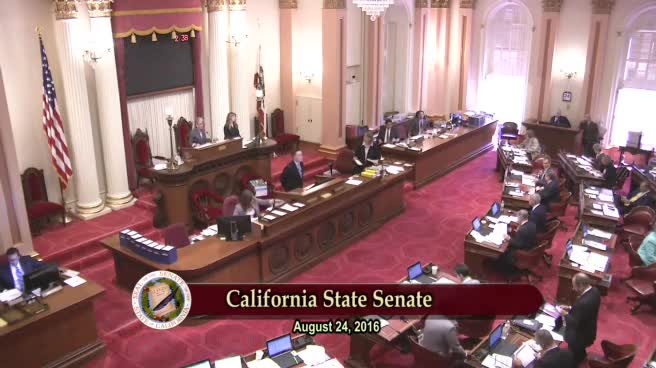
| Aug 24, 2016 | Read third time. Passed. Ordered to the Assembly. (Ayes 25. Noes 12. Page 5338.). |
| Aug 24, 2016 | Read third time. Passed. Ordered to the Assembly. |
| Aug 2, 2016 | Read second time. Ordered to third reading. |
| Aug 1, 2016 | From committee: Be placed on second reading file pursuant to Senate Rule 28.8. |
| Jun 29, 2016 | From committee: Do pass and re-refer to Com. on APPR. (Ayes 4. Noes 1.) (June 29). Re-referred to Com. on APPR. |
| Jun 9, 2016 | Referred to Com. on L. & I.R. |
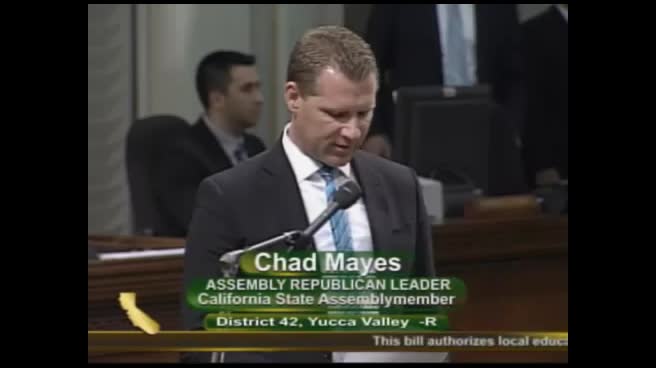
| May 23, 2016 | Read third time. Passed. Ordered to the Senate. (Ayes 52. Noes 24.) |
| May 23, 2016 | Read third time. Passed. Ordered to the Senate. (Ayes 52. Noes 24. Page 4903.) |
| May 23, 2016 | Read third time. Passed. Ordered to the Senate. |
| May 23, 2016 | In Senate. Read first time. To Com. on RLS. for assignment. |
| Mar 1, 2016 | Read first time. To print. |
| May 18, 2016 | From committee: Do pass. (Ayes 14. Noes 6.) (May 18). |
| May 11, 2016 | In committee: Set, first hearing. Hearing canceled at the request of author. |
| May 5, 2016 | Re-referred to Com. on APPR. |
| May 4, 2016 | From committee chair, with author's amendments: Amend, and re-refer to Com. on APPR. Read second time and amended. |
| Apr 21, 2016 | From committee: Do pass and re-refer to Com. on APPR. (Ayes 6. Noes 0.) (April 20). Re-referred to Com. on APPR. |
| Apr 14, 2016 | Re-referred to Com. on L. & E. |
| Apr 13, 2016 | From committee chair, with author's amendments: Amend, and re-refer to Com. on L. & E. Read second time and amended. |
| Mar 30, 2016 | Re-referred to Com. on L. & E. |
| Mar 29, 2016 | From committee chair, with author's amendments: Amend, and re-refer to Com. on L. & E. Read second time and amended. |
| Mar 28, 2016 | Referred to Com. on L. & E. |
| Mar 2, 2016 | From printer. May be heard in committee April 1. |
|
Date
|
Description
|
Location
|
Votes
|
|
|---|---|---|---|---|
| Aug 24, 2016 | Assembly 3rd Reading AB2899 Roger Hernández By Hueso | Senate Floor |
Passed |
|
| Jun 29, 2016 | Do pass, but first be re-referred to the Committee on [Appropriations] | Senate Standing Committee on Labor and Industrial Relations |
Passed |
|
| May 23, 2016 | AB 2899 HERNÁNDEZ Assembly Third Reading | Assembly Floor |
Passed |
|
| May 18, 2016 | Do pass. | Assembly Standing Committee on Appropriations |
Passed |
|
| Apr 20, 2016 | Do pass and be re-referred to the Committee on [Appropriations] | Assembly Standing Committee on Labor and Employment |
Passed |
This list shows positions taken on this bill by organizations on the date displayed, which is linked to the original source.
Positions by individuals are not included.
|
Organization
|
Position
|
Date
|
|---|---|---|
| California Rural Legal Assistance Foundation, Inc. | ** Support | Aug 24, 2016 |
Office of Senate Floor Analyses (916) 651-1520 Fax: (916) 327-4478 | AB |
THIRD READING
Bill No: AB 2899
:
SENATE LABOR & IND. REL. COMMITTEE: 4-1, 6/29/16
AYES: Mendoza, Jackson, Leno, Mitchell
NOES: Stone
SENATE APPROPRIATIONS COMMITTEE: Senate Rule 28.8
ASSEMBLY FLOOR: 52-24, 5/23/16 - See last page for vote
DIGEST: This bill requires that, prior to filing an appeal of a decision by the Labor Commissioner (LC) relating to a violation of wage laws, employers must post a bond with the LC which covers the unpaid wages and damages owed to employees.
Existing law:
- Allows employees, who claim that they have not been paid the minimum wage, to file an administrative claim with the LC rather than filing a civil suit. This claim can then be heard in an administrative adjudication hearing (Labor Code §98).
- Allows the decisions of these hearings to be appealed to the Superior Court, but employers who wish to file an appeal in this way must first post a bond with the court that covers the amount owed under the previous decision, order, or award, only in those circumstances when an employee filed the original claim (Labor Code §98.2).
This bill:
- Creates a wage bond requirement for employer appeals challenging a citation and decision initiated by the LC, when the LC finds a violation of wage laws.
- Requires that this bond must be filed with the LC and include the total amount of any minimum wages, liquidated damages, and overtime compensation owed as specified in the citation being challenged. The bond amount would not include amounts for penalties.
- Specifies that the bond shall be issued by a surety duly-authorized to do business in the state, and in favor of unpaid employees, thus ensuring that the employer makes payments owed.
Comments
Need for this bill? According to the author, under current law, an employee may file a wage claim with the LC for unpaid wages. If the LC rules in favor of the employee, the employer may appeal to the Superior Court, but must first file a wage bond for the amount of unpaid wages owed. This preserves the ability of the employee to collect their wages in case the employer shuts down or hides their assets to evade payment of the judgment. However, this same bond requirement and protection does not exist for actions and decisions initiated by the LC involving wage law violations. This bill requires that before appealing a decision by the LC, whether an employee filed the original claim or the LC issued a citation, employers must post a bond to ensure employees receive any payments owed to them.
FISCAL EFFECT: Appropriation: Fiscal Com.: Local:
California Rural Legal Assistance Foundation
None received
ARGUMENTS IN SUPPORT: The author states that, under current law, in addition to an employee complaint, the LC can cite an employer for unpaid wages after an investigation. If the LC rules against the employer, the employer may appeal to the Superior Court. Therefore, this bill would similarly require an employer, prior to filing such an appeal, to post a wage bond for the amount of the unpaid wages. As a result, the author believes that this bill helps bring consistency to the processes and remedies regarding both employee wage claims and LC enforcement actions.
ASSEMBLY FLOOR: 52-24, 5/23/16
AYES: Alejo, Atkins, Baker, Bloom, Bonilla, Bonta, Brown, Burke, Calderon, Campos, Chang, Chau, Chiu, Chu, Cooper, Dababneh, Daly, Dodd, Frazier, Cristina Garcia, Eduardo Garcia, Gatto, Gipson, Gomez, Gonzalez, Gordon, Gray, Roger Hernández, Holden, Irwin, Jones-Sawyer, Levine, Linder, Lopez, Low, McCarty, Medina, Mullin, Nazarian, O'Donnell, Quirk, Ridley-Thomas, Rodriguez, Salas, Santiago, Mark Stone, Thurmond, Ting, Weber, Williams, Wood, Rendon
NOES: Achadjian, Travis Allen, Bigelow, Brough, Chávez, Dahle, Beth Gaines, Gallagher, Grove, Hadley, Harper, Jones, Kim, Lackey, Maienschein, Mathis, Mayes, Melendez, Obernolte, Olsen, Steinorth, Wagner, Waldron, Wilk
NO VOTE RECORDED: Arambula, Cooley, Eggman, Patterson
8/3/16 18:21:30
**** END ****
SENATE COMMITTEE ON LABOR AND INDUSTRIAL RELATIONS
Senator Tony Mendoza, Chair
2015 - 2016 Regular
Bill No: AB 2899 Hearing Date: June 29, 2016
Author: | Roger Hernández | ||
Version: | May 4, 2016 | ||
Urgency: | No | Fiscal: | Yes |
Consultant: | Brandon Seto | ||
Subject: Minimum wage violations: challenges
KEY ISSUE
Should the Legislature require that, prior to filing an appeal of a decision by the Labor Commissioner (LC) relating to a violation of wage laws, employers must post a bond with the LC which covers the unpaid wages and damages owed to employees?
ANALYSIS
Existing law
- Allows employees, who claim that they have not been paid the minimum wage, to file an administrative claim with the LC rather than filing a civil suit. This claim can then be heard in an administrative adjudication hearing (Labor Code §98).
- Allows the decisions of these hearings to be appealed to the Superior Court, but employers who wish to file an appeal in this way must first post a bond with the court that covers the amount owed under the previous decision, order, or award, only in those circumstances when an employee filed the original claim (Labor Code §98.2).
This Bill
- Creates a wage bond requirement for employer appeals challenging a citation and decision initiated by the LC, when the LC finds a violation of wage laws.
- Requires that this bond must be filed with the LC and include the total amount of any minimum wages, liquidated damages, and overtime compensation owed as specified in the citation being challenged. The bond amount would not include amounts for penalties.
- Specifies that the bond shall be issued by a surety duly-authorized to do business in the state, and in favor of unpaid employees, thus ensuring that the employer makes payments owed.
COMMENTS
1. Need for this bill?
According to the author, under current law, an employee may file a wage claim with the LC for unpaid wages. If the LC rules in favor of the employee, the employer may appeal to the Superior Court, but must first file a wage bond for the amount of unpaid wages owed. This preserves the ability of the employee to collect their wages in case the employer shuts down or hides their assets to evade payment of the judgment. However, this same bond requirement and protection does not exist for actions and decisions initiated by the LC involving wage law violations. This bill would require that before appealing a decision by the LC, whether an employee filed the original claim or the LC issued a citation, employers must post a bond to ensure employees receive any payments owed to them.
2. Proponent Arguments:
The author states that, under current law, in addition to an employee complaint, the LC can cite an employer for unpaid wages after an investigation. If the LC rules against the employer, the employer may appeal to the Superior Court. Therefore, this bill would similarly require an employer, prior to filing such an appeal, to post a wage bond for the amount of the unpaid wages. As a result, the author believes that this bill helps bring consistency to the processes and remedies regarding both employee wage claims and LC enforcement actions.
3. Opponent Arguments:
None received.
4. Prior Legislation:
AB 2772 (Assembly Committee on Labor and Employment) Chapter 102, Statutes of 2010 - clarified that an employer wishing to appeal a Labor Commissioner decision with the Superior Court must first post a bond in the amount of the judgment rendered in the administrative hearing.
SUPPORT
California Rural Legal Assistance Foundation
OPPOSITION
None on file
-- END --
ASSEMBLY THIRD READING
ATR Bill Id:
Author:(Roger Hernández)
As Amended Ver:May 4, 2016
Majority vote
Committee | Votes | Ayes | Noes |
Labor | 6-0 | Roger Hernández, Chu, Linder, McCarty, O'Donnell, Thurmond | |
Appropriations | 14-6 | Gonzalez, Bloom, Bonilla, Bonta, Calderon, Daly, Eggman, Eduardo Garcia, Roger Hernández, Holden, Quirk, Santiago, Weber, Wood | Bigelow, Patterson, Gallagher, Jones, Obernolte, Wagner |
SUMMARY: Establishes a wage bond requirement, as specified, for the filing of a writ of mandate with the superior court by an employer challenging a citation and decision by the Labor Commissioner (LC) finding a violation of the law. Specifically, this bill:
- Provides that, as a condition to filing a petition for a writ of mandate, the employer seeking the writ shall first post a bond with the LC equal to the total amount of any minimum wages, liquidated damages, and overtime compensation that are due and owing as specified in the citation being challenged. The bond amount shall not include amounts for penalties.
- Specifies that the bond shall be issued by a surety duly authorized to do business in this state, shall be issued in favor of unpaid employees, and shall ensure that the employer makes payments as specified.
- Contains other related and conforming changes.
FISCAL EFFECT: According to the Assembly Appropriations Committee, no significant fiscal impact to the Department of Industrial Relations.
COMMENTS: This bill would establish an "appeal bond" requirement for an employer who seeks a writ of mandate challenging a decision of the LC following a citation by the Bureau of Field Enforcement (BOFE). The bond established by this bill would be similar to a bond required of employers who appeal an adverse decision following an employee wage claim filed with the LC.
Existing law authorizes employees (in lieu of filing a civil proceeding) to file an administrative claim for unpaid wages or similar damages with the LC. This is an administrative adjudicatory process often referred to as the "Berman hearing" process.
Under current law, a losing party may appeal a LC decision to the superior court. The appeal is heard by the superior court on a "de novo" basis, meaning the appeal is heard "anew" as if the original hearing had not taken place.
Prior to 2000, there were complaints by some worker advocates that unscrupulous employers, particularly those in the underground economy, were filing "frivolous" appeals of LC decisions with the superior court in an effort to drag out litigation and hide assets so that workers would not be able to collect on judgments, even if ultimately successful on appeal.
In response, AB 2509 (Steinberg), Chapter 876, Statutes of 2000 added language to Labor Code Section 98.2(b) that specified that "[w]henever an employer files an appeal pursuant to this section, the employer shall post an undertaking with the reviewing court in the amount of the decision, order, or award."
Despite the legislative history of AB 2509, in 2006 a California appellate court determined that the requirement of Labor Code section 98.2(b) was merely "directory" (and not "mandatory and jurisdictional.") Progressive Concrete Inc., v. Parker, 136 Cal. App. 4th 540, 548 (2006).
In response, the Legislature passed AB 2772 (Labor and Employment Committee), Chapter 102, in 2010 to clarify that the bond must be filed as a condition to an employer's filing of an appeal.
In addition to an employee filing a claim for wages through the wage claim adjudication process, the LC (operating through BOFE) may cite an employer for an alleged violation of the law. A person challenging a citation may request an informal hearing, at the conclusion of which the citation and any proposed penalties may be affirmed, modified or dismissed. If an employer wishes to challenge the decision of the LC, he or she may file a writ of mandate with the appropriate superior court.
Unlike an appeal of an employee wage claim discussed above, there is no requirement that an employer filing a writ of mandate to overturn a LC citation must post a wage bond. Therefore, this bill would impose a similar wage bond requirement on the filing of such a writ of mandate.
Analysis Prepared by: Ben Ebbink / L. & E. / (916) 319-2091 FN: 0002923
Date of Hearing: May 18, 2016
ASSEMBLY COMMITTEE ON APPROPRIATIONS
Lorena Gonzalez, Chair
ABPCA Bill Id:AB 2899
Author:(Roger Hernández) – As Amended Ver:May 4, 2016
Policy Committee: | Labor and Employment | Vote: | 6 - 0 |
|
|
Urgency: No State Mandated Local Program: No Reimbursable: No
SUMMARY:
This bill establishes a wage bond requirement for the filing of a writ of mandate with the superior court by an employer challenging a citation and decision by the Labor Commissioner finding a violation of the law. Specifically, this bill:
- Requires, as a condition to filing a petition for a writ of mandate, the employer seeking the writ to first post a bond with the Labor Commissioner equal to the total amount of any minimum wages, liquidated damages, and overtime compensation that are due and owing as specified in the citation being challenged. Specifies the bond amount cannot include amounts for penalties.
- Requires the bond to be issued by a surety duly authorized to do business in this state, to be issued in favor of unpaid employees, and ensures that the employer makes payments as specified.
- Specifies, if the employer fails to pay money owed, within 10 days of an entry of judgement, dismissal or withdrawal of writ, or pursuant to a settlement agreement, the amount owed to the employee shall be paid from the bond.
FISCAL EFFECT:
No significant fiscal impact to the Department of Industrial Relations.
COMMENTS:
- Purpose. This bill establishes an "appeal bond" requirement for an employer who seeks a writ of mandate challenging a decision of the Labor Commissioner following a citation by the Bureau of Field Enforcement (BOFE). The bond established by this bill is similar to a bond required of employers who appeal an adverse decision following an employee wage claim filed with the Labor Commissioner.
- Background. Statute was enacted in 2000, and later clarified in 2010, that an employer wishing to appeal a Labor Commissioner decision with the superior court must first post a bond in the amount of the judgment rendered in the administrative hearing. This law was enacted in response to complaints by some worker advocates that unscrupulous employers, particularly those in the underground economy, were filing "frivolous" appeals of Labor Commissioner decisions with the superior court in an effort to drag out litigation and hide assets so that workers would not be able to collect on judgments, even if ultimately successful on appeal.
The author is addressing similar concerns around writ of mandate filings against a Labor Commissioner citations (operating through BOFE).
Analysis Prepared by: Misty Feusahrens / APPR. / (916) 319-2081
Date of Hearing: April 20, 2016
ASSEMBLY COMMITTEE ON LABOR AND EMPLOYMENT
Roger Hernández, Chair
ABPCA Bill Id:AB 2899 (
Author:Roger Hernández) – As Amended Ver:April 13, 2016
SUBJECT: Minimum wage violations: challenges
SUMMARY: Establishes a wage bond requirement, as specified, for the filing of a writ of mandate with the superior court by an employer challenging a citation and decision by the Labor Commissioner (LC) finding a violation of the law. Specifically, this bill:
- Provides that, as a condition to filing a petition for a writ of mandate, the employer seeking the writ shall first post a bond with the LC equal to the total amount of any minimum wages, liquidated damages, and overtime compensation that are due and owing as specified in the citation being challenged. The bond amount shall not include amounts for penalties.
- Specifies that the bond shall be issued by a surety duly authorized to do business in this state, shall be issued in favor of unpaid employees, and shall ensure that the employer makes payments as specified.
- Contains other related and conforming changes.
FISCAL EFFECT: Unknown
COMMENTS: This bill would establish an "appeal bond" requirement for an employer who seeks a writ of mandate challenging a decision of the LC following a citation by the Bureau of Field Enforcement (BOFE). The bond established by this bill would be similar to a bond required of employers who appeal an adverse decision following an employee wage claim filed with the LC.
Current Bond Requirements for Appeals of Employee Wage Claims
Existing law authorizes employees (in lieu of filing a civil proceeding) to file an administrative claim for unpaid wages or similar damages with the LC. This is an administrative adjudicatory process often referred to as the "Berman hearing" process.
Under current law, a losing party may appeal a LC decision to the superior court. The appeal is heard by the superior court on a "de novo" basis, meaning the appeal is heard "anew" as if the original hearing had not taken place.
Prior to 2000, there were complaints by some worker advocates that unscrupulous employers, particularly those in the underground economy, were filing "frivolous" appeals of LC decisions with the superior court in an effort to drag out litigation and hide assets so that workers would not be able to collect on judgments, even if ultimately successful on appeal.
In response, AB 2509 (Steinberg) of 2000 added language to Labor Code section 98.2(b) that specified that "[w]henever an employer files an appeal pursuant to this section, the employer shall post an undertaking with the reviewing court in the amount of the decision, order, or award."
Despite the legislative history of AB 2509, in 2006 a California appellate court determined that the requirement of Labor Code section 98.2(b) was merely "directory" (and not "mandatory and jurisdictional.") Progressive Concrete Inc., v. Parker, 136 Cal. App. 4th 540, 548 (2006).
In response, the Legislature passed AB 2772 (Labor Committee) in 2010 to clarify that the bond must be filed as a condition to an employer's filing of an appeal.
No Bond Requirement for "Appeals" of BOFE Citations
In addition to an employee filing a claim for wages through the wage claim adjudication process, the LC (operating through BOFE) may cite an employer for an alleged violation of the law. A person challenging a citation may request an informal hearing, at the conclusion of which the citation and any proposed penalties may be affirmed, modified or dismissed. If an employer wishes to challenge the decision of the LC, he or she may file a writ of mandate with the appropriate superior court.
Unlike an appeal of an employee wage claim discussed above, there is no requirement that an employer filing a writ of mandate to overturn a LC citation must post a wage bond. Therefore, this bill would impose a similar wage bond requirement on the filing of such a writ of mandate.
REGISTERED SUPPORT / OPPOSITION:
Support
California Rural Legal Assistance Foundation
Opposition
None on file.
Analysis Prepared by: Ben Ebbink / L. & E. / (916) 319-2091
Discussed in Hearing
 3MIN
Senate Floor
 1MIN
Assembly Floor
 1MIN
Assembly Standing Committee on Appropriations
Bill Author

Bill Co-Author(s):