AB 53: Vehicles: child safety seats.
- Session Year: 2015-2016
- House: Assembly
- Latest Version Date: 2015-09-21
Existing law requires a parent, legal guardian, or the driver of a motor vehicle to properly secure a child under 8 years of age in an appropriate passenger restraint system while the child is riding in a motor vehicle. A violation of the Vehicle Code is a crime.
This bill would require a parent, legal guardian, or the driver of a motor vehicle to properly secure a child who is under 2 years of age in an appropriate rear-facing child passenger restraint system, unless the child weighs 40 or more pounds or is 40 or more inches in height. Because a violation of these requirements would be a crime, this bill would impose a state-mandated local program.
The California Constitution requires the state to reimburse local agencies and school districts for certain costs mandated by the state. Statutory provisions establish procedures for making that reimbursement.
This bill would provide that no reimbursement is required by this act for a specified reason.
Existing law requires a parent, legal guardian, or the driver of a motor vehicle to properly secure a child under 8 years of age in an appropriate passenger restraint system while the child is riding in a motor vehicle. A violation of the Vehicle Code is a crime.
This bill would require a parent, legal guardian, or the driver of a motor vehicle to properly secure a child who is under 2 years of age in an appropriate rear facing child safety seat while the child is riding in a motor vehicle. rear-facing child passenger restraint system, unless the child weighs 40 or more pounds or is 40 or more inches in height. Because a violation of these requirements would be a crime, this bill would impose a state-mandated local program.
The California Constitution requires the state to reimburse local agencies and school districts for certain costs mandated by the state. Statutory provisions establish procedures for making that reimbursement.
This bill would provide that no reimbursement is required by this act for a specified reason.
Existing law requires a parent, legal guardian, or the driver of a motor vehicle to properly secure a child under 8 years of age in an appropriate passenger restraint system while the child is riding in a motor vehicle.
This bill would require a parent, legal guardian, or the driver of a motor vehicle to properly secure a child under 2 years of age in an appropriate rear facing child safety seat while the child is riding in a motor vehicle.
(a)Except as provided in Section 27363, a parent, legal guardian, or driver shall not transport on a highway in a motor vehicle, as defined in paragraph (1) of subdivision (c) of Section 27315, a child or ward who is under eight years of age, without properly securing that child in a rear seat in an appropriate child passenger restraint system meeting applicable federal motor vehicle safety standards.
(b)Subdivision (a) does not apply to a driver if the parent or legal guardian of the child is also present in the motor vehicle and is not the driver.
(c)This section shall remain in effect only until January 1, 2017, and as of that date is repealed, unless a later enacted statute, that is enacted before January 1, 2017, deletes or extends that date.
SEC. 2.Section 27360 is added to the Vehicle Code, to read:27360.(a)Except as provided in Section 27363, a parent, legal guardian, or driver who transports a child under eight years of age on a highway in a motor vehicle, as defined in paragraph (1) of subdivision (c) of Section 27315, shall properly secure that child in a rear seat in an appropriate child passenger restraint system meeting applicable federal motor vehicle safety standards.
(b)Except as provided in Section 27363, a parent, legal guardian, or driver who transports a child under two years of age on a highway in a motor vehicle, as defined in paragraph (1) of subdivision (c) of Section 27315, shall properly secure the child in a rear-facing child passenger restraint system that meets applicable federal motor vehicle safety standards, unless the child weighs 40 or more pounds or is 40 or more inches tall. The child shall be secured in a manner that complies with the height and weight limits specified by the manufacturer of the child passenger restraint system.
(c)This section does not apply to a driver if the parent or legal guardian of the child is a passenger in the motor vehicle.
(d)This section shall become operative January 1, 2017.
SEC. 3.No reimbursement is required by this act pursuant to Section 6 of Article XIIIB of the California Constitution because the only costs that may be incurred by a local agency or school district will be incurred because this act creates a new crime or infraction, eliminates a crime or infraction, or changes the penalty for a crime or infraction, within the meaning of Section 17556 of the Government Code, or changes the definition of a crime within the meaning of Section 6 of Article XIIIB of the California Constitution.
SECTION 1.Section 27360 of the Vehicle Code is amended to read:27360.(a)Except as provided in Section 27363, a parent, legal guardian, or driver shall not transport on a highway in a motor vehicle, as defined in paragraph (1) of subdivision (c) of Section 27315, a child who is under eight years of age, without properly securing that child in a rear seat in an appropriate child passenger restraint system meeting applicable federal motor vehicle safety standards.
(b)Except as provided in Section 27363, a parent, legal guardian, or driver shall not transport on a highway in a motor vehicle, as defined in paragraph (1) of subdivision (c) of Section 27315, a child who is under two years of age, without properly securing that child in a rear facing child safety seat meetingapplicable federal motor vehicle safety standards.
(c)Subdivision (a) or (b) does not apply to a driver if the parent or legal guardian of the child is a passenger in the motor vehicle.
(a)Except as provided in Section 27363, a parent, legal guardian, or driver shall not transport on a highway in a motor vehicle, as defined in paragraph (1) of subdivision (c) of Section 27315, a child or ward who is under eight years of age, without properly securing that child in a rear seat in an appropriate child passenger restraint system meeting applicable federal motor vehicle safety standards.
(b)Except as provided in Section 27363, a parent, legal guardian, or driver shall not transport on a highway in a motor vehicle, as defined in paragraph (1) of subdivision (c) of Section 27315, a child who is under two years of age, without properly securing that child in a rear facing child safety seat meeting applicable federal motor vehicle safety standards.
(b)
(c)Subdivision (a) or (b) does not apply to a driver if the parent or legal guardian of the child is also present a passenger in the motor vehicle and is not the driver.
|
Date
|
Status
|
|---|---|
| May 11, 2015 | Read third time. Passed. Ordered to the Senate. (Ayes 65. Noes 13. Page 1382.) |
| Sep 21, 2015 | Chaptered by Secretary of State - Chapter 292, Statutes of 2015. |
| Sep 21, 2015 | Approved by the Governor. |
| Sep 1, 2015 | Enrolled and presented to the Governor at 4 p.m. |
| Aug 25, 2015 | In Assembly. Ordered to Engrossing and Enrolling. |
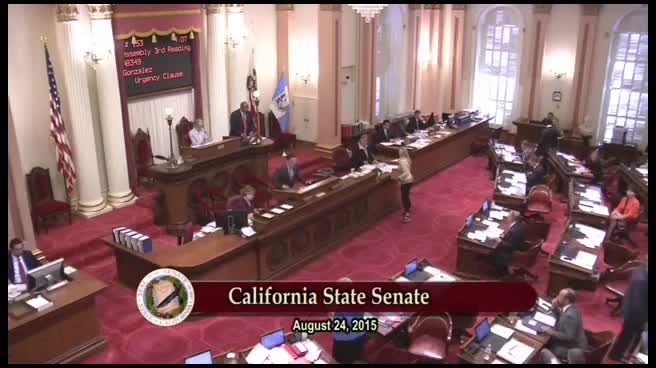
| Aug 24, 2015 | Read third time. Passed. Ordered to the Assembly. (Ayes 32. Noes 7. Page 2154.). |
| Aug 24, 2015 | Read third time. Passed. Ordered to the Assembly. |
| Aug 18, 2015 | Read second time. Ordered to third reading. |
| Aug 17, 2015 | From committee: Be placed on second reading file pursuant to Senate Rule 28.8. |
| Jul 8, 2015 | From committee: Do pass and re-refer to Com. on APPR. (Ayes 10. Noes 1.) (July 7). Re-referred to Com. on APPR. |
| Jun 18, 2015 | In committee: Hearing postponed by committee. |
| May 21, 2015 | Referred to Com. on T. & H. |
| Dec 1, 2014 | Read first time. To print. |
| May 11, 2015 | Read third time. Passed. Ordered to the Senate. |
| May 11, 2015 | In Senate. Read first time. To Com. on RLS. for assignment. |
| May 7, 2015 | Read second time. Ordered to third reading. |
| May 6, 2015 | From committee: Do pass. (Ayes 14. Noes 3.) (May 6). |
| Apr 21, 2015 | From committee: Do pass and re-refer to Com. on APPR. (Ayes 14. Noes 0.) (April 20). Re-referred to Com. on APPR. |
| Apr 15, 2015 | Re-referred to Com. on TRANS. |
| Apr 14, 2015 | From committee chair, with author's amendments: Amend, and re-refer to Com. on TRANS. Read second time and amended. |
| Apr 13, 2015 | In committee: Hearing postponed by committee. |
| Jan 22, 2015 | Referred to Coms. on TRANS. and APPR. |
| Dec 2, 2014 | From printer. May be heard in committee January 1. |
|
Date
|
Description
|
Location
|
Votes
|
|
|---|---|---|---|---|
| Aug 24, 2015 | Assembly 3rd Reading AB53 Cristina Garcia By Pan | Senate Floor |
Passed |
|
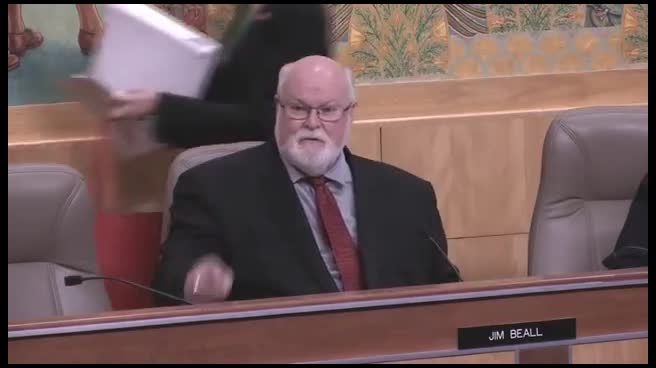
| Jul 7, 2015 | Do pass, but first be re-referred to the Committee on [Appropriations] | Senate Standing Committee on Transportation and Housing |
Passed |
|
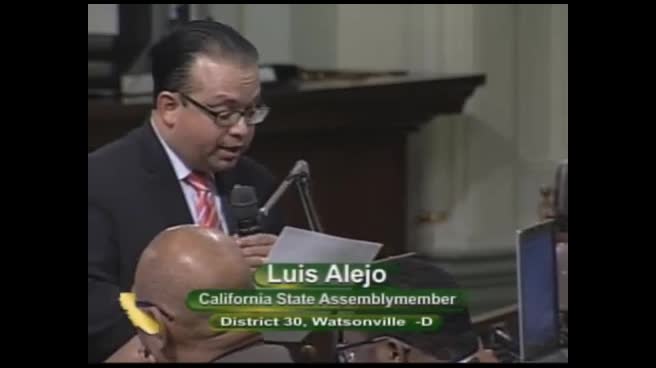
| May 11, 2015 | AB 53 GARCIA, C. Assembly Third Reading | Assembly Floor |
Passed |
|
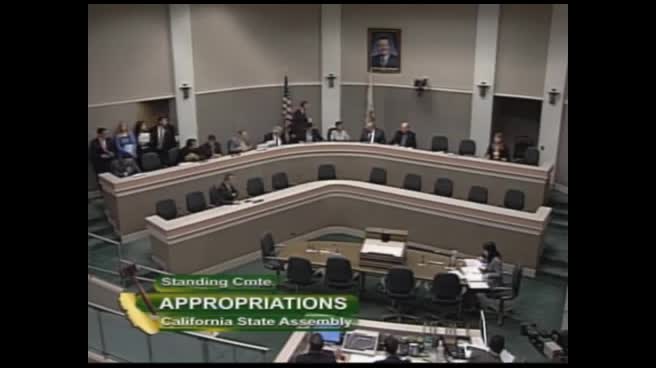
| May 6, 2015 | Do pass. | Assembly Standing Committee on Appropriations |
Passed |
|
| Apr 20, 2015 | Do pass and be re-referred to the Committee on [Appropriations] | Assembly Standing Committee on Transportation |
Passed |
This list shows positions taken on this bill by organizations on the date displayed, which is linked to the original source.
Positions by individuals are not included.
|
Organization
|
Position
|
Date
|
|---|---|---|
| AAA Northern California, Nevada, and Utah | ** Support | Aug 24, 2015 |
| American Academy Of Pediatrics, California | ** Support | Aug 24, 2015 |
| American College of Emergency Physicians - California Chapter | ** Support | Aug 24, 2015 |
| American Medical Response | ** Support | Aug 24, 2015 |
| California Academy of Preventative Medicine | ** Support | Aug 24, 2015 |
| California Association Of Highway Patrolmen | ** Support | Aug 24, 2015 |
| California Coalition for Children's Safety and Health | ** Support | Aug 24, 2015 |
| California Medical Association, Inc. | ** Support | Aug 24, 2015 |
| California State Firefighters' Association | ** Support | Aug 24, 2015 |
| California State PTA | ** Support | Aug 24, 2015 |
| Early Edge California | ** Support | Aug 24, 2015 |
| El Camino Children and Family Services Inc. | ** Support | Aug 24, 2015 |
| National Safety Council | ** Support | Aug 24, 2015 |
| NATIONWIDE INSURANCE | ** Support | Aug 24, 2015 |
| Personal Insurance Federation Of California | ** Support | Aug 24, 2015 |
| State Farm Mutual Automobile Insurance Company | ** Support | Aug 24, 2015 |
| Zero to Three Western Office | ** Support | Aug 24, 2015 |
AB 53
Page 4
|
Office of Senate Floor Analyses (916) 651-1520 Fax: (916) 327-4478 |
THIRD READING
Bill No: AB 53
Amended: 4/14/15 in Assembly
SENATE TRANS. & HOUSING COMMITTEE: 10-1, 7/7/15
AYES: Beall, Cannella, Allen, Bates, Galgiani, Leyva, McGuire, Mendoza, Roth, Wieckowski
NOES: Gaines
SENATE APPROPRIATIONS COMMITTEE: Senate Rule 28.8
ASSEMBLY FLOOR: 65-13, 5/11/15 - See last page for vote
SUBJECT: Vehicles: child safety seats
DIGEST: This bill establishes requirements for securing children under the age of 2 in rear-facing child seats in vehicles.
ANALYSIS: Existing law establishes requirements for child passenger restraints. With certain exceptions, children under 8 cannot be transported in motor vehicles without being properly secured in a back seat with an appropriate child passenger restraint system which conforms to federal standards, unless the parent or legal guardian is present and is not the driver. The court may exempt any class of child by age, weight, or size if the restraint system is determined to be impractical due to limitations of physical unfitness, medical condition, or size. A violation of these provisions results in a fine of $100 for the first offense and $250 for a second or subsequent offense. The Department of Motor Vehicles (DMV) is required to prepare and disseminate educational materials related to passenger restraint requirements for infants and children under age 15.
This bill:
Adds a sunset clause of January 1, 2017, to the existing child passenger restraint law for children younger than 8 years of age.
Enacts, as of January 1, 2017, the following provisions:
Requires a parent, legal guardian, or driver to secure children under 8, while traveling in a motor vehicle, in a rear seat with an appropriate child passenger restraint system meeting federal standards.
Requires a parent, legal guardian, or driver to secure children under the age of 2, while traveling in a motor vehicle, in a rear-facing child passenger restraint system meeting federal standards.
Includes an exemption for children under 2 that weigh 40 or more pounds or are 40 or more inches tall.
Requires that the child be secured in compliance with the passenger restraint manufacturer’s specifications.
Comments
Purpose. The author states this bill is necessary due to the high incidence of injury and mortality of young children involved in motor vehicle crashes. Motor vehicle crashes are the leading cause of death for children ages 1 through 12, killing over 1,000 children each year. The author cites studies that find almost three-quarters of parents turn car seats to face forward sooner than recommended by the American Academy of Pediatricians (AAP). The author believes this bill will help parents to better protect their children.
Recommendations from AAP. In 2011, AAP released a technical report on child passenger safety in which it recommends that all infants and toddlers should ride in a rear-facing child safety seat (CSS) until they are 2 years of age or until they reach the highest weight or height allowed by the manufacturer of their CSS. AAP’s recommendations are based on U.S. crash data that found children in forward-facing CSSs were significantly more likely to be seriously injured when compared to children restrained in rear-facing CSSs in all crash types. Rear-facing CSSs support the child’s head and may prevent the relatively large head from moving independently of the proportionately smaller neck. AAP additionally advises state law makers to consider “phasing-in” the rear-facing requirement over a minimum two-year period in order to allow time to educate parents on the safety benefits of rear-facing CSSs.
Confusing standards? The recommendation from AAP, upon which this legislation is modeled, is to face the rear until 2 years of age or until the child reaches the highest weight or height allowed by the manufacturer of the CSS. This bill similarly requires that children be secured in compliance with CSS manufacturers’ specifications, but also adds an additional, potentially conflicting, exemption for children greater than 40 pounds or 40 inches.
Certain car seats on the market are convertible and are rated to be rear-facing up to a specific height/weight, after which they can be converted to be forward-facing. What should happen in the case of a child who is younger than 2, exceeds the manufacturer’s requirements for rear-facing, but does not meet the 40 pounds/40 inches exemption? Which provision should parents follow in order to be compliant? If this bill passes, the delayed implementation is intended to give parents time to understand the law and purchase the proper CSS for their child.
FISCAL EFFECT: Appropriation: No Fiscal Com.: Yes Local: Yes
AAA Northern California, Nevada, and Utah
American Academy of Pediatrics, California
American College of Emergency Physicians — California Chapter
American Medical Response
California Academy of Preventative Medicine
California Association of Highway Patrolmen
California Coalition for Children’s Safety and Health
California Medical Association
California State Firefighters’ Association
California State PTA
Early Edge California
El Camino Children and Family Services Inc.
National Safety Council
Nationwide Insurance
Personal Insurance Federation of California
State Farm Mutual Automobile Insurance Company
Zero to Three Western Office
OPPOSITION: (Verified 8/17/15)
None received
ASSEMBLY FLOOR: 65-13, 5/11/15
AYES: Achadjian, Alejo, Baker, Bigelow, Bloom, Bonilla, Bonta, Brown, Burke, Calderon, Campos, Chang, Chau, Chávez, Chiu, Chu, Cooley, Cooper, Dababneh, Dahle, Daly, Dodd, Eggman, Frazier, Cristina Garcia, Eduardo Garcia, Gatto, Gipson, Gomez, Gonzalez, Gordon, Gray, Hadley, Roger Hernández, Holden, Irwin, Jones-Sawyer, Lackey, Levine, Linder, Lopez, Low, Maienschein, McCarty, Medina, Melendez, Mullin, Nazarian, O'Donnell, Patterson, Perea, Quirk, Rendon, Ridley-Thomas, Rodriguez, Salas, Santiago, Steinorth, Mark Stone, Thurmond, Ting, Waldron, Weber, Williams, Wood
NOES: Travis Allen, Brough, Beth Gaines, Gallagher, Grove, Harper, Jones, Kim, Mathis, Obernolte, Olsen, Wagner, Wilk
NO VOTE RECORDED: Mayes, Atkins
Prepared by: Christine Hochmuth / T. & H. / (916) 651-4121
8/20/15 13:38:54
**** END ****
AB 53 (Cristina Garcia) Page 4 of 4
SENATE COMMITTEE ON TRANSPORTATION AND HOUSING
Senator Jim Beall, Chair
2015 - 2016 Regular
Bill No: AB 53 Hearing Date: 7/7/2015
Author: |
Cristina Garcia |
||
Version: |
4/14/2015 |
||
Urgency: |
No |
Fiscal: |
Yes |
Consultant: |
Christine Hochmuth |
||
SUBJECT: Vehicles: child safety seats
DIGEST: This bill establishes requirements for securing children under the age of two in rear-facing child seats in vehicles.
ANALYSIS:
Existing law establishes requirements for child passenger restraints. With certain exceptions, children under eight cannot be transported in motor vehicles without being properly secured in a back seat with an appropriate child passenger restraint system which conforms to federal standards, unless the parent or legal guardian is present and is not the driver. The court may exempt any class of child by age, weight, or size if the restraint system is determined to be impractical due to limitations of physical unfitness, medical condition, or size. A violation of these provisions results in a fine of $100 for the first offense and $250 for a second or subsequent offense. The Department of Motor Vehicles (DMV) is required to prepare and disseminate educational materials related to passenger restraint requirements for infants and children under age 15.
This bill:
Adds a sunset clause of January 1, 2017 to the existing child passenger restraint law for children younger than eight years of age.
As of January 1, 2017, enacts the following provisions:
Requires a parent, legal guardian, or driver to secure children under eight, while traveling in a motor vehicle, in a rear seat with an appropriate child passenger restraint system meeting federal standards.
Requires a parent, legal guardian, or driver to secure children under the age of two, while traveling in a motor vehicle, in a rear-facing child passenger restraint system meeting federal standards.
Includes an exemption for children under two that weigh 40 or more pounds or are 40 or more inches tall.
Requires that the child be secured in compliance with the passenger restraint manufacturer’s specifications.
COMMENTS:
Purpose. The author states this bill is necessary due to the high incidence of injury and mortality of young children involved in motor vehicle crashes. Motor vehicle crashes are the leading cause of death for children ages 1 through 12, killing over 1,000 children each year. The author cites studies that find almost three-quarters of parents turn car seats to face forward sooner than recommended by the American Academy of Pediatricians (AAP). The author believes this bill will help parents to better protect their children.
Recommendations from AAP. In 2011, AAP released a technical report on child passenger safety in which it recommends that all infants and toddlers should ride in a rear-facing child safety seat (CSS) until they are two years of age or until they reach the highest weight or height allowed by the manufacturer of their CSS. AAP’s recommendations are based on U.S. crash data that found children in forward-facing CSSs were significantly more likely to be seriously injured when compared to children restrained in rear-facing CSSs in all crash types. Rear-facing CSSs support the child’s head and may prevent the relatively large head from moving independently of the proportionately smaller neck. AAP additionally advises state law makers to consider “phasing-in” the rear-facing requirement over a minimum two-year period in order to allow time to educate parents on the safety benefits of rear-facing CSSs.
Confusing standards? The recommendation from AAP, upon which this legislation is modeled, is to face the rear until 2 years of age or until the child reaches the highest weight or height allowed by the manufacturer of the CSS. This bill similarly requires that children be secured in compliance with CSS manufacturer’s specifications, but also adds an additional, potentially conflicting, exemption for children greater than 40 pounds or 40 inches.
Certain car seats on the market are convertible and are rated to be rear-facing up to a specific height/weight, after which they can be converted to be forward-facing. What should happen in the case of a child who is younger than 2, exceeds the manufacturer’s requirements for rear-facing, but does not meet the 40 pounds/40 inches exemption? Which provision should parents follow in order to be compliant? If this bill passes, the delayed implementation is intended to give parents time to understand the law and purchase the proper CSS for their child.
Related Legislation:
SB 929 (Evans, Chapter 474, Statutes of 2011) — prohibits a parent, legal guardian, or driver from transporting on a highway in a motor vehicle, as defined, a child or ward who is under 8 years of age without securing that child in an appropriate child passenger restraint system meeting applicable federal motor vehicle safety standards.
SB 177 (Lowenthal, 2009) — allowed certain children to sit in the front seat under an exception, lowering the age of the children occupying the rear seats from 12 to 8 years of age. SB 177 died in the Assembly Transportation Committee.
AB 881 (Mullin, 2007) — required a child who is under 8 years of age to be secured in a rear seat in an appropriate child passenger restraint system. AB 881 was vetoed by Governor Schwarzenegger.
AB 2108 (Evans, 2006) — required a child who is under 8 years of age to be secured in a rear seat in an appropriate child passenger restraint system. AB 2108 was vetoed by Governor Schwarzenegger.
AB 1697 (Pavley, Chapter 524, Statutes of 2003) — requires that a child or ward who is less than 6 years of age or weighs less than 60 pounds be secured in a rear seat in a specified child passenger restraint system.
Assembly Votes:
Floor: 65-13
Appr: 14-3
Trans: 14-0
FISCAL EFFECT: Appropriation: No Fiscal Com.: Yes Local: Yes
POSITIONS: (Communicated to the committee before noon on Wednesday,
July 1, 2015.)
SUPPORT:
AAA Northern California, Nevada, and Utah
American Academy of Pediatrics, California
American College of Emergency Physicians — California Chapter
American Medical Response
California Academy of Preventative Medicine
California Association of Highway Patrolmen
California Coalition for Children’s Safety and Health
California Medical Association
California State Firefighters’ Association
California State PTA
Early Edge California
El Camino Children and Family Services Inc.
National Safety Council
Nationwide Insurance
Personal Insurance Federation of California
State Farm Mutual Automobile Insurance Company
Zero to Three Western Office
OPPOSITION:
None received
-- END --
AB 53
Page 2
ASSEMBLY THIRD READING
AB 53
(Cristina Garcia)
As Amended April 14, 2015
Majority vote
Committee |
Votes |
Ayes |
Noes |
Transportation |
14-0 |
Frazier, Achadjian, Baker, Bloom, Campos, Chu, Daly, Dodd, Eduardo Garcia, Gomez, Linder, Medina, Melendez, O'Donnell |
|
Appropriations |
14-3 |
Gomez, Bigelow, Bloom, Bonta, Calderon, Chang, Daly, Eggman, Eduardo Garcia, Holden, Quirk, Rendon, Weber, Wood |
Gallagher, Jones, Wagner |
SUMMARY: Requires a child under two years of age to be properly secured in a rear facing child safety seat (CSS) while being transported in a motor vehicle, as specified. Requires the provisions specified in this bill to become operative on January 1, 2017.
EXISTING LAW:
Requires a parent, legal guardian, or the driver of a motor vehicle to properly secure a child under age eight in the appropriate passenger restraint system while transporting the child in a motor vehicle.
Provides that a violation of the abovementioned requirement is subject to a $100 fine for the first offense and a $250 fine for the second and every subsequent offense.
Provides a number of exemptions for the abovementioned requirement, including a court issued exemption or a child exceeding height and weight requirements, as specified.
Requires a public or private hospital, clinic, or birthing center to discuss and provide documentation related to the requirements of child passenger restraint systems and transporting a child under age eight, as specified.
Requires the Department of Motor Vehicles (DMV) to prepare and disseminate educational materials related to passenger restraint requirements for infants and children under age 15.
FISCAL EFFECT: According to the Assembly Appropriations Committee, "Minor non-reimbursable cost to local law enforcement agencies for enforcement, offset to some extent by fine revenues. Any costs to CHP [California Highway Patrol] and DMV will be minor and absorbable."
COMMENTS: A report released in 2010 by the National Highway Traffic Safety Administration (NHTSA) reported that injuries suffered in a motor vehicle traffic crashes are the leading cause of death among children in the United States. The report further concluded that various studies have shown that children who are correctly using the appropriate restraint for their sizes and ages are at a significantly lower risk of sustaining serious or fatal injuries. Additionally, the Centers for Disease Control and Prevention reports that motor vehicle fatalities are the second leading cause of death for children age two and under.
In March 2011, the American Academy of Pediatrics (AAP) released a revised set of passenger safety recommendations when transporting children under age 13 in a motor vehicle. AAP's recommendation included having infants and toddlers ride in rear-facing CSS until they reach two years of age or until they reach the maximum weight or height allowed by the CSS manufacturer. This recommendation also advises state lawmakers to consider "phasing-in" the rear-facing requirement over a minimum two-year period in order to educate parents on the safety benefits of rear-facing CSSs.
The AAP's recommendations were based on the evaluation of a series of studies and research that determined, when properly used, CSSs reduce the risk of injury by 71% to 82% and reduce the risk of death by 28% when compared to children of the same age only using a seatbelt. The research shows that, during an accident, a rear facing CSS benefits children under age two due to the increased support to the child's head that is relatively larger, heavier, and more developed than the child's neck and spine. Thus, the potential for a child's head to snap forward and break their necks and/or injure their spinal cords is significantly minimized.
Although the safety benefits of using a rear facing CSS is well documented, studies indicate many parents turn CSSs front facing too early. For example, a study by the University of Michigan found that only 23% of parents kept their child in a rear facing CSS until age two. On the other hand, other reports show parents are reluctant to keep a child rear facing in order to avoid distractions from an uncooperative child or due to the lack of leg room (depending on the size of the vehicle).
This bill intends to reduce the injury risk of infants and toddlers involved in motor vehicle accidents by requiring children under age two to be placed in a rear facing CSS when transported in a motor vehicle. This bill also includes exemptions based on a child's height and weight in addition to requiring parents to comply with the CSS manufacturer's height and weight limitations. The author notes, this bill "will help protect against the tragedy of traffic fatalities involving toddlers and keep California children safe. California could be the first state in the nation to pass this important law to protect our youngest residents."
Analysis Prepared by: Manny Leon / TRANS. / (916) 319-2093 FN: 0000300
AB 53
Page 1
Date of Hearing: May 6, 2015
ASSEMBLY COMMITTEE ON APPROPRIATIONS
Jimmy Gomez, Chair
AB 53
(Cristina Garcia) – As Amended April 14, 2015
Policy Committee: |
Transportation |
Vote: |
14 - 0 |
|
|
|
|
|
|
|
|
Urgency: No State Mandated Local Program: Yes Reimbursable: No
SUMMARY:
This bill requires, effective January 1, 2017, that a child under two years of age be properly secured in a rear facing child safety seat (CSS) while being transported in a motor vehicle, as specified.
FISCAL EFFECT:
Minor nonreimbursable cost to local law enforcement agencies for enforcement, offset to some extent by fine revenues. Any costs to CHP and DMV will be minor and absorbable.
COMMENTS:
Background. In March 2011, the American Academy of Pediatrics (AAP) released a revised set of passenger safety recommendations for transporting children under age 13 in a motor vehicle. AAP's recommendation included having infants and toddlers ride in rear-facing CSSs until they reach two years of age or until they reach the maximum weight or height allowed by the CSS manufacturer. This recommendation also advises state lawmakers to consider "phasing-in" the rear-facing requirement over a minimum two-year period in order to educate parents on the safety benefits of rear-facing CSSs.
Purpose. This bill intends to reduce the injury risk of infants and toddlers involved in motor vehicle accidents by implementing the AAP recommendation. The bill also includes exemptions based on a child's height and weight in addition to requiring parents to comply with the CSS manufacturer's height and weight limitations. The author contends the bill "will help protect against the tragedy of traffic fatalities involving toddlers and keep California children safe. California could be the first state in the nation to pass this important law to protect our youngest residents."
Analysis Prepared by: Chuck Nicol / APPR. / (916) 319-2081
AB 53
Page 2
Date of Hearing: April 20, 2015
ASSEMBLY COMMITTEE ON TRANSPORTATION
Jim Frazier, Chair
AB 53
(Cristina Garcia) – As Amended April 14, 2015
SUBJECT: Vehicles: child safety seats
SUMMARY: Requires a child under two years of age to be properly secured in a rear facing child safety seat (CSS) while being transported in a motor vehicle, as specified. Requires the provisions specified in this bill to become operative on January 1, 2017.
EXISTING LAW:
Requires a parent, legal guardian, or the driver of a motor vehicle to properly secure a child under age 8 in the appropriate passenger restraint system while transporting the child in a motor vehicle.
Provides that a violation of the abovementioned requirement is subject to a $100 fine for the first offense and a $250 fine for the second and every subsequent offense.
Provides a number of exemptions for the abovementioned requirement, including a court issued exemption or a child exceeding height and weight requirements, as specified.
Requires a public or private hospital, clinic, or birthing center to discuss and provide documentation related to the requirements of child passenger restraint systems and transporting a child under age 8, as specified.
Requires the Department of Motor Vehicles (DMV) to prepare and disseminate educational materials related to passenger restraint requirements for infants and children under age 15.
FISCAL EFFECT: Unknown
COMMENTS: A report released in 2010 by the National Highway Traffic Safety Administration (NHTSA) reported that injuries suffered in a motor vehicle traffic crashes are the leading cause of death among children in the United States. The report further concluded that various studies have shown that children who are correctly using the appropriate restraint for their sizes and ages are at a significantly lower risk of sustaining serious or fatal injuries. Additionally, the Centers for Disease Control and Prevention reports that motor vehicle fatalities are the second leading cause of death for children age two and under.
In March 2011, the American Academy of Pediatrics (AAP) released a revised set of passenger safety recommendations when transporting children under age 13 in a motor vehicle. AAP's recommendation included having infants and toddlers ride in rear-facing CSS until they reach two years of age or until they reach the maximum weight or height allowed by the CSS manufacturer. This recommendation also advises state lawmakers to consider "phasing-in" the rear-facing requirement over a minimum two-year period in order to educate parents on the safety benefits of rear-facing CSSs.
The AAP's recommendations were based on the evaluation of a series of studies and research that determined, when properly used, CSSs reduce the risk of injury by 71% to 82% and reduce the risk of death by 28% when compared to children of the same age only using a seatbelt. The research shows that, during an accident, a rear facing CSS benefits children under age two due to the increased support to the child's head that is relatively larger, heavier, and more developed than the child's neck and spine. Thus, the potential for a child's head to snap forward and break their necks and/or injure their spinal cords is significantly minimized.
Although the safety benefits of using a rear facing CSS is well documented, studies indicate many parents turn CSSs front facing too early. For example, a study by the University of Michigan found that only 23% of parents kept their child in a rear facing CSS until age two. On the other hand, other reports show parents are reluctant to keep a child rear facing in order to avoid distractions from an uncooperative child or due to the lack of leg room (depending on the size of the vehicle).
This bill intends to reduce the injury risk of infants and toddlers involved in motor vehicle accidents by requiring children under age two to be placed in a rear facing CSS when transported in a motor vehicle. This bill also includes exemptions based on a child's height and weight in addition to requiring parents to comply with the CSS manufacturer's height and weight limitations. The author notes, this bill "will help protect against the tragedy of traffic fatalities involving toddlers and keep California children safe. California could be the first state in the nation to pass this important law to protect our youngest residents."
Double referral: This bill will be referred to the Assembly Appropriations Committee should it pass out of this committee.
REGISTERED SUPPORT / OPPOSITION:
Support
American Academy of Pediatrics, California
American College of Emergency Physicians, California Chapter
California Association of Highway Patrolmen
Early Edge California
El Camino Children and Family Services Inc.
National Safety Council
Nationwide Insurance
State Farm Mutual Automobile Insurance Company
Personal Insurance Federation of California
Zero to Three, Western Office
Opposition
None on file
Analysis Prepared by: Manny Leon / TRANS. / (916) 319-2093
Discussed in Hearing
 2MIN
Senate Floor
 6MIN
Senate Standing Committee on Transportation and Housing
 2MIN
Assembly Floor
 4MIN
Assembly Standing Committee on Appropriations
Bill Author

Bill Co-Author(s):