AB 575: Instructional materials: followup adoptions.
- Session Year: 2015-2016
- House: Assembly
- Latest Version Date: 2016-09-24
Existing law requires the State Board of Education to adopt instructional materials for kindergarten and grades 1 to 8, inclusive, and to adopt procedures for the submission of instructional materials, and provides that instructional materials may be submitted for adoption in specified subject areas every 8 years.
This bill would instead provide that instructional materials may be submitted for adoption at least once but no more than twice every 8 years. The bill, until January 1, 2024, would require the State Department of Education, before conducting a followup adoption, as defined, in a given subject area to post a notice on the departments Internet Web site and notify all publishers or manufacturers known to produce basic instructional materials in that subject area that each publisher and manufacturer choosing to participate in the followup adoption shall be assessed a fee, as specified.
Existing law requires the State Board of Education to adopt instructional materials for kindergarten and grades 1 to 8, inclusive, and to adopt procedures for the submission of instructional materials, and provides that instructional materials may be submitted for adoption in specified subject areas every 8 years.
This bill would instead provide that instructional materials may be submitted for adoption at least once but no more than twice every 8 years. The bill, until January 1, 2024, would require the State Department of Education, before conducting a follow up followup adoption, as defined, in a given subject area to post a notice on the departments Internet Web site and notify all publishers or manufacturers known to produce basic instructional materials in that subject area that each publisher and manufacturer choosing to participate in the follow up followup adoption shall be assessed a fee, as specified.
Existing law requires the State Board of Education to adopt instructional materials for kindergarten and grades 1 to 8, inclusive, and to adopt procedures for the submission of instructional materials, and provides that instructional materials may be submitted for adoption in specified subject areas every 8 years.
This bill would instead provide that instructional materials may be submitted for adoption at least once but no more than twice every 8 years. The bill bill, until January 1, 2024, would require the State Department of Education, before conducting a follow up adoption, as defined, in a given subject area to post a notice on the departments Internet Web site and notify all publishers or manufacturers known to produce basic instructional materials in that subject area that each publisher and manufacturer choosing to participate in the follow up adoption shall be assessed a fee, as specified.
Existing law requires the State Board of Education to adopt instructional materials for kindergarten and grades 1 to 8, inclusive, and to adopt procedures for the submission of instructional materials, and provides that instructional materials may be submitted for adoption in specified subject areas every 8 years.
This bill would instead provide that instructional materials may be submitted for adoption at least once but no more than twice every 8 years. The bill would require the State Department of Education, before conducting a follow up adoption, as defined, in a given subject area to post a notice on the departments Internet Web site and notify all publishers or manufacturers known to produce basic instructional materials in that subject area that each publisher and manufacturer choosing to participate in the follow up adoption shall be assessed a fee, as specified.
(1)Existing law states the intent of the Legislature that governing boards of school districts establish a uniform system of evaluation and assessment of the performance of all certificated personnel within each school district of the state. Existing law requires the governing board of each school district to establish standards of expected pupil achievement at each grade level in each area of study and to evaluate and assess certificated employee performance on a continuing basis as it reasonably relates to the progress of pupils toward the established standards and, if applicable, the state adopted academic content standards as measured by state adopted criterion referenced assessments, the instructional techniques and strategies used by the employee, the employees adherence to curricular objectives, and the establishment and maintenance of a suitable learning environment, within the scope of the employees responsibilities.
This bill would provide that the provisions described above would become inoperative on July 1, 2018. The bill would state findings and declarations of the Legislature regarding the nature of effective teachers and of the teaching profession. Commencing on July 1, 2018, the bill would require the governing board of each school district and each county board of education to adopt and implement a locally negotiated best practices teacher evaluation system, described as one in which each teacher is evaluated on a continuing basis on the degree to which he or she accomplishes specific objectives and multiple observations of instructional and other professional practices that are conducted by trained evaluators. The bill would authorize the State Board of Education, in consultation with the Superintendent of Public Instruction and appropriate education stakeholder groups, to adopt nonregulatory guidance to support the implementation of a best practices teacher evaluation system by school districts and county offices of education, as specified. The bill would, on or before May 1, 2016, or May 1 of the year that precedes the year in which an existing collective bargaining contract will expire, whichever is later, require the governing board of each school district and each county board of education, at a regularly scheduled public hearing, to seek comment on the development and implementation of the best practices teacher evaluation system, and, on or before May 1 of each year before local negotiations required by law, to seek comment on the best practices teacher evaluation system. The bill would require if, by mutual agreement between the school district or county office of education and the collective bargaining unit, an intermediate mid-year agreement is reached regarding a best practices teacher evaluation system, the negotiation timeline to allow time for the governing board of the school district or county board of education to hold a public hearing to seek comment on the best practices teacher evaluation system. The bill also would require the governing board of each school district and each county board of education to disclose the provisions of the best practices teacher evaluation system at a regularly scheduled public hearing. The bill would also require the governing board of each school district and each county board of education to establish and define job responsibilities for certificated, noninstructional employees whose responsibilities cannot be evaluated appropriately under the best practices teacher evaluation system and to evaluate and assess their performance in relation to the fulfillment of those responsibilities. The bill would provide that these provisions do not apply to certificated personnel who are employed on an hourly basis in adult education classes. The bill would also provide that the provisions of the best practices teacher evaluation system do not supersede or invalidate a teacher evaluation system that is locally negotiated and that is in effect at the time the best practices teacher evaluation system becomes operative. By imposing additional duties on school districts and county offices of education, this bill would impose a state-mandated local program.
(2)Existing law requires that an evaluation and assessment of the performance of a certificated employee be made on a continuing basis, as provided, including at least every 5 years for personnel with permanent status who have been employed at least 10 years with the school district, are highly qualified, as specified, and whose previous evaluation rated the employee as meeting or exceeding standards, if the evaluator and certificated employee being evaluated agree.
This bill, commencing July 1, 2018, would require the evaluation and assessment of the above personnel at least every 3 years, except as locally negotiated and provided in the best practices teacher evaluation system. The bill would also require county offices of education to comply with these provisions. By imposing additional duties on school districts and county offices of education, this bill would impose a state-mandated local program.
(3)Existing law authorizes a school district to evaluate a principal annually for the principals first and 2nd year of employment as a new principal and authorizes additional evaluations, as specified.
This bill would make those provisions inoperative on July 1, 2018, and, commencing July 1, 2018, would instead require the governing board of each school district and each county board of education to establish a system of evaluation for school administrators to guide their growth and performance with the purpose of supporting them as instructional leaders in order to raise pupil achievement. The bill would require the evaluation system to include certain attributes, including, but not limited to, promoting the success of all pupils, advocating and supporting a safe, nurturing school culture that sustains a quality instructional program conducive to pupil learning and staff professional growth, and ensuring the management, organization, and operation of a safe and successful learning environment as evidenced by the establishment of effective practices for personnel and resource management, campus safety, and school climate. The bill would require the governing board of the school district and the county board of education to identify who will conduct the evaluation of each school administrator. By imposing additional duties on school districts and county offices of education, the bill would impose a state-mandated local program.
(4)Existing law authorizes the governing board of a school district or a county board of education, as specified, after a public hearing on the matter, to request the state board to waive all or part of any section of the Education Code or any regulation adopted by the state board that implements a provision of the Education Code that may be waived, except for specified provisions.
This bill would add the above-mentioned provisions relating to teacher and school administrator evaluation to the list of provisions that may not be waived.
(5)This bill also would state the intent of the Legislature to provide adequate resources to train evaluators, continue robust beginning teacher induction programs, and support struggling educators.
(6)Under the California Constitution, whenever the Legislature or a state agency mandates a new program or higher level of service on any local government, including a school district and a community college district, the state is required to provide a subvention of funds to reimburse the local government, with specified exceptions. Existing law requires certain funds appropriated in the annual Budget Act for reimbursement of the cost of a new program or increased level of service of an existing program mandated by statute or executive order to be available as a block grant to school districts, county offices of education, and charter schools to support specified state-mandated local programs and permits those entities to elect to receive that block grant funding in lieu of claiming mandated costs pursuant to the state claims process.
This bill would, as of July 1, 2018, add the best practices teacher evaluation system and the school administrator evaluation system to the state-mandated local programs supported by the block grant funding.
(7)This bill would update cross-references and would make other nonsubstantive changes.
(8)The California Constitution requires the state to reimburse local agencies and school districts for certain costs mandated by the state. Statutory provisions establish procedures for making that reimbursement.
This bill would provide that, if the Commission on State Mandates determines that the bill contains costs mandated by the state, reimbursement for those costs shall be made pursuant to these statutory provisions.
(1)Existing law states the intent of the Legislature that governing boards of school districts establish a uniform system of evaluation and assessment of the performance of all certificated personnel within each school district of the state. Existing law requires the governing board of each school district to establish standards of expected pupil achievement at each grade level in each area of study and to evaluate and assess certificated employee performance on a continuing basis as it reasonably relates to the progress of pupils toward the established standards and, if applicable, the state adopted academic content standards as measured by state adopted criterion referenced assessments, the instructional techniques and strategies used by the employee, the employees adherence to curricular objectives, and the establishment and maintenance of a suitable learning environment, within the scope of the employees responsibilities.
This bill would provide that the provisions described above would become inoperative on July 1, 2018. The bill would state findings and declarations of the Legislature regarding the nature of effective teachers and of the teaching profession. Commencing on July 1, 2018, the bill would require the governing board of each school district, each district and each county board of education, and the governing body of each charter school education to adopt and implement a locally negotiated best practices teacher evaluation system, described as one in which each teacher is evaluated on a continuing basis on the degree to which he or she accomplishes specific objectives and multiple observations of instructional and other professional practices that are conducted by trained evaluators. The bill would authorize the State Board of Education, in consultation with the Superintendent of Public Instruction and appropriate education stakeholder groups, to adopt nonregulatory guidance to support the implementation of a best practices teacher evaluation system by school districts, districts and county offices of education, and charter schools, as specified. The bill would, on or before May 1, 2016, or May 1 of the year that precedes the year in which an existing collective bargaining contract will expire, whichever is later, require the governing board of each school district, each district and each county board of education, and the governing body of each charter school, at a regularly scheduled public hearing, to seek comment on the development and implementation of the best practices teacher evaluation system, and, on or before May 1 of each year before local negotiations required by law, to seek comment on the best practices teacher evaluation system. The bill would require if, by mutual agreement between the school district, district or county office of education, or charter school education and the collective bargaining unit, an intermediate mid-year agreement is reached regarding a best practices teacher evaluation system, the negotiation timeline to allow time for the governing board of the school district, district or county board of education, or the governing body of the charter school education to hold a public hearing to seek comment on the best practices teacher evaluation system. The bill also would require the governing board of each school district, each district and each county board of education, and the governing body of each charter school education to disclose the provisions of the best practices teacher evaluation system at a regularly scheduled public hearing. The bill would also require the governing board of each school district, each district and each county board of education, and the governing body of each charter school education to establish and define job responsibilities for certificated, noninstructional employees whose responsibilities cannot be evaluated appropriately under the best practices teacher evaluation system and to evaluate and assess their performance in relation to the fulfillment of those responsibilities. The bill would provide that these provisions do not apply to certificated personnel who are employed on an hourly basis in adult education classes. The bill would also provide that the provisions of the best practices teacher evaluation system do not supersede or invalidate a teacher evaluation system that is locally negotiated and that is in effect at the time the best practices teacher evaluation system becomes operative. By imposing additional duties on school districts, districts and county offices of education, and charter schools, this bill would impose a state-mandated local program.
(2)Existing law requires that an evaluation and assessment of the performance of a certificated employee be made on a continuing basis, as provided, including at least every 5 years for personnel with permanent status who have been employed at least 10 years with the school district, are highly qualified, as specified, and whose previous evaluation rated the employee as meeting or exceeding standards, if the evaluator and certificated employee being evaluated agree.
This bill, commencing July 1, 2018, would require the evaluation and assessment of the above personnel at least every 3 years, except as locally negotiated and provided in the best practices teacher evaluation system. The bill would also require county offices of education and charter schools to comply with these provisions. By imposing additional duties on school districts, districts and county offices of education, and charter schools, this bill would impose a state-mandated local program.
(3)Existing law authorizes a school district to evaluate a principal annually for the principals first and 2nd year of employment as a new principal and authorizes additional evaluations, as specified.
This bill would make those provisions inoperative on July 1, 2018, and, commencing July 1, 2018, would instead require the governing board of each school district, each district and each county board of education, and the governing body of each charter school education to establish a system of evaluation for school administrators to guide their growth and performance with the purpose of supporting them as instructional leaders in order to raise pupil achievement. The bill would require the evaluation system to include certain attributes, including, but not limited to, promoting the success of all pupils, advocating and supporting a safe, nurturing school culture that sustains a quality instructional program conducive to pupil learning and staff professional growth, and ensuring the management, organization, and operation of a safe and successful learning environment as evidenced by the establishment of effective practices for personnel and resource management, campus safety, and school climate. The bill would require the governing board of the school district, district and the county board of education, and the governing body of the charter school education to identify who will conduct the evaluation of each school administrator. By imposing additional duties on school district, districts and county office offices of education, and charter school officials, the bill would impose a state-mandated local program.
(4)Existing law authorizes the governing board of a school district or a county board of education, as specified, after a public hearing on the matter, to request the state board to waive all or part of any section of the Education Code or any regulation adopted by the state board that implements a provision of the Education Code that may be waived, except for specified provisions.
This bill would add the above-mentioned provisions relating to teacher and school administrator evaluation to the list of provisions that may not be waived.
(5)This bill also would state the intent of the Legislature to provide adequate resources to train evaluators, continue robust beginning teacher induction programs, and support struggling educators.
(6)Under the California Constitution, whenever the Legislature or a state agency mandates a new program or higher level of service on any local government, including a school district and a community college district, the state is required to provide a subvention of funds to reimburse the local government, with specified exceptions. Existing law requires certain funds appropriated in the annual Budget Act for reimbursement of the cost of a new program or increased level of service of an existing program mandated by statute or executive order to be available as a block grant to school districts, county offices of education, and charter schools to support specified state-mandated local programs and permits those entities to elect to receive that block grant funding in lieu of claiming mandated costs pursuant to the state claims process.
This bill would, as of July 1, 2018, add the best practices teacher evaluation system and the school administrator evaluation system to the state-mandated local programs supported by the block grant funding.
(7)This bill would update cross-references and would make other nonsubstantive changes.
(8)The California Constitution requires the state to reimburse local agencies and school districts for certain costs mandated by the state. Statutory provisions establish procedures for making that reimbursement.
This bill would provide that, if the Commission on State Mandates determines that the bill contains costs mandated by the state, reimbursement for those costs shall be made pursuant to these statutory provisions.
(1)Existing law states the intent of the Legislature that governing boards of school districts establish a uniform system of evaluation and assessment of the performance of all certificated personnel within each school district of the state. Existing law requires the governing board of each school district to establish standards of expected pupil achievement at each grade level in each area of study and to evaluate and assess certificated employee performance on a continuing basis as it reasonably relates to the progress of pupils toward the established standards and, if applicable, the state adopted academic content standards as measured by state adopted criterion referenced assessments, the instructional techniques and strategies used by the employee, the employees adherence to curricular objectives, and the establishment and maintenance of a suitable learning environment, within the scope of the employees responsibilities.
This bill would provide that the provisions described above would become inoperative on July 1, 2018. The bill would state findings and declarations of the Legislature regarding the nature of effective teachers and of the teaching profession. Commencing on July 1, 2018, the bill would require the governing board of each school district, each county board of education, and the governing body of each charter school to adopt and implement a locally negotiated best practices teacher evaluation system, described as one in which each teacher is evaluated on a continuing basis on the degree to which he or she accomplishes specific objectives and multiple observations of instructional and other professional practices that are conducted by trained evaluators. The bill would authorize the State Board of Education, in consultation with the Superintendent of Public Instruction and appropriate education stakeholder groups, to adopt nonregulatory guidance to support the implementation of a best practices teacher evaluation system by school districts, county offices of education, and charter schools, as specified. The bill would, on or before May 1, 2016, or May 1 of the year that precedes the year in which an existing collective bargaining contract will expire, whichever is later, require the governing board of each school district, each county board of education, and the governing body of each charter school, at a regularly scheduled public hearing, to seek comment on the development and implementation of the best practices teacher evaluation system, and, on or before May 1 of each year before local negotiations required by law, to seek comment on the best practices teacher evaluation system. The bill would require if, by mutual agreement between the school district, county office of education, or charter school and the collective bargaining unit, an intermediate mid-year agreement is reached regarding a best practices teacher evaluation system, the negotiation timeline to allow time for the governing board of the school district, county board of education, or the governing body of the charter school to hold a public hearing to seek comment on the best practices teacher evaluation system. The bill also would require the governing board of each school district, each county board of education, and the governing body of each charter school to disclose the provisions of the best practices teacher evaluation system at a regularly scheduled public hearing. The bill would also require the governing board of each school district, each county board of education, and the governing body of each charter school to establish and define job responsibilities for certificated, noninstructional employees and whose responsibilities cannot be evaluated appropriately under the best practices teacher evaluation system and to evaluate and assess their performance in relation to the fulfillment of those responsibilities. The bill would provide that these provisions do not apply to certificated personnel who are employed on an hourly basis in adult education classes. The bill would also provide that the provisions of the best practices teacher evaluation system do not supersede or invalidate a teacher evaluation system that is locally negotiated and that is in effect at the time the best practices teacher evaluation system becomes operative. By imposing additional duties on school districts, county offices of education, and charter schools, this bill would impose a state-mandated local program.
(2)Existing law requires that an evaluation and assessment of the performance of a certificated employee be made on a continuing basis, as provided, including at least every 5 years for personnel with permanent status who have been employed at least 10 years with the school district, are highly qualified, as specified, and whose previous evaluation rated the employee as meeting or exceeding standards, if the evaluator and certificated employee being evaluated agree.
This bill, commencing July 1, 2018, would require the evaluation and assessment of the above personnel at least every 3 years, except as locally negotiated and provided in the best practices teacher evaluation system. The bill would also require county offices of education and charter schools to comply with these provisions. By imposing additional duties on school districts, county offices of education, and charter schools, this bill would impose a state-mandated local program.
(3)Existing law authorizes a school district to evaluate a principal annually for the principals first and 2nd year of employment as a new principal and authorizes additional evaluations, as specified.
This bill would make those provisions inoperative on July 1, 2018, and, commencing July 1, 2018, would instead require the governing board of each school district, each county board of education, and the governing body of each charter school to establish a system of evaluation for school administrators to guide their growth and performance with the purpose of supporting them as instructional leaders in order to raise pupil achievement. The bill would require the evaluation system to include certain attributes, including, but not limited to, promoting the success of all pupils, advocating and supporting a safe, nurturing school culture that sustains a quality instructional program conducive to pupil learning and staff professional growth, and ensuring the management, organization, and operation of a safe and successful learning environment as evidenced by the establishment of effective practices for personnel and resource management, campus safety, and school climate. The bill would require the governing board of the school district, the county board of education, and the governing body of the charter school to identify who will conduct the evaluation of each school administrator. By imposing additional duties on school district, county office of education, and charter school officials, the bill would impose a state-mandated local program.
(4)Existing law authorizes the governing board of a school district or a county board of education, as specified, after a public hearing on the matter, to request the state board to waive all or part of any section of the Education Code or any regulation adopted by the state board that implements a provision of the Education Code that may be waived, except for specified provisions.
This bill would add the above-mentioned provisions relating to teacher and school administrator evaluation to the list of provisions that may not be waived.
(5)This bill also would state the intent of the Legislature to provide adequate resources to train evaluators, continue robust beginning teacher induction programs, and support struggling educators.
(6)Under the California Constitution, whenever the Legislature or a state agency mandates a new program or higher level of service on any local government, including a school district and a community college district, the state is required to provide a subvention of funds to reimburse the local government, with specified exceptions. Existing law requires certain funds appropriated in the annual Budget Act for reimbursement of the cost of a new program or increased level of service of an existing program mandated by statute or executive order to be available as a block grant to school districts, county offices of education, and charter schools to support specified state-mandated local programs and permits those entities to elect to receive that block grant funding in lieu of claiming mandated costs pursuant to the state claims process.
This bill would, as of July 1, 2018, add the best practices teacher evaluation system and the school administrator evaluation system to the state-mandated local programs supported by the block grant funding.
(7)This bill would update cross-references and would make other nonsubstantive changes.
(8)The California Constitution requires the state to reimburse local agencies and school districts for certain costs mandated by the state. Statutory provisions establish procedures for making that reimbursement.
This bill would provide that, if the Commission on State Mandates determines that the bill contains costs mandated by the state, reimbursement for those costs shall be made pursuant to these statutory provisions.
(1)Existing law states the intent of the Legislature that governing boards of school districts establish a uniform system of evaluation and assessment of the performance of all certificated personnel within each school district of the state. Existing law requires the governing board of each school district to establish standards of expected pupil achievement at each grade level in each area of study and to evaluate and assess certificated employee performance on a continuing basis as it reasonably relates to the progress of pupils toward the established standards and, if applicable, the state adopted academic content standards as measured by state adopted criterion referenced assessments, the instructional techniques and strategies used by the employee, the employees adherence to curricular objectives, and the establishment and maintenance of a suitable learning environment, within the scope of the employees responsibilities.
This bill would provide that the provisions described above would become inoperative on July 1, 2018. The bill would state findings and declarations of the Legislature regarding the nature of effective teachers and of the teaching profession. Commencing on July 1, 2018, the bill would require the governing board of each school district district, each county board of education, and the governing body of each charter school to adopt and implement a locally negotiated best practices teacher evaluation system, described as one in which each teacher is evaluated on a continuing basis on the degree to which he or she accomplishes specific objectives and multiple observations of instructional and other professional practices that are conducted by trained evaluators. The bill would authorize the State Board of Education, in consultation with the Superintendent of Public Instruction and appropriate education stakeholder groups, to adopt nonregulatory guidance to support the implementation of a best practices teacher evaluation system by school districts districts, county offices of education, and charter schools, as specified. The bill would, on or before May 1, 2016, or May 1 of the year that precedes the year in which an existing collective bargaining contract will expire, whichever is later, require the governing board of each school district district, each county board of education, and the governing body of each charter school, at a regularly scheduled public hearing, to seek comment on the development and implementation of the best practices teacher evaluation system, and, on or before May 1 of each year before local negotiations required by law, to seek comment on the best practices teacher evaluation system. The bill would require if, by mutual agreement between the school district district, county office of education, or charter school and the collective bargaining unit, an intermediate mid-year agreement is reached regarding a best practices teacher evaluation system, the negotiation timeline to allow time for the governing board of the school district district, county board of education, or the governing body of the charter school to hold a public hearing to seek comment on the best practices teacher evaluation system. The bill also would require the governing board of each school district district, each county board of education, and the governing body of each charter school to disclose the provisions of the best practices teacher evaluation system at a regularly scheduled public hearing. The bill would also require the governing board of each school district district, each county board of education, and the governing body of each charter school to establish and define job responsibilities for certificated, noninstructional employees and whose responsibilities cannot be evaluated appropriately under the best practices teacher evaluation system to evaluate and assess their performance in relation to the fulfillment of those responsibilities. The bill would provide that these provisions do not apply to certificated personnel who are employed on an hourly basis in adult education classes. The bill would also provide that the provisions of the best practices teacher evaluation system do not supersede or invalidate a teacher evaluation system that is locally negotiated and that is in effect at the time the best practices teacher evaluation system becomes operative. By imposing additional duties on school districts, county offices of education, and charter schools, this bill would impose a state-mandated local program.
(2)Existing law requires that an evaluation and assessment of the performance of a certificated employee be made on a continuing basis, as provided, including at least every 5 years for personnel with permanent status who have been employed at least 10 years with the school district, are highly qualified, as specified, and whose previous evaluation rated the employee as meeting or exceeding standards, if the evaluator and certificated employee being evaluated agree.
This bill, commencing July 1, 2018, would require the evaluation and assessment of the above personnel at least every 3 years, except as locally negotiated and provided in the best practices teacher evaluation system. The bill would also require county offices of education and charter schools to comply with these provisions. By imposing additional duties on school districts, county offices of education, and charter schools, this bill would impose a state-mandated local program.
(3)Existing law authorizes a school district to evaluate a principal annually for the principals first and 2nd year of employment as a new principal and authorizes additional evaluations, as specified.
This bill would repeal make those provisions and inoperative on July 1, 2018, and, commencing July 1, 2018, would instead require the governing board of each school district district, each county board of education, and the governing body of each charter school to establish a system of evaluation for school administrators to guide their growth and performance with the purpose of supporting them as instructional leaders in order to raise pupil achievement. The bill would require the evaluation system to include certain attributes, including, but not limited to, promoting the success of all pupils, advocating and supporting a safe, nurturing school culture that sustains a quality instructional program conducive to pupil learning and staff professional growth, and ensuring the management, organization, and operation of a safe and successful learning environment as evidenced by the establishment of effective practices for personnel and resource management, campus safety, and school climate. The bill would require the governing board of a the school district district, the county board of education, and the governing body of the charter school to identify who will conduct the evaluation of each school administrator. By imposing additional duties on school district district, county office of education, and charter school officials, the bill would impose a state-mandated local program.
(4)Existing law authorizes the governing board of a school district or a county board of education, as specified, after a public hearing on the matter, to request the state board to waive all or part of any section of the Education Code or any regulation adopted by the state board that implements a provision of the Education Code that may be waived, except for specified provisions.
This bill would add the above-mentioned provisions relating to teacher and school administrator evaluation to the list of provisions that may not be waived.
(5)This bill also would state the intent of the Legislature to provide adequate resources to train evaluators, continue robust beginning teacher induction programs, and support struggling educators.
(6)Under the California Constitution, whenever the Legislature or a state agency mandates a new program or higher level of service on any local government, including a school district and a community college district, the state is required to provide a subvention of funds to reimburse the local government, with specified exceptions. Existing law requires certain funds appropriated in the annual Budget Act for reimbursement of the cost of a new program or increased level of service of an existing program mandated by statute or executive order to be available as a block grant to school districts, county offices of education, and charter schools to support specified state-mandated local programs and permits those entities to elect to receive that block grant funding in lieu of claiming mandated costs pursuant to the state claims process.
This bill would, as of July 1, 2018, add the best practices teacher evaluation system and the school administrator evaluation system to the state-mandated local programs supported by the block grant funding.
(7)This bill would update cross-references and would make other nonsubstantive changes.
(8)By requiring school districts and charter schools to perform additional duties, this bill would impose a state-mandated local program.
The
(8)The California Constitution requires the state to reimburse local agencies and school districts for certain costs mandated by the state. Statutory provisions establish procedures for making that reimbursement.
This bill would provide that, if the Commission on State Mandates determines that the bill contains costs mandated by the state, reimbursement for those costs shall be made pursuant to these statutory provisions.
(1)Existing law authorizes the governing board of a school district or a county board of education, as specified, after a public hearing on the matter, to request the State Board of Education to waive all or part of any section of the Education Code or any regulation adopted by the state board that implements a provision of the Education Code that may be waived, except for specified provisions.
This bill would include additional specified provisions of the Education Code, relating to teacher evaluation, that may not be waived.
(2)
(1)Existing law states the intent of the Legislature that governing boards of school districts establish a uniform system of evaluation and assessment of the performance of all certificated personnel within each school district of the state. Existing law requires the governing board of each school district to establish standards of expected pupil achievement at each grade level in each area of study and to evaluate and assess certificated employee performance on a continuing basis as it reasonably relates to the progress of pupils toward the established standards and, if applicable, the state adopted academic content standards as measured by state adopted criterion referenced assessments, the instructional techniques and strategies used by the employee, the employees adherence to curricular objectives, and the establishment and maintenance of a suitable learning environment, within the scope of the employees responsibilities.
This bill would provide that the provisions described above would become inoperative on July 1, 2018. The bill would state findings and declarations of the Legislature regarding the nature of effective teachers and of the teaching profession. Commencing on July 1, 2018, the bill would require the governing board of each school district and the governing body of each charter school to adopt and implement a locally negotiated best practices teacher evaluation system, described as one in which each teacher is evaluated on a continuing basis on the degree to which he or she accomplishes specific objectives and multiple observations of instructional and other professional practices that are conducted by trained evaluators. The bill would authorize the state board, State Board of Education, in consultation with the Superintendent of Public Instruction and appropriate education stakeholder groups, to adopt nonregulatory guidance to support the implementation of a best practices teacher evaluation system by school districts and charter schools, as specified. The bill would, on or before May 1, 2016, or May 1 of the year that precedes the year in which an existing collective bargaining contract will expire, whichever is later, require the governing board of each school district and the governing body of each charter school, at a regularly scheduled public hearing, to seek comment on the development and implementation of the best practices teacher evaluation system, and, on or before May 1 of each year prior to before local negotiations required by law, to seek comment on the best practices teacher evaluation system. The bill would require if, by mutual agreement between the school district or charter school and the collective bargaining unit, an intermediate mid-year agreement is reached regarding a best practices teacher evaluation system, the negotiation timeline to allow time for the governing board of the school district or the governing body of the charter school to hold a public hearing to seek comment on the best practices teacher evaluation system. The bill also would require the governing board of each school district and the governing body of each charter school to disclose the provisions of the best practices teacher evaluation system at a regularly scheduled public hearing. The bill would also require the governing board of each school district and the governing body of each charter school to establish and define job responsibilities for certificated, noninstructional employees and evaluate and assess their performance in relation to those responsibilities. The bill would provide that these provisions do not apply to certificated personnel who are employed on an hourly basis in adult education classes. The bill would also provide that the provisions of the best practices teacher evaluation system do not supersede or invalidate a teacher evaluation system that is locally negotiated and that is in effect at the time the best practices teacher evaluation system becomes operative.
(3)
(2)Existing law requires that an evaluation and assessment of the performance of a certificated employee be made on a continuing basis, as provided, including at least every 5 years for personnel with permanent status who have been employed at least 10 years with the school district, are highly qualified, as specified, and whose previous evaluation rated the employee as meeting or exceeding standards, if the evaluator and certificated employee being evaluated agree.
This bill, commencing July 1, 2018, would require the evaluation and assessment of the above personnel at least every 3 years, except as locally negotiated and provided in the best practices teacher evaluation system. The bill would also require charter schools to comply with these provisions.
(3)Existing law authorizes a school district to evaluate a principal annually for the principals first and 2nd year of employment as a new principal and authorizes additional evaluations, as specified.
This bill would repeal those provisions and would instead require the governing board of each school district to establish a system of evaluation for school administrators to guide their growth and performance with the purpose of supporting them as instructional leaders in order to raise pupil achievement. The bill would require the evaluation system to include certain attributes, including, but not limited to, promoting the success of all pupils, advocating and supporting a safe, nurturing school culture that sustains a quality instructional program conducive to pupil learning and staff professional growth, and ensuring the management, organization, and operation of a safe and successful learning environment as evidenced by the establishment of effective practices for personnel and resource management, campus safety, and school climate. The bill would require the governing board of a school district to identify who will conduct the evaluation of each school administrator. By imposing additional duties on school district officials, the bill would impose a state-mandated local program.
(4)Existing law authorizes the governing board of a school district or a county board of education, as specified, after a public hearing on the matter, to request the state board to waive all or part of any section of the Education Code or any regulation adopted by the state board that implements a provision of the Education Code that may be waived, except for specified provisions.
This bill would add the above-mentioned provisions relating to teacher and administrator evaluation to the list of provisions that may not be waived.
(5)This bill also would state the intent of the Legislature to provide adequate resources to train evaluators, continue robust beginning teacher induction programs, and support struggling educators.
(4)
(6)Under the California Constitution, whenever the Legislature or a state agency mandates a new program or higher level of service on any local government, including a school district and a community college district, the state is required to provide a subvention of funds to reimburse the local government, with specified exceptions. Existing law requires certain funds appropriated in the annual Budget Act for reimbursement of the cost of a new program or increased level of service of an existing program mandated by statute or executive order to be available as a block grant to school districts, county offices of education, and charter schools to support specified state-mandated local programs and permits those entities to elect to receive that block grant funding in lieu of claiming mandated costs pursuant to the state claims process.
This bill would, as of July 1, 2018, add the best practices teacher evaluation system to the state-mandated local programs supported by the block grant funding.
(5)
(7)This bill would update cross-references and would make other nonsubstantive changes.
(6)
(8)By requiring school districts and charter schools to perform additional duties, this bill would impose a state-mandated local program.
The California Constitution requires the state to reimburse local agencies and school districts for certain costs mandated by the state. Statutory provisions establish procedures for making that reimbursement.
This bill would provide that, if the Commission on State Mandates determines that the bill contains costs mandated by the state, reimbursement for those costs shall be made pursuant to these statutory provisions.
(1)Existing law authorizes the governing board of a school district or a county board of education, as specified, after a public hearing on the matter, to request the State Board of Education to waive all or part of any section of the Education Code or any regulation adopted by the state board that implements a provision of the Education Code that may be waived, except for specified provisions.
This bill would include additional specified provisions of the Education Code, relating to teacher evaluation, that may not be waived.
(2)Existing law states the intent of the Legislature that governing boards of school districts establish a uniform system of evaluation and assessment of the performance of all certificated personnel within each school district of the state. Existing law requires the governing board of each school district to establish standards of expected pupil achievement at each grade level in each area of study and to evaluate and assess certificated employee performance on a continuing basis as it reasonably relates to the progress of pupils toward the established standards and, if applicable, the state adopted academic content standards as measured by state adopted criterion referenced assessments, the instructional techniques and strategies used by the employee, the employees adherence to curricular objectives, and the establishment and maintenance of a suitable learning environment, within the scope of the employees responsibilities.
This bill would provide that the provisions described above would become inoperative on July 1, 2018. The bill would state findings and declarations of the Legislature regarding the nature of effective teachers and of the teaching profession. Commencing on July 1, 2018, the bill would require the governing board of each school district and the governing body of each charter school to adopt and implement a locally negotiated best practices teacher evaluation system, described as one in which each teacher is evaluated on a continuing basis on the degree to which he or she accomplishes specific objectives and multiple observations of instructional and other professional practices that are conducted by trained evaluators. The bill would authorize the state board, in consultation with the Superintendent of Public Instruction and appropriate education stakeholder groups, to adopt nonregulatory guidance to support the implementation of a best practices teacher evaluation system by school districts, districts and charter schools, as specified. The bill would, on or before May 1, 2016, require the governing board of each school district, district and the governing body of each charter school, at a regularly scheduled public hearing, to seek comment on the development and implementation of the best practices teacher evaluation system, and, on or before May 1 of each year prior to local negotiations required by law, to seek comment on the best practices teacher evaluation system. The bill would require if, by mutual agreement between the school district or charter school and the collective bargaining unit, an intermediate mid-year agreement is reached regarding a best practices teacher evaluation system, the negotiation timeline to allow time for the governing board of the school district or the governing body of the charter school to hold a public hearing to seek comment on the best practices teacher evaluation system. The bill also would require the governing board of each school district and the governing body of each charter school to disclose the provisions of the best practices teacher evaluation system at a regularly scheduled public hearing. The bill would also require the governing board of each school district and the governing body of each charter school to establish and define job responsibilities for certificated, noninstructional employees and evaluate and assess their performance in relation to those responsibilities. The bill would provide that these provisions do not apply to certificated personnel who are employed on an hourly basis in adult education classes. The bill would also provide that the provisions of the best practices teacher evaluation system do not supersede or invalidate a teacher evaluation system that is locally negotiated and that is in effect at the time the best practices teacher evaluation system becomes operative.
(3)Existing law requires that an evaluation and assessment of the performance of a certificated employee be made on a continuing basis, as provided, including at least every 5 years for personnel with permanent status who have been employed at least 10 years with the school district, are highly qualified, as specified, and whose previous evaluation rated the employee as meeting or exceeding standards, if the evaluator and certificated employee being evaluated agree.
This bill, commencing July 1, 2018, would require the evaluation and assessment of the above personnel at least every 3 years, except as locally negotiated and provided in the best practices teacher evaluation system. The bill would also require charter schools to comply with these provisions.
(4)Under the California Constitution, whenever the Legislature or a state agency mandates a new program or higher level of service on any local government, including a school district and a community college district, the state is required to provide a subvention of funds to reimburse the local government, with specified exceptions. Existing law requires certain funds appropriated in the annual Budget Act for reimbursement of the cost of a new program or increased level of service of an existing program mandated by statute or executive order to be available as a block grant to school districts, county offices of education, and charter schools to support specified state-mandated local programs and permits those entities to elect to receive that block grant funding in lieu of claiming mandated costs pursuant to the state claims process.
This bill would, as of July 1, 2018, add the best practices teacher evaluation system to the state-mandated local programs supported by the block grant funding.
(5)This bill would update cross-references and would make other nonsubstantive changes.
(6)By requiring school districts and charter schools to perform additional duties, this bill would impose a state-mandated local program.
The California Constitution requires the state to reimburse local agencies and school districts for certain costs mandated by the state. Statutory provisions establish procedures for making that reimbursement.
This bill would provide that, if the Commission on State Mandates determines that the bill contains costs mandated by the state, reimbursement for those costs shall be made pursuant to these statutory provisions.
(1)Existing law authorizes the governing board of a school district or a county board of education, as specified, after a public hearing on the matter, to request the State Board of Education to waive all or part of any section of the Education Code or any regulation adopted by the state board that implements a provision of the Education Code that may be waived, except for specified provisions.
This bill would include additional specified provisions of the Education Code, relating to teacher evaluation, that may not be waived.
(2)Existing law states the intent of the Legislature that governing boards of school districts establish a uniform system of evaluation and assessment of the performance of all certificated personnel within each school district of the state. Existing law requires the governing board of each school district to establish standards of expected pupil achievement at each grade level in each area of study and to evaluate and assess certificated employee performance on a continuing basis as it reasonably relates to the progress of pupils toward the established standards and, if applicable, the state adopted academic content standards as measured by state adopted criterion referenced assessments, the instructional techniques and strategies used by the employee, the employees adherence to curricular objectives, and the establishment and maintenance of a suitable learning environment, within the scope of the employees responsibilities.
This bill would provide that the provisions described above would become inoperative on July 1, 2018. The bill would state findings and declarations of the Legislature regarding the nature of effective teachers and of the teaching profession. Commencing on July 1, 2018, the bill would require the governing board of each school district to adopt and implement a locally negotiated best practices teacher evaluation system, described as one in which each teacher is evaluated on a continuing basis on the degree to which he or she accomplishes specific objectives and multiple observations of instructional and other professional practices that are conducted by trained evaluators. The bill would authorize the state board, in consultation with the Superintendent of Public Instruction and appropriate education stakeholder groups, to adopt nonregulatory guidance to support the implementation of a best practices teacher evaluation system by school districts, as specified. The bill would, on or before May 1, 2016, require the governing board of each school district, at a regularly scheduled public hearing, to seek comment on the development and implementation of the best practices teacher evaluation system, and, on or before May 1 of each year prior to local negotiations required by law, to seek comment on the best practices teacher evaluation system. The bill also would require the governing board of each school district to disclose the provisions of the best practices teacher evaluation system at a regularly scheduled public hearing. The bill would also require the governing board of each school district to establish and define job responsibilities for certificated, noninstructional employees and evaluate and assess their performance in relation to those responsibilities. The bill would provide that these provisions do not apply to certificated personnel who are employed on an hourly basis in adult education classes. The bill would also provide that the provisions of the best practices teacher evaluation system do not supersede or invalidate a teacher evaluation system that is locally negotiated and that is in effect at the time the best practices teacher evaluation system becomes operative.
(3)Existing law requires that an evaluation and assessment of the performance of a certificated employee be made on a continuing basis, as provided, including at least every 5 years for personnel with permanent status who have been employed at least 10 years with the school district, are highly qualified, as specified, and whose previous evaluation rated the employee as meeting or exceeding standards, if the evaluator and certificated employee being evaluated agree.
This bill, commencing July 1, 2018, would require the evaluation and assessment of the above personnel at least every 3 years, except as locally negotiated and provided in the best practices teacher evaluation system.
(4)Under the California Constitution, whenever the Legislature or a state agency mandates a new program or higher level of service on any local government, including a school district and a community college district, the state is required to provide a subvention of funds to reimburse the local government, with specified exceptions. Existing law requires certain funds appropriated in the annual Budget Act for reimbursement of the cost of a new program or increased level of service of an existing program mandated by statute or executive order to be available as a block grant to school districts, county offices of education, and charter schools to support specified state-mandated local programs and permits those entities to elect to receive that block grant funding in lieu of claiming mandated costs pursuant to the state claims process.
This bill would, as of July 1, 2018, add the best practices teacher evaluation system to the state-mandated local programs supported by the block grant funding.
(5)This bill would update cross-references and would make other nonsubstantive changes.
(6)By requiring school districts to perform additional duties, this bill would impose a state-mandated local program.
The California Constitution requires the state to reimburse local agencies and school districts for certain costs mandated by the state. Statutory provisions establish procedures for making that reimbursement.
This bill would provide that, if the Commission on State Mandates determines that the bill contains costs mandated by the state, reimbursement for those costs shall be made pursuant to these statutory provisions.
The state board shall adopt basic instructional materials for use in kindergarten and grades 1 to 8, inclusive, for governing boards, subject to the following provisions:
(a)The state board shall adopt at least five basic instructional materials for all applicable grade levels in each of the following subject areas:
(1)Language arts, including, but not limited to, spelling, reading, and English language development. The state board may not adopt basic instructional materials in this subject area or the subject area specified by paragraph (2) in the year succeeding the year in which the state board adopts basic instructional materials in this subject area for the same grade level.
(2)Mathematics. The state board may not adopt basic instructional materials in this subject area or the subject area specified by paragraph (1) in the year succeeding the year in which the state board adopts basic instructional materials in this subject area for the same grade level.
(3)Science.
(4)Social science.
(5)Bilingual or bicultural subjects.
(6)Any other subject, discipline, or interdisciplinary areas for which the state board determines the adoption of instructional materials to be necessary or desirable.
(b)The state board shall adopt procedures for the submission of basic instructional materials in order to comply with each of the following:
(1)Instructional materials may be submitted for adoption in any of the subject areas pursuant to paragraphs (1) to (6), inclusive, of subdivision (a) at least once but not more than twice every eight years. The state board shall ensure that curriculum frameworks are reviewed and adopted in each subject area and that the criteria for evaluating instructional materials developed pursuant to subdivision (b) of Section 60204 are consistent with subdivision (c). The state board may prescribe reasonable conditions to restrict the resubmission of materials that have been previously rejected if those resubmitted materials have no substantive changes.
(2)If a publisher or manufacturer submits revisions to currently adopted instructional material for review after the timeframe specified by the state board, the department shall assess a fee on the submitting publisher or manufacturer in an amount that shall not exceed the reasonable costs to the department to conduct a review of the instructional material pursuant to this section.
(3)Submitted instructional materials shall be adopted or rejected within six months of the submission date of the materials pursuant to paragraph (1) unless the state board determines that a longer period of time, not to exceed an additional three months, is necessary due to the estimated volume or complexity of the materials for that subject in that year, or due to other circumstances beyond the reasonable control of the state board.
(4)The process for review of instructional materials shall involve review committees, which shall include, but not be limited to, volunteer content experts and instructional material reviewers, and shall be composed of a majority of classroom teachers from a wide variety of affected grade levels and subject areas.
(5)The rules and procedures for adoption of instructional materials shall be transparent and consistently applicable regardless of the format of the instructional materials, which may include, but not be limited to, print, digital, and open-source instructional materials.
(c)In reviewing and adopting or recommending for adoption submitted basic instructional materials, the state board shall use the following criteria, and ensure that, in its judgment, the submitted basic instructional materials meet all of the following criteria:
(1)Are consistent with the criteria and the standards of quality prescribed in the state boards adopted curriculum framework. In making this determination, the state board shall consider both the framework and the submitted instructional materials as a whole.
(2)Comply with the requirements of Sections 60040, 60041, 60042, 60043, 60044, 60048, 60200.5, and 60200.6, and the state boards guidelines for social content.
(3)Are factually accurate and incorporate principles of instruction reflective of current and confirmed research.
(4)Are aligned to the content standards adopted by the state board in the subject area and the grade level or levels for which they are submitted.
(5)Do not contain materials, including illustrations, that provide unnecessary exposure to a commercial brand name, product, or corporate or company logo. Materials, including illustrations, that contain a commercial brand name, product, or corporate or company logo may not be used unless the state board determines that the use of the commercial brand name, product, or corporate or company logo is appropriate based on one of the following specific findings:
(A)If text, the use of the commercial brand name, product, or corporate or company logo in the instructional materials is necessary for an educational purpose, as defined in the guidelines or frameworks adopted by the state board.
(B)If an illustration, the appearance of a commercial brand name, product, or corporate or company logo in an illustration in instructional materials is incidental to the general nature of the illustration.
(6)Meet other criteria as are established by the state board as being necessary to accomplish the intent of Section 7.5 of Article IX of the California Constitution and of Section 1 of Chapter 1181 of the Statutes of 1989, provided that the criteria are approved by resolution at the time the resolution adopting the framework for the current adoption is approved, or at least 12 months before the date that the materials are to be approved for adoption.
(d)If basic instructional materials are rejected, the state board shall provide a specific, written explanation of the reasons why the submitted materials were not adopted, based on one or more of the criteria established under subdivision (c). In providing this explanation, the state board may use, in whole or in part, materials written by the Superintendent or any other advisers to the state board.
(e)The state board may adopt fewer than five basic instructional materials in each subject area for each grade level if either of the following occurs:
(1)Fewer than five basic instructional materials are submitted.
(2)The state board specifically finds that fewer than five basic instructional materials meet the criteria prescribed by paragraphs (1) to (5), inclusive, of subdivision (c), or the materials fail to meet the state boards adopted curriculum framework. If the state board adopts fewer than five basic instructional materials in any subject for any grade level, the state board shall conduct a review of the degree to which the criteria and procedures used to evaluate the submitted materials for that adoption were consistent with the state boards adopted curriculum framework.
(f)This section does not limit the authority of the state board to adopt materials that are not basic instructional materials.
(g)Consistent with the quality criteria for the state boards adopted curriculum framework, the state board shall prescribe procedures to provide the most open and flexible materials submission system and ensure that the adopted materials in each subject, taken as a whole, provide for the educational needs of the diverse pupil populations in the public schools, provide collections of instructional materials that illustrate diverse points of view, represent cultural pluralism, and provide a broad spectrum of knowledge, information, and technology-based materials to meet the goals of the program and the needs of pupils.
(h)Upon making an adoption, the state board shall make available to listed publishers and manufacturers and all school interests a listing of instructional materials, including the most current unit cost of those materials as computed pursuant to existing law. Items placed upon lists shall remain thereon, and be available for procurement through the states systems of financing, from the date of the adoption of the item and until a date established by the state board. The date established by the state board for continuing items on that list shall be the date on which the state board adopts instructional materials based on a new or revised curriculum framework. Lists of adopted instructional materials shall be made available by subject and grade level to school districts and posted on the departments Internet Web site, and shall include information from the reports of findings from the review committees pursuant to paragraph (4) of subdivision (b). The lists shall terminate and shall no longer be effective on the date prescribed by the state board pursuant to this subdivision.
(i)The state board may approve multiple lists of instructional materials, without designating a grade or subject, and the state board may designate more than one grade or subject whenever it determines that a single subject designation or a single grade designation would not promote the maximum efficiency of pupil learning. Any materials so designated may be placed on single grade or single subject lists, or multigrade or interdisciplinary lists, or may be placed on separate lists including other materials with similar grade or subject designations.
(j)A composite listing in the format of an order form may be used to meet the requirements of this section.
(k)The lists maintained pursuant to this section shall not be deemed to control the use period by any school district.
(l)The state board shall give publishers the opportunity to modify instructional materials, in a manner provided for in regulations adopted by the state board, if the state board finds that the instructional materials do not comply with paragraph (5) of subdivision (c).
(m)This section does not prohibit the publisher of instructional materials from including whatever corporate name or logo on the instructional materials that is necessary to provide basic information about the publisher, to protect its copyright, or to identify third-party sources of content.
(n)The state board may adopt regulations that provide for other exceptions to this section, as determined by the state board.
(o)The Superintendent shall develop, and the state board shall adopt, guidelines to implement this section.
SEC. 2.Section 60227 is added to the Education Code, to read:60227.(a)For purposes of this section, a followup adoption is any adoption other than the primary adoption that occurs within the eight-year cycle established pursuant to subdivision (b) of Section 60200.
(b)Before conducting a followup adoption in a given subject area, the department shall post an appropriate notice on the departments Internet Web site pursuant to subdivision (c) and notify all publishers or manufacturers known to produce basic instructional materials in that subject area.
(c)The notice shall specify that each publisher or manufacturer choosing to participate in the followup adoption shall be assessed a fee based on the number of programs the publisher or manufacturer indicates will be submitted for review and the number of grade levels proposed to be covered by each program.
(d)The fee shall offset the cost of conducting the followup adoption process and shall reflect the departments best estimate of the cost. The department shall take reasonable steps to limit costs of the followup adoption and to keep the fee modest, recognizing that some of the work necessary for the primary adoption need not be duplicated.
(e)The department, before incurring substantial costs for the followup adoption, shall require that a publisher or manufacturer who wishes to participate in the followup adoption first declare the intent to submit one or more specific programs for the followup adoption and specify the specific grade levels to be covered by each program. After a publisher or manufacturer has declared the intent to submit one or more programs and the grade levels to be covered by each program, the department shall assess a fee. The fee shall be payable by the publisher or manufacturer even if the publisher or manufacturer subsequently chooses to withdraw a program or reduce the number of grade levels covered. A submission by a publisher or manufacturer shall not be reviewed for purposes of adoption, either in a followup adoption or in any other primary or followup adoption conducted thereafter, until the fee assessed has been paid in full.
(f)(1)It is the intent of the Legislature that the fee not be so substantial that it prevents small publishers or manufacturers from participating in a followup adoption.
(2)Upon the request of a small publisher or manufacturer, the state board may reduce the fee for participation in the followup adoption.
(3)For purposes of this section, small publisher and small manufacturer mean an independently owned or operated publisher or manufacturer who is not dominant in its field of operation, and who, together with its affiliates, has 100 or fewer employees, and has average annual gross receipts of ten million dollars ($10,000,000) or less over the previous three years.
(g)Revenue derived from fees charged pursuant to subdivision (e) shall be budgeted as reimbursements and subject to review through the annual budget process and may be used to pay costs associated with any adoption and any costs associated with the review of instructional materials.
(h)If the department determines that there is little or no interest by publishers and manufacturers in participating in a followup adoption, the department shall recommend to the state board that the followup adoption not be conducted and the state board may choose not to conduct the followup adoption.
(i)General fund revenue shall not be used for the cost of conducting a followup adoption pursuant to this section.
(j)This section shall remain in effect only until January 1, 2024, and as of that date is repealed, unless a later enacted statute, that is enacted before January 1, 2024, deletes or extends that date.
The state board shall adopt basic instructional materials for use in kindergarten and grades 1 to 8, inclusive, for governing boards, subject to the following provisions:
(a)The state board shall adopt at least five basic instructional materials for all applicable grade levels in each of the following subject areas:
(1)Language arts, including, but not limited to, spelling, reading, and English language development. The state board may not adopt basic instructional materials in this subject area or the subject area specified by paragraph (2) in the year succeeding the year in which the state board adopts basic instructional materials in this subject area for the same grade level.
(2)Mathematics. The state board may not adopt basic instructional materials in this subject area or the subject area specified by paragraph (1) in the year succeeding the year in which the state board adopts basic instructional materials in this subject area for the same grade level.
(3)Science.
(4)Social science.
(5)Bilingual or bicultural subjects.
(6)Any other subject, discipline, or interdisciplinary areas for which the state board determines the adoption of instructional materials to be necessary or desirable.
(b)The state board shall adopt procedures for the submission of basic instructional materials in order to comply with each of the following:
(1)Instructional materials may be submitted for adoption in any of the subject areas pursuant to paragraphs (1) to (6), inclusive, of subdivision (a) at least once but not more than twice every eight years. The state board shall ensure that curriculum frameworks are reviewed and adopted in each subject area and that the criteria for evaluating instructional materials developed pursuant to subdivision (b) of Section 60204 are consistent with subdivision (c). The state board may prescribe reasonable conditions to restrict the resubmission of materials that have been previously rejected if those resubmitted materials have no substantive changes.
(2)If a publisher or manufacturer submits revisions to currently adopted instructional material for review after the timeframe specified by the state board, the department shall assess a fee on the submitting publisher or manufacturer in an amount that shall not exceed the reasonable costs to the department to conduct a review of the instructional material pursuant to this section.
(3)Submitted instructional materials shall be adopted or rejected within six months of the submission date of the materials pursuant to paragraph (1) unless the state board determines that a longer period of time, not to exceed an additional three months, is necessary due to the estimated volume or complexity of the materials for that subject in that year, or due to other circumstances beyond the reasonable control of the state board.
(4)The process for review of instructional materials shall involve review committees, which shall include, but not be limited to, volunteer content experts and instructional material reviewers, and shall be composed of a majority of classroom teachers from a wide variety of affected grade levels and subject areas.
(5)The rules and procedures for adoption of instructional materials shall be transparent and consistently applicable regardless of the format of the instructional materials, which may include, but not be limited to, print, digital, and open-source instructional materials.
(c)In reviewing and adopting or recommending for adoption submitted basic instructional materials, the state board shall use the following criteria, and ensure that, in its judgment, the submitted basic instructional materials meet all of the following criteria:
(1)Are consistent with the criteria and the standards of quality prescribed in the state boards adopted curriculum framework. In making this determination, the state board shall consider both the framework and the submitted instructional materials as a whole.
(2)Comply with the requirements of Sections 60040, 60041, 60042, 60043, 60044, 60048, 60200.5, and 60200.6, and the state boards guidelines for social content.
(3)Are factually accurate and incorporate principles of instruction reflective of current and confirmed research.
(4)Are aligned to the content standards adopted by the state board in the subject area and the grade level or levels for which they are submitted.
(5)Do not contain materials, including illustrations, that provide unnecessary exposure to a commercial brand name, product, or corporate or company logo. Materials, including illustrations, that contain a commercial brand name, product, or corporate or company logo may not be used unless the state board determines that the use of the commercial brand name, product, or corporate or company logo is appropriate based on one of the following specific findings:
(A)If text, the use of the commercial brand name, product, or corporate or company logo in the instructional materials is necessary for an educational purpose, as defined in the guidelines or frameworks adopted by the state board.
(B)If an illustration, the appearance of a commercial brand name, product, or corporate or company logo in an illustration in instructional materials is incidental to the general nature of the illustration.
(6)Meet other criteria as are established by the state board as being necessary to accomplish the intent of Section 7.5 of Article IX of the California Constitution and of Section 1 of Chapter 1181 of the Statutes of 1989, provided that the criteria are approved by resolution at the time the resolution adopting the framework for the current adoption is approved, or at least 12 months before the date that the materials are to be approved for adoption.
(d)If basic instructional materials are rejected, the state board shall provide a specific, written explanation of the reasons why the submitted materials were not adopted, based on one or more of the criteria established under subdivision (c). In providing this explanation, the state board may use, in whole or in part, materials written by the Superintendent or any other advisers to the state board.
(e)The state board may adopt fewer than five basic instructional materials in each subject area for each grade level if either of the following occurs:
(1)Fewer than five basic instructional materials are submitted.
(2)The state board specifically finds that fewer than five basic instructional materials meet the criteria prescribed by paragraphs (1) to (5), inclusive, of subdivision (c), or the materials fail to meet the state boards adopted curriculum framework. If the state board adopts fewer than five basic instructional materials in any subject for any grade level, the state board shall conduct a review of the degree to which the criteria and procedures used to evaluate the submitted materials for that adoption were consistent with the state boards adopted curriculum framework.
(f)This section does not limit the authority of the state board to adopt materials that are not basic instructional materials.
(g)Consistent with the quality criteria for the state boards adopted curriculum framework, the state board shall prescribe procedures to provide the most open and flexible materials submission system and ensure that the adopted materials in each subject, taken as a whole, provide for the educational needs of the diverse pupil populations in the public schools, provide collections of instructional materials that illustrate diverse points of view, represent cultural pluralism, and provide a broad spectrum of knowledge, information, and technology-based materials to meet the goals of the program and the needs of pupils.
(h)Upon making an adoption, the state board shall make available to listed publishers and manufacturers and all school interests a listing of instructional materials, including the most current unit cost of those materials as computed pursuant to existing law. Items placed upon lists shall remain thereon, and be available for procurement through the states systems of financing, from the date of the adoption of the item and until a date established by the state board. The date established by the state board for continuing items on that list shall be the date on which the state board adopts instructional materials based on a new or revised curriculum framework. Lists of adopted instructional materials shall be made available by subject and grade level to school districts and posted on the departments Internet Web site, and shall include information from the reports of findings from the review committees pursuant to paragraph (4) of subdivision (b). The lists shall terminate and shall no longer be effective on the date prescribed by the state board pursuant to this subdivision.
(i)The state board may approve multiple lists of instructional materials, without designating a grade or subject, and the state board may designate more than one grade or subject whenever it determines that a single subject designation or a single grade designation would not promote the maximum efficiency of pupil learning. Any materials so designated may be placed on single grade or single subject lists, or multigrade or interdisciplinary lists, or may be placed on separate lists including other materials with similar grade or subject designations.
(j)A composite listing in the format of an order form may be used to meet the requirements of this section.
(k)The lists maintained pursuant to this section shall not be deemed to control the use period by any school district.
(l)The state board shall give publishers the opportunity to modify instructional materials, in a manner provided for in regulations adopted by the state board, if the state board finds that the instructional materials do not comply with paragraph (5) of subdivision (c).
(m)This section does not prohibit the publisher of instructional materials from including whatever corporate name or logo on the instructional materials that is necessary to provide basic information about the publisher, to protect its copyright, or to identify third-party sources of content.
(n)The state board may adopt regulations that provide for other exceptions to this section, as determined by the state board.
(o)The Superintendent shall develop, and the state board shall adopt, guidelines to implement this section.
SEC. 2.Section 60227 is added to the Education Code, to read:60227.(a)For purposes of this section, a follow up followup adoption is any adoption other than the primary adoption that occurs within the eight-year cycle established pursuant to subdivision (b) of Section 60200.
(b)Before conducting a follow up followup adoption in a given subject area, the department shall post an appropriate notice on the departments Internet Web site pursuant to subdivision (c) and notify all publishers or manufacturers known to produce basic instructional materials in that subject area.
(c)The notice shall specify that each publisher or manufacturer choosing to participate in the follow up followup adoption shall be assessed a fee based on the number of programs the publisher or manufacturer indicates will be submitted for review and the number of grade levels proposed to be covered by each program.
(d)The fee shall offset the cost of conducting the follow up followup adoption process and shall reflect the departments best estimate of the cost. The department shall take reasonable steps to limit costs of the follow up followup adoption and to keep the fee modest, recognizing that some of the work necessary for the primary adoption need not be duplicated.
(e)The department, before incurring substantial costs for the follow up followup adoption, shall require that a publisher or manufacturer who wishes to participate in the follow up followup adoption first declare the intent to submit one or more specific programs for the follow up followup adoption and specify the specific grade levels to be covered by each program. After a publisher or manufacturer has declared the intent to submit one or more programs and the grade levels to be covered by each program, the department shall assess a fee. The fee shall be payable by the publisher or manufacturer even if the publisher or manufacturer subsequently chooses to withdraw a program or reduce the number of grade levels covered. A submission by a publisher or manufacturer shall not be reviewed for purposes of adoption, either in a follow up followup adoption or in any other primary or follow up followup adoption conducted thereafter, until the fee assessed has been paid in full.
(f)(1)It is the intent of the Legislature that the fee not be so substantial that it prevents small publishers or manufacturers from participating in a follow up followup adoption.
(2)Upon the request of a small publisher or manufacturer, the state board may reduce the fee for participation in the follow up followup adoption.
(3)For purposes of this section, small publisher and small manufacturer mean an independently owned or operated publisher or manufacturer who is not dominant in its field of operation, and who, together with its affiliates, has 100 or fewer employees, and has average annual gross receipts of ten million dollars ($10,000,000) or less over the previous three years.
(g)Revenue derived from fees charged pursuant to subdivision (e) shall be budgeted as reimbursements and subject to review through the annual budget process and may be used to pay costs associated with any adoption and any costs associated with the review of instructional materials.
(h)If the department determines that there is little or no interest by publishers and manufacturers in participating in a follow up followup adoption, the department shall recommend to the state board that the follow up followup adoption not be conducted and the state board may choose not to conduct the follow up followup adoption.
(i)General fund revenue shall not be used for the cost of conducting a followup adoption pursuant to this section.
(i)
(j)This section shall remain in effect only until January 1, 2024, and as of that date is repealed, unless a later enacted statute, that is enacted before January 1, 2024, deletes or extends that date.
The state board shall adopt basic instructional materials for use in kindergarten and grades 1 to 8, inclusive, for governing boards, subject to the following provisions:
(a)The state board shall adopt at least five basic instructional materials for all applicable grade levels in each of the following subject areas:
(1)Language arts, including, but not limited to, spelling, reading, and English language development. The state board may not adopt basic instructional materials in this subject area or the subject area specified by paragraph (2) in the year succeeding the year in which the state board adopts basic instructional materials in this subject area for the same grade level.
(2)Mathematics. The state board may not adopt basic instructional materials in this subject area or the subject area specified by paragraph (1) in the year succeeding the year in which the state board adopts basic instructional materials in this subject area for the same grade level.
(3)Science.
(4)Social science.
(5)Bilingual or bicultural subjects.
(6)Any other subject, discipline, or interdisciplinary areas for which the state board determines the adoption of instructional materials to be necessary or desirable.
(b)The state board shall adopt procedures for the submission of basic instructional materials in order to comply with each of the following:
(1)Instructional materials may be submitted for adoption in any of the subject areas pursuant to paragraphs (1) to (6), inclusive, of subdivision (a) at least once but not more than twice every eight years. The state board shall ensure that curriculum frameworks are reviewed and adopted in each subject area and that the criteria for evaluating instructional materials developed pursuant to subdivision (b) of Section 60204 are consistent with subdivision (c). The state board may prescribe reasonable conditions to restrict the resubmission of materials that have been previously rejected if those resubmitted materials have no substantive changes.
(2)If a publisher or manufacturer submits revisions to currently adopted instructional material for review after the timeframe specified by the state board, the department shall assess a fee on the submitting publisher or manufacturer in an amount that shall not exceed the reasonable costs to the department to conduct a review of the instructional material pursuant to this section.
(3)Submitted instructional materials shall be adopted or rejected within six months of the submission date of the materials pursuant to paragraph (1) unless the state board determines that a longer period of time, not to exceed an additional three months, is necessary due to the estimated volume or complexity of the materials for that subject in that year, or due to other circumstances beyond the reasonable control of the state board.
(4)The process for review of instructional materials shall involve review committees, which shall include, but not be limited to, volunteer content experts and instructional material reviewers, and shall be composed of a majority of classroom teachers from a wide variety of affected grade levels and subject areas.
(5)The rules and procedures for adoption of instructional materials shall be transparent and consistently applicable regardless of the format of the instructional materials, which may include, but not be limited to, print, digital, and open-source instructional materials.
(c)In reviewing and adopting or recommending for adoption submitted basic instructional materials, the state board shall use the following criteria, and ensure that, in its judgment, the submitted basic instructional materials meet all of the following criteria:
(1)Are consistent with the criteria and the standards of quality prescribed in the state boards adopted curriculum framework. In making this determination, the state board shall consider both the framework and the submitted instructional materials as a whole.
(2)Comply with the requirements of Sections 60040, 60041, 60042, 60043, 60044, 60048, 60200.5, and 60200.6, and the state boards guidelines for social content.
(3)Are factually accurate and incorporate principles of instruction reflective of current and confirmed research.
(4)Are aligned to the content standards adopted by the state board in the subject area and the grade level or levels for which they are submitted.
(5)Do not contain materials, including illustrations, that provide unnecessary exposure to a commercial brand name, product, or corporate or company logo. Materials, including illustrations, that contain a commercial brand name, product, or corporate or company logo may not be used unless the state board determines that the use of the commercial brand name, product, or corporate or company logo is appropriate based on one of the following specific findings:
(A)If text, the use of the commercial brand name, product, or corporate or company logo in the instructional materials is necessary for an educational purpose, as defined in the guidelines or frameworks adopted by the state board.
(B)If an illustration, the appearance of a commercial brand name, product, or corporate or company logo in an illustration in instructional materials is incidental to the general nature of the illustration.
(6)Meet other criteria as are established by the state board as being necessary to accomplish the intent of Section 7.5 of Article IX of the California Constitution and of Section 1 of Chapter 1181 of the Statutes of 1989, provided that the criteria are approved by resolution at the time the resolution adopting the framework for the current adoption is approved, or at least 12 months before the date that the materials are to be approved for adoption.
(d)If basic instructional materials are rejected, the state board shall provide a specific, written explanation of the reasons why the submitted materials were not adopted, based on one or more of the criteria established under subdivision (c). In providing this explanation, the state board may use, in whole or in part, materials written by the Superintendent or any other advisers to the state board.
(e)The state board may adopt fewer than five basic instructional materials in each subject area for each grade level if either of the following occurs:
(1)Fewer than five basic instructional materials are submitted.
(2)The state board specifically finds that fewer than five basic instructional materials meet the criteria prescribed by paragraphs (1) to (5), inclusive, of subdivision (c), or the materials fail to meet the state boards adopted curriculum framework. If the state board adopts fewer than five basic instructional materials in any subject for any grade level, the state board shall conduct a review of the degree to which the criteria and procedures used to evaluate the submitted materials for that adoption were consistent with the state boards adopted curriculum framework.
(f)This section does not limit the authority of the state board to adopt materials that are not basic instructional materials.
(g)Consistent with the quality criteria for the state boards adopted curriculum framework, the state board shall prescribe procedures to provide the most open and flexible materials submission system and ensure that the adopted materials in each subject, taken as a whole, provide for the educational needs of the diverse pupil populations in the public schools, provide collections of instructional materials that illustrate diverse points of view, represent cultural pluralism, and provide a broad spectrum of knowledge, information, and technology-based materials to meet the goals of the program and the needs of pupils.
(h)Upon making an adoption, the state board shall make available to listed publishers and manufacturers and all school interests a listing of instructional materials, including the most current unit cost of those materials as computed pursuant to existing law. Items placed upon lists shall remain thereon, and be available for procurement through the states systems of financing, from the date of the adoption of the item and until a date established by the state board. The date established by the state board for continuing items on that list shall be the date on which the state board adopts instructional materials based on a new or revised curriculum framework. Lists of adopted instructional materials shall be made available by subject and grade level to school districts and posted on the departments Internet Web site, and shall include information from the reports of findings from the review committees pursuant to paragraph (4) of subdivision (b). The lists shall terminate and shall no longer be effective on the date prescribed by the state board pursuant to this subdivision.
(i)The state board may approve multiple lists of instructional materials, without designating a grade or subject, and the state board may designate more than one grade or subject whenever it determines that a single subject designation or a single grade designation would not promote the maximum efficiency of pupil learning. Any materials so designated may be placed on single grade or single subject lists, or multigrade or interdisciplinary lists, or may be placed on separate lists including other materials with similar grade or subject designations.
(j)A composite listing in the format of an order form may be used to meet the requirements of this section.
(k)The lists maintained pursuant to this section shall not be deemed to control the use period by any school district.
(l)The state board shall give publishers the opportunity to modify instructional materials, in a manner provided for in regulations adopted by the state board, if the state board finds that the instructional materials do not comply with paragraph (5) of subdivision (c).
(m)This section does not prohibit the publisher of instructional materials from including whatever corporate name or logo on the instructional materials that is necessary to provide basic information about the publisher, to protect its copyright, or to identify third-party sources of content.
(n)The state board may adopt regulations that provide for other exceptions to this section, as determined by the state board.
(o)The Superintendent shall develop, and the state board shall adopt, guidelines to implement this section.
SEC. 2.Section 60227 is added to the Education Code, to read:60227.(a)For purposes of this section, a follow up adoption is any adoption other than the primary adoption that occurs within the eight-year cycle established pursuant to subdivision (b) of Section 60200.
(b)Before conducting a follow up adoption in a given subject area, the department shall post an appropriate notice on the departments Internet Web site pursuant to subdivision (c) and notify all publishers or manufacturers known to produce basic instructional materials in that subject area.
(c)The notice shall specify that each publisher or manufacturer choosing to participate in the follow up adoption shall be assessed a fee based on the number of programs the publisher or manufacturer indicates will be submitted for review and the number of grade levels proposed to be covered by each program.
(d)The fee shall offset the cost of conducting the follow up adoption process and shall reflect the departments best estimate of the cost. The department shall take reasonable steps to limit costs of the follow up adoption and to keep the fee modest, recognizing that some of the work necessary for the primary adoption need not be duplicated.
(e)The department, before incurring substantial costs for the follow up adoption, shall require that a publisher or manufacturer who wishes to participate in the follow up adoption first declare the intent to submit one or more specific programs for the follow up adoption and specify the specific grade levels to be covered by each program. After a publisher or manufacturer has declared the intent to submit one or more programs and the grade levels to be covered by each program, the department shall assess a fee. The fee shall be payable by the publisher or manufacturer even if the publisher or manufacturer subsequently chooses to withdraw a program or reduce the number of grade levels covered. A submission by a publisher or manufacturer shall not be reviewed for purposes of adoption, either in a follow up adoption or in any other primary or follow up adoption conducted thereafter, until the fee assessed has been paid in full.
(f)(1)It is the intent of the Legislature that the fee not be so substantial that it prevents small publishers or manufacturers from participating in a follow up adoption.
(2)Upon the request of a small publisher or manufacturer, the state board may reduce the fee for participation in the follow up adoption.
(3)For purposes of this section, small publisher and small manufacturer mean an independently owned or operated publisher or manufacturer who is not dominant in its field of operation, and who, together with its affiliates, has 100 or fewer employees, and has average annual gross receipts of ten million dollars ($10,000,000) or less over the previous three years.
(g)Revenue derived from fees charged pursuant to subdivision (e) shall be budgeted as reimbursements and subject to review through the annual budget process and may be used to pay costs associated with any adoption and any costs associated with the review of instructional materials.
(h)If the department determines that there is little or no interest by publishers and manufacturers in participating in a follow up adoption, the department shall recommend to the state board that the follow up adoption not be conducted and the state board may choose not to conduct the follow up adoption.
(i)This section shall remain in effect only until January 1, 2024, and as of that date is repealed, unless a later enacted statute, that is enacted before January 1, 2024, deletes or extends that date.
The state board shall adopt basic instructional materials for use in kindergarten and grades 1 to 8, inclusive, for governing boards, subject to the following provisions:
(a)The state board shall adopt at least five basic instructional materials for all applicable grade levels in each of the following subject areas:
(1)Language arts, including, but not limited to, spelling, reading, and English language development. The state board may not adopt basic instructional materials in this subject area or the subject area specified by paragraph (2) in the year succeeding the year in which the state board adopts basic instructional materials in this subject area for the same grade level.
(2)Mathematics. The state board may not adopt basic instructional materials in this subject area or the subject area specified by paragraph (1) in the year succeeding the year in which the state board adopts basic instructional materials in this subject area for the same grade level.
(3)Science.
(4)Social science.
(5)Bilingual or bicultural subjects.
(6)Any other subject, discipline, or interdisciplinary areas for which the state board determines the adoption of instructional materials to be necessary or desirable.
(b)The state board shall adopt procedures for the submission of basic instructional materials in order to comply with each of the following:
(1)Instructional materials may be submitted for adoption in any of the subject areas pursuant to paragraphs (1) to (6), inclusive, of subdivision (a) at least once but not more than twice every eight years. The state board shall ensure that curriculum frameworks are reviewed and adopted in each subject area and that the criteria for evaluating instructional materials developed pursuant to subdivision (b) of Section 60204 are consistent with subdivision (c). The state board may prescribe reasonable conditions to restrict the resubmission of materials that have been previously rejected if those resubmitted materials have no substantive changes.
(2)If a publisher or manufacturer submits revisions to currently adopted instructional material for review after the timeframe specified by the state board, the department shall assess a fee on the submitting publisher or manufacturer in an amount that shall not exceed the reasonable costs to the department to conduct a review of the instructional material pursuant to this section.
(3)Submitted instructional materials shall be adopted or rejected within six months of the submission date of the materials pursuant to paragraph (1) unless the state board determines that a longer period of time, not to exceed an additional three months, is necessary due to the estimated volume or complexity of the materials for that subject in that year, or due to other circumstances beyond the reasonable control of the state board.
(4)The process for review of instructional materials shall involve review committees, which shall include, but not be limited to, volunteer content experts and instructional material reviewers, and shall be composed of a majority of classroom teachers from a wide variety of affected grade levels and subject areas.
(5)The rules and procedures for adoption of instructional materials shall be transparent and consistently applicable regardless of the format of the instructional materials, which may include, but not be limited to, print, digital, and open-source instructional materials.
(c)In reviewing and adopting or recommending for adoption submitted basic instructional materials, the state board shall use the following criteria, and ensure that, in its judgment, the submitted basic instructional materials meet all of the following criteria:
(1)Are consistent with the criteria and the standards of quality prescribed in the state boards adopted curriculum framework. In making this determination, the state board shall consider both the framework and the submitted instructional materials as a whole.
(2)Comply with the requirements of Sections 60040, 60041, 60042, 60043, 60044, 60048, 60200.5, and 60200.6, and the state boards guidelines for social content.
(3)Are factually accurate and incorporate principles of instruction reflective of current and confirmed research.
(4)Are aligned to the content standards adopted by the state board in the subject area and the grade level or levels for which they are submitted.
(5)Do not contain materials, including illustrations, that provide unnecessary exposure to a commercial brand name, product, or corporate or company logo. Materials, including illustrations, that contain a commercial brand name, product, or corporate or company logo may not be used unless the state board determines that the use of the commercial brand name, product, or corporate or company logo is appropriate based on one of the following specific findings:
(A)If text, the use of the commercial brand name, product, or corporate or company logo in the instructional materials is necessary for an educational purpose, as defined in the guidelines or frameworks adopted by the state board.
(B)If an illustration, the appearance of a commercial brand name, product, or corporate or company logo in an illustration in instructional materials is incidental to the general nature of the illustration.
(6)Meet other criteria as are established by the state board as being necessary to accomplish the intent of Section 7.5 of Article IX of the California Constitution and of Section 1 of Chapter 1181 of the Statutes of 1989, provided that the criteria are approved by resolution at the time the resolution adopting the framework for the current adoption is approved, or at least 12 months before the date that the materials are to be approved for adoption.
(d)If basic instructional materials are rejected, the state board shall provide a specific, written explanation of the reasons why the submitted materials were not adopted, based on one or more of the criteria established under subdivision (c). In providing this explanation, the state board may use, in whole or in part, materials written by the Superintendent or any other advisers to the state board.
(e)The state board may adopt fewer than five basic instructional materials in each subject area for each grade level if either of the following occurs:
(1)Fewer than five basic instructional materials are submitted.
(2)The state board specifically finds that fewer than five basic instructional materials meet the criteria prescribed by paragraphs (1) to (5), inclusive, of subdivision (c), or the materials fail to meet the state boards adopted curriculum framework. If the state board adopts fewer than five basic instructional materials in any subject for any grade level, the state board shall conduct a review of the degree to which the criteria and procedures used to evaluate the submitted materials for that adoption were consistent with the state boards adopted curriculum framework.
(f)This section does not limit the authority of the state board to adopt materials that are not basic instructional materials.
(g)Consistent with the quality criteria for the state boards adopted curriculum framework, the state board shall prescribe procedures to provide the most open and flexible materials submission system and ensure that the adopted materials in each subject, taken as a whole, provide for the educational needs of the diverse pupil populations in the public schools, provide collections of instructional materials that illustrate diverse points of view, represent cultural pluralism, and provide a broad spectrum of knowledge, information, and technology-based materials to meet the goals of the program and the needs of pupils.
(h)Upon making an adoption, the state board shall make available to listed publishers and manufacturers and all school interests a listing of instructional materials, including the most current unit cost of those materials as computed pursuant to existing law. Items placed upon lists shall remain thereon, and be available for procurement through the states systems of financing, from the date of the adoption of the item and until a date established by the state board. The date established by the state board for continuing items on that list shall be the date on which the state board adopts instructional materials based on a new or revised curriculum framework. Lists of adopted instructional materials shall be made available by subject and grade level to school districts and posted on the departments Internet Web site, and shall include information from the reports of findings from the review committees pursuant to paragraph (4) of subdivision (b). The lists shall terminate and shall no longer be effective on the date prescribed by the state board pursuant to this subdivision.
(i)The state board may approve multiple lists of instructional materials, without designating a grade or subject, and the state board may designate more than one grade or subject whenever it determines that a single subject designation or a single grade designation would not promote the maximum efficiency of pupil learning. Any materials so designated may be placed on single grade or single subject lists, or multigrade or interdisciplinary lists, or may be placed on separate lists including other materials with similar grade or subject designations.
(j)A composite listing in the format of an order form may be used to meet the requirements of this section.
(k)The lists maintained pursuant to this section shall not be deemed to control the use period by any school district.
(l)The state board shall give publishers the opportunity to modify instructional materials, in a manner provided for in regulations adopted by the state board, if the state board finds that the instructional materials do not comply with paragraph (5) of subdivision (c).
(m)This section does not prohibit the publisher of instructional materials from including whatever corporate name or logo on the instructional materials that is necessary to provide basic information about the publisher, to protect its copyright, or to identify third-party sources of content.
(n)The state board may adopt regulations that provide for other exceptions to this section, as determined by the state board.
(o)The Superintendent shall develop, and the state board shall adopt, guidelines to implement this section.
SEC. 2.Section 60227 is added to the Education Code, to read:60227.(a)For purposes of this section, a follow up adoption is any adoption other than the primary adoption that occurs within the eight-year cycle established pursuant to subdivision (b) of Section 60200.
(b)Before conducting a follow up adoption in a given subject area, the department shall post an appropriate notice on the departments Internet Web site pursuant to subdivision (c) and notify all publishers or manufacturers known to produce basic instructional materials in that subject area.
(c)The notice shall specify that each publisher or manufacturer choosing to participate in the follow up adoption shall be assessed a fee based on the number of programs the publisher or manufacturer indicates will be submitted for review and the number of grade levels proposed to be covered by each program.
(d)The fee shall offset the cost of conducting the follow up adoption process and shall reflect the departments best estimate of the cost. The department shall take reasonable steps to limit costs of the follow up adoption and to keep the fee modest, recognizing that some of the work necessary for the primary adoption need not be duplicated.
(e)The department, before incurring substantial costs for the follow up adoption, shall require that a publisher or manufacturer who wishes to participate in the follow up adoption first declare the intent to submit one or more specific programs for the follow up adoption and specify the specific grade levels to be covered by each program. After a publisher or manufacturer has declared the intent to submit one or more programs and the grade levels to be covered by each program, the department shall assess a fee. The fee shall be payable by the publisher or manufacturer even if the publisher or manufacturer subsequently chooses to withdraw a program or reduce the number of grade levels covered. A submission by a publisher or manufacturer shall not be reviewed for purposes of adoption, either in a follow up adoption or in any other primary or follow up adoption conducted thereafter, until the fee assessed has been paid in full.
(f)(1)It is the intent of the Legislature that the fee not be so substantial that it prevents small publishers or manufacturers from participating in a follow up adoption.
(2)Upon the request of a small publisher or manufacturer, the state board may reduce the fee for participation in the follow up adoption.
(3)For purposes of this section, small publisher and small manufacturer mean an independently owned or operated publisher or manufacturer who is not dominant in its field of operation, and who, together with its affiliates, has 100 or fewer employees, and has average annual gross receipts of ten million dollars ($10,000,000) or less over the previous three years.
(g)Revenue derived from fees charged pursuant to subdivision (e) shall be budgeted as reimbursements and subject to review through the annual budget process and may be used to pay costs associated with any adoption and any costs associated with the review of instructional materials.
All matter omitted in this version of the bill appears in the bill as amended in the Assembly, June 2, 2016. (JR11)(a)The governing board of a school district or a county board of education, on a districtwide or countywide basis or on behalf of one or more of its schools or programs, after a public hearing on the matter, may request the state board to waive all or part of any section of this code or any regulation adopted by the state board that implements a provision of this code that may be waived, except:
(1)Article 1 (commencing with Section 15700) and Article 2 (commencing with Section 15780) of Chapter 4 of Part 10 of Division 1 of Title 1.
(2)Chapter 6 (commencing with Section 16000) of Part 10 of Division 1 of Title 1.
(3)Chapter 12 (commencing with Section 17000), Chapter 12.5 (commencing with Section 17070.10), and Chapter 14 (commencing with Section 17085) of Part 10 of Division 1 of Title 1.
(4)Part 13 (commencing with Section 22000), Part 13.5 (commencing with Section 25900), and Part 14 (commencing with Section 26000) of Division 1 of Title 1.
(5)Section 35735.1.
(6)Paragraph (8) of subdivision (a) of Section 37220.
(7)The following provisions of Part 10.5 (commencing with Section 17210) of Division 1 of Title 1:
(A)Chapter 1 (commencing with Section 17210).
(B)Article 1 (commencing with Section 17251) to Article 6 (commencing with Section 17365), inclusive, of Chapter 3.
(C)Sections 17416 to 17429, inclusive; Sections 17459 and 17462; subdivision (a) of Section 17464; and Sections 17582 to 17591, inclusive.
(8)The following provisions of Part 24 (commencing with Section 41000) of Division 3.
(A)Sections 41000 to 41360, inclusive.
(B)Sections 41420 to 41423, inclusive.
(C)Sections 41600 to 41863, inclusive.
(D)Sections 41930 to 42850, inclusive.
(9)Sections 44504 and 44505.
(10)Article 11 (commencing with Section 44660) of Chapter 3 of Part 25 of Division 3.
(11)Article 13 (commencing with Section 44670) of Chapter 3 of Part 25 of Division 3.
(12)Article 3 (commencing with Section 44930) of Chapter 4 of Part 25 of Division 3 and regulations in Title 5 of the California Code of Regulations adopted pursuant to Article 3 (commencing with Section 44930) of Chapter 4 of Part 25 of Division 3.
(13)Part 26 (commencing with Section 46000) of Division 4.
(14)Chapter 6 (commencing with Section 48900) and Chapter 6.5 (commencing with Section 49060) of Part 27 of Division 4.
(15)Section 51513.
(16)Section 52163.
(17)The identification and assessment criteria relating to any categorical aid program, including Sections 52164.1 and 52164.6.
(18)Sections 52165, 52166, and 52178.
(19)Article 3 (commencing with Section 52850) of Chapter 12 of Part 28 of Division 4.
(20)Section 56364.1, except that this restriction shall not prohibit the state board from approving any waiver of Section 56364.2, relating to full inclusion.
(21)Article 4 (commencing with Section 60640) of Chapter 5 of Part 33 of Division 4, relating to the California Assessment of Student Performance and Progress (CAASPP), and any other provisions of Chapter 5 (commencing with Section 60600) of Part 33 of Division 4 that establish requirements for the CAASPP.
(b)Any waiver of provisions related to the programs identified in Section 52851 shall be granted only pursuant to Article 3 (commencing with Section 52850) of Chapter 12 of Part 28 of Division 4.
(c)The waiver of an advisory committee required by law shall be granted only pursuant to Article 4 (commencing with Section 52870) of Chapter 12 of Part 28 of Division 4.
(d)A request for a waiver submitted by the governing board of a school district or a county board of education pursuant to subdivision (a) shall include a written statement as to both of the following:
(1)Whether the exclusive representative of employees, if any, as provided in Chapter 10.7 (commencing with Section 3540) of Division 4 of Title 1 of the Government Code, participated in the development of the waiver.
(2)The exclusive representatives position regarding the waiver.
(e)A request for a waiver submitted pursuant to subdivision (a) relating to a regional occupational center or program established pursuant to Article 1 (commencing with Section 52300) of Chapter 9 of Part 28 of Division 4, which is operated by a joint powers entity established pursuant to Chapter 5 (commencing with Section 6500) of Division 7 of Title 1 of the Government Code, shall be submitted as a joint waiver request for each participating school district and shall meet both of the following conditions:
(1)Each joint waiver request shall comply with all of the requirements of this article.
(2)The submission of a joint waiver request shall be approved by a unanimous vote of the governing board of the joint powers agency.
SEC. 2.Section 33050.5 is added to the Education Code, to read:33050.5.(a)The state board shall not grant a waiver to the governing body of a charter school, or to the chartering authority of a charter school on behalf of the charter school, to waive the requirements of the best practices teacher evaluation system established pursuant to Article 11 (commencing with Section 44660) of Chapter 3 of Part 25 of Division 3 or the school administrator evaluation system established pursuant to Article 13 (commencing with Section 44670) of Chapter 3 of Part 25 of Division 3.
(b)This section shall become operative on July 1, 2018.
SEC. 3.SEC. 2.Section 35161.5 is added to the Education Code, to read:35161.5.(a)The governing board of each school district, each district and each county board of education, and the governing body of each charter school education shall establish standards of expected pupil achievement at each grade level that it serves in each area of study.
(b)This section shall become operative on July 1, 2018.
SEC. 4.SEC. 3.Section 44660 of the Education Code is amended to read:44660.(a)It is the intent of the Legislature that governing boards establish a uniform system of evaluation and assessment of the performance of all certificated personnel within each school district of the state, including schools conducted or maintained by county superintendents of education. The system shall involve the development and adoption by each school district of objective evaluation and assessment guidelines that may, at the discretion of the governing board of the school district, be uniform throughout the school district or, for compelling reasons, be individually developed for territories or schools within the school district, provided that all certificated personnel of the school district shall be subject to a system of evaluation and assessment adopted pursuant to this article.
(b)This article does not apply to certificated personnel who are employed on an hourly basis in adult education classes.
(c)This section shall become inoperative on July 1, 2018, and, as of January 1, 2019, is repealed, unless a later enacted statute, that becomes operative on or before January 1, 2019, deletes or extends the dates on which it becomes inoperative and is repealed.
SEC. 5.SEC. 4.Section 44660 is added to the Education Code, to read:44660.(a)The Legislature finds and declares all of the following:
(1)Teaching is a professional endeavor, in which effective practice is driven by an understanding of knowledge in the field and a commitment to all pupils and their families.
(2)Excellent teaching requires knowledge, skills, artistry, passion, and commitment.
(3)Effective teachers integrate ethical concern for children and society, extensive subject matter competence, thoughtfully selected pedagogical practices, and a depth of knowledge about their pupils, including knowledge of child and adolescent development and learning, an understanding of their individual strengths, interests, and needs, and knowledge about their families and communities.
(4)Effective teachers share a common set of professional and ethical obligations that includes a profound and fundamental commitment to the growth and success of the individual pupils in their care as well as to the strengthening and continual revitalization of our democratic society.
(5)Certificated, noninstructional employees share the same deep commitment to children, families, and communities, and they provide essential support and administrative services to pupils and teachers that enable pupils to succeed.
(b)The Legislature further finds and declares that because teachers are the most important school-related factor for influencing pupil academic success the primary purpose of an evaluation system is to ensure that teachers meet the highest professional standards of effective teaching, thereby resulting in high levels of pupil learning.
(c)The Legislature further finds and declares that the attributes of the best practices teacher evaluation system established pursuant to this article are based on the California Standards for the Teaching Profession adopted by the Commission on Teacher Credentialing in October of 2009, and the system of evaluation for school administrators established pursuant to Article 13 (commencing with Section 44670) is based on the California Professional Standards for Educational Leaders adopted by the Commission on Teacher Credentialing in February of 2014.
(d)This article does not apply to certificated personnel who are employed on an hourly basis in adult education classes.
(e)This section shall become operative on July 1, 2018.
SEC. 6.SEC. 5.Section 44661 of the Education Code is amended to read:44661.(a)In the development and adoption of guidelines and procedures pursuant to this article, the governing board of a school district shall avail itself of the advice of the certificated instructional personnel in the school districts organization of certificated personnel.
(b)This section shall become inoperative on July 1, 2018, and, as of January 1, 2019, is repealed, unless a later enacted statute, that becomes operative on or before January 1, 2019, deletes or extends the dates on which it becomes inoperative and is repealed.
SEC. 7.SEC. 6.Section 44661 is added to the Education Code, to read:44661.(a)The governing board of each school district, each district and each county board of education, and the governing body of each charter school education shall adopt and implement a best practices teacher evaluation system as set forth in this article.
(b)The best practices teacher evaluation system required to be adopted pursuant to this article shall be locally negotiated pursuant to Chapter 10.7 (commencing with Section 3540) of Division 4 of Title 1 of the Government Code. If the certificated employees of a school district, district or county office of education, or charter school education do not have an exclusive bargaining representative, the governing board of the school district, district or the county board of education, or the governing body of the charter school, as applicable, shall adopt objective evaluation and support components, as applicable, that are consistent with this article.
(c)This section shall become operative on July 1, 2018.
SEC. 8.SEC. 7.Section 44661.5 of the Education Code is amended to read:44661.5.(a)When developing and adopting objective evaluation and assessment guidelines pursuant to Section 44660, a school district may, by mutual agreement between the exclusive representative of the certificated employees of the school district and the governing board of the school district, include any objective standards from the National Board for Professional Teaching Standards or any objective standards from the California Standards for the Teaching Profession if the standards to be included are consistent with this article. If the certificated employees of the school district do not have an exclusive representative, the school district may adopt objective evaluation and assessment guidelines consistent
with this section.
(b)This section shall become inoperative on July 1, 2018, and, as of January 1, 2019, is repealed, unless a later enacted statute, that becomes operative on or before January 1, 2019, deletes or extends the dates on which it becomes inoperative and is repealed.
SEC. 9.SEC. 8.Section 44662 of the Education Code is amended to read:44662.(a)The governing board of each school district shall establish standards of expected pupil achievement at each grade level in each area of study.
(b)The governing board of each school district shall evaluate and assess certificated employee performance as it reasonably relates to:
(1)The progress of pupils toward the standards established pursuant to subdivision (a) and, if applicable, the state adopted academic content standards as measured by state adopted criterion referenced assessments.
(2)The instructional techniques and strategies used by the employee.
(3)The employees adherence to curricular objectives.
(4)The establishment and maintenance of a suitable learning environment, within the scope of the employees responsibilities.
(c)The governing board of each school district shall establish and define job responsibilities for certificated noninstructional personnel, including, but not limited to, supervisory and administrative personnel, whose responsibilities cannot be evaluated appropriately under the provisions of subdivision (b) and shall evaluate and assess the performance of those noninstructional certificated employees as it reasonably relates to the fulfillment of those responsibilities.
(d)Results of an employees participation in the California Peer Assistance and Review Program for Teachers established by Article 4.5 (commencing with Section 44500) shall be made available as part of the evaluation conducted pursuant to this section.
(e)The evaluation and assessment of certificated employee performance pursuant to this section shall not include the use of publishers norms established by standardized tests.
(f)Nothing in this section shall be construed as in any way limiting the authority of school district governing boards to develop and adopt additional evaluation and assessment guidelines or criteria.
(g)This section shall become inoperative on July 1, 2018, and, as of January 1, 2019, is repealed, unless a later enacted statute, that becomes operative on or before January 1, 2019, deletes or extends the dates on which it becomes inoperative and is repealed.
SEC. 10.SEC. 9.Section 44662 is added to the Education Code, to read:44662.(a)A best practices teacher evaluation system shall include, but not be limited to, the following attributes:
(1)An evaluation of each teacher based on the degree to which he or she accomplishes the following objectives:
(A)Engages and supports all pupils in learning, evidence of which may include, but is not limited to, evidence of high expectations and active pupil engagement for each pupil.
(B)Creates and maintains effective environments for pupil learning, to the extent that those environments are within the teachers control.
(C)Understands and organizes subject matter for pupil learning, evidence of which may include, but is not limited to, extensive subject matter, content standards, and curriculum competence.
(D)Plans instruction and designs learning experiences for all pupils, evidence of which may include, but is not limited to, use of differentiated instruction and practices based upon pupil progress and use of culturally responsive instruction, including, but not limited to, incorporation of multicultural information and content into the delivery of curriculum, to eliminate the achievement gap.
(E)Uses pupil assessment information to inform instruction and to improve learning, evidence of which shall include, but is not limited to, use of formative and summative assessments to adjust instructional practices to meet the needs of individual pupils. For certificated employees who directly instruct English learner pupils in acquiring English language fluency, the assessment information shall include the results of assessments adopted pursuant to Chapter 7 (commencing with Section 60810) of Part 33 of Division 4.
(F)Develops, as a professional educator, evidence of which may include, but is not limited to, consistent and positive relationships with pupils, parents, staff, and administrators, use of collaborative professional practices for improving instructional strategies, participation in identified professional growth opportunities, and use of meaningful self-assessment to improve as a professional educator.
(G)Contributes to pupil academic growth based on multiple measures, as follows:
(i)Multiple measures shall include state and local formative and summative assessments in the grade levels and subjects that these assessments are administered. administered that are applicable to the teaching assignment being evaluated.
(ii)Multiple As available and applicable for the grade level and subject taught, multiple measures may shall also include, but are not limited to, classroom work, other local and state academic assessments, and pupil grades, classroom participation, presentations and performances, and projects and portfolios.
(iii)For certificated employees who directly instruct English learner pupils in acquiring English, measures shall include the degree to which pupils acquire the English language development standards adopted pursuant to former Section 60811.3, as that section read on June 30, 2013, or Section 60811.4, for the purpose of improving a pupils English proficiency.
(iv)Pupil data used for purposes of teacher evaluation shall be confidential in the same manner as all other elements of a teachers personnel file.
(2)Multiple observations of instructional and other professional practices that are conducted by evaluators who have been appropriately trained and calibrated to ensure consistency and who have demonstrated competence in teacher evaluation, as determined by the school district.
(A)Multiple observations may include, but are not limited to, classroom observations, one-on-one discussions, and review of classroom materials and course of study.
(B)Observations shall be conducted using a uniform evaluation tool that is appropriate to the teachers assignment.
(C)Before each formal observation, the observer shall meet with the teacher to discuss the purpose of the observation.
(D)After each formal observation, the observer shall meet with the teacher to discuss recommendations, as necessary, with regard to areas of improvement in the performance of the teacher.
(E)Nothing in this subdivision shall prohibit evaluators from conducting unscheduled classroom visits.
(3)A minimum of three performance levels for the evaluation of teacher performance for purposes of Section 44664.
(b)This section shall not be interpreted to prohibit a locally negotiated evaluation process from designating certificated employees to conduct, or participate in, evaluations of other certificated employees for purposes of determining needs for professional development or providing corrective advice for the certificated employee being evaluated. A nonsupervisory certificated employee who conducts, or participates in, an evaluation pursuant to this article shall not be deemed to be exercising a management or supervisory function as defined by subdivision (g) or (m) of Section 3540.1 of the Government Code.
(c)This section shall not apply to certificated employees who perform a management employee or supervisory employee function, as defined in subdivision (g) or (m), respectively, of Section 3540.1 of the Government Code.
(d)Notwithstanding any other law, a best practices teacher evaluation system adopted pursuant to this article shall not omit any of the attributes specified in this section.
(e)This section shall become operative on July 1, 2018.
SEC. 11.SEC. 10.Section 44662.1 is added to the Education Code, to read:44662.1.The state board, in consultation with the Superintendent and appropriate education stakeholder groups, may adopt nonregulatory guidance to support the implementation of a best practices teacher evaluation system by school districts, districts and county offices of education, and charter schools education that may include all of the following:
(a)Model evaluation systems that may be used by school districts, districts and county offices of education, and charter schools education to implement the best practices teacher evaluation system pursuant to Sections 44661 and 44662, as added by Sections 7 6 and 10 9 of Assembly Bill 575 of the 201516 Regular Session.
(b)Model processes for implementing observations of instructional and other professional practices pursuant to paragraph (2) of subdivision (a) of Section 44662, as added by Section 10 9 of Assembly Bill 575 of the 201516 Regular Session.
(c)Model processes for defining calibration for purposes of training evaluators pursuant to paragraph (2) of subdivision (a) of Section 44662, as added by Section 10 9 of Assembly Bill 575 of the 201516 Regular Session.
(d)Model processes for developing the observation tool that may be used for observations of instructional and other professional practices pursuant to paragraph (2) of subdivision (a) of Section 44662, as added by Section 10 9 of Assembly Bill 575 of the 201516 Regular Session.
(e)Model processes for determining and defining the performance levels for the evaluation of teacher performance pursuant to paragraph (3) of subdivision (a) of Section 44662, as added by Section 10 9 of Assembly Bill 575 of the 201516 Regular Session.
SEC. 12.SEC. 11.Section 44662.5 is added to the Education Code, to read:44662.5.(a)The governing board of each school district, each district and each county board of education, and the governing body of each charter school education shall establish and define job responsibilities for certificated, noninstructional employees, including, but not limited to, supervisory and administrative personnel, whose responsibilities cannot be evaluated appropriately under the provisions of subdivision (a) of Section 44662. The governing board of each school district, each district and each county board of education, and the governing body of each charter school education shall provide for the evaluation and assessment of the performance of certificated, noninstructional employees as it reasonably relates to the fulfillment of those responsibilities.
(b)This section shall become operative on July 1, 2018.
SEC. 13.SEC. 12.Section 44662.6 is added to the Education Code, to read:44662.6.(a)(1)On or before May 1, 2016, or May 1 of the year that precedes the year in which an existing collective bargaining contract will expire, whichever is later, the governing board of each school district, each district and each county board of education, and the governing body of each charter school, at a regularly scheduled public hearing, shall seek comment on the development and implementation of the best practices teacher evaluation system. The governing board of each school district, each district and each county board of education, and the governing body of each charter school education shall use the comments received at the hearing to guide the development and implementation of the best practices teacher evaluation system.
(2)On or before May 1 of each year before local negotiations required pursuant to Chapter 10.7 (commencing with Section 3540) of Division 4 of Title 1 of the Government Code, the governing board of each school district, each district and each county board of education, and the governing body of each charter school education shall seek comment on the best practices teacher evaluation system. The governing board of each school district, each district and each county board of education, and the governing body of each charter school education shall also seek public comment on the best practices teacher evaluation system both during local negotiations and before the final agreement of local negotiations.
(3)If, by mutual agreement between a school district, district or county office of education, or charter school education and the collective bargaining unit, an intermediate mid-year agreement is reached regarding a best practices teacher evaluation system, the negotiation timeline shall allow time for the governing board of the school district, each district or the county board of education, or the governing body of the charter school education to hold a public hearing to seek comment on the best practices teacher evaluation system.
(b)Consistent with Section 3547 of the Government Code and no more than 30 days after the local negotiations required pursuant to Chapter 10.7 (commencing with Section 3540) of Division 4 of Title 1 of the Government Code, the governing board of each school district, each district and each county board of education, and the governing body of each charter school education shall disclose the provisions of the best practices teacher evaluation system at a regularly scheduled public hearing.
(c)This section shall also apply to the school administrator evaluation program established pursuant to Article 13 (commencing with Section 44670), as added by Section 17 16 of the act adding this section.
SEC. 14.SEC. 13.Section 44662.7 is added to the Education Code, to read:44662.7.(a)This article does not supersede or invalidate a teacher evaluation system that is locally negotiated pursuant to Chapter 10.7 (commencing with Section 3540) of Division 4 of Title 1 of the Government Code and that is in effect at the time this section becomes operative. If a locally negotiated teacher evaluation system is in effect at the time this section becomes operative, the teacher evaluation system shall remain in effect until the parties to the agreement negotiate a successor agreement. A memorandum of understanding shall not extend the adoption of a locally negotiated teacher evaluation system that is in effect at the time this section becomes operative.
(b)This section shall become operative on July 1, 2018.
SEC. 15.SEC. 14.Section 44664 of the Education Code is amended to read:44664.(a)Evaluation and assessment of the performance of each certificated employee shall be made on a continuing basis as follows:
(1)At least once each school year for probationary personnel.
(2)At least every other year for personnel with permanent status.
(3)At least every five years for personnel with permanent status who have been employed at least 10 years with the school district, are highly qualified, if those personnel occupy positions that are required to be filled by a highly qualified professional by the federal No Child Left Behind Act of 2001 (20 U.S.C. Sec. 6301 et seq.), as defined in Section 7801 of Title 20 of the United States Code, and whose previous evaluation rated the employee as meeting or exceeding standards, if the evaluator and certificated employee being evaluated agree. The certificated employee or the evaluator may withdraw consent at any time.
(b)The evaluation shall include recommendations, if necessary, as to areas of improvement in the performance of the certificated employee.
(1)If an employee is not performing his or her duties in a satisfactory manner according to the standards prescribed by the governing board of the school district, the employing authority shall notify the employee in writing of that fact and describe the unsatisfactory performance.
(2)The employing authority shall thereafter confer with the employee making specific recommendations as to areas of improvement in the employees performance and endeavor to assist the employee in his or her performance.
(3)If a permanent certificated employee has received an unsatisfactory evaluation, the employing authority shall annually evaluate the employee until the employee achieves a positive evaluation or is separated from the school district.
(c)(1)An evaluation performed pursuant to this article that contains an unsatisfactory rating of a certificated employees performance in the area of teaching methods or instruction may include the requirement that the certificated employee shall, as determined necessary by the employing authority, participate in a program designed to improve appropriate areas of the employees performance and to further pupil achievement and the instructional objectives of the employing authority.
(2)If a school district participates in the California Peer Assistance and Review Program for Teachers established pursuant to Article 4.5 (commencing with Section 44500), a certificated employee who receives an unsatisfactory rating on an evaluation performed pursuant to this section shall participate in the California Peer Assistance and Review Program for Teachers.
(d)Hourly and temporary hourly certificated employees, other than those employed in adult education classes who are excluded by the provisions of Section 44660, and substitute teachers may be excluded from the provisions of this section at the discretion of the governing board of the school district.
(e)This section shall become inoperative on July 1, 2018, and, as of January 1, 2019, is repealed, unless a later enacted statute, that becomes operative on or before January 1, 2019, deletes or extends the dates on which it becomes inoperative and is repealed.
SEC. 16.SEC. 15.Section 44664 is added to the Education Code, to read:44664.(a)Evaluation and assessment of the performance of each certificated employee shall be made on a continuing basis as follows:
(1)At least once each school year for probationary personnel.
(2)At least every other year for personnel with permanent status.
(3)(A)Except as may be provided in the best practices teacher evaluation system locally negotiated pursuant to subdivision (b) of Section 44661, at least every three years for personnel with permanent status who have been employed at least 10 years with the school district, district or county office of education, or charter school, are highly qualified, if those personnel occupy positions that are required to be filled by a highly qualified professional by the federal No Child Left Behind Act of 2001 (20 U.S.C. Sec. 6301 et seq.), as defined in Section 7801 of Title 20 of the United States Code, and whose previous evaluation rated the employee as meeting or exceeding standards, if the evaluator and certificated employee being evaluated agree. The certificated employee or the evaluator may withdraw consent at any time.
(B)The evaluator shall conduct at least one unscheduled observation per year during a year when the certificated employee does not receive a formal performance evaluation and assessment.
(b)The evaluation shall include recommendations, if necessary, as to areas of improvement in the performance of the certificated employee.
(1)If an employee is not performing his or her duties in a satisfactory manner according to the standards prescribed by the governing board of the school district, district or the county board of education, or the governing body of the charter school, the employing authority shall notify the employee in writing of that fact and describe the unsatisfactory performance.
(2)The employing authority shall thereafter confer with the employee making specific recommendations as to areas of improvement in the employees performance and endeavor to assist the employee in his or her performance.
(3)If a permanent certificated employee has received an unsatisfactory evaluation, the employing authority shall annually evaluate the employee until the employee achieves a positive evaluation or is separated from the school district, district or county office of education, or charter school. education.
(c)(1)An evaluation performed pursuant to this article that contains an unsatisfactory rating of a permanent certificated employees performance in the area of teaching methods or instruction may include the requirement that the certificated employee shall, as determined necessary by the employing authority, participate in a program designed to improve appropriate areas of the employees performance and to further pupil achievement and the instructional objectives of the employing authority.
(2)For an evaluation performed pursuant to this article that contains an unsatisfactory rating of a probationary certificated employees performance in the area of teaching methods or instruction, the employing authority may elect to offer a program designed to improve appropriate areas of the probationary certificated employees performance and to further pupil achievement and the instructional objectives of the employing authority.
(3)If a school district, district or county office of education, or charter school education participates in the California Peer Assistance and Review Program for Teachers established pursuant to Article 4.5 (commencing with Section 44500), a certificated employee of that school district or charter school county office of education who receives an unsatisfactory rating on an evaluation performed pursuant to this section shall participate in the California Peer Assistance and Review Program for Teachers.
(d)Hourly and temporary hourly certificated employees, other than those employed in adult education classes who are excluded by the provisions of Section 44660, and substitute teachers may be excluded from the provisions of this section at the discretion of the governing board of the school district or the governing body of the charter school. district or the county board of education.
(e)This section shall become operative on July 1, 2018.
SEC. 17.SEC. 16.Article 13 (commencing with Section 44670) is added to Chapter 3 of Part 25 of Division 3 of Title 2 of the Education Code, to read:13.Administrator Evaluations44670.(a)The governing board of each school district, each district and each county board of education, and the governing body of each charter school education shall establish a system of evaluation for school administrators to guide their growth and performance with the purpose of supporting them as instructional leaders in order to raise pupil achievement. The evaluation system shall include, but not be limited to, all of the following attributes:
(1)Promoting the success of all pupils by facilitating the development and implementation of a vision of pupil learning, including, but not limited to, communicating with parents, pupils, and the community regarding the importance of a standards-based education and high expectations for all pupils.
(2)Advocating and supporting a safe, nurturing school culture that sustains a quality instructional program conducive to pupil learning and staff professional growth, including, but not limited to, all of the following:
(A)Promoting equity, fairness, and respect among staff, pupils, and members of the school community with acknowledgment of the role cultural attributes have in pupil learning.
(B)Supporting professional development opportunities for staff that encourage collaboration and effective instructional practice with the goal of improving outcomes for all pupils.
(3)Ensuring the management, organization, and operation of a safe and successful learning environment, as evidenced by the establishment of effective practices for personnel and resource management, campus safety, and school climate, including, but not limited to, supporting curricular and management leadership in all of these areas and successfully implementing a best practices teacher evaluation system established pursuant to Sections 44661 and 44662, as added by Sections 7 6 and 10 9 of the act adding this section.
(4)Collaborating with parents and the community to establish an inclusive school environment, including, but not limited to, embracing and recognizing that diversity strengthens a learning environment and promotes meaningful parent and community engagement, as required by Section 52062 for the development of the local control and accountability plan established pursuant to Section 52060.
(5)(A)Providing ethical and professional leadership that fosters effective instructional practice as evidenced by promoting quality teaching and instructional strategies and provides relevant, effective feedback that leads to pupil learning. School administrators shall be held accountable for the academic growth of pupils over time and academic growth shall be based on multiple measures that may include pupil work as well as pupil and school longitudinal data.
(B)Multiple measures shall include state and local formative and summative assessments. For school administrators who supervise certificated staff that directly instruct English learner pupils acquiring English, assessment information shall include the results of assessments adopted pursuant to Chapter 7 (commencing with Section 60810) of Part 33 of Division 4.
(C)Multiple measures may include, but are not limited to, benchmark, end-of-chapter, end-of-course, advanced placement, international baccalaureate, college entrance, or performance assessments.
(D)Pupil data used for purposes of an administrator evaluation shall be confidential in the same manner as all other elements of an administrators personnel file.
(6)Providing professional leadership by understanding, responding, and influencing the larger social, political, cultural, and legal context with the goal of ensuring pupil success, as evidenced by working in collaboration with the governing board of the school district, district or the county board of education, or the governing body of the charter school, bargaining units, and local school, school district or county office of education, and community leaders.
(b)The governing board of the school district, district and the county board of education, and the governing body of the charter school education shall identify who will conduct the evaluation of each school administrator.
(1)A school administrator shall be evaluated annually for the first and second year of employment as a new administrator in a school district, district or county office of education, or charter school. education. The governing board of the school district, district or the county board of education, or the governing body of the charter school education may determine the frequency at regular intervals of evaluations after this period.
(2)Additional evaluations that occur outside of the regular intervals determined by the governing board of the school district, district or the county board of education, or the governing body of the charter school education shall be agreed upon between the evaluator and the administrator.
(3)Evaluators and administrators shall review school success and progress throughout the year. This review should include goals that are defined by the school district, district or the county office of education, or the governing body of the charter school, including, but not limited to, the goals specified in the local control and accountability plan approved by the governing board of the school district pursuant to Section 52060 or by the county board of education pursuant to Section 52066, or identified in the charter schools petition pursuant to clause (ii) of subparagraph (A) of paragraph (5) of subdivision (b) of Section 47605. 52066.
(c)Notwithstanding any other law, a school administrator evaluation system adopted pursuant to this article shall not omit any of the attributes specified in this section.
(d)This article shall become operative on July 1, 2018.
SEC. 18.SEC. 17.Section 44672 is added to the Education Code, to read:44672.This article shall become inoperative on July 1, 2018, and, as of January 1, 2019, is repealed, unless a later enacted statute, that becomes operative on or before January 1, 2019, deletes or extends the dates on which it becomes inoperative and is repealed.
SEC. 19.SEC. 18.Section 17581.6 of the Government Code is amended to read:17581.6.(a)Funding apportioned pursuant to this section shall constitute reimbursement pursuant to Section 6 of Article XIIIB of the California Constitution for the performance of any state mandates included in the statutes and executive orders identified in subdivision (e).
(b)Any school district, county office of education, or charter school may elect to receive block grant funding pursuant to this section.
(c)(1)A school district, county office of education, or charter school that elects to receive block grant funding pursuant to this section in a given fiscal year shall submit a letter requesting funding to the Superintendent of Public Instruction on or before August 30 of that fiscal year.
(2)The Superintendent of Public Instruction shall, in the month of November of each year, apportion block grant funding appropriated pursuant to Item 6110-296-0001 of Section 2.00 of the annual Budget Act to all school districts, county offices of education, and charter schools that submitted letters requesting funding in that fiscal year according to the provisions of that item.
(3)A school district or county office of education that receives block grant funding pursuant to this section shall not be eligible to submit claims to the Controller for reimbursement pursuant to Section 17560 for any costs of any state mandates included in the statutes and executive orders identified in subdivision (e) incurred in the same fiscal year during which the school district or county office of education received funding pursuant to this section.
(d)Block grant funding apportioned pursuant to this section is subject to annual financial and compliance audits required by Section 41020 of the Education Code.
(e)Block grant funding apportioned pursuant to this section is specifically intended to fund the costs of the following programs and activities:
(1)Academic Performance Index (01-TC-22; Chapter 3 of the Statutes of 1999, First Extraordinary Session; and Chapter 695 of the Statutes of 2000).
(2)Agency Fee Arrangements (00-TC-17 and 01-TC-14; Chapter 893 of the Statutes of 2000 and Chapter 805 of the Statutes of 2001).
(3)AIDS Instruction and AIDS Prevention Instruction (CSM 4422, 99-TC-07, and 00-TC-01; Chapter 818 of the Statutes of 1991; and Chapter 403 of the Statutes of 1998).
(4)California State Teachers Retirement System (CalSTRS) Service Credit (02-TC-19; Chapter 603 of the Statutes of 1994; Chapters 383, 634, and 680 of the Statutes of 1996; Chapter 838 of the Statutes of 1997; Chapter 965 of the Statutes of 1998; Chapter 939 of the Statutes of 1999; and Chapter 1021 of the Statutes of 2000).
(5)Caregiver Affidavits (CSM 4497; Chapter 98 of the Statutes of 1994).
(6)Charter Schools I, II, and III (CSM 4437, 99-TC-03, and 99-TC-14; Chapter 781 of the Statutes of 1992; Chapters 34 and 673 of the Statutes of 1998; Chapter 34 of the Statutes of 1998; and Chapter 78 of the Statutes of 1999).
(7)Charter Schools IV (03-TC-03; Chapter 1058 of the Statutes of 2002).
(8)Child Abuse and Neglect Reporting (01-TC-21; Chapters 640 and 1459 of the Statutes of 1987; Chapter 132 of the Statutes of 1991; Chapter 459 of the Statutes of 1992; Chapter 311 of the Statutes of 1998; Chapter 916 of the Statutes of 2000; and Chapters 133 and 754 of the Statutes of 2001).
(9)Collective Bargaining (CSM 4425; Chapter 961 of the Statutes of 1975).
(10)Comprehensive School Safety Plans (98-TC-01 and 99-TC-10; Chapter 736 of the Statutes of 1997; Chapter 996 of the Statutes of 1999; and Chapter 828 of the Statutes of 2003).
(11)Consolidation of Annual Parent Notification/Schoolsite Discipline Rules/Alternative Schools (CSM 4488, CSM 4461, 99-TC-09, 00-TC-12, 97-TC-24, CSM 4453, CSM 4474, CSM 4462; Chapter 448 of the Statutes of 1975; Chapter 965 of the Statutes of 1977; Chapter 975 of the Statutes of 1980; Chapter 469 of the Statutes of 1981; Chapter 459 of the Statutes of 1985; Chapters 87 and 97 of the Statutes of 1986; Chapter 1452 of the Statutes of 1987; Chapters 65 and 1284 of the Statutes of 1988; Chapter 213 of the Statutes of 1989; Chapters 10 and 403 of the Statutes of 1990; Chapter 906 of the Statutes of 1992; Chapter 1296 of the Statutes of 1993; Chapter 929 of the Statutes of 1997; Chapters 846 and 1031 of the Statutes of 1998; Chapter 1 of the Statutes of 1999, First Extraordinary Session; Chapter 73 of the Statutes of 2000; Chapter 650 of the Statutes of 2003; Chapter 895 of the Statutes of 2004; and Chapter 677 of the Statutes of 2005).
(12)Consolidation of Law Enforcement Agency Notification and Missing Children Reports (CSM 4505; Chapter 1117 of the Statutes of 1989 and 01-TC-09; Chapter 249 of the Statutes of 1986; and Chapter 832 of the Statutes of 1999).
(13)Consolidation of Notification to Teachers: Pupils Subject to Suspension or Expulsion I and II, and Pupil Discipline Records (00-TC-10 and 00-TC-11; Chapter 345 of the Statutes of 2000).
(14)County Office of Education Fiscal Accountability Reporting (97-TC-20; Chapters 917 and 1452 of the Statutes of 1987; Chapters 1461 and 1462 of the Statutes of 1988; Chapter 1372 of the Statutes of 1990; Chapter 1213 of the Statutes of 1991; Chapter 323 of the Statutes of 1992; Chapters 923 and 924 of the Statutes of 1993; Chapters 650 and 1002 of the Statutes of 1994; and Chapter 525 of the Statutes of 1995).
(15)Criminal Background Checks (97-TC-16; Chapters 588 and 589 of the Statutes of 1997).
(16)Criminal Background Checks II (00-TC-05; Chapters 594 and 840 of the Statutes of 1998; and Chapter 78 of the Statutes of 1999).
(17)Developer Fees (02-TC-42; Chapter 955 of the Statutes of 1977; Chapter 282 of the Statutes of 1979; Chapter 1354 of the Statutes of 1980; Chapter 201 of the Statutes of 1981; Chapter 923 of the Statutes of 1982; Chapter 1254 of the Statutes of 1983; Chapter 1062 of the Statutes of 1984; Chapter 1498 of the Statutes of 1985; Chapters 136 and 887 of the Statutes of 1986; and Chapter 1228 of the Statutes of 1994).
(18)Differential Pay and Reemployment (99-TC-02; Chapter 30 of the Statutes of 1998).
(19)Expulsion of Pupil: Transcript Cost for Appeals (SMAS; Chapter 1253 of the Statutes of 1975).
(20)Financial and Compliance Audits (CSM 4498 and CSM 4498-A; Chapter 36 of the Statutes of 1977).
(21)Graduation Requirements (CSM 4181; Chapter 498 of the Statutes of 1983).
(22)Habitual Truants (CSM 4487 and CSM 4487-A; Chapter 1184 of the Statutes of 1975).
(23)High School Exit Examination (00-TC-06; Chapter 1 of the Statutes of 1999, First Extraordinary Session; and Chapter 135 of the Statutes of 1999).
(24)Immunization Records (SB 90-120; Chapter 1176 of the Statutes of 1977).
(25)Immunization RecordsHepatitis B (98-TC-05; Chapter 325 of the Statutes of 1978; Chapter 435 of the Statutes of 1979; Chapter 472 of the Statutes of 1982; Chapter 984 of the Statutes of 1991; Chapter 1300 of the Statutes of 1992; Chapter 1172 of the Statutes of 1994; Chapters 291 and 415 of the Statutes of 1995; Chapter 1023 of the Statutes of 1996; and Chapters 855 and 882 of the Statutes of 1997).
(26)Interdistrict Attendance Permits (CSM 4442; Chapters 172 and 742 of the Statutes of 1986; Chapter 853 of the Statutes of 1989; Chapter 10 of the Statutes of 1990; and Chapter 120 of the Statutes of 1992).
(27)Intradistrict Attendance (CSM 4454; Chapters 161 and 915 of the Statutes of 1993).
(28)Juvenile Court Notices II (CSM 4475; Chapters 1011 and 1423 of the Statutes of 1984; Chapter 1019 of the Statutes of 1994; and Chapter 71 of the Statutes of 1995).
(29)Notification of Truancy (CSM 4133; Chapter 498 of the Statutes of 1983; Chapter 1023 of the Statutes of 1994; and Chapter 19 of the Statutes of 1995).
(30)Parental Involvement Programs (03-TC-16; Chapter 1400 of the Statutes of 1990; Chapters 864 and 1031 of the Statutes of 1998; and Chapter 1037 of the Statutes of 2002).
(31)Physical Performance Tests (96-365-01; Chapter 975 of the Statutes of 1995).
(32)Prevailing Wage Rate (01-TC-28; Chapter 1249 of the Statutes of 1978).
(33)Public Contracts (02-TC-35; Chapter 1073 of the Statutes of 1985; Chapter 1408 of the Statutes of 1988; Chapter 330 of the Statutes of 1989; Chapter 1414 of the Statutes of 1990; Chapter 321 of the Statutes of 1990; Chapter 799 of the Statutes of 1992; and Chapter 726 of the Statutes of 1994).
(34)Pupil Health Screenings (CSM 4440; Chapter 1208 of the Statutes of 1976; Chapter 373 of the Statutes of 1991; and Chapter 750 of the Statutes of 1992).
(35)Pupil Promotion and Retention (98-TC-19; Chapter 100 of the Statutes of 1981; Chapter 1388 of the Statutes of 1982; Chapter 498 of the Statutes of 1983; Chapter 1263 of the Statutes of 1990; and Chapters 742 and 743 of the Statutes of 1998).
(36)Pupil Safety Notices (02-TC-13; Chapter 498 of the Statutes of 1983; Chapter 482 of the Statutes of 1984; Chapter 948 of the Statutes of 1984; Chapter 196 of the Statutes of 1986; Chapter 332 of the Statutes of 1986; Chapter 445 of the Statutes of 1992; Chapter 1317 of the Statutes of 1992; Chapter 589 of the Statutes of 1993; Chapter 1172 of the Statutes of 1994; Chapter 1023 of the Statutes of 1996; and Chapter 492 of the Statutes of 2000).
(37)Pupil Expulsions (CSM 4455; Chapter 1253 of the Statutes of 1975; Chapter 965 of the Statutes of 1977; Chapter 668 of the Statutes of 1978; Chapter 318 of the Statutes of 1982; Chapter 498 of the Statutes of 1983; Chapter 622 of the Statutes of 1984; Chapter 942 of the Statutes of 1987; Chapter 1231 of the Statutes of 1990; Chapter 152 of the Statutes of 1992; Chapters 1255, 1256, and 1257 of the Statutes of 1993; and Chapter 146 of the Statutes of 1994).
(38)Pupil Expulsion Appeals (CSM 4463; Chapter 1253 of the Statutes of 1975; Chapter 965 of the Statutes of 1977; Chapter 668 of the Statutes of 1978; and Chapter 498 of the Statutes of 1983).
(39)Pupil Suspensions (CSM 4456; Chapter 965 of the Statutes of 1977; Chapter 668 of the Statutes of 1978; Chapter 73 of the Statutes of 1980; Chapter 498 of the Statutes of 1983; Chapter 856 of the Statutes of 1985; and Chapter 134 of the Statutes of 1987).
(40)School Accountability Report Cards (97-TC-21, 00-TC-09, 00-TC-13, and 02-TC-32; Chapter 918 of the Statutes of 1997; Chapter 912 of the Statutes of 1997; Chapter 824 of the Statutes of 1994; Chapter 1031 of the Statutes of 1993; Chapter 759 of the Statutes of 1992; and Chapter 1463 of the Statutes of 1989).
(41)School District Fiscal Accountability Reporting (97-TC-19; Chapter 100 of the Statutes of 1981; Chapter 185 of the Statutes of 1985; Chapter 1150 of the Statutes of 1986; Chapters 917 and 1452 of the Statutes of 1987; Chapters 1461 and 1462 of the Statutes of 1988; Chapter 525 of the Statutes of 1990; Chapter 1213 of the Statutes of 1991; Chapter 323 of the Statutes of 1992; Chapters 923 and 924 of the Statutes of 1993; Chapters 650 and 1002 of the Statutes of 1994; and Chapter 525 of the Statutes of 1995).
(42)School District Reorganization (98-TC-24; Chapter 1192 of the Statutes of 1980; and Chapter 1186 of the Statutes of 1994).
(43)Student Records (02-TC-34; Chapter 593 of the Statutes of 1989; Chapter 561 of the Statutes of 1993; Chapter 311 of the Statutes of 1998; and Chapter 67 of the Statutes of 2000).
(44)The Stull Act (98-TC-25; Chapter 498 of the Statutes of 1983; and Chapter 4 of the Statutes of 1999).
(45)Threats Against Peace Officers (CSM 96-365-02; Chapter 1249 of the Statutes of 1992; and Chapter 666 of the Statutes of 1995).
(46)Uniform Complaint Procedures (03-TC-02; Chapter 1117 of the Statutes of 1982; Chapter 1514 of the Statutes 1988; and Chapter 914 of the Statutes of 1998).
(47)Williams Case Implementation I, II, and III (05-TC-04, 07-TC-06, and 08-TC-01; Chapters 900, 902, and 903 of the Statutes of 2004; Chapter 118 of the Statutes of 2005; Chapter 704 of the Statutes of 2006; and Chapter 526 of the Statutes of 2007).
(48)Pupil Expulsions II, Pupil Suspensions II, and Educational Services Plan for Expelled Pupils (96-358-03, 03A, 98-TC-22, 01-TC-18, 98-TC-23, 97-TC-09; Chapters 972 and 974 of the Statutes of 1995; Chapters 915, 937, and 1052 of the Statutes of 1996; Chapter 637 of the Statutes of 1997; Chapter 498 of the Statutes of 1998; Chapter 332 of the Statutes of 1999; Chapter 147 of the Statutes of 2000; and Chapter 116 of the Statutes of 2001).
(f)Notwithstanding Section 10231.5, on or before November 1 of each fiscal year, the Superintendent of Public Instruction shall produce a report that indicates the total amount of block grant funding each school district, county office of education, and charter school received in that fiscal year pursuant to this section. The Superintendent of Public Instruction shall provide this report to the appropriate fiscal and policy committees of the Legislature, the Controller, the Department of Finance, and the Legislative Analysts Office.
(g)This section shall become inoperative on July 1, 2018, and, as of January 1, 2019, is repealed, unless a later enacted statute, that becomes operative on or before January 1, 2019, deletes or extends the dates on which it becomes inoperative and is repealed.
SEC. 20.SEC. 19.Section 17581.6 is added to the Government Code, to read:17581.6.(a)Funding apportioned pursuant to this section shall constitute reimbursement pursuant to Section 6 of Article XIIIB of the California Constitution for the performance of any state mandates included in the statutes and executive orders identified in subdivision (e).
(b)Any school district, county office of education, or charter school may elect to receive block grant funding pursuant to this section.
(c)(1)A school district, county office of education, or charter school that elects to receive block grant funding pursuant to this section in a given fiscal year shall submit a letter requesting funding to the Superintendent of Public Instruction on or before August 30 of that fiscal year.
(2)The Superintendent of Public Instruction shall, in the month of November of each year, apportion block grant funding appropriated pursuant to Item 6110-296-0001 of Section 2.00 of the annual Budget Act to all school districts, county offices of education, and charter schools that submitted letters requesting funding in that fiscal year according to the provisions of that item.
(3)A school district or county office of education that receives block grant funding pursuant to this section shall not be eligible to submit claims to the Controller for reimbursement pursuant to Section 17560 for any costs of any state mandates included in the statutes and executive orders identified in subdivision (e) incurred in the same fiscal year during which the school district or county office of education received funding pursuant to this section.
(d)Block grant funding apportioned pursuant to this section is subject to annual financial and compliance audits required by Section 41020 of the Education Code.
(e)Block grant funding apportioned pursuant to this section is specifically intended to fund the costs of the following programs and activities:
(1)Academic Performance Index (01-TC-22; Chapter 3 of the Statutes of 1999, First Extraordinary Session; and Chapter 695 of the Statutes of 2000).
(2)Agency Fee Arrangements (00-TC-17 and 01-TC-14; Chapter 893 of the Statutes of 2000 and Chapter 805 of the Statutes of 2001).
(3)AIDS Instruction and AIDS Prevention Instruction (CSM 4422, 99-TC-07, and 00-TC-01; Chapter 818 of the Statutes of 1991; and Chapter 403 of the Statutes of 1998).
(4)California State Teachers Retirement System (CalSTRS) Service Credit (02-TC-19; Chapter 603 of the Statutes of 1994; Chapters 383, 634, and 680 of the Statutes of 1996; Chapter 838 of the Statutes of 1997; Chapter 965 of the Statutes of 1998; Chapter 939 of the Statutes of 1999; and Chapter 1021 of the Statutes of 2000).
(5)Caregiver Affidavits (CSM 4497; Chapter 98 of the Statutes of 1994).
(6)Charter Schools I, II, and III (CSM 4437, 99-TC-03, and 99-TC-14; Chapter 781 of the Statutes of 1992; Chapters 34 and 673 of the Statutes of 1998; Chapter 34 of the Statutes of 1998; and Chapter 78 of the Statutes of 1999).
(7)Charter Schools IV (03-TC-03; Chapter 1058 of the Statutes of 2002).
(8)Child Abuse and Neglect Reporting (01-TC-21; Chapters 640 and 1459 of the Statutes of 1987; Chapter 132 of the Statutes of 1991; Chapter 459 of the Statutes of 1992; Chapter 311 of the Statutes of 1998; Chapter 916 of the Statutes of 2000; and Chapters 133 and 754 of the Statutes of 2001).
(9)Collective Bargaining (CSM 4425; Chapter 961 of the Statutes of 1975).
(10)Comprehensive School Safety Plans (98-TC-01 and 99-TC-10; Chapter 736 of the Statutes of 1997; Chapter 996 of the Statutes of 1999; and Chapter 828 of the Statutes of 2003).
(11)Consolidation of Annual Parent Notification/Schoolsite Discipline Rules/Alternative Schools (CSM 4488, CSM 4461, 99-TC-09, 00-TC-12, 97-TC-24, CSM 4453, CSM 4474, CSM 4462; Chapter 448 of the Statutes of 1975; Chapter 965 of the Statutes of 1977; Chapter 975 of the Statutes of 1980; Chapter 469 of the Statutes of 1981; Chapter 459 of the Statutes of 1985; Chapters 87 and 97 of the Statutes of 1986; Chapter 1452 of the Statutes of 1987; Chapters 65 and 1284 of the Statutes of 1988; Chapter 213 of the Statutes of 1989; Chapters 10 and 403 of the Statutes of 1990; Chapter 906 of the Statutes of 1992; Chapter 1296 of the Statutes of 1993; Chapter 929 of the Statutes of 1997; Chapters 846 and 1031 of the Statutes of 1998; Chapter 1 of the Statutes of 1999, First Extraordinary Session; Chapter 73 of the Statutes of 2000; Chapter 650 of the Statutes of 2003; Chapter 895 of the Statutes of 2004; and Chapter 677 of the Statutes of 2005).
(12)Consolidation of Law Enforcement Agency Notification and Missing Children Reports (CSM 4505; Chapter 1117 of the Statutes of 1989 and 01-TC-09; Chapter 249 of the Statutes of 1986; and Chapter 832 of the Statutes of 1999).
(13)Consolidation of Notification to Teachers: Pupils Subject to Suspension or Expulsion I and II, and Pupil Discipline Records (00-TC-10 and 00-TC-11; Chapter 345 of the Statutes of 2000).
(14)County Office of Education Fiscal Accountability Reporting (97-TC-20; Chapters 917 and 1452 of the Statutes of 1987; Chapters 1461 and 1462 of the Statutes of 1988; Chapter 1372 of the Statutes of 1990; Chapter 1213 of the Statutes of 1991; Chapter 323 of the Statutes of 1992; Chapters 923 and 924 of the Statutes of 1993; Chapters 650 and 1002 of the Statutes of 1994; and Chapter 525 of the Statutes of 1995).
(15)Criminal Background Checks (97-TC-16; Chapters 588 and 589 of the Statutes of 1997).
(16)Criminal Background Checks II (00-TC-05; Chapters 594 and 840 of the Statutes of 1998; and Chapter 78 of the Statutes of 1999).
(17)Developer Fees (02-TC-42; Chapter 955 of the Statutes of 1977; Chapter 282 of the Statutes of 1979; Chapter 1354 of the Statutes of 1980; Chapter 201 of the Statutes of 1981; Chapter 923 of the Statutes of 1982; Chapter 1254 of the Statutes of 1983; Chapter 1062 of the Statutes of 1984; Chapter 1498 of the Statutes of 1985; Chapters 136 and 887 of the Statutes of 1986; and Chapter 1228 of the Statutes of 1994).
(18)Differential Pay and Reemployment (99-TC-02; Chapter 30 of the Statutes of 1998).
(19)Expulsion of Pupil: Transcript Cost for Appeals (SMAS; Chapter 1253 of the Statutes of 1975).
(20)Financial and Compliance Audits (CSM 4498 and CSM 4498-A; Chapter 36 of the Statutes of 1977).
(21)Graduation Requirements (CSM 4181; Chapter 498 of the Statutes of 1983).
(22)Habitual Truants (CSM 4487 and CSM 4487-A; Chapter 1184 of the Statutes of 1975).
(23)High School Exit Examination (00-TC-06; Chapter 1 of the Statutes of 1999, First Extraordinary Session; and Chapter 135 of the Statutes of 1999).
(24)Immunization Records (SB 90-120; Chapter 1176 of the Statutes of 1977).
(25)Immunization RecordsHepatitis B (98-TC-05; Chapter 325 of the Statutes of 1978; Chapter 435 of the Statutes of 1979; Chapter 472 of the Statutes of 1982; Chapter 984 of the Statutes of 1991; Chapter 1300 of the Statutes of 1992; Chapter 1172 of the Statutes of 1994; Chapters 291 and 415 of the Statutes of 1995; Chapter 1023 of the Statutes of 1996; and Chapters 855 and 882 of the Statutes of 1997).
(26)Interdistrict Attendance Permits (CSM 4442; Chapters 172 and 742 of the Statutes of 1986; Chapter 853 of the Statutes of 1989; Chapter 10 of the Statutes of 1990; and Chapter 120 of the Statutes of 1992).
(27)Intradistrict Attendance (CSM 4454; Chapters 161 and 915 of the Statutes of 1993).
(28)Juvenile Court Notices II (CSM 4475; Chapters 1011 and 1423 of the Statutes of 1984; Chapter 1019 of the Statutes of 1994; and Chapter 71 of the Statutes of 1995).
(29)Notification of Truancy (CSM 4133; Chapter 498 of the Statutes of 1983; Chapter 1023 of the Statutes of 1994; and Chapter 19 of the Statutes of 1995).
(30)Parental Involvement Programs (03-TC-16; Chapter 1400 of the Statutes of 1990; Chapters 864 and 1031 of the Statutes of 1998; and Chapter 1037 of the Statutes of 2002).
(31)Physical Performance Tests (96-365-01; Chapter 975 of the Statutes of 1995).
(32)Prevailing Wage Rate (01-TC-28; Chapter 1249 of the Statutes of 1978).
(33)Public Contracts (02-TC-35; Chapter 1073 of the Statutes of 1985; Chapter 1408 of the Statutes of 1988; Chapter 330 of the Statutes of 1989; Chapter 1414 of the Statutes of 1990; Chapter 321 of the Statutes of 1990; Chapter 799 of the Statutes of 1992; and Chapter 726 of the Statutes of 1994).
(34)Pupil Health Screenings (CSM 4440; Chapter 1208 of the Statutes of 1976; Chapter 373 of the Statutes of 1991; and Chapter 750 of the Statutes of 1992).
(35)Pupil Promotion and Retention (98-TC-19; Chapter 100 of the Statutes of 1981; Chapter 1388 of the Statutes of 1982; Chapter 498 of the Statutes of 1983; Chapter 1263 of the Statutes of 1990; and Chapters 742 and 743 of the Statutes of 1998).
(36)Pupil Safety Notices (02-TC-13; Chapter 498 of the Statutes of 1983; Chapter 482 of the Statutes of 1984; Chapter 948 of the Statutes of 1984; Chapter 196 of the Statutes of 1986; Chapter 332 of the Statutes of 1986; Chapter 445 of the Statutes of 1992; Chapter 1317 of the Statutes of 1992; Chapter 589 of the Statutes of 1993; Chapter 1172 of the Statutes of 1994; Chapter 1023 of the Statutes of 1996; and Chapter 492 of the Statutes of 2000).
(37)Pupil Expulsions (CSM 4455; Chapter 1253 of the Statutes of 1975; Chapter 965 of the Statutes of 1977; Chapter 668 of the Statutes of 1978; Chapter 318 of the Statutes of 1982; Chapter 498 of the Statutes of 1983; Chapter 622 of the Statutes of 1984; Chapter 942 of the Statutes of 1987; Chapter 1231 of the Statutes of 1990; Chapter 152 of the Statutes of 1992; Chapters 1255, 1256, and 1257 of the Statutes of 1993; and Chapter 146 of the Statutes of 1994).
(38)Pupil Expulsion Appeals (CSM 4463; Chapter 1253 of the Statutes of 1975; Chapter 965 of the Statutes of 1977; Chapter 668 of the Statutes of 1978; and Chapter 498 of the Statutes of 1983).
(39)Pupil Suspensions (CSM 4456; Chapter 965 of the Statutes of 1977; Chapter 668 of the Statutes of 1978; Chapter 73 of the Statutes of 1980; Chapter 498 of the Statutes of 1983; Chapter 856 of the Statutes of 1985; and Chapter 134 of the Statutes of 1987).
(40)School Accountability Report Cards (97-TC-21, 00-TC-09, 00-TC-13, and 02-TC-32; Chapter 918 of the Statutes of 1997; Chapter 912 of the Statutes of 1997; Chapter 824 of the Statutes of 1994; Chapter 1031 of the Statutes of 1993; Chapter 759 of the Statutes of 1992; and Chapter 1463 of the Statutes of 1989).
(41)School District Fiscal Accountability Reporting (97-TC-19; Chapter 100 of the Statutes of 1981; Chapter 185 of the Statutes of 1985; Chapter 1150 of the Statutes of 1986; Chapters 917 and 1452 of the Statutes of 1987; Chapters 1461 and 1462 of the Statutes of 1988; Chapter 525 of the Statutes of 1990; Chapter 1213 of the Statutes of 1991; Chapter 323 of the Statutes of 1992; Chapters 923 and 924 of the Statutes of 1993; Chapters 650 and 1002 of the Statutes of 1994; and Chapter 525 of the Statutes of 1995).
(42)School District Reorganization (98-TC-24; Chapter 1192 of the Statutes of 1980; and Chapter 1186 of the Statutes of 1994).
(43)Student Records (02-TC-34; Chapter 593 of the Statutes of 1989; Chapter 561 of the Statutes of 1993; Chapter 311 of the Statutes of 1998; and Chapter 67 of the Statutes of 2000).
(44)The best practices teacher evaluation system described in Sections 44661 and 44662 of the Education Code.
(45)The school administrator evaluation system described in Section 44670 of the Education Code.
(46)The Stull Act (98-TC-25; Chapter 498 of the Statutes of 1983; and Chapter 4 of the Statutes of 1999).
(47)Threats Against Peace Officers (CSM 96-365-02; Chapter 1249 of the Statutes of 1992; and Chapter 666 of the Statutes of 1995).
(48)Uniform Complaint Procedures (03-TC-02; Chapter 1117 of the Statutes of 1982; Chapter 1514 of the Statutes 1988; and Chapter 914 of the Statutes of 1998).
(49)Williams Case Implementation I, II, and III (05-TC-04, 07-TC-06, and 08-TC-01; Chapters 900, 902, and 903 of the Statutes of 2004; Chapter 118 of the Statutes of 2005; Chapter 704 of the Statutes of 2006; and Chapter 526 of the Statutes of 2007).
(50)Pupil Expulsions II, Pupil Suspensions II, and Educational Services Plan for Expelled Pupils (96-358-03, 03A, 98-TC-22, 01-TC-18, 98-TC-23, 97-TC-09; Chapters 972 and 974 of the Statutes of 1995; Chapters 915, 937, and 1052 of the Statutes of 1996; Chapter 637 of the Statutes of 1997; Chapter 498 of the Statutes of 1998; Chapter 332 of the Statutes of 1999; Chapter 147 of the Statutes of 2000; and Chapter 116 of the Statutes of 2001).
(f)Notwithstanding Section 10231.5, on or before November 1 of each fiscal year, the Superintendent of Public Instruction shall produce a report that indicates the total amount of block grant funding each school district, county office of education, and charter school received in that fiscal year pursuant to this section. The Superintendent of Public Instruction shall provide this report to the appropriate fiscal and policy committees of the Legislature, the Controller, the Department of Finance, and the Legislative Analysts Office.
(g)This section shall become operative on July 1, 2018.
SEC. 21.SEC. 20.It is the intent of the Legislature to provide adequate resources to train evaluators, continue robust beginning teacher induction programs, and support struggling educators.
SEC. 22.SEC. 21.If the Commission on State Mandates determines that this act contains costs mandated by the state, reimbursement to local agencies and school districts for those costs shall be made pursuant to Part 7 (commencing with Section 17500) of Division 4 of Title 2 of the Government Code.
(a)The governing board of a school district or a county board of education, on a districtwide or countywide basis or on behalf of one or more of its schools or programs, after a public hearing on the matter, may request the state board to waive all or part of any section of this code or any regulation adopted by the state board that implements a provision of this code that may be waived, except:
(1)Article 1 (commencing with Section 15700) and Article 2 (commencing with Section 15780) of Chapter 4 of Part 10 of Division 1 of Title 1.
(2)Chapter 6 (commencing with Section 16000) of Part 10 of Division 1 of Title 1.
(3)Chapter 12 (commencing with Section 17000), Chapter 12.5 (commencing with Section 17070.10), and Chapter 14 (commencing with Section 17085) of Part 10 of Division 1 of Title 1.
(4)Part 13 (commencing with Section 22000), Part 13.5 (commencing with Section 25900), and Part 14 (commencing with Section 26000) of Division 1 of Title 1.
(5)Section 35735.1.
(6)Paragraph (8) of subdivision (a) of Section 37220.
(7)The following provisions of Part 10.5 (commencing with Section 17210) of Division 1 of Title 1:
(A)Chapter 1 (commencing with Section 17210).
(B)Article 1 (commencing with Section 17251) to Article 6 (commencing with Section 17365), inclusive, of Chapter 3.
(C)Sections 17416 to 17429, inclusive; Sections 17459 and 17462; subdivision (a) of Section 17464; and Sections 17582 to 17591, inclusive.
(8)The following provisions of Part 24 (commencing with Section 41000) of Division 3.
(A)Sections 41000 to 41360, inclusive.
(B)Sections 41420 to 41423, inclusive.
(C)Sections 41600 to 41863, inclusive.
(D)Sections 41930 to 42850, inclusive.
(9)Sections 44504 and 44505.
(10)Article 11 (commencing with Section 44660) of Chapter 3 of Part 25 of Division 3.
(11)Article 13 (commencing with Section 44670) of Chapter 3 of Part 25 of Division 3.
(12)Article 3 (commencing with Section 44930) of Chapter 4 of Part 25 of Division 3 and regulations in Title 5 of the California Code of Regulations adopted pursuant to Article 3 (commencing with Section 44930) of Chapter 4 of Part 25 of Division 3.
(13)Part 26 (commencing with Section 46000) of Division 4.
(14)Chapter 6 (commencing with Section 48900) and Chapter 6.5 (commencing with Section 49060) of Part 27 of Division 4.
(15)Section 51513.
(16)Section 52163.
(17)The identification and assessment criteria relating to any categorical aid program, including Sections 52164.1 and 52164.6.
(18)Sections 52165, 52166, and 52178.
(19)Article 3 (commencing with Section 52850) of Chapter 12 of Part 28 of Division 4.
(20)Section 56364.1, except that this restriction shall not prohibit the state board from approving any waiver of Section 56364.2, relating to full inclusion.
(21)Article 4 (commencing with Section 60640) of Chapter 5 of Part 33 of Division 4, relating to the California Assessment of Student Performance and Progress (CAASPP), and any other provisions of Chapter 5 (commencing with Section 60600) of Part 33 of Division 4 that establish requirements for the CAASPP.
(b)Any waiver of provisions related to the programs identified in Section 52851 shall be granted only pursuant to Article 3 (commencing with Section 52850) of Chapter 12 of Part 28 of Division 4.
(c)The waiver of an advisory committee required by law shall be granted only pursuant to Article 4 (commencing with Section 52870) of Chapter 12 of Part 28 of Division 4.
(d)A request for a waiver submitted by the governing board of a school district or a county board of education pursuant to subdivision (a) shall include a written statement as to both of the following:
(1)Whether the exclusive representative of employees, if any, as provided in Chapter 10.7 (commencing with Section 3540) of Division 4 of Title 1 of the Government Code, participated in the development of the waiver.
(2)The exclusive representatives position regarding the waiver.
(e)A request for a waiver submitted pursuant to subdivision (a) relating to a regional occupational center or program established pursuant to Article 1 (commencing with Section 52300) of Chapter 9 of Part 28 of Division 4, which is operated by a joint powers entity established pursuant to Chapter 5 (commencing with Section 6500) of Division 7 of Title 1 of the Government Code, shall be submitted as a joint waiver request for each participating school district and shall meet both of the following conditions:
(1)Each joint waiver request shall comply with all of the requirements of this article.
(2)The submission of a joint waiver request shall be approved by a unanimous vote of the governing board of the joint powers agency.
SEC. 2.Section 33050.5 is added to the Education Code, to read:33050.5.(a)The state board shall not grant a waiver to the governing body of a charter school, or to the chartering authority of a charter school on behalf of the charter school, to waive the requirements of the best practices teacher evaluation system established pursuant to Article 11 (commencing with Section 44660) of Chapter 3 of Part 25 of Division 3 or the school administrator evaluation system established pursuant to Article 13 (commencing with Section 44670) of Chapter 3 of Part 25 of Division 3.
(b)This section shall become operative on July 1, 2018.
SEC. 3.Section 35161.5 is added to the Education Code, to read:35161.5.(a)The governing board of each school district, each county board of education, and the governing body of each charter school shall establish standards of expected pupil achievement at each grade level that it serves in each area of study.
(b)This section shall become operative on July 1, 2018.
SEC. 4.Section 44660 of the Education Code is amended to read:44660.(a)It is the intent of the Legislature that governing boards establish a uniform system of evaluation and assessment of the performance of all certificated personnel within each school district of the state, including schools conducted or maintained by county superintendents of education. The system shall involve the development and adoption by each school district of objective evaluation and assessment guidelines that may, at the discretion of the governing board of the school district, be uniform throughout the school district or, for compelling reasons, be individually developed for territories or schools within the school district, provided that all certificated personnel of the school district shall be subject to a system of evaluation and assessment adopted pursuant to this article.
(b)This article does not apply to certificated personnel who are employed on an hourly basis in adult education classes.
(c)This section shall become inoperative on July 1, 2018, and, as of January 1, 2019, is repealed, unless a later enacted statute, that becomes operative on or before January 1, 2019, deletes or extends the dates on which it becomes inoperative and is repealed.
SEC. 5.Section 44660 is added to the Education Code, to read:44660.(a)The Legislature finds and declares all of the following:
(1)Teaching is a professional endeavor, in which effective practice is driven by an understanding of knowledge in the field and a commitment to all pupils and their families.
(2)Excellent teaching requires knowledge, skills, artistry, passion, and commitment.
(3)Effective teachers integrate ethical concern for children and society, extensive subject matter competence, thoughtfully selected pedagogical practices, and a depth of knowledge about their pupils, including knowledge of child and adolescent development and learning, an understanding of their individual strengths, interests, and needs, and knowledge about their families and communities.
(4)Effective teachers share a common set of professional and ethical obligations that includes a profound and fundamental commitment to the growth and success of the individual pupils in their care as well as to the strengthening and continual revitalization of our democratic society.
(5)Certificated, noninstructional employees share the same deep commitment to children, families, and communities, and they provide essential support and administrative services to pupils and teachers that enable pupils to succeed.
(b)The Legislature further finds and declares that because teachers are the most important school-related factor for influencing pupil academic success the primary purpose of an evaluation system is to ensure that teachers meet the highest professional standards of effective teaching, thereby resulting in high levels of pupil learning.
(c)The Legislature further finds and declares that the attributes of the best practices teacher evaluation system established pursuant to this article are based on the California Standards for the Teaching Profession adopted by the Commission on Teacher Credentialing in October of 2009, and the system of evaluation for school administrators established pursuant to Article 13 (commencing with Section 44670) is based on the California Professional Standards for Educational Leaders adopted by the Commission on Teacher Credentialing in February of 2014.
(d)This article does not apply to certificated personnel who are employed on an hourly basis in adult education classes.
(e)This section shall become operative on July 1, 2018.
SEC. 6.Section 44661 of the Education Code is amended to read:44661.(a)In the development and adoption of guidelines and procedures pursuant to this article, the governing board of a school district shall avail itself of the advice of the certificated instructional personnel in the school districts organization of certificated personnel.
(b)This section shall become inoperative on July 1, 2018, and, as of January 1, 2019, is repealed, unless a later enacted statute, that becomes operative on or before January 1, 2019, deletes or extends the dates on which it becomes inoperative and is repealed.
SEC. 7.Section 44661 is added to the Education Code, to read:44661.(a)The governing board of each school district, each county board of education, and the governing body of each charter school shall adopt and implement a best practices teacher evaluation system as set forth in this article.
(b)The best practices teacher evaluation system required to be adopted pursuant to this article shall be locally negotiated pursuant to Chapter 10.7 (commencing with Section 3540) of Division 4 of Title 1 of the Government Code. If the certificated employees of a school district, county office of education, or charter school do not have an exclusive bargaining representative, the governing board of the school district, the county board of education, or the governing body of the charter school, as applicable, shall adopt objective evaluation and support components, as applicable, that are consistent with this article.
(c)This section shall become operative on July 1, 2018.
SEC. 8.Section 44661.5 of the Education Code is amended to read:44661.5.(a)When developing and adopting objective evaluation and assessment guidelines pursuant to Section 44660, a school district may, by mutual agreement between the exclusive representative of the certificated employees of the school district and the governing board of the school district, include any objective standards from the National Board for Professional Teaching Standards or any objective standards from the California Standards for the Teaching Profession if the standards to be included are consistent with this article. If the certificated employees of the school district do not have an exclusive representative, the school district may adopt objective evaluation and assessment guidelines consistent
with this section.
(b)This section shall become inoperative on July 1, 2018, and, as of January 1, 2019, is repealed, unless a later enacted statute, that becomes operative on or before January 1, 2019, deletes or extends the dates on which it becomes inoperative and is repealed.
SEC. 9.Section 44662 of the Education Code is amended to read:44662.(a)The governing board of each school district shall establish standards of expected pupil achievement at each grade level in each area of study.
(b)The governing board of each school district shall evaluate and assess certificated employee performance as it reasonably relates to:
(1)The progress of pupils toward the standards established pursuant to subdivision (a) and, if applicable, the state adopted academic content standards as measured by state adopted criterion referenced assessments.
(2)The instructional techniques and strategies used by the employee.
(3)The employees adherence to curricular objectives.
(4)The establishment and maintenance of a suitable learning environment, within the scope of the employees responsibilities.
(c)The governing board of each school district shall establish and define job responsibilities for certificated noninstructional personnel, including, but not limited to, supervisory and administrative personnel, whose responsibilities cannot be evaluated appropriately under the provisions of subdivision (b) and shall evaluate and assess the performance of those noninstructional certificated employees as it reasonably relates to the fulfillment of those responsibilities.
(d)Results of an employees participation in the California Peer Assistance and Review Program for Teachers established by Article 4.5 (commencing with Section 44500) shall be made available as part of the evaluation conducted pursuant to this section.
(e)The evaluation and assessment of certificated employee performance pursuant to this section shall not include the use of publishers norms established by standardized tests.
(f)Nothing in this section shall be construed as in any way limiting the authority of school district governing boards to develop and adopt additional evaluation and assessment guidelines or criteria.
(g)This section shall become inoperative on July 1, 2018, and, as of January 1, 2019, is repealed, unless a later enacted statute, that becomes operative on or before January 1, 2019, deletes or extends the dates on which it becomes inoperative and is repealed.
SEC. 10.Section 44662 is added to the Education Code, to read:44662.(a)A best practices teacher evaluation system shall include, but not be limited to, the following attributes:
(1)An evaluation of each teacher based on the degree to which he or she accomplishes the following objectives:
(A)Engages and supports all pupils in learning, evidence of which may include, but is not limited to, evidence of high expectations and active pupil engagement for each pupil.
(B)Creates and maintains effective environments for pupil learning, to the extent that those environments are within the teachers control.
(C)Understands and organizes subject matter for pupil learning, evidence of which may include, but is not limited to, extensive subject matter, content standards, and curriculum competence.
(D)Plans instruction and designs learning experiences for all pupils, evidence of which may include, but is not limited to, use of differentiated instruction and practices based upon pupil progress and use of culturally responsive instruction, including, but not limited to, incorporation of multicultural information and content into the delivery of curriculum, to eliminate the achievement gap.
(E)Uses pupil assessment information to inform instruction and to improve learning, evidence of which shall include, but is not limited to, use of formative and summative assessments to adjust instructional practices to meet the needs of individual pupils. For certificated employees who directly instruct English learner pupils in acquiring English language fluency, the assessment information shall include the results of assessments adopted pursuant to Chapter 7 (commencing with Section 60810) of Part 33 of Division 4.
(F)Develops, as a professional educator, evidence of which may include, but is not limited to, consistent and positive relationships with pupils, parents, staff, and administrators, use of collaborative professional practices for improving instructional strategies, participation in identified professional growth opportunities, and use of meaningful self-assessment to improve as a professional educator.
(G)Contributes to pupil academic growth based on multiple measures, as follows:
(i)Multiple measures shall include state and local formative and summative assessments in the grade levels and subjects that these assessments are administered.
(ii)Multiple measures may include, but are not limited to, classroom work, local and state academic assessments, and pupil grades, classroom participation, presentations and performances, and projects and portfolios.
(iii)For certificated employees who directly instruct English learner pupils in acquiring English, measures shall include the degree to which pupils acquire the English language development standards adopted pursuant to former Section 60811.3, as that section read on June 30, 2013, or Section 60811.4, for the purpose of improving a pupils English proficiency.
(iv)Pupil data used for purposes of teacher evaluation shall be confidential in the same manner as all other elements of a teachers personnel file.
(2)Multiple observations of instructional and other professional practices that are conducted by evaluators who have been appropriately trained and calibrated to ensure consistency and who have demonstrated competence in teacher evaluation, as determined by the school district.
(A)Multiple observations may include, but are not limited to, classroom observations, one-on-one discussions, and review of classroom materials and course of study.
(B)Observations shall be conducted using a uniform evaluation tool that is appropriate to the teachers assignment.
(C)Before each formal observation, the observer shall meet with the teacher to discuss the purpose of the observation.
(D)After each formal observation, the observer shall meet with the teacher to discuss recommendations, as necessary, with regard to areas of improvement in the performance of the teacher.
(E)Nothing in this subdivision shall prohibit evaluators from conducting unscheduled classroom visits.
(3)A minimum of three performance levels for the evaluation of teacher performance for purposes of Section 44664.
(4)Each of the attributes set forth in paragraph (1) shall account for not less than 10 percent of the overall evaluation for each teacher.
(b)This section shall not be interpreted to prohibit a locally negotiated evaluation process from designating certificated employees to conduct, or participate in, evaluations of other certificated employees for purposes of determining needs for professional development or providing corrective advice for the certificated employee being evaluated. A nonsupervisory certificated employee who conducts, or participates in, an evaluation pursuant to this article shall not be deemed to be exercising a management or supervisory function as defined by subdivision (g) or (m) of Section 3540.1 of the Government Code.
(c)This section shall not apply to certificated employees who perform a management employee or supervisory employee function, as defined in subdivision (g) or (m), respectively, of Section 3540.1 of the Government Code.
(d)Notwithstanding any other law, a best practices teacher evaluation system adopted pursuant to this article shall not omit any of the attributes specified in this section.
(e)This section shall become operative on July 1, 2018.
SEC. 11.Section 44662.1 is added to the Education Code, to read:44662.1.The state board, in consultation with the Superintendent and appropriate education stakeholder groups, may adopt nonregulatory guidance to support the implementation of a best practices teacher evaluation system by school districts, county offices of education, and charter schools that may include all of the following:
(a)Model evaluation systems that may be used by school districts, county offices of education, and charter schools to implement the best practices teacher evaluation system pursuant to Sections 44661 and 44662, as added by Sections 7 and 10 of Assembly Bill 575 of the 201516 Regular Session.
(b)Model processes for implementing observations of instructional and other professional practices pursuant to paragraph (2) of subdivision (a) of Section 44662, as added by Section 10 of Assembly Bill 575 of the 201516 Regular Session.
(c)Model processes for defining calibration for purposes of training evaluators pursuant to paragraph (2) of subdivision (a) of Section 44662, as added by Section 10 of Assembly Bill 575 of the 201516 Regular Session.
(d)Model processes for developing the observation tool that may be used for observations of instructional and other professional practices pursuant to paragraph (2) of subdivision (a) of Section 44662, as added by Section 10 of Assembly Bill 575 of the 201516 Regular Session.
(e)Model processes for determining and defining the performance levels for the evaluation of teacher performance pursuant to paragraph (3) of subdivision (a) of Section 44662, as added by Section 10 of Assembly Bill 575 of the 201516 Regular Session.
SEC. 12.Section 44662.5 is added to the Education Code, to read:44662.5.(a)The governing board of each school district, each county board of education, and the governing body of each charter school shall establish and define job responsibilities for certificated, noninstructional employees, including, but not limited to, supervisory and administrative personnel, whose responsibilities cannot be evaluated appropriately under the provisions of subdivision (a) of Section 44662. The governing board of each school district, each county board of education, and the governing body of each charter school shall provide for the evaluation and assessment of the performance of certificated, noninstructional employees as it reasonably relates to the fulfillment of those responsibilities.
(b)This section shall become operative on July 1, 2018.
SEC. 13.Section 44662.6 is added to the Education Code, to read:44662.6.(a)(1)On or before May 1, 2016, or May 1 of the year that precedes the year in which an existing collective bargaining contract will expire, whichever is later, the governing board of each school district, each county board of education, and the governing body of each charter school, at a regularly scheduled public hearing, shall seek comment on the development and implementation of the best practices teacher evaluation system. The governing board of each school district, each county board of education, and the governing body of each charter school shall use the comments received at the hearing to guide the development and implementation of the best practices teacher evaluation system.
(2)On or before May 1 of each year before local negotiations required pursuant to Chapter 10.7 (commencing with Section 3540) of Division 4 of Title 1 of the Government Code, the governing board of each school district, each county board of education, and the governing body of each charter school shall seek comment on the best practices teacher evaluation system. The governing board of each school district, each county board of education, and the governing body of each charter school shall also seek public comment on the best practices teacher evaluation system both during local negotiations and before the final agreement of local negotiations.
(3)If, by mutual agreement between a school district, county office of education, or charter school and the collective bargaining unit, an intermediate mid-year agreement is reached regarding a best practices teacher evaluation system, the negotiation timeline shall allow time for the governing board of the school district, each county board of education, or the governing body of the charter school to hold a public hearing to seek comment on the best practices teacher evaluation system.
(b)Consistent with Section 3547 of the Government Code and no more than 30 days after the local negotiations required pursuant to Chapter 10.7 (commencing with Section 3540) of Division 4 of Title 1 of the Government Code, the governing board of each school district, each county board of education, and the governing body of each charter school shall disclose the provisions of the best practices teacher evaluation system at a regularly scheduled public hearing.
(c)This section shall also apply to the school administrator evaluation program established pursuant to Article 13 (commencing with Section 44670), as added by Section 17 of the act adding this section.
SEC. 14.Section 44662.7 is added to the Education Code, to read:44662.7.(a)This article does not supersede or invalidate a teacher evaluation system that is locally negotiated pursuant to Chapter 10.7 (commencing with Section 3540) of Division 4 of Title 1 of the Government Code and that is in effect at the time this section becomes operative. If a locally negotiated teacher evaluation system is in effect at the time this section becomes operative, the teacher evaluation system shall remain in effect until the parties to the agreement negotiate a successor agreement. A memorandum of understanding shall not extend the adoption of a locally negotiated teacher evaluation system that is in effect at the time this section becomes operative.
(b)This section shall become operative on July 1, 2018.
SEC. 15.Section 44664 of the Education Code is amended to read:44664.(a)Evaluation and assessment of the performance of each certificated employee shall be made on a continuing basis as follows:
(1)At least once each school year for probationary personnel.
(2)At least every other year for personnel with permanent status.
(3)At least every five years for personnel with permanent status who have been employed at least 10 years with the school district, are highly qualified, if those personnel occupy positions that are required to be filled by a highly qualified professional by the federal No Child Left Behind Act of 2001 (20 U.S.C. Sec. 6301 et seq.), as defined in Section 7801 of Title 20 of the United States Code, and whose previous evaluation rated the employee as meeting or exceeding standards, if the evaluator and certificated employee being evaluated agree. The certificated employee or the evaluator may withdraw consent at any time.
(b)The evaluation shall include recommendations, if necessary, as to areas of improvement in the performance of the certificated employee.
(1)If an employee is not performing his or her duties in a satisfactory manner according to the standards prescribed by the governing board of the school district, the employing authority shall notify the employee in writing of that fact and describe the unsatisfactory performance.
(2)The employing authority shall thereafter confer with the employee making specific recommendations as to areas of improvement in the employees performance and endeavor to assist the employee in his or her performance.
(3)If a permanent certificated employee has received an unsatisfactory evaluation, the employing authority shall annually evaluate the employee until the employee achieves a positive evaluation or is separated from the school district.
(c)(1)An evaluation performed pursuant to this article that contains an unsatisfactory rating of an a certificated employees performance in the area of teaching methods or instruction may include the requirement that the certificated employee shall, as determined necessary by the employing authority, participate in a program designed to improve appropriate areas of the employees performance and to further pupil achievement and the instructional objectives of the employing authority.
(2)If a school district participates in the California Peer Assistance and Review Program for Teachers established pursuant to Article 4.5 (commencing with Section 44500), a certificated employee who receives an unsatisfactory rating on an evaluation performed pursuant to this section shall participate in the California Peer Assistance and Review Program for Teachers.
(d)Hourly and temporary hourly certificated employees, other than those employed in adult education classes who are excluded by the provisions of Section 44660, and substitute teachers may be excluded from the provisions of this section at the discretion of the governing board of the school district.
(e)This section shall become inoperative on July 1, 2018, and, as of January 1, 2019, is repealed, unless a later enacted statute, that becomes operative on or before January 1, 2019, deletes or extends the dates on which it becomes inoperative and is repealed.
SEC. 16.Section 44664 is added to the Education Code, to read:44664.(a)Evaluation and assessment of the performance of each certificated employee shall be made on a continuing basis as follows:
(1)At least once each school year for probationary personnel.
(2)At least every other year for personnel with permanent status.
(3)(A)Except as may be provided in the best practices teacher evaluation system locally negotiated pursuant to subdivision (b) of Section 44661, at least every three years for personnel with permanent status who have been employed at least 10 years with the school district, county office of education, or charter school, are highly qualified, if those personnel occupy positions that are required to be filled by a highly qualified professional by the federal No Child Left Behind Act of 2001 (20 U.S.C. Sec. 6301 et seq.), as defined in Section 7801 of Title 20 of the United States Code, and whose previous evaluation rated the employee as meeting or exceeding standards, if the evaluator and certificated employee being evaluated agree. The certificated employee or the evaluator may withdraw consent at any time.
(B)The evaluator shall conduct at least one unscheduled observation per year during a year when the certificated employee does not receive a formal performance evaluation and assessment.
(b)The evaluation shall include recommendations, if necessary, as to areas of improvement in the performance of the certificated employee.
(1)If an employee is not performing his or her duties in a satisfactory manner according to the standards prescribed by the governing board of the school district, the county board of education, or the governing body of the charter school, the employing authority shall notify the employee in writing of that fact and describe the unsatisfactory performance.
(2)The employing authority shall thereafter confer with the employee making specific recommendations as to areas of improvement in the employees performance and endeavor to assist the employee in his or her performance.
(3)If a permanent certificated employee has received an unsatisfactory evaluation, the employing authority shall annually evaluate the employee until the employee achieves a positive evaluation or is separated from the school district, county office of education, or charter school.
(c)(1)An evaluation performed pursuant to this article that contains an unsatisfactory rating of a permanent certificated employees performance in the area of teaching methods or instruction may include the requirement that the certificated employee shall, as determined necessary by the employing authority, participate in a program designed to improve appropriate areas of the employees performance and to further pupil achievement and the instructional objectives of the employing authority.
(2)For an evaluation performed pursuant to this article that contains an unsatisfactory rating of a probationary certificated employees performance in the area of teaching methods or instruction, the employing authority may elect to offer a program designed to improve appropriate areas of the probationary certificated employees performance and to further pupil achievement and the instructional objectives of the employing authority.
(3)If a school district, county office of education, or charter school participates in the California Peer Assistance and Review Program for Teachers established pursuant to Article 4.5 (commencing with Section 44500), a certificated employee of that school district or charter school who receives an unsatisfactory rating on an evaluation performed pursuant to this section shall participate in the California Peer Assistance and Review Program for Teachers.
(d)Hourly and temporary hourly certificated employees, other than those employed in adult education classes who are excluded by the provisions of Section 44660, and substitute teachers may be excluded from the provisions of this section at the discretion of the governing board of the school district or the governing body of the charter school.
(e)This section shall become operative on July 1, 2018.
SEC. 17.Article 13 (commencing with Section 44670) is added to Chapter 3 of Part 25 of Division 3 of Title 2 of the Education Code, to read:13.Administrator Evaluations44670.(a)The governing board of each school district, each county board of education, and the governing body of each charter school shall establish a system of evaluation for school administrators to guide their growth and performance with the purpose of supporting them as instructional leaders in order to raise pupil achievement. The evaluation system shall include, but not be limited to, all of the following attributes:
(1)Promoting the success of all pupil pupils by facilitating the development and implementation of a vision of pupil learning, including, but not limited to, communicating with parents, pupils, and the community regarding the importance of a standards-based education and high expectations for all pupils.
(2)Advocating and supporting a safe, nurturing school culture that sustains a quality instructional program conducive to pupil learning and staff professional growth, including, but not limited to, all of the following:
(A)Promoting equity, fairness, and respect among staff, pupils, and members of the school community with acknowledgment of the role cultural attributes have in pupil learning.
(B)Supporting professional development opportunities for staff that encourage collaboration and effective instructional practice with the goal of improving outcomes for all pupils.
(3)Ensuring the management, organization, and operation of a safe and successful learning environment, as evidenced by the establishment of effective practices for personnel and resource management, campus safety, and school climate, including, but not limited to, supporting curricular and management leadership in all of these areas and successfully implementing a best practices teacher evaluation system established pursuant to Sections 44661 and 44662, as added by Sections 7 and 10 of the act adding this section.
(4)Collaborating with parents and the community to establish an inclusive school environment, including, but not limited to, embracing and recognizing that diversity strengthens a learning environment and promotes meaningful parent and community engagement, as required by Section 52062 for the development of the local control and accountability plan established pursuant to Section 52060.
(5)(A)Providing ethical and professional leadership that fosters effective instructional practice as evidenced by promoting quality teaching and instructional strategies and provides relevant, effective feedback that leads to pupil learning. School administrators shall be held accountable for the academic growth of pupils over time and academic growth shall be based on multiple measures that may include pupil work as well as pupil and school longitudinal data.
(B)Multiple measures shall include state and local formative and summative assessments. For school administrators who supervise certificated staff that directly instruct English learner pupils acquiring English, assessment information shall include the results of assessments adopted pursuant to Chapter 7 (commencing with Section 60810) of Part 33 of Division 4.
(C)Multiple measures may include, but are not limited to, benchmark, end-of-chapter, end-of-course, advanced placement, international baccalaureate, college entrance, or performance assessments.
(D)Pupil data used for purposes of an administrator evaluation shall be confidential in the same manner as all other elements of an administrators personnel file.
(6)Providing professional leadership by understanding, responding, and influencing the larger social, political, cultural cultural, and legal context with the goal of ensuring pupil success, as evidenced by working in collaboration with the governing board of the school district, the county board of education, or the governing body of the charter school, bargaining units, and local school, school district or county office of education, and community leaders.
(b)The governing board of the school district, the county board of education, and the governing body of the charter school shall identify who will conduct the evaluation of each school administrator.
(1)A school administrator shall be evaluated annually for the first and second year of employment as a new administrator in a school district, county office of education, or charter school. The governing board of the school district, the county board of education, or the governing body of the charter school may determine the frequency at regular intervals of evaluations after this period.
(2)Additional evaluations that occur outside of the regular intervals determined by the governing board of the school district, the county board of education, or the governing body of the charter school shall be agreed upon between the evaluator and the administrator.
(3)Evaluators and administrators shall review school success and progress throughout the year. This review should include goals that are defined by the school district, the county office of education, or the governing body of the charter school, including, but not limited to, the goals specified in the local control and accountability plan approved by the governing board of the school district pursuant to Section 52060 or by the county board of education pursuant to Section 52066, or identified in the charter schools petition pursuant to clause (ii) of subparagraph (A) of paragraph (5) of subdivision (b) of Section 47605.
(c)Notwithstanding any other law, a school administrator evaluation system adopted pursuant to this article shall not omit any of the attributes specified in this section.
(d)This article shall become operative on July 1, 2018.
SEC. 18.Section 44672 is added to the Education Code, to read:44672.This article shall become inoperative on July 1, 2018, and, as of January 1, 2019, is repealed, unless a later enacted statute, that becomes operative on or before January 1, 2019, deletes or extends the dates on which it becomes inoperative and is repealed.
SEC. 19.Section 17581.6 of the Government Code is amended to read:17581.6.(a)Funding apportioned pursuant to this section shall constitute reimbursement pursuant to Section 6 of Article XIIIB of the California Constitution for the performance of any state mandates included in the statutes and executive orders identified in subdivision (e).
(b)Any school district, county office of education, or charter school may elect to receive block grant funding pursuant to this section.
(c)(1)A school district, county office of education, or charter school that elects to receive block grant funding pursuant to this section in a given fiscal year shall submit a letter requesting funding to the Superintendent of Public Instruction on or before August 30 of that fiscal year.
(2)The Superintendent of Public Instruction shall, in the month of November of each year, apportion block grant funding appropriated pursuant to Item 6110-296-0001 of Section 2.00 of the annual Budget Act to all school districts, county offices of education, and charter schools that submitted letters requesting funding in that fiscal year according to the provisions of that item.
(3)A school district or county office of education that receives block grant funding pursuant to this section shall not be eligible to submit claims to the Controller for reimbursement pursuant to Section 17560 for any costs of any state mandates included in the statutes and executive orders identified in subdivision (e) incurred in the same fiscal year during which the school district or county office of education received funding pursuant to this section.
(d)Block grant funding apportioned pursuant to this section is subject to annual financial and compliance audits required by Section 41020 of the Education Code.
(e)Block grant funding apportioned pursuant to this section is specifically intended to fund the costs of the following programs and activities:
(1)Academic Performance Index (01-TC-22; Chapter 3 of the Statutes of 1999, First Extraordinary Session; and Chapter 695 of the Statutes of 2000).
(2)Agency Fee Arrangements (00-TC-17 and 01-TC-14; Chapter 893 of the Statutes of 2000 and Chapter 805 of the Statutes of 2001).
(3)AIDS Instruction and AIDS Prevention Instruction (CSM 4422, 99-TC-07, and 00-TC-01; Chapter 818 of the Statutes of 1991; and Chapter 403 of the Statutes of 1998).
(4)California State Teachers Retirement System (CalSTRS) Service Credit (02-TC-19; Chapter 603 of the Statutes of 1994; Chapters 383, 634, and 680 of the Statutes of 1996; Chapter 838 of the Statutes of 1997; Chapter 965 of the Statutes of 1998; Chapter 939 of the Statutes of 1999; and Chapter 1021 of the Statutes of 2000).
(5)Caregiver Affidavits (CSM 4497; Chapter 98 of the Statutes of 1994).
(6)Charter Schools I, II, and III (CSM 4437, 99-TC-03, and 99-TC-14; Chapter 781 of the Statutes of 1992; Chapters 34 and 673 of the Statutes of 1998; Chapter 34 of the Statutes of 1998; and Chapter 78 of the Statutes of 1999).
(7)Charter Schools IV (03-TC-03; Chapter 1058 of the Statutes of 2002).
(8)Child Abuse and Neglect Reporting (01-TC-21; Chapters 640 and 1459 of the Statutes of 1987; Chapter 132 of the Statutes of 1991; Chapter 459 of the Statutes of 1992; Chapter 311 of the Statutes of 1998; Chapter 916 of the Statutes of 2000; and Chapters 133 and 754 of the Statutes of 2001).
(9)Collective Bargaining (CSM 4425; Chapter 961 of the Statutes of 1975).
(10)Comprehensive School Safety Plans (98-TC-01 and 99-TC-10; Chapter 736 of the Statutes of 1997; Chapter 996 of the Statutes of 1999; and Chapter 828 of the Statutes of 2003).
(11)Consolidation of Annual Parent Notification/Schoolsite Discipline Rules/Alternative Schools (CSM 4488, CSM 4461, 99-TC-09, 00-TC-12, 97-TC-24, CSM 4453, CSM 4474, CSM 4462; Chapter 448 of the Statutes of 1975; Chapter 965 of the Statutes of 1977; Chapter 975 of the Statutes of 1980; Chapter 469 of the Statutes of 1981; Chapter 459 of the Statutes of 1985; Chapters 87 and 97 of the Statutes of 1986; Chapter 1452 of the Statutes of 1987; Chapters 65 and 1284 of the Statutes of 1988; Chapter 213 of the Statutes of 1989; Chapters 10 and 403 of the Statutes of 1990; Chapter 906 of the Statutes of 1992; Chapter 1296 of the Statutes of 1993; Chapter 929 of the Statutes of 1997; Chapters 846 and 1031 of the Statutes of 1998; Chapter 1 of the Statutes of 1999, First Extraordinary Session; Chapter 73 of the Statutes of 2000; Chapter 650 of the Statutes of 2003; Chapter 895 of the Statutes of 2004; and Chapter 677 of the Statutes of 2005).
(12)Consolidation of Law Enforcement Agency Notification and Missing Children Reports (CSM 4505; Chapter 1117 of the Statutes of 1989 and 01-TC-09; Chapter 249 of the Statutes of 1986; and Chapter 832 of the Statutes of 1999).
(13)Consolidation of Notification to Teachers: Pupils Subject to Suspension or Expulsion I and II, and Pupil Discipline Records (00-TC-10 and 00-TC-11; Chapter 345 of the Statutes of 2000).
(14)County Office of Education Fiscal Accountability Reporting (97-TC-20; Chapters 917 and 1452 of the Statutes of 1987; Chapters 1461 and 1462 of the Statutes of 1988; Chapter 1372 of the Statutes of 1990; Chapter 1213 of the Statutes of 1991; Chapter 323 of the Statutes of 1992; Chapters 923 and 924 of the Statutes of 1993; Chapters 650 and 1002 of the Statutes of 1994; and Chapter 525 of the Statutes of 1995).
(15)Criminal Background Checks (97-TC-16; Chapters 588 and 589 of the Statutes of 1997).
(16)Criminal Background Checks II (00-TC-05; Chapters 594 and 840 of the Statutes of 1998; and Chapter 78 of the Statutes of 1999).
(17)Developer Fees (02-TC-42; Chapter 955 of the Statutes of 1977; Chapter 282 of the Statutes of 1979; Chapter 1354 of the Statutes of 1980; Chapter 201 of the Statutes of 1981; Chapter 923 of the Statutes of 1982; Chapter 1254 of the Statutes of 1983; Chapter 1062 of the Statutes of 1984; Chapter 1498 of the Statutes of 1985; Chapters 136 and 887 of the Statutes of 1986; and Chapter 1228 of the Statutes of 1994).
(18)Differential Pay and Reemployment (99-TC-02; Chapter 30 of the Statutes of 1998).
(19)Expulsion of Pupil: Transcript Cost for Appeals (SMAS; Chapter 1253 of the Statutes of 1975).
(20)Financial and Compliance Audits (CSM 4498 and CSM 4498-A; Chapter 36 of the Statutes of 1977).
(21)Graduation Requirements (CSM 4181; Chapter 498 of the Statutes of 1983).
(22)Habitual Truants (CSM 4487 and CSM 4487-A; Chapter 1184 of the Statutes of 1975).
(23)High School Exit Examination (00-TC-06; Chapter 1 of the Statutes of 1999, First Extraordinary Session; and Chapter 135 of the Statutes of 1999).
(24)Immunization Records (SB 90-120; Chapter 1176 of the Statutes of 1977).
(25)Immunization RecordsHepatitis B (98-TC-05; Chapter 325 of the Statutes of 1978; Chapter 435 of the Statutes of 1979; Chapter 472 of the Statutes of 1982; Chapter 984 of the Statutes of 1991; Chapter 1300 of the Statutes of 1992; Chapter 1172 of the Statutes of 1994; Chapters 291 and 415 of the Statutes of 1995; Chapter 1023 of the Statutes of 1996; and Chapters 855 and 882 of the Statutes of 1997).
(26)Interdistrict Attendance Permits (CSM 4442; Chapters 172 and 742 of the Statutes of 1986; Chapter 853 of the Statutes of 1989; Chapter 10 of the Statutes of 1990; and Chapter 120 of the Statutes of 1992).
(27)Intradistrict Attendance (CSM 4454; Chapters 161 and 915 of the Statutes of 1993).
(28)Juvenile Court Notices II (CSM 4475; Chapters 1011 and 1423 of the Statutes of 1984; Chapter 1019 of the Statutes of 1994; and Chapter 71 of the Statutes of 1995).
(29)Notification of Truancy (CSM 4133; Chapter 498 of the Statutes of 1983; Chapter 1023 of the Statutes of 1994; and Chapter 19 of the Statutes of 1995).
(30)Parental Involvement Programs (03-TC-16; Chapter 1400 of the Statutes of 1990; Chapters 864 and 1031 of the Statutes of 1998; and Chapter 1037 of the Statutes of 2002).
(31)Physical Performance Tests (96-365-01; Chapter 975 of the Statutes of 1995).
(32)Prevailing Wage Rate (01-TC-28; Chapter 1249 of the Statutes of 1978).
(33)Public Contracts (02-TC-35; Chapter 1073 of the Statutes of 1985; Chapter 1408 of the Statutes of 1988; Chapter 330 of the Statutes of 1989; Chapter 1414 of the Statutes of 1990; Chapter 321 of the Statutes of 1990; Chapter 799 of the Statutes of 1992; and Chapter 726 of the Statutes of 1994).
(34)Pupil Health Screenings (CSM 4440; Chapter 1208 of the Statutes of 1976; Chapter 373 of the Statutes of 1991; and Chapter 750 of the Statutes of 1992).
(35)Pupil Promotion and Retention (98-TC-19; Chapter 100 of the Statutes of 1981; Chapter 1388 of the Statutes of 1982; Chapter 498 of the Statutes of 1983; Chapter 1263 of the Statutes of 1990; and Chapters 742 and 743 of the Statutes of 1998).
(36)Pupil Safety Notices (02-TC-13; Chapter 498 of the Statutes of 1983; Chapter 482 of the Statutes of 1984; Chapter 948 of the Statutes of 1984; Chapter 196 of the Statutes of 1986; Chapter 332 of the Statutes of 1986; Chapter 445 of the Statutes of 1992; Chapter 1317 of the Statutes of 1992; Chapter 589 of the Statutes of 1993; Chapter 1172 of the Statutes of 1994; Chapter 1023 of the Statutes of 1996; and Chapter 492 of the Statutes of 2000).
(37)Pupil Expulsions (CSM 4455; Chapter 1253 of the Statutes of 1975; Chapter 965 of the Statutes of 1977; Chapter 668 of the Statutes of 1978; Chapter 318 of the Statutes of 1982; Chapter 498 of the Statutes of 1983; Chapter 622 of the Statutes of 1984; Chapter 942 of the Statutes of 1987; Chapter 1231 of the Statutes of 1990; Chapter 152 of the Statutes of 1992; Chapters 1255, 1256, and 1257 of the Statutes of 1993; and Chapter 146 of the Statutes of 1994).
(38)Pupil Expulsion Appeals (CSM 4463; Chapter 1253 of the Statutes of 1975; Chapter 965 of the Statutes of 1977; Chapter 668 of the Statutes of 1978; and Chapter 498 of the Statutes of 1983).
(39)Pupil Suspensions (CSM 4456; Chapter 965 of the Statutes of 1977; Chapter 668 of the Statutes of 1978; Chapter 73 of the Statutes of 1980; Chapter 498 of the Statutes of 1983; Chapter 856 of the Statutes of 1985; and Chapter 134 of the Statutes of 1987).
(40)School Accountability Report Cards (97-TC-21, 00-TC-09, 00-TC-13, and 02-TC-32; Chapter 918 of the Statutes of 1997; Chapter 912 of the Statutes of 1997; Chapter 824 of the Statutes of 1994; Chapter 1031 of the Statutes of 1993; Chapter 759 of the Statutes of 1992; and Chapter 1463 of the Statutes of 1989).
(41)School District Fiscal Accountability Reporting (97-TC-19; Chapter 100 of the Statutes of 1981; Chapter 185 of the Statutes of 1985; Chapter 1150 of the Statutes of 1986; Chapters 917 and 1452 of the Statutes of 1987; Chapters 1461 and 1462 of the Statutes of 1988; Chapter 525 of the Statutes of 1990; Chapter 1213 of the Statutes of 1991; Chapter 323 of the Statutes of 1992; Chapters 923 and 924 of the Statutes of 1993; Chapters 650 and 1002 of the Statutes of 1994; and Chapter 525 of the Statutes of 1995).
(42)School District Reorganization (98-TC-24; Chapter 1192 of the Statutes of 1980; and Chapter 1186 of the Statutes of 1994).
(43)Student Records (02-TC-34; Chapter 593 of the Statutes of 1989; Chapter 561 of the Statutes of 1993; Chapter 311 of the Statutes of 1998; and Chapter 67 of the Statutes of 2000).
(44)The Stull Act (98-TC-25; Chapter 498 of the Statutes of 1983; and Chapter 4 of the Statutes of 1999).
(45)Threats Against Peace Officers (CSM 96-365-02; Chapter 1249 of the Statutes of 1992; and Chapter 666 of the Statutes of 1995).
(46)Uniform Complaint Procedures (03-TC-02; Chapter 1117 of the Statutes of 1982; Chapter 1514 of the Statutes 1988; and Chapter 914 of the Statutes of 1998).
(47)Williams Case Implementation I, II, and III (05-TC-04, 07-TC-06, and 08-TC-01; Chapters 900, 902, and 903 of the Statutes of 2004; Chapter 118 of the Statutes of 2005; Chapter 704 of the Statutes of 2006; and Chapter 526 of the Statutes of 2007).
(48)Pupil Expulsions II, Pupil Suspensions II, and Educational Services Plan for Expelled Pupils (96-358-03, 03A, 98-TC-22, 01-TC-18, 98-TC-23, 97-TC-09; Chapters 972 and 974 of the Statutes of 1995; Chapters 915, 937, and 1052 of the Statutes of 1996; Chapter 637 of the Statutes of 1997; Chapter 498 of the Statutes of 1998; Chapter 332 of the Statutes of 1999; Chapter 147 of the Statutes of 2000; and Chapter 116 of the Statutes of 2001).
(f)Notwithstanding Section 10231.5, on or before November 1 of each fiscal year, the Superintendent of Public Instruction shall produce a report that indicates the total amount of block grant funding each school district, county office of education, and charter school received in that fiscal year pursuant to this section. The Superintendent of Public Instruction shall provide this report to the appropriate fiscal and policy committees of the Legislature, the Controller, the Department of Finance, and the Legislative Analysts Office.
(g)This section shall become inoperative on July 1, 2018, and, as of January 1, 2019, is repealed, unless a later enacted statute, that becomes operative on or before January 1, 2019, deletes or extends the dates on which it becomes inoperative and is repealed.
SEC. 20.Section 17581.6 is added to the Government Code, to read:17581.6.(a)Funding apportioned pursuant to this section shall constitute reimbursement pursuant to Section 6 of Article XIIIB of the California Constitution for the performance of any state mandates included in the statutes and executive orders identified in subdivision (e).
(b)Any school district, county office of education, or charter school may elect to receive block grant funding pursuant to this section.
(c)(1)A school district, county office of education, or charter school that elects to receive block grant funding pursuant to this section in a given fiscal year shall submit a letter requesting funding to the Superintendent of Public Instruction on or before August 30 of that fiscal year.
(2)The Superintendent of Public Instruction shall, in the month of November of each year, apportion block grant funding appropriated pursuant to Item 6110-296-0001 of Section 2.00 of the annual Budget Act to all school districts, county offices of education, and charter schools that submitted letters requesting funding in that fiscal year according to the provisions of that item.
(3)A school district or county office of education that receives block grant funding pursuant to this section shall not be eligible to submit claims to the Controller for reimbursement pursuant to Section 17560 for any costs of any state mandates included in the statutes and executive orders identified in subdivision (e) incurred in the same fiscal year during which the school district or county office of education received funding pursuant to this section.
(d)Block grant funding apportioned pursuant to this section is subject to annual financial and compliance audits required by Section 41020 of the Education Code.
(e)Block grant funding apportioned pursuant to this section is specifically intended to fund the costs of the following programs and activities:
(1)Academic Performance Index (01-TC-22; Chapter 3 of the Statutes of 1999, First Extraordinary Session; and Chapter 695 of the Statutes of 2000).
(2)Agency Fee Arrangements (00-TC-17 and 01-TC-14; Chapter 893 of the Statutes of 2000 and Chapter 805 of the Statutes of 2001).
(3)AIDS Instruction and AIDS Prevention Instruction (CSM 4422, 99-TC-07, and 00-TC-01; Chapter 818 of the Statutes of 1991; and Chapter 403 of the Statutes of 1998).
(4)California State Teachers Retirement System (CalSTRS) Service Credit (02-TC-19; Chapter 603 of the Statutes of 1994; Chapters 383, 634, and 680 of the Statutes of 1996; Chapter 838 of the Statutes of 1997; Chapter 965 of the Statutes of 1998; Chapter 939 of the Statutes of 1999; and Chapter 1021 of the Statutes of 2000).
(5)Caregiver Affidavits (CSM 4497; Chapter 98 of the Statutes of 1994).
(6)Charter Schools I, II, and III (CSM 4437, 99-TC-03, and 99-TC-14; Chapter 781 of the Statutes of 1992; Chapters 34 and 673 of the Statutes of 1998; Chapter 34 of the Statutes of 1998; and Chapter 78 of the Statutes of 1999).
(7)Charter Schools IV (03-TC-03; Chapter 1058 of the Statutes of 2002).
(8)Child Abuse and Neglect Reporting (01-TC-21; Chapters 640 and 1459 of the Statutes of 1987; Chapter 132 of the Statutes of 1991; Chapter 459 of the Statutes of 1992; Chapter 311 of the Statutes of 1998; Chapter 916 of the Statutes of 2000; and Chapters 133 and 754 of the Statutes of 2001).
(9)Collective Bargaining (CSM 4425; Chapter 961 of the Statutes of 1975).
(10)Comprehensive School Safety Plans (98-TC-01 and 99-TC-10; Chapter 736 of the Statutes of 1997; Chapter 996 of the Statutes of 1999; and Chapter 828 of the Statutes of 2003).
(11)Consolidation of Annual Parent Notification/Schoolsite Discipline Rules/Alternative Schools (CSM 4488, CSM 4461, 99-TC-09, 00-TC-12, 97-TC-24, CSM 4453, CSM 4474, CSM 4462; Chapter 448 of the Statutes of 1975; Chapter 965 of the Statutes of 1977; Chapter 975 of the Statutes of 1980; Chapter 469 of the Statutes of 1981; Chapter 459 of the Statutes of 1985; Chapters 87 and 97 of the Statutes of 1986; Chapter 1452 of the Statutes of 1987; Chapters 65 and 1284 of the Statutes of 1988; Chapter 213 of the Statutes of 1989; Chapters 10 and 403 of the Statutes of 1990; Chapter 906 of the Statutes of 1992; Chapter 1296 of the Statutes of 1993; Chapter 929 of the Statutes of 1997; Chapters 846 and 1031 of the Statutes of 1998; Chapter 1 of the Statutes of 1999, First Extraordinary Session; Chapter 73 of the Statutes of 2000; Chapter 650 of the Statutes of 2003; Chapter 895 of the Statutes of 2004; and Chapter 677 of the Statutes of 2005).
(12)Consolidation of Law Enforcement Agency Notification and Missing Children Reports (CSM 4505; Chapter 1117 of the Statutes of 1989 and 01-TC-09; Chapter 249 of the Statutes of 1986; and Chapter 832 of the Statutes of 1999).
(13)Consolidation of Notification to Teachers: Pupils Subject to Suspension or Expulsion I and II, and Pupil Discipline Records (00-TC-10 and 00-TC-11; Chapter 345 of the Statutes of 2000).
(14)County Office of Education Fiscal Accountability Reporting (97-TC-20; Chapters 917 and 1452 of the Statutes of 1987; Chapters 1461 and 1462 of the Statutes of 1988; Chapter 1372 of the Statutes of 1990; Chapter 1213 of the Statutes of 1991; Chapter 323 of the Statutes of 1992; Chapters 923 and 924 of the Statutes of 1993; Chapters 650 and 1002 of the Statutes of 1994; and Chapter 525 of the Statutes of 1995).
(15)Criminal Background Checks (97-TC-16; Chapters 588 and 589 of the Statutes of 1997).
(16)Criminal Background Checks II (00-TC-05; Chapters 594 and 840 of the Statutes of 1998; and Chapter 78 of the Statutes of 1999).
(17)Developer Fees (02-TC-42; Chapter 955 of the Statutes of 1977; Chapter 282 of the Statutes of 1979; Chapter 1354 of the Statutes of 1980; Chapter 201 of the Statutes of 1981; Chapter 923 of the Statutes of 1982; Chapter 1254 of the Statutes of 1983; Chapter 1062 of the Statutes of 1984; Chapter 1498 of the Statutes of 1985; Chapters 136 and 887 of the Statutes of 1986; and Chapter 1228 of the Statutes of 1994).
(18)Differential Pay and Reemployment (99-TC-02; Chapter 30 of the Statutes of 1998).
(19)Expulsion of Pupil: Transcript Cost for Appeals (SMAS; Chapter 1253 of the Statutes of 1975).
(20)Financial and Compliance Audits (CSM 4498 and CSM 4498-A; Chapter 36 of the Statutes of 1977).
(21)Graduation Requirements (CSM 4181; Chapter 498 of the Statutes of 1983).
(22)Habitual Truants (CSM 4487 and CSM 4487-A; Chapter 1184 of the Statutes of 1975).
(23)High School Exit Examination (00-TC-06; Chapter 1 of the Statutes of 1999, First Extraordinary Session; and Chapter 135 of the Statutes of 1999).
(24)Immunization Records (SB 90-120; Chapter 1176 of the Statutes of 1977).
(25)Immunization RecordsHepatitis B (98-TC-05; Chapter 325 of the Statutes of 1978; Chapter 435 of the Statutes of 1979; Chapter 472 of the Statutes of 1982; Chapter 984 of the Statutes of 1991; Chapter 1300 of the Statutes of 1992; Chapter 1172 of the Statutes of 1994; Chapters 291 and 415 of the Statutes of 1995; Chapter 1023 of the Statutes of 1996; and Chapters 855 and 882 of the Statutes of 1997).
(26)Interdistrict Attendance Permits (CSM 4442; Chapters 172 and 742 of the Statutes of 1986; Chapter 853 of the Statutes of 1989; Chapter 10 of the Statutes of 1990; and Chapter 120 of the Statutes of 1992).
(27)Intradistrict Attendance (CSM 4454; Chapters 161 and 915 of the Statutes of 1993).
(28)Juvenile Court Notices II (CSM 4475; Chapters 1011 and 1423 of the Statutes of 1984; Chapter 1019 of the Statutes of 1994; and Chapter 71 of the Statutes of 1995).
(29)Notification of Truancy (CSM 4133; Chapter 498 of the Statutes of 1983; Chapter 1023 of the Statutes of 1994; and Chapter 19 of the Statutes of 1995).
(30)Parental Involvement Programs (03-TC-16; Chapter 1400 of the Statutes of 1990; Chapters 864 and 1031 of the Statutes of 1998; and Chapter 1037 of the Statutes of 2002).
(31)Physical Performance Tests (96-365-01; Chapter 975 of the Statutes of 1995).
(32)Prevailing Wage Rate (01-TC-28; Chapter 1249 of the Statutes of 1978).
(33)Public Contracts (02-TC-35; Chapter 1073 of the Statutes of 1985; Chapter 1408 of the Statutes of 1988; Chapter 330 of the Statutes of 1989; Chapter 1414 of the Statutes of 1990; Chapter 321 of the Statutes of 1990; Chapter 799 of the Statutes of 1992; and Chapter 726 of the Statutes of 1994).
(34)Pupil Health Screenings (CSM 4440; Chapter 1208 of the Statutes of 1976; Chapter 373 of the Statutes of 1991; and Chapter 750 of the Statutes of 1992).
(35)Pupil Promotion and Retention (98-TC-19; Chapter 100 of the Statutes of 1981; Chapter 1388 of the Statutes of 1982; Chapter 498 of the Statutes of 1983; Chapter 1263 of the Statutes of 1990; and Chapters 742 and 743 of the Statutes of 1998).
(36)Pupil Safety Notices (02-TC-13; Chapter 498 of the Statutes of 1983; Chapter 482 of the Statutes of 1984; Chapter 948 of the Statutes of 1984; Chapter 196 of the Statutes of 1986; Chapter 332 of the Statutes of 1986; Chapter 445 of the Statutes of 1992; Chapter 1317 of the Statutes of 1992; Chapter 589 of the Statutes of 1993; Chapter 1172 of the Statutes of 1994; Chapter 1023 of the Statutes of 1996; and Chapter 492 of the Statutes of 2000).
(37)Pupil Expulsions (CSM 4455; Chapter 1253 of the Statutes of 1975; Chapter 965 of the Statutes of 1977; Chapter 668 of the Statutes of 1978; Chapter 318 of the Statutes of 1982; Chapter 498 of the Statutes of 1983; Chapter 622 of the Statutes of 1984; Chapter 942 of the Statutes of 1987; Chapter 1231 of the Statutes of 1990; Chapter 152 of the Statutes of 1992; Chapters 1255, 1256, and 1257 of the Statutes of 1993; and Chapter 146 of the Statutes of 1994).
(38)Pupil Expulsion Appeals (CSM 4463; Chapter 1253 of the Statutes of 1975; Chapter 965 of the Statutes of 1977; Chapter 668 of the Statutes of 1978; and Chapter 498 of the Statutes of 1983).
(39)Pupil Suspensions (CSM 4456; Chapter 965 of the Statutes of 1977; Chapter 668 of the Statutes of 1978; Chapter 73 of the Statutes of 1980; Chapter 498 of the Statutes of 1983; Chapter 856 of the Statutes of 1985; and Chapter 134 of the Statutes of 1987).
(40)School Accountability Report Cards (97-TC-21, 00-TC-09, 00-TC-13, and 02-TC-32; Chapter 918 of the Statutes of 1997; Chapter 912 of the Statutes of 1997; Chapter 824 of the Statutes of 1994; Chapter 1031 of the Statutes of 1993; Chapter 759 of the Statutes of 1992; and Chapter 1463 of the Statutes of 1989).
(41)School District Fiscal Accountability Reporting (97-TC-19; Chapter 100 of the Statutes of 1981; Chapter 185 of the Statutes of 1985; Chapter 1150 of the Statutes of 1986; Chapters 917 and 1452 of the Statutes of 1987; Chapters 1461 and 1462 of the Statutes of 1988; Chapter 525 of the Statutes of 1990; Chapter 1213 of the Statutes of 1991; Chapter 323 of the Statutes of 1992; Chapters 923 and 924 of the Statutes of 1993; Chapters 650 and 1002 of the Statutes of 1994; and Chapter 525 of the Statutes of 1995).
(42)School District Reorganization (98-TC-24; Chapter 1192 of the Statutes of 1980; and Chapter 1186 of the Statutes of 1994).
(43)Student Records (02-TC-34; Chapter 593 of the Statutes of 1989; Chapter 561 of the Statutes of 1993; Chapter 311 of the Statutes of 1998; and Chapter 67 of the Statutes of 2000).
(44)The best practices teacher evaluation system described in Sections 44661 and 44662 of the Education Code.
(45)The school administrator evaluation system described in Section 44670 of the Education Code.
(46)The Stull Act (98-TC-25; Chapter 498 of the Statutes of 1983; and Chapter 4 of the Statutes of 1999).
(47)Threats Against Peace Officers (CSM 96-365-02; Chapter 1249 of the Statutes of 1992; and Chapter 666 of the Statutes of 1995).
(48)Uniform Complaint Procedures (03-TC-02; Chapter 1117 of the Statutes of 1982; Chapter 1514 of the Statutes 1988; and Chapter 914 of the Statutes of 1998).
(49)Williams Case Implementation I, II, and III (05-TC-04, 07-TC-06, and 08-TC-01; Chapters 900, 902, and 903 of the Statutes of 2004; Chapter 118 of the Statutes of 2005; Chapter 704 of the Statutes of 2006; and Chapter 526 of the Statutes of 2007).
(50)Pupil Expulsions II, Pupil Suspensions II, and Educational Services Plan for Expelled Pupils (96-358-03, 03A, 98-TC-22, 01-TC-18, 98-TC-23, 97-TC-09; Chapters 972 and 974 of the Statutes of 1995; Chapters 915, 937, and 1052 of the Statutes of 1996; Chapter 637 of the Statutes of 1997; Chapter 498 of the Statutes of 1998; Chapter 332 of the Statutes of 1999; Chapter 147 of the Statutes of 2000; and Chapter 116 of the Statutes of 2001).
(f)Notwithstanding Section 10231.5, on or before November 1 of each fiscal year, the Superintendent of Public Instruction shall produce a report that indicates the total amount of block grant funding each school district, county office of education, and charter school received in that fiscal year pursuant to this section. The Superintendent of Public Instruction shall provide this report to the appropriate fiscal and policy committees of the Legislature, the Controller, the Department of Finance, and the Legislative Analysts Office.
(g)This section shall become operative on July 1, 2018.
SEC. 21.It is the intent of the Legislature to provide adequate resources to train evaluators, continue robust beginning teacher induction programs, and support struggling educators.
SEC. 22.If the Commission on State Mandates determines that this act contains costs mandated by the state, reimbursement to local agencies and school districts for those costs shall be made pursuant to Part 7 (commencing with Section 17500) of Division 4 of Title 2 of the Government Code.
(a)The governing board of a school district or a county board of education, on a districtwide or countywide basis or on behalf of one or more of its schools or programs, after a public hearing on the matter, may request the state board to waive all or part of any section of this code or any regulation adopted by the state board that implements a provision of this code that may be waived, except:
(1)Article 1 (commencing with Section 15700) and Article 2 (commencing with Section 15780) of Chapter 4 of Part 10 of Division 1 of Title 1.
(2)Chapter 6 (commencing with Section 16000) of Part 10 of Division 1 of Title 1.
(3)Chapter 12 (commencing with Section 17000), Chapter 12.5 (commencing with Section 17070.10), and Chapter 14 (commencing with Section 17085) of Part 10 of Division 1 of Title 1.
(4)Part 13 (commencing with Section 22000), Part 13.5 (commencing with Section 25900), and Part 14 (commencing with Section 26000) of Division 1 of Title 1.
(5)Section 35735.1.
(6)Paragraph (8) of subdivision (a) of Section 37220.
(7)The following provisions of Part 10.5 (commencing with Section 17210) of Division 1 of Title 1:
(A)Chapter 1 (commencing with Section 17210).
(B)Article 1 (commencing with Section 17251) to Article 6 (commencing with Section 17365), inclusive, of Chapter 3.
(C)Sections 17416 to 17429, inclusive; Sections 17459 and 17462; subdivision (a) of Section 17464; and Sections 17582 to 17591, inclusive.
(8)The following provisions of Part 24 (commencing with Section 41000) of Division 3.
(A)Sections 41000 to 41360, inclusive.
(B)Sections 41420 to 41423, inclusive.
(C)Sections 41600 to 41863, inclusive.
(D)Sections 41930 to 42850, inclusive.
(9)Sections 44504 and 44505.
(10)Article 11 (commencing with Section 44660) of Chapter 3 of Part 25 of Division 3.
(11)Article 13 (commencing with Section 44670) of Chapter 3 of Part 25 of Division 3.
(12)Article 3 (commencing with Section 44930) of Chapter 4 of Part 25 of Division 3 and regulations in Title 5 of the California Code of Regulations adopted pursuant to Article 3 (commencing with Section 44930) of Chapter 4 of Part 25 of Division 3.
(13)Part 26 (commencing with Section 46000) of Division 4.
(14)Chapter 6 (commencing with Section 48900) and Chapter 6.5 (commencing with Section 49060) of Part 27 of Division 4.
(15)Section 51513.
(16)Section 52163.
(17)The identification and assessment criteria relating to any categorical aid program, including Sections 52164.1 and 52164.6.
(18)Sections 52165, 52166, and 52178.
(19)Article 3 (commencing with Section 52850) of Chapter 12 of Part 28 of Division 4.
(20)Section 56364.1, except that this restriction shall not prohibit the state board from approving any waiver of Section 56364.2, relating to full inclusion.
(21)Article 4 (commencing with Section 60640) of Chapter 5 of Part 33 of Division 4, relating to the California Assessment of Student Performance and Progress (CAASPP), and any other provisions of Chapter 5 (commencing with Section 60600) of Part 33 of Division 4 that establish requirements for the CAASPP.
(b)Any waiver of provisions related to the programs identified in Section 52851 shall be granted only pursuant to Article 3 (commencing with Section 52850) of Chapter 12 of Part 28 of Division 4.
(c)The waiver of an advisory committee required by law shall be granted only pursuant to Article 4 (commencing with Section 52870) of Chapter 12 of Part 28 of Division 4.
(d)A request for a waiver submitted by the governing board of a school district or a county board of education pursuant to subdivision (a) shall include a written statement as to both of the following:
(1)Whether the exclusive representative of employees, if any, as provided in Chapter 10.7 (commencing with Section 3540) of Division 4 of Title 1 of the Government Code, participated in the development of the waiver.
(2)The exclusive representatives position regarding the waiver.
(e)A request for a waiver submitted pursuant to subdivision (a) relating to a regional occupational center or program established pursuant to Article 1 (commencing with Section 52300) of Chapter 9 of Part 28 of Division 4, which is operated by a joint powers entity established pursuant to Chapter 5 (commencing with Section 6500) of Division 7 of Title 1 of the Government Code, shall be submitted as a joint waiver request for each participating school district and shall meet both of the following conditions:
(1)Each joint waiver request shall comply with all of the requirements of this article.
(2)The submission of a joint waiver request shall be approved by a unanimous vote of the governing board of the joint powers agency.
SEC. 2.Section 33050.5 is added to the Education Code, to read:33050.5.(a)The state board shall not grant a waiver to the governing body of a charter school, or to the chartering authority of a charter school on behalf of the charter school, to waive the requirements of the best practices teacher evaluation system established pursuant to Article 11 (commencing with Section 44660) of Chapter 3 of Part 25 of Division 3 or the school administrator evaluation system established pursuant to Article 13 (commencing with Section 44670) of Chapter 3 of Part 25 of Division 3.
(b)This section shall become operative on July 1, 2018.
SEC. 2.SEC. 3.Section 35161.5 is added to the Education Code, to read:35161.5.(a)The governing board of each school district district, each county board of education, and the governing body of each charter school shall establish standards of expected pupil achievement at each grade level that it serves in each area of study.
(b)This section shall become operative on July 1, 2018.
SEC. 3.SEC. 4.Section 44660 of the Education Code is amended to read:44660.(a)It is the intent of the Legislature that governing boards establish a uniform system of evaluation and assessment of the performance of all certificated personnel within each school district of the state, including schools conducted or maintained by county superintendents of education. The system shall involve the development and adoption by each school district of objective evaluation and assessment guidelines that may, at the discretion of the governing board of the school district, be uniform throughout the school district or, for compelling reasons, be individually developed for territories or schools within the school district, provided that all certificated personnel of the school district shall be subject to a system of evaluation and assessment adopted pursuant to this article.
(b)This article does not apply to certificated personnel who are employed on an hourly basis in adult education classes.
(c)This section shall become inoperative on July 1, 2018, and, as of January 1, 2019, is repealed, unless a later enacted statute, that becomes operative on or before January 1, 2019, deletes or extends the dates on which it becomes inoperative and is repealed.
SEC. 4.SEC. 5.Section 44660 is added to the Education Code, to read:44660.(a)The Legislature finds and declares all of the following:
(1)Teaching is a professional endeavor, in which effective practice is driven by an understanding of knowledge in the field and a commitment to all pupils and their families.
(2)Excellent teaching requires knowledge, skills, artistry, passion, and commitment.
(3)Effective teachers integrate ethical concern for children and society, extensive subject matter competence, thoughtfully selected pedagogical practices, and a depth of knowledge about their pupils, including knowledge of child and adolescent development and learning, an understanding of their individual strengths, interests, and needs, and knowledge about their families and communities.
(4)Effective teachers share a common set of professional and ethical obligations that includes a profound and fundamental commitment to the growth and success of the individual pupils in their care as well as to the strengthening and continual revitalization of our democratic society.
(5)Certificated, noninstructional employees share the same deep commitment to children, families, and communities, and they provide essential support and administrative services to pupils and teachers that enable pupils to succeed.
(b)The Legislature further finds and declares that because teachers are the most important school-related factor for influencing pupil academic success the primary purpose of an evaluation system is to ensure that teachers meet the highest professional standards of effective teaching, thereby resulting in high levels of pupil learning.
(c)The Legislature further finds and declares that the attributes of the best practices teacher evaluation system established pursuant to this article are based on the California Standards for the Teaching Profession adopted by the Commission on Teacher Credentialing in October of 2009, and the system of evaluation for school administrators established pursuant to Article 13 (commencing with Section 44670) is based on the California Professional Standards for Educational Leaders adopted by the Commission on Teacher Credentialing in February of 2014.
(d)This article does not apply to certificated personnel who are employed on an hourly basis in adult education classes.
(e)This section shall become operative on July 1, 2018.
SEC. 5.SEC. 6.Section 44661 of the Education Code is amended to read:44661.(a)In the development and adoption of guidelines and procedures pursuant to this article, the governing board of a school district shall avail itself of the advice of the certificated instructional personnel in the school districts organization of certificated personnel.
(b)This section shall become inoperative on July 1, 2018, and, as of January 1, 2019, is repealed, unless a later enacted statute, that becomes operative on or before January 1, 2019, deletes or extends the dates on which it becomes inoperative and is repealed.
SEC. 6.SEC. 7.Section 44661 is added to the Education Code, to read:44661.(a)The governing board of each school district district, each county board of education, and the governing body of each charter school shall adopt and implement a best practices teacher evaluation system as set forth in this article.
(b)The best practices teacher evaluation system required to be adopted pursuant to this article shall be locally negotiated pursuant to Chapter 10.7 (commencing with Section 3540) of Division 4 of Title 1 of the Government Code. If the certificated employees of a school district district, county office of education, or charter school do not have an exclusive bargaining representative, the governing board of the school district district, the county board of education, or the governing body of the charter school, as applicable, shall adopt objective evaluation and support components, as applicable, that are consistent with this article.
(c)This section shall become operative on July 1, 2018.
SEC. 7.SEC. 8.Section 44661.5 of the Education Code is amended to read:44661.5.(a)When developing and adopting objective evaluation and assessment guidelines pursuant to Section 44660, a school district may, by mutual agreement between the exclusive representative of the certificated employees of the school district and the governing board of the school district, include any objective standards from the National Board for Professional Teaching Standards or any objective standards from the California Standards for the Teaching Profession if the standards to be included are consistent with this article. If the certificated employees of the school district do not have an exclusive representative, the school district may adopt objective evaluation and assessment guidelines consistent
with this section.
(b)This section shall become inoperative on July 1, 2018, and, as of January 1, 2019, is repealed, unless a later enacted statute, that becomes operative on or before January 1, 2019, deletes or extends the dates on which it becomes inoperative and is repealed.
SEC. 8.SEC. 9.Section 44662 of the Education Code is amended to read:44662.(a)The governing board of each school district shall establish standards of expected pupil achievement at each grade level in each area of study.
(b)The governing board of each school district shall evaluate and assess certificated employee performance as it reasonably relates to:
(1)The progress of pupils toward the standards established pursuant to subdivision (a) and, if applicable, the state adopted academic content standards as measured by state adopted criterion referenced assessments.
(2)The instructional techniques and strategies used by the employee.
(3)The employees adherence to curricular objectives.
(4)The establishment and maintenance of a suitable learning environment, within the scope of the employees responsibilities.
(c)The governing board of each school district shall establish and define job responsibilities for certificated noninstructional personnel, including, but not limited to, supervisory and administrative personnel, whose responsibilities cannot be evaluated appropriately under the provisions of subdivision (b) and shall evaluate and assess the performance of those noninstructional certificated employees as it reasonably relates to the fulfillment of those responsibilities.
(d)Results of an employees participation in the California Peer Assistance and Review Program for Teachers established by Article 4.5 (commencing with Section 44500) shall be made available as part of the evaluation conducted pursuant to this section.
(e)The evaluation and assessment of certificated employee performance pursuant to this section shall not include the use of publishers norms established by standardized tests.
(f)Nothing in this section shall be construed as in any way limiting the authority of school district governing boards to develop and adopt additional evaluation and assessment guidelines or criteria.
(g)This section shall become inoperative on July 1, 2018, and, as of January 1, 2019, is repealed, unless a later enacted statute, that becomes operative on or before January 1, 2019, deletes or extends the dates on which it becomes inoperative and is repealed.
SEC. 9.SEC. 10.Section 44662 is added to the Education Code, to read:44662.(a)A best practices teacher evaluation system shall include, but not be limited to, the following attributes:
(1)An evaluation of each teacher based on the degree to which he or she accomplishes the following objectives:
(A)Engages and supports all pupils in learning, evidence of which may include, but is not limited to, evidence of high expectations and active pupil engagement for each pupil.
(B)Creates and maintains effective environments for pupil learning, to the extent that those environments are within the teachers control.
(C)Understands and organizes subject matter for pupil learning, evidence of which may include, but is not limited to, extensive subject matter, content standards, and curriculum competence.
(D)Plans instruction and designs learning experiences for all pupils, evidence of which may include, but is not limited to, use of differentiated instruction and practices based upon pupil progress and use of culturally responsive instruction, including, but not limited to, incorporation of multicultural information and content into the delivery of curriculum, to eliminate the achievement gap.
(E)Uses pupil assessment information to inform instruction and to improve learning, evidence of which shall include, but is not limited to, use of formative and summative assessments to adjust instructional practices to meet the needs of individual pupils. For certificated employees who directly instruct English learner pupils in acquiring English language fluency, the assessment information shall include the results of assessments adopted pursuant to Chapter 7 (commencing with Section 60810) of Part 33 of Division 4.
(F)Develops, as a professional educator, evidence of which may include, but is not limited to, consistent and positive relationships with pupils, parents, staff, and administrators, use of collaborative professional practices for improving instructional strategies, participation in identified professional growth opportunities, and use of meaningful self-assessment to improve as a professional educator.
(G)Contributes to pupil academic growth based on multiple measures, as follows:
(i)Multiple measures shall include state and local formative and summative assessments in the grade levels and subjects that these assessments are administered.
(ii)Multiple measures may include, but are not limited to, classroom work, local and state academic assessments, and pupil grades, classroom participation, presentations and performances, and projects and portfolios.
(iii)For certificated employees who directly instruct English learner pupils in acquiring English, measures shall include the degree to which pupils acquire the English language development standards adopted pursuant to former Section 60811.3, as that section read on June 30, 2013, or Section 60811.4, for the purpose of improving a pupils English proficiency. Pupil
(iv)Pupil data used for purposes of teacher evaluation shall be confidential in the same manner as all other elements of a teachers personnel file.
(2)Multiple observations of instructional and other professional practices that are conducted by evaluators who have been appropriately trained and calibrated to ensure consistency and who have demonstrated competence in teacher evaluation, as determined by the school district.
(A)Multiple observations may include, but are not limited to, classroom observations, one-on-one discussions, and review of classroom materials and course of study.
(B)Observations shall be conducted using a uniform evaluation tool that is appropriate to the teachers assignment.
(C)Before each formal observation, the observer shall meet with the teacher to discuss the purpose of the observation.
(D)After each formal observation, the observer shall meet with the teacher to discuss recommendations, as necessary, with regard to areas of improvement in the performance of the teacher.
(E)Nothing in this subdivision shall prohibit evaluators from conducting unscheduled classroom visits.
(3)A minimum of three performance levels for the evaluation of teacher performance for purposes of Section 44664.
(4)Each of the attributes set forth in paragraph (1) shall account for not less than 10 percent of the overall evaluation for each teacher.
(b)This section shall not be interpreted to prohibit a locally negotiated evaluation process from designating certificated employees to conduct, or participate in, evaluations of other certificated employees for purposes of determining needs for professional development or providing corrective advice for the certificated employee being evaluated. A nonsupervisory certificated employee who conducts, or participates in, an evaluation pursuant to this article shall not be deemed to be exercising a management or supervisory function as defined by subdivision (g) or (m) of Section 3540.1 of the Government Code.
(c)This section shall not apply to certificated employees who hold an administrative services credential, as defined in Section 44270. perform a management employee or supervisory employee function, as defined in subdivision (g) or (m), respectively, of Section 3540.1 of the Government Code.
(d)Notwithstanding any other law, a best practices teacher evaluation system adopted pursuant to this article shall not omit any of the attributes specified in this section.
(e)This section shall become operative on July 1, 2018.
SEC. 10.SEC. 11.Section 44662.1 is added to the Education Code, to read:44662.1.The state board, in consultation with the Superintendent and appropriate education stakeholder groups, may adopt nonregulatory guidance to support the implementation of a best practices teacher evaluation system by school districts districts, county offices of education, and charter schools that may include all of the following:
(a)Model evaluation systems that may be used by school districts districts, county offices of education, and charter schools to implement the best practices teacher evaluation system pursuant to Sections 44661 and 44662, as added by Sections 6 7 and 9 10 of Assembly Bill 575 of the 201516 Regular Session.
(b)Model processes for implementing observations of instructional and other professional practices pursuant to paragraph (2) of subdivision (a) of Section 44662, as added by Section 9 10 of Assembly Bill 575 of the 201516 Regular Session.
(c)Model processes for defining calibration for purposes of training evaluators pursuant to paragraph (2) of subdivision (a) of Section 44662, as added by Section 9 10 of Assembly Bill 575 of the 201516 Regular Session.
(d)Model processes for developing the observation tool that may be used for observations of instructional and other professional practices pursuant to paragraph (2) of subdivision (a) of Section 44662, as added by Section 9 10 of Assembly Bill 575 of the 201516 Regular Session.
(e)Model processes for determining and defining the performance levels for the evaluation of teacher performance pursuant to paragraph (3) of subdivision (a) of Section 44662, as added by Section 9 10 of Assembly Bill 575 of the 201516 Regular Session.
SEC. 11.SEC. 12.Section 44662.5 is added to the Education Code, to read:44662.5.(a)The governing board of each school district district, each county board of education, and the governing body of each charter school shall establish and define job responsibilities for certificated, noninstructional employees, including, but not limited to, supervisory and administrative personnel, whose responsibilities cannot be evaluated appropriately under the provisions of subdivision (a) of Section 44662. The governing board of each school district district, each county board of education, and the governing body of each charter school shall provide for the evaluation and assessment of the performance of certificated, noninstructional employees as it reasonably relates to the fulfillment of those responsibilities.
(b)This section shall become operative on July 1, 2018.
SEC. 12.SEC. 13.Section 44662.6 is added to the Education Code, to read:44662.6.(a)(1)On or before May 1, 2016, or May 1 of the year that precedes the year in which an existing collective bargaining contract will expire, whichever is later, the governing board of each school district district, each county board of education, and the governing body of each charter school, at a regularly scheduled public hearing, shall seek comment on the development and implementation of the best practices teacher evaluation system. The governing board of each school district district, each county board of education, and the governing body of each charter school shall use the comments received at the hearing to guide the development and implementation of the best practices teacher evaluation system.
(2)On or before May 1 of each year before local negotiations required pursuant to Chapter 10.7 (commencing with Section 3540) of Division 4 of Title 1 of the Government Code, the governing board of each school district district, each county board of education, and the governing body of each charter school shall seek comment on the best practices teacher evaluation system. The governing board of each school district district, each county board of education, and the governing body of each charter school shall also seek public comment on the best practices teacher evaluation system both during local negotiations and before the final agreement of local negotiations.
(3)If, by mutual agreement between a school district district, county office of education, or charter school and the collective bargaining unit, an intermediate mid-year agreement is reached regarding a best practices teacher evaluation system, the negotiation timeline shall allow time for the governing board of the school district district, each county board of education, or the governing body of the charter school to hold a public hearing to seek comment on the best practices teacher evaluation system.
(b)Consistent with Section 3547 of the Government Code and no more than 30 days after the local negotiations required pursuant to Chapter 10.7 (commencing with Section 3540) of Division 4 of Title 1 of the Government Code, the governing board of each school district district, each county board of education, and the governing body of each charter school shall disclose the provisions of the best practices teacher evaluation system at a regularly scheduled public hearing.
(c)This section shall also apply to the school administrator evaluation program established pursuant to Article 13 (commencing with Section 44670), as added by Section 17 of the act adding this section.
SEC. 13.SEC. 14.Section 44662.7 is added to the Education Code, to read:44662.7.(a)This article does not supersede or invalidate a teacher evaluation system that is locally negotiated pursuant to Chapter 10.7 (commencing with Section 3540) of Division 4 of Title 1 of the Government Code and that is in effect at the time this section becomes operative. If a locally negotiated teacher evaluation system is in effect at the time this section becomes operative, the teacher evaluation system shall remain in effect until the parties to the agreement negotiate a successor agreement. A memorandum of understanding shall not extend the adoption of a locally negotiated teacher evaluation system that is in effect at the time this section becomes operative.
(b)This section shall become operative on July 1, 2018.
SEC. 14.SEC. 15.Section 44664 of the Education Code is amended to read:44664.(a)Evaluation and assessment of the performance of each certificated employee shall be made on a continuing basis as follows:
(1)At least once each school year for probationary personnel.
(2)At least every other year for personnel with permanent status.
(3)At least every five years for personnel with permanent status who have been employed at least 10 years with the school district, are highly qualified, if those personnel occupy positions that are required to be filled by a highly qualified professional by the federal No Child Left Behind Act of 2001 (20 U.S.C. Sec. 6301 et seq.), as defined in Section 7801 of Title 20 of the United States Code, and whose previous evaluation rated the employee as meeting or exceeding standards, if the evaluator and certificated employee being evaluated agree. The certificated employee or the evaluator may withdraw consent at any time.
(b)The evaluation shall include recommendations, if necessary, as to areas of improvement in the performance of the employee.
(1)If an employee is not performing his or her duties in a satisfactory manner according to the standards prescribed by the governing board of the school district, the employing authority shall notify the employee in writing of that fact and describe the unsatisfactory performance.
(2)The employing authority shall thereafter confer with the employee making specific recommendations as to areas of improvement in the employees performance and endeavor to assist the employee in his or her performance.
(3)If a permanent certificated employee has received an unsatisfactory evaluation, the employing authority shall annually evaluate the employee until the employee achieves a positive evaluation or is separated from the school district.
(c)(1)An evaluation performed pursuant to this article that contains an unsatisfactory rating of an employees performance in the area of teaching methods or instruction may include the requirement that the certificated employee shall, as determined necessary by the employing authority, participate in a program designed to improve appropriate areas of the employees performance and to further pupil achievement and the instructional objectives of the employing authority.
(2)If a school district participates in the California Peer Assistance and Review Program for Teachers established pursuant to Article 4.5 (commencing with Section 44500), a certificated employee who receives an unsatisfactory rating on an evaluation performed pursuant to this section shall participate in the California Peer Assistance and Review Program for Teachers.
(d)Hourly and temporary hourly certificated employees, other than those employed in adult education classes who are excluded by the provisions of Section 44660, and substitute teachers may be excluded from the provisions of this section at the discretion of the governing board of the school district.
(e)This section shall become inoperative on July 1, 2018, and, as of January 1, 2019, is repealed, unless a later enacted statute, that becomes operative on or before January 1, 2019, deletes or extends the dates on which it becomes inoperative and is repealed.
SEC. 15.SEC. 16.Section 44664 is added to the Education Code, to read:44664.(a)Evaluation and assessment of the performance of each certificated employee shall be made on a continuing basis as follows:
(1)At least once each school year for probationary personnel.
(2)At least every other year for personnel with permanent status.
(3)(A)Except as may be provided in the best practices teacher evaluation system locally negotiated pursuant to subdivision (b) of Section 44661, at least every three years for personnel with permanent status who have been employed at least 10 years with the school district district, county office of education, or charter school, are highly qualified, if those personnel occupy positions that are required to be filled by a highly qualified professional by the federal No Child Left Behind Act of 2001 (20 U.S.C. Sec. 6301 et seq.), as defined in Section 7801 of Title 20 of the United States Code, and whose previous evaluation rated the employee as meeting or exceeding standards, if the evaluator and certificated employee being evaluated agree. The certificated employee or the evaluator may withdraw consent at any time.
(B)The evaluator shall conduct at least one informal unscheduled observation per year during a year when the certificated employee does not receive a formal performance evaluation and assessment.
(b)The evaluation shall include recommendations, if necessary, as to areas of improvement in the performance of the employee.
(1)If an employee is not performing his or her duties in a satisfactory manner according to the standards prescribed by the governing board of the school district district, the county board of education, or the governing body of the charter school, the employing authority shall notify the employee in writing of that fact and describe the unsatisfactory performance.
(2)The employing authority shall thereafter confer with the employee making specific recommendations as to areas of improvement in the employees performance and endeavor to assist the employee in his or her performance.
(3)If a permanent certificated employee has received an unsatisfactory evaluation, the employing authority shall annually evaluate the employee until the employee achieves a positive evaluation or is separated from the school district district, county office of education, or charter school.
(c)(1)An evaluation performed pursuant to this article that contains an unsatisfactory rating of an a permanent employees performance in the area of teaching methods or instruction may include the requirement that the certificated employee shall, as determined necessary by the employing authority, participate in a program designed to improve appropriate areas of the employees performance and to further pupil achievement and the instructional objectives of the employing authority.
(2)For an evaluation performed pursuant to this article that contains an unsatisfactory rating of a probationary certificated employees performance in the area of teaching methods or instruction, the employing authority may elect to offer a program designed to improve appropriate areas of the probationary certificated employees performance and to further pupil achievement and the instructional objectives of the employing authority.
(2)
(3)If a school district district, county office of education, or charter school participates in the California Peer Assistance and Review Program for Teachers established pursuant to Article 4.5 (commencing with Section 44500), a certificated employee of that school district or charter school who receives an unsatisfactory rating on an evaluation performed pursuant to this section shall participate in the California Peer Assistance and Review Program for Teachers.
(d)Hourly and temporary hourly certificated employees, other than those employed in adult education classes who are excluded by the provisions of Section 44660, and substitute teachers may be excluded from the provisions of this section at the discretion of the governing board of the school district or the governing body of the charter school.
(e)This section shall become operative on July 1, 2018.
SEC. 16.Article 13 (commencing with Section 44670) of Chapter 3 of Part 25 of Division 3 of Title 2 of the Education Code is repealed.SEC. 17.Article 13 (commencing with Section 44670) is added to Chapter 3 of Part 25 of Division 3 of Title 2 of the Education Code, to read:13.Administrator Evaluations44670.(a)The governing board of each school district district, each county board of education, and the governing body of each charter school shall establish a system of evaluation for school administrators to guide their growth and performance with the purpose of supporting them as instructional leaders in order to raise pupil achievement. The evaluation system shall include, but not be limited to, all of the following attributes:
(1)Promoting the success of all pupil by facilitating the development and implementation of a vision of pupil learning, including, but not limited to, communicating with parents, pupils, and the community regarding the importance of a standards-based education and high expectations for all pupils.
(2)Advocating and supporting a safe, nurturing school culture that sustains a quality instructional program conducive to pupil learning and staff professional growth, including, but not limited to, all of the following:
(A)Promoting equity, fairness, and respect among staff, pupils, and members of the school community with acknowledgment of the role cultural attributes have in pupil learning.
(B)Supporting professional development opportunities for staff that encourage collaboration and effective instructional practice with the goal of improving outcomes for all pupils.
(3)Ensuring the management, organization, and operation of a safe and successful learning environment, as evidenced by the establishment of effective practices for personnel and resource management, campus safety, and school climate, including, but not limited to, supporting curricular and management leadership in all of these areas and successfully implementing a best practices teacher evaluation system established pursuant to Sections 44661 and 44662, added by Sections 6 7 and 9 10 of the act adding this section.
(4)Collaborating with parents and the community to establish an inclusive school environment, including, but not limited to, embracing and recognizing that diversity strengthens a learning environment and promotes meaningful parent and community engagement, as required by Section 52062 for the development of the local control and accountability plan established pursuant to Section 52060.
(5)(A)Providing ethical and professional leadership that fosters effective instructional practice as evidenced by promoting quality teaching and instructional strategies and provides relevant, effective feedback that leads to pupil learning. School administrators shall be held accountable for the academic growth of pupils over time and academic growth shall be based on multiple measures that may include pupil work as well as pupil and school longitudinal data.
(B)Multiple measures shall include state and local formative and summative assessments. For school administrators who supervise certificated staff that directly instruct English learner pupils acquiring English, assessment information shall include the results of assessments adopted pursuant to Chapter 7 (commencing with Section 60810) of Part 33 of Division 4.
(C)Multiple measures may include, but are not limited to, benchmark, end-of-chapter, end-of-course, advanced placement, international baccalaureate, college entrance, or performance assessments.
(D)Pupil data used for purposes of an administrator evaluation shall be confidential in the same manner as all other elements of an administrators personnel file.
(6)Providing professional leadership by understanding, responding, and influencing the larger social, political, cultural and legal context with the goal of ensuring pupil success, as evidenced by working in collaboration with the governing board of the school district, the county board of education, or the governing body of the charter school, bargaining units, and local school, school district, district or county office of education, and community leaders.
(b)The governing board of a the school district district, the county board of education, and the governing body of the charter school shall identify who will conduct the evaluation of each school administrator.
(1)A school administrator shall be evaluated annually for the first and second year of employment as a new administrator in a school district. district, county office of education, or charter school. The governing board of the school district district, the county board of education, or the governing body of the charter school may determine the frequency at regular intervals of evaluations after this period.
(2)Additional evaluations that occur outside of the regular intervals determined by the governing board of the school district district, the county board of education, or the governing body of the charter school shall be agreed upon between the evaluator and the administrator.
(3)Evaluators and administrators shall review school success and progress throughout the year. This review should include goals that are defined by the school district, the county office of education, or the governing body of the charter school, including, but not limited to, the goals specified in the local control and accountability plan approved by the governing board of the school district pursuant to Section 52060. 52060 or by the county board of education pursuant to Section 52066, or identified in the charter schools petition pursuant to clause (ii) of subparagraph (A) of paragraph (5) of subdivision (b) of Section 47605.
(c)Notwithstanding any other law, a school administrator evaluation system adopted pursuant to this article shall not omit any of the attributes specified in this section.
(d)This article shall become operative on July 1, 2018.
SEC. 18.Section 44672 is added to the Education Code, to read:44672.This article shall become inoperative on July 1, 2018, and, as of January 1, 2019, is repealed, unless a later enacted statute, that becomes operative on or before January 1, 2019, deletes or extends the dates on which it becomes inoperative and is repealed.
SEC. 18.SEC. 19.Section 17581.6 of the Government Code is amended to read:17581.6.(a)Funding apportioned pursuant to this section shall constitute reimbursement pursuant to Section 6 of Article XIIIB of the California Constitution for the performance of any state mandates included in the statutes and executive orders identified in subdivision (e).
(b)Any school district, county office of education, or charter school may elect to receive block grant funding pursuant to this section.
(c)(1)A school district, county office of education, or charter school that elects to receive block grant funding pursuant to this section in a given fiscal year shall submit a letter requesting funding to the Superintendent of Public Instruction on or before August 30 of that fiscal year.
(2)The Superintendent of Public Instruction shall, in the month of November of each year, apportion block grant funding appropriated pursuant to Item 6110-296-0001 of Section 2.00 of the annual Budget Act to all school districts, county offices of education, and charter schools that submitted letters requesting funding in that fiscal year according to the provisions of that item.
(3)A school district or county office of education that receives block grant funding pursuant to this section shall not be eligible to submit claims to the Controller for reimbursement pursuant to Section 17560 for any costs of any state mandates included in the statutes and executive orders identified in subdivision (e) incurred in the same fiscal year during which the school district or county office of education received funding pursuant to this section.
(d)Block grant funding apportioned pursuant to this section is subject to annual financial and compliance audits required by Section 41020 of the Education Code.
(e)Block grant funding apportioned pursuant to this section is specifically intended to fund the costs of the following programs and activities:
(1)Academic Performance Index (01-TC-22; Chapter 3 of the Statutes of 1999, First Extraordinary Session; and Chapter 695 of the Statutes of 2000).
(2)Agency Fee Arrangements (00-TC-17 and 01-TC-14; Chapter 893 of the Statutes of 2000 and Chapter 805 of the Statutes of 2001).
(3)AIDS Instruction and AIDS Prevention Instruction (CSM 4422, 99-TC-07, and 00-TC-01; Chapter 818 of the Statutes of 1991; and Chapter 403 of the Statutes of 1998).
(4)California State Teachers Retirement System (CalSTRS) Service Credit (02-TC-19; Chapter 603 of the Statutes of 1994; Chapters 383, 634, and 680 of the Statutes of 1996; Chapter 838 of the Statutes of 1997; Chapter 965 of the Statutes of 1998; Chapter 939 of the Statutes of 1999; and Chapter 1021 of the Statutes of 2000).
(5)Caregiver Affidavits (CSM 4497; Chapter 98 of the Statutes of 1994).
(6)Charter Schools I, II, and III (CSM 4437, 99-TC-03, and 99-TC-14; Chapter 781 of the Statutes of 1992; Chapters 34 and 673 of the Statutes of 1998; Chapter 34 of the Statutes of 1998; and Chapter 78 of the Statutes of 1999).
(7)Charter Schools IV (03-TC-03; Chapter 1058 of the Statutes of 2002).
(8)Child Abuse and Neglect Reporting (01-TC-21; Chapters 640 and 1459 of the Statutes of 1987; Chapter 132 of the Statutes of 1991; Chapter 459 of the Statutes of 1992; Chapter 311 of the Statutes of 1998; Chapter 916 of the Statutes of 2000; and Chapters 133 and 754 of the Statutes of 2001).
(9)Collective Bargaining (CSM 4425; Chapter 961 of the Statutes of 1975).
(10)Comprehensive School Safety Plans (98-TC-01 and 99-TC-10; Chapter 736 of the Statutes of 1997; Chapter 996 of the Statutes of 1999; and Chapter 828 of the Statutes of 2003).
(11)Consolidation of Annual Parent Notification/Schoolsite Discipline Rules/Alternative Schools (CSM 4488, CSM 4461, 99-TC-09, 00-TC-12, 97-TC-24, CSM 4453, CSM 4474, CSM 4462; Chapter 448 of the Statutes of 1975; Chapter 965 of the Statutes of 1977; Chapter 975 of the Statutes of 1980; Chapter 469 of the Statutes of 1981; Chapter 459 of the Statutes of 1985; Chapters 87 and 97 of the Statutes of 1986; Chapter 1452 of the Statutes of 1987; Chapters 65 and 1284 of the Statutes of 1988; Chapter 213 of the Statutes of 1989; Chapters 10 and 403 of the Statutes of 1990; Chapter 906 of the Statutes of 1992; Chapter 1296 of the Statutes of 1993; Chapter 929 of the Statutes of 1997; Chapters 846 and 1031 of the Statutes of 1998; Chapter 1 of the Statutes of 1999, First Extraordinary Session; Chapter 73 of the Statutes of 2000; Chapter 650 of the Statutes of 2003; Chapter 895 of the Statutes of 2004; and Chapter 677 of the Statutes of 2005).
(12)Consolidation of Law Enforcement Agency Notification and Missing Children Reports (CSM 4505; Chapter 1117 of the Statutes of 1989 and 01-TC-09; Chapter 249 of the Statutes of 1986; and Chapter 832 of the Statutes of 1999).
(13)Consolidation of Notification to Teachers: Pupils Subject to Suspension or Expulsion I and II, and Pupil Discipline Records (00-TC-10 and 00-TC-11; Chapter 345 of the Statutes of 2000).
(14)County Office of Education Fiscal Accountability Reporting (97-TC-20; Chapters 917 and 1452 of the Statutes of 1987; Chapters 1461 and 1462 of the Statutes of 1988; Chapter 1372 of the Statutes of 1990; Chapter 1213 of the Statutes of 1991; Chapter 323 of the Statutes of 1992; Chapters 923 and 924 of the Statutes of 1993; Chapters 650 and 1002 of the Statutes of 1994; and Chapter 525 of the Statutes of 1995).
(15)Criminal Background Checks (97-TC-16; Chapters 588 and 589 of the Statutes of 1997).
(16)Criminal Background Checks II (00-TC-05; Chapters 594 and 840 of the Statutes of 1998; and Chapter 78 of the Statutes of 1999).
(17)Developer Fees (02-TC-42; Chapter 955 of the Statutes of 1977; Chapter 282 of the Statutes of 1979; Chapter 1354 of the Statutes of 1980; Chapter 201 of the Statutes of 1981; Chapter 923 of the Statutes of 1982; Chapter 1254 of the Statutes of 1983; Chapter 1062 of the Statutes of 1984; Chapter 1498 of the Statutes of 1985; Chapters 136 and 887 of the Statutes of 1986; and Chapter 1228 of the Statutes of 1994).
(18)Differential Pay and Reemployment (99-TC-02; Chapter 30 of the Statutes of 1998).
(19)Expulsion of Pupil: Transcript Cost for Appeals (SMAS; Chapter 1253 of the Statutes of 1975).
(20)Financial and Compliance Audits (CSM 4498 and CSM 4498-A; Chapter 36 of the Statutes of 1977).
(21)Graduation Requirements (CSM 4181; Chapter 498 of the Statutes of 1983).
(22)Habitual Truants (CSM 4487 and CSM 4487-A; Chapter 1184 of the Statutes of 1975).
(23)High School Exit Examination (00-TC-06; Chapter 1 of the Statutes of 1999, First Extraordinary Session; and Chapter 135 of the Statutes of 1999).
(24)Immunization Records (SB 90-120; Chapter 1176 of the Statutes of 1977).
(25)Immunization RecordsHepatitis B (98-TC-05; Chapter 325 of the Statutes of 1978; Chapter 435 of the Statutes of 1979; Chapter 472 of the Statutes of 1982; Chapter 984 of the Statutes of 1991; Chapter 1300 of the Statutes of 1992; Chapter 1172 of the Statutes of 1994; Chapters 291 and 415 of the Statutes of 1995; Chapter 1023 of the Statutes of 1996; and Chapters 855 and 882 of the Statutes of 1997).
(26)Interdistrict Attendance Permits (CSM 4442; Chapters 172 and 742 of the Statutes of 1986; Chapter 853 of the Statutes of 1989; Chapter 10 of the Statutes of 1990; and Chapter 120 of the Statutes of 1992).
(27)Intradistrict Attendance (CSM 4454; Chapters 161 and 915 of the Statutes of 1993).
(28)Juvenile Court Notices II (CSM 4475; Chapters 1011 and 1423 of the Statutes of 1984; Chapter 1019 of the Statutes of 1994; and Chapter 71 of the Statutes of 1995).
(29)Notification of Truancy (CSM 4133; Chapter 498 of the Statutes of 1983; Chapter 1023 of the Statutes of 1994; and Chapter 19 of the Statutes of 1995).
(30)Parental Involvement Programs (03-TC-16; Chapter 1400 of the Statutes of 1990; Chapters 864 and 1031 of the Statutes of 1998; and Chapter 1037 of the Statutes of 2002).
(31)Physical Performance Tests (96-365-01; Chapter 975 of the Statutes of 1995).
(32)Prevailing Wage Rate (01-TC-28; Chapter 1249 of the Statutes of 1978).
(33)Public Contracts (02-TC-35; Chapter 1073 of the Statutes of 1985; Chapter 1408 of the Statutes of 1988; Chapter 330 of the Statutes of 1989; Chapter 1414 of the Statutes of 1990; Chapter 321 of the Statutes of 1990; Chapter 799 of the Statutes of 1992; and Chapter 726 of the Statutes of 1994).
(34)Pupil Health Screenings (CSM 4440; Chapter 1208 of the Statutes of 1976; Chapter 373 of the Statutes of 1991; and Chapter 750 of the Statutes of 1992).
(35)Pupil Promotion and Retention (98-TC-19; Chapter 100 of the Statutes of 1981; Chapter 1388 of the Statutes of 1982; Chapter 498 of the Statutes of 1983; Chapter 1263 of the Statutes of 1990; and Chapters 742 and 743 of the Statutes of 1998).
(36)Pupil Safety Notices (02-TC-13; Chapter 498 of the Statutes of 1983; Chapter 482 of the Statutes of 1984; Chapter 948 of the Statutes of 1984; Chapter 196 of the Statutes of 1986; Chapter 332 of the Statutes of 1986; Chapter 445 of the Statutes of 1992; Chapter 1317 of the Statutes of 1992; Chapter 589 of the Statutes of 1993; Chapter 1172 of the Statutes of 1994; Chapter 1023 of the Statutes of 1996; and Chapter 492 of the Statutes of 2000).
(37)Pupil Expulsions (CSM 4455; Chapter 1253 of the Statutes of 1975; Chapter 965 of the Statutes of 1977; Chapter 668 of the Statutes of 1978; Chapter 318 of the Statutes of 1982; Chapter 498 of the Statutes of 1983; Chapter 622 of the Statutes of 1984; Chapter 942 of the Statutes of 1987; Chapter 1231 of the Statutes of 1990; Chapter 152 of the Statutes of 1992; Chapters 1255, 1256, and 1257 of the Statutes of 1993; and Chapter 146 of the Statutes of 1994).
(38)Pupil Expulsion Appeals (CSM 4463; Chapter 1253 of the Statutes of 1975; Chapter 965 of the Statutes of 1977; Chapter 668 of the Statutes of 1978; and Chapter 498 of the Statutes of 1983).
(39)Pupil Suspensions (CSM 4456; Chapter 965 of the Statutes of 1977; Chapter 668 of the Statutes of 1978; Chapter 73 of the Statutes of 1980; Chapter 498 of the Statutes of 1983; Chapter 856 of the Statutes of 1985; and Chapter 134 of the Statutes of 1987).
(40)School Accountability Report Cards (97-TC-21, 00-TC-09, 00-TC-13, and 02-TC-32; Chapter 918 of the Statutes of 1997; Chapter 912 of the Statutes of 1997; Chapter 824 of the Statutes of 1994; Chapter 1031 of the Statutes of 1993; Chapter 759 of the Statutes of 1992; and Chapter 1463 of the Statutes of 1989).
(41)School District Fiscal Accountability Reporting (97-TC-19; Chapter 100 of the Statutes of 1981; Chapter 185 of the Statutes of 1985; Chapter 1150 of the Statutes of 1986; Chapters 917 and 1452 of the Statutes of 1987; Chapters 1461 and 1462 of the Statutes of 1988; Chapter 525 of the Statutes of 1990; Chapter 1213 of the Statutes of 1991; Chapter 323 of the Statutes of 1992; Chapters 923 and 924 of the Statutes of 1993; Chapters 650 and 1002 of the Statutes of 1994; and Chapter 525 of the Statutes of 1995).
(42)School District Reorganization (98-TC-24; Chapter 1192 of the Statutes of 1980; and Chapter 1186 of the Statutes of 1994).
(43)Student Records (02-TC-34; Chapter 593 of the Statutes of 1989; Chapter 561 of the Statutes of 1993; Chapter 311 of the Statutes of 1998; and Chapter 67 of the Statutes of 2000).
(44)The Stull Act (98-TC-25; Chapter 498 of the Statutes of 1983; and Chapter 4 of the Statutes of 1999).
(45)Threats Against Peace Officers (CSM 96-365-02; Chapter 1249 of the Statutes of 1992; and Chapter 666 of the Statutes of 1995).
(46)Uniform Complaint Procedures (03-TC-02; Chapter 1117 of the Statutes of 1982; Chapter 1514 of the Statutes 1988; and Chapter 914 of the Statutes of 1998).
(47)Williams Case Implementation I, II, and III (05-TC-04, 07-TC-06, and 08-TC-01; Chapters 900, 902, and 903 of the Statutes of 2004; Chapter 118 of the Statutes of 2005; Chapter 704 of the Statutes of 2006; and Chapter 526 of the Statutes of 2007).
(48)Pupil Expulsions II, Pupil Suspensions II, and Educational Services Plan for Expelled Pupils (96-358-03, 03A, 98-TC-22, 01-TC-18, 98-TC-23, 97-TC-09; Chapters 972 and 974 of the Statutes of 1995; Chapters 915, 937, and 1052 of the Statutes of 1996; Chapter 637 of the Statutes of 1997; Chapter 498 of the Statutes of 1998; Chapter 332 of the Statutes of 1999; Chapter 147 of the Statutes of 2000; and Chapter 116 of the Statutes of 2001).
(f)Notwithstanding Section 10231.5, on or before November 1 of each fiscal year, the Superintendent of Public Instruction shall produce a report that indicates the total amount of block grant funding each school district, county office of education, and charter school received in that fiscal year pursuant to this section. The Superintendent of Public Instruction shall provide this report to the appropriate fiscal and policy committees of the Legislature, the Controller, the Department of Finance, and the Legislative Analysts Office.
(g)This section shall become inoperative on July 1, 2018, and, as of January 1, 2019, is repealed, unless a later enacted statute, that becomes operative on or before January 1, 2019, deletes or extends the dates on which it becomes inoperative and is repealed.
SEC. 19.SEC. 20.Section 17581.6 is added to the Government Code, to read:17581.6.(a)Funding apportioned pursuant to this section shall constitute reimbursement pursuant to Section 6 of Article XIIIB of the California Constitution for the performance of any state mandates included in the statutes and executive orders identified in subdivision (e).
(b)Any school district, county office of education, or charter school may elect to receive block grant funding pursuant to this section.
(c)(1)A school district, county office of education, or charter school that elects to receive block grant funding pursuant to this section in a given fiscal year shall submit a letter requesting funding to the Superintendent of Public Instruction on or before August 30 of that fiscal year.
(2)The Superintendent of Public Instruction shall, in the month of November of each year, apportion block grant funding appropriated pursuant to Item 6110-296-0001 of Section 2.00 of the annual Budget Act to all school districts, county offices of education, and charter schools that submitted letters requesting funding in that fiscal year according to the provisions of that item.
(3)A school district or county office of education that receives block grant funding pursuant to this section shall not be eligible to submit claims to the Controller for reimbursement pursuant to Section 17560 for any costs of any state mandates included in the statutes and executive orders identified in subdivision (e) incurred in the same fiscal year during which the school district or county office of education received funding pursuant to this section.
(d)Block grant funding apportioned pursuant to this section is subject to annual financial and compliance audits required by Section 41020 of the Education Code.
(e)Block grant funding apportioned pursuant to this section is specifically intended to fund the costs of the following programs and activities:
(1)Academic Performance Index (01-TC-22; Chapter 3 of the Statutes of 1999, First Extraordinary Session; and Chapter 695 of the Statutes of 2000).
(2)Agency Fee Arrangements (00-TC-17 and 01-TC-14; Chapter 893 of the Statutes of 2000 and Chapter 805 of the Statutes of 2001).
(3)AIDS Instruction and AIDS Prevention Instruction (CSM 4422, 99-TC-07, and 00-TC-01; Chapter 818 of the Statutes of 1991; and Chapter 403 of the Statutes of 1998).
(4)California State Teachers Retirement System (CalSTRS) Service Credit (02-TC-19; Chapter 603 of the Statutes of 1994; Chapters 383, 634, and 680 of the Statutes of 1996; Chapter 838 of the Statutes of 1997; Chapter 965 of the Statutes of 1998; Chapter 939 of the Statutes of 1999; and Chapter 1021 of the Statutes of 2000).
(5)Caregiver Affidavits (CSM 4497; Chapter 98 of the Statutes of 1994).
(6)Charter Schools I, II, and III (CSM 4437, 99-TC-03, and 99-TC-14; Chapter 781 of the Statutes of 1992; Chapters 34 and 673 of the Statutes of 1998; Chapter 34 of the Statutes of 1998; and Chapter 78 of the Statutes of 1999).
(7)Charter Schools IV (03-TC-03; Chapter 1058 of the Statutes of 2002).
(8)Child Abuse and Neglect Reporting (01-TC-21; Chapters 640 and 1459 of the Statutes of 1987; Chapter 132 of the Statutes of 1991; Chapter 459 of the Statutes of 1992; Chapter 311 of the Statutes of 1998; Chapter 916 of the Statutes of 2000; and Chapters 133 and 754 of the Statutes of 2001).
(9)Collective Bargaining (CSM 4425; Chapter 961 of the Statutes of 1975).
(10)Comprehensive School Safety Plans (98-TC-01 and 99-TC-10; Chapter 736 of the Statutes of 1997; Chapter 996 of the Statutes of 1999; and Chapter 828 of the Statutes of 2003).
(11)Consolidation of Annual Parent Notification/Schoolsite Discipline Rules/Alternative Schools (CSM 4488, CSM 4461, 99-TC-09, 00-TC-12, 97-TC-24, CSM 4453, CSM 4474, CSM 4462; Chapter 448 of the Statutes of 1975; Chapter 965 of the Statutes of 1977; Chapter 975 of the Statutes of 1980; Chapter 469 of the Statutes of 1981; Chapter 459 of the Statutes of 1985; Chapters 87 and 97 of the Statutes of 1986; Chapter 1452 of the Statutes of 1987; Chapters 65 and 1284 of the Statutes of 1988; Chapter 213 of the Statutes of 1989; Chapters 10 and 403 of the Statutes of 1990; Chapter 906 of the Statutes of 1992; Chapter 1296 of the Statutes of 1993; Chapter 929 of the Statutes of 1997; Chapters 846 and 1031 of the Statutes of 1998; Chapter 1 of the Statutes of 1999, First Extraordinary Session; Chapter 73 of the Statutes of 2000; Chapter 650 of the Statutes of 2003; Chapter 895 of the Statutes of 2004; and Chapter 677 of the Statutes of 2005).
(12)Consolidation of Law Enforcement Agency Notification and Missing Children Reports (CSM 4505; Chapter 1117 of the Statutes of 1989 and 01-TC-09; Chapter 249 of the Statutes of 1986; and Chapter 832 of the Statutes of 1999).
(13)Consolidation of Notification to Teachers: Pupils Subject to Suspension or Expulsion I and II, and Pupil Discipline Records (00-TC-10 and 00-TC-11; Chapter 345 of the Statutes of 2000).
(14)County Office of Education Fiscal Accountability Reporting (97-TC-20; Chapters 917 and 1452 of the Statutes of 1987; Chapters 1461 and 1462 of the Statutes of 1988; Chapter 1372 of the Statutes of 1990; Chapter 1213 of the Statutes of 1991; Chapter 323 of the Statutes of 1992; Chapters 923 and 924 of the Statutes of 1993; Chapters 650 and 1002 of the Statutes of 1994; and Chapter 525 of the Statutes of 1995).
(15)Criminal Background Checks (97-TC-16; Chapters 588 and 589 of the Statutes of 1997).
(16)Criminal Background Checks II (00-TC-05; Chapters 594 and 840 of the Statutes of 1998; and Chapter 78 of the Statutes of 1999).
(17)Developer Fees (02-TC-42; Chapter 955 of the Statutes of 1977; Chapter 282 of the Statutes of 1979; Chapter 1354 of the Statutes of 1980; Chapter 201 of the Statutes of 1981; Chapter 923 of the Statutes of 1982; Chapter 1254 of the Statutes of 1983; Chapter 1062 of the Statutes of 1984; Chapter 1498 of the Statutes of 1985; Chapters 136 and 887 of the Statutes of 1986; and Chapter 1228 of the Statutes of 1994).
(18)Differential Pay and Reemployment (99-TC-02; Chapter 30 of the Statutes of 1998).
(19)Expulsion of Pupil: Transcript Cost for Appeals (SMAS; Chapter 1253 of the Statutes of 1975).
(20)Financial and Compliance Audits (CSM 4498 and CSM 4498-A; Chapter 36 of the Statutes of 1977).
(21)Graduation Requirements (CSM 4181; Chapter 498 of the Statutes of 1983).
(22)Habitual Truants (CSM 4487 and CSM 4487-A; Chapter 1184 of the Statutes of 1975).
(23)High School Exit Examination (00-TC-06; Chapter 1 of the Statutes of 1999, First Extraordinary Session; and Chapter 135 of the Statutes of 1999).
(24)Immunization Records (SB 90-120; Chapter 1176 of the Statutes of 1977).
(25)Immunization RecordsHepatitis B (98-TC-05; Chapter 325 of the Statutes of 1978; Chapter 435 of the Statutes of 1979; Chapter 472 of the Statutes of 1982; Chapter 984 of the Statutes of 1991; Chapter 1300 of the Statutes of 1992; Chapter 1172 of the Statutes of 1994; Chapters 291 and 415 of the Statutes of 1995; Chapter 1023 of the Statutes of 1996; and Chapters 855 and 882 of the Statutes of 1997).
(26)Interdistrict Attendance Permits (CSM 4442; Chapters 172 and 742 of the Statutes of 1986; Chapter 853 of the Statutes of 1989; Chapter 10 of the Statutes of 1990; and Chapter 120 of the Statutes of 1992).
(27)Intradistrict Attendance (CSM 4454; Chapters 161 and 915 of the Statutes of 1993).
(28)Juvenile Court Notices II (CSM 4475; Chapters 1011 and 1423 of the Statutes of 1984; Chapter 1019 of the Statutes of 1994; and Chapter 71 of the Statutes of 1995).
(29)Notification of Truancy (CSM 4133; Chapter 498 of the Statutes of 1983; Chapter 1023 of the Statutes of 1994; and Chapter 19 of the Statutes of 1995).
(30)Parental Involvement Programs (03-TC-16; Chapter 1400 of the Statutes of 1990; Chapters 864 and 1031 of the Statutes of 1998; and Chapter 1037 of the Statutes of 2002).
(31)Physical Performance Tests (96-365-01; Chapter 975 of the Statutes of 1995).
(32)Prevailing Wage Rate (01-TC-28; Chapter 1249 of the Statutes of 1978).
(33)Public Contracts (02-TC-35; Chapter 1073 of the Statutes of 1985; Chapter 1408 of the Statutes of 1988; Chapter 330 of the Statutes of 1989; Chapter 1414 of the Statutes of 1990; Chapter 321 of the Statutes of 1990; Chapter 799 of the Statutes of 1992; and Chapter 726 of the Statutes of 1994).
(34)Pupil Health Screenings (CSM 4440; Chapter 1208 of the Statutes of 1976; Chapter 373 of the Statutes of 1991; and Chapter 750 of the Statutes of 1992).
(35)Pupil Promotion and Retention (98-TC-19; Chapter 100 of the Statutes of 1981; Chapter 1388 of the Statutes of 1982; Chapter 498 of the Statutes of 1983; Chapter 1263 of the Statutes of 1990; and Chapters 742 and 743 of the Statutes of 1998).
(36)Pupil Safety Notices (02-TC-13; Chapter 498 of the Statutes of 1983; Chapter 482 of the Statutes of 1984; Chapter 948 of the Statutes of 1984; Chapter 196 of the Statutes of 1986; Chapter 332 of the Statutes of 1986; Chapter 445 of the Statutes of 1992; Chapter 1317 of the Statutes of 1992; Chapter 589 of the Statutes of 1993; Chapter 1172 of the Statutes of 1994; Chapter 1023 of the Statutes of 1996; and Chapter 492 of the Statutes of 2000).
(37)Pupil Expulsions (CSM 4455; Chapter 1253 of the Statutes of 1975; Chapter 965 of the Statutes of 1977; Chapter 668 of the Statutes of 1978; Chapter 318 of the Statutes of 1982; Chapter 498 of the Statutes of 1983; Chapter 622 of the Statutes of 1984; Chapter 942 of the Statutes of 1987; Chapter 1231 of the Statutes of 1990; Chapter 152 of the Statutes of 1992; Chapters 1255, 1256, and 1257 of the Statutes of 1993; and Chapter 146 of the Statutes of 1994).
(38)Pupil Expulsion Appeals (CSM 4463; Chapter 1253 of the Statutes of 1975; Chapter 965 of the Statutes of 1977; Chapter 668 of the Statutes of 1978; and Chapter 498 of the Statutes of 1983).
(39)Pupil Suspensions (CSM 4456; Chapter 965 of the Statutes of 1977; Chapter 668 of the Statutes of 1978; Chapter 73 of the Statutes of 1980; Chapter 498 of the Statutes of 1983; Chapter 856 of the Statutes of 1985; and Chapter 134 of the Statutes of 1987).
(40)School Accountability Report Cards (97-TC-21, 00-TC-09, 00-TC-13, and 02-TC-32; Chapter 918 of the Statutes of 1997; Chapter 912 of the Statutes of 1997; Chapter 824 of the Statutes of 1994; Chapter 1031 of the Statutes of 1993; Chapter 759 of the Statutes of 1992; and Chapter 1463 of the Statutes of 1989).
(41)School District Fiscal Accountability Reporting (97-TC-19; Chapter 100 of the Statutes of 1981; Chapter 185 of the Statutes of 1985; Chapter 1150 of the Statutes of 1986; Chapters 917 and 1452 of the Statutes of 1987; Chapters 1461 and 1462 of the Statutes of 1988; Chapter 525 of the Statutes of 1990; Chapter 1213 of the Statutes of 1991; Chapter 323 of the Statutes of 1992; Chapters 923 and 924 of the Statutes of 1993; Chapters 650 and 1002 of the Statutes of 1994; and Chapter 525 of the Statutes of 1995).
(42)School District Reorganization (98-TC-24; Chapter 1192 of the Statutes of 1980; and Chapter 1186 of the Statutes of 1994).
(43)Student Records (02-TC-34; Chapter 593 of the Statutes of 1989; Chapter 561 of the Statutes of 1993; Chapter 311 of the Statutes of 1998; and Chapter 67 of the Statutes of 2000).
(44)The best practices teacher evaluation system described in Sections 44661 and 44662 of the Education Code.
(45)The school administrator evaluation system described in Section 44670 of the Education Code.
(45)
(46)The Stull Act (98-TC-25; Chapter 498 of the Statutes of 1983; and Chapter 4 of the Statutes of 1999).
(46)
(47)Threats Against Peace Officers (CSM 96-365-02; Chapter 1249 of the Statutes of 1992; and Chapter 666 of the Statutes of 1995).
(47)
(48)Uniform Complaint Procedures (03-TC-02; Chapter 1117 of the Statutes of 1982; Chapter 1514 of the Statutes 1988; and Chapter 914 of the Statutes of 1998).
(48)
(49)Williams Case Implementation I, II, and III (05-TC-04, 07-TC-06, and 08-TC-01; Chapters 900, 902, and 903 of the Statutes of 2004; Chapter 118 of the Statutes of 2005; Chapter 704 of the Statutes of 2006; and Chapter 526 of the Statutes of 2007).
(49)
(50)Pupil Expulsions II, Pupil Suspensions II, and Educational Services Plan for Expelled Pupils (96-358-03, 03A, 98-TC-22, 01-TC-18, 98-TC-23, 97-TC-09; Chapters 972 and 974 of the Statutes of 1995; Chapters 915, 937, and 1052 of the Statutes of 1996; Chapter 637 of the Statutes of 1997; Chapter 498 of the Statutes of 1998; Chapter 332 of the Statutes of 1999; Chapter 147 of the Statutes of 2000; and Chapter 116 of the Statutes of 2001).
(f)Notwithstanding Section 10231.5, on or before November 1 of each fiscal year, the Superintendent of Public Instruction shall produce a report that indicates the total amount of block grant funding each school district, county office of education, and charter school received in that fiscal year pursuant to this section. The Superintendent of Public Instruction shall provide this report to the appropriate fiscal and policy committees of the Legislature, the Controller, the Department of Finance, and the Legislative Analysts Office.
(g)This section shall become operative on July 1, 2018.
SEC. 20.SEC. 21.It is the intent of the Legislature to provide adequate resources to train evaluators, continue robust beginning teacher induction programs, and support struggling educators.
SEC. 21.SEC. 22.If the Commission on State Mandates determines that this act contains costs mandated by the state, reimbursement to local agencies and school districts for those costs shall be made pursuant to Part 7 (commencing with Section 17500) of Division 4 of Title 2 of the Government Code.
(a)The governing board of a school district or a county board of education, on a districtwide or countywide basis or on behalf of one or more of its schools or programs, after a public hearing on the matter, may request the state board to waive all or part of any section of this code or any regulation adopted by the state board that implements a provision of this code that may be waived, except:
(1)Article 1 (commencing with Section 15700) and Article 2 (commencing with Section 15780) of Chapter 4 of Part 10 of Division 1 of Title 1.
(2)Chapter 6 (commencing with Section 16000) of Part 10 of Division 1 of Title 1.
(3)Chapter 12 (commencing with Section 17000), Chapter 12.5 (commencing with Section 17070.10), and Chapter 14 (commencing with Section 17085) of Part 10 of Division 1 of Title 1.
(4)Part 13 (commencing with Section 22000), Part 13.5 (commencing with Section 25900), and Part 14 (commencing with Section 26000) of Division 1 of Title 1.
(5)Section 35735.1.
(6)Paragraph (8) of subdivision (a) of Section 37220.
(7)The following provisions of Part 10.5 (commencing with Section 17210) of Division 1 of Title 1:
(A)Chapter 1 (commencing with Section 17210).
(B)Article 1 (commencing with Section 17251) to Article 6 (commencing with Section 17365), inclusive, of Chapter 3.
(C)Sections 17416 to 17429, inclusive; Sections 17459 and 17462; subdivision (a) of Section 17464; and Sections 17582 to 17591, inclusive.
(8)The following provisions of Part 24 (commencing with Section 41000) of Division 3.
(A)Sections 41000 to 41360, inclusive.
(B)Sections 41420 to 41423, inclusive.
(C)Sections 41600 to 41863, inclusive.
(D)Sections 41930 to 42850, inclusive.
(9)Sections 44504 and 44505.
(10)Article 11 (commencing with Section 44660) of Chapter 3 of Part 25 of Division 3.
(11)Article 13 (commencing with Section 44670) of Chapter 3 of Part 25 of Division 3.
(11)
(12)Article 3 (commencing with Section 44930) of Chapter 4 of Part 25 of Division 3 and regulations in Title 5 of the California Code of Regulations adopted pursuant to Article 3 (commencing with Section 44930) of Chapter 4 of Part 25 of Division 3.
(12)
(13)Part 26 (commencing with Section 46000) of Division 4.
(13)
(14)Chapter 6 (commencing with Section 48900) and Chapter 6.5 (commencing with Section 49060) of Part 27 of Division 4.
(14)
(15)Section 51513.
(15)
(16)Section 52163.
(16)
(17)The identification and assessment criteria relating to any categorical aid program, including Sections 52164.1 and 52164.6.
(17)
(18)Sections 52165, 52166, and 52178.
(18)
(19)Article 3 (commencing with Section 52850) of Chapter 12 of Part 28 of Division 4.
(19)
(20)Section 56364.1, except that this restriction shall not prohibit the state board from approving any waiver of Section 56364.2, relating to full inclusion.
(20)
(21)Article 4 (commencing with Section 60640) of Chapter 5 of Part 33 of Division 4, relating to the California Assessment of Student Performance and Progress (CAASPP), and any other provisions of Chapter 5 (commencing with Section 60600) of Part 33 of Division 4 that establish requirements for the CAASPP.
(b)Any waiver of provisions related to the programs identified in Section 52851 shall be granted only pursuant to Article 3 (commencing with Section 52850) of Chapter 12 of Part 28 of Division 4.
(c)The waiver of an advisory committee required by law shall be granted only pursuant to Article 4 (commencing with Section 52870) of Chapter 12 of Part 28 of Division 4.
(d)A request for a waiver submitted by the governing board of a school district or a county board of education pursuant to subdivision (a) shall include a written statement as to both of the following:
(1)Whether the exclusive representative of employees, if any, as provided in Chapter 10.7 (commencing with Section 3540) of Division 4 of Title 1 of the Government Code, participated in the development of the waiver.
(2)The exclusive representatives position regarding the waiver.
(e)A request for a waiver submitted pursuant to subdivision (a) relating to a regional occupational center or program established pursuant to Article 1 (commencing with Section 52300) of Chapter 9 of Part 28 of Division 4, which is operated by a joint powers entity established pursuant to Chapter 5 (commencing with Section 6500) of Division 7 of Title 1 of the Government Code, shall be submitted as a joint waiver request for each participating school district and shall meet both of the following conditions:
(1)Each joint waiver request shall comply with all of the requirements of this article.
(2)The submission of a joint waiver request shall be approved by a unanimous vote of the governing board of the joint powers agency.
SEC. 2.Section 35161.5 is added to the Education Code, to read:35161.5.(a)The governing board of each school district shall establish standards of expected pupil achievement at each grade level that it serves in each area of study.
(b)This section shall become operative on July 1, 2018.
SEC. 2.SEC. 3.Section 44660 of the Education Code is amended to read:44660.(a)It is the intent of the Legislature that governing boards establish a uniform system of evaluation and assessment of the performance of all certificated personnel within each school district of the state, including schools conducted or maintained by county superintendents of education. The system shall involve the development and adoption by each school district of objective evaluation and assessment guidelines that may, at the discretion of the governing board of the school district, be uniform throughout the school district or, for compelling reasons, be individually developed for territories or schools within the school district, provided that all certificated personnel of the school district shall be subject to a system of evaluation and assessment adopted pursuant to this article.
(b)This article does not apply to certificated personnel who are employed on an hourly basis in adult education classes.
(c)This section shall become inoperative on July 1, 2018, and, as of January 1, 2019, is repealed, unless a later enacted statute, that becomes operative on or before January 1, 2019, deletes or extends the dates on which it becomes inoperative and is repealed.
SEC. 3.SEC. 4.Section 44660 is added to the Education Code, to read:44660.(a)The Legislature finds and declares all of the following:
(1)Teaching is a professional endeavor, in which effective practice is driven by an understanding of knowledge in the field and a commitment to all pupils and their families.
(2)Excellent teaching requires knowledge, skills, artistry, passion, and commitment.
(3)Effective teachers integrate ethical concern for children and society, extensive subject matter competence, thoughtfully selected pedagogical practices, and a depth of knowledge about their pupils, including knowledge of child and adolescent development and learning, an understanding of their individual strengths, interests, and needs, and knowledge about their families and communities.
(4)Effective teachers share a common set of professional and ethical obligations that includes a profound and fundamental commitment to the growth and success of the individual pupils in their care as well as to the strengthening and continual revitalization of our democratic society.
(5)Certificated, noninstructional employees share the same deep commitment to children, families, and communities, and they provide essential support and administrative services to pupils and teachers that enable pupils to succeed.
(b)The Legislature further finds and declares that because teachers are the most important school-related factor for influencing pupil academic success the primary purpose of an evaluation system is to ensure that teachers meet the highest professional standards of effective teaching, thereby resulting in high levels of pupil learning.
(c)The Legislature further finds and declares that the attributes of the best practices teacher evaluation system established pursuant to this article are based on the California Standards for the Teaching Profession adopted by the Commission on Teacher Credentialing in October of 2009, and the system of evaluation for school administrators established pursuant to Article 13 (commencing with Section 44670) is based on the California Professional Standards for Educational Leaders adopted by the Commission on Teacher Credentialing in February of 2014.
(c)
(d)This article does not apply to certificated personnel who are employed on an hourly basis in adult education classes.
(d)
(e)This section shall become operative on July 1, 2018.
SEC. 4.SEC. 5.Section 44661 of the Education Code is amended to read:44661.(a)In the development and adoption of guidelines and procedures pursuant to this article, the governing board of a school district shall avail itself of the advice of the certificated instructional personnel in the school districts organization of certificated personnel.
(b)This section shall become inoperative on July 1, 2018, and, as of January 1, 2019, is repealed, unless a later enacted statute, that becomes operative on or before January 1, 2019, deletes or extends the dates on which it becomes inoperative and is repealed.
SEC. 5.SEC. 6.Section 44661 is added to the Education Code, to read:44661.(a)The governing board of each school district and the governing body of each charter school shall adopt and implement a best practices teacher evaluation system as set forth in this article.
(b)The best practices teacher evaluation system required to be adopted pursuant to this article shall be locally negotiated pursuant to Chapter 10.7 (commencing with Section 3540) of Division 4 of Title 1 of the Government Code. If the certificated employees of a school district or charter school do not have an exclusive bargaining representative, the governing board of the school district or the governing body of the charter school, as applicable, shall adopt objective evaluation and support components, as applicable, that are consistent with this article.
(c)This section shall become operative on July 1, 2018.
SEC. 6.SEC. 7.Section 44661.5 of the Education Code is amended to read:44661.5.(a)When developing and adopting objective evaluation and assessment guidelines pursuant to Section 44660, a school district may, by mutual agreement between the exclusive representative of the certificated employees of the school district and the governing board of the school district, include any objective standards from the National Board for Professional Teaching Standards or any objective standards from the California Standards for the Teaching Profession if the standards to be included are consistent with this article. If the certificated employees of the school district do not have an exclusive representative, the school district may adopt objective evaluation and assessment guidelines consistent
with this section.
(b)This section shall become inoperative on July 1, 2018, and, as of January 1, 2019, is repealed, unless a later enacted statute, that becomes operative on or before January 1, 2019, deletes or extends the dates on which it becomes inoperative and is repealed.
SEC. 7.SEC. 8.Section 44662 of the Education Code is amended to read:44662.(a)The governing board of each school district shall establish standards of expected pupil achievement at each grade level in each area of study.
(b)The governing board of each school district shall evaluate and assess certificated employee performance as it reasonably relates to:
(1)The progress of pupils toward the standards established pursuant to subdivision (a) and, if applicable, the state adopted academic content standards as measured by state adopted criterion referenced assessments.
(2)The instructional techniques and strategies used by the employee.
(3)The employees adherence to curricular objectives.
(4)The establishment and maintenance of a suitable learning environment, within the scope of the employees responsibilities.
(c)The governing board of each school district shall establish and define job responsibilities for certificated noninstructional personnel, including, but not limited to, supervisory and administrative personnel, whose responsibilities cannot be evaluated appropriately under the provisions of subdivision (b) and shall evaluate and assess the performance of those noninstructional certificated employees as it reasonably relates to the fulfillment of those responsibilities.
(d)Results of an employees participation in the California Peer Assistance and Review Program for Teachers established by Article 4.5 (commencing with Section 44500) shall be made available as part of the evaluation conducted pursuant to this section.
(e)The evaluation and assessment of certificated employee performance pursuant to this section shall not include the use of publishers norms established by standardized tests.
(f)Nothing in this section shall be construed as in any way limiting the authority of school district governing boards to develop and adopt additional evaluation and assessment guidelines or criteria.
(g)This section shall become inoperative on July 1, 2018, and, as of January 1, 2019, is repealed, unless a later enacted statute, that becomes operative on or before January 1, 2019, deletes or extends the dates on which it becomes inoperative and is repealed.
SEC. 8.SEC. 9.Section 44662 is added to the Education Code, to read:44662.(a)A best practices teacher evaluation system shall include, but not be limited to, the following attributes:
(1)An evaluation of each teacher based on the degree to which he or she accomplishes the following objectives:
(A)Engages and supports all pupils in learning, evidence of which may include, but is not limited to, evidence of high expectations and active pupil engagement for each pupil.
(B)Creates and maintains effective environments for pupil learning, to the extent that those environments are within the teachers control.
(C)Understands and organizes subject matter for pupil learning, evidence of which may include, but is not limited to, extensive subject matter, content standards, and curriculum competence.
(D)Plans instruction and designs learning experiences for all pupils, evidence of which may include, but is not limited to, use of differentiated instruction and practices based upon pupil progress and use of culturally responsive instruction, including, but not limited to, incorporation of multicultural information and content into the delivery of curriculum, to eliminate the achievement gap.
(E)Uses pupil assessment information to inform instruction and to improve learning, evidence of which shall include, but is not limited to, use of formative and summative assessments to adjust instructional practices to meet the needs of individual pupils. For certified certificated employees who directly instruct English learner pupils in acquiring English language fluency, the assessment information shall include the results of assessments adopted pursuant to Chapter 7 (commencing with Section 60810) of Part 33 of Division 4.
(F)Develops, as a professional educator, evidence of which may include, but is not limited to, consistent and positive relationships with pupils, parents, staff, and administrators, use of collaborative professional practices for improving instructional strategies, participation in identified professional growth opportunities, and use of meaningful self-assessment to improve as a professional educator.
(G)Contributes to pupil academic growth based on multiple measures, as follows:
(i)Multiple measures shall include state and local formative and summative assessments in the grade levels and subjects that these assessments are administered.
(ii)Multiple measures may include, but are not limited to, classroom work, local and state academic assessments, and pupil grades, classroom participation, presentations and performances, and projects and portfolios.
(iii)For certificated employees who directly instruct English learner pupils in acquiring English, measures shall include the degree to which pupils acquire the English language development standards adopted pursuant to former Section 60811.3, as that section read on June 30, 2013, or Section 60811.4, for the purpose of improving a pupils English proficiency. Pupil data used for purposes of teacher evaluation shall be confidential in the same manner as all other elements of a teachers personnel file.
(2)Multiple observations of instructional and other professional practices that are conducted by evaluators who have been appropriately trained and calibrated to ensure consistency and who have demonstrated competence in teacher evaluation, as determined by the school district.
(A)Multiple observations may include, but are not limited to, classroom observations, one-on-one discussions, and review of classroom materials and course of study.
(B)Observations shall be conducted using a uniform evaluation tool that is appropriate to the teachers assignment.
(C)Before each formal observation, the observer shall meet with the teacher to discuss the purpose of the observation.
(D)After each formal observation, the observer shall meet with the teacher to discuss recommendations, as necessary, with regard to areas of improvement in the performance of the teacher.
(E)Nothing in this subdivision shall prohibit evaluators from conducting unscheduled classroom visits.
(3)A minimum of three performance levels for the evaluation of teacher performance for purposes of Section 44664.
(4)Each of the attributes set forth in paragraph (1) shall account for not less than 10 percent of the overall evaluation for each teacher.
(b)This section shall not be interpreted to prohibit a locally negotiated evaluation process from designating certificated employees to conduct, or participate in, evaluations of other certificated employees for purposes of determining needs for professional development or providing corrective advice for the certificated employee being evaluated. A nonsupervisory certificated employee who conducts, or participates in, an evaluation pursuant to this article shall not be deemed to be exercising a management or supervisory function as defined by subdivision (g) or (m) of Section 3540.1 of the Government Code.
(c)This section shall not apply to certificated employees who hold an administrative services credential, as defined in Section 44270.
(d)Notwithstanding any other law, a best practices teacher evaluation system adopted pursuant to this article shall not omit any of the attributes specified in this section.
(c)
(e)This section shall become operative on July 1, 2018.
SEC. 9.SEC. 10.Section 44662.1 is added to the Education Code, to read:44662.1.The state board, in consultation with the Superintendent and appropriate education stakeholder groups, may adopt nonregulatory guidance to support the implementation of a best practices teacher evaluation system by school districts and charter schools that may include all of the following:
(a)Model evaluation systems that may be used by school districts and charter schools to implement the best practices teacher evaluation system pursuant to Sections 44661 and 44662, as added by Sections 5 6 and 8 9 of Assembly Bill 575 of the 201516 Regular Session.
(b)Model processes for implementing observations of instructional and other professional practices pursuant to paragraph (2) of subdivision (a) of Section 44662, as added by Section 8 9 of Assembly Bill 575 of the 201516 Regular Session.
(c)Model processes for defining calibration for purposes of training evaluators pursuant to paragraph (2) of subdivision (a) of Section 44662, as added by Section 8 9 of Assembly Bill 575 of the 201516 Regular Session.
(d)Model processes for developing the observation tool that may be used for observations of instructional and other professional practices pursuant to paragraph (2) of subdivision (a) of Section 44662, as added by Section 8 9 of Assembly Bill 575 of the 201516 Regular Session.
(e)Model processes for determining and defining the performance levels for the evaluation of teacher performance pursuant to paragraph (3) of subdivision (a) of Section 44662, as added by Section 8 9 of Assembly Bill 575 of the 201516 Regular Session.
SEC. 10.SEC. 11.Section 44662.5 is added to the Education Code, to read:44662.5.(a)The governing board of each school district and the governing body of each charter school shall establish and define job responsibilities for certificated, noninstructional employees, including, but not limited to, supervisory and administrative personnel, whose responsibilities cannot be evaluated appropriately under the provisions of subdivision (a) of Section 44662. The governing board of each school district and the governing body of each charter school shall evaluate and assess provide for the evaluation and assessment of the performance of certificated, noninstructional employees as it reasonably relates to the fulfillment of those responsibilities.
(b)This section shall become operative on July 1, 2018.
SEC. 11.SEC. 12.Section 44662.6 is added to the Education Code, to read:44662.6.(a)(1)On or before May 1, 2016, or May 1 of the year that precedes the year in which an existing collective bargaining contract will expire, whichever is later, the governing board of each school district and the governing body of each charter school, at a regularly scheduled public hearing, shall seek comment on the development and implementation of the best practices teacher evaluation system. The governing board of each school district and the governing body of each charter school shall use the comments received at the hearing to guide the development and implementation of the best practices teacher evaluation system.
(2)On or before May 1 of each year prior to before local negotiations required pursuant to Chapter 10.7 (commencing with Section 3540) of Division 4 of Title 1 of the Government Code, the governing board of each school district and the governing body of each charter school shall seek comment on the best practices teacher evaluation system. The governing board of each school district and the governing body of each charter school shall also seek public comment on the best practices teacher evaluation system both during local negotiations and before the final agreement of local negotiations.
(3)If, by mutual agreement between a school district or charter school and the collective bargaining unit, an intermediate mid-year agreement is reached regarding a best practices teacher evaluation system, the negotiation timeline shall allow time for the governing board of the school district or the governing body of the charter school to hold a public hearing to seek comment on the best practices teacher evaluation system.
(b)Consistent with Section 3547 of the Government Code and no more than 30 days after the local negotiations required pursuant to Chapter 10.7 (commencing with Section 3540) of Division 4 of Title 1 of the Government Code, the governing board of each school district and the governing body of each charter school shall disclose the provisions of the best practices teacher evaluation system at a regularly scheduled public hearing.
SEC. 12.SEC. 13.Section 44662.7 is added to the Education Code, to read:44662.7.(a)This article does not supersede or invalidate a teacher evaluation system that is locally negotiated pursuant to Chapter 10.7 (commencing with Section 3540) of Division 4 of Title 1 of the Government Code and that is in effect at the time this section becomes operative. If a locally negotiated teacher evaluation system is in effect at the time this section becomes operative, the teacher evaluation system shall remain in effect until the parties to the agreement negotiate a successor agreement. A memorandum of understanding shall not extend the adoption of a locally negotiated teacher evaluation system that is in effect at the time this section becomes operative.
(b)This section shall become operative on July 1, 2018.
SEC. 13.SEC. 14.Section 44664 of the Education Code is amended to read:44664.(a)Evaluation and assessment of the performance of each certificated employee shall be made on a continuing basis as follows:
(1)At least once each school year for probationary personnel.
(2)At least every other year for personnel with permanent status.
(3)At least every five years for personnel with permanent status who have been employed at least 10 years with the school district, are highly qualified, if those personnel occupy positions that are required to be filled by a highly qualified professional by the federal No Child Left Behind Act of 2001 (20 U.S.C. Sec. 6301 et seq.), as defined in Section 7801 of Title 20 of the United States Code, and whose previous evaluation rated the employee as meeting or exceeding standards, if the evaluator and certificated employee being evaluated agree. The certificated employee or the evaluator may withdraw consent at any time.
(b)The evaluation shall include recommendations, if necessary, as to areas of improvement in the performance of the employee.
(1)If an employee is not performing his or her duties in a satisfactory manner according to the standards prescribed by the governing board of the school district, the employing authority shall notify the employee in writing of that fact and describe the unsatisfactory performance.
(2)The employing authority shall thereafter confer with the employee making specific recommendations as to areas of improvement in the employees performance and endeavor to assist the employee in his or her performance.
(3)If a permanent certificated employee has received an unsatisfactory evaluation, the employing authority shall annually evaluate the employee until the employee achieves a positive evaluation or is separated from the school district.
(c)(1)An evaluation performed pursuant to this article that contains an unsatisfactory rating of an employees performance in the area of teaching methods or instruction may include the requirement that the certificated employee shall, as determined necessary by the employing authority, participate in a program designed to improve appropriate areas of the employees performance and to further pupil achievement and the instructional objectives of the employing authority.
(2)If a school district participates in the California Peer Assistance and Review Program for Teachers established pursuant to Article 4.5 (commencing with Section 44500), a certificated employee who receives an unsatisfactory rating on an evaluation performed pursuant to this section shall participate in the California Peer Assistance and Review Program for Teachers.
(d)Hourly and temporary hourly certificated employees, other than those employed in adult education classes who are excluded by the provisions of Section 44660, and substitute teachers may be excluded from the provisions of this section at the discretion of the governing board of the school district.
(e)This section shall become inoperative on July 1, 2018, and, as of January 1, 2019, is repealed, unless a later enacted statute, that becomes operative on or before January 1, 2019, deletes or extends the dates on which it becomes inoperative and is repealed.
SEC. 14.SEC. 15.Section 44664 is added to the Education Code, to read:44664.(a)Evaluation and assessment of the performance of each certificated employee shall be made on a continuing basis as follows:
(1)At least once each school year for probationary personnel.
(2)At least every other year for personnel with permanent status.
(3)(A)Except as may be provided in the best practices teacher evaluation system locally negotiated pursuant to subdivision (b) of Section 44661, at least every three years for personnel with permanent status who have been employed at least 10 years with the school district or charter school, are highly qualified, if those personnel occupy positions that are required to be filled by a highly qualified professional by the federal No Child Left Behind Act of 2001 (20 U.S.C. Sec. 6301 et seq.), as defined in Section 7801 of Title 20 of the United States Code, and whose previous evaluation rated the employee as meeting or exceeding standards, if the evaluator and certificated employee being evaluated agree. The certificated employee or the evaluator may withdraw consent at any time.
(B)The evaluator shall conduct at least one informal observation per year during a year when the certificated employee does not receive a formal performance evaluation and assessment.
(b)The evaluation shall include recommendations, if necessary, as to areas of improvement in the performance of the employee.
(1)If an employee is not performing his or her duties in a satisfactory manner according to the standards prescribed by the governing board of the school district or the governing body of the charter school, the employing authority shall notify the employee in writing of that fact and describe the unsatisfactory performance.
(2)The employing authority shall thereafter confer with the employee making specific recommendations as to areas of improvement in the employees performance and endeavor to assist the employee in his or her performance.
(3)If a permanent certificated employee has received an unsatisfactory evaluation, the employing authority shall annually evaluate the employee until the employee achieves a positive evaluation or is separated from the school district or charter school.
(c)(1)An evaluation performed pursuant to this article that contains an unsatisfactory rating of an employees performance in the area of teaching methods or instruction may include the requirement that the certificated employee shall, as determined necessary by the employing authority, participate in a program designed to improve appropriate areas of the employees performance and to further pupil achievement and the instructional objectives of the employing authority.
(2)If a school district or charter school participates in the California Peer Assistance and Review Program for Teachers established pursuant to Article 4.5 (commencing with Section 44500), a certificated employee of that school district or charter school who receives an unsatisfactory rating on an evaluation performed pursuant to this section shall participate in the California Peer Assistance and Review Program for Teachers.
(d)Hourly and temporary hourly certificated employees, other than those employed in adult education classes who are excluded by the provisions of Section 44660, and substitute teachers may be excluded from the provisions of this section at the discretion of the governing board of the school district or the governing body of the charter school.
(e)This section shall become operative on July 1, 2018.
SEC. 16.Article 13 (commencing with Section 44670) of Chapter 3 of Part 25 of Division 3 of Title 2 of the Education Code is repealed.SEC. 17.Article 13 (commencing with Section 44670) is added to Chapter 3 of Part 25 of Division 3 of Title 2 of the Education Code, to read:13.Administrator Evaluations44670.(a)The governing board of each school district shall establish a system of evaluation for school administrators to guide their growth and performance with the purpose of supporting them as instructional leaders in order to raise pupil achievement. The evaluation system shall include, but not be limited to, all of the following attributes:
(1)Promoting the success of all pupil by facilitating the development and implementation of a vision of pupil learning, including, but not limited to, communicating with parents, pupils, and the community regarding the importance of a standards-based education and high expectations for all pupils.
(2)Advocating and supporting a safe, nurturing school culture that sustains a quality instructional program conducive to pupil learning and staff professional growth, including, but not limited to, all of the following:
(A)Promoting equity, fairness, and respect among staff, pupils, and members of the school community with acknowledgment of the role cultural attributes have in pupil learning.
(B)Supporting professional development opportunities for staff that encourage collaboration and effective instructional practice with the goal of improving outcomes for all pupils.
(3)Ensuring the management, organization, and operation of a safe and successful learning environment, as evidenced by the establishment of effective practices for personnel and resource management, campus safety, and school climate, including, but not limited to, supporting curricular and management leadership in all of these areas and successfully implementing a best practices teacher evaluation system established pursuant to Sections 44661 and 44662, added by Sections 6 and 9 of the act adding this section.
(4)Collaborating with parents and the community to establish an inclusive school environment, including, but not limited to, embracing and recognizing that diversity strengthens a learning environment and promotes meaningful parent and community engagement, as required by Section 52062 for the development of the local control and accountability plan established pursuant to Section 52060.
(5)(A)Providing ethical and professional leadership that fosters effective instructional practice as evidenced by promoting quality teaching and instructional strategies and provides relevant, effective feedback that leads to pupil learning. School administrators shall be held accountable for the academic growth of pupils over time and academic growth shall be based on multiple measures that may include pupil work as well as pupil and school longitudinal data.
(B)Multiple measures shall include state and local formative and summative assessments. For school administrators who supervise certificated staff that directly instruct English learner pupils acquiring English, assessment information shall include the results of assessments adopted pursuant to Chapter 7 (commencing with Section 60810) of Part 33 of Division 4.
(C)Multiple measures may include, but are not limited to, benchmark, end-of-chapter, end-of-course, advanced placement, international baccalaureate, college entrance, or performance assessments.
(D)Pupil data used for purposes of an administrator evaluation shall be confidential in the same manner as all other elements of an administrators personnel file.
(6)Providing professional leadership by understanding, responding, and influencing the larger social, political, cultural and legal context with the goal of ensuring pupil success, as evidenced by working in collaboration with the governing board of the school district, bargaining units, and local school, school district, and community leaders.
(b)The governing board of a school district shall identify who will conduct the evaluation of each school administrator.
(1)A school administrator shall be evaluated annually for the first and second year of employment as a new administrator in a school district. The governing board of the school district may determine the frequency at regular intervals of evaluations after this period.
(2)Additional evaluations that occur outside of the regular intervals determined by the governing board of the school district shall be agreed upon between the evaluator and the administrator.
(3)Evaluators and administrators shall review school success and progress throughout the year. This review should include goals that are defined by the school district, including, but not limited to, the goals specified in the local control and accountability plan approved by the governing board of the school district pursuant to Section 52060.
SEC. 15.SEC. 18.Section 17581.6 of the Government Code is amended to read:17581.6.(a)Funding apportioned pursuant to this section shall constitute reimbursement pursuant to Section 6 of Article XIIIB of the California Constitution for the performance of any state mandates included in the statutes and executive orders identified in subdivision (e).
(b)Any school district, county office of education, or charter school may elect to receive block grant funding pursuant to this section.
(c)(1)A school district, county office of education, or charter school that elects to receive block grant funding pursuant to this section in a given fiscal year shall submit a letter requesting funding to the Superintendent of Public Instruction on or before August 30 of that fiscal year.
(2)The Superintendent of Public Instruction shall, in the month of November of each year, apportion block grant funding appropriated pursuant to Item 6110-296-0001 of Section 2.00 of the annual Budget Act to all school districts, county offices of education, and charter schools that submitted letters requesting funding in that fiscal year according to the provisions of that item.
(3)A school district or county office of education that receives block grant funding pursuant to this section shall not be eligible to submit claims to the Controller for reimbursement pursuant to Section 17560 for any costs of any state mandates included in the statutes and executive orders identified in subdivision (e) incurred in the same fiscal year during which the school district or county office of education received funding pursuant to this section.
(d)Block grant funding apportioned pursuant to this section is subject to annual financial and compliance audits required by Section 41020 of the Education Code.
(e)Block grant funding apportioned pursuant to this section is specifically intended to fund the costs of the following programs and activities:
(1)Academic Performance Index (01-TC-22; Chapter 3 of the Statutes of 1999, First Extraordinary Session; and Chapter 695 of the Statutes of 2000).
(2)Agency Fee Arrangements (00-TC-17 and 01-TC-14; Chapter 893 of the Statutes of 2000 and Chapter 805 of the Statutes of 2001).
(3)AIDS Instruction and AIDS Prevention Instruction (CSM 4422, 99-TC-07, and 00-TC-01; Chapter 818 of the Statutes of 1991; and Chapter 403 of the Statutes of 1998).
(4)California State Teachers Retirement System (CalSTRS) Service Credit (02-TC-19; Chapter 603 of the Statutes of 1994; Chapters 383, 634, and 680 of the Statutes of 1996; Chapter 838 of the Statutes of 1997; Chapter 965 of the Statutes of 1998; Chapter 939 of the Statutes of 1999; and Chapter 1021 of the Statutes of 2000).
(5)Caregiver Affidavits (CSM 4497; Chapter 98 of the Statutes of 1994).
(6)Charter Schools I, II, and III (CSM 4437, 99-TC-03, and 99-TC-14; Chapter 781 of the Statutes of 1992; Chapters 34 and 673 of the Statutes of 1998; Chapter 34 of the Statutes of 1998; and Chapter 78 of the Statutes of 1999).
(7)Charter Schools IV (03-TC-03; Chapter 1058 of the Statutes of 2002).
(8)Child Abuse and Neglect Reporting (01-TC-21; Chapters 640 and 1459 of the Statutes of 1987; Chapter 132 of the Statutes of 1991; Chapter 459 of the Statutes of 1992; Chapter 311 of the Statutes of 1998; Chapter 916 of the Statutes of 2000; and Chapters 133 and 754 of the Statutes of 2001).
(9)Collective Bargaining (CSM 4425; Chapter 961 of the Statutes of 1975).
(10)Comprehensive School Safety Plans (98-TC-01 and 99-TC-10; Chapter 736 of the Statutes of 1997; Chapter 996 of the Statutes of 1999; and Chapter 828 of the Statutes of 2003).
(11)Consolidation of Annual Parent Notification/Schoolsite Discipline Rules/Alternative Schools (CSM 4488, CSM 4461, 99-TC-09, 00-TC-12, 97-TC-24, CSM 4453, CSM 4474, CSM 4462; Chapter 448 of the Statutes of 1975; Chapter 965 of the Statutes of 1977; Chapter 975 of the Statutes of 1980; Chapter 469 of the Statutes of 1981; Chapter 459 of the Statutes of 1985; Chapters 87 and 97 of the Statutes of 1986; Chapter 1452 of the Statutes of 1987; Chapters 65 and 1284 of the Statutes of 1988; Chapter 213 of the Statutes of 1989; Chapters 10 and 403 of the Statutes of 1990; Chapter 906 of the Statutes of 1992; Chapter 1296 of the Statutes of 1993; Chapter 929 of the Statutes of 1997; Chapters 846 and 1031 of the Statutes of 1998; Chapter 1 of the Statutes of 1999, First Extraordinary Session; Chapter 73 of the Statutes of 2000; Chapter 650 of the Statutes of 2003; Chapter 895 of the Statutes of 2004; and Chapter 677 of the Statutes of 2005).
(12)Consolidation of Law Enforcement Agency Notification and Missing Children Reports (CSM 4505; Chapter 1117 of the Statutes of 1989 and 01-TC-09; Chapter 249 of the Statutes of 1986; and Chapter 832 of the Statutes of 1999).
(13)Consolidation of Notification to Teachers: Pupils Subject to Suspension or Expulsion I and II, and Pupil Discipline Records (00-TC-10 and 00-TC-11; Chapter 345 of the Statutes of 2000).
(14)County Office of Education Fiscal Accountability Reporting (97-TC-20; Chapters 917 and 1452 of the Statutes of 1987; Chapters 1461 and 1462 of the Statutes of 1988; Chapter 1372 of the Statutes of 1990; Chapter 1213 of the Statutes of 1991; Chapter 323 of the Statutes of 1992; Chapters 923 and 924 of the Statutes of 1993; Chapters 650 and 1002 of the Statutes of 1994; and Chapter 525 of the Statutes of 1995).
(15)Criminal Background Checks (97-TC-16; Chapters 588 and 589 of the Statutes of 1997).
(16)Criminal Background Checks II (00-TC-05; Chapters 594 and 840 of the Statutes of 1998; and Chapter 78 of the Statutes of 1999).
(17)Developer Fees (02-TC-42; Chapter 955 of the Statutes of 1977; Chapter 282 of the Statutes of 1979; Chapter 1354 of the Statutes of 1980; Chapter 201 of the Statutes of 1981; Chapter 923 of the Statutes of 1982; Chapter 1254 of the Statutes of 1983; Chapter 1062 of the Statutes of 1984; Chapter 1498 of the Statutes of 1985; Chapters 136 and 887 of the Statutes of 1986; and Chapter 1228 of the Statutes of 1994).
(18)Differential Pay and Reemployment (99-TC-02; Chapter 30 of the Statutes of 1998).
(19)Expulsion of Pupil: Transcript Cost for Appeals (SMAS; Chapter 1253 of the Statutes of 1975).
(20)Financial and Compliance Audits (CSM 4498 and CSM 4498-A; Chapter 36 of the Statutes of 1977).
(21)Graduation Requirements (CSM 4181; Chapter 498 of the Statutes of 1983).
(22)Habitual Truants (CSM 4487 and CSM 4487-A; Chapter 1184 of the Statutes of 1975).
(23)High School Exit Examination (00-TC-06; Chapter 1 of the Statutes of 1999, First Extraordinary Session; and Chapter 135 of the Statutes of 1999).
(24)Immunization Records (SB 90-120; Chapter 1176 of the Statutes of 1977).
(25)Immunization RecordsHepatitis B (98-TC-05; Chapter 325 of the Statutes of 1978; Chapter 435 of the Statutes of 1979; Chapter 472 of the Statutes of 1982; Chapter 984 of the Statutes of 1991; Chapter 1300 of the Statutes of 1992; Chapter 1172 of the Statutes of 1994; Chapters 291 and 415 of the Statutes of 1995; Chapter 1023 of the Statutes of 1996; and Chapters 855 and 882 of the Statutes of 1997).
(26)Interdistrict Attendance Permits (CSM 4442; Chapters 172 and 742 of the Statutes of 1986; Chapter 853 of the Statutes of 1989; Chapter 10 of the Statutes of 1990; and Chapter 120 of the Statutes of 1992).
(27)Intradistrict Attendance (CSM 4454; Chapters 161 and 915 of the Statutes of 1993).
(28)Juvenile Court Notices II (CSM 4475; Chapters 1011 and 1423 of the Statutes of 1984; Chapter 1019 of the Statutes of 1994; and Chapter 71 of the Statutes of 1995).
(29)Notification of Truancy (CSM 4133; Chapter 498 of the Statutes of 1983; Chapter 1023 of the Statutes of 1994; and Chapter 19 of the Statutes of 1995).
(30)Parental Involvement Programs (03-TC-16; Chapter 1400 of the Statutes of 1990; Chapters 864 and 1031 of the Statutes of 1998; and Chapter 1037 of the Statutes of 2002).
(31)Physical Performance Tests (96-365-01; Chapter 975 of the Statutes of 1995).
(32)Prevailing Wage Rate (01-TC-28; Chapter 1249 of the Statutes of 1978).
(33)Public Contracts (02-TC-35; Chapter 1073 of the Statutes of 1985; Chapter 1408 of the Statutes of 1988; Chapter 330 of the Statutes of 1989; Chapter 1414 of the Statutes of 1990; Chapter 321 of the Statutes of 1990; Chapter 799 of the Statutes of 1992; and Chapter 726 of the Statutes of 1994).
(34)Pupil Health Screenings (CSM 4440; Chapter 1208 of the Statutes of 1976; Chapter 373 of the Statutes of 1991; and Chapter 750 of the Statutes of 1992).
(35)Pupil Promotion and Retention (98-TC-19; Chapter 100 of the Statutes of 1981; Chapter 1388 of the Statutes of 1982; Chapter 498 of the Statutes of 1983; Chapter 1263 of the Statutes of 1990; and Chapters 742 and 743 of the Statutes of 1998).
(36)Pupil Safety Notices (02-TC-13; Chapter 498 of the Statutes of 1983; Chapter 482 of the Statutes of 1984; Chapter 948 of the Statutes of 1984; Chapter 196 of the Statutes of 1986; Chapter 332 of the Statutes of 1986; Chapter 445 of the Statutes of 1992; Chapter 1317 of the Statutes of 1992; Chapter 589 of the Statutes of 1993; Chapter 1172 of the Statutes of 1994; Chapter 1023 of the Statutes of 1996; and Chapter 492 of the Statutes of 2000).
(37)Pupil Expulsions (CSM 4455; Chapter 1253 of the Statutes of 1975; Chapter 965 of the Statutes of 1977; Chapter 668 of the Statutes of 1978; Chapter 318 of the Statutes of 1982; Chapter 498 of the Statutes of 1983; Chapter 622 of the Statutes of 1984; Chapter 942 of the Statutes of 1987; Chapter 1231 of the Statutes of 1990; Chapter 152 of the Statutes of 1992; Chapters 1255, 1256, and 1257 of the Statutes of 1993; and Chapter 146 of the Statutes of 1994).
(38)Pupil Expulsion Appeals (CSM 4463; Chapter 1253 of the Statutes of 1975; Chapter 965 of the Statutes of 1977; Chapter 668 of the Statutes of 1978; and Chapter 498 of the Statutes of 1983).
(39)Pupil Suspensions (CSM 4456; Chapter 965 of the Statutes of 1977; Chapter 668 of the Statutes of 1978; Chapter 73 of the Statutes of 1980; Chapter 498 of the Statutes of 1983; Chapter 856 of the Statutes of 1985; and Chapter 134 of the Statutes of 1987).
(40)School Accountability Report Cards (97-TC-21, 00-TC-09, 00-TC-13, and 02-TC-32; Chapter 918 of the Statutes of 1997; Chapter 912 of the Statutes of 1997; Chapter 824 of the Statutes of 1994; Chapter 1031 of the Statutes of 1993; Chapter 759 of the Statutes of 1992; and Chapter 1463 of the Statutes of 1989).
(41)School District Fiscal Accountability Reporting (97-TC-19; Chapter 100 of the Statutes of 1981; Chapter 185 of the Statutes of 1985; Chapter 1150 of the Statutes of 1986; Chapters 917 and 1452 of the Statutes of 1987; Chapters 1461 and 1462 of the Statutes of 1988; Chapter 525 of the Statutes of 1990; Chapter 1213 of the Statutes of 1991; Chapter 323 of the Statutes of 1992; Chapters 923 and 924 of the Statutes of 1993; Chapters 650 and 1002 of the Statutes of 1994; and Chapter 525 of the Statutes of 1995).
(42)School District Reorganization (98-TC-24; Chapter 1192 of the Statutes of 1980; and Chapter 1186 of the Statutes of 1994).
(43)Student Records (02-TC-34; Chapter 593 of the Statutes of 1989; Chapter 561 of the Statutes of 1993; Chapter 311 of the Statutes of 1998; and Chapter 67 of the Statutes of 2000).
(44)The Stull Act (98-TC-25; Chapter 498 of the Statutes of 1983; and Chapter 4 of the Statutes of 1999).
(45)Threats Against Peace Officers (CSM 96-365-02; Chapter 1249 of the Statutes of 1992; and Chapter 666 of the Statutes of 1995).
(46)Uniform Complaint Procedures (03-TC-02; Chapter 1117 of the Statutes of 1982; Chapter 1514 of the Statutes 1988; and Chapter 914 of the Statutes of 1998).
(47)Williams Case Implementation I, II, and III (05-TC-04, 07-TC-06, and 08-TC-01; Chapters 900, 902, and 903 of the Statutes of 2004; Chapter 118 of the Statutes of 2005; Chapter 704 of the Statutes of 2006; and Chapter 526 of the Statutes of 2007).
(48)Pupil Expulsions II, Pupil Suspensions II, and Educational Services Plan for Expelled Pupils (96-358-03, 03A, 98-TC-22, 01-TC-18, 98-TC-23, 97-TC-09; Chapters 972 and 974 of the Statutes of 1995; Chapters 915, 937, and 1052 of the Statutes of 1996; Chapter 637 of the Statutes of 1997; Chapter 498 of the Statutes of 1998; Chapter 332 of the Statutes of 1999; Chapter 147 of the Statutes of 2000; and Chapter 116 of the Statutes of 2001).
(f)Notwithstanding Section 10231.5, on or before November 1 of each fiscal year, the Superintendent of Public Instruction shall produce a report that indicates the total amount of block grant funding each school district, county office of education, and charter school received in that fiscal year pursuant to this section. The Superintendent of Public Instruction shall provide this report to the appropriate fiscal and policy committees of the Legislature, the Controller, the Department of Finance, and the Legislative Analysts Office.
(g)This section shall become inoperative on July 1, 2018, and, as of January 1, 2019, is repealed, unless a later enacted statute, that becomes operative on or before January 1, 2019, deletes or extends the dates on which it becomes inoperative and is repealed.
SEC. 16.SEC. 19.Section 17581.6 is added to the Government Code, to read:17581.6.(a)Funding apportioned pursuant to this section shall constitute reimbursement pursuant to Section 6 of Article XIIIB of the California Constitution for the performance of any state mandates included in the statutes and executive orders identified in subdivision (e).
(b)Any school district, county office of education, or charter school may elect to receive block grant funding pursuant to this section.
(c)(1)A school district, county office of education, or charter school that elects to receive block grant funding pursuant to this section in a given fiscal year shall submit a letter requesting funding to the Superintendent of Public Instruction on or before August 30 of that fiscal year.
(2)The Superintendent of Public Instruction shall, in the month of November of each year, apportion block grant funding appropriated pursuant to Item 6110-296-0001 of Section 2.00 of the annual Budget Act to all school districts, county offices of education, and charter schools that submitted letters requesting funding in that fiscal year according to the provisions of that item.
(3)A school district or county office of education that receives block grant funding pursuant to this section shall not be eligible to submit claims to the Controller for reimbursement pursuant to Section 17560 for any costs of any state mandates included in the statutes and executive orders identified in subdivision (e) incurred in the same fiscal year during which the school district or county office of education received funding pursuant to this section.
(d)Block grant funding apportioned pursuant to this section is subject to annual financial and compliance audits required by Section 41020 of the Education Code.
(e)Block grant funding apportioned pursuant to this section is specifically intended to fund the costs of the following programs and activities:
(1)Academic Performance Index (01-TC-22; Chapter 3 of the Statutes of 1999, First Extraordinary Session; and Chapter 695 of the Statutes of 2000).
(2)Agency Fee Arrangements (00-TC-17 and 01-TC-14; Chapter 893 of the Statutes of 2000 and Chapter 805 of the Statutes of 2001).
(3)AIDS Instruction and AIDS Prevention Instruction (CSM 4422, 99-TC-07, and 00-TC-01; Chapter 818 of the Statutes of 1991; and Chapter 403 of the Statutes of 1998).
(4)California State Teachers Retirement System (CalSTRS) Service Credit (02-TC-19; Chapter 603 of the Statutes of 1994; Chapters 383, 634, and 680 of the Statutes of 1996; Chapter 838 of the Statutes of 1997; Chapter 965 of the Statutes of 1998; Chapter 939 of the Statutes of 1999; and Chapter 1021 of the Statutes of 2000).
(5)Caregiver Affidavits (CSM 4497; Chapter 98 of the Statutes of 1994).
(6)Charter Schools I, II, and III (CSM 4437, 99-TC-03, and 99-TC-14; Chapter 781 of the Statutes of 1992; Chapters 34 and 673 of the Statutes of 1998; Chapter 34 of the Statutes of 1998; and Chapter 78 of the Statutes of 1999).
(7)Charter Schools IV (03-TC-03; Chapter 1058 of the Statutes of 2002).
(8)Child Abuse and Neglect Reporting (01-TC-21; Chapters 640 and 1459 of the Statutes of 1987; Chapter 132 of the Statutes of 1991; Chapter 459 of the Statutes of 1992; Chapter 311 of the Statutes of 1998; Chapter 916 of the Statutes of 2000; and Chapters 133 and 754 of the Statutes of 2001).
(9)Collective Bargaining (CSM 4425; Chapter 961 of the Statutes of 1975).
(10)Comprehensive School Safety Plans (98-TC-01 and 99-TC-10; Chapter 736 of the Statutes of 1997; Chapter 996 of the Statutes of 1999; and Chapter 828 of the Statutes of 2003).
(11)Consolidation of Annual Parent Notification/Schoolsite Discipline Rules/Alternative Schools (CSM 4488, CSM 4461, 99-TC-09, 00-TC-12, 97-TC-24, CSM 4453, CSM 4474, CSM 4462; Chapter 448 of the Statutes of 1975; Chapter 965 of the Statutes of 1977; Chapter 975 of the Statutes of 1980; Chapter 469 of the Statutes of 1981; Chapter 459 of the Statutes of 1985; Chapters 87 and 97 of the Statutes of 1986; Chapter 1452 of the Statutes of 1987; Chapters 65 and 1284 of the Statutes of 1988; Chapter 213 of the Statutes of 1989; Chapters 10 and 403 of the Statutes of 1990; Chapter 906 of the Statutes of 1992; Chapter 1296 of the Statutes of 1993; Chapter 929 of the Statutes of 1997; Chapters 846 and 1031 of the Statutes of 1998; Chapter 1 of the Statutes of 1999, First Extraordinary Session; Chapter 73 of the Statutes of 2000; Chapter 650 of the Statutes of 2003; Chapter 895 of the Statutes of 2004; and Chapter 677 of the Statutes of 2005).
(12)Consolidation of Law Enforcement Agency Notification and Missing Children Reports (CSM 4505; Chapter 1117 of the Statutes of 1989 and 01-TC-09; Chapter 249 of the Statutes of 1986; and Chapter 832 of the Statutes of 1999).
(13)Consolidation of Notification to Teachers: Pupils Subject to Suspension or Expulsion I and II, and Pupil Discipline Records (00-TC-10 and 00-TC-11; Chapter 345 of the Statutes of 2000).
(14)County Office of Education Fiscal Accountability Reporting (97-TC-20; Chapters 917 and 1452 of the Statutes of 1987; Chapters 1461 and 1462 of the Statutes of 1988; Chapter 1372 of the Statutes of 1990; Chapter 1213 of the Statutes of 1991; Chapter 323 of the Statutes of 1992; Chapters 923 and 924 of the Statutes of 1993; Chapters 650 and 1002 of the Statutes of 1994; and Chapter 525 of the Statutes of 1995).
(15)Criminal Background Checks (97-TC-16; Chapters 588 and 589 of the Statutes of 1997).
(16)Criminal Background Checks II (00-TC-05; Chapters 594 and 840 of the Statutes of 1998; and Chapter 78 of the Statutes of 1999).
(17)Developer Fees (02-TC-42; Chapter 955 of the Statutes of 1977; Chapter 282 of the Statutes of 1979; Chapter 1354 of the Statutes of 1980; Chapter 201 of the Statutes of 1981; Chapter 923 of the Statutes of 1982; Chapter 1254 of the Statutes of 1983; Chapter 1062 of the Statutes of 1984; Chapter 1498 of the Statutes of 1985; Chapters 136 and 887 of the Statutes of 1986; and Chapter 1228 of the Statutes of 1994).
(18)Differential Pay and Reemployment (99-TC-02; Chapter 30 of the Statutes of 1998).
(19)Expulsion of Pupil: Transcript Cost for Appeals (SMAS; Chapter 1253 of the Statutes of 1975).
(20)Financial and Compliance Audits (CSM 4498 and CSM 4498-A; Chapter 36 of the Statutes of 1977).
(21)Graduation Requirements (CSM 4181; Chapter 498 of the Statutes of 1983).
(22)Habitual Truants (CSM 4487 and CSM 4487-A; Chapter 1184 of the Statutes of 1975).
(23)High School Exit Examination (00-TC-06; Chapter 1 of the Statutes of 1999, First Extraordinary Session; and Chapter 135 of the Statutes of 1999).
(24)Immunization Records (SB 90-120; Chapter 1176 of the Statutes of 1977).
(25)Immunization RecordsHepatitis B (98-TC-05; Chapter 325 of the Statutes of 1978; Chapter 435 of the Statutes of 1979; Chapter 472 of the Statutes of 1982; Chapter 984 of the Statutes of 1991; Chapter 1300 of the Statutes of 1992; Chapter 1172 of the Statutes of 1994; Chapters 291 and 415 of the Statutes of 1995; Chapter 1023 of the Statutes of 1996; and Chapters 855 and 882 of the Statutes of 1997).
(26)Interdistrict Attendance Permits (CSM 4442; Chapters 172 and 742 of the Statutes of 1986; Chapter 853 of the Statutes of 1989; Chapter 10 of the Statutes of 1990; and Chapter 120 of the Statutes of 1992).
(27)Intradistrict Attendance (CSM 4454; Chapters 161 and 915 of the Statutes of 1993).
(28)Juvenile Court Notices II (CSM 4475; Chapters 1011 and 1423 of the Statutes of 1984; Chapter 1019 of the Statutes of 1994; and Chapter 71 of the Statutes of 1995).
(29)Notification of Truancy (CSM 4133; Chapter 498 of the Statutes of 1983; Chapter 1023 of the Statutes of 1994; and Chapter 19 of the Statutes of 1995).
(30)Parental Involvement Programs (03-TC-16; Chapter 1400 of the Statutes of 1990; Chapters 864 and 1031 of the Statutes of 1998; and Chapter 1037 of the Statutes of 2002).
(31)Physical Performance Tests (96-365-01; Chapter 975 of the Statutes of 1995).
(32)Prevailing Wage Rate (01-TC-28; Chapter 1249 of the Statutes of 1978).
(33)Public Contracts (02-TC-35; Chapter 1073 of the Statutes of 1985; Chapter 1408 of the Statutes of 1988; Chapter 330 of the Statutes of 1989; Chapter 1414 of the Statutes of 1990; Chapter 321 of the Statutes of 1990; Chapter 799 of the Statutes of 1992; and Chapter 726 of the Statutes of 1994).
(34)Pupil Health Screenings (CSM 4440; Chapter 1208 of the Statutes of 1976; Chapter 373 of the Statutes of 1991; and Chapter 750 of the Statutes of 1992).
(35)Pupil Promotion and Retention (98-TC-19; Chapter 100 of the Statutes of 1981; Chapter 1388 of the Statutes of 1982; Chapter 498 of the Statutes of 1983; Chapter 1263 of the Statutes of 1990; and Chapters 742 and 743 of the Statutes of 1998).
(36)Pupil Safety Notices (02-TC-13; Chapter 498 of the Statutes of 1983; Chapter 482 of the Statutes of 1984; Chapter 948 of the Statutes of 1984; Chapter 196 of the Statutes of 1986; Chapter 332 of the Statutes of 1986; Chapter 445 of the Statutes of 1992; Chapter 1317 of the Statutes of 1992; Chapter 589 of the Statutes of 1993; Chapter 1172 of the Statutes of 1994; Chapter 1023 of the Statutes of 1996; and Chapter 492 of the Statutes of 2000).
(37)Pupil Expulsions (CSM 4455; Chapter 1253 of the Statutes of 1975; Chapter 965 of the Statutes of 1977; Chapter 668 of the Statutes of 1978; Chapter 318 of the Statutes of 1982; Chapter 498 of the Statutes of 1983; Chapter 622 of the Statutes of 1984; Chapter 942 of the Statutes of 1987; Chapter 1231 of the Statutes of 1990; Chapter 152 of the Statutes of 1992; Chapters 1255, 1256, and 1257 of the Statutes of 1993; and Chapter 146 of the Statutes of 1994).
(38)Pupil Expulsion Appeals (CSM 4463; Chapter 1253 of the Statutes of 1975; Chapter 965 of the Statutes of 1977; Chapter 668 of the Statutes of 1978; and Chapter 498 of the Statutes of 1983).
(39)Pupil Suspensions (CSM 4456; Chapter 965 of the Statutes of 1977; Chapter 668 of the Statutes of 1978; Chapter 73 of the Statutes of 1980; Chapter 498 of the Statutes of 1983; Chapter 856 of the Statutes of 1985; and Chapter 134 of the Statutes of 1987).
(40)School Accountability Report Cards (97-TC-21, 00-TC-09, 00-TC-13, and 02-TC-32; Chapter 918 of the Statutes of 1997; Chapter 912 of the Statutes of 1997; Chapter 824 of the Statutes of 1994; Chapter 1031 of the Statutes of 1993; Chapter 759 of the Statutes of 1992; and Chapter 1463 of the Statutes of 1989).
(41)School District Fiscal Accountability Reporting (97-TC-19; Chapter 100 of the Statutes of 1981; Chapter 185 of the Statutes of 1985; Chapter 1150 of the Statutes of 1986; Chapters 917 and 1452 of the Statutes of 1987; Chapters 1461 and 1462 of the Statutes of 1988; Chapter 525 of the Statutes of 1990; Chapter 1213 of the Statutes of 1991; Chapter 323 of the Statutes of 1992; Chapters 923 and 924 of the Statutes of 1993; Chapters 650 and 1002 of the Statutes of 1994; and Chapter 525 of the Statutes of 1995).
(42)School District Reorganization (98-TC-24; Chapter 1192 of the Statutes of 1980; and Chapter 1186 of the Statutes of 1994).
(43)Student Records (02-TC-34; Chapter 593 of the Statutes of 1989; Chapter 561 of the Statutes of 1993; Chapter 311 of the Statutes of 1998; and Chapter 67 of the Statutes of 2000).
(44)The best practices teacher evaluation system described in Sections 44661 and 44662 of the Education Code.
(45)The Stull Act (98-TC-25; Chapter 498 of the Statutes of 1983; and Chapter 4 of the Statutes of 1999).
(46)Threats Against Peace Officers (CSM 96-365-02; Chapter 1249 of the Statutes of 1992; and Chapter 666 of the Statutes of 1995).
(47)Uniform Complaint Procedures (03-TC-02; Chapter 1117 of the Statutes of 1982; Chapter 1514 of the Statutes 1988; and Chapter 914 of the Statutes of 1998).
(48)Williams Case Implementation I, II, and III (05-TC-04, 07-TC-06, and 08-TC-01; Chapters 900, 902, and 903 of the Statutes of 2004; Chapter 118 of the Statutes of 2005; Chapter 704 of the Statutes of 2006; and Chapter 526 of the Statutes of 2007).
(49)Pupil Expulsions II, Pupil Suspensions II, and Educational Services Plan for Expelled Pupils (96-358-03, 03A, 98-TC-22, 01-TC-18, 98-TC-23, 97-TC-09; Chapters 972 and 974 of the Statutes of 1995; Chapters 915, 937, and 1052 of the Statutes of 1996; Chapter 637 of the Statutes of 1997; Chapter 498 of the Statutes of 1998; Chapter 332 of the Statutes of 1999; Chapter 147 of the Statutes of 2000; and Chapter 116 of the Statutes of 2001).
(f)Notwithstanding Section 10231.5, on or before November 1 of each fiscal year, the Superintendent of Public Instruction shall produce a report that indicates the total amount of block grant funding each school district, county office of education, and charter school received in that fiscal year pursuant to this section. The Superintendent of Public Instruction shall provide this report to the appropriate fiscal and policy committees of the Legislature, the Controller, the Department of Finance, and the Legislative Analysts Office.
(g)This section shall become operative on July 1, 2018.
SEC. 20.It is the intent of the Legislature to provide adequate resources to train evaluators, continue robust beginning teacher induction programs, and support struggling educators.
SEC. 17.SEC. 21.If the Commission on State Mandates determines that this act contains costs mandated by the state, reimbursement to local agencies and school districts for those costs shall be made pursuant to Part 7 (commencing with Section 17500) of Division 4 of Title 2 of the Government Code.
(a)The governing board of a school district or a county board of education, on a districtwide or countywide basis or on behalf of one or more of its schools or programs, after a public hearing on the matter, may request the state board to waive all or part of any section of this code or any regulation adopted by the state board that implements a provision of this code that may be waived, except:
(1)Article 1 (commencing with Section 15700) and Article 2 (commencing with Section 15780) of Chapter 4 of Part 10 of Division 1 of Title 1.
(2)Chapter 6 (commencing with Section 16000) of Part 10 of Division 1 of Title 1.
(3)Chapter 12 (commencing with Section 17000), Chapter 12.5 (commencing with Section 17070.10), and Chapter 14 (commencing with Section 17085) of Part 10 of Division 1 of Title 1.
(4)Part 13 (commencing with Section 22000), Part 13.5 (commencing with Section 25900), and Part 14 (commencing with Section 26000) of Division 1 of Title 1.
(5)Section 35735.1.
(6)Paragraph (8) of subdivision (a) of Section 37220.
(7)The following provisions of Part 10.5 (commencing with Section 17210) of Division 1 of Title 1:
(A)Chapter 1 (commencing with Section 17210).
(B)Article 1 (commencing with Section 17251) to Article 6 (commencing with Section 17365), inclusive, of Chapter 3.
(C)Sections 17416 to 17429, inclusive; Sections 17459 and 17462; subdivision (a) of Section 17464; and Sections 17582 to 17591, inclusive.
(8)The following provisions of Part 24 (commencing with Section 41000) of Division 3.
(A)Sections 41000 to 41360, inclusive.
(B)Sections 41420 to 41423, inclusive.
(C)Sections 41600 to 41863, inclusive.
(D)Sections 41930 to 42850, inclusive.
(9)Sections 44504 and 44505.
(10)Article 11 (commencing with Section 44660) of Chapter 3 of Part 25 of Division 3.
(11)Article 3 (commencing with Section 44930) of Chapter 4 of Part 25 of Division 3 and regulations in Title 5 of the California Code of Regulations adopted pursuant to Article 3 (commencing with Section 44930) of Chapter 4 of Part 25 of Division 3.
(12)Part 26 (commencing with Section 46000) of Division 4.
(13)Chapter 6 (commencing with Section 48900) and Chapter 6.5 (commencing with Section 49060) of Part 27 of Division 4.
(14)Section 51513.
(15)Section 52163.
(16)The identification and assessment criteria relating to any categorical aid program, including Sections 52164.1 and 52164.6.
(17)Sections 52165, 52166, and 52178.
(18)Article 3 (commencing with Section 52850) of Chapter 12 of Part 28 of Division 4.
(19)Section 56364.1, except that this restriction shall not prohibit the state board from approving any waiver of Section 56364.2, relating to full inclusion.
(20)Article 4 (commencing with Section 60640) of Chapter 5 of Part 33 of Division 4, relating to the California Assessment of Student Performance and Progress (CAASPP), and any other provisions of Chapter 5 (commencing with Section 60600) of Part 33 of Division 4 that establish requirements for the CAASPP.
(b)Any waiver of provisions related to the programs identified in Section 52851 shall be granted only pursuant to Article 3 (commencing with Section 52850) of Chapter 12 of Part 28 of Division 4.
(c)The waiver of an advisory committee required by law shall be granted only pursuant to Article 4 (commencing with Section 52870) of Chapter 12 of Part 28 of Division 4.
(d)A request for a waiver submitted by the governing board of a school district or a county board of education pursuant to subdivision (a) shall include a written statement as to both of the following:
(1)Whether the exclusive representative of employees, if any, as provided in Chapter 10.7 (commencing with Section 3540) of Division 4 of Title 1 of the Government Code, participated in the development of the waiver.
(2)The exclusive representatives position regarding the waiver.
(e)A request for a waiver submitted pursuant to subdivision (a) relating to a regional occupational center or program established pursuant to Article 1 (commencing with Section 52300) of Chapter 9 of Part 28 of Division 4, which is operated by a joint powers entity established pursuant to Chapter 5 (commencing with Section 6500) of Division 7 of Title 1 of the Government Code, shall be submitted as a joint waiver request for each participating school district and shall meet both of the following conditions:
(1)Each joint waiver request shall comply with all of the requirements of this article.
(2)The submission of a joint waiver request shall be approved by a unanimous vote of the governing board of the joint powers agency.
SEC. 2.Section 44660 of the Education Code is amended to read:44660.(a)It is the intent of the Legislature that governing boards establish a uniform system of evaluation and assessment of the performance of all certificated personnel within each school district of the state, including schools conducted or maintained by county superintendents of education. The system shall involve the development and adoption by each school district of objective evaluation and assessment guidelines that may, at the discretion of the governing board of the school district, be uniform throughout the school district or, for compelling reasons, be individually developed for territories or schools within the school district, provided that all certificated personnel of the school district shall be subject to a system of evaluation and assessment adopted pursuant to this article.
(b)This article does not apply to certificated personnel who are employed on an hourly basis in adult education classes.
(c)This section shall become inoperative on July 1, 2018, and, as of January 1, 2019, is repealed, unless a later enacted statute, that becomes operative on or before January 1, 2019, deletes or extends the dates on which it becomes inoperative and is repealed.
SEC. 3.Section 44660 is added to the Education Code, to read:44660.(a)The Legislature finds and declares all of the following:
(1)Teaching is a professional endeavor, in which effective practice is driven by an understanding of knowledge in the field and a commitment to all pupils and their families.
(2)Excellent teaching requires knowledge, skills, artistry, passion, and commitment.
(3)Effective teachers integrate ethical concern for children and society, extensive subject matter competence, thoughtfully selected pedagogical practices, and a depth of knowledge about their pupils, including knowledge of child and adolescent development and learning, an understanding of their individual strengths, interests, and needs, and knowledge about their families and communities.
(4)Effective teachers share a common set of professional and ethical obligations that includes a profound and fundamental commitment to the growth and success of the individual pupils in their care as well as to the strengthening and continual revitalization of our democratic society.
(5)Certificated, noninstructional employees share the same deep commitment to children, families, and communities, and they provide essential support and administrative services to pupils and teachers that enable pupils to succeed.
(b)The Legislature further finds and declares that because teachers are the most important school-related factor for influencing pupil academic success the primary purpose of an evaluation system is to ensure that teachers meet the highest professional standards of effective teaching, thereby resulting in high levels of pupil learning.
(c)This article does not apply to certificated personnel who are employed on an hourly basis in adult education classes.
(d)This section shall become operative on July 1, 2018.
SEC. 4.Section 44661 of the Education Code is amended to read:44661.(a)In the development and adoption of guidelines and procedures pursuant to this article, the governing board of a school district shall avail itself of the advice of the certificated instructional personnel in the school districts organization of certificated personnel.
(b)This section shall become inoperative on July 1, 2018, and, as of January 1, 2019, is repealed, unless a later enacted statute, that becomes operative on or before January 1, 2019, deletes or extends the dates on which it becomes inoperative and is repealed.
SEC. 5.Section 44661 is added to the Education Code, to read:44661.(a)The governing board of each school district and the governing body of each charter school shall adopt and implement a best practices teacher evaluation system as set forth in this article.
(b)The best practices teacher evaluation system required to be adopted pursuant to this article shall be locally negotiated pursuant to Chapter 10.7 (commencing with Section 3540) of Division 4 of Title 1 of the Government Code. If the certificated employees of the a school district or charter school do not have an exclusive bargaining representative, the governing board of the school district or the governing body of the charter school, as applicable, shall adopt objective evaluation and support components, as applicable, that are consistent with this article.
(c)This section shall become operative on July 1, 2018.
SEC. 6.Section 44661.5 of the Education Code is amended to read:44661.5.(a)When developing and adopting objective evaluation and assessment guidelines pursuant to Section 44660, a school district may, by mutual agreement between the exclusive representative of the certificated employees of the school district and the governing board of the school district, include any objective standards from the National Board for Professional Teaching Standards or any objective standards from the California Standards for the Teaching Profession if the standards to be included are consistent with this article. If the certificated employees of the school district do not have an exclusive representative, the school district may adopt objective evaluation and assessment guidelines consistent
with this section.
(b)This section shall become inoperative on July 1, 2018, and, as of January 1, 2019, is repealed, unless a later enacted statute, that becomes operative on or before January 1, 2019, deletes or extends the dates on which it becomes inoperative and is repealed.
SEC. 7.Section 44662 of the Education Code is amended to read:44662.(a)The governing board of each school district shall establish standards of expected pupil achievement at each grade level in each area of study.
(b)The governing board of each school district shall evaluate and assess certificated employee performance as it reasonably relates to:
(1)The progress of pupils toward the standards established pursuant to subdivision (a) and, if applicable, the state adopted academic content standards as measured by state adopted criterion referenced assessments.
(2)The instructional techniques and strategies used by the employee.
(3)The employees adherence to curricular objectives.
(4)The establishment and maintenance of a suitable learning environment, within the scope of the employees responsibilities.
(c)The governing board of each school district shall establish and define job responsibilities for certificated noninstructional personnel, including, but not limited to, supervisory and administrative personnel, whose responsibilities cannot be evaluated appropriately under the provisions of subdivision (b) and shall evaluate and assess the performance of those noninstructional certificated employees as it reasonably relates to the fulfillment of those responsibilities.
(d)Results of an employees participation in the California Peer Assistance and Review Program for Teachers established by Article 4.5 (commencing with Section 44500) shall be made available as part of the evaluation conducted pursuant to this section.
(e)The evaluation and assessment of certificated employee performance pursuant to this section shall not include the use of publishers norms established by standardized tests.
(f)Nothing in this section shall be construed as in any way limiting the authority of school district governing boards to develop and adopt additional evaluation and assessment guidelines or criteria.
(g)This section shall become inoperative on July 1, 2018, and, as of January 1, 2019, is repealed, unless a later enacted statute, that becomes operative on or before January 1, 2019, deletes or extends the dates on which it becomes inoperative and is repealed.
SEC. 8.Section 44662 is added to the Education Code, to read:44662.(a)A best practices teacher evaluation system shall include, but not be limited to, the following attributes:
(1)An evaluation of each teacher based on the degree to which he or she accomplishes the following objectives:
(A)Engages and supports all pupils in learning, evidence of which may include, but is not limited to, evidence of high expectations and active pupil engagement for each pupil.
(B)Creates and maintains effective environments for pupil learning, to the extent that those environments are within the teachers control.
(C)Understands and organizes subject matter for pupil learning, evidence of which may include, but is not limited to, extensive subject matter, content standards, and curriculum competence.
(D)Plans instruction and designs learning experiences for all pupils, evidence of which may include, but is not limited to, use of differentiated instruction and practices based upon pupil progress and use of culturally responsive instruction, including, but not limited to, incorporation of multicultural information and content into the delivery of curriculum, to eliminate the achievement gap.
(E)Uses pupil assessment information to inform instruction and to improve learning, evidence of which shall include, but is not limited to, use of formative and summative assessments to adjust instructional practices to meet the needs of individual pupils. For certified employees who directly instruct English learner pupils in acquiring English language fluency, the assessment information shall include the results of assessments adopted pursuant to Chapter 7 (commencing with Section 60810) of Part 33 of Division 4.
(F)Develops, as a professional educator, evidence of which may include, but is not limited to, consistent and positive relationships with pupils, parents, staff, and administrators, use of collaborative professional practices for improving instructional strategies, participation in identified professional growth opportunities, and use of meaningful self-assessment to improve as a professional educator.
(G)Contributes to pupil academic growth based on multiple measures, as follows:
(i)Multiple measures shall include state and local formative and summative assessments in the grade levels and subjects that these assessments are administered.
(ii)Multiple measures may include, but are not limited to, classroom work, local and state academic assessments, and pupil grades, classroom participation, presentations and performances, and projects and portfolios.
(iii)For certificated employees who directly instruct English learner pupils in acquiring English, measures shall include the degree to which pupils acquire the English language development standards adopted pursuant to former Section 60811.3, as that section read on June 30, 2013, or Section 60811.4, for the purpose of improving a pupils English proficiency. Pupil data used for purposes of teacher evaluation shall be confidential in the same manner as all other elements of a teachers personnel file.
(2)Multiple observations of instructional and other professional practices that are conducted by evaluators who have been appropriately trained and calibrated to ensure consistency and who have demonstrated competence in teacher evaluation, as determined by the school district.
(A)Multiple observations may include, but are not limited to, classroom observations, one-on-one discussions, and review of classroom materials and course of study.
(B)Observations shall be conducted using a uniform evaluation tool that is appropriate to the teachers assignment.
(C)Before each formal observation, the observer shall meet with the teacher to discuss the purpose of the observation.
(D)After each formal observation, the observer shall meet with the teacher to discuss recommendations, as necessary, with regard to areas of improvement in the performance of the teacher.
(3)A minimum of three performance levels for the evaluation of teacher performance for purposes of Section 44664.
(4)Each of the attributes set forth in paragraph (1) shall account for not less than 10 percent of the overall evaluation for each teacher.
(b)This section shall not be interpreted to prohibit a locally negotiated evaluation process from designating certificated employees to conduct, or participate in, evaluations of other certificated employees for purposes of determining needs for professional development or providing corrective advice for the certificated employee being evaluated. A nonsupervisory certificated employee who conducts, or participates in, an evaluation pursuant to this article shall not be deemed to be exercising a management or supervisory function as defined by subdivision (g) or (m) of Section 3540.1 of the Government Code.
(c)This section shall become operative on July 1, 2018.
SEC. 9.Section 44662.1 is added to the Education Code, to read:44662.1.The state board, in consultation with the Superintendent and appropriate education stakeholder groups, may adopt nonregulatory guidance to support the implementation of a best practices teacher evaluation system by school districts and charter schools that may include all of the following:
(a)Model evaluation systems that may be used by school districts and charter schools to implement the best practices teacher evaluation system pursuant to Sections 44661 and 44662, as added by Sections 5 and 8 of Assembly Bill ____ 575 of the 201516 Regular Session.
(b)Model processes for implementing observations of instructional and other professional practices pursuant to paragraph (2) of subdivision (a) of Section 44662, as added by Section 8 of Assembly Bill ____ 575 of the 201516 Regular Session.
(c)Model processes for defining calibration for purposes of training evaluators pursuant to paragraph (2) of subdivision (a) of Section 44662, as added by Section 8 of Assembly Bill ____ 575 of the 201516 Regular Session.
(d)Model processes for developing the observation tool that may be used for observations of instructional and other professional practices pursuant to paragraph (2) of subdivision (a) of Section 44662, as added by Section 8 of Assembly Bill ____ 575 of the 201516 Regular Session.
(e)Model processes for determining and defining the performance levels for the evaluation of teacher performance pursuant to paragraph (3) of subdivision (a) of Section 44662, as added by Section 8 of Assembly Bill ____ 575 of the 201516 Regular Session.
SEC. 10.Section 44662.5 is added to the Education Code, to read:44662.5.(a)The governing board of each school district and the governing body of each charter school shall establish and define job responsibilities for certificated, noninstructional employees, including, but not limited to, supervisory and administrative personnel, whose responsibilities cannot be evaluated appropriately under the provisions of subdivision (a) of Section 44662. The governing board of each school district and the governing body of each charter school shall evaluate and assess the performance of certificated, noninstructional employees as it reasonably relates to the fulfillment of those responsibilities.
(b)This section shall become operative on July 1, 2018.
SEC. 11.Section 44662.6 is added to the Education Code, to read:44662.6.(a)(1)On or before May 1, 2016, the governing board of each school district, district and the governing body of each charter school, at a regularly scheduled public hearing, shall seek comment on the development and implementation of the best practices teacher evaluation system. The governing board of a each school district and the governing body of each charter school shall use the comments received at the hearing to guide the development and implementation of the best practices teacher evaluation system.
(2)On or before May 1 of each year prior to local negotiations required pursuant to Chapter 10.7 (commencing with Section 3540) of Division 4 of Title 1 of the Government Code, the governing board of each school district and the governing body of each charter school shall seek comment on the best practices teacher evaluation system.
(3)If, by mutual agreement between a school district or charter school and the collective bargaining unit, an intermediate mid-year agreement is reached regarding a best practices teacher evaluation system, the negotiation timeline shall allow time for the governing board of the school district or the governing body of the charter school to hold a public hearing to seek comment on the best practices teacher evaluation system.
(b)Consistent with Section 3547 of the Government Code and no more than 30 days after the local negotiations required pursuant to Chapter 10.7 (commencing with Section 3540) of Division 4 of Title 1 of the Government Code, the governing board of each school district and the governing body of each charter school shall disclose the provisions of the best practices teacher evaluation system at a regularly scheduled public hearing.
SEC. 12.Section 44662.7 is added to the Education Code, to read:44662.7.(a)This article does not supersede or invalidate a teacher evaluation system that is locally negotiated pursuant to Chapter 10.7 (commencing with Section 3540) of Division 4 of Title 1 of the Government Code and that is in effect at the time this section becomes operative. If a locally negotiated teacher evaluation system is in effect at the time this section becomes operative, the teacher evaluation system shall remain in effect until the parties to the agreement negotiate a successor agreement.
(b)This section shall become operative on July 1, 2018.
SEC. 13.Section 44664 of the Education Code is amended to read:44664.(a)Evaluation and assessment of the performance of each certificated employee shall be made on a continuing basis as follows:
(1)At least once each school year for probationary personnel.
(2)At least every other year for personnel with permanent status.
(3)At least every five years for personnel with permanent status who have been employed at least 10 years with the school district, are highly qualified, if those personnel occupy positions that are required to be filled by a highly qualified professional by the federal No Child Left Behind Act of 2001 (20 U.S.C. Sec. 6301 et seq.), as defined in Section 7801 of Title 20 of the United States Code, and whose previous evaluation rated the employee as meeting or exceeding standards, if the evaluator and certificated employee being evaluated agree. The certificated employee or the evaluator may withdraw consent at any time.
(b)The evaluation shall include recommendations, if necessary, as to areas of improvement in the performance of the employee.
(1)If an employee is not performing his or her duties in a satisfactory manner according to the standards prescribed by the governing board of the school district, the employing authority shall notify the employee in writing of that fact and describe the unsatisfactory performance.
(2)The employing authority shall thereafter confer with the employee making specific recommendations as to areas of improvement in the employees performance and endeavor to assist the employee in his or her performance.
(3)If a permanent certificated employee has received an unsatisfactory evaluation, the employing authority shall annually evaluate the employee until the employee achieves a positive evaluation or is separated from the school district.
(c)(1)An evaluation performed pursuant to this article that contains an unsatisfactory rating of an employees performance in the area of teaching methods or instruction may include the requirement that the certificated employee shall, as determined necessary by the employing authority, participate in a program designed to improve appropriate areas of the employees performance and to further pupil achievement and the instructional objectives of the employing authority.
(2)If a school district participates in the California Peer Assistance and Review Program for Teachers established pursuant to Article 4.5 (commencing with Section 44500), a certificated employee who receives an unsatisfactory rating on an evaluation performed pursuant to this section shall participate in the California Peer Assistance and Review Program for Teachers.
(d)Hourly and temporary hourly certificated employees, other than those employed in adult education classes who are excluded by the provisions of Section 44660, and substitute teachers may be excluded from the provisions of this section at the discretion of the governing board of the school district.
(e)This section shall become inoperative on July 1, 2018, and, as of January 1, 2019, is repealed, unless a later enacted statute, that becomes operative on or before January 1, 2019, deletes or extends the dates on which it becomes inoperative and is repealed.
SEC. 14.Section 44664 is added to the Education Code, to read:44664.(a)Evaluation and assessment of the performance of each certificated employee shall be made on a continuing basis as follows:
(1)At least once each school year for probationary personnel.
(2)At least every other year for personnel with permanent status.
(3)(A)Except as may be provided in the best practices teacher evaluation system locally negotiated pursuant to subdivision (b) of Section 44661, at least every three years for personnel with permanent status who have been employed at least 10 years with the school district, district or charter school, are highly qualified, if those personnel occupy positions that are required to be filled by a highly qualified professional by the federal No Child Left Behind Act of 2001 (20 U.S.C. Sec. 6301 et seq.), as defined in Section 7801 of Title 20 of the United States Code, and whose previous evaluation rated the employee as meeting or exceeding standards, if the evaluator and certificated employee being evaluated agree. The certificated employee or the evaluator may withdraw consent at any time.
(B)The evaluator shall conduct at least one informal observation per year during a year when the certificated employee does not receive a formal performance evaluation and assessment.
(b)The evaluation shall include recommendations, if necessary, as to areas of improvement in the performance of the employee.
(1)If an employee is not performing his or her duties in a satisfactory manner according to the standards prescribed by the governing board of the school district, district or the governing body of the charter school, the employing authority shall notify the employee in writing of that fact and describe the unsatisfactory performance.
(2)The employing authority shall thereafter confer with the employee making specific recommendations as to areas of improvement in the employees performance and endeavor to assist the employee in his or her performance.
(3)If a permanent certificated employee has received an unsatisfactory evaluation, the employing authority shall annually evaluate the employee until the employee achieves a positive evaluation or is separated from the school district. district or charter school.
(c)(1)An evaluation performed pursuant to this article that contains an unsatisfactory rating of an employees performance in the area of teaching methods or instruction may include the requirement that the certificated employee shall, as determined necessary by the employing authority, participate in a program designed to improve appropriate areas of the employees performance and to further pupil achievement and the instructional objectives of the employing authority.
(2)If a school district or charter school participates in the California Peer Assistance and Review Program for Teachers established pursuant to Article 4.5 (commencing with Section 44500), a certificated employee of that school district or charter school who receives an unsatisfactory rating on an evaluation performed pursuant to this section shall participate in the California Peer Assistance and Review Program for Teachers.
(d)Hourly and temporary hourly certificated employees, other than those employed in adult education classes who are excluded by the provisions of Section 44660, and substitute teachers may be excluded from the provisions of this section at the discretion of the governing board of the school district. district or the governing body of the charter school.
(e)This section shall become operative on July 1, 2018.
SEC. 15.Section 17581.6 of the Government Code is amended to read:17581.6.(a)Funding apportioned pursuant to this section shall constitute reimbursement pursuant to Section 6 of Article XIIIB of the California Constitution for the performance of any state mandates included in the statutes and executive orders identified in subdivision (e).
(b)Any school district, county office of education, or charter school may elect to receive block grant funding pursuant to this section.
(c)(1)A school district, county office of education, or charter school that elects to receive block grant funding pursuant to this section in a given fiscal year shall submit a letter requesting funding to the Superintendent of Public Instruction on or before August 30 of that fiscal year.
(2)The Superintendent of Public Instruction shall, in the month of November of each year, apportion block grant funding appropriated pursuant to Item 6110-296-0001 of Section 2.00 of the annual Budget Act to all school districts, county offices of education, and charter schools that submitted letters requesting funding in that fiscal year according to the provisions of that item.
(3)A school district or county office of education that receives block grant funding pursuant to this section shall not be eligible to submit claims to the Controller for reimbursement pursuant to Section 17560 for any costs of any state mandates included in the statutes and executive orders identified in subdivision (e) incurred in the same fiscal year during which the school district or county office of education received funding pursuant to this section.
(d)Block grant funding apportioned pursuant to this section is subject to annual financial and compliance audits required by Section 41020 of the Education Code.
(e)Block grant funding apportioned pursuant to this section is specifically intended to fund the costs of the following programs and activities:
(1)Academic Performance Index (01-TC-22; Chapter 3 of the Statutes of 1999, First Extraordinary Session; and Chapter 695 of the Statutes of 2000).
(2)Agency Fee Arrangements (00-TC-17 and 01-TC-14; Chapter 893 of the Statutes of 2000 and Chapter 805 of the Statutes of 2001).
(3)AIDS Instruction and AIDS Prevention Instruction (CSM 4422, 99-TC-07, and 00-TC-01; Chapter 818 of the Statutes of 1991; and Chapter 403 of the Statutes of 1998).
(4)California State Teachers Retirement System (CalSTRS) Service Credit (02-TC-19; Chapter 603 of the Statutes of 1994; Chapters 383, 634, and 680 of the Statutes of 1996; Chapter 838 of the Statutes of 1997; Chapter 965 of the Statutes of 1998; Chapter 939 of the Statutes of 1999; and Chapter 1021 of the Statutes of 2000).
(5)Caregiver Affidavits (CSM 4497; Chapter 98 of the Statutes of 1994).
(6)Charter Schools I, II, and III (CSM 4437, 99-TC-03, and 99-TC-14; Chapter 781 of the Statutes of 1992; Chapters 34 and 673 of the Statutes of 1998; Chapter 34 of the Statutes of 1998; and Chapter 78 of the Statutes of 1999).
(7)Charter Schools IV (03-TC-03; Chapter 1058 of the Statutes of 2002).
(8)Child Abuse and Neglect Reporting (01-TC-21: (01-TC-21; Chapters 640 and 1459 of the Statutes of 1987; Chapter 132 of the Statutes of 1991; Chapter 459 of the Statutes of 1992; Chapter 311 of the Statutes of 1998; Chapter 916 of the Statutes of 2000; and Chapters 133 and 754 of the Statutes of 2001).
(9)Collective Bargaining (CSM 4425; Chapter 961 of the Statutes of 1975).
(10)Comprehensive School Safety Plans (98-TC-01 and 99-TC-10; Chapter 736 of the Statutes of 1997; Chapter 996 of the Statutes of 1999; and Chapter 828 of the Statutes of 2003).
(11)Consolidation of Annual Parent Notification/Schoolsite Discipline Rules/Alternative Schools (CSM 4488, CSM 4461, 99-TC-09, 00-TC-12, 97-TC-24, CSM 4453, CSM 4474, CSM 4462; Chapter 448 of the Statutes of 1975; Chapter 965 of the Statutes of 1977; Chapter 975 of the Statutes of 1980; Chapter 469 of the Statutes of 1981; Chapter 459 of the Statutes of 1985; Chapters 87 and 97 of the Statutes of 1986; Chapter 1452 of the Statutes of 1987; Chapters 65 and 1284 of the Statutes of 1988; Chapter 213 of the Statutes of 1989; Chapters 10 and 403 of the Statutes of 1990; Chapter 906 of the Statutes of 1992; Chapter 1296 of the Statutes of 1993; Chapter 929 of the Statutes of 1997; Chapters 846 and 1031 of the Statutes of 1998; Chapter 1 of the Statutes of 1999, First Extraordinary Session; Chapter 73 of the Statutes of 2000; Chapter 650 of the Statutes of 2003; Chapter 895 of the Statutes of 2004; and Chapter 677 of the Statutes of 2005).
(12)Consolidation of Law Enforcement Agency Notification and Missing Children Reports (CSM 4505; Chapter 1117 of the Statutes of 1989 and 01-TC-09; Chapter 249 of the Statutes of 1986; and Chapter 832 of the Statutes of 1999).
(13)Consolidation of Notification to Teachers: Pupils Subject to Suspension or Expulsion I and II, and Pupil Discipline Records (00-TC-10 and 00-TC-11; Chapter 345 of the Statutes of 2000).
(14)County Office of Education Fiscal Accountability Reporting (97-TC-20; Chapters 917 and 1452 of the Statutes of 1987; Chapters 1461 and 1462 of the Statutes of 1988; Chapter 1372 of the Statutes of 1990; Chapter 1213 of the Statutes of 1991; Chapter 323 of the Statutes of 1992; Chapters 923 and 924 of the Statutes of 1993; Chapters 650 and 1002 of the Statutes of 1994; and Chapter 525 of the Statutes of 1995).
(15)Criminal Background Checks (97-TC-16; Chapters 588 and 589 of the Statutes of 1997).
(16)Criminal Background Checks II (00-TC-05; Chapters 594 and 840 of the Statutes of 1998; and Chapter 78 of the Statutes of 1999).
(17)Developer Fees (02-TC-42; Chapter 955 of the Statutes of 1977; Chapter 282 of the Statutes of 1979; Chapter 1354 of the Statutes of 1980; Chapter 201 of the Statutes of 1981; Chapter 923 of the Statutes of 1982; Chapter 1254 of the Statutes of 1983; Chapter 1062 of the Statutes of 1984; Chapter 1498 of the Statutes of 1985; Chapters 136 and 887 of the Statutes of 1986; and Chapter 1228 of the Statutes of 1994).
(18)Differential Pay and Reemployment (99-TC-02; Chapter 30 of the Statutes of 1998).
(19)Expulsion of Pupil: Transcript Cost for Appeals (SMAS; Chapter 1253 of the Statutes of 1975).
(20)Financial and Compliance Audits (CSM 4498 and CSM 4498-A; Chapter 36 of the Statutes of 1977).
(21)Graduation Requirements (CSM 4181; Chapter 498 of the Statutes of 1983).
(22)Habitual Truants (CSM 4487 and CSM 4487-A; Chapter 1184 of the Statutes of 1975).
(23)High School Exit Examination (00-TC-06; Chapter 1 of the Statutes of 1999, First Extraordinary Session; and Chapter 135 of the Statutes of 1999).
(24)Immunization Records (SB 90-120; Chapter 1176 of the Statutes of 1977).
(25)Immunization RecordsHepatitis B (98-TC-05; Chapter 325 of the Statutes of 1978; Chapter 435 of the Statutes of 1979; Chapter 472 of the Statutes of 1982; Chapter 984 of the Statutes of 1991; Chapter 1300 of the Statutes of 1992; Chapter 1172 of the Statutes of 1994; Chapters 291 and 415 of the Statutes of 1995; Chapter 1023 of the Statutes of 1996; and Chapters 855 and 882 of the Statutes of 1997).
(26)Interdistrict Attendance Permits (CSM 4442; Chapters 172 and 742 of the Statutes of 1986; Chapter 853 of the Statutes of 1989; Chapter 10 of the Statutes of 1990; and Chapter 120 of the Statutes of 1992).
(27)Intradistrict Attendance (CSM 4454; Chapters 161 and 915 of the Statutes of 1993).
(28)Juvenile Court Notices II (CSM 4475; Chapters 1011 and 1423 of the Statutes of 1984; Chapter 1019 of the Statutes of 1994; and Chapter 71 of the Statutes of 1995).
(29)Notification of Truancy (CSM 4133; Chapter 498 of the Statutes of 1983; Chapter 1023 of the Statutes of 1994; and Chapter 19 of the Statutes of 1995).
(30)Parental Involvement Programs (03-TC-16; Chapter 1400 of the Statutes of 1990; Chapters 864 and 1031 of the Statutes of 1998; and Chapter 1037 of the Statutes of 2002).
(31)Physical Performance Tests (96-365-01; Chapter 975 of the Statutes of 1995).
(32)Prevailing Wage Rate (01-TC-28; Chapter 1249 of the Statutes of 1978).
(33)Public Contracts (02-TC-35; Chapter 1073 of the Statutes of 1985; Chapter 1408 of the Statutes of 1988; Chapter 330 of the Statutes of 1989; Chapter 1414 of the Statutes of 1990; Chapter 321 of the Statutes of 1990; Chapter 799 of the Statutes of 1992; and Chapter 726 of the Statutes of 1994).
(34)Pupil Health Screenings (CSM 4440; Chapter 1208 of the Statutes of 1976; Chapter 373 of the Statutes of 1991; and Chapter 750 of the Statutes of 1992).
(35)Pupil Promotion and Retention (98-TC-19; Chapter 100 of the Statutes of 1981; Chapter 1388 of the Statutes of 1982; Chapter 498 of the Statutes of 1983; Chapter 1263 of the Statutes of 1990; and Chapters 742 and 743 of the Statutes of 1998).
(36)Pupil Safety Notices (02-TC-13; Chapter 498 of the Statutes of 1983; Chapter 482 of the Statutes of 1984; Chapter 948 of the Statutes of 1984; Chapter 196 of the Statutes of 1986; Chapter 332 of the Statutes of 1986; Chapter 445 of the Statutes of 1992; Chapter 1317 of the Statutes of 1992; Chapter 589 of the Statutes of 1993; Chapter 1172 of the Statutes of 1994; Chapter 1023 of the Statutes of 1996; and Chapter 492 of the Statutes of 2000).
(37)Pupil Expulsions (CSM 4455; Chapter 1253 of the Statutes of 1975; Chapter 965 of the Statutes of 1977; Chapter 668 of the Statutes of 1978; Chapter 318 of the Statutes of 1982; Chapter 498 of the Statutes of 1983; Chapter 622 of the Statutes of 1984; Chapter 942 of the Statutes of 1987; Chapter 1231 of the Statutes of 1990; Chapter 152 of the Statutes of 1992; Chapters 1255, 1256, and 1257 of the Statutes of 1993; and Chapter 146 of the Statutes of 1994).
(38)Pupil Expulsion Appeals (CSM 4463; Chapter 1253 of the Statutes of 1975; Chapter 965 of the Statutes of 1977; Chapter 668 of the Statutes of 1978; and Chapter 498 of the Statutes of 1983).
(39)Pupil Suspensions (CSM 4456; Chapter 965 of the Statutes of 1977; Chapter 668 of the Statutes of 1978; Chapter 73 of the Statutes of 1980; Chapter 498 of the Statutes of 1983; Chapter 856 of the Statutes of 1985; and Chapter 134 of the Statutes of 1987).
(40)School Accountability Report Cards (97-TC-21, 00-TC-09, 00-TC-13, and 02-TC-32; Chapter 918 of the Statutes of 1997; Chapter 912 of the Statutes of 1997; Chapter 824 of the Statutes of 1994; Chapter 1031 of the Statutes of 1993; Chapter 759 of the Statutes of 1992; and Chapter 1463 of the Statutes of 1989).
(41)School District Fiscal Accountability Reporting (97-TC-19; Chapter 100 of the Statutes of 1981; Chapter 185 of the Statutes of 1985; Chapter 1150 of the Statutes of 1986; Chapters 917 and 1452 of the Statutes of 1987; Chapters 1461 and 1462 of the Statutes of 1988; Chapter 525 of the Statutes of 1990; Chapter 1213 of the Statutes of 1991; Chapter 323 of the Statutes of 1992; Chapters 923 and 924 of the Statutes of 1993; Chapters 650 and 1002 of the Statutes of 1994; and Chapter 525 of the Statutes of 1995).
(42)School District Reorganization (98-TC-24; Chapter 1192 of the Statutes of 1980; and Chapter 1186 of the Statutes of 1994).
(43)Student Records (02-TC-34; Chapter 593 of the Statutes of 1989; Chapter 561 of the Statutes of 1993; Chapter 311 of the Statutes of 1998; and Chapter 67 of the Statutes of 2000).
(44)The Stull Act (98-TC-25; Chapter 498 of the Statutes of 1983; and Chapter 4 of the Statutes of 1999).
(45)Threats Against Peace Officers (CSM 96-365-02; Chapter 1249 of the Statutes of 1992; and Chapter 666 of the Statutes of 1995).
(46)Uniform Complaint Procedures (03-TC-02; Chapter 1117 of the Statutes of 1982; Chapter 1514 of the Statutes 1988; and Chapter 914 of the Statutes of 1998).
(47)Williams Case Implementation I, II, and III (05-TC-04, 07-TC-06, and 08-TC-01; Chapters 900, 902, and 903 of the Statutes of 2004; Chapter 118 of the Statutes of 2005; Chapter 704 of the Statutes of 2006; and Chapter 526 of the Statutes of 2007).
(48)Pupil Expulsions II, Pupil Suspensions II, and Educational Services Plan for Expelled Pupils (96-358-03, 03A, 98-TC-22, 01-TC-18, 98-TC-23, 97-TC-09; Chapters 972 and 974 of the Statutes of 1995; Chapters 915, 937, and 1052 of the Statutes of 1996; Chapter 637 of the Statutes of 1997; Chapter 498 of the Statutes of 1998; Chapter 332 of the Statutes of 1999; Chapter 147 of the Statutes of 2000; and Chapter 116 of the Statutes of 2001).
(f)Notwithstanding Section 10231.5, on or before November 1 of each fiscal year, the Superintendent of Public Instruction shall produce a report that indicates the total amount of block grant funding each school district, county office of education, and charter school received in that fiscal year pursuant to this section. The Superintendent of Public Instruction shall provide this report to the appropriate fiscal and policy committees of the Legislature, the Controller, the Department of Finance, and the Legislative Analysts Office.
(g)This section shall become inoperative on July 1, 2018, and, as of January 1, 2019, is repealed, unless a later enacted statute, that becomes operative on or before January 1, 2019, deletes or extends the dates on which it becomes inoperative and is repealed.
SEC. 16.Section 17581.6 is added to the Government Code, to read:17581.6.(a)Funding apportioned pursuant to this section shall constitute reimbursement pursuant to Section 6 of Article XIIIB of the California Constitution for the performance of any state mandates included in the statutes and executive orders identified in subdivision (e).
(b)Any school district, county office of education, or charter school may elect to receive block grant funding pursuant to this section.
(c)(1)A school district, county office of education, or charter school that elects to receive block grant funding pursuant to this section in a given fiscal year shall submit a letter requesting funding to the Superintendent of Public Instruction on or before August 30 of that fiscal year.
(2)The Superintendent of Public Instruction shall, in the month of November of each year, apportion block grant funding appropriated pursuant to Item 6110-296-0001 of Section 2.00 of the annual Budget Act to all school districts, county offices of education, and charter schools that submitted letters requesting funding in that fiscal year according to the provisions of that item.
(3)A school district or county office of education that receives block grant funding pursuant to this section shall not be eligible to submit claims to the Controller for reimbursement pursuant to Section 17560 for any costs of any state mandates included in the statutes and executive orders identified in subdivision (e) incurred in the same fiscal year during which the school district or county office of education received funding pursuant to this section.
(d)Block grant funding apportioned pursuant to this section is subject to annual financial and compliance audits required by Section 41020 of the Education Code.
(e)Block grant funding apportioned pursuant to this section is specifically intended to fund the costs of the following programs and activities:
(1)Academic Performance Index (01-TC-22; Chapter 3 of the Statutes of 1999, First Extraordinary Session; and Chapter 695 of the Statutes of 2000).
(2)Agency Fee Arrangements (00-TC-17 and 01-TC-14; Chapter 893 of the Statutes of 2000 and Chapter 805 of the Statutes of 2001).
(3)AIDS Instruction and AIDS Prevention Instruction (CSM 4422, 99-TC-07, and 00-TC-01; Chapter 818 of the Statutes of 1991; and Chapter 403 of the Statutes of 1998).
(4)California State Teachers Retirement System (CalSTRS) Service Credit (02-TC-19; Chapter 603 of the Statutes of 1994; Chapters 383, 634, and 680 of the Statutes of 1996; Chapter 838 of the Statutes of 1997; Chapter 965 of the Statutes of 1998; Chapter 939 of the Statutes of 1999; and Chapter 1021 of the Statutes of 2000).
(5)Caregiver Affidavits (CSM 4497; Chapter 98 of the Statutes of 1994).
(6)Charter Schools I, II, and III (CSM 4437, 99-TC-03, and 99-TC-14; Chapter 781 of the Statutes of 1992; Chapters 34 and 673 of the Statutes of 1998; Chapter 34 of the Statutes of 1998; and Chapter 78 of the Statutes of 1999).
(7)Charter Schools IV (03-TC-03; Chapter 1058 of the Statutes of 2002).
(8)Child Abuse and Neglect Reporting (01-TC-21: (01-TC-21; Chapters 640 and 1459 of the Statutes of 1987; Chapter 132 of the Statutes of 1991; Chapter 459 of the Statutes of 1992; Chapter 311 of the Statutes of 1998; Chapter 916 of the Statutes of 2000; and Chapters 133 and 754 of the Statutes of 2001).
(9)Collective Bargaining (CSM 4425; Chapter 961 of the Statutes of 1975).
(10)Comprehensive School Safety Plans (98-TC-01 and 99-TC-10; Chapter 736 of the Statutes of 1997; Chapter 996 of the Statutes of 1999; and Chapter 828 of the Statutes of 2003).
(11)Consolidation of Annual Parent Notification/Schoolsite Discipline Rules/Alternative Schools (CSM 4488, CSM 4461, 99-TC-09, 00-TC-12, 97-TC-24, CSM 4453, CSM 4474, CSM 4462; Chapter 448 of the Statutes of 1975; Chapter 965 of the Statutes of 1977; Chapter 975 of the Statutes of 1980; Chapter 469 of the Statutes of 1981; Chapter 459 of the Statutes of 1985; Chapters 87 and 97 of the Statutes of 1986; Chapter 1452 of the Statutes of 1987; Chapters 65 and 1284 of the Statutes of 1988; Chapter 213 of the Statutes of 1989; Chapters 10 and 403 of the Statutes of 1990; Chapter 906 of the Statutes of 1992; Chapter 1296 of the Statutes of 1993; Chapter 929 of the Statutes of 1997; Chapters 846 and 1031 of the Statutes of 1998; Chapter 1 of the Statutes of 1999, First Extraordinary Session; Chapter 73 of the Statutes of 2000; Chapter 650 of the Statutes of 2003; Chapter 895 of the Statutes of 2004; and Chapter 677 of the Statutes of 2005).
(12)Consolidation of Law Enforcement Agency Notification and Missing Children Reports (CSM 4505; Chapter 1117 of the Statutes of 1989 and 01-TC-09; Chapter 249 of the Statutes of 1986; and Chapter 832 of the Statutes of 1999).
(13)Consolidation of Notification to Teachers: Pupils Subject to Suspension or Expulsion I and II, and Pupil Discipline Records (00-TC-10 and 00-TC-11; Chapter 345 of the Statutes of 2000).
(14)County Office of Education Fiscal Accountability Reporting (97-TC-20; Chapters 917 and 1452 of the Statutes of 1987; Chapters 1461 and 1462 of the Statutes of 1988; Chapter 1372 of the Statutes of 1990; Chapter 1213 of the Statutes of 1991; Chapter 323 of the Statutes of 1992; Chapters 923 and 924 of the Statutes of 1993; Chapters 650 and 1002 of the Statutes of 1994; and Chapter 525 of the Statutes of 1995).
(15)Criminal Background Checks (97-TC-16; Chapters 588 and 589 of the Statutes of 1997).
(16)Criminal Background Checks II (00-TC-05; Chapters 594 and 840 of the Statutes of 1998; and Chapter 78 of the Statutes of 1999).
(17)Developer Fees (02-TC-42; Chapter 955 of the Statutes of 1977; Chapter 282 of the Statutes of 1979; Chapter 1354 of the Statutes of 1980; Chapter 201 of the Statutes of 1981; Chapter 923 of the Statutes of 1982; Chapter 1254 of the Statutes of 1983; Chapter 1062 of the Statutes of 1984; Chapter 1498 of the Statutes of 1985; Chapters 136 and 887 of the Statutes of 1986; and Chapter 1228 of the Statutes of 1994).
(18)Differential Pay and Reemployment (99-TC-02; Chapter 30 of the Statutes of 1998).
(19)Expulsion of Pupil: Transcript Cost for Appeals (SMAS; Chapter 1253 of the Statutes of 1975).
(20)Financial and Compliance Audits (CSM 4498 and CSM 4498-A; Chapter 36 of the Statutes of 1977).
(21)Graduation Requirements (CSM 4181; Chapter 498 of the Statutes of 1983).
(22)Habitual Truants (CSM 4487 and CSM 4487-A; Chapter 1184 of the Statutes of 1975).
(23)High School Exit Examination (00-TC-06; Chapter 1 of the Statutes of 1999, First Extraordinary Session; and Chapter 135 of the Statutes of 1999).
(24)Immunization Records (SB 90-120; Chapter 1176 of the Statutes of 1977).
(25)Immunization RecordsHepatitis B (98-TC-05; Chapter 325 of the Statutes of 1978; Chapter 435 of the Statutes of 1979; Chapter 472 of the Statutes of 1982; Chapter 984 of the Statutes of 1991; Chapter 1300 of the Statutes of 1992; Chapter 1172 of the Statutes of 1994; Chapters 291 and 415 of the Statutes of 1995; Chapter 1023 of the Statutes of 1996; and Chapters 855 and 882 of the Statutes of 1997).
(26)Interdistrict Attendance Permits (CSM 4442; Chapters 172 and 742 of the Statutes of 1986; Chapter 853 of the Statutes of 1989; Chapter 10 of the Statutes of 1990; and Chapter 120 of the Statutes of 1992).
(27)Intradistrict Attendance (CSM 4454; Chapters 161 and 915 of the Statutes of 1993).
(28)Juvenile Court Notices II (CSM 4475; Chapters 1011 and 1423 of the Statutes of 1984; Chapter 1019 of the Statutes of 1994; and Chapter 71 of the Statutes of 1995).
(29)Notification of Truancy (CSM 4133; Chapter 498 of the Statutes of 1983; Chapter 1023 of the Statutes of 1994; and Chapter 19 of the Statutes of 1995).
(30)Parental Involvement Programs (03-TC-16; Chapter 1400 of the Statutes of 1990; Chapters 864 and 1031 of the Statutes of 1998; and Chapter 1037 of the Statutes of 2002).
(31)Physical Performance Tests (96-365-01; Chapter 975 of the Statutes of 1995).
(32)Prevailing Wage Rate (01-TC-28; Chapter 1249 of the Statutes of 1978).
(33)Public Contracts (02-TC-35; Chapter 1073 of the Statutes of 1985; Chapter 1408 of the Statutes of 1988; Chapter 330 of the Statutes of 1989; Chapter 1414 of the Statutes of 1990; Chapter 321 of the Statutes of 1990; Chapter 799 of the Statutes of 1992; and Chapter 726 of the Statutes of 1994).
(34)Pupil Health Screenings (CSM 4440; Chapter 1208 of the Statutes of 1976; Chapter 373 of the Statutes of 1991; and Chapter 750 of the Statutes of 1992).
(35)Pupil Promotion and Retention (98-TC-19; Chapter 100 of the Statutes of 1981; Chapter 1388 of the Statutes of 1982; Chapter 498 of the Statutes of 1983; Chapter 1263 of the Statutes of 1990; and Chapters 742 and 743 of the Statutes of 1998).
(36)Pupil Safety Notices (02-TC-13; Chapter 498 of the Statutes of 1983; Chapter 482 of the Statutes of 1984; Chapter 948 of the Statutes of 1984; Chapter 196 of the Statutes of 1986; Chapter 332 of the Statutes of 1986; Chapter 445 of the Statutes of 1992; Chapter 1317 of the Statutes of 1992; Chapter 589 of the Statutes of 1993; Chapter 1172 of the Statutes of 1994; Chapter 1023 of the Statutes of 1996; and Chapter 492 of the Statutes of 2000).
(37)Pupil Expulsions (CSM 4455; Chapter 1253 of the Statutes of 1975; Chapter 965 of the Statutes of 1977; Chapter 668 of the Statutes of 1978; Chapter 318 of the Statutes of 1982; Chapter 498 of the Statutes of 1983; Chapter 622 of the Statutes of 1984; Chapter 942 of the Statutes of 1987; Chapter 1231 of the Statutes of 1990; Chapter 152 of the Statutes of 1992; Chapters 1255, 1256, and 1257 of the Statutes of 1993; and Chapter 146 of the Statutes of 1994).
(38)Pupil Expulsion Appeals (CSM 4463; Chapter 1253 of the Statutes of 1975; Chapter 965 of the Statutes of 1977; Chapter 668 of the Statutes of 1978; and Chapter 498 of the Statutes of 1983).
(39)Pupil Suspensions (CSM 4456; Chapter 965 of the Statutes of 1977; Chapter 668 of the Statutes of 1978; Chapter 73 of the Statutes of 1980; Chapter 498 of the Statutes of 1983; Chapter 856 of the Statutes of 1985; and Chapter 134 of the Statutes of 1987).
(40)School Accountability Report Cards (97-TC-21, 00-TC-09, 00-TC-13, and 02-TC-32; Chapter 918 of the Statutes of 1997; Chapter 912 of the Statutes of 1997; Chapter 824 of the Statutes of 1994; Chapter 1031 of the Statutes of 1993; Chapter 759 of the Statutes of 1992; and Chapter 1463 of the Statutes of 1989).
(41)School District Fiscal Accountability Reporting (97-TC-19; Chapter 100 of the Statutes of 1981; Chapter 185 of the Statutes of 1985; Chapter 1150 of the Statutes of 1986; Chapters 917 and 1452 of the Statutes of 1987; Chapters 1461 and 1462 of the Statutes of 1988; Chapter 525 of the Statutes of 1990; Chapter 1213 of the Statutes of 1991; Chapter 323 of the Statutes of 1992; Chapters 923 and 924 of the Statutes of 1993; Chapters 650 and 1002 of the Statutes of 1994; and Chapter 525 of the Statutes of 1995).
(42)School District Reorganization (98-TC-24; Chapter 1192 of the Statutes of 1980; and Chapter 1186 of the Statutes of 1994).
(43)Student Records (02-TC-34; Chapter 593 of the Statutes of 1989; Chapter 561 of the Statutes of 1993; Chapter 311 of the Statutes of 1998; and Chapter 67 of the Statutes of 2000).
(44)The best practices teacher evaluation system described in Sections 44661 and 44662 of the Education Code.
(45)The Stull Act (98-TC-25; Chapter 498 of the Statutes of 1983; and Chapter 4 of the Statutes of 1999).
(46)Threats Against Peace Officers (CSM 96-365-02; Chapter 1249 of the Statutes of 1992; and Chapter 666 of the Statutes of 1995).
(47)Uniform Complaint Procedures (03-TC-02; Chapter 1117 of the Statutes of 1982; Chapter 1514 of the Statutes 1988; and Chapter 914 of the Statutes of 1998).
(48)Williams Case Implementation I, II, and III (05-TC-04, 07-TC-06, and 08-TC-01; Chapters 900, 902, and 903 of the Statutes of 2004; Chapter 118 of the Statutes of 2005; Chapter 704 of the Statutes of 2006; and Chapter 526 of the Statutes of 2007).
(49)Pupil Expulsions II, Pupil Suspensions II, and Educational Services Plan for Expelled Pupils (96-358-03, 03A, 98-TC-22, 01-TC-18, 98-TC-23, 97-TC-09; Chapters 972 and 974 of the Statutes of 1995; Chapters 915, 937, and 1052 of the Statutes of 1996; Chapter 637 of the Statutes of 1997; Chapter 498 of the Statutes of 1998; Chapter 332 of the Statutes of 1999; Chapter 147 of the Statutes of 2000; and Chapter 116 of the Statutes of 2001).
(f)Notwithstanding Section 10231.5, on or before November 1 of each fiscal year, the Superintendent of Public Instruction shall produce a report that indicates the total amount of block grant funding each school district, county office of education, and charter school received in that fiscal year pursuant to this section. The Superintendent of Public Instruction shall provide this report to the appropriate fiscal and policy committees of the Legislature, the Controller, the Department of Finance, and the Legislative Analysts Office.
(g)This section shall become operative on July 1, 2018.
SEC. 17.If the Commission on State Mandates determines that this act contains costs mandated by the state, reimbursement to local agencies and school districts for those costs shall be made pursuant to Part 7 (commencing with Section 17500) of Division 4 of Title 2 of the Government Code.
(a)The governing board of a school district or a county board of education, on a districtwide or countywide basis or on behalf of one or more of its schools or programs, after a public hearing on the matter, may request the State Board of Education state board to waive all or part of any section of this code or any regulation adopted by the State Board of Education state board that implements a provision of this code that may be waived, except:
(1)Article 1 (commencing with Section 15700) and Article 2 (commencing with Section 15780) of Chapter 4 of Part 10. 10 of Division 1 of Title 1.
(2)Chapter 6 (commencing with Section 16000) of Part 10. 10 of Division 1 of Title 1.
(3)Chapter 12 (commencing with Section 17000), Chapter 12.5 (commencing with Section 17070.10), and Chapter 14 (commencing with Section 17085) of Part 10. 10 of Division 1 of Title 1.
(4)Part 13 (commencing with Section 22000), Part 13.5 (commencing with Section 25900), and Part 14 (commencing with Section 26000). 26000) of Division 1 of Title 1.
(5)Section 35735.1.
(6)Paragraph (8) of subdivision (a) of Section 37220.
(7)The following provisions of Part 10.5 (commencing with Section 17211): 17210) of Division 1 of Title 1:
(A)Chapter 1 (commencing with Section 17211). 17210).
(B)Article 1 (commencing with Section 17251) to Article 6 (commencing with Section 17365), inclusive, of Chapter 3.
(C)Sections 17416 to 17429, inclusive; Sections 17459 and 17462 and 17462; subdivision (a) of Section 17464; and Sections 17582 to 17592, 17591, inclusive.
(8)The following provisions of Part 24 (commencing with Section 41000): 41000) of Division 3.
(A)Sections 41000 to 41360, inclusive.
(B)Sections 41420 to 41423, inclusive.
(C)Sections 41600 to 41866, 41863, inclusive.
(D)Sections 41920 to 42911, 41930 to 42850, inclusive.
(9)Sections 44504 and 44505.
(10)Article 11 (commencing with Section 44660) of Chapter 3 of Part 25 of Division 3.
(10)
(11)Article 3 (commencing with Section 44930) of Chapter 4 of Part 25 of Division 3 and regulations in Title 5 of the California Code of Regulations adopted pursuant to Article 3 (commencing with Section 44930) of Chapter 4 of Part 25. 25 of Division 3.
(11)
(12)Part 26 (commencing with Section 46000). 46000) of Division 4.
(12)
(13)Chapter 6 (commencing with Section 48900) and Chapter 6.5 (commencing with Section 49060) of Part 27. 27 of Division 4.
(13)
(14)Section 51513.
(14)Chapter 6.10 (commencing with Section 52120) of Part 28, relating to class size reduction.
(15)Section 52163.
(16)The identification and assessment criteria relating to any categorical aid program, including Sections 52164.1 and 52164.6.
(17)Sections 52165, 52166, and 52178.
(18)Article 3 (commencing with Section 52850) of Chapter 12 of Part 28. 28 of Division 4.
(19)Section 56364.1, except that this restriction shall not prohibit the State Board of Education state board from approving any waiver of Section 56364 or 56364.2, as applicable, 56364.2, relating to full inclusion.
(20)Article 4 (commencing with Section 60640) of Chapter 5 of Part 33, 33 of Division 4, relating to the STAR Program, California Assessment of Student Performance and Progress (CAASPP), and any other provisions of Chapter 5 (commencing with Section 60600) of Part 33 of Division 4 that establish requirements for the STAR Program. CAASPP.
(b)Any waiver of provisions related to the programs identified in Section 52851 shall be granted only pursuant to Article 3 (commencing with Section 52850) of Chapter 12 of Part 28. 28 of Division 4.
(c)The waiver of an advisory committee required by law shall be granted only pursuant to Article 4 (commencing with Section 52870) of Chapter 12 of Part 28. 28 of Division 4.
(d)Any A request for a waiver submitted by the governing board of a school district or a county board of education pursuant to subdivision (a) shall include a written statement as to both of the following:
(1)Whether the exclusive representative of employees, if any, as provided in Chapter 10.7 (commencing with Section 3540) of Division 4 of Title 1 of the Government Code, participated in the development of the waiver.
(2)The exclusive representatives position regarding the waiver.
(e)Any A request for a waiver submitted pursuant to subdivision (a) relating to a regional occupational center or program established pursuant to Article 1 (commencing with Section 52300) of Chapter 9 of Part 28, that 28 of Division 4, which is operated by a joint powers entity established pursuant to Chapter 5 (commencing with Section 6500) of Division 7 of Title 1 of the Government Code, shall be submitted as a joint waiver request for each participating school district and shall meet both of the following conditions:
(1)Each joint waiver request shall comply with all of the requirements of this article.
(2)The submission of a joint waiver request shall be approved by a unanimous vote of the governing board of the joint powers agency.
(f)The governing board of any school district requesting a waiver under this section of any provision of Article 5 (commencing with Section 39390) of Chapter 3 of Part 23 shall provide written notice of any public hearing it conducted pursuant to subdivision (a), at least 30 days prior to the hearing, to each public agency identified under Section 39394.
SEC. 2.Section 44660 of the Education Code is amended to read:44660.(a)It is the intent of the Legislature that governing boards establish a uniform system of evaluation and assessment of the performance of all certificated personnel within each school district of the state, including schools conducted or maintained by county superintendents of education. The system shall involve the development and adoption by each school district of objective evaluation and assessment guidelines which that may, at the discretion of the governing board, board of the school district, be uniform throughout the school district or, for compelling reasons, be individually developed for territories or schools within the school district, provided that all certificated personnel of the school district shall be subject to a system of evaluation and assessment adopted pursuant to this article.
This
(b)This article does not apply to certificated personnel who are employed on an hourly basis in adult education classes.
(c)This section shall become inoperative on July 1, 2018, and, as of January 1, 2019, is repealed, unless a later enacted statute, that becomes operative on or before January 1, 2019, deletes or extends the dates on which it becomes inoperative and is repealed.
SEC. 3.Section 44660 is added to the Education Code, to read:44660.(a)The Legislature finds and declares all of the following:
(1)Teaching is a professional endeavor, in which effective practice is driven by an understanding of knowledge in the field and a commitment to all pupils and their families.
(2)Excellent teaching requires knowledge, skills, artistry, passion, and commitment.
(3)Effective teachers integrate ethical concern for children and society, extensive subject matter competence, thoughtfully selected pedagogical practices, and a depth of knowledge about their pupils, including knowledge of child and adolescent development and learning, an understanding of their individual strengths, interests, and needs, and knowledge about their families and communities.
(4)Effective teachers share a common set of professional and ethical obligations that includes a profound and fundamental commitment to the growth and success of the individual pupils in their care as well as to the strengthening and continual revitalization of our democratic society.
(5)Certificated, noninstructional employees share the same deep commitment to children, families, and communities, and they provide essential support and administrative services to pupils and teachers that enable pupils to succeed.
(b)The Legislature further finds and declares that because teachers are the most important school-related factor for influencing pupil academic success the primary purpose of an evaluation system is to ensure that teachers meet the highest professional standards of effective teaching, thereby resulting in high levels of pupil learning.
(c)This article does not apply to certificated personnel who are employed on an hourly basis in adult education classes.
(d)This section shall become operative on July 1, 2018.
SEC. 4.Section 44661 of the Education Code is amended to read:44661.(a)In the development and adoption of guidelines and procedures pursuant to this article, the governing board of a school district shall avail itself of the advice of the certificated instructional personnel in the school districts organization of certificated personnel; provided, however, that the development and adoption of guidelines pursuant to this article shall also be subject to the provisions of Article 1 (commencing with Section 7100) of Chapter 2 of Part 5 of Division 1 of Title 1. personnel.
(b)This section shall become inoperative on July 1, 2018, and, as of January 1, 2019, is repealed, unless a later enacted statute, that becomes operative on or before January 1, 2019, deletes or extends the dates on which it becomes inoperative and is repealed.
SEC. 5.Section 44661 is added to the Education Code, to read:44661.(a)The governing board of each school district shall adopt and implement a best practices teacher evaluation system as set forth in this article.
(b)The best practices teacher evaluation system required to be adopted pursuant to this article shall be locally negotiated pursuant to Chapter 10.7 (commencing with Section 3540) of Division 4 of Title 1 of the Government Code. If the certificated employees of the school district do not have an exclusive bargaining representative, the governing board of the school district shall adopt objective evaluation and support components, as applicable, that are consistent with this article.
(c)This section shall become operative on July 1, 2018.
SEC. 6.Section 44661.5 of the Education Code is amended to read:44661.5.(a)When developing and adopting objective evaluation and assessment guidelines pursuant to Section 44660, a school district may, by mutual agreement between the exclusive representative of the certificated employees of the school district and the governing board of the school district, include any objective standards from the National Board for Professional Teaching Standards or any objective standards from the California Standards for the Teaching Profession if the standards to be included are consistent with this article. If the certificated employees of the school district do not have an exclusive representative, the school district may adopt objective evaluation and assessment
guidelines consistent with this section.
(b)This section shall become inoperative on July 1, 2018, and, as of January 1, 2019, is repealed, unless a later enacted statute, that becomes operative on or before January 1, 2019, deletes or extends the dates on which it becomes inoperative and is repealed.
SEC. 7.Section 44662 of the Education Code is amended to read:44662.(a)The governing board of each school district shall establish standards of expected pupil achievement at each grade level in each area of study.
(b)The governing board of each school district shall evaluate and assess certificated employee performance as it reasonably relates to:
(1)The progress of pupils toward the standards established pursuant to subdivision (a) and, if applicable, the state adopted academic content standards as measured by state adopted criterion referenced assessments.
(2)The instructional techniques and strategies used by the employee.
(3)The employees adherence to curricular objectives.
(4)The establishment and maintenance of a suitable learning environment, within the scope of the employees responsibilities.
(c)The governing board of each school district shall establish and define job responsibilities for certificated noninstructional personnel, including, but not limited to, supervisory and administrative personnel, whose responsibilities cannot be evaluated appropriately under the provisions of subdivision (b) and shall evaluate and assess the performance of those noninstructional certificated employees as it reasonably relates to the fulfillment of those responsibilities.
(d)Results of an employees participation in the California Peer Assistance and Review Program for Teachers established by Article 4.5 (commencing with Section 44500) shall be made available as part of the evaluation conducted pursuant to this section.
(e)The evaluation and assessment of certificated employee performance pursuant to this section shall not include the use of publishers norms established by standardized tests.
(f)Nothing in this section shall be construed as in any way limiting the authority of school district governing boards to develop and adopt additional evaluation and assessment guidelines or criteria.
(g)This section shall become inoperative on July 1, 2018, and, as of January 1, 2019, is repealed, unless a later enacted statute, that becomes operative on or before January 1, 2019, deletes or extends the dates on which it becomes inoperative and is repealed.
SEC. 8.Section 44662 is added to the Education Code, to read:44662.(a)A best practices teacher evaluation system shall include, but not be limited to, the following attributes:
(1)An evaluation of each teacher based on the degree to which he or she accomplishes the following objectives:
(A)Engages and supports all pupils in learning, evidence of which may include, but is not limited to, evidence of high expectations and active pupil engagement for each pupil.
(B)Creates and maintains effective environments for pupil learning, to the extent that those environments are within the teachers control.
(C)Understands and organizes subject matter for pupil learning, evidence of which may include, but is not limited to, extensive subject matter, content standards, and curriculum competence.
(D)Plans instruction and designs learning experiences for all pupils, evidence of which may include, but is not limited to, use of differentiated instruction and practices based upon pupil progress and use of culturally responsive instruction, including, but not limited to, incorporation of multicultural information and content into the delivery of curriculum, to eliminate the achievement gap.
(E)Uses pupil assessment information to inform instruction and to improve learning, evidence of which shall include, but is not limited to, use of formative and summative assessments to adjust instructional practices to meet the needs of individual pupils. For certified employees who directly instruct English learner pupils in acquiring English language fluency, the assessment information shall include the results of assessments adopted pursuant to Chapter 7 (commencing with Section 60810) of Part 33 of Division 4.
(F)Develops, as a professional educator, evidence of which may include, but is not limited to, consistent and positive relationships with pupils, parents, staff, and administrators, use of collaborative professional practices for improving instructional strategies, participation in identified professional growth opportunities, and use of meaningful self-assessment to improve as a professional educator.
(G)Contributes to pupil academic growth based on multiple measures, as follows:
(i)Multiple measures shall include state and local formative and summative assessments in the grade levels and subjects that these assessments are administered.
(ii)Multiple measures may include, but are not limited to, classroom work, local and state academic assessments, and pupil grades, classroom participation, presentations and performances, and projects and portfolios.
(iii)For certificated employees who directly instruct English learner pupils in acquiring English, measures shall include the degree to which pupils acquire the English language development standards adopted pursuant to former Section 60811.3, as that section read on June 30, 2013, or Section 60811.4, for the purpose of improving a pupils English proficiency. Pupil data used for purposes of teacher evaluation shall be confidential in the same manner as all other elements of a teachers personnel file.
(2)Multiple observations of instructional and other professional practices that are conducted by evaluators who have been appropriately trained and calibrated to ensure consistency and who have demonstrated competence in teacher evaluation, as determined by the school district.
(A)Multiple observations may include, but are not limited to, classroom observations, one-on-one discussions, and review of classroom materials and course of study.
(B)Observations shall be conducted using a uniform evaluation tool that is appropriate to the teachers assignment.
(C)Before each formal observation, the observer shall meet with the teacher to discuss the purpose of the observation.
(D)After each formal observation, the observer shall meet with the teacher to discuss recommendations, as necessary, with regard to areas of improvement in the performance of the teacher.
(3)A minimum of three performance levels for the evaluation of teacher performance for purposes of Section 44664.
(4)Each of the attributes set forth in paragraph (1) shall account for not less than 10 percent of the overall evaluation for each teacher.
(b)This section shall not be interpreted to prohibit a locally negotiated evaluation process from designating certificated employees to conduct, or participate in, evaluations of other certificated employees for purposes of determining needs for professional development or providing corrective advice for the certificated employee being evaluated. A nonsupervisory certificated employee who conducts, or participates in, an evaluation pursuant to this article shall not be deemed to be exercising a management or supervisory function as defined by subdivision (g) or (m) of Section 3540.1 of the Government Code.
(c)This section shall become operative on July 1, 2018.
SEC. 9.Section 44662.1 is added to the Education Code, to read:44662.1.The state board, in consultation with the Superintendent and appropriate education stakeholder groups, may adopt nonregulatory guidance to support the implementation of a best practices teacher evaluation system by school districts that may include all of the following:
(a)Model evaluation systems that may be used by school districts to implement the best practices teacher evaluation system pursuant to Sections 44661 and 44662, as added by Sections 5 and 8 of Assembly Bill ____ of the 201516 Regular Session.
(b)Model processes for implementing observations of instructional and other professional practices pursuant to paragraph (2) of subdivision (a) of Section 44662, as added by Section 8 of Assembly Bill ____ of the 201516 Regular Session.
(c)Model processes for defining calibration for purposes of training evaluators pursuant to paragraph (2) of subdivision (a) of Section 44662, as added by Section 8 of Assembly Bill ____ of the 201516 Regular Session.
(d)Model processes for developing the observation tool that may be used for observations of instructional and other professional practices pursuant to paragraph (2) of subdivision (a) of Section 44662, as added by Section 8 of Assembly Bill ____ of the 201516 Regular Session.
(e)Model processes for determining and defining the performance levels for the evaluation of teacher performance pursuant to paragraph (3) of subdivision (a) of Section 44662, as added by Section 8 of Assembly Bill ____ of the 201516 Regular Session.
SEC. 10.Section 44662.5 is added to the Education Code, to read:44662.5.(a)The governing board of each school district shall establish and define job responsibilities for certificated, noninstructional employees, including, but not limited to, supervisory and administrative personnel, whose responsibilities cannot be evaluated appropriately under the provisions of subdivision (a) of Section 44662. The governing board of each school district shall evaluate and assess the performance of certificated, noninstructional employees as it reasonably relates to the fulfillment of those responsibilities.
(b)This section shall become operative on July 1, 2018.
SEC. 11.Section 44662.6 is added to the Education Code, to read:44662.6.(a)(1)On or before May 1, 2016, the governing board of each school district, at a regularly scheduled public hearing, shall seek comment on the development and implementation of the best practices teacher evaluation system. The governing board of a school district shall use the comments received at the hearing to guide the development and implementation of the best practices teacher evaluation system.
(2)On or before May 1 of each year prior to local negotiations required pursuant to Chapter 10.7 (commencing with Section 3540) of Division 4 of Title 1 of the Government Code, the governing board of each school district shall seek comment on the best practices teacher evaluation system.
(b)Consistent with Section 3547 of the Government Code and no more than 30 days after the local negotiations required pursuant to Chapter 10.7 (commencing with Section 3540) of Division 4 of Title 1 of the Government Code, the governing board of each school district shall disclose the provisions of the best practices teacher evaluation system at a regularly scheduled public hearing.
SEC. 12.Section 44662.7 is added to the Education Code, to read:44662.7.(a)This article does not supersede or invalidate a teacher evaluation system that is locally negotiated pursuant to Chapter 10.7 (commencing with Section 3540) of Division 4 of Title 1 of the Government Code and that is in effect at the time this section becomes operative. If a locally negotiated teacher evaluation system is in effect at the time this section becomes operative, the teacher evaluation system shall remain in effect until the parties to the agreement negotiate a successor agreement.
(b)This section shall become operative on July 1, 2018.
SEC. 13.Section 44664 of the Education Code is amended to read:44664.(a)Evaluation and assessment of the performance of each certificated employee shall be made on a continuing basis as follows:
(1)At least once each school year for probationary personnel.
(2)At least every other year for personnel with permanent status.
(3)At least every five years for personnel with permanent status who have been employed at least 10 years with the school district, are highly qualified, if those personnel occupy positions that are required to be filled by a highly qualified professional by the federal No Child Left Behind Act of 2001 (20 U.S.C. Sec. 6301, 6301 et seq.), as defined in Section 7801 of Title 20 U.S.C. Sec. 7801, of the United States Code, and whose previous evaluation rated the employee as meeting or exceeding standards, if the evaluator and certificated employee being evaluated agree. The certificated employee or the evaluator may withdraw consent at any time.
(b)The evaluation shall include recommendations, if necessary, as to areas of improvement in the performance of the employee. If
(b)The evaluation shall include recommendations, if necessary, as to areas of improvement in the performance of the employee.
(1)If an employee is not performing his or her duties in a satisfactory manner according to the standards prescribed by the governing board, board of the school district, the employing authority shall notify the employee in writing of that fact and describe the unsatisfactory performance. The employing authority shall thereafter confer with the employee making specific recommendations as to areas of improvement in the employees performance and endeavor to assist the employee in his or her performance. If any permanent certificated employee has received an unsatisfactory evaluation, the employing authority shall annually evaluate the employee until the employee achieves a positive evaluation or is separated from the district.
(2)The employing authority shall thereafter confer with the employee making specific recommendations as to areas of improvement in the employees performance and endeavor to assist the employee in his or her performance.
(3)If a permanent certificated employee has received an unsatisfactory evaluation, the employing authority shall annually evaluate the employee until the employee achieves a positive evaluation or is separated from the school district.
(c)Any (1)An evaluation performed pursuant to this article which that contains an unsatisfactory rating of an employees performance in the area of teaching methods or instruction may include the requirement that the certificated employee shall, as determined necessary by the employing authority, participate in a program designed to improve appropriate areas of the employees performance and to further pupil achievement and the instructional objectives of the employing authority. If a district participates in the Peer Assistance and Review Program for Teachers established pursuant to Article 4.5 (commencing with Section 44500), any certificated employee who receives an unsatisfactory rating on an evaluation performed pursuant to this section shall participate in the Peer Assistance and Review Program for Teachers.
(2)If a school district participates in the California Peer Assistance and Review Program for Teachers established pursuant to Article 4.5 (commencing with Section 44500), a certificated employee who receives an unsatisfactory rating on an evaluation performed pursuant to this section shall participate in the California Peer Assistance and Review Program for Teachers.
(d)Hourly and temporary hourly certificated employees, other than those employed in adult education classes who are excluded by the provisions of Section 44660, and substitute teachers may be excluded from the provisions of this section at the discretion of the governing board. board of the school district.
(e)This section shall become inoperative on July 1, 2018, and, as of January 1, 2019, is repealed, unless a later enacted statute, that becomes operative on or before January 1, 2019, deletes or extends the dates on which it becomes inoperative and is repealed.
SEC. 14.Section 44664 is added to the Education Code, to read:44664.(a)Evaluation and assessment of the performance of each certificated employee shall be made on a continuing basis as follows:
(1)At least once each school year for probationary personnel.
(2)At least every other year for personnel with permanent status.
(3)Except as may be provided in the best practices teacher evaluation system locally negotiated pursuant to subdivision (b) of Section 44661, at least every three years for personnel with permanent status who have been employed at least 10 years with the school district, are highly qualified, if those personnel occupy positions that are required to be filled by a highly qualified professional by the federal No Child Left Behind Act of 2001 (20 U.S.C. Sec. 6301 et seq.), as defined in Section 7801 of Title 20 of the United States Code, and whose previous evaluation rated the employee as meeting or exceeding standards, if the evaluator and certificated employee being evaluated agree. The certificated employee or the evaluator may withdraw consent at any time.
(b)The evaluation shall include recommendations, if necessary, as to areas of improvement in the performance of the employee.
(1)If an employee is not performing his or her duties in a satisfactory manner according to the standards prescribed by the governing board of the school district, the employing authority shall notify the employee in writing of that fact and describe the unsatisfactory performance.
(2)The employing authority shall thereafter confer with the employee making specific recommendations as to areas of improvement in the employees performance and endeavor to assist the employee in his or her performance.
(3)If a permanent certificated employee has received an unsatisfactory evaluation, the employing authority shall annually evaluate the employee until the employee achieves a positive evaluation or is separated from the school district.
(c)(1)An evaluation performed pursuant to this article that contains an unsatisfactory rating of an employees performance in the area of teaching methods or instruction may include the requirement that the certificated employee shall, as determined necessary by the employing authority, participate in a program designed to improve appropriate areas of the employees performance and to further pupil achievement and the instructional objectives of the employing authority.
(2)If a school district participates in the California Peer Assistance and Review Program for Teachers established pursuant to Article 4.5 (commencing with Section 44500), a certificated employee who receives an unsatisfactory rating on an evaluation performed pursuant to this section shall participate in the California Peer Assistance and Review Program for Teachers.
(d)Hourly and temporary hourly certificated employees, other than those employed in adult education classes who are excluded by the provisions of Section 44660, and substitute teachers may be excluded from the provisions of this section at the discretion of the governing board of the school district.
(e)This section shall become operative on July 1, 2018.
SEC. 15.Section 17581.6 of the Government Code is amended to read:17581.6.(a)Funding apportioned pursuant to this section shall constitute reimbursement pursuant to Section 6 of Article XIIIB of the California Constitution for the performance of any state mandates included in the statutes and executive orders identified in subdivision (e).
(b)Any school district, county office of education, or charter school may elect to receive block grant funding pursuant to this section.
(c)(1)A school district, county office of education, or charter school that elects to receive block grant funding pursuant to this section in a given fiscal year shall submit a letter requesting funding to the Superintendent of Public Instruction on or before August 30 of that fiscal year.
(2)The Superintendent of Public Instruction shall, in the month of November of each year, apportion block grant funding appropriated pursuant to Item 6110-296-0001 of Section 2.00 of the annual Budget Act to all school districts, county offices of education, and charter schools that submitted letters requesting funding in that fiscal year according to the provisions of that item.
(3)A school district or county office of education that receives block grant funding pursuant to this section shall not be eligible to submit claims to the Controller for reimbursement pursuant to Section 17560 for any costs of any state mandates included in the statutes and executive orders identified in subdivision (e) incurred in the same fiscal year during which the school district or county office of education received funding pursuant to this section.
(d)Block grant funding apportioned pursuant to this section is subject to annual financial and compliance audits required by Section 41020 of the Education Code.
(e)Block grant funding apportioned pursuant to this section is specifically intended to fund the costs of the following programs and activities:
(1)Academic Performance Index (01-TC-22; Chapter 3 of the Statutes of 1999, First Extraordinary Session; and Chapter 695 of the Statutes of 2000).
(2)Agency Fee Arrangements (00-TC-17 and 01-TC-14; Chapter 893 of the Statutes of 2000 and Chapter 805 of the Statutes of 2001).
(3)AIDS Instruction and AIDS Prevention Instruction (CSM 4422, 99-TC-07, and 00-TC-01; Chapter 818 of the Statutes of 1991; and Chapter 403 of the Statutes of 1998).
(4)California State Teachers Retirement System (CalSTRS) Service Credit (02-TC-19; Chapter 603 of the Statutes of 1994; Chapters 383, 634, and 680 of the Statutes of 1996; Chapter 838 of the Statutes of 1997; Chapter 965 of the Statutes of 1998; Chapter 939 of the Statutes of 1999; and Chapter 1021 of the Statutes of 2000).
(5)Caregiver Affidavits (CSM 4497; Chapter 98 of the Statutes of 1994).
(6)Charter Schools I, II, and III (CSM 4437, 99-TC-03, and 99-TC-14; Chapter 781 of the Statutes of 1992; Chapters 34 and 673 of the Statutes of 1998; Chapter 34 of the Statutes of 1998; and Chapter 78 of the Statutes of 1999).
(7)Charter Schools IV (03-TC-03; Chapter 1058 of the Statutes of 2002).
(8)Child Abuse and Neglect Reporting (01-TC-21: Chapters 640 and 1459 of the Statutes of 1987; Chapter 132 of the Statutes of 1991; Chapter 459 of the Statutes of 1992; Chapter 311 of the Statutes of 1998; Chapter 916 of the Statutes of 2000; and Chapters 133 and 754 of the Statutes of 2001).
(9)Collective Bargaining (CSM 4425; Chapter 961 of the Statutes of 1975).
(10)Comprehensive School Safety Plans (98-TC-01 and 99-TC-10; Chapter 736 of the Statutes of 1997; Chapter 996 of the Statutes of 1999; and Chapter 828 of the Statutes of 2003).
(11)Consolidation of Annual Parent Notification/Schoolsite Discipline Rules/Alternative Schools (CSM 4488, CSM 4461, 99-TC-09, 00-TC-12, 97-TC-24, CSM 4453, CSM 4474, CSM 4462; Chapter 448 of the Statutes of 1975; Chapter 965 of the Statutes of 1977; Chapter 975 of the Statutes of 1980; Chapter 469 of the Statutes of 1981; Chapter 459 of the Statutes of 1985; Chapters 87 and 97 of the Statutes of 1986; Chapter 1452 of the Statutes of 1987; Chapters 65 and 1284 of the Statutes of 1988; Chapter 213 of the Statutes of 1989; Chapters 10 and 403 of the Statutes of 1990; Chapter 906 of the Statutes of 1992; Chapter 1296 of the Statutes of 1993; Chapter 929 of the Statutes of 1997; Chapters 846 and 1031 of the Statutes of 1998; Chapter 1 of the Statutes of 1999, First Extraordinary Session; Chapter 73 of the Statutes of 2000; Chapter 650 of the Statutes of 2003; Chapter 895 of the Statutes of 2004; and Chapter 677 of the Statutes of 2005).
(12)Consolidation of Law Enforcement Agency Notification and Missing Children Reports (CSM 4505; Chapter 1117 of the Statutes of 1989 and 01-TC-09; Chapter 249 of the Statutes of 1986; and Chapter 832 of the Statutes of 1999).
(13)Consolidation of Notification to Teachers: Pupils Subject to Suspension or Expulsion I and II, and Pupil Discipline Records (00-TC-10 and 00-TC-11; Chapter 345 of the Statutes of 2000).
(14)County Office of Education Fiscal Accountability Reporting (97-TC-20; Chapters 917 and 1452 of the Statutes of 1987; Chapters 1461 and 1462 of the Statutes of 1988; Chapter 1372 of the Statutes of 1990; Chapter 1213 of the Statutes of 1991; Chapter 323 of the Statutes of 1992; Chapters 923 and 924 of the Statutes of 1993; Chapters 650 and 1002 of the Statutes of 1994; and Chapter 525 of the Statutes of 1995).
(15)Criminal Background Checks (97-TC-16; Chapters 588 and 589 of the Statutes of 1997).
(16)Criminal Background Checks II (00-TC-05; Chapters 594 and 840 of the Statutes of 1998; and Chapter 78 of the Statutes of 1999).
(17)Developer Fees (02-TC-42; Chapter 955 of the Statutes of 1977; Chapter 282 of the Statutes of 1979; Chapter 1354 of the Statutes of 1980; Chapter 201 of the Statutes of 1981; Chapter 923 of the Statutes of 1982; Chapter 1254 of the Statutes of 1983; Chapter 1062 of the Statutes of 1984; Chapter 1498 of the Statutes of 1985; Chapters 136 and 887 of the Statutes of 1986; and Chapter 1228 of the Statutes of 1994).
(18)Differential Pay and Reemployment (99-TC-02; Chapter 30 of the Statutes of 1998).
(19)Expulsion of Pupil: Transcript Cost for Appeals (SMAS; Chapter 1253 of the Statutes of 1975).
(20)Financial and Compliance Audits (CSM 4498 and CSM 4498-A; Chapter 36 of the Statutes of 1977).
(21)Graduation Requirements (CSM 4181; Chapter 498 of the Statutes of 1983).
(22)Habitual Truants (CSM 4487 and CSM 4487-A; Chapter 1184 of the Statutes of 1975).
(23)High School Exit Examination (00-TC-06; Chapter 1 of the Statutes of 1999, First Extraordinary Session; and Chapter 135 of the Statutes of 1999).
(24)Immunization Records (SB 90-120; Chapter 1176 of the Statutes of 1977).
(25)Immunization RecordsHepatitis B (98-TC-05; Chapter 325 of the Statutes of 1978; Chapter 435 of the Statutes of 1979; Chapter 472 of the Statutes of 1982; Chapter 984 of the Statutes of 1991; Chapter 1300 of the Statutes of 1992; Chapter 1172 of the Statutes of 1994; Chapters 291 and 415 of the Statutes of 1995; Chapter 1023 of the Statutes of 1996; and Chapters 855 and 882 of the Statutes of 1997).
(26)Interdistrict Attendance Permits (CSM 4442; Chapters 172 and 742 of the Statutes of 1986; Chapter 853 of the Statutes of 1989; Chapter 10 of the Statutes of 1990; and Chapter 120 of the Statutes of 1992).
(27)Intradistrict Attendance (CSM 4454; Chapters 161 and 915 of the Statutes of 1993).
(28)Juvenile Court Notices II (CSM 4475; Chapters 1011 and 1423 of the Statutes of 1984; Chapter 1019 of the Statutes of 1994; and Chapter 71 of the Statutes of 1995).
(29)Notification of Truancy (CSM 4133; Chapter 498 of the Statutes of 1983; Chapter 1023 of the Statutes of 1994; and Chapter 19 of the Statutes of 1995).
(30)Parental Involvement Programs (03-TC-16; Chapter 1400 of the Statutes of 1990; Chapters 864 and 1031 of the Statutes of 1998; and Chapter 1037 of the Statutes of 2002).
(31)Physical Performance Tests (96-365-01; Chapter 975 of the Statutes of 1995).
(32)Prevailing Wage Rate (01-TC-28; Chapter 1249 of the Statutes of 1978).
(33)Public Contracts (02-TC-35; Chapter 1073 of the Statutes of 1985; Chapter 1408 of the Statutes of 1988; Chapter 330 of the Statutes of 1989; Chapter 1414 of the Statutes of 1990; Chapter 321 of the Statutes of 1990; Chapter 799 of the Statutes of 1992; and Chapter 726 of the Statutes of 1994).
(34)Pupil Health Screenings (CSM 4440; Chapter 1208 of the Statutes of 1976; Chapter 373 of the Statutes of 1991; and Chapter 750 of the Statutes of 1992).
(35)Pupil Promotion and Retention (98-TC-19; Chapter 100 of the Statutes of 1981; Chapter 1388 of the Statutes of 1982; Chapter 498 of the Statutes of 1983; Chapter 1263 of the Statutes of 1990; and Chapters 742 and 743 of the Statutes of 1998).
(36)Pupil Safety Notices (02-TC-13; Chapter 498 of the Statutes of 1983; Chapter 482 of the Statutes of 1984; Chapter 948 of the Statutes of 1984; Chapter 196 of the Statutes of 1986; Chapter 332 of the Statutes of 1986; Chapter 445 of the Statutes of 1992; Chapter 1317 of the Statutes of 1992; Chapter 589 of the Statutes of 1993; Chapter 1172 of the Statutes of 1994; Chapter 1023 of the Statutes of 1996; and Chapter 492 of the Statutes of 2000).
(37)Pupil Expulsions (CSM 4455; Chapter 1253 of the Statutes of 1975; Chapter 965 of the Statutes of 1977; Chapter 668 of the Statutes of 1978; Chapter 318 of the Statutes of 1982; Chapter 498 of the Statutes of 1983; Chapter 622 of the Statutes of 1984; Chapter 942 of the Statutes of 1987; Chapter 1231 of the Statutes of 1990; Chapter 152 of the Statutes of 1992; Chapters 1255, 1256, and 1257 of the Statutes of 1993; and Chapter 146 of the Statutes of 1994).
(38)Pupil Expulsion Appeals (CSM 4463; Chapter 1253 of the Statutes of 1975; Chapter 965 of the Statutes of 1977; Chapter 668 of the Statutes of 1978; and Chapter 498 of the Statutes of 1983).
(39)Pupil Suspensions (CSM 4456; Chapter 965 of the Statutes of 1977; Chapter 668 of the Statutes of 1978; Chapter 73 of the Statutes of 1980; Chapter 498 of the Statutes of 1983; Chapter 856 of the Statutes of 1985; and Chapter 134 of the Statutes of 1987).
(40)School Accountability Report Cards (97-TC-21, 00-TC-09, 00-TC-13, and 02-TC-32; Chapter 918 of the Statutes of 1997; Chapter 912 of the Statutes of 1997; Chapter 824 of the Statutes of 1994; Chapter 1031 of the Statutes of 1993; Chapter 759 of the Statutes of 1992; and Chapter 1463 of the Statutes of 1989).
(41)School District Fiscal Accountability Reporting (97-TC-19; Chapter 100 of the Statutes of 1981; Chapter 185 of the Statutes of 1985; Chapter 1150 of the Statutes of 1986; Chapters 917 and 1452 of the Statutes of 1987; Chapters 1461 and 1462 of the Statutes of 1988; Chapter 525 of the Statutes of 1990; Chapter 1213 of the Statutes of 1991; Chapter 323 of the Statutes of 1992; Chapters 923 and 924 of the Statutes of 1993; Chapters 650 and 1002 of the Statutes of 1994; and Chapter 525 of the Statutes of 1995).
(42)School District Reorganization (98-TC-24; Chapter 1192 of the Statutes of 1980; and Chapter 1186 of the Statutes of 1994).
(43)Student Records (02-TC-34; Chapter 593 of the Statutes of 1989; Chapter 561 of the Statutes of 1993; Chapter 311 of the Statutes of 1998; and Chapter 67 of the Statutes of 2000).
(44)The Stull Act (98-TC-25; Chapter 498 of the Statutes of 1983; and Chapter 4 of the Statutes of 1999).
(45)Threats Against Peace Officers (CSM 96-365-02; Chapter 1249 of the Statutes of 1992; and Chapter 666 of the Statutes of 1995).
(46)Uniform Complaint Procedures (03-TC-02; Chapter 1117 of the Statutes of 1982; Chapter 1514 of the Statutes 1988; and Chapter 914 of the Statutes of 1998).
(47)Williams Case Implementation I, II, and III (05-TC-04, 07-TC-06, and 08-TC-01; Chapters 900, 902, and 903 of the Statutes of 2004; Chapter 118 of the Statutes of 2005; Chapter 704 of the Statutes of 2006; and Chapter 526 of the Statutes of 2007).
(48)Pupil Expulsions II, Pupil Suspensions II, and Educational Services Plan for Expelled Pupils (96-358-03, 03A, 98-TC-22, 01-TC-18, 98-TC-23, 97-TC-09; Chapters 972 and 974 of the Statutes of 1995; Chapters 915, 937, and 1052 of the Statutes of 1996; Chapter 637 of the Statutes of 1997; Chapter 498 of the Statutes of 1998; Chapter 332 of the Statutes of 1999; Chapter 147 of the Statutes of 2000; and Chapter 116 of the Statutes of 2001).
(f)Notwithstanding Section 10231.5, on or before November 1 of each fiscal year, the Superintendent of Public Instruction shall produce a report that indicates the total amount of block grant funding each school district, county office of education, and charter school received in that fiscal year pursuant to this section. The Superintendent of Public Instruction shall provide this report to the appropriate fiscal and policy committees of the Legislature, the Controller, the Department of Finance, and the Legislative Analysts Office.
(g)This section shall become inoperative on July 1, 2018, and, as of January 1, 2019, is repealed, unless a later enacted statute, that becomes operative on or before January 1, 2019, deletes or extends the dates on which it becomes inoperative and is repealed.
SEC. 16.Section 17581.6 is added to the Government Code, to read:17581.6.(a)Funding apportioned pursuant to this section shall constitute reimbursement pursuant to Section 6 of Article XIIIB of the California Constitution for the performance of any state mandates included in the statutes and executive orders identified in subdivision (e).
(b)Any school district, county office of education, or charter school may elect to receive block grant funding pursuant to this section.
(c)(1)A school district, county office of education, or charter school that elects to receive block grant funding pursuant to this section in a given fiscal year shall submit a letter requesting funding to the Superintendent of Public Instruction on or before August 30 of that fiscal year.
(2)The Superintendent of Public Instruction shall, in the month of November of each year, apportion block grant funding appropriated pursuant to Item 6110-296-0001 of Section 2.00 of the annual Budget Act to all school districts, county offices of education, and charter schools that submitted letters requesting funding in that fiscal year according to the provisions of that item.
(3)A school district or county office of education that receives block grant funding pursuant to this section shall not be eligible to submit claims to the Controller for reimbursement pursuant to Section 17560 for any costs of any state mandates included in the statutes and executive orders identified in subdivision (e) incurred in the same fiscal year during which the school district or county office of education received funding pursuant to this section.
(d)Block grant funding apportioned pursuant to this section is subject to annual financial and compliance audits required by Section 41020 of the Education Code.
(e)Block grant funding apportioned pursuant to this section is specifically intended to fund the costs of the following programs and activities:
(1)Academic Performance Index (01-TC-22; Chapter 3 of the Statutes of 1999, First Extraordinary Session; and Chapter 695 of the Statutes of 2000).
(2)Agency Fee Arrangements (00-TC-17 and 01-TC-14; Chapter 893 of the Statutes of 2000 and Chapter 805 of the Statutes of 2001).
(3)AIDS Instruction and AIDS Prevention Instruction (CSM 4422, 99-TC-07, and 00-TC-01; Chapter 818 of the Statutes of 1991; and Chapter 403 of the Statutes of 1998).
(4)California State Teachers Retirement System (CalSTRS) Service Credit (02-TC-19; Chapter 603 of the Statutes of 1994; Chapters 383, 634, and 680 of the Statutes of 1996; Chapter 838 of the Statutes of 1997; Chapter 965 of the Statutes of 1998; Chapter 939 of the Statutes of 1999; and Chapter 1021 of the Statutes of 2000).
(5)Caregiver Affidavits (CSM 4497; Chapter 98 of the Statutes of 1994).
(6)Charter Schools I, II, and III (CSM 4437, 99-TC-03, and 99-TC-14; Chapter 781 of the Statutes of 1992; Chapters 34 and 673 of the Statutes of 1998; Chapter 34 of the Statutes of 1998; and Chapter 78 of the Statutes of 1999).
(7)Charter Schools IV (03-TC-03; Chapter 1058 of the Statutes of 2002).
(8)Child Abuse and Neglect Reporting (01-TC-21: Chapters 640 and 1459 of the Statutes of 1987; Chapter 132 of the Statutes of 1991; Chapter 459 of the Statutes of 1992; Chapter 311 of the Statutes of 1998; Chapter 916 of the Statutes of 2000; and Chapters 133 and 754 of the Statutes of 2001).
(9)Collective Bargaining (CSM 4425; Chapter 961 of the Statutes of 1975).
(10)Comprehensive School Safety Plans (98-TC-01 and 99-TC-10; Chapter 736 of the Statutes of 1997; Chapter 996 of the Statutes of 1999; and Chapter 828 of the Statutes of 2003).
(11)Consolidation of Annual Parent Notification/Schoolsite Discipline Rules/Alternative Schools (CSM 4488, CSM 4461, 99-TC-09, 00-TC-12, 97-TC-24, CSM 4453, CSM 4474, CSM 4462; Chapter 448 of the Statutes of 1975; Chapter 965 of the Statutes of 1977; Chapter 975 of the Statutes of 1980; Chapter 469 of the Statutes of 1981; Chapter 459 of the Statutes of 1985; Chapters 87 and 97 of the Statutes of 1986; Chapter 1452 of the Statutes of 1987; Chapters 65 and 1284 of the Statutes of 1988; Chapter 213 of the Statutes of 1989; Chapters 10 and 403 of the Statutes of 1990; Chapter 906 of the Statutes of 1992; Chapter 1296 of the Statutes of 1993; Chapter 929 of the Statutes of 1997; Chapters 846 and 1031 of the Statutes of 1998; Chapter 1 of the Statutes of 1999, First Extraordinary Session; Chapter 73 of the Statutes of 2000; Chapter 650 of the Statutes of 2003; Chapter 895 of the Statutes of 2004; and Chapter 677 of the Statutes of 2005).
(12)Consolidation of Law Enforcement Agency Notification and Missing Children Reports (CSM 4505; Chapter 1117 of the Statutes of 1989 and 01-TC-09; Chapter 249 of the Statutes of 1986; and Chapter 832 of the Statutes of 1999).
(13)Consolidation of Notification to Teachers: Pupils Subject to Suspension or Expulsion I and II, and Pupil Discipline Records (00-TC-10 and 00-TC-11; Chapter 345 of the Statutes of 2000).
(14)County Office of Education Fiscal Accountability Reporting (97-TC-20; Chapters 917 and 1452 of the Statutes of 1987; Chapters 1461 and 1462 of the Statutes of 1988; Chapter 1372 of the Statutes of 1990; Chapter 1213 of the Statutes of 1991; Chapter 323 of the Statutes of 1992; Chapters 923 and 924 of the Statutes of 1993; Chapters 650 and 1002 of the Statutes of 1994; and Chapter 525 of the Statutes of 1995).
(15)Criminal Background Checks (97-TC-16; Chapters 588 and 589 of the Statutes of 1997).
(16)Criminal Background Checks II (00-TC-05; Chapters 594 and 840 of the Statutes of 1998; and Chapter 78 of the Statutes of 1999).
(17)Developer Fees (02-TC-42; Chapter 955 of the Statutes of 1977; Chapter 282 of the Statutes of 1979; Chapter 1354 of the Statutes of 1980; Chapter 201 of the Statutes of 1981; Chapter 923 of the Statutes of 1982; Chapter 1254 of the Statutes of 1983; Chapter 1062 of the Statutes of 1984; Chapter 1498 of the Statutes of 1985; Chapters 136 and 887 of the Statutes of 1986; and Chapter 1228 of the Statutes of 1994).
(18)Differential Pay and Reemployment (99-TC-02; Chapter 30 of the Statutes of 1998).
(19)Expulsion of Pupil: Transcript Cost for Appeals (SMAS; Chapter 1253 of the Statutes of 1975).
(20)Financial and Compliance Audits (CSM 4498 and CSM 4498-A; Chapter 36 of the Statutes of 1977).
(21)Graduation Requirements (CSM 4181; Chapter 498 of the Statutes of 1983).
(22)Habitual Truants (CSM 4487 and CSM 4487-A; Chapter 1184 of the Statutes of 1975).
(23)High School Exit Examination (00-TC-06; Chapter 1 of the Statutes of 1999, First Extraordinary Session; and Chapter 135 of the Statutes of 1999).
(24)Immunization Records (SB 90-120; Chapter 1176 of the Statutes of 1977).
(25)Immunization RecordsHepatitis B (98-TC-05; Chapter 325 of the Statutes of 1978; Chapter 435 of the Statutes of 1979; Chapter 472 of the Statutes of 1982; Chapter 984 of the Statutes of 1991; Chapter 1300 of the Statutes of 1992; Chapter 1172 of the Statutes of 1994; Chapters 291 and 415 of the Statutes of 1995; Chapter 1023 of the Statutes of 1996; and Chapters 855 and 882 of the Statutes of 1997).
(26)Interdistrict Attendance Permits (CSM 4442; Chapters 172 and 742 of the Statutes of 1986; Chapter 853 of the Statutes of 1989; Chapter 10 of the Statutes of 1990; and Chapter 120 of the Statutes of 1992).
(27)Intradistrict Attendance (CSM 4454; Chapters 161 and 915 of the Statutes of 1993).
(28)Juvenile Court Notices II (CSM 4475; Chapters 1011 and 1423 of the Statutes of 1984; Chapter 1019 of the Statutes of 1994; and Chapter 71 of the Statutes of 1995).
(29)Notification of Truancy (CSM 4133; Chapter 498 of the Statutes of 1983; Chapter 1023 of the Statutes of 1994; and Chapter 19 of the Statutes of 1995).
(30)Parental Involvement Programs (03-TC-16; Chapter 1400 of the Statutes of 1990; Chapters 864 and 1031 of the Statutes of 1998; and Chapter 1037 of the Statutes of 2002).
(31)Physical Performance Tests (96-365-01; Chapter 975 of the Statutes of 1995).
(32)Prevailing Wage Rate (01-TC-28; Chapter 1249 of the Statutes of 1978).
(33)Public Contracts (02-TC-35; Chapter 1073 of the Statutes of 1985; Chapter 1408 of the Statutes of 1988; Chapter 330 of the Statutes of 1989; Chapter 1414 of the Statutes of 1990; Chapter 321 of the Statutes of 1990; Chapter 799 of the Statutes of 1992; and Chapter 726 of the Statutes of 1994).
(34)Pupil Health Screenings (CSM 4440; Chapter 1208 of the Statutes of 1976; Chapter 373 of the Statutes of 1991; and Chapter 750 of the Statutes of 1992).
(35)Pupil Promotion and Retention (98-TC-19; Chapter 100 of the Statutes of 1981; Chapter 1388 of the Statutes of 1982; Chapter 498 of the Statutes of 1983; Chapter 1263 of the Statutes of 1990; and Chapters 742 and 743 of the Statutes of 1998).
(36)Pupil Safety Notices (02-TC-13; Chapter 498 of the Statutes of 1983; Chapter 482 of the Statutes of 1984; Chapter 948 of the Statutes of 1984; Chapter 196 of the Statutes of 1986; Chapter 332 of the Statutes of 1986; Chapter 445 of the Statutes of 1992; Chapter 1317 of the Statutes of 1992; Chapter 589 of the Statutes of 1993; Chapter 1172 of the Statutes of 1994; Chapter 1023 of the Statutes of 1996; and Chapter 492 of the Statutes of 2000).
(37)Pupil Expulsions (CSM 4455; Chapter 1253 of the Statutes of 1975; Chapter 965 of the Statutes of 1977; Chapter 668 of the Statutes of 1978; Chapter 318 of the Statutes of 1982; Chapter 498 of the Statutes of 1983; Chapter 622 of the Statutes of 1984; Chapter 942 of the Statutes of 1987; Chapter 1231 of the Statutes of 1990; Chapter 152 of the Statutes of 1992; Chapters 1255, 1256, and 1257 of the Statutes of 1993; and Chapter 146 of the Statutes of 1994).
(38)Pupil Expulsion Appeals (CSM 4463; Chapter 1253 of the Statutes of 1975; Chapter 965 of the Statutes of 1977; Chapter 668 of the Statutes of 1978; and Chapter 498 of the Statutes of 1983).
(39)Pupil Suspensions (CSM 4456; Chapter 965 of the Statutes of 1977; Chapter 668 of the Statutes of 1978; Chapter 73 of the Statutes of 1980; Chapter 498 of the Statutes of 1983; Chapter 856 of the Statutes of 1985; and Chapter 134 of the Statutes of 1987).
(40)School Accountability Report Cards (97-TC-21, 00-TC-09, 00-TC-13, and 02-TC-32; Chapter 918 of the Statutes of 1997; Chapter 912 of the Statutes of 1997; Chapter 824 of the Statutes of 1994; Chapter 1031 of the Statutes of 1993; Chapter 759 of the Statutes of 1992; and Chapter 1463 of the Statutes of 1989).
(41)School District Fiscal Accountability Reporting (97-TC-19; Chapter 100 of the Statutes of 1981; Chapter 185 of the Statutes of 1985; Chapter 1150 of the Statutes of 1986; Chapters 917 and 1452 of the Statutes of 1987; Chapters 1461 and 1462 of the Statutes of 1988; Chapter 525 of the Statutes of 1990; Chapter 1213 of the Statutes of 1991; Chapter 323 of the Statutes of 1992; Chapters 923 and 924 of the Statutes of 1993; Chapters 650 and 1002 of the Statutes of 1994; and Chapter 525 of the Statutes of 1995).
(42)School District Reorganization (98-TC-24; Chapter 1192 of the Statutes of 1980; and Chapter 1186 of the Statutes of 1994).
(43)Student Records (02-TC-34; Chapter 593 of the Statutes of 1989; Chapter 561 of the Statutes of 1993; Chapter 311 of the Statutes of 1998; and Chapter 67 of the Statutes of 2000).
(44)The best practices teacher evaluation system described in Sections 44661 and 44662 of the Education Code.
(45)The Stull Act (98-TC-25; Chapter 498 of the Statutes of 1983; and Chapter 4 of the Statutes of 1999).
(46)Threats Against Peace Officers (CSM 96-365-02; Chapter 1249 of the Statutes of 1992; and Chapter 666 of the Statutes of 1995).
(47)Uniform Complaint Procedures (03-TC-02; Chapter 1117 of the Statutes of 1982; Chapter 1514 of the Statutes 1988; and Chapter 914 of the Statutes of 1998).
(48)Williams Case Implementation I, II, and III (05-TC-04, 07-TC-06, and 08-TC-01; Chapters 900, 902, and 903 of the Statutes of 2004; Chapter 118 of the Statutes of 2005; Chapter 704 of the Statutes of 2006; and Chapter 526 of the Statutes of 2007).
(49)Pupil Expulsions II, Pupil Suspensions II, and Educational Services Plan for Expelled Pupils (96-358-03, 03A, 98-TC-22, 01-TC-18, 98-TC-23, 97-TC-09; Chapters 972 and 974 of the Statutes of 1995; Chapters 915, 937, and 1052 of the Statutes of 1996; Chapter 637 of the Statutes of 1997; Chapter 498 of the Statutes of 1998; Chapter 332 of the Statutes of 1999; Chapter 147 of the Statutes of 2000; and Chapter 116 of the Statutes of 2001).
(f)Notwithstanding Section 10231.5, on or before November 1 of each fiscal year, the Superintendent of Public Instruction shall produce a report that indicates the total amount of block grant funding each school district, county office of education, and charter school received in that fiscal year pursuant to this section. The Superintendent of Public Instruction shall provide this report to the appropriate fiscal and policy committees of the Legislature, the Controller, the Department of Finance, and the Legislative Analysts Office.
(g)This section shall become operative on July 1, 2018.
SEC. 17.If the Commission on State Mandates determines that this act contains costs mandated by the state, reimbursement to local agencies and school districts for those costs shall be made pursuant to Part 7 (commencing with Section 17500) of Division 4 of Title 2 of the Government Code.
|
Date
|
Status
|
|---|---|
| Aug 18, 2016 | Read third time. Passed. Ordered to the Assembly. (Ayes 38. Noes 0. Page 5115.). |
| Jun 4, 2015 | Read third time. Passed. Ordered to the Senate. (Ayes 41. Noes 31. Page 1927.) |
| Jun 18, 2015 | Referred to Com. on ED. |
| Jun 20, 2016 | From committee chair, with author's amendments: Amend, and re-refer to committee. Read second time, amended, and re-referred to Com. on ED. |
| Aug 1, 2016 | From committee: Amend, and do pass as amended and re-refer to Com. on APPR. (Ayes 9. Noes 0.) (June 29). |
| Aug 2, 2016 | Read second time and amended. Re-referred to Com. on APPR. |
| Aug 8, 2016 | Referred to APPR. suspense file. |
| Aug 11, 2016 | From committee: Amend, and do pass as amended. (Ayes 7. Noes 0.) (August 11). |
| Aug 15, 2016 | Read second time and amended. Ordered to third reading. |
| Aug 18, 2016 | Read third time. Passed. Ordered to the Assembly. |
| Jun 4, 2015 | Read third time. Passed. Ordered to the Senate. |
| Aug 18, 2016 | Read third time. Passed. Ordered to the Assembly. (Ayes 38. Noes 0.). |
| Aug 24, 2016 | In Assembly. Concurrence in Senate amendments pending. May be considered on or after August 26 pursuant to Assembly Rule 77. |
| Aug 25, 2016 | Re-referred to Com. on ED. pursuant to Assembly Rule 77.2. |
| Aug 30, 2016 | From committee: That the Senate amendments be concurred in. (Ayes 6. Noes 0.) (August 30). |
| Aug 30, 2016 | Joint Rule 62(a), file notice suspended. |
| Aug 30, 2016 | Joint Rule 62(a), file notice suspended. (Page 6474.) |
| Aug 31, 2016 | Senate amendments concurred in. To Engrossing and Enrolling. |
| Sep 9, 2016 | Enrolled and presented to the Governor at 2:30 p.m. |
| May 5, 2015 | Re-referred to Com. on APPR. |
| Feb 25, 2015 | From printer. May be heard in committee March 27. |
| Mar 9, 2015 | Referred to Com. on ED. |
| Mar 25, 2015 | From committee chair, with author's amendments: Amend, and re-refer to Com. on ED. Read second time and amended. |
| Mar 26, 2015 | Re-referred to Com. on ED. |
| Apr 7, 2015 | From committee chair, with author's amendments: Amend, and re-refer to Com. on ED. Read second time and amended. |
| Apr 8, 2015 | Re-referred to Com. on ED. |
| Apr 30, 2015 | From committee: Amend, and do pass as amended and re-refer to Com. on APPR. (Ayes 5. Noes 2.) (April 22). |
| May 4, 2015 | Read second time and amended. |
| Feb 24, 2015 | Read first time. To print. |
| May 13, 2015 | From committee chair, with author's amendments: Amend, and re-refer to Com. on APPR. Read second time and amended. |
| May 14, 2015 | Re-referred to Com. on APPR. |
| May 20, 2015 | In committee: Set, first hearing. Referred to suspense file. |
| May 20, 2015 | In committee: Set, first hearing. Referred to APPR. suspense file. |
| Jun 1, 2015 | From committee: Amend, and do pass as amended. (Ayes 11. Noes 5.) (May 28). |
| Jun 2, 2015 | Read second time and amended. Ordered returned to second reading. |
| Jun 3, 2015 | Read second time. Ordered to third reading. |
| Jun 4, 2015 | In Senate. Read first time. To Com. on RLS. for assignment. |
|
Date
|
Description
|
Location
|
Votes
|
|
|---|---|---|---|---|
| Aug 31, 2016 | AB 575 O'DONNELL Concurrence in Senate Amendments | Assembly Floor |
Passed |
|
| Aug 30, 2016 | With recommendation: That Senate amendments be concurred in. | Assembly Standing Committee on Education |
Passed |
|
| Aug 18, 2016 | Assembly 3rd Reading AB575 O'Donnell By Liu | Senate Floor |
Passed |
|
| Aug 11, 2016 | Do pass as amended | Senate Standing Committee on Appropriations |
Passed |
|
| Aug 8, 2016 | Placed on suspense file | Senate Standing Committee on Appropriations |
Passed |
|
| Jun 29, 2016 | Do pass as amended, but first amend, and re-refer to the Committee on [Appropriations] | Senate Standing Committee on Education |
Passed |
|
| Jun 4, 2015 | AB 575 O'DONNELL Assembly Third Reading | Assembly Floor |
Passed |
|
| May 28, 2015 | Do pass as amended. | Assembly Standing Committee on Appropriations |
Passed |
|
| Apr 22, 2015 | Do pass as amended and be re-referred to the Committee on [Appropriations] | Assembly Standing Committee on Education |
Passed |
This list shows positions taken on this bill by organizations on the date displayed, which is linked to the original source.
Positions by individuals are not included.
|
Organization
|
Position
|
Date
|
|---|---|---|
| Association Of American Publishers | * Indeterminate | Jun 29, 2016 |
| Association Of California School Administrators | * Indeterminate | Jun 29, 2016 |
| Association Of California School Administrators | * Support | Jun 29, 2016 |
| CA Democrats for Education Reform | ** Against | Apr 22, 2015 |
| CalChamber | ** Against | Apr 22, 2015 |
| California Art Education Association | ** Support | Aug 18, 2016 |
| California Association For Bilingual Education | ** Support | Aug 18, 2016 |
| California Association Of School Business Officials | * Indeterminate | Apr 22, 2015 |
| California Federation Of Teachers | * Indeterminate | Jun 29, 2016 |
| California Language Teachers' Association | ** Support | Aug 18, 2016 |
| California Music Education Association | ** Support | Aug 18, 2016 |
| California School Boards Association | ** Support | Aug 18, 2016 |
| California Science Teachers Association | ** Support | Aug 18, 2016 |
| California Teachers Association | ** Support | Aug 18, 2016 |
| Californians Together | ** Support | Aug 18, 2016 |
| Children Now | * Indeterminate | Apr 22, 2015 |
| Edvoice | * Indeterminate | Apr 22, 2015 |
| Public Advocates | * Indeterminate | Apr 22, 2015 |
| Public Advocates | * Support | Apr 22, 2015 |
| Riverside County Office Of Education | * Indeterminate | Apr 22, 2015 |
| Students First | * Indeterminate | Apr 22, 2015 |
| Superintendent of Public Instruction Tom Torlakson | ** Support | Apr 22, 2015 |
| u None received. | ** Against | Jun 29, 2016 |
CONCURRENCE IN SENATE AMENDMENTS
CSA2 Bill Id:AB 575
Author:(O'Donnell)
As Amended Ver:August 15, 2016
Majority vote
ASSEMBLY: |
| (June 4, 2015) | SENATE: | 38-0 | (August 18, 2016) |
(vote not relevant)
COMMITTEE VOTE: | 6-0 | (August 30, 2016) | RECOMMENDATION: | concur |
(Ed.)
Original Committee Reference: ED.
SUMMARY: Re-establishes a sunsetted process for the follow-up adoption of instructional materials, with a sunset of January 1, 2024.
The Senate amendments delete the prior contents of the bill and instead re-establish a sunsetted process which authorizes the California Department of Education (CDE) to conduct follow-up adoptions of instructional materials. Specifically, the amendments:
- Provide that a follow-up adoption is any adoption other than the primary adoption that occurs within the existing eight-year adoption cycle.
- Require the CDE, before conducting a follow-up adoption in a given subject area, to post an appropriate notice on its Web site and notify all publishers or manufacturers known to produce basic instructional materials in that subject area.
- Require the notice to specify that each publisher or manufacturer choosing to participate in the follow-up adoption be assessed a fee based on the number of programs the publisher or manufacturer indicates will be submitted for review and the number of grade levels proposed to be covered by each program.
- Require the fee to offset the cost of conducting the follow-up adoption process and reflect the CDE's best estimate of the cost.
- Require the CDE to take reasonable steps to limit the cost of the follow-up adoption and to keep the fee modest, recognizing that some of the work necessary for the primary adoption need not be duplicated.
- Require the CDE, before incurring substantial costs for the follow-up adoption, to require that a publisher or manufacturer who wishes to participate in the follow-up adoption first declare the intent to submit one or more specific programs for the follow-up adoption and specify the specific grade levels to be covered by each program.
- Require the CDE, after a publisher or manufacturer has declared the intent to submit one or more programs and the grade levels to be covered by each program, to assess a fee.
- Require the fee to be payable by the publisher or manufacturer even if the publisher or manufacturer subsequently chooses to withdraw a program or reduce the number of grade levels covered.
- Prohibit a submission from being reviewed for purposes of adoption, either in a follow-up adoption or in any other primary or follow-up adoption conducted thereafter, until the fee assessed has been paid in full.
- State legislative intent that the fee not be so substantial that it prevents small publishers or manufacturers from participating in a follow-up adoption.
- Authorize the State Board of Education (SBE), upon the request of a small publisher or manufacturer, to reduce the fee for participation in the follow-up adoption.
- Define "small publisher" and "small manufacturer" as an independently owned or operated publisher or manufacturer who is not dominant in its field of operation, and who, together with its affiliates, has 100 or fewer employees, and has average annual gross receipts of $10 million or less over the previous three years.
- Require that revenue derived from fees is budgeted as reimbursements and subject to review through the annual budget process, and authorizes the fees to be used to pay costs associated with any adoption and any costs associated with the review of instructional materials.
- Modify existing provisions regarding the submission of instructional materials from every eight years to at least once but not more than twice every eight years.
- Require that, if the CDE determines that there is little or no interest among publishers and manufacturers in participating in a follow-up adoption, the CDE recommend to the SBE that the follow-up adoption not be conducted and the SBE may choose to not conduct one.
- Prohibit the use of General Fund revenue to support follow-up adoptions.
- Sunset the authority to conduct follow-up adoptions in 2024.
EXISTING LAW:
- Requires the SBE to adopt basic instructional materials for use in kindergarten and grades one to eight in each of the following subject areas:
- Language arts, including English language development
- Mathematics
- Science
- Social science
- Bilingual or bicultural subjects
- Any other subject which the SBE deems necessary or desirable
- Authorizes instructional materials to be submitted for adoption in any of the above subject areas every eight years.
- Requires the SBE to ensure that the submitted basic instructional materials:
- Are consistent with the criteria and the standards of quality prescribed in the curriculum framework
- Comply with the SBE's guidelines for social content
- Are factually accurate and incorporate principles of instruction reflective of current and confirmed research
- Are aligned to the content standards adopted by the state board in the subject area and the grade level or levels for which they are submitted
- Do not contain materials, including illustrations, that provide unnecessary exposure to a commercial brand name, product, or corporate or company logo
- Requires the process for review of instructional materials to involve review committees, which must include volunteer content experts and instructional material reviewers, and be composed of a majority of classroom teachers from a wide variety of affected grade levels and subject areas.
- Requires the rules and procedures for adoption of instructional materials to be transparent and consistently applicable regardless of the format of the instructional materials.
- Prior law, SB 734 (Torlakson), Chapter 476, Statutes of 2007, which sunsets in 2011, provided CDE authority to conduct follow-up adoptions of instructional materials for existing subject areas.
FISCAL EFFECT: According to the Senate Appropriations Committee:
- This bill will likely not result in significant costs to the state. It expands the authority of the CDE to conduct one follow-up instructional material adoption in a subject area if necessary, in addition to the primary adoptions that are supposed to occur every eight years. It allows a fee to be assessed to publishers who submit materials to offset the cost of the follow-up adoption and prohibits the use of General Fund to support these adoptions. To the extent CDE determines that there is insufficient interest by publishers and manufacturers in participating in the adoption, the CDE will recommend to the State Board of Education not to conduct the adoption.
- Minor costs to the CDE to recommend to the SBE that a follow-up adoption not be conducted.
COMMENTS:
Need for the bill. According to the author, "Between 2008 and 2011, the CDE had the authority to conduct follow-up adoptions of instructional materials during the eight-year adoption cycle, providing schools with greater choice and more timely access to standards-aligned programs that met the state's standards of quality and compliance with the law.
"This authority sunset during the state's budget crisis, when all instructional materials adoptions were suspended. Since then the suspension has been lifted, and the CDE requires this authority to conduct these follow-up adoptions. Re-establishing this authority would provide schools with access to a broader range of standards-aligned materials in a timely manner."
Current need for authority to conduct follow-up adoptions. The CDE reports that its most pressing need for this authority relates to the adoption of mathematics materials.
In January, 2014, the SBE adopted instructional materials for mathematics, approving 31 California Common Core State Standards-based programs of various grade levels, submitted by 15 publishers. According to the CDE, though this adoption occurred recently, it occurred on an extremely accelerated timeline that in effect excluded the submission of a broader range of programs. In addition, the adoption occurred before the publishers knew how the assessments would measure proficiency relative to the Standards for Mathematical Practice and the California Common Core State Standards. Statewide assessments for math were first released in 2014 and the results of the first official administration became available in the fall of 2015.
For these reasons the CDE believes that another opportunity to adopt instructional materials for mathematics is needed, in order to expand district choice and to provide flexibility for districts that have policies requiring the use of only SBE-adopted instructional materials.
Prior use of sunsetted authority. As noted above, the CDE had the authority to conduct follow-up adoptions between 2008 and 2011, when the authority sunset. CDE reports that it used that authority three times during those years.
This bill authorizes the CDE to charge a fee to publishers for the review of their materials for follow-up adoption, requires the CDE to rake reasonable steps to keep the fee modest, and authorizes the SBE to reduce the fee for small publishers. According to the CDE, when the authority was used in the three follow-up adoptions that occurred between 2008 and 2001, the fee was $5,000 per program, per grade level submitted.
Analysis Prepared by: Tanya Lieberman / ED. / (916) 319-2087 FN: 0005016
CONCURRENCE IN SENATE AMENDMENTS
CSA1 Bill Id:AB 575
Author:(O'Donnell)
As Amended Ver:August 15, 2016
Majority vote
ASSEMBLY: | 41-31 | (June 4, 2015) | SENATE: | 38-0 | (August 18, 2016) |
Original Committee Reference: ED.
SUMMARY: Re-establishes a sunsetted process for the follow-up adoption of instructional materials, with a sunset of January 1, 2024.
The Senate amendments delete the prior contents of the bill and instead re-establish a sunsetted process which authorizes the California Department of Education (CDE) to conduct follow-up adoptions of instructional materials. Specifically, the amendments:
- Provide that a follow-up adoption is any adoption other than the primary adoption that occurs within the existing eight-year adoption cycle.
- Require the CDE, before conducting a follow-up adoption in a given subject area, to post an appropriate notice on its website and notify all publishers or manufacturers known to produce basic instructional materials in that subject area.
- Require the notice to specify that each publisher or manufacturer choosing to participate in the follow-up adoption be assessed a fee based on the number of programs the publisher or manufacturer indicates will be submitted for review and the number of grade levels proposed to be covered by each program.
- Require the fee to offset the cost of conducting the follow-up adoption process and reflect the CDE's best estimate of the cost.
- Require the CDE to take reasonable steps to limit the cost of the follow-up adoption and to keep the fee modest, recognizing that some of the work necessary for the primary adoption need not be duplicated.
- Require the CDE, before incurring substantial costs for the follow-up adoption, to require that a publisher or manufacturer who wishes to participate in the follow-up adoption first declare the intent to submit one or more specific programs for the follow-up adoption and specify the specific grade levels to be covered by each program.
- Require the CDE, after a publisher or manufacturer has declared the intent to submit one or more programs and the grade levels to be covered by each program, to assess a fee.
- Require the fee to be payable by the publisher or manufacturer even if the publisher or manufacturer subsequently chooses to withdraw a program or reduce the number of grade levels covered.
- Prohibit a submission from being reviewed for purposes of adoption, either in a follow-up adoption or in any other primary or follow-up adoption conducted thereafter, until the fee assessed has been paid in full.
- State legislative intent that the fee not be so substantial that it prevents small publishers or manufacturers from participating in a follow-up adoption.
- Authorize the State Board of Education (SBE), upon the request of a small publisher or manufacturer, to reduce the fee for participation in the follow-up adoption.
- Define "small publisher" and "small manufacturer" as an independently owned or operated publisher or manufacturer who is not dominant in its field of operation, and who, together with its affiliates, has 100 or fewer employees, and has average annual gross receipts of $10 million or less over the previous three years.
- Require that revenue derived from fees is budgeted as reimbursements and subject to review through the annual budget process, and authorize the fees to be used to pay costs associated with any adoption and any costs associated with the review of instructional materials.
- Modify existing provisions regarding the submission of instructional materials from every eight years to at least once but not more than twice every eight years.
- Require that, if the CDE determines that there is little or no interest among publishers and manufacturers in participating in a follow-up adoption, the CDE recommend to the SBE that the follow-up adoption not be conducted and the SBE may choose to not conduct one.
- Prohibit the use of General Fund revenue to support follow-up adoptions.
- Sunset the authority to conduct follow-up adoptions in 2024.
EXISTING LAW:
- Requires the SBE to adopt basic instructional materials for use in kindergarten and grades one to eight in each of the following subject areas:
- Language arts, including English language development
- Mathematics
- Science
- Social science
- Bilingual or bicultural subjects
- Any other subject which the SBE deems necessary or desirable
- Authorizes instructional materials to be submitted for adoption in any of the above subject areas every eight years.
- Requires the SBE to ensure that the submitted basic instructional materials:
- Are consistent with the criteria and the standards of quality prescribed in the curriculum framework
- Comply with the SBE's guidelines for social content
- Are factually accurate and incorporate principles of instruction reflective of current and confirmed research
- Are aligned to the content standards adopted by the state board in the subject area and the grade level or levels for which they are submitted
- Do not contain materials, including illustrations, that provide unnecessary exposure to a commercial brand name, product, or corporate or company logo
- Requires the process for review of instructional materials to involve review committees, which must include volunteer content experts and instructional material reviewers, and be composed of a majority of classroom teachers from a wide variety of affected grade levels and subject areas.
- Requires the rules and procedures for adoption of instructional materials to be transparent and consistently applicable regardless of the format of the instructional materials.
- Prior law, SB 734 (Torlakson), Chapter 476, Statutes of 2007, which sunset in 2011, provided CDE authority to conduct follow-up adoptions of instructional materials for existing subject areas.
FISCAL EFFECT: According to the Senate Appropriations Committee:
- This bill will likely not result in significant costs to the state. It expands the authority of the CDE to conduct one follow-up instructional material adoption in a subject area if necessary, in addition to the primary adoptions that are supposed to occur every eight years. It allows a fee to be assessed to publishers who submit materials to offset the cost of the follow-up adoption and prohibits the use of General Fund to support these adoptions. To the extent CDE determines that there is insufficient interest by publishers and manufacturers in participating in the adoption, the CDE will recommend to the State Board of Education not to conduct the adoption.
- Minor costs to the CDE to recommend to the SBE that a follow-up adoption not be conducted.
COMMENTS:
Need for the bill. According to the author, "Between 2008 and 2011, the CDE had the authority to conduct follow-up adoptions of instructional materials during the eight-year adoption cycle, providing schools with greater choice and more timely access to standards-aligned programs that met the state's standards of quality and compliance with the law.
"This authority sunset during the state's budget crisis, when all instructional materials adoptions were suspended. Since then the suspension has been lifted, and the CDE requires this authority to conduct these follow-up adoptions. Re-establishing this authority would provide schools with access to a broader range of standards-aligned materials in a timely manner."
Current need for authority to conduct follow-up adoptions. The CDE reports that its most pressing need for this authority relates to the adoption of mathematics materials.
In January 2014, the SBE adopted instructional materials for mathematics, approving 31 California Common Core State Standards-based programs of various grade levels, submitted by 15 publishers. According to the CDE, though this adoption occurred recently, it occurred on an extremely accelerated timeline that in effect excluded the submission of a broader range of programs. In addition, the adoption occurred before the publishers knew how the assessments would measure proficiency relative to the Standards for Mathematical Practice and the California Common Core State Standards. Statewide assessments for math were first released in 2014 and the results of the first official administration became available in the fall of 2015.
For these reasons the CDE believes that another opportunity to adopt instructional materials for mathematics is needed, in order to expand district choice and to provide flexibility for districts that have policies requiring the use of only SBE-adopted instructional materials.
Prior use of sunsetted authority. As noted above, the CDE had the authority to conduct follow-up adoptions between 2008 and 2011, when the authority sunset. CDE reports that it used that authority three times during those years.
This bill authorizes the CDE to charge a fee to publishers for the review of their materials for follow-up adoption, requires the CDE to rake reasonable steps to keep the fee modest, and authorizes the SBE to reduce the fee for small publishers. According to the CDE, when the authority was used in the three follow-up adoptions that occurred between 2008 and 2001, the fee was $5,000 per program, per grade level submitted.
Analysis Prepared by: Tanya Lieberman / ED. / (916) 319-2087 FN: 0004922
Office of Senate Floor Analyses (916) 651-1520 Fax: (916) 327-4478 | AB |
THIRD READING
Bill No: AB 575
:
SENATE EDUCATION COMMITTEE: 9-0, 6/29/16
AYES: Liu, Block, Hancock, Huff, Leyva, Mendoza, Monning, Pan, Vidak
SENATE APPROPRIATIONS COMMITTEE: 7-0, 8/11/16
AYES: Lara, Bates, Beall, Hill, McGuire, Mendoza, Nielsen
ASSEMBLY FLOOR: 41-31, 6/4/15 - See last page for vote
SOURCE: California Department of Education
DIGEST: This bill re-establishes a fee supported process for the follow up adoption of instructional materials.
Existing law:
- Provides, in the State Constitution, and related statutes, for the State Board of Education (SBE) to adopt textbooks and other instructional materials for Kindergarten and grades 1-8. (Constitution of California, Article IX, § 7.5)
- Requires the SBE to adopt at least five basic instructional materials for all applicable grade levels in specific subject areas. Existing law authorizes instructional materials to be submitted for adoption in any of the specified subject areas every eight years. (Education Code § 60200)
- No longer provides for follow up adoptions of instructional materials. Statutes specifically authorized follow up adoptions from 2004–2011; those provisions were for a limited period of time and have been repealed.
This bill re-establishes a fee supported process for the follow up adoption of instructional materials. Specifically, this bill:
- Provides that a follow up adoption is any adoption other than the primary adoption that occurs within the existing eight-year cycle.
- Requires the California Department of Education (CDE), before conducting a follow up adoption in a given subject area, to post an appropriate notice on its Web site and notify all publishers or manufacturers known to produce basic instructional materials in that subject area.
- Requires the notice to specify that each publisher or manufacturer choosing to participate in the follow up adoption be assessed a fee based on the number of programs the publisher or manufacturer indicates will be submitted for review and the number of grade levels proposed to be covered by each program.
- Requires the fee to offset the cost of conducting the follow up adoption process and reflect the CDE’s best estimate of the cost. This bill requires the CDE to take reasonable steps to limit costs of the follow up adoption and to keep the fee modest, recognizing that some of the work necessary for the primary adoption need not be duplicated.
- Requires the CDE, before incurring substantial costs for the follow up adoption, to require that a publisher or manufacturer who wishes to participate in the follow up adoption first declare the intent to submit one or more specific programs for the follow up adoption and specify the specific grade levels to be covered by each program.
- Requires the CDE, after a publisher or manufacturer has declared the intent to submit one or more programs and the grade levels to be covered by each program, to assess a fee.
- Requires the CDE, if it determines that there is little or no interest by publishers and manufacturers in participating in a follow up adoption, to recommend to the SBE that the follow up adoption not be conducted and authorizes the SBE to choose not to conduct the follow up adoption.
- Requires the fee to be payable by the publisher or manufacturer even if the publisher or manufacturer subsequently chooses to withdraw a program or reduce the number of grade levels covered.
- Prohibits a submission from being reviewed for purposes of adoption, either in a follow up adoption or in any other primary or follow up adoption conducted thereafter, until the fee assessed has been paid in full.
- States legislative intent that the fee not be so substantial that it prevents small publishers or manufacturers from participating in a follow up adoption.
- Authorizes the SBE, upon the request of a small publisher or manufacturer, to reduce the fee for participation in the follow up adoption.
- Defines “small publisher” and “small manufacturer” as an independently owned or operated publisher or manufacturer who is not dominant in its field of operation, and who, together with its affiliates, has 100 or fewer employees, and has average annual gross receipts of $10 million or less over the previous three years.
- Requires revenue derived from fees to be budgeted as reimbursements and subject to review through the annual budget process and authorizes the fees to be used to pay costs associated with any adoption and any costs associated with the review of instructional materials.
- Modifies existing provisions regarding the submission of instructional materials from every eight years to at least once but not more than twice every eight years.
- Sunsets the provisions of this bill on January 1, 2024.
Comments
Need for follow-up adoptions. According to the CDE, it has an urgent need for authority to conduct a follow up instructional materials adoption for mathematics because the adoption of mathematics materials in 2014 occurred on an extremely accelerated timeline that in effect excluded the submission of more programs. In addition, that adoption occurred before publishers knew how the assessments would measure the proficiency of the Standards for Mathematical Practice and the California common core standards. The CDE believes another opportunity to adopt instructional materials for mathematics is appropriate to expand district choice and to provide flexibility for districts that have a local policy requiring the use of SBE-adopted instructional materials (rather than district-adopted materials).
Why not limit to mathematics? According to the CDE, this bill is not limited to mathematics because “school districts want a dynamic list of available instructional materials for existing subject areas. AB 575 allows the SBE to conduct a follow up adoption when appropriate. This authority would allow the state to be responsible to the needs of the field quickly – without having to seek legislation for each subject area and conducting the necessary rulemaking process to establish appropriate regulations, all of which would take much more than a year. CDE believes a comprehensive approach would streamline the process and provide the SBE flexibility to determine when a follow up adoption is required. CDE anticipates that English language arts and the Next Generation Science Standards will also require follow up adoptions because of the statewide assessments. CDE will need authority to improve the quality of instructional materials programs after assessment results become available.”
FISCAL EFFECT: Appropriation: Fiscal Com.: Local:
According to the Senate Appropriations Committee:
- This bill will likely not result in significant costs to the state. It expands the authority of the CDE to conduct one follow up instructional material adoption in a subject area if necessary, in addition to the primary adoptions that are supposed to occur every eight years. It allows a fee to be assessed to publishers who submit materials to offset the cost of the follow up adoption and prohibits the use of General Fund to support these adoptions. To the extent CDE determines that there is insufficient interest by publishers and manufacturers in participating in the adoption, the CDE will recommend to the SBE not to conduct the adoption.
- Minor costs to the CDE to recommend to the SBE that a follow up adoption not be conducted.
State Superintendent of Public Instruction Tom Torlakson
California Art Education Association
California Association for Bilingual Education
California Association for Health, Physical Education, Recreation and Dance
California Language Teachers Association
California Music Education Association
Californians Together
California Science Teachers Association
California School Boards Association
California Teachers Association
OPPOSITION: (Verified 8/12/16)
None received
AYES: Alejo, Bloom, Bonilla, Bonta, Burke, Calderon, Campos, Chau, Chiu, Chu, Cooley, Cooper, Eggman, Cristina Garcia, Eduardo Garcia, Gipson, Gomez, Gonzalez, Gordon, Gray, Roger Hernández, Holden, Irwin, Jones-Sawyer, Low, McCarty, Medina, Mullin, Nazarian, O'Donnell, Perea, Quirk, Rendon, Rodriguez, Santiago, Mark Stone, Thurmond, Ting, Williams, Wood, Atkins
NOES: Achadjian, Travis Allen, Baker, Bigelow, Brough, Chang, Chávez, Dababneh, Beth Gaines, Gallagher, Gatto, Grove, Hadley, Harper, Jones, Kim, Lackey, Levine, Linder, Lopez, Maienschein, Mathis, Mayes, Melendez, Obernolte, Olsen, Patterson, Steinorth, Wagner, Waldron, Wilk
NO VOTE RECORDED: Brown, Dahle, Daly, Dodd, Frazier, Ridley-Thomas, Salas, Weber
8/15/16 20:01:55
**** END ****
SENATE COMMITTEE ON
Senator Ricardo Lara, Chair
2015 - 2016 Regular Session
AB 575 (O'Donnell) - Instructional materials: follow up adoptions
Version: | Policy Vote: |
Urgency: | Mandate: |
Hearing Date: | Consultant: |
*********** ANALYSIS ADDENDUM – SUSPENSE FILE ***********
The following information is revised to reflect amendments
adopted by the committee on August 11, 2016
Bill Summary:
This bill re-establishes a fee supported process for the follow up adoption of instructional materials, with a sunset January 1, 2024.
Fiscal Impact:
- This bill will likely not result in significant costs to the state. It expands the authority of the California Department of Education (CDE) to conduct one follow up instructional material adoption in a subject area if necessary, in addition to the primary adoptions that are supposed to occur every eight years. It allows a fee to be assessed to publishers who submit materials to offset the cost of the follow up adoption and prohibits the use of General Fund to support these adoptions. To the extent CDE determines that there is insufficient interest by publishers and manufacturers in participating in the adoption, the CDE will recommend to the State Board of Education not to conduct the adoption.
- Minor costs to the CDE to recommend to the State Board of Education that a follow up adoption not be conducted.
Author Amendments:
Prohibits the use of General Fund to support the cost of conducting a follow up instructional materials adoption.
-- END --
SENATE COMMITTEE ON
Senator Ricardo Lara, Chair
2015 - 2016 Regular Session
AB 575 (O'Donnell) - Instructional materials: follow up adoptions
Version: | Policy Vote: |
Urgency: | Mandate: |
Hearing Date: | Consultant: |
This bill meets the criteria for referral to the Suspense File.
Bill Summary:
This bill re-establishes a fee supported process for the follow up adoption of instructional materials, with a sunset January 1, 2024.
Fiscal Impact:
- This bill expands the authority of the California Department of Education (CDE) to conduct one follow up instructional material adoptions in a subject area if necessary, in addition to the primary adoptions that are supposed to occur every eight years. The CDE indicates that the average cost for an instructional materials adoption is $500,000, though actual costs vary depending upon the number submissions for each adoption. This bill allows a fee to be assessed to publishers who submit materials to offset the cost of the follow up adoption. To the extent the fee set by the CDE is sufficient to completely cover the costs of a follow up instructional materials adoption this bill would not impose new costs to the state. However, in the recent instructional materials adoption for English Language Arts/English Language Development, fee revenue fell short by about $190,000 and was unable to cover the full costs of the adoption. Therefore, to the extent the fee is set at a level that is insufficient to cover the full costs of a follow up adoption, this bill could result in significant General Fund costs.
- Minor costs to the CDE to recommend to the State Board of Education (Board) that a follow up adoption not be conducted in the event of little or no interest by publishers to participate.
Background:
The State Constitution, and related statutes, provide for the Board to adopt textbooks and other instructional materials for kindergarten and grades 1 through 8. (Constitution of California, Article IX, § 7.5)
Existing law requires the Board to adopt at least five basic instructional materials for all applicable grade levels in specific subject areas. Existing law authorizes instructional materials to be submitted for adoption in any of the specified subject areas every eight years. (Education Code § 60200)
Existing law no longer allows for follow up adoptions of instructional materials. Statutes specifically authorized follow up adoptions from 2004 through 2011. Those provisions had a sunset date of January 1, 2011 which ended during the budget crisis and were never extended.
According to the CDE, it has an urgent need for authority to conduct a follow up instructional materials adoption for mathematics because the adoption of mathematics materials in 2014 occurred on an extremely accelerated timeline that in effect excluded the submission of more programs. In addition, that adoption occurred before publishers knew how the assessments would measure the proficiency of the Standards for Mathematical Practice and the California common core standards. A follow up adoption would allow publishers to submit entirely new programs for review to be considered for inclusion in the Board-adopted list of instructional materials. Another opportunity to adopt instructional materials would allow greater flexibility for districts that rely upon Board-adopted instructional materials (rather than district-adopted materials). Finally, CDE anticipates that English language arts and the Next Generation Science Standards will also require follow up adoptions because of the statewide assessments. This bill allows the CDE to conduct these follow up adoptions without having to seek legislation for each subject area.
Proposed Law:
This bill re-establishes a fee supported process for the follow up adoption of instructional materials with a sunset on January 1, 2024.
Specifically, this bill:
- Provides that a follow up adoption is any adoption other than the one that occurs within an eight year cycle.
- Requires that, before conducting a follow up adoption in a given subject area, the CDE post a notice its website to notify all publishers or manufacturers known to produce basic instructional materials in that subject area.
- Requires the notice to include that each publisher or manufacturer choosing to participate in the follow up adoption must be assessed a fee based on the number of programs that will be submitted for review and the number of grade levels proposed to be covered by each program.
- Requires the CDE to take reasonable steps to limit costs of the follow up adoption and keep the fee modest, recognizing that some of the work necessary for the primary adoption need not be duplicated.
- Requires that, before incurring substantial costs for the follow up adoption, the CDE require a publisher or manufacturer who wishes to participate in the follow up adoption first declare the intent to submit one or more specific programs, specifying which grade levels to be covered, for the follow up adoption. The CDE is then required to assess a fee.
- Provides that if the CDE determines that there is little or no interest by publishers and manufacturers in participating in a follow up adoption, the CDE is required to recommend to the Board that the follow up adoption not be conducted and the Board may choose not to conduct the follow up adoption.
- Authorizes the Board to reduce the fee for participation in the follow up adoption for a small publisher or manufacturer, as specified.
- Provides that revenue derived from these fees must be budgeted as reimbursements and subject to review through the annual budget process and may be used to pay costs associated with any adoption and any costs associated with the review of instructional materials.
- Specifies that instructional materials for grades 1 through 8 may be submitted for adoption by the Board at least once, but not more than twice, every eight years.
Staff Comments:
- This bill establishes the authority for the CDE to assess a fee on publishers to offset the cost of conducting a follow up adoption process. This bill defines a follow up adoption as any adoption other than the primary adoption that occurs within the eight- year cycle. It provides that before incurring substantial costs for the follow up adoption, the CDE must require a publisher that is interested in participating, first declare the intent to submit one or more specific programs. After a publisher or manufacturer has declared their intent, the CDE is required to assess a fee. Therefore, because the CDE must assess a fee before substantial work gets underway, it is possible that the appropriate fee level cannot be anticipated causing fee revenue to fall short in some cases.
-- END --
SENATE COMMITTEE ON EDUCATION
Senator Carol Liu, Chair
2015 - 2016 Regular
Bill No:
Author: | O'Donnell | ||
Version: | Hearing Date: June 29, 2016 | ||
Urgency: | Fiscal: | ||
Consultant: | |||
Subject:
NOTE: This bill has been amended to replace its contents and this is the first time the bill is being heard in its current form.
SUMMARY
This bill re-establishes a fee supported process for the follow up adoption of instructional materials.
BACKGROUND
The State Constitution, and related statutes, provide for the State Board of Education to adopt textbooks and other instructional materials for Kindergarten and grades 1-8. (Constitution of California, Article IX, § 7.5)
Existing law requires the State Board of Education to adopt at least five basic instructional materials for all applicable grade levels in specific subject areas. Existing law authorizes instructional materials to be submitted for adoption in any of the specified subject areas every eight years. (Education Code § 60200)
Existing law no longer provides for follow up adoptions of instructional materials. Statutes specifically authorized follow up adoptions from 2004–2011; those provisions were for a limited period of time and have been repealed.
ANALYSIS
This bill re-establishes a fee supported process for the follow up adoption of instructional materials. Specifically, this bill:
- Provides that a follow up adoption is any adoption other than the primary adoption that occurs within the existing eight-year cycle.
- Requires the California Department of Education (CDE), before conducting a follow up adoption in a given subject area, to post an appropriate notice on its Web site and notify all publishers or manufacturers known to produce basic instructional materials in that subject area.
- Requires the notice to specify that each publisher or manufacturer choosing to participate in the follow up adoption be assessed a fee based on the number of programs the publisher or manufacturer indicates will be submitted for review and the number of grade levels proposed to be covered by each program.
- Requires the fee to offset the cost of conducting the follow up adoption process and reflect the California Department of Education’s (CDE’s) best estimate of the cost. This bill requires the CDE to take reasonable steps to limit costs of the follow up adoption and to keep the fee modest, recognizing that some of the work necessary for the primary adoption need not be duplicated.
- Requires the CDE, before incurring substantial costs for the follow up adoption, to require that a publisher or manufacturer who wishes to participate in the follow up adoption first declare the intent to submit one or more specific programs for the follow up adoption and specify the specific grade levels to be covered by each program.
- Requires the CDE, after a publisher or manufacturer has declared the intent to submit one or more programs and the grade levels to be covered by each program, to assess a fee.
- Requires the fee to be payable by the publisher or manufacturer even if the publisher or manufacturer subsequently chooses to withdraw a program or reduce the number of grade levels covered.
- Prohibits a submission from being reviewed for purposes of adoption, either in a follow up adoption or in any other primary or follow up adoption conducted thereafter, until the fee assessed has been paid in full.
- States legislative intent that the fee not be so substantial that it prevents small publishers or manufacturers from participating in a follow up adoption.
- Authorizes the State Board of Education, upon the request of a small publisher or manufacturer, to reduce the fee for participation in the follow up adoption.
- Defines “small publisher” and “small manufacturer” as an independently owned or operated publisher or manufacturer who is not dominant in its field of operation, and who, together with its affiliates, has 100 or fewer employees, and has average annual gross receipts of $10 million or less over the previous three years.
- Requires revenue derived from fees to be budgeted as reimbursements and subject to review through the annual budget process and authorizes the fees to be used to pay costs associated with any adoption and any costs associated with the review of instructional materials.
- Modifies existing provisions regarding the submission of instructional materials from every eight years to at least once but not more than twice every eight years.
STAFF COMMENTS
- Need for the bill. According to the author, “Due to the state budget crisis, the Legislature and Governor temporarily suspended all statewide instructional materials adoptions in 2009 and only recently lifted the suspension for the 2015-16 school year. As a result of the suspension, the authority to conduct follow up adoptions was not extended past the sunset date of January 1, 2011. In 2010, the State Board of Education adopted the California Common Core State Standards. However, funding was unavailable to revise the math curriculum framework and conduct an instructional materials adoption. In 2013, legislation authorized a special instructional materials adoption for math within the existing freeze on adoptions. The adoption occurred one year later in January 2014. The funding for this adoption came from the publishers themselves. Similarly, legislation in 2013 provided the same funding authority for the 2015 English Language Arts/English Language Development instructional materials adoption. AB 575 includes this funding model. AB 575 is cost-neutral to the State because the funding for the adoption activities will come from those publishers who voluntarily participate.”
- Why the rush? This bill was recently gutted and amended. According to the California Department of Education (CDE), it has an urgent need for authority to conduct a follow up instructional materials adoption for mathematics because the adoption of mathematics materials in 2014 occurred on an extremely accelerated timeline that in effect excluded the submission of more programs. In addition, that adoption occurred before publishers knew how the assessments would measure the proficiency of the Standards for Mathematical Practice and the California common core standards. The CDE believes another opportunity to adopt instructional materials for mathematics is appropriate to expand district choice and to provide flexibility for districts that have a local policy requiring the use of State Board of Education (SBE)-adopted instructional materials (rather than district-adopted materials).
- Why not limit to mathematics? According to the CDE, there is an urgent need to conduct a follow up adoption for mathematics. However, this bill is not limited to mathematics; it allows for follow up adoptions in any subject area. According to the CDE, this bill is not limited to mathematics because “school districts want a dynamic list of available instructional materials for existing subject areas. AB 575 would allow the SBE to conduct a follow up adoption when appropriate. This authority would allow the state to be responsible to the needs of the field quickly – without having to seek legislation for each subject area and conducting the necessary rulemaking process to establish appropriate regulations, all of which would take much more than a year. CDE believes a comprehensive approach would streamline the process and provide the SBE flexibility to determine when a follow up adoption is required. CDE anticipates that English language arts and the Next Generation Science Standards will also require follow up adoptions because of the statewide assessments. CDE will need authority to improve the quality of instructional materials programs after assessment results become available.”
Should the authority to conduct follow up adoptions be limited to the specific subjects in need of a follow up adoption?
- Why not include a sunset? Prior statutory authority for follow up adoptions existing from 2004–2011; those provisions were for a limited period of time and have been repealed. The two prior measures that authorized follow up adoptions included sunset clauses. This bill does not include a sunset date. California Department of Education (CDE) does not believe that a sunset on this authority is necessary. According to CDE, “AB 575 simply permits the State Board of Education (SBE) to conduct a follow up adoption when appropriate, and not more than once between regular adoptions.”
Should this bill include a sunset date? - Amendment. Prior statutes that authorized follow up adoptions included a provision that was inadvertently excluded from this bill. Staff recommends an amendment to add the following:
On page 11, after line 22, insert: (h) Notwithstanding subdivision (b) of Section 60200, if the department determines that there is little or no interest in participating in a follow up adoption by publishers and manufacturers, it shall recommend to the state board that the follow up adoption not be conducted, and the state board may chose not to conduct the followup adoption. - Fiscal impact. This bill has not been analyzed by a fiscal committee. This bill imposes a fee on publishers to offset the costs to the CDE, and requires revenues derived from fees to be budgeted as reimbursements. According to the Assembly Appropriations Committee’s analysis of prior legislation, likely costs between $150,000 and $250,000 to the CDE to conduct a follow up adoption for instructional materials.
SUPPORT
Association of California School Administrators
California School Boards Association
California Teachers Association
State Superintendent of Public Instruction Tom Torlakson
OPPOSITION
None received.
-- END --
AB 575
Page 9
ASSEMBLY THIRD READING
AB 575
(O'Donnell and Atkins)
As Amended June 2, 2015
Majority vote
Committee |
Votes |
Ayes |
Noes |
Education |
5-2 |
O'Donnell, McCarty, Santiago, Thurmond, Weber |
Chávez, Kim |
Appropriations |
11-5 |
Gomez, Bonta, Calderon, Daly, Eggman, Eduardo Garcia, Gordon, Holden, Quirk, Rendon, Wood |
Bigelow, Chang, Gallagher, Jones, Wagner |
SUMMARY: Requires the governing board of each school district and the governing body of each county office of education (COE) to adopt and implement a best practices teacher and administrator evaluation system by July 1, 2018. Specifically, this bill:
Requires the best practices teacher evaluation system to be negotiated with the local collective bargaining unit; and, specifies if the certificated employees of the school district or COE do not have an exclusive bargaining representative, the governing board of the school district or COE shall adopt objective evaluation and support components, as applicable.
Specifies that a best practices teacher evaluation system has the following attributes:
Each teacher is evaluated on the degree to which he or she accomplishes the following objectives:
Engages and supports all students in learning, evidence of which may include, but is not limited to, high expectations and active student engagement for each student;
Creates and maintains effective environments for student learning;
Understands and organizes subject matter for student learning, evidence of which may include, but is not limited to, extensive subject matter, content standards, and curriculum competence;
Plans instruction and designs learning experiences for all students, evidence of which may include, but is not limited to, use of differentiated instruction and practices based on student progress and use of culturally responsive instruction, including, but not limited to, incorporation of multicultural information and content into the delivery of curriculum to eliminate the achievement gap;
Uses student assessment information to inform instruction and improve learning, evidence of which shall include, but is not limited to, the use of formative and summative assessments to adjust instructional practices to meet the needs of individual students; and, specifies that for certificated employees who directly instruct English learner pupils in acquiring English language fluency, the assessment information shall include the results of the English language development test;
Develops as a professional educator, evidence of which may include, but is not limited to, consistent and positive relationships with students, parents, staff and administrators, use of collaborative professional practices for improving instructional strategies, use of participation in identified professional growth opportunities, and use of meaningful self-assessment to improve as a professional educator; and,
Contributes to student academic growth based on multiple measures which include state and local formative and summative assessments that are applicable to the teaching assignment being evaluated, and as available and applicable for the grade level and subject taught, shall also include but are not limited to, classroom work, other local and state assessments, student grades, classroom participation, student presentations and performance, and student projects and portfolios; specifies for certificated employees who directly instruct English learner pupils in acquiring English, measures shall include the degree to which pupils acquire the English language development standards for the purpose of improving a pupil's English proficiency; and, specifies that pupil data used for purposes of teacher evaluation shall be confidential in the same manner as all other elements of a teacher's personnel file.
Multiple observations of instructional and other professional practices conducted by evaluators who have received appropriate training and calibration and who have demonstrated competence in teacher evaluation, as determined by the school district.
Specifies that multiple observations may include, but are not limited to, classroom observations, one-on-one discussions, and review of classroom materials and course of study.
Specifies the observations shall be conducted using a uniform tool for use in observing the teacher for the purpose of conducting an evaluation.
Specifies that prior to each observation, the observer shall meet with the teacher to discuss the purpose of the observation and after each observation, the observer shall meet with the teacher to discuss recommendations, as necessary, with regard to areas of improvement in the performance of the teacher.
Nothing shall prohibit evaluators from conducting unscheduled classroom visits.
A minimum of three performance levels for the evaluation of teacher performance.
Evaluations at least once each school year for probationary personnel; at least every other year for personnel with permanent status; or, except as may be provided in the best practices teacher evaluation system that is negotiated with the local collective bargaining unit, at least every three years for personnel with permanent status who have been employed at least 10 years with the school district, and are highly qualified under the federal No Child Left Behind Act; requires the evaluator to conduct at least one unscheduled observation per year during a year when the certificated employee does not receive a formal performance evaluation and assessment.
Authorizes a locally negotiated evaluation process to designate certificated employees to conduct, or participate in, evaluations of other certificated employees for the purposes of determining needs for professional development or providing corrective advice for the certificated employee being evaluated, as specified.
Specifies a best practices teacher evaluation system shall not omit any of the attributes specified.
Requires the evaluation to include recommendations, if necessary, as to areas of improvement in the performance of the employee as follows:
If an employee is not performing his or her duties in a satisfactory manner according to the standards prescribed by the governing board of the school district or the governing board of the COE, the employing authority shall notify the employee in writing of that fact and describe the unsatisfactory performance.
The employing authority shall thereafter confer with the employee making specific recommendations as to areas of improvement in the employee's performance and endeavor to assist the employee in his or her performance.
If a permanent certificated employee has received an unsatisfactory evaluation, the employing authority shall annually evaluate the employee until the employee achieves a positive evaluation or is separated from the school district or COE.
An evaluation that contains an unsatisfactory rating of an employee's performance in the area of teaching methods or instruction may include the requirement that the certificated employee shall, as determined necessary by the employing authority, participate in a program designed to improve appropriate areas of the employee's performance and to further pupil achievement and the instructional objectives of the employing authority.
If a school district or COE participates in the California Peer Assistance and Review Program for Teachers, a certificated employee of that school district or COE who receives an unsatisfactory rating on an evaluation shall participate in the California Peer Assistance and Review Program for Teachers.
Specifies the administrator evaluation shall include, but not be limited to, all of the following attributes:
Promoting the success of all pupils by facilitating the development and implementation of a vision of pupil learning, including, but not limited to, communicating with parents, pupils, and the community regarding the importance of a standards-based education and high expectations for all pupils.
Advocating and supporting a safe, nurturing school culture that sustains a quality instructional program conducive to pupil learning and staff professional growth, including, but not limited to, all of the following:
Promoting equity, fairness, and respect among staff, pupils, and members of the school community with acknowledgment of the role cultural attributes have in pupil learning.
Supporting professional development opportunities for staff that encourage collaboration and effective instructional practice with the goal of improving outcomes for all pupils.
Ensuring the management, organization, and operation of a safe and successful learning environment, as evidenced by the establishment of effective practices for personnel and resource management, campus safety, and school climate, including, but not limited to, supporting curricular and management leadership in all of these areas and successfully implementing a best practices teacher evaluation system.
Collaborating with parents and the community to establish an inclusive school environment, including, but not limited to, embracing and recognizing that diversity strengthens a learning environment and promotes meaningful parent and community engagement, for the development of the local control and accountability plan.
Providing ethical and professional leadership that fosters effective instructional practice as evidenced by promoting quality teaching and instructional strategies and provides relevant, effective feedback that leads to pupil learning. School administrators shall be held accountable for the academic growth of pupils over time and academic growth shall be based on multiple measures that may include pupil work as well as pupil and school longitudinal data. Multiple measures shall include state and local formative and summative assessments. For school administrators who supervise certificated staff that directly instruct English learner pupils acquiring English, assessment information shall include the results of assessments adopted pursuant to Chapter 7 (commencing with Section 60810) of Part 33 of Division 4 of the Education Code. Multiple measures may include, but are not limited to, benchmark, end-of-chapter, end-of-course, advanced placement, international baccalaureate, college entrance, or performance assessments. Pupil data used for purposes of an administrator evaluation shall be confidential in the same manner as all other elements of an administrator’s personnel file.
Providing professional leadership by understanding, responding, and influencing the larger social, political, cultural and legal context with the goal of ensuring pupil success, as evidenced by working in collaboration with the governing board of the school district, bargaining units, and local school, school district, and community leaders.
Specifies the administrator evaluation system shall not omit any of the attributes specified.
Requires the governing board of a school district to identify who will conduct the evaluation of each school administrator and specifies the following:
A school administrator shall be evaluated annually for the first and second year of employment as a new administrator in a school district. The governing board of the school district may determine the frequency at regular intervals of evaluations after this period.
Additional evaluations that occur outside of the regular intervals determined by the governing board of the school district shall be agreed upon between the evaluator and the administrator.
Evaluators and administrators shall review school success and progress throughout the year. This review should include goals that are defined by the school district, including, but not limited to, the goals specified in the local control and accountability plan approved by the governing board.
Requires the following sections of the Stull Act to become inoperative July 1, 2018:
Legislative intent that governing boards establish a uniform system for evaluation and assessment;
The requirement that the governing board shall, in developing and adopting the guidelines, avail itself of the advice of the certificated instructional personnel in the district as part of a locally negotiated collective bargaining agreement; and,
The authorization for a school district, by mutual agreement between the local bargaining unit and the district, to include objective standards from the National Board for Professional Teaching Standards or the California Standards for the Teaching Profession.
Specifies that the teacher evaluation system and the administrator evaluation system cannot be waived for a school district or county office of education by the State Board of Education (SBE).
Authorizes the SBE, in consultation with the Superintendent of Public Instruction and appropriate education stakeholder groups, to adopt nonregulatory guidance to support the implementation of a best practices teacher evaluation system.
Requires the following public hearings:
On or before May 1, 2016, or May 1 of the year that precedes the year in which an existing collective bargaining contract will expire, whichever is later, the governing board of a school district and the governing body of a COE, at a regularly scheduled public hearing, seek comment on the development and implementation of the teacher and administrator evaluation system.
On or before May 1 of each year before local negotiations, the governing board of a school district and the governing board of the COE, at a regularly scheduled public hearing, seek comment on the teacher and administrator evaluation system.
Both during and before the final agreement of local negotiations, the governing board of each school district and the governing board of the COE shall seek public comment on the teacher and administrator evaluation system.
If, by mutual agreement between a school district or COE and the collective bargaining unit, an intermediate mid-year agreement is reached regarding a best practices teacher evaluation system or administrator evaluation system, the negotiation timeline shall allow time for the governing board of the school district or the governing board of the COE to hold a public hearing to seek comment on the teacher and administrator evaluation system.
Consistent with Government Code Section 3547 and no more than 30 days after the local negotiations, the governing board of each school district and the governing board of the COE shall disclose the provisions of the best practices teacher evaluation system and administrator evaluation system at a regularly scheduled public hearing.
Specifies that this bill does not supersede or invalidate a teacher evaluation system that is locally negotiated and that is in effect at the time this bill becomes operative. If a locally negotiated teacher evaluation system is in effect at the time this bill becomes operative, the teacher evaluation system shall remain in effect until the parties to the agreement negotiate a successor agreement. A memorandum of understanding shall not extend the adoption of a locally negotiated teacher evaluation system that is in effect at the time this section becomes operative.
Adds the best practices teacher evaluation system and the administrator evaluation system to the mandate block grant and specifies that it is the intent of the Legislature to provide adequate resources to train evaluators, continue robust beginning teacher induction programs, and support struggling educators.
Makes legislative findings and declarations that teaching is a professional endeavor, one in which effective practice is driven by an understanding of knowledge in the field and a commitment to all students and their families; excellent teaching requires knowledge, skills, artistry, passion, and commitment; effective teachers integrate ethical concern for children and society; extensive subject matter competence; thoughtfully selected pedagogical practices; a depth of knowledge about their students, including knowledge of child and adolescent development and learning; an understanding of their individual strengths, interests, and needs; and, knowledge about their families and communities; effective teachers share a common set of professional and ethical obligations that includes a profound and fundamental commitment to the growth and success of the individual students within their care as well as to the strengthening and continual revitalization of our democratic society; certificated, non-instructional employees share the same deep commitment to children, families and communities, and they provide essential support and services; and, the primary purpose of an evaluation system is to ensure that teachers meet the highest professional standards of effective teaching thereby resulting in high levels of student learning.
EXISTING LAW:
Establishes the Stull Act, enacted in 1971, which governs certificated employee evaluations and requires school districts to evaluate and assess teacher performance as it reasonability relates to pupil performance on criterion referenced tests, teacher technique and strategies, curricular objectives, and the maintenance of a suitable learning environment. Specifies that in the development and adoption of evaluation guidelines and procedures, the governing board shall avail itself of the advice of the certificated instructional personnel in the district's organization of certificated personnel pursuant to collective bargaining statutes. Specifies that a school district may, by mutual agreement between the exclusive representative of the certificated employees of the school district and the governing board of the school district, include any objective standards from the National Board for Professional Teaching Standards or any objective standards from the California Standards for the Teaching Profession. Specifies that teacher evaluations shall be made on a continuing basis at least once each school year for probationary personnel; at least every other year for personnel with permanent status; and, at least every five years for personnel with permanent status who have been employed at least 10 years with the school district, are highly qualified, if those personnel occupy positions that are required to be filled by a highly qualified professional, and whose previous evaluation rated the employee as meeting or exceeding standards, if the evaluator and certificated employee being evaluated agree. Specifies that an employee who receives an unsatisfactory rating in the area of teaching methods or instruction may be required to participate in a program designed to improve appropriate areas of the employee's performance; and, requires if a school district participates in the Peer Assistance and Review Program for Teachers (PAR), employees who receive an unsatisfactory rating shall participate in PAR. (Education Code Section 44660 et. seq.)
Establishes the Principal Evaluation System by authorizing the governing board of a school district to identify who will conduct the evaluation of each school principal. Specifies a school principal may be evaluated annually for the first and second year of employment as a new principal in a school district. The governing board may determine the frequency at regular intervals of evaluations after this period. Additional evaluations that occur outside of the regular intervals determined by the governing board may be agreed upon between the evaluator and the principal. Criteria for effective school principal evaluations may be based upon the California Professional Standards for Educational Leaders.
FISCAL EFFECT: According to the Assembly Appropriations Committee:
1) Proposition 98 (1988)/General Fund state mandated reimbursable costs to school districts and COEs, likely in excess of $60 million, to create and implement teacher and administrator evaluation programs starting July 1, 2018. According to the Commission on Teacher Credentialing, there are approximately 288,000 teachers in California. New mandated costs include: annual evaluation costs to increase evaluation frequency from once every five years to once every three years (likely for more than 100,000 teachers); multiple observations of each teacher; collective bargaining costs related to negotiating the new evaluation system; training of educators who will be conducting the evaluations and cost pressures to provide robust beginning teacher induction programs and support to struggling educators.
2) General Fund administrative costs of approximately $265,000 to the California Department of Education, annually over two years, to adopt non-regulatory guidance to support the implementation of the evaluations
COMMENTS: This bill replaces the existing teacher evaluation system, known as the Stull Act, with a new teacher and administrator evaluation system that requires specific components, such as state and local formative and summative assessment data and observations. While existing law requires school districts to collectively bargain many of these elements, this bill requires these components to be included in a uniform educator evaluation system. According to the author, the goal is to establish a fair, transparent, and comprehensive teacher evaluation system accountable to pupils, parents and teachers. California's 1,000 school districts serve diverse pupil populations, employees, and communities. What works in Los Angeles Unified School District does not necessarily work in the Eureka City Unified School District. While this measure does require specific components to be part of teacher and administrator evaluations, it allows individual school districts the flexibility to determine how these elements will be implemented to meet the needs of their pupils, teachers, administrators, and parents.
Research on the Current Teacher Evaluation System: According to the author, the state's current teacher evaluation system is inconsistent, unclear, and does little to foster a culture of continuous improvement for teachers. According to a 2010 report released by the National Board Resource Center at Stanford University, "While evaluation processes across the state vary widely, many of them look very much the same as they did in 1971… In sharing their own experiences with evaluations, Accomplished California Teachers members revealed some common challenges: a system that teachers do not trust, that rarely offers clear direction for improving practice and that often charges school leaders to implement without preparation or resources."
Several research studies detail the essential principals and components of a strong teacher evaluation system. The National Comprehensive Center for Teacher Quality argues a strong evaluation system must: "involve teachers and stakeholders in developing the system; use multiple indicators; and give teachers opportunities to improve in the areas in which they score poorly." Likewise, the New Teacher Project states "evaluations should provide all teachers with regular feedback that helps them grow as professionals, no matter how long they have been in the classroom. The primary purpose of evaluations should not be punitive. Good evaluations identify excellent teachers and help teachers of all skill levels understand how they can improve."
The Use of Assessments in Evaluation: This bill requires both state and local formative and summative assessments to be included in educator evaluation. Formative assessments are developed locally and are used by teachers to continually inform instruction in the classroom throughout the school year. Summative assessments can be developed locally or state-wide and assess a student's performance at a point in time. Summative assessments can include end of unit quizzes, end of course tests, or standardized tests.
Evaluation Frequency: This bill requires probationary teachers to be evaluated at least every year and permanent teacher to be evaluated at least every other year; and, it reduces the authorization for teachers with more than 10 years experience to be evaluated every five years, and instead authorizes evaluation every three years. By reducing the five-year evaluation cycle to a three-year evaluation cycle for experienced teachers, this bill will require experienced teachers to be evaluated more frequently. It is unclear how many teachers are currently evaluated every five years and thus it is unclear how this bill will affect administrator work load to complete the increased number of evaluations.
Professional Development: This bill specifies that teachers who receive an unsatisfactory rating on their evaluation, if a school district has a PAR program in place, they must refer teachers who receive an unsatisfactory review to the PAR program for improvement. This bill does not specify the process if a teacher continues to receive unsatisfactory evaluations after the PAR program is complete. It is unclear whether school districts should begin dismissal proceedings, or provide further instructional support for the teacher.
Evaluation Funding: This bill specifies that is it the intent of the Legislature to provide adequate resources to train evaluators, continue robust beginning teacher induction programs, and support struggling educators. According to the author, appropriate funding is a key component to achieving a high quality teacher and administrator evaluation system, as well as necessary support programs for beginning teachers and struggling teachers.
Public Hearings: This bill requires public hearings before May 1st of the year proceeding local negotiations, as well as public hearings should a mid-year agreement be reached. The public hearing process will require a hearing before negotiations begin, during negotiations, prior to the final vote on the evaluation system, as well as after the evaluation has been adopted. The intent of these public hearings is to allow for parents to give input on the evaluation system each time it is negotiated. It is unclear how much information is legally allowed to be shared publically during the negotiation process. The Legislature should consider whether this mid-negotiation hearing is appropriate.
Collective Bargaining Agreements: This bill requires the teacher evaluation system to be collectively bargained, if the district or COE has a collective bargaining unit. The specific provisions of this bill cannot be bargained out of the final evaluation system adopted by a school district or COE. The requirements in this bill must be included in the evaluation system, they cannot be weakened or omitted from the evaluation system in any way.
Further, this bill clarifies that the teacher evaluation system does not supersede or invalidate a teacher evaluation system that is locally negotiated and that is in effect at the time this bill becomes operative. If a locally negotiated teacher evaluation system is in effect at the time this bill becomes operative, the teacher evaluation system shall remain in effect until the parties to the agreement negotiate a successor agreement. This bill further clarifies that a memorandum of understanding (MOU) shall not extend the adoption of a locally negotiated teacher evaluation system that is in effect at the time this bill becomes operative. In other words, if a collective bargaining agreement ends, but is extended by an MOU, the existing teacher evaluation system cannot remain in effect indefinitely during an MOU.
Arguments in Support: Public Advocates supports this bill and states, "In multiple ways AB 575 would strengthen the evaluation system and not just by requiring full compliance with California's teaching standards which are optional under the existing law (Stull Act). AB 575 requires that any teacher evaluation system must include certain elements and cannot be negotiated away, including:
Increasing the frequency of the most veteran educators' evaluation from once every five years to once every three years,
Increasing the categories for rating teachers from two (simply satisfactory and unsatisfactory) to three,
Requiring a series of classroom observations from evaluators trained for the task; and
Requiring that districts receive and consider input from parents, students, and community members into the development of the local evaluation process,
Requiring evidence of teachers' contribution to students' academic performance through multiple measures, including summative and formative assessments,
Requiring that teachers who are evaluated unsatisfactory participate in a district's Peer Assistance and Review (PAR) program if it has one."
Arguments in Opposition: The Education Trust-West opposes this bill and states: "The Education Trust – West opposes AB 575 because it would expand the scope of bargaining, mandate the use of the California Standards for the Teaching Profession (CSTP's) through a rigid scheme, and eliminate waivers allowing districts to implement alternative, innovative teacher evaluation systems… The proposed scheme allows minimal flexibility to emphasize one or more of the standards over the others, according to local needs, and use them in combination with other measures such as parent and student surveys. This would hamper the innovative efforts of school districts that are using frameworks not directly tied to the CSTPs, and demonstrating improvement in teacher performance and student learning."
Analysis Prepared by: Chelsea Kelley / ED. / (916) 319-2087 FN: 0000816
AB 575
Page 4
Date of Hearing: May 20, 2015
ASSEMBLY COMMITTEE ON APPROPRIATIONS
Jimmy Gomez, Chair
AB 575
(O'Donnell) – As Amended May 13, 2015
Policy Committee: |
Education |
Vote: |
5 - 2 |
|
|
|
|
|
|
|
|
Urgency: No State Mandated Local Program: Yes Reimbursable: Yes
SUMMARY:
This bill requires the governing board of each school district and the governing body of each charter school to adopt and implement a best practices teacher evaluation system (teacher evaluation) and a school administrator evaluation system by July 1, 2018. Specifically, this bill:
Requires, starting July 1, 2018, each school board, county board of education, and governing body of each charter school, to adopt and implement a best practices teacher evaluation. Requires this evaluation system to be negotiated with the local collective bargaining unit. If the certificated employees do not have an exclusive bargaining representative, the governing board or body shall adopt objective evaluation and support components, as applicable.
Sets forth objectives by which each teacher shall be evaluated; including, but not limited to, engagement and support of pupils, use of differentiated instruction, use of formative and summative pupil assessment information to inform instruction and improve learning, use of collaborative professional practices for improving instructional strategies, participation in identified professional growth opportunities, and use of meaningful self-assessment to improve as a professional educator and contribute to pupil academic growth based on multiple measures, as specified. Specifies pupil data used for purposes of teacher evaluations shall be confidential in the same manner as all other elements of a teacher’s personnel file.
Authorizes the use of multiple observations of instruction and professional practices for teacher evaluation. Specifies these observations shall be conducted by evaluators who have been appropriately trained and calibrated to ensure consistency and who have demonstrated competence in teacher evaluation, as determined by the school district. Multiple observations may include, but are not limited to, classroom observations (scheduled or unscheduled), one-on-one discussions, and review of classroom materials and course of study. Further, requires observations to be conducted using a uniform evaluation tool that is appropriate to the teacher’s assignment and requires the observer to discuss the purpose of the evaluation prior to formal observation.
Requires the teacher evaluation to establish a minimum of three levels for the evaluation of teacher performance.
Requires teacher evaluations at least once each school year for probationary personnel; at least every other year for personnel with permanent status; or, except as may be provided in the best practices teacher evaluation system that is negotiated with the local collective bargaining unit, at least every three years for personnel with permanent status who have been employed at least 10 years with the school district, and are highly qualified under the federal No Child Left Behind Act; requires the evaluator to conduct at least one informal observation per year during a year when the certificated employee does not receive a formal performance evaluation and assessment.
Requires the teacher evaluation to include recommendations, if necessary, as to areas of improvement, including actions related to unsatisfactory performance. Any teacher with an unsatisfactory performance evaluation shall be evaluated annually until the employee achieves a positive evaluation or the employee is separated from the school district or charter school. Further, authorizes an employer to require the employee to participate in a program designed to improve the employee’s performance.
Requires a certificated employee who receives an unsatisfactory rating on an evaluation, to participate in the California Peer Assistance and Review Program for Teachers, if a school district or charter school participates in the program.
Sets forth objectives by which an administrator shall be evaluated; including, but not limited to, the success by which the administrator facilitates development and implementation of a vision for pupil learning, parent and community communication, advocating and supporting a safe, nurturing school culture that sustains a quality instructional program conducive to pupil learning and staff professional growth, providing ethical and professional leadership.
Specifies school administrators shall be held accountable for the academic growth of pupils over time, based on multiple measures, which may include pupil work as well as pupil and school longitudinal data.
Requires the governing board of a school district to identify who will conduct the evaluation of each school administrator, as specified.
Authorizes the State Board of Education, in consultation with the Superintendent of Public Instruction (SPI), and appropriate education stakeholder groups, to adopt nonregulatory guidance to support the implementation of a best practices teacher evaluation system by school districts, county offices of education, and charter schools that may include model evaluation system and processes.
Repeals the following portions of the Stull Act effective July 1, 2018: legislative intent that governing boards establish a uniform system for evaluation and assessment; the requirement that the governing board shall, in developing and adopting the guidelines, avail itself of the advice of the certificated instructional personnel in the district as part of a locally negotiated collective bargaining agreement; and, the authorization for a school district, by mutual agreement between the local bargaining unit and the district, to include objective standards from the National Board for Professional Teaching Standards or the California Standards for the Teaching Profession.
Sets forth a public hearing process to discuss and receive public input relative to the negotiated teacher evaluation system.
Specifies this bill does not supersede or invalidate a teacher evaluation system that is locally negotiated and that is in effect at the time this bill becomes operative. If a locally negotiated teacher evaluation system is in effect at the time this bill becomes operative, the teacher evaluation system shall remain in effect until the parties to the agreement negotiate a successor agreement. A memorandum of understanding shall not extend the adoption of a locally negotiated teacher evaluation system that is in effect at the time this section becomes operative.
Prohibits a school district, COE or charter school from seeking a waiver of the requirements the best practices teacher evaluation system and the school administrator evaluation system.
Adds the best practices teacher evaluation system to the mandate block grant and specifies that it is the intent of the Legislature to provide adequate resources to train evaluators, continue robust beginning teacher induction programs, and support struggling educators.
FISCAL EFFECT:
Proposition 98/GF state mandated reimbursable costs to school districts and COEs, likely in excess of $60 million, to create and implement teacher and administrator evaluation programs starting July 1, 2018. According to the Commission on Teacher Credentialing, there are approximately 288,000 teachers in California. New mandated costs include: annual evaluation costs to increase evaluation frequency from once every five years to once every three years (likely for more than 100,000 teachers); multiple observations of each teacher; collective bargaining costs related to negotiating the new evaluation system; training of educators who will be conducting the evaluations and cost pressures to provide robust beginning teacher induction programs and support to struggling educators.
General Fund administrative costs of approximately $265,000 to the California Department of Education, annually over two years, to adopt non-regulatory guidance to support the implementation of the evaluations.
COMMENTS:
Purpose. This bill replaces the existing teacher evaluation system, known as the Stull Act, with a new teacher and administrator evaluation system that requires specific components, such as state and local formative and summative assessment data and observations. According to the author, the goal is to establish a fair, transparent, and comprehensive teacher evaluation system accountable to pupils, parents and teachers. California's 1,000 school districts serve diverse pupil populations, employees, and communities. What works in Los Angeles Unified School District does not necessarily work in the Eureka City Unified School District. This bill allows individual school districts the flexibility to determine how components of the teacher and administrator evaluation systems will be implemented to meet the needs of their pupils, teachers, administrators, and parents.
Supporters of the bill, including Public Advocates, state the bill strengthens the evaluation system and support full compliance with California’s teaching standards, which they note are optional under existing law (Stull Act). They further state this bill requires that any teacher evaluation system must include certain elements that cannot be negotiated away including: frequency of evaluations; classroom observations from evaluators trained for the task; requiring districts to receive and consider input from parents, students, and community members into the development of the local evaluation process; requiring evidence of teachers’ contribution to students’ academic performance through multiple measures, including summative and formative assessments; requiring that teachers who are evaluated unsatisfactory participate in a district’s Peer Assistance and Review (PAR) program if it has one; and requiring that teachers in charter schools also be evaluated under the new best practices system.
K-12 Mandate Block Grant. This bill repeals the Stull Act and replaces requirements with a more robust teacher evaluation system. The bill also specifies these requirements will be added to the K-12 mandate block grant.
The Stull Act mandate is currently included in the K-12 Education Block Grant. Prior to inclusion in the block grant, statewide costs were approximately $17 million. Under the block grant, a school district, charter school, or county office of education may choose to receive a per-pupil allocation to conduct existing K-12 mandated activities rather than receive full payment under the existing claims process.
Local educational agencies could choose to file a claim with the Commission on State Mandates to re-determine the existing mandate or file a new mandate claim to consider new activities required under this bill. If the CSM determines these requirements impose a higher level of service, this could place pressure on the Legislature to increase funding under the K-12 Mandate Block Grant.
Opposition. A coalition of education management groups oppose this bill because the bill would require the development of teacher evaluation systems to be collectively bargained, including the requirement to negotiate the performance standards on which teachers will be evaluated. Currently, the terms and conditions of employment – including evaluation procedures – are subjects of bargaining. The opposition believes school district governing boards should, however, retain the sole right to determine the standards and criteria for job performance. They are concerned that academic issues would become inextricably linked with financial matters and other employment conditions subject to bargaining.
Analysis Prepared by: Misty Feusahrens / APPR. / (916) 319-2081
AB 575
Page 12
Date of Hearing: April 22, 2015
ASSEMBLY COMMITTEE ON EDUCATION
Patrick O'Donnell, Chair
AB 575
O'Donnell & Atkins – As Amended April 7, 2015
SUBJECT: Teachers: best practices teacher evaluation system
SUMMARY: Requires the governing board of each school district and the governing body of each charter school to adopt and implement a best practices teacher and administrator evaluation system by July 1, 2018. Specifically, this bill:
Requires the best practices teacher evaluation system to be negotiated with the local collective bargaining unit; and, specifies if the certificated employees of the school district do not have an exclusive bargaining representative, the governing board of the school district shall adopt objective evaluation and support components, as applicable.
Specifies that a best practices teacher evaluation system has the following attributes:
Each teacher is evaluated on the degree to which he or she accomplishes the following objectives, which shall account for not less than 10 percent of the overall evaluation for each teacher:
Engages and supports all students in learning, evidence of which may include, but is not limited to, high expectations and active student engagement for each student;
Creates and maintains effective environments for student learning;
Understands and organizes subject matter for student learning, evidence of which may include, but is not limited to, extensive subject matter, content standards, and curriculum competence;
Plans instruction and designs learning experiences for all students, evidence of which may include, but is not limited to, use of differentiated instruction and practices based on student progress and use of culturally responsive instruction, including, but not limited to, incorporation of multicultural information and content into the delivery of curriculum to eliminate the achievement gap;
Uses student assessment information to inform instruction and improve learning, evidence of which shall include, but is not limited to, the use of formative and summative assessments to adjust instructional practices to meet the needs of individual students; and, specifies that for certificated employees who directly instruct English learner pupils in acquiring English language fluency, the assessment information shall include the results of the English language development test;
Develops as a professional educator, evidence of which may include, but is not limited to, consistent and positive relationships with students, parents, staff and administrators, use of collaborative professional practices for improving instructional strategies, use of participation in identified professional growth opportunities, and use of meaningful self-assessment to improve as a professional educator; and,
Contributes to student academic growth based on multiple measures which include state and local formative and summative assessments, and may include but are not limited to, classroom work, local and, student grades, classroom participation, student presentations and performance, and student projects and portfolios; specifies for certificated employees who directly instruct English learner pupils in acquiring English, measures shall include the degree to which pupils acquire the English language development standards for the purpose of improving a pupil's English proficiency; and, specifies that pupil data used for purposes of teacher evaluation shall be confidential in the same manner as all other elements of a teacher's personnel file.
Multiple observations of instructional and other professional practices conducted by evaluators who have received appropriate training and calibration and who have demonstrated competence in teacher evaluation, as determined by the school district.
Specifies that multiple observations may include, but are not limited to, classroom observations, one-on-one discussions, and review of classroom materials and course of study.
Specifies the observations shall be conducted using a uniform tool for use in observing the teacher for the purpose of conducting an evaluation.
Specifies that prior to each observation, the observer shall meet with the teacher to discuss the purpose of the observation and after each observation, the observer shall meet with the teacher to discuss recommendations, as necessary, with regard to areas of improvement in the performance of the teacher.
Nothing shall prohibit evaluators from conducting unscheduled classroom visits.
A minimum of three performance levels for the evaluation of teacher performance.
Evaluations at least once each school year for probationary personnel; at least every other year for personnel with permanent status; or, except as may be provided in the best practices teacher evaluation system that is negotiated with the local collective bargaining unit, at least every three years for personnel with permanent status who have been employed at least 10 years with the school district, and are highly qualified under the federal No Child Left Behind Act; requires the evaluator to conduct at least one informal observation per year during a year when the certificated employee does not receive a formal performance evaluation and assessment.
Authorizes a locally negotiated evaluation process to designate certificated employees to conduct, or participate in, evaluations of other certificated employees for the purposes of determining needs for professional development or providing corrective advice for the certificated employee being evaluated, as specified.
Specifies a best practices teacher evaluation system shall not omit any of the attributes specified.
Requires the evaluation to include recommendations, if necessary, as to areas of improvement in the performance of the employee as follows:
If an employee is not performing his or her duties in a satisfactory manner according to the standards prescribed by the governing board of the school district or the governing body of the charter school, the employing authority shall notify the employee in writing of that fact and describe the unsatisfactory performance.
The employing authority shall thereafter confer with the employee making specific recommendations as to areas of improvement in the employee’s performance and endeavor to assist the employee in his or her performance.
If a permanent certificated employee has received an unsatisfactory evaluation, the employing authority shall annually evaluate the employee until the employee achieves a positive evaluation or is separated from the school district or charter school.
An evaluation that contains an unsatisfactory rating of an employee’s performance in the area of teaching methods or instruction may include the requirement that the certificated employee shall, as determined necessary by the employing authority, participate in a program designed to improve appropriate areas of the employee’s performance and to further pupil achievement and the instructional objectives of the employing authority.
If a school district or charter school participates in the California Peer Assistance and Review Program for Teachers, a certificated employee of that school district or charter school who receives an unsatisfactory rating on an evaluation shall participate in the California Peer Assistance and Review Program for Teachers.
Specifies the administrator evaluation shall include, but not be limited to, all of the following attributes:
Promoting the success of all pupils by facilitating the development and implementation of a vision of pupil learning, including, but not limited to, communicating with parents, pupils, and the community regarding the importance of a standards-based education and high expectations for all pupils.
Advocating and supporting a safe, nurturing school culture that sustains a quality instructional program conducive to pupil learning and staff professional growth, including, but not limited to, all of the following:
Promoting equity, fairness, and respect among staff, pupils, and members of the school community with acknowledgment of the role cultural attributes have in pupil learning.
Supporting professional development opportunities for staff that encourage collaboration and effective instructional practice with the goal of improving outcomes for all pupils.
Ensuring the management, organization, and operation of a safe and successful learning environment, as evidenced by the establishment of effective practices for personnel and resource management, campus safety, and school climate, including, but not limited to, supporting curricular and management leadership in all of these areas and successfully implementing a best practices teacher evaluation system.
Collaborating with parents and the community to establish an inclusive school environment, including, but not limited to, embracing and recognizing that diversity strengthens a learning environment and promotes meaningful parent and community engagement, for the development of the local control and accountability plan.
Providing ethical and professional leadership that fosters effective instructional practice as evidenced by promoting quality teaching and instructional strategies and provides relevant, effective feedback that leads to pupil learning. School administrators shall be held accountable for the academic growth of pupils over time and academic growth shall be based on multiple measures that may include pupil work as well as pupil and school longitudinal data. Multiple measures shall include state and local formative and summative assessments. For school administrators who supervise certificated staff that directly instruct English learner pupils acquiring English, assessment information shall include the results of assessments adopted pursuant to Chapter 7 (commencing with Section 60810) of Part 33 of Division 4. Multiple measures may include, but are not limited to, benchmark, end-of-chapter, end-of-course, advanced placement, international baccalaureate, college entrance, or performance assessments. Pupil data used for purposes of an administrator evaluation shall be confidential in the same manner as all other elements of an administrator’s personnel file.
Providing professional leadership by understanding, responding, and influencing the larger social, political, cultural and legal context with the goal of ensuring pupil success, as evidenced by working in collaboration with the governing board of the school district, bargaining units, and local school, school district, and community leaders.
Requires the governing board of a school district to identify who will conduct the evaluation of each school administrator and specifies the following:
A school administrator shall be evaluated annually for the first and second year of employment as a new administrator in a school district. The governing board of the school district may determine the frequency at regular intervals of evaluations after this period.
Additional evaluations that occur outside of the regular intervals determined by the governing board of the school district shall be agreed upon between the evaluator and the administrator.
Evaluators and administrators shall review school success and progress throughout the year. This review should include goals that are defined by the school district, including, but not limited to, the goals specified in the local control and accountability plan approved by the governing board.
Requires the following sections of the Stull Act to become inoperative July 1, 2018:
Legislative intent that governing boards establish a uniform system for evaluation and assessment;
The requirement that the governing board shall, in developing and adopting the guidelines, avail itself of the advice of the certificated instructional personnel in the district as part of a locally negotiated collective bargaining agreement; and,
The authorization for a school district, by mutual agreement between the local bargaining unit and the district, to include objective standards from the National Board for Professional Teaching Standards or the California Standards for the Teaching Profession.
Specifies that the teacher evaluation system and the administrator evaluation system cannot be waived for a school district or county office of education by the State Board of Education (SBE).
Authorizes the SBE, in consultation with the Superintendent of Public Instruction and appropriate education stakeholder groups, to adopt nonregularoy guidance to support the implementation of a best practices teacher evaluation system.
Requires the following public hearings:
On or before May 1, 2016 or May 1 of the year that precedes the year in which an existing collective bargaining contract will expire, whichever is later, the governing board of a school district and the governing body of a charter school, at a regularly scheduled public hearing, seek comment on the development and implementation of the evaluation system.
On or before May 1 of each year before local negotiations, the governing board of a school district and the governing body of a charter school, at a regularly scheduled public hearing, seek comment on the evaluation system.
Both during and before the final agreement of local negotiations, the governing board of each school district and the governing body of each charter school shall seek public comment on the evaluation system.
If, by mutual agreement between a school district or charter school and the collective bargaining unit, an intermediate mid-year agreement is reached regarding a best practices teacher evaluation system, the negotiation timeline shall allow time for the governing board of the school district or the governing body of the charter school to hold a public hearing to seek comment on the evaluation system.
Consistent with Section 3547 of the Government Code and no more than 30 days after the local negotiations, the governing board of each school district and the governing body of each charter school shall disclose the provisions of the best practices teacher evaluation system at a regularly scheduled public hearing.
Specifies this bill does not supersede or invalidate a teacher evaluation system that is locally negotiated and that is in effect at the time this bill becomes operative. If a locally negotiated teacher evaluation system is in effect at the time this bill becomes operative, the teacher evaluation system shall remain in effect until the parties to the agreement negotiate a successor agreement. A memorandum of understanding shall not extend the adoption of a locally negotiated teacher evaluation system that is in effect at the time this section becomes operative.
Adds the best practices teacher evaluation system to the mandate block grant and specifies that it is the intent of the Legislature to provide adequate resources to train evaluators, continue robust beginning teacher induction programs, and support struggling educators.
Makes legislative findings and declarations that teaching is a professional endeavor, one in which effective practice is driven by an understanding of knowledge in the field and a commitment to all students and their families; excellent teaching requires knowledge, skills, artistry, passion, and commitment; effective teachers integrate ethical concern for children and society; extensive subject matter competence; thoughtfully selected pedagogical practices; a depth of knowledge about their students, including knowledge of child and adolescent development and learning; an understanding of their individual strengths, interests, and needs; and, knowledge about their families and communities; effective teachers share a common set of professional and ethical obligations that includes a profound and fundamental commitment to the growth and success of the individual students within their care as well as to the strengthening and continual revitalization of our democratic society; certificated, non-instructional employees share the same deep commitment to children, families and communities, and they provide essential support and services; and, the primary purpose of an evaluation system is to ensure that teachers meet the highest professional standards of effective teaching thereby resulting in high levels of student learning.
EXISTING LAW:
Establishes the Stull Act, enacted in 1971, which governs certificated employee evaluations and requires school districts to evaluate and assess teacher performance as it reasonability relates to pupil performance on criterion referenced tests, teacher technique and strategies, curricular objectives, and the maintenance of a suitable learning environment. Specifies that in the development and adoption of evaluation guidelines and procedures, the governing board shall avail itself of the advice of the certificated instructional personnel in the district's organization of certificated personnel pursuant to collective bargaining statutes. Specifies that a school district may, by mutual agreement between the exclusive representative of the certificated employees of the school district and the governing board of the school district, include any objective standards from the National Board for Professional Teaching Standards or any objective standards from the California Standards for the Teaching Profession. Specifies that teacher evaluations shall be made on a continuing basis at least once each school year for probationary personnel; at least every other year for personnel with permanent status; and, at least every five years for personnel with permanent status who have been employed at least 10 years with the school district, are highly qualified, if those personnel occupy positions that are required to be filled by a highly qualified professional, and whose previous evaluation rated the employee as meeting or exceeding standards, if the evaluator and certificated employee being evaluated agree. Specifies that an employee who receives an unsatisfactory rating in the area of teaching methods or instruction may be required to participate in a program designed to improve appropriate areas of the employee's performance; and, requires if a school district participates in the Peer Assistance and Review Program for Teachers (PAR), employees who receive an unsatisfactory rating shall participate in PAR. (Education Code 44660 et. seq.)
Establishes the Peer Assistance and Review Program for Teachers (PAR) by authorizing school districts and the exclusive representative of the certificated employees to develop and implement the program locally. Specifies that assistance and review shall include multiple observations of a teacher during periods of classroom instruction. Specifies the program shall expect and strongly encourage a cooperative relationship between the consulting teacher and the principal with respect to the process of peer assistance and review. Specifies the school district shall provide sufficient staff development activities to assist a teacher to improve his or her teaching skills and knowledge. Specifies the final evaluation of a teacher's participation in the program shall be made available for placement in the personnel file of the teacher receiving assistance. (Education Code 44505)
Establishes the Principal Evaluation System by authorizing the governing board of a school district to identify who will conduct the evaluation of each school principal. Specifies a school principal may be evaluated annually for the first and second year of employment as a new principal in a school district. The governing board may determine the frequency at regular intervals of evaluations after this period. Additional evaluations that occur outside of the regular intervals determined by the governing board may be agreed upon between the evaluator and the principal. Criteria for effective school principal evaluations may be based upon the California Professional Standards for Educational Leaders. Specifies a school principal evaluation may include, but not be limited to, evidence of all of the following:
Academic growth of pupils based on multiple measures that may include pupil work as well as pupil and school longitudinal data that demonstrates pupil academic growth over time. Assessments used for this purpose must be valid and reliable and used for the purposes intended and for the appropriate pupil populations. Local and state academic assessments include, but are not limited to, state standardized assessments, formative, summative, benchmark, end of chapter, end of course, advanced placement, international baccalaureate, college entrance, and performance assessments. For career and technical education, authentic performance assessment is a strong indicator of effective teaching and learning.
Effective and comprehensive teacher evaluations, including, but not limited to, curricular and management leadership, ongoing professional development, teacher-principal teamwork, and professional learning communities.
Culturally responsive instructional strategies to address and eliminate the achievement gap.
The ability to analyze quality instructional strategies and provide effective feedback that leads to instructional improvement.
High expectations for all pupils and leadership to ensure active pupil engagement and learning.
Collaborative professional practices for improving instructional strategies.
Effective school management, including personnel and resource management, organizational leadership, sound fiscal practices, a safe campus environment, and appropriate pupil behavior.
Meaningful self-assessment to improve as a professional educator. Self-assessment may include, but not be limited to, a self-assessment on state professional standards for educational leaders and the identification of areas of strengths and areas for professional growth to engage in activities to foster professional growth.
Consistent and effective relationships with pupils, parents, teachers, staff, and other administrators. (EC 44670 & 44671)
FISCAL EFFECT: Legislative counsel has keyed this bill as a state mandated local program.
COMMENTS: This bill replaces the existing teacher evaluation system, known as the Stull Act, with a new teacher and administrator evaluation system that requires specific components, such as state and local formative and summative assessment data and observations. While existing law requires school districts to collectively bargain many of these elements, this bill requires these components to be included in a uniform educator evaluation system. According to the author, the goal is to establish a fair, transparent, and comprehensive teacher evaluation system accountable to pupils, parents and teachers. California's 1,000 school districts serve diverse pupil populations, employees, and communities. What works in Los Angeles Unified School District does not necessarily work in the Eureka City Unified School District. While this measure does require specific components to be part of teacher evaluations, it allows individual school districts the flexibility to determine how these elements will be implemented to meet the needs of their pupils, teachers, administrators, and parents.
Research on the Current Teacher Evaluation System: According to the author, the state's current teacher evaluation system is inconsistent, unclear, and does little to foster a culture of continuous improvement for teachers. According to a 2010 report released by the National Board Resource Center at Stanford University, "While evaluation processes across the state vary widely, many of them look very much the same as they did in 1971…In sharing their own experiences with evaluations, Accomplished California Teachers members revealed some common challenges: a system that teachers do not trust, that rarely offers clear direction for improving practice and that often charges school leaders to implement without preparation or resources."
Several research studies detail the essential principals and components of a strong teacher evaluation system. The National Comprehensive Center for Teacher Quality argues a strong evaluation system must: "involve teachers and stakeholders in developing the system; use multiple indicators; and give teachers opportunities to improve in the areas in which they score poorly." Likewise, the New Teacher Project states "evaluations should provide all teachers with regular feedback that helps them grow as professionals, no matter how long they have been in the classroom. The primary purpose of evaluations should not be punitive. Good evaluations identify excellent teachers and help teachers of all skill levels understand how they can improve."
The Use of Assessments in Evaluation: This bill requires both state and local formative and summative assessments to be included in educator evaluation. Formative assessments are developed locally and are used by teachers to continually inform instruction in the classroom throughout the school year. Summative assessments can be developed locally or state-wide and assess a student's performance at a point in time. Summative assessments can include end of unit quizzes, end of course tests, or standardized tests.
Evaluation Frequency: This bill requires probationary teachers to be evaluated at least every year and permanent teacher to be evaluated at least every other year; and, it reduces the authorization for teachers with more than 10 years experience to be evaluated every five years, and instead authorizes evaluation every three years. By reducing the five year evaluation cycle to a three year evaluation cycle for experienced teachers, this bill will require experienced teachers to be evaluated more frequently. It is unclear how many teachers are currently evaluated every five years and thus it is unclear how this bill will affect administrator work load to complete the increased number of evaluations.
Professional Development: This bill specifies that teachers who receive an unsatisfactory rating on their evaluation, if a school district has a PAR program in place, they must refer teachers who receive an unsatisfactory review to the PAR program for improvement. The bill does not specify the process if a teacher continues to receive unsatisfactory evaluations after the PAR program is complete. It is unclear whether school districts should begin dismissal proceedings, or provide further instructional support for the teacher.
Charter Schools: This bill requires all public schools in the state to adopt the teacher and administrator evaluation system, both traditional public schools and charter schools. According to the author, implementation of a robust teacher evaluation system that allows teachers to continuously improve is imperative for all schools. Charter schools teachers must not be left out of this important opportunity.
Evaluation Weights: This bill specifies that the each of the seven attributes of the teacher evaluation system shall contribute at least 10% to the overall evaluation of each teacher. This means the remaining 30% can be allocated according to local negotiations. This bill does not apply similar weights to the six attributes in the administrator evaluation. The committee may wish to consider whether the administrator evaluation system should have similar weights or whether the weights should be removed from the teacher evaluation system, so that both systems are parallel.
Evaluation Funding: This bill specifies that is it the intent of the Legislature to provide adequate resources to train evaluators, continue robust beginning teacher induction programs, and support struggling educators. According to the author, appropriate funding is a key component to achieving a high quality teacher and administrator evaluation system, as well as necessary support programs for beginning teachers and struggling teachers.
Public Hearings: This bill requires public hearings before May 1st of the year proceeding local negotiations, as well as public hearings should a mid-year agreement be reached. The public hearing process will require a hearing before negotiations begin, during negotiations, prior to the final vote on the evaluation system, as well as after the evaluation has been adopted. The intent of these public hearings is to allow for parents to give input on the evaluation system each time it is negotiated. It is unclear how much information is legally allowed to be shared publically during the negotiation process. The committee should consider whether this mid-negotiation hearing is appropriate.
Teacher & Administrator Evaluation Criteria: This bill establishes criteria for the teacher evaluation system that are based on the California Standards for the Teaching Profession and the administrator evaluation system based on the California Professional Standards for Educational Leaders. Some of the provisions that apply to the teacher evaluation system do not apply to the administrator evaluation system. The committee should consider whether to ensure the following requirements apply to the administrator evaluation system in the same way as the teacher evaluation system:
The public hearing requirements.
Clarify that the provisions of the administrator evaluation specified in statute cannot be omitted.
Clarify that the administrator evaluation system applies to charter schools.
Clarify that the administrator evaluation system shall be operative July 1, 2018.
Add the administrator evaluation to the mandate block grant.
Other Credential Holders: This bill establishes new criteria for teacher evaluation and administrator evaluation. The bill does not address the evaluation of non-teaching credentialed employees such as school nurses, counselors and school psychologists. Existing law under the Stull Act does not specify different evaluation criteria for non-teaching credentialed employees compared to credentialed employees in the classroom. The committee may wish to consider whether it is necessary to address the criteria used to evaluate non-teaching credentialed employees in this bill.
Collective Bargaining Agreements: This bill requires the teacher and administrator evaluation system to be collectively bargained, if the district or charter has a collective bargaining unit. The specific provisions of this bill cannot be bargained out of the final evaluation system adopted by a school district or charter school. The requirements in the bill must be included in the evaluation system, they cannot be weakened or omitted from the evaluation system in any way. Recent amendments specifically state that the provisions of the teacher evaluation system cannot be omitted, and the committee should consider adding that language to the administrator evaluation system as well.
Further, this bill clarifies that the teacher evaluation system does not supersede or invalidate a teacher evaluation system that is locally negotiated and that is in effect at the time this bill becomes operative. If a locally negotiated teacher evaluation system is in effect at the time this bill becomes operative, the teacher evaluation system shall remain in effect until the parties to the agreement negotiate a successor agreement. The bill further clarifies that a memorandum of understanding (MOU) shall not extend the adoption of a locally negotiated teacher evaluation system that is in effect at the time this bill becomes operative. In other words, if a collective bargaining agreement ends, but is extended by an MOU, the existing teacher evaluation system cannot remain in effect indefinitely during an MOU.
Arguments in Support: Public Advocates supports the bill and states, "In multiple ways AB 575 would strengthen the evaluation system and not just by requiring full compliance with California’s teaching standards which are optional under the existing law (Stull Act). AB 575 requires that any teacher evaluation system must include certain elements and cannot be negotiated away, including:
Increasing the frequency of the most veteran educators’ evaluation from once every five years to once every three years
Increasing the categories for rating teachers from two (simply satisfactory and unsatisfactory) to three
Requiring that each element of the evaluation system account for at least 10% of the overall evaluation
Requiring a series of classroom observations from evaluators trained for the task; and
Requiring that districts receive and consider input from parents, students, and community members into the development of the local evaluation process
Requiring evidence of teachers’ contribution to students’ academic performance through multiple measures, including summative and formative assessments
Requiring that teachers who are evaluated unsatisfactory participate in a district’s Peer Assistance and Review (PAR) program if it has one
Requiring that teachers in charter schools also be evaluated under the new best practices system."
Arguments in Opposition: The Education Trust-West opposes the bill and states: "The Education Trust – West opposes AB 575 because it would expand the scope of bargaining, mandate the use of the California Standards for the Teaching Profession (CSTP's) through a rigid scheme, and eliminate waivers allowing districts to implement alternative, innovative teacher evaluation systems….AB 575 would also mandate the use of the CSTP's according to a very rigid scheme assigning 10 percent to each standard. The proposed scheme allows minimal flexibility to emphasize one or more of the standards over the others, according to local needs, and use them in combination with other measures such as parent and student surveys. This would hamper the innovative efforts of school districts that are using frameworks not directly tied to the CSTPs, and demonstrating improvement in teacher performance and student learning."
Committee Amendments: Staff recommends the bill be amended as follows:
Make the following changes to the administrator evaluation system:
Clarify that the public hearing requirements apply to the administrator evaluation.
Clarify that the provisions of the administrator evaluation cannot be omitted.
Clarify that the administrator evaluation system applies to charter schools.
Specify that the existing permissive administrator evaluation system is repealed and the new evaluation system is operative on July 1, 2018.
Add the administrator evaluation system to the mandate block grant.
Clarify that charter schools cannot seek a State Board of Education waiver.
In Section 44662 (c), change the code reference from the administrator services credential to Government Code Section 3540.1 (m) and (g).
Rewrite 44664(a)(3)(B) to say: The evaluator shall conduct at least one unscheduled observation per year during the year when the certificated employee does not receive a formal performance evaluation and assessment.
Specify that county offices of education are required to implement the best practices teacher and administrator evaluation program.
Clarify in 44664(c)(1) regarding certificated employees that receive an unsatisfactory rating provide that this subdivision applies only to “permanent” certificated employees and provide that for probationary certificated employees, an employing authority may elect to offer a program designed to improve appropriate areas of the employee’s performance and to further pupil achievement and the instructional objectives of the employing authority.
Clarify that EC Section 35161.5 applies to county offices of education and charters schools.
Technical amendment in EC Section 44662(a)(1)(G)(iii) to create a new subparagraph for the sentence: “Pupil data used for purposes of teacher evaluation shall be confidential in the same manner as all other elements of a teacher's personnel file."
Related Legislation: AB 1495 (Weber) from 2015, which is pending in the Assembly, would make changes to the certificated employee evaluation system, known as the Stull Act.
AB 1078 (Olsen) from 2015, which is pending in the Assembly, would make changes to the certificated employee evaluation system, known as the Stull Act.
SB 499 (Liu & DeLeon) from 2015, which is pending in the Senate, would require the governing board of each school district to adopt and implement a best practices teacher and administrator evaluation system by July 1, 2016.
AB 430 (Olsen) from 2013, which was held by the author in the Assembly Education Committee, would have established the Teacher Professional Growth Plan, as specified.
AB 5 (Fuentes) from 2009, which was held by the author on the Senate Floor, would have required the governing board of each school district to adopt and implement a best practices teacher evaluation system, as specified.
REGISTERED SUPPORT / OPPOSITION:
Support
Public Advocates
Superintendent of Public Instruction Tom Torlakson
Opposition
Association of California School Administrators
CA Democrats for Education Reform
CalChamber
California Association of School Business Officials
California Association of Suburban Schools
California Charter School Association Advocates
California County Superintendent Educational Services Association
California School Boards Association
Central Valley Education Coalition
Children Now
Educators 4 Excellence- Los Angeles
EdVoice
Families in Schools
Kern County Superintendent of Schools
Los Angeles Unified School District
Orange County Office of Education
Parents Advocate League
Riverside County Superintendent of Schools
Small School Districts Association
Students Matter
StudentsFirst
Teach Plus
The Education Trust – West
Analysis Prepared by: Chelsea Kelley / ED. / (916) 319-2087
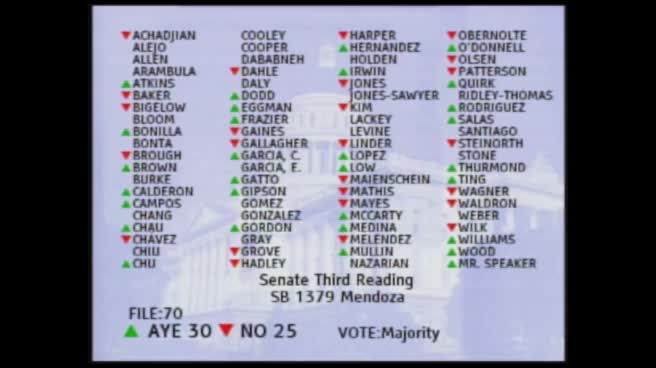


Bill Co-Author(s):