AB 601: Residential care facilities for the elderly: licensing and regulation.
- Session Year: 2015-2016
- House: Assembly
- Latest Version Date: 2015-10-08
Existing law, the California Residential Care Facilities for the Elderly Act, provides for the licensure of residential care facilities for the elderly by the State Department of Social Services. Existing law requires any person seeking a license for a residential care facility for the elderly to file an application with the department, as specified. Among other required application information, if the applicant is a firm, association, organization, partnership, business trust, corporation, or company, evidence of reputable and responsible character is required to be submitted as to the members or shareholders thereof, and the person in charge of the residential care facility for the elderly for which the application for issuance of license or special permit is made.
This bill would, among other things, additionally require the applicant to disclose specified information, including whether it is a for-profit or not-for-profit provider, the name, address, and license number of other health, residential, or community care facilities owned, managed, or operated by the same applicant or by any parent organization of the applicant, and the name and address of any person, organization, or entity that owns the real property in which specified facilities are located. The bill would require an applicant to provide additional information, including evidence of the right of possession of the facility prior to the time the license is granted. The bill would also require the department to cross-check specified applicant information, if electronically available, with the State Department of Public Health to determine if the applicant has a prior history of operating, holding a position in, or having ownership in, specified licensed facilities. The bill would require the information specified in these provisions to be provided to the department upon initial application for licensure, and any change in the information to be provided within 30 calendar days of the change, except as specified. The bill would authorize the department to assess an immediate civil penalty of $1,000 for a violation of these provisions subsequent to licensure.
Existing law requires the Director of Social Services to establish an automated license information system on licensees and former licensees of licensed residential care facilities for the elderly. The system is required to maintain a record of any information that may be pertinent for licensure.
This bill would require, to the extent that the departments computer system can electronically accommodate additional information, the department to post on its Internet Web site specified information, including the current name, business address, and telephone number of the licensee.
Existing law authorizes the department to deny any application for a license to operate a residential care facility for the elderly or to suspend or revoke a license on certain grounds, including, but not limited to, a violation by the licensee of applicable provisions or of the rules and regulations adopted under those provisions, conduct that is inimical to the health, morals, welfare, or safety of either an individual in or receiving services from the facility or the people of the state, or engaging in acts of financial malfeasance concerning the operation of a facility.
This bill would authorize those remedies to be applied if the department finds that specified persons or entities, including any employee, administrator, partner, officer, director, member, or manager of the applicant or licensee, has engaged in any of those conducts relating to specified licensed facilities in California or any other state. The bill would also authorize the department to deny an application for licensure or to subsequently revoke a license if the applicant knowingly withheld material information, made a false statement of material fact with regard to information that was required by the application for licensure, or did not disclose administrative disciplinary actions on the application as required.
Existing law, the California Residential Care Facilities for the Elderly Act, provides for the licensure of residential care facilities for the elderly by the State Department of Social Services. Existing law requires any person seeking a license for a residential care facility for the elderly to file an application with the department, as specified. Among other required application information, if the applicant is a firm, association, organization, partnership, business trust, corporation, or company, evidence of reputable and responsible character is required to be submitted as to the members or shareholders thereof, and the person in charge of the residential care facility for the elderly for which the application for issuance of license or special permit is made.
This bill would, among other things, additionally require the applicant to disclose specified information, including whether it is a for-profit or not-for-profit provider, the name, address, and license number of other health, residential, or community care or health care facilities owned, managed, or operated by the same applicant or by any parent organization of the applicant, and the name and address of any person, organization, or entity that owns the real property in which specified facilities are located. The bill would require an applicant to provide additional information, including evidence of the right of possession of the facility prior to the time the license is granted. The bill would also require the department to cross-check specified applicant information, if electronically available, with the State Department of Public Health to determine if the applicant has a prior history of operating, holding a position in, or having ownership in, specified licensed facilities. The bill would require the information specified in these provisions to be provided to the department upon initial application for licensure, and any change in the information to be provided within 30 calendar days of the change, except as specified. The bill would also require authorize the department to assess an immediate civil penalty of $1,000 for a violation of these provisions subsequent to licensure.
Existing law requires the Director of Social Services to establish an automated license information system on licensees and former licensees of licensed residential care facilities for the elderly. The system is required to maintain a record of any information that may be pertinent for licensure.
This bill would require, to the extent that the departments computer system can electronically accommodate additional information, the department to post on its Internet Web site specified information, including the current name, business address, and telephone number of the licensee.
Existing law authorizes the department to deny any application for a license to operate a residential care facility for the elderly or to suspend or revoke a license on certain grounds, including, but not limited to, a violation by the licensee of applicable provisions or of the rules and regulations adopted under those provisions, conduct that is inimical to the health, morals, welfare, or safety of either an individual in or receiving services from the facility or the people of the state, or engaging in acts of financial malfeasance concerning the operation of a facility.
This bill would authorize those remedies to be applied if the department finds that specified persons or entities, including any employee, administrator, partner, officer, director, member, or manager of the applicant or licensee, has engaged in any of those conducts relating to specified licensed facilities in California or any other state. The bill would also authorize the department to deny an application for licensure or to subsequently revoke a license if the applicant knowingly withheld material information, made a false statement of material fact with regard to information that was required by the application for licensure, or did not disclose administrative disciplinary actions on the application as required.
Existing law, the California Residential Care Facilities for the Elderly Act, provides for the licensure of residential care facilities for the elderly by the State Department of Social Services. Existing law requires any person seeking a license for a residential care facility for the elderly to file an application with the department, as specified. Among other required application information, if the applicant is a firm, association, organization, partnership, business trust, corporation, or company, evidence of reputable and responsible character is required to be submitted as to the members or shareholders thereof, and the person in charge of the residential care facility for the elderly for which the application for issuance of license or special permit is made.
This bill would, among other things, additionally require the applicant to disclose specified information, including whether it is a for-profit or not-for-profit provider, the names and license numbers name, address, and license number of other community care or health care facilities owned, managed, or operated by the same applicant or by any parent organization of the applicant, and the names and business addresses name and address of any person, organization, or entity listed as owner of record in the real estate of the facilities. that owns the real property in which specified facilities are located. The bill would require an applicant to provide additional information, including evidence of the right of possession of the facility at prior to the time the license is granted. The bill would also require the department to cross-check specified applicant information, if electronically available, with the State Department of Public Health to determine if the applicant has a prior history of operating, holding a position in, or having ownership in, specified licensed facilities. The bill would require the information specified in these provisions to be provided to the department upon initial application for licensure, and any change in the information to be provided within 30 calendar days of the change, except as specified. The bill would also require the department to assess an immediate civil penalty of $1,000 for a violation of these provisions subsequent to licensure.
Existing law requires the Director of Social Services to establish an automated license information system on licensees and former licensees of licensed residential care facilities for the elderly. The system is required to maintain a record of any information that may be pertinent for licensure.
This bill would require, to the extent that the departments computer system can electronically accommodate additional information, the department to post on its Internet Web site specified information, including the current name, business address, and telephone number of the licensee.
Existing law authorizes the department to deny any application for a license to operate a residential care facility for the elderly or to suspend or revoke a license on certain grounds, including, but not limited to, a violation by the licensee of applicable provisions or of the rules and regulations adopted under those provisions, conduct that is inimical to the health, morals, welfare, or safety of either an individual in or receiving services from the facility or the people of the state, or engaging in acts of financial malfeasance concerning the operation of a facility.
This bill would require authorize those remedies to be applied if the department finds that specified persons or entities, including any employee, administrator, partner, officer, director, member, or manager of the applicant or licensee, has engaged in any of those conducts relating to specified licensed facilities in California or any other state. The bill would also authorize the department to deny an application for licensure or authorize it to subsequently revoke a license if the applicant knowingly withheld material information, made a false statement of material fact with regard to information that was required by the application for licensure, and would authorize the department to deny an application for licensure or subsequently revoke a license if the applicant or did not disclose enforcement administrative disciplinary actions on the application as required. The bill would also authorize the department to deny an application for licensure if the applicant has a history of noncompliance with the requirements imposed under specified facility licenses or a similarly licensed facility in another state, applicable state and federal laws and regulations, and the requirements governing the operators of those facilities.
Existing law, the California Residential Care Facilities for the Elderly Act, provides for the licensure of residential care facilities for the elderly by the State Department of Social Services. Existing law requires any person seeking a license for a residential care facility for the elderly to file an application with the department, as specified. Among other required application information, if the applicant is a firm, association, organization, partnership, business trust, corporation, or company, evidence of reputable and responsible character is required to be submitted as to the members or shareholders thereof, and the person in charge of the residential care facility for the elderly for which the application for issuance of license or special permit is made.
This bill would, among other things, additionally require the applicant to disclose specified information, including whether it is a for-profit or not-for-profit provider, the names and license numbers of other community care or health care facilities owned, managed, or operated by the same applicant, and the names and business addresses of any persons or organizations person, organization, or entity listed as owner of record in the real estate of the facilities. The bill would require an applicant to provide additional information, including evidence of the right of possession of the facility at the time the license is granted. The bill would also require that the department to cross-check specified applicant information be cross checked with the State Department of Public Health to determine if the applicant has a prior history of operating, holding a position in, or having ownership in, specified licensed facilities.
Existing law requires the Director of Social Services to establish an automated license information system on licensees and former licensees of licensed residential care facilities for the elderly. The system is required to maintain a record of any information that may be pertinent for licensure.
This bill would require, to the extent that the departments computer system can accommodate additional information, the department to post on its Internet Web site specified information, including the current name, business address, and telephone number of the licensed providers and the number of licensed beds in a residential care facility for the elderly. licensee.
Existing law authorizes the department to deny any application for a license to operate a residential care facility for the elderly or to suspend or revoke a license on certain grounds, including, but not limited to, a violation by the licensee of applicable provisions or of the rules and regulations adopted under those provisions, conduct that is inimical to the health, morals, welfare, or safety of either an individual in or receiving services from the facility or the people of the state, or engaging in acts of financial malfeasance concerning the operation of a facility.
This bill would require the department to deny an application for licensure or authorize it to subsequently revoke a license on the grounds that if the applicant knowingly made a false statement of fact with regard to information that was required by the application for licensure, and would authorize the department to deny an application for licensure or subsequently revoke a license on the grounds that if the applicant did not disclose enforcement actions on the application as required. The bill would also authorize the department to deny an application for licensure on the grounds that if the applicant has a history of noncompliance with the requirements imposed under specified facility licenses or a similarly licensed facility in another state, applicable state and federal laws and regulations, and the requirements governing the operators of those facilities.
Existing law, the California Residential Care Facilities for the Elderly Act, provides for the licensure of residential care facilities for the elderly by the State Department of Social Services. Existing law requires any person seeking a license for a residential care facility for the elderly to file an application with the department, as specified. Among other required application information, if the applicant is a firm, association, organization, partnership, business trust, corporation, or company, evidence of reputable and responsible character is required to be submitted as to the members or shareholders thereof, and the person in charge of the residential care facility for the elderly for which the application for issuance of license or special permit is made.
This bill would, among other things, additionally require the applicant to disclose whether it is a for-profit or not-for-profit provider, the names and license numbers of other community care or health care facilities owned, managed, or operated by the same applicant, and the names and addresses of any persons or organizations listed as owner of record in the real estate of the facilities. The bill would require an applicant to provide additional information, including evidence of the right of possession of the facility at the time the license is granted. The bill would also require that specified applicant information be cross checked with the State Department of Public Health to determine if the applicant has a prior history of operating, holding a position in, or having ownership in, specified licensed facilities.
Existing law requires the Director of Social Services to establish an automated license information system on licensees and former licensees of licensed residential care facilities for the elderly. The system is required to maintain a record of any information that may be pertinent for licensure.
This bill would require, to the extent that the departments computer system can accommodate additional information, the department to post on its Internet Web site specified information, including the name, address, and telephone number of the licensed providers and the number of licensed beds in a residential care facility for the elderly.
Existing law authorizes the department to deny any application for a license to operate a residential care facility for the elderly or to suspend or revoke a license on certain grounds, including, but not limited to, a violation by the licensee of applicable provisions or of the rules and regulations adopted under those provisions, conduct that is inimical to the health, morals, welfare, or safety of either an individual in or receiving services from the facility or the people of the state, or engaging in acts of financial malfeasance concerning the operation of a facility.
This bill would require the department to deny an application for licensure or authorize it to subsequently revoke a license on the grounds that the applicant knowingly made a false statement of fact with regard to information that was required by the application for licensure, and would authorize the department to deny an application for licensure or subsequently revoke a license on the grounds that the applicant did not disclose enforcement actions on the application as required. The bill would also authorize the department to deny an application for licensure on the grounds that the applicant has a history of noncompliance with the requirements imposed under specified facility licenses or a similarly licensed facility in another state, applicable state and federal laws and regulations, and the requirements governing the operators of those facilities.
As used in this chapter:
(a)Administrator means the individual designated by the licensee to act on behalf of the licensee in the overall management of the facility. The licensee, if an individual, and the administrator may be one and the same person.
(b)Beneficial ownership interest means an ownership interest through the possession of stock, equity in capital or any interest in the profits of the applicant or licensee or through the possession of such an interest in other entities that directly or indirectly hold an interest in the applicant or licensee. The percentage of beneficial ownership in the applicant or licensee that is held by any other entity is determined by multiplying the other entities percentage of ownership interest at each level.
(c)Care and supervision means the facility assumes responsibility for, or provides or promises to provide in the future, ongoing assistance with activities of daily living without which the residents physical health, mental health, safety, or welfare would be endangered. Assistance includes assistance with taking medications, money management, or personal care.
(d)Chain means a group of two or more licensees that are controlled, as defined in this section, by the same persons or entities.
(e)Control means the ability to direct the operation or management of the applicant or licensee and includes the ability to exercise control through intermediary or subsidiary entities.
(f)Department means the State Department of Social Services.
(g)Director means the Director of Social Services.
(h)Health-related services mean services that shall be directly provided by an appropriate skilled professional, including a registered nurse, licensed vocational nurse, physical therapist, or occupational therapist.
(i)Instrumental activities of daily living means any of the following: housework, meals, laundry, taking of medication, money management, appropriate transportation, correspondence, telephoning, and related tasks.
(j)License means a basic permit to operate a residential care facility for the elderly.
(k)Parent organization means an organization in control of another organization either directly or through one or more intermediaries.
(l)Personal activities of daily living means any of the following: dressing, feeding, toileting, bathing, grooming, and mobility and associated tasks.
(m)Personal care means assistance with personal activities of daily living, to help provide for and maintain physical and psychosocial comfort.
(n)Protective supervision means observing and assisting confused residents, including persons with dementia, to safeguard them against injury.
(o)(1)Residential care facility for the elderly means a housing arrangement chosen voluntarily by persons 60 years of age or over, or their authorized representative, where varying levels and intensities of care and supervision, protective supervision, or personal care are provided, based upon their varying needs, as determined in order to be admitted and to remain in the facility. Persons under 60 years of age with compatible needs may be allowed to be admitted or retained in a residential care facility for the elderly as specified in Section 1569.316.
(2)This subdivision shall be operative only until the enactment of legislation implementing the three levels of care in residential care facilities for the elderly pursuant to Section 1569.70.
(p)Residential care facility for the elderly means a housing arrangement chosen voluntarily by persons 60 years of age or over, or their authorized representative, where varying levels and intensities of care and supervision, protective supervision, personal care, or health-related services are provided, based upon their varying needs, as determined in order to be admitted and to remain in the facility. Persons under 60 years of age with compatible needs may be allowed to be admitted or retained in a residential care facility for the elderly as specified in Section 1569.316.
This subdivision shall become operative upon the enactment of legislation implementing the three levels of care in residential care facilities for the elderly pursuant to Section 1569.70.
(q)Sundowning means a condition in which persons with cognitive impairment experience recurring confusion, disorientation, and increasing levels of agitation that coincide with the onset of late afternoon and early evening.
(r)Supportive services means resources available to the resident in the community that help to maintain their functional ability and meet their needs as identified in the individual resident assessment. Supportive services may include any of the following: medical, dental, and other health care services; transportation; recreational and leisure activities; social services; and counseling services.
SEC. 2.Section 1569.15 of the Health and Safety Code is amended to read:1569.15.(a)Any person seeking a license for a residential care facility for the elderly under this chapter shall file with the department, pursuant to regulations, an application on forms furnished by the department, that shall include, but not be limited to, all of the following:
(1)Evidence satisfactory to the department of the ability of the applicant to comply with this chapter and of rules and regulations adopted under this chapter by the department.
(2)Evidence satisfactory to the department that the applicant is of reputable and responsible character. The evidence shall include, but not be limited to, a criminal record clearance pursuant to Section 1569.17, employment history, and character references. If the applicant is a firm, association, organization, partnership, business trust, corporation, or company, like evidence shall be submitted as to the individuals or entities holding a beneficial ownership interest of 10 percent or more, and the person who has operational control of the residential care facility for the elderly for which the application for issuance of license or special permit is made. Notwithstanding anything in this section, an applicant or licensee is not required to disclose the names of investors in a publicly traded company or investment fund if those investors are silent investors who do not have influence or control over operations of the company, fund, or facility.
(3)If applicable, the following information:
(A)Whether it is a for-profit or not-for-profit provider.
(B)The name, address, license number, and licensing agency name of other health, residential, or community care facilities owned, managed, or operated by the same applicant or by any parent organization of the applicant.
(C)The name and business address of any person or entity that controls, as defined in Section 1569.2, the applicant.
(D)If part of a chain, as defined in Section 1569.2, a diagram indicating the relationship between the applicant and the persons or entities that are part of the chain, including those that are controlled by the same parties, and in a separate list, the name, address, and license number, if applicable, for each person or entity in the diagram.
(E)The name and address of any persons, organizations, or entities that own the real property on which the facility seeking licensure and the licensed facilities described in subparagraph (B) are located.
(F)The name and address of any management company serving the facility and the same information required of applicants in subparagraphs (C) and (D) for the management company.
(4)Evidence satisfactory to the department that the applicant has sufficient financial resources to maintain the standards of service required by regulations adopted pursuant to this chapter.
(5)The name of the person with operational control of the applicant, such as the chief executive officer, general partner, owner or like party, and state that persons prior or present service as an administrator, chief executive officer, general partner, director like role of, or as a person who has held or holds a beneficial ownership interest of 10 percent or more in, any residential care facility for the elderly, in any facility licensed pursuant to Chapter 1 (commencing with Section 1200), Chapter 2 (commencing with Section 1250), or Chapter 3 (commencing with Section 1500), or a similarly licensed facility in California or any other state within the past 10 years.
(6)The following information regarding the applicant and each individual or entity identified pursuant to paragraph (5):
(A)Any revocation, suspension, probation, exclusion order, or other similar administrative disciplinary action that was filed and sustained in California or any other state, or in the process of being adjudicated, against a facility associated with a person identified pursuant to paragraph (5) or by any authority responsible for the licensing of health, residential, or community care facilities within the past 10 years.
(B)Copies of final findings, orders, or both, issued by any health, residential, or community care licensing agency or any court relevant to the actions described in subparagraph (A).
(C)Any petition for bankruptcy relief filed within five years of the date of application involving operation or closure of a health, residential, or community care facility licensed in California or any other state, the court, date, and case number of the filing, and whether a discharge was granted. If a discharge was not granted, the applicant shall provide copies of any court findings supporting denial of discharge.
(7)Any other information as may be required by the department for the proper administration and enforcement of this chapter.
(8)Following the implementation of Article 7 (commencing with Section 1569.70), evidence satisfactory to the department of the applicants ability to meet regulatory requirements for the level of care the facility intends to provide.
(9)Evidence satisfactory to the department of adequate knowledge of supportive services and other community supports that may be necessary to meet the needs of elderly residents.
(10)A signed statement that the person desiring issuance of a license has read and understood the residential care facility for the elderly statute and regulations.
(11)Designation by the applicant of the individual who shall be the administrator of the facility, including, if the applicant is an individual, whether or not the applicant shall also be the administrator.
(12)Evidence of the right of possession of the facility prior to the time the license is granted, which may be satisfied by the submission of a copy of the entire lease agreement or deed.
(13)Evidence of successfully completing a certified prelicensure education program pursuant to Section 1569.23.
(14)For any facility that promotes or advertises or plans to promote or advertise special care, special programming, or special environments for persons with dementia, disclosure to the department of the special features of the facility in its plan of operation.
(b)The department shall cross-check all applicant information disclosed pursuant to paragraph (5) of subdivision (a), if electronically available, with the State Department of Public Health to determine if the applicant has a prior history of operating, holding a position in, or having ownership in, any entity specified in paragraph (5) of subdivision (a).
(c)Failure of the applicant to cooperate with the licensing agency in the completion of the application may result in the denial of the application. Failure to cooperate means that the information described in this section and in the regulations of the department has not been provided, or has not been provided in the form requested by the licensing agency, or both.
(d)The information required by this section shall be provided to the department upon initial application for licensure, and any change in the information shall be provided to the department within 30 calendar days of that change unless a shorter timeframe is required by the department. A licensee of multiple facilities may provide a single notice of changes to the department on behalf of all licensed facilities within the chain. Information pertaining to facilities operated in other states may be updated on an annual basis, except for the following information:
(1)Information specified in paragraph (6) of subdivision (a) shall be updated within 30 calendar days of the change.
(2)Information specified in subparagraph (B) of paragraph (3) of subdivision (a) shall be updated within six months after the change.
(e)An applicant or licensee shall maintain an email address of record with the department. The applicant or licensee shall provide written notification to the department of the email address and of any change to the email address within 10 business days of the change.
(f)(1)The department may deny an application for licensure or may subsequently revoke a license under this chapter if the applicant knowingly withheld material information or made a false statement of material fact with regard to information that was required by the application for licensure.
(2)The department may deny an application for licensure or may subsequently revoke a license under this chapter if the applicant did not disclose administrative disciplinary actions on the application as required by paragraph (6) of subdivision (a).
(3)In addition to the remedies provided under this chapter, the department may, subsequent to licensure, assess a civil penalty of one thousand dollars ($1,000) for a material violation of this section.
SEC. 3.Section 1569.16 of the Health and Safety Code is amended to read:1569.16.(a)(1)If an application for a license indicates, or the department determines during the application review process, that the applicant previously was issued a license under this chapter or under Chapter 1 (commencing with Section 1200), Chapter 2 (commencing with Section 1250), Chapter 3 (commencing with Section 1500), Chapter 3.01 (commencing with Section 1568.01), Chapter 3.4 (commencing with Section 1596.70), Chapter 3.5 (commencing with Section 1596.90), or Chapter 3.6 (commencing with Section 1597.30) and the prior license was revoked within the preceding two years, the department shall cease any further review of the application until two years have elapsed from the date of the revocation. All residential care facilities for the elderly are exempt from the health planning requirements contained in Part 2 (commencing with Section 127125) of Division 107.
(2)If an application for a license or special permit indicates, or the department determines during the application review process, that the applicant previously was issued a certificate of approval by a foster family agency that was revoked by the department pursuant to subdivision (b) of Section 1534 within the preceding two years, the department shall cease any further review of the application until two years shall have elapsed from the date of the revocation.
(3)If an application for a license or special permit indicates, or the department determines during the application review process, that the applicant was excluded from a facility licensed by the department pursuant to Section 1558, 1568.092, 1569.58, or 1596.8897, the department shall cease any further review of the application unless the excluded individual has been reinstated pursuant to Section 11522 of the Government Code by the department.
(b)If an application for a license or special permit indicates, or the department determines during the application review process, that the applicant had previously applied for a license under any of the chapters listed in paragraph (1) of subdivision (a) and the application was denied within the last year, the department shall, except as provided in Section 1569.22, cease further review of the application until one year has elapsed from the date of the denial letter. In those circumstances where denials are appealed and upheld at an administrative hearing, review of the application shall cease for one year from the date of the decision and order being rendered by the department. The cessation of review shall not constitute a denial of the application. If there are coapplicants and the department denies a license due to concerns pertaining solely to one of the coapplicants, any other coapplicant may withdraw its application, and with the departments written consent pursuant to Section 1569.52, shall not be deemed to have a license application denied.
(c)If an application for a license or special permit indicates, or the department determines during the application review process, that the applicant had previously applied for a certificate of approval with a foster family agency and the department ordered the foster family agency to deny the application pursuant to subdivision (b) of Section 1534, the department shall cease further review of the application as follows:
(1)In cases where the applicant petitioned for a hearing, the department shall cease further review of the application until one year has elapsed from the effective date of the decision and order of the department upholding a denial.
(2)In cases where the department informed the applicant of his or her right to petition for a hearing and the applicant did not petition for a hearing, the department shall cease further review of the application until one year has elapsed from the date of the notification of the denial and the right to petition for a hearing.
(3)The department may continue to review the application if it has determined that the reasons for the denial of the application were due to circumstances and conditions that either have been corrected or are no longer in existence.
(d)The cessation of review shall not constitute a denial of the application for purposes of Section 1526 or any other law.
SEC. 4.Section 1569.356 is added to the Health and Safety Code, to read:1569.356.To the extent that the departments computer system can electronically accommodate additional residential care facility for the elderly profile information, the department shall post on its Internet Web site the current name, business address, and telephone number of the licensee, the name of the owner of the residential care facility for the elderly, if not the same as the licensee, the name of any parent organization, the licensed capacity of the facility, including the capacity for nonambulatory residents, whether the facility is permitted to accept and retain residents receiving hospice care services, whether the facility has a special care unit or program for people with Alzheimers disease and other dementias and has a delayed egress or secured perimeter system in place, or both, and information required pursuant to subparagraph (B) of paragraph (3) of subdivision (a) of Section 1569.15.
SEC. 5.Section 1569.50 of the Health and Safety Code is amended to read:1569.50.(a)The department may deny an application for a license or may suspend or revoke a license issued under this chapter upon any of the following grounds and in the manner provided in this chapter:
(1)Violation by the licensee of this chapter or of the rules and regulations adopted under this chapter.
(2)Aiding, abetting, or permitting the violation of this chapter or of the rules and regulations adopted under this chapter.
(3)Conduct that is inimical to the health, morals, welfare, or safety of either an individual in or receiving services from the facility or the people of the State of California.
(4)The conviction of a licensee, or other person mentioned in Section 1569.17 at any time before or during licensure, of a crime as defined in Section 1569.17.
(5)Engaging in acts of financial malfeasance concerning the operation of a facility, including, but not limited to, improper use or embezzlement of client moneys and property or fraudulent appropriation for personal gain of facility moneys and property, or willful or negligent failure to provide services for the care of clients.
(b)The remedies provided in this section may be applied if the department finds that any employee, administrator, partner, officer, director, member, or manager of the applicant or licensee, any person who controls, as defined in Section 1569.2, the licensee, or any person who holds a beneficial ownership interest of 10 percent or more in the applicant or licensee has engaged in the conduct described in subdivision (a) related to any facility licensed pursuant to Chapter 1 (commencing with Section 1200), Chapter 2 (commencing with Section 1250), or Chapter 3 (commencing with Section 1500), or a similarly licensed facility in California or any other state.
(c)The director may temporarily suspend a license, prior to a hearing when, in the opinion of the director, the action is necessary to protect residents or clients of the facility from physical or mental abuse, abandonment, or any other substantial threat to health or safety. The director shall notify the licensee of the temporary suspension and the effective date of the temporary suspension and at the same time shall serve the provider with an accusation. Upon receipt of a notice of defense to the accusation by the licensee, the director shall, within 15 days, set the matter for hearing, and the hearing shall be held as soon as possible but not later than 30 days after receipt of the notice. The temporary suspension shall remain in effect until the time the hearing is completed and the director has made a final determination on the merits. However, the temporary suspension shall be deemed vacated if the director fails to make a final determination on the merits within 30 days after the original hearing has been completed.
(d)A licensee who abandons the facility and the residents in care resulting in an immediate and substantial threat to the health and safety of the abandoned residents, in addition to revocation of the license pursuant to this section, shall be excluded from licensure in facilities licensed by the department without the right to petition for reinstatement.
SEC. 6.Section 1569.58 of the Health and Safety Code is amended to read:1569.58.(a)The department may prohibit any person from being a licensee, owning a beneficial ownership interest of 10 percent or more in a licensed facility, or being an administrator, officer, director, member, or manager of a licensee or entity controlling a licensee, and may further prohibit any licensee from employing, or continuing the employment of, or allowing in a licensed facility, or allowing contact with clients of a licensed facility by, any employee, prospective employee, or person who is not a client and who has done any of the following:
(1)Violated, or aided or permitted the violation by any other person of, any provisions of this chapter or of any rules or regulations promulgated under this chapter.
(2)Engaged in conduct that is inimical to the health, morals, welfare, or safety of either an individual in or receiving services from the facility, or the people of the State of California.
(3)Been denied an exemption to work or to be present in a facility, when that person has been convicted of a crime as defined in Section 1569.17.
(4)Engaged in any other conduct that would constitute a basis for disciplining a licensee.
(5)Engaged in acts of financial malfeasance concerning the operation of a facility, including, but not limited to, improper use or embezzlement of client moneys and property or fraudulent appropriation for personal gain of facility moneys and property, or willful or negligent failure to provide services for the care of clients.
(b)The excluded person, the facility, and the licensee shall be given written notice of the basis of the departments action and of the excluded persons right to an appeal. The notice shall be served either by personal service or by registered mail. Within 15 days after the department serves the notice, the excluded person may file with the department a written appeal of the exclusion order. If the excluded person fails to file a written appeal within the prescribed time, the departments action shall be final.
(c)(1)The department may require the immediate removal of a member of the board of directors, an executive director, or an officer of a licensee or exclusion of an employee, prospective employee, or person who is not a client from a facility pending a final decision of the matter, when, in the opinion of the director, the action is necessary to protect residents or clients from physical or mental abuse, abandonment, or any other substantial threat to their health or safety.
(2)If the department requires the immediate removal of a member of the board of directors, an executive director, or an officer of a licensee or exclusion of an employee, prospective employee, or person who is not a client from a facility the department shall serve an order of immediate exclusion upon the excluded person that shall notify the excluded person of the basis of the departments action and of the excluded persons right to a hearing.
(3)Within 15 days after the department serves an order of immediate exclusion, the excluded person may file a written appeal of the exclusion with the department. The departments action shall be final if the excluded person does not appeal the exclusion within the prescribed time. The department shall do the following upon receipt of a written appeal:
(A)Within 30 days of receipt of the appeal, serve an accusation upon the excluded person.
(B)Within 60 days of receipt of a notice of defense by the excluded person pursuant to Section 11506 of the Government Code, conduct a hearing on the accusation.
(4)An order of immediate exclusion of the excluded person from the facility shall remain in effect until the hearing is completed and the director has made a final determination on the merits. However, the order of immediate exclusion shall be deemed vacated if the director fails to make a final determination on the merits within 60 days after the original hearing has been completed.
(d)An excluded person who files a written appeal of the exclusion order with the department pursuant to this section shall, as part of the written request, provide his or her current mailing address. The excluded person shall subsequently notify the department in writing of any change in mailing address, until the hearing process has been completed or terminated.
(e)Hearings held pursuant to this section shall be conducted in accordance with Chapter 5 (commencing with Section 11500) of Division 3 of Title 2 of the Government Code. The standard of proof shall be the preponderance of the evidence and the burden of proof shall be on the department.
(f)The department may institute or continue a disciplinary proceeding against a member of the board of directors, an executive director, or an officer of a licensee or an employee, prospective employee, or person who is not a client upon any ground provided by this section. The department may enter an order prohibiting any person from being a member of the board of directors, an executive director, or an officer of a licensee, or prohibiting the excluded persons employment or presence in the facility, or otherwise take disciplinary action against the excluded person, notwithstanding any resignation, withdrawal of employment application, or change of duties by the excluded person, or any discharge, failure to hire, or reassignment of the excluded person by the licensee or that the excluded person no longer has contact with clients at the facility.
(g)A licensees failure to comply with the departments exclusion order after being notified of the order shall be grounds for disciplining the licensee pursuant to Section 1569.50.
(h)(1)(A)In cases where the excluded person appealed the exclusion order and there is a decision and order of the department upholding the exclusion order, the person shall be prohibited from working in any facility or being licensed to operate any facility licensed by the department or from being a certified foster parent for the remainder of the excluded persons life, unless otherwise ordered by the department.
(B)The excluded individual may petition for reinstatement one year after the effective date of the decision and order of the department upholding the exclusion order pursuant to Section 11522 of the Government Code. The department shall provide the excluded person with a copy of Section 11522 of the Government Code with the decision and order.
(2)(A)In cases where the department informed the excluded person of his or her right to appeal the exclusion order and the excluded person did not appeal the exclusion order, the person shall be prohibited from working in any facility or being licensed to operate any facility licensed by the department or a certified foster parent for the remainder of the excluded persons life, unless otherwise ordered by the department.
(B)The excluded individual may petition for reinstatement after one year has elapsed from the date of the notification of the exclusion order pursuant to Section 11522 of the Government Code. The department shall provide the excluded person with a copy of Section 11522 of the Government Code with the exclusion order.
SEC. 7.Section 1569.618 of the Health and Safety Code is amended to read:1569.618.(a)The administrator designated by the licensee pursuant to paragraph (11) of subdivision (a) of Section 1569.15 shall be present at the facility during normal working hours. A facility manager designated by the licensee with notice to the department, shall be responsible for the operation of the facility when the administrator is temporarily absent from the facility.
(b)At least one administrator, facility manager, or designated substitute who is at least 21 years of age and has qualifications adequate to be responsible and accountable for the management and administration of the facility pursuant to Title 22 of the California Code of Regulations shall be on the premises 24 hours per day. The designated substitute may be a direct care staff member who shall not be required to meet the educational, certification, or training requirements of an administrator. The designated substitute shall meet qualifications that include, but are not limited to, all of the following:
(1)Knowledge of the requirements for providing care and supervision appropriate to each resident of the facility.
(2)Familiarity with the facilitys planned emergency procedures.
(3)Training to effectively interact with emergency personnel in the event of an emergency call, including an ability to provide a residents medical records to emergency responders.
(c)The facility shall employ, and the administrator shall schedule, a sufficient number of staff members to do all of the following:
(1)Provide the care required in each residents written record of care as described in Section 1569.80.
(2)Ensure the health, safety, comfort, and supervision of the residents.
(3)Ensure that at least one staff member who has cardiopulmonary resuscitation (CPR) training and first aid training is on duty and on the premises at all times. This paragraph shall not be construed to require staff to provide CPR.
(4)Ensure that the facility is clean, safe, sanitary, and in good repair at all times.
(d)Facility manager means a person on the premises with the authority and responsibility necessary to manage and control the day-to-day operation of a residential care facility for the elderly and supervise the clients. The facility manager, licensee, and administrator, or any combination thereof, may be the same person provided he or she meets all applicable requirements. If the administrator is also the facility manager for the same facility, he or she shall be limited to the administration and management of only one facility.
As used in this chapter:
(a) Administrator means the individual designated by the licensee to act on behalf of the licensee in the overall management of the facility. The licensee, if an individual, and the administrator may be one and the same person.
(b)Beneficial ownership interest means an ownership interest through the possession of stock, equity in capital or any interest in the profits of the applicant or licensee or through the possession of such an interest in other entities that directly or indirectly hold an interest in the applicant or licensee. The percentage of beneficial ownership in the applicant or licensee that is held by any other entity is determined by multiplying the other entities percentage of ownership interest at each level.
(c)Care and supervision means the facility assumes responsibility for, or provides or promises to provide in the future, ongoing assistance with activities of daily living without which the residents physical health, mental health, safety, or welfare would be endangered. Assistance includes assistance with taking medications, money management, or personal care.
(d)Chain means a group of two or more licensees that are controlled, as defined in this section, by the same person persons or entities.
(e)Control means the ability to direct the operation or management of the applicant or licensee and includes the ability to exercise control through intermediary or subsidiary entities.
(f)Department means the State Department of Social Services.
(g)Director means the Director of Social Services.
(h)Health-related services mean services that shall be directly provided by an appropriate skilled professional, including a registered nurse, licensed vocational nurse, physical therapist, or occupational therapist.
(i)Instrumental activities of daily living means any of the following: housework, meals, laundry, taking of medication, money management, appropriate transportation, correspondence, telephoning, and related tasks.
(j)License means a basic permit to operate a residential care facility for the elderly.
(k)Parent organization means an organization in control of another organization either directly or through one or more intermediaries.
(l)Personal activities of daily living means any of the following: dressing, feeding, toileting, bathing, grooming, and mobility and associated tasks.
(m)Personal care means assistance with personal activities of daily living, to help provide for and maintain physical and psychosocial comfort.
(n)Protective supervision means observing and assisting confused residents, including persons with dementia, to safeguard them against injury.
(o)(1)Residential care facility for the elderly means a housing arrangement chosen voluntarily by persons 60 years of age or over, or their authorized representative, where varying levels and intensities of care and supervision, protective supervision, or personal care are provided, based upon their varying needs, as determined in order to be admitted and to remain in the facility. Persons under 60 years of age with compatible needs may be allowed to be admitted or retained in a residential care facility for the elderly as specified in Section 1569.316.
(2)This subdivision shall be operative only until the enactment of legislation implementing the three levels of care in residential care facilities for the elderly pursuant to Section 1569.70.
(p)Residential care facility for the elderly means a housing arrangement chosen voluntarily by persons 60 years of age or over, or their authorized representative, where varying levels and intensities of care and supervision, protective supervision, personal care, or health-related services are provided, based upon their varying needs, as determined in order to be admitted and to remain in the facility. Persons under 60 years of age with compatible needs may be allowed to be admitted or retained in a residential care facility for the elderly as specified in Section 1569.316.
This subdivision shall become operative upon the enactment of legislation implementing the three levels of care in residential care facilities for the elderly pursuant to Section 1569.70.
(q)Sundowning means a condition in which persons with cognitive impairment experience recurring confusion, disorientation, and increasing levels of agitation that coincide with the onset of late afternoon and early evening.
(r)Supportive services means resources available to the resident in the community that help to maintain their functional ability and meet their needs as identified in the individual resident assessment. Supportive services may include any of the following: medical, dental, and other health care services; transportation; recreational and leisure activities; social services; and counseling services.
SEC. 2.Section 1569.15 of the Health and Safety Code is amended to read:1569.15.(a)Any person seeking a license for a residential care facility for the elderly under this chapter shall file with the department, pursuant to regulations, an application on forms furnished by the department, that shall include, but not be limited to, all of the following:
(1)Evidence satisfactory to the department of the ability of the applicant to comply with this chapter and of rules and regulations adopted under this chapter by the department.
(2)Evidence satisfactory to the department that the applicant is of reputable and responsible character. The evidence shall include, but not be limited to, a criminal record clearance pursuant to Section 1569.17, employment history, and character references. If the applicant is a firm, association, organization, partnership, business trust, corporation, or company, like evidence shall be submitted as to the individuals or entities holding a beneficial ownership interest of 10 percent or more, and the person who has operational control of the residential care facility for the elderly for which the application for issuance of license or special permit is made. Notwithstanding anything in this section, an applicant or licensee is not required to disclose the names of investors in a publicly traded company or investment fund if those investors are silent investors who do not have influence or control over operations of the company, fund, or facility.
(3)If applicable, the following information:
(A)Whether it is a for-profit or not-for-profit provider.
(B)The name, address, license number, and licensing agency name of other health, residential, or community care facilities owned, managed, or operated by the same applicant or by any parent organization of the applicant.
(C)The name and business address of any person or entity that controls, as defined in Section 1569.2, the applicant.
(D)If part of a chain, as defined in Section 1569.2, a diagram indicating the relationship between the applicant and the persons or entities that are part of the chain, including those that are controlled by the same parties, and in a separate list, the name, address, and license number, if applicable, for each person or entity in the diagram.
(E)The name and address of any persons, organizations, or entities that own the real property on which the facility seeking licensure and the licensed facilities described in subparagraph (B) are located.
(F)The name and address of any management company serving the facility and the same information required of applicants in subparagraphs (C) and (D) for the management company.
(4)Evidence satisfactory to the department that the applicant has sufficient financial resources to maintain the standards of service required by regulations adopted pursuant to this chapter.
(5)The name of the person with operational control of the applicant, such as the chief executive officer, general partner, owner or like party, and state that persons prior or present service as an administrator, chief executive officer, general partner, director like role of, or as a person who has held or holds a beneficial ownership interest of 10 percent or more in, any residential care facility for the elderly, in any facility licensed pursuant to Chapter 1 (commencing with Section 1200), Chapter 2 (commencing with Section 1250), or Chapter 3 (commencing with Section 1500), or a similarly licensed facility in California or any other state within the past 10 years.
(6)The following information regarding the applicant and each individual or entity identified pursuant to paragraph (5):
(A)Any revocation, suspension, probation, exclusion order, or other similar administrative disciplinary action that was filed and sustained in California or any other state, or in the process of being adjudicated, against a facility associated with a person identified pursuant to paragraph (5) or by any authority responsible for the licensing of health, residential, or community care facilities within the past 10 years.
(B)Copies of final findings, orders, or both, issued by any health, residential, or community care licensing agency or any court relevant to the actions described in subparagraph (A).
(C)Any petition for bankruptcy relief filed within five years of the date of application involving operation or closure of a health, residential, or community care facility licensed in California or any other state, the court, date, and case number of the filing, and whether a discharge was granted. If a discharge was not granted, the applicant shall provide copies of any court findings supporting denial of discharge.
(7)Any other information as may be required by the department for the proper administration and enforcement of this chapter.
(8)Following the implementation of Article 7 (commencing with Section 1569.70), evidence satisfactory to the department of the applicants ability to meet regulatory requirements for the level of care the facility intends to provide.
(9)Evidence satisfactory to the department of adequate knowledge of supportive services and other community supports that may be necessary to meet the needs of elderly residents.
(10)A signed statement that the person desiring issuance of a license has read and understood the residential care facility for the elderly statute and regulations.
(11)Designation by the applicant of the individual who shall be the administrator of the facility, including, if the applicant is an individual, whether or not the applicant shall also be the administrator.
(12)Evidence of the right of possession of the facility prior to the time the license is granted, which may be satisfied by the submission of a copy of the entire lease agreement or deed.
(13)Evidence of successfully completing a certified prelicensure education program pursuant to Section 1569.23.
(14)For any facility that promotes or advertises or plans to promote or advertise special care, special programming, or special environments for persons with dementia, disclosure to the department of the special features of the facility in its plan of operation.
(b)The department shall cross-check all applicant information disclosed pursuant to paragraph (5) of subdivision (a), if electronically available, with the State Department of Public Health to determine if the applicant has a prior history of operating, holding a position in, or having ownership in, any entity specified in paragraph (5) of subdivision (a).
(c)Failure of the applicant to cooperate with the licensing agency in the completion of the application may result in the denial of the application. Failure to cooperate means that the information described in this section and in the regulations of the department has not been provided, or has not been provided in the form requested by the licensing agency, or both.
(d)The information required by this section shall be provided to the department upon initial application for licensure, and any change in the information shall be provided to the department within 30 calendar days of that change unless a shorter timeframe is required by the department. A licensee of multiple facilities may provide a single notice of changes to the department on behalf of all licensed facilities within the chain. Information pertaining to facilities operated in other states may be updated on an annual basis, except for the following information:
(1)Information specified in paragraph (6) of subdivision (a) shall be updated within 30 calendar days of the change.
(2)Information specified in subparagraph (B) of paragraph (3) of subdivision (a) shall be updated within six months after the change.
(e)An applicant or licensee shall maintain an email address of record with the department. The applicant or licensee shall provide written notification to the department of the email address and of any change to the email address within 10 business days of the change.
(f)(1)The department may deny an application for licensure or may subsequently revoke a license under this chapter if the applicant knowingly withheld material information or made a false statement of material fact with regard to information that was required by the application for licensure.
(2)The department may deny an application for licensure or may subsequently revoke a license under this chapter if the applicant did not disclose administrative disciplinary actions on the application as required by paragraph (6) of subdivision (a).
(3)In addition to the remedies provided under this chapter, the department may, subsequent to licensure, assess a civil penalty of one thousand dollars ($1,000) for a material violation of this section.
SEC. 3.Section 1569.16 of the Health and Safety Code is amended to read:1569.16.(a)(1)If an application for a license indicates, or the department determines during the application review process, that the applicant previously was issued a license under this chapter or under Chapter 1 (commencing with Section 1200), Chapter 2 (commencing with Section 1250), Chapter 3 (commencing with Section 1500), Chapter 3.01 (commencing with Section 1568.01), Chapter 3.4 (commencing with Section 1596.70), Chapter 3.5 (commencing with Section 1596.90), or Chapter 3.6 (commencing with Section 1597.30) and the prior license was revoked within the preceding two years, the department shall cease any further review of the application until two years have elapsed from the date of the revocation. All residential care facilities for the elderly are exempt from the health planning requirements contained in Part 2 (commencing with Section 127125) of Division 107.
(2)If an application for a license or special permit indicates, or the department determines during the application review process, that the applicant previously was issued a certificate of approval by a foster family agency that was revoked by the department pursuant to subdivision (b) of Section 1534 within the preceding two years, the department shall cease any further review of the application until two years shall have elapsed from the date of the revocation.
(3)If an application for a license or special permit indicates, or the department determines during the application review process, that the applicant was excluded from a facility licensed by the department pursuant to Section 1558, 1568.092, 1569.58, or 1596.8897, the department shall cease any further review of the application unless the excluded individual has been reinstated pursuant to Section 11522 of the Government Code by the department.
(b)If an application for a license or special permit indicates, or the department determines during the application review process, that the applicant had previously applied for a license under any of the chapters listed in paragraph (1) of subdivision (a) and the application was denied within the last year, the department shall, except as provided in Section 1569.22, cease further review of the application until one year has elapsed from the date of the denial letter. In those circumstances where denials are appealed and upheld at an administrative hearing, review of the application shall cease for one year from the date of the decision and order being rendered by the department. The cessation of review shall not constitute a denial of the application. If there are coapplicants and the department denies a license due to concerns pertaining solely to one of the coapplicants, any other coapplicant may withdraw its application, and with the departments written consent pursuant to Section 1569.52, shall not be deemed to have a license application denied.
(c)If an application for a license or special permit indicates, or the department determines during the application review process, that the applicant had previously applied for a certificate of approval with a foster family agency and the department ordered the foster family agency to deny the application pursuant to subdivision (b) of Section 1534, the department shall cease further review of the application as follows:
(1)In cases where the applicant petitioned for a hearing, the department shall cease further review of the application until one year has elapsed from the effective date of the decision and order of the department upholding a denial.
(2)In cases where the department informed the applicant of his or her right to petition for a hearing and the applicant did not petition for a hearing, the department shall cease further review of the application until one year has elapsed from the date of the notification of the denial and the right to petition for a hearing.
(3)The department may continue to review the application if it has determined that the reasons for the denial of the application were due to circumstances and conditions that either have been corrected or are no longer in existence.
(d)The cessation of review shall not constitute a denial of the application for purposes of Section 1526 or any other law.
SEC. 4.Section 1569.356 is added to the Health and Safety Code, to read:1569.356.To the extent that the departments computer system can electronically accommodate additional residential care facility for the elderly profile information, the department shall post on its Internet Web site the current name, business address, and telephone number of the licensee, the name of the owner of the residential care facility for the elderly, if not the same as the licensee, the name of any parent organization, the licensed capacity of the facility, including the capacity for nonambulatory residents, whether the facility is permitted to accept and retain residents receiving hospice care services, whether the facility has a special care unit or program for people with Alzheimers disease and other dementias and has a delayed egress or secured perimeter system in place, or both, and information required pursuant to subparagraph (B) of paragraph (3) of subdivision (a) of Section 1569.15.
SEC. 5.Section 1569.50 of the Health and Safety Code is amended to read:1569.50.(a)The department may deny an application for a license or may suspend or revoke a license issued under this chapter upon any of the following grounds and in the manner provided in this chapter:
(1)Violation by the licensee of this chapter or of the rules and regulations adopted under this chapter.
(2)Aiding, abetting, or permitting the violation of this chapter or of the rules and regulations adopted under this chapter.
(3)Conduct that is inimical to the health, morals, welfare, or safety of either an individual in or receiving services from the facility or the people of the State of California.
(4)The conviction of a licensee, or other person mentioned in Section 1569.17 at any time before or during licensure, of a crime as defined in Section 1569.17.
(5)Engaging in acts of financial malfeasance concerning the operation of a facility, including, but not limited to, improper use or embezzlement of client moneys and property or fraudulent appropriation for personal gain of facility moneys and property, or willful or negligent failure to provide services for the care of clients.
(b)The remedies provided in this section may be applied if the department finds that any employee, administrator, partner, officer, director, member, or manager of the applicant or licensee, any person who controls, as defined in Section 1569.2, the licensee, or any person who holds a beneficial ownership interest of 10 percent or more in the applicant or licensee has engaged in the conduct described in subdivision (a) related to any facility licensed pursuant to Chapter 1 (commencing with Section 1200), Chapter 2 (commencing with Section 1250), or Chapter 3 (commencing with Section 1500), or a similarly licensed facility in California or any other state.
(c)The director may temporarily suspend a license, prior to a hearing when, in the opinion of the director, the action is necessary to protect residents or clients of the facility from physical or mental abuse, abandonment, or any other substantial threat to health or safety. The director shall notify the licensee of the temporary suspension and the effective date of the temporary suspension and at the same time shall serve the provider with an accusation. Upon receipt of a notice of defense to the accusation by the licensee, the director shall, within 15 days, set the matter for hearing, and the hearing shall be held as soon as possible but not later than 30 days after receipt of the notice. The temporary suspension shall remain in effect until the time the hearing is completed and the director has made a final determination on the merits. However, the temporary suspension shall be deemed vacated if the director fails to make a final determination on the merits within 30 days after the original hearing has been completed.
(d)A licensee who abandons the facility and the residents in care resulting in an immediate and substantial threat to the health and safety of the abandoned residents, in addition to revocation of the license pursuant to this section, shall be excluded from licensure in facilities licensed by the department without the right to petition for reinstatement.
SEC. 6.Section 1569.58 of the Health and Safety Code is amended to read:1569.58.(a)The department may prohibit any person from being a licensee, owning a beneficial ownership interest of 10 percent or more in a licensed facility, or being an administrator, officer, director, member, or manager of a licensee or entity controlling a licensee, and may further prohibit any licensee from employing, or continuing the employment of, or allowing in a licensed facility, or allowing contact with clients of a licensed facility by, any employee, prospective employee, or person who is not a client and who has done any of the following:
(1)Violated, or aided or permitted the violation by any other person of, any provisions of this chapter or of any rules or regulations promulgated under this chapter.
(2)Engaged in conduct that is inimical to the health, morals, welfare, or safety of either an individual in or receiving services from the facility, or the people of the State of California.
(3)Been denied an exemption to work or to be present in a facility, when that person has been convicted of a crime as defined in Section 1569.17.
(4)Engaged in any other conduct that would constitute a basis for disciplining a licensee.
(5)Engaged in acts of financial malfeasance concerning the operation of a facility, including, but not limited to, improper use or embezzlement of client moneys and property or fraudulent appropriation for personal gain of facility moneys and property, or willful or negligent failure to provide services for the care of clients.
(b)The excluded person, the facility, and the licensee shall be given written notice of the basis of the departments action and of the excluded persons right to an appeal. The notice shall be served either by personal service or by registered mail. Within 15 days after the department serves the notice, the excluded person may file with the department a written appeal of the exclusion order. If the excluded person fails to file a written appeal within the prescribed time, the departments action shall be final.
(c)(1)The department may require the immediate removal of a member of the board of directors, an executive director, or an officer of a licensee or exclusion of an employee, prospective employee, or person who is not a client from a facility pending a final decision of the matter, when, in the opinion of the director, the action is necessary to protect residents or clients from physical or mental abuse, abandonment, or any other substantial threat to their health or safety.
(2)If the department requires the immediate removal of a member of the board of directors, an executive director, or an officer of a licensee or exclusion of an employee, prospective employee, or person who is not a client from a facility the department shall serve an order of immediate exclusion upon the excluded person that shall notify the excluded person of the basis of the departments action and of the excluded persons right to a hearing.
(3)Within 15 days after the department serves an order of immediate exclusion, the excluded person may file a written appeal of the exclusion with the department. The departments action shall be final if the excluded person does not appeal the exclusion within the prescribed time. The department shall do the following upon receipt of a written appeal:
(A)Within 30 days of receipt of the appeal, serve an accusation upon the excluded person.
(B)Within 60 days of receipt of a notice of defense by the excluded person pursuant to Section 11506 of the Government Code, conduct a hearing on the accusation.
(4)An order of immediate exclusion of the excluded person from the facility shall remain in effect until the hearing is completed and the director has made a final determination on the merits. However, the order of immediate exclusion shall be deemed vacated if the director fails to make a final determination on the merits within 60 days after the original hearing has been completed.
(d)An excluded person who files a written appeal of the exclusion order with the department pursuant to this section shall, as part of the written request, provide his or her current mailing address. The excluded person shall subsequently notify the department in writing of any change in mailing address, until the hearing process has been completed or terminated.
(e)Hearings held pursuant to this section shall be conducted in accordance with Chapter 5 (commencing with Section 11500) of Division 3 of Title 2 of the Government Code. The standard of proof shall be the preponderance of the evidence and the burden of proof shall be on the department.
(f)The department may institute or continue a disciplinary proceeding against a member of the board of directors, an executive director, or an officer of a licensee or an employee, prospective employee, or person who is not a client upon any ground provided by this section. The department may enter an order prohibiting any person from being a member of the board of directors, an executive director, or an officer of a licensee, or prohibiting the excluded persons employment or presence in the facility, or otherwise take disciplinary action against the excluded person, notwithstanding any resignation, withdrawal of employment application, or change of duties by the excluded person, or any discharge, failure to hire, or reassignment of the excluded person by the licensee or that the excluded person no longer has contact with clients at the facility.
(g)A licensees failure to comply with the departments exclusion order after being notified of the order shall be grounds for disciplining the licensee pursuant to Section 1569.50.
(h)(1)(A)In cases where the excluded person appealed the exclusion order and there is a decision and order of the department upholding the exclusion order, the person shall be prohibited from working in any facility or being licensed to operate any facility licensed by the department or from being a certified foster parent for the remainder of the excluded persons life, unless otherwise ordered by the department.
(B)The excluded individual may petition for reinstatement one year after the effective date of the decision and order of the department upholding the exclusion order pursuant to Section 11522 of the Government Code. The department shall provide the excluded person with a copy of Section 11522 of the Government Code with the decision and order.
(2)(A)In cases where the department informed the excluded person of his or her right to appeal the exclusion order and the excluded person did not appeal the exclusion order, the person shall be prohibited from working in any facility or being licensed to operate any facility licensed by the department or a certified foster parent for the remainder of the excluded persons life, unless otherwise ordered by the department.
(B)The excluded individual may petition for reinstatement after one year has elapsed from the date of the notification of the exclusion order pursuant to Section 11522 of the Government Code. The department shall provide the excluded person with a copy of Section 11522 of the Government Code with the exclusion order.
SEC. 7.Section 1569.618 of the Health and Safety Code is amended to read:1569.618.(a)The administrator designated by the licensee pursuant to paragraph (11) of subdivision (a) of Section 1569.15 shall be present at the facility during normal working hours. A facility manager designated by the licensee with notice to the department, shall be responsible for the operation of the facility when the administrator is temporarily absent from the facility.
(b)At least one administrator, facility manager, or designated substitute who is at least 21 years of age and has qualifications adequate to be responsible and accountable for the management and administration of the facility pursuant to Title 22 of the California Code of Regulations shall be on the premises 24 hours per day. The designated substitute may be a direct care staff member who shall not be required to meet the educational, certification, or training requirements of an administrator. The designated substitute shall meet qualifications that include, but are not limited to, all of the following:
(1)Knowledge of the requirements for providing care and supervision appropriate to each resident of the facility.
(2)Familiarity with the facilitys planned emergency procedures.
(3)Training to effectively interact with emergency personnel in the event of an emergency call, including an ability to provide a residents medical records to emergency responders.
(c)The facility shall employ, and the administrator shall schedule, a sufficient number of staff members to do all of the following:
(1)Provide the care required in each residents written record of care as described in Section 1569.80.
(2)Ensure the health, safety, comfort, and supervision of the residents.
(3)Ensure that at least one staff member who has cardiopulmonary resuscitation (CPR) training and first aid training is on duty and on the premises at all times. This paragraph shall not be construed to require staff to provide CPR.
(4)Ensure that the facility is clean, safe, sanitary, and in good repair at all times.
(d)Facility manager means a person on the premises with the authority and responsibility necessary to manage and control the day-to-day operation of a residential care facility for the elderly and supervise the clients. The facility manager, licensee, and administrator, or any combination thereof, may be the same person provided he or she meets all applicable requirements. If the administrator is also the facility manager for the same facility, he or she shall be limited to the administration and management of only one facility.
As used in this chapter:
(a) Administrator means the individual designated by the licensee to act on behalf of the licensee in the overall management of the facility. The licensee, if an individual, and the administrator may be one and the same person.
(b)Beneficial ownership interest means an ownership interest through the possession of stock, equity in capital or any interest in the profits of the applicant or licensee or through the possession of such an interest in other entities that directly or indirectly hold an interest in the applicant or licensee. The percentage of beneficial ownership in the applicant or licensee that is held by any other entity is determined by multiplying the other entities percentage of ownership interest at each level.
(c)Care and supervision means the facility assumes responsibility for, or provides or promises to provide in the future, ongoing assistance with activities of daily living without which the residents physical health, mental health, safety, or welfare would be endangered. Assistance includes assistance with taking medications, money management, or personal care.
(d)Chain means a group of two or more licensees that are controlled, as defined in this section, by the same person or entities.
(e)Control means the ability to direct the operation or management of the applicant or licensee and includes the ability to exercise control through intermediary or subsidiary entities.
(f)Department means the State Department of Social Services.
(g)Director means the Director of Social Services.
(h)Health-related services mean services that shall be directly provided by an appropriate skilled professional, including a registered nurse, licensed vocational nurse, physical therapist, or occupational therapist.
(i)Instrumental activities of daily living means any of the following: housework, meals, laundry, taking of medication, money management, appropriate transportation, correspondence, telephoning, and related tasks.
(j)License means a basic permit to operate a residential care facility for the elderly.
(k)Parent organization means an organization in control of another organization either directly or through one or more intermediaries.
(l)Personal activities of daily living means any of the following: dressing, feeding, toileting, bathing, grooming, and mobility and associated tasks.
(m)Personal care means assistance with personal activities of daily living, to help provide for and maintain physical and psychosocial comfort.
(n)Protective supervision means observing and assisting confused residents, including persons with dementia, to safeguard them against injury.
(o)(1)Residential care facility for the elderly means a housing arrangement chosen voluntarily by persons 60 years of age or over, or their authorized representative, where varying levels and intensities of care and supervision, protective supervision, or personal care are provided, based upon their varying needs, as determined in order to be admitted and to remain in the facility. Persons under 60 years of age with compatible needs may be allowed to be admitted or retained in a residential care facility for the elderly as specified in Section 1569.316.
(2)This subdivision shall be operative only until the enactment of legislation implementing the three levels of care in residential care facilities for the elderly pursuant to Section 1569.70.
(p)Residential care facility for the elderly means a housing arrangement chosen voluntarily by persons 60 years of age or over, or their authorized representative, where varying levels and intensities of care and supervision, protective supervision, personal care, or health-related services are provided, based upon their varying needs, as determined in order to be admitted and to remain in the facility. Persons under 60 years of age with compatible needs may be allowed to be admitted or retained in a residential care facility for the elderly as specified in Section 1569.316.
This subdivision shall become operative upon the enactment of legislation implementing the three levels of care in residential care facilities for the elderly pursuant to Section 1569.70.
(q)Sundowning means a condition in which persons with cognitive impairment experience recurring confusion, disorientation, and increasing levels of agitation that coincide with the onset of late afternoon and early evening.
(r)Supportive services means resources available to the resident in the community that help to maintain their functional ability and meet their needs as identified in the individual resident assessment. Supportive services may include any of the following: medical, dental, and other health care services; transportation; recreational and leisure activities; social services; and counseling services.
SEC. 2.Section 1569.15 of the Health and Safety Code is amended to read:1569.15.(a)Any person seeking a license for a residential care facility for the elderly under this chapter shall file with the department, pursuant to regulations, an application on forms furnished by the department, that shall include, but not be limited to, all of the following:
(1)Evidence satisfactory to the department of the ability of the applicant to comply with this chapter and of rules and regulations adopted under this chapter by the department.
(2)Evidence satisfactory to the department that the applicant is of reputable and responsible character. The evidence shall include, but not be limited to, a criminal record clearance pursuant to Section 1569.17, employment history, and character references. If the applicant is a firm, association, organization, partnership, business trust, corporation, or company, like evidence shall be submitted as to the individuals or entities holding a beneficial ownership interest of 10 percent or more, and the person who has operational control of the residential care facility for the elderly for which the application for issuance of license or special permit is made. Notwithstanding anything in this section, an applicant or licensee is not required to disclose the names of investors in a publicly traded company or investment fund if those investors are silent investors who do not have influence or control over the investments or operations of the company or fund. company, fund, or facility.
(3)If applicable, the following information:
(A)Whether it is a for-profit or not-for-profit provider.
(B)The name, address, license number, and licensing agency name of other health, residential, or community care or health care facilities owned, managed, or operated by the same applicant or by any parent organization of the applicant.
(C)The name and business address of any person or entity that controls, as defined in Section 1569.2, the applicant.
(D)If part of a chain, as defined in Section 1569.2, a diagram indicating the relationship between the applicant and the persons or entities that are part of the chain, including those that are controlled by the same parties, and in a separate list, the name, address, and license number, if applicable, for each person or entity in the diagram.
(E)The name and address of any persons, organizations, or entities that own the real property on which the facility seeking licensure and the licensed facilities described in subparagraph (B) are located.
(F)The name and address of any management company serving the facility and the same information required of applicants in subparagraphs (C) and (D) for the management company.
(4)Evidence satisfactory to the department that the applicant has sufficient financial resources to maintain the standards of service required by regulations adopted pursuant to this chapter.
(5)The name of the person with operational control of the applicant, such as the chief executive officer, general partner, owner or like party, and state that persons prior or present service as an administrator, chief executive officer, general partner, director like role of, or as a person who has held or holds a beneficial ownership interest of 10 percent or more in, any residential care facility for the elderly, in any facility licensed pursuant to Chapter 1 (commencing with Section 1200), Chapter 2 (commencing with Section 1250), or Chapter 3 (commencing with Section 1500), or a similarly licensed facility in California or any other state within the past 10 years.
(6)The following information regarding the applicant and each individual or entity identified pursuant to paragraph (5):
(A)Any revocation, suspension, probation, exclusion order, or other similar administrative disciplinary action that was filed and sustained in California or any other state, or in the process of being adjudicated, against a facility associated with a person identified pursuant to paragraph (5) or by any authority responsible for the licensing of health, residential, or community care facilities within the past 10 years.
(B)Copies of final findings, orders, or both, issued by any health, residential, or community care licensing agency or any court relevant to the actions described in subparagraph (A).
(C)Any petition for bankruptcy relief filed within five years of the date of application involving operation or closure of a health, residential, or community care facility licensed in California or any other state, the court, date, and case number of the filing, and whether a discharge was granted. If a discharge was not granted, the applicant shall provide copies of any court findings supporting denial of discharge.
(7)Any other information as may be required by the department for the proper administration and enforcement of this chapter.
(8)Following the implementation of Article 7 (commencing with Section 1569.70), evidence satisfactory to the department of the applicants ability to meet regulatory requirements for the level of care the facility intends to provide.
(9)Evidence satisfactory to the department of adequate knowledge of supportive services and other community supports that may be necessary to meet the needs of elderly residents.
(10)A signed statement that the person desiring issuance of a license has read and understood the residential care facility for the elderly statute and regulations.
(11)Designation by the applicant of the individual who shall be the administrator of the facility, including, if the applicant is an individual, whether or not the applicant shall also be the administrator.
(12)Evidence of the right of possession of the facility prior to the time the license is granted, which may be satisfied by the submission of a copy of the entire lease agreement or deed.
(13)Evidence of successfully completing a certified prelicensure education program pursuant to Section 1569.23.
(14)For any facility that promotes or advertises or plans to promote or advertise special care, special programming, or special environments for persons with dementia, disclosure to the department of the special features of the facility in its plan of operation.
(b)The department shall cross-check all applicant information disclosed pursuant to paragraph (5) of subdivision (a), if electronically available, with the State Department of Public Health to determine if the applicant has a prior history of operating, holding a position in, or having ownership in, any entity specified in paragraph (5) of subdivision (a).
(c)Failure of the applicant to cooperate with the licensing agency in the completion of the application may result in the denial of the application. Failure to cooperate means that the information described in this section and in the regulations of the department has not been provided, or has not been provided in the form requested by the licensing agency, or both.
(d)The information required by this section shall be provided to the department upon initial application for licensure, and any change in the information shall be provided to the department within 30 calendar days of that change unless a shorter timeframe is required by the department. A licensee of multiple facilities may provide a single notice of changes to the department on behalf of all licensed facilities within the chain. Information pertaining to facilities operated in other states may be updated on an annual basis, except for the following information shall be provided within 30 calendar days of the change: information:
(1)Information specified in paragraph (6) of subdivision (a). (a) shall be updated within 30 calendar days of the change.
(2)Information regarding newly acquired community care or health care facilities owned, managed, or operated by the licensee or by any parent organization of the licensee.
(2)Information specified in subparagraph (B) of paragraph (3) of subdivision (a) shall be updated within six months after the change.
(e)An applicant or licensee shall maintain an email address of record with the department. The applicant or licensee shall provide written notification to the department of the email address and of any change to the email address within 10 business days of the change.
(f)(1)The department may deny an application for licensure or may subsequently revoke a license under this chapter if the applicant knowingly withheld material information or made a false statement of material fact with regard to information that was required by the application for licensure.
(2)The department may deny an application for licensure or may subsequently revoke a license under this chapter if the applicant did not disclose administrative disciplinary actions on the application as required by paragraph (6) of subdivision (a).
(3)In addition to the remedies provided under this chapter, the department shall, may, subsequent to licensure, assess a civil penalty of one thousand dollars ($1,000) for a material violation of this section.
SEC. 3.Section 1569.16 of the Health and Safety Code is amended to read:1569.16.(a)(1)If an application for a license indicates, or the department determines during the application review process, that the applicant previously was issued a license under this chapter or under Chapter 1 (commencing with Section 1200), Chapter 2 (commencing with Section 1250), Chapter 3 (commencing with Section 1500), Chapter 3.01 (commencing with Section 1568.01), Chapter 3.4 (commencing with Section 1596.70), Chapter 3.5 (commencing with Section 1596.90), or Chapter 3.6 (commencing with Section 1597.30) and the prior license was revoked within the preceding two years, the department shall cease any further review of the application until two years have elapsed from the date of the revocation. All residential care facilities for the elderly are exempt from the health planning requirements contained in Part 2 (commencing with Section 127125) of Division 107.
(2)If an application for a license or special permit indicates, or the department determines during the application review process, that the applicant previously was issued a certificate of approval by a foster family agency that was revoked by the department pursuant to subdivision (b) of Section 1534 within the preceding two years, the department shall cease any further review of the application until two years shall have elapsed from the date of the revocation.
(3)If an application for a license or special permit indicates, or the department determines during the application review process, that the applicant was excluded from a facility licensed by the department pursuant to Section 1558, 1568.092, 1569.58, or 1596.8897, the department shall cease any further review of the application unless the excluded individual has been reinstated pursuant to Section 11522 of the Government Code by the department.
(b)If an application for a license or special permit indicates, or the department determines during the application review process, that the applicant had previously applied for a license under any of the chapters listed in paragraph (1) of subdivision (a) and the application was denied within the last year, the department shall, except as provided in Section 1569.22, cease further review of the application until one year has elapsed from the date of the denial letter. In those circumstances where denials are appealed and upheld at an administrative hearing, review of the application shall cease for one year from the date of the decision and order being rendered by the department. The cessation of review shall not constitute a denial of the application. If there are coapplicants and the department denies a license due to concerns pertaining solely to one of the coapplicants, any other coapplicant may withdraw its application, and with the departments written consent pursuant to Section 1569.52, shall not be deemed to have a license application denied.
(c)If an application for a license or special permit indicates, or the department determines during the application review process, that the applicant had previously applied for a certificate of approval with a foster family agency and the department ordered the foster family agency to deny the application pursuant to subdivision (b) of Section 1534, the department shall cease further review of the application as follows:
(1)In cases where the applicant petitioned for a hearing, the department shall cease further review of the application until one year has elapsed from the effective date of the decision and order of the department upholding a denial.
(2)In cases where the department informed the applicant of his or her right to petition for a hearing and the applicant did not petition for a hearing, the department shall cease further review of the application until one year has elapsed from the date of the notification of the denial and the right to petition for a hearing.
(3)The department may continue to review the application if it has determined that the reasons for the denial of the application were due to circumstances and conditions that either have been corrected or are no longer in existence.
(d)The cessation of review shall not constitute a denial of the application for purposes of Section 1526 or any other law.
SEC. 4.Section 1569.356 is added to the Health and Safety Code, to read:1569.356.To the extent that the departments computer system can electronically accommodate additional residential care facility for the elderly profile information, the department shall post on its Internet Web site the current name, business address, and telephone number of the licensee, the name of the owner of the residential care facility for the elderly, if not the same as the licensee, the name of any parent organization, the licensed capacity of the facility, including the capacity for nonambulatory residents, whether the facility is permitted to accept and retain residents receiving hospice care services, whether the facility has a special care unit or program for people with Alzheimers disease and other dementias and has a delayed egress or secured perimeter system in place, or both, and information required pursuant to subparagraph (B) of paragraph (3) of subdivision (a) of Section 1569.15.
SEC. 5.Section 1569.50 of the Health and Safety Code is amended to read:1569.50.(a)The department may deny an application for a license or may suspend or revoke a license issued under this chapter upon any of the following grounds and in the manner provided in this chapter:
(1)Violation by the licensee of this chapter or of the rules and regulations adopted under this chapter.
(2)Aiding, abetting, or permitting the violation of this chapter or of the rules and regulations adopted under this chapter.
(3)Conduct that is inimical to the health, morals, welfare, or safety of either an individual in or receiving services from the facility or the people of the State of California.
(4)The conviction of a licensee, or other person mentioned in Section 1569.17 at any time before or during licensure, of a crime as defined in Section 1569.17.
(5)Engaging in acts of financial malfeasance concerning the operation of a facility, including, but not limited to, improper use or embezzlement of client moneys and property or fraudulent appropriation for personal gain of facility moneys and property, or willful or negligent failure to provide services for the care of clients.
(b)The remedies provided in this section may be applied if the department finds that any employee, administrator, partner, officer, director, member, or manager of the applicant or licensee, any person who controls, as defined in Section 1569.2, the licensee, or any person who holds a beneficial ownership interest of 10 percent or more in the applicant or licensee has engaged in the conduct described in subdivision (a) related to any facility licensed pursuant to Chapter 1 (commencing with Section 1200), Chapter 2 (commencing with Section 1250), or Chapter 3 (commencing with Section 1500), or a similarly licensed facility in California or any other state.
(c)The director may temporarily suspend a license, prior to a hearing when, in the opinion of the director, the action is necessary to protect residents or clients of the facility from physical or mental abuse, abandonment, or any other substantial threat to health or safety. The director shall notify the licensee of the temporary suspension and the effective date of the temporary suspension and at the same time shall serve the provider with an accusation. Upon receipt of a notice of defense to the accusation by the licensee, the director shall, within 15 days, set the matter for hearing, and the hearing shall be held as soon as possible but not later than 30 days after receipt of the notice. The temporary suspension shall remain in effect until the time the hearing is completed and the director has made a final determination on the merits. However, the temporary suspension shall be deemed vacated if the director fails to make a final determination on the merits within 30 days after the original hearing has been completed.
(d)A licensee who abandons the facility and the residents in care resulting in an immediate and substantial threat to the health and safety of the abandoned residents, in addition to revocation of the license pursuant to this section, shall be excluded from licensure in facilities licensed by the department without the right to petition for reinstatement.
SEC. 6.Section 1569.58 of the Health and Safety Code is amended to read:1569.58.(a)The department may prohibit any person from being a licensee, owning a beneficial ownership interest of 10 percent or more in a licensed facility, or being an administrator, officer, director, member, or manager of a licensee or entity controlling a licensee, and may further prohibit any licensee from employing, or continuing the employment of, or allowing in a licensed facility, or allowing contact with clients of a licensed facility by, any employee, prospective employee, or person who is not a client and who has done any of the following:
(1)Violated, or aided or permitted the violation by any other person of, any provisions of this chapter or of any rules or regulations promulgated under this chapter.
(2)Engaged in conduct that is inimical to the health, morals, welfare, or safety of either an individual in or receiving services from the facility, or the people of the State of California.
(3)Been denied an exemption to work or to be present in a facility, when that person has been convicted of a crime as defined in Section 1569.17.
(4)Engaged in any other conduct that would constitute a basis for disciplining a licensee.
(5)Engaged in acts of financial malfeasance concerning the operation of a facility, including, but not limited to, improper use or embezzlement of client moneys and property or fraudulent appropriation for personal gain of facility moneys and property, or willful or negligent failure to provide services for the care of clients.
(b)The excluded person, the facility, and the licensee shall be given written notice of the basis of the departments action and of the excluded persons right to an appeal. The notice shall be served either by personal service or by registered mail. Within 15 days after the department serves the notice, the excluded person may file with the department a written appeal of the exclusion order. If the excluded person fails to file a written appeal within the prescribed time, the departments action shall be final.
(c)(1)The department may require the immediate removal of a member of the board of directors, an executive director, or an officer of a licensee or exclusion of an employee, prospective employee, or person who is not a client from a facility pending a final decision of the matter, when, in the opinion of the director, the action is necessary to protect residents or clients from physical or mental abuse, abandonment, or any other substantial threat to their health or safety.
(2)If the department requires the immediate removal of a member of the board of directors, an executive director, or an officer of a licensee or exclusion of an employee, prospective employee, or person who is not a client from a facility the department shall serve an order of immediate exclusion upon the excluded person that shall notify the excluded person of the basis of the departments action and of the excluded persons right to a hearing.
(3)Within 15 days after the department serves an order of immediate exclusion, the excluded person may file a written appeal of the exclusion with the department. The departments action shall be final if the excluded person does not appeal the exclusion within the prescribed time. The department shall do the following upon receipt of a written appeal:
(A)Within 30 days of receipt of the appeal, serve an accusation upon the excluded person.
(B)Within 60 days of receipt of a notice of defense by the excluded person pursuant to Section 11506 of the Government Code, conduct a hearing on the accusation.
(4)An order of immediate exclusion of the excluded person from the facility shall remain in effect until the hearing is completed and the director has made a final determination on the merits. However, the order of immediate exclusion shall be deemed vacated if the director fails to make a final determination on the merits within 60 days after the original hearing has been completed.
(d)An excluded person who files a written appeal of the exclusion order with the department pursuant to this section shall, as part of the written request, provide his or her current mailing address. The excluded person shall subsequently notify the department in writing of any change in mailing address, until the hearing process has been completed or terminated.
(e)Hearings held pursuant to this section shall be conducted in accordance with Chapter 5 (commencing with Section 11500) of Division 3 of Title 2 of the Government Code. The standard of proof shall be the preponderance of the evidence and the burden of proof shall be on the department.
(f)The department may institute or continue a disciplinary proceeding against a member of the board of directors, an executive director, or an officer of a licensee or an employee, prospective employee, or person who is not a client upon any ground provided by this section. The department may enter an order prohibiting any person from being a member of the board of directors, an executive director, or an officer of a licensee, or prohibiting the excluded persons employment or presence in the facility, or otherwise take disciplinary action against the excluded person, notwithstanding any resignation, withdrawal of employment application, or change of duties by the excluded person, or any discharge, failure to hire, or reassignment of the excluded person by the licensee or that the excluded person no longer has contact with clients at the facility.
(g)A licensees failure to comply with the departments exclusion order after being notified of the order shall be grounds for disciplining the licensee pursuant to Section 1569.50.
(h)(1)(A)In cases where the excluded person appealed the exclusion order and there is a decision and order of the department upholding the exclusion order, the person shall be prohibited from working in any facility or being licensed to operate any facility licensed by the department or from being a certified foster parent for the remainder of the excluded persons life, unless otherwise ordered by the department.
(B)The excluded individual may petition for reinstatement one year after the effective date of the decision and order of the department upholding the exclusion order pursuant to Section 11522 of the Government Code. The department shall provide the excluded person with a copy of Section 11522 of the Government Code with the decision and order.
(2)(A)In cases where the department informed the excluded person of his or her right to appeal the exclusion order and the excluded person did not appeal the exclusion order, the person shall be prohibited from working in any facility or being licensed to operate any facility licensed by the department or a certified foster parent for the remainder of the excluded persons life, unless otherwise ordered by the department.
(B)The excluded individual may petition for reinstatement after one year has elapsed from the date of the notification of the exclusion order pursuant to Section 11522 of the Government Code. The department shall provide the excluded person with a copy of Section 11522 of the Government Code with the exclusion order.
SEC. 7.Section 1569.618 of the Health and Safety Code is amended to read:1569.618.(a)The administrator designated by the licensee pursuant to paragraph (11) of subdivision (a) of Section 1569.15 shall be present at the facility during normal working hours. A facility manager designated by the licensee with notice to the department, shall be responsible for the operation of the facility when the administrator is temporarily absent from the facility.
(b)At least one administrator, facility manager, or designated substitute who is at least 21 years of age and has qualifications adequate to be responsible and accountable for the management and administration of the facility pursuant to Title 22 of the California Code of Regulations shall be on the premises 24 hours per day. The designated substitute may be a direct care staff member who shall not be required to meet the educational, certification, or training requirements of an administrator. The designated substitute shall meet qualifications that include, but are not limited to, all of the following:
(1)Knowledge of the requirements for providing care and supervision appropriate to each resident of the facility.
(2)Familiarity with the facilitys planned emergency procedures.
(3)Training to effectively interact with emergency personnel in the event of an emergency call, including an ability to provide a residents medical records to emergency responders.
(c)The facility shall employ, and the administrator shall schedule, a sufficient number of staff members to do all of the following:
(1)Provide the care required in each residents written record of care as described in Section 1569.80.
(2)Ensure the health, safety, comfort, and supervision of the residents.
(3)Ensure that at least one staff member who has cardiopulmonary resuscitation (CPR) training and first aid training is on duty and on the premises at all times. This paragraph shall not be construed to require staff to provide CPR.
(4)Ensure that the facility is clean, safe, sanitary, and in good repair at all times.
(d)Facility manager means a person on the premises with the authority and responsibility necessary to manage and control the day-to-day operation of a residential care facility for the elderly and supervise the clients. The facility manager, licensee, and administrator, or any combination thereof, may be the same person provided he or she meets all applicable requirements. If the administrator is also the facility manager for the same facility, he or she shall be limited to the administration and management of only one facility.
As used in this chapter:
(a) Administrator means the individual designated by the licensee to act on behalf of the licensee in the overall management of the facility. The licensee, if an individual, and the administrator may be one and the same person.
(b)Beneficial ownership interest means an ownership interest through the possession of stock, equity in capital or any interest in the profits of the applicant or licensee or through the possession of such an interest in other entities that directly or indirectly hold an interest in the applicant or licensee. The percentage of beneficial ownership in the applicant or licensee that is held by any other entity is determined by multiplying the other entities percentage of ownership interest at each level.
(b)
(c)Care and supervision means the facility assumes responsibility for, or provides or promises to provide in the future, ongoing assistance with activities of daily living without which the residents physical health, mental health, safety, or welfare would be endangered. Assistance includes assistance with taking medications, money management, or personal care.
(d)Chain means a group of two or more licensees that are controlled, as defined in this section, by the same person or entities.
(e)Control means the ability to direct the operation or management of the applicant or licensee and includes the ability to exercise control through intermediary or subsidiary entities.
(c)
(f)Department means the State Department of Social Services.
(d)
(g)Director means the Director of Social Services.
(e)
(h)Health-related services mean services that shall be directly provided by an appropriate skilled professional, including a registered nurse, licensed vocational nurse, physical therapist, or occupational therapist.
(f)
(i)Instrumental activities of daily living means any of the following: housework, meals, laundry, taking of medication, money management, appropriate transportation, correspondence, telephoning, and related tasks.
(g)
(j)License means a basic permit to operate a residential care facility for the elderly.
(k)Parent organization means an organization in control of another organization either directly or through one or more intermediaries.
(h)
(l)Personal activities of daily living means any of the following: dressing, feeding, toileting, bathing, grooming, and mobility and associated tasks.
(i)
(m)Personal care means assistance with personal activities of daily living, to help provide for and maintain physical and psychosocial comfort.
(j)
(n)Protective supervision means observing and assisting confused residents, including persons with dementia, to safeguard them against injury.
(k)
(o)(1)Residential care facility for the elderly means a housing arrangement chosen voluntarily by persons 60 years of age or over, or their authorized representative, where varying levels and intensities of care and supervision, protective supervision, or personal care are provided, based upon their varying needs, as determined in order to be admitted and to remain in the facility. Persons under 60 years of age with compatible needs may be allowed to be admitted or retained in a residential care facility for the elderly as specified in Section 1569.316.
This
(2)This subdivision shall be operative only until the enactment of legislation implementing the three levels of care in residential care facilities for the elderly pursuant to Section 1569.70.
( l)
(p)Residential care facility for the elderly means a housing arrangement chosen voluntarily by persons 60 years of age or over, or their authorized representative, where varying levels and intensities of care and supervision, protective supervision, personal care, or health-related services are provided, based upon their varying needs, as determined in order to be admitted and to remain in the facility. Persons under 60 years of age with compatible needs may be allowed to be admitted or retained in a residential care facility for the elderly as specified in Section 1569.316.
This subdivision shall become operative upon the enactment of legislation implementing the three levels of care in residential care facilities for the elderly pursuant to Section 1569.70.
(m)
(q)Sundowning means a condition in which persons with cognitive impairment experience recurring confusion, disorientation, and increasing levels of agitation that coincide with the onset of late afternoon and early evening.
(n)
(r)Supportive services means resources available to the resident in the community that help to maintain their functional ability and meet their needs as identified in the individual resident assessment. Supportive services may include any of the following: medical, dental, and other health care services; transportation; recreational and leisure activities; social services; and counseling services.
SECTION 1.SEC. 2.Section 1569.15 of the Health and Safety Code is amended to read:1569.15.(a)Any person seeking a license for a residential care facility for the elderly under this chapter shall file with the department, pursuant to regulations, an application on forms furnished by the department, that shall include, but not be limited to, all of the following:
(1)Evidence satisfactory to the department of the ability of the applicant to comply with this chapter and of rules and regulations adopted under this chapter by the department.
(2)Evidence satisfactory to the department that the applicant is of reputable and responsible character. The evidence shall include, but not be limited to, a criminal record clearance pursuant to Section 1569.17, employment history, and character references. If the applicant is a firm, association, organization, partnership, business trust, corporation, or company, like evidence shall be submitted as to the members or shareholders thereof individuals or entities holding a beneficial ownership interest of 10 percent or more, and the person who has operational control of the residential care facility for the elderly for which the application for issuance of license or special permit is made. Notwithstanding anything in this section, an applicant or licensee is not required to disclose the names of investors in a publicly traded company or investment fund if those investors are silent investors who do not have influence or control over the investments or operations of the company or fund.
(3)The applicant shall disclose whether it is a for-profit or not-for-profit provider, the names and license numbers of other community care or health care facilities owned, managed, or operated by the same applicant and by any parent organization of the applicant, the names and business addresses of any person, organization, or entity listed as the owner of record in the real estate of the facilities, including the buildings and grounds appurtenant to the buildings, and the email address of the applicant.
(3)If applicable, the following information:
(A)Whether it is a for-profit or not-for-profit provider.
(B)The name, address, license number, and licensing agency name of other community care or health care facilities owned, managed, or operated by the same applicant or by any parent organization of the applicant.
(C)The name and business address of any person or entity that controls, as defined in Section 1569.2, the applicant.
(D)If part of a chain, as defined in Section 1569.2, a diagram indicating the relationship between the applicant and the persons or entities that are part of the chain, including those that are controlled by the same parties, and in a separate list, the name, address, and license number, if applicable, for each person or entity in the diagram.
(E)The name and address of any persons, organizations, or entities that own the real property on which the facility seeking licensure and the licensed facilities described in subparagraph (B) are located.
(F)The name and address of any management company serving the facility and the same information required of applicants in subparagraphs (C) and (D) for the management company.
(4)Evidence satisfactory to the department that the applicant has sufficient financial resources to maintain the standards of service required by regulations adopted pursuant to this chapter.
(5)Disclosure of the applicants or the applicants chief executive officer, general partner, or like partys The name of the person with operational control of the applicant, such as the chief executive officer, general partner, owner or like party, and state that persons prior or present service in California or any other state as an administrator, chief executive officer, general partner, corporate officer or director like role of, or as a person who has held or holds a beneficial ownership interest of 10 percent or more in, any residential care facility for the elderly, in any facility licensed pursuant to Chapter 1 (commencing with Section 1200), Chapter 2 (commencing with Section 1250), or Chapter 3 (commencing with Section 1500), or a similarly licensed facility in California or any other state within the past 10 years.
(6)The following information regarding the applicant and each individual or entity identified pursuant to paragraph (5):
(6)Disclosure of any
(A)Any revocation, suspension, probation, exclusion order, or other similar administrative disciplinary action taken that was filed and sustained in California or any other state, or in the process of being taken, adjudicated, against a facility associated with a person identified in pursuant to paragraph (5) or against a license held or previously held by the entities and persons specified in paragraph (5) by any authority responsible for the licensing of health, residential, or community care facilities within the past 10 years.
(B)Copies of final findings, orders, or both, issued by any health, residential, or community care licensing agency or any court relevant to the actions described in subparagraph (A).
(C)Any petition for bankruptcy relief filed within five years of the date of application involving operation or closure of a community care facility licensed in California or any other state, the court, date, and case number of the filing, and whether a discharge was granted. If a discharge was not granted, the applicant shall provide copies of any court findings supporting denial of discharge.
(7)Any other information as may be required by the department for the proper administration and enforcement of this chapter.
(8)Following the implementation of Article 7 (commencing with Section 1569.70), evidence satisfactory to the department of the applicants ability to meet regulatory requirements for the level of care the facility intends to provide.
(9)Evidence satisfactory to the department of adequate knowledge of supportive services and other community supports that may be necessary to meet the needs of elderly residents.
(10)A signed statement that the person desiring issuance of a license has read and understood the residential care facility for the elderly statute and regulations.
(11)Designation by the applicant of the individual who shall be the administrator of the facility, including, if the applicant is an individual, whether or not the licensee applicant shall also be the administrator.
(12)Evidence of the right of possession of the facility at prior to the time the license is granted, which may be satisfied by the submission of a copy of applicable portions of a the entire lease agreement or deed.
(13)Evidence of successfully completing a certified prelicensure education program pursuant to Section 1569.23.
(14)For any facility that promotes or advertises or plans to promote or advertise special care, special programming, or special environments for persons with dementia, disclosure to the department of the special features of the facility in its plan of operation.
(b)The department shall cross-check all applicant information disclosed pursuant to paragraph (5) of subdivision (a), if electronically available, with the State Department of Public Health to determine if the applicant has a prior history of operating, holding a position in, or having ownership in, any entity specified in paragraph (5) of subdivision (a).
(c)Failure of the applicant to cooperate with the licensing agency in the completion of the application may result in the denial of the application. Failure to cooperate means that the information described in this section and in the regulations of the department has not been provided, or has not been provided in the form requested by the licensing agency, or both.
(d)The information required by this section shall be provided to the department upon initial application for licensure, and any change in the information shall be provided to the department within 30 calendar days of that change. change unless a shorter timeframe is required by the department. A licensee of multiple facilities may provide a single notice of changes to the department on behalf of all licensed facilities within the chain. Information pertaining to facilities operated in other states may be updated on an annual basis, except the following information shall be provided within 30 calendar days of the change:
(1)Information specified in paragraph (6) of subdivision (a).
(2)Information regarding newly acquired community care or health care facilities owned, managed, or operated by the licensee or by any parent organization of the licensee.
(e)An applicant or licensee shall maintain an email address of record with the department. The applicant or licensee shall provide written notification to the department of the email address and of any change to the email address within 10 business days of the change.
(e)
(f)(1)The department shall may deny an application for licensure or may subsequently revoke a license under this chapter if the applicant knowingly withheld material information or made a false statement of material fact with regard to information that was required by the application for licensure.
(2)The department may deny an application for licensure or may subsequently revoke a license under this chapter if the applicant did not disclose enforcement administrative disciplinary actions on the application as required by paragraph (6) of subdivision (a).
(3)In addition to the remedies provided under this chapter, the department shall, subsequent to licensure, assess a civil penalty of one thousand dollars ($1,000) for a material violation of this section.
SEC. 3.Section 1569.16 of the Health and Safety Code is amended to read:1569.16.(a) (1) If an application for a license indicates, or the department determines during the application review process, that the applicant previously was issued a license under this chapter or under Chapter 1 (commencing with Section 1200), Chapter 2 (commencing with Section 1250), Chapter 3 (commencing with Section 1500), Chapter 3.01 (commencing with Section 1568.01), Chapter 3.4 (commencing with Section 1596.70), Chapter 3.5 (commencing with Section 1596.90), or Chapter 3.6 (commencing with Section 1597.30) and the prior license was revoked within the preceding two years, the department shall cease any further review of the application until two years have elapsed from the date of the revocation. All residential care facilities for the elderly are exempt from the health planning requirements contained in Part 2 (commencing with Section 127125) of Division 107.
(2) If an application for a license or special permit indicates, or the department determines during the application review process, that the applicant previously was issued a certificate of approval by a foster family agency that was revoked by the department pursuant to subdivision (b) of Section 1534 within the preceding two years, the department shall cease any further review of the application until two years shall have elapsed from the date of the revocation.
(3) If an application for a license or special permit indicates, or the department determines during the application review process, that the applicant was excluded from a facility licensed by the department pursuant to Section 1558, 1568.092, 1569.58, or 1596.8897, the department shall cease any further review of the application unless the excluded individual has been reinstated pursuant to Section 11522 of the Government Code by the department.
(b) If an application for a license or special permit indicates, or the department determines during the application review process, that the applicant had previously applied for a license under any of the chapters listed in paragraph (1) of subdivision (a) and the application was denied within the last year, the department shall, except as provided in Section 1569.22, cease further review of the application until one year has elapsed from the date of the denial letter. In those circumstances where denials are appealed and upheld at an administrative hearing, review of the application shall cease for one year from the date of the decision and order being rendered by the department. The cessation of review shall not constitute a denial of the application. If there are coapplicants and the department denies a license due to concerns pertaining solely to one of the coapplicants, any other coapplicant may withdraw its application, and with the departments written consent pursuant to Section 1569.52, shall not be deemed to have a license application denied.
(c) If an application for a license or special permit indicates, or the department determines during the application review process, that the applicant had previously applied for a certificate of approval with a foster family agency and the department ordered the foster family agency to deny the application pursuant to subdivision (b) of Section 1534, the department shall cease further review of the application as follows:
(1) In cases where the applicant petitioned for a hearing, the department shall cease further review of the application until one year has elapsed from the effective date of the decision and order of the department upholding a denial.
(2) In cases where the department informed the applicant of his or her right to petition for a hearing and the applicant did not petition for a hearing, the department shall cease further review of the application until one year has elapsed from the date of the notification of the denial and the right to petition for a hearing.
(3) The department may continue to review the application if it has determined that the reasons for the denial of the application were due to circumstances and conditions that either have been corrected or are no longer in existence.
(d) The cessation of review shall not constitute a denial of the application for purposes of Section 1526 or any other law.
SEC. 2.SEC. 4.Section 1569.356 is added to the Health and Safety Code, to read:1569.356.To the extent that the departments computer system can electronically accommodate additional residential care facility for the elderly profile information, the department shall post on its Internet Web site the current name, business address, and telephone number of the licensee, the name of the owner of the residential care facility for the elderly, if not the same as the licensee, the name of any parent corporation, organization, the licensed capacity of the facility, including the capacity for nonambulatory residents, whether the facility is permitted to accept and retain residents receiving hospice care services, whether the facility has a special care unit or program for people with Alzheimers disease and other dementias and has a delayed egress or secured perimeter system in place, or both, and information required pursuant to subparagraph (B) of paragraph (3) of subdivision (a) of Section 1569.15.
SEC. 3.Section 1569.501 is added to the Health and Safety Code, immediately following Section 1569.50, to read:1569.501.(a)The department may deny an application for licensure under this chapter if the applicant has a history of noncompliance with any of the following:
(1)Requirements imposed upon any residential care facility for the elderly license, any facility licensed pursuant to Chapter 1 (commencing with Section 1200), Chapter 2 (commencing with Section 1250), or Chapter 3 (commencing with Section 1500), or a similarly licensed facility in another state.
(2)Applicable state and federal laws and regulations.
(3)Requirements governing the operators of the facilities specified in paragraph (1).
(b)This section applies to an applicant that is or was an administrator, general partner, chief executive officer or like party, corporate officer or director of, or is a person who has held or holds a beneficial ownership of 10 percent or more in, any residential care facility for the elderly, in any facility licensed pursuant to Chapter 1 (commencing with Section 1200), Chapter 2 (commencing with Section 1250), or Chapter 3 (commencing with Section 1500), or a similarly licensed facility in another state.
(c)Noncompliance by the chief executive officer, general partner, or like party with the requirements of this chapter and its implementing regulations may be the basis for license decisions against the owner.
SEC. 5.Section 1569.50 of the Health and Safety Code is amended to read:1569.50.(a)The department may deny an application for a license or may suspend or revoke a license issued under this chapter upon any of the following grounds and in the manner provided in this chapter:
(1)Violation by the licensee of this chapter or of the rules and regulations adopted under this chapter.
(2)Aiding, abetting, or permitting the violation of this chapter or of the rules and regulations adopted under this chapter.
(3)Conduct that is inimical to the health, morals, welfare, or safety of either an individual in or receiving services from the facility or the people of the State of California.
(4)The conviction of a licensee, or other person mentioned in Section 1569.17 at any time before or during licensure, of a crime as defined in Section 1569.17.
(5)Engaging in acts of financial malfeasance concerning the operation of a facility, including, but not limited to, improper use or embezzlement of client moneys and property or fraudulent appropriation for personal gain of facility moneys and property, or willful or negligent failure to provide services for the care of clients.
(b)The remedies provided in this section may be applied if the department finds that any employee, administrator, partner, officer, director, member, or manager of the applicant or licensee, any person who controls, as defined in Section 1569.2, the licensee, or any person who holds a beneficial ownership interest of 10 percent or more in the applicant or licensee has engaged in the conduct described in subdivision (a) related to any facility licensed pursuant to Chapter 1 (commencing with Section 1200), Chapter 2 (commencing with Section 1250), or Chapter 3 (commencing with Section 1500), or a similarly licensed facility in California or any other state.
(b)
(c)The director may temporarily suspend a license, prior to a hearing when, in the opinion of the director, the action is necessary to protect residents or clients of the facility from physical or mental abuse, abandonment, or any other substantial threat to health or safety. The director shall notify the licensee of the temporary suspension and the effective date of the temporary suspension and at the same time shall serve the provider with an accusation. Upon receipt of a notice of defense to the accusation by the licensee, the director shall, within 15 days, set the matter for hearing, and the hearing shall be held as soon as possible but not later than 30 days after receipt of the notice. The temporary suspension shall remain in effect until the time the hearing is completed and the director has made a final determination on the merits. However, the temporary suspension shall be deemed vacated if the director fails to make a final determination on the merits within 30 days after the original hearing has been completed.
(c)
(d)A licensee who abandons the facility and the residents in care resulting in an immediate and substantial threat to the health and safety of the abandoned residents, in addition to revocation of the license pursuant to this section, shall be excluded from licensure in facilities licensed by the department without the right to petition for reinstatement.
SEC. 6.Section 1569.58 of the Health and Safety Code is amended to read:1569.58.(a)The department may prohibit any person from being a member of the board of directors, an executive director, a board member, or an officer of a licensee, or a licensee, owning a beneficial ownership interest of 10 percent or more in a licensed facility, or being an administrator, officer, director, member, or manager of a licensee or entity controlling a licensee, and may further prohibit any licensee from employing, or continuing the employment of, or allowing in a licensed facility, or allowing contact with clients of a licensed facility by, any employee, prospective employee, or person who is not a client and who has: has done any of the following:
(1)Violated, or aided or permitted the violation by any other person of, any provisions of this chapter or of any rules or regulations promulgated under this chapter.
(2)Engaged in conduct that is inimical to the health, morals, welfare, or safety of either an individual in or receiving services from the facility, or the people of the State of California.
(3)Been denied an exemption to work or to be present in a facility, when that person has been convicted of a crime as defined in Section 1569.17.
(4)Engaged in any other conduct that would constitute a basis for disciplining a licensee.
(5)Engaged in acts of financial malfeasance concerning the operation of a facility, including, but not limited to, improper use or embezzlement of client moneys and property or fraudulent appropriation for personal gain of facility moneys and property, or willful or negligent failure to provide services for the care of clients.
(b)The excluded person, the facility, and the licensee shall be given written notice of the basis of the departments action and of the excluded persons right to an appeal. The notice shall be served either by personal service or by registered mail. Within 15 days after the department serves the notice, the excluded person may file with the department a written appeal of the exclusion order. If the excluded person fails to file a written appeal within the prescribed time, the departments action shall be final.
(c)(1)The department may require the immediate removal of a member of the board of directors, an executive director, or an officer of a licensee or exclusion of an employee, prospective employee, or person who is not a client from a facility pending a final decision of the matter, when, in the opinion of the director, the action is necessary to protect residents or clients from physical or mental abuse, abandonment, or any other substantial threat to their health or safety.
(2)If the department requires the immediate removal of a member of the board of directors, an executive director, or an officer of a licensee or exclusion of an employee, prospective employee, or person who is not a client from a facility the department shall serve an order of immediate exclusion upon the excluded person that shall notify the excluded person of the basis of the departments action and of the excluded persons right to a hearing.
(3)Within 15 days after the department serves an order of immediate exclusion, the excluded person may file a written appeal of the exclusion with the department. The departments action shall be final if the excluded person does not appeal the exclusion within the prescribed time. The department shall do the following upon receipt of a written appeal:
(A)Within 30 days of receipt of the appeal, serve an accusation upon the excluded person.
(B)Within 60 days of receipt of a notice of defense by the excluded person pursuant to Section 11506 of the Government Code, conduct a hearing on the accusation.
(4)An order of immediate exclusion of the excluded person from the facility shall remain in effect until the hearing is completed and the director has made a final determination on the merits. However, the order of immediate exclusion shall be deemed vacated if the director fails to make a final determination on the merits within 60 days after the original hearing has been completed.
(d)An excluded person who files a written appeal of the exclusion order with the department pursuant to this section shall, as part of the written request, provide his or her current mailing address. The excluded person shall subsequently notify the department in writing of any change in mailing address, until the hearing process has been completed or terminated.
(e)Hearings held pursuant to this section shall be conducted in accordance with Chapter 5 (commencing with Section 11500) of Division 3 of Title 2 of the Government Code. The standard of proof shall be the preponderance of the evidence and the burden of proof shall be on the department.
(f)The department may institute or continue a disciplinary proceeding against a member of the board of directors, an executive director, or an officer of a licensee or an employee, prospective employee, or person who is not a client upon any ground provided by this section. The department may enter an order prohibiting any person from being a member of the board of directors, an executive director, or an officer of a licensee, or prohibiting the excluded persons employment or presence in the facility, or otherwise take disciplinary action against the excluded person, notwithstanding any resignation, withdrawal of employment application, or change of duties by the excluded person, or any discharge, failure to hire, or reassignment of the excluded person by the licensee or that the excluded person no longer has contact with clients at the facility.
(g)A licensees failure to comply with the departments exclusion order after being notified of the order shall be grounds for disciplining the licensee pursuant to Section 1569.50.
(h)(1)(A)In cases where the excluded person appealed the exclusion order and there is a decision and order of the department upholding the exclusion order, the person shall be prohibited from working in any facility or being licensed to operate any facility licensed by the department or from being a certified foster parent for the remainder of the excluded persons life, unless otherwise ordered by the department.
(B)The excluded individual may petition for reinstatement one year after the effective date of the decision and order of the department upholding the exclusion order pursuant to Section 11522 of the Government Code. The department shall provide the excluded person with a copy of Section 11522 of the Government Code with the decision and order.
(2)(A)In cases where the department informed the excluded person of his or her right to appeal the exclusion order and the excluded person did not appeal the exclusion order, the person shall be prohibited from working in any facility or being licensed to operate any facility licensed by the department or a certified foster parent for the remainder of the excluded persons life, unless otherwise ordered by the department.
(B)The excluded individual may petition for reinstatement after one year has elapsed from the date of the notification of the exclusion order pursuant to Section 11522 of the Government Code. The department shall provide the excluded person with a copy of Section 11522 of the Government Code with the exclusion order.
SEC. 4.SEC. 7.Section 1569.618 of the Health and Safety Code is amended to read:1569.618.(a)The administrator designated by the licensee pursuant to paragraph (11) of subdivision (a) of Section 1569.15 shall be present at the facility during normal working hours. A facility manager designated by the licensee with notice to the department, shall be responsible for the operation of the facility when the administrator is temporarily absent from the facility.
(b)At least one administrator, facility manager, or designated substitute who is at least 21 years of age and has qualifications adequate to be responsible and accountable for the management and administration of the facility pursuant to Title 22 of the California Code of Regulations shall be on the premises 24 hours per day. The designated substitute may be a direct care staff member who shall not be required to meet the educational, certification, or training requirements of an administrator. The designated substitute shall meet qualifications that include, but are not limited to, all of the following:
(1)Knowledge of the requirements for providing care and supervision appropriate to each resident of the facility.
(2)Familiarity with the facilitys planned emergency procedures.
(3)Training to effectively interact with emergency personnel in the event of an emergency call, including an ability to provide a residents medical records to emergency responders.
(c)The facility shall employ, and the administrator shall schedule, a sufficient number of staff members to do all of the following:
(1)Provide the care required in each residents written record of care as described in Section 1569.80.
(2)Ensure the health, safety, comfort, and supervision of the residents.
(3)Ensure that at least one staff member who has cardiopulmonary resuscitation (CPR) training and first aid training is on duty and on the premises at all times. This paragraph shall not be construed to require staff to provide CPR.
(4)Ensure that the facility is clean, safe, sanitary, and in good repair at all times.
(d)Facility manager means a person on the premises with the authority and responsibility necessary to manage and control the day-to-day operation of a residential care facility for the elderly and supervise the clients. The facility manager, licensee, and administrator, or any combination thereof, may be the same person provided he or she meets all applicable requirements. If the administrator is also the facility manager for the same facility, he or she shall be limited to the administration and management of only one facility.
(a)Any person seeking a license for a residential care facility for the elderly under this chapter shall file with the department, pursuant to regulations, an application on forms furnished by the department, that shall include, but not be limited to, all of the following:
(1)Evidence satisfactory to the department of the ability of the applicant to comply with this chapter and of rules and regulations adopted under this chapter by the department.
(2)Evidence satisfactory to the department that the applicant is of reputable and responsible character. The evidence shall include, but not be limited to, a criminal record clearance pursuant to Section 1569.17, employment history, and character references. If the applicant is a firm, association, organization, partnership, business trust, corporation, or company, like evidence shall be submitted as to the members or shareholders thereof, thereof holding a beneficial ownership interest of 10 percent or more, and the person in charge who has operational control of the residential care facility for the elderly for which the application for issuance of license or special permit is made.
(3)The applicant shall disclose whether it is a for-profit or not-for-profit provider, the names and license numbers of other community care or health care facilities owned, managed, or operated by the same applicant, and applicant and by any parent organization of the applicant, the names and business addresses of any persons or organizations person, organization, or entity listed as the owner of record in the real estate of the facilities, including the buildings and grounds appurtenant to the buildings. buildings, and the email address of the applicant.
(4)Evidence satisfactory to the department that the applicant has sufficient financial resources to maintain the standards of service required by regulations adopted pursuant to this chapter.
(5)Disclosure of the applicants or the applicants chief executive officer, general partner, or like partys prior or present service in California or any other state as an administrator, general partner, corporate officer or director of, or as a person who has held or holds a beneficial ownership of 10 percent or more in, any residential care facility for the elderly, in any facility licensed pursuant to Chapter 1 (commencing with Section 1200), Chapter 2 (commencing with Section 1250), or Chapter 3 (commencing with Section 1500), or a similarly licensed facility. facility within the past 10 years.
(6)Disclosure of any revocation, suspension, probation, or other similar disciplinary or enforcement action taken in California or any other state, or in the process of being taken, against a facility identified in paragraph (5) or against a license held or previously held by the entities and persons specified in paragraph (5). (5) within the past 10 years.
(7)Any other information as may be required by the department for the proper administration and enforcement of this chapter.
(8)Following the implementation of Article 7 (commencing with Section 1569.70), evidence satisfactory to the department of the applicants ability to meet regulatory requirements for the level of care the facility intends to provide.
(9)Evidence satisfactory to the department of adequate knowledge of supportive services and other community supports that may be necessary to meet the needs of elderly residents.
(10)A signed statement that the person desiring issuance of a license has read and understood the residential care facility for the elderly statute and regulations.
(11)Designation by the applicant of the individual who shall be the administrator of the facility, including, if the applicant is an individual, whether or not the licensee shall also be the administrator.
(12)Evidence of the right of possession of the facility at the time the license is granted, which may be satisfied by the submission of a copy of applicable portions of a lease agreement or deed of trust. deed.
(13)Evidence of successfully completing a certified prelicensure education program pursuant to Section 1569.23.
(14)For any facility that promotes or advertises or plans to promote or advertise special care, special programming, or special environments for persons with dementia, disclosure to the department of the special features of the facility in its plan of operation.
(b)All The department shall cross-check all applicant information disclosed pursuant to paragraph (5) of subdivision (a) shall be cross checked with the State Department of Public Health to determine if the applicant has a prior history of operating, holding a position in, or having ownership in, any entity specified in paragraph (5) of subdivision (a).
(c)Failure of the applicant to cooperate with the licensing agency in the completion of the application may result in the denial of the application. Failure to cooperate means that the information described in this section and in the regulations of the department has not been provided, or has not been provided in the form requested by the licensing agency, or both.
(d)The information required by this section shall be provided to the department upon initial application for licensure, and any change in the information shall be provided to the department within 30 calendar days of that change.
(e)(1)The department shall deny an application for licensure or may subsequently revoke a license under this chapter on the grounds that if the applicant knowingly made a false statement of fact with regard to information that was required by the application for licensure.
(2)The department may deny an application for licensure or may subsequently revoke a license under this chapter on the grounds that if the applicant did not disclose enforcement actions on the application as required by paragraph (6) of subdivision (a).
SEC. 2.Section 1569.356 is added to the Health and Safety Code, to read:1569.356.To the extent that the departments computer system can accommodate additional residential care facility for the elderly profile information, the department shall post on its Internet Web site the current name, business address, and telephone number of the licensed providers, including the owner and the licensee, the number of licensed beds in the facility, including the number of nonambulatory beds, licensee, the name of the owner of the residential care facility for the elderly, if not the same as the licensee, the name of any parent corporation, the licensed capacity of the facility, including the capacity for nonambulatory residents, whether the facility is permitted to provide accept and retain residents receiving hospice care services, whether the facility has a special care unit or program for people with Alzheimers disease and other dementias and has a delayed egress or secured perimeter system in place, and information required pursuant to Section 1569.15.
SEC. 3.Section 1569.501 is added to the Health and Safety Code, immediately following Section 1569.50, to read:1569.501.(a)The department may deny an application for licensure under this chapter on the grounds that if the applicant has a history of noncompliance with any of the requirements following:
(1)Requirements imposed upon any residential care facility for the elderly license, any facility licensed pursuant to Chapter 1 (commencing with Section 1200), Chapter 2 (commencing with Section 1250), or Chapter 3 (commencing with Section 1500), or a similarly licensed facility in another state, applicable state.
(2)Applicable state and federal laws and regulations, and the requirements regulations.
(3)Requirements governing the operators of those facilities. the facilities specified in paragraph (1).
(b)This section applies to an applicant that is or was an administrator, general partner, chief executive officer or like party, corporate officer or director of, or is a person who has held or holds a beneficial ownership of 10 percent or more in, any residential care facility for the elderly, in any facility licensed pursuant to Chapter 1 (commencing with Section 1200), Chapter 2 (commencing with Section 1250), or Chapter 3 (commencing with Section 1500), or a similarly licensed facility in another state.
(c)Noncompliance by the chief executive officer, general partner, or like party with the requirements of this chapter and its implementing regulations may be the basis for license decisions against the owner.
SEC. 4.Section 1569.618 of the Health and Safety Code is amended to read:1569.618.(a)The administrator designated by the licensee pursuant to paragraph (11) of subdivision (a) of Section 1569.15 shall be present at the facility during normal working hours. A facility manager designated by the licensee with notice to the department, shall be responsible for the operation of the facility when the administrator is temporarily absent from the facility.
(b)At least one administrator, facility manager, or designated substitute who is at least 21 years of age and has qualifications adequate to be responsible and accountable for the management and administration of the facility pursuant to Title 22 of the California Code of Regulations shall be on the premises 24 hours per day. The designated substitute may be a direct care staff member who shall not be required to meet the educational, certification, or training requirements of an administrator. The designated substitute shall meet qualifications that include, but are not limited to, all of the following:
(1)Knowledge of the requirements for providing care and supervision appropriate to each resident of the facility.
(2)Familiarity with the facilitys planned emergency procedures.
(3)Training to effectively interact with emergency personnel in the event of an emergency call, including an ability to provide a residents medical records to emergency responders.
(c)The facility shall employ, and the administrator shall schedule, a sufficient number of staff members to do all of the following:
(1)Provide the care required in each residents written record of care as described in Section 1569.80.
(2)Ensure the health, safety, comfort, and supervision of the residents.
(3)Ensure that at least one staff member who has cardiopulmonary resuscitation (CPR) training and first aid training is on duty and on the premises at all times. This paragraph shall not be construed to require staff to provide CPR.
(4)Ensure that the facility is clean, safe, sanitary, and in good repair at all times.
(d)Facility manager means a person on the premises with the authority and responsibility necessary to manage and control the day-to-day operation of a residential care facility for the elderly and supervise the clients. The facility manager, licensee, and administrator, or any combination thereof, may be the same person provided he or she meets all applicable requirements. If the administrator is also the facility manager for the same facility, he or she shall be limited to the administration and management of only one facility.
(a)Any person desiring issuance of seeking a license for a residential care facility for the elderly under this chapter shall file with the department, pursuant to regulations, an application on forms furnished by the department, which that shall include, but not be limited to: to, all of the following:
(a)
(1)Evidence satisfactory to the department of the ability of the applicant to comply with this chapter and of rules and regulations adopted under this chapter by the department.
(b)
(2)Evidence satisfactory to the department that the applicant is of reputable and responsible character. The evidence shall include, but not be limited to, a criminal record clearance pursuant to Section 1569.17, employment history, and character references. If the applicant is a firm, association, organization, partnership, business trust, corporation, or company, like evidence shall be submitted as to the members or shareholders thereof, and the person in charge of the residential care facility for the elderly for which the application for issuance of license or special permit is made.
(3)The applicant shall disclose whether it is a for-profit or not-for-profit provider, the names and license numbers of other community care or health care facilities owned, managed, or operated by the same applicant, and the names and addresses of any persons or organizations listed as the owner of record in the real estate of the facilities, including the buildings and grounds appurtenant to the buildings.
(c)
(4)Evidence satisfactory to the department that the applicant has sufficient financial resources to maintain the standards of service required by regulations adopted pursuant to this chapter.
(d)
(5)Disclosure of the applicants chief executive officer, general partner, or like partys prior or present service in California or any other state as an administrator, general partner, corporate officer or director of, or as a person who has held or holds a beneficial ownership of 10 percent or more in, any residential care facility for the elderly or elderly, in any facility licensed pursuant to Chapter 1 (commencing with Section 1200), Chapter 2 (commencing with Section 1250), or Chapter 3 (commencing with Section 1500). 1500), or a similarly licensed facility.
(e)
(6)Disclosure of any revocation, suspension, or other disciplinary or enforcement action taken, taken in California or any other state, or in the process of being taken, against a license held or previously held by the entities specified in subdivision (c). paragraph (5).
(f)
(7)Any other information as may be required by the department for the proper administration and enforcement of this chapter.
(g)Failure of the applicant to cooperate with the licensing agency in the completion of the application shall result in the denial of the application. Failure to cooperate means that the information described in this section and in regulations of the department has not been provided, or not provided in the form requested by the licensing agency, or both.
(h)
(8)Following the implementation of Article 7 (commencing with Section 1569.70) 1569.70), evidence satisfactory to the department of the applicants ability to meet regulatory requirements for the level of care the facility intends to provide.
(i)
(9)Evidence satisfactory to the department of adequate knowledge of supportive services and other community supports which that may be necessary to meet the needs of elderly residents.
(j)
(10)A signed statement that the person desiring issuance of a license has read and understood the residential care facility for the elderly statute and regulations.
(k)
(11)Designation by the applicant of the individual who shall be the administrator of the facility, including, if the applicant is an individual, whether or not the licensee shall also be the administrator.
(12)Evidence of the right of possession of the facility at the time the license is granted, which may be satisfied by the submission of a copy of applicable portions of a lease agreement or deed of trust.
(l)
(13)Evidence of successfully completing a certified prelicensure education program pursuant to Section 1569.23.
(m)
(14)For any facility that promotes or advertises or plans to promote or advertise special care, special programming, or special environments for persons with dementia, disclosure to the department of the special features of the facility in its plan of operation.
(b)All applicant information disclosed pursuant to paragraph (5) of subdivision (a) shall be cross checked with the State Department of Public Health to determine if the applicant has a prior history of operating, holding a position in, or having ownership in, any entity specified in paragraph (5) of subdivision (a).
(c)Failure of the applicant to cooperate with the licensing agency in the completion of the application may result in the denial of the application. Failure to cooperate means that the information described in this section and in the regulations of the department has not been provided, or has not been provided in the form requested by the licensing agency, or both.
(d)The information required by this section shall be provided to the department upon initial application for licensure, and any change in the information shall be provided to the department within 30 calendar days of that change.
(e)(1)The department shall deny an application for licensure or may subsequently revoke a license under this chapter on the grounds that the applicant knowingly made a false statement of fact with regard to information that was required by the application for licensure.
(2)The department may deny an application for licensure or may subsequently revoke a license under this chapter on the grounds that the applicant did not disclose enforcement actions on the application as required by paragraph (6) of subdivision (a).
SEC. 2.Section 1569.356 is added to the Health and Safety Code, to read:1569.356.To the extent that the departments computer system can accommodate additional residential care facility for the elderly profile information, the department shall post on its Internet Web site the name, address, and telephone number of the licensed providers, including the owner and the licensee, the number of licensed beds in the facility, including the number of nonambulatory beds, whether the facility is permitted to provide hospice care services, whether the facility has a special care unit or program for people with Alzheimers disease and other dementias and has a delayed egress or secured perimeter system in place, and information required pursuant to Section 1569.15.
SEC. 3.Section 1569.501 is added to the Health and Safety Code, immediately following Section 1569.50, to read:1569.501.(a)The department may deny an application for licensure under this chapter on the grounds that the applicant has a history of noncompliance with the requirements imposed upon any residential care facility for the elderly license, any facility licensed pursuant to Chapter 1 (commencing with Section 1200), Chapter 2 (commencing with Section 1250), or Chapter 3 (commencing with Section 1500), or a similarly licensed facility in another state, applicable state and federal laws and regulations, and the requirements governing the operators of those facilities.
(b)This section applies to an applicant that is or was an administrator, general partner, chief executive officer or like party, corporate officer or director of, or is a person who has held or holds a beneficial ownership of 10 percent or more in, any residential care facility for the elderly, in any facility licensed pursuant to Chapter 1 (commencing with Section 1200), Chapter 2 (commencing with Section 1250), or Chapter 3 (commencing with Section 1500), or a similarly licensed facility in another state.
(c)Noncompliance by the chief executive officer, general partner, or like party with the requirements of this chapter and its implementing regulations may be the basis for license decisions against the owner.
SEC. 4.Section 1569.618 of the Health and Safety Code is amended to read:1569.618.(a)The administrator designated by the licensee pursuant to subdivision (k) paragraph (11) of subdivision (a) of Section 1569.15 shall be present at the facility during normal working hours. A facility manager designated by the licensee with notice to the department, shall be responsible for the operation of the facility when the administrator is temporarily absent from the facility.
(b)At least one administrator, facility manager, or designated substitute who is at least 21 years of age and has qualifications adequate to be responsible and accountable for the management and administration of the facility pursuant to Title 22 of the California Code of Regulations shall be on the premises 24 hours per day. The designated substitute may be a direct care staff member who shall not be required to meet the educational, certification, or training requirements of an administrator. The designated substitute shall meet qualifications that include, but are not limited to, all of the following:
(1)Knowledge of the requirements for providing care and supervision appropriate to each resident of the facility.
(2)Familiarity with the facilitys planned emergency procedures.
(3)Training to effectively interact with emergency personnel in the event of an emergency call, including an ability to provide a residents medical records to emergency responders.
(c)The facility shall employ, and the administrator shall schedule, a sufficient number of staff members to do all of the following:
(1)Provide the care required in each residents written record of care as described in Section 1569.80.
(2)Ensure the health, safety, comfort, and supervision of the residents.
(3)Ensure that at least one staff member who has cardiopulmonary resuscitation (CPR) training and first aid training is on duty and on the premises at all times. This paragraph shall not be construed to require staff to provide CPR.
(4)Ensure that the facility is clean, safe, sanitary, and in good repair at all times.
(d)Facility manager means a person on the premises with the authority and responsibility necessary to manage and control the day-to-day operation of a residential care facility for the elderly and supervise the clients. The facility manager, licensee, and administrator, or any combination thereof, may be the same person provided he or she meets all applicable requirements. If the administrator is also the facility manager for the same facility, he or she shall be limited to the administration and management of only one facility.
|
Date
|
Status
|
|---|---|
| Jun 24, 2015 | Read second time and amended. Re-referred to Com. on APPR. |
| Oct 8, 2015 | Chaptered by Secretary of State - Chapter 628, Statutes of 2015. |
| Oct 8, 2015 | Approved by the Governor. |
| Sep 16, 2015 | Enrolled and presented to the Governor at 4 p.m. |
| Sep 3, 2015 | Senate amendments concurred in. To Engrossing and Enrolling. (Ayes 78. Noes 0.). |
| Sep 3, 2015 | Senate amendments concurred in. To Engrossing and Enrolling. (Ayes 78. Noes 0. Page 2870.). |
| Sep 3, 2015 | Assembly Rule 77 suspended. (Page 2859.) |
| Sep 3, 2015 | Assembly Rule 77 suspended. |
| Sep 2, 2015 | Read third time. Passed. Ordered to the Assembly. (Ayes 39. Noes 0. Page 2404.). |
| Sep 2, 2015 | Read third time. Passed. Ordered to the Assembly. |
| Sep 2, 2015 | In Assembly. Concurrence in Senate amendments pending. May be considered on or after September 4 pursuant to Assembly Rule 77. |
| Aug 31, 2015 | Read second time and amended. Ordered to third reading. |
| Aug 27, 2015 | From committee: Amend, and do pass as amended. (Ayes 6. Noes 1.) (August 27). |
| Jul 13, 2015 | In committee: Referred to suspense file. |
| Jun 29, 2015 | From committee chair, with author's amendments: Amend, and re-refer to committee. Read second time, amended, and re-referred to Com. on APPR. |
| Feb 24, 2015 | Read first time. To print. |
| Jun 23, 2015 | From committee: Amend, and do pass as amended and re-refer to Com. on APPR. (Ayes 5. Noes 0.) (June 23). |
| Jun 3, 2015 | In committee: Hearing postponed by committee. |
| May 28, 2015 | Referred to Com. on HUMAN S. |
| May 18, 2015 | Read third time. Passed. Ordered to the Senate. (Ayes 66. Noes 7. Page 1486.) |
| May 18, 2015 | In Senate. Read first time. To Com. on RLS. for assignment. |
| May 14, 2015 | Read second time. Ordered to third reading. |
| May 13, 2015 | From committee: Do pass. (Ayes 12. Noes 0.) (May 13). |
| Apr 29, 2015 | From committee: Do pass and re-refer to Com. on APPR. (Ayes 7. Noes 0.) (April 28). Re-referred to Com. on APPR. |
| Apr 27, 2015 | Re-referred to Com. on HUM. S. |
| Apr 23, 2015 | From committee chair, with author's amendments: Amend, and re-refer to Com. on HUM. S. Read second time and amended. |
| Mar 30, 2015 | In committee: Hearing postponed by committee. |
| Mar 9, 2015 | Referred to Com. on HUM. S. |
| Feb 25, 2015 | From printer. May be heard in committee March 27. |
|
Date
|
Description
|
Location
|
Votes
|
|
|---|---|---|---|---|
| Sep 3, 2015 | AB 601 EGGMAN Concurrence in Senate Amendments | Assembly Floor |
Passed |
|
| Sep 2, 2015 | Assembly 3rd Reading AB601 Eggman By Block | Senate Floor |
Passed |
|
| Aug 27, 2015 | Do pass as amended | Senate Standing Committee on Appropriations |
Passed |
|
| Jul 13, 2015 | Placed on suspense file | Senate Standing Committee on Appropriations |
Passed |
|
| Jun 23, 2015 | Do pass as amended, but first amend, and re-refer to the Committee on [Appropriations] | Senate Standing Committee on Human Services |
Passed |
|
| May 18, 2015 | AB 601 EGGMAN Assembly Third Reading | Assembly Floor |
Passed |
|
| May 13, 2015 | Do pass. | Assembly Standing Committee on Appropriations |
Passed |
|
| Apr 28, 2015 | Do pass and be re-referred to the Committee on [Appropriations] | Assembly Standing Committee on Human Services |
Passed |
This list shows positions taken on this bill by organizations on the date displayed, which is linked to the original source.
Positions by individuals are not included.
|
Organization
|
Position
|
Date
|
|---|---|---|
| Asian Law Alliance | ** Support | Sep 2, 2015 |
| Battaglia & Waltari | ** Support | May 13, 2015 |
| California Advocates for Nursing Home Reform | ** Support | Sep 2, 2015 |
| California Alliance For Retired Americans | ** Support | Sep 2, 2015 |
| California Commission on Aging | ** Support | Sep 2, 2015 |
| California Elder Justice Coalition | ** Support | Sep 2, 2015 |
| California Senior Legislature | ** Support | Sep 2, 2015 |
| California State Retirees | ** Support | Sep 2, 2015 |
| Consumer Attorneys Of California | ** Support | Sep 2, 2015 |
| Consumer Federation Of California | ** Support | Sep 2, 2015 |
| County Of San Diego | ** Support | Sep 2, 2015 |
| County of San Diego Board of Supervisors | ** Support | May 13, 2015 |
| Disability Rights California | ** Support | Sep 2, 2015 |
| Evans Law Firm, Inc. | ** Support | May 13, 2015 |
| Formation Capitol | ** Support | Sep 2, 2015 |
| Jewish Family Service of Los Angeles | ** Support | Sep 2, 2015 |
| National Association Of Social Workers, California Chapter | ** Support | Sep 2, 2015 |
| Office of State Long-Term Ombudsman | ** Support | May 13, 2015 |
| State of California Senior Legislature | ** Support | Jul 13, 2015 |
AB 601
Page 4
CONCURRENCE IN SENATE AMENDMENTS
AB 601
(Eggman)
As Amended August 31, 2015
Majority vote
ASSEMBLY: |
66-7 |
(May 18, 2015) |
SENATE: |
39-0 |
(September 2, 2015) |
Original Committee Reference: HUM. S.
SUMMARY: Expands and further specifies licensure requirements for Residential Care Facilities for the Elderly. Specifically, this bill:
Defines "beneficial ownership interest" to mean an ownership interest, as specified, in the profits of a residential care facility for the elderly (RCFE) applicant or licensee or through the possession of such an interest in other entities that directly or indirectly hold an interest in the applicant or licensee. Further, specifies the method for calculating the percentage of beneficial ownership.
Defines "chain" to mean a group of two or more licensees that are controlled, as specified, by the same persons or entities.
Defines "control" to mean the ability to direct the operation and management of the applicant or licensee, as specified.
Defines "parent organization" to mean an organization in control of another organization either director or through one or more intermediaries.
Specifies that any party applying for an RCFE license that is a firm, or other entity, shall submit evidence affirming the reputable and responsible character of any individuals or entities holding a beneficial ownership interest of at least 10% and of the person holding operational control of the RCFE in question, as specified. Further, exempts an applicant or licensee from having to disclose the names of investors in a publically traded company or investment fund if those investors are silent investors, as specified.
Requires an applicant for an RCFE license to disclose specified information including, but not limited to, previous facility ownership, management, and/or operation.
Expands required disclosure of an RCFE license applicant's prior and present administrative service in or ownership of other facilities, as specified. Further, specifies that such facilities can be located in California or any other state and that disclosure must encompass the past 10 years, as specified.
Requires an RCFE license applicant to disclose the applicant's chief executive officer's, general partner's, or like party's prior and present administrative service in or ownership of any health or care facility within the past 10 years, as specified.
Expands and specifies required disclosure of an RCFE license applicant's licensing history to include actions taken in California or any other state, and to include any revocation, suspension, probation, exclusion order, or similar administrative disciplinary action filed and sustained or in the process of being adjudicated against a facility associated with applicant or the applicant's chief executive officer, general partner, or like party, within the past 10 years, as specified.
Requires an RCFE applicant to disclose any petition for bankruptcy relief including operation or closure of a care facility in California or any other state, along with specified information, including information related to any discharge or discharge denial, filed within five years of the date of application.
Requires an RCFE license applicant to submit evidence of right of possession of the facility at the time the license is granted, as specified.
Requires the Department of Social Services (DSS) to cross-check the RCFE license applicant's information regarding facility ownership, if electronically available and as specified, with the Department of Public Health (DPH).
Removes the requirement that failure of an RCFE license applicant to cooperate with DSS in completion of the application, as specified, result in denial of the application and instead makes such denial permissive.
Requires RCFE license application information, as specified, to be provided to DSS upon initial application and further requires that any changes in such information be provided to DSS within 30 calendar days of that change, unless a shorter timeframe is required by the department. Further specifies that a licensee of multiple facilities may provide as single notice of change, as specified.
Permits information pertaining to facilities operated in other states to be updated annually, except as specified.
Requires an applicant or licensee to maintain an email address of record with the department, as specified.
Permits DSS to deny an RCFE license application, and allows it to subsequently revoke an RCFE license, if the applicant knowingly withheld information or made a false statement of fact regarding application information.
Permits DSS to deny an RCFE application or subsequently revoke an RCFE license if the applicant did not disclose administrative disciplinary actions, as specified, on the application.
Permits DSS to, subsequent to licensure, assess a civil penalty of $1,000 for a material violation related to provisions of this bill.
Includes protections for co-applicants that are not deemed to be the subject of licensure concern, as specified.
Requires DSS, to the extent that its computer system can accommodate additional RCFE information, to post identifying and descriptive information, as specified, for licensed providers.
States that noncompliance by the chief executive officer, general partner, or like party with RCFE licensure requirements and implementing regulations, as specified, may be the basis for license decisions against the owner.
The Senate amendments:
Define "beneficial ownership interest," "chain," "control," and "parent organization."
Exempt an applicant or licensee from having to disclose the names of investors in a publically traded company or investment fund if those investors are silent investors, as specified.
Expand the information an RCFE applicant must disclose regarding previous facility ownership, management, and/or operation to include, among other things, a diagram, as specified, indicating the relationship between the applicant and the persons or entities that a part of a chain to which the applicant belongs, if applicable.
Require an RCFE applicant to disclose any petition for bankruptcy relief including operation or closure of a care facility in California or any other state, along with specified information, including information related to any discharge or discharge denial, filed within five years of the date of application.
Restrict the requirement that DSS cross-check a RCFE license applicant’s information regarding facility ownership with DPH to electronically available information.
Require any change in applicant information to be provided to the DSS in a timeframe shorter than 30 days from that change if so required by the department.
Specify that a licensee of multiple facilities may provide as single notice of change in information, as specified.
Permit information pertaining to facilities operated in other states to be updated annually, except as specified.
Require an applicant or licensee to maintain an email address of record with the department, as specified.
Remove the requirement that DSS deny an RCFE application if the applicant knowingly made a false statement of fact, and instead permit DSS to deny an application under such circumstances. Further, permit DSS to deny or revoke a license application if the applicant knowingly withheld information.
Permit DSS to, subsequent to licensure, assess a civil penalty of $1,000 for a material violation related to provisions of this bill.
Include protections for coapplicants that are not deemed to be the subject of licensure concern, as specified.
Make conforming technical amendments.
FISCAL EFFECT: According to the Senate Appropriations Committee, this bill may result in the following costs:
Increase in DSS workload, potentially in excess of $150,000 (General Fund), to cross-check information electronically against DPH information and to compile and analyze the additional information provided by all RCFE licensees. Ongoing workload to post and update the RCFE information on the DSS website is estimated to be minor and absorbable.
Potential future cost pressure (General Fund) to update the automation system to accommodate all of the specified RCFE profile information.
Likely minor ongoing enforcement costs (General Fund), offset to a degree by penalty revenue, to the extent DSS assesses civil penalties for material violations of the provisions of this measure.
COMMENTS:
Residential Care Facilities for the Elderly: RCFEs, sometimes referred to as "assisted living facilities," provide housing, care, supervision, and assistance with activities of daily living to individual ages 60 and older, as well as individuals under the age of 60 with compatible needs. RCFEs differ from Skilled Nursing Facilities (SNFs) in that RCFEs are considered a housing alternative, while SNFs are considered a medical facility; however, incidental medical services may be provided in RCFEs under special care plans. RCFE residents require varying levels of care and services, and RCFEs can vary widely in the services offered. Costs can range widely as well; in California, the monthly cost for a one-bedroom single occupancy unit can range from $700 to $10,650, with the median monthly cost at $3,750. As of June 30, 2014, there were 7,474 RCFEs licensed in California, with the capacity to serve 146,955 residents. RCFEs can range in size from six beds to over 100 beds, and are licensed by DSS’s Community Care Licensing Division (CCLD).
Health and safety concerns in RCFEs: Events in recent years have drawn increased public attention to health and safety issues in RCFEs. For example, a 2013 series by ProPublica and Frontline profiled experiences with Emeritus Corp., an assisted living company based in Seattle that, at the time, ran approximately 500 facilities in 45 states. The series chronicled persistent understaffing, substandard care, and a lack of required assessments.
Need for this bill: The author states that, "Currently, if consumers want detailed information about an RCFE, they must drive to one of the 13 regional or district offices located throughout the state. Having to drive to obtain public information is not in the best interest of consumers because they may live hours away from a regional or district office or may not be able to drive at all. Additionally, complex ownership structures of RCFEs can lead a consumer to unknowingly transfer their loved one from one troubled facility to another without knowing the facilities are part of the same chain. [This bill] will increase accountability and transparency of RCFE licensees, as well as make facility information more accessible to the public so consumers can make more informed decisions when choosing a facility for a loved one."
Analysis Prepared by: Daphne Hunt / HUM. S. / (916) 319-2089 FN: 0001954
AB 601
Page 6
|
Office of Senate Floor Analyses (916) 651-1520 Fax: (916) 327-4478 |
THIRD READING
Bill No: AB 601
Amended: 8/31/15 in Senate
SENATE HUMAN SERVICES COMMITTEE: 5-0, 6/23/15
AYES: McGuire, Berryhill, Hancock, Liu, Nguyen
SENATE APPROPRIATIONS COMMITTEE: 6-1, 8/27/15
AYES: Lara, Bates, Beall, Hill, Leyva, Mendoza
NOES: Nielsen
ASSEMBLY FLOOR: 66-7, 5/18/15 - See last page for vote
SUBJECT: Residential care facilities for the elderly: licensing and regulation
DIGEST: This bill requires an applicant for licensure of a residential care facility for the elderly (RCFE) to disclose specified additional information related to other facilities owned, managed or operated by the licensee or a parent organization of the licensee, as well as information related to individuals or entities holding a beneficial ownership interest of 10 percent or more in the licensed facility. Additionally requires licensees to disclose individuals or entities who have control of the facility, as defined, and other information. Further requires the California Department of Social Services (CDSS) to cross-check all disclosed applicant information with the California Department of Public Health (CDPH), as specified and, to the extent the department’s computer system can accommodate the information, to post specified information on its Internet website. Requires licensees to report any changes to the disclosed information within specified timeframes.
Existing law:
Establishes the Residential Care Facilities for the Elderly Act, which provides for CDSS to license and regulate RCFEs as a separate category within the department’s existing residential care licensing structure. (HSC 1569 et seq.)
Requires applicants for an RCFE license to submit a criminal record clearance, employment history, character references, evidence of certification, and disclosure of previous service in other RCFEs, outpatient health clinics, health facilities (including hospitals, skilled nursing facilities or intermediate care facilities), or a community care facility, among other requirements. (HSC 1569.15)
Requires, if the licensee applicant is a firm, association, organization, partnership, business trust, corporation, or company, like evidence to be submitted regarding the members or shareholders and for the person in charge of the facility. (HSC 1569.15)
This bill:
Specifies that an applicant for an RCFE license who is a firm, association, organization, partnership, business trust, corporation, or company shall file evidence that individuals or entities holding a beneficial ownership interest of 10 percent or more, and the person who has operational control of the facility are of reputable and responsible character.
Provides that an applicant or licensee is not required to disclose the names of investors in a publicly traded company or investment fund if those investors are silent investors who do not have influence or control over operations of the company, fund or facility.
Requires applicants for an RCFE license to disclose specified additional information including disclosure of others facilities owned, managed or operated by the applicant or a parent organization; persons or entities that control the applicant; the relationships of persons or entities that are part of a chain; and persons, organizations or entities that own real property associated with facilities owned, managed or operated by the applicant or parents organization; and specified petitions for bankruptcy relief involving operating or closure of a health, residential or community care and other information.
Requires CDSS to cross-check information pertaining to the prior service of a person with operational control in another RCFE or health related facility with the CDPH, if electronically available.
Provides that the required information shall be provided upon initial application for licensure, that changes be updated within 30 calendar days, except as specified.
Permits the department, subsequent to licensure, to assess a civil penalty of one thousand dollars for a material violation of the above licensure disclosure requirements.
Provides that the department shall post specified information on its Internet website including the licensee’s name, business address, and telephone number, the name of the owner and any parent organization, the licensed capacity of the facility, the capacity for nonambulatory residents, whether the facility is permitted to accept residents receiving hospice care, whether the facility has a special care unit or program for people with Alzheimer’s disease, the name, address, license number and licensing agency of other health, residential or community care facilities owned, managed or operated by the applicant or by any parent organization.
Permits CDSS to prohibit any person from being a licensee, owning a beneficial ownership interest of 10 percent or more in a licensed facility, or being an administrator, officer, member or manager of a licensee or entity controlling a licensee under specified conditions.
Background
According to the author, there has been a marked increase in corporate ownership of RCFEs. Facilities may be operated by one business but owned by another. The author states that complex ownership structures make it difficult for consumers to determine who in fact is the owner and/or licensee and can lead a consumer to unknowingly transfer their loved one from one troubled facility to another without knowing the facilities are part of the same chain.
The author further states that current law does not require new RCFE license applicants to disclose their history of operating other licensed facilities. Therefore, CDSS is often unaware of other facilities that may be owned and operated by the same licensee. The author cites the example last year of Valley Springs Manor in Castro Valley, where 19 RCFE residents were abandoned by the owner and staff to the care of a part-time cook and janitor. The owner had a history of hundreds of thousands of dollars in fines owed to the federal and state licensing agencies for deficiencies and citations when she owned four California nursing homes. The author states that had CDSS known of her prior regulatory history, her RCFE licenses would not have been granted.
Additionally, the author states that consumers of RCFEs are currently only able to obtain very basic information online about an RCFE, including the facility name, address, a contact person, the facility’s license status, and a district office number that a consumer may call if they have a question about a particular facility. However, the author states that a consumer does not have access to more substantive public information that may help them make a more informed choice when selecting a facility. According to the author, the additional information required to be disclosed to the CDSS and the public will increase accountability and transparency, and allow the public to make more informed decisions when choosing an RCFE facility for a loved one.
Residential Care Facilities for the Elderly
Within California’s continuum of long term care, situated between in-home care and skilled nursing facilities, is the RCFE, also commonly called Assisted Living, Board and Care, or Residential Care. There are approximately 8,000 Assisted Living, Board and Care, and Continuing Care Retirement homes that are licensed as RCFEs in California. These residences are designed to provide homelike housing options to seniors and other adults who need some help with activities of daily living, such as cooking, bathing, or getting dressed, but otherwise do not need continuous, 24-hour assistance or nursing care. Increasingly residents are entering RCFEs with significant health needs including diabetes, bedsores, or the need for oxygen tanks, catheters or colostomies.
Financial Structure
More than 90 percent of RCFE licenses in California are held by for-profit providers, and the majority of those facilities have six or fewer beds. Most residents pay privately or with long-term care insurance since there is very little public funding available through Medi-Cal, Supplemental Security Income (SSI/SSP) or Medicare, and fees can range from $2,500 to more than $8,000 per month. Increasingly, complex corporate mergers and acquisitions have meant that many RCFEs are owned by national corporate chains that control more than one facility. Administrators employed by these chains may also oversee multiple facilities. This development has led to regulatory challenges since Community Care Licensing citations and other licensing reports are facility-specific, and management problems common to multiple RCFEs with the same owner may easily go unnoticed.
Licensee and administrator requirements
California statute differentiates between facility licensees, who often are the business owners and may be property owners, and administrators, who are charged with overseeing the quality of the day-to-day operations and are generally required to be present at the facility during normal working hours.
State law requires RCFE licensees to provide evidence of “reputable and responsible character” including a criminal background clearance, employment history and character references. Licensees must document sufficient financial resources to maintain the standard of care required by law, must disclose any prior role as an administrator or owner of any community care facility and any prior disciplinary action. Licensees must receive a one-time department-approved certification involving 40 hours of classroom instruction covering relevant laws and regulations, staff management, the needs of elderly residents, and other issues. Facility administrators are also required to hold a department-approved certificate, similar to the licensee certificate, which must be renewed every two years.
FISCAL EFFECT: Appropriation: No Fiscal Com.: Yes Local: No
According to the Senate Appropriations Committee, this bill will incur workload costs to CDSS, potentially in excess of $150,000 (General Fund), to cross-check information electronically against CDPH information and to compile and analyze the additional information provided by all RCFE licensees. Additionally, this bill will incur minor and absorbable workload costs to post and update the RCFE information on the CDSS website. Additionally, Senate Appropriations states there is potential future cost pressure (General Fund) to update the automation system to accommodate all of the specified RCFE profile information and likely minor ongoing enforcement costs (General Fund), offset to a degree by penalty revenue, to the extent CDSS assesses civil penalties for material violations of the provisions of this bill.
Asian Law Alliance
California Advocates for Nursing Home Reform
California Alliance for Retired Americans
California Commission on Aging
California Elder Justice Coalition
California Long-Term Care Ombudsman Association
California Senior Legislature
California State Retirees
Consumer Attorneys of California
Consumer Federation of California
County of San Diego
Disability Rights California
Formation Capitol
Jewish Family Service of Los Angeles
National Association of Social Workers, California Chapter
10 individuals
OPPOSITION: (Verified 8/28/15)
None received
ASSEMBLY FLOOR: 66-7, 5/18/15
AYES: Achadjian, Alejo, Baker, Bloom, Bonilla, Bonta, Brown, Burke, Calderon, Campos, Chau, Chávez, Chiu, Chu, Cooley, Cooper, Dababneh, Dahle, Daly, Dodd, Eggman, Frazier, Gallagher, Cristina Garcia, Eduardo Garcia, Gatto, Gipson, Gomez, Gonzalez, Gordon, Gray, Hadley, Roger Hernández, Holden, Irwin, Jones-Sawyer, Lackey, Levine, Linder, Lopez, Low, Maienschein, McCarty, Medina, Mullin, Nazarian, Obernolte, O'Donnell, Olsen, Perea, Quirk, Rendon, Ridley-Thomas, Rodriguez, Salas, Santiago, Steinorth, Mark Stone, Thurmond, Ting, Waldron, Weber, Wilk, Williams, Wood, Atkins
NOES: Travis Allen, Beth Gaines, Grove, Harper, Mayes, Patterson, Wagner
NO VOTE RECORDED: Bigelow, Brough, Chang, Jones, Kim, Mathis, Melendez
Prepared by: Sara Rogers / HUMAN S. / (916) 651-1524
8/31/15 12:47:55
**** END ****
AB 601 (Eggman) Page 0 of 1
SENATE COMMITTEE ON APPROPRIATIONS
Senator Ricardo Lara, Chair
2015 - 2016 Regular Session
AB 601 (Eggman) - Residential care facilities for the elderly: licensing and regulation.
|
|
Version: June 29, 2015 |
Policy Vote: HUMAN S. 5 - 0 |
Urgency: No |
Mandate: No |
Hearing Date: August 27, 2015 |
Consultant: Jolie Onodera |
*********** ANALYSIS ADDENDUM – SUSPENSE FILE ***********
The following information is revised to reflect amendments
adopted by the committee on August 27, 2015
Bill Summary:
AB 601 would expand the scope of information that prospective residential care facility for the elderly (RCFE) licensees must provide to the Department of Social Services (DSS). Additionally, this bill would require the DSS to cross-check RCFE licensee applicant information with the Department of Public Health (DPH) and post specified information on the DSS website to the extent the automated system can electronically accommodate additional information.
Fiscal Impact:
Increase in DSS workload, potentially in excess of $150,000 (General Fund), to cross-check information electronically against DPH information and to compile and analyze the additional information provided by all RCFE licensees. Ongoing workload to post and update the RCFE information on the DSS website is estimated to be minor and absorbable.
Potential future cost pressure (General Fund) to update the automation system to accommodate all of the specified RCFE profile information.
Likely minor ongoing enforcement costs (General Fund), offset to a degree by penalty revenue, to the extent DSS assesses civil penalties for material violations of the provisions of this measure.
Committee Amendments:
Make one technical change.
-- END --
AB 601 (Eggman) Page 4 of 4
SENATE COMMITTEE ON APPROPRIATIONS
Senator Ricardo Lara, Chair
2015 - 2016 Regular Session
AB 601 (Eggman) - Residential care facilities for the elderly: licensing and regulation
|
|
Version: June 29, 2015 |
Policy Vote: HUMAN S. 5 - 0 |
Urgency: No |
Mandate: No |
Hearing Date: July 13, 2015 |
Consultant: Jolie Onodera |
This bill meets the criteria for referral to the Suspense File.
Bill Summary:
AB 601 would expand the scope of information that prospective residential care facility for the elderly (RCFE) licensees must provide to the Department of Social Services (DSS). Additionally, this bill would require the DSS to cross-check RCFE licensee applicant information with the Department of Public Health (DPH) and post specified information on the DSS website to the extent the automated system can electronically accommodate additional information.
Fiscal Impact:
Increase in DSS workload, potentially in excess of $150,000 (General Fund), to cross-check information electronically against DPH information and to compile and analyze the additional information provided by all RCFE licensees. Ongoing workload to post and update the RCFE information on the DSS website is estimated to be minor and absorbable.
Potential future cost pressure (General Fund) to update the automation system to accommodate all of the specified RCFE profile information.
Likely minor ongoing enforcement costs (General Fund), offset to a degree by penalty revenue, to the extent DSS assesses civil penalties for material violations of the provisions of this measure.
Background:
The Community Care Licensing Division (CCLD) of the DSS administers the licensure and oversight of over 7,500 assisted living, board and care, and continuing care retirement homes that are licensed as RCFEs in California. These residences are designed to provide home-like environment housing options to elderly residents who need assistance with activities of daily living but otherwise do not require continuous, 24-hour assistance or nursing care. The RCFE licensure category includes facilities with as few as six beds to facilities with hundreds of residents whose needs may vary widely.
In response to numerous health and safety issues discovered at facilities licensed by the CCLD, the 2014 and 2015 Budget Acts include funding for a comprehensive plan to reform the CCLD program. The 2014 Budget Act included an increase of $7.5 million ($5.8 million General Fund) and 71.5 positions to improve the timeliness of investigations, ensure the CCLD inspects all facilities at least once every five years, increase staff training, and establish clear fiscal, program, and corporate accountability. The 2014 Budget also increased licensing and application fees by 10 percent. The recently enacted 2015 Budget Act additionally includes $3 million General Fund and 28.5 positions to address a backlog of complaint cases and expand training and technical assistance. Beginning in January 2017, DSS will begin increasing inspection frequency to every three years for all facilities, every two years by 2018 for all facility types except child care, and annually by 2019 for adult day care and RCFEs.
This bill seeks to provide consumers with greater transparency related to RCFEs to enable a more informed choice when selecting a facility. This bill also seeks to improve communication between the DSS and DPH with respect to information about the management and operation of the facilities that each department licenses.
Proposed Law:
This bill would require prospective RCFE licensees to provide the following information to DSS:
If the applicant is a firm, association, organization, partnership, business trust, corporation, or company, like evidence must be submitted as to the individuals or entities holding a beneficial ownership interest of 10 percent or more, and the person who has operational control of the RCFE for which the application for issuance of license or special permit is made. An applicant or licensee is not required to disclose the names of investors in a publicly traded company or investment fund if those investors are silent investors who do not have influence or control over operations of the company, fund, or facility.
If applicable, the following information:
Whether it is a for-profit or not-for-profit provider.
The name, address, license number, and licensing agency name of other health, residential, or community care facilities owned, managed, or operated by the same applicant or by any parent organization of the applicant.
The name and business address of any person or entity that controls, as defined, the applicant.
If part of a chain, as defined, a diagram indicating the relationship between the applicant and the persons or entities that are part of the chain, including those that are controlled by the same parties, and in a separate list, the name, address, and license number, if applicable, for each person or entity in the diagram.
The name and address of any persons, organizations, or entities that own the real property on which the facility seeking licensure and the licensed facilities are located.
The name and address of any management company serving the facility and the same information required of applicants for the management company.
The name of the person with operational control of the applicant, such as the chief executive officer, general partner, owner or like party, and state that person’s prior or present service as an administrator, chief executive officer, general partner, director like role of, or as a person who has held or holds a beneficial ownership interest of 10 percent or more in any RCFE, outpatient health clinic, health facility (including a hospital, skilled nursing facility, or intermediate care facility), or a similarly licensed community care facility in California or any other state within the past 10 years.
Any revocation, suspension, probation, exclusion order, or other similar administrative disciplinary action that was filed and sustained in California or any other state, or in the process of being adjudicated, against a facility associated with a person so identified or by any authority responsible for the licensing of health, residential, or community care facilities within the past 10 years.
Copies of final findings, orders, or both, issued by any health, residential, or community care licensing agency or any court relevant to the actions described.
Any petition for bankruptcy relief filed within five years of the date of application involving operation or closure of a health, residential, or community care facility licensed in California or any other state, the court, date, and case number of the filing, and whether a discharge was granted. If a discharge was not granted, the applicant shall provide copies of any court findings supporting denial of discharge.
Evidence of the right of possession of the facility prior to the time the license is granted, which may be satisfied by the submission of a copy of the entire lease agreement or deed.
This bill requires the DSS to cross-check all applicant information disclosed pertaining to operational control of other facilities within the past 10 years, if electronically available, with the DPH to determine if the applicant has a prior history of operating, holding a position in, or having ownership in, any entity specified. Additionally, this bill:
Requires the information to be provided to the DSS upon initial application for licensure, and any change in the information is to be provided to the DSS within 30 calendar days of that change unless a shorter timeframe is required by the DSS. A licensee of multiple facilities may provide a single notice of changes to the DSS on behalf of all licensed facilities within the chain. Information pertaining to facilities operated in other states may be updated on an annual basis, except as specified.
In addition to the remedies provided under existing law, authorizes DSS, subsequent to licensure, to assess a civil penalty of $1,000 for a material violation of this section.
Provides that to the extent that DSS’s computer system can “electronically accommodate” additional RCFE profile information, requires DSS to post on its website the current name, business address, and telephone number of the licensee, the name of the RCFE owner, if not the same as the licensee, the name of any parent organization, the licensed capacity of the facility, including the capacity for nonambulatory residents, whether the facility is permitted to accept and retain residents receiving hospice care services, whether the facility has a special care unit or program for people with Alzheimer’s disease and other dementias and has a delayed egress or secured perimeter system in place, or both, and the name, address, license number, and licensing agency name of other health, residential, or community care facilities owned, managed, or operated by the same applicant or by any parent organization of the applicant.
Prior Legislation:
AB 1571 (Eggman) 2014 would have expanded the scope of information that prospective RCFE licensee applicants must provide as a condition of licensure. This bill also required the DSS to develop an RCFE ratings system and cross-check all RCFE licensee applicant information against DPH data. This bill was held on the Suspense File of this Committee.
SB 895 (Corbett) Chapter 704/2014 requires RCFEs to correct licensing violations within 10 days of notification, except as specified. This bill additionally requires DSS to make facility inspection reports available on its internet website by January 1, 2020.
-- END --
AB 601 (Eggman) Page 22 of 22
SENATE COMMITTEE ON HUMAN SERVICES
Senator McGuire, Chair
2015 - 2016 Regular
Bill No: AB 601
Author: |
Eggman |
||
Version: |
April 23, 2015 |
Hearing Date: |
June 23, 2015 |
Urgency: |
No |
Fiscal: |
Yes |
Consultant: |
Sara Rogers |
||
Subject: Residential care facilities for the elderly: licensing and regulation
SUMMARY
Requires an applicant for licensure of a Residential Care Facility for the Elderly (RCFE) to disclose specified additional information related to other facilities owned or controlled by the licensee as well as information related to other persons, organizations or entities having a 10 percent beneficial ownership interest in the licensed facility or listed as the owner of record in the real estate of the facility. Additionally requires the California Department of Social Services (CDSS) to cross-check all disclosed applicant information with the State Department of Public Health (CDPH), as specified and, to the extent the department’s computer system can accommodate the information, to post specified information on its internet website. Requires licensees to report any changes to the disclosed information within 30 calendar days.
ABSTRACT
Existing law:
Establishes the Residential Care Facilities for the Elderly Act, which provides for CDSS to license and regulate RCFEs as a separate category within the Department’s existing residential care licensing structure. (HSC 1569 et seq.)
Requires applicants for an RCFE license to submit a criminal record clearance, employment history, character references, evidence of certification, and disclosure of previous service in other RCFEs, outpatient health clinics, health facilities (including hospitals, skilled nursing facilities or intermediate care facilities), or a community care facility, among other requirements. (HSC 1569.15)
If the licensee applicant is a firm, association, organization, partnership, business trust, corporation, or company, requires like evidence to be submitted regarding the members or shareholders and for the person in charge of the facility. (HSC 1569.15)
This bill:
Specifies that an applicant for an RCFE license who is a firm, association, organization, partnership, business trust, corporation, or company shall disclose required evidence that the applicant is of reputable and responsible character only for those members or shareholders holding a beneficial ownership interest of 10 percent or more of the facility.
Requires applicants for an RCFE license to disclose the following additional information:
Whether it is a for-profit or not-for-profit provider.
The names and license numbers of other community care or health facilities owned, managed or operated by the same applicant and by any parent organization of the applicant.
The names and business addresses of any person, organization, or entity listed as the owner of record in the real estate of the facilities, as specified.
The email address of the applicant.
The applicant’s or the applicant’s chief executive officer, general partner, or like party’s prior or present service in California or any other state as an administrator, general partner, corporate officer, or director of, or as a person who has held or holds a beneficial ownership of 10 percent or more in, any RCFE, outpatient health clinic, health facility (including hospitals, skilled nursing facility or intermediate face facility), or a community care facility within the past 10 years.
Any revocation, suspension, probation, or other similar disciplinary action taken in California, or any other state, against any of the identified facilities or persons within in last 10 years.
Evidence of the right of possession of the facility at the time the license is granted.
Requires CDSS to cross-check all applicant information disclosed pertaining to prior service in another RCFE or health related facility with the CDPH.
Provides that the required information shall be provided upon initial application for licensure, that changes be updated within 30 calendar days, that failure to cooperate in the completion of the application, as defined, may result in the denial of the application, and requires the department to deny or revoke an application if the applicant knowingly made a false statement of fact.
Provides that, to the extent that the department’s computer system can accommodate the additional information, the department shall post the following information on its internet website:
The current name, business address, and telephone number of the licensee
The name of the owner of the RCFE, if not the licensee.
The name of any parent corporation.
The licensed capacity of the facility, including the capacity for nonambulatory residents.
Whether the facility is permitted to accept and retain residents receiving hospice care services.
Whether the facility has a special care unit or program for people with Alzheimer’s disease and other dementia’s and has a delayed egress or secured perimeter system in place.
Permits CDSS to deny an application for licensure if an applicant has a history of noncompliance with any of the following:
Requirements imposed on a licensee or operator of an RCFE, outpatient health clinic, health facility (including hospitals, skilled nursing facility or intermediate face facility), or a community care facility, or similarly licensed facility in another state.
Applicable state and federal laws and regulations.
Noncompliance as a chief executive officer, general partner, or like party with the laws and regulations governing RCFE licensure.
Provides that noncompliance by the chief executive officer, general partner or like party with the requirements governing RCFE licensure mat be the basis for license decisions against the owner.
FISCAL IMPACT
According to an Assembly Appropriations Committee analysis there are unknown, potentially moderate costs to CDSS to “cross-check” information against CDPH information and minor costs to CDSS for automation and staff training. Additionally, the analysis cites cost pressure for CDSS to obtain available technology that would enable the posting of identifying and descriptive information for licensed providers on its website.
BACKGROUND AND DISCUSSION
Purpose of the bill:
According to the author, there has been a marked increase in corporate ownership of residential care facilities for the elderly (RCFE). Facilities may be operated by one business but owned by another. The author states that complex ownership structures make it difficult for consumers to determine who in fact is the owner and/or licensee and can lead a consumer to unknowingly transfer their loved one from one troubled facility to another without knowing the facilities are part of the same chain.
The author further states that current law does not require new RCFE license applicants to disclose their operational history under other facility licenses. Therefore, CDSS is often unaware of other facilities that may be owned and operated by the same licensee. The author cites the example last year of Valley Springs Manor in Castro Valley, where 19 RCFE residents were abandoned by the owner and staff to the care of a part-time cook and janitor. The owner had a history of hundreds of thousands of dollars in fines owed to the federal and state licensing agencies for deficiencies and citations when she owned four California nursing homes. The author states that had CDSS known of her prior regulatory history, her RCFE licenses would not have been granted.
Additionally, the author states that consumers of RCFEs are currently only able to obtain very basic information online about an RCFE, including the facility name, address, a contact person, the facility’s license status, and a district office number that a consumer may call if they have a question about a particular facility. However, the author states that a consumer does not have access to more substantive public information that may help them make a more informed choice when selecting a facility. According to the author, the additional information required to be disclosed to the CDSS and the public will increase accountability and transparency, and allow the public to make more informed decisions when choosing a RCFE facility for a loved one.
Residential Care Facilities for the Elderly
Within California’s continuum of long term care, situated between in-home care and skilled nursing facilities, is the RCFE, also commonly called Assisted Living, Board and Care, or Residential Care. There are approximately 8,000 Assisted Living, Board and Care, and Continuing Care Retirement homes that are licensed as RCFEs in California. These residences are designed to provide homelike housing options to seniors and other adults who need some help with activities of daily living, such as cooking, bathing, or getting dressed, but otherwise do not need continuous, 24-hour assistance or nursing care. Increasingly residents are entering RCFEs with significant health needs including diabetes, bedsores, or the need for oxygen tanks, catheters or colostomies.
The RCFE licensure category includes facilities with as few as six beds to those with hundreds of residents, whose needs may vary widely. Typically, the smaller facilities are homes in residential neighborhoods while the larger facilities resemble apartment complexes with structured activities for residents. Residents may live in their own apartment, or may share a bedroom. Generally, residents are free to leave the facility if they choose, and may entertain guests, and otherwise maintain a high level of independence. Facilities licensed to serve residents with dementia or Alzheimer’s disease, also known as “memory care units” may have a secure perimeter.
Recent Media
In July 2013, ProPublica and Frontline reporters wrote and produced a series of stories on Emeritus, the nation’s largest RCFE provider.1 Featured in the article was a woman who died after receiving poor care at in a facility in Auburn, California. The series documented chronic understaffing and a lack of required assessments and substandard care. Reports in September 2013, prompted by a consumer watchdog group that had hand-culled through stacks of documents in San Diego, revealed that more than two dozen seniors had died in recent years in RCFEs under questionable circumstances that went ignored or unpunished by CDSS.2
In late October 2013, 19 frail seniors were abandoned at Valley Springs Manor in Castro Valley by the licensee and all but two staff after the state began license revocation proceedings. CDSS inspectors, noting the facility had been abandoned, left the two unpaid service staff to care for the abandoned residents with insufficient food and medication, handing them a $3,800 citation before leaving for the weekend. The next day sheriff’s deputies and paramedics sent the patients to local hospitals.
More recently, a Sacramento Bee investigative series beginning last November regarding skilled nursing facilities regulated by CDPH, found that “regulators were not routinely monitoring overall performance or looking for patterns of care in California’s largest nursing home chains.” The article investigates a particular California-based nursing home chain with a long record of serious regulatory violations that has steadily acquired skilled nursing facilities across the state - now owning 1 in every 14 nursing homes in California (81 facilities). According to the Sacramento Bee report, the owner “created a multilayered corporate network of limited liability companies that is so complex that even state regulators and elder-care advocates have had trouble connecting him to his facilities.”3
Financial Structure
More than 90 percent of RCFE licenses in California are held by for-profit providers, and the majority of those facilities have six or fewer beds.4 Most residents pay privately or with long-term care insurance since there is very little public funding available through Medi-Cal, Supplemental Security Income (SSI/SSP) or Medicare, and fees can range from $2,500 to more than $8,000 per month. Increasingly, complex corporate mergers and acquisitions have meant that many RCFEs are owned by national corporate chains that control more than one facility. Administrators employed by these chains may also oversee multiple facilities. This development has led to regulatory challenges since Community Care Licensing citations and other licensing reports are facility-specific, and management problems common to multiple RCFEs with the same owner may easily go unnoticed.
Licensee and administrator requirements
California statute differentiates between facility licensees, who often are the business owners and may be property owners, and administrators, who are charged with overseeing the quality of the day-to-day operations and are generally required to be present at the facility during normal working hours.
State law requires prospective RCFE licensees to provide evidence of “reputable and responsible character”5 including a criminal background clearance, employment history and character references. Licensees must document sufficient financial resources to maintain the standard of care required by law, must disclose any prior role as an administrator or owner of any community care facility and any prior disciplinary action. In order to be certified, each licensee must complete at least 40 hours of classroom instruction covering relevant laws and regulations, management of staff, physical and psychosocial needs of elderly residents, and other issues.
Administrators are required to hold a department-approved certificate, similar to the licensee certificate, which must be renewed every two years. Other requirements for administrators are that they must be at least 21 years of age, have a high-school diploma and undergo a criminal record clearance. Those working in larger facilities are required to meet additional educational or experience requirements. Facility administrators may lose certification if they are found to have “engaged in conduct which is inimical to the health, morals, welfare, or safety of either an individual in or receiving services from the facility or the people of the State of California.”6
Related legislation:
AB 927 (McCarty, 2015) would expand disclosure of ownership and governance information for skilled nursing facilities and intermediate care facilities regulated by CDPH. This bill is a two year bill and currently in the Assembly Health Committee.
SB 855 (Committee on Budget and Fiscal Review, Chapter 29, Statutes of 2014) adopted numerous provisions related to the care and treatment of residents of community care facilities and RCFEs in the event of a suspension or revocation of license.
SB 895 (Corbett, Chapter 704, Statutes of 2014) required RCFEs to correct licensing deficiencies within 10 days of notification, except as specified. This bill additionally requires CDSS to post information on its internet website regarding how to obtain an inspection report, and requires CDSS to make inspection reports available on its internet website by January 1, 2020.
AB 1571 (Eggman, 2014) would have expanded the scope of information that prospective RCFE licensees must provide. Additionally, this bill would have required CDSS to cross-check all applicant information with the California Department of Public Health (CDPH) and to post specified information about RCFE facilities on its internet website within specified timeframes. The bill died in the Senate Appropriations Committee.
COMMENTS
The author proposes substantial amendments based on extended conversations with stakeholders and the department. The California Assisted Living Association writes that it supports the goals of ensuring that CDSS knows who they are licensing and the applicant’s track record in California and other states, however has expressed concerns with the current version of the bill and earlier versions of proposed amendments and suggested amendments, some of which are reflected in the authors proposed amendments.
As proposed, the amendments would do all of the following:
Exempts from disclosure requirements, the names of investors in a publicly traded company or investment fund, if those investors are silent investors who do not have influence or control over the investments or operations of the company or fund.
Includes licensing agency names, in disclosure requirements pertaining to other community care or health facilities owned, managed or operated by the same applicant and parent organization.
Requires an applicant that is part of a chain to provide a diagram indicating the relationship between the applicant and entities and persons that are part of the chain, as specified.
Requires the applicant to provide the following additional information:
Names and addresses of any persons, organizations or entities that own real property on which the licensed facilities are located.
Name and address of any management company serving the facility, of persons or entities that control the applicant, and entities and persons that are part of a chain.
Identify the person with operational control of the applicant, as specified, and state that person’s prior or present service in any RCFE or other licensed facility, as specified.
Disclose all administrative disciplinary actions taken against a facility that is identified pursuant to (c) above, within the past 10 years.
Disclose any bankruptcy petitions involving operation or closure of a care facility, as specified.
Permits a licensee of multiple facilities to provide a single notice of changes to the department on behalf of all licensed facilities, and narrows required updates regarding out-of-state facilities, as specified.
Requires an applicant of licensee to maintain an email address of record with the department, as specified.
Makes permissive the department’s ability to deny an application if the applicant knowingly withheld material information or made a false statement of material fact.
Permits the department to assess a civil penalty of $1,000 for a material violation of the above.
Provides that in the event there are co-applicants, and the department denies a license due to concerns pertaining solely to one of the co-applicants, the other applicants may withdraw their application without being deemed to have a license application denied.
Defines “beneficial ownership” to mean an ownership interest through the possession of stock, equity in capital or any interest in the profits of the applicant or licensee or through the possession of such an interest in other entities that directly or indirectly hold an interest in the applicant or licensee.
Defines “chain” to mean a group of two or more licensees that are controlled, as defined, by the same person or entities.
Defines “control” to mean the ability to direct the operation or management of the applicant or licensee, including through an intermediary or subsidiary entity.
Defines “parent organization” to mean an organization in control of another organization either directly or through one or more intermediaries.
Permits CDSS to deny or revoke a license if any of the following persons or entities have engaged in specified conduct or violations of law:
Employee, administrator, partner, officer, director, member or manager of the applicant or licensee;
Any person who controls the licensee, as defined;
Any person with a beneficial ownership interest of 10 percent or more in the applicant or licensee.
Permits CDSS to prohibit any person who has engaged in specified conduct or violations of law from being a licensee, owning a beneficial ownership interest of 10 percent or more in a licensed facility, or being an administrator, officer, director, member or manager of a licensee or entity controlling a licensee.
PRIOR VOTES
Assembly Floor: |
66 - 7 |
Assembly Appropriations Committee: |
12 - 0 |
Assembly Human Services Committee: |
7 - 0 |
POSITIONS
Support:
California Advocates for Nursing Home Reform
California Commission on Aging
California Long-Term Care Ombudsman Association
California State Retirees
Consumer Attorneys of California
Consumer Federation of California
Disability Rights California
Formation Capitol
Jewish Family Service of Los Angeles
National Association of Social Workers, California Chapter
State of California Senior Legislature
Oppose:
None received.
-- END –
Amendments Mock-up for 2015-2016 AB-601 (Eggman (A))
*********Amendments are in BOLD*********
Mock-up based on Version Number 98 - Amended Assembly 4/23/15
The people of the State of California do enact as follows:
SECTION 1. Section 1569.15 of the Health and Safety Code is amended to read:
1569.15. (a) Any person seeking a license for a residential care facility for the elderly under this chapter shall file with the department, pursuant to regulations, an application on forms furnished by the department, that shall include, but not be limited to, all of the following:
(1) Evidence satisfactory to the department of the ability of the applicant to comply with this chapter and of rules and regulations adopted under this chapter by the department.
(2) Evidence satisfactory to the department that the applicant
is of reputable and responsible character. The evidence shall
include, but not be limited to, a criminal record clearance pursuant
to Section 1569.17, employment history, and character references. If
the applicant is a firm, association, organization, partnership,
business trust, corporation, or company, like evidence shall be
submitted as to the members or shareholders thereof
individuals or entities holding a beneficial
ownership interest of 10 percent or more, and the person who has
operational control of the residential care facility for the elderly
for which the application for issuance of license or special permit
is made. Notwithstanding anything in this section to the
contrary, an applicant or licensee is not required to disclose the
names of investors in a publicly traded company or investment fund,
if those investors are silent investors who do not have influence or
control over the investments or operations of the company or fund.
(3) Where applicable, the The
applicant shall:
(A) Indicate whether disclose
whether it is a for-profit or not-for-profit
provider;,
(B) Disclose the names, addresses
and license numbers, and licensing agency names
of other community care or health care facilities owned, managed, or
operated by the same applicant and by any parent
organization of the applicant;,
(C) Disclose the names and business addresses of
any person,
persons or entities that control the applicant as defined in
Section 1569.2 (e);
(D) If part of a chain, as defined in Section 1569.2 (d), provide a diagram indicating the relationship between the applicant and those entities or persons that are part of the chain, including those that are controlled by the same parties, and provide in a separate list, the names, address and license number, where applicable, for each entity or person in the diagram;
(E) Provide the names and addresses of any persons,
organizations or entities that own the real property on which the
licensed facilities are located; and organization,
or entity listed as the owner of record in the real estate of the
facilities, including the buildings and grounds appurtenant to the
buildings, and the email
address of the applicant.
(F) Provide the name and address of any management company serving the facility and provide the same information required of applicants in subdivision (C) and (D) above.
(4) Evidence satisfactory to the department that the applicant has sufficient financial resources to maintain the standards of service required by regulations adopted pursuant to this chapter.
(5) Identify the person with operational control of the
applicant, such as the chief executive officer, general partner,
owner or like party, and state that person’s Disclosure
of the
applicant’s or the
applicant’s chief executive officer, general partner, or like
party’s prior or present service in
California or any other state as an administrator,
chief executive officer, general partner,
corporate officer or director
or like role of,
or as a person who has held or holds a beneficial ownership interest
of 10 percent or more in, any residential care facility
for the elderly, in any facility licensed pursuant to Chapter 1
(commencing with Section 1200), Chapter 2 (commencing with Section
1250), or Chapter 3 (commencing with Section 1500), or a similarly
licensed facility in
California or any other state,
within the past 10 years.
(6) Include the following information regarding the applicant and each individual or entity identified pursuant to (a)(5):
(A) Disclosure of Disclose
any revocation, suspension,
probation, exclusion order or
other similar administrative disciplinary
action that was filed and sustained taken
in California or any other state, or in the process of being
adjudicated taken,
against a facility identified in paragraph (5) or by any
authority responsible for the licensing of health, residential, or
community care facilities against a license
held or previously held by the entities and persons specified in
paragraph (5) within the past 10 years.
(B) Provide copies of final findings or orders or both issued by any health, residential or community care licensing agency or any court relevant to the actions described in subsection (A).
(C) Disclose any petition for bankruptcy relief filed within five years of the date of application, involving operation or closure of a care facility licensed in California or any other state, disclose the court, date and case number of the filing and indicate whether a discharge was granted. If a discharge was not granted, provide copies of any court findings supporting denial of discharge.
(7) Any other information as may be required by the department for the proper administration and enforcement of this chapter.
(8) Following the implementation of Article 7 (commencing with Section 1569.70), evidence satisfactory to the department of the applicant’s ability to meet regulatory requirements for the level of care the facility intends to provide.
(9) Evidence satisfactory to the department of adequate knowledge of supportive services and other community supports that may be necessary to meet the needs of elderly residents.
(10) A signed statement that the person desiring issuance of a license has read and understood the residential care facility for the elderly statute and regulations.
(11) Designation by the applicant of the individual who shall be the administrator of the facility, including, if the applicant is an individual, whether or not the licensee shall also be the administrator.
(12) Evidence of the right of possession of the facility at
prior to the time the license is granted, which
may be satisfied by the submission of a copy of the entire
applicable portions of a
lease agreement or deed.
(13) Evidence of successfully completing a certified prelicensure education program pursuant to Section 1569.23.
(14) For any facility that promotes or advertises or plans to promote or advertise special care, special programming, or special environments for persons with dementia, disclosure to the department of the special features of the facility in its plan of operation.
(b) The department shall cross-check all applicant information disclosed pursuant to paragraph (5) of subdivision (a) with the State Department of Public Health, if electronically available, to determine if the applicant has a prior history of operating, holding a position in, or having ownership in, any entity specified in paragraph (5) of subdivision (a).
(c) Failure of the applicant to cooperate with the licensing agency in the completion of the application may result in the denial of the application. Failure to cooperate means that the information described in this section and in the regulations of the department has not been provided, or has not been provided in the form requested by the licensing agency, or both.
(d) The information required by this section shall be provided to the department upon initial application for licensure, and any change in the information shall be provided to the department within 30 calendar days of that change unless a shorter timeframe is required by the department. A licensee of multiple facilities may provide a single notice of changes to the department on behalf of all licensed facilities within the chain. Information pertaining to facilities operated in other states may be updated annually except the following information shall be provided within 30 calendar days:
(1) Information required to be provided pursuant to (a)(6).
(2) Information regarding newly acquired community care or health care facilities owned, managed, or operated by the same applicant and by any parent organization of the applicant.
(e) An applicant or licensee shall maintain an email address of record with the department. The applicant or licensee shall provide written notification to the department of the email address and of any change to the email address within 10 business days.
(e)(f) (1) The
department shall may deny
an application for licensure or may subsequently revoke a license
under this chapter if the applicant knowingly withheld
material information or made a false statement of
material fact with regard to information that
was required by the application for licensure.
(2) The department may deny an application for licensure or may
subsequently revoke a license under this chapter if the applicant did
not disclose enforcement
administrative disciplinary actions on the
application as required by paragraph (6) of subdivision (a).
(3) In addition to the remedies provided under this chapter, the department may assess a civil penalty of one thousand dollars ($1,000.00) for a material violation of this section subsequent to licensure.
ADD NEW SECTION
SEC 2. Section 1569.16 of the Health and Safety Code is amended to read:
1569.16.
(a) (1) If an application for a license indicates, or the department determines during the application review process, that the applicant previously was issued a license under this chapter or under Chapter 1 (commencing with Section 1200), Chapter 2 (commencing with Section 1250), Chapter 3 (commencing with Section 1500), Chapter 3.01 (commencing with Section 1568.01), Chapter 3.4 (commencing with Section 1596.70), Chapter 3.5 (commencing with Section 1596.90), or Chapter 3.6 (commencing with Section 1597.30) and the prior license was revoked within the preceding two years, the department shall cease any further review of the application until two years have elapsed from the date of the revocation. All residential care facilities for the elderly are exempt from the health planning requirements contained in Part 2 (commencing with Section 127125) of Division 107.
(2) If an application for a license or special permit indicates, or the department determines during the application review process, that the applicant previously was issued a certificate of approval by a foster family agency that was revoked by the department pursuant to subdivision (b) of Section 1534 within the preceding two years, the department shall cease any further review of the application until two years shall have elapsed from the date of the revocation.
(3) If an application for a license or special permit indicates, or the department determines during the application review process, that the applicant was excluded from a facility licensed by the department pursuant to Section 1558, 1568.092, 1569.58, or 1596.8897, the department shall cease any further review of the application unless the excluded individual has been reinstated pursuant to Section 11522 of the Government Code by the department.
(b) If an application for a license or special permit indicates, or the department determines during the application review process, that the applicant had previously applied for a license under any of the chapters listed in paragraph (1) of subdivision (a) and the application was denied within the last year, the department shall, except as provided in Section 1569.22, cease further review of the application until one year has elapsed from the date of the denial letter. In those circumstances where denials are appealed and upheld at an administrative hearing, review of the application shall cease for one year from the date of the decision and order being rendered by the department. The cessation of review shall not constitute a denial of the application. In the event there are co-applicants and the department denies a license due to concerns pertaining solely to one of the co-applicants, the other applicant(s) may withdraw their application pursuant to Section 1569.52 and, with the department’s written consent, shall not be deemed to have a license application denied.
(c) If an application for a license or special permit indicates, or the department determines during the application review process, that the applicant had previously applied for a certificate of approval with a foster family agency and the department ordered the foster family agency to deny the application pursuant to subdivision (b) of Section 1534, the department shall cease further review of the application as follows:
(1) In cases where the applicant petitioned for a hearing, the department shall cease further review of the application until one year has elapsed from the effective date of the decision and order of the department upholding a denial.
(2) In cases where the department informed the applicant of his or her right to petition for a hearing and the applicant did not petition for a hearing, the department shall cease further review of the application until one year has elapsed from the date of the notification of the denial and the right to petition for a hearing.
(3) The department may continue to review the application if it has determined that the reasons for the denial of the application were due to circumstances and conditions that either have been corrected or are no longer in existence.
(d) The cessation of review shall not constitute a denial of the application for purposes of Section 1526 or any other law.
ADD NEW SECTION
SEC. 3 Section 1569.2 of the Health and Safety Code, is amended to read:
As used in this chapter:
(a) “Administrator” means the individual designated by the licensee to act on behalf of the licensee in the overall management of the facility. The licensee, if an individual and the administrator may be one and the same person.
(b) “Beneficial Ownership” means an ownership interest through the possession of stock, equity in capital or any interest in the profits of the applicant or licensee or through the possession of such an interest in other entities that directly or indirectly hold an interest in the applicant or licensee. The percentage of beneficial ownership in the applicant or licensee that is held by any other entity is determined by multiplying the other entities’ percentage of ownership interest at each level.
(b)(c)
“Care and supervision” means the facility assumes responsibility
for, or provides or promises to provide in the future, ongoing
assistance with activities of daily living without which the
resident’s physical health, mental health, safety, or welfare would
be endangered. Assistance includes assistance with taking
medications, money management, or personal care.
(d) “Chain” means a group of two or more licensees that are controlled, as defined in this section, by the same person or entities.
(e) “Control” means the ability to direct the operation or management of the applicant or licensee. For purposes of this chapter control includes the ability to exercise control through intermediary or subsidiary entities.
(c)(f) “Department”
means the State Department of Social Services.
(d)(g)
“Director” means the Director of Social Services.
(e)(h)
“Health-related services” mean services that shall be
directly provided by an appropriate skilled professional, including a
registered nurse, licensed vocational nurse, physical therapist, or
occupational therapist.
(f)(i)
“Instrumental activities of daily living” means any of the
following: housework, meals, laundry, taking of medication, money
management, appropriate transportation, correspondence, telephoning,
and related tasks.
(g)(j) “License”
means a basic permit to operate a residential care facility for the
elderly.
(k) “Parent organization” means an organization in control of another organization either directly or through one or more intermediaries.
(h)(l)
“Personal activities of daily living” means any of the
following: dressing, feeding, toileting, bathing, grooming, and
mobility and associated tasks.
(i)(m)
“Personal care” means assistance with personal activities of
daily living, to help provide for and maintain physical and
psychosocial comfort.
(j)(n) “Protective
supervision” means observing and assisting confused residents,
including persons with dementia, to safeguard them against injury.
(k)(o)
“Residential care facility for the elderly” means a housing
arrangement chosen voluntarily by persons 60 years of age or over, or
their authorized representative, where varying levels and intensities
of care and supervision, protective supervision, or personal care are
provided, based upon their varying needs, as determined in order to
be admitted and to remain in the facility. Persons under 60 years of
age with compatible needs may be allowed to be admitted or retained
in a residential care facility for the elderly as specified in
Section 1569.316.
This subdivision shall be operative only until the enactment of legislation implementing the three levels of care in residential care facilities for the elderly pursuant to Section 1569.70.
(l)(p)
“Residential care facility for the elderly” means a housing
arrangement chosen voluntarily by persons 60 years of age or over, or
their authorized representative, where varying levels and intensities
of care and supervision, protective supervision, personal care, or
health-related services are provided, based upon their varying needs,
as determined in order to be admitted and to remain in the facility.
Persons under 60 years of age with compatible needs may be allowed to
be admitted or retained in a residential care facility for the
elderly as specified in Section 1569.316.
This subdivision shall become operative upon the enactment of legislation implementing the three levels of care in residential care facilities for the elderly pursuant to Section 1569.70.
(m)(q)
“Sundowning” means a condition in which persons with
cognitive impairment experience recurring confusion, disorientation,
and increasing levels of agitation that coincide with the onset of
late afternoon and early evening.
(n)(r)
“Supportive services” means resources available to the
resident in the community that help to maintain their functional
ability and meet their needs as identified in the individual resident
assessment. Supportive services may include any of the following:
medical, dental, and other health care services; transportation;
recreational and leisure activities; social services; and counseling
services.
SEC. 2. SEC 4.
Section 1569.356 is added to the Health and Safety Code, to read:
1569.356. To the extent that the department’s computer
system can electronically accommodate additional
residential care facility for the elderly profile information, the
department shall post on its Internet Web site the current name,
business address, and telephone number of the licensee, the name of
the owner of the residential care facility for the elderly, if not
the same as the licensee, the name of any parent
organization corporation,
the licensed capacity of the facility, including the
capacity for nonambulatory residents, whether the facility is
permitted to accept and retain residents receiving hospice care
services, whether the facility has a special care unit or program for
people with Alzheimer’s disease and other dementias and has a
delayed egress or secured perimeter system in place, or both
and information required pursuant to Section 1569.15
(a)(3)(B).
ADD NEW SECTION
SEC 5. Amend Section 1569.50 of the Health and Safety Code to read:
(a) The department may deny an application for a license or may suspend or revoke a license issued under this chapter upon any of the following grounds and in the manner provided in this chapter:
(1) Violation by the licensee of this chapter or of the rules and regulations adopted under this chapter.
(2) Aiding, abetting, or permitting the violation of this chapter or of the rules and regulations adopted under this chapter.
(3) Conduct that is inimical to the health, morals, welfare, or safety of either an individual in or receiving services from the facility or the people of the State of California.
(4) The conviction of a licensee, or other person mentioned in Section 1569.17 at any time before or during licensure, of a crime as defined in Section 1569.17.
(5) Engaging in acts of financial malfeasance concerning the operation of a facility, including, but not limited to, improper use or embezzlement of client moneys and property or fraudulent appropriation for personal gain of facility moneys and property, or willful or negligent failure to provide services for the care of clients.
(b) The remedies provided in this section may be applied when the department finds that any employee, administrator, partner, officer, director, member or manager of the applicant or licensee, any person who controls the licensee as described in section 1569.2(e), or any person who holds a beneficial ownership interest of 10 percent or more in the applicant or licensee has engaged in the conduct described in section (a) related to any facility licensed pursuant to Chapter 1 (commencing with Section 1200), Chapter 2 (commencing with Section 1250), or Chapter 3 (commencing with Section 1500), or a similarly licensed facility in California or any other state.
(b)(c) The
director may temporarily suspend a license, prior to a hearing when,
in the opinion of the director, the action is necessary to protect
residents or clients of the facility from physical or mental abuse,
abandonment, or any other substantial threat to health or safety. The
director shall notify the licensee of the temporary suspension and
the effective date of the temporary suspension and at the same time
shall serve the provider with an accusation. Upon receipt of a notice
of defense to the accusation by the licensee, the director shall,
within 15 days, set the matter for hearing, and the hearing shall be
held as soon as possible but not later than 30 days after receipt of
the notice. The temporary suspension shall remain in effect until the
time the hearing is completed and the director has made a final
determination on the merits. However, the temporary suspension shall
be deemed vacated if the director fails to make a final determination
on the merits within 30 days after the original hearing has been
completed.
(c) (d) A licensee who abandons the facility and the residents in care resulting in an immediate and substantial threat to the health and safety of the abandoned residents, in addition to revocation of the license pursuant to this section, shall be excluded from licensure in facilities licensed by the department without the right to petition for reinstatement.
SEC. 3. Section 1569.501 is added to the Health
and Safety Code, immediately following Section 1569.50, to read:
1569.501. (a) The department may deny an
application for licensure under this chapter if the applicant has a
history of noncompliance with any of the following:
(1) Requirements imposed upon any residential care
facility for the elderly license, any facility licensed pursuant to
Chapter 1 (commencing with Section 1200), Chapter 2 (commencing with
Section 1250), or Chapter 3 (commencing with Section 1500), or a
similarly licensed facility in another state.
(2) Applicable state and federal laws and
regulations.
(3) Requirements governing the operators of the
facilities specified in paragraph (1).
(b) This section applies to an applicant that is
or was an administrator, general partner, chief executive officer or
like party, corporate officer or director of, or is a person who has
held or holds a beneficial ownership of 10 percent or more in, any
residential care facility for the elderly, in any facility licensed
pursuant to Chapter 1 (commencing with Section 1200), Chapter 2
(commencing with Section 1250), or Chapter 3 (commencing with Section
1500), or a similarly licensed facility in another state.
(c) Noncompliance by the chief executive officer,
general partner, or like party with the requirements of this chapter
and its implementing regulations may be the basis for license
decisions against the owner.
ADD NEW SECTION
SEC 6. Section 1569.58 of the Health and Safety Code is amended to read:
1569.58.
(a) The
department may prohibit any person from being a licensee,
owning a beneficial ownership interest of 10 percent or more in a
licensed facility, or being an administrator, officer, director,
member, or manager of a licensee or entity controlling a licensee,
and the department may further prohibit any licensee from
employing, or continuing the employment of, or allowing in a licensed
facility, or allowing contact with clients of a licensed facility by,
any employee, prospective employee, or person who is not a client who
has:
(1) Violated, or aided or permitted the violation by any other person of, any provisions of this chapter or of any rules or regulations promulgated under this chapter.
(2) Engaged in conduct that is inimical to the health, morals, welfare, or safety of either an individual in or receiving services from the facility, or the people of the State of California.
(3) Been denied an exemption to work or to be present in a facility, when that person has been convicted of a crime as defined in Section 1569.17.
(4) Engaged in any other conduct that would constitute a basis for disciplining a licensee.
(5) Engaged in acts of financial malfeasance concerning the operation of a facility, including, but not limited to, improper use or embezzlement of client moneys and property or fraudulent appropriation for personal gain of facility moneys and property, or willful or negligent failure to provide services for the care of clients.
(b) The excluded person, the facility, and the licensee shall be given written notice of the basis of the department’s action and of the excluded person’s right to an appeal. The notice shall be served either by personal service or by registered mail. Within 15 days after the department serves the notice, the excluded person may file with the department a written appeal of the exclusion order. If the excluded person fails to file a written appeal within the prescribed time, the department’s action shall be final.
(c) (1) The department may require the immediate removal of a member of the board of directors, an executive director, or an officer of a licensee or exclusion of an employee, prospective employee, or person who is not a client from a facility pending a final decision of the matter, when, in the opinion of the director, the action is necessary to protect residents or clients from physical or mental abuse, abandonment, or any other substantial threat to their health or safety.
(2) If the department requires the immediate removal of a member of the board of directors, an executive director, or an officer of a licensee or exclusion of an employee, prospective employee, or person who is not a client from a facility the department shall serve an order of immediate exclusion upon the excluded person that shall notify the excluded person of the basis of the department’s action and of the excluded person’s right to a hearing.
(3) Within 15 days after the department serves an order of immediate exclusion, the excluded person may file a written appeal of the exclusion with the department. The department’s action shall be final if the excluded person does not appeal the exclusion within the prescribed time. The department shall do the following upon receipt of a written appeal:
(A) Within 30 days of receipt of the appeal, serve an accusation upon the excluded person.
(B) Within 60 days of receipt of a notice of defense by the excluded person pursuant to Section 11506 of the Government Code, conduct a hearing on the accusation.
(4) An order of immediate exclusion of the excluded person from the facility shall remain in effect until the hearing is completed and the director has made a final determination on the merits. However, the order of immediate exclusion shall be deemed vacated if the director fails to make a final determination on the merits within 60 days after the original hearing has been completed.
(d) An excluded person who files a written appeal of the exclusion order with the department pursuant to this section shall, as part of the written request, provide his or her current mailing address. The excluded person shall subsequently notify the department in writing of any change in mailing address, until the hearing process has been completed or terminated.
(e) Hearings held pursuant to this section shall be conducted in accordance with Chapter 5 (commencing with Section 11500) of Division 3 of Title 2 of the Government Code. The standard of proof shall be the preponderance of the evidence and the burden of proof shall be on the department.
(f) The department may institute or continue a disciplinary proceeding against a member of the board of directors, an executive director, or an officer of a licensee or an employee, prospective employee, or person who is not a client upon any ground provided by this section. The department may enter an order prohibiting any person from being a member of the board of directors, an executive director, or an officer of a licensee, or prohibiting the excluded person’s employment or presence in the facility, or otherwise take disciplinary action against the excluded person, notwithstanding any resignation, withdrawal of employment application, or change of duties by the excluded person, or any discharge, failure to hire, or reassignment of the excluded person by the licensee or that the excluded person no longer has contact with clients at the facility.
(g) A licensee’s failure to comply with the department’s exclusion order after being notified of the order shall be grounds for disciplining the licensee pursuant to Section 1569.50.
(h) (1) (A) In cases where the excluded person appealed the exclusion order and there is a decision and order of the department upholding the exclusion order, the person shall be prohibited from working in any facility or being licensed to operate any facility licensed by the department or from being a certified foster parent for the remainder of the excluded person’s life, unless otherwise ordered by the department.
(B) The excluded individual may petition for reinstatement one year after the effective date of the decision and order of the department upholding the exclusion order pursuant to Section 11522 of the Government Code. The department shall provide the excluded person with a copy of Section 11522 of the Government Code with the decision and order.
(2) (A) In cases where the department informed the excluded person of his or her right to appeal the exclusion order and the excluded person did not appeal the exclusion order, the person shall be prohibited from working in any facility or being licensed to operate any facility licensed by the department or a certified foster parent for the remainder of the excluded person’s life, unless otherwise ordered by the department.
(B) The excluded individual may petition for reinstatement after one year has elapsed from the date of the notification of the exclusion order pursuant to Section 11522 of the Government Code. The department shall provide the excluded person with a copy of Section 11522 of the Government Code with the exclusion order.
SEC. 4. SEC 7.
Section 1569.618 of the Health and Safety Code is amended to read:
1569.618. (a) The administrator designated by the licensee pursuant to paragraph (11) of subdivision (a) of Section 1569.15 shall be present at the facility during normal working hours. A facility manager designated by the licensee with notice to the department, shall be responsible for the operation of the facility when the administrator is temporarily absent from the facility.
(b) At least one administrator, facility manager, or designated substitute who is at least 21 years of age and has qualifications adequate to be responsible and accountable for the management and administration of the facility pursuant to Title 22 of the California Code of Regulations shall be on the premises 24 hours per day. The designated substitute may be a direct care staff member who shall not be required to meet the educational, certification, or training requirements of an administrator. The designated substitute shall meet qualifications that include, but are not limited to, all of the following:
(1) Knowledge of the requirements for providing care and supervision appropriate to each resident of the facility.
(2) Familiarity with the facility’s planned emergency procedures.
(3) Training to effectively interact with emergency personnel in the event of an emergency call, including an ability to provide a resident’s medical records to emergency responders.
(c) The facility shall employ, and the administrator shall schedule, a sufficient number of staff members to do all of the following:
(1) Provide the care required in each resident’s written record of care as described in Section 1569.80.
(2) Ensure the health, safety, comfort, and supervision of the residents.
(3) Ensure that at least one staff member who has cardiopulmonary resuscitation (CPR) training and first aid training is on duty and on the premises at all times. This paragraph shall not be construed to require staff to provide CPR.
(4) Ensure that the facility is clean, safe, sanitary, and in good repair at all times.
(d) “Facility manager” means a person on the premises with the authority and responsibility necessary to manage and control the day-to-day operation of a residential care facility for the elderly and supervise the clients. The facility manager, licensee, and administrator, or any combination thereof, may be the same person provided he or she meets all applicable requirements. If the administrator is also the facility manager for the same facility, he or she shall be limited to the administration and management of only one facility.
1 http://www.propublica.org/article/life-and-death-in-assisted-living-single
2 “Care Home Deaths Show System Failures,” San Diego Union Tribune, Sept.7, 2013
3 http://www.sacbee.com/news/investigations/nursing-homes/article24015475.html
4 “Residential Care in California: Unsafe, Unregulated & Unaccountable,” California Advocates for Nursing Home Reform, 2013
5 HSC 1569.15
6 Title 22 CCR 87408
AB 601
Page 3
ASSEMBLY THIRD READING
AB 601
(Eggman)
As Amended April 23, 2015
Majority vote
Committee |
Votes |
Ayes |
Noes |
Human Services |
7-0 |
Chu, Mayes, Calderon, Lopez, Maienschein, Mark Stone, Thurmond |
|
Appropriations |
12-0 |
Gomez, Bloom, Bonta, Calderon, Daly, Eggman, Eduardo Garcia, Holden, Quirk, Rendon, Weber, Wood |
|
SUMMARY: Expands and further specifies licensure requirements for Residential Care Facilities for the Elderly. Specifically, this bill:
Specifies that any party applying for a license for a residential care facility for the elderly (RCFE) that is a firm, or other entity, shall submit evidence affirming the reputable and responsible character of any members or shareholders holding a beneficial ownership interest of at least 10% and of the person holding operational control of the RCFE in question, as specified.
Requires an applicant for an RCFE license to disclose specified information including, but not limited to, previous facility ownership, management, and/or operation.
Expands required disclosure of an RCFE license applicant's prior and present administrative service in or ownership of other facilities, as specified. Further, specifies that such facilities can be located in California or any other state and that disclosure must encompass the past 10 years, as specified.
Requires an RCFE license applicant to disclose the applicant’s chief executive officer's, general partner’s, or like party’s prior and present administrative service in or ownership of any health or care facility within the past 10 years, as specified.
Expands and specifies required disclosure of an RCFE license applicant's licensing history to include actions taken in California or any other state, and to include any suspension, probation, or similar disciplinary action taken or in the process of being taken against a health or care facility, as specified, or against a license held or previously held by the applicant or the applicant’s chief executive officer, general partner, or like party, within the past 10 years.
Requires an RCFE license applicant to submit evidence of right of possession of the facility at the time the license is granted, as specified.
Requires the Department of Social Services (DSS) to cross-check the RCFE license applicant's information regarding facility ownership, as specified, with the Department of Public Health (DPH).
Removes the requirement that failure of an RCFE license applicant to cooperate with DSS in completion of the application, as specified, result in denial of the application and instead makes such denial permissive.
Requires RCFE license application information, as specified, to be provided to DSS upon initial application and further requires that any changes in such information be provided to DSS within 30 calendar days of that change.
Requires DSS to deny an RCFE license application, and allows it to subsequently revoke an RCFE license, if the applicant knowingly made a false statement of fact regarding application information.
Permits DSS to deny an RCFE application or subsequently revoke an RCFE license if the applicant did not disclose enforcement actions, as specified, on the application.
Requires DSS, to the extent that its computer system can accommodate additional RCFE information, to post identifying and descriptive information, as specified, for licensed providers.
Permits DSS to deny an application for an RCFE license if the applicant has a history of noncompliance with licensure requirements for RCFEs or other health or care facilities, applicable state and federal laws, and requirements governing facility operators, as specified.
States that noncompliance by the chief executive officer, general partner, or like party with RCFE licensure requirements and implementing regulations, as specified, may be the basis for license decisions against the owner.
FISCAL EFFECT: According to the Assembly Appropriations Committee:
Unknown, potentially moderate costs (General Fund) to DSS to "cross-check" information against DPH information, dependent on the process (manual vs. automated) utilized to cross-check information.
Minor costs (General Fund) to DSS for automation and staff training.
Cost pressure (General Fund) to DSS to obtain available technology that would enable posting of identifying and descriptive information for licensed providers on its Web site.
COMMENTS:
Residential Care Facilities for the Elderly: RCFEs, sometimes referred to as "assisted living facilities," provide housing, care, supervision, and assistance with activities of daily living to individual ages 60 and older, as well as individuals under the age of 60 with compatible needs. RCFEs differ from Skilled Nursing Facilities (SNFs) in that RCFEs are considered a housing alternative, while SNFs are considered a medical facility; however, incidental medical services may be provided in RCFEs under special care plans. RCFE residents require varying levels of care and services, and RCFEs can vary widely in the services offered. Costs can range widely as well; in California, the monthly cost for a one-bedroom single occupancy unit can range from $700 to $10,650, with the median monthly cost at $3,750.
As of June 30, 2014, there were 7,474 RCFEs licensed in California, with the capacity to serve 146,955 residents. RCFEs can range in size from six beds to over 100 beds, and are licensed by DSS’s Community Care Licensing Division (CCLD).
Health and safety concerns in RCFEs: Events in recent years have drawn increased public attention to health and safety issues in RCFEs. A 2013 series by ProPublica and Frontline profiled experiences with Emeritus Corp., an assisted living company based in Seattle that, at the time, ran approximately 500 facilities in 45 states. The series chronicled persistent understaffing, substandard care, and a lack of required assessments.
Another example drawing significant media and public attention was an incident occurring in Castro Valley: there, in October of 2013, after DSS began license revocation proceedings for the Valley Springs Manor RCFE, 19 seniors in need of care were abandoned by the licensee and all staff, save two. Those two service staff stayed on over the weekend to provide care for the residents until, eventually, sheriff’s deputies and paramedics sent the residents to local hospitals. A news article documenting the events at the Castro Valley facility stated that, "…records showed the owners of the facility had a disastrous history running both nursing homes and other RCFEs over the past several years, including facilities in Modesto, Oakland and Castro Valley."
Need for this bill: The author states that, "Currently, if consumers want detailed information about an RCFE, they must drive to one of the 13 regional or district offices located throughout the state. Having to drive to obtain public information is not in the best interest of consumers because they may live hours away from a regional or district office or may not be able to drive at all. Additionally, complex ownership structures of RCFEs can lead a consumer to unknowingly transfer their loved one from one troubled facility to another without knowing the facilities are part of the same chain. [This bill] will increase accountability and transparency of RCFE licensees, as well as make facility information more accessible to the public so consumers can make more informed decisions when choosing a facility for a loved one."
Analysis Prepared by: Daphne Hunt / HUM. S. / (916) 319-2089 FN: 0000412
AB 601
Page 3
ASSEMBLY THIRD READING
AB 601
(Eggman)
As Amended April 23, 2015
Majority vote
Committee |
Votes |
Ayes |
Noes |
HUMAN SERVICES |
7-0 |
Chu, Mayes, Calderon, Lopez, Maienschein, Mark Stone, Thurmond |
|
APPROPRIATIONS |
12-0 |
Gomez, Bloom, Bonta, Calderon, Daly, Eggman, Eduardo Garcia, Holden, Quirk, Rendon, Weber, Wood |
|
|
|
|
|
|
|
|
|
SUMMARY: Expands and further specifies licensure requirements for Residential Care Facilities for the Elderly.
Specifically, this bill:
Specifies that any party applying for a license for a residential care facility for the elderly (RCFE) that is a firm, or other entity, shall submit evidence affirming the reputable and responsible character of any members or shareholders holding a beneficial ownership interest of at least 10% and of the person holding operational control of the RCFE in question, as specified.
Requires an applicant for an RCFE license to disclose specified information including, but not limited to, previous facility ownership, management, and/or operation.
Expands required disclosure of an RCFE license applicant’s prior and present administrative service in or ownership of other facilities, as specified. Further, specifies that such facilities can be located in California or any other state and that disclosure must encompass the past 10 years, as specified.
Requires an RCFE license applicant to disclose the applicant’s chief executive officer’s, general partner’s, or like party’s prior and present administrative service in or ownership of any health or care facility within the past 10 years, as specified.
Expands and specifies required disclosure of an RCFE license applicant’s licensing history to include actions taken in California or any other state, and to include any suspension, probation, or similar disciplinary action taken or in the process of being taken against a health or care facility, as specified, or against a license held or previously held by the applicant or the applicant’s chief executive officer, general partner, or like party, within the past 10 years.
Requires an RCFE license applicant to submit evidence of right of possession of the facility at the time the license is granted, as specified.
Requires the Department of Social Services (DSS) to cross-check the RCFE license applicant’s information regarding facility ownership, as specified, with the Department of Public Health (DPH).
Removes the requirement that failure of an RCFE license applicant to cooperate with DSS in completion of the application, as specified, result in denial of the application and instead makes such denial permissive.
Requires RCFE license application information, as specified, to be provided to DSS upon initial application and further requires that any changes in such information be provided to DSS within 30 calendar days of that change.
Requires DSS to deny an RCFE license application, and allows it to subsequently revoke an RCFE license, if the applicant knowingly made a false statement of fact regarding application information.
Permits DSS to deny an RCFE application or subsequently revoke an RCFE license if the applicant did not disclose enforcement actions, as specified, on the application.
Requires DSS, to the extent that its computer system can accommodate additional RCFE information, to post identifying and descriptive information, as specified, for licensed providers.
Permits DSS to deny an application for an RCFE license if the applicant has a history of noncompliance with licensure requirements for RCFEs or other health or care facilities, applicable state and federal laws, and requirements governing facility operators, as specified.
States that noncompliance by the chief executive officer, general partner, or like party with RCFE licensure requirements and implementing regulations, as specified, may be the basis for license decisions against the owner.
FISCAL EFFECT: According to the Assembly Appropriations Committee:
Unknown, potentially moderate costs (GF) to DSS to “cross-check” information against DPH information, dependent on the process (manual vs. automated) utilized to cross-check information.
Minor costs (GF) to DSS for automation and staff training.
Cost pressure (GF) to DSS to obtain available technology that would enable posting of identifying and descriptive information for licensed providers on its website.
COMMENTS:
Residential Care Facilities for the Elderly: RCFEs, sometimes referred to as “assisted living facilities,” provide housing, care, supervision, and assistance with activities of daily living to individual ages 60 and older, as well as individuals under the age of 60 with compatible needs. RCFEs differ from Skilled Nursing Facilities (SNFs) in that RCFEs are considered a housing alternative, while SNFs are considered a medical facility; however, incidental medical services may be provided in RCFEs under special care plans. RCFE residents require varying levels of care and services, and RCFEs can vary widely in the services offered. Costs can range widely as well; in California, the monthly cost for a one-bedroom single occupancy unit can range from $700 to $10,650, with the median monthly cost at $3,750.
As of June 30, 2014, there were 7,474 RCFEs licensed in California, with the capacity to serve 146,955 residents. RCFEs can range in size from six beds to over 100 beds, and are licensed by DSS’s Community Care Licensing Division (CCLD).
Health and safety concerns in RCFEs: Events in recent years have drawn increased public attention to health and safety issues in RCFEs. A 2013 series by ProPublica and Frontline profiled experiences with Emeritus Corp., an assisted living company based in Seattle that, at the time, ran approximately 500 facilities in 45 states. The series chronicled persistent understaffing, substandard care, and a lack of required assessments.
Another example drawing significant media and public attention was an incident occurring in Castro Valley: there, in October of 2013, after DSS began license revocation proceedings for the Valley Springs Manor RCFE, 19 seniors in need of care were abandoned by the licensee and all staff, save two. Those two service staff stayed on over the weekend to provide care for the residents until, eventually, sheriff’s deputies and paramedics sent the residents to local hospitals. A news article documenting the events at the Castro Valley facility stated that, “…records showed the owners of the facility had a disastrous history running both nursing homes and other RCFEs over the past several years, including facilities in Modesto, Oakland and Castro Valley.”
Need for this bill: The author states that, “Currently, if consumers want detailed information about an RCFE, they must drive to one of the 13 regional or district offices located throughout the state. Having to drive to obtain public information is not in the best interest of consumers because they may live hours away from a regional or district office or may not be able to drive at all. Additionally, complex ownership structures of RCFEs can lead a consumer to unknowingly transfer their loved one from one troubled facility to another without knowing the facilities are part of the same chain. [This bill] will increase accountability and transparency of RCFE licensees, as well as make facility information more accessible to the public so consumers can make more informed decisions when choosing a facility for a loved one.”
Analysis Prepared by: Daphne Hunt / HUM. S. / (916) 319-2089 FN:
AB 601
Page 2
Date of Hearing: May 13, 2015
ASSEMBLY COMMITTEE ON APPROPRIATIONS
Jimmy Gomez, Chair
AB 601
(Eggman) – As Amended April 23, 2015
Policy Committee: |
Human Services |
Vote: |
7 - 0 |
|
|
|
|
|
|
|
|
Urgency: No State Mandated Local Program: No Reimbursable: No
SUMMARY:
This bill expands the scope and further specifies the information that prospective Residential Care Facilities for the Elderly (RCFE) licensees must provide to the Department of Social Services (DSS). Additionally, this bill requires DSS to cross-check the RCFE licensee applicant information regarding facility ownership with the Department of Public Health (DPH).
FISCAL EFFECT:
Unknown, potentially moderate costs (GF) to DSS to “cross-check” information against DPH information, dependent on the process (manual vs. automated) utilized to cross-check information.
Minor costs (GF) to DSS for automation and staff training.
Cost pressure (GF) to DSS to obtain available technology that would enable posting of identifying and descriptive information for licensed providers on its website.
COMMENTS:
Purpose. According to the author, in recent years, there has been notable increase in corporate ownership of RCFEs. Ownership of a facility by one business and operation of it by another, along with other complex ownership structures, can be confusing for consumers and their families. This bill could assist consumers by requiring RCFE license applicants to disclose their operational history under facility licenses, and by requiring DSS to cross-check applicant, licensee, and owner information with the Department of Public Health, which is responsible for licensing Skilled Nursing Facilities, Intermediate Care Facilities, and others.
Confusion about RCFEs can be compounded by the relative lack of facility and licensing information made available online by DSS. This bill will assist consumers by requiring DSS, to the extent possible using its computer system, to post the licensed capacity of the facility, whether a facility is permitted to provide hospice care services, whether a facility has a special care unit or program for people with Alzheimer’s disease or other dementias and has a delayed egress or secured perimeter system in place, along with more detailed ownership and licensee information.
Background: RCFEs, sometimes referred to as “assisted living facilities,” provide housing, care, supervision, and assistance with activities of daily living to individual ages 60 and older, as well as individuals under the age of 60 with compatible needs. RCFEs differ from Skilled Nursing Facilities (SNFs) in that RCFEs are considered a housing alternative, while SNFs are considered a medical facility; however, incidental medical services may be provided in RCFEs under special care plans. RCFE residents require varying levels of care and services, and RCFEs can vary widely in the services offered. Costs can range widely as well; in California, the monthly cost for a one-bedroom single occupancy unit can range from $700 to $10,650, with the median monthly cost at $3,750.
As of June 30, 2014, there were 7,474 RCFEs licensed in California, with the capacity to serve 146,955 residents. RCFEs can range in size from six beds to over 100 beds, and are licensed by DSS’s Community Care Licensing Division (CCLD).
Related Legislation. AB 927 (McCarty), 2015, pending in the Assembly Health Committee, would expand certain requirements regarding disclosure of ownership and governance information by SNF and Intermediate Care Facility license applicants, and adopt related provisions.
Prior Legislation. AB 1571 (Eggman), 2014, was similar to this bill, and also would have required DSS to provide information on RCFE facilities on it Internet Web site. It was held on the Senate Appropriations Committee Suspense File.
Analysis Prepared by: Jennifer Swenson / APPR. / (916) 319-2081
AB 601
Page 7
Date of Hearing: April 28, 2015
ASSEMBLY COMMITTEE ON HUMAN SERVICES
Kansen Chu, Chair
AB 601
(Eggman) – As Amended April 23, 2015
SUBJECT: Residential Care Facilities for the Elderly: licensing and regulation
SUMMARY: Expands and further specifies licensure requirements for Residential Care Facilities for the Elderly.
Specifically, this bill:
Specifies that any party applying for a license for a residential care facility for the elderly (RCFE) that is a firm, or other entity, shall submit evidence affirming the reputable and responsible character of any members or shareholders holding a beneficial ownership interest of at least 10% and of the person holding operational control of the RCFE in question, as specified.
Requires an applicant for an RCFE license to disclose the following:
Whether it is a for-profit or not-for-profit provider;
The names and license numbers of other community care and health care facilities owned, managed, or operated by the same applicant or by any parent organizations of the applicant;
The names and business addresses of any persons, organizations, or entities listed as the owner of record in the real estate of the facility, as specified; and
The email address of the applicant.
Expands required disclosure of an RCFE license applicant’s prior and present administrative service in or ownership of, as specified, any health or care facility to include any similarly licensed facility. Further, specifies that such facilities can be located in California or any other state and that disclosure must encompass the past 10 years, as specified.
Requires an RCFE license applicant to disclose the applicant’s chief executive officer’s, general partner’s, or like party’s prior and present administrative service in or ownership of any health or care facility within the past 10 years, as specified.
Expands and specifies required disclosure of an RCFE license applicant’s licensing history to include actions taken in California or any other state, and to include any suspension, probation, or similar disciplinary action taken or in the process of being taken against a health or care facility, as specified, or against a license held or previously held by the applicant or the applicant’s chief executive officer, general partner, or like party, within the past 10 years.
Requires an RCFE license applicant to submit evidence of right of possession of the facility at the time the license is granted, as specified.
Requires the Department of Social Services (DSS) to cross-check the RCFE license applicant’s information regarding facility ownership, as specified, with the Department of Public Health (DPH).
Removes the requirement that failure of an RCFE license applicant to cooperate with DSS in completion of the application, as specified, result in denial of the application and instead makes such denial permissive.
Requires RCFE license application information, as specified, to be provided to DSS upon initial application and further requires that any changes in such information be provided to DSS within 30 calendar days of that change.
Requires DSS to deny an RCFE license application, and allows it to subsequently revoke an RCFE license, if the applicant knowingly made a false statement of fact regarding application information.
Permits DSS to deny an RCFE application or subsequently revoke an RCFE license if the applicant did not disclose enforcement actions, as specified, on the application.
Requires DSS, to the extent that its computer system can accommodate additional RCFE information, to post identifying and descriptive information, as specified, for licensed providers.
Permits DSS to deny an application for an RCFE license if the applicant has a history of noncompliance with licensure requirements for RCFEs or other health or care facilities, applicable state and federal laws, and requirements governing facility operators, as specified.
States that noncompliance by the chief executive officer, general partner, or like party with RCFE licensure requirements and implementing regulations, as specified, may be the basis for license decisions against the owner.
EXISTING LAW:
Establishes the California Residential Care Facilities for the Elderly Act. (HSC 1569 et seq.)
Defines “residential care facility for the elderly” as a housing arrangement chosen voluntarily by individuals ages 60 and older, or their authorized representative, where care and services, as specified, are provided based upon individuals’ varying needs and as determined in order for them to be admitted and remain in the facility. (HSC 1569.2 (l))
Requires DSS to inspect and license RCFEs and further specifies that an RCFE license is not transferable. (HSC 1596.11)
Sets forth requirements for anyone seeking an RCFE license, including but not limited to filing with DSS: evidence satisfactory to DSS that the applicant is of reputable and responsible character, as specified; evidence satisfactory to DSS that the applicant has sufficient financial resources to maintain the standards of service required, as specified; and disclosure of licensing and violation history, as specified. (HSC 1569.15)
Requires DSS to cease review of an RCFE license application if that application indicates, or DSS determines, that the applicant was previously issued a license for a facility, as specified, or a certificate of approval by a foster family agency, and that license or certificate was revoked in the past two years; specifies that this cessation of review should last until two years after the revocation in question. (HSC 1569.16)
Requires DSS to cease review of an RCFE license application if that application indicates, or DSS determines, that the applicant was previously excluded from a facility licensed by DSS unless the excluded individual has been reinstated, as specified. (HSC 1569.16)
Requires DSS to make a determination regarding the completeness of an initial RCFE license application within five working days of its filing, as specified. Further requires DSS, within 60 days of a determination that a file is complete, to make a determination as to whether the application is in compliance with all pertinent law, rules, and regulations and to immediately issue the license or notify the applicant of deficiencies, and whether those deficiencies constitute a denial of the application or further corrections will likely result in approval. (HSC 1569.20)
Requires the director of DSS to establish an automated license information system on RCFE licensees and former RCFE licensees, as specified. (HSC 1569.355)
States that individuals found in violation of RCFE licensing laws and regulations, as specified, are guilty of a misdemeanor and shall be subject to a fine of up to $1,000, imprisonment in county jail for up to one year, or both. (HSC 1569.40)
States that operation of an RCFE without a license is subject to a court summons and punishable as a misdemeanor, as specified. (HSC 1569.40)
Allows DSS to deny an application for an RCFE license or suspend or revoke an RCFE license for certain acts and violations, as specified. (HSC 1569.50)
Permits DSS to exclude individuals from facilities and certain other activities, affiliations, and interactions, if they are found to have committed certain violations or have engaged in certain conduct, as specified. (HSC 1569.58)
FISCAL EFFECT: Unknown
COMMENTS:
Residential Care Facilities for the Elderly: RCFEs, sometimes referred to as “assisted living facilities,” provide housing, care, supervision, and assistance with activities of daily living to individual ages 60 and older, as well as individuals under the age of 60 with compatible needs. RCFEs differ from Skilled Nursing Facilities (SNFs) in that RCFEs are considered a housing alternative, while SNFs are considered a medical facility; however, incidental medical services may be provided in RCFEs under special care plans. RCFE residents require varying levels of care and services, and RCFEs can vary widely in the services offered. Costs can range widely as well; in California, the monthly cost for a one-bedroom single occupancy unit can range from $700 to $10,650, with the median monthly cost at $3,750.
As of June 30, 2014, there were 7,474 RCFEs licensed in California, with the capacity to serve 146,955 residents. RCFEs can range in size from six beds to over 100 beds, and are licensed by DSS’s Community Care Licensing Division (CCLD).
Licensing and oversight of community care facilities: The CCLD within DSS licenses a variety of facilities for individuals unable to live alone, but who do not require extensive medical services. These facilities include: child care centers, family child care homes, adult day care facilities, foster family care homes, other children’s residential facilities, and adult and senior residential facilities, including RCFEs. There are approximately 65,000 licensed care facilities in the state, with the capacity to serve 1.3 million Californians.
The CCLD conducts random inspections of 30% of facilities annually, and each facility must be visited at least once every five years. Some exceptions triggering more frequent inspections exist, and federal funding requires approximately10% of facilities to be inspected annually. Approximately 500 licensing analysts are employed by CCLD to conduct inspections and complaint investigations.
Prior to 2004, annual inspections were required for most facilities; the 2003-04 state Budget Act reduced this to once every five years. The 2014-15 Budget Act included a 10% increase in annual licensing and application fees, and investments in quality enhancement, including increased staff, training, a quality assurance unit, and centralization of application and complaint processes.
Health and safety concerns in RCFEs: Events in recent years have drawn increased public attention to health and safety issues in RCFEs. A 2013 series by ProPublica and Frontline profiled experiences with Emeritus Corp., an assisted living company based in Seattle that, at the time, ran approximately 500 facilities in 45 states. The series chronicled persistent understaffing, substandard care, and a lack of required assessments.
Another example drawing significant media and public attention was an incident occurring in Castro Valley: there, in October of 2013, after DSS began license revocation proceedings for the Valley Springs Manor RCFE, 19 seniors in need of care were abandoned by the licensee and all staff, save two. Those two service staff stayed on over the weekend to provide care for the residents until, eventually, sheriff’s deputies and paramedics sent the residents to local hospitals. A news article documenting the events at the Castro Valley facility stated that, “…records showed the owners of the facility had a disastrous history running both nursing homes and other RCFEs over the past several years, including facilities in Modesto, Oakland and Castro Valley.”
Need for this bill: The author states that, “Currently, if consumers want detailed information about an RCFE, they must drive to one of the 13 regional or district offices located throughout the state. Having to drive to obtain public information is not in the best interest of consumers because they may live hours away from a regional or district office or may not be able to drive at all. Additionally, complex ownership structures of RCFEs can lead a consumer to unknowingly transfer their loved one from one troubled facility to another without knowing the facilities are part of the same chain. [This bill] will increase accountability and transparency of RCFE licensees, as well as make facility information more accessible to the public so consumers can make more informed decisions when choosing a facility for a loved one.”
According to the author, in recent years, there has been notable increase in corporate ownership of RCFEs. Ownership of a facility by one business and operation of it by another, along with other complex ownership structures, can be confusing for consumers and their families. This bill could assist consumers by requiring RCFE license applicants to disclose their operational history under facility licenses, and by requiring DSS to cross-check applicant, licensee, and owner information with the Department of Public Health, which is responsible for licensing Skilled Nursing Facilities, Intermediate Care Facilities, and others.
Confusion about RCFEs can be compounded by the relative lack of facility and licensing information made available online by DSS. This bill will assist consumers by requiring DSS, to the extent possible using its computer system, to post the number of nonambulatory beds, whether a facility is permitted to provide hospice care services, whether a facility has a special care unit or program for people with Alzheimer’s disease or other dementias and has a delayed egress or secured perimeter system in place, along with more detailed ownership and licensee information.
In support of this bill, California Advocates for Nursing Home Reform (CANHR) states that, “Background information that would inform the Department [of Social Services] of important historical information on new applicants is not crosschecked with other licensing agencies. For example, the owner of Valley Springs Manor in Castro Valley, who abandoned 19 RCFE residents to the care of a part-time cook and janitor, and who was just indicted by the Attorney General on numerous felony charges including elder abuse, had a previous history of hundreds of thousands of dollars in fines owed to the federal and state licensing agencies for deficiencies and citations when she owned four California nursing homes. Yet, she was able, ten years later, to apply for and be granted licenses to run RCFEs. Had Community Care Licensing known of her history with the Department of Public Health, her RCFE application would not have been approved. [This bill] will provide the Department of Social Services with the information necessary to make more appropriate decisions as to what applicants are suitable to operate RCFEs in California, and will also allow consumers to make better informed choices regarding placement in an RCFE.”
PRIOR AND RELATED LEGISLATION:
AB 927 (McCarty), 2015, would expand certain requirements regarding disclosure of ownership and governance information by SNF and Intermediate Care Facility license applicants, and adopt related provisions. This bill is currently in the Assembly Health Committee.
AB 2236 (Maienschein), Chapter 813, Statutes of 2014, increased the amount of civil penalties for violations that DSS determines resulted in death of, or serious bodily injury or physical injury to, a resident or child at a licensed facility. Further, it required DSS to adopt regulations setting forth appeals procedures for deficiencies, as specified.
SB 855, (Committee on Budget and Fiscal Review), Chapter 29, Statutes of 2014, among other things, adopted a number of provisions related to the care and treatment of residents in the event of a suspension or revocation of an RCFE license or the closure of an RCFE facility.
SB 895 (Corbett), Chapter 704, Statutes of 2014, added additional requirements to the RCFE Act and increased reporting and notification requirements of DSS, including requiring the department to post certain licensing information on its Internet Web site, as specified.
SB 1153 (Leno), Chapter 706, Statutes of 2014, authorized DSS to suspend new admissions to an RCFE if it has failed to pay a fine, or is found to be in violation of laws and regulations and presenting a direct or immediate risk to residents, as specified. Further, it directed DSS to adopt regulations specifying the appeal process related to this suspension.
AB 1571 (Eggman), 2014, was similar to this bill, and also would have required DSS to provide information on RCFE facilities on it Internet Web site, as specified. It died in the Senate Appropriations Committee.
AB 1436 (Waldron), 2014, would have required DSS to post all inspection reports, consultation reports, violations, plans of correction, and the number, nature, and status of complaints filed against a facility on its Internet Web site. It died in the Assembly Appropriations Committee.
AB 1899 (Brown), Chapter 700, Statutes of 2014, expanded allowable causes for DSS to exclude individuals from RCFE licensure to include abandonment of facilities and residents, as specified, and further forbade the right to petition for reinstatement.
AB 2066 (Monning), Chapter 643, Statutes of 2012, required DSS to make every effort to minimize trauma for residents in the event of the revocation of an RCFE’s license, required DSS to notify residents and their responsible persons of licensure revocation, as specified, and permitted licensees to secure alternative managers, as specified.
AB 313 (Monning), Chapter 313, Statutes of 2011, required licensed RCFEs to provide residents and other parties with a written notice, as specified, whenever a substantiated violation posing a serious threat to health and safety has occurred and resulted in assessment of a penalty or pursuit of licensure revocation.
SB 897 (Leno), Chapter 376, Statutes of 2011, enacted the RCFE Residents Foreclosure Protection Act of 2011, requiring RCFE licensees to notify DSS, the State Long-Term Care Ombudsman, and all residents, applicants, and their legal representatives when the property is subject to foreclosure, the licensee files for bankruptcy, or other similar events, as specified, occur.
REGISTERED SUPPORT / OPPOSITION:
Support
Asian Law Alliance
Battaglia & Waltari
California Advocates for Nursing Home Reform (CANHR)
California Commission on Aging
California Long-Term Care Ombudsman Association (CLTCOA)
Coalition of California Welfare Rights Organizations Inc.
Consumer Attorneys of California
Consumer Federation of California (CFC)
County of San Diego Board of Supervisors
Evans Law Firm, Inc.
Jewish Family Service of Los Angeles
National Association of Social Workers, CA Chapter (NASW-CA)
Office of State Long-Term Ombudsman
6 individuals
Opposition
None on file.
Analysis Prepared by: Daphne Hunt / HUM. S. / (916) 319-2089
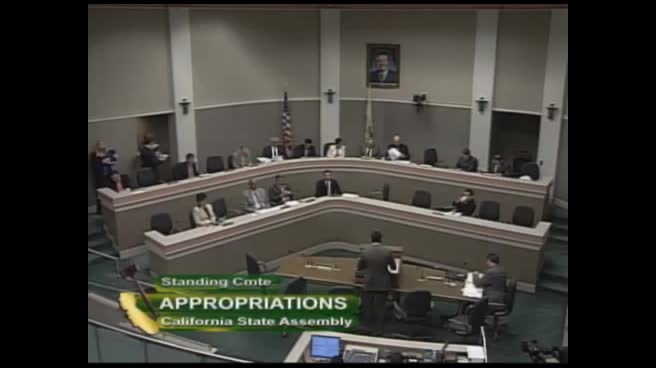
Bill Author