AB 647: Beneficial use: storing of water underground.
- Session Year: 2015-2016
- House: Assembly
- Latest Version Date: 2015-06-30
Under existing law, the right to water or to the use of water is limited to that amount of water that may be reasonably required for the beneficial use to be served. Existing law provides for the reversion of water rights to which a person is entitled when the person fails to beneficially use the water for a period of 5 years. Existing law declares that the storing of water underground, and related diversions for that purpose, constitute a beneficial use of water if the stored water is thereafter applied to the beneficial purposes for which the appropriation for storage was made.
This bill would repeal that declaration and instead declare that the diversion of water to underground storage constitutes a beneficial use of water if the water so stored is thereafter applied to the beneficial purposes for which the appropriation for storage was made, or if the water is so stored consistent with a sustainable groundwater management plan, statutory authority to conduct groundwater recharge, or a judicial decree and is for specified purposes. This bill would require any person, regardless of an existing water right, person seeking to store water underground to first apply to the State Water Resources Control Board for a permit to appropriate water or petition the board for a change change, as specified. This bill would require the board to include specified conditions in an approved permit or petition. This bill would provide that the period for the reversion of a water right does not include any period when the water is being used in the aquifer or storage area or is being held in storage for later application to beneficial use, area, as prescribed.
Under existing law, the right to water or to the use of water is limited to that amount of water that may be reasonably required for the beneficial use to be served. Existing law provides for the reversion of water rights to which a person is entitled when the person fails to beneficially use the water for a period of 5 years. Existing law declares that the storing of water underground, and related diversions for that purpose, constitute a beneficial use of water if the stored water is thereafter applied to the beneficial purposes for which the appropriation for storage was made.
This bill would repeal that declaration and instead declare that the storing diversion of water to underground storage constitutes a beneficial use of water if the water so stored is thereafter applied to the beneficial purposes for which the appropriation for storage was made, or if the diverted water is used while it is in underground storage water is so stored consistent with a sustainable groundwater management plan, statutory authority to conduct groundwater recharge, or a judicial decree and is for specified purposes. This bill would state the intent of the Legislature that this storage of water underground not injure any legal user of the water involved. require any person, regardless of an existing water right, seeking to store water underground to first apply to the State Water Resources Control Board for a permit to appropriate water or petition the board for a change. This bill would require the board to include specified conditions in an approved permit or petition. This bill would provide that the period for the reversion of a water right does not include any period when the water is being used in the aquifer or storage area or is being held in storage for later application to beneficial use, as prescribed.
Under existing law, the right to water or to the use of water is limited to that amount of water that may be reasonably required for the beneficial use to be served. Existing law provides for the reversion of water rights to which a person is entitled when the person fails to beneficially use the water for a period of 5 years. Existing law declares that the storing of water underground, and related diversions for that purpose, constitute a beneficial use of water if the stored water is thereafter applied to the beneficial purposes for which the appropriation for storage was made.
This bill would declare that the storing of water underground constitutes a beneficial use of water if the diverted water is used while it is in underground storage for specified purposes. This bill would state the intent of the Legislature that this storage of water underground not injure any legal user of the water involved. This bill would provide that the period for the reversion of a water right does not include any period when the water is being used in the aquifer or storage area or is being held in storage for later application to beneficial use, as prescribed.
Under existing law, the right to water or to the use of water is limited to that amount of water that may be reasonably required for the beneficial use to be served. Existing law provides for the reversion of water rights to which a person is entitled when the person fails to beneficially use the water for a period of 5 years. Existing law declares that the storing of water underground, and related diversions for that purpose, constitute a beneficial use of water if the stored water is thereafter applied to the beneficial purposes for which the appropriation for storage was made.
This bill would declare that the diversion storing of water underground constitutes a beneficial use of water for which an appropriation may be made if the diverted water is stored and thereafter applied to beneficial use or if beneficial use of the water, including, but not limited to, protection of water quality or recovery of groundwater levels, is made while the water is underground. used while it is in underground storage for specified purposes. This bill would provide that the period for the reversion of a water right does not apply to water being beneficially include any period when the water is being used in the aquifer or storage area or is being held in storage for later application to beneficial use, as prescribed.
Under existing law, the right to water or to the use of water is limited to that amount of water that may be reasonably required for the beneficial use to be served. Existing law provides for the reversion of water rights to which a person is entitled when the person fails to beneficially use the water for a period of 5 years. Existing law declares that the storing of water underground, and related diversions for that purpose, constitute a beneficial use of water if the stored water is thereafter applied to the beneficial purposes for which the appropriation for storage was made.
This bill would declare that the diversion of water underground constitutes a beneficial use of water for which an appropriation may be made if the diverted water is stored and thereafter applied to beneficial use or if beneficial use of the water, including, but not limited to, protection of water quality or recovery of groundwater levels, is made while the water is underground. This bill would provide that the period for the reversion of a water right does not apply to water being beneficially used in the aquifer or being held in storage for later beneficial use.
(a)The diversion of water to underground storage constitutes a beneficial use of water if either of the following conditions are met:
(1)The water so stored is thereafter applied to the beneficial purposes for which the appropriation for storage was made.
(2)The water is so stored consistent with a sustainable groundwater management plan developed pursuant to Part 2.74 (commencing with Section 10720) of Division 6, statutory authority to conduct groundwater recharge, or a judicial decree and is for one of the following purposes:
(A)Protecting water quality from saline water intrusion or other contamination.
(B)Preventing or remediating significant and unreasonable land subsidence that substantially interferes with surface land uses.
(C)Preventing or remediating chronic lowering of groundwater levels indicating a significant and unreasonable depletion of supply if continued over the planning and implementation horizon of the sustainable groundwater management plan.
(b)(1)Any person, regardless of an existing water right, person seeking to use water for a purpose described in paragraph (2) of subdivision (a) shall first apply to the board for a permit to appropriate water if the person does not hold a water right or a person holding a water right subject to this division, or a pre-1914 appropriative water right, shall petition the board for a change to that water right. if the person holds a pre-1914 water right, a permit, or a license. The board shall review the application or petition pursuant to this part.
(2)An order by the board approving an application or petition described in paragraph (1) shall include conditions that prohibit the diversion of water at times when a legal user of water on the watercourse from which water is proposed for diversion is releasing previously stored water or is restricted from diverting water from that watercourse either due to requirements established by the board or a regional board to carry out water quality control plans prepared pursuant to Division 7 (commencing with Section 13000) or imposed pursuant to the Fish and Game Code or the federal Endangered Species Act of 1973.
(3)In addition to the conditions described in paragraph (2), an order by the board approving an application or petition to appropriate water from a stream tributary to the Sacramento-San Joaquin Delta, as defined in Section 12220, shall include conditions that prohibit the diversion of water at either of the following times:
(A)If the delta is in balanced water conditions, as that term is defined by the Agreement Between the United States of America and the State of California for the Coordinated Operation of the Central Valley Project and the State Water Project, dated November 24, 1986.
(B)When the Central Valley Project, the State Water Project, or other permitted storage project is making releases of previously stored water for instream purposes or delta outflow.
(4)Conditions that prohibit the diversion of water imposed pursuant to subparagraph (B) of paragraph (3) shall not apply when upstream releases are made solely for compliance points upstream of the diversion.
(c)
(c)For any person holding a permit or license in which the board has authorized, on or before January 1, 2016, the underground storage of water, the diversion of water to underground storage consistent with that permit or license is presumed to meet the condition described in paragraph (1) of subdivision (a).
(d)The forfeiture periods in Sections 1240 and 1241 do not include any period when, consistent with this section, when the water is being used in the aquifer or storage area or is being held in storage for later application to beneficial use. pursuant to paragraph (2) of subdivision (a).
The storing of water underground, including the diversion of streams and the flowing of water on lands necessary to the accomplishment of such storage, constitutes a beneficial use of water if the water so stored is thereafter applied to the beneficial purposes for which the appropriation for storage was made.
SEC. 2.Section 1242 is added to the Water Code, to read:1242.(a)The diversion of water to underground storage constitutes a beneficial use of water if either of the following conditions are met:
(1)The water so stored is thereafter applied to the beneficial purposes for which the appropriation for storage was made.
(2)The water is so stored consistent with a sustainable groundwater management plan developed pursuant to Part 2.74 (commencing with Section 10720) of Division 6, statutory authority to conduct groundwater recharge, or a judicial decree and is for one of the following purposes:
(A)Protecting water quality from saline water intrusion or other contamination.
(B)Preventing or remediating significant and unreasonable land subsidence that substantially interferes with surface land uses.
(C)Preventing or remediating chronic lowering of groundwater levels indicating a significant and unreasonable depletion of supply if continued over the planning and implementation horizon of the sustainable groundwater management plan.
(b)(1)Any person, regardless of an existing water right, seeking to use water for a purpose described in paragraph (2) of subdivision (a) shall first apply to the board for a permit to appropriate water or a person holding a water right subject to this division, or a pre-1914 appropriative water right, shall petition the board for a change to that water right. The board shall review the application or petition pursuant to this part.
(2)An order by the board approving an application or petition described in paragraph (1) shall include conditions that prohibit the diversion of water at times when a legal user of water on the watercourse from which water is proposed for diversion is releasing previously stored water or is restricted from diverting water from that watercourse either due to requirements established by the board or a regional board to carry out water quality control plans prepared pursuant to Division 7 (commencing with Section 13000) or imposed pursuant to the Fish and Game Code or the federal Endangered Species Act of 1973.
(3)In addition to the conditions described in paragraph (2), an order by the board approving an application or petition to appropriate water from a stream tributary to the Sacramento-San Joaquin Delta, as defined in Section 12220, shall include conditions that prohibit the diversion of water at either of the following times:
(A)If the delta is in balanced water conditions, as that term is defined by the Agreement Between the United States of America and the State of California for the Coordinated Operation of the Central Valley Project and the State Water Project, dated November 24, 1986.
(B)When the Central Valley Project, the State Water Project, or other permitted storage project is making releases of previously stored water for instream purposes or delta outflow.
(4)Conditions that prohibit the diversion of water imposed pursuant to subparagraph (B) of paragraph (3) shall not apply when upstream releases are made for compliance points upstream of the diversion.
(c)The forfeiture periods in Sections 1240 and 1241 do not include any period when, consistent with this section, the water is being used in the aquifer or storage area or is being held in storage for later application to beneficial use.
SECTION 1.Section 1242 of the Water Code is amended to read:1242.(a)The storing of water underground, including the diversion of streams and the flowing of water on lands necessary to the accomplishment of that storage, constitutes a beneficial use of water if the water so stored meets one or both of the following conditions:
(1)Is thereafter applied to the beneficial purposes for which the appropriation for storage was made.
(2)Is used while it is in underground storage for one or both of the following express purposes:
(A)Protecting water quality, including providing a hydrostatic barrier to saline water intrusion or other contamination.
(B)Preventing or remediating significant and unreasonable land subsidence that substantially interferes with surface land uses.
(b)
The forfeiture periods in Sections 1240 and 1241 do not include any period when, consistent with this section, the water is being used in the aquifer or storage area or is being held in storage for later application to beneficial use.
(c)It is the intent of the Legislature that any storage of water underground pursuant to subdivision (a) not injure any legal user of the water involved.
(a)The storing of water underground, including the diversion of streams and the flowing of water on lands necessary to the accomplishment of that storage, constitutes a beneficial use of water if the water so stored meets one or both of the following conditions:
(1)Is thereafter applied to the beneficial purposes for which the appropriation for storage was made.
(2)Is used while it is in underground storage for one or both of the following express purposes:
(A)Protecting water quality, including providing a hydrostatic barrier to saline water intrusion or other contamination.
(B)Preventing or remediating significant and unreasonable land subsidence that substantially interferes with surface land uses.
(b)The forfeiture periods in Sections 1240 and 1241 do not include any period when, consistent with this section, the water is being used in the aquifer or storage area or is being held in storage for later application to beneficial use.
(c)It is the intent of the Legislature that any storage of water underground pursuant to subdivision (a) not injure any legal user of the water involved.
(a)The storing of water underground, including the diversion of streams and the flowing of water on lands necessary to the accomplishment of such that storage, constitutes a beneficial use of water if the water so stored is meets one or both of the following conditions:
(1)Is thereafter applied to the beneficial purposes for which the appropriation for storage was made.
(2)Is used while it is in underground storage for one or both of the following express purposes:
(A)Protecting water quality, including providing a hydrostatic barrier to saline water intrusion or other contamination.
(B)Preventing or remediating significant and unreasonable land subsidence that substantially interferes with surface land uses.
(b)The forfeiture periods in Sections 1240 and 1241 do not include any period when, consistent with this section, the water is being used in the aquifer or storage area or is being held in storage for later application to beneficial use.
SECTION 1.Section 1242 of the Water Code is amended to read:1242.The diversion of water underground, including the diversion of streams and the flowing of water on lands necessary to the accomplishment of that diversion, constitutes a beneficial use of water for which an appropriation may be made if the diverted water is stored and thereafter applied to beneficial use, consistent with this division, or if beneficial use of the water, including, but not limited to, protection of water quality or recovery of groundwater levels, is made while the water is underground. The forfeiture periods described in this article do not apply to water being beneficially used in the aquifer or being held in storage for later beneficial use.
The storing diversion of water underground, including the diversion of streams and the flowing of water on lands necessary to the accomplishment of such storage that diversion, constitutes a beneficial use of water for which an appropriation may be made if the diverted water so is stored is and thereafter applied to the beneficial purposes for which the appropriation for storage was made. beneficial use, consistent with this division, or if beneficial use of the water, including, but not limited to, protection of water quality or recovery of groundwater levels, is made while the water is underground. The forfeiture periods described in this article do not apply to water being beneficially used in the aquifer or being held in storage for later beneficial use.
|
Date
|
Status
|
|---|---|
| Feb 24, 2015 | Read first time. To print. |
| Feb 25, 2015 | From printer. May be heard in committee March 27. |
| Mar 9, 2015 | Referred to Com. on W., P., & W. |
| Apr 14, 2015 | From committee: Amend, and do pass as amended and re-refer to Com. on APPR. (Ayes 10. Noes 1.) (April 14). |
| Apr 15, 2015 | Read second time and amended. |
| Apr 16, 2015 | Re-referred to Com. on APPR. |
| May 4, 2015 | From committee: Amend, and do pass as amended. (Ayes 12. Noes 1.) (April 29). |
| May 5, 2015 | Read second time and amended. Ordered returned to second reading. |
| May 6, 2015 | Read second time. Ordered to third reading. |
| Jun 4, 2015 | In Senate. Read first time. To Com. on RLS. for assignment. |
| Jun 4, 2015 | Read third time. Passed. Ordered to the Senate. |
| Jun 4, 2015 | Read third time. Passed. Ordered to the Senate. (Ayes 61. Noes 10. Page 1905.) |
| Jun 18, 2015 | Referred to Com. on N.R. & W. |
| Jun 19, 2015 | From committee chair, with author's amendments: Amend, and re-refer to committee. Read second time, amended, and re-referred to Com. on N.R. & W. |
| Jun 30, 2015 | From committee chair, with author's amendments: Amend, and re-refer to committee. Read second time, amended, and re-referred to Com. on N.R. & W. |
| Jul 13, 2015 | In committee: Set, first hearing. Hearing canceled at the request of author. |
|
Date
|
Description
|
Location
|
Votes
|
|
|---|---|---|---|---|
| Jun 4, 2015 | AB 647 EGGMAN Assembly Third Reading | Assembly Floor |
Passed |
|
| Apr 29, 2015 | Do pass as amended. | Assembly Standing Committee on Appropriations |
Passed |
|
| Apr 14, 2015 | Do pass as amended and be re-referred to the Committee on [Appropriations] | Assembly Standing Committee on Water, Parks, and Wildlife |
Passed |
This list shows positions taken on this bill by organizations on the date displayed, which is linked to the original source.
Positions by individuals are not included.
|
Organization
|
Position
|
Date
|
|---|---|---|
| Center For Biological Diversity, Inc. | ** Against | Apr 14, 2015 |
| Clean Water Action | ** Against | Apr 14, 2015 |
| Community Water Center | ** Against | Apr 14, 2015 |
| Contra Costa County | * Support | Apr 14, 2015 |
| Friends of the River | * Against Unless Amend | Apr 14, 2015 |
| Leadership Counsel for Justice & Accountability | * Against | Apr 14, 2015 |
| Leadership Counsel for Justice and Accountability | * Against | Apr 14, 2015 |
| Natural Resources Defense Council | ** Against | Apr 14, 2015 |
| Northern California Water Association | * Support | Apr 14, 2015 |
| San Joaquin County Board of Supervisors | ** Support | Apr 14, 2015 |
| San Luis & Delta-Mendota Water Authority | * Against Unless Amend | Apr 14, 2015 |
| San Luis Delta Mendota Authority | * Indeterminate | Apr 29, 2015 |
| Sierra Club | * Against Unless Amend | Apr 14, 2015 |
| Sierra Club California | * Against | Apr 14, 2015 |
| Stockton East Water District | * Indeterminate | Apr 29, 2015 |
| The Metropolitan Water District Of Southern California | * Indeterminate | Apr 29, 2015 |
| Westlands Water District | * Indeterminate | Apr 29, 2015 |
AB 647
Page 3
ASSEMBLY THIRD READING
AB 647
(Eggman)
As Amended May 5, 2015
Majority vote
Committee |
Votes |
Ayes |
Noes |
Water |
10-1 |
Levine, Dodd, Cristina Garcia, Gomez, Gray, Lopez, Medina, Rendon, Ridley-Thomas, Williams |
Beth Gaines |
Appropriations |
12-1 |
Gomez, Bloom, Bonta, Calderon, Daly, Eggman, Eduardo Garcia, Holden, Quirk, Rendon, Weber, Wood |
Jones |
SUMMARY: Adds to the legal definition of what constitutes a beneficial use of water by including water that is stored unground, under specified conditions. Specifically, this bill:
Specifies that while water is in the ground it shall be considered as being beneficially used if it meets either or both of the following conditions:
Protecting water quality, including providing a barrier to saline water intrusion.
Preventing or remediating significant and unreasonable land subsidence that substantially interferes with surface land uses.
States that it is the intent of the Legislature that water stored in the ground and considered beneficially used under the above two conditions shall not operate to the injury of any legal user of the water involved.
Specifies that the forfeiture period that applies to appropriative water diversions shall not apply when the water is being held in storage for the above uses or, under existing law, when it is being later applied to a specified beneficial use.
EXISTING LAW:
Recognizes that the water resources belong to the people of the State of California but that individuals can hold rights to use water.
Recognizes two primary forms of water rights:
Riparian rights, which are based on applying water from a stream or watercourse to adjoining land; and,
Appropriative water rights, which attach when an entity, whether or not it borders a water course, is the first in time to divert the water and use it in a way that is both reasonable and beneficial.
Specifies that any portion of an appropriative water right that is not used beneficially during a five year period may be considered abandoned. Technically, it means that volume of water reverts back to the public and may be available for use by others.
Allows water that is stored underground to be considered to have been beneficial used if the following three things happen:
The purpose for which the water was later used was identified at the time of storage;
The use that was identified was considered beneficial; and,
The water was actually applied to that use.
Specifies that the State Water Resources Control Board may grant an appropriative water rights' holders request to change the point of diversion, place of use, or purpose of use for water that in a specified water rights permit but only that change will not operate to the injury of any legal user of the water involved (the "no injury rule").
FISCAL EFFECT: According to the Assembly Appropriations Committee, there will be minor, if any, state costs.
COMMENTS: This bill expands the definition of beneficial use for water rights by including water that is stored in the ground as water that is being beneficially used under certain circumstances.
Converting the status of water that is "parked" underground from an intermediary point on the beneficial use continuum into an end point could have complex ramifications to the existing water rights system. The author, in recognition that this needs to be addressed, amended this bill in the Assembly Appropriations Committee to include Legislative intent language referencing the "no injury rule" of California water law.
Beneficial use is a fundamental principal of water rights law. It defines and limits, on an ongoing basis, the scope of an appropriative water right. It is the difference between a "paper" water right – a document asserting that an individual has the right to a specific amount of water, whether they have used it or not – and a "wet" water right, meaning a water right of continuing validity because the amount of water described has been reasonably, beneficially, and continuously used.
The difference between the two does matter. California is an arid state. The beneficial use concept was born out of recognition that economic opportunities, from gold mining to farming, are tied to the availability of water. It rewards those intrepid individuals who are "first in time" to put the water to use and gives them water rights senior to all others who come after. Later the doctrine was modified to prohibit the squandering or hoarding of water by limiting the legal right to only that portion that is used reasonably and continuously.
The seniority of a water right is important. In times of shortage the most senior water rights holder receives all of his or her allocation, and then the next most senior, and so on and so forth. The most junior water rights holders might receive nothing. This is not an intellectual hypothesis. During the four year drought we are currently experiencing it is happening right now. Some junior water rights holders are being told to cease withdrawals so that senior water rights holders can be kept whole.
The author states this bill is necessary to allow entities who wish to recharge an aquifer for the health of the basin, to do so without being at risk of forfeiting their water right. The author also wants to prevent water in underground storage from being considered abandoned after five years. The author also states that recharge is necessary and crucial for multiple reasons in that it not only serves as a practical way to augment California's water storage, but it also helps mitigate the consequences of decades of chronic overuse of groundwater. Supporters state that this bill will confirm into law what Californians already know: that groundwater recharge of surface water is not only a beneficial use of water, but a critical component of stabilization of groundwater basins throughout California.
Opponents state that they support groundwater banking and conjunctive use programs and that for many decades local governments have successfully managed some groundwater basins (particularly adjudicated basins) and have created groundwater banking and recharge programs in water banks like Kern Water Bank and Semitropic. Opponents state that they are unaware of any situation where existing law on beneficial use precluded groundwater recharge and management programs and thus question why a change in law is necessary. Opponents also voice concern that this bill could create significant problems for the State of California, other water users, and the environment and that it could effectively increase the overallocation of water in California and cause injury to existing water rights holders and other water users, including State Water Project and Central Valley Project contractors, as well as the state's salmon fishery and other instream beneficial uses of water.
Related Legislation
SB 228 (Cannella) of the current legislative session, seeks to declare that groundwater recharge is, in and of itself, a beneficial use of water, as specified.
Analysis Prepared by: Tina Leahy / W., P., & W. / (916) 319-2096 FN: 0000258
AB 647
Page 2
Date of Hearing: April 29, 2015
ASSEMBLY COMMITTEE ON APPROPRIATIONS
Jimmy Gomez, Chair
AB 647
(Eggman) – As Amended April 15, 2015
Policy Committee: |
Water, Parks and Wildlife |
Vote: |
10 - 1 |
|
|
|
|
|
|
|
|
Urgency: No State Mandated Local Program: No Reimbursable:
SUMMARY:
This bill modifies the definition of the beneficial use of water to include water stored in the ground for either or both of the following purposes:
To protect water quality, including providing a hydrostatic (equilibrium of liquids) barrier to saline water intrusion or other contamination.
To prevent or remediate significant and unreasonable land subsidence that substantially interferes with surface land uses.
Additionally, this bill provides that the period for a reversion of a water right does not apply during the period groundwater is used in the ground or held in storage for later application to beneficial use.
FISCAL EFFECT:
Minor, if any state costs.
COMMENTS:
Purpose. According to the author, groundwater recharge serves as a practical way to augment California's water storage, and helps mitigate the consequences of decades of chronic overuse. This bill is intended to allow entities to recharge an aquifer for the health of the basin without potentially risking the forfeiture of their water right.
Background. California's system for surface water rights recognizes both riparian rights and appropriative rights. Riparian rights are based on applying water from a stream or watercourse to the adjoining land. Appropriative rights allow a person to acquire a right to divert, store, and use water regardless of whether the land it is used on is adjacent.
An appropriative water right is based on the concept of "first in time is first in right" and is generally subject to the issuance of a permit by the State Water Resources Control Board (SWRCB) with the exception of pre-1914 appropriative rights (those water rights initiated before 1914 when the Water Commission Act took effect).
Groundwater storage or recharge refers to the injection of surface water into the aquifer.
Reasonable and Beneficial use. California's water law and policy, Article X, Section 2 of the California Constitution, requires that all uses of the state's water be both reasonable and beneficial. It places a significant limitation on water rights by prohibiting the waste, unreasonable use, unreasonable method of use, or unreasonable method of diversion of water.
A portion of an appropriative water right that is not used beneficially during a five-year period may be considered abandoned and available for use by others.
This bill prevents the reversion of a water right during a five-year period in which the water is used for groundwater recharge consistent with the provisions of the bill.
Analysis Prepared by: Jennifer Galehouse / APPR. / (916) 319-2081
Discussed in Hearing
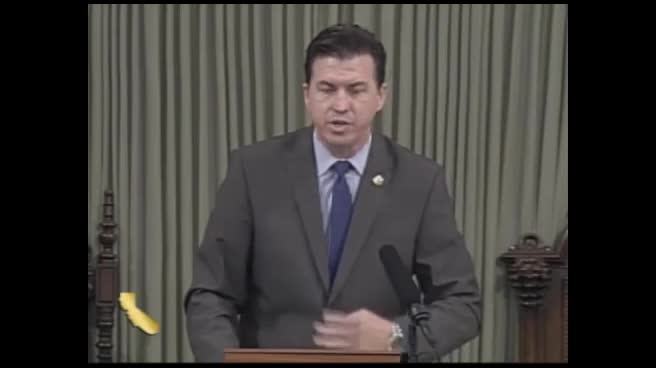 1MIN
Assembly Floor
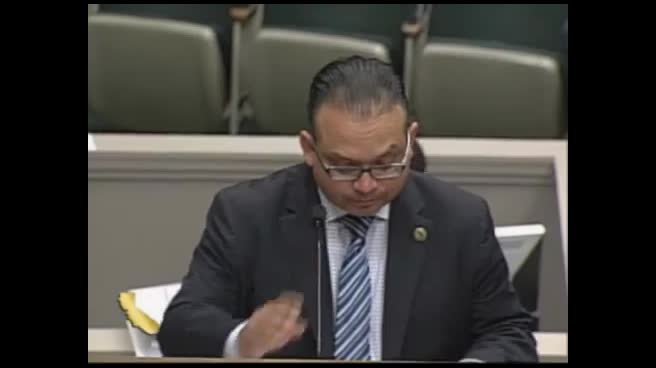 9MIN
Assembly Standing Committee on Appropriations
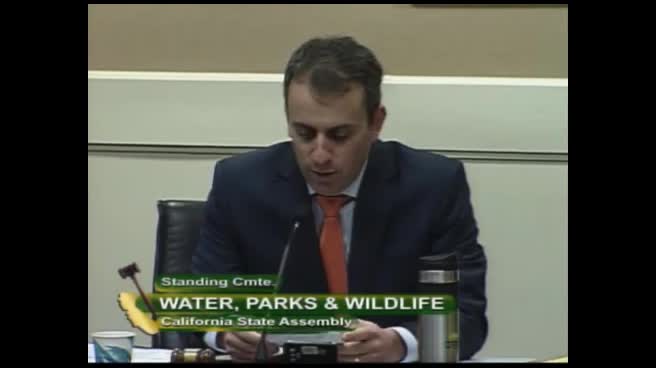 19MIN
Assembly Standing Committee on Water, Parks, and Wildlife
Bill Author