AB 668: Property taxation: assessment: affordable housing.
- Session Year: 2015-2016
- House: Assembly
- Latest Version Date: 2015-10-09
Existing law requires the county assessor to consider, when valuing real property for property taxation purposes, the effect of any enforceable restrictions to which the use of the land may be subjected. Under existing law these restrictions include, but are not limited to, zoning, recorded contracts with governmental agencies, and various other restrictions imposed by governments.
Existing property tax law establishes a welfare exemption under which property is exempt from taxation if, among other things, that property is used exclusively for religious, hospital, scientific, or charitable purposes and is owned and operated by an entity, as provided, that is itself organized and operated for those purposes. Under existing property tax law, the welfare exemption applies to property that is owned and operated by a nonprofit corporation, otherwise qualifying for the welfare exemption, that is organized and operated for the purpose of building and rehabilitating single-family or multifamily residences for sale, as provided, at cost to low-income families.
This bill would require the county assessor to consider, when valuing real property for property taxation purposes, a recorded contract with a nonprofit corporation that meets prescribed requirements, including requirements that the nonprofit corporation has received a welfare exemption for properties intended to be sold to low-income families who participate in a special no-interest loan program, and that the contract includes a restriction on the use of the land for at least 30 years to owner-occupied housing available at affordable housing cost. By changing the manner in which county assessors assess property for property taxation purposes, this bill would impose a state-mandated local program.
This bill would incorporate amendments to Section 402.1 of the Revenue and Taxation Code proposed by AB 1251, to be operative only if AB 1251 and this bill are both chaptered and become effective on or before January 1, 2016, and this bill is chaptered last.
The California Constitution requires the state to reimburse local agencies and school districts for certain costs mandated by the state. Statutory provisions establish procedures for making that reimbursement.
This bill would provide that, if the Commission on State Mandates determines that the bill contains costs mandated by the state, reimbursement for those costs shall be made pursuant to these statutory provisions.
Existing law requires the county assessor to consider, when valuing real property for property taxation purposes, the effect of any enforceable restrictions to which the use of the land may be subjected. Under existing law these restrictions include, but are not limited to, zoning, recorded contracts with governmental agencies, and various other restrictions imposed by governments.
Existing property tax law establishes a welfare exemption under which property is exempt from taxation if, among other things, that property is used exclusively for religious, hospital, scientific, or charitable purposes and is owned and operated by an entity, as provided, that is itself organized and operated for those purposes. Under existing property tax law, the welfare exemption applies to property that is owned and operated by a nonprofit corporation, otherwise qualifying for the welfare exemption, that is organized and operated for the purpose of building and rehabilitating single-family or multifamily residences for sale, as provided, at cost to low-income families.
This bill would require the county assessor to consider, when valuing real property for property taxation purposes, a recorded contract with a nonprofit corporation that meets prescribed requirements, including requirements that the nonprofit corporation has received a welfare exemption for properties intended to be sold to low-income families who participate in a special no-interest loan program, and that the contract includes a restriction on the use of the land for at least 30 years to owner-occupied housing available at affordable housing cost. By changing the manner in which county assessors assess property for property taxation purposes, this bill would impose a state-mandated local program.
This bill would incorporate amendments to Section 402.1 of the Revenue and Taxation Code proposed by AB 1251, to be operative only if AB 1251 and this bill are both chaptered and become effective on or before January 1, 2016, and this bill is chaptered last.
The California Constitution requires the state to reimburse local agencies and school districts for certain costs mandated by the state. Statutory provisions establish procedures for making that reimbursement.
This bill would provide that, if the Commission on State Mandates determines that the bill contains costs mandated by the state, reimbursement for those costs shall be made pursuant to these statutory provisions.
Existing law requires the county assessor to consider, when valuing real property for property taxation purposes, the effect of any enforceable restrictions to which the use of the land may be subjected. Under existing law these restrictions include, but are not limited to, zoning, recorded contracts with governmental agencies, and various other restrictions imposed by governments.
Existing property tax law establishes a welfare exemption under which property is exempt from taxation if, among other things, that property is used exclusively for religious, hospital, scientific, or charitable purposes and is owned and operated by an entity, as provided, that is itself organized and operated for those purposes. Under existing property tax law, the welfare exemption applies to property that is owned and operated by a nonprofit corporation, otherwise qualifying for the welfare exemption, that is organized and operated for the purpose of building and rehabilitating single-family or multifamily residences for sale, as provided, at cost to low-income families.
This bill would require the county assessor to consider, when valuing real property for property taxation purposes, a recorded contract with a nonprofit corporation that meets prescribed requirements, including requirements that the nonprofit corporation has received a welfare exemption for properties intended to be sold to low-income families who participate in a special no-interest loan program, and that the contract includes a restriction on the use of the land for at least 30 years to owner-occupied housing available at affordable housing cost. By changing the manner in which county assessors assess property for property taxation purposes, this bill would impose a state-mandated local program.
This bill would incorporate amendments to Section 402.1 of the Revenue and Taxation Code proposed by AB 1251, to be operative only if AB 1251 and this bill are both chaptered and become effective on or before January 1, 2016, and this bill is chaptered last.
The California Constitution requires the state to reimburse local agencies and school districts for certain costs mandated by the state. Statutory provisions establish procedures for making that reimbursement.
This bill would provide that, if the Commission on State Mandates determines that the bill contains costs mandated by the state, reimbursement for those costs shall be made pursuant to these statutory provisions.
Existing law requires the county assessor to consider, when valuing real property for property taxation purposes, the effect of any enforceable restrictions to which the use of the land may be subjected. Under existing law these restrictions include, but are not limited to, zoning, recorded contracts with governmental agencies, and various other restrictions imposed by governments.
Existing property tax law establishes a welfare exemption under which property is exempt from taxation if, among other things, that property is used exclusively for religious, hospital, scientific, or charitable purposes and is owned and operated by an entity, as provided, that is itself organized and operated for those purposes. Under existing property tax law, the welfare exemption applies to property that is owned and operated by a nonprofit corporation, otherwise qualifying for the welfare exemption, that is organized and operated for the purpose of building and rehabilitating single-family or multifamily residences for sale, as provided, at cost to low-income families.
This bill would require the county assessor to consider, when valuing real property for property taxation purposes, a recorded contract with a nonprofit corporation that meets prescribed requirements, including requirements that the nonprofit corporation has received a welfare exemption for properties intended to be sold to low-income families who participate in a special no-interest loan program, and that the contract includes a restriction on the use of the land for at least 30 years to owner-occupied housing available at affordable housing cost. By changing the manner in which county assessors assess property for property taxation purposes, this bill would impose a state-mandated local program.
The California Constitution requires the state to reimburse local agencies and school districts for certain costs mandated by the state. Statutory provisions establish procedures for making that reimbursement.
This bill would provide that, if the Commission on State Mandates determines that the bill contains costs mandated by the state, reimbursement for those costs shall be made pursuant to these statutory provisions.
Existing law requires the county assessor to consider, when valuing real property for property taxation purposes, the effect of any enforceable restrictions to which the use of the land may be subjected. Under existing law these restrictions include, but are not limited to, zoning, recorded contracts with governmental agencies, and various other restrictions imposed by governments.
Existing property tax law establishes a welfare exemption under which property is exempt from taxation if, among other things, that property is used exclusively for religious, hospital, scientific, or charitable purposes and is owned and operated by an entity, as provided, that is itself organized and operated for those purposes. Under existing property tax law, the welfare exemption applies to property that is owned and operated by a nonprofit corporation, otherwise qualifying for the welfare exemption, that is organized and operated for the purpose of building and rehabilitating single-family or multifamily residences for sale, as provided, at cost to low-income families.
This bill would require the county assessor to consider, when valuing real property for property taxation purposes, a recorded contract with a nonprofit corporation for the advancement of affordable housing that provides funding or land for affordable housing where the recorded contract restricts the use of the land for at least 30 years to housing available at affordable housing cost or affordable rent. that meets prescribed requirements, including requirements that the nonprofit corporation has received a welfare exemption for properties intended to be sold to low-income families who participate in a special no-interest loan program, and that the contract includes a restriction on the use of the land for at least 30 years to owner-occupied housing available at affordable housing cost. By changing the manner in which county assessors assess property for property taxation purposes, this bill would impose a state-mandated local program.
The California Constitution requires the state to reimburse local agencies and school districts for certain costs mandated by the state. Statutory provisions establish procedures for making that reimbursement.
This bill would provide that, if the Commission on State Mandates determines that the bill contains costs mandated by the state, reimbursement for those costs shall be made pursuant to these statutory provisions.
Existing law requires the county assessor to consider, when valuing real property for property taxation purposes, the effect of any enforceable restrictions to which the use of the land may be subjected. Under existing law these restrictions include, but are not limited to, zoning, recorded contracts with governmental agencies, and various other restrictions imposed by governments.
This bill would state the intent of the Legislature to enact legislation that would require a county assessor to consider a recorded contract with a nonprofit corporation that restricts the use of the land for at least 30 years for affordable housing or affordable rent when valuing real property for property taxation purposes.
This bill would require the county assessor to consider, when valuing real property for property taxation purposes, a recorded contract with a nonprofit corporation for the advancement of affordable housing that provides funding or land for affordable housing where the recorded contract restricts the use of the land for at least 30 years to housing available at affordable housing cost or affordable rent. By changing the manner in which county assessors assess property for property taxation purposes, this bill would impose a state-mandated local program.
The California Constitution requires the state to reimburse local agencies and school districts for certain costs mandated by the state. Statutory provisions establish procedures for making that reimbursement.
This bill would provide that, if the Commission on State Mandates determines that the bill contains costs mandated by the state, reimbursement for those costs shall be made pursuant to these statutory provisions.
Existing law requires the county assessor to consider, when valuing real property for property taxation purposes, the effect of any enforceable restrictions to which the use of the land may be subjected. Under existing law these restrictions include, but are not limited to, zoning, recorded contracts with governmental agencies, and various other restrictions imposed by governments.
This bill would state the intent of the Legislature to enact legislation that would require a county assessor to consider a recorded contract with a nonprofit corporation that restricts the use of the land for at least 30 years for affordable housing or affordable rent when valuing real property for property taxation purposes.
(a)In the assessment of land, the assessor shall consider the effect upon value of any enforceable restrictions to which the use of the land may be subjected. These restrictions shall include, but are not limited to, all of the following:
(1)Zoning.
(2)Recorded contracts with governmental agencies other than those provided in Sections 422, 422.5, and 422.7.
(3)Permit authority of, and permits issued by, governmental agencies exercising land use powers concurrently with local governments, including the California Coastal Commission and regional coastal commissions, the San Francisco Bay Conservation and Development Commission, and the Tahoe Regional Planning Agency.
(4)Development controls of a local government in accordance with any local coastal program certified pursuant to Division 20 (commencing with Section 30000) of the Public Resources Code.
(5)Development controls of a local government in accordance with a local protection program, or any component thereof, certified pursuant to Division 19 (commencing with Section 29000) of the Public Resources Code.
(6)Environmental constraints applied to the use of land pursuant to provisions of statutes.
(7)Hazardous waste land use restriction pursuant to Section 25240 of the Health and Safety Code.
(8)A recorded conservation, trail, or scenic easement, as described in Section 815.1 of the Civil Code, that is granted in favor of a public agency, or in favor of a nonprofit corporation organized pursuant to Section 501(c)(3) of the Internal Revenue Code that has as its primary purpose the preservation, protection, or enhancement of land in its natural, scenic, historical, agricultural, forested, or open-space condition or use.
(9)A solar-use easement pursuant to Chapter 6.9 (commencing with Section 51190) of Part 1 of Division 1 of Title 5 of the Government Code.
(10)A contract where the following apply:
(A)The contract is with a nonprofit corporation organized pursuant to Section 501(c)(3) of the Internal Revenue Code that has received a welfare exemption under Section 214.15 for properties intended to be sold to low-income families who participate in a special no-interest loan program.
(B)The contract restricts the use of the land for at least 30 years to owner-occupied housing available at affordable housing cost in accordance with Section 50052.5 of the Health and Safety Code.
(C)The contract includes a deed of trust on the property in favor of the nonprofit corporation to ensure compliance with the terms of the program, which has no value unless the owner fails to comply with the covenants and restrictions of the terms of the home sale.
(D)The local housing authority or an equivalent agency, or, if none exists, the city attorney or county counsel, has made a finding that the long-term deed restrictions in the contract serve a public purpose.
(E)The contract is recorded and provided to the assessor.
(b)There is a rebuttable presumption that restrictions will not be removed or substantially modified in the predictable future and that they will substantially equate the value of the land to the value attributable to the legally permissible use or uses.
(c)Grounds for rebutting the presumption may include, but are not necessarily limited to, the past history of like use restrictions in the jurisdiction in question and the similarity of sales prices for restricted and unrestricted land. The possible expiration of a restriction at a time certain shall not be conclusive evidence of the future removal or modification of the restriction unless there is no opportunity or likelihood of the continuation or renewal of the restriction, or unless a necessary party to the restriction has indicated an intent to permit its expiration at that time.
(d)In assessing land with respect to which the presumption is unrebutted, the assessor shall not consider sales of otherwise comparable land not similarly restricted as to use as indicative of value of land under restriction, unless the restrictions have a demonstrably minimal effect upon value.
(e)In assessing land under an enforceable use restriction wherein the presumption of no predictable removal or substantial modification of the restriction has been rebutted, but where the restriction nevertheless retains some future life and has some effect on present value, the assessor may consider, in addition to all other legally permissible information, representative sales of comparable lands that are not under restriction but upon which natural limitations have substantially the same effect as restrictions.
(f)For the purposes of this section the following definitions apply:
(1)Comparable lands are lands that are similar to the land being valued in respect to legally permissible uses and physical attributes.
(2)Representative sales information is information from sales of a sufficient number of comparable lands to give an accurate indication of the full cash value of the land being valued.
(g)It is hereby declared that the purpose and intent of the Legislature in enacting this section is to provide for a method of determining whether a sufficient amount of representative sales information is available for land under use restriction in order to ensure the accurate assessment of that land. It is also hereby declared that the further purpose and intent of the Legislature in enacting this section and Section 1630 is to avoid an assessment policy which, in the absence of special circumstances, considers uses for land that legally are not available to the owner and not contemplated by government, and that these sections are necessary to implement the public policy of encouraging and maintaining effective land use planning. This statute shall not be construed as requiring the assessment of any land at a value less than as required by Section 401 or as prohibiting the use of representative comparable sales information on land under similar restrictions when this information is available.
SEC. 1.5.Section 402.1 of the Revenue and Taxation Code is amended to read:402.1.(a)In the assessment of land, the assessor shall consider the effect upon value of any enforceable restrictions to which the use of the land may be subjected. These restrictions shall include, but are not limited to, all of the following:
(1)Zoning.
(2)Recorded contracts with governmental agencies other than those provided in Sections 422, 422.5, and 422.7.
(3)Permit authority of, and permits issued by, governmental agencies exercising land use powers concurrently with local governments, including the California Coastal Commission and regional coastal commissions, the San Francisco Bay Conservation and Development Commission, and the Tahoe Regional Planning Agency.
(4)Development controls of a local government in accordance with any local coastal program certified pursuant to Division 20 (commencing with Section 30000) of the Public Resources Code.
(5)Development controls of a local government in accordance with a local protection program, or any component thereof, certified pursuant to Division 19 (commencing with Section 29000) of the Public Resources Code.
(6)Environmental constraints applied to the use of land pursuant to provisions of statutes.
(7)Hazardous waste land use restriction pursuant to Section 25226 of the Health and Safety Code.
(8)(A)A recorded conservation, trail, or scenic easement, as described in Section 815.1 of the Civil Code, that is granted in favor of a public agency, or in favor of a nonprofit corporation organized pursuant to Section 501(c)(3) of the Internal Revenue Code that has as its primary purpose the preservation, protection, or enhancement of land in its natural, scenic, historical, agricultural, forested, or open-space condition or use.
(B)A recorded greenway easement, as described in Section 816.52 of the Civil Code, that is granted in favor of a public agency, or in favor of a nonprofit corporation organized pursuant to Section 501(c)(3) of the Internal Revenue Code that has as its primary purpose the developing and preserving of greenways.
(9)A solar-use easement pursuant to Chapter 6.9 (commencing with Section 51190) of Part 1 of Division 1 of Title 5 of the Government Code.
(10)A contract where the following apply:
(A)The contract is with a nonprofit corporation organized pursuant to Section 501(c)(3) of the Internal Revenue Code that has received a welfare exemption under Section 214.15 for properties intended to be sold to low-income families who participate in a special no-interest loan program.
(B)The contract restricts the use of the land for at least 30 years to owner-occupied housing available at affordable housing cost in accordance with Section 50052.5 of the Health and Safety Code.
(C)The contract includes a deed of trust on the property in favor of the nonprofit corporation to ensure compliance with the terms of the program, which has no value unless the owner fails to comply with the covenants and restrictions of the terms of the home sale.
(D)The local housing authority or an equivalent agency, or, if none exists, the city attorney or county counsel, has made a finding that the long-term deed restrictions in the contract serve a public purpose.
(E)The contract is recorded and provided to the assessor.
(b)There is a rebuttable presumption that restrictions will not be removed or substantially modified in the predictable future and that they will substantially equate the value of the land to the value attributable to the legally permissible use or uses.
(c)Grounds for rebutting the presumption may include, but are not necessarily limited to, the past history of like use restrictions in the jurisdiction in question and the similarity of sales prices for restricted and unrestricted land. The possible expiration of a restriction at a time certain shall not be conclusive evidence of the future removal or modification of the restriction unless there is no opportunity or likelihood of the continuation or renewal of the restriction, or unless a necessary party to the restriction has indicated an intent to permit its expiration at that time.
(d)In assessing land with respect to which the presumption is unrebutted, the assessor shall not consider sales of otherwise comparable land not similarly restricted as to use as indicative of value of land under restriction, unless the restrictions have a demonstrably minimal effect upon value.
(e)In assessing land under an enforceable use restriction wherein the presumption of no predictable removal or substantial modification of the restriction has been rebutted, but where the restriction nevertheless retains some future life and has some effect on present value, the assessor may consider, in addition to all other legally permissible information, representative sales of comparable lands that are not under restriction but upon which natural limitations have substantially the same effect as restrictions.
(f)For the purposes of this section the following definitions apply:
(1)Comparable lands are lands that are similar to the land being valued in respect to legally permissible uses and physical attributes.
(2)Representative sales information is information from sales of a sufficient number of comparable lands to give an accurate indication of the full cash value of the land being valued.
(g)It is hereby declared that the purpose and intent of the Legislature in enacting this section is to provide for a method of determining whether a sufficient amount of representative sales information is available for land under use restriction to ensure the accurate assessment of that land. It is also hereby declared that the further purpose and intent of the Legislature in enacting this section and Section 1630 is to avoid an assessment policy which, in the absence of special circumstances, considers uses for land that legally are not available to the owner and not contemplated by government, and that these sections are necessary to implement the public policy of encouraging and maintaining effective land use planning. This statute shall not be construed as requiring the assessment of any land at a value less than as required by Section 401 or as prohibiting the use of representative comparable sales information on land under similar restrictions when this information is available.
SEC. 2.Section 1.5 of this bill incorporates amendments to Section 402.1 of the Revenue and Taxation Code proposed by both this bill and Assembly Bill 1251. It shall only become operative if (1) both bills are enacted and become effective on or before January 1, 2016, (2) each bill amends Section 402.1 of the Revenue and Taxation Code, and (3) this bill is enacted after Assembly Bill 1251, in which case Section 1 of this bill shall not become operative.
SEC. 3.If the Commission on State Mandates determines that this act contains costs mandated by the state, reimbursement to local agencies and school districts for those costs shall be made pursuant to Part 7 (commencing with Section 17500) of Division 4 of Title 2 of the Government Code.
(a)In the assessment of land, the assessor shall consider the effect upon value of any enforceable restrictions to which the use of the land may be subjected. These restrictions shall include, but are not limited to, all of the following:
(1)Zoning.
(2)Recorded contracts with governmental agencies other than those provided in Sections 422, 422.5, and 422.7.
(3)Permit authority of, and permits issued by, governmental agencies exercising land use powers concurrently with local governments, including the California Coastal Commission and regional coastal commissions, the San Francisco Bay Conservation and Development Commission, and the Tahoe Regional Planning Agency.
(4)Development controls of a local government in accordance with any local coastal program certified pursuant to Division 20 (commencing with Section 30000) of the Public Resources Code.
(5)Development controls of a local government in accordance with a local protection program, or any component thereof, certified pursuant to Division 19 (commencing with Section 29000) of the Public Resources Code.
(6)Environmental constraints applied to the use of land pursuant to provisions of statutes.
(7)Hazardous waste land use restriction pursuant to Section 25240 of the Health and Safety Code.
(8)A recorded conservation, trail, or scenic easement, as described in Section 815.1 of the Civil Code, that is granted in favor of a public agency, or in favor of a nonprofit corporation organized pursuant to Section 501(c)(3) of the Internal Revenue Code that has as its primary purpose the preservation, protection, or enhancement of land in its natural, scenic, historical, agricultural, forested, or open-space condition or use.
(9)A solar-use easement pursuant to Chapter 6.9 (commencing with Section 51190) of Part 1 of Division 1 of Title 5 of the Government Code.
(10)A contract where the following apply:
(A)The contract is with a nonprofit corporation organized pursuant to Section 501(c)(3) of the Internal Revenue Code that has received a welfare exemption under Section 214.15 for properties intended to be sold to low-income families who participate in a special no-interest loan program.
(B)The contract restricts the use of the land for at least 30 years to owner-occupied housing available at affordable housing cost in accordance with Section 50052.5 of the Health and Safety Code.
(C)The contract includes a deed of trust on the property in favor of the nonprofit corporation to ensure compliance with the terms of the program, which has no value unless the owner fails to comply with the covenants and restrictions of the terms of the home sale.
(D)The local housing authority or an equivalent agency, or, if none exists, the city attorney or county counsel, has made a finding that the long-term deed restrictions in the contract serve a public purpose.
(E)The contract is recorded and provided to the assessor.
(b)There is a rebuttable presumption that restrictions will not be removed or substantially modified in the predictable future and that they will substantially equate the value of the land to the value attributable to the legally permissible use or uses.
(c)Grounds for rebutting the presumption may include, but are not necessarily limited to, the past history of like use restrictions in the jurisdiction in question and the similarity of sales prices for restricted and unrestricted land. The possible expiration of a restriction at a time certain shall not be conclusive evidence of the future removal or modification of the restriction unless there is no opportunity or likelihood of the continuation or renewal of the restriction, or unless a necessary party to the restriction has indicated an intent to permit its expiration at that time.
(d)In assessing land with respect to which the presumption is unrebutted, the assessor shall not consider sales of otherwise comparable land not similarly restricted as to use as indicative of value of land under restriction, unless the restrictions have a demonstrably minimal effect upon value.
(e)In assessing land under an enforceable use restriction wherein the presumption of no predictable removal or substantial modification of the restriction has been rebutted, but where the restriction nevertheless retains some future life and has some effect on present value, the assessor may consider, in addition to all other legally permissible information, representative sales of comparable lands that are not under restriction but upon which natural limitations have substantially the same effect as restrictions.
(f)For the purposes of this section the following definitions apply:
(1)Comparable lands are lands that are similar to the land being valued in respect to legally permissible uses and physical attributes.
(2)Representative sales information is information from sales of a sufficient number of comparable lands to give an accurate indication of the full cash value of the land being valued.
(g)It is hereby declared that the purpose and intent of the Legislature in enacting this section is to provide for a method of determining whether a sufficient amount of representative sales information is available for land under use restriction in order to ensure the accurate assessment of that land. It is also hereby declared that the further purpose and intent of the Legislature in enacting this section and Section 1630 is to avoid an assessment policy which, in the absence of special circumstances, considers uses for land that legally are not available to the owner and not contemplated by government, and that these sections are necessary to implement the public policy of encouraging and maintaining effective land use planning. This statute shall not be construed as requiring the assessment of any land at a value less than as required by Section 401 or as prohibiting the use of representative comparable sales information on land under similar restrictions when this information is available.
SEC. 1.5.Section 402.1 of the Revenue and Taxation Code is amended to read:402.1.(a)In the assessment of land, the assessor shall consider the effect upon value of any enforceable restrictions to which the use of the land may be subjected. These restrictions shall include, but are not limited to, all of the following:
(1)Zoning.
(2)Recorded contracts with governmental agencies other than those provided in Sections 422, 422.5, and 422.7.
(3)Permit authority of, and permits issued by, governmental agencies exercising land use powers concurrently with local governments, including the California Coastal Commission and regional coastal commissions, the San Francisco Bay Conservation and Development Commission, and the Tahoe Regional Planning Agency.
(4)Development controls of a local government in accordance with any local coastal program certified pursuant to Division 20 (commencing with Section 30000) of the Public Resources Code.
(5)Development controls of a local government in accordance with a local protection program, or any component thereof, certified pursuant to Division 19 (commencing with Section 29000) of the Public Resources Code.
(6)Environmental constraints applied to the use of land pursuant to provisions of statutes.
(7)Hazardous waste land use restriction pursuant to Section 25226 of the Health and Safety Code.
(8)(A)A recorded conservation, trail, or scenic easement, as described in Section 815.1 of the Civil Code, that is granted in favor of a public agency, or in favor of a nonprofit corporation organized pursuant to Section 501(c)(3) of the Internal Revenue Code that has as its primary purpose the preservation, protection, or enhancement of land in its natural, scenic, historical, agricultural, forested, or open-space condition or use.
(B)A recorded greenway easement, as described in Section 816.52 of the Civil Code, that is granted in favor of a public agency, or in favor of a nonprofit corporation organized pursuant to Section 501(c)(3) of the Internal Revenue Code that has as its primary purpose the developing and preserving of greenways.
(9)A solar-use easement pursuant to Chapter 6.9 (commencing with Section 51190) of Part 1 of Division 1 of Title 5 of the Government Code.
(10)A contract where the following apply:
(A)The contract is with a nonprofit corporation organized pursuant to Section 501(c)(3) of the Internal Revenue Code that has received a welfare exemption under Section 214.15 for properties intended to be sold to low-income families who participate in a special no-interest loan program.
(B)The contract restricts the use of the land for at least 30 years to owner-occupied housing available at affordable housing cost in accordance with Section 50052.5 of the Health and Safety Code.
(C)The contract includes a deed of trust on the property in favor of the nonprofit corporation to ensure compliance with the terms of the program, which has no value unless the owner fails to comply with the covenants and restrictions of the terms of the home sale.
(D)The local housing authority or an equivalent agency, or, if none exists, the city attorney or county counsel, has made a finding that the long-term deed restrictions in the contract serve a public purpose.
(E)The contract is recorded and provided to the assessor.
(b)There is a rebuttable presumption that restrictions will not be removed or substantially modified in the predictable future and that they will substantially equate the value of the land to the value attributable to the legally permissible use or uses.
(c)Grounds for rebutting the presumption may include, but are not necessarily limited to, the past history of like use restrictions in the jurisdiction in question and the similarity of sales prices for restricted and unrestricted land. The possible expiration of a restriction at a time certain shall not be conclusive evidence of the future removal or modification of the restriction unless there is no opportunity or likelihood of the continuation or renewal of the restriction, or unless a necessary party to the restriction has indicated an intent to permit its expiration at that time.
(d)In assessing land with respect to which the presumption is unrebutted, the assessor shall not consider sales of otherwise comparable land not similarly restricted as to use as indicative of value of land under restriction, unless the restrictions have a demonstrably minimal effect upon value.
(e)In assessing land under an enforceable use restriction wherein the presumption of no predictable removal or substantial modification of the restriction has been rebutted, but where the restriction nevertheless retains some future life and has some effect on present value, the assessor may consider, in addition to all other legally permissible information, representative sales of comparable lands that are not under restriction but upon which natural limitations have substantially the same effect as restrictions.
(f)For the purposes of this section the following definitions apply:
(1)Comparable lands are lands that are similar to the land being valued in respect to legally permissible uses and physical attributes.
(2)Representative sales information is information from sales of a sufficient number of comparable lands to give an accurate indication of the full cash value of the land being valued.
(g)It is hereby declared that the purpose and intent of the Legislature in enacting this section is to provide for a method of determining whether a sufficient amount of representative sales information is available for land under use restriction to ensure the accurate assessment of that land. It is also hereby declared that the further purpose and intent of the Legislature in enacting this section and Section 1630 is to avoid an assessment policy which, in the absence of special circumstances, considers uses for land that legally are not available to the owner and not contemplated by government, and that these sections are necessary to implement the public policy of encouraging and maintaining effective land use planning. This statute shall not be construed as requiring the assessment of any land at a value less than as required by Section 401 or as prohibiting the use of representative comparable sales information on land under similar restrictions when this information is available.
SEC. 2.Section 1.5 of this bill incorporates amendments to Section 402.1 of the Revenue and Taxation Code proposed by both this bill and Assembly Bill 1251. It shall only become operative if (1) both bills are enacted and become effective on or before January 1, 2016, (2) each bill amends Section 402.1 of the Revenue and Taxation Code, and (3) this bill is enacted after Assembly Bill 1251, in which case Section 1 of this bill shall not become operative.
SEC. 3.If the Commission on State Mandates determines that this act contains costs mandated by the state, reimbursement to local agencies and school districts for those costs shall be made pursuant to Part 7 (commencing with Section 17500) of Division 4 of Title 2 of the Government Code.
(a)In the assessment of land, the assessor shall consider the effect upon value of any enforceable restrictions to which the use of the land may be subjected. These restrictions shall include, but are not limited to, all of the following:
(1)Zoning.
(2)Recorded contracts with governmental agencies other than those provided in Sections 422, 422.5, and 422.7.
(3)Permit authority of, and permits issued by, governmental agencies exercising land use powers concurrently with local governments, including the California Coastal Commission and regional coastal commissions, the San Francisco Bay Conservation and Development Commission, and the Tahoe Regional Planning Agency.
(4)Development controls of a local government in accordance with any local coastal program certified pursuant to Division 20 (commencing with Section 30000) of the Public Resources Code.
(5)Development controls of a local government in accordance with a local protection program, or any component thereof, certified pursuant to Division 19 (commencing with Section 29000) of the Public Resources Code.
(6)Environmental constraints applied to the use of land pursuant to provisions of statutes.
(7)Hazardous waste land use restriction pursuant to Section 25240 of the Health and Safety Code.
(8)A recorded conservation, trail, or scenic easement, as described in Section 815.1 of the Civil Code, that is granted in favor of a public agency, or in favor of a nonprofit corporation organized pursuant to Section 501(c)(3) of the Internal Revenue Code that has as its primary purpose the preservation, protection, or enhancement of land in its natural, scenic, historical, agricultural, forested, or open-space condition or use.
(9)A solar-use easement pursuant to Chapter 6.9 (commencing with Section 51190) of Part 1 of Division 1 of Title 5 of the Government Code.
(10)A contract where the following apply:
(A)The contract is with a nonprofit corporation organized pursuant to Section 501(c)(3) of the Internal Revenue Code that has received a welfare exemption under Section 214.15 for properties intended to be sold to low-income families who participate in a special no-interest loan program.
(B)The contract restricts the use of the land for at least 30 years to owner-occupied housing available at affordable housing cost in accordance with Section 50052.5 of the Health and Safety Code.
(C)The contract includes a deed of trust on the property in favor of the nonprofit corporation to ensure compliance with the terms of the program, which has no value unless the owner fails to comply with the covenants and restrictions of the terms of the home sale.
(D)The local housing authority or an equivalent agency, or, if none exists, the city attorney or county counsel, has made a finding that the long-term deed restrictions in the contract serve a public purpose.
(E)The contract is recorded and provided to the assessor.
(b)There is a rebuttable presumption that restrictions will not be removed or substantially modified in the predictable future and that they will substantially equate the value of the land to the value attributable to the legally permissible use or uses.
(c)Grounds for rebutting the presumption may include, but are not necessarily limited to, the past history of like use restrictions in the jurisdiction in question and the similarity of sales prices for restricted and unrestricted land. The possible expiration of a restriction at a time certain shall not be conclusive evidence of the future removal or modification of the restriction unless there is no opportunity or likelihood of the continuation or renewal of the restriction, or unless a necessary party to the restriction has indicated an intent to permit its expiration at that time.
(d)In assessing land with respect to which the presumption is unrebutted, the assessor shall not consider sales of otherwise comparable land not similarly restricted as to use as indicative of value of land under restriction, unless the restrictions have a demonstrably minimal effect upon value.
(e)In assessing land under an enforceable use restriction wherein the presumption of no predictable removal or substantial modification of the restriction has been rebutted, but where the restriction nevertheless retains some future life and has some effect on present value, the assessor may consider, in addition to all other legally permissible information, representative sales of comparable lands that are not under restriction but upon which natural limitations have substantially the same effect as restrictions.
(f)For the purposes of this section the following definitions apply:
(1)Comparable lands are lands that are similar to the land being valued in respect to legally permissible uses and physical attributes.
(2)Representative sales information is information from sales of a sufficient number of comparable lands to give an accurate indication of the full cash value of the land being valued.
(g)It is hereby declared that the purpose and intent of the Legislature in enacting this section is to provide for a method of determining whether a sufficient amount of representative sales information is available for land under use restriction in order to ensure the accurate assessment of that land. It is also hereby declared that the further purpose and intent of the Legislature in enacting this section and Section 1630 is to avoid an assessment policy which, in the absence of special circumstances, considers uses for land that legally are not available to the owner and not contemplated by government, and that these sections are necessary to implement the public policy of encouraging and maintaining effective land use planning. This statute shall not be construed as requiring the assessment of any land at a value less than as required by Section 401 or as prohibiting the use of representative comparable sales information on land under similar restrictions when this information is available.
SEC. 1.5.Section 402.1 of the Revenue and Taxation Code is amended to read:402.1.(a)In the assessment of land, the assessor shall consider the effect upon value of any enforceable restrictions to which the use of the land may be subjected. These restrictions shall include, but are not limited to, all of the following:
(1)Zoning.
(2)Recorded contracts with governmental agencies other than those provided in Sections 422, 422.5, and 422.7.
(3)Permit authority of, and permits issued by, governmental agencies exercising land use powers concurrently with local governments, including the California Coastal Commission and regional coastal commissions, the San Francisco Bay Conservation and Development Commission, and the Tahoe Regional Planning Agency.
(4)Development controls of a local government in accordance with any local coastal program certified pursuant to Division 20 (commencing with Section 30000) of the Public Resources Code.
(5)Development controls of a local government in accordance with a local protection program, or any component thereof, certified pursuant to Division 19 (commencing with Section 29000) of the Public Resources Code.
(6)Environmental constraints applied to the use of land pursuant to provisions of statutes.
(7)Hazardous waste land use restriction pursuant to Section 25240 25226 of the Health and Safety Code.
(8)(A)A recorded conservation, trail, or scenic easement, as described in Section 815.1 of the Civil Code, that is granted in favor of a public agency, or in favor of a nonprofit corporation organized pursuant to Section 501(c)(3) of the Internal Revenue Code that has as its primary purpose the preservation, protection, or enhancement of land in its natural, scenic, historical, agricultural, forested, or open-space condition or use.
(B)A recorded greenway easement, as described in Section 816.52 of the Civil Code, that is granted in favor of a public agency, or in favor of a nonprofit corporation organized pursuant to Section 501(c)(3) of the Internal Revenue Code that has as its primary purpose the developing and preserving of greenways.
(9)A solar-use easement pursuant to Chapter 6.9 (commencing with Section 51190) of Part 1 of Division 1 of Title 5 of the Government Code.
(10)A contract where the following apply:
(A)The contract is with a nonprofit corporation organized pursuant to Section 501(c)(3) of the Internal Revenue Code that has received a welfare exemption under Section 214.15 for properties intended to be sold to low-income families who participate in a special no-interest loan program.
(B)The contract restricts the use of the land for at least 30 years to owner-occupied housing available at affordable housing cost in accordance with Section 50052.5 of the Health and Safety Code.
(C)The contract includes a deed of trust on the property in favor of the nonprofit corporation to ensure compliance with the terms of the program, which has no value unless the owner fails to comply with the covenants and restrictions of the terms of the home sale.
(D)The local housing authority or an equivalent agency, or, if none exists, the city attorney or county counsel, has made a finding that the long-term deed restrictions in the contract serve a public purpose.
(E)The contract is recorded and provided to the assessor.
(b)There is a rebuttable presumption that restrictions will not be removed or substantially modified in the predictable future and that they will substantially equate the value of the land to the value attributable to the legally permissible use or uses.
(c)Grounds for rebutting the presumption may include, but are not necessarily limited to, the past history of like use restrictions in the jurisdiction in question and the similarity of sales prices for restricted and unrestricted land. The possible expiration of a restriction at a time certain shall not be conclusive evidence of the future removal or modification of the restriction unless there is no opportunity or likelihood of the continuation or renewal of the restriction, or unless a necessary party to the restriction has indicated an intent to permit its expiration at that time.
(d)In assessing land with respect to which the presumption is unrebutted, the assessor shall not consider sales of otherwise comparable land not similarly restricted as to use as indicative of value of land under restriction, unless the restrictions have a demonstrably minimal effect upon value.
(e)In assessing land under an enforceable use restriction wherein the presumption of no predictable removal or substantial modification of the restriction has been rebutted, but where the restriction nevertheless retains some future life and has some effect on present value, the assessor may consider, in addition to all other legally permissible information, representative sales of comparable lands that are not under restriction but upon which natural limitations have substantially the same effect as restrictions.
(f)For the purposes of this section the following definitions apply:
(1)Comparable lands are lands that are similar to the land being valued in respect to legally permissible uses and physical attributes.
(2)Representative sales information is information from sales of a sufficient number of comparable lands to give an accurate indication of the full cash value of the land being valued.
(g)It is hereby declared that the purpose and intent of the Legislature in enacting this section is to provide for a method of determining whether a sufficient amount of representative sales information is available for land under use restriction in order to ensure the accurate assessment of that land. It is also hereby declared that the further purpose and intent of the Legislature in enacting this section and Section 1630 is to avoid an assessment policy which, in the absence of special circumstances, considers uses for land that legally are not available to the owner and not contemplated by government, and that these sections are necessary to implement the public policy of encouraging and maintaining effective land use planning. This statute shall not be construed as requiring the assessment of any land at a value less than as required by Section 401 or as prohibiting the use of representative comparable sales information on land under similar restrictions when this information is available.
SEC. 2.Section 1.5 of this bill incorporates amendments to Section 402.1 of the Revenue and Taxation Code proposed by both this bill and Assembly Bill 1251. It shall only become operative if (1) both bills are enacted and become effective on or before January 1, 2016, (2) each bill amends Section 402.1 of the Revenue and Taxation Code, and (3) this bill is enacted after Assembly Bill 1251, in which case Section 1 of this bill shall not become operative.
SEC. 2.SEC. 3.If the Commission on State Mandates determines that this act contains costs mandated by the state, reimbursement to local agencies and school districts for those costs shall be made pursuant to Part 7 (commencing with Section 17500) of Division 4 of Title 2 of the Government Code.
(a)In the assessment of land, the assessor shall consider the effect upon value of any enforceable restrictions to which the use of the land may be subjected. These restrictions shall include, but are not limited to, all of the following:
(1)Zoning.
(2)Recorded contracts with governmental agencies other than those provided in Sections 422, 422.5, and 422.7.
(3)Permit authority of, and permits issued by, governmental agencies exercising land use powers concurrently with local governments, including the California Coastal Commission and regional coastal commissions, the San Francisco Bay Conservation and Development Commission, and the Tahoe Regional Planning Agency.
(4)Development controls of a local government in accordance with any local coastal program certified pursuant to Division 20 (commencing with Section 30000) of the Public Resources Code.
(5)Development controls of a local government in accordance with a local protection program, or any component thereof, certified pursuant to Division 19 (commencing with Section 29000) of the Public Resources Code.
(6)Environmental constraints applied to the use of land pursuant to provisions of statutes.
(7)Hazardous waste land use restriction pursuant to Section 25240 of the Health and Safety Code.
(8)A recorded conservation, trail, or scenic easement, as described in Section 815.1 of the Civil Code, that is granted in favor of a public agency, or in favor of a nonprofit corporation organized pursuant to Section 501(c)(3) of the Internal Revenue Code that has as its primary purpose the preservation, protection, or enhancement of land in its natural, scenic, historical, agricultural, forested, or open-space condition or use.
(9)A solar-use easement pursuant to Chapter 6.9 (commencing with Section 51190) of Part 1 of Division 1 of Title 5 of the Government Code.
(10)A contract where the following apply:
(A)The contract is with a nonprofit corporation organized pursuant to Section 501(c)(3) of the Internal Revenue Code that has received a welfare exemption under Section 214.15 for properties intended to be sold to low-income families who participate in a special no-interest loan program.
(B)The contract restricts the use of the land for at least 30 years to owner-occupied housing available at affordable housing cost in accordance with Section 50052.5 of the Health and Safety Code.
(C)The contract includes a deed of trust on the property in favor of the nonprofit corporation to ensure compliance with the terms of the program, which has no value unless the owner fails to comply with the covenants and restrictions of the terms of the home sale.
(D)The local housing authority or an equivalent agency, or, if none exists, the city attorney or county counsel, has made a finding that the long-term deed restrictions in the contract serve a public purpose.
(E)The contract is recorded. recorded and provided to the assessor.
(b)There is a rebuttable presumption that restrictions will not be removed or substantially modified in the predictable future and that they will substantially equate the value of the land to the value attributable to the legally permissible use or uses.
(c)Grounds for rebutting the presumption may include, but are not necessarily limited to, the past history of like use restrictions in the jurisdiction in question and the similarity of sales prices for restricted and unrestricted land. The possible expiration of a restriction at a time certain shall not be conclusive evidence of the future removal or modification of the restriction unless there is no opportunity or likelihood of the continuation or renewal of the restriction, or unless a necessary party to the restriction has indicated an intent to permit its expiration at that time.
(d)In assessing land with respect to which the presumption is unrebutted, the assessor shall not consider sales of otherwise comparable land not similarly restricted as to use as indicative of value of land under restriction, unless the restrictions have a demonstrably minimal effect upon value.
(e)In assessing land under an enforceable use restriction wherein the presumption of no predictable removal or substantial modification of the restriction has been rebutted, but where the restriction nevertheless retains some future life and has some effect on present value, the assessor may consider, in addition to all other legally permissible information, representative sales of comparable lands that are not under restriction but upon which natural limitations have substantially the same effect as restrictions.
(f)For the purposes of this section the following definitions apply:
(1)Comparable lands are lands that are similar to the land being valued in respect to legally permissible uses and physical attributes.
(2)Representative sales information is information from sales of a sufficient number of comparable lands to give an accurate indication of the full cash value of the land being valued.
(g)It is hereby declared that the purpose and intent of the Legislature in enacting this section is to provide for a method of determining whether a sufficient amount of representative sales information is available for land under use restriction in order to ensure the accurate assessment of that land. It is also hereby declared that the further purpose and intent of the Legislature in enacting this section and Section 1630 is to avoid an assessment policy which, in the absence of special circumstances, considers uses for land that legally are not available to the owner and not contemplated by government, and that these sections are necessary to implement the public policy of encouraging and maintaining effective land use planning. This statute shall not be construed as requiring the assessment of any land at a value less than as required by Section 401 or as prohibiting the use of representative comparable sales information on land under similar restrictions when this information is available.
SEC. 2.If the Commission on State Mandates determines that this act contains costs mandated by the state, reimbursement to local agencies and school districts for those costs shall be made pursuant to Part 7 (commencing with Section 17500) of Division 4 of Title 2 of the Government Code.
(a)In the assessment of land, the assessor shall consider the effect upon value of any enforceable restrictions to which the use of the land may be subjected. These restrictions shall include, but are not limited to, all of the following:
(1)Zoning.
(2)Recorded contracts with governmental agencies other than those provided in Sections 422, 422.5, and 422.7.
(3)Permit authority of, and permits issued by, governmental agencies exercising land use powers concurrently with local governments, including the California Coastal Commission and regional coastal commissions, the San Francisco Bay Conservation and Development Commission, and the Tahoe Regional Planning Agency.
(4)Development controls of a local government in accordance with any local coastal program certified pursuant to Division 20 (commencing with Section 30000) of the Public Resources Code.
(5)Development controls of a local government in accordance with a local protection program, or any component thereof, certified pursuant to Division 19 (commencing with Section 29000) of the Public Resources Code.
(6)Environmental constraints applied to the use of land pursuant to provisions of statutes.
(7)Hazardous waste land use restriction pursuant to Section 25240 of the Health and Safety Code.
(8)A recorded conservation, trail, or scenic easement, as described in Section 815.1 of the Civil Code, that is granted in favor of a public agency, or in favor of a nonprofit corporation organized pursuant to Section 501(c)(3) of the Internal Revenue Code that has as its primary purpose the preservation, protection, or enhancement of land in its natural, scenic, historical, agricultural, forested, or open-space condition or use.
(9)A solar-use easement pursuant to Chapter 6.9 (commencing with Section 51190) of Part 1 of Division 1 of Title 5 of the Government Code.
(10)A recorded contract with where the following apply:
(A)The contract is with a nonprofit corporation organized pursuant to Section 501(c)(3) of the Internal Revenue Code that has as its primary purpose the advancement of affordable housing and that provides funding or land for affordable housing where the recorded received a welfare exemption under Section 214.15 for properties intended to be sold to low-income families who participate in a special no-interest loan program.
(B)The contract restricts the use of the land for at least 30 years to owner-occupied housing available at affordable housing cost or affordable rent in accordance with Sections Section 50052.5 and 50053 of the Health and Safety Code.
(C)The contract includes a deed of trust on the property in favor of the nonprofit corporation to ensure compliance with the terms of the program, which has no value unless the owner fails to comply with the covenants and restrictions of the terms of the home sale.
(D)The local housing authority or an equivalent agency, or, if none exists, the city attorney or county counsel, has made a finding that the long-term deed restrictions in the contract serve a public purpose.
(E)The contract is recorded.
(b)There is a rebuttable presumption that restrictions will not be removed or substantially modified in the predictable future and that they will substantially equate the value of the land to the value attributable to the legally permissible use or uses.
(c)Grounds for rebutting the presumption may include, but are not necessarily limited to, the past history of like use restrictions in the jurisdiction in question and the similarity of sales prices for restricted and unrestricted land. The possible expiration of a restriction at a time certain shall not be conclusive evidence of the future removal or modification of the restriction unless there is no opportunity or likelihood of the continuation or renewal of the restriction, or unless a necessary party to the restriction has indicated an intent to permit its expiration at that time.
(d)In assessing land with respect to which the presumption is unrebutted, the assessor shall not consider sales of otherwise comparable land not similarly restricted as to use as indicative of value of land under restriction, unless the restrictions have a demonstrably minimal effect upon value.
(e)In assessing land under an enforceable use restriction wherein the presumption of no predictable removal or substantial modification of the restriction has been rebutted, but where the restriction nevertheless retains some future life and has some effect on present value, the assessor may consider, in addition to all other legally permissible information, representative sales of comparable lands that are not under restriction but upon which natural limitations have substantially the same effect as restrictions.
(f)For the purposes of this section the following definitions apply:
(1)Comparable lands are lands that are similar to the land being valued in respect to legally permissible uses and physical attributes.
(2)Representative sales information is information from sales of a sufficient number of comparable lands to give an accurate indication of the full cash value of the land being valued.
(g)It is hereby declared that the purpose and intent of the Legislature in enacting this section is to provide for a method of determining whether a sufficient amount of representative sales information is available for land under use restriction in order to ensure the accurate assessment of that land. It is also hereby declared that the further purpose and intent of the Legislature in enacting this section and Section 1630 is to avoid an assessment policy which, in the absence of special circumstances, considers uses for land that legally are not available to the owner and not contemplated by government, and that these sections are necessary to implement the public policy of encouraging and maintaining effective land use planning. This statute shall not be construed as requiring the assessment of any land at a value less than as required by Section 401 or as prohibiting the use of representative comparable sales information on land under similar restrictions when this information is available.
SEC. 2.If the Commission on State Mandates determines that this act contains costs mandated by the state, reimbursement to local agencies and school districts for those costs shall be made pursuant to Part 7 (commencing with Section 17500) of Division 4 of Title 2 of the Government Code.
(a)In the assessment of land, the assessor shall consider the effect upon value of any enforceable restrictions to which the use of the land may be subjected. These restrictions shall include, but are not limited to, all of the following:
(1)Zoning.
(2)Recorded contracts with governmental agencies other than those provided in Sections 422, 422.5, and 422.7.
(3)Permit authority of, and permits issued by, governmental agencies exercising land use powers concurrently with local governments, including the California Coastal Commission and regional coastal commissions, the San Francisco Bay Conservation and Development Commission, and the Tahoe Regional Planning Agency.
(4)Development controls of a local government in accordance with any local coastal program certified pursuant to Division 20 (commencing with Section 30000) of the Public Resources Code.
(5)Development controls of a local government in accordance with a local protection program, or any component thereof, certified pursuant to Division 19 (commencing with Section 29000) of the Public Resources Code.
(6)Environmental constraints applied to the use of land pursuant to provisions of statutes.
(7)Hazardous waste land use restriction pursuant to Section 25240 of the Health and Safety Code.
(8)A recorded conservation, trail, or scenic easement, as described in Section 815.1 of the Civil Code, that is granted in favor of a public agency, or in favor of a nonprofit corporation organized pursuant to Section 501(c)(3) of the Internal Revenue Code that has as its primary purpose the preservation, protection, or enhancement of land in its natural, scenic, historical, agricultural, forested, or open-space condition or use.
(9)A solar-use easement pursuant to Chapter 6.9 (commencing with Section 51190) of Part 1 of Division 1 of Title 5 of the Government Code.
(10)A recorded contract with a nonprofit corporation organized pursuant to Section 501(c)(3) of the Internal Revenue Code that has as its primary purpose the advancement of affordable housing and that provides funding or land for affordable housing where the recorded contract restricts the use of the land for at least 30 years to housing available at affordable housing cost or affordable rent in accordance with Sections 50052.5 and 50053 of the Health and Safety Code.
(b)There is a rebuttable presumption that restrictions will not be removed or substantially modified in the predictable future and that they will substantially equate the value of the land to the value attributable to the legally permissible use or uses.
(c)Grounds for rebutting the presumption may include, but are not necessarily limited to, the past history of like use restrictions in the jurisdiction in question and the similarity of sales prices for restricted and unrestricted land. The possible expiration of a restriction at a time certain shall not be conclusive evidence of the future removal or modification of the restriction unless there is no opportunity or likelihood of the continuation or renewal of the restriction, or unless a necessary party to the restriction has indicated an intent to permit its expiration at that time.
(d)In assessing land with respect to which the presumption is unrebutted, the assessor shall not consider sales of otherwise comparable land not similarly restricted as to use as indicative of value of land under restriction, unless the restrictions have a demonstrably minimal effect upon value.
(e)In assessing land under an enforceable use restriction wherein the presumption of no predictable removal or substantial modification of the restriction has been rebutted, but where the restriction nevertheless retains some future life and has some effect on present value, the assessor may consider, in addition to all other legally permissible information, representative sales of comparable lands that are not under restriction but upon which natural limitations have substantially the same effect as restrictions.
(f)For the purposes of this section the following definitions apply:
(1)Comparable lands are lands that are similar to the land being valued in respect to legally permissible uses and physical attributes.
(2)Representative sales information is information from sales of a sufficient number of comparable lands to give an accurate indication of the full cash value of the land being valued.
(g)It is hereby declared that the purpose and intent of the Legislature in enacting this section is to provide for a method of determining whether a sufficient amount of representative sales information is available for land under use restriction in order to ensure the accurate assessment of that land. It is also hereby declared that the further purpose and intent of the Legislature in enacting this section and Section 1630 is to avoid an assessment policy which, in the absence of special circumstances, considers uses for land that legally are not available to the owner and not contemplated by government, and that these sections are necessary to implement the public policy of encouraging and maintaining effective land use planning. This statute shall not be construed as requiring the assessment of any land at a value less than as required by Section 401 or as prohibiting the use of representative comparable sales information on land under similar restrictions when this information is available.
SEC. 2.If the Commission on State Mandates determines that this act contains costs mandated by the state, reimbursement to local agencies and school districts for those costs shall be made pursuant to Part 7 (commencing with Section 17500) of Division 4 of Title 2 of the Government Code.
SECTION 1.It is the intent of the Legislature to enact legislation that would require a county assessor to consider a recorded contract with a nonprofit corporation that restricts the use of the land for at least 30 years for affordable housing or affordable rent when valuing real property for property taxation purposes.
It is the intent of the Legislature to enact legislation that would require a county assessor to consider a recorded contract with a nonprofit corporation that restricts the use of the land for at least 30 years for affordable housing or affordable rent when valuing real property for property taxation purposes.
|
Date
|
Status
|
|---|---|
| Sep 8, 2015 | Read third time. Passed. Ordered to the Assembly. (Ayes 40. Noes 0. Page 2584.). |
| Jun 25, 2015 | Read second time and amended. Re-referred to Com. on GOV. & F. |
| Jul 8, 2015 | From committee: Do pass and re-refer to Com. on APPR. (Ayes 7. Noes 0.) (July 8). Re-referred to Com. on APPR. |
| Aug 17, 2015 | In committee: Referred to APPR. suspense file. |
| Aug 27, 2015 | From committee: Do pass. (Ayes 7. Noes 0.) (August 27). |
| Aug 31, 2015 | Read second time. Ordered to third reading. |
| Sep 1, 2015 | Read third time and amended. Ordered to second reading. |
| Sep 2, 2015 | Read second time. Ordered to third reading. |
| Sep 8, 2015 | In Assembly. Concurrence in Senate amendments pending. May be considered on or after September 10 pursuant to Assembly Rule 77. |
| Sep 8, 2015 | Read third time. Passed. Ordered to the Assembly. |
| Jun 24, 2015 | From committee: Amend, and do pass as amended and re-refer to Com. on GOV. & F. (Ayes 10. Noes 0.) (June 23). |
| Sep 9, 2015 | Assembly Rule 77 suspended. |
| Sep 9, 2015 | Assembly Rule 77 suspended. (Page 2990.) |
| Sep 9, 2015 | Senate amendments concurred in. To Engrossing and Enrolling. |
| Sep 9, 2015 | Senate amendments concurred in. To Engrossing and Enrolling. (Ayes 79. Noes 0. Page 3016.). |
| Sep 9, 2015 | Senate amendments concurred in. To Engrossing and Enrolling. (Ayes 79. Noes 0.). |
| Sep 17, 2015 | Enrolled and presented to the Governor at 4 p.m. |
| Oct 9, 2015 | Approved by the Governor. |
| Oct 9, 2015 | Chaptered by Secretary of State - Chapter 698, Statutes of 2015. |
| May 6, 2015 | Re-referred to Com. on APPR. |
| Feb 26, 2015 | From printer. May be heard in committee March 28. |
| Mar 26, 2015 | From committee chair, with author's amendments: Amend, and re-refer to Com. on H. & C.D. Read second time and amended. |
| Mar 26, 2015 | Referred to Coms. on H. & C.D. and REV. & TAX. |
| Apr 6, 2015 | Re-referred to Com. on H. & C.D. |
| Apr 15, 2015 | From committee: Do pass and re-refer to Com. on REV. & TAX. (Ayes 6. Noes 0.) (April 15). Re-referred to Com. on REV. & TAX. |
| Apr 27, 2015 | In committee: Set, first hearing. Referred to REV. & TAX. suspense file. |
| May 4, 2015 | From committee: Amend, and do pass as amended and re-refer to Com. on APPR. (Ayes 9. Noes 0.) (April 27). |
| May 5, 2015 | Read second time and amended. |
| Feb 25, 2015 | Read first time. To print. |
| May 20, 2015 | From committee: Do pass. To Consent Calendar. (Ayes 15. Noes 0.) (May 20). |
| May 21, 2015 | Read second time. Ordered to Consent Calendar. |
| May 26, 2015 | From Consent Calendar. |
| May 26, 2015 | Ordered to third reading. |
| Jun 1, 2015 | In Senate. Read first time. To Com. on RLS. for assignment. |
| Jun 1, 2015 | Read third time. Passed. Ordered to the Senate. |
| Jun 1, 2015 | Read third time. Passed. Ordered to the Senate. (Ayes 79. Noes 0. Page 1670.) |
| Jun 11, 2015 | Referred to Coms. on T. & H. and GOV. & F. |
|
Date
|
Description
|
Location
|
Votes
|
|
|---|---|---|---|---|
| Sep 9, 2015 | AB 668 GOMEZ Concurrence in Senate Amendments | Assembly Floor |
Passed |
|
| Sep 8, 2015 | Assembly 3rd Reading AB668 Gomez By Leno | Senate Floor |
Passed |
|
| Aug 27, 2015 | Do pass | Senate Standing Committee on Appropriations |
Passed |
|
| Aug 17, 2015 | Placed on suspense file | Senate Standing Committee on Appropriations |
Passed |
|
| Jul 8, 2015 | Do pass, but first be re-referred to the Committee on [Appropriations] | Senate Standing Committee on Governance and Finance |
Passed |
|
| Jun 23, 2015 | Do pass as amended, but first amend, and re-refer to the Committee on [Governance and Finance] | Senate Standing Committee on Transportation and Housing |
Passed |
|
| Jun 1, 2015 | AB 668 GOMEZ Assembly Third Reading | Assembly Floor |
Passed |
|
| May 20, 2015 | Do pass. To Consent Calendar. | Assembly Standing Committee on Appropriations |
Passed |
|
| Apr 27, 2015 | Do pass as amended and be re-referred to the Committee on [Appropriations] | Assembly Standing Committee on Revenue and Taxation |
Passed |
|
| Apr 15, 2015 | Do pass and be re-referred to the Committee on [Revenue and Taxation] | Assembly Standing Committee on Housing and Community Development |
Passed |
This list shows positions taken on this bill by organizations on the date displayed, which is linked to the original source.
Positions by individuals are not included.
|
Organization
|
Position
|
Date
|
|---|---|---|
| California Asphalt Pavement Association | * Indeterminate | Jun 23, 2015 |
| California Assess Association | * Indeterminate | Jul 8, 2015 |
| California Assessors' Association | ** Against | Jun 23, 2015 |
| California Housing Consortium | ** Support | Sep 8, 2015 |
| California Housing Partnership Corporation | ** Support | Sep 8, 2015 |
| Habitat For Humanity California | ** Support | Sep 8, 2015 |
| Non-Profit Housing Association of Northern California | ** Support | Sep 8, 2015 |
| Platinum Advisors LLC | * Indeterminate | Jul 8, 2015 |
| Sacramento Housing Alliance | ** Support | Sep 8, 2015 |
AB 668
Page 3
CONCURRENCE IN SENATE AMENDMENTS
AB 668
(Gomez)
As Amended September 1, 2015
Majority vote
ASSEMBLY: |
79-0 |
(June 1, 2015) |
SENATE: |
40-0 |
(September 8, 2015) |
Original Committee Reference: H. & C.D.
SUMMARY: Requires county assessors to consider a recorded contract with a tax-exempt non-profit corporation when valuing property for property tax assessment purposes. Specifically, this bill:
Requires county assessors to consider contracts that meet the following requirements:
The contract is with a non-profit corporation organized as a 501(c)(3) that has received a welfare exemption under Revenue and Taxation Code Section 214.15 for properties intended to be sold to low-income families who participate in a special no-interest loan program;
The contract restricts the use of the land for 30 years to owner-occupied housing available at an affordable cost;
The contract includes a deed of trust on the property in favor of the nonprofit corporation to ensure compliance with the terms of the program, which has no value unless the owner fails to comply with the covenants and restrictions of the terms of the home sale;
The local housing authority or an equivalent agency, or, if none exists, the city attorney or county counsel, has made a finding that the long-term deed restrictions in the contract serve a public purpose; and
The contract is recorded and provided to the assessor.
Requires the state to reimburse local agencies and school districts if the Commission on State Mandates determines that this bill contains costs mandated by the state.
Includes chaptering out amendments with AB 1251 (Gomez) of the current legislative session.
The Senate amendments require the contract to be provided to the assessor and include chaptering out amendments with AB 1251.
FISCAL EFFECT: According to the Senate Appropriations Committee, unknown, potentially significant loss of property tax revenues related to reductions in assessed value for homes purchased with certain restrictions imposed through a contract with a nonprofit organization. Approximately 50% of property tax revenues statewide accrue to schools, which generally offsets state General Fund obligations pursuant to Proposition 98 [of 1988]. Consequently, any reduction in the school share of property tax revenues that are attributable to the bill's impact on assessed values would result in a commensurate increase in General Fund costs. The General Fund impact would increase annually as more homes are sold with contracted restrictions that affect assessed values.
The specific revenue loss would depend upon a number of factors, including the number of applicable homes sold, the impact of the contract restrictions on assessed value (the difference between market value and restricted value), and the behavior of individual assessors.
COMMENTS: Background: The California Constitution provides that all property is taxable unless explicitly exempted by the Constitution or federal law. The Constitution limits the maximum amount of any ad valorem tax on real property at 1% of full cash value and growth in the value of the property to two percent per year. Assessors reappraise property whenever it is newly constructed, or when ownership changes. To determine value, the law effectively presumes that a property's purchase price in the transaction is its full cash or fair-market value. The law further defines the purchase price to include the total consideration provided by the purchaser, or on the purchaser's behalf, valued in money, paid in money or otherwise. Assessors must consider enforceable restrictions, such as zoning and environmental restrictions, when valuing property. Assessors subsequently estimate the value of the property based on its legal uses allowed by the enforceable restriction.
An assessor must consider the value of an enforceable restriction recorded by a governmental agency when valuing a property as well as other types of restrictions. Nonprofit organizations record enforceable affordability contracts and deeds restrictions. However, the law does not explicitly require assessors to consider these recorded contracts when determining the property's assessed value. The law allows the assessor to consider enforceable restrictions in addition to those specified in existing law (Revenue and Taxation Code Section 4021.1). Some county assessors deduct the value of the restriction from the fair market value of the home, and the Board of Equalization (BOE) recommends that assessors estimate the present economic value of the covenant, and then sum it with the down payment and value of the mortgage. The value determines the property tax the new owners must pay, so the tax effect of the difference between "fair market value" rather than the "purchase price" can be significant.
Habitat for Humanity model: The sponsor of this bill, Habitat for Humanity works with families who contribute sweat equity to the construction of the home. Habitat for Humanity attaches a covenant or restrictions sometimes known as a "silent second mortgage", secured by a deed of trust that limits any family purchasing the home from reselling it so that the home remains affordable should the initially selected family choose to move out. Households that assume a mortgage from Habitat for Humanity are restricted from spending more than 30% of their income on their monthly mortgage, which includes property taxes, insurance, Homeowners Association dues, and deferred maintenance. The family must agree to the covenant in order to buy the subsidized home. Because of the restriction on resale, the value of the property to the owner is less than its value on the open market. Assessment of the property at fair market value, without consideration of the affordability covenant which limits the resale price, increases the amount of the property taxes the homeowner must pay making the home less affordable for lower-income families.
Inconsistency in application of law: Assessors throughout the state vary the methods of determining the assessed value of homes with recorded contracts limiting the resale. Some consider the "fair market price" of the home while others take into consideration the restrictions on resale and reduce the assessed value. In February of this year, the sponsor conducted a survey of 22 counties in California to determine how they assessed homes built and financed by Habitat for Humanity. The results indicated an inconsistency in how different jurisdictions assess the home value. For example, in some areas, the assessed value was based on whether or not city or county funds were involved in the construction and in others was based on a verbal agreement with the local assessor.
This bill would create uniformity in what county assessor can consider when determining the assessed value of a property, upon which a nonprofit organization has a recorded contract that limits the use of the land for 30 years to owner-occupied housing at an affordable cost.
Related legislation: SB 499 (Wyland) of 2013: SB 499 was substantially similar to this bill. It was held in the Senate Appropriations Committee.
Analysis Prepared by: Rebecca Rabovsky / H. & C.D. / (916) 319-2085 FN: 0002083
AB 668
Page 5
|
Office of Senate Floor Analyses (916) 651-1520 Fax: (916) 327-4478 |
THIRD READING
Bill No: AB 668
Amended: 9/1/15 in Senate
SENATE TRANS. & HOUSING COMMITTEE: 10-0, 6/23/15
AYES: Beall, Cannella, Allen, Bates, Gaines, Galgiani, Leyva, Mendoza, Roth, Wieckowski
NO VOTE RECORDED: McGuire
SENATE GOVERNANCE & FIN. COMMITTEE: 7-0, 7/8/15
AYES: Hertzberg, Nguyen, Beall, Hernandez, Lara, Moorlach, Pavley
SENATE APPROPRIATIONS COMMITTEE: 7-0, 8/27/15
AYES: Lara, Bates, Beall, Hill, Leyva, Mendoza, Nielsen
ASSEMBLY FLOOR: 79-0, 6/1/15 - See last page for vote
SUBJECT: Property taxation: assessment: affordable housing
SOURCE: Habitat for Humanity California
DIGEST: This bill adds to the list of enforceable use restrictions affecting assessed land value by adding a contract between a nonprofit corporation and a low-income homeowner as long as certain conditions are met.
Senate Floor Amendments of 9/1/15 resolve chaptering conflicts with AB 1251 (Gomez).
Existing law:
Limits the amount of property tax on real property to 1% of full cash value.
Requires property to be reassessed to current fair market value whenever it is purchased, newly constructed, or when ownership changes, and provides a rebuttable presumption that the fair market value is the purchase price.
Requires assessors, when assessing the value of land, to consider the effect upon land value of any enforceable use restrictions, including, but not limited to, the following:
Zoning restrictions.
Development controls in accordance with local coastal or protection programs.
Statutory environmental constraints.
Hazardous waste land-use restrictions.
Recorded conservation, trail, or scenic easements.
Solar-use easements.
This bill:
Adds to the list of enforceable use restrictions affecting assessed land value a contract where the following apply:
The contract is with a nonprofit corporation that has received a welfare exemption for properties to be sold to low-income families participating in a special no-interest loan program.
The contract restricts the use of the land for at least 30 years to owner-occupied housing available at affordable housing cost in accordance with existing law.
The contract includes a deed of trust on the property in favor of the nonprofit corporation to ensure compliance with the terms of the program.
The local housing authority or equivalent agency has made a finding that the long-term deed restrictions serve a public purpose.
The contract is recorded and provided to the assessor.
Includes chaptering amendments to resolve a conflict with AB 1251 (Gomez, 2015), should both bills pass and get enacted into law.
Comments
Purpose. According to the author, this bill is needed in order to encourage consistency throughout the state and equity for low-income homeowners to afford not only their mortgage payments, but also their property tax bill. Ultimately, this bill will assist hardworking, low-income families to afford their mortgage payments and increase people’s access to affordable housing and opportunities for homeownership in California.
What this bill does. The California Constitution provides that all property is taxable unless explicitly exempted by the Constitution or federal law. Further, the Constitution limits the maximum amount of any ad valorem tax on real property at 1% of full cash value and growth in the value of the property to 2% per year. Assessors reappraise property whenever it is newly constructed, or when ownership changes. To determine value, the law effectively presumes that a property’s purchase price in the transaction is its full cash or fair-market value. The law further defines the purchase price to include the total consideration provided by the purchaser, or on the purchaser’s behalf, valued in money, paid in money, or otherwise.
Assessors must consider enforceable restrictions, such as zoning and environmental restrictions, when valuing property, and subsequently estimate the value of the property based on its legal uses allowed by the enforceable restriction. Further, an assessor must consider the value of an enforceable restriction recorded by a governmental agency when valuing a property as well as other types of restrictions. While nonprofit organizations record enforceable affordability contracts and deeds restrictions, the law does not explicitly require assessors to consider these recorded contracts when determining the property’s assessed value. Some county assessors deduct the value of the restriction from the fair market value of the home, and the Board of Equalization recommends that assessors estimate the present economic value of the covenant, and then sum it with the down payment and value of the mortgage. The value determines the property tax the new owners must pay, so the tax effect of the difference between “fair market value” rather than the “purchase price” can be significant.
The sponsor of this bill, Habitat for Humanity California, works with families who contribute sweat equity to the construction of the home. Habitat for Humanity attaches a covenant of restrictions, sometimes known as a “silent second mortgage,” secured by a deed of trust that limits any family purchasing the home from reselling it so that the home remains affordable should the initially selected family choose to move out. Households that assume a mortgage from Habitat for Humanity are restricted from spending more than 30% of their income on their monthly mortgage, which includes property taxes, insurance, homeowners association dues, and deferred maintenance. The family must agree to the covenant in order to buy the subsidized home. Because of the restriction on resale, the value of the property to the owner is less than its value on the open market. Assessment of the property at fair market value, without consideration of the affordability covenant which limits the resale price, increases the amount of the property taxes the homeowner must pay, making the home less affordable for lower income families.
Inconsistent application of current law. According to this bill’s sponsor, assessors throughout the state vary the methods of determining the assessed value of homes with recorded contracts limiting the resale value. Some consider the “fair market price” of the home, while others take into consideration the restrictions on resale and reduce the assessed value. In February of this year, the sponsor conducted a survey of 22 counties in California to determine how they assessed homes built and financed by Habitat for Humanity. The results indicated an inconsistency in how different jurisdictions assess the home value. For example, in some areas, the assessed value was based on whether or not city or county funds were involved in the construction and in others was based on a verbal agreement with the local assessor. This bill seeks to resolve this inconsistency.
FISCAL EFFECT: Appropriation: No Fiscal Com.: Yes Local: Yes
According to the Senate Appropriations Committee:
Unknown, potentially significant loss of property tax revenues related to reductions in assessed value for homes purchased with certain restrictions imposed through a contract with a nonprofit organization. Approximately 50 percent of property tax revenues statewide accrue to schools, which generally offsets state General Fund obligations pursuant to Proposition 98. Consequently, any reduction in the school share of property tax revenues that are attributable to this bill’s impact on assessed values would result in a commensurate increase in General Fund costs. The General Fund impact would increase annually as more homes are sold with contracted restrictions that affect assessed values.
The specific revenue loss would depend upon a number of factors, including the number of applicable homes sold, the impact of the contract restrictions on assessed value (the difference between market value and restricted value), and the behavior of individual assessors.
Habitat for Humanity California (source)
California Housing Consortium
California Housing Partnership Corporation
Non-Profit Housing Association of Northern California
Sacramento Housing Alliance
None received
ASSEMBLY FLOOR: 79-0, 6/1/15
AYES: Achadjian, Alejo, Travis Allen, Baker, Bigelow, Bloom, Bonilla, Bonta, Brough, Brown, Burke, Calderon, Campos, Chang, Chau, Chávez, Chiu, Chu, Cooley, Cooper, Dababneh, Dahle, Daly, Dodd, Eggman, Frazier, Gallagher, Cristina Garcia, Eduardo Garcia, Gatto, Gipson, Gomez, Gonzalez, Gordon, Gray, Grove, Hadley, Harper, Roger Hernández, Holden, Irwin, Jones, Jones-Sawyer, Kim, Lackey, Levine, Linder, Lopez, Low, Maienschein, Mathis, Mayes, McCarty, Medina, Melendez, Mullin, Nazarian, Obernolte, O'Donnell, Olsen, Patterson, Perea, Quirk, Rendon, Ridley-Thomas, Rodriguez, Salas, Santiago, Steinorth, Mark Stone, Thurmond, Ting, Wagner, Waldron, Weber, Wilk, Williams, Wood, Atkins
NO VOTE RECORDED: Beth Gaines
Prepared by: Eric Thronson / T. & H. / (916) 651-4121
9/2/15 18:47:04
**** END ****
AB 668
Page 5
|
Office of Senate Floor Analyses (916) 651-1520 Fax: (916) 327-4478 |
THIRD READING
Bill No: AB 668
Amended: 6/25/15 in Senate
SENATE TRANS. & HOUSING COMMITTEE: 10-0, 6/23/15
AYES: Beall, Cannella, Allen, Bates, Gaines, Galgiani, Leyva, Mendoza, Roth, Wieckowski
NO VOTE RECORDED: McGuire
SENATE GOVERNANCE & FIN. COMMITTEE: 7-0, 7/8/15
AYES: Hertzberg, Nguyen, Beall, Hernandez, Lara, Moorlach, Pavley
SENATE APPROPRIATIONS COMMITTEE: 7-0, 8/27/15
AYES: Lara, Bates, Beall, Hill, Leyva, Mendoza, Nielsen
ASSEMBLY FLOOR: 79-0, 6/1/15 - See last page for vote
SUBJECT: Property taxation: assessment: affordable housing
SOURCE: Habitat for Humanity California
DIGEST: This bill adds to the list of enforceable use restrictions affecting assessed land value by adding a contract between a nonprofit corporation and a low-income homeowner as long as certain conditions are met.
Existing law:
Limits the amount of property tax on real property to 1% of full cash value.
Requires property to be reassessed to current fair market value whenever it is purchased, newly constructed, or when ownership changes, and provides a rebuttable presumption that the fair market value is the purchase price.
Requires assessors, when assessing the value of land, to consider the effect upon land value of any enforceable use restrictions, including, but not limited to the following:
Zoning restrictions.
Development controls in accordance with local coastal or protection programs.
Statutory environmental constraints.
Hazardous waste land-use restrictions.
Recorded conservation, trail, or scenic easements.
Solar-use easements.
This bill adds to the list of enforceable use restrictions affecting assessed land value a contract where the following apply:
The contract is with a nonprofit corporation that has received a welfare exemption for properties to be sold to low-income families participating in a special no-interest loan program.
The contract restricts the use of the land for at least 30 years to owner-occupied housing available at affordable housing cost in accordance with existing law.
The contract includes a deed of trust on the property in favor of the nonprofit corporation to ensure compliance with the terms of the program.
The local housing authority or equivalent agency has made a finding that the long-term deed restrictions serve a public purpose.
The contract is recorded and provided to the assessor.
Background
The California Constitution provides that all property is taxable unless explicitly exempted by the Constitution or federal law. Further, the Constitution limits the maximum amount of any ad valorem tax on real property at 1% of full cash value and growth in the value of the property to 2% per year. Assessors reappraise property whenever it is newly constructed, or when ownership changes. To determine value, the law effectively presumes that a property’s purchase price in the transaction is its full cash or fair-market value. The law further defines the purchase price to include the total consideration provided by the purchaser, or on the purchaser’s behalf, valued in money, paid in money, or otherwise.
Assessors must consider enforceable restrictions, such as zoning and environmental restrictions, when valuing property, and subsequently estimate the value of the property based on its legal uses allowed by the enforceable restriction. Further, an assessor must consider the value of an enforceable restriction recorded by a governmental agency when valuing a property as well as other types of restrictions. While nonprofit organizations record enforceable affordability contracts and deeds restrictions, the law does not explicitly require assessors to consider these recorded contracts when determining the property’s assessed value. Some county assessors deduct the value of the restriction from the fair market value of the home, and the Board of Equalization recommends that assessors estimate the present economic value of the covenant, and then sum it with the down payment and value of the mortgage. The value determines the property tax the new owners must pay, so the tax effect of the difference between “fair market value” rather than the “purchase price” can be significant.
The sponsor of this bill, Habitat for Humanity California, works with families who contribute sweat equity to the construction of the home. Habitat for Humanity attaches a covenant or restrictions, sometimes known as a “silent second mortgage,” secured by a deed of trust that limits any family purchasing the home from reselling it so that the home remains affordable should the initially selected family choose to move out. Households that assume a mortgage from Habitat for Humanity are restricted from spending more than 30% of their income on their monthly mortgage, which includes property taxes, insurance, homeowners association dues, and deferred maintenance. The family must agree to the covenant in order to buy the subsidized home. Because of the restriction on resale, the value of the property to the owner is less than its value on the open market. Assessment of the property at fair market value, without consideration of the affordability covenant which limits the resale price, increases the amount of the property taxes the homeowner must pay, making the home less affordable for lower income families.
Inconsistent application of current law. According to this bill’s sponsor, assessors throughout the state vary the methods of determining the assessed value of homes with recorded contracts limiting the resale value. Some consider the “fair market price” of the home, while others take into consideration the restrictions on resale and reduce the assessed value. In February of this year, the sponsor conducted a survey of 22 counties in California to determine how they assessed homes built and financed by Habitat for Humanity. The results indicated an inconsistency in how different jurisdictions assess the home value. For example, in some areas, the assessed value was based on whether or not city or county funds were involved in the construction and in others was based on a verbal agreement with the local assessor. This bill seeks to resolve this inconsistency.
Comments
Purpose. According to the author, this bill is needed in order to encourage consistency throughout the state and equity for low-income homeowners to afford not only their mortgage payments, but also their property tax bill. Ultimately, this bill will assist hardworking, low-income families to afford their mortgage payments and increase people’s access to affordable housing and opportunities for homeownership in California.
FISCAL EFFECT: Appropriation: No Fiscal Com.: Yes Local: Yes
According to the Senate Appropriations Committee, this bill may incur unknown, potentially significant loss of property tax revenues related to reductions in assessed value for homes purchased with certain restrictions imposed through a contract with a nonprofit organization. Approximately 50% of property tax revenues statewide accrue to schools, which generally offsets state General Fund obligations pursuant to Proposition 98. Consequently, any reduction in the school share of property tax revenues that are attributable to this bill’s impact on assessed values would result in a commensurate increase in General Fund costs. The General Fund impact would increase annually as more homes are sold with contracted restrictions that affect assessed values.
The specific revenue loss would depend upon a number of factors, including the number of applicable homes sold, the impact of the contract restrictions on assessed value (the difference between market value and restricted value), and the behavior of individual assessors.
Habitat for Humanity California (source)
California Housing Consortium
California Housing Partnership Corporation
Non-Profit Housing Association of Northern California
Sacramento Housing Alliance
OPPOSITION: (Verified 8/28/15)
None received
ASSEMBLY FLOOR: 79-0, 6/1/15
AYES: Achadjian, Alejo, Travis Allen, Baker, Bigelow, Bloom, Bonilla, Bonta, Brough, Brown, Burke, Calderon, Campos, Chang, Chau, Chávez, Chiu, Chu, Cooley, Cooper, Dababneh, Dahle, Daly, Dodd, Eggman, Frazier, Gallagher, Cristina Garcia, Eduardo Garcia, Gatto, Gipson, Gomez, Gonzalez, Gordon, Gray, Grove, Hadley, Harper, Roger Hernández, Holden, Irwin, Jones, Jones-Sawyer, Kim, Lackey, Levine, Linder, Lopez, Low, Maienschein, Mathis, Mayes, McCarty, Medina, Melendez, Mullin, Nazarian, Obernolte, O'Donnell, Olsen, Patterson, Perea, Quirk, Rendon, Ridley-Thomas, Rodriguez, Salas, Santiago, Steinorth, Mark Stone, Thurmond, Ting, Wagner, Waldron, Weber, Wilk, Williams, Wood, Atkins
NO VOTE RECORDED: Beth Gaines
Prepared by: Eric Thronson / T. & H. / (916) 651-4121
8/31/15 16:29:29
**** END ****
AB 668 (Gomez) Page 3 of 3
SENATE COMMITTEE ON APPROPRIATIONS
Senator Ricardo Lara, Chair
2015 - 2016 Regular Session
AB 668 (Gomez) - Property taxation: assessment: affordable housing.
|
|
Version: June 25, 2015 |
Policy Vote: T. & H. 10 - 0, GOV. & F. 7 - 0 |
Urgency: No |
Mandate: Yes |
Hearing Date: August 17, 2015 |
Consultant: Robert Ingenito |
This bill meets the criteria for referral to the Suspense File.
Bill Summary: AB 668 would direct county assessors to consider the value of contracts with nonprofit entities when determining taxable value.
Fiscal Impact: Unknown, potentially significant loss of property tax revenues related to reductions in assessed value for homes purchased with certain restrictions imposed through a contract with a nonprofit organization. Approximately 50 percent of property tax revenues statewide accrue to schools, which generally offsets state General Fund obligations pursuant to Proposition 98. Consequently, any reduction in the school share of property tax revenues that are attributable to the bill’s impact on assessed values would result in a commensurate increase in General Fund costs. The General Fund impact would increase annually as more homes are sold with contracted restrictions that affect assessed values.
The specific revenue loss would depend upon a number of factors, including the number of applicable homes sold, the impact of the contract restrictions on assessed value (the difference between market value and restricted value), and the behavior of individual assessors.
Background: The California Constitution (Proposition 13) limits the maximum amount of any ad valorem tax on real property at 1 percent of full cash value. Current law requires property to be reassessed to current fair market value upon a change of ownership, with specified exceptions, and provides a rebuttable presumption that the fair market value is the purchase price. The purchase price is further defined as the total consideration provided by the purchaser or on the purchaser’s behalf, valued in money, whether paid in money or otherwise. When determining assessed valuation, county assessors are required to consider the effect on property value of any enforceable restrictions against the use of the land, such as zoning, easements, environmental restrictions, and recorded contracts with government agencies.
Some nonprofit organizations specialize in providing affordable housing. When the nonprofit sells a property to a low-income purchaser, the purchase price is less than the fair market value, and in exchange for the reduced price the purchaser enters into a contract with the nonprofit that limits the ability to sell, lease, refinance, encumber, or mortgage the home. The recorded contract is sometimes referred to as a “silent second mortgage” that defers payments and interest, and is primarily used as an enforcement mechanism; repayment may never be required until the property is subsequently sold.
Property tax administrators have struggled with questions related to the assessment of such properties, and the lack of statutory direction has resulted in inconsistent tax treatment. The Board of Equalization (BOE) has opined that the purchase price of a property, for assessment purposes, should include all of the following: (1) the down payment; (2) the face value of the first mortgage; and (3) the present economic value of the silent second mortgage, reflecting all terms and conditions of the agreements. BOE also indicated that the effect of enforceable government restrictions on the value of affordable units should also be considered by the assessor. This same consideration is not provided by assessors when enforceable restrictions are imposed by a nonprofit entity.
Proposed Law: This bill would add onto the list of items that county assessors must consider when valuing property a contract that meets specified conditions, including the following:
Is with a nonprofit, 501(c)(3), organization that has obtained a welfare exemption from property tax for properties intended to be sold to low-income families, who participate in a special, no-interest loan program.
Restricts the use of the land for at least 30 years to owner-occupied housing at affordable housing cost.
Includes a deed of trust on the property in favor of the nonprofit corporation, to ensure compliance with the terms of the program, which has no value unless the owner fails to comply with the covenants and restrictions of the terms of the home sale.
The local housing authority or an equivalent agency, or, if none exists, the city attorney or county counsel, has made a finding that the long-term deed restrictions in the contract serve a public purpose.
Related Legislation: In 2013, AB 499 (Wyland) proposed legislation very similar to this bill. The bill was held under submission on the suspense file of this Committee.
Staff Comments: This bill is intended to provide the same treatment in assessment considerations for affordability restrictions on housing provided by a nonprofit organization that is currently provided when enforceable restrictions are imposed by a government entity. Currently, an assessor is not authorized to reduce a property’s assessed value to account for restrictions imposed by a nonprofit, but he or she is required to consider restrictions imposed by a government when determining property value.
Habitat for Humanity reportedly surveyed 22 counties in 2007 regarding how affordable homes built, financed, and sold by Habitat for Humanity affiliates were assessed after the sale. The assessment treatment varied. In some areas, the assessed value is based on whether or not the construction involved city or county funds, and in others, the value is based on verbal agreements with the local assessor.
This bill would allow assessors to reduce the property tax value by considering the impact that enforceable restrictions imposed by affordable housing nonprofit organizations have on a home sold to low-income purchasers. The statewide impact that this measure would have on property tax revenues is indeterminable, and would depend upon numerous factors, including an assessor’s judgment. As an example, if this bill resulted in reductions in assessed value of $10 million statewide in a given year (the equivalent of $20,000 in reduced value for 500 properties), property tax revenues would be reduced by $100,000 at the basic 1 percent rate. As noted above, approximately 50 percent of this reduced amount would ultimately be reflected in increased General Fund spending. This amount of revenue losses would increase annually as more homes are sold by nonprofit organizations with contract restrictions that negatively affect assessed values.
Staff notes that by imposing new duties on county assessors to revise assessment practices, this bill would create a reimbursable state-mandated local program. Costs to assessors, however, would likely be relatively minor. These costs would be partially mitigated to the extent that some county officials already consider contract restrictions on affordability when determining assessed value.
-- END --
AB 668 (Gomez) 6/25/15 Page 3 of 3
SENATE COMMITTEE ON GOVERNANCE AND FINANCE
Senator Robert M. Hertzberg, Chair
2015 - 2016 Regular
Bill No: |
AB 668 |
Hearing Date: |
7/8/15 |
Author: |
Gomez |
Tax Levy: |
No |
Version: |
6/25/15 |
Fiscal: |
Yes |
Consultant: |
Grinnell |
||
Property taxation: assessment: affordable housing
Directs assessors to consider the value of contracts with nonprofit entities when determining taxable value.
Background and Existing Law
Article XIII of the California Constitution provides that all property is taxable unless explicitly exempted by the Constitution or federal law. The Constitution limits the maximum amount of any ad valorem tax on real property at 1% of full cash value, and directs assessors to only reappraise property when newly constructed, or ownership changes (Proposition 13, 1978).
To determine value, the law effectively presumes that a property’s purchase price in the transaction is its full cash or fair market value. The law further defines the purchase price to include the total consideration provided by the purchaser, or on the purchaser’s behalf, valued in money, paid in money or otherwise. However, assessors must consider enforceable restrictions, such as zoning and environmental restrictions, as well as recorded contracts with government entities when valuing property; however, assessors cannot consider contracts with non-governmental entities except for except for land preservation easements held by non-profit entities. Assessors subsequently estimate the value of the property based on its legal uses.
A nonprofit corporation, Habitat for Humanity builds houses for low-income persons to occupy, either by renting or owning. Habitat sells houses to individuals and families who qualify as low-income; however, they do so very differently than a typical real-estate transaction. With Habitat, they build the home, and then pick a family to live in it through its family selection process. The family buys the home at a price equal to its total development cost through a down payment and a mortgage. Habitat won’t require a family to pay more than 30% of gross family income on mortgage payments. The difference between the total development cost and the fair market value is secured by the “silent second mortgage,” a deed restriction that limits any family purchasing the home from reselling it. Families don’t pay these silent-second mortgages, and they’re generally forgiven if the family satisfies the first. Instead, the silent second mortgages are covenants that ensure that the family doesn’t profit from Habitat’s work, and “run with the land,” so that the site remains affordable should the initially selected family choose to move somewhere else.
Generally, assessors use a property’s purchase price in total consideration to calculate value; however, with Habitat, establishing value can be difficult. The value of the property to the owner is less than its value on the open market because of the covenant restrictions. Some county assessors deduct the value of the restriction from the fair market value of the home, and the Board of Equalization recommends that assessors estimate the present economic value of the covenant, and then sum it with the down payment and value of the mortgage. Habitat wants to create consistency throughout the state for affordable housing non-profits that work to provide the option of property ownership to low-income families.
Proposed Law
Assembly Bill 668 adds onto the list of items that Assessors must consider when valuing property a contract that:
Is with a nonprofit, 501(c)(3), organization that has obtained a welfare exemption from property tax for properties intended to be sold to low-income families, who participate in a special, no-interest loan program,
Restricts the use of the land for at least 30 years to owner-occupied housing at affordable housing cost,
Includes a deed of trust on the property in favor of the nonprofit corporation, to ensure compliance with the terms of the program, which has no value unless the owner fails to comply with the covenants and restrictions of the terms of the home sale.
The local housing authority or an equivalent agency, or, if none exists, the city attorney or county counsel, has made a finding that the long-term deed restrictions in the contract serve a public purpose
Is recorded and provided to the Assessor.
State Revenue Impact
BOE states that it’s not possible to determine AB 668’s revenue impact.
Comments
1. Purpose of the bill. According to the author, “AB 668 strives to ensure equity for low-income homeowners to afford not only their mortgage payments, but also their property tax bill. This bill would allow a county assessor to consider certain long-term affordability deed restrictions when valuing a property for property taxes if specific conditions are met. Currently, there is a wide variance between cities and counties when assessing the value of affordable homes. While some assessors consider the recorded contracts and deed restrictions between low-income homeowners and non-profit organizations, other assessors choose not to and instead, assess these homes at the “fair market value.” This is especially burdensome for a low-income household that is restricted from spending more than 30 percent of its income on its monthly mortgage, which includes property taxes. AB 668 provides a simple remedy to this discrepancy by encouraging consistency among local property tax assessors throughout the state. Ultimately, this bill will assist hardworking, low-income families afford their mortgage payments, increase access to affordable housing, and create opportunities for homeownership in California.”
2. Getting it right. AB 668 responds to a tricky issue property tax assessment issue. Locally-elected Assessors determine property value according to the California Constitution, state law, and BOE advice, so assessor determinations of how to treat silent second mortgages can understandably differ across California. Additionally, silent second mortgages and recorded restrictions aren’t uniform either, with terms and conditions that vary from project to project. AB 668 attempts to resolve this issue by directing assessors to consider the value of restrictions in affordable housing contracts to ensure that the qualifying family is paying property tax based on its value when the owner’s economic rights are limited as a condition of buying the home. As each county assessor values property in his or her county individually, the measure ensures that all assessors consider these restrictions when determining value. AB 668’s direction is simple and effective, and counts on the assessor’s expertise to calculate value accurately, in contrast to past efforts such as AB 793 (Stickland, 2007), which explicitly required the assessor to exclude from value the amount of the mortgage.
3. Related legislation. In 2013, the Committee approved SB 499 (Wyland), which is very similar to this bill. However, the Senate Committee on Appropriations held the bill on its suspense file.
4. Incoming! The Senate Committee on Transportation and Housing approved AB 668 on a 10-0 vote. The Committee on Governance and Finance is hearing the measure as the committee of second referral.
Assembly Actions
Senate
Transportation and Housing 10-0
Assembly
Floor 79-0
Assembly Appropriations 15-0
Assembly
Revenue and Taxation 9-0
Assembly Housing and Community
Development 6-0
Support and Opposition
7/2/15
Support: Habitat for Humanity, California Housing Consortium, California Housing Partnership Corporation, Non-Profit Housing Association of Northern California, Sacramento Housing Alliance.
Opposition: Unknown
-- END --
AB 668 (Gomez) Page 5 of 5
SENATE COMMITTEE ON TRANSPORTATION AND HOUSING
Senator Jim Beall, Chair
2015 - 2016 Regular
Bill No: AB 668 Hearing Date: 6/23/2015
Author: |
Gomez |
||
Version: |
5/5/2015 |
||
Urgency: |
No |
Fiscal: |
Yes |
Consultant: |
Eric Thronson |
||
SUBJECT: Property taxation: assessment: affordable housing
DIGEST: This bill adds to the list of enforceable use restrictions affecting assessed land value by adding a contract between a nonprofit corporation and a low-income home owner as long as certain conditions are met.
ANALYSIS:
Existing law:
Limits the amount of property tax on real property to 1% of full cash value.
Requires property to be reassessed to current fair market value whenever it is purchased, newly constructed, or when ownership changes, and provides a rebuttable presumption that the fair market value is the purchase price.
Requires assessors, when assessing the value of land, to consider the effect upon land value of any enforceable use restrictions, including, but not limited to the following:
Zoning restrictions.
Development controls in accordance with local coastal or protection programs.
Statutory environmental constraints.
Hazardous waste land-use restrictions.
Recorded conservation, trail, or scenic easements.
Solar-use easements.
This bill:
Adds to the list of enforceable use restrictions affecting assessed land value a contract where the following apply:
The contract is with a nonprofit corporation that has received a welfare exemption for properties to be sold to low-income families participating in a special no-interest loan program.
The contract restricts the use of the land for at least 30 years to owner-occupied housing available at affordable housing cost in accordance with existing law.
The contract includes a deed of trust on the property in favor of the nonprofit corporation to ensure compliance with the terms of the program.
The local housing authority or equivalent agency has made a finding that the long-term deed restrictions serve a public purpose.
The contract is recorded.
COMMENTS:
Purpose. According to the author, this bill is needed in order to encourage consistency throughout the state and equity for low-income homeowners to afford not only their mortgage payments, but also their property tax bill. Ultimately, this bill will assist hardworking, low-income families to afford their mortgage payments and increase people’s access to affordable housing and opportunities for homeownership in California.
Background. The California Constitution provides that all property is taxable unless explicitly exempted by the Constitution or federal law. Further, the Constitution limits the maximum amount of any ad valorem tax on real property at 1% of full cash value and growth in the value of the property to 2% per year. Assessors reappraise property whenever it is newly constructed, or when ownership changes. To determine value, the law effectively presumes that a property’s purchase price in the transaction is its full cash or fair-market value. The law further defines the purchase price to include the total consideration provided by the purchaser, or on the purchaser’s behalf, valued in money, paid in money, or otherwise.
Assessors must consider enforceable restrictions, such as zoning and environmental restrictions, when valuing property, and subsequently estimate the value of the property based on its legal uses allowed by the enforceable restriction. Further, an assessor must consider the value of an enforceable restriction recorded by a governmental agency when valuing a property as well as other types of restrictions. While nonprofit organizations record enforceable affordability contracts and deeds restrictions, the law does not explicitly require assessors to consider these recorded contracts when determining the property’s assessed value. Some county assessors deduct the value of the restriction from the fair market value of the home, and the Board of Equalization (BOE) recommends that assessors estimate the present economic value of the covenant, and then sum it with the down payment and value of the mortgage. The value determines the property tax the new owners must pay, so the tax effect of the difference between “fair market value” rather than the “purchase price” can be significant.
The sponsor of this bill, Habitat for Humanity California, works with families who contribute sweat equity to the construction of the home. Habitat for Humanity attaches a covenant or restrictions sometimes known as a “silent second mortgage,” secured by a deed of trust that limits any family purchasing the home from reselling it so that the home remains affordable should the initially selected family choose to move out. Households that assume a mortgage from Habitat for Humanity are restricted from spending more than 30% of their income on their monthly mortgage, which includes property taxes, insurance, HOA dues, and deferred maintenance. The family must agree to the covenant in order to buy the subsidized home. Because of the restriction on resale, the value of the property to the owner is less than its value on the open market. Assessment of the property at fair market value, without consideration of the affordability covenant which limits the resale price, increases the amount of the property taxes the homeowner must pay, making the home less affordable for lower-income families.
Inconsistent application of current law. According to the bill’s sponsor, assessors throughout the state vary the methods of determining the assessed value of homes with recorded contracts limiting the resale value. Some consider the “fair market price” of the home, while others take into consideration the restrictions on resale and reduce the assessed value. In February of this year, the sponsor conducted a survey of 22 counties in California to determine how they assessed homes built and financed by Habitat for Humanity. The results indicated an inconsistency in how different jurisdictions assess the home value. For example, in some areas, the assessed value was based on whether or not city or county funds were involved in the construction and in others was based on a verbal agreement with the local assessor. This bill seeks to resolve this inconsistency.
Argument in opposition. The California Assessors’ Association is opposed to AB 668 and has raised several issues of concern with the bill. According to opponents, currently the meaning of “enforceable restrictions” is limited to government entities for good reason. The opponents argue that government entities are in the best position to evaluate the overall benefit to the entire community relative to the loss in property tax revenue. Moreover, governmental restrictions are generally recorded, discoverable, and provided to the assessor. Private restrictions, for which there are many variations, are not readily discoverable. The Assessors’ Association argues this is bad precedent and therefore opposes the bill.
Technical amendment.
Page 4, line 5, add “and provided to the assessor.”
Double-referral. The Rules Committee has referred this bill to both this committee and the Governance and Finance Committee. Therefore, if the bill passes this committee, it will be referred to the Committee on Governance and Finance.
Related Legislation:
SB 499 (Wyland, Statutes of 2013) — was identical to this bill. This bill was held in the Senate Appropriations Committee.
AB 793 (Strickland, Statutes of 2007) — among other things, would have allowed resale price restrictions on homes purchased through a program operated by a nonprofit organization to be treated as an enforceable restriction that must be considered when determining the property value. This bill was held in Senate Appropriations Committee.
Assembly Votes:
Floor: 79-0
Appr: 15-0
Rev&Tax: 9-0
H&CD: 6-0
FISCAL EFFECT: Appropriation: No Fiscal Com.: Yes Local: Yes
POSITIONS: (Communicated to the committee before noon on Wednesday,
June 17, 2015.)
SUPPORT:
Habitat for Humanity California (Sponsor)
California Housing Consortium
California Housing Partnership Corporation
Non-Profit Housing Association of Northern California
Sacramento Housing Alliance
OPPOSITION:
California Assessors’ Association
-- END --
AB 668
Page 3
ASSEMBLY THIRD READING
AB 668
(Gomez)
As Amended May 5, 2015
Majority vote
Committee |
Votes |
Ayes |
Noes |
Housing |
6-0 |
Chau, Steinorth, Burke, Chiu, Lopez, Mullin |
|
Revenue & Taxation |
9-0 |
Ting, Brough, Dababneh, Gipson, Roger Hernández, Mullin, Patterson, Quirk, Wagner |
|
Appropriations |
15-0 |
Gomez, Bigelow, Bloom, Bonta, Calderon, Chang, Eggman, Gallagher, Eduardo Garcia, Holden, Quirk, Rendon, Wagner, Weber, Wood |
|
SUMMARY: This bill requires county assessors to consider a recorded contract with a tax-exempt non-profit corporation when valuing property for property tax assessment purposes. Specifically, this bill:
Requires county assessors to consider contracts that meet the following requirements:
The contract is with a non-profit corporation organized as a 501(c)(3) that has received a welfare exemption under Revenue and Taxation Code Section 214.15 for properties intended to be sold to low-income families who participate in a special no-interest loan program;
The contract restricts the use of the land for 30 years to owner-occupied housing available at an affordable cost;
The contract includes a deed of trust on the property in favor of the nonprofit corporation to ensure compliance with the terms of the program, which has no value unless the owner fails to comply with the covenants and restrictions of the terms of the home sale;
The local housing authority or an equivalent agency, or, if none exists, the city attorney or county counsel, has made a finding that the long-term deed restrictions in the contract serve a public purpose; and
The contract is recorded.
Requires the state to reimburse local agencies and school districts if the Commission on State Mandates determines that this bill contains costs mandated by the state.
FISCAL EFFECT: According to the Assembly Appropriations Committee, unknown reduction in property tax receipts, resulting in General Fund costs to reimburse counties under the Proposition 98 (1988) funding guarantee.
For example, assuming the average Habitat for Humanity homebuyer earns $33,600 (55% of the 2014 median household income in California, the mid-point of Habitat's eligibility scale), and pays one-third of that income towards a mortgage, that buyer could probably afford a mortgage of approximately $190,000. Further assuming the median home price in California for a three bedroom home is approximately $420,000, the difference in assessed value would be $230,000 if the county assessor assessed the value at what the Habitat for Humanity homeowner effectively paid.
Habitat for Humanity estimates there are approximately 25 homes built per year that would be affected by this bill. Assuming the difference in assessed value in the above example, this bill would result in a reduction in property tax receipts statewide of approximately $60,000 in the first year, approximately half of which would be reimbursed from the General Fund. Over time, the number of homes that enjoy the reduced tax assessment value under this bill, and the amount therefore reimbursed from the General Fund, will increase.
COMMENTS:
Background: The California Constitution provides that all property is taxable unless explicitly exempted by the Constitution or federal law. The Constitution limits the maximum amount of any ad valorem tax on real property at 1% of full cash value and growth in the value of the property to two percent per year. Assessors reappraise property whenever it is newly constructed, or when ownership changes. To determine value, the law effectively presumes that a property's purchase price in the transaction is its full cash or fair-market value. The law further defines the purchase price to include the total consideration provided by the purchaser, or on the purchaser's behalf, valued in money, paid in money or otherwise. Assessors must consider enforceable restrictions, such as zoning and environmental restrictions, when valuing property. Assessors subsequently estimate the value of the property based on its legal uses allowed by the enforceable restriction.
An assessor must consider the value of an enforceable restriction recorded by a governmental agency when valuing a property as well as other types of restrictions. Nonprofit organizations record enforceable affordability contracts and deeds restrictions. However, the law does not explicitly require assessors to consider these recorded contracts when determining the property's assessed value. The law allows the assessor to consider enforceable restrictions in addition to those specified in existing law (Revenue and Taxation Code Section 4021.1). Some county assessors deduct the value of the restriction from the fair market value of the home, and the Board of Equalization (BOE) recommends that assessors estimate the present economic value of the covenant, and then sum it with the down payment and value of the mortgage. The value determines the property tax the new owners must pay, so the tax effect of the difference between "fair market value" rather than the "purchase price" can be significant.
Habitat for Humanity model: The sponsor of this bill, Habitat for Humanity works with families who contribute sweat equity to the construction of the home. Habitat for Humanity attaches a covenant or restrictions sometimes known as a "silent second mortgage", secured by a deed of trust that limits any family purchasing the home from reselling it so that the home remains affordable should the initially selected family choose to move out. Households that assume a mortgage from Habitat for Humanity are restricted from spending more than 30% of their income on their monthly mortgage, which includes property taxes, insurance, Homeowners Association dues, and deferred maintenance. The family must agree to the covenant in order to buy the subsidized home. Because of the restriction on resale, the value of the property to the owner is less than its value on the open market. Assessment of the property at fair market value, without consideration of the affordability covenant which limits the resale price, increases the amount of the property taxes the homeowner must pay making the home less affordable for lower-income families.
Inconsistency in application of law: Assessors throughout the state vary the methods of determining the assessed value of homes with recorded contracts limiting the resale. Some consider the "fair market price" of the home while others take into consideration the restrictions on resale and reduce the assessed value. In February of this year, the sponsor conducted a survey of 22 counties in California to determine how they assessed homes built and financed by Habitat for Humanity. The results indicated an inconsistency in how different jurisdictions assess the home value. For example, in some areas, the assessed value was based on whether or not city or county funds were involved in the construction and in others was based on a verbal agreement with the local assessor.
This bill would create uniformity in what county assessor can consider when determining the assessed value of a property, upon which a nonprofit organization has a recorded contract that limits the use of the land for 30 years to owner-occupied housing at an affordable cost.
Analysis Prepared by: Lisa Engel / H. & C.D. / (916) 319-2085 FN: 0000526
AB 668
Page 2
Date of Hearing: May 20, 2015
ASSEMBLY COMMITTEE ON APPROPRIATIONS
Jimmy Gomez, Chair
AB 668
(Gomez) – As Amended May 5, 2015
Policy Committee: |
Housing and Community Development |
Vote: |
6 - 0 |
|
Revenue and Taxation |
|
9 - 0 |
Urgency: No State Mandated Local Program: Yes Reimbursable: Yes
SUMMARY:
This bill requires a county assessor to consider, when valuing real property for tax purposes, a recorded contract (i) executed with a nonprofit corporation that has received a welfare exemption for properties intended to be sold to low-income families who participate in an interest free loan program, and (ii) that restricts the use of the property to affordable housing for at least 30 years.
FISCAL EFFECT:
Unknown reduction in property tax receipts, resulting in GF costs to reimburse counties under the Proposition 98 funding guarantee.
For example, assuming the average Habitat for Humanity homebuyer earns $33,600 (55% of the 2014 median household income in California, the mid-point of Habitat's eligibility scale), and pays 1/3 of that income towards a mortgage, that buyer could probably afford a mortgage of approximately $190,000. Further assuming the median home price in California for a 3 bedroom home is approximately $420,000, the difference in assessed value would be $230,000 if the county assessor assessed the value at what the Habitat homeowner effectively paid.
Habitat for Humanity estimates there are approximately 25 homes built per year that would be affected by this bill. Assuming the difference in assessed value in the above example, this bill would result in a reduction in property tax receipts statewide of approximately $60,000 in the first year, approximately half of which would be reimbursed from the General Fund. Over time, the number of homes that enjoy the reduced tax assessment value under this bill, and the amount therefore reimbursed from the General Fund, will increase.
COMMENTS:
1) Purpose. According to the author, this bill promotes affordable housing and creates additional opportunities for affordable home ownership by allowing county assessors to consider certain affordable housing deed restrictions when valuing a property for tax purposes. The author claims there is currently a wide variance between jurisdictions with regard to assessing the value of affordable homes, and some assessors continue to assess affordable homes with private deed restrictions at fair market value. Market rate assessments can have a significant impact on the property tax, and therefore the overall affordability, of those homes.
Supporters, including the California Housing Consortium, assert affordable housing rental and ownership units typically have restrictions on the rents and sales, but current law does not give county assessors authority to consider those deed restrictions when valuing the properties for tax purposes. AB 668 allows county assessors to consider private contractual restrictions that maintain affordable cost or rent for at least 30 years when assessing value.
2) Private Restrictions, Public Cost. In opposition, the California Assessors' Association argues current law requires assessors to consider "enforceable governmental" restrictions on property when assessing tax value, but not private restrictions, because governments are in a better position to determine whether the overall benefit to the community justifies the restriction and resulting reduction in tax base. Allowing an organization like Habitat for Humanity to have its privately-contracted covenants affect the tax value of properties allows the organization and homeowners to achieve tax savings without a public process.
3) Sweat Equity. Habitat for Humanity works with families who contribute to the construction of their homes, selling the homes to the families at a price based on their ability to pay, and attaching covenants or restrictions limiting resale to ensure the homes remain affordable. Families that purchase Habitat homes are restricted from spending more than 30% of their total monthly income on mortgages, including property taxes, insurance, HOA dues, and any deferred maintenance. Habitat for Humanity claims county assessors do not always take affordable housing covenants into consideration when valuing the properties, potentially increasing property taxes and disadvantaging potential buyers.
4) Assessor Authority to Consider Private Agreements. Existing law requires assessors to consider the effect of any enforceable restrictions on the use of land when issuing valuations, including zoning restrictions, easements, environmental restrictions, and recorded contracts with government agencies. As a general rule, private parties cannot reduce the taxable value of real property by imposing private encumbrances. According to Habitat for Humanity, whether a government contract is recorded with respect to a property varies from project to project, and may often depend upon circumstances unique to each project. It seems clear, however, that absent this bill, assessors lack clear statutory or other legal authority to consider private contracts when assessing value.
Analysis Prepared by: Joel Tashjian / APPR. / (916) 319-2081
AB 668
Page 5
Date of Hearing: April 27, 2015
ASSEMBLY COMMITTEE ON REVENUE AND TAXATION
Philip Ting, Chair
AB 668
(Gomez) – As Amended March 26, 2015
Majority vote. Fiscal committee.
SUBJECT: Property taxation: assessment: affordable housing
SUMMARY: Requires the county assessor to consider, when valuing real property for property taxation purposes, a recorded contract that restricts the use of the land for at least 30 years to affordable housing, as specified, with a nonprofit corporation whose primary purpose is the advancement of affordable housing, as specified. Specifically, this bill:
Requires the county assessor, when valuing real property for property taxation purposes, to consider a recorded contract with a nonprofit corporation.
Provides that the recorded contract must restrict the use of the land for at least 30 years to housing available at affordable housing cost or affordable rent, as defined under the Zenovich-Moscone-Chacon Housing and Home Finance Act.
Provides that the recorded contract must be with a nonprofit corporation, organized pursuant to Internal Revenue Code (IRC) Section 501(c)(3), that has a primary purpose of advancing affordable housing and provides funding or land for affordable housing.
EXISTING LAW:
Limits the maximum amount of any ad valorem tax on real property at 1% of full cash value (California Constitution Section One of Article XIII).
Requires property to be reassessed to current fair market value whenever it is purchased, newly constructed, or when ownership changes, with specified exceptions, and provides a rebuttable presumption that the fair market value is the purchase price.
Defines "purchase price" as the total consideration provided by the purchaser or on the purchaser’s behalf, valued in money, whether paid in money or otherwise.
Requires county assessors, when determining assessed valuation, to consider the effect on property of the value of any enforceable restrictions against the use of the land, such as zoning, easements, environmental restrictions, and recorded contracts with government agencies [Revenue and Taxation Code (R&TC) Section 402.1].
FISCAL EFFECT: According to the Board of Equalization (BOE) "[i]t is not possible to determine the revenue impact of this measure with any degree of certainty due to the number of variables. Each assessor must exercise his or her judgment to determine whether the value of the property at that particular location is equal to, or more or less than, the purchase price as a result of the impact of the enforceable restriction placed by the nonprofit organization."
COMMENTS:
Author's Statement: The author has provided the following statement in support of this bill:
It is in our best interest as a State to promote affordable housing and create opportunities for affordable homeownership. AB 668 will allow a county assessor to consider certain affordable housing deed restrictions when valuing a property for property tax purposes. Currently, there is a wide variance between jurisdictions with regard to assessing the value of affordable homes. While some assessors consider the recorded contracts and deed restrictions between a low-income homeowner and a non-profit organization, others choose not to and instead, assess these homes at the “fair market value”. This is especially burdensome for a low-income household that is restricted from spending more than 30 percent of its income on its monthly mortgage, which includes property taxes. AB 668 provides a simple remedy to this discrepancy and creates equity for low-income homeowners by encouraging consistency among local property tax assessors. Under my bill, assessors would consider affordability restrictions of at least 30 years when determining the value of a house for property tax purposes. I will continue working closely with the California Assessors’ Association and others to address any outstanding concerns with the bill.
Arguments in Support: According to California Housing Consortium, "[a]ffordable housing rental and ownership units typically have rent restrictions tied to the property for a minimum of 15 years, with some lasting for 55 years or longer. However, under current law, a county assessor does not have the authority to consider these deed restrictions when valuing property for property tax purposes. AB 668 would allow a county assessor to consider a restriction that requires housing to be available at affordable cost or affordable rent for at least 30 years when assessing the land."
Arguments in Opposition: According to the California Assessor's Association, "Section 402.1 of the [R&TC] requires the assessors to take into consideration the effect of 'enforceable governmental' restrictions on a property's full cash value to substantially reduce the assessed value of the property. This bill would specifically require a county assessor to consider a recorded contract with a non-profit entity that restricts the use of the land for at least 30 years for affordable housing or affordable rent, when valuing real property for property taxation purposes." The California Assessor's Association further state that "the meaning of 'enforceable restrictions' is limited to government entities – and for good reason. Government entities are in the best position to evaluate the overall benefit to the entire community relative to the loss in property tax revenue."
Background: Habitat for Humanity works with families who contribute sweat equity to the construction of the home. Habitat for Humanity attaches a covenant or restrictions sometimes known as a "silent second mortgage", secured by a deed of trust that limits any family purchasing the home from reselling it so that the home remains affordable should the initially selected family choose to move out. Households that assume a mortgage from Habitat for Humanity are restricted from spending more than 30% of their income on their monthly mortgage, which includes property taxes, insurance, HOA dues, and deferred maintenance. The family must agree to the covenant in order to buy the subsidized home. Assessment of the property at fair market value, without consideration of the affordability covenant which limits the resale price, increases the amount of the property taxes the homeowner must pay making the home less affordable for lower income families.
What is the Problem? Habitat for Humanity claims that county assessors do not always take the affordable housing restrictions within the contract into consideration. In 2015, the organization surveyed 22 counties and found that assessment practices varied on homes their affiliates sold. The organization states that in some areas the assessed value is based on whether or not the construction involved city or county funds and in others the value is based on verbal agreements with the local assessor. According to Habitat for Humanity, the "variance in local tax policy financially disadvantages one low-income family purchasing a home in one area of the state compared to a low-income family in a neighboring jurisdiction."
Do Assessors have Authority to Consider Private Agreements? Existing law requires every assessor to assess property subject to general property taxation at its full value. In the assessment of land, the assessor must consider the effect of any enforceable restrictions to which the use of the land may be subject, such as zoning, easements, environmental restrictions, and recorded contracts with governmental agencies. However, "[a]s a general rule, private parties cannot reduce the taxable value of their property by imposing private encumbrances upon it; only enforceable government restrictions under [R&TC] Section 402.1 are recognized as limiting the full fee simple interest." (Assessor's Handbook Section 502, ADVANCED APPRAISAL December 1998, Reprinted January 2015, pg. 6). The inability of private parties to reduce the taxable value of their property through self-imposed private encumbrances has long been recognized by courts. (Carlson v. Assessment Appeals Board, 167 Cal. App. 3d 1004).
In Carlson v. Assessment Appeals Board, Walton entered into a written agreement with Standard Realty and Development Company (Standard Company) for the purchase of a 4.9-acre parcel of unimproved land. The agreement required Walton to construct a warehouse of not less than 60,000 square feet on the property within two years, contract with Western Pacific Railroad for rail services to the warehouse, and grant an easement to Western Pacific. If Walton failed to construct the warehouse, Standard Company had the option to repurchase the land for the price sold. Walton was not allowed to either assign the agreement or convey the property without Standard Company's prior written consent.
The assessor valued the property as a "fee simple unencumbered" using comparable sales method, but the assessment appeals board determined that the deed restrictions adversely affected the value of the property. The Court of Appeal reversed, holding that the assessment appeals board unlawfully considered the restrictions placed upon the property by agreement of the owner and seller. In reaching this conclusion, the Court of Appeal explained that Walton did not acquire complete rights of fee ownership because an interest in the property remained with Standard Company. Furthermore, having multiple legal interests in property does not affect the assessment because the assessment is against the property itself. (Id.) Therefore, the assessor properly took into consideration the value of the fee simple absolute, which included the combined interests of Walton and Standard Company. (Id.)
According to information provided by Habitat for Humanity, in consideration for receiving a home for less than fair market value, the family receiving a home must generally agree to the following conditions: (a) Habitat for Humanity maintains an option to repurchase the home if the property is leased, refinanced, encumbered, or transferred; (b) the home shall be used only for the use of the family along with present and future children; (c) the family must maintain the home; (d) additions or substantial alterations may not be made without the Habitat for Humanity's consent; and, (e) the home must be maintained for affordable housing. The restrictions imposed on land within the "grant deed," without additional information, appear to be the kinds of private party encumbrances described within the Assessor's Handbook and in Carlson v. Assessment Appeals Board.
It is clear that private encumbrances cannot be considered in the assessment of land. However, R&TC Section 402.1 does provide for the consideration of recorded government contract in the assessment of land. Habitat for Humanity, in its letter of support, has stated that "[i]n some areas, the assessed value was reduced based on whether or not city or county funds were involved in the construction." Using city or county funds for a project, by itself, does not appear to be a government contract because the restrictions imposed on the use of land are contained within the grant deed agreed to between Habitat for Humanity and the family purchasing the property. It could be that city or county funds are conditional upon the family's acceptance of the restrictions held within the grant deed, but additional information would be required. Finally, Habitat for Humanity explains that in other areas the assessed value was reduced "based on verbal agreements with the local assessor, which recognized the effect of our long-term affordability restrictions upon the value of the land." There appears to be even less authority supporting the reduction in assessed value for long term affordability restrictions recognized by verbal agreements. Therefore, it is unclear to Committee staff whether assessors have the authority to consider such private land restrictions in the valuation of property. As such, authorization in law may be required.
What Does this Bill Do? This bill requires the county assessor, when valuing real property, to consider a recorded contract that restricts the use of the land for at least 30 years to affordable housing with a nonprofit corporation whose primary purpose is the advancement of affordable housing. In essence, this bill requires a county assessor to consider the private encumbrances created by nonprofit corporations that advance affordable housing. Such a change in law would allow private entities to effectively reduce the assessment value based on self-imposed encumbrances, which could be problematic for local property tax revenue. To try and limit the application of the law to legitimate nonprofits providing affordable housing, the Committee on Housing and Community Development suggested limiting the application of this bill to 501 (c) 3 nonprofit organizations that have been approved by the BOE for a welfare exemption for properties intended to be sold to low-income families who participate in a special no-interest loan program. However, requiring a nonprofit organization to receive approval from the BOE for a welfare exemption does not provide oversight with respect to long-term restrictions imposed on the property or the price a low-income family pays for the property, all of which affect the assessment value. Even if the bill limits the application to legitimate nonprofits, assessors and local governments are subject to varying restrictions decided between private parties.
Double referral: This bill was double referred to the Assembly Committee on Housing and Community Development, which passed this bill on April 15, 2015, with a vote of 6-0. For additional discussion of this bill, please refer to the analysis prepared by the Assembly Committee on Housing and Community Development.
Prior Legislation: SB 449 (Wyland), of the 2013-14 Legislative Session, is identical to this bill. SB 449 was held on the Senate Appropriations Committee's Suspense File.
REGISTERED SUPPORT / OPPOSITION:
Support
Habitat for Humanity California
California Housing Consortium
Opposition
California Assessors' Association
Analysis Prepared by: Carlos Anguiano / REV. & TAX. / (916) 319-2098
AB 668
Page 4
Date of Hearing: April 15, 2015
ASSEMBLY COMMITTEE ON HOUSING AND COMMUNITY DEVELOPMENT
Ed Chau, Chair
AB 668
(Gomez) – As Amended March 26, 2015
SUBJECT: Property taxation: assessment: affordable housing
SUMMARY: This bill requires county assessors to consider a recorded contract with a tax-exempt affordable housing nonprofit corporation when valuing property for property tax assessment purposes. Specifically, this bill:
Requires the nonprofit corporation to be organized as a 501 (c) (3) that has as its primary purpose the advancement of affordable housing.
Requires the recorded contract to restrict the use of the land for at least 30 years at an affordable housing cost or affordable rent at specified income limits.
Requires the state to reimburse local agencies and school districts if the Commission on State Mandates determines that this Act contains costs mandated by the state.
EXISTING LAW:
Limits the maximum amount of any ad valorem tax on real property at 1% of full cash value (California Constitution Section One of Article XIII).
Requires property to be reassessed to current fair market value whenever it is purchased, newly constructed, or when ownership changes, with specified exceptions, and provides a rebuttable presumption that the fair market value is the purchase price.
Defines "purchase price" as the total consideration provided by the purchaser or on the purchaser’s behalf, valued in money, whether paid in money or otherwise.
Requires county assessors, when determining assessed valuation, to consider the effect on property of the value of any enforceable restrictions against the use of the land, such as zoning, easements, environmental restrictions, and recorded contracts with government agencies (Revenue and Taxation Code Section 402.1).
FISCAL EFFECT: Unknown.
COMMENTS:
Background:
The California Constitution provides that all property is taxable unless explicitly exempted by the Constitution or federal law. The Constitution limits the maximum amount of any ad valorem tax on real property at one percent of full cash value and growth in the value of the property to two percent per year. Assessors reappraise property whenever it is newly constructed, or when ownership changes. To determine value, the law effectively presumes that a property’s purchase price in the transaction is its full cash or fair-market value. The law further defines the purchase price to include the total consideration provided by the purchaser, or on the purchaser’s behalf, valued in money, paid in money or otherwise. Assessors must consider enforceable restrictions, such as zoning and environmental restrictions, when valuing property. Assessors subsequently estimate the value of the property based on its legal uses allowed by the enforceable restriction.
An assessor must consider the value of an enforceable restriction recorded by a governmental agency when valuing a property as well as other types of restrictions. Nonprofit organizations record enforceable affordability contracts and deeds restrictions. However, the law does not explicitly require assessors to consider these recorded contracts when determining the property's assessed value. The law allows the assessor to consider enforceable restrictions in addition to those specified in existing law (Revenue and Taxation Code Section 4021.1). Some county assessors deduct the value of the restriction from the fair market value of the home, and the Board of Equalization (BOE) recommends that assessors estimate the present economic value of the covenant, and then sum it with the down payment and value of the mortgage. The value determines the property tax the new owners must pay, so the tax effect of the difference between “fair market value” rather than the “purchase price” can be significant.
Habitat for Humanity model:
The sponsor of this bill, Habitat for Humanity works with families who contribute sweat equity to the construction of the home. Habitat for Humanity attaches a covenant or restrictions sometimes known as a "silent second mortgage", secured by a deed of trust that limits any family purchasing the home from reselling it so that the home remains affordable should the initially selected family choose to move out. Households that assume a mortgage from Habitat for Humanity are restricted from spending more than 30% of their income on their monthly mortgage, which includes property taxes, insurance, HOA dues, and deferred maintenance. The family must agree to the covenant in order to buy the subsidized home. Because of the restriction on resale, the value of the property to the owner is less than its value on the open market. Assessment of the property at fair market value, without consideration of the affordability covenant which limits the resale price, increases the amount of the property taxes the homeowner must pay making the home less affordable for lower-income families.
Inconsistency in application of law:
Assessors throughout the state vary the methods of determining the assessed value of homes with recorded contracts limiting the resale. Some consider the "fair market price" of the home while others take into consideration the restrictions on resale and reduce the assessed value. In February of this year, the sponsor conducted a survey of 22 counties in California to determine how they assessed homes built and financed by Habitat for Humanity. The results indicated an inconsistency in how different jurisdictions assess the home value. For example, in some areas, the assessed value was based on whether or not city or county funds were involved in the construction and in others was based on a verbal agreement with the local assessor.
Purpose of the bill:
According to the author, "this bill creates consistency throughout the state by authorizing the county assessors, when determining the value of a property for tax purposes for affordable housing sold to low-income families, to consider the effect of the recorded contracts and deed restrictions on affordability between the buyer and a nonprofit organization in assessment of that land."
Arguments in opposition:
The California Assessors' Association is opposed to AB 668 and has raised several issues of concern with the bill. "Section 402.5 of the Revenue and Taxation Code requires the assessor to take into consideration the effect of enforceable governmental restrictions' on a property's full cash value to substantially reduce the assessed value of the property. This bill would require a county assessor to consider a recorded contract with a non-profit entity that restricts the use of the land for at least 30 years for affordable housing or affordable rent, when valuing the real property for property tax purposes. Currently the meaning of 'enforceable restrictions' is limited to government entities – and for good reason. Government entities are in the best position to evaluate the overall benefit to the entire community relative to the loss in property tax revenue. Moreover, governmental restrictions are generally recorded, discoverable, and provided to the assessor. Private restrictions, for which there are many variations, are not readily discoverable."
Staff Comments:
Under the existing provisions of the bill, any nonprofit could record a contract against a property and the assessor would need to consider it when determining the value of a property. The committee may wish to consider narrowing the bill in the following ways to limit the application to legitimate nonprofits providing affordable housing.
Limit the application of the bill to recorded contracts that apply to owner-occupied, affordable homes;
Limit the application of the bill to 501 (c) 3 non-profit organizations that have been approved by the BOE for a “welfare exemption” for properties intended to be sold to low-income families who participate in a special no-interest loan program; and
Require a non-profit organization to have a silent deed of trust on the property.
Related legislation:
SB 499 (Wyland, 2013) which was identical to this bill was held in the Senate Appropriations Committee.
AB 793 (Strickland, 2007) would have excluded from the calculation of purchase price the amount of any "silent second mortgage" if payment is not required for at least 30 years. It expressly provided that resale restrictions on homes purchased through a program operated by a governmental agency must be considered when determining property value. The bill would have allowed resale price restrictions on homes purchased through a program operated by a nonprofit organization to be treated as an enforceable restriction that must be considered when determining the property value. This bill was held in Senate Appropriations Committee.
REGISTERED SUPPORT / OPPOSITION:
Support
Habitat for Humanity (sponsor)
California Housing Consortium (CHC)
Opposition
California Assessors' Association
Analysis Prepared by: Lisa Engel/ H. & C.D. / (916) 319-2085
Discussed in Hearing
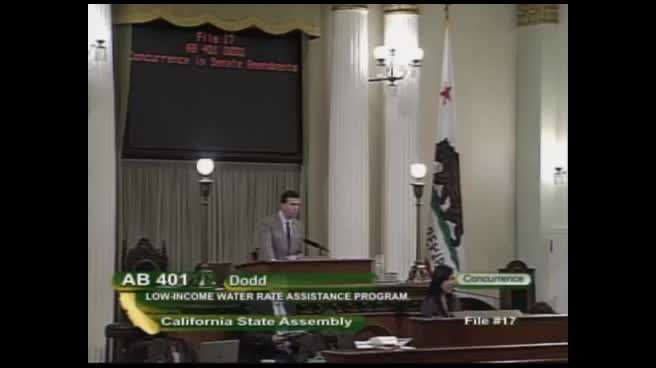 52SEC
Assembly Floor
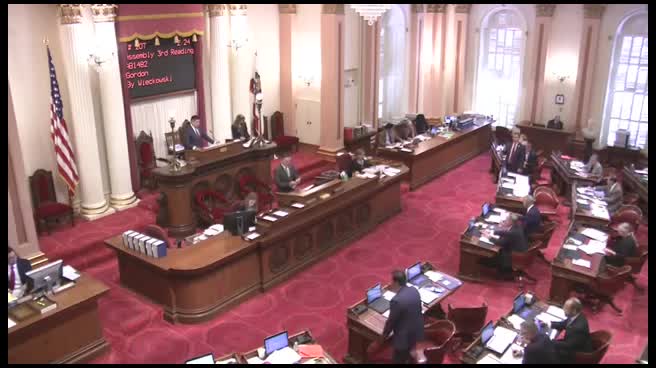 2MIN
Senate Floor
 43SEC
Senate Standing Committee on Appropriations
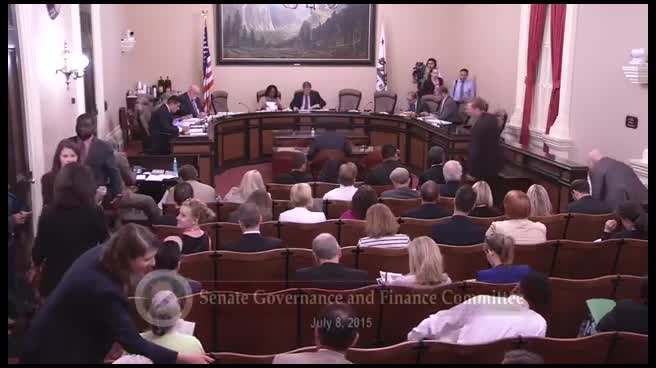 3MIN
Senate Standing Committee on Governance and Finance
 5MIN
Senate Standing Committee on Transportation and Housing
 1MIN
Assembly Floor
Bill Author

Bill Co-Author(s):