AB 703: Juveniles: attorney qualifications.
- Session Year: 2015-2016
- House: Assembly
- Latest Version Date: 2015-09-30
Existing law subjects any person under 18 years of age who commits a crime to the jurisdiction of the juvenile court, which may adjudge the person to be a ward of the court, except as specified. Under existing law, a minor has the right to counsel of his or her own choice in proceedings to declare the minor a ward of the court. If the minor and his or her parents are indigent, the minor is entitled to appointed counsel.
This bill would require counsel appointed in delinquency proceedings to, among other things, have sufficient contact with the minor to establish and maintain a meaningful and professional attorney-client relationship, including in the postdispositional phase of the proceedings. The bill would also require the Judicial Council, by July 1, 2016, to adopt rules of court regarding, among other things, the establishment of minimum hours of training and education, or sufficient recent experience in delinquency proceedings in which the attorney has demonstrated competence, necessary to be appointed as counsel in delinquency proceedings, the establishment of required training areas, and the encouragement of delinquency training provided by public defender offices and other agencies that represent minors in delinquency cases.
Existing law subjects any person under 18 years of age who commits a crime to the jurisdiction of the juvenile court, which may adjudge such the person to be a ward of the court, except as specified. Under existing law, a minor has the right to counsel of his or her own choice in proceedings to declare the minor a ward of the court. If the minor and his or her parents are indigent, the minor is entitled to appointed counsel.
This bill would require counsel appointed in youth delinquency proceedings to, among other things, have sufficient contact with the minor to establish and maintain a meaningful and professional attorney-client relationship, including in the postdispositional phase of the proceedings. The bill would also require the Judicial Council, by July 1, 2016, to adopt rules of court regarding, among other things, the establishment of minimum hours of training and education, or sufficient recent experience in delinquency proceedings in which the attorney has demonstrated competence, necessary to be appointed as counsel in delinquency proceedings, and the establishment of required training areas areas, and encouraging the encouragement of delinquency training provided by public defender offices and other agencies that represent minors in delinquency cases to provide juvenile delinquency training. cases.
Existing law subjects any person under 18 years of age who commits a crime to the jurisdiction of the juvenile court, which may adjudge such person to be a ward of the court, except as specified. Under existing law, a minor has the right to counsel of his or her own choice in proceedings to declare the minor a ward of the court. If the minor and his or her parents are indigent, the minor is entitled to appointed counsel.
This bill would require counsel appointed in youth proceedings to, among other things, have sufficient contact with the minor to establish and maintain a meaningful and professional attorney-client relationship, including in the postdispositional phase of the proceedings. The bill would also require the Judicial Council, by July 1, 2016, to adopt rules of court regarding, among other things, the establishment of minimum hours of training and education education, or sufficient recent experience in delinquency proceedings in which the attorney has demonstrated competence, necessary to be appointed as counsel in delinquency proceedings, and the establishment of required training areas and encouraging public defender offices and other agencies that represent minors in delinquency cases to provide juvenile delinquency training.
Existing law requires counsel, upon entering an appearance on behalf of a minor, to continue to represent that minor unless relieved by the court.
This bill would specify that representation to include every stage in juvenile proceedings, including postdisposition.
Existing law subjects any person under 18 years of age who commits a crime to the jurisdiction of the juvenile court, which may adjudge such person to be a ward of the court, except as specified. Under existing law, a minor has the right to counsel of his or her own choice in proceedings to declare the minor a ward of the court. If the minor and his or her parents are indigent, the minor is entitled to appointed counsel.
This bill would require the Judicial Council, by July 1, 2016, to adopt rules of court regarding, among other things, the establishment of minimum hours of training and education necessary to be appointed as counsel in delinquency proceedings, and the establishment of required training areas and encouraging public defender offices and other agencies that represent minors in delinquency cases to provide juvenile delinquency training.
Existing law requires counsel, upon entering an appearance on behalf of a minor, to continue to represent that minor unless relieved by the court.
This bill would specify that representation to include every stage in juvenile proceedings, including postdisposition.
The Legislature finds and declares all of the following:
(a)As representing minors in the juvenile justice system has become much more complex, and the potential consequences of juvenile involvement in the juvenile justice system have become more severe than when the Arnold-Kennick Juvenile Court Law (Chapter 2 (commencing with Section 200) of Part 1 of Division 2 of the Welfare and Institutions Code) was enacted, delinquency attorneys need specialized skills, education, and training to ensure competent representation of minors in juvenile delinquency court.
(b)Competent legal representation by defense attorneys is needed to preserve the integrity of the juvenile justice system, prevent wrongful judgments, reduce unnecessary incarceration, and help ensure that minors receive the care, treatment, and guidance upon which the juvenile justice system is premised.
(c)It is essential that Californias juvenile delinquency defense attorneys have the appropriate knowledge and skills needed to meet the demands of this increasingly complex area of legal practice. Advances in brain research demonstrate that children and adolescents do not possess the same cognitive, emotional, decisionmaking, and behavioral capacities as adults. Counsel must ensure that these differences are appropriately recognized in the attorney-client relationship and defense of the case.
SEC. 2.Section 634.3 is added to the Welfare and Institutions Code, to read:634.3.(a)Counsel appointed pursuant to Section 634 to represent youth in proceedings under Sections 601 and 602 shall do all of the following:
(1)Provide effective, competent, diligent, and conscientious advocacy and make rational and informed decisions founded on adequate investigation and preparation.
(2)Provide legal representation based on the clients expressed interests, and maintain a confidential relationship with the minor.
(3)Confer with the minor prior to each court hearing, and have sufficient contact with the minor to establish and maintain a meaningful and professional attorney-client relationship, including in the postdispositional phase.
(4)When appropriate, delinquency attorneys should consult with social workers, mental health professionals, educators, and other experts reasonably necessary for the preparation of the minors case, and, when appropriate, seek appointment of those experts pursuant to Sections 730 and 952 of the Evidence Code.
(5)Nothing in this subdivision shall be construed to modify the role of counsel pursuant to subdivision (b) of Section 657.
(b)By July 1, 2016, the Judicial Council, in consultation and collaboration with delinquency defense attorneys, judges, and other justice partners including child development experts, shall adopt rules of court to do all of the following:
(1)Establish minimum hours of training and education, or sufficient recent experience in delinquency proceedings in which the attorney has demonstrated competence, necessary in order to be appointed as counsel in delinquency proceedings. Training hours that the State Bar has approved for Minimum Continuing Legal Education (MCLE) credit shall be counted toward the MCLE hours required of all attorneys by the State Bar.
(2)Establish required training areas that may include, but are not limited to, an overview of juvenile delinquency law and procedure, child and adolescent development, special education, competence and mental health issues, counsels ethical duties, advocacy in the postdispositional phase, appellate issues, direct and collateral consequences of court involvement for a minor, and securing effective rehabilitative resources.
(3)Encourage public defender offices and agencies that provide representation in proceedings under Sections 601 and 602 to provide training on juvenile delinquency issues that the State Bar has approved for MCLE credit.
(4)Provide that attorneys practicing in juvenile delinquency courts shall be solely responsible for compliance with the training and education requirements adopted pursuant to this section.
The Legislature finds and declares all of the following:
(a)As representing minors in the juvenile justice system has become much more complex, and the potential consequences of juvenile involvement in the juvenile justice system have become more severe than when the Arnold-Kennick Juvenile Court Law (Chapter 2 (commencing with Section 200) of Part 1 of Division 2 of the Welfare and Institutions Code) was enacted, delinquency attorneys need specialized skills, education, and training to ensure competent representation of minors in juvenile delinquency court.
(b)Competent legal representation by defense attorneys is needed to preserve the integrity of the juvenile justice system, prevent wrongful judgments, reduce unnecessary incarceration, and help ensure that minors receive the care, treatment, and guidance upon which the juvenile justice system is premised.
(c)It is essential that Californias juvenile delinquency defense attorneys have the appropriate knowledge and skills needed to meet the demands of this increasingly complex area of legal practice. Advances in brain research demonstrate that children and adolescents do not possess the same cognitive, emotional, decisionmaking, and behavioral capacities as adults. Counsel must ensure that these differences are appropriately recognized in the attorney-client relationship and defense of the case.
SEC. 2.Section 634.3 is added to the Welfare and Institutions Code, to read:634.3.(a)Counsel appointed pursuant to Section 634 to represent youth in proceedings under Sections 601 and 602 shall do all of the following:
(1)Provide effective, competent, diligent, and conscientious advocacy and make rational and informed decisions founded on adequate investigation and preparation.
(2)Provide legal representation based on the clients expressed interests, and maintain a confidential relationship with the minor.
(3)Confer with the minor prior to each court hearing, and have sufficient contact with the minor to establish and maintain a meaningful and professional attorney-client relationship, including in the postdispositional phase.
(4)When appropriate, delinquency attorneys should consult with social workers, mental health professionals, educators, and other experts reasonably necessary for the preparation of the minors case, and, when appropriate, seek appointment of those experts pursuant to Sections 730 and 952 of the Evidence Code.
(5)Nothing in this subdivision shall be construed to modify the role of counsel pursuant to subdivision (b) of Section 657.
(b)By July 1, 2016, the Judicial Council, in consultation and collaboration with delinquency defense attorneys, judges, and other justice partners including child development experts, shall adopt rules of court to do all of the following:
(1)Establish minimum hours of training and education, or sufficient recent experience in delinquency proceedings in which the attorney has demonstrated competence, necessary in order to be appointed as counsel in delinquency proceedings. Training hours that the State Bar has approved for Minimum Continuing Legal Education (MCLE) credit shall be counted toward the MCLE hours required of all attorneys by the State Bar.
(2)Establish required training areas that may include, but are not limited to, an overview of juvenile delinquency law and procedure, child and adolescent development, special education, competence and mental health issues, counsels ethical duties, advocacy in the postdispositional phase, appellate issues, direct and collateral consequences of court involvement for a minor, and securing effective rehabilitative resources.
(3)Encourage public defender offices and agencies that provide representation in proceedings under Sections 601 and 602 to provide training on juvenile delinquency issues that the State Bar has approved for MCLE credit.
(4)Provide that experts whose appointment is requested by delinquency attorneys, and social workers employed to work with the delinquency attorney, are agents of the attorneys and require those experts and social workers to adhere to the attorney-client privilege under Article 3 (commencing with Section 950) of Chapter 4 of Division 8 of the Evidence Code.
(5)
(4)Provide that attorneys practicing in juvenile delinquency courts shall be solely responsible for compliance with the training and education requirements adopted pursuant to this section.
The Legislature finds and declares all of the following:
(a)As representing minors in the juvenile justice system has become much more complex, and the potential consequences of juvenile involvement in the juvenile justice system have become more severe than when the Arnold-Kennick Juvenile Court Law (Chapter 2 (commencing with Section 200) of Part 1 of Division 2 of the Welfare and Institutions Code) was enacted, delinquency attorneys need specialized skills, education, and training to ensure competent representation of minors in juvenile delinquency court.
(b)Competent legal representation by defense attorneys is needed to preserve the integrity of the juvenile justice system, prevent wrongful judgments, reduce unnecessary incarceration, and help ensure that minors receive the care, treatment, and guidance upon which the juvenile justice system is premised.
(c)It is essential that Californias juvenile delinquency defense attorneys have the appropriate knowledge and skills needed to meet the demands of this increasingly complex area of legal practice. Advances in brain research demonstrate that children and adolescents do not possess the same cognitive, emotional, decisionmaking, and behavioral capacities as adults. Counsel must ensure that these differences are appropriately recognized in the attorney-client relationship and defense of the case.
SEC. 2.Section 634.3 is added to the Welfare and Institutions Code, to read:634.3.(a)Counsel appointed pursuant to Section 634 to represent youth in proceedings under Sections 601 and 602 shall do all of the following:
(1)Provide effective, competent, diligent, and conscientious advocacy and make rational and informed decisions founded on adequate investigation and preparation.
(2)Represent the expressed interests of the minor, Provide legal representation based on the clients expressed interests, and maintain a confidential relationship with the minor.
(3)Confer with the minor prior to each court hearing, and have sufficient contact with the minor to establish and maintain a meaningful and professional attorney-client relationship. relationship, including in the postdispositional phase.
(4)When appropriate, delinquency attorneys should consult with social workers, mental health professionals, educators, and other experts reasonably necessary for the preparation of the minors case, and, when appropriate, seek appointment of those experts pursuant to Sections 730 and 952 of the Evidence Code.
(5)Nothing in this subdivision shall be construed to modify the role of counsel pursuant to subdivision (b) of Section 657.
(b)By July 1, 2016, the Judicial Council, in consultation and collaboration with delinquency defense attorneys, judges, and other justice partners including child development experts, shall adopt rules of court to do all of the following:
(1)Establish minimum hours of training and education education, or sufficient recent experience in delinquency proceedings in which the attorney has demonstrated competence, necessary in order to be appointed as counsel in delinquency proceedings. Training hours that the State Bar has approved for Minimum Continuing Legal Education (MCLE) credit shall be counted toward the MCLE hours required of all attorneys by the State Bar.
(2)Establish required training areas that may include, but are not limited to, developments in an overview of juvenile delinquency law, motion practice, law and procedure, child and adolescent development, special education, competence and mental health issues, child abuse and neglect, counsels ethical duties, advocacy in the postdispositional phase, appellate issues, direct and collateral consequences of court involvement for a minor, and securing effective rehabilitative resources.
(3)Encourage public defender offices and agencies that provide representation in proceedings under Sections 601 and 602 to provide training on juvenile delinquency issues that the State Bar has approved for MCLE credit.
(4)Provide that experts whose appointment is requested by delinquency attorneys, and social workers employed to work with the delinquency attorney, are agents of the attorneys and require those experts and social workers to adhere to the attorney-client privilege under Article 3 (commencing with Section 950) of Chapter 4 of Division 8 of the Evidence Code.
(5)Provide that attorneys practicing in juvenile delinquency courts shall be solely responsible for compliance with the training and education requirements adopted pursuant to this section.
SEC. 3.Section 634.6 of the Welfare and Institutions Code is amended to read:634.6.Any counsel upon entering an appearance on behalf of a minor shall continue to represent that minor at every stage in juvenile proceedings, including postdisposition, unless relieved by the court upon the substitution of other counsel or for cause. Indigent juveniles should be represented by the public defender whenever possible.
The Legislature finds and declares all of the following:
(a)As representing minors in the juvenile justice system has become much more complex, and the potential consequences of juvenile involvement in the juvenile justice system have become more severe than when the Arnold-Kennick Juvenile Court Law (Chapter 2 (commencing with Section 200) of Part 1 of Division 2 of the Welfare and Institutions Code) was enacted, delinquency attorneys need specialized skills, education, and training to ensure competent representation of minors in juvenile delinquency court.
(b)Competent legal representation by defense attorneys is needed to preserve the integrity of the juvenile justice system, prevent wrongful judgments, reduce unnecessary incarceration, and help ensure that minors receive the care, treatment, and guidance upon which the juvenile justice system is premised.
(c)It is essential that Californias juvenile delinquency defense attorneys have the appropriate knowledge and skills needed to meet the demands of this increasingly complex area of legal practice. Advances in brain research demonstrate that children and adolescents do not possess the same cognitive, emotional, decisionmaking, and behavioral capacities as adults. Counsel must ensure that these differences are appropriately recognized in the attorney-client relationship and defense of the case.
SEC. 2.Section 634.3 is added to the Welfare and Institutions Code, to read:634.3.(a)Counsel appointed pursuant to Section 634 to represent youth in proceedings under Sections 601 and 602 shall do all of the following:
(1)Provide effective, competent, diligent, and conscientious advocacy and make rational and informed decisions founded on adequate investigation and preparation.
(2)Represent the expressed interests of the minor, and maintain a confidential relationship with the minor.
(3)Confer with the minor prior to each court hearing, and have sufficient contact with the minor to establish and maintain a meaningful and professional attorney-client relationship.
(4)When appropriate, delinquency attorneys should consult with social workers, mental health professionals, educators, and other experts reasonably necessary for the preparation of the minors case, and, when appropriate, seek appointment of those experts pursuant to Sections 730 and 952 of the Evidence Code.
(b)By July 1, 2016, the Judicial Council, in consultation and collaboration with delinquency defense attorneys, judges, and other justice partners including child development experts, shall adopt rules of court to do all of the following:
(1)Establish minimum hours of training and education necessary in order to be appointed as counsel in delinquency proceedings. Training hours that the State Bar has approved for Minimum Continuing Legal Education (MCLE) credit shall be counted toward the MCLE hours required of all attorneys by the State Bar.
(2)Establish required training areas that include, but are not limited to, developments in juvenile delinquency law, motion practice, child and adolescent development, special education, competence and mental health issues, child abuse and neglect, counsels ethical duties, advocacy in the postdispositional phase, appellate issues, direct and collateral consequences of court involvement for a minor, and securing effective rehabilitative resources.
(3)Encourage public defender offices and agencies that provide representation in proceedings under Sections 601 and 602 to provide training on juvenile delinquency issues that the State Bar has approved for MCLE credit.
(4)Provide that experts whose appointment is requested by delinquency attorneys, and social workers employed to work with the delinquency attorney, are agents of the attorneys and require those experts and social workers to adhere to the attorney-client privilege under Article 3 (commencing with Section 950) of Chapter 4 of Division 8 of the Evidence Code.
(5)Provide that attorneys practicing in juvenile delinquency courts shall be solely responsible for compliance with the training and education requirements adopted pursuant to this section.
SEC. 3.Section 634.6 of the Welfare and Institutions Code is amended to read:634.6.Any counsel upon entering an appearance on behalf of a minor shall continue to represent that minor at every stage in juvenile proceedings, including postdisposition, unless relieved by the court upon the substitution of other counsel or for cause. Indigent juveniles should be represented by the public defender whenever possible.
|
Date
|
Status
|
|---|---|
| Apr 27, 2015 | Read third time. Passed. Ordered to the Senate. (Ayes 78. Noes 0. Page 1143.) |
| Sep 30, 2015 | Chaptered by Secretary of State - Chapter 369, Statutes of 2015. |
| Sep 30, 2015 | Approved by the Governor. |
| Sep 14, 2015 | Enrolled and presented to the Governor at 4 p.m. |
| Sep 2, 2015 | Read third time. Passed. Ordered to the Assembly. (Ayes 29. Noes 11. Page 2397.). |
| Sep 2, 2015 | Read third time. Passed. Ordered to the Assembly. |
| Sep 2, 2015 | In Assembly. Ordered to Engrossing and Enrolling. |
| Aug 31, 2015 | Read second time. Ordered to third reading. |
| Aug 27, 2015 | From committee: Do pass. (Ayes 6. Noes 1.) (August 27). |
| Jun 22, 2015 | In committee: Referred to suspense file. |
| Jun 9, 2015 | From committee: Do pass and re-refer to Com. on APPR. (Ayes 5. Noes 1.) (June 9). Re-referred to Com. on APPR. |
| May 7, 2015 | Referred to Com. on PUB. S. |
| Feb 25, 2015 | Read first time. To print. |
| Apr 27, 2015 | Read third time. Passed. Ordered to the Senate. |
| Apr 27, 2015 | In Senate. Read first time. To Com. on RLS. for assignment. |
| Apr 23, 2015 | Read second time. Ordered to third reading. |
| Apr 22, 2015 | From committee: Do pass. (Ayes 17. Noes 0.) (April 22). |
| Apr 14, 2015 | Re-referred to Com. on APPR. |
| Apr 13, 2015 | From committee chair, with author's amendments: Amend, and re-refer to Com. on APPR. Read second time and amended. |
| Apr 7, 2015 | From committee: Do pass and re-refer to Com. on APPR. (Ayes 10. Noes 0.) (April 7). Re-referred to Com. on APPR. |
| Mar 24, 2015 | Re-referred to Com. on JUD. |
| Mar 23, 2015 | From committee chair, with author's amendments: Amend, and re-refer to Com. on JUD. Read second time and amended. |
| Mar 12, 2015 | Referred to Com. on JUD. |
| Feb 26, 2015 | From printer. May be heard in committee March 28. |
|
Date
|
Description
|
Location
|
Votes
|
|
|---|---|---|---|---|
| Sep 2, 2015 | Assembly 3rd Reading AB703 Bloom By Lara | Senate Floor |
Passed |
|
| Aug 27, 2015 | Do pass | Senate Standing Committee on Appropriations |
Passed |
|
| Jun 22, 2015 | Placed on suspense file | Senate Standing Committee on Appropriations |
Passed |
|
| Jun 9, 2015 | Do pass, but first be re-referred to the Committee on [Appropriations] | Senate Standing Committee on Public Safety |
Passed |
|
| Apr 27, 2015 | AB 703 BLOOM Assembly Third Reading | Assembly Floor |
Passed |
|
| Apr 22, 2015 | Do pass. | Assembly Standing Committee on Appropriations |
Passed |
|
| Apr 7, 2015 | Do pass and be re-referred to the Committee on [Appropriations] | Assembly Standing Committee on Judiciary |
Passed |
This list shows positions taken on this bill by organizations on the date displayed, which is linked to the original source.
Positions by individuals are not included.
|
Organization
|
Position
|
Date
|
|---|---|---|
| American Civil Liberties Union of California | ** Support | Sep 2, 2015 |
| California Public Defenders Association | ** Support | Sep 2, 2015 |
| California State PTA | ** Support | Sep 2, 2015 |
| Children Now | ** Support | Sep 2, 2015 |
| Children's Advocacy Institute | ** Support | Sep 2, 2015 |
| Children'S Defense Fund - California | ** Support | Sep 2, 2015 |
| East Bay Children's Law Offices | ** Support | Sep 2, 2015 |
| Ella Baker Center For Human Rights | * Support | Jun 9, 2015 |
| Judicial Council of California | ** Support | Sep 2, 2015 |
| Judicial Counsel | * Support | Jun 9, 2015 |
| M&R Coalition of Nonprofits | * Support | Jun 9, 2015 |
| National Alliance on Mental Illness | ** Support | Sep 2, 2015 |
| National Center for Lesbian Rights | ** Support | Sep 2, 2015 |
| National Center for Youth Law | ** Support | Apr 22, 2015 |
| Office of the Sacramento County Public Defender | ** Support | Sep 2, 2015 |
| Pacific Juvenile Defender Center | ** Support | Sep 2, 2015 |
| Public Counsel | ** Support | Apr 22, 2015 |
| San Francisco Public Defender Jeff Adachi | ** Support | Apr 22, 2015 |
| United Cerebral Palsy California Coalition | * Support | Jun 9, 2015 |
| Youth Law Center | ** Support | Sep 2, 2015 |
| Youth Law Center in San Francisco | * Support | Jun 9, 2015 |
AB 703
Page 6
|
Office of Senate Floor Analyses (916) 651-1520 Fax: (916) 327-4478 |
THIRD READING
Bill No: AB 703
Amended: 4/13/15 in Assembly
SENATE PUBLIC SAFETY COMMITTEE: 5-1, 6/9/15
AYES: Hancock, Glazer, Leno, Liu, Monning
NOES: Anderson
NO VOTE RECORDED: Stone
SENATE APPROPRIATIONS COMMITTEE: 6-1, 8/27/15
AYES: Lara, Beall, Hill, Leyva, Mendoza, Nielsen
NOES: Bates
ASSEMBLY FLOOR: 78-0, 4/27/15 - See last page for vote
SUBJECT: Juveniles: attorney qualifications
SOURCE: East Bay Children’s Law Offices
Youth Law Center
DIGEST: This bill 1) establishes specified requirements for attorneys appointed to represent minors in the juvenile justice system, and 2) requires the Judicial Council to establish minimum hours of training and education necessary in order to be appointed as counsel in delinquency proceedings by July 1, 2016, as specified.
Existing law:
Provides that minors under the age of 18 years may be adjudged to be a ward of the court where they “persistently or habitually refuse to obey the reasonable and proper orders or directions of his or her parents, guardian, or custodian,” are “beyond the control of that person,” “violated any ordinance of any city or county of this state establishing a curfew based solely on age …,” or are habitually truant, as specified. (Welfare and Institutions Code (“WIC”) § 601.)
Provides that minors under the age of 18 years may be adjudged to be a ward of the court for violating “any law of this state or of the United States or any ordinance of any city or county of this state defining crime,” as specified. (WIC § 602.)
Provides generally that when a minor is adjudged a ward of the court on the ground that he or she is delinquent – delinquency generally pertaining to the status and criminal conduct described above – the court may make any and all reasonable orders for the care, supervision, custody, conduct, maintenance, and support of the minor, including medical treatment, subject to further order of the court, as specified. (WIC § 727(a).)
Requires that counsel appointed in a dependency case “shall have a caseload and training that ensures adequate representation of the child. The Judicial Council shall promulgate rules of court that establish caseload standards, training requirements, and guidelines for appointed counsel for children …” (WIC § 317(c); See also California Rule of Court 5.660(d) .)
This bill:
Requires that counsel appointed to represent youth in delinquency proceedings, as specified (WIC Sections 601 and 602), shall do all of the following:
Provide effective, competent, diligent, and conscientious advocacy and make rational and informed decisions founded on adequate investigation and preparation.
Provide legal representation based on the client’s expressed interests, and maintain a confidential relationship with the minor.
Confer with the minor prior to each court hearing, and have sufficient contact with the minor to establish and maintain a meaningful and professional attorney-client relationship, including in the post dispositional phase.
When appropriate, delinquency attorneys should consult with social workers, mental health professionals, educators, and other experts reasonably necessary for the preparation of the minor’s case, and, when appropriate, seek appointment of those experts pursuant to Sections 730 and 952 of the Evidence Code.
Provides that nothing in its provisions shall be construed to modify the role of counsel pursuant to subdivision (b) of WIC Section 657 (relating to a minor admitting in a detention hearing to the allegations of a petition and waiving the jurisdictional hearing).
Requires the Judicial Council, by July 1, 2016, and in consultation and collaboration with delinquency defense attorneys, judges and other justice partners including child development experts, to adopt rules of court to do all of the following:
Establish minimum hours of training and education, or sufficient recent experience in delinquency proceedings in which the attorney has demonstrated competence, necessary in order to be appointed as counsel in delinquency proceedings. Training hours that the State Bar has approved for Minimum Continuing Legal Education (MCLE) credit shall be counted toward the MCLE hours required of all attorneys by the State Bar.
Establish required training areas that may include, but are not limited to, an overview of juvenile delinquency law and procedure, child and adolescent development, special education, competence and mental health issues, counsel’s ethical duties, advocacy in the post dispositional phase, appellate issues, direct and collateral consequences of court involvement for a minor, and securing effective rehabilitative resources.
Encourage public defender offices and agencies that provide representation in proceedings under WIC Sections 601 and 602 to provide training on juvenile delinquency issues that the State Bar has approved for MCLE credit.
Provides that attorneys practicing in juvenile delinquency courts shall be solely responsible for compliance with the training and education requirements adopted pursuant to this section.
Contains uncodified legislative findings and declarations concerning the complexity of representing minors in the juvenile justice system and the importance of ensuring competent legal representation in delinquency proceedings, as specified.
Background
According to the Department of Justice report on juvenile justice in California, approximately 97,000 juveniles were arrested in 2013, with about 58,000 cases referred to the juvenile court for disposition and largely represented by public defenders and court-appointed counsel (92 percent).
In its Juvenile Delinquency Court Assessment 2008, the Administrative Office of the Courts concluded, “Given the complexity and the unique nature of the juvenile delinquency court setting, having experienced, well-trained attorneys is critical in order to ensure the fair processing of delinquency cases and quality representation for youth who enter the delinquency system. The fact that there are many professionals who are new to the delinquency system indicates the importance of early training when first entering a juvenile delinquency assignment. Training, along with other practices that allow for attorneys with delinquency-related experience to handle or supervise delinquency cases, should be encouraged by district attorneys’ and public defenders’ offices.”
An article in the University of California, Davis Journal of Juvenile Law and Policy, Contracts for Appointed Counsel in Juvenile Delinquency Cases: Defining Expectations (Volume 16:1, Winter 2012), stated, “The analysis of California contracts for appointed delinquency counsel reveals troubling deficiencies. The contracts fail, as a whole, to include the basic elements of competent delinquency representation. Some have well-drafted provisions with respect to particular elements but, in general, the contracts fail to address basic elements of delinquency representation. Moreover, the structure for compensation in many counties raises serious questions about whether delinquency attorneys are compensated for providing services they are ethically and legally bound to provide.” Additionally, with regard to delinquency-specific training, the article reported, “Disappointingly, a 2009 survey [by the MacArthur Juvenile Indigent Defense Action Network] of California delinquency counsel found that 47 percent of panel and contract attorneys had no specific juvenile training when they began to represent children in delinquency cases, and that of those who did have some training, 48 percent had a day or less.”
With regard to counsel in dependency proceedings, California Rule of Court 5.660(d) establishes caseload standards, training requirements, and guidelines for appointed counsel for children. This bill seeks to establish a minimum level of training and education for counsel in delinquency proceedings in order to assure justice for youth coming before the juvenile court.
FISCAL EFFECT: Appropriation: No Fiscal Com.: Yes Local: No
According to the Senate Appropriations Committee:
One-time minor costs of less than $10,000 (General Fund*) for the Judicial Council to establish the training and education standards and adopt the rules of court.
Potential ongoing state-reimbursable local costs in excess of $150,000 (General Fund) per year to the extent the rules of court establish guidelines mandating delinquency-specific training and education requirements for court-appointed counsel, including public defenders and district attorneys, resulting in increased costs to local agencies determined to be a reimbursable state mandate.
To the extent the minimum qualifications established result in more experienced representation in delinquency proceedings, potential long-term future cost savings (General Fund) to the criminal justice system in reduced incarceration and recidivism.
*Trial Court Trust Fund
East Bay Children’s Law Offices (co-source)
Youth Law Center (co-source)
American Civil Liberties Union of California
The Anti-Recidivism Coalition
California Public Defenders Association
California State PTA
Children’s Advocacy Institute
Children’s Defense Fund – California
Children Now
Judicial Council of California
League of Women Voters’ of California
National Alliance on Mental Illness
National Center for Lesbian Rights
Office of the Sacramento County Public Defender
Pacific Juvenile Defender Center
Public Defender of the City and County of San Francisco
OPPOSITION: (Verified 8/28/15)
None received
ARGUMENTS IN SUPPORT: The author states in part, “Many of the most common mistakes made by delinquency counsel could be avoided if counsel had basic knowledge about their ethical duties and training in the essentials of juvenile law and procedure, how to work with adolescents, and how to assure that their clients receive appropriate rehabilitative services. Dependency counsel for children are already required to have such training, but California has not yet assured that lawyers for youth in delinquency cases have the requisite knowledge and skills to provide competent representation. ¶ This bill sets forth the basic duties of juvenile delinquency defense counsel with respect to representing the expressed interests of the client, confidentiality, investigation of the case, use of experts, and maintenance of an ongoing relationship with the client. The bill also requires the Judicial Council, by July 1, 2016, to establish minimum hours of training and education necessary to be appointed as counsel in delinquency proceedings, required training areas, and provisions for exemption of experienced attorneys. The required training will count toward the State Bar required continuing legal education requirements that California attorneys must complete. This is a modest change that will vastly improve current practice in the state and help to ensure the integrity of the juvenile justice system.”
ASSEMBLY FLOOR: 78-0, 4/27/15
AYES: Achadjian, Alejo, Travis Allen, Baker, Bigelow, Bloom, Bonilla, Bonta, Brough, Brown, Burke, Calderon, Chang, Chau, Chávez, Chiu, Chu, Cooley, Cooper, Dababneh, Dahle, Daly, Dodd, Eggman, Frazier, Gallagher, Cristina Garcia, Eduardo Garcia, Gatto, Gipson, Gomez, Gonzalez, Gordon, Gray, Grove, Hadley, Harper, Roger Hernández, Holden, Irwin, Jones, Jones-Sawyer, Kim, Lackey, Levine, Linder, Lopez, Low, Maienschein, Mathis, Mayes, McCarty, Medina, Melendez, Mullin, Nazarian, Obernolte, O'Donnell, Olsen, Patterson, Perea, Quirk, Rendon, Ridley-Thomas, Rodriguez, Salas, Santiago, Steinorth, Mark Stone, Thurmond, Ting, Wagner, Waldron, Weber, Wilk, Williams, Wood, Atkins
NO VOTE RECORDED: Campos, Beth Gaines
Prepared by: Alison Anderson / PUB. S. /
8/31/15 9:06:15
**** END ****
AB 703 (Bloom) Page 5 of 5
SENATE COMMITTEE ON APPROPRIATIONS
Senator Ricardo Lara, Chair
2015 - 2016 Regular Session
AB 703 (Bloom) - Juveniles: attorney qualifications
|
|
Version: April 13, 2015 |
Policy Vote: PUB. S. 5 - 1 |
Urgency: No |
Mandate: No |
Hearing Date: June 22, 2015 |
Consultant: Jolie Onodera |
This bill meets the criteria for referral to the Suspense File.
Bill Summary:
AB 703 would require the Judicial Council, by July 1, 2016, to adopt rules of court regarding the establishment of minimum hours of training and education necessary to be appointed as counsel in delinquency proceedings, as specified.
Fiscal Impact:
One-time minor costs of less than $10,000 (General Fund*) for the Judicial Council to establish the training and education standards and adopt the rules of court.
Potential ongoing state-reimbursable local costs in excess of $150,000 (General Fund) per year to the extent the rules of court establish guidelines mandating delinquency-specific training and education requirements for court-appointed counsel, including public defenders and district attorneys, resulting in increased costs to local agencies determined to be a reimbursable state mandate.
To the extent the minimum qualifications established result in more experienced representation in delinquency proceedings, potential long-term future cost savings (General Fund) to the criminal justice system in reduced incarceration and recidivism.
*Trial Court Trust Fund
Background:
According to the Department of Justice (DOJ) report on juvenile justice in California, approximately 97,000 juveniles were arrested in 2013, with about 58,000 cases referred to the juvenile court for disposition and largely represented by public defenders and court-appointed counsel (92 percent).
In its Juvenile Delinquency Court Assessment 2008, the Administrative Office of the Courts concluded, “Given the complexity and the unique nature of the juvenile delinquency court setting, having experienced, well-trained attorneys is critical in order to ensure the fair processing of delinquency cases and quality representation for youth who enter the delinquency system. The fact that there are many professionals who are new to the delinquency system indicates the importance of early training when first entering a juvenile delinquency assignment. Training, along with other practices that allow for attorneys with delinquency-related experience to handle or supervise delinquency cases, should be encouraged by district attorneys’ and public defenders’ offices.”
An article in the UC Davis Journal of Juvenile Law and Policy, Contracts for Appointed Counsel in Juvenile Delinquency Cases: Defining Expectations (Volume 16:1, Winter 2012), stated, “The analysis of California contracts for appointed delinquency counsel reveals troubling deficiencies. The contracts fail, as a whole, to include the basic elements of competent delinquency representation. Some have well-drafted provisions with respect to particular elements but, in general, the contracts fail to address basic elements of delinquency representation. Moreover, the structure for compensation in many counties raises serious questions about whether delinquency attorneys are compensated for providing services they are ethically and legally bound to provide.” Additionally, with regard to delinquency-specific training, the article reported, “Disappointingly, a 2009 survey [by the MacArthur Juvenile Indigent Defense Action Network] of California delinquency counsel found that 47 percent of panel and contract attorneys had no specific juvenile training when they began to represent children in delinquency cases, and that of those who did have some training, 48 percent had a day or less.”
With regard to counsel in dependency proceedings, California Rule of Court 5.660(d) establishes caseload standards, training requirements, and guidelines for appointed counsel for children. This bill seeks to establish a minimum level of training and education for counsel in delinquency proceedings in order to assure justice for youth coming before the juvenile court.
Proposed Law:
This bill would require the Judicial Council, by July 1, 2016, in consultation and collaboration with delinquency defense attorneys, judges, and other justice partners including child development experts, to adopt rules of court to do all of the following:
Establish minimum hours of training and education, or sufficient recent experience in delinquency proceedings in which the attorney has demonstrated competence, necessary in order to be appointed as counsel in delinquency proceedings.
Provide that training hours approved by the State Bar for Minimum Continuing Legal Education (MCLE) credit are to be counted toward the MCLE hours required of all attorneys by the State Bar.
Establish required training areas that may include, but are not limited to, an overview of juvenile delinquency law and procedure, child and adolescent development, special education, competence and mental health issues, counsel’s ethical duties, advocacy in the post-dispositional phase, appellate issues, direct and collateral consequences of court involvement for a minor, and securing effective rehabilitative resources.
Encourage public defender offices and agencies that provide representation in juvenile delinquency hearings to provide training on juvenile delinquency issues.
Provide that attorneys practicing in juvenile delinquency courts shall be solely responsible for compliance with the training and education requirements adopted pursuant to this section.
This bill provides that counsel appointed to represent youth in juvenile delinquency proceedings shall do all of the following:
Provide effective, competent, diligent, and conscientious advocacy and make rational and informed decisions founded on adequate investigation and preparation.
Provide legal representation based on the client’s expressed interests, and maintain a confidential relationship with the minor.
Confer with the minor prior to each court hearing, and have sufficient contact with the minor establish and maintain a meaningful and professional attorney-client relationship, including in the postdispositional phase.
When appropriate, delinquency attorneys should consult with social workers, mental health professionals, educators, and other experts reasonably necessary for the preparation of the minor’s case, and, when appropriate, seek appointment of those experts, as specified.
Provides that nothing specified in this subdivision of the bill is to be construed to modify the role of counsel, as specified.
This bill also includes numerous uncodified legislative findings and declarations.
Prior Legislation:
SB 166 (Liu) 2013 was similar to this measure. This bill was held on the Suspense File of this Committee.
SB 988 (Liu) 2012 was substantially similar to SB 166 and required the Judicial Council to adopt rules of court regarding the qualifications of appointed counsel in juvenile delinquency proceedings. This bill was held on the Suspense File of this Committee.
SB 783 (Lockyer) Chapter 1073/1994 provided that all parties in juvenile dependency cases are entitled to competent counsel and required the Judicial Council to develop Rules of Court regarding the appointment of competent counsel in dependency proceedings.
Staff Comments:
The Judicial Council would incur one-time minor costs to establish the training and education requirements and adopt the rules of court. The bill does not specify the number of minimum training and education hours or experience necessary in order to be appointed as counsel, but requires the Judicial Council to establish this standard, as well as establish required training areas in the rules of court to be adopted. Staff notes that to the extent the Judicial Council considers the State Bar of California Guidelines on Indigent Defense Service Delivery Systems (2006), these guidelines specify that appointed counsel, “should receive training in understanding child emotional and brain development, substance abuse, mental health issues and educational rights issues, such as special education and educational accommodation. With the scope of representation continually expanding, counsel shall be encouraged to exceed the mandatory minimum training required by the State Bar with special emphases on training in areas of juvenile practice.”
Although not keyed as a state-mandated local program, to the extent the minimum hours of training and education established by the Judicial Council include mandated delinquency-specific training areas in its adopted rules of court, even if within the State Bar minimum standard of 25 hours of approved MCLE credit every three years, local costs for continued education training courses for public defenders and court appointed counsel representing juveniles in delinquency proceedings could result in increased costs to local entities, including county-operated public defender offices, that could be subject to reimbursement by the state if so determined by the Commission on State Mandates.
Based on the DOJ report, Juvenile Justice in California 2013, there were 84,740 juvenile petitions filed in 2013. Of the cases represented, about 25 percent were represented by court-appointed counsel, slightly more than 67 percent were represented by public defenders, and less than eight percent of cases were represented by private counsel or other. The number of attorneys required to represent the juvenile petitions filed annually is estimated at about 708 attorneys based on an annual juvenile caseload of 50 cases for court-appointed counsel and 200 for public defenders. Assuming $150 to $200 for an eight-hour training course would result in potentially state-reimbursable costs in excess of $100,000 (General Fund) for the minimum number of attorneys estimated to be required to meet the representative caseload. It should be noted costs would likely be higher, however, as juvenile delinquency cases would not necessarily encompass an attorney’s full caseload, and many more attorneys could complete the training to meet the requirements.
Alternatively, to the extent the minimum training and education standards result in the need for counties to utilize more experienced counsel (at higher cost) could also result in increased ongoing costs, potentially significant and state-reimbursable, to county public defenders’ offices.
Contract costs for appointed counsel could also be impacted by the new minimum standards. In the UC Davis article noted above, the author reports, “Disturbingly, most of the contracts compensate appointed counsel on a flat fee rate for the case, or a lump sum based on exceedingly low per case assumptions that would not cover even a fraction of the work required for competent representation in the simplest case.” Increases to contract fee schedules, via increases to flat fee/lump sum or transition to an hourly rate compensation system to account for the increased training and education standards, could potentially increase annual contract costs to local jurisdictions for appointed delinquency counsel. The magnitude of costs is unknown, but could be significant, and would be dependent upon the level of training and education ultimately established by the Judicial Council and the varying impacts to local jurisdictions to meet the new standards.
To the extent the establishment of minimum qualifications for court appointed counsel in delinquency proceedings results in improved representation, substantial long-term cost savings from reduced incarceration, recidivism, and ultimately, more positive lifelong outcomes for youth, could result.
Recommended Amendments:
To contain potential costs, staff recommends an amendment to specify the minimum hours of training and education established by the Judicial Council shall not increase the minimum number of MCLE hours required of all attorneys by the State Bar.
To clarify the bill’s intent, staff recommends an amendment to specify the minimum hours of training and education established by the Judicial Council apply to defense counsel in delinquency proceedings.
-- END --
AB 703 (Bloom ) Page 8 of 8
SENATE COMMITTEE ON PUBLIC SAFETY
Senator Loni Hancock, Chair
2015 - 2016 Regular
Bill No: AB 703 Hearing Date: June 9, 2015
Author: |
Bloom |
||
Version: |
April 13, 2015 |
||
Urgency: |
No |
Fiscal: |
Yes |
Consultant: |
AA |
||
Subject: Juveniles: Attorney Qualifications
HISTORY
Source: East Bay Children’s Law Offices; Youth Law Center
Prior Legislation: SB 166 (Liu) – 2013, held on suspense in Senate Appropriations
SB 988 (Liu) – 2013, held on suspense in Senate Appropriations
Support: American Civil Liberties Union of California; The Anti-Recidivism Coalition; California Public Defenders Association; California State PTA; Children’s Advocacy Institute; Children’s Defense Fund – California; Children Now; Judicial Council of California; League of Women Voters’ of California; National Alliance on Mental Illness; National Center for Lesbian Rights; Office of the Sacramento County Public Defender; Pacific Juvenile Defender Center; Public Defender of the City and County of San Francisco
Opposition: None Known
Assembly Floor Vote: 78 - 0
PURPOSE
The purpose of this bill is to 1) establish specified requirements for attorneys appointed to represent minors in the juvenile justice system, and 2) require the Judicial Council to establish minimum hours of training and education necessary in order to be appointed as counsel in delinquency proceedings by July 1, 2016, as specified.
Current law provides that minors under the age of 18 years may be adjudged to be a ward of the court where they “persistently or habitually refuse to obey the reasonable and proper orders or directions of his or her parents, guardian, or custodian,” are “beyond the control of that person,” “violated any ordinance of any city or county of this state establishing a curfew based solely on age . . . ,” or are habitually truant, as specified. (Welfare and Institutions Code (“WIC”) § 601.)
Current law further provides that minors under the age of 18 years may be adjudged to be a ward of the court for violating “any law of this state or of the United States or any ordinance of any city or county of this state defining crime,” as specified. (WIC § 602.)
Current law generally provides that when a minor is adjudged a ward of the court on the ground that he or she is delinquent – delinquency generally pertaining to the status and criminal conduct described above – the court may make any and all reasonable orders for the care, supervision, custody, conduct, maintenance, and support of the minor, including medical treatment, subject to further order of the court, as specified. (WIC § 727(a).)
Current law requires that counsel appointed in a dependency case “shall have a caseload and training that ensures adequate representation of the child. The Judicial Council shall promulgate rules of court that establish caseload standards, training requirements, and guidelines for appointed counsel for children . . . .” (WIC § 317(c); See also California Rule of Court 5.660(d)1.)
This bill would require that counsel appointed to represent youth in delinquency proceedings, as specified (Sections 601 and 602), shall do all of the following:
Provide effective, competent, diligent, and conscientious advocacy and make rational and informed decisions founded on adequate investigation and preparation.
Provide legal representation based on the client’s expressed interests, and maintain a confidential relationship with the minor.
Confer with the minor prior to each court hearing, and have sufficient contact with the minor to establish and maintain a meaningful and professional attorney-client relationship, including in the post dispositional phase.
When appropriate, delinquency attorneys should consult with social workers, mental health professionals, educators, and other experts reasonably necessary for the preparation of the minor’s case, and, when appropriate, seek appointment of those experts pursuant to Sections 730 and 952 of the Evidence Code.
This bill would provide that nothing in its provisions shall be construed to modify the role of counsel pursuant to subdivision (b) of Section 657 (relating to a minor admitting in a detention hearing to the allegations of a petition and waiving the jurisdictional hearing).
This bill would require the Judicial Council, by July 1, 2016 and in consultation and collaboration with delinquency defense attorneys, judges and other justice partners including child development experts, to adopt rules of court to do all of the following:
Establish minimum hours of training and education, or sufficient recent experience in delinquency proceedings in which the attorney has demonstrated competence, necessary in order to be appointed as counsel in delinquency proceedings. Training hours that the State Bar has approved for Minimum Continuing Legal Education (MCLE) credit shall be counted toward the MCLE hours required of all attorneys by the State Bar.
Establish required training areas that may include, but are not limited to, an overview of juvenile delinquency law and procedure, child and adolescent development, special education, competence and mental health issues, counsel’s ethical duties, advocacy in the post dispositional phase, appellate issues, direct and collateral consequences of court involvement for a minor, and securing effective rehabilitative resources.
Encourage public defender offices and agencies that provide representation in proceedings under Sections 601 and 602 to provide training on juvenile delinquency issues that the State Bar has approved for MCLE credit.
Provide that attorneys practicing in juvenile delinquency courts shall be solely responsible for compliance with the training and education requirements adopted pursuant to this section.
This bill contains uncodified legislative findings and declarations concerning the complexity of representing minors in the juvenile justice system and the importance of ensuring competent legal representation in delinquency proceedings, as specified.
RECEIVERSHIP/OVERCROWDING CRISIS AGGRAVATION
For the past eight years, this Committee has scrutinized legislation referred to its jurisdiction for any potential impact on prison overcrowding. Mindful of the United States Supreme Court ruling and federal court orders relating to the state’s ability to provide a constitutional level of health care to its inmate population and the related issue of prison overcrowding, this Committee has applied its “ROCA” policy as a content-neutral, provisional measure necessary to ensure that the Legislature does not erode progress in reducing prison overcrowding.
On February 10, 2014, the federal court ordered California to reduce its in-state adult institution population to 137.5% of design capacity by February 28, 2016, as follows:
143% of design bed capacity by June 30, 2014;
141.5% of design bed capacity by February 28, 2015; and,
137.5% of design bed capacity by February 28, 2016.
In February of this year the administration reported that as “of February 11, 2015, 112,993 inmates were housed in the State’s 34 adult institutions, which amounts to 136.6% of design bed capacity, and 8,828 inmates were housed in out-of-state facilities. This current population is now below the court-ordered reduction to 137.5% of design bed capacity.”( Defendants’ February 2015 Status Report In Response To February 10, 2014 Order, 2:90-cv-00520 KJM DAD PC, 3-Judge Court, Coleman v. Brown, Plata v. Brown (fn. omitted).
While significant gains have been made in reducing the prison population, the state now must stabilize these advances and demonstrate to the federal court that California has in place the “durable solution” to prison overcrowding “consistently demanded” by the court. (Opinion Re: Order Granting in Part and Denying in Part Defendants’ Request For Extension of December 31, 2013 Deadline, NO. 2:90-cv-0520 LKK DAD (PC), 3-Judge Court, Coleman v. Brown, Plata v. Brown (2-10-14). The Committee’s consideration of bills that may impact the prison population therefore will be informed by the following questions:
Whether a proposal erodes a measure which has contributed to reducing the prison population;
Whether a proposal addresses a major area of public safety or criminal activity for which there is no other reasonable, appropriate remedy;
Whether a proposal addresses a crime which is directly dangerous to the physical safety of others for which there is no other reasonably appropriate sanction;
Whether a proposal corrects a constitutional problem or legislative drafting error; and
Whether a proposal proposes penalties which are proportionate, and cannot be achieved through any other reasonably appropriate remedy.
COMMENTS
Stated Need for This Bill
The author states:
Juvenile delinquency practice is a specialty area of the law, with its own ethical duties, procedures, timelines, and case law. It requires counsel to be knowledgeable in traditional criminal law, but also in adolescent development and rehabilitative services. Although young people in juvenile delinquency proceedings have the right to be represented by competent legal counsel, close to half of California delinquency defense counsel begin their practice with zero training in juvenile specific law and practice. This results in wrongful conviction, over incarceration, unnecessary costs in legal challenges, and a variety of costs in relation to future delinquency, when youth do not have their needs addressed. Because the system depends on all players in the court process being able to competently uphold their part, ill-trained attorneys also harm the integrity of the juvenile justice system. Further, young people who are represented by such attorneys understandably perceive the system as unfair – not the kind of civics lesson we want them to receive.
Many of the most common mistakes made by delinquency counsel could be avoided if counsel had basic knowledge about their ethical duties and training in the essentials of juvenile law and procedure, how to work with adolescents, and how to assure that their clients receive appropriate rehabilitative services. Dependency counsel for children are already required to have such training, but California has not yet assured that lawyers for youth in delinquency cases have the requisite knowledge and skills to provide competent representation.
This bill sets forth the basic duties of juvenile delinquency defense counsel with respect to representing the expressed interests of the client, confidentiality, investigation of the case, use of experts, and maintenance of an ongoing relationship with the client. The bill also requires the Judicial Council, by July 1, 2016, to establish minimum hours of training and education necessary to be appointed as counsel in delinquency proceedings, required training areas, and provisions for exemption of experienced attorneys. The required training will count toward the State Bar required continuing legal education requirements that California attorneys must complete. This is a modest change that will vastly improve current practice in the state and help to ensure the integrity of the juvenile justice system.
2. Background: Delinquency Proceedings; Attorney Training and Education
In 2010, 185,867 juveniles were arrested in California. Of those, over 95,000 were referred to the juvenile court for disposition.2
In April of 2008, the Administrative Offices of the Court released its Juvenile Delinquency Court Assessment. With respect to attorneys practicing before the juvenile court, the report concluded in part:
Results from both surveys indicate that many prosecutors and defense attorneys are new to juvenile delinquency. This is particularly true for prosecutors and public defenders; many are in their first juvenile delinquency assignment and few reported having prior professional roles in the juvenile system. These findings may raise some concerns regarding the general lack of experience of some attorneys working in the juvenile delinquency courts. In describing the qualifications for prosecutors, the National Prosecution Standards . . . on the Standards for Juvenile Justice recommends that training and experience should be required for handling juvenile delinquency cases and that entry-level attorneys working in juvenile delinquency should receive training related to juvenile matters. According to the National Juvenile Defender Center’s Principles in Practice, legal representation of children is considered to be a specialized area that requires ongoing, delinquency-specific training. Although no specific recommendation is made regarding the level of expertise necessary for juvenile delinquency attorneys, the principles do state that new defenders should be supervised by more experienced attorneys to ensure high-quality legal work and manageable caseloads.
Given the complexity and the unique nature of the juvenile delinquency court setting, having experienced, well-trained attorneys is critical in order to ensure the fair processing of delinquency cases and quality representation for youth who enter the delinquency system. The fact that there are many professionals who are new to the delinquency system indicates the importance of early training when first entering a juvenile delinquency assignment. Training, along with other practices that allow for attorneys with delinquency-related experience to handle or supervise delinquency cases, should be encouraged by district attorneys’ and public defenders’ offices.3
As part of this report, the Family and Juvenile Law Advisory Committee recommended that judicial officers, attorneys, and probation should be adequately trained and educated to understand the myriad issues in delinquency court and the importance of the work.4
A law review article5 published in 2012 addressed the quality of counsel in delinquency cases, and argues for the type of minimum education and training standards proposed by this bill. The article states in part:
The quality of legal representation plays a critical role in assuring justice for individual youth, reducing the societal costs of juvenile crime, and assuring the integrity of the justice system. With so much at stake, youth need legal assistance that is knowledgeable, skilled and zealous. Delinquency representation requires a complex set of specialized skills that includes knowledge of criminal and juvenile law, juvenile court procedure, trial and appellate skills, adolescent development, juvenile adjudicative competence, rehabilitative services, and collateral consequences of court involvement. The systems providing appointed counsel for young people in juvenile proceedings must be designed to provide this specialized legal representation.
Research into appointed counsel contracts in California reveals a disappointing lack of attention into these basic components of delinquency representation. The prevalent use of generic contracts for multiple kinds of cases means that cases are regularly handled without reference to critical issues such as post-disposition representation. The failure of many contracts to include qualifications for employment represents a missed opportunity for contracting agencies to obtain experienced, well-trained counsel and to provide ongoing training requirements and quality assurance. More importantly, counsel appointed under these contracts are left with little idea of what is expected of them, and no basis from which to negotiate resources and conditions of employment that are needed to provide competent representation. The contracts also provide a window into troubling deficiencies with respect to compensation, oversight, and lack of independence for appointed counsel.
Competent representation is most likely to occur if appointed counsel contracts include the elements that make juvenile delinquency representation its own specialty, and provide adequate compensation for each element. Appointed counsel systems are most likely to uphold the right to competent delinquency representation if attorneys are experienced and properly trained. The integrity of the system is most likely to be protected if appointed counsel systems operate independently and have meaningful oversight.
By including delinquency-specific ethical requirements, scope of work, experience, training, compensation, quality assurance and oversight, and independence of the appointment system, contracts will help to ensure that youth are represented by qualified counsel who know what is expected and that counsel are compensated for providing the full range of services required for competent representation. In this way, both the parties to the contract, and the youth whose lives are in the balance, will receive the benefit of the bargain.6
According to an article in the Los Angeles Times last year, a Loyola Law School report released in 2013 analyzed about 3,000 Los Angeles County juvenile cases and concluded that, on average, youths represented by panel attorneys got more severe convictions and heavier sentences than those represented by public defenders. “The researchers also found that public defenders were more active than panel attorneys in filing motions, bringing in experts and seeking pretrial release of their clients.” Advocates for youth attribute the discrepancy in quality, among other things, to greater experience and training of attorneys working in the public defender’s office and flat fees for panel attorneys, which according to critics, result in a disincentive to investigate cases and file motions. (http://articles.latimes.com/2014/feb/11/local/ la-me-juvenile-defense-20140212)
Low-quality legal representation in juvenile delinquency cases has a disproportionately negative impact on economically disadvantaged families and communities of color. According to the author:
In 2013, there were 58,001 juvenile court petitions filed in California, and youth in 43,198 (92%) of those petitions were represented by a court appointed attorney. That number includes 31,489 represented by a public defender, and 11,709 by other appointed counsel. (Source: Juvenile Justice in California 2013, California Department of Justice, Criminal Justice Statistics Center, Table 20.)
Of the 43,198 cases in which youth were represented by appointed counsel in 2013, fully 35,618 involved youth who are Black, Latino or of other non-white race/ethnicity. (Source: Juvenile Justice in California 2013, California Department of Justice, Criminal Justice Statistics Center, Table 20.)
3. Prior Legislation
SB 988 (Liu) in 2012 required defense attorneys in delinquency cases to have a minimum of 8 hours of continuing education. This bill passed this Committee (5-1) and was held on suspense in Senate Appropriations. SB 166 (Liu) in 2013 required the Judicial Council to establish minimum training and education standards for attorneys in juvenile delinquency cases. This bill passed this Committee (5-1) and also was held on suspense in Senate Appropriations.
-- END –
1 California Rule of Court 5.660(d) provides: “(d) Competent counsel (¶) Every party in a dependency proceeding who is represented by an attorney is entitled to competent counsel. (1) Definition. “Competent counsel” means an attorney who is a member in good standing of the State Bar of California, who has participated in training in the law of juvenile dependency, and who demonstrates adequate forensic skills, knowledge and comprehension of the statutory scheme, the purposes and goals of dependency proceedings, the specific statutes, rules of court, and cases relevant to such proceedings, and procedures for filing petitions for extraordinary writs. (2) Evidence of competency. The court may require evidence of the competency of any attorney appointed to represent a party in a dependency proceeding. (3) Experience and education. Only those attorneys who have completed a minimum of eight hours of training or education in the area of juvenile dependency, or who have sufficient recent experience in dependency proceedings in which the attorney has demonstrated competency, may be appointed to represent parties. In addition to a summary of dependency law and related statutes and cases, training and education for attorneys must include information on child development, child abuse and neglect, substance abuse, domestic violence, family reunification and preservation, and reasonable efforts. Within every three years attorneys must complete at least eight hours of continuing education related to dependency proceedings. (4) Standards of representation. Attorneys or their agents are expected to meet regularly with clients, including clients who are children, regardless of the age of the child or the child’s ability to communicate verbally, to contact social workers and other professionals associated with the client’s case, to work with other counsel and the court to resolve disputed aspects of a case without contested hearing, and to adhere to the mandated timelines. The attorney for the child must have sufficient contact with the child to establish and maintain an adequate and professional attorney-client relationship. The attorney for the child is not required to assume the responsibilities of a social worker and is not expected to perform services for the child that are unrelated to the child’s legal representation. (5) Attorney contact information. The attorney for a child for whom a dependency petition has been filed must provide his or her contact information to the child’s caregiver no later than 10 days after receipt of the name, address, and telephone number of the child’s caregiver. If the child is 10 years of age or older, the attorney must also provide his or her contact information to the child for whom a dependency petition has been filed no later than 10 days after receipt of the caregiver’s contact information. The attorney may give contact information to a child for whom a dependency petition has been filed who is under 10 years of age. (6) Caseloads for children’s attorneys. The attorney for a child must have a caseload that allows the attorney to perform the duties required by section 317(e) and this rule, and to otherwise adequately counsel and represent the child. To enhance the quality of representation afforded to children, attorneys appointed under this rule must not maintain a maximum full-time caseload that is greater than that which allows them to meet the requirements stated in (3), (4), and (5).”
2 Juvenile Justice in California 2010 (California Dept. of Justice) (http://ag.ca.gov/cjsc/publications/misc /jj10/preface.pdf?).
3 Juvenile Delinquency Court Assessment: Attorney Report (AOC, April 2008) (http://www.courts.ca.gov/ documents/JDCA2008V2Ch4.pdf.)(Footnotes omitted).
4 Juvenile Delinquency Court Assessment 2008 (AOC, Center for Families, Children & the Courts), p. 8 (http://www.courts.ca.gov/documents/JDCA2008V1Full.pdf).
5 The article is written by a Staff Attorney at the Youth Law Center, a co-sponsor of this bill.
6 Burrell, Contracts for Appointed Counsel in Juvenile Delinquency Cases: Defining Expectations (Winter 2012) UC Davis Journal of Juvenile Law & Policy Vol. 16:1.
AB 703
Page 2
ASSEMBLY THIRD READING
AB 703
(Bloom)
As Amended April 13, 2015
Majority vote
Committee |
Votes |
Ayes |
Noes |
Judiciary |
10-0 |
Mark Stone, Wagner, Alejo, Chau, Chiu, Gallagher, Cristina Garcia, Holden, Maienschein, O'Donneld |
|
Appropriations |
17-0 |
Gomez, Bigelow, Bloom, Bonta, Calderon, Chang, Daly, Eggman, Gallagher, Eduardo Garcia, Holden, Jones, Quirk, Rendon, Wagner, Weber, Wood |
|
SUMMARY: In order to raise the standards of training and experience of attorneys who represent minors in juvenile delinquency proceedings, this bill requires counsel to have sufficient contact with clients. It also requires the Judicial Council to establish minimum hours of training and education necessary for attorneys to be appointed as counsel in juvenile delinquency proceedings.
EXISTING LAW:
Provides that minors under the age of 18 years may be adjudged to be a ward of the court where they "persistently or habitually refuse to obey the reasonable and proper orders or directions of his or her parents, guardian, or custodian," are "beyond the control of that person," "violated any ordinance of any city or county of this state establishing a curfew based solely on age...," or are habitually truant, as specified.
Provides that minors under the age of 18 years may be adjudged to be a ward of the court for violating "any law of this state or of the United States or any ordinance of any city or county of this state defining crime," as specified.
Provides that when a minor is adjudged a ward of the court on the ground that he or she is delinquent – delinquency generally pertaining to the status and criminal conduct described above – the court may make any and all reasonable orders for the care, supervision, custody, conduct, maintenance, and support of the minor, including medical treatment, subject to further order of the court, as specified.
Requires that counsel appointed in a dependency case "shall have a caseload and training that ensures adequate representation of the child."
Requires the Judicial Council to promulgate rules of court that establish caseload standards, training requirements, and guidelines for appointed counsel for dependent minor children.
FISCAL EFFECT: According to the Assembly Appropriations Committee, minor one-time costs (less than $100,000) for the Judicial Council to convene the stakeholders and develop and adopt the rules of court.
COMMENTS: Under both the Sixth Amendment to the United States Constitution and Article I, Section 15, of the California Constitution, a criminal defendant has the right to the effective assistance of counsel. (People v. Ledesma (1987) 43 Cal.3d 171, In re Edward S. (2009) 173 Cal.App.4th 387, 406.) Juveniles have a constitutional right to counsel, and other associated rights to provide due process rights in juvenile proceedings. (In re Gault (1967) - 387 U.S. 1 [abrogated on other grounds in Allen v. Ill. (1986) 478 U.S. 364].) An adjudication of delinquency "must measure up to the essentials of due process and fair treatment as required by the Due Process Clause of the Fourteenth Amendment of our Constitution." (Id., at pp. 30-31.)
When minors are tried in the juvenile court, where proceedings are technically not criminal and rehabilitation, rather than punishment, is the goal, imprisonment in state prison cannot be ordered. Nevertheless, the stakes are high for the minors themselves, as well as their families and communities:
Even a relatively minor offense exposes youth to life-changing consequences. Because juveniles have not yet developed mature judgment, delinquency representation requires counsel to have special skills both in the defense of the case and in working with young clients. Competent representation is needed to preserve the integrity of the justice system, prevent wrongful conviction, and reduce unnecessary incarceration. (Burrell, 314 UC Davis Journal of Juvenile Law & Policy Vol. 16:1 (2012).)
The stakes are similarly high in juvenile dependency matters, where parents can lose custody of their children and ultimately have their parental rights terminated and children can be removed from their homes and be placed with strangers. Recognizing the importance of competent representative in juvenile dependency matters, the Legislature previously imposed training requirements and special duties on attorneys who handle those cases.
Response of National Working Groups and Other States – Laws Similar to This Bill. With the support of the John D. and Catherine T. MacArthur Foundation and under the rubric of the Juvenile Indigent Defense Action Network, the National Juvenile Defender Center drafted a detailed set of standards for over a five-year period. These standards were drafted, promulgated, and reviewed by multi-disciplinary teams with the guidance and support of juvenile indigent defense experts and consultants from across the nation. These multi-disciplinary teams were led by juvenile defenders and included public defenders, appointed counsel, law school clinicians, non-profit attorneys, judges, legislators, prosecutors, probation officers, clinicians, government officials, advocates, philanthropists, and a myriad of other juvenile defense stakeholders. At least partly in response to the MacArthur Foundation work, at least 12 other states have adopted standards for the competence of juvenile delinquency counsel.
Analysis Prepared by: Alison Merrilees / JUD. / (916) 319-2334 FN: 0000195
AB 703
Page 1
Date of Hearing: April 22, 2015
ASSEMBLY COMMITTEE ON APPROPRIATIONS
Jimmy Gomez, Chair
AB 703
(Bloom) – As Amended April 13, 2015
Policy Committee: |
Judiciary |
Vote: |
10 - 0 |
|
|
|
|
|
|
|
|
Urgency: No State Mandated Local Program: No Reimbursable: No
SUMMARY:
This bill requires the Judicial Council, in consultation and collaboration with delinquency defense attorneys, judges, and other justice partners, including child development experts, to adopt rules of court by July 1, 2016, to establish minimum hours of training and education necessary for attorneys to be appointed as counsel in juvenile delinquency proceedings. This bill also establishes specific duties for such counsel.
FISCAL EFFECT:
Minor one-time costs (less than $100,000) for the Judicial Council to convene the stakeholders and develop and adopt the rules of court.
COMMENTS:
Purpose. When minors are tried in the juvenile court, where proceedings are technically not criminal and rehabilitation, rather than punishment, is the goal, imprisonment in state prison cannot be ordered. Nevertheless, the stakes are high for the minors themselves, as well as their families and communities.
The stakes are similarly high in juvenile dependency matters, where parents can lose custody of their children, and ultimately have their parental rights terminated, and children can be removed from their homes and be placed with strangers. Recognizing the importance of competent representative in juvenile dependency matters, the Legislature has imposed special requirements and duties, regarding caseload standards and training requirements, on attorneys who handle those cases.
This bill seeks to impose similar training and competency requirements on attorneys who represent minors in delinquency cases, setting forth the basic duties of such counsel with respect to representing the expressed interests of the client, confidentiality, investigation of the case, and maintenance of an ongoing relationship with the client. In addition, the bill requires the Judicial Council to adopt rules of court regarding training and education/experience requirements for these attorneys.
Analysis Prepared by: Chuck Nicol / APPR. / (916) 319-2081
AB 703
Page 8
Date of Hearing: April 7, 2015
ASSEMBLY COMMITTEE ON JUDICIARY
Mark Stone, Chair
AB 703
(Bloom) – As Amended March 23, 2015
SUBJECT: JUVENILES: ATTORNEY QUALIFICATIONS
KEY ISSUE: SHOULD THE JUDICIAL COUNCIL ADOPT STANDARDS OF TRAINING, CLIENT CONTACT, AND EXPERIENCE FOR ATTORNEYS WHO REPRESENT MINORS IN JUVENILE DELINQUENCY PROCEEDINGS SIMILAR TO THOSE NOW IN PLACE FOR ATTORNEYS WHO REPRESENT MINORS IN JUVENILE DEPENDENCY CASES?
SYNOPSIS
There are serious and long-term repercussions to minors, their families, and their communities from adjudications by juvenile delinquency courts. Because of these serious long-term consequences, adjudications of delinquency must measure up to the essentials of due process and fair treatment as required by the Due Process Clause of the Fourteenth Amendment of our Constitution. Unfortunately, because of high caseloads, limited experience, and inconsistent training, the quality of representation offered by attorneys in these matters do not always measure up to Constitutional standards. This bill would require the Judicial Council to establish minimum training, client contact, and experience standards for attorneys who represent minors in juvenile delinquency cases. These standards would be similar to those previously adopted by the Judicial Council for juvenile dependency matters. Other states have adopted standards like those proposed by this bill. The bill is supported by a number of organizations, including Children Now and Public Counsel and has no reported opposition.
SUMMARY: In order to raise the standards of training and experience of attorneys who represent minors in juvenile delinquency proceedings, this bill requires counsel to have sufficient contact with clients. It also requires the Judicial Council to establish minimum hours of training and education necessary for attorneys to be appointed as counsel in juvenile delinquency proceedings. Specifically, this bill:
Requires counsel appointed to represent youth in proceedings under Welfare and Institutions Code Sections 601 and 602 to do all of the following:
Provide effective, competent, diligent, and conscientious advocacy and make rational and informed decisions founded on adequate investigation and preparation.
Provide legal representation based on the client’s expressed interests, and maintain a confidential relationship with the minor.
Confer with the minor prior to each court hearing, and have sufficient contact with the minor to establish and maintain a meaningful and professional attorney-client
When appropriate, consult with social workers, mental health professionals, educators, and other experts reasonably necessary for the preparation of the minor’s case, and, when appropriate, seek appointment of those experts pursuant to Sections 730 and 952 of the Evidence Code.
Requires the Judicial Council, in consultation and collaboration with delinquency defense attorneys, judges, and other justice partners including child development experts, to adopt rules of court by July 1, 2016, to do all of the following:
Establish minimum hours of training and education, or sufficient experience in delinquency proceedings which demonstrates competence, necessary for attorneys to be appointed as counsel in delinquency proceedings.
Establish required training areas related to issues affecting minors in the delinquency system that are necessary for attorneys to be appointed as counsel in delinquency proceedings.
Encourage public defender offices and agencies that provide representation in proceedings under Welfare and Institutions Code Sections 601 and 602 to provide training on juvenile delinquency issues that the State Bar has approved for MCLE credit.
Provide that experts whose appointment is requested by delinquency attorneys, and social workers employed to work with the delinquency attorney, are agents of the attorneys and require those experts and social workers to adhere to the attorney-client privilege under Article 3 (commencing with Section 950) of Chapter 4 of Division 8 of the Evidence Code.
EXISTING LAW:
Provides that minors under the age of 18 years may be adjudged to be a ward of the court where they “persistently or habitually refuse to obey the reasonable and proper orders or directions of his or her parents, guardian, or custodian,” are “beyond the control of that person,” “violated any ordinance of any city or county of this state establishing a curfew based solely on age . . . ,” or are habitually truant, as specified. (Welfare and Institutions Code Section 601. All further statutory references are to the Welfare and Institutions Code, unless otherwise indicated.)
Provides that minors under the age of 18 years may be adjudged to be a ward of the court for violating “any law of this state or of the United States or any ordinance of any city or county of this state defining crime,” as specified. (Section 602.)
Provides that when a minor is adjudged a ward of the court on the ground that he or she is delinquent – delinquency generally pertaining to the status and criminal conduct described above – the court may make any and all reasonable orders for the care, supervision, custody, conduct, maintenance, and support of the minor, including medical treatment, subject to further order of the court, as specified. (Section 727(a).)
Requires that counsel appointed in a dependency case “shall have a caseload and training that ensures adequate representation of the child.ˮ (Section 317(c).)
Requires the Judicial Council to promulgate rules of court that establish caseload standards, training requirements, and guidelines for appointed counsel for dependent minor children. (Section 317(c).)
FISCAL EFFECT: As current in print this bill is keyed fiscal.
COMMENTS: Under both the Sixth Amendment to the United States Constitution and article I, section 15, of the California Constitution, a criminal defendant has the right to the effective assistance of counsel. (People v. Ledesma (1987) 43 Cal.3d 171, In re Edward S. (2009) 173 Cal.App.4th 387, 406.) Juveniles have a constitutional right to counsel, and other associated rights to provide due process rights in juvenile proceedings. (In re Gault (1967) - 387 U.S. 1 [abrogated on other grounds in Allen v. Ill. (1986) 478 U.S. 364].) An adjudication of delinquency “must measure up to the essentials of due process and fair treatment as required by the Due Process Clause of the Fourteenth Amendment of our Constitution.” (Id., at pp. 30-31.)
When minors are tried in the juvenile court, where proceedings are technically not criminal and rehabilitation, rather than punishment, is the goal, imprisonment in state prison cannot be ordered. Nevertheless, the stakes are high for the minors themselves, as well as their families and communities.
Even a relatively minor offense exposes youth to life-changing consequences. Because juveniles have not yet developed mature judgment, delinquency representation requires counsel to have special skills both in the defense of the case and in working with young clients. Competent representation is needed to preserve the integrity of the justice system, prevent wrongful conviction, and reduce unnecessary incarceration. (Burrell, 314 UC Davis Journal of Juvenile Law & Policy Vol. 16:1 (2012).)
The First District Court of Appeals concluded in In re Edward S. that the performance of appointed counsel for a minor accused of attempting to molest a minor under the age of 14 was deficient because the attorney “(1) failed to investigate potentially exculpatory evidence, (2) sought an inadequate continuance based on a mistake of law, and (3) failed to move for a substitution of counsel knowing he was unable to devote the time and resources necessary to properly defend appellant.” (In re Edward S., supra, Cal.App.4th at p. 387.) In its discussion, the court mentioned the seriousness of the allegations against the minor: a violation of Penal Code Section 288(a), which is a serious felony and “strike” under state law that would require lifetime registration as a sex offender. (Ibid.)
The stakes are similarly high in juvenile dependency matters, where parents can lose custody of their children and ultimately have their parental rights terminated and children can be removed from their homes and be placed with strangers. Recognizing the importance of competent representative in juvenile dependency matters, the Legislature has imposed special requirements and duties on attorneys who handle those cases. For example, Section 317 requires that counsel appointed in a dependency case “shall have a caseload and training that ensures adequate representation of the child.” (Section 317(c).) Likewise, the California Rules of Court (promulgated by the Judicial Council pursuant to Section 317 (c)) establish caseload standards, training requirements, and guidelines for appointed counsel for dependent minor children. (California Rule of Court 5.660(d).)
This bill seeks to impose similar training and competency requirements on attorneys who represent minors in delinquency cases. In support of the bill, the author writes:
Juvenile delinquency practice is a specialty area of the law, with its own ethical duties, procedures, timelines, and case law. It requires counsel to be knowledgeable in traditional criminal law, but also in adolescent development and rehabilitative services. Although young people in juvenile delinquency proceedings have the right to be represented by competent legal counsel, close to half of California delinquency defense counsel begin their practice with zero training in juvenile specific law and practice. This results in wrongful conviction, over incarceration, unnecessary costs in legal challenges, and a variety of costs in relation to future delinquency, when youth do not have their needs addressed. Because the system depends on all players in the court process being able to competently uphold their part, ill-trained attorneys also harm the integrity of the juvenile justice system. Further, young people who are represented by such attorneys understandably perceive the system as unfair – not the kind of civics lesson we want them to receive.
Many of the most common mistakes made by delinquency counsel could be avoided if counsel had basic knowledge about their ethical duties and training in the essentials of juvenile law and procedure, how to work with adolescents, and how to assure that their clients receive appropriate rehabilitative services. Dependency counsel for children are already required to have such training, but California has not yet assured that lawyers for youth in delinquency cases have the requisite knowledge and skills to provide competent representation.
This bill sets forth the basic duties of juvenile delinquency defense counsel with respect to representing the expressed interests of the client, confidentiality, investigation of the case, use of experts, and maintenance of an ongoing relationship with the client. The bill also requires the Judicial Council, by July 1, 2016, to establish minimum hours of training and education necessary to be appointed as counsel in delinquency proceedings, required training areas, and provisions for exemption of experienced attorneys. The required training will count toward the State Bar required continuing legal education requirements that California attorneys must complete. This is a modest change that will vastly improve current practice in the state and help to ensure the integrity of the juvenile justice system.
Evidence of Inadequate Quality of Legal Representation of Youth in the Delinquency System - in California and the Nation. In 1995, the American Bar Association assessed the state of legal representation in juvenile delinquency courts by conducting a national survey of juvenile defenders, as well as site visits to several jurisdictions, interviews with people working in the field, client interviews, and an extensive literature search. Information was sought on juvenile access to counsel, quality of representation, the role of counsel in delinquency proceedings, and promising approaches to effective representation. The survey found that while many attorneys “vigorously and enthusiastically represented their young clients,” such high-quality representation “was not widespread and serious concern was raised about whether the interests of many young people in juvenile courts were significantly compromised.” (Call for Justice: An Assessment of Access to Counsel and Quality of Representation in Delinquency Proceedings (1995) Puritz, Burrell, Schwartz, Soler, and Warboys, American Bar Association, Washington, DC.) https://www.ncjrs.gov/App/Publications/abstract.aspx?ID=162231)
Almost ten years later, a follow-up survey found that some conditions had improved, but many problems remained. For example, although the U.S. Bureau of Justice Assistance recommends an annual caseload no greater than 200 to 250 for public defenders handling juvenile cases on a full-time basis, national and state studies indicate that caseloads are much larger. The average juvenile caseload in the ABA’s national survey was 300 (of a total caseload exceeding 500). (https://www.ncjrs.gov/pdffiles1/ojjdp/204063.pdf)
In California, A Loyola Law School report released last year analyzed about 3,000 Los Angeles County juvenile cases and concluded that, on average, youths represented by panel attorneys got more severe convictions and heavier sentences than those represented by public defenders. The researchers also found that public defenders were more active than panel attorneys in filing motions, bringing in experts and seeking pretrial release of their clients. Advocates for youth attribute the discrepancy in quality, among other things, to greater experience and training of attorneys working in the public defender’s office and flat fees for panel attorneys, which according to critics, result in a disincentive to investigate cases and file motions. (http://articles.latimes.com/2014/feb/11/local/la-me-juvenile-defense-20140212)
Low-quality legal representation in juvenile delinquency cases has a disproportionately negative impact on economically disadvantaged families and communities of color. According to the author:
In 2013, there were 58,001 juvenile court petitions filed in California, and youth in 43,198 (92%) of those petitions were represented by a court appointed attorney. That number includes 31,489 represented by a public defender, and 11,709 by other appointed counsel. (Source: Juvenile Justice in California 2013, California Department of Justice, Criminal Justice Statistics Center, Table 20.)
Of the 43,198 cases in which youth were represented by appointed counsel in 2013, fully 35,618 involved youth who are Black, Latino or of other non-white race/ethnicity. (Source: Juvenile Justice in California 2013, California Department of Justice, Criminal Justice Statistics Center, Table 20.)
This bill may help correct such disparities. According to the Youth Law Center, co-sponsor of AB 703:
[T]his bill will help to prevent wrongful conviction, unnecessary incarceration, and inappropriate service orders. It will help young people coming before the juvenile court to perceive the system as fair and to have a meaningful opportunity to be heard. Assuring competent representation will also help to reduce racial disparities in the justice system. . . . AB 703 seeks to end the very common practice of allowing untrained attorneys to practice on poor youth of color. The constitutional right to competent legal representation demands that lawyers representing children in juvenile court have at least some training in the essentials of juvenile delinquency representation.
Response of National Working Groups and Other States – Laws Similar to AB 703. With the support of the John D. and Catherine T. MacArthur Foundation and under the rubric of the Juvenile Indigent Defense Action Network, the National Juvenile Defender Center drafted a detailed set of standards for over a 5-year period. These standards were drafted, promulgated, and reviewed by multi-disciplinary teams with the guidance and support of juvenile indigent defense experts and consultants from across the nation. These multi-disciplinary teams were led by juvenile defenders and included public defenders, appointed counsel, law school clinicians, non-profit attorneys, judges, legislators, prosecutors, probation officers, clinicians, government officials, advocates, philanthropists, and a myriad of other juvenile defense stakeholders. (http://njdc.info/wp-content/uploads/2013/09/NationalJuvenileDefenseStandards2013.pdf)
At least partly in response to the MacArthur Foundation work, at least 12 other states have adopted standards for the competence of juvenile delinquency counsel.
Prior Related Legislation: SB 988 (Liu, 2012) required defense attorneys in delinquency cases to have a minimum of 8 hours of continuing education - held on suspense in Senate Appropriations.
SB 166 (Liu, 2013) required the Judicial Council to establish minimum training and education standards for attorneys in juvenile delinquency cases - held on suspense in Senate Appropriations.
REGISTERED SUPPORT / OPPOSITION:
Support
East Bay Children’s Law Offices (co-sponsor)
Pacific Juvenile Defender Center (co-sponsor)
Youth Law Center (co-sponsor)
Children Now
National Center for Lesbian Rights
National Center for Youth Law
Public Counsel
San Francisco Public Defender Jeff Adachi
Opposition
None on file
Analysis Prepared by: Alison Merrilees / JUD. / (916) 319-2334
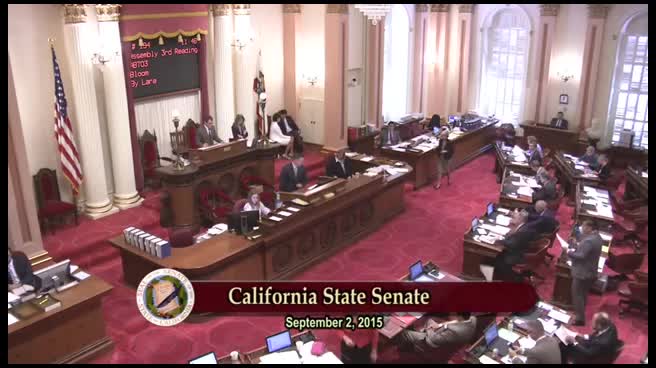
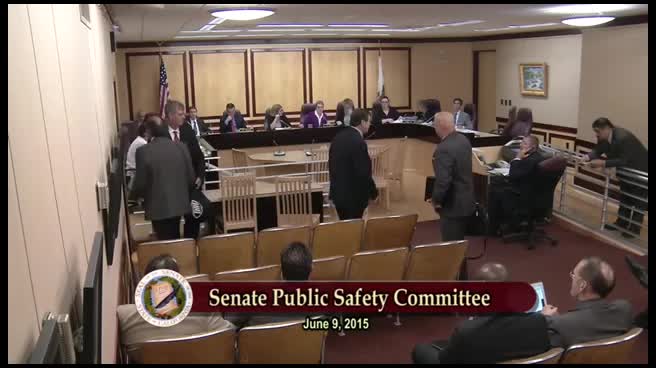
Bill Author

Bill Co-Author(s):