SB 1010: Health care: prescription drug costs.
- Session Year: 2015-2016
- House: Senate
- Latest Version Date: 2016-08-16
Existing law, the Knox-Keene Health Care Service Plan Act of 1975 (Knox-Keene Act), provides for the licensure and regulation of health care service plans by the Department of Managed Health Care (DMHC) and makes a willful violation of the act a crime. Existing law also provides for the regulation of health insurers by the Department of Insurance (DOI). Existing law requires health care service plans and health insurers to file specified rate information with DMHC or DOI, as applicable, for health care service plan contracts or health insurance policies in the individual or small group markets and for health care service plan contracts and health insurance policies in the large group market.
This bill would require health care service plans or health insurers that file the above-described rate information to report to DMHC or DOI, on a date no later than the reporting of the rate information, specified cost information regarding covered prescription drugs, including generic drugs, brand name drugs, and specialty drugs provided in an outpatient setting. dispensed as provided. The information reported would include, but not be limited to, the 25 most frequently prescribed drugs and the 25 most costly drugs by total plan or insurer spending. DMHC and DOI would be required to compile the reported information into a report for the public and legislators that demonstrates the overall impact of drug costs on health care premiums and publish the reports on their Internet Web sites by October 1 of each year. Except for the report, DMHC and DOI would be required to keep confidential all information provided pursuant to these provisions.
Because a willful violation of the Knox-Keene Act is a crime, this bill would impose a state-mandated local program.
This bill, effective January 1, 2018, except as provided, would require a manufacturer of a branded prescription drug to notify in writing state purchasers, health care service plans, health insurers, and pharmacy benefit managers, and the chairs of specified Senate and Assembly committees managers if it is increasing the wholesale acquisition cost of the drug by more than 10% or by more than $10,000 during any 12-month period. The bill, except as provided, would require a manufacturer of a generic prescription drug, as defined, with a specified wholesale acquisition cost to notify state purchasers, health care service plans, health insurers, pharmacy benefit managers, and the chairs of specified Senate and Assembly committees if it is increasing the wholesale acquisition cost of the drug by more than 25% during any 12-month period. The bill during any 12-month period by 25% or more based upon the wholesale acquisition cost of the drug and pursuant to a specified schedule, or by more than $10,000. The bill, effective January 1, 2018, would require a manufacturer of a prescription drug to notify in writing, within 3 days of approval by the federal Food and Drug Administration, writing, 3 days before the commercial availability of the drug, state purchasers, health care service plans, health insurers, and pharmacy benefit managers, and the chairs of specified Senate and Assembly committees managers if it is introducing a new prescription drug to market at a wholesale acquisition cost of $10,000 or more annually or per course of treatment. The bill would require a manufacturer, within 30 days of notification of a price increase, or notification of the introduction to market of a prescription drug that has a wholesale acquisition cost of $10,000 or more annually or per course of treatment, to report specified information regarding the drug price to each state purchaser, health care service plan, health insurer, or pharmacy benefit manager the Office of Statewide Health Planning and Development and would require a manufacturer who fails to provide the required information within the 30 days to be subject to a civil an administrative penalty of $1,000 per day. day for every day after the 30-day notification period. The bill would also require a pharmacy benefit manager that receives notice of a price increase consistent with these provisions to provide notice of the price increase to its contracting public and private purchasers, as provided. The Legislature would be required to keep confidential all information provided pursuant to these provisions. The bill would define pricing information, as specified, would deem it to be confidential information, as specified, would provide that the information is exempt from disclosure under the California Public Records Act, and would require or authorize, as specified, other entities to disclose the information under a certain condition. The bill would make the Office of Statewide Health Planning and Development the entity charged with implementing and enforcing these provisions and would require that office to publish specified information collected pursuant to these provisions on its Internet Website. The bill would repeal these provisions by January 1, 2022.
Existing law requires, for large group health care service plan contracts and health insurance policies, each health care service plan or health insurer to file with DMHC or DOI the weighted average rate increase for all large group benefit designs during the 12-month period ending January 1 of the following calendar year, and to also disclose specified information for the aggregate rate information for the large group market.
This bill would add to that disclosure of information for the aggregate rate information for the large group market, the requirement for health care service plans or health insurers to disclose specified information regarding the cost of covered prescription drugs, including generic drugs but excluding generic specialty drugs, brand name drugs drugs, excluding brand name specialty drugs, and brand name and generic specialty drugs dispensed at a pharmacy, network pharmacy, or mail order pharmacy for outpatient use and regarding the use of a pharmacy benefit manager, as prescribed.
Existing constitutional provisions require that a statute that limits the right of access to the meetings of public bodies or the writings of public officials and agencies be adopted with findings demonstrating the interest protected by the limitation and the need for protecting that interest.
This bill would make legislative findings to that effect.
The California Constitution requires the state to reimburse local agencies and school districts for certain costs mandated by the state. Statutory provisions establish procedures for making that reimbursement.
This bill would provide that no reimbursement is required by this act for a specified reason.
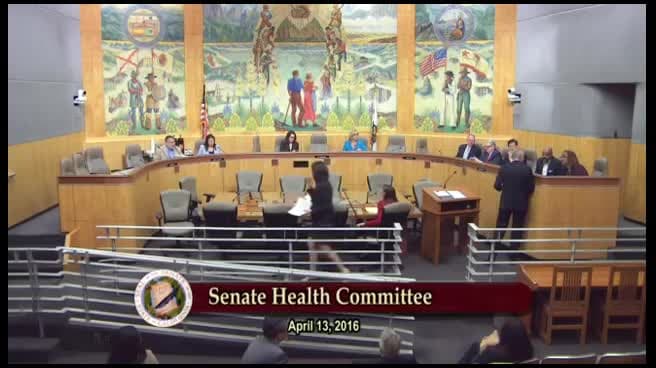
Discussed in Hearing

Assembly Standing Committee on Health
 13MIN
13MINSenate Floor