SB 1100: Worker occupational safety and health training and education program.
- Session Year: 2015-2016
- House: Senate
- Latest Version Date: 2016-05-31
Existing law requires the Commission on Health and Safety and Workers Compensation to establish and maintain a worker and occupational safety and health training and education program and requires the Director of Industrial Relations to establish an insurance loss control services coordinator position, to be funded from the Workers Occupational Safety and Health Education Fund. Existing law requires the director to levy and collect fees from workers compensation insurers for purposes of the program, with the fees to be deposited in the fund. Existing law prohibits the fee assessed against any insurer from exceeding the greater of $100 or a specified percentage of paid workers compensation indemnity amounts for claims reported in the previous year, as specified. Moneys in the fund are available for expenditure for the above purposes upon appropriation by the Legislature.
This bill would provide that revise the calculation of the fee described above to also include a specified percentage of paid workers compensation medical amounts for claims reported in the previous year and would deposit those additional moneys in the Workers Occupational Safety and Health Education Fund may be applied to Fund. The bill would authorize specified collaborative work by the commission in connection with its training and education program. The bill would expand the list of purposes of the training and education program, which would be referred to as the Worker Occupational Safety and Health Training and Education Program, or WOSHTEP, to increase the number of, and assure continued capacity of, specified organizations to train workers and provide services. The bill would require, as part of WOSHTEP, that the commission collaborate with the Occupational Health Branch of the State Department of Public Health and the University of California occupational health centers affiliated with regional schools of medicine and public health, centers, as specified. The bill would repeal duplicative provisions.
This bill would include a change in state statute that would result in a taxpayer paying a higher tax within the meaning of Section 3 of Article XIIIA of the California Constitution, and thus would require for passage the approval of 2/3 of the membership of each house of the Legislature.
Existing law requires the Commission on Health and Safety and Workers Compensation to establish and maintain a worker and occupational safety and health training and education program and requires the Director of Industrial Relations to establish an insurance loss control services coordinator position, to be funded from the Workers Occupational Safety and Health Education Fund. Existing law requires the director to levy and collect fees from workers compensation insurers for purposes of the program, with the fees to be deposited in the fund. Moneys in the fund are available for expenditure for the above purposes upon appropriation by the Legislature.
This bill would rename that fund the Workers Occupational Safety and Health Injury and Illness Prevention Through Education, Research, and Treatment Fund. provide that moneys in the Workers Occupational Safety and Health Education Fund may be applied to specified collaborative work by the commission in connection with its training and education program. The bill would expand the list of purposes of the training and education program, which would be referred to as the Worker Occupational Safety and Health Training and Education Program, or WOSHTEP, to increase the number of, and assure continued capacity of, specified organizations to train workers and provide services. The bill would require, as part of WOSHTEP, that the commission collaborate with the Occupational Health Branch of the State Department of Public Health and the University of California occupational health centers affiliated with regional schools of medicine and public health, as specified. The bill would repeal duplicative provisions.
The bill would require the Occupational Health Branch of the State Department of Public Health, by interagency agreement with the Division of Occupational Safety and Health, to provide administrative and programmatic oversight for the establishment, implementation, and evaluation of a California occupational research agenda and a community occupational health program.
Existing law requires the Commission on Health and Safety and Workers Compensation to establish and maintain a worker and occupational safety and health training and education program and requires the Director of Industrial Relations to establish an insurance loss control services coordinator position, to be funded from the Workers Occupational Safety and Health Education Fund. Existing law requires the director to levy and collect fees from workers compensation insurers for purposes of the program, with the fees to be deposited in the fund. Moneys in the fund are available for expenditure for the above purposes upon appropriation by the Legislature.
This bill would rename that fund the Workers Occupational Safety and Health Injury and Illness Prevention Through Education, Research, and Treatment Fund.
The bill would require the Occupational Health Branch of the State Department of Public Health, by interagency agreement with the Division of Occupational Safety and Health, to provide administrative and programmatic oversight for the establishment, implementation, and evaluation of a California occupational research agenda and a community occupational health program.
This act shall be known, and may be cited, as The Dr. Julia Quint Program for Research and Prevention of Occupational Injuries and Illnesses. The intent of this act is to establish a California occupational research agenda, increase coordination and collaboration between community occupational health clinics and the centers for occupational and environmental health, and provide training with the goals of preventing occupational injuries and illnesses suffered by the most vulnerable workers, including non-English speakers working in high-risk occupations, and reducing the consequences and costs of those injuries and illnesses through early intervention with appropriate care.
SEC. 2.Section 6354.7 of the Labor Code, as added by Section 84 of Chapter 6 of the Statutes of 2002, is repealed.SEC. 3.Section 6354.7 of the Labor Code, as added by Section 15 of Chapter 866 of the Statutes of 2002, is amended to read:6354.7.(a)The Workers Occupational Safety and Health Education Fund is hereby created as a special account in the State Treasury. Proceeds of the fund may be expended, upon appropriation by the Legislature, by the Commission on Health and Safety and Workers Compensation for the purposes specified in this section and Section 6354.8 and for an insurance loss control services coordinator. The director shall levy and collect fees to fund these purposes from insurers subject to Section 6354.5. However, the fee assessed against any insurer shall not exceed the greater of one hundred dollars ($100) or 0.0286 percent of paid workers compensation medical and indemnity amounts for claims as reported for the previous calendar year to the designated rating organization for the analysis required under subdivisions (b) (a), (b), and (c) of Section 11759.1 of the Insurance Code. All fees shall be deposited in the fund.
(b)The commission shall establish and maintain a worker occupational safety and health training and education program, to be referred to as the Worker Occupational Safety and Health Training and Education Program, or WOSHTEP. The purpose of the WOSHTEP shall be to promote awareness of the need for prevention education programs, to develop and provide injury and illness prevention education programs for employees and their representatives, to increase the number of, and to ensure continued capacity of, nonprofit provider organizations, including labor-management cooperation committees, joint labor-management apprentice programs, labor unions, community or faith-based organizations that focus on vulnerable workers, and state government-supported postsecondary educational institutions, to train workers and provide related services, representatives and to deliver those awareness and training programs through a network of providers throughout the state. The commission may conduct the WOSHTEP directly or by means of contracts or interagency agreements.
(c)The commission shall establish an advisory board for the WOSHTEP that includes employer and worker representatives and experts in occupational safety and health. The WOSHTEP advisory board shall guide the development of curricula, teaching methods, and specific course material about occupational safety and health, and shall assist in providing links to the target audience and broadening the partnerships with worker-based organizations, labor studies programs, and others that are able to reach the target audience.
(d)The WOSHTEP shall include the development and provision of a needed core curriculum addressing competencies for effective participation in workplace injury and illness prevention programs and on joint labor-management health and safety committees. The core curriculum shall include an overview of the requirements related to injury and illness prevention programs and hazard communication.
(e)The WOSHTEP shall include the development and provision of additional training programs for any or all of the following categories:
(1)Industries on the high hazard list.
(2)Hazards that result in significant worker injuries, illnesses, or compensation costs.
(3)Industries or trades in which workers are experiencing numerous or significant injuries or illnesses.
(4)Occupational groups with special needs, such as those who do not speak English as their first language, workers with limited literacy, young workers, and other traditionally underserved industries or groups of workers. Priority shall be given to training workers who are able to train other workers and workers who have significant health and safety responsibilities, such as those workers serving on a health and safety committee or serving as designated safety representatives.
(f)The WOSHTEP shall operate one or more libraries and distribution systems of occupational safety and health training material, which shall include, but not be limited to, all material developed by the program pursuant to this section.
(g)The WOSHTEP advisory board shall annually prepare a written report evaluating the use and impact of programs developed.
(h)The payment of administrative costs incurred by the commission in conducting the WOSHTEP shall be made from the Workers Occupational Safety and Health Education Fund.
SEC. 4.Section 6354.8 is added to the Labor Code, to read:6354.8.In addition to the duties and functions specified in Section 6354.7, the Worker Occupational Safety and Health Training and Education Program shall work in collaboration with: do both of the following:
(a)The Work in collaboration with the Occupational Health Branch of the State Department of Public Health to develop and implement a California occupational research agenda focused on the prevention of occupational injuries and illnesses that are most prevalent, serious, and costly for California employers and employees.
(b)The Through an agreement with the University of California occupational health centers affiliated with regional schools of medicine and public health, as established by Section 50.8, to increase coordination and collaboration, including providing provide training to community-based health clinics that serve vulnerable workers, including non-English speakers, working in high-risk occupations.
This act shall be known, and may be cited, as The Dr. Julia Quint Program for Research, Prevention, and Treatment Research and Prevention of Occupational Injuries and Illnesses. The intent of this act is to establish a California occupational research agenda, increase coordination and collaboration between community occupational health clinics and the centers for occupational and environmental health, and provide training with the goals of preventing occupational injuries and illnesses suffered by the most vulnerable workers, including non-English speakers working in high-risk occupations, and reducing the consequences and costs of those injuries and illnesses through early intervention with appropriate care.
SEC. 2.Section 6354.7 of the Labor Code, as added by Section 84 of Chapter 6 of the Statutes of 2002, is repealed.6354.7.(a)The Workers Occupational Safety and Health Education Fund is hereby created as a special account in the State Treasury. Proceeds of the fund may be expended, upon appropriation by the Legislature, by the Commission on Health and Safety and Workers Compensation for the purpose of establishing and maintaining a worker occupational safety and health training and education program and insurance loss control services coordinator. The director shall levy and collect fees to fund these purposes from insurers subject to Section 6354.5. However, the fee assessed against any insurer shall not exceed the greater of one hundred dollars ($100) or 0.0286 percent of paid workers compensation indemnity claims as reported for the previous calendar year to the designated rating organization for the analysis required under subdivision (b) of Section 11759.1 of the Insurance Code. All fees shall be deposited in the fund.
(b)The commission shall establish and maintain a worker safety and health training and education program. The purpose of the worker occupational safety and health training and education program shall be to promote awareness of the need for prevention education programs, to develop and provide injury and illness prevention education programs for employees and their representatives, and to deliver those awareness and training programs through a network of providers throughout the state. The commission may conduct the program directly or by means of contracts or interagency agreements.
(c)The commission shall establish an employer and worker advisory board for the program. The advisory board shall guide the development of curricula, teaching methods, and specific course material about occupational safety and health, and shall assist in providing links to the target audience and broadening the partnerships with worker-based organizations, labor studies programs, and others that are able to reach the target audience.
(d)The program shall include the development and provision of a needed core curriculum addressing competencies for effective participation in workplace injury and illness prevention programs and on joint labor-management health and safety committees. The core curriculum shall include an overview of the requirements related to injury and illness prevention programs and hazard communication.
(e)The program shall include the development and provision of additional training programs for any or all of the following categories:
(1)Industries on the high hazard list.
(2)Hazards that result in significant worker injuries, illnesses, or compensation costs.
(3)Industries or trades where workers are experiencing numerous or significant injuries or illnesses.
(4)Occupational groups with special needs, such as those who do not speak English as their first language, workers with limited literacy, young workers, and other traditionally underserved industries or groups of workers. Priority shall be given to training workers who are able to train other workers and workers who have significant health and safety responsibilities, such as those workers serving on a health and safety committee or serving as designated safety representatives.
(f)The program shall operate one or more libraries and distribution systems of occupational safety and health training material, which shall include, but not be limited to, all material developed by the program pursuant to this section.
(g)The advisory board shall annually prepare a written report evaluating the use and impact of programs developed.
(h)The payment of administrative costs incurred by the commission in conducting the program shall be made from the Workers Occupational Safety and Health Education Fund.
SEC. 2.SEC. 3.Section 6354.7 of the Labor Code, as added by Section 15 of Chapter 866 of the Statutes of 2002, is amended to read:6354.7.(a)The Workers Occupational Safety and Health Injury and Illness Prevention Through Education, Research, and Treatment Education Fund is hereby created as a special account in the State Treasury. Proceeds of the fund may be expended, upon appropriation by the Legislature, by the Commission on Health and Safety and Workers Compensation for the purpose of establishing and maintaining the Worker Occupational Safety and Health Training and Education Program and purposes specified in this section and Section 6354.8 and for an insurance loss control services coordinator. The director shall levy and collect fees to fund these purposes from insurers subject to Section 6354.5. However, the fee assessed against any insurer shall not exceed the greater of one hundred dollars ($100) or 0.0286 percent of paid workers compensation indemnity amounts for claims as reported for the previous calendar year to the designated rating organization for the analysis required under subdivisions (b) and (c) of Section 11759.1 of the Insurance Code. All fees shall be deposited in the fund.
(b)The commission shall establish and maintain a worker occupational safety and health training and education program, to be referred to as the Worker Occupational Safety and Health Training and Education Program, or WOSHTEP. The purpose of the WOSHTEP shall be to promote awareness of the need for prevention education programs, to develop and provide injury and illness prevention education programs for employees and their representatives, to increase the number of, and to ensure continued capacity of, nonprofit provider organizations, including labor-management cooperation committees, joint labor-management apprentice programs, labor unions, community or faith-based organizations that focus on vulnerable workers, and state government-supported postsecondary educational institutions, to train workers and provide related services, and to deliver those awareness and training programs through a network of providers throughout the state. The commission may conduct the WOSHTEP directly or by means of contracts or interagency agreements.
(c)The commission shall establish an employer and worker advisory board for the WOSHTEP. WOSHTEP that includes employer and worker representatives and experts in occupational safety and health. The WOSHTEP advisory board shall guide the development of curricula, teaching methods, and specific course material about occupational safety and health, and shall assist in providing links to the target audience and broadening the partnerships with worker-based organizations, labor studies programs, and others that are able to reach the target audience.
(d)The WOSHTEP shall include the development and provision of a needed core curriculum addressing competencies for effective participation in workplace injury and illness prevention programs and on joint labor-management health and safety committees. The core curriculum shall include an overview of the requirements related to injury and illness prevention programs and hazard communication.
(e)The WOSHTEP shall include the development and provision of additional training programs for any or all of the following categories:
(1)Industries on the high hazard list.
(2)Hazards that result in significant worker injuries, illnesses, or compensation costs.
(3)Industries or trades in which workers are experiencing numerous or significant injuries or illnesses.
(4)Occupational groups with special needs, such as those who do not speak English as their first language, workers with limited literacy, young workers, and other traditionally underserved industries or groups of workers. Priority shall be given to training workers who are able to train other workers and workers who have significant health and safety responsibilities, such as those workers serving on a health and safety committee or serving as designated safety representatives.
(f)The WOSHTEP shall operate one or more libraries and distribution systems of occupational safety and health training material, which shall include, but not be limited to, all material developed by the program pursuant to this section.
(g)The WOSHTEP advisory board shall annually prepare a written report evaluating the use and impact of programs developed.
(h)The payment of administrative costs incurred by the commission in conducting the WOSHTEP shall be made from the Workers Occupational Safety and Health Injury and Illness Prevention Through Education, Research, and Treatment Education Fund.
(i)As used in this section, Worker Occupational Safety and Health Training and Education Program or WOSHTEP means the program established and maintained pursuant to subdivision (b).
SEC. 3.SEC. 4.Section 6354.8 is added to the Labor Code, to read:6354.8.The Occupational Health Branch of the State Department of Public Health, by interagency agreement with the division, shall provide administrative and programmatic oversight for the establishment, implementation, and evaluation of a California occupational research agenda and a community occupational health program.
6354.8.In addition to the duties and functions specified in Section 6354.7, the Worker Occupational Safety and Health Training and Education Program shall work in collaboration with:
(a)The Occupational Health Branch of the State Department of Public Health to develop and implement a California occupational research agenda focused on the prevention of occupational injuries and illnesses that are most prevalent, serious, and costly for California employers and employees.
(b)The University of California occupational health centers affiliated with regional schools of medicine and public health, as established by Section 50.8, to increase coordination and collaboration, including providing training to community-based health clinics that serve vulnerable workers, including non-English speakers, working in high-risk occupations.
This act shall be known, and may be cited, as The Dr. Julia Quint Program for Research, Prevention, and Treatment of Occupational Injuries and Illnesses.
SEC. 2.Section 6354.7 of the Labor Code, as added by Section 15 of Chapter 866 of the Statutes of 2002, is amended to read:6354.7.(a)The Workers Occupational Safety and Health Education Injury and Illness Prevention Through Education, Research, and Treatment Fund is hereby created as a special account in the State Treasury. Proceeds of the fund may be expended, upon appropriation by the Legislature, by the Commission on Health and Safety and Workers Compensation for the purpose of establishing and maintaining a worker occupational safety and health training and education program the Worker Occupational Safety and Health Training and Education Program and an insurance loss control services coordinator. The director shall levy and collect fees to fund these purposes from insurers subject to Section 6354.5. However, the fee assessed against any insurer shall not exceed the greater of one hundred dollars ($100) or 0.0286 percent of paid workers compensation indemnity amounts for claims as reported for the previous calendar year to the designated rating organization for the analysis required under subdivisions (b) and (c) of Section 11759.1 of the Insurance Code. All fees shall be deposited in the fund.
(b)The commission shall establish and maintain a worker occupational safety and health training and education program. program, to be referred to as the Worker Occupational Safety and Health Training and Education Program, or WOSHTEP. The purpose of the worker occupational safety and health training and education program WOSHTEP shall be to promote awareness of the need for prevention education programs, to develop and provide injury and illness prevention education programs for employees and their representatives, and to deliver those awareness and training programs through a network of providers throughout the state. The commission may conduct the program WOSHTEP directly or by means of contracts or interagency agreements.
(c)The commission shall establish an employer and worker advisory board for the program. WOSHTEP. The WOSHTEP advisory board shall guide the development of curricula, teaching methods, and specific course material about occupational safety and health, and shall assist in providing links to the target audience and broadening the partnerships with worker-based organizations, labor studies programs, and others that are able to reach the target audience.
(d)The program WOSHTEP shall include the development and provision of a needed core curriculum addressing competencies for effective participation in workplace injury and illness prevention programs and on joint labor-management health and safety committees. The core curriculum shall include an overview of the requirements related to injury and illness prevention programs and hazard communication.
(e)The program WOSHTEP shall include the development and provision of additional training programs for any or all of the following categories:
(1)Industries on the high hazard list.
(2)Hazards that result in significant worker injuries, illnesses, or compensation costs.
(3)Industries or trades in which workers are experiencing numerous or significant injuries or illnesses.
(4)Occupational groups with special needs, such as those who do not speak English as their first language, workers with limited literacy, young workers, and other traditionally underserved industries or groups of workers. Priority shall be given to training workers who are able to train other workers and workers who have significant health and safety responsibilities, such as those workers serving on a health and safety committee or serving as designated safety representatives.
(f)The program WOSHTEP shall operate one or more libraries and distribution systems of occupational safety and health training material, which shall include, but not be limited to, all material developed by the program pursuant to this section.
(g)The WOSHTEP advisory board shall annually prepare a written report evaluating the use and impact of programs developed.
(h)The payment of administrative costs incurred by the commission in conducting the program WOSHTEP shall be made from the Workers Occupational Safety and Health Education Injury and Illness Prevention Through Education, Research, and Treatment Fund.
(i)As used in this section, Worker Occupational Safety and Health Training and Education Program or WOSHTEP means the program established and maintained pursuant to subdivision (b).
SEC. 3.Section 6354.8 is added to the Labor Code, to read:6354.8.The Occupational Health Branch of the State Department of Public Health, by interagency agreement with the division, shall provide administrative and programmatic oversight for the establishment, implementation, and evaluation of a California occupational research agenda and a community occupational health program.
|
Date
|
Status
|
|---|---|
| Apr 21, 2016 | From committee: Do pass and re-refer to Com. on APPR. with recommendation: To consent calendar. (Ayes 9. Noes 0. Page 3645.) (April 20). Re-referred to Com. on APPR. |
| Jun 2, 2016 | Ordered to inactive file on request of Senator Monning. |
| May 31, 2016 | Read second time and amended. Ordered to third reading. |
| May 27, 2016 | From committee: Do pass as amended. (Ayes 5. Noes 2.) (May 27). |
| May 27, 2016 | From committee: Do pass as amended. (Ayes 5. Noes 2. Page 4003.) (May 27). |
| May 20, 2016 | Set for hearing May 27. |
| May 2, 2016 | May 2 hearing: Placed on APPR. suspense file. |
| Apr 22, 2016 | Set for hearing May 2. |
| Apr 21, 2016 | From committee: Do pass and re-refer to Com. on APPR. with recommendation: To consent calendar. (Ayes 9. Noes 0.) (April 20). Re-referred to Com. on APPR. |
| Feb 17, 2016 | Introduced. Read first time. To Com. on RLS. for assignment. To print. |
| Apr 11, 2016 | From committee with author's amendments. Read second time and amended. Re-referred to Com. on HEALTH. |
| Apr 8, 2016 | Set for hearing April 20. |
| Apr 6, 2016 | From committee: Do pass and re-refer to Com. on HEALTH. (Ayes 5. Noes 0.) (April 6). Re-referred to Com. on HEALTH. |
| Apr 6, 2016 | From committee: Do pass and re-refer to Com. on HEALTH. (Ayes 5. Noes 0. Page 3421.) (April 6). Re-referred to Com. on HEALTH. |
| Mar 18, 2016 | Set for hearing April 6. |
| Feb 25, 2016 | Referred to Coms. on L. & I.R. and HEALTH. |
| Feb 18, 2016 | From printer. May be acted upon on or after March 19. |
|
Date
|
Description
|
Location
|
Votes
|
|
|---|---|---|---|---|
| May 27, 2016 | Do pass as amended | Senate Standing Committee on Appropriations |
Passed |
|
| May 2, 2016 | Placed on suspense file | Senate Standing Committee on Appropriations |
Passed |
|
| Apr 20, 2016 | Do pass, but first be re-referred to the Committee on [Appropriations] with the recommendation: To Consent Calendar | Senate Standing Committee on Health |
Passed |
|
| Apr 6, 2016 | Do pass, but first be re-referred to the Committee on [Health] | Senate Standing Committee on Labor and Industrial Relations |
Passed |
This list shows positions taken on this bill by organizations on the date displayed, which is linked to the original source.
Positions by individuals are not included.
|
Organization
|
Position
|
Date
|
|---|---|---|
| 2-individuals | ** Support | May 2, 2016 |
| California Immigrant Policy Center | ** Support | May 2, 2016 |
| California Labor Federation, Afl-Cio | ** Support | May 2, 2016 |
| California Occupational Research Agenda | ** Support | May 2, 2016 |
| California Rural Legal Assistance Foundation, Inc. | ** Support | May 2, 2016 |
| Consumer Attorneys Of California | ** Support | May 2, 2016 |
| Los Angeles County Professional Peace Officers Association | ** Support | May 2, 2016 |
| National Employment Law Project | ** Support | May 2, 2016 |
| National Lawyers Guild Labor and Employment Committee | ** Support | May 2, 2016 |
| National Lawyers Guild, Labor & Employment Committee | ** Support | May 2, 2016 |
| State Building and Construction Trades Council, AFL-CIO | ** Support | May 2, 2016 |
| United Steelworkers Union Local 5 | ** Support | May 2, 2016 |
| Worksafe | ** Support | May 2, 2016 |
Office of Senate Floor Analyses (916) 651-1520 Fax: (916) 327-4478 | SB |
THIRD READING
Bill No: SB 1100
:
SENATE LABOR & IND. REL. COMMITTEE: 5-0, 4/6/16
AYES: Mendoza, Stone, Jackson, Leno, Mitchell
SENATE HEALTH COMMITTEE: 9-0, 4/20/16
AYES: Hernandez, Nguyen, Hall, Mitchell, Monning, Nielsen, Pan, Roth, Wolk
SENATE APPROPRIATIONS COMMITTEE: 5-2, 5/27/16
AYES: Lara, Beall, Hill, McGuire, Mendoza
NOES: Bates, Nielsen
DIGEST: This bill expands the purpose of the worker occupational safety and health training and education program to include collaboration with the Occupational Health Branch of the Department of Public Health (DPH) and the provision of training through an agreement with the University of California (UC) occupational health centers with the goal of preventing occupational injuries.
Existing law:
- Establishes the Commission on Health and Safety and Workers’ Compensation (CHSWC) and requires CHSWC to establish a worker occupational safety and health training and education program (WOSHTEP). Levies fees on workers’ compensation insurers to fund this purpose, not to exceed $100 or 0.0286% of paid workers’ compensation indemnity amounts for claims for the previous calendar year (Labor Code §6354.7).
- Requires that the CHSWC establish an advisory board for WOSHTEP in order to guide the development of curricula, teaching methods, and specific course material about occupational safety and health (Labor Code §6354.7).
- Requires that WOSHTEP include the development and provision of a core curriculum addressing competencies for effective participation in workplace injury and illness prevention programs, and to develop additional training programs as specified (Labor Code §6354.7).
- Instructs the Department of Industrial Relations (DIR) to develop a long range program for upgrading and expanding the state’s resources in the area of occupational health and medicine. This includes a contractual agreement with the UC to create occupational health centers affiliated with regional schools of medicine and public health. The centers serve as referral centers for occupational illnesses and engage in research on the causes, diagnosis, and prevention of occupational illnesses (Labor Code §50.8).
- Requires the centers to inform the Division of Occupational Safety and Health Administration of DIR, State Department of Health Services, and the Department of Food and Agriculture of their clinical and research findings (Labor Code §50.8).
This bill:
- Enacts the “Dr. Julia Quint Program for Research and Prevention of Occupational Injuries and Illnesses,” to establish a California occupational research agenda, and provide training with the goals of preventing occupational injuries suffered by the most vulnerable workers, including non-English speakers working in high-risk occupations, and reducing the consequences and costs of those injuries through early intervention with appropriate care.
- Modifies the fees levied on workers’ compensation insurers to fund these purposes, not to exceed $100 or 0.0286% of paid workers’ compensation medical and indemnity amounts for claims for the previous calendar year.
- Establishes additional requirements for WOSHTEP to work in collaboration with the Occupational Health Branch of DPH to develop and implement a California occupational research agenda focused on the prevention of occupational injuries and illnesses that are most prevalent, serious, and costly for California employers and employees.
- Mandates, further, that WOSHTEP provide training to community-based health clinics that serve vulnerable workers, including non-English speakers who work in high-risk occupations through an agreement with the UC occupational health centers.
- Requires the WOSHTEP advisory board to include employer and worker representatives and experts in occupational safety and health.
Comments
Need for this bill? In 1978, Central Valley workers were sterilized after they manufactured a pesticide containing dibromochloropropane. Subsequently, the Legislature created a long-term program to upgrade and expand occupational health resources through university-based training and research (Labor Code §50.8). Then in 2002, the Legislature established the Workers’ Occupational Safety and Health Education Fund (Labor Code §6354.7) in order to create an occupational safety and health training and education program. While these efforts are commendable, the author believes that occupational injury and illness continue to take a significant toll in California, both in terms of health impact and costs.
Because of this, the author would like to do more to improve occupational health and safety. Currently, the CHSWC allocates funds to the UC Berkeley Labor Occupational Health Program and the UC Los Angeles Labor Occupational Safety & Health Program to carry out the WOSHTEP. The main purpose of the program is to train workers and their representatives regarding occupational health and safety.
Along with these approaches, the author seeks to expand the existing WOSHTEP to address additional occupational health and safety issues.
Prior Legislation
AB 749 (Calderon, Chapter 6, Statutes of 2002) created the Workers’ Occupational Safety and Health Education Fund to, among other things, establish and maintain a WOSHTEP. Its goals included promoting awareness of the need for injury and illness prevention education programs, developing and providing these programs for employees and their representatives, and delivering awareness and training programs through a network of providers throughout the state.
FISCAL EFFECT: Appropriation: Fiscal Com.: Local:
According to the Senate Appropriations Committee:
- DPH would incur unknown, but potentially significant costs (likely in the hundreds of thousands of dollars) as a result of the bill.
- The UC would incur unknown, potentially significant costs to implement its provisions of this bill.
- DIR would incur increased costs resulting from the additional programs specified in this bill. The magnitude is unknown, but could be offset with an increase to an existing assessment.
California Immigrant Policy Center
California Industrial Hygiene Council
California Labor Federation
California Rural Legal Assistance Foundation
Consumer Attorneys of California
Los Angeles County Professional Peace Officers Association
National Employment Law Project
National Lawyers Guild Labor and Employment Committee
Physicians for Social Responsibility, San Francisco Bay Area Chapter
State Building and Construction Trades Council, AFL-CIO
United Steelworkers Union Local 5
Worksafe
Several individuals
OPPOSITION: (Verified 5/31/16)
None received
ARGUMENTS IN SUPPORT: This bill is supported by the California Immigrant Policy Center (CIPC), which states that occupational injury and illness take a significant toll in California, both in terms of health impacts and costs. CIPC states that this bill will provide a cost effective, focused, and modest expansion of funding for programs that will save both California workers and their families from the economic ravages of work-related injuries. The California Labor Federation states that no comprehensive California-focused research agenda exists to prevent injury and illnesses, and that when workers are injured, those who are treated in community clinics may not be linked to medical providers with specialized expertise in work-related injuries. The director of the University of California, Davis Agricultural Ergonomics Research Center states that the partnership between the DPH and DIR will be critical in the implementation of a broad and visionary occupational health research agenda. The Labor and Employment Committee of the National Lawyers Guild states that this bill can bring together the existing statewide network of trainers developed by WOSHTEP and engage them with experts and government to identify priorities for research and improved treatment. The San Francisco Bay Area Chapter of Physicians for Social Responsibility supports an expanded role for DPH in conducting occupational health surveillance and data analyses, and looks forward to providing input along with other stakeholders in the establishment and implementation of a California occupational research agenda.
5/31/16 21:31:40
**** END ****
SENATE COMMITTEE ON APPROPRIATIONS
Senator Ricardo Lara, Chair
2015 - 2016 Regular Session
SB 1100 (Monning) - Worker occupational safety and health training and education program
Version: April 11, 2016 | Policy Vote: L. & I.R. 5 - 0, HEALTH 9 - 0 |
Urgency: No | Mandate: No |
Hearing Date: May 27, 2016 | Consultant: Robert Ingenito |
Bill Summary:
SB 1100 would expand the duties of the worker occupational safety and health training and education program to include collaboration with (1) the Occupational Health Branch of the Department of Public Health, and (2) the University of California occupational health centers, in order to increase coordination between occupational health centers and clinics.
*********** ANALYSIS ADDENDUM – SUSPENSE FILE ***********
The following information is revised to reflect amendments
adopted by the committee on May 27, 2016
Fiscal Impact:
- The Department of Public Health would incur unknown, but potentially significant costs (likely in the hundreds of thousands of dollars) as a result of the bill.
- The University of California would incur unknown, potentially significant costs to implement its provisions of the bill.
- The Department of Industrial Relations (DIR) would incur increased costs resulting from the additional programs specified in the bill. The magnitude is unknown, but could be offset with an increase to an existing assessment.
Author Amendments:
Increase funding sources for the Worker Occupational Safety and Health Training and Education Program.
-- END --
SENATE COMMITTEE ON
Senator Ricardo Lara, Chair
2015 - 2016 Regular Session
SB 1100 (Monning) - Worker occupational safety and health training and education program
Version: | Policy Vote: |
Urgency: | Mandate: |
Hearing Date: | Consultant: |
This bill meets the criteria for referral to the Suspense File.
Bill Summary:
SB 1100 would expand the duties of the worker occupational safety and health training and education program to include collaboration with (1) the Occupational Health Branch of the Department of Public Health, and (2) the University of California occupational health centers, in order to increase coordination between occupational health centers and clinics.
Fiscal Impact:
- The Department of Public Health (DPH) would incur unknown, but potentially significant costs (likely in the hundreds of thousands of dollars) as a result of the bill.
- The University of California would incur unknown, potentially significant costs to implement its provisions of the bill.
- The Department of Industrial Relations (DIR) would incur increased costs resulting from the additional programs specified in the bill. The magnitude is unknown, but could be offset with an increase to an existing assessment (See Staff Comments).
Background:
Current law establishes the Commission on Health and Safety and Workers’ Compensation (CHSWC), The Commission is required to establish a worker occupational safety and health training and education program (WOSHTEP). The program is funded by fees on workers’ compensation insurers; the fees are capped at $100 or 0.0286 percent of paid workers’ compensation indemnity amounts for claims for the previous calendar year (Labor Code section 6354.7). CHSWC is required to establish an advisory board for WOSHTEP to guide the development of curricula, teaching methods, and specific course material about occupational safety and health.
Furthermore, current law requires WOSHTEP (1) to include the development and provision of a core curriculum addressing competencies for effective participation in workplace injury and illness prevention programs, and to develop additional training programs as specified, and (2) operate one or more libraries and distribution systems of occupational safety and health training material, and to annually prepare a written report evaluating the use and impact of programs developed.
Under current law, the Department of Industrial Relations (DIR) is required to develop a long range program for expanding the resources of the State with respect to occupational health and medicine; this program is required to include a contractual agreement with the University of California for the creation of occupational health centers affiliated with regional schools of medicine serving the northern and southern parts of the state. The primary function of these occupational health centers is to be the training of occupational physicians and nurses, toxicologists, epidemiologists, and industrial hygienists, and to serve as referral centers for occupational illnesses.
The Occupational Health Branch of DPH is a non-regulatory program devoted to improving worker health and safety through prevention activities. Specifically, the Occupational Health Branch operates the following programs: the Hazard Evaluation System and Information Service (HESIS), which evaluates hazards to provide information and technical assistance on new or unappreciated hazards; the Occupational Health Surveillance and Evaluation Program, which conducts research on work-related illness, injury and death in California to understand the causes and identify preventive measures; the Occupational Lead Poisoning Prevention Program; which provides information and assistance to identify lead hazards and prevent work-related lead poisoning; and, the California Safe Cosmetics Program, to collect and provide information on hazardous ingredients in cosmetic products sold in California.
Proposed Law:
This bill would, among other things, do the following:
- Expand the stated purpose of WOSHTEP to include increasing the number of, and continued capacity of, nonprofit provider organizations, including labor-management cooperation committees, joint labor-management apprentice programs, labor unions, community or faith-based organizations that focus on vulnerable workers, and state government-supported postsecondary education institutions.
- Require WOSHTEP, in addition to its current duties and functions, to work in collaboration with the Occupational Health Branch of DPH to develop and implement a California occupational research agenda focused on the prevention of occupational injuries and illnesses that are most prevalent, serious, and costly for California employers and employees.
- Require WOSHTEP to work in collaboration with the University of California occupational health centers affiliated with regional schools of medicine to increase coordination and collaboration, including providing training to community-based health clinics that serve vulnerable workers, including non-English Speakers, working in high-risk occupations.
- Require the WOSHTEP advisory board to include employer and worker representatives and experts in occupational safety and health.
Related Legislation:
SB 1420 (Mendoza) would require all licensed caregivers for children to complete a one-time training on occupational health and safety risks specific to the child care profession and how to identify and avoid those risks. This bill also requires State Department of Education (SDE) to develop the curriculum for the training, in consultation with DPH, and to contract with a specified entity to provide the training, provides for compensation for caregivers attending the training. The bill is set to be heard in this Committee on May 9th, 2016.
Staff Comments:
CHSWC is a joint labor-management body that was created by the workers’ compensation reform legislation of 1993, charged with examining the health and safety and workers’ compensation systems in California and of the state’s activities to prevent industrial injuries and occupational illnesses. In 2002, additional workers’ compensation reform legislation established WOSHTEP, to be administered by CHSWC, to sponsor workplace health and safety training programs. WOSHTEP is operated through interagency agreements with the Labor Occupational Health Program at the University of California at Berkeley, serving Northern California, the Western Center for Agricultural Health and Safety at the University of California at Davis, serving California’s Central Valley, and the Labor Occupational Safety and Health Program at the University of California, Los Angeles, serving Southern California. According to CHSWC, WOSHTEP places special emphasis on reaching employers and workers in industries with significant injuries, illnesses and workers’ compensation cost, and that focus is also on groups with special needs, such as those who do not speak English as their first language, workers with limited literacy, young workers, and other traditionally underserved industries or groups of workers.
DIR data indicate that, 2014 reportable injury and illness cases totaled 460,000, a 13-year low. Of the total amount, 265,000 cases involved lost work-time. However, Latino workers continue to experience the highest incidence of occupational injuries, comprising 59 percent of all reported days away from work cases. In construction, manufacturing, mining and natural resources, three out of four workers injured on the job are Latino. Additionally, in private industry, new hires and young workers have higher rates of injury, where one out of four injured workers had been on the job for less than a year. Teenagers from 16 to 19 years of age suffered the highest incidence of days away from work due to injury compared to all other age groups.
DPH’s Occupational Health Branch currently has mandates within the Health and Safety Code (Section 105175) to conduct occupational health research, including the collection and analysis of data pertaining to the causes of morbidity and mortality in the workplace statewide. The Branch has the authority to conduct workplace investigations in order to assess hazards, determine disease/injury causation, and. disseminate prevention recommendations. OHB also recommends when a new or revised standard is needed to better protect workers, and provides technical assistance on occupational health to agencies and others.
Due to the bill’s lack of specificity, CDPH estimates potentially significant, unabsorbable annual costs, several hundred thousand dollars minimally. DIR also anticipates increased costs, which could be offset with an increase in the assessment applied pursuant to Labor Code section 6354.7. This fee increase, once implemented, could potentially offset some or all UC’s and DPH’s costs as well.
-- END --
SENATE COMMITTEE ON HEALTH
Senator Ed Hernandez, O.D., Chair
BILL NO: SB 1100
AUTHOR: | Monning | ||
VERSION: | April 11, 2016 | ||
HEARING DATE: | April 20, 2016 | ||
CONSULTANT: | Vince Marchand | ||
SUBJECT: Worker occupational safety and health training and education program
SUMMARY:
Expands the duties of the worker occupational safety and health training and education program to include collaboration with the Occupational Health Branch of the Department of Public Health, as well as with the University of California occupational health centers, in order to increase coordination between occupational health centers and clinics, and to provide training with the goal of preventing occupational injuries suffered by the most vulnerable workers.
Existing law:
- Establishes the Commission on Health and Safety and Workers’ Compensation (CHSWC), composed of eight voting members, as specified. Requires the Commission to establish a worker occupational safety and health training and education program (WOSHTEP). Levies fees on workers’ compensation insurers to fund this purpose, not to exceed $100 or 0.0286% of paid workers’ compensation indemnity amounts for claims for the previous calendar year.
- Requires CHSWC to establish an advisory board for WOSHTEP to guide the development of curricula, teaching methods, and specific course material about occupational safety and health.
- Requires WOSHTEP to include the development and provision of a core curriculum addressing competencies for effective participation in workplace injury and illness prevention programs, and to develop additional training programs as specified.
- Requires WOSHTEP to operate one or more libraries and distribution systems of occupational safety and health training material, and to annually prepare a written report evaluating the use and impact of programs developed.
- Requires the Department of Industrial Relations (DIR) to develop a long range program for expanding the resources of the State of California in the area of occupational health and medicine, and requires this program to include a contractual agreement with the University of California for the creation of occupational health centers affiliated with regional schools of medicine serving the northern and southern parts of the state. Requires the primary function of these occupational health centers to be the training of occupational physicians and nurses, toxicologists, epidemiologists, and industrial hygienists, and to serve as referral centers for occupational illnesses.
- Requires the Department of Public Health (DPH) to maintain a program on occupational health and occupational disease prevention, including investigations into the causes of morbidity and mortality from work-induced diseases, development of recommendations for improved control of work-induced diseases, maintenance of a thorough knowledge of the effects of industrial chemicals and work practices on the health of California workers, the provision of technical assistance in matters of occupational health to DIR and other governmental and nongovernmental agencies, organizations and private individuals.
This bill:
- Enacts the “Dr. Julia Quint Program for Research and Prevention of Occupational Injuries and Illnesses,” and states that the intent is to establish a California occupational research agenda, increase coordination between community occupational health clinics and the centers for occupational and environmental health, and provide training with the goals of preventing occupational injuries suffered by the most vulnerable workers, including non-English speakers working in high-risk occupations, and reducing the consequences and costs of those injuries through early intervention with appropriate care.
- Expands the stated purpose of WOSHTEP, which is established by existing law, to include increasing the number of, and continued capacity of, nonprofit provider organizations, including labor-management cooperation committees, joint labor-management apprentice programs, labor unions, community or faith-based organizations that focus on vulnerable workers, and state government-supported postsecondary education institutions.
- Requires WOSHTEP, in addition to its current duties and functions, to work in collaboration with the Occupational Health Branch of DPH to develop and implement a California occupational research agenda focused on the prevention of occupational injuries and illnesses that are most prevalent, serious, and costly for California employers and employees.
- Requires WOSHTEP, in addition to its current duties and functions, to work in collaboration with the University of California occupational health centers affiliated with regional schools of medicine to increase coordination and collaboration, including providing training to community-based health clinics that serve vulnerable workers, including non-English Speakers, working in high-risk occupations.
- Requires the WOSHTEP advisory board, which is established by existing law, to include employer and worker representatives and experts in occupational safety and health.
FISCAL EFFECT:
This bill has not been analyzed by a fiscal committee.
COMMENTS:
- Author’s statement. According to the author, while authoring SB 193 (Chapter 830, Statutes of 2014), it was revealed how employees who were exposed to the chemical Diacytil and seeking treatment for the adverse effects to their lungs at the community clinics paid a tremendous price with their health because the physicians were not asking questions about their workplaces to make a connection to the chemical. By increasing outreach and training to the community clinics, both workers and employers can be better protected from the devastating workers’ compensation outcomes. By increasing the scope of reach of WOSHTEP beyond education to include research and training for the community clinics, it will provide a comprehensive outreach program to better protect workers and workplaces.
- Data on workplace injuries in California. According to DIR, in 2014 (the most recent data available), there were a total of 460,000 reportable injury and illness cases, of which 265,000 cases involved lost work-time. This represented the lowest incidence of nonfatal occupational injuries in 13 years. However, DIR noted in its report on the 2014 data that Latino workers continue to experience the highest incidence of occupational injuries, comprising 59% of all reported days away from work cases. In construction, manufacturing, mining and natural resources, three out of four workers injured on the job are Latino. Additionally, in private industry, new hires and young workers have higher rates of injury, where one out of four injured workers had been on the job for less than a year. Teenagers from 16 to 19 years of age suffered the highest incidence of days away from work due to injury compared to all other age groups.
- Background on WOSHTEP. CHSWC is a joint labor-management body that was created by the workers’ compensation reform legislation of 1993, charged with examining the health and safety and workers’ compensation systems in California and of the state’s activities to prevent industrial injuries and occupational illnesses. In 2002, additional workers’ compensation reform legislation established WOSHTEP, to be administered by CHSWC, to sponsor workplace health and safety training programs. WOSHTEP is operated through interagency agreements with the Labor Occupational Health Program at the University of California at Berkeley, serving Northern California, the Western Center for Agricultural Health and Safety at the University of California at Davis, serving California’s Central Valley, and the Labor Occupational Safety and Health Program at the University of California, Los Angeles, serving Southern California. According to CHSWC, WOSHTEP places special emphasis on reaching employers and workers in industries with significant injuries, illnesses and workers’ compensation cost, and that focus is also on groups with special needs, such as those who do not speak English as their first language, workers with limited literacy, young workers, and other traditionally underserved industries or groups of workers.
- Occupational Health Branch of DPH. The Occupational Health Branch is a non-regulatory program in DPH devoted to improving worker health and safety through prevention activities. Specifically, the Occupational Health Branch operates the following programs: the Hazard Evaluation System and Information Service (HESIS), which evaluates hazards to provide information and technical assistance on new or unappreciated hazards; the Occupational Health Surveillance and Evaluation Program, which conducts research on work-related illness, injury and death in California to understand the causes and identify preventive measures; the Occupational Lead Poisoning Prevention Program; which provides information and assistance to identify lead hazards and prevent work-related lead poisoning; and, the California Safe Cosmetics Program, to collect and provide information on hazardous ingredients in cosmetic products sold in California.
- Who is Dr. Julia Quint? This bill is entitled the “Dr. Julia Quint Program for Research and Prevention of Occupational Injuries and Illnesses.” Dr. Quint was a public health scientist and toxicologist from the San Francisco Bay area who died in 2015. Dr. Quint devoted her career to protecting workers, communities and the environment, with an emphasis on occupational health. She retired from DPH as Chief of the Hazard Evaluation System and Information Service. Prior to joining DPH in 1981, she worked as a research scientist at UC San Francisco and the Lawrence Berkeley Laboratory. She served on the World Trade Center Scientific and Technical Advisory Committee for the National Institute for Occupational Safety and Health. From 2009-2011, Dr. Quint served on the National Academy of Sciences Committee on Health Impact Assessment, which was focused on improving health in the United States using Health Impact Assessments as a tool to achieve that goal. Dr. Quint earned her PhD in Biochemistry from the University of Southern California.
- Double referral. This bill was heard in the Senate Labor and Industrial Relations Committee on April 6, 2016, and passed with a 5-0 vote.
- Related legislation. SB 1420 (Mendoza) would require all licensed caregivers for children to complete a one-time training on occupational health and safety risks specific to the child care profession and how to identify and avoid those risks. This bill also requires State Department of Education (SDE) to develop the curriculum for the training, in consultation with DPH, and to contract with a specified entity to provide the training, provides for compensation for caregivers attending the training. SB 1420 is also set for hearing on April 20, 2016 in this Committee.
- Prior legislation. SB 193 (Monning of 2014), Required, except as specified, chemical manufacturers, formulators, suppliers, distributors, importers, and their agents to provide to HESIS the names and addresses of their customers who have purchased specified chemicals or commercial products containing those chemicals, and certain other information related to those shipments, upon written request of HESIS, for every product the final destination of which may be a place of employment in California.
AB 749 (Calderon, Chapter 6, Statutes of 2002), increased workers' compensation benefits and implemented cost-saving reforms in the administration of the workers' compensation system. AB 749 also established an occupational safety and health training center and created a job safety education program.
- Support. This bill is supported by the California Immigrant Policy Center (CIPC), which states that occupational injury and illness take a significant toll in California, both in terms of health impacts and costs. CIPC states that this bill will provide a cost effective, focused, and modest expansion of funding for programs that will save both California workers and their families from the economic ravages of work-related injuries. The California Labor Federation states that no comprehensive California-focused research agenda exists to prevent injury and illnesses, and that when workers are injured, those who are treated in community clinics may not be linked to medical providers with specialized expertise in work-related injuries. The director of the University of California, Davis Agricultural Ergonomics Research Center states that the partnership between the DPH and DIR will be critical in the implementation of a broad and visionary occupational health research agenda. The Labor and Employment Committee of the National Lawyers Guild states that this bill can bring together the existing statewide network of trainers developed by WOSHTEP and engage them with experts and government to identify priorities for research and improved treatment. The San Francisco Bay Area Chapter of Physicians for Social Responsibility supports an expanded role for DPH in conducting occupational health surveillance and data analyses, and looks forward to providing input along with other stakeholders in the establishment and implementation of a California occupational research agenda.
SUPPORT AND OPPOSITION:
Support: California Immigrant Policy Center
California Labor Federation
California Rural Legal Assistance Foundation
Consumer Attorneys of California
Los Angeles County Professional Peace Officers Association
National Employment Law Project
National Lawyers Guild Labor and Employment Committee
Physicians for Social Responsibility, San Francisco Bay Area Chapter
State Building and Construction Trades Council, AFL-CIO
United Steelworkers Union Local 5
Worksafe
Several individuals
Oppose: None received
-- END --
SENATE COMMITTEE ON LABOR AND INDUSTRIAL RELATIONS
Senator Tony Mendoza, Chair
2015 - 2016 Regular
Bill No: SB 1100 Hearing Date: April 6, 2016
Author: | Monning | ||
Version: | February 17, 2016 | ||
Urgency: | No | Fiscal: | Yes |
Consultant: | Brandon Seto | ||
Subject: Worker occupational safety and health training and education program
KEY ISSUE
Should the Legislature rename the Workers’ Occupational Safety and Health Education Fund?
Should the Legislature require the Department of Public Health and the Division of Occupational Safety and Health to create and oversee an occupational research agenda and health program to augment existing injury and illness prevention programs?
ANALYSIS
Existing law
- Maintains a Workers’ Occupational Safety and Health Education Fund as a special account in the State Treasury. The proceeds of the fund may be expended, upon appropriation by the Legislature, by the Commission on Health and Safety and Workers’ Compensation (Commission) for the purpose of establishing and maintaining a worker occupational safety and health training and education program (Labor Code §6354.7).
- Mandates that the Commission establish and maintain a worker safety and health training and education program to promote awareness of the need for prevention education programs, to develop and provide injury and illness prevention education programs for employees and their representatives, and to deliver those awareness and training programs through a network of providers throughout the state. The commission may conduct the program directly or by means of contracts or interagency agreements (Labor Code §6354.7).
- Requires the Director of the Department of Industrial Relations to levy and collect fees from workers’ compensation insurers to fund these purposes (Labor Code §6354.7).
- Instructs the Department of Industrial Relations to develop a long range program for upgrading and expanding the State’s resources in the area of occupational health and medicine. This includes a contractual agreement with the University of California to create occupational health centers affiliated with regional schools of medicine and public health. The centers serve as referral centers for occupational illnesses and engage in research on the causes, diagnosis, and prevention of occupational illnesses (Labor Code §50.8).
- Requires the centers to inform the Division of Occupational Safety and Health Administration of the Department of Industrial Relations, State Department of Health Services, and the Department of Food and Agriculture of their clinical and research findings (Labor Code §50.8).
This Bill
- Enacts the “The Dr. Julia Quint Program for Research, Prevention, and Treatment of Occupational Injuries and Illnesses.”
- Renames the Workers’ Occupational Safety and Health Education Fund as the “Workers’ Occupational Safety and Health Injury and Illness Prevention Through Education, Research, and Treatment Fund.”
- Directs the Commission to establish and maintain a worker occupational safety and health training and education program, to be referred to as the “Worker Occupational Safety and Health Training and Education Program”, or “WOSHTEP” whose administrative costs will be paid for out of this fund.
- Expands the purpose of the fund by requiring the Occupational Health Branch of the State Department of Public Health by interagency agreement with the Division of Occupational Safety and Health to provide administrative and programmatic oversight for the establishment, implementation, and evaluation of a California occupational research agenda and a community occupational health program.
COMMENTS
1. Need for this bill?
In 1978, Central Valley workers were sterilized after they manufactured a pesticide containing dibromochloropropane. Subsequently, the Legislature created a long-term program to upgrade and expand occupational health resources through university-based training and research (Labor Code §50.8). Then in 2002, the Legislature established the Workers’ Occupational Safety and Health Education Fund (Labor Code §6354.7) in order to create an occupational safety and health training and education program. While these efforts are commendable, the author believes that occupational injury and illness continue to take a significant toll in California, both in terms of health impact and costs.
Because of this, the author would like to do more to improve occupational health and safety. Currently, the Commission on Health Safety and Workers' Compensation allocates funds to the University of California Berkeley Labor Occupational Health Program and the University California Los Angeles Labor Occupational Safety & Health Program to carry out the worker occupational safety and health training and education program. The main purpose of the program is to train workers and their representatives regarding occupational health and safety.
Along with these approaches, the author seeks to expand the existing worker occupational safety and health training and education program framework to address additional occupational health and safety issues. This would include the development of a California occupational research agenda and a community occupational health program.
The California occupational research agenda would focus on identifying and promoting effective ways to prevent workplace hazards, with the intent to reduce the high cost for California workers and businesses of work-related injuries, illnesses and death. Additionally, the occupational health program would link community-based health care programs to occupational health experts who would provide pertinent data and research to treat injured workers seen in those programs and to prevent similar injuries.
2. Proponent Arguments:
Proponents believe that SB 1100 increases protections for workers and workplaces by expanding the Worker Occupational Safety and Health Training and Education Program (WOSHTEP). In 2014, the Bureau of Labor Statistics found that nearly half a million California workers had Occupational Safety and Health Administration (OSHA) recordable injuries and illnesses. This rate of occupational injuries and illnesses exceeded the national average and resulted in over 586,000 workers’ compensation claims in 2014 alone.
Proponents contend that the establishment of a California occupational research agenda (CORA) is critical to fostering long-standing California research efforts to identify and promote effective ways to prevent workplace hazards, thus reducing the high cost of work-related injuries, illnesses, and death for California’s workers and businesses. SB 1100 will ensure that occupational research continues to find cost-effective solutions and while fostering new partnerships with worker representatives, employers, and insurance companies to improve workplace safety and health.
In addition, proponents argue that California needs an increased capacity for " research to practice (R2P)" activities as an integral part of CORA, to ensure that new research findings are communicated to affected industries and translated into positive workplace changes. The partnership between the California Department of Public Health and Department of Industrial Relations will be critical in the implementation of a broad and visionary occupational health research agenda.
3. Opponent Arguments:
None received.
4. Double Referral:
This bill has been double referred and, if approved by this committee, it will be sent to the Senate Health Committee for a hearing.
5. Prior Legislation:
AB 749 (Calderon), Chapter 6, Statutes of 2002 – created the Workers’ Occupational Safety and Health Education Fund to, among other things, establish and maintain a worker occupational safety and health training and education program. Its goals included promoting awareness of the need for injury and illness prevention education programs, developing and providing these programs for employees and their representatives, and delivering awareness and training programs through a network of providers throughout the state.
SUPPORT
California Immigrant Policy Center
California Labor Federation, AFL-CIO
California Occupational Research Agenda
Center for Occupational & Environmental Health, University of California Davis
Consumer Attorneys of California
National Lawyers Guild, Labor & Employment Committee
United Steel Workers, LOCAL 5
University of California San Francisco, Occupational & Environmental Health Nursing Program
WORKSAFE
2-individuals
OPPOSITION
None on file.
-- END --
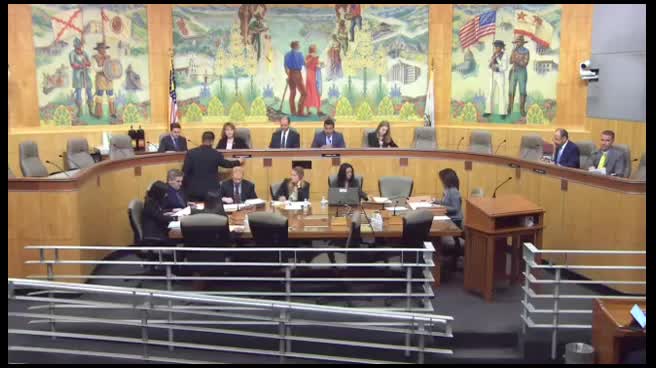
Discussed in Hearing
 3MIN
Senate Standing Committee on Appropriations
Bill Author

Bill Co-Author(s):