SB 1283: Substance abuse: structured sober living homes.
- Session Year: 2015-2016
- House: Senate
- Latest Version Date: 2016-04-07
Existing law provides for the licensure and regulation of alcoholism or drug abuse recovery or treatment facilities serving adults by the State Department of Health Care Services, as prescribed.
This bill would authorize a city, county, or city and county to enact an ordinance to register structured sober living homes, consistent with specified state and federal law, and with specified exclusions. The bill would define a structured sober living home as any premises, place, or building that provides groups of unrelated adults recovering from drug or alcohol addiction with alcoholfree and drugfree housing, promotes independent living and life skill development, and provides structured activities that are directed primarily toward recovery from substance use disorders in a supervised setting. The bill would specify registration and other requirements applicable to structured sober living homes. A structured sober living home, as defined by and registered pursuant to the bill, would not be subject to existing state licensure and regulation requirements for alcoholism or drug abuse recovery or treatment facilities. The bill would provide that it does not establish a new category of state-licensed facility, or otherwise authorize a structured sober living home registered pursuant to an ordinance adopted under the bill to provide any service for which a license is required by state law.
Existing law provides for the licensure and regulation of alcoholism or drug abuse recovery or treatment facilities serving adults by the State Department of Health Care Services, as prescribed.
This bill would also require the department to administer the licensure and regulation of adult recovery maintenance facilities, as defined, pursuant to those provisions. The bill would establish licensure fees for purposes of administering these provisions. The bill would make conforming changes. authorize a city, county, or city and county to enact an ordinance to register structured sober living homes, consistent with specified state and federal law, and with specified exclusions. The bill would define a structured sober living home as any premises, place, or building that provides groups of unrelated adults recovering from drug or alcohol addiction with alcoholfree and drugfree housing, promotes independent living and life skill development, and provides structured activities that are directed primarily toward recovery from substance use disorders in a supervised setting. The bill would specify registration and other requirements applicable to structured sober living homes. A structured sober living home, as defined by and registered pursuant to the bill, would not be subject to existing state licensure and regulation requirements for alcoholism or drug abuse recovery or treatment facilities.
Existing law provides for the licensure and regulation of alcoholism or drug abuse recovery or treatment facilities serving adults by the State Department of Health Care Services, as prescribed.
This bill would also require the department to administer the licensure and regulation of adult recovery maintenance facilities, as defined, pursuant to those provisions. The bill would establish licensure fees for purposes of administering these provisions. The bill would make conforming changes.
(a)(1)For the purposes of this section, structured sober living home means any premises, place, or building that provides alcoholfree or drugfree housing, promotes independent living and life skill development, and provides structured activities that are directed primarily toward recovery from substance use disorders in a supervised setting to a group of unrelated adults who are recovering from drug or alcohol addiction, and who are receiving outpatient behavioral health services for substance abuse or addiction treatment while living in the home.
(2) Structured sober living home does not include a private residence in which a related family member is required to receive outpatient behavioral health services for substance abuse or addiction treatment as a condition of continuing to reside in the family dwelling.
(b) A structured sober living home registered pursuant to this section an ordinance adopted under this chapter is not subject to state licensure and regulation as an alcoholism or drug abuse recovery or treatment facility. This chapter does not establish a new category of state-licensed facility, or otherwise authorize a structured sober living home registered pursuant to an ordinance adopted under this chapter to provide any service for which a license is required by state law.
11759.71.(a)In accordance with this section, a city, county, or city and county may adopt by ordinance health and safety standards and enforcement mechanisms for structured sober living homes that comply with state and federal housing laws and the federal Americans with Disabilities Act of 1990 (42 U.S.C. Sec. 12101 et seq.) and amendments thereto. The ordinance shall include, but need not be limited to, all of the following:
(1)Mandatory registration requirements for all structured sober living homes, to ensure that the residents are living in a safe environment. The registration requirements, at a minimum, shall include the following:
(A)The name and address of the structured sober living home.
(B)The following information regarding the property:
(i)If the property is owned, the The property owners name, address, and contact telephone number.
(ii)If the property is leased, a copy of the lease, that includes a statement that the property will be used as a structured sober living home.
(2)In-home supervision requirements for the residents of the structured sober living home during all hours of operation.
(3) The establishment and maintenance of an operation plan that facilitates the rehabilitative process, including discharge planning, and that addresses maintenance of the property and noise abatement consistent with local ordinances.
(b)A city, county, or city and county that adopts health and safety standards and enforcement mechanisms for structured sober living homes pursuant to subdivision (a) may exclude from regulation any structured sober living home that is subject to adequate oversight by another governmental entity or contractor that meets or exceeds the requirements of this chapter.
11759.72.This chapter shall not be interpreted to require the adoption of a structured sober living home ordinance by any city, county, or city and county. The authority granted to a city, county, or city and county to adopt an ordinance under this chapter shall be in addition to any other authority that may be exercised by the city, county, or city and county to regulate the use of property within its jurisdiction.
(a)(1)For the purposes of this section, structured sober living home means any premises, place, or building that provides alcoholfree or drugfree housing, promotes independent living and life skill development, and provides structured activities that are directed primarily toward recovery from substance use disorders in a supervised setting to a group of unrelated adults who are recovering from drug or alcohol addiction, and who are receiving outpatient behavioral health services for substance abuse or addiction treatment while living in the home.
(2) Structured sober living home does not include a private residence in which a related family member is required to receive outpatient behavioral health services for substance abuse or addiction treatment as a condition of continuing to reside in the family dwelling.
(b) A structured sober living home registered pursuant to this section is not subject to state licensure and regulation as an alcoholism or drug abuse recovery or treatment facility.
11759.71.(a)In accordance with this section, a city, county, or city and county may adopt by ordinance health and safety standards and enforcement mechanisms for structured sober living homes that comply with state and federal housing laws and the federal Americans with Disabilities Act of 1990 (42 U.S.C. Sec. 12101 et seq.) and amendments thereto. The ordinance shall include, but need not be limited to, all of the following:
(1)Mandatory registration requirements for all structured sober living homes, to ensure that the residents are living in a safe environment. The registration requirements, at a minimum, shall include the following:
(A)The name and address of the structured sober living home.
(B)The following information regarding the property:
(i)If the property is owned, the owners name, address, and contact telephone number.
(ii)If the property is leased, a copy of the lease, that includes a statement that the property will be used as a structured sober living home.
(2)In-home supervision requirements for the residents of the structured sober living home during all hours of operation.
(3) The establishment and maintenance of an operation plan that facilitates the rehabilitative process, including discharge planning, and that addresses maintenance of the property and noise abatement consistent with local ordinances.
(b)A city, county, or city and county that adopts health and safety standards and enforcement mechanisms for structured sober living homes pursuant to subdivision (a) may exclude from regulation any structured sober living home that is subject to adequate oversight by another governmental entity or contractor that meets or exceeds the requirements of this chapter.
All matter omitted in this version of the bill appears in the bill as introduced in the Senate, February 19, 2016. (JR11)The department has the sole authority in state government to license adult alcoholism or drug abuse recovery or treatment facilities. facilities and adult recovery maintenance facilities. The department, in consultation with providers of alcohol and other drug recovery, treatment, detoxification, and adult recovery maintenance services, county alcohol and drug program administrators, local government jurisdictions, funding and referral organizations and agencies, and appropriate state agencies, by no later than July 1, 2017, shall develop and adopt emergency regulations governing the licensing and operation of adult recovery maintenance facilities.
(a)In administering this chapter, the department shall issue new licenses for a period of two years to those programs that meet the criteria for licensure set forth in Section 11834.03.
(b)Onsite program visits for compliance shall be conducted at least once during the license period.
(c)The department may conduct announced or unannounced site visits to facilities licensed pursuant to this chapter for the purpose of reviewing for compliance with all applicable statutes and regulations.
(d)Except where otherwise directly stated or necessarily implied, all provisions of this chapter shall apply to adult alcoholism or drug abuse recovery treatment facilities and to adult recovery maintenance facilities.
SEC. 2.Section 11834.02 of the Health and Safety Code is amended to read:11834.02.(a)As used in this chapter, alcoholism or drug abuse recovery or treatment facility or facility means any premises, place, or building that provides 24-hour residential nonmedical services to adults who are recovering from problems related to alcohol, drug, or alcohol and drug misuse or abuse, and who need receive alcohol, drug, or alcohol and drug recovery treatment or detoxification services.
(b)As used in this chapter, adult recovery maintenance facility means any facility, place, or building that provides alcohol- or drug-free housing whose rules, peer-led groups, staff activities, or other structured operations are directed toward maintenance of sobriety for adults in early recovery from substance abuse or who recently have completed alcoholism or drug abuse recovery or treatment services who may be required by the licensee to receive those treatment services at another facility. This facility is designed to promote independent living in a supervised setting, but does not require staff onsite on a 24-hour-a-day basis, and does not provide professional recovery and treatment services onsite.
(b)
(c)As used in this chapter, adults may include, but is not limited to, all of the following:
(1)Mothers over Persons 18 years of age and their children. or older.
(2)Emancipated minors, which may include, but is not limited to, mothers persons under 18 years of age and their children. age.
(c)
(d)As used in this chapter, emancipated minors means persons under 18 years of age who have acquired emancipation status pursuant to Section 7002 of the Family Code.
(d)
(e)Notwithstanding subdivision (a), an alcoholism or drug abuse recovery or treatment facility may serve adolescents upon the issuance of a waiver granted by the department pursuant to regulations adopted under subdivision (c) of Section 11834.50.
SEC. 3.Section 11834.09 of the Health and Safety Code is amended to read:11834.09.(a)Upon receipt of a completed written application, fire clearance, and licensing fee from the prospective licensee, and subject to the departments review and determination that the prospective licensee can comply with this chapter and regulations adopted pursuant to this chapter, the department may issue a single license to the following types of alcoholism or drug abuse recovery or treatment facilities: the following licenses:
(1)A single license to the following types of alcoholism or drug abuse recovery or treatment facilities:
(1)
(A)A residential facility.
(2)
(B)A facility wherein separate buildings or portions of a residential facility are integral components of a single alcoholism or drug abuse recovery or treatment facility and all of the components of the facility are managed by the same licensee. This subparagraph does not apply to adult recovery maintenance facilities.
(2)A single license to an adult recovery maintenance facility. The department shall commence the licensure of adult recovery maintenance facilities only after the development and adoption of regulations pursuant to Section 11834.01. However, the licensing activity shall in no event commence later than January 1, 2018.
(b)Failure to submit a completed written application, fire clearance, and payment of the required licensing fee in a timely manner shall result in termination of the departments licensure review and shall require submission of a new application by the prospective licensee.
(c)Failure of the prospective licensee to demonstrate the ability to comply with this chapter or the regulations adopted pursuant to this chapter shall result in departmental denial of the prospective licensees application for licensure.
SEC. 4.Section 11834.10 of the Health and Safety Code is amended to read:11834.10.A licensee shall not operate an alcoholism or drug abuse recovery or treatment facility or an adult recovery maintenance facility beyond the conditions and limitations specified on the license.
SEC. 5.Section 11834.11 is added to the Health and Safety Code, to read:11834.11.Beginning January 1, 2018, no state or local social services, law enforcement, or corrections agency, or a court, probation officer, or parole officer may refer any person to an alcoholism or drug abuse recovery or treatment facility or an adult recovery maintenance facility that is not licensed.
SEC. 6.Section 11834.15 of the Health and Safety Code is amended to read:11834.15.(a)The department shall calculate and establish the fee for initial licensure and for extension of the period of licensure. The nonrefundable licensing fee shall be calculated every two years based upon the departments reasonable cost in administering the licensure under this chapter for other than local governmental entities. No fee shall be levied for licensure of local governmental entities.
(b)The license fee proceeds for adult alcoholism or drug abuse recovery or treatment facilities shall equal the departments reasonable cost in administering the licensure of these facilities.
(c)The license fee proceeds for adult recovery maintenance facilities shall be sufficient to cover the departments reasonable cost in administering the licensure of these facilities. The total amount of this fee shall not exceed the licensing fee authorized in subdivision (b).
The
(d)The department may assess civil penalties in accordance with Sections 11834.31 and 11834.34.
SEC. 7.Section 11834.17 of the Health and Safety Code is amended to read:11834.17.No city, county, city and county, or district shall adopt or enforce any building ordinance or local rule or regulations relating to the subject of fire and life safety in alcoholism and drug abuse recovery facilities which or adult recovery maintenance facilities that is more restrictive than those standards adopted by the State Fire Marshal.
SEC. 8.Section 11834.18 of the Health and Safety Code is amended to read:11834.18.(a) Nothing in this chapter shall authorize the imposition of rent regulations or controls for licensed alcoholism or drug abuse recovery or treatment facilities. facilities or adult recovery maintenance facilities.
(b) Licensed alcoholism and drug abuse recovery or treatment facilities and adult recovery maintenance facilities shall not be subject to controls on rent imposed by any state or local agency or other local government or entity.
SEC. 9.Section 11834.20 of the Health and Safety Code is amended to read:11834.20.The Legislature hereby declares that it is the policy of this state that each county and city shall permit and encourage the development of sufficient numbers and types of alcoholism or drug abuse recovery or treatment facilities and adult recovery maintenance facilities as are commensurate with local need.
The provisions of this article apply equally to any chartered city, general law city, county, city and county, district, and any other local public entity.
For the purposes of this article, six or fewer persons does not include the licensee or licensee, members of the licensees family or persons employed as facility staff. staff, or minor dependents of the resident.
SEC. 10.Section 11834.21 of the Health and Safety Code is amended to read:11834.21.(a)Any person licensed under this chapter who operates or proposes to operate an alcoholism or drug abuse recovery or treatment facility, facility or an adult recovery maintenance facility, the department or other public agency authorized to license such a facility, or any public or private agency which that uses or may use the services of the facility to place its clients, may invoke the provisions of this article.
(b)This section shall not be construed to prohibit any interested party from bringing suit to invoke the provisions of this article.
SEC. 11.Section 11834.22 of the Health and Safety Code is amended to read:11834.22.An alcoholism or drug abuse recovery or treatment facility which or an adult recovery maintenance facility that serves six or fewer persons shall not be subject to any business taxes, local registration fees, use permit fees, or other fees to which other single-family dwellings are not likewise subject. Nothing in this section shall be construed to forbid the imposition of local property taxes, fees for water service and garbage collection, fees for inspections not prohibited by Section 11834.23, local bond assessments, and other fees, charges, and assessments to which other single-family dwellings are likewise subject. Neither the State Fire Marshal nor any local public entity shall charge any fee for enforcing fire inspection regulations pursuant to state law or regulation or local ordinance, with respect to alcoholism or drug abuse recovery or treatment facilities which or adult recovery maintenance facilities that serve six or fewer persons.
SEC. 12.Section 11834.23 of the Health and Safety Code is amended to read:11834.23.(a)Whether or not unrelated persons are living together, an alcoholism or drug abuse recovery or treatment facility or an adult recovery maintenance facility that serves six or fewer persons shall be considered a residential use of property for the purposes of this article. In addition, the residents and operators of the facility shall be considered a family for the purposes of any law or zoning ordinance that relates to the residential use of property pursuant to this article.
(b)For the purpose of all local ordinances, an alcoholism or drug abuse recovery or treatment facility or an adult recovery maintenance facility that serves six or fewer persons shall not be included within the definition of a boarding house, rooming house, institution or home for the care of minors, the aged, or persons with mental health disorders, foster care home, guest home, rest home, community residence, or other similar term that implies that the alcoholism or drug abuse recovery or treatment home or the adult recovery maintenance facility is a business run for profit or differs in any other way from a single-family residence.
(c)This section shall not be construed to forbid a city, county, or other local public entity from placing restrictions on building heights, setback, lot dimensions, or placement of signs of an alcoholism or drug abuse recovery or treatment facility or an adult recovery maintenance facility that serves six or fewer persons as long as the restrictions are identical to those applied to other single-family residences.
(d)This section shall not be construed to forbid the application to an alcoholism or drug abuse recovery or treatment facility or an adult recovery maintenance facility of any local ordinance that deals with health and safety, building standards, environmental impact standards, or any other matter within the jurisdiction of a local public entity. However, the ordinance shall not distinguish alcoholism or drug abuse recovery or treatment facilities or adult recovery maintenance facilities that serve six or fewer persons from other single-family dwellings or distinguish residents of alcoholism or drug abuse recovery or treatment facilities or adult recovery maintenance facilities from persons who reside in other single-family dwellings.
(e)No conditional use permit, zoning variance, or other zoning clearance shall be required of an alcoholism or drug abuse recovery or treatment facility or an adult recovery maintenance facility that serves six or fewer persons that is not required of a single-family residence in the same zone.
(f)Use of a single-family dwelling for purposes of an alcoholism or drug abuse recovery facility or an adult recovery maintenance facility serving six or fewer persons shall not constitute a change of occupancy for purposes of Part 1.5 (commencing with Section 17910) of Division 13 or local building codes. However, nothing in this section is intended to supersede Section 13143 or 13143.6, to the extent those sections are applicable to alcoholism or drug abuse recovery or treatment facilities or adult recovery maintenance facilities serving six or fewer residents.
SEC. 13.Section 11834.24 of the Health and Safety Code is amended to read:11834.24.No fire inspection clearance or other permit, license, clearance, or similar authorization shall be denied to an alcoholism or drug abuse recovery or treatment facility or an adult recovery maintenance facility because of a failure to comply with local ordinances from which the facility is exempt under Section 11834.23, if the applicant otherwise qualifies for a fire clearance, license, permit, or similar authorization.
SEC. 14.Section 11834.25 of the Health and Safety Code is amended to read:11834.25.For (a)For the purposes of any contract, deed, or covenant for the transfer of real property executed on or after January 1, 1979, an alcoholism or drug abuse recovery or treatment facility which that serves six or fewer persons shall be considered a residential use of property and a use of property by a single family, notwithstanding any disclaimers to the contrary.
(b)For the purposes of any contract, deed, or covenant for the transfer of real property executed on or after January 1, 2017, an adult recovery maintenance facility that serves six or fewer persons shall be considered a residential use of property and a use of property by a single family, notwithstanding any disclaimers to the contrary.
SEC. 15.Section 11834.26 of the Health and Safety Code is amended to read:11834.26.(a)The licensee An alcoholism or drug abuse recovery or treatment facility shall provide at least one of the following nonmedical services:
(1)Recovery services.
(2)Treatment services.
(3)Detoxification services.
(b)The department shall adopt regulations requiring records and procedures that are appropriate for each of the services specified in subdivision (a). The records and procedures may include all of the following:
(1)Admission criteria.
(2)Intake process.
(3)Assessments.
(4)Recovery, treatment, or detoxification planning.
(5)Referral.
(6)Documentation of provision of recovery, treatment treatment, or detoxification services.
(7)Discharge and continuing care planning.
(8)Indicators of recovery, treatment, or detoxification outcomes.
(c)In the development of regulations implementing this section, the written record requirements shall be modified or adapted for social model programs.
(d)This section shall not apply to adult recovery maintenance facilities.
SEC. 16.Section 11834.265 is added to the Health and Safety Code, to read:11834.265.(a)An adult recovery maintenance facility shall provide, but not be limited to providing, any of the following recovery maintenance services:
(1)Aftercare.
(2)Referral to community recovery resources.
(3)Peer-led groups.
(4)Vocational guidance.
(5)Referral to offsite alcoholism or other drug treatment services.
(6)Documentation on progress made or services received from referral agencies.
(b)The adult recovery maintenance facility may require or provide, or both, drug and alcohol testing and self-help groups on or off the premises.
(c)The facility shall maintain records in order to document the services provided.
SEC. 17.Section 11834.29 of the Health and Safety Code is amended to read:11834.29.Any licensee that provides recovery, treatment, or detoxification services, detoxification, or recovery maintenance services that is not in compliance with the requirements of this article, article shall have one year from the effective date of the regulations adopted by the department pursuant to this article and pursuant to Article 5 (commencing with Section 11834.50) to comply. In the event that the licensee fails to comply, the department shall take action against the licensee pursuant to Article 4 (commencing with Section 11834.36).
SEC. 18.Section 11834.30 of the Health and Safety Code is amended to read:11834.30.No person, firm, partnership, association, corporation, or local governmental entity shall operate, establish, manage, conduct, or maintain an alcoholism or drug abuse recovery or treatment facility or an adult recovery maintenance facility to provide recovery, treatment, or detoxification detoxification, or recovery maintenance services within this state without first obtaining a current valid license issued pursuant to this chapter.
SEC. 19.Section 11834.31 of the Health and Safety Code is amended to read:11834.31.If a facility is alleged to be in violation of Section 11834.30, the department shall conduct a site visit to investigate the allegation. If the departments employee or agent finds evidence that the facility is providing alcoholism or drug abuse recovery, treatment, or detoxification detoxification, or recovery maintenance services without a license, the employee or agent shall take the following actions:
(a)Submit the findings of the investigation to the department.
(b)Upon departmental authorization, issue a written notice to the facility stating that the facility is operating in violation of Section 11834.30. The notice shall include all of the following:
(1)The date by which the facility shall cease providing services.
(2)Notice that the department will assess against the facility a civil penalty of two hundred dollars ($200) per day for every day the facility continues to provide services beyond the date specified in the notice.
(3)Notice that the case will be referred for civil proceedings pursuant to Section 11834.32 in the event the facility continues to provide services beyond the date specified in the notice.
(c)Inform the facility of the licensing requirements of this chapter.
SEC. 20.Section 11834.32 of the Health and Safety Code is amended to read:11834.32.(a)The director may bring an action to enjoin the violation of Section 11834.30 in the superior court in and for the county in which the violation occurred. Any proceeding under this section shall conform to the requirements of Chapter 3 (commencing with Section 525) of Title 7 of Part 2 of the Code of Civil Procedure, except that the director shall not be required to allege facts necessary to show or tending to show lack of adequate remedy at law or irreparable damage or loss.
(b)With respect to any and all actions brought pursuant to this section alleging actual violation of Section 11834.30, the court shall, if it finds the allegations to be true, issue its order enjoining the alcoholism or drug abuse recovery or treatment facility or the adult recovery maintenance facility from continuance of the violation.
SEC. 21.Section 11834.36 of the Health and Safety Code is amended to read:11834.36.(a)The director may suspend or revoke any license issued under this chapter, or deny an application for licensure, extension of the licensing period, or modification to a license, upon any of the following grounds and in the manner provided in this chapter:
(1)Violation by the licensee of any provision of this chapter or regulations adopted pursuant to this chapter.
(2)Repeated violation by the licensee of any of the provisions of this chapter or regulations adopted pursuant to this chapter.
(3)Aiding, abetting, or permitting the violation of, or any repeated violation of, any of the provisions described in paragraph (1) or (2).
(4)Conduct in the operation of an alcoholism or drug abuse recovery or treatment facility or an adult recovery maintenance facility that is inimical to the health, morals, welfare, or safety of either an individual in, or receiving services from, the facility or to the people of the State of California.
(5)Misrepresentation of any material fact in obtaining the alcoholism or drug abuse recovery or treatment facility license, license or the adult recovery maintenance facility license, including, but not limited to, providing false information or documentation to the department.
(6)The licensees refusal to allow the department entry into the facility to determine compliance with the requirements of this chapter or regulations adopted pursuant to this chapter.
(7)Violation by the licensee of Section 11834.026 or the regulations adopted pursuant to that section.
(8)Failure to pay any civil penalties assessed by the department.
(b)The director may temporarily suspend any license prior to any hearing when, in the opinion of the director, the action is necessary to protect residents of the alcoholism or drug abuse recovery or treatment facility or the adult recovery maintenance facility from physical or mental abuse, abandonment, or any other substantial threat to health or safety. The director shall notify the licensee of the temporary suspension and the effective date of the temporary suspension and at the same time shall serve the provider with an accusation. Upon receipt of a notice of defense to the accusation by the licensee, the director shall, within 15 days, set the matter for hearing, and the hearing shall be held as soon as possible. The temporary suspension shall remain in effect until the time the hearing is completed and the director has made a final determination on the merits. However, the temporary suspension shall be deemed vacated if the director fails to make a final determination on the merits within 30 days after the department receives the proposed decision from the Office of Administrative Hearings.
SEC. 22.Section 11834.50 of the Health and Safety Code is amended to read:11834.50.The department shall adopt regulations to implement this chapter in accordance with the purposes required by Section 11835. These regulations shall be adopted only after consultation with appropriate groups affected by the proposed regulations. The regulations shall include, but not be limited to, all of the following:
(a)Provision for a formal appeal process for the denial, suspension, or revocation of a license.
(b) Establishment of requirements for compliance, procedures for issuance of deficiency notices notices, and civil penalties for noncompliance.
(c)Provision for the issuance of a waiver for an alcoholism or drug abuse recovery or treatment facility to serve not more than three adolescents, or 10 percent of the total licensed capacity, whichever is less, age 14 years and older, when a need exists and services specific to adolescents are otherwise unavailable. The regulations shall specify the procedures and criteria for granting the waiver. The procedures shall include, but not be limited to, criminal record reviews and fingerprinting.
(d)Establishment of the elements and minimum requirements for recovery, treatment, and detoxification detoxification, and recovery maintenance services.
(e)Provision for an expedited process for reviewing an application for licensure when a license is terminated pursuant to subdivision (c) of Section 11834.40.
|
Date
|
Status
|
|---|---|
| Apr 4, 2016 | From committee with author's amendments. Read second time and amended. Re-referred to Com. on HEALTH. |
| Jun 6, 2016 | Returned to Secretary of Senate pursuant to Joint Rule 62(a). |
| Apr 27, 2016 | April 20 set for final hearing canceled at the request of author. |
| Apr 22, 2016 | Set for hearing April 27. |
| Apr 22, 2016 | (Vote only). |
| Apr 20, 2016 | April 20 set for final hearing. Failed passage in committee. (Ayes 2. Noes 1.) Reconsideration granted. |
| Apr 20, 2016 | April 20 set for final hearing. Failed passage in committee. (Ayes 2. Noes 1. Page 3646.) Reconsideration granted. |
| Apr 7, 2016 | From committee with author's amendments. Read second time and amended. Re-referred to Com. on HEALTH. |
| Apr 5, 2016 | Set for hearing April 20. |
| Feb 19, 2016 | Introduced. To Com. on RLS. for assignment. To print. |
| Apr 4, 2016 | April 13 set for second hearing canceled at the request of author. |
| Mar 29, 2016 | Set for hearing April 13. |
| Mar 28, 2016 | April 6 set for first hearing canceled at the request of author. |
| Mar 16, 2016 | Set for hearing April 6. |
| Mar 3, 2016 | Referred to Com. on HEALTH. |
| Feb 22, 2016 | Read first time. |
| Feb 22, 2016 | From printer. May be acted upon on or after March 23. |
|
Date
|
Description
|
Location
|
Votes
|
|
|---|---|---|---|---|
| Apr 20, 2016 | [Final] hearing set for [04-26-2016]: Failed passage in Committee. Reconsideration granted | Senate Standing Committee on Health |
Passed |
|
| Apr 20, 2016 | Do pass | Senate Standing Committee on Health |
Failed |
This list shows positions taken on this bill by organizations on the date displayed, which is linked to the original source.
Positions by individuals are not included.
|
Organization
|
Position
|
Date
|
|---|---|---|
| 1 Method Center, LLC | ** Against | Apr 20, 2016 |
| California Consortium of Addiction Programs and Professionals | * Against | Apr 20, 2016 |
| Cliffside Malibu | ** Against | Apr 20, 2016 |
| Encinitas, City Of | * Support | Apr 20, 2016 |
| Laguna Niguel, City Of | ** Support | Apr 20, 2016 |
| League Of California Cities | ** Support | Apr 20, 2016 |
| Promises Treatment Centers | ** Against | Apr 20, 2016 |
| Western Center On Law And Poverty Inc. | ** Against | Apr 20, 2016 |
SENATE COMMITTEE ON HEALTH
Senator Ed Hernandez, O.D., Chair
BILL NO: SB 1283
AUTHOR: | Bates | ||
VERSION: | April 7, 2016 | ||
HEARING DATE: | April 20, 2016 | ||
CONSULTANT: | Reyes Diaz | ||
SUBJECT: Substance abuse: structured sober living homes
SUMMARY:
Allows a city, county, or city and county to adopt, by ordinance, health and safety standards and enforcement mechanisms for structured sober living homes, as defined. Specifies that a structured sober living home registered pursuant to an ordinance authorized by this bill is not subject to state licensure and regulation, as specified.
Existing law:
- Requires the Department of Health Care Services (DHCS) to license alcoholism or drug abuse recovery or treatment facilities (or RTFs) that provide 24-hour residential non-medical services to adults who are recovering from problems related to alcohol, drug, or alcohol and drug misuse or abuse, and who need alcohol, drug, or alcohol and drug recovery treatment or detoxification services.
- Requires RTF licensees to provide at least one of the following: recovery, treatment, or detoxification services. Requires DHCS to adopt regulations requiring records and procedures appropriate for the type of service provided. Provides that the records and procedures can include all of the following: admission criteria; intake process; assessments; recovery, treatment, or detoxification planning; referral; documentation of provision of recovery, treatment, or detoxification services; discharge and continuing care planning; or indicators of recovery, treatment, or detoxification outcomes.
This bill:
- Allows a city, county, or city and county to adopt, by ordinance, health and safety standards and enforcement mechanisms for structured sober living homes (SLHs) that comply with state and federal housing laws and the federal Americans with Disabilities Act of 1990 and amendments thereto.
- Requires the ordinance in 1) above to include, but not be limited to, all of the following:
- Mandatory registration requirements for all structured SLHs to ensure that residents are living in a safe environment. Requires registration requirements to include, at a minimum:
- The name and address of the structured SLH.
- Information regarding the property, such as the property owner’s name, address, and contact telephone number, or if the property is leased, a copy of the lease with a statement that the property will be used as a structured SLH.
- In-home supervision requirements for the residents of the structured SLH during all hours of operation; and,
- The establishment and maintenance of an operation plan that facilitates the rehabilitative process, including discharge planning, and that addresses maintenance of the property and noise abatement consistent with local ordinances.
- Mandatory registration requirements for all structured SLHs to ensure that residents are living in a safe environment. Requires registration requirements to include, at a minimum:
- Allows a city, county, or city and county that adopts health and safety standards and enforcement mechanisms for structured SLHs required in 1) above to exclude from regulation any structured SLH that is subject to adequate oversight by another governmental entity or contractor that meets or exceeds the requirements in this bill.
- Defines a “structured SLH” as any premises, place, or building that provides alcohol-free or drug-free housing, promotes independent living and life skill development, and provides structured activities that are directed primarily toward recovery from substance use disorders (SUDs) in a supervised setting to a group of unrelated adults who are recovering from drug and alcohol addiction, and who are receiving outpatient behavioral health services for substance abuse or addiction treatment while living in the home. Specifies that within this definition is not included a private residence in which a related family member is required to receive outpatient behavioral health services as a condition of continuing to reside in the family dwelling.
- Specifies that a structured SLH registered pursuant to an ordinance authorized by this bill is not subject to state licensure and regulation as an RTF. Specifies that the provisions in this bill do not establish a new category of state-licensed facility or authorize a structured SLH to provide any service for which a license is required by state law.
- Prohibits the provisions in this bill from being interpreted to require the adoption of a structured SLH ordinance.
FISCAL EFFECT:
This bill has not been analyzed by a fiscal committee.
COMMENTS:
- Author’s statement. According to the author, various types of group homes, including RTFs, are licensed by the state, but SLHs that do not provide the same services that licensed facilities do are not required to be licensed by the state. Some cities have adopted ordinances for SLHs. Lengthy and expensive litigation has left uncertainty, and the experiences of these cities may discourage others from adopting adequate and appropriate ordinances. This measure seeks to provide clarity over what is expressly authorized by state law for city and county ordinances that establish health and safety standards for structured SLHs. As defined in this measure, a structured SLH provides alcohol-free or drug-free housing, promotes independent living and life skill development, and provides structured activities that are directed primarily toward recovery from SUDs in a supervised setting. The clarity that the measure provides is intended to facilitate the adoption of appropriate and adequate local health and safety standards for structured SLHs. This measure does not authorize any ordinance that does not comply with state and federal housing laws and the federal Americans with Disabilities Act.
- SLHs. A 2010 report on the National Institutes of Health (NIH) Web site, Sober Living Houses for Alcohol and Drug Dependence: 18-month Outcomes, states that SLHs are not formal treatment programs and are not obligated to comply with state or local regulations applicable to treatment. However, NIH does not provide a formal definition of an SLH. The report also mentions that it is difficult to determine how many SLHs there are in California because they are outside of the purview of state licensing authorities (so no one is tracking SLHs). The NIH report cites the protection that the federal Fair Housing Act affords SLHs to be located in residentially zoned areas, personal privacy under the Fourth Amendment, and the right of people with disabilities to live together for a shared purpose, such as mutually assisted recovery and maintenance of an abstinent lifestyle.
According to DHCS’s Web site, some types of RTFs do not provide alcohol and other drug services and do not require licensure by DHCS, including cooperative living arrangements with a commitment or requirement to be free from alcohol and other drugs, sometimes referred to as SLHs, transitional housing, or alcohol- and drug-free housing. DHCS states that while SLHs or alcohol- and drug-free housing are not required to be licensed by DHCS, they may be subject to other types of permits, clearances, business taxes, or local fees, which may be required by the cities or counties in which they are located. DHCS also does not certify or investigate complaints against SLHs. If an SLH is providing licensable services to adults then it must obtain a valid RTF license from DHCS. Licensable services can include, but are not limited to, detoxification services, group sessions, individual sessions, one-on-one counseling, educational sessions, or recovery, treatment, or discharge planning. If an SLH is providing just one of the mentioned services, then it should be classified as an RTF and must obtain a valid license from DHCS.
- Difficulty siting RTFs. A document published by the U.S. Department of Health and Human Services (DHHS), “Siting Drug and Alcohol Treatment Programs: Legal Challenges to the NIMBY Syndrome,” states that community opposition, “not in my backyard” (NIMBY), prevents or delays the siting of treatment programs, even when an already existing program tries to relocate. NIMBY is often targeted toward other types of health and social service facilities, like shelters for the homeless, group homes for the mentally ill, halfway houses for ex-offenders, SLHs, and other health-related facilities. According to DHHS, many discriminatory zoning ordinances and practices may be unlawful under the Fair Housing Act, the Rehabilitation Act, and the Americans with Disabilities Act. It is also noted that communities often fear the decline of property values and increased crime because of RTFs in the neighborhood. However, the DHHS document states that in almost every instance a community’s fears are unfounded, as RTFs pose no danger to the health and welfare of neighbors nor draw substance abusers or pushers to the area.
- Newport Beach Ordinance. According to the Web site for the City of Newport Beach, in 2008 the Newport Beach City Council adopted an ordinance that changed how the city regulates group residential uses, defined as a “non-traditional single housekeeping unit,” including a boarding house, dorm, reunion rental, state-licensed recovery home, SLHs, and elder care homes. The ordinance required many home operators at the time to obtain a use permit to stay in place. The ordinance requires city approval for new unlicensed homes for recovering addicts in certain neighborhoods.
A September 20, 2013, Los Angeles Times article, “Appeals court backs sober-living homes in suit against Newport Beach,” states that the U.S. 9th Circuit Court of Appeals unanimously ruled that the Newport Beach ordinance may have illegally discriminated against those with a disability. The article states the ordinance forced many group homes to close and prevented new ones from opening. A March 26, 2014, article in the Orange County Register, “Newport Beach takes sober home law to Supreme Court,” reported that the Newport Beach City Council petitioned the U.S. Supreme Court about the ruling by the 9th Circuit Court of Appeals, and that the city would know by the end of September 2014 if the court would review the case. The U.S. Supreme Court ultimately declined to review it.
- Discriminating against the disabled? A July 15, 2015, article in the Orange County Register, “Newport Beach settles legal battle over sober-living homes,” states that Newport Beach ended its seven-year battle over SLHs by reaching an agreement with three entities that operate SLHs. The article quotes the attorney representing the SLHs as saying that because a trial could have taken several years his clients were more interested in ending the proceedings rather than battling in court. Also noted in the article is the fact that in 2007, before Newport Beach implemented its ordinance, there were an estimated 86 facilities (both RTFs and SLHs) in the city. As of February 2016, that number is now 25: 15 RTFs licensed by DHCS and 10 SLHs. The article further notes that the 9th Circuit Court of Appeals sided with the SLHs because there was enough evidence to argue discrimination. As alcohol and drug treatment and recovery experts argue, most RTFs and SLHs would rather give in to discrimination and shutter their doors than spend years battling it out in courts, which can be very costly. The DHHS document noted that in one instance in New Jersey a campaign of harassment against a treatment facility caused each of the home’s residents to relapse. While SLHs do not provide formal treatment, they often serve as part of the continuum of treatment, providing a drug-free and alcohol-free environment for individuals recently discharged from an RTF who often do not have a home or who are not ready to return to the environment they were in before they entered treatment. What effect does enforcing a possibly discriminatory ordinance have on communities when treatment and recovery options are hampered?
- Related legislation. AB 2255 (Melendez), would provide that a residence housing those purporting to be recovering from drug or alcohol abuse would be presumed to be a SLH if it has been certified, registered, or approved by a state-recognized nonprofit organization, which would be required to establish minimum standards for SLHs, including protocols to address suspected drug and alcohol abuse or to report the death of a resident. AB 2255 is pending in the Assembly Health Committee.
- Prior legislation. AB 2491 (Nestande, of 2014), would have required DHCS to administer the licensure and regulation of adult recovery maintenance facilities (SLHs), as defined, and to adopt emergency regulations, applicable only to adult recovery maintenance facilities, to implement the fee process for initial licensure, and the provisions for the extension of licensure, follow-up compliance visits, and civil penalties. AB 2491 was held on suspense in the Senate Appropriations Committee.
AB 2335 (Mansoor, of 2014) would have defined SLHs with certain criteria and exempted an SLH or supportive housing from licensure as an RTF. AB 2335 failed passage in the Assembly Health Committee on April 22, 2014, on a 6-12 vote.
SB 214 (Benoit, of 2009), and AB 724 (Benoit, of 2007), were both substantially similar to AB 2255 (Melendez). SB 214 failed in the Senate Health Committee without being heard. AB 724 failed passage in the Senate Health Committee on a 5-4 vote. Reconsideration was granted, but the bill was not heard again in the committee.
SB 992 (Wiggins, of 2008), would have required the Department of Alcohol and Drug Programs to license SLHs, or “adult recovery maintenance facilities.” SB 992 was vetoed by Governor Schwarzenegger who stated that while licensure and regulation of SLHs are important to ensure SLHs respect and participate in their local community; for communities to provide support to these facilities; and for individuals seeking recovery from alcohol and drug addiction to live in safe environments that help them in their recovery, this bill did not accomplish these policy goals.
AB 370 (Adams, of 2007), would have permitted a local government to include an RTF serving six or fewer persons, including a SLH, within the definition of single family residence. AB 370 was held on suspense in the Assembly Appropriations Committee.
AB 36 (Strickland, of 2006), was similar to SB 992. AB 36 was held on suspense in the Senate Appropriations Committee.
SB 340 (Florez, of 2003), was similar to SB 992 and AB 36. SB 340 failed in the Senate Health and Human Services Committee without being heard.
AB 2317 (Chu, of 2002), was similar to SB 992, AB 36, and SB 340. AB 2317 was held on suspense in the Senate Appropriations Committee.
- Support. The City of Laguna Niguel states that this bill allows cities and patients to focus on the best treatment options for their communities by providing them with the resources they need to work with compliant RTFs. Laguna Niguel argues that this bill would address many of the concerns surrounding RTFs by creating consistency in the licensing requirements for licensing SLHs and RTFs. The League of California Cities states that this bill allows local governments to adopt ordinances that protect the health and safety of SLH residents and surrounding neighborhoods from facilities that are poorly managed or have no state oversight. The League also states that this bill spares cities from costly litigation spawned by a climate of uncertainty. The League supports permitting cities to exercise review and land use regulation of group homes and RTFs, including the application of zoning, building, and safety standards. The City of Encinitas states that this bill provides common sense measures to ensure the function of an SLH is to serve clients and impacted neighbors, and that in-house supervision is a reasonable requirement since SLHs are for adult sober living and recidivism is a reality.
- Opposition. Opponents, consisting of facility owners and health advocates, argue that provisions in this bill are contrary to the state’s avowed interest in alleviating problems related to SUDs because it would limit the availability of options for those with SUDs. Opponents state that while California’s approach to treatment relies significantly on state-licensed facilities, those programs are supplemented with SLHs in residential neighborhoods, which do not provide treatment and provide living situations in a peer-supported community critical to bridging the gap between treatment and returning full-time to independent living. Opponents further argue that this bill would allow local governments to contravene the intent of the state to increase the availability of treatment and recovery options for those with SUDs. Cliffside states that this bill allows local governments to unfairly discriminate against disabled persons, and that rather than litigate the ordinances SLHs will be forced financially to close. The Western Center on Law and Poverty states that while this bill provides that local governments cannot enact provisions in violation of federal and state housing and anti-discrimination laws, there are more than 500 local governments and there is no ability by the state or advocates to ensure that violations do not happen. 1 Method Center, LLC, states that ordinances would have a crippling effect on the operation and maintenance of SLHs, and that this bill would allow local governments who desire to keep SLHs out of their communities to adopt ordinances that will accomplish their NIMBY goals.
- Policy comments.
- Should the Legislature interfere? While the U.S. Supreme Court declined to review the case between the City of Newport Beach and a group of SLHs, the most recent court decision was that of the 9th Circuit Court of Appeals, which ruled there was sufficient evidence that the Newport Beach ordinance may have illegally discriminated against those with a disability. This bill would give a city, county, or city and county the authority to adopt and enforce an ordinance for SLHs, allowing for Newport Beach’s ordinance to stand. Should the Legislature empower local governments when courts have ruled there is evidence to support they are being discriminatory?
- Do requirements of structured SLHs constitute licensable services? This bill requires structured SLHs to provide, among other things, structured activities that are directed primarily toward recovery from SUDs in a supervised setting and to establish and maintain an operation plan that facilitates the rehabilitative process, including discharge planning. While this bill provides that structured SLHs do not require state licensure and cannot provide services that would require state licensure, the listed required services appear to be licensable services. Therefore, the effect of this bill is unclear.
- Does this bill solve the current SLH problem? Because there is no state authority that oversees SLHs and no universal definition in statute of a SLH, the author contends that many cities have had to enter costly litigation and that other cities are discouraged from adopting adequate and appropriate ordinances. This bill adds a definition for structured SLHs to current statute that sets forth DHCS’s powers and duties for licensing RTFs for those with SUDs but does not require DHCS to license and/or oversee SLHs. It is unclear if DHCS would be responsible for oversight of SLHs.
SUPPORT AND OPPOSITION:
Support: City of Encinitas
City of Laguna Niguel
League of California Cities
Oppose: Cliffside Malibu
1 Method Center, LLC
Promises Treatment Centers
Western Center on Law and Poverty
-- END --
Discussed in Hearing
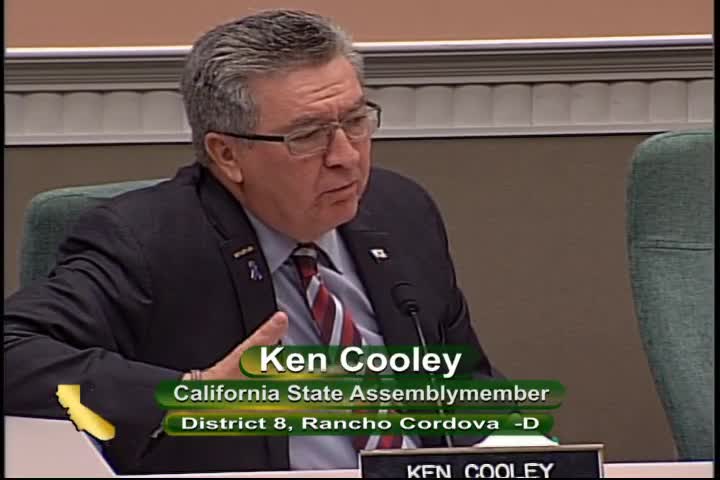 2MIN
Assembly Standing Committee on Governmental Organization
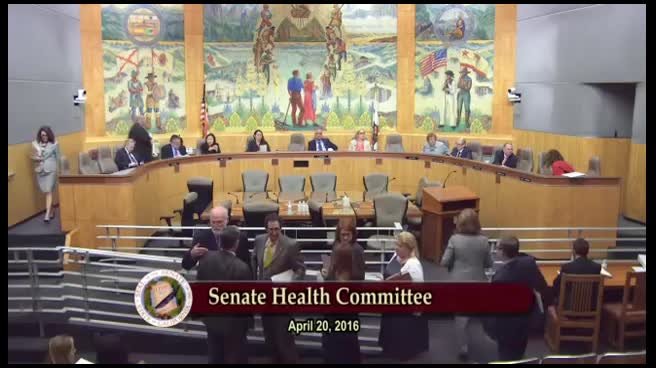
Senate Standing Committee on Health
Bill Author

Bill Co-Author(s):
