SB 1436: Local agency meetings: local agency executive compensation: oral report of final action recommendation.
- Session Year: 2015-2016
- House: Senate
- Latest Version Date: 2016-08-22
The Ralph M. Brown Act requires that all meetings of a legislative body of a local agency be open and public, except that closed sessions may be held under prescribed circumstances. Existing law authorizes the legislative body to hold a closed session to consider the appointment, employment, evaluation of performance, discipline, or dismissal of a public employee, but generally prohibits the closed session from including discussion or action on proposed compensation. Existing law authorizes the legislative body to hold a closed session with the local agencys designated representatives regarding the salaries, salary schedules, or compensation paid in the form of fringe benefits of its represented and unrepresented employees, but prohibits the closed session from including final action on the proposed compensation of one or more unrepresented employees. Existing law prohibits the legislative body from calling a special meeting regarding the salaries, salary schedules, or compensation paid in the form of fringe benefits of a local agency executive, as defined.
This bill, prior to taking final action, would require the legislative body to orally report a summary of a recommendation for a final action on the salaries, salary schedules, or compensation paid in the form of fringe benefits of a local agency executive during the open meeting in which the final action is to be taken.
By imposing new requirements on cities, counties, cities and counties, and special districts, this bill would impose a state-mandated local program.
The California Constitution requires local agencies, for the purpose of ensuring public access to the meetings of public bodies and the writings of public officials and agencies, to comply with a statutory enactment that amends or enacts laws relating to public records or open meetings and contains findings demonstrating that the enactment furthers the constitutional requirements relating to this purpose.
This bill would make legislative findings to that effect.
The California Constitution requires the state to reimburse local agencies and school districts for certain costs mandated by the state. Statutory provisions establish procedures for making that reimbursement.
This bill would provide that no reimbursement is required by this act for a specified reason.
The Ralph M. Brown Act requires that all meetings of a legislative body of a local agency be open and public, except that closed sessions may be held under prescribed circumstances. Existing law authorizes the legislative body to hold a closed session to consider the appointment, employment, evaluation of performance, discipline, or dismissal of a public employee, but generally prohibits the closed session from including discussion or action on proposed compensation. Existing law authorizes the legislative body to hold a closed session with the local agencys designated representatives regarding the salaries, salary schedules, or compensation paid in the form of fringe benefits of its represented and unrepresented employees, but prohibits the closed session from including final action on the proposed compensation of one or more unrepresented employees. Existing law prohibits the legislative body from calling a special meeting regarding the salaries, salary schedules, or compensation paid in the form of fringe benefits of a local agency executive, as defined.
This bill bill, prior to taking final action, would require the legislative body to orally report a summary of a recommendation for a final action on the salaries, salary schedules, or compensation paid in the form of fringe benefits of a local agency executive during the open meeting in which the final action is to be taken.
By imposing new requirements on cities, counties, cities and counties, and special districts, this bill would impose a state-mandated local program.
The California Constitution requires local agencies, for the purpose of ensuring public access to the meetings of public bodies and the writings of public officials and agencies, to comply with a statutory enactment that amends or enacts laws relating to public records or open meetings and contains findings demonstrating that the enactment furthers the constitutional requirements relating to this purpose.
This bill would make legislative findings to that effect.
The California Constitution requires the state to reimburse local agencies and school districts for certain costs mandated by the state. Statutory provisions establish procedures for making that reimbursement.
This bill would provide that no reimbursement is required by this act for a specified reason.
The Ralph M. Brown Act requires that all meetings of a legislative body of a local agency be open and public, except that closed sessions may be held under prescribed circumstances. Existing law authorizes the legislative body to hold a closed session to consider the appointment, employment, evaluation of performance, discipline, or dismissal of a public employee, but generally prohibits the closed session from including discussion or action on proposed compensation. Existing law authorizes the legislative body to hold a closed session with the local agencys designated representatives regarding the salaries, salary schedules, or compensation paid in the form of fringe benefits of its represented and unrepresented employees, but prohibits the closed session from including final action on the proposed compensation of one or more unrepresented employees. Existing law prohibits the legislative body from calling a special meeting regarding the salaries, salary schedules, or compensation paid in the form of fringe benefits, benefits of a local agency executive, as defined.
This bill would require the legislative body to orally report a summary of a recommendation for a final action on the salaries, salary schedules, or compensation paid in the form of fringe benefits of a local agency executive to be made a separate discussion item and not placed on a consent calendar. The bill would define, for these purposes, discussion item as an item that is given time in a meeting for discussion separate from any other item and consent calendar as a list of 2 or more items that the legislative body has agreed to vote on as a group at once without a separate debate for each item. during the open meeting in which the final action is to be taken.
By imposing new requirements on cities, counties, cities and counties, and special districts, this bill would impose a state-mandated local program.
The California Constitution requires local agencies, for the purpose of ensuring public access to the meetings of public bodies and the writings of public officials and agencies, to comply with a statutory enactment that amends or enacts laws relating to public records or open meetings and contains findings demonstrating that the enactment furthers the constitutional requirements relating to this purpose.
This bill would make legislative findings to that effect.
The California Constitution requires the state to reimburse local agencies and school districts for certain costs mandated by the state. Statutory provisions establish procedures for making that reimbursement.
This bill would provide that no reimbursement is required by this act for a specified reason.
The Ralph M. Brown Act requires that all meetings of a legislative body of a local agency be open and public, except that closed sessions may be held under prescribed circumstances. Existing law authorizes the legislative body to hold a closed session to consider the appointment, employment, evaluation of performance, discipline, or dismissal of a public employee, but generally prohibits the closed session from including discussion or action on proposed compensation. Existing law authorizes the legislative body to hold a closed session with the local agencys designated representatives regarding the salaries, salary schedules, or compensation paid in the form of fringe benefits of its represented and unrepresented employees, but prohibits the closed session from including final action on the proposed compensation of one or more unrepresented employees. Existing law prohibits the legislative body from calling a special meeting regarding the salaries, salary schedules, or compensation paid in the form of fringe benefits, of a local agency executive, as defined.
This bill would require the final action on the salaries, salary schedules, or compensation paid in the form of fringe benefits of a local agency executive to be made a separate discussion item and not placed on a consent calendar. The bill would define, for these purposes, discussion item as an item that is given time in a meeting for discussion separate from any other item and consent calendar as a list of 2 or more items that the legislative body has agreed to vote on as a group at once without a separate debate for each item.
By imposing new requirements on cities, counties, cities and counties, and special districts, this bill would impose a state-mandated local program.
The California Constitution requires local agencies, for the purpose of ensuring public access to the meetings of public bodies and the writings of public officials and agencies, to comply with a statutory enactment that amends or enacts laws relating to public records or open meetings and contains findings demonstrating that the enactment furthers the constitutional requirements relating to this purpose.
This bill would make legislative findings to that effect.
The California Constitution requires the state to reimburse local agencies and school districts for certain costs mandated by the state. Statutory provisions establish procedures for making that reimbursement.
This bill would provide that no reimbursement is required by this act for a specified reason.
(a)All meetings of the legislative body of a local agency shall be open and public, and all persons shall be permitted to attend any meeting of the legislative body of a local agency, except as otherwise provided in this chapter.
(b)(1)Notwithstanding any other provision of law, the legislative body of a local agency may use teleconferencing for the benefit of the public and the legislative body of a local agency in connection with any meeting or proceeding authorized by law. The teleconferenced meeting or proceeding shall comply with all requirements of this chapter and all otherwise applicable provisions of law relating to a specific type of meeting or proceeding.
(2)Teleconferencing, as authorized by this section, may be used for all purposes in connection with any meeting within the subject matter jurisdiction of the legislative body. All votes taken during a teleconferenced meeting shall be by rollcall.
(3)If the legislative body of a local agency elects to use teleconferencing, it shall post agendas at all teleconference locations and conduct teleconference meetings in a manner that protects the statutory and constitutional rights of the parties or the public appearing before the legislative body of a local agency. Each teleconference location shall be identified in the notice and agenda of the meeting or proceeding, and each teleconference location shall be accessible to the public. During the teleconference, at least a quorum of the members of the legislative body shall participate from locations within the boundaries of the territory over which the local agency exercises jurisdiction, except as provided in subdivision (d). The agenda shall provide an opportunity for members of the public to address the legislative body directly pursuant to Section 54954.3 at each teleconference location.
(4)For the purposes of this section, teleconference means a meeting of a legislative body, the members of which are in different locations, connected by electronic means, through either audio or video, or both. Nothing in this section shall prohibit a local agency from providing the public with additional teleconference locations.
(c)(1)No legislative body shall take action by secret ballot, whether preliminary or final.
(2)The legislative body of a local agency shall publicly report any action taken and the vote or abstention on that action of each member present for the action.
(3)Prior to taking final action, the legislative body shall orally report a summary of a recommendation for a final action on the salaries, salary schedules, or compensation paid in the form of fringe benefits of a local agency executive, as defined in subdivision (d) of Section 3511.1, during the open meeting in which the final action is to be taken. This paragraph shall not affect the publics right under the California Public Records Act (Chapter 3.5 (commencing with Section 6250) of Division 7 of Title 1) to inspect or copy records created or received in the process of developing the recommendation.
(d)(1)Notwithstanding the provisions relating to a quorum in paragraph (3) of subdivision (b), when a health authority conducts a teleconference meeting, members who are outside the jurisdiction of the authority may be counted toward the establishment of a quorum when participating in the teleconference if at least 50 percent of the number of members that would establish a quorum are present within the boundaries of the territory over which the authority exercises jurisdiction, and the health authority provides a teleconference number, and associated access codes, if any, that allows any person to call in to participate in the meeting and that number and access codes are identified in the notice and agenda of the meeting.
(2)Nothing in this subdivision shall be construed as discouraging health authority members from regularly meeting at a common physical site within the jurisdiction of the authority or from using teleconference locations within or near the jurisdiction of the authority. A teleconference meeting for which a quorum is established pursuant to this subdivision shall be subject to all other requirements of this section.
(3)For purposes of this subdivision, a health authority means any entity created pursuant to Sections 14018.7, 14087.31, 14087.35, 14087.36, 14087.38, and 14087.9605 of the Welfare and Institutions Code, any joint powers authority created pursuant to Article 1 (commencing with Section 6500) of Chapter 5 of Division 7 for the purpose of contracting pursuant to Section 14087.3 of the Welfare and Institutions Code, and any advisory committee to a county sponsored health plan licensed pursuant to Chapter 2.2 (commencing with Section 1340) of Division 2 of the Health and Safety Code if the advisory committee has 12 or more members.
(4)This subdivision shall remain in effect only until January 1, 2018.
SEC. 2.The Legislature finds and declares that Section 1 of this act, which amends Section 54953 of the Government Code, furthers, within the meaning of paragraph (7) of subdivision (b) of Section 3 of Article I of the California Constitution, the purposes of that constitutional section as it relates to the right of public access to the meetings of local public bodies or the writings of local public officials and local agencies. Pursuant to paragraph (7) of subdivision (b) of Section 3 of Article I of the California Constitution, the Legislature makes the following findings:
This act ensures that more Californians can meaningfully participate in the meetings of legislative bodies of local agencies.
SEC. 3.No reimbursement is required by this act pursuant to Section 6 of Article XIIIB of the California Constitution because the only costs that may be incurred by a local agency or school district under this act would result from a legislative mandate that is within the scope of paragraph (7) of subdivision (b) of Section 3 of Article I of the California Constitution.
(a)All meetings of the legislative body of a local agency shall be open and public, and all persons shall be permitted to attend any meeting of the legislative body of a local agency, except as otherwise provided in this chapter.
(b)(1)Notwithstanding any other provision of law, the legislative body of a local agency may use teleconferencing for the benefit of the public and the legislative body of a local agency in connection with any meeting or proceeding authorized by law. The teleconferenced meeting or proceeding shall comply with all requirements of this chapter and all otherwise applicable provisions of law relating to a specific type of meeting or proceeding.
(2)Teleconferencing, as authorized by this section, may be used for all purposes in connection with any meeting within the subject matter jurisdiction of the legislative body. All votes taken during a teleconferenced meeting shall be by rollcall.
(3)If the legislative body of a local agency elects to use teleconferencing, it shall post agendas at all teleconference locations and conduct teleconference meetings in a manner that protects the statutory and constitutional rights of the parties or the public appearing before the legislative body of a local agency. Each teleconference location shall be identified in the notice and agenda of the meeting or proceeding, and each teleconference location shall be accessible to the public. During the teleconference, at least a quorum of the members of the legislative body shall participate from locations within the boundaries of the territory over which the local agency exercises jurisdiction, except as provided in subdivision (d). The agenda shall provide an opportunity for members of the public to address the legislative body directly pursuant to Section 54954.3 at each teleconference location.
(4)For the purposes of this section, teleconference means a meeting of a legislative body, the members of which are in different locations, connected by electronic means, through either audio or video, or both. Nothing in this section shall prohibit a local agency from providing the public with additional teleconference locations.
(c)(1)No legislative body shall take action by secret ballot, whether preliminary or final.
(2)The legislative body of a local agency shall publicly report any action taken and the vote or abstention on that action of each member present for the action.
(3)The Prior to taking final action, the legislative body shall orally report a summary of a recommendation for a final action on the salaries, salary schedules, or compensation paid in the form of fringe benefits of a local agency executive, as defined in subdivision (d) of Section 3511.1, during the open meeting in which the final action is to be taken. This paragraph shall not affect the publics right under the California Public Records Act (Chapter 3.5 (commencing with Section 6250) of Division 7 of Title 1) to inspect or copy records created or received in the process of developing the recommendation.
(d)(1)Notwithstanding the provisions relating to a quorum in paragraph (3) of subdivision (b), when a health authority conducts a teleconference meeting, members who are outside the jurisdiction of the authority may be counted toward the establishment of a quorum when participating in the teleconference if at least 50 percent of the number of members that would establish a quorum are present within the boundaries of the territory over which the authority exercises jurisdiction, and the health authority provides a teleconference number, and associated access codes, if any, that allows any person to call in to participate in the meeting and that number and access codes are identified in the notice and agenda of the meeting.
(2)Nothing in this subdivision shall be construed as discouraging health authority members from regularly meeting at a common physical site within the jurisdiction of the authority or from using teleconference locations within or near the jurisdiction of the authority. A teleconference meeting for which a quorum is established pursuant to this subdivision shall be subject to all other requirements of this section.
(3)For purposes of this subdivision, a health authority means any entity created pursuant to Sections 14018.7, 14087.31, 14087.35, 14087.36, 14087.38, and 14087.9605 of the Welfare and Institutions Code, any joint powers authority created pursuant to Article 1 (commencing with Section 6500) of Chapter 5 of Division 7 for the purpose of contracting pursuant to Section 14087.3 of the Welfare and Institutions Code, and any advisory committee to a county sponsored health plan licensed pursuant to Chapter 2.2 (commencing with Section 1340) of Division 2 of the Health and Safety Code if the advisory committee has 12 or more members.
(4)This subdivision shall remain in effect only until January 1, 2018.
SEC. 2.The Legislature finds and declares that Section 1 of this act, which amends Section 54953 of the Government Code, furthers, within the meaning of paragraph (7) of subdivision (b) of Section 3 of Article I of the California Constitution, the purposes of that constitutional section as it relates to the right of public access to the meetings of local public bodies or the writings of local public officials and local agencies. Pursuant to paragraph (7) of subdivision (b) of Section 3 of Article I of the California Constitution, the Legislature makes the following findings:
This act ensures that more Californians can meaningfully participate in the meetings of legislative bodies of local agencies.
SEC. 3.No reimbursement is required by this act pursuant to Section 6 of Article XIIIB of the California Constitution because the only costs that may be incurred by a local agency or school district under this act would result from a legislative mandate that is within the scope of paragraph (7) of subdivision (b) of Section 3 of Article I of the California Constitution.
(a)As used in this chapter, action taken means a collective decision made by a majority of the members of a legislative body, a collective commitment or promise by a majority of the members of a legislative body to make a positive or a negative decision, or an actual vote by a majority of the members of a legislative body when sitting as a body or entity, upon a motion, proposal, resolution, order or ordinance.
(b)As used in this chapter, discussion item means an item that is given time in a meeting for discussion separate from any other item.
(c)As used in this chapter, consent calendar means a list of two or more items that the legislative body has agreed to vote on as a group at once without a separate debate for each item.
SEC. 2.SECTION 1.Section 54953 of the Government Code is amended to read:54953.(a)All meetings of the legislative body of a local agency shall be open and public, and all persons shall be permitted to attend any meeting of the legislative body of a local agency, except as otherwise provided in this chapter.
(b)(1)Notwithstanding any other provision of law, the legislative body of a local agency may use teleconferencing for the benefit of the public and the legislative body of a local agency in connection with any meeting or proceeding authorized by law. The teleconferenced meeting or proceeding shall comply with all requirements of this chapter and all otherwise applicable provisions of law relating to a specific type of meeting or proceeding.
(2)Teleconferencing, as authorized by this section, may be used for all purposes in connection with any meeting within the subject matter jurisdiction of the legislative body. All votes taken during a teleconferenced meeting shall be by rollcall.
(3)If the legislative body of a local agency elects to use teleconferencing, it shall post agendas at all teleconference locations and conduct teleconference meetings in a manner that protects the statutory and constitutional rights of the parties or the public appearing before the legislative body of a local agency. Each teleconference location shall be identified in the notice and agenda of the meeting or proceeding, and each teleconference location shall be accessible to the public. During the teleconference, at least a quorum of the members of the legislative body shall participate from locations within the boundaries of the territory over which the local agency exercises jurisdiction, except as provided in subdivision (d). The agenda shall provide an opportunity for members of the public to address the legislative body directly pursuant to Section 54954.3 at each teleconference location.
(4)For the purposes of this section, teleconference means a meeting of a legislative body, the members of which are in different locations, connected by electronic means, through either audio or video, or both. Nothing in this section shall prohibit a local agency from providing the public with additional teleconference locations.
(c)(1)No legislative body shall take action by secret ballot, whether preliminary or final.
(2)The legislative body of a local agency shall publicly report any action taken and the vote or abstention on that action of each member present for the action.
(3)The legislative body shall orally report a summary of a recommendation for a final action on the salaries, salary schedules, or compensation paid in the form of fringe benefits of a local agency executive, as defined in subdivision (d) of Section 3511.1, shall be made as a separate discussion item and shall not be placed on a consent calendar. during the open meeting in which the final action is to be taken.
(d)(1)Notwithstanding the provisions relating to a quorum in paragraph (3) of subdivision (b), when a health authority conducts a teleconference meeting, members who are outside the jurisdiction of the authority may be counted toward the establishment of a quorum when participating in the teleconference if at least 50 percent of the number of members that would establish a quorum are present within the boundaries of the territory over which the authority exercises jurisdiction, and the health authority provides a teleconference number, and associated access codes, if any, that allows any person to call in to participate in the meeting and that number and access codes are identified in the notice and agenda of the meeting.
(2)Nothing in this subdivision shall be construed as discouraging health authority members from regularly meeting at a common physical site within the jurisdiction of the authority or from using teleconference locations within or near the jurisdiction of the authority. A teleconference meeting for which a quorum is established pursuant to this subdivision shall be subject to all other requirements of this section.
(3)For purposes of this subdivision, a health authority means any entity created pursuant to Sections 14018.7, 14087.31, 14087.35, 14087.36, 14087.38, and 14087.9605 of the Welfare and Institutions Code, any joint powers authority created pursuant to Article 1 (commencing with Section 6500) of Chapter 5 of Division 7 for the purpose of contracting pursuant to Section 14087.3 of the Welfare and Institutions Code, and any advisory committee to a county sponsored health plan licensed pursuant to Chapter 2.2 (commencing with Section 1340) of Division 2 of the Health and Safety Code if the advisory committee has 12 or more members.
(4)This subdivision shall remain in effect only until January 1, 2018.
SEC. 3.SEC. 2.The Legislature finds and declares that Sections 1 and 2 Section 1 of this act, which amend Sections 54952.7 and amends Section 54953 of the Government Code, respectively, furthers, within the meaning of paragraph (7) of subdivision (b) of Section 3 of Article I of the California Constitution, the purposes of that constitutional section as it relates to the right of public access to the meetings of local public bodies or the writings of local public officials and local agencies. Pursuant to paragraph (7) of subdivision (b) of Section 3 of Article I of the California Constitution, the Legislature makes the following findings:
This act ensures that more Californians can meaningfully participate in the meetings of legislative bodies of local agencies.
SEC. 4.SEC. 3.No reimbursement is required by this act pursuant to Section 6 of Article XIII B of the California Constitution because the only costs that may be incurred by a local agency or school district under this act would result from a legislative mandate that is within the scope of paragraph (7) of subdivision (b) of Section 3 of Article I of the California Constitution.
(a)As used in this chapter, action taken means a collective decision made by a majority of the members of a legislative body, a collective commitment or promise by a majority of the members of a legislative body to make a positive or a negative decision, or an actual vote by a majority of the members of a legislative body when sitting as a body or entity, upon a motion, proposal, resolution, order or ordinance.
(b)As used in this chapter, discussion item means an item that is given time in a meeting for discussion separate from any other item.
(c)As used in this chapter, consent calendar means a list of two or more items that the legislative body has agreed to vote on as a group at once without a separate debate for each item.
SEC. 2.Section 54953 of the Government Code is amended to read:54953.(a)All meetings of the legislative body of a local agency shall be open and public, and all persons shall be permitted to attend any meeting of the legislative body of a local agency, except as otherwise provided in this chapter.
(b)(1)Notwithstanding any other provision of law, the legislative body of a local agency may use teleconferencing for the benefit of the public and the legislative body of a local agency in connection with any meeting or proceeding authorized by law. The teleconferenced meeting or proceeding shall comply with all requirements of this chapter and all otherwise applicable provisions of law relating to a specific type of meeting or proceeding.
(2)Teleconferencing, as authorized by this section, may be used for all purposes in connection with any meeting within the subject matter jurisdiction of the legislative body. All votes taken during a teleconferenced meeting shall be by rollcall.
(3)If the legislative body of a local agency elects to use teleconferencing, it shall post agendas at all teleconference locations and conduct teleconference meetings in a manner that protects the statutory and constitutional rights of the parties or the public appearing before the legislative body of a local agency. Each teleconference location shall be identified in the notice and agenda of the meeting or proceeding, and each teleconference location shall be accessible to the public. During the teleconference, at least a quorum of the members of the legislative body shall participate from locations within the boundaries of the territory over which the local agency exercises jurisdiction, except as provided in subdivision (d). The agenda shall provide an opportunity for members of the public to address the legislative body directly pursuant to Section 54954.3 at each teleconference location.
(4)For the purposes of this section, teleconference means a meeting of a legislative body, the members of which are in different locations, connected by electronic means, through either audio or video, or both. Nothing in this section shall prohibit a local agency from providing the public with additional teleconference locations.
(c)(1)No legislative body shall take action by secret ballot, whether preliminary or final.
(2)The legislative body of a local agency shall publicly report any action taken and the vote or abstention on that action of each member present for the action.
(3)The final action on the salaries, salary schedules, or compensation paid in the form of fringe benefits of a local agency executive, as defined in subdivision (d) of Section 3511.1, shall be made as a separate discussion item and shall not be placed on a consent calendar.
(d)(1)Notwithstanding the provisions relating to a quorum in paragraph (3) of subdivision (b), when a health authority conducts a teleconference meeting, members who are outside the jurisdiction of the authority may be counted toward the establishment of a quorum when participating in the teleconference if at least 50 percent of the number of members that would establish a quorum are present within the boundaries of the territory over which the authority exercises jurisdiction, and the health authority provides a teleconference number, and associated access codes, if any, that allows any person to call in to participate in the meeting and that number and access codes are identified in the notice and agenda of the meeting.
(2)Nothing in this subdivision shall be construed as discouraging health authority members from regularly meeting at a common physical site within the jurisdiction of the authority or from using teleconference locations within or near the jurisdiction of the authority. A teleconference meeting for which a quorum is established pursuant to this subdivision shall be subject to all other requirements of this section.
(3)For purposes of this subdivision, a health authority means any entity created pursuant to Sections 14018.7, 14087.31, 14087.35, 14087.36, 14087.38, and 14087.9605 of the Welfare and Institutions Code, any joint powers authority created pursuant to Article 1 (commencing with Section 6500) of Chapter 5 of Division 7 for the purpose of contracting pursuant to Section 14087.3 of the Welfare and Institutions Code, and any advisory committee to a county sponsored health plan licensed pursuant to Chapter 2.2 (commencing with Section 1340) of Division 2 of the Health and Safety Code if the advisory committee has 12 or more members.
(4)This subdivision shall remain in effect only until January 1, 2018.
SEC. 3.The Legislature finds and declares that Sections 1 and 2 of this act, which amend Sections 54952.7 and 54953 of the Government Code, respectively, furthers, within the meaning of paragraph (7) of subdivision (b) of Section 3 of Article I of the California Constitution, the purposes of that constitutional section as it relates to the right of public access to the meetings of local public bodies or the writings of local public officials and local agencies. Pursuant to paragraph (7) of subdivision (b) of Section 3 of Article I of the California Constitution, the Legislature makes the following findings:
This act ensures that more Californians can meaningfully participate in the meetings of legislative bodies of local agencies.
SEC. 4.No reimbursement is required by this act pursuant to Section 6 of Article XIII B of the California Constitution because the only costs that may be incurred by a local agency or school district under this act would result from a legislative mandate that is within the scope of paragraph (7) of subdivision (b) of Section 3 of Article I of the California Constitution.
|
Date
|
Status
|
|---|---|
| Apr 28, 2016 | In Assembly. Read first time. Held at Desk. |
| Aug 22, 2016 | Chaptered by Secretary of State. Chapter 175, Statutes of 2016. |
| Aug 22, 2016 | Approved by the Governor. |
| Aug 10, 2016 | Enrolled and presented to the Governor at 10 a.m. |
| Aug 4, 2016 | Read third time. Passed. (Ayes 77. Noes 0. Page 5721.) Ordered to the Senate. |
| Aug 4, 2016 | Read third time. Passed. Ordered to the Senate. |
| Aug 4, 2016 | In Senate. Ordered to engrossing and enrolling. |
| Jun 30, 2016 | Read second time. Ordered to consent calendar. |
| Jun 29, 2016 | From committee: Do pass. Ordered to consent calendar. (Ayes 18. Noes 0.) (June 29). |
| Jun 15, 2016 | From committee: Do pass and re-refer to Com. on APPR. (Ayes 9. Noes 0.) (June 15). Re-referred to Com. on APPR. |
| May 9, 2016 | Referred to Com. on L. GOV. |
| Apr 28, 2016 | Read third time. Passed. (Ayes 37. Noes 0.) Ordered to the Assembly. |
| Apr 28, 2016 | Read third time. Passed. (Ayes 37. Noes 0. Page 3711.) Ordered to the Assembly. |
| Feb 19, 2016 | Introduced. To Com. on RLS. for assignment. To print. |
| Apr 26, 2016 | Read second time. Ordered to third reading. |
| Apr 25, 2016 | From committee: Be ordered to second reading pursuant to Senate Rule 28.8. |
| Apr 15, 2016 | Set for hearing April 25. |
| Apr 13, 2016 | From committee: Do pass and re-refer to Com. on APPR. (Ayes 6. Noes 0.) (April 13). Re-referred to Com. on APPR. |
| Apr 13, 2016 | From committee: Do pass and re-refer to Com. on APPR. (Ayes 6. Noes 0. Page 3518.) (April 13). Re-referred to Com. on APPR. |
| Apr 6, 2016 | From committee with author's amendments. Read second time and amended. Re-referred to Com. on GOV. & F. |
| Apr 5, 2016 | Set for hearing April 13. |
| Mar 28, 2016 | From committee with author's amendments. Read second time and amended. Re-referred to Com. on GOV. & F. |
| Mar 10, 2016 | Referred to Com. on GOV. & F. |
| Feb 22, 2016 | Read first time. |
| Feb 22, 2016 | From printer. May be acted upon on or after March 23. |
|
Date
|
Description
|
Location
|
Votes
|
|
|---|---|---|---|---|
| Aug 4, 2016 | SB 1436 Bates Consent Calendar Second Day Regular Session | Assembly Floor |
Passed |
|
| Jun 29, 2016 | Do pass. To Consent Calendar. | Assembly Standing Committee on Appropriations |
Passed |
|
| Jun 15, 2016 | Do pass and be re-referred to the Committee on [Appropriations] | Assembly Standing Committee on Local Government |
Passed |
|
| Apr 28, 2016 | Senate 3rd Reading SB1436 Bates | Senate Floor |
Passed |
|
| Apr 13, 2016 | Do pass, but first be re-referred to the Committee on [Appropriations] | Senate Standing Committee on Governance and Finance |
Passed |
This list shows positions taken on this bill by organizations on the date displayed, which is linked to the original source.
Positions by individuals are not included.
|
Organization
|
Position
|
Date
|
|---|---|---|
| California Newspaper Publishers Association | * Support | Jun 15, 2016 |
| Californians Aware | * Support | Jun 15, 2016 |
Date of Hearing: June 29, 2016
ASSEMBLY COMMITTEE ON APPROPRIATIONS
Lorena Gonzalez, Chair
SBPCA Bill Id:SB 1436
Author:(Bates) – As Amended Ver:April 6, 2016
Policy Committee: | Local Government | Vote: | 9 - 0 |
Urgency: No State Mandated Local Program: Yes Reimbursable: No
SUMMARY:
This bill requires a local agency’s legislative body, prior to taking final action, to orally report in an open meeting a summary of a recommendation for a final action on the salaries, salary schedules, or compensation paid in the form of fringe benefits of a local agency executive. This bill further provides that the above provision will not affect the public’s right under the California Public Records Act (Public Records Act) to inspect or copy records created or received in the process of developing the recommendation.
FISCAL EFFECT:
There are no reimbursable local mandate costs because any costs incurred by local agencies would fall under Proposition 42. (See Comment #3 below.)
COMMENTS:
- Purpose. According to the author, "There is a public interest in ensuring that decisions made by legislative bodies of local agencies regarding local agency executive compensation are open and transparent. Local agency executives, such as agency CEOs and city managers, are offered fringe benefits including health care coverage and pensions in amounts that can have a significant long-term impact on the budget and that deserve particular scrutiny by the public. The intent of the law for openness and transparency is not achieved if the final action on executive compensation is taken without an oral reporting of a summary of the recommendation for final action. By facilitating open and public consideration of local agency executive compensation, this measure furthers the intent of the law."
- Background. In 2011, in response to the scandal surrounding the City of Bell, the Legislature passed AB 1344 (Feuer), Chapter 692, Statutes of 2011. AB 1344 requires a number of good governance measures regarding compensation practices to provide the public with the opportunity to be informed of, and comment on, local compensation-setting practices. Among its many provisions, AB 1344 prohibits a legislative body from calling a special meeting regarding the salaries, salary schedules or compensation paid in the form of fringe benefits of a local agency executive.
This bill is intended to further the goals of AB 1344 by ensuring that executive compensation is at least mentioned, via an oral report of the recommended action, in an open meeting before a local agency governing board takes final action on the issue.
- Proposition 42. Proposition 42 was passed by voters on June 3, 2014, and requires all local governments to comply with the Public Records Act and the Brown Act and with any subsequent changes to those Acts. Proposition 42 also eliminated reimbursement to local agencies for costs of complying with the Public Records Act and the Brown Act.
- Prior Legislation.
- SB 407 (Hill), Chapter 213, Statutes of 2013, extends limitations on local agencies' employment contracts to cover additional employees.
- AB 1344 (Feuer), Chapter 692, Statutes of 2011, restricts local government compensation practices and specified procedures for adopting city charters.
Analysis Prepared by: Jennifer Swenson / APPR. / (916) 319-2081
Date of Hearing: June 15, 2016
ASSEMBLY COMMITTEE ON LOCAL GOVERNMENT
Susan Talamantes Eggman, Chair
SBPCA Bill Id:SB 1436
Author:(Bates) – As Amended Ver:April 6, 2016
SENATE VOTE: 37-0
SUBJECT: Local agency meetings: local agency executive compensation: oral report of final action recommendation
SUMMARY: Requires local agency legislative bodies to orally report in an open meeting specified information regarding salaries and compensation of local agency executives, before taking final action on these matters. Specifically, this bill:
- Requires a legislative body, prior to taking final action, to orally report a summary of a recommendation for a final action on the salaries, salary schedules, or compensation paid in the form of fringe benefits of a local agency executive, as defined in existing law, during the open meeting in which the final action is to be taken.
- Provides that the above provision shall not affect the public’s right under the California Public Records Act (Public Records Act) to inspect or copy records created or received in the process of developing the recommendation.
- Finds and declares that Section 1 of this bill furthers, within the meaning of paragraph (7) of subdivision (b) of Section 3 of Article I of the California Constitution, the purposes of that constitutional section as it relates to the right of public access to the meetings of local public bodies or the writings of local public officials and local agencies, and declares, pursuant to paragraph (7) of subdivision (b) of Section 3 of Article I of the California Constitution, that the Legislature makes the following findings:
This act ensures that more Californians can meaningfully participate in the meetings of legislative bodies of local agencies.
- Provides that no reimbursement is required by this bill because the only costs that may be incurred by a local agency or school district under this bill would result from a legislative mandate that is within the scope of paragraph (7) of subdivision (b) of Section 3 of Article I of the California Constitution.
EXISTING LAW:
- Governs, pursuant to the Meyers-Milias-Brown Act, local governments’ relations with their employees, including collective bargaining and representation procedures.
- Generally exempts from collective bargaining and representation procedures executive employees who are employed by, and report directly to, local elected governing boards.
- Defines "local agency executive" to mean any person employed by a local agency who is not subject to the Meyers-Milias-Brown Act or similar provisions, as specified, and who meets any of the following requirements:
- The person is the chief executive officer, a deputy chief executive officer, or an assistant chief executive officer of the local agency;
- The person is the head of a department of a local agency; or,
- The person’s position within the local agency is held by an employment contract between the local agency and that person.
- Requires, pursuant to the Ralph M. Brown Act (Brown Act), all meetings of a legislative body of a local agency to be open and public, except that closed sessions may be held under certain circumstances.
- Allows local agency legislative bodies to hold a closed session to consider the appointment, employment, evaluation of performance, discipline, or dismissal of a public employee, but generally prohibits the closed session from including discussion or action on proposed compensation.
- Allows local agency legislative bodies to hold a closed session with the local agency’s designated representatives regarding the salaries, salary schedules, or compensation paid in the form of fringe benefits of its represented and unrepresented employees, but prohibits the closed session from including final action on the proposed compensation of one or more unrepresented employees.
- Requires local agency legislative bodies to report publicly, orally or in writing, any action taken in closed session and the vote or abstention on that action of every member present, as specified.
- Prohibits local agency legislative bodies from calling a special meeting regarding the salaries, salary schedules, or compensation paid in the form of fringe benefits of a local agency executive.
- Requires, pursuant to the Public Records Act, public records to be open to inspection during office hours and gives every person a right to inspect public records, with specific exceptions.
FISCAL EFFECT: According to the Senate Appropriations Committee, pursuant to Senate Rule 28.8, negligible state costs.
COMMENTS:
- Bill Summary. This bill requires the legislative body of a local agency, before it takes final action, to orally report a summary of a recommendation for a final action on the salaries, salary schedules, or compensation paid in the form of fringe benefits of a local agency executive during the open meeting in which the final action is to be taken. Local agency executive means any person employed by a local agency who is not subject to the Meyers-Milias-Brown Act or similar provisions and who meets any of the following requirements:
- The person is the chief executive officer, a deputy chief executive officer, or an assistant chief executive officer of the local agency;
- The person is the head of a department of a local agency; or,
- The person’s position within the local agency is held by an employment contract between the local agency and that person.
This bill is sponsored by the author.
- Author's Statement. According to the author, "There is a public interest in ensuring that decisions made by legislative bodies of local agencies regarding local agency executive compensation are open and transparent. Local agency executives, such as agency CEOs and city managers, are offered fringe benefits including health care coverage and pensions in amounts that can have a significant long-term impact on the budget and that deserve particular scrutiny by the public.
"The intent of the law for openness and transparency is not achieved if the final action on executive compensation is taken without an oral reporting of a summary of the recommendation for final action. By facilitating open and public consideration of local agency executive compensation, this measure furthers the intent of the law."
- Background. In 2011, in response to the scandal surrounding the City of Bell, the Legislature passed AB 1344 (Feuer), Chapter 692, Statutes of 2011. The goal of AB 1344 was to target practices exploited by some local governments that inappropriately and extravagantly rewarded elected officials and top executive officers outside of public view. AB 1344 required a number of good governance measures regarding compensation practices to provide the public with the opportunity to be informed of, and comment on, local compensation-setting practices. Among its many provisions, AB 1344 prohibited a legislative body from calling a special meeting regarding the salaries, salary schedules or compensation paid in the form of fringe benefits of a local agency executive.
This bill is intended to further the goals of AB 1344 by ensuring that executive compensation is at least mentioned, via an oral report of the recommended action, in an open meeting before a local agency governing board takes final action on the issue.
- Proposition 42. Proposition 42 was passed by voters on June 3, 2014, and requires all local governments to comply with the Public Records Act and the Brown Act and with any subsequent changes to those Acts. Proposition 42 also eliminated reimbursement to local agencies for costs of complying with the Public Records Act and the Brown Act.
This bill contains language that says that the Legislature finds and declares that Section 1 of the bill furthers the purpose of the California Constitution as it relates to the right of public access to the meetings of local public bodies or the writings of local public officials and local agencies. Pursuant to paragraph (7) of subdivision (b) of Section 3 of Article I of the Constitution, the bill also includes a finding that states, "This act ensures that more Californians can meaningfully participate in the meetings of legislative bodies of local agencies."
Section 3 of the bill specifies that no reimbursement for local agencies to implement the bill's provisions is necessary because "the only costs that may be incurred by a local agency or school district…would result from a legislative mandate that is within the scope of paragraph (7) of subdivision (b) of Section 3 of Article I of the California Constitution."
- Previous Legislation. SB 407 (Hill), Chapter 213, Statutes of 2013, extended limitations on local agencies' employment contracts to cover additional employees.
AB 1344 (Feuer), Chapter 692, Statutes of 2011, restricted local government compensation practices and specified procedures for adopting city charters.
- Arguments in Support. The California Newspaper Publishers Association, in support, states, "SB 1436 would promote and encourage the active discussion of agency executive compensation in open session, rather than the agency simply placing an item on a consent calendar where it receives little attention and there is no public participation. The bill is a modest change that furthers the intent of the Brown Act, makes it easier for the public to identify improper levels of compensation, and builds trust in government."
- Arguments in Opposition. None on file.
REGISTERED SUPPORT / OPPOSITION:
Support
California Newspaper Publishers Association
Californians Aware
Opposition
None on file
Analysis Prepared by: Angela Mapp / L. GOV. / (916) 319-3958
Office of Senate Floor Analyses (916) 651-1520 Fax: (916) 327-4478 | SB |
THIRD READING
Bill No: SB 1436
:
SENATE GOVERNANCE & FIN. COMMITTEE: 6-0, 4/13/16
AYES: Hertzberg, Beall, Hernandez, Lara, Moorlach, Pavley
NO VOTE RECORDED: Nguyen
SENATE APPROPRIATIONS COMMITTEE: Senate Rule 28.8
DIGEST: This bill requires the legislative body of a local agency to orally report a recommendation for final action on the compensation of a local agency executive during an open meeting.
Existing law:
- Governs local governments’ relations with their employees, and school districts and community college districts’ employee relations, including collective bargaining and representation procedures.
- Exempts, generally, executive employees—county administrators, city managers, special district managers, school superintendents, community college presidents—who are employed by, and report directly to, local elected governing boards from collective bargaining and representation procedures.
- Requires public records to be open to inspection during office hours and gives every person a right to inspect public records, with specific exceptions.
- Guarantees the public’s right to attend and participate in local legislative bodies’ meetings and establishes procedures to ensure public access to information maintained by local agencies and that the decisions made by public agencies are done in an open and transparent fashion to retain public control over those agencies.
- Allows the legislative body of a local agency to meet, debate, and sometimes act in a closed session in several specified cases—including for the agency’s designated representative to discuss the compensation—including salaries, salary schedules, or compensation paid in the form of fringe benefits—of its represented and unrepresented employees.
- Requires local officials to:
- Place a closed meeting item on an agenda and cite their statutory authority to meet behind closed doors.
- Report on any action taken in closed session and provide the vote of every elected member present.
- Take final action on the compensation of unrepresented employees in an open session.
This bill:
- Requires the legislative body of a local agency, prior to taking final action on the compensation of a local agency executive, to orally report a summary of the recommendation for final action during the open meeting in which the final action is to be taken.
- States that the bill’s provisions shall not affect the public’s right under the Public Records Act to inspect or copy records created or received in the process of developing the recommendation.
Background
In 2011, the Legislature amended the Brown Act to address mismanagement on the part of officials in the City of Bell. AB 1344 (Feuer, Chapter 692, Statutes of 2011) prohibited local agencies from calling a special meeting (outside of regularly scheduled meetings of the agency’s legislative body) regarding the compensation of a local agency executive. AB 1344 defined local agency executive to include any employee not governed by the collective bargaining and representation procedures established in the Meyers-Milias-Brown Act and the Education Code, and that meet any of the following criteria:
- The person is the chief executive officer, a deputy chief executive officer, or an assistant chief executive officer of the local agency.
- The person is the head of a department of a local agency.
- The local agency employs the person on a contract.
Some legislators want to further increase the transparency of decisions that local agencies make about the compensation of their executives.
Comments
Purpose of the bill. Transparency in local government decisionmaking, particularly when it comes to executive compensation, is a valuable safeguard against improper behavior and helps ensure that taxpayer and ratepayer dollars are effectively spent. Local agency executives, such as agency CEOs and city managers, are offered fringe benefits including health care coverage and pensions in amounts that can have a significant long-term impact on the budget and that deserve particular scrutiny by the public. SB 1436 encourages the active discussion of the compensation of local agency executives in an open session, rather than simply placing an item on a consent calendar where it will receive little attention. SB 1436 is a simple change that furthers the intent of the Brown Act, makes it easier for the public to identify improper levels of compensation, and builds trust in government.
FISCAL EFFECT: Appropriation: Fiscal Com.: Local:
California Newspaper Publishers Association
Californians Aware
OPPOSITION: (Verified 4/25/16)
None received
4/27/16 15:57:32
**** END ****
SENATE COMMITTEE ON GOVERNANCE AND FINANCE
Senator Robert M. Hertzberg, Chair
2015 - 2016 Regular
Bill No: | SB 1436 | Hearing Date: | 4/13/16 |
Author: | Bates | Tax Levy: | No |
Version: | 4/6/16 | Fiscal: | Yes |
Consultant: | Favorini-Csorba | ||
Local agency meetings: local agency executive compensation: oral report of final action recommendation
Requires the legislative body of a local agency to orally report a recommendation for final action on the compensation of a local agency executive during an open meeting.
Background
The Meyers-Milias-Brown Act governs local governments’ relations with their employees and portions of the Education Code govern school districts and community college districts’ employee relations, including collective bargaining and representation procedures. These procedures generally do not apply to executive employees—county administrators, city managers, special district managers, school superintendents, community college presidents—who are employed by, and report directly to, local elected governing boards.
The California Public Records Act requires public records to be open to inspection during office hours and gives every person a right to inspect public records, with specific exceptions. The Public Records Act also provides the procedures for requesting copies of public records. Among the specific exemptions are employment contracts between public agencies and public officials or employees.
The Ralph M. Brown Act (Brown Act), first enacted by the Legislature in 1953, is the set of state laws which guarantees the public’s right to attend and participate in local legislative bodies’ meetings. The Brown Act establishes procedures to ensure public access to information maintained by local agencies and that the decisions made by public agencies are done in an open and transparent fashion to retain public control over those agencies. Local agencies subject to the Brown Act include cities, charter cities, counties, school districts, special districts, and other political subdivisions of the state.
Among other things, the Brown Act requires a local agency to post an agenda for a regular meeting of its legislative body at least 72 hours before the meeting in a location that is freely accessible to members of the public. The Brown Act establishes the presumption that business of local agencies’ legislative bodies must be conducted in open and public meetings. No action may be taken by secret ballot, and the legislative body must publicly report the action taken and the votes cast.
The Brown Act, however, allows the legislative body of a local agency to meet, debate, and sometimes act in a closed session in several specified cases—generally relating to legal matters or other areas that require an element of strategy. One such case relates to employee compensation. A local agency may meet in closed session for the agency’s designated representative to discuss the compensation—including salaries, salary schedules, or compensation paid in the form of fringe benefits—of its represented and unrepresented employees. Local officials must place a closed meeting item on an agenda and cite their statutory authority to meet behind closed doors. They must report on any action taken in closed session and provide the vote of every elected member present. In addition, the Brown Act requires the local agency to take final action on the compensation of unrepresented employees in an open session.
In 2011, the Legislature amended the Brown Act to address mismanagement on the part of officials in the City of Bell. AB 1344 (Feuer, 2011) prohibited local agencies from calling a special meeting (outside of regularly scheduled meetings of the agency’s legislative body) regarding the compensation of a local agency executive. AB 1344 defined local agency executive to include any employee not governed by the collective bargaining and representation procedures established in the Meyers-Milias-Brown Act and the Education Code, and that meet any of the following criteria:
- The person is the chief executive officer, a deputy chief executive officer, or an assistant chief executive officer of the local agency.
- The person is the head of a department of a local agency.
- The local agency employs the person on a contract.
Some legislators want to further increase the transparency of decisions that local agencies make about the compensation of their executives.
Proposed Law
Senate Bill 1436 requires the legislative body of a local agency, prior to taking final action on the compensation of a local agency executive, to orally report a summary of the recommendation for final action during the open meeting in which the final action is to be taken. SB 1436 also states that the bill’s provisions shall not affect the public’s right under the Public Records Act to inspect or copy records created or received in the process of developing the recommendation.
State Revenue Impact
No estimate.
Comments
1. Purpose of the bill. Transparency in local government decisionmaking, particularly when it comes to executive compensation, is a valuable safeguard against improper behavior and helps ensure that taxpayer and ratepayer dollars are effectively spent. Local agency executives, such as agency CEOs and city managers, are offered fringe benefits including health care coverage and pensions in amounts that can have a significant long-term impact on the budget and that deserve particular scrutiny by the public. SB 1436 encourages the active discussion of the compensation of local agency executives in an open session, rather than simply placing an item on a consent calendar where it will receive little attention. SB 1436 is a simple change that furthers the intent of the Brown Act, makes it easier for the public to identify improper levels of compensation, and builds trust in government.
2. Transparency vs. efficiency. Additional transparency in local agency meetings can sometimes come at the cost of efficiency. Because of the broad scope of the definition of local agency executive, some larger local agencies must act on the compensation of many department heads or employees on contract in open meetings. In order to contain the meetings to a manageable length and to increase administrative efficiency, those agencies sometimes place the final actions on compensation on the consent calendar. SB 1436 constrains the usefulness of this practice by requiring an oral report prior to final action and could lengthen local agency meetings, costing time and money. It may even reduce overall engagement in legislative bodies’ actions if members of the public are unable to fully attend, or lose interest in, the lengthier meetings. Do the potential transparency gains outweigh the potential costs?
3. Mandate. The California Constitution generally requires the state to reimburse local agencies for their costs when the state imposes new programs or additional duties on them. In 2012 California voters approved Proposition 42, which amended the California Constitution to eliminate the state’s responsibility to pay local governments for compliance with the Brown Act and its amendments. According to the Legislative Counsel’s Office, SB 1436 creates a new state-mandated local program. But this bill disclaims the state's responsibility for reimbursing local agencies by including findings and declarations that the bill amends the Brown Act and furthers its purposes.
Support and Opposition
(4/7/16)
Support: Californians Aware; California Newspaper Publishers Association.
Opposition: Unknown.
-- END --
Discussed in Hearing
View Older Hearings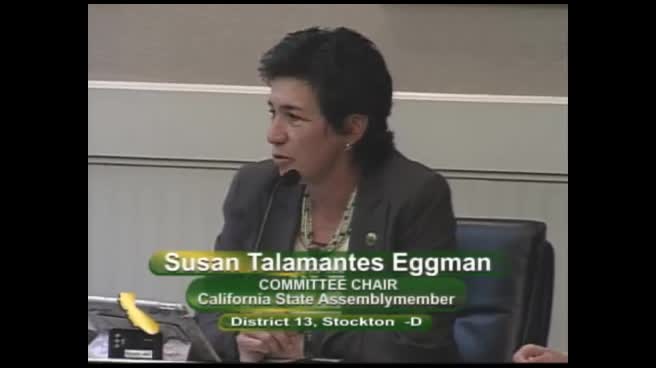
Bill Author

Bill Co-Author(s):