SB 1457: Pupil instruction: excused absences: religious or moral instruction.
- Session Year: 2015-2016
- House: Senate
- Latest Version Date: 2016-05-27
Existing law allows pupils, with the written consent of their parents or guardians, to be excused from school in order to participate in religious exercises or to receive moral and religious instruction, as specified. Under existing law, these absences will not be deemed absences in computing average daily attendance if (1) the governing board of a school district, in its discretion, first adopts a resolution permitting pupils to be absent from school for the exercises or instruction, (2) the governing board adopts regulations governing the attendance of pupils at the exercises or instruction and the reporting thereof, (3) the pupil attends at least the minimum schoolday, and (4) no pupil is excused for more than 4 days per school month.
This bill would authorize the governing board of a school district to adopt a policy to allow a pupil in high school to participate in released time instruction, as defined. The bill would require that a policy include certain conditions, and would authorize a policy to allow a pupil to receive up to 2 elective credits towards that pupils high school graduation requirements. The bill would require the policy to include secular criteria for determining whether to authorize a pupil to earn credit that are substantially the same criteria used to evaluate a similar nonpublic high school course for the purpose of determining whether to award credit for that course to a pupil transferring from a nonpublic high school to a public high school, and would specify certain secular criteria that are required to be included. The bill would require a decision to award credit for released time instruction to be neutral to, and not involve any test for, religious content or denominational affiliation, and would prohibit school district staff and faculty from encouraging or discouraging participation by pupils in released time instruction. The bill would require that an absence for released time instruction not be deemed an absence in computing average daily attendance.
This bill would delete the condition that a pupil be excused for no more than 4 days per school month, and would instead require as conditions that a pupil in kindergarten or in grade 1 to 8, inclusive, attend the exercises or instruction for no more than 2 hours per school week and that a pupil in grade 9 to 12, inclusive, attend the exercises or instruction for no more than the number of hours required to complete one course at that pupils school.
Existing law allows pupils, with the written consent of their parents or guardians, to be excused from school in order to participate in religious exercises or to receive moral and religious instruction, as specified. Under existing law, these absences will not be deemed absences in computing average daily attendance if (1) the governing board of a school district, in its discretion, first adopts a resolution permitting pupils to be absent from school for the exercises or instruction, (2) the governing board adopts regulations governing the attendance of pupils at the exercises or instruction and the reporting thereof, (3) the pupil attends at least the minimum schoolday, and (4) no pupil is excused for more than 4 days per school month.
This bill would authorize the governing board of a school district to adopt a policy to allow a pupil in high school to participate in released time instruction, as defined. The bill would require that a policy include certain conditions, and would authorize a policy to allow a pupil to receive up to 2 elective credits towards that pupils high school graduation requirements. The bill would require the policy to include secular criteria for determining whether to authorize a pupil to earn credit that are substantially the same criteria used to evaluate a similar nonpublic high school course for the purpose of determining whether to award credit for that course to a pupil transferring from a nonpublic high school to a public high school. school, and would specify certain secular criteria that are required to be included. The bill would require a decision to award credit for released time instruction to be neutral to, and not involve any test for, religious content or denominational affiliation, and would prohibit school district staff and faculty from encouraging or discouraging participation by pupils in released time instruction. The bill would require that an absence for released time instruction not be deemed an absence in computing average daily attendance.
Existing law allows pupils, with the written consent of their parents or guardians, to be excused from school in order to participate in religious exercises or to receive moral and religious instruction, as specified. Under existing law, these absences will not be deemed absences in computing average daily attendance if (1) the governing board of a school district, in its discretion, first adopts a resolution permitting pupils to be absent from school for the exercises or instruction, (2) the governing board adopts regulations governing the attendance of pupils at the exercises or instruction and the reporting thereof, (3) the pupil attends at least the minimum schoolday, and (4) no pupil is excused for more than 4 days per school month.
This bill would authorize the governing board of a school district to adopt a policy to allow a pupil in high school to earn up to 2 elective credits toward that pupils high school graduation requirements for the completion of participate in released time instruction, as defined. The bill would require the policy to state that a pupil may receive elective credit for the completion of released time instruction only if specified conditions are met. that a policy include certain conditions, and would authorize a policy to allow a pupil to receive up to 2 elective credits towards that pupils high school graduation requirements. The bill would require the policy to include secular criteria for determining whether to authorize a pupil to earn credit that are substantially the same criteria used to evaluate a similar nonpublic high school course for the purpose of determining whether to award credit for that course to a pupil transferring from a nonpublic high school to a public high school. The bill would require a decision to award credit for released time instruction to be neutral to, and not involve any test for, religious content or denominational affiliation, and would prohibit school district staff and faculty from encouraging or discouraging participation by pupils in released time instruction. The bill would require that an absence for released time instruction not be deemed an absence in computing average daily attendance.
Existing law allows pupils, with the written consent of their parents or guardians, to be excused from school in order to participate in religious exercises or to receive moral and religious instruction, as specified. Under existing law, these absences will not be deemed absences in computing average daily attendance if (1) the governing board of a school district, in its discretion, first adopts a resolution permitting pupils to be absent from school for the exercises or instruction, (2) the governing board adopts regulations governing the attendance of pupils at the exercises or instruction and the reporting thereof, (3) the pupil attends at least the minimum schoolday, and (4) no pupil is excused for more than 4 days per school month.
This bill would authorize the governing board of a school district to adopt a policy to allow a pupil in high school to earn up to 2 elective credits toward that pupils high school graduation requirements for the completion of released time instruction, as defined. The bill would require the policy to state that a pupil may receive elective credit for the completion of released time instruction only if specified conditions are met. The bill would require the policy to include secular criteria for determining whether to authorize a pupil to earn credit that are substantially the same criteria used to evaluate a similar nonpublic high school course for the purpose of determining whether to award credit for that course to a pupil transferring from a nonpublic high school to a public high school. The bill would require a decision to award credit for released time instruction to be neutral to, and not involve any test for, religious content or denominational affiliation, and would prohibit school district staff and faculty from encouraging or discouraging participation by pupils in released time instruction. The bill would require that an absence for released time instruction not be deemed an absence in computing average daily attendance.
Pupils, (a)A pupil, with the written consent of their parents or guardians, his or her parent or guardian, may be excused from school in order to participate in religious exercises or to receive moral and religious instruction at their respective places of worship or at other suitable place or places away from school property designated by the religious group, church, or denomination, which shall be in addition and supplementary to the instruction in manners and morals required elsewhere in this code. Such An absence for these purposes shall not be deemed absence in computing average daily attendance, if all of the following conditions are complied with:
(a)
(1)The governing board of the school district of attendance, in its discretion, shall first adopt first adopts a resolution permitting pupils a pupil to be absent from school for such the exercises or instruction.
(b)
(2)The governing board shall adopt of the school district adopts regulations governing the attendance of pupils at such the exercises or instruction and the reporting thereof.
(c)
(3)Each The pupil so excused shall attend attends school at least the minimum school day schoolday for his grade for elementary schools, and as provided by the relevant provisions of the rules and regulations of the State Board of Education state board for secondary schools.
(d)No pupil shall be excused from school for such purpose on more than four days per school month.
(4)The pupil, if in kindergarten or in grade 1 to 8, inclusive, attends the exercises or instruction for no more than two hours per school week.
(5)The pupil, if in grade 9 to 12, inclusive, attends the exercises or instruction for no more than the number of hours required to complete one course at that pupils school.
(b)It is hereby declared to be the intent of the Legislature that this section shall be permissive only.
SECTION 1.Chapter 20 (commencing with Section 53330) is added to Part 28 of Division 4 of Title 2 of the Education Code, to read:20.The Parental Choice For Released Time Credit Act53330.The Legislature finds and declares all of the following:
(a)Private religious education is a legitimate and complementary part of the American school system.
(b)Parents have a recognized constitutional right to provide their children with a private religious education.
(c)The United States Constitution and state law allow local school districts to offer religious released time instruction for the benefit of public school pupils.
(d)School districts have local autonomy and are governed by locally elected school boards.
(e)In order to accommodate the independent choices of parents and pupils to pursue religious instruction, school districts should be unrestricted in their ability to award credit for that instruction under conditions that preserve the neutrality and impartiality of the public school system.
(f)Permitting pupils to earn credit for released time instruction enables those pupils to remain in public school while also accommodating their right to receive private religious instruction.
53331.For purposes of this chapter, the following definitions apply:
(a)(1)Released time instruction means the instruction received by a pupil for the purposes and under the conditions of Section 46014, not including subdivision (d) of Section 46014.
(2)For purposes of this chapter, Section 46014 shall be construed to additionally permit a pupil to be excused from school to participate in instruction in nonsectarian morals and systems of belief by a nonsectarian entity.
(b)Sponsoring entity means the entity that provides released time instruction to a pupil pursuant to this chapter.
53332.(a)The governing board of a school district may adopt a policy authorizing a pupil in high school to participate in released time instruction. A policy adopted pursuant to this subdivision shall include the following conditions:
(1)The pupils parent or guardian makes a written request.
(2)The released time instruction is conducted off school district property.
(3)No public funds are expended and no public school personnel are involved in providing the instruction.
(4)The sponsoring entity maintains attendance records and makes those records available to the school district the pupil attends.
(5)Transportation to and from the place of released time instruction, including transportation for pupils with disabilities, is the complete responsibility of the sponsoring entity, parent, guardian, or pupil.
(6)The sponsoring entity makes provisions for and assumes liability for the pupil.
(7)The pupil assumes responsibility for any missed schoolwork.
(8)The pupil does not miss any core curriculum subject courses to attend released time instruction.
(9)The pupil attends school for no less than the minimum schoolday applicable to that pupil on each day of released time instruction.
(b)A policy adopted pursuant to subdivision (a) may allow a pupil in high school to receive up to two elective credits toward that pupils high school graduation requirements for the completion of released time instruction.
(c)(1)A policy adopted pursuant to subdivision (a) shall include secular criteria for determining whether to authorize a pupil to earn credit for the completion of released time instruction. The criteria shall be substantially the same criteria used to evaluate a similar nonpublic high school course for the purpose of determining whether to award credit for that course to a pupil transferring from a nonpublic high school to a public high school.
(2)The secular criteria shall include, but are not limited to, the following:
(A)The number of hours of classroom instruction time.
(B)A review of the course syllabus that reflects course requirements, materials used, and a clear learning objective.
(C)The methods of assessment used in the course.
(D)The course is taught by a certificated teacher.
(3)There shall be no criteria requiring that released time instruction be completed only at a nonpublic school.
53333.A decision to award credit for released time instruction shall be neutral to, and shall not involve any test for, religious content or denominational affiliation.
53334.School district staff and faculty shall not encourage or discourage participation by pupils in released time instruction.
53335.An absence for released time instruction pursuant to this chapter shall not be deemed an absence in computing average daily attendance.
The Legislature finds and declares all of the following:
(a)Private religious education is a legitimate and complementary part of the American school system.
(b)Parents have a recognized constitutional right to provide their children with a private religious education.
(c)The United States Constitution and state law allow local school districts to offer religious released time instruction for the benefit of public school pupils.
(d)School districts have local autonomy and are governed by locally elected school boards.
(e)In order to accommodate the independent choices of parents and pupils to pursue religious instruction, school districts should be unrestricted in their ability to award credit for that instruction under conditions that preserve the neutrality and impartiality of the public school system.
(f)Permitting pupils to earn credit for released time instruction enables those pupils to remain in public school while also accommodating their right to receive private religious instruction.
53331.For purposes of this chapter, the following definitions apply:
(a)(1)Released time instruction means the instruction received by a pupil for the purposes and under the conditions of Section 46014, not including subdivision (d) of Section 46014.
(2)For purposes of this chapter, Section 46014 shall be construed to additionally permit a pupil to be excused from school to participate in instruction in nonsectarian morals and systems of belief by a nonsectarian entity.
(b)Sponsoring entity means the entity that provides released time instruction to a pupil pursuant to this chapter.
53332.(a)The governing board of a school district may adopt a policy authorizing a pupil in high school to participate in released time instruction. A policy adopted pursuant to this subdivision shall include the following conditions:
(1)The pupils parent or guardian makes a written request.
(2)The released time instruction is conducted off school district property.
(3)No public funds are expended and no public school personnel are involved in providing the instruction.
(4)The sponsoring entity maintains attendance records and makes those records available to the school district the pupil attends.
(5)Transportation to and from the place of released time instruction, including transportation for pupils with disabilities, is the complete responsibility of the sponsoring entity, parent, guardian, or pupil.
(6)The sponsoring entity makes provisions for and assumes liability for the pupil.
(7)The pupil assumes responsibility for any missed schoolwork.
(8)The pupil does not miss any core curriculum subject courses to attend released time instruction.
(9)The pupil attends school for no less than the minimum schoolday applicable to that pupil on each day of released time instruction.
(b)A policy adopted pursuant to subdivision (a) may allow a pupil in high school to receive up to two elective credits toward that pupils high school graduation requirements for the completion of released time instruction.
(c)(1)A policy adopted pursuant to subdivision (a) shall include secular criteria for determining whether to authorize a pupil to earn credit for the completion of released time instruction. The criteria shall be substantially the same criteria used to evaluate a similar nonpublic high school course for the purpose of determining whether to award credit for that course to a pupil transferring from a nonpublic high school to a public high school.
(2)The secular criteria may shall include, but are not limited to, the following:
(A)The number of hours of classroom instruction time.
(B)A review of the course syllabus that reflects course requirements, materials used, and a clear learning objective.
(C)The methods of assessment used in the course.
(D)The qualifications of the course instructor, which shall be similar to the qualifications of other teachers in the school district.
(D)The course is taught by a certificated teacher.
(3)There shall be no criteria requiring that released time instruction be completed only at a nonpublic school.
53333.A decision to award credit for released time instruction shall be neutral to, and shall not involve any test for, religious content or denominational affiliation.
53334.School district staff and faculty shall not encourage or discourage participation by pupils in released time instruction.
53335.An absence for released time instruction pursuant to this chapter shall not be deemed an absence in computing average daily attendance.
The Legislature finds and declares all of the following:
(a)Private religious education is a legitimate and complementary part of the American school system.
(b)Parents have a recognized constitutional right to provide their children with a private religious education.
(c)The United States Constitution and state law allow local school districts to offer religious released time instruction for the benefit of public school pupils.
(d)School districts have local autonomy and are governed by locally elected school boards.
(e)In order to accommodate the independent choices of parents and pupils to pursue religious instruction, school districts should be unrestricted in their ability to award credit for that instruction under conditions that preserve the neutrality and impartiality of the public school system.
(f)Permitting pupils to earn credit for released time instruction enables those pupils to remain in public school while also accommodating their right to receive private religious instruction.
53331.For purposes of this chapter, the following definitions apply:
(a)(1)Released time instruction means the instruction received by a pupil for the purposes and under the conditions of Section 46014, not including subdivision (d) of Section 46014.
(2)For purposes of this chapter, Section 46014 shall be construed to additionally permit a pupil to be excused from school to participate in instruction in nonsectarian morals and systems of belief by a nonsectarian entity.
(b)Sponsoring entity means the entity that provides released time instruction to a pupil pursuant to this chapter.
53332.(a)The governing board of a school district may adopt a policy authorizing a pupil in high school to earn up to two elective credits toward that pupils high school graduation requirements for the completion of released time instruction. participate in released time instruction. A policy adopted pursuant to this subdivision shall include the following conditions:
(1)The pupils parent or guardian makes a written request.
(2)The released time instruction is conducted off school district property.
(3)No public funds are expended and no public school personnel are involved in providing the instruction.
(4)The sponsoring entity maintains attendance records and makes those records available to the school district the pupil attends.
(5)Transportation to and from the place of released time instruction, including transportation for pupils with disabilities, is the complete responsibility of the sponsoring entity, parent, guardian, or pupil.
(6)The sponsoring entity makes provisions for and assumes liability for the pupil.
(7)The pupil assumes responsibility for any missed schoolwork.
(8)The pupil does not miss any core curriculum subject courses to attend released time instruction.
(9)The pupil attends school for no less than the minimum schoolday applicable to that pupil on each day of released time instruction.
(b)A policy adopted pursuant to subdivision (a) shall state that may allow a pupil in high school may to receive up to two elective credits toward that pupils high school graduation requirements for the completion of released time instruction only if the following conditions are met: instruction.
(1)The pupils parent or guardian makes a written request.
(2)The released time instruction is conducted off school district property.
(3)No public funds are expended and no public school personnel are involved in providing the instruction.
(4)The sponsoring entity maintains attendance records and makes those records available to the school district the pupil attends.
(5)Transportation to and from the place of released time instruction, including transportation for pupils with disabilities, is the complete responsibility of the sponsoring entity, parent, guardian, or pupil.
(6)The sponsoring entity makes provisions for and assumes liability for the pupil.
(7)The pupil assumes responsibility for any missed schoolwork.
(8)The pupil does not miss any core curriculum subject courses to attend released time instruction.
(c)(1)A policy adopted pursuant to subdivision (a) shall include secular criteria for determining whether to authorize a pupil to earn credit for the completion of released time instruction. The criteria shall be substantially the same criteria used to evaluate a similar nonpublic high school course for the purpose of determining whether to award credit for that course to a pupil transferring from a nonpublic high school to a public high school.
(2)The secular criteria may include, but are not limited to, the following:
(A)The number of hours of classroom instruction time.
(B)A review of the course syllabus that reflects course requirements and requirements, materials used. used, and a clear learning objective.
(C)The methods of assessment used in the course.
(D)The qualifications of the course instructor, which shall be similar to the qualifications of other teachers in the school district.
(3)There shall be no criteria requiring that released time instruction be completed only at a nonpublic school.
53333.A decision to award credit for released time instruction shall be neutral to, and shall not involve any test for, religious content or denominational affiliation.
53334.School district staff and faculty shall not encourage or discourage participation by pupils in released time instruction.
53335.An absence for released time instruction pursuant to this chapter shall not be deemed an absence in computing average daily attendance.
The Legislature finds and declares all of the following:
(a)Private religious education is a legitimate and complementary part of the American school system.
(b)Parents have a recognized constitutional right to provide their children with a private religious education.
(c)The United States Constitution and state law allow local school districts to offer religious released time instruction for the benefit of public school pupils.
(d)School districts have local autonomy and are governed by locally elected school boards.
(e)In order to accommodate the independent choices of parents and pupils to pursue religious instruction, school districts should be unrestricted in their ability to award credit for that instruction under conditions that preserve the neutrality and impartiality of the public school system.
(f)Permitting pupils to earn credit for released time instruction enables those pupils to remain in public school while also accommodating their right to receive private religious instruction.
53330.53331.For purposes of this chapter, the following definitions apply:
(a)(1)Released time instruction means the instruction received by a pupil for the purposes and under the conditions of Section 46014, not including subdivision (d) of Section 46014.
(2)For purposes of this chapter, Section 46014 shall be construed to additionally permit a pupil to be excused from school to participate in instruction in nonsectarian morals and systems of belief by a nonsectarian entity.
(b)Sponsoring entity means the entity that provides released time instruction to a pupil pursuant to this chapter.
53331.53332.(a)The governing board of a school district may adopt a policy authorizing a pupil in high school to earn up to two elective credits toward that pupils high school graduation requirements for the completion of released time instruction.
(b)A policy adopted pursuant to subdivision (a) shall state that a pupil in high school may receive elective credits for the completion of released time instruction only if the following conditions are met:
(1)The pupils parent or guardian makes a written request.
(2)The released time instruction is conducted off school district property.
(3)No public funds are expended and no public school personnel are involved in providing the instruction.
(4)The sponsoring entity maintains attendance records and makes those records available to the school district the pupil attends.
(5)Transportation to and from the place of released time instruction, including transportation for pupils with disabilities, is the complete responsibility of the sponsoring entity, parent, guardian, or pupil.
(6)The sponsoring entity makes provisions for and assumes liability for the pupil.
(7)The pupil assumes responsibility for any missed schoolwork.
(8)The pupil does not miss any core curriculum subject courses to attend released time instruction.
(c)(1)A policy adopted pursuant to subdivision (a) shall include secular criteria for determining whether to authorize a pupil to earn credit for the completion of released time instruction. The criteria shall be substantially the same criteria used to evaluate a similar nonpublic high school course for the purpose of determining whether to award credit for that course to a pupil transferring from a nonpublic high school to a public high school.
(2)The secular criteria may include, but are not limited to, the following:
(A)The number of hours of classroom instruction time.
(B)A review of the course syllabus that reflects course requirements and materials used.
(C)The methods of assessment used in the course.
(D)The qualifications of the course instructor, which shall be similar to the qualifications of other teachers in the school district.
(3)There shall be no criteria requiring that released time instruction be completed only at a nonpublic school.
53332.53333.A decision to award credit for released time instruction shall be neutral to, and shall not involve any test for, religious content or denominational affiliation.
53333.53334.School district staff and faculty shall not encourage or discourage participation by pupils in released time instruction.
53334.53335.An absence for released time instruction pursuant to this chapter shall not be deemed an absence in computing average daily attendance.
For purposes of this chapter, the following definitions apply:
(a)(1)Released time instruction means the instruction received by a pupil for the purposes and under the conditions of Section 46014, not including subdivision (d) of Section 46014.
(2)For purposes of this chapter, Section 46014 shall be construed to additionally permit a pupil to be excused from school to participate in instruction in nonsectarian morals and systems of belief by a nonsectarian entity.
(b)Sponsoring entity means the entity that provides released time instruction to a pupil pursuant to this chapter.
53331.(a)The governing board of a school district may adopt a policy authorizing a pupil in high school to earn up to two elective credits toward that pupils high school graduation requirements for the completion of released time instruction.
(b)A policy adopted pursuant to subdivision (a) shall state that a pupil in high school may receive elective credits for the completion of released time instruction only if the following conditions are met:
(1)The pupils parent or guardian makes a written request.
(2)The released time instruction is conducted off school district property.
(3)No public funds are expended and no public school personnel are involved in providing the instruction.
(4)The sponsoring entity maintains attendance records and makes those records available to the school district the pupil attends.
(5)Transportation to and from the place of released time instruction, including transportation for pupils with disabilities, is the complete responsibility of the sponsoring entity, parent, guardian, or pupil.
(6)The sponsoring entity makes provisions for and assumes liability for the pupil.
(7)The pupil assumes responsibility for any missed schoolwork.
(8)The pupil does not miss any core curriculum subject courses to attend released time instruction.
(c)(1)A policy adopted pursuant to subdivision (a) shall include secular criteria for determining whether to authorize a pupil to earn credit for the completion of released time instruction. The criteria shall be substantially the same criteria used to evaluate a similar nonpublic high school course for the purpose of determining whether to award credit for that course to a pupil transferring from a nonpublic high school to a public high school.
(2)The secular criteria may include, but are not limited to, the following:
(A)The number of hours of classroom instruction time.
(B)A review of the course syllabus that reflects course requirements and materials used.
(C)The methods of assessment used in the course.
(D)The qualifications of the course instructor, which shall be similar to the qualifications of other teachers in the school district.
(3)There shall be no criteria requiring that released time instruction be completed only at a nonpublic school.
53332.A decision to award credit for released time instruction shall be neutral to, and shall not involve any test for, religious content or denominational affiliation.
53333.School district staff and faculty shall not encourage or discourage participation by pupils in released time instruction.
53334.An absence for released time instruction pursuant to this chapter shall not be deemed an absence in computing average daily attendance.
|
Date
|
Status
|
|---|---|
| Apr 21, 2016 | Read second time. Ordered to third reading. |
| Jun 2, 2016 | Ordered to inactive file on request of Senator Monning. |
| May 31, 2016 | Read second time. Ordered to third reading. |
| May 27, 2016 | Read third time and amended. |
| May 27, 2016 | Ordered to second reading. |
| May 23, 2016 | Reconsideration granted. (Ayes 38. Noes 0.) |
| May 23, 2016 | Reconsideration granted. (Ayes 38. Noes 0. Page 3924.) |
| May 23, 2016 | Read third time. Refused passage. (Ayes 15. Noes 18.) |
| May 23, 2016 | Read third time. Refused passage. (Ayes 15. Noes 18. Page 3923.) |
| May 23, 2016 | Motion to reconsider made by Senator Morrell. |
| May 5, 2016 | Read second time. Ordered to third reading. |
| May 4, 2016 | Read third time and amended. |
| May 4, 2016 | Ordered to second reading. |
| Feb 19, 2016 | Introduced. To Com. on RLS. for assignment. To print. |
| Apr 20, 2016 | From committee: Do pass. (Ayes 5. Noes 4.) (April 20). |
| Apr 20, 2016 | From committee: Do pass. (Ayes 5. Noes 4. Page 3608.) (April 20). |
| Apr 19, 2016 | Set for hearing April 20. |
| Apr 19, 2016 | (For vote only) |
| Apr 18, 2016 | Joint Rule 62(a) suspended. |
| Apr 18, 2016 | From committee with author's amendments. Read second time and amended. Re-referred to Com. on ED. |
| Mar 30, 2016 | March 30 set for first hearing. Failed passage in committee. (Ayes 4. Noes 4. Page 3333.) Reconsideration granted. |
| Mar 28, 2016 | From committee with author's amendments. Read second time and amended. Re-referred to Com. on ED. |
| Mar 11, 2016 | Set for hearing March 30. |
| Mar 10, 2016 | Referred to Com. on ED. |
| Feb 22, 2016 | Read first time. |
| Feb 22, 2016 | From printer. May be acted upon on or after March 23. |
|
Date
|
Description
|
Location
|
Votes
|
|
|---|---|---|---|---|
| May 23, 2016 | Senate 3rd Reading SB1457 Morrell Reconsider | Senate Floor |
Passed |
|
| May 23, 2016 | Senate 3rd Reading SB1457 Morrell | Senate Floor |
Failed |
|
| Apr 20, 2016 | Do pass | Senate Standing Committee on Education |
Passed |
|
| Mar 30, 2016 | [First] hearing set for [03-30-2016]: Failed passage in Committee. Reconsideration granted | Senate Standing Committee on Education |
Passed |
|
| Mar 30, 2016 | Do pass | Senate Standing Committee on Education |
Failed |
This list shows positions taken on this bill by organizations on the date displayed, which is linked to the original source.
Positions by individuals are not included.
|
Organization
|
Position
|
Date
|
|---|---|---|
| Cal State Long Beach | * Indeterminate | Mar 30, 2016 |
| California Catholic Conference | * Indeterminate | Mar 30, 2016 |
| California Family Alliance | * Indeterminate | Mar 30, 2016 |
| California Family Council | ** Support | May 23, 2016 |
| California Federation Of Teachers | ** Against | May 23, 2016 |
| California Teachers Association | ** Against | May 23, 2016 |
| Christian Educators Association International | ** Support | May 23, 2016 |
| Christian Released Time Education | ** Support | May 23, 2016 |
| Concerned Women for America | ** Support | May 23, 2016 |
| Congressional Prayer Conference | * Indeterminate | Mar 30, 2016 |
| Father's House Church International | ** Support | May 23, 2016 |
| Gateways to Better Education | ** Support | May 23, 2016 |
| Orange County Superintendent of Schools | ** Support | May 23, 2016 |
| Released Time Program | * Support | Mar 30, 2016 |
| Representative Bill Patmon, Ohio House of Representatives | ** Support | May 23, 2016 |
| Representative Jeff McClain, Ohio House of Representatives | ** Support | May 23, 2016 |
| School Ministries, Inc. | ** Support | May 23, 2016 |
| Terry's Testing, Inc. | ** Support | May 23, 2016 |
| Time Christian Education Program | * Indeterminate | Mar 30, 2016 |
| Valley Christian Church | ** Support | May 23, 2016 |
| West Coast Chabad | ** Support | May 23, 2016 |
| Word of God Preservation Society of Northern California | * Indeterminate | Mar 30, 2016 |
Office of Senate Floor Analyses (916) 651-1520 Fax: (916) 327-4478 | SB |
THIRD READING
Bill No: SB 1457
:
SENATE EDUCATION COMMITTEE: 4-4, 3/30/16 (FAIL)
AYES: Huff, Leyva, Mendoza, Vidak
NOES: Liu, Block, Hancock, Monning
NO VOTE RECORDED: Pan
SENATE EDUCATION COMMITTEE: 5-4, 4/20/16
AYES: Huff, Leyva, Mendoza, Pan, Vidak
NOES: Liu, Block, Hancock, Monning
SENATE FLOOR: 15-18, 5/23/16 (FAIL)
AYES: Anderson, Bates, Berryhill, Cannella, Fuller, Gaines, Galgiani, Huff, Mendoza, Moorlach, Morrell, Nguyen, Nielsen, Stone, Vidak
NOES: Block, De León, Glazer, Hall, Hancock, Hernandez, Hill, Jackson, Lara, Leno, Liu, McGuire, Mitchell, Monning, Pavley, Roth, Wieckowski, Wolk
NO VOTE RECORDED: Allen, Beall, Hertzberg, Hueso, Leyva, Pan, Runner
DIGEST: This bill modifies the time allowed under existing law for a student to be excused from school to receive moral and religious instruction. Specifically, this bill removes the existing cap on the number of excused absences for this purpose and replaces it with provisions that allow students in grades K-8 to attend the exercises or instruction for no more than two hours per school week and for no more than the number of hours required to complete one course for students in grades 9-12.
Senate Floor Amendments of 5/27/16 (1) remove the bill’s contents that expand the authority of school districts to authorize students to be excused from school to receive moral and religious instruction and receive elective credits for this purpose; and (2) modify the time allowed under existing law for students to be excused for religious exercises or to receive moral and religious instruction.
Senate Floor Amendments of 5/4/16 require the secular criteria that are used as part of a school board’s policy in determining whether to authorize credit for the completion of released time instruction to include, but not be limited to, the following: (1) the number of hours of classroom instruction time; (2) a review of the course syllabus that reflects course requirements and materials used; (3) the methods of assessment used in the course; and (4) the course is taught by a certificated teacher.
Existing law:
- Provides for pupils, with the written consent of their parents or guardians, to be excused from school in order to participate in religious exercise or to receive moral and religious instruction at their respective places of worship or at other suitable places away from school property designated by the religious group, church, or denomination, which shall be in addition and supplementary to the instruction in manners and morals required elsewhere.
- Provides that such absences shall not be deemed absences in computing average daily attendance (ADA), if all of the following conditions are complied with:
- The governing board of the school district adopts a resolution permitting pupils to be absent from school for such exercises or instruction.
- The governing board of the school district adopts regulations governing the attendance of pupils at such exercises or instruction and the reporting thereof.
- Each pupil so excused shall attend school at least the minimum school day for his grade for elementary schools, and as provided by the relevant provisions for secondary schools, as specified.
- No pupil shall be excused from school for such purpose on more than four days per school month. (Education Code § 46014)
This bill removes the provision in existing law that allows a student to be excused from school in order to participate in religious exercises or to receive moral and religious instruction for no more than four days per school month and replaces it with the following:
- The student, if in kindergarten or in grades 1 through 8, inclusive, may attend the exercises or instruction for no more than two hours her school week.
- The student, if in grades 9 through 12, inclusive, may attend the exercises or instruction for no more than the number of hours required to complete one course at that pupil’s school.
Comments
Recent amendments. This bill previously expanded the authority of school districts to authorize a student to be excused from school to receive moral and religious instruction by removing the cap on the number of excused absences and by authorizing a local governing board to adopt a policy to allow students to earn up to two elective credits towards their high school graduation requirements for the completion of this instruction. While this bill has been amended to eliminate the statutory authority to provide elective credit, this bill continues to potentially expand the time allowed for students to be excused from school for religious instruction while still generating public funding (ADA) for the school.
Clarification of the bill’s effect. As noted, students are already permitted to be excused from school to participate in religious exercise and receive religious or moral instruction for no more than four days per school month. This bill expands the ability of school districts to generate ADA for these absences by allowing students in high school to be excused for the time that it takes to complete one course. While the students would be required to meet the minimum day requirement in current law for a school district to receive full ADA (which is typically four hours), this bill effectively allows them to be excused for approximately one hour per day for religious instruction. Over the course of a month, this equates to a total of 20 hours per month which exceeds the time allowed under current law (8-12 hours per month assuming 2-3 hours per day, capped at four times per month). This also assumes this bill would allow these absences to occur each year a student is in high school since this bill does not expressly limit them to the time required to complete one course over the duration of the student’s tenure in high school.
Why is existing law a problem? Current law already allows for students to be excused to participate in religious exercise or to receive religious or moral instruction as long as specified conditions are met. Such absences are currently limited to no more than four days per school month and a school district may generate ADA for these absences, as long as all statutory requirements are met.
Blurring the lines between the separation of church and state? While no funds are being provided directly to the entity providing the instruction, this bill expands the ability of school districts to receive public funding (ADA) for students who are receiving religious instruction from non-school personnel and away from the schoolsite during the regular school day.
While current law allows for some accommodation of religious instruction during the school day, should the ability of students attending public schools receiving public dollars via ADA to be excused from the regular school day to receive religious instruction be further expanded?
Average daily attendance. This bill expands the ability of a school district to generate ADA for absences due to religious and moral instruction beyond the four days currently allowed under law, raising the following questions and issues to consider:
- How much public funding should reasonably be generated by a school district for religious or moral instruction by an entity other than a public school?
- Are the conditions outlined in this bill sufficient to ensure that absences for this purpose would not be excessive?
- Are additional limitations or time restrictions necessary to ensure that these absences are not frequent or excessive?
- Under current law, the generation of ADA generally requires that a student be under the direct supervision of school personnel. How much ADA should be generated for instruction that is not directly provided or overseen by the school district?
- Could the bill result in a student missing core curriculum subject courses to attend religious or moral instruction?
FISCAL EFFECT: Appropriation: Fiscal Com.: Local:
None received
OPPOSITION: (Verified 5/31/16)
California Teachers Association
6/2/16 10:47:23
**** END ****
Office of Senate Floor Analyses (916) 651-1520 Fax: (916) 327-4478 | SB |
THIRD READING
Bill No: SB 1457
:
SENATE EDUCATION COMMITTEE: 4-4, 3/30/16 (FAIL)
AYES: Huff, Leyva, Mendoza, Vidak
NOES: Liu, Block, Hancock, Monning
NO VOTE RECORDED: Pan
SENATE EDUCATION COMMITTEE: 5-4, 4/20/16
AYES: Huff, Leyva, Mendoza, Pan, Vidak
NOES: Liu, Block, Hancock, Monning
SENATE FLOOR: 15-18, 5/23/16 (FAIL)
AYES: Anderson, Bates, Berryhill, Cannella, Fuller, Gaines, Galgiani, Huff, Mendoza, Moorlach, Morrell, Nguyen, Nielsen, Stone, Vidak
NOES: Block, De León, Glazer, Hall, Hancock, Hernandez, Hill, Jackson, Lara, Leno, Liu, McGuire, Mitchell, Monning, Pavley, Roth, Wieckowski, Wolk
NO VOTE RECORDED: Allen, Beall, Hertzberg, Hueso, Leyva, Pan, Runner
DIGEST: This bill expands the authority of school districts to authorize a student to be excused from school to receive moral and religious instruction by authorizing a local governing board to adopt a policy, as specified, to allow pupils to earn up to two elective credits towards high school graduation requirements for the completion of “released time instruction,” excluding any cap on the number of excused absences for this purpose.
Senate Floor Amendments of 5/4/16 require the secular criteria that are used as part of a school board’s policy in determining whether to authorize credit for the completion of released time instruction to include, but not be limited to, the following: (1) the number of hours of classroom instruction time; (2) a review of the course syllabus that reflects course requirements and materials used; (3) the methods of assessment used in the course; and (4) the course is taught by a certificated teacher.
Existing law:
- Provides for pupils, with the written consent of their parents or guardians, to be excused from school in order to participate in religious exercise or to receive moral and religious instruction at their respective places of worship or at other suitable places away from school property designated by the religious group, church, or denomination, which shall be in addition and supplementary to the instruction in manners and morals required elsewhere.
- Provides that such absences shall not be deemed absences in computing average daily attendance (ADA), if all of the following conditions are complied with:
- The governing board of the school district adopts a resolution permitting pupils to be absent from school for such exercises or instruction.
- The governing board of the school district adopts regulations governing the attendance of pupils at such exercises or instruction and the reporting thereof.
- Each pupil so excused shall attend school at least the minimum school day for his grade for elementary schools, and as provided by the relevant provisions for secondary schools, as specified.
- No pupil shall be excused from school for such purpose on more than four days per school month. (Education Code § 46014)
This bill:
- Provides various legislative findings and declarations, including the finding and declaration that private religious education is a legitimate and complimentary part of the American school system, and that parents have a recognized constitutional right to educate their children at religious private schools.
- Defines “released time instruction” as the instruction received by a pupil for the purposes and under the conditions of Education Code Section 46014 which allows pupils, with the consent of their parents, to be excused from school in order to participate in religious exercises or to receive moral and religious instruction, as specified.
- Provides that Education Code Section 46014 shall be construed to additionally permit a pupil to be excused from school to participate in instruction in nonsectarian morals and systems of belief by a nonsectarian entity.
- Defines “sponsoring entity” as the entity that provides released time instruction to a pupil pursuant to this bill.
- Provides that the governing board of a school district may adopt a policy authorizing a pupil in high school to participate in released time instruction.
- Requires the policy to include the following conditions:
- The pupil’s parent or guardian makes a written request.
- The released time instruction is conducted off school district property.
- No public funds are expended and no public school personnel are involved in providing the instruction.
- The sponsoring entity maintains attendance records and makes those records available to the school district the pupil attends.
- Transportation to and from the place of released time instruction, including transportation for pupils with disabilities, is the complete responsibility of the sponsoring entity, parent, guardian, or pupil.
- The sponsoring entity makes provisions for and assumes liability for the pupil.
- The pupil assumes responsibility for any missed schoolwork.
- The pupil does not miss any core curriculum subject courses to attend released time instruction.
- The pupil attends school for no less than the minimum school day applicable to that pupil on each day of released time instruction.
- Provides that a policy may allow a pupil to receive up to two elective credits toward that pupil’s high school graduation requirements for the completion of released time instruction.
- Requires the policy to include secular criteria for determining whether to authorize a pupil to earn credit for the completion of released time instruction. Requires the criteria to be substantially the same criteria used to evaluate a similar nonpublic high school course for the purpose of determining whether to award credit for that course to a pupil transferring from a nonpublic high school to a public high school.
- Provides that the secular criteria shall include, but not be limited to the following:
- The number of hours of classroom instruction time.
- A review of the course syllabus that reflects course requirements, materials used, and a clear learning objective.
- The methods of assessment used in the course.
- The course is taught by a certificated teacher.
- Provides that there shall be no criteria requiring that released time instruction be completed only at a nonpublic school.
- Provides that a decision to award credit for released time instruction shall be neutral to, and shall not involve any test for religious content or denominational affiliation.
- Prohibits school district staff and faculty from encouraging or discouraging participation by pupils in released time instruction.
- Provides that an absence for released time instruction shall not be deemed an absence in computing ADA.
Comments
Rationale for the bill. According to the author the purpose of this bill is to enable school boards to take action to authorize more time than is allowed under current law for students to participate in religious exercise or religious and moral instruction and to receive elective credit toward high school graduation for this activity. According to the author, both Ohio and South Carolina have passed similar legislation allowing students to receive two elective credits for “released time instruction.”
Why is existing law a problem? Current law already allows for students to be excused to participate in religious exercise or to receive religious or moral instruction as long as specified conditions are met. Such absences are currently limited to no more than four days per school month and a school district may generate ADA for these absences, as long as all statutory requirements are met.
Clarification of the bill’s effect. As noted, students are already permitted to be excused from school to participate in religious exercise and receive religious or moral instruction. This bill redefines these activities as “released time instruction” and expands existing authority in three ways:
- It allows school districts to adopt policies authorizing high school students to earn up to two elective credits towards their graduation requirements for the completion of religious exercise or moral and religious instruction.
- It authorizes such instruction and specifically eliminates the cap on the number of allowable excused days for this purpose.
- It expands the ability of school districts to generate ADA for these absences (current law caps these absences at four days per month). While this bill requires students to meet the minimum day requirement in current law for a school district to receive full ADA (which is typically four hours) on each day of released time instruction, it does not limit the frequency for which students may participate each month.
Blurring the lines between the separation of church and state? This bill provides that elective credit may be provided to students for religious exercise and religious or moral instruction if, among other things, no public funds are expended and no public personnel are involved in providing the instruction. However, while no funds are being provided directly to the entity providing the instruction, this bill would expand the ability of school districts to receive public funding (ADA) for students who are receiving religious instruction from non-school personnel and away from the schoolsite during the regular school day.
While current law allows for some accommodation of religious instruction during the school day, should the ability of students attending public schools receiving public dollars via ADA to be excused from the regular school day to receive religious instruction be further expanded? An argument can be made that because a student would have to meet the minimum day requirement for each day of released time instruction, a district would receive full ADA for that student regardless of whether he or she is excused from school. However, this bill does not place any limits on the frequency or number of times each month that students may be excused from school for this purpose.
Average daily attendance. This bill expands the ability of a school district to generate ADA for absences due to religious and moral instruction beyond the four days currently allowed under law, raising the following questions and issues to consider:
- How much public funding should reasonably be generated by a school district for religious or moral instruction by an entity other than a public school?
- Are the conditions outlined in this bill sufficient to ensure that absences for this purpose would not be excessive?
- Are additional limitations or time restrictions necessary to ensure that these absences are not frequent or excessive?
- Under current law, the generation of ADA generally requires that a student be under the direct supervision of school personnel. How much ADA should be generated for instruction that is not directly provided or overseen by the school district?
- While this bill defers decisions on expansion of release time to local governing boards, what responsibility does the state have to ensure the use of public funds for public purposes and a clear separation of church and state in a publicly funded school system?
Elective credit. This bill authorizes local boards to provide up to two elective credits toward graduation for religious and moral instruction delivered outside the public school system. It authorizes, but does not require, consideration of the number of hours of instruction, a review of a course syllabus that reflects a clear learning objective, methods of assessment, and the qualifications of the instructor in determining whether to authorize course credit. It also prohibits the decision to award credit from involving any test for religious content or denominational affiliation. These provisions raise the following questions and issues to consider:
- Should instruction outside of the school setting be eligible for elective credit towards graduation without prescribing any criteria or requirements for the coursework or the personnel that would be responsible for the instruction?
- How much “released time instruction” for the generation of two credits is necessary or reasonable?
- Why is it necessary that students be granted credit toward graduation for religious and moral instruction? Why are the existing means by which students could receive course credit for these activities insufficient?
FISCAL EFFECT: Appropriation: Fiscal Com.: Local:
California Catholic Conference, Inc.
California Family Council
Christian Educators Association International
Christian Released Time Education
Concerned Women for America
Father’s House Church International
Gateways to Better Education
Orange County Superintendent of Schools
Representative Bill Patmon, Ohio House of Representatives
Representative Jeff McClain, Ohio House of Representatives
School Ministries, Inc.
Terry’s Testing, Inc.
Valley Christian Church
West Coast Chabad
Several individuals
Americans United for Separation of Church and State
California Federation of Teachers
California Teachers Association
5/25/16 15:38:36
Office of Senate Floor Analyses (916) 651-1520 Fax: (916) 327-4478 | SB |
THIRD READING
Bill No: SB 1457
:
SENATE EDUCATION COMMITTEE: 4-4, 3/30/16 (FAIL)
AYES: Huff, Leyva, Mendoza, Vidak
NOES: Liu, Block, Hancock, Monning
NO VOTE RECORDED: Pan
SENATE EDUCATION COMMITTEE: 5-4, 4/20/16
AYES: Huff, Leyva, Mendoza, Pan, Vidak
NOES: Liu, Block, Hancock, Monning
DIGEST: This bill expands the authority of school districts to authorize a student to be excused from school to receive moral and religious instruction by authorizing a local governing board to adopt a policy, as specified, to allow pupils to earn up to two elective credits towards high school graduation requirements for the completion of “released time instruction,” excluding any cap on the number of excused absences for this purpose.
Senate Floor Amendments of 5/4/16 require the secular criteria that are used as part of a school board’s policy in determining whether to authorize credit for the completion of released time instruction to include, but not be limited to, the following: (1) the number of hours of classroom instruction time; (2) a review of the course syllabus that reflects course requirements and materials used; (3) the methods of assessment used in the course; and (4) the course is taught by a certificated teacher.
Existing law:
- Provides for pupils, with the written consent of their parents or guardians, to be excused from school in order to participate in religious exercise or to receive moral and religious instruction at their respective places of worship or at other suitable places away from school property designated by the religious group, church, or denomination, which shall be in addition and supplementary to the instruction in manners and morals required elsewhere.
- Provides that such absences shall not be deemed absences in computing average daily attendance (ADA), if all of the following conditions are complied with:
- The governing board of the school district adopts a resolution permitting pupils to be absent from school for such exercises or instruction.
- The governing board of the school district adopts regulations governing the attendance of pupils at such exercises or instruction and the reporting thereof.
- Each pupil so excused shall attend school at least the minimum school day for his grade for elementary schools, and as provided by the relevant provisions for secondary schools, as specified.
- No pupil shall be excused from school for such purpose on more than four days per school month. (Education Code § 46014)
This bill:
- Provides various legislative findings and declarations, including the finding and declaration that private religious education is a legitimate and complimentary part of the American school system, and that parents have a recognized constitutional right to educate their children at religious private schools.
- Defines “released time instruction” as the instruction received by a pupil for the purposes and under the conditions of Education Code Section 46014 which allows pupils, with the consent of their parents, to be excused from school in order to participate in religious exercises or to receive moral and religious instruction, as specified.
- Provides that Education Code Section 46014 shall be construed to additionally permit a pupil to be excused from school to participate in instruction in nonsectarian morals and systems of belief by a nonsectarian entity.
- Defines “sponsoring entity” as the entity that provides released time instruction to a pupil pursuant to this bill.
- Provides that the governing board of a school district may adopt a policy authorizing a pupil in high school to participate in released time instruction.
- Requires the policy to include the following conditions:
- The pupil’s parent or guardian makes a written request.
- The released time instruction is conducted off school district property.
- No public funds are expended and no public school personnel are involved in providing the instruction.
- The sponsoring entity maintains attendance records and makes those records available to the school district the pupil attends.
- Transportation to and from the place of released time instruction, including transportation for pupils with disabilities, is the complete responsibility of the sponsoring entity, parent, guardian, or pupil.
- The sponsoring entity makes provisions for and assumes liability for the pupil.
- The pupil assumes responsibility for any missed schoolwork.
- The pupil does not miss any core curriculum subject courses to attend released time instruction.
- The pupil attends school for no less than the minimum school day applicable to that pupil on each day of released time instruction.
- Provides that a policy may allow a pupil to receive up to two elective credits toward that pupil’s high school graduation requirements for the completion of released time instruction.
- Requires the policy to include secular criteria for determining whether to authorize a pupil to earn credit for the completion of released time instruction. Requires the criteria to be substantially the same criteria used to evaluate a similar nonpublic high school course for the purpose of determining whether to award credit for that course to a pupil transferring from a nonpublic high school to a public high school.
- Provides that the secular criteria shall include, but not be limited to the following:
- The number of hours of classroom instruction time.
- A review of the course syllabus that reflects course requirements, materials used, and a clear learning objective.
- The methods of assessment used in the course.
- The course is taught by a certificated teacher.
- Provides that there shall be no criteria requiring that released time instruction be completed only at a nonpublic school.
- Provides that a decision to award credit for released time instruction shall be neutral to, and shall not involve any test for religious content or denominational affiliation.
- Prohibits school district staff and faculty from encouraging or discouraging participation by pupils in released time instruction.
- Provides that an absence for released time instruction shall not be deemed an absence in computing ADA.
Comments
Rationale for the bill. According to the author the purpose of this bill is to enable school boards to take action to authorize more time than is allowed under current law for students to participate in religious exercise or religious and moral instruction and to receive elective credit toward high school graduation for this activity. According to the author, both Ohio and South Carolina have passed similar legislation allowing students to receive two elective credits for “released time instruction.”
Why is existing law a problem? Current law already allows for students to be excused to participate in religious exercise or to receive religious or moral instruction as long as specified conditions are met. Such absences are currently limited to no more than four days per school month and a school district may generate ADA for these absences, as long as all statutory requirements are met.
Clarification of the bill’s effect. As noted, students are already permitted to be excused from school to participate in religious exercise and receive religious or moral instruction. This bill redefines these activities as “released time instruction” and expands existing authority in three ways:
- It allows school districts to adopt policies authorizing high school students to earn up to two elective credits towards their graduation requirements for the completion of religious exercise or moral and religious instruction.
- It authorizes such instruction and specifically eliminates the cap on the number of allowable excused days for this purpose.
- It expands the ability of school districts to generate ADA for these absences (current law caps these absences at four days per month). While this bill requires students to meet the minimum day requirement in current law for a school district to receive full ADA (which is typically four hours) on each day of released time instruction, it does not limit the frequency for which students may participate each month.
Blurring the lines between the separation of church and state? This bill provides that elective credit may be provided to students for religious exercise and religious or moral instruction if, among other things, no public funds are expended and no public personnel are involved in providing the instruction. However, while no funds are being provided directly to the entity providing the instruction, this bill would expand the ability of school districts to receive public funding (ADA) for students who are receiving religious instruction from non-school personnel and away from the schoolsite during the regular school day.
While current law allows for some accommodation of religious instruction during the school day, should the ability of students attending public schools receiving public dollars via ADA to be excused from the regular school day to receive religious instruction be further expanded? An argument can be made that because a student would have to meet the minimum day requirement for each day of released time instruction, a district would receive full ADA for that student regardless of whether he or she is excused from school. However, this bill does not place any limits on the frequency or number of times each month that students may be excused from school for this purpose.
Average daily attendance. This bill expands the ability of a school district to generate ADA for absences due to religious and moral instruction beyond the four days currently allowed under law, raising the following questions and issues to consider:
- How much public funding should reasonably be generated by a school district for religious or moral instruction by an entity other than a public school?
- Are the conditions outlined in this bill sufficient to ensure that absences for this purpose would not be excessive?
- Are additional limitations or time restrictions necessary to ensure that these absences are not frequent or excessive?
- Under current law, the generation of ADA generally requires that a student be under the direct supervision of school personnel. How much ADA should be generated for instruction that is not directly provided or overseen by the school district?
- While this bill defers decisions on expansion of release time to local governing boards, what responsibility does the state have to ensure the use of public funds for public purposes and a clear separation of church and state in a publicly funded school system?
Elective credit. This bill authorizes local boards to provide up to two elective credits toward graduation for religious and moral instruction delivered outside the public school system. It authorizes, but does not require, consideration of the number of hours of instruction, a review of a course syllabus that reflects a clear learning objective, methods of assessment, and the qualifications of the instructor in determining whether to authorize course credit. It also prohibits the decision to award credit from involving any test for religious content or denominational affiliation. These provisions raise the following questions and issues to consider:
- Should instruction outside of the school setting be eligible for elective credit towards graduation without prescribing any criteria or requirements for the coursework or the personnel that would be responsible for the instruction?
- How much “released time instruction” for the generation of two credits is necessary or reasonable?
- Why is it necessary that students be granted credit toward graduation for religious and moral instruction? Why are the existing means by which students could receive course credit for these activities insufficient?
FISCAL EFFECT: Appropriation: Fiscal Com.: Local:
California Catholic Conference, Inc.
California Family Council
Christian Educators Association International
Christian Released Time Education
Concerned Women for America
Father’s House Church International
Gateways to Better Education
Orange County Superintendent of Schools
Representative Bill Patmon, Ohio House of Representatives
Representative Jeff McClain, Ohio House of Representatives
School Ministries, Inc.
Terry’s Testing, Inc.
Valley Christian Church
West Coast Chabad
Several individuals
California Federation of Teachers
California Teachers Association
5/9/16 9:09:39
Office of Senate Floor Analyses (916) 651-1520 Fax: (916) 327-4478 | SB |
THIRD READING
Bill No: SB 1457
:
SENATE EDUCATION COMMITTEE: 4-4, 3/30/16 (FAIL)
AYES: Huff, Leyva, Mendoza, Vidak
NOES: Liu, Block, Hancock, Monning
NO VOTE RECORDED: Pan
SENATE EDUCATION COMMITTEE: 5-4, 4/20/16
AYES: Huff, Leyva, Mendoza, Pan, Vidak
NOES: Liu, Block, Hancock, Monning
DIGEST: This bill expands the authority of school districts to authorize a student to be excused from school to receive moral and religious instruction by authorizing a local governing board to adopt a policy, as specified, to allow pupils to earn up to two elective credits towards high school graduation requirements for the completion of “released time instruction,” excluding any cap on the number of excused absences for this purpose.
Senate Floor Amendments of 5/4/16 require the secular criteria that are used as part of a school board’s policy in determining whether to authorize credit for the completion of released time instruction to include, but not be limited to, the following: (1) the number of hours of classroom instruction time; (2) a review of the course syllabus that reflects course requirements and materials used; (3) the methods of assessment used in the course; and (4) the course is taught by a certificated teacher.
Existing law:
- Provides for pupils, with the written consent of their parents or guardians, to be excused from school in order to participate in religious exercise or to receive moral and religious instruction at their respective places of worship or at other suitable places away from school property designated by the religious group, church, or denomination, which shall be in addition and supplementary to the instruction in manners and morals required elsewhere.
- Provides that such absences shall not be deemed absences in computing average daily attendance (ADA), if all of the following conditions are complied with:
- The governing board of the school district adopts a resolution permitting pupils to be absent from school for such exercises or instruction.
- The governing board of the school district adopts regulations governing the attendance of pupils at such exercises or instruction and the reporting thereof.
- Each pupil so excused shall attend school at least the minimum school day for his grade for elementary schools, and as provided by the relevant provisions for secondary schools, as specified.
- No pupil shall be excused from school for such purpose on more than four days per school month. (Education Code § 46014)
This bill:
- Provides various legislative findings and declarations, including the finding and declaration that private religious education is a legitimate and complimentary part of the American school system, and that parents have a recognized constitutional right to educate their children at religious private schools.
- Defines “released time instruction” as the instruction received by a pupil for the purposes and under the conditions of Education Code Section 46014 which allows pupils, with the consent of their parents, to be excused from school in order to participate in religious exercises or to receive moral and religious instruction, as specified.
- Provides that Education Code Section 46014 shall be construed to additionally permit a pupil to be excused from school to participate in instruction in nonsectarian morals and systems of belief by a nonsectarian entity.
- Defines “sponsoring entity” as the entity that provides released time instruction to a pupil pursuant to this bill.
- Provides that the governing board of a school district may adopt a policy authorizing a pupil in high school to participate in released time instruction.
- Requires the policy to include the following conditions:
- The pupil’s parent or guardian makes a written request.
- The released time instruction is conducted off school district property.
- No public funds are expended and no public school personnel are involved in providing the instruction.
- The sponsoring entity maintains attendance records and makes those records available to the school district the pupil attends.
- Transportation to and from the place of released time instruction, including transportation for pupils with disabilities, is the complete responsibility of the sponsoring entity, parent, guardian, or pupil.
- The sponsoring entity makes provisions for and assumes liability for the pupil.
- The pupil assumes responsibility for any missed schoolwork.
- The pupil does not miss any core curriculum subject courses to attend released time instruction.
- The pupil attends school for no less than the minimum school day applicable to that pupil on each day of released time instruction.
- Provides that a policy may allow a pupil to receive up to two elective credits toward that pupil’s high school graduation requirements for the completion of released time instruction.
- Requires the policy to include secular criteria for determining whether to authorize a pupil to earn credit for the completion of released time instruction. Requires the criteria to be substantially the same criteria used to evaluate a similar nonpublic high school course for the purpose of determining whether to award credit for that course to a pupil transferring from a nonpublic high school to a public high school.
- Provides that the secular criteria shall include, but not be limited to the following:
- The number of hours of classroom instruction time.
- A review of the course syllabus that reflects course requirements, materials used, and a clear learning objective.
- The methods of assessment used in the course.
- The course is taught by a certificated teacher.
- Provides that there shall be no criteria requiring that released time instruction be completed only at a nonpublic school.
- Provides that a decision to award credit for released time instruction shall be neutral to, and shall not involve any test for religious content or denominational affiliation.
- Prohibits school district staff and faculty from encouraging or discouraging participation by pupils in released time instruction.
- Provides that an absence for released time instruction shall not be deemed an absence in computing ADA.
Comments
Rationale for the bill. According to the author the purpose of this bill is to enable school boards to take action to authorize more time than is allowed under current law for students to participate in religious exercise or religious and moral instruction and to receive elective credit toward high school graduation for this activity. According to the author, both Ohio and South Carolina have passed similar legislation allowing students to receive two elective credits for “released time instruction.”
Why is existing law a problem? Current law already allows for students to be excused to participate in religious exercise or to receive religious or moral instruction as long as specified conditions are met. Such absences are currently limited to no more than four days per school month and a school district may generate ADA for these absences, as long as all statutory requirements are met.
Clarification of the bill’s effect. As noted, students are already permitted to be excused from school to participate in religious exercise and receive religious or moral instruction. This bill redefines these activities as “released time instruction” and expands existing authority in three ways:
- It allows school districts to adopt policies authorizing high school students to earn up to two elective credits towards their graduation requirements for the completion of religious exercise or moral and religious instruction.
- It authorizes such instruction and specifically eliminates the cap on the number of allowable excused days for this purpose.
- It expands the ability of school districts to generate ADA for these absences (current law caps these absences at four days per month). While this bill requires students to meet the minimum day requirement in current law for a school district to receive full ADA (which is typically four hours) on each day of released time instruction, it does not limit the frequency for which students may participate each month.
Blurring the lines between the separation of church and state? This bill provides that elective credit may be provided to students for religious exercise and religious or moral instruction if, among other things, no public funds are expended and no public personnel are involved in providing the instruction. However, while no funds are being provided directly to the entity providing the instruction, this bill would expand the ability of school districts to receive public funding (ADA) for students who are receiving religious instruction from non-school personnel and away from the schoolsite during the regular school day.
While current law allows for some accommodation of religious instruction during the school day, should the ability of students attending public schools receiving public dollars via ADA to be excused from the regular school day to receive religious instruction be further expanded? An argument can be made that because a student would have to meet the minimum day requirement for each day of released time instruction, a district would receive full ADA for that student regardless of whether he or she is excused from school. However, this bill does not place any limits on the frequency or number of times each month that students may be excused from school for this purpose.
Average daily attendance. This bill expands the ability of a school district to generate ADA for absences due to religious and moral instruction beyond the four days currently allowed under law, raising the following questions and issues to consider:
- How much public funding should reasonably be generated by a school district for religious or moral instruction by an entity other than a public school?
- Are the conditions outlined in this bill sufficient to ensure that absences for this purpose would not be excessive?
- Are additional limitations or time restrictions necessary to ensure that these absences are not frequent or excessive?
- Under current law, the generation of ADA generally requires that a student be under the direct supervision of school personnel. How much ADA should be generated for instruction that is not directly provided or overseen by the school district?
- While this bill defers decisions on expansion of release time to local governing boards, what responsibility does the state have to ensure the use of public funds for public purposes and a clear separation of church and state in a publicly funded school system?
Elective credit. This bill authorizes local boards to provide up to two elective credits toward graduation for religious and moral instruction delivered outside the public school system. It authorizes, but does not require, consideration of the number of hours of instruction, a review of a course syllabus that reflects a clear learning objective, methods of assessment, and the qualifications of the instructor in determining whether to authorize course credit. It also prohibits the decision to award credit from involving any test for religious content or denominational affiliation. These provisions raise the following questions and issues to consider:
- Should instruction outside of the school setting be eligible for elective credit towards graduation without prescribing any criteria or requirements for the coursework or the personnel that would be responsible for the instruction?
- How much “released time instruction” for the generation of two credits is necessary or reasonable?
- Why is it necessary that students be granted credit toward graduation for religious and moral instruction? Why are the existing means by which students could receive course credit for these activities insufficient?
FISCAL EFFECT: Appropriation: Fiscal Com.: Local:
California Catholic Conference, Inc.
California Family Council
Christian Educators Association International
Christian Released Time Education
Concerned Women for America
Father’s House Church International
Gateways to Better Education
Orange County Superintendent of Schools
Representative Bill Patmon, Ohio House of Representatives
Representative Jeff McClain, Ohio House of Representatives
School Ministries, Inc.
Terry’s Testing, Inc.
Valley Christian Church
West Coast Chabad
Several individuals
Americans United for Separation of Church and State
California Federation of Teachers
California Teachers Association
5/9/16 12:20:46
Office of Senate Floor Analyses (916) 651-1520 Fax: (916) 327-4478 | SB |
THIRD READING
Bill No: SB 1457
:
SENATE EDUCATION COMMITTEE: 4-4, 3/30/16 (FAIL)
AYES: Huff, Leyva, Mendoza, Vidak
NOES: Liu, Block, Hancock, Monning
NO VOTE RECORDED: Pan
SENATE EDUCATION COMMITTEE: 5-4, 4/20/16
AYES: Huff, Leyva, Mendoza, Pan, Vidak
NOES: Liu, Block, Hancock, Monning
DIGEST: This bill expands the authority of school districts to authorize a student to be excused from school to receive moral and religious instruction by authorizing a local governing board to adopt a policy, as specified, to allow pupils to earn up to two elective credits towards high school graduation requirements for the completion of “released time instruction,” excluding any cap on the number of excused absences for this purpose.
Existing law:
- Provides for pupils, with the written consent of their parents or guardians, to be excused from school in order to participate in religious exercise or to receive moral and religious instruction at their respective places of worship or at other suitable places away from school property designated by the religious group, church, or denomination, which shall be in addition and supplementary to the instruction in manners and morals required elsewhere.
- Provides that such absences shall not be deemed absences in computing average daily attendance (ADA), if all of the following conditions are complied with:
- The governing board of the school district adopts a resolution permitting pupils to be absent from school for such exercises or instruction.
- The governing board of the school district adopts regulations governing the attendance of pupils at such exercises or instruction and the reporting thereof.
- Each pupil so excused shall attend school at least the minimum school day for his grade for elementary schools, and as provided by the relevant provisions for secondary schools, as specified.
- No pupil shall be excused from school for such purpose on more than four days per school month. (Education Code § 46014)
This bill:
- Provides various legislative findings and declarations, including the finding and declaration that private religious education is a legitimate and complimentary part of the American school system, and that parents have a recognized constitutional right to educate their children at religious private schools.
- Defines “released time instruction” as the instruction received by a pupil for the purposes and under the conditions of Education Code Section 46014 which allows pupils, with the consent of their parents, to be excused from school in order to participate in religious exercises or to receive moral and religious instruction, as specified.
- Provides that Education Code Section 46014 shall be construed to additionally permit a pupil to be excused from school to participate in instruction in nonsectarian morals and systems of belief by a nonsectarian entity.
- Defines “sponsoring entity” as the entity that provides released time instruction to a pupil pursuant to this bill.
- Provides that the governing board of a school district may adopt a policy authorizing a pupil in high school to participate in released time instruction.
- Requires the policy to include the following conditions:
- The pupil’s parent or guardian makes a written request.
- The released time instruction is conducted off school district property.
- No public funds are expended and no public school personnel are involved in providing the instruction.
- The sponsoring entity maintains attendance records and makes those records available to the school district the pupil attends.
- Transportation to and from the place of released time instruction, including transportation for pupils with disabilities, is the complete responsibility of the sponsoring entity, parent, guardian, or pupil.
- The sponsoring entity makes provisions for and assumes liability for the pupil.
- The pupil assumes responsibility for any missed schoolwork.
- The pupil does not miss any core curriculum subject courses to attend released time instruction.
- The pupil attends school for no less than the minimum school day applicable to that pupil on each day of released time instruction.
- Provides that a policy may allow a pupil to receive up to two elective credits toward that pupil’s high school graduation requirements for the completion of released time instruction.
- Requires the policy to include secular criteria for determining whether to authorize a pupil to earn credit for the completion of released time instruction. Requires the criteria to be substantially the same criteria used to evaluate a similar nonpublic high school course for the purpose of determining whether to award credit for that course to a pupil transferring from a nonpublic high school to a public high school.
- Provides that the secular criteria may include, but not be limited to the following:
- The number of hours of classroom instruction time.
- A review of the course syllabus that reflects course requirements, materials used, and a clear learning objective.
- The methods of assessment used in the course.
- The qualifications of the course instructor, which shall be similar to the qualifications of other teachers in the school district.
- Provides that there shall be no criteria requiring that released time instruction be completed only at a nonpublic school.
- Provides that a decision to award credit for released time instruction shall be neutral to, and shall not involve any test for religious content or denominational affiliation.
- Prohibits school district staff and faculty from encouraging or discouraging participation by pupils in released time instruction.
- Provides that an absence for released time instruction shall not be deemed an absence in computing ADA.
Comments
Rationale for the bill. According to the author the purpose of this bill is to enable school boards to take action to authorize more time than is allowed under current law for students to participate in religious exercise or religious and moral instruction and to receive elective credit toward high school graduation for this activity. According to the author, both Ohio and South Carolina have passed similar legislation allowing students to receive two elective credits for “released time instruction.”
Why is existing law a problem? Current law already allows for students to be excused to participate in religious exercise or to receive religious or moral instruction as long as specified conditions are met. Such absences are currently limited to no more than four days per school month and a school district may generate ADA for these absences, as long as all statutory requirements are met.
Clarification of the bill’s effect. As noted, students are already permitted to be excused from school to participate in religious exercise and receive religious or moral instruction. This bill redefines these activities as “released time instruction” and expands existing authority in three ways:
- It allows school districts to adopt policies authorizing high school students to earn up to two elective credits towards their graduation requirements for the completion of religious exercise or moral and religious instruction.
- It authorizes such instruction and specifically eliminates the cap on the number of allowable excused days for this purpose.
- It expands the ability of school districts to generate ADA for these absences (current law caps these absences at four days per month). While this bill requires students to meet the minimum day requirement in current law for a school district to receive full ADA (which is typically four hours) on each day of released time instruction, it does not limit the frequency for which students may participate each month.
Blurring the lines between the separation of church and state? This bill provides that elective credit may be provided to students for religious exercise and religious or moral instruction if, among other things, no public funds are expended and no public personnel are involved in providing the instruction. However, while no funds are being provided directly to the entity providing the instruction, this bill would expand the ability of school districts to receive public funding (ADA) for students who are receiving religious instruction from non-school personnel and away from the schoolsite during the regular school day.
While current law allows for some accommodation of religious instruction during the school day, should the ability of students attending public schools receiving public dollars via ADA to be excused from the regular school day to receive religious instruction be further expanded? An argument can be made that because a student would have to meet the minimum day requirement for each day of released time instruction, a district would receive full ADA for that student regardless of whether he or she is excused from school. However, this bill does not place any limits on the frequency or number of times each month that students may be excused from school for this purpose.
Average daily attendance. This bill expands the ability of a school district to generate ADA for absences due to religious and moral instruction beyond the four days currently allowed under law, raising the following questions and issues to consider:
- How much public funding should reasonably be generated by a school district for religious or moral instruction by an entity other than a public school?
- Are the conditions outlined in this bill sufficient to ensure that absences for this purpose would not be excessive?
- Are additional limitations or time restrictions necessary to ensure that these absences are not frequent or excessive?
- Under current law, the generation of ADA generally requires that a student be under the direct supervision of school personnel. How much ADA should be generated for instruction that is not directly provided or overseen by the school district?
- While this bill defers decisions on expansion of release time to local governing boards, what responsibility does the state have to ensure the use of public funds for public purposes and a clear separation of church and state in a publicly funded school system?
Elective credit. This bill authorizes local boards to provide up to two elective credits toward graduation for religious and moral instruction delivered outside the public school system. It authorizes, but does not require, consideration of the number of hours of instruction, a review of a course syllabus that reflects a clear learning objective, methods of assessment, and the qualifications of the instructor in determining whether to authorize course credit. It also prohibits the decision to award credit from involving any test for religious content or denominational affiliation. These provisions raise the following questions and issues to consider:
- Should instruction outside of the school setting be eligible for elective credit towards graduation without prescribing any criteria or requirements for the coursework or the personnel that would be responsible for the instruction?
- Should course credit be offered for instruction that may not be under the direct supervision of a certificated teacher?
- How much “released time instruction” for the generation of two credits is necessary or reasonable?
- Why is it necessary that students be granted credit toward graduation for religious and moral instruction? Why are the existing means by which students could receive course credit for these activities insufficient?
FISCAL EFFECT: Appropriation: Fiscal Com.: Local:
California Catholic Conference, Inc.
California Family Council
Christian Educators Association International
Christian Released Time Education
Concerned Women for America
Father’s House Church International
Gateways to Better Education
Orange County Superintendent of Schools
Representative Bill Patmon, Ohio House of Representatives
Representative Jeff McClain, Ohio House of Representatives
School Ministries, Inc.
Terry’s Testing, Inc.
Valley Christian Church
West Coast Chabad
Several individuals
OPPOSITION: (Verified 4/21/16)
California Federation of Teachers
California Teachers Association
4/22/16 12:32:11
SENATE COMMITTEE ON EDUCATION
Senator Carol Liu, Chair
2015 - 2016 Regular
Bill No:
Author: | Morrell | ||
Version: | Hearing Date: April 20, 2016 | ||
Urgency: | Fiscal: | ||
Consultant: | |||
Subject:
NOTE: This bill was previously heard by this Committee on March 30, 2016, failed passage by a vote of 4-4, and was granted reconsideration. The bill has subsequently been amended as follows:
- Specifies that pupils participating in released time instruction must attend school for no less than the minimum school day on each day of released time instruction.
- Specifies that a school district electing to authorize released time instruction may allow a pupil to receive up to two elective credits, clarifying that a program may be offered regardless of whether a pupil receives credit.
- Provides that the secular criteria for determining whether to authorize credit may include a review of the course syllabus that reflects a clear learning objective.
The analysis has been updated to reflect these amendments.
SUMMARY
This bill expands the authority of school districts to authorize a student to be excused from school to receive moral and religious instruction by authorizing a local governing board to adopt a policy, as specified, to allow pupils to earn up to two elective credits towards high school graduation requirements for the completion of “released time instruction,” excluding any cap on the number of excused absences for this purpose.
BACKGROUND
Existing law:
- Provides for pupils, with the written consent of their parents or guardians, to be excused from school in order to participate in religious exercise or to receive moral and religious instruction at their respective places of worship or at other suitable places away from school property designated by the religious group, church, or denomination, which shall be in addition and supplementary to the instruction in manners and morals required elsewhere.
- Provides that such absences shall not be deemed absences in computing ADA, if all of the following conditions are complied with:
- The governing board of the school district adopts a resolution permitting pupils to be absent from school for such exercises or instruction.
- The governing board of the school district adopts regulations governing the attendance of pupils at such exercises or instruction and the reporting thereof.
- Each pupil so excused shall attend school at least the minimum school day for his grade for elementary schools, and as provided by the relevant provisions for secondary schools, as specified.
- No pupil shall be excused from school for such purpose on more than four days per school month. (Education Code § 46014)
ANALYSIS
This bill:
- Provides various legislative findings and declarations, including the finding and declaration that private religious education is a legitimate and complimentary part of the American school system, and that parents have a recognized constitutional right to educate their children at religious private schools.
- Defines “released time instruction” as the instruction received by a pupil for the purposes and under the conditions of Education Code § 46014 which allows pupils, with the consent of their parents, to be excused from school in order to participate in religious exercises or to receive moral and religious instruction, as specified.
- Provides that Education Code § 46014 shall be construed to additionally permit a pupil to be excused from school to participate in instruction in nonsectarian morals and systems of belief by a nonsectarian entity.
- Defines “sponsoring entity” as the entity that provides released time instruction to a pupil pursuant to this chapter.
- Provides that the governing board of a school district may adopt a policy authorizing a pupil in high school to participate in released time instruction.
- Requires the policy to include the following conditions:
- The pupil’s parent or guardian makes a written request.
- The released time instruction is conducted off school district property.
- No public funds are expended and no public school personnel are involved in providing the instruction.
- The sponsoring entity maintains attendance records and makes those records available to the school district the pupil attends.
- Transportation to and from the place of released time instruction, including transportation for pupils with disabilities, is the complete responsibility of the sponsoring entity, parent, guardian, or pupil.
- The sponsoring entity makes provisions for and assumes liability for the pupil.
- The pupil assumes responsibility for any missed schoolwork.
- The pupil does not miss any core curriculum subject courses to attend released time instruction.
- The pupil attends school for no less than the minimum school day applicable to that pupil on each day of released time instruction.
- Provides that a policy may allow a pupil to receive up to two elective credits toward that pupil’s high school graduation requirements for the completion of released time instruction.
- Requires the policy to include secular criteria for determining whether to authorize a pupil to earn credit for the completion of released time instruction. Requires the criteria to be substantially the same criteria used to evaluate a similar nonpublic high school course for the purpose of determining whether to award credit for that course to a pupil transferring from a nonpublic high school to a public high school.
- Provides that the secular criteria may include, but not be limited to the following:
- The number of hours of classroom instruction time.
- A review of the course syllabus that reflects course requirements, materials used, and a clear learning objective.
- The methods of assessment used in the course.
- The qualifications of the course instructor, which shall be similar to the qualifications of other teachers in the school district.
- Provides that there shall be no criteria requiring that released time instruction be completed only at a nonpublic school.
- Provides that a decision to award credit for released time instruction shall be neutral to, and shall not involve any test for religious content or denominational affiliation.
- Prohibits school district staff and faculty from encouraging or discouraging participation by pupils in released time instruction.
- Provides that an absence for released time instruction shall not be deemed an absence in computing average daily attendance.
STAFF COMMENTS
- Rationale for the bill. According to the author the purpose of this bill is to enable school boards to take action to authorize more time than is allowed under current law for students to participate in religious exercise or religious and moral instruction and to receive elective credit toward high school graduation for this activity. According to the author, both Ohio and South Carolina have passed similar legislation allowing students to receive two elective credits for “released time instruction.”
- Why is existing law a problem? As noted in the background of this analysis, current law already allows for students to be excused to participate in religious exercise or to receive religious or moral instruction as long as specified conditions are met. Such absences are currently limited to no more than four days per school month and a school district may generate average daily attendance (ADA) for these absences, as long as all statutory requirements are met.
The committee may wish to clarify why the current statutory authority is insufficient.
- Clarification of the bill’s effect. As noted, students are already permitted to be excused from school to participate in religious exercise and receive religious or moral instruction. This bill redefines these activities as “released time instruction” and expands existing authority in three ways:
- It allows school districts to adopt policies authorizing high school students to earn up to two elective credits towards their graduation requirements for the completion of religious exercise or moral and religious instruction.
- It authorizes such instruction and specifically eliminates the cap on the number of allowable excused days for this purpose.
- It expands the ability of school districts to generate ADA for these absences (current law caps these absences at four days per month). While the bill requires students to meet the minimum day requirement in current law for a school district to receive full ADA (which is typically four hours) on each day of released time instruction, it does not limit the frequency for which students may participate each month.
- Blurring the lines between the separation of church and state? This bill provides that elective credit may be provided to students for religious exercise and religious or moral instruction if, among other things, no public funds are expended and no public personnel are involved in providing the instruction. However, while no funds are being provided directly to the entity providing the instruction, this bill would expand the ability of school districts to receive public funding (ADA) for students who are receiving religious instruction from non-school personnel and away from the schoolsite during the regular school day.
While current law allows for some accommodation of religious instruction during the school day, should this committee further expand the ability of students attending public schools receiving public dollars via ADA to be excused from the regular school day to receive religious instruction? An argument can be made that because a student would have to meet the minimum day requirement for each day of released time instruction, a district would receive full ADA for that student regardless of whether he or she is excused from school. However, the bill does not place any limits on the frequency or number of times each month that students may be excused from school for this purpose.
- Average Daily Attendance. This bill expands the ability of a school district to generate ADA for absences due to religious and moral instruction beyond the four days currently allowed under law. The committee may wish to consider:
- How much public funding should reasonably be generated by a school district for religious or moral instruction by an entity other than a public school?
- Are the conditions outlined in the bill sufficient to ensure that absences for this purpose would not be excessive?
- Are additional limitations or time restrictions necessary to ensure that these absences are not frequent or excessive?
- Under current law, the generation of average daily attendance (ADA) generally requires that a student be under the direct supervision of school personnel. How much ADA should be generated for instruction that is not directly provided or overseen by the school district?
- While this bill defers decisions on expansion of release time to local governing boards, what responsibility does the state have to ensure the use of public funds for public purposes and a clear separation of church and state in a publicly funded school system?
- Elective Credit. This bill would authorize local boards to provide up to two elective credits toward graduation for religious and moral instruction delivered outside the public school system. It authorizes, but does not require, consideration of the number of hours of instruction, a review of a course syllabus that reflects a clear learning objective, methods of assessment, and the qualifications of the instructor in determining whether to authorize course credit. It also prohibits the decision to award credit from involving any test for religious content or denominational affiliation. The committee may wish to consider:
- Should instruction outside of the school setting be eligible for elective credit towards graduation without prescribing any criteria or requirements for the coursework or the personnel that would be responsible for the instruction?
- Should course credit be offered for instruction that may not be under the direct supervision of a certificated teacher?
- How much “released time instruction” for the generation of two credits is necessary or reasonable?
- Why is it necessary that students be granted credit toward graduation for religious and moral instruction? Why are the existing means by which students could receive course credit for these activities insufficient?
- High school graduation requirements. Students are required to complete a minimum set of courses to meet state requirements to graduate from high school and receive a diploma. Specifically, current law requires students to complete three courses in English, two courses in mathematics, two courses in science, three courses in social studies, one course in visual or performing arts, and two courses in physical education.
School district governing boards also have the authority to supplement the state minimum requirements at the local level with additional course work, which may include elective courses. High school electives are typically courses that fall outside of the core academic subject areas and may represent a student’s personal interests, introduce new skills, or serve as training for a future career.
This bill provides an alternative for earning elective credits through the completion of religious exercise and religious and moral instruction at a student’s respective place of worship or other suitable places away from school property.
SUPPORT
None received on current version of the bill.
OPPOSITION
None received on current version of the bill.
-- END –
SENATE COMMITTEE ON EDUCATION
Senator Carol Liu, Chair
2015 - 2016 Regular
Bill No:
Author: | Morrell | ||
Version: | Hearing Date: March 30, 2016 | ||
Urgency: | Fiscal: | ||
Consultant: | |||
Subject:
SUMMARY
This bill expands the authority of school districts to authorize a student to be excused from school to receive moral and religious instruction by authorizing a local governing board to adopt a policy, as specified, to allow pupils to earn up to two elective credits towards high school graduation requirements for the completion of “released time instruction,” excluding any cap on the number of excused absences for this purpose, and authorizing a school district to generate average daily attendance (ADA) for these absences.
BACKGROUND
Existing law:
- Provides for pupils, with the written consent of their parents or guardians, to be excused from school in order to participate in religious exercise or to receive moral and religious instruction at their respective places of worship or at other suitable places away from school property designated by the religious group, church, or denomination, which shall be in addition and supplementary to the instruction in manners and morals required elsewhere.
- Provides that such absences shall not be deemed absences in computing ADA, if all of the following conditions are complied with:
- The governing board of the school district adopts a resolution permitting pupils to be absent from school for such exercises or instruction.
- The governing board of the school district adopts regulations governing the attendance of pupils at such exercises or instruction and the reporting thereof.
- Each pupil so excused shall attend school at least the minimum school day for his grade for elementary schools, and as provided by the relevant provisions for secondary schools, as specified.
- No pupil shall be excused from school for such purpose on more than four days per school month. (Education Code § 46014)
ANALYSIS
This bill:
- Provides various legislative findings and declarations, including the finding and declaration that private religious education is a legitimate and complimentary part of the American school system, and that parents have a recognized constitutional right to educate their children at religious private schools.
- Defines “released time instruction” as the instruction received by a pupil for the purposes and under the conditions of Education Code § 46014 which allows pupils, with the consent of their parents, to be excused from school in order to participate in religious exercises or to receive moral and religious instruction, as specified.
- Provides that Education Code § 46014 shall be construed to additionally permit a pupil to be excused from school to participate in instruction in nonsectarian morals and systems of belief by a nonsectarian entity.
- Defines “sponsoring entity” as the entity that provides released time instruction to a pupil pursuant to this chapter.
- Provides that the governing board of a school district may adopt a policy authorizing a pupil in high school to earn up to two elective credits toward that pupil’s high school graduation requirements for the completion of released time instruction.
- Requires the policy to state that a pupil in high school may receive elective credits for the completion of released time instruction only if the following conditions are met:
- The pupil’s parent or guardian makes a written request.
- The released time instruction is conducted off school district property.
- No public funds are expended and no public school personnel are involved in providing the instruction.
- The sponsoring entity maintains attendance records and makes those records available to the school district the pupil attends.
- Transportation to and from the place of released time instruction, including transportation for pupils with disabilities, is the complete responsibility of the sponsoring entity, parent, guardian, or pupil.
- The sponsoring entity makes provisions for and assumes liability for the pupil.
- The pupil assumes responsibility for any missed schoolwork.
- The pupil does not miss any core curriculum subject courses to attend released time instruction.
- Provides that the policy shall include secular criteria for determining whether to authorize a pupil to earn credit for the completion of released time instruction. Requires the criteria to be substantially the same criteria used to evaluate a similar nonpublic high school course for the purpose of determining whether to award credit for that course to a pupil transferring from a nonpublic high school to a public high school.
- Provides that the secular criteria may include, but not be limited to the following:
- The number of hours of classroom instruction time.
- A review of the course syllabus that reflects course requirements and materials used.
- The methods of assessment used in the course.
- The qualifications of the course instructor, which shall be similar to the qualifications of other teachers in the school district.
- Provides that there shall be no criteria requiring that released time instruction be completed only at a nonpublic school.
- Provides that a decision to award credit for released time instruction shall be neutral to, and shall not involve any test for religious content or denominational affiliation.
- Prohibits school district staff and faculty from encouraging or discouraging participation by pupils in released time instruction.
- Provides that an absence for released time instruction shall not be deemed an absence in computing average daily attendance.
STAFF COMMENTS
- Rationale for the bill. According to the author the purpose of this bill is to enable school boards to take action to authorize more time than is allowed under current law for students to participate in religious exercise or religious and moral instruction and to receive elective credit toward high school graduation for this activity. According to the author, both Ohio and South Carolina have passed similar legislation allowing students to receive two elective credits for “released time instruction.”
- Why is existing law a problem? As noted in the background of this analysis, current law already allows for students to be excused to participate in religious exercise or to receive religious or moral instruction as long as specified conditions are met. Such absences are currently limited to no more than four days per school month and a school district may generate average daily attendance (ADA) for these absences, as long as all statutory requirements are met.
The committee may wish to clarify why the current statutory authority is insufficient.
- Clarification of the bill’s effect. As noted, students are already permitted to be excused from school to participate in religious exercise and receive religious or moral instruction. This bill redefines these activities as “released time instruction” and expands existing authority in three ways:
- It allows school districts to adopt policies authorizing high school students to earn up to two elective credits towards their graduation requirements for the completion of religious exercise or moral and religious instruction.
- It authorizes such instruction and specifically eliminates the cap on the number of allowable excused days for this purpose.
- It expands the ability of school districts to generate ADA for these absences (current law caps ADA for these absences at four days per month).
- Blurring the lines between the separation of church and state? This bill provides that elective credit can be provided to students for religious exercise and religious or moral instruction if, among other things, no public funds are expended and no public personnel are involved in providing the instruction. However, while no funds are being provided directly to the entity providing the instruction, this bill would expand the ability of school districts to receive public funding (ADA) for students who are receiving religious instruction from non-school personnel and away from the schoolsite during the regular school day.
While current law allows for some accommodation of religious instruction during the school day, should this committee further expand the ability of students attending public schools receiving public dollars via ADA to be excused from the regular school day to receive religious instruction?
- Average Daily Attendance. This bill expands the ability of a school district to generate ADA for absences due to religious and moral instruction beyond the four days currently allowed under law. The committee may wish to consider:
- How much public funding should reasonably be generated by a school district for religious or moral instruction by an entity other than a public school?
- Are the conditions outlined in the bill sufficient to ensure that absences for this purpose would not be excessive?
- Are additional limitations or time restrictions necessary to ensure that these absences are not frequent or excessive?
- Under current law, the generation of average daily attendance (ADA) generally requires that a student be under the direct supervision of school personnel. How much ADA should be generated for instruction that is not directly provided or overseen by the school district?
- While this bill defers decisions on expansion of release time to local governing boards, what responsibility does the state have to ensure the use of public funds for public purposes and a clear separation of church and state in a publicly funded school system?
- Elective Credit. This bill would authorize local boards to provide up to two elective credits toward graduation for religious and moral instruction delivered outside the public school system. It authorizes, but does not require, consideration of the number of hours of instruction, a review of a course syllabus, methods of assessment, and the qualifications of the instructor in determining whether to authorize course credit. It also prohibits the decision to award credit from involving any test for religious content or denominational affiliation. The committee may wish to consider:
- Should instruction outside of the school setting be eligible to elective credit toward graduation without prescribing any criteria or requirements for the coursework or the personnel that would be responsible for the instruction?
- Should course credit be offered for instruction that is not under the direct supervision of a certificated teacher?
- How much “released time instruction” for the generation of two credits is necessary or reasonable?
- Why is it necessary that students be granted credit toward graduation for religious and moral instruction? Why are the existing means by which students could receive course credit for these activities insufficient?
- High school graduation requirements. Students are required to complete a minimum set of courses to meet state requirements to graduate from high school and receive a diploma. Specifically, current law requires students to complete three courses in English, two courses in mathematics, two courses in science, three courses in social studies, one course in visual or performing arts, and two courses in physical education.
School district governing boards also have the authority to supplement the state minimum requirements at the local level with additional course work, which may include elective courses. High school electives are typically courses that fall outside of the core academic subject areas and may represent a student’s personal interests, introduce new skills, or serve as training for a future career.
This bill provides an alternative for earning elective credits through the completion of religious exercise and religious and moral instruction at a student’s respective place of worship or other suitable places away from school property.
SUPPORT
California Catholic Conference, Inc.
California Family Council
Christian Educators Association International
Christian Released Time Education
Concerned Women for America
Father’s House Church International
Gateways to Better Education
Orange County Superintendent of Schools
Representative Bill Patmon, Ohio House of Representatives
Representative Jeff McClain, Ohio House of Representatives
School Ministries, Inc.
Terry’s Testing, Inc.
Valley Christian Church
West Coast Chabad
Letters from individuals
OPPOSITION
California Federation of Teachers
-- END –
Discussed in Hearing
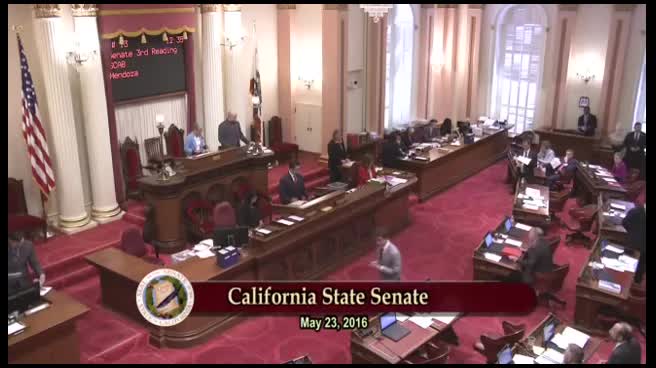
Senate Floor
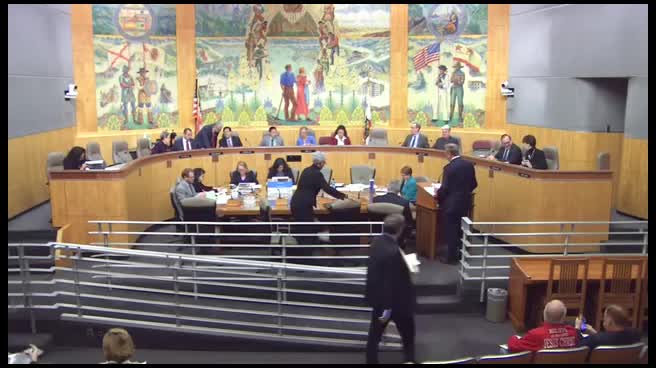 7H
Senate Standing Committee on Education
Bill Author
Bill Co-Author(s):