SB 2: Property taxation: exemptions: veterans’ organizations.
- Session Year: 2015-2016
- House: Senate
- Latest Version Date: 2015-04-06
Existing property tax law establishes a veterans organization exemption under which property is exempt from taxation if, among other things, that property is used exclusively for charitable purposes and is owned by a veterans organization.
This bill would provide that the veterans organization exemption shall not be denied to a property on the basis that the property is used for fraternal, lodge, or social club purposes, and would make specific findings and declarations in that regard. The bill would also provide that the exemption shall not apply to any portion of a property that consists of a bar where alcoholic beverages are served.
Section 2229 of the Revenue and Taxation Code requires the Legislature to reimburse local agencies annually for certain property tax revenues lost as a result of any exemption or classification of property for purposes of ad valorem property taxation.
This bill would provide that, notwithstanding Section 2229 of the Revenue and Taxation Code, no appropriation is made and the state shall not reimburse local agencies for property tax revenues lost by them pursuant to the bill.
This bill would take effect immediately as a tax levy.
Existing property tax law establishes a veterans organization exemption under which property is exempt from taxation if, among other things, that property is used exclusively for charitable purposes and is owned by a veterans organization.
This bill would provide that the veterans organization exemption shall not be denied to a property on the basis that the property is used for fraternal, lodge, or social club purposes, and would make specific findings and declarations in that regard. The bill would also provide that the exemption shall not apply to any portion of a property that consists of a bar where alcoholic beverages are served.
Section 2229 of the Revenue and Taxation Code requires the Legislature to reimburse local agencies annually for certain property tax revenues lost as a result of any exemption or classification of property for purposes of ad valorem property taxation.
This bill would provide that, notwithstanding Section 2229 of the Revenue and Taxation Code, no appropriation is made and the state shall not reimburse local agencies for property tax revenues lost by them pursuant to the bill.
This bill would take effect immediately as a tax levy.
The Legislature finds and declares all of the following:
(a)(1)Since 1899 congressionally chartered veterans organizations have provided a valuable service to our nations returning service members. These organizations help preserve the memories and incidents of the great hostilities fought by our nation, and preserve and strengthen comradeship among members.
(2)These veterans organizations also own and manage various properties including lodges, posts, and fraternal halls. These properties act as a safe haven where veterans of all ages and their families can gather together to find camaraderie and fellowship, share stories, and seek support from people who understand their unique experiences. This aids in the healing process for these returning veterans, and ensures their health and happiness.
(b)As a result of congressional chartering of these veterans organizations, the United States Internal Revenue Service created a special tax exemption for these organizations under Section 501(c)(19) of the Internal Revenue Code.
(c)Section 501(c)(19) of the Internal Revenue Code and related federal regulations provide for the exemption for posts or organizations of war veterans, or an auxiliary unit or society of, or a trust or foundation for, any such post or organization that, among other attributes, carries on programs to perpetuate the memory of deceased veterans and members of the Armed Forces and to comfort their survivors, conducts programs for religious, charitable, scientific, literary, or educational purposes, sponsors or participates in activities of a patriotic nature, and provides social and recreational activities for their members.
(d)Section 215.1 of the Revenue and Taxation Code stipulates that all buildings, support and so much of the real property on which the buildings are situated as may be required for the convenient use and occupation of the buildings, used exclusively for charitable purposes, owned by a veterans organization that has been chartered by the Congress of the United States, organized and operated for charitable purposes, when the same are used solely and exclusively for the purpose of the organization, if not conducted for profit and no part of the net earnings of which ensures to the benefit of any private individual or member thereof, are exempt from taxation.
(e)The Chief Counsel of the State Board of Equalization concluded, based on a 1979 appellate court decision, that only parts of American Legion halls are exempt from property taxation and that other parts, such as billiard rooms, card rooms, and similar areas, are not exempt.
(f)In a 1994 memorandum, the State Board of Equalizations legal division further concluded that the areas normally considered eligible for exemptions are the office areas used to counsel veterans and the area used to store veterans records, but that the meeting hall and bar found in most of the facilities are not considered used for charitable purposes.
(g)Tax-exempt status is intended to provide economic incentive and support to veterans organizations to provide for the social welfare of the community of current and former military personnel.
(h)The State Board of Equalizations constriction of the tax exemption has resulted in an onerous tax burden on California veteran service organizations posts or halls, hinders the posts ability to provide facilities for veterans, and threatens the economic viability of many local organizations.
(i)The charitable activities of a veteran service organizations post or hall are much more than the counseling of veterans. The requirements listed for qualification for the federal tax exemption clearly dictate a need for more than just an office.
(j)Programs to perpetuate the memory of deceased veterans and members of the Armed Forces and to comfort their survivors require the use of facilities for funerals and receptions.
(k)Programs for religious, charitable, scientific, literary, or educational purposes require space for more than 50 attendees.
(l)Activities of a patriotic nature need facilities to accommodate hundreds of people.
(m)Social and recreational activities for members require precisely those areas considered not used for charitable purposes by the State Board of Equalization.
(n)The State Board of Equalizations interpretation of the Revenue and Taxation Code reflects a lack of understanding of the purpose and programs of the veterans service organizations posts or halls and is detrimental to the good works performed in support of our veteran community.
SECTION 1.SEC. 2.Section 215.1 of the Revenue and Taxation Code is amended to read:215.1.(a)All buildings, and so much of the real property on which the buildings are situated as may be required for the convenient use and occupation of the buildings, used exclusively for charitable purposes, owned by a veterans organization that has been chartered by the Congress of the United States, organized and operated for charitable purposes, and exempt from federal income tax as an organization described in Section 501(c)(19) of the Internal Revenue Code when the same are used solely and exclusively for the purpose of the organization, if not conducted for profit and no part of the net earnings of which inures to the benefit of any private individual or member thereof, shall be exempt from taxation.
(b)The exemption provided for in this section shall apply to the property of all organizations meeting the requirements of this section, subdivision (b) of Section 4 of Article XIII of the California Constitution, and paragraphs (1) to (4), inclusive, (6), and (7) of subdivision (a) of Section 214.
(c)(1)The exemption specified by subdivision (a) shall not be denied to a property on the basis that the property is used for fraternal, lodge, or social club purposes.
(2)With regard to this subdivision, the Legislature finds and declares all of the following:
(A)The exempt activities of a veterans organization as described in subdivision (a) qualitatively differ from the exempt activities of other nonprofit entities that use property for fraternal, lodge, or social club purposes in that the exempt purpose of the veterans organization is to conduct programs to perpetuate the memory of deceased veterans and members of the Armed Forces and to comfort their survivors, to conduct programs for religious, charitable, scientific, literary, or educational purposes, to sponsor or participate in activities of a patriotic nature, and to provide social and recreational activities for their members.
(B)In light of this distinction, the use of real property by a veterans organization as described in subdivision (a), for fraternal, lodge, or social club purposes is central to that organizations exempt purposes and activities.
(C)In light of the factors set forth in subparagraphs (A) and (B), the use of real property by a veterans organization as described in subdivision (a) for fraternal, lodge, or social club purposes, constitutes the exclusive use of that property for a charitable purpose within the meaning of subdivision (b) of Section 4 of Article XIII of the California Constitution.
(d)The exemption provided for in this section shall not apply to any portion of a property that consists of a bar where alcoholic beverages are served. The portion of the property ineligible for the veterans organization exemption shall be that area used primarily to prepare and serve alcoholic beverages.
(e)An organization that files a claim for the exemption provided for in this section shall file with the assessor a valid organizational clearance certificate issued pursuant to Section 254.6.
(f)This exemption shall be known as the veterans organization exemption.
SEC. 2.SEC. 3.Notwithstanding Section 2229 of the Revenue and Taxation Code, no appropriation is made by this act and the state shall not reimburse any local agency for any property tax revenues lost by it pursuant to this act.
SEC. 3.SEC. 4.This act provides for a tax levy within the meaning of Article IV of the Constitution and shall go into immediate effect.
(a)All buildings, and so much of the real property on which the buildings are situated as may be required for the convenient use and occupation of the buildings, used exclusively for charitable purposes, owned by a veterans organization which that has been chartered by the Congress of the United States, organized and operated for charitable purposes, and exempt from federal income tax as an organization described in Section 501(c)(19) of the Internal Revenue Code when the same are used solely and exclusively for the purpose of the organization, if not conducted for profit and no part of the net earnings of which inures to the benefit of any private individual or member thereof, shall be exempt from taxation.
(b)The exemption provided for in this section shall apply to the property of all organizations meeting the requirements of this section and section, subdivision (b) of Section 4 of Article XIII of the California Constitution Constitution, and paragraphs (1) to (7), inclusive, (4), inclusive, (6), and (7) of subdivision (a) of Section 214.
(c)(1)The exemption specified by subdivision (a) shall not be denied to a property on the basis that the property is used for fraternal, lodge, or social club purposes.
(2)With regard to this subdivision, the Legislature finds and declares all of the following:
(A)The exempt activities of a veterans organization as described in subdivision (a) qualitatively differ from the exempt activities of other nonprofit entities that use property for fraternal, lodge, or social club purposes in that the exempt purpose of the veterans organization is to conduct programs to perpetuate the memory of deceased veterans and members of the Armed Forces and to comfort their survivors, to conduct programs for religious, charitable, scientific, literary, or educational purposes, to sponsor or participate in activities of a patriotic nature, and to provide social and recreational activities for their members.
(B)In light of this distinction, the use of real property by a veterans organization as described in subdivision (a), for fraternal, lodge, or social club purposes is central to that organizations exempt purposes and activities.
(C)In light of the factors set forth in subparagraphs (A) and (B), the use of real property by a veterans organization as described in subdivision (a) for fraternal, lodge, or social club purposes, constitutes the exclusive use of that property for a charitable purpose within the meaning of subdivision (b) of Section 4 of Article XIII of the California Constitution.
(d)The exemption provided for in this section shall not apply to any portion of a property that consists of a bar where alcoholic beverages are served. The portion of the property ineligible for the veterans organization exemption shall be that area used primarily to prepare and serve alcoholic beverages.
(c)
(e)An organization that files a claim for the exemption provided for in this section shall file with the assessor a valid organizational clearance certificate issued pursuant to Section 254.6.
(d)
(f)This exemption shall be known as the veterans organization exemption.
SEC. 2.Notwithstanding Section 2229 of the Revenue and Taxation Code, no appropriation is made by this act and the state shall not reimburse any local agency for any property tax revenues lost by it pursuant to this act.
SEC. 3.This act provides for a tax levy within the meaning of Article IV of the Constitution and shall go into immediate effect.
|
Date
|
Status
|
|---|---|
| May 23, 2015 | Set for hearing May 28. |
| Jul 13, 2015 | July 13 set for first hearing. Placed on REV. & TAX. suspense file. |
| Jun 24, 2015 | June 29 hearing postponed by committee. |
| Jun 15, 2015 | Referred to Com. on REV. & TAX. |
| Jun 2, 2015 | In Assembly. Read first time. Held at Desk. |
| Jun 1, 2015 | Read third time. Passed. (Ayes 40. Noes 0.) Ordered to the Assembly. |
| Jun 1, 2015 | Read third time. Passed. (Ayes 40. Noes 0. Page 1189.) Ordered to the Assembly. |
| May 28, 2015 | Read second time. Ordered to third reading. |
| May 28, 2015 | From committee: Do pass. (Ayes 7. Noes 0.) (May 28). |
| May 28, 2015 | From committee: Do pass. (Ayes 7. Noes 0. Page 1145.) (May 28). |
| Dec 1, 2014 | Introduced. Read first time. To Com. on RLS. for assignment. To print. |
| Apr 27, 2015 | April 27 hearing: Placed on APPR. suspense file. |
| Apr 17, 2015 | Set for hearing April 27. |
| Apr 15, 2015 | From committee: Do pass and re-refer to Com. on APPR. (Ayes 7. Noes 0. Page 618.) (April 15). Re-referred to Com. on APPR. |
| Apr 6, 2015 | From committee with author's amendments. Read second time and amended. Re-referred to Com. on GOV. & F. |
| Mar 27, 2015 | Set for hearing April 15. |
| Mar 26, 2015 | April 8 set for first hearing canceled at the request of author. |
| Mar 19, 2015 | Set for hearing April 8. |
| Jan 15, 2015 | Referred to Com. on GOV. & F. |
| Dec 2, 2014 | From printer. May be acted upon on or after January 1. |
|
Date
|
Description
|
Location
|
Votes
|
|
|---|---|---|---|---|
| Jun 1, 2015 | Senate 3rd Reading SB2 Anderson | Senate Floor |
Passed |
|
| May 28, 2015 | Do pass | Senate Standing Committee on Appropriations |
Passed |
|
| Apr 27, 2015 | Placed on suspense file | Senate Standing Committee on Appropriations |
Passed |
|
| Apr 15, 2015 | Do pass, but first be re-referred to the Committee on [Appropriations] | Senate Standing Committee on Governance and Finance |
Passed |
This list shows positions taken on this bill by organizations on the date displayed, which is linked to the original source.
Positions by individuals are not included.
|
Organization
|
Position
|
Date
|
|---|---|---|
| American Legion - Department of California | ** Support | Jun 1, 2015 |
| AMVETS - Department of California | ** Support | Jun 1, 2015 |
| California Council of Chapters | ** Support | Jun 1, 2015 |
| California State Commanders Veterans Council | ** Support | Jun 1, 2015 |
| San Diego Military Advisory Council | ** Support | Jun 1, 2015 |
| The Military Officers Association of America | ** Support | Jun 1, 2015 |
| The Veterans Of Foreign Wars, Department Of California | * Support | Apr 27, 2015 |
| VFW Department of California | ** Support | Jun 1, 2015 |
| Vietnam Veterans of America - California State Council | ** Support | Jun 1, 2015 |
SB 2
Page 6
Date of Hearing: July 13, 2015
ASSEMBLY COMMITTEE ON REVENUE AND TAXATION
Philip Ting, Chair
SB 2
(Anderson) – As Amended April 6, 2015
Majority vote. Tax Levy. Fiscal committee.
SENATE VOTE: 40-0
SUBJECT: Property taxation: exemptions: veterans’ organizations.
SUMMARY:
Extends the application of the "veterans' organization"
property tax exemption to real property owned by certain veterans'
organizations and used for fraternal, lodge, or social club purposes,
as specified, excluding the bar area. Specifically, this bill:
Provides that property, which is owned by a veteran's organization chartered by the United States (U.S.) Congress and otherwise eligible for the veterans' organization exemption, may not be denied the exemption on the basis that the property is used for fraternal, lodge, or social club purposes.
Requires that an otherwise eligible veterans' organization be exempt from federal income tax as an organization described in Internal Revenue Code (IRC) Section 501(c)(19).
Specifies that the veterans' organization exemption shall not apply to any portion of the property that consists of a bar where alcoholic beverages are served. The portion of the property ineligible for the exemption is the area used primarily to prepare and serve alcoholic beverages.
Codifies all of the following legislative findings and declarations:
The exempt activities of a veterans' organization, as specified, qualitatively differ from the exempt activities of other nonprofit organizations that use property for fraternal, lodge, or social club purposes in that the exempt purpose of the veterans' organizations is to conduct programs to perpetuate the memory of deceased veterans and members of the Armed Forces and to comfort their survivors, to conduct programs for religious, charitable, scientific, literary, or educational purposes, to sponsor or participate in activities of a patriotic nature, and to provide social and recreational activities for their members;
In light of this distinction, the use of real property by a veterans' organization, as specified, for fraternal, lodge, or social club purposes is central to that organization's exempt purposes and activities; and,
The use of real property by a veterans' organization, as specified, for fraternal, lodge, or social club purposes constitutes the exclusive use of that property for a charitable purpose within the meaning of Section 4(b) of Article XIII of the California Constitution.
Contains additional legislative findings and declarations relating to the history of congressionally chartered veterans' organizations and the interpretation of Revenue and Taxation Code (R&TC) Section 215.1 by the Chief Counsel of the State Board of Equalization (BOE).
Provides that the state shall not reimburse any local agency for any property tax revenues lost by it pursuant to this bill.
Takes effect immediately as a tax levy.
EXISTING FEDERAL
LAW:
Defines an organization as tax-exempt under IRC Section 501(c)(3) if the organization is organized and operated exclusively for exempt purposes set forth in IRC Section 501(c)(3). The organization must not be organized or operated for the benefit of private interests, and no part of the organization's net earnings may inure to the benefit of any private shareholder or individual. In addition, it may not be an action organization, i.e., it may not attempt to influence legislation as a substantial part of its activities and it may not participate in any campaign activity for or against political candidates. Organizations described in IRC Section 501(c)(3) are commonly referred to as charitable organizations. Organizations described in IRC Section 501(c)(3), generally, are eligible to receive tax-deductible contributions in accordance with IRC Section 170.
Defines a post or an organization of past or present members of the Armed Forces of the United States (U.S.) as tax-exempt under IRC Section 501(c)(19) if the post or organization:
Is organized in the U.S. or any of its possessions;
At least 75% of the members of which are past or present members of the Armed Forces of the U.S. and substantially all of the other members of which are individuals who are cadets or are spouses, widows, widowers, ancestors, or lineal descendants of past or present members of the Armed Forces of the U.S. or of cadets; and,
No part of the net earnings of which inures to the benefit of any private shareholder or individual.
EXISTING STATE LAW:
1) Provides that all property is taxable, unless explicitly exempted by the California Constitution or federal law and limits the maximum amount of any ad valorem tax on real property at 1% of full cash value.
2) Provides an exemption from taxation for property that is irrevocably dedicated to religious, hospital, scientific, or charitable purposes, if the property is used for the actual operation of the exempt activity and is owned by a nonprofit entity qualified as an exempt organization by the Internal Revenue Service, the Franchise Tax Board, or both (the so-called 'welfare exemption') [Article XIII, Section 4, of the California Constitution; Revenue and Taxation Code (RT&C) Section 214]. The entity that owns the property is prohibited from having any earnings that contribute to the benefit of any private shareholder or individual. This welfare exemption has been expanded over the years to add certain specific types of property that do not otherwise qualify under the general exemption.
3) Provides a property tax exemption for all buildings and real property exclusively used for charitable purposes by a veterans' organization that is: (a) chartered by the U.S. Congress, and (b) organized and operated for charitable purposes. In order to obtain the exemption, the organization must file a claim with the county assessor.
FISCAL EFFECT: The State Board of Equalization (BOE) staff estimates that this bill will result in an annual revenue loss of $575,000.
COMMENTS:
The Author's Statement. The author has provided the following statement in support of this bill:
"To honor California's promise to our brave veterans, I have introduced SB2 which will align state law with federal law exempting Veterans Halls from property taxes. Veterans Halls provide an invaluable sense of community for active duty, veterans and military families to provide emotional support to one another.'
"The camaraderie found in Veterans Halls is tremendously important, especially for making a healthy transition from active duty back into civilian life. Throughout our history, Veterans Halls have also served important functions for our communities by serving as public meetings places, memorials and public educational centers.
"Veteran's service organizations were originally chartered by congress and were never intended to pay taxes. California is currently the only state where not all Veterans Halls are eligible for property tax exemption. Because Veterans Halls are typically non-profit and run through charitable donations, property taxes create a heavy financial burden on these organizations.
"Due to this financial hardship, many Veterans Halls in our community are limited in resources and in the worst case must shut down. Essentially, many Veterans Halls are closing due to a technicality in the current tax code.
"SB 2, which passed the Senate unanimously, would align statute to reflect the unique nature of these veterans' service organizations as Congressionally-chartered organizations required to serve social purposes. It would provide clarity to counties to preserve the important property tax exemptions guaranteed to these organizations, and ensure they have the tools they need to continue serving those who have given up so much for our freedom.
"I am convinced that circumstances this year are such that the cost of this clarification for the benefit it confers is not only absorbable, but offers us the right time finally to do the right thing for our veterans."
Arguments in Support. The proponents of this bill state that veterans' organizations should not be denied the property tax exemption because of the occasional rental of their property for events in their communities. The proponents also argue that this bill addresses "an issue of great importance to many veterans service organization's posts and chapters to ensure that as non-profit organizations, existing property tax exemptions for veteran halls are preserved." Finally, the proponents note that this bill "would ease the administration of the exemption."
The Welfare Exemption. The California Constitution provides that all property is taxable, unless explicitly exempt by the Constitution or federal law. The Constitution limits the maximum amount of any ad valorem tax on real property at 1% of full cash value, plus any locally authorized bonded indebtedness. Assessors reappraise property whenever it is purchased, newly constructed, or when the property’s ownership changes.
The California Constitution allows the Legislature to establish a property tax exemption for property: (a) exclusively used for religious, hospital, or charitable purposes; (b) owned by nonprofit entities organized and operated for charitable purposes; and (c) which had no part of its net earnings inure to the benefit of any private shareholder or individual. [California Constitution, Article XIII, Section (4)(b).] This exemption, commonly known as the “welfare exemption," was adopted by the voters as a constitutional amendment on
November 7, 1944. In 1945, the Legislature enacted the exemption, providing that a qualifying nonprofit organization's property may be exempt fully or partially from property taxes, depending on how much of the property is used for qualified purposes and activities. [R&TC Section 214.] In order to be eligible for the exemption, the property must be used for the actual operation of the exempt activity and may not exceed an amount of property reasonably necessary to accomplish the exempt purpose. The property may not be used to benefit the owner or any other person and must be irrevocably dedicated to charitable purposes, except in specified circumstances. The property of a non-profit organization used for fraternal, lodge, or social club purposes does not qualify for the exemption, unless the use is clearly incidental to the organization's charitable purpose.The Veterans' Organization Exemption: Background. Property owned by a veterans' organization chartered by the U.S. Congress is eligible for the welfare exemption, provided that the organization complies with all applicable requirements, is exempt from tax under federal and state law, and has a "veterans' organization exemption" certificate of compliance on file with the county assessor. The majority of veterans' organizations are ineligible for exemption because another provision of the law – R&TC Section 214(a)(5) – disqualifies property if it is used for fraternal, lodge, or social purposes. In practice, only small portions of property owned by veterans' organizations actually receive the property tax exemption. Buildings owned by Veterans of Foreign Wars and the American Legion often have many uses, some of which are social in nature. As a result, the application of the veterans' organization exemption is inconsistent from county to county. Some counties assess the entire property; others do not assess the property at all; and still others exempt just the office and facilities that directly serve veterans, such as counseling rooms used for readjustment services.
According to the BOE analysis of this bill, R&TC Section 215.1, which provides for the veterans' organization exemption, was added by AB 184 (Powers) in 1972 (Chapter 151, Statutes of 1972). The BOE opposed AB 184 and, in a letter sent to Governor Reagan, explained, "While AB 184 implies that the activities of veterans' organizations are charitable, it does no directly so state…. This curious construction invites litigation. If a tax benefit is to be granted, it should be clear as to what that benefit is." The BOE noted several potential interpretations of the language in AB 184. First, AB 184 may be viewed as the creation of a new exemption that would be invalid without the support of a constitution amendment. Alternatively, AB 184 may be viewed as merely "permitting veterans' organizations to receive the welfare exemption if they meet the traditional concepts of charity and otherwise satisfy other welfare exemption requirement," in which case AB 184 is "an exercise in futility since it is highly doubtful that any organization could qualify." Finally, AB 184 may be viewed as "a vague attempt to expand the concept of charity so as to permit veterans' organizations to receive the benefit of the welfare exemption." This interpretation is also of "doubtful constitution validity." The Governor, however, signed AB 184 into law.
While many veterans' organizations applied for the new exemption, the BOE denied all the claims.1 Representatives of veterans' organizations subsequently protested the denials before the BOE on January 4, 1974. Ultimately, this exemption "was extended to a limited portion of the entire veterans' organization property, such as the counseling rooms used for readjustment services, post-traumatic stress disorders, and alcohol or drug assistance programs."
The BOE staff notes the veterans' organization exemption has had little practical effect since relatively few properties owned by veterans' organizations currently receive the exemption, and those that do are only receiving a partial exemption on a small part of their property. In fact, only about 50 organizations currently apply for the exemption and a number of these receive a partial exemption, generally on the office or counseling rooms used for readjustment services, post-traumatic stress disorders, and alcohol or drug assistance programs. The majority of property consists of a club room, auditorium, restaurant, and bar which are not eligible for the property tax exemption, except where the use is clearly incidental to a primary charitable purpose.Slippery Slope? While this bill provides tax relief to veterans' organizations, it sets a precedent for other groups to seek similar property tax exemptions. As stated in the BOE analysis of this bill, lodges and clubs owned by the Elks, Moose, Oddfellows, and Rotary, etc., are not exempt from taxation. The Committee may wish to consider whether the activities of U.S. Congress-chartered veterans' organizations significantly differ from community services performed by similarly situated non-profit organizations and whether the difference warrants a disparate tax treatment of properties owned by those organizations.
Constitutional Concerns. The language of the Constitution is clear that the qualifying property must be owned, operated and used by a nonprofit entity for exempt purposes and activities, and no part of the entity's net earnings may inure to the benefit of any private shareholder or individual. Property must be used exclusively for religious, hospital, or charitable purposes. In 1973, the Attorney General opined that R&TC Section 251.1 (which is proposed to be amended by this bill) was constitutional because it contained an additional eligibility requirement, namely, a requirement to meet all of the provisions of R&TC Section 214(a)(1) - (7). In this connection, subparagraph (5) of Section 214(a) mandates that the property be not used for fraternal or lodge purposes or for social club purposes, except where that use is clearly incidental to a primary religious, hospital, scientific or charitable purpose. SB 2 proposes to delete this requirement, which puts in question the constitutionality of Section 251.1, as proposed to be amended.
Furthermore, this bill finds that in the case of veterans, partly because of their service to this country, the social gatherings and meetings serve a "charitable purpose." And lodge and social club activities support the central charitable purpose of veterans' organizations. However, the Legislature, by making this finding and authorizing the veterans' organization exemption for those types of property, may be exceeding its authority under Section 4 of Article XIII of the California Constitution relating to property tax exemptions.Related Legislation.
SB 1152 (Anderson), of the 2013-14 Legislative Session, was substantially similar to this bill. SB 1152 was held on this Committee's Suspense File.
SB 1469 (Johannessen), of the 2001-02 Legislative Session, would have provided that property is still eligible for the veterans' organization exemption if the only reason for disqualification is that the property is occasionally made available for private rentals as a service to the community. SB 1469 was never heard by the Senate Revenue and Taxation Committee.
REGISTERED SUPPORT / OPPOSITION:
Support
American Legion-Department of California
AMVETS-Department of California,
California Assessors' Association
California Association of County Veterans Service Officers
California Council of Chapters
California State Commanders Veterans Council
Military Officers Association of America
San Diego Regional Chamber of Commerce
Veterans of Foreign Wars (VFW), Department of California
Vietnam Veterans of America-California State Council
One private individual
Opposition
None on file
Analysis Prepared by: Oksana Jaffe / REV. & TAX. / (916) 319-2098
SB 2 (Anderson) 4/6/15 Page 3 of 3
SENATE COMMITTEE ON GOVERNANCE AND FINANCE
Senator Robert M. Hertzberg, Chair
2015 - 2016 Regular
Bill No: |
SB 2 |
Hearing Date: |
4/15/15 |
Author: |
Anderson |
Tax Levy: |
Yes |
Version: |
4/6/15 |
Fiscal: |
Yes |
Consultant: |
Grinnell |
||
PROPERTY TAXATION: EXEMPTIONS: VETERANS’ ORGANIZATIONS
Provides that assessors can’t deny the welfare exemption on property owned by veterans’ organizations used for fraternal, lodge, or social club purposes.
Background and Existing Law
Section One of Article XIII of the California Constitution provides that all property is taxable unless explicitly exempted by the Constitution or federal law, but allows the Legislature to exempt property used for religious, hospital, or charitable purposes, so long as its owned by nonprofit entities organized and operated for charitable purposes, none of whose income inures to the benefit of any private shareholder or individual. The Legislature enacted this exemption in law, commonly known as the “welfare exemption.” To be eligible, the Legislature required the owner and property to meet the standards in the Constitution, in addition to other requirements, such as:
The property is used for the actual operation of the exempt activity, and does not exceed an amount of property reasonably necessary to accomplish the exempt purpose,
The property is not used to benefit the owner or any other person.
The property is not used for fraternal, lodge, or social club purposes, except to the extent that the use is clearly incidental to its charitable purpose, and
The property is irrevocably dedicated to charitable purposes, and will not inure to the benefit of a person upon sale or dissolution, except in specified circumstances.
Property owned by a veterans’ organization chartered by the United States Congress is eligible for the welfare exemption, so long as the organization complies with the requirements above, is tax-exempt under federal and state law, and has a “veterans’ organization exemption” certificate of compliance on file with the county assessor. However, this exemption conflicts with the welfare exemption’s general prohibition on exempting property used for fraternal, lodge, or social club purposes, because buildings owned by Veterans of Foreign Wars (VFW) and the American Legion often have many uses, some of which are social in nature. As a result, the application of the veterans’ organization exemption can vary across counties, where independent, elected assessors enforce property tax law. Some assessors don’t apply the exemption at all, others exempt just the office and facilities that directly serve veterans, while others don’t assess the property at all. Veterans’ groups seek clarity that property owned by VFW and American Legion that serve veterans’ unique need should be eligible for the welfare exemption from property tax.
Proposed Law
Senate Bill 2 provides that the welfare exemption shall not be denied to property owned by veterans’ organizations that is used for fraternal, lodge, or social club purposes. However, the exemption doesn’t apply to any portion of a property where alcoholic beverages are sold, as defined. The measure also states legislative findings and declarations.
State Revenue Impact
According to BOE, SB 2 results in annual property tax revenue losses of $575,000.
Comments
1. Purpose of the bill. According to the author, “Veteran halls in communities across our country are an invaluable resource for millions of active military, veterans, and their families. Due to skyrocketing operation and business costs, the number of veteran halls has declined and fewer military families are receiving the much-needed services that they provide. This bill would ensure that as non-profit organizations, existing property tax exemptions for veteran halls are preserved so that they can continue to provide high quality and important services to the heroes who have served our country.”
2. Next best. The Constitution prohibits the Legislature from enacting changes to the property tax that conflict with its provisions. SB 2 stretches the Constitutional welfare exemption to apply to veterans’ organizations by defining a veterans’ organization’s lodge, fraternal, and social uses as central to its Constitutionally required charitable purpose. While the Legislature has some discretion to interpret Constitutional provisions, statutory changes to the property tax are always a second best option. The most effective and direct way to clearly exclude property owned by veterans’ organizations is to amend the Constitution.
3. Precedent. While SB 2 would help veterans’ organizations, the measure creates a precedent by applying the exemption more broadly to veterans’ organizations’ property than to other groups. Under the bill, a building owned and used by the Elks’ Club would be taxed differently than the same building owned and used for the same purposes by the American Legion. Given this difference, nonprofit social clubs and lodges that perform considerable community services may want similar treatment. The Committee may wish to consider the precedent SB 2 sets.
4. Do it again. SB 2 is largely identical to SB 1152 (Anderson, 2014), which was approved by the Committee on Governance and Finance by a vote of 6-0 last year. However, SB 1152 was held on the Assembly Revenue and Taxation Committee’s suspense file.
Support and Opposition
(4/9/15)
Support: The American Legion - Department of California; AMVETS – Department of California; California Assessors Association; California Association of County Veterans’ Service Officers; California Council of Chapters; California State Commanders Veterans Council; Military Officers Association of America; San Diego Military Advisory Council; VFW Department of California; Vietnam Veterans of America – California State Council.
Opposition: Unknown].
-- END --
SB 2
Page 4
|
Office of Senate Floor Analyses (916) 651-1520 Fax: (916) 327-4478 |
THIRD READING
Bill No: SB 2
Author: Anderson (R) and Vidak (R), et al.
Amended: 4/6/15
SENATE GOVERNANCE & FIN. COMMITTEE: 7-0, 4/15/15
AYES: Hertzberg, Nguyen, Bates, Beall, Hernandez, Lara, Pavley
SENATE APPROPRIATIONS COMMITTEE: 7-0, 5/28/15
AYES: Lara, Bates, Beall, Hill, Leyva, Mendoza, Nielsen
SUBJECT: Property taxation: exemptions: veterans’ organizations
DIGEST: This bill provides that assessors can’t deny the welfare exemption on property owned by veterans’ organizations used for fraternal, lodge, or social club purposes.
Existing law:
Provides that all property is taxable unless explicitly exempted by the Constitution or federal law (Article XIII, Section 1 of the California Constitution), but allows the Legislature to exempt property used for religious, hospital, or charitable purposes, so long as it’s owned by nonprofit entities organized and operated for charitable purposes, none of whose income inures to the benefit of any private shareholder or individual (Article XIII, Section 4). This exemption is commonly known as the welfare exemption.
Requires taxpayers and property to comply with all of the following to obtain the welfare exemption:
The property is used for the actual operation of the exempt activity, and does not exceed an amount of property reasonably necessary to accomplish the exempt purpose,
The property is not used to benefit the owner or any other person,
The property is not used for fraternal, lodge, or social club purposes, except to the extent that the use is clearly incidental to the exempt purpose, and
The property is irrevocably dedicated to charitable purposes, and will not inure to the benefit of a person upon sale or dissolution, except in specified circumstances.
Allows property owned by a veterans’ organization chartered by the United States Congress to obtain the welfare exemption, so long as the organization complies with the requirements above, is tax-exempt under federal and state law, and has a “veterans’ organization exemption” certificate of compliance on file with the county assessor.
This bill:
Provides that the welfare exemption shall not be denied to property owned by veterans’ organizations that is used for fraternal, lodge, or social club purposes, by stating that veterans’ organizations’ social uses of property qualitatively differs from the exempt activities of other organizations as specified, and deeming it as central to the organization’s exempt purpose.
Denies the exemption to any part of a property where alcoholic beverages are served, and states that the part of the property that’s ineligible for the exemption is the area where alcoholic beverages are prepared and served.
Makes legislative findings and declarations supporting its purposes.
Comments
The California Constitution allows the Legislature to enact the welfare exemption for specified property meeting three standards: first, the property must operate for charitable purposes. Second, a non-profit organization owns the property, and lastly, any net earnings don’t inure to the benefit of any private individual or shareholder. The Legislature subsequently enacted a section of law setting forth additional requirements for all charitable organizations, and another section of law only for veterans’ organizations. However, a conflict exists between the welfare exemption’s requirements prohibiting exempt property from being used for fraternal, lodge, or social club purposes, and the use of buildings owned by Veterans of Foreign Wars (VFW) and the American Legion which often have uses which are social in nature. As a result, the application of the veterans’ organization exemption varies across counties, where independent, elected assessors enforce property tax law. Some assessors don’t apply the exemption at all; others exempt just the office and facilities that directly serve veterans, while others simply don’t assess the property. SB 2 responds to veterans’ groups request for clarity that property owned by VFW and American Legion that serve veterans’ unique need should be eligible for the welfare exemption from property tax.
FISCAL EFFECT: Appropriation: No Fiscal Com.: Yes Local: No
According to the Senate Appropriations Committee:
This bill would lower local property tax revenue by roughly $575,000 annually. Under Proposition 98, this reduction in local property tax revenues would lead to an increase in state General Fund support for K-14 education of approximately 40 to 50 percent, or potentially $288,000 annually. The exact amount would depend on the specific factors which determine the annual Proposition 98 minimum funding guarantee.
The Board of Equalization (BOE) would incur annual costs of up to $150,000 (General Fund) for the first three years to administer the provisions of the bill. Specifically, BOE would incur costs primarily to issue organizational clearance certificates to veterans’ organizations applying for the exemption under the bill.
American Legion - Department of California
AMVETS – Department of California
California Assessors Association
California Association of County Veterans’ Service Officers
California Council of Chapters
California State Commanders Veterans Council
Military Officers Association of America
San Diego Military Advisory Council
VFW Department of California
Vietnam Veterans of America – California State Council
OPPOSITION: (Verified 5/28/15)
None received
ARGUMENTS IN SUPPORT: According to the author, “Veteran halls in communities across our country are an invaluable resource for millions of active military, veterans, and their families. Due to skyrocketing operation and business costs, the number of veteran halls has declined and fewer military families are receiving the much-needed services that they provide. This bill would ensure that as non-profit organizations, existing property tax exemptions for veteran halls are preserved so that they can continue to provide high quality and important services to the heroes who have served our country.”
Prepared by: Colin Grinnell / GOV. & F. / (916) 651-4119
5/28/15 15:48:23
**** END ****
SB 2 (Anderson) Page 2 of 2
SENATE COMMITTEE ON APPROPRIATIONS
Senator Ricardo Lara, Chair
2015 - 2016 Regular Session
SB 2 (Anderson) - Property taxation: exemptions: veterans’ organizations
|
|
Version: April 6, 2015 |
Policy Vote: GOV. & F. 7 - 0 |
Urgency: No |
Mandate: No |
Hearing Date: April 27, 2015 |
Consultant: Robert Ingenito |
This bill meets the criteria for referral to the Suspense File.
Bill Summary: SB 2 would allow the veteran’s organization exemption to apply to real property owned by veteran’s organizations that is used for fraternal, lodge or social club purposes.
Fiscal Impact:
This measure would lower local property tax revenue by roughly $575,000 annually. Under Proposition 98, this reduction in local property tax revenues would lead to an increase in state General Fund support for K-14 education of approximately 40 to 50 percent, or potentially $288,000 annually. The exact amount would depend on the specific factors which determine the annual Proposition 98 minimum funding guarantee.
The Board of Equalization (BOE) would incur annual costs of up to $150,000 (General Fund) for the first three years to administer the provisions of the bill. Specifically, BOE would incur costs primarily to issue organizational clearance certificates to veterans’ organizations applying for the exemption under the bill.
Background: Current law provides a property tax exemption on real property owned by veterans’ organizations. However, in practice, only small portions of most property owned by veterans’ organizations actually receive the property tax exemption. The majority of veterans organizations’ property is ineligible for exemption because another provision of law disqualifies property if used for fraternal, lodge, or social purposes. The application of veterans’ organization exemptions is inconsistent from county to county. Some counties assess the entire property, others do not assess the property at all, and still others exempt just the office and facilities that directly serve veterans, such as counseling rooms used for readjustment services.
Proposed Law: This bill would provide that a veterans’ organization would not lose its property tax exemption eligibility when the property is used for fraternal, lodge or social club purposes. However, the exemption would not apply to any portion of a property that consists of a bar where alcoholic beverages are served.
Related Legislation:
This bill is largely identical to SB 1152 (Anderson, 2014). The bill was held on the Assembly Revenue and Taxation Committee’s suspense file.
A prior version of SB 1152 was identical to SB 1469 (Johannessen) from 2002. SB 1469 was never heard in a committee.
Staff Comments: BOE estimates that 240 properties around the State are owned by veteran’s organizations and would be impacted by the bill. Available data indicate that the total assessed value of veterans organizations’ affected property (excluding the bar area) amounts to $57.5 million. At the one-percent statewide property rate, the annual local property tax loss would be $575,000. The precise impact on the General Fund would depend on the specific factors which determine the annual Proposition 98 minimum funding guarantee.
Discussed in Hearing
View Older Hearings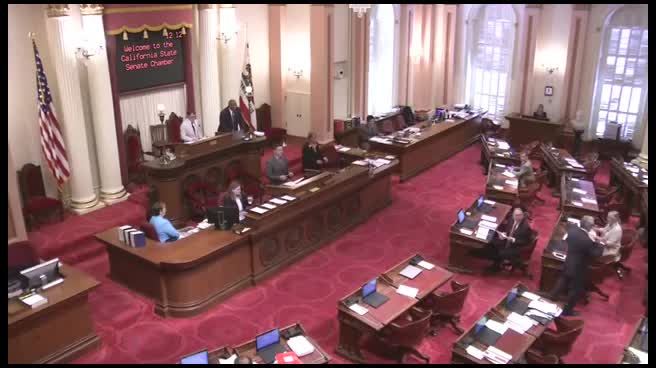
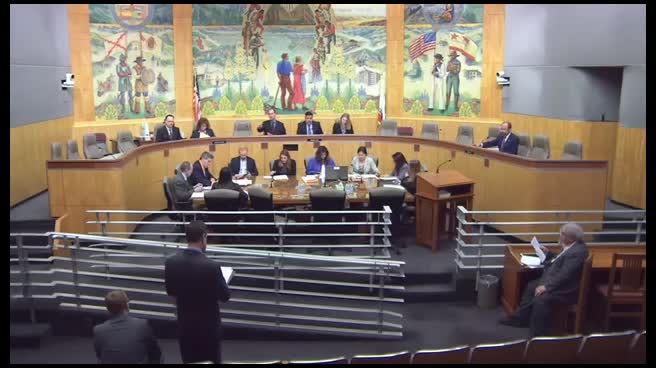

Bill Co-Author(s):