SB 255: State government: Commission on the Status of Women and Girls.
- Session Year: 2015-2016
- House: Senate
- Latest Version Date: 2015-10-07
Existing law creates within the state government the Commission on the Status of Women and Girls that consists of 17 members, and specifies that one member is the Chief of the Division of Industrial Welfare in the Department of Industrial Relations. Existing law abolished the Division of Industrial Welfare and transferred the duties, purposes, responsibilities, and jurisdiction of the Chief of the Division of Industrial Welfare to the Labor Commissioner, who is the Chief of the Division of Labor Standards Enforcement.
This bill would specify that the Labor Commissioner instead of the Chief of the Division of Industrial Welfare is a member of the Commission on the Status of Women and Girls.
Existing law also provides the Commission on the Status of Women and Girls with the powers and authority necessary to carry out its duties imposed by law, including, but not limited to, to accept any gifts, donations, grants, or bequests for all or any of the purposes of that law. Existing law creates the Women and Girls Fund in the State Treasury to carry out the law in support of the commission upon appropriation by the Legislature. Existing law, the Bagley-Keene Open Meeting Act (Bagley-Keene Act), generally requires, with specified exceptions for authorized closed sessions, that the meetings of state bodies be open and public and that all persons be permitted to attend.
This bill would specify that the commission may also conduct fundraising activities that may require a payment or purchase to attend, and would exempt from the Bagley-Keene Act the commission at a fundraising event held or organized by the commission, provided that a majority of members do not discuss among themselves any item of business of a specific nature that is within the subject matter jurisdiction of the commission, and any meetings conducted solely for purposes of raising funds for the Women and Girls Fund, provided that no other item of business that is within the subject matter of the commission is discussed, deliberated, or acted upon.
Existing law creates within the state government the Commission on the Status of Women and Girls that consists of 17 members, and specifies that one member is the Chief of the Division of Industrial Welfare in the Department of Industrial Relations. Existing law abolished the Division of Industrial Welfare and transferred the duties, purposes, responsibilities, and jurisdiction of the Chief of the Division of Industrial Welfare to the Labor Commissioner, who is the Chief of the Division of Labor Standards Enforcement.
This bill would specify that the Labor Commissioner instead of the Chief of the Division of Industrial Welfare is a member of the Commission on the Status of Women and Girls.
Existing law also provides the Commission on the Status of Women and Girls with the powers and authority necessary to carry out its duties imposed by law, including, but not limited to, to accept any gifts, donations, grants, or bequests for all or any of the purposes of that law. Existing law creates the Women and Girls Fund in the State Treasury to carry out the law in support of the commission upon appropriation by the Legislature. Existing law, the Bagley-Keene Open Meeting Act (Bagley-Keene Act), generally requires, with specified exceptions for authorized closed sessions, that the meetings of state bodies be open and public and that all persons be permitted to attend.
This bill would specify that the commission may also conduct fundraising activities that may require a payment or purchase to attend, and would exempt from the Bagley-Keene Act the commission at a fundraising event held or organized by the commission, provided that a majority of members do not discuss among themselves any item of business of a specific nature that is within the subject matter jurisdiction of the commission, and any meetings conducted solely for purposes of raising funds for the Women and Girls Fund and where Fund, provided that no other item of business that is within the subject matter of the commission is discussed, deliberated, or taken action acted upon.
Existing law creates within the state government the Commission on the Status of Women and Girls that consists of 17 members, and specifies that one member is the Chief of the Division of Industrial Welfare in the Department of Industrial Relations. Existing law abolished the Division of Industrial Welfare and transferred the duties, purposes, responsibilities, and jurisdiction of the Chief of the Division of Industrial Welfare to the Labor Commissioner, who is the Chief of the Division of Labor Standards Enforcement.
This bill would specify that the Labor Commissioner instead of the Chief of the Division of Industrial Welfare is a member of the Commission on the Status of Women and Girls.
Existing law also provides the Commission on the Status of Women and Girls with the powers and authority necessary to carry out its duties imposed by law, including, but not limited to, to accept any gifts, donations, grants, or bequests for all or any of the purposes of that law. Existing law creates the Women and Girls Fund in the State Treasury to carry out the law in support of the commission upon appropriation by the Legislature. Existing law, the Bagley-Keene Open Meeting Act (Bagley-Keene Act), generally requires, with specified exceptions for authorized closed sessions, that the meetings of state bodies be open and public and that all persons be permitted to attend.
This bill would specify that the commission may also conduct fundraising activities that may require a payment or purchase to attend, and would exempt from the Bagley-Keene Act any meetings conducted solely for purposes of raising funds for the Women and Girls Fund and where no other item of business that is within the subject matter of the commission is discussed, deliberated, or taken action upon.
Existing law creates within the state government the Commission on the Status of Women and Girls that consists of 17 members, and specifies that one member is the Chief of the Division of Industrial Welfare in the Department of Industrial Relations. Existing law abolished the Division of Industrial Welfare and transferred the duties, purposes, responsibilities, and jurisdiction of the Chief of the Division of Industrial Welfare to the Labor Commissioner, who is the Chief of the Division of Labor Standards Enforcement.
This bill would specify that the Labor Commissioner instead of the Chief of the Division of Industrial Welfare is a member of the Commission on the Status of Women and Girls.
(a)There is in the state government the Commission on the Status of Women and Girls. The commission shall consist of 17 members to be appointed as follows:
(1)Three Members of the Senate and one public member appointed by the Senate Committee on Rules.
(2)Three Members of the Assembly and one public member appointed by the Speaker of the Assembly.
(3)One public member appointed by the Superintendent of Public Instruction.
(4)The Labor Commissioner.
(5)(A)Seven public members appointed by the Governor, with the consent of the Senate.
(B)One of these public members shall be a veteran or a member of the military.
(b)The Members of the Legislature shall serve at the pleasure of the appointing powers.
(c)Public member appointees of the Speaker of the Assembly and the Senate Committee on Rules, and appointees of the Governor shall serve four-year terms. All persons appointed pursuant to Section 2 of Chapter 1378 of the Statutes of 1965, as amended by Chapter 382 of the Statutes of 1973, shall continue in office until the expiration of their term and the appointment of their successors. The appointing powers may reappoint a member whose term has expired, and shall immediately fill any vacancy for the unexpired portion of the term in which it occurs. The appointing powers shall, in making appointments of public members to the commission, make every effort to ensure that there is a geographic balance of representation on the commission.
(d)All appointees shall hold office until the appointment of their successors.
SEC. 2.Section 8244 of the Government Code is amended to read:8244.The commission shall have the powers and authority necessary to carry out the duties imposed upon it by this chapter, including, but not limited to, the following:
(a)To employ such administrative, technical and other personnel as may be necessary for the performance of its powers and duties.
(b)To hold hearings, make and sign any agreements and to do or perform any acts which may be necessary, desirable, or proper to carry out the purposes of this chapter.
(c)To cooperate with, and secure the cooperation of, any department, division, board, bureau, commission, or other agency of the state to facilitate it properly to carry out its powers and duties hereunder.
(d)To appoint advisers or advisory committees from time to time when the commission determines that the experience or expertise of such advisers or advisory committees is needed for projects of the commission. Section 11009 is applicable to advisers or advisory committees.
(e)To accept any federal funds granted, by act of Congress or by executive order, for all or any of the purposes of this chapter.
(f)(1)To accept any gifts, donations, grants, or bequests for all or any of the purposes of this chapter, and to conduct fundraising activities which may require a payment or purchase to attend.
(2)Article 9 (commencing with Section 11120) of Chapter 1 of Part 1 of Division 3 shall not apply to the commission at a fundraising event held or organized by the commission, provided that a majority of members do not discuss among themselves any item of business of a specific nature that is within the subject matter jurisdiction of the commission.
(3)Article 9 (commencing with Section 11120) of Chapter 1 of Part 1 of Division 3 shall not apply to any meetings conducted solely for purposes of raising funds for the Women and Girls Fund, provided that no other item of business that is within the subject matter of the commission is discussed, deliberated, or acted upon.
(a)There is in the state government the Commission on the Status of Women and Girls. The commission shall consist of 17 members to be appointed as follows:
(1)Three Members of the Senate and one public member appointed by the Senate Committee on Rules.
(2)Three Members of the Assembly and one public member appointed by the Speaker of the Assembly.
(3)One public member appointed by the Superintendent of Public Instruction.
(4)The Labor Commissioner.
(5)(A)Seven public members appointed by the Governor, with the consent of the Senate.
(B)One of these public members shall be a veteran or a member of the military.
(b)The Members of the Legislature shall serve at the pleasure of the appointing powers.
(c)Public member appointees of the Speaker of the Assembly and the Senate Committee on Rules, and appointees of the Governor shall serve four-year terms. All persons appointed pursuant to Section 2 of Chapter 1378 of the Statutes of 1965, as amended by Chapter 382 of the Statutes of 1973, shall continue in office until the expiration of their term and the appointment of their successors. The appointing powers may reappoint a member whose term has expired, and shall immediately fill any vacancy for the unexpired portion of the term in which it occurs. The appointing powers shall, in making appointments of public members to the commission, make every effort to ensure that there is a geographic balance of representation on the commission.
(d)All appointees shall hold office until the appointment of their successors.
SEC. 2.Section 8244 of the Government Code is amended to read:8244.The commission shall have the powers and authority necessary to carry out the duties imposed upon it by this chapter, including, but not limited to, the following:
(a)To employ such administrative, technical and other personnel as may be necessary for the performance of its powers and duties.
(b)To hold hearings, make and sign any agreements and to do or perform any acts which may be necessary, desirable, or proper to carry out the purposes of this chapter.
(c)To cooperate with, and secure the cooperation of, any department, division, board, bureau, commission, or other agency of the state to facilitate it properly to carry out its powers and duties hereunder.
(d)To appoint advisers or advisory committees from time to time when the commission determines that the experience or expertise of such advisers or advisory committees is needed for projects of the commission. Section 11009 is applicable to advisers or advisory committees.
(e)To accept any federal funds granted, by act of Congress or by executive order, for all or any of the purposes of this chapter.
(f)(1)To accept any gifts, donations, grants, or bequests for all or any of the purposes of this chapter, and to conduct fundraising activities which may require a payment or purchase to attend.
(2)Article 9 (commencing with Section 11120) of Chapter 1 of Part 1 of Division 3 shall not apply to the commission at a fundraising event held or organized by the commission, provided that a majority of members do not discuss among themselves any item of business of a specific nature that is within the subject matter jurisdiction of the commission.
(2)
(3)Article 9 ((commencing (commencing with Section 11120) of Chapter 1 of Part 1 of Division 3) 3 shall not apply to any meetings conducted solely for purposes of raising funds for the Women and Girls Fund and where Fund, provided that no other item of business that is within the subject matter of the commission is discussed, deliberated, or taken action acted upon.
(a)There is in the state government the Commission on the Status of Women and Girls. The commission shall consist of 17 members to be appointed as follows:
(1)Three Members of the Senate and one public member appointed by the Senate Committee on Rules.
(2)Three Members of the Assembly and one public member appointed by the Speaker of the Assembly.
(3)One public member appointed by the Superintendent of Public Instruction.
(4)The Labor Commissioner.
(5)(A)Seven public members appointed by the Governor, with the consent of the Senate.
(B)One of these public members shall be a veteran or a member of the military.
(b)The Members of the Legislature shall serve at the pleasure of the appointing powers.
(c)Public member appointees of the Speaker of the Assembly and the Senate Committee on Rules, and appointees of the Governor shall serve four-year terms. All persons appointed pursuant to Section 2 of Chapter 1378 of the Statutes of 1965, as amended by Chapter 382 of the Statutes of 1973, shall continue in office until the expiration of their term and the appointment of their successors. The appointing powers may reappoint a member whose term has expired, and shall immediately fill any vacancy for the unexpired portion of the term in which it occurs. The appointing powers shall, in making appointments of public members to the commission, make every effort to ensure that there is a geographic balance of representation on the commission.
(d)All appointees shall hold office until the appointment of their successors.
SEC. 2.Section 8244 of the Government Code is amended to read:8244.The commission shall have the powers and authority necessary to carry out the duties imposed upon it by this chapter, including, but not limited to, the following:
(a)To employ such administrative, technical and other personnel as may be necessary for the performance of its powers and duties.
(b)To hold hearings, make and sign any agreements and to do or perform any acts which may be necessary, desirable, or proper to carry out the purposes of this chapter.
(c)To cooperate with, and secure the cooperation of, any department, division, board, bureau, commission, or other agency of the state to facilitate it properly to carry out its powers and duties hereunder.
(d)To appoint advisers or advisory committees from time to time when the commission determines that the experience or expertise of such advisers or advisory committees is needed for projects of the commission. Section 11009 is applicable to advisers or advisory committees.
(e)To accept any federal funds granted, by act of Congress or by executive order, for all or any of the purposes of this chapter.
(f)(1)To accept any gifts, donations, grants, or bequests for all or any of the purposes of this chapter. chapter, and to conduct fundraising activities which may require a payment or purchase to attend.
(2)Article 9 ((commencing with Section 11120) of Chapter 1 of Part 1 of Division 3) shall not apply to any meetings conducted solely for purposes of raising funds for the Women and Girls Fund and where no other item of business that is within the subject matter of the commission is discussed, deliberated, or taken action upon.
(a)There is in the state government the Commission on the Status of Women and Girls. The commission shall consist of 17 members to be appointed as follows:
(1)Three Members of the Senate and one public member appointed by the Senate Committee on Rules.
(2)Three Members of the Assembly and one public member appointed by the Speaker of the Assembly.
(3)One public member appointed by the Superintendent of Public Instruction, and the Chief of the Division of Industrial Welfare in the Department of Industrial Relations. Instruction.
(4)The Labor Commissioner.
(4)
(5)(A)Seven public members appointed by the Governor, with the consent of the Senate.
(B)One of these public members shall be a veteran or a member of the military.
(b)The Members of the Legislature shall serve at the pleasure of the appointing powers.
(c)Public member appointees of the Speaker of the Assembly and the Senate Committee on Rules, and appointees of the Governor shall serve four-year terms. All persons appointed pursuant to Section 2 of Chapter 1378 of the Statutes of 1965, as amended by Chapter 382 of the Statutes of 1973, shall continue in office until the expiration of their term and the appointment of their successors. The appointing powers may reappoint a member whose term has expired, and shall immediately fill any vacancy for the unexpired portion of the term in which it occurs. The appointing powers shall, in making appointments of public members to the commission, make every effort to ensure that there is a geographic balance of representation on the commission.
(d)All appointees shall hold office until the appointment of their successors.
|
Date
|
Status
|
|---|---|
| Jul 1, 2015 | From committee: Do pass and re-refer to Com. on APPR. (Ayes 8. Noes 0.) (July 1). Re-referred to Com. on APPR. |
| Oct 7, 2015 | Chaptered by Secretary of State. Chapter 574, Statutes of 2015. |
| Oct 7, 2015 | Approved by the Governor. |
| Sep 3, 2015 | Enrolled and presented to the Governor at 5:45 p.m. |
| Sep 1, 2015 | Assembly amendments concurred in. (Ayes 40. Noes 0.) Ordered to engrossing and enrolling. |
| Sep 1, 2015 | Assembly amendments concurred in. (Ayes 40. Noes 0. Page 2367.) Ordered to engrossing and enrolling. |
| Aug 31, 2015 | Read third time. Passed. (Ayes 77. Noes 1. Page 2691.) Ordered to the Senate. |
| Aug 31, 2015 | Read third time. Passed. Ordered to the Senate. |
| Aug 31, 2015 | In Senate. Concurrence in Assembly amendments pending. |
| Aug 27, 2015 | Read second time. Ordered to third reading. |
| Aug 26, 2015 | From committee: Do pass. (Ayes 17. Noes 0.) (August 26). |
| Aug 19, 2015 | August 19 hearing postponed by committee. |
| Aug 17, 2015 | From committee with author's amendments. Read second time and amended. Re-referred to Com. on APPR. |
| Feb 18, 2015 | Introduced. Read first time. To Com. on RLS. for assignment. To print. |
| Jun 25, 2015 | From committee with author's amendments. Read second time and amended. Re-referred to Com. on A. & A.R. |
| May 28, 2015 | Referred to Com. on A. & A.R. |
| May 18, 2015 | Read third time. Passed. (Ayes 36. Noes 0.) Ordered to the Assembly. |
| May 18, 2015 | Read third time. Passed. (Ayes 36. Noes 0. Page 1029.) Ordered to the Assembly. |
| May 18, 2015 | In Assembly. Read first time. Held at Desk. |
| May 13, 2015 | Read second time. Ordered to consent calendar. |
| May 12, 2015 | From committee: Do pass. Ordered to consent calendar. (Ayes 9. Noes 0.) (May 12). |
| May 12, 2015 | From committee: Do pass. Ordered to consent calendar. (Ayes 9. Noes 0. Page 973.) (May 12). |
| Apr 21, 2015 | Set for hearing May 12. |
| Feb 26, 2015 | Referred to Com. on G.O. |
| Feb 19, 2015 | From printer. May be acted upon on or after March 21. |
|
Date
|
Description
|
Location
|
Votes
|
|
|---|---|---|---|---|
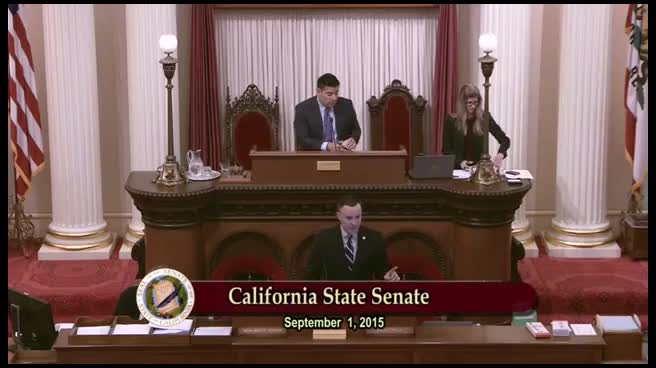
| Sep 1, 2015 | Unfinished Business SB255 Liu Concurrence | Senate Floor |
Passed |
|
| Aug 31, 2015 | SB 255 Liu Senate Third Reading By GARCIA, C. | Assembly Floor |
Passed |
|
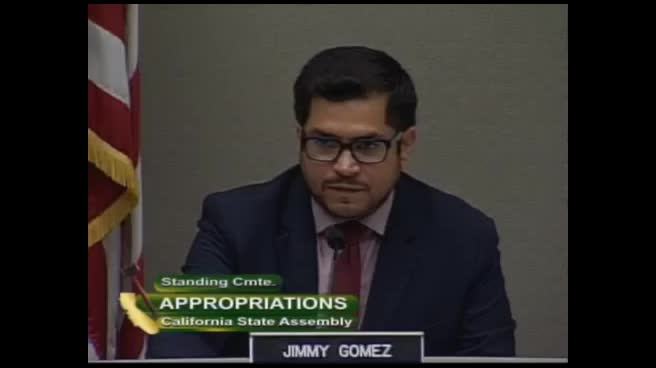
| Aug 26, 2015 | Do pass. | Assembly Standing Committee on Appropriations |
Passed |
|
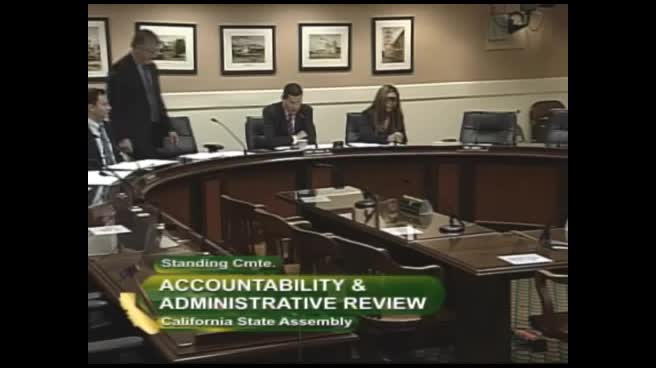
| Jul 1, 2015 | Do pass and be re-referred to the Committee on [Appropriations] | Assembly Standing Committee on Accountability and Administrative Review |
Passed |
|
| May 18, 2015 | Consent Calendar 2nd SB255 Liu | Senate Floor |
Passed |
|
| May 12, 2015 | Do pass and be ordered to the Consent Calendar | Senate Standing Committee on Governmental Organization |
Passed |
This list shows positions taken on this bill by organizations on the date displayed, which is linked to the original source.
Positions by individuals are not included.
|
Organization
|
Position
|
Date
|
|---|---|---|
| California Commission on the Status of Women and Girls | ** Support | Aug 31, 2015 |
| State Superintendent of Public Instruction | ** Support | Aug 31, 2015 |
SB 255
Page 6
|
Office of Senate Floor Analyses (916) 651-1520 Fax: (916) 327-4478 |
UNFINISHED BUSINESS
Bill No: SB 255
Amended: 8/17/15
SENATE GOVERNMENTAL ORG. COMMITTEE: 9-0, 5/12/15
AYES: Hall, Berryhill, Galgiani, Hernandez, Hill, Hueso, Lara, McGuire, Vidak
NO VOTE RECORDED: Block, Gaines
SENATE FLOOR: 36-0, 5/18/15
AYES: Allen, Anderson, Bates, Beall, Block, Cannella, De León, Fuller, Gaines, Galgiani, Hancock, Hernandez, Hertzberg, Hill, Hueso, Huff, Jackson, Lara, Leno, Leyva, Liu, McGuire, Mendoza, Mitchell, Monning, Moorlach, Morrell, Nguyen, Nielsen, Pan, Roth, Runner, Stone, Vidak, Wieckowski, Wolk
NO VOTE RECORDED: Berryhill, Hall, Pavley
ASSEMBLY FLOOR: 77-1, 8/31/15 - See last page for vote
SUBJECT: State government: Commission on the Status of Women and Girls
DIGEST: This bill specifies that the Labor Commissioner instead of the Chief of the Division of Industrial Welfare is a member of the Commission on the Status of Women and Girls (Commission). In addition, the bill exempts Commission meetings conducted solely for fundraising purposes from the Bagley Keene Open Meeting Act (Act) provided that a majority of members do not discuss among themselves any item of business of a specific nature that is within the subject matter jurisdiction of the Commission.
Assembly Amendments exempts Commission meetings conducted solely for fundraising purposes from the Act provided that a majority of members do not discuss among themselves any item of business of a specific nature that is within the subject matter jurisdiction of the Commission.
Existing law:
Creates within the state government the Commission on the Status of Women and Girls that consists of 17 members to be appointed as follows:
Three Members of the Senate and one public member appointed by the Senate Committee on Rules.
Three Members of the Assembly and one public member appointed by the Speaker.
One Public member appointed by the Superintendent of Public Instruction, and the Chief of the Division of Industrial Welfare in the Department of Industrial Relations.
Seven public members appointed by the Governor, with the consent of the Senate. One of these seven public members is required to be a veteran or a member of the military.
Specifies that Members of the Legislature shall serve at the pleasure of the appointed powers.
Specifies that public member appointees of the Speaker and the Senate Committee on Rules, and appointees of the Governor shall serve four-year terms.
Specifies that public members of the Commission shall receive one hundred dollars per diem while on official business of the Commission, not to exceed 12 days per year. Each member of the Commission shall also be entitled to receive his or her actual necessary traveling expenses while on official business of the Commission.
Abolished the Division of Industrial Welfare and transferred the duties, purposes, responsibilities, and jurisdiction of the Chief of the Division of Industrial Welfare to the Labor Commissioner, who is the Chief of the Division of Labor Standards Enforcement.
Requires, under the Act, with specified exceptions for authorized closed sessions, that the meetings of state bodies be open and public and that all persons be permitted to attend.
This bill:
Specifies that the Labor Commissioner instead of the Chief of the Division of Industrial Welfare is a member of the Commission.
Exempts Commission meetings conducted solely for fundraising purposes from the Act provided that a majority of members do not discuss among themselves any item of business of a specific nature that is within the subject matter jurisdiction of the Commission.
Background
Purpose of the bill. According to the author, the bill updates current law to reflect the current membership of the Commission. Statutory correction is needed because the Labor Commissioner now acts as the Chief of the Division of Labor Standards Enforcement in the Department of Industrial Relations in the California Labor and Workforce Development Agency.
In addition the author argues that, “following the recession, the Commission was charged with fundraising a portion of its yearly budget. In attempting to do so, the Commission has faced compliance with the Act and its impact on Commission sponsored fundraisers. SB 255 clarifies that the Commission is allowed to hold fundraising events that require payment or purchase to attend and that meetings conducted for the sole purpose of raising funds are not subject to the Act.”
The California Commission on the Status of Women and Girls. The Commission was established as an Advisory Committee in 1965 by Governor Gerald "Pat" Brown. It was made a permanent Commission by the Legislature and signed into law by Governor Ronald Reagan in 1971. It is the only state agency that looks specifically at all issues impacting women and provides a gender analysis of proposed legislation and other state action.
The Commission is an independent voice within state government for California women and girls. It serves as an important link between many communities and the government, including working families, incarcerated women, immigrant women, and those with the least access to state government and services.
In 2012 legislation was signed into law that required the Commission to study the following policy areas:
Gender equity in the media.
Education needs of women and girls.
Gender in the workplace and employment.
Health and safety of women and girls.
Women in the military, women veterans, and military families.
State laws in regard to the civil and political rights, marriage, and dissolution of marriage provisions, and similar patterns.
The effect of social attitudes and pressures and economic considerations in shaping the roles to be assumed by women in the society.
All but $2,000 of the Commission's projected 2011-2012 budget of $267,000 came from the state's General Fund. Nearly 89% of those funds were spent on salaries and benefits; the rest for operating expenses and equipment.
The proposed budget for 2012-2013 was zeroed out after Governor Jerry Brown called for the Commission's elimination. The state Assembly announced in April 2012 that it was transferring $150,000 from its operating budget to the Commission to fund it until the end of the year. Currently the Commission is funded completely through private funds and receives no general fund money.
Bagley-Keene Act. When the Legislature enacted the Bagley-Keene Act of 1967 it essentially said that when a body sits down to develop its consensus, there needs to be a seat at the table reserved for the public. In doing so, the Legislature has provided the public with the ability to monitor and be part of the decision-making process. The Act explicitly mandates open meetings for California State agencies, boards, and commissions. The Act facilitates transparency of government activities and protects the rights of citizens to participate in state government deliberations. Therefore, absent a specific reason to keep the public out of meetings, the public should be allowed to monitor and participate in the decision-making process. Similarly, the California's Brown Act of 1953 protects citizen's rights to open meetings at the local and county government levels.
Prior/Related Legislation
SB 960 (Campos, Chapter 197, Statutes of 2013) required one of the seven public members appointed by the Governor to serve on the Commission to be a woman veteran or a female member of the military.
SB 1038 (Committee on Budget and Fiscal Review, Chapter 46, Statutes of 2012) required the Commission to become the center of information on seven specific issues affecting women and girls.
FISCAL EFFECT: Appropriation: No Fiscal Com.: Yes Local: No
According to the Assembly Appropriations Committee, potential minor savings to the extent that fundraising meetings and events no longer have to be publically noticed under the Act.
California Commission on the Status of Women and Girls
State Superintendent of Public Instruction
OPPOSITION: (Verified 8/31/15)
None Received
ARGUMENTS IN SUPPORT: According to the California Commission on the Status of Women and Girls, “in legislation passed in 2012 and 2013, the Commission was charged with fundraising to offset its dependence on state funding. The transparency statutes that guide day to day working of California State Government and enable active participation from the public, have unfortunately made the effective implementation of active fundraising challenging. SB 255 would enable the Commission to both efficiently sponsor fundraising events and cultivate independent financial support for our work in our 50th year and beyond.”
ASSEMBLY FLOOR: 77-1, 8/31/15
AYES: Achadjian, Alejo, Baker, Bigelow, Bloom, Bonilla, Bonta, Brough, Brown, Burke, Calderon, Campos, Chang, Chau, Chávez, Chiu, Chu, Cooley, Cooper, Dababneh, Dahle, Daly, Dodd, Eggman, Frazier, Cristina Garcia, Eduardo Garcia, Gatto, Gipson, Gomez, Gonzalez, Gordon, Gray, Grove, Hadley, Harper, Roger Hernández, Holden, Irwin, Jones, Jones-Sawyer, Kim, Lackey, Levine, Linder, Lopez, Low, Maienschein, Mathis, Mayes, McCarty, Medina, Melendez, Mullin, Nazarian, Obernolte, O'Donnell, Olsen, Patterson, Perea, Quirk, Rendon, Ridley-Thomas, Rodriguez, Salas, Santiago, Steinorth, Mark Stone, Thurmond, Ting, Wagner, Waldron, Weber, Wilk, Williams, Wood, Atkins
NOES: Travis Allen
NO VOTE RECORDED: Beth Gaines, Gallagher
Prepared by: Felipe Lopez / G.O. / (916) 651-1530
8/31/15 17:52:07
**** END ****
SB 255
Page 2
SENATE THIRD READING
SB 255
(Liu)
As Amended August 17, 2015
Majority vote
SENATE VOTE: 36-0
Committee |
Votes |
Ayes |
Noes |
Accountability |
8-0 |
Salas, Lackey, Brough, Burke, Frazier, Irwin, Medina, Rodriguez |
|
Appropriations |
17-0 |
Gomez, Bigelow, Bloom, Bonta, Calderon, Chang, Gordon, Eggman, Gallagher, Eduardo Garcia, Holden, Jones, Quirk, Rendon, Wagner, Weber, Wood |
|
SUMMARY: Authorizes the Commission on the Status of Women and Girls (Commission) to conduct fundraising activities that charge an admission price; exempts Commission meetings conducted solely for fundraising purposes from the Bagley Keene Open Meeting Act (Bagley Keene Act); and, makes a clarifying change to the composition of the Commission. Specifically, this bill:
Authorizes the Commission to conduct fundraising activities that may require a payment or purchase to attend.
Exempts any Commission meetings conducted solely for fundraising purposes and where no other business within the subject matter jurisdiction of the Commission is discussed, deliberated, or acted upon, from the Bagley Keene Act.
Specifies that the Labor Commissioner is a member of the Commission, instead of the Chief of the Division of Industrial Welfare, which is an obsolete position.
EXISTING LAW:
Creates the Commission in state government consisting of 17 appointed members.
Vests the Commission with the powers and authority necessary to carry out its duties, including, but not limited to, accepting federal funds, gifts, donations, grants or bequests to further its purposes.
Establishes the Women and Girls Fund in the State Treasury in support of the Commission. Requires the Department of Finance to approve all gifts, bequests or donations collected or received by the Commission for deposit into the fund. Appropriations from the fund require legislative approval.
Requires all meetings of the commission to be open and public and all persons to be permitted to attend any meetings of the commission.
Establishes the Bagley Keene Act, set forth in Government Code Sections 11120 to 11132, which generally requires all state bodies to publicly notice their meetings, prepare agendas, accept public testimony and conduct their meetings in public, absent a specific reason to meet in closed session.
FISCAL EFFECT: According to the Assembly Appropriations Committee, potential minor savings to the extent that fundraising meetings and events no longer have to be publically noticed under the Bagley Keene Act.
COMMENTS: The Commission was established in 1965 to protect and improve opportunities for California women and girls. As an independent, nonpartisan state agency, it provides a statewide perspective to the Legislature and other policymakers on issues affecting women and girls, such as gender in the workplace; gender equity in the media; educational needs of women and girls; health and safety of women; and women in the military.
SB 1038 (Budget and Fiscal Review Committee), Chapter 46, Statutes of 2012, restructured the mission of the Commission and directed it to seek funding from private entities to reduce its reliance on state funding. Proceeds from non-state sources are deposited in the Women and Girls Fund in the State Treasury to be used to support the work of the Commission. The final 2015-16 State Budget includes a $500,000 General Fund appropriation to the Commission and $374,000 in the special Women and Girls Fund.
According to the author, during California's recession, the budget for the Commission was substantially reduced and, pursuant to SB 1038, it was charged with raising private money to fund its operation. The author contends this task has proven particularly difficult for the Commission because, as a state body, it is also required to comply with the Bagley Keene Act, a set of regulations not designed for entities that must also raise private funds for operation. This bill clarifies that meetings and activities conducted solely for the purpose of fundraising do not fall under the scope of Bagley Keene and reiterates that no commission business may be discussed, deliberated, or acted upon at a meeting convened for the sole purpose of fundraising. The author states that these necessary changes will enable the Commission to focus its business meetings on the pressing issues facing California's women and girls and help stabilize funding to carry out its work.
This bill also corrects the membership of the Commission to identify the Labor Commissioner, who is the acting Chief of the Division of Labor Standards Enforcement in the Department of Industrial Relations, as a member, instead of the Chief of the Division of Industrial Welfare, a position that no longer exists.
Analysis Prepared by: Cassie Royce / A. & A.R. / (916) 319-3600 FN: 0001537
Date of Hearing: August 26, 2015
ASSEMBLY COMMITTEE ON APPROPRIATIONS
Jimmy Gomez, Chair
SB 255
(Liu) – As Amended August 17, 2015
Policy Committee: |
Accountability and Administrative Review |
Vote: |
8 - 0 |
|
|
|
|
|
|
|
|
Urgency: No State Mandated Local Program: No Reimbursable: No
SUMMARY:
This bill authorizes the Commission on the Status of Women and Girls (Commission) to conduct fundraising activities that require a payment or purchase to attend. This bill also exempts Commission fundraising events and meetings conducted solely for fundraising purposes from the Bagley Keene Open Meeting Act (Bagley Keene Act), and makes a clarifying change to the composition of the Commission.
FISCAL EFFECT:
Potential minor savings to the extent that fundraising meetings and events no longer have to be publically noticed under the Bagley-Keene Act.
COMMENTS:
Purpose. The author contends that raising private money has proven difficult for the Commission because, as a state body, it is also required to comply with the Bagley-Keene Act. This bill provides that meetings and activities conducted solely for the purpose of fundraising do not fall under the scope of Bagley-Keene provided that no other business that is within the subject matter of the Commission is discussed, deliberated, or acted upon. The author believes that this bill will help stabilize funding for the Commission.
Background. The Commission was established in 1965 as an advisory committee by then-Governor Pat Brown to protect and improve opportunities for California women and girls. It became a permanent Commission under Governor Reagan in 1971. As an independent, nonpartisan state agency, it provides a statewide perspective to the Legislature and other policymakers on issues affecting women and girls, such as gender in the workplace, gender equity in the media, educational needs of women and girls, health and safety of women and girls, and women in the military.
SB 1038 (Committee on Budget and Fiscal Review), Chapter 46, Statutes
of 2012, restructured the mission of the Commission and directed it
to seek funding from private entities to reduce its reliance on state
funding. Proceeds from non-state sources are deposited in the Women
and Girls Fund in the State Treasury to be used to support the work
of the Commission. The final 2015-16 State Budget includes a
$500,000 General Fund appropriation to the
Commission and $374,000 in the special Women and Girls Fund.
Analysis Prepared by: Jennifer Swenson / APPR. / (916) 319-2081
SB 255
Page 2
Date of Hearing: July 1, 2015
ASSEMBLY COMMITTEE ON ACCOUNTABILITY AND ADMINISTRATIVE REVIEW
Rudy Salas, Chair
SB 255
(Liu) – As Amended June 25, 2015
SENATE VOTE: 36-0
SUBJECT: State government: Commission on the Status of Women and Girls
SUMMARY: Authorizes the Commission on the Status of Women and Girls (Commission) to conduct fundraising activities that charge an admission price; exempts Commission meetings conducted solely for fundraising purposes from the Bagley Keene Open Meeting Act (Bagley Keene Act); and, makes a clarifying change to the composition of the Commission. Specifically, this bill:
Authorizes the Commission to conduct fundraising activities that may require a payment or purchase to attend.
Exempts any Commission meetings conducted solely for fundraising purposes and where no other business within the purview of the Commission is discussed, deliberated, or taken action upon, from the Bagley Keene Act.
Specifies that the Labor Commissioner is a member of the Commission, instead of the Chief of the Division of Industrial Welfare, which is an obsolete position.
EXISTING LAW:
Creates the Commission in state government consisting of 17 appointed members.
Vests the Commission with the powers and authority necessary to carry out its duties, including, but not limited to, accepting federal funds, gifts, donations, grants or bequests to further its purposes.
Establishes the Women and Girls Fund in the State Treasury in support of the Commission. Requires the Department of Finance to approve all gifts, bequests or donations collected or received by the Commission for deposit into the fund. Appropriations from the fund require legislative approval.
Requires all meetings of the commission to be open and public and all persons to be permitted to attend any meetings of the commission.
Establishes the Bagley-Keene Act, set forth in Government Code Sections 11120-11132, which generally requires all state bodies to publicly notice their meetings, prepare agendas, accept public testimony and conduct their meetings in public, absent a specific reason to meet in closed session.
FISCAL
EFFECT: Unknown
COMMENTS: The
Commission was established in 1965 to protect and improve
opportunities for California women and girls. As an independent,
nonpartisan state agency, it provides a statewide perspective to the
Legislature and other policymakers on issues affecting women and
girls, such as gender in the workplace; gender equity in the media;
educational needs of women and girls; health and safety of women; and
women in the military.
SB 1038 (Committee on Budget
and Fiscal Review), Chapter 46, Statutes of 2012, restructured the
mission of the Commission and directed it to seek funding from
private entities to reduce its reliance on state funding. Proceeds
from non-state sources are deposited in the Women and Girls Fund in
the State Treasury to be used to support the work of the Commission.
The final 2015-16 State Budget includes a $500,000
General Fund appropriation to the Commission and $374,000 in the
special Women and Girls Fund.
According to the
author, during California's recession, the budget for the Commission
was substantially reduced and, pursuant to SB 1038, it was charged
with raising private money to fund its operation. The author
contends this task has proven particularly difficult for the
Commission because, as a state body, it is also required to comply
with the Bagley-Keene Act, a set of regulations not designed for
entities that must also raise private funds for operation. This bill
clarifies that meetings and activities conducted solely for the
purpose of fundraising do not fall under the scope of Bagley-Keene
and reiterates that no commission business may be discussed,
deliberated, or acted upon at a meeting convened for the sole purpose
of fundraising. The author states that these necessary changes will
enable the Commission to focus its business meetings on the pressing
issues facing California's women and girls and help stabilize funding
to carry out its work.
Lastly, this bill corrects the
membership of the Commission to identify the Labor Commissioner, who
is the acting Chief of the Division of Labor Standards Enforcement in
the Department of Industrial Relations, as a member, instead of the
Chief of the Division of Industrial Welfare, a position that no
longer exists.
REGISTERED SUPPORT / OPPOSITION:
Support
California Commission on the Status of Women and Girls
Opposition
None on file
Analysis Prepared by: Cassie Royce / A. & A.R. / (916) 319-3600
SB 255
Page 4
|
Office of Senate Floor Analyses (916) 651-1520 Fax: (916) 327-4478 |
CONSENT
Bill No: SB 255
Introduced: 2/18/15
SENATE GOVERNMENTAL ORG. COMMITTEE: 9-0, 5/12/15
AYES: Hall, Berryhill, Galgiani, Hernandez, Hill, Hueso, Lara, McGuire, Vidak
NO VOTE RECORDED: Block, Gaines
SUBJECT: State government: Commission on the Status of Women and Girls
DIGEST: This bill specifies that the Labor Commissioner instead of the Chief of the Division of Industrial Welfare is a member of the Commission on the Status of Women and Girls (Commission).
ANALYSIS:
Existing law:
Creates within the state government the Commission that consists of 17 members to be appointed as follows:
Three Members of the Senate and one public member appointed by the Senate Committee on Rules.
Three Members of the Assembly and one public member appointed by the Speaker.
One Public member appointed by the Superintendent of Public Instruction, and the Chief of the Division of Industrial Welfare in the Department of Industrial Relations.
Seven public members appointed by the Governor, with the consent of the Senate. One of these seven public members is required to be a veteran or a member of the military.
Specifies that Members of the Legislature shall serve at the pleasure of the appointed powers.
Specifies that public member appointees of the Speaker and the Senate Committee on Rules, and appointees of the Governor shall serve four-year terms.
Specifies that public members of the Commission shall receive one hundred dollars per diem while on official business of the Commission, not to exceed 12 days per year. Each member of the Commission shall also be entitled to receive his or her actual necessary traveling expenses while on official business of the Commission.
Abolished the Division of Industrial Welfare and transferred the duties, purposes, responsibilities, and jurisdiction of the Chief of the Division of Industrial Welfare to the Labor Commissioner, who is the Chief of the Division of Labor Standards Enforcement
This bill specifies that the Labor Commissioner instead of the Chief of the Division of Industrial Welfare is a member of the Commission.
Background
Purpose of the bill. According to the author, the bill updates current law to reflect the current membership of the Commission. Statutory correction is needed because the Labor Commissioner now acts as the Chief of the Division of Labor Standards Enforcement in the Department of Industrial Relations in the California Labor and Workforce Development Agency.
The California Commission on the Status of Women and Girls. The Commission was established as an Advisory Committee in 1965 by Governor Gerald "Pat" Brown. It was made a permanent Commission by the Legislature and signed into law by Governor Ronald Reagan in 1971. It is the only state agency that looks specifically at all issues impacting women and provides a gender analysis of proposed legislation and other state action.
The Commission is an independent voice within state government for California women and girls. It serves as an important link between many communities and the government, including working families, incarcerated women, immigrant women, and those with the least access to state government and services.
In 2012 legislation was signed into law that required the Commission to study the following policy areas:
Gender equity in the media.
Education needs of women and girls.
Gender in the workplace and employment.
Health and safety of women and girls.
Women in the military, women veterans, and military families.
State laws in regard to the civil and political rights, marriage, and dissolution of marriage provisions, and similar patterns.
The effect of social attitudes and pressures and economic considerations in shaping the roles to be assumed by women in the society.
All but $2,000 of the Commission's projected 2011-2012 budget of $267,000 came from the state's General Fund. Nearly 89% of those funds were spent on salaries and benefits; the rest for operating expenses and equipment.
The proposed budget for 2012-2013 was zeroed out after Governor Jerry Brown called for the Commission's elimination. The state Assembly announced in April 2012 that it was transferring $150,000 from its operating budget to the Commission to fund it until the end of the year. Currently the Commission is funded completely through private funds and receives no general fund money.
Prior/Related Legislation
SB 960 (Campos, Chapter 197, Statutes of 2013) required one of the seven public members appointed by the Governor to serve on the Commission to be a woman veteran or a female member of the military.
SB 1038 (Committee on Budget and Fiscal Review, Chapter 46, Statutes of 2012) required the Commission to become the center of information on seven specific issues affecting women and girls.
FISCAL EFFECT: Appropriation: No Fiscal Com.: No Local: No
SUPPORT:
(Verified 5/12/15)
None received
OPPOSITION: (Verified 5/12/15)
Prepared by: Felipe Lopez / G.O. / (916) 651-1530
5/13/15 16:07:00
**** END ****
SB 255 (Liu) Page 4 of 4
SENATE COMMITTEE ON GOVERNMENTAL ORGANIZATION
Senator Isadore Hall, III
Chair
2015 - 2016 Regular
Bill No: SB 255 Hearing Date: 5/12/2015
Author: |
Liu |
||
Version: |
2/18/2015 |
||
Urgency: |
No |
Fiscal: |
No |
Consultant: |
Felipe Lopez |
||
SUBJECT: State government: Commission on the Status of Women and Girls
DIGEST: This bill specifies that the Labor Commissioner instead of the Chief of the Division of Industrial Welfare is a member of the Commission on the Status of Women and Girls (Commission).
ANALYSIS:
Existing law:
Creates within the state government the Commission on the Status of Women and Girls that consists of 17 members to be appointed as follows:
Three Members of the Senate and one public member appointed by the Senate Committee on Rules.
Three Members of the Assembly and one public member appointed by the Speaker.
One Public member appointed by the Superintendent of Public Instruction, and the Chief of the Division of Industrial Welfare in the Department of Industrial Relations.
Seven public members appointed by the Governor, with the consent of the Senate. One of these seven public members is required to be a veteran or a member of the military.
Specifies that Members of the Legislature shall serve at the pleasure of the appointed powers.
Specifies that public member appointees of the Speaker and the Senate Committee on Rules, and appointees of the Governor shall serve four-year terms.
Specifies that public members of the Commission shall receive one hundred dollars per diem while on official business of the Commission, not to exceed 12 days per year. Each member of the Commission shall also be entitled to receive his or her actual necessary traveling expenses while on official business of the Commission.
Abolished the Division of Industrial Welfare and transferred the duties, purposes, responsibilities, and jurisdiction of the Chief of the Division of Industrial Welfare to the Labor Commissioner, who is the Chief of the Division of Labor Standards Enforcement
This bill specifies that the Labor Commissioner instead of the Chief of the Division of Industrial Welfare is a member of the Commission.
Background
Purpose of the bill: According to the author, the bill updates current law to reflect the current membership of the Commission. Statutory correction is needed because the Labor Commissioner now acts as the Chief of the Division of Labor Standards Enforcement in the Department of Industrial Relations in the California Labor and Workforce Development Agency.
The California Commission on the Status of Women and Girls: The Commission was established as an Advisory Committee in 1965 by Governor Gerald "Pat" Brown. It was made a permanent Commission by the Legislature and signed into law by Governor Ronald Reagan in 1971. It is the only state agency that looks specifically at all issues impacting women and provides a gender analysis of proposed legislation and other state action.
The Commission is an independent voice within state government for California women and girls. It serves as an important link between many communities and the government, including working families, incarcerated women, immigrant women, and those with the least access to state government and services.
In 2012 legislation was signed into law that required the Commission to study the following policy areas:
Gender equity in the media.
Education needs of women and girls.
Gender in the workplace and employment.
Health and safety of women and girls.
Women in the military, women veterans, and military families.
State laws in regard to the civil and political rights, marriage, and dissolution of marriage provisions, and similar patterns.
The effect of social attitudes and pressures and economic considerations in shaping the roles to be assumed by women in the society.
All but $2,000 of the Commission's projected 2011-2012 budget of $267,000 came from the state's General Fund. Nearly 89% of those funds were spent on salaries and benefits; the rest for operating expenses and equipment.
The proposed budget for 2012-2013 was zeroed out after Governor Jerry Brown called for the Commission's elimination. The state Assembly announced in April 2012 that it was transferring $150,000 from its operating budget to the Commission to fund it until the end of the year. Currently the Commission is funded completely through private funds and receives no general fund money.
Prior/Related Legislation
SB 960 (Campos, Chapter 197, Statutes of 2013) required one of the seven public members appointed by the Governor to serve on the Commission to be a woman veteran or a female member of the military.
SB 1038 (Committee on Budget and Fiscal Review, Chapter 46, Statutes of 2012) required the Commission to become the center of information on seven specific issues affecting women and girls.
FISCAL EFFECT: Appropriation: No Fiscal Com.: No Local: No
SUPPORT:
None received
OPPOSITION:
None received
Discussed in Hearing
 2MIN
Senate Floor
 1MIN
Assembly Floor
 3MIN
Assembly Standing Committee on Appropriations
 5MIN
Assembly Standing Committee on Accountability and Administrative Review
Bill Author
Bill Co-Author(s):
