SB 439: Election procedures.
- Session Year: 2015-2016
- House: Senate
- Latest Version Date: 2015-10-10
(1)Existing law permits a county elections official to offer conditional voter registration and provisional voting on election day at satellite offices of the county elections office, as specified.
This bill would also allow a county elections official to offer conditional voter registration and provisional voting at satellite offices other than on election day.
(2)Existing law requires each precinct board to keep a roster of voters who voted at the precinct, as specified. Existing law also requires an elections official to furnish to the precinct officers, among other things, printed copies of the index to the affidavits of registration for that precinct.
This bill would require the Secretary of State to adopt and publish electronic poll book standards and regulations governing the certification and use of electronic poll books, as defined. The bill would require that the electronic poll book include specified voter registration data. The bill would prohibit the use of an electronic poll book unless it has been certified by the secretary.
(3)Existing law requires the secretary to adopt regulations (A) governing the manufacture, finishing, quality standards, distribution, and inventory control of ballot cards and (B) requiring the biennial inspection of the manufacturing, finishing, and storage facilities involving ballot cards. Existing law requires the secretary to also approve each ballot card manufacturer or finisher before a manufacturer or finisher provides ballot cards for use in California elections.
This bill would require the secretary to adopt regulations (A) governing ballot on demand systems, as defined, and (B) for purposes of certifying ballot on demand systems. The bill, for commercial ballot manufacturers and finishers, would require the secretary to require a biennial inspection of the certified manufacturing, finishing, and storage facilities. The bill would also require the secretary to approve each ballot on demand system before the system is deployed for use in California elections. The bill would prohibit a jurisdiction from purchasing, leasing, or contracting for, and a vendor, company, or person from selling, leasing, or contracting with a jurisdiction for, a ballot on demand system unless the ballot on demand system has been certified by the secretary.
(1)Existing law permits a county elections official to offer conditional voter registration and provisional voting on election day at satellite offices of the county elections office, as specified.
This bill would also allow a county elections official to offer conditional voter registration and provisional voting at satellite offices other than on election day.
(2)Existing law requires each precinct board to keep a roster of voters who voted at the precinct, as specified. Existing law also requires an elections official to furnish to the precinct officers, among other things, printed copies of the index to the affidavits of registration for that precinct.
This bill would require the Secretary of State to adopt and publish electronic poll book standards and regulations governing the certification and use of electronic poll books, as defined. The bill would require that the electronic poll book include specified voter registration data. The bill would prohibit the use of an electronic poll book unless it has been certified by the secretary.
(3)Existing law requires the secretary to adopt regulations (1) (A) governing the manufacture, finishing, quality standards, distribution, and inventory control of ballot cards and (2) (B) requiring the biennial inspection of the manufacturing, finishing, and storage facilities involving ballot cards. Existing law requires the secretary to also approve each ballot card manufacturer or finisher before a manufacturer or finisher provides ballot cards for use in California elections.
This bill would require the secretary to adopt regulations (1) (A) governing ballot on demand systems, as defined, and (2) (B) for purposes of certifying ballot on demand systems. The bill, for commercial ballot manufacturers and finishers, would require the secretary to require a biennial inspection of the certified manufacturing, finishing, and storage facilities. The bill would also require the secretary to approve each ballot on demand system before the system is deployed for use in California elections. The bill would prohibit a jurisdiction from purchasing, leasing, or contracting for, and a vendor, company, or person from selling, leasing, or contracting with a jurisdiction for, a ballot on demand system unless the ballot on demand system has been certified by the secretary.
(1)Existing law permits a county elections official to offer conditional voter registration and provisional voting on election day at satellite offices of the county elections office, as specified.
This bill would also allow a county elections official to offer conditional voter registration and provisional voting at satellite offices other than on election day.
(2)Existing law requires each precinct board to keep a roster of voters who voted at the precinct, as specified. Existing law also requires an elections official to furnish to the precinct officers, among other things, printed copies of the index to the affidavits of registration for that precinct.
This bill would require the Secretary of State to adopt and publish electronic poll book standards and regulations governing the certification and use of electronic poll books, as defined. The bill would prohibit the use of an electronic poll book unless it has been certified by the secretary.
(3)Existing law requires the Secretary of State secretary to adopt regulations (1) governing the manufacture, finishing, quality standards, distribution, and inventory control of ballot cards and (2) requiring the biennial inspection of the manufacturing, finishing, and storage facilities involving ballot cards. Existing law requires the Secretary secretary to also approve each ballot card manufacturer or finisher before a manufacturer or finisher provides ballot cards for use in California elections.
This bill would require the Secretary secretary to adopt regulations (1) governing ballot on demand systems, as defined, and (2) for purposes of certifying ballot on demand systems. The bill, for commercial ballot manufacturers and finishers, would require the Secretary secretary to require a biennial inspection of the certified manufacturing, finishing, and storage facilities. The bill would also require the Secretary secretary to approve each ballot on demand system before the system is deployed for use in California elections. The bill would prohibit a jurisdiction from purchasing, leasing, or contracting for, and a vendor, company, or person from selling, leasing, or contracting with a jurisdiction for, a ballot on demand system unless the ballot on demand system has been certified by the Secretary secretary.
Existing law permits a county elections official to offer conditional voter registration and provisional voting on election day at satellite offices of the county elections office, as specified.
This bill would also allow a county elections official to offer conditional voter registration and provisional voting at satellite offices other than on election day.
Existing law requires the Secretary of State to adopt regulations (1) governing the manufacture, finishing, quality standards, distribution, and inventory control of ballot cards and (2) requiring the biennial inspection of the manufacturing, finishing, and storage facilities involving ballot cards. Existing law requires the Secretary to also approve each ballot card manufacturer or finisher before a manufacturer or finisher provides ballot cards for use in California elections.
This bill would require the Secretary to adopt regulations (1) governing ballot on demand systems, as defined, and (2) for purposes of certifying ballot on demand systems. The bill, for commercial ballot manufacturers and finishers, would require the Secretary to require a biennial inspection of the certified manufacturing, finishing, and storage facilities. The bill would also require the Secretary to approve each ballot on demand system before the system is deployed for use in California elections. The bill would prohibit a jurisdiction from purchasing, leasing, or contracting for, and a vendor, company, or person from selling, leasing, or contracting with a jurisdiction for, a ballot on demand system unless the ballot on demand system has been certified by the Secretary.
Existing law permits a county elections official to offer conditional voter registration and provisional voting on election day at satellite offices of the county elections office, as specified.
This bill would also allow a county elections official to offer conditional voter registration and provisional voting at satellite offices other than on election day.
Ballot on demand system means a self-contained system that allows users to do both of the following on an as-needed basis:
(a)Manufacture and finish card stock.
(b)Finish unfinished ballot cards into ballot cards.
SEC. 2.Section 2170 of the Elections Code is amended to read:2170.(a)Conditional voter registration means a properly executed affidavit of registration that is delivered by the registrant to the county elections official during the 14 days immediately preceding an election or on election day and which may be deemed effective pursuant to this article after the elections official processes the affidavit, determines the registrants eligibility to register, and validates the registrants information, as specified in subdivision (c).
(b)In addition to other methods of voter registration provided by this code, an elector who is otherwise qualified to register to vote under this code and Section 2 of Article II of the California Constitution may complete a conditional voter registration and cast a provisional ballot during the 14 days immediately preceding an election or on election day pursuant to this article.
(c)(1)A conditional voter registration shall be deemed effective if the county elections official is able to determine before or during the canvass period for the election that the registrant is eligible to register to vote and that the information provided by the registrant on the registration affidavit matches information contained in a database maintained by the Department of Motor Vehicles or the federal Social Security Administration.
(2)If the information provided by the registrant on the registration affidavit cannot be verified pursuant to paragraph (1) but the registrant is otherwise eligible to vote, the registrant shall be issued a unique identification number pursuant to Section 2150 and the conditional voter registration shall be deemed effective.
(d)The county elections official shall offer conditional voter registration and provisional voting pursuant to this article, in accordance with all of the following procedures:
(1)The elections official shall provide conditional voter registration and provisional voting pursuant to this article at all permanent offices of the county elections official in the county.
(2)The elections official shall advise registrants that a conditional voter registration will be effective only if the registrant is determined to be eligible to register to vote for the election and the information provided by the registrant on the registration affidavit is verified pursuant to subdivision (c).
(3)The elections official shall conduct the receipt and handling of each conditional voter registration and offer and receive a corresponding provisional ballot in a manner that protects the secrecy of the ballot and allows the elections official to process the registration, determine the registrants eligibility to register, and validate the registrants information before counting or rejecting the corresponding provisional ballot.
(4)After receiving a conditional voter registration, the elections official shall process the registration, determine the registrants eligibility to register, and attempt to validate the registrants information.
(5)If a conditional registration is deemed effective, the elections official shall include the corresponding provisional ballot in the official canvass.
(e)The county elections official may offer conditional voter registration and provisional voting pursuant to this article at satellite offices of the county elections office, in accordance with the procedures specified in paragraphs (2) to (5), inclusive, of subdivision (d).
SEC. 3.Section 2550 is added to the Elections Code, to read:2550.(a)For purposes of this section, electronic poll book means an electronic list of registered voters that may be transported to the polling location. An electronic poll book shall contain all of the following voter registration data:
(1)Name.
(2)Address.
(3)Precinct.
(4)Party preference.
(5)Whether or not the voter has been issued a vote by mail ballot.
(6)Whether or not the vote by mail ballot has been recorded as received by the elections official.
(b)An electronic poll book shall not be used unless it has been certified by the Secretary of State.
(c)The Secretary of State shall adopt and publish electronic poll book standards and regulations governing the certification and use of electronic poll books.
(d)The Secretary of State shall not certify an electronic poll book unless it fulfills the requirements of this section and the Secretary of States standards and regulations.
SEC. 4.Section 13004 of the Elections Code is amended to read:13004.(a)The Secretary of State shall adopt regulations governing the manufacture, finishing, quality standards, distribution, and inventory control of ballot cards and ballot on demand systems. For commercial ballot manufacturers and finishers, the Secretary of State shall require a biennial inspection of the certified manufacturing, finishing, and storage facilities. The Secretary of State shall also approve each ballot card manufacturer, finisher, and ballot on demand system before manufacturing or finishing ballot cards, or deploying a ballot on demand system, for use in California elections.
(b)Not later than five working days before the Secretary of State begins his or her initial inspection, the ballot card manufacturer, finisher, or ballot on demand system vendor shall disclose to the Secretary of State in writing any known flaw or defect in its ballot card manufacturing or finishing process, manufactured or finished ballot cards, or ballot on demand system that could adversely affect the future casting or tallying of votes. Once approved by the Secretary of State, the ballot card manufacturer, finisher, or ballot on demand system vendor shall notify the Secretary of State and the affected local elections officials in writing within two business days after it discovers any flaw or defect in its ballot card manufacturing or finishing process, manufactured or finished ballot cards, or ballot on demand system that could adversely affect the future casting or tallying of votes.
SEC. 5.Section 13004.5 is added to the Elections Code, to read:13004.5.(a)A jurisdiction shall not purchase, lease, or contract for a ballot on demand system unless the ballot on demand system has been certified by the Secretary of State.
(b)A vendor, company, or person shall not sell, lease, or contract with a jurisdiction for the use of a ballot on demand system unless the ballot on demand system has been certified by the Secretary of State.
(c)This section does not preclude a jurisdiction from conducting research and development of a ballot on demand system. A ballot on demand system that is used for purposes of this subdivision shall not be used in an election conducted pursuant to this code unless the system has been certified by the Secretary of State.
(d)The Secretary of State shall promulgate regulations for purposes of certifying ballot on demand systems.
Ballot on demand system means a self-contained system that allows users to do any both of the following on an as-needed basis:
(a)Manufacture or finish ballot sheets or unfinished ballot cards.
(b)
(a)Manufacture and finish card stock.
(c)
(b)Finish unfinished ballot cards into ballot cards.
SEC. 2.Section 2170 of the Elections Code is amended to read:2170.(a)Conditional voter registration means a properly executed affidavit of registration that is delivered by the registrant to the county elections official during the 14 days immediately preceding an election or on election day and which may be deemed effective pursuant to this article after the elections official processes the affidavit, determines the registrants eligibility to register, and validates the registrants information, as specified in subdivision (c).
(b)In addition to other methods of voter registration provided by this code, an elector who is otherwise qualified to register to vote under this code and Section 2 of Article II of the California Constitution may complete a conditional voter registration and cast a provisional ballot during the 14 days immediately preceding an election or on election day pursuant to this article.
(c)(1)A conditional voter registration shall be deemed effective if the county elections official is able to determine before or during the canvass period for the election that the registrant is eligible to register to vote and that the information provided by the registrant on the registration affidavit matches information contained in a database maintained by the Department of Motor Vehicles or the federal Social Security Administration.
(2)If the information provided by the registrant on the registration affidavit cannot be verified pursuant to paragraph (1) but the registrant is otherwise eligible to vote, the registrant shall be issued a unique identification number pursuant to Section 2150 and the conditional voter registration shall be deemed effective.
(d)The county elections official shall offer conditional voter registration and provisional voting pursuant to this article, in accordance with all of the following procedures:
(1)The elections official shall provide conditional voter registration and provisional voting pursuant to this article at all permanent offices of the county elections official in the county.
(2)The elections official shall advise registrants that a conditional voter registration will be effective only if the registrant is determined to be eligible to register to vote for the election and the information provided by the registrant on the registration affidavit is verified pursuant to subdivision (c).
(3)The elections official shall conduct the receipt and handling of each conditional voter registration and offer and receive a corresponding provisional ballot in a manner that protects the secrecy of the ballot and allows the elections official to process the registration, to determine the registrants eligibility to register, and to validate the registrants information before counting or rejecting the corresponding provisional ballot.
(4)After receiving a conditional voter registration, the elections official shall process the registration, determine the registrants eligibility to register, and attempt to validate the registrants information.
(5)If a conditional registration is deemed effective, the elections official shall include the corresponding provisional ballot in the official canvass.
(e)The county elections official may offer conditional voter registration and provisional voting pursuant to this article at satellite offices of the county elections office, in accordance with the procedures specified in paragraphs (2) to (5), inclusive, of subdivision (d).
SEC. 3.Section 2550 is added to the Elections Code, to read:2550.(a)For purposes of this section, electronic poll book means an electronic list of registered voters that may be transported to the polling location. An electronic poll book shall contain the same information as the roster described in Section 14107. all of the following voter registration data:
(1)Name.
(2)Address.
(3)Precinct.
(4)Party preference.
(5)Whether or not the voter has been issued a vote by mail ballot.
(6)Whether or not the vote by mail ballot has been recorded as received by the elections official.
(b)An electronic poll book shall not be used unless it has been certified by the Secretary of State.
(c)The Secretary of State shall adopt and publish electronic poll book standards and regulations governing the certification and use of electronic poll books.
(d)The Secretary of State shall not certify an electronic poll book unless it fulfills the requirements of this section and the Secretary of States standards and regulations.
SEC. 4.Section 13004 of the Elections Code is amended to read:13004.(a)The Secretary of State shall adopt regulations governing the manufacture, finishing, quality standards, distribution, and inventory control of ballot cards and ballot on demand systems. For commercial ballot manufacturers and finishers, the Secretary of State shall require a biennial inspection of the certified manufacturing, finishing, and storage facilities. The Secretary of State shall also approve each ballot card manufacturer, finisher, and ballot on demand system before manufacturing or finishing ballot cards, or deploying a ballot on demand system, for use in California elections.
(b)Not later than five working days before the Secretary of State begins his or her initial inspection, the ballot card manufacturer, finisher, or ballot on demand system vendor shall disclose to the Secretary of State in writing any known flaw or defect in its ballot card manufacturing or finishing process, manufactured or finished ballot cards, or ballot on demand system that could adversely affect the future casting or tallying of votes. Once approved by the Secretary of State, the ballot card manufacturer, finisher, or ballot on demand system vendor shall notify the Secretary of State and the affected local elections officials in writing within two business days after it discovers any flaw or defect in its ballot card manufacturing or finishing process, manufactured or finished ballot cards, or ballot on demand system that could adversely affect the future casting or tallying of votes.
SEC. 5.Section 13004.5 is added to the Elections Code, to read:13004.5.(a)A jurisdiction shall not purchase, lease, or contract for a ballot on demand system unless the ballot on demand system has been certified by the Secretary of State.
(b)A vendor, company, or person shall not sell, lease, or contract with a jurisdiction for the use of a ballot on demand system unless the ballot on demand system has been certified by the Secretary of State.
(c)This section does not preclude a jurisdiction from conducting research and development of a ballot on demand system. A ballot on demand system that is used for purposes of this subdivision shall not be used in an election conducted pursuant to this code unless the system has been certified by the Secretary of State.
(d)The Secretary of State shall promulgate regulations for purposes of certifying ballot on demand systems.
Ballot on demand system means a self-contained system that allows users to do any of the following on an as-needed basis:
(a)Manufacture or finish ballot sheets or unfinished ballot cards.
(b)Manufacture and finish card stock.
(c)Finish unfinished ballot cards into ballot cards.
SEC. 2.Section 2170 of the Elections Code is amended to read:2170.(a)Conditional voter registration means a properly executed affidavit of registration that is delivered by the registrant to the county elections official during the 14 days immediately preceding an election or on election day and which may be deemed effective pursuant to this article after the elections official processes the affidavit, determines the registrants eligibility to register, and validates the registrants information, as specified in subdivision (c).
(b)In addition to other methods of voter registration provided by this code, an elector who is otherwise qualified to register to vote under this code and Section 2 of Article II of the California Constitution may complete a conditional voter registration and cast a provisional ballot during the 14 days immediately preceding an election or on election day pursuant to this article.
(c)(1)A conditional voter registration shall be deemed effective if the county elections official is able to determine before or during the canvass period for the election that the registrant is eligible to register to vote and that the information provided by the registrant on the registration affidavit matches information contained in a database maintained by the Department of Motor Vehicles or the federal Social Security Administration.
(2)If the information provided by the registrant on the registration affidavit cannot be verified pursuant to paragraph (1) but the registrant is otherwise eligible to vote, the registrant shall be issued a unique identification number pursuant to Section 2150 and the conditional voter registration shall be deemed effective.
(d)The county elections official shall offer conditional voter registration and provisional voting pursuant to this article, in accordance with the following procedures:
(1)The elections official shall provide conditional voter registration and provisional voting pursuant to this article at all permanent offices of the county elections official in the county.
(2)The elections official shall advise registrants that a conditional voter registration will be effective only if the registrant is determined to be eligible to register to vote for the election and the information provided by the registrant on the registration affidavit is verified pursuant to subdivision (c).
(3)The elections official shall conduct the receipt and handling of each conditional voter registration and offer and receive a corresponding provisional ballot in a manner that protects the secrecy of the ballot and allows the elections official to process the registration, to determine the registrants eligibility to register, and to validate the registrants information before counting or rejecting the corresponding provisional ballot.
(4)After receiving a conditional voter registration, the elections official shall process the registration, determine the registrants eligibility to register, and attempt to validate the registrants information.
(5)If a conditional registration is deemed effective, the elections official shall include the corresponding provisional ballot in the official canvass.
(e)The county elections official may offer conditional voter registration and provisional voting pursuant to this article at satellite offices of the county elections office, in accordance with the procedures specified in paragraphs (2) to (5), inclusive, of subdivision (d).
SEC. 3.Section 2550 is added to the Elections Code, to read:2550.(a)For purposes of this section, electronic poll book means an electronic list of registered voters that may be transported to the polling location. An electronic poll book shall contain the same information as the roster described in Section 14107.
(b)An electronic poll book shall not be used unless it has been certified by the Secretary of State.
(c)The Secretary of State shall adopt and publish electronic poll book standards and regulations governing the certification and use of electronic poll books.
(d)The Secretary of State shall not certify an electronic poll book unless it fulfills the requirements of this section and the Secretary of States standards and regulations.
SEC. 3.SEC. 4.Section 13004 of the Elections Code is amended to read:13004.(a)The Secretary of State shall adopt regulations governing the manufacture, finishing, quality standards, distribution, and inventory control of ballot cards and ballot on demand systems. For commercial ballot manufacturers and finishers, the Secretary of State shall require a biennial inspection of the certified manufacturing, finishing, and storage facilities. The Secretary of State shall also approve each ballot card manufacturer, finisher, and ballot on demand system before manufacturing or finishing ballot cards, or deploying a ballot on demand system, for use in California elections.
(b)Not later than five working days before the Secretary of State begins his or her initial inspection, the ballot card manufacturer, finisher, or ballot on demand system vendor shall disclose to the Secretary of State in writing any known flaw or defect in its ballot card manufacturing or finishing process, manufactured or finished ballot cards, or ballot on demand system that could adversely affect the future casting or tallying of votes. Once approved by the Secretary of State, the ballot card manufacturer, finisher, or ballot on demand system vendor shall notify the Secretary of State and the affected local elections officials in writing within two business days after it discovers any flaw or defect in its ballot card manufacturing or finishing process, manufactured or finished ballot cards, or ballot on demand system that could adversely affect the future casting or tallying of votes.
SEC. 4.SEC. 5.Section 13004.5 is added to the Elections Code, to read:13004.5.(a)A jurisdiction shall not purchase, lease, or contract for a ballot on demand system unless the ballot on demand system has been certified by the Secretary of State.
(b)A vendor, company, or person shall not sell, lease, or contract with a jurisdiction for the use of a ballot on demand system unless the ballot on demand system has been certified by the Secretary of State.
(c)This section does not preclude a jurisdiction from conducting research and development of a ballot on demand system. A ballot on demand system that is used for purposes of this subdivision shall not be used in an election conducted pursuant to this code unless the system has been certified by the Secretary of State.
(d)The Secretary of State shall promulgate regulations for purposes of certifying ballot on demand systems.
Ballot on demand system means a self-contained system that allows users to do any of the following on an as-needed basis:
(a)Manufacture or finish ballot sheets or unfinished ballot cards.
(b)Manufacture and finish card stock.
(c)Finish unfinished ballot cards into ballot cards.
SECTION 1.SEC. 2.Section 2170 of the Elections Code is amended to read:2170.(a)Conditional voter registration means a properly executed affidavit of registration, which registration that is delivered by the registrant to a the county elections official during the 14 days immediately preceding an election or on election day and which may be deemed effective pursuant to this article after the elections official processes the affidavit, determines the registrants eligibility to register, and validates the registrants information, as specified in subdivision (c).
(b)In addition to other methods of voter registration provided by this code, an elector who is otherwise qualified to register to vote under this code and Section 2 of Article II of the California Constitution may complete a conditional voter registration and cast a provisional ballot during the 14 days immediately preceding an election or on election day pursuant to this article.
(c)(1)A conditional voter registration shall be deemed effective if the county elections official is able to determine before or during the canvass period for the election that the registrant is eligible to register to vote and that the information provided by the registrant on the registration affidavit matches information contained in a database maintained by the California Department of Motor Vehicles or the federal Social Security Administration.
(2)If the information provided by the registrant on the registration affidavit cannot be verified pursuant to paragraph (1) but the registrant is otherwise eligible to vote, the registrant shall be issued a unique identification number pursuant to Section 2150 and the conditional voter registration shall be deemed effective.
(d)The county elections official shall offer conditional voter registration and provisional voting pursuant to this article, in accordance with the following procedures:
(1)The elections official shall provide conditional voter registration and provisional voting pursuant to this article at all permanent offices of the county elections official in the county.
(2)The elections official shall advise registrants that a conditional voter registration will be effective only if the registrant is determined to be eligible to register to vote for the election and the information provided by the registrant on the registration affidavit is verified pursuant to subdivision (c).
(3)The elections official shall conduct the receipt and handling of each conditional voter registration and offer and receive a corresponding provisional ballot in a manner that protects the secrecy of the ballot and allows the elections official to process the registration, to determine the registrants eligibility to register, and to validate the registrants information before counting or rejecting the corresponding provisional ballot.
(4)After receiving a conditional voter registration, the elections official shall process the registration, determine the registrants eligibility to register, and attempt to validate the information.
(5)If a conditional registration is deemed effective, the elections official shall include the corresponding provisional ballot in the official canvass.
(e)The county elections official may offer conditional voter registration and provisional voting pursuant to this article at satellite offices of the county elections office, in accordance with the procedures specified in paragraphs (2) to (5), inclusive, of subdivision (d).
SEC. 3.Section 13004 of the Elections Code is amended to read:13004.(a)The Secretary of State shall adopt regulations governing the manufacture, finishing, quality standards, distribution, and inventory control of ballot cards and requiring the ballot on demand systems. For commercial ballot manufacturers and finishers, the Secretary of State shall require a biennial inspection of the certified manufacturing, finishing, and storage facilities involving ballot cards. facilities. The Secretary of State shall also approve each ballot card manufacturer or finisher prior to a manufacturer or finisher providing manufacturer, finisher, and ballot on demand system before manufacturing or finishing ballot cards cards, or deploying a ballot on demand system, for use in California elections.
(b)Not later than five working days before the Secretary of State begins his or her initial inspection, the ballot card manufacturer or finisher manufacturer, finisher, or ballot on demand system vendor shall disclose to the Secretary of State in writing any known flaw or defect in its ballot card manufacturing or finishing process or process, manufactured or finished ballot cards cards, or ballot on demand system that could adversely affect the future casting or tallying of votes. Once approved by the Secretary of State, the ballot card manufacturer or finisher manufacturer, finisher, or ballot on demand system vendor shall notify the Secretary of State and the affected local elections officials in writing within two business days after it discovers any flaw or defect in its ballot card manufacturing or finishing process or process, manufactured or finished ballot cards cards, or ballot on demand system that could adversely affect the future casting or tallying of votes.
SEC. 4.Section 13004.5 is added to the Elections Code, to read:13004.5.(a)A jurisdiction shall not purchase, lease, or contract for a ballot on demand system unless the ballot on demand system has been certified by the Secretary of State.
(b)A vendor, company, or person shall not sell, lease, or contract with a jurisdiction for the use of a ballot on demand system unless the ballot on demand system has been certified by the Secretary of State.
(c)This section does not preclude a jurisdiction from conducting research and development of a ballot on demand system. A ballot on demand system that is used for purposes of this subdivision shall not be used in an election conducted pursuant to this code unless the system has been certified by the Secretary of State.
(d)The Secretary of State shall promulgate regulations for purposes of certifying ballot on demand systems.
(a)Conditional voter registration means a properly executed affidavit of registration, which is delivered by the registrant to a county elections official during the 14 days immediately preceding an election or on election day and which may be deemed effective pursuant to this article after the elections official processes the affidavit, determines the registrants eligibility to register, and validates the registrants information, as specified in subdivision (c).
(b)In addition to other methods of voter registration provided by this code, an elector who is otherwise qualified to register to vote under this code and Section 2 of Article II of the California Constitution may complete a conditional voter registration and cast a provisional ballot during the 14 days immediately preceding an election or on election day pursuant to this article.
(c)(1)A conditional voter registration shall be deemed effective if the county elections official is able to determine before or during the canvass period for the election that the registrant is eligible to register to vote and that the information provided by the registrant on the registration affidavit matches information contained in a database maintained by the California Department of Motor Vehicles or the federal Social Security Administration.
(2)If the information provided by the registrant on the registration affidavit cannot be verified pursuant to paragraph (1) but the registrant is otherwise eligible to vote, the registrant shall be issued a unique identification number pursuant to Section 2150 and the conditional voter registration shall be deemed effective.
(d)The county elections official shall offer conditional voter registration and provisional voting pursuant to this article, in accordance with the following procedures:
(1)The elections official shall provide conditional voter registration and provisional voting pursuant to this article at all permanent offices of the county elections official in the county.
(2)The elections official shall advise registrants that a conditional voter registration will be effective only if the registrant is determined to be eligible to register to vote for the election and the information provided by the registrant on the registration affidavit is verified pursuant to subdivision (c).
(3)The elections official shall conduct the receipt and handling of each conditional voter registration and offer and receive a corresponding provisional ballot in a manner that protects the secrecy of the ballot and allows the elections official to process the registration, to determine the registrants eligibility to register, and to validate the registrants information before counting or rejecting the corresponding provisional ballot.
(4)After receiving a conditional voter registration, the elections official shall process the registration, determine the registrants eligibility to register, and attempt to validate the information.
(5)If a conditional registration is deemed effective, the elections official shall include the corresponding provisional ballot in the official canvass.
(e)The county elections official may offer conditional voter registration and provisional voting pursuant to this article on election day at satellite offices of the county elections office, in accordance with the procedures specified in paragraphs (2) to (5), inclusive, of subdivision (d).
|
Date
|
Status
|
|---|---|
| May 28, 2015 | Referred to Com. on E. & R. |
| Oct 10, 2015 | Chaptered by Secretary of State. Chapter 734, Statutes of 2015. |
| Oct 10, 2015 | Approved by the Governor. |
| Sep 10, 2015 | Enrolled and presented to the Governor at 3:30 p.m. |
| Sep 4, 2015 | Assembly amendments concurred in. (Ayes 26. Noes 13.) Ordered to engrossing and enrolling. |
| Sep 4, 2015 | Assembly amendments concurred in. (Ayes 26. Noes 13. Page 2497.) Ordered to engrossing and enrolling. |
| Sep 3, 2015 | Read third time. Passed. (Ayes 54. Noes 23. Page 2856.) Ordered to the Senate. |
| Sep 3, 2015 | Read third time. Passed. Ordered to the Senate. |
| Sep 3, 2015 | In Senate. Concurrence in Assembly amendments pending. |
| Aug 31, 2015 | Read third time and amended. |
| Aug 31, 2015 | Ordered to third reading. |
| Aug 20, 2015 | Read second time. Ordered to third reading. |
| Aug 19, 2015 | From committee: Do pass. (Ayes 12. Noes 4.) (August 19). |
| Jul 15, 2015 | From committee: Do pass and re-refer to Com. on APPR. (Ayes 5. Noes 2.) (July 15). Re-referred to Com. on APPR. |
| Jun 23, 2015 | July 1 set for first hearing canceled at the request of author. |
| Jun 11, 2015 | From committee with author's amendments. Read second time and amended. Re-referred to Com. on E. & R. |
| Feb 25, 2015 | Introduced. Read first time. To Com. on RLS. for assignment. To print. |
| May 18, 2015 | Read third time. Passed. (Ayes 23. Noes 12.) Ordered to the Assembly. |
| May 18, 2015 | Read third time. Passed. (Ayes 23. Noes 12. Page 1023.) Ordered to the Assembly. |
| May 18, 2015 | In Assembly. Read first time. Held at Desk. |
| May 12, 2015 | Read second time. Ordered to third reading. |
| May 11, 2015 | From committee: Do pass. (Ayes 5. Noes 2.) (May 11). |
| May 11, 2015 | From committee: Do pass. (Ayes 5. Noes 2. Page 960.) (May 11). |
| May 5, 2015 | Set for hearing May 11. |
| May 4, 2015 | May 4 set for first hearing canceled at the request of author. |
| Apr 24, 2015 | Set for hearing May 4. |
| Apr 22, 2015 | From committee: Do pass and re-refer to Com. on APPR. (Ayes 4. Noes 1. Page 723.) (April 21). Re-referred to Com. on APPR. |
| Apr 15, 2015 | From committee with author's amendments. Read second time and amended. Re-referred to Com. on E. & C.A. |
| Apr 9, 2015 | Set for hearing April 21. |
| Mar 5, 2015 | Referred to Com. on E. & C.A. |
| Feb 26, 2015 | From printer. May be acted upon on or after March 28. |
|
Date
|
Description
|
Location
|
Votes
|
|
|---|---|---|---|---|
| Sep 4, 2015 | Unfinished Business SB439 Allen Concurrence | Senate Floor |
Passed |
|
| Sep 3, 2015 | SB 439 Allen Senate Third Reading By MULLIN | Assembly Floor |
Passed |
|
| Aug 19, 2015 | Do pass. | Assembly Standing Committee on Appropriations |
Passed |
|
| Jul 15, 2015 | Do pass and be re-referred to the Committee on [Appropriations] | Assembly Standing Committee on Elections and Redistricting |
Passed |
|
| May 18, 2015 | Senate 3rd Reading SB439 Allen | Senate Floor |
Passed |
|
| May 11, 2015 | Do pass | Senate Standing Committee on Appropriations |
Passed |
|
| Apr 21, 2015 | Do pass, but first be re-referred to the Committee on [Appropriations] | Senate Standing Committee on Elections and Constitutional Amendments |
Passed |
This list shows positions taken on this bill by organizations on the date displayed, which is linked to the original source.
Positions by individuals are not included.
|
Organization
|
Position
|
Date
|
|---|---|---|
| California Association of Clerks and Election Officials | ** Support | Sep 3, 2015 |
| California Common Cause | ** Support | Sep 3, 2015 |
| CALPIRG | ** Support | Aug 19, 2015 |
| Consumer Watchdog | ** Support | Aug 19, 2015 |
| League Of Women Voters Of California | ** Support | Sep 3, 2015 |
| Los Angeles County Board of Supervisors | ** Support | Sep 3, 2015 |
| Secretary of State | ** Support | May 18, 2015 |
| Secretary of State Alex Padilla | ** Support | Sep 3, 2015 |
SB 439
Page 6
|
Office of Senate Floor Analyses (916) 651-1520 Fax: (916) 327-4478 |
UNFINISHED BUSINESS
Bill No: SB 439
Amended: 8/31/15
SENATE ELECTIONS & C.A. COMMITTEE: 4-1, 4/21/15
AYES: Allen, Hancock, Hertzberg, Liu
NOES: Anderson
SENATE APPROPRIATIONS COMMITTEE: 5-2, 5/11/15
AYES: Lara, Beall, Hill, Leyva, Mendoza
NOES: Bates, Nielsen
SENATE FLOOR: 23-12, 5/18/15
AYES: Allen, Beall, Block, De León, Galgiani, Hancock, Hernandez, Hertzberg, Hill, Hueso, Jackson, Lara, Leno, Leyva, Liu, McGuire, Mendoza, Mitchell, Monning, Pan, Roth, Wieckowski, Wolk
NOES: Anderson, Bates, Fuller, Gaines, Huff, Moorlach, Morrell, Nguyen, Nielsen, Runner, Stone, Vidak
NO VOTE RECORDED: Berryhill, Cannella, Hall, Pavley
ASSEMBLY FLOOR: 54-23, 9/3/15 - See last page for vote
DIGEST: This bill permits county elections officials to offer conditional voter registration and provisional voting at satellite offices during the entire 14 days immediately preceding Election Day and establishes criteria for the certification and use of ballot on demand printing systems and electronic poll books.
Assembly Amendments add language to establish criteria for the certification and use of electronic poll books.
Existing law:
Provides that a properly executed affidavit of voter registration shall be deemed effective upon receipt by the elections official if postmarked or received on or before the 15th day prior to an election to be held in the registrant’s precinct.
Provides for conditional voter registration whereby a qualified person may register to vote after the 15th day prior to an election or on Election Day, and cast a provisional ballot which will be counted if the conditional voter registration is deemed effective.
Requires county elections officials to offer conditional voter registration and provisional voting at its permanent offices, and permits them to offer this type of registration and voting at satellite offices on Election Day.
Specifies that conditional voter registration, as described above, becomes operative on January 1 of the year following the year in which the Secretary of State (SOS) certifies that the state has a statewide voter registration database that complies with the requirements of the federal Help America Vote Act of 2002 (HAVA). It is anticipated that this statewide voter database will become operative in 2016, therefore conditional voter registration will commence in 2017.
Requires the SOS to adopt regulations governing the manufacture, finishing, quality standards, distribution, and inventory control of ballot cards and requires the biennial inspection of the manufacturing, finishing, and storage facilities involving ballot cards.
Requires the SOS to also approve each ballot card manufacturer or finisher before a manufacturer or finisher provides ballot cards for use in California elections.
Requires each precinct board to keep a roster of voters who have voted at the precinct, as specified.
Requires an elections official to furnish to the precinct officers, among other things, printed copies of the index to the affidavits of registration for that precinct.
This bill:
Permits county elections officials to offer conditional voter registration and provisional voting at satellite offices after the 15th day prior to an election through and including Election Day.
Requires the SOS to adopt regulations for purposes of certifying ballot on demand systems and requires the SOS to approve each ballot on demand system before the system is deployed for use in California elections.
Prohibits a jurisdiction from purchasing, leasing, or contracting for, and a vendor, company, or person from selling, leasing, or contracting with a jurisdiction for, a ballot on demand system unless the ballot on demand system has been certified by the SOS.
Defines “ballot on demand system” as a self-contained system that allows users to do any of the following on an as-needed basis:
Manufacture and finish card stock.
Finish unfinished ballot cards into ballot cards.
Defines an "electronic poll book" to mean an electronic list of registered voters that may be transported to the polling location. Requires an electronic poll book to contain the following information for each voter: name; address; precinct; party preference; whether or not the voter has been issued a vote by mail ballot; and, whether or not the vote by mail ballot has been recorded as received by the elections official.
Prohibits an electronic poll book from being used unless it has been certified by the SOS.
Requires the SOS to adopt and publish electronic poll book standards and regulations governing the certification and use of electronic poll books. Prohibits the SOS from certifying an electronic poll book unless it fulfills the requirements of this bill and the SOS's standards and regulations.
Background
Pending Election Day registration in California. AB 1436 (Feuer, Chapter 497, Statutes of 2012) provided for Election Day voter registration in California but it will not be implemented until 2017, following the certification of VoteCal, the new HAVA-compliant statewide voter database. While AB 1436 requires county elections officials to offer voter registration and concurrent voting by provisional ballot at the official’s permanent office during the 14 days following the normal close of registration through Election Day it limits this convenience to electors at satellite office locations to only Election Day itself.
Ballot on demand systems. Ballot on demand printing systems are used in elections official’s offices and other locations in order to provide any voter with his or her proper ballot regardless of the precinct to which the voter is assigned. While some counties are currently using ballot on demand printing systems that have been approved by prior SOS, current statutes require the approval process to be conducted on a county by county (and location by location) basis which is very cumbersome and serves as a disincentive for counties to participate. For instance, if a single county wants to use a ballot on demand system, that county would have to seek separate approval for each location where they anticipate usage.
Electronic
Poll Books. An electronic poll book is an electronic version of
the traditional paper poll book which contains a list of the
registered voters in each precinct or district. An electronic poll
book typically looks like a tablet or laptop computer and is used to
more quickly and accurately check in a voter at his or her precinct
or voting sites. Many electronic poll books have a variety of other
functionalities. For example, many electronic poll books have the
capability to allow a poll worker to look up voters from the entire
county or state, connect to a county or state voter registration
database, notify a poll worker if a voter has already voted, allow a
voter to sign in electronically, produce turnout numbers and lists of
those who have voted, and receive immediate updates on who has voted
in other voting jurisdictions.
Comments
According to the author:
SB 439 would allow a county elections official to offer voter registration and voting at satellite offices during the entire 14 days immediately preceding Election Day and establish criteria for the use of ballot on-demand (BOD) printing systems and electronic poll books to facilitate this process as well as other early voting efforts.
Legislation providing for Election Day voter registration in California was approved in 2012 but will not be implemented in until 2017. Under this pending system county elections officials must offer voter registration and concurrent voting by provisional ballot to any qualified elector at the official’s office during the 14 days following the normal close of registration through Election Day. They may also offer this convenience to electors at satellite office locations but can only do so on Election Day itself.
BOD printing systems are used in elections official’s offices and other locations in order to provide any voter with his or her proper ballot regardless of the precinct to which the voter is assigned. While some counties are currently using BOD printing systems that have been approved by prior Secretaries of State, current statutes require the approval process to be conducted on a county by county (and location by location) basis which is very cumbersome and serves as a disincentive for counties to participate. For instance, if a single county wants to use a BOD system, that county would have to seek separate approval for each location where they anticipate usage.
Electronic poll books will ultimately permit early voting sites and traditional polling places to be linked to state and/or county voter databases which could be accessed for voting integrity purposes and eventually reduce the need for expensive and time consuming provisional balloting.
As a way of accommodating what should be an enormous number of last-minute registrants, SB 439 will allow county elections officials to offer voter registration and voting at satellite offices during the entire 14 days immediately preceding Election Day in addition to their main offices. In order to facilitate this process more securely, cost-effectively and make the experience quicker and more convenient for voters, SB 439 will also establish clear statutory authority and criteria for the use of BOD printing systems and electronic poll books.
Related/Prior Legislation
AB 1436 (Feuer, Chapter 497, Statutes of 2012). See "Background" above, for a description.
FISCAL EFFECT: Appropriation: No Fiscal Com.: Yes Local: No
According to the Assembly Appropriations Committee, the SOS would incur ongoing General Fund costs of about $90,000 for one position related to promulgating the regulations and testing and certification of ballot on demand systems and electronic poll books.
Secretary of State Alex Padilla
California Association of Clerks and Election Officials
California Common Cause
California Public Interest Research Group
California State Council of the Service Employees International Union
League of Women Voters of California
Los Angeles County Board of Supervisors
None received
ASSEMBLY FLOOR: 54-23, 9/3/15
AYES: Alejo, Bloom, Bonilla, Bonta, Brown, Burke, Calderon, Campos, Chau, Chávez, Chiu, Chu, Cooley, Cooper, Dababneh, Daly, Dodd, Eggman, Frazier, Cristina Garcia, Eduardo Garcia, Gatto, Gipson, Gomez, Gonzalez, Gordon, Gray, Hadley, Roger Hernández, Holden, Irwin, Jones-Sawyer, Levine, Lopez, Low, McCarty, Medina, Mullin, Nazarian, O'Donnell, Perea, Quirk, Rendon, Ridley-Thomas, Rodriguez, Salas, Santiago, Mark Stone, Thurmond, Ting, Weber, Williams, Wood, Atkins
NOES: Achadjian, Travis Allen, Baker, Bigelow, Brough, Dahle, Beth Gaines, Gallagher, Grove, Harper, Jones, Kim, Lackey, Maienschein, Mathis, Mayes, Melendez, Obernolte, Patterson, Steinorth, Wagner, Waldron, Wilk
NO VOTE RECORDED: Chang, Linder, Olsen
Prepared by: Darren Chesin / E. & C.A. / (916) 651-4106
9/3/15 18:47:41
**** END ****
SB 439
Page 2
SENATE THIRD READING
SB 439
(Allen)
As Amended August 31, 2015
Majority vote
SENATE VOTE: 23-12
Committee |
Votes |
Ayes |
Noes |
Elections |
5-2 |
Ridley-Thomas, Gatto, Low, Mullin, Perea |
Grove, Travis Allen |
Appropriations |
12-4 |
Gomez, Bloom, Bonta, Calderon, Daly, Eggman, Eduardo Garcia, Holden, Quirk, Rendon, Weber, Wood |
Bigelow, Gallagher, Jones, Wagner |
SUMMARY: Permits elections officials to offer conditional voter registration at satellite offices prior to Election Day, as specified. Establishes processes and procedures for the review and approval of ballot on demand systems and electronic poll books, as defined, for use in California elections. Specifically, this bill:
Permits a county elections official to offer conditional voter registration and provisional voting at satellite offices on days prior to Election Day, in addition to Election Day.
Defines a "ballot on demand system" to mean a self-contained system that allows users, on a an as-needed basis to manufacture or finish ballot sheets or unfinished ballot cards; manufacture or finish card stock; or finish unfinished ballot cards into ballot cards,.
Requires the Secretary of State (SOS) to adopt regulations governing the manufacture, finishing, quality standards, distribution, and inventory control of ballot on demand systems. Requires the SOS to approve each ballot on demand system before deploying the system for use in California elections.
Requires the SOS to promulgate regulations for the purpose of certifying ballot on demand systems.
Defines an "electronic poll book" to mean an electronic list of registered voters that may be transported to the polling location. Requires an electronic poll book to contain the following information for each voter: name; address; precinct; party preference; whether or not the voter has been issued a vote by mail ballot; and, whether or not the vote by mail ballot has been recorded as received by the elections official.
Prohibits an electronic poll book from being used unless it has been certified by the SOS.
Requires the SOS to adopt and publish electronic poll book standards and regulations governing the certification and use of electronic poll books. Prohibits the SOS from certifying an electronic poll book unless it fulfills the requirements of this bill and the SOS's standards and regulations.
FISCAL EFFECT: According to the Assembly Appropriations Committee, the SOS would incur ongoing General Fund costs of about $90,000 for one position related to promulgating the regulations and testing and certification of ballot on demand systems and electronic poll books.
COMMENTS: According to the author, "SB 439 would allow a county elections official to offer voter registration and voting at satellite offices during the entire 14 days immediately preceding Election Day and establish criteria for the use of ballot on-demand (BOD) printing systems and electronic poll books to facilitate this process as well as other early voting efforts..."
In 2012, the Legislature approved and Governor signed AB 1436 (Feuer), Chapter 497, Statutes of 2012, which established conditional voter registration, also known as "same-day" registration, in California. Specifically, current law authorizes a person who is otherwise qualified to register to vote to complete a conditional voter registration and cast a provisional ballot at the elections official's permanent office during the 14 days immediately preceding an election or on election day. In addition, current law permits conditional voter registration at elections official's satellite office on Election Day only. This bill authorizes a county elections official to offer conditional voter registration and provisional voting at satellites offices on other days instead of only on Election Day.
A ballot on demand system is a device that can print ballots on demand for use in elections. In practice, ballot on demand systems are used in elections officials' offices and other locations in order to provide any voter with his or her proper ballot regardless of the precinct to which the voter is assigned. Current law requires a ballot on demand system to be approved using the same approval process that is in place for commercial ballot printing operations. Consequently, a ballot on demand system's approval process must be conducted on a county by county (and location by location) basis. This bill redefines what it means to be a ballot on demand system and creates a new certification and approval process for ballot on demand systems, as specified.
An electronic poll book is an electronic version of the traditional paper poll book which contains a list of the registered voters in each precinct or district. An electronic poll book typically looks like a tablet or laptop computer and is used to more quickly and accurately check in a voter at his or her precinct or voting sites. Many electronic poll books have a variety of other functionalities.
In California, however, electronic poll books are in their infancy and simply serve as an electronic list of registered voters in the precinct or district. This bill breaks new ground and creates a new election-related policy that permits a county elections official to use new technology to assist in checking voters in at polling places and other voting sites and sets up processes and procedures for the review and approval of electronic poll books for use in California elections, as specified.
Please see the policy committee analysis for a full discussion of this bill.
Analysis Prepared by: Nichole Becker / E. & R. / (916) 319-2094 FN: 0001575
SB 439
Page 2
SENATE THIRD READING
SB 439
(Allen)
As Amended June 11, 2015
Majority vote
SENATE VOTE: 23-12
Committee |
Votes |
Ayes |
Noes |
Elections |
5-2 |
Ridley-Thomas, Gatto, Low, Mullin, Perea |
Grove, Travis Allen |
Appropriations |
12-4 |
Gomez, Bloom, Bonta, Calderon, Daly, Eggman, Eduardo Garcia, Holden, Quirk, Rendon, Weber, Wood |
Bigelow, Gallagher, Jones, Wagner |
SUMMARY: Permits elections officials to offer conditional voter registration at satellite offices prior to Election Day, as specified. Establishes processes and procedures for the review and approval of ballot on demand systems and electronic poll books, as defined, for use in California elections. Specifically, this bill:
Permits a county elections official to offer conditional voter registration and provisional voting at satellite offices on days prior to Election Day, in addition to Election Day.
Defines a "ballot on demand system" to mean a self-contained system that allows users to do any of the following on an as-needed basis:
Manufacture or finish ballot sheets or unfinished ballot cards;
Manufacture or finish card stock; or,
Finish unfinished ballot cards into ballot cards.
Requires the Secretary of State (SOS) to adopt regulations governing the manufacture, finishing, quality standards, distribution, and inventory control of ballot on demand systems. Requires the SOS to approve each ballot on demand system before deploying the system for use in California elections.
Requires the SOS to promulgate regulations for the purpose of certifying ballot on demand systems.
Defines an "electronic poll book" to mean an electronic list of registered voters that may be transported to the polling location. Requires an electronic poll book to contain the same information that is required on the paper roster pursuant to existing law.
Prohibits an electronic poll book from being used unless it has been certified by the SOS.
Requires the SOS to adopt and publish electronic poll book standards and regulations governing the certification and use of electronic poll books. Prohibits the SOS from certifying an electronic poll book unless it fulfills the requirements of this bill and the SOS's standards and regulations.
FISCAL EFFECT: According to the Assembly Appropriations Committee, the SOS would incur ongoing General Fund costs of about $90,000 for one position related to promulgating the regulations and testing and certification of ballot on demand systems and electronic poll books.
COMMENTS: According to the author, "SB 439 would allow a county elections official to offer voter registration and voting at satellite offices during the entire 14 days immediately preceding Election Day and establish criteria for the use of ballot on-demand (BOD) printing systems and electronic poll books to facilitate this process as well as other early voting efforts..."
In 2012, the Legislature approved and Governor signed AB 1436 (Feuer), Chapter 497, Statutes of 2012, which established conditional voter registration, also known as "same-day" registration, in California. Specifically, current law authorizes a person who is otherwise qualified to register to vote to complete a conditional voter registration and cast a provisional ballot at the elections official's permanent office during the 14 days immediately preceding an election or on election day. In addition, current law permits conditional voter registration at elections official's satellite office on Election Day only. This bill authorizes a county elections official to offer conditional voter registration and provisional voting at satellites offices on other days instead of only on Election Day.
A ballot on demand system is a device that can print ballots on demand for use in elections. In practice, ballot on demand systems are used in elections officials' offices and other locations in order to provide any voter with his or her proper ballot regardless of the precinct to which the voter is assigned. Current law requires a ballot on demand system to be approved using the same approval process that is in place for commercial ballot printing operations. Consequently, a ballot on demand system's approval process must be conducted on a county by county (and location by location) basis. For instance, if a single county wants to use a ballot on demand system, that county would have to seek separate approval for each location where they anticipate usage. This bill redefines what it means to be a ballot on demand system. In addition, instead of requiring ballot on demand systems to be approved similar to ballot printing operations, this bill creates a new certification and approval process for ballot on demand systems, as specified.
An electronic poll book is an electronic version of the traditional paper poll book which contains a list of the registered voters in each precinct or district. An electronic poll book typically looks like a tablet or laptop computer and is used to more quickly and accurately check in a voter at his or her precinct or voting sites. Many electronic poll books have a variety of other functionalities. For example, many electronic poll books have the capability to allow a poll worker to look up voters from the entire county or state, connect to a county or state voter registration database, notify a poll worker if a voter has already voted, allow a voter to sign in electronically, produce turnout numbers and lists of those who have voted, and receive immediate updates on who has voted in other voting jurisdictions. In California, however, electronic poll books are in their infancy and simply serve as an electronic list of registered voters in the precinct or district. This bill breaks new ground and creates a new election-related policy that permits a county elections official to use new technology to assist in checking voters in at polling places and other voting sites and sets up processes and procedures for the review and approval of electronic poll books for use in California elections, as specified.
Analysis Prepared by: Nichole Becker / E. & R. / (916) 319-2094 FN: 0001391
Date of Hearing: August 19, 2015
ASSEMBLY COMMITTEE ON APPROPRIATIONS
Jimmy Gomez, Chair
SB 439
(Allen) – As Amended June 11, 2015
Policy Committee: |
Elections and Redistricting |
Vote: |
5 - 2 |
|
|
|
|
|
|
|
|
Urgency: No State Mandated Local Program: No Reimbursable: No
SUMMARY:
This bill authorizes conditional voter registration at satellite offices prior to election day and establishes processes and procedures for the review and approval of ballot on demand systems and electronic poll books, as defined, for use in California elections. Specifically, this bill:
Permits a county elections official to offer conditional voter registration and provisional voting at satellite offices on days prior to election day, rather than solely on election day.
Requires the Secretary of State (SOS) to adopt regulations governing the manufacture, finishing, quality standards, distribution, inventory control and certification of ballot on demand systems, and requires the SOS to approve each ballot on demand system before deploying the system for use in California elections.
Requires the SOS to adopt and publish electronic poll book standards and regulations governing the certification and use of electronic poll books.
Prohibits a jurisdiction from purchasing, leasing, or contracting for a ballot on demand system and from using an electronic poll book unless certified by the SOS.
FISCAL EFFECT:
The SOS would incur ongoing General Fund costs of about $90,000 for one position related to promulgating the regulations and testing and certification of ballot on demand systems and electronic poll books.
COMMENTS:
Conditional Registration. AB 1436 (Feuer), Chapter 497, Statutes of 2012, established conditional voter registration, also known as "same-day" registration, in California. Specifically, current law authorizes a person who is otherwise qualified to register to vote to complete a conditional voter registration and cast a provisional ballot at the elections official's permanent office during the 14 days immediately preceding an election or on election day. In addition, current law permits conditional voter registration at an elections official's satellite office on election day only. This bill instead authorizes a county elections official to offer conditional voter registration and provisional voting at satellites offices on other days instead of only on election day.
Ballot on Demand System. A ballot on demand system is a device that can print ballots on demand for use in elections. In practice, ballot on demand systems are used in elections official’s offices and other locations in order to provide any voter with his or her proper ballot regardless of the precinct to which the voter is assigned.
Current law requires a ballot on demand system to be approved using the same approval process that is in place for commercial ballot printing operations. Consequently, a ballot on demand system's approval process must be conducted on a county by county (and location by location) basis. For instance, if a single county wants to use a ballot on demand system, that county would have to seek separate approval for each location where they anticipate usage. According to the author, this is very cumbersome and may serve as a disincentive for counties to participate. According to the SOS's website, 18 ballot on demand systems have been approved for use in 13 counties.
This bill creates a new certification and approval process specifically for ballot on demand systems. The bill requires the SOS to adopt regulations governing and certifying a ballot on demand system for use in California elections, as specified, and would allow jurisdictions to purchase and deploy these systems upon certification.
Poll Books. An electronic poll book is an electronic version of the traditional paper poll book which contains a list of the registered voters in each precinct or district. An electronic poll book typically looks like a tablet or laptop computer and is used to more quickly and accurately check-in a voter at his or her precinct or voting sites. Many electronic poll books also have the capability to allow a poll worker to look up voters from the entire county or state, connect to a county or state voter registration database, notify a poll worker if a voter has already voted, allow a voter to sign in electronically, produce turnout numbers and lists of those who have voted, and receive immediate updates on who has voted in other voting jurisdictions. In California, however, electronic poll books are in their infancy and simply serve as an electronic list of registered voters in the precinct or district.
SB 439 creates a new election-related policy that permits a county elections official to use new technology to assist in checking in voters at polling places and other voting sites, and sets up processes and procedures for the review and approval of electronic poll books for use in California elections. In order to ensure this technology is secure and promotes the integrity of the election, this bill requires the SOS to adopt and publish electronic poll book standards and regulations governing the certification and use of electronic poll books and prohibits an electronic poll book from being used unless it has been certified by the SOS.
Analysis Prepared by: Chuck Nicol / APPR. / (916) 319-2081
SB 439
Page 7
Date of Hearing: July 15, 2015
ASSEMBLY COMMITTEE ON ELECTIONS AND REDISTRICTING
Sebastian Ridley-Thomas, Chair
SB 439
(Allen) – As Amended June 11, 2015
SENATE VOTE: 23-12
SUBJECT: Election procedures.
SUMMARY: Permits elections officials to offer conditional voter registration at satellite offices prior to election day, as specified. Establishes processes and procedures for the review and approval of ballot on demand systems and electronic poll books, as defined, for use in California elections. Specifically, this bill:
Permits a county elections official to offer conditional voter registration and provisional voting at satellite offices on days prior to election day, in addition to election day.
Defines a "ballot on demand system" to mean a self-contained system that allows users to do any of the following on an as-needed basis:
Manufacture or finish ballot sheets or unfinished ballot cards;
Manufacture or finish card stock; or,
Finish unfinished ballot cards into ballot cards.
Requires the Secretary of State (SOS) to adopt regulations governing the manufacture, finishing, quality standards, distribution, and inventory control of ballot on demand systems. Requires the SOS to approve each ballot on demand system before deploying the system for use in California elections.
Requires a ballot on demand system vendor, not later than five working days before the SOS begins his or her initial inspection, to disclose to the SOS in writing any known flaw or defect in its ballot on demand system that could adversely affect the future casting or tallying of ballots. Requires a ballot on demand system vendor, once the system is approved by the SOS, to notify the SOS and the affected local elections officials in writing within two business days after it discovers any flaw or defect in its ballot on demand system that could adversely affect the future casting or tallying of votes.
Prohibits a jurisdiction from purchasing, leasing, or contracting for a ballot on demand system unless the ballot on demand system has been certified by the SOS. Prohibits a vendor, company, or person from selling, leasing, or contracting with a jurisdiction for the use of a ballot on demand system unless the ballot on demand system has been certified by the SOS. Provides that a jurisdiction is not precluded from conducting research and development of a ballot on demand system. Prohibits a ballot on demand system that is used for research and development purposes from being used in an election unless the system has been certified by the SOS.
Requires the SOS to promulgate regulations for the purpose of certifying ballot on demand systems.
Defines an "electronic poll book" to mean an electronic list of registered voters that may be transported to the polling location. Requires an electronic poll book to contain the same information that is required on the paper roster pursuant to existing law.
Prohibits an electronic poll book from being used unless it has been certified by the SOS.
Requires the SOS to adopt and publish electronic poll book standards and regulations governing the certification and use of electronic poll books. Prohibits the SOS from certifying an electronic poll book unless it fulfills the requirements of this bill and the SOS's standards and regulations.
EXISTING LAW:
Provides that a properly executed affidavit of voter registration shall be deemed effective upon receipt by the elections official if postmarked or received on or before the 15th day prior to an election to be held in the registrant’s precinct.
Authorizes a person who is otherwise qualified to register to vote to complete a conditional voter registration and cast a provisional ballot during the 14 days immediately preceding an election or on election day, as specified.
Requires county elections officials to offer conditional voter registration and provisional voting at its permanent offices, and permits them to offer this type of registration and voting at satellite offices on election day.
Specifies that conditional voter registration becomes operative on January 1 of the year following the year in which the SOS certifies that the state has a statewide voter registration database that complies with the requirements of the federal Help America Vote Act of 2002 (HAVA). It is anticipated that this statewide voter database will become operative in 2016, therefore conditional voter registration will commence in 2017.
Requires the SOS to adopt regulations governing the manufacture, finishing, quality standards, distribution, and inventory control of ballot cards and requires the biennial inspection of the manufacturing, finishing, and storage facilities involving ballot cards.
Requires the SOS to approve each ballot card manufacturer or finisher before a manufacturer or finisher provides ballot cards for use in California elections.
Requires a ballot card manufacturer or finisher, not later than five working days before the SOS begins his or her initial inspection, to disclose to the SOS in writing any known flaw or defect in its ballot card manufacturing or finishing process or manufactured or finished ballot cards that could adversely affect the future casting or tallying of ballots. Requires a ballot card manufacturer or finisher, once approved by the SOS, to notify the SOS and the affected local elections officials in writing within two business days after it discovers any flaw or defect in its ballot card manufacturing or finishing process or manufactured or finished ballot cards that could adversely affect the future casting or tallying of votes.
Requires each precinct board to keep a roster of voters who have voted at the precinct, as specified.
Requires an elections official to furnish to the precinct officers, among other things, printed copies of the index to the affidavits of registration for that precinct.
FISCAL EFFECT:
Unknown
COMMENTS:
Purpose of the Bill: According to the author:
SB 439 would allow a county elections official to offer voter registration and voting at satellite offices during the entire 14 days immediately preceding Election Day and establish criteria for the use of ballot on-demand (BOD) printing systems and electronic poll books to facilitate this process as well as other early voting efforts.
Legislation providing for Election Day voter registration in California was approved in 2012 but will not be implemented in until 2017. Under this pending system county elections officials must offer voter registration and concurrent voting by provisional ballot to any qualified elector at the official’s office during the 14 days following the normal close of registration through Election Day. They may also offer this convenience to electors at satellite office locations but can only do so on Election Day itself.
BOD printing systems are used in elections official’s offices and other locations in order to provide any voter with his or her proper ballot regardless of the precinct to which the voter is assigned. While some counties are currently using BOD printing systems that have been approved by prior Secretaries of State, current statutes require the approval process to be conducted on a county by county (and location by location) basis which is very cumbersome and serves as a disincentive for counties to participate. For instance, if a single county wants to use a BOD system, that county would have to seek separate approval for each location where they anticipate usage.
Electronic poll books will ultimately permit early voting sites and traditional polling places to be linked to state and/or county voter databases which could be accessed for voting integrity purposes and eventually reduce the need for expensive and time consuming provisional balloting.
As a way of accommodating what should be an enormous number of last-minute registrants, SB 439 will allow county elections officials to offer voter registration and voting at satellite offices during the entire 14 days immediately preceding Election Day in addition to their main offices. In order to facilitate this process more securely, cost-effectively and make the experience quicker and more convenient for voters, SB 439 will also establish clear statutory authority and criteria for the use of BOD printing systems and electronic poll books.
VoteCal: VoteCal is a federally required statewide voter registration database that complies with the requirements of HAVA. It will provide a single, uniform, centralized voter registration database. According to the SOS's office, VoteCal's implementation will begin with five pilot counties in July 2015, and the remaining counties will deploy in groups with full deployment expected in June 2016. VoteCal’s many functions will provide improved service to the voters of California by connecting the SOS and all 58 county elections offices together to improve the voter registration process, provide a publicly available website which will allow voters to register online, and provide a single, official statewide database of voter registration information.
Pending Same-Day Registration in California: In 2012, the Legislature approved and Governor signed AB 1436 (Feuer), Chapter 497, Statutes of 2012, which established conditional voter registration, also known as "same-day" registration, in California. Specifically, current law authorizes a person who is otherwise qualified to register to vote to complete a conditional voter registration and cast a provisional ballot at the elections official's permanent office during the 14 days immediately preceding an election or on election day. In addition, current law permits conditional voter registration at elections official's satellite office on election day only. After receiving a conditional voter registration, current law requires an elections official to determine the registrant's eligibility to register to vote and validate the information, as specified. If the conditional voter registration is deemed effective, the registrant's provisional ballot is included in the official canvass.
According to the author, while current law requires county elections officials to offer voter registration and concurrent voting by provisional ballot at the official’s permanent office during the 14 days following the normal close of registration through election day, it limits this convenience to electors at satellite office locations to only election day. This bill instead authorizes a county elections official to offer conditional voter registration and provisional voting at satellites offices on other days instead of only on election day.
Election Day Voter Registration in Other States: According to a 2015 report by the National Conference of State Legislatures (NCSL), 10 states and the District of Columbia offer same-day registration, which allows any qualified resident of the state to go to the polls or an election official’s office on election day, to register to vote that day, and cast a ballot. Hawaii, similar to California, has enacted same-day registration, but has not yet implemented it. According to the report, Illinois piloted same-day registration at limited locations during the 2014 general election and made it permanent earlier this year, with a statewide implementation date in June of this year.
Ballot on Demand Systems: A ballot on demand system is a device that can print ballots on demand for use in elections. In practice, ballot on demand systems are used in elections official’s offices and other locations in order to provide any voter with his or her proper ballot regardless of the precinct to which the voter is assigned. Proponents argue that ballot on demand systems help reduce election administrative costs by limiting the need to pre-print and transport ballots to polling places.
Current law requires a ballot on demand system to be approved using the same approval process that is in place for commercial ballot printing operations. Consequently, a ballot on demand system's approval process must be conducted on a county by county (and location by location) basis. For instance, if a single county wants to use a ballot on demand system, that county would have to seek separate approval for each location where they anticipate usage. According to the author, this is very cumbersome and may serve as a disincentive for counties to participate. According to the SOS's website, 18 ballot on demand systems have been approved for use in 13 counties. The counties of Butte, Sacramento, and Santa Barbara each have two ballot on demand systems approved for use at different locations in their respective counties and San Bernardino has been approved to use three systems at three different locations within the county.
This bill makes significant changes to the current ballot on demand approval process. First, this bill redefines what it means to be a ballot on demand system. Specifically, this bill defines a ballot on demand system to mean a self-contained system that allows users to do the following on an as-needed basis: manufacture or finish ballot sheets or unfinished ballot cards; manufacture or finish card stock; or, finish unfinished ballot cards into ballot cards. In addition, instead of requiring ballot on demand systems to be approved similar to ballot printing operations, this bill creates a new certification and approval process for ballot on demand systems. Specifically, this bill requires the SOS to adopt regulations governing and certifying a ballot on demand system for use in California elections, as specified. Moreover, this bill requires the SOS to approve each ballot on demand system before the system is deployed for use in an election. Finally, this bill prohibits a jurisdiction from purchasing and a vendor from selling a ballot on demand system unless the system has been certified by the SOS, as specified.
Electronic Poll Books: An electronic poll book is an electronic version of the traditional paper poll book which contains a list of the registered voters in each precinct or district. An electronic poll book typically looks like a tablet or laptop computer and is used to more quickly and accurately check in a voter at his or her precinct or voting sites. Many electronic poll books have a variety of other functionalities. For example, many electronic poll books have the capability to allow a poll worker to look up voters from the entire county or state, connect to a county or state voter registration database, notify a poll worker if a voter has already voted, allow a voter to sign in electronically, produce turnout numbers and lists of those who have voted, and receive immediate updates on who has voted in other voting jurisdictions.
In California, however, electronic poll books are in their infancy and simply serve as an electronic list of registered voters in the precinct or district. There are approximately three counties (Nevada, Solano, and Humboldt) that currently use electronic poll books on an experimental basis. According to proponents, despite their current limited capacity, electronic poll books are beneficial to poll workers and voters. They provide poll workers with the ability to locate a voter's information more quickly and accurately compared to the traditional paper list. In addition, electronic poll books allow poll workers to more easily redirect a voter who is at an incorrect polling place to the correct location.
This bill breaks new ground and creates a new election-related policy that permits a county elections official to use new technology to assist in checking voters in at polling places and other voting sites and sets up processes and procedures for the review and approval of electronic poll books for use in California elections. Specifically, this bill defines an electronic poll book to mean an electronic list of registered voters that may be transported to the polling location and requires it to contain the same information that is required on the paper roster pursuant to existing law. In addition, this bill requires the SOS to adopt and publish electronic poll book standards and regulations governing the certification and use of electronic poll books and prohibits an electronic poll book from being used unless it has been certified by the SOS. In doing so, this bill will ensure this technology is secure and promotes the integrity of the election.
Presidential Commission on Election Administration: The Presidential Commission on Election Administration was established by Executive Order on March 28, 2013. Its mission is to identify best practices in election administration and to make recommendations to improve the voting experience. In 2014, after a six-month extensive examination of how elections are conducted throughout the United States, the Commission submitted a report and recommendations to the President of the United States. The report focused not only on the problems of election administration for all voters, but also on the effect of administrative failures on specific populations such as voters with disabilities, those with limited English proficiency, and military and overseas voters. The Commission made various recommendations and suggested best practices. The four main recommendations focus on voter registration, access to the polls, polling place management, and voting technology. Included in the polling place management recommendation, the Commission recommended that jurisdictions transition to using electronic poll books. Specifically, the report stated that the electronic poll book "provides greater flexibility to those who are checking in people to vote, compared to the traditional paper list. In some cases, the [electronic poll book] has real-time access to the county or state voter list, which allows poll workers even greater flexibility in dealing with voter registration problems that emerge on Election Day." In addition, the report contended that electronic poll books can "help reduce poll worker errors frequently associated with paper-based voter check-in process" as poll workers "sometimes fail to check-in voters, distribute the wrong ballots, or send voters to the wrong polling place." Moreover, the report states that electronic poll books can be "instrumental in gathering data on wait times and traffic, as they keep track of when voters arrive and check-in" and "save money otherwise spent each election on the generation of thousands of pages of voter rolls."
Other States: According to a 2015 NCSL report, as states explore new technology to facilitate the voting process, the use of electronic poll books is becoming increasingly prevalent. According to the report, there are jurisdictions in 32 states that currently use electronic poll books. The report states that in some states, the use of electronic poll books is specifically in statute. However in other states, while electronic poll books are mentioned in statute, their use is not specifically authorized. Moreover, various states' statutes do not mention electronic poll books, but have state-level election organizations that issue regulations for their use. Finally, according to the report a few states have some jurisdictions that use electronic poll books, but have no statewide guidance on their use.
As mentioned above, electronic poll books have the potential to offer many functionalities that help reduce cost and increase efficiencies in the conduct of elections. While California law does not specifically address electronic poll books, in practice, electronic poll books are being used by poll workers as a tool to more quickly and more accurately check in voters at polling places. This bill establishes clear statutory authority to allow county elections officials to use electronic poll books in elections and requires the SOS to adopt and publish electronic poll book standards and regulations governing the certification and use of electronic poll books. This new policy change will ensure electronic poll books are certified before use, thereby ensuring they meet certain security measures and contain safeguards to protect against fraud and manipulation.
Arguments in Support: In support, California Common Cause writes:
Only 18 percent of eligible Californians cast ballots in the June 2014 primary election – the lowest voter turnout rate in nearly one century. There are many reasons why Californians do not vote, including lack of voter engagement and cynicism; however, according to a March 2015 PPIC survey, the top reason registered voters gave for not voting was being too busy or lacking the time to vote. SB 439 will help combat the trend of ever-decreasing voter turnout by providing citizens with more accessible and convenient options for registering to vote and actually voting.
Related Legislation: AB 391 (Gallagher), requires a person to provide proof of residence to conditionally register to vote, as specified. AB 391 failed passage in this committee.
REGISTERED SUPPORT / OPPOSITION:
Support
California
Association of Clerks and Election Officials
California Common
Cause
California State
Council of the Service Employees International Union
CALPIRG
Consumer
Watchdog
Secretary of State Alex Padilla
Opposition
None on file.
Analysis Prepared by: Nichole Becker / E. & R. / (916) 319-2094
SB 439
Page 4
|
Office of Senate Floor Analyses (916) 651-1520 Fax: (916) 327-4478 |
THIRD READING
Bill No: SB 439
Amended: 4/15/15
SENATE ELECTIONS & C.A. COMMITTEE: 4-1, 4/21/15
AYES: Allen, Hancock, Hertzberg, Liu
NOES: Anderson
SENATE APPROPRIATIONS COMMITTEE: 5-2, 5/11/15
AYES: Lara, Beall, Hill, Leyva, Mendoza
NOES: Bates, Nielsen
SUBJECT: Election procedures: conditional voter registration: ballot on demand systems
DIGEST: This bill permits county
elections officials to offer conditional voter registration and
provisional voting at satellite offices during the entire 14 days
immediately preceding Election Day and establishes criteria for the
use of ballot on demand
printing systems. This system is commonly referred to as either
“election day voter registration” or “same day voter
registration.”
Existing law:
Provides that a properly executed affidavit of voter registration shall be deemed effective upon receipt by the elections official if postmarked or received on or before the 15th day prior to an election to be held in the registrant’s precinct.
Provides for conditional voter registration whereby a qualified person may register to vote after the 15th day prior to an election or on Election Day, and cast a provisional ballot which will be counted if the conditional voter registration is deemed effective.
Requires county elections officials to offer conditional voter registration and provisional voting at its permanent offices, and permits them to offer this type of registration and voting at satellite offices on Election Day.
Specifies that conditional voter registration, as described above, becomes operative on January 1 of the year following the year in which the Secretary of State (SOS) certifies that the state has a statewide voter registration database that complies with the requirements of the federal Help America Vote Act of 2002 (HAVA). It is anticipated that this statewide voter database will become operative in 2016, therefore conditional voter registration will commence in 2017.
Requires the SOS to adopt regulations governing the manufacture, finishing, quality standards, distribution, and inventory control of ballot cards and requires the biennial inspection of the manufacturing, finishing, and storage facilities involving ballot cards.
Requires the SOS to also approve each ballot card manufacturer or finisher before a manufacturer or finisher provides ballot cards for use in California elections.
This bill:
Permits county elections officials to offer conditional voter registration and provisional voting at satellite offices after the 15th day prior to an election through and including Election Day.
Requires the SOS to adopt regulations for purposes of certifying ballot on demand systems and requires the SOS to approve each ballot on demand system before the system is deployed for use in California elections.
Prohibits a jurisdiction from purchasing, leasing, or contracting for, and a vendor, company, or person from selling, leasing, or contracting with a jurisdiction for, a ballot on demand system unless the ballot on demand system has been certified by the SOS.
Defines “ballot on demand system” as a self-contained system that allows users to do any of the following on an as-needed basis:
Manufacture or finish ballot sheets or unfinished ballot cards.
Manufacture and finish card stock.
Finish unfinished ballot cards into ballot cards.
Background
Pending Election Day registration in California. AB 1436 (Feuer, Chapter 497, Statutes of 2012) provided for Election Day voter registration in California but it will not be implemented until 2017, following the certification of VoteCal, the new HAVA-compliant statewide voter database. While AB 1436 requires county elections officials to offer voter registration and concurrent voting by provisional ballot at the official’s permanent office during the 14 days following the normal close of registration through Election Day it limits this convenience to electors at satellite office locations to only Election Day itself.
Election Day voter registration in other states. According to the National Conference of State Legislatures (NCSL), 10 states plus the District of Columbia presently offer Election Day voter registration, allowing any qualified resident of the state to go to the polls or an election official’s office on Election Day, register that day, and then vote. Like California, Hawaii has also enacted Election Day voter registration but has not yet implemented it. Illinois piloted Election Day voter registration at limited locations during the 2014 General Election and it will be implemented statewide June 1, 2015. In most other states, voters must register by a deadline prior to Election Day. The deadline varies by state, with most falling between eight and 30 days before the election.
Ballot on demand systems. Ballot on demand printing systems are used in elections official’s offices and other locations in order to provide any voter with his or her proper ballot regardless of the precinct to which the voter is assigned. While some counties are currently using ballot on demand printing systems that have been approved by prior SOS, current statutes require the approval process to be conducted on a county by county (and location by location) basis which is very cumbersome and serves as a disincentive for counties to participate. For instance, if a single county wants to use a ballot on demand system, that county would have to seek separate approval for each location where they anticipate usage.
Comments
According to the author:
As a way of accommodating what should be an enormous number of
last-minute registrants, SB 439 will allow county elections officials
to offer voter registration and voting at satellite offices during
the entire 14 days immediately preceding Election Day in addition to
their main offices.
In order to facilitate this process
more cost-effectively and make the experience quicker and more
convenient for voters, SB 439 will also establish clear statutory
authority and criteria for the use of ballot on demand printing
systems. The SOS will then be free to certify the Ballot on Demand
System as systems instead of each county having to seek individual
approval.
FISCAL EFFECT: Appropriation: No Fiscal Com.: Yes Local: No
According to the Senate Appropriations Committee:
Minor administrative costs to the SOS (General Fund).
The SOS will incur minor costs for revising existing regulations for purposes of certifying ballot on demand systems.
California Association of Clerks and Election Officials
California Public Interest Research Group
Secretary of State
OPPOSITION: (Verified 5/11/15)
None received
Prepared by: Darren Chesin / E. & C.A. / (916) 651-4106
5/13/15 16:37:49
**** END ****
SB 439 (Allen) Page 2 of 2
SENATE COMMITTEE ON APPROPRIATIONS
Senator Ricardo Lara, Chair
2015 - 2016 Regular Session
SB 439 (Allen) - Election procedures: conditional voter registration: ballot on demand systems
|
|
Version: April 15, 2015 |
Policy Vote: E. & C.A. 4 - 1 |
Urgency: No |
Mandate: No |
Hearing Date: May 11, 2015 |
Consultant: Maureen Ortiz |
This bill does not meet the criteria for referral to the Suspense File.
Bill Summary:
SB 439 authorizes counties to offer conditional voter registration and provisional voting at satellite offices during the 14 days preceding an election, and establishes criteria for the use of ballot on demand voting systems.
Fiscal Impact:
Minor administrative costs to the Secretary of State (General Fund)
The Secretary of State will incur minor costs for revising existing regulations for purposes of certifying ballot on demand systems.
Background: Existing law allows individuals who are eligible to vote to execute an affidavit of voter registration up to 15 days prior to an election. In order to be eligible to vote, an individual must be a United States citizen, a resident of California, not in prison or on parole for the conviction of a felony, not deemed mentally incompetent, and at least 18 years of age at the time of the next election.
A properly executed affidavit of voter registration is deemed effective upon receipt by the elections official if postmarked or received on or before the 15th day prior to an election to be held in the registrant’s precinct.
AB 1436 (Feuer), Chapter 497, Statutes of 2012, provides for Election Day voter registration in California but not until January 1 following the year the Secretary of State (SOS) has certified a new statewide voter database (known as VoteCal) as required by the Help America Vote Act. While AB 1436 requires county elections officials to offer voter registration and concurrent voting by provisional ballot at the official’s permanent office during the 14 days following the normal close of registration through Election Day, that bill does not extend the same authorization to electors at satellite office locations.
Existing law also requires the SOS to adopt regulations governing the manufacture, finishing, quality standards, distribution, and inventory control of ballot cards and requires the biennial inspection of the manufacturing, finishing, and storage facilities involving ballot cards, and to also approve each ballot card manufacturer or finisher before a manufacturer or finisher provides ballot cards for use in California elections.
Proposed Law:
SB 439 does the following:
Authorizes counties to offer conditional voter registration and provisional voting at satellite offices during the 14 days preceding an election.
Requires the Secretary of State to certify ballot on demand voting systems.
Requires the Secretary of State to promulgate regulations for purposes of certifying ballot on demand systems.
Defines “ballot on demand system” as a self-contained system that allows users to do any of the following on an as-needed basis:
a) manufacture or finish ballot sheets or unfinished ballot cards,
b) manufacture and finish card stock, or,
c) finish unfinished ballot cards into ballot cards.
Staff Comments:
SB 439 will streamline the certification of ballot on demand systems by allowing the Secretary of State to certify the ballot on demands as systems instead of requiring each county to seek individual approval.
-- END --
SB 439 (Allen) Page 3 of 3
SENATE COMMITTEE ON
ELECTIONS AND CONSTITUTIONAL AMENDMENTS
Senator Benjamin Allen, Chair
2015 - 2016 Regular
Bill No: SB 439 Hearing Date: 4/21/15
Author: |
Allen |
||
Version: |
4/15/15 |
||
Urgency: |
No |
Fiscal: |
Yes |
Consultant: |
Darren Chesin |
||
Subject: Election procedures: conditional voter registration: ballot on demand systems
DIGEST
This bill permits county elections officials to offer conditional voter registration and provisional voting at satellite offices during the entire 14 days immediately preceding Election Day and establishes criteria for the use of ballot on-demand printing systems. This system is commonly referred to as either "election day voter registration" or "same day voter registration."
ANALYSIS
Existing law:
Provides that a properly executed affidavit of voter registration shall be deemed effective upon receipt by the elections official if postmarked or received on or before the 15th day prior to an election to be held in the registrant’s precinct.
Provides for conditional voter registration whereby a qualified person may register to vote after the 15th day prior to an election or on election day, and cast a provisional ballot which will be counted if the conditional voter registration is deemed effective.
Requires county elections officials to offer conditional voter registration and provisional voting at its permanent offices, and permits them to offer this type of registration and voting at satellite offices on election day.
Specifies that conditional voter registration as described above becomes operative on January 1 of the year following the year in which the Secretary of State (SOS) certifies that the state has a statewide voter registration database that complies with the requirements of the federal Help America Vote Act of 2002. It is anticipated that this statewide voter database will become operative in 2016, therefore conditional voter registration will commence in 2017.
Requires the SOS to adopt regulations governing the manufacture, finishing, quality standards, distribution, and inventory control of ballot cards and requires the biennial inspection of the manufacturing, finishing, and storage facilities involving ballot cards.
Requires the SOS to also approve each ballot card manufacturer or finisher before a manufacturer or finisher provides ballot cards for use in California elections.
This bill:
Permits county elections officials to offer conditional voter registration and provisional voting at satellite offices after the 15th day prior to an election through and including election day.
Requires the SOS to adopt regulations for purposes of certifying ballot on demand systems and requires the SOS to approve each ballot on demand system before the system is deployed for use in California elections.
Prohibits a jurisdiction from purchasing, leasing, or contracting for, and a vendor, company, or person from selling, leasing, or contracting with a jurisdiction for, a ballot on demand system unless the ballot on demand system has been certified by the SOS.
Defines “ballot on demand system” as a self-contained system that allows users to do any of the following on an as-needed basis:
Manufacture or finish ballot sheets or unfinished ballot cards.
Manufacture and finish card stock.
Finish unfinished ballot cards into ballot cards.
BACKGROUND
Pending Election Day Registration in California. AB 1436 (Feuer), Chapter 497, Statutes of 2012, provided for Election Day voter registration in California but it will not be implemented until 2017, following the certification of VoteCal, the new HAVA-compliant statewide voter database. While AB 1436 requires county elections officials to offer voter registration and concurrent voting by provisional ballot at the official’s permanent office during the 14 days following the normal close of registration through Election Day it limits this convenience to electors at satellite office locations to only Election Day itself.
Election Day Voter Registration in Other States. According to the National Conference of State Legislatures (NCSL), 10 states plus the District of Columbia presently offer election day voter registration, allowing any qualified resident of the state to go to the polls or an election official's office on Election Day, register that day, and then vote. Like California, Hawaii has also enacted election day voter registration but has not yet implemented it. Illinois piloted election day voter registration at limited locations during the 2014 General Election and it will be implemented statewide June 1, 2015. In most other states, voters must register by a deadline prior to Election Day. The deadline varies by state, with most falling between eight and 30 days before the election.
Ballot on Demand Systems. Ballot on demand printing systems are used in elections official’s offices and other locations in order to provide any voter with his or her proper ballot regardless of the precinct to which the voter is assigned. While some counties are currently using ballot on demand printing systems that have been approved by prior Secretaries of State, current statutes require the approval process to be conducted on a county by county (and location by location) basis which is very cumbersome and serves as a disincentive for counties to participate. For instance, if a single county wants to use a ballot on demand system, that county would have to seek separate approval for each location where they anticipate usage.
COMMENTS
According to the author: As a way of accommodating what should be an enormous number of last-minute registrants, SB 439 will allow county elections officials to offer voter registration and voting at satellite offices during the entire 14 days immediately preceding Election Day in addition to their main offices.
In order to facilitate this process more cost-effectively and make the experience quicker and more convenient for voters, SB 439 will also establish clear statutory authority and criteria for the use of ballot on demand printing systems. The SOS will then be free to certify the BODs as systems instead of each county having to seek individual approval.
RELATED/PRIOR LEGISLATION
AB 1436 (Feuer), Chapter 497, Statutes of 2012. See "Background" above, for a description.
POSITIONS
Sponsor: Author
Support: Secretary of State
California Association of Clerks and Election Officials
California Public Interest Research Group (CalPIRG)
Oppose: None received
-- END --
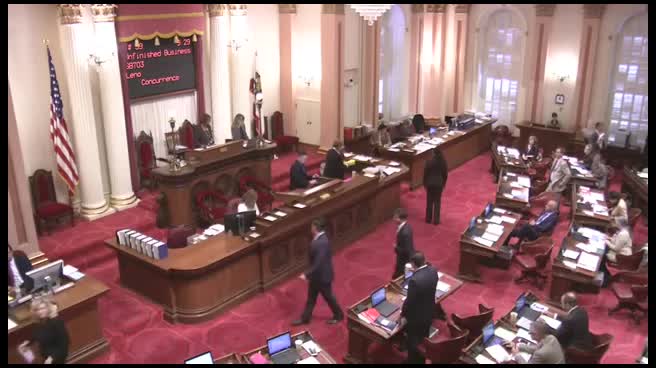
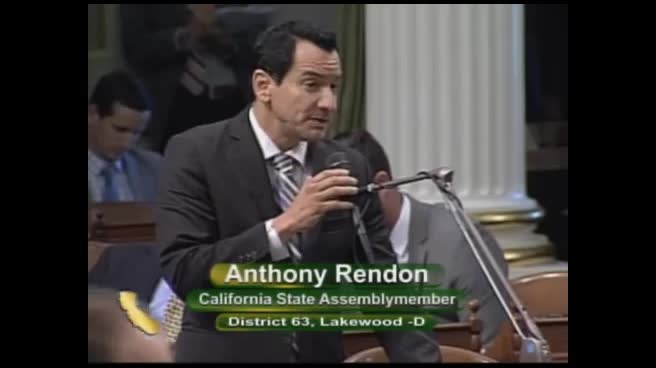
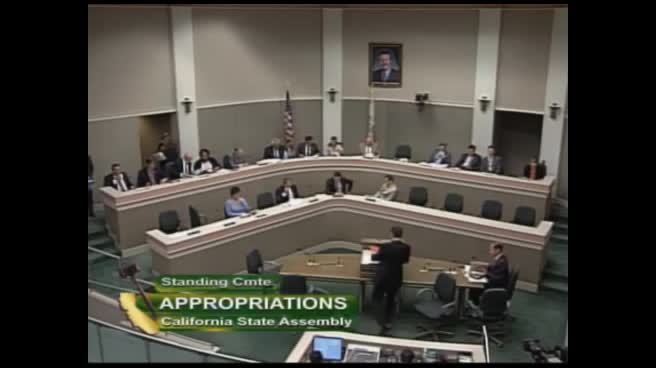
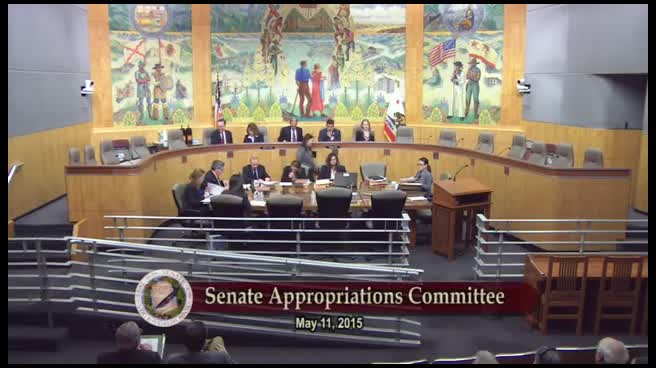
Bill Author

Bill Co-Author(s):