SB 463: School climate: Safe and Supportive Schools Train the Trainer Program.
- Session Year: 2015-2016
- House: Senate
- Latest Version Date: 2015-06-02
Existing law establishes a system of public elementary and secondary schools in this state, and authorizes local educational agencies throughout the state to provide instruction to pupils.
This bill would establish the Safe and Supportive Schools Train the Trainer Program. The bill, to the extent that one-time funding is made available in the Budget Act of 2015, would require the State Department of Education to apportion funds to a designated county office of education, selected from applicant county offices of education, that would be the fiduciary agent for the program. The bill would require the designated county office of education to consult with specified organizations stakeholders, as necessary, and to be responsible for the development or identification of professional development activities that are intended to lead to the establishment of statewide professional development support structures and a network of trainers allowing for the development and expansion of the Schoolwide Positive Behavior Interventions and Supports programs, restorative justice, social and emotional learning, trauma-informed practice, and cultural competency professional development in each region of the state, as provided.
The bill would require the Legislative Analysts Office to review the impacts of this professional development effort and report to the Governor and the Legislature on or before June 30, 2019, on specified aspects of this training. The bill would require that any funding allocated for this program be expended on or before January 1, 2019.
Existing law establishes a system of public elementary and secondary schools in this state, and authorizes local educational agencies throughout the state to provide instruction to pupils.
This bill would establish the Safe and Supportive Schools Train the Trainer Program. The bill, to the extent that one-time funding is made available in the Budget Act of 2015, would require the State Department of Education to apportion funds to a designated county office of education, selected from applicant county offices of education, that would be the fiduciary agent for the program. The bill would require the designated county office of education to consult with specified organizations and to be in charge of establishing specific responsible for the development or identification of professional development activities that will are intended to lead to the establishment of statewide professional development support structures and a network of trainers allowing for the development and expansion of the Schoolwide Positive Behavior Interventions and Supports programs, restorative justice, social and emotional learning, trauma-informed practice, and cultural competency professional development in each region of the state, as provided.
The bill would require the Legislative Analysts Office to review the impacts of this professional development effort and report to the Governor and the Legislature on or before June 30, 2019, on specified aspects of this training. The bill would require that any funding allocated for this program be expended on or before January 1, 2019.
Existing law establishes a system of public elementary and secondary schools in this state, and authorizes local educational agencies throughout the state to provide instruction to pupils.
This bill would establish the Safe and Supportive Schools Train the Trainer Program. The bill, to the extent that one-time funding is made available in the Budget Act of 2015, would require the State Department of Education to apportion funds to a designated county office of education, selected from applicant county offices of education, that would be the fiduciary agent for the program. The bill would require the designated county office of education to consult with specified organizations and to be in charge of establishing specific professional development activities that will lead to statewide professional development support structures and a network of trainers allowing for the development and expansion of the Schoolwide Positive Behavior Interventions and Supports programs, restorative justice, social and emotional learning, trauma-informed practice, and cultural competency professional development in each region of the state, as provided.
The bill would require the Legislative Analysts Office to review the impacts of this professional development effort and report to the Governor and the Legislature on or before June 30, 2019, on specified aspects of this training. The bill would require that any funding allocated for this program be expended on or before January 1, 2019.
The Legislature finds and declares all of the following:
(a)California schools issued more than 500,000 suspensions in the 201314 school year. In California, pupils of color are disproportionately subjected to out-of-school suspensions. African American pupils are three times more likely to be suspended than all other groups. Native Americans have the second highest suspension rate in the state. Studies have also shown that pupils of color are disciplined more harshly than other pupils, resulting in serious, negative educational consequences. Exclusionary school removals cause a number of correlated negative educational, economic, and social problems, including school avoidance, increased likelihood of dropping out, and involvement with the juvenile justice system. This civil rights in education crisis has come to be known as the school-to-prison pipeline.
(b) Unfortunately, too many youth, particularly pupils of color and other vulnerable groups of pupils, such as foster youth, who have been subjected to significant trauma are suspended from school each year. The American Academy of Pediatrics has found that suspension can increase stress and may predispose pupils to antisocial behavior and even suicidal ideation. Psychologists have similarly found that disciplinary exclusion policies can increase pupil shame, alienation, rejection, and breaking of healthy adult bonds, thereby exacerbating negative mental health outcomes for young people. Removing pupils from school through disciplinary exclusion also increases the risk that they will become victims of violent crime.
(c)The local control funding formula identifies school climate as a state priority. However, there are a number of school districts in hard-to-serve locations in the state that do not have access to, and are not served by, professionals who have training in research-based, schoolwide strategies that can address pupil social, emotional, and mental health learning needs. The demand for trainers and training in these practices in California has exceeded the supply.
(d)Schoolwide Positive Behavior Interventions and Supports (SW-PBIS) programs, restorative justice, social and emotional learning learning, and trauma-informed practices have been shown to address these needs while also significantly reducing suspension and expulsion rates.
(e)SW-PBIS can provide a comprehensive and collaborative prevention and intervention framework for schools to improve academic and behavioral outcomes for all pupils. Recent research from Orange County has shown that in school districts where SW-PBIS has been implemented there has been a 26-percent drop in in-school suspensions, a 55-percent drop in out-of-school suspensions, and a 30-percent drop in expulsions. Schools that have established and maintained SW-PBIS systems with integrity have teaching and learning environments that are less reactive, aversive, punitive, dangerous, and exclusionary, are more engaging, responsive, preventive, productive, and participatory, address classroom management and disciplinary issues such as attendance, cooperation, participation, and meeting positive expectations, improve support for pupils whose behavior requires more specialized or intensive assistance for emotional and behavioral disorders and mental health issues, and maximize academic engagement and achievement for all pupils.
(f)Restorative justice or restorative practices are a set of principles and practices grounded in the values of showing respect, taking responsibility, and strengthening relationships. Restorative justice is a healing practice that both prevents and responds to harmful behaviors. When harm occurs at a schoolsite, restorative justice focuses on repair of harm and prevention of reoccurrence. Restorative practice, which builds upon restorative justice and applies in the school context, is used to build a sense of school community and resolve conflict by repairing harm and restoring positive relationships through the use of regular restorative circles where pupils and educators work together to set academic goals, develop core values for the classroom community, and resolve conflicts. Practices such as peacemaking circles and restorative conferences are designed to help pupils take responsibility for their actions and repair the harm they may have caused. Through this process, pupils learn how to interact and manage their relationships. A restorative justice approach enables school personnel to intervene more effectively, increasing support without compromising accountability. A recent study regarding implementation of restorative justice in the Oakland Unified School District (OUSD) from 2011 to 2014, inclusive, found that, among other things: (1) the discipline gap between white and African American pupils decreased significantly for OUSD pupils who participated in restorative justice programs, but stayed the same for pupils who did not participate in these programs, (2) there was a 128-percent increase in the reading levels of 9th graders grade pupils at OUSD schools with restorative justice programs, compared to an 11-percent increase in schools without such programs, and (3) four-year graduation rates increased by 60 percent at OUSDs restorative justice schools in the past three years, compared to 7 percent for other schools.
(g)Trauma-informed practices are strategies and professional development for school staff integrated into a multitier intervention and prevention framework to help increase school staffs understanding regarding the impact that trauma has on pupil behavior and provide tools to address such behavior in a manner that does not retraumatize the pupil, and to develop a multilevel school-based prevention and intervention program for pupils with the highest trauma needs. At El Dorado Elementary School, where UCSF HEARTS Healthy Environments and Response to Trauma in Schools, a trauma-informed practices model, has been in operation for four years and where the school consistently tracked office discipline referral data, staff reported a 32-percent decrease in such referrals and a 42-percent decrease in violent pupil incidents after the first year.
(h)Social and emotional learning (SEL), which is a process that occurs through teaching in the classroom and reinforcement throughout the schoolday to help pupils acquire and effectively apply the knowledge, attitudes, and skills necessary to recognize and manage emotions, develop caring and concern for others, make responsible decisions, establish positive relationships, and handle challenging situations capably, has shown similar success. A meta-analysis of 213 rigorous studies of SEL found that the academic achievement scores of pupils receiving quality SEL instruction were an average of 11 percentile points higher than pupils who did not receive SEL instruction. In 20072008 200708 in the Los Angeles Unified School District, 58 percent of the model SEL schools showed 43 percent fewer discipline referrals, a 45-percent reduction in physically aggressive behavior, a 64-percent reduction in disruptive behavior, and at least 30 points of growth in academic performance. An in-depth study found that pupils who received SEL instruction had more positive attitudes about school and improved an average of 11 percentile points on standardized achievement tests compared to pupils who did not receive that instruction. Secondary benefits of SEL include improved graduation rates, reduced violence, and lowered substance abuse. SEL is a tier one universal SW-PBIS strategy for all pupils.
(i)In order to ensure that all pupils flourish academically, school districts must establish equitable discipline practices and behavioral interventions that promote positive social-emotional development and that prevent and respond to negative behaviors in order to reengage disconnected pupils. School psychologists, social workers, and mental health counselors play a critical role in implementing school-based educationally related counseling services and positive behavior systems and supports that create and reinforce positive school cultures of achievement for all pupils, including those at risk of academic failure.
(j)The local control funding formula has been passed in an effort to reform school finance and to direct funding directly to at-risk pupil populations as outlined in Section 42238.07 of the Education Code. This section states that the regulations shall require a school district to increase or improve services for unduplicated pupils. Research shows that efforts to improve school climate, safety, and learning are not separate endeavors. They must be designed, funded, and implemented as a comprehensive schoolwide approach. School districts must work to ensure through their local control and accountability plans that pupils have access to universal, targeted, and individualized psychological, behavioral, and counseling services and support that will increase their chances for academic improvement.
(k)SW-PBIS, restorative justice, trauma-informed practices, and SEL can support the local control and accountability plan priority areas of school climate and pupil engagement by providing local schools and school districts in hard-to-serve areas with the research-based framework and strategies to produce targeted pupil behavioral and academic outcomes.
(l)Restorative practices, trauma-informed practices, and social and emotional learning can be incorporated into the tiered framework of SW-PBIS to help pupils gain critical social and emotional skills, receive support to help transform trauma-related responses, and create places where pupils can understand the impact of their actions and develop meaningful consequences for repairing harm to the school community.
SEC. 2.Chapter 18.5 (commencing with Section 53305) is added to Part 28 of Division 4 of Title 2 of the Education Code, to read:18.5.Safe and Supportive Schools Train the Trainer Program53305.(a)To the extent that one-time funding is made available in the Budget Act of 2015, the department shall apportion funds to a designated county office of education to be the fiduciary agent for the Safe and Supportive Schools Train the Trainer Program. The designated county office of education shall be chosen by the Superintendent from county offices of education that apply for designation under this chapter. The designated county office of education shall identify existing professional development activities and train-the-trainer models. The designated county office of education shall be responsible for the development or identification of professional development activities that are to be available as a statewide training resource. It is the intent of the Legislature that the development or identification of this statewide training resource will lead to the establishment of statewide professional development support structures and a network of trainers allowing for the development and expansion of the Schoolwide Positive Behavior Interventions and Supports (SW-PBIS) programs, restorative justice, social and emotional learning (SEL), trauma-informed practice, and cultural competency professional development in each region of the state, with a specific focus on those regions that are underserved and do not have access to trainers in these research-based approaches.
(b)The designated county office of education shall consult with the Regional K-12 Student Mental Health Initiative, the National Alliance on Mental Illness, the California Technical Assistance Center on SW-PBIS, the California Association of School Psychologists, the California County Superintendents Educational Services Association, the California Mental Health Directors Association, Collaborative for Academic, Social, and Emotional Learning (CASEL), the University of California, San Francisco, Healthy Environments and Response to Trauma in Schools (HEARTS) project, Restorative Justice for Oakland Youth, the Restorative Schools Vision Project, the International Institute for Restorative Practices, and other nonprofit and public agencies to effectively implement these strategies throughout the state and nationally. The designated county office of education shall also select an advisory committee made up of stakeholders and professionals who have participated in the development and expansion of these programs to assist in the planning and implementation of this program. stakeholders, as necessary.
(c)Within the context of a state-level plan, funding shall be targeted to all of the following critical activities:
(1)Explaining the importance of linking research-based strategies with local control funding formula planning and local control and accountability plans, specifically with respect to the school climate and pupil engagement state priority areas.
(2)Creating regional conferences and workshops on implementation that would provide free training for school and school district teams.
(3)Establishing stipends for release time for school personnel attending these conferences.
(4)Developing best practices of current district level systems and ensuring that these best practices are widely disseminated.
(5)Establishing a cohort of free or low-cost trainers and coaches who can be available to work directly with local school districts in hard-to-serve areas that are seeking to implement research-based strategies.
(6)Developing a network of educators who are effectively implementing these practices and willing to provide coaching and training to other schools and school districts, particularly in hard-to-serve areas.
(7)Developing statewide methods for collecting and disseminating best practices in implementing research-based strategies.
(8)Developing evaluation tools to measure the effectiveness of research-based strategies.
(9)Developing specific professional development and professional learning communities for teachers utilizing these practices in their classes.
(d)The Legislative Analysts Office shall review the impacts of this professional development effort and shall report to the Governor and the Legislature on or before June 30, 2019, on the breadth and best practices of the training and any pupil outcomes impacted by this training effort.
(e)
(d)Any funding allocated for this program shall be expended on or before January 1, 2019.
The Legislature finds and declares all of the following:
(a)California schools issued more than 500,000 suspensions in the 201314 school year. In California, pupils of color are disproportionately subjected to out-of-school suspensions. African American pupils are three times more likely to be suspended than all other groups. Native Americans have the second highest suspension rate in the state. Studies have also shown that pupils of color are disciplined more harshly than other pupils, resulting in serious, negative educational consequences. Exclusionary school removals cause a number of correlated negative educational, economic, and social problems, including school avoidance, increased likelihood of dropping out, and involvement with the juvenile justice system. This civil rights in education crisis has come to be known as the school-to-prison pipeline.
(b) Unfortunately, too many youth, particularly pupils of color and other vulnerable groups of pupils, such as foster youth, who have been subjected to significant trauma are suspended from school each year. The American Academy of Pediatrics has found that suspension can increase stress and may predispose pupils to antisocial behavior and even suicidal ideation. Psychologists have similarly found that disciplinary exclusion policies can increase pupil shame, alienation, rejection, and breaking of healthy adult bonds, thereby exacerbating negative mental health outcomes for young people. Removing pupils from school through disciplinary exclusion also increases the risk that they will become victims of violent crime.
(c)The local control funding formula identifies school climate as a state priority. However, there are a number of school districts in hard-to-serve locations in the state that do not have access to, and are not served by, professionals who have training in research-based, schoolwide strategies that can address pupil social, emotional, and mental health learning needs. The demand for trainers and training in these practices in California has exceeded the supply.
(d)Schoolwide Positive Behavior Interventions and Supports (SW-PBIS) programs, restorative justice, social and emotional learning and trauma-informed practices have been shown to address these needs while also significantly reducing suspension and expulsion rates.
(e)SW-PBIS can provide a comprehensive and collaborative prevention and intervention framework for schools to improve academic and behavioral outcomes for all pupils. Recent research from Orange County has shown that in school districts where SW-PBIS has been implemented there has been a 26-percent drop in in-school suspensions, a 55-percent drop in out-of-school suspensions, and a 30-percent drop in expulsions. Schools that have established and maintained SW-PBIS systems with integrity have teaching and learning environments that are less reactive, aversive, punitive, dangerous, and exclusionary, are more engaging, responsive, preventive, productive, and participatory, address classroom management and disciplinary issues such as attendance, cooperation, participation, and meeting positive expectations, improve support for pupils whose behavior requires more specialized or intensive assistance for emotional and behavioral disorders and mental health issues, and maximize academic engagement and achievement for all pupils.
(f)Restorative justice or restorative practices are a set of principles and practices grounded in the values of showing respect, taking responsibility, and strengthening relationships. Restorative justice is a healing practice that both prevents and responds to harmful behaviors. When harm occurs at a schoolsite, restorative justice focuses on repair of harm and prevention of reoccurrence. Restorative practice, which builds upon restorative justice and applies in the school context, is used to build a sense of school community and resolve conflict by repairing harm and restoring positive relationships through the use of regular restorative circles where pupils and educators work together to set academic goals, develop core values for the classroom community, and resolve conflicts. Practices such as peacemaking circles and restorative conferences are designed to help pupils take responsibility for their actions and repair the harm they may have caused. Through this process, pupils learn how to interact and manage their relationships. A restorative justice approach enables school personnel to intervene more effectively, increasing support without compromising accountability. A recent study regarding implementation of restorative justice in the Oakland Unified School District (OUSD) from 20112014 2011 to 2014, inclusive, found that, among other things: (1) the discipline gap between white and African American pupils decreased significantly for OUSD pupils who participated in restorative justice programs, but stayed the same for pupils who did not participate in these programs, (2) there was a 128-percent increase in the reading levels of 9th graders at OUSD schools with restorative justice programs, compared to an 11-percent increase in schools without such programs, and (3) four-year graduation rates increased by 60 percent at OUSDs restorative justice schools in the past three years, compared to 7 percent for other schools.
(g)Trauma-informed practices are strategies and professional development for school staff integrated into a multitier intervention and prevention framework to help increase school staffs understanding regarding the impact that trauma has on pupil behavior and provide tools to address such behavior in a manner that does not retraumatize the pupil, and to develop a multilevel school-based prevention and intervention program for pupils with the highest trauma needs. At El Dorado Elementary School, where UCSF HEARTS Healthy Environments and Response to Trauma in Schools, a trauma-informed practices model, has been in operation for four years and where the school consistently tracked office discipline referral data, staff reported a 32-percent decrease in such referrals and a 42-percent decrease in violent pupil incidents after the first year.
(h)Social and emotional learning (SEL), which is a process that occurs through teaching in the classroom and reinforcement throughout the schoolday to help pupils acquire and effectively apply the knowledge, attitudes, and skills necessary to recognize and manage emotions, develop caring and concern for others, make responsible decisions, establish positive relationships, and handle challenging situations capably, has shown similar success. A meta-analysis of 213 rigorous studies of SEL found that the academic achievement scores of pupils receiving quality SEL instruction were an average of 11 percentile points higher than pupils who did not receive SEL instruction. In 20072008 in the Los Angeles Unified School District, 58 percent of the model SEL schools showed 43 percent fewer discipline referrals, a 45-percent reduction in physically aggressive behavior, a 64-percent reduction in disruptive behavior, and at least 30 points of growth in academic performance. An in-depth study found that pupils who received SEL instruction had more positive attitudes about school and improved an average of 11 percentile points on standardized achievement tests compared to pupils who did not receive that instruction. Secondary benefits of SEL include improved graduation rates, reduced violence, and lowered substance abuse. SEL is a tier one universal SW-PBIS strategy for all pupils.
(i)In order to ensure that all pupils flourish academically, school districts must establish equitable discipline practices and behavioral interventions that promote positive social-emotional development and that prevent and respond to negative behaviors in order to reengage disconnected pupils. School psychologists, social workers, and mental health counselors play a critical role in implementing school-based educationally related counseling services and positive behavior systems and supports that create and reinforce positive school cultures of achievement for all pupils, including those at risk of academic failure.
(j)The local control funding formula has been passed in an effort to reform school finance and to direct funding directly to at-risk pupil populations as outlined in Section 42238.07 of the Education Code. This section states that the regulations shall require a school district to increase or improve services for unduplicated pupils. Research shows that efforts to improve school climate, safety, and learning are not separate endeavors. They must be designed, funded, and implemented as a comprehensive schoolwide approach. School districts must work to ensure through their local control and accountability plans that pupils have access to universal, targeted, and individualized psychological, behavioral, and counseling services and support that will increase their chances for academic improvement.
(k)SW-PBIS, restorative justice, trauma-informed practices, and SEL can support the local control and accountability plan priority areas of school climate and pupil engagement by providing local schools and school districts in hard-to-serve areas with the research-based framework and strategies to produce targeted pupil behavioral and academic outcomes.
(l)Restorative practices, trauma-informed practices, and social and emotional learning can be incorporated into the tiered framework of SW-PBIS to help pupils gain critical social and emotional skills, receive support to help transform trauma-related responses, and create places where pupils can understand the impact of their actions and develop meaningful consequences for repairing harm to the school community.
SEC. 2.Chapter 18.5 (commencing with Section 53320) 53305) is added to Part 28 of Division 4 of Title 2 of the Education Code, to read:18.5.Safe and Supportive Schools Train the Trainer Program53320.53305.(a)To the extent that one-time funding is made available in the Budget Act of 2015, the department shall apportion funds to a designated county office of education to be the fiduciary agent for the Safe and Supportive Schools Train the Trainer Program. The designated county office of education shall be chosen by the Superintendent from county offices of education that apply for designation under this chapter. The designated county office of education shall identify existing professional development activities and train-the-trainer models. The designated county office of education shall be in charge of establishing specific responsible for the development or identification of professional development activities that will lead to are to be available as a statewide training resource. It is the intent of the Legislature that the development or identification of this statewide training resource will lead to the establishment of statewide professional development support structures and a network of trainers allowing for the development and expansion of the Schoolwide Positive Behavior Interventions and Supports (SW-PBIS) programs, restorative justice, social and emotional learning (SEL), trauma-informed practice, and cultural competency professional development in each region of the state, with a specific focus on those regions that are underserved and do not have access to trainers in these research-based approaches.
(b)The designated county office of education shall consult with the Regional K-12 Student Mental Health Initiative, the National Alliance on Mental Illness, the California Technical Assistance Center on SW-PBIS, the California Association of School Psychologists, the California County Superintendents Educational Services Association, the California Mental Health Directors Association, Collaborative for Academic, Social, and Emotional Learning (CASEL), UCSF the University of California, San Francisco, Healthy Environments and Response to Trauma in Schools (HEARTS) project, Restorative Justice for Oakland Youth, the Restorative Schools Vision Project, the International Institute for Restorative Practices, and other nonprofit and public agencies to effectively implement these strategies throughout the state and nationally. The designated county office of education shall also select an advisory committee made up of stakeholders and professionals who have participated in the development and expansion of these programs to assist in the planning and implementation of this program.
(c)Within the context of a state-level plan, funding shall be targeted to all of the following critical activities:
(1)Explaining the importance of linking research-based strategies with local control funding formula planning and local control and accountability plans, specifically with respect to the school climate and pupil engagement state priority areas.
(2)Creating regional conferences and workshops on implementation that would provide free training for school and school district teams.
(3)Establishing stipends for release time for school personnel attending these conferences.
(4)Developing best practices of current district level systems and ensuring that these best practices are widely disseminated.
(5)Establishing a cohort of free or low-cost trainers and coaches who can be available to work directly with local school districts in hard-to-serve areas that are seeking to implement research-based strategies.
(6)Developing a network of educators who are effectively implementing these practices and willing to provide coaching and training to other schools and school districts, particularly in hard-to-serve areas.
(7)Developing statewide methods for collecting and disseminating best practices in implementing research-based strategies.
(8)Developing evaluation tools to measure the effectiveness of research-based strategies.
(9)Developing specific professional development and professional learning communities for teachers utilizing these practices in their classes.
(d)The Legislative Analysts Office shall review the impacts of this professional development effort and shall report to the Governor and the Legislature on or before June 30, 2019, on the breadth and best practices of the training and any pupil outcomes impacted by this training effort.
(e)Any funding allocated for this program shall be expended on or before January 1, 2019.
The Legislature finds and declares all of the following:
(a)California schools issued more than 600,000 500,000 suspensions in the 201213 201314 school year. Recent statistics indicate that 20 percent of schoolage youth experience a functional or significant behavior or mental health disorder. Studies estimate that between 3.3 million and 10 million children in the United States witness violence in their own homes each year. Children who have experienced early, chronic trauma, such as family or community violence, can develop emotional, behavioral, cognitive, and relationship difficulties that can adversely affect their ability to learn and function well in school. Exposure to trauma is associated with a higher risk for school dropout, and in turn, dropping out of school increases the risk of being imprisoned. Behavioral problems among schoolage youth are associated with high rates of depression, experiencing a traumatic or violent event, and other significant homelife stresses. Unfortunately, In California, pupils of color are disproportionately subjected to out-of-school suspensions. African American pupils are three times more likely to be suspended than all other groups. Native Americans have the second highest suspension rate in the state. Studies have also shown that pupils of color are disciplined more harshly than other pupils, resulting in serious, negative educational consequences. Exclusionary school removals cause a number of correlated negative educational, economic, and social problems, including school avoidance, increased likelihood of dropping out, and involvement with the juvenile justice system. This civil rights in education crisis has come to be known as the school-to-prison pipeline.
(b) Unfortunately, too many youth, particularly pupils of color and other vulnerable groups of pupils, such as foster youth, who have been subjected to significant trauma are suspended from school each year. For pupils with these mental health concerns, the The American Academy of Pediatrics has found that suspension can increase stress and may predispose pupils to antisocial behavior and even suicidal ideation. Psychologists have similarly found that disciplinary exclusion policies can increase pupil shame, alienation, rejection, and breaking of healthy adult bonds, thereby exacerbating negative mental health outcomes for young people. Removing pupils from school through disciplinary exclusion also increases the risk that they will become victims of violent crime.
(b)
(c)The local control funding formula identifies school climate as a state priority. However, there are a number of school districts in hard-to-serve locations in the state that do not have access to, and are not served by, professionals who have training in research-based, schoolwide strategies that can address pupil social, emotional, and mental health learning needs. The demand for trainers and training in these practices in California has exceeded the supply.
(c)
(d)Schoolwide Positive Behavior Interventions and Supports (SW-PBIS) programs, restorative justice, social and emotional learning and trauma-informed practices have been shown to address these needs while also significantly reducing suspension and expulsion rates.
(d)
(e)SW-PBIS can provide a comprehensive and collaborative prevention and intervention framework for schools to improve academic and behavioral outcomes for all pupils. Recent research from Orange County has shown that in school districts where SW-PBIS has been implemented there has been a 26-percent drop in in-school suspensions, a 55-percent drop in out-of-school suspensions, and a 30-percent drop in expulsions. Schools that have established and maintained SW-PBIS systems with integrity have teaching and learning environments that are less reactive, aversive, punitive, dangerous, and exclusionary, are more engaging, responsive, preventive, productive, and participatory, address classroom management and disciplinary issues such as attendance, cooperation, participation, and meeting positive expectations, improve support for pupils whose behavior requires more specialized or intensive assistance for emotional and behavioral disorders and mental health issues, and maximize academic engagement and achievement for all pupils.
(e)
(f)Restorative justice or restorative practices are a set of principles and practices grounded in the values of showing respect, taking responsibility, and strengthening relationships. Restorative justice is a healing practice that both prevents and responds to harmful behaviors. When harm occurs at a schoolsite, restorative justice focuses on repair of harm and prevention of reoccurrence. Restorative practice, which builds upon restorative justice and applies in the school context, is used to build a sense of school community and resolve conflict by repairing harm and restoring positive relationships through the use of regular restorative circles where pupils and educators work together to set academic goals, develop core values for the classroom community, and resolve conflicts. Practices such as peacemaking circles and restorative conferences are designed to help pupils take responsibility for their actions and repair the harm they may have caused. Through this process, pupils learn how to interact and manage their relationships. A restorative justice approach enables school personnel to intervene more effectively, increasing support without compromising accountability. At Richmond High School in West Contra Costa Unified School District, a 2011 restorative school discipline program cut the schools nearly 500 suspensions by January 2011 by one-half by January 2012. A recent study regarding implementation of restorative justice in the Oakland Unified School District (OUSD) from 20112014 found that, among other things: (1) the discipline gap between white and African American pupils decreased significantly for OUSD pupils who participated in restorative justice programs, but stayed the same for pupils who did not participate in these programs, (2) there was a 128-percent increase in the reading levels of 9th graders at OUSD schools with restorative justice programs, compared to an 11-percent increase in schools without such programs, and (3) four-year graduation rates increased by 60 percent at OUSDs restorative justice schools in the past three years, compared to 7 percent for other schools.
(f)
(g)Trauma-informed practices are strategies and professional development for school staff integrated into a multitier intervention and prevention framework to help increase school staffs understanding regarding the impact that trauma has on pupil behavior and provide tools to address such behavior in a manner that does not retraumatize the pupil, and to develop a multilevel school-based prevention and intervention program for pupils with the highest trauma needs. At El Dorado Elementary School, where UCSF HEARTS Healthy Environments and Response to Trauma in Schools, a trauma-informed practices model, has been in operation for four years and where the school consistently tracked office discipline referral data, staff reported a 32-percent decrease in such referrals and a 42-percent decrease in violent pupil incidents after the first year.
(g)
(h)Social and emotional learning (SEL), which is a process that occurs through teaching in the classroom and reinforcement throughout the schoolday to help pupils acquire and effectively apply the knowledge, attitudes, and skills necessary to recognize and manage emotions, develop caring and concern for others, make responsible decisions, establish positive relationships, and handle challenging situations capably, has shown similar success. A meta-analysis of 213 rigorous studies of SEL found that the academic achievement scores of pupils receiving quality SEL instruction were an average of 11 percentile points higher than pupils who did not receive SEL instruction. In 20072008 in the Los Angeles Unified School District, 58 percent of the model SEL schools showed 43 percent fewer discipline referrals, a 45-percent reduction in physically aggressive behavior, a 64-percent reduction in disruptive behavior, and at least 30 points of growth in academic performance. An in-depth study found that pupils who received SEL instruction had more positive attitudes about school and improved an average of 11 percentile points on standardized achievement tests compared to pupils who did not receive that instruction. Secondary benefits of SEL include improved graduation rates, reduced violence, and lowered substance abuse. SEL is a tier one universal SW-PBIS strategy for all pupils.
(h)
(i)In order to ensure that all pupils flourish academically, school districts must establish equitable discipline practices and behavioral interventions that promote positive social-emotional development and that prevent and respond to negative behaviors in order to reengage disconnected pupils. School psychologists, social workers, and mental health counselors play a critical role in implementing school-based educationally related counseling services and positive behavior systems and supports that create and reinforce positive school cultures of achievement for all pupils, including those at risk of academic failure.
(i)
(j)The local control funding formula has been passed in an effort to reform school finance and to direct funding directly to at-risk pupil populations as outlined in Section 42238.07 of the Education Code. This section states that the regulations shall require a school district to increase or improve services for unduplicated pupils. Research shows that efforts to improve school climate, safety, and learning are not separate endeavors. They must be designed, funded, and implemented as a comprehensive schoolwide approach. School districts must work to ensure through their local control and accountability plans that pupils have access to universal, targeted, and individualized psychological, behavioral, and counseling services and support that will increase their chances for academic improvement.
(j)
(k)SW-PBIS, restorative justice, trauma-informed practices, and SEL can support the local control and accountability plan priority areas of school climate and pupil engagement by providing local schools and school districts in hard-to-serve areas with the research-based framework and strategies to produce targeted pupil behavioral and academic outcomes.
(k)
(l)Restorative practices, trauma-informed practices, and social and emotional learning can be incorporated into the tiered framework of SW-PBIS to help pupils gain critical social and emotional skills, receive support to help transform trauma-related responses, and create places where pupils can understand the impact of their actions and develop meaningful consequences for repairing harm to the school community.
SEC. 2.Chapter 18.5 (commencing with Section 53320) is added to Part 28 of Division 4 of Title 2 of the Education Code, to read:18.5.Safe and Supportive Schools Train the Trainer Program53320.(a)To the extent that one-time funding is made available in the Budget Act of 2015, the department shall apportion funds to a designated county office of education to be the fiduciary agent for the Safe and Supportive Schools Train the Trainer Program. The designated county office of education shall be chosen by the Superintendent from county offices that apply for designation under this chapter. The designated county office of education shall be in charge of establishing specific professional development activities that will lead to statewide professional development support structures and a network of trainers allowing for the development and expansion of the Schoolwide Positive Behavior Interventions and Supports (SW-PBIS) programs, restorative justice, social and emotional learning (SEL), trauma-informed practice, and cultural competency professional development in each region of the state, with a specific focus on those regions that are underserved and do not have access to trainers in these research-based approaches.
(b)The designated county office of education shall consult with the Regional K-12 Student Mental Health Initiative, the National Alliance on Mental Illness, the California Technical Assistance Center on SW-PBIS, the California Association of School Psychologists, the California County Superintendents Educational Services Association, the California Mental Health Directors Association, Collaborative for Academic, Social, and Emotional Learning (CASEL), UCSF Healthy Environments and Response to Trauma in Schools (HEARTS) project, Restorative Justice for Oakland Youth, the Restorative Schools Vision Project, the International Institute for Restorative Practices, and other nonprofit and public agencies to effectively implement these strategies throughout the state and nationally. The designated county office of education shall also select an advisory committee made up of stakeholders and professionals who have participated in the development and expansion of these programs to assist in the planning and implementation of this program.
(c)Within the context of a state-level plan, funding shall be targeted to all of the following critical activities:
(1)Explaining the importance of linking research-based strategies with local control funding formula planning and local control and accountability plans, specifically with respect to the school climate and pupil engagement state priority areas.
(2)Creating regional conferences and workshops on implementation that would provide free training for school and school district teams.
(3)Establishing stipends for release time for school personnel attending these conferences.
(4)Developing best practices of current district level systems and ensuring that these best practices are widely disseminated.
(5)Establishing a cohort of free or low-cost trainers and coaches who can be available to work directly with local school districts in hard-to-serve areas that are seeking to implement research-based strategies.
(6)Developing a network of educators who are effectively implementing these practices and willing to provide coaching and training to other schools and school districts, particularly in hard-to-serve areas.
(7)Developing statewide methods for collecting and disseminating best practices in implementing research-based strategies.
(8)Developing evaluation tools to measure the effectiveness of research-based strategies.
(9)Developing specific professional development and professional learning communities for teachers utilizing these practices in their classes.
(d)The Legislative Analysts Office shall review the impacts of this professional development effort and shall report to the Governor and the Legislature on or before June 30, 2019, on the breadth and best practices of the training and any pupil outcomes impacted by this training effort.
(e)Any funding allocated for this program shall be expended on or before January 1, 2019.
The Legislature finds and declares all of the following:
(a)California schools issued more than 600,000 suspensions in the 201213 school year. Recent statistics indicate that 20 percent of schoolage youth experience a functional or significant behavior or mental health disorder. Studies estimate that between 3.3 million and 10 million children in the United States witness violence in their own homes each year. Children who have experienced early, chronic trauma, such as family or community violence, can develop emotional, behavioral, cognitive, and relationship difficulties that can adversely affect their ability to learn and function well in school. Exposure to trauma is associated with a higher risk for school dropout, and in turn, dropping out of school increases the risk of being imprisoned. Behavioral problems among schoolage youth are associated with high rates of depression, experiencing a traumatic or violent event, and other significant homelife stresses. Unfortunately, too many youth, particularly pupils of color and other vulnerable groups of pupils, such as foster youth, who have been subjected to significant trauma are suspended from school each year. For pupils with these mental health concerns, the American Academy of Pediatrics has found that suspension can increase stress and may predispose pupils to antisocial behavior and even suicidal ideation. Psychologists have similarly found that disciplinary exclusion policies can increase pupil shame, alienation, rejection, and breaking of healthy adult bonds, thereby exacerbating negative mental health outcomes for young people. Removing pupils from school through disciplinary exclusion also increases the risk that they will become victims of violent crime.
(b)The local control funding formula identifies school climate as a state priority. However, there are a number of school districts in hard-to-serve locations in the state that do not have access to, and are not served by, professionals who have training in research-based, schoolwide strategies that can address pupil social, emotional, and mental health learning needs. The demand for trainers and training in these practices in California has exceeded the supply.
(c)Schoolwide Positive Behavior Interventions and Supports (SW-PBIS) programs, restorative justice, social and emotional learning and trauma-informed practices have been shown to address these needs while also significantly reducing suspension and expulsion rates.
(d)SW-PBIS can provide a comprehensive and collaborative prevention and intervention framework for schools to improve academic and behavioral outcomes for all pupils. Recent research from Orange County has shown that in school districts where SW-PBIS has been implemented there has been a 26-percent drop in in-school suspensions, a 55-percent drop in out-of-school suspensions, and a 30-percent drop in expulsions. Schools that have established and maintained SW-PBIS systems with integrity have teaching and learning environments that are less reactive, aversive, punitive, dangerous, and exclusionary, are more engaging, responsive, preventive, productive, and participatory, address classroom management and disciplinary issues such as attendance, cooperation, participation, and meeting positive expectations, improve support for pupils whose behavior requires more specialized or intensive assistance for emotional and behavioral disorders and mental health issues, and maximize academic engagement and achievement for all pupils.
(e)Restorative justice or restorative practices are a set of principles and practices grounded in the values of showing respect, taking responsibility, and strengthening relationships. When harm occurs at a schoolsite, restorative justice focuses on repair of harm and prevention of reoccurrence. Restorative practice, which builds upon restorative justice and applies in the school context, is used to build a sense of school community and resolve conflict by repairing harm and restoring positive relationships through the use of regular restorative circles where pupils and educators work together to set academic goals, develop core values for the classroom community, and resolve conflicts. Practices such as peacemaking circles and restorative conferences are designed to help pupils take responsibility for their actions and repair the harm they may have caused. Through this process, pupils learn how to interact and manage their relationships. A restorative justice approach enables school personnel to intervene more effectively, increasing support without compromising accountability. At Richmond High School in West Contra Costa Unified School District, a 2011 restorative school discipline program cut the schools nearly 500 suspensions by January 2011 by one-half by January 2012.
(f)Trauma-informed practices are strategies and professional development for school staff integrated into a multitier intervention and prevention framework to help increase school staffs understanding regarding the impact that trauma has on pupil behavior and provide tools to address such behavior in a manner that does not retraumatize the pupil, and to develop a multilevel school-based prevention and intervention program for pupils with the highest trauma needs. At El Dorado Elementary School, where UCSF HEARTS Healthy Environments and Response to Trauma in Schools, a trauma-informed practices model, has been in operation for four years and where the school consistently tracked office discipline referral data, staff reported a 32-percent decrease in such referrals and a 42-percent decrease in violent pupil incidents after the first year.
(g)Social and emotional learning (SEL), which is a process that occurs through teaching in the classroom and reinforcement throughout the schoolday to help pupils acquire and effectively apply the knowledge, attitudes, and skills necessary to recognize and manage emotions, develop caring and concern for others, make responsible decisions, establish positive relationships, and handle challenging situations capably, has shown similar success. A meta-analysis of 213 rigorous studies of SEL found that the academic achievement scores of pupils receiving quality SEL instruction were an average of 11 percentile points higher than pupils who did not receive SEL instruction. In 20072008 in the Los Angeles Unified School District, 58 percent of the model SEL schools showed 43 percent fewer discipline referrals, a 45-percent reduction in physically aggressive behavior, a 64-percent reduction in disruptive behavior, and at least 30 points of growth in academic performance. An in-depth study found that pupils who received SEL instruction had more positive attitudes about school and improved an average of 11 percentile points on standardized achievement tests compared to pupils who did not receive that instruction. Secondary benefits of SEL include improved graduation rates, reduced violence, and lowered substance abuse. SEL is a tier one universal SW-PBIS strategy for all pupils.
(h)In order to ensure that all pupils flourish academically, school districts must establish equitable discipline practices and behavioral interventions that promote positive social-emotional development and that prevent and respond to negative behaviors in order to reengage disconnected pupils. School psychologists, social workers, and mental health counselors play a critical role in implementing school-based educationally related counseling services and positive behavior systems and supports that create and reinforce positive school cultures of achievement for all pupils, including those at risk of academic failure.
(i)The local control funding formula has been passed in an effort to reform school finance and to direct funding directly to at-risk pupil populations as outlined in Section 42238.07 of the Education Code. This section states that the regulations shall require a school district to increase or improve services for unduplicated pupils. Research shows that efforts to improve school climate, safety, and learning are not separate endeavors. They must be designed, funded, and implemented as a comprehensive schoolwide approach. School districts must work to ensure through their local control and accountability plans that pupils have access to universal, targeted, and individualized psychological, behavioral, and counseling services and support that will increase their chances for academic improvement.
(j)SW-PBIS, restorative justice, trauma-informed practices, and SEL can support the local control and accountability plan priority areas of school climate and pupil engagement by providing local schools and school districts in hard-to-serve areas with the research-based framework and strategies to produce targeted pupil behavioral and academic outcomes.
(k)Restorative practices, trauma-informed practices, and social and emotional learning can be incorporated into the tiered framework of SW-PBIS to help pupils gain critical social and emotional skills, receive support to help transform trauma-related responses, and create places where pupils can understand the impact of their actions and develop meaningful consequences for repairing harm to the school community.
SEC. 2.Chapter 18.5 (commencing with Section 53320) is added to Part 28 of Division 4 of Title 2 of the Education Code, to read:18.5.Safe and Supportive Schools Train the Trainer Program53320.(a)To the extent that one-time funding is made available in the Budget Act of 2015, the department shall apportion funds to a designated county office of education to be the fiduciary agent for the Safe and Supportive Schools Train the Trainer Program. The designated county office of education shall be chosen by the Superintendent from county offices that apply for designation under this chapter. The designated county office of education shall be in charge of establishing specific professional development activities that will lead to statewide professional development support structures and a network of trainers allowing for the development and expansion of the Schoolwide Positive Behavior Interventions and Supports (SW-PBIS) programs, restorative justice, social and emotional learning (SEL), trauma-informed practice, and cultural competency professional development in each region of the state, with a specific focus on those regions that are underserved and do not have access to trainers in these research-based approaches.
(b)The designated county office of education shall consult with the Regional K-12 Student Mental Health Initiative, the National Alliance on Mental Illness, the California Technical Assistance Center on SW-PBIS, the California County Superintendents Educational Services Association, the California Mental Health Directors Association, Collaborative for Academic, Social, and Emotional Learning (CASEL), UCSF Healthy Environments and Response to Trauma in Schools (HEARTS) project, Restorative Justice for Oakland Youth, the International Institute for Restorative Practices, and other nonprofit and public agencies to effectively implement these strategies throughout the state and nationally. The designated county office of education shall also select an advisory committee made up of stakeholders and professionals who have participated in the development and expansion of these programs to assist in the planning and implementation of this program.
(c)Within the context of a state-level plan, funding shall be targeted to all of the following critical activities:
(1)Explaining the importance of linking research-based strategies with local control funding formula planning and local control and accountability plans, specifically with respect to the school climate and pupil engagement state priority areas.
(2)Creating regional conferences and workshops on implementation that would provide free training for school and school district teams.
(3)Establishing stipends for release time for school personnel attending these conferences.
(4)Developing best practices of current district level systems and ensuring that these best practices are widely disseminated.
(5)Establishing a cohort of free or low-cost trainers and coaches who can be available to work directly with local school districts in hard-to-serve areas that are seeking to implement research-based strategies.
(6)Developing a network of educators who are effectively implementing these practices and willing to provide coaching and training to other schools and school districts, particularly in hard-to-serve areas.
(7)Developing statewide methods for collecting and disseminating best practices in implementing research-based strategies.
(8)Developing evaluation tools to measure the effectiveness of research-based strategies.
(9)Developing specific professional development and professional learning communities for teachers utilizing these practices in their classes.
(d)The Legislative Analysts Office shall review the impacts of this professional development effort and shall report to the Governor and the Legislature on or before June 30, 2019, on the breadth and best practices of the training and any pupil outcomes impacted by this training effort.
(e)Any funding allocated for this program shall be expended on or before January 1, 2019.
|
Date
|
Status
|
|---|---|
| May 1, 2015 | Set for hearing May 11. |
| Jun 18, 2015 | Referred to Com. on ED. |
| Jun 4, 2015 | In Assembly. Read first time. Held at Desk. |
| Jun 3, 2015 | Read third time. Passed. (Ayes 29. Noes 11.) Ordered to the Assembly. |
| Jun 3, 2015 | Read third time. Passed. (Ayes 29. Noes 11. Page 1305.) Ordered to the Assembly. |
| Jun 2, 2015 | Read second time and amended. Ordered to third reading. |
| Jun 1, 2015 | From committee: Do pass as amended. (Ayes 5. Noes 2.) (May 28). |
| Jun 1, 2015 | From committee: Do pass as amended. (Ayes 5. Noes 2. Page 1154.) (May 28). |
| May 23, 2015 | Set for hearing May 28. |
| May 11, 2015 | May 11 hearing: Placed on APPR. suspense file. |
| Feb 25, 2015 | Introduced. Read first time. To Com. on RLS. for assignment. To print. |
| Apr 23, 2015 | Read second time and amended. Re-referred to Com. on APPR. |
| Apr 22, 2015 | From committee: Do pass as amended and re-refer to Com. on APPR. (Ayes 7. Noes 1. Page 647.) (April 15). |
| Apr 6, 2015 | From committee with author's amendments. Read second time and amended. Re-referred to Com. on ED. |
| Apr 2, 2015 | Set for hearing April 15. |
| Apr 1, 2015 | April 8 set for first hearing canceled at the request of author. |
| Mar 20, 2015 | Set for hearing April 8. |
| Mar 5, 2015 | Referred to Com. on ED. |
| Feb 26, 2015 | From printer. May be acted upon on or after March 28. |
|
Date
|
Description
|
Location
|
Votes
|
|
|---|---|---|---|---|
| Jun 3, 2015 | Senate 3rd Reading SB463 Hancock | Senate Floor |
Passed |
|
| May 28, 2015 | Do pass as amended | Senate Standing Committee on Appropriations |
Passed |
|
| May 11, 2015 | Placed on suspense file | Senate Standing Committee on Appropriations |
Passed |
|
| Apr 15, 2015 | Do pass as amended, but first amend, and re-refer to the Committee on [Appropriations] | Senate Standing Committee on Education |
Passed |
This list shows positions taken on this bill by organizations on the date displayed, which is linked to the original source.
Positions by individuals are not included.
|
Organization
|
Position
|
Date
|
|---|---|---|
| Alliance for Boys and Men of Color | ** Support | Jun 3, 2015 |
| Black Parallel School board | ** Support | Jun 3, 2015 |
| California Association Of School Psychologists | ** Support | Jun 3, 2015 |
| California NOW | ** Support | Jun 3, 2015 |
| Community Strategy Center's Community Rights Campaign | ** Support | Jun 3, 2015 |
| Dolores Huerta Foundation | ** Support | Jun 3, 2015 |
| Fight Crime: Invest in Kids California | ** Support | Jun 3, 2015 |
| Legal Services for Children | ** Support | Jun 3, 2015 |
| National Association of Social Workers - California | ** Support | Jun 3, 2015 |
| National Center for Youth Law | ** Support | Jun 3, 2015 |
| Policy Link | ** Support | Jun 3, 2015 |
| Public Counsel | ** Support | Jun 3, 2015 |
| Restorative Schools Vision Project | ** Support | Jun 3, 2015 |
| Students First | ** Support | Jun 3, 2015 |
| u None received. | ** Against | Jun 3, 2015 |
| Violence Prevention Coalition | ** Support | Jun 3, 2015 |
SB 463 (Hancock) Page 3 of 3
SENATE COMMITTEE ON APPROPRIATIONS
Senator Ricardo Lara, Chair
2015 - 2016 Regular Session
SB 463 (Hancock) - School climate: Safe and Supportive Schools Train the Trainer Program.
|
|
Version: April 23, 2015 |
Policy Vote: ED. 7 - 1 |
Urgency: No |
Mandate: No |
Hearing Date: May 28, 2015 |
Consultant: Jillian Kissee |
SUSPENSE FILE. AS AMENDED.
Bill Summary:
This bill requires the California Department of Education (CDE), to the extent that funding is available in the Budget Act of 2015, to designate a county office of education to be the fiduciary agent for the Safe and Supportive Schools Train the Trainer Program.
Fiscal Impact (as approved on May 28, 2015):
This bill is contingent upon one-time funding made available in the Budget Act of 2015. Costs would likely be in the low millions Proposition 98 General Fund to implement this program as prescribed, over four years.
Additional, potentially significant, General Fund costs to the CDE to develop and monitor the contract with the designated county office of education.
Background:
Positive behavior interventions and supports
Current law
encourages schools, as comprehensive school safety plans are reviewed
and updated, to include in school safety plans clear guidelines for
the roles and responsibilities of mental health professionals,
community intervention professionals, school counselors, school
resource officers, and police officers on school campus, if the
school district uses these people. The guidelines may include
primary strategies to create and maintain a positive school climate,
promote school safety, and increase pupil achievement, and prioritize
mental health and intervention services, restorative and
transformative justice programs, and positive behavior interventions
and support. (Education Code § 32282.1)
Current law also
provides that corrective action other than out-of-school suspension
includes study teams, guidance teams, resource panel teams, or other
intervention-related teams that assess the behavior, and develop and
implement individualized plans to address the behavior in partnership
with the pupil and his or her parents. (EC § 48900.5)
In
addition, existing law requires that the individualized education
team for each student with exceptional needs consider the use of
positive behavioral interventions and supports for students whose
behavior impedes his or her learning. (EC § 56341.1)
Multi-tiered interventions
Many schools
voluntarily follow models of tiered interventions to address student
needs prior to imposing discipline or making referrals to special
education. Models include Schoolwide Positive Behavior Interventions
and Supports, Response to Intervention and Positive Environments
Network of Trainers. Typically, the base tier is a schoolwide
approach involving instruction and school climate. The middle tier
is targeted to students who did not respond to the schoolwide efforts
and involved more intense interventions such as tutoring. The top
tier focuses on a smaller group of students who continue to need
support and may include very intense and frequent services such as
counseling.
Proposed Law:
This bill requires, to the extent that one-time funding is provided in the Budget Act of 2015, the CDE to apportion funds to a designated county office of education to be the fiduciary agent for the Safe and Supportive Train the Trainer Program. CDE is required to choose the designated county office of education from those that apply.
This bill provides legislative intent that the development or identification of the statewide training resource will lead to the establishment of statewide professional development support structures and a network of trainers allowing for the development and expansion of certain research-based strategies, such as Schoolwide Positive Behavior Interventions and Supports programs.
It requires the county office of education to select an advisory committee with relevant experience to assist in the planning and implementation of this program and to consult with numerous specific organizations to implement these strategies throughout the state and nationally.
This bill requires funding to be allocated to support a number of specific activities as part of a state-level plan, such as:
Explaining the importance of linking research-based strategies with local control and accountability plans and related state priority areas of student engagement and school climate;
Providing regional conferences on implementation, including free training for school and school district teams and stipends for release time for school personnel attending these conferences;
Developing best practices and ensuring that they are widely disseminated;
Establishing a cohort of free or low-cost trainers and a network of educators who can work directly with local school districts;
Developing statewide methods for collecting and disseminating best practices in implementing research-based strategies; and
Developing specific professional development and communities for teachers using these practices in their classes.
This bill also requires the Legislative Analyst’s Office to review the impacts of this professional development effort and report to the Governor and Legislature on the breadth and best practices of the training and any student outcomes impacted by this effort.
Finally, this bill requires that any funding allocated for this program is to be expended by January 1, 2019.
Related Legislation:
AB
1133 (Achadjian, 2015) requires the State Public Health Officer to
establish a four-year pilot program to, among other things, provide
free regional training and technical assistance in support services
that include intervention and prevention services. AB 1133 is
pending in the Assembly Appropriations Committee.
AB 1025
(Thurmond, 2015) requires the CDE to establish a three-year pilot
program to encourage inclusive practices that integrate mental
health, special education, and school climate interventions following
a multi-tiered framework. AB 1025 is pending in the Assembly
Appropriations Committee.
SB 1396 (Hancock, 2014)
required the CDE, to the extent one-time funding is available in the
2014-15 Budget Act, to designate funds to a county office of
education to establish professional development activities to support
the development and expansion of multi-tiered intervention and
support programs, including but not limited to, schoolwide positive
behavior intervention and support. SB 1396 was held on the Assembly
Appropriations Committee’s suspense file.
SB 596 (Yee,
2014) required the California Department of Education (CDE) to
establish a three-year pilot program to encourage inclusive practices
that integrate mental health, special education, and school climate
interventions following a multi-tiered framework. SB 596 was held in
the Assembly.
Staff Comments:
The Legislative Analyst’s Office has indicated that it believes it is not well suited to conduct the evaluation as prescribed in this bill as it would require significant local data collection. It is unclear whether the LAO would be able to conduct this study and the staff effort it might take. Therefore, the LAO would need at a minimum, $100,000 General Fund to address this workload.
Committee amendments (as adopted on May 28, 2015): Amendments reduce requirements regarding the entities the designated county office of education must consult and remove the LAO reporting requirement.
-- END --
SB 463
Page 6
|
Office of Senate Floor Analyses (916) 651-1520 Fax: (916) 327-4478 |
THIRD READING
Bill No: SB 463
Amended: 6/2/15
SENATE EDUCATION COMMITTEE: 7-1, 4/15/15
AYES: Liu, Block, Hancock, Leyva, Mendoza, Pan, Vidak
NOES: Huff
SENATE APPROPRIATIONS COMMITTEE: 5-2, 5/28/15
AYES: Lara, Beall, Hill, Leyva, Mendoza
NOES: Bates, Nielsen
SUBJECT: School climate: Safe and Supportive Schools Train the Trainer Program
SOURCE: California Association of School Psychologists
Public Counsel
DIGEST: This bill requires the California Department of Education, to the extent that funding is available in the Budget Act of 2015, to designate a county office of education to be the fiduciary agent for the Safe and Supportive Schools Train the Trainer Program.
Existing law:
Encourages schools, as comprehensive school safety plans are reviewed and updated, to include in school safety plans clear guidelines for the roles and responsibilities of mental health professionals, community intervention professionals, school counselors, school resource officers, and police officers on school campus, if the school district uses these people. The guidelines may include primary strategies to create and maintain a positive school climate, promote school safety, and increase pupil achievement, and prioritize mental health and intervention services, restorative and transformative justice programs, and positive behavior interventions and support. (Education Code § 32282.1)
Provides that corrective action other than out-of-school suspension includes study teams, guidance teams, resource panel teams, or other intervention-related teams that assess the behavior, and develop and implement individualized plans to address the behavior in partnership with the pupil and his or her parents. (EC § 48900.5)
Requires that the individualized education team for each student with exceptional needs consider the use of positive behavioral interventions and supports for students whose behavior impedes his or her learning. (EC § 56341.1)
This bill:
Requires the California Department of Education (CDE), to the extent that funding is available in the Budget Act of 2015, to designate a county office of education to be the fiduciary agent for the Safe and Supportive Schools Train the Trainer Program.
Requires the designated county office of education to be chosen by the Superintendent of Public Instruction (SPI) from county offices that apply for designation.
Requires the designated county office of education to identify existing professional development activities and train-the-trainer models.
Requires the designated county office of education to responsible for the development or identification of professional development activities that are available as a statewide training resource.
Requires the designated county office of education to consult with stakeholders, as necessary.
Requires funding to be targeted to all of the following critical activities, within the context of a state-level plan:
Explaining the importance of linking research-based strategies with local control funding formula planning and local control and accountability plans, specifically with respect to the school climate and student engagement state priority areas.
Creating regional conferences and workshops on implementation that would provide free training for school and school district teams.
Establishing stipends for release time for school personnel attending these conferences.
Developing best practices of current district level systems and ensuring that these best practices are widely disseminated.
Establishing a cohort of free or low-cost trainers and coaches who can be available to work directly with local school districts in hard-to-serve areas that are seeking to implement research-based strategies.
Developing a network of educators who are effectively implementing these practices and willing to provide coaching and training to other schools and school districts, particularly in hard-to-serve areas.
Developing statewide methods for collecting and disseminating best practices in implementing research-based strategies.
Developing evaluation tools to measure the effectiveness of research-based strategies.
Developing specific professional development and professional learning communities for teachers utilizing these practices in their classes.
Requires any funding allocated for this program to be expended by January 1, 2019.
States legislative intent that the development or identification of a statewide training resource will lead to the establishment of statewide professional development support structures and a network of trainers allowing for the development and expansion of the Schoolwide Positive Behavior Interventions and Supports programs, restorative justice, social and emotional learning, trauma-informed practice, and cultural competency professional development in each region of the state, with a specific focus on those regions that are underserved and do not have access to trainers in these research-based approaches.
States legislative findings and declarations relative to out-of-school suspension, the identification of school climate as a state priority, and strategies and practices that address student needs while reducing suspension and expulsion rates.
Background
Many schools voluntarily follow models of tiered interventions to address student needs prior to imposing discipline or making referrals to special education. Models include Schoolwide Positive Behavior Interventions and Supports, Response to Intervention and Positive Environments Network of Trainers. Typically, the base tier is a schoolwide approach involving instruction, school climate, etc. The middle tier is targeted to students who did not respond to the schoolwide efforts and involved more intense interventions such as tutoring. The top tier focuses on a smaller group of students who continue to need support and may include very intense and frequent services such as counseling.
The Student Success Team, formerly Student Study Team, is a positive schoolwide early identification and intervention process. Working as a team, the student, parent, teacher and school administrator identify the student's strengths and assets upon which an improvement plan can be designed. As a regular school process, the team intervenes with school and community support and an improvement plan that all team members agree to follow. Follow-up meetings are planned to provide a continuous casework management strategy to ensure the needs of students are met.
Comments
How
many schools currently implement? Many schools voluntarily
follow models of tiered interventions and restorative justice to
address student needs prior to imposing discipline or making
referrals to special education. Statewide data on the current
implementation of such frameworks or programs is not collected.
Existing
resources. The CDE’s Web site includes an implementation and
technical assistance guide for response to intervention, and
information on multi-tiered systems of support.
[http://www.cde.ca.gov/be/pn/im/documents/memo-ilsb-plsd-oct13item02.doc]
The Positive Environments, Network of Trainers is a positive
behavior initiative that disseminates through its website information
and resources regarding the use of proactive positive strategies.
[http://www.pent.ca.gov/]
Designated county office of education. This bill requires the SPI to select the designated county office of education from those that apply for such designation. This bill does not establish an application process or guidance for the selection of the appropriate county office, thereby giving the SPI complete discretion to determine if the county office is capable of meeting the fiduciary responsibilities and other requirements of this bill.
Budget. The May Revise of the 2015 Budget Act includes $10 million to provide technical assistance and build statewide resources to assist local educational agencies interested in implementing school-wide, data-driven systems of support and intervention.
FISCAL EFFECT: Appropriation: No Fiscal Com.: Yes Local: No
According to the Senate Appropriations Committee:
This bill is contingent upon one-time funding made available in the Budget Act of 2015. To fund this program, costs would likely be in the low millions Proposition 98 General Fund to implement this program, as prescribed, over four years.
Additional General Fund costs to the CDE are likely to be significant to develop and monitor the contract with the designated county office of education.
California Association of School Psychologists (co-source)
Public Counsel (co-source)
Alliance for Boys and Men of Color
Black Parallel School Board
California Now
Children’s Defense Fund California
Dolores Huerta Foundation
Fight Crime: Invest in Kids California
Legal Services for Children
National Association of Social Workers – California
National Center for Youth Law
Policy Link
Restorative Schools Vision Project
Students First
The Gay and Lesbian Community Services Center of Orange County
The Labor/Community Strategy Center’s Community Rights Campaign
Violence Prevention Coalition of Greater Los Angeles
None received
ARGUMENTS IN SUPPORT: According to this bill’s sponsor, California Association of School Psychologists, one of the most important goals at every school should be the creation of positive cultures in schools. Positive Behavior Interventions and Supports is one of the most effective approaches to creating a positive school culture. The Positive Behavior Interventions and Supports multi-tiered support systems framework addresses at least five critical areas of the required Local Control and Accountability Plan.
Prepared by: Lynn Lorber / ED. / (916) 651-4105
6/2/15 14:45:00
**** END ****
SB 463 (Hancock) Page 3 of 3
SENATE COMMITTEE ON APPROPRIATIONS
Senator Ricardo Lara, Chair
2015 - 2016 Regular Session
SB 463 (Hancock) - School climate: Safe and Supportive Schools Train the Trainer Program.
|
|
Version: April 23, 2015 |
Policy Vote: ED. 7 - 1 |
Urgency: No |
Mandate: No |
Hearing Date: May 11, 2015 |
Consultant: Jillian Kissee |
This bill meets the criteria for referral to the Suspense File.
Bill Summary:
This bill requires the California Department of Education (CDE), to the extent that funding is available in the Budget Act of 2015, to designate a county office of education to be the fiduciary agent for the Safe and Supportive Schools Train the Trainer Program.
Fiscal Impact:
This bill is contingent upon one-time funding made available in the Budget Act of 2015. To fund this program, costs would likely be in the low millions Proposition 98 General Fund to implement this program, as prescribed, over four years.
Additional General Fund costs to the California Department of Education are likely to be significant to develop and monitor the contract with the designated county office of education.
The Legislative Analyst’s Office indicates that it will incur costs of at least $100,000 General Fund to conduct the study as required by this bill. (see staff comments)
Background:
Positive behavior interventions and supports
Current law
encourages schools, as comprehensive school safety plans are reviewed
and updated, to include in school safety plans clear guidelines for
the roles and responsibilities of mental health professionals,
community intervention professionals, school counselors, school
resource officers, and police officers on school campus, if the
school district uses these people. The guidelines may include
primary strategies to create and maintain a positive school climate,
promote school safety, and increase pupil achievement, and prioritize
mental health and intervention services, restorative and
transformative justice programs, and positive behavior interventions
and support. (Education Code § 32282.1)
Current law also
provides that corrective action other than out-of-school suspension
includes study teams, guidance teams, resource panel teams, or other
intervention-related teams that assess the behavior, and develop and
implement individualized plans to address the behavior in partnership
with the pupil and his or her parents. (EC § 48900.5)
In
addition, existing law requires that the individualized education
team for each student with exceptional needs consider the use of
positive behavioral interventions and supports for students whose
behavior impedes his or her learning. (EC § 56341.1)
Multi-tiered interventions
Many schools
voluntarily follow models of tiered interventions to address student
needs prior to imposing discipline or making referrals to special
education. Models include Schoolwide Positive Behavior Interventions
and Supports, Response to Intervention and Positive Environments
Network of Trainers. Typically, the base tier is a schoolwide
approach involving instruction and school climate. The middle tier
is targeted to students who did not respond to the schoolwide efforts
and involved more intense interventions such as tutoring. The top
tier focuses on a smaller group of students who continue to need
support and may include very intense and frequent services such as
counseling.
Proposed Law:
This bill requires, to the extent that one-time funding is provided in the Budget Act of 2015, the CDE to apportion funds to a designated county office of education to be the fiduciary agent for the Safe and Supportive Train the Trainer Program. CDE is required to choose the designated county office of education from those that apply.
This bill provides legislative intent that the development or identification of the statewide training resource will lead to the establishment of statewide professional development support structures and a network of trainers allowing for the development and expansion of certain research-based strategies, such as Schoolwide Positive Behavior Interventions and Supports programs.
It requires the county office of education to select an advisory committee with relevant experience to assist in the planning and implementation of this program and to consult with numerous specific organizations to implement these strategies throughout the state and nationally.
This bill requires funding to be allocated to support a number of specific activities as part of a state-level plan, such as:
Explaining the importance of linking research-based strategies with local control and accountability plans and related state priority areas of student engagement and school climate;
Providing regional conferences on implementation, including free training for school and school district teams and stipends for release time for school personnel attending these conferences;
Developing best practices and ensuring that they are widely disseminated;
Establishing a cohort of free or low-cost trainers and a network of educators who can work directly with local school districts;
Developing statewide methods for collecting and disseminating best practices in implementing research-based strategies; and
Developing specific professional development and communities for teachers using these practices in their classes.
This bill also requires the Legislative Analyst’s Office to review the impacts of this professional development effort and report to the Governor and Legislature on the breadth and best practices of the training and any student outcomes impacted by this effort.
Finally, this bill requires that any funding allocated for this program is to be expended by January 1, 2019.
Related Legislation:
AB
1133 (Achadjian, 2015) requires the State Public Health Officer to
establish a four-year pilot program to, among other things, provide
free regional training and technical assistance in support services
that include intervention and prevention services. AB 1133 is
pending in the Assembly Appropriations Committee.
AB 1025
(Thurmond, 2015) requires the CDE to establish a three-year pilot
program to encourage inclusive practices that integrate mental
health, special education, and school climate interventions following
a multi-tiered framework. AB 1025 is pending in the Assembly
Appropriations Committee.
SB 1396 (Hancock, 2014)
required the CDE, to the extent one-time funding is available in the
2014-15 Budget Act, to designate funds to a county office of
education to establish professional development activities to support
the development and expansion of multi-tiered intervention and
support programs, including but not limited to, schoolwide positive
behavior intervention and support. SB 1396 was held on the Assembly
Appropriations Committee’s suspense file.
SB 596 (Yee,
2014) required the California Department of Education (CDE) to
establish a three-year pilot program to encourage inclusive practices
that integrate mental health, special education, and school climate
interventions following a multi-tiered framework. SB 596 was held in
the Assembly.
Staff Comments:
The Legislative Analyst’s Office has indicated that it believes it is not well suited to conduct the evaluation as prescribed in this bill as it would require significant local data collection. It is unclear whether the LAO would be able to conduct this study and the staff effort it might take. Therefore, the LAO would need at a minimum, $100,000 General Fund to address this workload.
-- END --
SB 463 (Hancock) Page 7 of 7
SENATE COMMITTEE ON EDUCATION
Senator Carol Liu, Chair
2015 - 2016 Regular
Bill No: SB 463
Author: |
Hancock |
||
Version: |
April 6, 2015 Hearing Date: April 15, 2015 |
||
Urgency: |
No |
Fiscal: |
Yes |
Consultant: |
Lynn Lorber |
||
Subject: School climate: Safe and Supportive Schools Train the Trainer Program
SUMMARY
This bill requires the California Department of Education, to the extent that funding is available in the Budget Act of 2015, to designate a county office of education to be the fiduciary agent for the Safe and Supportive Schools Train the Trainer Program.
BACKGROUND
Positive behavior interventions and supports
Current law:
Encourages schools, as comprehensive school safety plans are reviewed and updated, to include in school safety plans clear guidelines for the roles and responsibilities of mental health professionals, community intervention professionals, school counselors, school resource officers, and police officers on school campus, if the school district uses these people. The guidelines may include primary strategies to create and maintain a positive school climate, promote school safety, and increase pupil achievement, and prioritize mental health and intervention services, restorative and transformative justice programs, and positive behavior interventions and support. (Education Code § 32282.1)
Provides that corrective action other than out-of-school suspension includes study teams, guidance teams, resource panel teams, or other intervention-related teams that assess the behavior, and develop and implement individualized plans to address the behavior in partnership with the pupil and his or her parents. (EC § 48900.5)
Requires that the individualized education team for each student with exceptional needs consider the use of positive behavioral interventions and supports for students whose behavior impedes his or her learning. (EC § 56341.1)
Multi-tiered interventions
Many schools voluntarily follow models of tiered interventions to address student needs prior to imposing discipline or making referrals to special education. Models include Schoolwide Positive Behavior Interventions and Supports, Response to Intervention and Positive Environments Network of Trainers. Typically, the base tier is a schoolwide approach involving instruction, school climate, etc. The middle tier is targeted to students who did not respond to the schoolwide efforts and involved more intense interventions such as tutoring. The top tier focuses on a smaller group of students who continue to need support and may include very intense and frequent services such as counseling.
The Student Success Team, formerly Student Study Team, is a positive schoolwide early identification and intervention process. Working as a team, the student, parent, teacher and school administrator identify the student's strengths and assets upon which an improvement plan can be designed. As a regular school process, the team intervenes with school and community support and an improvement plan that all team members agree to follow. Follow-up meetings are planned to provide a continuous casework management strategy to ensure the needs of students are met.
ANALYSIS
This bill requires the California Department of Education, to the extent that funding is available in the Budget Act of 2015, to designate a county office of education to be the fiduciary agent for the Safe and Supportive Schools Train the Trainer Program. Specifically, this bill:
Requires the California Department of Education (CDE), to the extent that funding is available in the Budget Act of 2015, to designate a county office of education to be the fiduciary agent for the Safe and Supportive Schools Train the Trainer Program.
Requires the designated county office of education to be chosen by the Superintendent of Public Instruction (SPI) from county offices that apply for designation.
Requires the designated county office of education to be in charge of establishing specific professional development activities that will lead to statewide professional development support structures and a network of trainers allowing for the development and expansion of the Schoolwide Positive Behavior Interventions and Supports programs, restorative justice, social and emotional learning, trauma-informed practice, and cultural competency professional development in each region of the state, with a specific focus on those regions that are underserved and do not have access to trainers in these research-based approaches.
Requires the designated county office of education to consult with the following entities to effectively implement these strategies throughout the state and nationally:
The Regional K-12 Student Mental Health Initiative.
The National Alliance on Mental Illness.
The California Technical Assistance Center on Schoolwide Positive Behavior Interventions and Supports.
The California Association of School Psychologists.
The California County Superintendents Educational Services Association.
The California Mental Health directors Association.
Collaborative for Academic, Social, and Emotional Learning.
University of California, San Francisco (UCSF) Healthy Environments and Response to Trauma in Schools Project.
Restorative Justice of Oakland Youth.
The Restorative Schools Vision Project.
The International Institute for Restorative Practices.
Other non-profit and public agencies.
Requires the designated county office of education to select an advisory committee made up of stakeholders and professionals who have participated in the development and expansion of these programs to assist in the planning and implementation of this program.
Requires funding to be targeted to all of the following critical activities, within the context of a state-level plan:
Explaining the importance of linking research-based strategies with local control funding formula planning and local control and accountability plans, specifically with respect to the school climate and student engagement state priority areas.
Creating regional conferences and workshops on implementation that would provide free training for school and school district teams.
Establishing stipends for release time for school personnel attending these conferences.
Developing best practices of current district level systems and ensuring that these best practices are widely disseminated.
Establishing a cohort of free or low-cost trainers and coaches who can be available to work directly with local school districts in hard-to-serve areas that are seeking to implement research-based strategies.
Developing a network of educators who are effectively implementing these practices and willing to provide coaching and training to other schools and school districts, particularly in hard-to-serve areas.
Developing statewide methods for collecting and disseminating best practices in implementing research-based strategies.
Developing evaluation tools to measure the effectiveness of research-based strategies.
Developing specific professional development and professional learning communities for teachers utilizing these practices in their classes.
Requires the Legislative Analyst’s Office to review the impacts of this professional development effort and report to the Governor and Legislature by June 30, 2019, on the breadth and best practices of the training and any student outcomes impacted by this training effort.
Requires any funding allocated for this program to be expended by January 1, 2019.
States legislative findings and declarations relative to out-of-school suspension, the identification of school climate as a state priority, and strategies and practices that address student needs while reducing suspension and expulsion rates.
STAFF
COMMENTS
Need for the bill. According to the author, “Positive Behavior Interventions and Supports (PBIS) provide a comprehensive and collaborative prevention and intervention three-tiered framework for schools to improve academic and behavioral outcomes for all pupils. It involves explicit teachings of appropriate behaviors, a consistent positive rewards system, and a process for providing more intensive mental health and other interventions for students who require more support. The PBIS multi-tiered support systems framework addresses at least five critical areas of the Local Control and Accountability Plan. These include academic outcomes, common core standards, school culture and climate, parent involvement, and student engagement.”
How many schools currently implement? Many schools voluntarily follow models of tiered interventions and restorative justice to address student needs
prior to imposing discipline or making referrals to special education. Statewide
data on the current
implementation of such frameworks or programs is not collected.
Existing resources. The California Department of Education's (CDE) website includes an implementation and technical assistance guide for response to intervention, and information on multi-tiered systems of support. http://www.cde.ca.gov/be/pn/im/documents/memo-ilsb-plsd-oct13item02.doc The Positive Environments, Network of Trainers is a positive behavior initiative that disseminates through its website information and resources regarding the use of proactive positive strategies. http://www.pent.ca.gov/. This bill requires the designated county office of education to establish specific professional development activities that will lead to statewide professional development support structures and a network of trainers allowing for the development and expansion of various initiatives and programs. Staff recommends an amendment to require the designated county office of education to also identify existing professional development activities and train-the-trainer models.
Designated county office of education. This bill requires the Superintendent of Public Instruction (SPI) to select the designated county office of education from those that apply for such designation. This bill does not establish an application process or guidance for the selection of the appropriate county office, thereby giving the SPI complete discretion to determine if the county office is capable of meeting the fiduciary responsibilities and other requirements of this bill.
Clarifying amendments. This bill requires the designated county office of education to be “in charge of establishing specific professional development activities that will lead to statewide professional development support structures.” Staff recommends an amendment to clarify that the designated county office of education is responsible for the development or identification of professional development activities, and that the professional development activities are to be available as a statewide training resource.
This bill requires the designated county office of education to consult with, among others, UCSF Healthy Environments and Response to Trauma in Schools project. Staff recommends an amendment to strike “UCSF” and insert “University of California, San Francisco.”
Fiscal impact. According to the Assembly Appropriations Committee analysis of prior legislation, this bill could impose:
One-time costs in the range of $1 million to $2 million for CDE to contract with a county office of education to create professional development content and provide statewide professional development opportunities. This cost estimate also includes stipends for release time for school personnel attending workshops.
Unknown General Fund costs, likely in the range of $80,000 to $100,000, for the Legislative Analyst’s Office (LAO) to review the impacts of professional development and report on best practices. This report would
require local data collection in order to evaluate the program impact on students and the corresponding best practices.
The requirements in the bill are contingent upon funding in the
Budget Act of 2015. No funding source has been identified at this
time.
Related and prior legislation.
RELATED LEGISLATION
AB 1133 (Achadjian, 2015) requires the State Public Health Officer to establish a four-year pilot program to, among other things, provide free regional training and technical assistance in support services that include intervention and prevention services, use of trained staff to meet with students on a short-term weekly basis in a one-on-one setting, the potential for support services to help fulfill state priorities described by the local control funding formula and local goals described by local control and accountability plans, and state resources available to support student mental health and positive learning environments. AB 1133 is scheduled to be heard by the Assembly Education Committee on April 8.
AB 1025 (Thurmond, 2015) requires the California Department of Education (CDE) to establish a three-year pilot program to encourage inclusive practices that integrate mental health, special education, and school climate interventions following a multi-tiered framework. AB 1025 is pending by the Assembly Education Committee.
SB 527 (Liu, 2015) establishes the Safe Neighborhoods and Schools Fund Grant Program, using Proposition 47 funds to reward school districts that have demonstrated a commitment to, and developed a comprehensive plan for, utilizing research-based strategies to increase attendance rates, to reduce school removals of all types and referrals to police, to address trauma, mental health needs and other social and emotional factors that impact pupil outcomes, to address and to remedy school push-out and dropout rates, coordinate pupil support programs with community and other public agencies at schoolsites and across the school district, and create a strong and supportive school culture that identifies and addresses the needs of pupils, including victims of crime, abuse, and neglect. SB 527 is scheduled to be heard by this Committee on April 15.
PRIOR LEGISLATION
SB 1396 (Hancock, 2014) required the CDE, to the extent one-time funding is available in the 2014-15 Budget Act, to designate funds to a county office of education to establish professional development activities to support the development and expansion of multi-tiered intervention and support programs,
including
but not limited to, schoolwide positive behavior intervention and
support. SB 1396 was held on the Assembly Appropriations Committee’s
suspense file.
SB 596 (Yee, 2014) required
the California Department of Education (CDE) to establish a
three-year pilot program to encourage inclusive practices that
integrate mental health, special education, and school climate
interventions following a multi-tiered framework. SB 596 was held in
the Assembly.
SUPPORT
Alliance for Boys and Men of Color
Black Parallel School Board
California Association of School Psychologists
California Now
Children’s Defense Fund California
Dolores Huerta Foundation
Fight Crime: Invest in Kids California
Legal Services for Children
National Association of Social Workers – California
National Center for Youth Law
Policy Link
Public Counsel
Restorative Schools Vision Project
Students First
The Gay and Lesbian Community Services Center of Orange County
The Labor/Community Strategy Center’s Community Rights Campaign
Violence Prevention Coalition
OPPOSITION
None received.
-- END --
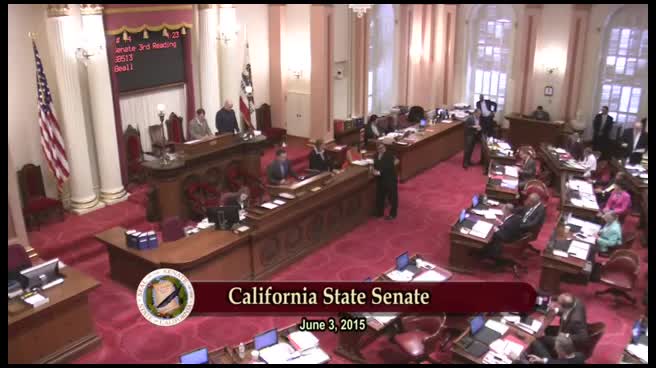
Bill Author

Bill Co-Author(s):