SB 476: Organized camps.
- Session Year: 2015-2016
- House: Senate
- Latest Version Date: 2015-07-16
Existing law requires the State Public Health Officer to establish rules and regulations establishing minimum standards for organized camps, and regulations governing the operation of organized camps that he or she determines are necessary to protect the health and safety of the campers. Existing law establishes minimum standards for the operation, regulation, and enforcement of organized camps, as defined.
This bill would recast those provisions and instead define an organized camp to include an organized resident camp and an organized day camp, as specified, that provides activities that promote environmental awareness and education. This bill would exclude from organized camps physical education-based organizations, gymnastics studios, sports training organizations, and theatre programs, among others. The bill would require the included camps to issue a written notice of intent to operate and to operate, develop a written operating plan plan, and submit the plan, or written verification that the camp is accredited by the American Camp Association, to the local public health officer at least 45 days prior to commencing operation of the camp. The bill would also require those camps to comply with applicable safety and supervision requirements relating to camp directors and counselors, install a carbon monoxide detector in specified buildings, and store firearms in a locked storage cabinet when not in use, as specified. The bill would also require those camps to obtain a permit to operate, or, for an organized day camp that does not have a fixed location, to register with the local public health officer and receive authorization to operate, from the local public health officer, and to post the permit or authorization, as specified.
The bill would authorize the local public health officer to inspect the camp and charge fees for camp oversight activities. The bill would also authorize a person alleging health and sanitation violations to file a complaint with the local public health officer, and to require the local public health officer to investigate. The bill would also require the State Department of Public Health, in adopting or amending the rules and regulations pertaining to organized camps, to make reasonable efforts to obtain the input and advice of prescribed organizations.
Because this bill would impose additional duties upon local public health officers in cities and counties, it would impose a state-mandated local program.
The California Constitution requires the state to reimburse local agencies and school districts for certain costs mandated by the state. Statutory provisions establish procedures for making that reimbursement.
This bill would provide that with regard to certain mandates no reimbursement is required by this act for a specified reason.
With regard to any other mandates, this bill would provide that, if the Commission on State Mandates determines that the bill contains costs so mandated by the state, reimbursement for those costs shall be made pursuant to the statutory provisions noted above.
Existing law requires the State Public Health Officer to establish rules and regulations establishing minimum standards for organized camps, and regulating regulations governing the operation of organized camps that he or she determines are necessary to protect the health and safety of the campers. Existing law establishes minimum standards for the operation, regulation, and enforcement of organized camps, as defined.
This bill would recast those provisions and instead define an organized camp to include an organized resident camp and an organized day camp, as specified, that provides activities that promote environmental awareness and education. This bill would exclude from organized camps physical education, education-based organizations, gymnastics studios, sports training, training organizations, and theatre program. programs, among others. The bill would require the included camps to issue a written notice of intent to operate and to develop a written operating plan and provide the local public health officer with submit the plan, or written verification that the camp is accredited by the American Camp Association, to the local public health officer at least 30 45 days prior to commencing operation of the camp. The bill would also require those camps to comply with applicable safety and supervision requirements relating to camp directors and counselors, install a carbon monoxide detector in specified buildings, and store firearms and bows and arrows in a locked storage cabinet when not in use, as specified. The bill would also require those camps to obtain a permit to operate, or, for an organized day camp that does not have a fixed location, to register with the local public health officer and receive authorization to operate, from the local public health officer, and to post the permit or authorization, as specified.
The bill would authorize the local public health officer to inspect the camp and charge a fee fees for that purpose. camp oversight activities. The bill would also authorize a person alleging health and sanitation violations to file a complaint with the local public health officer, and to require the local public health officer to investigate. The bill would also require the State Department of Public Health, in adopting or amending the rules and regulations pertaining to organized camps, to make reasonable efforts to obtain the input and advice of prescribed organizations.
Because this bill would impose additional duties upon local public health officers in cities and counties, it would impose a state-mandated local program.
The California Constitution requires the state to reimburse local agencies and school districts for certain costs mandated by the state. Statutory provisions establish procedures for making that reimbursement.
This bill would provide that with regard to certain mandates no reimbursement is required by this act for a specified reason.
With regard to any other mandates, this bill would provide that, if the Commission on State Mandates determines that the bill contains costs so mandated by the state, reimbursement for those costs shall be made pursuant to the statutory provisions noted above.
Existing law requires the State Public Health Officer to establish rules and regulations establishing minimum standards for organized camps, and regulating the operation of organized camps that he or she determines are necessary to protect the health and safety of the campers. Existing law establishes minimum standards for the operation, regulation, and enforcement of organized camps, as defined.
This bill would recast those provisions and instead define an organized camp to include an organized resident camp and an organized day camp, as specified, that provides activities that promote environmental awareness and education. This bill would exclude from organized camps physical education, sports training, and theatre program. The bill would require those the included camps to develop a written operating plan and provide the local public health officer with the plan, or written verification that the camp is accredited by the American Camp Association, at least 30 days prior to commencing operation of the camp. The bill would also require those camps to comply with applicable safety and supervision requirements relating to camp directors and counselors, install a carbon monoxide detector in specified buildings, and store firearms and bows and arrows in a locked storage cabinet when not in use, as specified.
The bill would authorize the local public health officer to inspect the camp and charge a fee for that purpose. The bill would also require the State Department of Public Health, in adopting or amending the rules and regulations pertaining to organized camps, to make reasonable efforts to obtain the input and advice of prescribed organizations.
Because this bill would impose additional duties upon local public health officers in cities and counties, it would impose a state-mandated local program.
The California Constitution requires the state to reimburse local agencies and school districts for certain costs mandated by the state. Statutory provisions establish procedures for making that reimbursement.
This bill would provide that with regard to certain mandates no reimbursement is required by this act for a specified reason.
With regard to any other mandates, this bill would provide that, if the Commission on State Mandates determines that the bill contains costs so mandated by the state, reimbursement for those costs shall be made pursuant to the statutory provisions noted above.
Existing law requires the State Public Health Officer to establish rules and regulations establishing minimum standards for organized camps, and regulating the operation of organized camps that he or she determines are necessary to protect the health and safety of the campers. Existing law establishes minimum standards for the operation, regulation, and enforcement of organized camps, as defined.
This bill would recast those provisions and instead define an organized camp to include an organized resident camp and an organized day camp, as specified. The bill would require those camps to develop a written operating plan and provide the local public health officer with the plan, or written verification that the camp is accredited by the American Camp Association, at least 30 days prior to commencing operation of the camp. The bill would also require those camps to comply with applicable safety and supervision requirements relating to camp directors and counselors, install a carbon monoxide detector in specified buildings, and store firearms and bows and arrows in a locked storage cabinet when not in use, as specified.
The bill would authorize the local public health officer to inspect the camp and charge a fee for that purpose. The bill would also require the State Department of Public Health, in adopting or amending the rules and regulations pertaining to organized camps, to make reasonable efforts to obtain the input and advice of prescribed organizations.
Because this bill would impose additional duties upon local public health officers in cities and counties, it would impose a state-mandated local program.
The California Constitution requires the state to reimburse local agencies and school districts for certain costs mandated by the state. Statutory provisions establish procedures for making that reimbursement.
This bill would provide that with regard to certain mandates no reimbursement is required by this act for a specified reason.
With regard to any other mandates, this bill would provide that, if the Commission on State Mandates determines that the bill contains costs so mandated by the state, reimbursement for those costs shall be made pursuant to the statutory provisions noted above.
(a)Organized camp means an organized resident camp or an organized day camp that operates seasonally to provide group-based recreation and expanded learning opportunities with social, spiritual, educational, or recreational activities that promote environmental awareness and education.
(1)A group that leases an organized camp for the purpose of conducting a camp for children under 18 years of age shall comply with this part.
(2) An organized camp does not include any of the following:
(A)A hotel, motel, tourist camp, trailer park, resort, hunting camp, auto court, labor camp, penal or correctional camp, drug and alcohol resident rehabilitation program, a facility licensed by the state, or a facility subject to occupancy taxes, home-finding agencies, or a licensed child day care facility as defined in Section 1596.750.
(B)A charitable or recreational organization that complies with the rules and regulations for recreational trailer parks.
(C)Sites or programs that are used by adults or groups for counseling, religious retreats, reunions, conferences, and special events on an intermittent, short-term basis of less than four consecutive overnight stays.
(D)Programs offered by museums, zoos, cities, counties, or special districts, sports training organizations, gymnastics studios, theater groups, or other physical education-based organizations. districts.
(b)Organized resident camp means a site or sites with programs and facilities established for the primary purposes of providing group living experiences and that provides three or more consecutive overnight stays during one or more seasons of the year, excluding field trips as provided for under subparagraph (B) of paragraph (2) of subdivision (c).
(c)(1)Organized day camp means a program that is established for the primary purpose of providing group experiences for children under 18 years of age during the day.
(2)An organized day camp may do all of the following:
(A)Transport campers to parks, beaches, campsites, and other locations for activities.
(B)Provide for offsite field trips for no more than three consecutive days. Any organized day camp that provides offsite field trips for more than two consecutive nights shall be considered an organized resident camp.
(3)An organized day camp shall have adequate staff to carry out the program, including, but not limited to, a qualified program director who has at least two seasons of administrative or supervisory experience at an organized day camp or a youth program. The program director shall be present at all times during the operation of the organized day camp.
(d)Camper means any person in an organized camp on a fee or nonfee basis who is a participant in the regular program and training of an organized camp.
(e)Notwithstanding any other law, an organized camp program conducted for children by the YMCA, Girl Scouts of the USA, Boy Scouts of America, Boys and Girls Clubs, Camp Fire USA, or similar organizations shall not be required to be licensed as a child day care center.
SEC. 2.Section 18897.1 of the Health and Safety Code is repealed.SEC. 3.Section 18897.1 is added to the Health and Safety Code, to read:18897.1.(a)An organized day camp or an organized resident camp shall do all of the following:
(1)Issue a written notice of intent to operate and develop and submit a written operating plan pursuant to Section 30704 of Title 17 of the California Code of Regulations, or written verification that the camp is accredited by the American Camp Association (ACA), to the local public health officer or his or her designee at least 45 days prior to commencing operation of the camp. Year-round camps shall submit their plans on an annual basis.
(2)For an organized day camp that does not have a fixed location, register with the local public health officer as an organized camp in the county in which its business office is located.
(3)Meet the applicable requirements of Section 30751 of Title 17 of the California Code of Regulations.
(4)Install a carbon monoxide detector in any building intended for human occupancy that has a fossil fuel burning heater or appliance, a fireplace, or an attached garage.
(5)Store all firearms, including rifles, pellet guns, air guns, and bows and arrows, in a locked cabinet designated for this use when those items are not in use for authorized camp activities. The director, or a qualified designee of the director that meets the requirements of subdivision (a) of Section 30751 of Title 17 of the California Code of Regulations, of the organized camp shall maintain possession of the key to this cabinet.
(6)Obtain a permit or authorization pursuant to paragraph (2) of subdivision (b) and post a copy of the permit or authorization on the premises of the organized day camp or organized resident camp and, if applicable, on the Internet Web site of the organized day camp or organized resident camp.
(b)(1)The local public health officer shall acknowledge receipt of the operating plan or verification of accreditation described in paragraph (1) of subdivision (a) within 30 business days of receiving the operating plan or verification of accreditation.
(2)(A)The local public health officer shall issue to an organized day camp or an organized resident camp a permit to operate if both of the following conditions are met:
(i)The written operating plan required pursuant to paragraph (1) of subdivision (a) includes appropriate health and sanitation standards as described in Section 18897.2 or accreditation by the American Camp Association (ACA) is verified.
(ii)The local public health officer or his or her designee has conducted an initial inspection of the premises of the organized day camp or organized resident camp to verify compliance with the appropriate health and sanitation standards.
(B)The local public health officer shall issue to an organized day camp required to register pursuant to paragraph (2) of subdivision (a) authorization to operate upon registration of the organized day camp if the organized day camp meets the requirements of subparagraph (A).
(c)The local public health officer may inspect the organized day camp or organized resident camp and charge a fee for that purpose, not to exceed the reasonable cost of the inspection. The local public health officer shall provide, within 30 days, a summary of any violations of health and safety standards established in the rules and regulations establishing minimum standards for organized camps.
(d)An organized day camp or organized resident camp that has been cited for failing to meet legal requirements may appeal the citation to the local health department. The local health department shall issue a decision on that appeal within 30 business days and that decision shall be final.
(e)The local public health officer, or his or her designee, may, during the organized camps hours of operation or at other reasonable times, enter and inspect the premises of the organized camp, issue citations, and secure any samples, photographs, or other evidence from an organized camp or any facility suspected of being an organized camp.
(f)A person alleging health and sanitation violations pursuant to the regulations establishing minimum standards for organized camps may file a complaint, either orally or in writing, with the local public health officer. The local public health officer shall investigate any complaint received.
(g)The local public health officer may charge a fee to recover any necessary costs incurred in administering the provisions of this part relating to organized camp oversight. The fee shall not exceed the actual cost of organized camp oversight and related activities.
SEC. 4.Section 18897.4 of the Health and Safety Code is amended to read:18897.4.(a)For the purposes of this part, every local health officer shall enforce within his or her jurisdiction the building standards published in the State Building Standards Code relating to organized resident camps and the other rules and regulations adopted by the State Public Health Officer pursuant to Section 18897.2. A local public health officer may, for the purposes of complying with this section, contract with subdivision, delegate responsibility to the Office of the State Architect or any other public agency or private organization for the review of design and performance of inspection of construction of camp buildings and structures, as specified in Section 30720 of Title 17 of the California Code of Regulations.
(b)For organized day camps, a local public health officer shall enforce within his or her jurisdiction the health and sanitation requirements for a permit or authorization pursuant to Section 18897.1.
SEC. 5.Section 18897.8 is added to the Health and Safety Code, immediately following Section 18897.7, to read:18897.8.The State Department of Public Health, in adopting or amending the rules and regulations pertaining to organized day camps and organized resident camps under this part, shall make reasonable efforts to obtain the input and advice of organizations in the field. All costs incurred by the participating organizations shall be borne by the organizations themselves. The department shall implement this section in the most cost-effective manner deemed feasible.
SEC. 6.No reimbursement is required by this act pursuant to Section 6 of Article XIIIB of the California Constitution because a local agency or school district has the authority to levy service charges, fees, or assessments sufficient to pay for the program or level of service mandated by this act, within the meaning of Section 17556 of the Government Code.
However, if the Commission on State Mandates determines that this act contains other costs mandated by the state, reimbursement to local agencies and school districts for those costs shall be made pursuant to Part 7 (commencing with Section 17500) of Division 4 of Title 2 of the Government Code.
(a)Organized camp means an organized resident camp or an organized day camp that operates seasonally to provide group-based recreation and expanded learning opportunities with social, spiritual, educational, or recreational activities that promote environmental awareness and education on a seasonal basis. education.
(1)A group that leases an organized camp for the purpose of conducting a camp for children under 18 years of age shall comply with this part.
(2) An organized camp does not include any of the following:
(A)A hotel, motel, tourist camp, trailer park, resort, hunting camp, auto court, labor camp, penal or correctional camp, drug and alcohol resident rehabilitation program or other program or program, a facility licensed by the state, or a facility subject to occupancy taxes, home-finding agencies, or a licensed child day care facility as defined in Section 1596.750.
(B)A charitable or recreational organization that complies with the rules and regulations for recreational trailer parks.
(C)Sites or programs that are used by adults or groups for counseling, religious retreats, reunions, conferences, and special events on an intermittent, short-term basis of less than four consecutive overnight stays.
(D)Programs offered by museums, zoos, cities, counties, special districts, sports training organizations, gymnastics studios, theater groups, or other physical education-based organizations.
(b)Organized resident camp means a site or sites with programs and facilities established for the primary purposes of providing group living experiences and that provides three or more consecutive overnight stays during one or more seasons of the year, excluding field trips as provided for under subparagraph (B) of paragraph (2) of subdivision (c).
(c)(1)Organized day camp means a program that is established for the primary purpose of providing group experiences for children under 18 years of age during the day.
(2)An organized day camp may do all of the following:
(A)Transport campers to parks, beaches, campsites, and other locations for activities.
(B)Provide for offsite field trips for no more than three consecutive days. Any organized day camp that provides offsite field trips for more than two consecutive nights shall be considered an organized resident camp.
(3)An organized day camp shall have adequate staff to carry out the program, including, but not limited to, a qualified program director who has at least two seasons of administrative or supervisory experience at an organized day camp or a youth program. The program director shall be present at all times during the operation of the organized day camp.
(d)Camper means any person in an organized camp on a fee or nonfee basis who is a participant in the regular program and training of an organized camp.
SEC. 2.Section 18897.1 of the Health and Safety Code is repealed.SEC. 3.Section 18897.1 is added to the Health and Safety Code, to read:18897.1.(a)An organized day camp or an organized resident camp shall do all of the following:
(1)Develop Issue a written notice of intent to operate and develop and submit a written operating plan pursuant to Section 30704 of Title 17 of the California Code of Regulations and provide the plan, Regulations, or written verification that the camp is accredited by the American Camp Association (ACA), to the local public health officer or his or her designee at least 30 45 days prior to commencing operation of the camp. Year-round camps shall submit their plans on an annual basis.
(2)For an organized day camp that does not have a fixed location, register with the local public health officer as an organized camp in the county in which its business office is located.
(2)
(3)Meet the applicable requirements of Section 30751 of Title 17 of the California Code of Regulations.
(3)
(4)Install a carbon monoxide detector in any building intended for human occupancy that has a fossil fuel burning heater or appliance, a fireplace, or an attached garage.
(4)
(5)Store all firearms, including rifles, pellet guns, and air guns, and bows and arrows arrows, in a locked cabinet designated for this use when those items are not in use for authorized camp activities. The director, or a qualified designee of the director that meets the requirements of subdivision (a) of Section 30751 of Title 17 of the California Code of Regulations, of the organized camp shall maintain possession of the key to this cabinet.
(6)Obtain a permit or authorization pursuant to paragraph (2) of subdivision (b) and post a copy of the permit or authorization on the premises of the organized day camp or organized resident camp and, if applicable, on the Internet Web site of the organized day camp or organized resident camp.
(b)(1)The local public health officer shall acknowledge receipt of the operating plan or verification of accreditation described in paragraph (1) of subdivision (a) within 30 days. The local public health officer may charge a fee for the review of an operating plan that shall not exceed the actual cost of review. The local public health officer shall not charge a fee for an acknowledgment of camp accreditation. Upon receipt of the local public health officers acknowledgment, the organized day camp or organized resident camp shall post a copy of the acknowledgment in a conspicuous location on the camp premises. business days of receiving the operating plan or verification of accreditation.
(2)(A)The local public health officer shall issue to an organized day camp or an organized resident camp a permit to operate if both of the following conditions are met:
(i)The written operating plan required pursuant to paragraph (1) of subdivision (a) includes appropriate health and sanitation standards as described in Section 18897.2 or accreditation by the American Camp Association (ACA) is verified.
(ii)The local public health officer or his or her designee has conducted an initial inspection of the premises of the organized day camp or organized resident camp to verify compliance with the appropriate health and sanitation standards.
(B)The local public health officer shall issue to an organized day camp required to register pursuant to paragraph (2) of subdivision (a) authorization to operate upon registration of the organized day camp if the organized day camp meets the requirements of subparagraph (A).
(c)(1)The local public health officer may inspect the organized day camp or organized resident camp and charge a fee for that purpose, not to exceed the reasonable cost of the inspection. The local public health officer shall provide, within 30 days, a summary of any violations of health and safety standards established in the rules and regulations establishing minimum standards for organized camps.
(2)If the local public health officer does not conduct an inspection, he or she shall not impose any charges on the organized day camp or organized resident camp other than for reviewing the written operating plan pursuant to paragraph (2) of subdivision (a).
(d)An organized day camp or organized resident camp that has been cited for failing to meet legal requirements may appeal the citation to the local health department. The local health department shall issue a decision on that appeal within 30 business days and that decision shall be final.
(e)The local public health officer, or his or her designee, may, during the organized camps hours of operation or at other reasonable times, enter and inspect the premises of the organized camp, issue citations, and secure any samples, photographs, or other evidence from an organized camp or any facility suspected of being an organized camp.
(f)A person alleging health and sanitation violations pursuant to the regulations establishing minimum standards for organized camps may file a complaint, either orally or in writing, with the local public health officer. The local public health officer shall investigate any complaint received.
(g)The local public health officer may charge a fee to recover any necessary costs incurred in administering the provisions of this part relating to organized camp oversight. The fee shall not exceed the actual cost of organized camp oversight and related activities.
SEC. 4.Section 18897.4 of the Health and Safety Code is amended to read:18897.4.Every For the purposes of this part, every local health officer shall enforce within his or her jurisdiction the building standards published in the State Building Standards Code relating to organized camps and the other rules and regulations adopted by the Director of Public Health State Public Health Officer pursuant to Section 18897.2. A local public health officer may, for the purposes of complying with this section, contract with the Office of the State Architect or any other public agency or private organization for the review of design and performance of inspection of construction of camp buildings and structures, as specified in Section 30720 of Title 17 of the California Code of Regulations.
SEC. 4.SEC. 5.Section 18897.8 is added to the Health and Safety Code, immediately following Section 18897.7, to read:18897.8.The State Department of Public Health, in adopting or amending the rules and regulations pertaining to organized day camps and organized resident camps under this part, shall make reasonable efforts to obtain the input and advice of organizations in the field. All costs incurred by the participating organizations shall be borne by the organizations themselves. The department shall implement this section in the most cost-effective manner deemed feasible.
SEC. 5.SEC. 6.No reimbursement is required by this act pursuant to Section 6 of Article XIIIB of the California Constitution because a local agency or school district has the authority to levy service charges, fees, or assessments sufficient to pay for the program or level of service mandated by this act, within the meaning of Section 17556 of the Government Code.
However, if the Commission on State Mandates determines that this act contains other costs mandated by the state, reimbursement to local agencies and school districts for those costs shall be made pursuant to Part 7 (commencing with Section 17500) of Division 4 of Title 2 of the Government Code.
(a)Organized camp means an organized resident camp or an organized day camp that operates seasonally to provide group-based recreation and expanded learning opportunities with social, spiritual, educational, or recreational services activities that promote environmental awareness and education on a seasonal basis.
(1)A group that leases an organized camp for the purpose of conducting a camp for children under 18 years of age shall comply with this part.
(2) An organized camp does not include any of the following:
(A)A hotel, motel, tourist camp, trailer park, resort, hunting camp, auto court, labor camp, penal or correctional camp, drug and alcohol resident rehabilitation program or other program or facility subject to occupancy taxes, home-finding agencies, or a licensed child day care facility as defined in Section 1596.750.
(B)A charitable or recreational organization that complies with the rules and regulations for recreational trailer parks.
(C)Sites or programs that are used by adults or groups for counseling, religious retreats, reunions, conferences, and special events on an intermittent, short-term basis of less than four consecutive overnight stays.
(D)Day camp programs Programs offered by museums, zoos, cities, counties, or special districts. districts, sports training organizations, gymnastics studios, theatre groups, or other physical education-based organizations.
(b)Organized resident camp means a site or sites with programs and facilities established for the primary purposes of providing group living experiences and that provides overnight stays during one or more seasons of the year, excluding field trips as provided for under subparagraph (B) of paragraph (2) of subdivision (c).
(c)(1)Organized day camp means a program that is established for the primary purpose of providing group experiences for children under 18 years of age during the day.
(2)An organized day camp may do all of the following:
(A)Transport campers to parks, beaches, campsites, and other locations for activities.
(B)Provide for offsite field trips for no more than three consecutive days. Any organized day camp that provides offsite field trips for more than two consecutive nights shall be considered an organized resident camp.
(3)An organized day camp shall have adequate staff to carry out the program, including, but not limited to, a qualified program director who has at least two seasons of administrative or supervisory experience at an organized day camp or a youth program. The program director shall be present at all times during the operation of the organized day camp.
(d)Camper means any person in an organized camp on a fee or nonfee basis who is a participant in the regular program and training of an organized camp.
SEC. 2.Section 18897.1 of the Health and Safety Code is repealed.SEC. 3.Section 18897.1 is added to the Health and Safety Code, to read:18897.1.(a)An organized day camp or an organized resident camp shall do all of the following:
(1)Develop a written operating plan pursuant to Section 30704 of Title 17 of the California Code of Regulations and provide the plan, or written verification that the camp is accredited by the American Camp Association (ACA), to the local public health officer or his or her designee at least 30 days prior to commencing operation of the camp. Year-round camps shall submit their plans on an annual basis.
(2)Meet the applicable requirements of Section 30751 of Title 17 of the California Code of Regulations.
(3)Install a carbon monoxide detector in any building intended for human occupancy that has a fossil fuel burning heater or appliance, a fireplace, or an attached garage.
(4)Store all firearms, including rifles, pellet guns, and air guns, and bows and arrows in a locked cabinet designated for this use when those items are not in use for authorized camp activities. The director, or a qualified designee of the director that meets the requirements of subdivision (a) of Section 30751 of Title 17 of the California Code of Regulations, of the organized camp shall maintain possession of the key to this cabinet.
(b)The local public health officer shall acknowledge receipt of the operating plan or verification of accreditation described in paragraph (1) of subdivision (a) within 30 days. The local public health officer may charge a fee for the review of an operating plan that shall not exceed the actual cost of review. The local public health officer may shall not charge a fee for an acknowledgment of camp accreditation. Upon receipt of the local public health officers acknowledgment, the organized day camp or organized resident camp shall post a copy of the acknowledgment in a conspicuous location on the camp premises.
(c)(1)The local public health officer may inspect the organized day camp or organized resident camp and any charge a fee for that purpose, not to exceed the reasonable cost of the inspection. The local public health officer shall provide, within 30 days, a summary of any violations of health and safety standards established in the rules and regulations establishing minimum standards for organized camps.
(2)If the local public health officer does not conduct an inspection, he or she may shall not impose any charges on the organized day camp or organized resident camp other than for reviewing the written operating plan pursuant to paragraph (2) of subdivision (a).
(d)An organized day camp or organized resident camp that has been cited for failing to meet legal requirements may appeal the citation to the local health department.
SEC. 4.Section 18897.8 is added to the Health and Safety Code, immediately following Section 18897.7, to read:18897.8.The State Department of Public Health, in adopting or amending the rules and regulations pertaining to organized resident camps and organized day camps and organized resident camps under this part, shall make reasonable efforts to obtain the input and advice of organizations in the field. All costs incurred by the participating organizations shall be borne by the organizations themselves. The department shall implement this section in the most cost-effective manner deemed feasible.
SEC. 5.No reimbursement is required by this act pursuant to Section 6 of Article XIIIB of the California Constitution because a local agency or school district has the authority to levy service charges, fees, or assessments sufficient to pay for the program or level of service mandated by this act, within the meaning of Section 17556 of the Government Code.
However, if the Commission on State Mandates determines that this act contains other costs mandated by the state, reimbursement to local agencies and school districts for those costs shall be made pursuant to Part 7 (commencing with Section 17500) of Division 4 of Title 2 of the Government Code.
(a)Organized camp means a site with program and facilities established for the primary purposes of providing an outdoor group living experience an organized resident camp or an organized day camp that operates seasonally to provide group-based recreation and expanded learning opportunities with social, spiritual, educational, or recreational objectives, for five days or more during one or more seasons of the year. services on a seasonal basis.
(1)A group that leases an organized camp for the purpose of conducting a camp for children under 18 years of age shall comply with this part.
(2) An organized camp does not include any of the following:
(b)
(A)The term organized camp does not include a A hotel, motel, tourist camp, trailer park, resort, hunting camp, auto court, labor camp, penal or correctional camp and does not include a child care institution or home-finding agency. camp, drug and alcohol resident rehabilitation program or other program or facility subject to occupancy taxes, home-finding agencies, or a licensed child day care facility as defined in Section 1596.750.
(c)
(B)The term organized camp also does not include any A charitable or recreational organization that complies with the rules and regulations for recreational trailer parks.
(C)Sites or programs that are used by adults or groups for counseling, religious retreats, reunions, conferences, and special events on an intermittent, short-term basis of less than four consecutive overnight stays.
(D)Day camp programs offered by museums, zoos, cities, counties, or special districts.
(b)Organized resident camp means a site or sites with programs and facilities established for the primary purposes of providing group living experiences and that provides overnight stays during one or more seasons of the year, excluding field trips as provided for under subparagraph (B) of paragraph (2) of subdivision (c).
(c)(1)Organized day camp means a program that is established for the primary purpose of providing group experiences for children under 18 years of age during the day.
(2)An organized day camp may do all of the following:
(A)Transport campers to parks, beaches, campsites, and other locations for activities.
(B)Provide for offsite field trips for no more than three consecutive days. Any organized day camp that provides offsite field trips for more than two consecutive nights shall be considered an organized resident camp.
(3)An organized day camp shall have adequate staff to carry out the program, including, but not limited to, a qualified program director who has at least two seasons of administrative or supervisory experience at an organized day camp or a youth program. The program director shall be present at all times during the operation of the organized day camp.
(d)Camper means any person in an organized camp on a fee or nonfee basis who is a participant in the regular program and training of an organized camp.
SEC. 2.Section 18897.1 of the Health and Safety Code is repealed.18897.1.Camper means any person in an organized camp on a fee or nonfee basis who is a participant in the regular program and training of an organized camp, and who may take on duties relating to such program and training.
SEC. 3.Section 18897.1 is added to the Health and Safety Code, to read:18897.1.(a)An organized day camp or an organized resident camp shall do all of the following:
(1)Develop a written operating plan and provide the plan, or written verification that the camp is accredited by the American Camp Association (ACA), to the local public health officer or his or her designee at least 30 days prior to commencing operation of the camp. Year-round camps shall submit their plans on an annual basis.
(2)Meet the applicable requirements of Section 30751 of Title 17 of the California Code of Regulations.
(3)Install a carbon monoxide detector in any building intended for human occupancy that has a fossil fuel burning heater or appliance, a fireplace, or an attached garage.
(4)Store all firearms, including rifles, pellet guns, and air guns, and bows and arrows in a locked cabinet designated for this use when those items are not in use for authorized camp activities. The director, or a qualified designee that meets the requirements of subdivision (a) of Section 30751 of Title 17 of the California Code of Regulations, of the organized camp shall maintain possession of the key to this cabinet.
(b)The local public health officer shall acknowledge receipt of the operating plan or verification of accreditation described in paragraph (1) of subdivision (a) within 30 days. The local public health officer may charge a fee for the review of an operating plan that shall not exceed the actual cost of review. The local public health officer may not charge a fee for an acknowledgment of camp accreditation. Upon receipt of the local public health officers acknowledgment, the organized day camp or organized resident camp shall post a copy of the acknowledgment in a conspicuous location on the camp premises.
(c)(1)The local public health officer may inspect the organized day camp or organized resident camp and any charge a fee for that purpose, not to exceed the reasonable cost of the inspection. The local public health officer shall provide, within 30 days, a summary of any violations of health and safety standards established in the rules and regulations establishing minimum standards for organized camps.
(2)If the local public health officer does not conduct an inspection, he or she may not impose any charges on the organized day camp or organized resident camp other than for reviewing the plan pursuant to paragraph (2) of subdivision (a).
(d)An organized day camp or organized resident camp that has been cited for failing to meet legal requirements may appeal the citation to the local health department.
SEC. 4.Section 18897.8 is added to the Health and Safety Code, immediately following Section 18897.7, to read:18897.8.The State Department of Public Health, in adopting or amending the rules and regulations pertaining to organized resident camps and organized day camps under this part, shall make reasonable efforts to obtain the input and advice of organizations in the field. All costs incurred by the participating organizations shall be borne by the organizations themselves. The department shall implement this section in the most cost-effective manner deemed feasible.
SEC. 5.No reimbursement is required by this act pursuant to Section 6 of Article XIIIB of the California Constitution because a local agency or school district has the authority to levy service charges, fees, or assessments sufficient to pay for the program or level of service mandated by this act, within the meaning of Section 17556 of the Government Code.
However, if the Commission on State Mandates determines that this act contains other costs mandated by the state, reimbursement to local agencies and school districts for those costs shall be made pursuant to Part 7 (commencing with Section 17500) of Division 4 of Title 2 of the Government Code.
|
Date
|
Status
|
|---|---|
| May 22, 2015 | Read third time. Passed. (Ayes 39. Noes 0.) Ordered to the Assembly. |
| Aug 11, 2016 | August 11 hearing. Held in committee and under submission. |
| Aug 27, 2015 | Joint Rule 62(a) suspended. |
| Aug 27, 2015 | August 27 hearing postponed by committee. |
| Aug 26, 2015 | August 26 set for first hearing. Placed on APPR. suspense file. |
| Jul 16, 2015 | Read second time and amended. Re-referred to Com. on APPR. |
| Jul 15, 2015 | From committee: Do pass as amended and re-refer to Com. on APPR. (Ayes 15. Noes 2.) (July 14). |
| Jul 7, 2015 | July 7 hearing postponed by committee. |
| Jul 1, 2015 | From committee with author's amendments. Read second time and amended. Re-referred to Com. on HEALTH. |
| Jun 25, 2015 | Re-referred to Coms. on HEALTH and L. GOV. pursuant to Assembly Rule 96. |
| Jun 11, 2015 | Referred to Coms. on HUM. S. and L. GOV. |
| Feb 26, 2015 | Introduced. Read first time. To Com. on RLS. for assignment. To print. |
| May 22, 2015 | Read third time. Passed. (Ayes 39. Noes 0. Page 1066.) Ordered to the Assembly. |
| May 22, 2015 | In Assembly. Read first time. Held at Desk. |
| May 19, 2015 | Read second time. Ordered to third reading. |
| May 18, 2015 | From committee: Be ordered to second reading pursuant to Senate Rule 28.8. |
| May 12, 2015 | Set for hearing May 18. |
| Apr 14, 2015 | Read second time and amended. Re-referred to Com. on APPR. |
| Apr 13, 2015 | From committee: Do pass as amended and re-refer to Com. on APPR. (Ayes 9. Noes 0. Page 545.) (April 8). |
| Mar 18, 2015 | Set for hearing April 8. |
| Mar 12, 2015 | Referred to Com. on HEALTH. |
| Feb 27, 2015 | From printer. May be acted upon on or after March 29. |
|
Date
|
Description
|
Location
|
Votes
|
|
|---|---|---|---|---|
| Jul 14, 2015 | Do pass as amended and be re-referred to the Committee on [Appropriations] | Assembly Standing Committee on Health |
Passed |
|
| May 22, 2015 | Senate 3rd Reading SB476 Mendoza | Senate Floor |
Passed |
|
| Apr 8, 2015 | Do pass as amended, but first amend, and re-refer to the Committee on [Appropriations] | Senate Standing Committee on Health |
Passed |
This list shows positions taken on this bill by organizations on the date displayed, which is linked to the original source.
Positions by individuals are not included.
|
Organization
|
Position
|
Date
|
|---|---|---|
| American Camp Association | * Support | Jul 14, 2015 |
| AstroCamp | ** Support | Jul 14, 2015 |
| Bar 717 Ranch | ** Support | Jul 14, 2015 |
| California Collaboration For Youth | * Support | Jul 14, 2015 |
| California State Alliance Of Ymca'S | * Support | Jul 14, 2015 |
| Camp Funtime | ** Support | Jul 14, 2015 |
| Camp Kinneret Summer Camp | ** Support | Jul 14, 2015 |
| Carmel Valley Tennis Camp | ** Support | Jul 14, 2015 |
| Central Coast YMCA | ** Support | Jul 14, 2015 |
| Concepts for Living | ** Support | May 22, 2015 |
| Deer Crossing Camp | ** Support | Jul 14, 2015 |
| Environmental Health Directors | * Indeterminate | Jul 14, 2015 |
| Fairmont Private Schools | ** Support | May 22, 2015 |
| Guided Discoveries | ** Support | Jul 14, 2015 |
| Jameson Ranch Camp | ** Support | Jul 14, 2015 |
| Jefunira Camp | ** Support | Jul 14, 2015 |
| Kennalyn Camps | ** Support | Jul 14, 2015 |
| Mountain Camp | ** Support | Jul 14, 2015 |
| Mountain Camp Woodside | ** Support | Jul 14, 2015 |
| Outpost Summer Camps | ** Support | Jul 14, 2015 |
| Pali Adventures | ** Support | Jul 14, 2015 |
| Peninsula Bay Cities Day Camp and Swim School | ** Support | Jul 14, 2015 |
| Plantation Farm Camp | ** Support | Jul 14, 2015 |
| Roughing It Day Camp | ** Support | Jul 14, 2015 |
| Santa Maria Valley YMCA | ** Support | May 22, 2015 |
| Santa Monica Family YMCA | ** Support | Jul 14, 2015 |
| Skylake Yosemite Camp | ** Support | Jul 14, 2015 |
| Tom Sawyer Camp | ** Support | Jul 14, 2015 |
| YMCA of East Bay | ** Support | Jul 14, 2015 |
| YMCA of Greater Whittier | ** Support | Jul 14, 2015 |
| YMCA of Metropolitan Los Angeles | ** Support | Jul 14, 2015 |
| YMCA of Santa Maria Valley | ** Support | Jul 14, 2015 |
| YMCA of Silicon Valley | ** Support | Jul 14, 2015 |
| YMCA of Superior California | ** Support | Jul 14, 2015 |
| YMCA of the East Bay | ** Support | May 22, 2015 |
| YMCA of the East Valley | ** Support | Jul 14, 2015 |
Date of Hearing: August 19, 2015
ASSEMBLY COMMITTEE ON APPROPRIATIONS
Jimmy Gomez, Chair
SBPCA Bill Id:SB 476
Author:(Mendoza) – As Amended Ver:July 16, 2015
Policy Committee: | Health | Vote: | 15 - 2 |
|
| ||
|
|
Urgency: No State Mandated Local Program: Yes Reimbursable: No
SUMMARY:
This bill includes "day camps" in the definition of "organized camps," thereby subjecting day camps to regulation by the California Department of Public Health (CDPH), and enforcement by local health jurisdictions (LHJs). Specifically, this bill:
- Regulates organized day camps, which are defined as programs established for the primary purpose of providing group experiences for children under 18 years of age during the day, and that operate seasonally to provide group-based recreation and expanded learning opportunities with social, spiritual, educational, or recreational activities that promote environmental awareness and education.
- Specifies requirements day camps must comply with, in order to qualify for a locally issued permit.
- Requires the local public health officer or his or her designee to conduct an initial inspection of the premises to verify compliance with the appropriate health and sanitation standards, prior to issuing a permit.
- Allows the local public health officer to inspect the camp and charge a fee for that purpose, not to exceed the reasonable cost of the inspection. Allows the local public health officer to charge a fee to recover any necessary costs incurred in administering provisions relating to organized camp oversight, not to exceed the actual cost of organized camp oversight and related activities.
- Allows a local public health officer, for the purposes of complying with the specified section of law, delegate responsibility to the Office of the State Architect or any other public agency or private organization for the review of design and performance of inspection of construction of camp buildings and structures, as specified in DPH regulations.
- Limits local public health officer enforcement to health and sanitation standards.
FISCAL EFFECT:
- Minor costs to the Department of Public Health and the Department of Social Services (DSS) for updates to policy, process, and potential regulatory changes (GF).
- Potential costs of several hundred thousand dollars GF annually for Division of the State Architect (DSA) within Department of General Services, if building standards approval is delegated to DSA as allowed under this bill. Actual costs are unknown, and would depend on the number and scope of potential activities.
- Costs for inspecting and overseeing day camps will be incurred by LHJs. The bill gives LHJs broad authority to charge fees to cover regulatory costs.
COMMENTS:
- Purpose. The author states that because there is no reference to day camps in current law or regulation, there has been confusion related to who has jurisdiction over their operation. The author explains day camps typically operate during the summer and other vacation periods when school is not in session, and that they provide group-based recreation and expanded learning opportunities for children less than 18 years of age. The author further states that this clarification will assure the public that day camps operate under the oversight of local health officials, and that they are not regulated as childcare programs. The author concludes that with so many kids participating in these camps, it is essential that the camps adhere to health and safety standards.
The author indicates there have been concerns that some organizations have been operating as day camps in an effort to circumvent strict licensing requirements of day care centers and that some counties, in an attempt to regulate day camps, have classified them as day care centers.
- Current Regulation. The current definition of an organized camp applies only to sites that are established to provide an outdoor group living experience for five or more days a year. Day camps often do not have a fixed site, and instead operate in parks, beaches, churches, schools, Boys and Girls Clubs, or YMCA facilities, and are therefore not subject to the laws that currently regulate organized camps, as currently defined. This bill brings day camps, as defined, under the definition of organized camps.
DSS currently regulates child care in the state. To distinguish child care from other programs or activities, DSS states that generally, in a child care setting, parents have an expectation that their children are being provided care and supervision. That is, children are in need of "personal services, supervision, or assistance essential for sustaining activities of daily living for their protection" (Health and Safety Code 1596.750). Some programs called "day camps" in common speech appear to fit this description, while others are more focused on providing a certain experience or specialized education, rather than care and supervision. Organized camps regulated under current law are generally in rural or wilderness settings, with attendant environmental health and safety concerns, such as pests, clean water, and activities in and around bodies of water. These camps are currently subject to CDPH regulation and local health officer enforcement and local health officers indicate they are relatively few in number.
Outside of child care and resident camps, childrens' programs and activities do not appear to be state-regulated, although a variety of accreditation or other standards apply to programs that provide care for children, such as after-school care.
- Previous Legislation.
- SB 443 (Walters), of 2013, would have defined organized camps and organized day camps and would have established requirements regarding their operation. SB 443 was held in the Assembly Appropriations Committee.
- SB 1087 (Walters), Chapter 652, Statues of 2012, increases the time in which an organization participating in the Safe Neighborhoods Partnership program can operate without a license. SB 1087 also exempts organized camps from licensure required for day care centers.
- SB 737 (Walters), of 2011, was substantially similar to SB 443 (Walters) of 2013. SB 737 was vetoed. In his veto message, the governor stated, “I agree with the author's intent to clarify and simply the regulation of organized camps, but this measure does not achieve this goal. I am directing the Department of Public Health and Department of Social Services to work with the author and interested advocates to resolve this issue in the coming year.”
The only resolution to the issue from the administration appears to be some level of engagement on subsequent bills introduced in the Legislature. There was no inter-agency work group or similar effort.
- Support. This bill is sponsored by the California Collaborative for Youth and is supported by numerous private and non-profit entities offering children's activities, including a number of YMCAs.
- Concerns. California State Association of Counties, County Health Executive Association of California, and California Council of Environmental Health Directors express concerns with this bill, including concerns about additional workload and the ability to raise adequate local revenues to fund this new activity. They seek amendments to simplify regulation for day camps through a registration process and align enforcement of building code standards with current practice, among other changes.
- Comments.
- Definitional issues. LHJs report very few or no complaints related to day camps, but it seems as if there is a public expectation that day camps should have some regulatory oversight, such as background checks. However, the definitions in the bill raise questions about how regulatory lines are proposed to be drawn.
There are a wide variety of programs and facilities that offer activities and care for children. A rational regulatory approach to assessing the adequacy of governmental oversight might consider, for the universe of activities, programs, and facilities that offer experiences and care for children:
- Potential differences in vulnerability according to child age, parental involvement, length of time in care, or other factors.
- Related health and safety risks, and evidence of current harm from lack of regulation.
- Public expectations for regulation.
- Current regulations or standards that may apply, both state and non-state.
- The capacity and expertise of existing entities to handle new regulatory responsibilities, if a case was made that the status quo is inadequate.
This universe of programs, activities, and facilities is diverse. Proponents have not provided an analysis of this wider universe, and how this proposal fits into a rational oversight structure.
In addition, a significant number of day camps may be left unregulated according to this bill. This bill proposes to regulate "organized day camps…that operate seasonally to provide group-based recreation and expanded learning opportunities with social, spiritual, educational, or recreational activities that promote environmental awareness and education." Presumably, a day camp that offers biological activities outdoors would qualify. What about a science camp that offers activities related to chemistry, which would be conducted partially indoors—would this be exempt? A day program offering a ropes course for teens? Would a sports clinic qualify, or be exempt because it does not intend to offer environmental education? Would a three-hour gardening class qualify? The bill does not define a minimum duration of activity that constitutes a day camp. What is particular about promoting environmental awareness and education, that implies camps that do so should be regulated, while those that do not promote environmental awareness and education should not, even if they are similar in every other way? Some additional parameters and adjustments appear necessary to rationally define what is to be regulated versus left unregulated.
Given the vagueness of the definitions offers much room for interpretation, and given enforcement will be delegated to LHJs, it seems likely that oversight may vary widely depending on jurisdiction.
- Appropriateness of Organized Camp regulations for day camps. This bill places day camps under regulations that apply to overnight camps. These regulations may not be entirely appropriate for day camps. Most of these regulations address environmental health and safety concerns, such as potable water and others noted above. In contrast, according to this bill's definition, there is nothing that suggests a day camp would have to be in a natural or wilderness environment. Although technically many programs that would fit this bill's definition of day camps may not have difficulty meeting standards related to chemical toilets, head-to-head sleeping accommodations, and venomous snakes, it may be more rational to define day camps in a separate section of law. On the other hand, if day camps to be regulated are supposed to be those in natural or wilderness areas that have very similar to overnight camps, the definition of day camp should be narrowed to make that more clear.
- Impact on Access? Families' access to day camps in spring 2016 will depend on 61 LHJs developing regulatory programs and inspecting each camp prior to operation, just months after this bill becomes operative. Developing a new regulatory program for day camps may be a significant challenge for LHJs that have limited staff. Although fee authority is provided, on a practical basis this will require approval by county supervisors for new fees in 61 jurisdictions—fees that may raise the cost of already costly day camps. This bill has no timelines, but requires a day camp to have an initial inspection in order to operate. This would require, for example, in Los Angeles County likely hundreds of inspections to be completed before day camps can operate. If this bill becomes law, in spring 2016 parents will be looking for day camp options for their children during summer. Unless each jurisdiction has developed policies and procedures and has conducted inspections, these camps will be operating illegally.
- Exemption? This bill includes an exemption from child care licensure that states, "Notwithstanding any other law, an organized camp program conducted for children by the YMCA, Girl Scouts of the USA, Boy Scouts of America, Boys and Girls Clubs, Camp Fire USA, or similar organizations shall not be required to be licensed as a child day care center." Given the bill does not define "organized camp program," the meaning of this exemption is unclear. If the intent is to ensure certain organizations (YMCA, Boy Scouts, Girl Scouts) are exempt from licensure as a day care center if they are licensed as an organized day camp or resident camp, this exemption should presumably apply to all camps, unless it is the intent to dually license these entities as camps and child care. If this exemption is to apply to "programs," this should be clarified and defined.
Though the bill appears intended to regulate day camps and clarify regulatory oversight, there is still not a clear distinction in this bill between what must be regulated as day care by DSS versus as a day camp by local health departments. If one of the named organizations is providing day care, they should presumably be licensed by DSS.
- Building standards. Existing law governing resident camps, which is being extended to day camps, requires local health officers to enforce building standards. Local health officers and LHJs deliver health and safety services, and generally have no expertise in building standards enforcement. It appears in practice that LHJs defer to other local entities that possess this expertise, such as city or county building inspectors. The author should consider amending this code section to conform to current practice and to assign duties to local entities with appropriate expertise, instead of expanding the scope of inappropriately assigned local health officer building enforcement duties to day camps. Instead, this bill cites existing state regulation that allows the LHO to delegate responsibility to the state architect, or any other public or private agency. The correct way to ameliorate the situation is to amend statute to align duties correctly, not point back to the CDPH regulation which offers a work-around to the misalignment of duties in the existing statute.
- Fee for inspections. Staff suggests this language be modified as follows: (c) The local public health officer may inspect the organized day camp or organized resident camp
and charge a fee for that purpose, not to exceed the reasonable cost of the inspection. Inspecting a camp will be part of the authority and duty of the local health officer. Consistent with most other fee-based regulatory programs, similarly situated entities should be charged fees based on overall regulatory costs, not on a fee-for-service basis. - State-reimbursable mandate? This bill is tagged as a potentially state-reimbursable mandate. However, since the mandate tag was added the bill has been amended to broaden local fee authority. Section 18897.1. (g) now states, "The local public health officer may charge a fee to recover any necessary costs incurred in administering the provisions of this part relating to organized camp oversight, [not to exceed] the actual cost of organized camp oversight and related activities." Since local agencies have authority to fully recover costs, it does not appear that any potentially state-reimbursable costs remain.
Analysis Prepared by: Lisa Murawski / APPR. / (916) 319-2081
SB 476
Page 7
Date of Hearing: July 14, 2015
ASSEMBLY COMMITTEE ON HEALTH
Rob Bonta, Chair
SB 476
(Mendoza) – As Amended July 1, 2015
SENATE VOTE: 39-0
SUBJECT: Organized camps.
SUMMARY: Redefines organized camps and separates them into two types: resident camps and day camps. Requires organized day camps to follow existing public health and safety codes and regulations. Specifically, this bill:
Defines an organized camp as an organized resident camp, an organized day camp, or any group that leases an organized camp for the purpose of conducting a camp for children under 18 years of age, that operates seasonally to provide group-based recreation and expanded learning opportunities with social, spiritual, educational, or recreational activities that promote environmental awareness and education on a seasonal basis.
Specifies that the definition of an organized camp does not include the following:
A hotel, motel, tourist camp, trailer park, resort, hunting camp, auto court, labor camp, penal or correctional camp, drug and alcohol resident rehabilitation program or other program or facility subject to occupancy taxes, home-finding agencies, or a licensed child day care facility;
Sites or programs that are used by adults or groups for counseling, religious retreats, reunions, conferences, and special events on an intermittent, short-term basis of less than four consecutive overnight stays; and,
Programs offered by museums, zoos, cities, counties, special districts, sports training organizations, gymnastics studios, theatre groups, or other physical education-based organizations.
Defines organized resident camp as a site with programs and facilities established for the primary purposes of providing group living experiences and that provides overnight stays during one or more seasons of the year, excluding field trips.
Defines organized day camp as a program established for the primary purpose of providing group experiences for children under 18 years of age during the day.
Permits organized day camps to transport campers to parks, beaches, campsites, and other locations for activities and provide for offsite field trips for no more than three consecutive days.
Requires organized day camps to have adequate staff to carry out the program, including a qualified program director with at least two seasons of administrative or supervisory experience at an organized day camp or a youth program.
Requires an organized day camp or organized resident camp to do the following:
Develop a written operating plan, as required by regulations, and provide the plan or proof of accreditation by the American Camp Association (ACA), to the local public health officer (LPHO) at least 30 days before the camp begins;
Install a carbon monoxide detector in any building intended for human occupancy that has a fossil fuel burning heater or appliance, a fireplace, or an attached garage; and,
Store all firearms, including rifles, pellet guns, and air guns, and bows and arrows in a locked cabinet designated for this use when those items are not in use for authorized camp activities.
Permits the LPHO to charge a fee for the review of an operating plan and permits an organized day or resident camp that has been cited for failing to meet legal requirements to appeal the citation to the local health department.
Specifies that the LPHO must enforce building standards within his or her jurisdiction, and that the LPHO may contract with the Office of the State Architect or any other public agency or private organization for the review of design and performance of inspection of camp buildings and structures.
Requires that an organized day camp without a fixed location register with the LPHO as an organized camp in the county where its business office is located.
Requires the LPHO to issue an organized day camp or organized resident camp a permit to operate if a written operating plan has been submitted, and an initial inspection of the premises has been conducted and meets requirements.
Requires the Department of Public Health (DPH) to adopt or amend rules and regulations pertaining to organized day camps and organized resident camps and requires DPH to make reasonable efforts to include the input and advice of organizations in the field during the process of amending or adopting new rules and regulations.
EXISTING LAW:
Requires the State Public Health Officer to establish rules and regulations for organized camps.
Establishes requirements for the operation, regulation and enforcement of organized camps.
Defines an organized camp as a site with program and facilities established for the primary purposes of providing an outdoor group living experience with social, spiritual, educational, or recreational objectives, for five or more days during one or more seasons of the year.
Excludes from the definition of an organized camp a motel, tourist camp, trailer park, resort, hunting camp, auto court, labor camp, penal or correctional camp, childcare institution, or home finding agency.
Defines a camper as a person in an organized camp who is a participant in the regular program and training of an organized camp, and who may take duties relating to such program and training.
Requires the State Fire Marshall to adopt minimum fire safety regulations for organized camps.
Requires local health officers to enforce the building standards published in the State Building Standards Code related to organized camps.
Prohibits an organized camp from operating unless it satisfies the minimum standards for organized camps as prescribed by building standards pursuant to the State Building Standards Code.
Specifies that California child day care licensing provisions do not apply to recreation programs conducted for children by the YMCA, Girl Scouts of the USA, Boy Scouts of America, Boys and Girls Clubs, Camp Fire USA, organized camps, or similar organizations.
FISCAL EFFECT: According to the Senate Appropriations Committee, pursuant to Senate Rule 28.8, negligible state costs.
COMMENTS:
PURPOSE OF THIS BILL. According to the author, day camps are programs which typically serve children who are unable to attend resident camp programs that include multiple overnight stays. Considerations of cost, age of the child, and parental preference, are among the reasons some parents prefer to have their children attend local day camps rather than remote resident camps.
The author states that because there is no reference to day camps in current law or regulation, there has been confusion related to who has jurisdiction over their operation. Day camps typically operate during the summer and other vacation periods when school is not in session and they provide group-based recreation and expanded learning opportunities for children less than 18 years of age. The author further states that this clarification will assure the public that day camps operate under the oversight of local health officials, and that they are not regulated as childcare programs. The author concludes that with so many kids participating in these camps, it is essential that the camps adhere to health and safety standards, which are in place to look after the well-being of the children. This will allow them to continue learning in a thriving environment, while being kept as safe as possible.
BACKGROUND.
Organized camps. The current definition of an organized camp applies only to sites that are established to provide an outdoor group living experience for five or more days a year, and ostensibly house campers overnight. An alternative to these overnight camps, or “resident camps” is day camps, which are generally local and do not provide multiple overnight stays for campers. Day camps often do not have a fixed site, and instead operate in parks, beaches, churches, schools, Boys and Girls Clubs, or YMCA facilities, and are therefore not subject to the laws that currently regulate organized camps, as currently defined. According to the ACA, more than 12,000 day and resident camps exist in the U.S., 7,000 are resident (overnight) and 5,000 are day camps. Each year more than 11 million children and adults attend camp in the U.S. While camps are not required to report illness or injury data, ACA does voluntarily collect data that indicates a significantly smaller incidence of injury at day or resident camps compared to any organized sport and that a camper is much more likely to fall ill while at camp than to be injured.
ACA Accreditation. ACA collaborates with experts from the American Academy of Pediatrics, the American Red Cross, and other youth-serving agencies to assure that current practices at camps reflect the most up-to-date, research-based standards in camp operation from staff qualifications and training to emergency management. Camps and ACA form a partnership that promotes growth and fun in an environment committed to safety. ACA accreditation typically goes beyond basic licensing requirements particularly in the following areas:
Staff-to-camper ratios that are appropriate for different age groups;
Goals for camp activities that are developmentally based;
Emergency transportation available at all times; and,
First-aid facilities and trained staff available when campers are present.
Day care centers. There have been concerns that organizations have been operating as day camps in an effort to circumvent strict licensing requirements of day care centers. Some counties, in an attempt to regulate day camps, have classified them as day care centers. Day care center regulations differ significantly from organized camp regulations, in terms of staffing requirements, child population allowances, and operating hours. For example, day care center regulations prohibit more than 12 children from receiving care in the same place at the same time, and require that the program be operated only during normal school hours. Most organized day camps do not meet child care center regulations, and the author suggests that it has led to some day camps being shut down.
SUPPORT. The sponsor of the bill, California Collaboration for Youth, states that the current legal definition of organized camps is only intended to cover overnight resident camps, and not local day camps. The sponsors write that this bill will require day camps to adhere to the same safety and regulatory standards required by overnight resident camps, and that they have worked with local health officers and health office associations to address their issues. Other supporters including Camp Funtime, the Bar 717 Ranch, Fairmont Private Schools, Jefunira Camp, Mountain Camp, Mountain Camp Woodside, Pali Adventures, Plantation Farm Camp, and Tom Sawyer Camp state that this is a very important bill in ensuring that children are safe at all camps.
OPPOSE UNLESS AMENDED. The County Health Executive Association of California (CHEAC) state, in opposition to the bill unless it is amended, that this bill will significantly expand the enforcement role of the county health departments. If this expansion is to occur, statute needs to clarify that the role of local health departments will be restricted to overseeing health and sanitation requirements at day camps.
PREVIOUS LEGISLATION.
SB 443 (Walters), of 2013, would have defined organized camps and organized day camps and would have established requirements regarding their operation. SB 443 was held in the Assembly Appropriations Committee.
SB 1087 (Walters), Chapter 652, Statues of 2012, increases the time in which an organization participating in the Safe Neighborhoods Partnership program can operate without a license. SB 1087 also exempts organized camps from licensure required for day care centers.
SB 737 (Walters), of 2011, was substantially similar to SB 443 (Walters) of 2013. SB 737 was vetoed. In his veto message, the Governor Schwarzenegger stated, “I agree with the author's intent to clarify and simply the regulation of organized camps, but this measure does not achieve this goal. I am directing the Department of Public Health and Department of Social Services to work with the author and interested advocates to resolve this issue in the coming year.”
POLICY COMMENTS.
Day Care Licensing. The author states that this bill is necessary to clarify that day camps operate under the oversight of local health officials, and that they are not regulated as childcare programs. Licensing provisions of the California Child Day Care Act explicitly state that organized camps and similar entities should not be regulated as child day care centers, therefore concerns about organized camps being regulated as child day care centers are invalid. The Committee recommends the following clarifying language:
Section 18897. (e) Organized camp programs conducted for children by the YMCA, Girl Scouts of the USA, Boy Scouts of America, Boys and Girls Clubs, Camp Fire USA, or similar organizations shall not be subject to licensure as a child day care center.
Day Camp Exclusions. The bill excludes a long list of entities from organized camp regulations including programs offered by museums, zoos, sports training organizations, gymnastics studios, theatre groups, etc. The author argues that this language is intended to exclude the itemized facilities and organizations that offer instruction and training on a year-round basis but label them camps during the summer. Current language in the bill defines an "organized camp" as an organized resident camp or organized day camp that operates seasonally to provide group-based recreation and expanded learning opportunities with social, spiritual, educational, or recreational activities that promote environmental awareness. This language is sufficiently narrow, and language exempting programs offered by museums, zoos, sports training organizations, gymnastics studios, theatre groups, or other physical education-based organizations should be stricken from the bill.
Health and Safety Enforcement. The Committee suggests clarifying language expanding the role of the LPHO to ensuring that the health and sanitation needs of organized day camp are met.
REGISTERED SUPPORT / OPPOSITION:
Support
California Collaboration for Youth (sponsor)
American Camp Association
AstroCamp
Bar 717 Ranch
California State Alliance of YMCAs
Camp Funtime
Camp Kinneret Summer Camp
Carmel Valley Tennis Camp
Central Coast YMCA
Deer Crossing Camp
Guided Discoveries
Jameson Ranch Camp
Jefunira Camp
Kennalyn Camps
Mountain Camp
Mountain Camp Woodside
Outpost Summer Camps
Pali Adventures
Peninsula Bay Cities Day Camp and Swim School
Plantation Farm Camp
Roughing It Day Camp
Santa Monica Family YMCA
Skylake Yosemite Camp
Tom Sawyer Camp
YMCA of East Bay
YMCA of Greater Whittier
YMCA of Metropolitan Los Angeles
YMCA of Santa Maria Valley
YMCA of Silicon Valley
YMCA of Superior California
YMCA of the East Valley
Opposition
None on file.
Oppose Unless Amended
California State Association of Counties
County Health Executive Association of California
Analysis Prepared by: Paula Villescaz / HEALTH / (916) 319-2097
SB 476
Page 6
|
Office of Senate Floor Analyses (916) 651-1520 Fax: (916) 327-4478 |
THIRD READING
Bill No: SB 476
Amended: 4/14/15
SENATE HEALTH COMMITTEE: 9-0, 4/8/15
AYES: Hernandez, Nguyen, Hall, Mitchell, Monning, Nielsen, Pan, Roth, Wolk
SENATE APPROPRIATIONS COMMITTEE: Senate Rule 28.8
SOURCE: California Collaboration for Youth
DIGEST: This bill redefines organized camps and separates them into two types: resident camps and day camps. This bill requires day camps and resident camps to follow public health and safety codes and regulations, including, but not limited to, notice of intent to operate, adequate training and background checks for staff, safety of camp location and facilities, and minimum camper supervision levels.
Existing law:
Requires the State Public Health Officer to establish rules and regulations for organized camps.
Establishes requirements for the operation, regulation and enforcement of organized camps.
Defines an organized camp as a site with program and facilities established for the primary purposes of providing an outdoor group living experience with social, spiritual, educational, or recreational objectives, for five or more days during one or more seasons of the year.
Excludes from the definition of an organized camp a motel, tourist camp, trailer park, resort, hunting camp, auto court, labor camp, penal or correctional camp, childcare institution, or home finding agency.
Defines a camper as a person in an organized camp who is a participant in the regular program and training of an organized camp, and who may take duties relating to such program and training.
This bill:
Revises the definition “organized camp” to mean an organized resident camp or an organized day camp that operates seasonally to provide group-based recreation and expanded learning opportunities with social, spiritual, education or recreational services on a seasonal basis.
Broadens the exclusions of organized camps to include: hotels; drug and alcohol resident rehabilitation programs or other programs or facilities subject to occupancy taxes; licensed child day-care facilities; sites used for counseling, religious retreats, reunions, conferences and special events on an intermittent basis of less than four consecutive nights; and day camps offered by museums, zoos, cities, counties, or special districts.
Defines “organized resident camp” as a site with programs and facilities established for the primary purposes of providing group experiences and that provides overnight stays during one or more seasons of the year, excluding field trips, as specified. Any organized camp that provides offsite field trips for more than two consecutive nights is an organized resident camp.
Defines “organized day camp” as a program that is established for the primary purpose of providing group experiences during the day for children under 18.
Permits organized day camps to transport campers to parks, beaches, campsites, and other locations for activities, and provide field trips for no more than three consecutive days.
Requires an organized day camp to have adequate staff including a program director with at least two seasons of administrative or supervisory experience at an organized day camp or youth program. Requires the program director to be present at all times during the operations of the organized day camp.
Changes the definition of a camper to a person in an organized camp on a fee or non-fee basis who is a participant in the regular program and training of an organized camp.
Requires organized camps to develop a written operating plan and provide that plan to the local public health officer prior to commencing operation of the camp, with year round camps being required to submit plans annually. Permits a written verification of accreditation by the American Camp Association to be provided to the official in lieu of the written operating plan. Requires the plan to be posted on camp premises.
Permits a local public health officer to inspect organized camps and charge a fee. Requires a summary of any health and safety violations to be provided to the camp within 30 days.
Permits organized camps to appeal citations.
Requires organized camps to meet applicable requirements, as specified, regarding camp staff.
Requires an organized camp to install a carbon monoxide detector in any building intended for human occupancy that has a fossil fuel building heater or appliance, a fireplace, or an attached garage.
Requires an organized camp to store all firearms in a locked cabinet when not in use.
Comments
Author’s statement. According to the author, day camps are programs which typically serve children who are unable to attend resident camp programs that include multiple overnight stays. Considerations of cost, age of the child, and parental preference, are among the reasons some parents prefer to have their children attend local day camps rather than remote resident camps.
Because there is no reference to day camps in existing law or regulation, there has been confusion related to who has jurisdiction over their operation. Day camps typically operate during the summer and other vacation periods when school is not in session and they provide group-based recreation and expanded learning opportunities for children less than 18 years of age. This clarification will assure the public that day camps operate under the oversight of local health officials, and that they are not childcare programs.
With so many kids participating in these camps, it is essential that the camps adhere to health and safety standards, which are in place to look after the well-being of the children. This will allow them to continue learning in a thriving environment, while being kept as safe as possible.
Organized camps. The current definition of an organized camp applies only to sites that are established to provide an outdoor group living experience for five or more days a year, and ostensibly house campers overnight. An alternative to these overnight camps, or “resident camps” is day camps, which are generally local and do not provide multiple overnight stays for campers. Day camps often do not have a fixed site, and instead operate in parks, beaches, churches, schools, Boys and Girls Clubs, or YMCA facilities, and are therefore not subject to the laws that regulate organized camps, as currently defined. By changing the definition of an organized camp to include both resident camps and day camps, day camps will be brought under safety regulations that are currently in place for overnight camps.
Day care centers. There have been concerns that organizations have been operating as day camps in an effort to circumvent strict licensing requirements of day care centers. Some counties, in an attempt to regulate day camps, have classified them as day care centers, leading to the shutting down of camps that couldn’t meet the regulations. Defining organized day camps will help delineate the day camps from day care centers.
Prior Legislation
SB 1087 (Walters, Chapter 652, Statues of 2012) increases the time in which an organization participating in the Safe Neighborhoods Partnership program can operate without a license. The bill also exempts organized camps from licensure required for day care centers.
SB 737 (Walters, 2011) would have defined organized camps and organized day camps and would have established requirements regarding their operation. SB 737 was vetoed. In his veto message, the Governor stated, “I agree with the author's intent to clarify and simply the regulation of organized camps, but this measure does not achieve this goal. I am directing the Department of Public Health and Department of Social Services to work with the author and interested advocates to resolve this issue in the coming year.”
SB
443 (Walters, 2013) was substantially similar to SB 737 (Walters,
2011).
SB 443 was held in the Assembly Appropriations
Committee.
FISCAL EFFECT: Appropriation: No Fiscal Com.: Yes Local: Yes
California Collaboration for Youth (source)
American Camp Association
Bar 717 Ranch
California State Alliance of YMCAs
Camp Funtime
Carmel Valley Tennis Camp
Central Coast YMCA
Concepts for Living
Fairmont Private Schools
Guided Discoveries
Jefunira Camp
Mountain Camp
Mountain Camp Woodside
Outpost Summer Camps
Pali Adventures
Peninsula Bay Cities Day Camp and Swim School
Plantation Farm Camp
Santa Maria Valley YMCA
Santa Monica Family YMCA
Skylake Yosemite Camp
Tom Sawyer Camp
YMCA of Greater Whittier
YMCA of Metropolitan Los Angeles
YMCA of Superior California
YMCA of the East Bay
YMCA of the East Valley
OPPOSITION: (Verified 5/18/15)
None received
ARGUMENTS IN SUPPORT: The sponsor of the bill, California Collaboration for Youth, states that the current legal definition of organized camps is only intended to cover overnight resident camps, and not local day camps. The supporters write that SB 476 will require day camps to adhere to the same safety and regulatory standards required by overnight resident camps, and that they have worked with local health officers and health office associations to address their issues. Camp Funtime, the Bar 717 Ranch, Fairmont Private Schools, Jefunira Camp, Mountain Camp, Mountain Camp Woodside, Pali Adventures, Plantation Farm Camp, and Tom Sawyer Camp state that this is a very important bill for all camps.
Prepared by: Shannon Muir / HEALTH /
5/20/15 10:53:44
**** END ****
SB 476 (Mendoza) Page 5 of 5
SENATE COMMITTEE ON HEALTH
Senator Ed Hernandez, O.D., Chair
BILL NO: SB 476
AUTHOR: |
Mendoza |
||
VERSION: |
February 26, 2015 |
||
HEARING DATE: |
April 8, 2015 |
|
|
CONSULTANT: |
Shannon Muir |
||
SUBJECT: Organized camps
SUMMARY:
Redefines organized camps and separates them into two types: resident camps and day camps. Requires day camps and resident camps to follow public health and safety codes and regulations, including, but not limited to, notice of intent to operate, adequate training and background checks for staff, safety of camp location and facilities, and minimum camper supervision levels.
Existing law:
Requires the State Public Health Officer to establish rules and regulations for organized camps.
Establishes requirements for the operation, regulation and enforcement of organized camps.
Defines an organized camp as a site with program and facilities established for the primary purposes of providing an outdoor group living experience with social, spiritual, educational, or recreational objectives, for five or more days during one or more seasons of the year.
Excludes from the definition of an organized camp a motel, tourist camp, trailer park, resort, hunting camp, auto court, labor camp, penal or correctional camp, childcare institution, or home finding agency.
Defines a camper as a person in an organized camp who is a participant in the regular program and training of an organized camp, and who may take duties relating to such program and training.
This bill:
Revises the definition “organized camp” to mean an organized resident camp or an organized day camp that operates seasonally to provide group-based recreation and expanded learning opportunities with social, spiritual, education or recreational services on a seasonal basis.
Broadens the exclusions of organized camps to include: hotels; drug and alcohol resident rehabilitation programs or other programs or facilities subject to occupancy taxes; licensed child day-care facilities; sites used for counseling, religious retreats, reunions, conferences and special events on an intermittent basis of less than four consecutive nights; day camps offered by museums, zoos, cities, counties, or special districts.
Defines “organized resident camp” as a site with programs and facilities established for the primary purposes of providing group experiences and that provides overnight stays during one or more seasons of the year, excluding field trips, as specified. Any organized camp that provides offsite field trips for more than two consecutive nights is an organized resident camp.
Defines “organized day camp” as a program that is established for the primary purpose of providing group experiences during the day for children under 18.
Permits organized day camps to transport campers to parks, beaches, campsites, and other locations for activities, and provide field trips for no more than three consecutive days.
Requires an organized day camp to have adequate staff including a program director with at least two seasons of administrative or supervisory experience at an organized day camp or youth program. Requires the program director to be present at all times during the operations of the organized day camp.
Changes the definition of a camper to a person in an organized camp on a fee or non-fee basis who is a participant in the regular program and training of an organized camp.
Requires organized camps to develop a written operating plan and provide that plan to the local public health officer prior to commencing operation of the camp, with year round camps being required to submit plans annually. Permits a written verification of accreditation by the American Camp Association to be provided to the official in lieu of the written operating plan. Requires the plan to be posted on camp premises.
Permits a local public health officer to inspect organized camps and charge a fee. Requires a summary of any health and safety violations to be provided to the camp within 30 days.
Permits organized camps to appeal citations.
Requires organized camps to meet applicable requirements, as specified, regarding camp staff.
Requires an organized camp to install a carbon monoxide detector in any building intended for human occupancy that has a fossil fuel building heater or appliance, a fireplace, or an attached garage.
Requires an organized camp to store all firearms in a locked cabinet when not in use.
FISCAL EFFECT:
This bill has not yet been analyzed by a fiscal committee.
COMMENTS:
Author’s statement. According to the author, day camps are programs which typically serve children who are unable to attend resident camp programs that include multiple overnight stays. Considerations of cost, age of the child, and parental preference, are among the reasons some parents prefer to have their children attend local day camps rather than remote resident camps.
Because there is no reference to day camps in current law or regulation, there has been confusion related to who has jurisdiction over their operation. Day camps typically operate during the summer and other vacation periods when school is not in session and they provide group-based recreation and expanded learning opportunities for children less than 18 years of age. This clarification will assure the public that day camps operate under the oversight of local health officials, and that they are not childcare programs.
With so many kids participating in these camps, it is essential that the camps adhere to health and safety standards, which are in place to look after the well-being of the children. This will allow them to continue learning in a thriving environment, while being kept as safe as possible.
Organized camps. The current definition of an organized camp applies only to sites that are established to provide an outdoor group living experience for five or more days a year, and ostensibly house campers overnight. An alternative to these overnight camps, or “resident camps” is day camps, which are generally local and do not provide multiple overnight stays for campers. Day camps often do not have a fixed site, and instead operate in parks, beaches, churches, schools, Boys and Girls Clubs, or YMCA facilities, and are therefore not subject to the laws that regulate organized camps, as currently defined. By changing the definition of an organized camp to include both resident camps and day camps, day camps will be brought under safety regulations that are currently in place for overnight camps.
Day care centers. There have been concerns that organizations have been operating as day camps in an effort to circumvent strict licensing requirements of day care centers. Some counties, in an attempt to regulate day camps, have classified them as day care centers, leading to the shutting down of camps that couldn’t meet the regulations. Defining organized day camps will help delineate the day camps from day care centers.
Prior legislation. SB 1087 (Walters), Chapter 652, Statues of 2012, increases the time in which an organization participating in the Safe Neighborhoods Partnership program can operate without a license. The bill also exempts organized camps from licensure required for day care centers.
SB 737 (Walters), of 2011, would have defined organized camps and organized day camps and would have established requirements regarding their operation. SB 737 was vetoed. In his veto message, the Governor stated, “I agree with the author's intent to clarify and simply the regulation of organized camps, but this measure does not achieve this goal. I am directing the Department of Public Health and Department of Social Services to work with the author and interested advocates to resolve this issue in the coming year.”
SB 443 (Walters), of 2013, was substantially similar to SB 737 (Walters) of 2011. SB 443 was held in the Assembly Appropriations Committee.
Support. The sponsor of the bill, California Collaboration for Youth, states that the current legal definition of organized camps is only intended to cover overnight resident camps, and not local day camps. The sponsors write that SB 476 will require day camps to adhere to the same safety and regulatory standards required by overnight resident camps, and that they have worked with local health officers and health office associations to address their issues. Camp Funtime, the Bar 717 Ranch, Fairmont Private Schools, Jefunira Camp, Mountain Camp, Mountain Camp Woodside, Pali Adventures, Plantation Farm Camp, and Tom Sawyer Camp state that this is a very important bill for all camps.
Policy comment. This bill requires camps to have a written operating plan, and to give that plan, or verification of accreditation by the American Camps Association, to a local health officer. This bill permits, but does not mandate, health officers to inspect the camps. As such, this bill lacks an adequate enforcement mechanism.
Technical Amendments. On page 4, line 38, delete “any” in front of “charge a fee...”
On page 5, line 7, add “written operating” in front of “plan pursuant to…” for consistency.
On page 5, line 15, switch “resident camp” and “day camp” for consistency.
Amendments. Page 4, line 9 references a written operating plan that must be developed. Title 17, Section 30704 of the Code of Regulations references requirements for camps, which include submission to the local health officer a “written description of operating procedures that describes the program of organized and supervised activities of the camps” in ten areas. The author should consider referencing the section in this bill for the sake of clarity.
SUPPORT AND OPPOSITION:
Support: California Collaboration for Youth (sponsor)
American Camp Association
Bar 717 Ranch
California State Alliance of YMCAs
Camp Funtime
Central Coast YMCA
Concepts for Living
Fairmont Private Schools
Guided Discoveries
Jefunira Camp
Mountain Camp
Mountain Camp Woodside
Outpost Summer Camps
Pali Adventures
Peninsula Bay Cities Day Camp and Swim School
Plantation Farm Camp
Santa Maria Valley YMCA
Santa Monica Family YMCA
Skylake Yosemite Camp
Tom Sawyer Camp
YMCA of East Bay
YMCA of Greater Whittier
YMCA of Metropolitan Los Angeles
YMCA of Superior California
YMCA of the East Valley
Oppose: None received.
-- END --
Discussed in Hearing
 7MIN
Assembly Standing Committee on Health
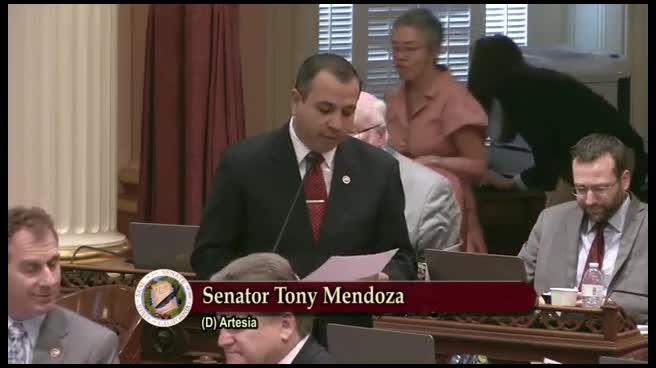 44SEC
Senate Floor
 2MIN
Senate Standing Committee on Health
Bill Author
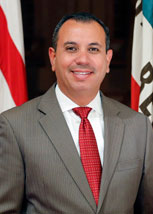
Bill Co-Author(s):