SB 504: Court records: sealing.
- Session Year: 2015-2016
- House: Senate
- Latest Version Date: 2015-09-30
Existing law authorizes a person to petition the court for an order sealing the record of conviction and other official records in a case in which that person was under 18 years of age at the time of commission of a misdemeanor and is eligible for, or has previously received, specified relief. Existing law authorizes that person to be required to reimburse the court, the county, or any city for the actual cost of services rendered, as specified.
This bill would only make persons 26 years of age or older liable to reimburse the court, the county, or any city for the cost of services.
Existing law authorizes in a case in which a petition has been filed with a juvenile court to commence proceedings to adjudge a person a ward of the court, in a case in which a person is cited to appear before a probation officer or is taken before a probation officer pursuant to a specified provision of law, or in a case in which a minor is taken before an officer of a law enforcement agency, the person or the county probation officer to petition the court for the sealing of arrest records and records relating to the persons case in the custody of the juvenile court and the probation officer and any other agencies, including law enforcement agencies and public officials as the petitioner alleges to have custody of the records.
This bill would prohibit an unfulfilled order of restitution that has been converted to a civil judgment from barring the sealing of a record pursuant to the above provisions. The bill would also prohibit outstanding restitution fines and court-ordered fees from being considered when assessing whether a petitioners rehabilitation has been attained to the satisfaction of the court and from barring the sealing of a record pursuant to the above provisions. The bill would provide that a minor is not relieved of the obligation to pay victim restitution, restitution fines, and court-ordered fines and fees because the minors records are sealed. The bill would provide that sealing a record does not prohibit a court from enforcing a civil judgment for an unfulfilled order of restitution, and that a victim or a local collection program may continue to enforce victim restitution orders, restitution fines, and court-ordered fines and fees after a record is sealed. By increasing the number of records local agencies would be required to seal, this bill would impose a state-mandated local program.
Existing law makes a father, mother, spouse, or other person liable for the support of a minor person, the minor when he or she becomes an adult, or the estates of those persons, liable for the cost to the county and court for any investigation related to the sealing and for the sealing of any juvenile court or arrest records pursuant to the above-mentioned provisions. Existing law also authorizes those persons to be required to reimburse the court, county, or a city for the actual cost of services rendered, as specified.
This bill would only require persons 26 years of age or older who petition for an order sealing his or her record, pursuant to specified provisions, to be liable for the investigative costs and to reimburse the costs of services rendered.
The California Constitution requires the state to reimburse local agencies and school districts for certain costs mandated by the state. Statutory provisions establish procedures for making that reimbursement.
This bill would provide that, if the Commission on State Mandates determines that the bill contains costs mandated by the state, reimbursement for those costs shall be made pursuant to these statutory provisions.
Existing law authorizes a person to petition the court for an order sealing the record of conviction and other official records in a case in which that person was under 18 years of age at the time of commission of a misdemeanor and is eligible for, or has previously received, specified relief. Existing law authorizes that person to be required to reimburse the court, the county, or any city for the actual cost of services rendered, as specified.
This bill would only make persons 26 years of age or older liable to reimburse the court, the county, or any city for the cost of services.
Existing law authorizes in a case in which a petition has been filed with a juvenile court to commence proceedings to adjudge a person a ward of the court, in a case in which a person is cited to appear before a probation officer or is taken before a probation officer pursuant to a specified provision of law, or in a case in which a minor is taken before an officer of a law enforcement agency, the person or the county probation officer to petition the court for the sealing of arrest records and records relating to the persons case in the custody of the juvenile court and the probation officer and any other agencies, including law enforcement agencies and public officials as the petitioner alleges to have custody of the records. Existing law authorizes the petition to be filed 5 years or more after the jurisdiction of the juvenile court has terminated or, if no petition was filed, 5 years or more after the person was cited to appear before a probation officer or was taken before a probation officer or law enforcement officer, or, in any case, at any time after the person reaches 18 years of age. Existing law also requires the court to order the juvenile court records sealed pursuant to these provisions destroyed, as specified, and authorizes other agencies in possession of sealed records to destroy the records 5 years after the record was ordered sealed.
This bill would instead require a court to, at the time the jurisdiction of the juvenile court has terminated as to the person, order all records, papers, and exhibits in the persons case in the custody of the juvenile court and other agencies, entities, and officials, sealed. The bill would, in any case in which a petition is not filed with the court, require the probation department or law enforcement agency to seal all records at the time at which the decision was made to not refer the person to the probation department or the district attorneys office. The bill would also make conforming changes. prohibit an unfulfilled order of restitution that has been converted to a civil judgment from barring the sealing of a record pursuant to the above provisions. The bill would also prohibit outstanding restitution fines and court-ordered fees from being considered when assessing whether a petitioners rehabilitation has been attained to the satisfaction of the court and from barring the sealing of a record pursuant to the above provisions. By increasing the number of records local agencies would be required to seal, this bill would impose a state-mandated local program.
Existing law makes a father, mother, spouse, or other person liable for the support of a minor person, the minor when he or she becomes an adult, or the estates of those persons, liable for the cost to the county and court for any investigation related to the sealing and for the sealing of any juvenile court or arrest records pursuant to the above-mentioned provisions. Existing law also authorizes those persons to be required to reimburse the court, county, or a city for the actual cost of services rendered, as specified.
This bill would only require persons 26 years of age or older who petition for an order sealing his or her record, pursuant to specified provisions, to be liable for the investigative costs and to reimburse the costs of services rendered.
The California Constitution requires the state to reimburse local agencies and school districts for certain costs mandated by the state. Statutory provisions establish procedures for making that reimbursement.
This bill would provide that, if the Commission on State Mandates determines that the bill contains costs mandated by the state, reimbursement for those costs shall be made pursuant to these statutory provisions.
Existing law authorizes a person to petition the court for an order sealing the record of conviction and other official records in a case in which that person was under 18 years of age at the time of commission of a misdemeanor and is eligible for, or has previously received, specified relief. Existing law authorizes that person to be required to reimburse the court, the county, or any city for the actual cost of services rendered, as specified.
This bill would only make persons 26 years of age or older liable to reimburse the court, the county, or any city for the cost of services.
Existing law authorizes in a case in which a petition has been filed with a juvenile court to commence proceedings to adjudge a person a ward of the court, in a case in which a person is cited to appear before a probation officer or is taken before a probation officer pursuant to a specified provision of law, or in a case in which a minor is taken before an officer of a law enforcement agency, the person or the county probation officer to petition the court for the sealing of arrest records and records relating to the persons case in the custody of the juvenile court and the probation officer and any other agencies, including law enforcement agencies and public officials as the petitioner alleges to have custody of the records. Existing law authorizes the petition to be filed 5 years or more after the jurisdiction of the juvenile court has terminated or, if no petition was filed, 5 years or more after the person was cited to appear before a probation officer or was taken before a probation officer or law enforcement officer, or, in any case, at any time after the person reaches 18 years of age. Existing law also requires the court to order the juvenile court records sealed pursuant to these provisions destroyed, as specified, and authorizes other agencies in possession of sealed records to destroy the records 5 years after the record was ordered sealed.
This bill would instead require a court to, at the time the jurisdiction of the juvenile court has terminated as to the person, order all records, papers, and exhibits in the persons case in the custody of the juvenile court and other agencies, entities, and officials, sealed. The bill would, in any case in which a petition is not filed with the court, require the probation department or law enforcement agency to seal all records at the time at which the decision was made to not refer the person to the probation department or the district attorneys office. The bill would also make conforming changes. By increasing the number of records local agencies would be required to seal, this bill would impose a state-mandated local program.
Existing law makes a father, mother, spouse, or other person liable for the support of a minor person, the minor when he or she becomes an adult, or the estates of those persons, liable for the cost to the county and court for any investigation related to the sealing and for the sealing of any juvenile court or arrest records pursuant to the above-mentioned provisions. Existing law also authorizes those persons to be required to reimburse the court, county, or a city for the actual cost of services rendered, as specified.
This bill would only require persons 26 years of age or older who petition for an order sealing his or her record, pursuant to specified provisions, to be liable for the investigative costs and to reimburse the costs of services rendered.
The California Constitution requires the state to reimburse local agencies and school districts for certain costs mandated by the state. Statutory provisions establish procedures for making that reimbursement.
This bill would provide that, if the Commission on State Mandates determines that the bill contains costs mandated by the state, reimbursement for those costs shall be made pursuant to these statutory provisions.
Existing law sets forth certain powers that may be exercised by the Director of Juvenile Justice in the Department of Corrections and Rehabilitation to the extent that funds are available for those purposes.
This bill would make technical nonsubstantive changes to those provisions.
Existing law sets forth certain powers that may be exercised by the Director of Juvenile Justice in the Department of Corrections and Rehabilitation to the extent that funds are available for those purposes.
This bill would make technical nonsubstantive changes to those provisions.
(a)In a case in which a person was under 18 years of age at the time of commission of a misdemeanor and is eligible for, or has previously received, the relief provided by Section 1203.4 or 1203.4a, that person, in a proceeding under Section 1203.4 or 1203.4a, or a separate proceeding, may petition the court for an order sealing the record of conviction and other official records in the case, including records of arrests resulting in the criminal proceeding and records relating to other offenses charged in the accusatory pleading, whether the defendant was acquitted or charges were dismissed. If the court finds that the person was under 18 years of age at the time of the commission of the misdemeanor, and is eligible for relief under Section 1203.4 or 1203.4a or has previously received that relief, it may issue its order granting the relief prayed for. Thereafter the conviction, arrest, or other proceeding shall be deemed not to have occurred, and the petitioner may answer accordingly any question relating to their occurrence.
(b)This section applies to convictions that occurred before, as well as those that occur after, the effective date of this section.
(c)This section shall not apply to offenses for which registration is required under Section 290, to violations of Division 10 (commencing with Section 11000) of the Health and Safety Code, or to misdemeanor violations of the Vehicle Code relating to operation of a vehicle or of a local ordinance relating to operation, standing, stopping, or parking of a motor vehicle.
(d)This section does not apply to a person convicted of more than one offense, whether the second or additional convictions occurred in the same action in which the conviction as to which relief is sought occurred or in another action, except in the following cases:
(1)One of the offenses includes the other or others.
(2)The other conviction or convictions were for the following:
(A)Misdemeanor violations of Chapters 1 (commencing with Section 21000) to 9 (commencing with Section 22500), inclusive, Chapter 12 (commencing with Section 23100), or Chapter 13 (commencing with Section 23250) of Division 11 of the Vehicle Code, other than Section 23103, 23104, 23105, 23152, 23153, or 23220.
(B)Violation of a local ordinance relating to the operation, stopping, standing, or parking of a motor vehicle.
(3)The other conviction or convictions consisted of any combination of paragraphs (1) and (2).
(e)This section shall apply in a case in which a person was under 21 years of age at the time of the commission of an offense as to which this section is made applicable if that offense was committed prior to March 7, 1973.
(f)In an action or proceeding based upon defamation, a court, upon a showing of good cause, may order the records sealed under this section to be opened and admitted into evidence. The records shall be confidential and shall be available for inspection only by the court, jury, parties, counsel for the parties, and any other person who is authorized by the court to inspect them. Upon the judgment in the action or proceeding becoming final, the court shall order the records sealed.
(g)A person who is 26 years of age or older and petitions for an order sealing a record under this section may be required to reimburse the court for the actual cost of services rendered, whether or not the petition is granted and the records are sealed or expunged, at a rate to be determined by the court, not to exceed one hundred fifty dollars ($150), and to reimburse the county for the actual cost of services rendered, whether or not the petition is granted and the records are sealed or expunged, at a rate to be determined by the county board of supervisors, not to exceed one hundred fifty dollars ($150), and to reimburse any city for the actual cost of services rendered, whether or not the petition is granted and the records are sealed or expunged, at a rate to be determined by the city council, not to exceed one hundred fifty dollars ($150). Ability to make this reimbursement shall be determined by the court using the standards set forth in paragraph (2) of subdivision (g) of Section 987.8 and shall not be a prerequisite to a persons eligibility under this section. The court may order reimbursement in a case in which the petitioner appears to have the ability to pay, without undue hardship, all or any portion of the cost for services established pursuant to this subdivision.
SEC. 2.Section 781 of the Welfare and Institutions Code is amended to read:781.(a)(1)(A)In any case in which a petition has been filed with a juvenile court to commence proceedings to adjudge a person a ward of the court, in any case in which a person is cited to appear before a probation officer or is taken before a probation officer pursuant to Section 626, or in any case in which a minor is taken before any officer of a law enforcement agency, the person or the county probation officer may, five years or more after the jurisdiction of the juvenile court has terminated as to the person, or, in a case in which no petition is filed, five years or more after the person was cited to appear before a probation officer or was taken before a probation officer pursuant to Section 626 or was taken before any officer of a law enforcement agency, or, in any case, at any time after the person has reached 18 years of age, petition the court for sealing of the records, including records of arrest, relating to the persons case, in the custody of the juvenile court and probation officer and any other agencies, including law enforcement agencies, entities, and public officials as the petitioner alleges, in his or her petition, to have custody of the records. The court shall notify the district attorney of the county and the county probation officer, if he or she is not the petitioner, and the district attorney or probation officer or any of their deputies or any other person having relevant evidence may testify at the hearing on the petition. If, after hearing, the court finds that since the termination of jurisdiction or action pursuant to Section 626, as the case may be, he or she has not been convicted of a felony or of any misdemeanor involving moral turpitude and that rehabilitation has been attained to the satisfaction of the court, it shall order all records, papers, and exhibits in the persons case in the custody of the juvenile court sealed, including the juvenile court record, minute book entries, and entries on dockets, and any other records relating to the case in the custody of the other agencies, entities, and officials as are named in the order. Once the court has ordered the persons records sealed, the proceedings in the case shall be deemed never to have occurred, and the person may properly reply accordingly to any inquiry about the events, the records of which are ordered sealed.
(B)The court shall send a copy of the order to each agency, entity, and official named in the order, directing the agency or entity to seal its records. Each agency, entity, and official shall seal the records in its custody as directed by the order, shall advise the court of its compliance, and thereupon shall seal the copy of the courts order for sealing of records that the agency, entity, or official received.
(C)In any case in which a ward of the juvenile court is subject to the registration requirements set forth in Section 290 of the Penal Code, a court, in ordering the sealing of the juvenile records of the person, shall also provide in the order that the person is relieved from the registration requirement and for the destruction of all registration information in the custody of the Department of Justice and other agencies, entities, and officials.
(D)Notwithstanding any other law, the court shall not order the persons records sealed in any case in which the person has been found by the juvenile court to have committed an offense listed in subdivision (b) of Section 707 when he or she had attained 14 years of age or older.
(2)An unfulfilled order of restitution that has been converted to a civil judgment pursuant to Section 730.6 shall not be a bar to sealing a record pursuant to this subdivision.
(3)Outstanding restitution fines and court-ordered fees shall not be considered when assessing whether a petitioners rehabilitation has been attained to the satisfaction of the court and shall not be a bar to sealing a record pursuant to this subdivision.
(4)The person who is the subject of records sealed pursuant to this section may petition the superior court to permit inspection of the records by persons named in the petition, and the superior court may order the inspection of the records. Except as provided in subdivision (b), the records shall not be open to inspection.
(b)In any action or proceeding based upon defamation, a court, upon a showing of good cause, may order any records sealed under this section to be opened and admitted into evidence. The records shall be confidential and shall be available for inspection only by the court, jury, parties, counsel for the parties, and any other person who is authorized by the court to inspect them. Upon the judgment in the action or proceeding becoming final, the court shall order the records sealed.
(c)(1)Subdivision (a) does not apply to Department of Motor Vehicles records of any convictions for offenses under the Vehicle Code or any local ordinance relating to the operation, stopping and standing, or parking of a vehicle where the record of any such conviction would be a public record under Section 1808 of the Vehicle Code. However, if a court orders a case record containing any such conviction to be sealed under this section, and if the Department of Motor Vehicles maintains a public record of such a conviction, the court shall notify the Department of Motor Vehicles of the sealing and the department shall advise the court of its receipt of the notice.
(2)Notwithstanding any other law, subsequent to the notification, the Department of Motor Vehicles shall allow access to its record of convictions only to the subject of the record and to insurers which have been granted requestor code numbers by the department. Any insurer to which a record of conviction is disclosed, when the conviction record has otherwise been sealed under this section, shall be given notice of the sealing when the record is disclosed to the insurer. The insurer may use the information contained in the record for purposes of determining eligibility for insurance and insurance rates for the subject of the record, and the information shall not be used for any other purpose nor shall it be disclosed by an insurer to any person or party not having access to the record.
(3)This subdivision does not prevent the sealing of any record which is maintained by any agency or party other than the Department of Motor Vehicles.
(4)This subdivision does not affect the procedures or authority of the Department of Motor Vehicles for purging department records.
(d)Unless for good cause the court determines that the juvenile court record shall be retained, the court shall order the destruction of a persons juvenile court records that are sealed pursuant to this section as follows: five years after the record was ordered sealed, if the person who is the subject of the record was alleged or adjudged to be a person described by Section 601; or when the person who is the subject of the record reaches 38 years of age if the person was alleged or adjudged to be a person described by Section 602, except that if the subject of the record was found to be a person described in Section 602 because of the commission of an offense listed in subdivision (b) of Section 707 when he or she was 14 years of age or older, the record shall not be destroyed. Any other agency in possession of sealed records may destroy its records five years after the record was ordered sealed.
(e)The court may access a file that has been sealed pursuant to this section for the limited purpose of verifying the prior jurisdictional status of a ward who is petitioning the court to resume its jurisdiction pursuant to subdivision (e) of Section 388. This access shall not be deemed an unsealing of the record and shall not require notice to any other entity.
(f)This section shall not permit the sealing of a persons juvenile court records for an offense where the person is convicted of that offense in a criminal court pursuant to the provisions of Section 707.1. This subdivision is declaratory of existing law.
(g)(1)This section does not prohibit a court from enforcing a civil judgment for an unfulfilled order of restitution obtained pursuant to Section 730.6. A minor is not relieved from the obligation to pay victim restitution, restitution fines, and court-ordered fines and fees because the minors records are sealed.
(2)A victim or a local collection program may continue to enforce victim restitution orders, restitution fines, and court-ordered fines and fees after a record is sealed. The juvenile court shall have access to any records sealed pursuant to this section for the limited purposes of enforcing a civil judgment or restitution order.
(h)(1)On and after January 1, 2015, each court and probation department shall ensure that information regarding the eligibility for and the procedures to request the sealing and destruction of records pursuant to this section shall be provided to each person who is either of the following:
(A)A person for whom a petition has been filed on or after January 1, 2015, to adjudge the person a ward of the juvenile court.
(B)A person who is brought before a probation officer pursuant to Section 626.
(2)The Judicial Council shall, on or before January 1, 2015, develop informational materials for purposes of paragraph (1) and shall develop a form to petition the court for the sealing and destruction of records pursuant to this section. The informational materials and the form shall be provided to each person described in paragraph (1) when jurisdiction is terminated or when the case is dismissed.
SEC. 3.Section 903.3 of the Welfare and Institutions Code is amended to read:903.3.(a) A person who is 26 years of age or older shall, unless indigent, be liable for the cost to the county and court for any investigation related to the sealing and for the sealing of any juvenile court or arrest records pursuant to Section 781 pertaining to that person.
(b)In the event a petition is filed for an order sealing a record, a person who is 26 years of age or older may be required to reimburse the county and court for the actual cost of services rendered, whether or not the petition is granted and the records are sealed or expunged, at a rate to be determined by the county board of supervisors for the county and by the court for the court, not to exceed one hundred fifty dollars ($150). Ability to make this reimbursement shall be determined by the court using the standards set forth in paragraph (2) of subdivision (g) of Section 987.8 of the Penal Code and shall not be a prerequisite to a persons eligibility under this section. The court may order reimbursement in any case in which the petitioner appears to have the ability to pay, without undue hardship, all or any portion of the cost for services.
(c)Notwithstanding subdivision (a), a person shall not be liable for the costs described in this section if a petition to declare the minor a dependent child of the court pursuant to Section 300 is dismissed at or before the jurisdictional hearing.
(d)Any determination of amount made by a court under this section shall be valid only if either (1) made under procedures adopted by the Judicial Council or (2) approved by the Judicial Council.
SEC. 4.If the Commission on State Mandates determines that this act contains costs mandated by the state, reimbursement to local agencies and school districts for those costs shall be made pursuant to Part 7 (commencing with Section 17500) of Division 4 of Title 2 of the Government Code.
(a)In a case in which a person was under 18 years of age at the time of commission of a misdemeanor and is eligible for, or has previously received, the relief provided by Section 1203.4 or 1203.4a, that person, in a proceeding under Section 1203.4 or 1203.4a, or a separate proceeding, may petition the court for an order sealing the record of conviction and other official records in the case, including records of arrests resulting in the criminal proceeding and records relating to other offenses charged in the accusatory pleading, whether the defendant was acquitted or charges were dismissed. If the court finds that the person was under 18 years of age at the time of the commission of the misdemeanor, and is eligible for relief under Section 1203.4 or 1203.4a or has previously received that relief, it may issue its order granting the relief prayed for. Thereafter the conviction, arrest, or other proceeding shall be deemed not to have occurred, and the petitioner may answer accordingly any question relating to their occurrence.
(b)This section applies to convictions that occurred before, as well as those that occur after, the effective date of this section.
(c)This section shall not apply to offenses for which registration is required under Section 290, to violations of Division 10 (commencing with Section 11000) of the Health and Safety Code, or to misdemeanor violations of the Vehicle Code relating to operation of a vehicle or of a local ordinance relating to operation, standing, stopping, or parking of a motor vehicle.
(d)This section does not apply to a person convicted of more than one offense, whether the second or additional convictions occurred in the same action in which the conviction as to which relief is sought occurred or in another action, except in the following cases:
(1)One of the offenses includes the other or others.
(2)The other conviction or convictions were for the following:
(A)Misdemeanor violations of Chapters 1 (commencing with Section 21000) to 9 (commencing with Section 22500), inclusive, Chapter 12 (commencing with Section 23100), or Chapter 13 (commencing with Section 23250) of Division 11 of the Vehicle Code, other than Section 23103, 23104, 23105, 23152, 23153, or 23220.
(B)Violation of a local ordinance relating to the operation, stopping, standing, or parking of a motor vehicle.
(3)The other conviction or convictions consisted of any combination of paragraphs (1) and (2).
(e)This section shall apply in a case in which a person was under 21 years of age at the time of the commission of an offense as to which this section is made applicable if that offense was committed prior to March 7, 1973.
(f)In an action or proceeding based upon defamation, a court, upon a showing of good cause, may order the records sealed under this section to be opened and admitted into evidence. The records shall be confidential and shall be available for inspection only by the court, jury, parties, counsel for the parties, and any other person who is authorized by the court to inspect them. Upon the judgment in the action or proceeding becoming final, the court shall order the records sealed.
(g)A person who is 26 years of age of or older and petitions for an order sealing a record under this section may be required to reimburse the court for the actual cost of services rendered, whether or not the petition is granted and the records are sealed or expunged, at a rate to be determined by the court, not to exceed one hundred fifty dollars ($150), and to reimburse the county for the actual cost of services rendered, whether or not the petition is granted and the records are sealed or expunged, at a rate to be determined by the county board of supervisors, not to exceed one hundred fifty dollars ($150), and to reimburse any city for the actual cost of services rendered, whether or not the petition is granted and the records are sealed or expunged, at a rate to be determined by the city council, not to exceed one hundred fifty dollars ($150). Ability to make this reimbursement shall be determined by the court using the standards set forth in paragraph (2) of subdivision (g) of Section 987.8 and shall not be a prerequisite to a persons eligibility under this section. The court may order reimbursement in a case in which the petitioner appears to have the ability to pay, without undue hardship, all or any portion of the cost for services established pursuant to this subdivision.
SEC. 2.Section 781 of the Welfare and Institutions Code is amended to read:781.(a)(1)(A)In any case in which a petition has been filed with a juvenile court to commence proceedings to adjudge a person a ward of the court, in any case in which a person is cited to appear before a probation officer or is taken before a probation officer pursuant to Section 626, or in any case in which a minor is taken before any officer of a law enforcement agency, the person or the county probation officer may, five years or more after the jurisdiction of the juvenile court has terminated as to the person, or, in a case in which no petition is filed, five years or more after the person was cited to appear before a probation officer or was taken before a probation officer pursuant to Section 626 or was taken before any officer of a law enforcement agency, or, in any case, at any time after the person has reached 18 years of age, petition the court for sealing of the records, including records of arrest, relating to the persons case, in the custody of the juvenile court and probation officer and any other agencies, including law enforcement agencies, entities, and public officials as the petitioner alleges, in his or her petition, to have custody of the records. The court shall notify the district attorney of the county and the county probation officer, if he or she is not the petitioner, and the district attorney or probation officer or any of their deputies or any other person having relevant evidence may testify at the hearing on the petition. If, after hearing, the court finds that since the termination of jurisdiction or action pursuant to Section 626, as the case may be, he or she has not been convicted of a felony or of any misdemeanor involving moral turpitude and that rehabilitation has been attained to the satisfaction of the court, it shall order all records, papers, and exhibits in the persons case in the custody of the juvenile court sealed, including the juvenile court record, minute book entries, and entries on dockets, and any other records relating to the case in the custody of the other agencies, entities, and officials as are named in the order. Once the court has ordered the persons records sealed, the proceedings in the case shall be deemed never to have occurred, and the person may properly reply accordingly to any inquiry about the events, the records of which are ordered sealed.
(B)The court shall send a copy of the order to each agency, entity, and official named in the order, directing the agency or entity to seal its records. Each agency, entity, and official shall seal the records in its custody as directed by the order, shall advise the court of its compliance, and thereupon shall seal the copy of the courts order for sealing of records that the agency, entity, or official received.
(C)In any case in which a ward of the juvenile court is subject to the registration requirements set forth in Section 290 of the Penal Code, a court, in ordering the sealing of the juvenile records of the person, shall also provide in the order that the person is relieved from the registration requirement and for the destruction of all registration information in the custody of the Department of Justice and other agencies, entities, and officials.
(D)Notwithstanding any other law, the court shall not order the persons records sealed in any case in which the person has been found by the juvenile court to have committed an offense listed in subdivision (b) of Section 707 when he or she had attained 14 years of age or older.
(2)An unfulfilled order of restitution that has been converted to a civil judgment pursuant to Section 730.6 shall not be a bar to sealing a record pursuant to this subdivision.
(3)Outstanding restitution fines and court-ordered fees shall not be considered when assessing whether a petitioners rehabilitation has been attained to the satisfaction of the court and shall not be a bar to sealing a record pursuant to this subdivision.
(4)The person who is the subject of records sealed pursuant to this section may petition the superior court to permit inspection of the records by persons named in the petition, and the superior court may order the inspection of the records. Except as provided in subdivision (b), the records shall not be open to inspection.
(b)In any action or proceeding based upon defamation, a court, upon a showing of good cause, may order any records sealed under this section to be opened and admitted into evidence. The records shall be confidential and shall be available for inspection only by the court, jury, parties, counsel for the parties, and any other person who is authorized by the court to inspect them. Upon the judgment in the action or proceeding becoming final, the court shall order the records sealed.
(c)(1)Subdivision (a) does not apply to Department of Motor Vehicle Vehicles records of any convictions for offenses under the Vehicle Code or any local ordinance relating to the operation, stopping and standing, or parking of a vehicle where the record of any such conviction would be a public record under Section 1808 of the Vehicle Code. However, if a court orders a case record containing any such conviction to be sealed under this section, and if the Department of Motor Vehicles maintains a public record of such a conviction, the court shall notify the Department of Motor Vehicles of the sealing and the department shall advise the court of its receipt of the notice.
(2)Notwithstanding any other law, subsequent to the notification, the Department of Motor Vehicles shall allow access to its record of convictions only to the subject of the record and to insurers which have been granted requestor code numbers by the department. Any insurer to which a record of conviction is disclosed, when the conviction record has otherwise been sealed under this section, shall be given notice of the sealing when the record is disclosed to the insurer. The insurer may use the information contained in the record for purposes of determining eligibility for insurance and insurance rates for the subject of the record, and the information shall not be used for any other purpose nor shall it be disclosed by an insurer to any person or party not having access to the record.
(3)This subdivision does not prevent the sealing of any record which is maintained by any agency or party other than the Department of Motor Vehicles.
(4)This subdivision does not affect the procedures or authority of the Department of Motor Vehicles for purging department records.
(d)Unless for good cause the court determines that the juvenile court record shall be retained, the court shall order the destruction of a persons juvenile court records that are sealed pursuant to this section as follows: five years after the record was ordered sealed, if the person who is the subject of the record was alleged or adjudged to be a person described by Section 601; or when the person who is the subject of the record reaches the age of 38 years of age if the person was alleged or adjudged to be a person described by Section 602, except that if the subject of the record was found to be a person described in Section 602 because of the commission of an offense listed in subdivision (b) of Section 707 when he or she was 14 years of age or older, the record shall not be destroyed. Any other agency in possession of sealed records may destroy its records five years after the record was ordered sealed.
(e)The court may access a file that has been sealed pursuant to this section for the limited purpose of verifying the prior jurisdictional status of a ward who is petitioning the court to resume its jurisdiction pursuant to subdivision (e) of Section 388. This access shall not be deemed an unsealing of the record and shall not require notice to any other entity.
(f)This section shall not permit the sealing of a persons juvenile court records for an offense where the person is convicted of that offense in a criminal court pursuant to the provisions of Section 707.1. This subdivision is declaratory of existing law.
(g)(1)This section does not prohibit a court from enforcing a civil judgment for an unfulfilled order of restitution obtained pursuant to Section 730.6. A minor is not relieved from the obligation to pay victim restitution, restitution fines, and court-ordered fines and fees because the minors records are sealed.
(2)A victim or a local collection program may continue to enforce victim restitution orders, restitution fines, and court-ordered fines and fees after a record is sealed. The juvenile court shall have access to any records sealed pursuant to this section for the limited purposes of enforcing a civil judgment or restitution order.
(g)
(h)(1)On and after January 1, 2015, each court and probation department shall ensure that information regarding the eligibility for and the procedures to request the sealing and destruction of records pursuant to this section shall be provided to each person who is either of the following:
(A)A person for whom a petition has been filed on or after January 1, 2015, to adjudge the person a ward of the juvenile court.
(B)A person who is brought before a probation officer pursuant to Section 626.
(2)The Judicial Council shall, on or before January 1, 2015, develop informational materials for purposes of paragraph (1) and shall develop a form to petition the court for the sealing and destruction of records pursuant to this section. The informational materials and the form shall be provided to each person described in paragraph (1) when jurisdiction is terminated or when the case is dismissed.
SEC. 3.Section 903.3 of the Welfare and Institutions Code is amended to read:903.3.(a) A person who is 26 years of age or older shall, unless indigent, be liable for the cost to the county and court for any investigation related to the sealing and for the sealing of any juvenile court or arrest records pursuant to Section 781 pertaining to that person.
(b)In the event a petition is filed for an order sealing a record, a person who is 26 years of age or older may be required to reimburse the county and court for the actual cost of services rendered, whether or not the petition is granted and the records are sealed or expunged, at a rate to be determined by the county board of supervisors for the county and by the court for the court, not to exceed one hundred fifty dollars ($150). Ability to make this reimbursement shall be determined by the court using the standards set forth in paragraph (2) of subdivision (g) of Section 987.8 of the Penal Code and shall not be a prerequisite to a persons eligibility under this section. The court may order reimbursement in any case in which the petitioner appears to have the ability to pay, without undue hardship, all or any portion of the cost for services.
(c)Notwithstanding subdivision (a), a person shall not be liable for the costs described in this section if a petition to declare the minor a dependent child of the court pursuant to Section 300 is dismissed at or before the jurisdictional hearing.
(d)Any determination of amount made by a court under this section shall be valid only if either (1) made under procedures adopted by the Judicial Council or (2) approved by the Judicial Council.
SEC. 4.If the Commission on State Mandates determines that this act contains costs mandated by the state, reimbursement to local agencies and school districts for those costs shall be made pursuant to Part 7 (commencing with Section 17500) of Division 4 of Title 2 of the Government Code.
(a)In a case in which a person was under 18 years of age at the time of commission of a misdemeanor and is eligible for, or has previously received, the relief provided by Section 1203.4 or 1203.4a, that person, in a proceeding under Section 1203.4 or 1203.4a, or a separate proceeding, may petition the court for an order sealing the record of conviction and other official records in the case, including records of arrests resulting in the criminal proceeding and records relating to other offenses charged in the accusatory pleading, whether the defendant was acquitted or charges were dismissed. If the court finds that the person was under 18 years of age at the time of the commission of the misdemeanor, and is eligible for relief under Section 1203.4 or 1203.4a or has previously received that relief, it may issue its order granting the relief prayed for. Thereafter the conviction, arrest, or other proceeding shall be deemed not to have occurred, and the petitioner may answer accordingly any question relating to their occurrence.
(b)This section applies to convictions that occurred before, as well as those that occur after, the effective date of this section.
(c)This section shall not apply to offenses for which registration is required under Section 290, to violations of Division 10 (commencing with Section 11000) of the Health and Safety Code, or to misdemeanor violations of the Vehicle Code relating to operation of a vehicle or of a local ordinance relating to operation, standing, stopping, or parking of a motor vehicle.
(d)This section does not apply to a person convicted of more than one offense, whether the second or additional convictions occurred in the same action in which the conviction as to which relief is sought occurred or in another action, except in the following cases:
(1)One of the offenses includes the other or others.
(2)The other conviction or convictions were for the following:
(A)Misdemeanor violations of Chapters 1 (commencing with Section 21000) to 9 (commencing with Section 22500), inclusive, Chapter 12 (commencing with Section 23100), or Chapter 13 (commencing with Section 23250) of Division 11 of the Vehicle Code, other than Section 23103, 23104, 23105, 23152, 23153, or 23220.
(B)Violation of a local ordinance relating to the operation, stopping, standing, or parking of a motor vehicle.
(3)The other conviction or convictions consisted of any combination of paragraphs (1) and (2).
(e)This section shall apply in a case in which a person was under 21 years of age at the time of the commission of an offense as to which this section is made applicable if that offense was committed prior to March 7, 1973.
(f)In an action or proceeding based upon defamation, a court, upon a showing of good cause, may order the records sealed under this section to be opened and admitted into evidence. The records shall be confidential and shall be available for inspection only by the court, jury, parties, counsel for the parties, and any other person who is authorized by the court to inspect them. Upon the judgment in the action or proceeding becoming final, the court shall order the records sealed.
(g)A person who is 26 years of age of older and petitions for an order sealing a record under this section may be required to reimburse the court for the actual cost of services rendered, whether or not the petition is granted and the records are sealed or expunged, at a rate to be determined by the court, not to exceed one hundred fifty dollars ($150), and to reimburse the county for the actual cost of services rendered, whether or not the petition is granted and the records are sealed or expunged, at a rate to be determined by the county board of supervisors, not to exceed one hundred fifty dollars ($150), and to reimburse any city for the actual cost of services rendered, whether or not the petition is granted and the records are sealed or expunged, at a rate to be determined by the city council, not to exceed one hundred fifty dollars ($150). Ability to make this reimbursement shall be determined by the court using the standards set forth in paragraph (2) of subdivision (g) of Section 987.8 and shall not be a prerequisite to a persons eligibility under this section. The court may order reimbursement in a case in which the petitioner appears to have the ability to pay, without undue hardship, all or any portion of the cost for services established pursuant to this subdivision.
SEC. 2.Section 781 of the Welfare and Institutions Code is amended to read:781.(a)(1)(A)In any case in which a petition has been filed with a juvenile court to commence proceedings to adjudge a person a ward of the court, the court shall, at the time the jurisdiction of the juvenile court has terminated as to the person, order all records, papers, and exhibits in the persons case in the custody of the juvenile court sealed, including the juvenile court record, minute book entries, and entries on dockets, and any other records relating to the case in the custody of the other agencies, entities, and officials as are named in the order. Once the court has ordered the persons records sealed, the proceedings in the case shall be deemed never to have occurred, and the person may properly reply accordingly to any inquiry about the events, the records of which are ordered sealed.
(B)The court shall send a copy of the order to each agency, entity, and official named in the order, directing the agency or entity to seal its records. Each agency, entity, and official shall seal the records in its custody as directed by the order, shall advise the court of its compliance, and thereupon shall seal the copy of the courts order for sealing of records that the agency, entity, or official received.
(C)In any case in which a ward of the juvenile court is subject to the registration requirements set forth in Section 290 of the Penal Code, a court, in ordering the sealing of the juvenile records of the person, shall also provide in the order that the person is relieved from the registration requirement and for the destruction of all registration information in the custody of the Department of Justice and other agencies, entities, and officials.
(D)Notwithstanding any other law, the court shall not order the persons records sealed in any case in which the person has been found by the juvenile court to have committed an offense listed in subdivision (b) of Section 707 when he or she had attained 14 years of age or older.
(2)In any case in which a person is cited to appear before a probation officer or is taken before a probation officer pursuant to Section 626, or in any case in which a minor is taken before any officer of a law enforcement agency, and no petition is filed, the probation department or law enforcement agency shall, at the time at which the decision was made to not refer the person to the probation department or to the district attorneys office, seal all records, including records of arrest, relating to the persons case, in the custody of the probation department and law enforcement agency. Once the records have been sealed, the events shall be deemed never to have occurred, and the person may properly reply accordingly to any inquiry about the events, the records of which are sealed.
(3)The person who is the subject of records sealed pursuant to this section may petition the superior court to permit inspection of the records by persons named in the petition, and the superior court may order the inspection of the records. Except as provided in subdivision (b), the records shall not be open to inspection.
(b)In any action or proceeding based upon defamation, a court, upon a showing of good cause, may order any records sealed under this section to be opened and admitted into evidence. The records shall be confidential and shall be available for inspection only by the court, jury, parties, counsel for the parties, and any other person who is authorized by the court to inspect them. Upon the judgment in the action or proceeding becoming final, the court shall order the records sealed.
(c)(1)Subdivision (a) does not apply to Department of Motor Vehicle records of any convictions for offenses under the Vehicle Code or any local ordinance relating to the operation, stopping and standing, or parking of a vehicle where the record of any such conviction would be a public record under Section 1808 of the Vehicle Code. However, if a court orders a case record containing any such conviction to be sealed under this section, and if the Department of Motor Vehicles maintains a public record of such a conviction, the court shall notify the Department of Motor Vehicles of the sealing and the department shall advise the court of its receipt of the notice.
(2)Notwithstanding any other law, subsequent to the notification, the Department of Motor Vehicles shall allow access to its record of convictions only to the subject of the record and to insurers which have been granted requestor code numbers by the department. An insurer to which a record of conviction is disclosed, when the conviction record has otherwise been sealed under this section, shall be given notice of the sealing when the record is disclosed to the insurer. The insurer may use the information contained in the record for purposes of determining eligibility for insurance and insurance rates for the subject of the record, and the information shall not be used for any other purpose nor shall it be disclosed by an insurer to any person or party not having access to the record.
(3)This subdivision shall not prevent the sealing of any record that is maintained by any agency or party other than the Department of Motor Vehicles.
(4)This subdivision shall not affect the procedures or authority of the Department of Motor Vehicles for purging department records.
(d)This section shall not permit the sealing of a persons juvenile court records for an offense where the person is convicted of that offense in a criminal court pursuant to the provisions of Section 707.1. This subdivision is declaratory of existing law.
(e)(1)On and after January 1, 2015, each court and probation department shall ensure that information regarding the eligibility for and the procedures to request the sealing and destruction of records pursuant to this section shall be provided to each person who is either of the following:
(A)A person for whom a petition has been filed on or after January 1, 2015, to adjudge the person a ward of the juvenile court.
(B)A person who is brought before a probation officer pursuant to Section 626.
(2)The Judicial Council shall, on or before January 1, 2015, develop informational materials for purposes of paragraph (1) and shall develop a form to petition the court for the sealing and destruction of records pursuant to this section. The informational materials and the form shall be provided to each person described in paragraph (1) when jurisdiction is terminated or when the case is dismissed.
SEC. 2.Section 781 of the Welfare and Institutions Code is amended to read:781.(a)(1)(A)In any case in which a petition has been filed with a juvenile court to commence proceedings to adjudge a person a ward of the court, in any case in which a person is cited to appear before a probation officer or is taken before a probation officer pursuant to Section 626, or in any case in which a minor is taken before any officer of a law enforcement agency, the person or the county probation officer may, five years or more after the jurisdiction of the juvenile court has terminated as to the person, or, in a case in which no petition is filed, five years or more after the person was cited to appear before a probation officer or was taken before a probation officer pursuant to Section 626 or was taken before any officer of a law enforcement agency, or, in any case, at any time after the person has reached the age of 18 years 18 years of age, petition the court for sealing of the records, including records of arrest, relating to the persons case, in the custody of the juvenile court and probation officer and any other agencies, including law enforcement agencies, entities, and public officials as the petitioner alleges, in his or her petition, to have custody of the records. The court shall notify the district attorney of the county and the county probation officer, if he or she is not the petitioner, and the district attorney or probation officer or any of their deputies or any other person having relevant evidence may testify at the hearing on the petition. If, after hearing, the court finds that since the termination of jurisdiction or action pursuant to Section 626, as the case may be, he or she has not been convicted of a felony or of any misdemeanor involving moral turpitude and that rehabilitation has been attained to the satisfaction of the court, it shall order all records, papers, and exhibits in the persons case in the custody of the juvenile court sealed, including the juvenile court record, minute book entries, and entries on dockets, and any other records relating to the case in the custody of the other agencies agencies, entities, and officials as are named in the order. In any case in which a ward of the juvenile court is subject to the registration requirements set forth in Section 290 of the Penal Code, a court, in ordering the sealing of the juvenile records of the person, also shall provide in the order that the person is relieved from the registration requirement and for the destruction of all registration information in the custody of the Department of Justice and other agencies and officials. Notwithstanding any other provision of law, the court shall not order the persons records sealed in any case in which the person has been found by the juvenile court to have committed an offense listed in subdivision (b) of Section 707 when he or she had attained 14 years of age or older. Once the court has ordered the persons records sealed, the proceedings in the case shall be deemed never to have occurred, and the person may properly reply accordingly to any inquiry about the events, the records of which are ordered sealed. The court shall send a copy of the order to each agency and official named therein, directing the agency to seal its records and stating the date thereafter to destroy the sealed records. Each such agency and official shall seal the records in its custody as directed by the order, shall advise the court of its compliance, and thereupon shall seal the copy of the courts order for sealing of records that it, he, or she received. The person who is the subject of records sealed pursuant to this section may petition the superior court to permit inspection of the records by persons named in the petition, and the superior court may so order. Otherwise, except as provided in subdivisions (b) and (e), the records shall not be open to inspection.
(B)The court shall send a copy of the order to each agency, entity, and official named in the order, directing the agency or entity to seal its records. Each agency, entity, and official shall seal the records in its custody as directed by the order, shall advise the court of its compliance, and thereupon shall seal the copy of the courts order for sealing of records that the agency, entity, or official received.
(C)In any case in which a ward of the juvenile court is subject to the registration requirements set forth in Section 290 of the Penal Code, a court, in ordering the sealing of the juvenile records of the person, shall also provide in the order that the person is relieved from the registration requirement and for the destruction of all registration information in the custody of the Department of Justice and other agencies, entities, and officials.
(D)Notwithstanding any other law, the court shall not order the persons records sealed in any case in which the person has been found by the juvenile court to have committed an offense listed in subdivision (b) of Section 707 when he or she had attained 14 years of age or older.
(2)An unfulfilled order of restitution that has been converted to a civil judgment pursuant to Section 730.6 shall not be a bar to sealing a record pursuant to this subdivision.
(3)Outstanding restitution fines and court-ordered fees shall not be considered when assessing whether a petitioners rehabilitation has been attained to the satisfaction of the court and shall not be a bar to sealing a record pursuant to this subdivision.
(4)The person who is the subject of records sealed pursuant to this section may petition the superior court to permit inspection of the records by persons named in the petition, and the superior court may order the inspection of the records. Except as provided in subdivision (b), the records shall not be open to inspection.
(b)In any action or proceeding based upon defamation, a court, upon a showing of good cause, may order any records sealed under this section to be opened and admitted into evidence. The records shall be confidential and shall be available for inspection only by the court, jury, parties, counsel for the parties, and any other person who is authorized by the court to inspect them. Upon the judgment in the action or proceeding becoming final, the court shall order the records sealed.
(c)(1)Subdivision (a) does not apply to Department of Motor Vehicle records of any convictions for offenses under the Vehicle Code or any local ordinance relating to the operation, stopping and standing, or parking of a vehicle where the record of any such conviction would be a public record under Section 1808 of the Vehicle Code. However, if a court orders a case record containing any such conviction to be sealed under this section, and if the Department of Motor Vehicles maintains a public record of such a conviction, the court shall notify the Department of Motor Vehicles of the sealing and the department shall advise the court of its receipt of the notice.
Notwithstanding
(2)Notwithstanding any other provision of law, subsequent to the notification, the Department of Motor Vehicles shall allow access to its record of convictions only to the subject of the record and to insurers which have been granted requestor code numbers by the department. Any insurer to which such a record of conviction is disclosed, when such a the conviction record has otherwise been sealed under this section, shall be given notice of the sealing when the record is disclosed to the insurer. The insurer may use the information contained in the record for purposes of determining eligibility for insurance and insurance rates for the subject of the record, and the information shall not be used for any other purpose nor shall it be disclosed by an insurer to any person or party not having access to the record.
(2)
(3)This subdivision shall not be construed as preventing does not prevent the sealing of any record which is maintained by any agency or party other than the Department of Motor Vehicles.
(3)
(4)This subdivision shall not be construed as affecting does not affect the procedures or authority of the Department of Motor Vehicles for purging department records.
(d)Unless for good cause the court determines that the juvenile court record shall be retained, the court shall order the destruction of a persons juvenile court records that are sealed pursuant to this section as follows: five years after the record was ordered sealed, if the person who is the subject of the record was alleged or adjudged to be a person described by Section 601; or when the person who is the subject of the record reaches the age of 38 if the person was alleged or adjudged to be a person described by Section 602, except that if the subject of the record was found to be a person described in Section 602 because of the commission of an offense listed in subdivision (b) of Section 707 when he or she was 14 years of age or older, the record shall not be destroyed. Any other agency in possession of sealed records may destroy its records five years after the record was ordered sealed.
(e)The court may access a file that has been sealed pursuant to this section for the limited purpose of verifying the prior jurisdictional status of a ward who is petitioning the court to resume its jurisdiction pursuant to subdivision (e) of Section 388. This access shall not be deemed an unsealing of the record and shall not require notice to any other entity.
(f)This section shall not permit the sealing of a persons juvenile court records for an offense where the person is convicted of that offense in a criminal court pursuant to the provisions of Section 707.1. This subdivision is declaratory of existing law.
(g)(1)On and after January 1, 2015, each court and probation department shall ensure that information regarding the eligibility for and the procedures to request the sealing and destruction of records pursuant to this section shall be provided to each person who is either of the following:
(A)A person for whom a petition has been filed on or after January 1, 2015, to adjudge the person a ward of the juvenile court.
(B)A person who is brought before a probation officer pursuant to Section 626.
(2)The Judicial Council shall, on or before January 1, 2015, develop informational materials for purposes of paragraph (1) and shall develop a form to petition the court for the sealing and destruction of records pursuant to this section. The informational materials and the form shall be provided to each person described in paragraph (1) when jurisdiction is terminated or when the case is dismissed.
SEC. 3.Section 903.3 of the Welfare and Institutions Code is amended to read:903.3.(a) A person who is 26 years of age or older shall, unless indigent, be liable for the cost to the county and court for any investigation related to the sealing and for the sealing of any juvenile court or arrest records pursuant to Section 781 pertaining to that person.
(b)In the event a petition is filed for an order sealing a record, a person who is 26 years of age or older may be required to reimburse the county and court for the actual cost of services rendered, whether or not the petition is granted and the records are sealed or expunged, at a rate to be determined by the county board of supervisors for the county and by the court for the court, not to exceed one hundred fifty dollars ($150). Ability to make this reimbursement shall be determined by the court using the standards set forth in paragraph (2) of subdivision (g) of Section 987.8 of the Penal Code and shall not be a prerequisite to a persons eligibility under this section. The court may order reimbursement in any case in which the petitioner appears to have the ability to pay, without undue hardship, all or any portion of the cost for services.
(c)Notwithstanding subdivision (a), a person shall not be liable for the costs described in this section if a petition to declare the minor a dependent child of the court pursuant to Section 300 is dismissed at or before the jurisdictional hearing.
(d)Any determination of amount made by a court under this section shall be valid only if either (1) made under procedures adopted by the Judicial Council or (2) approved by the Judicial Council.
SEC. 4.If the Commission on State Mandates determines that this act contains costs mandated by the state, reimbursement to local agencies and school districts for those costs shall be made pursuant to Part 7 (commencing with Section 17500) of Division 4 of Title 2 of the Government Code.
(a)In a case in which a person was under the age of 18 years of age at the time of commission of a misdemeanor and is eligible for, or has previously received, the relief provided by Section 1203.4 or 1203.4a, that person, in a proceeding under Section 1203.4 or 1203.4a, or a separate proceeding, may petition the court for an order sealing the record of conviction and other official records in the case, including records of arrests resulting in the criminal proceeding and records relating to other offenses charged in the accusatory pleading, whether the defendant was acquitted or charges were dismissed. If the court finds that the person was under the age 18 years of 18 age at the time of the commission of the misdemeanor, and is eligible for relief under Section 1203.4 or 1203.4a or has previously received that relief, it may issue its order granting the relief prayed for. Thereafter the conviction, arrest, or other proceeding shall be deemed not to have occurred, and the petitioner may answer accordingly any question relating to their occurrence.
(b)This section applies to convictions that occurred before, as well as those that occur after, the effective date of this section.
(c)This section shall not apply to offenses for which registration is required under Section 290, to violations of Division 10 (commencing with Section 11000) of the Health and Safety Code, or to misdemeanor violations of the Vehicle Code relating to operation of a vehicle or of a local ordinance relating to operation, standing, stopping, or parking of a motor vehicle.
(d)This section does not apply to a person convicted of more than one offense, whether the second or additional convictions occurred in the same action in which the conviction as to which relief is sought occurred or in another action, except in the following cases:
(1)One of the offenses includes the other or others.
(2)The other conviction or convictions were for the following:
(A)Misdemeanor violations of Chapters 1 (commencing with Section 21000) to 9 (commencing with Section 22500), inclusive, Chapter 12 (commencing with Section 23100), or Chapter 13 (commencing with Section 23250) of Division 11 of the Vehicle Code, other than Section 23103, 23104, 23105, 23152, 23153, or 23220.
(B)Violation of a local ordinance relating to the operation, stopping, standing, or parking of a motor vehicle.
(3)The other conviction or convictions consisted of any combination of paragraphs (1) and (2).
(e)This section shall apply in a case in which a person was under the age 21 years of 21 age at the time of the commission of an offense as to which this section is made applicable if that offense was committed prior to March 7, 1973.
(f)In an action or proceeding based upon defamation, a court, upon a showing of good cause, may order the records sealed under this section to be opened and admitted into evidence. The records shall be confidential and shall be available for inspection only by the court, jury, parties, counsel for the parties, and any other person who is authorized by the court to inspect them. Upon the judgment in the action or proceeding becoming final, the court shall order the records sealed.
(g)A person who is 26 years of age of older and petitions for an order sealing a record under this section may be required to reimburse the court for the actual cost of services rendered, whether or not the petition is granted and the records are sealed or expunged, at a rate to be determined by the court, not to exceed one hundred fifty dollars ($150), and to reimburse the county for the actual cost of services rendered, whether or not the petition is granted and the records are sealed or expunged, at a rate to be determined by the county board of supervisors, not to exceed one hundred fifty dollars ($150), and to reimburse any city for the actual cost of services rendered, whether or not the petition is granted and the records are sealed or expunged, at a rate to be determined by the city council, not to exceed one hundred fifty dollars ($150). Ability to make this reimbursement shall be determined by the court using the standards set forth in paragraph (2) of subdivision (g) of Section 987.8 and shall not be a prerequisite to a persons eligibility under this section. The court may order reimbursement in a case in which the petitioner appears to have the ability to pay, without undue hardship, all or any portion of the cost for services established pursuant to this subdivision.
SEC. 2.Section 781 of the Welfare and Institutions Code is amended to read:781.(a)(1)(A)In any case in which a petition has been filed with a juvenile court to commence proceedings to adjudge a person a ward of the court, in any case in which a person is cited to appear before a probation officer or is taken before a probation officer pursuant to Section 626, or in any case in which a minor is taken before any officer of a law enforcement agency, the person or court shall, at the county probation officer may, five years or more after time the jurisdiction of the juvenile court has terminated as to the person, or, in a case in which no petition is filed, five years or more after the person was cited to appear before a probation officer or was taken before a probation officer pursuant to Section 626 or was taken before any officer of a law enforcement agency, or, in any case, at any time after the person has reached the age of 18 years, petition the court for sealing of the records, including records of arrest, relating to the persons case, in the custody of the juvenile court and probation officer and any other agencies, including law enforcement agencies, and public officials as the petitioner alleges, in his or her petition, to have custody of the records. The court shall notify the district attorney of the county and the county probation officer, if he or she is not the petitioner, and the district attorney or probation officer or any of their deputies or any other person having relevant evidence may testify at the hearing on the petition. If, after hearing, the court finds that since the termination of jurisdiction or action pursuant to Section 626, as the case may be, he or she has not been convicted of a felony or of any misdemeanor involving moral turpitude and that rehabilitation has been attained to the satisfaction of the court, it shall order all records, papers, and exhibits in the persons case in the custody of the juvenile court sealed, including the juvenile court record, minute book entries, and entries on dockets, and any other records relating to the case in the custody of the other agencies agencies, entities, and officials as are named in the order. In any case in which a ward of the juvenile court is subject to the registration requirements set forth in Section 290 of the Penal Code, a court, in ordering the sealing of the juvenile records of the person, also shall provide in the order that the person is relieved from the registration requirement and for the destruction of all registration information in the custody of the Department of Justice and other agencies and officials. Notwithstanding any other provision of law, the court shall not order the persons records sealed in any case in which the person has been found by the juvenile court to have committed an offense listed in subdivision (b) of Section 707 when he or she had attained 14 years of age or older. Once the court has ordered the persons records sealed, the proceedings in the case shall be deemed never to have occurred, and the person may properly reply accordingly to any inquiry about the events, the records of which are ordered sealed. The court shall send a copy of the order to each agency and official named therein, directing the agency to seal its records and stating the date thereafter to destroy the sealed records. Each such agency and official shall seal the records in its custody as directed by the order, shall advise the court of its compliance, and thereupon shall seal the copy of the courts order for sealing of records that it, he, or she received. The person who is the subject of records sealed pursuant to this section may petition the superior court to permit inspection of the records by persons named in the petition, and the superior court may so order. Otherwise, except as provided in subdivisions (b) and (e), the records shall not be open to inspection.
(B)The court shall send a copy of the order to each agency, entity, and official named in the order, directing the agency or entity to seal its records. Each agency, entity, and official shall seal the records in its custody as directed by the order, shall advise the court of its compliance, and thereupon shall seal the copy of the courts order for sealing of records that the agency, entity, or official received.
(C)In any case in which a ward of the juvenile court is subject to the registration requirements set forth in Section 290 of the Penal Code, a court, in ordering the sealing of the juvenile records of the person, shall also provide in the order that the person is relieved from the registration requirement and for the destruction of all registration information in the custody of the Department of Justice and other agencies, entities, and officials.
(D)Notwithstanding any other law, the court shall not order the persons records sealed in any case in which the person has been found by the juvenile court to have committed an offense listed in subdivision (b) of Section 707 when he or she had attained 14 years of age or older.
(2)In any case in which a person is cited to appear before a probation officer or is taken before a probation officer pursuant to Section 626, or in any case in which a minor is taken before any officer of a law enforcement agency, and no petition is filed, the probation department or law enforcement agency shall, at the time at which the decision was made to not refer the person to the probation department or to the district attorneys office, seal all records, including records of arrest, relating to the persons case, in the custody of the probation department and law enforcement agency. Once the records have been sealed, the events shall be deemed never to have occurred, and the person may properly reply accordingly to any inquiry about the events, the records of which are sealed.
(3)The person who is the subject of records sealed pursuant to this section may petition the superior court to permit inspection of the records by persons named in the petition, and the superior court may order the inspection of the records. Except as provided in subdivision (b), the records shall not be open to inspection.
(b)In any action or proceeding based upon defamation, a court, upon a showing of good cause, may order any records sealed under this section to be opened and admitted into evidence. The records shall be confidential and shall be available for inspection only by the court, jury, parties, counsel for the parties, and any other person who is authorized by the court to inspect them. Upon the judgment in the action or proceeding becoming final, the court shall order the records sealed.
(c)(1)Subdivision (a) does not apply to Department of Motor Vehicle records of any convictions for offenses under the Vehicle Code or any local ordinance relating to the operation, stopping and standing, or parking of a vehicle where the record of any such conviction would be a public record under Section 1808 of the Vehicle Code. However, if a court orders a case record containing any such conviction to be sealed under this section, and if the Department of Motor Vehicles maintains a public record of such a conviction, the court shall notify the Department of Motor Vehicles of the sealing and the department shall advise the court of its receipt of the notice.
Notwithstanding
(2)Notwithstanding any other provision of law, subsequent to the notification, the Department of Motor Vehicles shall allow access to its record of convictions only to the subject of the record and to insurers which have been granted requestor code numbers by the department. Any An insurer to which such a record of conviction is disclosed, when such a the conviction record has otherwise been sealed under this section, shall be given notice of the sealing when the record is disclosed to the insurer. The insurer may use the information contained in the record for purposes of determining eligibility for insurance and insurance rates for the subject of the record, and the information shall not be used for any other purpose nor shall it be disclosed by an insurer to any person or party not having access to the record.
(2)
(3)This subdivision shall not be construed as preventing prevent the sealing of any record which that is maintained by any agency or party other than the Department of Motor Vehicles.
(3)
(4)This subdivision shall not be construed as affecting affect the procedures or authority of the Department of Motor Vehicles for purging department records.
(d)Unless for good cause the court determines that the juvenile court record shall be retained, the court shall order the destruction of a persons juvenile court records that are sealed pursuant to this section as follows: five years after the record was ordered sealed, if the person who is the subject of the record was alleged or adjudged to be a person described by Section 601; or when the person who is the subject of the record reaches the age of 38 if the person was alleged or adjudged to be a person described by Section 602, except that if the subject of the record was found to be a person described in Section 602 because of the commission of an offense listed in subdivision (b) of Section 707 when he or she was 14 years of age or older, the record shall not be destroyed. Any other agency in possession of sealed records may destroy its records five years after the record was ordered sealed.
(e)The court may access a file that has been sealed pursuant to this section for the limited purpose of verifying the prior jurisdictional status of a ward who is petitioning the court to resume its jurisdiction pursuant to subdivision (e) of Section 388. This access shall not be deemed an unsealing of the record and shall not require notice to any other entity.
(f)
(d)This section shall not permit the sealing of a persons juvenile court records for an offense where the person is convicted of that offense in a criminal court pursuant to the provisions of Section 707.1. This subdivision is declaratory of existing law.
(g)
(e)(1)On and after January 1, 2015, each court and probation department shall ensure that information regarding the eligibility for and the procedures to request the sealing and destruction of records pursuant to this section shall be provided to each person who is either of the following:
(A)A person for whom a petition has been filed on or after January 1, 2015, to adjudge the person a ward of the juvenile court.
(B)A person who is brought before a probation officer pursuant to Section 626.
(2)The Judicial Council shall, on or before January 1, 2015, develop informational materials for purposes of paragraph (1) and shall develop a form to petition the court for the sealing and destruction of records pursuant to this section. The informational materials and the form shall be provided to each person described in paragraph (1) when jurisdiction is terminated or when the case is dismissed.
SEC. 3.Section 903.3 of the Welfare and Institutions Code is amended to read:903.3.(a) The father, mother, spouse, or other A person liable for the support of a minor person, the person himself or herself if he or she who is an adult, or the estates 26 years of those persons age or older shall, unless indigent, be liable for the cost to the county and court for any investigation related to the sealing and for the sealing of any juvenile court or arrest records pursuant to Section 781 pertaining to that person. The liability of those persons and estates shall be a joint and several liability.
(b)In the event a petition is filed for an order sealing a record, the father, mother, spouse, or other person liable for the support of a minor, that person if he or she who is an adult, or the estate 26 years of that person, age or older may be required to reimburse the county and court for the actual cost of services rendered, whether or not the petition is granted and the records are sealed or expunged, at a rate to be determined by the county board of supervisors for the county and by the court for the court, not to exceed one hundred fifty dollars ($150). Ability to make this reimbursement shall be determined by the court using the standards set forth in paragraph (2) of subdivision (g) of Section 987.8 of the Penal Code and shall not be a prerequisite to a persons eligibility under this section. The court may order reimbursement in any case in which the petitioner appears to have the ability to pay, without undue hardship, all or any portion of the cost for services.
(c)Notwithstanding subdivision (a), the father, mother, spouse, or other a person liable for the support of the minor, the person himself or herself if he or she is an adult, the estate of that person, or the estate of the minor, shall not be liable for the costs described in this section if a petition to declare the minor a dependent child of the court pursuant to Section 300 is dismissed at or before the jurisdictional hearing.
(d)Any determination of amount made by a court under this section shall be valid only if either (1) made under procedures adopted by the Judicial Council or (2) approved by the Judicial Council.
SEC. 4.If the Commission on State Mandates determines that this act contains costs mandated by the state, reimbursement to local agencies and school districts for those costs shall be made pursuant to Part 7 (commencing with Section 17500) of Division 4 of Title 2 of the Government Code.
SECTION 1.Section 1752 of the Welfare and Institutions Code, as amended by Chapter 1365 of the Statutes of 1972, is amended to read:1752.(a)To the extent that necessary funds are available for the purposes, the director may do all of the following:
(1)Establish and operate a treatment and training service and other services as are proper for the discharge of his or her duties.
(2)Create administrative districts suitable to the performance of his or her duties.
(3)Employ and discharge all those persons as may be needed for the proper execution of the duties of the authority. That employment and discharge shall be in accord with the civil service laws of this state.
(b)Notwithstanding Section 18932 of the Government Code, the maximum age shall be 35 years for any open examination for the position of parole agent I, group supervisor, youth counselor, and other custodial and parole positions which normally afford entry into the Department of Corrections and Rehabilitation, Division of Juvenile Facilities, unless the applicant is already a state safety member for the purposes of retirement and disability benefits.
SEC. 2.Section 1752 of the Welfare and Institutions Code, as amended by Section 7 of Chapter 453 of the Statutes of 1981, is amended to read:1752.(a)To the extent that necessary funds are available for the purposes the director may do all of the following:
(1)Establish and operate a treatment and training service and other services as are proper for the discharge of his or her duties.
(2)Create administrative districts suitable to the performance of his or her duties.
(3)Employ and discharge all those persons as may be needed for the proper execution of the duties of the authority. That employment and discharge shall be in accord with the civil service laws of this state.
(b)An open examination for the position of parole agent I, group supervisor, youth counselor, and other custodial and parole positions which normally afford entry into the Department of Corrections and Rehabilitation, Division of Juvenile Facilities shall require the demonstration of the physical ability to effectively carry out the duties and responsibilities of the position in a manner which would not inordinately endanger the health or safety of a custodial person or a parolee or the health and safety of others.
(a)To the extent that necessary funds are available for the purposes, the director may do all of the following:
(a)
(1)Establish and operate a treatment and training service and such other services as are proper for the discharge of his duties; or her duties.
(b)
(2)Create administrative districts suitable to the performance of his duties; or her duties.
(c)
(3)Employ and discharge all such those persons as may be needed for the proper execution of the duties of the authority. Such That employment and discharge shall be in accord with the civil service laws of this state.
Notwithstanding
(b)Notwithstanding Section 18932 of the Government Code, the maximum age shall be 35 years for any open examination for the position of parole agent I, group supervisor, youth counselor, and other custodial and parole positions which normally afford entry into the Youth Authority service Department of Corrections and Rehabilitation, Division of Juvenile Facilities, unless the applicant is already a state safety member for the purposes of retirement and disability benefits.
SEC. 2.Section 1752 of the Welfare and Institutions Code, as amended by Section 7 of Chapter 453 of the Statutes of 1981, is amended to read:1752.(a)To the extent that necessary funds are available for the purposes the director may do all of the following:
(a)
(1)Establish and operate a treatment and training service and such other services as are proper for the discharge of his duties; or her duties.
(b)
(2)Create administrative districts suitable to the performance of his duties; or her duties.
(c)
(3)Employ and discharge all such those persons as may be needed for the proper execution of the duties of the authority. Such That employment and discharge shall be in accord with the civil service laws of this state.
Any
(b)An open examination for the position of parole agent I, group supervisor, youth counselor, and other custodial and parole positions which normally afford entry into the Youth Authority service Department of Corrections and Rehabilitation, Division of Juvenile Facilities shall require the demonstration of the physical ability to effectively carry out the duties and responsibilities of the position in a manner which would not inordinately endanger the health or safety of a custodial person or a parolee or the health and safety of others.
|
Date
|
Status
|
|---|---|
| Jun 2, 2015 | Read third time. Passed. (Ayes 25. Noes 13.) Ordered to the Assembly. |
| Sep 30, 2015 | Chaptered by Secretary of State. Chapter 388, Statutes of 2015. |
| Sep 30, 2015 | Approved by the Governor. |
| Sep 3, 2015 | Enrolled and presented to the Governor at 5:45 p.m. |
| Sep 1, 2015 | Assembly amendments concurred in. (Ayes 26. Noes 14.) Ordered to engrossing and enrolling. |
| Sep 1, 2015 | Assembly amendments concurred in. (Ayes 26. Noes 14. Page 2370.) Ordered to engrossing and enrolling. |
| Aug 31, 2015 | Read third time. Passed. (Ayes 58. Noes 19. Page 2684.) Ordered to the Senate. |
| Aug 31, 2015 | Read third time. Passed. Ordered to the Senate. |
| Aug 31, 2015 | In Senate. Concurrence in Assembly amendments pending. |
| Aug 20, 2015 | Read second time. Ordered to third reading. |
| Aug 19, 2015 | From committee: Do pass. (Ayes 11. Noes 4.) (August 19). |
| Jul 15, 2015 | July 15 hearing postponed by committee. |
| Jul 14, 2015 | From committee with author's amendments. Read second time and amended. Re-referred to Com. on APPR. |
| Jul 1, 2015 | From committee: Do pass and re-refer to Com. on APPR. (Ayes 4. Noes 2.) (June 30). Re-referred to Com. on APPR. |
| Jun 18, 2015 | Referred to Com. on PUB. S. |
| Feb 26, 2015 | Introduced. Read first time. To Com. on RLS. for assignment. To print. |
| Jun 2, 2015 | Read third time. Passed. (Ayes 25. Noes 13. Page 1257.) Ordered to the Assembly. |
| Jun 2, 2015 | In Assembly. Read first time. Held at Desk. |
| Jun 1, 2015 | Read second time and amended. Ordered to third reading. |
| May 28, 2015 | From committee: Do pass as amended. (Ayes 5. Noes 2.) (May 28). |
| May 28, 2015 | From committee: Do pass as amended. (Ayes 5. Noes 2. Page 1155.) (May 28). |
| May 23, 2015 | Set for hearing May 28. |
| May 4, 2015 | May 4 hearing: Placed on APPR. suspense file. |
| Apr 24, 2015 | Set for hearing May 4. |
| Apr 22, 2015 | From committee: Do pass and re-refer to Com. on APPR. (Ayes 5. Noes 2. Page 730.) (April 21). Re-referred to Com. on APPR. |
| Apr 10, 2015 | Set for hearing April 21. |
| Apr 9, 2015 | Re-referred to Com. on PUB. S. |
| Apr 6, 2015 | From committee with author's amendments. Read second time and amended. Re-referred to Com. on RLS. |
| Mar 12, 2015 | Referred to Com. on RLS. |
| Feb 27, 2015 | From printer. May be acted upon on or after March 29. |
|
Date
|
Description
|
Location
|
Votes
|
|
|---|---|---|---|---|
| Sep 1, 2015 | Unfinished Business SB504 Lara Concurrence | Senate Floor |
Passed |
|
| Aug 31, 2015 | SB 504 Lara Senate Third Reading By BLOOM | Assembly Floor |
Passed |
|
| Aug 19, 2015 | Do pass. | Assembly Standing Committee on Appropriations |
Passed |
|
| Jun 30, 2015 | Do pass and be re-referred to the Committee on [Appropriations] | Assembly Standing Committee on Public Safety |
Passed |
|
| Jun 2, 2015 | Senate 3rd Reading SB504 Lara | Senate Floor |
Passed |
|
| May 28, 2015 | Do pass as amended | Senate Standing Committee on Appropriations |
Passed |
|
| May 4, 2015 | Placed on suspense file | Senate Standing Committee on Appropriations |
Passed |
|
| Apr 21, 2015 | Do pass, but first be re-referred to the Committee on [Appropriations] | Senate Standing Committee on Public Safety |
Passed |
This list shows positions taken on this bill by organizations on the date displayed, which is linked to the original source.
Positions by individuals are not included.
|
Organization
|
Position
|
Date
|
|---|---|---|
| A New Way of Life Re-Entry Project | ** Support | Aug 31, 2015 |
| Alameda County Board of Supervisors | ** Support | Aug 19, 2015 |
| All of Us or None | ** Support | Aug 31, 2015 |
| Alliance for Boys and Men of Color | ** Support | Aug 31, 2015 |
| American Civil Liberties Union of California | ** Support | Aug 31, 2015 |
| American Friends Service Committee | ** Support | Aug 31, 2015 |
| Anti-Recidivism Coalition | * Support | Apr 22, 2015 |
| Asian Americans Advancing Justice | ** Support | Aug 31, 2015 |
| At The Crossroads | ** Support | Aug 31, 2015 |
| Berkeley Youth Alternatives | ** Support | Aug 31, 2015 |
| California Attorneys For Criminal Justice | ** Support | Aug 31, 2015 |
| California Coalition for Women Prisoners | ** Support | Aug 31, 2015 |
| California District Attorneys Association | ** Against | Aug 19, 2015 |
| California Public Defenders Association | ** Support | Aug 31, 2015 |
| Californians for Safety and Justice | ** Support | Aug 31, 2015 |
| Californians United for a Responsible Budget | ** Support | Aug 31, 2015 |
| Center on Juvenile and Criminal Justice | ** Support | Aug 19, 2015 |
| Children'S Defense Fund - California | ** Support | Aug 19, 2015 |
| City of Union City | ** Support | Aug 19, 2015 |
| Coalition for Police Accountability | ** Support | Aug 19, 2015 |
| Community Works' Project WHAT! | ** Support | Aug 31, 2015 |
| Courage Campaign | ** Support | Aug 31, 2015 |
| Dignity and Power Now | ** Support | Aug 31, 2015 |
| Drug Policy Alliance | ** Support | Aug 31, 2015 |
| East Bay Community Law Center | ** Support | Aug 19, 2015 |
| Ella Baker Center For Human Rights | ** Support | Aug 31, 2015 |
| Fair Chance Project | ** Support | Aug 19, 2015 |
| Free Indeed Reentry Project | ** Support | Aug 19, 2015 |
| Friends Committee On Legislation Of California | ** Support | Aug 19, 2015 |
| Jeff Adachi, San Francisco Public Defender | ** Support | Aug 19, 2015 |
| Justice Now | ** Support | Aug 31, 2015 |
| Legal Services for Prisoners with Children | ** Support | Aug 31, 2015 |
| Life After Uncivil Ruthless Acts | * Support | Apr 22, 2015 |
| Los Angeles Area Chamber Of Commerce | ** Support | Aug 19, 2015 |
| National Association Of Social Workers, California Chapter | ** Support | Aug 31, 2015 |
| National Center for Lesbian Rights | ** Support | Aug 31, 2015 |
| National Center for Youth Law | ** Support | Aug 31, 2015 |
| National Employment Law Project | ** Support | Aug 31, 2015 |
| PolicyLink | ** Support | Aug 19, 2015 |
| PUB. S. | ** Against | Aug 19, 2015 |
| Richmond, City Of | ** Support | Aug 31, 2015 |
| Root & Rebound | ** Support | Aug 19, 2015 |
| RYSE Youth Center | ** Support | Aug 31, 2015 |
| Urban Peace Movement | ** Support | Aug 31, 2015 |
| Violence Prevention Coalition of Greater Los Angeles | ** Support | Aug 19, 2015 |
| W. Hayward Burns Institute | ** Support | Aug 19, 2015 |
| W. Haywood Burns Institute | * Support | Apr 22, 2015 |
| Youth Justice Coalition | ** Support | Aug 19, 2015 |
| Youth Law Center | ** Support | Aug 19, 2015 |
SB 504
Page 6
|
Office of Senate Floor Analyses (916) 651-1520 Fax: (916) 327-4478 |
UNFINISHED BUSINESS
Bill No: SB 504
Amended: 7/14/15
SENATE PUBLIC SAFETY COMMITTEE: 5-2, 4/21/15
AYES: Hancock, Leno, Liu, McGuire, Monning
NOES: Anderson, Stone
SENATE APPROPRIATIONS COMMITTEE: 5-2, 5/28/15
AYES: Lara, Beall, Hill, Leyva, Mendoza
NOES: Bates, Nielsen
SENATE FLOOR: 25-13, 6/2/15
AYES: Allen, Beall, Block, De León, Galgiani, Glazer, Hall, Hancock, Hernandez, Hertzberg, Hill, Hueso, Lara, Leno, Leyva, Liu, McGuire, Mendoza, Mitchell, Monning, Pan, Pavley, Roth, Wieckowski, Wolk
NOES: Anderson, Bates, Berryhill, Cannella, Fuller, Gaines, Huff, Moorlach, Morrell, Nguyen, Nielsen, Stone, Vidak
NO VOTE RECORDED: Jackson, Runner
ASSEMBLY FLOOR: 58-19, 8/31/15 - See last page for vote
SUBJECT: Court records: sealing
SOURCE: California Public Defenders Association
Legal Services for Prisoners with Children
DIGEST: This bill limits certain cost liabilities related to sealing juvenile records to persons over the age of 26, as specified, and provides that in considering a petition to seal certain juvenile records, an unfulfilled order of restitution shall not be a bar to sealing, and outstanding restitution fines and court-ordered fees shall not be considered when assessing a petitioner’s rehabilitation nor be a bar to sealing a record, as specified.
Assembly Amendments provide that a court is not prohibited from enforcing a civil judgment for an unfulfilled order of restitution, and a minor is not relieved from the obligation to pay victim restitution, restitution fines, and court-ordered fines and fees because the minor's records are sealed. The amendments additionally specify that a victim or a local collection program may continue to enforce victim restitution orders, restitution fines, and court-ordered fines and fees after a record is sealed and the juvenile court shall have access to any records that have been sealed for the limited purposes of enforcing a civil judgment or restitution order, as specified.
Existing law:
States that a person who petitions for an order sealing a juvenile misdemeanor record may be required to reimburse the court for the actual cost of services rendered, whether or not the petition is granted and the records are sealed or expunged, at a rate to be determined by the court, not to exceed $150, and to reimburse any county for the actual cost of services rendered, whether or not the petition is granted, at a rate to be determined by the county board of supervisors, not to exceed $150, and to reimburse any city for the actual cost of services rendered, whether or not the petition is granted, at a rate to be determined by the city council, not to exceed $150.
Provides in the event a petition is filed for an order sealing a record, the father, mother, spouse, or other person liable for the support of a minor, that person if he or she is an adult, or the estate of that person, may be required to reimburse the county and court for the actual cost of services rendered, whether or not the petition is granted and the records are sealed or expunged, at a rate to be determined by the county board of supervisors for the county and by the court for the court, not to exceed $150. Ability to make this reimbursement shall be determined by the court and shall not be a prerequisite to a person's eligibility under this section. The court may order reimbursement in any case in which the petitioner appears to have the ability to pay, without undue hardship, all or any portion of the cost for services.
States that any person who was under the age of 18 when he or she was arrested for a misdemeanor, may petition the court in which the proceedings occurred or, if there were no court proceedings, the court in whose jurisdiction the arrest occurred, for an order sealing the records in the case, including any records of arrest and detention, in certain circumstances.
This bill:
Provides that only a person 26 years of age or older may be charged a fee for petitioning the court for an order sealing his or her record.
Prohibits an unfulfilled order of restitution that has been converted to a civil judgment from barring the sealing of a record pursuant to provisions of law related to sealing of juvenile records.
States that outstanding restitution fines and court-ordered fees shall not be considered when assessing whether a petitioner's rehabilitation has been attained to the satisfaction of the court and shall not be a bar to sealing a record.
Recasts provisions within the existing statute into new subdivisions.
Provides that a court is not prohibited from enforcing a civil judgment for an unfulfilled order of restitution and a minor is not relieved from the obligation to pay victim restitution, restitution fines, and court-ordered fines and fees because the minor's records are sealed.
Specifies that a victim or a local collection program may continue to enforce victim restitution orders, restitution fines, and court-ordered fines and fees after a record is sealed and the juvenile court shall have access to any records sealed pursuant to the provisions in this bill for the limited purposes of enforcing a civil judgment or restitution order.
Background
Existing law states that a person who petitions for an order sealing a juvenile misdemeanor record may be required to reimburse the court for the actual cost of services rendered, whether or not the petition is granted and the records are sealed or expunged, at a rate to be determined by the court, not to exceed $150, and to reimburse any county for the actual cost of services rendered, whether or not the petition is granted, at a rate to be determined by the county board of supervisors, not to exceed $150, and to reimburse any city for the actual cost of services rendered, whether or not the petition is granted, at a rate to be determined by the city council, not to exceed $150. (Pen. Code § 1203.45(g).)
Existing law further provides that the “father, mother, spouse, or other person liable for the support of a minor person, the person himself or herself if he or she is an adult, or the estates of those persons, unless indigent,” be liable for the cost to the county and court for any investigation related to the sealing and for the sealing of any juvenile court or arrest records pertaining to that person. Upon a petition filed for an order sealing a record, the father, mother, spouse, or other person liable for the support of the minor, that person if he or she is an adult, or the estate of that person, may be required to reimburse the county and court for the actual cost of services rendered, whether or not the petition is granted and the records sealed or expunged, at a rate to be determined by the county board of supervisors and court, respectively, not to exceed $150. (Welf. & Inst. Code § 903.3(a)-(b).)
Ability to make these reimbursements is to be determined by the court and shall not be a prerequisite to a person’s eligibility. The court may order reimbursement in a case which the petitioner appears to have the ability to pay, without undue hardship, all or any portion of the cost for services established.
Existing law provides that five years or more after the jurisdiction of the juvenile court has terminated over a person adjudged a ward of the court or after a minor appeared before a probation officer, or in any case at any time after the person has reached the age of 18, the person or county probation officer, with specified exceptions, may petition the juvenile court for sealing of the records, including arrest records, relating to the person’s case, as specified.
FISCAL EFFECT: Appropriation: No Fiscal Com.: Yes Local: Yes
According to the Assembly Appropriations Committee, potentially moderate state-reimbursable costs (General Fund) by removing county and city authority to charge a fee to recoup actual costs, in the $100,000 to $150,000 range. Although some counties and cities do not currently charge a fee, this bill prohibits local agencies from ever charging a fee to recoup such costs. According to some estimates, the average cost is about $102. However, in some cases, this cost includes trial court costs and the actual cost to the County Probation Department is less than $100. If mandate claims were submitted for 1,500 petitions statewide for which fees could not be charged, the reimbursable state mandated cost would be less than $150,000.
California Public Defenders Association (co-source)
Legal Services for Prisoners with Children (co-source)
Alliance for Boys and Men of Color
All of Us or None
American Civil Liberties Union of California
American Friends Service Committee
A New Way of Life Re-Entry Project
Asian Americans Advancing Justice
At The Crossroads
Berkeley Youth Alternatives
California Attorneys for Criminal Justice
California Coalition for Women Prisoners
Californians for Safety and Justice
Californians United for a Responsible Budget
Community Works’ Project WHAT!
City of Richmond
Courage Campaign
Dignity and Power Now
Drug Policy Alliance
Ella Baker Center for Human Rights
Justice Now
Lawyers’ Committee for Civil Rights of the San Francisco Bay Area
National Association of Social Workers, California Chapter
National Center for Lesbian Rights
National Center for Youth Law
National Employment Law Project
RYSE Youth Center
Urban Peace Movement
The W. Haywood Burns Institute
OPPOSITION: (Verified 8/31/15)
None received
ARGUMENTS IN SUPPORT:
The author states in part:
Under current law, the records-sealing fee serves as an obstacle for a youth’s successful reentry. Adjudicated youth who seek to clear their records must pay $150 to petition the court to seal his or her records. Filing the petition is a risk, because payment does not guarantee expungement, yet many of these youth have minor misdemeanors and will be eligible for expungement.
The current law is cost-prohibitive and counterintuitive. Without sealed records, these youth will have limited opportunities and will likely recidivate. When employers and landlords conduct background checks on applicants, a juvenile record can be used as a basis for a denial. Sealing records is the best way to ensure that these youth’s past mistakes do not continuously hinder their future opportunities. As long as the fee remains as an obstacle to these youth’s rehabilitation, record sealing is an ineffective tool. . . .
Ultimately, SB 504 will improve economic outcomes for California’s youth by eliminating a fiscal barrier to reentry and reducing the chances of recidivism. By eliminating the fee for record sealing for youth under twenty-six, SB 504 will also increase young people’s ability to positively contribute to our state, which is the ultimate goal of our corrections and rehabilitation system.
ASSEMBLY FLOOR: 58-19, 8/31/15
AYES: Achadjian, Alejo, Bloom, Bonilla, Bonta, Brown, Burke, Calderon, Campos, Chau, Chiu, Chu, Cooley, Cooper, Dababneh, Daly, Dodd, Eggman, Frazier, Cristina Garcia, Eduardo Garcia, Gatto, Gipson, Gomez, Gonzalez, Gordon, Gray, Roger Hernández, Holden, Irwin, Jones-Sawyer, Lackey, Levine, Linder, Lopez, Low, Maienschein, McCarty, Medina, Mullin, Nazarian, O'Donnell, Olsen, Perea, Quirk, Rendon, Ridley-Thomas, Rodriguez, Santiago, Mark Stone, Thurmond, Ting, Waldron, Weber, Wilk, Williams, Wood, Atkins
NOES: Travis Allen, Baker, Bigelow, Brough, Chávez, Dahle, Beth Gaines, Gallagher, Grove, Harper, Jones, Kim, Mathis, Melendez, Obernolte, Patterson, Salas, Steinorth, Wagner
NO VOTE RECORDED: Chang, Hadley, Mayes
Prepared by: Alison Anderson / PUB. S. /
8/31/15 19:58:27
**** END ****
SB 504
Page 2
SENATE THIRD READING
SB 504
(Lara)
As Amended July 14, 2015
Majority vote
SENATE VOTE: 25-13
Committee |
Votes |
Ayes |
Noes |
Public Safety |
4-2 |
Quirk, Lopez, Low, Santiago |
Melendez, Lackey |
Appropriations |
11-4 |
Gomez, Bloom, Bonta, Calderon, Eggman, Eduardo Garcia, Holden, Quirk, Rendon, Weber, Wood |
Bigelow, Gallagher, Jones, Wagner |
SUMMARY: Provides that only a person 26 years of age or older may be charged a fee for petitioning the court for an order sealing his or her record. Specifically, this bill:
Prohibits an unfulfilled order of restitution that has been converted to a civil judgment from barring the sealing of a record pursuant to provisions of law related to sealing of juvenile records.
States that outstanding restitution fines and court-ordered fees shall not be considered when assessing whether a petitioner's rehabilitation has been attained to the satisfaction of the court and shall not be a bar to sealing a record.
Recasts provisions within the existing statute into new subdivisions.
Provides that a court is not prohibited from enforcing a civil judgment for an unfulfilled order of restitution and a minor is not relieved from the obligation to pay victim restitution, restitution fines, and court-ordered fines and fees because the minor's records are sealed.
Specifies that a victim or a local collection program may continue to enforce victim restitution orders, restitution fines, and court-ordered fines and fees after a record is sealed and the juvenile court shall have access to any records sealed pursuant to the provisions in this bill for the limited purposes of enforcing a civil judgment or restitution order.
EXISTING LAW:
States that a person who petitions for an order sealing a juvenile misdemeanor record may be required to reimburse the court for the actual cost of services rendered, whether or not the petition is granted and the records are sealed or expunged, at a rate to be determined by the court, not to exceed $150, and to reimburse any county for the actual cost of services rendered, whether or not the petition is granted, at a rate to be determined by the county board of supervisors, not to exceed $150, and to reimburse any city for the actual cost of services rendered, whether or not the petition is granted, at a rate to be determined by the city council, not to exceed $150.
Provides in the event a petition is filed for an order sealing a record, the father, mother, spouse, or other person liable for the support of a minor, that person if he or she is an adult, or the estate of that person, may be required to reimburse the county and court for the actual cost of services rendered, whether or not the petition is granted and the records are sealed or expunged, at a rate to be determined by the county board of supervisors for the county and by the court for the court, not to exceed $150. Ability to make this reimbursement shall be determined by the court and shall not be a prerequisite to a person's eligibility under this section. The court may order reimbursement in any case in which the petitioner appears to have the ability to pay, without undue hardship, all or any portion of the cost for services.
States that any person who was under the age of 18 when he or she was arrested for a misdemeanor, may petition the court in which the proceedings occurred or, if there were no court proceedings, the court in whose jurisdiction the arrest occurred, for an order sealing the records in the case, including any records of arrest and detention, in certain circumstances.
FISCAL EFFECT: According to the Assembly Appropriations Committee, potentially moderate state-reimbursable costs (General Fund) by removing county and city authority to charge a fee to recoup actual costs, in the $100,000 to $150,000 range. Although some counties and cities do not currently charge a fee, this measure would prohibit local agencies from ever charging a fee to recoup such costs. According to some estimates, the average cost is about $102. However, in some cases, this cost includes trial court costs and the actual cost to the County Probation Department is less than $100. If mandate claims were submitted for 1,500 petitions statewide for which fees could not be charged, the reimbursable state mandated cost would be less than $150,000.
COMMENTS: According to the author, "SB 504, The Starting Over Strong Initiative, offers us a chance to improve economic opportunities for youth by removing the juvenile expungement fee. In California, we have youth who have served their time for minor misdemeanors and are now ready to turn their lives around. This bill gives youth an opportunity to succeed and become responsible, law abiding citizens, which is the ultimate goal of our corrections and rehabilitation system."
Analysis Prepared by: Stella Choe / PUB. S. / (916) 319-3744 FN: 0001415
Date of Hearing: August 19, 2015
ASSEMBLY COMMITTEE ON APPROPRIATIONS
Jimmy Gomez, Chair
SB 504
(Lara) – As Amended July 14, 2015
Policy Committee: |
Public Safety |
Vote: |
4 - 2 |
|
|
|
|
|
|
|
|
Urgency: No State Mandated Local Program: Yes Reimbursable: Yes
SUMMARY:
This bill provides that only a person 26 years of age or older may be charged a fee for petitioning the court for an order sealing his or her record.
FISCAL EFFECT:
Potentially moderate state-reimbursable costs (General Fund) by removing county and city authority to charge a fee to recoup actual costs, in the $100,000 to $150,000 range. Although some counties and cities do not currently charge a fee, this measure would prohibit local agencies from ever charging a fee to recoup such costs. According to some estimates, the average cost is about $102. However, in some cases, this cost includes trial court costs and the actual cost to the County Probation Department is less than $100. If mandate claims were submitted for 1,500 petitions statewide for which fees could not be charged, the reimbursable state mandated cost would be less than $150,000.
COMMENTS:
Purpose. According to the background materials provided by the author's office, "Under current law, the records-sealing fee serves as an obstacle for a youth’s successful reentry. Adjudicated youth who seek to clear their records must pay $150 to petition the court to seal his or her records. The current law is cost-prohibitive and counterintuitive. Without sealed records, these youth will have limited opportunities and will likely recidivate. When employers and landlords conduct background checks on applicants, a juvenile record can be used as a basis for a denial. Sealing records is the best way to ensure that these youth’s past mistakes do not continuously hinder their future opportunities. As long as the fee remains as an obstacle to these youth’s rehabilitation, record sealing is an ineffective tool.
"SB 504 has the potential to create significant economic benefits once record sealing is more accessible to youth. As adjudicated youth are able to expunge their records they also have increased chances of getting employed and securing housing. Employment offers these youth a chance to contribute as taxpaying citizens in the state thus reducing their chances of recidivism and further decreasing the potential costs of incarceration."
Background. Minors adjudicated delinquent in juvenile court proceedings may petition the court to have their records sealed unless they were found to have committed certain serious offenses. A person may have his or her juvenile court records sealed by petitioning the court five years or more after the jurisdiction of the juvenile court has terminated over the person adjudged a ward of the court or after the minor appeared before a probation officer, or, in any case, at any time after the person has reached the age of 18. Under current law, indigent clients are not liable for the cost of sealing.
This bill would limit the existing fees for petitioning the court to seal records to persons 26 years of age or older.
Argument in Support: According to Legal Services for Prisoners with Children, the sponsor of this bill, "Juvenile records can create barriers to employment and housing for young people. An unsealed juvenile record can appear on a background checks and lead to an unfairly adverse employment or housing decision. Without stable employment and housing, there is a higher chance that young people will recidivate and become involved in the adult criminal justice system."
"Current law allows counties to charge young people up to $150 for sealing their juvenile record; a prohibitively expensive cost for California’s poor youth. An inability to access the juvenile record remedy can result in an inability to access stable employment and housing."
Related Legislation:
AB 666 (Stone), pending in Senate Appropriations, requires records in the custody of law enforcement agencies, the probation department, or any other public agency having records pertaining to the case, to also be sealed, in a case where a court has ordered a juvenile's records to be sealed, as specified.
AB 989 (Cooper), on Senate floor, authorizes the district attorney and probation department to access sealed juvenile records for limited purposes.
Analysis Prepared by: Pedro R. Reyes / APPR. / (916) 319-2081
Date of Hearing: July 15, 2015
ASSEMBLY COMMITTEE ON APPROPRIATIONS
Jimmy Gomez, Chair
SB 504
(Lara) – As Amended June 1, 2015
Policy Committee: |
Public Safety |
Vote: |
4 - 2 |
|
|
|
|
|
|
|
|
Urgency: No State Mandated Local Program: Yes Reimbursable: Yes
SUMMARY:
This bill provides that only a person 26 years of age or older may be charged a fee for petitioning the court for an order sealing his or her record.
FISCAL EFFECT:
Potentially moderate state-reimbursable costs (General Fund) by removing county and city authority to charge a fee to recoup actual costs, in the $100,000 to $150,000 range. Although some counties and cities do not currently charge a fee, this measure would prohibit local agencies from ever charging a fee to recoup such costs. According to some estimates, the average cost is about $102. However, in some cases, this cost includes trial court costs and the actual cost to the County Probation Department is less than $100. If the mandate claims were submitted for 1,500 petitions statewide for which fees could not be charged, the reimbursable state mandated cost would be less than $150,000.
COMMENTS:
Purpose. According to the background materials provided by the author's office, "Under current law, the records-sealing fee serves as an obstacle for a youth’s successful reentry. Adjudicated youth who seek to clear their records must pay $150 to petition the court to seal his or her records. The current law is cost-prohibitive and counterintuitive. Without sealed records, these youth will have limited opportunities and will likely recidivate. When employers and landlords conduct background checks on applicants, a juvenile record can be used as a basis for a denial. Sealing records is the best way to ensure that these youth’s past mistakes do not continuously hinder their future opportunities. As long as the fee remains as an obstacle to these youth’s rehabilitation, record sealing is an ineffective tool.
"SB 504 has the potential to create significant economic benefits once record sealing is more accessible to youth. As adjudicated youth are able to expunge their records they also have increased chances of getting employed and securing housing. Employment offers these youth a chance to contribute as taxpaying citizens in the state thus reducing their chances of recidivism and further decreasing the potential costs of incarceration."
Background. Minors adjudicated delinquent in juvenile court proceedings may petition the court to have their records sealed unless they were found to have committed certain serious offenses. A person may have his or her juvenile court records sealed by petitioning the court five years or more after the jurisdiction of the juvenile court has terminated over the person adjudged a ward of the court or after the minor appeared before a probation officer, or, in any case, at any time after the person has reached the age of 18. Under current law, indigent clients are not liable for the cost of sealing.
This bill would limit the existing fees for petitioning the court to seal records to persons 26 years of age or older.
Argument in Support: According to Legal Services for Prisoners with Children, the sponsor of this bill, "Juvenile records can create barriers to employment and housing for young people. An unsealed juvenile record can appear on a background checks and lead to an unfairly adverse employment or housing decision. Without stable employment and housing, there is a higher chance that young people will recidivate and become involved in the adult criminal justice system."
"Current law allows counties to charge young people up to $150 for sealing their juvenile record; a prohibitively expensive cost for California’s poor youth. An inability to access the juvenile record remedy can result in an inability to access stable employment and housing."
Related Legislation:
AB 666 (Stone), pending in Senate Appropriations, requires records in the custody of law enforcement agencies, the probation department, or any other public agency having records pertaining to the case, to also be sealed, in a case where a court has ordered a juvenile's records to be sealed, as specified.
AB 989 (Cooper), on Senate floor, authorized the district attorney and probation department to access sealed juvenile records for limited purposes.
Analysis Prepared by: Pedro R. Reyes / APPR. / (916) 319-2081
SB 504
Page 5
Date of Hearing: June 30, 2015
Counsel: Stella Choe
ASSEMBLY COMMITTEE ON PUBLIC SAFETY
Bill Quirk, Chair
SB 504
(Lara) – As Amended June 1, 2015
SUMMARY:
Provides that only a person 26 years of age or older may be charged a
fee for petitioning the court for an order sealing his or her record.
Specifically, this bill:
Prohibits an unfulfilled order of restitution that has been converted to a civil judgment from barring the sealing of a record pursuant to provisions of law related to sealing of juvenile records.
States that outstanding restitution fines and court-ordered fees shall not be considered when assessing whether a petitioner's rehabilitation has been attained to the satisfaction of the court and shall not be a bar to sealing a record.
Recasts provisions within the existing statute into new subdivisions.
EXISTING LAW:
States that a person who petitions for an order sealing a juvenile misdemeanor record may be required to reimburse the court for the actual cost of services rendered, whether or not the petition is granted and the records are sealed or expunged, at a rate to be determined by the court, not to exceed $150, and to reimburse any county for the actual cost of services rendered, whether or not the petition is granted, at a rate to be determined by the county board of supervisors, not to exceed $150, and to reimburse any city for the actual cost of services rendered, whether or not the petition is granted, at a rate to be determined by the city council, not to exceed $150. (Pen. Code, § 1203.45, sub. (g).)
Provides in the event a petition is filed for an order sealing a record, the father, mother, spouse, or other person liable for the support of a minor, that person if he or she is an adult, or the estate of that person, may be required to reimburse the county and court for the actual cost of services rendered, whether or not the petition is granted and the records are sealed or expunged, at a rate to be determined by the county board of supervisors for the county and by the court for the court, not to exceed $150. Ability to make this reimbursement shall be determined by the court and shall not be a prerequisite to a person’s eligibility under this section. The court may order reimbursement in any case in which the petitioner appears to have the ability to pay, without undue hardship, all or any portion of the cost for services. (Welf. & Inst. Code, § 903.3, subd. (b).
States that any person who was under the age of 18 when he or she was arrested for a misdemeanor, may petition the court in which the proceedings occurred or, if there were no court proceedings, the court in whose jurisdiction the arrest occurred, for an order sealing the records in the case, including any records of arrest and detention, in certain circumstances. (Pen. Code, § 851.7.)
FISCAL EFFECT: Unknown.
COMMENTS:
Author's Statement: According to the author, "SB 504, The Starting Over Strong Initiative, offers us a chance to improve economic opportunities for youth by removing the juvenile expungement fee. In California, we have youth who have served their time for minor misdemeanors and are now ready to turn their lives around. This bill gives youth an opportunity to succeed and become responsible, law abiding citizens, which is the ultimate goal of our corrections and rehabilitation system."
Background: According to the background materials provided by the author's office, "Under current law, the records-sealing fee serves as an obstacle for a youth’s successful reentry. Adjudicated youth who seek to clear their records must pay $150 to petition the court to seal his or her records. Filing the petition is a risk, because payment does not guarantee expungement, yet many of these youth have minor misdemeanors and will be eligible for expungement.
"The current law is cost-prohibitive and counterintuitive. Without sealed records, these youth will have limited opportunities and will likely recidivate. When employers and landlords conduct background checks on applicants, a juvenile record can be used as a basis for a denial. Sealing records is the best way to ensure that these youth’s past mistakes do not continuously hinder their future opportunities. As long as the fee remains as an obstacle to these youth’s rehabilitation, record sealing is an ineffective tool.
"SB 504 has the potential to create significant economic benefits once record sealing is more accessible to youth. As adjudicated youth are able to expunge their records they also have increased chances of getting employed and securing housing. Employment offers these youth a chance to contribute as taxpaying citizens in the state thus reducing their chances of recidivism and further decreasing the potential costs of incarceration."
Sealing and Destruction of Records: Minors adjudicated delinquent in juvenile court proceedings may petition the court to have their records sealed unless they were found to have committed certain serious offenses. (Welf. & Inst. Code, § 781.) A person may have his or her juvenile court records sealed by petitioning the court "five years or more after the jurisdiction of the juvenile court has terminated over [the] person adjudged a ward of the court or after [the] minor appeared before a probation officer, or, in any case, at any time after the person has reached the age of 18." (Welf. & Inst. Code, § 781, subd. (a).) Once the court has ordered the records sealed, the proceedings in the case shall be deemed never to have occurred, and the person may properly reply accordingly to any inquiry about the events. (Ibid.) The relief consists of sealing all of the records related to the case, including the arrest record, court records, entries on dockets, and any other papers and exhibits. The court must send a copy of the order to each agency and official named in the petition for sealing records, directing the agency to seal its records and stating the date thereafter to destroy the sealed records. (Ibid.) For minors who are convicted of a misdemeanor in adult court, Penal Code Section 1203.45 authorizes sealing of such records.
Current statutes provide that a parent, spouse, or other person
liable for the support of a minor person, the minor when he or she
becomes an adult, or the estates of those persons, is liable for the
cost to the county and court for any investigation related to the
sealing and for the sealing of any juvenile court or arrest records.
This bill would limit the existing fees for petitioning the court to
seal records to persons 26 years of age or older. This bill would
also specify that an unfulfilled order of restitution that has been
converted to a civil judgment or outstanding restitution fines and
court-ordered fees shall not be a bar to sealing a record.
Argument in Support: According to Legal Services for Prisoners with Children, the sponsor of this bill, "Juvenile records can create barriers to employment and housing for young people. An unsealed juvenile record can appear on a background checks and lead to an unfairly adverse employment or housing decision. Without stable employment and housing, there is a higher chance that young people will recidivate and become involved in the adult criminal justice system.
"Current law allows counties to charge young people up to $150 for sealing their juvenile record; a prohibitively expensive cost for California’s poor youth. An inability to access the juvenile record remedy can result in an inability to access stable employment and housing.
"SB 504 makes the record sealing process more affordable for one
of our state’s most vulnerable populations—its youth. This fee,
as currently imposed, does not generate substantial revenue, and,
even if it did, we should use this opportunity to invest in and
support our youth instead of saddling them with additional financial
burden. By eliminating the fee for record sealing for youth under the
age of twenty-six, SB 504 will increase public safety and reduce
recidivism."
Argument in Opposition: According to the California District Attorneys Association, "Of particular concern is the language providing that outstanding restitution shall not be a bar to having a record sealed. Making restitution is a critical aspect of the rehabilitation process, both for offenders and crime victims. Prohibiting the court from considering whether the juvenile offender has satisfied his or her restitution requirements provides a skewed perspective on their rehabilitative efforts, and asks the court to make a record sealing determination with only partial information."
Related Legislation:
AB 666 (Stone) requires records in the custody of law enforcement agencies, the probation department, or any other public agency having records pertaining to the case, to also be sealed, in a case where a court has ordered a juvenile's records to be sealed, as specified. AB 666 is pending hearing by the Senate Committee on Public Safety.
AB 989 (Cooper) would authorize the district attorney and probation department to access sealed juvenile records for limited purposes. AB 989 is pending hearing by the Senate Committee on Public Safety.
Prior Legislation:
AB 1756 (Skinner), of the 2013-2014 Legislative Session, would have provided that only a person 26 years of age or older may be charged a fee for petitioning the court for an order sealing his or her record. AB 1756 was held in the Senate Committee on Appropriations' Suspense File.
SB 1038 (Leno), Chapter 249, Statutes of 2014, provides for the automatic dismissal of juvenile petitions and sealing of records when a juvenile offender successfully completes probation.
AB 1006 (Yamada), Chapter 269, Statute of 2013, requires, on and after January 1, 2015, courts and probation departments, to ensure information regarding the potential sealing of juvenile court records is provided to minors in juvenile proceedings, as specified.
REGISTERED SUPPORT / OPPOSITION:
Support
Legal Services for Prisoners with Children (Sponsor)
East Bay Community Law Center (Co-Sponsor)
Youth Justice Coalition (Co-Sponsor)
A New Way of Life Re-Entry Project
Alameda County Board of Supervisors
All of Us or None of Us
Alliance for Boys and Men of Color
American Civil Liberties Union of California
American Friends Service Committee
Asian Americans
Advancing Justice – Los Angeles
Asian Americans Advancing
Justice – Sacramento
At the Crossroads
Berkeley Youth Alternatives
California Coalition of Women Prisoners
Californians for Safety and Justice
Californians United for a Responsible Budget
Center on Juvenile and Criminal Justice
Children's Defense Fund – California
City of Richmond
City of Union City
Coalition for Police Accountability
Community Works' Project WHAT!
Courage Campaign
Dignity & Power Now
Drug Policy Alliance
Ella Baker Center for Human Rights
Fair Chance Project
Free Indeed Reentry Project
Friends Committee on Legislation of California
Jeff Adachi, San Francisco Public Defender
Justice Now
Lawyers' Committee for Civil Rights of the San Francisco Bay Area
Los Angeles Area Chamber of Commerce
Justice Now
National
Association of Social Workers, California Chapter
National
Center for Lesbian Rights
National Center for Youth Law
National Employment Law Project
PolicyLink
Root & Rebound
RYSE Youth Center
Starting Over Inc.
Urban Peace Movement
Violence Prevention Coalition of Greater Los Angeles
W. Hayward Burns Institute
Youth Law Center
Opposition
California District Attorneys Association
Analysis Prepared by: Stella Choe / PUB. S. / (916) 319-3744
SB 504
Page 6
|
Office of Senate Floor Analyses (916) 651-1520 Fax: (916) 327-4478 |
THIRD READING
Bill No: SB 504
Amended: 6/1/15
SENATE PUBLIC SAFETY COMMITTEE: 5-2, 4/21/15
AYES: Hancock, Leno, Liu, McGuire, Monning
NOES: Anderson, Stone
SENATE APPROPRIATIONS COMMITTEE: 5-2, 5/28/15
AYES: Lara, Beall, Hill, Leyva, Mendoza
NOES: Bates, Nielsen
SOURCE: California Public Defenders Association
Legal Services for Prisoners with Children
DIGEST: This bill limits certain cost liabilities related to sealing juvenile records to persons over the age of 26, as specified, and provides that in considering a petition to seal certain juvenile records, an unfulfilled order of restitution shall not be a bar to sealing, and outstanding restitution fines and court-ordered fees shall not be considered when assessing a petitioner’s rehabilitation nor be a bar to sealing a record, as specified.
Existing law:
Provides that a person who was under the age of 18 at the time of the commission of a misdemeanor and is eligible for or has previously received expungement relief, may petition the court for an order sealing the record of conviction and other official records in the case, including records of arrests resulting in the criminal proceeding and records relating to other offenses charged in the accusatory pleading, whether defendant was acquitted or charges were dismissed. Thereafter the conviction, arrest, or other proceeding shall be deemed not to have occurred, and the petitioner may answer accordingly any question relating to their occurrence. (Pen. Code § 1203.45, subd. (a).)
States that a person who petitions for an order sealing a record may be required to reimburse the court for the actual cost of services rendered, whether or not the petition is granted and the records are sealed or expunged, at a rate to be determined by the court, not to exceed $150, and to reimburse the county for the actual cost of services rendered, whether or not the petition is granted and the records are sealed or expunged, at a rate to be determined by the county board of supervisors, not to exceed $150, and to reimburse any city for the actual cost of services rendered, whether or not the petition is granted and the records are sealed or expunged, at a rate to be determined by the city council, not to exceed $150. Ability to make this reimbursement shall be determined by the court and shall not be a prerequisite to a person’s eligibility under this section. The court may order reimbursement in a case in which the petitioner appears to have the ability to pay, without undue hardship, all or any portion of the cost for services established pursuant to this subdivision. (Pen. Code § 1203.45, subd. (g).)
Provides that the “father, mother, spouse, or other person liable for the support of a minor person, the person himself or herself if he or she is an adult, or the estates of those persons shall, unless indigent, be liable for the cost to the county and court for any investigation related to the sealing and for the sealing of any juvenile court or arrest records pursuant to Section 781 pertaining to that person. The liability of those persons and estates shall be a joint and several liability.” (Welf. & Inst. Code § 903.3(a).)
Provides in the event a petition is filed for an order sealing a record, the father, mother, spouse, or other person liable for the support of a minor, that person if he or she is an adult, or the estate of that person, may be required to reimburse the county and court for the actual cost of services rendered, whether or not the petition is granted and the records are sealed or expunged, at a rate to be determined by the county board of supervisors for the county and by the court for the court, not to exceed $150. Ability to make this reimbursement shall be determined by the court and shall not be a prerequisite to a person’s eligibility under this section. The court may order reimbursement in any case in which the petitioner appears to have the ability to pay, without undue hardship, all or any portion of the cost for services. (Welf. & Inst. Code § 903.3, subd. (b).)
Provides that the father, mother, spouse, or other person liable for the support of the minor, the person himself or herself if he or she is an adult, the estate of that person, or the estate of the minor, shall not be liable for the costs described in this section if a petition to declare the minor a dependent child of the court is dismissed at or before the jurisdictional hearing, as specified. (Welf. & Inst. Code § 903.3(c).
Provides that five years or more after the jurisdiction of the juvenile court has terminated over a person adjudged a ward of the court or after a minor appeared before a probation officer, or, in any case, at any time after the person has reached the age of 18, the person or county probation officer, with specified exceptions, may petition the juvenile court for sealing of the records, including arrest records, relating to the person’s case, in the custody of the juvenile court, the probation officer, or any other agency or public official. (Welf. & Inst. Code § 781(a).) Current law provides that once the court has ordered the person’s records sealed, the proceedings in the case shall be deemed never to have occurred, and the person may reply accordingly to any inquiry about the events. (Id.)
Requires the juvenile court to order the petition of a minor who is subject to the jurisdiction of the court dismissed if the minor satisfactorily completes a term of probation or an informal program of supervision, as specified, and requires the court to seal all records in the custody of the juvenile court pertaining to that dismissed petition, except as specified. (Welf. & Inst. Code § 786.)
This bill:
Limits the records sealing payment provisions described above to persons who are 26 years of age and older.
Revises the provision described above concerning liability provide instead that a person who is 26 years of age or older shall, unless indigent, be liable for the cost to the county and court for any investigation related to the sealing and for the sealing of any juvenile court or arrest records pursuant to Section 781 pertaining to that person, and makes additional technical changes.
Revises the provision described above concerning petitioning the court to seal juvenile records to provide that an unfulfilled order of restitution that has been converted to a civil judgment shall not be a bar to sealing a record, as specified.
Revises the provision described above concerning petitioning the court to seal juvenile records to provide that outstanding restitution fines and court-ordered fees shall not be considered when assessing whether a petitioner’s rehabilitation has been attained to the satisfaction of the court and shall not be a bar to sealing a record, as specified.
Revises the provision described above concerning petitioning the court to seal juvenile records to technically recast the statute’s language.
Background
Existing law states that a person who petitions for an order sealing a juvenile misdemeanor record may be required to reimburse the court for the actual cost of services rendered, whether or not the petition is granted and the records are sealed or expunged, at a rate to be determined by the court, not to exceed $150, and to reimburse any county for the actual cost of services rendered, whether or not the petition is granted, at a rate to be determined by the county board of supervisors, not to exceed $150, and to reimburse any city for the actual cost of services rendered, whether or not the petition is granted, at a rate to be determined by the city council, not to exceed $150. (Pen. Code § 1203.45(g).)
Existing law further provides that the “father, mother, spouse, or other person liable for the support of a minor person, the person himself or herself if he or she is an adult, or the estates of those persons, unless indigent,” be liable for the cost to the county and court for any investigation related to the sealing and for the sealing of any juvenile court or arrest records pertaining to that person. Upon a petition filed for an order sealing a record, the father, mother, spouse, or other person liable for the support of the minor, that person if he or she is an adult, or the estate of that person, may be required to reimburse the county and court for the actual cost of services rendered, whether or not the petition is granted and the records sealed or expunged, at a rate to be determined by the county board of supervisors and court, respectively, not to exceed $150. (Welf. & Inst. Code § 903.3(a)-(b).)
Ability to make these reimbursements is to be determined by the court and shall not be a prerequisite to a person’s eligibility. The court may order reimbursement in a case which the petitioner appears to have the ability to pay, without undue hardship, all or any portion of the cost for services established.
Existing law provides that five years or more after the jurisdiction of the juvenile court has terminated over a person adjudged a ward of the court or after a minor appeared before a probation officer, or in any case at any time after the person has reached the age of 18, the person or county probation officer, with specified exceptions, may petition the juvenile court for sealing of the records, including arrest records, relating to the person’s case, as specified.
FISCAL EFFECT: Appropriation: No Fiscal Com.: Yes Local: Yes
According to the Senate Appropriations Committee:
Potential ongoing revenue loss to courts and counties potentially in the range of $200,000 (Local/General Fund) due to the prohibition on charging a fee to a person under 26 years of age to seal his or her juvenile record.
Potentially significant state-reimbursable costs (General Fund) by removing county and city authority to charge a fee to recoup actual costs. Although counties and cities may not currently be charging a fee, this bill prohibits local agencies from ever charging a fee to recoup such costs.
California Public Defenders Association (co-source)
Legal Services for Prisoners with Children (co-source)
Alliance for Boys and Men of Color
All of Us or None
American Civil Liberties Union of California
American Friends Service Committee
A New Way of Life Re-Entry Project
Asian Americans Advancing Justice
At The Crossroads
Berkeley Youth Alternatives
California Attorneys for Criminal Justice
California Coalition for Women Prisoners
Californians for Safety and Justice
Californians United for a Responsible Budget
Community Works’ Project WHAT!
City of Richmond
Courage Campaign
Dignity and Power Now
Drug Policy Alliance
Ella Baker Center for Human Rights
Justice Now
Lawyers’ Committee for Civil Rights of the San Francisco Bay Area
National Association of Social Workers, California Chapter
National Center for Lesbian Rights
National Center for Youth Law
National Employment Law Project
RYSE Youth Center
Urban Peace Movement
The W. Haywood Burns Institute
OPPOSITION: (Verified 5/29/15)
None received
ARGUMENTS IN SUPPORT:
The author states in part:
Under current law, the records-sealing fee serves as an obstacle for a youth’s successful reentry. Adjudicated youth who seek to clear their records must pay $150 to petition the court to seal his or her records. Filing the petition is a risk, because payment does not guarantee expungement, yet many of these youth have minor misdemeanors and will be eligible for expungement.
The current law is cost-prohibitive and counterintuitive. Without sealed records, these youth will have limited opportunities and will likely recidivate. When employers and landlords conduct background checks on applicants, a juvenile record can be used as a basis for a denial. Sealing records is the best way to ensure that these youth’s past mistakes do not continuously hinder their future opportunities. As long as the fee remains as an obstacle to these youth’s rehabilitation, record sealing is an ineffective tool. . . .
Ultimately, SB 504 will improve economic outcomes for California’s youth by eliminating a fiscal barrier to reentry and reducing the chances of recidivism. By eliminating the fee for record sealing for youth under twenty-six, SB 504 will also increase young people’s ability to positively contribute to our state, which is the ultimate goal of our corrections and rehabilitation system.
Prepared by: Alison Anderson / PUB. S. /
6/1/15 18:45:03
**** END ****
SB 504 (Lara) Page 4 of 4
SENATE COMMITTEE ON APPROPRIATIONS
Senator Ricardo Lara, Chair
2015 - 2016 Regular Session
SB 504 (Lara) - Court records: sealing
|
|
Version: April 6, 2015 |
Policy Vote: PUB. S. 5 - 2 |
Urgency: No |
Mandate: Yes |
Hearing Date: May 28, 2015 |
Consultant: Jolie Onodera |
SUSPENSE FILE. AS AMENDED.
Bill Summary:
SB 504 would do the following:
Provide that only a person 26 years of age or older may be charged the existing fee of up to $150 for petitioning the court for an order to seal his or her criminal record.
Provide that only a person 26 years of age or older shall, unless indigent, be liable for the cost to a county and court for any investigation related to the sealing and for the sealing of a juvenile record.
Require courts to automatically seal certain juvenile records at the time the jurisdiction of the juvenile court has terminated.
Require probation departments and local law enforcement agencies to automatically seal juvenile records at the time the decision is made to not refer the person to the probation department or district attorney’s office.
Fiscal Impact (as approved May 28, 2015):
Potential ongoing revenue loss to courts and counties potentially in the range of $200,000 (Local/General Fund) due to the prohibition on charging a fee to a person under 26 years of age to seal his or her juvenile record.
Potentially significant state-reimbursable costs (General Fund) by removing county and city authority to charge a fee to recoup actual costs. Although counties and cities may not currently be charging a fee, this measure would prohibit local agencies from ever charging a fee to recoup such costs.
Potential future cost savings to the courts (General Fund) through the automatic sealing of records upon termination of jurisdiction of specified juvenile cases.
Background:
Existing law states that a person who petitions for an order sealing a juvenile misdemeanor record may be required to reimburse the court for the actual cost of services rendered, whether or not the petition is granted and the records are sealed or expunged, at a rate to be determined by the court, not to exceed $150, and to reimburse any county for the actual cost of services rendered, whether or not the petition is granted, at a rate to be determined by the county board of supervisors, not to exceed $150, and to reimburse any city for the actual cost of services rendered, whether or not the petition is granted, at a rate to be determined by the city council, not to exceed $150. (Penal Code (PC) § 1203.45(g).)
Existing law further provides that the “father, mother, spouse, or other person liable for the support of a minor person, the person himself or herself if he or she is an adult, or the estates of those persons, unless indigent,” be liable for the cost to the county and court for any investigation related to the sealing and for the sealing of any juvenile court or arrest records pertaining to that person. Upon a petition filed for an order sealing a record, the father, mother, spouse, or other person liable for the support of the minor, that person if he or she is an adult, or the estate of that person, may be required to reimburse the county and court for the actual cost of services rendered, whether or not the petition is granted and the records sealed or expunged, at a rate to be determined by the county board of supervisors and court, respectively, not to exceed $150. (WIC § 903.3(a)-(b).)
Ability to make these reimbursements is to be determined by the court and shall not be a prerequisite to a person’s eligibility. The court may order reimbursement in a case which the petitioner appears to have the ability to pay, without undue hardship, all or any portion of the cost for services established.
Current law provides that five years or more after the jurisdiction of the juvenile court has terminated over a person adjudged a ward of the court or after a minor appeared before a probation officer, or in any case at any time after the person has reached the age of 18, the person or county probation officer, with specified exceptions, may petition the juvenile court for sealing of the records, including arrest records, relating to the person’s case, as specified.
Proposed Law:
This bill would limit the imposition of a fee by a court, a county, or a city to seal juvenile court records to persons 26 years of age or older. Additionally, this bill:
Deletes the liability of a parent, spouse, or other person liable for the support of a minor from the cost to the county and court for any investigation related to the sealing and for the sealing of any juvenile court or arrest records, and instead places liability for the cost to persons 26 years of age or older.
Requires the court to seal certain juvenile records automatically by providing that in any case in which a petition has been filed with a juvenile court to commence proceedings to adjudge a person a ward of the court, the court shall, at the time the jurisdiction of the juvenile court has terminated as to the person, order all records, as specified, in the person’s case in the custody of the juvenile court sealed.
Requires law enforcement to seal certain juvenile records automatically by requiring that in “any case in which a person is cited to appear before a probation officer or is taken before a probation officer or officer of a law enforcement agency, and no petition is filed, the probation department or law enforcement agency shall, at the time at which the decision was made to not refer the person to the probation department or to the district attorney’s officer, seal all records, including records of arrest, relating to the person’s case, in the custody of the probation department or law enforcement agency.
Related Legislation:
AB 666 (Stone) 2015 requires records in the custody of law enforcement agencies, the probation department, or any other public agency having records pertaining to the case to be sealed in a case where a court has ordered a juvenile's records to be sealed, as specified. This bill has been ordered to third reading on the Assembly Floor.
Prior Legislation: AB 1756 (Skinner) 2014 was substantially similar to this measure. This bill was held on the Suspense File of this Committee.
Staff Comments:
By removing the authority of courts, counties, and cities to charge a fee of up to $150 for the sealing of records to persons under 26 years of age, the provisions of this measure could result in an ongoing moderate loss of revenue to the courts, counties, and cities.
Based on a survey of 34 counties, including Los Angeles, Alameda, Orange, San Bernardino, San Diego, Sacramento, and Santa Clara, completed by the East Bay Community Law Center, the average number of juvenile record sealing petitions filed annually per county is 170, or 5,780 petitions in total for the 34 counties. Assuming statewide petitions of about 6,000 to account for smaller counties, and removing Los Angeles County (which does not charge a fee for petitions and represents over 55 percent of petitions) results in about 2,700 petitions. Assuming 25 percent of these petitions would have the fee waived, the potential annual loss of revenue assuming an average fee of $100 per petition would be $200,000.
Many cities and counties, including Los Angeles County, do not currently charge a fee for the actual costs of services rendered for the sealing of records. However, by prohibiting cities and counties from charging a fee, now or at any point in the future, to recoup the actual costs for services rendered, this bill could result in General Fund costs should local agencies file claims with the Commission on State Mandates (CSM) and the prohibition on recouping local agency costs are determined to be a reimbursable state mandate by the CSM.
The Judicial Council has indicated no additional costs or cost pressures on the trial courts, as there are no additional hearings associated with the requirement to seal records automatically upon the termination of juvenile jurisdiction of a case. To the extent the provisions of this measure would result in fewer future petitions to seal court records could result in court efficiencies and some degree of future cost savings.
By requiring probation departments and local law enforcement agencies to automatically seal juvenile records for cases in which the decision was made to not refer the person to the probation department or to the district attorney’s officer, this bill could result in a greater number of juvenile records sealed and additional costs to these local agencies. It is unknown how many cases would be impacted, but could be significant. To the extent these local agency expenditures qualify as a reimbursable state mandate, these agencies could claim reimbursement of those costs (General Fund).
Author amendments (as adopted May 28, 2015):
Remove the requirement that probation departments and local law enforcement agencies automatically seal juvenile records at the time the decision is made to not refer the person to the probation department or district attorney’s office.
Specify that outstanding restitution fines and court-ordered fees shall not be considered when assessing whether a petitioner’s rehabilitation has been attained, as specified, and shall not be a bar to sealing a record.
-- END --
SB 504 (Lara) Page 4 of 4
SENATE COMMITTEE ON APPROPRIATIONS
Senator Ricardo Lara, Chair
2015 - 2016 Regular Session
SB 504 (Lara) - Court records: sealing
|
|
Version: April 6, 2015 |
Policy Vote: PUB. S. 5 - 2 |
Urgency: No |
Mandate: Yes |
Hearing Date: May 4, 2015 |
Consultant: Jolie Onodera |
This bill meets the criteria for referral to the Suspense File.
Bill Summary:
SB 504 would do the following:
Provide that only a person 26 years of age or older may be charged the existing fee of up to $150 for petitioning the court for an order to seal his or her criminal record.
Provide that only a person 26 years of age or older shall, unless indigent, be liable for the cost to a county and court for any investigation related to the sealing and for the sealing of a juvenile record.
Require courts to automatically seal certain juvenile records at the time the jurisdiction of the juvenile court has terminated.
Require probation departments and local law enforcement agencies to automatically seal juvenile records at the time the decision is made to not refer the person to the probation department or district attorney’s office.
Fiscal Impact:
Potential ongoing revenue loss to courts and counties potentially in the range of $200,000 (Local/General Fund) due to the prohibition on charging a fee to a person under 26 years of age to seal his or her juvenile record.
Potentially significant state-reimbursable costs (General Fund) by removing county and city authority to charge a fee to recoup actual costs. Although counties and cities may not currently be charging a fee, this measure would prohibit local agencies from ever charging a fee to recoup such costs.
Potential future cost savings to the courts (General Fund) through the automatic sealing of records upon termination of jurisdiction of specified juvenile cases.
Potentially significant ongoing increased costs to local probation departments and law enforcement agencies required to automatically seal certain juvenile records, as specified. To the extent local agency expenditures qualify as a reimbursable state mandate, agencies could claim reimbursement of those costs (General Fund).
Background:
Existing law states that a person who petitions for an order sealing a juvenile misdemeanor record may be required to reimburse the court for the actual cost of services rendered, whether or not the petition is granted and the records are sealed or expunged, at a rate to be determined by the court, not to exceed $150, and to reimburse any county for the actual cost of services rendered, whether or not the petition is granted, at a rate to be determined by the county board of supervisors, not to exceed $150, and to reimburse any city for the actual cost of services rendered, whether or not the petition is granted, at a rate to be determined by the city council, not to exceed $150. (Penal Code (PC) § 1203.45(g).)
Existing law further provides that the “father, mother, spouse, or other person liable for the support of a minor person, the person himself or herself if he or she is an adult, or the estates of those persons, unless indigent,” be liable for the cost to the county and court for any investigation related to the sealing and for the sealing of any juvenile court or arrest records pertaining to that person. Upon a petition filed for an order sealing a record, the father, mother, spouse, or other person liable for the support of the minor, that person if he or she is an adult, or the estate of that person, may be required to reimburse the county and court for the actual cost of services rendered, whether or not the petition is granted and the records sealed or expunged, at a rate to be determined by the county board of supervisors and court, respectively, not to exceed $150. (WIC § 903.3(a)-(b).)
Ability to make these reimbursements is to be determined by the court and shall not be a prerequisite to a person’s eligibility. The court may order reimbursement in a case which the petitioner appears to have the ability to pay, without undue hardship, all or any portion of the cost for services established.
Current law provides that five years or more after the jurisdiction of the juvenile court has terminated over a person adjudged a ward of the court or after a minor appeared before a probation officer, or in any case at any time after the person has reached the age of 18, the person or county probation officer, with specified exceptions, may petition the juvenile court for sealing of the records, including arrest records, relating to the person’s case, as specified.
Proposed Law:
This bill would limit the imposition of a fee by a court, a county, or a city to seal juvenile court records to persons 26 years of age or older. Additionally, this bill:
Deletes the liability of a parent, spouse, or other person liable for the support of a minor from the cost to the county and court for any investigation related to the sealing and for the sealing of any juvenile court or arrest records, and instead places liability for the cost to persons 26 years of age or older.
Requires the court to seal certain juvenile records automatically by providing that in any case in which a petition has been filed with a juvenile court to commence proceedings to adjudge a person a ward of the court, the court shall, at the time the jurisdiction of the juvenile court has terminated as to the person, order all records, as specified, in the person’s case in the custody of the juvenile court sealed.
Requires law enforcement to seal certain juvenile records automatically by requiring that in “any case in which a person is cited to appear before a probation officer or is taken before a probation officer or officer of a law enforcement agency, and no petition is filed, the probation department or law enforcement agency shall, at the time at which the decision was made to not refer the person to the probation department or to the district attorney’s officer, seal all records, including records of arrest, relating to the person’s case, in the custody of the probation department or law enforcement agency.
Related Legislation:
AB 666 (Stone) 2015 requires records in the custody of law enforcement agencies, the probation department, or any other public agency having records pertaining to the case to be sealed in a case where a court has ordered a juvenile's records to be sealed, as specified. This bill has been ordered to third reading on the Assembly Floor.
Prior Legislation: AB 1756 (Skinner) 2014 was substantially similar to this measure. This bill was held on the Suspense File of this Committee.
Staff Comments:
By removing the authority of courts, counties, and cities to charge a fee of up to $150 for the sealing of records to persons under 26 years of age, the provisions of this measure could result in an ongoing moderate loss of revenue to the courts, counties, and cities.
Based on a survey of 34 counties, including Los Angeles, Alameda, Orange, San Bernardino, San Diego, Sacramento, and Santa Clara, completed by the East Bay Community Law Center, the average number of juvenile record sealing petitions filed annually per county is 170, or 5,780 petitions in total for the 34 counties. Assuming statewide petitions of about 6,000 to account for smaller counties, and removing Los Angeles County (which does not charge a fee for petitions and represents over 55 percent of petitions) results in about 2,700 petitions. Assuming 25 percent of these petitions would have the fee waived, the potential annual loss of revenue assuming an average fee of $100 per petition would be $200,000.
Many cities and counties, including Los Angeles County, do not currently charge a fee for the actual costs of services rendered for the sealing of records. However, by prohibiting cities and counties from charging a fee, now or at any point in the future, to recoup the actual costs for services rendered, this bill could result in General Fund costs should local agencies file claims with the Commission on State Mandates (CSM) and the prohibition on recouping local agency costs are determined to be a reimbursable state mandate by the CSM.
The Judicial Council has indicated no additional costs or cost pressures on the trial courts, as there are no additional hearings associated with the requirement to seal records automatically upon the termination of juvenile jurisdiction of a case. To the extent the provisions of this measure would result in fewer future petitions to seal court records could result in court efficiencies and some degree of future cost savings.
By requiring probation departments and local law enforcement agencies to automatically seal juvenile records for cases in which the decision was made to not refer the person to the probation department or to the district attorney’s officer, this bill could result in a greater number of juvenile records sealed and additional costs to these local agencies. It is unknown how many cases would be impacted, but could be significant. To the extent these local agency expenditures qualify as a reimbursable state mandate, these agencies could claim reimbursement of those costs (General Fund).
-- END --
SB 504 (Lara ) Page 7 of 7
SENATE COMMITTEE ON PUBLIC SAFETY
Senator Loni Hancock, Chair
2015 - 2016 Regular
Bill No: SB 504 Hearing Date: April 21, 2015
Author: |
Lara |
||
Version: |
April 6, 2015 |
||
Urgency: |
No |
Fiscal: |
Yes |
Consultant: |
AA |
||
Subject: Court Records: Sealing
HISTORY
Source: Legal Services for Prisoners with Children; California Public Defenders Association
Prior Legislation: AB 1756 (Skinner) – Held in Senate Appropriations, 2014
Support: Ella Baker Center for Human Rights; Californians for Safety and Justice; Lawyers’ Committee for Civil Rights of the San Francisco Bay Area; Berkeley Youth Alternatives; A New Way of Life Re-Entry Project; Community Works’ Project WHAT!; National Association of Social Workers, California Chapter; Justice Now; California Attorneys for Criminal Justice; American Civil Liberties Union of California; American Friends Service Committee; Asian Americans Advancing Justice; All of Us or None; At The Crossroads; Drug Policy Alliance; National Center for Lesbian Rights; Alliance for Boys and Men of Color; National Center for Youth Law; California Coalition for Women Prisoners; RYSE Youth Center; Californians United for a Responsible Budget; Dignity and Power Now; The W. Haywood Burns Institute; City of Richmond; National Employment Law Project; Courage Campaign
Opposition: None Known
PURPOSE
The purpose of this bill is to 1) limit certain cost liabilities related to sealing juvenile records to persons over the age of 26, as specified; and 2) provide for the automatic sealing of certain juvenile records, as specified.
Fees for Petitions to Seal Juvenile Records
Current law provides that a person who was under the age of 18 at the time of the commission of a misdemeanor and is eligible for or has previously received expungement relief, may petition the court for an order sealing the record of conviction and other official records in the case, including records of arrests resulting in the criminal proceeding and records relating to other offenses charged in the accusatory pleading, whether defendant was acquitted or charges were dismissed. Thereafter the conviction, arrest, or other proceeding shall be deemed not to have occurred, and the petitioner may answer accordingly any question relating to their occurrence. (Pen. Code, § 1203.45, subd. (a).)
Current law states that a person who petitions for an order sealing a record may be required to reimburse the court for the actual cost of services rendered, whether or not the petition is granted and the records are sealed or expunged, at a rate to be determined by the court, not to exceed $150, and to reimburse the county for the actual cost of services rendered, whether or not the petition is granted and the records are sealed or expunged, at a rate to be determined by the county board of supervisors, not to exceed $150, and to reimburse any city for the actual cost of services rendered, whether or not the petition is granted and the records are sealed or expunged, at a rate to be determined by the city council, not to exceed $150. Ability to make this reimbursement shall be determined by the court and shall not be a prerequisite to a person’s eligibility under this section. The court may order reimbursement in a case in which the petitioner appears to have the ability to pay, without undue hardship, all or any portion of the cost for services established pursuant to this subdivision. (Pen. Code, § 1203.45, subd. (g).)
This bill would limit this payment provision to persons who are 26 years of age and older.
Current law provides that the “father, mother, spouse, or other person liable for the support of a minor person, the person himself or herself if he or she is an adult, or the estates of those persons shall, unless indigent, be liable for the cost to the county and court for any investigation related to the sealing and for the sealing of any juvenile court or arrest records pursuant to Section 781 pertaining to that person. The liability of those persons and estates shall be a joint and several liability.” (Welf. & Inst. Code, § 903.3(a).)
This bill would revise this provision to provide instead that a person who is 26 years of age or older shall, unless indigent, be liable for the cost to the county and court for any investigation related to the sealing and for the sealing of any juvenile court or arrest records pursuant to Section 781 pertaining to that person.
Current law provides in the event a petition is filed for an order sealing a record, the father, mother, spouse, or other person liable for the support of a minor, that person if he or she is an adult, or the estate of that person, may be required to reimburse the county and court for the actual cost of services rendered, whether or not the petition is granted and the records are sealed or expunged, at a rate to be determined by the county board of supervisors for the county and by the court for the court, not to exceed $150. Ability to make this reimbursement shall be determined by the court and shall not be a prerequisite to a person’s eligibility under this section. The court may order reimbursement in any case in which the petitioner appears to have the ability to pay, without undue hardship, all or any portion of the cost for services. (Welf. & Inst. Code, § 903.3, subd. (b).)
This bill would revise this provision to instead limit it to a person 26 years of age and older.
Current law provides that the father, mother, spouse, or other person liable for the support of the minor, the person himself or herself if he or she is an adult, the estate of that person, or the estate of the minor, shall not be liable for the costs described in this section if a petition to declare the minor a dependent child of the court is dismissed at or before the jurisdictional hearing, as specified. (WIC § 903.3(c).
This bill would revise this subdivision to apply instead to any “person.”
This bill additionally would technically recast the existing provisions in the bill, as specified.
Sealing of Juvenile Records
Current law provides that five years or more after the jurisdiction of the juvenile court has terminated over a person adjudged a ward of the court or after a minor appeared before a probation officer, or, in any case, at any time after the person has reached the age of 18, the person or county probation officer, with specified exceptions, may petition the juvenile court for sealing of the records, including arrest records, relating to the person’s case, in the custody of the juvenile court, the probation officer, or any other agency or public official. (Welfare and Institutions Code (“WIC”) § 781(a).) Current law provides that once the court has ordered the person’s records sealed, the proceedings in the case shall be deemed never to have occurred, and the person may reply accordingly to any inquiry about the events. (Id.)
This bill would revise this section to instead require courts to seal certain juvenile records automatically by providing that in “any case in which a petition has been filed with a juvenile court to commence proceedings to adjudge a person a ward of the court, the court shall, at the time the jurisdiction of the juvenile court has terminated as to the person, order all records, papers, and exhibits in the person’s case in the custody of the juvenile court sealed, including the juvenile court record, minute book entries, and entries on dockets, and any other records relating to the case in the custody of the other agencies, entities, and officials as are named in the order.”
This bill also would require law enforcement to seal certain juvenile records automatically by requiring that in “any case in which a person is cited to appear before a probation officer or is taken before a probation officer . . . or in any case in which a minor is taken before any officer of a law enforcement agency, and no petition is filed, the probation department or law enforcement agency shall, at the time at which the decision was made to not refer the person to the probation department or to the district attorney’s office, seal all records, including records of arrest, relating to the person’s case, in the custody of the probation department and law enforcement agency. Once the records have been sealed, the events shall be deemed never to have occurred, and the person may properly reply accordingly to any inquiry about the events, the records of which are sealed.”
This bill would not change the current sealing limitations applicable to juvenile records concerning serious crimes, as specified, including those established by the passage of Proposition 21 in 2000.
Current law provides that unless “for good cause the court determines that the juvenile court record shall be retained, the court shall order the destruction of a person's juvenile court records that are sealed pursuant to this section as follows: five years after the record was ordered sealed, if the person who is the subject of the record was alleged or adjudged to be a person described by Section 601; or when the person who is the subject of the record reaches the age of 38 if the person was alleged or adjudged to be a person described by Section 602, except that if the subject of the record was found to be a person described in Section 602 because of the commission of an offense listed in subdivision (b) of Section 707 when he or she was 14 years of age or older, the record shall not be destroyed. Any other agency in possession of sealed records may destroy its records five years after the record was ordered sealed.” (WIC § 781(d).)
This bill would delete this provision.
Current law provides that the court may access a file that has been sealed pursuant to this section for the limited purpose of verifying the prior jurisdictional status of a ward who is petitioning the court to resume its jurisdiction . . . (relating to dependency pursuant to subdivision section 388(e)). This access shall not be deemed an unsealing of the record and shall not require notice to any other entity.” (WIC § 781(e).)
This bill would delete this provision, and provide instead that the “person who is the subject of records sealed pursuant to this section may petition the superior court to permit inspection of the records by persons named in the petition, and the superior court may order the inspection of the records.” This bill additionally would provide that these records shall not be open to inspection except as specified.
RECEIVERSHIP/OVERCROWDING CRISIS AGGRAVATION
For the past eight years, this Committee has scrutinized legislation referred to its jurisdiction for any potential impact on prison overcrowding. Mindful of the United States Supreme Court ruling and federal court orders relating to the state’s ability to provide a constitutional level of health care to its inmate population and the related issue of prison overcrowding, this Committee has applied its “ROCA” policy as a content-neutral, provisional measure necessary to ensure that the Legislature does not erode progress in reducing prison overcrowding.
On February 10, 2014, the federal court ordered California to reduce its in-state adult institution population to 137.5% of design capacity by February 28, 2016, as follows:
143% of design bed capacity by June 30, 2014;
141.5% of design bed capacity by February 28, 2015; and,
137.5% of design bed capacity by February 28, 2016.
In February of this year the administration reported that as “of February 11, 2015, 112,993 inmates were housed in the State’s 34 adult institutions, which amounts to 136.6% of design bed capacity, and 8,828 inmates were housed in out-of-state facilities. This current population is now below the court-ordered reduction to 137.5% of design bed capacity.”( Defendants’ February 2015 Status Report In Response To February 10, 2014 Order, 2:90-cv-00520 KJM DAD PC, 3-Judge Court, Coleman v. Brown, Plata v. Brown (fn. omitted).
While significant gains have been made in reducing the prison population, the state now must stabilize these advances and demonstrate to the federal court that California has in place the “durable solution” to prison overcrowding “consistently demanded” by the court. (Opinion Re: Order Granting in Part and Denying in Part Defendants’ Request For Extension of December 31, 2013 Deadline, NO. 2:90-cv-0520 LKK DAD (PC), 3-Judge Court, Coleman v. Brown, Plata v. Brown (2-10-14). The Committee’s consideration of bills that may impact the prison population therefore will be informed by the following questions:
Whether a proposal erodes a measure which has contributed to reducing the prison population;
Whether a proposal addresses a major area of public safety or criminal activity for which there is no other reasonable, appropriate remedy;
Whether a proposal addresses a crime which is directly dangerous to the physical safety of others for which there is no other reasonably appropriate sanction;
Whether a proposal corrects a constitutional problem or legislative drafting error; and
Whether a proposal proposes penalties which are proportionate, and cannot be achieved through any other reasonably appropriate remedy.
COMMENTS
Stated Need for This Bill
The author states in part:
Since 2007 the Legislature has charged itself with the duty of reducing the evolving and severe overcrowding in California’s prisons. As the Legislature continues to make progress on this initiative, SB 504 arrives as an aid in the ongoing charge to reduce prison populations.
SB 504 endeavors to increase the accessibility of record sealing for adjudicated youth by removing the fee associated with expungement.
. . .
Under current law, the records-sealing fee serves as an obstacle for a youth’s successful reentry. Adjudicated youth who seek to clear their records must pay $150 to petition the court to seal his or her records. Filing the petition is a risk, because payment does not guarantee expungement, yet many of these youth have minor misdemeanors and will be eligible for expungement.
The current law is cost-prohibitive and counterintuitive. Without sealed records, these youth will have limited opportunities and will likely recidivate. When employers and landlords conduct background checks on applicants, a juvenile record can be used as a basis for a denial. Sealing records is the best way to ensure that these youth’s past mistakes do not continuously hinder their future opportunities. As long as the fee remains as an obstacle to these youth’s rehabilitation, record sealing is an ineffective tool.
. . .
This bill also streamlines the sealing process into one court hearing at the time that juvenile court jurisdiction is terminated as opposed to two separate events. This consolidation reduces staff time and workload associated with record sealing applications and the associated processes thus further decreasing costs for the state.
Ultimately, SB 504 will improve economic outcomes for California’s youth by eliminating a fiscal barrier to reentry and reducing the chances of recidivism. By eliminating the fee for record sealing for youth under twenty-six, SB 504 will also increase young people’s ability to positively contribute to our state, which is the ultimate goal of our corrections and rehabilitation system.
2. Background: Sealing and Destruction of Juvenile Records
Minors adjudicated delinquent in juvenile court proceedings may petition the court to have their records sealed unless they were found to have committed certain serious offenses. (WIC § 781.) In order to seal a juvenile court record, a petition must be filed by either the person who is the subject of the record or the probation department. (WIC § 781.) Juvenile court jurisdiction must have lapsed five years previously or the person must be at least 18 years old. (WIC § 781 (a).) The records are not sealed if the person of record has been convicted of a felony or a misdemeanor involving moral turpitude. (WIC § 781 (a).) No offenses listed in WIC section 707 subdivision (b) may be sealed if the juvenile was 14 years or older at the time of the offense. Additionally, there can be no pending civil litigation involving the incident.
For minors who are convicted of a misdemeanor in adult court, Penal Code Section 1203.45 authorizes sealing of such records. Sealing of the records may be granted if the person has already received, or is eligible for, post-conviction dismissal of the case under existing expungement statutes. (Pen. Code, §§ 1203.4 and 1203.4a.) If relief is granted under Penal Code Section 1203.45, the records are sealed and the conviction, arrest, or other proceeding is deemed never to have occurred. With exceptions, to receive relief the minor can have been convicted of only one charge, or count, even in the same case. (Pen. Code § 1203.45 (d).) Sealing of records, under this provision, is not available to a minor convicted of offenses requiring sex offender registration or of certain Vehicle Code offenses.
Juvenile court records generally must be destroyed when the person of record reaches the age of 38 unless good cause is shown for maintaining those records. (WIC § 826.) The person of record also may petition to destroy records retained by other agencies. (WIC § 826 (b).) The request shall be granted unless good cause is shown for retention of the records. (WIC § 826.) When records are destroyed pursuant to the above provision, the proceedings "shall be deemed never to have occurred, and the person may reply accordingly to an inquiry." (WIC § 826 (a).) Courts have held that the phrase "never to have occurred" means that the juvenile proceeding is deemed not to have existed. (Parmett v. Superior Court (Christal B.) (1989) 212 Cal.App.3d 1261, at 1267.)
What This Bill Would Do – Sealing Fees and Procedures
This bill would limit specified existing fees for petitioning the court to file juvenile records to persons 26 years of age or older, as specified.
In addition, this bill would change the process and scope of sealing juvenile records, generally to provide that specified juvenile records would be sealed automatically at the time the jurisdiction of the juvenile court has terminated as to the person, instead of requiring a petition and a court order to have these files sealed, as specified. The bill does not change the sealing laws concerning minors adjudicated to have committed a registerable sex offense or a serious or violent crime, as specified. In addition, the bill does not change when juvenile court records are destroyed.
--
END –
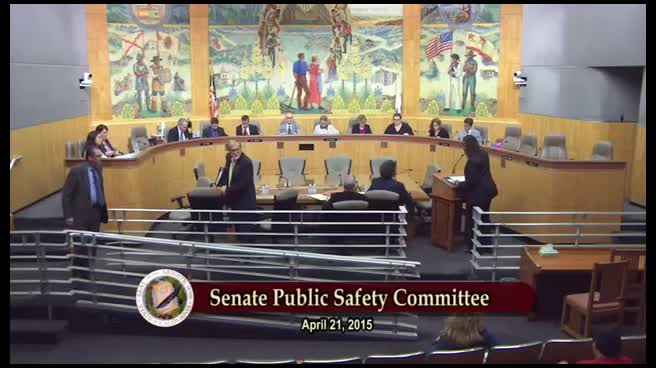
Bill Author

Bill Co-Author(s):