SB 655: Housing standards: mold.
- Session Year: 2015-2016
- House: Senate
- Latest Version Date: 2015-10-09
(1)Existing law requires the lessor of a building intended for human occupation to repair dilapidations, as specified, rendering it untenantable. Existing law permits tenants to repair dilapidations, under specified circumstances.
This bill would provide that a lessor is not obligated to repair a dilapidation relating to mold, as specified, until he or she has notice of it or if the tenant is in violation of specified affirmative obligations. The bill would authorize a landlord to enter a dwelling to repair a dilapidation relating to mold, under specified conditions.
(2)The State Housing Law, which is administered by the Department of Housing and Community Development, prescribes standards for buildings used for human habitation and establishes definitions for this purpose. The law provides that a building, or a portion of it, in which certain conditions are found to exist, such as a lack of sanitation, as specified, is substandard. The law provides that a violation of these provisions is a misdemeanor.
This bill would specify that visible mold growth, excepting mold that is minor and found on surfaces that can accumulate moisture as part of their proper and intended use, is a type of inadequate sanitation and therefore a substandard condition. The bill would define mold as microscopic organisms or fungi that can grow in damp conditions in the interior of a building. By expanding the definition of a crime, this bill would impose a state-mandated local program.
(3)The California Constitution requires the state to reimburse local agencies and school districts for certain costs mandated by the state. Statutory provisions establish procedures for making that reimbursement.
This bill would provide that no reimbursement is required by this act for a specified reason.
(1)Existing law requires the lessor of a building intended for human occupation to repair dilapidations, as specified, rendering it untenantable. Existing law permits tenants to repair dilapidations, under specified circumstances.
This bill would provide that a lessor is not obligated to repair a dilapidation relating to mold, as specified, until he or she has notice of it. it or if the tenant is in violation of specified affirmative obligations. The bill would authorize a landlord to enter a dwelling to repair a dilapidation relating to mold, under specified conditions.
(2)The State Housing Law, which is administered by the Department of Housing and Community Development, prescribes standards for buildings used for human habitation and establishes definitions for this purpose. The law provides that a building, or a portion of it, in which certain conditions are found to exist, such as a lack of sanitation, as specified, is substandard. The law provides that a violation of these provisions is a misdemeanor.
This bill would specify that visible or otherwise demonstrable mold growth, excepting mold that is minor and found on surfaces that can accumulate moisture as part of their proper and intended use, is a type of inadequate sanitation and therefore a substandard condition. The bill would define mold as microscopic organisms or fungi that can grow in damp conditions in the interior of a building. By expanding the definition of a crime, this bill would impose a state-mandated local program.
(3)The California Constitution requires the state to reimburse local agencies and school districts for certain costs mandated by the state. Statutory provisions establish procedures for making that reimbursement.
This bill would provide that no reimbursement is required by this act for a specified reason.
(1)Existing law requires the lessor of a building intended for human occupation to repair dilapidations, as specified, rendering it untenantable. Existing law permits tenants to repair dilapidations, under specified circumstances.
This bill would provide that a lessor is not obligated to repair a dilapidation relating to mold, as specified, until he or she has notice of it. The bill would authorize a landlord to enter a dwelling to repair a dilapidation relating to mold, under specified conditions.
(1)
(2)The State Housing Law, which is administered by the Department of Housing and Community Development, prescribes standards for buildings used for human habitation and establishes definitions for this purpose. The law provides that a building, or a portion of it, in which certain conditions are found to exist, such as a lack of sanitation, as specified, is substandard. The law provides that a violation of these provisions is a misdemeanor.
This bill would specify that visible or otherwise demonstrable mold growth, excepting mold caused by inadequate housekeeping practices or failure to use ventilation that is minor and found on surfaces that can accumulate moisture as part of their proper and intended use, is a type of inadequate sanitation and therefore a substandard condition. The bill would define mold as microscopic organisms or fungi that can grow in damp conditions in the interior of a building. By expanding the definition of a crime, this bill would impose a state-mandated local program.
(2)
(3)The California Constitution requires the state to reimburse local agencies and school districts for certain costs mandated by the state. Statutory provisions establish procedures for making that reimbursement.
This bill would provide that no reimbursement is required by this act for a specified reason.
(1)The State Housing Law, which is administered by the Department of Housing and Community Development, prescribes standards for buildings used for human habitation and establishes definitions for this purpose. The law provides that a building, or a portion of it, in which certain conditions are found to exist, such as a lack of sanitation, as specified, is substandard. The law provides that a violation of these provisions is a misdemeanor.
This bill would specify that visible or otherwise demonstrable mold growth, excepting mold caused by inappropriate inadequate housekeeping practices or improper failure to use of ventilation, is a type of inadequate sanitation and therefore a substandard condition. The bill would define mold as living or dead fungi or its related products or parts, including spores and hyphae microscopic organisms or fungi that can grow in damp conditions in the interior of a building. By expanding the definition of a crime, this bill would impose a state-mandated local program.
(2)The California Constitution requires the state to reimburse local agencies and school districts for certain costs mandated by the state. Statutory provisions establish procedures for making that reimbursement.
This bill would provide that no reimbursement is required by this act for a specified reason.
(1)The State Housing Law, which is administered by the Department of Housing and Community Development, prescribes standards for buildings used for human habitation and establishes definitions for this purpose. The law provides that a building, or a portion of it, in which certain conditions are found to exist, such as a lack of sanitation, as specified, is substandard. The law provides that a violation of these provisions is a misdemeanor.
This bill would specify that visible or otherwise demonstrable mold growth, excepting mold caused by inappropriate housekeeping practices or improper use of ventilation, is a type of inadequate sanitation and therefore a substandard condition. The bill would define mold as living or dead fungi or its related products or parts, including spores and hyphae. By expanding the definition of a crime, this bill would impose a state-mandated local program.
(2)The California Constitution requires the state to reimburse local agencies and school districts for certain costs mandated by the state. Statutory provisions establish procedures for making that reimbursement.
This bill would provide that no reimbursement is required by this act for a specified reason.
(a)An obligation shall not arise under Section 1941 or 1942 to repair a dilapidation relating to the presence of mold pursuant to paragraph (13) of subdivision (a) of Section 17920.3 of the Health and Safety Code until the lessor has notice of the dilapidation or if the tenant is in violation of Section 1941.2.
(b)A landlord may enter a dwelling unit to repair a dilapidation relating to the presence of mold pursuant to paragraph (13) of subdivision (a) of Section 17920.3 of the Health and Safety Code provided the landlord complies with the provisions of Section 1954.
SEC. 2.Section 17920 of the Health and Safety Code is amended to read:17920.As used in this part:
(a)Approved means acceptable to the department.
(b)Building means a structure subject to this part.
(c)Building standard means building standard as defined in Section 18909.
(d)Department means the Department of Housing and Community Development.
(e)Enforcement means diligent effort to secure compliance, including review of plans and permit applications, response to complaints, citation of violations, and other legal process. Except as otherwise provided in this part, enforcement may, but need not, include inspections of existing buildings on which no complaint or permit application has been filed, and effort to secure compliance as to these existing buildings.
(f)Fire protection district means any special district, or any other municipal or public corporation or district, which is authorized by law to provide fire protection and prevention services.
(g)Labeled means equipment or materials to which has been attached a label, symbol, or other identifying mark of an organization, approved by the department, that maintains a periodic inspection program of production of labeled products, installations, equipment, or materials and by whose labeling the manufacturer indicates compliance with appropriate standards or performance in a specified manner.
(h)Listed means all products that appear in a list published by an approved testing or listing agency.
(i)Listing agency means an agency approved by the department that is in the business of listing and labeling products, materials, equipment, and installations tested by an approved testing agency, and that maintains a periodic inspection program on current production of listed products, equipment, and installations, and that, at least annually, makes available a published report of these listings.
(j)Mold means microscopic organisms or fungi that can grow in damp conditions in the interior of a building.
(k)Noise insulation means the protection of persons within buildings from excessive noise, however generated, originating within or without such buildings.
(l)Nuisance means any nuisance defined pursuant to Part 3 (commencing with Section 3479) of Division 4 of the Civil Code, or any other form of nuisance recognized at common law or in equity.
(m)Public entity has the same meaning as defined in Section 811.2 of the Government Code.
(n)Testing agency means an agency approved by the department as qualified and equipped for testing of products, materials, equipment, and installations in accordance with nationally recognized standards.
SEC. 3.Section 17920.3 of the Health and Safety Code is amended to read:17920.3.Any building or portion thereof including any dwelling unit, guestroom or suite of rooms, or the premises on which the same is located, in which there exists any of the following listed conditions to an extent that endangers the life, limb, health, property, safety, or welfare of the public or the occupants thereof shall be deemed and hereby is declared to be a substandard building:
(a)Inadequate sanitation shall include, but not be limited to, the following:
(1)Lack of, or improper water closet, lavatory, or bathtub or shower in a dwelling unit.
(2)Lack of, or improper water closets, lavatories, and bathtubs or showers per number of guests in a hotel.
(3)Lack of, or improper kitchen sink.
(4)Lack of hot and cold running water to plumbing fixtures in a hotel.
(5)Lack of hot and cold running water to plumbing fixtures in a dwelling unit.
(6)Lack of adequate heating.
(7)Lack of, or improper operation of required ventilating equipment.
(8)Lack of minimum amounts of natural light and ventilation required by this code.
(9)Room and space dimensions less than required by this code.
(10)Lack of required electrical lighting.
(11)Dampness of habitable rooms.
(12)Infestation of insects, vermin, or rodents as determined by a health officer or, if an agreement does not exist with an agency that has a health officer, the infestation can be determined by a code enforcement officer, as defined in Section 829.5 of the Penal Code, upon successful completion of a course of study in the appropriate subject matter as determined by the local jurisdiction.
(13)Visible mold growth, as determined by a health officer or a code enforcement officer, as defined in Section 829.5 of the Penal Code, excluding the presence of mold that is minor and found on surfaces that can accumulate moisture as part of their properly functioning and intended use.
(14)General dilapidation or improper maintenance.
(15)Lack of connection to required sewage disposal system.
(16)Lack of adequate garbage and rubbish storage and removal facilities, as determined by a health officer or, if an agreement does not exist with an agency that has a health officer, the lack of adequate garbage and rubbish removal facilities can be determined by a code enforcement officer as defined in Section 829.5 of the Penal Code.
(b)Structural hazards shall include, but not be limited to, the following:
(1)Deteriorated or inadequate foundations.
(2)Defective or deteriorated flooring or floor supports.
(3)Flooring or floor supports of insufficient size to carry imposed loads with safety.
(4)Members of walls, partitions, or other vertical supports that split, lean, list, or buckle due to defective material or deterioration.
(5)Members of walls, partitions, or other vertical supports that are of insufficient size to carry imposed loads with safety.
(6)Members of ceilings, roofs, ceiling and roof supports, or other horizontal members which sag, split, or buckle due to defective material or deterioration.
(7)Members of ceilings, roofs, ceiling and roof supports, or other horizontal members that are of insufficient size to carry imposed loads with safety.
(8)Fireplaces or chimneys which list, bulge, or settle due to defective material or deterioration.
(9)Fireplaces or chimneys which are of insufficient size or strength to carry imposed loads with safety.
(c)Any nuisance.
(d)All wiring, except that which conformed with all applicable laws in effect at the time of installation if it is currently in good and safe condition and working properly.
(e)All plumbing, except plumbing that conformed with all applicable laws in effect at the time of installation and has been maintained in good condition, or that may not have conformed with all applicable laws in effect at the time of installation but is currently in good and safe condition and working properly, and that is free of cross connections and siphonage between fixtures.
(f)All mechanical equipment, including vents, except equipment that conformed with all applicable laws in effect at the time of installation and that has been maintained in good and safe condition, or that may not have conformed with all applicable laws in effect at the time of installation but is currently in good and safe condition and working properly.
(g)Faulty weather protection, which shall include, but not be limited to, the following:
(1)Deteriorated, crumbling, or loose plaster.
(2)Deteriorated or ineffective waterproofing of exterior walls, roofs, foundations, or floors, including broken windows or doors.
(3)Defective or lack of weather protection for exterior wall coverings, including lack of paint, or weathering due to lack of paint or other approved protective covering.
(4)Broken, rotted, split, or buckled exterior wall coverings or roof coverings.
(h)Any building or portion thereof, device, apparatus, equipment, combustible waste, or vegetation that, in the opinion of the chief of the fire department or his deputy, is in such a condition as to cause a fire or explosion or provide a ready fuel to augment the spread and intensity of fire or explosion arising from any cause.
(i)All materials of construction, except those that are specifically allowed or approved by this code, and that have been adequately maintained in good and safe condition.
(j)Those premises on which an accumulation of weeds, vegetation, junk, dead organic matter, debris, garbage, offal, rodent harborages, stagnant water, combustible materials, and similar materials or conditions constitute fire, health, or safety hazards.
(k)Any building or portion thereof that is determined to be an unsafe building due to inadequate maintenance, in accordance with the latest edition of the Uniform Building Code.
(l)All buildings or portions thereof not provided with adequate exit facilities as required by this code, except those buildings or portions thereof whose exit facilities conformed with all applicable laws at the time of their construction and that have been adequately maintained and increased in relation to any increase in occupant load, alteration or addition, or any change in occupancy.
When an unsafe condition exists through lack of, or improper location of, exits, additional exits may be required to be installed.
(m)All buildings or portions thereof that are not provided with the fire-resistive construction or fire-extinguishing systems or equipment required by this code, except those buildings or portions thereof that conformed with all applicable laws at the time of their construction and whose fire-resistive integrity and fire-extinguishing systems or equipment have been adequately maintained and improved in relation to any increase in occupant load, alteration or addition, or any change in occupancy.
(n)All buildings or portions thereof occupied for living, sleeping, cooking, or dining purposes that were not designed or intended to be used for those occupancies.
(o)Inadequate structural resistance to horizontal forces.
Substandard building includes a building not in compliance with Section 13143.2.
However, a condition that would require displacement of sound walls or ceilings to meet height, length, or width requirements for ceilings, rooms, and dwelling units shall not by itself be considered sufficient existence of dangerous conditions making a building a substandard building, unless the building was constructed, altered, or converted in violation of those requirements in effect at the time of construction, alteration, or conversion.
SEC. 4.No reimbursement is required by this act pursuant to Section 6 of Article XIIIB of the California Constitution because the only costs that may be incurred by a local agency or school district will be incurred because this act creates a new crime or infraction, eliminates a crime or infraction, or changes the penalty for a crime or infraction, within the meaning of Section 17556 of the Government Code, or changes the definition of a crime within the meaning of Section 6 of Article XIIIB of the California Constitution.
(a)An obligation shall not arise under Section 1941 or 1942 to repair a dilapidation relating to the presence of mold pursuant to paragraph (13) of subdivision (a) of Section 17920.3 of the Health and Safety Code until the lessor has notice of the dilapidation. dilapidation or if the tenant is in violation of Section 1941.2.
(b)A landlord may enter a dwelling unit to repair a dilapidation relating to the presence of mold pursuant to paragraph (13) of subdivision (a) of Section 17920.3 of the Health and Safety Code provided the landlord complies with the provisions of Section 1954.
SEC. 2.Section 17920 of the Health and Safety Code is amended to read:17920.As used in this part:
(a)Approved means acceptable to the department.
(b)Building means a structure subject to this part.
(c)Building standard means building standard as defined in Section 18909.
(d)Department means the Department of Housing and Community Development.
(e)Enforcement means diligent effort to secure compliance, including review of plans and permit applications, response to complaints, citation of violations, and other legal process. Except as otherwise provided in this part, enforcement may, but need not, include inspections of existing buildings on which no complaint or permit application has been filed, and effort to secure compliance as to these existing buildings.
(f)Fire protection district means any special district, or any other municipal or public corporation or district, which is authorized by law to provide fire protection and prevention services.
(g)Labeled means equipment or materials to which has been attached a label, symbol, or other identifying mark of an organization, approved by the department, that maintains a periodic inspection program of production of labeled products, installations, equipment, or materials and by whose labeling the manufacturer indicates compliance with appropriate standards or performance in a specified manner.
(h)Listed means all products that appear in a list published by an approved testing or listing agency.
(i)Listing agency means an agency approved by the department that is in the business of listing and labeling products, materials, equipment, and installations tested by an approved testing agency, and that maintains a periodic inspection program on current production of listed products, equipment, and installations, and that, at least annually, makes available a published report of these listings.
(j)Mold means microscopic organisms or fungi that can grow in damp conditions in the interior of a building.
(k)Noise insulation means the protection of persons within buildings from excessive noise, however generated, originating within or without such buildings.
(l)Nuisance means any nuisance defined pursuant to Part 3 (commencing with Section 3479) of Division 4 of the Civil Code, or any other form of nuisance recognized at common law or in equity.
(m)Public entity has the same meaning as defined in Section 811.2 of the Government Code.
(n)Testing agency means an agency approved by the department as qualified and equipped for testing of products, materials, equipment, and installations in accordance with nationally recognized standards.
SEC. 3.Section 17920.3 of the Health and Safety Code is amended to read:17920.3.Any building or portion thereof including any dwelling unit, guestroom or suite of rooms, or the premises on which the same is located, in which there exists any of the following listed conditions to an extent that endangers the life, limb, health, property, safety, or welfare of the public or the occupants thereof shall be deemed and hereby is declared to be a substandard building:
(a)Inadequate sanitation shall include, but not be limited to, the following:
(1)Lack of, or improper water closet, lavatory, or bathtub or shower in a dwelling unit.
(2)Lack of, or improper water closets, lavatories, and bathtubs or showers per number of guests in a hotel.
(3)Lack of, or improper kitchen sink.
(4)Lack of hot and cold running water to plumbing fixtures in a hotel.
(5)Lack of hot and cold running water to plumbing fixtures in a dwelling unit.
(6)Lack of adequate heating.
(7)Lack of, or improper operation of required ventilating equipment.
(8)Lack of minimum amounts of natural light and ventilation required by this code.
(9)Room and space dimensions less than required by this code.
(10)Lack of required electrical lighting.
(11)Dampness of habitable rooms.
(12)Infestation of insects, vermin, or rodents as determined by a health officer or, if an agreement does not exist with an agency that has a health officer, the infestation can be determined by a code enforcement officer, as defined in Section 829.5 of the Penal Code, upon successful completion of a course of study in the appropriate subject matter as determined by the local jurisdiction.
(13)Visible or otherwise demonstrable mold growth, as determined by a health officer or a code enforcement officer, as defined in Section 829.5 of the Penal Code, excluding the presence of mold that is minor and found on surfaces that can accumulate moisture as part of their properly functioning and intended use.
(14)General dilapidation or improper maintenance.
(15)Lack of connection to required sewage disposal system.
(16)Lack of adequate garbage and rubbish storage and removal facilities, as determined by a health officer or, if an agreement does not exist with an agency that has a health officer, the lack of adequate garbage and rubbish removal facilities can be determined by a code enforcement officer as defined in Section 829.5 of the Penal Code.
(b)Structural hazards shall include, but not be limited to, the following:
(1)Deteriorated or inadequate foundations.
(2)Defective or deteriorated flooring or floor supports.
(3)Flooring or floor supports of insufficient size to carry imposed loads with safety.
(4)Members of walls, partitions, or other vertical supports that split, lean, list, or buckle due to defective material or deterioration.
(5)Members of walls, partitions, or other vertical supports that are of insufficient size to carry imposed loads with safety.
(6)Members of ceilings, roofs, ceiling and roof supports, or other horizontal members which sag, split, or buckle due to defective material or deterioration.
(7)Members of ceilings, roofs, ceiling and roof supports, or other horizontal members that are of insufficient size to carry imposed loads with safety.
(8)Fireplaces or chimneys which list, bulge, or settle due to defective material or deterioration.
(9)Fireplaces or chimneys which are of insufficient size or strength to carry imposed loads with safety.
(c)Any nuisance.
(d)All wiring, except that which conformed with all applicable laws in effect at the time of installation if it is currently in good and safe condition and working properly.
(e)All plumbing, except plumbing that conformed with all applicable laws in effect at the time of installation and has been maintained in good condition, or that may not have conformed with all applicable laws in effect at the time of installation but is currently in good and safe condition and working properly, and that is free of cross connections and siphonage between fixtures.
(f)All mechanical equipment, including vents, except equipment that conformed with all applicable laws in effect at the time of installation and that has been maintained in good and safe condition, or that may not have conformed with all applicable laws in effect at the time of installation but is currently in good and safe condition and working properly.
(g)Faulty weather protection, which shall include, but not be limited to, the following:
(1)Deteriorated, crumbling, or loose plaster.
(2)Deteriorated or ineffective waterproofing of exterior walls, roofs, foundations, or floors, including broken windows or doors.
(3)Defective or lack of weather protection for exterior wall coverings, including lack of paint, or weathering due to lack of paint or other approved protective covering.
(4)Broken, rotted, split, or buckled exterior wall coverings or roof coverings.
(h)Any building or portion thereof, device, apparatus, equipment, combustible waste, or vegetation that, in the opinion of the chief of the fire department or his deputy, is in such a condition as to cause a fire or explosion or provide a ready fuel to augment the spread and intensity of fire or explosion arising from any cause.
(i)All materials of construction, except those that are specifically allowed or approved by this code, and that have been adequately maintained in good and safe condition.
(j)Those premises on which an accumulation of weeds, vegetation, junk, dead organic matter, debris, garbage, offal, rodent harborages, stagnant water, combustible materials, and similar materials or conditions constitute fire, health, or safety hazards.
(k)Any building or portion thereof that is determined to be an unsafe building due to inadequate maintenance, in accordance with the latest edition of the Uniform Building Code.
(l)All buildings or portions thereof not provided with adequate exit facilities as required by this code, except those buildings or portions thereof whose exit facilities conformed with all applicable laws at the time of their construction and that have been adequately maintained and increased in relation to any increase in occupant load, alteration or addition, or any change in occupancy.
When an unsafe condition exists through lack of, or improper location of, exits, additional exits may be required to be installed.
(m)All buildings or portions thereof that are not provided with the fire-resistive construction or fire-extinguishing systems or equipment required by this code, except those buildings or portions thereof that conformed with all applicable laws at the time of their construction and whose fire-resistive integrity and fire-extinguishing systems or equipment have been adequately maintained and improved in relation to any increase in occupant load, alteration or addition, or any change in occupancy.
(n)All buildings or portions thereof occupied for living, sleeping, cooking, or dining purposes that were not designed or intended to be used for those occupancies.
(o)Inadequate structural resistance to horizontal forces.
Substandard building includes a building not in compliance with Section 13143.2.
However, a condition that would require displacement of sound walls or ceilings to meet height, length, or width requirements for ceilings, rooms, and dwelling units shall not by itself be considered sufficient existence of dangerous conditions making a building a substandard building, unless the building was constructed, altered, or converted in violation of those requirements in effect at the time of construction, alteration, or conversion.
SEC. 4.No reimbursement is required by this act pursuant to Section 6 of Article XIIIB of the California Constitution because the only costs that may be incurred by a local agency or school district will be incurred because this act creates a new crime or infraction, eliminates a crime or infraction, or changes the penalty for a crime or infraction, within the meaning of Section 17556 of the Government Code, or changes the definition of a crime within the meaning of Section 6 of Article XIIIB of the California Constitution.
(a)An obligation shall not arise under Section 1941 or 1942 to repair a dilapidation relating to the presence of mold pursuant to paragraph (13) of subdivision (a) of Section 17920.3 of the Health and Safety Code until the lessor has notice of the dilapidation.
(b)A landlord may enter a dwelling unit to repair a dilapidation relating to the presence of mold pursuant to paragraph (13) of subdivision (a) of Section 17920.3 of the Health and Safety Code provided the landlord complies with the provisions of Section 1954.
SECTION 1.SEC. 2.Section 17920 of the Health and Safety Code is amended to read:17920.As used in this part:
(a)Approved means acceptable to the department.
(b)Building means a structure subject to this part.
(c)Building standard means building standard as defined in Section 18909.
(d)Department means the Department of Housing and Community Development.
(e)Enforcement means diligent effort to secure compliance, including review of plans and permit applications, response to complaints, citation of violations, and other legal process. Except as otherwise provided in this part, enforcement may, but need not, include inspections of existing buildings on which no complaint or permit application has been filed, and effort to secure compliance as to these existing buildings.
(f)Fire protection district means any special district, or any other municipal or public corporation or district, which is authorized by law to provide fire protection and prevention services.
(g)Labeled means equipment or materials to which has been attached a label, symbol, or other identifying mark of an organization, approved by the department, that maintains a periodic inspection program of production of labeled products, installations, equipment, or materials and by whose labeling the manufacturer indicates compliance with appropriate standards or performance in a specified manner.
(h)Listed means all products that appear in a list published by an approved testing or listing agency.
(i)Listing agency means an agency approved by the department that is in the business of listing and labeling products, materials, equipment, and installations tested by an approved testing agency, and that maintains a periodic inspection program on current production of listed products, equipment, and installations, and that, at least annually, makes available a published report of these listings.
(j)Mold means microscopic organisms or fungi that can grow in damp conditions in the interior of a building.
(k)Noise insulation means the protection of persons within buildings from excessive noise, however generated, originating within or without such buildings.
(l)Nuisance means any nuisance defined pursuant to Part 3 (commencing with Section 3479) of Division 4 of the Civil Code, or any other form of nuisance recognized at common law or in equity.
(m)Public entity has the same meaning as defined in Section 811.2 of the Government Code.
(n)Testing agency means an agency approved by the department as qualified and equipped for testing of products, materials, equipment, and installations in accordance with nationally recognized standards.
SEC. 2.SEC. 3.Section 17920.3 of the Health and Safety Code is amended to read:17920.3.Any building or portion thereof including any dwelling unit, guestroom or suite of rooms, or the premises on which the same is located, in which there exists any of the following listed conditions to an extent that endangers the life, limb, health, property, safety, or welfare of the public or the occupants thereof shall be deemed and hereby is declared to be a substandard building:
(a)Inadequate sanitation shall include, but not be limited to, the following:
(1)Lack of, or improper water closet, lavatory, or bathtub or shower in a dwelling unit.
(2)Lack of, or improper water closets, lavatories, and bathtubs or showers per number of guests in a hotel.
(3)Lack of, or improper kitchen sink.
(4)Lack of hot and cold running water to plumbing fixtures in a hotel.
(5)Lack of hot and cold running water to plumbing fixtures in a dwelling unit.
(6)Lack of adequate heating.
(7)Lack of, or improper operation of required ventilating equipment.
(8)Lack of minimum amounts of natural light and ventilation required by this code.
(9)Room and space dimensions less than required by this code.
(10)Lack of required electrical lighting.
(11)Dampness of habitable rooms.
(12)Infestation of insects, vermin, or rodents as determined by a health officer or, if an agreement does not exist with an agency that has a health officer, the infestation can be determined by a code enforcement officer, as defined in Section 829.5 of the Penal Code, upon successful completion of a course of study in the appropriate subject matter as determined by the local jurisdiction.
(13)Visible or otherwise demonstrable mold growth, as determined by a health officer or a code enforcement officer, as defined in Section 829.5 of the Penal Code, excluding the presence of mold that is caused by inadequate housekeeping practices or the failure to use natural or mechanical ventilation. that is minor and found on surfaces that can accumulate moisture as part of their properly functioning and intended use.
(14)General dilapidation or improper maintenance.
(15)Lack of connection to required sewage disposal system.
(16)Lack of adequate garbage and rubbish storage and removal facilities, as determined by a health officer or, if an agreement does not exist with an agency that has a health officer, the lack of adequate garbage and rubbish removal facilities can be determined by a code enforcement officer as defined in Section 829.5 of the Penal Code.
(b)Structural hazards shall include, but not be limited to, the following:
(1)Deteriorated or inadequate foundations.
(2)Defective or deteriorated flooring or floor supports.
(3)Flooring or floor supports of insufficient size to carry imposed loads with safety.
(4)Members of walls, partitions, or other vertical supports that split, lean, list, or buckle due to defective material or deterioration.
(5)Members of walls, partitions, or other vertical supports that are of insufficient size to carry imposed loads with safety.
(6)Members of ceilings, roofs, ceiling and roof supports, or other horizontal members which sag, split, or buckle due to defective material or deterioration.
(7)Members of ceilings, roofs, ceiling and roof supports, or other horizontal members that are of insufficient size to carry imposed loads with safety.
(8)Fireplaces or chimneys which list, bulge, or settle due to defective material or deterioration.
(9)Fireplaces or chimneys which are of insufficient size or strength to carry imposed loads with safety.
(c)Any nuisance.
(d)All wiring, except that which conformed with all applicable laws in effect at the time of installation if it is currently in good and safe condition and working properly.
(e)All plumbing, except plumbing that conformed with all applicable laws in effect at the time of installation and has been maintained in good condition, or that may not have conformed with all applicable laws in effect at the time of installation but is currently in good and safe condition and working properly, and that is free of cross connections and siphonage between fixtures.
(f)All mechanical equipment, including vents, except equipment that conformed with all applicable laws in effect at the time of installation and that has been maintained in good and safe condition, or that may not have conformed with all applicable laws in effect at the time of installation but is currently in good and safe condition and working properly.
(g)Faulty weather protection, which shall include, but not be limited to, the following:
(1)Deteriorated, crumbling, or loose plaster.
(2)Deteriorated or ineffective waterproofing of exterior walls, roofs, foundations, or floors, including broken windows or doors.
(3)Defective or lack of weather protection for exterior wall coverings, including lack of paint, or weathering due to lack of paint or other approved protective covering.
(4)Broken, rotted, split, or buckled exterior wall coverings or roof coverings.
(h)Any building or portion thereof, device, apparatus, equipment, combustible waste, or vegetation that, in the opinion of the chief of the fire department or his deputy, is in such a condition as to cause a fire or explosion or provide a ready fuel to augment the spread and intensity of fire or explosion arising from any cause.
(i)All materials of construction, except those that are specifically allowed or approved by this code, and that have been adequately maintained in good and safe condition.
(j)Those premises on which an accumulation of weeds, vegetation, junk, dead organic matter, debris, garbage, offal, rodent harborages, stagnant water, combustible materials, and similar materials or conditions constitute fire, health, or safety hazards.
(k)Any building or portion thereof that is determined to be an unsafe building due to inadequate maintenance, in accordance with the latest edition of the Uniform Building Code.
(l)All buildings or portions thereof not provided with adequate exit facilities as required by this code, except those buildings or portions thereof whose exit facilities conformed with all applicable laws at the time of their construction and that have been adequately maintained and increased in relation to any increase in occupant load, alteration or addition, or any change in occupancy.
When an unsafe condition exists through lack of, or improper location of, exits, additional exits may be required to be installed.
(m)All buildings or portions thereof that are not provided with the fire-resistive construction or fire-extinguishing systems or equipment required by this code, except those buildings or portions thereof that conformed with all applicable laws at the time of their construction and whose fire-resistive integrity and fire-extinguishing systems or equipment have been adequately maintained and improved in relation to any increase in occupant load, alteration or addition, or any change in occupancy.
(n)All buildings or portions thereof occupied for living, sleeping, cooking, or dining purposes that were not designed or intended to be used for those occupancies.
(o)Inadequate structural resistance to horizontal forces.
Substandard building includes a building not in compliance with Section 13143.2.
However, a condition that would require displacement of sound walls or ceilings to meet height, length, or width requirements for ceilings, rooms, and dwelling units shall not by itself be considered sufficient existence of dangerous conditions making a building a substandard building, unless the building was constructed, altered, or converted in violation of those requirements in effect at the time of construction, alteration, or conversion.
SEC. 3.SEC. 4.No reimbursement is required by this act pursuant to Section 6 of Article XIIIB of the California Constitution because the only costs that may be incurred by a local agency or school district will be incurred because this act creates a new crime or infraction, eliminates a crime or infraction, or changes the penalty for a crime or infraction, within the meaning of Section 17556 of the Government Code, or changes the definition of a crime within the meaning of Section 6 of Article XIIIB of the California Constitution.
As used in this part:
(a)Approved means acceptable to the department.
(b)Building means a structure subject to this part.
(c)Building standard means building standard as defined in Section 18909.
(d)Department means the Department of Housing and Community Development.
(e)Enforcement means diligent effort to secure compliance, including review of plans and permit applications, response to complaints, citation of violations, and other legal process. Except as otherwise provided in this part, enforcement may, but need not, include inspections of existing buildings on which no complaint or permit application has been filed, and effort to secure compliance as to these existing buildings.
(f)Fire protection district means any special district, or any other municipal or public corporation or district, which is authorized by law to provide fire protection and prevention services.
(g)Labeled means equipment or materials to which has been attached a label, symbol, or other identifying mark of an organization, approved by the department, that maintains a periodic inspection program of production of labeled products, installations, equipment, or materials and by whose labeling the manufacturer indicates compliance with appropriate standards or performance in a specified manner.
(h)Listed means all products that appear in a list published by an approved testing or listing agency.
(i)Listing agency means an agency approved by the department that is in the business of listing and labeling products, materials, equipment, and installations tested by an approved testing agency, and that maintains a periodic inspection program on current production of listed products, equipment, and installations, and that, at least annually, makes available a published report of these listings.
(j)Mold means living or dead fungi or its related products or parts, including spores and hyphae. microscopic organisms or fungi that can grow in damp conditions in the interior of a building.
(k)Noise insulation means the protection of persons within buildings from excessive noise, however generated, originating within or without such buildings.
(l)Nuisance means any nuisance defined pursuant to Part 3 (commencing with Section 3479) of Division 4 of the Civil Code, or any other form of nuisance recognized at common law or in equity.
(m)Public entity has the same meaning as defined in Section 811.2 of the Government Code.
(n)Testing agency means an agency approved by the department as qualified and equipped for testing of products, materials, equipment, and installations in accordance with nationally recognized standards.
SEC. 2.Section 17920.3 of the Health and Safety Code is amended to read:17920.3.Any building or portion thereof including any dwelling unit, guestroom or suite of rooms, or the premises on which the same is located, in which there exists any of the following listed conditions to an extent that endangers the life, limb, health, property, safety, or welfare of the public or the occupants thereof shall be deemed and hereby is declared to be a substandard building:
(a)Inadequate sanitation shall include, but not be limited to, the following:
(1)Lack of, or improper water closet, lavatory, or bathtub or shower in a dwelling unit.
(2)Lack of, or improper water closets, lavatories, and bathtubs or showers per number of guests in a hotel.
(3)Lack of, or improper kitchen sink.
(4)Lack of hot and cold running water to plumbing fixtures in a hotel.
(5)Lack of hot and cold running water to plumbing fixtures in a dwelling unit.
(6)Lack of adequate heating.
(7)Lack of, or improper operation of required ventilating equipment.
(8)Lack of minimum amounts of natural light and ventilation required by this code.
(9)Room and space dimensions less than required by this code.
(10)Lack of required electrical lighting.
(11)Dampness of habitable rooms.
(12)Infestation of insects, vermin, or rodents as determined by a health officer or, if an agreement does not exist with an agency that has a health officer, the infestation can be determined by a code enforcement officer, as defined in Section 829.5 of the Penal Code, upon successful completion of a course of study in the appropriate subject matter as determined by the local jurisdiction.
(13)Any visible Visible or otherwise demonstrable mold growth, excluding the presence of mold that is caused by inappropriate inadequate housekeeping practices or improper the failure to use of natural or mechanical ventilation.
(14)General dilapidation or improper maintenance.
(15)Lack of connection to required sewage disposal system.
(16)Lack of adequate garbage and rubbish storage and removal facilities, as determined by a health officer or, if an agreement does not exist with an agency that has a health officer, the lack of adequate garbage and rubbish removal facilities can be determined by a code enforcement officer as defined in Section 829.5 of the Penal Code.
(b)Structural hazards shall include, but not be limited to, the following:
(1)Deteriorated or inadequate foundations.
(2)Defective or deteriorated flooring or floor supports.
(3)Flooring or floor supports of insufficient size to carry imposed loads with safety.
(4)Members of walls, partitions, or other vertical supports that split, lean, list, or buckle due to defective material or deterioration.
(5)Members of walls, partitions, or other vertical supports that are of insufficient size to carry imposed loads with safety.
(6)Members of ceilings, roofs, ceiling and roof supports, or other horizontal members which sag, split, or buckle due to defective material or deterioration.
(7)Members of ceilings, roofs, ceiling and roof supports, or other horizontal members that are of insufficient size to carry imposed loads with safety.
(8)Fireplaces or chimneys which list, bulge, or settle due to defective material or deterioration.
(9)Fireplaces or chimneys which are of insufficient size or strength to carry imposed loads with safety.
(c)Any nuisance.
(d)All wiring, except that which conformed with all applicable laws in effect at the time of installation if it is currently in good and safe condition and working properly.
(e)All plumbing, except plumbing that conformed with all applicable laws in effect at the time of installation and has been maintained in good condition, or that may not have conformed with all applicable laws in effect at the time of installation but is currently in good and safe condition and working properly, and that is free of cross connections and siphonage between fixtures.
(f)All mechanical equipment, including vents, except equipment that conformed with all applicable laws in effect at the time of installation and that has been maintained in good and safe condition, or that may not have conformed with all applicable laws in effect at the time of installation but is currently in good and safe condition and working properly.
(g)Faulty weather protection, which shall include, but not be limited to, the following:
(1)Deteriorated, crumbling, or loose plaster.
(2)Deteriorated or ineffective waterproofing of exterior walls, roofs, foundations, or floors, including broken windows or doors.
(3)Defective or lack of weather protection for exterior wall coverings, including lack of paint, or weathering due to lack of paint or other approved protective covering.
(4)Broken, rotted, split, or buckled exterior wall coverings or roof coverings.
(h)Any building or portion thereof, device, apparatus, equipment, combustible waste, or vegetation that, in the opinion of the chief of the fire department or his deputy, is in such a condition as to cause a fire or explosion or provide a ready fuel to augment the spread and intensity of fire or explosion arising from any cause.
(i)All materials of construction, except those that are specifically allowed or approved by this code, and that have been adequately maintained in good and safe condition.
(j)Those premises on which an accumulation of weeds, vegetation, junk, dead organic matter, debris, garbage, offal, rodent harborages, stagnant water, combustible materials, and similar materials or conditions constitute fire, health, or safety hazards.
(k)Any building or portion thereof that is determined to be an unsafe building due to inadequate maintenance, in accordance with the latest edition of the Uniform Building Code.
(l)All buildings or portions thereof not provided with adequate exit facilities as required by this code, except those buildings or portions thereof whose exit facilities conformed with all applicable laws at the time of their construction and that have been adequately maintained and increased in relation to any increase in occupant load, alteration or addition, or any change in occupancy.
When an unsafe condition exists through lack of, or improper location of, exits, additional exits may be required to be installed.
(m)All buildings or portions thereof that are not provided with the fire-resistive construction or fire-extinguishing systems or equipment required by this code, except those buildings or portions thereof that conformed with all applicable laws at the time of their construction and whose fire-resistive integrity and fire-extinguishing systems or equipment have been adequately maintained and improved in relation to any increase in occupant load, alteration or addition, or any change in occupancy.
(n)All buildings or portions thereof occupied for living, sleeping, cooking, or dining purposes that were not designed or intended to be used for those occupancies.
(o)Inadequate structural resistance to horizontal forces.
Substandard building includes a building not in compliance with Section 13143.2.
However, a condition that would require displacement of sound walls or ceilings to meet height, length, or width requirements for ceilings, rooms, and dwelling units shall not by itself be considered sufficient existence of dangerous conditions making a building a substandard building, unless the building was constructed, altered, or converted in violation of those requirements in effect at the time of construction, alteration, or conversion.
SEC. 3.No reimbursement is required by this act pursuant to Section 6 of Article XIIIB of the California Constitution because the only costs that may be incurred by a local agency or school district will be incurred because this act creates a new crime or infraction, eliminates a crime or infraction, or changes the penalty for a crime or infraction, within the meaning of Section 17556 of the Government Code, or changes the definition of a crime within the meaning of Section 6 of Article XIIIB of the California Constitution.
As used in this part:
(a)
(a)Approved means acceptable to the department.
(b)
(b)Building means a structure subject to this part.
(c)
(c)Building standard means building standard as defined in Section 18909.
(d)
(d)Department means the Department of Housing and Community Development.
(e)
(e)Enforcement means diligent effort to secure compliance, including review of plans and permit applications, response to complaints, citation of violations, and other legal process. Except as otherwise provided in this part, enforcement may, but need not, include inspections of existing buildings on which no complaint or permit application has been filed, and effort to secure compliance as to these existing buildings.
(f)
(f)Fire protection district means any special district, or any other municipal or public corporation or district, which is authorized by law to provide fire protection and prevention services.
(g)
(g)Labeled means equipment or materials to which has been attached a label, symbol, or other identifying mark of an organization, approved by the department, that maintains a periodic inspection program of production of labeled products, installations, equipment, or materials and by whose labeling the manufacturer indicates compliance with appropriate standards or performance in a specified manner.
(h)
(h)Listed means all products that appear in a list published by an approved testing or listing agency.
(i)
(i)Listing agency means an agency approved by the department that is in the business of listing and labeling products, materials, equipment, and installations tested by an approved testing agency, and that maintains a periodic inspection program on current production of listed products, equipment, and installations, and that, at least annually, makes available a published report of these listings.
(j)Mold means living or dead fungi or its related products or parts, including spores and hyphae.
(j)
(k)Noise insulation means the protection of persons within buildings from excessive noise, however generated, originating within or without such buildings.
(k)
(l)Nuisance means any nuisance defined pursuant to Part 3 (commencing with Section 3479) of Division 4 of the Civil Code, or any other form of nuisance recognized at common law or in equity.
(l)
(m)Public entity has the same meaning as defined in Section 811.2 of the Government Code.
(m)
(n)Testing agency means an agency approved by the department as qualified and equipped for testing of products, materials, equipment, and installations in accordance with nationally recognized standards.
SEC. 2.Section 17920.3 of the Health and Safety Code is amended to read:17920.3.Any building or portion thereof including any dwelling unit, guestroom or suite of rooms, or the premises on which the same is located, in which there exists any of the following listed conditions to an extent that endangers the life, limb, health, property, safety, or welfare of the public or the occupants thereof shall be deemed and hereby is declared to be a substandard building:
(a)Inadequate sanitation shall include, but not be limited to, the following:
(1)Lack of, or improper water closet, lavatory, or bathtub or shower in a dwelling unit.
(2)Lack of, or improper water closets, lavatories, and bathtubs or showers per number of guests in a hotel.
(3)Lack of, or improper kitchen sink.
(4)Lack of hot and cold running water to plumbing fixtures in a hotel.
(5)Lack of hot and cold running water to plumbing fixtures in a dwelling unit.
(6)Lack of adequate heating.
(7)Lack of, or improper operation of required ventilating equipment.
(8)Lack of minimum amounts of natural light and ventilation required by this code.
(9)Room and space dimensions less than required by this code.
(10)Lack of required electrical lighting.
(11)Dampness of habitable rooms.
(12)Infestation of insects, vermin, or rodents as determined by a health officer or, if an agreement does not exist with an agency that has a health officer, the infestation can be determined by a code enforcement officer, as defined in Section 829.5 of the Penal Code, upon successful completion of a course of study in the appropriate subject matter as determined by the local jurisdiction.
(13)Any visible or otherwise demonstrable mold growth, excluding the presence of mold that is caused by inappropriate housekeeping practices or improper use of natural or mechanical ventilation.
(13)
(14)General dilapidation or improper maintenance.
(14)
(15)Lack of connection to required sewage disposal system.
(15)
(16)Lack of adequate garbage and rubbish storage and removal facilities, as determined by a health officer or, if an agreement does not exist with an agency that has a health officer, the lack of adequate garbage and rubbish removal facilities can be determined by a code enforcement officer as defined in Section 829.5 of the Penal Code.
(b)Structural hazards shall include, but not be limited to, the following:
(1)Deteriorated or inadequate foundations.
(2)Defective or deteriorated flooring or floor supports.
(3)Flooring or floor supports of insufficient size to carry imposed loads with safety.
(4)Members of walls, partitions, or other vertical supports that split, lean, list, or buckle due to defective material or deterioration.
(5)Members of walls, partitions, or other vertical supports that are of insufficient size to carry imposed loads with safety.
(6)Members of ceilings, roofs, ceiling and roof supports, or other horizontal members which sag, split, or buckle due to defective material or deterioration.
(7)Members of ceilings, roofs, ceiling and roof supports, or other horizontal members that are of insufficient size to carry imposed loads with safety.
(8)Fireplaces or chimneys which list, bulge, or settle due to defective material or deterioration.
(9)Fireplaces or chimneys which are of insufficient size or strength to carry imposed loads with safety.
(c)Any nuisance.
(d)All wiring, except that which conformed with all applicable laws in effect at the time of installation if it is currently in good and safe condition and working properly.
(e)All plumbing, except plumbing that conformed with all applicable laws in effect at the time of installation and has been maintained in good condition, or that may not have conformed with all applicable laws in effect at the time of installation but is currently in good and safe condition and working properly, and that is free of cross connections and siphonage between fixtures.
(f)All mechanical equipment, including vents, except equipment that conformed with all applicable laws in effect at the time of installation and that has been maintained in good and safe condition, or that may not have conformed with all applicable laws in effect at the time of installation but is currently in good and safe condition and working properly.
(g)Faulty weather protection, which shall include, but not be limited to, the following:
(1)Deteriorated, crumbling, or loose plaster.
(2)Deteriorated or ineffective waterproofing of exterior walls, roofs, foundations, or floors, including broken windows or doors.
(3)Defective or lack of weather protection for exterior wall coverings, including lack of paint, or weathering due to lack of paint or other approved protective covering.
(4)Broken, rotted, split, or buckled exterior wall coverings or roof coverings.
(h)Any building or portion thereof, device, apparatus, equipment, combustible waste, or vegetation that, in the opinion of the chief of the fire department or his deputy, is in such a condition as to cause a fire or explosion or provide a ready fuel to augment the spread and intensity of fire or explosion arising from any cause.
(i)All materials of construction, except those that are specifically allowed or approved by this code, and that have been adequately maintained in good and safe condition.
(j)Those premises on which an accumulation of weeds, vegetation, junk, dead organic matter, debris, garbage, offal, rodent harborages, stagnant water, combustible materials, and similar materials or conditions constitute fire, health, or safety hazards.
(k)Any building or portion thereof that is determined to be an unsafe building due to inadequate maintenance, in accordance with the latest edition of the Uniform Building Code.
(l)All buildings or portions thereof not provided with adequate exit facilities as required by this code, except those buildings or portions thereof whose exit facilities conformed with all applicable laws at the time of their construction and that have been adequately maintained and increased in relation to any increase in occupant load, alteration or addition, or any change in occupancy.
When an unsafe condition exists through lack of, or improper location of, exits, additional exits may be required to be installed.
(m)All buildings or portions thereof that are not provided with the fire-resistive construction or fire-extinguishing systems or equipment required by this code, except those buildings or portions thereof that conformed with all applicable laws at the time of their construction and whose fire-resistive integrity and fire-extinguishing systems or equipment have been adequately maintained and improved in relation to any increase in occupant load, alteration or addition, or any change in occupancy.
(n)All buildings or portions thereof occupied for living, sleeping, cooking, or dining purposes that were not designed or intended to be used for those occupancies.
(o)Inadequate structural resistance to horizontal forces.
Substandard building includes a building not in compliance with Section 13143.2.
However, a condition that would require displacement of sound walls or ceilings to meet height, length, or width requirements for ceilings, rooms, and dwelling units shall not by itself be considered sufficient existence of dangerous conditions making a building a substandard building, unless the building was constructed, altered, or converted in violation of those requirements in effect at the time of construction, alteration, or conversion.
SEC. 3.No reimbursement is required by this act pursuant to Section 6 of Article XIIIB of the California Constitution because the only costs that may be incurred by a local agency or school district will be incurred because this act creates a new crime or infraction, eliminates a crime or infraction, or changes the penalty for a crime or infraction, within the meaning of Section 17556 of the Government Code, or changes the definition of a crime within the meaning of Section 6 of Article XIIIB of the California Constitution.
|
Date
|
Status
|
|---|---|
| Jun 18, 2015 | Referred to Com. on H. & C.D. |
| Oct 9, 2015 | Chaptered by Secretary of State. Chapter 720, Statutes of 2015. |
| Oct 9, 2015 | Approved by the Governor. |
| Sep 10, 2015 | Enrolled and presented to the Governor at 3:30 p.m. |
| Sep 4, 2015 | Assembly amendments concurred in. (Ayes 25. Noes 14.) Ordered to engrossing and enrolling. |
| Sep 4, 2015 | Assembly amendments concurred in. (Ayes 25. Noes 14. Page 2503.) Ordered to engrossing and enrolling. |
| Sep 2, 2015 | Read third time. Passed. (Ayes 44. Noes 28. Page 2805.) Ordered to the Senate. |
| Sep 2, 2015 | Read third time. Passed. Ordered to the Senate. |
| Sep 2, 2015 | In Senate. Concurrence in Assembly amendments pending. |
| Aug 20, 2015 | Read second time. Ordered to third reading. |
| Aug 19, 2015 | From committee: Do pass. (Ayes 11. Noes 5.) (August 19). |
| Aug 17, 2015 | From committee with author's amendments. Read second time and amended. Re-referred to Com. on APPR. |
| Jul 15, 2015 | From committee: Do pass and re-refer to Com. on APPR. (Ayes 5. Noes 2.) (July 15). Re-referred to Com. on APPR. |
| Jul 7, 2015 | From committee with author's amendments. Read second time and amended. Re-referred to Com. on H. & C.D. |
| Feb 27, 2015 | Introduced. To Com. on RLS. for assignment. To print. |
| Jun 2, 2015 | In Assembly. Read first time. Held at Desk. |
| Jun 1, 2015 | Read third time. Passed. (Ayes 22. Noes 13.) Ordered to the Assembly. |
| Jun 1, 2015 | Read third time. Passed. (Ayes 22. Noes 13. Page 1214.) Ordered to the Assembly. |
| May 5, 2015 | Read second time. Ordered to third reading. |
| May 4, 2015 | From committee: Be ordered to second reading pursuant to Senate Rule 28.8. |
| Apr 24, 2015 | Set for hearing May 4. |
| Apr 22, 2015 | From committee: Do pass and re-refer to Com. on APPR. (Ayes 7. Noes 0. Page 732.) (April 21). Re-referred to Com. on APPR. |
| Apr 14, 2015 | From committee with author's amendments. Read second time and amended. Re-referred to Com. on T. & H. |
| Apr 7, 2015 | Set for hearing April 21. |
| Mar 12, 2015 | Referred to Com. on T. & H. |
| Mar 2, 2015 | Read first time. |
| Mar 2, 2015 | From printer. May be acted upon on or after April 1. |
|
Date
|
Description
|
Location
|
Votes
|
|
|---|---|---|---|---|
| Sep 4, 2015 | Unfinished Business SB655 Mitchell Concurrence | Senate Floor |
Passed |
|
| Sep 2, 2015 | SB 655 Mitchell Senate Third Reading By CHIU | Assembly Floor |
Passed |
|
| Aug 19, 2015 | Do pass. | Assembly Standing Committee on Appropriations |
Passed |
|
| Jul 15, 2015 | Do pass and be re-referred to the Committee on [Appropriations] | Assembly Standing Committee on Housing and Community Development |
Passed |
|
| Jun 1, 2015 | Senate 3rd Reading SB655 Mitchell | Senate Floor |
Passed |
|
| Apr 21, 2015 | Do pass, but first be re-referred to the Committee on [Appropriations] | Senate Standing Committee on Transportation and Housing |
Passed |
This list shows positions taken on this bill by organizations on the date displayed, which is linked to the original source.
Positions by individuals are not included.
|
Organization
|
Position
|
Date
|
|---|---|---|
| Aaron Reed and Associates | * Against | Aug 19, 2015 |
| Alameda County Supervisor Wilma Chan | ** Support | Sep 2, 2015 |
| American Lung Association | ** Support | Sep 2, 2015 |
| Apartment Association of Greater Los Angeles | ** Against | Sep 2, 2015 |
| Apartment Association Of Orange County | ** Against | Sep 2, 2015 |
| Apartment Association, California Southern Association | ** Against | Aug 19, 2015 |
| Apartment Association, California Southern Cities | ** Against | Sep 2, 2015 |
| Asthma Management and Prevention | * Indeterminate | Apr 21, 2015 |
| California Apartment Association | ** Against | Aug 19, 2015 |
| California Association Of Code Enforcement Officers | ** Support | Sep 2, 2015 |
| California Housing Alliance | ** Against | Sep 2, 2015 |
| California Legislative Action Committee | ** Against | Aug 19, 2015 |
| California Pan-Ethnic Health Network | ** Support | Sep 2, 2015 |
| California Professional Association Of Specialty Contractors | ** Against | Sep 2, 2015 |
| California Rural Legal Assistance Foundation, Inc. | ** Support | Jun 1, 2015 |
| Causa Justa | ** Support | Jun 1, 2015 |
| Center for California Homeowner Association Law | ** Support | Sep 2, 2015 |
| Center for Transportation and Environment | * Indeterminate | Apr 21, 2015 |
| City of Fremont | ** Support | Aug 19, 2015 |
| Coalition for Economic Survival | ** Support | Jun 1, 2015 |
| Community Associations Institute | ** Against | Sep 2, 2015 |
| East Bay Community Law Center | ** Support | Sep 2, 2015 |
| East Bay Rental Housing Association | ** Against | Sep 2, 2015 |
| Emeryville, City Of | ** Support | Sep 2, 2015 |
| Esperanza Community Housing | ** Support | Sep 2, 2015 |
| Healthy Homes Collaborative | ** Support | Sep 2, 2015 |
| Homeowners Association | * Against | Aug 19, 2015 |
| Housing California | ** Support | Sep 2, 2015 |
| Inquilinos Unidos | ** Support | Sep 2, 2015 |
| Just Cause | ** Support | Jun 1, 2015 |
| Koreatown Immigrant Workers Alliance | ** Support | Sep 2, 2015 |
| Long Beach Alliance for Children with Asthma | ** Support | Jun 1, 2015 |
| Nor Cal Rental Property Association | ** Against | Sep 2, 2015 |
| North Valley Property Owners Association | ** Against | Sep 2, 2015 |
| One individual | ** Support | Aug 19, 2015 |
| Pacoima Beautiful | ** Support | Sep 2, 2015 |
| Regional Asthma Management & Prevention | ** Support | Sep 2, 2015 |
| San Diego County Apartment Association | ** Against | Sep 2, 2015 |
| San Francisco Asthma Task Force | ** Support | Sep 2, 2015 |
| Santa Barbara Rental Property Association | ** Against | Sep 2, 2015 |
| Society for Allergy Friendly Environment Gardening | ** Support | Sep 2, 2015 |
| Society for Allergy Friendly Environmental Gardening | ** Support | Jun 1, 2015 |
| United Tenants | ** Support | Sep 2, 2015 |
| Western Center On Law And Poverty Inc. | ** Support | Jun 1, 2015 |
SB 655
Page 7
|
Office of Senate Floor Analyses (916) 651-1520 Fax: (916) 327-4478 |
UNFINISHED BUSINESS
Bill No: SB 655
Amended: 8/17/15
SENATE TRANS. & HOUSING COMMITTEE: 7-0, 4/21/15
AYES: Beall, Allen, Leyva, McGuire, Mendoza, Roth, Wieckowski
NO VOTE RECORDED: Cannella, Bates, Gaines, Galgiani
SENATE APPROPRIATIONS COMMITTEE: Senate Rule 28.8
SENATE FLOOR: 22-13, 6/1/15
AYES: Allen, Beall, Block, De León, Hancock, Hernandez, Hill, Hueso, Jackson, Lara, Leno, Leyva, Liu, McGuire, Mendoza, Mitchell, Monning, Pan, Pavley, Roth, Wieckowski, Wolk
NOES: Anderson, Bates, Berryhill, Fuller, Gaines, Huff, Moorlach, Morrell, Nguyen, Nielsen, Runner, Stone, Vidak
NO VOTE RECORDED: Cannella, Galgiani, Glazer, Hall, Hertzberg
ASSEMBLY FLOOR: 44-28, 9/2/15 - See last page for vote
SUBJECT: Housing standards: mold
SOURCE: California Association of Code Enforcement Officers
Regional Asthma Management and Prevention
DIGEST: This bill adds visible mold growth, as determined by a health officer or a code enforcement officer, excluding the presence of mold that is minor and found on surfaces that can accumulate moisture as part of their properly functioning and intended use, to a list of substandard housing conditions.
Assembly Amendments provide that a lessor is not required to remediate mold unless the lessor has notice of the mold and permit a landlord to enter a dwelling unit to repair a dilapidation relating to the presence of mold. Amendments also clarify that this bill does not apply to mold that is minor and found on surfaces that can accumulate moisture as part of their properly functioning and intended use.
Existing law:
Lists various conditions that, if they exist in a building containing dwelling units to an extent that there is a danger to health and safety to the public or occupants of the building, require the building be declared substandard. These include:
Lack of or improper water closet, lavatory, bathtub, or shower in a dwelling unit
Lack of or improper kitchen sink
Lack of hot and cold running water to plumbing fixtures in a dwelling unit
Lack of adequate heating
Lack of or improper operation of required ventilating equipment
Lack of minimum amounts of natural light and ventilation required by existing law
Dampness of habitable rooms
Infestation of insects, vermin, or rodents as determined by a health officer or, if an agreement does not exist with an agency that has a health officer, the infestation can be determined by a code enforcement officer upon successful completion of a course of study in the appropriate subject matter as determined by the local jurisdiction
General dilapidation or improper maintenance
Lack of connection of adequate garbage and rubbish storage and removal facilities, as determined by a health officer or, if an agreement does not exist with an agency that has a health officer, the lack of adequate garbage and rubbish removal facilities that can be determined by a code enforcement officer
This bill:
Adds visible mold growth, as determined by a health officer or a code enforcement officer, excluding the presence of mold that is minor and found on surfaces that can accumulate moisture as part of their properly functioning and intended use, to a list of substandard housing conditions.
Provides that a lessor is not required to remediate mold unless the lessor has notice of the mold or if the tenant is in violation of specific affirmative obligations.
Permit a landlord to enter a dwelling unit to repair a dilapidation relating to the presence of mold, provided the landlord complies with specific conditions.
Defines “mold” as microscopic organisms or fungi that can grow in damp conditions in the interior of a building.
Comments
Purpose. According to the author, indoor mold growth in homes is one of the most common housing complaints received by tenants’ rights groups, legal aid organizations, and code enforcement agencies across the state. Data on moldy conditions in housing is scarce, however. Since dampness is required for mold growth, data regarding dampness in the home is the closest approximation of the mold problem in California. Scientific evidence on the adverse impacts of exposure to mold has become increasingly clear that exposure to moisture damage and mold, particularly early in life, is linked to health problems such as asthma. Furthermore, data suggests that mold is a significant problem in California, especially for renters in low-income communities and communities of color. Mold is not explicitly referenced in existing law, causing local code enforcement agencies to be uncertain about their authority to require mold remediation. This bill will give local enforcement agencies the explicit authority to address mold complaints and eliminate unhealthy housing conditions.
Statement from the California Department of Public Health. In 2001, the Toxic Mold Protection Act (SB 732, Ortiz, Chapter 584) required the California Department of Public Health (CDPH), formerly the Department of Health Services, to determine the feasibility of setting Permissible Exposure Limits (PELs) for mold in indoor environments. In its 2005 report to the Legislature, the CDPH concluded that “sound, science-based PELs for indoor molds cannot be established at this time.”
In 2011, the CDPH released a “Statement on Building Dampness, Mold, and Health.” In that statement, the CDPH stated:
“While PELs remain elusive, mounting scientific evidence on dampness and mold, much of it published since 2005, supports an alternative, evidence-based approach to the assessment of health risks from indoor dampness and mold. Human health studies have led to a consensus among scientists and medical experts that the presence in buildings of (a) visible water damage, (b) damp materials, (c) visible mold, or (d) mold odor indicates an increased risk of respiratory disease for occupants. Known health risks include: the development of asthma, allergies, and respiratory infections; the triggering of asthma attacks; and increased wheeze, cough, difficulty breathing, and other symptoms. Available information suggests that children are more sensitive to dampness and mold than adults.”
The statement also notes that consensus does not justify a differentiation of some molds as “toxic molds.” The only evidence that is “related consistently to adverse health effects are: the presence of current or past water damage, damp materials, visible mold, and mold odor, not the number or type of mold spores, nor the presence of other markers of mold in indoor air or dust.”
The CDPH concludes that the presence of water dampness, visible mold, or mold odor in schools, workplaces, residences, and other environments is unhealthy. The CDPH therefore recommends addressing water damage, dampness, visible mold, and mold odor by (a) identifying and correcting the source of water that may allow microbial growth or contribute to other problems, (b) the rapid drying or removal of damp materials, and (c) the cleaning or removal of mold and moldy materials as rapidly and safely as possible, to protect the health and well-being of building occupants, especially children.
Demystifying fuzzy local code enforcement authority. When renters experience mold growth, they often contact their local code enforcement or other public entity to perform an inspection. Code enforcement and public officers refer to the conditions in existing law to determine whether a landlord or property owner is required to make an improvement or repair. Generally, if a code enforcement officer determines there is a code violation, the officer will issue the landlord or property owner a “notice to repair,” which provides the landlord or property owner a reasonable amount of time to make the correction. Mold is not presently enumerated in the Health and Safety Code, and jurisdictions across the state treat complaints about mold differently. Some local code enforcement entities will issue notices for water intrusion (e.g., faulty windows or doors, roof and sink leaks, dampness of rooms) as the underlying condition causing the mold because those conditions are listed in the code. Others, however, will also require landlords and property owners to clean and remove mold.
This bill provides clear guidance to local code enforcement and other public officers that mold growth is a health and safety concern and provides them with the authority to issue notices to require landlords and property owners to abate mold growth. Additionally, this bill differentiates between the presence of mold that is minor and found on surfaces that can accumulate moisture as part of their properly functioning and intended use and mold growth that results from dilapidation. It also provides that a lessor is not required to remediate mold unless the lessor has notice of the mold or if the tenant is in violation of specific affirmative obligations.
FISCAL EFFECT: Appropriation: No Fiscal Com.: Yes Local: Yes
California
Association of Code Enforcement Officers (co-source)
Regional
Asthma Management & Prevention (co-source)
Alameda County
Supervisor Wilma Chan
American Lung Association
California
Pan-Ethnic Health Network
Cardno, Inc.
Center for
California Homeowner Association Law
City of Emeryville
East
Bay Community Law Center
Esperanza Community Housing
Healthy
Homes Collaborative
Housing California
Inquilinos
Unidos/United Tenants
Koreatown
Immigrant Workers Alliance
Pacoima Beautiful
San
Francisco Asthma Task Force
Society for Allergy Friendly
Environment Gardening
St. John’s Well Child and Family Center
Apartment
Association, California Southern Cities
Apartment Association of
Greater Los Angeles
Apartment Association of Orange
County
California Housing Alliance
California
Professional Association of Specialty Contractors
Community
Associations Institute
East Bay Rental Housing Association
Nor
Cal Rental Property Association
North Valley Property Owners
Association
San Diego County Apartment Association
Santa
Barbara Rental Property Association
ARGUMENTS IN SUPPORT: The sources of this bill, Regional Asthma Management & Prevention and California Code Enforcement Officers, cite a 2014 report for the California Breathing Asthma Program by the CDPH. That report estimated that 12.2% of Californians reported recurring or continual dampness in their home in the past year. Mold is not explicitly referenced in existing law, causing local code enforcement agencies to be uncertain about their authority to require mold remediation. This uncertainty leads to inconsistent attention to mold complaints in California. Some jurisdictions take no enforcement action, while others limit enforcement to the underlying water-related issues enumerated in statute. Finally, some jurisdictions require landlords and property owners to remediate mold. Because of the growing evidence linking mold to adverse health impacts, this bill will update state code needs to provide local enforcement agencies with clear authority to address mold complaints.
ARGUMENTS IN OPPOSITION: Opponents argue that this bill does not present a workable standard for code enforcement or for property owners who want to stay in compliance with the law. They also argue that the current definition of substandard housing already includes dampness of habitable rooms, which is the conduit for mold growth. Given that conditions related to general dilapidation, improper maintenance, and anything injurious to health already exists in law, the inclusion of mold in the code is unnecessary and unreasonable.
ASSEMBLY FLOOR: 44-28, 9/2/15
AYES: Bloom, Bonilla, Bonta, Brown, Burke, Campos, Chau, Chiu, Chu, Cooley, Dababneh, Dodd, Eggman, Frazier, Eduardo Garcia, Gatto, Gipson, Gomez, Gonzalez, Gordon, Roger Hernández, Holden, Irwin, Jones-Sawyer, Levine, Lopez, Low, McCarty, Medina, Mullin, Nazarian, Perea, Quirk, Rendon, Ridley-Thomas, Salas, Santiago, Mark Stone, Thurmond, Ting, Weber, Williams, Wood, Atkins
NOES: Achadjian, Travis Allen, Baker, Bigelow, Brough, Chang, Chávez, Dahle, Beth Gaines, Gallagher, Grove, Hadley, Harper, Jones, Kim, Lackey, Linder, Maienschein, Mathis, Mayes, Melendez, Obernolte, Olsen, Patterson, Steinorth, Wagner, Waldron, Wilk
NO VOTE RECORDED: Alejo, Calderon, Cooper, Daly, Cristina Garcia, Gray, O'Donnell, Rodriguez
Prepared by: Alison Dinmore / T. & H. / (916) 651-4121
9/2/15 18:46:22
**** END ****
SB 655
Page 3
SENATE THIRD READING
SB 655
(Mitchell)
As Amended August 17, 2015
Majority vote
SENATE VOTE: 22-13
Committee |
Votes |
Ayes |
Noes |
Housing |
5-2 |
Chau, Burke, Chiu, Lopez, Mullin |
Steinorth, Beth Gaines |
Appropriations |
11-5 |
Gomez, Bloom, Bonta, Calderon, Eggman, Eduardo Garcia, Holden, Quirk, Rendon, Weber, Wood |
Bigelow, Chang, Gallagher, Jones, Wagner |
SUMMARY: Adds to the list of substandard housing conditions visible mold growth, as specified. Specifically, this bill:
Adds to the list of substandard housing conditions visible mold growth, as determined by a health officer or a code enforcement officer, excluding the presence of mold that is minor and found on surfaces that can accumulate moisture as part of their properly functioning and intended use.
Defines mold as microscopic organisms or fungi that can grow in damp conditions in the interior of a building.
Provides that an obligation shall not arise under Civil Code Section 1941 or 1942 to repair a dilapidation relating to the presence of mold until the lessor has notice of the dilapidation or if the tenant is in violation of specified obligations to maintain the premises.
Provides that a landlord may enter a dwelling unit to repair a dilapidation relating to the presence of mold provided the landlord complies with existing law related to entry of a tenant's dwelling unit.
FISCAL EFFECT: According to the Assembly Appropriations Committee:
No new costs to the Department of Housing and Community Development.
Non-reimbursable mandated costs related to increased enforcement activity for substandard housing conditions. Local enforcement costs are not reimbursable and can be offset by local agencies' ability to charge fees.
COMMENTS:
Background: Existing law, the State Housing Law, lists numerous conditions that require a building to be declared substandard, if the building contains dwelling units and the presence of the condition is a danger to the life, limb, health, property, safety, or welfare of occupants or the public. Inadequate sanitation is one of those conditions, which the law specifies includes 15 specified conditions, including dampness of habitable rooms and a lack or improper operation of required ventilation equipment. Each local jurisdiction's code enforcement department is generally responsible for inspecting buildings and determining whether a building is substandard.
Since mold is not specifically listed as a substandard condition, jurisdictions across the state treat mold complaints differently, with some taking no enforcement action whatsoever. This bill is intended to provide local enforcement agencies the explicit authority to address mold complaints and eliminate unhealthy housing conditions related to the presence of mold.
Purpose of this bill: According to the author, "mold is not explicitly referenced in state code, causing local enforcement agencies to be uncertain about their authority to address this common complaint. This uncertainty leads to widely inconsistent enforcement approaches to mold across the state, ranging from taking no enforcement action to limiting enforcement to water-related issues that are identified in the code to, in a few places, enforcing mold issues as a general nuisance.
"Because of the growing evidence linking mold to adverse health impacts, state code needs to be updated to provide local enforcement agencies with clear authority to address mold complaints. This authority should include the ability to require both the cleaning or removal of moldy materials and the remediation of underlying sources of moisture. Current state code provides local enforcement agencies with the authority to address moisture issues. SB 655 would add mold as a substandard condition in Health and Safety Code [Section] 17920.3."
Statement from the California Department of Public Health: In 2001, the Toxic Mold Protection Act [SB 732 (Ortiz), Chapter 584, Statutes of 2001] required the CDPH, formerly the Department of Health Services, to determine the feasibility of setting Permissible Exposure Limits (PELs) for mold in indoor environments. In its 2005 report to the Legislature, the CDPH concluded that "sound, science-based PELs for indoor molds cannot be established at this time." In 2011, the CDPH released a "Statement on Building Dampness, Mold, and Health." In that statement, the CDPH noted that consensus does not justify a differentiation of some molds as toxic molds, but concluded that the presence of water dampness, visible mold, or mold odor in schools, workplaces, residences and other environments is unhealthy.
Other local legislation: The City and County of San Francisco enforce mold issues as substandard conditions constituting a nuisance (San Francisco Housing Code Sections 401, 1001).
Arguments in support: Supporters of this bill contend that mold is a common complaint of California tenants. The California Association of Code Enforcement Officers, a co-sponsor of this bill, notes that under existing law code enforcements' authority over mold and moldy materials is "murky at best." The bill's other co-sponsor, Regional Asthma Management and Prevention (RAMP), points to the significant health impacts associated with mold, and notes that a 2007 study estimates that 21% of the nation's asthma cases are attributable to dampness and mold in the home. Supporters also cite a 2014 report indicating that 12.2% of Californians experience excessive moisture in their homes, with renters in low-income communities and communities of color disproportionately impacted by unwanted dampness in their homes.
Arguments in opposition: Opponents primarily represent statewide and regional associations of apartment owners and homeowners associations. Opponents question the need for this bill, and contend that existing law relating to substandard housing and habitability already allows tenants to bring claims against their landlords when unhealthy living conditions relating to mold exist. They contend that mold as a substandard condition will lead to abusive litigation practices, and tenants will have the right to sue for substandard housing conditions when any mold is present, including mold that is not harmful. Opponents also point to the lack of a consensus within the scientific and medical communities regarding which molds pose serious health risks, and argue that this bill does not present a workable standard for code enforcement or for property owners who want to stay in compliance with the law.
Analysis Prepared by: Rebecca Rabovsky / H. & C.D. / (916) 319-2085 FN: 0001458
Date of Hearing: August 19, 2015
ASSEMBLY COMMITTEE ON APPROPRIATIONS
Jimmy Gomez, Chair
SB 655
(Mitchell) – As Amended August 17, 2015
Policy Committee: |
Housing and Community Development |
Vote: |
5 - 2 |
|
|
|
|
|
|
|
|
Urgency: No State Mandated Local Program: Yes Reimbursable: No
SUMMARY: This bill adds "visible mold growth" to the list of substandard housing conditions, as specified. Specifically, this bill:
Adds visible mold growth to the list of substandard housing conditions, as determined by a health officer or a code enforcement officer, excluding the presence of mold that is minor and found on surfaces that can accumulate moisture as part of their properly functioning and intended use.
Defines mold as microscopic organisms or fungi that can grow in damp conditions in the interior of a building.
Provides that an obligation does not arise under Civil Code to repair a dilapidation relating to the presence of mold until the lessor has notice of the dilapidation or the tenant is in violation of specific obligations.
Provides that a landlord may enter a dwelling unit to repair a dilapidation relating to the presence of mold provided the landlord complies with existing law related to entry of a tenant's dwelling unit.
FISCAL EFFECT:
No new costs to the Department of Housing and Community Development.
Non-reimbursable mandated costs related to increased enforcement activity for substandard housing conditions. Local enforcement costs are not reimbursable and can be offset by local agencies’ ability to charge fees.
COMMENTS:
Purpose. According to the author, "mold is not explicitly referenced in state code, causing local enforcement agencies to be uncertain about their authority to address this common complaint. This uncertainty leads to widely inconsistent enforcement approaches to mold across the state, ranging from taking no enforcement action to limiting enforcement to water-related issues that are identified in the code to, in a few places, enforcing mold issues as a general nuisance. Because of the growing evidence linking mold to adverse health impacts, state code needs to be updated to provide local enforcement agencies with clear authority to address mold complaints."
SB 655 specifies that mold is a health and safety concern, and provides authority for code enforcement and for public officers to issue notices to require landlords and property owners to abate mold growth.
Background. Existing law, the State Housing Law, lists numerous conditions that require a building to be declared substandard, if the building contains dwelling units and the presence of the condition is a danger to the life, limb, health, property, safety, or welfare of occupants or the public. Inadequate sanitation is one of those conditions, which the law specifies includes 15 specified conditions, including dampness of habitable rooms and a lack or improper operation of required ventilation equipment. Each local jurisdiction’s code enforcement department is generally responsible for inspecting buildings and determining whether a building is substandard.
Since mold is not specifically listed as a substandard condition, jurisdictions across the state treat mold complaints differently, with some taking no enforcement action whatsoever. This bill is intended to provide local enforcement agencies the explicit authority to address mold complaints and eliminate unhealthy housing conditions related to the presence of mold.
Prior Legislation.
SB 488 (Hueso), Chapter 89, Statutes of 2013, permits the determination of pest infestations and inadequate garbage storage and removal facilities to be made by a local code enforcement officer if an agreement for the services of a local health officer does not exist.
SB 732 (Ortiz), Chapter 584, Statutes of 2001, requires the Department of Health Services, currently the Department of Public Health, to consider the feasibility of adopting permissible exposure limits to mold in indoor environments and to adopt such standards if feasible.
Analysis Prepared by: Jennifer Swenson / APPR. / (916) 319-2081
SB 655
Page 5
Date of Hearing: July 15, 2015
ASSEMBLY COMMITTEE ON HOUSING AND COMMUNITY DEVELOPMENT
Ed Chau, Chair
SB 655
(Mitchell) – As Amended July 7, 2015
SENATE VOTE: 22-13
SUBJECT: Housing standards: mold.
SUMMARY: Adds to the list of substandard housing conditions visible or otherwise demonstrable mold growth, and specified. Specifically, this bill:
Adds to the list of substandard housing conditions visible or otherwise demonstrable mold growth, as determined by a health officer or a code enforcement officer, excluding the presence of mold that is minor and found on surfaces that can accumulate moisture as part of their properly functioning and intended use.
Defines mold as microscopic organisms or fungi that can grow in damp conditions in the interior of a building.
Provides that an obligation shall not arise under Civil Code Section 1941 or 1942 to repair a dilapidation relating to the presence of mold until the lessor has notice of the dilapidation.
Provides that a landlord may enter a dwelling unit to repair a dilapidation relating to the presence of mold provided the landlord complies with existing law related to entry of a tenant's dwelling unit.
EXISTING LAW:
Lists various conditions that, if they exist in a building containing dwelling units to an extent that there is a danger to the life, limb, health, property, safety, or welfare of the public or the occupants of the building, require that the building be declared substandard (Health and Safety Code Section 17920.3).
Includes inadequate sanitation on the list of conditions that can mean a building is substandard, and specifies that inadequate sanitation includes, but is not limited to, the following:
Lack of, or improper water closet, lavatory, or bathtub or shower in a dwelling unit;
Lack of, or improper water closets, lavatories, and bathtubs or showers per number of guests in a hotel;
Lack of, or improper kitchen sink;
Lack of hot and cold running water to plumbing fixtures in a hotel;
Lack of hot and cold running water to plumbing fixtures in a dwelling unit;
Lack of adequate heating;
Lack of, or improper operation of required ventilating equipment;
Lack of minimum amounts of natural light and ventilation required by the code;
Room and space dimensions less than required by the code;
Lack of required electrical lighting;
Dampness of habitable rooms;
Infestation of insects, vermin, or rodents as determined by a health officer or, if an agreement does not exist with an agency that has a health officer, the infestation can be determined by a code enforcement officer upon successful completion of a course of study in the appropriate subject matter as determined by the local jurisdiction;
General dilapidation or improper maintenance;
Lack of connection to required sewage disposal system;
Lack of adequate garbage and rubbish storage and removal facilities, as determined by a health officer or, if an agreement does not exist with an agency that has a health officer, the lack of adequate garbage and rubbish removal facilities can be determined by a code enforcement officer.
(Health and Safety Code Section 17920.3)
FISCAL EFFECT: According to the Senate Appropriations Committee, this bill does not appropriate money or cause any significant reduction in revenues.
COMMENTS:
Background: Current law lists various conditions that, if present in a residential building to an extent that there is a danger to public health and safety, require that the building be declared substandard. Inadequate sanitation is one of those conditions, which the law specifies includes, but is not limited to, 15 different conditions. Each jurisdiction's code enforcement department is typically responsible for inspecting buildings and determining whether a building is substandard. Health officers are responsible for inspecting for infestations of insects, vermin, or rodents, and lack of adequate garbage and rubbish storage or removal facilities, although if an agreement does not exist with an agency that has a health officer, a code enforcement officer may determine these conditions. Generally, if a code enforcement officer determines there is a code violation, the officer will issue the landlord or property owner a “notice to repair,” which provides the landlord or property owner a reasonable amount of time to make the correction.
Since mold is not specifically listed as a substandard condition, jurisdictions across the state treat mold complaints differently, with some taking no enforcement action whatsoever. SB 655 would specify that mold is a health and safety concern, and provides clear authority to code enforcement and other public officers to issue notices to require landlords and property owners to abate mold growth. This bill differentiates between mold growth that is minor and found on surfaces that can accumulate moisture as part of their properly functioning and intended use and mold growth that results from other conditions.
Purpose of the bill: According to the author, "mold is not explicitly referenced in state code, causing local enforcement agencies to be uncertain about their authority to address this common complaint. This uncertainty leads to widely inconsistent enforcement approaches to mold across the state, ranging from taking no enforcement action to limiting enforcement to water-related issues that are identified in the code to, in a few places, enforcing mold issues as a general nuisance.
"Because of the growing evidence linking mold to adverse health impacts, state code needs to be updated to provide local enforcement agencies with clear authority to address mold complaints. This authority should include the ability to require both the cleaning or removal of moldy materials and the remediation of underlying sources of moisture. Current state code provides local enforcement agencies with the authority to address moisture issues. SB 655 would add mold as a substandard condition in Health and Safety Code 17920.3."
Statement from the California Department of Public Health: In 2001, the Toxic Mold Protection Act (SB 732, Ortiz, Chapter 584) required the CDPH, formerly the Department of Health Services, to determine the feasibility of setting Permissible Exposure Limits (PELs) for mold in indoor environments. In its 2005 report to the legislature, the CDPH concluded that “sound, science-based PELs for indoor molds cannot be established at this time.”
In 2011, the CDPH released a “Statement on Building Dampness, Mold, and Health.” In that statement, the CDPH stated:
“While PELs remain elusive, mounting scientific evidence on dampness and mold, much of it published since 2005, supports an alternative, evidence-based approach to the assessment of health risks from indoor dampness and mold. Human health studies have led to a consensus among scientists and medical experts that the presence in buildings of (a) visible water damage, (b) damp materials, (c) visible mold, or (d) mold odor indicates an increased risk of respiratory disease for occupants. Known health risks include: the development of asthma, allergies, and respiratory infections; the triggering of asthma attacks; and increased wheeze, cough, difficulty breathing, and other symptoms. Available information suggests that children are more sensitive to dampness and mold than adults.”
The statement also notes that consensus does not justify a differentiation of some molds as “toxic molds.” The only evidence that is “related consistently to adverse health effects are: the presence of current or past water damage, damp materials, visible mold, and mold odor, not the number or type of mold spores, nor the presence of other markers of mold in indoor air or dust.”
The CDPH concludes that the presence of water dampness, visible mold, or mold odor in schools, workplaces, residences and other environments is unhealthy. The CDPH therefore recommends addressing water damage, dampness, visible mold, and mold odor by (a) identifying and correcting the source of water that may allow microbial growth or contribute to other problems, (b) the rapid drying or removal of damp materials, and (c) the cleaning or removal of mold and moldy materials as rapidly and safely as possible, to protect the health and well-being of building occupants, especially children.
Other local legislation: The City and County of San Francisco enforce mold issues as substandard conditions constituting a nuisance. Specifically, mold and mildew that rise to the level of a nuisance is defined as "any visible or otherwise demonstrable growth of microscopic organisms or fungi (mold or mildew) that feeds on damp conditions in the interior of a residential building, sufficiently chronic or severe to cause a health hazard or damage a residential structure or part thereof, excluding the presence of mold or mildew which is minor in nature caused by inappropriate housekeeping practices or the improper use of natural or mechanical ventilation" (San Francisco Housing Code Sections 401, 1001).
Arguments in support: Supporters of the bill contend that mold is a common complaint of California tenants. The California Association of Code Enforcement Officers, a co-sponsor of the bill, notes that under existing law code enforcements' authority over mold and moldy materials is "murky at best." The bill's other co-sponsor, Regional Asthma Management and Prevention (RAMP), points to the significant health impacts associated with mold, and notes that a 2007 study estimates that 21% of the nation's asthma cases are attributable to dampness and mold in the home. Supporters also cite a 2014 report indicating that 12.2% of Californians experience excessive moisture in their homes, with renters in low-income communities and communities of color disproportionately impacted by unwanted dampness in their homes.
Arguments in opposition: Opponents primarily represent statewide and regional associations of apartment owners and homeowners associations. Opponents question the need for the bill, and contend that existing law relating to substandard housing and habitability already allows tenants to bring claims against their landlords when unhealthy living conditions relating to mold exist. The San Diego County Apartment Association contends that mold as a substandard condition will lead to abusive litigation practices, and tenants will have the right to sue for substandard housing conditions when any mold is present, including mold that is not harmful. Opponents also point to the lack of a consensus within the scientific and medical communities regarding which molds pose serious health risks, and argue that this bill does not present a workable standard for code enforcement or for property owners who want to stay in compliance with the law.
Related legislation:
SB 488 (Hueso, Chapter 89, Statutes of 2013): Permits the determination of pest infestations and inadequate garbage storage and removal facilities to be made by a local code enforcement officer if an agreement for the services of a local health officer does not exist.
SB 732 (Ortiz, Chapter 584, Statutes of 2001): Required the Department of Health Services, currently the CDPH, to consider the feasibility of adopting permissible exposure limits to mold in indoor environments and to adopt such standards if feasible.
REGISTERED SUPPORT / OPPOSITION:
Support
California Association of Code Enforcement Officers (co-sponsor)
Regional Asthma Management and Prevention (co-sponsor)
American Lung Association in California
California Pan-Ethnic Health Network (CPEHN)
Cardno, Inc.
Center for California Homeowner Association Law
City of Emeryville
City of Fremont
East Bay Community Law Center (EBCLC) of Berkeley
Esperanza Community Housing Corporation
Healthy Homes Collaborative
Housing California
Koreatown Immigrant Workers Alliance (KIWA)
San Francisco Asthma Task Force
Society for Allergy Friendly Environmental (SAFE) Gardening
St. John's Well Child and Family Center
Wilma Chan, District 3 Supervisor, Alameda County Board of Supervisors
One Individual
Opposition
Apartment Association of Orange County
Apartment Association, California Southern Association
California Apartment Association
California Legislative Action Committee (CLAC)
California Professional Association of Specialty Contractors (CALPASC)
Community Association Institute (CAI)
East Bay Rental Housing Association
Nor Cal Rental Property Association
North Valley Property Owners Association
San Diego County Apartment Association
Analysis Prepared by: Rebecca Rabovsky / H. & C.D. / (916) 319-2085
SB 655
Page 6
|
Office of Senate Floor Analyses (916) 651-1520 Fax: (916) 327-4478 |
THIRD READING
Bill No: SB 655
Amended: 4/14/15
SENATE TRANS. & HOUSING COMMITTEE: 7-0, 4/21/15
AYES: Beall, Allen, Leyva, McGuire, Mendoza, Roth, Wieckowski
NO VOTE RECORDED: Cannella, Bates, Gaines, Galgiani
SENATE APPROPRIATIONS COMMITTEE: Senate Rule 28.8
SUBJECT: Housing standards: mold
SOURCE: California Association of Code Enforcement Officers
Regional Asthma Management and Prevention
DIGEST: This bill adds visible or otherwise demonstrable mold growth, except mold caused by inappropriate housekeeping practice or improper ventilation, to a list of substandard housing conditions.
Existing law:
Lists various conditions that, if they exist in a building containing dwelling units to an extent that there is a danger to health and safety to the public or occupants of the building, require the building be declared substandard. These include:
Lack of or improper water closet, lavatory, bathtub, or shower in a dwelling unit
Lack of or improper kitchen sink
Lack of hot and cold running water to plumbing fixtures in a dwelling unit
Lack of adequate heating
Lack of or improper operation of required ventilating equipment
Lack of minimum amounts of natural light and ventilation required by existing law
Dampness of habitable rooms
Infestation of insects, vermin, or rodents as determined by a health officer or, if an agreement does not exist with an agency that has a health officer, the infestation can be determined by a code enforcement officer upon successful completion of a course of study in the appropriate subject matter as determined by the local jurisdiction
General dilapidation or improper maintenance
Lack of connection of adequate garbage and rubbish storage and removal facilities, as determined by a health officer or, if an agreement does not exist with an agency that has a health officer, the lack of adequate garbage and rubbish removal facilities that can be determined by a code enforcement officer
This bill:
Adds to the list of substandard housing conditions visible or otherwise demonstrable mold growth, excluding the presence of mold which is caused by inadequate housekeeping practices or failure to use natural or mechanical ventilation.
Defines mold as microscopic organisms or fungi that can grow in damp conditions in the interior of a building.
Comments
Purpose. According to the author, indoor mold growth in homes is one of the most common housing complaints received by tenants’ rights groups, legal aid organizations, and code enforcement agencies across the state. Data on moldy conditions in housing is scarce, however. Since dampness is required for mold growth, data regarding dampness in the home is the closest approximation of the mold problem in California. Scientific evidence on the adverse impacts to exposure to mold has become increasingly clear that exposure to moisture damage and mold, particularly early in life, is linked to health problems such as asthma. Furthermore, data suggests that mold is a significant problem in California, especially for renters in low-income communities and communities of color. Mold is not explicitly referenced in existing law, causing local code enforcement agencies to be uncertain about their authority to require mold remediation. This bill will give local enforcement agencies the explicit authority to address mold complaints and eliminate unhealthy housing conditions.
Statement from the California Department of Public Health. In 2001, the Toxic Mold Protection Act (SB 732, Ortiz, Chapter 584) required the California Department of Public Health (CDPH), formerly the Department of Health Services, to determine the feasibility of setting Permissible Exposure Limits (PELs) for mold in indoor environments. In its 2005 report to the Legislature, the CDPH concluded that “sound, science-based PELs for indoor molds cannot be established at this time.”
In 2011, the CDPH released a “Statement on Building Dampness, Mold, and Health.” In that statement, the CDPH stated:
“While PELs remain elusive, mounting scientific evidence on dampness and mold, much of it published since 2005, supports an alternative, evidence-based approach to the assessment of health risks from indoor dampness and mold. Human health studies have led to a consensus among scientists and medical experts that the presence in buildings of (a) visible water damage, (b) damp materials, (c) visible mold, or (d) mold odor indicates an increased risk of respiratory disease for occupants. Known health risks include: the development of asthma, allergies, and respiratory infections; the triggering of asthma attacks; and increased wheeze, cough, difficulty breathing, and other symptoms. Available information suggests that children are more sensitive to dampness and mold than adults.”
The statement also notes that consensus does not justify a differentiation of some molds as “toxic molds.” The only evidence that is “related consistently to adverse health effects are: the presence of current or past water damage, damp materials, visible mold, and mold odor, not the number or type of mold spores, nor the presence of other markers of mold in indoor air or dust.”
The CDPH concludes that the presence of water dampness, visible mold, or mold odor in schools, workplaces, residences, and other environments is unhealthy. The CDPH therefore recommends addressing water damage, dampness, visible mold, and mold odor by (a) identifying and correcting the source of water that may allow microbial growth or contribute to other problems, (b) the rapid drying or removal of damp materials, and (c) the cleaning or removal of mold and moldy materials as rapidly and safely as possible, to protect the health and well-being of building occupants, especially children.
Demystifying fuzzy local code enforcement authority. When renters experience mold growth, they often contact their local code enforcement or other public entity to perform an inspection. Code enforcement and public officers refer to the conditions in existing law to determine whether a landlord or property owner is required to make an improvement or repair. Generally, if a code enforcement officer determines there is a code violation, the officer will issue the landlord or property owner a “notice to repair,” which provides the landlord or property owner a reasonable amount of time to make the correction. Mold is not presently enumerated in the Health and Safety Code, and jurisdictions across the state treat complaints about mold differently. Some local code enforcement entities will issue notices for water intrusion (e.g., faulty windows or doors, roof and sink leaks, dampness of rooms) as the underlying condition causing the mold because those conditions are listed in the code. Others, however, will also require landlords and property owners to clean and remove mold.
This bill provides clear guidance to local code enforcement and other public officers that mold growth is a health and safety concern and provides them with the authority to issue notices to require landlords and property owners to abate mold growth. Additionally, this bill differentiates between mold growth that can be avoided when a resident utilizes adequate housekeeping practices or ventilation and mold growth that results from other conditions.
FISCAL EFFECT: Appropriation: No Fiscal Com.: Yes Local: Yes
California Association of Code Enforcement Officers (co-source)
Regional Asthma Management and Prevention (co-source)
California Pan-Ethnic Health Network
California Rural Legal Assistance Foundation
Causa Justa/Just Cause
Coalition for Economic Survival
Esperanza Community Housing Corporation
Healthy Homes Collaborative
Inquilinos Unidos/United Tenants
Koreatown Immigrant Workers Alliance
Long Beach Alliance for Children with Asthma
Pacoima Beautiful
San Francisco Asthma Task Force
Society for Allergy Friendly Environmental Gardening
Western Center on Law and Poverty
Apartment Association of Greater Los Angeles
Apartment Association, California Southern Cities
Apartment Association of Orange County
California Apartment Association
California Association of Realtors
California Legislative Action Committee
California Professional Association of Specialty Contractors
East Bay Rental Housing Association
Nor Cal Rental Property Association
North Valley Property Owners Association
San Diego County Apartment Association
Santa Barbara Rental Property Association
ARGUMENTS IN SUPPORT: The sponsors of this bill, Regional Asthma Management and Prevention and California Code Enforcement Officers, cite a 2014 report for the California Breathing Asthma Program by the CDPH. That report estimated that 12.2% of Californians reported recurring or continual dampness in their home in the past year. Mold is not explicitly referenced in existing law, causing local code enforcement agencies to be uncertain about their authority to require mold remediation. This uncertainty leads to inconsistent attention to mold complaints in California. Some jurisdictions take no enforcement action, while others limit enforcement to the underlying water-related issues enumerated in statute. Finally, some jurisdictions require landlords and property owners to remediate mold. Because of the growing evidence linking mold to adverse health impacts, this bill will update state code needs to provide local enforcement agencies with clear authority to address mold complaints.
ARGUMENTS IN OPPOSITION: Opponents argue that this bill does not present a workable standard for code enforcement or for property owners who want to stay in compliance with the law. They also argue that the current definition of substandard housing already includes dampness of habitable rooms, which is the conduit for mold growth. Given that conditions related to general dilapidation, improper maintenance, and anything injurious to health already exists in law, the inclusion of mold in the code is unnecessary and unreasonable.
Prepared by: Alison Dinmore / T. & H. / (916) 651-4121
5/6/15 16:49:54
**** END ****
SB 655 (Mitchell) Page 5 of 5
SENATE COMMITTEE ON TRANSPORTATION AND HOUSING
Senator Jim Beall, Chair
2015 - 2016 Regular
Bill No: SB 655 Hearing Date: 4/21/2015
Author: |
Mitchell |
||
Version: |
4/14/2015 |
||
Urgency: |
No |
Fiscal: |
Yes |
Consultant: |
Alison Dinmore |
||
SUBJECT: Housing standards: mold.
DIGEST: This bill adds visible or otherwise demonstrable mold growth, except mold caused by inappropriate housekeeping practice or improper ventilation, to a list of substandard housing conditions.
ANALYSIS:
Existing law, known as the State Housing Law, lists various conditions that, if they exist in a building containing dwelling units to an extent that there is a danger to health and safety to the public or occupants of the building, require the building be declared substandard. This includes:
Lack of, or improper water closet, lavatory, or bathtub or shower in a dwelling unit
Lack of, or improper kitchen sink
Lack of hot and cold running water to plumbing fixtures in a dwelling unit.
Lack of adequate heating
Lack of, or improper operation of required ventilating equipment
Lack of minimum amounts of natural light and ventilation required by existing law
Dampness of habitable rooms
Infestation of insects, vermin, or rodents as determined by a health officer or, if an agreement does not exist with an agency that has a health officer, the infestation can be determined by a code enforcement officer upon successful completion of a course of study in the appropriate subject matter as determined by the local jurisdiction
General dilapidation or improper maintenance
Lack of connection of adequate garbage and rubbish storage and removal facilities, as determined by a health officer or, if an agreement does not exist with an agency that has a health officer, the lack of adequate garbage and rubbish removal facilities that can be determined by a code enforcement officer
This bill would add to the list of substandard housing conditions visible or otherwise demonstrable mold growth, excluding the presence of mold which is caused by inadequate housekeeping practices or failure to use natural or mechanical ventilation. This bill defines mold as microscopic organisms or fungi that can grow in damp conditions in the interior of a building.
COMMENTS:
1. Purpose of the bill. According to the author, indoor mold growth in homes is one of the most common housing complaints receieved by tenants’ rights groups, legal aid organizations, and code enforcement agencies across the state. Data on moldy conditions in housing is scarce, however. Since dampness is required for mold growth, data regarding dampness in the home is the closest approximation of the mold problem in California. A 2014 report for the California Breathing Asthma Program by the California Department of Public Health (CDPH) estimated that 12.2% of Californians reported recurring or continual dampness in their home in the past year. Additionally, the report found that mold is a significant problem in California, especially for renters in low-income communities and communities of color and those with existing respiratory illnesses such as asthma.
Mold is not explicitly referenced in existing law, causing local code enforcement agencies to be uncertain about their authority to require mold remediation. This uncertainty leads to inconsistent attention to mold complaints in California. Some jurisdictions take no enforcement action, while others limit enforcement to the underlying water-related issues enumerated in statute. Finally, some jurisdictions require landlords and property owners to remediate mold. This bill will give local enforcement agencies the explicit authority to address mold complaints and eliminate unhealthy housing conditions.
2. Statement from the California Department of Public Health. In 2001, the Toxic Mold Protection Act (SB 732, Ortiz, Chapter 584) required the CDPH, formerly the Department of Health Services, to determine the feasibility of setting Permissible Exposure Limits (PELs) for mold in indoor environments. In its 2005 report to the legislature, the CDPH concluded that “sound, science-based PELs for indoor molds cannot be established at this time.”
In 2011, the CDPH released a “Statement on Building Dampness, Mold, and Health.” In that statement, the CDPH stated:
“While PELs remain elusive, mounting scientific evidence on dampness and mold, much of it published since 2005, supports an alternative, evidence-based approach to the assessment of health risks from indoor dampness and mold. Human health studies have led to a consensus among scientists and medical experts that the presence in buildings of (a) visible water damage, (b) damp materials, (c) visible mold, or (d) mold odor indicates an increased risk of respiratory disease for occupants. Known health risks include: the development of asthma, allergies, and respiratory infections; the triggering of asthma attacks; and increased wheeze, cough, difficulty breathing, and other symptoms. Available information suggests that children are more sensitive to dampness and mold than adults.”
The statement also notes that consensus does not justify a differentiation of some molds as “toxic molds.” The only evidence that is “related consistently to adverse health effects are: the presence of current or past water damage, damp materials, visible mold, and mold odor, not the number or type of mold spores, nor the presence of other markers of mold in indoor air or dust.”
The CDPH concludes that the presence of water dampness, visible mold, or mold odor in schools, workplaces, residences and other environments is unhealthy. The CDPH therefore recommends addressing water damage, dampness, visible mold, and mold odor by (a) identifying and correcting the source of water that may allow microbial growth or contribute to other problems, (b) the rapid drying or removal of damp materials, and (c) the cleaning or removal of mold and moldy materials as rapidly and safely as possible, to protect the health and well-being of building occupants, especially children.
3. Demystifying fuzzy local code enforcement authority. When renters experience mold growth, they often contact their local code enforcement or other public entity to perform an inspection. Code enforcement and public officers refer to the conditions in existing law to determine whether a landlord or property owner is required to make an improvement or repair. Generally, if a code enforcement officer determines there is a code violation, they will issue the landlord or property owner a “notice to repair,” which provides the landlord or property owner a reasonable amount of time to make the correction. Mold is not presently enumerated in the Health and Safety Code, and jurisdictions across the state treat complaints about mold differently. Some local code enforcement entities will issue notices for water intrusion (i.e., faulty windows or doors, roof and sink leaks, dampness of rooms) as the underlying condition causing the mold because those conditions are listed in the code. Others, however, will also require landlords and property owners to clean and remove mold.
This bill provides clear guidance to local code enforcement and other public officers that mold growth is a health and safety concern and provides them with the authority to issue notices to require landlords and property owners to abate mold growth. Additionally, this bill differentiates between mold growth that can be avoided when a resident utilizes adequate housekeeping practices or ventilation and mold growth that results from other conditions.
4. Opposition. Opponents argue that this bill does not present a workable standard for code enforcement or for property owners who want to stay in compliance with the law. They also argue that the current definition of substandard housing already includes dampness of habitable rooms, which is the conduit for mold growth. Given that conditions related to general dilapidation, improper maintenance, and anything injurious to health already exists in law, the inclusion of mold in the code is unnecessary and unreasonable.
RELATED LEGISLATION:
SB 732 (Ortiz, Chapter 584, Statutes of 2001) — Required the Department of Health Services, currently the CDPH, to consider the feasibility of adopting permissible exposure limits to mold in indoor environments and to adopt such standards if feasible.
FISCAL EFFECT: Appropriation: No Fiscal Com.: Yes Local: Yes
POSITIONS: (Communicated to the committee before noon on Wednesday,
April 15, 2015.)
SUPPORT:
California Association of Code Enforcement Officers (cosponsor)
Regional Asthma Management and Prevention (cosponsor)
California Pan-Ethnic Health Network
Inquilinos Unidos/United Tenants
Pacoima Beautiful
San Francisco Asthma Task Force
Society for Allergy Friendly Environmental Gardening
OPPOSITION:
Apartment Association of Greater Los Angeles
Apartment Association, California Southern Cities
Apartment Association of Orange County
California Apartment Association
California Professional Association of Specialty Contractors
Easty Bay Rental Housing Association
Nor Cal Rental Property Association
North Valley Property Owners Association
San Diego County Apartment Association
Santa Barbara Rental Property Association
-- END --
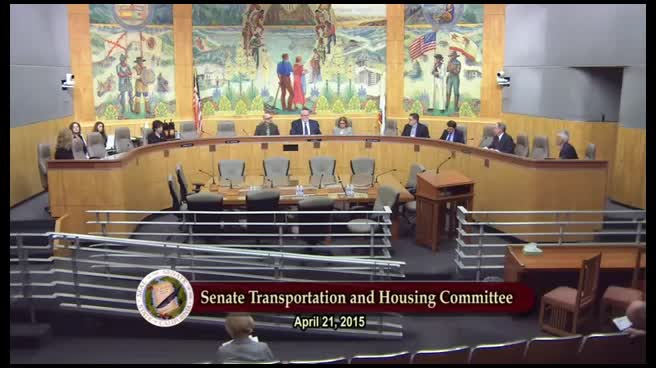
Bill Author

Bill Co-Author(s):