SB 677: Public safety: fireworks.
- Session Year: 2015-2016
- House: Senate
- Latest Version Date: 2015-04-06
Existing law requires various entities, including the State Fire Marshal, to seize certain prohibited fireworks. Existing law requires an authority that seizes fireworks to notify the State Fire Marshal of the seizure and provide specified information. Existing law requires the State Fire Marshal to dispose of the fireworks and requires dangerous fireworks to be disposed of according to specified procedures.
The bill would authorize the State Fire Marshal to permit a state licensed fireworks importer and exporter or wholesaler to purchase any fireworks the State Fire Marshal, the Department of Toxic Substances Control, and a recognized 3rd-party testing entity, as defined, deem to be commercially viable, from the State Fire Marshal. The bill would require any revenue received from the sale to belong to the seizing local authority and would authorize the State Fire Marshal to enter into a revenue sharing agreement with that local authority, as provided. The bill would require the Department of Toxic Substances Control to develop and publish guidelines for the implementation of these provisions, as provided.
Existing law provides that if dangerous fireworks are seized pursuant to a local ordinance that provides for administrative fines or penalties and these fines or penalties are collected, the local government entity collecting the fines or penalties shall forward 65% of the collected moneys to the Controller for deposit in the State Fire Marshal Fireworks Enforcement and Disposal Fund. Existing law requires the State Fire Marshal to acquire and use statewide mobile dangerous fireworks destruction units to collect and destroy dangerous fireworks from local and state agencies.
This bill would instead require the local government to forward 25% of the collected moneys to the Controller. The bill would require seized fireworks to be managed by the State Fire Marshal, the authority seizing any fireworks, or the authoritys contract designee, by either disposing or repurposing the fireworks, as provided. The bill would delete the State Fire Marshals authority to acquire and use statewide mobile dangerous fireworks destruction units to collect and destroy dangerous fireworks from local and state agencies.
Existing law authorizes the retail sale of safe and sane fireworks from June 28 to July 6, annually, pursuant to a license issued by the State Fire Marshal, unless otherwise prohibited or regulated by law or ordinance.
This bill would authorize, beginning January 1, 2017, the sale of certified safe and sane fireworks from 9 a.m. on December 26 to 11:59 p.m. on January 1 of the following year pursuant to a license issued by the State Fire Marshal, if authorized by a charter city, city, county, fire protection district, or city and county ordinance or resolution that may also restrict the hours of use of those fireworks. Since a violation of this provision or other existing related provisions in connection with the sale of those fireworks would be a misdemeanor, the bill would impose a state-mandated local program.
The bill would also authorize a charter city, city, county, fire protection district, or city and county that adopts an ordinance or resolution authorizing the sale of safe and sane fireworks to require each applicant receiving a permit to pay a fee to the charter city, city, county, fire protection district, or city and county of a pro rata portion of the actual and reasonable costs incurred by the charter city, city, county, fire protection district, or city and county for, among other things, processing and issuing fireworks permits, inspection of fireworks stands, public awareness and education campaigns regarding the safe and responsible use of safe and sane fireworks, and related fire operation and suppression efforts, as specified. The bill would specify that the pro rata portion of those costs shall be based on a percentage of the permittees sales and use tax return for the applicable permit period, not to exceed 7% of the gross sales of the fireworks sold in the charter city, city, county, fire protection district, or city and county, except that a cost recovery ordinance or resolution in effect on or before January 1, 2015, would be authorized to supersede that provision.
The bill would require, on or before January 1, 2017, the State Fire Marshal to collect and analyze data relating to fires, damages, seizures, arrests, administrative citations, and fireworks disposal issues caused by the sale and use of both dangerous illegal fireworks and safe and sane fireworks, as provided.
The bill would require on or before January 1, 2018, the State Fire Marshal to identify and evaluate methods to track all containers containing dangerous fireworks coming into California ports that are to be shipped in or out of the state, as provided. The bill would require the State Fire Marshal to, on or before January 1, 2019, adopt regulations relating to dangerous fireworks tracking and providing for an annual charge to be paid by all holders of an importers and exporters license who import dangerous fireworks into the state. The bill would require the amount of the charge to be determined based on the volume of product and number of containers imported into the state by the licensees, and payment of this charge would be a condition of an importers and exporters license.
Existing law requires the Department of Motor Vehicles to suspend the commercial license of a person transporting dangerous fireworks, as specified.
This bill would clarify that those provisions do not apply to a person with a valid license or permit under the State Fireworks Law, as specified.
Existing law provides that the Department of Finance has general powers of supervision over all matters concerning the financial and business policies of the state.
This bill would require, for purposes of monitoring the budgets of the Department of Forestry and Fire Protection and the Department of Toxic Substances Control, as those budgets relate to programs regarding fireworks, the director to create a plan for modifying the budget process to increase efficiency and focus on accomplishing program goals relating to fireworks. The bill would require the plan to include certain content, including ways to ensure transparency about program goals, outcomes, and funding.
The California Constitution requires the state to reimburse local agencies and school districts for certain costs mandated by the state. Statutory provisions establish procedures for making that reimbursement.
This bill would provide that no reimbursement is required by this act for a specified reason.
Existing law establishes a motor vehicle inspection and maintenance program, referred to as a smog check program, developed, implemented, and administered by the Department of Consumer Affairs. The duty of enforcing and administering the program is vested in the Chief of the Bureau of Automotive Repair within the department. Existing law authorizes the department to issue a citation to a licensee, contractor, or fleet owner for a violation of the requirements of the smog check program, and the citation may specify certain civil or administrative penalties.
This bill would make a technical, nonsubstantive change to those provisions.
(a)For purposes of monitoring the budgets of the Department of Forestry and Fire Protection and the Department of Toxic Substances Control, as those budgets relate to programs regarding fireworks, the director shall create a plan for modifying the budget process to increase efficiency and focus on accomplishing program goals relating to fireworks. The plan shall be developed in collaboration with the Director of Forestry and Fire Prevention and the Director of Toxic Substances Control.
(b)The plan shall include all of the following:
(1)A strategy to incorporate program evaluation methods into the budget process for selected activities and programs. These methods shall include zero-based budgeting, performance measures, strategic planning, audits, cost-benefit analyses, and program reviews.
(2)Ways to ensure transparency about program goals, outcomes, and funding.
(3)A process for collaborating with the Legislature, particularly in establishing program goals and measuring program outcomes.
(4)A structure to work with local governments to develop methods to measure and evaluate performance of state-funded, locally administered programs.
(5)An implementation timeline beginning with the release of the 201617 Governors Budget.
SEC. 2.Section 12556 of the Health and Safety Code is amended to read:12556.(a)In addition to the obligations described in Section 13110.5, on or before July 1, 2008, the State Fire Marshal shall identify and evaluate methods to capture more detailed data relating to fires, damages, and injuries caused by both dangerous fireworks and safe and sane fireworks. These evaluation methods shall include a cost analysis related to capturing and reporting the data and shall meet or exceed the specificity, detail, and reliability of the data captured under the former California Fire Incident Reporting System (CFIRS). The State Fire Marshal shall furnish a copy of these evaluation methods to any interested person upon request.
(b)On or before January 1, 2017, the State Fire Marshal shall collect and analyze data relating to fires, damages, seizures, arrests, administrative citations, and fireworks disposal issues caused by the sale and use of both dangerous illegal fireworks and safe and sane fireworks. The State Fire Marshal shall collect data pursuant to a methodology developed in consultation with the State Fire Marshals General Fireworks Advisory Committee.
SEC. 3.Section 12558 of the Health and Safety Code is amended to read:12558.The (a)In addition to the obligations described in this chapter, on or before January, 1 2018, the State Fire Marshal shall, in consultation with relevant federal, state, and local public agencies, the fireworks industry, and other relevant stakeholders, including port authorities for harbors and points of trans-Pacific importation of any dangerous fireworks, identify and evaluate methods to track all containers containing dangerous fireworks coming into California ports that will be transported in the state or trans-shipped out of those ports via container on a motor vehicle for shipment to a destination outside of California so as to ensure that the dangerous fireworks reach their final destination and are not drop shipped or otherwise offloaded at a location within the State of California. These tracking methods shall include a cost analysis related to capturing and reporting the tracking data concerning these containers.
(b)On or before January 1, 2019, the State Fire Marshal shall adopt regulations relating to the tracking of the dangerous fireworks containers described in subdivision (a), which may include provisions relating to tracking devices installed on each container, voluntarily funded by the industry, as may be necessary for the protection of life and property within the state. The regulations shall provide for an annual charge imposed on all holders of an importers and exporters license, pursuant to Section 12573, who import dangerous fireworks into the state. The annual charge shall be determined based on the volume of product and number of containers imported into the state by the licensees, and payment of this charge shall be a condition of licensure pursuant to Section 12573.
(c)The licensee or permittee shall permit the chief of the issuing authority, or his or her authorized representatives, as qualified in Section 12721, to enter and inspect any building or other premises premises, including any container described in subdivision (a), that is subject to the control of or used by the licensee or permittee for any purpose related to fireworks at any time for the purpose of enforcing the provisions of this part.
SEC. 4.Chapter 3.5 (commencing with Section 12559) is added to Part 2 of Division 11 of the Health and Safety Code, to read:3.5.Fireworks Sell-Back Program12559.(a)Notwithstanding Section 12723, and upon compliance with Section 12726, a local authority or the State Fire Marshal may repurpose or dispose of seized safe and sane fireworks and transfer any safe and sane and federally approved fireworks to an entity possessing a valid importers and exporters license, pursuant to Section 12573, or a wholesalers license, pursuant to Section 12572. Any fireworks transferred pursuant to this subdivision shall remain under the ownership of the seizing local authority.
(b)Safe and sane or federally approved fireworks transferred pursuant to this section shall be deemed hazardous material until the State Fire Marshal, the Department of Toxic Substances Control, and a recognized third-party testing entity make the determination pursuant to subdivision (c).
(c)(1)The State Fire Marshal is authorized to permit a recognized third-party testing entity to make a determination with the State Fire Marshal and the Department of Toxic Substances Control as to whether any seized fireworks are either commercially viable or hazardous waste.
(2)Any firework deemed commercially viable may be repackaged by the State Fire Marshal, the authority seizing any fireworks, or that authoritys designee, including, but not limited to, a state licensed fireworks importer and exporter, a wholesaler purchasing the product pursuant to subdivision (d), the recognized third-party testing authority, or a licensed hazardous materials or hazardous waste hauler.
(3)Any product deemed not commercially viable by the State Fire Marshal, the Department of Toxic Substances Control, and a third-party testing authority shall be disposed of by the State Fire Marshal or the State Fire Marshals designee and transported and disposed of within 72 hours of the determination in accordance with all federal and state hazardous waste laws and regulations.
(d)(1)The State Fire Marshal shall authorize a state licensed fireworks importer and exporter or wholesaler to purchase any fireworks deemed to be commercially viable pursuant to subdivision (c) from the State Fire Marshal or the local authority seizing the fireworks. Revenue received from the sale shall belong to the seizing local authority.
(2)The State Fire Marshal may enter into an agreement with a local authority for purposes of sharing revenue from the sale of fireworks pursuant to paragraph (1). The agreement shall allocate no less than 65 percent of the revenues to that local authority with the balance going to the state.
(e)For purposes of this section, recognized third-party testing entity means an independent third-party testing entity recognized by the federal Consumer Product Safety Commission as an acceptable testing entity for consumer fireworks.
(f)Upon the purchase of fireworks, pursuant to this chapter, a state-licensed fireworks importer and exporter or wholesaler shall accept full liability for any damage done by the fireworks and the State of California and the seizing local authority shall be indemnified.
12559.1.(a)The State Fire Marshal and the Department of Toxic Substances Control shall train local fire and law enforcement personnel on the requirements of this chapter.
(b)The State Fire Marshal shall, in consultation with relevant state and local public agencies, the fireworks industry, and other relevant stakeholders, develop, publish, and provide necessary guidance and training to local agencies that seize, collect, transport, store, and treat seized fireworks. This training and education may include, but is not limited to, the following specific areas:
(1)Standards for the transportation, storage, and handling of fireworks and pyrotechnic articles in accordance with Chapter 6 (commencing with Section 975) of Division 1 of Title 19 of the California Code of Regulations and the National Fire Protection Association 1124: Code for the Manufacture, Transportation, Storage, and Retail Sales of Fireworks and Pyrotechnic Articles of 2013.
(2)Recognition of explosive materials and isolation procedures in accordance with Chapter 10 (commencing with Section 1550) of Division 1 of Title 19 of the California Code of Regulations and the National Fire Protection Association 495: Explosive Materials Code of 2013.
(3)Recognition of commercial, consumer, and illegal fireworks in accordance with Chapter 6 (commencing with Section 975) of Division 1 of Title 19 of the California Code of Regulations and the National Fire Protection Association 1124: Code for the Manufacture, Transportation, Storage, and Retail Sales of Fireworks and Pyrotechnic Articles of 2013.
12559.2.The Department of Toxic Substances Control shall develop and publish guidelines for the implementation of this chapter that include, but are not limited to, all of the following:
(a)Standards for the proper handling, transport, and storage of fireworks that are hazardous materials for the purposes of this chapter.
(b)Standards for the proper handling, transport, and disposal of fireworks that are hazardous waste.
(c)A definition of commercially viable for the purposes of this chapter that ensures that fireworks that should be disposed of as waste are not resold.
SEC. 5.Section 12599.5 is added to the Health and Safety Code, to read:12599.5.(a)Notwithstanding Sections 12599 and 12672, the State Fire Marshal shall issue separate one-time retail licenses pursuant to this section that shall authorize the retail sale of safe and sane fireworks within this state only from 9 a.m. on December 26 to 11:59 p.m. on January 1 of the following year, inclusive. A license issued pursuant to this section shall be valid for only that seven-day period and shall then expire. All fireworks sold pursuant to a license issued pursuant to this section shall have been certified as safe and sane by the State Fire Marshal on or before June 15 of the year in which the validity of the license commences. No other license issued pursuant to this chapter shall authorize the sale of fireworks during that period.
(b)A retail license shall not be issued for the license period authorized by this section unless the charter city, city, county, fire protection district, or city and county having jurisdiction over the fixed location where the fireworks would be sold adopts an ordinance or resolution allowing that sale, and the application for that license is received by the State Fire Marshal on or before December 15 of the year in which the validity of the license is to commence. The ordinance or resolution authorizing the sale of those fireworks may limit the period of use of those fireworks to specified days and hours within the period during which the sale is authorized by this section.
(c)This section shall become operative on January 1, 2017.
SEC. 6.Section 12619 of the Health and Safety Code is amended to read:12619.All import and export licensees shall file a notice with the State Fire Marshal prior to the arrival of any class of fireworks subject to the license he holds. The notice shall state all of the following:
(a) Estimated date of arrival.
(b) Type, kind, and quantity of fireworks.
(c) Name of carrier.
(d) Point of origin and bill of lading number.
(e) Name and address of consignee.
(f) Load number or other identification carton marks.
(g)On and after January 1, 2019, verification of compliance with Section 12558, and any regulations adopted pursuant to Section 12558.
SEC. 7.Section 12635.5 is added to the Health and Safety Code, to read:12635.5.(a)A charter city, city, county, fire protection district, or city and county that adopts an ordinance or resolution pursuant to Section 12599 or 12599.5 may, through adoption of an ordinance or resolution by the governing body, require each applicant receiving a permit to pay a fee to the charter city, city, county, fire protection district, or city and county of a pro rata portion of the actual and reasonable costs the charter city, city, county, fire protection district, or city and county incurs that is related to any of the following:
(1)Processing and issuing permits.
(2)Inspection of fireworks stands.
(3)Public education and awareness campaigns regarding the safe and responsible use of safe and sane fireworks, and the dangers and risks posed by the use of illegal fireworks.
(4)Enforcing the provisions of the code of the charter city, city, county, fire protection district, or city and county with respect to the sale and use of safe and sane fireworks, including extra personnel time and cleanup of the fireworks trash and debris. Extra personnel time means employee or contracted employee time that the charter city, city, county, fire protection district, or city and county would not otherwise incur but for the sale and use of safe and sane fireworks.
(5)Fire operation and suppression efforts that are directly related to safe and sane fireworks.
(b)The pro rata share of the costs shall be specified in the ordinance or resolution and calculated using gross sales as shown on each permittees sales and use tax return for the applicable period. The pro rata share of costs shall not exceed 7 percent of the gross sales of the fireworks sold in the charter city, city, county, fire protection district, or city and county during the applicable period. A cost recovery ordinance or resolution in effect on or before January 1, 2015, may supersede this subdivision.
SEC. 8.Section 12723 of the Health and Safety Code is amended to read:12723.The authority seizing any fireworks under the provisions of this chapter shall notify the State Fire Marshal not more than three days following the date of seizure and shall state the reason for the seizure and the quantity, type, and location of the fireworks. Any fireworks, with the exception of dangerous fireworks, seized pursuant to Section 12721 shall be disposed of managed by the State Fire Marshal Marshal, the authority seizing the fireworks, or the authoritys contract designee in the manner prescribed by the State Fire Marshal at any time subsequent to 60 days from the seizure or 10 days from the final termination of proceedings under the provisions of Section 12593 or Section 12724, whichever is later. Dangerous fireworks shall be disposed of managed according to procedures in Sections 12724 and 12726. Any fireworks seized by any authority as defined in this chapter, other than the State Fire Marshal or his or her salaried assistants, shall be held in trust for the State Fire Marshal by that authority.
SEC. 9.Section 12724 of the Health and Safety Code is amended to read:12724.(a)Any A person whose fireworks are seized under the provisions of this chapter may, within 10 days after seizure, petition the State Fire Marshal Marshal, or the authority seizing the fireworks, to return the fireworks seized upon the ground that the fireworks were illegally or erroneously seized. Any A petition filed pursuant to this section shall be considered by the State Fire Marshal Marshal, or the authority seizing the fireworks, within 15 days after filing or after a hearing granted to the petitioner, if requested. The State Fire Marshal Marshal, or the authority seizing the fireworks, shall advise the petitioner of his or her or its decision in writing. The determination of the State Fire Marshal Marshal, or the authority seizing the fireworks, is final unless within 60 days after seizure an action is commenced in a court of competent jurisdiction in the State of California for the recovery of the fireworks seized pursuant to this part, except as provided in subdivision (b).
(b) The determination of the State Fire Marshal Marshal, or the authority seizing the fireworks, is final in the case of the seizure of dangerous fireworks, unless within 20 days after the notice of the determination is mailed to the petitioner an action is commenced in a court of competent jurisdiction in the State of California for the recovery of the fireworks seized pursuant to this part.
SEC. 10.Section 12726 of the Health and Safety Code is amended to read:12726.(a)The dangerous fireworks seized pursuant to this part shall be disposed managed of by the State Fire Marshal Marshal, the authority seizing the fireworks, or the authoritys contract designee, in the manner prescribed by the State Fire Marshal at any time after the final determination of proceedings under Section 12724, or upon final termination of proceedings under Section 12593, whichever is later. If no proceedings are commenced pursuant to Section 12724, the State Fire Marshal Marshal, the authority seizing the fireworks, or the authoritys contract designee, may repurpose, dispose of of, or both, the fireworks after all of the following requirements are satisfied:
(1)A random sampling of the dangerous fireworks has been taken, as defined by regulations adopted by the State Fire Marshal pursuant to Section 12552.
(2)The analysis of the random sampling has been completed.
(3)Photographs have been taken of the dangerous fireworks to be destroyed. repurposed, disposed of, or both.
(4)The State Fire Marshal has given written approval for the destruction repurposing, disposal, or both, of the dangerous fireworks. This approval shall specify the total weight of the dangerous fireworks seized, the total weight of the dangerous fireworks to be destroyed, and the total weight of the dangerous fireworks not to be destroyed.
(b)To carry out the purposes of this section, the State Fire Marshal shall acquire and use statewide mobile dangerous fireworks destruction units to collect and destroy seized dangerous fireworks from local and state agencies.
(c)
(b)If dangerous fireworks are seized pursuant to a local ordinance that provides for administrative fines or penalties and these fines or penalties are collected, the local government entity collecting the fines or penalties shall forward 65 25 percent of the collected moneys to the Controller for deposit in the State Fire Marshal Fireworks Enforcement and Disposal Fund, as described in Section 12728.
SEC. 11.Section 15301 of the Vehicle Code is amended to read:15301.(a)The Department of Motor Vehicles, in conjunction with the State Fire Marshal, shall develop regulations and procedures to temporarily suspend the commercial motor vehicle license of a person who is operating a commercial motor vehicle while transporting dangerous fireworks having a gross weight of 10,000 pounds or more. A
(b)A driver of a commercial motor vehicle shall not operate a commercial motor vehicle for three years if the driver is convicted of transporting dangerous fireworks having a gross weight of 10,000 pounds or more.
(c)This section shall not apply to a person who holds, and is operating within the scope of, a valid license as described in Section 12516 of the Health and Safety Code or a valid permit as described in Section 12522 of the Health and Safety Code.
SEC. 12.The provisions of this act are severable. If any provisions of this act or its application is held invalid pursuant to the federal Resource Conservation and Recovery Act, that invalidity shall not affect other provisions or applications that can be given effect without the invalid provision or application.
SEC. 13.No reimbursement is required by this act pursuant to Section 6 of Article XIIIB of the California Constitution because the only costs that may be incurred by a local agency or school district will be incurred because this act creates a new crime or infraction, eliminates a crime or infraction, or changes the penalty for a crime or infraction, within the meaning of Section 17556 of the Government Code, or changes the definition of a crime within the meaning of Section 6 of Article XIIIB of the California Constitution.
SECTION 1.Section 44052 of the Health and Safety Code is amended to read:44052.(a)If a citation lists more than one violation, the amount of the civil penalty or administrative fine assessed shall be stated separately for each statute and regulation violated.
(b)If a citation lists more than one violation arising from a single inspection or repair of a motor vehicle, the total penalties assessed shall not exceed five thousand dollars ($5,000).
(a)If a citation lists more than one violation, the amount of the civil penalty or administrative fine assessed shall be stated separately for each statute and regulation violated.
(b)If a citation lists more than one violation arising from a single motor vehicle inspection or repair of a motor vehicle, the total penalties assessed shall not exceed five thousand dollars ($5,000).
|
Date
|
Status
|
|---|---|
| Feb 27, 2015 | Introduced. To Com. on RLS. for assignment. To print. |
| Mar 2, 2015 | From printer. May be acted upon on or after April 1. |
| Mar 2, 2015 | Read first time. |
| Mar 19, 2015 | Referred to Com. on RLS. |
| Apr 6, 2015 | From committee with author's amendments. Read second time and amended. Re-referred to Com. on RLS. |
| Apr 9, 2015 | Re-referred to Coms. on GOV. & F. and G.O. |
| Apr 15, 2015 | Set for hearing April 22. |
| Apr 22, 2015 | From committee: Do pass and re-refer to Com. on G.O. (Ayes 4. Noes 2. Page 726.) (April 22). Re-referred to Com. on G.O. |
| Apr 24, 2015 | Set for hearing April 28. |
| Apr 28, 2015 | April 28 set for first hearing. Failed passage in committee. (Ayes 2. Noes 3. Page 796.) |
| May 26, 2015 | Returned to Secretary of Senate pursuant to Joint Rule 62(a). |
|
Date
|
Description
|
Location
|
Votes
|
|
|---|---|---|---|---|
| Apr 28, 2015 | Do pass as amended, but first amend, and re-refer to the Committee on [Appropriations] | Senate Standing Committee on Governmental Organization |
Failed |
|
| Apr 22, 2015 | Do pass, but first be re-referred to the Committee on [Governmental Organization] | Senate Standing Committee on Governance and Finance |
Passed |
This list shows positions taken on this bill by organizations on the date displayed, which is linked to the original source.
Positions by individuals are not included.
|
Organization
|
Position
|
Date
|
|---|---|---|
| American Promotional Events, Inc. | * Support | Apr 28, 2015 |
| American Promotional Events, Inc. | * Indeterminate | Apr 28, 2015 |
| California Fire Chiefs Association | ** Against | Apr 28, 2015 |
| California Taxpayers' Association | ** Against | Apr 28, 2015 |
SB 677 (Mendoza) Page 9 of 9
SENATE COMMITTEE ON GOVERNMENTAL ORGANIZATION
Senator Isadore Hall, III
Chair
2015 - 2016 Regular
Bill No: SB 677 Hearing Date: 4/28/2015
Author: |
Mendoza |
||
Version: |
4/6/2015 |
||
Urgency: |
No |
Fiscal: |
Yes |
Consultant: |
Felipe Lopez |
||
SUBJECT: Public safety: fireworks
DIGEST: This bill authorizes, beginning January 1, 2017, the sale of safe and sane fireworks during the week preceding New Year’s Day and makes numerous changes to the state laws governing fireworks sales and disposals.
ANALYSIS:
Existing law:
Requires various entities, including the State Fire Marshal (SFM), to seize certain prohibited fireworks.
Requires an authority that seizes fireworks to notify the SFM of the seizure and provide specified information.
Requires the SFM to dispose of the fireworks and requires dangerous fireworks to be disposed of according to specified procedures.
Provides that if dangerous fireworks are seized pursuant to a local ordinance that provides for administrative fines or penalties and these fines or penalties are collected, the local government entity collecting the fines or penalties shall forward 65% of the collected moneys to the State Controller for deposit in the State Fire Marshal Fireworks Enforcement and Disposal Fund.
Requires the SFM to acquire and use statewide mobile dangerous fireworks destruction units to collect and destroy dangerous fireworks from local and state agencies.
Authorizes the retail sale of safe and sane fireworks from June 28 to July 6, annually, pursuant to a license issued by the SFM, unless otherwise prohibited or regulated by law or ordinance.
Requires the Department of Motor Vehicles (DMV) to suspend the commercial license of a person transporting dangerous fireworks as specified.
Provides that the Department of Finance has general powers of supervision over all matters concerning the financial and business policies of the state.
This bill:
Authorizes, beginning January 1, 2017, the sale of certified safe and sane fireworks from 9 a.m. on December 26 to 11:59 p.m. on January 1 of the following year pursuant to a license issued by the SFM, if authorized by a charter city, city, county, fire protection district, or city and county ordinance or resolution that may also restrict the hours of use of those fireworks.
Authorizes a charter city, city, county, fire protection district, or city and county that adopts an ordinance or resolution authorizing the sale of safe and sane fireworks to require each applicant receiving a permit to pay a fee to the charter city, city, county, fire protection district, or city and county of a pro rata portion of the actual and reasonable costs incurred by the charter city, city, county, fire protection district, or city and county for, among other things, processing and issuing fireworks permits, inspection of fireworks stands, public awareness and education campaigns regarding the safe and responsible use of safe and sane fireworks, and related fire operation and suppression efforts, as specified. The bill specifies that the pro rata portion of those costs shall be based on a percentage of the permittee’s sales and use tax returns for the applicable permit period, not to exceed 7% of the gross sales of the fireworks sold, except that a cost recovery ordinance or resolution in effect on or before January 1, 2015, would be authorized to supersede that provision.
Authorizes the SFM to permit a state licensed fireworks importer or exporter or wholesaler to purchase any fireworks the SFM, the Department of Toxic Substances Control (DTSC), and a recognized third party testing entity, as defined, deem to be commercially viable, from the SFM.
Requires any revenue received from the sale to belong to the seizing local authority and would authorize the SFM to enter into a revenue sharing agreement with that local authority, as provided.
Requires the DTSC to develop and publish guidelines for the implementation of these provisions, as provided.
Requires the local government to forward 25% of the collected moneys from seized fireworks to the State Controller.
Requires seized fireworks to be managed by the SFM, the authority seizing any fireworks, or the authority’s contract designee, by either disposing or repurposing the fireworks, as provided.
Deletes the SFM’s authority to acquire and use statewide mobile dangerous fireworks destruction units to collect and destroy dangerous fireworks from local and state agencies.
Requires, on or before January 1, 2017, the SFM to collect and analyze data relating to fires, damages, seizures, arrests, administrative citations, and fireworks disposal issues caused by the sale and use of both dangerous illegal fireworks and safe and sane fireworks, as provided.
Requires on or before January 1, 2018, the SFM to identify and evaluate methods to track all containers containing dangerous fireworks coming into California ports that are to be shipped in or out of the state, as provided.
Requires the SFM to, on or before January 1, 2019, adopt regulations relating to dangerous fireworks tracking and providing for an annual charge to be paid by all holders of an importer’s and exporter’s license who import dangerous fireworks into the state. The bill requires the amount of the charge to be determined based on the volume of product and number of containers imported into the state by the licensees, and payment of this charge would be a condition of an importer’s and exporter’s license.
Requires the DMV to suspend the commercial license of a person transporting dangerous fireworks, as specified. The bill clarifies that these provisions do not apply to a person with a valid license or permit under the State Fireworks Law, as specified.
Requires, for purposes of monitoring the budgets of the Department of Forestry and Fire Protection and the DTSC, as those budgets relate to programs regarding fireworks, the director to create a plan for modifying budget process to increase efficiency and focus on accomplishing program goals relating to fireworks. The bill requires the plan to include certain content, including ways to ensure transparency about program goals, outcomes, and funding.
Background
Purpose of the Bill: According to the author, any fireworks not designated “safe and sane” are considered to be illegal in the State of California. As a result, there are fireworks seized in California that are legal to be sold in other states per federal regulations.
The author points out that fireworks are being seized by many different agencies throughout the state and that they are all faced with the problems inherent to the seizure of illegal fireworks.
SB 677 solves the illegal fireworks crisis in California by allowing local governments to recover the costs associated with the seizure and disposal of illegal fireworks.
Policy Considerations: According to the author the stated goal of the bill is to solve the issue of the illegal fireworks crisis in California, however the bill currently allows for an additional week of fireworks sales for the week prior to New Year’s Day. This additional week of sales could be viewed to be counterintuitive to the overall goal of the bill.
This additional week has the possibility to dramatically increase the amount of seized fireworks by local jurisdictions. While the bill does specify that a local ordinance would have to be adopted before sales could commence, this alone does not solve the issue. Realistically you could have neighboring communities-- one allowing sales and the other prohibiting-- where one of the communities is legally selling fireworks and those fireworks are then being transported to the neighboring community where sales are illegal and could be seized, thus increasing the problem.
In addition, though an argument can be made that allowing the sale of fireworks curbs the sale of illegal fireworks, data from the SFM’s office seems to contradict that point. According to the SFM the seizures of illegal fireworks usually begin around March with an increase in seizures towards the 4th of July period of the year. If legal fireworks sales truly curb the sale of illegal fireworks, then why does the number of illegal fireworks being seized increase dramatically during the 4th of July period?
The committee may therefore wish to strike out the language of the bill dealing with sales of fireworks during the week preceding New Year’s Day to ensure that the bill would not be compounding the issue of the fireworks disposal in California while at the same time trying to solve the problem.
Seized Fireworks in California: The California Health and Safety Code requires the SFM to dispose of "dangerous fireworks" within 60 days upon receiving notification from the local jurisdictions that seized them. These seized fireworks range from unpackaged improvised devices, to fireworks that are legal to be sold in other states, as well as safe and sane fireworks that have been seized in any part of the state that does not permit the sale. According to the SFM the seizures of these fireworks have been increasing each year and begin to occur around March with an uptick in interdictions moving towards the 4th of July period of the year.
The SFM estimates that there are roughly 384,000 pounds of seized dangerous and illegal fireworks located throughout the State awaiting disposal. Of that, 220,000 pounds sit in the physical possession of the SFM in controlled containers at 10 locations around the state, 164,000 pounds sit in local government controlled sites. Los Angeles County has the largest stored quantity at approximately 90,000 pounds currently stored.
In the past, the approach for disposal has been by the burning of unpackaged fireworks under an emergency burn permit issued by the DTSC or by shipping fireworks in their original federally approved packaging for out of state disposal.
The SFM did receive a one-time appropriation from the Toxic Substance Control Account of $1.5 million in the 2014-15 fiscal year to fund disposal of illegal fireworks. It is believed that this appropriation is sufficient to reduce the current stockpile located within SFM controlled storage sites to zero by the end of the current fiscal year. There is no funding available to address the illegal fireworks held in local government facilities.
Firework Sales: Current law authorizes the retail sale of safe and sane fireworks from June 28 to July 6 annually pursuant to a license issued by the SFM, unless otherwise prohibited or regulated by law or ordinance. As of April 2012, there were 290 communities in California that permitted the sale and use of state-approved fireworks each 4th of July.
Sellers are first required to obtain a license, good for one year, from the SFM and pay associated fees to the state. Local jurisdictions may include an administrative fee related to the processing of permits and a percentage of gross sales collected by the jurisdiction. This is generally used for education, over-time staffing, enforcement duties and other fireworks related additional activities.
Fireworks stands are generally run by non-profit groups such as battered women's shelters, service clubs (such as Rotary), Boy Scout and Girl Scout troops, PTAs, Little Leagues, and other local organizations. If an organization is selling safe and sane fireworks without a permit the individual or organization could face a significant fine and possible criminal charges.
City requirements for fireworks sale permits vary slightly from city to city, but each applicant generally has to comply with the same basic requirements. The non-profit organization must obtain designation as a certified, legal non-profit from the State of California; pay a city permit fee and a sales booth inspection fee for building and safety, and SFM compliance; pay an additional annual SFM fee; show proof of insurance with various amounts of coverage in case of property damage or injury in the vicinity of the sales booth; obtain a sales site, usually in a strip mall or other commercial location; take delivery of the sales booth; attend a meeting with city officials to learn of any annual municipal code updates or city council policy changes relating to the sale of legal fireworks; obtain a Seller’s Permit from the Board of Equalization (BOE) for required sales tax collection; and take delivery of the product, supply a sales staff to sell the product and determine the price they will charge for the product.
The SFM determines which fireworks are legal. The “safe and sane” varieties carry an official SFM seal. Everything else is classified dangerous and illegal. It has been reported, that law enforcement agencies confiscate an average of about 40,000 pounds of illegal fireworks every year.
The SFM is responsible for collecting and disposing of unsafe fireworks. Because these fireworks contain perchlorates, they must be disposed in a manner that meets environmental regulations.
Fireworks Related Injuries: In 2010 the National Fire Protection Association released a study titled, "Fireworks-Related Injuries, Deaths and Fires," which found that in 2010, 8,600 fireworks-related injuries were treated in U.S. hospital emergency rooms. In addition, the study found that in 2010, an estimated 15,500 fires were started by fireworks in the United States. These fires resulted in an estimated eight civilian deaths, 60 civilian injuries and $36 million in direct property damage.
According to the study, "the risk of fire death relative to usage shows fireworks to be more risky per hour of usage than cigarettes. On Independence Day in a typical year, more than twice as many U.S. fires are reported than on any other day. Fireworks account for two out of five of those fires, more than any other cause of fires. The trend in fireworks-related injuries has been mostly in the range of 8,300 to 9,800 per year since 1996, except for spikes in 2000, primarily due to celebrations around the advent of a new millennium." In addition, the study found that 83% of emergency room fireworks injuries involved fireworks that Federal regulations permit consumers to use. Sparklers, fountains, and novelties alone accounted for 43% of emergency room fireworks injuries.
This study implies that any increase in fireworks use, whether legal or not, would only increase the number of fireworks related injuries and fires. With the State of California facing such a significant drought, any increase of fires would only exacerbate the problem.
Double-referral: The bill was previously passed by Senate Governance and Finance Committee with a vote of 4-2.
Prior/Related Legislation
SB 777 (Calderon), 2013-2014 Legislative Session. The bill would have created a fireworks sell-back program administered by the SFM and would have authorized the state to issue licenses for retail sales of fireworks during the week before New Year’s Day. The bill was amended to deal with an unrelated issue area.
SB 1468 (Calderon), 2011-2012 Legislative Session. The bill would have authorized the sale of specified fireworks between Christmas and New Year’s Day in 2014-15 and 2015-16. Also would have permitted limited recovery of specified costs by local governments, and provided for a two-year fireworks data collection effort to be funded by voluntary contributions from the fireworks industry. (Held in Assembly Appropriations Committee)
AB 1295 (Bermudez), 2005-2006 Legislative Session. The bill would have allowed New Year’s fireworks sales and used fee revenues to pay for disposal costs associated with seized fireworks. (Held in Assembly Appropriations Committee)
AB 1371 (V. Manuel Perez), 2011-2012 Legislative Session. The bill would have allowed New Year’s fireworks sales and authorized local governments to impose permit fees. (Held in Assembly Governmental Organization Committee)
SB 839 (R. Calderon), Chapter 563, Statutes of 2007. The bill would have revised the penalties for possession and transportation of dangerous fireworks, as specified. SB 839 established a fund from the proceeds of all fines and fees collected in relation to dangerous fireworks violations with those funds earmarked for enforcement of dangerous fireworks law.
AB 476 (De La Torre), 2007-08 Legislative Session. The bill would have increased the fines for violating state fireworks laws from $1,000 to not less than $2,000 and not more than $5,000, and authorized the impounding of vehicles used to transport "dangerous fireworks" by SFM. (Held in Assembly Appropriations)
AB 2310 (Torrico), 2005-06 Legislative Session. The bill would have reduced the penalty for personal use of prohibited fireworks, as defined, from a misdemeanor to an infraction, subject to a citation and a $200 civil penalty, a portion of that penalty to be transferred to the SFM for disposal of fireworks and a portion to remain with the local fire protection agency for administrative costs. (Failed on the Senate Floor)
AB 1295 (Bermudez), 2005-006 Legislative Session. The bill would have authorized the sale of fireworks from December 26 through January 1 each year and established the SFM Dangerous Fireworks Management Fund. (Held in Assembly Appropriations Committee)
AB 923 (Chavez), 2005-06 Legislative Session. The bill would have authorized the sale of fireworks from December 26 to January 1 and creates the SFM Dangerous Fireworks Management Fund for the deposit of surcharges assessed on the sale of fireworks to pay for the disposal costs of seized fireworks. (Never heard in Assembly Governmental Organization Committee)
AB 2090 (Miller), Chapter 363, Statutes of 1998. The bill would have authorized the SFM to license the sale of fireworks from December 26, 1999 through January 1, 2000 in order to celebrate the millennium.
FISCAL EFFECT: Appropriation: No Fiscal Com.: Yes Local: Yes
SUPPORT:
American Promotional Events, Inc.
OPPOSITION:
California Fire Chiefs Association
California Taxpayers Association
ARGUMENTS IN SUPPORT: According to American Promotional Events, the SFM is unable to consistently perform its statutory duty and the money that it has received from the federal government is gone.
They argue that SB 677 represents a serious, fireworks industry funded effort to stop the influx of illegal fireworks into California.
ARGUMENTS IN OPPOSITION: The California Fire Chiefs Association (Cal Chiefs) has taken an “oppose unless amended” position on the bill. The Cal Chiefs are requesting that language pertaining to the sale of fireworks during the New Year eve period be remove from the bill. They argue that adding additional sales period will only exacerbate the collection, storage and disposal of both safe and sane and dangerous fireworks.
The California Taxpayers Association (CalTax) states that the bill distorts the nature of a license fee. CalTax argues that a charge imposed by a state or local government may only cover the staff time and actual costs necessary to produce a license. CalTax concludes that the charge authorized by this bill goes beyond the costs of issuing a license by funding educational campaigns and fire response services.
SB 677 (Mendoza) 4/6/15 Page 6 of 6
SENATE COMMITTEE ON GOVERNANCE AND FINANCE
Senator Robert M. Hertzberg, Chair
2015 - 2016 Regular
Bill No: |
SB 677 |
Hearing Date: |
4/22/15 |
Author: |
Mendoza |
Tax Levy: |
No |
Version: |
4/6/15 |
Fiscal: |
Yes |
Consultant: |
Weinberger |
||
FIREWORKS SALES AND DISPOSAL
Makes numerous amendments to the state laws governing fireworks sales and disposals.
Background
The State Fireworks Law establishes comprehensive rules governing the use, manufacture, import, export, and sale of fireworks. The law defines "dangerous fireworks" and “exempt fireworks.” “Safe and sane” fireworks are any fireworks which do not come within the definition of “dangerous fireworks” or “exempt fireworks.”
State law requires various entities, including the State Fire Marshal (SFM), to seize certain prohibited fireworks and requires an authority that seizes fireworks to notify the SFM of the seizure and provide specified information. The law requires the SFM to dispose of fireworks and specifies procedures for disposing of dangerous fireworks. The law authorizes the SFM to license retailers to sell certified "safe and sane" fireworks from June 28 to July 6 each year, unless otherwise prohibited by local ordinance. Currently, about 290 California communities permit the sale and use of state-approved fireworks each 4th of July.
In anticipation of the millennial celebration, the Legislature authorized the SFM to issue a one-time retail license to permit the sale of certified fireworks from 9:00am on December 26, 1999, until midnight of January 1, 2000 (AB 2090, Miller, 1998). The State Fireworks Law authorizes the State Fire Marshal to issue a wholesaler's license to allow the sale and transportation of all types of fireworks to licensed retailers, or retailers operating under a permit, licensed public display operators, and other licensed wholesalers in California.
The State Fire Marshal must establish and collect original and annual renewal fees for fireworks licenses. The fees cannot exceed the amount necessary to cover the SFM's administrative and enforcement costs.
In recent years, stakeholders have participated in working group meetings to discuss the full spectrum of issues associated with fireworks sales, use, and disposal. The working groups discussed topics that include environmental concerns related to fireworks disposal, funding options, data collection, and enforcement issues. Through this comprehensive review, stakeholders reached consensus on a number of proposed reforms.
Proposed Law
Senate Bill 677 amends state laws governing fireworks to:
Create a fireworks sell-back program administered by the SFM.
Authorize the state to issue licenses for retail sales of fireworks during the week before New Year’s Day.
Allow local governments to impose permit fees on fireworks retailers.
Require the State Fire Marshal to collect data related to fireworks.
Exempt people transporting fireworks pursuant to a valid permit or license from specified sanctions.
Require the SFM to regulate tracking of shipping containers that transport dangerous fireworks.
Enact fireworks-related program evaluation and performance measurement requirements.
Sell-back program. Notwithstanding specified statutes, SB 677 allows a local authority or the State Fire Marshal (SFM) to repurpose or dispose of seized safe and sane fireworks. The bill allows a local authority or the SFM transfer any safe and sane and federally approved fireworks to an entity possessing a valid importer’s and exporter’s license or a wholesaler’s license. Any fireworks transferred pursuant to this authority must:
Remain under the ownership of the seizing local authority.
Be deemed “hazardous material” until the SFM, the Department of Toxic Substance Control, and a recognized third party testing entity make a determination regarding the fireworks’ commercial viability.
SB 677 allows the SFM to permit a recognized third party testing entity to determine, with the SFM and the DTSC; whether any seized fireworks are either commercially viable or hazardous waste. Any firework deemed commercially viable may be repackaged by the SFM, the authority seizing any fireworks, or the authority’s designee, including:
A state licensed fireworks importer or exporter,
A wholesaler purchasing the product pursuant to state law,
The recognized third-party testing authority, or
A licensed hazardous materials or hazardous waste hauler.
Within 72 hours of any fireworks being deemed not commercially viable, the SFM, or the SFM’s designee, must dispose of the product in accordance with state and federal laws.
SB 677 requires the SFM to authorize a state licensed fireworks importer and exporter to purchase fireworks deemed to be commercially viable from the SFM or the local authority seizing the fireworks. Revenue received from the sale belongs to the seizing local authority. The bill allows the SFM to enter into an agreement with a local authority for purposes of sharing revenue from the sale of fireworks. The agreement must allocate no less than 65% of the revenues to that local authority with the balance going to the state.
SB 677 defines “recognized third party testing entity” as an independent testing entity recognized by the Federal Consumer Product Safety Commission as an acceptable testing entity for consumer fireworks.
SB 677 requires that a state-licensed fireworks importer and exporter or wholesaler, upon the purchase of fireworks pursuant to the bill’s provisions, must accept full liability for any damage done by the fireworks and indemnify the State of California and the seizing local authority.
SB 677 requires the SFM and the DTSC to train local fire and law enforcement personnel on the bill’s requirements and to provide guidance and training to local agencies that seize, collect, transport, store, and treat seized fireworks.
SB 677 requires the DTSC to develop and publish guidelines for the implementation of this chapter that include:
Standards for the proper handling, transport, and storage of fireworks that are hazardous materials.
Standards for the proper handling, transport, and disposal of fireworks that are hazardous waste.
A definition of “commercially viable” that ensures that fireworks that should be disposed of as waste are not resold.
Retail licenses. SB 677 requires the SFM, after January 1, 2017, to issue separate one-time retail licenses authorizing the retail sale of safe and sane fireworks within California from 9 a.m. on December 26 to midnight of January 1 of the following year. A retail license issued for the December 26 through January 1 period is valid for only one seven-day period and then expires. The bill requires all fireworks sold pursuant to the license to have been certified as safe and sane by the SFM as of June 15 of the year in which the license becomes valid. The bill prohibits other licenses issued pursuant to specified statutes from authorizing the sale of fireworks during the December 26 through January 1 period.
SB 677 prohibits the State Fire Marshal from issuing a retail license for the December 26 through January 1 license period unless:
The charter city, city, county, fire protection district, or city and county having juris-diction over the fixed location where the fireworks would be sold adopts an ordinance or resolution allowing that sale, and
The application for that license is received by the State Fire Marshal on or before December 15 of the year in which the validity of the license is to commence.
SB 677 allows the ordinance or resolution authorizing the sale of fireworks to limit the period during which the fireworks can be used to specified days and hours within the period during which fireworks can be sold.
Local permit fees. SB 677 allows the governing body of a charter city, city, county, fire protection district, or city and county that adopts an ordinance or resolution authorizing fireworks sales to adopt an ordinance or resolution requiring each applicant receiving a permit to pay a fee to the charter city, city, county, fire district, or city and county. The amount of the fee is a pro rata portion of the costs the local government incurs on or before January 1, 2017 related to:
Processing and issuing permits.
Inspecting fireworks stands.
Public education and awareness campaigns regarding the safe and responsible use of safe and sane fireworks, and the dangers and risks posed by the use of illegal fireworks.
Enforcing local code provisions related to the sale and use of safe and sane fireworks, including extra personnel time, and cleanup of the fireworks trash and debris. The bill defines “extra personnel time" as employee or contracted employee time that the local government would not otherwise incur but for the sale and use of safe and sane fireworks.
Fire operation and suppression efforts that are directly related to safe and sane fireworks.
SB 677 requires that the pro rata share of the costs must be determined using gross sales as shown on each permittee's sales and use tax return for the applicable period. The bill prohibits the pro rata share of costs from exceeding 7% of the gross sales of the fireworks sold in the charter city, city, county, fire district, or city and county during the applicable period. A cost recovery ordinance or resolution in effect on or before January 1, 2015, may supersede these requirements.
Data collection. SB 677 requires the SFM, on or before January 1, 2017, to collect and analyze data relating to fires, damages, seizures, arrests, administrative citations, and fireworks disposal issues caused by the sale and use of both dangerous illegal fireworks and safe and sane fireworks. The SFM must collect data pursuant to a methodology developed in consultation with the State Fire Marshal’s General Fireworks Advisory Committee.
Tracking dangerous fireworks containers. SB 677 requires the SFM, on or before January, 1 2018, to identify and evaluate methods to track all containers containing dangerous fireworks coming into California ports that will be transported in the state or trans-shipped out of those ports via container on a motor vehicle for shipment to a destination outside of California so as to ensure that the dangerous fireworks reach their final destination and are not drop shipped or otherwise offloaded at a location within the State of California. These tracking methods shall include a cost analysis related to capturing and reporting the tracking data concerning these containers. In developing these tracking methods the SFM must consult with relevant federal, state, and local public agencies, the fireworks industry, and other relevant stakeholders, including port authorities for harbors and points of trans-Pacific importation of any dangerous fireworks.
SB 677 requires the SFM, on or before January 1, 2019, to adopt regulations relating to the tracking of the dangerous fireworks containers, which may include provisions relating to tracking devices installed on each container, voluntarily funded by the industry, as may be necessary for the protection of life and property within the state. The regulations must provide for an annual charge imposed on all holders of an importer’s and exporter’s license who import dangerous fireworks into the state. The annual charge must be determined based on the volume of product and number of containers imported into the state by the licensees, and payment of this charge shall be a condition of licensure pursuant to state law.
SB 677 requires import and export licensees, on and after January 1, 2019, to verify their compliance with statutory requirements and regulations relating to the tracking of dangerous fireworks containers.
Transporting fireworks. SB 677 specifies that laws requiring the Department of Motor Vehicles to suspend the commercial license of a person transporting dangerous fireworks do not apply to a person with a specified, valid license or permit issued pursuant to the State Fireworks Law.
Program evaluation and performance measurement; To monitor the budgets of the Department of Forestry and Fire Protection (CALFIRE) and the DTSC, as those budgets relate to programs regarding fireworks, SB 677 requires the Director of the Department of Finance, in collaboration with the Directors of CALFIRE and DTSC, to create a plan for modifying the budget process to increase efficiency and focus on accomplishing fireworks-related program goals. The plan must include:
A strategy to incorporate program evaluation methods into the budget process for selected activities and programs. The methods must include zero-based budgeting, performance measures, strategic planning, audits, cost-benefit analyses, and program reviews.
Ways to ensure transparency about program goals, outcomes, and funding.
A process for collaborating with the Legislature, particularly in establishing program goals and measuring program outcomes.
A structure to work with local governments to develop methods to measure and evaluate performance of state-funded, locally administered pro-grams.
An implementation timeline beginning with the release of the 2016–2017 Governor’s Budget.
State Revenue Impact
No estimate.
Comments
1. Purpose of the bill. Fireworks sales are a vital source of revenue for thousands of community-based, non-profit organizations throughout California. Allowing the licensed sale of safe and sane fireworks during the week leading up to New Year’s Day will provide struggling non-profit organizations with a much-needed fundraising tool. Local governments’ seizures of illegal fireworks raise a number of policy questions regarding safe transport, storage, handling, and disposal of the seized materials. SB 677 enacts numerous changes to the state’s fireworks laws to both expand the sales of “safe and sane” fireworks while addressing enforcement and safety concerns. The bill maintains local control by allowing local government officials to “opt-in” to the New Year’s fire-works sales, and allows local governments to impose permit fees that will pay for local enforcement, education, fire operation, suppression, and training activities. The bill also creates new revenue streams from the resale program and wholesale license fees to pay for reliable data gathering, disposal, and enforcement. SB 677 will help raise funds for non-profit organizations while improving state and local efforts to enforce fireworks safety laws.
2. Fees vs. taxes. In November 2010, voters approved Proposition 26, which amended the California Constitution to expand the definitions of local taxes and tax increases that require voter approval. Prop. 26 defined any levy, charge, or exaction of any kind imposed by a local government as a tax, requiring voter approval, unless that levy, charge, or exaction is covered by one of seven exceptions specified by Prop. 26. SB 677 allows local government to use license fee revenues for a variety of specified purposes. Some of those purposes, like the paying for the costs of issuing permits and conducting inspections, likely fall within the exceptions defined by Prop. 26. It is unclear whether other purposes, like paying for education programs or the cleanup of fireworks debris, are allowed under Prop. 26’s exceptions. If the fee revenues are used for purposes that Prop. 26 does not allow, then the so-called fees are actually taxes that would require 2/3 voter approval. To avoid any misinterpretation, the Committee may wish to amend SB 677 to clarify that local permit fee revenues must only be used for purposes allowed pursuant to subdivision (e) of Section 1 of Article XIIIC of the California Constitution.
3. Timing is everything. SB 677 directs that seized safe and sane and federally approved fireworks that are not deemed to be commercially viable become “hazardous waste” and must be transported and disposed of pursuant to extensive state and federal laws governing hazardous waste. However, the bill allows a local agency or the SFM to transport those same fireworks to a collection center without having to comply with any other provisions of law and doesn’t require them to be treated as hazardous waste at the collection center until after they are deemed to be not commercially viable. As a result, some fireworks that are hazardous waste will not be treated like hazardous waste during the time that they are being transported to, and inspected at, the regional collection centers. The bill’s proponents say that state and federal regulators will not allow seized fireworks to be immediately deemed to be hazardous waste and then later redefined as commercially viable products. SB 677 seeks to mitigate this timing problem by requiring the SFM to provide local agencies that seize and handle fireworks with training and education regarding proper recognition, transportation, storage, and safe handling of fireworks. The Committee may wish to consider whether this training and education is a sufficient response to concerns that the bill allows some seized fireworks to be transported and handled without regard for state and federal laws governing hazardous waste.
4. Mandate. By creating a new crime, SB 677 also creates a new state-mandated program. But the bill disclaims the state's responsibility for reimbursing local governments for enforcing these new crimes. That's consistent with the California Constitution, which says that the state does not have to reimburse local governments for the costs of new crimes (Article XIIIB, 6[a] [2]).
5. Similar legislation. SB 677 is not the first legislative proposal to authorize licensed fireworks sales during the week before New Year’s Day.
SB 777 (Calderon, 2013), which would have created a fireworks sell-back program administered by the State Fire Marshal and authorized the state to issue licenses for retail sales of fireworks during the week before New Year’s Day.
SB 1468 (Calderon, 2012) which would have allowed New Year’s fireworks sales each year from 2013 through 2017, died in the Assembly.
AB 1295 (Bermudez, 2005), which would have allowed New Year’s fireworks sales and used fee revenues to pay for disposal costs associated with seized fireworks, died in the Assembly Appropriations Committee.
AB 1371 (V. Manuel Perez, 2011), which would have allowed New Year’s fireworks sales and authorized local governments to impose permit fees, died in the Assembly Governmental Organization Committee.
6. Double-referral. Because SB 677’s provisions fall within the policy jurisdictions of more than one Senate committee, Senate Rules Committee ordered a double-referral, first to the Senate Governance & Finance Committee and then to the Senate Governmental Organization Committee.
Support and Opposition
(4/17/15)
Support: American Promotional Events, Inc.
Opposition: California Fire Chiefs Association; California Taxpayers Association, Public Policy Advocate
-- END --
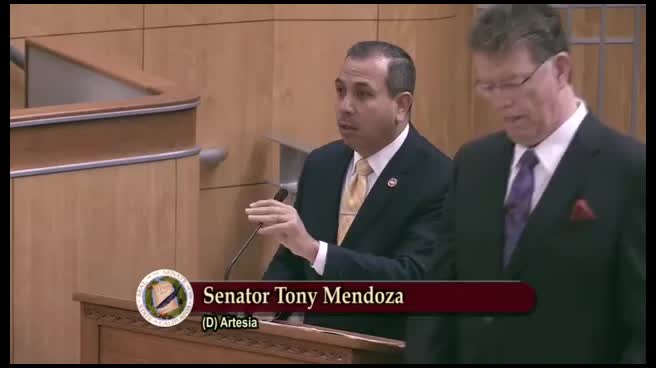
Discussed in Hearing
 26MIN
Senate Standing Committee on Governmental Organization
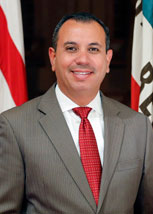
Bill Author
Bill Co-Author(s):