SB 761: Advertising: Internet private residence rental listings: notice.
- Session Year: 2015-2016
- House: Senate
- Latest Version Date: 2015-09-01
Existing law requires an operator of a commercial Internet Web site or online service that collects personally identifiable information through the Internet about individual consumers residing in California who use or visit its commercial Internet Web site or online service to conspicuously post its privacy policy on its Internet Web site. Existing law also limits advertising by an operator of an Internet Web site, online service, online application, or mobile application directed to minors, as provided.
This bill would require a hosting platform, as defined, to provide a specific notice to an occupant listing a residence for short-term rental on a hosting platform that states, among other things, that, if the occupant is a tenant, listing the room, home, condominium, or apartment may violate the lease or contract and could result in legal action by the landlord, including possible eviction. This bill would require the notice to be in a particular font size and be provided immediately before the occupant lists each real property on the hosting platforms Internet Web site in a manner that requires the occupant to interact with the hosting platforms Internet Web site to affirmatively acknowledge he or she has read the notice.
Existing law requires an operator of a commercial Internet Web site or online service that collects personally identifiable information through the Internet about individual consumers residing in California who use or visit its commercial Internet Web site or online service to conspicuously post its privacy policy on its Internet Web site. Existing law also limits advertising by an operator of an Internet Web site, online service, online application, or mobile application directed to minors, as provided.
This bill would require an operator of an online platform or Internet Web site that in any manner facilitates the rental of real property located within the state offered by an occupant of that real property as a vacation or other temporary living space to provide a specific notice to that occupant that states, among other things, that listing or offering the property on the Internet Web site could result in eviction if the occupant does not have the property owners permission. a hosting platform, as defined, to provide a specific notice to an occupant listing a residence for short-term rental on a hosting platform that states, among other things, that, if the occupant is a tenant, listing the room, home, condominium, or apartment may violate the lease or contract and could result in legal action by the landlord, including possible eviction. This bill would require the notice to be in a particular font size and be provided immediately before the occupant commits to offer lists each real property on the hosting platforms Internet Web site in a manner that requires the occupant to interact with the hosting platforms Internet Web site to affirmatively acknowledge he or she has read the notice. This bill would define terms for its purposes.
Existing law requires an operator of a commercial Web site or online service that collects personally identifiable information through the Internet about individual consumers residing in California who use or visit its commercial Web site or online service to conspicuously post its privacy policy on its Internet Web site. Existing law also limits advertising by an operator of an Internet Web site, online service, online application, or mobile application directed to minors, as provided.
This bill would require an operator of an online platform or Internet Web site that in any manner facilitates the rental of real property located within the state offered by an occupant of that real property as a vacation or other temporary living space to provide a specific notice to that occupant that states, among other things, that listing or offering the property on the Internet Web site could result in eviction if the occupant does not have the property owners permission. This bill would require the notice to be in a particular font size and provided immediately before the occupant commits to offer each real property on the Internet Web site in a manner that requires the occupant to interact with the Internet Web site to affirmatively acknowledge he or she has read the notice. This bill would define terms for its purposes.
Existing law prohibits a person, corporation or association, or any employee of a corporation or association, from engaging in advertising practices conducted by specified means of dissemination or publication, including the Internet, where a statement is made or disseminated that is untrue or misleading and which, by the exercise of reasonable care, should be known to be untrue or misleading. Existing law requires a vendor conducting business through the Internet or any other electronic means of communication, when a transaction involves a buyer in this state, to disclose to the buyer the vendors return and refund policy and various other information. A violation of these provisions is a crime.
This bill would state the intent of the Legislature to enact legislation that would require an operator of a commercial Internet Web site that meets specified criteria to provide public disclosures and consumer protections when presenting or offering to consumers vacation home rentals or temporary living spaces.
As used in this chapter, a hosting platform means a marketplace that is created for the primary purpose of facilitating the rental of a residential unit offered for occupancy for tourist or transient use for compensation to the offeror of that unit, and the operator of the hosting platform derives revenues, including booking fees or advertising revenues, from providing or maintaining that marketplace. Facilitating includes, but is not limited to, the act of allowing the offeror of the residential unit to offer or advertise the residential unit on the Internet Web site provided or maintained by the operator.
22592.A hosting platform shall provide the following notice to occupants listing a residence for short-term rental on a hosting platform:
If you are a tenant who is listing a room, home, condominium, or apartment, please refer to your rental contract or lease, or contact your landlord, prior to listing the property to determine whether your lease or contract contains restrictions that would limit your ability to list your room, home, condominium, or apartment. Listing your room, home, condominium, or apartment may be a violation of your lease or contract, and could result in legal action against you by your landlord, including possible eviction.
22594.
(a)The notice required by Section 22592 shall be in a font size that is equal to or greater than 100 percent of the standard font size of the other paragraphs on the hosting platforms Internet Web site or equal to the default font size on the hosting platforms Internet Web site.
(b)The notice shall be provided immediately before the occupant lists each real property on the hosting platforms Internet Web site, and shall require the occupant to interact with the hosting platforms Internet Web site to affirmatively acknowledge he or she has read the notice. This affirmative acknowledgement may be accomplished by the inclusion of a statement in the notice described in Section 22592 that the occupant acknowledges reading this notice before proceeding to list a real property with the hosting platforms Internet Web site.
As used in this chapter, the following definitions shall apply: a hosting platform means a marketplace that is created for the primary purpose of facilitating the rental of a residential unit offered for occupancy for tourist or transient use for compensation to the offeror of that unit, and the operator of the hosting platform derives revenues, including booking fees or advertising revenues, from providing or maintaining that marketplace. Facilitating includes, but is not limited to, the act of allowing the offeror of the residential unit to offer or advertise the residential unit on the Internet Web site provided or maintained by the operator.
(a)Occupant means a natural person who has the legal right to reside in the real property, including, but not limited to, a tenant.
(b)Real property means any dwelling or portion of a dwelling intended for human occupancy, including, but not limited to, a room, single family home, condominium, or apartment.
22592.(a)An operator of an online platform or Internet Web site that in any manner facilitates the rental of real property located within the state offered by an occupant of that real property as a vacation or other temporary living space shall provide the following notice to that occupant in compliance with this chapter:
| If you are a tenant who is listing a room, home, condominium, or apartment that you rent from a landlord on this Internet Web site, you may be in violation of your rental contract or lease. Listing or offering the property on this Internet Web site could result in your eviction if you do not have the property owners permission. Please refer to your rental contract or lease, or contact your landlord prior to listing the property to protect your interests. | |
A hosting platform shall provide the following notice to occupants listing a residence for short-term rental on a hosting platform:
If you are a tenant who is listing a room, home, condominium, or apartment, please refer to your rental contract or lease, or contact your landlord, prior to listing the property to determine whether your lease or contract contains restrictions that would limit your ability to list your room, home, condominium, or apartment. Listing your room, home, condominium, or apartment may be a violation of your lease or contract, and could result in legal action against you by your landlord, including possible eviction.
22594.
(a)The notice required by Section 22592 shall be in a font size that is equal to or greater than 100 percent of the standard font size of the other paragraphs on the online platform or hosting platforms Internet Web site or equal to the default font size on the online platform or hosting platforms Internet Web site.
(b)The notice shall be provided immediately before the occupant commits to offer lists each real property on the online platform or hosting platforms Internet Web site, and shall require the occupant to interact with the online platform hosting platforms Internet Web site to affirmatively acknowledge he or she has read the notice.
As used in this chapter, the following definitions shall apply:
(a)Occupant means a natural person who has the legal right to reside in the real property, including, but not limited to, a tenant.
(b)Real property means any dwelling or portion of a dwelling intended for human occupancy, including, but not limited to, a room, single family home, condominium, or apartment.
22592.(a)An operator of an online platform or Internet Web site that in any manner facilitates the rental of real property located within the state offered by an occupant of that real property as a vacation or other temporary living space shall provide the following notice to that occupant in compliance with this chapter:
| If you are a tenant who is listing a room, home, condominium, or apartment that you rent from a landlord on this Internet Web site, you may be in violation of your rental contract or lease. Listing or offering the property on this Internet Web site could result in your eviction if you do not have the property owners permission. Please refer to your rental contract or lease, or contact your landlord prior to listing the property to protect your interests. | |
(a)The notice required by Section 22592 shall be in a font size that is equal to or greater than 100 percent of the standard font size of the other paragraphs on the online platform or Internet Web site or equal to the default font size on the online platform or Internet Web site.
(b)The notice shall be provided immediately before the occupant commits to offer each real property on the online platform or Internet Web site, and shall require the occupant to interact with the online platform Internet Web site to affirmatively acknowledge he or she has read the notice.
SECTION 1.Section 17538.2 is added to the Business and Professions Code, to read:17538.2.It is the intent of the Legislature to enact legislation that would require an operator of a commercial Internet Web site that meets specified criteria to provide public disclosures and consumer protections when presenting or offering to consumers vacation home rentals or temporary living spaces.
It is the intent of the Legislature to enact legislation that would require an operator of a commercial Internet Web site that meets specified criteria to provide public disclosures and consumer protections when presenting or offering to consumers vacation home rentals or temporary living spaces.
|
Date
|
Status
|
|---|---|
| Jun 11, 2015 | Referred to Com. on JUD. |
| Sep 1, 2015 | Chaptered by Secretary of State. Chapter 239, Statutes of 2015. |
| Sep 1, 2015 | Approved by the Governor. |
| Aug 20, 2015 | Enrolled and presented to the Governor at 4:15 p.m. |
| Aug 17, 2015 | Assembly amendments concurred in. (Ayes 38. Noes 0.) Ordered to engrossing and enrolling. |
| Aug 17, 2015 | Assembly amendments concurred in. (Ayes 38. Noes 0. Page 2048.) Ordered to engrossing and enrolling. |
| Jul 16, 2015 | Read third time. Passed. (Ayes 77. Noes 0. Page 2426.) Ordered to the Senate. |
| Jul 16, 2015 | Read third time. Passed. Ordered to the Senate. |
| Jul 16, 2015 | In Senate. Concurrence in Assembly amendments pending. |
| Jul 9, 2015 | Read third time and amended. |
| Jul 9, 2015 | Ordered to third reading. |
| Jul 1, 2015 | Read second time. Ordered to third reading. |
| Jun 30, 2015 | From committee: Do pass. (Ayes 10. Noes 0.) (June 30). |
| Feb 27, 2015 | Introduced. To Com. on RLS. for assignment. To print. |
| May 28, 2015 | Read third time. Passed. (Ayes 35. Noes 3.) Ordered to the Assembly. |
| May 28, 2015 | Read third time. Passed. (Ayes 35. Noes 3. Page 1114.) Ordered to the Assembly. |
| May 28, 2015 | In Assembly. Read first time. Held at Desk. |
| May 19, 2015 | Read second time and amended. Ordered to third reading. |
| May 18, 2015 | From committee: Do pass as amended. (Ayes 4. Noes 1. Page 984.) (May 12). |
| May 1, 2015 | Set for hearing May 12. |
| Apr 9, 2015 | Re-referred to Com. on JUD. |
| Apr 6, 2015 | From committee with author's amendments. Read second time and amended. Re-referred to Com. on RLS. |
| Mar 19, 2015 | Referred to Com. on RLS. |
| Mar 2, 2015 | Read first time. |
| Mar 2, 2015 | From printer. May be acted upon on or after April 1. |
|
Date
|
Description
|
Location
|
Votes
|
|
|---|---|---|---|---|
| Aug 17, 2015 | Unfinished Business SB761 Hall Concurrence | Senate Floor |
Passed |
|
| Jul 16, 2015 | SB 761 Hall Senate Third Reading By COOPER | Assembly Floor |
Passed |
|
| Jun 30, 2015 | Do pass. | Assembly Standing Committee on Judiciary |
Passed |
|
| May 28, 2015 | Senate 3rd Reading SB761 Hall | Senate Floor |
Passed |
|
| May 12, 2015 | Do pass as amended | Senate Standing Committee on Judiciary |
Passed |
This list shows positions taken on this bill by organizations on the date displayed, which is linked to the original source.
Positions by individuals are not included.
|
Organization
|
Position
|
Date
|
|---|---|---|
| Air BnB | * Against | Jun 30, 2015 |
| California Apartment Association | ** Support | Aug 17, 2015 |
| California Association Of Realtors | ** Support | Aug 17, 2015 |
| Disability Community | * Support | May 12, 2015 |
| Kp Public Affairs | * Against | Jun 30, 2015 |
| San Diego County Apartment Association | ** Support | Aug 17, 2015 |
SB 761
Page 6
|
Office of Senate Floor Analyses (916) 651-1520 Fax: (916) 327-4478 |
UNFINISHED BUSINESS
Bill No: SB 761
Amended: 7/9/15
SENATE JUDICIARY COMMITTEE: 4-1, 5/12/15
AYES: Jackson, Moorlach, Leno, Monning
NOES: Anderson
NO VOTE RECORDED: Hertzberg, Wieckowski
SENATE FLOOR: 35-3, 5/28/15
AYES: Allen, Bates, Beall, Berryhill, Block, Cannella, De León, Fuller, Gaines, Galgiani, Hall, Hancock, Hernandez, Hertzberg, Hill, Hueso, Huff, Jackson, Lara, Leno, Leyva, Liu, McGuire, Mendoza, Mitchell, Monning, Moorlach, Morrell, Nielsen, Pan, Pavley, Roth, Stone, Vidak, Wolk
NOES: Anderson, Nguyen, Runner
NO VOTE RECORDED: Wieckowski
ASSEMBLY FLOOR: 77-0, 7/16/15 - See last page for vote
SUBJECT: Advertising: Internet private residence rental listings: notice.
SOURCE: California Apartment Association
DIGEST: This bill requires a hosting platform to provide a specific notice to individuals listing a residence for short-term rental on the platform, as specified. This bill states that the notice must be provided immediately before an individual lists real property on the hosting platform, and requires the individual listing the property to interact with the hosting platform to affirmatively acknowledge that he or she has read the notice, as specified.
Assembly Amendments specify that affirmative acknowledgement may be accomplished by inclusion of a statement in the notice that the occupant acknowledges having read the notice before listing real property.
Existing law:
Defines the rights and duties of landlord and tenants, including presumptions regarding the terms of the hiring, the lawful means of terminating a lease or rental agreements, and the remedies available to the respective parties in the event of a breach of a lease or rental agreement, including remedies in the event of a tenant's wrongful assignment or sublet of a lease. Generally, the landlord may elect either to continue the lease in effect or to terminate it and collect damages. (Civ. Code Secs. 1940 et seq., 1951.4)
Provides that a tenant of real property, for a term less than life, or the executor or administrator of his or her estate, is guilty of unlawful detainer if he or she engages in certain activity. (Code Civ. Proc. Sec. 1161.) Existing law defines an unlawful detainer to include, among other things, a situation where a tenant continues in possession, in person or by subtenant, after a neglect or failure to perform conditions or covenants of the lease or agreement under which the property is held, including any covenant not to assign or sublet. Existing law provides that upon service of three days’ notice requiring the performance of such conditions or covenants, the tenant, or any subtenant in actual occupation of the premises, or any mortgagee of the term, or other person interested in its continuance, may perform the conditions or covenants of the lease and thereby save the lease from forfeiture, except as provided. (Code Civ. Proc. Sec. 1161(3).)
Provides that a tenant who assigns, sublets, or commits waste upon the premises contrary to the conditions or covenants of the lease, or maintains, commits, or permits the maintenance or commission of a nuisance upon the premises, or uses the premises for an unlawful purpose, is guilty of an unlawful detainer and may, upon service of three days’ notice to quit, be evicted from the premises by the landlord. (Code Civ. Proc. Sec. 1161(4).)
Requires an operator of a commercial Internet Web site or online service that collects personally identifiable information through the Internet about individual consumers residing in California who use or visit its commercial Internet Web site or online service to conspicuously post its privacy policy on its Internet Web site. (Bus. & Prof. Code Sec. 22575 et seq.) Existing law also limits advertising by an operator of an Internet Web site, online service, online application, or mobile application directed to minors, as provided. (Bus. & Prof. Code Sec. 22580 et seq.) Existing law also provides provisions that protect the privacy of student’s online personal information. (Bus. & Prof. Code Sec. 22584 et seq.)
This bill:
Defines “hosting platform” to mean a marketplace that is created for the primary purpose of facilitating the rental of a residential unit offered for occupancy for tourist or transient use for compensation to the offeror of that unit, and the operator of the hosting platform derives revenues, including booking fees or advertising revenues, from providing or maintaining that marketplace.
Requires a hosting platform to provide the following notice to occupants listing a residence for short-term rental on a hosting platform:
If you are a tenant who is listing a room, home, condominium, or apartment, please refer to your rental contract or lease, or contact your landlord, prior to listing the property to determine whether your lease or contract contains restrictions that would limit your ability to list your room, home, condominium, or apartment. Listing your room, home, condominium, or apartment may be a violation of your lease or contract, and could result in legal action against you by your landlord, including possible eviction.
Specifies that the above notice shall be in a font size that is equal to or greater than 100 percent of the standard font size of the other paragraphs on the hosting platform’s Internet Web site or equal to the default font size on the hosting platform’s Internet Web site.
Provides that the above notice shall be provided immediately before the occupant lists each real property on the hosting platform’s Internet Web site, and requires the occupant to interact with the hosting platform’s Internet Web site to affirmatively acknowledge he or she has read the notice.
States that affirmative acknowledgement may be accomplished by the inclusion of a statement in the notice that the occupant acknowledges reading this notice before proceeding to list real property with the hosting platform’s Internet Web site.
Background
It is not uncommon for a tenant with a lease to need to move out before the lease ends, or require assistance in paying their rent. In these situations, the tenant may want to sublease their rental unit or assign the lease to another tenant; however, the tenant cannot sublease a rental unit or assign the lease unless the terms of the lease allow the tenant to do so. A “sublease” is a separate rental agreement between the original tenant and a new tenant to whom the original tenant rents all or part of the rental unit. In contrast, an “assignment” is a transfer of person’s rights as a tenant to someone else. The tenant might use an assignment if he or she has a lease and needs to move permanently before the lease ends. Many rental agreements, however, specifically forbid the tenant from subletting all or any part of the premises without landlord approval, or using the premises for any commercial purpose.
In recent years, California has seen a rise in what is known as the “sharing economy,” with the influx of ridesharing businesses such as “Lyft” and “Uber” and homesharing businesses such as “Airbnb,” “FlipKey,” and “VRBO.” Generally, homesharing is recognized as an agreement between two parties, in which one party rents out all or part of his or her home to another party on a temporary, one-time basis (i.e. Airbnb and HomeAway).” (DuPuis and Rainwater, The Sharing Economy: An Analysis of Current Sentiment Surrounding Homesharing and Ridesharing, National League of Cities (2014) <http://www.nlc.org/Documents/ Find%20City%20Solutions/City-Solutions-and-Applied-Research/ Sharing%20Economy%20Brief.pdf [as of May 7, 2015].)
With the increasing popularity of short-term vacation rentals made available through Internet Web sites such as Airbnb and VRBO, among others, however, questions have arisen as to whether tenants (as opposed to homeowners) of rentals are in violation of their rental agreements if they list their rental unit on these platforms for short-term rent. According to some, “[w]ith an Airbnb rental, the tenant is using the premises for an illegal commercial purpose, and is often creating a nuisance and substantial interference with the comfort, safety or enjoyment of the other building occupants by allowing strangers access who have not been screened by the landlord. These are grounds for terminating tenancy.” (See San Francisco Apartment Association, SF Apartment: August 2014, Legal Q&A <http://www.sfaa.org/aug2014/1408_legalqa.shtml [as of May 7, 2015].) Moreover, while the tenant could be subject to eviction for those activities, there is debate over whether the tenant must first be offered a three day right to cure. “Short-term rental, like other forms of subletting, falls into a gray area. Some argue that it is curable simply by stopping any future subletting. Others argue that the subletting, having already occurred, is no longer curable.” (Id.)
While questions may linger, it is clear that a tenant could be at risk of eviction if not careful, and that many are not even aware of the possibility of this risk as they participate in this relatively new economy. This bill requires hosting platforms that facilitate short-term rentals to provide a specified notice to listing tenants that would make them aware of the potential restrictions in their rental agreement that could subject them to eviction.
Comments
According to the author:
Over the past few years, there has been significant growth in online Web site companies that allow people to rent a room or their entire unit on a short-term basis. These companies include AirBnb, VRBO, Homeaway, Flipkey, and others. They allow not only property owners to list, but tenants who rent apartments as well. Unlike homeowners, however, tenants who list their rooms or units, create a host of potential problems for the property owner and neighboring tenants, while at the same time, they jeopardize their own tenancy.
In California, the majority of rental leases contain a prohibition against subletting. Under current law, landlords have the right to evict tenants for subletting and for violating the rental agreement. Unfortunately, many tenants are not aware of these prohibitions. Standard leases include many legally required disclosures that can make the lease as long as 25 pages and many tenants may not have reviewed their lease in years.
Short-term rental Web sites provide little or no disclosure to prospective tenants who list their rooms or units for rent. By providing no information to prospective tenants, short-term rental websites are putting unsuspecting tenants in a position where they can face eviction. Short-term rental websites are great and valuable tools, but they must be used responsibly in accordance with existing laws and contractual agreements. Tenants in apartments who list with short-term rental Web sites can create significant safety issues for their neighbors and the community. Short-term guests have had no screening or background checks, and keys or gate codes are given by the listing tenant to the short term guests. The risk of liability is significant for both tenants and owners.
SB 761 is intended to protect and educate tenants about the risks of listing their room or unit on short-term rental Web sites. It will simply require short-term rental companies to disclose very clearly and openly that listing a room or unit may be a violation of the lease and may subject the tenant to eviction.
FISCAL EFFECT: Appropriation: No Fiscal Com.: No Local: No
California Apartment Association (source)
California Association of Realtors
San Diego County Apartment Association
OPPOSITION: (Verified 8/10/15)
None received
ASSEMBLY FLOOR: 77-0, 7/16/15
AYES: Achadjian, Alejo, Travis Allen, Baker, Bigelow, Bloom, Bonilla, Bonta, Brough, Brown, Burke, Calderon, Campos, Chang, Chau, Chávez, Chiu, Chu, Cooley, Cooper, Dababneh, Dahle, Daly, Dodd, Eggman, Frazier, Gallagher, Cristina Garcia, Eduardo Garcia, Gatto, Gipson, Gomez, Gonzalez, Gray, Grove, Harper, Roger Hernández, Holden, Irwin, Jones, Jones-Sawyer, Kim, Lackey, Levine, Linder, Lopez, Low, Maienschein, Mathis, Mayes, McCarty, Medina, Melendez, Mullin, Nazarian, Obernolte, O'Donnell, Olsen, Patterson, Perea, Quirk, Rendon, Ridley-Thomas, Rodriguez, Salas, Santiago, Steinorth, Mark Stone, Thurmond, Ting, Wagner, Waldron, Weber, Wilk, Williams, Wood, Atkins
NO VOTE RECORDED: Beth Gaines, Gordon, Hadley
Prepared by: Tobias Halvarson / JUD. / (916) 651-4113
8/13/15 13:04:11
**** END ****
SB 761
Page 3
SENATE THIRD READING
SB 761
(Hall)
As Amended July 9, 2015
Majority vote
SENATE VOTE: 35-3
Committee |
Votes |
Ayes |
Noes |
Judiciary |
10-0 |
Mark Stone, Wagner, Alejo, Chau, Chiu, Gallagher, Cristina Garcia, Holden, Maienschein, O'Donnell |
|
SUMMARY: Requires the operator of a hosting platform, as defined, to provide a specified notice to tenants using the platform that listing their residence for short-term rental may be a violation of their lease. Specifically, this bill:
Defines a "hosting platform" to mean a marketplace that is created for the primary purpose of facilitating the rental of a residential unit offered for occupancy for tourist or transient use for compensation to the offeror of that unit, and the operator of the hosting platform derives revenues, including booking fees or advertising revenues, from providing or maintaining that marketplace. Provides that the act of "facilitating" includes, but is not limited to, allowing the offeror of the residential unit to offer or advertise the residential unit on the Internet Web site provided or maintained by the operator.
Requires a hosting platform to provide any person listing a residence for short-term rental on a hosting platform with the following notice:
"If you are a tenant who is listing a room, home, condominium, or apartment, please refer to your rental contract or lease, or contact your landlord, prior to listing the property to determine whether your lease of contract contains restrictions that would limit your ability to list your room, home, condominium, or apartment. Listing your home may be a violation of your lease or contract, and could result in legal action against you by your landlord, including possible eviction."
Requires the above notice to appear in a font size that is equal to or greater than 100% of the standard font size of the other paragraphs on the hosting platform's Internet Web site or equal to the default font size on the hosting platform's Internet Web site.
Requires the above notice to be provided immediately before the occupant lists each real property on the online platform or Internet Web site, and that the occupant interacts with the online platform Internet Web site to affirmatively acknowledge that he or she has read the notice.
Clarifies that this affirmative acknowledgement may be accomplished by the inclusion of a statement in the notice prescribed by this bill that the occupant acknowledges reading the notice before proceeding to list a real property with the hosting platform's Internet Web site.
FISCAL EFFECT: None
COMMENTS: In recent years, there has been an explosion in popularity of Internet-based companies that allow people to list a room or their entire residence for rental on a short-term basis. These companies, such as Airbnb, Vacation Rentals by Owner (VRBO), and Homeaway, have created online marketplaces which allow travelers and tourists to peruse listings for properties in a destination city, and then contact the listing party to make arrangements for short-term rental of the property. Typically, the companies hosting these online platforms make money through advertising and by charging a fee on each listing (in the case of Airbnb, typically a fee of 9% to 15% of the total amount paid for the rental.) These companies generally make no distinction with respect to who may list a property on the platform, allowing not only property owners, but also tenants, to list their residences for rent.
As the popularity of short-term rentals listed through Airbnb and similar marketplaces has increased, so has the concern of many landlords and property owners about safety and liability issues associated with unauthorized use of rental property by guests. According to the sponsor of this bill, the California Apartment Association (CAA), "Tenants in apartments who list with short-term rental Web sites can create significant safety issues for their neighbors and the community. Short-term guests have had no screening or background checks, and keys or gate codes are given by the listing tenant to the short term guests. The risk of liability is significant for both tenants and owners."
Accordingly, this bill seeks to require that operators of such Web sites ("hosting platforms") provide a specified notice to tenants who use the platform, informing them that listing their residences for short-term rental may be a violation of their leases, and recommending that they check their leases before listing their residences for rent.
Short-term rental of property to visitors by the tenant of the property typically violates the rental contract or lease between the tenant and landlord/owner. A "sublease" is a rental agreement between the original tenant and a subtenant to whom the original tenant rents all or part of the rental unit. Many rental agreements, however, specifically forbid the tenant from subletting all or any part of the premises without landlord approval, or using the premises for any commercial purpose. According to CAA, the majority of rental leases in California contain a prohibition against subletting. Under current law, landlords have the right to evict tenants for subletting in violation of the lease agreement. Despite these prohibitions, many tenants are apparently still incentivized to rent out their homes to short-term guests because of the potential windfall involved, particularly in rent-controlled jurisdictions. (See "Airbnb sublets in S.F. land some renters in the doghouse," S.F. Chronicle (March 18, 2014).)
The author contends that many tenants are unaware of these prohibitions on subletting and using rental property for commercial purposes, or have not reviewed their leases in detail because of their length and complexity. While the Assembly Judiciary Committee does not have statewide data about the prevalence of eviction actions for illegal subletting associated with short-term rentals on sites like Airbnb, there is some evidence that the number of such evictions is on the rise, particularly in San Francisco. (See, e.g., "Airbnb-related Violations Cited More and More in SF Evictions," S.F. Examiner (April 23, 2015).)
In light of reports that Airbnb-related evictions are on the rise, the author states the need for this bill as follows: "By providing no information to prospective tenants, short-term rental websites are putting unsuspecting tenants in a position where they can face eviction. SB 761 is intended to protect and educate tenants about the risks of listing their room or unit on short-term rental Web sites. It will simply require short-term rental companies to disclose very clearly and openly that listing a room or unit may be a violation of the lease and may subject the tenant to eviction."
Factual notice warning of possible lease violations for listing property. This bill requires a specified notice to be provided by the hosting platform (as defined) to tenants seeking to list their residences on the platform for short-term rental. The notice reads as follows: "If you are a tenant who is listing a room, home, condominium, or apartment, please refer to your rental contract or lease, or contact your landlord, prior to listing the property to determine whether your lease of contract contains restrictions that would limit your ability to list your room, home, condominium, or apartment. Listing your home may be a violation of your lease or contract, and could result in legal action against you by your landlord, including possible eviction."
Importantly, the notice does not presume that every rental contract prohibits subletting, nor that the response of every landlord to instances of unauthorized subletting would be to file for eviction. Instead, the required notice simply provides factually accurate information to the tenant and warns of potential consequences.
This bill requires that the notice is provided immediately before the person lists the property on the hosting platform's Web site, and also requires the person to interact with the Web site to affirmatively acknowledge reading the notice. Recent amendments to this bill clarify that this affirmative acknowledgement may be accomplished by the inclusion of a statement in the prescribed notice that the occupant acknowledges reading the notice before proceeding to list a real property with the hosting platform's Internet Web site.
Analysis Prepared by: Anthony Lew / JUD. / (916) 319-2334 FN: 0001177
SB 761
Page 3
SENATE THIRD READING
SB 761
(Hall)
As Amended May 19, 2015
Majority vote
SENATE VOTE: 35-3
Committee |
Votes |
Ayes |
Noes |
Judiciary |
10-0 |
Mark Stone, Wagner, Alejo, Chau, Chiu, Gallagher, Cristina Garcia, Holden, Maienschein, O'Donnell |
|
SUMMARY: Requires the operator of a hosting platform, as defined, to provide a specified notice to tenants using the platform that listing their residence for short-term rental may be a violation of their lease. Specifically, this bill:
Defines a "hosting platform" to mean a marketplace that is created for the primary purpose of facilitating the rental of a residential unit offered for occupancy for tourist or transient use for compensation to the offeror of that unit, and the operator of the hosting platform derives revenues, including booking fees or advertising revenues, from providing or maintaining that marketplace. Provides that the act of "facilitating" includes, but is not limited to, allowing the offeror of the residential unit to offer or advertise the residential unit on the Internet Web site provided or maintained by the operator.
Requires a hosting platform to provide any person listing a residence for short-term rental on a hosting platform with the following notice:
"If you are a tenant who is listing a room, home, condominium, or apartment, please refer to your rental contract or lease, or contact your landlord, prior to listing the property to determine whether your lease of contract contains restrictions that would limit your ability to list your room, home, condominium, or apartment. Listing your home may be a violation of your lease or contract, and could result in legal action against you by your landlord, including possible eviction."
Requires the above notice to appear in a font size that is equal to or greater than 100% of the standard font size of the other paragraphs on the hosting platform's Internet Web site or equal to the default font size on the hosting platform's Internet Web site.
Requires the above notice to be provided immediately before the occupant lists each real property on the online platform or Internet Web site, and that the occupant interacts with the online platform Internet Web site to affirmatively acknowledge that he or she has read the notice.
FISCAL EFFECT: None
COMMENTS: In recent years, there has been an explosion in popularity of Internet-based companies that allow people to list a room or their entire residence for rental on a short-term basis. These companies, such as Airbnb, Vacation Rentals by Owner (VRBO), and Homeaway, have created online marketplaces which allow travelers and tourists to peruse listings for properties in a destination city, and then contact the listing party to make arrangements for short-term rental of the property. Typically, the companies hosting these online platforms make money through advertising and by charging a fee on each listing (in the case of Airbnb, typically a fee of 9% to 15% of the total amount paid for the rental.) These companies generally make no distinction with respect to who may list a property on the platform, allowing not only property owners, but also tenants, to list their residences for rent.
As the popularity of short-term rentals listed through Airbnb and similar marketplaces has increased, so has the concern of many landlords and property owners about safety and liability issues associated with unauthorized use of rental property by guests. According to the sponsor of this bill, the California Apartment Association (CAA), "Tenants in apartments who list with short-term rental Web sites can create significant safety issues for their neighbors and the community. Short-term guests have had no screening or background checks, and keys or gate codes are given by the listing tenant to the short term guests. The risk of liability is significant for both tenants and owners."
Accordingly, this bill seeks to require that operators of such Web sites ("hosting platforms") provide a specified notice to tenants who use the platform, informing them that listing their residences for short-term rental may be a violation of their leases, and recommending that they check their leases before listing their residences for rent.
Short-term rental of property to visitors by the tenant of the property typically violates the rental contract or lease between the tenant and landlord/owner. A "sublease" is a rental agreement between the original tenant and a subtenant to whom the original tenant rents all or part of the rental unit. Many rental agreements, however, specifically forbid the tenant from subletting all or any part of the premises without landlord approval, or using the premises for any commercial purpose. According to CAA, the majority of rental leases in California contain a prohibition against subletting. Under current law, landlords have the right to evict tenants for subletting in violation of the lease agreement. Despite these prohibitions, many tenants are apparently still incentivized to rent out their homes to short-term guests because of the potential windfall involved, particularly in rent-controlled jurisdictions. (See "Airbnb sublets in S.F. land some renters in the doghouse," S.F. Chronicle (March 18, 2014).)
The author contends that many tenants are unaware of these prohibitions on subletting and using rental property for commercial purposes, or have not reviewed their leases in detail because of their length and complexity. While the Assembly Judiciary Committee does not have statewide data about the prevalence of eviction actions for illegal subletting associated with short-term rentals on sites like Airbnb, there is some evidence that the number of such evictions is on the rise, particularly in San Francisco. (See, e.g., "Airbnb-related Violations Cited More and More in SF Evictions," S.F. Examiner (April 23, 2015).)
In light of reports that Airbnb-related evictions are on the rise, the author states the need for the bill as follows: "By providing no information to prospective tenants, short-term rental websites are putting unsuspecting tenants in a position where they can face eviction. SB 761 is intended to protect and educate tenants about the risks of listing their room or unit on short-term rental Web sites. It will simply require short-term rental companies to disclose very clearly and openly that listing a room or unit may be a violation of the lease and may subject the tenant to eviction."
Factual notice warning of possible lease violations for listing property. This bill requires a specified notice to be provided by the hosting platform (as defined) to tenants seeking to list their residences on the platform for short-term rental. The notice reads as follows: "If you are a tenant who is listing a room, home, condominium, or apartment, please refer to your rental contract or lease, or contact your landlord, prior to listing the property to determine whether your lease of contract contains restrictions that would limit your ability to list your room, home, condominium, or apartment. Listing your home may be a violation of your lease or contract, and could result in legal action against you by your landlord, including possible eviction."
Importantly, the notice does not presume that every rental contract prohibits subletting, nor that the response of every landlord to instances of unauthorized subletting would be to file for eviction. Instead, the required notice simply provides factually accurate information to the tenant and warns of potential consequences.
The bill requires that the notice is provided immediately before the person lists the property on the hosting platform's Web site, and also requires the person to interact with the Web site to affirmatively acknowledge reading the notice. According to the author, this interaction is intended to be accomplished by having the Web site ask the user to check a box before proceeding further, similar to what many Web sites already do when they require users to check a box acknowledging having read and agreed to the terms of service for using the Web site or opening an account with the company.
Analysis Prepared by: Anthony Lew / JUD. / (916) 319-2334 FN: 0001109
SB 761
Page 5
Date of Hearing: June 30, 2015
ASSEMBLY COMMITTEE ON JUDICIARY
Mark Stone, Chair
SB 761
(Hall) – As Amended May 19, 2015
SENATE VOTE: 35-3
SUBJECT: ADVERTISING: INTERNET PRIVATE RESIDENCE RENTAL LISTINGS: NOTICE
KEY ISSUE: SHOULD the operator of An online hosting platform allowing persons to list their residences for short-term rental be required to notify persons seeking to list their residences for rent on the platform, immediately before the act of listing their residences for rent, that if they are tenants, they should check their rental contracts to determine whether renting a residence on a short-term basis is a violation of the rental contract?
SYNOPSIS
Internet-based companies such as AirBnb and VRBO have created popular online marketplaces that allow people to list their residential properties for rent on a short-term basis, primarily to travelers and tourists, and facilitate communication between the parties to make arrangements for short-term rental of the properties. Many rental agreements, however, specifically forbid the tenant from subletting all or any part of the premises without landlord approval, or using the premises for any commercial purpose. According to the bill's sponsor, the California Apartment Association (CAA), the majority of rental leases in California contain a prohibition against subletting, and under current law, landlords have the right to evict tenants for subletting in violation of a lease agreement. There is evidence that, in some cities, such as San Francisco for example, the number of evictions associated with Airbnb rentals is increasing.
Accordingly, this bill seeks to require operators of such websites ("hosting platforms") to provide a specified notice to tenants who use the platform, informing them that listing their residence for short-term rental may be a violation of their leases, and recommending that they check their lease before listing the property on the platform for short-term rental. According to the author, these hosting platforms are putting unsuspecting tenants in a position where they may be subject to eviction for violating their leases, and the bill is needed to protect and educate tenants about the risks of listing their rooms or units on short-term rental Web sites. In addition to CAA, the bill is supported by the California Realtors Association and the San Diego County Apartment Association. Prior to amendments taken in Senate Judiciary Committee, the bill was opposed by Airbnb. It is unknown whether Airbnb continues to remain in opposition to the current version of the bill. This bill was approved by the Senate by a 35-3 vote.
SUMMARY: Requires the operator of a hosting platform, as defined, to provide a specified notice to tenants using the platform that listing their residence for short-term rental may be a violation of their lease. Specifically, this bill:
Defines a “hosting platform” to mean a marketplace that is created for the primary purpose of facilitating the rental of a residential unit offered for occupancy for tourist or transient use for compensation to the offeror of that unit, and the operator of the hosting platform derives revenues, including booking fees or advertising revenues, from providing or maintaining that marketplace. Provides that the act of “facilitating” includes, but is not limited to, allowing the offeror of the residential unit to offer or advertise the residential unit on the Internet Web site provided or maintained by the operator.
Requires a hosting platform to provide any person listing a residence for short-term rental on a hosting platform with the following notice:
"If you are a tenant who is listing a room, home, condominium, or apartment, please refer to your rental contract or lease, or contact your landlord, prior to listing the property to determine whether your lease of contract contains restrictions that would limit your ability to list your room, home, condominium, or apartment. Listing your home may be a violation of your lease or contract, and could result in legal action against you by your landlord, including possible eviction."
Requires the above notice to appear in a font size that is equal to or greater than 100 percent of the standard font size of the other paragraphs on the hosting platform’s Internet Web site or equal to the default font size on the hosting platform’s Internet Web site.
Requires the above notice to be provided immediately before the occupant lists each real property on the online platform or Internet Web site, and that the occupant interacts with the online platform Internet Web site to affirmatively acknowledge that he or she has read the notice.
EXISTING LAW:
Generally, defines the rights and duties of landlord and tenants, including presumptions regarding the terms of the hiring, the lawful means of terminating a lease or rental agreements, and the remedies available to the respective parties in the event of a breach of a lease or rental agreement, including remedies in the event of a tenant's wrongful assignment or sublet of a lease. (Civil Code Sections 1940 to 1951.4.)
Provides that a tenant is guilty of unlawful detainer when, among other things, he or she continues in possession, in person or by subtenant, after a neglect or failure to perform certain conditions or covenants of the lease or agreement under which the property is held, including any covenant not to assign or sublet the premises. (Code of Civil Procedure Section 1161(3).)
Provides that a tenant who assigns, sublets, or commits waste upon the premises contrary to the conditions or covenants of the lease, or maintains, commits, or permits the maintenance or commission of a nuisance upon the premises, or uses the premises for an unlawful purpose, is guilty of an unlawful detainer and may, upon service of three days’ notice to quit, be evicted from the premises by the landlord. (Code of Civil Procedure Section 1161(4).)
FISCAL EFFECT: As currently in print this bill is keyed non-fiscal.
COMMENTS: In recent years, there has been an explosion in popularity of Internet-based companies that allow people to list a room or their entire residence for rental on a short-term basis. These companies, such as AirBnb, VRBO, and Homeaway, have created online marketplaces which allow travelers and tourists to peruse listings for properties in a destination city, and then contact the listing party to make arrangements for short-term rental of the property. Typically, the companies hosting these online platforms make money through advertising and by charging a fee on each listing (in the case of Airbnb, typically a fee of 9% to 15% of the total amount paid for the rental.) These companies generally make no distinction with respect to who may list a property on the platform, allowing not only property owners, but also tenants, to list their residences for rent.
As the popularity of short-term rentals listed through Airbnb and similar marketplaces has increased, so has the concern of many landlords and property owners about safety and liability issues associated with unauthorized use of rental property by guests. According to the sponsor of the bill, the California Apartment Association, "Tenants in apartments who list with short-term rental Web sites can create significant safety issues for their neighbors and the community. Short-term guests have had no screening or background checks, and keys or gate codes are given by the listing tenant to the short term guests. The risk of liability is significant for both tenants and owners."
Accordingly, this bill seeks to require that operators of such websites ("hosting platforms") provide a specified notice to tenants who use the platform, informing them that listing their residences for short-term rental may be a violation of their leases, and recommending that they check their leases before listing their residences for rent.
Short-term rental of property to visitors by the tenant of the property typically violates the rental contract or lease between the tenant and landlord/owner. A “sublease” is a rental agreement between the original tenant and a subtenant to whom the original tenant rents all or part of the rental unit. Many rental agreements, however, specifically forbid the tenant from subletting all or any part of the premises without landlord approval, or using the premises for any commercial purpose. According to CAA, the majority of rental leases in California contain a prohibition against subletting. Under current law, landlords have the right to evict tenants for subletting in violation of the lease agreement. Despite these prohibitions, many tenants are apparently still incentivized to rent out their homes to short-term guests because of the potential windfall involved, particularly in rent-controlled jurisdictions. (See "Airbnb sublets in S.F. land some renters in the doghouse," S.F. Chronicle (March 18, 2014).)
The author contends that many tenants are unaware of these prohibitions on subletting and using rental property for commercial purposes, or have not reviewed their leases in detail because of their length and complexity. While the Committee does not have statewide data about the prevalence of eviction actions for illegal subletting associated with short-term rentals on sites like Airbnb, there is some evidence that the number of such evictions is on the rise, particularly in San Francisco. According to a recent article in the S.F. Examiner:
Bigger than the Ellis Act and more disruptive than condominium conversions, San Francisco-based Airbnb is playing a major role in city evictions. A total of 145 eviction notices filed with the Rent Board that specifically mention the short-term rental website or violations of The City’s rules on short-term occupancy were filed over a 12-month period that ended in February, records show. Attorneys for tenants and landlords agree there could be many, many more Airbnb-related evictions that go unreported.
“There are hundreds of cases” that involve Airbnb, said tenant attorney Joseph Tobener, who has defended several individuals in Airbnb-related eviction cases. “It’s insane.” [According to] Daniel Bornstein, a prominent landlord attorney who handles hundreds of evictions every year, Airbnb “has emerged as a fundamental core of my law practice [within] the last 12 to 18 months."
Tenants can be evicted for using Airbnb and other websites to rent out their units in a variety of ways under San Francisco's Rent Ordinance: for “illegal use,” breaching provisions of the lease that ban guests or subtenants or causing a “nuisance.” More than 1,100 just-cause eviction notices that cite one of the three reasons above were filed between March 1, 2014, and Feb. 28, 2015, according to the Rent Board. Overall, evictions filed with the Rent Board did increase 7 percent, from 1,977 to 2,120, from the previous 12-month period, records show. And it appears Airbnb played a role in that. While Ellis Act evictions dropped year over year, notices citing “illegal use of unit” and “breach of rental agreement” went up for the fifth straight year. (See "Airbnb-related Violations Cited More and More in SF Evictions," S.F. Examiner (April 23, 2015).)
In light of reports that Airbnb-related evictions are on the rise, the author states the need for the bill as follows:
Short-term rental Web sites provide little or no disclosure to prospective hosts who list their rooms or units for rent. By providing no information to prospective tenants, short-term rental websites are putting unsuspecting tenants in a position where they can face eviction. SB 761 is intended to protect and educate tenants about the risks of listing their room or unit on short-term rental Web sites. It will simply require short-term rental companies to disclose very clearly and openly that listing a room or unit may be a violation of the lease and may subject the tenant to eviction.
Factual notice warning of possible lease violations for listing property. This bill requires a specified notice to be provided by the hosting platform (as defined) to tenants seeking to list their residences on the platform for short-term rental. The notice reads as follows: "If you are a tenant who is listing a room, home, condominium, or apartment, please refer to your rental contract or lease, or contact your landlord, prior to listing the property to determine whether your lease of contract contains restrictions that would limit your ability to list your room, home, condominium, or apartment. Listing your home may be a violation of your lease or contract, and could result in legal action against you by your landlord, including possible eviction."
The notice consists of a statement urging those who are tenants to consult the rental contract for restrictions that would limit the tenant's ability to list the property, followed by a simple warning of possible consequences if the rental violates the contract. The notice does not presume that every rental contract prohibits subletting, nor that the response of every landlord to instances of unauthorized subletting would be to file for eviction. Instead, the required notice simply provides factually accurate information to the tenant and warns of potential consequences.
The bill requires that the notice is provided immediately before the person lists the property on the hosting platform's website, and also requires the person to interact with the website to affirmatively acknowledge reading the notice. According to the author, this interaction is intended to be accomplished by having the website ask the user to check a box before proceeding further, similar to what many websites already do when they require users to check a box acknowledging having read and agreed to the terms of service for using the website or opening an account with the company.
ARGUMENTS IN OPPOSITION: The Committee did not receive any opposition letters to this bill subsequent to the bill being referred to this Committee on June 11, 2015. Nevertheless, the author did share with the Committee a copy of a letter, dated May 7, 2015, reflecting Airbnb's "Oppose Unless Amended" position when the bill was pending a hearing by the Senate Judiciary Committee. In that letter, Airbnb stated:
We understand [the author’s] intentions with the proposed disclosure and have been working with his office to craft language that achieves his goal. We are concerned, however, that the currently proposed disclosure implies that all leases in California are constructed identically. Indeed, there is no standard lease language utilized across the State of California, and the proposed disclosure should clearly and adequately alert hosts, as Airbnb already does, of the importance of checking their lease and understanding their rights. Internet platforms like Airbnb cannot play the role of interpreting private contractual arrangements or mediating disputes that might arise between private parties.
According to the Senate Judiciary bill analysis, amendments were taken in that committee that largely addressed the objections and requests by Airbnb. It is unknown whether Airbnb continues to oppose the current version of the bill, or whether the amendments taken in Senate Judiciary were sufficient to address all of Airbnb’s concerns.
REGISTERED SUPPORT / OPPOSITION:
Support
California Apartment Association (CAA) (sponsor)
California Association of Realtors
San Diego County Apartment Association
Opposition (to previous version of the bill)
Airbnb
Analysis Prepared by: Anthony Lew / JUD. / (916) 319-2334
SB 761
Page 5
|
Office of Senate Floor Analyses (916) 651-1520 Fax: (916) 327-4478 |
THIRD READING
Bill No: SB 761
Amended: 5/19/15
SENATE JUDICIARY COMMITTEE: 4-1, 5/12/15
AYES: Jackson, Moorlach, Leno, Monning
NOES: Anderson
NO VOTE RECORDED: Hertzberg, Wieckowski
SUBJECT: Advertising: Internet private residence rental listings: notice
SOURCE: California Apartment Association
DIGEST: This bill requires a hosting platform to provide a specific notice to individuals listing a residence for short-term rental on the platform, as specified. This bill states that the notice must be provided immediately before an individual lists real property on the hosting platform, and requires the individual listing the property to interact with the hosting platform to affirmatively acknowledge that he or she has read the notice.
Existing law:
Defines the rights and duties of landlord and tenants, including presumptions regarding the terms of the hiring, the lawful means of terminating a lease or rental agreements, and the remedies available to the respective parties in the event of a breach of a lease or rental agreement, including remedies in the event of a tenant's wrongful assignment or sublet of a lease. Generally, the landlord may elect either to continue the lease in effect or to terminate it and collect damages. (Civ. Code Secs. 1940 et seq., 1951.4)
Provides that a tenant of real property, for a term less than life, or the executor or administrator of his or her estate, is guilty of unlawful detainer if he or she engages in certain activity. (Code Civ. Proc. Sec. 1161.) Existing law defines an unlawful detainer to include, among other things, a situation where a tenant continues in possession, in person or by subtenant, after a neglect or failure to perform conditions or covenants of the lease or agreement under which the property is held, including any covenant not to assign or sublet. Existing law provides that upon service of three days’ notice requiring the performance of such conditions or covenants, the tenant, or any subtenant in actual occupation of the premises, or any mortgagee of the term, or other person interested in its continuance, may perform the conditions or covenants of the lease and thereby save the lease from forfeiture, except as provided. (Code Civ. Proc. Sec. 1161(3).)
Provides that a tenant who assigns, sublets, or commits waste upon the premises contrary to the conditions or covenants of the lease, or maintains, commits, or permits the maintenance or commission of a nuisance upon the premises, or uses the premises for an unlawful purpose, is guilty of an unlawful detainer and may, upon service of three days’ notice to quit, be evicted from the premises by the landlord. (Code Civ. Proc. Sec. 1161(4).)
Requires an operator of a commercial Internet Web site or online service that collects personally identifiable information through the Internet about individual consumers residing in California who use or visit its commercial Internet Web site or online service to conspicuously post its privacy policy on its Internet Web site. (Bus. & Prof. Code Sec. 22575 et seq.) Existing law also limits advertising by an operator of an Internet Web site, online service, online application, or mobile application directed to minors, as provided. (Bus. & Prof. Code Sec. 22580 et seq.) Existing law also provides provisions that protect the privacy of student’s online personal information. (Bus. & Prof. Code Sec. 22584 et seq.)
This bill:
Defines “hosting platform” to mean a marketplace that is created for the primary purpose of facilitating the rental of a residential unit offered for occupancy for tourist or transient use for compensation to the offeror of that unit, and the operator of the hosting platform derives revenues, including booking fees or advertising revenues, from providing or maintaining that marketplace.
Requires a hosting platform to provide the following notice to occupants listing a residence for short-term rental on a hosting platform:
If you are a tenant who is listing a room, home, condominium, or apartment, please refer to your rental contract or lease, or contact your landlord, prior to listing the property to determine whether your lease or contract contains restrictions that would limit your ability to list your room, home, condominium, or apartment. Listing your room, home, condominium, or apartment may be a violation of your lease or contract, and could result in legal action against you by your landlord, including possible eviction.
Specifies that the above notice shall be in a font size that is equal to or greater than 100 percent of the standard font size of the other paragraphs on the hosting platform’s Internet Web site or equal to the default font size on the hosting platform’s Internet Web site.
Provides that the above notice shall be provided immediately before the occupant lists each real property on the hosting platform’s Internet Web site, and requires the occupant to interact with the hosting platform’s Internet Web site to affirmatively acknowledge he or she has read the notice.
Background
It is not uncommon for a tenant with a lease to need to move out before the lease ends, or require assistance in paying their rent. In these situations, the tenant may want to sublease their rental unit or assign the lease to another tenant; however, the tenant cannot sublease a rental unit or assign the lease unless the terms of the lease allow the tenant to do so. A “sublease” is a separate rental agreement between the original tenant and a new tenant to whom the original tenant rents all or part of the rental unit. In contrast, an “assignment” is a transfer of person’s rights as a tenant to someone else. The tenant might use an assignment if he or she has a lease and needs to move permanently before the lease ends. Many rental agreements, however, specifically forbid the tenant from subletting all or any part of the premises without landlord approval, or using the premises for any commercial purpose.
In recent years, California has seen a rise in what is known as the “sharing economy,” with the influx of ridesharing businesses such as “Lyft” and “Uber” and homesharing businesses such as “Airbnb,” “FlipKey,” and “VRBO.” Generally, homesharing is recognized as an agreement between two parties, in which one party rents out all or part of his or her home to another party on a temporary, one-time basis (i.e. Airbnb and HomeAway).” (DuPuis and Rainwater, The Sharing Economy: An Analysis of Current Sentiment Surrounding Homesharing and Ridesharing, National League of Cities (2014) <http://www.nlc.org/Documents/ Find%20City%20Solutions/City-Solutions-and-Applied-Research/ Sharing%20Economy%20Brief.pdf> [as of May 7, 2015].)
With the increasing popularity of short-term vacation rentals made available through Internet Web sites such as Airbnb and VRBO, among others, however, questions have arisen as to whether tenants (as opposed to homeowners) of rentals are in violation of their rental agreements if they list their rental unit on these platforms for short-term rent. According to some, “[w]ith an Airbnb rental, the tenant is using the premises for an illegal commercial purpose, and is often creating a nuisance and substantial interference with the comfort, safety or enjoyment of the other building occupants by allowing strangers access who have not been screened by the landlord. These are grounds for terminating tenancy.” (See San Francisco Apartment Association, SF Apartment: August 2014, Legal Q&A <http://www.sfaa.org/aug2014/1408_legalqa.shtml> [as of May 7, 2015].) Moreover, while the tenant could be subject to eviction for those activities, there is debate over whether the tenant must first be offered a three day right to cure. “Short-term rental, like other forms of subletting, falls into a gray area. Some argue that it is curable simply by stopping any future subletting. Others argue that the subletting, having already occurred, is no longer curable.” (Id.)
While questions may linger, it is clear that a tenant could be at risk of eviction if not careful, and that many are not even aware of the possibility of this risk as they participate in this relatively new economy. This bill requires hosting platforms that facilitate short-term rentals to provide a specified notice to listing tenants that would make them aware of the potential restrictions in their rental agreement that could subject them to eviction.
Comments
According to the author:
Over the past few years, there has been significant growth in online Web site companies that allow people to rent a room or their entire unit on a short-term basis. These companies include AirBnb, VRBO, Homeaway, Flipkey, and others. They allow not only property owners to list, but tenants who rent apartments as well. Unlike homeowners, however, tenants who list their rooms or units, create a host of potential problems for the property owner and neighboring tenants, while at the same time, they jeopardize their own tenancy.
In California, the majority of rental leases contain a prohibition against subletting. Under current law, landlords have the right to evict tenants for subletting and for violating the rental agreement. Unfortunately, many tenants are not aware of these prohibitions. Standard leases include many legally required disclosures that can make the lease as long as 25 pages and many tenants may not have reviewed their lease in years.
Short-term rental Web sites provide little or no disclosure to prospective tenants who list their rooms or units for rent. By providing no information to prospective tenants, short-term rental websites are putting unsuspecting tenants in a position where they can face eviction. Short-term rental websites are great and valuable tools, but they must be used responsibly in accordance with existing laws and contractual agreements. Tenants in apartments who list with short-term rental Web sites can create significant safety issues for their neighbors and the community. Short-term guests have had no screening or background checks, and keys or gate codes are given by the listing tenant to the short term guests. The risk of liability is significant for both tenants and owners.
SB 761 is intended to protect and educate tenants about the risks of listing their room or unit on short-term rental Web sites. It will simply require short-term rental companies to disclose very clearly and openly that listing a room or unit may be a violation of the lease and may subject the tenant to eviction.
FISCAL EFFECT: Appropriation: No Fiscal Com.: No Local: No
California Apartment Association (source)
California Association of Realtors
San Diego County Apartment Association
OPPOSITION: (Verified 5/12/15)
Airbnb
Prepared by: Tobias Halvarson/ JUD. / (916) 651-4113
5/27/15 13:05:03
SB 761
Page 5
|
Office of Senate Floor Analyses (916) 651-1520 Fax: (916) 327-4478 |
THIRD READING
Bill No: SB 761
Amended: 5/19/15
SENATE JUDICIARY COMMITTEE: 4-1, 5/12/15
AYES: Jackson, Moorlach, Leno, Monning
NOES: Anderson
NO VOTE RECORDED: Hertzberg, Wieckowski
SUBJECT: Advertising: Internet private residence rental listings: notice
SOURCE: California Apartment Association
DIGEST: This bill requires a hosting platform to provide a specific notice to individuals listing a residence for short-term rental on the platform, as specified. This bill states that the notice must be provided immediately before an individual lists real property on the hosting platform, and requires the individual listing the property to interact with the hosting platform to affirmatively acknowledge that he or she has read the notice.
Existing law:
Defines the rights and duties of landlord and tenants, including presumptions regarding the terms of the hiring, the lawful means of terminating a lease or rental agreements, and the remedies available to the respective parties in the event of a breach of a lease or rental agreement, including remedies in the event of a tenant's wrongful assignment or sublet of a lease. Generally, the landlord may elect either to continue the lease in effect or to terminate it and collect damages. (Civ. Code Secs. 1940 et seq., 1951.4)
Provides that a tenant of real property, for a term less than life, or the executor or administrator of his or her estate, is guilty of unlawful detainer if he or she engages in certain activity. (Code Civ. Proc. Sec. 1161.) Existing law defines an unlawful detainer to include, among other things, a situation where a tenant continues in possession, in person or by subtenant, after a neglect or failure to perform conditions or covenants of the lease or agreement under which the property is held, including any covenant not to assign or sublet. Existing law provides that upon service of three days’ notice requiring the performance of such conditions or covenants, the tenant, or any subtenant in actual occupation of the premises, or any mortgagee of the term, or other person interested in its continuance, may perform the conditions or covenants of the lease and thereby save the lease from forfeiture, except as provided. (Code Civ. Proc. Sec. 1161(3).)
Provides that a tenant who assigns, sublets, or commits waste upon the premises contrary to the conditions or covenants of the lease, or maintains, commits, or permits the maintenance or commission of a nuisance upon the premises, or uses the premises for an unlawful purpose, is guilty of an unlawful detainer and may, upon service of three days’ notice to quit, be evicted from the premises by the landlord. (Code Civ. Proc. Sec. 1161(4).)
Requires an operator of a commercial Internet Web site or online service that collects personally identifiable information through the Internet about individual consumers residing in California who use or visit its commercial Internet Web site or online service to conspicuously post its privacy policy on its Internet Web site. (Bus. & Prof. Code Sec. 22575 et seq.) Existing law also limits advertising by an operator of an Internet Web site, online service, online application, or mobile application directed to minors, as provided. (Bus. & Prof. Code Sec. 22580 et seq.) Existing law also provides provisions that protect the privacy of student’s online personal information. (Bus. & Prof. Code Sec. 22584 et seq.)
This bill:
Defines “hosting platform” to mean a marketplace that is created for the primary purpose of facilitating the rental of a residential unit offered for occupancy for tourist or transient use for compensation to the offeror of that unit, and the operator of the hosting platform derives revenues, including booking fees or advertising revenues, from providing or maintaining that marketplace.
Requires a hosting platform to provide the following notice to occupants listing a residence for short-term rental on a hosting platform:
If you are a tenant who is listing a room, home, condominium, or apartment, please refer to your rental contract or lease, or contact your landlord, prior to listing the property to determine whether your lease or contract contains restrictions that would limit your ability to list your room, home, condominium, or apartment. Listing your room, home, condominium, or apartment may be a violation of your lease or contract, and could result in legal action against you by your landlord, including possible eviction.
Specifies that the above notice shall be in a font size that is equal to or greater than 100 percent of the standard font size of the other paragraphs on the hosting platform’s Internet Web site or equal to the default font size on the hosting platform’s Internet Web site.
Provides that the above notice shall be provided immediately before the occupant lists each real property on the hosting platform’s Internet Web site, and requires the occupant to interact with the hosting platform’s Internet Web site to affirmatively acknowledge he or she has read the notice.
Background
It is not uncommon for a tenant with a lease to need to move out before the lease ends, or require assistance in paying their rent. In these situations, the tenant may want to sublease their rental unit or assign the lease to another tenant; however, the tenant cannot sublease a rental unit or assign the lease unless the terms of the lease allow the tenant to do so. A “sublease” is a separate rental agreement between the original tenant and a new tenant to whom the original tenant rents all or part of the rental unit. In contrast, an “assignment” is a transfer of person’s rights as a tenant to someone else. The tenant might use an assignment if he or she has a lease and needs to move permanently before the lease ends. Many rental agreements, however, specifically forbid the tenant from subletting all or any part of the premises without landlord approval, or using the premises for any commercial purpose.
In recent years, California has seen a rise in what is known as the “sharing economy,” with the influx of ridesharing businesses such as “Lyft” and “Uber” and homesharing businesses such as “Airbnb,” “FlipKey,” and “VRBO.” Generally, homesharing is recognized as an agreement between two parties, in which one party rents out all or part of his or her home to another party on a temporary, one-time basis (i.e. Airbnb and HomeAway).” (DuPuis and Rainwater, The Sharing Economy: An Analysis of Current Sentiment Surrounding Homesharing and Ridesharing, National League of Cities (2014) <http://www.nlc.org/Documents/ Find%20City%20Solutions/City-Solutions-and-Applied-Research/ Sharing%20Economy%20Brief.pdf> [as of May 7, 2015].)
With the increasing popularity of short-term vacation rentals made available through Internet Web sites such as Airbnb and VRBO, among others, however, questions have arisen as to whether tenants (as opposed to homeowners) of rentals are in violation of their rental agreements if they list their rental unit on these platforms for short-term rent. According to some, “[w]ith an Airbnb rental, the tenant is using the premises for an illegal commercial purpose, and is often creating a nuisance and substantial interference with the comfort, safety or enjoyment of the other building occupants by allowing strangers access who have not been screened by the landlord. These are grounds for terminating tenancy.” (See San Francisco Apartment Association, SF Apartment: August 2014, Legal Q&A <http://www.sfaa.org/aug2014/1408_legalqa.shtml> [as of May 7, 2015].) Moreover, while the tenant could be subject to eviction for those activities, there is debate over whether the tenant must first be offered a three day right to cure. “Short-term rental, like other forms of subletting, falls into a gray area. Some argue that it is curable simply by stopping any future subletting. Others argue that the subletting, having already occurred, is no longer curable.” (Id.)
While questions may linger, it is clear that a tenant could be at risk of eviction if not careful, and that many are not even aware of the possibility of this risk as they participate in this relatively new economy. This bill requires hosting platforms that facilitate short-term rentals to provide a specified notice to listing tenants that would make them aware of the potential restrictions in their rental agreement that could subject them to eviction.
Comments
According to the author:
Over the past few years, there has been significant growth in online Web site companies that allow people to rent a room or their entire unit on a short-term basis. These companies include AirBnb, VRBO, Homeaway, Flipkey, and others. They allow not only property owners to list, but tenants who rent apartments as well. Unlike homeowners, however, tenants who list their rooms or units, create a host of potential problems for the property owner and neighboring tenants, while at the same time, they jeopardize their own tenancy.
In California, the majority of rental leases contain a prohibition against subletting. Under current law, landlords have the right to evict tenants for subletting and for violating the rental agreement. Unfortunately, many tenants are not aware of these prohibitions. Standard leases include many legally required disclosures that can make the lease as long as 25 pages and many tenants may not have reviewed their lease in years.
Short-term rental Web sites provide little or no disclosure to prospective tenants who list their rooms or units for rent. By providing no information to prospective tenants, short-term rental websites are putting unsuspecting tenants in a position where they can face eviction. Short-term rental websites are great and valuable tools, but they must be used responsibly in accordance with existing laws and contractual agreements. Tenants in apartments who list with short-term rental Web sites can create significant safety issues for their neighbors and the community. Short-term guests have had no screening or background checks, and keys or gate codes are given by the listing tenant to the short term guests. The risk of liability is significant for both tenants and owners.
SB 761 is intended to protect and educate tenants about the risks of listing their room or unit on short-term rental Web sites. It will simply require short-term rental companies to disclose very clearly and openly that listing a room or unit may be a violation of the lease and may subject the tenant to eviction.
FISCAL EFFECT: Appropriation: No Fiscal Com.: No Local: No
California Apartment Association (source)
San Diego County Apartment Association
OPPOSITION: (Verified 5/12/15)
Airbnb
Prepared by: Tobias Halvarson / JUD. / (916) 651-4113
5/21/15 9:40:53
SB 761 (Hall)
Page 8 of 8
Senator Hannah-Beth Jackson, Chair
2015-2016 Regular Session
SB 761 (Hall)
Version: April 6, 2015
Hearing Date: May 12, 2015
Fiscal: No
Urgency: No
RD/TH
SUBJECT
Advertising: Internet private residence rental listings: notice
DESCRIPTION
This bill would require that a hosting platform provide a specific notice to hosts listing a residence for short-term rental on a hosting platform, as specified. The notice must be provided immediately before the occupant lists each real property on the online platform or Internet Web site, and must require the occupant to interact with the online platform Internet Web site to affirmatively acknowledge that he or she has read the notice. The bill would define various terms, including “hosting platform,” for these purposes.
(This analysis reflects author’s amendments to be taken in Committee.)
BACKGROUND
It is not uncommon for a tenant with a lease to need to move out before the lease ends, or require assistance in paying their rent. In these situations, the tenant may want to sublease the rental unit or assign the lease to another tenant; however, the tenant cannot sublease the rental unit or assign the lease unless the terms of the lease allow the tenant to do so. A “sublease” is a separate rental agreement between the original tenant and a new tenant to whom the original tenant rents all or part of the rental unit. In contrast, an “assignment” is a transfer of person’s rights as a tenant to someone else. The tenant might use an assignment if he or she has a lease and needs to move permanently before the lease ends. Many rental agreements, however, specifically forbid the tenant from subletting all or any part of the premises without landlord approval, or using the premises for any commercial purpose.
In recent years, California has seen a rise in what is known as the “sharing economy,” with the influx of ridesharing businesses such as “Lyft” and “Uber” and homesharing businesses such as “Airbnb,” “FlipKey,” and “VRBO.” Generally, homesharing is recognized as an agreement between two parties, in which one party rents out all or part of his or her home to another party on a temporary, one-time basis (i.e. Airbnb and HomeAway).” (DuPuis and Rainwater, The Sharing Economy: An Analysis of Current Sentiment Surrounding Homesharing and Ridesharing, National League of Cities (2014) <http://www.nlc.org/Documents/Find%20City%20Solutions/City-Solutions-and-Applied-Research/Sharing%20Economy%20Brief.pdf> [as of May 7, 2015].)
With the increasing popularity of short-term vacation rentals made available through websites such as Airbnb and VRBO, among others, however, questions have arisen as to whether tenants (as opposed to homeowners) of rentals are in violation of their rental agreements if they list their rental on these platforms for short-term rent. According to some, “[w]ith an Airbnb rental, the tenant is using the premises for an illegal commercial purpose, and is often creating a nuisance and substantial interference with the comfort, safety or enjoyment of the other building occupants by allowing strangers access who have not been screened by the landlord. These are grounds for terminating tenancy.” (See San Francisco Apartment Association, SF Apartment: August 2014, Legal Q&A <http://www.sfaa.org/aug2014/1408_legalqa.shtml> [as of May 7, 2015].) Moreover, while the tenant could be subject to eviction for those activities, there is debate over whether the 3-day notice that may be served needs to offer a right to cure. “Short-term rental, like other forms of subletting, falls into a gray area. Some argue that it is curable simply by stopping any future subletting. Others argue that the subletting, having already occurred, is no longer curable.” (Id.)
While questions may linger, it is clear that a tenant could be at risk of eviction if not careful, and that many are not even aware of the possibility of this risk as they are exposing themselves to as they participate in this relatively new economy. This bill seeks to provide a specified notice to the tenant that would make them aware of the potential restrictions in their rental agreement that could subject them to eviction.
CHANGES TO EXISTING LAW
Existing law defines the rights and duties of landlord and tenants, including presumptions regarding the terms of the hiring, the lawful means of terminating a lease or rental agreements, and the remedies available to the respective parties in the event of a breach of a lease or rental agreement, including remedies in the event of a tenant's wrongful assignment or sublet of a lease. Generally, the landlord may elect either to continue the lease in effect or to terminate it and collect damages. (Civ. Code Secs. 1940 et seq., 1951.4)
Existing law provides that a tenant of real property, for a term less than life, or the executor or administrator of his or her estate heretofore qualified and now acting or hereafter to be qualified and act, is guilty of unlawful detainer if he or she engages in certain activity. (Civ. Code Sec. 1161.) Existing law defines an unlawful detainer to include, among others, the situation where a tenant continues in possession, in person or by subtenant, after a neglect or failure to perform other conditions or covenants of the lease or agreement under which the property is held, including any covenant not to assign or sublet, than the one for the payment of rent, and three days’ notice, in writing, requiring the performance of such conditions or covenants, or the possession of the property, shall have been served upon him or her, and if there is a subtenant in actual occupation of the premises, also, upon the subtenant. Within three days after the service of the notice, the tenant, or any subtenant in actual occupation of the premises, or any mortgagee of the term, or other person interested in its continuance, may perform the conditions or covenants of the lease or pay the stipulated rent, as the case may be, and thereby save the lease from forfeiture; provided, if the conditions and covenants of the lease, violated by the lessee, cannot afterward be performed, then no notice, as last prescribed herein, need be given to the lessee or his or her subtenant, demanding the performance of the violated conditions or covenants of the lease. (Civ. Code Sec. 1161(3).)
Existing law provides that a tenant who assigns, sublets, or commits waste upon the premises contrary to the conditions or covenants of the lease, or maintains, commits, or permits the maintenance or commission of a nuisance upon the premises, or uses the premises for an unlawful purpose, is guilty of an unlawful detainer and may, upon service of three days’ notice to quit, be evicted from the premises by the landlord. (Civ. Code Sec. 1161(4).)
Existing law requires an operator of a commercial Web site or online service that collects personally identifiable information through the Internet about individual consumers residing in California who use or visit its commercial Web site or online service to conspicuously post its privacy policy on its Internet Web site. (Bus. & Prof. Code Sec. 22575 et seq.) Existing law also limits advertising by an operator of an Internet Web site, online service, online application, or mobile application directed to minors, as provided. (Bus. & Prof. Code Sec. 22580 et seq.) Existing law also provides provisions that protect the privacy of student’s online personal information. (Bus. & Prof. Code Sec. 22584 et seq.)
This bill would establish requirements for a hosting platform providing internet private residence rental listings. This bill would define “hosting platform” to mean a marketplace that is created for the primary purpose of facilitating the rental of a residential unit offered for occupancy for tourist or transient use for compensation to the offeror of that unit, and the operator of the hosting platform derives revenues, as specified, from providing or maintaining that market place. “Facilitating” includes, but is not limited to, the act of allowing the offeror of the residential unit to offer or advertise the residential unit on the Internet Web site provided or maintained by the operator.
This bill would require a hosting platform to provide the following notice to hosts listing a residence for short-term rental on a hosting platform:
If you are a tenant who is listing a room, home, condominium, or apartment, please refer to your rental contract or lease, or contact your landlord, prior to listing the property to determine whether your lease of contract contains restrictions that would limit your ability to list your room, home, condominium, or apartment. Listing your home may be a violation of your lease or contract, and could result in legal action against you by your landlord, including possible eviction.
This bill would provide that the mandated notice must be in a font size that is equal to or greater than 100 percent of the standard font size of the other paragraphs on the online platform or Internet Web site or equal to the default font size on the online platform or Internet Web site.
This bill would require that the notice be provided immediately before the occupant lists each real property on the online platform or Internet Web site, and that the occupant interact with the online platform Internet Web site to affirmatively acknowledge that he or she has read the notice.
COMMENT
1. Stated need for the bill
According to the author:
Over the past few years, there has been significant growth in online Web site companies that allow people to rent a room or their entire unit on a short-term basis. These companies include AirBnb, VRBO, Homeaway, Flipkey, and others. They allow not only property owners to list, but tenants who rent apartments as well. Unlike homeowners, however, tenants who list their rooms or units, create a host of potential problems for the property owner and neighboring tenants, while at the same time, they jeopardize their own tenancy.
In California, the majority of rental leases contain a prohibition against subletting. Under current law, landlords have the right to evict tenants for subletting and for violating the rental agreement. Unfortunately, many tenants are not aware of these prohibitions. Standard leases include many legally required disclosures that can make the lease as long as 25 pages and many tenants may not have reviewed their lease in years.
Short-term rental Web sites provide little or no disclosure to prospective tenants who list their rooms or units for rent. By providing no information to prospective tenants, short-term rental websites are putting unsuspecting tenants in a position where they can face eviction.
Short-term rental websites are great and valuable tools, but they must be used responsibly in accordance with existing laws and contractual agreements. Tenants in apartments who list with short-term rental Web sites can create significant safety issues for their neighbors and the community. Short-term guests have had no screening or background checks, and keys or gate codes are given by the listing tenant to the short term guests. The risk of liability is significant for both tenants and owners.
SB 761 is intended to protect and educate tenants about the risks of listing their room or unit on short-term rental Web sites. It will simply require short-term rental companies to disclose very clearly and openly that listing a room or unit may be a violation of the lease and may subject the tenant to eviction. [ . . . ]
In support, the San Diego County Apartment Association (SDCAA) writes that “renting-out/sub-leasing a rental unit without permission, in violation of one[‘]s lease agreement, could be grounds for eviction. This has become an increasing problem with sites like Airbnb, et.al. This bill will put the person on notice that renting-out units may cause them to be evicted.”
2. Bill would provide legally factual warning to tenants
The sponsor of this bill, the California Apartment Association (CAA) notes that this is a problem specific to tenants of rentals. “Unlike homeowners, tenants who list their rooms or units on short-term rental websites create a host of potential challenges for the property owner and neighboring tenants, and at the same time, listing tenants jeopardize their own tenancy.” This, they assert, is due to the fact that in this state, “the majority of rental leases contain a prohibition against subletting” and landlords have the right under existing law to evict tenants who sublet in violation of the rental agreement. This is also compounded by the fact that many tenants are unaware of such prohibitions, especially when a standard lease can be as long as 25 pages, includes numerous notices, and the tenant has not reviewed the lease in years. CAA writes that “[w]hile eviction is never the preferred option for a landlord, the potential liability risks associated with short term rentals are too great for landlords and the neighboring tenants.” As described the proponents:
Tenants in apartments who list with short-term rental websites can create safety issues for their neighbors and the community. Short-term guests have had no screening or background checks, and keys or gate codes are given out by the listing tenant to strangers. Short-term rental web sites provide little or no disclosure to prospective tenants who list their rooms or units for rent. By providing no information to prospective tenants, short-term rental web sites are putting unsuspecting tenants in a position where they can face eviction.
Accordingly, this bill would arguably protect tenants by educating them about the potential risks of listing their room or unit on a short-term rental website, such as Airbnb, VRBO, and others. The bill would require that a “hosting platform” –i.e. a marketplace that is created for the primary purpose of facilitating the rental of a residential unit offered for occupancy for tourist or transient use for compensation to the offeror of that unit in order to generate specified fees or revenue—provide a specific notice to the hosts listing a residence for a short-term rental on the hosting platform. That notice would simply put the tenant on notice that they should refer to their rental contract or lease or contact their landlord, prior to listing the property to determine whether their lease of contract contains restrictions that would limit their ability to list their room, home, condominium, or apartment. The notice would also clearly indicate to the tenant that listing their home may be in violation of their lease or contract and result in legal action by their landlord—including eviction.
As a matter of public policy, insofar as hosting platforms generate revenue from facilitating activities that may cause unwitting tenants harm in the case of an eviction, they arguably should provide reasonable notice of factually accurate information of the potential legal and practical consequences to the tenant from participating in those activities without legal authorization from their landlord. The possible harm can be even direr in localities that are particularly attractive to tourists, as the tenants in such localities (such as San Francisco) face incredibly high rents and could risk losing their rent-controlled home over a short-term sublet that they did not realize would be in violation of their lease agreement.
3. Opposition concerns
Airbnb writes in opposition to the bill (as in print):
For thousands of Californians, home sharing provides a vital economic lifeline that makes it possible to pay the bills and pursue their dreams while the cost of living increases rapidly across our state. [ . . . ] As more and more middle class Californians embrace innovations that enable them to make efficient use of their resources, it is important to avoid unnecessary hurdles that stunt this new peer to peer economy.
We understand [the author’s] intentions with the proposed disclosure and have been working with his office to craft language that achieves his goal. We are concerned, however, that the currently proposed disclosure implies that all leases in California are constructed identically. Indeed, there is no standard lease language utilized across the State of California, and the proposed disclosure should clearly and adequately alert hosts, as Airbnb already does, of the importance of checking their lease and understanding their rights. Internet platforms like Airbnb cannot play the role of interpreting private contractual arrangements or mediating disputes that might arise between private parties.
To address their concerns, Airbnb requested two amendments, which are largely embodied in the recent amendments (see below). However, whereas Airbnb would have preferred the second half of the notice to provide that “Listing your home may, or may not, constitute a material breach of your lease, depending on the specific terms of your lease. A material breach of your lease could result in legal action against you by your landlord,” the bill provides, instead, “Listing your home may be a violation of your lease or contract, and could result in legal action against you by your landlord, including possible eviction.”
4. Amendments
This analysis reflects the following author’s amendments, for which mock-up will be provided in Committee.
Author’s amendments:
On page 2, in line 5, strike
“private residence rental listings” and insert: “Private
Residence Rental Listings”
On page 2, between lines 8 and 9, insert: “(a) “Hosting platform” means a marketplace that is created for the primary purpose of facilitating the rental of a residential unit offered for occupancy for tourist or transient use for compensation to the offeror of that unit, and the operator of the hosting platform derives revenues, including booking fees or advertising revenues, from providing or maintaining that marketplace. “Facilitating” included, but is not limited to, the act of allowing the offeror of the residential unit to offer or advertise the residential unit on the Internet Web site provided or maintained by the operator.”
On page 2, in line 9, strike “(a)” and insert: “(b)”
On page 2, in line 11, strike “(b)” and insert: “(c)”
On page 2, strike lines 14 to 18, inclusive, on page 3, strike out lines 1 to 8, inclusive, and insert:
22592. A hosting platform shall provide the following notice to hosts listing a residence for short-term rental on a hosting platform:
If you are a tenant who is listing a room, home, condominium, or apartment, please refer to your rental contract or lease, or contact your landlord, prior to listing the property to determine whether your lease of contract contains restrictions that would limit your ability to list your room, home, condominium, or apartment. Listing your home may be a violation of your lease or contract, and could result in legal action against you by your landlord, including possible eviction.
On page 3, line 15, strike “commits to offer” and insert: “lists”
The following amendment would address a drafting error in the notice language that may inadvertently imply that eviction is only possible with respect to short-term rentals of homes (in contrast to rooms, condominiums, or apartments). This language would track the language used elsewhere in the notice.
Suggested technical amendment:
On page 3 of the mockup, strike “Listing your home may” and insert “Listing your room, home, condominium, or apartment may”
The following amendments are also suggested to strike unnecessary language.
Suggested amendment:
On page 2, strike lines 9-13
Support: San Diego County Apartment Association (SDCAA)
Opposition: Airbnb
HISTORY
Source: California Apartment Association
Related Pending Legislation: None Known
Prior Legislation: None Known
**************
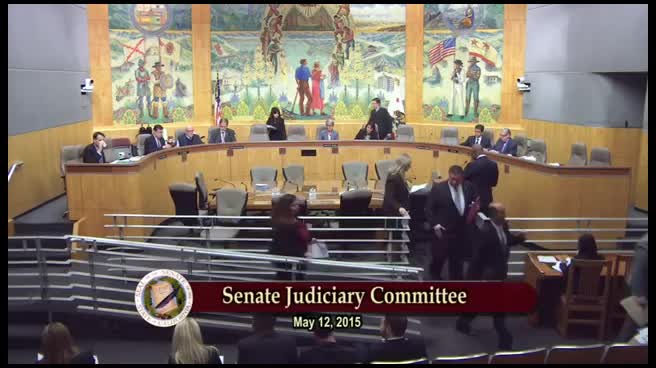
Bill Author

Bill Co-Author(s):