SCR 117: Palliative care.
- Session Year: 2015-2016
- House: Senate
- Latest Version Date: 2016-08-05
This measure would encourage the State of California to study the status and importance of coordinated palliative care and to develop solutions, tools, and best practices for providing better patient-centered care and information to individuals with chronic diseases in California.
This measure would encourage the State of California to study the status and importance of coordinated palliative care and to develop solutions, tools, and best practices for providing better patient-centered care and information to individuals with chronic diseases in California.
This measure would encourage the State of California to study the status and importance of coordinated palliative care and to develop solutions, tools, and best practices for providing better patient-centered care and information to individuals with chronic diseases in California.
WHEREAS, Palliative care means patient- and family-centered medical care that optimizes quality of life by anticipating, preventing, and treating suffering caused by serious illness; and
WHEREAS, Palliative care administered throughout the continuum of illness involves addressing physical, emotional, social, and spiritual needs that facilitate patient autonomy, access to information, and choice; and
WHEREAS, Palliative care includes, but is not limited to, discussions of the patients goals for treatment, treatment options appropriate to the patient, including hospice care, and comprehensive pain and symptom management; and
WHEREAS, All patients who are experiencing complex, chronic health issues that affect their quality of life should be offered palliative care as an option, as it is appropriate at any age and at any stage, and can be provided along with curative treatment; and
WHEREAS, When palliative care programs are provided, a larger percentage of hospice patients are identified earlier in their eligibility window, which enables them to take advantage of these valuable services for a longer period of time; and
WHEREAS, The United States healthcare system faces an increased burden with spikes in the senior citizen population coupled with increases in persons with complex chronic conditions and more people gaining access to health care through insurance coverage for the first time; and
WHEREAS, Recent studies indicate that by closely matching treatment with a patients goals and improving his or her quality of life, palliative care can provide substantial cost reduction; and
WHEREAS, A population trained about the benefits of palliative care boosts our medical and social care workforce; and
WHEREAS, The California Health and Human Services Agencys Lets Get Healthy California Task Force identified palliative care as one of its top priorities and indicators for all Californians to enjoy optimal health in its 2012 report; and
WHEREAS, The formation of a state palliative care and quality of life interdisciplinary advisory council and a palliative care information and education program within the Department of Public Health would maximize the effectiveness of palliative care initiatives in the state by ensuring that comprehensive and accurate information and education about palliative care is available to the public, health care providers, and health care facilities; now, therefore, be it
Resolved by the Senate of the State of California, the Assembly thereof concurring, That the Legislature encourages the state to study the status and importance of coordinated palliative care as a patient quality of life issue, as a way to improve the quality and delivery of health care services, and as a way to more effectively spend limited health care dollars; and be it further
Resolved, That the Legislature encourages the state to develop solutions, tools, and best practices for providing better patient-centered care and information to individuals with chronic diseases in California; and be it further
Resolved, That the Secretary of the Senate transmit copies of this resolution to the author for appropriate distribution.
WHEREAS, Palliative care means patient- and family-centered medical care that optimizes quality of life by anticipating, preventing, and treating suffering caused by serious illness; and
WHEREAS, Palliative care administered throughout the continuum of illness involves addressing physical, emotional, social, and spiritual needs that facilitate patient autonomy, access to information, and choice; and
WHEREAS, Palliative care includes, but is not limited to, discussions of the patients goals for treatment, treatment options appropriate to the patient, including hospice care, and comprehensive pain and symptom management; and
WHEREAS, All patients who are experiencing complex, chronic health issues that affect their quality of life should be offered palliative care as an option, as it is appropriate at any age and at any stage, and can be provided along with curative treatment; and
WHEREAS, When palliative care programs are provided, a larger percentage of hospice patients are identified earlier in their eligibility window, which enables them to take advantage of these valuable services for a longer period of time; and
WHEREAS, The United States healthcare system faces an increased burden with spikes in the senior citizen population coupled with increases in persons with complex chronic conditions and more people gaining access to healthcare through insurance coverage for the first time; and
WHEREAS, Recent studies indicate that by closely matching treatment with a patients goals and improving his or her quality of life, palliative care can provide substantial cost reduction; and
WHEREAS, A population trained about the benefits of palliative care boosts our medical and social care workforce; and
WHEREAS, The California Health and Human Services Agencys Lets Get Healthy California Task Force identified palliative care as one of its top priorities and indicators for all Californians to enjoy optimal health in its 2012 report; and
WHEREAS, The formation of a state palliative care and quality of life interdisciplinary advisory council and a palliative care information and education program within the Department of Public Health would maximize the effectiveness of palliative care initiatives in the state by ensuring that comprehensive and accurate information and education about palliative care is available to the public, healthcare providers, and healthcare facilities; now, therefore, be it
Resolved by the Senate of the State of California, the Assembly thereof concurring, That the Legislature encourages the state to study the status and importance of coordinated palliative care as a patient quality of life issue, as a way to improve the quality and delivery of healthcare services, and as a way to more effectively spend limited healthcare dollars; and be it further
Resolved, That the Legislature encourages the state to develop solutions, tools, and best practices for providing better patient-centered care and information to individuals with chronic diseases in California; and be it further
Resolved, That the Secretary of the Senate transmit copies of this resolution to the author for appropriate distribution.
|
Date
|
Status
|
|---|---|
| May 12, 2016 | Read. Adopted. (Ayes 38. Noes 0. Page 3842.) Ordered to the Assembly. |
| Aug 5, 2016 | Enrolled and filed with the Secretary of State at 2:30 p.m. |
| Aug 5, 2016 | Chaptered by Secretary of State. Res. Chapter 96, Statutes of 2016. |
| Aug 1, 2016 | Read. Adopted. (Ayes 76. Noes 0. Page 5645.) Ordered to the Senate. |
| Aug 1, 2016 | Read. Adopted. Ordered to the Senate. |
| Aug 1, 2016 | In Senate. Ordered to engrossing and enrolling. |
| Jun 29, 2016 | From committee: Be adopted. Ordered to consent calendar. (Ayes 18. Noes 0.) (June 29). |
| Jun 15, 2016 | From committee: Be adopted and re-refer to Com. on APPR. with recommendation: To consent calendar. (Ayes 15. Noes 0.) (June 14). Re-referred to Com. on APPR. |
| May 19, 2016 | Referred to Com. on HEALTH. |
| May 12, 2016 | Read. Adopted. (Ayes 38. Noes 0.) Ordered to the Assembly. |
| Mar 7, 2016 | Introduced. Referred to Com. on RLS. |
| May 12, 2016 | In Assembly. Held at Desk. |
| May 3, 2016 | Read second time. Ordered to third reading. |
| May 2, 2016 | From committee: Be ordered to second reading pursuant to Senate Rule 28.8. |
| Apr 22, 2016 | Set for hearing May 2. |
| Apr 14, 2016 | From committee: Be adopted and re-refer to Com. on APPR. (Ayes 9. Noes 0.) (April 13). Re-referred to Com. on APPR. |
| Apr 14, 2016 | From committee: Be adopted and re-refer to Com. on APPR. (Ayes 9. Noes 0. Page 3560.) (April 13). Re-referred to Com. on APPR. |
| Mar 29, 2016 | Set for hearing April 13. |
| Mar 16, 2016 | Re-referred to Com. on HEALTH. |
|
Date
|
Description
|
Location
|
Votes
|
|
|---|---|---|---|---|
| Aug 1, 2016 | SCR 117 Pan Consent Calendar Second Day Regular Session | Assembly Floor |
Passed |
|
| Jun 29, 2016 | Be adopted. To Consent Calendar. | Assembly Standing Committee on Appropriations |
Passed |
|
| Jun 14, 2016 | Be adopted, and re-refer to the Committee on [Appropriations] with recommendation: To Consent Calendar | Assembly Standing Committee on Health |
Passed |
|
| May 12, 2016 | Senate 3rd Reading SCR117 Pan | Senate Floor |
Passed |
|
| Apr 13, 2016 | Be adopted, but first be re-referred to the Committee on [Appropriations] | Senate Standing Committee on Health |
Passed |
This list shows positions taken on this bill by organizations on the date displayed, which is linked to the original source.
Positions by individuals are not included.
|
Organization
|
Position
|
Date
|
|---|---|---|
| Alliance for Catholic Healthcare | * Indeterminate | Apr 13, 2016 |
| Alliance Of Catholic Health Care Inc. | ** Support | May 12, 2016 |
| American Cancer Society Cancer Action Network Inc. | ** Support | May 12, 2016 |
| California Catholic Conference | ** Support | May 12, 2016 |
| California Medical Association, Inc. | ** Support | May 12, 2016 |
| California State Retirees | ** Support | May 12, 2016 |
| Providence Health & Services | ** Support | May 12, 2016 |
Date of Hearing: June 29, 2016
ASSEMBLY COMMITTEE ON APPROPRIATIONS
Lorena Gonzalez, Chair
SBPCA Bill Id:SCR 117
Author:(Pan) – As Introduced Ver:March 7, 2016
Policy Committee: | Health | Vote: | 15 - 0 |
|
| ||
|
|
Urgency: State Mandated Local Program: Reimbursable: No
SUMMARY:
This resolution encourages the state to study palliative care and to develop solutions, tools, and best practices for providing better patient-centered care and information to individuals with chronic diseases.
FISCAL EFFECT:
Because this resolution specifically references potential benefits of formation of a state palliative care and quality of life interdisciplinary advisory council, as well as a palliative care information and education program within the Department of Public Health, it may result in unknown, likely minor cost pressure to enhance state capacity related to palliative care.
COMMENTS:
- Purpose and Background. Palliative care is specialized medical care for people with serious illnesses. It is intended to provide patients with relief from the symptoms, pain, and stress of a serious illness. The goal is to improve quality of life for both the patient and the family. Studies have indicated numerous benefits of high-quality palliative care. This resolution, sponsored by the American Cancer Society Cancer Action Network, encourages the state to do more to improve palliative care access and affordability.
- Context. This resolution appears consistent with recent studies and related state efforts. Studies and workgroups have also noted significant gaps in training and availability of palliative care in California. For example, a 2015 study titled “Dying in California: A Status Report on End-of-Life-Care” notes growing demand far outpaces the capacity of services. Palliative care specialists are in short supply, and certification programs are limited. The California State Innovation Plan released in 2014 by the California Health and Human Services Agency included enhancing palliative care as one of four key initiatives to improve health in California. In addition, SB 1004 (Hernandez), Chapter 574, Statutes of 2014, requires the Department of Health Care Services to establish standards and provide technical assistance for Medi-Cal managed care plans to ensure delivery of palliative care services.
Analysis Prepared by: Lisa Murawski / APPR. / (916) 319-2081
Date of Hearing: June 14, 2016
ASSEMBLY COMMITTEE ON HEALTH
Jim Wood, Chair
SBPCA Bill Id:SCR 117
Author:(Pan) – As Introduced Ver:March 7, 2016
SENATE VOTE: 38-0
SUBJECT: Palliative care.
SUMMARY: Encourages the state to study the status and importance of coordinated palliative care and to develop solutions, tools, and best practices for providing better patient-centered care and information to individuals with chronic diseases. Specifically, this resolution:
- Resolves that the Legislature encourage the state to do both of the following:
- Study the status and importance of coordinated palliative care as a patient quality of life issue, as a way to improve the quality and delivery of healthcare services, and as a way to more effectively spend limited healthcare dollars; and,
- Develop solutions, tools, and best practices for providing better patient-centered care and information to individuals with chronic diseases in California.
- Makes various findings and declarations regarding palliative care, including the following:
- Palliative care means patient- and family-centered medical care that optimizes quality of life by anticipating, preventing, and treating suffering caused by serious illness;
- Patients with complex, chronic health issues should be offered palliative care as it is appropriate at any age and can be provided along with curative treatment;
- Palliative care can provide substantial cost reductions while improving a patient’s quality of life;
- A population trained about the benefits of palliative care boosts our medical and social care workforce;
- The California Health and Human Services Agency’s Let’s Get Healthy California Task Force identified palliative care as one of its top priorities and indicators for all Californians to enjoy optimal health in its 2012 report; and,
- The formation of a state palliative care and quality of life interdisciplinary advisory council and a palliative care information and education program within the Department of Public Health (DPH) would maximize the effectiveness of palliative care initiatives in the state by ensuring that comprehensive and accurate information, education about palliative care is available to the public, healthcare providers, and healthcare facilities.
EXISTING LAW:
- Establishes DPH to protect and improve the health of communities through education, promotion of healthy lifestyles, and research.
- Establishes the Medi-Cal program, administered by the Department of Health Care Services (DHCS). Requires DHCS, in consultation with interested stakeholders, to establish standards and provide technical assistance for Medi-Cal managed care plans to ensure delivery of palliative care services. Establishes a pediatric palliative care pilot project for Medi-Cal beneficiaries under age 21.
- Defines “palliative care” as a medical treatment, interdisciplinary care, or consultation provided to a patient or family members, or both, that has as its primary purpose the prevention of, or relief from, suffering and the enhancement of the quality of life, rather than treatment aimed at investigation and intervention for the purpose of cure or prolongation of life, as described. In some cases, disease-targeted treatment may be used in palliative care.
- Defines “hospice care” as a specialized form of interdisciplinary health care that is designed to provide palliative care, alleviate the physical, emotional, social, and spiritual discomforts of an individual who is experiencing the last phases of life due to the existence of a terminal disease, and provide supportive care to the primary caregiver and the family of the hospice patient, and that meets specified criteria.
FISCAL EFFECT: According to the Senate Appropriations Committee, pursuant to Senate Rule 28.8, negligible state costs.
COMMENTS:
- PURPOSE OF THIS BILL. According to the author, palliative care provides us an opportunity to defragment our health care system and improve both the lives of those who suffer from serious illness, such as cancer, and the lives of those who care for them. It is important that we study the status and importance of coordinated palliative care to develop solutions and best practices for providing better patient-centered care and information to individuals with chronic disease.
- BACKGROUND.
- Medi-Cal and palliative care. SB 1004 (Hernandez), Chapter 574, Statutes of 2014, requires DHCS to establish standards and provide technical assistance for Medi-Cal managed care plans to ensure delivery of palliative care services. DHCS issued a draft policy paper for SB 1004 in October 2015 to establish minimum standard palliative care services and eligible conditions for Medi-Cal beneficiaries. DHCS received a significant number of comments from stakeholders and is currently revising the policy paper to reflect stakeholder feedback and additional data analysis.
- Institute of Medicine (IOM) Report. “Dying in America,” a 2014 IOM report, noted that improving the quality and availability of medical and social services for patients and their families could not only enhance quality of life through the end of life, but may also contribute to a more sustainable care system. Among the report’s findings and recommendations were the following:
- Some evidence suggests that, on average, palliative care and hospice patients may live longer than similarly ill patients who do not receive such care;
- Although professional guidelines and expert advice increasingly encourage oncologists, cardiologists, and other disease-oriented specialists to counsel patients about palliative care, widespread adoption of timely referral to palliative care appears slow;
- Most people nearing the end of life are not physically, mentally, or cognitively able to make their own decisions about care. The majority of these patients will receive acute hospital care from physicians who do not know them. Therefore, advance care planning is essential to ensure that patients receive care reflecting their values, goals, and preferences;
- There is insufficient attention to palliative care in medical and nursing school curricula;
- Palliative care should encompass access to an interdisciplinary palliative care team; and,
- State regulatory agencies should include education and training in palliative care in licensure requirements for physicians, nurses, chaplains, social workers, and others who provide health care to those nearing the end of life.
- Some evidence suggests that, on average, palliative care and hospice patients may live longer than similarly ill patients who do not receive such care;
- California Specific Report. In December 2015 the California HealthCare Foundation and the Coalition for Compassionate Care of California published a report titled “Dying in California: A Status Report on End-of-Life-Care.” The report found that growing demand far outpaces the capacity of services. Palliative care specialists are in short supply, and certification programs are limited. Reliable funding streams do not yet exist. While knowledge is growing about best practices and quality standards, they have not yet been broadly implemented. Specialty palliative care is currently unavailable in many geographic areas and in many care settings. So far, consumer demand for better care at the end of life has not created the type of powerful change seen for widespread adoption of palliative care services.
- California State University (CSU) Institute for Palliative Care (Institute). The CSU Institute was founded in 2012 as America's first statewide educational and workforce development initiative focused on offering health care professionals training in high-quality palliative care. More health care professionals receive training from the CSU system than any other program in California. According to CSU, the Institute is integral to incorporating palliative care curriculum into the training of future nurses, social workers, public health, and other allied professions (such as home health aides). Located on the CSU San Marcos campus, the Institute also offers professional development and continuing education courses to enhance the skills of current health care professionals.
- Medi-Cal and palliative care. SB 1004 (Hernandez), Chapter 574, Statutes of 2014, requires DHCS to establish standards and provide technical assistance for Medi-Cal managed care plans to ensure delivery of palliative care services. DHCS issued a draft policy paper for SB 1004 in October 2015 to establish minimum standard palliative care services and eligible conditions for Medi-Cal beneficiaries. DHCS received a significant number of comments from stakeholders and is currently revising the policy paper to reflect stakeholder feedback and additional data analysis.
- SUPPORT. The American Cancer Society Cancer Action Network, the sponsor for this resolution argues that, while California has made important strides in palliative care, there is still more to do in ensuring access and affordability. The California Catholic Conference writes that a comprehensive approach is needed and should include, for example, expanding instruction in palliative care at medical schools and other institutions providing health care instruction, and ensuring increased access to palliative care for patients, and providing safe and appropriate levels of staffing and salary scales in care facilities serving elderly persons and persons with life-threatening chronic illnesses. The Alliance of Catholic Health Care writes Catholic hospitals are leaders in the provision of palliative care. Over 95% of our Catholic and affiliated community hospitals operate palliative care programs, compared to a little more than 50% of California hospitals as a whole. Palliative care improves the quality of life for patients and their families facing chronic and life-threatening illness by preventing and relieving suffering.
- PREVIOUS LEGISLATION. AB 1745 (Chan), Chapter 330, Statutes of 2006, requires the Department of Health Services (now DHCS) to develop a Medi-Cal pediatric palliative care pilot project.
- RELATED LEGISLATION.
- SB 1002 (Monning) would have required DPH to establish and maintain a toll-free telephone number for the purpose of receiving and responding to inquiries regarding the End of Life Option Act. SB 1002 was held in the Senate Appropriations Committee on the Suspense File.
- ABX2 15 (Eggman), Chapter 1, Statutes of 2015, Second Extraordinary Session, establishes the End of Life Option Act, which permits a competent, qualified individual who is an adult with a terminal disease to receive a prescription for an aid-in-dying drug if certain conditions are met. ABX2 15 became effective on June 9, 2016.
- SB 1002 (Monning) would have required DPH to establish and maintain a toll-free telephone number for the purpose of receiving and responding to inquiries regarding the End of Life Option Act. SB 1002 was held in the Senate Appropriations Committee on the Suspense File.
REGISTERED SUPPORT / OPPOSITION:
Support
American Cancer Society Cancer Action Network (sponsor)
Alliance of Catholic Health Care
California Catholic Conference
California Medical Association
California State Retirees
Alliance of Catholic Health Care
Providence Health & Services
Opposition
None on file.
Analysis Prepared by: John Gilman / HEALTH / (916) 319-2097
Office of Senate Floor Analyses (916) 651-1520 Fax: (916) 327-4478 | SCR |
THIRD READING
Bill No: SCR 117
:
SENATE HEALTH COMMITTEE: 9-0, 4/13/16
AYES: Hernandez, Nguyen, Hall, Mitchell, Monning, Nielsen, Pan, Roth, Wolk
SENATE APPROPRIATIONS COMMITTEE: Senate Rule 28.8
SOURCE: American Cancer Society Cancer Action Network
DIGEST: This resolution encourages the state to study the status and importance of coordinated palliative care and to develop solutions, tools, and best practices for providing better patient-centered care and information to individuals with chronic disease in California.
Existing law:
- Establishes the Department of Public Health (DPH) to protect and improve the health of communities through education, promotion of healthy lifestyles, and, research for disease and injury prevention; and provides DPH with the authority to perform activities that protect, preserve, and advance public health, including studies and dissemination of information.
- Defines “palliative care” as a medical treatment, interdisciplinary care, or consultation provided to a patient or family members, or both, that has as its primary purpose the prevention of, or relief from, suffering and the enhancement of the quality of life, rather than treatment aimed at investigation and intervention for the purpose of cure or prolongation of life as described. In some cases, disease-targeted treatment may be used in palliative care.
- Defines “hospice care” as a specialized form of interdisciplinary health care that is designed to provide palliative care, alleviate the physical, emotional, social, and spiritual discomforts of an individual who is experiencing the last phases of life due to the existence of a terminal disease, and provide supportive care to the primary caregiver and the family of the hospice patient, and that meets specified criteria.
- Requires the Department of Health Care Services (DHCS), in consultation with interested stakeholders, to establish standards and provide technical assistance for Medi-Cal managed care plans to ensure delivery of palliative care services.
This resolution states:
- All patients who are experiencing complex, chronic health issues that affect their quality of life should be offered palliative care.
- When palliative care programs are provided, a larger percentage of hospice patients are identified earlier in their eligibility window, which enables them to take advantage of these valuable services for a longer period of time.
- The California Health and Human Services Agency’s Let’s Get Healthy California Task Force identified palliative care as one of its top priorities and indicators for all Californians to enjoy optimal health in its 2012 report.
- The formation of a state palliative care and quality of life interdisciplinary advisory council and palliative care information and education program within DPH would maximize the effectiveness of palliative care initiatives in the state.
- The Legislature encourages the state to study the status and importance of coordinated palliative care as a patient quality of life issue, as a way to improve the quality and delivery of health care services, and as a way to more effectively spend limited health care dollars.
- The Legislature encourages the state to develop solutions, tools, and best practices for providing better patient-centered care and information to individuals with chronic diseases in California.
Comments
- Author’s statement. According to the author, palliative care provides us an opportunity to defragment our health care system and improve the lives of those who suffer from serious illness, such as cancer, and the lives of those who care for them. It is important that we study the status and importance of coordinated palliative care to develop solutions and best practices for providing better patient-centered care and information to individuals with chronic disease.
- Medi-Cal and palliative care. According to DHCS’ Web site, under SB 1004 (Hernandez, Chapter 574, Statutes of 2014) DHCS must establish standards and provide technical assistance for Medi-Cal managed care plans to ensure delivery of palliative care services. DHCS held four meetings in 2015 and released a draft policy paper and performance measures. In the draft paper, DHCS indicates that its policy for implementing SB 1004 will be guided by the Centers for Medicare and Medicaid Services definition of palliative care, which is: “patient and family-centered care that optimizes quality of life by anticipating, preventing, and treating suffering. Palliative care throughout the continuum of illness involves addressing physical, intellectual, emotional, social, and spiritual needs and to facilitate patient autonomy, access to information, and choice.” However, DHCS will use more specific definitions of eligible conditions, services, and providers.
- Dying in California. According to a December 2015 report titled Dying in California. A Status Report on End-of-Life-Care, overall California has made significant strides in creating a supportive framework for end-of-life care but significant challenges remain. Growing demand far outpaces the capacity of services. Palliative care specialists are in short supply, and certification programs are limited. Reliable funding streams do not yet exist. While knowledge is growing about best practices and quality standards, they have not yet been broadly implemented. People with serious advanced illness and their families could benefit from all clinicians having a basic level of competence in addressing palliative care needs. Some patients may also require the involvement of interdisciplinary teams of professionals trained in palliative care. However, specialty palliative care is currently unavailable in many geographic areas and in many care settings.
FISCAL EFFECT: Appropriation: No Fiscal Com.: Yes Local: No
American Cancer Society Cancer Action Network (source)
Alliance of Catholic Health Care
California Catholic Conference
California Medical Association
California State Retirees
Providence Health & Services
None received
ARGUMENTS IN SUPPORT: The California Catholic Conference writes that access to palliative and hospice care in our state is both limited and costly. Significant changes in current law are needed in order to address the needs of patients with chronic disease and/or nearing the end of life and raise their standard of care. A comprehensive approach is needed and should include, for example, expanding instruction in palliative care at medical schools and other institutions providing health care instruction, and ensuring increased access to palliative care for patients, and providing safe and appropriate levels of staffing and salary scales in care facilities serving elderly persons and persons with life-threatening chronic illnesses. The Alliance of Catholic Health Care writes Catholic hospitals are leaders in the provision of palliative care. Over 95% of our Catholic and affiliated community hospitals operate palliative care programs, compared to a little more than 50% of California hospitals as a whole. Palliative care improves the quality of life for patients and their families facing chronic and life-threatening illness by preventing and relieving suffering.
5/4/16 14:58:07
**** END ****
SENATE COMMITTEE ON HEALTH
Senator Ed Hernandez, O.D., Chair
BILL NO: SCR 117
AUTHOR: | Pan | ||
VERSION: | March 7, 2016 | ||
HEARING DATE: | April 13, 2016 | ||
CONSULTANT: | Teri Boughton | ||
SUBJECT: Palliative care
SUMMARY:
Encourages the state to study the status and importance of coordinated palliative care and to develop solutions, tools, and best practices for providing better patient-centered care and information to individuals with chronic disease in California.
Existing law:
- Establishes the Department of Public Health (DPH) to protect and improve the health of communities through education, promotion of healthy lifestyles, and, research for disease and injury prevention; and provides DPH with the authority to perform activities that protect, preserve, and advance public health, including studies and dissemination of information.
- Establishes the Medi-Cal program, administered by the Department of Health Care Services (DHCS), which provides health care to children, seniors, persons with disabilities, people also eligible for Medicare, and low-income individuals and families.
- Establishes a pediatric palliative care pilot project to evaluate whether and to what extent Medi-Cal beneficiaries under age 21 should be offered a pediatric palliative care benefit.
- Defines “palliative care” as a medical treatment, interdisciplinary care, or consultation provided to a patient or family members, or both, that has as its primary purpose the prevention of, or relief from, suffering and the enhancement of the quality of life, rather than treatment aimed at investigation and intervention for the purpose of cure or prolongation of life as described. In some cases, disease-targeted treatment may be used in palliative care.
- Defines “hospice care” as a specialized form of interdisciplinary health care that is designed to provide palliative care, alleviate the physical, emotional, social, and spiritual discomforts of an individual who is experiencing the last phases of life due to the existence of a terminal disease, and provide supportive care to the primary caregiver and the family of the hospice patient, and that meets specified criteria.
- Requires DHCS, in consultation with interested stakeholders, to establish standards and provide technical assistance for Medi-Cal managed care plans to ensure delivery of palliative care services.
This resolution states:
- All patients who are experiencing complex, chronic health issues that affect their quality of life should be offered palliative care.
- When palliative care programs are provided, a larger percentage of hospice patients are identified earlier in their eligibility window, which enables them to take advantage of these valuable services for a longer period of time.
- The California Health and Human Services Agency’s Let’s Get Healthy California Task Force identified palliative care as one of its top priorities and indicators for all Californians to enjoy optimal health in its 2012 report.
- The formation of a state palliative care and quality of life interdisciplinary advisory council and palliative care information and education program within DPH would maximize the effectiveness of palliative care initiatives in the state.
- The Legislature encourages the state to study the status and importance of coordinated palliative care as a patient quality of life issue, as a way to improve the quality and delivery of health care services, and as a way to more effectively spend limited health care dollars.
- The Legislature encourages the state to develop solutions, tools, and best practices for providing better patient-centered care and information to individuals with chronic diseases in California.
FISCAL EFFECT:
This resolution has not been analyzed by a fiscal committee.
COMMENTS:
- Author’s statement. According to the author, palliative care provides us an opportunity to defragment our health care system and improve the lives of those who suffer from serious illness, such as cancer, and the lives of those who care for them. It is important that we study the status and importance of coordinated palliative care to develop solutions and best practices for providing better patient-centered care and information to individuals with chronic disease.
- Medi-Cal and palliative care. According to DHCS’ web site, under SB 1004 (Hernandez, Chapter 574, Statutes of 2014) DHCS must establish standards and provide technical assistance for Medi-Cal managed care plans to ensure delivery of palliative care services. This effort is consistent with the DHCS’ Strategic Plan, Quality Strategy, the principles of the Triple Aim, and with DHCS’s ongoing efforts to develop and promote best practices to improve the care experience. SB 1004 will be implemented in consultation with a wide range of stakeholders and partners, and will promote person-centered and choice-focused policies. Specifically, DHCS will work with consumers and consumer representatives, recognized experts, providers, and health plans, to increase the availability of palliative care services for Medi-Cal consumers. Implementation of SB 1004 will be informed by related efforts under the Coordinated Care Initiative, the Delivery System Reform Incentive Payments program, and the Section 2703 Health Home Initiative. In addition, DHCS established a Pediatric Palliative Care Waiver Program that was approved in April of 2009. DHCS will consult with stakeholders to develop the palliative care definition to be used for SB 1004 guidance. DHCS held four meetings in 2015 and released a draft policy paper and performance measures. In the draft paper, DHCS indicates that its policy for implementing SB 1004 will be guided by the Centers for Medicare and Medicaid Services (CMS) definition of palliative care, which is: “patient and family-centered care that optimizes quality of life by anticipating, preventing, and treating suffering. Palliative care throughout the continuum of illness involves addressing physical, intellectual, emotional, social, and spiritual needs and to facilitate patient autonomy, access to information, and choice.” However, DHCS more specific definitions of eligible conditions, services, and providers. DHCS indicates the purpose of defining Medi-Cal palliative care more narrowly, for a specific set of conditions, is to meet the requirements of SB 1004 and the department’s quality strategy, and to recognize that long-term success in implementing palliative care in Medi-Cal is more likely through an incremental approach. At the same time, some Medi-Cal managed care health plans and providers are already incorporating broader palliative care principles and strategies such as advance care planning into their models of care.
- U.S. End of Life Care. A 2014 publication of the Institute of Medicine (IOM), Dying in America: Improving quality and Honoring individual preferences near the end of life. the IOM Committee on Approaching Death: Addressing Key End-of-Life Issues (committee) identified persistent major gaps in care near the end of life that require urgent attention. Understanding and perceptions of death and dying vary considerably across the population and are influenced by culture, socioeconomic status, and education, as well as by misinformation and fear. Engaging people in defining their own values, goals, and preferences concerning care at the end of life and ensuring that their care team understands their wishes has proven remarkably elusive and challenging. While the clinical fields of hospice and palliative care have become more established, the number of specialists in these fields is too small, and too few clinicians in primary and specialty fields that entail caring for individuals with advanced serious illnesses are proficient in basic palliative care. Often, clinicians are reluctant to have honest and direct conversations with patients and families about end of life issues. Patients and families face additional difficulties presented by the health care system itself, which does not provide adequate financial or organizational support for the kinds of health care and social services that might truly make a difference to them. The committee believes a patient-centered, family-oriented approach to care near the end of life should be a high national priority and that compassionate, affordable, and effective care for these patients is an achievable goal.
- Dying in California. According to a December 2015 report titled Dying in California. A Status Report on End-of-Life-Care, overall California has made significant strides in creating a supportive framework for end-of-life care but significant challenges remain. Growing demand far outpaces the capacity of services. Palliative care specialists are in short supply, and certification programs are limited. Reliable funding streams do not yet exist. While knowledge is growing about best practices and quality standards, they have not yet been broadly implemented. People with serious advanced illness and their families could benefit from all clinicians having a basic level of competence in addressing palliative care needs. Some patients may also require the involvement of interdisciplinary teams of professionals trained in palliative care. However, specialty palliative care is currently unavailable in many geographic areas and in many care settings.
- Related legislation. SB 1002 (Monning) would require DPH to establish and maintain a toll-free telephone number for the purpose of receiving and responding to inquiries regarding the End of Life Option Act. SB 1002 is pending in the Senate Appropriations Committee.
ABX2 15 (Eggman, Chapter 1, Statutes of 2015), Second Extraordinary Session, established the End of Life Option Act, which will take effect on June 9, 2016.
SB 128 (Wolk and Monning) is similar to ABX2 15. SB 128 is pending in the Assembly Health Committee.
- Prior legislation. SB 1004 (Hernandez, Chapter 574, Statutes of 2014), requires DHCS to establish standards and provide technical assistance for Medi-Cal managed care plans to ensure delivery of palliative care services.
AB 1745 (Chan, Chapter 330, Statutes of 2006), requires the Department of Health Services (now DHCS) to develop, as a pilot project, a pediatric palliative care benefit covered under Medi-Cal. Requires DHCS to submit a waiver to the federal Center for Medicaid and Medicare Services to implement the pilot project. - Support. The California Catholic Conference writes that access to palliative and hospice care in our state is both limited and costly. Significant changes in current law are needed in order to address the needs of patients with chronic disease and/or nearing the end of life and raise their standard of care. A comprehensive approach is needed and should include, for example, expanding instruction in palliative care at medical schools and other institutions providing health care instruction, and ensuring increased access to palliative care for patients, and providing safe and appropriate levels of staffing and salary scales in care facilities serving elderly persons and persons with life-threatening chronic illnesses. The Alliance of Catholic Health Care writes Catholic hospitals are leaders in the provision of palliative care. Over 95% of our Catholic and affiliated community hospitals operate palliative care programs, compared to a little more than 50% of California hospitals as a whole. Palliative care improves the quality of life for patients and their families facing chronic and life-threatening illness by preventing and relieving suffering.
SUPPORT AND OPPOSITION:
Support: American Cancer Society Cancer Action Network (sponsor)
California Catholic Conference
Alliance of Catholic Health Care
Providence Health & Services
Oppose: None on file
-- END --
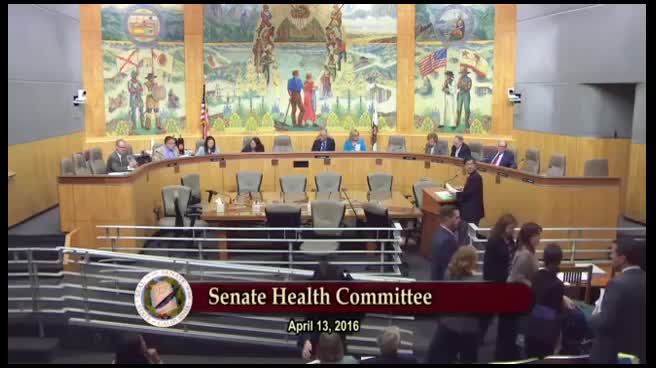
Discussed in Hearing
View Older Hearings
Bill Author

Bill Co-Author(s):