ABX2 10: Local taxes: authorization: cigarettes and tobacco products.
- Session Year: 2015-2016
- House: Assembly
- Latest Version Date: 2016-03-14
The Cigarette and Tobacco Products Tax Law imposes a tax on every distributor of cigarettes and tobacco products at specified rates. That law specifies that the taxes imposed by that law are in lieu of all other state, county, municipal, or district taxes on the privilege of distributing cigarettes or tobacco products. The California Constitution prohibits the Legislature from imposing taxes for local purposes, but allows the Legislature to authorize local governments to impose them.
This bill would authorize, on and after January 1, 2017, the board of supervisors of a county or city and county to impose a tax on the privilege of distributing cigarettes and tobacco products in the county or city and county, including within an incorporated city within the county, and would make conforming changes. This bill would define distributing to mean making a sale of cigarettes or tobacco products in a county or city and county that has not been taxed by a cigarette or tobacco products tax ordinance of that county or city and county.
This bill would authorize the board of supervisors of a county or city and county to enter into an agreement with another county or city and county to share any startup and ongoing administrative costs of a tax imposed pursuant to that authorization. This bill also would authorize the board of supervisors of a county or city and county to contract with the State Board of Equalization to perform functions incident to the administration or operation of the cigarette and tobacco products tax ordinance of the county, with reimbursement for costs incurred, and would require the State Board of Equalization to perform those functions pursuant to that contract.
This bill also would require the State Board of Equalization to permit the examination of its records with respect to the tax imposed pursuant to the Cigarette and Tobacco Products Tax Law upon request by a county or city and county officer or employee to the extent necessary for the proper administration of that local cigarette and tobacco products tax, and authorizes the State Board of Equalization to require reimbursement. The bill would make knowingly accessing, using, or disclosing that confidential information without authorization a crime, thereby imposing a state-mandated local program.
The California Constitution requires the state to reimburse local agencies and school districts for certain costs mandated by the state. Statutory provisions establish procedures for making that reimbursement.
This bill would provide that no reimbursement is required by this act for a specified reason.
The Cigarette and Tobacco Products Tax Law imposes a tax on every distributor of cigarettes and tobacco products at specified rates. That law specifies that the taxes imposed by that law are in lieu of all other state, county, municipal, or district taxes on the privilege of distributing cigarettes or tobacco products. The California Constitution prohibits the Legislature from imposing taxes for local purposes, but allows the Legislature to authorize local governments to impose them.
This bill would authorize authorize, on and after January 1, 2017, the board of supervisors of a county or city and county to impose a tax on the privilege of distributing cigarettes and tobacco products in the county or city and county, including within an incorporated city within the county. county, and would make conforming changes. This bill would define distributing to mean making a sale of cigarettes or tobacco products in a county or city and county that has not been taxed by a cigarette or tobacco products tax ordinance of that county or city and county.
This bill would authorize the board of supervisors of a county or city and county to enter into an agreement with another county or city and county to share any startup and ongoing administrative costs of a tax imposed pursuant to that authorization. This bill also would authorize the board of supervisors of a county or city and county to contract with the State Board of Equalization to perform functions incident to the administration or operation of the cigarette and tobacco products tax ordinance of the county, with reimbursement for costs incurred, and would require the State Board of Equalization to perform those functions pursuant to that contract.
This bill also would require the State Board of Equalization to permit the examination of its records with respect to the tax imposed pursuant to the Cigarette and Tobacco Products Tax Law upon request by a county or city and county officer or employee to the extent necessary for the proper administration of that local cigarette and tobacco products tax, and authorizes the State Board of Equalization to require reimbursement. The bill would make knowingly accessing, using, or disclosing that confidential information without authorization a crime, thereby imposing a state-mandated local program.
The California Constitution requires the state to reimburse local agencies and school districts for certain costs mandated by the state. Statutory provisions establish procedures for making that reimbursement.
This bill would provide that no reimbursement is required by this act for a specified reason.
The Cigarette and Tobacco Products Tax Law imposes a tax on every distributor of cigarettes and tobacco products at specified rates. That law specifies that the taxes imposed by that law are in lieu of all other state, county, municipal, or district taxes on the privilege of distributing cigarettes or tobacco products. The California Constitution prohibits the Legislature from imposing taxes for local purposes, but allows the Legislature to authorize local governments to impose them.
This bill would authorize the board of supervisors of a county or city and county to impose a tax on the privilege of distributing cigarettes and tobacco products in the county or city and county, including within an incorporated city within the county.
(a)Subject to the limitations of the California Constitution, a board of supervisors of a county or city and county may, in accordance with Article 3.7 (commencing with Section 53720) of Chapter 4 of Part 1 of Division 2 of Title 5 of the Government Code, impose a tax on the privilege of distributing cigarettes and tobacco products in the county or city and county. The board of supervisors may impose this tax within an incorporated city within the county.
(b)For purposes of this section:
(1)Cigarette means a cigarette, as defined in Section 30003.
(2)Tobacco products means tobacco products, as defined in subdivision (b) of Section 30121.
(3)Distributing means making a sale of cigarettes or tobacco products in a county or city and county that has not been taxed by a cigarette or tobacco products tax ordinance of that county or city and county.
(4)Sale includes any transfer of title or possession for a consideration, exchange, or barter, in any manner or by any means whatever.
(c)The board of supervisors of a county or city and county may enter into an agreement with another county or city and county to share any startup and ongoing administrative costs of a tax imposed pursuant to the authorization of this section.
(d)The board of supervisors of a county or city and county may contract with the State Board of Equalization to perform functions incident to the administration or operation of the cigarette and tobacco products tax ordinance of the county or city and county, and the State Board of Equalization shall perform those functions pursuant to that contract. The county or city and county shall reimburse the State Board of Equalization for any costs incurred by the board in performing those functions.
(e)(1)The State Board of Equalization shall permit the examination of any records of the board with respect to the tax imposed pursuant to the Cigarette and Tobacco Products Tax Law (Part 13 (commencing with Section 30001)) upon request by a county or city and county officer or employee to the extent necessary for the proper administration of a tax imposed pursuant to the authorization of this section.
(2)The State Board of Equalization may require reimbursement for costs incurred in complying with a request made pursuant to paragraph (1).
(3)Any person who knowingly accesses, uses, or discloses any confidential information provided by the State Board of Equalization pursuant this subdivision without authorization is guilty of a misdemeanor.
(f)This section shall become operative on January 1, 2017.
SEC. 2.Section 30111 of the Revenue and Taxation Code is amended to read:30111.(a)The taxes imposed by this part are in lieu of all other state, county, municipal, or district taxes on the privilege of distributing cigarettes or tobacco products.
This section does not prohibit the application of Part 1 (commencing with Section 6001), Part 1.5 (commencing with Section 7200) or Part 1.6 (commencing with Section 7251) to the sale, storage, use, or other consumption of cigarettes or tobacco products.
(b)This section shall become inoperative and shall be repealed on January 1, 2017.
SEC. 3.Section 30111 is added to the Revenue and Taxation Code, to read:30111.(a)The taxes imposed by this part are in lieu of all other state, city, or district taxes on the privilege of distributing cigarettes or tobacco products. This section does not prohibit the application of Part 1 (commencing with Section 6001), Part 1.5 (commencing with Section 7200), or Part 1.6 (commencing with Section 7251) to the sale, storage, use, or other consumption of cigarettes or tobacco products.
(b)This section shall become operative on January 1, 2017.
SEC. 4.Section 30462 of the Revenue and Taxation Code is amended to read:30462.(a)All money deposited in the Cigarette Tax Fund under this part is hereby appropriated, subject to the provisions of any budget bill heretofore or hereafter enacted, and shall, upon order of the Controller, be drawn therefrom and allocated for the following purposes:
(1)To pay the refunds authorized by this part.
(2)The balance remaining in the fund shall be transferred to the General Fund of this state on or before the last calendar day of each month.
(b)It is the intent of the Legislature that Section 30111 continues to prohibit the imposition of local taxes by any city, charter city, town, county, charter county, city and county, charter cities and counties, or other political subdivision or agency of this state, on the sale, use, ownership, holding, or other distribution of cigarettes and tobacco products except as provided by Section 30111. The Legislature finds and declares that the need for uniform statewide regulation and collection of cigarette taxes is a matter of statewide concern, and it is the Legislatures intent to regulate the subject matter of cigarette taxes comprehensively and to occupy the field to the exclusion of local action except as specifically provided by Section 30111.
(c)This section shall become inoperative and shall be repealed on January 1, 2017.
SEC. 5.Section 30462 is added to the Revenue and Taxation Code, to read:30462.(a)All money deposited in the Cigarette Tax Fund under this part is hereby appropriated, subject to the provisions of any budget bill heretofore or hereafter enacted, and shall, upon order of the Controller, be drawn therefrom and allocated for the following purposes:
(1)To pay the refunds authorized by this part.
(2)The balance remaining in the fund shall be transferred to the General Fund of this state on or before the last calendar day of each month.
(b)It is the intent of the Legislature that Section 30111 continues to prohibit the imposition of local taxes by any city, charter city, town, or political subdivision or agency of this state other than a county, charter county, city and county, and charter city and county, on the sale, use, ownership, holding, or other distribution of cigarettes and tobacco products except as provided by Section 30111. The Legislature finds and declares that the need for uniform statewide regulation and collection of cigarette taxes is a matter of statewide concern and it is the Legislatures intent to regulate the subject matter of cigarette taxes comprehensively and to occupy the field to the exclusion of local action except as specifically provided by Section 30111.
(c)This section shall become operative on January 1, 2017.
SEC. 6.No reimbursement is required by this act pursuant to Section 6 of Article XIIIB of the California Constitution because the only costs that may be incurred by a local agency or school district will be incurred because this act creates a new crime or infraction, eliminates a crime or infraction, or changes the penalty for a crime or infraction, within the meaning of Section 17556 of the Government Code, or changes the definition of a crime within the meaning of Section 6 of Article XIIIB of the California Constitution.
(a)Subject to the limitations of the California Constitution, a board of supervisors of a county or city and county may, in accordance with Article 3.7 (commencing with Section 53720) of Chapter 4 of Part 1 of Division 2 of Title 5 of the Government Code, impose a tax on the privilege of distributing cigarettes and tobacco products in the county or city and county. The board of supervisors may impose this tax within an incorporated city within the county.
(b)For purposes of this section:
(1)Cigarette means a cigarette, as defined in Section 30003.
(2)Tobacco products means tobacco products, as defined in subdivision (b) of Section 30121.
(3)Distributing means making a sale of cigarettes or tobacco products in a county or city and county that has not been taxed by a cigarette or tobacco products tax ordinance of that county or city and county.
(4)Sale includes any transfer of title or possession for a consideration, exchange, or barter, in any manner or by any means whatever.
(c)The board of supervisors of a county or city and county may enter into an agreement with another county or city and county to share any startup and ongoing administrative costs of a tax imposed pursuant to the authorization of this section.
(d)The board of supervisors of a county or city and county may contract with the State Board of Equalization to perform functions incident to the administration or operation of the cigarette and tobacco products tax ordinance of the county or city and county, and the State Board of Equalization shall perform those functions pursuant to that contract. The county or city and county shall reimburse the State Board of Equalization for any costs incurred by the board in performing those functions.
(e)(1)The State Board of Equalization shall permit the examination of any records of the board with respect to the tax imposed pursuant to the Cigarette and Tobacco Products Tax Law (Part 13 (commencing with Section 30001)) upon request by a county or city and county officer or employee to the extent necessary for the proper administration of a tax imposed pursuant to the authorization of this section.
(2)The State Board of Equalization may require reimbursement for costs incurred in complying with a request made pursuant to paragraph (1).
(3)Any person who knowingly accesses, uses, or discloses any confidential information provided by the State Board of Equalization pursuant this subdivision without authorization is guilty of a misdemeanor.
(f)This section shall become operative on January 1, 2017.
SEC. 2.Section 30111 of the Revenue and Taxation Code is amended to read:30111.The taxes imposed by this part are in lieu of all other state, municipal, or district taxes on the privilege of distributing cigarettes or tobacco products.
This section does not prohibit the application of Part 1 (commencing with Section 6001), Part 1.5 (commencing with Section 7200), Part 1.6 (commencing with Section 7251), or Article 2 (commencing with Section 37021) of Part 17 to the sale, storage, use or other consumption of cigarettes or tobacco products.
SEC. 2.Section 30111 of the Revenue and Taxation Code is amended to read:30111.(a)The taxes imposed by this part are in lieu of all other state, county, municipal, or district taxes on the privilege of distributing cigarettes or tobacco products.
This section does not prohibit the application of Part 1 (commencing with Section 6001), Part 1.5 (commencing with Section 7200), 7200) or Part 1.6 (commencing with Section 7251), or Article 2 (commencing with Section 37021) of Part 17 7251) to the sale, storage, use use, or other consumption of cigarettes or tobacco products.
(b)This section shall become inoperative and shall be repealed on January 1, 2017.
SEC. 3.Section 30111 is added to the Revenue and Taxation Code, to read:30111.(a)The taxes imposed by this part are in lieu of all other state, city, or district taxes on the privilege of distributing cigarettes or tobacco products. This section does not prohibit the application of Part 1 (commencing with Section 6001), Part 1.5 (commencing with Section 7200), or Part 1.6 (commencing with Section 7251) to the sale, storage, use, or other consumption of cigarettes or tobacco products.
(b)This section shall become operative on January 1, 2017.
SEC. 4.Section 30462 of the Revenue and Taxation Code is amended to read:30462.(a)All money deposited in the Cigarette Tax Fund under this part is hereby appropriated, subject to the provisions of any budget bill heretofore or hereafter enacted, and shall, upon order of the Controller, be drawn therefrom and allocated for the following purposes:
(1)To pay the refunds authorized by this part.
(2)The balance remaining in the fund shall be transferred to the General Fund of this state on or before the last calendar day of each month.
(b)It is the intent of the Legislature that Section 30111 continues to prohibit the imposition of local taxes by any city, charter city, town, county, charter county, city and county, charter cities and counties, or other political subdivision or agency of this state, on the sale, use, ownership, holding, or other distribution of cigarettes and tobacco products except as provided by Section 30111. The Legislature finds and declares that the need for uniform statewide regulation and collection of cigarette taxes is a matter of statewide concern, and it is the Legislatures intent to regulate the subject matter of cigarette taxes comprehensively and to occupy the field to the exclusion of local action except as specifically provided by Section 30111.
(c)This section shall become inoperative and shall be repealed on January 1, 2017.
SEC. 5.Section 30462 is added to the Revenue and Taxation Code, to read:30462.(a)All money deposited in the Cigarette Tax Fund under this part is hereby appropriated, subject to the provisions of any budget bill heretofore or hereafter enacted, and shall, upon order of the Controller, be drawn therefrom and allocated for the following purposes:
(1)To pay the refunds authorized by this part.
(2)The balance remaining in the fund shall be transferred to the General Fund of this state on or before the last calendar day of each month.
(b)It is the intent of the Legislature that Section 30111 continues to prohibit the imposition of local taxes by any city, charter city, town, or political subdivision or agency of this state other than a county, charter county, city and county, and charter city and county, on the sale, use, ownership, holding, or other distribution of cigarettes and tobacco products except as provided by Section 30111. The Legislature finds and declares that the need for uniform statewide regulation and collection of cigarette taxes is a matter of statewide concern and it is the Legislatures intent to regulate the subject matter of cigarette taxes comprehensively and to occupy the field to the exclusion of local action except as specifically provided by Section 30111.
(c)This section shall become operative on January 1, 2017.
SEC. 6.No reimbursement is required by this act pursuant to Section 6 of Article XIIIB of the California Constitution because the only costs that may be incurred by a local agency or school district will be incurred because this act creates a new crime or infraction, eliminates a crime or infraction, or changes the penalty for a crime or infraction, within the meaning of Section 17556 of the Government Code, or changes the definition of a crime within the meaning of Section 6 of Article XIIIB of the California Constitution.
(a)Subject to the limitations of the California Constitution, a board of supervisors of a county or city and county may, in accordance with Article 3.7 (commencing with Section 53720) of Chapter 4 of Part 1 of Division 2 of Title 5 of the Government Code, impose a tax on the privilege of distributing cigarettes and tobacco products in the county or city and county. The board of supervisors may impose this tax within an incorporated city within the county.
(b)For purposes of this section:
(1)Cigarette means a cigarette, as defined in Section 30003.
(2)Tobacco products means tobacco products, as defined in subdivision (b) of Section 30121.
SEC. 2.Section 30111 of the Revenue and Taxation Code is amended to read:30111.The taxes imposed by this part are in lieu of all other state, county, municipal, or district taxes on the privilege of distributing cigarettes or tobacco products.
This section does not prohibit the application of Part 1 (commencing with Section 6001), Part 1.5 (commencing with Section 7200), Part 1.6 (commencing with Section 7251), or Article 2 (commencing with Section 37021) of Part 17 to the sale, storage, use or other consumption of cigarettes or tobacco products.
|
Date
|
Status
|
|---|---|
| Mar 3, 2016 | Read third time and amended. Ordered to third reading. (Page 178.) |
| May 4, 2016 | Vetoed by Governor. |
| Apr 22, 2016 | Enrolled and presented to the Governor at 9:30 a.m. |
| Mar 16, 2016 | In Assembly. Ordered to Engrossing and Enrolling. |
| Mar 10, 2016 | Read third time. Passed. Ordered to the Assembly. (Ayes 23. Noes 14. Page 116.). |
| Mar 10, 2016 | Read third time. Passed. Ordered to the Assembly. |
| Mar 9, 2016 | Read second time. Ordered to third reading. |
| Mar 8, 2016 | From committee: Do pass. (Ayes 5. Noes 2.) (March 8). |
| Mar 7, 2016 | Referred to Com. on P.H. & D.S. |
| Mar 7, 2016 | From committee: Do pass and re-refer to Com. on APPR. (Ayes 9. Noes 3.) (March 7). Re-referred to Com. on APPR. |
| Mar 3, 2016 | Read third time. Passed. Ordered to the Senate. (Ayes 46. Noes 27.) |
| Mar 3, 2016 | Read third time. Passed. Ordered to the Senate. (Ayes 46. Noes 27. Page 179.) |
| Jul 16, 2015 | Read first time. To print. |
| Mar 3, 2016 | Read third time and amended. Ordered to third reading. |
| Mar 3, 2016 | In Senate. Read first time. To Com. on RLS. for assignment. |
| Mar 3, 2016 | Assembly Rule 69 suspended. (Ayes 48. Noes 26.) |
| Mar 3, 2016 | Assembly Rule 69 suspended. (Ayes 48. Noes 26. Page 178.) |
| Mar 3, 2016 | Assembly Rule 63 suspended. (Ayes 48. Noes 26.) |
| Mar 3, 2016 | Assembly Rule 63 suspended. (Ayes 48. Noes 26. Page 178.) |
| Aug 27, 2015 | Read second time. Ordered to third reading. |
| Aug 26, 2015 | From committee: Do pass. (Ayes 9. Noes 4.) (August 25). |
| Aug 20, 2015 | Referred to Com. on P.H. & D.S. |
| Jul 17, 2015 | From printer. |
|
Date
|
Description
|
Location
|
Votes
|
|
|---|---|---|---|---|
| Mar 10, 2016 | Assembly 3rd Reading AB10 Bloom By McGuire | Senate Floor |
Passed |
|
| Mar 8, 2016 | Do pass | Senate Standing Committee on Appropriations |
Passed |
|
| Mar 7, 2016 | Do pass, but first be re-referred to the Committee on [Appropriations] | Senate 2nd Extraordinary Session on Public Health and Developmental Services |
Passed |
|
| Mar 3, 2016 | AB 10 BLOOM Assembly Third Reading Second Extraordinary Session | Assembly Floor |
Passed |
|
| Mar 3, 2016 | AB 10 BLOOM Assembly Third Reading Motion to Appeal the Decision of the Chair By GALLAGHER Second Extraordinary Session | Assembly Floor |
Passed |
|
| Aug 25, 2015 | Do pass. | Assembly 2nd Extraordinary Session on Public Health and Developmental Services |
Passed |
This list shows positions taken on this bill by organizations on the date displayed, which is linked to the original source.
Positions by individuals are not included.
|
Organization
|
Position
|
Date
|
|---|---|---|
| Academy of Preventative Medicine | * Support | Aug 25, 2015 |
| American Academy Of Pediatrics, California | ** Support | Mar 10, 2016 |
| American Cancer Society Cancer Action Network Inc. | ** Support | Mar 10, 2016 |
| American Heart Association | ** Support | Mar 10, 2016 |
| American Lung Association in California | ** Support | Mar 10, 2016 |
| American Stroke Association | ** Support | Mar 10, 2016 |
| Association Of Northern California Oncologists | ** Support | Mar 10, 2016 |
| California Academy Of Family Physicians | ** Support | Mar 10, 2016 |
| California Black Health Network | ** Support | Mar 10, 2016 |
| California Chamber Of Commerce | ** Against | Mar 10, 2016 |
| California Chapter American College Of Cardiology | * Support | Aug 25, 2015 |
| California Chronic Care Coalition | ** Support | Mar 10, 2016 |
| California Dental Association | ** Support | Mar 10, 2016 |
| California Distributor Association | ** Against | Mar 10, 2016 |
| California Medical Association, Inc. | ** Support | Mar 10, 2016 |
| California Optometric Association | ** Support | Mar 10, 2016 |
| California Pan-Ethnic Health Network | ** Support | Mar 10, 2016 |
| California Primary Care Association | ** Support | Mar 10, 2016 |
| California Retailers Association | ** Against | Mar 10, 2016 |
| California Society Of Addiction Medicine | ** Support | Mar 10, 2016 |
| California Society Of Anesthesiologists, Inc. | * Support | Aug 25, 2015 |
| California State Senate | * Indeterminate | Mar 10, 2016 |
| California Taxpayers' Association | ** Against | Mar 10, 2016 |
| Cigar Association Of America | * Against | Aug 25, 2015 |
| First 5 California | ** Support | Mar 10, 2016 |
| Health Access California | ** Support | Mar 7, 2016 |
| Howard Jarvis Taxpayers Association | ** Against | Mar 10, 2016 |
| March of Dimes, California Chapter | ** Support | Mar 10, 2016 |
| Medical Oncology Association of California | ** Support | Mar 10, 2016 |
| Medical Oncology Association Of Southern California | * Support | Aug 25, 2015 |
| National Federation Of Independent Business | ** Against | Mar 10, 2016 |
| Planned Parenthood Advocacy Project Los Angeles | ** Support | Mar 10, 2016 |
| Planned Parenthood Affiliates Of California | ** Support | Mar 10, 2016 |
| Planned Parenthood Mar Monte | ** Support | Mar 10, 2016 |
| Planned Parenthood Northern California Action Fund | ** Support | Mar 10, 2016 |
| Planned Parenthood of the Pacific Southwest | ** Support | Mar 10, 2016 |
| Service Employees Union in California | * Indeterminate | Mar 7, 2016 |
Office of Senate Floor Analyses (916) 651-1520 Fax: (916) 327-4478 | ABX2 |
THIRD READING
Bill No: ABX2 10
: 3/3/16
SENATE PUBLIC HEALTH AND DEVELOPMENTAL SERVICES COMMITTEE: 9-3, 3/7/16
AYES: Hernandez, Beall, Hall, Leno, McGuire, Mitchell, Monning, Pan, Wolk
NOES: Morrell, Anderson, Nielsen
NO VOTE RECORDED: Moorlach
SENATE APPROPRIATIONS COMMITTEE: 5-2, 3/8/16
AYES: Lara, Beall, De León, Hill, Mendoza
NOES: Bates, Nielsen
ASSEMBLY FLOOR: 46-27, 3/3/16 - See last page for vote
__________________________________________________________________
DIGEST: This bill allows counties to impose a tax on the privilege of distributing cigarettes and tobacco products.
ANALYSIS:
Existing law:
- Imposes a tax on distributors of cigarettes and tobacco products, set at $0.87 per pack of 20 cigarettes. Requires the taxes on cigarette and tobacco products to fund a variety of programs and services including: health education, research, hospital care, fire prevention, environmental conservation, breast cancer research and early detection services, and early childhood development programs.
- Establishes the Board of Equalization (BOE) and requires the BOE to administer the tobacco tax provisions, including collecting the tax.
- Requires the BOE to annually set a tax on other tobacco products, such as cigars and chewing tobacco, at an amount equivalent to the tax on cigarettes.
- Requires a distributor, wholesaler, manufacturer, or importer of cigarettes or tobacco products to register with and be licensed by the BOE.
- States that the cigarette and tobacco products taxes apply in lieu of all other state, county, municipal, or district taxes on the privilege of distributing cigarettes or tobacco products. The in-lieu language does not prohibit the application of a fee, the sales and use tax, Uniform Local Sales and Use Tax Law, or Transactions and Use Tax Law to the sale, storage, use or other cigarette or tobacco products consumption.
This bill:
- Allows a board of supervisors of a county, or city and county, to impose a tax on the privilege of distributing cigarettes and tobacco products in the county or city and county.
- Requires a board of supervisors, subject to California Constitution limitations, to adopt an ordinance to levy a tax on the privilege of distributing cigarettes and tobacco products. The vote threshold is majority for a general tax, and two-thirds for a special tax.
- Allows the BOE to collect and administer the local tax on behalf of a county or a city and county.
- Allows the board of supervisors of a county, or city and county, to contract with another county, or city and county, to share any administration costs in order to impose the local tax.
- Requires the BOE to allow, upon request, a county, or city and county officer or employee to examine any records regarding the administration of the cigarette and tobacco products tax ordinance of the county or city and county. Allows the BOE to require reimbursement for costs incurred in complying with such requests.
Comments
- Tobacco taxes in California. Prior to 1989, California levied an excise tax of $0.10 on each pack of 20 cigarettes. Passage of Proposition 99 in November 1988 increased the excise tax on cigarettes by $0.25 per pack (to $0.35 per pack) effective January 1, 1989 and imposed a “tobacco products tax” on cigars, chewing tobacco, pipe tobacco, and snuff. The tobacco products tax, which is stated as a percentage of the wholesale cost of tobacco, was set at a rate equivalent to the excise tax on cigarettes. Proposition 99 revenues are deposited into the Cigarette and Tobacco Products Surtax Fund to support anti-smoking education programs, tobacco-related diseases research, indigent health care and public resources. An additional $0.02 per pack cigarette increase was added in 1994 to fund Breast Cancer Research. The proceeds from the tax are deposited in the Breast Cancer Fund, with allocations to the Breast Cancer Research Program and the Breast Cancer Control Program.
Passage of Proposition 10 in November 1998 further increased both the cigarette and tobacco products tax rates, bringing the state tax to $0.87. Proposition 10 increased the cigarette tax rate by $0.50 per pack and the other tobacco products tax rate increased by an equivalent amount, effective January 1, 1999. Proposition 10 requires that revenues from the Proposition 10 tax increase be deposited in the California Children and Families First Trust Fund for the purpose of promoting, supporting, and improving the development of children from the prenatal stage to five years of age. Proposition 10 also indirectly generated a second increase in the other tobacco products tax rate, beginning July 1, 1999. This additional increase resulted because Proposition 99 requires the other tobacco products tax rate to be recalculated on July 1 of each year based on the wholesale price of cigarettes in March of that year. Thus, when Proposition 10 increased the tax on a pack of cigarettes by $0.50 on January 1, it indirectly triggered an additional increase in the other tobacco products tax on July 1, 1999. Revenues from this additional increase were deposited in the Cigarette and Tobacco Products Surtax Fund to fund Proposition 99 programs. There is a federal excise tax on cigarettes of $1.01 per pack.
- Tobacco taxes and other states. California’s tobacco tax rate ($0.87) ranks 33rd when compared to the rates of other states. The national median cigarette tax rate is $1.54 per pack. The highest tobacco tax rate is in New York at $4.35 per pack and the lowest is Virginia at $0.30 per pack. Some local governments, such as New York City ($5.85 per pack total tax rate) and Chicago ($5.66 per pack total tax rate) have their own tax in addition to the state tax. California has not raised its cigarette excise tax since 1998. According to the Campaign for Tobacco-Free Kids, the average price for a pack of cigarettes in California is $5.44 with all taxes included.
- Impacts of higher cigarette prices. According to the Legislative Analyst’s Office (LAO), most revenue estimates assume that an increased tax on cigarettes would raise the retail prices of cigarettes to include the new cost. This could potentially result in consumers reducing the quantity of taxable products they consume. Additionally, the state and local governments in California incur costs for providing: 1) health care for low-income and uninsured persons and 2) health insurance coverage for state and local government employees and retirees. The LAO further reports, since the use of tobacco products has been linked to various adverse health effects, an increased cigarette tax could reduce state and local government health care spending on tobacco-related diseases over the long-term.
The Department of Public Health maintains that higher taxes are particularly effective in reducing smoking among vulnerable populations, such as youth, pregnant women, and low-income smokers. Increases in tobacco prices affect the behavior of the young and low-income, who tend to be more responsive to price changes than older and wealthier individuals. Higher tobacco taxes could encourage more low-income smokers to quit. According to the Federal Trade Commission Cigarette Report, since three out of every four smokers expected to quit because of cigarette tax increase are estimated to be low-income, the public health benefits of reduced tobacco-related illnesses from smoking will also be borne by lower-income households. However, if individuals considered to be low-income do not quit, the tobacco tax increase could be considered a regressive tax because these populations would be spending more of their income on the product.
Higher cigarette prices through tax or fee increases can also exacerbate tax evasion and foster illegal cigarette sales. These illegal activities include increased smuggling of cigarettes and tobacco products into California and the sale of counterfeit cigarette stamps and products. According to the BOE, cigarette tax evasion is highly correlated with cigarette prices and excise tax rates. It was this concern regarding illegal sales that led to the enactment of the California Cigarette and Tobacco Products Licensing Act of 2003 (AB 71 [Horton], Chapter 890, Statutes of 2003), which established a comprehensive licensing program for retailers, manufacturers, distributors, and importers of cigarettes and tobacco products. According to the BOE, the California Cigarette and Tobacco Licensing Act of 2003 has been successful in reducing illegal sales.
- Local Tobacco Fee. The City and County of San Francisco’s Cigarette Litter Abatement Fee is a $0.20 per pack of cigarettes fee collected at the point of sale by the retailer. The funds generated by the fee are used to abate cigarette litter through education and removal of cigarette litter. In 2008, the City and County of San Francisco spent over $24,792,558 in public litter clean up, with cigarette related waste alone amounting to approximately $6,098,969 of the City’s annual litter removal costs. The fee is estimated to generate $5 million annually. The ordinance has been in effect since 2009.
FISCAL EFFECT: Appropriation: Fiscal Com.: Local:
According to the Senate Appropriations Committee:
- Unknown costs to develop tax collection systems and procedures and to collect local taxes by the BOE (reimbursements). The number of counties that would elect to impose a new tax on tobacco distributors is unknown. In addition, the bill does not require that counties impose such a local tax in a uniform manner. Therefore, the specific requirements of locally-imposed taxes, including the tax amounts, would likely vary between jurisdictions. Different tax requirements between jurisdictions would increase startup costs to the BOE. Under the requirements of the bill, all costs incurred by the BOE would be reimbursed by the county imposing the new tax.
- Unknown costs for the BOE to allow counties to access BOE records (reimbursements). The bill requires the BOE to allow counties to access BOE records regarding the existing tobacco tax, in order for counties to administer the locally tax authorized in the bill. (Presumably, counties would need information on current tobacco tax payers in order to design their own local tax.) Under the bill, the BOE is authorized to require reimbursement for any costs it incurs in sharing this information.
SUPPORT: (Verified 2/29/16)
American Academy of Pediatrics, California
American Cancer Society Cancer Action Network
American Heart Association/American Stroke Association
American Lung Association in California
Association of Northern California Oncologists
California Academy of Family Physicians
California Black Health Network
California Chronic Care Coalition
California Dental Association
California Medical Association
California Optometric Association
California Pan-Ethnic Health Network
California Primary Care Association
California Society of Addiction Medicine
Community Action Fund of Planned Parenthood Orange and San Bernardino Counties
First 5 California
March of Dimes, California Chapter
Medical Oncology Association of California
Planned Parenthood Advocacy Project Los Angeles
Planned Parenthood Affiliates of California
Planned Parenthood Mar Monte
Planned Parenthood Northern California Action Fund
Planned Parenthood of the Pacific Southwest
OPPOSITION: (Verified 2/29/16)
California Chamber of Commerce
California Distributor Association
California Retailers Association
California Taxpayers Association
Howard Jarvis Taxpayers Association
National Federation of Independent Business
ARGUMENTS IN SUPPORT: The supporters of this bill argue that this bill will help dissuade people from smoking, which causes various smoking-related diseases and is the single-largest preventable cause of death—killing more people than alcohol, AIDS, car crashes, illegal drugs, murders, and suicide combined. Supporters also cite the strains that tobacco-related illness cause on the state’s health care system, which is estimated at $13.29 billion a year. Supporters argue that the burdens of smoking are disproportionately felt by underserved, low-income, and minority groups, and that an increased cigarette tax will further fund programs that currently exist to support these communities.
ARGUMENTS IN OPPOSITION: The opponents of this bill argue that the bill will further add to the already regressive nature of tobacco taxes. Opponents also argue the bill will lead to tax evasion, and smokers will move their purchases to neighboring cities and counties. Further, they argue that the bill will create massive confusion for retailers and customers.
ASSEMBLY FLOOR: 46-27, 3/3/16
AYES: Alejo, Bloom, Bonilla, Bonta, Brown, Burke, Calderon, Campos, Chau, Chiu, Chu, Cooley, Cooper, Dababneh, Dodd, Eggman, Cristina Garcia, Eduardo Garcia, Gatto, Gipson, Gomez, Gonzalez, Gordon, Gray, Roger Hernández, Jones-Sawyer, Levine, Lopez, Low, McCarty, Medina, Mullin, Nazarian, O'Donnell, Quirk, Rendon, Ridley-Thomas, Rodriguez, Santiago, Mark Stone, Thurmond, Ting, Weber, Williams, Wood, Atkins
NOES: Achadjian, Travis Allen, Baker, Bigelow, Brough, Chang, Chávez, Dahle, Beth Gaines, Gallagher, Hadley, Harper, Irwin, Jones, Kim, Lackey, Linder, Maienschein, Mathis, Mayes, Melendez, Obernolte, Patterson, Salas, Steinorth, Wagner, Wilk
NO VOTE RECORDED: Daly, Frazier, Grove, Holden, Olsen, Waldron
Prepared by:
3/9/16 14:52:21
**** END ****
Office of Senate Floor Analyses (916) 651-1520 Fax: (916) 327-4478 | ABX2 |
THIRD READING
Bill No: ABX2 10
: 3/3/16 in Assembly
SENATE PUBLIC HEALTH AND DEVELOPMENTAL SERVICES COMMITTEE: 9-3, 3/7/16
AYES: Hernandez, Beall, Hall, Leno, McGuire, Mitchell, Monning, Pan, Wolk
NOES: Morrell, Anderson, Nielsen
NO VOTE RECORDED: Moorlach
SENATE APPROPRIATIONS COMMITTEE: 5-2, 3/8/16
AYES: Lara, Beall, De León, Hill, Mendoza
NOES: Bates, Nielsen
ASSEMBLY FLOOR: 46-27, 3/3/16 - See last page for vote
__________________________________________________________________
DIGEST: This bill allows counties to impose a tax on the privilege of distributing cigarettes and tobacco products.
ANALYSIS:
Existing law:
- Imposes a tax on distributors of cigarettes and tobacco products, set at $0.87 per pack of 20 cigarettes. Requires the taxes on cigarette and tobacco products to fund a variety of programs and services including: health education, research, hospital care, fire prevention, environmental conservation, breast cancer research and early detection services, and early childhood development programs.
- Establishes the Board of Equalization (BOE) and requires the BOE to administer the tobacco tax provisions, including collecting the tax.
- Requires the BOE to annually set a tax on other tobacco products, such as cigars and chewing tobacco, at an amount equivalent to the tax on cigarettes.
- Requires a distributor, wholesaler, manufacturer, or importer of cigarettes or tobacco products to register with and be licensed by the BOE.
- States that the cigarette and tobacco products taxes apply in lieu of all other state, county, municipal, or district taxes on the privilege of distributing cigarettes or tobacco products. The in-lieu language does not prohibit the application of a fee, the sales and use tax, Uniform Local Sales and Use Tax Law, or Transactions and Use Tax Law to the sale, storage, use or other cigarette or tobacco products consumption.
This bill:
- Allows a board of supervisors of a county, or city and county, to impose a tax on the privilege of distributing cigarettes and tobacco products in the county or city and county.
- Requires a board of supervisors, subject to California Constitution limitations, to adopt an ordinance to levy a tax on the privilege of distributing cigarettes and tobacco products. The vote threshold is majority for a general tax, and two-thirds for a special tax.
- Allows the BOE to collect and administer the local tax on behalf of a county or a city and county.
- Allows the board of supervisors of a county, or city and county, to contract with another county, or city and county, to share any administration costs in order to impose the local tax.
- Requires the BOE to allow, upon request, a county, or city and county officer or employee to examine any records regarding the administration of the cigarette and tobacco products tax ordinance of the county or city and county. Allows the BOE to require reimbursement for costs incurred in complying with such requests.
Comments
- Tobacco taxes in California. Prior to 1989, California levied an excise tax of $0.10 on each pack of 20 cigarettes. Passage of Proposition 99 in November 1988 increased the excise tax on cigarettes by $0.25 per pack (to $0.35 per pack) effective January 1, 1989 and imposed a “tobacco products tax” on cigars, chewing tobacco, pipe tobacco, and snuff. The tobacco products tax, which is stated as a percentage of the wholesale cost of tobacco, was set at a rate equivalent to the excise tax on cigarettes. Proposition 99 revenues are deposited into the Cigarette and Tobacco Products Surtax Fund to support anti-smoking education programs, tobacco-related diseases research, indigent health care and public resources. An additional $0.02 per pack cigarette increase was added in 1994 to fund Breast Cancer Research. The proceeds from the tax are deposited in the Breast Cancer Fund, with allocations to the Breast Cancer Research Program and the Breast Cancer Control Program.
Passage of Proposition 10 in November 1998 further increased both the cigarette and tobacco products tax rates, bringing the state tax to $0.87. Proposition 10 increased the cigarette tax rate by $0.50 per pack and the other tobacco products tax rate increased by an equivalent amount, effective January 1, 1999. Proposition 10 requires that revenues from the Proposition 10 tax increase be deposited in the California Children and Families First Trust Fund for the purpose of promoting, supporting, and improving the development of children from the prenatal stage to five years of age. Proposition 10 also indirectly generated a second increase in the other tobacco products tax rate, beginning July 1, 1999. This additional increase resulted because Proposition 99 requires the other tobacco products tax rate to be recalculated on July 1 of each year based on the wholesale price of cigarettes in March of that year. Thus, when Proposition 10 increased the tax on a pack of cigarettes by $0.50 on January 1, it indirectly triggered an additional increase in the other tobacco products tax on July 1, 1999. Revenues from this additional increase were deposited in the Cigarette and Tobacco Products Surtax Fund to fund Proposition 99 programs. There is a federal excise tax on cigarettes of $1.01 per pack.
- Tobacco taxes and other states. California’s tobacco tax rate ($0.87) ranks 33rd when compared to the rates of other states. The national median cigarette tax rate is $1.54 per pack. The highest tobacco tax rate is in New York at $4.35 per pack and the lowest is Virginia at $0.30 per pack. Some local governments, such as New York City ($5.85 per pack total tax rate) and Chicago ($5.66 per pack total tax rate) have their own tax in addition to the state tax. California has not raised its cigarette excise tax since 1998. According to the Campaign for Tobacco-Free Kids, the average price for a pack of cigarettes in California is $5.44 with all taxes included.
- Impacts of higher cigarette prices. According to the Legislative Analyst’s Office (LAO), most revenue estimates assume that an increased tax on cigarettes would raise the retail prices of cigarettes to include the new cost. This could potentially result in consumers reducing the quantity of taxable products they consume. Additionally, the state and local governments in California incur costs for providing: 1) health care for low-income and uninsured persons and 2) health insurance coverage for state and local government employees and retirees. The LAO further reports, since the use of tobacco products has been linked to various adverse health effects, an increased cigarette tax could reduce state and local government health care spending on tobacco-related diseases over the long-term.
The Department of Public Health maintains that higher taxes are particularly effective in reducing smoking among vulnerable populations, such as youth, pregnant women, and low-income smokers. Increases in tobacco prices affect the behavior of the young and low-income, who tend to be more responsive to price changes than older and wealthier individuals. Higher tobacco taxes could encourage more low-income smokers to quit. According to the Federal Trade Commission Cigarette Report, since three out of every four smokers expected to quit because of cigarette tax increase are estimated to be low-income, the public health benefits of reduced tobacco-related illnesses from smoking will also be borne by lower-income households. However, if individuals considered to be low-income do not quit, the tobacco tax increase could be considered a regressive tax because these populations would be spending more of their income on the product.
Higher cigarette prices through tax or fee increases can also exacerbate tax evasion and foster illegal cigarette sales. These illegal activities include increased smuggling of cigarettes and tobacco products into California and the sale of counterfeit cigarette stamps and products. According to the BOE, cigarette tax evasion is highly correlated with cigarette prices and excise tax rates. It was this concern regarding illegal sales that led to the enactment of the California Cigarette and Tobacco Products Licensing Act of 2003 (AB 71 [Horton], Chapter 890, Statutes of 2003), which established a comprehensive licensing program for retailers, manufacturers, distributors, and importers of cigarettes and tobacco products. According to the BOE, the California Cigarette and Tobacco Licensing Act of 2003 has been successful in reducing illegal sales.
- Local Tobacco Fee. The City and County of San Francisco’s Cigarette Litter Abatement Fee is a $0.20 per pack of cigarettes fee collected at the point of sale by the retailer. The funds generated by the fee are used to abate cigarette litter through education and removal of cigarette litter. In 2008, the City and County of San Francisco spent over $24,792,558 in public litter clean up, with cigarette related waste alone amounting to approximately $6,098,969 of the City’s annual litter removal costs. The fee is estimated to generate $5 million annually. The ordinance has been in effect since 2009.
FISCAL EFFECT: Appropriation: Fiscal Com.: Local:
According to the Senate Appropriations Committee:
- Unknown costs to develop tax collection systems and procedures and to collect local taxes by the BOE (reimbursements). The number of counties that would elect to impose a new tax on tobacco distributors is unknown. In addition, the bill does not require that counties impose such a local tax in a uniform manner. Therefore, the specific requirements of locally-imposed taxes, including the tax amounts, would likely vary between jurisdictions. Different tax requirements between jurisdictions would increase startup costs to the BOE. Under the requirements of the bill, all costs incurred by the BOE would be reimbursed by the county imposing the new tax.
- Unknown costs for the BOE to allow counties to access BOE records (reimbursements). The bill requires the BOE to allow counties to access BOE records regarding the existing tobacco tax, in order for counties to administer the locally tax authorized in the bill. (Presumably, counties would need information on current tobacco tax payers in order to design their own local tax.) Under the bill, the BOE is authorized to require reimbursement for any costs it incurs in sharing this information.
SUPPORT: (Verified 2/29/16)
American Academy of Pediatrics, California
American Cancer Society Cancer Action Network
American Heart Association/American Stroke Association
American Lung Association in California
Association of Northern California Oncologists
California Academy of Family Physicians
California Black Health Network
California Chronic Care Coalition
California Dental Association
California Medical Association
California Optometric Association
California Pan-Ethnic Health Network
California Primary Care Association
California Society of Addiction Medicine
Community Action Fund of Planned Parenthood Orange and San Bernardino Counties
First 5 California
March of Dimes, California Chapter
Medical Oncology Association of California
Planned Parenthood Advocacy Project Los Angeles
Planned Parenthood Affiliates of California
Planned Parenthood Mar Monte
Planned Parenthood Northern California Action Fund
Planned Parenthood of the Pacific Southwest
OPPOSITION: (Verified 2/29/16)
California Chamber of Commerce
California Distributor Association
California Retailers Association
California Taxpayers Association
Howard Jarvis Taxpayers Association
National Federation of Independent Business
ARGUMENTS IN SUPPORT: The supporters of this bill argue that this bill will help dissuade people from smoking, which causes various smoking-related diseases and is the single-largest preventable cause of death—killing more people than alcohol, AIDS, car crashes, illegal drugs, murders, and suicide combined. Supporters also cite the strains that tobacco-related illness cause on the state’s health care system, which is estimated at $13.29 billion a year. Supporters argue that the burdens of smoking are disproportionately felt by underserved, low-income, and minority groups, and that an increased cigarette tax will further fund programs that currently exist to support these communities.
ARGUMENTS IN OPPOSITION: The opponents of this bill argue that the bill will further add to the already regressive nature of tobacco taxes. Opponents also argue the bill will lead to tax evasion, and smokers will move their purchases to neighboring cities and counties. Further, they argue that the bill will create massive confusion for retailers and customers.
ASSEMBLY FLOOR: 46-27, 3/3/16
AYES: Alejo, Bloom, Bonilla, Bonta, Brown, Burke, Calderon, Campos, Chau, Chiu, Chu, Cooley, Cooper, Dababneh, Dodd, Eggman, Cristina Garcia, Eduardo Garcia, Gatto, Gipson, Gomez, Gonzalez, Gordon, Gray, Roger Hernández, Jones-Sawyer, Levine, Lopez, Low, McCarty, Medina, Mullin, Nazarian, O'Donnell, Quirk, Rendon, Ridley-Thomas, Rodriguez, Santiago, Mark Stone, Thurmond, Ting, Weber, Williams, Wood, Atkins
NOES: Achadjian, Travis Allen, Baker, Bigelow, Brough, Chang, Chávez, Dahle, Beth Gaines, Gallagher, Hadley, Harper, Irwin, Jones, Kim, Lackey, Linder, Maienschein, Mathis, Mayes, Melendez, Obernolte, Patterson, Salas, Steinorth, Wagner, Wilk
NO VOTE RECORDED: Daly, Frazier, Grove, Holden, Olsen, Waldron
Prepared by:
3/9/16 16:38:09
**** END ****
SENATE COMMITTEE ON
Senator Ricardo Lara, Chair
2015 - 2016 2nd Ext. Session
ABX2 10 (Bloom) - Local taxes: authorization: cigarettes and tobacco products
Version: | Policy Vote: P.H. & D.S. 9-3 |
Urgency: | Mandate: |
Hearing Date: | Consultant: |
This bill meets the criteria for referral to the Suspense File.
Bill Summary:
AB X2 10 would authorize the board of supervisors of a county (or city and county) to impose taxes on cigarette and tobacco distributors. The bill would authorize a county (or city and county) to enter into an agreement with the Board of Equalization to collect a locally-authorized tax.
Fiscal Impact:
- Unknown costs to develop tax collection systems and procedures and to collect local taxes by the Board of Equalization (reimbursements). The number of counties that would elect to impose a new tax on tobacco distributors is unknown. In addition, the bill does not require that counties impose such a local tax in a uniform manner. Therefore, the specific requirements of locally-imposed taxes, including the tax amounts, would likely vary between jurisdictions. Different tax requirements between jurisdictions would increase startup costs to the Board. Under the requirements of the bill, all costs incurred by the Board would be reimbursed by the county imposing the new tax.
- Unknown costs for the Board of Equalization to allow counties to access Board records (reimbursements). The bill requires the Board to allow counties to access Board records regarding the existing tobacco tax, in order for counties to administer the locally tax authorized in the bill. (Presumably, counties would need information on current tobacco tax payers in order to design their own local tax.) Under the bill, the Board is authorized to require reimbursement for any costs it incurs in sharing this information.
Background:
Under current law, the state imposes a tax of $0.87 per package of cigarettes in addition to the existing $1.01 federal tax on cigarettes. Resulting tobacco tax revenues are allocated to a variety of programs to support public health, research, early childhood education, and deposited into the General Fund. Current law requires the Board of Equalization to assess an excise tax on non-cigarette tobacco products equal to the tax levied on cigarettes. State taxes imposed on tobacco products are collected in lieu of all other state, county, municipal, or special district taxes. The in-lieu language does not apply to fees, the Sales and Use Tax, local sales taxes, or transaction taxes. Current law does not extend the current tobacco tax to electronic cigarettes.
Proposed Law:
AB X2 10 would authorize the board of supervisors of a county (or city and county) to impose taxes on cigarettes and tobacco distributors.
Specific provisions of the bill would:
- Authorize a county (or city and county) board of supervisors to impose a tax on the privilege of distributing cigarettes and tobacco products in the county (or city and county);
- Authorize a board of supervisors to enter into an agreement with another county (or city and county) to share administrative costs of a new tax;
- Authorize a board of supervisors to contract with the Board of Equalization to administer a local tax authorized under the bill and require the Board to perform those duties pursuant to the contract;
- Require a county to reimburse the Board for any costs incurred by the Board in administering a local tax;
- Require the Board to permit counties to examine Board records with respect to the existing tobacco tax, for the purposed of administering a new tax authorized by a county under the bill;
- Authorize the Board to require reimbursement for the costs of providing required information to counties;
- Have an operative date of January 1, 2017;
- Exempt new local taxes imposed under the bill from the existing law that makes the existing state tobacco tax in-lieu of other taxes.
Related Legislation:
SB X2 9 (McGuire) is substantially similar to this bill, except that bill does not include provisions relating to Board of Equalization collection of local taxes. That bill is pending in the Assembly.
Staff Comments:
The bill does not require counties to impose a local tax on cigarettes and tobacco products in a uniform manner. Therefore, tax levels and specific collection requirements may vary between counties. Different standards between counties are likely to increase Board of Equalization implementation costs. Also, the existing tobacco tax is collected by tobacco distributors. It is not clear at this time how the tax will be imposed if existing tobacco distributors distribute tobacco taxes across county lines. In some counties, the newly-authorized tax may have to be collected at the wholesale or retail level. To the extent that this is the case, the Board will not be able to use its existing system for collecting taxes from tobacco distributors to collect the taxes authorized in this bill.
In theory, raising tobacco taxes will reduce consumption of tobacco products, particularly amongst young and low-income smokers. To the extent that higher local tobacco taxes reduce consumption, long-term health care costs related to tobacco use could decline in the state. The extent of such an impact would depend on how many counties impose additional tobacco taxes and the levels of those taxes. It is important to note, however, that when tobacco taxes differ considerably between jurisdictions, untaxed or low-tax cigarettes are often smuggled into higher tax jurisdictions. To some extent this is likely limit the overall reduction in consumption in any given jurisdiction.
-- END --
(Without Reference to File)
ASSEMBLY THIRD READING
ATR Bill Id:AB 10 X2
Author:(Bloom)
As Amended Ver:March 3, 2016
Majority vote
Committee | Votes | Ayes | Noes |
Public Health | 9-4 | Bonta, Bonilla, Campos, Eduardo Garcia, Levine, Santiago, Mark Stone, Thurmond, Wood | Maienschein, Baker, Mayes, Steinorth |
SUMMARY: Authorizes a board of supervisors of a county or city and county to impose taxes on cigarette and tobacco distributors, including within an incorporated city within the county; allows counties, or cities and counties to enter into agreements with other counties, or cities and counties to share any startup and administrative costs; and, also allows them to enter into an agreement with the State Board of Equalization (BOE) to perform functions incident to the administration or operation of a tax imposed pursuant to the authorization of this bill.
FISCAL EFFECT: This bill has not been analyzed by a fiscal committee.
COMMENTS: According to the author tobacco is the leading cause of preventable death and disease in the United States and treatment for tobacco-related health conditions costs the state billions of taxpayer dollars. The author notes since the 1988 passage of Proposition 99, California has seen smoking rates drop drastically due to the tax increase as well as due to the programs funded by the tax. The author contends it is time to take the success of the statewide tax and utilize it on a more local level, empowering local authorities to discourage the use of tobacco products and providing a new source of funding to important local programs. The author states, while rates of tobacco usage have decreased in recent decades, there are still large numbers of teenagers and young adults who are picking up their first cigarette and becoming addicted and the Surgeon General projects that, without a serious reversal of current trends, 5.6 million youth age 0-17 alive today will die prematurely from tobacco use. The author concludes it is time to focus on what can be done on a local level to directly address the issues that are leading Californians to begin and maintain this harmful habit.
Tobacco taxes in California. Prior to 1989, California levied an excise tax of $0.10 on each pack of 20 cigarettes. Passage of Proposition 99 in November 1988 increased the excise tax on cigarettes by $0.25 per pack (to $0.35 per pack) effective January 1, 1989 and imposed a "tobacco products tax" on cigars, chewing tobacco, pipe tobacco, and snuff. The tobacco products tax, which is stated as a percentage of the wholesale cost of tobacco, was set at a rate equivalent to the excise tax on cigarettes. Proposition 99 revenues are deposited into the Cigarette and Tobacco Products Surtax Fund to support anti-smoking education programs, tobacco-related diseases research, indigent health care and public resources. An additional $0.02 per pack cigarette increase was added in 1994 to fund Breast Cancer Research. The proceeds from the tax are deposited in the Breast Cancer Fund, with allocations to the Breast Cancer Research Program and the Breast Cancer Control Program.
Passage of Proposition 10 in November 1998 further increased both the cigarette and tobacco products tax rates, bringing the state tax to $0.87. Proposition 10 increased the cigarette tax rate by $0.50 per pack and the other tobacco products tax rate increased by an equivalent amount, effective January 1, 1999. Proposition 10 requires that revenues from the Proposition 10 tax increase be deposited in the California Children and Families First Trust Fund for the purpose of promoting, supporting, and improving the development of children from the prenatal stage to five years of age. Proposition 10 also indirectly generated a second increase in the other tobacco products tax rate, beginning July 1, 1999. This additional increase resulted because Proposition 99 requires the other tobacco products tax rate to be recalculated on July 1 of each year based on the wholesale price of cigarettes in March of that year. Thus, when Proposition 10 increased the tax on a pack of cigarettes by $0.50 on January 1, it indirectly triggered an additional increase in the other tobacco products tax on July 1, 1999. Revenues from this additional increase were deposited in the Cigarette and Tobacco Products Surtax Fund to fund Proposition 99 programs. There is a federal excise tax on cigarettes of $1.01 per pack.
Tobacco-related diseases. Every year, an estimated 443,000 people in the United States die from tobacco and smoking-related illnesses or exposure to secondhand smoke, according to the Centers for Disease Control and Prevention (CDC). The CDC also reports that another 8.6 million people suffer from serious smoking-related illnesses. According to the Department of Public Health (DPH), smoking causes heart disease, cancer, stroke, and chronic lower respiratory diseases, which are the leading causes of death and disability among adults in California. Smoking-attributed diseases are an economic burden due not only to health care expenses but also productivity losses related to disability or early death. DPH asserts, since the 1988 passage of Proposition 99 in California, adult smoking rates declined by more than 40% from 22.7% to 13.3% in 2008. As smoking rates declined, mortality and morbidity rates for diseases related to smoking also declined. This parallel trend, according to DPH, supports causal association between these conditions and smoking.
Tobacco taxes and other states. California's tobacco tax rate ($0.87) ranks 33rd when compared to the rates of other states. The national median cigarette tax rate is $1.54 per pack. The highest tobacco tax rate is in New York at $4.35 per pack and the lowest is Virginia at $0.30 per pack. Some local governments, such as New York City ($5.85 per pack total tax rate) and Chicago ($5.66 per pack total tax rate) have their own tax in addition to the state tax. California has not raised its cigarette excise tax since 1998. According to the Campaign for Tobacco-Free Kids, the average price for a pack of cigarettes in California is $5.44 with all taxes included.
Impacts of higher cigarette prices. According to the Legislative Analyst's Office (LAO), most revenue estimates assume that an increased tax on cigarettes would raise the retail prices of cigarettes to include the new cost. This could potentially result in consumers reducing the quantity of taxable products they consume. The LAO further reports, since the use of tobacco products has been linked to various adverse health effects, an increased cigarette tax could reduce state, and local government health care spending on tobacco-related diseases over the long-term. DPH maintains that higher taxes are particularly effective in reducing smoking among vulnerable populations, such as youth, pregnant women, and low-income smokers. Increases in tobacco prices affect the behavior of the young and low-income, who tend to be more responsive to price changes than older and wealthier individuals. Higher tobacco taxes could encourage more low-income smokers to quit. However, if individuals considered to be low-income do not quit, the tobacco tax increase could be considered a regressive tax because these populations would be spending more of their income on the product.
Higher cigarette prices through tax or fee increases can also exacerbate tax evasion and foster illegal cigarette sales. These illegal activities include increased smuggling of cigarettes and tobacco products into California and the sale of counterfeit cigarette stamps and products.
According to the BOE, cigarette tax evasion is highly correlated with cigarette prices and excise tax rates. It was this concern regarding illegal sales that led to the enactment of the California Cigarette and Tobacco Products Licensing Act of 2003 [AB 71 (Horton), Chapter 890, Statutes of 2003], which established a comprehensive licensing program for retailers, manufacturers, distributors, and importers of cigarettes and tobacco products. According to the BOE, the California Cigarette and Tobacco Licensing Act of 2003 has been successful in reducing illegal sales.
The American Cancer Society Cancer Action Network (ACS CAN) is the sponsor of this bill and states California has one of the lowest tobacco taxes in the nation, currently ranking 35th with a tax of 0.87. ACS CAN notes the average nationwide cigarette tax in $1.60 per pack, and that local control of tobacco taxes is a critical tool in allowing communities to set public health priorities that can better meet the needs of its citizens. ACS CAN concludes tobacco taxes are one of the most effective ways to drive down smoking and studies have shown communities benefit when those tobacco taxes are passed.
The American Heart Association/American Stroke Association (AHA/ASA) states regular, significant increases in the retail price of cigarettes reduce the number of people who begin smoking and increase the number of smokers who quit. AHA/ASA points out for every 10% increase in the price of cigarettes; there is a 4% reduction in overall cigarette consumption and a 0.5% reduction in youth consumption.
The California Distributor Association opposes this bill stating it would create massive confusion for retailers and consumers alike because small businesses in the same area but different municipalities will have different tax-rates, allowing the store with the lower tax a business advantage.
Analysis Prepared by: Lara Flynn / P.H. & D.S. / (916) 319-2097 FN: 0002647
AB 10 X2
Page 3
ASSEMBLY THIRD READING
AB 10 X2
(Bloom)
As Introduced July 16, 2015
Majority vote
Committee |
Votes |
Ayes |
Noes |
Public Health |
9-4 |
Bonta, Bonilla, Campos, Eduardo Garcia, Levine, Santiago, Mark Stone, Thurmond, Wood |
Maienschein, Baker, Mayes, Steinorth |
SUMMARY: Authorizes a board of supervisors of a county or city and county to impose taxes on cigarette and tobacco distributors, including within an incorporated city within the county.
FISCAL EFFECT: None
COMMENTS: According to the author tobacco is the leading cause of preventable death and disease in the United States and treatment for tobacco-related health conditions costs the state billions of taxpayer dollars. The author notes since the 1988 passage of Proposition 99, California has seen smoking rates drop drastically due to the tax increase as well as due to the programs funded by the tax. The author contends it is time to take the success of the statewide tax and utilize it on a more local level, empowering local authorities to discourage the use of tobacco products and providing a new source of funding to important local programs. The author states, while rates of tobacco usage have decreased in recent decades, there are still large numbers of teenagers and young adults who are picking up their first cigarette and becoming addicted and the Surgeon General projects that, without a serious reversal of current trends, 5.6 million youth age 0-17 alive today will die prematurely from tobacco use. The author concludes it is time to focus on what can be done on a local level to directly address the issues that are leading Californians to begin and maintain this harmful habit.
Tobacco taxes in California. Prior to 1989, California levied an excise tax of $0.10 on each pack of 20 cigarettes. Passage of Proposition 99 in November 1988 increased the excise tax on cigarettes by $0.25 per pack (to $0.35 per pack) effective January 1, 1989 and imposed a "tobacco products tax" on cigars, chewing tobacco, pipe tobacco, and snuff. The tobacco products tax, which is stated as a percentage of the wholesale cost of tobacco, was set at a rate equivalent to the excise tax on cigarettes. Proposition 99 revenues are deposited into the Cigarette and Tobacco Products Surtax Fund to support anti-smoking education programs, tobacco-related diseases research, indigent health care and public resources. An additional $0.02 per pack cigarette increase was added in 1994 to fund Breast Cancer Research. The proceeds from the tax are deposited in the Breast Cancer Fund, with allocations to the Breast Cancer Research Program and the Breast Cancer Control Program.
Passage of Proposition 10 in November 1998 further increased both the cigarette and tobacco products tax rates, bringing the state tax to $0.87. Proposition 10 increased the cigarette tax rate by $0.50 per pack and the other tobacco products tax rate increased by an equivalent amount, effective January 1, 1999. Proposition 10 requires that revenues from the Proposition 10 tax increase be deposited in the California Children and Families First Trust Fund for the purpose of promoting, supporting, and improving the development of children from the prenatal stage to five years of age. Proposition 10 also indirectly generated a second increase in the other tobacco products tax rate, beginning July 1, 1999. This additional increase resulted because Proposition 99 requires the other tobacco products tax rate to be recalculated on July 1 of each year based on the wholesale price of cigarettes in March of that year. Thus, when Proposition 10 increased the tax on a pack of cigarettes by $0.50 on January 1, it indirectly triggered an additional increase in the other tobacco products tax on July 1, 1999. Revenues from this additional increase were deposited in the Cigarette and Tobacco Products Surtax Fund to fund Proposition 99 programs. There is a federal excise tax on cigarettes of $1.01 per pack.
Tobacco-related diseases. Every year, an estimated 443,000 people in the United States die from tobacco and smoking-related illnesses or exposure to secondhand smoke, according to the Centers for Disease Control and Prevention (CDC). The CDC also reports that another 8.6 million people suffer from serious smoking-related illnesses. According to the Department of Public Health (DPH), smoking causes heart disease, cancer, stroke, and chronic lower respiratory diseases, which are the leading causes of death and disability among adults in California. Smoking-attributed diseases are an economic burden due not only to health care expenses but also productivity losses related to disability or early death. DPH asserts, since the 1988 passage of Proposition 99 in California, adult smoking rates declined by more than 40% from 22.7% to 13.3% in 2008. As smoking rates declined, mortality and morbidity rates for diseases related to smoking also declined. This parallel trend, according to DPH, supports causal association between these conditions and smoking.
Tobacco taxes and other states. California's tobacco tax rate ($0.87) ranks 33rd when compared to the rates of other states. The national median cigarette tax rate is $1.54 per pack. The highest tobacco tax rate is in New York at $4.35 per pack and the lowest is Virginia at $0.30 per pack. Some local governments, such as New York City ($5.85 per pack total tax rate) and Chicago ($5.66 per pack total tax rate) have their own tax in addition to the state tax. California has not raised its cigarette excise tax since 1998. According to the Campaign for Tobacco-Free Kids, the average price for a pack of cigarettes in California is $5.44 with all taxes included.
Impacts of higher cigarette prices. According to the Legislative Analyst's Office (LAO), most revenue estimates assume that an increased tax on cigarettes would raise the retail prices of cigarettes to include the new cost. This could potentially result in consumers reducing the quantity of taxable products they consume. The LAO further reports, since the use of tobacco products has been linked to various adverse health effects, an increased cigarette tax could reduce state, and local government health care spending on tobacco-related diseases over the long-term. DPH maintains that higher taxes are particularly effective in reducing smoking among vulnerable populations, such as youth, pregnant women, and low-income smokers. Increases in tobacco prices affect the behavior of the young and low-income, who tend to be more responsive to price changes than older and wealthier individuals. Higher tobacco taxes could encourage more low-income smokers to quit. However, if individuals considered to be low-income do not quit, the tobacco tax increase could be considered a regressive tax because these populations would be spending more of their income on the product.
Higher cigarette prices through tax or fee increases can also exacerbate tax evasion and foster illegal cigarette sales. These illegal activities include increased smuggling of cigarettes and tobacco products into California and the sale of counterfeit cigarette stamps and products.
According to the BOE, cigarette tax evasion is highly correlated with cigarette prices and excise tax rates. It was this concern regarding illegal sales that led to the enactment of the California Cigarette and Tobacco Products Licensing Act of 2003 [AB 71 (Horton), Chapter 890, Statutes of 2003], which established a comprehensive licensing program for retailers, manufacturers, distributors, and importers of cigarettes and tobacco products. According to the BOE, the California Cigarette and Tobacco Licensing Act of 2003 has been successful in reducing illegal sales.
The American Cancer Society Cancer Action Network (ACS CAN) is the sponsor of this bill and states California has one of the lowest tobacco taxes in the nation, currently ranking 35th with a tax of 0.87. ACS CAN notes the average nationwide cigarette tax in $1.60 per pack, and that local control of tobacco taxes is a critical tool in allowing communities to set public health priorities that can better meet the needs of its citizens. ACS CAN concludes tobacco taxes are one of the most effective ways to drive down smoking and studies have shown communities benefit when those tobacco taxes are passed.
The American Heart Association/American Stroke Association (AHA/ASA) states regular, significant increases in the retail price of cigarettes reduce the number of people who begin smoking and increase the number of smokers who quit. AHA/ASA points out for every 10% increase in the price of cigarettes; there is a 4% reduction in overall cigarette consumption and a 0.5% reduction in youth consumption.
The California Distributor Association opposes this bill stating it would create massive confusion for retailers and consumers alike because small businesses in the same area but different municipalities will have different tax-rates, allowing the store with the lower tax a business advantage.
Analysis Prepared by: Lara Flynn / HEALTH / (916) 319-2097 FN: 0001564
Discussed in Hearing
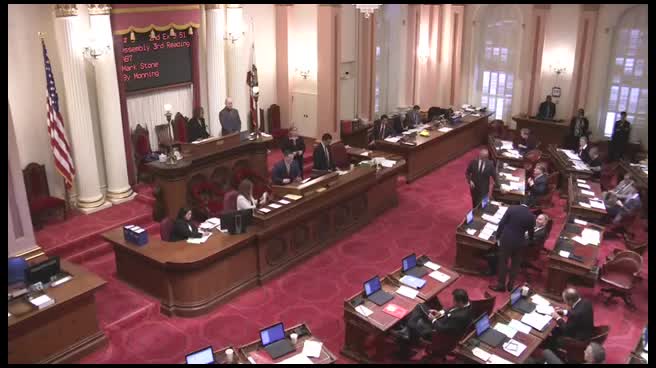 9MIN
Senate Floor
 6MIN
Senate Standing Committee on Appropriations
 7MIN
Public Health and Developmental Services
 18MIN
Public Health and Developmental Services
Bill Author

Bill Co-Author(s):