AB 1137: Housing developments: pet permissibility.
- Session Year: 2017-2018
- House: Assembly
- Latest Version Date: 2017-10-14
Existing law establishes the Department of Housing and Community Development in the Business, Consumer Services, and Housing Agency. The department is responsible for administering various housing and home loan programs throughout the state.
Existing law prohibits a public agency that owns and operates rental housing accommodations from preventing an elderly person or person requiring supportive services from keeping not more than 2 pets in the rental housing.
This bill would require the Department of Housing and Community Development to require each housing development, as defined, that is financed on or after January 1, 2018, pursuant to the Zenovich-Moscone-Chacon Housing and Home Finance Act, to authorize a resident of the housing development to own or otherwise maintain one or more common household pets, as defined, within the residents dwelling unit, subject to applicable state laws and local government ordinances related to public health, animal control, and animal anticruelty.
Existing law establishes the Department of Housing and Community Development in the Business, Consumer Services, and Housing Agency. The department is responsible for administering various housing and home loan programs throughout the state.
Existing law prohibits a public agency that owns and operates rental housing accommodations from preventing an elderly person or person requiring supportive services from keeping not more than 2 pets in the rental housing.
This bill would require the Department of Housing and Community Development to require each housing development, as defined, that is financed on or after January 1, 2018, pursuant to various provisions of existing law, the Zenovich-Moscone-Chacon Housing and Home Finance Act, to authorize a resident of the housing development to own or otherwise maintain one or more common household pets, as defined, within the residents dwelling unit, subject to applicable state laws, a pet-friendly housing regulation adopted by the department, laws and local government ordinances related to public health, animal control, and animal anticruelty.
Existing law establishes the Department of Housing and Community Development in the Business, Consumer Services, and Housing Agency. The department is responsible for administering various housing and home loan programs throughout the state.
Existing law prohibits a public agency that owns and operates rental housing accommodations from preventing an elderly person or person requiring supportive services from keeping not more than 2 pets in the rental housing.
This bill would require the Department of Housing and Community Development to require each housing development, as defined, that is financed on or after January 1, 2018, pursuant to various provisions of existing law, to authorize a resident of the housing development to own or otherwise maintain one or more common household pets, as defined, within the residents dwelling unit, subject to applicable state laws, department regulations, a pet-friendly housing regulation adopted by the department, and local government ordinances related to public health, animal control, and animal anticruelty.
Existing law establishes the Department of Housing and Community Development in the Business, Consumer Services, and Housing Agency. The department is responsible for administering various housing and home loan programs throughout the state.
Existing law prohibits a public agency that owns and operates rental housing accommodations from preventing an elderly person or person requiring supportive services from keeping not more than 2 pets in the rental housing.
This bill would require the Department of Housing and Community Development to require each housing development, as defined, that is financed on or after January 1, 2018, pursuant to various provisions of existing law, to authorize a resident of the housing development to own or otherwise maintain one or more common household pets, as defined, within the residents dwelling unit, subject to applicable state laws laws, department regulations, and local government ordinances related to public health, animal control, and animal anticruelty.
Existing law establishes the Department of Housing and Community Development in the Business, Consumer Services, and Housing Agency. The department is responsible for administering various housing and home loan programs throughout the state.
Existing law prohibits a public agency that owns and operates rental housing accommodations from preventing an elderly person or person requiring supportive services from keeping not more than 2 pets in the rental housing.
This bill would require the Department of Housing and Community Development to require each housing development, as defined, that is financed on or after January 1, 2018, pursuant to various provisions of existing law, to authorize a resident of the housing development to own or otherwise maintain one or more common household pets, as defined, within the residents dwelling unit, subject to applicable state laws and local government ordinances related to public health, animal control, and animal anticruelty.
The Planning and Zoning Law requires a city or county to adopt a general plan for land use development within its boundaries that includes, among other things, a housing element. That law requires the housing element to include an analysis of any special housing needs, such as those of, among others, the elderly, persons with disabilities, and families and persons in need of emergency shelter.This bill would make a nonsubstantive change to this provision.The Planning and Zoning Law requires a city or county to adopt a general plan for land use development within its boundaries that includes, among other things, a housing element. That law requires the housing element to include an analysis of any special housing needs, such as those of, among others, the elderly, persons with disabilities, and families and persons in need of emergency shelter.
This bill would make a nonsubstantive change to this provision.
This act shall be known, and may be cited, as the Pet Friendly Housing Act of 2017.
SEC. 2.Section 50466 is added to the Health and Safety Code, to read:50466.(a)The department shall require each housing development that is financed on or after January 1, 2018, pursuant to this division, to authorize a resident of the housing development to own or otherwise maintain one or more common household pets within the residents dwelling unit, subject to applicable state laws and local government ordinances related to public health, animal control, and animal anticruelty.
(b)For purposes of this section, common household pet means a domesticated animal, such as a dog or cat, that is commonly kept in the home for pleasure rather than for commercial purposes.
(c)Nothing in this section shall be construed to limit or otherwise affect other statutes or laws that require reasonable accommodations to be made for an individual with a disability who maintains an animal to provide assistance, service, or support.
This act shall be known, and may be cited, as the Pet Friendly Housing Act of 2017.
SEC. 2.Section 50466 is added to the Health and Safety Code, to read:50466.(a)The department shall require each housing development that is financed on or after January 1, 2018, pursuant to this division, to authorize a resident of the housing development to own or otherwise maintain one or more common household pets within the residents dwelling unit, subject to applicable state laws, a pet-friendly housing regulation adopted by the department, laws and local government ordinances related to public health, animal control, and animal anticruelty.
(b)For purposes of this section, common household pet means a domesticated animal, such as a dog or cat, that is commonly kept in the home for pleasure rather than for commercial purposes.
(c)Nothing in this section shall be construed to limit or otherwise affect other statutes or laws that require reasonable accommodations to be made for an individual with a disability who maintains an animal to provide assistance, service, or support.
This act shall be known, and may be cited, as the Pet Friendly Housing Act of 2017.
SEC. 2.Section 50466 is added to the Health and Safety Code, to read:50466.(a)The department shall require each housing development that is financed on or after January 1, 2018, pursuant to this division, to authorize a resident of the housing development to own or otherwise maintain one or more common household pets within the residents dwelling unit, subject to applicable state laws, regulations a pet-friendly housing regulation adopted by the department, and local government ordinances related to public health, animal control, and animal anticruelty.
(b)For purposes of this section, common household pet means a domesticated animal, such as a dog or cat, that is commonly kept in the home for pleasure rather than for commercial purposes.
(c)Nothing in this section shall be construed to limit or otherwise affect other statutes or laws that require reasonable accommodations to be made for an individual with a disability who maintains an animal to provide assistance, service, or support.
This act shall be known, and may be cited, as the Pet Friendly Housing Act of 2017.
SEC. 2.Section 50466 is added to the Health and Safety Code, to read:50466.(a)The department shall require each housing development that is financed on or after January 1, 2018, pursuant to this division, to authorize a resident of the housing development to own or otherwise maintain one or more common household pets within the residents dwelling unit, subject to applicable state laws laws, regulations adopted by the department, and local government ordinances related to public health, animal control, and animal anticruelty.
(b)For purposes of this section, common household pet means a domesticated animal, such as a dog or cat, that is commonly kept in the home for pleasure rather than for commercial purposes.
(c)Nothing in this section shall be construed to limit or otherwise affect other statutes or laws that require reasonable accommodations to be made for an individual with a disability who maintains an animal to provide assistance, service, or support.
This act shall be known, and may be cited, as the Pet Friendly Housing Act of 2017.
SEC. 2.Section 50466 is added to the Health and Safety Code, to read:50466.(a)The department shall require each housing development that is financed on or after January 1, 2018, pursuant to this division, to authorize a resident of the housing development to own or otherwise maintain one or more common household pets within the residents dwelling unit, subject to applicable state laws and local government ordinances related to public health, animal control, and animal anticruelty.
(b)For purposes of this section, common household pet means a domesticated animal, such as a dog or cat, that is commonly kept in the home for pleasure rather than for commercial purposes.
(c)Nothing in this section shall be construed to limit or otherwise affect other statutes or laws that require reasonable accommodations to be made for an individual with a disability who maintains an animal to provide assistance, service, or support.
SECTION 1.Section 65583 of the Government Code is amended to read:65583.The housing element shall consist of an identification and analysis of existing and projected housing needs and a statement of goals, policies, quantified objectives, financial resources, and scheduled programs for the preservation, improvement, and development of housing. The housing element shall identify adequate sites for housing, including rental housing, factory-built housing, mobilehomes, and emergency shelters, and shall make adequate provision for the existing and projected needs of all economic segments of the community. The element shall contain all of the following:(a)An assessment of housing needs and an inventory of resources and constraints relevant to the meeting of these needs. The assessment and inventory shall include all of the following:(1)An analysis of population and employment trends and documentation of projections and a quantification of the localitys existing and projected housing needs for all income levels, including extremely low income households, as defined in subdivision (b) of Section 50105 and Section 50106 of the Health and Safety Code. These existing and projected needs shall include the localitys share of the regional housing need in accordance with Section 65584. Local agencies shall calculate the subset of very low income households allotted under Section 65584 that qualify as extremely low income households. The local agency may either use available census data to calculate the percentage of very low income households that qualify as extremely low income households or presume that 50 percent of the very low income households qualify as extremely low income households. The number of extremely low income households and very low income households shall equal the jurisdictions allocation of very low income households pursuant to Section 65584.(2)An analysis and documentation of household characteristics, including level of payment compared to ability to pay, housing characteristics, including overcrowding, and housing stock condition.(3)An inventory of land suitable for residential development, including vacant sites and sites having potential for redevelopment, and an analysis of the relationship of zoning and public facilities and services to these sites.(4)(A)The identification of a zone or zones where emergency shelters are allowed as a permitted use without a conditional use or other discretionary permit. The identified zone or zones shall include sufficient capacity to accommodate the need for emergency shelter identified in paragraph (7), except that each local government shall identify a zone or zones that can accommodate at least one year-round emergency shelter. If the local government cannot identify a zone or zones with sufficient capacity, the local government shall include a program to amend its zoning ordinance to meet the requirements of this paragraph within one year of the adoption of the housing element. The local government may identify additional zones where emergency shelters are permitted with a conditional use permit. The local government shall also demonstrate that existing or proposed permit processing, development, and management standards are objective and encourage and facilitate the development of, or conversion to, emergency shelters. Emergency shelters may only be subject to those development and management standards that apply to residential or commercial development within the same zone except that a local government may apply written, objective standards that include all of the following:(i)The maximum number of beds or persons permitted to be served nightly by the facility.(ii)Off-street parking based upon demonstrated need, provided that the standards do not require more parking for emergency shelters than for other residential or commercial uses within the same zone.(iii)The size and location of exterior and interior onsite waiting and client intake areas.(iv)The provision of onsite management.(v)The proximity to other emergency shelters, provided that emergency shelters are not required to be more than 300 feet apart.(vi)The length of stay.(vii)Lighting.(viii)Security during hours that the emergency shelter is in operation.(B)The permit processing, development, and management standards applied under this paragraph shall not be deemed to be discretionary acts within the meaning of the California Environmental Quality Act (Division 13 (commencing with Section 21000) of the Public Resources Code).(C)A local government that can demonstrate to the satisfaction of the department the existence of one or more emergency shelters either within its jurisdiction or pursuant to a multijurisdictional agreement that can accommodate that jurisdictions need for emergency shelter identified in paragraph (7) may comply with the zoning requirements of subparagraph (A) by identifying a zone or zones where new emergency shelters are allowed with a conditional use permit.(D)A local government with an existing ordinance or ordinances that comply with this paragraph shall not be required to take additional action to identify zones for emergency shelters. The housing element must only describe how existing ordinances, policies, and standards are consistent with the requirements of this paragraph.(5)An analysis of potential and actual governmental constraints upon the maintenance, improvement, or development of housing for all income levels, including the types of housing identified in paragraph (1) of subdivision (c), and for persons with disabilities as identified in the analysis pursuant to paragraph (7), including land use controls, building codes and their enforcement, site improvements, fees and other exactions required of developers, and local processing and permit procedures. The analysis shall also demonstrate local efforts to remove governmental constraints that hinder the locality from meeting its share of the regional housing need in accordance with Section 65584 and from meeting the need for housing for persons with disabilities, supportive housing, transitional housing, and emergency shelters identified pursuant to paragraph (7). Transitional housing and supportive housing shall be considered a residential use of property, and shall be subject only to those restrictions that apply to other residential dwellings of the same type in the same zone.(6)An analysis of potential and actual nongovernmental constraints upon the maintenance, improvement, or development of housing for all income levels, including the availability of financing, the price of land, and the cost of construction.(7)An analysis of any special housing needs, such as those of the elderly; persons with disabilities, including a developmental disability, as defined in Section 4512 of the Welfare and Institutions Code; large families; farmworkers; families with female heads of households; and families and persons in need of emergency shelter. The need for emergency shelter shall be assessed based on both annual and seasonal need. The need for emergency shelter may be reduced by the number of supportive housing units that are identified in an adopted 10-year plan to end chronic homelessness and that are either vacant or for which funding has been identified to allow construction during the planning period. An analysis of special housing needs by a city or county may include an analysis of the need for frequent user coordinated care housing services.(8)An analysis of opportunities for energy conservation with respect to residential development. Cities and counties are encouraged to include weatherization and energy efficiency improvements as part of publicly subsidized housing rehabilitation projects. This may include energy efficiency measures that encompass the building envelope, its heating and cooling systems, and its electrical system.(9)An analysis of existing assisted housing developments that are eligible to change from low-income housing uses during the next 10 years due to termination of subsidy contracts, mortgage prepayment, or expiration of restrictions on use. Assisted housing developments, for the purpose of this section, shall mean multifamily rental housing that receives governmental assistance under federal programs listed in subdivision (a) of Section 65863.10, state and local multifamily revenue bond programs, local redevelopment programs, the federal Community Development Block Grant Program, or local in-lieu fees. Assisted housing developments shall also include multifamily rental units that were developed pursuant to a local inclusionary housing program or used to qualify for a density bonus pursuant to Section 65916.(A)The analysis shall include a listing of each development by project name and address, the type of governmental assistance received, the earliest possible date of change from low-income use, and the total number of elderly and nonelderly units that could be lost from the localitys low-income housing stock in each year during the 10-year period. For purposes of state and federally funded projects, the analysis required by this subparagraph need only contain information available on a statewide basis.(B)The analysis shall estimate the total cost of producing new rental housing that is comparable in size and rent levels, to replace the units that could change from low-income use, and an estimated cost of preserving the assisted housing developments. This cost analysis for replacement housing may be done aggregately for each five-year period and does not have to contain a project-by-project cost estimate.(C)The analysis shall identify public and private nonprofit corporations known to the local government which have legal and managerial capacity to acquire and manage these housing developments.(D)The analysis shall identify and consider the use of all federal, state, and local financing and subsidy programs which can be used to preserve, for lower income households, the assisted housing developments, identified in this paragraph, including, but not limited to, federal Community Development Block Grant Program funds, tax increment funds received by a redevelopment agency of the community, and administrative fees received by a housing authority operating within the community. In considering the use of these financing and subsidy programs, the analysis shall identify the amounts of funds under each available program which have not been legally obligated for other purposes and which could be available for use in preserving assisted housing developments.(b)(1)A statement of the communitys goals, quantified objectives, and policies relative to the maintenance, preservation, improvement, and development of housing.(2)It is recognized that the total housing needs identified pursuant to subdivision (a) may exceed available resources and the communitys ability to satisfy this need within the content of the general plan requirements outlined in Article 5 (commencing with Section 65300). Under these circumstances, the quantified objectives need not be identical to the total housing needs. The quantified objectives shall establish the maximum number of housing units by income category, including extremely low income, that can be constructed, rehabilitated, and conserved over a five-year time period.(c)A program which sets forth a schedule of actions during the planning period, each with a timeline for implementation, which may recognize that certain programs are ongoing, such that there will be beneficial impacts of the programs within the planning period, that the local government is undertaking or intends to undertake to implement the policies and achieve the goals and objectives of the housing element through the administration of land use and development controls, the provision of regulatory concessions and incentives, the utilization of appropriate federal and state financing and subsidy programs when available, and the utilization of moneys in a low- and moderate-income housing fund of an agency if the locality has established a redevelopment project area pursuant to the Community Redevelopment Law (Division 24 (commencing with Section 33000) of the Health and Safety Code). In order to make adequate provision for the housing needs of all economic segments of the community, the program shall do all of the following:(1)Identify actions that will be taken to make sites available during the planning period with appropriate zoning and development standards and with services and facilities to accommodate that portion of the citys or countys share of the regional housing need for each income level that could not be accommodated on sites identified in the inventory completed pursuant to paragraph (3) of subdivision (a) without rezoning, and to comply with the requirements of Section 65584.09. Sites shall be identified as needed to facilitate and encourage the development of a variety of types of housing for all income levels, including multifamily rental housing, factory-built housing, mobilehomes, housing for agricultural employees, supportive housing, single-room occupancy units, emergency shelters, and transitional housing.(A)Where the inventory of sites, pursuant to paragraph (3) of subdivision (a), does not identify adequate sites to accommodate the need for groups of all household income levels pursuant to Section 65584, rezoning of those sites, including adoption of minimum density and development standards, for jurisdictions with an eight-year housing element planning period pursuant to Section 65588, shall be completed no later than three years after either the date the housing element is adopted pursuant to subdivision (f) of Section 65585 or the date that is 90 days after receipt of comments from the department pursuant to subdivision (b) of Section 65585, whichever is earlier, unless the deadline is extended pursuant to subdivision (f). Notwithstanding the foregoing, for a local government that fails to adopt a housing element within 120 days of the statutory deadline in Section 65588 for adoption of the housing element, rezoning of those sites, including adoption of minimum density and development standards, shall be completed no later than three years and 120 days from the statutory deadline in Section 65588 for adoption of the housing element.(B)Where the inventory of sites, pursuant to paragraph (3) of subdivision (a), does not identify adequate sites to accommodate the need for groups of all household income levels pursuant to Section 65584, the program shall identify sites that can be developed for housing within the planning period pursuant to subdivision (h) of Section 65583.2. The identification of sites shall include all components specified in subdivision (b) of Section 65583.2.(C)Where the inventory of sites pursuant to paragraph (3) of subdivision (a) does not identify adequate sites to accommodate the need for farmworker housing, the program shall provide for sufficient sites to meet the need with zoning that permits farmworker housing use by right, including density and development standards that could accommodate and facilitate the feasibility of the development of farmworker housing for low- and very low income households.(2)Assist in the development of adequate housing to meet the needs of extremely low, very low, low-, and moderate-income households.(3)Address and, where appropriate and legally possible, remove governmental constraints to the maintenance, improvement, and development of housing, including housing for all income levels and housing for persons with disabilities. The program shall remove constraints to, and provide reasonable accommodations for housing designed for, intended for occupancy by, or with supportive services for, persons with disabilities.(4)Conserve and improve the condition of the existing affordable housing stock, which may include addressing ways to mitigate the loss of dwelling units demolished by public or private action.(5)Promote housing opportunities for all persons regardless of race, religion, sex, marital status, ancestry, national origin, color, familial status, or disability.(6)Preserve for lower income households the assisted housing developments identified pursuant to paragraph (9) of subdivision (a). The program for preservation of the assisted housing developments shall utilize, to the extent necessary, all available federal, state, and local financing and subsidy programs identified in paragraph (9) of subdivision (a), except where a community has other urgent needs for which alternative funding sources are not available. The program may include strategies that involve local regulation and technical assistance.(7)Include an identification of the agencies and officials responsible for the implementation of the various actions and the means by which consistency will be achieved with other general plan elements and community goals.(8)Include a diligent effort by the local government to achieve public participation of all economic segments of the community in the development of the housing element, and the program shall describe this effort.(d)(1)A local government may satisfy all or part of its requirement to identify a zone or zones suitable for the development of emergency shelters pursuant to paragraph (4) of subdivision (a) by adopting and implementing a multijurisdictional agreement, with a maximum of two other adjacent communities, that requires the participating jurisdictions to develop at least one year-round emergency shelter within two years of the beginning of the planning period.(2)The agreement shall allocate a portion of the new shelter capacity to each jurisdiction as credit toward its emergency shelter need, and each jurisdiction shall describe how the capacity was allocated as part of its housing element.(3)Each member jurisdiction of a multijurisdictional agreement shall describe in its housing element all of the following:(A)How the joint facility will meet the jurisdictions emergency shelter need.(B)The jurisdictions contribution to the facility for both the development and ongoing operation and management of the facility.(C)The amount and source of the funding that the jurisdiction contributes to the facility.(4)The aggregate capacity claimed by the participating jurisdictions in their housing elements shall not exceed the actual capacity of the shelter.(e)Except as otherwise provided in this article, amendments to this article that alter the required content of a housing element shall apply to both of the following:(1)A housing element or housing element amendment prepared pursuant to subdivision (e) of Section 65588 or Section 65584.02, when a city, county, or city and county submits a draft to the department for review pursuant to Section 65585 more than 90 days after the effective date of the amendment to this section.(2)Any housing element or housing element amendment prepared pursuant to subdivision (e) of Section 65588 or Section 65584.02, when the city, county, or city and county fails to submit the first draft to the department before the due date specified in Section 65588 or 65584.02.(f)The deadline for completing required rezoning pursuant to subparagraph (A) of paragraph (1) of subdivision (c) shall be extended by one year if the local government has completed the rezoning at densities sufficient to accommodate at least 75 percent of the units for low- and very low income households and if the legislative body at the conclusion of a public hearing determines, based upon substantial evidence, that any of the following circumstances exist:(1)The local government has been unable to complete the rezoning because of the action or inaction beyond the control of the local government of any other state, federal, or local agency.(2)The local government is unable to complete the rezoning because of infrastructure deficiencies due to fiscal or regulatory constraints.(3)The local government must undertake a major revision to its general plan in order to accommodate the housing-related policies of a sustainable communities strategy or an alternative planning strategy adopted pursuant to Section 65080.The resolution and the findings shall be transmitted to the department together with a detailed budget and schedule for preparation and adoption of the required rezonings, including plans for citizen participation and expected interim action. The schedule shall provide for adoption of the required rezoning within one year of the adoption of the resolution.(g)(1)If a local government fails to complete the rezoning by the deadline provided in subparagraph (A) of paragraph (1) of subdivision (c), as it may be extended pursuant to subdivision (f), except as provided in paragraph (2), a local government may not disapprove a housing development project, nor require a conditional use permit, planned unit development permit, or other locally imposed discretionary permit, or impose a condition that would render the project infeasible, if the housing development project (A) is proposed to be located on a site required to be rezoned pursuant to the program action required by that subparagraph and (B) complies with applicable, objective general plan and zoning standards and criteria, including design review standards, described in the program action required by that subparagraph. Any subdivision of sites shall be subject to the Subdivision Map Act (Division 2 (commencing with Section 66410)). Design review shall not constitute a project for purposes of Division 13 (commencing with Section 21000) of the Public Resources Code.(2)A local government may disapprove a housing development described in paragraph (1) if it makes written findings supported by substantial evidence on the record that both of the following conditions exist:(A)The housing development project would have a specific, adverse impact upon the public health or safety unless the project is disapproved or approved upon the condition that the project be developed at a lower density. As used in this paragraph, a specific, adverse impact means a significant, quantifiable, direct, and unavoidable impact, based on objective, identified written public health or safety standards, policies, or conditions as they existed on the date the application was deemed complete.(B)There is no feasible method to satisfactorily mitigate or avoid the adverse impact identified pursuant to paragraph (1), other than the disapproval of the housing development project or the approval of the project upon the condition that it be developed at a lower density.(3)The applicant or any interested person may bring an action to enforce this subdivision. If a court finds that the local agency disapproved a project or conditioned its approval in violation of this subdivision, the court shall issue an order or judgment compelling compliance within 60 days. The court shall retain jurisdiction to ensure that its order or judgment is carried out. If the court determines that its order or judgment has not been carried out within 60 days, the court may issue further orders to ensure that the purposes and policies of this subdivision are fulfilled. In any such action, the city, county, or city and county shall bear the burden of proof.(4)For purposes of this subdivision, housing development project means a project to construct residential units for which the project developer provides sufficient legal commitments to the appropriate local agency to ensure the continued availability and use of at least 49 percent of the housing units for very low, low-, and moderate-income households with an affordable housing cost or affordable rent, as defined in Section 50052.5 or 50053 of the Health and Safety Code, respectively, for the period required by the applicable financing.(h)An action to enforce the program actions of the housing element shall be brought pursuant to Section 1085 of the Code of Civil Procedure.The housing element shall consist of an identification and analysis of existing and projected housing needs and a statement of goals, policies, quantified objectives, financial resources, and scheduled programs for the preservation, improvement, and development of housing. The housing element shall identify adequate sites for housing, including rental housing, factory-built housing, mobilehomes, and emergency shelters, and shall make adequate provision for the existing and projected needs of all economic segments of the community. The element shall contain all of the following:
(a)An assessment of housing needs and an inventory of resources and constraints relevant to the meeting of these needs. The assessment and inventory shall include all of the following:
(1)An analysis of population and employment trends and documentation of projections and a quantification of the localitys existing and projected housing needs for all income levels, including extremely low income households, as defined in subdivision (b) of Section 50105 and Section 50106 of the Health and Safety Code. These existing and projected needs shall include the localitys share of the regional housing need in accordance with Section 65584. Local agencies shall calculate the subset of very low income households allotted under Section 65584 that qualify as extremely low income households. The local agency may either use available census data to calculate the percentage of very low income households that qualify as extremely low income households or presume that 50 percent of the very low income households qualify as extremely low income households. The number of extremely low income households and very low income households shall equal the jurisdictions allocation of very low income households pursuant to Section 65584.
(2)An analysis and documentation of household characteristics, including level of payment compared to ability to pay, housing characteristics, including overcrowding, and housing stock condition.
(3)An inventory of land suitable for residential development, including vacant sites and sites having potential for redevelopment, and an analysis of the relationship of zoning and public facilities and services to these sites.
(4)(A)The identification of a zone or zones where emergency shelters are allowed as a permitted use without a conditional use or other discretionary permit. The identified zone or zones shall include sufficient capacity to accommodate the need for emergency shelter identified in paragraph (7), except that each local government shall identify a zone or zones that can accommodate at least one year-round emergency shelter. If the local government cannot identify a zone or zones with sufficient capacity, the local government shall include a program to amend its zoning ordinance to meet the requirements of this paragraph within one year of the adoption of the housing element. The local government may identify additional zones where emergency shelters are permitted with a conditional use permit. The local government shall also demonstrate that existing or proposed permit processing, development, and management standards are objective and encourage and facilitate the development of, or conversion to, emergency shelters. Emergency shelters may only be subject to those development and management standards that apply to residential or commercial development within the same zone except that a local government may apply written, objective standards that include all of the following:
(i)The maximum number of beds or persons permitted to be served nightly by the facility.
(ii)Off-street parking based upon demonstrated need, provided that the standards do not require more parking for emergency shelters than for other residential or commercial uses within the same zone.
(iii)The size and location of exterior and interior onsite waiting and client intake areas.
(iv)The provision of onsite management.
(v)The proximity to other emergency shelters, provided that emergency shelters are not required to be more than 300 feet apart.
(vi)The length of stay.
(vii)Lighting.
(viii)Security during hours that the emergency shelter is in operation.
(B)The permit processing, development, and management standards applied under this paragraph shall not be deemed to be discretionary acts within the meaning of the California Environmental Quality Act (Division 13 (commencing with Section 21000) of the Public Resources Code).
(C)A local government that can demonstrate to the satisfaction of the department the existence of one or more emergency shelters either within its jurisdiction or pursuant to a multijurisdictional agreement that can accommodate that jurisdictions need for emergency shelter identified in paragraph (7) may comply with the zoning requirements of subparagraph (A) by identifying a zone or zones where new emergency shelters are allowed with a conditional use permit.
(D)A local government with an existing ordinance or ordinances that comply with this paragraph shall not be required to take additional action to identify zones for emergency shelters. The housing element must only describe how existing ordinances, policies, and standards are consistent with the requirements of this paragraph.
(5)An analysis of potential and actual governmental constraints upon the maintenance, improvement, or development of housing for all income levels, including the types of housing identified in paragraph (1) of subdivision (c), and for persons with disabilities as identified in the analysis pursuant to paragraph (7), including land use controls, building codes and their enforcement, site improvements, fees and other exactions required of developers, and local processing and permit procedures. The analysis shall also demonstrate local efforts to remove governmental constraints that hinder the locality from meeting its share of the regional housing need in accordance with Section 65584 and from meeting the need for housing for persons with disabilities, supportive housing, transitional housing, and emergency shelters identified pursuant to paragraph (7). Transitional housing and supportive housing shall be considered a residential use of property, and shall be subject only to those restrictions that apply to other residential dwellings of the same type in the same zone.
(6)An analysis of potential and actual nongovernmental constraints upon the maintenance, improvement, or development of housing for all income levels, including the availability of financing, the price of land, and the cost of construction.
(7)An analysis of any special housing needs, such as those of the elderly; persons with disabilities, including a developmental disability, as defined in Section 4512 of the Welfare and Institutions Code; large families; farmworkers; families with female heads of households; and families and persons in need of emergency shelter. The need for emergency shelter shall be assessed based on both annual and seasonal need. The need for emergency shelter may be reduced by the number of supportive housing units that are identified in an adopted 10-year plan to end chronic homelessness and that are either vacant or for which funding has been identified to allow construction during the planning period. An analysis of special housing needs by a city or county may include an analysis of the need for frequent user coordinated care housing services.
(8)An analysis of opportunities for energy conservation with respect to residential development. Cities and counties are encouraged to include weatherization and energy efficiency improvements as part of publicly subsidized housing rehabilitation projects. This may include energy efficiency measures that encompass the building envelope, its heating and cooling systems, and its electrical system.
(9)An analysis of existing assisted housing developments that are eligible to change from low-income housing uses during the next 10 years due to termination of subsidy contracts, mortgage prepayment, or expiration of restrictions on use. Assisted housing developments, for the purpose of this section, shall mean multifamily rental housing that receives governmental assistance under federal programs listed in subdivision (a) of Section 65863.10, state and local multifamily revenue bond programs, local redevelopment programs, the federal Community Development Block Grant Program, or local in-lieu fees. Assisted housing developments shall also include multifamily rental units that were developed pursuant to a local inclusionary housing program or used to qualify for a density bonus pursuant to Section 65916.
(A)The analysis shall include a listing of each development by project name and address, the type of governmental assistance received, the earliest possible date of change from low-income use, and the total number of elderly and nonelderly units that could be lost from the localitys low-income housing stock in each year during the 10-year period. For purposes of state and federally funded projects, the analysis required by this subparagraph need only contain information available on a statewide basis.
(B)The analysis shall estimate the total cost of producing new rental housing that is comparable in size and rent levels, to replace the units that could change from low-income use, and an estimated cost of preserving the assisted housing developments. This cost analysis for replacement housing may be done aggregately for each five-year period and does not have to contain a project-by-project cost estimate.
(C)The analysis shall identify public and private nonprofit corporations known to the local government which have legal and managerial capacity to acquire and manage these housing developments.
(D)The analysis shall identify and consider the use of all federal, state, and local financing and subsidy programs which can be used to preserve, for lower income households, the assisted housing developments, identified in this paragraph, including, but not limited to, federal Community Development Block Grant Program funds, tax increment funds received by a redevelopment agency of the community, and administrative fees received by a housing authority operating within the community. In considering the use of these financing and subsidy programs, the analysis shall identify the amounts of funds under each available program which have not been legally obligated for other purposes and which could be available for use in preserving assisted housing developments.
(b)(1)A statement of the communitys goals, quantified objectives, and policies relative to the maintenance, preservation, improvement, and development of housing.
(2)It is recognized that the total housing needs identified pursuant to subdivision (a) may exceed available resources and the communitys ability to satisfy this need within the content of the general plan requirements outlined in Article 5 (commencing with Section 65300). Under these circumstances, the quantified objectives need not be identical to the total housing needs. The quantified objectives shall establish the maximum number of housing units by income category, including extremely low income, that can be constructed, rehabilitated, and conserved over a five-year time period.
(c)A program which sets forth a schedule of actions during the planning period, each with a timeline for implementation, which may recognize that certain programs are ongoing, such that there will be beneficial impacts of the programs within the planning period, that the local government is undertaking or intends to undertake to implement the policies and achieve the goals and objectives of the housing element through the administration of land use and development controls, the provision of regulatory concessions and incentives, the utilization of appropriate federal and state financing and subsidy programs when available, and the utilization of moneys in a low- and moderate-income housing fund of an agency if the locality has established a redevelopment project area pursuant to the Community Redevelopment Law (Division 24 (commencing with Section 33000) of the Health and Safety Code). In order to make adequate provision for the housing needs of all economic segments of the community, the program shall do all of the following:
(1)Identify actions that will be taken to make sites available during the planning period with appropriate zoning and development standards and with services and facilities to accommodate that portion of the citys or countys share of the regional housing need for each income level that could not be accommodated on sites identified in the inventory completed pursuant to paragraph (3) of subdivision (a) without rezoning, and to comply with the requirements of Section 65584.09. Sites shall be identified as needed to facilitate and encourage the development of a variety of types of housing for all income levels, including multifamily rental housing, factory-built housing, mobilehomes, housing for agricultural employees, supportive housing, single-room occupancy units, emergency shelters, and transitional housing.
(A)Where the inventory of sites, pursuant to paragraph (3) of subdivision (a), does not identify adequate sites to accommodate the need for groups of all household income levels pursuant to Section 65584, rezoning of those sites, including adoption of minimum density and development standards, for jurisdictions with an eight-year housing element planning period pursuant to Section 65588, shall be completed no later than three years after either the date the housing element is adopted pursuant to subdivision (f) of Section 65585 or the date that is 90 days after receipt of comments from the department pursuant to subdivision (b) of Section 65585, whichever is earlier, unless the deadline is extended pursuant to subdivision (f). Notwithstanding the foregoing, for a local government that fails to adopt a housing element within 120 days of the statutory deadline in Section 65588 for adoption of the housing element, rezoning of those sites, including adoption of minimum density and development standards, shall be completed no later than three years and 120 days from the statutory deadline in Section 65588 for adoption of the housing element.
(B)Where the inventory of sites, pursuant to paragraph (3) of subdivision (a), does not identify adequate sites to accommodate the need for groups of all household income levels pursuant to Section 65584, the program shall identify sites that can be developed for housing within the planning period pursuant to subdivision (h) of Section 65583.2. The identification of sites shall include all components specified in subdivision (b) of Section 65583.2.
(C)Where the inventory of sites pursuant to paragraph (3) of subdivision (a) does not identify adequate sites to accommodate the need for farmworker housing, the program shall provide for sufficient sites to meet the need with zoning that permits farmworker housing use by right, including density and development standards that could accommodate and facilitate the feasibility of the development of farmworker housing for low- and very low income households.
(2)Assist in the development of adequate housing to meet the needs of extremely low, very low, low-, and moderate-income households.
(3)Address and, where appropriate and legally possible, remove governmental constraints to the maintenance, improvement, and development of housing, including housing for all income levels and housing for persons with disabilities. The program shall remove constraints to, and provide reasonable accommodations for housing designed for, intended for occupancy by, or with supportive services for, persons with disabilities.
(4)Conserve and improve the condition of the existing affordable housing stock, which may include addressing ways to mitigate the loss of dwelling units demolished by public or private action.
(5)Promote housing opportunities for all persons regardless of race, religion, sex, marital status, ancestry, national origin, color, familial status, or disability.
(6)Preserve for lower income households the assisted housing developments identified pursuant to paragraph (9) of subdivision (a). The program for preservation of the assisted housing developments shall utilize, to the extent necessary, all available federal, state, and local financing and subsidy programs identified in paragraph (9) of subdivision (a), except where a community has other urgent needs for which alternative funding sources are not available. The program may include strategies that involve local regulation and technical assistance.
(7)Include an identification of the agencies and officials responsible for the implementation of the various actions and the means by which consistency will be achieved with other general plan elements and community goals.
(8)Include a diligent effort by the local government to achieve public participation of all economic segments of the community in the development of the housing element, and the program shall describe this effort.
(d)(1)A local government may satisfy all or part of its requirement to identify a zone or zones suitable for the development of emergency shelters pursuant to paragraph (4) of subdivision (a) by adopting and implementing a multijurisdictional agreement, with a maximum of two other adjacent communities, that requires the participating jurisdictions to develop at least one year-round emergency shelter within two years of the beginning of the planning period.
(2)The agreement shall allocate a portion of the new shelter capacity to each jurisdiction as credit toward its emergency shelter need, and each jurisdiction shall describe how the capacity was allocated as part of its housing element.
(3)Each member jurisdiction of a multijurisdictional agreement shall describe in its housing element all of the following:
(A)How the joint facility will meet the jurisdictions emergency shelter need.
(B)The jurisdictions contribution to the facility for both the development and ongoing operation and management of the facility.
(C)The amount and source of the funding that the jurisdiction contributes to the facility.
(4)The aggregate capacity claimed by the participating jurisdictions in their housing elements shall not exceed the actual capacity of the shelter.
(e)Except as otherwise provided in this article, amendments to this article that alter the required content of a housing element shall apply to both of the following:
(1)A housing element or housing element amendment prepared pursuant to subdivision (e) of Section 65588 or Section 65584.02, when a city, county, or city and county submits a draft to the department for review pursuant to Section 65585 more than 90 days after the effective date of the amendment to this section.
(2)Any housing element or housing element amendment prepared pursuant to subdivision (e) of Section 65588 or Section 65584.02, when the city, county, or city and county fails to submit the first draft to the department before the due date specified in Section 65588 or 65584.02.
(f)The deadline for completing required rezoning pursuant to subparagraph (A) of paragraph (1) of subdivision (c) shall be extended by one year if the local government has completed the rezoning at densities sufficient to accommodate at least 75 percent of the units for low- and very low income households and if the legislative body at the conclusion of a public hearing determines, based upon substantial evidence, that any of the following circumstances exist:
(1)The local government has been unable to complete the rezoning because of the action or inaction beyond the control of the local government of any other state, federal, or local agency.
(2)The local government is unable to complete the rezoning because of infrastructure deficiencies due to fiscal or regulatory constraints.
(3)The local government must undertake a major revision to its general plan in order to accommodate the housing-related policies of a sustainable communities strategy or an alternative planning strategy adopted pursuant to Section 65080.
The resolution and the findings shall be transmitted to the department together with a detailed budget and schedule for preparation and adoption of the required rezonings, including plans for citizen participation and expected interim action. The schedule shall provide for adoption of the required rezoning within one year of the adoption of the resolution.
(g)(1)If a local government fails to complete the rezoning by the deadline provided in subparagraph (A) of paragraph (1) of subdivision (c), as it may be extended pursuant to subdivision (f), except as provided in paragraph (2), a local government may not disapprove a housing development project, nor require a conditional use permit, planned unit development permit, or other locally imposed discretionary permit, or impose a condition that would render the project infeasible, if the housing development project (A) is proposed to be located on a site required to be rezoned pursuant to the program action required by that subparagraph and (B) complies with applicable, objective general plan and zoning standards and criteria, including design review standards, described in the program action required by that subparagraph. Any subdivision of sites shall be subject to the Subdivision Map Act (Division 2 (commencing with Section 66410)). Design review shall not constitute a project for purposes of Division 13 (commencing with Section 21000) of the Public Resources Code.
(2)A local government may disapprove a housing development described in paragraph (1) if it makes written findings supported by substantial evidence on the record that both of the following conditions exist:
(A)The housing development project would have a specific, adverse impact upon the public health or safety unless the project is disapproved or approved upon the condition that the project be developed at a lower density. As used in this paragraph, a specific, adverse impact means a significant, quantifiable, direct, and unavoidable impact, based on objective, identified written public health or safety standards, policies, or conditions as they existed on the date the application was deemed complete.
(B)There is no feasible method to satisfactorily mitigate or avoid the adverse impact identified pursuant to paragraph (1), other than the disapproval of the housing development project or the approval of the project upon the condition that it be developed at a lower density.
(3)The applicant or any interested person may bring an action to enforce this subdivision. If a court finds that the local agency disapproved a project or conditioned its approval in violation of this subdivision, the court shall issue an order or judgment compelling compliance within 60 days. The court shall retain jurisdiction to ensure that its order or judgment is carried out. If the court determines that its order or judgment has not been carried out within 60 days, the court may issue further orders to ensure that the purposes and policies of this subdivision are fulfilled. In any such action, the city, county, or city and county shall bear the burden of proof.
(4)For purposes of this subdivision, housing development project means a project to construct residential units for which the project developer provides sufficient legal commitments to the appropriate local agency to ensure the continued availability and use of at least 49 percent of the housing units for very low, low-, and moderate-income households with an affordable housing cost or affordable rent, as defined in Section 50052.5 or 50053 of the Health and Safety Code, respectively, for the period required by the applicable financing.
(h)An action to enforce the program actions of the housing element shall be brought pursuant to Section 1085 of the Code of Civil Procedure.
|
Date
|
Status
|
|---|---|
| Oct 14, 2017 | Chaptered by Secretary of State - Chapter 791, Statutes of 2017. |
| Oct 14, 2017 | Approved by the Governor. |
| Sep 21, 2017 | Enrolled and presented to the Governor at 3:30 p.m. |
| Sep 13, 2017 | Assembly Rule 77(a) suspended. |
| Sep 12, 2017 | In Assembly. Concurrence in Senate amendments pending. May be considered on or after September 14 pursuant to Assembly Rule 77. |
| Sep 11, 2017 | Read third time. Passed. Ordered to the Assembly. |
| Sep 5, 2017 | Read second time. Ordered to third reading. |
| Sep 1, 2017 | From committee: Amend, and do pass as amended. (Ayes 7. Noes 0.) (September 1). |
| Jun 26, 2017 | In committee: Referred to suspense file. |
| Jun 6, 2017 | From committee: Do pass and re-refer to Com. on APPR. with recommendation: To Consent Calendar. (Ayes 13. Noes 0.) (June 6). Re-referred to Com. on APPR. |
| May 30, 2017 | From committee chair, with author's amendments: Amend, and re-refer to committee. Read second time, amended, and re-referred to Com. on T. & H. |
| May 24, 2017 | Referred to Com. on T. & H. |
| May 11, 2017 | In Senate. Read first time. To Com. on RLS. for assignment. |
| May 11, 2017 | Read third time. Passed. Ordered to the Senate. (Ayes 77. Noes 0. Page 1490.) |
| May 4, 2017 | Read second time. Ordered to Consent Calendar. |
| May 3, 2017 | From committee: Do pass. To Consent Calendar. (Ayes 16. Noes 0.) (May 3). |
| Apr 24, 2017 | Re-referred to Com. on APPR. |
| Apr 20, 2017 | Read second time and amended. |
| Apr 19, 2017 | From committee: Amend, and do pass as amended and re-refer to Com. on APPR. (Ayes 7. Noes 0.) (April 19). |
| Mar 29, 2017 | Re-referred to Com. on H. & C.D. |
| Mar 28, 2017 | From committee chair, with author's amendments: Amend, and re-refer to Com. on H. & C.D. Read second time and amended. |
| Mar 27, 2017 | Referred to Com. on H. & C.D. |
| Feb 19, 2017 | From printer. May be heard in committee March 21. |
| Feb 17, 2017 | Read first time. To print. |
|
Date
|
Description
|
Location
|
Votes
|
|
|---|---|---|---|---|
| Sep 13, 2017 | AB 1137 MAIENSCHEIN Concurrence in Senate Amendments | Assembly Floor |
Passed |
|
| Sep 11, 2017 | Assembly 3rd Reading AB1137 Maienschein By Jackson | Senate Floor |
Passed |
|
| Sep 1, 2017 | Do pass as amended | Senate Standing Committee on Appropriations |
Passed |
|
| Jun 26, 2017 | Placed on suspense file | Senate Standing Committee on Appropriations |
Passed |
|
| Jun 6, 2017 | Do pass, but first be re-referred to the Committee on [Appropriations] with the recommendation: To Consent Calendar | Senate Standing Committee on Transportation and Housing |
Passed |
|
| May 11, 2017 | AB 1137 MAIENSCHEIN Consent Calendar Second Day Regular Session | Assembly Floor |
Passed |
|
| May 3, 2017 | Do pass. To Consent Calendar. | Assembly Standing Committee on Appropriations |
Passed |
|
| Apr 19, 2017 | Do pass as amended and be re-referred to the Committee on [Appropriations] | Assembly Standing Committee on Housing and Community Development |
Passed |
This list shows positions taken on this bill by organizations on the date displayed, which is linked to the original source.
Positions by individuals are not included.
|
Organization
|
Position
|
Date
|
|---|---|---|
| American Society For The Prevention Of Cruelty To Animals | * Support | Apr 19, 2017 |
| Beagle Freedom Project | ** Support | Sep 3, 2017 |
| Best Friends Animal Society | ** Support | Sep 3, 2017 |
| brock real estate | ** Support | Sep 3, 2017 |
| California Animal Control Directors Association | ** Support | Sep 3, 2017 |
| California Humane Association | * Indeterminate | Apr 19, 2017 |
| California Rural Legal Assistance Foundation | ** Support | Sep 3, 2017 |
| ConAm | ** Support | Apr 17, 2017 |
| conam management corporation - southern california affordable | ** Support | Sep 3, 2017 |
| Domus Development | ** Support | Sep 3, 2017 |
| Hitzke Development Corporation | ** Support | Sep 3, 2017 |
| Inner City Law Center | ** Support | Sep 3, 2017 |
| Life Skills Training and Educational Programs, Inc. | ** Support | Jun 1, 2017 |
| Life Steps Training And Educational Programs, Inc. | ** Support | Sep 3, 2017 |
| LifeSTEPS | ** Support | Apr 17, 2017 |
| Los Angeles County Board of Supervisors | ** Support | Sep 3, 2017 |
| Los Angeles County Of | * Indeterminate | Apr 19, 2017 |
| Sacramento Steps Forward | ** Support | Sep 3, 2017 |
| San Diego Humane Society | ** Support | Sep 3, 2017 |
| San Francisco Spca | ** Support | Sep 3, 2017 |
| Social Compassion In Legislation | ** Support | Apr 17, 2017 |
| State Humane Society of California | ** Support | Apr 17, 2017 |
| Tenants Together | ** Support | Sep 3, 2017 |
| The Humane Society of the United States | ** Support | Sep 3, 2017 |
| western center on law and poverty | ** Support | Sep 3, 2017 |
CONCURRENCE IN SENATE AMENDMENTS
CSA1 Bill Id:AB 1137
Author:(Maienschein)
As Amended Ver:September 1, 2017
Majority vote
ASSEMBLY: | 77-0 | (May 11, 2017) | SENATE: | 39-0 | (September 11, 2017) |
Original Committee Reference: H. & C.D.
SUMMARY: Requires housing developments financed through the Department of Housing and Community Development (HCD) to authorize a resident of a housing development to own one or more common household pets. Specifically, this bill:
- Provides that HCD shall require each housing development financed on or after January 1, 2018 to authorize a resident of the housing development to own or maintain one or more common household pets within the resident's unit, subject to applicable state laws and local government ordinances related to public health, animal control, and animal anticruelty.
- Defines "common household pet" as a domesticated animal, such as a dog or cat that is commonly kept in the home for pleasure rather than for commercial purposes.
- Specifies that nothing in this section shall be construed to limit or otherwise affect other statutes or laws that require reasonable accommodations to be made for an individual with a disability who maintains an animal to provide assistance, service, or support.
The Senate amendments:
- Make technical changes.
- Deletes the authority of HCD to adopt pet friendly regulations to implement the provisions of the bill.
FISCAL EFFECT: According to the Senate Appropriations Committee, minor and absorbable HCD costs to ensure housing developments allow residents to own one or more household pets. (General Fund)
COMMENTS:
Background: The high cost of housing has had a growing impact on families with pets. A lack of pet friendly housing options has put some pet owners in a position of choosing between keeping their household pet or keeping a roof over their head. In Los Angeles, county shelters are filled past capacity with approximately 170,000 animals being taken every year. The American Society for the Prevention of Cruelty to Animals (ASPCA) Safety Net program recently found that over 30,000 dogs and cats are in Los Angeles shelters because their families surrendered them due to problems with housing.
Contributing to this problem is the increase in financial evictions across the state. This trend is especially pronounced in high cost housing markets. This puts emotional strain on families and burdens county shelters. A lack of pet friendly housing options is regularly cited as a reason that families relinquish their pet to local shelters.
Pets provide social and health benefits to families and individuals that they live with. According to the Centers for Disease Control and Prevention, pets have positive impacts at nearly every stage of life. They influence social, emotional, and cognitive development in children and promote an active lifestyle. They also provide emotional support, improve moods, and contribute to the overall morale of their owners, and promote socialization among the elderly and disabled. Studies have also shown that people with pets tend to have lower blood pressure, cholesterol, and triglyceride levels.
Developers of affordable housing generally strive to address multiple aspects of a household's quality of life. The benefits provided by pets are consistent with goals to holistically address the social, economic, and health outcomes for residents of affordable housing. Not only does pet friendly housing promote happier and healthier families, but it reduces the financial burden to shelters and the public.
Purpose: According to the author "AB 1137 would make future housing developments financed by HCD pet-friendly. HCD is responsible for the allocation of the majority of funding provided by the state for the development and rehabilitation of affordable housing. While the housing produced by HCD financing varies annually, in recent years, the Department has financed and average of nearly 6,000 housing units per year. By making this housing pet-friendly, thousands of households wouldn't be faced with the difficult decision of giving up their pet. A pet friendly policy could be implemented with the de minimis cost and disruption, but would have extraordinary benefits for families struggling to keep their pets. The law would build on precedent provided by HUD in providing pet-friendly housing."
Analysis Prepared by: Lisa Engel / H. & C.D. / (916) 319-2085 FN: 0001860
SENATE COMMITTEE ON APPROPRIATIONS
Senator Ricardo Lara, Chair
2017 - 2018 Regular Session
AB 1137 (Maienschein) - Housing developments: pet permissibility
Version: May 30, 2017 | Policy Vote: T. & H. 13 - 0 |
Urgency: No | Mandate: No |
Hearing Date: September 1, 2017 | Consultant: Mark McKenzie |
*********** ANALYSIS ADDENDUM – SUSPENSE FILE ***********
The following information is revised to reflect amendments
adopted by the committee on September 1, 2017
Bill Summary:
AB 1137 would require the Department of Housing and Community Development (HCD) to require each housing development financed on or after January 1, 2018 to allow residents to own one or more common household pets, subject to applicable state laws, local ordinances, and a pet-friendly housing regulation adopted by HCD, as specified.
Fiscal Impact:
- Minor and absorbable HCD costs to ensure housing developments allow residents to own one or more household pets. (General Fund)
Author Amendments:
Delete the requirement for HCD to develop and adopt a pet-friendly housing regulation.
-- END --
Office of Senate Floor Analyses (916) 651-1520 Fax: (916) 327-4478 | AB |
THIRD READING
Bill No: AB 1137
Amended: 9/1/17 in Senate
SENATE TRANS. & HOUSING COMMITTEE: 13-0, 6/6/17
AYES: Beall, Cannella, Allen, Atkins, Bates, Gaines, McGuire, Mendoza, Morrell, Roth, Skinner, Wieckowski, Wiener
SENATE APPROPRIATIONS COMMITTEE: 7-0, 9/1/17
AYES: Lara, Bates, Beall, Bradford, Hill, Nielsen, Wiener
ASSEMBLY FLOOR: 77-0, 5/11/17 (Consent) - See last page for vote
SOURCE: American Society for the Prevention of Cruelty to Animals
DIGEST:
This bill requires the Department of Housing and Community Development (HCD) to require housing developments financed by HCD to authorize residents to own or maintain one or more common household pets within the resident’s dwelling unit, subject to existing laws.
Existing law:
- Establishes HCD within the Department of the Business, Consumer Services, and Housing Agency.
- Establishes a number of programs at HCD to make housing more affordable to California families and individuals, including the following main programs:
- Multifamily Housing Program, which funds the new construction, rehabilitation, and preservation of permanent and transitional rental homes for lower income households through loans to local governments, non-profit developers, and for-profit developers.
- Joe Serna, Jr., Farmworker Housing Program, which funds the development of ownership or rental homes for agricultural workers through grants to local governments and non-profit organizations.
- CalHome Program, which funds downpayment assistance, home rehabilitation, counseling, self-help mortgage assistance programs and technical assistance for self-help and shared housing through grants and loans.
- Requires reasonable accommodation for disabled persons, allowing individuals to have assistance to support animals through the Federal Fair Housing Act (FHA) and the California Fair Employment and Housing Act (FEHA).
- Requires, pursuant to federal law, the federal Department of Housing and Urban Development (HUD) to have pet-friendly requirements for the housing it supports. These requirements include a pet-friendly requirement for any housing development that serves elderly or disable people and is subsidized or insured by HUD. Any public housing development financed by HUD has a pet-friendly requirement.
- Requires, under the Mobilehome Residency Law, that no lease agreement entered into, modified, or renewed on or after January 1, 2001, shall prohibit a homeowner from keeping at least one pet within the park, subject to reasonable rules and regulations of the park.
- Requires, under the Davis Sterling Common Interest Development Act, that no governing documents shall prohibit the owner of a separate interest within a common interest development from keeping at least one pet within the common interest development, subject to reasonable rules and regulations of the association.
- Allows, pursuant to federal law, public housing programs and housing programs to place reasonable limitations on the size, weight, and type of common household pets allowed in the project.
This bill:
- Requires HCD to require each housing development financed after January 1, 2018 to authorize a resident of the housing development to own or otherwise maintain one or more common household pets within the resident’s dwelling unit, subject to state laws and local government ordinances related to public health, animal control, and animal anticruelty.
- Defines “common household pet” as a domesticated animal, such as a dog or cat, commonly kept in the home for pleasure rather than commercial purposes.
- States that nothing shall be construed to limit or otherwise affect other statutes or laws that require reasonable accommodations to be made for an individual with a disability who maintains an animal to provide assistance, service, or support.
Comments
- Purpose of the bill. According to the author, California’s housing crisis has far reaching implications for household struggling with rising housing costs. One lesser known but growing impact is to put families in a position in which they must choose between keeping their household pet and keeping a roof over their head. This trend is especially pronounced in high cost housing markets where evictions are prevalent, housing demand is high, and the availability of pet-friendly housing is severely limited. In these cases, often the only choice is for families relinquish their family pet to the local shelter. This bill seeks to address this dilemma for that portion of low-income households that are fortunate to live in housing financed by HCD.
- Pets in housing. The high cost of housing has had a growing impact on families with pets. A lack of pet friendly housing options has put some pet owners in a position of choosing between keeping their household pet or keeping a roof over their head. According to the author, in Los Angeles, county shelters are filled past capacity with approximately 170,000 animals being taken every year. The American Society for the Prevention of Cruelty to Animals (ASPCA) Safety Net program recently found that over 30,000 dogs and cats are in Los Angeles shelters because their families surrendered them due to problems with housing.
Contributing to this problem is the increase in financial evictions across the state, particularly in high cost housing markets. This puts emotional strain on families and burdens county shelters. A lack of pet friendly housing options is regularly cited as a reason that families relinquish their pet to local shelters.
Pets provide social and health benefits to families and individuals that they live with. According to the Centers for Disease Control and Prevention, pets have positive impacts at nearly every stage of life. They influence social, emotional, and cognitive development in children and promote an active lifestyle. They also provide emotional support, improve moods, and contribute to the overall morale of their owners, and promote socialization among the elderly and disabled. Studies have also shown that people with pets tend to have lower blood pressure, cholesterol, and triglyceride levels.
Developers of affordable housing generally strive to address multiple aspects of a household’s quality of life. The benefits provided by pets are consistent with goals to holistically address the social, economic, and health outcomes for residents of affordable housing. Not only does pet friendly housing promote happier and healthier families, but it reduces the financial burden to shelters and the public.
This bill requires HCD to develop regulations to authorize a resident of housing developments financed by HCD to own or otherwise maintain one or more common household pets within the resident’s dwelling unit, subject to existing laws.
- Appropriations Amendments. This bill was amended in the Senate Appropriations Committee to remove a requirement for HCD to draft a pet friendly housing regulation.
FISCAL EFFECT: Appropriation: Fiscal Com.: Local:
According to the Senate Appropriations Committee, minor and absorbable HCD costs to ensure housing developments allow residents to own one or more household pets. (General Fund)
American Society for the Prevention of Cruelty to Animals (source)
Beagle Freedom Project
Best Friends Animal Society
Brock Real Estate
California Animal Control Directors Association
California Rural Legal Assistance Foundation
ConAm Management Corporation – Southern California Affordable
Domus Development
Hitzke Development Corporation
Inner City Law Center
Life Steps Training and Educational Programs, Inc.
Los Angeles County Board of Supervisors
Sacramento Steps Forward
San Diego Humane Society
San Francisco SPCA
Tenants Together
The Humane Society of the United States
Western Center on Law and Poverty
None received
ASSEMBLY FLOOR: 77-0, 5/11/17
AYES: Acosta, Aguiar-Curry, Travis Allen, Arambula, Baker, Berman, Bigelow, Bloom, Bocanegra, Bonta, Brough, Burke, Caballero, Calderon, Cervantes, Chau, Chávez, Chen, Chiu, Choi, Chu, Cooley, Cooper, Cunningham, Dababneh, Daly, Eggman, Flora, Fong, Frazier, Friedman, Gallagher, Cristina Garcia, Eduardo Garcia, Gipson, Gloria, Gomez, Gonzalez Fletcher, Gray, Grayson, Harper, Holden, Irwin, Jones-Sawyer, Kalra, Kiley, Lackey, Levine, Limón, Low, Maienschein, Mathis, Mayes, McCarty, Medina, Melendez, Mullin, Muratsuchi, Nazarian, Obernolte, Quirk, Quirk-Silva, Reyes, Ridley-Thomas, Rodriguez, Rubio, Salas, Santiago, Steinorth, Mark Stone, Thurmond, Ting, Voepel, Waldron, Weber, Wood, Rendon
NO VOTE RECORDED: Dahle, O'Donnell, Patterson
9/3/17 17:41:13
**** END ****
SENATE COMMITTEE ON APPROPRIATIONS
Senator Ricardo Lara, Chair
2017 - 2018 Regular Session
AB 1137 (Maienschein) - Housing developments: pet permissibility
Version: May 30, 2017 | Policy Vote: T. & H. 13 - 0 |
Urgency: No | Mandate: No |
Hearing Date: June 26, 2017 | Consultant: Mark McKenzie |
This bill meets the criteria for referral to the Suspense File.
Bill Summary:
AB 1137 would require the Department of Housing and Community Development (HCD) to require each housing development financed on or after January 1, 2018 to allow residents to own one or more common household pets, subject to applicable state laws, local ordinances, and a pet-friendly housing regulation adopted by HCD, as specified.
Fiscal Impact:
Unknown, potentially significant HCD costs (General Fund) to develop and adopt a pet-friendly housing regulation. (See staff comments below)
Background:
Existing law establishes a number of affordable housing programs that are administered by HCD. There are no explicit requirements for pet accommodation in state-financed housing programs, with the exception of the Mobilehome Residency Law, which specifies that no lease agreements shall prohibit a homeowner from keeping at least one pet within the park, subject to reasonable park rules and regulations. In addition, the Davis Sterling Common Interest Development Act specifies that no governing documents shall prohibit an owner of a separate interest within a common interest development from keeping at least one pet, subject to reasonable rules and regulations of the association.
Existing law, under the Federal Fair Housing Act (FHA) and the California Fair Employment and Housing Act (FEHA), require reasonable accommodation for disabled persons, allowing individuals to have assistance to support animals.
Existing federal law requires the Department of Housing and Urban Development (HUD) to have pet-friendly requirements for the housing it supports, including a pet-friendly requirement for any housing development subsidized or insured by HUD that serves elderly or disabled persons. In addition, any public housing development financed by HUD has a pet-friendly requirement.
Proposed Law:
AB 1137 would enact the Pet Friendly Housing Act of 2017, which requires HCD to require future housing developments financed on or after January 1, 2018 to authorize the resident of a development to own or otherwise maintain one or more common household pets within a dwelling unit, subject to applicable state laws, a pet-friendly housing regulation adopted by HCD, and local ordinances related to public health, animal control, and animal anticruelty. The bill explicitly states that it would not limit or affect existing laws that require reasonable accommodations for individuals with a disability who maintain an animal for assistance, service, or support.
Staff Comments:
This bill is intended to alleviate the issues around a family choosing between keeping a pet and retaining an affordable housing option, and also to prevent overcrowding at county shelters that result from families surrendering pets due to problems associated with limited housing options. The lack of pet-friendly housing options is regularly cited as a reason that families surrender pets to local shelters.
HCD indicates that adopting a pet-friendly regulation could require a total of two PY of staff time (including legal staff) at a cost of up to $272,000, one-time, to develop the regulation and carry it through the formal Administrative Procedures Act (APA) process. HCD notes that there are no other similar state pet-friendly housing regulations that could be used for guidance, so the regulation must be drafted from scratch and must be consistent with federal provisions and other requirements related to disability accommodations. Staff notes that it is unclear whether two full-time staff years would be needed to develop and adopt such a regulation, but actual costs would likely be significant, and dependent upon a number of factors, including the number of interested parties who participate in the public APA process.
HCD may also incur future costs for ongoing compliance efforts and responding to complaints and inquiries from residents, landlords, housing developers, and other interested parties.
-- END --
SENATE COMMITTEE ON TRANSPORTATION AND HOUSING
Senator Jim Beall, Chair
2017 - 2018 Regular
Bill No: Hearing Date: 6/6/2017
Author: | Maienschein | ||
Version: | 5/30/2017 Amended | ||
Urgency: | No | Fiscal: | Yes |
Consultant: | Alison Hughes | ||
SUBJECT:
DIGEST: This bill requires the Department of Housing and Community Development (HCD) to develop a pet-friendly regulation to authorize a resident of housing developments financed by HCD to own or otherwise maintain one or more common household pets within the resident’s dwelling unit, subject to existing laws.
ANALYSIS:
Existing law:
- Establishes HCD within the Department of the Business, Consumer Services, and Housing Agency.
- Establishes a number of programs at HCD to make housing more affordable to California families and individuals, including the following main programs:
- Multifamily Housing Program, which funds the new construction, rehabilitation, and preservation of permanent and transitional rental homes for lower income households through loans to local governments, non-profit developers, and for-profit developers.
- Joe Serna, Jr., Farmworker Housing Program, which funds the development of ownership or rental homes for agricultural workers through grants to local governments and non-profit organizations.
- CalHome Program, which funds downpayment assistance, home rehabilitation, counseling, self-help mortgage assistance programs and technical assistance for self-help and shared housing through grants and loans.
- Requires reasonable accommodation for disabled persons, allowing individuals to have assistance to support animals through the Federal Fair Housing Act (FHA) and the California Fair Employment and Housing Act (FEHA).
- Pursuant to federal law, requires the federal Department of Housing and Urban Development (HUD) to have pet-friendly requirements for the housing it supports. These requirements include a pet-friendly requirement for any housing development that serves elderly or disable people and is subsidized or insured by HUD. Any public housing development financed by HUD has a pet-friendly requirement.
- Requires, under the Mobilehome Residency Law, that no lease agreement entered into, modified, or renewed on or after January 1, 2001, shall prohibit a homeowner from keeping at least one pet within the park, subject to reasonable rules and regulations of the park.
- Requires, under the Davis Sterling Common Interest Development Act, that no governing documents shall prohibit the owner of a separate interest within a common interest development from keeping at least one pet within the common interest development, subject to reasonable rules and regulations of the association.
- Pursuant to federal law, allows public housing programs and housing programs to place reasonable limitations on the size, weight, and type of common household pets allowed in the project.
This bill:
- Requires HCD to require each housing development financed after January 1, 2018 to authorize a resident of the housing development to own or otherwise maintain one or more common household pets within the resident’s dwelling unit, subject to state laws, a pet-friendly regulation adopted by the department, and local government ordinances related to public health, animal control, and animal anticruelty.
- Defines “common household pet” as a domesticated animal, such as a dog or cat, commonly kept in the home for pleasure rather than commercial purposes.
- States that nothing shall be construed to limit or otherwise affect other statutes or laws that require reasonable accommodations to be made for an individual with a disability who maintains an animal to provide assistance, service, or support.
COMMENTS:
- Purpose of the bill. According to the author, California’s housing crisis has far reaching implications for household struggling with rising housing costs. One lesser known but growing impact is to put families in a position in which they must choose between keeping their household pet and keeping a roof over their head. This trend is especially pronounced in high cost housing markets where evictions are prevalent, housing demand is high, and the availability of pet-friendly housing is severely limited. In these cases, often the only choice is for families relinquish their family pet to the local shelter. This bill seeks to address this dilemma for that portion of low-income households that are fortunate to live in housing financed by HCD.
- Background: pets in housing. The high cost of housing has had a growing impact on families with pets. A lack of pet friendly housing options has put some pet owners in a position of choosing between keeping their household pet or keeping a roof over their head. According to the author, in Los Angeles, county shelters are filled past capacity with approximately 170,000 animals being taken every year. The American Society for the Prevention of Cruelty to Animals (ASPCA) Safety Net program recently found that over 30,000 dogs and cats are in Los Angeles shelters because their families surrendered them due to problems with housing.
Contributing to this problem is the increase in financial evictions across the state, particularly in high cost housing markets. This puts emotional strain on families and burdens county shelters. A lack of pet friendly housing options is regularly cited as a reason that families relinquish their pet to local shelters.
Pets provide social and health benefits to families and individuals that they live with. According to the Centers for Disease Control and Prevention, pets have positive impacts at nearly every stage of life. They influence social, emotional, and cognitive development in children and promote an active lifestyle. They also provide emotional support, improve moods, and contribute to the overall morale of their owners, and promote socialization among the elderly and disabled. Studies have also shown that people with pets tend to have lower blood pressure, cholesterol, and triglyceride levels.
Developers of affordable housing generally strive to address multiple aspects of a household’s quality of life. The benefits provided by pets are consistent with goals to holistically address the social, economic, and health outcomes for residents of affordable housing. Not only does pet friendly housing promote happier and healthier families, but it reduces the financial burden to shelters and the public.
This bill requires HCD to develop regulations to authorize a resident of housing developments financed by HCD to own or otherwise maintain one or more common household pets within the resident’s dwelling unit, subject to existing laws.
FISCAL EFFECT: Appropriation: No Fiscal Com.: Yes Local: No
POSITIONS: (Communicated to the committee before noon on Wednesday,
May 31, 2017.)
SUPPORT:
American Society for the Prevention of Cruelty to Animals (sponsor)
Beagle Freedom Project
Best Friends Animal Society
Brock Real Estate
California Animal Control Directors Association
California Rural Legal Assistance Foundation
ConAm Management Corporation – Southern California Affordable
Domus Development
Hitzke Development Corporation
Inner City Law Center
Life Skills Training and Educational Programs, Inc.
Los Angeles County Board of Supervisors
Sacramento Steps Forward
San Diego Humane Society
San Francisco SPCA
Tenants Together
The Humane Society of the United States
OPPOSITION:
None received.
-- END --
Date of Hearing: May 3, 2017
ASSEMBLY COMMITTEE ON APPROPRIATIONS
Lorena Gonzalez Fletcher, Chair
ABPCA Bill Id:AB 1137
Author:(Maienschein) – As Amended Ver:April 20, 2017
Policy Committee: | Housing and Community Development | Vote: | 7 - 0 |
|
| ||
|
|
Urgency: No State Mandated Local Program: No Reimbursable: No
SUMMARY: This bill requires housing developments financed through the Department of Housing and Community Development (HCD) to authorize a resident of a housing development to own one or more common household pets. Specifically, this bill:
- Provides that HCD shall require each housing development financed on or after January 1, 2018, to authorize a resident of the housing development to own or maintain one or more common household pets within the resident’s unit, subject to applicable state laws, department regulations and local government ordinances related to public health, animal control, and animal anticruelty.
- Defines “common household pet” as a domesticated animal, such as a dog or cat that is commonly kept in the home for pleasure rather than for commercial purposes.
- Specifies that nothing in this section shall be construed to limit or otherwise affect other statutes or laws that require reasonable accommodations for an individual with a disability who maintains an animal to provide assistance, service, or support.
FISCAL EFFECT:
Minor and absorbable costs to HCD.
COMMENTS:
- Purpose. According to the author “AB 1137 would make future housing developments financed by HCD pet-friendly. HCD is responsible for the allocation of the majority of funding provided by the state for the development and rehabilitation of affordable housing. While the housing produced by HCD financing varies annually, in recent years, the Department has financed and average of nearly 6,000 housing units per year. By making this housing pet-friendly, thousands of households wouldn’t be faced with the difficult decision of giving up their pet. A pet friendly policy could be implemented with the de minimis cost and disruption, but would have extraordinary benefits for families struggling to keep their pets. The law would build on precedent provided by HUD in providing pet-friendly housing.”
- Background. The high cost of housing has had a growing impact on families with pets. A lack of pet friendly housing options has put some pet owners in a position of choosing between keeping their household pet or keeping a roof over their head. In Los Angeles, county shelters are filled past capacity with approximately 170,000 animals being taken every year. The American Society for the Prevention of Cruelty to Animals (ASPCA) Safety Net program recently found that over 30,000 dogs and cats are in Los Angeles shelters because their families surrendered them due to problems with housing.
Contributing to this problem is the increase in financial evictions across the state. This trend is especially pronounced in high cost housing markets. This puts emotional strain on families and burdens county shelters. A lack of pet friendly housing options is regularly cited as a reason that families relinquish their pet to local shelters.
The benefits provided by pets are consistent with goals to holistically address the social, economic, and health outcomes for residents of affordable housing. Not only does pet friendly housing promote happier and healthier families, but it reduces the financial burden to shelters and the public.
Analysis Prepared by: Jennifer Swenson / APPR. / (916) 319-2081
Date of Hearing: April 19, 2017
ASSEMBLY COMMITTEE ON HOUSING AND COMMUNITY DEVELOPMENT
David Chiu, Chair
ABPCA Bill Id:AB 1137 (
Author:Maienschein) – As Amended Ver:March 28, 2017
SUBJECT: Housing developments: pet permissibility
SUMMARY: Requires housing developments financed through the Department of Housing and Community Development (HCD) to authorize a resident of a housing development to own one or more common household pets. Specifically, this bill:
- Provides that HCD shall require each housing development financed on or after January 1, 2018 to authorize a resident of the housing development to own or maintain one or more common household pets within the resident’s unit, subject to applicable state laws and local government ordinances related to public health, animal control, and animal anticruelty.
- Defines “common household pet” as a domesticated animal, such as a dog or cat that is commonly kept in the home for pleasure rather than for commercial purposes.
- Specifies that nothing in this section shall be construed to limit or otherwise affect other statutes or laws that require reasonable accommodations to be made for an individual with a disability who maintains an animal to provide assistance, service, or support.
EXISTING LAW:
- Establishes HCD in the business, Consumer Services, and Housing Agency as responsible for administering various housing and home loan programs.
- Requires reasonable accommodation for disable persons, allowing individuals to have assistance to support animals through the Federal Fair Housing Act (FHA) and the California Fair Employment and Housing Act (FEHA). (Cal. Government Code Section 12927, Cal. Government Code Section 12955-12955.1)
- Pursuant to federal law, requires the federal Department of Housing and Urban Development (HUD) to have pet-friendly requirements for the housing it supports. These requirements include a pet-friendly requirement for any housing development that serves elderly or disable people and is subsidized or insured by HUD. Any public housing development financed by HUD has a pet-friendly requirement. (24 CFR Part 5; 24 CFR Section 960)
- Requires, under the Mobilehome Residency Law, that no lease agreement entered into, modified, or renewed on or after January 1, 2001, shall prohibit a homeowner from keeping at least one pet within the park, subject to reasonable rules and regulations of the park. (Civil Code Section 798.33)
- Requires that no governing documents shall prohibit the owner of a separate interest within a common interest development from keeping at least one pet within the common interest development, subject to reasonable rules and regulations of the association. ((Davis Stirling Common Interest Development Act) Civil Code Section 1360.5)
- Pursuant to federal law, allows public housing programs and housing programs to place reasonable limitations on the size, weight, and type of common household pets allowed in the project. (24 CFR Section 5.318 (c))
FISCAL EFFECT: None
COMMENTS:
Background: The high cost of housing has had a growing impact on families with pets. A lack of pet friendly housing options has put some pet owners in a position of choosing between keeping their household pet or keeping a roof over their head. In Los Angeles, county shelters are filled past capacity with approximately 170,000 animals being taken every year. The American Society for the Prevention of Cruelty to Animals (ASPCA) Safety Net program recently found that over 30,000 dogs and cats are in Los Angeles shelters because their families surrendered them due to problems with housing.
Contributing to this problem is the increase in financial evictions across the state. This trend is especially pronounced in high cost housing markets. This puts emotional strain on families and burdens county shelters. A lack of pet friendly housing options is regularly cited as a reason that families relinquish their pet to local shelters.
Pets provide social and health benefits to families and individuals that they live with. According to the Centers for Disease Control and Prevention, pets have positive impacts at nearly every stage of life. They influence social, emotional, and cognitive development in children and promote an active lifestyle. They also provide emotional support, improve moods, and contribute to the overall morale of their owners, and promote socialization among the elderly and disabled. Studies have also shown that people with pets tend to have lower blood pressure, cholesterol, and triglyceride levels.
Developers of affordable housing generally strive to address multiple aspects of a household’s quality of life. The benefits provided by pets are consistent with goals to holistically address the social, economic, and health outcomes for residents of affordable housing. Not only does pet friendly housing promote happier and healthier families, but it reduces the financial burden to shelters and the public.
Purpose: According to the author “AB 1137 would make future housing developments financed by HCD pet-friendly. HCD is responsible for the allocation of the majority of funding provided by the state for the development and rehabilitation of affordable housing. While the housing produced by HCD financing varies annually, in recent years, the Department has financed and average of nearly 6,000 housing units per year. By making this housing pet-friendly, thousands of households wouldn’t be faced with the difficult decision of giving up their pet. A pet friendly policy could be implemented with the de minimis cost and disruption, but would have extraordinary benefits for families struggling to keep their pets. The law would build on precedent provided by HUD in providing pet-friendly housing.”
Arguments in support: From the sponsor, “Some rental housing owners or property management companies may raise concerns about the costs associated with maintaining pet friendly housing or potential damage to housing units. However, when a nationwide empirical research study looked at the factors influencing the availability of pet-friendly rental units, it found that common reasons that landlords use to justify prohibiting pets, such as animals are too disruptive and/or costly, were not validated. According to the study, Companion Animal Renters Study: The Market for Rental Housing for People with Pets, there is little if any difference in damage between tenants with and without pets. In fat, the greatest differential between damage from tenants with pets and those without was under $40, with an average of $323 in damage for tenants without pets and an average of $362 for tenants with pets. It should be noted that this was not a statistically significant difference and could be due to random variation in the data. On the contrary, the study found that there are a number of benefits that landlords realize when they allow pets. For example, tenants in pet-friendly rentals remained an average of 46 months as compared to 18 months for tenants residing in rentals prohibiting pets. This means landlords can reduce operating costs that are attributable to frequent turnover in tenancy. Additionally, advertising expenses were reduced significantly for units that are pet-friendly housing at $15 per unit compared to $32 per unit for other housing and landlords needed to spend less than half the amount of time marketing pet-friendly housing. The average time it took to rent out a pet-friendly unit was 19 days compared to 29 days for non-pet friendly units. Finally, the vacancy rate for pet-friendly housing was significantly lower than housing that prohibited pets.”
Staff comment: This bill does not allow HCD to reasonably regulate pets in HCD financed housing. In other areas of the law that require pet-friendly housing there is a provision for the entity to create reasonable rules and regulations regarding the type and size of animals allowed in the housing. HUD regulations and state laws that regulate common interest developments and mobilehome parks have pet friendly requirements, but they all also allow the housing project, common interest development, or mobilehome park to create reasonable rules and regulations around what pets they do and do not allow. This bill does not allow HCD or any development to make reasonable rules and regulations past what is codified in applicable state laws and local government ordinances related to public health, animal control, and animal anticruelty.
Committee amendment: On Page 2, line 9, insert “reasonable rules developed by the Department and all” after “subject to”
REGISTERED SUPPORT / OPPOSITION:
Support
ASPCA (Sponsor)
Best Friends Animal Society
California Rural Legal Assistance
ConAm
Domus Development
Hitzke Development Corporation
Humane Society of the United States
Inner City Law Center
LifeSteps
Los Angeles County Board of Supervisors
San Diego Humane Society
San Francisco SPCA
Social Compassion in Legislation
State Humane Society of California
Tenants Together
Western Center for Law and Poverty
Opposition
None on file
Analysis Prepared by: Lisa Engel and Peter Stevens / H. & C.D. / (916) 319-2085
Discussed in Hearing
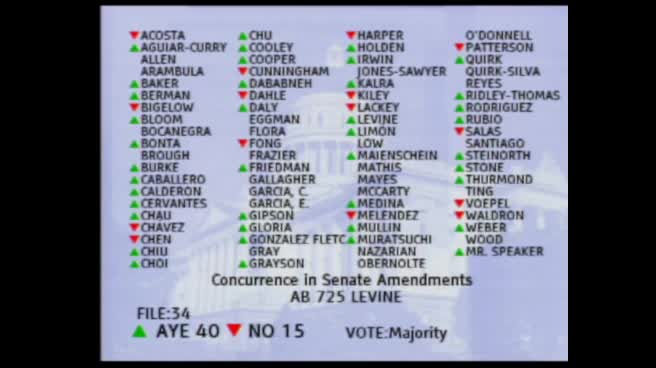 48SEC
Assembly Floor
 2MIN
Senate Floor
 1H
Senate Standing Committee on Appropriations
 7MIN
Assembly Standing Committee on Housing and Community Development
Bill Author

Bill Co-Author(s):