AB 1315: Mental health: early psychosis and mood disorder detection and intervention.
- Session Year: 2017-2018
- House: Assembly
- Latest Version Date: 2017-10-02
Existing law, the Mental Health Services Act, an initiative measure enacted by the voters as Proposition 63 at the November 2, 2004, statewide general election, establishes the Mental Health Services Oversight and Accountability Commission to oversee various mental health programs funded by the act. Proposition 63 requires the State Department of Health Care Services, in coordination with counties, to establish a program designed to prevent mental illnesses from becoming severe and disabling.
This bill would establish an advisory committee to the commission for purposes of creating an early psychosis and mood disorder detection and intervention competitive selection process to, among other things, expand the provision of high-quality, evidence-based early psychosis and mood disorder detection and intervention services in this state by providing funding to the counties for this purpose. The bill would require a county that receives an award of funds to contribute local funds, as specified.
This bill would prescribe the membership of the advisory committee, including the chair of the commission, or his or her designee. The committee would, among other duties, provide advice and guidance on approaches to early psychosis and mood disorder detection and intervention programs.
This bill also would establish the Early Psychosis and Mood Disorder Detection and Intervention Fund within the State Treasury and would provide that moneys in the fund shall be available, upon appropriation by the Legislature, to the commission for the purposes of the bill. The fund would consist of private donations and federal, state, and private grants. The bill would authorize the commission to elect not to make awards if available funds are insufficient for that purpose. The bill would authorize the advisory committee to coordinate and recommend an allocation of funding to the commission for clinical research studies, as specified. The bill would require the results of those studies to be made available annually to the public. The bill would also state that funds shall not be appropriated from the General Fund for the purposes of the bill and that implementation of the grant program shall be contingent upon the deposit into the fund of at least $500,000 in nonstate funds for the purpose of funding grants and administrative costs for the commission.
Existing law, the Mental Health Services Act, an initiative measure enacted by the voters as Proposition 63 at the November 2, 2004, statewide general election, establishes the Mental Health Services Oversight and Accountability Commission to oversee various mental health programs funded by the act. Proposition 63 requires the State Department of Health Care Services, in coordination with counties, to establish a program designed to prevent mental illnesses from becoming severe and disabling.
This bill would establish an advisory committee to the commission for purposes of creating an early psychosis and mood disorder detection and intervention competitive selection process to, among other things, expand the provision of high-quality, evidence-based early psychosis and mood disorder detection and intervention services in this state by providing funding to the counties for this purpose. The bill would require a county that receives an award of funds to contribute local funds, as specified.
This bill would prescribe the membership of the advisory committee, including the chair of the commission, or his or her designee. The committee would, among other duties, provide advice and guidance on approaches to early psychosis and mood disorder detection and intervention programs.
This bill also would establish the Early Psychosis and Mood Disorder Detection and Intervention Fund within the State Treasury and would provide that moneys in the fund shall be available, upon appropriation by the Legislature, to the commission for the purposes of the bill. The fund would consist of private donations and federal, state, and private grants. The bill would authorize the commission to elect not to make awards if available funds are insufficient for that purpose. The bill would authorize the advisory committee to coordinate and recommend an allocation of funding to the commission for clinical research studies, as specified. The bill would require the results of those studies to be made available annually to the public. The bill would also state that funds shall not be appropriated from the General Fund for the purposes of the bill and that implementation of the grant program shall be contingent upon the deposit into the fund of at least $500,000 in nonstate funds for the purpose of funding grants and administrative costs for the commission.
Existing law, the Mental Health Services Act, an initiative measure enacted by the voters as Proposition 63 at the November 2, 2004, statewide general election, establishes the Mental Health Services Oversight and Accountability Commission to oversee various mental health programs funded by the act. Proposition 63 requires the State Department of Health Care Services, in coordination with counties, to establish a program designed to prevent mental illnesses from becoming severe and disabling.
This bill would establish an advisory committee to the commission for purposes of creating an early psychosis and mood disorder detection and intervention competitive selection process to, among other things, expand the provision of high-quality, evidence-based early psychosis and mood disorder detection and intervention services in this state by providing funding to the counties for this purpose. The bill would require a county that receives an award of funds to contribute local funds, as specified.
This bill would prescribe the membership of the advisory committee, including the chair of the commission or his or her designee. The committee would, among other duties, provide advice and guidance on approaches to early psychosis and mood disorder detection and intervention programs.
This bill also would establish the Early Psychosis and Mood Disorder Detection and Intervention Fund within the State Treasury and would provide that moneys in the fund are continuously appropriated to, and under the administrative control of, shall be available, upon appropriation by the Legislature, to the commission for the purposes of the bill. The fund would consist of private donations and federal, state, and private grants. The bill would authorize the advisory committee commission to elect not to make awards if available funds are insufficient for that purpose. The bill would authorize the advisory committee to coordinate and provide funding recommend an allocation of funding to the commission for clinical research studies, as specified. The bill would require the results of those studies to be made available annually to the public. The bill would also state that funds shall not be appropriated from the General Fund for the purposes of the bill and that implementation of the grant program shall be contingent upon the deposit into the fund of at least $500,000 in nonstate funds for the purpose of funding grants. By creating a new continuously appropriated fund, this bill would make an appropriation. grants and administrative costs for the commission.
Existing law, the Mental Health Services Act, an initiative measure enacted by the voters as Proposition 63 at the November 2, 2004, statewide general election, establishes the Mental Health Services Oversight and Accountability Commission to oversee various mental health programs funded by the act. Proposition 63 requires the State Department of Health Care Services, in coordination with counties, to establish a program designed to prevent mental illnesses from becoming severe and disabling.
This bill would establish an advisory committee to the commission for purposes of creating an early psychosis and mood disorder detection and intervention competitive selection process to, among other things, expand the provision of high-quality, evidence-based early psychosis and mood disorder detection and intervention services in this state by providing funding to the counties for this purpose. The bill would require a county that receives an award of funds for the purposes of these provisions to contribute local funds, as specified.
This bill would prescribe the membership of the advisory committee, including the chair of the commission or his or her designee. The committee would, among other duties, provide advice and guidance on approaches to early psychosis and mood disorder detection and intervention programs.
This bill also would establish the Early Psychosis and Mood Disorder Detection and Intervention Fund within the State Treasury and would provide that moneys in the fund are continuously appropriated to, and under the administrative control of, the commission for the purposes of the bill. The fund would consist of private donations and federal, state, and private grants. The bill would authorize the advisory committee to elect not to make awards if available funds are insufficient for that purpose. The bill would authorize the advisory committee to coordinate and provide funding for clinical research studies, as specified. The bill would require those studies to be made available annually to the public. The bill would also state that funds shall not be appropriated from the General Fund for the purposes of the bill and that implementation of the grant program shall be contingent upon the deposit into the fund of at least $500,000 in nonstate funds for the purpose of funding grants. By creating a new continuously appropriated fund, this bill would make an appropriation.
Existing law, the Mental Health Services Act, an initiative measure enacted by the voters as Proposition 63 at the November 2, 2004, statewide general election, establishes the Mental Health Services Oversight and Accountability Commission to oversee various mental health programs funded by the act. Proposition 63 requires the State Department of Health Care Services, in coordination with counties, to establish a program designed to prevent mental illnesses from becoming severe and disabling.
This bill would establish an advisory committee to the commission for purposes of creating an early psychosis detection and intervention competitive selection process to, among other things, expand the provision of high-quality, evidence-based early psychosis detection and intervention services in this state by providing funding to the counties for this purpose. The bill would require a county that receives an award of funds for the purposes of these provisions to contribute local funds, as specified.
This bill would prescribe the membership of the advisory committee, including the chair of the commission or his or her designee. The committee would, among other duties, provide advice and guidance on approaches to early psychosis detection and intervention programs.
This bill also would establish the Early Psychosis Detection and Intervention Fund within the State Treasury and would provide that moneys in the fund are continuously appropriated to, and under the administrative control of, the commission for the purposes of the bill. The fund would consist of private donations and federal, state, and private grants. The bill would authorize the advisory committee to elect not to make awards if available funds are insufficient for that purpose. The bill would also state that funds shall not be appropriated from the General Fund for the purposes of the bill and that implementation of the grant program shall be contingent upon the deposit into the fund of at least $500,000 in nonstate funds for the purpose of funding grants. By creating a new continuously appropriated fund, this bill would make an appropriation.
Existing law, the Mental Health Services Act, an initiative measure enacted by the voters as Proposition 63 at the November 2, 2004, statewide general election, establishes the Mental Health Services Oversight and Accountability Commission to oversee various mental health programs funded by the act. Proposition 63 requires the State Department of Health Care Services, in coordination with counties, to establish a program designed to prevent mental illnesses from becoming severe and disabling.
This bill would establish an advisory committee to the commission for purposes of creating an early psychosis detection and intervention competitive selection process to, among other things, expand the provision of high-quality, evidence-based early psychosis detection and intervention services in this state by providing funding to the counties for this purpose. The bill would require a county that receives an award of funds for the purposes of these provisions to contribute local funds, as specified.
This bill would prescribe the membership of the advisory committee, including the chair of the commission or his or her designee. The committee would, among other duties, provide advice and guidance on approaches to early psychosis detection and intervention programs.
This bill also would establish the Early Psychosis Detection and Intervention Fund within the State Treasury and would provide that moneys in the fund are continuously appropriated to, and under the administrative control of, the commission for the purposes of the bill. The fund would consist of private donations and federal, state, and private grants. By creating a new continuously appropriated fund, this bill would make an appropriation.
Existing law, the Mental Health Services Act, an initiative measure enacted by the voters as Proposition 63 at the November 2, 2004, statewide general election, establishes the Mental Health Services Oversight and Accountability Commission to oversee various mental health programs funded by the act. Proposition 63 requires the State Department of Health Care Services, in coordination with counties, to establish a program designed to prevent mental illnesses from becoming severe and disabling.
This bill would establish an advisory committee to the commission for purposes of creating an early psychosis detection and intervention competitive selection process to, among other things, expand the provision of high-quality, evidence-based early psychosis detection and intervention services in this state by providing funding to the counties for this purpose. The bill would require a county that receives an award of funds for the purposes of these provisions to contribute local funds, as specified.
This bill would prescribe the membership of the advisory committee, including the chair of the commission or his or her designee. The committee would, among other duties, provide advice and guidance on approaches to early psychosis detection and intervention programs.
This bill also would establish the Early Psychosis Detection and Intervention Fund within the State Treasury and would provide that moneys in the fund are continuously appropriated to, and under the administrative control of, the commission for the purposes of the bill. The fund would consist of private donations and federal, state, and private grants. By creating a new continuously appropriated fund, this bill would make an appropriation.
Existing law, the Mental Health Services Act, an initiative measure enacted by the voters as Proposition 63 at the November 2, 2004, statewide general election, establishes the Mental Health Services Oversight and Accountability Commission to oversee various mental health programs funded by the act. Proposition 63 requires the State Department of Health Care Services, in coordination with counties, to establish a program designed to prevent mental illnesses from becoming severe and disabling.
This bill would establish an advisory committee to the commission for purposes of creating an early psychosis detection and intervention competitive selection process to, among other things, expand the provision of high-quality, evidence-based early psychosis detection and intervention services in this state by providing funding to the counties for this purpose. The bill would require a county that receives an award of funds for the purposes of these provisions to contribute local funds, as specified.
This bill would prescribe the membership of the advisory committee, including the chair of the commission or his or her designee. The committee would, among other duties, provide advice and guidance on approaches to early psychosis detection and intervention programs.
This bill also would establish the Early Psychosis Detection and Intervention Fund within the State Treasury and would provide that moneys in the fund are continuously appropriated to, and under the administrative control of, the commission for the purposes of the bill. The fund would consist of private donations and federal, state, and private grants. By creating a new continuously appropriated fund, this bill would make an appropriation.
Existing law contains provisions governing the operation and financing of community mental health services for the mentally disordered in every county through locally administered and locally controlled community mental health programs.This bill would state the intent of the Legislature to enact legislation relating to mental health services.Existing law contains provisions governing the operation and financing of community mental health services for the mentally disordered in every county through locally administered and locally controlled community mental health programs.
This bill would state the intent of the Legislature to enact legislation relating to mental health services.
The Legislature finds and declares all of the following:
(a)Fifty percent of all mental illness begins by the age of 14 and 75 percent by the age of 24, yet young people are often afraid to reach out for help.
(b)Psychotic symptoms, such as hallucinations, delusions, unusual or disorganized behaviors or speech, and negative actions, such as social withdrawal, usually emerge during late adolescence or early adulthood and derail important developmental milestones, such as developing relationships, completing school, or entering the workforce.
(c)Approximately 100,000 adolescents and young adults in the United States experience first episode psychosis each year.
(d)Untreated psychosis increases a persons risk for suicide, involuntary emergency care, and poor clinical outcomes, and may initiate a trajectory of accumulating disability into later adulthood.
(e)The average delay in receiving appropriate diagnosis and treatment for psychotic disorders is 18.5 months following the onset of psychotic symptoms.
(f)In the United States, people diagnosed with psychotic and mood disorders, such as bipolar disorder, major depression, and schizophrenia, die an average of 11 years earlier than the general population.
(g)Changing the paradigm from reactive to proactive early detection and treatment has demonstrated efficacy and cost benefit as recognized by the National Institute of Mental Health, the federal Centers for Medicare and Medicaid Services, and the federal Substance Abuse and Mental Health Services Administration, along with documented outcomes from other states, such as New York.
(h)According to numerous documented reports, including analyses and research conducted by the federal Substance Abuse and Mental Health Services Administration, and the National Institute of Mental Health, evidence-based strategies have emerged to identify, diagnose, and treat the needs of individuals with early serious mental illness, including psychotic symptoms and disorders.
(i)Clinical research conducted worldwide, and within California and the United States, supports a variety of evidence-based interventions for ameliorating psychotic symptoms and promoting functional recovery-oriented treatment, including cognitive and behavioral psychotherapy, low doses of atypical antipsychotic medications, family education and support, educational and vocational rehabilitation, and coordinated care approaches to case management.
(j)Empowering patients and families with innovative social media and mental health information feedback access that harnesses advances in technology can provide a valued and unique opportunity to assist individuals with mental health needs and to optimize care.
(k)Early psychosis detection and intervention happens within the community and at schools, primary care providers, churches, and other social institutions that have established relationships with adolescents and young adults.
(l)When it comes to mental health care, California must move from stage four crisis care to stage one early detection, intervention, and prevention, just as we approach treatment for other serious illnesses.
(m)Creating public/private partnerships dedicated to expansion of evidence-based prevention and early intervention services would generate additional revenue that would enhance the ability for counties throughout California to create and fund those programs.
SEC. 2.Part 3.4 (commencing with Section 5835) is added to Division 5 of the Welfare and Institutions Code, to read:3.4.Early Psychosis Intervention Plus (EPI PLUS) Program5835.(a)This part shall be known, and may be cited, as the Early Psychosis Intervention Plus (EPI Plus) Program to encompass early psychosis and mood disorder detection and intervention.
(b)As used in this part, the following definitions shall apply:
(1)Commission means the Mental Health Services Oversight and Accountability Commission established pursuant to Section 5845.
(2)Early psychosis and mood disorder detection and intervention refers to a program that utilizes evidence-based approaches and services to identify and support clinical and functional recovery of individuals by reducing the severity of first, or early, episode psychotic symptoms, other early markers of serious mental illness, such as mood disorders, keeping individuals in school or at work, and putting them on a path to better health and wellness. This may include, but is not limited to, all of the following:
(A)Focused outreach to at-risk and in-need populations as applicable.
(B)Recovery-oriented psychotherapy, including cognitive behavioral therapy focusing on cooccurring disorders.
(C)Family psychoeducation and support.
(D)Supported education and employment.
(E)Pharmacotherapy and primary care coordination.
(F)Use of innovative technology for mental health information feedback access that can provide a valued and unique opportunity to assist individuals with mental health needs and to optimize care.
(G)Case management.
(3)County includes a city receiving funds pursuant to Section 5701.5.
5835.1.(a)The Early Psychosis and Mood Disorder Detection and Intervention Fund is hereby created within the State Treasury. The moneys in the fund shall be available, upon appropriation by the Legislature, to the commission for the purposes of this part. The commission may use no more than five hundred thousand dollars ($500,000) of the amount deposited annually into the fund for administrative expenses in implementing this part, including providing technical assistance.
(b)There may be paid into the fund all of the following:
(1)Any private donation or grant.
(2)Any other federal or state grant.
(3)Any interest that accrues on amounts in the fund and any moneys previously allocated from the fund that are subsequently returned to the fund.
(c)Moneys shall be allocated from the fund by the commission for the purposes of this part.
(d)Distributions from the fund shall be supplemental to any other amounts otherwise provided to county behavioral health departments for any purpose and shall only be used to fund early psychosis and mood disorder detection and intervention programs.
(e)The commission may elect not to make awards if available funds are insufficient.
(f)Funds shall not be appropriated from the General Fund for the purposes of this part.
5835.2.(a)There is hereby established an advisory committee to the commission. The Mental Health Services Oversight and Accountability Commission shall accept nominations and applications to the committee, and the chair of the Mental Health Services Oversight and Accountability Commission shall appoint members to the committee, unless otherwise specified. Membership on the committee shall be as follows:
(1)The chair of the Mental Health Services Oversight and Accountability Commission, or his or her designee, who shall serve as the chair of the committee.
(2)The president of the County Behavioral Health Directors Association of California, or his or her designee.
(3)The director of a county behavioral health department that administers an early psychosis and mood disorder detection and intervention-type program in his or her county.
(4)A representative from a nonprofit community mental health organization that focuses on service delivery to transition-aged youth and young adults.
(5)A psychiatrist or psychologist.
(6)A representative from the Behavioral Health Center of Excellence at the University of California, Davis, or a representative from a similar entity with expertise from within the University of California system.
(7)A representative from a health plan participating in the Medi-Cal managed care program and the employer-based health care market.
(8)A representative from the medical technologies industry who is knowledgeable in advances in technology related to the use of innovative social media and mental health information feedback access.
(9)A representative knowledgeable in evidence-based practices as they pertain to the operations of an early psychosis and mood disorder detection and intervention-type program, including knowledge of other states experiences.
(10)A representative who is a parent or guardian caring for a young child with a mental illness.
(11)An at-large representative identified by the chair.
(12)A representative who is a person with lived experience of a mental illness.
(13)A primary care provider from a licensed primary care clinic that provides integrated primary and behavioral health care.
(b)The advisory committee shall be convened by the chair and shall, at a minimum, do all of the following:
(1)Provide advice and guidance broadly on approaches to early psychosis and mood disorder detection and intervention programs from an evidence-based perspective.
(2)Review and make recommendations on the commissions guidelines or any regulations in the development, design, selection of awards pursuant to this part, and the implementation or oversight of the early psychosis and mood disorder detection and intervention competitive selection process established pursuant to this part.
(3)Assist and advise the commission in the overall evaluation of the early psychosis and mood disorder detection and intervention competitive selection process.
(4)Provide advice and guidance as requested and directed by the chair.
(5)Recommend a core set of standardized clinical and outcome measures that the funded programs would be required to collect, subject to future revision. A free data sharing portal shall be available to all participating programs.
(6)Inform the funded programs about the potential to participate in clinical research studies.
5835.3.(a)It is the intent of the Legislature to authorize the commission to administer a competitive selection process as provided in this part to create new, and to expand and improve the fidelity of existing, service capacity for early psychosis and mood disorder detection and intervention services in California.
(b)The core objectives of this competitive selection process include, but are not limited to, all of the following:
(1)Expanding the provision of high-quality, evidence-based early psychosis and mood disorder detection and intervention services within California.
(2)Improving access to effective services for transition-aged youth and young adults at high risk for, or experiencing, psychotic symptoms, including the prodromal phase, or psychotic disorders.
(3)More comprehensively and effectively measuring programmatic effectiveness and enrolled client outcomes of programs receiving awards in the competitive selection process.
(4)Improving the client experience in accessing services and in working toward recovery and wellness.
(5)Increasing participation in school attendance, social interactions, physical health, personal bonding relationships, and active rehabilitation, including employment and daily living function development for clients.
(6)Reducing unnecessary hospitalizations and inpatient days by appropriately utilizing community-based services and improving access to timely assistance to early psychosis and mood disorder detection and intervention services.
(7)Expanding the use of innovative technologies for mental health information feedback access that can provide a valued and unique opportunity to optimize care for the target population. This may include technologies for treatment and symptom monitoring.
(8)Providing local communities with increased financial resources to leverage additional public and private funding sources to achieve improved networks of care for the target population, including transition-aged youth and young adults.
(9)Improving whole-person care by increasing access to, and coordination of, mental health and medical care services.
(c)Funds allocated by the commission shall be made available to selected counties, or counties acting jointly, through a competitive selection process, or to other entities for research, evaluation, technical assistance, and other related purposes.
(d)(1)Notwithstanding any other law, a county, or counties acting jointly, that receive an award of funds shall be required to provide a contribution of local funds.
(2)Upon approval of the commission, after consultation with the Department of Finance and the State Department of Health Care Services, other locally acquired funding, such as federal grants or allocations, or other special funds, may also be recognized for the purpose of contributing toward any contribution requirements.
(e)Awards made by the commission shall be used to create, or expand existing capacity for, early psychosis and mood disorder detection and intervention services and supports. The commission shall ensure that awards result in cost-effective and evidence-based services that comprehensively address identified needs of the target population, including transition-aged youth and young adults, in counties and regions selected for funding. The commission shall also take into account at least the following criteria and factors when selecting recipients of awards and determining the amount of awards:
(1)A description of need, including, at a minimum, a comprehensive description of the early psychosis and mood disorder detection and intervention services and supports to be established or expanded, community need, target population to be served, linkage with other public systems of health and mental health care, linkage with schools and community social services, and related assistance as applicable, and a description of the request for funding.
(2)A description of all programmatic components, including outreach and clinical aspects, of the local early psychosis and mood disorder detection and intervention services and supports.
(3)A description of any contractual relationships with contracting providers as applicable, including any memorandum of understanding between project partners.
(4)A description of local funds, including the total amounts, that would be contributed toward the services and supports as required by the commission through the competitive selection process, implementing guidelines, and regulations.
(5)The project timeline.
(6)The ability of the awardee to effectively and efficiently implement or expand an evidence-based program as referenced in this part.
(7)A description of core data collection and the framework for evaluating outcomes, including improved access to services and supports and a cost-benefit analysis of the project.
(8)A description of the sustainability of program services and supports in future years.
(f)The commission shall determine any minimum or maximum awards, and shall take into consideration the level of need, the population to be served, and related criteria as described in subdivision (e) and in any guidance or regulations, and shall reflect the reasonable costs of providing the services and supports.
(g)Funds awarded by the commission may be used to supplement, but not supplant, existing financial and resource commitments of the county or counties acting jointly, that receive the award.
(h)The commission may consult with a technical assistance entity, as described in paragraph (5) of subdivision (a) of Section 4061, initiate an interagency agreement with another public entity, including the University of California system, or contract for necessary technical assistance to implement this part.
(i)The advisory committee may coordinate and recommend an allocation of funding to the commission for clinical research studies. The committee may recommend an amount not to exceed 10 percent of the total amount deposited in the Early Psychosis and Mood Disorder Detection and Intervention Fund for clinical research studies. The advisory committee may recommend, in conjunction with the principal investigators, the data elements to be included in clinical research studies funded pursuant to this subdivision. The results of the clinical research studies shall be made available annually to the members of the public, including stakeholders and Members of the Legislature. The results of clinical research studies shall be deidentified in accordance with the federal Health Insurance Portability and Accountability Act (HIPAA) (Public Law 104-191), including Section 164.514 of Title 45 of the Code of Federal Regulations, and shall not contain any personally identifiable information according to the Information Practices Act of 1977 (Chapter 1 (commencing with Section 1798) of Title 1.8 of Part 4 of Division 3 of the Civil Code).
(j)The county and all award recipients shall comply with all applicable state and federal privacy laws that govern medical information, including, but not limited to, HIPAA and its implementing regulations, the Confidentiality of Medical Information Act (Part 2.6 (commencing with Section 56) of Division 1 of the Civil Code), the Information Practices Act of 1977 (Chapter 1 (commencing with Section 1798) of Title 1.8 of Part 4 of Division 3 of the Civil Code), and Section 10850.
5835.4.Notwithstanding the rulemaking provisions of the Administrative Procedure Act (Chapter 3.5 (commencing with Section 11340) of Part 1 of Division 3 of Title 2 of the Government Code), the commission may implement this part without taking regulatory action until regulations are adopted. The commission shall adopt regulations implementing this part on or before January 1, 2019.
5835.5.Implementation of the grant program established pursuant to Section 5835.3 and the adoption of regulations pursuant to Section 5835.4 shall be contingent upon the deposit into the fund established pursuant to Section 5835.1 of at least five hundred thousand dollars ($500,000) in nonstate funds for the purpose of funding grants and administrative costs for the commission pursuant to this part.
The Legislature finds and declares all of the following:
(a)Fifty percent of all mental illness begins by the age of 14 and 75 percent by the age of 24, yet young people are often afraid to reach out for help.
(b)Psychotic symptoms, such as hallucinations, delusions, unusual or disorganized behaviors or speech, and negative actions, such as social withdrawal, usually emerge during late adolescence or early adulthood and derail important developmental milestones, such as developing relationships, completing school, or entering the workforce.
(c)Approximately 100,000 adolescents and young adults in the United States experience first episode psychosis each year.
(d)Untreated psychosis increases a persons risk for suicide, involuntary emergency care, and poor clinical outcomes, and may initiate a trajectory of accumulating disability into later adulthood.
(e)The average delay in receiving appropriate diagnosis and treatment for psychotic disorders is 18.5 months following the onset of psychotic symptoms.
(f)In the United States, people diagnosed with psychotic and mood disorders, such as bipolar disorder, major depression, and schizophrenia, die an average of 11 years earlier than the general population.
(g)Changing the paradigm from reactive to proactive early detection and treatment has demonstrated efficacy and cost benefit as recognized by the National Institute of Mental Health, the federal Centers for Medicare and Medicaid Services, and the federal Substance Abuse and Mental Health Services Administration, along with documented outcomes from other states, such as New York.
(h)According to numerous documented reports, including analyses and research conducted by the federal Substance Abuse and Mental Health Services Administration, and the National Institute of Mental Health, evidence-based strategies have emerged to identify, diagnose, and treat the needs of individuals with early serious mental illness, including psychotic symptoms and disorders.
(i)Clinical research conducted worldwide, and within California and the United States, supports a variety of evidence-based interventions for ameliorating psychotic symptoms and promoting functional recovery-oriented treatment, including cognitive and behavioral psychotherapy, low doses of atypical antipsychotic medications, family education and support, educational and vocational rehabilitation, and coordinated care approaches to case management.
(j)Empowering patients and families with innovative social media and mental health information feedback access that harnesses advances in technology can provide a valued and unique opportunity to assist individuals with mental health needs and to optimize care.
(k)Early psychosis detection and intervention happens within the community and at schools, primary care providers, churches, and other social institutions that have established relationships with adolescents and young adults.
(l)When it comes to mental health care, California must move from stage four crisis care to stage one early detection, intervention, and prevention, just as we approach treatment for other serious illnesses.
(m)Creating public/private partnerships dedicated to expansion of evidence-based prevention and early intervention services would generate additional revenue that would enhance the ability for counties throughout California to create and fund those programs.
SEC. 2.Part 3.4 (commencing with Section 5835) is added to Division 5 of the Welfare and Institutions Code, to read:3.4.Early Psychosis Intervention Plus (EPI PLUS) Program5835.(a)This part shall be known, and may be cited, as the Early Psychosis Intervention Plus (EPI Plus) Program to encompass early psychosis and mood disorder detection and intervention.
(b)As used in this part, the following definitions shall apply:
(1)Commission means the Mental Health Services Oversight and Accountability Commission established pursuant to Section 5845.
(2)Early psychosis and mood disorder detection and intervention refers to a program that utilizes evidence-based approaches and services to identify and support clinical and functional recovery of individuals by reducing the severity of first, or early, episode psychotic symptoms, other early markers of serious mental illness, such as mood disorders, keeping individuals in school or at work, and putting them on a path to better health and wellness. This may include, but is not limited to, all of the following:
(A)Focused outreach to at-risk and in-need populations as applicable.
(B)Recovery-oriented psychotherapy, including cognitive behavioral therapy focusing on cooccurring disorders.
(C)Family psychoeducation and support.
(D)Supported education and employment.
(E)Pharmacotherapy and primary care coordination.
(F)Use of innovative technology for mental health information feedback access that can provide a valued and unique opportunity to assist individuals with mental health needs and to optimize care.
(G)Case management.
(3)County includes a city receiving funds pursuant to Section 5701.5.
5835.1.(a)The Early Psychosis and Mood Disorder Detection and Intervention Fund is hereby created within the State Treasury. The moneys in the fund shall be available, upon appropriation by the Legislature, to the commission for the purposes of this part. The commission may use no more than five hundred thousand dollars ($500,000) of the amount deposited annually into the fund for administrative expenses in implementing this part, including providing technical assistance.
(b)There may be paid into the fund all of the following:
(1)Any private donation or grant.
(2)Any other federal or state grant.
(3)Any interest that accrues on amounts in the fund and any moneys previously allocated from the fund that are subsequently returned to the fund.
(c)Moneys shall be allocated from the fund by the commission for the purposes of this part.
(d)Distributions from the fund shall be supplemental to any other amounts otherwise provided to county behavioral health departments for any purpose and shall only be used to fund early psychosis and mood disorder detection and intervention programs.
(e)The commission may elect not to make awards if available funds are insufficient.
(f)Funds shall not be appropriated from the General Fund for the purposes of this part.
5835.2.(a)There is hereby established an advisory committee to the commission. The Mental Health Services Oversight and Accountability Commission shall accept nominations and applications to the committee, and the chair of the Mental Health Services Oversight and Accountability Commission shall appoint members to the committee, unless otherwise specified. Membership on the committee shall be as follows:
(1)The chair of the Mental Health Services Oversight and Accountability Commission, or his or her designee, who shall serve as the chair of the committee.
(2)The president of the County Behavioral Health Directors Association of California, or his or her designee.
(3)The director of a county behavioral health department that administers an early psychosis and mood disorder detection and intervention-type program in his or her county.
(4)A representative from a nonprofit community mental health organization that focuses on service delivery to transition-aged youth and young adults.
(5)A psychiatrist or psychologist.
(6)A representative from the Behavioral Health Center of Excellence at the University of California, Davis, or a representative from a similar entity with expertise from within the University of California system.
(7)A representative from a health plan participating in the Medi-Cal managed care program and the employer-based health care market.
(8)A representative from the medical technologies industry who is knowledgeable in advances in technology related to the use of innovative social media and mental health information feedback access.
(9)A representative knowledgeable in evidence-based practices as they pertain to the operations of an early psychosis and mood disorder detection and intervention-type program, including knowledge of other states experiences.
(10)A representative who is a parent or guardian caring for a young child with a mental illness.
(11)An at-large representative identified by the chair.
(12)A representative who is a person with lived experience of a mental illness.
(13)A primary care provider from a licensed primary care clinic that provides integrated primary and behavioral health care.
(b)The advisory committee shall be convened by the chair and shall, at a minimum, do all of the following:
(1)Provide advice and guidance broadly on approaches to early psychosis and mood disorder detection and intervention programs from an evidence-based perspective.
(2)Review and make recommendations on the commissions guidelines or any regulations in the development, design, selection of awards pursuant to this part, and the implementation or oversight of the early psychosis and mood disorder detection and intervention competitive selection process established pursuant to this part.
(3)Assist and advise the commission in the overall evaluation of the early psychosis and mood disorder detection and intervention competitive selection process.
(4)Provide advice and guidance as requested and directed by the chair.
(5)Recommend a core set of standardized clinical and outcome measures that the funded programs would be required to collect, subject to future revision. A free data sharing portal shall be available to all participating programs.
(6)Inform the funded programs about the potential to participate in clinical research studies.
5835.3.(a)It is the intent of the Legislature to authorize the commission to administer a competitive selection process as provided in this part to create new, and to expand and improve the fidelity of existing, service capacity for early psychosis and mood disorder detection and intervention services in California.
(b)The core objectives of this competitive selection process include, but are not limited to, all of the following:
(1)Expanding the provision of high-quality, evidence-based early psychosis and mood disorder detection and intervention services within California.
(2)Improving access to effective services for transition-aged youth and young adults at high risk for, or experiencing, psychotic symptoms, including the prodromal phase, or psychotic disorders.
(3)More comprehensively and effectively measuring programmatic effectiveness and enrolled client outcomes of programs receiving awards in the competitive selection process.
(4)Improving the client experience in accessing services and in working toward recovery and wellness.
(5)Increasing participation in school attendance, social interactions, physical health, personal bonding relationships, and active rehabilitation, including employment and daily living function development for clients.
(6)Reducing unnecessary hospitalizations and inpatient days by appropriately utilizing community-based services and improving access to timely assistance to early psychosis and mood disorder detection and intervention services.
(7)Expanding the use of innovative technologies for mental health information feedback access that can provide a valued and unique opportunity to optimize care for the target population. This may include technologies for treatment and symptom monitoring.
(8)Providing local communities with increased financial resources to leverage additional public and private funding sources to achieve improved networks of care for the target population, including transition-aged youth and young adults.
(9)Improving whole-person care by increasing access to, and coordination of, mental health and medical care services.
(c)Funds allocated by the commission shall be made available to selected counties, or counties acting jointly, through a competitive selection process, or to other entities for research, evaluation, technical assistance, and other related purposes.
(d)(1)Notwithstanding any other law, a county, or counties acting jointly, that receive an award of funds shall be required to provide a contribution of local funds.
(2)Upon approval of the commission, after consultation with the Department of Finance and the State Department of Health Care Services, other locally acquired funding, such as federal grants or allocations, or other special funds, may also be recognized for the purpose of contributing toward any contribution requirements.
(e)Awards made by the commission shall be used to create, or expand existing capacity for, early psychosis and mood disorder detection and intervention services and supports. The commission shall ensure that awards result in cost-effective and evidence-based services that comprehensively address identified needs of the target population, including transition-aged youth and young adults, in counties and regions selected for funding. The commission shall also take into account at least the following criteria and factors when selecting recipients of awards and determining the amount of awards:
(1)A description of need, including, at a minimum, a comprehensive description of the early psychosis and mood disorder detection and intervention services and supports to be established or expanded, community need, target population to be served, linkage with other public systems of health and mental health care, linkage with schools and community social services, and related assistance as applicable, and a description of the request for funding.
(2)A description of all programmatic components, including outreach and clinical aspects, of the local early psychosis and mood disorder detection and intervention services and supports.
(3)A description of any contractual relationships with contracting providers as applicable, including any memorandum of understanding between project partners.
(4)A description of local funds, including the total amounts, that would be contributed toward the services and supports as required by the commission through the competitive selection process, implementing guidelines, and regulations.
(5)The project timeline.
(6)The ability of the awardee to effectively and efficiently implement or expand an evidence-based program as referenced in this part.
(7)A description of core data collection and the framework for evaluating outcomes, including improved access to services and supports and a cost-benefit analysis of the project.
(8)A description of the sustainability of program services and supports in future years.
(f)The commission shall determine any minimum or maximum awards, and shall take into consideration the level of need, the population to be served, and related criteria as described in subdivision (e) and in any guidance or regulations, and shall reflect the reasonable costs of providing the services and supports.
(g)Funds awarded by the commission may be used to supplement, but not supplant, existing financial and resource commitments of the county or counties acting jointly, that receive the award.
(h)The commission may consult with a technical assistance entity, as described in paragraph (5) of subdivision (a) of Section 4061, initiate an interagency agreement with another public entity, including the University of California system, or contract for necessary technical assistance to implement this part.
(i)The advisory committee may coordinate and recommend an allocation of funding to the commission for clinical research studies. The committee may recommend an amount not to exceed 10 percent of the total amount deposited in the Early Psychosis and Mood Disorder Detection and Intervention Fund for clinical research studies. The advisory committee may recommend, in conjunction with the principal investigators, the data elements to be included in clinical research studies funded pursuant to this subdivision. The results of the clinical research studies shall be made available annually to the members of the public, including stakeholders and Members of the Legislature. The results of clinical research studies shall be deidentified in accordance with the federal Health Insurance Portability and Accountability Act (HIPAA) (Public Law 104-191), including Section 164.514 of Title 45 of the Code of Federal Regulations, and shall not contain any personally identifiable information according to the Information Practices Act of 1977 (Chapter 1 (commencing with Section 1798) of Title 1.8 of Part 4 of Division 3 of the Civil Code).
(j)The county and all award recipients shall comply with all applicable state and federal privacy laws that govern medical information, including, but not limited to, HIPAA and its implementing regulations, the Confidentiality of Medical Information Act (Part 2.6 (commencing with Section 56) of Division 1 of the Civil Code), the Information Practices Act of 1977 (Chapter 1 (commencing with Section 1798) of Title 1.8 of Part 4 of Division 3 of the Civil Code), and Section 10850.
5835.4.Notwithstanding the rulemaking provisions of the Administrative Procedure Act (Chapter 3.5 (commencing with Section 11340) of Part 1 of Division 3 of Title 2 of the Government Code), the commission may implement this part without taking regulatory action until regulations are adopted. The commission shall adopt regulations implementing this part on or before January 1, 2019.
5835.5.Implementation of the grant program established pursuant to Section 5835.3 and the adoption of regulations pursuant to Section 5835.4 shall be contingent upon the deposit into the fund established pursuant to Section 5835.1 of at least five hundred thousand dollars ($500,000) in nonstate funds for the purpose of funding grants and administrative costs for the commission pursuant to this part.
The Legislature finds and declares all of the following:
(a)Fifty percent of all mental illness begins by the age of 14 and 75 percent by the age of 24, yet young people are often afraid to reach out for help.
(b)Psychotic symptoms, such as hallucinations, delusions, unusual or disorganized behaviors or speech, and negative actions, such as social withdrawal, usually emerge during late adolescence or early adulthood and derail important developmental milestones, such as developing relationships, completing school, or entering the workforce.
(c)Approximately 100,000 adolescents and young adults in the United States experience first episode psychosis each year.
(d)Untreated psychosis increases a persons risk for suicide, involuntary emergency care, and poor clinical outcomes, and may initiate a trajectory of accumulating disability into later adulthood.
(e)The average delay in receiving appropriate diagnosis and treatment for psychotic disorders is 18.5 months following the onset of psychotic symptoms.
(f)In the United States, people diagnosed with psychotic and mood disorders, such as bipolar disorder, major depression, and schizophrenia, die an average of 11 years earlier than the general population.
(g)Changing the paradigm from reactive to proactive early detection and treatment has demonstrated efficacy and cost benefit as recognized by the National Institute of Mental Health, the federal Centers for Medicare and Medicaid Services, and the federal Substance Abuse and Mental Health Services Administration, along with documented outcomes from other states, such as New York.
(h)According to numerous documented reports, including analyses and research conducted by the federal Substance Abuse and Mental Health Services Administration, and the National Institute of Mental Health, evidence-based strategies have emerged to identify, diagnose, and treat the needs of individuals with early serious mental illness, including psychotic symptoms and disorders.
(i)Clinical research conducted worldwide, and within California and the United States, supports a variety of evidence-based interventions for ameliorating psychotic symptoms and promoting functional recovery-oriented treatment, including cognitive and behavioral psychotherapy, low doses of atypical antipsychotic medications, family education and support, educational and vocational rehabilitation, and coordinated care approaches to case management.
(j)Empowering patients and families with innovative social media and mental health information feedback access that harnesses advances in technology can provide a valued and unique opportunity to assist individuals with mental health needs and to optimize care.
(k)Early psychosis detection and intervention happens within the community and at schools, primary care providers, churches, and other social institutions that have established relationships with adolescents and young adults.
(l)When it comes to mental health care, California must move from stage four crisis care to stage one early detection, intervention, and prevention, just as we approach treatment for other serious illnesses.
(m)Creating public/private partnerships dedicated to expansion of evidence-based prevention and early intervention services would generate additional revenue that would enhance the ability for counties throughout California to create and fund those programs.
SECTION 1.SEC. 2.Part 3.4 (commencing with Section 5835) is added to Division 5 of the Welfare and Institutions Code, to read:3.4.Early PsychosisIntervention Plus (EPI PLUS) Program5835.(a)This part shall be known, and may be cited, as the Early Psychosis Intervention Plus (EPI Plus) Program to encompass early psychosis and mood disorder detection and intervention.
(b)As used in this part, the following definitions shall apply:
(1)Commission means the Mental Health Services Oversight and Accountability Commission established pursuant to Section 5845.
(2)Early psychosis and mood disorder detection and intervention refers to a program that utilizes evidence-based approaches and services to identify and support clinical and functional recovery of individuals by reducing the severity of first, or early, episode psychotic symptoms, other early markers of serious mental illness, such as mood disorders, keeping individuals in school or at work, and putting them on a path to better health and wellness. This may include, but is not limited to, all of the following:
(A)Focused outreach to at-risk and in-need populations as applicable.
(B)Recovery-oriented psychotherapy. psychotherapy, including cognitive behavioral therapy focusing on cooccurring disorders.
(C)Family psychoeducation and support.
(D)Supported education and employment.
(E)Pharmacotherapy and primary care coordination.
(F)Use of innovative technology for mental health information feedback access that can provide a valued and unique opportunity to assist individuals with mental health needs and to optimize care.
(G)Case management.
(3)County includes a city receiving funds pursuant to Section 5701.5.
5835.1.The Legislature finds and declares all of the following:(a)Fifty percent of all mental illness begins by the age of 14 and 75 percent by the age of 24, yet young people are often afraid to reach out for help.(b)Psychotic symptoms, such as hallucinations, delusions, unusual or disorganized behaviors or speech, and negative actions, such as social withdrawal, usually emerge during late adolescence or early adulthood and derail important developmental milestones, such as developing relationships, completing school, or entering the workforce.(c)Approximately 100,000 adolescents and young adults in the United States experience first episode psychosis each year.(d)Untreated psychosis increases a persons risk for suicide, involuntary emergency care, and poor clinical outcomes, and may initiate a trajectory of accumulating disability into later adulthood.(e)The average delay in receiving appropriate diagnosis and treatment for psychotic disorders is 18.5 months following the onset of psychotic symptoms.(f)In the United States, people diagnosed with psychotic and mood disorders, such as bipolar disorder, major depression, and schizophrenia, die an average of 11 years earlier than the general population.(g)Changing the paradigm from reactive to proactive early detection and treatment has demonstrated efficacy and cost benefit as recognized by the National Institute of Mental Health, the federal Centers for Medicare and Medicaid Services, and the federal Substance Abuse and Mental Health Services Administration, along with documented outcomes from other states, such as New York.(h)According to numerous documented reports, including analyses and research conducted by the federal Substance Abuse and Mental Health Services Administration, and the National Institute of Mental Health, evidence-based strategies have emerged to identify, diagnose, and treat the needs of individuals with early serious mental illness, including psychotic symptoms and disorders.(i)Clinical research conducted worldwide, and within California and the United States, supports a variety of evidence-based interventions for ameliorating psychotic symptoms and promoting functional recovery-oriented treatment, including cognitive and behavioral psychotherapy, low doses of atypical antipsychotic medications, family education and support, educational and vocational rehabilitation, and coordinated care approaches to case management.(j)Empowering patients and families with innovative social media and mental health information feedback access that harnesses advances in technology can provide a valued and unique opportunity to assist individuals with mental health needs and to optimize care.(k)Comprehensive public and private partnerships at both local and regional levels are necessary to develop and maintain high-quality, patient-centered, and cost-effective care for individuals experiencing psychotic symptoms or psychotic disorders to facilitate their recovery and lead toward wellness.5835.1.(a)The Early Psychosis and Mood Disorder Detection and Intervention Fund is hereby created within the State Treasury. The moneys in the fund shall be available, upon appropriation by the Legislature, to the commission for the purposes of this part. The commission may use no more than five hundred thousand dollars ($500,000) of the amount deposited annually into the fund for administrative expenses in implementing this part, including providing technical assistance.
(b)There may be paid into the fund all of the following:
(1)Any private donation or grant.
(2)Any other federal or state grant.
(3)Any interest that accrues on amounts in the fund and any moneys previously allocated from the fund that are subsequently returned to the fund.
(c)Moneys shall be allocated from the fund by the commission for the purposes of this part.
(d)Distributions from the fund shall be supplemental to any other amounts otherwise provided to county behavioral health departments for any purpose and shall only be used to fund early psychosis and mood disorder detection and intervention programs.
(e)The commission may elect not to make awards if available funds are insufficient.
(f)Funds shall not be appropriated from the General Fund for the purposes of this part.
5835.2.(a)There is hereby established an advisory committee to the commission. The Mental Health Services Oversight and Accountability Commission shall accept nominations and applications to the committee, and the chair of the Mental Health Services Oversight and Accountability Commission shall appoint members to the committee, unless otherwise specified. Membership on the committee shall be as follows:
(1)The chair of the Mental Health Services Oversight and Accountability Commission, or his or her designee, who shall serve as the chair of the committee.
(2)The director president of the County Behavioral Health Directors Association of California, or his or her designee.
(3)The director of a county behavioral health department that administers an early psychosis and mood disorder detection and intervention-type program in his or her county.
(4)A representative from a nonprofit community mental health organization that focuses on service delivery to transition-aged youth and young adults.
(5)A psychiatrist or psychologist.
(6)A representative from the Behavioral Health Center of Excellence at the University of California, Davis, or a representative from a similar entity with expertise from within the University of California system.
(7)A representative from a health plan participating in the Medi-Cal managed care program and the employer-based health care market.
(8)A representative from the medical technologies industry who is knowledgeable in advances in technology related to the use of innovative social media and mental health information feedback access.
(9)A representative knowledgeable in evidence-based practices as they pertain to the operations of an early psychosis and mood disorder detection and intervention-type program, including knowledge of other states experiences.
(10)A representative who is a parent or guardian caring for a young child with a mental illness.
(11)An at-large representative identified by the chair.
(12)A representative who is a person with lived experience of a mental illness.
(13)A primary care provider from a licensed primary care clinic that provides integrated primary and behavioral health care.
(b)The advisory committee shall be convened by the chair and shall, at a minimum, do all of the following:
(1)Provide advice and guidance broadly on approaches to early psychosis and mood disorder detection and intervention programs from an evidence-based perspective.
(2)Review and make recommendations on the commissions guidelines or any regulations in the development, design, selection of awards pursuant to this part, and the implementation or oversight of the early psychosis and mood disorder detection and intervention competitive selection process established pursuant to this part.
(3)Assist and advise the commission in the overall evaluation of the early psychosis and mood disorder detection and intervention competitive selection process.
(4)Provide advice and guidance as requested and directed by the chair.
(5)Select Recommend a core set of standardized clinical and outcome measures that the funded programs would be required to collect, subject to future revision. A free data sharing portal shall be available to all participating programs.
(6)Inform the funded programs about the potential to participate in clinical research studies.
5835.3.(a)The Early Psychosis and Mood Disorder Detection and Intervention Fund is hereby created within the State Treasury and, notwithstanding Section 13340 of the Government Code, continuously appropriated to, and under the administrative control of, the commission for the purposes of this part. The commission may use no more than five hundred thousand dollars ($500,000) of the amount deposited annually into the fund for administrative expenses in implementing this part, including providing technical assistance.(b)There shall be paid into the fund all of the following:(1)Any private donation or grant.(2)Any other federal or state grant.(3)Any interest that accrues on amounts in the fund and any moneys previously allocated from the fund that are subsequently returned to the fund.(c)Moneys shall be allocated from the fund by the commission for the purposes of this part.(d)Distributions from the fund shall be supplemental to any other amounts otherwise provided to county behavioral health departments for any purpose and shall only be used to augment services and supports identified for the purposes of this part.(e)The advisory committee may elect not to make awards if available funds are insufficient.(f)Funds shall not be appropriated from the General Fund for the purposes of this part.5835.4.5835.3.(a)It is the intent of the Legislature to authorize the commission to administer a competitive selection process as provided in this part to create new, and to expand and improve the fidelity of existing, service capacity for early psychosis and mood disorder detection and intervention services in California.
(b)The core objectives of this competitive selection process include, but are not limited to, all of the following:
(1)Expanding the provision of high-quality, evidence-based early psychosis and mood disorder detection and intervention services within California.
(2)Improving access to effective services for transition-aged youth and young adults at high risk for, or experiencing, psychotic symptoms, including the prodromal phase, or psychotic disorders.
(3)More comprehensively and effectively measuring programmatic effectiveness and enrolled client outcomes of programs receiving awards in the competitive selection process.
(4)Improving the client experience in accessing services and in working toward recovery and wellness.
(5)Increasing participation in school attendance, social interactions, physical health, personal bonding relationships, and active rehabilitation, including employment and daily living function development for clients.
(6)Reducing unnecessary hospitalizations and inpatient days by appropriately utilizing community-based services and improving access to timely assistance to early psychosis and mood disorder detection and intervention services.
(7)Expanding the use of innovative technologies for mental health information feedback access that can provide a valued and unique opportunity to optimize care for the target population. This may include technologies for treatment and symptom monitoring.
(8)Providing local communities with increased financial resources to leverage additional public and private funding sources to achieve improved networks of care for the target population, including transition-aged youth and young adults.
(9)Improving whole-person care by increasing access to, and coordination of, mental health and medical care services.
(c)Funds allocated by the commission shall be made available to selected counties, or counties acting jointly, through a competitive selection process. process, or to other entities for research, evaluation, technical assistance, and other related purposes.
(d)(1)Notwithstanding any other law, a county, or counties acting jointly, that receive an award of funds shall be required to provide a contribution of local funds. The local funds may include local Mental Health Services Act moneys and county general fund revenues.
(2)Upon approval of the commission, after consultation with the Department of Finance and the State Department of Health Care Services, other locally acquired funding, such as federal grants or allocations, or other special funds, may also be recognized for the purpose of contributing toward any contribution requirements.
(e)Awards made by the commission shall be used to create, or expand existing capacity for, early psychosis and mood disorder detection and intervention services and supports. The commission shall ensure that awards result in cost-effective and evidence-based services that comprehensively address identified needs of the target population, including transition-aged youth and young adults, in counties and regions selected for funding. The commission shall also take into account at least the following criteria and factors when selecting recipients of awards and determining the amount of awards:
(1)A description of need, including, at a minimum, a comprehensive description of the early psychosis and mood disorder detection and intervention services and supports to be established or expanded, community need, target population to be served, linkage with other public systems of health and mental health care, linkage with schools and community social services, and related assistance as applicable, and a description of the request for funding.
(2)A description of all programmatic components, including outreach and clinical aspects, of the local early psychosis and mood disorder detection and intervention services and supports.
(3)A description of any contractual relationships with contracting providers as applicable, including any memorandum of understanding between project partners.
(4)A description of local funds, including the total amounts, that would be contributed toward the services and supports as required by the commission through the competitive selection process, implementing guidelines, and regulations.
(5)The project timeline.
(6)The ability of the awardee to effectively and efficiently implement or expand an evidence-based program as referenced in this part.
(7)A description of core data collection and the framework for evaluating outcomes, including improved access to services and supports and a cost-benefit analysis of the project.
(8)A description of the sustainability of program services and supports in future years.
(f)The commission shall determine any minimum or maximum awards, and shall take into consideration the level of need, the population to be served, and related criteria as described in subdivision (e) and in any guidance or regulations, and shall reflect the reasonable costs of providing the services and supports.
(g)Funds awarded by the commission may be used to supplement, but not supplant, existing financial and resource commitments of the county or counties acting jointly, that receive the award.
(h)The commission may consult with a technical assistance entity, as described in paragraph (5) of subdivision (a) of Section 4061, initiate an interagency agreement with another public entity, including the University of California system, or contract for necessary technical assistance to implement this part.
(i)The advisory committee may coordinate and provide funding recommend an allocation of funding to the commission for clinical research studies. The committee may allocate recommend an amount not to exceed 10 percent of the total amount deposited in the Early Psychosis and Mood Disorder Detection and Intervention Fund for clinical research studies. The advisory committee shall determine, may recommend, in conjunction with the principal investigators, the data elements to be included in clinical research studies funded pursuant to this subdivision. The results of the clinical research studies shall be made available annually to the members of the public, including stakeholders and members Members of the Legislature. The results of clinical research studies shall be deidentified in accordance with the federal Health Insurance Portability and Accountability Act (HIPAA) (Public Law 104-191), including Section 164.514 of Title 45 of the Code of Federal Regulations, and shall not contain any personally identifiable information according to the Information Practices Act of 1977 (Chapter 1 (commencing with Section 1798) of Title 1.8 of Part 4 of Division 3 of the Civil Code).
(j)The county and all award recipients shall comply with all applicable state and federal privacy laws that govern medical information, including, but not limited to, HIPAA and its implementing regulations, the Confidentiality of Medical Information Act (Part 2.6 (commencing with Section 56) of Division 1 of the Civil Code), the Information Practices Act of 1977 (Chapter 1 (commencing with Section 1798) of Title 1.8 of Part 4 of Division 3 of the Civil Code), and Section 10850.
5835.5.The commission may adopt guidelines or regulations, in consultation with the advisory committee established in Section 5835.2, as well as other stakeholders as necessary, to exercise the powers and perform the duties conferred or imposed on it by this part, including defining eligible costs and determining minimum and maximum awards under the competitive selection process and any stipulating conditions. A guideline or regulation adopted pursuant to this section shall not be subject to the requirements of the Administrative Procedure Act (Chapter 3.5 (commencing with Section 11340) of Part 1 of Division 3 of Title 2 of the Government Code).5835.6.The commission may adopt emergency regulations to expedite the award of funds pursuant to this part.5835.4.Notwithstanding the rulemaking provisions of the Administrative Procedure Act (Chapter 3.5 (commencing with Section 11340) of Part 1 of Division 3 of Title 2 of the Government Code), the commission may implement this part without taking regulatory action until regulations are adopted. The commission shall adopt regulations implementing this part on or before January 1, 2019.
5835.7.5835.5.Implementation of the grant program established pursuant to Section 5835.4 5835.3 and the adoption of regulations pursuant to Sections 5835.5 and 5835.6 Section 5835.4 shall be contingent upon the deposit into the fund established pursuant to Section 5835.3 5835.1 of at least five hundred thousand dollars ($500,000) in nonstate funds for the purpose of funding grants and administrative costs for the commission pursuant to this part.
(a)This part shall be known, and may be cited, as the Early Psychosis Detection and Intervention Competitive Selection Process Act. Plus (EPI Plus) Program to encompass early psychosis and mood disorder detection and intervention.
(b)As used in this part, the following definitions shall apply:
(1)Commission means the Mental Health Services Oversight and Accountability Commission established pursuant to Section 5845.
(2)Early psychosis and mood disorder detection and intervention refers to a program that utilizes evidence-based approaches and services to identify and support clinical and functional recovery of individuals by reducing the severity of first, or early, episode psychotic symptoms, other early markers of serious mental illness, such as mood disorders, keeping individuals in school or at work work, and putting them on a path to better health and wellness. This may include, but is not limited to, all of the following:
(A)Focused outreach to at-risk and in-need populations as applicable.
(B)Recovery-oriented psychotherapy.
(C)Family psychoeducation and support.
(D)Supported education and employment.
(E)Pharmacotherapy and primary care coordination.
(F)Use of innovative technology for mental health information feedback access that can provide a valued and unique opportunity to assist individuals with mental health needs and to optimize care.
(G)Case management.
5835.1.The Legislature finds and declares all of the following:
(a)Fifty percent of all mental illness begins by the age of 14 and 75 percent by the age of 24, yet young people are often afraid to reach out for help.
(b)Psychotic symptoms, such as hallucinations, delusions, unusual or disorganized behaviors or speech, and negative actions, such as social withdrawal, usually emerge during late adolescence or early adulthood and derail important developmental milestones, such as developing relationships, completing school, or entering the workforce.
(c)Approximately 100,000 adolescents and young adults in the United States experience first episode psychosis each year.
(d)Untreated psychosis increases a persons risk for suicide, involuntary emergency care, and poor clinical outcomes, and may initiate a trajectory of accumulating disability into later adulthood.
(e)The average delay in receiving appropriate diagnosis and treatment for psychotic disorders is 18.5 months following the onset of psychotic symptoms.
(f)In the United States, people diagnosed with psychotic and mood disorders, such as bipolar disorder, major depression, and schizophrenia, die an average of 11 years earlier than the general population.
(g)Changing the paradigm from reactive to proactive early detection and treatment has demonstrated efficacy and cost benefit as recognized by the National Institute of Mental Health, the federal Centers for Medicare and Medicaid Services, and the federal Substance Abuse and Mental Health Services Administration, along with documented outcomes from other states, such as New York.
(h)According to numerous documented reports, including analyses and research conducted by the federal Substance Abuse and Mental Health Services Administration, and the National Institute of Mental Health, evidence-based strategies have emerged to identify, diagnose, and treat the needs of individuals with early serious mental illness, including psychotic symptoms and disorders.
(i)Clinical research conducted worldwide, and within California and the United States, supports a variety of evidence-based interventions for ameliorating psychotic symptoms and promoting functional recovery-oriented treatment, including cognitive and behavioral psychotherapy, low doses of atypical antipsychotic medications, family education and support, educational and vocational rehabilitation, and coordinated care approaches to case management.
(j)Empowering patients and families with innovative social media and mental health information feedback access that harnesses advances in technology can provide a valued and unique opportunity to assist individuals with mental health needs and to optimize care.
(k)Comprehensive public and private partnerships at both local and regional levels are necessary to develop and maintain high-quality, patient-centered, and cost-effective care for individuals experiencing psychotic symptoms or psychotic disorders to facilitate their recovery and lead toward wellness.
5835.2.(a)There is hereby established an advisory committee to the commission. The Mental Health Services Oversight and Accountability Commission shall accept nominations and applications to the committee, and the chair of the Mental Health Services Oversight and Accountability Commission shall appoint members to the committee, unless otherwise specified. Membership on the committee shall be as follows:
(1)The chair of the Mental Health Services Oversight and Accountability Commission, or his or her designee, who shall serve as the chair of the committee.
(2)The director of the County Behavioral Health Directors Association of California, or his or her designee.
(3)The director of a county behavioral health department that administers an early psychosis and mood disorder detection and intervention-type program in his or her county.
(4)A representative from a nonprofit community mental health organization that focuses on service delivery to transition-aged youth and young adults.
(5)A psychiatrist or psychologist.
(6)A representative from the Behavioral Health Center of Excellence at the University of California, Davis, or a representative from a similar entity with expertise from within the University of California system.
(7)A representative from a health plan participating in the Medi-Cal managed care program and the employer-based health care market.
(8)A representative from the medical technologies industry who is knowledgeable in advances in technology related to the use of innovative social media and mental health information feedback access.
(9)A representative knowledgeable in evidence-based practices as they pertain to the operations of an early psychosis and mood disorder detection and intervention-type program, including knowledge of other states experiences.
(10)A representative who is a parent or guardian caring for a young child with a mental illness.
(11)An at-large representative identified by the chair.
(12)A representative who is a person with lived experience of a mental illness.
(b)The advisory committee shall be convened by the chair and shall, at a minimum, do all of the following:
(1)Provide advice and guidance broadly on approaches to early psychosis and mood disorder detection and intervention programs from an evidence-based perspective.
(2)Review and make recommendations on the commissions guidelines or any regulations in the development, design, selection of awards pursuant to this part, and the implementation or oversight of the early psychosis and mood disorder detection and intervention competitive selection process established pursuant to this part.
(3)Assist and advise the commission in the overall evaluation of the early psychosis and mood disorder detection and intervention competitive selection process.
(4)Provide advice and guidance as requested and directed by the chair.
(5)Select a core set of standardized clinical and outcome measures that the funded programs would be required to collect, subject to future revision. A free data sharing portal shall be available to all participating programs.
(6)Inform the funded programs about the potential to participate in clinical research studies.
5835.3.(a)The Early Psychosis and Mood Disorder Detection and Intervention Fund is hereby created within the State Treasury and, notwithstanding Section 13340 of the Government Code, continuously appropriated to, and under the administrative control of, the commission for the purposes of this part. The commission may use no more than five hundred thousand dollars ($500,000) of the amount deposited annually into the fund for administrative expenses in implementing this part, including providing technical assistance.
(b)There shall be paid into the fund all of the following:
(1)Any private donation or grant for the purposes of this part. grant.
(2)Any other federal or state grant for the purposes of this part. grant.
(3)Any interest that accrues on amounts in the fund and any moneys previously allocated from the fund that are subsequently returned to the fund.
(c)Moneys shall be allocated from the fund by the commission for the purposes of this part.
(d)Distributions from the fund shall be supplemental to any other amounts otherwise provided to county behavioral health departments for any purpose and shall only be used to augment services and supports identified for the purposes of this part.
(e)The advisory committee may elect not to make awards if available funds are insufficient for that purpose. insufficient.
(f)Funds shall not be appropriated from the General Fund for the purposes of this part.
5835.4.(a)It is the intent of the Legislature to authorize the commission to administer a competitive selection process as provided in this part to create new, and to expand and improve the fidelity of existing, service capacity for early psychosis and mood disorder detection and intervention services in California.
(b)The core objectives of this competitive selection process include, but are not limited to, all of the following:
(1)Expanding the provision of high-quality, evidence-based early psychosis and mood disorder detection and intervention services within California.
(2)Improving access to effective services for transition-aged youth and young adults at high risk for, or experiencing, psychotic symptoms, including the prodromal phase, or psychotic disorders.
(3)More comprehensively and effectively measuring programmatic effectiveness and enrolled client outcomes of programs receiving awards in the competitive selection process.
(4)Improving the client experience in accessing services and in working toward recovery and wellness.
(5)Increasing participation in school attendance, social interactions, personal bonding relationships, and active rehabilitation, including employment and daily living function development for clients.
(6)Reducing unnecessary hospitalizations and inpatient days by appropriately utilizing community-based services and improving access to timely assistance to early psychosis and mood disorder detection and intervention services.
(7)Expanding the use of innovative technologies for mental health information feedback access that can provide a valued and unique opportunity to optimize care for the target population. This may include technologies for treatment and symptom monitoring.
(8)Providing local communities with increased financial resources to leverage additional public and private funding sources to achieve improved networks of care for the target population, including transition-aged youth and young adults.
(c)Funds allocated by the commission for the purposes of this part shall be made available to selected counties, or counties acting jointly, through a competitive selection process.
(d)(1)Notwithstanding any other law, a county, or counties acting jointly, that receive an award of funds for the purposes of this part shall be required to provide a contribution of local funds. The local funds may include local Mental Health Services Act moneys and county general fund revenues.
(2)Upon approval of the commission, after consultation with the Department of Finance and the State Department of Health Care Services, other locally acquired funding, such as federal grants or allocations, or other special funds, may also be recognized for the purpose of contributing toward any contribution requirements for the purposes of this part. requirements.
(e)Awards made by the commission shall be used to create, or expand existing capacity for, early psychosis and mood disorder detection and intervention services and supports. The commission shall ensure that awards result in cost-effective and evidence-based services that comprehensively address identified needs of the target population, including transition-aged youth and young adults, in counties and regions selected for funding. The commission shall also take into account at least the following criteria and factors when selecting recipients of awards and determining the amount of awards:
(1)A description of need, including, at a minimum, a comprehensive description of the early psychosis and mood disorder detection and intervention services and supports to be established or expanded, community need, target population to be served, linkage with other public systems of health and mental health care, linkage with schools and community social services, and related assistance as applicable, and a description of the request for funding.
(2)A description of all programmatic components, including outreach and clinical aspects, of the local early psychosis and mood disorder detection and intervention services and supports.
(3)A description of any contractual relationships with contracting providers as applicable, including any memorandum of understanding between project partners.
(4)A description of local funds, including the total amounts, that would be contributed toward the services and supports as required by the commission through the competitive selection process, implementing guidelines, and regulations.
(5)The project timeline.
(6)The ability of the awardee to effectively and efficiently implement or expand an evidence-based program as referenced in this part.
(7)A description of core data collection and the framework for evaluating outcomes, including improved access to services and supports and a cost-benefit analysis of the project.
(8)A description of the sustainability of program services and supports in future years.
(f)The commission shall determine any minimum or maximum awards, and shall take into consideration the level of need, the population to be served, and related criteria as described in subdivision (e) and in any guidance or regulations, and shall reflect the reasonable costs of providing the services and supports.
(g)Funds awarded by the commission for purposes of this part may be used to supplement, but not supplant, existing financial and resource commitments of the county or counties acting jointly, that receive the award.
(h)The commission may consult with a technical assistance entity, as described in paragraph (5) of subdivision (a) of Section 4061, initiate an interagency agreement with another public entity, including the University of California system, or contract for necessary technical assistance to implement this part.
(i)The advisory committee may coordinate and provide funding for clinical research studies. The committee may allocate an amount not to exceed 10 percent of the total amount deposited in the Early Psychosis and Mood Disorder Detection and Intervention Fund for clinical research studies. The advisory committee shall determine, in conjunction with the principal investigators, the data elements to be included in clinical research studies funded pursuant to this subdivision. The results of the clinical research studies shall be made available annually to the members of the public, including stakeholders and members of the Legislature.
5835.5.The commission may adopt guidelines or regulations, in consultation with the advisory committee established in Section 5835.2, as well as other stakeholders as necessary, to exercise the powers and perform the duties conferred or imposed on it by this part, including defining eligible costs and determining minimum and maximum awards under the competitive selection process and any stipulating conditions. A guideline or regulation adopted pursuant to this section shall not be subject to the requirements of the Administrative Procedure Act (Chapter 3.5 (commencing with Section 11340) of Part 1 of Division 3 of Title 2 of the Government Code).
5835.6.The commission may adopt emergency regulations to expedite the award of funds pursuant to this part.
5835.7.Implementation of the grant program established pursuant to Section 5835.4 and the adoption of regulations pursuant to Sections 5835.5 and 5835.6 shall be contingent upon the deposit into the fund established pursuant to Section 5835.3 of at least five hundred thousand dollars ($500,000) in nonstate funds for the purpose of funding grants pursuant to this part.
(a)This part shall be known, and may be cited, as the Early Psychosis Detection and Intervention Competitive Selection Process Act.
(b)As used in this part, the following definitions shall apply:
(1)Commission means the Mental Health Services Oversight and Accountability Commission established pursuant to Section 5845.
(2)Early psychosis detection and intervention refers to a program that utilizes evidence-based approaches and services to identify and support clinical and functional recovery of individuals by reducing the severity of first, or early, episode psychotic symptoms, keeping individuals in school or at work and putting them on a path to better health and wellness. This may include, but is not limited to, all of the following:
(A)Focused outreach to at-risk and in-need populations as applicable.
(B)Recovery-oriented psychotherapy.
(C)Family psychoeducation and support.
(D)Supported education and employment.
(E)Pharmacotherapy and primary care coordination.
(F)Use of innovative technology for mental health information feedback access that can provide a valued and unique opportunity to assist individuals with mental health needs and to optimize care.
(G)Case management.
5835.1.The Legislature finds and declares all of the following:
(a)Fifty percent of all mental illness begins by the age of 14 and 75 percent by the age of 24, yet young people are often afraid to reach out for help.
(b)Psychotic symptoms, such as hallucinations, delusions, unusual or disorganized behaviors or speech, and negative actions, such as social withdrawal, usually emerge during late adolescence or early adulthood and derail important developmental milestones, such as developing relationships, completing school, or entering the workforce.
(c)Approximately 100,000 adolescents and young adults in the United States experience first episode psychosis each year.
(d)Untreated psychosis increases a persons risk for suicide, involuntary emergency care, and poor clinical outcomes, and may initiate a trajectory of accumulating disability into later adulthood.
(e)The average delay in receiving appropriate diagnosis and treatment for psychotic disorders is 18.5 months following the onset of psychotic symptoms.
(f)In the United States, people diagnosed with psychotic disorders, such as bipolar disorder, major depression, and schizophrenia, die an average of 11 years earlier than the general population.
(g)Changing the paradigm from reactive to proactive early detection and treatment has demonstrated efficacy and cost benefit as recognized by the National Institute of Mental Health, the federal Centers for Medicare and Medicaid Services, and the federal Substance Abuse and Mental Health Services Administration, along with documented outcomes from other states, such as New York.
(h)According to numerous documented reports, including analyses and research conducted by the federal Substance Abuse and Mental Health Services Administration, and the National Institute of Mental Health, evidence-based strategies have emerged to identify, diagnose, and treat the needs of individuals with early serious mental illness, including psychotic symptoms and disorders.
(i)Clinical research conducted worldwide, and within California and the United States, supports a variety of evidence-based interventions for ameliorating psychotic symptoms and promoting functional recovery-oriented treatment, including cognitive and behavioral psychotherapy, low doses of atypical antipsychotic medications, family education and support, educational and vocational rehabilitation, and coordinated care approaches to case management.
(j)Empowering patients and families with innovative social media and mental health information feedback access that harnesses advances in technology can provide a valued and unique opportunity to assist individuals with mental health needs and to optimize care.
(k)Comprehensive public and private partnerships at both local and regional levels are necessary to develop and maintain high-quality, patient-centered, and cost-effective care for individuals experiencing psychotic symptoms or psychotic disorders to facilitate their recovery and lead toward wellness.
5835.2.(a)There is hereby established an advisory committee to the commission. The Mental Health Services Oversight and Accountability Commission shall accept nominations and applications to the committee, and the chair of the Mental Health Services Oversight and Accountability Commission shall appoint members to the committee, unless otherwise specified. Membership on the committee shall be as follows:
(1)The chair of the Mental Health Services Oversight and Accountability Commission, or his or her designee, who shall serve as the chair of the committee.
(2)The director of the County Behavioral Health Directors Association of California, or his or her designee.
(3)The director of a county behavioral health department that administers an early psychosis detection and intervention-type program in his or her county.
(4)A representative from a nonprofit community mental health organization that focuses on service delivery to transition-aged youth and young adults.
(5)A psychiatrist or psychologist.
(6)A representative from the Behavioral Health Center of Excellence at the University of California, Davis, or a representative from a similar entity with expertise from within the University of California system.
(7)A representative from a health plan participating in the Medi-Cal managed care program and the employer-based health care market.
(8)A representative from the medical technologies industry who is knowledgeable in advances in technology related to the use of innovative social media and mental health information feedback access.
(9)A representative knowledgeable in evidence-based practices as they pertain to the operations of an early psychosis detection and intervention-type program, including knowledge of other states experiences.
(10)A representative who is a parent or guardian caring for a young child with a mental illness.
(11)An at-large representative identified by the chair.
(b)The advisory committee shall be convened by the chair and shall, at a minimum, do all of the following:
(1)Provide advice and guidance broadly on approaches to early psychosis detection and intervention programs from an evidence-based perspective.
(2)Review and make recommendations on the commissions guidelines or any regulations in the development, design, selection of awards pursuant to this part, and the implementation or oversight of the early psychosis detection and intervention competitive selection process established pursuant to this part.
(3)Assist and advise the commission in the overall evaluation of the early psychosis detection and intervention competitive selection process.
(4)Provide advice and guidance as requested and directed by the chair.
5835.3.(a)The Early Psychosis Detection and Intervention Fund is hereby created within the State Treasury and, notwithstanding Section 13340 of the Government Code, continuously appropriated to, and under the administrative control of, the commission for the purposes of this part. The commission may use no more than five hundred thousand dollars ($500,000) of the amount deposited annually into the fund for administrative expenses in implementing this part, including providing technical assistance.
(b)There shall be paid into the fund all of the following:
(1)Any private donation or grant for the purposes of this part.
(2)Any other federal or state grant for the purposes of this part.
(3)Any interest that accrues on amounts in the fund and any moneys previously allocated from the fund that are subsequently returned to the fund.
(c)Moneys in the fund shall be used as one of the sources of funding for the purposes of this part. Moneys shall be allocated from the fund by the commission for the purposes of this part.
(d)Distributions from the fund shall be supplemental to any other amounts otherwise provided to county behavioral health departments for any purpose and shall only be used to augment services and supports identified for the purposes of this part.
(e)The advisory committee may elect not to make awards if available funds are insufficient for that purpose.
(f)Funds shall not be appropriated from the General Fund for the purposes of this part.
5835.4.(a)It is the intent of the Legislature to authorize the commission to administer a competitive selection process as provided in this part to create new, and to expand and improve the fidelity of existing, service capacity for early psychosis detection and intervention services in California.
(b)The core objectives of this competitive selection process include, but are not limited to, all of the following:
(1)Expanding the provision of high-quality, evidence-based early psychosis detection and intervention services within California.
(2)Improving access to effective services for transition-aged youth and young adults at high risk for, or experiencing, psychotic symptoms, including the prodromal phase, or psychotic disorders.
(3)More comprehensively and effectively measuring programmatic effectiveness and enrolled client outcomes of programs receiving awards in the competitive selection process.
(4)Improving the client experience in accessing services and in working toward recovery and wellness.
(5)Increasing participation in school attendance, social interactions, personal bonding relationships, and active rehabilitation, including employment and daily living function development for clients.
(6)Reducing unnecessary hospitalizations and inpatient days by appropriately utilizing community-based services and improving access to timely assistance to early psychosis detection and intervention services.
(7)Expanding the use of innovative technologies for mental health information feedback access that can provide a valued and unique opportunity to optimize care for the target population.
(8)Providing local communities with increased financial resources to leverage additional public and private funding sources to achieve improved networks of care for the target population, including transition-aged youth and young adults.
(c)Funds allocated by the commission for the purposes of this part shall be made available to selected counties, or counties acting jointly, through a competitive selection process.
(d)(1)Notwithstanding any other law, a county, or counties acting jointly, that receive an award of funds for the purposes of this part shall be required to provide a contribution of local funds. The local funds may include local Mental Health Services Act moneys and county general fund revenues.
(2)Upon approval of the commission, after consultation with the Department of Finance and the State Department of Health Care Services, other locally acquired funding, such as federal grants or allocations, or other special funds, may also be recognized for the purpose of contributing toward any contribution requirements for the purposes of this part.
(e)Awards made by the commission shall be used to create, or expand existing capacity for, early psychosis detection and intervention services and supports. The commission shall ensure that awards result in cost-effective and evidence-based services that comprehensively address identified needs of the target population, including transition-aged youth and young adults, in counties and regions selected for funding. The commission shall also take into account at least the following criteria and factors when selecting recipients of awards and determining the amount of awards:
(1)A description of need, including, at a minimum, a comprehensive description of the early psychosis detection and intervention services and supports to be established or expanded, community need, target population to be served, linkage with other public systems of health and mental health care, linkage with schools and community social services, and related assistance as applicable, and a description of the request for funding.
(2)A description of all programmatic components, including outreach and clinical aspects, of the local early psychosis detection and intervention services and supports.
(3)A description of any contractual relationships with contracting providers as applicable, including any memorandum of understanding between project partners.
(4)A description of local funds, including the total amounts, that would be contributed toward the services and supports as required by the commission through the competitive selection process, implementing guidelines, and regulations.
(5)The project timeline.
(6)The ability of the awardee to effectively and efficiently implement or expand an evidence-based program as referenced in this part.
(7)A description of core data collection and the framework for evaluating outcomes, including improved access to services and supports and a cost-benefit analysis of the project.
(8)A description of the sustainability of program services and supports in future years.
(f)The commission shall determine any minimum or maximum awards, and shall take into consideration the level of need, the population to be served, and related criteria as described in subdivision (e) and in any guidance or regulations, and shall reflect the reasonable costs of providing the services and supports.
(g)Funds awarded by the commission for purposes of this part may be used to supplement, but not supplant, existing financial and resource commitments of the county or counties acting jointly, that receive the award.
(h)The commission may consult with a technical assistance entity, as described in paragraph (5) of subdivision (a) of Section 4061, initiate an interagency agreement with another public entity, including the University of California system, or contract for necessary technical assistance to implement this part.
5835.5.The commission may adopt guidelines or regulations, in consultation with the advisory committee established in Section 5835.2, as well as other stakeholders as necessary, to exercise the powers and perform the duties conferred or imposed on it by this part, including defining eligible costs and determining minimum and maximum awards under the competitive selection process and any stipulating conditions. A guideline or regulation adopted pursuant to this section shall not be subject to the requirements of the Administrative Procedure Act (Chapter 3.5 (commencing with Section 11340) of Part 1 of Division 3 of Title 2 of the Government Code).
5835.6.The commission may adopt emergency regulations to expedite the award of funds pursuant to this part.
5835.7.Implementation of the grant program established pursuant to Section 5835.4 and the adoption of regulations pursuant to Sections 5835.5 and 5835.6 shall be contingent upon the deposit into the fund established pursuant to Section 5835.3 of at least five hundred thousand dollars ($500,000) in nonstate funds for the purpose of funding grants pursuant to this part.
(a)This part shall be known, and may be cited, as the Early Psychosis Detection and Intervention Competitive Selection Process Act.
(b)As used in this part, the following definitions shall apply:
(1)Commission means the Mental Health Services Oversight and Accountability Commission established pursuant to Section 5845.
(2)Early psychosis detection and intervention refers to a program that utilizes evidence-based approaches and services to identify and support clinical and functional recovery of individuals by reducing the severity of first, or early, episode psychotic symptoms, keeping individuals in school or at work and putting them on a path to better health and wellness. This may include, but is not limited to, all of the following:
(A)Focused outreach to at-risk and in-need populations as applicable.
(B)Recovery-oriented psychotherapy.
(C)Family psychoeducation and support.
(D)Supported education and employment.
(E)Pharmacotherapy and primary care coordination.
(F)Use of innovative technology for mental health information feedback access that can provide a valued and unique opportunity to assist individuals with mental health needs and to optimize care.
(G)Case management.
5835.1.The Legislature finds and declares all of the following:
(a)Fifty percent of all mental illness begins by the age of 14 and 75 percent by the age of 24, yet young people are often afraid to reach out for help.
(b)Psychotic symptoms, such as hallucinations, delusions, unusual or disorganized behaviors or speech, and negative actions, such as social withdrawal, usually emerge during late adolescence or early adulthood and derail important developmental milestones, such as developing relationships, completing school, or entering the workforce.
(c)Approximately 100,000 adolescents and young adults in the United States experience first episode psychosis each year.
(d)Untreated psychosis increases a persons risk for suicide, involuntary emergency care, and poor clinical outcomes, and may initiate a trajectory of accumulating disability into later adulthood.
(e)The average delay in receiving appropriate diagnosis and treatment for psychotic disorders is 18.5 months following the onset of psychotic symptoms.
(f)In the United States, people diagnosed with psychotic disorders, such as bipolar disorder, major depression, and schizophrenia, die an average of 11 years earlier than the general population.
(g)Changing the paradigm from reactive to proactive early detection and treatment has demonstrated efficacy and cost benefit as recognized by the National Institute of Mental Health, the federal Centers for Medicare and Medicaid Services, and the federal Substance Abuse and Mental Health Services Administration, along with documented outcomes from other states, such as New York.
(h)According to numerous documented reports, including analyses and research conducted by the federal Substance Abuse and Mental Health Services Administration, and the National Institute of Mental Health, evidence-based strategies have emerged to identify, diagnose, and treat the needs of individuals with early serious mental illness, including psychotic symptoms and disorders.
(i)Clinical research conducted worldwide, and within California and the United States, supports a variety of evidence-based interventions for ameliorating psychotic symptoms and promoting functional recovery-oriented treatment, including cognitive and behavioral psychotherapy, low doses of atypical antipsychotic medications, family education and support, educational and vocational rehabilitation, and coordinated care approaches to case management.
(j)Empowering patients and families with innovative social media and mental health information feedback access that harnesses advances in technology can provide a valued and unique opportunity to assist individuals with mental health needs and to optimize care.
(k)Comprehensive public and private partnerships at both local and regional levels are necessary to develop and maintain high-quality, patient-centered, and cost-effective care for individuals experiencing psychotic symptoms or psychotic disorders to facilitate their recovery and lead toward wellness.
5835.2.(a)There is hereby established an advisory committee to the commission. The Mental Health Services Oversight and Accountability Commission shall accept nominations and applications to the committee, and the chair of the Mental Health Services Oversight and Accountability Commission shall appoint members to the committee, unless otherwise specified. Membership on the committee shall be as follows:
(1)The chair of the Mental Health Services Oversight and Accountability Commission, or his or her designee, who shall serve as the chair of the committee.
(2)The director of the County Behavioral Health Directors Association of California, or his or her designee.
(3)The director of a county behavioral health department that administers an early psychosis detection and intervention-type program in his or her county.
(4)A representative from a nonprofit community mental health organization that focuses on service delivery to transition-aged youth and young adults.
(5)A psychiatrist or psychologist.
(6)A representative from the Behavioral Health Center of Excellence at the University of California, Davis, or a representative from a similar entity with expertise from within the University of California system.
(7)A representative from a health plan participating in the Medi-Cal managed care program and the employer-based health care market.
(8)A representative from the medical technologies industry who is knowledgeable in advances in technology related to the use of innovative social media and mental health information feedback access.
(9)A representative knowledgeable in evidence-based practices as they pertain to the operations of an early psychosis detection and intervention-type program, including knowledge of other states experiences.
(10)A representative who is a parent or guardian caring for a young child with a mental illness.
(11)An at-large representative identified by the chair.
(b)The advisory committee shall be convened by the chair and shall, at a minimum, do all of the following:
(1)Provide advice and guidance broadly on approaches to early psychosis detection and intervention programs from an evidence-based perspective.
(2)Review and make recommendations on the commissions guidelines or any regulations in the development, design, selection of awards pursuant to this part, and the implementation or oversight of the early psychosis detection and intervention competitive selection process established pursuant to this part.
(3)Assist and advise the commission in the overall evaluation of the early psychosis detection and intervention competitive selection process.
(4)Provide advice and guidance as requested and directed by the chair.
5835.3.(a)The Early Psychosis Detection and Intervention Fund is hereby created within the State Treasury and, notwithstanding Section 13340 of the Government Code, continuously appropriated to, and under the administrative control of, the commission for the purposes of this part. The commission may use no more than five hundred thousand dollars ($500,000) of the amount deposited annually into the fund for administrative expenses in implementing this part, including providing technical assistance.
(b)There shall be paid into the fund all of the following:
(1)Any private donation or grant for the purposes of this part.
(2)Any other federal or state grant for the purposes of this part.
(3)Any interest that accrues on amounts in the fund and any moneys previously allocated from the fund that are subsequently returned to the fund.
(c)Moneys in the fund shall be used as one of the sources of funding for the purposes of this part. Moneys shall be allocated from the fund by the commission for the purposes of this part.
(d)Distributions from the fund shall be supplemental to any other amounts otherwise provided to county behavioral health departments for any purpose and shall only be used to augment services and supports identified for the purposes of this part.
5835.4.(a)It is the intent of the Legislature to authorize the commission to administer a competitive selection process as provided in this part to create new, and to expand and improve the fidelity of existing, service capacity for early psychosis detection and intervention services in California.
(b)The core objectives of this competitive selection process include, but are not limited to, all of the following:
(1)Expanding the provision of high-quality, evidence-based early psychosis detection and intervention services within California.
(2)Improving access to effective services for transition-aged youth and young adults at high risk for, or experiencing, psychotic symptoms, including the prodromal phase, or psychotic disorders.
(3)More comprehensively and effectively measuring programmatic effectiveness and enrolled client outcomes of programs receiving awards in the competitive selection process.
(4)Improving the client experience in accessing services and in working toward recovery and wellness.
(5)Increasing participation in school attendance, social interactions, personal bonding relationships, and active rehabilitation, including employment and daily living function development for clients.
(6)Reducing unnecessary hospitalizations and inpatient days by appropriately utilizing community-based services and improving access to timely assistance to early psychosis detection and intervention services.
(7)Expanding the use of innovative technologies for mental health information feedback access that can provide a valued and unique opportunity to optimize care for the target population.
(8)Providing local communities with increased financial resources to leverage additional public and private funding sources to achieve improved networks of care for the target population, including transition-aged youth and young adults.
(c)Funds allocated by the commission for the purposes of this part shall be made available to selected counties, or counties acting jointly, through a competitive selection process.
(d)(1)Notwithstanding any other law, a county, or counties acting jointly, that receive an award of funds for the purposes of this part shall be required to provide a contribution of local funds. The local funds may include local Mental Health Services Act moneys and county general fund revenues.
(2)Upon approval of the commission, after consultation with the Department of Finance and the State Department of Health Care Services, other locally acquired funding, such as federal grants or allocations, or other special funds, may also be recognized for the purpose of contributing toward any contribution requirements for the purposes of this part.
(e)Awards made by the commission shall be used to create, or expand existing capacity for, early psychosis detection and intervention services and supports. The commission shall ensure that awards result in cost-effective and evidence-based services that comprehensively address identified needs of the target population, including transition-aged youth and young adults, in counties and regions selected for funding. The commission shall also take into account at least the following criteria and factors when selecting recipients of awards and determining the amount of awards:
(1)A description of need, including, at a minimum, a comprehensive description of the early psychosis detection and intervention services and supports to be established or expanded, community need, target population to be served, linkage with other public systems of health and mental health care, linkage with schools and community social services, and related assistance as applicable, and a description of the request for funding.
(2)A description of all programmatic components, including outreach and clinical aspects, of the local early psychosis detection and intervention services and supports.
(3)A description of any contractual relationships with contracting providers as applicable, including any memorandum of understanding between project partners.
(4)A description of local funds, including the total amounts, that would be contributed toward the services and supports as required by the commission through the competitive selection process, implementing guidelines, and regulations.
(5)The project timeline.
(6)The ability of the awardee to effectively and efficiently implement or expand an evidence-based program as referenced in this part.
(7)A description of core data collection and the framework for evaluating outcomes, including improved access to services and supports and a cost-benefit analysis of the project.
(8)A description of the sustainability of program services and supports in future years.
(f)The commission shall determine any minimum or maximum awards, and shall take into consideration the level of need, the population to be served, and related criteria as described in subdivision (e) and in any guidance or regulations, and shall reflect the reasonable costs of providing the services and supports.
(g)Funds awarded by the commission for purposes of this part may be used to supplement, but not supplant, existing financial and resource commitments of the county or counties acting jointly, that receive the award.
(h)The commission may consult with a technical assistance entity, as described in paragraph (5) of subdivision (a) of Section 4061, initiate an interagency agreement with another public entity, including the University of California system, or contract for necessary technical assistance to implement this part.
5835.5.The commission may adopt guidelines or regulations, in consultation with the advisory committee established in Section 5835.2, as well as other stakeholders as necessary, to exercise the powers and perform the duties conferred or imposed on it by this part, including defining eligible costs and determining minimum and maximum awards under the competitive selection process and any stipulating conditions. Any A guideline or regulation adopted pursuant to this section shall not be subject to the requirements of the Administrative Procedure Act (Chapter 3.5 (commencing with Section 11340) of Part 1 of Division 3 of Title 2 of the Government Code).
5835.6.The commission may adopt emergency regulations to expedite the award of funds pursuant to this part.
(a)This part shall be known, and may be cited, as the Early Psychosis Detection and Intervention Competitive Selection Process Act.
(b)As used in this part, the following definitions shall apply:
(1)Commission means the Mental Health Services Oversight and Accountability Commission established pursuant to Section 5845.
(2)Early psychosis detection and intervention refers to a program that utilizes evidence-based approaches and services to identify and support clinical and functional recovery of individuals by reducing the severity of first, or early, episode psychotic symptoms, keeping individuals in school or at work and putting them on a path to better health and wellness. This may include, but is not limited to, all of the following:
(A)Focused outreach to at-risk and in-need populations as applicable.
(B)Recovery-oriented psychotherapy.
(C)Family psychoeducation and support.
(D)Supported education and employment.
(E)Pharmacotherapy and primary care coordination.
(F)Use of innovative technology for mental health information feed-back feedback access that can provide a valued and unique opportunity to assist individuals with mental health needs and to optimize care.
(G)Case management.
5835.1.The Legislature finds and declares all of the following:
(a)Fifty percent of all mental illness begins by the age of 14 and 75 percent by the age of 24, yet young people are often afraid to reach out for help.
(b)Psychotic symptoms, such as hallucinations, delusions, unusual or disorganized behaviors or speech, and negative actions, such as social withdrawal, usually emerge during late adolescence or early adulthood and derail important developmental milestones, such as developing relationships, completing school, or entering the workforce.
(c)Approximately 100,000 adolescents and young adults in the United States experience first episode psychosis each year.
(d)Untreated psychosis increases a persons risk for suicide, involuntary emergency care, and poor clinical outcomes, and may initiate a trajectory of accumulating disability into later adulthood.
(e)The average delay in receiving appropriate diagnosis and treatment for psychotic disorders is 18.5 months following the onset of psychotic symptoms.
(f)In the United States, people diagnosed with psychotic disorders, such as bipolar disorder, major depression, and schizophrenia, die an average of 11 years earlier than the general population.
(g)Changing the paradigm from reactive to proactive early detection and treatment has demonstrated efficacy and cost benefit as recognized by the National Institute of Mental Health, the federal Centers for Medicare and Medicaid Services, and the federal Substance Abuse and Mental Health Services Administration, along with documented outcomes from other states, such as New York.
(h)According to numerous documented reports, including analyses and research conducted by the federal Substance Abuse and Mental Health Services Administration, and the National Institute of Mental Health, evidence-based strategies have emerged to identify, diagnose, and treat the needs of individuals with early serious mental illness, including psychotic symptoms and disorders.
(i)Clinical research conducted worldwide, and within California and the United States, supports a variety of evidence-based interventions for ameliorating psychotic symptoms and promoting functional recovery-oriented treatment, including cognitive and behavioral psychotherapy, low doses of atypical antipsychotic medications, family education and support, educational and vocational rehabilitation, and coordinated care approaches to case management.
(j)Empowering patients and families with innovative social media and mental health information feed-back feedback access that harnesses advances in technology can provide a valued and unique opportunity to assist individuals with mental health needs and to optimize care.
(k)Comprehensive public and private partnerships at both local and regional levels are necessary to develop and maintain high-quality, patient-centered, and cost-effective care for individuals experiencing psychotic symptoms or psychotic disorders to facilitate their recovery and lead toward wellness.
5835.2.(a)There is hereby established an advisory committee to the commission. Membership on the committee shall be as follows:
(1)The chair of the Mental Health Services Oversight and Accountability Commission, or his or her designee, who shall serve as the chair of the committee.
(2)The director of the County Behavioral Health Directors Association of California, or his or her designee.
(3)The director of a county behavioral health department that administers an early psychosis detection and intervention-type program in his or her county.
(4)A representative from a nonprofit community mental health organization that focuses on service delivery to transition-aged youth and young adults.
(5)A psychiatrist or psychologist.
(6)A representative from the Behavioral Health Center of Excellence at the University of California, Davis, or a representative from a similar entity with expertise from within the University of California system.
(7)A representative from a health plan participating in the Medi-Cal managed care program and the employer-based health care market.
(8)A representative from the medical technologies industry who is knowledgeable in advances in technology related to the use of innovative social media and mental health information feed-back feedback access.
(9)A representative knowledgeable in evidence-based practices as they pertain to the operations of an early psychosis detection and intervention-type program, including knowledge of other states experiences.
(10)A representative who is a parent or guardian caring for a young child with a mental illness.
(10)(11)An at-large representative identified by the chair.
(b)The advisory committee shall be convened by the chair and shall, at a minimum, do all of the following:
(1)Provide advice and guidance broadly on approaches to early psychosis detection and intervention programs from an evidence-based perspective.
(2)Review and make recommendations on the commissions guidelines or any regulations in the development, design, selection of awards pursuant to this part, and the implementation or oversight of the early psychosis detection and intervention competitive selection process established pursuant to this part.
(3)Assist and advise the commission in the overall evaluation of the early psychosis detection and intervention competitive selection process.
(4)Provide advice and guidance as requested and directed by the chair.
5835.3.(a)The Early Psychosis Detection and Intervention Fund is hereby created within the State Treasury and, notwithstanding Section 13340 of the Government Code, continuously appropriated to, and under the administrative control of, the commission for the purposes of this part. The commission may use no more than five hundred thousand dollars ($500,000) of the amount deposited annually into the fund for administrative expenses in implementing this part, including providing technical assistance.
(b)There shall be paid into the fund all of the following:
(1)Any private donation or grant for the purposes of this part.
(2)Any other federal or state grant for the purposes of this part.
(3)Any interest that accrues on amounts in the fund and any moneys previously allocated from the fund that are subsequently returned to the fund.
(c)Moneys in the fund shall be used as one of the sources of funding for the purposes of this part. Moneys shall be allocated from the fund by the commission for the purposes of this part.
(d)Distributions from the fund shall be supplemental to any other amounts otherwise provided to county behavioral health departments for any purpose and shall only be used to augment services and supports identified for the purposes of this part.
5835.4.(a)It is the intent of the Legislature to authorize the commission to administer a competitive selection process as provided in this part to create new, and to expand and improve the fidelity of existing, service capacity for early psychosis detection and intervention services in California.
(b)The core objectives of this competitive selection process include, but are not limited to, all of the following:
(1)Expanding the provision of high-quality, evidence-based early psychosis detection and intervention services within California.
(2)Improving access to effective services for transition-aged youth and young adults at high risk for, or experiencing, psychotic symptoms, including the prodromal phase, or psychotic disorders.
(3)More comprehensively and effectively measuring programmatic effectiveness and enrolled client outcomes of programs receiving awards in the competitive selection process.
(4)Improving the client experience in accessing services and in working toward recovery and wellness.
(5)Increasing participation in school attendance, social interactions, personal bonding relationships, and active rehabilitation, including employment and daily living function development for clients.
(6)Reducing unnecessary hospitalizations and inpatient days by appropriately utilizing community-based services and improving access to timely assistance to early psychosis detection and intervention services.
(7)Expanding the use of innovative technologies for mental health information feed-back feedback access that can provide a valued and unique opportunity to optimize care for the target population.
(8)Providing local communities with increased financial resources to leverage additional public and private funding sources to achieve improved networks of care for the target population, including transition-aged youth and young adults.
(c)Funds allocated by the commission for the purposes of this part shall be made available to selected counties, or counties acting jointly, through a competitive selection process.
(d)(1)Notwithstanding any other law, a county, or counties acting jointly, that receive an award of funds for the purposes of this part shall be required to provide a contribution of local funds. The local funds may include local Mental Health Services Act moneys and county general fund revenues.
(2)Upon approval of the commission, after consultation with the Department of Finance and the State Department of Health Care Services, other locally acquired funding, such as federal grants or allocations, or other special funds, may also be recognized for the purpose of contributing toward any contribution requirements for the purposes of this part.
(e)Awards made by the commission shall be used to create, or expand existing capacity for, early psychosis detection and intervention services and supports. The commission shall ensure that awards result in cost-effective and evidence-based services that comprehensively address identified needs of the target population, including transition-aged youth and young adults, in counties and regions selected for funding. The commission shall also take into account at least the following criteria and factors when selecting recipients of awards and determining the amount of awards:
(1)A description of need, including, at a minimum, a comprehensive description of the early psychosis detection and intervention services and supports to be established or expanded, community need, target population to be served, linkage with other public systems of health and mental health care, linkage with schools and community social services, and related assistance as applicable, and a description of the request for funding.
(2)A description of all programmatic components, including outreach and clinical aspects, of the local early psychosis detection and intervention services and supports.
(3)A description of any contractual relationships with contracting providers as applicable, including any memorandum of understanding between project partners.
(4)A description of local funds, including the total amounts, that would be contributed toward the services and supports as required by the commission through the competitive selection process, implementing guidelines, and regulations.
(5)The project timeline.
(6)The ability of the awardee to effectively and efficiently implement or expand an evidence-based program as referenced in this part.
(7)A description of core data collection and the framework for evaluating outcomes, including improved access to services and supports and a cost-benefit analysis of the project.
(8)A description of the sustainability of program services and supports in future years.
(f)The commission shall determine any minimum or maximum awards, and shall take into consideration the level of need, the population to be served, and related criteria as described in subdivision (e) and in any guidance or regulations, and shall reflect the reasonable costs of providing the services and supports.
(g)Funds awarded by the commission for purposes of this part may be used to supplement, but not supplant, existing financial and resource commitments of the county or counties acting jointly, that receive the award.
(h)The commission may consult with a technical assistance entity, as described in paragraph (5) of subdivision (a) of Section 4061, initiate an interagency agreement with another public entity, including the University of California system, or contract for necessary technical assistance to implement this part.
5835.5.The commission may adopt guidelines or regulations, in consultation with the advisory committee established in Section 5835.2, as well as other stakeholders as necessary, to exercise the powers and perform the duties conferred or imposed on it by this part, including defining eligible costs and determining minimum and maximum awards under the competitive selection process and any stipulating conditions. Any guideline or regulation adopted pursuant to this section shall not be subject to the requirements of the Administrative Procedure Act (Chapter 3.5 (commencing with Section 11340) of Part 1 of Division 3 of Title 2 of the Government Code).
(a)This part shall be known, and may be cited, as the Early Psychosis Detection and Intervention Competitive Selection Process Act.
(b)As used in this part, the following definitions shall apply:
(1)Commission means the Mental Health Services Oversight and Accountability Commission established pursuant to Section 5845.
(2)Early psychosis detection and intervention refers to a program that utilizes evidence-based approaches and services to identify and support clinical and functional recovery of individuals by reducing the severity of first, or early, episode psychotic symptoms, keeping individuals in school or at work and putting them on a path to better health and wellness. This may include, but is not limited to, all of the following:
(A)Focused outreach to at-risk and in-need populations as applicable.
(B)Recovery-oriented psychotherapy.
(C)Family psychoeducation and support.
(D)Supported education and employment.
(E)Pharmacotherapy and primary care coordination.
(F)Use of innovative technology for mental health information feed-back access that can provide a valued and unique opportunity to assist individuals with mental health needs and to optimize care.
(G)Case management.
5835.1.The Legislature finds and declares all of the following:
(a)Fifty percent of all mental illness begins by the age of 14 and 75 percent by the age of 24, yet young people are often afraid to reach out for help.
(b)Psychotic symptoms, such as hallucinations, delusions, unusual or disorganized behaviors or speech, and negative actions, such as social withdrawal, usually emerge during late adolescence or early adulthood and derail important developmental milestones, such as developing relationships, completing school, or entering the workforce.
(c)Approximately 100,000 adolescents and young adults in the United States experience first episode psychosis each year.
(d)Untreated psychosis increases a persons risk for suicide, involuntary emergency care, and poor clinical outcomes, and may initiate a trajectory of accumulating disability into later adulthood.
(e)The average delay in receiving appropriate diagnosis and treatment for psychotic disorders is 18.5 months following the onset of psychotic symptoms.
(f)In the United States, people diagnosed with psychotic disorders, such as bipolar disorder, major depression, and schizophrenia, die an average of 11 years earlier than the general population.
(g)Changing the paradigm from reactive to proactive early detection and treatment has demonstrated efficacy and cost benefit as recognized by the National Institute of Mental Health, the federal Centers for Medicare and Medicaid Services, and the federal Substance Abuse and Mental Health Services Administration, along with documented outcomes from other states, such as New York.
(h)According to numerous documented reports, including analyses and research conducted by the federal Substance Abuse and Mental Health Services Administration, and the National Institute of Mental Health, evidence-based strategies have emerged to identify, diagnose, and treat the needs of individuals with early serious mental illness, including psychotic symptoms and disorders.
(i)Clinical research conducted worldwide, and within California and the United States, supports a variety of evidence-based interventions for ameliorating psychotic symptoms and promoting functional recovery-oriented treatment, including cognitive and behavioral psychotherapy, low doses of atypical antipsychotic medications, family education and support, educational and vocational rehabilitation, and coordinated care approaches to case management.
(j)Empowering patients and families with innovative social media and mental health information feed-back access that harnesses advances in technology can provide a valued and unique opportunity to assist individuals with mental health needs and to optimize care.
(k)Comprehensive public and private partnerships at both local and regional levels are necessary to develop and maintain high-quality, patient-centered, and cost-effective care for individuals experiencing psychotic symptoms or psychotic disorders to facilitate their recovery and lead toward wellness.
5835.2.(a)There is hereby established an advisory committee to the commission. Membership on the committee shall be as follows:
(1)The chair of the Mental Health Services Oversight and Accountability Commission, or his or her designee, who shall serve as the chair of the committee.
(2)The director of the County Behavioral Health Directors Association of California, or his or her designee.
(3)The director of a county behavioral health department that administers an early psychosis detection and intervention-type program in his or her county.
(4)A representative from a nonprofit community mental health organization that focuses on service delivery to transition-aged youth and young adults.
(5)A psychiatrist or psychologist.
(6)A representative from the Behavioral Health Center of Excellence at the University of California, Davis, or a representative from a similar entity with expertise from within the University of California system.
(7)A representative from a health plan participating in the Medi-Cal managed care program and the employer-based health care market.
(8)A representative from the medical technologies industry who is knowledgeable in advances in technology related to the use of innovative social media and mental health information feed-back access.
(9)A representative knowledgeable in evidence-based practices as they pertain to the operations of an early psychosis detection and intervention-type program, including knowledge of other states experiences.
(10)An at-large representative identified by the chair.
(b)The advisory committee shall be convened by the chair and shall, at a minimum, do all of the following:
(1)Provide advice and guidance broadly on approaches to early psychosis detection and intervention programs from an evidence-based perspective.
(2)Review and make recommendations on the commissions guidelines or any regulations in the development, design, selection of awards pursuant to this part, and the implementation or oversight of the early psychosis detection and intervention competitive selection process established pursuant to this part.
(3)Assist and advise the commission in the overall evaluation of the early psychosis detection and intervention competitive selection process.
(4)Provide advice and guidance as requested and directed by the chair.
5835.3.(a)The Early Psychosis Detection and Intervention Fund is hereby created within the State Treasury and, notwithstanding Section 13340 of the Government Code, continuously appropriated to, and under the administrative control of, the commission for the purposes of this part. The commission may use no more than five hundred thousand dollars ($500,000) of the amount deposited annually into the fund for administrative expenses in implementing this part, including providing technical assistance.
(b)There shall be paid into the fund all of the following:
(1)Any private donation or grant for the purposes of this part.
(2)Any other federal or state grant for the purposes of this part.
(3)Any interest that accrues on amounts in the fund and any moneys previously allocated from the fund that are subsequently returned to the fund.
(c)Moneys in the fund shall be used as one of the sources of funding for the purposes of this part. Moneys shall be allocated from the fund by the commission for the purposes of this part.
(d)Distributions from the fund shall be supplemental to any other amounts otherwise provided to county behavioral health departments for any purpose and shall only be used to augment services and supports identified for the purposes of this part.
5835.4.(a)It is the intent of the Legislature to authorize the commission to administer a competitive selection process as provided in this part to create new, and to expand and improve the fidelity of existing, service capacity for early psychosis detection and intervention services in California.
(b)The core objectives of this competitive selection process include, but are not limited to, all of the following:
(1)Expanding the provision of high-quality, evidence-based early psychosis detection and intervention services within California.
(2)Improving access to effective services for transition-aged youth and young adults at high risk for, or experiencing, psychotic symptoms, including the prodromal phase, or psychotic disorders.
(3)More comprehensively and effectively measuring programmatic effectiveness and enrolled client outcomes of programs receiving awards in the competitive selection process.
(4)Improving the client experience in accessing services and in working toward recovery and wellness.
(5)Increasing participation in school attendance, social interactions, personal bonding relationships, and active rehabilitation, including employment and daily living function development for clients.
(6)Reducing unnecessary hospitalizations and inpatient days by appropriately utilizing community-based services and improving access to timely assistance to early psychosis detection and intervention services.
(7)Expanding the use of innovative technologies for mental health information feed-back access that can provide a valued and unique opportunity to optimize care for the target population.
(8)Providing local communities with increased financial resources to leverage additional public and private funding sources to achieve improved networks of care for the target population, including transition-aged youth and young adults.
(c)Funds allocated by the commission for the purposes of this part shall be made available to selected counties, or counties acting jointly, through a competitive selection process.
(d)(1)Notwithstanding any other law, a county, or counties acting jointly, that receive an award of funds for the purposes of this part shall be required to provide a contribution of local funds. The local funds may include local Mental Health Services Act moneys and county general fund revenues.
(2)Upon approval of the commission, after consultation with the Department of Finance and the Department of Health Care Services, other locally acquired funding, such as federal grants or allocations, or other special funds, may also be recognized for the purpose of contributing toward any contribution requirements for the purposes of this part.
(e)Awards made by the commission shall be used to create, or expand existing capacity for, early psychosis detection and intervention services and supports. The commission shall ensure that awards result in cost-effective and evidence-based services that comprehensively address identified needs of the target population, including transition-aged youth and young adults, in counties and regions selected for funding. The commission shall also take into account at least the following criteria and factors when selecting recipients of awards and determining the amount of awards:
(1)A description of need, including, at a minimum, a comprehensive description of the early psychosis detection and intervention services and supports to be established or expanded, community need, target population to be served, linkage with other public systems of health and mental health care, linkage with schools and community social services, and related assistance as applicable, and a description of the request for funding.
(2)A description of all programmatic components, including outreach and clinical aspects, of the local early psychosis detection and intervention services and supports.
(3)A description of any contractual relationships with contracting providers as applicable, including any memorandum of understanding between project partners.
(4)A description of local funds, including the total amounts, that would be contributed toward the services and supports as required by the commission through the competitive selection process, implementing guidelines, and regulations.
(5)The project timeline.
(6)The ability of the awardee to effectively and efficiently implement or expand an evidence-based program as referenced in this part.
(7)A description of core data collection and the framework for evaluating outcomes, including improved access to services and supports and a cost-benefit analysis of the project.
(8)A description of the sustainability of program services and supports in future years.
(f)The commission shall determine any minimum or maximum awards, and shall take into consideration the level of need, the population to be served, and related criteria as described in subdivision (e) and in any guidance or regulations, and shall reflect the reasonable costs of providing the services and supports.
(g)Funds awarded by the commission for purposes of this part may be used to supplement, but not supplant, existing financial and resource commitments of the county or counties acting jointly, that receive the award.
(h)The commission may consult with a technical assistance entity, as described in paragraph (5) of subdivision (a) of Section 4061, initiate an interagency agreement with another public entity, including the University of California system, or contract for necessary technical assistance to implement this part.
5835.5.The commission may adopt guidelines or regulations, in consultation with the advisory committee established in Section 5835.2, as well as other stakeholders as necessary, to exercise the powers and perform the duties conferred or imposed on it by this part, including defining eligible costs and determining minimum and maximum awards under the competitive selection process and any stipulating conditions. Any guideline or regulation adopted pursuant to this section shall not be subject to the requirements of the Administrative Procedure Act (Chapter 3.5 (commencing with Section 11340) of Part 1 of Division 3 of Title 2 of the Government Code).
SECTION 1.It is the intent of the Legislature to enact legislation relating to mental health services.It is the intent of the Legislature to enact legislation relating to mental health services.
|
Date
|
Status
|
|---|---|
| Oct 2, 2017 | Chaptered by Secretary of State - Chapter 414, Statutes of 2017. |
| Oct 2, 2017 | Approved by the Governor. |
| Sep 19, 2017 | Enrolled and presented to the Governor at 3 p.m. |
| Sep 11, 2017 | Senate amendments concurred in. To Engrossing and Enrolling. |
| Sep 6, 2017 | In Assembly. Concurrence in Senate amendments pending. May be considered on or after September 8 pursuant to Assembly Rule 77. |
| Sep 6, 2017 | Read third time. Passed. Ordered to the Assembly. |
| Sep 5, 2017 | Read second time. Ordered to third reading. |
| Sep 1, 2017 | From committee: Amend, and do pass as amended. (Ayes 7. Noes 0.) (September 1). |
| Jul 17, 2017 | In committee: Referred to APPR. suspense file. |
| Jun 29, 2017 | From committee: Do pass and re-refer to Com. on APPR. (Ayes 7. Noes 0.) (June 28). Re-referred to Com. on APPR. |
| Jun 19, 2017 | From committee chair, with author's amendments: Amend, and re-refer to committee. Read second time, amended, and re-referred to Com. on HEALTH. |
| Jun 14, 2017 | Referred to Com. on HEALTH. |
| Jun 5, 2017 | In Senate. Read first time. To Com. on RLS. for assignment. |
| Jun 1, 2017 | Read third time. Passed. Ordered to the Senate. (Ayes 76. Noes 0. Page 2065.) |
| May 30, 2017 | Read second time and amended. Ordered returned to second reading. |
| May 26, 2017 | From committee: Amend, and do pass as amended. (Ayes 14. Noes 1.) (May 26). |
| May 17, 2017 | In committee: Set, first hearing. Referred to APPR. suspense file. |
| May 9, 2017 | Re-referred to Com. on APPR. |
| May 8, 2017 | From committee chair, with author's amendments: Amend, and re-refer to Com. on APPR. Read second time and amended. |
| May 3, 2017 | Re-referred to Com. on APPR. |
| May 2, 2017 | Read second time and amended. |
| May 1, 2017 | From committee: Amend, and do pass as amended and re-refer to Com. on APPR. (Ayes 14. Noes 0.) (April 25). |
| Apr 18, 2017 | In committee: Set, first hearing. Hearing canceled at the request of author. |
| Apr 3, 2017 | Re-referred to Com. on HEALTH. |
| Mar 30, 2017 | Referred to Com. on HEALTH. |
| Feb 19, 2017 | From printer. May be heard in committee March 21. |
| Feb 17, 2017 | Read first time. To print. |
|
Date
|
Description
|
Location
|
Votes
|
|
|---|---|---|---|---|
| Sep 11, 2017 | AB 1315 MULLIN Concurrence in Senate Amendments | Assembly Floor |
Passed |
|
| Sep 6, 2017 | Assembly 3rd Reading AB1315 Mullin et al. By Wiener | Senate Floor |
Passed |
|
| Sep 1, 2017 | Do pass as amended | Senate Standing Committee on Appropriations |
Passed |
|
| Jul 17, 2017 | Placed on suspense file | Senate Standing Committee on Appropriations |
Passed |
|
| Jun 28, 2017 | Do pass, but first be re-referred to the Committee on [Appropriations] | Senate Standing Committee on Health |
Passed |
|
| Jun 1, 2017 | AB 1315 MULLIN Assembly Third Reading | Assembly Floor |
Passed |
|
| May 26, 2017 | Do pass as amended. | Assembly Standing Committee on Appropriations |
Passed |
|
| Apr 25, 2017 | Do pass as amended and be re-referred to the Committee on [Appropriations] | Assembly Standing Committee on Health |
Passed |
This list shows positions taken on this bill by organizations on the date displayed, which is linked to the original source.
Positions by individuals are not included.
|
Organization
|
Position
|
Date
|
|---|---|---|
| American Civil Liberties Union of California | ** Support | Sep 2, 2017 |
| California Alliance Of Child And Family Services | ** Support | Sep 2, 2017 |
| California Association Of Marriage And Family Therapists | ** Support | Sep 2, 2017 |
| California Council Of Community Behavioral Health Agencies | ** Support | Sep 2, 2017 |
| California Hospital Association | ** Support | Sep 2, 2017 |
| California Police Chiefs Association | ** Support | Sep 2, 2017 |
| California State Association Of Counties | ** Support | Sep 2, 2017 |
| County of Napa | ** Support | Sep 2, 2017 |
| County of Yolo | ** Support | Sep 2, 2017 |
| Disability Rights California | ** Support | Sep 2, 2017 |
| jed foundation | ** Support | Sep 2, 2017 |
| Jericho | ** Support | Sep 2, 2017 |
| Mental Health America of Northern California | ** Support | Sep 2, 2017 |
| Mental Health Services Oversight and Accountability Commission | ** Support | Sep 2, 2017 |
| Mindstrong Health | ** Support | Sep 2, 2017 |
| National Association Of Social Workers, California Chapter | ** Support | Sep 2, 2017 |
| one mind institute | ** Support | Sep 2, 2017 |
| Orygen | ** Support | Sep 2, 2017 |
| State Council on Developmental Disabilities | ** Support | Sep 2, 2017 |
| Steinberg Institute | ** Support | Sep 2, 2017 |
| Sutter Health | ** Support | Sep 2, 2017 |
| UC Davis Medical Center | * Support | Apr 25, 2017 |
| United Advocates for Children and Families | ** Support | Sep 2, 2017 |
| verily | ** Support | Sep 2, 2017 |
| western center on law and poverty | ** Support | Sep 2, 2017 |
| Young Minds Advocacy | ** Support | Sep 2, 2017 |
CONCURRENCE IN SENATE AMENDMENTS
CSA1 Bill Id:AB 1315
Author:(Mullin)
As Amended Ver:September 1, 2017
Majority vote
ASSEMBLY: | 76-0 | (June 1, 2017) | SENATE: | 40-0 | (September 6, 2017) |
Original Committee Reference: HEALTH
SUMMARY: Establishes the Early Psychosis Intervention Competitive Selection Process Plus Program and an advisory committee (advisory committee) to the Mental Health Services Oversight and Accountability Commission (Commission) to encompass early psychosis and mood disorder detection and intervention. Provides that the implementation of the grant program and adoption of regulations be contingent upon the deposit into the Early Psychosis Detection and Intervention Fund (Fund) of at least $500,000 in nonstate funds for the purpose of funding grants.
The Senate amendments
- Define early psychosis and mood disorder detection and intervention to include as part of a program other early markers of serious mental illness, such as mood disorders. Also permit recovery-oriented psychotherapy, including cognitive behavioral therapy focusing on co-occurring disorders, to be considered as an early psychosis and mood disorder detection and intervention program.
- Revise funding provisions to create the Fund within the State Treasury and permit moneys in the Fund to be available, upon appropriation by the Legislature, to the Commission. Prohibits the Commission from using more than $500,000 of the amount deposited annually into the Fund for administrative expenses for implementation of this bill, including providing technical assistance. Requires distributions from the Fund to be supplemental to any other amounts otherwise provided to county behavioral health departments for any purpose and to be used to fund early psychosis and mood disorder detection and intervention programs. Permits the Commission to elect not to make awards if available funds are insufficient. Prohibits the funds to be appropriated from the General Fund. Permits all of the following to be paid into the Fund:
- Any private donation or grant;
- Any other federal or state grant; and,
- Any interest that accrues on amounts in the Fund and any moneys previously allocated from the Fund that are subsequently returned to the Fund;
- Add the following to the advisory committee:
- The presence of the County Behavioral Health Directors Association of California, or his or her designee;
- A representative who is a person with lived experience of a mental illness; and,
- A primary care provider from a licensed primary care clinic that provides integrated primary and behavioral health care.
- Add the following duties to the advisory committee:
- Recommend a core set of standardized clinical and outcome measures that the funded programs would be required to collect, subject to future revision. Require a free data sharing portal to be available to all participating programs.
- Inform the funded programs about the potential to participate in clinical research studies.
- Add improving whole-person care by increasing access to, and coordination of, mental health and medical care services, as a core objective of the competitive selection process, as described.
- Add language to allow that funds allocated by the Commission be made available to other entities for research, evaluation, technical assistance, and other related purposes.
- Delete the provision that allowed a county, or counties acting jointly, to provide a contribution of local funds from local Mental Health Services Act moneys and county general fund revenues.
- Permit the advisory committee to coordinate and recommend an allocation of funding to the commission for clinical research studies and recommend an amount not to exceed 10% of the total amount deposited in the Fund for clinical research studies.
- Permit the advisory committee to recommend, in conjunction with the principal investigators, the data elements to be included in clinical research studies funded.
- Require the results of the clinical research studies to be made available annually to the members of the public, including stakeholders and Members of the Legislature.
- Require the results of clinical research studies to be deidentified in accordance with existing law.
- Require the county and all award recipients to comply with all applicable state and federal privacy laws that govern medical information, as specified.
- Allow the Commission to implement this bill without taking regulatory action until regulations are adopted. Require the Commission to adopt regulations on or before January 1, 2019.
- Make other technical and conforming changes.
FISCAL EFFECT: According to the Senate Appropriations Committee,
- Unknown costs to provide grant funds to county programs, likely in the millions per year (Early Psychosis and Mood Disorder Detection and Intervention Fund). The actual amount of grant funding that would be made available to counties under this bill is unknown, as this bill does not specify a funding amount or specific source of funding.
- Likely administrative costs of about $400,000 per year for the Commission to develop program guidelines, award grants, and oversee grant implementation (Early Psychosis and Mood Disorder Detection and Intervention Fund).
COMMENTS: According to the author, this bill establishes a special fund and a competitive selection process to make awards to create new, and expand existing, evidence-based early psychosis detection and intervention services and support. This private-public partnership is new and integral to achieving innovation in mental health care services for this very vulnerable target population. Changing the paradigm from reactive to proactive early detection and treatment has demonstrated efficacy and is cost-beneficial. The overarching goal is to intervene early, and to improve the client experience in accessing services and in working towards life-long recovery and wellness. The Fund will be created for the purpose of private donations, and the deposit of other federal or state grants as applicable. Awards from this fund will be made according to a competitive selection process across interested county behavioral health departments. Awardees will meet specified requirements for evidence-based services and supports, and provide a contribution of local funds, such as local Mental Health Services Act funds. A key aspect of this bill is a focus on outcome oriented, evidence-based practices, with a designated evaluation framework as a component to the competitive selection process. This bill will serve as a catalyst to invigorate evidence-based practices in California and will address a significant unmet gap in California's delivery system for transition-aged youth and young adults.
Analysis Prepared by: Kristene Mapile / HEALTH / (916) 319-2097 FN: 0001883
Office of Senate Floor Analyses (916) 651-1520 Fax: (916) 327-4478 | AB 1315 |
THIRD READING
Bill No: AB 1315
Amended: 9/1/17 in Senate
SENATE HEALTH COMMITTEE: 7-0, 6/28/17
AYES: Hernandez, Nguyen, Atkins, Leyva, Newman, Nielsen, Roth
NO VOTE RECORDED: Mitchell, Monning
SENATE APPROPRIATIONS COMMITTEE: 7-0, 9/1/17
AYES: Lara, Bates, Beall, Bradford, Hill, Nielsen, Wiener
ASSEMBLY FLOOR: 76-0, 6/1/17 - See last page for vote
SUBJECT: Mental health: early psychosis and mood disorder detection and intervention
DIGEST:
This bill establishes the Early Psychosis Intervention Plus Program whereby specified programs use evidence-based approaches and services to identify and support clinical and functional recovery of individuals by reducing the severity of first, or early, episode psychotic symptoms and mood disorders, as specified. Establishes an advisory committee, as specified, to the Mental Health Services Oversight and Accountability Commission for the purposes of advising on the administration of the program and distributing awards to counties, or counties acting jointly, as specified, for the provision of services.
Existing law:
- Establishes the Mental Health Services Oversight and Accountability Commission (MHSOAC) to develop strategies to overcome stigma, advise the Governor and the Legislature on mental health policy, and oversee the implementation of the Mental Health Services Act (MHSA), enacted by voters in 2004 as Proposition 63, which provides funds to counties to expand services and develop innovative programs and integrated service plans for mentally ill children, adults, and seniors through a 1% income tax on personal income above $1 million.
- Requires the MHSOAC to consist of 16 voting members as follows:
- The Attorney General or his or her designee;
- The Superintendent of Public Instruction or his or her designee;
- The Chair of the Senate Health and Human Services Committee or another member of the Senate selected by the President pro Tempore of the Senate;
- The Chair of the Assembly Health Committee or another member of the Assembly selected by the Speaker of the Assembly; and,
- 12 members appointed by the Governor that include:
- Two people with a severe mental illness;
- A family member of an adult or senior with a severe mental illness;
- A family member of a child who has or has had a severe mental illness;
- A physician specializing in alcohol and drug treatment;
- A mental health professional;
- A county sheriff;
- A superintendent of a school district;
- A representative of a labor organization;
- A representative of an employer with less than 500 employees;
- A representative of an employer with more than 500 employees; and,
- A representative of a health care services plan or insurer.
This bill:
- Establishes the Early Psychosis Intervention Plus (EPI Plus) Program, whereby specified programs use evidence-based approaches and services to identify and support clinical and functional recovery of individuals by reducing the severity of first, or early, episode psychotic symptoms and mood disorders, as specified, through services, such as focused outreach, recovery-oriented psychotherapy, as specified, family psychoeducation and support, supported education and employment, pharmacotherapy and primary care coordination, and use of innovative technology, as specified.
- Establishes an advisory committee to the MHSOAC, for which the MHSOAC is required to accept nominations and applications for committee membership. Requires members to be appointed by the chair of the MHSOAC with membership that includes, but is not limited to, representatives of the MHSOAC; county behavioral health departments, including one that administers an early psychosis and mood disorder (EPMD) detection and intervention-type program in that county; a nonprofit community mental health organization that focuses on service delivery to transition-aged youth and young adults; an entity with expertise from within the University of California system; a psychiatrist or psychologist; a parent or guardian caring for a young child with a mental illness; a person with lived experience of a mental illness; and health plans and the medical technology industry, as specified.
- Requires the advisory committee to be convened by the chair and to do, at a minimum, all of the following: provide advice and guidance broadly on approaches to EPMD detection and intervention programs from an evidence-based perspective; review and make recommendations on the MHSOAC’s guidelines or any regulations in the development, design, selection of awards, and the implementation or oversight of the EPI Plus program competitive selection process, as specified; assist and advise the MHSOAC in the overall evaluation of the EPMD detection and intervention competitive selection process; provide advice and guidance as requested and directed by the chair; recommend a core set of standardized clinical and outcome measures, as specified; and inform funded programs about the potential to participate in clinical research studies.
- States Legislative intent to authorize the MHSOAC to administer a competitive selection process to create new, and to expand and improve the fidelity of existing, service capacity for EPMD detection and intervention programs in the state. States the core objectives of the competitive selection process to include, but not be limited to:
- Expanding the provision of high-quality, evidence based EPMD detection and intervention services in the state;
- Improving access to effective services for transition-aged youth and young adults at high risk for, or experiencing, psychotic symptoms, as specified;
- Measuring, more comprehensively and effectively, programmatic effectiveness and enrolled client outcomes of programs receiving awards;
- Improving client experience in accessing services and in working toward recovery and wellness;
- Increasing participation in school attendance, social interactions, personal bonding relationships, and active rehabilitation, as specified;
- Reducing unnecessary hospitalizations and inpatient days by using community-based services and improving access to timely assistance to EPMD detection and intervention services;
- Expanding the use of innovative technologies for mental health information feedback, as specified, including technologies for treatment and symptom monitoring; and,
- Providing local communities with increased financial resources to leverage additional public and private funding sources, as specified.
- Requires funds allocated by the MHSOAC to be made available to selected counties, or counties acting jointly. Requires counties that receive awards to provide a contribution of local funds, and permits the use of local MHSA moneys and county general fund revenues. Permits funds to supplement, but not supplant, existing financial and resource commitments, as specified.
- Permits, upon approval of the MHSOAC and after consultation with the Department of Health Care Services and the Department of Finance, other locally acquired funding, as specified, or other special funds to be recognized for the purpose of contributing toward any contribution requirements, pursuant to 5) above.
- Requires awards made by the MHSOAC to be used to create, or expand existing capacity for, EPMD detection and intervention services and supports. Requires the MHSOAC to ensure awards result in cost-effective and evidence-based services, as specified.
- Requires the MHSOAC to take into account specified criteria and factors when selecting recipients of awards and determining award amounts, including descriptions of need, programmatic components, any contractual relationships with contracting providers, local funds contributed toward the services and supports, project timeline, the ability of the awardee to implement or expand an evidence-based program, core data collection and the framework for evaluating outcomes, and the sustainability of program services and supports. Requires the MHSOAC to determine any minimum or maximum awards. Permits the MHSOAC to adopt guidelines or regulations, as specified.
- Permits the advisory committee to coordinate and provide funding for clinical research studies and to allocate an amount not to exceed 10% of the total amount deposited in the EMPD Detection and Intervention Fund. Requires the committee to determine data elements to be included in clinical research studies, as specified. Requires results of clinical research studies to be made available to the public and the Legislature, as specified.
- Creates the EPMD Detection and Intervention Fund in the State Treasury, to be available for appropriation by the MHSOAC, to contain funds from any private donation or grant, any other federal or state grant, and any interest that accrues on amounts in the fund and any moneys previously allocated from the fund that are subsequently returned to the fund, for the purposes of the provisions of this bill.
- Requires moneys to be allocated from the fund by the MHSOAC for purposes of the provisions of this bill. Requires distributions to be supplemental to any other amounts otherwise provided to county behavioral health departments for any purpose, and to be used to fund EPMD detection and intervention programs.
- Requires implementation of the EPI Plus program to be contingent upon the deposit into the fund of at least $500,000 in non-state funds for the purpose of funding awards. Permits the advisory committee not to make awards if available funds are insufficient. Prohibits appropriations from the General Fund for EPMD detection and intervention programs.
- Makes findings and declarations about the incidence of psychotic symptoms in adolescents and young adults, and the long-term effects of delaying diagnosis and treatment in the early stages.
Background
According to the National Institute of Mental Health (NIMH), mental health disorders are common among children in the U.S. and can be particularly difficult for the children themselves and their caregivers. While mental disorders are widespread, the main burden of illness is concentrated among those suffering from a seriously debilitating mental illness. Just over 20% (or one in five) children either currently or at some point during their life have had a seriously debilitating mental disorder. Fifty percent of all mental illness begins by the age of 14 and 75% by the age of 24, yet young people are often reluctant and afraid to seek help. About 100,000 adolescents and young adults experience first episode psychosis each year. The NIMH Web Site states that results from the Recovery After an Initial Schizophrenia Episode project and related studies highlight the value of early intervention for reducing the duration of untreated illness, speeding patients’ and family members’ access to appropriate care, and restoring normal school and work trajectories among individuals who receive evidence-based treatment. NIMH estimates that approximately 60 clinics in the U.S. currently offer evidence-based early detection, indicated prevention, and treatment services to individuals in the earliest stages of psychotic illness. By 2017, this number will increase to over 100 clinics, as a result of new federal funding for early serious mental illness treatment programs. NIMH’s Web site states that the expansion of early intervention clinics across the U.S. offers an unprecedented opportunity to develop a 21st century platform for delivering, studying, and refining evidence-based care for those at greatest risk for early serious mental illness.
Comments
- Author’s statement. According to the author, this bill establishes a special fund and a competitive selection process to make awards to create new, and expand existing, evidence-based EPMD detection and intervention services and supports. This private-public partnership is new and integral to achieving innovation in mental health care services for this very vulnerable target population. Changing the paradigm from reactive to proactive early detection and treatment has demonstrated efficacy and is cost beneficial. The overarching goal is to intervene early and to improve the client experience in accessing services and in working towards life-long recovery and wellness. The EPMD Detection and Intervention Fund will be created for the purpose of private donations, and the deposit of other federal or state grants as applicable. Awards from this fund will be made according to a competitive selection process across interested county behavioral health departments. Awardees will meet specified requirements for evidence-based services and supports, and provide a contribution of local funds. A key aspect of this bill is a focus on outcome oriented, evidence-based practices with a designated evaluation framework as a component to the competitive selection process. This bill will serve as a catalyst to invigorate evidence-based practices in California and will address a significant unmet gap in the delivery system for transition-aged youth and young adults.
FISCAL EFFECT: Appropriation: No Fiscal Com.: Yes Local: No
According to the Senate Appropriations Committee:
- Unknown costs to provide grant funds to county programs, likely in the millions per year (Early Psychosis and Mood Disorder Detection and Intervention Fund). The actual amount of grant funding that would be made available to counties under the bill is unknown, as the bill does not specify a funding amount or specific source of funding.
- Likely administrative costs of about $400,000 per year for the Mental Health Service Oversight and Accountability Commission to develop program guidelines, award grants, and oversee grant implementation (Early Psychosis and Mood Disorder Detection and Intervention Fund).
Steinberg Institute (source)
American Civil Liberties Union of California
California Alliance of Child and Family Services
California Association of Marriage and Family Therapists
California Chapter of the American College of Emergency Physicians
California Council of Community Behavioral Health Agencies
California Hospital Association
California Police Chiefs Association
California State Association of Counties
County of Napa
County of Yolo
Disability Rights California
Jed Foundation
Jericho
Matt Gallagher, District 3 Consumer Representative for Sacramento County Mental Health Board
Mental Health America of Northern California
Mental Health Services Oversight and Accountability Commission
Mindstrong Health
National Association of Social Workers, California Chapter
One Mind Institute
Orygen
State Council on Developmental Disabilities
Sutter Health
United Advocates for Children and Families
Verily
Western Center on Law and Poverty
Young Minds Advocacy
OPPOSITION: (Verified 8/31/17)
None received
ARGUMENTS IN SUPPORT: The Steinberg Institute, sponsor of this bill, and other supporters, largely advocacy groups, argue that this bill provides the opportunity to expand evidenced-based EPMD detection and intervention services and supports to transition-aged youth and young adults who are at-risk of, or experiencing, psychotic symptoms or have other serious mood disorders. Supporters argue that the mental health paradigm needs to change from reactive to proactive, and EPMD detection and treatment programs have demonstrated efficacy and are cost-beneficial to society. Supporters state that longstanding data showing that 50% of all mental illness begins by the age of 14, and 75% manifests by the age of 24. Supporters state that about 100,000 adolescents and young adults experience first-episode psychosis each year, yet the average delay in receiving diagnosis and treatment for psychotic disorders is 18.5 months following the onset of psychotic symptoms. Supporters argue that the innovative partnership that this bill offers will incentivize counties to invest in these life-saving programs and ensure that more youth will mature into healthy adults within our communities.
ASSEMBLY FLOOR: 76-0, 6/1/17
AYES: Acosta, Aguiar-Curry, Travis Allen, Arambula, Baker, Berman, Bigelow, Bloom, Bocanegra, Bonta, Burke, Caballero, Calderon, Cervantes, Chau, Chávez, Chen, Chiu, Chu, Cooley, Cooper, Cunningham, Dababneh, Dahle, Daly, Eggman, Flora, Frazier, Friedman, Gallagher, Cristina Garcia, Eduardo Garcia, Gipson, Gloria, Gomez, Gonzalez Fletcher, Gray, Grayson, Holden, Irwin, Jones-Sawyer, Kalra, Kiley, Lackey, Levine, Limón, Low, Maienschein, Mathis, Mayes, McCarty, Medina, Melendez, Mullin, Muratsuchi, Nazarian, Obernolte, O'Donnell, Patterson, Quirk, Quirk-Silva, Reyes, Ridley-Thomas, Rodriguez, Rubio, Salas, Santiago, Steinorth, Mark Stone, Thurmond, Ting, Voepel, Waldron, Weber, Wood, Rendon
NO VOTE RECORDED: Brough, Choi, Fong, Harper
Prepared by: Reyes Diaz / HEALTH / (916) 651-4111
9/2/17 15:39:54
**** END ****
SENATE COMMITTEE ON
Senator Ricardo Lara, Chair
2017 - 2018 Regular Session
AB 1315 (Mullin) - Mental health: early psychosis and mood disorder detection and intervention
Version: | Policy Vote: |
Urgency: | Mandate: |
Hearing Date: | Consultant: |
Bill Summary:
AB 1315 would establish a grant program, overseen by the Mental Health Services Oversight and Accountability Commission, to provide funding to counties for programs to provide services to individuals experiencing early psychotic symptoms.
*********** ANALYSIS ADDENDUM – SUSPENSE FILE ***********
The following information is revised to reflect amendments
adopted by the committee on September 1, 2017
Fiscal Impact:
- Unknown costs to provide grant funds to county programs, likely in the millions per year (Early Psychosis and Mood Disorder Detection and Intervention Fund). The actual amount of grant funding that would be made available to counties under the bill is unknown, as the bill does not specify a funding amount or specific source of funding.
- Likely administrative costs of about $400,000 per year for the Mental Health Service Oversight and Accountability Commission to develop program guidelines, award grants, and oversee grant implementation (Early Psychosis and Mood Disorder Detection and Intervention Fund).
Author Amendments:
make program funding subject to Legislative appropriation, limit Commission administrative costs to $500,000 per year, authorize funding for research and evaluation, provide that the advisory committee shall only make recommendations to the Commission, and make clarifying changes.
Committee Amendments:
require the Commission and awardees to comply with existing requirements for protection of confidential health information and require the Commission to develop implementing regulations.
-- END --
SENATE COMMITTEE ON
Senator Ricardo Lara, Chair
2017 - 2018 Regular Session
AB 1315 (Mullin) - Mental health: early psychosis and mood disorder detection and intervention
Version: | Policy Vote: |
Urgency: | Mandate: |
Hearing Date: | Consultant: |
This bill meets the criteria for referral to the Suspense File.
Bill Summary:
AB 1315 would establish a grant program, overseen by the Mental Health Services Oversight and Accountability Commission, to provide funding to counties for programs to provide services to individuals experiencing early psychotic symptoms.
Fiscal Impact:
- Unknown costs to provide grant funds to county programs, likely in the millions per year (Early Psychosis and Mood Disorder Detection and Intervention Fund). The actual amount of grant funding that would be made available to counties under the bill is unknown, as the bill does not specify a funding amount or specific source of funding.
- Likely administrative costs of about $400,000 per year for the Mental Health Service Oversight and Accountability Commission to develop program guidelines, award grants, and oversee grant implementation (Early Psychosis and Mood Disorder Detection and Intervention Fund).
Background:
The Mental Health Services Act (Proposition 63 of 2004) imposes an additional 1% personal income tax on incomes over $1 million. Most of the funding from the Mental Health Services Act is transferred to counties to provide support for mental health services. The Mental Health Services Act limits state administrative spending to 5% of revenues. Counties are required to prepare three-year program and expenditure plans (with annual updates) and to submit those plans to the state. In addition, under direction from the Department of Health Care Services, counties are required to develop annual revenue and expenditure reports. In 2016-17, projected Mental Health Services Act revenues are $1.9 billion.
Proposed Law:
AB 1315 would establish a grant program, overseen by the Mental Health Services Oversight and Accountability Commission, to provide funding to counties for programs to provide services to individuals experiencing early psychotic symptoms.
Specific provisions of the bill would:
- Establish an advisory committee, with specified membership;
- Create the Early Psychosis and Mood Disorder Detection and Intervention Fund and continuously appropriate monies in the fund for the use for the use of the bill;
- Limit administrative expenditures by the Commission to $500,000 per year;
- Prohibit the appropriation of General Fund monies for the purposes of the bill;
- State legislative intent to authorize the Commission to administer a competitive grant program;
- Specify the objectives of the program;
- Specify that funding allocated by the Commission shall be made available to counties through a competitive process;
- Require participating counties to contribute local funds to the programs funded by the Commission;
- Authorize the Commission to allocate up to 10% of program funds for clinical research studies;
- Authorize the Commission to adopt guidelines for the grant program and exempt the adoption of those guidelines from the requirements of the Administrative Procedure Act;
- Make implementation of the bill contingent upon receipt of at least $500,000 in non-state funds into the new special fund.
Staff Comments:
As noted above, the vast majority of Mental Health Services Act funding goes directly to counties for mental health programs. It is not clear why the state should create an additional grant program (with the attendant administrative costs) simply to provide funding to the counties for programs that counties can fund with their Mental Health Services Act funds.
-- END --
SENATE COMMITTEE ON HEALTH
Senator Ed Hernandez, O.D., Chair
BILL NO: AB 1315
AUTHOR: | Mullin | ||
VERSION: | June 19, 2017 | ||
HEARING DATE: | June 28, 2017 | ||
CONSULTANT: | Reyes Diaz | ||
SUBJECT: Mental health: early psychosis and mood disorder detection and intervention
SUMMARY:
Establishes the Early Psychosis Intervention Plus Program whereby specified programs use evidence-based approaches and services to identify and support clinical and functional recovery of individuals by reducing the severity of first, or early, episode psychotic symptoms and mood disorders, as specified. Establishes an advisory committee, as specified, to the Mental Health Services Oversight and Accountability Commission for the purposes of advising on the administration of the program and distributing awards to counties, or counties acting jointly, as specified, for the provision of services.
Existing law:
- Establishes the Mental Health Services Oversight and Accountability Commission (MHSOAC) to develop strategies to overcome stigma, advise the Governor and the Legislature on mental health policy, and oversee the implementation of the Mental Health Services Act (MHSA), enacted by voters in 2004 as Proposition 63, which provides funds to counties to expand services and develop innovative programs and integrated service plans for mentally ill children, adults, and seniors through a 1% income tax on personal income above $1 million.
- Requires the MHSOAC to consist of 16 voting members as follows:
- The Attorney General or his or her designee;
- The Superintendent of Public Instruction or his or her designee;
- The Chair of the Senate Health and Human Services Committee or another member of the Senate selected by the President pro Tempore of the Senate;
- The Chair of the Assembly Health Committee or another member of the Assembly selected by the Speaker of the Assembly; and,
- 12 members appointed by the Governor that include:
- Two people with a severe mental illness;
- A family member of an adult or senior with a severe mental illness;
- A family member of a child who has or has had a severe mental illness;
- A physician specializing in alcohol and drug treatment;
- A mental health professional;
- A county sheriff;
- A superintendent of a school district;
- A representative of a labor organization;
- A representative of an employer with less than 500 employees;
- A representative of an employer with more than 500 employees; and,
- A representative of a health care services plan or insurer.
This bill:
- Establishes the Early Psychosis Intervention Plus (EPI Plus) Program, whereby specified programs use evidence-based approaches and services to identify and support clinical and functional recovery of individuals by reducing the severity of first, or early, episode psychotic symptoms and mood disorders, as specified, through services, such as focused outreach, recovery-oriented psychotherapy, family psychoeducation and support, supported education and employment, pharmacotherapy and primary care coordination, and use of innovative technology, as specified.
- Establishes an advisory committee to the MHSOAC, for which the MHSOAC is required to accept nominations and applications for committee membership. Requires members to be appointed by the chair of the MHSOAC with membership that includes, but is not limited to, representatives of the MHSOAC; county behavioral health departments, including one that administers an early psychosis and mood disorder (EPMD) detection and intervention-type program in that county; a nonprofit community mental health organization that focuses on service delivery to transition-aged youth and young adults; an entity with expertise from within the University of California system; a psychiatrist or psychologist; a parent or guardian caring for a young child with a mental illness; a person with lived experience of a mental illness; and health plans and the medical technology industry, as specified.
- Requires the advisory committee to be convened by the chair and to do, at a minimum, all of the following: provide advice and guidance broadly on approaches to EPMD detection and intervention programs from an evidence-based perspective; review and make recommendations on the MHSOAC’s guidelines or any regulations in the development, design, selection of awards, and the implementation or oversight of the EPI Plus program competitive selection process, as specified; assist and advise the MHSOAC in the overall evaluation of the EPMD detection and intervention competitive selection process; provide advice and guidance as requested and directed by the chair; select a core set of standardized clinical and outcome measures, as specified; and inform funded programs about the potential to participate in clinical research studies.
- States Legislative intent to authorize the MHSOAC to administer a competitive selection process to create new, and to expand and improve the fidelity of existing, service capacity for EPMD detection and intervention programs in the state. States the core objectives of the competitive selection process to include, but not be limited to:
- Expanding the provision of high-quality, evidence based EPMD detection and intervention services in the state;
- Improving access to effective services for transition-aged youth and young adults at high risk for, or experiencing, psychotic symptoms, as specified;
- Measuring, more comprehensively and effectively, programmatic effectiveness and enrolled client outcomes of programs receiving awards;
- Improving client experience in accessing services and in working toward recovery and wellness;
- Increasing participation in school attendance, social interactions, personal bonding relationships, and active rehabilitation, as specified;
- Reducing unnecessary hospitalizations and inpatient days by using community-based services and improving access to timely assistance to EPMD detection and intervention services;
- Expanding the use of innovative technologies for mental health information feedback, as specified, including technologies for treatment and symptom monitoring; and,
- Providing local communities with increased financial resources to leverage additional public and private funding sources, as specified.
- Requires funds allocated by the MHSOAC to be made available to selected counties, or counties acting jointly. Requires counties that receive awards to provide a contribution of local funds, and permits the use of local MHSA moneys and county general fund revenues. Permits funds to supplement, but not supplant, existing financial and resource commitments, as specified.
- Permits, upon approval of the MHSOAC and after consultation with the Department of Health Care Services and the Department of Finance, other locally acquired funding, as specified, or other special funds to be recognized for the purpose of contributing toward any contribution requirements, pursuant to 5) above.
- Requires awards made by the MHSOAC to be used to create, or expand existing capacity for, EPMD detection and intervention services and supports. Requires the MHSOAC to ensure awards result in cost-effective and evidence-based services, as specified.
- Requires the MHSOAC to take into account specified criteria and factors when selecting recipients of awards and determining award amounts, including descriptions of need, programmatic components, any contractual relationships with contracting providers, local funds contributed toward the services and supports, project timeline, the ability of the awardee to implement or expand an evidence-based program, core data collection and the framework for evaluating outcomes, and the sustainability of program services and supports. Requires the MHSOAC to determine any minimum or maximum awards. Permits the MHSOAC to adopt guidelines or regulations, as specified.
- Permits the advisory committee to coordinate and provide funding for clinical research studies and to allocate an amount not to exceed 10% of the total amount deposited in the EMPD Detection and Intervention Fund. Requires the committee to determine data elements to be included in clinical research studies, as specified. Requires results of clinical research studies to be made available to the public and the Legislature, as specified.
- Creates the EPMD Detection and Intervention Fund in the State Treasury, continuously appropriated to and under the administrative control of the MHSOAC, to contain funds from any private donation or grant, any other federal or state grant, and any interest that accrues on amounts in the fund and any moneys previously allocated from the fund that are subsequently returned to the fund, for the purposes of the provisions of this bill.
- Requires moneys to be allocated from the fund by the MHSOAC for purposes of the provisions of this bill. Requires distributions to be supplemental to any other amounts otherwise provided to county behavioral health departments for any purpose, and to be used to augment services and supports for EPMD detection and intervention programs.
- Requires implementation of the EPI Plus program to be contingent upon the deposit into the fund of at least $500,000 in non-state funds for the purpose of funding awards. Permits the advisory committee not to make awards if available funds are insufficient. Prohibits appropriations from the General Fund for EPMD detection and intervention programs.
- Makes findings and declarations about the incidence of psychotic symptoms in adolescents and young adults, and the long-term effects of delaying diagnosis and treatment in the early stages.
FISCAL EFFECT:
According to the Assembly Appropriations Committee:
- Upon receipt of sufficient private grant funding, costs, likely in the millions of dollars, for program grants to eligible counties (EPMD Fund, comprised of revenues potentially from federal funds or private funds).
- Administrative costs, potentially in the hundreds of thousands of dollars to the MHSOAC (EPMD Fund, MHSOAC administrative funds pursuant to the MHSA may be able to be transferred to the fund, or otherwise used to pay for the administrative costs).
PRIOR VOTES:
Assembly Floor: | 76 - 0 |
Assembly Appropriations Committee: | 14 - 1 |
Assembly Health Committee: | 14 - 0 |
COMMENTS:
- Author’s statement. According to the author, this bill establishes a special fund and a competitive selection process to make awards to create new, and expand existing, evidence-based EPMD detection and intervention services and supports. This private-public partnership is new and integral to achieving innovation in mental health care services for this very vulnerable target population. Changing the paradigm from reactive to proactive early detection and treatment has demonstrated efficacy and is cost beneficial. The overarching goal is to intervene early and to improve the client experience in accessing services and in working towards life-long recovery and wellness. The EPMD Detection and Intervention Fund will be created for the purpose of private donations, and the deposit of other federal or state grants as applicable. Awards from this fund will be made according to a competitive selection process across interested county behavioral health departments. Awardees will meet specified requirements for evidence-based services and supports, and provide a contribution of local funds, such as local MHSA funds. A key aspect of this bill is a focus on outcome oriented, evidence-based practices with a designated evaluation framework as a component to the competitive selection process. This bill will serve as a catalyst to invigorate evidence-based practices in California and will address a significant unmet gap in the delivery system for transition-aged youth and young adults.
- Background. According to the National Institute of Mental Health (NIMH), mental health disorders are common among children in the U.S. and can be particularly difficult for the children themselves and their caregivers. While mental disorders are widespread, the main burden of illness is concentrated among those suffering from a seriously debilitating mental illness. Just over 20% (or one in five) children either currently or at some point during their life have had a seriously debilitating mental disorder. Fifty percent of all mental illness begins by the age of 14 and 75% by the age of 24, yet young people are often reluctant and afraid to seek help. About 100,000 adolescents and young adults experience first episode psychosis each year. The NIMH Web Site states that results from the Recovery After an Initial Schizophrenia Episode project and related studies highlight the value of early intervention for reducing the duration of untreated illness, speeding patients’ and family members’ access to appropriate care, and restoring normal school and work trajectories among individuals who receive evidence-based treatment. NIMH estimates that approximately 60 clinics in the U.S. currently offer evidence-based early detection, indicated prevention, and treatment services to individuals in the earliest stages of psychotic illness. By 2017, this number will increase to over 100 clinics, as a result of new federal funding for early serious mental illness treatment programs. NIMH’s Web site states that the expansion of early intervention clinics across the U.S. offers an unprecedented opportunity to develop a 21st century platform for delivering, studying, and refining evidence-based care for those at greatest risk for early serious mental illness.
- Related legislation. AB 1372 (Levine) permits a certified crisis stabilization unit, as specified, to provide medically necessary crisis stabilization services to individuals beyond the service time of 24 hours, as specified. AB 1372 passed out of this committee by a vote of 9-0 on June 21, 2017.
AB 931 (McCarty) adds community college, 4-year college, and university undergraduate and graduate students to the targeted populations served by the California Suicide Prevention Act of 2000, as specified. AB 931 is pending in the this committee.
AB 917 (Arambula) requires the Board of Governors of the California Community Colleges and the Trustees of the California State University, and encourages the Regents of the University of California, to adopt policies on student suicide prevention. AB 971 was held on the Assembly Appropriations Committee suspense file.
- Support. The Steinberg Institute, sponsor of this bill, and other supporters, largely advocacy groups, argue that this bill provides the opportunity to expand evidenced-based EPMD detection and intervention services and supports to transition-aged youth and young adults who are at-risk of, or experiencing, psychotic symptoms or have other serious mood disorders. Supporters argue that the mental health paradigm needs to change from reactive to proactive, and EPMD detection and treatment programs have demonstrated efficacy and are cost-beneficial to society. Supporters state that longstanding data showing that 50% of all mental illness begins by the age of 14, and 75% manifests by the age of 24. Supporters state that about 100,000 adolescents and young adults experience first-episode psychosis each year, yet the average delay in receiving diagnosis and treatment for psychotic disorders is 18.5 months following the onset of psychotic symptoms. Supporters argue that the innovative partnership that this bill offers will incentivize counties to invest in these life-saving programs and ensure that more youth will mature into healthy adults within our communities.
SUPPORT AND OPPOSITION:
Support: Steinberg Institute (sponsor)
California Alliance of Child and Family Services
California Chapter of the American College of Emergency Physicians
California Council of Community Behavioral Health Agencies
Disability Rights California
Jed Foundation
Mental Health Services Oversight and Accountability Commission
Mindstrong Health
National Association of Social Workers, California Chapter
One Mind Institute
Sutter Health
United Advocates for Children and Families
Verily
Western Center on Law and Poverty
Oppose: None received
-- END --
6ASSEMBLY THIRD READING
ATR Bill Id:AB 1315
Author:(Mullin)
As Amended Ver:
Majority vote
Committee | Votes | Ayes | Noes |
Health | 14-0 | Wood, Maienschein, Bonta, Burke, Gallagher, Limón, McCarty, Nazarian, Patterson, Quirk-Silva, Rodriguez, Santiago, Chiu, Waldron | |
Appropriations | 14-1 | Gonzalez Fletcher, Bloom, Bocanegra, Bonta, Calderon, McCarty, Quirk, Friedman, Gallagher, Eduardo Garcia, Gray, Muratsuchi, Obernolte, Reyes | Bigelow |
SUMMARY: Establishes the Early Psychosis Detection and Intervention Competitive Selection Process Act and an advisory committee (advisory committee) to the Mental Health Services Oversight and Accountability Commission (Commission) for the purpose of creating an early psychosis detection and intervention competitive selection process to expand the provision of high-quality, evidence-based early psychosis detection and intervention services by providing funding to counties. Provides that the implementation of the grant program and adoption of regulations be contingent upon the deposit into the Early Psychosis Detection and Intervention Fund (Fund) of at least $500,000 in nonstate funds for the purpose of funding grants.
FISCAL EFFECT: According to the Assembly Appropriations Committee:
- Upon receipt of sufficient private grant funding, costs, likely in the millions of dollars, for program grants to eligible counties (Early Psychosis Detection and Intervention Fund, comprised of revenues potentially from federal funds or private funds).
- Administrative costs, potentially in the hundreds of thousands of dollars to the Commission (Fund; Commission administrative funds pursuant to the Mental Health Services Act may be able to be transferred to the fund, or otherwise used to pay for the administrative costs).
COMMENTS: According to the author, this bill establishes a special fund and a competitive selection process to make awards to create new, and expand existing, evidence-based early psychosis detection and intervention services and support. This private-public partnership is new and integral to achieving innovation in mental health care services for this very vulnerable target population. Changing the paradigm from reactive to proactive early detection and treatment has demonstrated efficacy and is cost-beneficial. The overarching goal is to intervene early, and to improve the client experience in accessing services and in working towards life-long recovery and wellness. The Fund will be created for the purpose of private donations, and the deposit of other federal or state grants as applicable. Awards from this fund will be made according to a competitive selection process across interested county behavioral health departments. Awardees will meet specified requirements for evidence-based services and supports, and provide a contribution of local funds, such as local Mental Health Services Act funds. A key aspect of this bill is a focus on outcome oriented, evidence-based practices, with a designated evaluation framework as a component to the competitive selection process. This bill will serve as a catalyst to invigorate evidence-based practices in California and will address a significant unmet gap in California’s delivery system for transition-aged youth and young adults.
The Steinberg Institute, sponsor of this bill, states that this bill provides the opportunity to expand evidenced-based early psychosis detection and intervention services and supports to transition-aged youth and young adults who are at-risk of, or experiencing, psychotic symptoms or have other serious mood disorders. The goal is to change the mental health paradigm from reactive to proactive, and early detection and treatment programs have demonstrated efficacy and are cost-beneficial to society. The innovative partnership that this bill offers will incentivize counties to invest in these life-saving programs and ensure that more of our youth will mature into healthy adults within our communities.
There is no registered opposition to this bill.
Analysis Prepared by: Kristene Mapile / HEALTH / (916) 319-2097 0000823
Date of Hearing: May 17, 2017
ASSEMBLY COMMITTEE ON APPROPRIATIONS
Lorena Gonzalez Fletcher, Chair
ABPCA Bill Id:AB 1315
Author:(Mullin) – As Amended Ver:May 8, 2017
Policy Committee: | Health | Vote: | 14 - 0 |
Urgency: No State Mandated Local Program: No Reimbursable: No
SUMMARY:
This bill, dubbed the Early Psychosis Detection and Intervention Competitive Selection Process Act, creates a grant program to be administered by the Mental Health Services Oversight and Accountability Commission (Commission). Specifically, this bill:
- Specifies awards made by the Commission shall be used to create, or expand existing capacity for, early psychosis detection and intervention services and supports, and creates criteria for grant applications.
- Establishes the Early Psychosis Detection and Intervention Fund to fund the grant program, and restricts Commission administrative expenditures to $500,000 annually. Allows the fund to accept private donations, or federal or state grants.
- Requires grant awardees to contribute local funds.
- Creates an advisory committee.
- Exempts Commission regulations or guidelines from Administrative Procedure Act requirements, and allows the adoption of emergency regulations.
- Allows the Commission to contract for technical assistance.
FISCAL EFFECT:
- Cost pressure, likely in the millions of dollars, for program grants to eligible counties (Early Psychosis Detection and Intervention Fund, comprised of revenues potentially from the GF, federal funds, or private funds). The bill allows the donation of private and other funds for the purpose, but in absence of such funds, there would be cost pressure on the GF to fund the program.
- Administrative costs, potentially in the hundreds of thousands of dollars to the Commission (Early Psychosis Detection and Intervention Fund; Commission administrative funds pursuant to the Mental Health Services Act may be able to be transferred to the fund, or otherwise used to pay for the administrative costs).
COMMENTS:
- Purpose. According to the author, this bill establishes a special fund and a competitive grant process to create and expand evidence-based early psychosis detection and intervention services and supports. This bill hopes to incentivize counties to invest in these life-saving programs, and ensure more youth will mature into healthy adults. The Steinberg Institute is the sponsor.
- Background. According to the American Psychiatric Association, both international and U.S. programs expanding early intervention for young people with early psychosis show great promise and the potential for improved long-term outcomes. During early stages of psychosis, individuals often display unspecific symptoms, such as anxiety and depression, personality disorders, or abuse of alcohol or drugs. Untreated psychosis increases a person’s risk for suicide, involuntary emergency care, and poor clinical outcomes, and can initiate a trajectory of accumulating disability into later adulthood. Detecting and intervening early to treat psychosis can dramatically change a person's life course and improve quality of life for the person and their family.
According to the sponsors, this bill will serve as a catalyst to expand early psychosis detection and intervention programs by requiring counties to match any grant funds, thereby increasing the impact of grant dollars.
- Staff Comments. The author might consider amending this bill to clarify some fiscal provisions and safeguard the GF. For instance, the author should consider inserting a trigger as to when there are sufficient funds available to commence the development of grant application guidelines, in order to ensure grant funds are available before administrative costs are incurred. In addition, the author indicates private funds may be available for this program. If the intent is to fund grants using private funds and not rely on the GF, clarifying this point would remove GF pressure. Finally, one provision states "Moneys in the fund shall be used as one of the sources of funding for the purposes of this part (i.e., the grant program)." It is unclear what this means or requires. It appears from the structure of the program created in the bill that moneys in the fund are indeed likely to be the only funds used for the grant program, because any moneys available for the purpose would be deposited into the fund. This provision can probably be removed. It is clear that grant funds are not the only funding source for the actual services, because another provision in the bill specifically requires counties that receive grant funds to also contribute local funds.
Analysis Prepared by: Lisa Murawski / APPR. / (916) 319-2081
Date of Hearing: April 25, 2017
ASSEMBLY COMMITTEE ON HEALTH
Jim Wood, Chair
ABPCA Bill Id:AB 1315
Author:(Mullin) – As Amended Ver:March 30, 2017
SUBJECT: Mental health: early psychosis detection and intervention.
SUMMARY: Establishes the Early Psychosis Detection and Intervention Competitive Selection Process Act and an advisory committee (advisory committee) to the Mental Health Services Oversight and Accountability Commission (Commission) for the purpose of creating an early psychosis detection and intervention competitive selection process to expand the provision of high-quality, evidence-based early psychosis detection and intervention services by providing funding to counties. Specifically, this bill:
- Defines early psychosis detection and intervention as a program that utilizes evidence-based approaches and services to identify and support clinical and functional recovery of individuals as specified and may include, but is not limited to, all of the following:
- Focused outreach to at-risk and in-need populations;
- Recovery-oriented psychotherapy;
- Family psychoeducation and support;
- Supported education and employment;
- Pharmacotherapy and primary care coordination;
- Use of innovative technology for mental health information feed-back access, as specified; and,
- Case management.
- Establishes an advisory committee to the Commission that includes the following members:
- The Commission Chair, or his or her designee, who will also serve as committee chair;
- The Director of the County Behavioral Health Directors Association of California, or his or her designee;
- The Director of the county behavioral health department that administers an early psychosis detection and intervention-type program in his or her county;
- A nonprofit community mental health organization representative, as specified;
- A psychiatrist or psychologist;
- A University of California representative, as specified;
- A health plan representative, as specified;
- A medical technologies industry representative, as specified;
- A representative with knowledge of evidence-based practices, as specified: and,
- An at-large representative identified by the advisory committee chair.
- Provides for the advisory committee chair to convene the advisory committee to, at a minimum, do all of the following:
- Provide advice and guidance on approaches to early psychosis detection and intervention programs from an evidence based perspective;
- Review and make recommendations on program approaches and the implementation and oversight of the early psychosis detection and intervention competitive selection process;
- Assist and advise the Commission in the overall evaluation of the early psychosis detection and intervention competitive selection process; and,
- Provide advice and guidance as requested and directed by the advisory committee chair.
- Creates the Early Psychosis Detection and Intervention Fund (Fund) within the State Treasury and continuously appropriated to, and under the administrative control of the Commission. Prohibits the Commission from using more than $500,000 of the amount deposited annually into the Fund for administrative expenses for implementation of this bill, including providing technical assistance. Requires all of the following to be paid into the Fund:
- Any private donation or grant;
- Any other federal or state grant; and,
- Any interest that accrues on amounts in the Fund and any moneys previously allocated from the Fund that are subsequently returned to the Fund;
- Requires moneys in the Fund to be used as one of the sources of funding and allocates moneys from the Fund by the Commission.
- Requires distributions from the fund to be supplemental to any other amounts otherwise provided to county behavioral health departments for any purpose to be used to augment services and supports, as specified.
- States legislative intent to authorize the Commission to administer a competitive selection process, as specified, to create new, and to expand and improve the fidelity of existing, service capacity for early psychosis detection and intervention services in California.
- Provides for the core objectives of this competitive selection process to include, but are not limited to, all of the following:
- Expanding the provision of high-quality, evidence-based early psychosis detection and intervention services within California;
- Improving access to effective services for transition-aged youth and young adults at risk, as specified;
- Measuring programmatic effectiveness and enrolled client outcomes of programs receiving awards in the competitive selection process;
- Improving the client experience in accessing services in working toward recovery and wellness;
- Increasing participation in school attendance, social interactions, personal bonding relationships, and active rehabilitation, as specified;
- Reducing unnecessary hospitalizations and inpatient days by appropriately utilizing community-based services and improving access to timely assistance to early psychosis detection and intervention services;
- Expanding the use of innovative technologies, as specified; and,
- Providing local communities with increased financial resources, as specified.
- Allocates funds by the Commission, as specified, to selected counties, or counties acting jointly, through a competitive selection process.
- Requires specified counties that receive an award to provide a contribution of local funds, which could include local Mental Health Services Act (MHSA) moneys and county general fund revenues.
- Provides that other locally acquired funding, as specified, may also be recognized for the purpose of contributing toward contribution requirements, upon commission approval and consultation with the Department of Finance and the Department of Health Care Services (DHCS).
- Requires the Commission to ensure awards are used to create, or expand existing capacity for, early psychosis detection and intervention services and supports. Requires the Commission to also take into account at least the following criteria and factors in determining the award and amount:
- Description of the need, including a comprehensive description of the community need, target population to be served, linkage with other public systems of health and mental health care, linkage with schools and social services, related assistance, and a description of the funding request;
- All programmatic components, as specified;
- Any contractual relationships with contracting providers as applicable;
- Local funds, as specified;
- Project timeline;
- Ability of the awardee to effectively and efficiently implement an evidence based program, as specified;
- Core data collection and the framework for evaluating outcomes; and,
- Sustainability of the program services and supports in future years.
- Requires the Commission to determine any minimum and maximum awards and to consider the level of need, the population to be served, and related criteria, as described.
- Prohibits funds from supplanting existing financial and resource commitments of the county or counties acting jointly that receive the award.
- Allows the Commission to consult with a technical assistance entity or initiate an interagency agreement with another public entity.
- Allows the Commission to adopt guidelines or regulations in consultation with the advisory committee, as well as other stakeholders, as necessary. Exempts these guidelines or regulations from the Administrative Procedure Act.
- States legislative intent on mental illness in adolescents and young adults.
EXISTING LAW:
- Establishes the MHSA, an initiative measure enacted by the voters, and the Commission to oversee various mental health programs funded by the Act.
- Requires DHCS, pursuant to the MHSA and in coordination with counties, to establish a program designed to prevent mental illnesses from becoming severe and disabling and requires the program to emphasize strategies to reduce the following negative outcomes that may result from untreated mental illness:
- Suicide;
- Incarcerations;
- School failure or dropout;
- Unemployment;
- Prolonged suffering;
- Homelessness; and,
- Removal of children from their homes.
- Establishes the California Suicide Prevention Act of 2000 which permits DHCS, upon an appropriation in the annual Budget Act, to establish and implement a suicide prevention, education, and gatekeeper training program to reduce the severity, duration, and incidence of suicidal behaviors for a target population of junior high and high school students, as well as other selected populations known to be at high risk of suicide.
- Requires the state, through the Department of Social Services and county welfare departments, to establish and support a public system of child welfare services to protect and promote the welfare of children.
- Establishes Medi-Cal, administered by DHCS, through which eligible low-income individuals receive health care and mental health services, including foster youth and eligible recipients of the Adoption Assistance Program and the Kinship Guardianship Assistance Payment program.
- Establishes the federal Early and Periodic Screening, Diagnosis and Treatment program to provide comprehensive and preventive health services including specialty mental health services to Medi-Cal beneficiaries under the age of 21.
FISCAL EFFECT: This bill has not yet been analyzed by a fiscal committee.
COMMENTS:
- PURPOSE OF THIS BILL. According to the author, this bill establishes a special fund and a competitive selection process to make awards to create new, and expand existing, evidence-based early psychosis detection and intervention services and support. This private-public partnership is new and integral to achieving innovation in mental health care services for this very vulnerable target population. Changing the paradigm from reactive to proactive early detection and treatment has demonstrated efficacy and is cost-beneficial. The overarching goal is to intervene early, and to improve the client experience in accessing services and in working towards life-long recovery and wellness. The Early Psychosis Detection and Intervention Fund will be created for the purpose of private donations, and the deposit of other federal or state grants as applicable. Awards from this fund will be made according to a competitive selection process across interested county behavioral health departments. Awardees will meet specified requirements for evidence-based services and supports, and provide a contribution of local funds, such as local MHSA funds. A key aspect of this bill is a focus on outcome oriented, evidence-based practices, with a designated evaluation framework as a component to the competitive selection process. This bill will serve as a catalyst to invigorate evidence-based practices in California and will address a significant unmet gap in California’s delivery system for transition-aged youth and young adults.
- BACKGROUND. According to the National Institute of Mental Health (NIMH), mental health disorders are common among children in the United States, and can be particularly difficult for the children themselves and their caregivers. While mental disorders are widespread, the main burden of illness is concentrated among those suffering from a seriously debilitating mental illness. Just over 20% (or one in five) children, either currently or at some point during their life, have had a seriously debilitating mental disorder. Fifty percent of all mental illness begins by the age of 14 and 75% by the age of 24, yet young people are often reluctant and afraid to seek help. About 100,000 adolescents and young adults experience first episode psychosis each year. Untreated psychosis increases a person’s risk for suicide, involuntary emergency care, poor clinical outcomes, and can initiate a trajectory of accumulating disability into later adulthood. The average delay between onset of symptoms and intervention is eight to10 years. New research from the NIMH shows that young people experiencing first episode psychosis have a much higher death rate than previously thought. Researchers analyzed data on approximately 5,000 individuals aged 16-30 with commercial health insurance who had received a new psychosis diagnosis, and followed them for the next 12 months. They found that the group had a mortality rate at least 24 times greater than the same age group in the general population, in the 12 months after the initial psychosis diagnosis.
Clinical research conducted worldwide supports a variety of evidence-based interventions for ameliorating psychotic symptoms and promoting functional recovery-oriented treatment. Changing the paradigm from reactive to proactive early detection and treatment has demonstrated efficacy and is cost-beneficial as recognized by both the federal Substance Abuse and Mental Health Services Administration and the NIMH, as well as independent evaluators. The overarching goal is to intervene early, and to improve the client experience in accessing services and in working towards life-long recovery and wellness.
- SUPPORT. The Steinberg Institute, sponsor of this bill, states that this bill provides the opportunity to expand evidenced-based early psychosis detection and intervention services and supports to transition-aged youth and young adults who are at-risk of, or experiencing, psychotic symptoms or have other serious mood disorders. The goal is to change the mental health paradigm from reactive to proactive, and early detection and treatment programs have demonstrated efficacy and are cost-beneficial to society. The innovative partnership that this bill offers will incentivize counties to invest in these life-saving programs and ensure that more of our youth will mature into healthy adults within our communities.
- RELATED LEGISLATION.
- AB 917 (Arambula) requires the Board of Governors of the California Community Colleges and the Trustees of the California State University, and encourages the Regents of the University of California, to adopt policies on student suicide prevention. AB 971 is pending in the Assembly Health Committee.
- AB 931 (McCarty) adds community college, 4-year college, and university undergraduate and graduate students to the targeted populations served by the California Suicide Prevention Act of 2000, administered by DHCS to establish and implement a suicide prevention, education, and gatekeeper program to reduce the severity, duration, and incidence of suicidal behaviors for junior and high school students. AB 931 is pending in the Assembly Health Committee.
- AB 1372 (Levine) authorizes a crisis stabilization unit designated by a mental health plan (MHP), at the discretion of the MHP, to provide medically necessary crisis stabilization services to individuals beyond the service time of 24 hours in those cases in which the individual needs inpatient psychiatric care or outpatient care and crisis stabilization beds or outpatient services are not reasonably available, as specified. AB 1372 is pending in the Assembly Health Committee.
- AUTHOR’S AMENDMENTS. The author intends to amend this bill to allow the Commission to adopt emergency regulations consistent with existing practice and make other technical and clarifying changes.
- COMMENT. To ensure consumer input, the author may wish to add a member to the advisory committee who is a parent or a guardian with a young child with a mental health illness to the advisory committee membership.
REGISTERED SUPPORT / OPPOSITION:
Support
Steinberg Institute (sponsor)
Opposition
None on file.
Analysis Prepared by: Kristene Mapile / HEALTH / (916) 319-2097
Discussed in Hearing
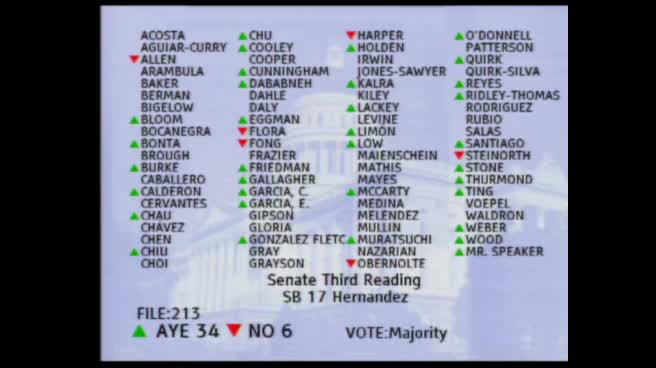 1MIN
Assembly Floor
 3MIN
Senate Floor
 1H
Senate Standing Committee on Appropriations
 14MIN
Senate Standing Committee on Health
 1MIN
Assembly Floor
 1H
Assembly Standing Committee on Appropriations
 17MIN
Assembly Standing Committee on Health
Bill Author
Bill Co-Author(s):