AB 1372: Crisis stabilization units: psychiatric patients.
- Session Year: 2017-2018
- House: Assembly
- Latest Version Date: 2017-06-13
Existing law provides for the Medi-Cal program, which is administered by the State Department of Health Care Services, under which qualified low-income individuals receive health care services. The Medi-Cal program is, in part, governed and funded by federal Medicaid program provisions. Under existing law, the department and counties provide specialty mental health services for Medi-Cal beneficiaries through mental health managed care plans, as specified. Under existing law, these services may include crisis stabilization services and inpatient psychiatric care.
This bill would authorize a certified crisis stabilization unit designated by a mental health managed care plan, at the discretion of the mental health managed care plan, to provide medically necessary crisis stabilization services to individuals beyond the service time of 24 hours in those cases in which the individual needs inpatient psychiatric care or outpatient care and crisis stabilization beds inpatient psychiatric beds or outpatient services are not reasonably available. The bill would require a person who is placed under, or who is already under, a 72-hour involuntary hold because, based on probable cause, the person, as a result of a mental disorder, is a danger to others, or to himself or herself, or is gravely disabled, to be credited for the time detained at a certified crisis stabilization unit. The bill would require the department to amend its contract with a mental health plan to include a provision authorizing the provision of crisis stabilization services for more than 24 hours if the mental health plan elects to provide crisis stabilization services under these provisions. The bill would require the department to require these mental health plans to establish treatment protocols, documentation standards, and administrative procedures, consistent with best practices and other evidence-based medicine, to be followed by a certified crisis stabilization unit for appropriate treatment to individuals who are provided crisis stabilization services for more than 24 hours. The bill would require the department to seek any state plan amendments or waivers, or amendments to existing waivers, that are necessary to implement these provisions.
Existing law provides for the Medi-Cal program, which is administered by the State Department of Health Care Services, under which qualified low-income individuals receive health care services. The Medi-Cal program is, in part, governed and funded by federal Medicaid Program program provisions. Under existing law, the department and counties provide specialty mental health services for Medi-Cal beneficiaries through mental health managed care plans, as specified. Under existing law, these services may include crisis stabilization services and inpatient psychiatric care.
This bill would authorize a certified crisis stabilization unit designated by a mental health managed care plan, at the discretion of the mental health managed care plan, to provide medically necessary crisis stabilization services to individuals beyond the service time of 24 hours in those cases in which the individual needs inpatient psychiatric care or outpatient care and crisis stabilization beds or outpatient services are not reasonably available. The bill would require a mental health plan that elects to provide crisis stabilization services as described in these provisions to amend its mental health plan contract to include a provision authorizing the provision of crisis stabilization services for more than 24 hours. The bill would require a person who is placed under, or who is already under, a 72-hour involuntary hold because, based on probable cause, the person, as a result of a mental disorder, is a danger to others, or to himself or herself, or is gravely disabled, to be credited for the time detained at a certified crisis stabilization unit. The bill would require the department to amend its contract with a mental health plan to include a provision authorizing the provision of crisis stabilization services for more than 24 hours if the mental health plan elects to provide crisis stabilization services under these provisions. The bill would require the department to require these mental health plans to establish treatment protocols, documentation standards, and administrative procedures, consistent with best practices and other evidence-based medicine, to be followed by a certified crisis stabilization unit for appropriate treatment to individuals who are provided crisis stabilization services for more than 24 hours. The bill would require the department to seek any state plan amendments or waivers, or amendments to existing waivers, that are necessary to implement these provisions.
Existing law provides for the Medi-Cal program, which is administered by the State Department of Health Care Services, under which qualified low-income individuals receive health care services. The Medi-Cal program is, in part, governed and funded by federal Medicaid Program provisions. Under existing law, the department and counties provide specialty mental health services for Medi-Cal beneficiaries through mental health managed care plans, as specified. Under existing law, these services may include crisis stabilization services and inpatient psychiatric care.
This bill would declare the intent of the Legislature to enact legislation to establish a process by which a certified crisis stabilization unit may be authorized to provide medically necessary crisis stabilization services to beneficiaries for an extended period in those cases in which a beneficiary in the unit needs inpatient psychiatric care, but an appropriate inpatient bed is not available.This bill would authorize a crisis stabilization unit designated by a mental health managed care plan, at the discretion of the mental health managed care plan, to provide medically necessary crisis stabilization services to individuals beyond the service time of 24 hours in those cases in which the individual needs inpatient psychiatric care or outpatient care and crisis stabilization beds or outpatient services are not reasonably available. The bill would require a mental health plan that elects to provide crisis stabilization services as described in these provisions to amend its mental health plan contract to include a provision authorizing the provision of crisis stabilization services for more than 24 hours. The bill would require the department to require these mental health plans to establish treatment protocols, documentation standards, and administrative procedures, consistent with best practices and other evidence-based medicine, to be followed by a crisis stabilization unit for appropriate treatment to individuals who are provided crisis stabilization services for more than 24 hours. The bill would require the department to seek any state plan amendments or waivers, or amendments to existing waivers, that are necessary to implement these provisions.
Existing law provides for the Medi-Cal program, which is administered by the State Department of Health Care Services, under which qualified low-income individuals receive health care services. The Medi-Cal program is, in part, governed and funded by federal Medicaid Program provisions. Under existing law, the department and counties provide specialty mental health services for Medi-Cal beneficiaries through mental health managed care plans, as specified. Under existing law, these services may include crisis stabilization services and inpatient psychiatric care.
This bill would declare the intent of the Legislature to enact legislation to establish a process by which a certified crisis stabilization unit may be authorized to provide medically necessary crisis stabilization services to beneficiaries for an extended period in those cases in which a beneficiary in the unit needs inpatient psychiatric care, but an appropriate inpatient bed is not available.
(a)A certified crisis stabilization unit designated by a mental health plan under Article 5 (commencing with Section 14680) or this chapter, and authorized pursuant to Sections 14021.4, 14680, and 14684, may, at the discretion of the mental health plan, provide medically necessary crisis stabilization services to individuals beyond the service time of 24 hours in those cases in which the individual needs inpatient psychiatric care or outpatient care and crisis stabilization beds inpatient psychiatric beds or outpatient services are not reasonably available. If a person is placed under, or is already under, a 72-hour hold pursuant to Section 5150, he or she shall be credited for the time detained at a certified crisis stabilization unit addressed by this section. Nothing in this section shall be construed to encourage the placement of a 72-hour hold pursuant to Section 5150 for an individual who is at a certified crisis stabilization unit on a voluntary basis.
(b)The department shall amend its contract with a mental health plan to include a provision authorizing the provision of crisis stabilization services as described in this section if the mental health plan elects to provide crisis stabilization services pursuant to this section.
(c)The department shall require each mental health plan to establish treatment protocols, documentation standards, and administrative procedures, consistent with best practices and other evidence-based medicine, to be followed by a certified crisis stabilization unit for appropriate treatment to individuals who are provided crisis stabilization services for more than 24 hours.
(d)The department shall seek any state plan amendments or waivers, or amendments to existing waivers, that are necessary to implement this section.
(a)A certified crisis stabilization unit designated by a mental health plan under Article 5 (commencing with Section 14680) or this chapter, and authorized pursuant to Sections 14021.4, 14680, and 14684, may, at the discretion of the mental health plan, provide medically necessary crisis stabilization services to individuals beyond the service time of 24 hours in those cases in which the individual needs inpatient psychiatric care or outpatient care and crisis stabilization beds or outpatient services are not reasonably available. A mental health plan that elects to provide crisis stabilization services as described in this section shall amend its mental health plan contract entered into pursuant to this chapter to include a provision authorizing the provision of crisis stabilization services as described in this section. If a person is placed under, or is already under, a 72-hour hold pursuant to Section 5150, he or she shall be credited for the time detained at a certified crisis stabilization unit addressed by this section. Nothing in this section shall be construed to encourage the placement of a 72-hour hold pursuant to Section 5150 for an individual who is at a certified crisis stabilization unit on a voluntary basis.
(b)The department shall amend its contract with a mental health plan to include a provision authorizing the provision of crisis stabilization services as described in this section if the mental health plan elects to provide crisis stabilization services pursuant to this section.
(b)(c)The department shall require each mental health plan to establish treatment protocols, documentation standards, and administrative procedures, consistent with best practices and other evidence-based medicine, to be followed by a certified crisis stabilization unit for appropriate treatment to individuals who are provided crisis stabilization services for more than 24 hours.
(c)(d)The department shall seek any state plan amendments or waivers, or amendments to existing waivers, that are necessary to implement this section.
(a)A crisis stabilization unit designated by a mental health plan under Article 5 (commencing with Section 14680) or this chapter, and authorized pursuant to Sections 14021.4, 14680, and 14684, may, at the discretion of the mental health plan, provide medically necessary crisis stabilization services to individuals beyond the service time of 24 hours in those cases in which the individual needs inpatient psychiatric care or outpatient care and crisis stabilization beds or outpatient services are not reasonably available. A mental health plan that elects to provide crisis stabilization services as described in this section shall amend its mental health plan contract entered into pursuant to this chapter to include a provision authorizing the provision of crisis stabilization services as described in this section.
(b)The department shall require each mental health plan to establish treatment protocols, documentation standards, and administrative procedures, consistent with best practices and other evidence-based medicine, to be followed by a crisis stabilization unit for appropriate treatment to individuals who are provided crisis stabilization services for more than 24 hours.
(c)The department shall seek any state plan amendments or waivers, or amendments to existing waivers, that are necessary to implement this section.
SECTION 1.It is the intent of the Legislature to enact legislation to establish a process by which a certified crisis stabilization unit, as authorized by Sections 14021.4, 14680, and 14684 of the Welfare and Institutions Code, may be authorized to provide medically necessary crisis stabilization services to beneficiaries beyond the current time limit of under 24 hours in those cases in which a beneficiary in the unit needs inpatient psychiatric care, but an appropriate inpatient bed is not available.It is the intent of the Legislature to enact legislation to establish a process by which a certified crisis stabilization unit, as authorized by Sections 14021.4, 14680, and 14684 of the Welfare and Institutions Code, may be authorized to provide medically necessary crisis stabilization services to beneficiaries beyond the current time limit of under 24 hours in those cases in which a beneficiary in the unit needs inpatient psychiatric care, but an appropriate inpatient bed is not available.
|
Date
|
Status
|
|---|---|
| Sep 6, 2017 | Ordered to inactive file at the request of Senator Newman. |
| Sep 5, 2017 | Read second time. Ordered to third reading. |
| Sep 1, 2017 | From committee: Do pass. (Ayes 7. Noes 0.) (September 1). |
| Jul 17, 2017 | In committee: Referred to APPR. suspense file. |
| Jun 22, 2017 | From committee: Do pass and re-refer to Com. on APPR. (Ayes 9. Noes 0.) (June 21). Re-referred to Com. on APPR. |
| Jun 13, 2017 | From committee chair, with author's amendments: Amend, and re-refer to committee. Read second time, amended, and re-referred to Com. on HEALTH. |
| Jun 8, 2017 | Referred to Com. on HEALTH. |
| May 26, 2017 | In Senate. Read first time. To Com. on RLS. for assignment. |
| May 26, 2017 | Read third time. Passed. Ordered to the Senate. (Ayes 76. Noes 0. Page 1721.) |
| May 18, 2017 | Read second time. Ordered to Consent Calendar. |
| May 17, 2017 | From committee: Do pass. To Consent Calendar. (Ayes 17. Noes 0.) (May 17). |
| Apr 26, 2017 | From committee: Do pass and re-refer to Com. on APPR. (Ayes 14. Noes 0.) (April 25). Re-referred to Com. on APPR. |
| Apr 20, 2017 | Re-referred to Com. on HEALTH. |
| Apr 19, 2017 | From committee chair, with author's amendments: Amend, and re-refer to Com. on HEALTH. Read second time and amended. |
| Apr 3, 2017 | Re-referred to Com. on HEALTH. |
| Mar 30, 2017 | From committee chair, with author's amendments: Amend, and re-refer to Com. on HEALTH. Read second time and amended. |
| Mar 30, 2017 | Referred to Com. on HEALTH. |
| Feb 19, 2017 | From printer. May be heard in committee March 21. |
| Feb 17, 2017 | Read first time. To print. |
|
Date
|
Description
|
Location
|
Votes
|
|
|---|---|---|---|---|
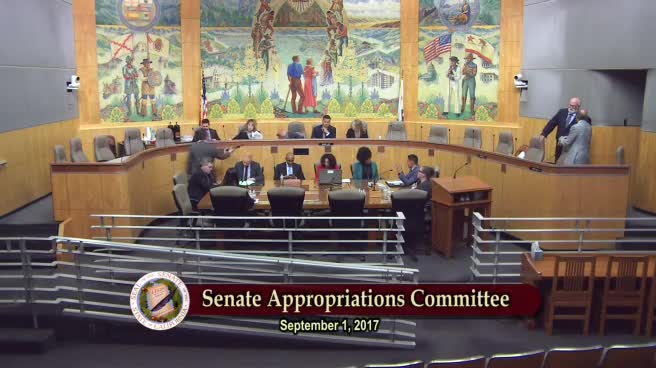
| Sep 1, 2017 | Do pass | Senate Standing Committee on Appropriations |
Passed |
|
| Jul 17, 2017 | Placed on suspense file | Senate Standing Committee on Appropriations |
Passed |
|
| Jun 21, 2017 | Do pass, but first be re-referred to the Committee on [Appropriations] | Senate Standing Committee on Health |
Passed |
|
| May 26, 2017 | AB 1372 LEVINE Consent Calendar Second Day Regular Session | Assembly Floor |
Passed |
|
| May 17, 2017 | Do pass. To Consent Calendar. | Assembly Standing Committee on Appropriations |
Passed |
|
| Apr 25, 2017 | Do pass and be re-referred to the Committee on [Appropriations] | Assembly Standing Committee on Health |
Passed |
This list shows positions taken on this bill by organizations on the date displayed, which is linked to the original source.
Positions by individuals are not included.
|
Organization
|
Position
|
Date
|
|---|---|---|
| california board of behavioral sciences | ** Support | Sep 4, 2017 |
| California Hospital Association | ** Against | Sep 4, 2017 |
| California State Association Of Counties | ** Support | Sep 4, 2017 |
| County Behavioral Health Directors Association of California | ** Support | Sep 4, 2017 |
| Department of Health Care Services | ** Against | Sep 4, 2017 |
| Depression And Bipolar Support Alliance | ** Support | Sep 4, 2017 |
| Marin County Commission on Aging | ** Support | Apr 21, 2017 |
| Mental Health America of California | ** Support | Sep 4, 2017 |
| Napa County | ** Support | Sep 4, 2017 |
| National Alliance on Mental Illness - California | ** Support | Sep 4, 2017 |
| Orange County | ** Support | Sep 4, 2017 |
| Sacramento County | * Support | Apr 25, 2017 |
| Sonoma County | ** Support | Sep 4, 2017 |
| State Council on Developmental Disabilities | ** Support | Sep 4, 2017 |
| Steinberg Institute | ** Support | Sep 4, 2017 |
| support: california behavioral health directors association | ** Against | Jun 19, 2017 |
| Tenet Health | ** Support | Sep 4, 2017 |
| Urban Counties of California | ** Support | Sep 4, 2017 |
Office of Senate Floor Analyses (916) 651-1520 Fax: (916) 327-4478 | AB |
THIRD READING
Bill No: AB 1372
:
SENATE HEALTH COMMITTEE: 9-0, 6/21/17
AYES: Hernandez, Nguyen, Atkins, Leyva, Mitchell, Monning, Newman, Nielsen, Roth
SENATE APPROPRIATIONS COMMITTEE: 7-0, 9/1/17
AYES: Lara, Bates, Beall, Bradford, Hill, Nielsen, Wiener
ASSEMBLY FLOOR: 76-0, 5/26/17 (Consent) - See last page for vote
SOURCE: County Behavioral Health Directors Association of California
DIGEST:
This bill permits a certified crisis stabilization unit, as specified, to provide medically necessary crisis stabilization services to individuals beyond the service time of 24 hours, as required in current law, in cases where an individual needs inpatient psychiatric care or outpatient care, and inpatient psychiatric beds or outpatient services are not reasonably available.
Existing law:
- Provides for the Medi-Cal program, which is administered by the Department of Health Care Services (DHCS), under which qualified low-income individuals receive health care services. The Medi-Cal program is, in part, governed and funded by federal Medicaid program provisions.
- Requires DHCS and counties to provide specialty mental health services for Medi-Cal beneficiaries through a county mental health plan (MHP), as specified, which may include crisis stabilization (CS) services and inpatient psychiatric care.
- Defines “crisis stabilization,” pursuant to DHCS’s State Plan and in regulations, as a service lasting less than 24 hours, to or on behalf of a Medi-Cal beneficiary for a condition that requires more timely response than a regularly scheduled visit, as specified.
- Requires facilities, for the purposes of detaining a person for up to 72-hour treatment and evaluation (known as a “5150”), to be designated by a county and approved by DHCS.
- Requires CS services to be provided on-site at a licensed 24-hour health care facility or hospital-based outpatient program or a provider site certified by DHCS or a MHP to perform CS services (known as a crisis stabilization unit [CSU].)
This bill:
- Permits a certified CSU designated by a MHP, at the discretion of the MHP, to provide medically necessary CS services to individuals beyond the service time of 24 hours in cases where an individual needs inpatient psychiatric care or outpatient care, and inpatient psychiatric beds or outpatient services are not reasonably available.
- Requires if a person is placed under, or is already under, a 5150 hold, to be credited for time detained at a CSU pursuant to 1) above.
- Prohibits 1) above from being construed to encourage the placement of a 5150 hold for an individual who is at a CSU on a voluntary basis.
- Requires DHCS to amend its contract with a MHP to include a provision authorizing the provision of CS services if the MHP elects to provide CS services pursuant to 1) above.
- Requires DHCS to require each MHP to establish treatment protocols, documentation standards, and administrative procedures, consistent with best practices and other evidence-based medicine, to be followed by a certified CSU for appropriate treatment to individuals treated pursuant to 1) above.
- Requires DHCS to seek any state plan amendments or waivers, or amendments to existing waivers, that are necessary to implement the provisions in this bill.
Comments
- Author’s statement. According to the author, CSUs provide a location for individuals undergoing a mental health crisis to receive short-term treatment. During an individual’s time in a CSU, staff provide supportive care and attempt to secure referrals for appropriate long-term or inpatient care. The current 24-hour limitation at these facilities binds the hands of behavioral health workers, often forcing them to stop care for their patients. This bill will help reduce unnecessary emergency room visits by granting CSUs more time to be able to find appropriate and effective care for their patients.
- Crisis Stabilization. CS services are defined in DHCS’s State Plan and in Title 9, California Code of Regulations, Division 1, Chapter 11, Section 1810.210 as lasting less than 24 hours, to or on behalf of a beneficiary for a condition that requires more timely response than a regularly scheduled visit. CS service activities include, but are not limited to, one or more of the following: assessment, collateral, and therapy. CS services are required to be provided on-site at a licensed 24-hour health care facility, hospital-based outpatient program, or a provider site certified by DHCS or a MHP. All beneficiaries receiving CS services are required to receive an assessment of their physical and mental health. Physicians are required to be on-call at all times for the provision of CS services that only a physician can provide. At a minimum, CS staffing requirements include one registered nurse, psychiatric technician, or licensed vocational nurse on-site at all times beneficiaries are present. A ratio of one licensed mental health or waivered/registered professional on-site for each four beneficiaries or other patients receiving CS services at any given time is required. The goal of CS is to stabilize a person and reintegrate him or her back into the community quickly. According to various reports, costs for providing care in a crisis stabilization unit are significantly lower than inpatient hospitalization.
- Inpatient psychiatric beds. According to the California Hospital Association (CHA), since 1995 the state has lost 43 facilities, either through the elimination of psychiatric inpatient care, or complete hospital closure, representing a nearly 24% drop. CHA states that while there has been an increase in psychiatric beds over the past several years, according to 2013 data, California has lost nearly 30% of the psychiatric beds it had in 1995, a drop of almost 2,700 beds, making the state’s psychiatric bed rate one bed for every 5,572 people, compared to a national average of one bed for every 4,953 people. A County Behavioral Health Directors Association of California (CBHDAC) Governing Board Policy Brief from November 2015 cites specific challenges that contribute to the lack of crisis and inpatient care capacity, including:
- The federal Medicaid Institution for Mental Disease exclusion (IMD exclusion), which prohibits states from receiving federal matching funds for inpatient services they provide to adult Medicaid enrollees aged 18-65 years in a hospital, nursing home, or other inpatient care setting with more than 16 beds;
- Stigma and discrimination, due to negative attitudes and myths about the dangerousness of people with mental illness. Counties and providers often face substantial community opposition when attempting to construct or repurpose a facility intended to be used for individuals in psychiatric crisis or in need of inpatient care; and,
- Divestment in acute psychiatric care and competing demands on hospitals, as, according to a report by the California HealthCare Foundation, hospitals have focused more in the last decade on general acute care services (both adult and newborn intensive care capacity) over skilled nursing and acute psychiatric services. According to the American Hospital Association, hospitals have been closing psychiatric units because of low payments from public and private payers, uncompensated care for uninsured patients, and a dearth of psychiatrists willing to work in hospitals.
- SB 82 (Committee on Budget and Fiscal Review, Chapter 34, Statutes of 2013). SB 82 made a one-time appropriation of $500,000 from the General Fund to the California Health Facilities Financing Authority (CHFFA) to implement grant programs to support the development, capital, equipment acquisition, and applicable program startup or expansion costs to increase capacity for client assistance and services for individuals with mental health disorders, including services such as crisis intervention, CS, crisis residential treatment, rehabilitative mental health services, and mobile crisis support teams, including personnel and the purchase or lease of equipment, such as vehicles. In a letter dated March 13, 2017, CBHDAC states that research indicates that crisis residential and CS programs reduce unnecessary stays in psychiatric hospitals, reduce the number and expense of emergency room visits, and divert inappropriate incarcerations while producing the same or better outcomes to those of institutional care. CBHDAC states that the SB 82 grants have assisted many communities in adding personnel, mobile crisis teams and vehicles, and crisis residential services options. CHFFA has completed five funding rounds, resulting in 56 grants for 41 counties totaling $144 million. CBHDAC states that these grants will add 76 mobile crisis vehicles, 58 mobile crisis staff, and 1,200 crisis residential treatment and CSU beds, and 18 peer respite beds.
FISCAL EFFECT: Appropriation: Fiscal Com.: Local:
According to the Senate Appropriations Committee:
- One-time costs of about $400,000 for DHCS to develop a state plan amendment and revise contracts with county mental health plans (General Fund and federal funds).
- Staff anticipates that ongoing administrative costs to DHCS are not likely to be significant. DHCS indicates that it will incur ongoing administrative costs similar to the start-up costs identified above. Based on the relatively minor changes that the bill will have on the operation of county mental health plans, staff does not anticipate that the ongoing administrative costs to DHCS will be significant.
- No significant additional state Medi-Cal costs are anticipated. Under current law, the responsibility for providing specialty mental health services has been realigned to the counties and is provided by county mental health plans that contract with the Department of Health Care Services. This bill gives county mental health plans the option to provide crisis residential services for more than 24 hours per admission. This bill does not mandate any action by counties. It is not anticipated that the bill will result in a significant increase in utilization of specialty mental health services.
County Behavioral Health Directors Association of California (source)
California Board of Behavioral Sciences
California State Association of Counties
Depression and Bipolar Support Alliance
Mental Health America of California
National Alliance on Mental Illness – California
Napa County
Orange County
Sonoma County
State Council on Developmental Disabilities
Steinberg Institute
Tenet Health
Urban Counties of California
OPPOSITION: (Verified 8/31/17)
California Hospital Association
Department of Health Care Services
ARGUMENTS IN SUPPORT: CBHDAC, sponsors of this bill, and other supporters state that CSUs can serve as a critical part of the state’s crisis response and continuum of mental health care. CSUs reduce unnecessary stays in psychiatric hospitals, reduce the number and expense of emergency room visits, and divert inappropriate incarcerations. CBHDAC states that county behavioral health systems are partnering with other parts of the health care delivery system to increase the types of options along the continuum of care for individuals in crisis. Supporters argue that services at CSUs are provided to people in acute distress associated with mental health issues, such as suicidal behavior or psychosis. CSU teams work to stabilize individuals, while specialists work to provide either an appropriate outpatient or inpatient treatment referral, depending on the specific needs of the individual. Supporters state that treatment teams work closely with consumers to build coping skills, reduce symptoms, and empower self-care. Supporters argue that this bill helps further these efforts by allowing a CSUs to extend the timeframe for providing care on a case-by-case basis, pending a referral of individuals to another level of service.
ASSEMBLY FLOOR: 76-0, 5/26/17
AYES: Acosta, Aguiar-Curry, Travis Allen, Arambula, Baker, Berman, Bigelow, Bloom, Bocanegra, Bonta, Brough, Burke, Caballero, Calderon, Cervantes, Chávez, Chen, Chiu, Choi, Chu, Cooley, Cooper, Cunningham, Dababneh, Dahle, Daly, Flora, Fong, Frazier, Friedman, Gallagher, Cristina Garcia, Eduardo Garcia, Gipson, Gloria, Gomez, Gonzalez Fletcher, Gray, Grayson, Harper, Holden, Irwin, Jones-Sawyer, Kalra, Kiley, Lackey, Levine, Limón, Low, Maienschein, Mathis, Mayes, McCarty, Medina, Melendez, Mullin, Muratsuchi, Nazarian, Obernolte, O'Donnell, Patterson, Quirk, Quirk-Silva, Reyes, Ridley-Thomas, Rodriguez, Rubio, Salas, Santiago, Mark Stone, Thurmond, Ting, Voepel, Weber, Wood, Rendon
NO VOTE RECORDED: Chau, Eggman, Steinorth, Waldron
9/4/17 12:24:08
SENATE COMMITTEE ON
Senator Ricardo Lara, Chair
2017 - 2018 Regular Session
AB 1372 (Levine) - Crisis stabilization units: psychiatric patients
Version: | Policy Vote: |
Urgency: | Mandate: |
Hearing Date: | Consultant: |
This bill meets the criteria for referral to the Suspense File.
Bill Summary:
AB 1372 would authorize crisis stabilization units to provide mental health services beyond 24 hours per admission.
Fiscal Impact:
- One-time costs of about $400,000 for the Department of Health Care Services to develop a state plan amendment and revise contracts with county mental health plans (General Fund and federal funds).
- Staff anticipates that ongoing administrative costs to the Department of Health Care Services are not likely to be significant. The Department indicates that it will incur ongoing administrative costs similar to the start-up costs identified above. Based on the relatively minor changes that the bill will have on the operation of county mental health plans, staff does not anticipate that the ongoing administrative costs to the Department will be significant.
- No significant additional state Medi-Cal costs are anticipated. Under current law, the responsibility for providing specialty mental health services has been realigned to the counties and is provided by county mental health plans that contract with the Department of Health Care Services. The bill would give county mental health plans the option to provide crisis residential services for more than 24 hours per admission. The bill does not mandate any action by counties. It is not anticipated that the bill will result in a significant increase in utilization of specialty mental health services.
Background:
Under state and federal law, the Department of Health Care Services operates the Medi-Cal program, which provides health care coverage to low income individuals, families, and children. Medi-Cal provides coverage to childless adults and parents with household incomes up to 138% of the federal poverty level and to children with household incomes up to 266% of the federal poverty level. The federal government provides matching funds that vary from 50% to 90% of expenditures depending on the category of beneficiary.
Crisis stabilization services, in Medi-Cal, are provided in 24-hour health facilities for mental health conditions that require a more timely response than can be accommodated at a regularly scheduled visit with a mental health provider, but that do not require inpatient hospitalization. In Medi-Cal, crisis stabilization services are limited to a maximum of 24-hours per admission. Crisis stabilization units are certified by the Department of Health Care Services and are generally operated by county mental health plans or contractors with county mental health plans.
Proposed Law:
AB 1372 would authorize crisis stabilization units to provide mental health services beyond 24 hours per admission.
Specific provisions of the bill would:
- Authorize a crisis stabilization unit, designated by a county mental health plan, to provide medically necessary crisis stabilization services beyond the current service time limit of 24 hours;
- Require, if a person is under a 72-hour hold, the patient shall be credited for the time detained in a crisis stabilization unit;
- Require the Department of Health Care Services to amend its contracts with county mental health plans to allow county mental health plans to authorize use of crisis residential services beyond 24 hours, if the county mental health plan elects to do so;
- Require the Department to require each county mental health plan to establish treatment protocols, documentation standards, and procedures to be followed;
- Require the Department to seek any state plan amendments or waivers that are necessary to implement the bill.
Staff Comments:
Proposition 30 of 2012 provides that any legislation enacted after September 30, 2012 that has an overall effect of increasing the costs already borne by a local agency for realigned services applies to local agencies only to the extent that the State provides annual funding for the cost increase. Local agencies are not be obligated to provide programs or levels of service required by legislation above the level for which funding has been provided.
Specialty mental health treatment under the Medi-Cal program has been realigned to the counties. In theory, county mental health plans would only need to comply with this bill to the extent that funding was provided by the state. Since any action by a county mental health plan would be discretionary under the bill, staff does not anticipate that the bill will result in any significant future cost pressure to provide additional funding to county mental health plans.
-- END --
SENATE COMMITTEE ON HEALTH
Senator Ed Hernandez, O.D., Chair
BILL NO: AB 1372
AUTHOR: | Levine | ||
VERSION: | June 13, 2017 | ||
HEARING DATE: | June 21, 2017 | ||
CONSULTANT: | Reyes Diaz | ||
SUBJECT: Crisis stabilization units: psychiatric patients
SUMMARY: Permits a certified crisis stabilization unit, as specified, to provide medically necessary crisis stabilization services to individuals beyond the service time of 24 hours, as required in current law, in cases where an individual needs inpatient psychiatric care or outpatient care, and inpatient psychiatric beds or outpatient services are not reasonably available.
Existing law:
- Provides for the Medi-Cal program, which is administered by the Department of Health Care Services (DHCS), under which qualified low-income individuals receive health care services. The Medi-Cal program is, in part, governed and funded by federal Medicaid program provisions.
- Requires DHCS and counties to provide specialty mental health services for Medi-Cal beneficiaries through a county mental health plan (MHP), as specified, which may include crisis stabilization (CS) services and inpatient psychiatric care.
- Defines “crisis stabilization,” pursuant to DHCS’s State Plan and in regulations, as a service lasting less than 24 hours, to or on behalf of a Medi-Cal beneficiary for a condition that requires more timely response than a regularly scheduled visit, as specified.
- Requires facilities, for the purposes of detaining a person for up to 72-hour treatment and evaluation (known as a “5150”), to be designated by a county and approved by the Department of Health Care Services (DHCS).
- Requires CS services to be provided on-site at a licensed 24-hour health care facility or hospital-based outpatient program or a provider site certified by DHCS or a MPH to perform CS services (known as a crisis stabilization unit [CSU].)
This bill:
- Permits a certified CSU designated by a MHP, at the discretion of the MHP, to provide medically necessary CS services to individuals beyond the service time of 24 hours in cases where an individual needs inpatient psychiatric care or outpatient care, and inpatient psychiatric beds or outpatient services are not reasonably available.
- Requires if a person is placed under, or is already under, a 5150 hold, to be credited for time detained at a CSU pursuant to 1) above.
- Prohibits 1) above from being construed to encourage the placement of a 5150 hold for an individual who is at a CSU on a voluntary basis.
- Requires DHCS to amend its contract with a MHP to include a provision authorizing the provision of CS services if the MHP elects to provide CS services pursuant to 1) above.
- Requires DHCS to require each MHP to establish treatment protocols, documentation standards, and administrative procedures, consistent with best practices and other evidence-based medicine, to be followed by a certified CSU for appropriate treatment to individuals treated pursuant to 1) above.
- Requires DHCS to seek any state plan amendments or waivers, or amendments to existing waivers, that are necessary to implement the provisions in this bill.
FISCAL EFFECT:
According to the Assembly Appropriations Committee, this bill would result in administrative costs to DHCS to amend county contracts and potentially file a minor state plan amendment, which is not likely to exceed $100,000 one-time costs of General Fund/federal monies.
PRIOR VOTES:
Assembly Floor: | 76 - 0 |
Assembly Appropriations Committee: | 17 - 0 |
Assembly Health Committee: | 14 - 0 |
COMMENTS:
- Author’s statement. According to the author, CSUs provide a location for individuals undergoing a mental health crisis to receive short-term treatment. During an individual’s time in a CSU, staff provide supportive care and attempt to secure referrals for appropriate long-term or inpatient care. The current 24-hour limitation at these facilities binds the hands of behavioral health workers, often forcing them to stop care for their patients. This bill will help reduce unnecessary emergency room visits by granting CSUs more time to be able to find appropriate and effective care for their patients.
- Crisis Stabilization. CS services are defined in DHCS’s State Plan and in Title 9, California Code of Regulations (CCR), Division 1, Chapter 11, Section 1810.210 as lasting less than 24 hours, to or on behalf of a beneficiary for a condition that requires more timely response than a regularly scheduled visit. CS service activities include, but are not limited to, one or more of the following: assessment, collateral, and therapy. CS services are required to be provided on-site at a licensed 24-hour health care facility, hospital-based outpatient program, or a provider site certified by DHCS or a MHP. All beneficiaries receiving CS services are required to receive an assessment of their physical and mental health. Physicians are required to be on-call at all times for the provision of CS services that only a physician can provide. At a minimum, CS staffing requirements include one registered nurse, psychiatric technician, or licensed vocational nurse on-site at all times beneficiaries are present. A ratio of one licensed mental health or waivered/registered professional on-site for each four beneficiaries or other patients receiving CS services at any given time is required. The goal of CS is to stabilize a person and reintegrate him or her back into the community quickly. According to various reports, costs for providing care in a crisis stabilization unit are significantly lower than inpatient hospitalization.
- Inpatient psychiatric beds. According to the California Hospital Association (CHA), since 1995 the state has lost 43 facilities, either through the elimination of psychiatric inpatient care, or complete hospital closure, representing a nearly 24% drop. CHA states that while there has been an increase in psychiatric beds over the past several years, according to 2013 data, California has lost nearly 30% of the psychiatric beds it had in 1995, a drop of almost 2,700 beds, making the state’s psychiatric bed rate one bed for every 5,572 people, compared to a national average of one bed for every 4,953 people. A County Behavioral Health Directors Association of California (CBHDAC) Governing Board Policy Brief from November 2015 cites specific challenges that contribute to the lack of crisis and inpatient care capacity, including:
- The federal Medicaid Institution for Mental Disease exclusion (IMD exclusion), which prohibits states from receiving federal matching funds for inpatient services they provide to adult Medicaid enrollees aged 18-65 years in a hospital, nursing home, or other inpatient care setting with more than 16 beds;
- Stigma and discrimination, due to negative attitudes and myths about the dangerousness of people with mental illness. Counties and providers often face substantial community opposition when attempting to construct or repurpose a facility intended to be used for individuals in psychiatric crisis or in need of inpatient care; and,
- Divestment in acute psychiatric care and competing demands on hospitals, as, according to a report by the California HealthCare Foundation, hospitals have focused more in the last decade on general acute care services (both adult and newborn intensive care capacity) over skilled nursing and acute psychiatric services. According to the American Hospital Association, hospitals have been closing psychiatric units because of low payments from public and private payers, uncompensated care for uninsured patients, and a dearth of psychiatrists willing to work in hospitals.
- SB 82 (Committee on Budget and Fiscal Review, Chapter 34, Statutes of 2013). SB 82 made a one-time appropriation of $500,000 from the General Fund to the California Health Facilities Financing Authority (CHFFA) to implement grant programs to support the development, capital, equipment acquisition, and applicable program startup or expansion costs to increase capacity for client assistance and services for individuals with mental health disorders, including services such as crisis intervention, CS, crisis residential treatment, rehabilitative mental health services, and mobile crisis support teams, including personnel and the purchase or lease of equipment, such as vehicles. In a letter dated March 13, 2017, CBHDAC states that research indicates that crisis residential and CS programs reduce unnecessary stays in psychiatric hospitals, reduce the number and expense of emergency room visits, and divert inappropriate incarcerations while producing the same or better outcomes to those of institutional care. CBHDAC states that the SB 82 grants have assisted many communities in adding personnel, mobile crisis teams and vehicles, and crisis residential services options. CHFFA has completed five funding rounds, resulting in 56 grants for 41 counties totaling $144 million. CBHDAC states that these grants will add 76 mobile crisis vehicles, 58 mobile crisis staff, and 1,200 crisis residential treatment and CSU beds, and 18 peer respite beds.
- Related legislation. AB 1136 (Eggman) requires the Department of Public Health (DPH) to develop and submit a proposal to solicit a grant under the federal 21st Century Cures Act to develop a real-time, Internet-based database to collect, aggregate, and display information about beds in inpatient psychiatric facilities, crisis stabilization units, residential community mental health facilities, and licensed residential substance use disorder treatment facilities. Requires DPH to confer with stakeholders to inform the development of the proposal and to submit an evaluation to the federal Health and Human Services Secretary and to the Legislature. AB 1136 is set for hearing on July 5, 2017, in this committee.
- Prior legislation. AB 2743 (Eggman, of 2016) would have required DPH to establish an Internet Web-based electronic acute psychiatric bed registry to collect, aggregate, and display information regarding the availability of acute psychiatric beds in psychiatric health facilities. AB 2743 was held on the Assembly Appropriations Committee suspense file.
AB 1300 (Ridley-Thomas, of 2015) would have made numerous changes to the 5150 process, including allowing non-designated facilities to place 5150 holds. AB 1300 was held in the Senate Rules Committee.
AB 1194 (Eggman, Chapter 570, Statutes of 2015) requires, when an authorized individual is determining if a person should be placed on a 5150 hold, the individual to consider available relevant information about the historical course of a person’s mental health disorder, if the individual concludes that the information has a reasonable bearing on the determination.
- Support. CBHDAC, sponsors of this bill, and other supporters state that CSUs can serve as a critical part of the state’s crisis response and continuum of mental health care. CSUs reduce unnecessary stays in psychiatric hospitals, reduce the number and expense of emergency room visits, and divert inappropriate incarcerations. CBHDAC states that county behavioral health systems are partnering with other parts of the health care delivery system to increase the types of options along the continuum of care for individuals in crisis. Supporters argue that services at CSUs are provided to people in acute distress associated with mental health issues, such as suicidal behavior or psychosis. CSU teams work to stabilize individuals, while specialists work to provide either an appropriate outpatient or inpatient treatment referral, depending on the specific needs of the individual. Supporters state that treatment teams work closely with consumers to build coping skills, reduce symptoms, and empower self-care. Supporters argue that this bill helps further these efforts by allowing a CSUs to extend the timeframe for providing care on a case-by-case basis, pending a referral of individuals to another level of service.
SUPPORT AND OPPOSITION:
Support: California Behavioral Health Directors Association (sponsor)
California Board of Behavioral Sciences
California State Association of Counties
National Alliance on Mental Illness – California
Napa County
Orange County
Sonoma County
State Council on Developmental Disabilities
Tenet Health
Urban Counties of California
Oppose: None received
***END***
Date of Hearing: May 17, 2017
ASSEMBLY COMMITTEE ON APPROPRIATIONS
Lorena Gonzalez Fletcher, Chair
ABPCA Bill Id:AB 1372
Author:(Levine) – As Amended Ver:April 19, 2017
Policy Committee: | Health | Vote: | 14 - 0 |
Urgency: No State Mandated Local Program: No Reimbursable: No
SUMMARY:
This bill allows a certified crisis stabilization unit to provide medically necessary crisis stabilization services to individuals for a time period exceeding the current limitation of 24 hours, under specified circumstances. In addition, this bill:
- Requires the Department of Health Care Services (DHCS) to amend relevant contracts if the county opts to make use of this new authority, and requires DHCS to seek necessary federal approvals.
- Requires DHCS to require each Mental Health Plan (MHP) to establish treatment protocols, documentation standards, and administrative procedures, consistent with best practices and other evidence-based medicine, to be followed by for appropriate treatment to individuals who are provided crisis stabilization services for more than 24 hours.
FISCAL EFFECT:
Administrative costs to DHCS to amend county contracts and potentially file a minor state plan amendment, not likely to exceed $100,000 one-time (GF/federal).
COMMENTS:
- Purpose. According to the author, crisis stabilization units provide a location for individuals undergoing a mental health crisis to receive short-term treatment. During this time, staff provides supportive care and attempt to secure referrals for appropriate long-term or inpatient care. The current 24-hour limitation at these facilities binds the hands of behavioral health workers, often forcing them to stop care for their patients. This bill will reduce unnecessary emergency room visits by granting the units more time to be able to find appropriate and effective care for their patients. This bill is sponsored by the California Behavioral Health Directors Association and has no opposition.
- Background. Crisis stabilization must be provided onsite at a 24-hour health facility, hospital-based outpatient program, or other certified provider sites. The goal of crisis stabilization is to quickly stabilize an individual and reintegrate him or her back into the community. The flexibility sought by this bill, with appropriate safeguards enforced by DHCS, should provide additional options to ensure treatment in the most appropriate settings.
Analysis Prepared by: Lisa Murawski / APPR. / (916) 319-2081
Date of Hearing: April 25, 2017
ASSEMBLY COMMITTEE ON HEALTH
Jim Wood, Chair
ABPCA Bill Id:AB 1372
Author:(Levine) – As Amended Ver:April 19, 2017
SUBJECT: Crisis stabilization units: psychiatric patients.
SUMMARY: Permits a certified crisis stabilization unit (CCSU) designated by a mental health plan (MHP) to provide medically necessary crisis stabilization services (CSS) to individuals beyond the service time of 24 hours in those cases in which the individual needs inpatient psychiatric care or outpatient care and crisis stabilization beds or outpatient services are not reasonably available. Specifically, this bill:
- Provides that, if a person is placed under, or is already under, a 72-hour hold, as specified, he or she shall be credited for the time detained at a CCSU.
- Specifies that this bill is not to be construed to encourage the placement of a 72-hour hold for an individual who is at a CCSU on a voluntary basis.
- Requires the Department of Health Care Services (DHCS) to amend its contract with a MHP to include a provision authorizing the provision of CSS if the MHP elects to provide CSS.
- Requires DHCS to require each MHP to establish treatment protocols, documentation standards, and administrative procedures, consistent with best practices and other evidence-based medicine, to be followed by a CCSU for appropriate treatment to individuals who are provided CSS for more than 24 hours.
- Requires DHCS to seek any necessary state plan amendments (SPA) or waivers, or amendments to existing waivers.
EXISTING LAW:
- Requires, in order to ensure quality and continuity, and to efficiently utilize mental health services under the Medi-Cal program, MHPs be developed for the provision of mental health services that are consistent with guidelines established by DHCS. Requires the guidelines to be consistent with federal Medicaid requirements and the approved SPA and waivers to ensure full and timely federal reimbursement to MHPs for services that are rendered and reimbursed consistent with federal Medicaid requirements.
- Requires DHCS to ensure that all contracts for Medi-Cal managed care (MCMC) include a process for screening, referral, and coordination with any MHP established, of medically necessary specialty mental health care services (SMHS).
- Requires DHCS to ensure all of the following:
- That MHPs include a process for screening, referral, and coordination with other necessary services, including, but not limited to, health, housing, and vocational rehabilitation services.
- For Medi-Cal eligible children, the MHPs also provide coordination with education programs and any necessary medical or rehabilitative services, as specified.
- That MHPs include a system of outreach to enable Medi-Cal beneficiaries and providers to participate in and access Medi-Cal SMHS under the plans.
- That standards for quality and access developed by DHCS are included in MHPs serving Medi-Cal beneficiaries.
- Requires MHPs, whether administered by public or private entities, to be governed by the following guidelines:
- Use state and federal Medi-Cal funds identified for the diagnosis and treatment of mental illness solely for those purposes;
- Include a public planning process and a significant role for Medi-Cal beneficiaries, family members, mental health advocates, providers, and public and private contract agencies in the development of the MHP;
- Include appropriate standards relating to quality, access, and coordination of services within a managed system of care, and costs established under the plan, and provide opportunities for existing Medi-Cal providers to continue to provide services under the MHP, as long as the providers meet those standards;
- Ensure continuity of care for current recipients of services in the transition to managed mental health care;
- Provide Medi-Cal covered SMHS in the beneficiary’s home community, or as close as possible to the beneficiary’s home community;
- Make Medi-Cal beneficiaries whose mental or emotional condition results or has resulted in functional impairment eligible for covered specialty mental health services, with an emphasis placed on adults with serious and persistent mental illness and children with serious emotional disturbances, as defined by DHCS;
- Provide SMHS to eligible Medi-Cal beneficiaries, including both adults and children, including Early and Periodic Screening, Diagnosis, and Treatment Services to eligible Medi-Cal beneficiaries under the age of 21 pursuant;
- Include a mechanism for monitoring the effectiveness of, and evaluating accessibility and quality of, services available and requires MHPs to utilize and be based upon state-adopted performance outcome measures and include review of individual service plan procedures and practices, a beneficiary satisfaction component, and a grievance system for beneficiaries and providers;
- Provide for culturally competent and age-appropriate services, to the extent feasible and assess the cultural competency needs of the program, and to include a process to accommodate the significant needs with reasonable timeliness;
- Requires DHCS to provide demographic data and technical assistance; and,
- Requires performance outcome measures to include a reliable method of measuring and reporting the extent to which services are culturally competent and age-appropriate.
FISCAL EFFECT: This bill has not yet been analyzed by a fiscal committee.
COMMENTS:
- PURPOSE OF THIS BILL. According to the author, CCSUs provide a location for individuals undergoing a mental health crisis to receive short-term treatment. During an individual’s time in a CSU, staff provides supportive care and attempt to secure referrals for appropriate long-term or inpatient care. The current 24 hour limitation at these facilities binds the hands of behavioral health workers, often forcing them to stop care for their patients. This bill will reduce unnecessary emergency room visits by granting CCSUs more time to be able to find appropriate and effective care for their patients.
- BACKGROUND. Crisis stabilization services are those lasting less than 24 hours for individuals who are in psychiatric crisis whose needs cannot be accommodated safely in a residential service setting. Crisis stabilization must be provided onsite at a 24-hour health facility, hospital-based outpatient program, or at other certified provider sites. Service activities include but are not limited to one or more of the following: assessment, collateral (addresses the mental health needs of the beneficiary to ensure coordination with significant others and treatment providers), and therapy. The goal of crisis stabilization is to stabilize the consumer and re-integrate him or her back into the community quickly. According to various reports, costs of providing care in a CCSU are significantly lower than inpatient hospitalization. CCSUs include both emergency departments and urgent care units licensed for the purpose of crisis stabilization.
- Psychiatric Bed Shortages. According to 2011 Office of Statewide Health Planning and Development data analyzed by the California Hospital Association (CHA), California has lost 44 psychiatric facilities from 1995-2011, either through the elimination of psychiatric inpatient care, or complete hospital closure, representing a 24% drop. This represents a loss of almost 32%, or nearly 3000 beds compared to 1995. California’s bed rate is one bed for every 5,975 people, as of 2011, compared to the nation’s average of one bed for every 4,758 people. Additionally, 26 of California’s 58 counties have no inpatient psychiatric services. The California HealthCare Foundation estimates that as of 2011 there are approximately 6,000 acute psychiatric beds in California. California would need an additional 1,029 beds to reach the national average of 20.5 beds per 100,000 populations.
- Medi-Cal SMHS. SMHS are provided under the terms of the federal Medicaid/Medi-Cal Specialty Mental Health Services Consolidation 1915(b) Waiver (Waiver) program. The waiver established a managed care program for SMHS separate from the overall Medi-Cal program. SMHS includes the following services:
- Adult Crisis Residential Services;
- Adult Residential Treatment Services;
- Crisis Intervention;
- Crisis Stabilization;
- Day Rehabilitation;
- Day Treatment Intensive;
- Intensive Care Coordination;
- Intensive Home Based Services;
- Medication Support;
- Psychiatric Health Facility Services;
- Psychiatric Inpatient Hospital Services;
- Targeted Case Management;
- Therapeutic Behavioral Services; and,
- Therapy and Other Service Activities.
Medi-Cal beneficiaries must receive SMHSs through county-operated MHPs. County MHPs provide services directly or through contracts in the local community using a combination of county funds, realignment revenues, and Mental Health Services Act funds. Counties pay for services locally, incurring Certified Public Expenditures, which the state then uses as the state match to claim federal Medicaid reimbursement and the state, in turn, returns the federal funds to the county MHPs. The Waiver has been in place since the mid-1990s and was approved for a new five-year term, from July 1, 2015, through June 30, 2020. DHCS has reported data on the number of children and youth eligible to receive Medi-Cal services in 2013-14 as slightly over 6 million. Of these 6 million children, 262,318 or 4.4%, received SMHSs.
- SUPPORT. The California Behavioral Health Directors Association (CBHDA), sponsor of the bill, state that in California, CCSUs can serve as a critical part of our crisis response and continuum of mental health care. CCSUs reduce unnecessary stays in psychiatric hospitals, reduce the number and expense of emergency room visits, and divert inappropriate incarcerations. California’s county behavioral health systems are partnering with other parts of the health care delivery system to increase the types of options along the continuum of care for individuals in crisis. Services at CCSUs are provided to people in acute distress associated with mental health issues, such as suicidal behavior or psychosis. CCSU teams work to stabilize individuals, while specialists work to provide either an appropriate outpatient or inpatient treatment referral, depending on the specific needs of the individual. These treatment teams work closely with consumers to build coping skills, reduce symptoms, and empower self-care. CBHDA states that this bill helps further these efforts by allowing a certified CSU to extend the timeframe for providing care on a case-by-case basis, pending a referral of individuals to another level of service. This bill requires each county MHP that accesses the flexibility created by this bill to establish treatment protocols, documentation standards, and administrative procedures, consistent with best practices and other evidence-based medicine for appropriate treatment to individuals who are provided crisis stabilization services for more than 24 hours.
- RELATED LEGISLATION.
- AB 1136 (Eggman) requires the Department of Public Health (DPH) to develop and submit a proposal to solicit a grant under the federal 21st Century Cures Act to develop a real-time, Internet-based database to collect, aggregate, and display information about beds in inpatient psychiatric facilities, crisis stabilization units, residential community mental health facilities, and residential substance use disorder treatment facilities. AB 1136 is pending in the Assembly Health Committee.
- AB 1539 (Chen) expands, for purposes of the Lanterman-Petris-Short Act, the definition of “gravely disabled” to also include a condition in which a person, as a result of a mental health disorder or chronic alcoholism, as applicable, is unable to provide for his or her medical care. AB 1539 is pending in the Assembly Health Committee.
- PREVIOUS LEGISLATION.
- AB 2743 (Eggman) of 2016, would have required DPH to establish an Internet Web-based electronic acute psychiatric bed registry to collect, aggregate, and display information regarding the availability of acute psychiatric beds in psychiatric health facilities. AB 2743 was held in the Assembly Appropriations Committee.
- AB 1300 (Ridley-Thomas) of 2015, would have made numerous changes to the provisions regarding evaluation procedures, terms and lengths of detention, and criteria for release and transfer protocol related to the involuntary detention of individuals. AB 1300 was held in the Senate Rules Committee
- AB 1194 (Eggman), Chapter 570, Statutes of 2015, requires, when an individual is determining if a person is a danger as a result of a mental health disorder, the individual to consider available relevant information about the historical course of the person's mental disorder, if the individual concludes that the information has a reasonable bearing on the determination and specifies danger is not limited to danger of imminent harm.
REGISTERED SUPPORT / OPPOSITION:
Support
California Behavioral Health Directors Association (sponsor)
National Alliance on Mental Illness
Marin County Commission on Aging
Urban Counties of California
Opposition
None on file.
Analysis Prepared by: Paula Villescaz / HEALTH / (916) 319-2097
Discussed in Hearing
 1H
Senate Standing Committee on Appropriations
 4MIN
Senate Standing Committee on Health
 6MIN
Assembly Standing Committee on Health
Bill Author
Bill Co-Author(s):