AB 1511: Sentencing enhancements: property loss.
- Session Year: 2017-2018
- House: Assembly
- Latest Version Date: 2018-08-31
State law, repealed as of January 1, 2018, required a court to impose an additional term of imprisonment, as specified, when any person takes, damages, or destroys any property in the commission or attempted commission of a felony, as specified.
This bill would authorize the court, if a person takes, damages, or destroys property in the commission or attempted commission of a felony, with the intent to cause that taking, damage, or destruction, to impose an additional term of imprisonment of up to 2 years if the property loss exceeds $235,000, an additional term of imprisonment of up to 3 years if the property loss exceeds $1,500,000, or an additional term of imprisonment of up to 4 years if the property loss exceeds $3,700,000. The bill would require the Legislature to review those threshold amounts every 5 years and adjust them for inflation.
Because this bill would increase the penalty for existing felonies, it would impose a state-mandated local program.
The California Constitution requires the state to reimburse local agencies and school districts for certain costs mandated by the state. Statutory provisions establish procedures for making that reimbursement.
This bill would provide that no reimbursement is required by this act for a specified reason.
This bill would declare that it is to take effect immediately as an urgency statute.
State law, repealed as of January 1, 2018, required a court to impose an additional term of imprisonment, as specified, when any person takes, damages, or destroys any property in the commission or attempted commission of a felony, as specified.
This bill would require authorize the court, if a person takes, damages, or destroys property in the commission or attempted commission of a felony, with the intent to cause that taking, damage, or destruction, to impose an additional term of imprisonment of one year if the property loss exceeds $75,000, an additional term of imprisonment of up to 2 years if the property loss exceeds $235,000, an additional term of imprisonment of up to 3 years if the property loss exceeds $1,500,000, or an additional term of imprisonment of up to 4 years if the property loss exceeds $3,700,000. The bill would declare the intent of the Legislature that these penalties be reviewed within 10 years to consider the effects of inflation on the additional terms imposed and would repeal these provisions on January 1, 2028. require the Legislature to review those threshold amounts every 5 years and adjust them for inflation.
Because this bill would increase the penalty for existing felonies, it would impose a state-mandated local program.
The California Constitution requires the state to reimburse local agencies and school districts for certain costs mandated by the state. Statutory provisions establish procedures for making that reimbursement.
This bill would provide that no reimbursement is required by this act for a specified reason.
This bill would declare that it is to take effect immediately as an urgency statute.
State law, repealed as of January 1, 2018, required a court, if a person takes, damages, or destroys property in the commission or attempted commission of a felony, with the intent to cause that taking, damage, or destruction, to impose an additional term of imprisonment of one year if the property loss exceeded $65,000, an additional term of imprisonment of 2 years if the property loss exceeded $200,000, an additional term of imprisonment of 3 years if the property loss exceeded $1,300,000, or an additional term of imprisonment of 4 years if the property loss exceeded $3,200,000. court to impose an additional term of imprisonment, as specified, when any person takes, damages, or destroys any property in the commission or attempted commission of a felony, as specified.
This bill would require the court, if a person takes, damages, or destroys property in the commission or attempted commission of a felony, with the intent to cause that taking, damage, or destruction, to impose an additional term of imprisonment of one year if the property loss exceeds $75,000, an additional term of imprisonment of 2 years if the property loss exceeds $235,000, an additional term of imprisonment of 3 years if the property loss exceeds $1,500,000, or an additional term of imprisonment of 4 years if the property loss exceeds $3,700,000. The bill would declare the intent of the Legislature that these penalties be reviewed within 10 years to consider the effects of inflation on the additional terms imposed and would repeal these provisions on January 1, 2027. 2028.
Because this bill would increase the penalty for existing felonies, it would impose a state-mandated local program.
The California Constitution requires the state to reimburse local agencies and school districts for certain costs mandated by the state. Statutory provisions establish procedures for making that reimbursement.
This bill would provide that no reimbursement is required by this act for a specified reason.
This bill would declare that it is to take effect immediately as an urgency statute.
State law, repealed as of January 1, 2018, required a court, if a person takes, damages, or destroys property in the commission or attempted commission of a felony, with the intent to cause that taking, damage, or destruction, to impose an additional term of imprisonment of one year if the property loss exceeded $65,000, an additional term of imprisonment of 2 years if the property loss exceeded $200,000, an additional term of imprisonment of 3 years if the property loss exceeded $1,300,000, or an additional term of imprisonment of 4 years if the property loss exceeded $3,200,000.
This bill would require the court, if a person takes, damages, or destroys property in the commission or attempted commission of a felony, with the intent to cause that taking, damage, or destruction, to impose an additional term of imprisonment of one year if the property loss exceeds $75,000, an additional term of imprisonment of 2 years if the property loss exceeds $235,000, an additional term of imprisonment of 3 years if the property loss exceeds $1,500,000, or an additional term of imprisonment of 4 years if the property loss exceeds $3,700,000. The bill would declare the intent of the Legislature that these penalties be reviewed within 10 years to consider the effects of inflation on the additional terms imposed and would repeal these provisions on January 1, 2027.
Because this bill would increase the penalty for existing felonies, it would impose a state-mandated local program.
The California Constitution requires the state to reimburse local agencies and school districts for certain costs mandated by the state. Statutory provisions establish procedures for making that reimbursement.
This bill would provide that no reimbursement is required by this act for a specified reason.
Existing law makes a person who possesses for sale or purchases for sale, certain controlled substances, including, among others, opiates and mescaline, guilty of a crime and subject to imprisonment for 2, 3, or 4 years, as specified.This bill would describe circumstances indicating that a person possesses for sale a controlled substance for purposes of that provision, including the separation of the controlled substance into multiple bags or containers and the use of minors as lookouts or couriers. By changing the definition of a crime, the bill would impose a state-mandated local program.The California Constitution requires the state to reimburse local agencies and school districts for certain costs mandated by the state. Statutory provisions establish procedures for making that reimbursement.This bill would provide that no reimbursement is required by this act for a specified reason.Existing law makes it a felony to possess a person who possesses for sale or purchase purchases for sale, certain controlled substances, including, among others, opiates and mescaline. mescaline, guilty of a crime and subject to imprisonment for 2, 3, or 4 years, as specified.
This bill would make a technical, nonsubstantive change to those provisions. describe circumstances indicating that a person possesses for sale a controlled substance for purposes of that provision, including the separation of the controlled substance into multiple bags or containers and the use of minors as lookouts or couriers. By changing the definition of a crime, the bill would impose a state-mandated local program.
The California Constitution requires the state to reimburse local agencies and school districts for certain costs mandated by the state. Statutory provisions establish procedures for making that reimbursement.
This bill would provide that no reimbursement is required by this act for a specified reason.
Existing law makes it a felony to possess for sale or purchase for sale, certain controlled substances, including, among others, opiates and mescaline.
This bill would make a technical, nonsubstantive change to those provisions.
(a)If a person takes, damages, or destroys property in the commission or attempted commission of a felony, with the intent to cause that taking, damage, or destruction, the court may impose an additional term as follows:
(1)If the property loss exceeds two hundred thirty-five thousand dollars ($235,000), the court, in addition and consecutive to the punishment prescribed for the felony or attempted felony of which the defendant has been convicted, may impose an additional term of up to two years.
(2)If the property loss exceeds one million five hundred thousand dollars ($1,500,000), the court, in addition and consecutive to the punishment prescribed for the felony or attempted felony of which the defendant has been convicted, may impose an additional term of up to three years.
(3)If the property loss exceeds three million seven hundred thousand dollars ($3,700,000), the court, in addition and consecutive to the punishment prescribed for the felony or attempted felony of which the defendant has been convicted, may impose an additional term of up to four years.
(b)In any accusatory pleading involving multiple charges of taking, damage, or destruction, the additional terms provided in this section may be imposed if the aggregate losses to the victims from all felonies exceed the amounts specified in this section and arise from a common scheme or plan. All pleadings under this section shall remain subject to the rules of joinder and severance stated in Section 954.
(c)The additional terms provided in this section shall not be imposed unless the facts of the taking, damage, or destruction in excess of the amounts provided in this section are charged in the accusatory pleading and admitted or found to be true by the trier of fact.
(d)This section applies to, but is not limited to, property taken, damaged, or destroyed in violation of Section 502 or subdivision (b) of Section 502.7. This section shall also apply to applicable prosecutions for a violation of Section 350, 653h, 653s, or 653w.(e)For the purposes of this section, the term loss has the following meanings:
(1)When counterfeit items of computer software are manufactured or possessed for sale, the loss from the counterfeiting of those items shall be equivalent to the retail price or fair market value of the true items that are counterfeited.
(2)When counterfeited but unassembled components of computer software packages are recovered, including, but not limited to, counterfeited computer diskettes, instruction manuals, or licensing envelopes, the loss from the counterfeiting of those components of computer software packages shall be equivalent to the retail price or fair market value of the number of completed computer software packages that could have been made from those components.
(f)The Legislature shall review the threshold amounts in subdivision (a) every five years and adjust them for inflation.
SEC. 2.No reimbursement is required by this act pursuant to Section 6 of Article XIIIB of the California Constitution because the only costs that may be incurred by a local agency or school district will be incurred because this act creates a new crime or infraction, eliminates a crime or infraction, or changes the penalty for a crime or infraction, within the meaning of Section 17556 of the Government Code, or changes the definition of a crime within the meaning of Section 6 of Article XIIIB of the California Constitution.
SEC. 3.This act is an urgency statute necessary for the immediate preservation of the public peace, health, or safety within the meaning of Article IV of the California Constitution and shall go into immediate effect. The facts constituting the necessity are:
In order to restore a valuable deterrent to the significant economic damage caused by excessive takings, including sophisticated white collar fraud schemes, it is necessary that this act take effect immediately.
(a)If a person takes, damages, or destroys property in the commission or attempted commission of a felony, with the intent to cause that taking, damage, or destruction, the court shall may impose an additional term as follows:
(1)If the property loss exceeds seventy-five thousand dollars ($75,000), the court, in addition and consecutive to the punishment prescribed for the felony or attempted felony of which the defendant has been convicted, shall impose an additional term of one year.(2)(1)If the property loss exceeds two hundred thirty-five thousand dollars ($235,000), the court, in addition and consecutive to the punishment prescribed for the felony or attempted felony of which the defendant has been convicted, shall may impose an additional term of up to two years.
(3)(2)If the property loss exceeds one million five hundred thousand dollars ($1,500,000), the court, in addition and consecutive to the punishment prescribed for the felony or attempted felony of which the defendant has been convicted, shall may impose an additional term of up to three years.
(4)(3)If the property loss exceeds three million seven hundred thousand dollars ($3,700,000), the court, in addition and consecutive to the punishment prescribed for the felony or attempted felony of which the defendant has been convicted, shall may impose an additional term of up to four years.
(b)In any accusatory pleading involving multiple charges of taking, damage, or destruction, the additional terms provided in this section may be imposed if the aggregate losses to the victims from all felonies exceed the amounts specified in this section and arise from a common scheme or plan. All pleadings under this section shall remain subject to the rules of joinder and severance stated in Section 954.
(c)The additional terms provided in this section shall not be imposed unless the facts of the taking, damage, or destruction in excess of the amounts provided in this section are charged in the accusatory pleading and admitted or found to be true by the trier of fact.
(d)This section applies to, but is not limited to, property taken, damaged, or destroyed in violation of Section 502 or subdivision (b) of Section 502.7. This section shall also apply to applicable prosecutions for a violation of Section 350, 653h, 653s, or 653w.(e)For the purposes of this section, the term loss has the following meanings:
(1)When counterfeit items of computer software are manufactured or possessed for sale, the loss from the counterfeiting of those items shall be equivalent to the retail price or fair market value of the true items that are counterfeited.
(2)When counterfeited but unassembled components of computer software packages are recovered, including, but not limited to, counterfeited computer diskettes, instruction manuals, or licensing envelopes, the loss from the counterfeiting of those components of computer software packages shall be equivalent to the retail price or fair market value of the number of completed computer software packages that could have been made from those components.
(f)It is the intent of the Legislature that the penalties of this section be reviewed within 10 years to consider the effects of inflation on the additional terms imposed. For that reason this section shall remain in effect only until January 1, 2028, and as of that date is repealed unless a later enacted statute, which is enacted before January 1, 2028, deletes or extends that date.(f)The Legislature shall review the threshold amounts in subdivision (a) every five years and adjust them for inflation.
SEC. 2.No reimbursement is required by this act pursuant to Section 6 of Article XIIIB of the California Constitution because the only costs that may be incurred by a local agency or school district will be incurred because this act creates a new crime or infraction, eliminates a crime or infraction, or changes the penalty for a crime or infraction, within the meaning of Section 17556 of the Government Code, or changes the definition of a crime within the meaning of Section 6 of Article XIIIB of the California Constitution.
SEC. 3.This act is an urgency statute necessary for the immediate preservation of the public peace, health, or safety within the meaning of Article IV of the California Constitution and shall go into immediate effect. The facts constituting the necessity are:
In order to restore a valuable deterrent to the significant economic damage caused by excessive takings, including sophisticated white collar fraud schemes, it is necessary that this act take effect immediately.
(a)If a person takes, damages, or destroys property in the commission or attempted commission of a felony, with the intent to cause that taking, damage, or destruction, the court shall impose an additional term as follows:
(1)If the property loss exceeds seventy-five thousand dollars ($75,000), the court, in addition and consecutive to the punishment prescribed for the felony or attempted felony of which the defendant has been convicted, shall impose an additional term of one year.
(2)If the property loss exceeds two hundred thirty-five thousand dollars ($235,000), the court, in addition and consecutive to the punishment prescribed for the felony or attempted felony of which the defendant has been convicted, shall impose an additional term of two years.
(3)If the property loss exceeds one million five hundred thousand dollars ($1,500,000), the court, in addition and consecutive to the punishment prescribed for the felony or attempted felony of which the defendant has been convicted, shall impose an additional term of three years.
(4)If the property loss exceeds three million seven hundred thousand dollars ($3,700,000), the court, in addition and consecutive to the punishment prescribed for the felony or attempted felony of which the defendant has been convicted, shall impose an additional term of four years.
(b)In any accusatory pleading involving multiple charges of taking, damage, or destruction, the additional terms provided in this section may be imposed if the aggregate losses to the victims from all felonies exceed the amounts specified in this section and arise from a common scheme or plan. All pleadings under this section shall remain subject to the rules of joinder and severance stated in Section 954.
(c)The additional terms provided in this section shall not be imposed unless the facts of the taking, damage, or destruction in excess of the amounts provided in this section are charged in the accusatory pleading and admitted or found to be true by the trier of fact.
(d)This section applies to, but is not limited to, property taken, damaged, or destroyed in violation of Section 502 or subdivision (b) of Section 502.7. This section shall also apply to applicable prosecutions for a violation of Section 350, 653h, 653s, or 653w.
(e)For the purposes of this section, the term loss has the following meanings:
(1)When counterfeit items of computer software are manufactured or possessed for sale, the loss from the counterfeiting of those items shall be equivalent to the retail price or fair market value of the true items that are counterfeited.
(2)When counterfeited but unassembled components of computer software packages are recovered, including, but not limited to, counterfeited computer diskettes, instruction manuals, or licensing envelopes, the loss from the counterfeiting of those components of computer software packages shall be equivalent to the retail price or fair market value of the number of completed computer software packages that could have been made from those components.
(f)It is the intent of the Legislature that the penalties of this section be reviewed within 10 years to consider the effects of inflation on the additional terms imposed. For that reason this section shall remain in effect only until January 1, 2027, 2028, and as of that date is repealed unless a later enacted statute, which is enacted before January 1, 2027, 2028, deletes or extends that date.
SEC. 2.No reimbursement is required by this act pursuant to Section 6 of Article XIIIB of the California Constitution because the only costs that may be incurred by a local agency or school district will be incurred because this act creates a new crime or infraction, eliminates a crime or infraction, or changes the penalty for a crime or infraction, within the meaning of Section 17556 of the Government Code, or changes the definition of a crime within the meaning of Section 6 of Article XIIIB of the California Constitution.
SEC. 3.This act is an urgency statute necessary for the immediate preservation of the public peace, health, or safety within the meaning of Article IV of the California Constitution and shall go into immediate effect. The facts constituting the necessity are:
In order to restore a valuable deterrent to the significant economic damage caused by excessive takings, including sophisticated white collar fraud schemes, it is necessary that this act take effect immediately.
(a)If a person takes, damages, or destroys property in the commission or attempted commission of a felony, with the intent to cause that taking, damage, or destruction, the court shall impose an additional term as follows:
(1)If the property loss exceeds seventy-five thousand dollars ($75,000), the court, in addition and consecutive to the punishment prescribed for the felony or attempted felony of which the defendant has been convicted, shall impose an additional term of one year.
(2)If the property loss exceeds two hundred thirty-five thousand dollars ($235,000), the court, in addition and consecutive to the punishment prescribed for the felony or attempted felony of which the defendant has been convicted, shall impose an additional term of two years.
(3)If the property loss exceeds one million five hundred thousand dollars ($1,500,000), the court, in addition and consecutive to the punishment prescribed for the felony or attempted felony of which the defendant has been convicted, shall impose an additional term of three years.
(4)If the property loss exceeds three million seven hundred thousand dollars ($3,700,000), the court, in addition and consecutive to the punishment prescribed for the felony or attempted felony of which the defendant has been convicted, shall impose an additional term of four years.
(b)In any accusatory pleading involving multiple charges of taking, damage, or destruction, the additional terms provided in this section may be imposed if the aggregate losses to the victims from all felonies exceed the amounts specified in this section and arise from a common scheme or plan. All pleadings under this section shall remain subject to the rules of joinder and severance stated in Section 954.
(c)The additional terms provided in this section shall not be imposed unless the facts of the taking, damage, or destruction in excess of the amounts provided in this section are charged in the accusatory pleading and admitted or found to be true by the trier of fact.
(d)This section applies to, but is not limited to, property taken, damaged, or destroyed in violation of Section 502 or subdivision (b) of Section 502.7. This section shall also apply to applicable prosecutions for a violation of Section 350, 653h, 653s, or 653w.
(e)For the purposes of this section, the term loss has the following meanings:
(1)When counterfeit items of computer software are manufactured or possessed for sale, the loss from the counterfeiting of those items shall be equivalent to the retail price or fair market value of the true items that are counterfeited.
(2)When counterfeited but unassembled components of computer software packages are recovered, including, but not limited to, counterfeited computer diskettes, instruction manuals, or licensing envelopes, the loss from the counterfeiting of those components of computer software packages shall be equivalent to the retail price or fair market value of the number of completed computer software packages that could have been made from those components.
(f)It is the intent of the Legislature that the penalties of this section be reviewed within 10 years to consider the effects of inflation on the additional terms imposed. For that reason this section shall remain in effect only until January 1, 2027, and as of that date is repealed unless a later enacted statute, which is enacted before January 1, 2027, deletes or extends that date.
SEC. 2.No reimbursement is required by this act pursuant to Section 6 of Article XIIIB of the California Constitution because the only costs that may be incurred by a local agency or school district will be incurred because this act creates a new crime or infraction, eliminates a crime or infraction, or changes the penalty for a crime or infraction, within the meaning of Section 17556 of the Government Code, or changes the definition of a crime within the meaning of Section 6 of Article XIIIB of the California Constitution.
SECTION 1.Section 11351 of the Health and Safety Code is amended to read:11351.(a)Except as otherwise provided in this division, any person who possesses for sale or purchases for purposes of sale (1) any controlled substance specified in subdivision (b), (c), or (e) of Section 11054, specified in paragraph (14), (15), or (20) of subdivision (d) of Section 11054, or specified in subdivision (b) or (c) of Section 11055, or specified in subdivision (h) of Section 11056, or (2) any controlled substance classified in Schedule III, IV, or V which is a narcotic drug, shall be punished by imprisonment pursuant to subdivision (h) of Section 1170 of the Penal Code for two, three, or four years.(b)For purposes of this section, circumstances indicating that a person possesses for sale a controlled substance may include, but are not limited to, the following:(1)Presence of a scale.(2)Separation of the controlled substance into multiple bags or containers.(3)Presence of a sale ledger.(4)Evidence developed by an officer during an investigation.(5)Witness testimony.(6)Use of minors as lookouts or couriers.SEC. 2.No reimbursement is required by this act pursuant to Section 6 of Article XIIIB of the California Constitution because the only costs that may be incurred by a local agency or school district will be incurred because this act creates a new crime or infraction, eliminates a crime or infraction, or changes the penalty for a crime or infraction, within the meaning of Section 17556 of the Government Code, or changes the definition of a crime within the meaning of Section 6 of Article XIIIB of the California Constitution.(a)Except as otherwise provided in this division, any person who possesses for sale or purchases for purposes of sale (1) any controlled substance specified in subdivision (b), (c), or (e) of Section 11054, specified in paragraph (14), (15), or (20) of subdivision (d) of Section 11054, or specified in subdivision (b) or (c) of Section 11055, or specified in subdivision (h) of Section 11056, or (2) any controlled substance classified in Schedule III, IV, or V which is a narcotic drug, shall be punished by imprisonment pursuant to subdivision (h) of Section 1170 of the Penal Code for two, three, or four years.
(b)For purposes of this section, circumstances indicating that a person possesses for sale a controlled substance may include, but are not limited to, the following:
(1)Presence of a scale.
(2)Separation of the controlled substance into multiple bags or containers.
(3)Presence of a sale ledger.
(4)Evidence developed by an officer during an investigation.
(5)Witness testimony.
(6)Use of minors as lookouts or couriers.
SEC. 2.No reimbursement is required by this act pursuant to Section 6 of Article XIIIB of the California Constitution because the only costs that may be incurred by a local agency or school district will be incurred because this act creates a new crime or infraction, eliminates a crime or infraction, or changes the penalty for a crime or infraction, within the meaning of Section 17556 of the Government Code, or changes the definition of a crime within the meaning of Section 6 of Article XIIIB of the California Constitution.
Except as otherwise provided in this division, every any person who possesses for sale or purchases for purposes of sale (1) any controlled substance specified in subdivision (b), (c), or (e) of Section 11054, specified in paragraph (14), (15), or (20) of subdivision (d) of Section 11054, or specified in subdivision (b) or (c) of Section 11055, or specified in subdivision (h) of Section 11056, or (2) any controlled substance classified in Schedule III, IV, or V which is a narcotic drug, shall be punished by imprisonment pursuant to subdivision (h) of Section 1170 of the Penal Code for two, three, or four years.
|
Date
|
Status
|
|---|---|
| Sep 30, 2018 | Vetoed by Governor. |
| Sep 6, 2018 | Enrolled and presented to the Governor at 3 p.m. |
| Aug 29, 2018 | Urgency clause adopted. Senate amendments concurred in. To Engrossing and Enrolling. |
| Aug 24, 2018 | In Assembly. Concurrence in Senate amendments pending. May be considered on or after August 26 pursuant to Assembly Rule 77. |
| Aug 24, 2018 | Read third time. Passed. Ordered to the Assembly. |
| Aug 21, 2018 | Ordered to special consent calendar. |
| Aug 17, 2018 | From committee: Do pass. (Ayes 7. Noes 0.) (August 16). |
| Jun 25, 2018 | In committee: Referred to APPR. suspense file. |
| May 22, 2018 | Read second time and amended. Re-referred to Com. on APPR. |
| May 21, 2018 | From committee: Amend, and do pass as amended and re-refer to Com. on APPR. (Ayes 5. Noes 0.) (May 15). |
| Mar 15, 2018 | From committee chair, with author's amendments: Amend, and re-refer to committee. Read second time, amended, and re-referred to Com. on PUB. S. |
| Mar 15, 2018 | Referred to Com. on PUB. S. |
| Jan 29, 2018 | In Senate. Read first time. To Com. on RLS. for assignment. |
| Jan 29, 2018 | Read third time. Passed. Ordered to the Senate. |
| Jan 22, 2018 | Read second time. Ordered to third reading. |
| Jan 18, 2018 | In committee: Set, first hearing. Referred to APPR. suspense file. |
| Jan 9, 2018 | From committee: Do pass and re-refer to Com. on APPR. with recommendation: To Consent Calendar. (Ayes 7. Noes 0.) (January 9). Re-referred to Com. on APPR. |
| Jan 4, 2018 | Re-referred to Com. on PUB. S. |
| Jan 3, 2018 | From committee chair, with author's amendments: Amend, and re-refer to Com. on PUB. S. Read second time and amended. |
| Apr 25, 2017 | In committee: Set, first hearing. Hearing canceled at the request of author. |
| Mar 29, 2017 | Re-referred to Com. on PUB. S. |
| Mar 28, 2017 | From committee chair, with author's amendments: Amend, and re-refer to Com. on PUB. S. Read second time and amended. |
| Mar 27, 2017 | Referred to Com. on PUB. S. |
| Feb 19, 2017 | From printer. May be heard in committee March 21. |
| Feb 17, 2017 | Read first time. To print. |
|
Date
|
Description
|
Location
|
Votes
|
|
|---|---|---|---|---|
| Aug 29, 2018 | AB 1511 LOW Concurrence - Urgency Added | Assembly Floor |
Passed |
|
| Aug 24, 2018 | Special Consent AB1511 Low et al. By Jackson Urgency Clause | Senate Floor |
Passed |
|
| Aug 16, 2018 | Do pass | Senate Standing Committee on Appropriations |
Passed |
|
| Jun 25, 2018 | Placed on suspense file | Senate Standing Committee on Appropriations |
Passed |
|
| May 15, 2018 | Do pass as amended, but first amend, and re-refer to the Committee on [Appropriations] | Senate Standing Committee on Public Safety |
Passed |
|
| Jan 29, 2018 | AB 1511 LOW Assembly Third Reading | Assembly Floor |
Passed |
|
| Jan 18, 2018 | Set, [First] hearing. Referred to suspense file. | Assembly Standing Committee on Appropriations |
Passed |
|
| Jan 18, 2018 | Do pass. | Assembly Standing Committee on Appropriations |
Passed |
|
| Jan 9, 2018 | Do pass and be re-referred to the Committee on [Appropriations] with recommendation: To Consent Calendar | Assembly Standing Committee on Public Safety |
Passed |
This list shows positions taken on this bill by organizations on the date displayed, which is linked to the original source.
Positions by individuals are not included.
|
Organization
|
Position
|
Date
|
|---|---|---|
| California Attorney General Zavier Becerra | ** Support | Aug 18, 2018 |
| California Department of Insurance | ** Support | Aug 18, 2018 |
| California District Attorneys Association | ** Support | Aug 18, 2018 |
| California State Sheriffs' Association | ** Support | Aug 18, 2018 |
| Los Angeles County District Attorney'S Office | * Support | May 15, 2018 |
| Los Angeles District Attorney's Office | ** Support | Aug 18, 2018 |
| Riverside Sheriffs' Association | ** Support | Aug 18, 2018 |
GOVERNOR'S VETO
GV Bill Id:AB 1511
Author:(Low)
As Enrolled Ver:September 6, 2018
2/3 vote
ASSEMBLY: | 77-0 | (January 29, 2018) | SENATE: | 39-0 | (August 24, 2018) |
ASSEMBLY: | 78-0 | (August 29, 2018) |
|
|
|
Original Committee Reference: PUB. S.
SUMMARY: Re-enacts the statutory excessive taking enhancement which was inadvertently repealed on January 1, 2018, but adjusts the threshold dollar amounts based on inflation and makes the enhancement discretionary, rather than mandatory.
The Senate amendments:
- Make imposition of excessive-taking enhancements, where the loss is in excess of $235,000, discretionary, rather than mandatory.
- Delete the imposition of an additional term of one year for losses between $75,000 and $235,000.
- Allow the court to impose an additional term of imprisonment up to two years when the amount of loss is more than $235,000, rather than requiring the court to impose an additional term of two years of imprisonment.
- Allow the court to impose an additional term of imprisonment up to three years when the amount of loss is more than $1.5 million, rather than requiring the court to impose an additional term of three years of imprisonment.
- Allow the court to impose an additional term of imprisonment up to four years when the amount of loss is more than $3,750,000, rather than requiring the court to impose an additional term of four years of imprisonment.
- Remove the sunset date of January 1, 2027, and require the Legislature to review the threshold amounts every five years to adjust for inflation.
- Add an urgency clause.
EXISTING LAW:
- When any person takes, damages or destroys any property in the commission or attempted commission of a felony, with the intent to cause that taking, damage, or destruction, the court shall impose an additional term as follows:
- If the loss exceeds $65,000, the court, in addition and consecutive to the punishment prescribed for the felony or attempted felony of which the defendant has been convicted, shall impose an additional term of one year;
- If the loss exceeds $200,000, the court, in addition and consecutive to the punishment prescribed for the felony or attempted felony of which the defendant has been convicted, shall impose an additional term of two years;
- If the loss exceeds $1.3 million, the court, in addition and consecutive to the punishment prescribed for the felony or attempted felony of which the defendant has been convicted, shall impose an additional term of three years; and,
- If the loss exceeds $3.2 million, the court, in addition and consecutive to the punishment prescribed for the felony or attempted felony of which the defendant has been convicted, shall impose an additional term of four years.
- Defines "grand theft" as any theft where the money, labor, or real or personal property taken or when the property is taken from the person of another is of a value exceeding $950.
- Specifies that any person who commits two or more related felonies, a involving fraud or embezzlement, which involve a pattern of related felony conduct, and the pattern of related felony conduct involves the taking of, or results in the loss by another person or entity of, more than $100,000, shall be punished, upon conviction of two or more felonies in a single criminal proceeding, in addition and consecutive to the punishment prescribed for the felony offenses of which he or she has been convicted, by an additional term of imprisonment in the state prison as specified.
- Specifies that if a person is alleged to have committed two or more specified fraud or embezzlement related felonies, and the aggravated white collar crime enhancement is also charged, any asset or property that is in the control of that person, and any asset or property that has been transferred by that person to a third party, subsequent to the commission of any criminal act alleged, other than in a bona fide purchase, whether found within or outside California, may be preserved by the superior court in order to pay restitution and fines imposed pursuant to this section.
AS PASSED BY THE ASSEMBLY, this bill:
- Re-enacted the statute providing enhanced penalties when an individual takes or destroys property during the commission of a felony, with the intent to cause the taking or destruction of property.
- Raised the dollar limits required to impose enhancements for taking or destroying property during the commission of a felony, compared to the prior statute, but keeps the penalties consistent with the prior statute.
- Provided that any person takes, damages or destroys any property in the commission or attempted commission of a felony, with the intent to cause that taking, damage, or destruction, the court shall impose an additional term as follows:
- If the loss exceeds $75,000, the court, in addition and consecutive to the punishment prescribed for the felony or attempted felony of which the defendant has been convicted, shall impose an additional term of one year;
- If the loss exceeds $235,000, the court, in addition and consecutive to the punishment prescribed for the felony or attempted felony of which the defendant has been convicted, shall impose an additional term of two years;
- If the loss exceeds $1.5 million, the court, in addition and consecutive to the punishment prescribed for the felony or attempted felony of which the defendant has been convicted, shall impose an additional term of three years; and,
- If the loss exceeds $3.7 million, the court, in addition and consecutive to the punishment prescribed for the felony or attempted felony of which the defendant has been convicted, shall impose an additional term of four years.
FISCAL EFFECT: According to the Senate Appropriations Committee, unknown, potential increase in costs to the Department of Corrections and Rehabilitation (CDCR) for longer commitments to state prison for persons sentenced to the enhanced penalty. The proposed 2018-19 per capita cost to house a person in a state prison is $80,729 annually, with an annual marginal rate per inmate of between $10,000 and $12,000. The average contract-prison rate cost per inmate is over $30,000 annually. The actual costs would depend on how many defendants are sentenced to prison and serve a longer term because of the enhancement.
COMMENTS: According to the author, "Penal Code Section 12022.6 sunset on January 1, 2018. AB 1511 will re-insert the code section while updating the enhancements to reflect inflation. Many 'white collar' crimes are especially difficult to prosecute because the perpetrators are often sophisticated criminals who have attempted to conceal their activities through a series of complex transactions. Originally enacted in 1977, the legislature overwhelmingly supported law enforcement and the judicial process for prosecuting these 'white collar' crimes. Penal Code Section 12022.6 imposes penalty enhancements that punish these acts and help deter criminals from causing significant economic damage during the commission or attempted commission of a felony. The excessive takings enhancements are extremely important in the prosecution of 'white collar' crime in California because the penalties for the theft of property worth millions of dollars are the same as the theft of property worth a few hundred dollars. Enhanced penalties are justified for a crime that involves the intentional taking, damage, or destruction of property valued over $75,000 during the commission or attempted commission of a felony. AB 1511 extends the sunset on an important code section that is an important tool used by law enforcement in the most sophisticated fraud schemes."
This bill re-enacts and re-casts a previous enhancement for excessive takings which was allowed to sunset on January 1, 2018.
Penal Code Section 12022.6 was enacted in 1977, and in 1990, AB 3087 added a sunset provision, repealing the statute as of July 1, 1992. That sunset date has been extended several times since then, first in 1992 (AB 939) extending the date to 1998, then in 1997 (AB 293) extending the date by 10 years, to 2008. In 2007, via AB 1705, the Legislature again extended the sunset 10 more years to 2018. The statute was not further extended at that time, and Penal Code Section 12022.6 was therefore repealed on January 1, 2018.
AB 1511 now seeks to re-enact this repealed enhancement, but omits any sunset provision similar to those that have been included with this statute since 1990. I see no reason to now permanently re-enact a repealed sentencing enhancement without corresponding evidence that it was effective in deterring crime. As I have said before, California has over 5,000 criminal provisions covering almost every conceivable form of human misbehavior. We can effectively manage our criminal justice system without 5,001.
Analysis Prepared by: David Billingsley / PUB. S. / (916) 319-3744 FN: 0005361
CONCURRENCE IN SENATE AMENDMENTS
CSA1 Bill Id:AB 1511
Author:(Low)
As Amended Ver:May 22, 2018
2/3 vote. Urgency
ASSEMBLY: | 77-0 | (January 29, 2018) | SENATE: | 39-0 | (August 24, 2018) |
Original Committee Reference: PUB. S.
SUMMARY: Re-enacts the statutory excessive taking enhancement which was inadvertently repealed on January 1, 2018, but adjusts the threshold dollar amounts based on inflation and makes the enhancement discretionary, rather than mandatory.
The Senate amendments:
- Make imposition of excessive-taking enhancements, where the loss is in excess of $235,000, discretionary, rather than mandatory.
- Delete the imposition of an additional term of one year for losses between $75,000 and $235,000.
- Allow the court to impose an additional term of imprisonment up to two years when the amount of loss is more than $235,000, rather than requiring the court to impose an additional term of two years of imprisonment.
- Allow the court to impose an additional term of imprisonment up to three years when the amount of loss is more than $1,500,000, rather than requiring the court to impose an additional term of three years of imprisonment.
- Allow the court to impose an additional term of imprisonment up to four years when the amount of loss is more than $3,750,000, rather than requiring the court to impose an additional term of four years of imprisonment.
- Remove the sunset date of January 1, 2027 and require the Legislature to review the threshold amounts every five years to adjust for inflation.
- Add an urgency clause.
EXISTING LAW:
- When any person takes, damages or destroys any property in the commission or attempted commission of a felony, with the intent to cause that taking, damage, or destruction, the court shall impose an additional term as follows:
- If the loss exceeds $65,000, the court, in addition and consecutive to the punishment prescribed for the felony or attempted felony of which the defendant has been convicted, shall impose an additional term of one year;
- If the loss exceeds $200,000, the court, in addition and consecutive to the punishment prescribed for the felony or attempted felony of which the defendant has been convicted, shall impose an additional term of two years;
- If the loss exceeds $1.3 million, the court, in addition and consecutive to the punishment prescribed for the felony or attempted felony of which the defendant has been convicted, shall impose an additional term of three years; and,
- If the loss exceeds $3.2 million, the court, in addition and consecutive to the punishment prescribed for the felony or attempted felony of which the defendant has been convicted, shall impose an additional term of four years.
- Defines "grand theft" as any theft where the money, labor, or real or personal property taken or when the property is taken from the person of another is of a value exceeding $950.
- Specifies that any person who commits two or more related felonies, a involving fraud or embezzlement, which involve a pattern of related felony conduct, and the pattern of related felony conduct involves the taking of, or results in the loss by another person or entity of, more than $100,000, shall be punished, upon conviction of two or more felonies in a single criminal proceeding, in addition and consecutive to the punishment prescribed for the felony offenses of which he or she has been convicted, by an additional term of imprisonment in the state prison as specified.
- Specifies that if a person is alleged to have committed two or more specified fraud or embezzlement related felonies, and the aggravated white collar crime enhancement is also charged, any asset or property that is in the control of that person, and any asset or property that has been transferred by that person to a third party, subsequent to the commission of any criminal act alleged, other than in a bona fide purchase, whether found within or outside California, may be preserved by the superior court in order to pay restitution and fines imposed pursuant to this section.
AS PASSED BY THE ASSEMBLY, this bill:
- Re-enacted the statute providing enhanced penalties when an individual takes or destroys property during the commission of a felony, with the intent to cause the taking or destruction of property.
- Raised the dollar limits required to impose enhancements for taking or destroying property during the commission of a felony, compared to the prior statute, but keeps the penalties consistent with the prior statute.
- Provided that any person takes, damages or destroys any property in the commission or attempted commission of a felony, with the intent to cause that taking, damage, or destruction, the court shall impose an additional term as follows:
- If the loss exceeds $75,000, the court, in addition and consecutive to the punishment prescribed for the felony or attempted felony of which the defendant has been convicted, shall impose an additional term of one year;
- If the loss exceeds $235,000, the court, in addition and consecutive to the punishment prescribed for the felony or attempted felony of which the defendant has been convicted, shall impose an additional term of two years;
- If the loss exceeds $1.5 million, the court, in addition and consecutive to the punishment prescribed for the felony or attempted felony of which the defendant has been convicted, shall impose an additional term of three years; and,
- If the loss exceeds $3.7 million, the court, in addition and consecutive to the punishment prescribed for the felony or attempted felony of which the defendant has been convicted, shall impose an additional term of four years.
FISCAL EFFECT: According to the Senate Appropriations Committee, unknown, potential increase in costs to the Department of Corrections and Rehabilitation (CDCR) for longer commitments to state prison for persons sentenced to the enhanced penalty. The proposed 2018-19 per capita cost to house a person in a state prison is $80,729 annually, with an annual marginal rate per inmate of between $10,000 and $12,000. The average contract-prison rate cost per inmate is over $30,000 annually. The actual costs would depend on how many defendants are sentenced to prison and serve a longer term because of the enhancement.
COMMENTS: According to the author, "Penal Code Section 12022.6 sunset on January 1, 2018. AB 1511 will re-insert the code section while updating the enhancements to reflect inflation. Many 'white collar' crimes are especially difficult to prosecute because the perpetrators are often sophisticated criminals who have attempted to conceal their activities through a series of complex transactions. Originally enacted in 1977, the legislature overwhelmingly supported law enforcement and the judicial process for prosecuting these 'white collar' crimes. Penal Code Section 12022.6 imposes penalty enhancements that punish these acts and help deter criminals from causing significant economic damage during the commission or attempted commission of a felony. The excessive takings enhancements are extremely important in the prosecution of 'white collar' crime in California because the penalties for the theft of property worth millions of dollars are the same as the theft of property worth a few hundred dollars. Enhanced penalties are justified for a crime that involves the intentional taking, damage, or destruction of property valued over $75,000 during the commission or attempted commission of a felony. AB 1511 extends the sunset on an important code section that is an important tool used by law enforcement in the most sophisticated fraud schemes."
Analysis Prepared by: David Billingsley / PUB. S. / (916) 319-3744 FN: 0004343
Office of Senate Floor Analyses (916) 651-1520 Fax: (916) 327-4478 | AB |
THIRD READING
Bill No: AB 1511
:
SENATE PUBLIC SAFETY COMMITTEE: 5-0, 5/15/18
AYES: Skinner, Anderson, Jackson, Stone, Wiener
NO VOTE RECORDED: Bradford, Mitchell
SENATE APPROPRIATIONS COMMITTEE: 7-0, 8/16/18
AYES: Portantino, Bates, Beall, Bradford, Hill, Nielsen, Wiener
ASSEMBLY FLOOR: 77-0, 1/29/18 - See last page for vote
DIGEST:
This bill re-imposes sentence enhancements that lapsed by operation of a sunset provision when a person commits specified theft or property loss offenses.
ANALYSIS: Existing law provided, prior to January 1, 2018, that when any person takes, damages, or destroys any property in the commission or attempted commission of a felony, with the intent to cause that taking, damage, or destruction, the court shall impose an additional term as follows: (Pen. Code § 12022.6; repealed January 1, 2018)
- If the loss exceeds $65,000, the court, in addition and consecutive to the punishment prescribed for the felony or attempted felony of which the defendant has been convicted, shall impose an additional term of one year.
- If the loss exceeds $200,000, the court, in addition and consecutive to the punishment prescribed for the felony or attempted felony of which the defendant has been convicted, shall impose an additional term of two years.
- If the loss exceeds $1,300,000, the court, in addition and consecutive to the punishment prescribed for the felony or attempted felony of which the defendant has been convicted, shall impose an additional term of three years.
- If the loss exceeds $3,200,000, the court, in addition and consecutive to the punishment prescribed for the felony or attempted felony of which the defendant has been convicted, shall impose an additional term of four years.
This bill:
- Provides that if a person takes, damages, or destroys property in the commission or attempted commission of a felony, with the intent to cause that taking, damage, or destruction, the court shall impose an additional term as follows:
- If the property loss exceeds $235,000, the court, in addition and consecutive to the punishment prescribed for the felony or attempted felony of which the defendant has been convicted, may impose an additional term of up to two years.
- If the property loss exceeds $1,500,000, the court, in addition and consecutive to the punishment prescribed for the felony or attempted felony of which the defendant has been convicted, may impose an additional term of up to three years.
- If the property loss exceeds $3,700,000, the court, in addition and consecutive to the punishment prescribed for the felony or attempted felony of which the defendant has been convicted, may impose an additional term of up to four years.
- Specifies that the Legislature shall review the threshold amounts every five years and adjust them for inflation.
FISCAL EFFECT: Appropriation: Fiscal Com.: Local:
According to the Senate Appropriations Committee, unknown, potential increase in costs to the Department of Corrections and Rehabilitation for longer commitments to state prison for persons sentenced to the enhanced penalty. The proposed 2018-19 per capita cost to house a person in a state prison is $80,729 annually, with an annual marginal rate per inmate of between $10,000 and $12,000. The average contract-prison rate cost per inmate is over $30,000 annually. The actual costs would depend on how many defendants are sentenced to prison and serve a longer term because of the enhancement.
California Attorney General Zavier Becerra
California Department of Insurance
California District Attorneys Association
California State Sheriffs’ Association
Los Angeles District Attorney’s Office
Riverside Sheriffs’ Association
OPPOSITION: (Verified 8/16/18)
None received
ARGUMENTS IN SUPPORT: According to the California District Attorneys Association, “This bill would reinstate the excessive takings enhancement in Penal Code section 12022.6, with a sunset date of January 1, 2027.
“As you know, many white collar crimes are especially difficult to prosecute because the perpetrators are often sophisticated criminals who have attempted to conceal their activities through a series of complex transactions. Penal Code section 12022.6 imposes penalty enhancements that punish these acts and help deter criminals from causing significant economic damage during the commission or attempted commission of a felony.
“Penal Code section 12022.6, enacted 40 years ago, is one of California’s original determinate sentencing enhancements. The excessive takings enhancements are extremely important in the prosecution of ‘white collar’ crime in California. Without these enhancements, the penalties for the theft of property worth $4 million are the same as the theft of property worth $951. By enacting the economic crime enhancements in Penal Code section 12022.6 in 1977 and adding several amendments and sunset extensions thereafter, the Legislature has repeatedly expressed overwhelming support for this statute. Undeniably, stronger penalties are justified for a crime that involves the intentional taking, damage, or destruction of property valued over $75,000 during the commission or attempted commission of a felony.”
ASSEMBLY FLOOR: 77-0, 1/29/18
AYES: Acosta, Aguiar-Curry, Travis Allen, Arambula, Baker, Berman, Bigelow, Bloom, Bonta, Brough, Burke, Caballero, Calderon, Carrillo, Cervantes, Chau, Chávez, Chen, Chiu, Choi, Chu, Cooley, Cooper, Cunningham, Dahle, Daly, Eggman, Flora, Fong, Frazier, Friedman, Gallagher, Cristina Garcia, Eduardo Garcia, Gipson, Gloria, Gonzalez Fletcher, Gray, Grayson, Harper, Holden, Irwin, Jones-Sawyer, Kalra, Kiley, Lackey, Levine, Limón, Low, Maienschein, Mathis, Mayes, McCarty, Medina, Melendez, Mullin, Muratsuchi, Nazarian, Obernolte, O'Donnell, Patterson, Quirk, Quirk-Silva, Reyes, Rodriguez, Rubio, Salas, Santiago, Steinorth, Mark Stone, Thurmond, Ting, Voepel, Waldron, Weber, Wood, Rendon
8/18/18 13:35:16
**** END ****
SENATE COMMITTEE ON
Senator Anthony Portantino, Chair
2017 - 2018 Regular Session
AB 1511 (Low) - Sentencing enhancements: property loss
Version: | Policy Vote: |
Urgency: | Mandate: |
Hearing Date: | Consultant: |
This bill meets the criteria for referral to the Suspense File.
Bill Summary:
AB 1511 would allow the court to impose a sentence enhancement, as specified, for a person who intentionally takes, damages, or destroys property, when the loss exceeds specified dollar amounts, during the commission of a felony.
Fiscal Impact:
Unknown, potential increase in costs to the Department of Corrections and Rehabilitation (CDCR) for longer commitments to state prison for persons sentenced to the enhanced penalty. The proposed 2018-19 per capita cost to house a person in a state prison is $80,729 annually, with an annual marginal rate per inmate of between $10,000 and $12,000. The average contract-prison rate cost per inmate is over $30,000 annually. The actual costs would depend on how many defendants are sentenced to prison and serve a longer term because of the enhancement.
Background:
Until January 1, 2018, state law required the court to impose an additional term of imprisonment, as specified, when any person takes, damages, or destroys any property in the commission or attempted commission of a felony, as specified.
Additionally, the voters passed Proposition 57 (2016), The Public Safety and Rehabilitation Act of 2016. Among other things, Proposition 57 changed the California Constitution to allow individuals who are convicted of “nonviolent felony” offenses the opportunity for parole consideration after they have served the full prison term for their principal offense.
Proposed Law:
This bill would allow the court to impose an additional and consecutive term of incarceration if it is pled and proved that a person intentionally takes, damages, or destroys property in the commission or attempted commission of a felony as follows:
- Up to two additional years if the property loss exceeded $235,000.
- Up to three additional years if the property loss exceeded $1.5 million.
- Up to four additional years if the property loss exceeded $3.7 million.
AB 1511 would provide a non-exhaustive list to which underlying crimes the sentence enhancements would apply. Additionally, it would define specified terms and require the Legislature to review the threshold amounts to allow the court to impose the enhancement every five years to adjust them for inflation.
Related Legislation:
SB 1279 (Bradford, 2018) would reinstate the double-base term limitation on consecutive terms of imprisonment, except as specified. SB 1279 is pending in the Assembly Committee on Appropriations.
AB 1705 (Niello, Ch. 420, Stats. 2007) raised the threshold amounts required to allow the court to impose the enhancements that are the subject of this bill and set a sunset date of January 1, 2018.
Staff Comments:
The fiscal impact of this bill cannot be known with certainty, as the actual impact will be dependent on a number of factors, including, but not limited to, judicial and prosecutorial discretion, the criminal history of the defendant, and the factors unique to each case. In 2017, there were four new principal-offense admissions to state prison for offenses included in the non-exhaustive list of crimes to which the sentence enhancement could attach. Additionally, there were nine counts of these offenses admitted into state prison as a subordinate offense in 2017, but it should be noted that the number of subordinate offenses does not necessarily equal the number of people convicted of the offense, as an inmate could be admitted with multiple subordinate offenses. It is unclear how many of these, or future, admissions include, or would be eligible for, a sentence enhancement that is the subject of this bill. Additionally, even if the court imposes a sentence enhancement that would be permitted under this measure, a prison inmate might not serve that additional period, as he or she may be paroled after the completion of the base term if the person is eligible for parole consideration pursuant to Proposition 57. If, however, the reinstatement of this enhancement leads to at least one longer state prison sentence of at least one year, the fiscal impact of this measure would surpass the Suspense File threshold.
California is subject to a federal court order to reduce its in-state adult institution population to 137.5 percent of design capacity. The state has undertaken efforts to implement a durable remedy to reduce and avoid prison overcrowding. On June 6, 2018, 114,881 inmates were housed in the state’s thirty-five adult institutions, 6,336 were housed in in-state contract beds, and 3,014 inmates were housed in out-of-state facilities. The prison population changes daily as new inmates are admitted and others are released, but, on that date, the state’s prison population was approximately 135.0 percent of design capacity. By increasing the length of incarceration, this bill could result in an increase of the inmate population in in-state institutions and exacerbate overcrowding.
-- END --
SENATE COMMITTEE ON PUBLIC SAFETY
Senator Nancy Skinner, Chair
2017 - 2018 Regular
Bill No: AB 1511 Hearing Date: May 15, 2018
Author: | Low | ||
Version: | March 15, 2018 | ||
Urgency: | Yes | Fiscal: | Yes |
Consultant: | GC | ||
Subject: Sentencing Enhancements: Property Loss
HISTORY
Source: California District Attorneys Association; Los Angeles County District Attorney’s Office
Prior Legislation: AB 1705 (Niello), 2007, Ch. 420, Stats 2007
AB 916 (Canciamilla), 2005, held in Sen. Appr. Committee
AB 293 (Cunneen), 1997 Ch. 551, Stats 1997
Support: California Attorney General’s Office; California State Sheriffs’ Association; California Department of Insurance; Riverside Sheriffs’ Association
Opposition: None known
Assembly Floor Vote: Not relevant
PURPOSE
The purpose of this bill is to re-impose sentence enhancements that lapsed by operation of a sunset provision when a person commits specified theft or property loss offenses.
Existing law, prior to January 1, 2018 provided that when any person takes, damages, or destroys any property in the commission or attempted commission of a felony, with the intent to cause that taking, damage, or destruction, the court shall impose an additional term as follows: (Pen. Code § 12022.6; repealed January 1, 2018)
- If the loss exceeds sixty-five thousand dollars ($65,000), the court, in addition and consecutive to the punishment prescribed for the felony or attempted felony of which the defendant has been convicted, shall impose an additional term of one year.
- If the loss exceeds two hundred thousand dollars ($200,000), the court, in addition and consecutive to the punishment prescribed for the felony or attempted felony of which the defendant has been convicted, shall impose an additional term of two years.
- If the loss exceeds one million three hundred thousand dollars ($1,300,000), the court, in addition and consecutive to the punishment prescribed for the felony or attempted felony of which the defendant has been convicted, shall impose an additional term of three years.
- If the loss exceeds three million two hundred thousand dollars ($3,200,000), the court, in addition and consecutive to the punishment prescribed for the felony or attempted felony of which the defendant has been convicted, shall impose an additional term of four years.
This bill provides that if a person takes, damages, or destroys property in the commission or attempted commission of a felony, with the intent to cause that taking, damage, or destruction, the court shall impose an additional term as follows:
- If the property loss exceeds seventy-five thousand dollars ($75,000), the court, in addition and consecutive to the punishment prescribed for the felony or attempted felony of which the defendant has been convicted, shall impose an additional term of one year.
- If the property loss exceeds two hundred thirty-five thousand dollars ($235,000), the court, in addition and consecutive to the punishment prescribed for the felony or attempted felony of which the defendant has been convicted, shall impose an additional term of two years.
- If the property loss exceeds one million five hundred thousand dollars ($1,500,000), the court, in addition and consecutive to the punishment prescribed for the felony or attempted felony of which the defendant has been convicted, shall impose an additional term of three years.
- If the property loss exceeds three million seven hundred thousand dollars ($3,700,000), the court, in addition and consecutive to the punishment prescribed for the felony or attempted felony of which the defendant has been convicted, shall impose an additional term of four years.
This bill states it is the intent of the Legislature that the penalties of this section be reviewed within 10 years to consider the effects of inflation on the additional terms imposed. For that reason this section shall remain in effect only until January 1, 2028, and as of that date is repealed unless a later enacted statute, which is enacted before January 1, 2028, deletes or extends that date.
COMMENTS
- Need for This Bill
According to the author:
Penal Code Section 12022.6 sunset on January 1, 2018. AB 1511 will re-insert the code section while updating the statute to reflect inflation. Many “white collar” crimes are especially difficult to prosecute because the perpetrators are often sophisticated criminals who have attempted to conceal their activities through a series of complex transactions. Originally enacted in 1977, the legislature overwhelmingly supported law enforcement and the judicial process for prosecuting these “white collar” crimes. Penal Code Section 12022.6 imposes a penalty that punishes these acts and helps deter criminals from causing significant economic damage during the commission, or attempted commission, of a felony. The excessive takings statute is extremely important in the prosecution of “white collar” crime in California because the penalties for the theft of property worth millions of dollars are the same as the theft of property worth a few hundred dollars.
Crimes in which Penal Code Section 10222.6 is used include:
- Organized fraud
- Identity theft
- Ponzi schemes
- Burglary conspiracies
Enhanced penalties are justified for a crime that involves the intentional taking, damage, or destruction of property valued over $75,000 during the commission or attempted commission of a felony. AB 1511 extends the sunset on an important code section that is an important tool used by law enforcement in the most sophisticated fraud schemes.
There are open cases throughout California where Penal Code Section 12022.6 is alleged and, without the code section, the criminals will not serve a proportional sentence to their crime. Penal Code Section 12022.6 allows proportionality between the offense and the sentence. Without the code section, courts are limited to the same sentencing options of the criminal causes a loss of $950 or several hundred million dollars. In one open case in San Mateo County, a defendant inflicted damage on his victim of over $2 million. If the defendant is convicted and sentenced without Penal Code Section 12022.6, he will be sentenced the same as an individual who stole $950. In Ventura County, a single prosecutor currently has 10 open cases where Penal Code Section 12022.6 is charged. In San Diego County, a single prosecutor has 10 separate open cases where Penal Code Section 12022.6 is charged and has closed 55 cases that used Penal Code Section 12022.6.
- Sunset Provisions in Penal Code § 12022.6
The so-called excessive takings enhancement[1] in Penal Code Section 12022.6 became effective in 1977, essentially contemporaneous with the Determinate Sentencing Law. It appears that a sunset provision became effective in 1990. The sunset clause was rewritten through legislation in 1992. The provision was designated subdivision (f) in 1996. The sunset was extended from 1998 to 2008 by AB 293 (Cunneen), Chapter 551, Statutes of 1997. The existing sunset provision states that the purpose of the provision is to allow the Legislature to consider the effects of inflation on the enhancement thresholds in the law.
- Inflation
According to the United States Department of Labor’s Bureau of Labor Statistics CPI Inflation Calculator[2] the following amounts as calculated on January 1, 2008 would have inflated to the following amounts as of March 1, 2018:
- $65,000.00 in 2008 is $76,847.69 in 2018
- $200,000.00 in 2008 is $236,454.42 in 2018
- $1,300,000.00 in 2008 is $1,536,953.76 in 2018
- $3,200,000.00 in 2008 is $3,783,270.80 in 2018
This bill imposes the following penalties based on inflation:
- If the property loss exceeds seventy-five thousand dollars ($75,000), the court, in addition and consecutive to the punishment prescribed for the felony or attempted felony of which the defendant has been convicted, shall impose an additional term of one year.
- If the property loss exceeds two hundred thirty-five thousand dollars ($235,000), the court, in addition and consecutive to the punishment prescribed for the felony or attempted felony of which the defendant has been convicted, shall impose an additional term of two years.
- If the property loss exceeds one million five hundred thousand dollars ($1,500,000), the court, in addition and consecutive to the punishment prescribed for the felony or attempted felony of which the defendant has been convicted, shall impose an additional term of three years.
- If the property loss exceeds three million seven hundred thousand dollars ($3,700,000), the court, in addition and consecutive to the punishment prescribed for the felony or attempted felony of which the defendant has been convicted, shall impose an additional term of four years.
- Lack of Judicial Discretion
California Penal Code § 12022.6 imposes a mandatory prison sentence of up to 4-years consecutive to any underlying offense. The provisions of this section fail to give judges discretion to depart from the mandatory consecutive sentences imposed in the Penal Code if they find there are facts and circumstances which warrant departure.
When the excessive takings enhancements were imposed in 1977 the State of California was not suffering from both prison and jail overcrowding, and under federal receivership. Permitting judicial discretion would allow courts to impose the additional penalties when necessary to further justice and depart if necessary.
The author and committee may consider granting discretion in the following manner:
Pen Code Section 12022.6.
(a) If a person takes, damages, or destroys property in the commission or attempted commission of a felony, with the intent to cause that taking, damage, or destruction, the court shall may impose an additional term as follows:
(1) If the property loss exceeds seventy-five thousand dollars ($75,000), the court, in addition and consecutive to the punishment prescribed for the felony or attempted felony of which the defendant has been convicted, shall may impose an additional term of up to one year.
(2) If the property loss exceeds two hundred thirty-five thousand dollars ($235,000), the court, in addition and consecutive to the punishment prescribed for the felony or attempted felony of which the defendant has been convicted, shall may impose an additional term of up to two years.
(3) If the property loss exceeds one million five hundred thousand dollars ($1,500,000), the court, in addition and consecutive to the punishment prescribed for the felony or attempted felony of which the defendant has been convicted, shall may impose an additional term of up to three years.
(4) If the property loss exceeds three million seven hundred thousand dollars ($3,700,000), the court, in addition and consecutive to the punishment prescribed for the felony or attempted felony of which the defendant has been convicted, shall impose an additional term of up to four years.
- Argument in Support
According to the California District Attorneys Association:
This bill would reinstate the excessive takings enhancement in Penal Code section 12022.6, with a sunset date of January 1, 2027.
As you know, many “white collar” crimes are especially difficult to prosecute because the perpetrators are often sophisticated criminals who have attempted to conceal their activities through a series of complex transactions. Penal Code section 12022.6 imposes penalty enhancements that punish these acts and help deter criminals from causing significant economic damage during the commission or attempted commission of a felony.
Penal Code section 12022.6, enacted 40 years ago, is one of California’s original determinate sentencing enhancements. The excessive takings enhancements are extremely important in the prosecution of “white collar” crime in California. Without these enhancements, the penalties for the theft of property worth $4 million are the same as the theft of property worth $951. By enacting the economic crime enhancements in Penal Code section 12022.6 in 1977 and adding several amendments and sunset extensions thereafter, the Legislature has repeatedly expressed overwhelming support for this statute. Undeniably, stronger penalties are justified for a crime that involves the intentional taking, damage, or destruction of property valued over $75,000 during the commission or attempted commission of a felony.
-- END –
ASSEMBLY THIRD READING
ATR Bill Id:AB 1511
Author:(Low)
As Amended Ver:January 3, 2018
Majority vote
Committee | Votes | Ayes | Noes |
Public Safety | 7-0 | Jones-Sawyer, Lackey, Carrillo, Gonzalez Fletcher, Kiley, Quirk, Santiago | |
Appropriations | 17-0 | Gonzalez Fletcher, Bigelow, Bloom, Bonta, Brough, Calderon, Carrillo, Chau, Eggman, Fong, Friedman, Gallagher, Eduardo Garcia, Jones-Sawyer, Obernolte, Quirk, Reyes |
|
SUMMARY: Re-enacts statutory enhancements for taking or destroying property during commission of a felony and raises the dollar amounts, based on inflation, required to trigger specified enhancements. Specifically, this bill:
- Re-enacts statute providing enhanced penalties when an individual takes or destroys property during the commission of a felony, with the intent to cause the taking or destruction of property.
- Raises the dollar limits required to impose enhancements for taking or destroying property during the commission of a felony, compared to the prior statute, but keeps the penalties consistent with the prior statute.
- Provides that any person takes, damages or destroys any property in the commission or attempted commission of a felony, with the intent to cause that taking, damage, or destruction, the court shall impose an additional term as follows:
- If the loss exceeds $75,000, the court, in addition and consecutive to the punishment prescribed for the felony or attempted felony of which the defendant has been convicted, shall impose an additional term of one year;
- If the loss exceeds $235,000, the court, in addition and consecutive to the punishment prescribed for the felony or attempted felony of which the defendant has been convicted, shall impose an additional term of two years;
- If the loss exceeds $1.5 million, the court, in addition and consecutive to the punishment prescribed for the felony or attempted felony of which the defendant has been convicted, shall impose an additional term of three years; and,
- If the loss exceeds $3.7 million, the court, in addition and consecutive to the punishment prescribed for the felony or attempted felony of which the defendant has been convicted, shall impose an additional term of four years.
EXISTING LAW:
- When any person takes, damages or destroys any property in the commission or attempted commission of a felony, with the intent to cause that taking, damage, or destruction, the court shall impose an additional term as follows:
- If the loss exceeds $65,000, the court, in addition and consecutive to the punishment prescribed for the felony or attempted felony of which the defendant has been convicted, shall impose an additional term of one year;
- If the loss exceeds $200,000, the court, in addition and consecutive to the punishment prescribed for the felony or attempted felony of which the defendant has been convicted, shall impose an additional term of two years;
- If the loss exceeds $1.3 million, the court, in addition and consecutive to the punishment prescribed for the felony or attempted felony of which the defendant has been convicted, shall impose an additional term of three years; and,
- If the loss exceeds $3.2 million, the court, in addition and consecutive to the punishment prescribed for the felony or attempted felony of which the defendant has been convicted, shall impose an additional term of four years.
- Defines "grand theft" as any theft where the money, labor, or real or personal property taken or when the property is taken from the person of another is of a value exceeding $950.
- Specifies that any person who commits two or more related felonies, a involving fraud or embezzlement, which involve a pattern of related felony conduct, and the pattern of related felony conduct involves the taking of, or results in the loss by another person or entity of, more than $100,000, shall be punished, upon conviction of two or more felonies in a single criminal proceeding, in addition and consecutive to the punishment prescribed for the felony offenses of which he or she has been convicted, by an additional term of imprisonment in the state prison as specified.
- Specifies that if a person is alleged to have committed two or more specified fraud or embezzlement related felonies, and the aggravated white collar crime enhancement is also charged, any asset or property that is in the control of that person, and any asset or property that has been transferred by that person to a third party, subsequent to the commission of any criminal act alleged, other than in a bona fide purchase, whether found within or outside California, may be preserved by the superior court in order to pay restitution and fines imposed pursuant to this section.
FISCAL EFFECT: According to the Assembly Appropriations Committee, the sentence enhancements in this bill will likely result in unknown annual increased costs for the California Department of Corrections and Rehabilitation (CDCR) in the range of hundreds of thousands to low millions of dollars. According to CDCR, the projected per capita cost of incarceration for FY 2017/18 is $75, 560.
The majority of individuals convicted of the offenses specified in this bill will serve their sentences in county jail. However, anyone with a prior or current felony conviction for a serious or violent offense or an offense that requires registration as a sex offender is required to serve the sentence in state prison.
COMMENTS: According to the author, "Penal Code Section 12022.6 sunset on January 1, 2018. AB 1511 will re-insert the code section while updating the enhancements to reflect inflation. Many 'white collar' crimes are especially difficult to prosecute because the perpetrators are often sophisticated criminals who have attempted to conceal their activities through a series of complex transactions. Originally enacted in 1977, the legislature overwhelmingly supported law enforcement and the judicial process for prosecuting these 'white collar' crimes. Penal Code Section 12022.6 imposes penalty enhancements that punish these acts and help deter criminals from causing significant economic damage during the commission or attempted commission of a felony. The excessive takings enhancements are extremely important in the prosecution of 'white collar' crime in California because the penalties for the theft of property worth millions of dollars are the same as the theft of property worth a few hundred dollars. Enhanced penalties are justified for a crime that involves the intentional taking, damage, or destruction of property valued over $75,000 during the commission or attempted commission of a felony. AB 1511 extends the sunset on an important code section that is an important tool used by law enforcement in the most sophisticated fraud schemes."
Analysis Prepared by: David Billingsley / PUB. S. / (916) 319-3744 FN: 0002532
Date of Hearing: January 18, 2018
ASSEMBLY COMMITTEE ON APPROPRIATIONS
Lorena Gonzalez Fletcher, Chair
ABPCA Bill Id:AB 1511
Author:(Low) – As Amended Ver:January 3, 2018
Policy Committee: | Public Safety | Vote: | 7 - 0 |
Urgency: No State Mandated Local Program: Yes Reimbursable: No
SUMMARY:
This bill re-enacts statutory enhancements for taking or destroying property during the commission or attempted commission of a felony and raises the dollar amounts required to trigger specified sentencing enhancements. Specifically, this bill:
- Re-enacts enhanced penalties for when an individual takes or destroys property during the commission or attempted commission of a felony, with the intent to cause the taking or destruction of property. These enhancements would apply to property taken, damaged or destroyed in violation of the following crimes:
- Unauthorized computer access and fraud, which carries a potential felony penalty of 16 months or two or three years in county jail
- Obtaining telephone services by fraud, which carries a potential felony penalty of 16 months or two or three years in county jail.
- Manufacturing or selling counterfeit marks, which carries a potential felony penalty of 16 months or two or three years in county jail.
- Misappropriation of recorded music for commercial advantage or private financial gain, which carries a potential felony penalty of two, three, or five years in county jail.
- Unauthorized recording of live performances, which carries a potential felony penalty of two, three, or five years in county jail.
- Failure to disclose origin of recording or audiovisual work for commercial advantage or private gain, which carries a potential penalty of two, three, or five years in county jail.
- Raises the dollar limits required to impose enhancements for taking or destroying property during the commission of a felony, compared to the prior statute, but keeps the penalties consistent with the prior statute.
- Provides that when any person takes, damages or destroys any property in the commission or attempted commission of a felony, with the intent to cause that taking, damage, or destruction, the court shall impose an additional term as follows:
- If the loss exceeds $75,000, the court, in addition and consecutive to the punishment prescribed for the felony or attempted felony of which the defendant has been convicted, shall impose an additional term of one year;
- If the loss exceeds $235,000, the court, in addition and consecutive to the punishment prescribed for the felony or attempted felony of which the defendant has been convicted, shall impose an additional term of two years;
- If the loss exceeds $1.5 million, the court, in addition and consecutive to the punishment prescribed for the felony or attempted felony of which the defendant has been convicted, shall impose an additional term of three years; and,
- If the loss exceeds $3.7 million, the court, in addition and consecutive to the punishment prescribed for the felony or attempted felony of which the defendant has been convicted, shall impose an additional term of four years.
FISCAL EFFECT:
The sentence enhancements in this bill will likely result in unknown annual increased costs for the California Department of Corrections and Rehabilitation (CDRC) in the range of hundreds of thousands to low millions of dollars. According to CDRC, the projected per capita cost of incarceration for FY 2017/18 is $75, 560.
The majority of individuals convicted of the offenses specified in this bill will serve their sentences in county jail. However, anyone with a prior or current felony conviction for a serious or violent offense or an offense that requires registration as a sex offender is required to serve the sentence in state prison.
COMMENTS:
- Purpose. According to the author, “Many white collar crimes are especially difficult to prosecute because the perpetrators are often sophisticated criminals who have attempted to conceal their activities through a series of complex transactions. Enhanced penalties are justified for a crime that involves the intentional taking, damage, or destruction of property valued over $75,000 during the commission or attempted commission of a felony. AB 1511 extends the sunset on an important code section that is an important tool used by law enforcement in the most sophisticated fraud schemes.”
- Background. AB 1705 (Niello), Chapter 420, Statutes of 2007, raised the dollar limits to impose specified enhancements for taking, damaging, or destroying property. AB 1705 contained a sunset date of January 1, 2018 and included a statement of intent that the provisions of AB 1705 will be reviewed within 10 years to consider the effects of inflation on the additional terms imposed. The previous amounts, followed by an inflation adjustment that assumes an annual 1.67% increase (based on the Bureau of Labor Statistics inflation rates), compounded over the past 10 years, are as follows:
- If the loss exceeds $65,000, one year. ($76,739)
- If the loss exceeds $200,000, two years. ($236,200)
- If the loss exceeds $1.3 million, three years. ($1,535,300)
- If the loss exceeds $3.2 million, four years. ($3,779,200)
This bill raises the dollar limits for the enhancements in an amount that is consistent with inflation over the last ten years.
Analysis Prepared by: Jennifer Galehouse / APPR. / (916) 319-2081
Date of Hearing:
Counsel: David Billingsley
ASSEMBLY COMMITTEE ON PUBLIC SAFETY
Reginald Byron Jones-Sawyer, Sr., Chair
ABPCA Bill Id:AB 1511
Author:(Low) – As Amended Ver:January 3, 2018
SUMMARY: Re-enacts statutory enhancements for taking or destroying property during commission of a felony and raises the dollar amounts, based on inflation, required to trigger specified enhancements. Specifically, this bill:
- Re-enacts statute providing enhanced penalties when an individual takes or destroys property during the commission of a felony, with the intent to cause the taking or destruction of property.
- Raises the dollar limits required to impose enhancements for taking or destroying property during the commission of a felony, compared to the prior statute, but keeps the penalties consistent with the prior statute.
- Provides that any person takes, damages or destroys any property in the commission or attempted commission of a felony, with the intent to cause that taking, damage, or destruction, the court shall impose an additional term as follows:
- If the loss exceeds $75,000, the court, in addition and consecutive to the punishment prescribed for the felony or attempted felony of which the defendant has been convicted, shall impose an additional term of one year;
- If the loss exceeds $235,000, the court, in addition and consecutive to the punishment prescribed for the felony or attempted felony of which the defendant has been convicted, shall impose an additional term of two years;
- If the loss exceeds $1.5 million, the court, in addition and consecutive to the punishment prescribed for the felony or attempted felony of which the defendant has been convicted, shall impose an additional term of three years; and,
- If the loss exceeds $3.7 million, the court, in addition and consecutive to the punishment prescribed for the felony or attempted felony of which the defendant has been convicted, shall impose an additional term of four years.
- If the loss exceeds $75,000, the court, in addition and consecutive to the punishment prescribed for the felony or attempted felony of which the defendant has been convicted, shall impose an additional term of one year;
EXISTING LAW:
- When any person takes, damages or destroys any property in the commission or attempted commission of a felony, with the intent to cause that taking, damage, or destruction, the court shall impose an additional term as follows:
- If the loss exceeds $65,000, the court, in addition and consecutive to the punishment prescribed for the felony or attempted felony of which the defendant has been convicted, shall impose an additional term of one year;
- If the loss exceeds $200,000, the court, in addition and consecutive to the punishment prescribed for the felony or attempted felony of which the defendant has been convicted, shall impose an additional term of two years;
- If the loss exceeds $1.3 million, the court, in addition and consecutive to the punishment prescribed for the felony or attempted felony of which the defendant has been convicted, shall impose an additional term of three years; and,
- If the loss exceeds $3.2 million, the court, in addition and consecutive to the punishment prescribed for the felony or attempted felony of which the defendant has been convicted, shall impose an additional term of four years. (Pen. Code, § 12022.6 (Repealed as of January 1, 2017).)
- If the loss exceeds $65,000, the court, in addition and consecutive to the punishment prescribed for the felony or attempted felony of which the defendant has been convicted, shall impose an additional term of one year;
- Defines "grand theft" as any theft where the money, labor, or real or personal property taken or when the property is taken from the person of another is of a value exceeding $950. (Pen. Code, § 487, subd. (a).)
- Specifies that any person who commits two or more related felonies, a involving fraud or embezzlement, which involve a pattern of related felony conduct, and the pattern of related felony conduct involves the taking of, or results in the loss by another person or entity of, more than $100,000, shall be punished, upon conviction of two or more felonies in a single criminal proceeding, in addition and consecutive to the punishment prescribed for the felony offenses of which he or she has been convicted, by an additional term of imprisonment in the state prison as specified. (Pen. Code, § 186.11, subd. (a)(1).)
- Specifies that if a person is alleged to have committed two or more specified fraud or embezzlement related felonies, and the aggravated white collar crime enhancement is also charged, any asset or property that is in the control of that person, and any asset or property that has been transferred by that person to a third party, subsequent to the commission of any criminal act alleged, other than in a bona fide purchase, whether found within or outside California, may be preserved by the superior court in order to pay restitution and fines imposed pursuant to this section. (Pen. Code, §186.11, subd. (e)(1).)
FISCAL EFFECT:
Unknown
COMMENTS:
- Author's Statement: According to the author, "Penal Code Section 12022.6 sunset on January 1, 2018. AB 1511 will re-insert the code section while updating the enhancements to reflect inflation. Many “white collar” crimes are especially difficult to prosecute because the perpetrators are often sophisticated criminals who have attempted to conceal their activities through a series of complex transactions. Originally enacted in 1977, the legislature overwhelmingly supported law enforcement and the judicial process for prosecuting these “white collar” crimes. Penal Code Section 12022.6 imposes penalty enhancements that punish these acts and help deter criminals from causing significant economic damage during the commission or attempted commission of a felony. The excessive takings enhancements are extremely important in the prosecution of “white collar” crime in California because the penalties for the theft of property worth millions of dollars are the same as the theft of property worth a few hundred dollars. Enhanced penalties are justified for a crime that involves the intentional taking, damage, or destruction of property valued over $75,000 during the commission or attempted commission of a felony. AB 1511 extends the sunset on an important code section that is an important tool used by law enforcement in the most sophisticated fraud schemes.”
- AB 1705 (Niello), Chapter 420, Statutes of 2007: AB 1705 (Niello), Chapter 420, Statutes of 2007, raised the dollar limits to impose specified enhancements for taking, damaging, or destroying property. The bill contained a sunset date of January 1, 2018. Accompanying the sunset date was a Legislative statement of intent which indicated that the provisions of AB 1705 will be reviewed within 10 years to consider the effects of inflation on the additional terms imposed. For that reason this section shall remain in effect only until January 1, 2018.
By virtue of the sunset date, those provisions have been repealed. This bill would re-enact the statutory framework providing enhanced punishment when an individual is convicted of crimes which result in the loss of specified dollar amounts of property. This bill raises the dollar limits required to trigger the respective enhancements based on inflation. This bill establishes a sunset date of January 1, 2027, and expresses and intent that the Legislature review the dollar limits of this bill within 10 years to consider the effects of inflation. - This Bill Would Raise the Dollar Limits Required to Trigger a Monetary Loss Enhancement to Reflect Inflation Since the Last Time the Statute was Re-Enacted in 2007: Because of inflation, the value of money in 2018 is not the same as in 2007 when this law was last reviewed. The statute re-enacted in 2007 indicated that the Legislature should review the effects of inflation on the threshold amounts for the enhancements prescribed in Penal Code Section 12022.6.
According to the Bureau of Labor Statistics, the dollar experienced an average inflation rate of 1.67% per year. Prices in 2017 are 18.1% higher than prices in 2007.
In other words, $100 in the year 2007 is equivalent to $118.06 in 2017, a difference of $18.06 over 10 years.
Inflation from 2007 to 2017 | |
Cumulative price change | 18.06% |
Average inflation rate | 1.67% |
Price difference ($100 base) | $18.06 |
CPI in 2007 | 207.342 |
CPI in 2017 | 244.786 |
http://www.in2013dollars.com/2007-dollars-in-2017%20%20
This bill would raise the dollar limits for the enhancements in a manner which is consistent with inflation.
- Argument in Support: According to the California District Attorneys Association, “As you know, many “white collar” crimes are especially difficult to prosecute because the perpetrators are often sophisticated criminals who have attempted to conceal their activities through a series of complex transactions. Penal Code section 12022.6 imposes penalty enhancements that punish these acts and help deter criminals from causing significant economic damage during the commission or attempted commission of a felony.
“Penal Code section 12022.6, enacted 40 years ago, is one of California’s original determinate sentencing enhancements. The excessive takings enhancements are extremely important in the prosecution of “white collar” crime in California. Without these enhancements, the penalties for the theft of property worth $4 million are the same as the theft of property worth $951. By enacting the economic crime enhancements in Penal Code section 12022.6 in 1977 and adding several amendments and sunset extensions thereafter, the Legislature has repeatedly expressed overwhelming support for this statute. Undeniably, stronger penalties are justified for a crime that involves the intentional taking, damage, or destruction of property valued over $75,000 during the commission or attempted commission of a felony.” - Prior Legislation:
AB 1705 (Niello), Chapter 420, Statutes of 2007, raised the dollar limits required to impose specified enhancements for taking, damaging, or destroying property and set a sunset date of January 1, 2018.
REGISTERED SUPPORT / OPPOSITION:
Support
California District Attorneys Association (Sponsor)
Los Angeles County District Attorney’s Office
Opposition
None
Analysis Prepared by:
Analysis Prepared by:
David Billingsley / PUB. S. / (916) 319-3744
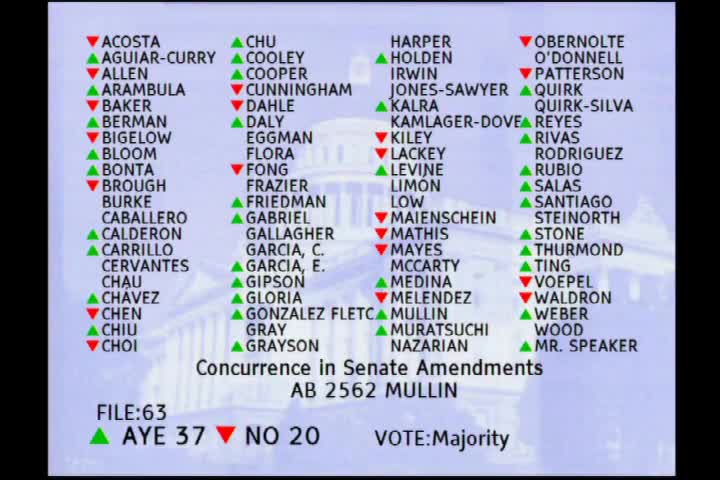

Bill Author

Bill Co-Author(s):
