AB 1535: Corporations: dissolutions: separate shareholder agreements.
- Session Year: 2017-2018
- House: Assembly
- Latest Version Date: 2017-10-12
Existing law governs suits concerning the dissolution of corporations. Under this law, subject to any contrary provision in the articles, in a suit for involuntary dissolution or a proceeding for voluntary dissolution initiated by a shareholder vote representing only 50% of the voting power, the corporation or, if it does not elect to purchase, the holders of 50% or more of the voting power, as purchasing shareholders, may avoid the corporations dissolution and appointment of a receiver by purchasing the plaintiffs or shareholders shares at fair value.
This bill would specify that those contrary provisions in the articles may include a reference to a separate written agreement between 2 or more shareholders pertaining to the purchase of shares.
Existing law governs suits concerning the dissolution of corporations. Under this law, subject to any contrary provision in the articles, in a suit for involuntary dissolution or a proceeding for voluntary dissolution initiated by a shareholder vote representing only 50% of the voting power, the corporation or, if it does not elect to purchase, the holders of 50% or more of the voting power, as purchasing shareholders, may avoid the corporations dissolution and appointment of a receiver by purchasing the plaintiffs or shareholders shares at fair value.
This bill would specify that those contrary provisions in the articles may include a reference to a separate written agreement between two 2 or more shareholders pertaining to the purchase of shares.
Existing law governs suits concerning the dissolution of corporations. Under this law, subject to any contrary provision in the articles, in a suit for involuntary dissolution or a proceeding for voluntary dissolution initiated by a shareholder vote representing only 50% of the voting power, the corporation or, if it does not elect to purchase, the holders of 50% or more of the voting power, as purchasing shareholders, may avoid the corporations dissolution and appointment of a receiver by purchasing the plaintiffs or shareholders shares at fair value.
This bill would specify that those contrary provisions in the articles may include a reference to a separate shareholder agreement. agreement between two or more shareholders pertaining to the purchase of shares.
Existing law governs suits concerning the dissolution of corporations. Under this law, subject to any contrary provision in the articles, in a suit for involuntary dissolution or a proceeding for voluntary dissolution initiated by a shareholder vote representing only 50% of the voting power, the corporation or, if it does not elect to purchase, the holders of 50% or more of the voting power, as purchasing shareholders, may avoid the corporations dissolution and appointment of a receiver by purchasing the plaintiffs or shareholders shares at fair value.
This bill would specify that those contrary provisions in the articles may include a reference to a separate shareholder agreement.
(a)Subject to any contrary provision in the articles, which may include a reference to a separate written agreement between two or more shareholders pertaining to the purchase of shares:
In any suit for involuntary dissolution, or in any proceeding for voluntary dissolution initiated by the vote of shareholders representing only 50 percent of the voting power, the corporation or, if it does not elect to purchase, the holders of 50 percent or more of the voting power of the corporation (the purchasing parties) may avoid the dissolution of the corporation and the appointment of any receiver by purchasing for cash the shares owned by the plaintiffs or by the shareholders so initiating the proceeding (the moving parties) at their fair value.
The fair value shall be determined on the basis of the liquidation value as of the valuation date but taking into account the possibility, if any, of sale of the entire business as a going concern in a liquidation. In fixing the value, the amount of any damages resulting if the initiation of the dissolution is a breach by any moving party or parties of an agreement with the purchasing party or parties may be deducted from the amount payable to the moving party or parties, unless the ground for dissolution is that specified in paragraph (4) of subdivision (b) of Section 1800. The election of the corporation to purchase may be made by the approval of the outstanding shares (Section 152) excluding shares held by the moving parties.
(b)If the purchasing parties (1) elect to purchase the shares owned by the moving parties, and (2) are unable to agree with the moving parties upon the fair value of those shares, and (3) give bond with sufficient security to pay the estimated reasonable expenses (including attorneys fees) of the moving parties if those expenses are recoverable under subdivision (c), the court upon application of the purchasing parties, either in the pending action or in a proceeding initiated in the superior court of the proper county by the purchasing parties in the case of a voluntary election to wind up and dissolve, shall stay the winding up and dissolution proceeding and shall proceed to ascertain and fix the fair value of the shares owned by the moving parties.
(c)The court shall appoint three disinterested appraisers to appraise the fair value of the shares owned by the moving parties, and shall make an order referring the matter to the appraisers so appointed for the purpose of ascertaining the value. The order shall prescribe the time and manner of producing evidence, if evidence is required. The award of the appraisers or of a majority of them, when confirmed by the court, shall be final and conclusive upon all parties. The court shall enter a decree, which shall provide in the alternative for winding up and dissolution of the corporation unless payment is made for the shares within the time specified by the decree. If the purchasing parties do not make payment for the shares within the time specified, judgment shall be entered against them and the surety or sureties on the bond for the amount of the expenses (including attorneys fees) of the moving parties. Any shareholder aggrieved by the action of the court may appeal the courts decision.
(d)If the purchasing parties desire to prevent the winding up and dissolution, they shall pay to the moving parties the value of their shares ascertained and decreed within the time specified pursuant to this section, or, in case of an appeal, as fixed on appeal. On receiving payment or the tender thereof, the moving parties shall transfer their shares to the purchasing parties.
(e)For the purposes of this section, shareholder includes a beneficial owner of shares who has entered into an agreement under Section 300 or 706.
(f)For the purposes of this section, the valuation date shall be (1) in the case of a suit for involuntary dissolution under Section 1800, the date upon which that action was commenced, or (2) in the case of a proceeding for voluntary dissolution initiated by the vote of shareholders representing only 50 percent of the voting power, the date upon which that proceeding was initiated. However, in either case the court may, upon the hearing of a motion by any party, and for good cause shown, designate some other date as the valuation date.
(a)Subject to any contrary provision in the articles, which may include a reference to a separate shareholder agreement: agreement between two or more shareholders pertaining to the purchase of shares:
In any suit for involuntary dissolution, or in any proceeding for voluntary dissolution initiated by the vote of shareholders representing only 50 percent of the voting power, the corporation or, if it does not elect to purchase, the holders of 50 percent or more of the voting power of the corporation (the purchasing parties) may avoid the dissolution of the corporation and the appointment of any receiver by purchasing for cash the shares owned by the plaintiffs or by the shareholders so initiating the proceeding (the moving parties) at their fair value.
The fair value shall be determined on the basis of the liquidation value as of the valuation date but taking into account the possibility, if any, of sale of the entire business as a going concern in a liquidation. In fixing the value, the amount of any damages resulting if the initiation of the dissolution is a breach by any moving party or parties of an agreement with the purchasing party or parties may be deducted from the amount payable to such the moving party or parties, unless the ground for dissolution is that specified in paragraph (4) of subdivision (b) of Section 1800. The election of the corporation to purchase may be made by the approval of the outstanding shares (Section 152) excluding shares held by the moving parties.
(b)If the purchasing parties (1) elect to purchase the shares owned by the moving parties, and (2) are unable to agree with the moving parties upon the fair value of such those shares, and (3) give bond with sufficient security to pay the estimated reasonable expenses (including attorneys fees) of the moving parties if such those expenses are recoverable under subdivision (c), the court upon application of the purchasing parties, either in the pending action or in a proceeding initiated in the superior court of the proper county by the purchasing parties in the case of a voluntary election to wind up and dissolve, shall stay the winding up and dissolution proceeding and shall proceed to ascertain and fix the fair value of the shares owned by the moving parties.
(c)The court shall appoint three disinterested appraisers to appraise the fair value of the shares owned by the moving parties, and shall make an order referring the matter to the appraisers so appointed for the purpose of ascertaining such the value. The order shall prescribe the time and manner of producing evidence, if evidence is required. The award of the appraisers or of a majority of them, when confirmed by the court, shall be final and conclusive upon all parties. The court shall enter a decree decree, which shall provide in the alternative for winding up and dissolution of the corporation unless payment is made for the shares within the time specified by the decree. If the purchasing parties do not make payment for the shares within the time specified, judgment shall be entered against them and the surety or sureties on the bond for the amount of the expenses (including attorneys fees) of the moving parties. Any shareholder aggrieved by the action of the court may appeal therefrom. the courts decision.
(d)If the purchasing parties desire to prevent the winding up and dissolution, they shall pay to the moving parties the value of their shares ascertained and decreed within the time specified pursuant to this section, or, in case of an appeal, as fixed on appeal. On receiving such payment or the tender thereof, the moving parties shall transfer their shares to the purchasing parties.
(e)For the purposes of this section, shareholder includes a beneficial owner of shares who has entered into an agreement under Section 300 or 706.
(f)For the purposes of this section, the valuation date shall be (1) in the case of a suit for involuntary dissolution under Section 1800, the date upon which that action was commenced, or (2) in the case of a proceeding for voluntary dissolution initiated by the vote of shareholders representing only 50 percent of the voting power, the date upon which that proceeding was initiated. However, in either case the court may, upon the hearing of a motion by any party, and for good cause shown, designate some other date as the valuation date.
(a)Subject to any contrary provision in the articles, in which may include a reference to a separate shareholder agreement:
In any suit for involuntary dissolution, or in any proceeding for voluntary dissolution initiated by the vote of shareholders representing only 50 percent of the voting power, the corporation or, if it does not elect to purchase, the holders of 50 percent or more of the voting power of the corporation (the purchasing parties) may avoid the dissolution of the corporation and the appointment of any receiver by purchasing for cash the shares owned by the plaintiffs or by the shareholders so initiating the proceeding (the moving parties) at their fair value. The
The fair value shall be determined on the basis of the liquidation value as of the valuation date but taking into account the possibility, if any, of sale of the entire business as a going concern in a liquidation. In fixing the value, the amount of any damages resulting if the initiation of the dissolution is a breach by any moving party or parties of an agreement with the purchasing party or parties may be deducted from the amount payable to such moving party or parties, unless the ground for dissolution is that specified in paragraph (4) of subdivision (b) of Section 1800. The election of the corporation to purchase may be made by the approval of the outstanding shares (Section 152) excluding shares held by the moving parties.
(b)If the purchasing parties (1) elect to purchase the shares owned by the moving parties, and (2) are unable to agree with the moving parties upon the fair value of such shares, and (3) give bond with sufficient security to pay the estimated reasonable expenses (including attorneys fees) of the moving parties if such expenses are recoverable under subdivision (c), the court upon application of the purchasing parties, either in the pending action or in a proceeding initiated in the superior court of the proper county by the purchasing parties in the case of a voluntary election to wind up and dissolve, shall stay the winding up and dissolution proceeding and shall proceed to ascertain and fix the fair value of the shares owned by the moving parties.
(c)The court shall appoint three disinterested appraisers to appraise the fair value of the shares owned by the moving parties, and shall make an order referring the matter to the appraisers so appointed for the purpose of ascertaining such value. The order shall prescribe the time and manner of producing evidence, if evidence is required. The award of the appraisers or of a majority of them, when confirmed by the court, shall be final and conclusive upon all parties. The court shall enter a decree which shall provide in the alternative for winding up and dissolution of the corporation unless payment is made for the shares within the time specified by the decree. If the purchasing parties do not make payment for the shares within the time specified, judgment shall be entered against them and the surety or sureties on the bond for the amount of the expenses (including attorneys fees) of the moving parties. Any shareholder aggrieved by the action of the court may appeal therefrom.
(d)If the purchasing parties desire to prevent the winding up and dissolution, they shall pay to the moving parties the value of their shares ascertained and decreed within the time specified pursuant to this section, or, in case of an appeal, as fixed on appeal. On receiving such payment or the tender thereof, the moving parties shall transfer their shares to the purchasing parties.
(e)For the purposes of this section, shareholder includes a beneficial owner of shares who has entered into an agreement under Section 300 or 706.
(f)For the purposes of this section, the valuation date shall be (1) in the case of a suit for involuntary dissolution under Section 1800, the date upon which that action was commenced, or (2) in the case of a proceeding for voluntary dissolution initiated by the vote of shareholders representing only 50 percent of the voting power, the date upon which that proceeding was initiated. However, in either case the court may, upon the hearing of a motion by any party, and for good cause shown, designate some other date as the valuation date.
|
Date
|
Status
|
|---|---|
| Oct 12, 2017 | Chaptered by Secretary of State - Chapter 721, Statutes of 2017. |
| Oct 12, 2017 | Approved by the Governor. |
| Sep 12, 2017 | Enrolled and presented to the Governor at 2:30 p.m. |
| Sep 5, 2017 | Senate amendments concurred in. To Engrossing and Enrolling. (Ayes 76. Noes 0.). |
| Aug 31, 2017 | In Assembly. Concurrence in Senate amendments pending. May be considered on or after September 2 pursuant to Assembly Rule 77. |
| Aug 31, 2017 | Read third time. Passed. Ordered to the Assembly. |
| Jul 20, 2017 | Read second time. Ordered to third reading. |
| Jul 19, 2017 | From committee: Do pass. (Ayes 7. Noes 0.) (July 18). |
| Jun 21, 2017 | From committee chair, with author's amendments: Amend, and re-refer to committee. Read second time, amended, and re-referred to Com. on JUD. |
| Jun 8, 2017 | Read second time and amended. Re-referred to Com. on JUD. |
| Jun 7, 2017 | From committee: Amend, and do pass as amended and re-refer to Com. on JUD. (Ayes 11. Noes 0.) (June 7). |
| May 17, 2017 | Referred to Coms. on B. & F.I. and JUD. |
| May 4, 2017 | In Senate. Read first time. To Com. on RLS. for assignment. |
| May 4, 2017 | Read third time. Passed. Ordered to the Senate. (Ayes 76. Noes 0. Page 1386.) |
| May 3, 2017 | Read second time. Ordered to third reading. |
| May 2, 2017 | From committee: Do pass. (Ayes 10. Noes 0.) (May 1). |
| Mar 29, 2017 | In committee: Hearing postponed by committee. |
| Mar 16, 2017 | Referred to Com. on B. & F. |
| Feb 19, 2017 | From printer. May be heard in committee March 21. |
| Feb 17, 2017 | Read first time. To print. |
|
Date
|
Description
|
Location
|
Votes
|
|
|---|---|---|---|---|
| Sep 5, 2017 | AB 1535 MAIENSCHEIN Concurrence in Senate Amendments | Assembly Floor |
Passed |
|
| Aug 31, 2017 | Assembly 3rd Reading AB1535 Maienschein By Hertzberg | Senate Floor |
Passed |
|
| Jul 18, 2017 | Do pass | Senate Standing Committee on Judiciary |
Passed |
|
| Jun 7, 2017 | Do pass as amended, but first amend, and re-refer to the Committee on [Judiciary] | Senate Standing Committee on Insurance, Banking and Financial Institutions |
Passed |
|
| May 4, 2017 | AB 1535 MAIENSCHEIN Assembly Third Reading | Assembly Floor |
Passed |
|
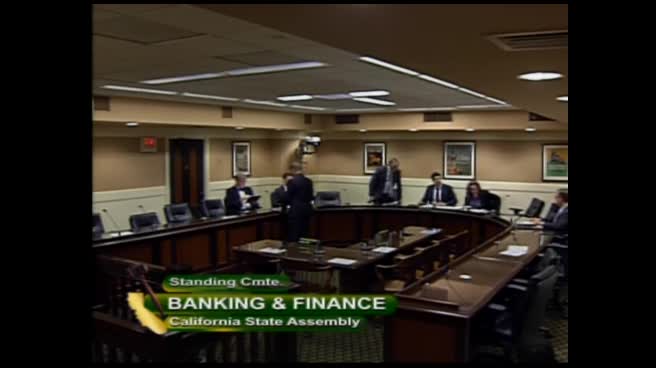
| May 1, 2017 | Do pass. | Assembly Standing Committee on Banking and Finance |
Passed |
This list shows positions taken on this bill by organizations on the date displayed, which is linked to the original source.
Positions by individuals are not included.
|
Organization
|
Position
|
Date
|
|---|---|---|
| Conference of California Bar Associations | ** Support | Aug 17, 2017 |
| Keith Paul Bishop | ** Against | Jul 17, 2017 |
| opposition: none received. | ** Support | Jun 5, 2017 |
| POSITIONS | ** Support | Jun 5, 2017 |
CONCURRENCE IN SENATE AMENDMENTS
CSA1 Bill Id:AB 1535
Author:(Maienschein)
As Amended Ver:June 21, 2017
Majority vote
ASSEMBLY: | 76-0 | (May 4, 2017) | SENATE: | 39-0 | (August 31, 2017) |
Original Committee Reference: B. & F.
SUMMARY: Allows a reference to a "separate shareholder agreement" to be included in the articles of incorporation.
The Senate amendments clarify that the separate agreement between two or more shareholders pertaining to the purchase of shares should be a written document.
EXISTING LAW: Corporations Code Section 2000 governs suits concerning the dissolutions of corporations.
FISCAL EFFECT: According to the Senate Appropriations Committee, pursuant to Senate Rule 28.8, negligible state costs.
COMMENTS: This bill allows for the inclusion of a "separate shareholder agreement" to be used in possible future dissolutions or corporate restructuring. According to the author's office:
AB 1535 simply clarifies in law that a corporations' articles of incorporation may contain a reference to a separate buyout agreement to be followed in the event dissolution becomes necessary or desirable. This avoids the need for corporations to constantly re-file their articles of incorporation every time a change is made to the buyout agreement, which is wasteful and needlessly expensive.
When corporations initially file their articles of incorporation they typically do not include articles that specifically describe the circumstances of dissolution or restructuring. The rationale for not including such documents is the inability to foresee the complexity of the details surrounding such actions. A common example of this type of corporate action would be a buyout agreement between shareholders. Customary practice is to include a reference to a separate buyout agreement in the articles of incorporation. This buyout agreement would be specifically tailored at the time of the restructuring to include the details of the action taken.
Referencing a separate shareholder agreement has the effect of reducing the size and complexity of the articles of incorporation and avoids the need for continuous amendments to the articles each time an action is required.
The inclusion of separate shareholder agreements in current statute will allow corporations to use these documents to more effectively plan and execute future dissolutions or shareholder restructuring in a manner that is reliably consistent over time.
Analysis Prepared by: William Herms / B. & F. / (916) 319-3081 FN: 0001399
Office of Senate Floor Analyses (916) 651-1520 Fax: (916) 327-4478 | AB |
THIRD READING
Bill No: AB 1535
:
SENATE INS., BANK. & FIN. COMMITTEE: 11-0, 6/7/17
AYES: Mendoza, Berryhill, Gaines, Galgiani, Glazer, Hueso, Lara, Morrell, Newman, Portantino, Roth
NO VOTE RECORDED: Hernandez, Mitchell
SENATE JUDICIARY COMMITTEE: 7-0, 7/18/17
AYES: Jackson, Moorlach, Anderson, Hertzberg, Monning, Stern, Wieckowski
ASSEMBLY FLOOR: 76-0, 5/4/17 - See last page for vote
SOURCE: Conference of California Bar Associations
DIGEST:
This bill clarifies that, with respect to the rules governing the dissolution of a corporation, a corporation’s articles of incorporation may include a reference to a separate, written agreement between two or more shareholders pertaining to the purchase of shares.
ANALYSIS: Existing law provides a mechanism for the involuntary dissolution of a corporation, but provides that this mechanism is subject to any contrary provision in the articles of incorporation of that corporation (Corporations Code Section 2000).
This bill provides that any contrary provision in the articles of incorporation, which relates to the involuntary dissolution of a corporation, may include a reference to a separate, written agreement between two or more shareholders pertaining to the purchase of shares.
Comments
This bill is sponsored by the Conference of California Bar Associations to remove ambiguity regarding the ability of corporations to include references to separate shareholder agreements related to involuntary dissolutions in their articles of incorporation.
Corporations Code Section 2000 sets forth a series of procedures that must be followed to dissolve a corporation, unless a contrary procedure is specified in the articles of incorporation. According to this bill’s sponsor, most corporations have elected to create such contrary procedures in the form of buyout agreements. However, rather than setting forth all of the specifics of the buyout agreements in their articles of incorporation, corporations typically reference a separate, stand-alone buyout agreement in their articles of incorporation. This is not only common practice, but is recommended in major legal practice guides.
The practice of referencing a separate buyout agreement in one’s articles of incorporation provides notice to third parties and potential purchasers that alternative dissolution procedures may be followed, reduces the size and complexity of the articles of incorporation, and avoids the need for frequent amendments to the articles of incorporation to reflect each change to a buyout agreement.
Despite the recognition of separate buyout agreements referenced in articles of incorporation as standard corporate practice, the Secretary of State’s Office has not consistently approved language in the articles of incorporation that references a separate buyout agreement; some such language is approved, while other such language is not. This inconsistent interpretation of the statute is not only inconvenient, but can be expensive, as it forces some corporations to re-draft and re-file their articles of incorporation every time a change is made to the buyout plan by the shareholders. By expressly clarifying that separate buyout agreements may be referenced in a corporation’s articles of incorporation, this bill will ensure consistent future interpretations by the Secretary of State’s Office.
FISCAL EFFECT: Appropriation: Fiscal Com.: Local:
Conference of California Bar Associations (source)
OPPOSITION: (Verified 7/28/17)
One individual
ARGUMENTS IN SUPPORT: The Conference of California Bar Associations writes that this bill “is necessary because of inconsistent treatment in the past few years by the Secretary of State of references in the articles of incorporation to separate shareholder buyout agreements. In 2015 and 2016, the SOS policy apparently was to reject articles that reference separate shareholder buyout agreements. The office reportedly has changed this policy in the current year, but without clear statutory guidance, there always is the chance the policy could change again. AB 1535 will clarify the policy that should apply, to the benefit of all concerned.”
ARGUMENTS IN OPPOSITION: Keith Bishop, a private individual who previously served as Commissioner of Corporations, opposes this bill on grounds that it is unnecessary and that it undermines the intent of the Legislature to prevent corporations from authorizing secret deals. “The General Corporation Law generally contemplates that the shareholders’ rights, preferences and privileges will be set forth in a public filing – the articles. Even when the articles authorize the board of directors to determine the rights, preferences and privileges of a class or series of shares, a certificate of determination must be filed with the Secretary of State’s office before shares are issued. In 1987, the legislature amended the Corporations Code to allow for a limited exception to this general principle...Section 109.5 requires the corporation to maintain a copy of the agreement at its principal executive office and to provide a copy of the agreement, without charge, to a shareholder upon request. The legislature further mandated that amendments to the agreement be subject to shareholder approval in specified situations. These provisions are quite obviously intended to preclude ‘secret deals’ and to preserve the rights of all shareholders to vote on changes to extraneous agreements that are tantamount to amending the articles.”
ASSEMBLY FLOOR: 76-0, 5/4/17
AYES: Acosta, Aguiar-Curry, Arambula, Baker, Berman, Bloom, Bocanegra, Bonta, Brough, Burke, Caballero, Calderon, Cervantes, Chau, Chávez, Chen, Chiu, Choi, Chu, Cooley, Cooper, Cunningham, Dababneh, Dahle, Daly, Eggman, Flora, Fong, Frazier, Friedman, Gallagher, Eduardo Garcia, Gipson, Gloria, Gomez, Gonzalez Fletcher, Gray, Grayson, Harper, Holden, Irwin, Jones-Sawyer, Kalra, Kiley, Lackey, Levine, Limón, Low, Maienschein, Mathis, Mayes, McCarty, Medina, Melendez, Mullin, Muratsuchi, Nazarian, Obernolte, O'Donnell, Quirk, Quirk-Silva, Reyes, Ridley-Thomas, Rodriguez, Rubio, Salas, Santiago, Steinorth, Mark Stone, Thurmond, Ting, Voepel, Waldron, Weber, Wood, Rendon
NO VOTE RECORDED: Travis Allen, Bigelow, Cristina Garcia, Patterson
8/17/17 11:22:06
**** END ****
Senator Hannah-Beth Jackson, Chair
2017-2018 Regular Session
Bill No: AB 1535 (Author:Maienschein)
Version: June 21, 2017
Hearing Date: July 18, 2017
Fiscal: No
Urgency: No
Consultant: MS
SUBJECT
Corporations: dissolutions: separate shareholder agreements
DESCRIPTION
This bill clarifies that the articles of incorporation of a corporation may include reference to a separate shareholder agreement regarding involuntary dissolution of the corporation.
BACKGROUND
The California Corporations Code provides for the formation and governance of various business entities, including corporations, associations, partnerships, limited partnerships, limited liability companies (LLC), and limited liability partnerships. Each of these businesses must file certain documents with the Secretary of State (SOS) in order to form, convert business entities (such as from a corporation to an LLC), and stay in good standing with the State.
Corporations Code Section 2000 provides a series of procedures that must be followed to dissolve a corporation. This code section provides that a corporation may specify an alternative procedure for dissolution within their articles of corporation. If such an alternative procedure is provided, it applies to any dissolution of that corporation. (Corp. Code Sec. 2000(a).)
This bill would provide that a corporation may provide for an alternative procedure for dissolution in a separate shareholder agreement that is referenced in their articles of incorporation, rather than including the alternative procedure for dissolution within their articles of incorporation.
Senate Insurance, Banking and Financial Institutions Committee passed this bill with a vote of 11 to 0.
CHANGES TO EXISTING LAW
Existing law provides a mechanism for the involuntary dissolution of a corporation, and provides that this mechanism is subject to any contrary provision in the articles of incorporation of that corporation. (Corp. Code Sec. 2000 et al.)
Existing law provides that, subject to any contrary provision in the articles, in any suit for involuntary dissolution, or in any proceeding for voluntary dissolution initiated by the vote of shareholders representing only 50 percent of the voting power, the corporation or the holders of 50 percent or more of the voting power may avoid the dissolution of the corporation by purchasing for cash the shares owned by the plaintiffs or by the shareholders so initiating the proceeding at their fair value. (Corp. Code Sec. 2000(a).)
Existing law provides that if the purchasing parties elect to purchase the shares owned by the moving parties, and are unable to agree with the moving parties upon the fair value of such shares, and give bond with sufficient security to pay the estimated reasonable expenses, including attorneys’ fees, of the moving parties if such expenses are recoverable as provided, the court upon application of the purchasing parties shall stay the winding up and dissolution proceeding and shall proceed to ascertain and fix the fair value of the shares owned by the moving parties. (Corp. Code Sec. 2000(b).)
Existing law provides that the court shall appoint three disinterested appraisers to appraise the fair value of the shares owned by the moving parties, and shall make an order referring the matter to the appraisers so appointed. The order shall prescribe the time and manner of producing evidence, if evidence is required, and the award of the appraisers, when confirmed by the court, shall be final and conclusive upon all parties. (Corp. Code Sec. 2000(c).)
Existing law provides that the court shall enter a decree which shall provide in the alternative for winding up and dissolution, unless payment is made for the shares within the time specified by the decree. (Corp. Code Sec. 2000(c).)
Existing law provides that if the purchasing parties desire to prevent the winding up and dissolution, they shall pay to the moving parties the value of their shares pursuant to the court’s issued decree, or in the case of appeal, as fixed on appeal. The moving parties shall transfer their shares to the purchasing parties upon receipt of payment. (Corp. Code Sec. 2000(d).)
This bill would provide that any contrary provision in the articles of incorporation, which relates to the involuntary dissolution of a corporation, may include a reference to a separate shareholder agreement.
COMMENT
- Stated need for this bill
According to the Author:
AB 1535 simply clarifies in law that a corporation’s articles of incorporation may contain a reference to a separate buyout agreement to be followed in the event dissolution becomes necessary or desirable. This avoids the need for corporations to constantly re-file their articles of incorporation every time a change is made to the buyout agreement, which is wasteful and needlessly expensive.
- Providing clarification for the Secretary of State’s Office
It is common practice for corporations to provide their own procedures for dissolution and buy-out-agreements, as provided for in Corporations Code Section 2000. According to the Conference of California Bar Associations (CCBA), the sponsor of this bill, many corporations elect to utilize a separate shareholder agreement, that’s referenced in their articles of incorporation, to lay out their procedure for dissolution or their corporation’s buy-out-agreement. This business practice allows a corporation to specify the details of these agreements or procedures without increasing the size and complexity of their articles of incorporation. Additionally it provides notice to third parties and potential purchasers of the alternative dissolution procedures, but avoids amendments to the articles of incorporation any time a change may be made to these alternative agreements or procedures.
The Secretary of State’s office has inconsistently recognized these shareholder agreements. According to CCBA, the Secretary of State’s office has both rejected and approved language included in the articles of incorporation that reference buy-out-agreements, while not specifically laying out the specifics of the agreement in the articles of incorporation. To correct this inconsistent approval of references to buy-out-agreements, this bill seeks to add explicit approval for such references in Corporations Code Section 2000.
In support, CCBA writes:
AB 1535 would clarify that a corporation’s articles of incorporation may include a reference to a separate buy-out agreement adopted by a corporation’s shareholders, rather than requiring all details of the buyout agreement to be included in the articles themselves. This is common practice for attorneys representing corporations, and is recommended by all major practice guides, because it permits the shareholders of the corporation to adapt a buyout agreement to changing circumstances without having to go through the complicated process of amending the articles of incorporation each time.
The amendment is necessary because of inconsistent treatment in the past few years by the Secretary of State of references in the articles of incorporation to separate shareholder buyout agreements. In 2015 and 2016, the SOS policy apparently was to reject articles of incorporation that referenced separate shareholder buyout agreements. The office reportedly has changed this policy in the current year, but without clear statutory guidance, there always is the chance the policy could change again. AB 1535 will clarify the policy that should apply, to the benefit of all concerned.
In opposition, Keith Paul Bishop, a former California Commissioner of Corporations with the California Department of Business Oversight, writes:
Nothing in the Corporations Code, including Section 2000, requires such a reference for a buy-sell agreement to be enforceable. If the shareholders are concerned that the statutory buy-out rights either override or exist in addition to a buy-sell agreement, the obvious answer is to simply negate the statutory rights as contemplated by current Section 2000.
The proposed amendment does raise significant concerns. The General Corporation Law generally contemplates that the shareholders’ rights, preferences and privileges will be set forth in a public filing – the articles. In 1987, the legislature amended the Corporations Code to permit certain provisions of the articles or an agreement of merger to be made dependent upon facts ascertainable outside the articles or agreement of merger through a reference to an agreement. Cal. Corp. Code § 109.5. In doing so, the legislature imposed certain protections. Thus, the statute requires the corporation to maintain a copy of the agreement at its principal executive office and to provide a copy of the agreement, without charge, to a shareholder upon request. The legislature further mandated that amendments to the agreement be subject to shareholder approval in specified situations.
These provisions are quite obviously intended to preclude “secret deals” and to preserve the rights of all shareholders to vote on changes to extraneous agreements that are tantamount to amending the articles. AB 1535 provides none of these protections and should not be enacted.
Support: None Known
Opposition: Keith Paul Bishop
HISTORY
Source: Conference of California Bar Associations
Related Pending Legislation: None Known
Prior Legislation: None Known
Prior Vote:
Senate Insurance, Banking and Financial Institutions Committee (Ayes 11, Noes 0)
Assembly Floor (Ayes 76, Noes 0)
Assembly Banking and Finance Committee (Ayes 10, Noes 0)
**************
SENATE COMMITTEE ON INSURANCE, BANKING AND FINANCIAL INSTITUTIONS
Senator Tony Mendoza, Chair
2017 - 2018 Regular
Bill No: AB 1535 Hearing Date: June 7, 2017
Author: | Maienschein | ||
Version: | February 17, 2017 Introduced | ||
Urgency: | No | Fiscal: | No |
Consultant: | Eileen Newhall | ||
Subject: Corporations: dissolutions: separate shareholder agreements
SUMMARY
This bill clarifies that the articles of incorporation of a corporation may include a reference to a separate shareholder agreement regarding the involuntary dissolution of the corporation.
DIGEST
Existing law provides a mechanism for the involuntary dissolution of a corporation, but provides that this mechanism is subject to any contrary provision in the articles of incorporation of that corporation (Corporations Code Section 2000).
This bill provides that any contrary provision in the articles of incorporation, which relates to the involuntary dissolution of a corporation, may include a reference to a separate shareholder agreement.
COMMENTS
- Purpose of the bill: This bill is sponsored by the Conference of California Bar Associations to remove ambiguity regarding the ability of corporations to include references to separate shareholder agreements related to involuntary dissolutions in their articles of incorporation.
- Background: Corporations Code Section 2000 sets forth a series of procedures that must be followed to dissolve a corporation, unless a contrary procedure is specified in the articles of incorporation. According to this bill’s sponsor, most corporations have elected to create such contrary procedures in the form of buyout agreements. However, rather than setting forth all of the specifics of the buyout agreements in their articles of incorporation, corporations typically reference a separate, stand-alone buyout agreement in their articles of incorporation. This is not only common practice, but is recommended in major legal practice guides.
The practice of referencing a separate buyout agreement in one’s articles of incorporation provides notice to third parties and potential purchasers that alternative dissolution procedures may be followed, reduces the size and complexity of the articles of incorporation, and avoids the need for frequent amendments to the articles of incorporation to reflect each change to a buyout agreement.
Despite the recognition of separate buyout agreements referenced in articles of incorporation as standard corporate practice, the Secretary of State’s Office has not consistently approved language in the articles of incorporation that references a separate buyout agreement; some such language is approved, while other such language is not. This inconsistent interpretation of the statute is not only inconvenient, but can be expensive, as it forces some corporations to re-draft and re-file their articles of incorporation every time a change is made to the buyout plan by the shareholders. By expressly clarifying that separate buyout agreements may be referenced in a corporation’s articles of incorporation, this bill will ensure consistent future interpretations by the Secretary of State’s Office. - Support: The Conference of California Bar Associations is sponsoring this bill for the reasons stated immediately above. “The amendment is necessary because of inconsistent treatment in the past few years by the Secretary of State of references in the articles of incorporation to separate shareholder buyout agreements. In 2015 and 2016, the SOS policy apparently was to reject articles that reference separate shareholder buyout agreements. The office reportedly has changed this policy in the current year, but without clear statutory guidance, there always is the chance the policy could change again. AB 1535 will clarify the policy that should apply, to the benefit of all concerned.”
- Opposition: None received.
- Suggested Amendments: The author’s office has agreed to the following clarifying amendment:
Page 2, lines 2 and 3: strike “separate shareholder agreement” and insert: separate agreement between two or more shareholders pertaining to the purchase of shares
POSITIONS
Support
Conference of California Bar Associations (sponsor)
Oppose
None received
-- END --
ASSEMBLY THIRD READING
ATR Bill Id:AB 1535
Author:(Maienschein)
As Introduced Ver:February 17, 2017
Majority vote
Committee | Votes | Ayes | Noes |
Banking | 10-0 | Dababneh, Chen, Burke, Cervantes, Grayson, Limón, Melendez, Steinorth, Mark Stone, Weber |
SUMMARY: Allows a reference to a "separate shareholder agreement" to be included in the articles of incorporation.
EXISTING LAW: Corporations Code Section 2000 governs suits concerning the dissolutions of corporations.
FISCAL EFFECT: Unknown. This bill is keyed non-fiscal by the Legislative Counsel.
COMMENTS: This bill allows for the inclusion of a "separate shareholder agreement" to be used in possible future dissolutions or corporate restructuring. According to the author's office:
AB 1535 simply clarifies in law that a corporations' articles of incorporation may contain a reference to a separate buyout agreement to be followed in the event dissolution becomes necessary or desirable. This avoids the need for corporations to constantly re-file their articles of incorporation every time a change is made to the buyout agreement, which is wasteful and needlessly expensive.
When corporations initially file their articles of incorporation they typically do not include articles that specifically describe the circumstances of dissolution or restructuring. The rationale for not including such documents is the inability to foresee the complexity of the details surrounding such actions. A common example of this type of corporate action would be a buyout agreement between shareholders. Customary practice is to include a reference to a separate buyout agreement in the articles of incorporation. This buyout agreement would be specifically tailored at the time of the restructuring to include the details of the action taken.
Referencing a separate shareholder agreement has the effect of reducing the size and complexity of the articles of incorporation and avoids the need for continuous amendments to the articles each time an action is required.
The sponsor of this legislation notes that the current practice of the Secretary of State (SOS) is to interpret Corporations Code Section 2000 to allow a reference to a separate shareholder agreement. This, of course, raises the question of the need for the legislation. However, the sponsor also notes that past SOS interpretations of the code have not allowed such references.
The inclusion of separate shareholder agreements in current statute will allow corporations to use these documents to more effectively plan and execute future dissolutions or shareholder restructuring in a manner that is reliably consistent over time.
Analysis Prepared by: William Herms / B. & F. / (916) 319-3081 FN: 0000223
Date of Hearing: May 1, 2017
ASSEMBLY COMMITTEE ON BANKING AND FINANCE
Matthew Dababneh, Chair
ABPCA Bill Id:AB 1535 (
Author:Maienschein) – As Introduced Ver:February 17, 2017
SUBJECT: Corporations: dissolutions: separate shareholder agreements
SUMMARY: Allows a reference to a “separate shareholder agreement” to be included in the articles of incorporation.
EXISTING LAW: Corporations Code Section 2000 governs suits concerning the dissolutions of corporations.
FISCAL EFFECT: Unknown
COMMENTS: This bill allows for the inclusion of a “separate shareholder agreement” to be used in possible future dissolutions or corporate restructuring. According to the author’s office:
AB 1535 simply clarifies in law that a corporations’ articles of incorporation may contain a reference to a separate buyout agreement to be followed in the event dissolution becomes necessary or desirable. This avoids the need for corporations to constantly re-file their articles of incorporation every time a change is made to the buyout agreement, which is wasteful and needlessly expensive.
When corporations initially file their articles of incorporation they typically do not include articles that specifically describe the circumstances of dissolution or restructuring. The rationale for not including such documents is the inability to foresee the complexity of the details surrounding such actions. A common example of this type of corporate action would be a buyout agreement between shareholders. Customary practice is to include a reference to a separate buyout agreement in the articles of incorporation. This buyout agreement would be specifically tailored at the time of the restructuring to include the details of the action taken.
Referencing a separate shareholder agreement has the effect of reducing the size and complexity of the articles of incorporation and avoids the need for continuous amendments to the articles each time an action is required.
The sponsor of this legislation notes that the current practice of the Secretary of State (SOS) is to interpret Corporations Code Section 2000 to allow a reference to a separate shareholder agreement. This, of course, raises the question of the need for the legislation. However, the sponsor also notes that past SOS interpretations of the code have not allowed such references.
The inclusion of separate shareholder agreements in current statute will allow corporations to use these documents to more effectively plan and execute future dissolutions or shareholder restructuring in a manner that is reliably consistent over time.
REGISTERED SUPPORT / OPPOSITION:
Support
Conference of California Bar Associations
Opposition
None on file.
Analysis Prepared by: William Herms / B. & F. / (916) 319-3081
Bill Author

Bill Co-Author(s):