AB 1650: Emergency medical services: community paramedicine.
- Session Year: 2017-2018
- House: Assembly
- Latest Version Date: 2017-04-20
Existing law, the Emergency Medical Services System and the Prehospital Emergency Medical Care Personnel Act, governs local emergency medical services (EMS) systems. The act establishes the Emergency Medical Services Authority, which is responsible for the coordination and integration of all state agencies concerning emergency medical services. Among other duties, the authority is required to develop planning and implementation guidelines for emergency medical services systems, provide technical assistance to existing agencies, counties, and cities for the purpose of developing the components of emergency medical services systems, and receive plans for the implementation of emergency medical services and trauma care systems from local EMS agencies.
This bill would would, until January 1, 2022, create the Community Paramedic Program in the authority. The bill would authorize the authority to authorize a local EMS agency that opts to participate in the program to provide specified services, such as case management services and linkage to nonemergency services for frequent EMS system users, through a local community paramedic program. The bill would require the authority, in consultation with the Office of Statewide Health Planning and Development, to develop criteria to qualify services for participation in the program, develop an application and application process for local EMS agencies seeking to participate in the program, and to review and approve applications for participation in the program as a component of the local EMS agencys EMS plan. The bill would authorize a local EMS agency to opt to participate in the program if it meets the criteria established by the authority and completes the application process developed by the criteria. The bill would specify the necessary components of a community paramedic service plan to be included in the local EMS agencys application. The bill would require the medical director of the local EMS agency to oversee the local community paramedic program. The bill would require the authority to annually report specified information related to local community paramedic programs to the office, and require the office to publish the report on its Internet Web site.
Existing law, the Emergency Medical Services System and the Prehospital Emergency Medical Care Personnel Act, governs local emergency medical services (EMS) systems. The act establishes the Emergency Medical Services Authority, which is responsible for the coordination and integration of all state agencies concerning emergency medical services. Among other duties, the authority regulates the training and scope of practice of prehospital emergency medical care personnel, including, but not limited to, emergency medical technician-II (EMT-II) and emergency medical technician-paramedic (EMT-P). The local EMS agency is responsible for implementation of advanced life support systems and limited advanced life support systems and for the monitoring of training programs. Existing law specifies the situations in which the local EMS agency may authorize an advanced life support or limited advanced life support program that provides services utilizing EMT-II and EMT-P personnel. is required to develop planning and implementation guidelines for emergency medical services systems, provide technical assistance to existing agencies, counties, and cities for the purpose of developing the components of emergency medical services systems, and receive plans for the implementation of emergency medical services and trauma care systems from local EMS agencies.
This bill would additionally authorize a local EMS agency to authorize a community paramedicine program that provides services utilizing EMT-P personnel for the delivery of medical care and is consistent with a specified community paramedicine pilot project authorized by the Office of Statewide Health Planning and Development. The bill would specify the goals of a community paramedicine program, would specify the types of program services that a local EMS agency may authorize, and would require a local EMS agency to specify patient safeguards and appropriate training requirements for EMT-P personnel under an authorized program. create the Community Paramedic Program in the authority. The bill would authorize the authority to authorize a local EMS agency that opts to participate in the program to provide specified services, such as case management services and linkage to nonemergency services for frequent EMS system users, through a local community paramedic program. The bill would require the authority, in consultation with the Office of Statewide Health Planning and Development, to develop criteria to qualify services for participation in the program, develop an application and application process for local EMS agencies seeking to participate in the program, and to review and approve applications for participation in the program as a component of the local EMS agencys EMS plan. The bill would authorize a local EMS agency to opt to participate in the program if it meets the criteria established by the authority and completes the application process developed by the criteria. The bill would specify the necessary components of a community paramedic service plan to be included in the local EMS agencys application. The bill would require the medical director of the local EMS agency to oversee the local community paramedic program.
Existing law, the Emergency Medical Services System and the Prehospital Emergency Medical Care Personnel Act, governs local emergency medical services (EMS) systems. The act establishes the Emergency Medical Services Authority, which is responsible for the coordination and integration of all state agencies concerning emergency medical services. Among other duties, the authority regulates the training and scope of practice of prehospital emergency medical care personnel, including, but not limited to, emergency medical technician-II (EMT-II) and emergency medical technician-paramedic (EMT-P). The local EMS agency is responsible for implementation of advanced life support systems and limited advanced life support systems and for the monitoring of training programs. Existing law specifies the situations in which the local EMS agency may authorize an advanced life support or limited advanced life support program that provides services utilizing EMT-II and EMT-P personnel.
This bill would additionally authorize a local EMS agency to authorize a community paramedicine program that provides services utilizing EMT-P personnel for the delivery of medical care and is consistent with a specified community paramedicine pilot project authorized by the Office of Statewide Health Planning and Development. The goals of a community paramedicine program authorized under the bill would include, but not be limited to, providing more effective, efficient, and timely health care and lowering health care costs. bill would specify the goals of a community paramedicine program, would specify the types of program services that a local EMS agency may authorize, and would require a local EMS agency to specify patient safeguards and appropriate training requirements for EMT-P personnel under an authorized program.
Existing law, the Emergency Medical Services System and the Prehospital Emergency Medical Care Personnel Act, governs local emergency medical services (EMS) systems. The act establishes the Emergency Medical Services Authority, which is responsible for the coordination and integration of all state agencies concerning emergency medical services. Among other duties, the authority regulates the training and scope of practice of prehospital emergency medical care personnel, including, but not limited to, emergency medical technician-II (EMT-II) and emergency medical technician-paramedic (EMT-P). The local EMS agency is responsible for implementation of advanced life support systems and limited advanced life support systems and for the monitoring of training programs. Existing law specifies the situations in which the local EMS agency may authorize an advanced life support or limited advanced life support program that provides services utilizing EMT-II and EMT-P personnel.
This bill would additionally authorize a local EMS agency to authorize a community paramedicine program that provides services utilizing EMT-P personnel for the delivery of medical care and is consistent with a specified community paramedicine pilot project authorized by the Office of Statewide Health Planning and Development. The goals of a community paramedicine program authorized under the bill would include, but not be limited to, providing more effective, efficient, and timely health care and lowering health care costs.
This chapter shall be known, and may be cited, as the Community Paramedic Program Act.
1802.Unless the context requires otherwise, the following definitions shall apply to this chapter:
(a)Community paramedic means an individual who is educated and trained in community paramedicine, whose scope of practice is in accordance with standards established by the authority, who holds a current certification as a mobile integrated health community paramedic by the International Board of Specialty Certification or equivalent, who has a valid license issued pursuant to this chapter, and who is accredited by a local EMS agency.
(b)Program means the Community Paramedic Program established by this chapter.
1804.Within the authority there is the statewide Community Paramedic Program. The program may authorize a local EMS agency that opts to participate in the program to provide, through a local community paramedic program, and notwithstanding Sections 1797.52 and 1797.218, any of the following services:
(a)(1)Postdischarge followup services for targeted and eligible patients recently discharged from a hospital participating in the program.
(2)A postdischarge service authorized pursuant to this subdivision is intended to provide short-term assistance in order to reduce hospital admissions and shall not replace home health care or any other services available to patients.
(b)(1)Directly observed therapy for eligible patients undergoing tuberculosis treatment in partnership with a county public health department.
(2)A directly observed therapy service authorized pursuant to this subdivision is intended as a supplement to provide for after-hours availability or to reach patients who are difficult to serve, and shall not replace home community health workers or public health nurses.
(c)Hospice rapid response service for eligible and enrolled patients to administer comfort care, coordinate services with the hospice nurse, and, as appropriate, avoid patient transport to an acute care hospital emergency department.
(d)Case management services and linkage to nonemergency services for frequent EMS system users, for the purpose of reducing dependence of those users on the EMS system and acute care hospital emergency departments to provide primary medical care.
2.Duties and Powers of the Authority1810.(a)To implement the program, the authority shall do all of the following:
(1)Develop criteria that qualify local community paramedic services to participate in the program.
(2)Develop an application and application process to be used by a local EMS agency that seeks to participate in the program. The application process shall provide for the submission of a local community paramedic service plan described in Section 1820 that shall be a component of the local EMS agencys local EMS plan.
(3)Review and approve applications for the implementation of local community paramedic services as a component of the local EMS agencys EMS plan in accordance with Section 1797.105.
(b)Criteria described in paragraph (1) of subdivision (a) shall include, but not be limited to, the following:
(1)Training Minimum training and certification requirements for a community paramedic. paramedic, including, but not limited to, the following:
(A)Four years of job experience as an EMT-P.
(B)At least 48 hours of classroom-based instruction.
(C)At least four hours of clinical, hands-on training.
(D)At least 56 hours of study outside of the classroom.
(2)Regulations for the initiation, operation, and evaluation of a local community paramedic program.
1812.(a)The authority shall consult with the Office of Statewide Health Planning and Development in performing its duties required by this chapter.
(b)The authority shall provide the Office of Statewide Health Planning and Development with an annual report regarding all local community paramedic programs that shall include, but not be limited to, information regarding program effectiveness, cost-savings, and patient safety, including details regarding any adverse patient outcomes. The Office of Statewide Health Planning and Development shall publish the report on its Internet Web site.
3.Local EMS Agency Participation1820.(a)A local EMS agency may opt to participate in the program by meeting the criteria and completing the application and application process established by the authority pursuant to Section 1810.
(b)A community paramedic service plan developed by a local EMS agency that seeks to participate in the program shall demonstrate that the local EMS agency will be able to meet the requirements of the program and shall include, but not be limited to, all of the following:
(1)Agreements between local agencies and service providers participating or partnering in the local community paramedic program.
(2)A description of the local community paramedic program.
(3)A description of existing problems that the local community paramedic program is intended to address.
(4)Criteria for the enrollment or inclusion of patients in the local community paramedic program.
(5)Goals and intended results of the local community paramedic program.
(6)Criteria for patient and provider safety.
(7)Estimated costs and savings attributable to the local community paramedic program.
(8)Data to be collected for the purpose of evaluating the effectiveness of the local community paramedic program.
(9)Criteria and processes for evaluating the effectiveness of the local community paramedic program.
(10)Protocols, policies, and procedures for the implementation and operation of local community paramedic program services by a community paramedic.
(11)Protocols for the assessment of patients served by the local community paramedic program.
(12)Any other information or plan component required by the authority pursuant to Section 1810.
1822.The local EMS agency medical director shall oversee a local community paramedic program participating in the program.
1823.This chapter shall remain in effect only until January 1, 2022, and as of that date is repealed, unless a later enacted statute that is enacted before January 1, 2022, deletes or extends that date.
This chapter shall be known, and may be cited, as the Community Paramedic Program Act.
1802.Unless the context requires otherwise, the following definitions shall apply to this chapter:
(a)Community paramedic means an individual who is educated and trained in community paramedicine, whose scope of practice is in accordance with standards established by the authority, who holds a current certification as a mobile integrated health community paramedic by the International Board of Specialty Certification or equivalent, who has a valid license issued pursuant to this chapter, and who is accredited by a local EMS agency.
(b)Program means the Community Paramedic Program established by this chapter.
1804.Within the authority there is the statewide Community Paramedic Program. The program may authorize a local EMS agency that opts to participate in the program to provide, through a local community paramedic program, any of the following services:
(a)(1)Postdischarge followup services for targeted and eligible patients recently discharged from a hospital participating in the program.
(2)A postdischarge service authorized pursuant to this subdivision is intended to provide short-term assistance in order to reduce hospital admissions and shall not replace home health care or any other services available to patients.
(b)(1)Directly observed therapy for eligible patients undergoing tuberculosis treatment in partnership with a county public health department.
(2)A directly observed therapy service authorized pursuant to this subdivision is intended as a supplement to provide for after-hours availability or to reach patients who are difficult to serve, and shall not replace home community health workers or public health nurses.
(c)Hospice rapid response service for eligible and enrolled patients to administer comfort care, coordinate services with the hospice nurse, and, as appropriate, avoid patient transport to an acute care hospital emergency department.
(d)Case management services and linkage to nonemergency services for frequent EMS system users, for the purpose of reducing dependence of those users on the EMS system and acute care hospital emergency departments to provide primary medical care.
2.Duties and Powers of the Authority1810.(a)To implement the program, the authority shall do all of the following:
(1)Develop criteria that qualify local community paramedic services to participate in the program.
(2)Develop an application and application process to be used by a local EMS agency that seeks to participate in the program. The application process shall provide for the submission of a local community paramedic service plan described in Section 1820 that shall be a component of the local EMS agencys local EMS plan.
(3)Review and approve applications for the implementation of local community paramedic services as a component of the local EMS agencys EMS plan in accordance with Section 1797.105.
(b)Criteria described in paragraph (1) of subdivision (a) shall include, but not be limited to, the following:
(1)Training and certification requirements for a community paramedic.
(2)Regulations for the initiation, operation, and evaluation of a local community paramedic program.
1812.The authority shall consult with the Office of Statewide Health Planning and Development in performing its duties required by this chapter.
3.Local EMS Agency Participation1820.(a)A local EMS agency may opt to participate in the program by meeting the criteria and completing the application and application process established by the authority pursuant to Section 1810.
(b)A community paramedic service plan developed by a local EMS agency that seeks to participate in the program shall demonstrate that the local EMS agency will be able to meet the requirements of the program and shall include, but not be limited to, all of the following:
(1)Agreements between local agencies and service providers participating or partnering in the local community paramedic program.
(2)A description of the local community paramedic program.
(3)A description of existing problems that the local community paramedic program is intended to address.
(4)Criteria for the enrollment or inclusion of patients in the local community paramedic program.
(5)Goals and intended results of the local community paramedic program.
(6)Criteria for patient and provider safety.
(7)Estimated costs and savings attributable to the local community paramedic program.
(8)Data to be collected for the purpose of evaluating the effectiveness of the local community paramedic program.
(9)Criteria and processes for evaluating the effectiveness of the local community paramedic program.
(10)Protocols, policies, and procedures for the implementation and operation of local community paramedic program services by a community paramedic.
(11)Protocols for the assessment of patients served by the local community paramedic program.
(12)Any other information or plan component required by the authority pursuant to Section 1810.
1822.The local EMS agency medical director shall oversee a local community paramedic program participating in the program.
SECTION 1.Section 1797.218 of the Health and Safety Code is amended to read:1797.218.(a)A local EMS agency may authorize an advanced life support or limited advanced life support program that provides services utilizing EMT-II, EMT-P, or both, for the delivery of emergency medical care to the sick and injured at the scene of an emergency, during transport to a general acute care hospital, during interfacility transfer, while in the emergency department of a general acute care hospital until care responsibility is assumed by the regular staff of that hospital, and during training within the facilities of a participating general acute care hospital.(b)A local EMS agency may authorize a community paramedicine program that provides services utilizing EMT-P personnel for the delivery of medical care, and is consistent with the community paramedicine pilot project authorized by the Office of Statewide Health Planning and Developments Health Workforce Pilot Projects Program in 2014. The goals of a community paramedicine program authorized under this subdivision shall include, but not be limited to, all of the following:(1)Providing more effective, efficient, and timely health care.(2)Avoiding unnecessary transports to hospital emergency departments.(3)Relieving emergency department overcrowding.(4)Reducing hospital readmissions.(5)Lowering health care costs.(c)A community paramedicine program authorized pursuant to subdivision (b) shall be limited to the following:(1)Postdischarge, short-term followup home care visits for individuals suffering from chronic conditions.(2)Case management services for frequent 911 emergency service callers.(3)Directly observed therapy for tuberculosis in coordination with a local public health department.(4)Hospice care in coordination with a hospice agency.(d)In authorizing a community paramedicine program pursuant to subdivision (b), a local EMS agency shall specify appropriate training required for EMT-P personnel and safeguards for patient safety.(a)A local EMS agency may authorize an advanced life support or limited advanced life support program that provides services utilizing EMT-II, EMT-P, or both, for the delivery of emergency medical care to the sick and injured at the scene of an emergency, during transport to a general acute care hospital, during interfacility transfer, while in the emergency department of a general acute care hospital until care responsibility is assumed by the regular staff of that hospital, and during training within the facilities of a participating general acute care hospital.
(b)A local EMS agency may authorize a community paramedicine program that provides services utilizing EMT-P personnel for the delivery of medical care, and is consistent with the community paramedicine pilot project authorized by the Office of Statewide Health Planning and Developments Health Workforce Pilot Projects Program in 2014. The goals of a community paramedicine program authorized under this subdivision shall include, but not be limited to, all of the following:
(1)Providing more effective, efficient, and timely health care.
(2)Avoiding unnecessary transports to hospital emergency departments.
(3)Relieving emergency department overcrowding.
(4)Reducing hospital readmissions.
(5)Lowering health care costs.
(c)A community paramedicine program authorized pursuant to subdivision (b) shall be limited to the following:
(1)Postdischarge, short-term followup home care visits for individuals suffering from chronic conditions.
(2)Case management services for frequent 911 emergency service callers.
(3)Directly observed therapy for tuberculosis in coordination with a local public health department.
(4)Hospice care in coordination with a hospice agency.
(d)In authorizing a community paramedicine program pursuant to subdivision (b), a local EMS agency shall specify appropriate training required for EMT-P personnel and safeguards for patient safety.
Any (a)A local EMS agency may authorize an advanced life support or limited advanced life support program which that provides services utilizing EMT-II or EMT-II, EMT-P, or both, for the delivery of emergency medical care to the sick and injured at the scene of an emergency, during transport to a general acute care hospital, during interfacility transfer, while in the emergency department of a general acute care hospital until care responsibility is assumed by the regular staff of that hospital, and during training within the facilities of a participating general acute care hospital.
(b)A local EMS agency may authorize a community paramedicine program that provides services utilizing EMT-P personnel for the delivery of medical care, and is consistent with the community paramedicine pilot project authorized by the Office of Statewide Health Planning and Developments Health Workforce Pilot Projects Program in 2014. The goals of a community paramedicine program authorized under this subdivision shall include, but not be limited to, all of the following:
(1)Providing more effective, efficient, and timely health care.
(2)Avoiding unnecessary transports to hospital emergency departments.
(3)Relieving emergency department overcrowding.
(4)Reducing hospital readmissions.
(5)Lowering health care costs.
REVISIONS: HeadingLine 2.|
Date
|
Status
|
|---|---|
| Feb 1, 2018 | From committee: Filed with the Chief Clerk pursuant to Joint Rule 56. |
| Jan 31, 2018 | Died pursuant to Art. IV, Sec. 10(c) of the Constitution. |
| May 26, 2017 | In committee: Set, first hearing. Hearing canceled at the request of author. |
| May 10, 2017 | In committee: Set, first hearing. Referred to APPR. suspense file. |
| Apr 24, 2017 | Re-referred to Com. on APPR. |
| Apr 20, 2017 | Read second time and amended. |
| Apr 19, 2017 | From committee: Amend, and do pass as amended and re-refer to Com. on APPR. (Ayes 8. Noes 1.) (April 18). |
| Apr 17, 2017 | Re-referred to Com. on HEALTH. |
| Apr 6, 2017 | From committee chair, with author's amendments: Amend, and re-refer to Com. on HEALTH. Read second time and amended. |
| Mar 30, 2017 | Re-referred to Com. on HEALTH. |
| Mar 29, 2017 | From committee chair, with author's amendments: Amend, and re-refer to Com. on HEALTH. Read second time and amended. |
| Mar 27, 2017 | Coauthors revised. |
| Mar 16, 2017 | Referred to Com. on HEALTH. |
| Feb 19, 2017 | From printer. May be heard in committee March 21. |
| Feb 17, 2017 | Read first time. To print. |
|
Date
|
Description
|
Location
|
Votes
|
|
|---|---|---|---|---|
| Apr 18, 2017 | Do pass as amended and be re-referred to the Committee on [Appropriations] | Assembly Standing Committee on Health |
Passed |
This list shows positions taken on this bill by organizations on the date displayed, which is linked to the original source.
Positions by individuals are not included.
|
Organization
|
Position
|
Date
|
|---|---|---|
| California Ambulance Association | ** Support | Apr 14, 2017 |
| California Association For Health Services At Home | ** Against | Apr 14, 2017 |
| California Hospice and Palliative Care Association | ** Against | Apr 14, 2017 |
| California Hospital Association | * Support | Apr 18, 2017 |
| California Nurses Association | * Against | Apr 18, 2017 |
| National Nurses United | ** Against | Apr 14, 2017 |
| University of California, San Francisco | * Support | Apr 18, 2017 |
Date of Hearing: May 10, 2017
ASSEMBLY COMMITTEE ON APPROPRIATIONS
Lorena Gonzalez Fletcher, Chair
ABPCA Bill Id:AB 1650
Author:(Maienschein) – As Amended Ver:April 20, 2017
Policy Committee: | Health | Vote: | 8 - 1 |
Urgency: No State Mandated Local Program: No Reimbursable: No
SUMMARY:
This bill extends statewide specific aspects of a Community Paramedic Program that have been administered by the Emergency Medical Services Authority (EMSA) on a pilot basis. Specifically, this bill:
- Allows EMSA to authorize a local emergency medical services (EMS) agency to provide the following services through a local community paramedic program, at local option:
- Postdischarge followup services for persons recently discharged from a hospital, in coordination with the hospital.
- Directly observed therapy for tuberculosis treatment, in coordination with a local public health department.
- Hospice rapid response service, in coordination with a hospice.
- Case management services and linkage to nonemergency services for frequent EMS system users.
- Requires EMSA to develop criteria and issue regulations for the initiation, operation, and evaluation, as well as review and approve applications.
- Requires EMSA to consult with the Office of Statewide Health Planning and Development (OSHPD), and to provide OSHPD with an annual report that includes information on program effectiveness, cost-savings, and patient safety, including details regarding any adverse patient outcomes.
- Sunsets its provisions January 1, 2022.
FISCAL EFFECT:
- Staff costs to EMSA of approximately $140,000 (EMS Personnel Fund) for the duration of the program (until the 2022 sunset).
- Staff costs to OSHPD for their consultative role of $100,000 over the first two years of the program and $30,000 in the third year (Health Data and Planning Fund).
- Unknown potential Medi-Cal cost savings, to the extent these programs reduce the use of more costly inpatient and emergency department care. Some of the pilot project evaluations showed health care cost savings to state, federal, and local payers.
COMMENTS:
- Purpose. This bill intends to expand the use of community paramedicine in the state on a voluntary basis for local EMS agencies. The author points out these programs can result in better patient outcomes and more efficient use of health care resources.
- Background. OSHPD administers the Health Workforce Pilot Program (HWPP), which allows the office to review and approve pilot projects that test innovations in health care service delivery or provider scope. It allows OSHPD to waive rules that would otherwise apply in order to test new healthcare workforce or care delivery models. Through this program, EMSA sponsored the Community Paramedicine Pilot Project - HWPP #173, which allowed for EMSA to test community paramedicine models. It was approved by OSHPD on November 14, 2014. Eventually, thirteen projects were launched in ten areas across the state, testing six different concepts for the practice of community paramedicine.
This bill allows four of those models to be implemented statewide. Two models were tested in the pilot that are not authorized in this bill. The models excluded from this bill involved the ability of the community paramedic to offer "alternate destinations" for low-acuity medical care or behavioral health needs (for instance, transport to an urgent care center or a mental health crisis center instead of an emergency department). This bill and the related pilot project were the subject of a special order of business in the Assembly Health Committee, where the policy and the pilot project results were reviewed and discussed. The results of the pilots were of limited generalizability because of the small size, but findings were generally positive in terms of improving patient well-being and care, and many yielded cost savings. For instance, most of the hospital post-discharge projects reduced inpatient readmissions within 30 days of discharge and resulted in public health care system cost savings.
- Support. The California Ambulance Association (CAA) is the sponsor of this bill. The California Hospital Association (CHA) supports this bill, indicating that the pilots proposed to be codified by this bill demonstrate that paramedics can provide safe, effective and cost-efficient services beyond their traditional role. The County Behavioral Health Director’s Association also supports this bill, as well as a hospice agency, Assisted Hospice Care.
- Opposition. The California Association for Health Services at Home (CAHSAH) opposes this bill, stating that it is an unintentional but clear scope expansion into home health and hospice services. The California Hospice and Palliative Care Association also opposes on similar grounds. The California Nurses Association (CNA) opposes this bill, citing their view that pilots were too focused on cost savings and a fear that this direction in health care delivery reduces the standard of care for vulnerable patients served by the pilot. Finally, The American College of Emergency Physicians seeks amendments to this bill.
Analysis Prepared by: Lisa Murawski / APPR. / (916) 319-2081
Date of Hearing: April 18, 2017
ASSEMBLY COMMITTEE ON HEALTH
Jim Wood, Chair
ABPCA Bill Id:AB 1650
Author:Maienschein – As Amended Ver:April 6, 2017
SUBJECT: Emergency medical services: community paramedicine.
SUMMARY: Creates the Community Paramedic Program (CP Program) within the Emergency Medical Services Authority (EMSA) and allows EMSA to authorize local emergency medical services agencies (LEMSA) to participate in the CP Program to provide services utilizing Emergency Medical Technician – Paramedic (EMT-P) personnel for the delivery of medical care, as specified. Specifically, this bill:
- Defines a community paramedic (CP) as an individual who is educated and trained in community paramedicine, whose scope of practice is in accordance with standards established by EMSA, who holds a current certification as a mobile integrated health CP by the International Board of Specialty Certification or equivalent, has a valid license issued pursuant to this bill, and who is accredited by a LEMSA.
- Specifies that EMSA may authorize a LEMSA that opts to participate in the CP Program, through a local CP Program, any of the following services:
- Post-discharge follow-up services for targeted and eligible patients recently discharged from a hospital participating in the CP Program. Specifies that post-discharge service is intended to provide short-term assistance in order to reduce hospital admissions and must not replace home health care or any other services available to patients;
- Directly observed therapy (DOT) for eligible patients undergoing tuberculosis (TB) treatment in partnership with a county public health department. Specifies that DOT is intended as a supplement to provide for after-hours availability or to reach patients who are difficult to serve, and will not replace home community health workers (CHWs) or public health nurses;
- Hospice rapid response service for eligible and enrolled patients to administer comfort care, coordinate services with the hospice nurse, and as appropriate, avoid patient transport to an acute care hospital emergency department (ED); and,
- Case management services and linkage to nonemergency services for frequent Emergency Medical Services (EMS) system users, for the purpose of reducing dependence of those users on the EMS system and EDs to provide primary medical care.
- Requires EMSA to develop criteria that qualify local CP services to participate in the CP Program and develop an application and application process to be used by a LEMSA seeking to participate. Requires EMSA to review and approve the applications.
- Requires the criteria described in 3) above to include, but not be limited to:
- Training and certification requirements for a CP; and,
- Regulations for the initiation, operation, and evaluation of a local CP Program.
- Requires EMSA to consult with the Office of Statewide Health Planning and Development (OSHPD) in performing its duties pursuant to this bill.
- Authorizes a LEMSA to participate in the CP Program by meeting the criteria and completing the application process and requires a community paramedic service plan developed by a LEMSA seeking to participate in the program to demonstrate that the LEMSA will be able to meet the requirements of the CP Program and must include, but not be limited to, all of the following:
- Agreements between local agencies and service providers participating or partnering in the local CP Program;
- A description of the local CP Program;
- A description of the existing problems that the local CP Program is intended to address;
- Criteria for the enrollment or inclusion of patients in the local CP Program;
- Goals and intended results of the local CP Program;
- Criteria for patient and provider safety;
- Estimated costs and savings attributable to the local CP Program;
- Data to be collected for the purpose of evaluating the effectiveness of the local CP Program;
- Criteria and processes for evaluating the effectiveness of the local CP Program;
- Protocols, policies, and procedures for the implementation and operation of local CP Program services by a CP;
- Protocols for the assessment of patients served by the local CP Program; and,
- Any other information or plan component required by EMSA.
- Requires the LEMSA medical director to oversee a local CP Program participating in the CP Program.
EXISTING LAW:
- Establishes the Health Workforce Pilot Projects (HWPP) Program within OSHPD which allows organizations to test, demonstrate, and evaluate new or expanded roles for healthcare professionals, or new healthcare delivery alternatives before changes in licensing laws are made by the Legislature.
- Establishes, through regulation, minimum standards required for HWPPs that:
- Provide for patient safety;
- Provide qualified instructors to prepare trainees;
- Assure that trainees have achieved a minimal level of competence before they enter the employment/utilizations phase;
- Inform trainees that there is no assurance of a future change in law or regulation to legalize their role;
- Demonstrate that the project has sufficient staff to monitor trainee performance and to monitor trainee supervision during the employment/utilizations phase;
- Possess the potential for developing new or alternative roles for health care personnel or for developing a reallocation of health care task, which would improve the effectiveness of health care delivery systems; and,
- Demonstrate the feasibility of achieving project objectives.
- Establishes EMSA to provide leadership in developing and implementing EMS systems throughout California and setting standards for the training and scope of practice of various levels of EMS personnel.
- Defines an EMT-P, paramedic, or mobile intensive care paramedic as an individual whose scope of practice is to provide advanced life support according to specified standards.
- Defines advanced life support as special services designed to provide definitive prehospital emergency medical care, including but not limited to, cardiopulmonary resuscitation, cardiac monitoring, cardiac defibrillation, advanced airway management, intravenous therapy, administration of specified drugs and other medicinal preparations, and other specified techniques and procedures administered by authorized personnel under the direct supervision of a base hospital as part of a local EMS system at the scene of an emergency, during transport to a general acute care hospital (GACH), during inter-facility transfer, and while in the ED of a GACH until responsibility is assumed by the emergency or other medical staff of that hospital.
FISCAL EFFECT: This bill has not yet been analyzed by a fiscal committee.
COMMENTS:
- PURPOSE OF THIS BILL. According to the author, the U.S. healthcare system can be overwhelming for many patients; often the knee-jerk reaction is simply to call 911 and be taken to the ED to deal with what should be routine medical concerns. The author states that the role of the CP is to act as a resource for frequent 911 callers, TB patients, hospice patients, and patients with chronic illnesses in order to reduce hospital admissions and ED visits. The author concludes that by reducing hospital admissions and readmissions, trips to the emergency room and waiting times in the ED, the CP Program will allow the healthcare system to better treat these targeted patient populations, while also reducing healthcare costs.
- BACKGROUND.
- Hospital ED usage. Medicaid beneficiaries use the ED twice as much as the privately insured. According to a 2012 study by the Center for Studying Health Systems Change, this is not due to inappropriate use of the ED amongst Medicaid beneficiaries, who tend to be in poorer health than the privately insured population, but rather the higher utilization may be due in part to unmet health needs and lack of access to appropriate settings. According to a 2010 study by the RAND Corporation, between 14% and 27% of all ED visits are for non-urgent care and could take place in a different setting, such as a doctor’s office, after-hours clinic or retail clinic, resulting in a potential cost savings of $4.4 billion annually. A 2010 study published in the Annals of Emergency Medicine found that frequent users comprised 4.5% - 8% of all ED patients, yet account for 21 to 28% of all visits. According to a 2010 journal article in Prehospital and Disaster Medicine, severe medical conditions, such as asthma, drove ED use among the elderly when no primary care provider was available. Patients with co-occurring chronic disease, mental illness and/or substance use disorders may use the ED periodically as their only source of care. Homelessness is also associated with frequent use of EDs, according to the Agency for Healthcare Research and Quality, which found ED encounters were nine times higher among homeless single men, 12 times higher for homeless single women and 3.4 times higher for homeless adults in families.
In addition to the economic costs, frequent use of emergency resources exacts a price on individual and community health. Patients with a regular physician are more likely to receive preventive services and timely care for conditions before they become more expensive to treat. As a result of the potential for cost savings and improved health outcomes, states and communities across the country have begun testing strategies aimed at curbing unnecessary use of EMS. - Community Paramedicine. According to the U.S. Department of Health and Human Services Health Resources and Services Administration (HRSA) Office of Rural Health Policy, community paramedicine is an emerging field in health care where EMTs and Paramedics operate in expanded roles in an effort to connect underutilized resources to underserved populations. Although EMTs and paramedics have operated in expanded roles in several other countries, such as Canada, England, and New Zealand, for many years, in the U.S. the concept first came with the publication of the Rural and Frontier EMS Agenda for the Future in 2004. That document defined community paramedicine as an organized system of services, based on local need, which are provided by EMTs and Paramedics integrated into the local or regional health care system and overseen by emergency and primary care physicians. According to HRSA, community paramedicine programs might focus on specific medical needs such as diabetic monitoring or on broader health care issues such as mental health.
Minnesota passed legislation in 2011 that formally recognized CPs as a distinct provider, and clarified their educational and training requirements. In 2012, Maine authorized up to 12 community paramedicine pilot programs, and in Colorado, the state EMS office is developing a new regulatory framework that provides oversight through a conditional license for CPs. - Community Paramedicine Pilot Project - HWPP #173. HWPP #173 was approved on November 14, 2014. The project was sponsored by EMSA and allowed for the testing of the CP Program model at 12 projected sites located through the state. Thirteen CP Program projects were launched in 10 areas across the state, testing the six different concepts for the practice of community paramedicine. Each concept was developed by a LEMSA to meet the needs of the local community, and implementation was customized based on local circumstances.
All sites obtained approval from an institutional review board (IRB) and enrolled patients following consent procedures stipulated by the IRB. The six concepts are as follows:- Post discharge follow-up: Provide short-term, home based follow-up care for persons recently discharged from a hospital due to a serious health condition to decrease hospital readmissions within 30 days;
- DOT for TB: Collaborate with local public health to provide DOT to persons with TB (i.e., dispense medications and observe patients taking them to assure effective treatment) to prevent its spread;
- Hospice patient support: In response to 911 calls, collaborate with hospice agency nurses, patients, and family members to treat patients in their homes, according to their wishes, instead of transporting patients to an ED;
- 911 frequent users: Provide case management services to persons who are frequent 911 callers or frequent ED visitors to reduce their use of the EMS system by connecting them with primary care, behavioral health, housing, and social services
- Alternate destination – behavioral health: In response to 911 calls, offer patients who have behavioral health needs but no emergent medical needs transport to a mental health crisis center instead of an ED; and,
- Alternate destination – medical care: In response to 911 calls, offer patients with low-acuity medical conditions transport to an urgent care center instead of an ED.
The CPP pilot sites are as follows:
- Hospital ED usage. Medicaid beneficiaries use the ED twice as much as the privately insured. According to a 2012 study by the Center for Studying Health Systems Change, this is not due to inappropriate use of the ED amongst Medicaid beneficiaries, who tend to be in poorer health than the privately insured population, but rather the higher utilization may be due in part to unmet health needs and lack of access to appropriate settings. According to a 2010 study by the RAND Corporation, between 14% and 27% of all ED visits are for non-urgent care and could take place in a different setting, such as a doctor’s office, after-hours clinic or retail clinic, resulting in a potential cost savings of $4.4 billion annually. A 2010 study published in the Annals of Emergency Medicine found that frequent users comprised 4.5% - 8% of all ED patients, yet account for 21 to 28% of all visits. According to a 2010 journal article in Prehospital and Disaster Medicine, severe medical conditions, such as asthma, drove ED use among the elderly when no primary care provider was available. Patients with co-occurring chronic disease, mental illness and/or substance use disorders may use the ED periodically as their only source of care. Homelessness is also associated with frequent use of EDs, according to the Agency for Healthcare Research and Quality, which found ED encounters were nine times higher among homeless single men, 12 times higher for homeless single women and 3.4 times higher for homeless adults in families.
Lead Agency | Community Paramedicine Concept | Implemented (2015) | Patients Enrolled |
UCLA Center for Prehospital Care | Alternate Destination | September 8 | 12 |
UCLA Center for Prehospital Care | Post-Discharge | September 1 | 154 |
Orange County | Alternate Destination | September 14 | 25 |
Butte County Ems | Post-Discharge | July 1 | 500 |
Ventura County EMS | Tuberculosis | June 1 | 29 |
Ventura County EMS | Hospice | August 1 | 226 |
Alameda County EMS | Frequent 911 Callers | July 1 | 40 |
Alameda County EMS | Post-Discharge | June 1 | 64 |
San Bernardino FD | Post-Discharge | August 13 | 133 |
Carlsbad FD | Alternate Destination | October 9 | 2 |
San Diego County | Frequent 911 Callers | October 12 | 37 |
AMR Stanislaus | Alternate Destination | October 25 | 169 |
Medic Ambulance Solano | Post-Discharge | September 15 | 71 |
1,462 | |||
- Current paramedic training. There are three levels of EMTs in California; basic (EMT), advanced (A-EMT), and Paramedic (EMT-P). EMT-Ps must be 18 years of age, have a high school diploma, or the equivalent, and have an EMT certification. Their training consists of 1,090 hours, 450 hours are for didactic and skills labs, 160 hours for clinical and 480 for field internship. EMT-Ps must have a minimum of 40 advanced life support patient contacts, and must pass the National Registry of EMTs exam which include both written and skills exams, be licensed by EMSA, and have accreditation by their LEMSA. Licenses must be renewed every two years with completion of 48 hours of continuing education units.
- CP training. For purposes of HWPP #173, EMT-Ps were eligible to be trained to perform as CPs if they had at least four years of experience, volunteered to participate in the pilot, and were sponsored by their LEMSA. A core curriculum was developed by the California Community Paramedic Educational Taskforce, adapted from a national curriculum to more accurately meet the standards of practice in California. The curriculum was approved by the HWPP prior to the training of CPs. The curriculum taught paramedics to address patient care and management from a whole-patient perspective, including psychological and social aspects of the patients' well-being, in addition to medical needs. The curriculum was delivered over a six-week period, and each site also provided clinical instruction on topics related to the community paramedicine concept. The curriculum included 48 hours of classroom-based instruction and four hours of clinical, hands-on training. CP trainees were also required to complete 56 hours of study outside the classroom.
Seventy-nine CP trainees enrolled in the core curriculum and site-specific coursework. Two were unable to complete the training for nonacademic reasons. All of the 77 paramedics who completed the training passed a written final exam, a simulated patient scenario exam, and an oral exam by the pilot site's medical director. - Patient safety. To ensure patient safety, HWPP #173 required every program to have a project manager, a medical director who is an emergency medicine physician, and a quality assurance officer who is usually a registered nurse with specialty in emergency medicine. Each project conducts a review of all patient encounters. There is also a statewide steering committee with oversight over all projects that review quarterly reports from the sites, and an independent evaluator which reviews data provided by the sites and raises any concerns about patient safety. OHSPD staff also reviews the protocols and performance of the pilot sites and raise any patient safety issues they identify.
- Evaluation of HWPP #173. A team of evaluators at the Philip R. Lee Institute for Health Policy Studies and the Healthforce Center (formerly the Center for the Health Professions) at the University of California, San Francisco (UCSF), serves as the independent evaluator for the CP Program Project. Current data and evaluation are for June 2015 through September 2016. The CP Program Project is scheduled to expire in November 2017.
Although the evaluation discussed all the concepts of HWPP #173, since this bill only authorizes four, below are the findings for those concepts.- Post discharge follow-up. There were five post discharge pilot concepts started throughout the state at the University of California, Los Angeles' Center for Prehospital Care, Butte County EMS, Alameda City EMS, San Bernardino County Fire Department, and San Diego County. These projects were designed to provide short-term assistance and not to replace home health care or any other services available to patients. Some partner hospitals focused on enrolling uninsured persons and Medi-Cal beneficiaries because they do not have insurance coverage for home health. Hospital readmissions within 30 days of discharge decreased for all sites and diagnoses except for heart failure patients enrolled in one project that provided less intensive services than other post-discharge projects. CPs identified 129 patients (14%) who misunderstood how to take their medications or had duplicate medications and were at risk for adverse effects. CPs explained to patients how to take their medications and identified incidences where they were given duplicate prescriptions, and assisted in obtaining refills, if needed. Four of the five post-discharge projects achieved cost savings for payers, primarily Medicare and Medi-Cal, due to reductions in inpatient readmissions within 30 days of discharge. Participating hospitals realized additional savings by lowering their risk of being penalized by Medicare for having excess readmissions. The Butte County project reduced 30-day readmissions but the reduction was too small to offset the cost of operating the project. The total number of patients enrolled across all sites through September 2016 was 922.
- DOT for TB. Ventura County was the only pilot site for the DOT concept. TB is a highly contagious disease that is treated with antibiotics. TB treatment clinics often provide DOT to ensure that people take their medications as directed. In Ventura County, public health officials asked the county's EMS provider to partner with the TB clinic to provide DOT, because the TB clinic does not have sufficient staff to provide DOT to all patients in the county. The TB clinic also utilizes CHWs to administer DOT, but the CHWs only work on weekdays and do not provide DOT on weekends. CPs dispensed appropriate doses of TB medications and monitored side effects and symptoms that could necessitate a change in treatment. Persons with TB who received DOT from CPs were more likely to receive all doses of TB medication prescribed by the TB clinic physician than patients who received DOT from the TB clinic's CHWs. Receiving all doses increases the likelihood that a patient will be cured and will not spread TB to others, or to develop a drug-resistant strain of TB that would be more difficult to treat. The TB clinic leaders indicated that there were conscious decisions to assign patients to either CPs or CHWs based on the likelihood that patients would comply with treatment. CPs were assigned patients who resist treatment or are verbally abusive or sexually inappropriate because CPs have more experience and training in managing persons with such behaviors. They were also assigned homeless persons and other difficult to locate patients. There were no additional costs to the health care system because CPs who provided DOT at the pilot site did so while already on duty to respond to traditional 911 calls. The TB project enrolled a total of 29 patients through September 30, 2016.
- Hospice. Ventura County was the only pilot site for the hospice concept. The goal of hospice care is to provide medical, psychological, and spiritual support to persons dying from a terminal illness. Care is provided by a multidisciplinary team of health professionals and volunteers in a patient's home, a residential care facility, a nursing home, or an inpatient hospice facility. Hospice staff members tell hospice patients, their family members, and others caregivers to contact the hospice instead of 911 if they believe there is a medical need or if they become concerned about the patient's comfort. Despite this, some patients and their families call 911 instead of the hospice because they are anxious about the patient's condition, or family members disagree with the patient's decision to obtain hospice care. The standard response to a 911 call made on behalf of a hospice patient is to transport the patient to an ED, which may be upsetting to the patient, and clinicians in EDs may perform medical interventions that the patient would prefer not to receive. Hospice patients who go to the ED also risk losing their hospice benefits. In Ventura County, CPs mainly provided hospice patients and their families with psychosocial support and administered medications from the hospice patients "comfort care" packs when necessary, in consultation with a hospice nurse. The hospice project enhanced the EMS and hospice agencies' ability to honor patients' wishes to receive care at home by reducing rates of ambulance transports to an ED from 80% to 36%. The project also achieved savings for Medicare and other payers by reducing unnecessary ambulance transports, ED visits, and hospitalizations. Ventura's hospice pilot responded to 911 calls on behalf of 226 persons through September 30, 2016.
- Frequent 911/EMS User. San Diego and Alameda Counties piloted the frequent 911 concept. These projects enrolled people who call 911 and/or have ED visits far more frequently than most people and whose use of EMS is not warranted by their medical condition. The goal of the projects is to identify the reasons why these people frequently call 911 for transport to an ED and to provide case management to link them with nonemergency services that can reduce their dependence on EMS agencies and EDs for care. Many of these people have mental health conditions or substance use disorders that affect their ability to access care and services. These projects achieved reductions in numbers of 911 call, ambulance transports and ED visits among enrolled patients. CPs assisted patients in obtaining housing and other nonemergency services that met the physical, psychological, and social needs that led to their frequent EMS use. Both projects achieved cost savings for payers but only San Diego realized sufficient savings to offset the cost of operating the program. Alameda achieved reductions in ambulance transports and ED visits, but the saving were insufficient to offset the cost at the current enrollment levels. These projects also decreased the amount of uncompensated care furnished by ambulance providers and hospitals because 35% of enrolled patients were uninsured. In San Diego, data was gathered on 911 calls for 35 patients in the six months prior to and following enrollment in the pilot project, and the number of 911 calls decreased from 1,070 to 513, a reduction of 52%.
The UCSF evaluation submitted on January 23, 2017 finds that these projects were designed to integrate with existing health care resources and utilize the unique skills of paramedics and their availability 24 hours a day, seven days a week. The evaluation contends that no adverse outcome is attributable to any of the pilot projects; no other health professionals were displaced; and, that the pilots demonstrated that CP Programs can collaborate with physicians, nurses, behavioral health professionals, and social workers to fill gaps in the health and social services safety net.
- SUPPORT. The California Ambulance Association (CAA) is the sponsor of this bill and states that CP is an innovative model of care that seeks to improve the effectiveness and efficiency of health care delivery by using specially trained paramedics in partnership with other health care provider to address identified patient needs in local health care systems. CAA notes that pilot studies have been conducted over the past one and a half years, and a report published in January 2017, by independent evaluators concludes that the pilot projects result in improved healthcare for the targeted patients.
The California Hospital Association (CHA) supports this bill, noting that CHA and its regional hospital association partners (RAs) work closely with EMSA and the LEMSAs to implement new and efficient means to provide improved health care to Californians. CHA states that the pilots proposed to be codified by this bill demonstrate that paramedics can provide safe, effective and cost-efficient services beyond their traditional role. - OPPOSITION. The California Association for Health Services at Home (CAHSAH) opposes this bill, stating that it is an unintentional but clear scope expansion into licensed home care, home health and hospice services by individuals who are neither trained, licensed, nor regulated to provide such services. CAHSAH notes that home care; home health and hospice agencies are explicitly regulated under state law, with home health and hospice services further regulated under the Medicare Conditions of Participation, to ensure patient safety is not jeopardized. CAHSA concludes that this bill will allow EMTs to provide home care, home health and hospice services without having to meet the same licensure, regulatory or personnel training requirements as licensed and Medicare-certified home care, home health and hospice agencies.
The California Nurses Association (CNA) opposes this bill stating that as part of these pilot projects, paramedics are undertaking care currently performed by physicians, RNs and social workers with additional training of just 150-200 hours, not nearly enough for them to acquire the level of expertise and skill needed. CNA notes that under current law, paramedics have a very limited scope of practice; they are only authorized to provide advanced life support services in a pre-hospital setting or in rural EDs under specific, limited conditions, and their education and training reflect these limitations. CNA also contends that, during the review of the pilot projects, most of the data collection focused on cost savings, not patient outcomes, and without an equal emphasis on safe and effective treatment, the end result will be cost savings for hospitals and health insurers, and a lower standard of care for the most vulnerable people in our society. - OPPOSE UNLESS AMENDED. The California Hospice and Palliative Care Association (CHAPCA) opposes this bill unless it is amended to remove the hospice concept, and states that, while CHAPCA recognizes the good intentions of this bill to reduce hospital admissions and unnecessary emergency medical transportation, by including hospice care within the CP Program this bill is inserting non-hospice and non-hospice licensed individuals into the care of an individual who has elected hospice care and forgone curative treatment that would conflict with the patients Plan of Care. CHAPCA also notes that this bill raises questions of liability and responsibility for payment within the hospice system. For example, if a hospice patient contacts hospice for approval to be transferred to an ED, this is paid for by the hospice within the hospice benefit, but if the patient does not contact hospice but still goes to the ED, this falls outside the hospice benefit and creates confusion for coverage of the individual; currently this is managed by the hospice program. CHAPCA concludes, this bill disrupts the continuity of care, and is not in the best interest of the hospice patient.
- RELATED LEGISLATION. AB 820 (Gipson) would authorize EMSA to establish a task force to develop a report evaluating alternative destinations to a GACH for first responders to transport a patient who may be a danger to himself, herself, or others or gravely disabled as a result of a mental health disorder. The bill would require the report to be published on the authority’s Internet Web site. AB 820 is pending a hearing in the Assembly Health Committee.
- SUGGESTED AMENDMENTS.
- Oversight. The UCSF evaluation found that, if CP is expanded, the two-tiered system of local control and state oversight and regulation allows cities and counties to tailor CP Programs to meet their local needs while local and state oversight ensures patient safety. As currently drafted the bill requires LEMSAs to gather data for purposes of program evaluation, and requires EMSA to adopt regulations for the initiation, operation, and evaluation of a local CP Program. Should this bill move forward, the Committee may wish to require the EMSA to submit an annual report on all CP Programs to OSHPD, and for OSHPD to post the report on its internet Website.
- Appropriateness of EMSA development and approval of CP training. Current law places the responsibility for determining EMS personnel scope of practice with EMSA, and this bill requires EMSA to develop training and certification requirements for a CP, however HWPP had to waive provisions in existing law that specifically limit paramedic scope of practice to emergency care in the pre-hospital environment. Since this bill is proposing a significant expansion in scope of practice for paramedics, the Committee may wish to consider adding the following requirements:
- Including specific, minimum training requirements for CPs; and,
- Clarifying that the scope of practice of licensed CPs authorizes them to provide, in certain circumstances, care other than emergency care in a pre-hospital setting, when working in a CP Program provided for under this bill.
- Including specific, minimum training requirements for CPs; and,
- Is this bill premature? The UCSF evaluation concludes that the CP Program pilots have demonstrated that specially trained paramedics can provide services beyond their traditional and current statutory scope of practice. However, over the course of the 12-16 months of the pilots operation evaluation, only 1,462 patients (including the alternative destination concepts) were enrolled, the largest number (922) being in the post-discharge pilot, and the lowest (29) in the DOT/TB pilot. With these relatively low numbers, and since the pilot is scheduled to continue until November 2017, with an additional report to be completed at that time, the Committee may wish to sunset this bill in four years to allow for further evaluation.
REGISTERED SUPPORT / OPPOSITION:
Support
California Ambulance Association (sponsor)
California Hospital Association
Opposition
California Association for Health Services at Home
California Hospice and Palliative Care Association
California Nurses Association/National Nurses United
Analysis Prepared by: Lara Flynn / HEALTH / (916) 319-2097
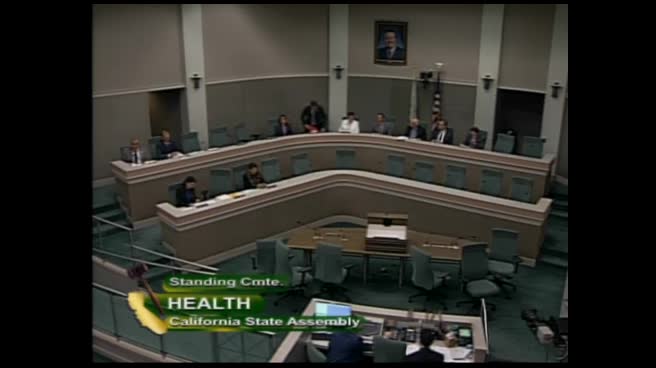
Discussed in Hearing
 1H
Assembly Standing Committee on Appropriations
 50MIN
Assembly Standing Committee on Health
Bill Author