AB 1871: Charter schools: free and reduced-price meals.
- Session Year: 2017-2018
- House: Assembly
- Latest Version Date: 2018-09-18
(1)Existing law requires each school district or county superintendent of schools maintaining any kindergarten or any of grades 1 to 12, inclusive, to provide for each needy pupil one nutritionally adequate free or reduced-price meal during each schoolday, and authorizes them to use funds made available through any federal or state program the purpose of which includes the provision of meals to a pupil, including the federal School Breakfast Program, the federal National School Lunch Program, the federal Summer Food Service Program, the federal Seamless Summer Option, or the state meal program, or to provide those meals at the expense of the school district or county office of education.
Existing law, the Charter Schools Act of 1992, provides for the establishment and operation of charter schools, and exempts charter schools from the laws governing school districts, except as specified.
This bill would, commencing with 201920 school year, require a charter school to provide each needy pupil, as defined, with one nutritionally adequate free or reduced-price meal during each schoolday, except as provided for a charter school that offers nonclassroom-based instruction. For a charter school that becomes operational on or after July 1, 2019, the bill would require the charter school to implement these requirements no later than July 1 of the school year after becoming operational, and to provide written notice, as specified, of the period of time that the charter school will not provide those meals. The bill would require the chartering authority to, upon request by a charter school and to the extent feasible within existing resources, provide technical assistance to the charter school in implementing the bills provisions. To the extent this bill would impose additional duties on charter school officials and on chartering authorities, such as school districts and county boards of education, the bill would impose a state-mandated local program.
(2)The California Constitution requires the state to reimburse local agencies and school districts for certain costs mandated by the state. Statutory provisions establish procedures for making that reimbursement.
This bill would provide that, if the Commission on State Mandates determines that the bill contains costs mandated by the state, reimbursement for those costs shall be made pursuant to the statutory provisions noted above.
(1)Existing law requires each school district or county superintendent of schools maintaining any kindergarten or any of grades 1 to 12, inclusive, to provide for each needy pupil one nutritionally adequate free or reduced-price meal during each schoolday, and authorizes them to use funds made available through any federal or state program the purpose of which includes the provision of meals to a pupil, including the federal School Breakfast Program, the federal National School Lunch Program, the federal Summer Food Service Program, the federal Seamless Summer Option, or the state meal program, or to provide those meals at the expense of the school district or county office of education.
Existing law, the Charter Schools Act of 1992, provides for the establishment and operation of charter schools, and exempts charter schools from the laws governing school districts, except as specified.
This bill would require a charter school, other than an exclusively virtual school, as defined, would, commencing with 201920 school year, require a charter school to provide each needy pupil pupil, as defined, with one nutritionally adequate free or reduced-price meal during each schoolday, as defined. schoolday, except as provided for a charter school that offers nonclassroom-based instruction. For a charter school that becomes operational on or after July 1, 2019, the bill would require the charter school to implement these requirements no later than July 1 of the school year after becoming operational, and to provide written notice, as specified, of the period of time that the charter school will not provide those meals. The bill would require the chartering authority to, upon request by a charter school and to the extent feasible within existing resources, provide technical assistance to the charter school in implementing the bills provisions. To the extent this bill would impose additional duties on charter school officials, officials and on chartering authorities, such as school districts and county boards of education, the bill would impose a state-mandated local program.
(2)The California Constitution requires the state to reimburse local agencies and school districts for certain costs mandated by the state. Statutory provisions establish procedures for making that reimbursement.
This bill would provide that, if the Commission on State Mandates determines that the bill contains costs mandated by the state, reimbursement for those costs shall be made pursuant to the statutory provisions noted above.
(1)Existing law requires each school district or county superintendent of schools maintaining any kindergarten or any of grades 1 to 12, inclusive, to provide for each needy pupil one nutritionally adequate free or reduced-price meal during each schoolday, and authorizes them to use funds made available through any federal or state program the purpose of which includes the provision of meals to a pupil, including the federal School Breakfast Program, the federal National School Lunch Program, the federal Summer Food Service Program, the federal Seamless Summer Option, or the state meal program, or to provide those meals at the expense of the school district or county office of education.
Existing law, the Charter Schools Act of 1992, provides for the establishment and operation of charter schools, and exempts charter schools from the laws governing school districts, except as specified.
This bill would require a charter school school, other than an exclusively virtual school, as defined, to provide each needy pupil with one nutritionally adequate free or reduced-price meal during each schoolday. schoolday, as defined. To the extent this bill would impose additional duties on charter school officials, the bill would impose a state-mandated local program.
(2)The California Constitution requires the state to reimburse local agencies and school districts for certain costs mandated by the state. Statutory provisions establish procedures for making that reimbursement.
This bill would provide that, if the Commission on State Mandates determines that the bill contains costs mandated by the state, reimbursement for those costs shall be made pursuant to the statutory provisions noted above.
(1)Existing law requires each school district or county superintendent of schools maintaining any kindergarten or any of grades 1 to 12, inclusive, to provide for each needy pupil one nutritionally adequate free or reduced-price meal during each schoolday, and authorizes them to use funds made available through any federal or state program the purpose of which includes the provision of meals to a pupil, including the federal School Breakfast Program, the federal National School Lunch Program, the federal Summer Food Service Program, the federal Seamless Summer Option, or the state meal program, or to provide those meals at the expense of the school district or county office of education.
Existing law, the Charter Schools Act of 1992, provides for the establishment and operation of charter schools, and exempts charter schools from the laws governing school districts, except as specified.
This bill would require a charter school to provide each needy pupil with one nutritionally adequate free or reduced-price meal during each schoolday. To the extent this bill would impose additional duties on charter school officials, the bill would impose a state-mandated local program.
(2)The California Constitution requires the state to reimburse local agencies and school districts for certain costs mandated by the state. Statutory provisions establish procedures for making that reimbursement.
This bill would provide that, if the Commission on State Mandates determines that the bill contains costs mandated by the state, reimbursement for those costs shall be made pursuant to the statutory provisions noted above.
(a)The Legislature finds and declares all of the following:
(1)Despite cultivating one of the worlds largest economies, Californias child poverty rate is the highest in the nation.
(2)Poverty hurts children, hampering their health, development, and opportunities for success. Substantial research links poverty to poor academic achievement.
(3)Californias extraordinarily high costs of living force many families to choose between basic needs such as food, medicine, and rent. More than 4.6 million Californians cannot consistently afford enough food.
(4)In 1975, California recognized that low-income pupils should be guaranteed at least one free or reduced-price meal during the schoolday to support health, growth, and learning. In the four decades since, the landscape of public education has changed, but the need for school meals has not.
(5)California is now home to the most charter schools and charter school pupils in the country, enrolling more than 630,000 pupils in charter schools, including an estimated 27,000 new charter school pupils in the 201718 school year.
(6)More than 340,000 of Californias charter school pupils are low income, but none is guaranteed access to a school meal. Charter schools are Californias only public schools that are exempt from offering low-income pupils a daily, free or reduced-price, nutritious school meal.
(7)As charter schools continue to grow across California, so will the number of low-income, public school pupils who do not have equitable access to free or reduced-price meals.
(8)There are many proven strategies for all public schools, including charter schools, to effectively and efficiently provide pupils with nutritious free or reduced-price meals. Upholding the importance of independence, flexibility, and local control in public education, stakeholders are encouraged to consider a range of options, including partnerships between charter schools and school districts, to best meet the nutritional needs of their respective students.
(9)School meals are essential to supporting the academic achievement and fundamental well-being of all pupils, particularly low-income pupils who do not otherwise have adequate access to nutritious meals.
(b)Because hungry children struggle to learn, grow, and achieve, it is the intent of the Legislature that all California public schools, including charter schools, provide for each needy pupil one nutritionally adequate free or reduced-price meal during each schoolday.
SEC. 2.Section 47613.5 is added to the Education Code, to read:47613.5.(a)A charter school shall provide each needy pupil, as defined in Section 49552, with one nutritionally adequate free or reduced-price meal, as defined in subdivision (a) of Section 49553, during each schoolday.
(b)Notwithstanding subdivision (a), a charter school that offers nonclassroom-based instruction, as defined in Section 47612.5, shall meet the requirements of this section for any eligible pupil on any schoolday that the pupil is scheduled for educational activities, as defined in Section 49010, lasting two or more hours, at a schoolsite, resource center, meeting space, or other satellite facility operated by the charter school.
(c)(1)Except as provided in paragraph (2), a charter school shall implement this section commencing with the 201920 school year.
(2)A charter school that becomes operational on or after July 1, 2019, shall do both of the following:
(A)Implement this section no later than July 1 of the school year after becoming operational.
(B)Provide written notification disclosing the period of time for which the charter school will not implement subdivision (a). The written notice shall be provided at the time of application for enrollment in the charter school, to the parent or guardian of each pupil or, if the pupil is a foster child or youth or a homeless child or youth, the pupils educational rights holder. The written notice shall be provided in languages other than English, consistent with languages used for the charter school enrollment application.
(d)The chartering authority shall, upon request by a charter school and to the extent feasible within existing resources, provide technical assistance to the charter school in implementing this section.
(e)A charter school may enter into a partnership with an existing school food authority for the purposes of implementing this section.
SEC. 3.If the Commission on State Mandates determines that this act contains costs mandated by the state, reimbursement to local agencies and school districts for those costs shall be made pursuant to Part 7 (commencing with Section 17500) of Division 4 of Title 2 of the Government Code.
(a)The Legislature finds and declares all of the following:
(1)Despite cultivating one of the worlds largest economies, Californias child poverty rate is the highest in the nation.
(2)Poverty hurts children, hampering their health, development, and opportunities for success. Substantial research links poverty to poor academic achievement.
(3)Californias extraordinarily high costs of living force many families to choose between basic needs such as food, medicine, and rent. More than 4.6 million Californians cannot consistently afford enough food.
(4)In 1975, California recognized that low-income pupils should be guaranteed at least one free or reduced-price meal during the schoolday to support health, growth, and learning. In the four decades since, the landscape of public education has changed, but the need for school meals has not.
(5)California is now home to the most charter schools and charter school pupils in the country, enrolling more than 630,000 pupils in charter schools, including an estimated 27,000 new charter school pupils in the 201718 school year.
(6)More than 340,000 of Californias charter school pupils are low income, but none is guaranteed access to a school meal. Charter schools are Californias only public schools that are exempt from offering low-income pupils a daily, free or reduced-price, nutritious school meal.
(7)As charter schools continue to grow across California, so will the number of low-income, public school pupils who do not have equitable access to free or reduced-price meals.
(8)There are many proven strategies for all public schools, including charter schools, to effectively and efficiently provide pupils with nutritious free or reduced-price meals. Upholding the importance of independence, flexibility, and local control in public education, stakeholders are encouraged to consider a range of options, including partnerships between charter schools and school districts, to best meet the nutritional needs of their respective students.
(9)School meals are essential to supporting the academic achievement and fundamental well-being of all pupils, particularly low-income pupils who do not otherwise have adequate access to nutritious meals.
(b)Because hungry children struggle to learn, grow, and achieve, it is the intent of the Legislature that all California public schools, including charter schools, provide for each needy pupil one nutritionally adequate free or reduced-price meal during each schoolday.
SEC. 2.Section 47613.5 is added to the Education Code, to read:47613.5.(a)A charter school shall provide each needy pupil, as defined in Section 49552, with one nutritionally adequate free or reduced-price meal, as defined in subdivision (a) of Section 49553, during each schoolday, as defined in subdivision (d). schoolday.
(b)This section does not apply to a charter school that is an exclusively virtual school, as defined in subdivision (d).(b)Notwithstanding subdivision (a), a charter school that offers nonclassroom-based instruction, as defined in Section 47612.5, shall meet the requirements of this section for any eligible pupil on any schoolday that the pupil is scheduled for educational activities, as defined in Section 49010, lasting two or more hours, at a schoolsite, resource center, meeting space, or other satellite facility operated by the charter school.
(c)(1)Except as provided in paragraph (2), a charter school shall implement this section commencing with the 201920 school year.
(2)A charter school that becomes operational on or after July 1, 2019, shall implement this section when the school begins operation. do both of the following:
(d)For purposes of this section:(1)An exclusively virtual school is a school that has no physical location where pupils may meet with each other or with teachers and that provides online instruction only.(2)A schoolday is a day during which pupils are in attendance for any part of that day.(A)Implement this section no later than July 1 of the school year after becoming operational.
(B)Provide written notification disclosing the period of time for which the charter school will not implement subdivision (a). The written notice shall be provided at the time of application for enrollment in the charter school, to the parent or guardian of each pupil or, if the pupil is a foster child or youth or a homeless child or youth, the pupils educational rights holder. The written notice shall be provided in languages other than English, consistent with languages used for the charter school enrollment application.
(d)The chartering authority shall, upon request by a charter school and to the extent feasible within existing resources, provide technical assistance to the charter school in implementing this section.
(e)A charter school may enter into a partnership with an existing school food authority for the purposes of implementing this section.
SEC. 3.If the Commission on State Mandates determines that this act contains costs mandated by the state, reimbursement to local agencies and school districts for those costs shall be made pursuant to Part 7 (commencing with Section 17500) of Division 4 of Title 2 of the Government Code.
(a)The Legislature finds and declares all of the following:
(1)Despite cultivating one of the worlds largest economies, Californias child poverty rate is the highest in the nation.
(2)Poverty hurts children, hampering their health, development, and opportunities for success. Substantial research links poverty to poor academic achievement.
(3)Californias extraordinarily high costs of living force many families to choose between basic needs such as food, medicine, and rent. More than 4.6 million Californians cannot consistently afford enough food.
(4)In 1975, California recognized that low-income pupils should be guaranteed at least one free or reduced-price meal during the schoolday to support health, growth, and learning. In the four decades since, the landscape of public education has changed, but the need for school meals has not.
(5)California is now home to the most charter schools and charter school pupils in the country, enrolling more than 630,000 pupils in charter schools, including an estimated 27,000 new charter school pupils in the 201718 school year.
(6)More than 340,000 of Californias charter school pupils are low income, but none is guaranteed access to a school meal. Charter schools are Californias only public schools that are exempt from offering low-income pupils a daily, free or reduced-price, nutritious school meal.
(7)As charter schools continue to grow across California, so will the number of low-income, public school pupils who do not have equitable access to free or reduced-price meals.
(8)There are many proven strategies for all public schools, including charter schools, to effectively and efficiently provide pupils with nutritious free or reduced-price meals. Upholding the importance of independence, flexibility, and local control in public education, stakeholders are encouraged to consider a range of options, including partnerships between charter schools and school districts, to best meet the nutritional needs of their respective students.
(9)School meals are essential to supporting the academic achievement and fundamental well-being of all pupils, particularly low-income pupils who do not otherwise have adequate access to nutritious meals.
(b)Because hungry children struggle to learn, grow, and achieve, it is the intent of the Legislature that all California public schools, including charter schools, provide for each needy pupil one nutritionally adequate free or reduced-price meal during each schoolday.
SEC. 2.Section 47613.5 is added to the Education Code, to read:47613.5.(a)A charter school shall provide each needy pupil, as defined in Section 49552, with one nutritionally adequate free or reduced-price meal, as defined in subdivision (a) of Section 49553, during each schoolday. schoolday, as defined in subdivision (d).
(b)This section does not apply to a charter school that offers exclusively non-classroom-based or non-site-based instruction. This section does not require a charter school that offers both classroom-based or site-based instruction and non-classroom-based or non-site-based instruction to provide a meal to pupils enrolled in exclusively non-classroom-based or non-site-based instruction. is an exclusively virtual school, as defined in subdivision (d).
(c)(1)Except as provided in paragraph (2), a charter school shall implement this section commencing with the 201920 school year.
(2)A charter school that becomes operational on or after July 1, 2019, shall implement this section when the school begins operation.
(d)For purposes of this section:
(1)An exclusively virtual school is a school that has no physical location where pupils may meet with each other or with teachers and that provides online instruction only.
(2)A schoolday is a day during which pupils are in attendance for any part of that day.
SEC. 3.If the Commission on State Mandates determines that this act contains costs mandated by the state, reimbursement to local agencies and school districts for those costs shall be made pursuant to Part 7 (commencing with Section 17500) of Division 4 of Title 2 of the Government Code.
(a)The Legislature finds and declares all of the following:
(1)Despite cultivating one of the worlds largest economies, Californias child poverty rate is the highest in the nation.
(2)Poverty hurts children, hampering their health, development, and opportunities for success. Substantial research links poverty to poor academic achievement.
(3)Californias extraordinarily high costs of living force many families to choose between basic needs such as food, medicine, and rent. More than 4.6 million Californians cannot consistently afford enough food.
(4)In 1975, California recognized that low-income pupils should be guaranteed at least one free or reduced-price meal during the schoolday to support health, growth, and learning. In the four decades since, the landscape of public education has changed, but the need for school meals has not.
(5)California is now home to the most charter schools and charter school pupils in the country, enrolling more than 630,000 pupils in charter schools, including an estimated 27,000 new charter school pupils in the 201718 school year.
(6)More than 340,000 of Californias charter school pupils are low income, but none are is guaranteed access to a school meal. Charter schools are Californias only public schools that are exempt from offering low-income pupils a daily, free or reduced-price, nutritious school meal.
(7)As charter schools continue to grow across California, so will the number of low-income, public school pupils who do not have equitable access to free or reduced-price meals.
(8)There are many proven strategies for all public schools, including charter schools, to effectively and efficiently provide pupils with nutritious free or reduced-price meals: from preparing meals onsite to sourcing meals from an outside vendor. meals. Upholding the importance of independence, flexibility, and local control in public education, stakeholders are encouraged to consider a range of options, including partnerships between charter schools and school districts, to best meet the nutritional needs of their respective students.
(9)School meals are essential to supporting the academic achievement and fundamental well-being of all pupils, particularly low-income pupils who do not otherwise have adequate access to nutritious meals.
(b)Because hungry children struggle to learn, grow, and achieve, it is the intent of the Legislature that all California public schools, including charter schools, provide for each needy pupil one nutritionally adequate free or reduced-price meal during each schoolday.
SEC. 2.Section 47613.5 is added to the Education Code, to read:47613.5.(a)A charter school shall provide each needy pupil, as defined in Section 49552, with one nutritionally adequate free or reduced-price meal, as defined in subdivision (a) of Section 49553, during each schoolday.
(b)This section does not apply to a charter school that offers exclusively nonclassroom-based non-classroom-based or nonsite-based non-site-based instruction. This section does not require a charter school that offers both classroom-based or site-based instruction and nonclassroom-based non-classroom-based or nonsite-based non-site-based instruction to provide a meal to pupils enrolled in exclusively nonclassroom-based non-classroom-based or nonsite-based non-site-based instruction.
(c)(1)Except as provided in paragraph (2), a charter school shall implement this section commencing with the 201920 school year.
(2)A charter school that becomes operational on or after July 1, 2019, shall implement this section when the school begins operation.
SEC. 3.If the Commission on State Mandates determines that this act contains costs mandated by the state, reimbursement to local agencies and school districts for those costs shall be made pursuant to Part 7 (commencing with Section 17500) of Division 4 of Title 2 of the Government Code.
(a)The Legislature finds and declares all of the following:
(1)Despite cultivating one of the worlds largest economies, Californias child poverty rate is the highest in the nation.
(2)Poverty hurts children, hampering their health, development, and opportunities for success. Substantial research links poverty to poor academic achievement.
(3)Californias extraordinarily high costs of living force many families to choose between basic needs such as food, medicine, and rent. More than 4.6 million Californians cannot consistently afford enough food.
(4)In 1975, California recognized that low-income pupils should be guaranteed at least one free or reduced-price meal during the schoolday to support health, growth, and learning. In the four decades since, the landscape of public education has changed, but the need for school meals has not.
(5)California is now home to the most charter schools and charter school pupils in the country, enrolling more than 630,000 pupils in charter schools, including an estimated 27,000 new charter school pupils in the 201718 school year.
(6)More than 340,000 of Californias charter school pupils are low income, but none are guaranteed access to a school meal. Charter schools are Californias only public schools that are exempt from offering low-income pupils a daily, free or reduced-price, nutritious school meal.
(7)As charter schools continue to grow across California, so will the number of low-income, public school pupils who do not have equitable access to free or reduced-price meals.
(8)There are many proven strategies for all public schools, including charter schools, to effectively and efficiently provide pupils with nutritious free or reduced-price meals: from preparing meals onsite to sourcing meals from an outside vendor.
(9)School meals are essential to supporting the academic achievement and fundamental well-being of all pupils, particularly low-income pupils who do not otherwise have adequate access to nutritious meals.
(b)Because hungry children struggle to learn, grow, and achieve, it is the intent of the Legislature that all California public schools, including charter schools, provide for each needy pupil one nutritionally adequate free or reduced-price meal during each schoolday.
SEC. 2.Section 47613.5 is added to the Education Code, to read:47613.5.(a)A charter school shall provide each needy pupil, as defined in Section 49552, with one nutritionally adequate free or reduced-price meal, as defined in subdivision (a) of Section 49553, during each schoolday.
(b)This section does not apply to a charter school that offers exclusively nonclassroom-based or nonsite-based instruction. This section does not require a charter school that offers both classroom-based or site-based instruction and nonclassroom-based or nonsite-based instruction to provide a meal to pupils enrolled in exclusively nonclassroom-based or nonsite-based instruction.
(c)(1)Except as provided in paragraph (2), a charter school shall implement this section commencing with the 201920 school year.
(2)A charter school that becomes operational on or after July 1, 2019, shall implement this section when the school begins operation.
SEC. 3.If the Commission on State Mandates determines that this act contains costs mandated by the state, reimbursement to local agencies and school districts for those costs shall be made pursuant to Part 7 (commencing with Section 17500) of Division 4 of Title 2 of the Government Code.
|
Date
|
Status
|
|---|---|
| Sep 18, 2018 | Chaptered by Secretary of State - Chapter 480, Statutes of 2018. |
| Sep 18, 2018 | Approved by the Governor. |
| Aug 28, 2018 | Enrolled and presented to the Governor at 3 p.m. |
| Aug 23, 2018 | In Assembly. Ordered to Engrossing and Enrolling. |
| Aug 23, 2018 | Read third time. Passed. Ordered to the Assembly. |
| Aug 17, 2018 | From committee: Do pass. (Ayes 5. Noes 2.) (August 16). |
| Jun 25, 2018 | In committee: Referred to APPR. suspense file. |
| Jun 13, 2018 | From committee: Do pass and re-refer to Com. on APPR. (Ayes 7. Noes 0.) (June 13). Re-referred to Com. on APPR. |
| Jun 7, 2018 | Referred to Com. on ED. |
| May 31, 2018 | In Senate. Read first time. To Com. on RLS. for assignment. |
| May 30, 2018 | Read third time. Passed. Ordered to the Senate. |
| May 29, 2018 | Read second time. Ordered to third reading. |
| May 25, 2018 | From committee: Amend, and do pass as amended. (Ayes 12. Noes 4.) (May 25). |
| May 2, 2018 | In committee: Set, first hearing. Referred to APPR. suspense file. |
| Apr 23, 2018 | Re-referred to Com. on APPR. |
| Apr 19, 2018 | Read second time and amended. |
| Apr 18, 2018 | From committee: Amend, and do pass as amended and re-refer to Com. on APPR. (Ayes 5. Noes 1.) (April 11). |
| Mar 21, 2018 | In committee: Set, first hearing. Hearing canceled at the request of author. |
| Mar 15, 2018 | Re-referred to Com. on ED. |
| Mar 14, 2018 | From committee chair, with author's amendments: Amend, and re-refer to Com. on ED. Read second time and amended. |
| Jan 29, 2018 | Referred to Com. on ED. |
| Jan 17, 2018 | From printer. May be heard in committee February 16. |
| Jan 16, 2018 | Read first time. To print. |
|
Date
|
Description
|
Location
|
Votes
|
|
|---|---|---|---|---|
| Aug 23, 2018 | Assembly 3rd Reading AB1871 Bonta et al. By Leyva | Senate Floor |
Passed |
|
| Aug 16, 2018 | Do pass | Senate Standing Committee on Appropriations |
Passed |
|
| Jun 25, 2018 | Placed on suspense file | Senate Standing Committee on Appropriations |
Passed |
|
| Jun 13, 2018 | Do pass, but first be re-referred to the Committee on [Appropriations] | Senate Standing Committee on Education |
Passed |
|
| May 30, 2018 | AB 1871 BONTA Assembly Third Reading | Assembly Floor |
Passed |
|
| May 25, 2018 | Do pass as amended. | Assembly Standing Committee on Appropriations |
Passed |
|
| Apr 11, 2018 | Do pass as amended and be re-referred to the Committee on [Appropriations] | Assembly Standing Committee on Education |
Passed |
This list shows positions taken on this bill by organizations on the date displayed, which is linked to the original source.
Positions by individuals are not included.
|
Organization
|
Position
|
Date
|
|---|---|---|
| 33rd District PTA | * Support | Apr 11, 2018 |
| Achieve Charter School | * Against | Apr 11, 2018 |
| Action for Healthy Kids | ** Support | Aug 18, 2018 |
| Aging Up | ** Support | Aug 18, 2018 |
| Alameda County Board of Supervisors | ** Support | Aug 18, 2018 |
| Alameda County Community Food Bank | ** Support | Aug 18, 2018 |
| Alameda Health Consortium | ** Support | Aug 18, 2018 |
| American Academy of Pediatrics - California | ** Support | Aug 18, 2018 |
| American Civil Liberties Union of California | ** Support | Aug 18, 2018 |
| American Federation of State, County and Municipal Employees | ** Support | Aug 18, 2018 |
| American Heart Association | ** Support | Aug 18, 2018 |
| American Stroke Assoc. | ** Support | Jun 12, 2018 |
| American Stroke Association | ** Support | Aug 18, 2018 |
| Asian Law Alliance | ** Support | Aug 18, 2018 |
| Association Of California School Administrators | ** Support | Apr 17, 2018 |
| California Action for Healthy Kids | ** Support | Aug 18, 2018 |
| California Association Of Food Banks | ** Support | Aug 18, 2018 |
| California Association Of School Business Officials | ** Support | Aug 18, 2018 |
| California Charter Schools Association | ** Support | Aug 18, 2018 |
| California Children'S Hospital Association | ** Support | Aug 18, 2018 |
| California Conference of Local Health Department Nutritionists | ** Support | Aug 18, 2018 |
| California County Superintendents Educational Services Association | ** Support | Aug 18, 2018 |
| California Federation Of Teachers | ** Support | Aug 18, 2018 |
| California Food Policy Advocates | ** Support | Aug 18, 2018 |
| California Labor Federation | * Support | Jun 13, 2018 |
| California Medical Association | ** Support | Aug 18, 2018 |
| California Public Health Association - North | ** Support | Aug 18, 2018 |
| California School Boards Association | ** Support | Aug 18, 2018 |
| California School Employees Association | ** Support | Aug 18, 2018 |
| California School Nurses Association | ** Support | Aug 18, 2018 |
| California School Nurses Organization | ** Support | Apr 17, 2018 |
| California School Nutrition Association | ** Support | Aug 18, 2018 |
| California School-Based Health Alliance | ** Support | Aug 18, 2018 |
| California State Parent Teacher Association | ** Support | Aug 18, 2018 |
| California State PTA | * Support | Jun 13, 2018 |
| California Teachers Association | ** Support | Aug 18, 2018 |
| Charter School | * Support | Jun 13, 2018 |
| Charter Schools Development Center | ** Against | Aug 18, 2018 |
| Child Development Associates | ** Support | Aug 18, 2018 |
| Children'S Defense Fund - California | ** Support | Aug 18, 2018 |
| Chula Vista and Sweetwater Council | * Support | Apr 11, 2018 |
| Common Sense Kids Action | * Support | Jun 13, 2018 |
| Community Bridges | ** Support | Aug 18, 2018 |
| County Health Executives Association Of California | ** Support | Aug 18, 2018 |
| East Bay Agency for Children | ** Support | Aug 18, 2018 |
| Feeding San Diego | ** Support | Aug 18, 2018 |
| Food Bank of Contra Costa & Solano | ** Support | Aug 18, 2018 |
| Food for People | ** Support | Apr 17, 2018 |
| Hunger Advocacy Network | ** Support | Aug 18, 2018 |
| La Clinica de La Raza, Inc. | ** Support | Aug 18, 2018 |
| Lincoln High School | * Support | Jun 13, 2018 |
| Mother | * Support | Jun 13, 2018 |
| NAACP | * Support | Jun 13, 2018 |
| National Association For Social Workers, California | ** Support | Aug 18, 2018 |
| National Association of Social Workers | * Support | Jun 13, 2018 |
| National Association Of Social Workers, California Chapter | ** Support | Apr 17, 2018 |
| Ninth District PTA | * Support | Apr 11, 2018 |
| Oakland Unified School Board President | ** Support | Aug 18, 2018 |
| Orange County Food Access Coalition | ** Support | Aug 18, 2018 |
| Orange County Food Bank | ** Support | Aug 18, 2018 |
| Pesticide Action Network | ** Support | Aug 18, 2018 |
| Public Advocates | ** Support | Aug 18, 2018 |
| Redondo Beach Unified School District | * Support | Jun 13, 2018 |
| Redwood Empire Food Bank | ** Support | Aug 18, 2018 |
| River City Food Bank | ** Support | Aug 18, 2018 |
| Sacramento Hunger Coalition | ** Support | Aug 18, 2018 |
| San Diego County Childhood Obesity Initiative | ** Support | Aug 18, 2018 |
| San Diego Food System Alliance | ** Support | Aug 18, 2018 |
| San Francisco Unified School District | * Support | Jun 13, 2018 |
| Several individuals | ** Support | Apr 17, 2018 |
| Small School Districts' Association | ** Support | Jun 13, 2018 |
| Stockton | * Support | Jun 13, 2018 |
| United Ways Of California | ** Support | Aug 18, 2018 |
| western center on law and poverty | ** Support | Aug 18, 2018 |
Office of Senate Floor Analyses (916) 651-1520 Fax: (916) 327-4478 | AB |
THIRD READING
Bill No: AB 1871
:
SENATE EDUCATION COMMITTEE: 7-0, 6/13/18
AYES: Allen, Wilk, Galgiani, Leyva, McGuire, Pan, Vidak
SENATE APPROPRIATIONS COMMITTEE: 5-2, 8/16/18
AYES: Portantino, Beall, Bradford, Hill, Wiener
NOES: Bates, Nielsen
ASSEMBLY FLOOR: 56-16, 5/30/18 - See last page for vote
SOURCE: California Food Policy Advocates
California State Parent Teacher Association
California Teachers Association
Western Center on Law and Poverty
DIGEST:
This bill requires charter schools to provide low-income students with one nutritionally adequate free or reduced-price meal each schoolday, as specified.
ANALYSIS: Existing law requires all K-12 schools to provide one nutritionally adequate meal, that qualifies for reimbursement under the federal child nutrition program regulations, to all students eligible for free and reduced-price meals and exempts charter schools from this requirement.
This bill requires charter schools to provide low-income students with one nutritionally adequate free or reduced-price meal each schoolday. Specifically, this bill:
- Requires charter schools, commencing with the 2019-20 school year, to provide each low-income pupil with one nutritionally adequate free or reduced-price meal during each schoolday.
- Specifies that a charter school that offers nonclassroom-based instruction shall provide the meals for any eligible pupil on any schoolday that the pupil is scheduled for educational activities lasting two or more hours at a schoolsite, resource center, meeting space, or other satellite facility operated by the charter school.
- Specifies that a charter school that becomes operational on or after July 1, 2019 shall do both of the following:
- Comply with the requirement no later than July 1 of the school year after becoming operational.
- Provide written notification disclosing the period of time for which the charter school will not implement this bill. The written notice shall be provided at the time of application for enrollment in the charter school, to the parent or guardian of each pupil or, if the pupil is a foster child or youth or a homeless child or youth, the pupil's educational rights holder. The written notice shall be provided in languages other than English, consistent with languages used for the charter school enrollment application.
- Requires the chartering authority to, upon request by a charter school and to the extent feasible within existing resources, provide technical assistance to the charter school.
- Authorizes a charter school to enter into a partnership with an existing school food authority.
Comments
- Need for the bill. According to the author, “More than 340,000 low-income students attend California public charter schools. School meals support the academic achievement and well-being of all students, particularly low-income students who may not otherwise have adequate access to nutritious meals. Hungry children struggle to learn, grow, and achieve at their fullest potential.
“As public charter schools to continue to expand across California, so will the number of low-income, public school students who do not have equitable access to free or reduced-price school meals. Withholding such important resources exacerbates the achievement gap for low-income students, including students of color.
“School nutrition programs are a critical resource for students in need, regardless of which school they attend. It should be the intent of the Legislature that no student goes hungry in a California public school.”
- State Meal Mandate. Existing law requires all K-12 schools to provide one nutritionally adequate meal, that qualifies for reimbursement under the federal child nutrition program regulations, to all students eligible for free and reduced-price meals. Public schools and districts across California are bound by this requirement, also known as the "State Meal Mandate," but the majority also choose to participate in National School Lunch Program and the School Breakfast Program, so they can feed all their students (not just those eligible for free/reduced-price meals), and receive federal and state reimbursement for all meals served, and federal commodities. Charter schools, however, are exempt from the "State Meal Mandate" requirement. While many charter schools provide an education to students who qualify for free and reduced-priced meals, many charter schools do not provide meals to the children.
- School meal funding. All public schools, including charter schools, can participate in the federal school meal programs. Participating schools receive federal entitlement funding for each meal served. Generally, schools receive the highest reimbursement for meals served to the lowest-income students. California schools, including charter schools, can also receive categorical state funding for meals served to low-income students.
State and federal funding can be used for food, staffing, equipment, and other expenses necessary for the operation and administration of a school meal program. Public grants and loans are also available to support the startup, expansion, and improvement of school meal programs.
- Recent amendments. This bill was recently amended to (1) specify that nonclassroom-based charter schools are only required to feed students when they are scheduled to be at school for two hours or more, and (2) allow newly operational charter schools a one year delay for compliance.
Per the recent amendments, the California Charter School Association now supports this bill, noting that “Charter schools have long recognized the very critical linkage between nutrition and learning, illustrated by the fact that most charter schools already provide meals to free or reduced-priced eligible students. Even so, some charter schools have faced unique challenges that have proven difficult to provide meals. We appreciate your recognition of these challenges and your efforts to bring all stakeholders together to find equitable solutions in AB 1871.
“Similar to our collaborative work last year with your bill, AB 1360, we worked on AB 1871 with the same goal: protect the bill’s intent but do so in a way that does not dismiss the unique structure of charter schools. The latest amendments give new charter schools time to properly implement these meal services and emphasize the need for school districts to cooperate with charter schools to ensure the meal program’s success.”
FISCAL EFFECT: Appropriation: Fiscal Com.: Local:
According to the Senate Appropriations Committee:
- By requiring charter schools to provide meals to low-income students, this bill will lead to increased participation in the federal and state meal programs. This would result in additional Proposition 98 General Fund costs in the low tens of thousands of dollars each year in meal reimbursements for these students.
- There could be significant local one-time costs, potentially in the millions, for charter schools not already participating in the federal and state meal programs to comply with the bill’s requirements. The cost to install a commercial kitchen could be about $30,000. But for charters that would need to move into a facility that has a kitchen or contract with a neighboring district or vendor to provide the meals, this cost would be substantially higher. Additionally, some schools would need to hire additional staff to operate a meal program. However, state and federal meal reimbursements received can be used to offset the costs for food, staffing, equipment and other expenses necessary for the operation of a school meal program.
California Food Policy Advocates (co-source)
California State Parent Teacher Association (co-source)
California Teachers Association (co-source)
Western Center on Law and Poverty (co-source)
Action for Healthy Kids
Aging UP
Alameda County Board of Supervisors
Alameda County Community Food Bank
Alameda Health Consortium
American Academy of Pediatrics – California
American Civil Liberties Union of California
American Federation of State, County and Municipal Employees
American Heart Association/American Stroke Association
Asian Law Alliance
CA4Health
California Action for Healthy Kids
California Association of Food Banks
California Association of School Business Officials
California Charter Schools Association
California Children’s Hospital Association
California Conference of Local Health Department Nutritionists
California County Superintendents Educational Services Association
California Federation of Teachers
California Medical Association
California Public Health Association - North
California School Boards Association
California School Employees Association
California School Nurses Association
California School Nutrition Association
California School-Based Health Alliance
California State Conference of the National Association for the Advancement of Colored People
Child Development Associates
Children’s Defense Fund – California
Community Bridges
County Health Executives Association of California
East Bay Agency for Children
Feeding San Diego
Food Bank of Contra Costa & Solano
Food for People, the Food Bank for Humboldt County
Hunger Advocacy Network
La Clinica de La Raza, Inc.
National Association for Social Workers, California
Oakland Unified School Board President
Orange County Food Access Coalition
Orange County Food Bank
Pesticide Action Network
Public Advocates
Redwood Empire Food Bank
River City Food Bank
Sacramento Hunger Coalition
San Diego County Childhood Obesity Initiative
San Diego Food System Alliance
United Ways of California
OPPOSITION: (Verified 8/16/18)
Charter Schools Development Center
ASSEMBLY FLOOR: 56-16, 5/30/18
AYES: Aguiar-Curry, Arambula, Baker, Berman, Bloom, Bonta, Burke, Caballero, Calderon, Carrillo, Cervantes, Chau, Chiu, Chu, Cooley, Cooper, Cunningham, Daly, Eggman, Friedman, Cristina Garcia, Eduardo Garcia, Gipson, Gloria, Gonzalez Fletcher, Gray, Grayson, Holden, Irwin, Jones-Sawyer, Kalra, Kamlager-Dove, Lackey, Levine, Limón, Low, Maienschein, Mayes, McCarty, Medina, Mullin, Muratsuchi, Nazarian, O'Donnell, Quirk, Quirk-Silva, Reyes, Rodriguez, Salas, Santiago, Mark Stone, Thurmond, Ting, Weber, Wood, Rendon
NOES: Acosta, Travis Allen, Bigelow, Brough, Chávez, Chen, Choi, Dahle, Flora, Gallagher, Harper, Kiley, Melendez, Obernolte, Voepel, Waldron
NO VOTE RECORDED: Fong, Frazier, Mathis, Patterson, Rubio, Steinorth
8/18/18 13:20:24
**** END ****
SENATE COMMITTEE ON APPROPRIATIONS
Senator Anthony Portantino, Chair
2017 - 2018 Regular Session
AB 1871 (Bonta) - Charter schools: free and reduced-price meals
Version: May 25, 2018 | Policy Vote: ED. 7 - 0 |
Urgency: No | Mandate: Yes |
Hearing Date: June 25, 2018 | Consultant: Lenin Del Castillo |
This bill meets the criteria for referral to the Suspense File.
Bill Summary:
This bill requires charter schools to provide low-income students with one nutritionally adequate free or reduced-price meal each schoolday, as specified.
Fiscal Impact:
- By requiring charter schools to provide meals to low-income students, this bill will lead to increased participation in the federal and state meal programs. This would result in additional Proposition 98 General Fund costs in the low tens of thousands of dollars each year in meal reimbursements for these students.
- There could be significant local one-time costs, potentially in the millions, for charter schools not already participating in the federal and state meal programs to comply with the bill’s requirements. The cost to install a commercial kitchen could be about $30,000. But for charters that would need to move into a facility that has a kitchen or contract with a neighboring district or vendor to provide the meals, this cost would be substantially higher. Additionally, some schools would need to hire additional staff to operate a meal program. However, state and federal meal reimbursements received can be used to offset the costs for food, staffing, equipment and other expenses necessary for the operation of a school meal program.
Background:
Existing law requires all K-12 schools to provide one nutritionally adequate meal, that qualifies for reimbursement under the federal child nutrition program regulations, to all students eligible for free and reduced-price meals and exempts charter schools from this requirement. The meals must qualify for reimbursement under the federal child nutrition program regulations and meet certain nutrition requirements.
Proposed Law:
This bill requires charter schools, commencing with the 2019-20 school year, to provide each low-income pupil with one nutritionally adequate free or reduced-price meal during each schoolday.
This bill specifies that a charter school that offers nonclassroom-based instruction shall provide the meals for any eligible pupil on any schoolday that the pupil is scheduled for educational activities lasting two or more hours at a schoolsite, resource center, meeting space, or other satellite facility operated by the charter school.
This bill also specifies that a charter school that becomes operational on or after July 1, 2019 shall do both of the following:
- Comply with the requirement no later than July 1 of the school year after becoming operational.
- Provide written notification disclosing the period of time for which the charter school will not implement this measure, as specified. The written notice shall be provided at the time of application for enrollment in the charter school, to the parent or guardian of each pupil or, if the pupil is a foster child or youth or a homeless child or youth, the pupil's educational rights holder.
This bill requires the chartering authority to, upon request by a charter school and to the extent feasible within existing resources, provide technical assistance to the charter school. This bill also authorizes a charter school to enter into a partnership with an existing school food authority.
Related Legislation:
AB 3043 (Berman) would increase the School Breakfast Program and Summer Food Service Program Start-up and Expansion grants from $15,000 to $30,000 per schoolsite and allows school district cafeteria funds to be used to provide free breakfast and to purchase mobile food facilities, such as food trucks. This bill is also scheduled to be heard by this Committee on June 25, 2018.
Staff Comments:
Existing law requires all K-12 schools to provide one nutritionally adequate meal to all students eligible for free and reduced-price meals, also known as the "State Meal Mandate.” However, the majority choose to participate in National School Lunch Program and the School Breakfast Program so they can feed all their students (not just those eligible for free/reduced-price meals) and receive federal and state reimbursement for all meals served and federal commodities. When a school satisfies this requirement through the National School Lunch Program, federal law requires the school to offer meals to all students, not just free and reduced-price students. Moreover, schools must serve reduced-price students even when reduced-price students forget or do not have money. Conversely, schools are not currently required to serve full price students who forget or do not have money but may elect to offer those full price students an alternative meal that is not reimbursable.
The federal government provides funding of up to $3.31 per meal (California received a total of about $2 billion in 2017-18). The state supplements this funding with Proposition 98 General of up to $0.23 per meal served (total of approximately $160 million in 2017-18). Additionally, schools may spend local funds to supplement federal and state reimbursements.
State and federal funding can be used for food, staffing, equipment and other expenses necessary for the operation and administration of a school meal program. Public grants and loans are also available to support the startup, expansion and improvement of school meal programs.
Charter schools are not subject to the State Meal Mandate, but may voluntarily participate in the federal and state meal programs. Currently, there are approximately 81,000 low-income students attending charter schools statewide that do not have access to a free or reduced-price meal at school.
-- END --
SENATE COMMITTEE ON EDUCATION
Senator Benjamin Allen, Chair
2017 - 2018 Regular
Bill No: AB 1871 Hearing Date: June 13, 2018
Author: | |||
Version: | May 25, 2018 | ||
Urgency: | No | Fiscal: | Yes |
Consultant: | Ian Johnson | ||
Subject: Charter schools: free and reduced-price meals.
SUMMARY
This bill requires charter schools to provide low-income students with one nutritionally adequate free or reduced-price meal each schoolday, as specified.
BACKGROUND
Existing law requires all K-12 schools to provide one nutritionally adequate meal, that qualifies for reimbursement under the federal child nutrition program regulations, to all students eligible for free and reduced-price meals and exempts charter schools from this requirement.
ANALYSIS
This bill requires charter schools to provide low-income students with one nutritionally adequate free or reduced-price meal each schoolday. Specifically, this bill:
- Requires charter schools, commencing with the 2019-20 school year, to provide each low-income pupil with one nutritionally adequate free or reduced-price meal during each schoolday.
- Specifies that a charter school that offers nonclassroom-based instruction shall provide the meals for any eligible pupil on any schoolday that the pupil is scheduled for educational activities lasting two or more hours at a schoolsite, resource center, meeting space, or other satellite facility operated by the charter school.
- Specifies that a charter school that becomes operational on or after July 1, 2019 shall do both of the following:
- Comply with the requirement no later than July 1 of the school year after becoming operational.
- Provide written notification disclosing the period of time for which the charter school will not implement this measure. The written notice shall be provided at the time of application for enrollment in the charter school, to the parent or guardian of each pupil or, if the pupil is a foster child or youth or a homeless child or youth, the pupil's educational rights holder. The written notice shall be provided in languages other than English, consistent with languages used for the charter school enrollment application.
- Requires the chartering authority to, upon request by a charter school and to the extent feasible within existing resources, provide technical assistance to the charter school.
- Authorizes a charter school to enter into a partnership with an existing school food authority.
STAFF COMMENTS
- Need for the bill. According to the author, “More than 340,000 low-income students attend California public charter schools. School meals support the academic achievement and well-being of all students, particularly low-income students who may not otherwise have adequate access to nutritious meals. Hungry children struggle to learn, grow, and achieve at their fullest potential.
As public charter schools to continue to expand across California, so will the number of low-income, public school students who do not have equitable access to free or reduced-price school meals. Withholding such important resources exacerbates the achievement gap for low-income students, including students of color.
School nutrition programs are a critical resource for students in need, regardless of which school they attend. It should be the intent of the Legislature that no student goes hungry in a California public school.”
- State Meal Mandate. Existing law requires all K-12 schools to provide one nutritionally adequate meal, that qualifies for reimbursement under the federal child nutrition program regulations, to all students eligible for free and reduced-price meals. Public schools and districts across California are bound by this requirement, also known as the "State Meal Mandate," but the majority also choose to participate in National School Lunch Program (NSLP) and the School Breakfast Program (SBP), so they can feed all their students (not just those eligible for free/reduced-price meals), and receive federal and state reimbursement for all meals served, and federal commodities. Charter schools, however, are exempt from the "State Meal Mandate" requirement. While many charter schools provide an education to students who qualify for free and reduced-priced meals, many charter schools do not provide meals to the children.
- School meal funding. All public schools, including charter schools, can participate in the federal school meal programs. Participating schools receive federal entitlement funding for each meal served. Generally, schools receive the highest reimbursement for meals served to the lowest-income students. California schools, including charter schools, can also receive categorical state funding for meals served to low-income students.
State and federal funding can be used for food, staffing, equipment, and other expenses necessary for the operation and administration of a school meal program. Public grants and loans are also available to support the startup, expansion, and improvement of school meal programs.
- Recent amendments. This bill was recently amended to (1) specify that nonclassroom-based charter schools are only required to feed students when they are scheduled to be at school for two hours or more, (2) allow newly operational charter schools a one year delay for compliance.
Per the recent amendments, the California Charter School Association now supports the bill, noting that “Charter schools have long recognized the very critical linkage between nutrition and learning, illustrated by the fact that most charter schools already provide meals to free or reduced-priced eligible students. Even so, some charter schools have faced unique challenges that have proven difficult to provide meals. We appreciate your recognition of these challenges and your efforts to bring all stakeholders together to find equitable solutions in AB 1871.
Similar to our collaborative work last year with your bill, AB 1360, we worked on AB 1871 with the same goal: protect the bill’s intent but do so in a way that does not dismiss the unique structure of charter schools. The latest amendments give new charter schools time to properly implement these meal services and emphasize the need for school districts to cooperate with charter schools to ensure the meal program’s success.”
SUPPORT
California Food Policy Advocates (co-sponsor)
California State Parent Teacher Association (co-sponsor)
California Teachers Association (co-sponsor)
Western Center on Law and Poverty (co-sponsor)
Action for Healthy Kids
Aging UP
Alameda County Board of Supervisors
Alameda County Community Food Bank
Alameda Health Consortium
American Academy of Pediatrics – California
American Civil Liberties Union of California
American Federation of State, County and Municipal Employees
American Heart Association/American Stroke Assoc.
Asian Law Alliance
California Action for Healthy Kids
California Association of Food Banks
California Association of School Business Officials
California Charter Schools Association
California Children’s Hospital Association
California Conference of Local Health Department Nutritionists
California County Superintendents Educational Services Association
California Federation of Teachers
California Medical Association
California Public Health Association - North
California School-Based Health Alliance
California School Boards Association
California School Employees Association
California School Nurses Association
California School Nutrition Association
California State Conference of the National Association for the Advancement of Colored People
CA4Health
Child Development Associates
Children’s Defense Fund – CA
Community Bridges
County Health Executives Association of California
East Bay Agency for Children
Feeding San Diego
Food Bank of Contra Costa & Solano
Food for People, the Food Bank for Humboldt County
Hunger Advocacy Network
La Clinica de La Raza, Inc.
National Association for Social Workers, California
Oakland Unified School Board President
Orange County Food Access Coalition
Orange County Food Bank
Pesticide Action Network
Public Advocates
Redwood Empire Food Bank
River City Food Bank
Sacramento Hunger Coalition
San Diego County Childhood Obesity Initiative
San Diego Food System Alliance
United Ways of California
OPPOSITION
Charter Schools Development Center
-- END --
ASSEMBLY THIRD READING
ATR Bill Id:AB 1871
Author:()
As Amended Ver:
Majority vote
Committee | Votes | Ayes | Noes |
Education | 5-1 | O'Donnell, Kalra, McCarty, Thurmond, Weber | Kiley |
Appropriations | 12-4 | Gonzalez Fletcher, Bloom, Bonta, Calderon, Carrillo, Chau, Eggman, Friedman, Eduardo Garcia, Nazarian, Quirk, Reyes | Bigelow, Fong, Gallagher, Obernolte |
SUMMARY: Requires, beginning with the 2019-20 school year, a charter school to provide each needy pupil with one nutritionally adequate free or reduced-price meal, that qualifies for reimbursement under the federal child nutrition program regulations, each schoolday. Specifically, this bill:
- Specifies, a charter school that offers nonclassroom-based instruction, shall meet the requirements for any eligible pupil on any schoolday that the pupil is scheduled for educational activities, lasting two or more hours at a schoolsite, resource center, meeting space or other satellite facility operated by the charter school.
- Specifies a charter school that becomes operational on or after July 1, 2019 shall do both of the following:
- Implement this measure no later than July 1 of the school year after becoming operational.
- Provide written notification disclosing the period of time for which the charter school will not implement this measure. The written notice shall be provided at the time of application for enrollment in the charter school, to the parent or guardian of each pupil or, if the pupil is a foster child or youth or a homeless child or youth, the pupil's educational rights holder. The written notice shall be provided in languages other than English, consistent with languages used for the charter school enrollment application.
- Requires the chartering authority to, upon request by a charter school and to the extent feasible within existing resources, provide technical assistance to the charter school.
- Authorizes a charter school to enter into a partnership with an existing school food authority.
- Makes findings and declarations regarding the importance of school meals in supporting the academic achievement and overall well-being of students.
EXISTING LAW requires all K-12 schools to provide one nutritionally adequate meal, that qualifies for reimbursement under the federal child nutrition program regulations, to all students eligible for free and reduced-price meals and exempts charter schools from this requirement. (Education Code Section 49550)
FISCAL EFFECT: According to Assembly Appropriations Committee, ongoing Proposition 98 General Fund costs in the tens of thousands of dollars annually to provide the state meal supplement to additional charter school students. Charter schools indicate one-time Proposition 98 General Fund cost pressures in the millions of dollars to establish meal programs at schools not already participating in the program. Ongoing Proposition 98 General Fund cost pressures in the low tens of millions of dollars to hire meal staff, comply with reporting requirements, and potentially supplement meal costs. Because schools can defray some of the costs of this requirement, as described below, it is not considered a reimbursable state mandate.
COMMENTS: Existing law requires all K-12 schools to provide one nutritionally adequate meal, that qualifies for reimbursement under the federal child nutrition program regulations, to all students eligible for free and reduced-price meals. Public schools and districts across California are bound by this requirement, also known as the "State Meal Mandate," but the majority also choose to participate in National School Lunch Program (NSLP) and the School Breakfast Program (SBP), so they can feed all their students (not just those eligible for free/reduced-price meals), and receive federal and state reimbursement for all meals served, and federal commodities. Charter schools, however, are exempt from the "State Meal Mandate" requirement. While many charter schools provide an education to students who qualify for free and reduced priced meals, many charter schools do not provide meals to the children.
This bill would require charter schools to provide a meal during the schoolday to students who are eligible for free and reduced priced meals. The bill requires charter schools that provide nonclassroom-based instruction to provide a meal for any eligible pupil on any schoolday that the pupil is scheduled for educational activities lasting two hours or more at a schoolsite, resource center, meeting space or other satellite facility. The Legislature's intent is that charter school students that receive nonclassroom based instruction, but who regularly come to a schoolsite, resource center, meeting space or other satellite facility, despite not being required to attend a course or meeting that day, be provided a meal if they are there for two hours or more each day. For example, if a student comes to a charter school resource center every Monday for three hours, whether to do work, or meet with their teacher, the charter is required to provide that student a meal. Nonclassroom based charter schools are able to track the average number of students they have onsite on any given schoolday. These students are now required to be provided a meal because they are expected and scheduled for educational activities.
According to the Food Policy Advocates, more than 340,000 low-income students attend California charter schools. None of them are guaranteed access to school meals. Of these students, more than 81,000 attend a charter school without access to free and reduce-price school meals, or in many cases, any meals at all.
According to the author, "AB 1871 would bridge a gap in existing state law that requires “every school district or county superintendent of schools maintaining any kindergarten or any of grades one to 12, inclusive," except for charter schools, "provide for each needy pupil one nutritionally adequate free or reduced-price meal during each schoolday."
Public charter schools have grown rapidly in California since being authorized in 1992. California now houses the most charter schools and charter school students in the country, enrolling more than 630,000 students, including an estimated 27,000 new students in the 2017-18 school year. More than 340,000 low-income students attend California public charter schools.
School meals support the academic achievement and fundamental well-being of all students, particularly low-income students who may not otherwise have adequate access to nutritious meals. Hungry children struggle to learn, grow, and achieve at their fullest potential.
As public charter schools to continue to expand across California, so will the number of low-income, public school students who do not have equitable access to free or reduced-price school meals. Withholding such important resources exacerbates the achievement gap for low-income students, including students of color. Meanwhile public charter schools can receive federal entitlement funds and categorical state funds for the operation of school meal programs. All schools have a variety of options for operating meal programs, from preparing meals in an onsite or central kitchen to contracting with a local school district or private vendor.
School nutrition programs are a critical resource for all students in need, regardless of which public school they attend. It should be the intent of the Legislature that no student goes hungry in a California public school."
School Meal Funding: All public schools, including charter schools, can participate in the federal school meal programs. Participating schools receive federal entitlement funding for each meal served. Generally, schools receive the highest reimbursement for meals served to the lowest-income students. California schools, including charter schools, can also receive categorical state funding for meals served to low-income students.
State and federal funding can be used for food, staffing, equipment, and other expenses necessary for the operation and administration of a school meal program. Public grants and loans are also available to support the startup, expansion, and improvement of school meal programs.
Analysis Prepared by: Chelsea Kelley / ED. / (916) 319-2087 FN: 0003176
Date of Hearing: May 2, 2018
ASSEMBLY COMMITTEE ON APPROPRIATIONS
Lorena Gonzalez Fletcher, Chair
ABPCA Bill Id:AB 1871
Author:(Bonta) – As Amended Ver:April 19, 2018
Policy Committee: | Education | Vote: | 5 - 1 |
|
| ||
|
|
Urgency: No State Mandated Local Program: Yes Reimbursable: No
SUMMARY: This bill extends the “State Meal Mandate” to charter schools, beginning with the 2019-20 school year. This extension will require a charter school to provide each needy pupil with one nutritionally adequate free or reduced-price meal each school day. The meal must qualify for reimbursement under the federal child nutrition program regulations
FISCAL EFFECT:
- Ongoing Proposition 98 General Fund costs in the tens of thousands of dollars annually to provide the state meal supplement to additional charter school students.
- Charter schools indicate one-time Proposition 98 General Fund cost pressures in the millions of dollars to establish meal programs at schools not already participating in the program. Ongoing Proposition 98 General Fund cost pressures in the low tens of millions of dollars to hire meal staff, comply with reporting requirements, and potentially supplement meal costs. Because schools can defray some of the costs of this requirement, as described below, it is not considered a reimbursable state mandate.
COMMENTS:
- Current Law. Current state law requires all public non-charter K-12 schools to comply with the State Meal Mandate, which requires schools to provide one nutritionally adequate meal to all students eligible for free and reduced-price meals under federal income eligibility guidelines. The meal must qualify for reimbursement under the federal child nutrition program regulations, meaning it must meet certain nutrition requirements. About half of California student receive free or reduced-price meals through the federal program.
- Federal and State Funding for School Meals. The federal government provides funding of up to $3.31 per meal (California received about $2 billion total in 2017-18). The state supplements this funding with Proposition 98 GF of up to $0.23 for each meal served (about $160 million total in 2017-18). In addition, schools may spend local funds to supplement federal and state funding. All public schools, including charter schools, can participate in the federal school meal programs.
State and federal funding can be used for food, staffing, equipment, and other expenses necessary for the operation and administration of a school meal program. Public grants and loans are also available to support the startup, expansion, and improvement of school meal programs.
- Charter Schools. Charter schools are not subject to the State Meal Mandate, but may participate in federal and state meal programs voluntarily. About 350,000 low-income students attend California charter schools. Data indicate about 81,000 of these students in about 320 schools do not have access to a free or reduced-price meal at school.
Analysis Prepared by: Natasha Collins / APPR. / (916) 319-2081
Date of Hearing: April 11, 2018
ASSEMBLY COMMITTEE ON EDUCATION
Patrick O'Donnell, Chair
ABPCA Bill Id:AB 1871 (
Author:Bonta) – As Amended Ver:March 14, 2018
SUBJECT: Charter schools: free and reduced-price meals
SUMMARY: Requires, beginning with the 2019-20 school year, a charter school to provide each needy pupil with one nutritionally adequate free or reduced-price meal, that qualifies for reimbursement under the federal child nutrition program regulations, each schoolday. Specifically, this bill:
- Exempts charter schools that only offer non-classroom-based or non-site-based instruction from the requirement to provide a free or reduced-price meal each school day and, specifies that a charter school that offers both classroom-based or site-based instruction and non-classroom-based or non-site-based instruction shall not be required to provide a meal to pupils enrolled in exclusively non-classroom-based or non-site-based instruction.
- Specifies that a charter school that becomes operational on or after July 1, 2019, shall implement this section when the school begins operation.
- Makes findings and declarations regarding the importance of school meals in supporting the academic achievement and overall well-being of students.
EXISTING LAW requires all K-12 schools to provide one nutritionally adequate meal, that qualifies for reimbursement under the federal child nutrition program regulations, to all students eligible for free and reduced-price meals and exempts charter schools from this requirement. (Education Code 49550)
FISCAL EFFECT: Unknown
COMMENTS: Existing law requires all K-12 schools to provide one nutritionally adequate meal, that qualifies for reimbursement under the federal child nutrition program regulations, to all students eligible for free and reduced-price meals. Public schools and districts across California are bound by this requirement, also known as the "State Meal Mandate," but the majority also choose to participate in NSLP and the School Breakfast Program (SBP), so they can feed all their students (not just those eligible for free/reduced-price meals), and receive federal and state reimbursement for all meals served, and federal commodities. Charter schools, however, are exempt from the "State Meal Mandate" requirement. While many charter schools provide an education to students who qualify for free and reduced priced meals, many charter schools do not provide meals to the children. This bill would require charter schools, with the exception of schools that provide nonclassroom based instruction, to provide a meal during the schoolday to students who are eligible for free and reduced priced meals.
According to the Food Policy Advocates, more than 340,000 low-income students attend California charter schools. None of them are guaranteed access to school meals. Of these students, more than 81,000 attend a charter school without access to free and reduce-price school meals, or in many cases, any meals at all.
According to the author, "AB 1871 would bridge a gap in existing state law that requires “every school district or county superintendent of schools maintaining any kindergarten or any of grades 1 to 12, inclusive,” except for charter schools, “provide for each needy pupil one nutritionally adequate free or reduced-price meal during each schoolday.”
Public charter schools have grown rapidly in California since being authorized in 1992. California now houses the most charter schools and charter school students in the country, enrolling more than 630,000 students, including an estimated 27,000 new students in the 2017-18 school year. More than 340,000 low-income students attend California public charter schools.
School meals support the academic achievement and fundamental well-being of all students, particularly low-income students who may not otherwise have adequate access to nutritious meals. Hungry children struggle to learn, grow, and achieve at their fullest potential.
As public charter schools to continue to expand across California, so will the number of low-income, public school students who do not have equitable access to free or reduced-price school meals. Withholding such important resources exacerbates the achievement gap for low-income students, including students of color. Meanwhile public charter schools can receive federal entitlement funds and categorical state funds for the operation of school meal programs. All schools have a variety of options for operating meal programs, from preparing meals in an onsite or central kitchen to contracting with a local school district or private vendor.
School nutrition programs are a critical resource for all students in need, regardless of which public school they attend. It should be the intent of the Legislature that no student goes hungry in a California public school."
School Meal Funding: All public schools, including charter schools, can participate in the federal school meal programs. Participating schools receive federal entitlement funding for each meal served. Generally, schools receive the highest reimbursement for meals served to the lowest-income students. California schools, including charter schools, can also receive categorical state funding for meals served to low-income students.
State and federal funding can be used for food, staffing, equipment, and other expenses necessary for the operation and administration of a school meal program. Public grants and loans are also available to support the startup, expansion, and improvement of school meal programs.
Arguments in Support: The California Food Policy Advocates states, “We support AB 1871 because:
• We believe in food and fairness for all children. All students deserve equitable access to the basic resources that support their success, including school meals. To close the achievement gap for low-income students and students of color, we must guarantee equity of opportunity and resources;
• Hungry students struggle to learn. Research and common sense tell us that children must be well nourished in order to learn, grow, and achieve at their fullest potential. No student should go hungry in a California public school;
• This change is feasible and categorically funded. Like all public schools, charter schools are entitled to state and federal funds to operate school meal programs. From self-prep in an on-site or central kitchen to contracting with a school district or private vendor, there are many options for operating and administering school meal programs; and
• California should not make hunger a school choice. Charter schools are meant to expand choice in public education and, by law, are open to all students, including low income students. School meals are a critical resource for all students in need, no matter which public school they attend."
Committee Amendment: Staff recommends the following amendment: Because of any confusion that might be caused by using the term "non-classroom based charter school," amend the bill to clarify that charter schools that are exclusively virtual schools (those without a physical location and where all instruction is online) are exempt from these provisions. And clarify that a schoolday is one in which pupils are in attendance for any part of the day.
Previous Legislation: AB 1594 (Eng) from 2012, which was vetoed by the Governor, required a charter school to provide each needy pupil with one nutritionally adequate free or reduced-price meal, that qualifies for reimbursement under the federal child nutrition program regulations, each schoolday. The bill was vetoed with the following message:
Pupil nutrition is profoundly important, but so also is the fundamental premise of charter schools that they be free from large portions of the voluminous state Education Code. I am reluctant to erode the independence and flexibility that have well served the families and teachers who choose charter schools.
AB 2954 (Liu) from 2006, which was vetoed by the Governor, allowed charter school authorizers to require charter schools to provide free and reduced priced meals to students as a condition for approval, among other things. The bill was vetoed with the following message:
While I understand the plight of school districts faced with fiscal challenges of declining enrollment and other management issues, I cannot condone allowing them to deny parents and students their rights to petition for the establishment of a charter school. In essence, this bill would grant school districts the authority to punish charter petitioners because of problems caused by their own fiscal management issues or their unwillingness to make tough decisions, or both. In addition, allowing school districts to require, as a condition of approval, that the petition describe how the charter school will provide free and reduced-priced meals to eligible pupils would simply provide districts with another pretext on which to deny a charter. Charter schools are generally exempt from most laws and regulations governing school districts and they should continue to be exempt from this one. In sum, this bill runs counter to the intent of charter schools, which is to provide parents and students with other options within the public school system and to stimulate competition that improves the quality not only of charter schools, but of non-charter schools as well.
REGISTERED SUPPORT / OPPOSITION:
Support
American Academy of Pediatrics, California
American Civil Liberties Union of California
American Federation of State, County and Municipal Employees
American Heart Association
American Stroke Association
Association of California School Administrators
CA4Health
California Association of Food Banks
California Association of School Business Officials
California Federation of Teachers
California Food Policy Advocates
California Medical Association
California School Boards Association
California School Employees Association
California School Nurses Organization
California School Nutrition Association
California State PTA
California Teachers Association
Child Development Associates
Children's Defense Fund-California
Common Sense Kids Action
Community Bridges
County Health Executives Association of California
Feeding San Diego
Food Bank of Contra Costa & Solano
Food for People
National Association of Social Workers, California Chapter
Orange County Food Access Coalition
Orange County Food Bank
Pesticide Action Network
Public Advocates
River City Food Bank
San Diego Food System Alliance
United Ways of California
Western Center on Law and Poverty
Several individuals
Opposition
California Charter Schools Association
Analysis Prepared by: Chelsea Kelley / ED. / (916) 319-2087
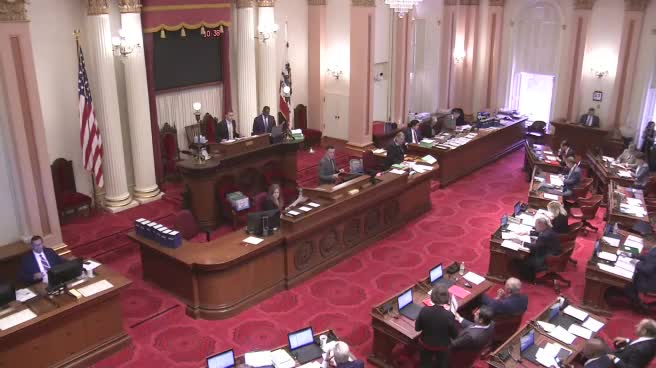

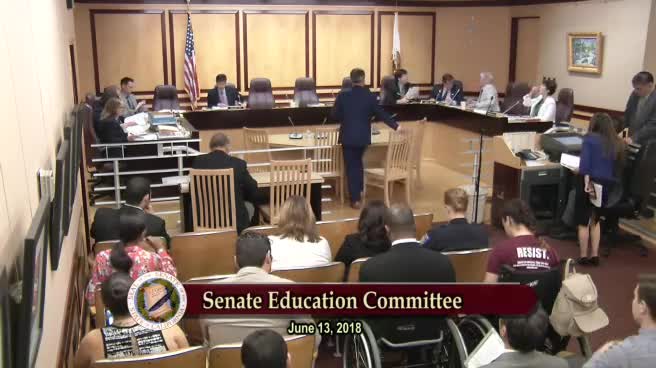
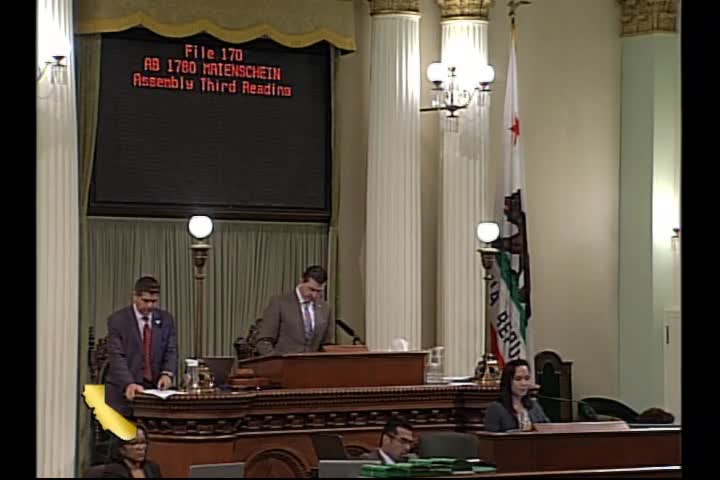
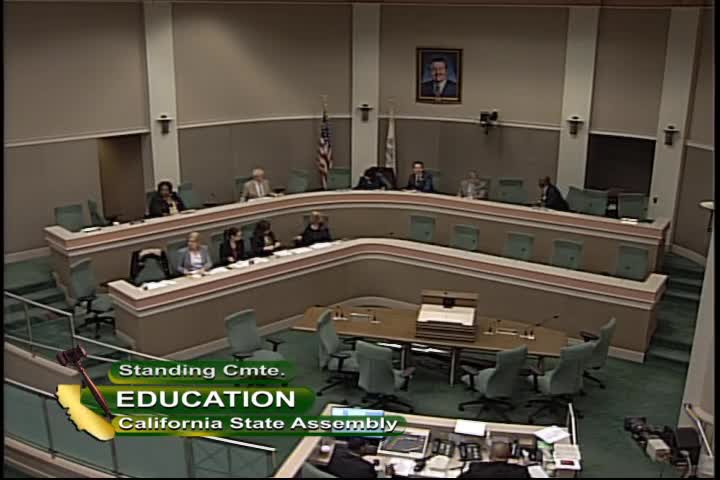
Bill Author


