AB 191: Mental health: involuntary treatment.
- Session Year: 2017-2018
- House: Assembly
- Latest Version Date: 2017-09-01
Under existing law, the Lanterman-Petris-Short Act, when a person, as a result of a mental health disorder, is a danger to others, or to himself or herself, or gravely disabled, he or she may, upon probable cause, be taken into custody and placed in a facility designated by the county and approved by the State Department of Health Care Services for up to 72 hours for evaluation and treatment. Existing law authorizes a person who has been detained for 72 hours and who has received an evaluation to be certified for not more than 14 days of intensive treatment related to the mental health disorder or impairment by chronic alcoholism under specified conditions. Existing law further authorizes the person to be certified for an additional period not to exceed 14 days if that person was suicidal during the 14-day period or the 72-hour evaluation period, or an additional period not to exceed more than 30 days under specified conditions. Existing law requires, for a person to be certified under any of these provisions, a notice of certification to be signed by 2 people, and, in specified circumstances, authorizes the 2nd signature to be from a licensed clinical social worker or a registered nurse who participated in the evaluation.
This bill would include a licensed marriage and family therapist and a licensed professional clinical counselor in the list of professionals who are authorized to sign the notice under specified circumstances.
(a)For a person to be certified under this article, a notice of certification shall be signed by two people.
(1)The first person shall be the professional person, or his or her designee, in charge of the agency or facility providing evaluation services. A designee of the professional person in charge of the agency or facility shall be a physician or a licensed psychologist who has a doctoral degree in psychology and at least five years of postgraduate experience in the diagnosis and treatment of emotional and mental disorders.
(2)The second person shall be a physician or psychologist who participated in the evaluation. The physician shall be, if possible, a board certified psychiatrist. The psychologist shall be licensed and have at least five years of postgraduate experience in the diagnosis and treatment of emotional and mental disorders.
(b)If the professional person in charge, or his or her designee, is the physician who performed the medical evaluation or a psychologist, the second person to sign may be another physician or psychologist unless one is not available, in which case a licensed clinical social worker, licensed marriage and family therapist, licensed professional clinical counselor, or registered nurse who participated in the evaluation shall sign the notice of certification.
SEC. 2.Section 5261 of the Welfare and Institutions Code is amended to read:5261.(a)For a person to be certified under this article, a second notice of certification shall be signed by the professional person in charge of the facility providing the 14-day intensive treatment under Article 4 (commencing with Section 5250) to the person and by a physician, if possible a board-qualified psychiatrist, or a licensed psychologist who has a doctoral degree in psychology and at least five years of postgraduate experience in the diagnosis and treatment of emotional and mental disorders. The physician or psychologist who signs shall have participated in the evaluation and finding referred to in subdivision (a) of Section 5260.
(b)If the professional person in charge is the physician who performed the medical evaluation and finding, or a psychologist, the second person to sign may be another physician or psychologist unless one is not available, in which case a social worker, licensed marriage and family therapist, licensed professional clinical counselor, or registered nurse who participated in the evaluation and finding shall sign the notice of certification.
SEC. 3.Section 5270.20 of the Welfare and Institutions Code is amended to read:5270.20.(a)For a person to be certified under this article, a second notice of certification shall be signed by the professional person in charge of the facility providing intensive treatment to the person and by either a physician who shall, if possible, be a board-qualified psychiatrist, or a licensed psychologist who has a doctoral degree in psychology and at least five years of postgraduate experience in the diagnosis and treatment of emotional and mental disorders. The physician or psychologist who signs shall have participated in the evaluation and finding referred to in subdivision (a) of Section 5270.15.
(b)If the professional person in charge is the physician who performed the medical evaluation and finding, or a psychologist, the second person to sign may be another physician or psychologist unless one is not available, in which case a social worker, licensed marriage and family therapist, licensed professional clinical counselor, or registered nurse who participated in the evaluation and finding shall sign the notice of certification.
(a)For a person to be certified under this article, a notice of certification shall be signed by two people. The
(1)The first person shall be the professional person, or his or her designee, in charge of the agency or facility providing evaluation services. A designee of the professional person in charge of the agency or facility shall be a physician or a licensed psychologist who has a doctoral degree in psychology and at least five years of postgraduate experience in the diagnosis and treatment of emotional and mental disorders.
The(2)The second person shall be a physician or psychologist who participated in the evaluation. The physician shall be, if possible, a board certified psychiatrist. The psychologist shall be licensed and have at least five years of postgraduate experience in the diagnosis and treatment of emotional and mental disorders.
If(b)If the professional person in charge, or his or her designee, is the physician who performed the medical evaluation or a psychologist, the second person to sign may be another physician or psychologist unless one is not available, in which case a licensed clinical social worker worker, licensed marriage and family therapist, licensed professional clinical counselor, or a registered nurse who participated in the evaluation shall sign the notice of certification.
SEC. 2.Section 5261 of the Welfare and Institutions Code is amended to read:5261.(a)For a person to be certified under this article, a second notice of certification must shall be signed by the professional person in charge of the facility providing the 14-day intensive treatment under Article 4 (commencing with Section 5250) to the person and by a physician, if possible a board-qualified psychiatrist psychiatrist, or a licensed psychologist who has a doctoral degree in psychology and at least five years of postgraduate experience in the diagnosis and treatment of emotional and mental disorders. The physician or psychologist who signs shall have participated in the evaluation and finding referred to in subdivision (a) of Section 5260.
If(b)If the professional person in charge is the physician who performed the medical evaluation and finding finding, or a psychologist, the second person to sign may be another physician or psychologist unless one is not available, in which case a social worker worker, licensed marriage and family therapist, licensed professional clinical counselor, or a registered nurse who participated in such the evaluation and finding shall sign the notice of certification.
SEC. 3.Section 5270.20 of the Welfare and Institutions Code is amended to read:5270.20.(a)For a person to be certified under this article, a second notice of certification shall be signed by the professional person in charge of the facility providing intensive treatment to the person and by either a physician who shall, if possible, be a board-qualified psychiatrist, or a licensed psychologist who has a doctoral degree in psychology and at least five years of postgraduate experience in the diagnosis and treatment of emotional and mental disorders. The physician or psychologist who signs shall have participated in the evaluation and finding referred to in subdivision (a) of Section 5270.15.
If(b)If the professional person in charge is the physician who performed the medical evaluation and finding, or a psychologist, the second person to sign may be another physician or psychologist, psychologist unless one is not available, in which case a social worker worker, licensed marriage and family therapist, licensed professional clinical counselor, or a registered nurse who participated in the evaluation and finding shall sign the notice of certification.
|
Date
|
Status
|
|---|---|
| Sep 1, 2017 | Chaptered by Secretary of State - Chapter 184, Statutes of 2017. |
| Sep 1, 2017 | Approved by the Governor. |
| Aug 25, 2017 | Enrolled and presented to the Governor at 3 p.m. |
| Aug 22, 2017 | In Assembly. Ordered to Engrossing and Enrolling. |
| Aug 21, 2017 | Read third time. Passed. Ordered to the Assembly. |
| Jun 26, 2017 | Read second time. Ordered to third reading. |
| Jun 22, 2017 | From committee: Do pass. (Ayes 9. Noes 0.) (June 21). |
| May 30, 2017 | In committee: Hearing postponed by committee. |
| May 10, 2017 | Referred to Com. on HEALTH. |
| Mar 30, 2017 | In Senate. Read first time. To Com. on RLS. for assignment. |
| Mar 30, 2017 | Read third time. Passed. Ordered to the Senate. (Ayes 75. Noes 0. Page 841.) |
| Mar 23, 2017 | Read second time. Ordered to third reading. |
| Mar 22, 2017 | From committee: Do pass. (Ayes 15. Noes 0.) (March 21). |
| Jan 30, 2017 | Referred to Com. on HEALTH. |
| Jan 20, 2017 | From printer. May be heard in committee February 19. |
| Jan 19, 2017 | Read first time. To print. |
|
Date
|
Description
|
Location
|
Votes
|
|
|---|---|---|---|---|
| Aug 21, 2017 | Assembly 3rd Reading AB191 Wood By Hernandez | Senate Floor |
Passed |
|
| Jun 21, 2017 | Do pass | Senate Standing Committee on Health |
Passed |
|
| Mar 30, 2017 | AB 191 WOOD Assembly Third Reading | Assembly Floor |
Passed |
|
| Mar 21, 2017 | Do pass. | Assembly Standing Committee on Health |
Passed |
This list shows positions taken on this bill by organizations on the date displayed, which is linked to the original source.
Positions by individuals are not included.
|
Organization
|
Position
|
Date
|
|---|---|---|
| Alliance Of Catholic Health Care | ** Support | Jun 27, 2017 |
| Board of Behavioral Sciences | ** Support | Jun 27, 2017 |
| California Association for Licensed Professional Clinical Counselors | ** Support | Jun 27, 2017 |
| California Association Of Marriage And Family Therapists | ** Support | Jun 27, 2017 |
| California Hospital Association | ** Support | Jun 27, 2017 |
| California Psychiatric Association | ** Support | Jun 27, 2017 |
| California Psychological Association | ** Against | Jun 27, 2017 |
| CaliforniaHealth+ Advocates | ** Support | Jun 27, 2017 |
| Doctors Behavioral Health Center | ** Support | Jun 27, 2017 |
| Loma Linda Univ Schools of Pharmacy & | * Support | Mar 21, 2017 |
| Private Essential Access Community Hospitals | ** Support | Jun 27, 2017 |
| Tenet Hospitals | * Support | Mar 21, 2017 |
Office of Senate Floor Analyses (916) 651-1520 Fax: (916) 327-4478 | AB 191 |
THIRD READING
Bill No: AB 191
Introduced: 1/19/17
SENATE HEALTH COMMITTEE: 9-0, 6/21/17
AYES: Hernandez, Nguyen, Atkins, Leyva, Mitchell, Monning, Newman, Nielsen, Roth
ASSEMBLY FLOOR: 75-0, 3/30/17 - See last page for vote
SUBJECT: Mental health: involuntary treatment
SOURCE: California Association of Marriage and Family Therapists
DIGEST:
This bill adds licensed marriage and family therapists and licensed professional clinical counselors to those health providers who are authorized to sign a notice of certification, as specified, when a patient is certified as needing intensive treatment.
ANALYSIS:
Existing law:
- Establishes the Lanterman-Petris-Short (LPS) Act and declares the intent of the Legislature to end the inappropriate, indefinite, and involuntary commitment of persons with mental health disorders, developmental disabilities, and chronic alcoholism, as well as to safeguard a person’s rights, provide prompt evaluation and treatment, and provide services in the least restrictive setting appropriate to the needs of each person.
- Creates, within the Department of Consumer Affairs, the Board of Behavioral Sciences (BBS), which licenses marriage and family therapists (LMFTs), clinical social workers (LCSWs), professional clinical counselors (LPCCs), and educational psychologists, and sets, communicates, and enforces standards for safe and competent mental health practice.
- Authorizes a peace officer, member of the attending staff of a facility designated by the county for evaluation and treatment (“designated facility”), member of the attending staff of a designated facility, or other professional person designated by the county, upon probable cause, to take a person with a mental health disorder who is a danger to self or others, or is gravely disabled, into custody (a “5150” hold) and place him or her in a designated facility for up to 72 hours.
- Requires facilities, for the purposes of detaining a person for up to 72-hour treatment and evaluation, to be designated by a county and approved by the Department of Health Care Services.
- Provides for up to 14 days of intensive treatment of a person with a mental health disorder or chronic alcoholism who is a danger to self or others, or is gravely disabled, if the person is certified as needing intensive treatment and it is determined during a certification review hearing that the person needs intensive treatment, as specified. Permits up to an additional 14 days of treatment for individuals who during the initial 14 days threatened suicide or to harm others, and is determined to need continued intensive treatment.
- Requires a notice of certification, as specified, to be signed by two people who may be a physician, board-qualified psychiatrist, licensed psychologist, an LCSW, or a registered nurse (RN), as specified.
- Allows for a patient, upon the completion of the 14 days of intensive treatment, to be certified for an additional period of intensive treatment of not more than 30 days, as specified.
This bill adds LMFTs and LPCCs to the list of those health providers who are authorized to be a second signatory on a notice of certification when a patient is certified as needing intensive treatment, pursuant to 5) and 7) above.
Background
- SB 677 (Lanterman, Petris, and Short, Chapter 1667, Statutes of 1967). Developed a statutory process under which individuals could be involuntarily held and treated in a county-designated facility in a manner that safeguards their constitutional rights and provided for prompt evaluation and treatment of those placed on a 5150 hold. The LPS Act was intended to balance the goals of maintaining the constitutional right to personal liberty and choice in mental health treatment. The LPS Act imposes strict conditions relating to the detention, assessment, and treatment of a person who is detained. SB 364 (Steinberg, Chapter 567, Statues of 2014), made several changes to the LPS Act regarding involuntary commitment that ensured clarity and consistency in the 5150 process to enable people with a mental health disorder or chronic alcoholism to obtain assessment, referral, and treatment as appropriate in the least restrictive setting as possible; broadened the types of facilities a county can designate for 5150 purposes; and encouraged counties to provide training of personnel authorized to write and release 5150 holds. Further, it restructured and recast several provisions of the 5150 process to more clearly articulate the sequencing of events throughout the 5150 process. A reference to the Children’s Civil Commitment and Mental Health Treatment Act of 1988 was also added since people detained under 5150 should also generally apply to children who are detained.
- Certification for intensive treatment. Under current law, people with mental health disorders or chronic alcoholism who have been detained for 72 hours and have received an evaluation, as specified, may be certified for an initial 14 days of intensive treatment (and under certain circumstances for an additional up to 14 days, or for up to an additional 30 days) related to the mental health disorder or impairment by chronic alcoholism under certain conditions, including:
- The person has been found to be a danger to self or others, or is gravely disabled;
- The facility providing intensive treatment is designated by the county, as specified; and,
- The person has been advised of the need for, but is unwilling or unable to accept, treatment on a voluntary basis.
A notice of certification is required for all persons certified for intensive treatment, and each time the person is certified as needing additional intensive treatment, and requires two signatures. The first person is required to be a physician or a licensed psychologist, as specified, who is in charge of the agency or facility providing evaluation services, or his or her designee. The second person is required to be a physician or psychologist who participated in the evaluation, as specified, and in the case that one is not available, an LCSW or an RN who participated in the evaluation. A copy of the notice for certification is required to be personally delivered to the person certified, the person’s attorney, or the attorney or advocate, as specified. The person certified is also asked to designate any person who is to be sent a copy of the certification notice. If the person is incapable of making a designation at the time of certification, he or she is asked to make the designation as soon as he or she is capable.
- Certification review hearing. Current law requires a certification review hearing when a patient is certified for intensive treatment, unless judicial review has been requested, as specified, within four days of the date on which the patient was certified. The hearing is conducted by either a court-appointed commissioner or a referee, or a certification review hearing officer, which can be either a state-qualified administrative law hearing officer, physician and surgeon, licensed psychologist, RN, lawyer, certified law student, LCSW, LMFT, or LPCC, as specified. A patient who has been certified to need intensive treatment is required to be present at the hearing, unless he or she waives that right. Mental health facilities are required to make reasonable attempts to notify a patient’s family members or any other person designated by the patient of the time and place of the certification hearing, unless the patient requests that this information not be provided. Mental health facilities are required to advise a patient being treated of his or her right to request information not be provided.
- LMFTs and LPCCs. The BBS licenses and regulates LMFTs and LPCCs. LMFTs are employed in a variety of mental health agencies, counseling centers, and private practices. LPCCs work in a variety of settings, including hospitals, community-based mental health organizations, and private practice. Both LMFT and LPCC applicants must demonstrate that they have taken courses in specified topic areas, including instruction in the diagnosis, assessment, prognosis, and treatment of mental health disorders; instruction in substance use disorders, co-occurring disorders, and addiction; crisis or trauma counseling; and advanced counseling and psychotherapeutic theories and techniques. Education and experience requirements for LMFTs include a master's degree in specified counseling, therapy, or psychology from a school approved by either a regional accrediting agency recognized by the United States Department of Education or approved by the Bureau for Private Postsecondary Education. Additionally, LMFT applicants are required to obtain 3,000 hours of supervised work experience. LPCC applicants are required to have a master's degree in psychotherapy or counseling from an accredited or approved school and obtain 3,000 hours of supervised work experience. Both LMFTs and LPCCs are currently authorized to perform a certification review hearing.
Comments
- Author’s statement. According to the author, 5150 holds need to be signed first by a psychiatrist or psychologist and then either an LCSW or RN. LMFTs and LPCCs routinely work as part of the treatment team within treatment centers, hospitals, and psychiatric facilities where assessments to hold patients are made. It is not uncommon to have LMFTs or LPCCs as part of the treatment team, but no RN or social worker available, which causes numerous delays and potential patient safety issues. For instance, if the treatment team chooses to wait to find a social worker or RN, it often causes the patient to be held longer than 72 hours, under the original “5150” involuntary mental health hold. This not only fails to honor the patient’s rights but puts the entire treatment team at risk for violating the patient’s rights. Additionally, when LMFTs and LPCCs are assigned to work with patients who require involuntary mental health holds and they cannot sign their patient’s forms, it shows poor continuity of care – patients routinely get confused why their own providers cannot sign the commitment papers causing the patient to doubt the legitimacy of the hold.
Related/Prior Legislation
SB 565 (Portantino, 2017) requires mental health facilities, prior to a certification review hearing for an additional up to 30 days of intensive treatment for a patient, to notify family members or any other person designated by a patient at least 36 hours prior to the certification review hearing. SB 565 is set for hearing on June 27, 2017, in the Assembly Health Committee.
AB 1194 (Eggman, Chapter 570, Statutes of 2015) required, for purposes of determining whether a person is a danger to self or others, an individual making that determination to consider available relevant information about the historical course of the person’s mental health disorder, as specified.
SB 364 (Steinberg, Chapter 567, Statues of 2014) made several changes to the LPS Act, including broadening the types of facilities a county could designate for 5150 purposes and encouraging counties to provide training of personnel authorized to write and release 5150 holds.
AB 1424 (Thomson, Chapter 506, Statutes of 2001) made various changes to the LPS Act to increase the involvement of family members in commitment hearings for those with a mental health disorder; required more use of a patient's medical and psychiatric records in specified hearings; and prohibited health plans and insurers from using the commitment status of a person with a mental health disorder to determine eligibility for claim reimbursement.
SB 677 (Lanterman, Petris, and Short, Chapter 1667, Statutes of 1967) developed a statutory process under which individuals could be involuntarily held and treated in a county-designated facility in a manner that safeguards their constitutional rights and provided for prompt evaluation and treatment of those placed on a 5150 hold.
FISCAL EFFECT: Appropriation: No Fiscal Com.: No Local: No
California Association of Marriage and Family Therapists (source)
Alliance of Catholic Health Care
American Association for Marriage and Family Therapy, California Division
Board of Behavioral Sciences
California Association for Licensed Professional Clinical Counselors
California Hospital Association
California Psychiatric Association
CaliforniaHealth+ Advocates
Doctors Behavioral Health Center
Private Essential Access Community Hospitals
OPPOSITION: (Verified 6/27/17)
California Psychological Association
ARGUMENTS IN SUPPORT: The sponsor of this bill and other supporters, largely providers, state that problems often arise because, although LMFTs and LPCCs are commonly part of treatment teams for patients, when an LCSW or RN is not available to be the second signatory for certification of intensive treatment for a patient, LMFTs and LPCCs are not currently authorized to sign the certification, causing unnecessary delays and safety issues for patients. Supporters argue that LMFTs and LPCCs are well qualified to be second signatories, and this bill gives mental health facilities the flexibility to effectively use their provider care teams while maintaining patient safety and honoring patient rights. Supporters further argue that workforce shortages in the state are well documented, particularly in the behavioral health field, and allowing LMFTs and LPCCs to work to the full extent of their scope of practice would ensure that patients are afforded the care they need.
ARGUMENTS IN OPPOSITION: The California Psychological Association (CPA) argues that this bill does not speak to how adequate, relevant, and appropriate training standards are met by LMFTs and LPCCs to properly assess and evaluate the need for extended holds. CPA states that while some (not all) LMFT training programs offer one course in assessment and diagnosis, a clear distinction across the degrees is that the Ph.D. psychology program provides a greater emphasis in amount and depth of coursework that focuses on assessment, diagnosis, and psychopathology.
ASSEMBLY FLOOR: 75-0, 3/30/17
AYES: Acosta, Aguiar-Curry, Travis Allen, Arambula, Baker, Berman, Bigelow, Bloom, Bocanegra, Bonta, Brough, Burke, Caballero, Calderon, Cervantes, Chau, Chávez, Chen, Chiu, Choi, Chu, Cooley, Cooper, Cunningham, Dababneh, Dahle, Daly, Eggman, Flora, Fong, Friedman, Gallagher, Cristina Garcia, Eduardo Garcia, Gipson, Gloria, Gomez, Gonzalez Fletcher, Gray, Grayson, Harper, Holden, Jones-Sawyer, Kalra, Kiley, Lackey, Levine, Limón, Low, Maienschein, Mathis, Mayes, McCarty, Melendez, Mullin, Muratsuchi, Nazarian, Obernolte, O'Donnell, Patterson, Quirk-Silva, Reyes, Ridley-Thomas, Rodriguez, Rubio, Salas, Santiago, Steinorth, Mark Stone, Thurmond, Ting, Voepel, Waldron, Weber, Wood
NO VOTE RECORDED: Frazier, Irwin, Medina, Quirk, Rendon
Prepared by: Reyes Diaz / HEALTH / (916) 651-4111
6/27/17 16:24:08
**** END ****
SENATE COMMITTEE ON HEALTH
Senator Ed Hernandez, O.D., Chair
BILL NO: AB 191
AUTHOR: | Wood | ||
VERSION: | January 19, 2017 | ||
HEARING DATE: | June 21, 2017 | ||
CONSULTANT: | Reyes Diaz | ||
SUBJECT: Mental health: involuntary treatment
SUMMARY:
Adds licensed marriage and family therapists and licensed professional clinical counselors to those health providers who are authorized to sign a notice of certification, as specified, when a patient is certified as needing intensive treatment.
Existing law:
- Establishes the Lanterman-Petris-Short (LPS) Act and declares the intent of the Legislature to end the inappropriate, indefinite, and involuntary commitment of persons with mental health disorders, developmental disabilities, and chronic alcoholism, as well as to safeguard a person’s rights, provide prompt evaluation and treatment, and provide services in the least restrictive setting appropriate to the needs of each person.
- Creates, within the Department of Consumer Affairs, the Board of Behavioral Sciences (BBS), which licenses marriage and family therapists (LMFTs), clinical social workers (LCSWs), professional clinical counselors (LPCCs), and educational psychologists, and sets, communicates, and enforces standards for safe and competent mental health practice.
- Authorizes a peace officer, member of the attending staff of a facility designated by the county for evaluation and treatment (“designated facility”), member of the attending staff of a designated facility, or other professional person designated by the county, upon probable cause, to take a person with a mental health disorder who is a danger to self or others, or is gravely disabled, into custody (a “5150” hold) and place him or her in a designated facility for up to 72 hours.
- Requires facilities, for the purposes of detaining a person for up to 72-hour treatment and evaluation, to be designated by a county and approved by the Department of Health Care Services.
- Provides for up to 14 days of intensive treatment of a person with a mental health disorder or chronic alcoholism who is a danger to self or others, or is gravely disabled, if the person is certified as needing intensive treatment and it is determined during a certification review hearing that the person needs intensive treatment, as specified. Permits up to an additional 14 days of treatment for individuals who during the initial 14 days threatened suicide or to harm others, and is determined to need continued intensive treatment.
- Requires a notice of certification, as specified, to be signed by two people who may be a physician, board-qualified psychiatrist, licensed psychologist, a licensed clinical social worker, or a registered nurse.
- Allows for a patient, upon the completion of the 14 days of intensive treatment, to be certified for an additional period of intensive treatment of not more than 30 days, as specified.
This bill: Adds LMFTs and LPCCs to the list of those health providers who are authorized to be a second signatory on a notice of certification when a patient is certified as needing intensive treatment, pursuant to 5) and 7) above.
FISCAL EFFECT:
This bill has been keyed nonfiscal.
PRIOR VOTES:
Assembly Floor: | 75 - 0 |
Assembly Health Committee: | 15 - 0 |
COMMENTS:
- Author’s statement. According to the author, 5150 holds need to be signed first by a psychiatrist or psychologist and then either a social worker or registered nurse (RN). LMFTs and LPCCs routinely work as part of the treatment team within treatment centers, hospitals, and psychiatric facilities where assessments to hold patients are made. It is not uncommon to have LMFTs or LPCCs as part of the treatment team, but no RN or social worker available, which causes numerous delays and potential patient safety issues. For instance, if the treatment team chooses to wait to find a social worker or RN, it often causes the patient to be held longer than 72 hours, under the original “5150” involuntary mental health hold. This not only fails to honor the patient’s rights but puts the entire treatment team at risk for violating the patient’s rights. Additionally, when LMFTs and LPCCs are assigned to work with patients who require involuntary mental health holds and they cannot sign their patient’s forms, it shows poor continuity of care – patients routinely get confused why their own providers cannot sign the commitment papers causing the patient to doubt the legitimacy of the hold.
- Background. SB 677 (Lanterman, Petris, and Short, Chapter 1667, Statutes of 1967) developed a statutory process under which individuals could be involuntarily held and treated in a county-designated facility in a manner that safeguards their constitutional rights and provided for prompt evaluation and treatment of those placed on a 5150 hold. The LPS Act was intended to balance the goals of maintaining the constitutional right to personal liberty and choice in mental health treatment. The LPS Act imposes strict conditions relating to the detention, assessment, and treatment of a person who is detained. SB 364 (Steinberg, Chapter 567, Statues of 2014), made several changes to the LPS Act regarding involuntary commitment that ensured clarity and consistency in the 5150 process to enable people with a mental health disorder or chronic alcoholism to obtain assessment, referral, and treatment as appropriate in the least restrictive setting as possible; broadened the types of facilities a county can designate for 5150 purposes; and encouraged counties to provide training of personnel authorized to write and release 5150 holds. Further, it restructured and recast several provisions of the 5150 process to more clearly articulate the sequencing of events throughout the 5150 process. A reference to the Children’s Civil Commitment and Mental Health Treatment Act of 1988 was also added since people detained under 5150 should also generally apply to children who are detained.
- Certification for intensive treatment. Under current law, people with mental health disorders or chronic alcoholism who have been detained for 72 hours and have received an evaluation, as specified, may be certified for an initial 14 days of intensive treatment (and under certain circumstances for an additional up to 14 days, or for up to an additional 30 days) related to the mental health disorder or impairment by chronic alcoholism under certain conditions, including:
- The person has been found to be a danger to self or others, or is gravely disabled;
- The facility providing intensive treatment is designated by the county, as specified; and,
- The person has been advised of the need for, but is unwilling or unable to accept, treatment on a voluntary basis.
A notice of certification is required for all persons certified for intensive treatment, and each time the person is certified as needing additional intensive treatment, and requires two signatures. The first person is required to be a physician or a licensed psychologist, as specified, who is in charge of the agency or facility providing evaluation services, or his or her designee. The second person is required to be a physician or psychologist who participated in the evaluation, as specified, and in the case that one is not available, an LCSW or an RN who participated in the evaluation. A copy of the notice for certification is required to be personally delivered to the person certified, the person’s attorney, or the attorney or advocate, as specified. The person certified is also asked to designate any person who is to be sent a copy of the certification notice. If the person is incapable of making a designation at the time of certification, he or she is asked to make the designation as soon as he or she is capable.
- Certification review hearing. Current law requires a certification review hearing when a patient is certified for intensive treatment, unless judicial review has been requested, as specified, within four days of the date on which the patient was certified. The hearing is conducted by either a court-appointed commissioner or a referee, or a certification review hearing officer, which can be either a state-qualified administrative law hearing officer, physician and surgeon, licensed psychologist, RN, lawyer, certified law student, LCSW, LMFT, or LPCC, as specified. A patient who has been certified to need intensive treatment is required to be present at the hearing, unless he or she waives that right. Mental health facilities are required to make reasonable attempts to notify a patient’s family members or any other person designated by the patient of the time and place of the certification hearing, unless the patient requests that this information not be provided. Mental health facilities are required to advise a patient being treated of his or her right to request information not be provided.
- LMFTs and LPCCs. The BBS licenses and regulates LMFTs and LPCCs. LMFTs are employed in a variety of mental health agencies, counseling centers, and private practices. LPCCs work in a variety of settings, including hospitals, community-based mental health organizations, and private practice. Both LMFT and LPCC applicants must demonstrate that they have taken courses in specified topic areas, including instruction in the diagnosis, assessment, prognosis, and treatment of mental health disorders; instruction in substance use disorders, co-occurring disorders, and addiction; crisis or trauma counseling; and advanced counseling and psychotherapeutic theories and techniques. Education and experience requirements for LMFTs include a master's degree in specified counseling, therapy, or psychology from a school approved by either a regional accrediting agency recognized by the United States Department of Education or approved by the Bureau of Private Postsecondary Education. Additionally, LMFT applicants are required to obtain 3,000 hours of supervised work experience. LPCC applicants are required to have a master's degree in psychotherapy or counseling from an accredited or approved school and obtain 3,000 hours of supervised work experience. Both LMFTs and LPCCs are currently authorized to perform a certification review hearing.
- Related legislation. SB 565 (Portantino) requires mental health facilities, prior to a certification review hearing for an additional up to 30 days of intensive treatment for a patient, to notify family members or any other person designated by a patient at least 36 hours prior to the certification review hearing. SB 565 is set for hearing on July 11, 2017, in the Assembly Health Committee.
- Prior legislation. AB 1194 (Eggman, Chapter 570, Statutes of 2015) requires, for purposes of determining whether a person is a danger to self or others, an individual making that determination to consider available relevant information about the historical course of the person’s mental health disorder, as specified.
SB 364 (Steinberg, Chapter 567, Statues of 2014) made several changes to the LPS Act, including broadening the types of facilities a county could designate for 5150 purposes and encouraging counties to provide training of personnel authorized to write and release 5150 holds.
AB 1424 (Thomson, Chapter 506, Statutes of 2001) made various changes to the LPS Act to increase the involvement of family members in commitment hearings for those with a mental health disorder; required more use of a patient's medical and psychiatric records in specified hearings; and prohibited health plans and insurers from using the commitment status of a person with a mental health disorder to determine eligibility for claim reimbursement.
SB 677 (Lanterman, Petris, and Short, Chapter 1667, Statutes of 1967) developed a statutory process under which individuals could be involuntarily held and treated in a county-designated facility in a manner that safeguards their constitutional rights and provided for prompt evaluation and treatment of those placed on a 5150 hold.
- Support. The sponsor of this bill and other supporters, largely providers, state that problems often arise because, although LMFTs and LPCCs are commonly part of treatment teams for patients, when an LCSW or RN is not available to be the second signatory for certification of intensive treatment for a patient, LMFTs and LPCCs are not currently authorized to sign the certification, causing unnecessary delays and safety issues for patients. Supporters argue that LMFTs and LPCCs are well qualified to be second signatories, and this bill would give mental health facilities the flexibility to effectively use their provider care teams while maintaining patient safety and honoring patient rights. Supporters further argue that workforce shortages in the state are well documented, particularly in the behavioral health field, and allowing LMFTs and LPCCs to work to the full extent of their scope of practice would ensure that patients are afforded the care they need.
- Opposition. The California Psychological Association (CPA) argues that this bill does not speak to how adequate, relevant, and appropriate training standards are met by LMFTs and LPCCs to properly assess and evaluate the need for extended holds. CPA states that while some (not all) MFT training programs offer one course in assessment and diagnosis, a clear distinction across the degrees is that the Ph.D. psychology program provides a greater emphasis in amount and depth of coursework that focuses on assessment, diagnosis, and psychopathology.
SUPPORT AND OPPOSITION:
Support: California Association of Marriage and Family Therapists (sponsor)
Alliance of Catholic Health Care
American Association for Marriage and Family Therapy, California Division
Board of Behavioral Sciences
California Association for Licensed Professional Clinical Counselors
CaliforniaHealth+ Advocates
California Hospital Association
California Psychiatric Association
Doctors Behavioral Health Center
Private Essential Access Community Hospitals
Oppose: California Psychological Association
-- END --
ASSEMBLY THIRD READING
ATR Bill Id:AB 191
Author:(Wood)
As Introduced Ver:January 19, 2017
Majority vote
Committee | Votes | Ayes | Noes |
Health | 15-0 | Wood, Maienschein, Bonta, Burke, Gallagher, Limón, McCarty, Nazarian, Patterson, Quirk-Silva, Chiu, Rodriguez, Santiago, Thurmond, Waldron |
SUMMARY: Authorizes a licensed marriage and family therapist (LMFT) or a licensed professional clinical counselor (LPCC) to be the second person to sign a notice of certification to hold a person involuntarily for an extended 14 days or 30 days, after an initial 72 hour hold, as specified.
EXISTING LAW:
- Establishes the Lanterman-Petris Short (LPS) Act, which authorizes a person to be involuntarily detained for a period of up to 72 hours for assessment, evaluation, and crisis intervention, when, as a result of a mental disorder, the person is a danger to him or herself or to others, or is "gravely disabled," commonly referred to as a "5150 hold." Defines "gravely disabled" to mean a condition in which a person, as a result of a mental disorder, is unable to provide for his or her basic personal needs for food, clothing, or shelter.
- Allows, under the LPS Act, a person who is gravely disabled to be certified for intensive treatment and involuntarily detained for further inpatient intensive mental health treatment for an additional 14 days, as specified.
- Permits, if after a period of 14 days an individual is still gravely disabled, a person to be held for another period of 14 days, be placed on a 30-day hold for additional intensive treatment, or be placed under temporary LPS Conservatorship, as specified.
- Requires, for a person to be certified for intensive treatment, a notice of certification to be signed by two people.
- Requires the first signee of the certification to be the professional person, or his or her designee, in charge of the agency or facility providing evaluation services. Requires a designee of the professional person in charge of the agency or facility to be a physician or a licensed psychologist who has a doctoral degree in psychology and at least five years of postgraduate experience in the diagnosis and treatment of emotional and mental disorders;
- Requires the second signee of the certification to be a physician or psychologist who participated in the evaluation. Requires that, if possible, the physician be a board certified psychiatrist and requires the psychologist to be licensed and have at least five years of postgraduate experience in the diagnosis and treatment of emotional and mental disorders.
- Permits, if the professional person in charge, or his or her designee, is the physician who performed the medical evaluation or a psychologist, the second signee to be another physician or psychologist unless one is not available, in which case a licensed clinical social worker or a registered nurse (RN) who participated in the evaluation is required to sign the notice of certification.
- Allows, under the LPS Act, a court to order an imminently dangerous person to be confined for further inpatient intensive health treatment for an additional 180 days, as provided.
FISCAL EFFECT: None
COMMENTS: According to the author, currently, involuntary mental health holds need to be signed first by a psychiatrist or psychologist and then by either a social worker or RN. LMFTs and LPCCs routinely work as part of the treatment team within treatment centers, hospitals, and psychiatric facilities where assessments to hold patients are made. It is not uncommon to have LMFTs or LPCCs as part of the treatment team, but not have an RN or social worker as part of the team. If there is not an RN or social worker available to be the second signature on a certification, there is a resulting delay in establishing the hold and a delay in treatment. For instance, if the treatment team chooses to wait to find a social worker or RN, it often causes the patient to be held longer than the 72 hours, under the original "5150" involuntary mental health hold. This not only fails to honor the patient's rights but puts the entire treatment team at risk for violating the patient's rights. Additionally, when LMFTs and LPCCs are assigned to work with patients who require involuntary mental health holds and they cannot sign their patient's forms, it shows poor continuity of care – patients routinely get confused why their own providers cannot sign the commitment papers causing the patient to doubt the legitimacy of the hold.
The LPS Act, enacted in the 1960s, was intended to balance the goals of maintaining the constitutional right to personal liberty and choice in mental health treatment, while protecting public safety when an individual may be a danger to oneself or others or is gravely disabled. At the time of its enactment, the LPS Act was considered progressive because it afforded the mentally disordered more legal rights than most other states. Since its passage in 1967, the law has continued to evolve toward greater legal rights for mentally disordered persons. Welfare and Institutions Code (WIC) Section 5150 of the LPS Act allows peace officers, staff-members of county-designated evaluation facilities, or other county-designated professional persons, to take an individual into custody and place him in a facility for 72-hour treatment and evaluation if the individual is a danger to himself, herself, or others, or is gravely disabled due to a mental disorder. If it is determined an individual is still gravely disabled after the initial 72-hour hold, an additional intensive treatment for a 14 day period may be authorized. This 14 day period can be re-extended, or an individual can continue to be held for an additional 30 days.
The Behavioral Board of Sciences licenses and regulates LMFTs and LPCCs. LMFTs are employed in a variety of mental health agencies, counseling centers, and private practices. LPCCs work in a variety of settings including hospitals, community-based mental health organizations, and private practice. Both LPCC and LMFT applicants must demonstrate that they have taken courses in specified topic areas including instruction in the diagnosis, assessment, prognosis, and treatment of mental disorders; instruction in substance use disorders, co-occurring disorders, and addiction; crisis or trauma counseling; and, advanced counseling and psychotherapeutic theories and techniques. Certain courses must be completed within the graduate degree program, while other courses may be remediated after completion of the degree program. Education and experience requirements for LMFTs include a master's degree in specified counseling, therapy, or psychology from a school approved by either a regional accrediting agency recognized by the United States Department of Education or approved by the Bureau of Private Postsecondary Education. Additionally, LMFT applicants are required to obtain 3,000 hours of supervised work experience. LPCC applicants are required to have a master's degree in psychotherapy or counseling from an accredited or approved school and obtain 3,000 of supervised work experience.
According to the California Association of Marriage and Family Therapists, the sponsors of this bill, existing law requires a notice of certification to be signed by two people for 14-day or 30-day holds. A problem arises because LMFTs and LPCCs routinely work as part of the treatment team within treatment centers, hospitals, and psychiatric facilities where assessments to hold patients are made; however, they are not authorized to act as a second signer. Authorizing LMFTs and LPCCs as a second signatory will give mental health facilities the flexibility to efficiently utilize their provider care teams while maintaining patient safety and patient's rights.
The California Hospital Association states that workforce shortages are well documented in the field of behavioral health, and legislation, such as this bill, allowing trained professionals to work to the full extent of their scope of practice must be supported to ensure all patient safeguards are available, especially to those receiving treatment in an involuntary environment.
The California Psychological Association (CPA) states in opposition to this bill that the provisions of the LPS Act require specific training and certification and that the bill does not speak to how adequate, relevant, and appropriate training standards are met by LMFTs and LPCCs to properly assess and evaluate the need for extended holds. CPA states that the protection of consumers is paramount in this process and notes the need to ensure adequate training, clinical expertise, and advanced skills are present to adequately assess risk and potential for future risks when making the decision to commit an individual involuntarily for an extended 14- or 30-day hold.
Analysis Prepared by: Paula Villescaz / HEALTH / (916) 319-2097 FN: 0000051
Date of Hearing: March 21, 2017
ASSEMBLY COMMITTEE ON HEALTH
Jim Wood, Chair
ABPCA Bill Id:AB 191
Author:(Wood) – As Introduced Ver:January 19, 2017
SUBJECT: Mental health: involuntary treatment.
SUMMARY: Authorizes a licensed marriage and family therapist (LMFT) or a licensed professional clinical counselor (LPCC) to be the second person to sign a notice of certification to hold a person involuntarily for an extended 14 days or 30 days, after an initial 72 hour hold, as specified.
EXISTING LAW:
- Establishes the Lanterman-Petris Short (LPS) Act, which authorizes a person to be involuntarily detained for a period of up to 72 hours for assessment, evaluation, and crisis intervention, when, as a result of a mental disorder, the person is a danger to him or herself or to others, or is “gravely disabled,” commonly referred to as a “5150 hold.” Defines “gravely disabled” to mean a condition in which a person, as a result of a mental disorder, is unable to provide for his or her basic personal needs for food, clothing, or shelter.
- Allows, under the LPS Act, a person who is gravely disabled to be certified for intensive treatment and involuntarily detained for further inpatient intensive mental health treatment for an additional 14 days, under the following conditions:
- The professional staff of the agency or facility providing evaluation services has analyzed the person’s condition and has found the person is a danger to others, or to himself or herself, or gravely disabled;
- The facility providing intensive treatment is designated by a county to provide intensive treatment, and agrees to admit the person and prohibits a facility from being designated to provide intensive treatment unless it complies with the certification review hearing, as specified;
- The person has been advised of the need for, but has not been willing or able to accept, treatment on a voluntary basis.
- Permits, if after a period of 14 days an individual is still gravely disabled, a person to be held for another period of 14 days, be placed on a 30-day hold for additional intensive treatment, or be placed under temporary LPS Conservatorship as specified.
- Requires, for a person to be certified for intensive treatment, a notice of certification to be signed by two people.
- Requires the first signee of the certification to be the professional person, or his or her designee, in charge of the agency or facility providing evaluation services. Requires a designee of the professional person in charge of the agency or facility to be a physician or a licensed psychologist who has a doctoral degree in psychology and at least five years of postgraduate experience in the diagnosis and treatment of emotional and mental disorders;
- Requires the second signee of the certification to be a physician or psychologist who participated in the evaluation. Requires that, if possible, the physician be a board certified psychiatrist and requires the psychologist to be licensed and have at least five years of postgraduate experience in the diagnosis and treatment of emotional and mental disorders.
- Permits, if the professional person in charge, or his or her designee, is the physician who performed the medical evaluation or a psychologist, the second signee to be another physician or psychologist unless one is not available, in which case a licensed clinical social worker or a registered nurse (RN) who participated in the evaluation is required to sign the notice of certification.
- Allows, under the LPS Act, a court to order an imminently dangerous person to be confined for further inpatient intensive health treatment for an additional 180 days, as provided.
FISCAL EFFECT: None
COMMENTS:
- PURPOSE OF THIS BILL. According to the author, currently, involuntary mental health holds need to be signed first by a psychiatrist or psychologist and then by either a social worker or RN. LMFTs and LPCCs routinely work as part of the treatment team within treatment centers, hospitals, and psychiatric facilities where assessments to hold patients are made. It is not uncommon to have LMFTs or LPCCs as part of the treatment team, but not have an RN or social worker as part of the team. If there is not an RN or social worker available to be the second signature on a certification, there is a resulting delay in establishing the hold and a delay in treatment. For instance, if the treatment team chooses to wait to find a social worker or RN, it often causes the patient to be held longer than the 72 hours, under the original “5150” involuntary mental health hold. This not only fails to honor the patient’s rights but puts the entire treatment team at risk for violating the patient’s rights. Additionally, when LMFTs and LPCCs are assigned to work with patients who require involuntary mental health holds and they cannot sign their patient’s forms, it shows poor continuity of care – patients routinely get confused why their own providers cannot sign the commitment papers causing the patient to doubt the legitimacy of the hold.
- BACKGROUND. The LPS Act, enacted in the 1960s, was intended to balance the goals of maintaining the constitutional right to personal liberty and choice in mental health treatment, while protecting public safety when an individual may be a danger to oneself or others or is gravely disabled. At the time of its enactment, the LPS Act was considered progressive because it afforded the mentally disordered more legal rights than most other states. Since its passage in 1967, the law has continued to evolve toward greater legal rights for mentally disordered persons. Welfare and Institutions Code (WIC) Section 5150 of the LPS Act allows peace officers, staff-members of county-designated evaluation facilities, or other county-designated professional persons, to take an individual into custody and place him in a facility for 72-hour treatment and evaluation if the individual is a danger to himself, herself, or others, or is gravely disabled due to a mental disorder. If it is determined an individual is still gravely disabled after the initial 72-hour hold, an additional intensive treatment for a 14 day period may be authorized. This 14 day period can be re-extended, or an individual can continue to be held for an additional 30 days.
- LMFTs and LPCCs. The Behavioral Board of Sciences licenses and regulates LMFTs and LPCCs. LMFTs are employed in a variety of mental health agencies, counseling centers, and private practices. LPCCs work in a variety of settings including hospitals, community-based mental health organizations, and private practice. Both LPCC and LMFT applicants must demonstrate that they have taken courses in specified topic areas including instruction in the diagnosis, assessment, prognosis, and treatment of mental disorders; instruction in substance use disorders, co-occurring disorders, and addiction; crisis or trauma counseling; and, advanced counseling and psychotherapeutic theories and techniques. Certain courses must be completed within the graduate degree program, while other courses may be remediated after completion of the degree program. Education and experience requirements for LMFTs include a master's degree in specified counseling, therapy, or psychology from a school approved by either a regional accrediting agency recognized by the United States Department of Education or approved by the Bureau of Private Postsecondary Education. Additionally, LMFT applicants are required to obtain 3,000 hours of supervised work experience. LPCC applicants are required to have a master's degree in psychotherapy or counseling from an accredited or approved school and obtain 3,000 of supervised work experience.
- SUPPORT. According to the California Association of Marriage and Family Therapists, the sponsors of this bill, existing law requires a notice of certification to be signed by two people for 14-day or 30-day holds. A problem arises because LMFTs and LPCCs routinely work as part of the treatment team within treatment centers, hospitals, and psychiatric facilities where assessments to hold patients are made; however, they are not authorized to act as a second signer. Authorizing LMFTs and LPCCs as a second signatory will give mental health facilities the flexibility to efficiently utilize their provider care teams while maintaining patient safety and patient’s rights.
The California Hospital Association states that workforce shortages are well documented in the field of behavioral health, and legislation, such as this bill, allowing trained professionals to work to the full extent of their scope of practice must be supported to ensure all patient safeguards are available, especially to those receiving treatment in an involuntary environment.
- OPPOSE. The California Psychological Association (CPA) states in opposition to this bill that the provisions of the LPS Act require specific training and certification and that the bill does not speak to how adequate, relevant, and appropriate training standards are met by LMFTs and LPCCs to properly assess and evaluate the need for extended holds. CPA states that the protection of consumers is paramount in this process and notes the need to ensure adequate training, clinical expertise, and advanced skills are present to adequately assess risk and potential for future risks when making the decision to commit an individual involuntarily for an extended 14- or 30-day hold.
- RELATED LEGISLATION.
- AB 1372 (Levine) declares the intent of the Legislature to enact legislation to establish a process by which a certified crisis stabilization unit may be authorized to provide medically necessary crisis stabilization services to beneficiaries for an extended period in those cases in which a beneficiary in the unit needs inpatient psychiatric care, but an appropriate inpatient bed is not available. AB 1372 is pending referral in the Assembly Rules Committee.
- SB 565 (Portantino) requires a mental health facility to make reasonable attempts to notify family members or any other person designated by the patient at least 36 hours prior to a review hearing for certification to be held involuntarily for an extended 14 days or 30 days, after an initial 72 hour hold, as specified. SB 565 is pending in the Senate Health Committee.
- PREVIOUS LEGISLATION.
- AB 1300 (Ridley-Thomas) of 2016 would have allowed an emergency physician or psychiatric professional, who is not a county-designated professional person, as specified, to detain a person who is a danger to self or others, or is gravely disabled, for up to 72 hours for evaluation and treatment, as specified. AB 1300 was held in the Senate Rules Committee.
- AB 1194 (Eggman), Chapter 570, Statutes of 2015, requires, for purposes of determining whether a person is a danger to self or others, an individual making that determination to consider available relevant information about the historical course of the person’s mental disorder if the individual concludes that the information has a reasonable bearing on the determination, and that the individual shall not be limited to consideration of the danger of imminent harm.
- AB 428 (Eggman), Chapter 379, Statutes of 2014, authorizes certain coursework requirements for licensure as a LMFT and licensed clinical social worker to be completed through continuing education instead of formal classroom training, as specified.
- AB 348 (Chu), Chapter 94, Statutes of 2003, allows a psychologist to authorize release of a person from an involuntary hold prior to the end of the holding period if the psychologist is in a collaborative treatment relationship with a psychiatrist and both the psychologist and the psychiatrist have examined the patient and consulted with one another.
REGISTERED SUPPORT / OPPOSITION:
Support
California Association of Marriage and Family Therapists (sponsor)
California Association for Licensed Professional Clinical Counselors
California Hospital Association
Doctors Behavioral Health Center
Opposition
California Psychological Association
Analysis Prepared by: Paula Villescaz / HEALTH / (916) 319-2097
Discussed in Hearing
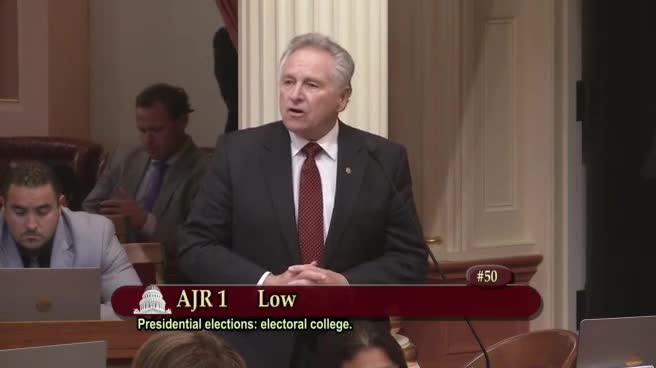 54SEC
Senate Floor
 7MIN
Senate Standing Committee on Health
 1MIN
Assembly Floor
 9MIN
Assembly Standing Committee on Health
Bill Author

Bill Co-Author(s):