AB 1944: Sustainable groundwater management: San Luis Rey Valley Groundwater Basin.
- Session Year: 2017-2018
- House: Assembly
- Latest Version Date: 2018-09-05
Existing law, the Sustainable Groundwater Management Act, requires all groundwater basins designated as high- or medium-priority basins by the Department of Water Resources that are designated as basins subject to critical conditions of overdraft to be managed under a groundwater sustainability plan or coordinated groundwater sustainability plans by January 31, 2020, and requires all other groundwater basins designated as high- or medium-priority basins to be managed under a groundwater sustainability plan or coordinated groundwater sustainability plans by January 31, 2022, except as specified. The act requires the boundaries of a basin to be as identified in a specified report of the department, unless other basin boundaries are established, as prescribed.
This bill would divide the San Luis Rey Valley Groundwater Basin into an upper and lower subbasin, as prescribed, and would designate the subbasins as medium priority until the department reassesses basin prioritization. The bill would require water beneath the surface of the ground within the Upper San Luis Rey Valley Groundwater Subbasin to be included within the definition of groundwater for the purposes of the act by any groundwater sustainability agency developing or implementing a groundwater sustainability plan and would except from this requirement certain water beneath the surface of the ground extracted and used as authorized under an existing appropriative water right.
Existing law, the Sustainable Groundwater Management Act, requires all groundwater basins designated as high- or medium-priority basins by the Department of Water Resources that are designated as basins subject to critical conditions of overdraft to be managed under a groundwater sustainability plan or coordinated groundwater sustainability plans by January 31, 2020, and requires all other groundwater basins designated as high- or medium-priority basins to be managed under a groundwater sustainability plan or coordinated groundwater sustainability plans by January 31, 2022, except as specified. The act requires the boundaries of a basin to be as identified in a specified report of the Department of Water Resources, department, unless other basin boundaries are established, as prescribed.
This bill would divide the San Luis Rey Valley Groundwater Basin into an upper and lower subbasin, as prescribed, and would designate the subbasins as medium priority until the department reassesses basin prioritization. The bill would require water beneath the surface of the ground within the Upper San Luis Rey Valley Groundwater Subbasin to be included within the definition of groundwater for the purposes of the act by any groundwater sustainability agency developing or implementing a groundwater sustainability plan and would except from this requirement certain water beneath the surface of the ground extracted and used as authorized under an existing appropriative water right.
Existing law, the Sustainable Groundwater Management Act, requires all groundwater basins designated as high- or medium-priority basins by the Department of Water Resources that are designated as basins subject to critical conditions of overdraft to be managed under a groundwater sustainability plan or coordinated groundwater sustainability plans by January 31, 2020, and requires all other groundwater basins designated as high- or medium-priority basins to be managed under a groundwater sustainability plan or coordinated groundwater sustainability plans by January 31, 2022, except as specified. The act requires the boundaries of a basin to be as identified in a specified report of the Department of Water Resources, unless other basin boundaries are established, as prescribed.
This bill would divide the San Luis Rey Valley Groundwater Basin into an upper and lower subbasin, as prescribed, and would designate the subbasins as medium priority until the department reassesses basin prioritization. The bill would require water beneath the surface of the ground within the Upper San Luis Rey Valley Groundwater Subbasin to be included within the definition of groundwater for the purposes of the act by any groundwater sustainability agency developing or implementing a groundwater sustainability plan and would except from this requirement certain water beneath the surface of the ground extracted and used as authorized under an existing appropriative water right.
Unless the context otherwise requires, the following definitions govern the construction of this part:
(a)Adjudication action means an action filed in the superior or federal district court to determine the rights to extract groundwater from a basin or store water within a basin, including, but not limited to, actions to quiet title respecting rights to extract or store groundwater or an action brought to impose a physical solution on a basin.
(b)Basin means a groundwater basin or subbasin identified and defined in Bulletin 118 or as modified pursuant to Chapter 3 (commencing with Section 10722).
(c)Bulletin 118 means the departments report entitled Californias Groundwater: Bulletin 118 updated in 2003, as it may be subsequently updated or revised in accordance with Section 12924.
(d)Coordination agreement means a legal agreement adopted between two or more groundwater sustainability agencies that provides the basis for coordinating multiple agencies or groundwater sustainability plans within a basin pursuant to this part.
(e)De minimis extractor means a person who extracts, for domestic purposes, two acre-feet or less per year.
(f)Governing body means the legislative body of a groundwater sustainability agency.
(g)Groundwater means water beneath the surface of the earth within the zone below the water table in which the soil is completely saturated with water, but does not include water that flows in known and definite channels unless included pursuant to Section 10722.5.
(h)Groundwater extraction facility means a device or method for extracting groundwater from within a basin.
(i)Groundwater recharge or recharge means the augmentation of groundwater, by natural or artificial means.
(j)Groundwater sustainability agency means one or more local agencies that implement the provisions of this part. For purposes of imposing fees pursuant to Chapter 8 (commencing with Section 10730) or taking action to enforce a groundwater sustainability plan, groundwater sustainability agency also means each local agency comprising the groundwater sustainability agency if the plan authorizes separate agency action.
(k)Groundwater sustainability plan or plan means a plan of a groundwater sustainability agency proposed or adopted pursuant to this part.
(l)Groundwater sustainability program means a coordinated and ongoing activity undertaken to benefit a basin, pursuant to a groundwater sustainability plan.
(m)In-lieu use means the use of surface water by persons that could otherwise extract groundwater in order to leave groundwater in the basin.
(n)Local agency means a local public agency that has water supply, water management, or land use responsibilities within a groundwater basin.
(o)Operator means a person operating a groundwater extraction facility. The owner of a groundwater extraction facility shall be conclusively presumed to be the operator unless a satisfactory showing is made to the governing body of the groundwater sustainability agency that the groundwater extraction facility actually is operated by some other person.
(p)Owner means a person owning a groundwater extraction facility or an interest in a groundwater extraction facility other than a lien to secure the payment of a debt or other obligation.
(q)Personal information has the same meaning as defined in Section 1798.3 of the Civil Code.
(r)Planning and implementation horizon means a 50-year time period over which a groundwater sustainability agency determines that plans and measures will be implemented in a basin to ensure that the basin is operated within its sustainable yield.
(s)Public water system has the same meaning as defined in Section 116275 of the Health and Safety Code.
(t)Recharge area means the area that supplies water to an aquifer in a groundwater basin.
(u)Sustainability goal means the existence and implementation of one or more groundwater sustainability plans that achieve sustainable groundwater management by identifying and causing the implementation of measures targeted to ensure that the applicable basin is operated within its sustainable yield.
(v)Sustainable groundwater management means the management and use of groundwater in a manner that can be maintained during the planning and implementation horizon without causing undesirable results.
(w)Sustainable yield means the maximum quantity of water, calculated over a base period representative of long-term conditions in the basin and including any temporary surplus, that can be withdrawn annually from a groundwater supply without causing an undesirable result.
(x)Undesirable result means one or more of the following effects caused by groundwater conditions occurring throughout the basin:
(1)Chronic lowering of groundwater levels indicating a significant and unreasonable depletion of supply if continued over the planning and implementation horizon. Overdraft during a period of drought is not sufficient to establish a chronic lowering of groundwater levels if extractions and groundwater recharge are managed as necessary to ensure that reductions in groundwater levels or storage during a period of drought are offset by increases in groundwater levels or storage during other periods.
(2)Significant and unreasonable reduction of groundwater storage.
(3)Significant and unreasonable seawater intrusion.
(4)Significant and unreasonable degraded water quality, including the migration of contaminant plumes that impair water supplies.
(5)Significant and unreasonable land subsidence that substantially interferes with surface land uses.
(6)Depletions of interconnected surface water that have significant and unreasonable adverse impacts on beneficial uses of the surface water.
(y)Water budget means an accounting of the total groundwater and surface water entering and leaving a basin including the changes in the amount of water stored.
(z)Watermaster means a watermaster appointed by a court or pursuant to other law.
(aa)Water year means the period from October 1 through the following September 30, inclusive.
(ab)Wellhead protection area means the surface and subsurface area surrounding a water well or well field that supplies a public water system through which contaminants are reasonably likely to migrate toward the water well or well field.
SEC. 2.Section 10722.5 is added to the Water Code, to read:10722.5.(a)The San Luis Rey Valley Groundwater Basin, identified as Basin 9-007 in Bulletin 118 (2016), shall be divided into an upper and lower subbasin at the east line of Range 3 West, San Bernardino Meridian. The portion of the basin to the west of the dividing line shall be the Lower San Luis Rey Valley Groundwater Subbasin and the portion of the basin to the east of the dividing line shall be the Upper San Luis Rey Valley Groundwater Subbasin. Until the department reassesses prioritization pursuant to subdivision (c) of Section 10722.4, both subbasins shall be designated medium priority.
(b)(1)Notwithstanding any other law, water beneath the surface of the ground within the Upper San Luis Rey Valley Groundwater Subbasin shall be included within the definition of groundwater for the purposes of this part by any groundwater sustainability agency developing or implementing a groundwater sustainability plan, except for water beneath the surface of the ground downstream of the confluence of San Luis Rey River and Frey Creek that is extracted and used as authorized under an existing appropriative water right.
(2)The Legislature finds and declares that in light of the unique circumstances in the Upper San Luis Rey Valley Groundwater Subbasin it is necessary to include certain water within the subbasin flowing in known and definite channels in the subbasins groundwater that is subject to this part and that this subdivision applies to only the Upper San Luis Rey Valley Groundwater Subbasin.
(c)Nothing in this section alters any water right or the priority of any water right under state or federal law, or alters the application of Division 2 (commencing with Section 1000) to water within the Lower and Upper San Luis Rey Valley Groundwater Subbasins.
Unless the context otherwise requires, the following definitions govern the construction of this part:
(a)Adjudication action means an action filed in the superior or federal district court to determine the rights to extract groundwater from a basin or store water within a basin, including, but not limited to, actions to quiet title respecting rights to extract or store groundwater or an action brought to impose a physical solution on a basin.
(b)Basin means a groundwater basin or subbasin identified and defined in Bulletin 118 or as modified pursuant to Chapter 3 (commencing with Section 10722).
(c)Bulletin 118 means the departments report entitled Californias Groundwater: Bulletin 118 updated in 2003, as it may be subsequently updated or revised in accordance with Section 12924.
(d)Coordination agreement means a legal agreement adopted between two or more groundwater sustainability agencies that provides the basis for coordinating multiple agencies or groundwater sustainability plans within a basin pursuant to this part.
(e)De minimis extractor means a person who extracts, for domestic purposes, two acre-feet or less per year.
(f)Governing body means the legislative body of a groundwater sustainability agency.
(g)Groundwater means water beneath the surface of the earth within the zone below the water table in which the soil is completely saturated with water, but does not include water that flows in known and definite channels unless included pursuant to Section 10722.5.
(h)Groundwater extraction facility means a device or method for extracting groundwater from within a basin.
(i)Groundwater recharge or recharge means the augmentation of groundwater, by natural or artificial means.
(j)Groundwater sustainability agency means one or more local agencies that implement the provisions of this part. For purposes of imposing fees pursuant to Chapter 8 (commencing with Section 10730) or taking action to enforce a groundwater sustainability plan, groundwater sustainability agency also means each local agency comprising the groundwater sustainability agency if the plan authorizes separate agency action.
(k)Groundwater sustainability plan or plan means a plan of a groundwater sustainability agency proposed or adopted pursuant to this part.
(l)Groundwater sustainability program means a coordinated and ongoing activity undertaken to benefit a basin, pursuant to a groundwater sustainability plan.
(m)In-lieu use means the use of surface water by persons that could otherwise extract groundwater in order to leave groundwater in the basin.
(n)Local agency means a local public agency that has water supply, water management, or land use responsibilities within a groundwater basin.
(o)Operator means a person operating a groundwater extraction facility. The owner of a groundwater extraction facility shall be conclusively presumed to be the operator unless a satisfactory showing is made to the governing body of the groundwater sustainability agency that the groundwater extraction facility actually is operated by some other person.
(p)Owner means a person owning a groundwater extraction facility or an interest in a groundwater extraction facility other than a lien to secure the payment of a debt or other obligation.
(q)Personal information has the same meaning as defined in Section 1798.3 of the Civil Code.
(r)Planning and implementation horizon means a 50-year time period over which a groundwater sustainability agency determines that plans and measures will be implemented in a basin to ensure that the basin is operated within its sustainable yield.
(s)Public water system has the same meaning as defined in Section 116275 of the Health and Safety Code.
(t)Recharge area means the area that supplies water to an aquifer in a groundwater basin.
(u)Sustainability goal means the existence and implementation of one or more groundwater sustainability plans that achieve sustainable groundwater management by identifying and causing the implementation of measures targeted to ensure that the applicable basin is operated within its sustainable yield.
(v)Sustainable groundwater management means the management and use of groundwater in a manner that can be maintained during the planning and implementation horizon without causing undesirable results.
(w)Sustainable yield means the maximum quantity of water, calculated over a base period representative of long-term conditions in the basin and including any temporary surplus, that can be withdrawn annually from a groundwater supply without causing an undesirable result.
(x)Undesirable result means one or more of the following effects caused by groundwater conditions occurring throughout the basin:
(1)Chronic lowering of groundwater levels indicating a significant and unreasonable depletion of supply if continued over the planning and implementation horizon. Overdraft during a period of drought is not sufficient to establish a chronic lowering of groundwater levels if extractions and groundwater recharge are managed as necessary to ensure that reductions in groundwater levels or storage during a period of drought are offset by increases in groundwater levels or storage during other periods.
(2)Significant and unreasonable reduction of groundwater storage.
(3)Significant and unreasonable seawater intrusion.
(4)Significant and unreasonable degraded water quality, including the migration of contaminant plumes that impair water supplies.
(5)Significant and unreasonable land subsidence that substantially interferes with surface land uses.
(6)Depletions of interconnected surface water that have significant and unreasonable adverse impacts on beneficial uses of the surface water.
(y)Water budget means an accounting of the total groundwater and surface water entering and leaving a basin including the changes in the amount of water stored.
(z)Watermaster means a watermaster appointed by a court or pursuant to other law.
(aa)Water year means the period from October 1 through the following September 30, inclusive.
(ab)Wellhead protection area means the surface and subsurface area surrounding a water well or well field that supplies a public water system through which contaminants are reasonably likely to migrate toward the water well or well field.
SEC. 2.Section 10722.5 is added to the Water Code, to read:10722.5.(a)The San Luis Rey Valley Groundwater Basin, identified as Basin 9-007 in Bulletin 118 (2016), shall be divided into an upper and lower subbasin at the east line of Range 3 West, San Bernardino Meridian. The portion of the basin to the west of the dividing line shall be the Lower San Luis Rey Valley Groundwater Subbasin and the portion of the basin to the east of the dividing line shall be the Upper San Luis Rey Valley Groundwater Subbasin. Until the department reassesses prioritization pursuant to subdivision (c) of Section 10722.4, both subbasins shall be designated medium priority.
(b)(1)Notwithstanding any other law, water beneath the surface of the ground within the Upper San Luis Rey Valley Groundwater Subbasin shall be included within the definition of groundwater for the purposes of this part by any groundwater sustainability agency developing or implementing a groundwater sustainability plan, except for water beneath the surface of the ground downstream of the confluence of San Luis Rey River and Frey Creek that is extracted and used as authorized under an existing appropriative water right.
(2)The Legislature finds and declares that in light of the unique circumstances in the Upper San Luis Rey Valley Groundwater Subbasin it is necessary to include certain water within the subbasin flowing in known and definite channels in the subbasins groundwater that is subject to this part and that this subdivision apply applies to only the Upper San Luis Rey Valley Groundwater Subbasin.
(c)Nothing in this section alters any water right or the priority of any water right under state or federal law, or alters the application of Division 2 (commencing with Section 1000) to water within the Lower and Upper San Luis Rey Valley Groundwater Subbasins downstream of the confluence of the San Luis Rey River and Frey Creek. Subbasins.
Unless the context otherwise requires, the following definitions govern the construction of this part:
(a)Adjudication action means an action filed in the superior or federal district court to determine the rights to extract groundwater from a basin or store water within a basin, including, but not limited to, actions to quiet title respecting rights to extract or store groundwater or an action brought to impose a physical solution on a basin.
(b)Basin means a groundwater basin or subbasin identified and defined in Bulletin 118 or as modified pursuant to Chapter 3 (commencing with Section 10722).
(c)Bulletin 118 means the departments report entitled Californias Groundwater: Bulletin 118 updated in 2003, as it may be subsequently updated or revised in accordance with Section 12924.
(d)Coordination agreement means a legal agreement adopted between two or more groundwater sustainability agencies that provides the basis for coordinating multiple agencies or groundwater sustainability plans within a basin pursuant to this part.
(e)De minimis extractor means a person who extracts, for domestic purposes, two acre-feet or less per year.
(f)Governing body means the legislative body of a groundwater sustainability agency.
(g)Groundwater means water beneath the surface of the earth within the zone below the water table in which the soil is completely saturated with water, but does not include water that flows in known and definite channels unless included pursuant to Section 10722.5.
(h)Groundwater extraction facility means a device or method for extracting groundwater from within a basin.
(i)Groundwater recharge or recharge means the augmentation of groundwater, by natural or artificial means.
(j)Groundwater sustainability agency means one or more local agencies that implement the provisions of this part. For purposes of imposing fees pursuant to Chapter 8 (commencing with Section 10730) or taking action to enforce a groundwater sustainability plan, groundwater sustainability agency also means each local agency comprising the groundwater sustainability agency if the plan authorizes separate agency action.
(k)Groundwater sustainability plan or plan means a plan of a groundwater sustainability agency proposed or adopted pursuant to this part.
(l)Groundwater sustainability program means a coordinated and ongoing activity undertaken to benefit a basin, pursuant to a groundwater sustainability plan.
(m)In-lieu use means the use of surface water by persons that could otherwise extract groundwater in order to leave groundwater in the basin.
(n)Local agency means a local public agency that has water supply, water management, or land use responsibilities within a groundwater basin.
(o)Operator means a person operating a groundwater extraction facility. The owner of a groundwater extraction facility shall be conclusively presumed to be the operator unless a satisfactory showing is made to the governing body of the groundwater sustainability agency that the groundwater extraction facility actually is operated by some other person.
(p)Owner means a person owning a groundwater extraction facility or an interest in a groundwater extraction facility other than a lien to secure the payment of a debt or other obligation.
(q)Personal information has the same meaning as defined in Section 1798.3 of the Civil Code.
(r)Planning and implementation horizon means a 50-year time period over which a groundwater sustainability agency determines that plans and measures will be implemented in a basin to ensure that the basin is operated within its sustainable yield.
(s)Public water system has the same meaning as defined in Section 116275 of the Health and Safety Code.
(t)Recharge area means the area that supplies water to an aquifer in a groundwater basin.
(u)Sustainability goal means the existence and implementation of one or more groundwater sustainability plans that achieve sustainable groundwater management by identifying and causing the implementation of measures targeted to ensure that the applicable basin is operated within its sustainable yield.
(v)Sustainable groundwater management means the management and use of groundwater in a manner that can be maintained during the planning and implementation horizon without causing undesirable results.
(w)Sustainable yield means the maximum quantity of water, calculated over a base period representative of long-term conditions in the basin and including any temporary surplus, that can be withdrawn annually from a groundwater supply without causing an undesirable result.
(x)Undesirable result means one or more of the following effects caused by groundwater conditions occurring throughout the basin:
(1)Chronic lowering of groundwater levels indicating a significant and unreasonable depletion of supply if continued over the planning and implementation horizon. Overdraft during a period of drought is not sufficient to establish a chronic lowering of groundwater levels if extractions and groundwater recharge are managed as necessary to ensure that reductions in groundwater levels or storage during a period of drought are offset by increases in groundwater levels or storage during other periods.
(2)Significant and unreasonable reduction of groundwater storage.
(3)Significant and unreasonable seawater intrusion.
(4)Significant and unreasonable degraded water quality, including the migration of contaminant plumes that impair water supplies.
(5)Significant and unreasonable land subsidence that substantially interferes with surface land uses.
(6)Depletions of interconnected surface water that have significant and unreasonable adverse impacts on beneficial uses of the surface water.
(y)Water budget means an accounting of the total groundwater and surface water entering and leaving a basin including the changes in the amount of water stored.
(z)Watermaster means a watermaster appointed by a court or pursuant to other law.
(aa)Water year means the period from October 1 through the following September 30, inclusive.
(ab)Wellhead protection area means the surface and subsurface area surrounding a water well or well field that supplies a public water system through which contaminants are reasonably likely to migrate toward the water well or well field.
SEC. 2.Section 10722.5 is added to the Water Code, to read:10722.5.(a)The San Luis Rey Valley Groundwater Basin, identified as Basin 9-007 in Bulletin 118 (2016), shall be divided into an upper and lower subbasin at the east line of Range 3 West, San Bernardino Meridian. The portion of the basin to the west of the dividing line shall be the Lower San Luis Rey Valley Groundwater Subbasin and the portion of the basin to the east of the dividing line shall be the Upper San Luis Rey Valley Groundwater Subbasin. Until the department reassesses prioritization pursuant to subdivision (c) of Section 10722.4, both subbasins shall be designated medium priority.
(b)(1)Notwithstanding any other law, water beneath the surface of the ground within the Upper San Luis Rey Valley Groundwater Subbasin shall be included within the definition of groundwater for the purposes of this part by any groundwater sustainability agency developing or implementing a groundwater sustainability plan, except for water beneath the surface of the ground downstream of the confluence of San Luis Rey River and Frey Creek that is extracted and used as authorized under an existing appropriative water right.
(2)The Legislature finds and declares that in light of the unique circumstances in the Upper San Luis Rey Valley Groundwater Subbasin it is necessary to include certain water within the subbasin flowing in known and definite channels in the subbasins groundwater that is subject to this part and that this subdivision apply to only the Upper San Luis Rey Valley Groundwater Subbasin.
(c)Nothing in this section alters any water right or the priority of any water right under state or federal law, or alters the application of Division 2 (commencing with Section 1000) to water within the Lower and Upper San Luis Rey Valley Groundwater Subbasins downstream of the confluence of the San Luis Rey River and Frey Creek.
Unless the context otherwise requires, the following definitions govern the construction of this part:
(a)Adjudication action means an action filed in the superior or federal district court to determine the rights to extract groundwater from a basin or store water within a basin, including, but not limited to, actions to quiet title respecting rights to extract or store groundwater or an action brought to impose a physical solution on a basin.
(b)Basin means a groundwater basin or subbasin identified and defined in Bulletin 118 or as modified pursuant to Chapter 3 (commencing with Section 10722).
(c)Bulletin 118 means the departments report entitled Californias Groundwater: Bulletin 118 updated in 2003, as it may be subsequently updated or revised in accordance with Section 12924.
(d)Coordination agreement means a legal agreement adopted between two or more groundwater sustainability agencies that provides the basis for coordinating multiple agencies or groundwater sustainability plans within a basin pursuant to this part.
(e)De minimis extractor means a person who extracts, for domestic purposes, two acre-feet or less per year.
(f)Governing body means the legislative body of a groundwater sustainability agency.
(g)Groundwater means water beneath the surface of the earth within the zone below the water table in which the soil is completely saturated with water, but does not include water that flows in known and definite channels. channels unless included pursuant to Section 10722.5.
(h)Groundwater extraction facility means a device or method for extracting groundwater from within a basin.
(i)Groundwater recharge or recharge means the augmentation of groundwater, by natural or artificial means.
(j)Groundwater sustainability agency means one or more local agencies that implement the provisions of this part. For purposes of imposing fees pursuant to Chapter 8 (commencing with Section 10730) or taking action to enforce a groundwater sustainability plan, groundwater sustainability agency also means each local agency comprising the groundwater sustainability agency if the plan authorizes separate agency action.
(k)Groundwater sustainability plan or plan means a plan of a groundwater sustainability agency proposed or adopted pursuant to this part.
(l)Groundwater sustainability program means a coordinated and ongoing activity undertaken to benefit a basin, pursuant to a groundwater sustainability plan.
(m)In-lieu use means the use of surface water by persons that could otherwise extract groundwater in order to leave groundwater in the basin.
(n)Local agency means a local public agency that has water supply, water management, or land use responsibilities within a groundwater basin.
(o)Operator means a person operating a groundwater extraction facility. The owner of a groundwater extraction facility shall be conclusively presumed to be the operator unless a satisfactory showing is made to the governing body of the groundwater sustainability agency that the groundwater extraction facility actually is operated by some other person.
(p)Owner means a person owning a groundwater extraction facility or an interest in a groundwater extraction facility other than a lien to secure the payment of a debt or other obligation.
(q)Personal information has the same meaning as defined in Section 1798.3 of the Civil Code.
(r)Planning and implementation horizon means a 50-year time period over which a groundwater sustainability agency determines that plans and measures will be implemented in a basin to ensure that the basin is operated within its sustainable yield.
(s)Public water system has the same meaning as defined in Section 116275 of the Health and Safety Code.
(t)Recharge area means the area that supplies water to an aquifer in a groundwater basin.
(u)Sustainability goal means the existence and implementation of one or more groundwater sustainability plans that achieve sustainable groundwater management by identifying and causing the implementation of measures targeted to ensure that the applicable basin is operated within its sustainable yield.
(v)Sustainable groundwater management means the management and use of groundwater in a manner that can be maintained during the planning and implementation horizon without causing undesirable results.
(w)Sustainable yield means the maximum quantity of water, calculated over a base period representative of long-term conditions in the basin and including any temporary surplus, that can be withdrawn annually from a groundwater supply without causing an undesirable result.
(x)Undesirable result means one or more of the following effects caused by groundwater conditions occurring throughout the basin:
(1)Chronic lowering of groundwater levels indicating a significant and unreasonable depletion of supply if continued over the planning and implementation horizon. Overdraft during a period of drought is not sufficient to establish a chronic lowering of groundwater levels if extractions and groundwater recharge are managed as necessary to ensure that reductions in groundwater levels or storage during a period of drought are offset by increases in groundwater levels or storage during other periods.
(2)Significant and unreasonable reduction of groundwater storage.
(3)Significant and unreasonable seawater intrusion.
(4)Significant and unreasonable degraded water quality, including the migration of contaminant plumes that impair water supplies.
(5)Significant and unreasonable land subsidence that substantially interferes with surface land uses.
(6)Depletions of interconnected surface water that have significant and unreasonable adverse impacts on beneficial uses of the surface water.
(y)Water budget means an accounting of the total groundwater and surface water entering and leaving a basin including the changes in the amount of water stored.
(z)Watermaster means a watermaster appointed by a court or pursuant to other law.
(aa)Water year means the period from October 1 through the following September 30, inclusive.
(ab)Wellhead protection area means the surface and subsurface area surrounding a water well or well field that supplies a public water system through which contaminants are reasonably likely to migrate toward the water well or well field.
SEC. 2.Section 10722.5 is added to the Water Code, to read:10722.5.(a)The San Luis Rey Valley Groundwater Basin, identified as Basin 9-007 in Bulletin 118 (2016), shall be divided into an upper and lower subbasin at the east line of Range 3 West, San Bernardino Meridian. The portion of the basin to the west of the dividing line shall be the Lower San Luis Rey Valley Groundwater Subbasin and the portion of the basin to the east of the dividing line shall be the Upper San Luis Rey Valley Groundwater Subbasin. Until the department reassesses prioritization pursuant to subdivision (c) of Section 10722.4, both subbasins shall be designated medium priority.
(b)Notwithstanding any other law, water beneath the surface of the ground within the Upper San Luis Rey Valley Groundwater Subbasin shall be included within the definition of groundwater for the purposes of this part by any groundwater sustainability agency developing or implementing a groundwater sustainability plan, except for water beneath the surface of the ground downstream of the confluence of San Luis Rey River and Frey Creek that is extracted and used as authorized under an existing appropriative water right.
(c)Nothing in this section alters any water right or the priority of any water right under state or federal law, or alters the application of Division 2 (commencing with Section 1000) to water within the Lower and Upper San Luis Rey Valley Groundwater Subbasins downstream of the confluence of the San Luis Rey River and Frey Creek.
|
Date
|
Status
|
|---|---|
| Sep 5, 2018 | Chaptered by Secretary of State - Chapter 255, Statutes of 2018. |
| Sep 5, 2018 | Approved by the Governor. |
| Aug 24, 2018 | Enrolled and presented to the Governor at 4:30 p.m. |
| Aug 20, 2018 | Senate amendments concurred in. To Engrossing and Enrolling. |
| Aug 14, 2018 | In Assembly. Concurrence in Senate amendments pending. May be considered on or after August 16 pursuant to Assembly Rule 77. |
| Aug 13, 2018 | Read third time. Passed. Ordered to the Assembly. |
| Jul 3, 2018 | Read second time. Ordered to third reading. |
| Jul 2, 2018 | From committee: Be ordered to second reading pursuant to Senate Rule 28.8. |
| Jun 13, 2018 | Read second time and amended. Re-referred to Com. on APPR. |
| Jun 12, 2018 | From committee: Amend, and do pass as amended and re-refer to Com. on APPR. (Ayes 9. Noes 0.) (June 12). |
| May 17, 2018 | Referred to Com. on N.R. & W. |
| May 3, 2018 | In Senate. Read first time. To Com. on RLS. for assignment. |
| May 3, 2018 | Read third time. Passed. Ordered to the Senate. |
| Apr 26, 2018 | Read second time. Ordered to Consent Calendar. |
| Apr 25, 2018 | From committee: Do pass. To Consent Calendar. (Ayes 17. Noes 0.) (April 25). |
| Apr 12, 2018 | Re-referred to Com. on APPR. |
| Apr 11, 2018 | Read second time and amended. |
| Apr 10, 2018 | From committee: Amend, and do pass as amended and re-refer to Com. on APPR. (Ayes 12. Noes 0.) (April 10). |
| Mar 21, 2018 | In committee: Hearing postponed by committee. |
| Feb 8, 2018 | Referred to Com. on W.,P., & W. |
| Jan 30, 2018 | From printer. May be heard in committee March 1. |
| Jan 29, 2018 | Read first time. To print. |
|
Date
|
Description
|
Location
|
Votes
|
|
|---|---|---|---|---|
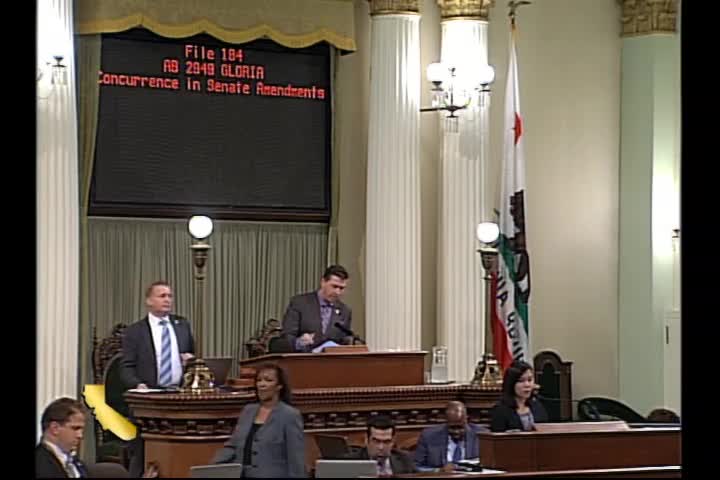
| Aug 20, 2018 | AB 1944 GARCIA, E. Concurrence in Senate Amendments | Assembly Floor |
Passed |
|
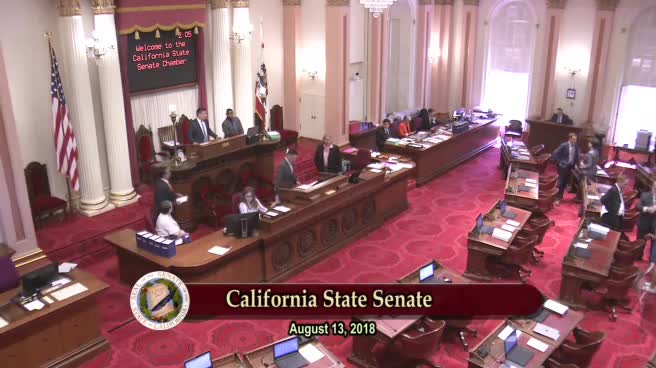
| Aug 13, 2018 | Assembly 3rd Reading AB1944 Eduardo Garcia et al. By Hueso | Senate Floor |
Passed |
|
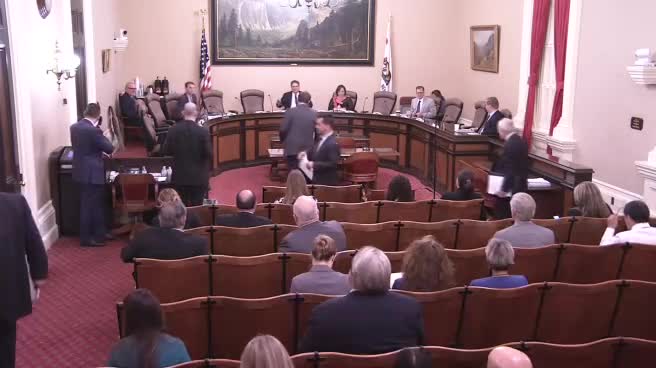
| Jun 12, 2018 | Do pass as amended, but first amend, and re-refer to the Committee on [Appropriations] | Senate Standing Committee on Natural Resources and Water |
Passed |
|
| May 3, 2018 | AB 1944 GARCIA, E. Consent Calendar Second Day Regular Session | Assembly Floor |
Passed |
|
| Apr 25, 2018 | Do pass. To Consent Calendar. | Assembly Standing Committee on Appropriations |
Passed |
|
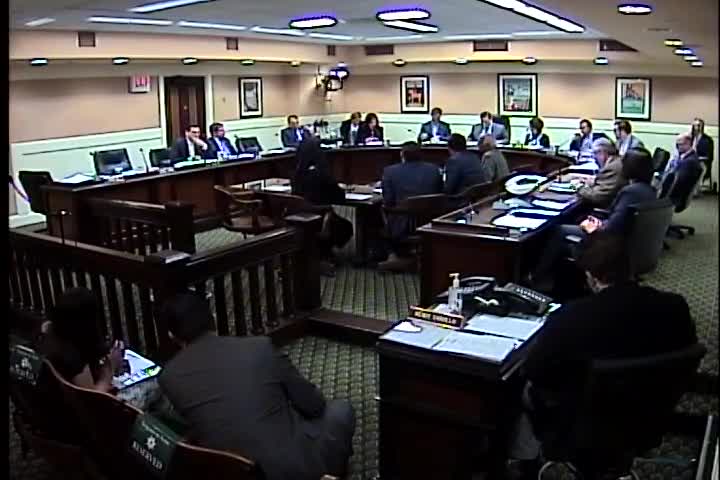
| Apr 10, 2018 | Do pass as amended and be re-referred to the Committee on [Appropriations] | Assembly Standing Committee on Water, Parks, and Wildlife |
Passed |
This list shows positions taken on this bill by organizations on the date displayed, which is linked to the original source.
Positions by individuals are not included.
|
Organization
|
Position
|
Date
|
|---|---|---|
| Association Of California Water Agencies | ** Support | Jul 3, 2018 |
| Board of Yuima Municipal Water District | * Support | Apr 10, 2018 |
| California Tribal Business Alliance | ** Support | Jul 3, 2018 |
| Rainbow Municipal Water Authority | * Support | Jun 12, 2018 |
| Salinas Rain and Water Authority | * Support | Jun 12, 2018 |
| San Diego County Supervisor Bill Horn | ** Support | Jul 3, 2018 |
| San Diego County Water Authority | ** Support | Jul 3, 2018 |
| San Diego Local Agency Formation Commission | ** Support | Jul 3, 2018 |
| San Luis Rey Indian Water Authority | * Support | Apr 10, 2018 |
| San Luis Rey Municipal Water District | ** Against | Jul 3, 2018 |
| Upper San Luis Rey Resource Conservation District | * Support | Apr 10, 2018 |
CONCURRENCE IN SENATE AMENDMENTS
CSA1 Bill Id:AB 1944
Author:(Eduardo Garcia and Waldron)
As Amended Ver:June 13, 2018
Majority vote
ASSEMBLY: | 71-0 | (May 3, 2018) | SENATE: | 36-0 | (August 13, 2018) |
Original Committee Reference: W., P., & W.
SUMMARY: Adjusts the basin designations within the San Luis Rey Valley Groundwater Basin in order to facilitate groundwater management.
The Senate amendments are technical in nature. This bill provides that it does not alter any water right or the priority of any water right under state or federal law. The amendments clarify that, rather than specifying that the bill does not alter the application of existing appropriative water rights laws "downstream of the confluence of the San Luis Rey River and Frey Creek," the amendments extend the savings clause to the entire river.
EXISTING LAW: Requires that all groundwater basins in critical overdraft be managed under a groundwater sustainability plan (GSP) by January 31, 2020, and requires all other groundwater basins designated as high- or medium- priority to be managed in a similar manner by January 31, 2022.
- Authorizes any local agency or combination of local agencies overlying a groundwater basin to become a groundwater sustainability agency (GSA).
- Requires, prior to initiating the development of a GSP, the GSA to make available to the public and the Department of Water Resources (DWR), a written statement describing the manner in which interested parties may participate in the development and implementation of the GSP, and requires the GSA to encourage the active involvement of diverse social, cultural, and economic elements of the population within the groundwater basins prior to, and during the development and implementation, of the plan.
- Specifically, Water Code Section 10723.2 states that the GSA shall consider the interests of all beneficial uses and users of groundwater, as well as those responsible for implementing groundwater sustainability plans. These interests include, but are not limited to, all of the following:
- Holders of overlying groundwater rights, including: agricultural users, domestic well owners, municipal well operators, public water systems, local land use planning agencies, environmental users of water, and others, as specified.
- Empowers local agencies to manage their basins sustainably and gives local agencies new authority to adopt and enforce rules, require reporting, raise funds and build new water projects.
FISCAL EFFECT: According to the Senate Appropriations Committee, pursuant to Senate Rule 28.8, negligible state costs.
COMMENTS: None.
Analysis Prepared by: Catherine Freeman / W., P., & W. / (916) 319-2096 FN: 0003737
Office of Senate Floor Analyses (916) 651-1520 Fax: (916) 327-4478 | AB |
THIRD READING
Bill No: AB 1944
:
SENATE NATURAL RES. & WATER COMMITTEE: 9-0, 6/12/18
AYES: Hertzberg, Stone, Allen, Hueso, Jackson, McGuire, Monning, Stern, Vidak
SENATE APPROPRIATIONS COMMITTEE: Senate Rule 28.8
ASSEMBLY FLOOR: 71-0, 5/3/18 (Consent) - See last page for vote
DIGEST:
This bill divides the San Luis Rey Valley Groundwater Basin into upper and lower subbasins and designates both subbasins as “medium priority” under the Sustainable Groundwater Management Act (SGMA) until the Department of Water Resources (DWR) reassesses basin prioritization.
Existing law:
- Requires the Department of Water Resources (DWR) to identify and define the state’s groundwater basins on the bases of geological and hydrological conditions and consideration of political boundary lines whenever practical. DWR reports these boundaries in its Groundwater Report known as Bulletin 118.
- Requires, under SGMA, that DWR to prioritize groundwater basins and subbasins as either high- medium, low, or very low priority. Basins designated as high or medium priority are required to develop, adopt, and implement groundwater sustainability plans (GSP).
- Recognizes three categories of water under current water rights law:
- Surface water
- Percolating groundwater, and
- “Subterranean streams flowing through known and definite channels” (subterranean streams).
- Provides that surface water and subterranean stream water are subject to the permitting jurisdiction of the State Water Resources Control Board (SWRCB). Percolating groundwater is not, and is instead governed by common law rules regarding overlying rights, appropriative rights, and prescriptive rights.
- Provides, under SGMA, that any federally recognized Indian tribe, appreciating the shared interest in assuring the sustainability of groundwater resources, may voluntarily agree to participate in the preparation or administration of a GSP through a joint powers authority or other agreement with local agencies in the basin.
This bill:
- Divides the San Luis Rey Valley (SLRV) basin in northern San Diego County into upper and lower subbasins at the east line of Range 3 West, San Bernardino Meridian, a location known as the Monserate Narrows.
- The western subbasin will be named the Lower SLRV Groundwater Subbasin, and would contain the Bonsall and Mission subarea.
- The eastern subbasin will be named the Upper SLRV Groundwater Subbasin, and would contain the Pala and Pauma subareas.
- Designates, for purposes of SGMA, both subbasins as medium priority basins until DWR reassesses the prioritization as provided under SGMA.
- Finds that, in light of the unique circumstances in the Upper SLRV Groundwater Subbasin, it is necessary to include within SGMA water within the subbasin flowing in known and definite channels, and this exception applies solely to the Upper SLRV Groundwater Subbasin.
- Authorizes water beneath the surface of the ground within the Upper SLRV Groundwater Subbasin to be included within the definition of groundwater for the purposes of SGMA for any groundwater sustainability agency developing or implementing a groundwater sustainability plan.
- Provides that this bill does not alter any water right or the priority of any water right under state or federal law, or alters the application existing appropriative water rights laws to water within the Lower and Upper SLRV Groundwater Subbasins downstream of the confluence of the San Luis Rey River and Frey Creek.
- Redefines “groundwater” for purposes of SGMA to mean water beneath the surface of the earth within the zone below the water table in which the soil is completely saturated with water, and except as provided by this bill, does not include water that flows in known and definite channels.
Background
Among the groundwater basins identified and defined in Bulletin 118 is the San Luis Rey Valley (SLRV) basin in northern San Diego County. DWR has determined that the SLRV basin is a medium priority basin.
The SLRV basin includes four subareas: Pauma, Pala, Bonsall, and Mission. The subareas are separated by narrow, steep-walled canyons. The valleys are underlain by alluvial fill of varying thickness in which groundwater is present. The San Luis Rey River flows through those valleys.
The SWRCB has determined that groundwater in the Bonsall, Mission, and Pala subareas is water flowing in a subterranean stream with known and definite channels. (Water Rights Decisions 432 & 1645)
There are four federally recognized Indian tribes that overlay parts of the San Luis Rey basin. The Pala Band of Mission Indians’ Reservation overlays much of the Pala subarea. The Pauma, Rincon, and La Jolla Bands of Luiseno Indians’ Reservations each overlay parts of the Pauma subarea.
Comments
Resolves A Number Of Challenging Issues. This bill tackles a number of potentially contentious issues: appropriation of water from subterranean streams, sustainable management of groundwater, and appropriate recognition of Tribal Sovereignty within California law. It appears that the various water agencies and Tribal entities have found a unique solution to a unique situation.
Rare Exception Within SGMA. The Upper SLRV Groundwater Subbasin would be the only basin or subbasin where subterranean streams would be included with the purview of SGMA. The only other explicit exceptions within SGMA are the exemptions from SGMA for the listed adjudicate groundwater basins.
FISCAL EFFECT: Appropriation: Fiscal Com.: Local:
Association of California Water Agencies
California Tribal Business Alliance
San Diego County Supervisor Bill Horn
San Diego County Water Authority
San Diego Local Agency Formation Commission
San Luis Rey Municipal Water District
ARGUMENTS IN SUPPORT: Supporters argue that the differing perspectives of DWR and the SWRCB regarding the character of the SLRV groundwater basin have contributed to the confusion regarding status of waters in the basin. To achieve the sustainability goals of SGMA, all of the water beneath the ground in the Upper SLRV Groundwater Subbasin must be recognized as groundwater for the purposes of SGMA.
Dividing the SLRV Basin into the Upper SLRV Groundwater Subbasin and Lower SLRV Groundwater Subbasin would allow coordinated management in the Pala and Pauma subareas as distinct from the Bonsall and Mission subareas. This would enable and encourage tribal participation and remove obstacles to cooperative, uniform, and sustainable groundwater management in the Upper SLRV Groundwater Subbasin. Importantly, they note, this bill also preserves all water rights under federal and state law.
ARGUMENTS IN OPPOSITION: The San Luis Rey Municipal Water District argues that this bill would change the definition of the character of the subterranean water in the Pala subbasin; will jeopardize the economic stability of the nontribal agricultural interests that have sustainably operated for over a century; and disrupt the long-term county land use planning in the area. They argue that SGMA enables tribal entities to participate voluntarily in the GSA/GSP process, and that nothing within SGMA alters the federal rights of tribes.
ASSEMBLY FLOOR: 71-0, 5/3/18
AYES: Acosta, Aguiar-Curry, Arambula, Baker, Berman, Bigelow, Bloom, Bonta, Brough, Burke, Calderon, Carrillo, Cervantes, Chau, Chávez, Chen, Chiu, Chu, Cooley, Cooper, Cunningham, Dahle, Daly, Eggman, Flora, Fong, Frazier, Friedman, Gallagher, Eduardo Garcia, Gipson, Gloria, Gonzalez Fletcher, Gray, Harper, Holden, Irwin, Jones-Sawyer, Kalra, Kamlager-Dove, Kiley, Lackey, Levine, Limón, Low, Maienschein, Mathis, Mayes, McCarty, Medina, Melendez, Mullin, Muratsuchi, Nazarian, Obernolte, O'Donnell, Patterson, Quirk, Reyes, Rodriguez, Rubio, Salas, Santiago, Steinorth, Mark Stone, Thurmond, Ting, Waldron, Weber, Wood, Rendon
NO VOTE RECORDED: Travis Allen, Caballero, Choi, Cristina Garcia, Grayson, Quirk-Silva, Voepel
7/3/18 16:13:04
**** END ****
SENATE COMMITTEE ON NATURAL RESOURCES AND WATER
Senator Robert Hertzberg, Chair
2017 - 2018 Regular
Bill No: AB Hearing Date: June 12, 2018
Author: | Eduardo Garcia | ||
Version: | April 11, 2018 | ||
Urgency: | No | Fiscal: | Yes |
Consultant: | Dennis O'Connor | ||
Subject: Sustainable groundwater management: San Luis Rey Valley Groundwater Basin
BACKGROUND AND EXISTING LAW
- Existing law requires the Department of Water Resources (DWR) to identify and define the state’s groundwater basins on the bases of geological and hydrological conditions and consideration of political boundary lines whenever practical. DWR reports these boundaries in its Groundwater Report known as Bulletin 118.
Among the groundwater basins identified and defined in Bulletin 118 is the San Luis Rey Valley (SLRV) basin in northern San Diego County.
The SLRV basin includes four subareas: Pauma, Pala, Bonsall, and Mission. The subareas are separated by narrow, steep-walled canyons. The valleys are underlain by alluvial fill of varying thickness in which groundwater is present. The San Luis Rey River flows through those valleys.
- The Sustainable Groundwater Management Act (SGMA), among other things, requires DWR to prioritize groundwater basins and subbasins as either high- medium, low, or very low priority. Basins designated as high or medium priority are required to develop, adopt, and implement groundwater sustainability plans (GSP).
DWR has determined that the SLRV basin is a medium priority basin.
- Current water rights law recognizes three categories of water:
- Surface water
- Percolating groundwater, and
- “Subterranean streams flowing through known and definite channels” (subterranean streams). WC §1200.
Surface water and subterranean stream water are subject to the permitting jurisdiction of the State Water Resources Control Board (SWRCB). Percolating groundwater is not, and is instead governed by common law rules regarding overlying rights, appropriative rights, and prescriptive rights.
The SWRCB has determined that groundwater in the Bonsall, Mission, and Pala subareas is water flowing in a subterranean stream with known and definite channels. (Water Rights Decisions 432 & 1645)
- SGMA also provides that any federally recognized Indian tribe, appreciating the shared interest in assuring the sustainability of groundwater resources, may voluntarily agree to participate in the preparation or administration of a GSP through a joint powers authority or other agreement with local agencies in the basin.
There are four federally recognized Indian tribes that overlay parts of the San Luis Rey basin. The Pala Band of Mission Indians’ Reservation overlays much of the Pala subarea. The Pauma, Rincon, and La Jolla Bands of Luiseno Indians’ Reservations each overlay parts of the Pauma subarea.
PROPOSED LAW
This bill would:
- Divide the SLRV Basin into upper and lower subbasins at the east line of Range 3 West, San Bernardino Meridian, a location known as the Monserate Narrows.
- The western subbasin would be named the Lower SLRV Groundwater Subbasin, and would contain the Bonsall and Mission subarea.
- The eastern subbasin would be named the Upper SLRV Groundwater Subbasin, and would contain the Pala and Pauma subareas.
- Designate, for purposes of SGMA, both subbasins as medium priority basins until DWR reassesses the prioritization as provided under SGMA.
- Find that, in light of the unique circumstances in the Upper SLRV Groundwater Subbasin, it is necessary to include within SGMA water within the subbasin flowing in known and definite channels, and this exception applies solely to the Upper SLRV Groundwater Subbasin.
- Authorize water beneath the surface of the ground within the Upper SLRV Groundwater Subbasin to be included within the definition of groundwater for the purposes of SGMA for any groundwater sustainability agency developing or implementing a groundwater sustainability plan.
- Provide that this bill does not alter any water right or the priority of any water right under state or federal law, or alters the application existing appropriative water rights laws to water within the Lower and Upper SLRV Groundwater Subbasins downstream of the confluence of the San Luis Rey River and Frey Creek.
- Redefine “groundwater” for purposes of SGMA to mean water beneath the surface of the earth within the zone below the water table in which the soil is completely saturated with water, and except as provided by this bill, does not include water that flows in known and definite channels.
ARGUMENTS IN SUPPORT
Supporters argue that the differing perspectives of DWR and the SWRCB regarding the character of the SLRV groundwater basin have contributed to the confusion regarding status of waters in the basin. To achieve the sustainability goals of SGMA, all of the water beneath the ground in the Upper SLRV Groundwater Subbasin must be recognized as groundwater for the purposes of SGMA.
Dividing the SLR Basin into the Upper SLR Subbasin and Lower SLR Subbasin would allow coordinated management in the Pala and Pauma subareas as distinct from the Bonsall and Mission subareas. This would enable and encourage tribal participation and remove obstacles to cooperative, uniform, and sustainable groundwater management in the Upper SLR Subbasin. Importantly, they note, this bill also preserves all water rights under federal and state law.
ARGUMENTS IN OPPOSITION
The San Luis Rey Municipal Water District argues that this bill would change the definition of the character of the subterranean water in the Pala subbasin; will jeopardize the economic stability of the nontribal agricultural interests that have sustainably operated for over a century; and disrupt the long-term county land use planning in the area. They argue that SGMA enables tribal entities to participate voluntarily in the GSA/GSP process, and that nothing within SGMA alters the federal rights of tribes.
COMMENTS
Resolves A Number Of Challenging Issues. This bill tackles a number of potentially contentious issues: appropriation of water from subterranean streams, sustainable management of groundwater, and appropriate recognition of Tribal Sovereignty within California law. It appears that the various water agencies and Tribal entities have found a unique solution to a unique situation.
Rare Exception Within SGMA. The Upper SLR Subbasin would be the only basin or subbasin where subterranean streams would be included with the purview of SGMA. The only other explicit exceptions within SGMA are the exemptions from SGMA for the listed adjudicate groundwater basins. The committee may wish to stress with the authors that while an exception may be appropriate in this instance, this committee is generally not open to creating additional exceptions within SGMA except under other similarly extraordinary circumstances.
Technical Amendment Needed. This bill provides that it does not alter any water right or the priority of any water right under state or federal law, or alters the application existing appropriative water rights laws to water within the Lower and Upper SLRV Groundwater Subbasins “downstream of the confluence of the San Luis Rey River and Frey Creek.” The San Luis Rey River begins upstream of confluence of the San Luis Rey River and Frey Creek. The implication is that this bill could alter or affect rights upstream of the confluence point. Striking that last phrase would extend the savings clause to the entire river. (See suggested amendment).
SUGGESTED AMENDMENT
On page 6, line 3, after “Subbasins” insert a period, and delete the rest of the sentence
SUPPORT
Association of California Water Agencies
California Tribal Business Alliance
San Diego County Supervisor Bill Horn
San Diego County Water Authority
San Diego Local Agency Formation Commission
OPPOSITION
San Luis Rey Municipal Water District
Date of Hearing: April 25, 2018
ASSEMBLY COMMITTEE ON APPROPRIATIONS
Lorena Gonzalez Fletcher, Chair
ABPCA Bill Id:AB 1944
Author:(Eduardo Garcia) – As Amended Ver:April 11, 2018
Policy Committee: | Water, Parks and Wildlife | Vote: | 12 - 0 |
|
| ||
|
|
Urgency: No State Mandated Local Program: No Reimbursable: No
SUMMARY:
This bill divides the San Luis Rey Valley Groundwater Basin into upper and lower subbasins and designates both subbasins as “medium priority” under the Sustainable Groundwater Management Act (SGMA) until the Department of Water Resources (DWR) reassesses basin prioritization. Additionally, this bill:
- Requires water beneath the surface within the upper subbasin to be included within the definition of groundwater for the purposes of SGMA, except for water beneath the surface downstream of the confluence of the San Luis Rey River and Frey Creek that is extracted and used under an existing appropriative water right.
- Declares it necessary to include in the upper subbasin’s groundwater certain water flowing in known and definite channels, due to the unique circumstances in the Upper San Luis Rey Groundwater Subbasin.
FISCAL EFFECT:
No additional state cost.
COMMENTS:
- Background and Purpose. SGMA requires local entities in medium- and high-priority basins to form Groundwater Sustainability Agencies (GSAs) by June 2017 and develop Groundwater Sustainability Plans (GSPs) by either January 1, 2020, or January 1, 2022, depending on the severity of the overdraft in the basin.
SGMA does not include subterranean streams in the definition of groundwater. Subterranean streams are bodies of groundwater flowing through known and definite channels. When a body of groundwater has been designated as a subterranean stream, access to that groundwater is subject to the same permitting requirements at the State Water Resources Control Board (State Water Board) as diversions from surface water.
The State Water Board has adopted a number of decisions and orders identifying specific subterranean stream locations, including within the San Luis Rey Groundwater Basin. Additionally, there are tribal water rights in the basin protected under federal law, and there are downstream water users with appropriative water rights.
This bill requires water beneath the surface of the ground within the Upper San Luis Rey Valley Groundwater Subbasin to be included within the definition of groundwater for the purposes of SGMA but exempts groundwater extracted and used under an existing appropriative water right.
This bill attempts to align updated knowledge of groundwater basins and subterranean streams with the requirements of SGMA. According to the author, “Due to the unique factors present only in the San Luis Rey Valley Basin, the Sustainable Groundwater Management Act should be amended to achieve its purposes.”
- Prior Legislation. Last session, the Legislature enacted two bills to create two special act districts to manage groundwater under SGMA. SB 37 (Vidak), Chapter 391, Statutes of 2016, created the Kings River East Groundwater Sustainability Agency. SB 564 (Cannella), Chapter 392, Statutes of 2016, created the North Fork Kings Groundwater Sustainability Agency.
Analysis Prepared by: Jennifer Galehouse / APPR. / (916) 319-2081
Date of Hearing: April 10, 2018
ASSEMBLY COMMITTEE ON WATER, PARKS, AND WILDLIFE
Eduardo Garcia, Chair
ABPCA Bill Id:AB 1944 (
Author:Eduardo Garcia) – As Introduced Ver:January 29, 2018
SUBJECT: Sustainable groundwater management: San Luis Rey Valley Groundwater Basin
SUMMARY: Adjusts the basin designations within the San Luis Rey Valley Groundwater Basin in order to facilitate groundwater management. Specifically, this bill:
- Would divide the San Luis Rey Valley Groundwater Basin into an upper and lower subbasin.
- Would designate the subbasins as medium priority until the Department of Water Resources (DWR) reassesses basin prioritization.
- Would require water beneath the surface of the ground within the Upper San Luis Rey Valley Groundwater Subbasin to be included within the definition of groundwater for the purposes of the Sustainable Groundwater Management Act.
- Exempts from this requirement certain water beneath the surface of the ground that is currently designated as a subterranean stream and is extracted and used under existing appropriative water rights.
EXISTING LAW:
- Requires that all groundwater basins in critical overdraft be managed under a groundwater sustainability plan (GSP) by January 31, 2020, and requires all other groundwater basins designated as high- or medium- priority to be managed in a similar manner by January 31, 2022.
- Authorizes any local agency or combination of local agencies overlying a groundwater basin to become a groundwater sustainability agency (GSA).
- Requires, prior to initiating the development of a GSP, the GSA to make available to the public and the Department of Water Resources (DWR), a written statement describing the manner in which interested parties may participate in the development and implementation of the GSP, and requires the GSA to encourage the active involvement of diverse social, cultural, and economic elements of the population within the groundwater basins prior to, and during the development and implementation, of the plan.
- Specifically, Section 10723.2 of the Water Code states that the GSA shall consider the interests of all beneficial uses and users of groundwater, as well as those responsible for implementing groundwater sustainability plans. These interests include, but are not limited to, all of the following:
- Holders of overlying groundwater rights, including: agricultural users, domestic well owners, municipal well operators, public water systems, local land use planning agencies, environmental users of water, and others, as specified.
- Empowers local agencies to manage their basins sustainably and gives local agencies new authority to adopt and enforce rules, require reporting, raise funds and build new water projects.
FISCAL EFFECT: Unknown
COMMENTS: This bill is intended to clarify the inclusiveness of the Sustainable Groundwater Management Act (SGMA) as it pertains to a local groundwater basin by adjusting the basin designations within the San Luis Rey Valley Groundwater Basin in order to facilitate the development of a Groundwater Sustainability Plan (GSP).
Author’s Statement:
Due to unique factors present only in the San Luis Rey Valley Basin, the Sustainable Groundwater Management Act should be amended to achieve its purposes. This bill would allow and encourage sustainable and collaborative management of groundwater resources by Indian tribes and local public agencies in the upper part of the San Luis Rey Valley Basin (SLR Basin) in northern San Diego County consistent with the Sustainable Groundwater Management Act (SGMA).
Background: Local Groundwater Management and Sustainable Groundwater Management Act. The Legislature passed SGMA [SB 1168 (Pavley), AB 1739 (Dickinson) and SB 1319 (Pavley), Statutes of 2014], creating a statewide requirement to sustainably manage groundwater resources. The package of bills was signed by Governor Brown with the objective to ensure the long-term reliability of groundwater resources and connected surface water resources by requiring sustainable management. The GSAs must by formed by 2017, the GSPs for critically overdrafted basins must be written by 2020, and sustainability must be reached by 2040. Prior to 2014, there was no statutory mandate to manage groundwater in California.
Prior to SGMA, there were several ways that groundwater was managed at the local level.
A local agency that provided water service was authorized to develop and implement a groundwater management plan, known as AB 3030 plans. The Legislature also created a number of “special act special districts” that addressed groundwater management – these local agencies were created via statute to establish unique governance structures and grant powers that were customized to the problems and solutions of a particular groundwater basin.
Local Control and Governance Options under SGMA. The SGMA requires local entities in medium- and high-priority basins to establish GSAs by June 2017, to avoid state intervention. The GSAs must self-identify by June 30, 2017, to the DWR, and can include a city, a county, a special district, or a combination of these agencies organized via a legal agreement, like a joint powers authority or Memorandum of Agreement (MOA). One agency can form a GSA for the entire basin, or multiple agencies can form individual GSAs and coordinate for basin sustainability. There are multiple options for local agencies to manage groundwater under SGMA, including alternatives to forming a GSA and developing a GSP. The SGMA does not specify exactly how GSAs should govern local groundwater resources to achieve sustainability goals.
All groundwater basins designated as medium- or high- priority and identified as subject to critical conditions of overdraft must be managed under one or more GSPs by January 31, 2020. The deadline is two years later (January 31, 2022) for other medium- or high- priority basins. The goal of the GSPs is to achieve operation within the basins’ sustainable yield within 20 years of plan implementation.
Characterization of Groundwater and Subterranean Streams. This bill includes several references to percolating groundwater and subterranean streams. Under current law, a subterranean stream is a body of groundwater flowing through known and definite channels. When a body of groundwater has been designated a subterranean stream, access to that groundwater is subject to the same permitting requirements as diversions from surface streams. The State Water Board has adopted a number of decisions and orders identifying specific subterranean stream locations, including within the San Luis Rey Groundwater Basin. Until recently, the hydrological connections between percolating groundwater, surface water, and subterranean streams were not well recognized in law.
Water Rights and SGMA. The SGMA applies only to the 127 high- and medium- priority groundwater basins. It does not change existing groundwater rights but rather sets a plan for management of the water over a period of time, with the final goal of a balanced basin. The definition of groundwater under SGMA does not include subterranean streams. California’s water rights law allows for riparian rights (the rights of a property owner whose land touches a waterway or overlies water) which are then prioritized based on a doctrine of prior appropriation. Appropriative water rights are quantified under the “first in time, first in right” method under which the first individual to put the water to “beneficial use” may lay claim to the water unless otherwise appropriated. Groundwater is generally characterized under the latter definition. However, subterranean streams, as identified by the State Water Board, are appropriated similarly to other surface water streams.
Tribal Water Rights. Tribal water rights are governed under federal law, as they are sovereign nations. Federally reserved waters on Indian reservations are governed by the Winters doctrine, which has evolved over more than a century in federal courts, and since 1955 in state courts as well. Two landmark U.S. Supreme Court cases, Winters v. U.S.5 and U.S. v. Rio Grande Dam & Irrigation Co., 6 established several key principles: 1) federally reserved lands have a right to use sufficient water to fulfill the “primary purpose” of the reservation, and 2) these water rights cannot be destroyed by state water law or by water users acting in accordance with state law. Evaluation of a tribe’s water rights requires a determination of two factors – the date on which the land became federally reserved (the “priority date”), and the amount of water needed to fulfill the “primary purpose” for which the land was federally reserved. In the case of the San Luis Rey Valley Groundwater Basin, the tribal water rights are protected as are the rights of downstream appropriative water rights users.
Purpose of the Bill. The purpose of this bill is to align all of these issues—SGMA, federal tribal water rights, and downstream water rights—to allow the fullest participation of the overlying users of the San Luis Rey Groundwater Basin. This bill would divide the San Luis Rey Valley Groundwater Basin into an upper and lower subbasin, as prescribed, and would designate the subbasins as medium priority until the department reassesses basin prioritization. The bill would require water beneath the surface of the ground within the Upper San Luis Rey Valley Groundwater Subbasin to be included within the definition of groundwater for the purposes of the act by any groundwater sustainability agency developing or implementing a groundwater sustainability plan and would exempt from this requirement certain water beneath the surface of the ground extracted and used as authorized under an existing appropriative water right.
This bill aligns updated knowledge of groundwater basins and subterranean stream with the requirements of SGMA under California law. As discussed, federal law does not distinguish between percolating groundwater and subterranean streams. In the upper basin, these must be treated as groundwater in order to implement SGMA. Participation by the tribes is essential for the success of SGMA in the upper basin but is voluntary on the part of the tribes.
Arguments in Support: Supporters argue that the differing perspectives of the DWR and the State Water Resources Control Board regarding the character of the San Luis Rey Valley groundwater basin have contributed to the confusion regarding status of waters in the basin. Specifically, to achieve sustainability in the basin, most of all of the water beneath the ground in the subbasins must be recognized as groundwater for the purposes of SGMA. This bill clarifies this underlying confusion by dividing the overall basin into an upper and lower subbasin, and requiring that water within the upper basin be included within the definition of groundwater for the purposes of SGMA. Supporters note that the bill, importantly, includes a provision that protects existing water rights holders who may continue to exercise their appropriative surface diversion rights.
Arguments in Opposition: Those in opposition argue that this bill would change the definition of the character of the subterranean water in the Pala subbasin; will jeopardize the economic stability of the nontribal agricultural interests that have sustainably operated for over a century; and disrupt the long-term county land use planning in the area. They argue that SGMA enables tribal entities to participate voluntarily in the GSA/GSP process, and that nothing within SGMA alters the federal rights of tribes.
Committee Amendments: In order to provide more surety that none of the actions of this bill alter the water rights of any downstream user, and of the necessity of this special legislation, the following committee amendments are suggested:
The following is added to Section 2, 10722.5 of the Water Code:
(b)(2) The Legislature finds and declares that in light of the unique circumstances in the Upper San Luis Rey Valley Groundwater Subbasin it is necessary to include certain water within the subbasin flowing in known and definite channels in the subbasin’s groundwater that is subject to this part and that this subdivision apply only to the Upper San Luis Rey Valley Groundwater Subbasin.
Prior and Related Legislation:
Last session, the Legislature enacted two bills to create two special act districts to manage groundwater, bringing the total to 17. These districts were specifically formed to manage groundwater under SGMA.
SB 37 (Vidak), Chapter 391, Statutes of 2016, created the Kings River East Groundwater Sustainability Agency.
SB 564 (Cannella), Chapter 392, Statutes of 2016, created the North Fork Kings Groundwater Sustainability Agency.
REGISTERED SUPPORT / OPPOSITION:
Support
California Tribal Business Alliance
San Diego County Water Authority
Opposition
San Luis Rey Municipal Water District
Analysis Prepared by: Catherine Freeman / W., P., & W. / (916) 319-2096
Discussed in Hearing
 34SEC
Assembly Floor
 2MIN
Senate Floor
 2MIN
Senate Standing Committee on Natural Resources and Water
 8MIN
Assembly Standing Committee on Water, Parks, and Wildlife


Bill Co-Author(s):
