AB 2037: Pharmacy: automated patient dispensing systems.
- Session Year: 2017-2018
- House: Assembly
- Latest Version Date: 2018-09-21
Existing law, the Pharmacy Law, the knowing violation of which is a crime, provides for the licensure and regulation of pharmacies, pharmacists, intern pharmacists, and pharmacy technicians by the California State Board of Pharmacy. The Pharmacy Law authorizes a pharmacy to provide pharmacy services to specified licensed health facilities through the use of an automated drug delivery system owned and operated by the pharmacy that need not be located at the same location as the pharmacy. The Pharmacy Law also authorizes specified licensed health clinics, including nonprofit and free clinics, to use an automated drug delivery system, operated under the authorization of a pharmacist, and under which the clinic is responsible for the safety and security of the drugs in the system.
This bill would provide an alternative program to authorize a pharmacy located in the state to provide pharmacy services to the patients of covered entities, as defined, that are eligible for discount drug programs under federal law, as specified, through the use of an automated patient dispensing system, as defined.
This bill would provide that, under the alternative program, the responsibility for the operation, maintenance, and security of the automated patient dispensing system would be the responsibility of the pharmacy. The pharmacy would also be responsible for, among other things, obtaining a license from the board to operate the automated patient dispensing system at the covered entity, paying an application and renewal fee, and developing, and annually reviewing written policies and procedures with respect to various topics, including maintaining the security of the system and the dangerous drugs and devices within the system. The bill would require that the drugs dispensed from the system be labeled in accordance with existing law and that records of each transaction be made. The bill would require the pharmacy to complete an annual self-assessment pursuant to existing law.
Because a knowing violation of these requirements would be a crime, the bill would impose a state-mandated local program.
The California Constitution requires the state to reimburse local agencies and school districts for certain costs mandated by the state. Statutory provisions establish procedures for making that reimbursement.
This bill would provide that no reimbursement is required by this act for a specified reason.
This bill would declare that it is to take effect immediately as an urgency statute.
Existing law, the Pharmacy Law, the knowing violation of which is a crime, provides for the licensure and regulation of pharmacies, pharmacists, intern pharmacists, and pharmacy technicians by the California State Board of Pharmacy. The Pharmacy Law authorizes a pharmacy to provide pharmacy services to specified licensed health facilities through the use of an automated drug delivery system owned and operated by the pharmacy that need not be located at the same location as the pharmacy. The Pharmacy Law also authorizes specified licensed health clinics, including nonprofit and free clinics, to use an automated drug delivery system, operated under the authorization of a pharmacist, and under which the clinic is responsible for the safety and security of the drugs in the system.
This bill would provide an alternative program to authorize a pharmacy located in the state to provide pharmacy services to the patients of covered entities, as defined, that are eligible for discount drug programs under federal law, as specified, through the use of an automated drug delivery patient dispensing system, as defined.
This bill would provide that, under the alternative program, the responsibility for the operation, maintenance, and security of the drugs in the automated drug delivery patient dispensing system would be the responsibility of the pharmacy. The pharmacy would also be responsible for, among other things, obtaining a license from the board to operate the automated drug delivery patient dispensing system at the covered entity, paying an application and renewal fee, and developing and implementing developing, and annually reviewing written policies and procedures to ensure the safety, accuracy, accountability, security, patient confidentiality, and maintenance of the quality, purity, and potency of the stored drugs. with respect to various topics, including maintaining the security of the system and the dangerous drugs and devices within the system. The bill would require that the drugs removed dispensed from the system for a patient be labeled in accordance with existing law and that records of each transaction be maintained by the pharmacy for a minimum of 3 years. made. The bill would require the pharmacy to review the operation and maintenance of the automated delivery system and the drugs contained therein on a monthly basis. The bill would require that the pharmacy provide for patient consultations via 2-way audio and video, as specified. complete an annual self-assessment pursuant to existing law.
Because a knowing violation of these requirements would be a crime, the bill would impose a state-mandated local program.
The California Constitution requires the state to reimburse local agencies and school districts for certain costs mandated by the state. Statutory provisions establish procedures for making that reimbursement.
This bill would provide that no reimbursement is required by this act for a specified reason.
This bill would declare that it is to take effect immediately as an urgency statute.
Existing law, the Pharmacy Law, the knowing violation of which is a crime, provides for the licensure and regulation of pharmacies, pharmacists, intern pharmacists, and pharmacy technicians by the California State Board of Pharmacy. The Pharmacy Law authorizes a pharmacy to provide pharmacy services to specified licensed health facilities through the use of an automated drug delivery system. Existing law, the Pharmacy Law, system owned and operated by the pharmacy that need not be located at the same location as the pharmacy. The Pharmacy Law also authorizes a specified licensed clinic to make use of health clinics, including nonprofit and free clinics, to use an automated drug delivery system, operated under the authorization of a pharmacist, and under which the clinic is responsible for the safety and security of the drugs in the system.
This bill would provide an alternative program to authorize a pharmacy to provide pharmacy services to covered entities, as defined, that are eligible for discount drug programs under federal law, as specified, through the use of an automated drug delivery system, as defined.
This bill would provide that, under the alternative program, the responsibility for the operation, maintenance, and security of the drugs in the automated drug delivery system would be the responsibility of the pharmacy. The pharmacy would also be responsible for, among other things, obtaining a license from the board to operate the automated drug delivery system at the covered entity entity, paying an application and renewal fee, and developing and implementing written policies and procedures to ensure the safety, accuracy, accountability, security, patient confidentiality, and maintenance of the quality, purity, and potency of the stored drugs. The bill would require that the drugs removed from the system for a patient be labeled in accordance with existing law and that records of each transaction be maintained by the pharmacy for a minimum of 3 years. The bill would require the pharmacy to review the operation and maintenance of the automated delivery system and the drugs contained therein on a monthly basis. The bill would require that the pharmacy provide for patient consultations via 2-way audio and video, as specified.
Because a knowing violation of these requirements would be a crime, the bill would impose a state-mandated local program.
The California Constitution requires the state to reimburse local agencies and school districts for certain costs mandated by the state. Statutory provisions establish procedures for making that reimbursement.
This bill would provide that no reimbursement is required by this act for a specified reason.
Existing law, the Pharmacy Law, the knowing violation of which is a crime, provides for the licensure and regulation of pharmacies, pharmacists, intern pharmacists, and pharmacy technicians by the California State Board of Pharmacy. The Pharmacy Law authorizes a pharmacy to provide pharmacy services to specified licensed health facilities through the use of an automated drug delivery system. Existing law, the Pharmacy Law, authorizes a licensed clinic to make use of an automated drug delivery system, operated under the authorization of a pharmacist, and under which the clinic is responsible for the safety and security of the drugs in the system.
This bill would provide an alternative program to authorize a pharmacy to provide pharmacy services to covered entities, as defined, that are eligible for discount drug programs under federal law, as specified, through the use of an automated drug delivery system, as defined.
This bill would provide that, under the alternative program, the responsibility for the operation, maintenance, and security of the drugs in the automated drug delivery system would be the responsibility of the pharmacy. The pharmacy would also be responsible for, among other things, obtaining a license from the board to operate the automated drug delivery system at the covered entity and developing and implementing written policies and procedures to ensure the safety, accuracy, accountability, security, patient confidentiality, and maintenance of the quality, purity, and potency of the stored drugs. The bill would require that the drugs removed from the system for a patient be labeled in accordance with existing law and that records of each transaction be maintained by the pharmacy for a minimum of 3 years. The bill would require the pharmacy to review the operation and maintenance of the automated delivery system and the drugs contained therein on a monthly basis. The bill would require that the pharmacy provide for patient consultations via 2-way audio and video, as specified.
Because a knowing violation of these requirements would be a crime, the bill would impose a state-mandated local program.
The California Constitution requires the state to reimburse local agencies and school districts for certain costs mandated by the state. Statutory provisions establish procedures for making that reimbursement.
This bill would provide that no reimbursement is required by this act for a specified reason.
(a)A pharmacy located in the state may provide pharmacy services to the patients of a covered entity, as defined in Section 256b of Title 42 of the United States Code, through the use of an automated patient dispensing system located on the premises of the covered entity or on the premises of medical professional practices under contract to provide medical services to covered entity patients, which need not be the same location as the pharmacy, if all of the following conditions are met:
(1)The pharmacy obtains a license from the board to operate the automated patient dispensing system at the covered entity or affiliated site. As part of the application, the pharmacy shall provide the address at which the automated patient dispensing system shall be placed and identify the covered entity. A separate license shall be required for each location and shall be renewed annually concurrent with the pharmacy license. The application and renewal fee shall be three hundred dollars ($300) and may be increased to five hundred dollars ($500). The board is authorized to lower the renewal fee to not less than two hundred dollars ($200) if a lower fee level will provide sufficient resources to support the regulatory activities.
(2)The pharmacy providing the pharmacy services to the patients of the covered entity, including, unless otherwise prohibited by any other law, patients enrolled in the Medi-Cal program, shall be under contract with that covered entity as described in Section 4126 to provide those pharmacy services through the use of the automated patient dispensing system.
(3)Drugs stored in an automated patient dispensing system shall be part of the inventory of the pharmacy providing pharmacy services to the patients of the covered entity and drugs dispensed from the automated patient dispensing system shall be considered to have been dispensed by that pharmacy.
(4)The pharmacy shall maintain records of the acquisition and disposition of dangerous drugs stored in the automated patient dispensing system separate from other pharmacy records.
(5)The pharmacy shall be solely responsible for the security, operation, and maintenance of the automated patient dispensing system.
(6)The pharmacy shall provide training regarding the operation and use of the automated patient dispensing system to both pharmacy and covered entity personnel using the system.
(7)The operation of the automated patient dispensing system shall be under the supervision of a licensed pharmacist acting on behalf of the pharmacy providing services to the patients of the covered entity. The pharmacist need not be physically present at the site of the automated patient dispensing system and may supervise the system electronically.
(8)Notwithstanding Section 4107, the board may issue a license for the operation of an automated patient dispensing system at an address for which it has issued another site license.
(9)The board, within 30 days after receipt of an application for an automated patient dispensing system license, shall conduct a prelicensure inspection at the proposed location of the automated patient dispensing system. Relocation of the automated patient dispensing system shall require a new application for licensure. Replacement of an automated patient dispensing system shall require notice to the board within 30 days.
(10)The automated patient dispensing system license shall be canceled by operation of law if the underlying pharmacy license is not current, valid, and active. Upon reissuance or reinstatement of the underlying pharmacy license, a new application for an automated patient dispensing system license may be submitted to the board.
(11)A pharmacy that holds an automated patient dispensing system license shall advise the board in writing within 30 days if use of the automated patient dispensing system is discontinued.
(b)For purposes of this section, the following definitions shall apply:
(1)An automated drug delivery system (ADDS) means a mechanical system that performs operations or activities, other than compounding or administration, relative to the storage, dispensing, or distribution of drugs. An ADDS shall collect, control, and maintain all transaction information to accurately track the movement of drugs into and out of the system for security, accuracy, and accountability.
(2)An automated patient dispensing system (APDS) is an ADDS for storage and dispensing of prescribed drugs directly to patients pursuant to prior authorization by a pharmacist.
(3)An automated unit dose system (AUDS) is an ADDS for storage and retrieval of unit doses of drugs for administration to patients by persons authorized to perform these functions.
(c)(1)An automated patient dispensing system shall collect, control, and maintain all transaction information to accurately track the movement of drugs into and out of the system for security, accuracy, and accountability.
(2)Transaction information shall be made readily available in a downloadable format for review and inspection by individuals authorized by law. These records shall be maintained by the pharmacy for a minimum of three years.
(d)Drugs from the automated patient dispensing system may be dispensed directly to the patient if all of the following requirements are met:
(1)The pharmacy shall develop, implement, and annually review written policies and procedures with respect to all of the following:
(A)Maintaining the security of the automated patient dispensing system and the dangerous drugs and devices within that automated patient dispensing system.
(B)Determining and applying inclusion criteria regarding which drugs and devices are appropriate for placement in the automated patient dispensing system and for which patients.
(C)Ensuring that patients are aware that consultation with a pharmacist is available for any prescription medication, including those delivered via the automated patient dispensing system.
(D)Describing assignment of responsibilities to, and training of, pharmacy personnel, and other personnel using the automated patient dispensing system at the location where the automated patient dispensing system is placed, regarding maintenance and filing procedures for the automated patient dispensing system.
(E)Orienting participating patients on the use of the automated patient dispensing system, notifying patients when expected prescription medications are not available in the automated patient dispensing system, and ensuring that patient use of the automated patient dispensing system does not interfere with delivery of drugs and devices.
(F)Ensuring delivery of drugs and devices to patients expecting to receive them from the automated patient dispensing system in the event the automated patient dispensing system is disabled or malfunctions.
(2)The automated patient dispensing system shall only be used for patients who have signed a written consent demonstrating their informed consent to receive prescribed drugs and devices from an automated patient dispensing system and whose use of the automated patient dispensing system meet the criteria pursuant to paragraph (1).
(3)The automated patient dispensing system shall have a means to identify each patient and only release the identified patients drugs and devices to the patient or the patients agent.
(4)A pharmacist shall perform all clinical services conducted as part of the dispensing process, including, but not limited to, drug utilization review and consultation.
(5)Drugs shall be dispensed from the automated patient dispensing system only upon authorization from a pharmacist after the pharmacist has reviewed the prescription and the patients profile for potential contraindications and adverse drug reactions.
(6)All prescribed drugs and devices dispensed from the automated patient dispensing system for the first time shall be accompanied by a consultation conducted by a pharmacist licensed by the board via a telecommunications link that has two-way audio and video.
(7)The automated patient dispensing system shall include a notice, prominently posted on the automated patient dispensing system, that provides the name, address, and telephone number of the pharmacy that holds the automated patient dispensing system license for that automated patient dispensing system.
(8)The labels on all drugs dispensed by the automated patient dispensing system shall comply with Section 4076 of this code and with Section 1707.5 of Title 16 of the California Code of Regulations.
(9)Any complaint, error, or omission involving the automated patient dispensing system shall be reviewed as part of the pharmacys quality assurance program pursuant to Section 4125.
(10)The board shall not issue a pharmacy more than 15 licenses for automated patient dispensing system units under this section. Consistent with Section 4001.1, the board may adopt regulations to reduce the number of automated patient dispensing system licenses that may be issued to a pharmacy.
(11)The pharmacy holding the license for the automated patient dispensing system shall maintain the policies and procedures developed pursuant to paragraph (1) for three years after the last date of use of that automated patient dispensing system.
(e)Access to the automated patient dispensing system shall be controlled and tracked using an identification or password system or biosensor. A system that is accessed via a password system shall include a camera that records a picture of the individual accessing the machine. Picture records shall be maintained for a minimum of 180 days.
(f)The automated patient dispensing system shall make a complete and accurate record of all transactions that will include all users accessing the system and all drugs added to, or removed from, the system.
(g)The stocking of an automated patient dispensing system shall be performed by a pharmacist. If the automated patient dispensing system utilizes removable pockets, cards, drawers, similar technology, or unit of use or single dose containers as defined by the United States Pharmacopeia, the stocking system may be done outside of the facility and be delivered to the facility if all of the following conditions are met:
(1)The task of placing drugs into the removable pockets, cards, drawers, similar technology, or unit of use or single dose containers is performed by a pharmacist, or by an intern pharmacist or a pharmacy technician working under the direct supervision of a pharmacist.
(2)The removable pockets, cards, drawers, similar technology, or unit of use or single dose containers are transported between the pharmacy and the facility in a secure tamper-evident container.
(3)The pharmacy, in conjunction with the covered entity, has developed policies and procedures to ensure that the removable pockets, cards, drawers, similar technology, or unit of use or single dose containers are properly placed into the automated patient dispensing system.
(h)Review of the drugs contained within, and the operation and maintenance of, the automated patient dispensing system shall be done in accordance with law and shall be the responsibility of the pharmacy. The review shall be conducted on a monthly basis by a pharmacist and shall include a physical inspection of the drugs in the automated patient dispensing system, an inspection of the automated patient dispensing system machine for cleanliness, and a review of all transaction records in order to verify the security and accountability of the system.
(i)A pharmacy holding an automated patient dispensing system license shall complete an annual self-assessment, performed pursuant to Section 1715 of Title 16 of the California Code of Regulations, evaluating the pharmacys compliance with pharmacy law relating to the use of the automated patient dispensing system. All information regarding operation, maintenance, compliance, error, omissions, or complaints pertaining to the automated patient dispensing system shall be included in the self-assessment.
(j)The pharmacy shall comply with all recordkeeping and quality assurance requirements pursuant to this chapter, and shall maintain those records within the pharmacy holding the automated patient dispensing system license and separately from other pharmacy records.
SEC. 2.No reimbursement is required by this act pursuant to Section 6 of Article XIIIB of the California Constitution because the only costs that may be incurred by a local agency or school district will be incurred because this act creates a new crime or infraction, eliminates a crime or infraction, or changes the penalty for a crime or infraction, within the meaning of Section 17556 of the Government Code, or changes the definition of a crime within the meaning of Section 6 of Article XIIIB of the California Constitution.
SEC. 3.This act is an urgency statute necessary for the immediate preservation of the public peace, health, or safety within the meaning of Article IV of the California Constitution and shall go into immediate effect. The facts constituting the necessity are:
(a)Approximately 115 communities in 47 California counties do not have a pharmacist within 10 miles, creating a barrier to necessary health care. Many of these communities are susceptible to wild fires, enhancing the need for immediate access to medications and to the advice and care of pharmacists.
(b)Rural and isolated communities desperately lack comprehensive pharmacy services. Automated dispensing, remotely performed by a pharmacist, brings a high level of pharmacy care and medication availability to these communities.
(c)Through the use of automated patient dispensing systems, pharmacists can immediately provide medication to underserved patients, and improve and promote patient health by means of appropriate drug use, drug-related therapy, and communication for clinical and consultative purposes.
(d)In less-isolated communities, the pharmacist is on the front line of health care as the medical professional that the patient sees most often. It is necessary to bring that level of care to millions of people in the state.
(e)Therefore, in order to provide pharmacy services through the use of an automated patient dispensing system as soon as possible, it is necessary that this act take effect immediately.
(a)A pharmacy located in the state may provide pharmacy services to the patients of a covered entity, as defined in Section 256b of Title 42 of the United States Code, through the use of an automated drug delivery patient dispensing system located on the premises of the covered entity or on the premises of medical professional practices under contract to provide medical services to covered entity patients, which need not be the same location as the pharmacy, if all of the following conditions are met:
(1)The pharmacy obtains a license from the board to operate the automated drug delivery patient dispensing system at the covered entity or affiliated site. As part of the application, the pharmacy shall provide the address at which the automated drug delivery patient dispensing system shall be placed and identify the covered entity. A separate license shall be required for each location and shall be renewed annually concurrent with the pharmacy license. The application and renewal fee shall be three hundred dollars ($300) and may be increased to five hundred dollars ($500). The board is authorized to lower the renewal fee to not less than two hundred dollars ($200) if a lower fee level will provide sufficient resources to support the regulatory activities.
(2)The pharmacy providing the pharmacy services to the patients of the covered entity entity, including, unless otherwise prohibited by any other law, patients enrolled in the Medi-Cal program, shall be under contract with that covered entity as described in Section 4126 to provide those pharmacy services through the use of the automated drug delivery patient dispensing system.
(3)Drugs stored in an automated drug delivery patient dispensing system shall be part of the inventory of the pharmacy providing pharmacy services to the patients of the covered entity and drugs dispensed from the automated drug delivery patient dispensing system shall be considered to have been dispensed by that pharmacy.
(4)The pharmacy shall maintain records of the acquisition and disposition of dangerous drugs stored in the automated drug delivery patient dispensing system separate from other pharmacy records.
(5)The pharmacy shall be solely responsible for the security, operation, and maintenance of the automated drug delivery patient dispensing system.
(6)The pharmacy shall provide training regarding the operation and use of the automated drug delivery patient dispensing system to both pharmacy and covered entity personnel using the system.
(7)The operation of the automated drug delivery patient dispensing system shall be under the supervision of a licensed pharmacist acting on behalf of the pharmacy providing services to the patients of the covered entity. The pharmacist need not be physically present at the site of the automated drug delivery patient dispensing system and may supervise the system electronically.
(8)Notwithstanding Section 4107, the board may issue a license for the operation of an automated drug delivery patient dispensing system at an address for which it has issued another site license.
(9)The board, within 30 days after receipt of an application for an automated patient dispensing system license, shall conduct a prelicensure inspection at the proposed location of the automated patient dispensing system. Relocation of the automated patient dispensing system shall require a new application for licensure. Replacement of an automated patient dispensing system shall require notice to the board within 30 days.
(10)The automated patient dispensing system license shall be canceled by operation of law if the underlying pharmacy license is not current, valid, and active. Upon reissuance or reinstatement of the underlying pharmacy license, a new application for an automated patient dispensing system license may be submitted to the board.
(11)A pharmacy that holds an automated patient dispensing system license shall advise the board in writing within 30 days if use of the automated patient dispensing system is discontinued.
(b)For purposes of this section, an automated drug delivery system has the same meaning as that term is defined in subdivision (a) of Section 4105.5. the following definitions shall apply:
(1)An automated drug delivery system (ADDS) means a mechanical system that performs operations or activities, other than compounding or administration, relative to the storage, dispensing, or distribution of drugs. An ADDS shall collect, control, and maintain all transaction information to accurately track the movement of drugs into and out of the system for security, accuracy, and accountability.
(2)An automated patient dispensing system (APDS) is an ADDS for storage and dispensing of prescribed drugs directly to patients pursuant to prior authorization by a pharmacist.
(3)An automated unit dose system (AUDS) is an ADDS for storage and retrieval of unit doses of drugs for administration to patients by persons authorized to perform these functions.
(c)(1)An automated patient dispensing system shall collect, control, and maintain all transaction information to accurately track the movement of drugs into and out of the system for security, accuracy, and accountability.
(c)(2)Transaction information shall be made readily available in a downloadable format for review and inspection by individuals authorized by law. These records shall be maintained by the pharmacy for a minimum of three years.
(d)Drugs removed from the automated drug delivery system shall be provided to the patient by a health professional licensed pursuant to this division or by a covered entity or contract personnel acting under the supervision of persons authorized by law to administer drugs.(d)Drugs from the automated patient dispensing system may be dispensed directly to the patient if all of the following requirements are met:
(e)(1)(1)The pharmacy shall develop and implement develop, implement, and annually review written policies and procedures to ensure safety, accuracy, accountability, security, patient confidentiality, and maintenance of the quality, potency, and purity of the stored drugs. These policies and procedures shall define access to the automated drug delivery system and limits to access to equipment and drugs. with respect to all of the following:
(2)All of these policies and procedures shall be maintained at the pharmacy operating the automated drug delivery system at the location where the automated drug delivery system is being used.(f)Drugs removed from the automated drug delivery system for a patient shall be labeled pursuant to Section 4076.(g)A pharmacist shall review and approve all orders prior to a drug being removed from the automated drug delivery system for a patient. The pharmacist shall review the prescribers order and the patients profile for potential contraindications and adverse drug reactions. Drugs shall be released from the system only upon completion of that review.(A)Maintaining the security of the automated patient dispensing system and the dangerous drugs and devices within that automated patient dispensing system.
(B)Determining and applying inclusion criteria regarding which drugs and devices are appropriate for placement in the automated patient dispensing system and for which patients.
(C)Ensuring that patients are aware that consultation with a pharmacist is available for any prescription medication, including those delivered via the automated patient dispensing system.
(D)Describing assignment of responsibilities to, and training of, pharmacy personnel, and other personnel using the automated patient dispensing system at the location where the automated patient dispensing system is placed, regarding maintenance and filing procedures for the automated patient dispensing system.
(E)Orienting participating patients on the use of the automated patient dispensing system, notifying patients when expected prescription medications are not available in the automated patient dispensing system, and ensuring that patient use of the automated patient dispensing system does not interfere with delivery of drugs and devices.
(F)Ensuring delivery of drugs and devices to patients expecting to receive them from the automated patient dispensing system in the event the automated patient dispensing system is disabled or malfunctions.
(2)The automated patient dispensing system shall only be used for patients who have signed a written consent demonstrating their informed consent to receive prescribed drugs and devices from an automated patient dispensing system and whose use of the automated patient dispensing system meet the criteria pursuant to paragraph (1).
(3)The automated patient dispensing system shall have a means to identify each patient and only release the identified patients drugs and devices to the patient or the patients agent.
(4)A pharmacist shall perform all clinical services conducted as part of the dispensing process, including, but not limited to, drug utilization review and consultation.
(5)Drugs shall be dispensed from the automated patient dispensing system only upon authorization from a pharmacist after the pharmacist has reviewed the prescription and the patients profile for potential contraindications and adverse drug reactions.
(6)All prescribed drugs and devices dispensed from the automated patient dispensing system for the first time shall be accompanied by a consultation conducted by a pharmacist licensed by the board via a telecommunications link that has two-way audio and video.
(7)The automated patient dispensing system shall include a notice, prominently posted on the automated patient dispensing system, that provides the name, address, and telephone number of the pharmacy that holds the automated patient dispensing system license for that automated patient dispensing system.
(8)The labels on all drugs dispensed by the automated patient dispensing system shall comply with Section 4076 of this code and with Section 1707.5 of Title 16 of the California Code of Regulations.
(9)Any complaint, error, or omission involving the automated patient dispensing system shall be reviewed as part of the pharmacys quality assurance program pursuant to Section 4125.
(10)The board shall not issue a pharmacy more than 15 licenses for automated patient dispensing system units under this section. Consistent with Section 4001.1, the board may adopt regulations to reduce the number of automated patient dispensing system licenses that may be issued to a pharmacy.
(11)The pharmacy holding the license for the automated patient dispensing system shall maintain the policies and procedures developed pursuant to paragraph (1) for three years after the last date of use of that automated patient dispensing system.
(h)(e)Access to the automated drug delivery patient dispensing system shall be controlled and tracked using an identification or password system or biosensor. A system that is accessed via a password system shall include a camera that records a picture of the individual accessing the machine. Picture records shall be maintained for a minimum of 180 days.
(i)(f)The automated drug delivery patient dispensing system shall make a complete and accurate record of all transactions that will include all users accessing the system and all drugs added to, or removed from, the system.
(j)(g)The stocking of an automated drug delivery patient dispensing system shall be performed by a pharmacist. If the automated drug delivery patient dispensing system utilizes removable pockets, cards, drawers, similar technology, or unit of use or single dose containers as defined by the United States Pharmacopeia, the stocking system may be done outside of the facility and be delivered to the facility if all of the following conditions are met:
(1)The task of placing drugs into the removable pockets, cards, drawers, similar technology, or unit of use or single dose containers is performed by a pharmacist, or by an intern pharmacist or a pharmacy technician working under the direct supervision of a pharmacist.
(2)The removable pockets, cards, drawers, similar technology, or unit of use or single dose containers are transported between the pharmacy and the facility in a secure tamper-evident container.
(3)The pharmacy, in conjunction with the covered entity, has developed policies and procedures to ensure that the removable pockets, cards, drawers, similar technology, or unit of use or single dose containers are properly placed into the automated drug delivery patient dispensing system.
(k)(h)Review of the drugs contained within, and the operation and maintenance of, the automated drug delivery patient dispensing system shall be done in accordance with law and shall be the responsibility of the pharmacy. The review shall be conducted on a monthly basis by a pharmacist and shall include a physical inspection of the drugs in the automated drug delivery patient dispensing system, an inspection of the automated drug delivery patient dispensing system machine for cleanliness, and a review of all transaction records in order to verify the security and accountability of the system.
(l)The automated drug delivery system shall provide for patient consultation pursuant to Section 1707.2 of Title 16 of the California Code of Regulations with a pharmacist via a telecommunications link that has two-way audio and video.(i)A pharmacy holding an automated patient dispensing system license shall complete an annual self-assessment, performed pursuant to Section 1715 of Title 16 of the California Code of Regulations, evaluating the pharmacys compliance with pharmacy law relating to the use of the automated patient dispensing system. All information regarding operation, maintenance, compliance, error, omissions, or complaints pertaining to the automated patient dispensing system shall be included in the self-assessment.
(j)The pharmacy shall comply with all recordkeeping and quality assurance requirements pursuant to this chapter, and shall maintain those records within the pharmacy holding the automated patient dispensing system license and separately from other pharmacy records.
SEC. 2.No reimbursement is required by this act pursuant to Section 6 of Article XIIIB of the California Constitution because the only costs that may be incurred by a local agency or school district will be incurred because this act creates a new crime or infraction, eliminates a crime or infraction, or changes the penalty for a crime or infraction, within the meaning of Section 17556 of the Government Code, or changes the definition of a crime within the meaning of Section 6 of Article XIIIB of the California Constitution.
SEC. 3.This act is an urgency statute necessary for the immediate preservation of the public peace, health, or safety within the meaning of Article IV of the California Constitution and shall go into immediate effect. The facts constituting the necessity are:
(a)Approximately 115 communities in 47 California counties do not have a pharmacist within 10 miles, creating a barrier to necessary health care. Many of these communities are susceptible to wild fires, enhancing the need for immediate access to medications and to the advice and care of pharmacists.
(b)Rural and isolated communities desperately lack comprehensive pharmacy services. Automated dispensing, remotely performed by a pharmacist, brings a high level of pharmacy care and medication availability to these communities.
(c)Through the use of automated patient dispensing systems, pharmacists can immediately provide medication to underserved patients, and improve and promote patient health by means of appropriate drug use, drug-related therapy, and communication for clinical and consultative purposes.
(d)In less-isolated communities, the pharmacist is on the front line of health care as the medical professional that the patient sees most often. It is necessary to bring that level of care to millions of people in the state.
(e)Therefore, in order to provide pharmacy services through the use of an automated patient dispensing system as soon as possible, it is necessary that this act take effect immediately.
(a)A pharmacy may provide pharmacy services to a covered entity, as defined in Section 256b of Title 42 of the United States Code, through the use of an automated drug delivery system located on the premises of the covered entity or on the premises of medical professional practices under contract to provide medical services to covered entity patients, which need not be the same location as the pharmacy, if all of the following conditions are met:
(1)The pharmacy obtains a license from the board to operate the automated drug delivery system at the covered entity or affiliated site. As part of the application, the pharmacy shall provide the address at which the automated drug delivery system shall be placed and identify the covered entity. A separate license shall be required for each location and shall be renewed annually concurrent with the pharmacy license. The application and renewal fee shall be two three hundred dollars ($200) ($300) and may be increased to three hundred fifty dollars ($350). five hundred dollars ($500). The board is authorized to lower the renewal fee to not less than two hundred dollars ($200) if a lower fee level will provide sufficient resources to support the regulatory activities.
(2)The pharmacy providing the pharmacy services to the covered entity shall be under contract with that covered entity as described in Section 4126 to provide pharmacy services through the use of the automated drug delivery system.
(3)Drugs stored in an automated drug delivery system shall be part of the inventory of the pharmacy providing pharmacy services to the covered entity and drugs dispensed from the automated drug delivery system shall be considered to have been dispensed by that pharmacy.
(4)The pharmacy shall maintain records of the acquisition and disposition of dangerous drugs stored in the automated drug delivery system separate from other pharmacy records.
(5)The pharmacy shall be solely responsible for the security, operation, and maintenance of the automated drug delivery system.
(6)The pharmacy shall provide training regarding the operation and use of the automated drug delivery system to both pharmacy and covered entity personnel using the system.
(7)The operation of the automated drug delivery system shall be under the supervision of a licensed pharmacist acting on behalf of the pharmacy providing services to the covered entity. The pharmacist need not be physically present at the site of the automated drug delivery system and may supervise the system electronically.
(8)Notwithstanding Section 4107, the board may issue a license for the operation of an automated drug delivery system at an address for which it has issued another site license.
(b)For purposes of this section, an automated drug delivery system has the same meaning as that term is defined in subdivision (a) of Section 4105.5.
(c)Transaction information shall be made readily available in a downloadable format for review and inspection by individuals authorized by law. These records shall be maintained by the pharmacy for a minimum of three years.
(d)Drugs removed from the automated drug delivery system shall be provided to the patient by a health professional licensed pursuant to this division or by a covered entity or contract personnel acting under the supervision of persons authorized by law to administer drugs.
(e)(1)The pharmacy shall develop and implement written policies and procedures to ensure safety, accuracy, accountability, security, patient confidentiality, and maintenance of the quality, potency, and purity of the stored drugs. These policies and procedures shall define access to the automated drug delivery system and limits to access to equipment and drugs.
(2)All of these policies and procedures shall be maintained at the pharmacy operating the automated drug delivery system at the location where the automated drug delivery system is being used.
(f)Drugs removed from the automated drug delivery system for a patient shall be labeled pursuant to Section 4076.
(g)A pharmacist shall review and approve all orders prior to a drug being removed from the automated drug delivery system for a patient. The pharmacist shall review the prescribers order and the patients profile for potential contraindications and adverse drug reactions. Drugs shall be released from the system only upon completion of that review.
(h)Access to the automated drug delivery system shall be controlled and tracked using an identification or password system or biosensor. A system that is accessed via a password system shall include a camera that records a picture of the individual accessing the machine. Picture records shall be maintained for a minimum of 180 days.
(i)The automated drug delivery system shall make a complete and accurate record of all transactions that will include all users accessing the system and all drugs added to, or removed from, the system.
(j)The stocking of an automated drug delivery system shall be performed by a pharmacist. If the automated drug delivery system utilizes removable pockets, cards, drawers, similar technology, or unit of use or single dose containers as defined by the United States Pharmacopeia, the stocking system may be done outside of the facility and be delivered to the facility if all of the following conditions are met:
(1)The task of placing drugs into the removable pockets, cards, drawers, similar technology, or unit of use or single dose containers is performed by a pharmacist, or by an intern pharmacist or a pharmacy technician working under the direct supervision of a pharmacist.
(2)The removable pockets, cards, drawers, similar technology, or unit of use or single dose containers are transported between the pharmacy and the facility in a secure tamper-evident container.
(3)The pharmacy, in conjunction with the covered entity, has developed policies and procedures to ensure that the removable pockets, cards, drawers, similar technology, or unit of use or single dose containers are properly placed into the automated drug delivery system.
(k)Review of the drugs contained within, and the operation and maintenance of, the automated drug delivery system shall be done in accordance with law and shall be the responsibility of the pharmacy. The review shall be conducted on a monthly basis by a pharmacist and shall include a physical inspection of the drugs in the automated drug delivery system, an inspection of the automated drug delivery system machine for cleanliness, and a review of all transaction records in order to verify the security and accountability of the system.
(l)The automated drug delivery system shall provide for patient consultation pursuant to Section 1707.2 of Title 16 of the California Code of Regulations with a pharmacist via a telecommunications link that has two-way audio and video.
SEC. 2.No reimbursement is required by this act pursuant to Section 6 of Article XIIIB of the California Constitution because the only costs that may be incurred by a local agency or school district will be incurred because this act creates a new crime or infraction, eliminates a crime or infraction, or changes the penalty for a crime or infraction, within the meaning of Section 17556 of the Government Code, or changes the definition of a crime within the meaning of Section 6 of Article XIIIB of the California Constitution.
(a)A pharmacy may provide pharmacy services to a covered entity, as defined in Section 256b of Title 42 of the United States Code, through the use of an automated drug delivery system located on the premises of the covered entity or on the premises of medical professional practices under contract to provide medical services to covered entity patients, which need not be the same location as the pharmacy, if all of the following conditions are met:
(1)The pharmacy obtains a license from the board to operate the automated drug delivery system at the covered entity or affiliated site. As part of the application, the pharmacy shall provide the address at which the automated drug delivery system shall be placed and identify the covered entity. A separate license shall be required for each location and shall be renewed annually concurrent with the pharmacy license. The application and renewal fee shall be two hundred dollars ($200) and may be increased to three hundred fifty dollars ($350).
(2)The pharmacy providing the pharmacy services to the covered entity shall be under contract with that covered entity as described in Section 4126 to provide pharmacy services through the use of the automated drug delivery system.
(3)Drugs stored in an automated drug delivery system shall be part of the inventory of the pharmacy providing pharmacy services to the covered entity and drugs dispensed from the automated drug delivery system shall be considered to have been dispensed by that pharmacy.
(4)The pharmacy shall maintain records of the acquisition and disposition of dangerous drugs stored in the automated drug delivery system separate from other pharmacy records.
(5)The pharmacy shall be solely responsible for the security, operation, and maintenance of the automated drug delivery system.
(6)The pharmacy shall provide training regarding the operation and use of the automated drug delivery system to both pharmacy and covered entity personnel using the system.
(7)The operation of the automated drug delivery system shall be under the supervision of a licensed pharmacist acting on behalf of the pharmacy providing services to the covered entity. The pharmacist need not be physically present at the site of the automated drug delivery system and may supervise the system electronically.
(8)Notwithstanding Section 4107, the board may issue a license for the operation of an automated drug delivery system at an address for which it has issued another site license.
(b)For purposes of this section, an automated drug delivery system has the same meaning as that term is defined in subdivision (a) of Section 4105.5.
(c)Transaction information shall be made readily available in a downloadable format for review and inspection by individuals authorized by law. These records shall be maintained by the pharmacy for a minimum of three years.
(d)Drugs removed from the automated drug delivery system shall be provided to the patient by a health professional licensed pursuant to this division or by a covered entity or contract personnel acting under the supervision of persons authorized by law to administer drugs.
(e)(1)The pharmacy shall develop and implement written policies and procedures to ensure safety, accuracy, accountability, security, patient confidentiality, and maintenance of the quality, potency, and purity of the stored drugs. These policies and procedures shall define access to the automated drug delivery system and limits to access to equipment and drugs.
(2)All of these policies and procedures shall be maintained at the pharmacy operating the automated drug delivery system at the location where the automated drug delivery system is being used.
(f)Drugs removed from the automated drug delivery system for a patient shall be labeled pursuant to Section 4076.
(g)A pharmacist shall review and approve all orders prior to a drug being removed from the automated drug delivery system for a patient. The pharmacist shall review the prescribers order and the patients profile for potential contraindications and adverse drug reactions. Drugs shall be released from the system only upon completion of that review.
(h)Access to the automated drug delivery system shall be controlled and tracked using an identification or password system or biosensor. A system that is accessed via a password system shall include a camera that records a picture of the individual accessing the machine. Picture records shall be maintained for a minimum of 180 days.
(i)The automated drug delivery system shall make a complete and accurate record of all transactions that will include all users accessing the system and all drugs added to, or removed from, the system.
(j)The stocking of an automated drug delivery system shall be performed by a pharmacist. If the automated drug delivery system utilizes removable pockets, cards, drawers, similar technology, or unit of use or single dose containers as defined by the United States Pharmacopeia, the stocking system may be done outside of the facility and be delivered to the facility if all of the following conditions are met:
(1)The task of placing drugs into the removable pockets, cards, drawers, similar technology, or unit of use or single dose containers is performed by a pharmacist, or by an intern pharmacist or a pharmacy technician working under the direct supervision of a pharmacist.
(2)The removable pockets, cards, drawers, similar technology, or unit of use or single dose containers are transported between the pharmacy and the facility in a secure tamper-evident container.
(3)The pharmacy, in conjunction with the covered entity, has developed policies and procedures to ensure that the removable pockets, cards, drawers, similar technology, or unit of use or single dose containers are properly placed into the automated drug delivery system.
(k)Review of the drugs contained within, and the operation and maintenance of, the automated drug delivery system shall be done in accordance with law and shall be the responsibility of the pharmacy. The review shall be conducted on a monthly basis by a pharmacist and shall include a physical inspection of the drugs in the automated drug delivery system, an inspection of the automated drug delivery system machine for cleanliness, and a review of all transaction records in order to verify the security and accountability of the system.
(l)The automated drug delivery system shall provide for patient consultation pursuant to Section 1707.2 of Title 16 of the California Code of Regulations with a pharmacist via a telecommunications link that has two-way audio and video.
SEC. 2.No reimbursement is required by this act pursuant to Section 6 of Article XIIIB of the California Constitution because the only costs that may be incurred by a local agency or school district will be incurred because this act creates a new crime or infraction, eliminates a crime or infraction, or changes the penalty for a crime or infraction, within the meaning of Section 17556 of the Government Code, or changes the definition of a crime within the meaning of Section 6 of Article XIIIB of the California Constitution.
|
Date
|
Status
|
|---|---|
| Sep 21, 2018 | Chaptered by Secretary of State - Chapter 647, Statutes of 2018. |
| Sep 21, 2018 | Approved by the Governor. |
| Sep 11, 2018 | Enrolled and presented to the Governor at 4:30 p.m. |
| Aug 31, 2018 | Urgency clause adopted. Senate amendments concurred in. To Engrossing and Enrolling. |
| Aug 31, 2018 | In Assembly. Concurrence in Senate amendments pending. |
| Aug 31, 2018 | Read third time. Urgency clause adopted. Passed. Ordered to the Assembly. |
| Aug 27, 2018 | Read second time. Ordered to third reading. |
| Aug 24, 2018 | Read third time and amended. Ordered to second reading. |
| Aug 17, 2018 | From committee: Do pass. (Ayes 7. Noes 0.) (August 16). |
| Aug 6, 2018 | In committee: Referred to APPR. suspense file. |
| Jun 26, 2018 | From committee: Do pass and re-refer to Com. on APPR. (Ayes 9. Noes 0.) (June 25). Re-referred to Com. on APPR. |
| Jun 7, 2018 | Referred to Com. on B., P. & E.D. |
| May 31, 2018 | In Senate. Read first time. To Com. on RLS. for assignment. |
| May 30, 2018 | Read third time. Passed. Ordered to the Senate. |
| May 29, 2018 | Read second time. Ordered to third reading. |
| May 25, 2018 | From committee: Amend, and do pass as amended. (Ayes 13. Noes 0.) (May 25). |
| Apr 4, 2018 | In committee: Set, first hearing. Referred to suspense file. |
| Mar 20, 2018 | From committee: Do pass and re-refer to Com. on APPR. (Ayes 13. Noes 0.) (March 20). Re-referred to Com. on APPR. |
| Feb 16, 2018 | Referred to Com. on B. & P. |
| Feb 7, 2018 | From printer. May be heard in committee March 9. |
| Feb 6, 2018 | Read first time. To print. |
|
Date
|
Description
|
Location
|
Votes
|
|
|---|---|---|---|---|
| Aug 31, 2018 | AB 2037 Bonta Concurrence - Urgency Added | Assembly Floor |
Passed |
|
| Aug 31, 2018 | Assembly 3rd Reading AB2037 Bonta By Hernandez Urgency Clause | Senate Floor |
Passed |
|
| Aug 16, 2018 | Do pass | Senate Standing Committee on Appropriations |
Passed |
|
| Aug 6, 2018 | Placed on suspense file | Senate Standing Committee on Appropriations |
Passed |
|
| Jun 25, 2018 | Do pass, but first be re-referred to the Committee on [Appropriations] | Senate Standing Committee on Business, Professions and Economic Development |
Passed |
|
| May 30, 2018 | AB 2037 BONTA Assembly Third Reading | Assembly Floor |
Passed |
|
| May 25, 2018 | Do pass as amended. | Assembly Standing Committee on Appropriations |
Passed |
|
| Mar 20, 2018 | Do pass and be re-referred to the Committee on [Appropriations] | Assembly Standing Committee on Business and Professions |
Passed |
This list shows positions taken on this bill by organizations on the date displayed, which is linked to the original source.
Positions by individuals are not included.
|
Organization
|
Position
|
Date
|
|---|---|---|
| Aids Healthcare Foundation | ** Support | Aug 27, 2018 |
| CaliforniaHealth+ Advocates | ** Support | Aug 27, 2018 |
| Health Alliance of Northern California | ** Support | Aug 27, 2018 |
| IMGRX | ** Support | Aug 27, 2018 |
| IMGRX | * Support | Mar 20, 2018 |
| Marin Community Clinic | ** Support | Aug 27, 2018 |
| United Health Centers of the San Joaquin Valley | ** Support | Aug 27, 2018 |
| Western Sierra Medical Clinic | ** Support | Aug 27, 2018 |
CONCURRENCE IN SENATE AMENDMENTS
CSA1 Bill Id:AB 2037
Author:(Bonta)
As Amended Ver:August 24, 2018
2/3 vote. Urgency
ASSEMBLY: | 70-1 | (May 30, 2018) | SENATE: | 35-0 | (August 31, 2018) |
Original Committee Reference: B. & P.
SUMMARY: Authorizes a pharmacy to provide services through an automated patient dispensing system (APDS) to covered entity patients participating in federal drug discount programs and establishes minimum safety and security standards that must be met by pharmacies that utilize this program.
The Senate amendments replace each reference to an automated drug delivery system (ADDS) to an APDS, add an urgency clause, and incorporate changes made by SB 1447 (Hernandez) of the current legislative session for purposes of resolving potential chaptering conflicts.
EXISTING LAW:
- Establishes the Board of Pharmacy (Board) to administer and regulate the Pharmacy Law. (Business and Professions Code Section (BPC) 4001)
- Defines an ADDS as a mechanical system controlled remotely by a pharmacist that performs operations or activities, other than compounding or administration, relative to the storage, dispensing, or distribution of prepackaged dangerous drugs or dangerous devices. An ADDS must collect, control, and maintain all transaction information to accurately track the movement of drugs into and out of the system for security, accuracy, and accountability. (BPC 4186; Health and Safety Code Section 1261.6)
- Permits an ADDS to be located in specified clinics licensed by the Board. Requires a clinic where an ADDS is located to develop and implement written policies and procedures to ensure safety, accuracy, accountability, security, patient confidentiality, and maintenance of the quality, potency, and purity of drugs. (BPC 4186)
- Requires a pharmacy that owns or provides dangerous drugs dispensed through an ADDS to provide notice to the Board in writing with the location of each ADDS within 30 days of installation, and on an annual basis as part of the pharmacy's license renewal. (BPC 4105.5)
- Authorizes a pharmacy to use an ADDS if:
- Use of the ADDS is consistent with legal requirements;
- The pharmacy's policies and procedures related to the ADDS include appropriate security measures and monitoring of the inventory to prevent theft and diversion;
- The pharmacy reports drug losses from the ADDS to the Board as required by law;
- The pharmacy license is unexpired and not subject to disciplinary conditions.
(BPC 4105.5)
- Authorizes the Board to prohibit a pharmacy from using an ADDS if the Board determines that the pharmacy is not complying with existing law. If such a determination is made, the Board must provide the pharmacy with written notice including the basis for the determination. The pharmacy may request an office conference to appeal the Board's decision within 30 days of receipt of the written notice. The executive officer or designee may affirm or overturn the prohibition as a result of the office conference. (BPC 4105.5)
- Authorizes a pharmacy to provide pharmacy services to specified health facilities licensed by the Board through the use of an ADDS that need not be located at the same location as the pharmacy under the following conditions:
- Drugs stored in an ADDS shall be part of the inventory of the pharmacy providing pharmacy services to that facility, and drugs dispensed from the pharmacy system shall be considered to have been dispensed by that pharmacy;
- The pharmacy shall maintain records of the acquisition and disposition of dangerous drugs and dangerous devices stored in the ADDS separate from other pharmacy records;
- The pharmacy shall own and operate the ADDS;
- The pharmacy shall provide training regarding the operation and use of the ADDS to both pharmacy and health facility personnel using the system;
- The pharmacy shall operate the ADDS in compliance with specified law delineating processes and procedures to ensure safety and security of the ADDS;
- The operation of the ADDS shall be under the supervision of a licensed pharmacist, who need not be physically present at the site of the ADDS and may supervise the system electronically. (BPC 4119.1)
- Establishes the 340B Drug Pricing Program to provide reduced price prescription drugs to certain safety net health providers certified by the United States Department of Health and Human Services (HHS) as "covered entities." (Public Health Service Act Section 340B; 42 United States Code Section (USC) 256(b))
- Defines "covered entities" to include certain disproportionate share hospitals; children's hospitals; rural hospitals, including critical access hospitals, rural referral centers and sole community hospitals; and free-standing cancer hospitals. Covered entities also include eleven other categories of providers, including federally qualified health centers (FQHCs), FQHC look-alikes, AIDS and tuberculosis clinics, and other outpatient clinics funded under the Public Health Safety Act.(42 USC 256(b))
FISCAL EFFECT: According to the Senate Committee on Appropriations, one-time costs of $172,000 and $156,000 ongoing to process additional workload with regulating new license types.
COMMENTS:
Purpose. This bill is sponsored by imgRx, a Texas company that offers medifriendRx, an ADDS solution. According to the author:
There are approximately 115 communities in 47 counties that do not have access to a pharmacist within 10 miles. Not only does ability to pay place a significant barrier to accessing quality healthcare services, the lack of convenient access to a pharmacy leads to lower rates of medication adherence. In addition, although facilities taking advantage of the federal 340B Drug Discount Program can enter into agreements with retail pharmacies, such arrangements require the patient to make an additional trip to the retail pharmacy to obtain the medication. Research finds that over 30% of patients never make the trip from their doctor's office to a pharmacy to retrieve their prescriptions. This number drops to 5% when patients have convenient access to a pharmacy. AB 2037 aims to bring prescription medications to clinics that do not have sufficient resources to support an onsite pharmacy staff. Specifically, AB 2037 brings the full services of a licensed pharmacy to the health facility, increasing the likelihood that a patient will retrieve and take his or her prescription. An automated drug delivery system can create a feasible way to bring pharmacy access to disenfranchised areas. The passage of this bill will deliver greater access to affordable medications under the 340B Drug Discount Program.
Background. An ADDS can be basically described as a type of vending machine that contains bottles of prescription medication that have been pre-filled by licensed pharmacists. The sponsor argues that dispensing medications through an ADDS instead of through the physical counting of pills is a more convenient and accessible option for patients. This tool may particularly benefit communities with fewer pharmacies where patients must travel longer distances to retrieve their prescriptions.
Use of ADDS is currently authorized by a number of nonprofit or free clinics licensed by the Board to dispense wholesale medication:
- A licensed nonprofit community clinic or free clinic;
- A primary care clinic owned or operated by a county;
- A clinic operated by a federally recognized Indian tribe or tribal organization;
- A clinic operated by a primary care community or free clinic, operated on separate premises from a licensed clinic, and that is open no more than 20 hours per week;
- A student health center clinic operated by a public institution of higher education;
- A nonprofit multispecialty clinic.
Clinics operating an ADDS are required to have specific written policies and procedures to ensure safety, accuracy, accountability, security, patient confidentiality, and maintenances of the quality, potency, and purity of drugs located at the clinic. Clinics must regularly inventory the drugs contained in an ADDS and regular physical inspections of the machines are required.
This measure would authorize a pharmacy to provide pharmacy services through an ADDS to a clinic that qualifies as a "covered entity" under Section 340B to purchase and dispense or arrange for the dispensing of drugs purchased at reduced costs under the 340B Drug Pricing Program to its outpatients. The 340B Program permits covered entities to maximize the use of federal resources to provide qualifying patients with affordable comprehensive services, including significant price reductions for outpatient drugs.
Senate amendments to this bill replace references to an ADDS with references to an APDS. This aligns with reforms made in SB 1447 (Hernandez) of the current legislative session, which would substantially reform how ADDS devices are regulated in California. As defined by that bill, an APDS is an ADDS for storage and dispensing of prescribed drugs directly to patients pursuant to prior authorization by a pharmacist – distinct from devices intended for the storage and retrieval of unit doses of drugs for administration directly to patients.
Analysis Prepared by: Robert Sumner / B. & P. / (916) 319-3301 FN: 0005206
Office of Senate Floor Analyses (916) 651-1520 Fax: (916) 327-4478 | AB |
THIRD READING
Bill No: AB 2037
:
SENATE BUS., PROF. & ECON. DEV. COMMITTEE: 9-0, 6/25/18
AYES: Hill, Fuller, Allen, Dodd, Galgiani, Glazer, Hernandez, Pan, Wilk
SENATE APPROPRIATIONS COMMITTEE: 7-0, 8/16/18
AYES: Portantino, Bates, Beall, Bradford, Hill, Nielsen, Wiener
ASSEMBLY FLOOR: 70-1, 5/30/18 - See last page for vote
SUBJECT: Pharmacy: automated patient dispensing systems
DIGEST:
This bill authorizes a pharmacy to provide pharmacy services to a “covered entity” participating in the federal 340B Drug Pricing Program using a licensed automated drug delivery system (ADDS).
Senate Floor Amendments of 8/24/18 change references from an ADDS to an automated patient dispensing system (APDS), specify pharmacy requirements for the maintenance and operation of an APDS to coordinate with the requirements SB 1447 (Hernandez), and add an urgency clause.
Existing federal law:
- Establishes the 340B Drug Pricing Program Ceiling Price and Manufacturer Civil Monetary Penalties Regulation (340B Drug Pricing Program) to provide reduced price prescription drugs to certain safety net health providers certified by the United States Department of Health and Human Services (HHS) as "covered entities." (Public Health Service Act §340B; 42 United States Code (USC) § 256b)
- Defines “covered entities” to include certain disproportionate share hospitals; children’s hospitals; rural hospitals, including critical access hospitals, rural referral centers and sole community hospitals; and free-standing cancer hospitals. Covered entities also include 11 other categories of providers, including federally qualified health centers (FQHCs), FQHC look-alikes, AIDS and tuberculosis clinics, and other outpatient clinics funded under the Public Health Safety Act. (Public Health Service Act §340B; 42 USC § 256b)
Existing state law:
- Establishes the Board of Pharmacy (BOP) to administer and enforce the Pharmacy Law. (Business and Professions Code (BPC) § 4001)
- Permits an ADDS to be located in specified clinics licensed by the BOP. Requires a clinic with an ADDS to develop and implement written policies and procedures to ensure safety, accuracy, accountability, security, patient confidentiality, and maintenance of the quality, potency, and purity of drugs. (BPC § 4186 (a))
This bill:
- Authorizes a pharmacy located in California to provide pharmacy services to the patients of a “covered entity,” through the use of an APDS located on the premises of the covered entity or on the premises of medical professional practices under contract to provide medical services to covered entity patients, which need not be the same location as the pharmacy, if certain conditions are met such as obtaining a license from BOP, drugs stored in an APDS are part of the inventory of the pharmacy providing pharmacy services, maintaining records about dangerous drugs stored in the APDS separate from other pharmacy records.
- Defines the following terms:
- An ADDS means a mechanical system that performs operations or activities, other than compounding or administration, relative to the storage, dispensing, or distribution of drugs.
- An APDS is an ADDS for storage and dispensing of prescribed drugs directly to patients pursuant to prior authorization by a pharmacist.
- An “automated unit dose system” (AUDS) is an ADDS for storage and retrieval of unit doses of drugs for administration to patients by persons authorized to perform these functions.
- Requires an APDS to collect, control, and maintain all transaction information to accurately track the movement of drugs into and out of the system for security, accuracy, and accountability. Requires transaction information to be made readily available in a downloadable format for review and inspection. These records shall be maintained by the pharmacy for a minimum of three years.
- Authorizes drugs from the APDS to be dispensed directly to the patient if certain requirements are met, including, but not limited to:
- Written policies and procedures developed by the pharmacy with respect to items like the security of the APDS, inclusion criteria regarding which drugs and devices are appropriate for placement in the APDS and that patients are aware that consultation with a pharmacist is available for any prescription medication, including those delivered via the APDS.
- The APDS shall only be used for patients who have signed a written consent.
- The APDS shall have a means to identify each patient and only release the identified patient’s drugs and devices to the patient or the patient’s agent.
- A pharmacist shall perform all clinical services conducted as part of the dispensing process, including, but not limited to, drug utilization review and consultation.
- Drugs shall be dispensed from the APDS only upon authorization from a pharmacist after the pharmacist has reviewed the prescription and the patient’s profile for potential contraindications and adverse drug reactions.
- All prescribed drugs and devices dispensed from the APDS for the first time shall be accompanied by a consultation conducted by a pharmacist via a telecommunications link that has two-way audio and video.
- The APDS shall include a prominently posted notice that provides the name, address, and telephone number of the pharmacy that holds the APDS license.
- The labels on all drugs dispensed by the APDS shall comply with existing law.
- Any complaint, error, or omission involving the APDS shall be reviewed as part of the pharmacy’s quality assurance program.
- The BOP shall not issue a pharmacy more than 15 licenses for APDS units, and the BOP may adopt regulations to reduce the number of APDS licenses that may be issued to a pharmacy.
- The pharmacy holding the APDS license shall maintain the policies and procedures for three years after the last date of use of that APDS.
- Requires access to the APDS be controlled and tracked using an identification or password system or biosensor. A system that is accessed via a password system shall include a camera that records a picture of the individual accessing the machine. Picture records shall be maintained for a minimum of 180 days.
- Requires the APDS to make a complete and accurate record of all transactions that will include all users accessing the system and all drugs added to, or removed from, the system.
- Requires the stocking of an APDS to be performed by a pharmacist. If the APDS utilizes removable pockets, cards, drawers, similar technology, or unit of use or single dose containers, the stocking system may be done outside of the facility and be delivered to the facility if all of the following conditions are met:
- The task of placing drugs into the removable pockets, cards, drawers, similar technology, or unit of use or single dose containers is performed by a pharmacist, or by an intern pharmacist or a pharmacy technician working under the direct supervision of a pharmacist.
- The removable pockets, cards, drawers, similar technology, or unit of use or single dose containers are transported between the pharmacy and the facility in a secure tamper-evident container.
- The pharmacy, in conjunction with the covered entity, has developed policies and procedures to ensure that the removable pockets, cards, drawers, similar technology, or unit of use or single dose containers are properly placed into the APDS.
- Requires review of the drugs contained within, and the operation and maintenance of, the APDS be done in accordance with law and be the responsibility of the pharmacy. The review shall be conducted on a monthly basis by a pharmacist and shall include a physical inspection of the drugs in the APDS, an inspection of the APDS machine for cleanliness, and a review of all transaction records in order to verify the security and accountability of the system.
- Requires a pharmacy holding an APDS license to complete an annual self-assessment evaluating the pharmacy’s compliance with pharmacy law relating to the use of the APDS. All information regarding operation, maintenance, compliance, error, omissions, or complaints pertaining to the APDS shall be included in the self-assessment.
- Requires the pharmacy to comply with all recordkeeping and quality assurance requirements and maintain those records within the pharmacy holding the APDS license and separately from other pharmacy records.
- Declares this bill an urgency statute necessary for the immediate preservation of the public peace, health, or safety for the following reasons:
- Approximately 115 communities in 47 California counties do not have a pharmacist within 10 miles, creating a barrier to necessary health care. Many of these communities are susceptible to wild fires, enhancing the need for immediate access to medications and to the advice and care of pharmacists.
- Rural and isolated communities desperately lack comprehensive pharmacy services. Automated dispensing, remotely performed by a pharmacist, brings a high level of pharmacy care and medication availability to these communities.
- Through the use of APDSs, pharmacists can immediately provide medication to underserved patients, and improve and promote patient health by means of appropriate drug use, drug-related therapy, and communication for clinical and consultative purposes.
- In less-isolated communities, the pharmacist is on the front line of health care as the medical professional that the patient sees most often. It is necessary to bring that level of care to millions of people in the state.
- Therefore, in order to provide pharmacy services through the use of an APDS as soon as possible, it is necessary that this act take effect immediately.
Background
An ADDS is a machine that dispenses prescription drugs outside of a pharmacy. Designs vary by need, but an ADDS is essentially an exceptionally sophisticated drug vending machine with the security and patient safety controls of a pharmacy. These machines enable healthcare settings to have access to limited pharmacy services without bearing the cost and responsibility of housing an entire pharmacy.
Current law allows a pharmacy to use an ADDS to provide pharmacy services to a licensed skilled nursing facility or intermediate care facility. In these circumstances, the pharmacy owns and operates the ADDS and is responsible for training, operation, and security, as well as complying with a host of other laws. Current law also allows certain clinics licensed by the BOP to use an ADDS, which may include some 340B “covered entities.” However, to use a ADDS under this section of law, the clinic itself must develop and implement policies and procedures to ensure safety, accuracy, accountability, security, patient confidentiality, and maintenance of the quality, potency, and purity of drugs.
This bill allows a “covered entity” clinic to contract with a pharmacy who provides services through an APDS, which will be responsible for the drugs, security, and licensing of the APDS. This bill is drafted to complement SB 1447 (Hernandez), which also relates to ADDSs.
FISCAL EFFECT: Appropriation: Fiscal Com.: Local:
According to the Senate Appropriations Committee, this bill will result in Board of Pharmacy costs of $172,000 for Fiscal Year 2019-20 and $156,000 for staff to process additional workload with regulating new license types. The analysis also notes additional IT impact estimated at $72,000 which is currently absorbable by redirecting existing maintenance resources. The analysis cites unknown potential revenues from additional license fees. The fees would have to be raised to their maximum levels ($350) and 440 licenses would need to be issued in order to make this activity self-sustaining based on fee revenue. Staff notes relative uncertainty as to the number of licenses would be issued.
IMGRX (source)
AIDS Healthcare Foundation
CaliforniaHealth+ Advocates
Health Alliance of Northern California
Marin Community Clinic
United Health Centers of the San Joaquin Valley
Western Sierra Medical Clinic
OPPOSITION: (Verified 8/27/18)
None received
ARGUMENTS IN SUPPORT: IMGRX writes, “Many studies, including a Kaiser study cited by the California Legislature last year in passing a telepharmacy bill, state that as many as 30% of patients never make the trip from their doctor’s office to a pharmacy to retrieve their prescriptions...under current California law, ADDS are allowed at free clinics and community clinics, but may only operate under the clinic’s license, which makes the clinic responsible for operation, maintenance, safety and security, as well as for the act of dispensing itself. These responsibilities overburden the limited resources of safety net health providers, so very few of these clinics have an ADDS. Meanwhile, pharmacies are allowed to bear this burden at long-term care facilities, in the form of ADDS that dispense medications in units of one dose at a time. AB 2037 will allow pharmacies to take on all of this responsibility at outpatient clinics, so that outpatients at safety net facilities receive the same degree of pharmacist care.”
ASSEMBLY FLOOR: 70-1, 5/30/18
AYES: Acosta, Travis Allen, Arambula, Baker, Berman, Bigelow, Bloom, Bonta, Brough, Burke, Caballero, Calderon, Carrillo, Chau, Chávez, Chen, Chiu, Choi, Chu, Cooley, Cooper, Cunningham, Dahle, Daly, Eggman, Flora, Frazier, Friedman, Cristina Garcia, Eduardo Garcia, Gipson, Gloria, Gonzalez Fletcher, Gray, Grayson, Harper, Irwin, Jones-Sawyer, Kalra, Kamlager-Dove, Lackey, Levine, Limón, Low, Maienschein, Mathis, Mayes, McCarty, Medina, Melendez, Mullin, Muratsuchi, Nazarian, Obernolte, O'Donnell, Quirk, Quirk-Silva, Reyes, Rodriguez, Salas, Santiago, Steinorth, Mark Stone, Thurmond, Ting, Voepel, Waldron, Weber, Wood, Rendon
NOES: Cervantes
NO VOTE RECORDED: Aguiar-Curry, Fong, Gallagher, Holden, Kiley, Patterson, Rubio
8/27/18 19:32:31
**** END ****
Office of Senate Floor Analyses (916) 651-1520 Fax: (916) 327-4478 | AB |
THIRD READING
Bill No: AB 2037
:
SENATE BUS., PROF. & ECON. DEV. COMMITTEE: 9-0, 6/25/18
AYES: Hill, Fuller, Allen, Dodd, Galgiani, Glazer, Hernandez, Pan, Wilk
SENATE APPROPRIATIONS COMMITTEE: 7-0, 8/16/18
AYES: Portantino, Bates, Beall, Bradford, Hill, Nielsen, Wiener
ASSEMBLY FLOOR: 70-1, 5/30/18 - See last page for vote
DIGEST:
This bill authorizes a pharmacy to provide pharmacy services to a “covered entity” participating in the federal 340B Drug Pricing Program using a licensed automated drug delivery system (ADDS).
Existing federal law:
- Establishes the 340B Drug Pricing Program Ceiling Price and Manufacturer Civil Monetary Penalties Regulation (340B Drug Pricing Program) to provide reduced price prescription drugs to certain safety net health providers certified by the United States Department of Health and Human Services (HHS) as "covered entities." (Public Health Service Act §340B; 42 United States Code (USC) § 256b)
- Defines “covered entities” to include certain disproportionate share hospitals; children’s hospitals; rural hospitals, including critical access hospitals, rural referral centers and sole community hospitals; and free-standing cancer hospitals. Covered entities also include 11 other categories of providers, including federally qualified health centers (FQHCs), FQHC look-alikes, AIDS and tuberculosis clinics, and other outpatient clinics funded under the Public Health Safety Act. (Public Health Service Act §340B; 42 USC § 256b)
Existing state law:
- Establishes the Board of Pharmacy (BOP) to administer and enforce the Pharmacy Law. (Business and Professions Code (BPC) § 4001)
- Defines ADDS as a mechanical system controlled remotely by a pharmacist that performs operations or activities, other than compounding or administration, relative to the storage, dispensing, or distribution of prepackaged dangerous drugs or dangerous devices. An ADDS shall collect, control, and maintain all transaction information to accurately track the movement of drugs into and out of the system for security, accuracy, and accountability. (BPC § 4186 (h))
- Defines an ADDS as a mechanical system that performs operations or activities, other than compounding or administration, relative to the storage, dispensing, or distribution of drugs. An ADDS shall collect, control, and maintain all transaction information to accurately track the movement of drugs into and out of the system for security, accuracy, and accountability. (BPC § 4105.5 (a) and Health and Safety Code (HSC) § 1261.6)
- Permits an ADDS to be located in specified clinics licensed by the BOP. Requires a clinic with an ADDS to develop and implement written policies and procedures to ensure safety, accuracy, accountability, security, patient confidentiality, and maintenance of the quality, potency, and purity of drugs. (BPC § 4186 (a))
This bill:
- Authorizes a pharmacy to provide pharmacy services to a covered entity through the use of an ADDS located on the premises of the covered entity or on the premises of medical professional practices under contract to provide medical services to covered entity patients, which need not be the same location as the pharmacy, if all of the following conditions are met:
- The pharmacy obtains a license from the BOP to operate the ADDS at the covered entity or affiliated site.
- As part of the application, the pharmacy shall provide the address at which the ADDS shall be placed and identify the covered entity.
- A separate license shall be required for each location and shall be renewed annually, concurrent with the pharmacy license.
- The application and renewal fee shall be $30) and may be increased to $500. The BOP is authorized to lower the renewal fee to not less than $200 if a lower fee level will provide sufficient resources to support the regulatory activities.
- The pharmacy providing the pharmacy services to the covered entity shall be under contract with that covered entity to provide pharmacy services through the use of the ADDS.
- Drugs stored in an ADDS shall be part of the inventory of the pharmacy providing pharmacy services to the covered entity and drugs dispensed from the ADDS shall be considered to have been dispensed by that pharmacy.
- The pharmacy shall maintain records of the acquisition and disposition of dangerous drugs stored in the ADDS separate from other pharmacy records.
- The pharmacy shall be solely responsible for the security, operation, and maintenance of the ADDS.
- The pharmacy shall provide training regarding the operation and use of the ADDS to both pharmacy and covered entity personnel using the system.
- The operation of the ADDS shall be under the supervision of a licensed pharmacist acting on behalf of the pharmacy providing services to the covered entity. The pharmacist need not be physically present at the site of the ADDS and may supervise the system electronically.
- The BOP may issue a license for the operation of an ADDS at an address for which it has issued another site license.
- The pharmacy obtains a license from the BOP to operate the ADDS at the covered entity or affiliated site.
- Defines an ADDS as having the same meaning as that term is defined in HSC.
- Requires transaction information to be made readily available in a downloadable format for review and inspection by individuals authorized by law. These records shall be maintained by the pharmacy for a minimum of three years.
- Requires drugs removed from the ADDS be provided to the patient by a health professional licensed pursuant to Division Two of the BPC or by a covered entity or contract personnel acting under the supervision of persons authorized by law to administer drugs.
- Requires the pharmacy to develop and implement written policies and procedures to ensure safety, accuracy, accountability, security, patient confidentiality, and maintenance of the quality, potency, and purity of the stored drugs. These policies and procedures shall define access to the ADDS and limits to access to equipment and drugs, and be maintained at the pharmacy operating the ADDS at the location where the ADDS is being used.
- Requires drugs removed from the ADDS for a patient to be labeled pursuant to current law.
- Requires a pharmacist to review and approve all orders prior to a drug being removed from the ADDS for a patient. The pharmacist shall review the prescriber’s order and the patient’s profile for potential contraindications and adverse drug reactions. Drugs shall be released from the system only upon completion of that review.
- Requires access to the ADDS be controlled and tracked using an identification or password system or biosensor. A system that is accessed via a password system shall include a camera that records a picture of the individual accessing the machine. Picture records shall be maintained for a minimum of 180 days.
- Requires the ADDS to make a complete and accurate record of all transactions that will include all users accessing the system and all drugs added to, or removed from, the system.
- Provides that the stocking of an ADDS shall be performed by a pharmacist. If the ADDS utilizes removable pockets, cards, drawers, similar technology, or unit of use or single dose containers as defined by the United States Pharmacopeia, the stocking system may be done outside of the facility and be delivered to the facility if all of the following conditions are met:
- The task of placing drugs into the removable pockets, cards, drawers, similar technology, or unit of use or single dose containers is performed by a pharmacist, or by an intern pharmacist or a pharmacy technician working under the direct supervision of a pharmacist.
- The removable pockets, cards, drawers, similar technology, or unit of use or single dose containers are transported between the pharmacy and the facility in a secure tamper-evident container.
- The pharmacy, in conjunction with the covered entity, has developed policies and procedures to ensure that the removable pockets, cards, drawers, similar technology, or unit of use or single dose containers are properly placed into the ADDS.
- Requires review of the drugs contained within, and the operation and maintenance of, the ADDS be done in accordance with law and be the responsibility of the pharmacy. The review shall be conducted on a monthly basis by a pharmacist and shall include a physical inspection of the drugs in the ADDS, an inspection of the ADDS machine for cleanliness, and a review of all transaction records in order to verify the security and accountability of the system.
- Requires the ADDS to provide for patient consultation with a pharmacist via a telecommunications link that has two-way audio and video.
Background
An ADDS is a machine that dispenses prescription drugs outside of a pharmacy. Designs vary by need, but an ADDS is essentially an exceptionally sophisticated drug vending machine with the security and patient safety controls of a pharmacy. These machines enable healthcare settings to have access to limited pharmacy services without bearing the cost and responsibility of housing an entire pharmacy.
According to the HHS, the 340B Program provides discounts on outpatient drugs to certain safety net health providers to allow them to increase patient services with the savings realized from participation. Providers typically save 25-50% on outpatient drug costs.
Current law allows a pharmacy to use an ADDS to provide pharmacy services to a licensed skilled nursing facility or intermediate care facility. In these circumstances, the pharmacy owns and operates the ADDS and is responsible for training, operation, and security, as well as complying with a host of other laws. Current law also allows certain clinics licensed by the BOP to use an ADDS, which may include some 340B “covered entities.” However, to use a ADDS under this section of law, the clinic itself must develop and implement policies and procedures to ensure safety, accuracy, accountability, security, patient confidentiality, and maintenance of the quality, potency, and purity of drugs.
This bill allows a “covered entity” clinic to contract with a pharmacy who provides services through an ADDS, and is responsible for the drugs, security, and licensing of the ADDS.
According to the author’s office, “There are approximately 115 communities in 47 counties that do not have access to a pharmacist within 10 miles. Not only does ability to pay place a significant barrier to accessing quality healthcare services, the lack of convenient access to a pharmacy leads to lower rates of medication adherence.
“Although facilities taking advantage of the 340B Drug Discount Program can enter into agreements with retail pharmacies, such arrangements require the patient to make an additional trip to the retail pharmacy to obtain the medication.
“Research finds that over 30% of patients never make the trip from their doctor’s office to a pharmacy to retrieve their prescriptions. This number drops to 5% when patients have convenient access to a pharmacy. Anecdotal evidence further reduces the number to 2% at clinics where there is a pharmacy onsite.
“This bill aims to bring prescription medications to clinics that do not have sufficient resources to support an onsite pharmacy staff. An automated drug delivery system can create a feasible way to bring pharmacy access to disenfranchised areas.”
FISCAL EFFECT: Appropriation: Fiscal Com.: Local:
According to the Senate Appropriations Committee:
- According to the Department of Consumer Affairs, BOP costs of $172,000 (Pharmacy Board Contingent Fund) fiscal year 2019-20 and $156,000 for a 0.5 associate governmental program analyst and 0.5 pharmacy inspector to process additional workload with regulating new license types.
- Additional IT impact estimated at $72,000 (Pharmacy Board Contingent Fund) but is currently absorbable by redirecting existing maintenance resources. Staff notes potential cost increases surrounding the IT solution, as the BOP would still need to approve the final IT requirements. The BOP indicates it could roll-out IT implementation in phases but the IT work could be implemented as early as eight months after the BOP approves the final requirements.
- Unknown potential revenues from additional license fees. The fees would have to be raised to their maximum levels ($350) and 440 licenses would need to be issued in order to make this activity self-sustaining based on fee revenue (Pharmacy Board Contingent Fund). Staff notes relative uncertainty as to the number of licenses would be issued.
IMGRX (source)
AIDS Healthcare Foundation
CaliforniaHealth+ Advocates
Health Alliance of Northern California
Marin Community Clinic
United Health Centers of the San Joaquin Valley
Western Sierra Medical Clinic
OPPOSITION: (Verified 8/16/18)
None received
ARGUMENTS IN SUPPORT: IMGRX writes, “Many studies, including a Kaiser study cited by the California Legislature last year in passing a telepharmacy bill, state that as many as 30% of patients never make the trip from their doctor’s office to a pharmacy to retrieve their prescriptions. The same Kaiser study says that when patients have more convenient access to a pharmacy, that number drops to 5%. Anecdotal evidence further reduces the number to 2% at clinics where there is access to pharmacy services on site, at the point of treatment. The use of ADDS will greatly expand on-site access.
“Under current California law, ADDS are allowed at free clinics and community clinics, but may only operate under the clinic’s license, which makes the clinic responsible for operation, maintenance, safety and security, as well as for the act of dispensing itself. These responsibilities overburden the limited resources of safety net health providers, so very few of these clinics have an ADDS. Meanwhile, pharmacies are allowed to bear this burden at long-term care facilities, in the form of ADDS that dispense medications in units of one dose at a time.
“AB 2037 will allow pharmacies to take on all of this responsibility at outpatient clinics, so that outpatients at safety net facilities receive the same degree of pharmacist care.”
ASSEMBLY FLOOR: 70-1, 5/30/18
AYES: Acosta, Travis Allen, Arambula, Baker, Berman, Bigelow, Bloom, Bonta, Brough, Burke, Caballero, Calderon, Carrillo, Chau, Chávez, Chen, Chiu, Choi, Chu, Cooley, Cooper, Cunningham, Dahle, Daly, Eggman, Flora, Frazier, Friedman, Cristina Garcia, Eduardo Garcia, Gipson, Gloria, Gonzalez Fletcher, Gray, Grayson, Harper, Irwin, Jones-Sawyer, Kalra, Kamlager-Dove, Lackey, Levine, Limón, Low, Maienschein, Mathis, Mayes, McCarty, Medina, Melendez, Mullin, Muratsuchi, Nazarian, Obernolte, O'Donnell, Quirk, Quirk-Silva, Reyes, Rodriguez, Salas, Santiago, Steinorth, Mark Stone, Thurmond, Ting, Voepel, Waldron, Weber, Wood, Rendon
NOES: Cervantes
NO VOTE RECORDED: Aguiar-Curry, Fong, Gallagher, Holden, Kiley, Patterson, Rubio
8/18/18 13:20:21
**** END ****
SENATE COMMITTEE ON
Senator Anthony Portantino, Chair
2017 - 2018 Regular Session
AB 2037 (Bonta) - Pharmacy: automated drug delivery systems
Version: | Policy Vote: |
Urgency: | Mandate: |
Hearing Date: | Consultant: |
This bill meets the criteria for referral to the Suspense File.
Bill Summary:
Authorizes a pharmacy to provide pharmacy services to a “covered entity” participating in the federal 340B Drug Pricing Program using a licensed automated drug delivery system (ADDS).
Fiscal Impact:
- According to the Department of Consumer Affairs, Board of Pharmacy costs of $172,000 (Pharmacy Board Contingent Fund) fiscal year 2019-20 and $156,000 for a 0.5 associate governmental program analyst (AGPA) and 0.5 pharmacy inspector to process additional workload with regulating new license types.
- Additional IT impact estimated at $72,000 (Pharmacy Board Contingent Fund) but is currently absorbable by redirecting existing maintenance resources. Staff notes potential cost increases surrounding the IT solution, as the Board would still need to approve the final IT requirements. The Board indicates it could roll-out IT implementation in phases but the IT work could be implemented as early as eight months after the Board approves the final requirements.
- Unknown potential revenues from additional license fees. The fees would have to be raised to their maximum levels ($350) and 440 licenses would need to be issued in order to make this activity self-sustaining based on fee revenue (Pharmacy Board Contingent Fund). Staff notes relative uncertainty as to the number of licenses would be issued.
Background:
Federal regulations and state law define an “automated drug delivery system” as a mechanical system, controlled by a pharmacist, that performs operations or activities, other than compounding or administration, relative to the storage, packaging, counting, labeling, and dispensing of medications, and which collects, controls, and maintains all transaction information to accurately track the movement of drugs into and out of the system for security, accuracy, and accountability. Current law allows a pharmacy to use an automated drug delivery system to provide pharmacy services to a licensed skilled nursing facility or intermediate care facility. In these circumstances, the pharmacy owns and operates the automated drug delivery system and is responsible for training, operation, and security, as well as complying with a host of other laws.
Current law also allows certain clinics licensed by the Board of Pharmacy to use an automated drug delivery system, which may include some 340B covered entities if the clinic develops and implements policies and procedures to ensure safety, accuracy, accountability, security, patient confidentiality, and maintenance of the quality, potency, and purity of drugs. The 340B Drug Pricing Program provides reduced price prescription drugs to certain safety net health providers certified by the United States Department of Health and Human Services (HHS) as "covered entities”, such as children’s hospitals; rural hospitals, including critical access hospitals, rural referral centers and sole community hospitals; and free-standing cancer hospitals. Covered entities also include eleven other categories of providers, including federally qualified health centers (FQHCs), AIDS and tuberculosis clinics.
Proposed Law:
Assembly Bill 1225 includes the following provisions, among others:
- Authorizes a pharmacy to provide services to a “covered entity,” as defined, through the use of an automated drug delivery system located on the premises of the covered entity or on the premises of medical professional practices under contract to provide medical services to covered entity patients, which need not be the same location as the pharmacy, if specified conditions are met.
- Requires transaction information to be made readily available in a downloadable format for review and inspection by individuals authorized by law.
- Requires the pharmacy to maintain transaction information records for a minimum of three years.
- Requires drugs removed from the automated drug delivery system to be provided to the patient by a health professional licensed pursuant to this division or by a covered entity or contract personnel acting under the supervision of persons authorized by law to administer drugs.
- Requires the pharmacy to develop and implement written policies and procedures to ensure safety, accuracy, accountability, security, patient confidentiality, and maintenance of the quality, potency, and purity of the stored drugs. These policies and procedures shall define access to the automated drug delivery system and limits to access to equipment and drugs.
- Requires a pharmacist to review and approve all orders prior to a drug being removed from the automated drug delivery system for a patient. The pharmacist must review the prescriber’s order and the patient’s profile for potential contraindications and adverse drug reactions. Drugs must be released from the system only upon completion of that review.
- Requires access to the automated drug delivery system to be controlled and tracked using an identification or password system or biosensor, with picture records to be maintained for a minimum of 180 days.
- Requires the automated drug delivery system shall make a complete and accurate record of all transactions that will include all users accessing the system and all drugs added to, or removed from, the system.
- Requires the stocking of an automated drug delivery system to be performed by a pharmacist.
- Requires the pharmacy to review drugs contained within, and to operate and maintain the automated drug delivery system, on a monthly basis by a pharmacist.
- Requires the ADDS to provide for patient consultation with a pharmacist via a telecommunications link that has two-way audio and video.
Related Legislation:
The Legislature has deliberated similar policies relates to automated drug delivery systems, including:
- SB 1447 (Hernandez, 2018) revises the requirements for the operation and licensing of an automated drug deliver system. The bill is pending in the Assembly Appropriations Committee.
- SB 528 (Stone, 2017) was substantively similar to this bill; it allowed a pharmacy to provide services to a covered entity under the federal 340B Drug Pricing Program via an automated drug delivery system. This bill was held under submission in the Assembly Appropriations Committee.
-- END --
SENATE COMMITTEE ON
BUSINESS, PROFESSIONS AND ECONOMIC DEVELOPMENT
Senator Jerry Hill, Chair
2017 - 2018 Regular
Bill No: Hearing Date: June 25, 2018
Author: | |||
Version: | May 25, 2018 | ||
Urgency: | No | Fiscal: | Yes |
Consultant: | Sarah Huchel | ||
Subject:
SUMMARY:
Authorizes a pharmacy to provide pharmacy services to a “covered entity” participating in the federal 340B Drug Pricing Program using a licensed automated drug delivery system (ADDS).
Existing state law:
- Establishes the Board of Pharmacy (BOP) to administer and enforce the Pharmacy Law. (Business and Professions Code (BPC) § 4001)
- Defines an automated drug delivery system (ADDS) as a mechanical system controlled remotely by a pharmacist that performs operations or activities, other than compounding or administration, relative to the storage, dispensing, or distribution of prepackaged dangerous drugs or dangerous devices. An ADDS shall collect, control, and maintain all transaction information to accurately track the movement of drugs into and out of the system for security, accuracy, and accountability.
(BPC § 4186 (h)) - Defines an ADDS as a mechanical system that performs operations or activities, other than compounding or administration, relative to the storage, dispensing, or distribution of drugs. An ADDS shall collect, control, and maintain all transaction information to accurately track the movement of drugs into and out of the system for security, accuracy, and accountability. (BPC § 4105.5 (a) and Health and Safety Code (HSC) § 1261.6)
- Authorizes a covered entity to contract with a pharmacy to provide pharmacy services to patients of the covered entity, including dispensing preferentially priced drugs obtained pursuant to federal law. Contracts between those covered entities and pharmacies shall comply with guidelines published by the Health Resources and Services Administration and shall be available for inspection by BOP staff during normal business hours. (BPC § 4126 (a))
- Requires drugs purchased for the covered entity and received by a pharmacy to be segregated from the pharmacy’s other drug stock by either physical or electronic means. All records of acquisition and disposition of these drugs shall be readily retrievable in a form separate from the pharmacy’s other records. (BPC § 4126 (b))
- Permits an ADDS to be located in specified clinics licensed by the BOP. Requires a clinic with an ADDS to develop and implement written policies and procedures to ensure safety, accuracy, accountability, security, patient confidentiality, and maintenance of the quality, potency, and purity of drugs. (BPC § 4186 (a))
- Requires a pharmacy that owns or provides dangerous drugs dispensed through an ADDS to notify the BOP in writing with the location of each ADDS within 30 days of installation, and on an annual basis as part of the pharmacy’s license renewal.
(BPC § 4105.5 (b)) - Authorizes a pharmacy to provide pharmacy services to a health facility, as specified, through the use of an ADDS that need not be located at the same location as the pharmacy. Requires that drugs stored in an ADDS be part of the inventory of the pharmacy, the pharmacy own and operate the ADDS, and the operation of the ADDS be under the supervision of a licensed pharmacist. (BPC § 4119.1)
- Authorizes a pharmacy inspector employed by the BOP to enter a facility to inspect an ADDS, as specified. (BPC § 4008 (f))
- Prohibits the BOP from issuing multiple site licenses to a single premises except in specified instances. (BPC § 4107)
- Establishes a pharmacist’s duty to provide an oral consultation to his or her patient or the patient’s agent in all care settings upon request or whenever the pharmacist deems it warranted in the exercise of his or her professional judgment. Requires a pharmacist to provide oral consultation to his or her patient whenever the prescription drug has not previously been dispensed to a patient.
(Title 16, California Code of Regulations § 1707.2) - Establishes professional regulatory acts for healing arts professionals under Division Two of the BPC including: pharmacists, dental hygienists, vocational nurses, massage therapists, polysomnographic technologists, social workers, and nonresident contact lens sellers. (BPC §§ 500 et seq)
Existing federal law:
- Establishes the 340B Drug Pricing Program Ceiling Price and Manufacturer Civil Monetary Penalties Regulation (340B Drug Pricing Program) to provide reduced price prescription drugs to certain safety net health providers certified by the United States Department of Health and Human Services (HHS) as "covered entities."
(Public Health Service Act §340B; 42 United States Code (USC) § 256b) - Defines “covered entities” to include certain disproportionate share hospitals; children’s hospitals; rural hospitals, including critical access hospitals, rural referral centers and sole community hospitals; and free-standing cancer hospitals. Covered entities also include eleven other categories of providers, including federally qualified health centers (FQHCs), FQHC look-alikes, AIDS and tuberculosis clinics, and other outpatient clinics funded under the Public Health Safety Act. (Public Health Service Act §340B; 42 USC § 256b)
This bill:
- Authorizes a pharmacy to provide pharmacy services to a covered entity through the use of an ADDS located on the premises of the covered entity or on the premises of medical professional practices under contract to provide medical services to covered entity patients, which need not be the same location as the pharmacy, if all of the following conditions are met:
- The pharmacy obtains a license from the BOP to operate the ADDS at the covered entity or affiliated site.
- As part of the application, the pharmacy shall provide the address at which the ADDS shall be placed and identify the covered entity.
- A separate license shall be required for each location and shall be renewed annually, concurrent with the pharmacy license.
- The application and renewal fee shall be three hundred dollars ($300) and may be increased to five hundred dollars ($500). The BOP is authorized to lower the renewal fee to not less than two hundred dollars ($200) if a lower fee level will provide sufficient resources to support the regulatory activities.
- The pharmacy providing the pharmacy services to the covered entity shall be under contract with that covered entity to provide pharmacy services through the use of the ADDS.
- Drugs stored in an ADDS shall be part of the inventory of the pharmacy providing pharmacy services to the covered entity and drugs dispensed from the ADDS shall be considered to have been dispensed by that pharmacy.
- The pharmacy shall maintain records of the acquisition and disposition of dangerous drugs stored in the ADDS separate from other pharmacy records.
- The pharmacy shall be solely responsible for the security, operation, and maintenance of the ADDS.
- The pharmacy shall provide training regarding the operation and use of the ADDS to both pharmacy and covered entity personnel using the system.
- The operation of the ADDS shall be under the supervision of a licensed pharmacist acting on behalf of the pharmacy providing services to the covered entity. The pharmacist need not be physically present at the site of the ADDS and may supervise the system electronically.
- The BOP may issue a license for the operation of an ADDS at an address for which it has issued another site license.
- The pharmacy obtains a license from the BOP to operate the ADDS at the covered entity or affiliated site.
- Defines an ADDS as having the same meaning as that term is defined in HSC.
- Requires transaction information to be made readily available in a downloadable format for review and inspection by individuals authorized by law. These records shall be maintained by the pharmacy for a minimum of three years.
- Requires drugs removed from the ADDS be provided to the patient by a health professional licensed pursuant to Division Two of the BPC or by a covered entity or contract personnel acting under the supervision of persons authorized by law to administer drugs.
- Requires the pharmacy to develop and implement written policies and procedures to ensure safety, accuracy, accountability, security, patient confidentiality, and maintenance of the quality, potency, and purity of the stored drugs. These policies and procedures shall define access to the ADDS and limits to access to equipment and drugs, and be maintained at the pharmacy operating the ADDS at the location where the ADDS is being used.
- Requires drugs removed from the ADDS for a patient to be labeled pursuant to current law.
- Requires a pharmacist to review and approve all orders prior to a drug being removed from the ADDS for a patient. The pharmacist shall review the prescriber’s order and the patient’s profile for potential contraindications and adverse drug reactions. Drugs shall be released from the system only upon completion of that review.
- Requires access to the ADDS be controlled and tracked using an identification or password system or biosensor. A system that is accessed via a password system shall include a camera that records a picture of the individual accessing the machine. Picture records shall be maintained for a minimum of 180 days.
- Requires the ADDS to make a complete and accurate record of all transactions that will include all users accessing the system and all drugs added to, or removed from, the system.
- The stocking of an ADDS shall be performed by a pharmacist. If the ADDS utilizes removable pockets, cards, drawers, similar technology, or unit of use or single dose containers as defined by the United States Pharmacopeia, the stocking system may be done outside of the facility and be delivered to the facility if all of the following conditions are met:
- The task of placing drugs into the removable pockets, cards, drawers, similar technology, or unit of use or single dose containers is performed by a pharmacist, or by an intern pharmacist or a pharmacy technician working under the direct supervision of a pharmacist.
- The removable pockets, cards, drawers, similar technology, or unit of use or single dose containers are transported between the pharmacy and the facility in a secure tamper-evident container.
- The pharmacy, in conjunction with the covered entity, has developed policies and procedures to ensure that the removable pockets, cards, drawers, similar technology, or unit of use or single dose containers are properly placed into the ADDS.
- Requires review of the drugs contained within, and the operation and maintenance of, the ADDS be done in accordance with law and be the responsibility of the pharmacy. The review shall be conducted on a monthly basis by a pharmacist and shall include a physical inspection of the drugs in the ADDS, an inspection of the ADDS machine for cleanliness, and a review of all transaction records in order to verify the security and accountability of the system.
- Requires the ADDS to provide for patient consultation with a pharmacist via a telecommunications link that has two-way audio and video.
FISCAL EFFECT:
This bill is keyed fiscal by Legislative Counsel. According to the Assembly Appropriations Committee analysis dated April 4, 2018, this bill has the following costs:
- Staff costs to the BOP of $170,000 in 2019-20, and $155,000 ongoing to regulate the new license types (Pharmacy Board Contingent Fund).
- A projected information technology cost of $70,000 can be absorbed by redirecting existing maintenance resources (Pharmacy Board Contingent Fund).
- Unknown potential revenues from additional license fees. The fees would have to be raised to their maximum levels ($350) and 440 licenses would need to be issued in order to make this activity self-sustaining based on fee revenue (Pharmacy Board Contingent Fund). It is unclear whether this number of licenses would be issued.
COMMENTS:
- Purpose. This bill is sponsored by IMGRX/MedifriendRx. According to the Author’s office, “There are approximately 115 communities in 47 counties that do not have access to a pharmacist within 10 miles. Not only does ability to pay place a significant barrier to accessing quality healthcare services, the lack of convenient access to a pharmacy leads to lower rates of medication adherence.
“Although facilities taking advantage of the 340B Drug Discount Program can enter into agreements with retail pharmacies, such arrangements require the patient to make an additional trip to the retail pharmacy to obtain the medication.
“Research finds that over 30% of patients never make the trip from their doctor’s office to a pharmacy to retrieve their prescriptions. This number drops to 5% when patients have convenient access to a pharmacy. Anecdotal evidence further reduces the number to 2% at clinics where there is a pharmacy onsite.
“This bill aims to bring prescription medications to clinics that do not have sufficient resources to support an onsite pharmacy staff. An automated drug delivery system can create a feasible way to bring pharmacy access to disenfranchised areas.”
- Background. An ADDS is a machine that dispenses prescription drugs outside of a pharmacy. Designs vary by need, but an ADDS is essentially an exceptionally sophisticated drug vending machine with the security and patient safety controls of a pharmacy. These machines enable healthcare settings to have access to limited pharmacy services without bearing the cost and responsibility of housing an entire pharmacy.
According to the HHS, the 340B Program provides discounts on outpatient drugs to certain safety net health providers to allow them to increase patient services with the savings realized from participation. Providers typically save 25-50% on outpatient drug costs.
Current law allows a pharmacy to use an ADDS to provide pharmacy services to a licensed skilled nursing facility or intermediate care facility. In these circumstances, the pharmacy owns and operates the ADDS and is responsible for training, operation, and security, as well as complying with a host of other laws. Current law also allows certain clinics licensed by the BOP to use an ADDS, which may include some 340B “covered entities.” However, to use a ADDS under this section of law, the clinic itself must develop and implement policies and procedures to ensure safety, accuracy, accountability, security, patient confidentiality, and maintenance of the quality, potency, and purity of drugs.
This bill allows a “covered entity” clinic to contract with a pharmacy who provides services through an ADDS, and is responsible for the drugs, security, and licensing of the ADDS.
- Related Legislation This Session. SB 1447 (Hernandez) of 2018 revises the requirements for the operation and licensing of an ADDS. (Status: This bill is pending in the Assembly Business and Professions Committee.)
- Prior Related Legislation. SB 528 (Stone) of 2017 was substantially similar to this bill; it allowed a pharmacy to provide services to a covered entity under the federal 340B Drug Pricing Program via an ADDS. (Status: This bill was held under submission n the Assembly Appropriations Committee.)
- Arguments in Support. IMGRX writes, “Many studies, including a Kaiser study cited by the California Legislature last year in passing a telepharmacy bill, state that as many as 30% of patients never make the trip from their doctor’s office to a pharmacy to retrieve their prescriptions. The same Kaiser study says that when patients have more convenient access to a pharmacy, that number drops to 5%. Anecdotal evidence further reduces the number to 2% at clinics where there is access to pharmacy services on site, at the point of treatment. The use of ADDS will greatly expand on-site access.
“Under current California law, ADDS are allowed at free clinics and community clinics, but may only operate under the clinic’s license, which makes the clinic responsible for operation, maintenance, safety and security, as well as for the act of dispensing itself. These responsibilities overburden the limited resources of safety net health providers, so very few of these clinics have an ADDS. Meanwhile, pharmacies are allowed to bear this burden at long-term care facilities, in the form of ADDS that dispense medications in units of one dose at a time.
“AB 2037 will allow pharmacies to take on all of this responsibility at outpatient clinics, so that outpatients at safety net facilities receive the same degree of pharmacist care.”
- Policy Considerations. This Committee passed SB 1447 (Hernandez), which dealt with substantially similar issues, on April 23, 2018. SB 1447 consolidated and revised the requirements for the operation and licensing of an ADDS and an automated patient dispensing system, and is sponsored by the BOP. These two bills can be largely read in tandem, though amendments to ensure proper chaptering should be reconciled.
In addition to technical concerns, the following issues should be addressed between the authors:
- SB 1447 establishes an ADDS license and renewal at $200, which may be increased to $250. AB 2037 establishes the license and renewal at $300, which may be increased to $500, but also states it may be reduced to $200 if necessary.
- SB 1447 requires prelicensure ADDS inspection and AB 2037 does not.
- SB 1447 requires a pharmacy holding an ADDS license to complete an annual self-assessment evaluating the pharmacy’s compliance with ADDS law, which shall include information regarding the operation, maintenance, compliance, errors, omissions, or complaints pertaining to the ADDS.
- AB 2037 authorizes any health professional licensed by Division Two to remove drugs from the ADDS and provide them to a patient. Because Division Two includes individuals who may not have appropriate background for dispensing drugs (opticians and massage therapists, for example), the author may wish to clarify this provision by specifying the appropriate personnel, such as a physician, pharmacist, pharmacist intern, physician assistant, dentist, optometrist, podiatrist, veterinarian, registered nurse, nurse practitioner, certified nurse midwife, or licensed vocational nurse.
SUPPORT AND OPPOSITION:
Support:
IMGRX (Sponsor)
AIDS Healthcare Foundation
CaliforniaHealth+ Advocates
Health Alliance of Northern California
Marin Community Clinic
United Health Centers of the San Joaquin Valley
Western Sierra Medical Clinic
Opposition:
None on file as of June 20, 2018.
-- END --
ASSEMBLY THIRD READING
ATR Bill Id:AB 2037
Author:(Bonta)
As Amended Ver:May 25, 2018
Majority vote
Committee | Votes | Ayes | Noes |
Business & Professions | 13-0 | Low, Brough, Arambula, Baker, Bloom, Eggman, Gipson, Grayson, Holden, Irwin, Mayes, Gloria, Ting | |
Appropriations | 13-0 | Gonzalez Fletcher, Bigelow, Bloom, Bonta, Calderon, Carrillo, Chau, Eggman, Friedman, Eduardo Garcia, Nazarian, Quirk, Reyes |
SUMMARY: Authorizes a pharmacy to provide services through an automated drug delivery system (ADDS) to covered entity patients participating in federal drug discount programs and establishes minimum safety and security standards that must be met by pharmacies that utilize this program. Specifically, this bill:
- Authorizes a pharmacy to provide pharmacy services to a clinic that qualifies as a "covered entity" under Section 340B of the federal Public Health Service Act to purchase and dispense or arrange for the dispensing of drugs purchased at reduced costs under the 340B Drug Pricing Program to its outpatients, through the use of an ADDS, located on the premises of the covered entity, which need not be the same location as the pharmacy, if a number of conditions relating to safety and security are met.
- Permits the Board to issue a license for the operation of an ADDS at the address of a clinic licensed under BPC Section 4180 that has paid an application and renewal fee.
- Defines "automated drug delivery system," as a mechanical system that performs operations or activities, other than compounding or administration, relative to the storage, dispensing, or distribution of drugs.
- Specifies that transaction information must be made readily available in a downloadable format for review and inspection by individuals authorized by law and requires these records be maintained by the pharmacy for a minimum of three years.
- Specifies that drugs removed from the ADDS shall be provided to the patient by a licensed health professional.
- Requires pharmacies to develop and implement written policies and procedures to ensure safety, accuracy, accountability, security, patient confidentiality, and maintenance of the quality, potency, and purity of stored drugs. Policies and procedures shall define access to the ADDS and limits to access to equipment and drugs. All policies and procedures shall be maintained at the pharmacy operating the ADDS and the location where the ADDS is being used.
- Requires drugs removed from an ADDS to be labeled as specified.
- Requires a pharmacist to review and approve all orders prior to a drug being removed from the ADDS for a patient. The pharmacist shall review the prescriber’s order and the patient’s profile for potential contraindications and adverse drug reactions. Drugs shall be released from the system only upon completion of that review.
- Mandates that access to the ADDS shall be controlled and tracked using an identification or password system or biosensor. A system that is accessed via a password system shall include a camera that records a picture of the individual accessing the machine. The record shall be maintained for a minimum of 180 days.
- Specifies that the ADDS shall make a complete and accurate record of all transactions that will include all users accessing the system and all drugs added to, or removed from, the system.
- Specifies that the stocking of an ADDS shall be performed by a pharmacist. If the ADDS utilizes removable pockets, cards, drawers, similar technology, or unit of use or single dose containers as defined by the United States Pharmacopoeia, the stocking system may be done outside of the facility and be delivered to the facility if certain conditions are met.
- Requires that review of the drugs contained within, and the operation and maintenance of, the ADDS shall be done in accordance with law and shall be the responsibility of the pharmacy. The review shall be conducted on a monthly basis by a pharmacist and shall include a physical inspection of the drugs in the ADDS, an inspection of the ADDS machine for cleanliness, and a review of all transaction records in order to verify the security and accountability of the system.
- Requires the ADDS used at the clinic shall provide for patient consultation with a pharmacist via a telecommunications link that has two-way audio and video.
FISCAL EFFECT: According to the Assembly Appropriations Committee, staff costs to the Board of Pharmacy of $170,000 in 2019-20, and $155,000 ongoing to regulate the new license types; a projected information technology cost of $70,000 which can be absorbed by redirecting existing maintenance resources; and unknown potential revenues from additional license fees. (Pharmacy Board Contingent Fund).
COMMENTS:
Purpose. This bill is sponsored by imgRx, a Texas company that offers medifriendRx, an ADDS solution. According to the author:
There are approximately 115 communities in 47 counties that do not have access to a pharmacist within 10 miles. Not only does ability to pay place a significant barrier to accessing quality healthcare services, the lack of convenient access to a pharmacy leads to lower rates of medication adherence. In addition, although facilities taking advantage of the federal 340B Drug Discount Program can enter into agreements with retail pharmacies, such arrangements require the patient to make an additional trip to the retail pharmacy to obtain the medication. Research finds that over 30% of patients never make the trip from their doctor’s office to a pharmacy to retrieve their prescriptions. This number drops to 5% when patients have convenient access to a pharmacy. AB 2037 aims to bring prescription medications to clinics that do not have sufficient resources to support an onsite pharmacy staff. Specifically, AB 2037 brings the full services of a licensed pharmacy to the health facility, increasing the likelihood that a patient will retrieve and take his or her prescription. An automated drug delivery system can create a feasible way to bring pharmacy access to disenfranchised areas. The passage of this bill will deliver greater access to affordable medications under the 340B Drug Discount Program.
Background. An ADDS can be basically described as a type of vending machine that contains bottles of prescription medication that have been pre-filled by licensed pharmacists. The sponsor argues that dispensing medications through an ADDS instead of through the physical counting of pills is a more convenient and accessible option for patients. This tool may particularly benefit communities with fewer pharmacies where patients must travel longer distances to retrieve their prescriptions.
Use of ADDS is currently authorized by a number of nonprofit or free clinics licensed by the Board to dispense wholesale medication:
- A licensed nonprofit community clinic or free clinic;
- A primary care clinic owned or operated by a county;
- A clinic operated by a federally recognized Indian tribe or tribal organization;
- A clinic operated by a primary care community or free clinic, operated on separate premises from a licensed clinic, and that is open no more than 20 hours per week;
- A student health center clinic operated by a public institution of higher education;
- A nonprofit multispecialty clinic.
Clinics operating an ADDS are required to have specific written policies and procedures to ensure safety, accuracy, accountability, security, patient confidentiality, and maintenances of the quality, potency, and purity of drugs located at the clinic. Clinics must regularly inventory the drugs contained in an ADDS and regular physical inspections of the machines are required.
This measure would authorize a pharmacy to provide pharmacy services through an ADDS to a clinic that qualifies as a "covered entity" under Section 340B to purchase and dispense or arrange for the dispensing of drugs purchased at reduced costs under the 340B Drug Pricing Program to its outpatients. The 340B Program permits covered entities to maximize the use of federal resources to provide qualifying patients with affordable comprehensive services, including significant price reductions for outpatient drugs.
Analysis Prepared by: Robert Sumner / B. & P. / (916) 319-3301 FN: 0003412
Date of Hearing: April 4, 2018
ASSEMBLY COMMITTEE ON APPROPRIATIONS
Lorena Gonzalez Fletcher, Chair
ABPCA Bill Id:AB 2037
Author:(Bonta) – As Introduced Ver:February 6, 2018
Policy Committee: | Business and Professions | Vote: | 13 - 0 |
Urgency: No State Mandated Local Program: Yes Reimbursable: No
SUMMARY:
This bill allows pharmacies to use automated drug delivery systems to provide pharmacy services to certain safety net clinics that participate in the federal "340B" discount drug program, and specifies a number of conditions under which pharmacies may do so. These conditions include:
- A separate license for each automated drug delivery system at each clinic location, which is renewed annually with an application fee set at $200; the fee may be increased up to $350.
- Rules regarding safety, inventory control and security, tracking, dispensing, and record-keeping, and other controls.
- The ability for the automated drug delivery system to provide for patient consultation with a pharmacist via a telecommunications link that has two-way audio and video.
FISCAL EFFECT:
- Staff costs to the Board of Pharmacy of $170,000 in 2019-20, and $155,000 ongoing to regulate the new license types (Pharmacy Board Contingent Fund).
- A projected information technology cost of $70,000 can be absorbed by redirecting existing maintenance resources (Pharmacy Board Contingent Fund).
- Unknown potential revenues from additional license fees. The fees would have to be raised to their maximum levels ($350) and 440 licenses would need to be issued in order to make this activity self-sustaining based on fee revenue (Pharmacy Board Contingent Fund). It is unclear whether this number of licenses would be issued.
COMMENTS:
- Purpose. This bill allows pharmacies to use automated drug delivery systems to dispense drugs in certain safety net clinics and hospitals. This bill is sponsored by imgRx, a company that manufactures automated drug delivery systems.
- Automated Drug Delivery Systems. These systems can be thought of as sophisticated vending machines that dispense drugs in an automated manner, while maintaining the security and patient safety controls of a pharmacy. Current law requires an automated drug delivery system to collect, control, and maintain all transaction information to accurately track the movement of drugs into and out of the system.
- How this bill changes current law. Current law already allows pharmacies to use automated drug delivery systems to dispense drugs in a skilled nursing facility or intermediate care facility. Current law also allows certain clinics licensed by the Board of Pharmacy to use these systems to dispense drugs in a clinic, but it is up to the clinic to develop policies and procedures related to safety, security, and maintenance of drugs. This bill would allow the operation of pharmacy-administered automated drug delivery systems in clinics, which means the pharmacy, not the clinic, would manage the drug dispensing.
- Bill is limited to certain facility types. This bill allows automated drug delivery systems to be used by entities enrolled in the "340B" drug discount program, a federal program that allows certain clinics and hospitals to obtain discounted drug prices from manufacturers. According to the federal Health Services Resources Administration, eligible clinics include federally qualified health centers, tribal health centers, Ryan White (HIV/AIDS) program grantees, and certain specialty clinics. Pursuant to this bill, pharmacies will be allowed to operate automated drug delivery systems only in entities that participate in 340B program.
- Prior Legislation. SB 528 (Stone), of the current legislative session, was substantially similar to this measure. This bill was held on the Suspense File of this committee.
SB 443 (Hernández) authorizes a county fire department to use an automated drug delivery system to restock drugs.
- Related Legislation. SB 1447 (Hernandez) would replace current provisions generally governing the use of an ADDS with new requirements regarding licensure, placement, and inspections. This bill is currently pending in the Senate Committee on Business, Professions and Economic Development.
Analysis Prepared by: Lisa Murawski / APPR. / (916) 319-2081
Date of Hearing: March 20, 2018
ASSEMBLY COMMITTEE ON BUSINESS AND PROFESSIONS
Evan Low, Chair
ABPCA Bill Id:AB 2037
Author:(Bonta) – As Introduced Ver:February 6, 2018
SUBJECT: Pharmacy: automated drug delivery systems.
SUMMARY: Authorizes a pharmacy to provide services through an automated drug delivery system (ADDS) to covered entity patients participating in federal drug discount programs and establishes minimum safety and security standards that must be met by pharmacies that utilize this program.
EXISTING LAW:
- Establishes the Board of Pharmacy (Board) to administer and regulate the Pharmacy Law. (Business and Professions Code (BPC) § 4001)
- Defines an ADDS as a mechanical system controlled remotely by a pharmacist that performs operations or activities, other than compounding or administration, relative to the storage, dispensing, or distribution of prepackaged dangerous drugs or dangerous devices. An ADDS must collect, control, and maintain all transaction information to accurately track the movement of drugs into and out of the system for security, accuracy, and accountability. (BPC § 4186; Health and Safety Code § 1261.6)
- Permits an ADDS to be located in specified clinics licensed by the Board. Requires a clinic where an ADDS is located to develop and implement written policies and procedures to ensure safety, accuracy, accountability, security, patient confidentiality, and maintenance of the quality, potency, and purity of drugs. (BPC § 4186)
- Requires a pharmacy that owns or provides dangerous drugs dispensed through an ADDS to provide notice to the Board in writing with the location of each ADDS within 30 days of installation, and on an annual basis as part of the pharmacy’s license renewal. (BPC § 4105.5)
- Authorizes a pharmacy to use an ADDS if:
- Use of the ADDS is consistent with legal requirements;
- The pharmacy’s policies and procedures related to the ADDS include appropriate security measures and monitoring of the inventory to prevent theft and diversion;
- The pharmacy reports drug losses from the ADDS to the Board as required by law;
- The pharmacy license is unexpired and not subject to disciplinary conditions.
(BPC § 4105.5)
- Authorizes the Board to prohibit a pharmacy from using an ADDS if the Board determines that the pharmacy is not complying with existing law. If such a determination is made, the Board must provide the pharmacy with written notice including the basis for the determination. The pharmacy may request an office conference to appeal the Board’s decision within 30 days of receipt of the written notice. The executive officer or designee may affirm or overturn the prohibition as a result of the office conference. (BPC § 4105.5)
- Authorizes a pharmacy to provide pharmacy services to specified health facilities licensed by the Board through the use of an ADDS that need not be located at the same location as the pharmacy under the following conditions:
- Drugs stored in an ADDS shall be part of the inventory of the pharmacy providing pharmacy services to that facility, and drugs dispensed from the pharmacy system shall be considered to have been dispensed by that pharmacy;
- The pharmacy shall maintain records of the acquisition and disposition of dangerous drugs and dangerous devices stored in the ADDS separate from other pharmacy records;
- The pharmacy shall own and operate the ADDS;
- The pharmacy shall provide training regarding the operation and use of the ADDS to both pharmacy and health facility personnel using the system;
- The pharmacy shall operate the ADDS in compliance with specified law delineating processes and procedures to ensure safety and security of the ADDS;
- The operation of the ADDS shall be under the supervision of a licensed pharmacist, who need not be physically present at the site of the ADDS and may supervise the system electronically. (BPC § 4119.1)
- Establishes the 340B Drug Pricing Program to provide reduced price prescription drugs to certain safety net health providers certified by the United States Department of Health and Human Services (HHS) as "covered entities." (Public Health Service Act §340B; 42 United States Code (USC) § 256b)
- Defines “covered entities” to include certain disproportionate share hospitals; children’s hospitals; rural hospitals, including critical access hospitals, rural referral centers and sole community hospitals; and free-standing cancer hospitals. Covered entities also include eleven other categories of providers, including federally qualified health centers (FQHCs), FQHC look-alikes, AIDS and tuberculosis clinics, and other outpatient clinics funded under the Public Health Safety Act. (42 USC § 256b)
THIS BILL:
- Authorizes a pharmacy to provide pharmacy services to a clinic that qualifies as a “covered entity” under Section 340B of the federal Public Health Service Act to purchase and dispense or arrange for the dispensing of drugs purchased at reduced costs under the 340B Drug Pricing Program to its outpatients, through the use of an ADDS, located on the premises of the covered entity, which need not be the same location as the pharmacy, if all of the following conditions are met:
- The pharmacy obtains a license from the board to operate the ADDS at the covered entity or affiliated site. As part of the application, the pharmacy shall provide the address at which the ADDS shall be placed and identify the covered entity. A separate license shall be required for each location and shall be renewed annually concurrent with the pharmacy license. The application and renewal fee shall be two hundred dollars and may be increased to three hundred fifty dollars.
- The pharmacy providing the pharmacy services to the covered entity shall be under contract with that covered entity as described in Section 4126 to provide pharmacy services through the use of the ADDS.
- Drugs stored in an ADDS shall be part of the inventory of the pharmacy providing pharmacy services to the covered entity and drugs dispensed from the ADDS shall be considered to have been dispensed by that pharmacy.
- The pharmacy shall maintain records of the acquisition and disposition of dangerous drugs stored in the ADDS separate from other pharmacy records.
- The pharmacy shall be solely responsible for the security, operation, and maintenance of the ADDS.
- The pharmacy shall provide training regarding the operation and use of the ADDS to both pharmacy and covered entity personnel using the system.
- The operation of the ADDS shall be under the supervision of a licensed pharmacist acting on behalf of the pharmacy providing services to the covered entity. The pharmacist need not be physically present at the site of the ADDS and may supervise the system electronically.
- Permits the Board to issue a license for the operation of an ADDS at the address of a clinic licensed under BPC § 4180.
- Defines “automated drug delivery system,” as having the same meaning as defined in Health and Safety Code § 1261.6: a mechanical system that performs operations or activities, other than compounding or administration, relative to the storage, dispensing, or distribution of drugs.
- Specifies that transaction information must be made readily available in a downloadable format for review and inspection by individuals authorized by law and requires these records be maintained by the pharmacy for a minimum of three years.
- Specifies that drugs removed from the ADDS shall be provided to the patient by a licensed health professional.
- Requires pharmacies to develop and implement written policies and procedures to ensure safety, accuracy, accountability, security, patient confidentiality, and maintenance of the quality, potency, and purity of stored drugs. Policies and procedures shall define access to the ADDS and limits to access to equipment and drugs. All policies and procedures shall be maintained at the pharmacy operating the ADDS and the location where the ADDS is being used.
- Requires drugs removed from an ADDS to be labeled as specified.
- Requires a pharmacist to review and approve all orders prior to a drug being removed from the ADDS for a patient. The pharmacist shall review the prescriber’s order and the patient’s profile for potential contraindications and adverse drug reactions. Drugs shall be released from the system only upon completion of that review.
- Mandates that access to the ADDS shall be controlled and tracked using an identification or password system or biosensor. A system that is accessed via a password system shall include a camera that records a picture of the individual accessing the machine. The record shall be maintained for a minimum of 180 days.
- Specifies that the ADDS shall make a complete and accurate record of all transactions that will include all users accessing the system and all drugs added to, or removed from, the system.
- Specifies that the stocking of an ADDS shall be performed by a pharmacist. If the ADDS utilizes removable pockets, cards, drawers, similar technology, or unit of use or single dose containers as defined by the United States Pharmacopoeia, the stocking system may be done outside of the facility and be delivered to the facility if all of the following conditions are met:
- The task of placing drugs into the removable pockets, cards, drawers, or unit of use or single dose containers is performed by a pharmacist, or by an intern pharmacist or a pharmacy technician working under the direct supervision of a pharmacist;
- The removable pockets, cards, drawers, or unit of use or single dose containers are transported between the pharmacy and the facility in a secure tamper-evident container;
- The pharmacy, in conjunction with the clinic, has developed policies and procedures to ensure that the removable pockets, cards, drawers, or unit of use or single dose containers are properly placed into the ADDS;
- Requires that review of the drugs contained within, and the operation and maintenance of, the ADDS shall be done in accordance with law and shall be the responsibility of the pharmacy. The review shall be conducted on a monthly basis by a pharmacist and shall include a physical inspection of the drugs in the ADDS, an inspection of the ADDS machine for cleanliness, and a review of all transaction records in order to verify the security and accountability of the system.
- Requires the ADDS used at the clinic shall provide for patient consultation with a pharmacist via a telecommunications link that has two-way audio and video.
FISCAL EFFECT: Unknown; this bill is keyed fiscal by the Legislative Counsel.
COMMENTS:
Purpose. This bill is sponsored by imgRx, a Texas company that offers medifriendRx, an ADDS solution. According to the author:
There are approximately 115 communities in 47 counties that do not have access to a pharmacist within 10 miles. Not only does ability to pay place a significant barrier to accessing quality healthcare services, the lack of convenient access to a pharmacy leads to lower rates of medication adherence. In addition, although facilities taking advantage of the federal 340B Drug Discount Program can enter into agreements with retail pharmacies, such arrangements require the patient to make an additional trip to the retail pharmacy to obtain the medication. Research finds that over 30% of patients never make the trip from their doctor’s office to a pharmacy to retrieve their prescriptions. This number drops to 5% when patients have convenient access to a pharmacy. AB 2037 aims to bring prescription medications to clinics that do not have sufficient resources to support an onsite pharmacy staff. Specifically, AB 2037 brings the full services of a licensed pharmacy to the health facility, increasing the likelihood that a patient will retrieve and take his or her prescription. An automated drug delivery system can create a feasible way to bring pharmacy access to disenfranchised areas. The passage of this bill will deliver greater access to affordable medications under the 340B Drug Discount Program.
Background. An ADDS can be basically described as a type of vending machine that contains bottles of prescription medication that have been pre-filled by licensed pharmacists. The sponsor argues that dispensing medications through an ADDS instead of through the physical counting of pills is a more convenient and accessible option for patients. This tool may particularly benefit communities with fewer pharmacies where patients must travel longer distances to retrieve their prescriptions.
Use of ADDS is currently authorized by a number of nonprofit or free clinics licensed by the Board to dispense wholesale medication:
- A licensed nonprofit community clinic or free clinic;
- A primary care clinic owned or operated by a county;
- A clinic operated by a federally recognized Indian tribe or tribal organization;
- A clinic operated by a primary care community or free clinic, operated on separate premises from a licensed clinic, and that is open no more than 20 hours per week;
- A student health center clinic operated by a public institution of higher education;
- A nonprofit multispecialty clinic.
Clinics operating an ADDS are required to have specific written policies and procedures to ensure safety, accuracy, accountability, security, patient confidentiality, and maintenances of the quality, potency, and purity of drugs located at the clinic. Clinics must regularly inventory the drugs contained in an ADDS and regular physical inspections of the machines are required.
This measure would authorize a pharmacy to provide pharmacy services through an ADDS to a clinic that qualifies as a “covered entity” under Section 340B to purchase and dispense or arrange for the dispensing of drugs purchased at reduced costs under the 340B Drug Pricing Program to its outpatients. The 340B Program permits covered entities to maximize the use of federal resources to provide qualifying patients with affordable comprehensive services, including significant price reductions for outpatient drugs.
Current Related Legislation. SB 1447 (Hernandez) would replace current provisions generally governing the use of an ADDS with new requirements regarding licensure, placement, and inspections. This bill is currently pending in the Senate Committee on Business, Professions and Economic Development.
Prior Related Legislation. SB 528 (Stone) of 2017 was substantially similar to this measure. This bill was held under submission on the Assembly Appropriations suspense file.
REGISTERED SUPPORT:
imgRx (Sponsor)
REGISTERED OPPOSITION:
None on file.
Analysis Prepared by: Robert Sumner / B. & P. / (916) 319-3301
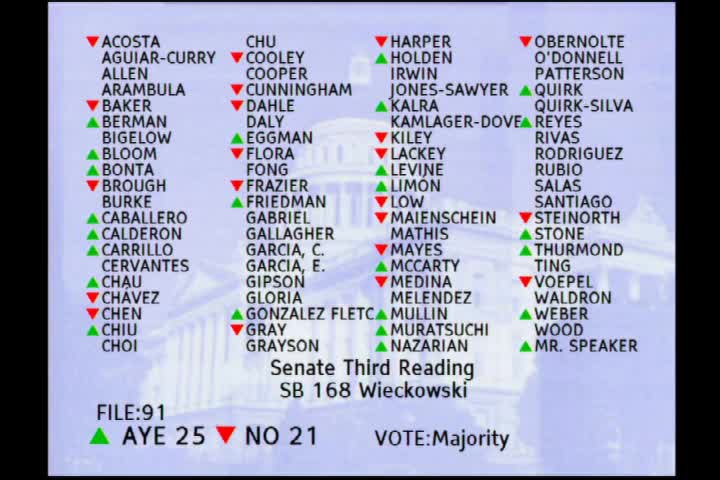


Bill Author

Bill Co-Author(s):